
User-e01f2306
11 Posts

User-e01f2306
Report
Block User
0 Following
0 Followers
0 Liked
Posts
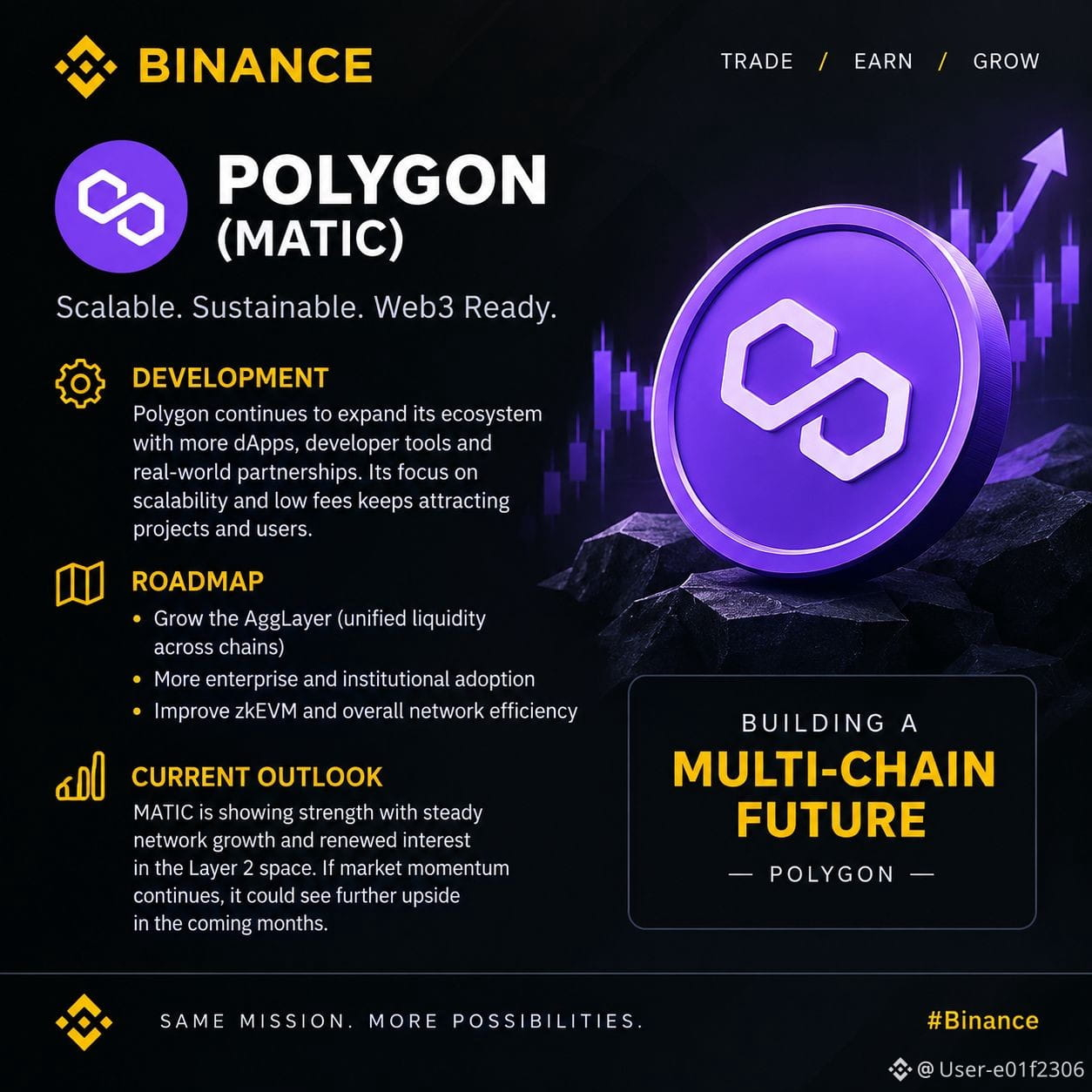
🟣 Polygon $POL : Building for the Multi-Chain Future
Polygon continues focusing on scaling Ethereum through its Layer-2 ecosystem, developer tools, and cross-chain infrastructure.
🚀 Development: Growth in dApps, network activity, and ecosystem adoption remains a key focus.
🗺️ Roadmap: Polygon is pushing its AggLayer vision, zk technology, and broader interoperability between chains.
📊 My take: Polygon remains an interesting project to watch as Ethereum scaling and Web3 adoption develop.
#Polygone #pol #Crypto_Jobs🎯 #BinanceSquareFamily #web3_binance
{spot}(POLUSDT)
🟣 Polygon $POL : Building for the Multi-Chain Future
Polygon continues focusing on scaling Ethereum through its Layer-2 ecosystem, developer tools, and cross-chain infrastructure.
🚀 Development: Growth in dApps, network activity, and ecosystem adoption remains a key focus.
🗺️ Roadmap: Polygon is pushing its AggLayer vision, zk technology, and broader interoperability between chains.
📊 My take: Polygon remains an interesting project to watch as Ethereum scaling and Web3 adoption develop.
#Polygone #pol #Crypto_Jobs🎯 #BinanceSquareFamily #web3_binance
Polygon continues focusing on scaling Ethereum through its Layer-2 ecosystem, developer tools, and cross-chain infrastructure.
🚀 Development: Growth in dApps, network activity, and ecosystem adoption remains a key focus.
🗺️ Roadmap: Polygon is pushing its AggLayer vision, zk technology, and broader interoperability between chains.
📊 My take: Polygon remains an interesting project to watch as Ethereum scaling and Web3 adoption develop.
#Polygone #pol #Crypto_Jobs🎯 #BinanceSquareFamily #web3_binance
181
$SOL looks ready to climb to $500.
Not long now before $SOL hits $500.
{spot}(SOLUSDT)
$SOL looks ready to climb to $500.
Not long now before $SOL hits $500.
Not long now before $SOL hits $500.

47
·
--
Bullish
Title: Beyond the Hype: Where Is Capital Flowing as AI Stocks Hit New Heights? #AIStocksWhatNext $NVDA
Nvidia’s massive demand projections and record tech revenue prove that compute expenditure isn't slowing down. However, as AI stock valuations stretch, the market is no longer seeing a uniform surge—it is shifting into a highly selective structural breakout.
Bullish or Bearish?
I remain cautiously bullish on the overall AI ecosystem, but selective on specific asset classes. While pure-play chip designers are pricing in years of future growth, the true asymmetric opportunities are moving downstream into energy infrastructure, optical networking, and AI-crypto decentralized physical infrastructure (DePIN).
State-Level Backing vs. Regulatory Caution
Industry leaders are urging caution over safety, yet state-level initiatives—like proposed national AI task forces and aggressive GDP growth forecasts—demonstrate that AI has transitioned from a Silicon Valley trend into a core geopolitical race. Government-backed infrastructure spending provides a massive long-term floor for enterprise tech stocks.
My Strategy & Alternative Opportunities:
Instead of chasing late-stage rallies on high-multiple tech giants, capital is rotating toward:
Energy & Power Utilities: AI data centers require unprecedented power, making clean energy and grid hardware long-term beneficiaries.
AI-Crypto Protocols: Compute marketplaces and decentralized data storage (e.g., $RENDER, NEAR, orFET) offer strong exposure to AI growth with liquid upside.
What’s your play? Are you holding the core semiconductor rally or diversifying into infrastructure? Let me know below! 👇
{stock_us}(NVDA.US)
Title: Beyond the Hype: Where Is Capital Flowing as AI Stocks Hit New Heights? #AIStocksWhatNext $NVDA
Nvidia’s massive demand projections and record tech revenue prove that compute expenditure isn't slowing down. However, as AI stock valuations stretch, the market is no longer seeing a uniform surge—it is shifting into a highly selective structural breakout.
Bullish or Bearish?
I remain cautiously bullish on the overall AI ecosystem, but selective on specific asset classes. While pure-play chip designers are pricing in years of future growth, the true asymmetric opportunities are moving downstream into energy infrastructure, optical networking, and AI-crypto decentralized physical infrastructure (DePIN).
State-Level Backing vs. Regulatory Caution
Industry leaders are urging caution over safety, yet state-level initiatives—like proposed national AI task forces and aggressive GDP growth forecasts—demonstrate that AI has transitioned from a Silicon Valley trend into a core geopolitical race. Government-backed infrastructure spending provides a massive long-term floor for enterprise tech stocks.
My Strategy & Alternative Opportunities:
Instead of chasing late-stage rallies on high-multiple tech giants, capital is rotating toward:
Energy & Power Utilities: AI data centers require unprecedented power, making clean energy and grid hardware long-term beneficiaries.
AI-Crypto Protocols: Compute marketplaces and decentralized data storage (e.g., $RENDER, NEAR, orFET) offer strong exposure to AI growth with liquid upside.
What’s your play? Are you holding the core semiconductor rally or diversifying into infrastructure? Let me know below! 👇
Nvidia’s massive demand projections and record tech revenue prove that compute expenditure isn't slowing down. However, as AI stock valuations stretch, the market is no longer seeing a uniform surge—it is shifting into a highly selective structural breakout.
Bullish or Bearish?
I remain cautiously bullish on the overall AI ecosystem, but selective on specific asset classes. While pure-play chip designers are pricing in years of future growth, the true asymmetric opportunities are moving downstream into energy infrastructure, optical networking, and AI-crypto decentralized physical infrastructure (DePIN).
State-Level Backing vs. Regulatory Caution
Industry leaders are urging caution over safety, yet state-level initiatives—like proposed national AI task forces and aggressive GDP growth forecasts—demonstrate that AI has transitioned from a Silicon Valley trend into a core geopolitical race. Government-backed infrastructure spending provides a massive long-term floor for enterprise tech stocks.
My Strategy & Alternative Opportunities:
Instead of chasing late-stage rallies on high-multiple tech giants, capital is rotating toward:
Energy & Power Utilities: AI data centers require unprecedented power, making clean energy and grid hardware long-term beneficiaries.
AI-Crypto Protocols: Compute marketplaces and decentralized data storage (e.g., $RENDER, NEAR, orFET) offer strong exposure to AI growth with liquid upside.
What’s your play? Are you holding the core semiconductor rally or diversifying into infrastructure? Let me know below! 👇
135
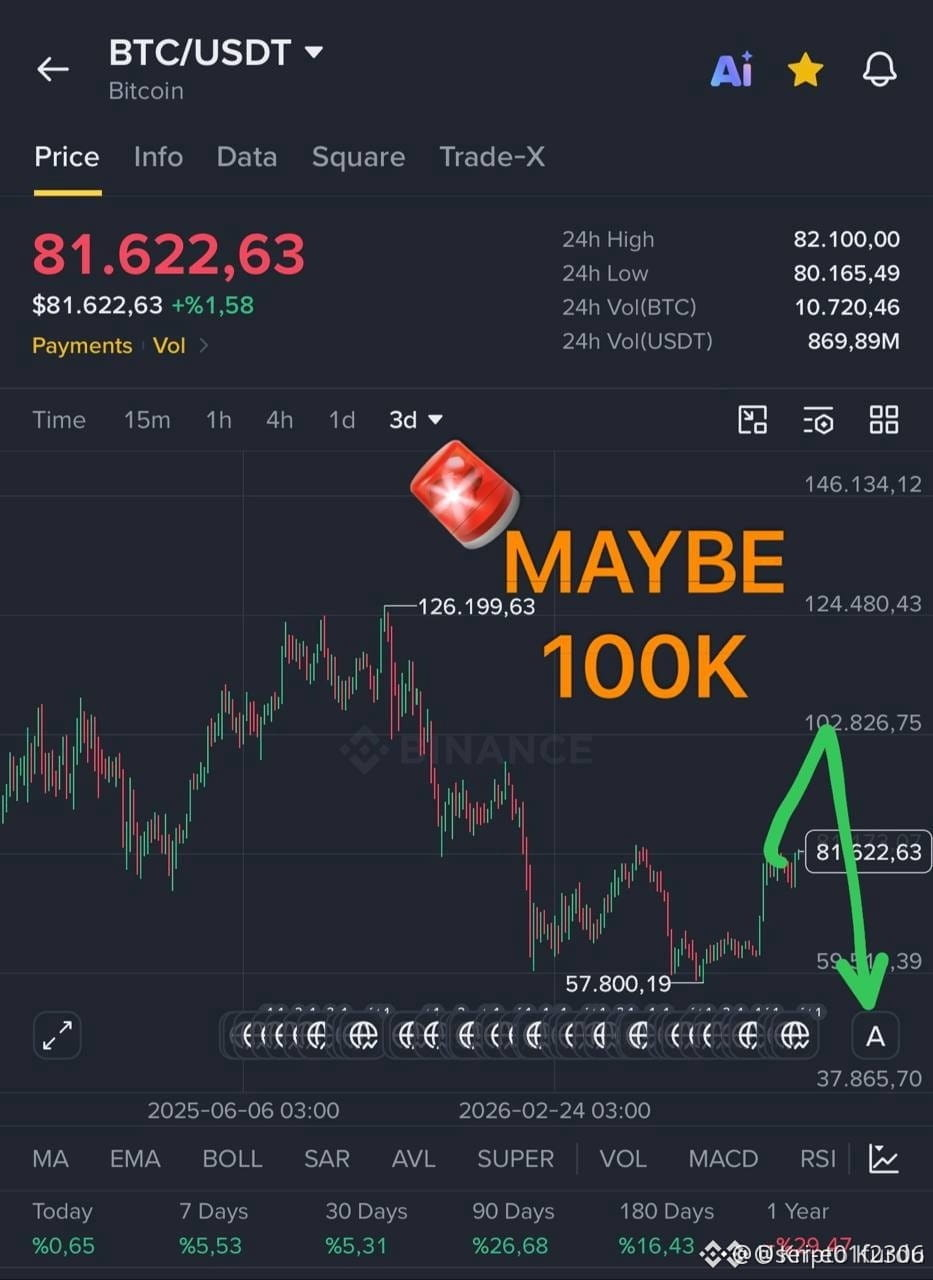
$BTC C IS STILL VERY BULLISH! WHY?
I know this question is on everyone’s mind. Interest rates are rising, global crises continue so why is #Bitcoin going up?
It’s not normal to attribute this to a single reason! Because everyone already knew interest rates were going to rise.
This wasn’t something significant or unusual that needed to be analyzed.
When everyone is expecting a drop, that’s exactly when you see it happen. Of course, it wasn’t going to drop.
The day people lose hope and close their short positions that’s when the drop will come.
{spot}(BTCUSDT)
$BTC C IS STILL VERY BULLISH! WHY?
I know this question is on everyone’s mind. Interest rates are rising, global crises continue so why is #Bitcoin going up?
It’s not normal to attribute this to a single reason! Because everyone already knew interest rates were going to rise.
This wasn’t something significant or unusual that needed to be analyzed.
When everyone is expecting a drop, that’s exactly when you see it happen. Of course, it wasn’t going to drop.
The day people lose hope and close their short positions that’s when the drop will come.
I know this question is on everyone’s mind. Interest rates are rising, global crises continue so why is #Bitcoin going up?
It’s not normal to attribute this to a single reason! Because everyone already knew interest rates were going to rise.
This wasn’t something significant or unusual that needed to be analyzed.
When everyone is expecting a drop, that’s exactly when you see it happen. Of course, it wasn’t going to drop.
The day people lose hope and close their short positions that’s when the drop will come.
1
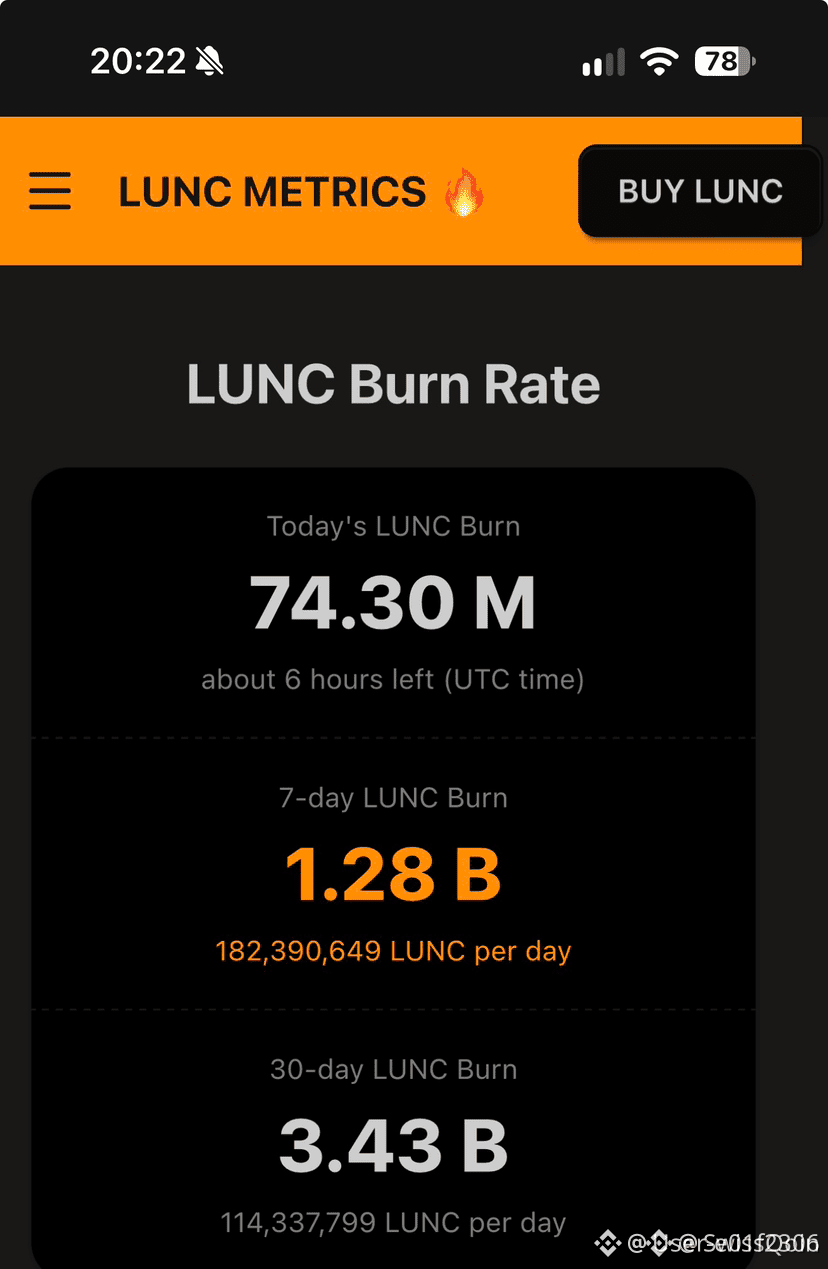
$LUNC After months of silence, LUNC is finally waking up!If this trend holds up, we will delete a zero this month! 🔥
The numbers speak for themselves:
7-day burn: 1.28 billion LUNC destroyed
30-day burn: 3.43 billion LUNC destroyed
The community is burning relentlessly. The momentum is back! 💎🙌
{spot}(LUNCUSDT)
$LUNC After months of silence, LUNC is finally waking up!If this trend holds up, we will delete a zero this month! 🔥
The numbers speak for themselves:
7-day burn: 1.28 billion LUNC destroyed
30-day burn: 3.43 billion LUNC destroyed
The community is burning relentlessly. The momentum is back! 💎🙌
The numbers speak for themselves:
7-day burn: 1.28 billion LUNC destroyed
30-day burn: 3.43 billion LUNC destroyed
The community is burning relentlessly. The momentum is back! 💎🙌
6
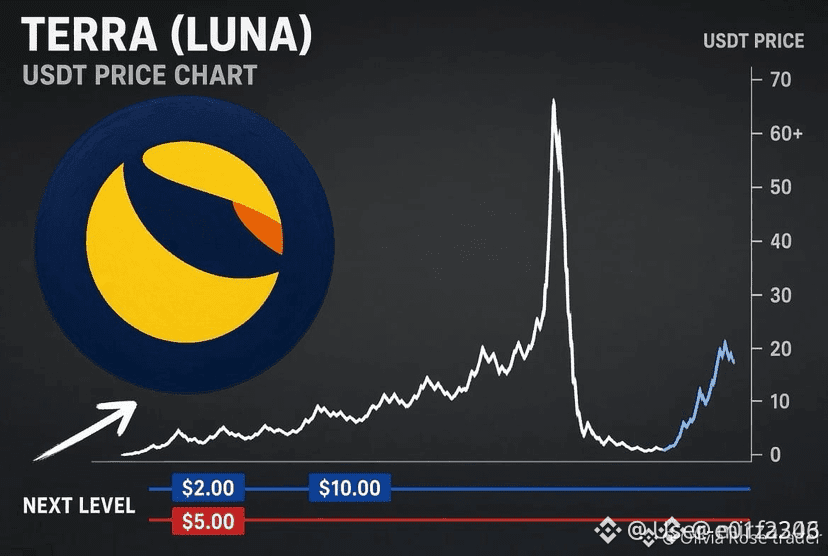
#Can $LUNC reach $0.1 or $1? 🧐
Possible ?
{spot}(LUNCUSDT)
#Can $LUNC reach $0.1 or $1? 🧐
Possible ?
Possible ?
5
$LINK
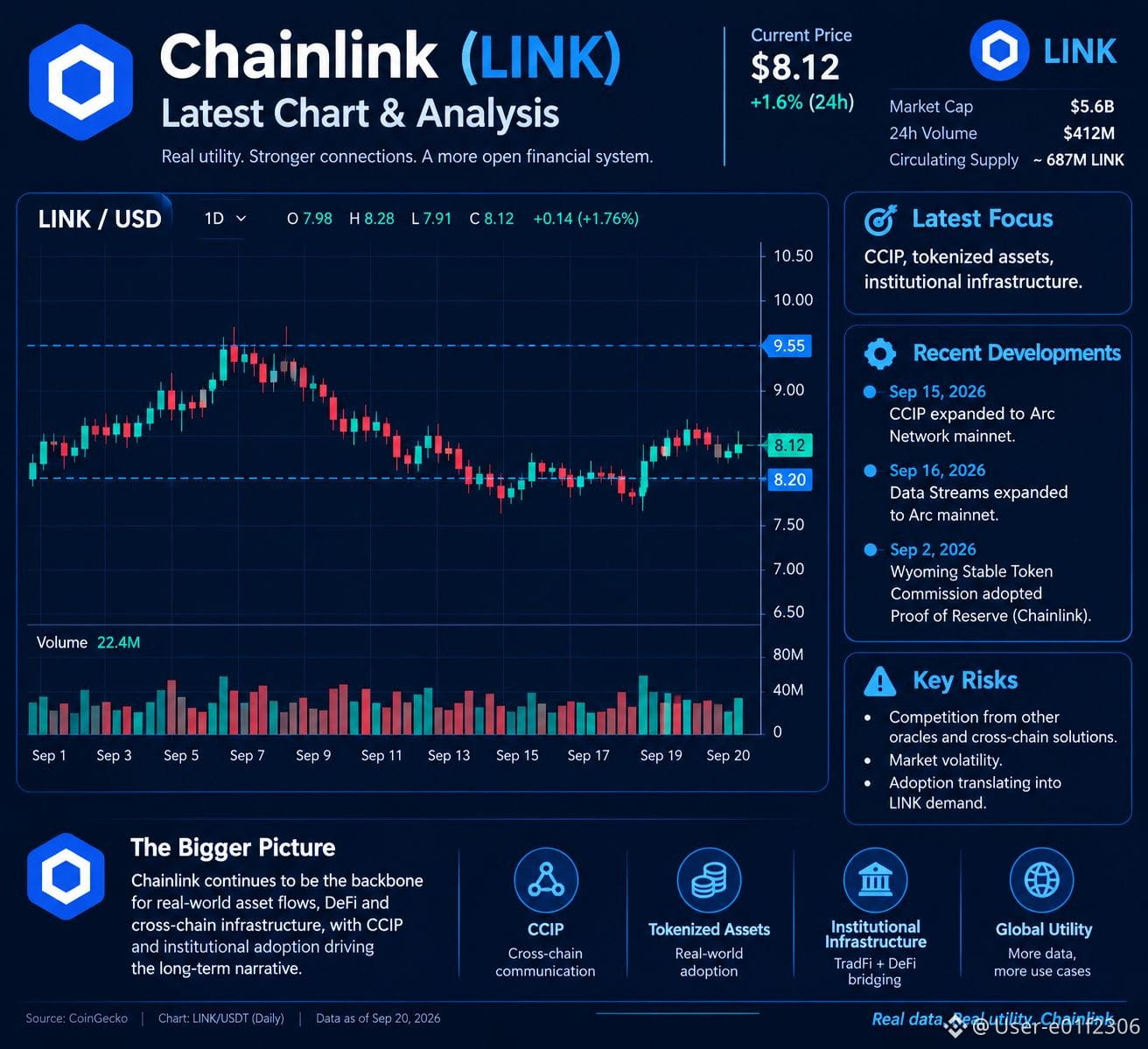
Chainlink continues expanding beyond traditional oracle services, with CCIP, tokenized assets, and institutional infrastructure becoming major parts of its ecosystem. Recent developments include CCIP and Data Streams expanding to Arc mainnet, while Chainlink also continues work with institutional and tokenization projects.
Chart levels: around $8.12, with $8.20 as a key nearby support and $9.55 as resistance shown in the chart. The main risks remain market volatility, competition, and whether growing network adoption translates into sustained LINK demand.
#LINKUSD #BOJRaisesRatesTo31YearHigh #XRPExchangeReservesHitSevenYearLow
{spot}(LINKUSDT)
$LINK
Chainlink continues expanding beyond traditional oracle services, with CCIP, tokenized assets, and institutional infrastructure becoming major parts of its ecosystem. Recent developments include CCIP and Data Streams expanding to Arc mainnet, while Chainlink also continues work with institutional and tokenization projects.
Chart levels: around $8.12, with $8.20 as a key nearby support and $9.55 as resistance shown in the chart. The main risks remain market volatility, competition, and whether growing network adoption translates into sustained LINK demand.
#LINKUSD #BOJRaisesRatesTo31YearHigh #XRPExchangeReservesHitSevenYearLow
Chainlink continues expanding beyond traditional oracle services, with CCIP, tokenized assets, and institutional infrastructure becoming major parts of its ecosystem. Recent developments include CCIP and Data Streams expanding to Arc mainnet, while Chainlink also continues work with institutional and tokenization projects.
Chart levels: around $8.12, with $8.20 as a key nearby support and $9.55 as resistance shown in the chart. The main risks remain market volatility, competition, and whether growing network adoption translates into sustained LINK demand.
#LINKUSD #BOJRaisesRatesTo31YearHigh #XRPExchangeReservesHitSevenYearLow
49
🔷$POL
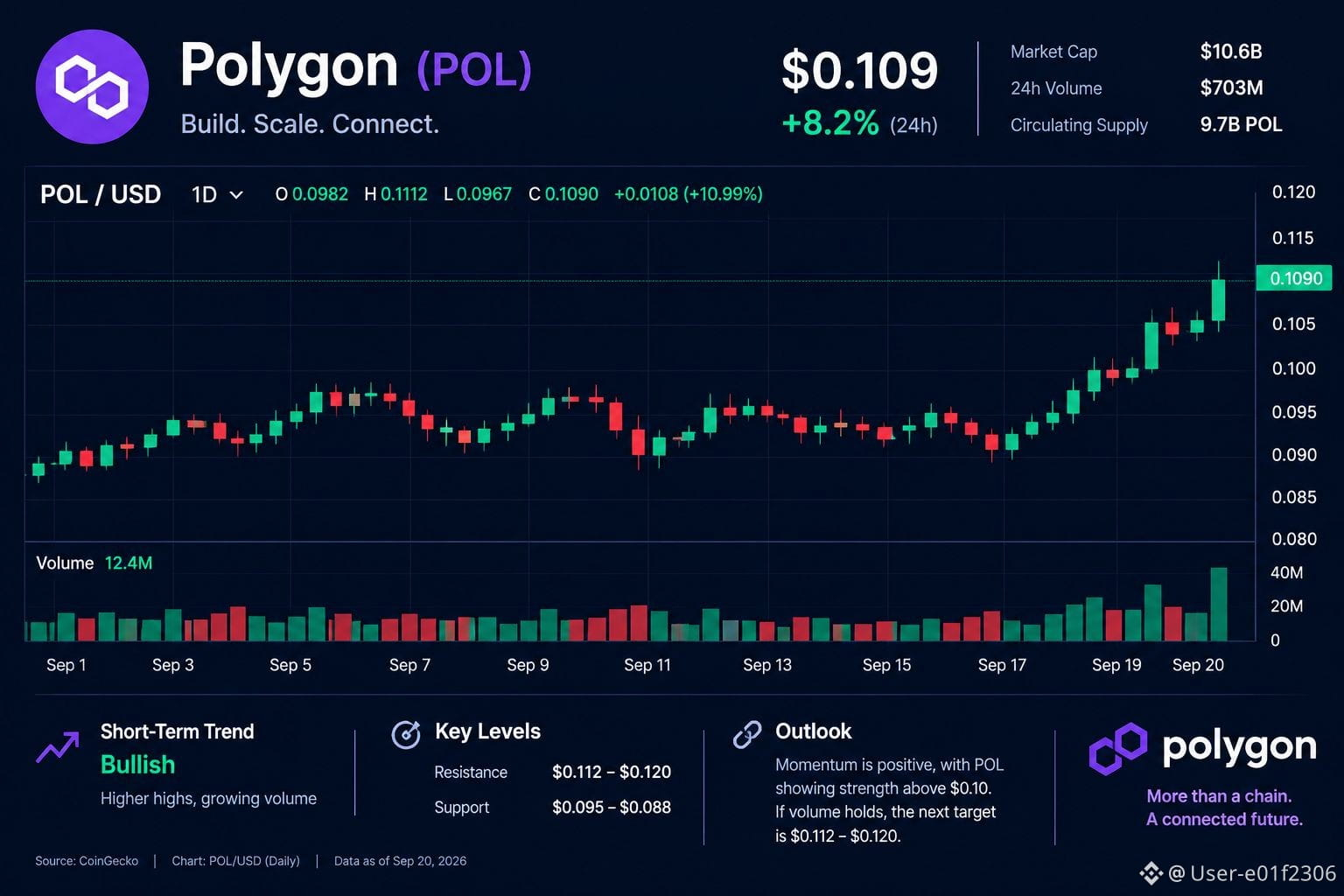
Polygon is increasingly focused on payments and cross-chain infrastructure rather than simply being an Ethereum scaling network. Its recent development includes the Open Money Stack, designed for stablecoin payments, wallets, fiat on/off-ramps and cross-border transfers.
Main focus: Payments + stablecoins + AggLayer interoperability.
Roadmap: Polygon is targeting extremely high throughput through its Gigagas initiative.
POL: The former MATIC token has transitioned to POL, which is now the ecosystem token.
Recent development: Polygon announced direct-to-bank stablecoin transfers through Stable.com on September 17, 2026.
Key risk: Competition from other high-throughput chains and the need for Polygon's new payment infrastructure to gain sustained adoption.
Overall: Polygon's current story is shifting toward real-world payments and interconnected blockchain infrastructure, with POL at the center of that ecosystem.
{spot}(POLUSDT)
🔷$POL
Polygon is increasingly focused on payments and cross-chain infrastructure rather than simply being an Ethereum scaling network. Its recent development includes the Open Money Stack, designed for stablecoin payments, wallets, fiat on/off-ramps and cross-border transfers.
Main focus: Payments + stablecoins + AggLayer interoperability.
Roadmap: Polygon is targeting extremely high throughput through its Gigagas initiative.
POL: The former MATIC token has transitioned to POL, which is now the ecosystem token.
Recent development: Polygon announced direct-to-bank stablecoin transfers through Stable.com on September 17, 2026.
Key risk: Competition from other high-throughput chains and the need for Polygon's new payment infrastructure to gain sustained adoption.
Overall: Polygon's current story is shifting toward real-world payments and interconnected blockchain infrastructure, with POL at the center of that ecosystem.
Polygon is increasingly focused on payments and cross-chain infrastructure rather than simply being an Ethereum scaling network. Its recent development includes the Open Money Stack, designed for stablecoin payments, wallets, fiat on/off-ramps and cross-border transfers.
Main focus: Payments + stablecoins + AggLayer interoperability.
Roadmap: Polygon is targeting extremely high throughput through its Gigagas initiative.
POL: The former MATIC token has transitioned to POL, which is now the ecosystem token.
Recent development: Polygon announced direct-to-bank stablecoin transfers through Stable.com on September 17, 2026.
Key risk: Competition from other high-throughput chains and the need for Polygon's new payment infrastructure to gain sustained adoption.
Overall: Polygon's current story is shifting toward real-world payments and interconnected blockchain infrastructure, with POL at the center of that ecosystem.
188
·
--
Bullish
$SOL
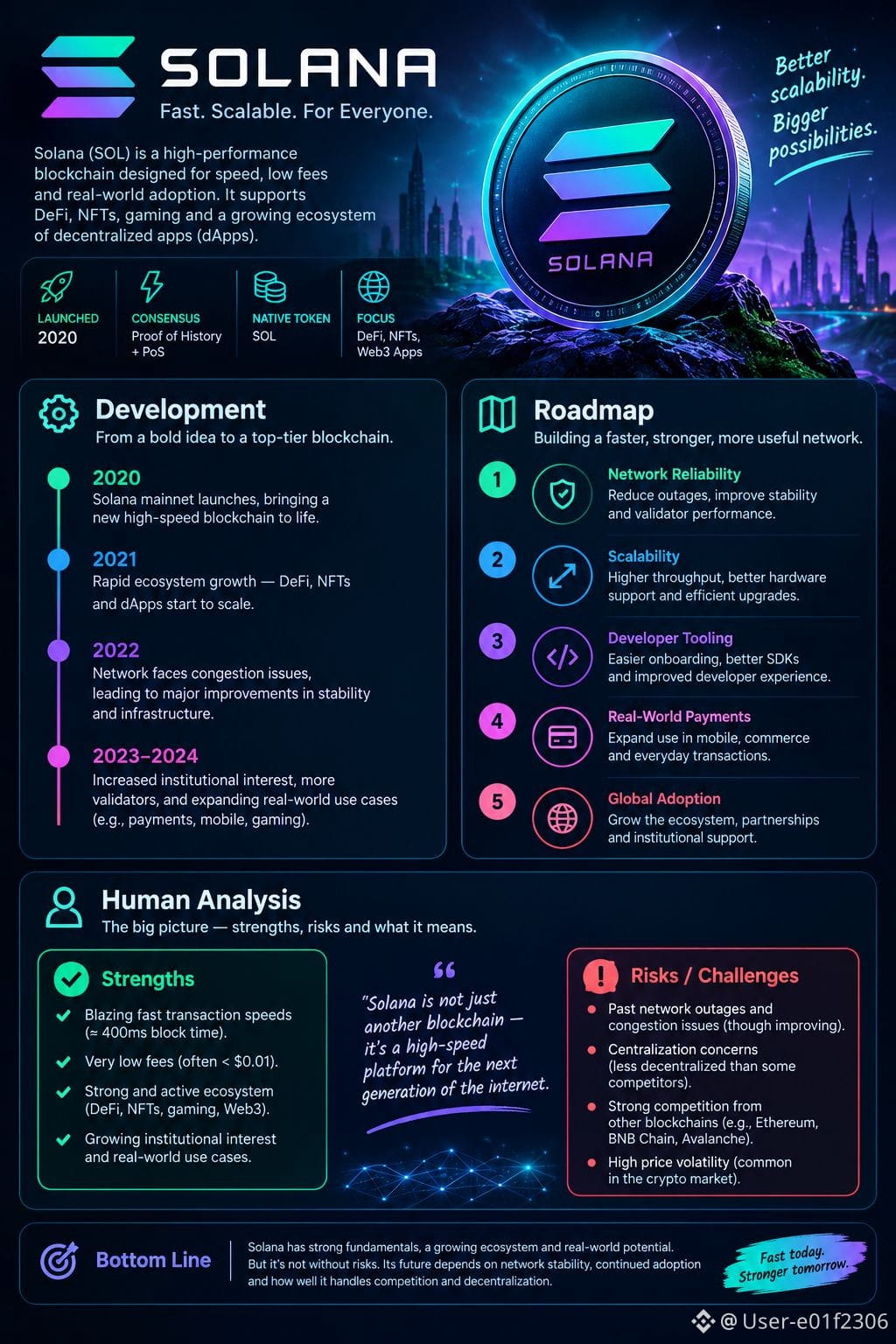
Development: Solana launched in 2020 and has grown into a major high-speed blockchain supporting DeFi, NFTs, payments and other applications. Recent development has focused heavily on validator performance, Firedancer, larger block capacity and faster slot times.
Roadmap: The main focus is improving scalability, reliability, transaction speed, developer tools and real-world payments. In September 2026, Solana reached a 250ms slot-time target on mainnet alongside Transaction V1 improvements.
Human take: Solana’s biggest appeal is its combination of speed, low-cost transactions and a growing ecosystem. The main things to watch are network reliability, decentralization, competition and whether real-world usage continues to expand.
Bottom line: Solana is a technically ambitious blockchain, but its long-term success will depend on turning performance advantages into sustainable adoption.
{spot}(SOLUSDT)
$SOL
Development: Solana launched in 2020 and has grown into a major high-speed blockchain supporting DeFi, NFTs, payments and other applications. Recent development has focused heavily on validator performance, Firedancer, larger block capacity and faster slot times.
Roadmap: The main focus is improving scalability, reliability, transaction speed, developer tools and real-world payments. In September 2026, Solana reached a 250ms slot-time target on mainnet alongside Transaction V1 improvements.
Human take: Solana’s biggest appeal is its combination of speed, low-cost transactions and a growing ecosystem. The main things to watch are network reliability, decentralization, competition and whether real-world usage continues to expand.
Bottom line: Solana is a technically ambitious blockchain, but its long-term success will depend on turning performance advantages into sustainable adoption.
Development: Solana launched in 2020 and has grown into a major high-speed blockchain supporting DeFi, NFTs, payments and other applications. Recent development has focused heavily on validator performance, Firedancer, larger block capacity and faster slot times.
Roadmap: The main focus is improving scalability, reliability, transaction speed, developer tools and real-world payments. In September 2026, Solana reached a 250ms slot-time target on mainnet alongside Transaction V1 improvements.
Human take: Solana’s biggest appeal is its combination of speed, low-cost transactions and a growing ecosystem. The main things to watch are network reliability, decentralization, competition and whether real-world usage continues to expand.
Bottom line: Solana is a technically ambitious blockchain, but its long-term success will depend on turning performance advantages into sustainable adoption.
67
$BTC
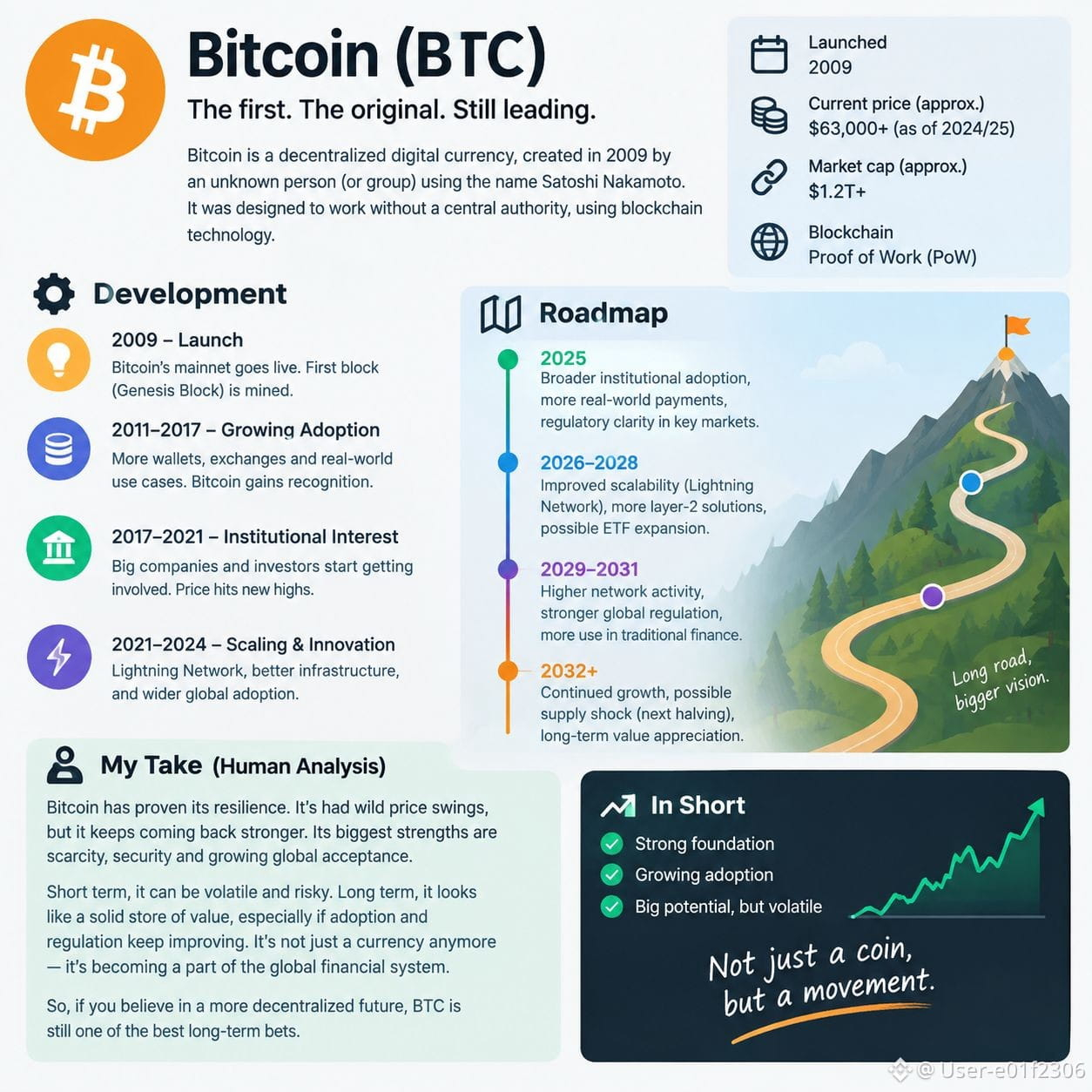
Development: Launched in 2009, Bitcoin evolved from an experimental digital currency into a globally recognized crypto asset. Major milestones include wider exchange adoption, institutional interest, the Lightning Network, and increasing integration with traditional finance.
Roadmap: Bitcoin doesn’t have a fixed corporate roadmap. Its future development mainly focuses on scaling through Layer-2 networks, improving usability, security, privacy, and broader real-world adoption.
Human take: Bitcoin’s biggest strengths are its scarcity, decentralization, and long operating history. Its biggest weakness is still high price volatility, so its future depends heavily on adoption, regulation, and continued technical development.
{spot}(BTCUSDT)
$BTC
Development: Launched in 2009, Bitcoin evolved from an experimental digital currency into a globally recognized crypto asset. Major milestones include wider exchange adoption, institutional interest, the Lightning Network, and increasing integration with traditional finance.
Roadmap: Bitcoin doesn’t have a fixed corporate roadmap. Its future development mainly focuses on scaling through Layer-2 networks, improving usability, security, privacy, and broader real-world adoption.
Human take: Bitcoin’s biggest strengths are its scarcity, decentralization, and long operating history. Its biggest weakness is still high price volatility, so its future depends heavily on adoption, regulation, and continued technical development.
Development: Launched in 2009, Bitcoin evolved from an experimental digital currency into a globally recognized crypto asset. Major milestones include wider exchange adoption, institutional interest, the Lightning Network, and increasing integration with traditional finance.
Roadmap: Bitcoin doesn’t have a fixed corporate roadmap. Its future development mainly focuses on scaling through Layer-2 networks, improving usability, security, privacy, and broader real-world adoption.
Human take: Bitcoin’s biggest strengths are its scarcity, decentralization, and long operating history. Its biggest weakness is still high price volatility, so its future depends heavily on adoption, regulation, and continued technical development.
60
Article
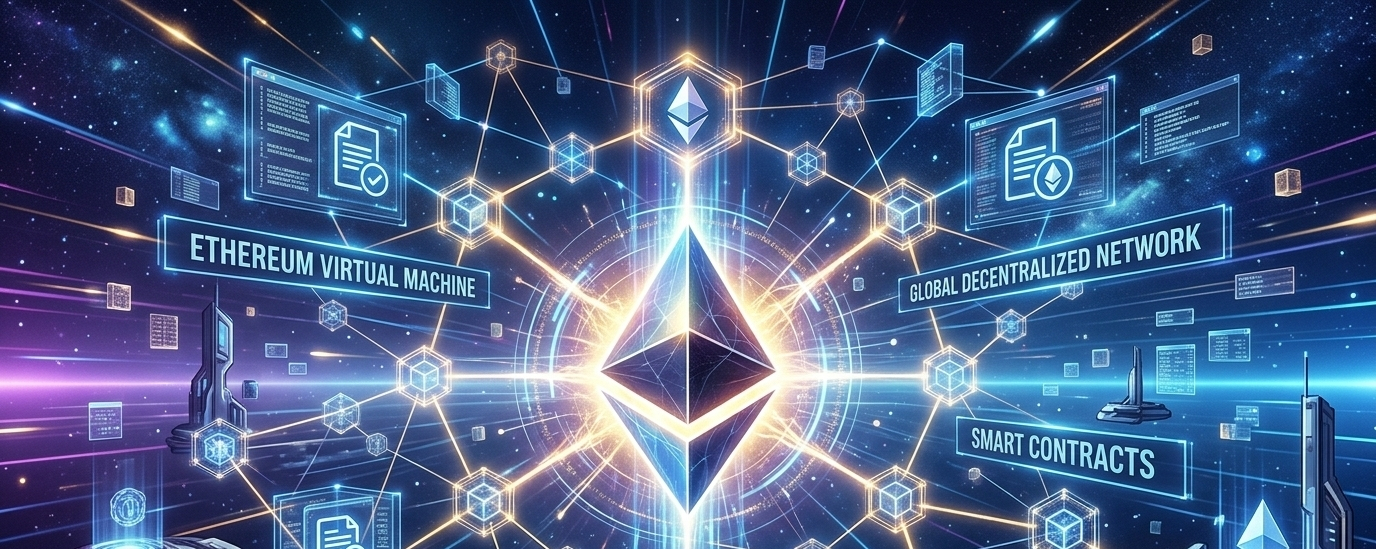
$ETHEthereum ($ETH): Development and Roadmap Analysis
When looking at the crypto landscape, Ethereum stands out not just as a digital currency, but as a foundational technological shift. While Bitcoin set out to be digital gold, Ethereum introduced the world to programmable money through smart contracts and the Ethereum Virtual Machine (EVM). Here is a human-centric look at how it developed and where its roadmap is taking it.
1. The Evolution and Development Journey
Inception & Launch (2013–2015): Proposed by Vitalik Buterin in late 2013 and launched in July 2015, Ethereum solved what many saw as Bitcoin's limitation: its lack of Turing-complete programmability. It allowed developers to build decentralized applications (dApps) directly on a blockchain.
The DAO Era & Hard Fork (2016): An early, painful growing pain occurred when a vulnerability in a major project called The DAO led to a massive hack. The community chose to hard fork the network to recover funds, creating a philosophical divide (Ethereum vs. Ethereum Classic) that ultimately proved Ethereum's resilience and community-driven nature.
DeFi and NFT Booms (2020–2021): Ethereum became the undisputed backbone for Decentralized Finance (DeFi) and the Non-Fungible Token (NFT) explosion, proving its utility despite skyrocketing gas fees during peak usage.
The Merge (2022): Arguably the biggest technical milestone in crypto history, Ethereum successfully transitioned from a high-energy Proof-of-Work (PoW) consensus mechanism to an eco-friendly Proof-of-Stake (PoS) system, slashing its energy consumption by over 99.9%.
2. The Current Roadmap and Future Outlook
Ethereum’s roadmap is meticulously phased to solve scalability, security, and decentralization challenges (often referred to by Vitalik Buterin as the "rollup-centric roadmap"):
The Surge: Focused on massive scalability primarily through Layer 2 rollups (like Arbitrum, Optimism, and Base). Upgrades like EIP-4844 (Proto-Danksharding) have drastically reduced transaction fees on these scaling networks.
The Scourge: Aims to ensure censorship resistance and mitigate centralization risks in block building, keeping the network democratic and secure.
The Verge & The Purge: Focus on making verification lightweight (via Verkle trees) and cleaning up historical data so that nodes don't require massive hard drives to run.
The Splurge: A catch-all for various other improvements and fine-tuning to ensure long-term stability and cryptographic robustness.
Summary
Ethereum's journey has been defined by bold, often risky upgrades executed in real-time under immense market pressure. While competitors ("Ethereum killers") often promise faster speeds or lower base-layer fees, Ethereum's deep developer ecosystem, unmatched security, and clear, structured roadmap continue to keep it at the center of the Web3 evolution.
#EthereumSurpasses$2700 #ETH #Ethereum
$ETH
Ethereum ($ETH): Development and Roadmap Analysis
When looking at the crypto landscape, Ethereum stands out not just as a digital currency, but as a foundational technological shift. While Bitcoin set out to be digital gold, Ethereum introduced the world to programmable money through smart contracts and the Ethereum Virtual Machine (EVM). Here is a human-centric look at how it developed and where its roadmap is taking it.
1. The Evolution and Development Journey
Inception & Launch (2013–2015): Proposed by Vitalik Buterin in late 2013 and launched in July 2015, Ethereum solved what many saw as Bitcoin's limitation: its lack of Turing-complete programmability. It allowed developers to build decentralized applications (dApps) directly on a blockchain.
The DAO Era & Hard Fork (2016): An early, painful growing pain occurred when a vulnerability in a major project called The DAO led to a massive hack. The community chose to hard fork the network to recover funds, creating a philosophical divide (Ethereum vs. Ethereum Classic) that ultimately proved Ethereum's resilience and community-driven nature.
DeFi and NFT Booms (2020–2021): Ethereum became the undisputed backbone for Decentralized Finance (DeFi) and the Non-Fungible Token (NFT) explosion, proving its utility despite skyrocketing gas fees during peak usage.
The Merge (2022): Arguably the biggest technical milestone in crypto history, Ethereum successfully transitioned from a high-energy Proof-of-Work (PoW) consensus mechanism to an eco-friendly Proof-of-Stake (PoS) system, slashing its energy consumption by over 99.9%.
2. The Current Roadmap and Future Outlook
Ethereum’s roadmap is meticulously phased to solve scalability, security, and decentralization challenges (often referred to by Vitalik Buterin as the "rollup-centric roadmap"):
The Surge: Focused on massive scalability primarily through Layer 2 rollups (like Arbitrum, Optimism, and Base). Upgrades like EIP-4844 (Proto-Danksharding) have drastically reduced transaction fees on these scaling networks.
The Scourge: Aims to ensure censorship resistance and mitigate centralization risks in block building, keeping the network democratic and secure.
The Verge & The Purge: Focus on making verification lightweight (via Verkle trees) and cleaning up historical data so that nodes don't require massive hard drives to run.
The Splurge: A catch-all for various other improvements and fine-tuning to ensure long-term stability and cryptographic robustness.
Summary
Ethereum's journey has been defined by bold, often risky upgrades executed in real-time under immense market pressure. While competitors ("Ethereum killers") often promise faster speeds or lower base-layer fees, Ethereum's deep developer ecosystem, unmatched security, and clear, structured roadmap continue to keep it at the center of the Web3 evolution.
#EthereumSurpasses$2700 #ETH #Ethereum
When looking at the crypto landscape, Ethereum stands out not just as a digital currency, but as a foundational technological shift. While Bitcoin set out to be digital gold, Ethereum introduced the world to programmable money through smart contracts and the Ethereum Virtual Machine (EVM). Here is a human-centric look at how it developed and where its roadmap is taking it.
1. The Evolution and Development Journey
Inception & Launch (2013–2015): Proposed by Vitalik Buterin in late 2013 and launched in July 2015, Ethereum solved what many saw as Bitcoin's limitation: its lack of Turing-complete programmability. It allowed developers to build decentralized applications (dApps) directly on a blockchain.
The DAO Era & Hard Fork (2016): An early, painful growing pain occurred when a vulnerability in a major project called The DAO led to a massive hack. The community chose to hard fork the network to recover funds, creating a philosophical divide (Ethereum vs. Ethereum Classic) that ultimately proved Ethereum's resilience and community-driven nature.
DeFi and NFT Booms (2020–2021): Ethereum became the undisputed backbone for Decentralized Finance (DeFi) and the Non-Fungible Token (NFT) explosion, proving its utility despite skyrocketing gas fees during peak usage.
The Merge (2022): Arguably the biggest technical milestone in crypto history, Ethereum successfully transitioned from a high-energy Proof-of-Work (PoW) consensus mechanism to an eco-friendly Proof-of-Stake (PoS) system, slashing its energy consumption by over 99.9%.
2. The Current Roadmap and Future Outlook
Ethereum’s roadmap is meticulously phased to solve scalability, security, and decentralization challenges (often referred to by Vitalik Buterin as the "rollup-centric roadmap"):
The Surge: Focused on massive scalability primarily through Layer 2 rollups (like Arbitrum, Optimism, and Base). Upgrades like EIP-4844 (Proto-Danksharding) have drastically reduced transaction fees on these scaling networks.
The Scourge: Aims to ensure censorship resistance and mitigate centralization risks in block building, keeping the network democratic and secure.
The Verge & The Purge: Focus on making verification lightweight (via Verkle trees) and cleaning up historical data so that nodes don't require massive hard drives to run.
The Splurge: A catch-all for various other improvements and fine-tuning to ensure long-term stability and cryptographic robustness.
Summary
Ethereum's journey has been defined by bold, often risky upgrades executed in real-time under immense market pressure. While competitors ("Ethereum killers") often promise faster speeds or lower base-layer fees, Ethereum's deep developer ecosystem, unmatched security, and clear, structured roadmap continue to keep it at the center of the Web3 evolution.
#EthereumSurpasses$2700 #ETH #Ethereum
97
Log in to explore more content
Join global crypto users on Binance Square
⚡️ Get latest and useful information about crypto.
💬 Trusted by the world’s largest crypto exchange.
👍 Discover real insights from verified creators.
Email / Phone number
Trending Topics
AIStocksWhatNext
183,764 views
2,079 Discussing
Share & Win Traffic Reward in our Trending Hashtag Campaign
✨Topic: What Other Investment Opportunities Remain as AI Stocks Keep Rising?
👉How to Join:
Publish a short post or article with hashtag #AIStocksWhatNext
Share whether you’re bullish or bearish, and post your AI stock holdings or trade — using the trade widget may improve your eligibility.
You can also strengthen your post by sharing data or charts, and avoiding AI-generated images.
✍️Create content based on the below angles:
- Nvidia says chip sales will double next year, and top AI companies keep hitting record revenue, the compute spend behind it is just as staggering. Is AI demand really taking off? And how long can it last? AI stocks are up across the board. Is this a real breakout, or just a short-term bounce?
- Industry leaders are calling to slow down AI development, while Trump plans to build an “AI Force”, claiming AI could account for 25% of U.S. GDP in the future. Whose side are you on? Will state-level backing be a long-term win for AI stocks?
- Are you buying AI stocks? Share your AI-related trade/holdings with our trade sharing widget.
⏰Campaign Period:
- 2026-09-22 7:00 - 2026-09-24 4:00 UTC
🎁Reward:
- Qualified posts that comply with the above guidelines and contain more than 100 words will be reviewed and may receive a random traffic boost of 500 to 3,000 views. You will receive a notification from your feed secretary if your post is selected.
- Get a chance to have your article featured on Binance Square Official
Need ideas for your post? Visit the topic page #AIStocksWhatNext or the Square Guide on How to Post for Better Reach.
Binance Square Official
·278 Likes
·583k views
BitcoinBreaksAboveMayHighNears$86K
5,978 views
107 Discussing
DogecoinRises15%
14,854 views
603 Discussing