
Sergei Sadkov
124 Posts

Sergei Sadkov
Report
Block User
CEO Yield AI. Победитель хакатонов Aptos и Solana. Консультировал Нацбанк Казахстана. DeFi, AI, криптоинвестиции и реальные стратегии. Подписывайтесь!

Video Creator
Open Trade

BTC Holder
Frequent Trader
4.6 Years
10 Following
260 Followers
374 Liked
1 Badges
Posts
Portfolio
All
Videos
PINNED
🇰🇿 A new decree from the President of Kazakhstan could significantly change the development of the local crypto market.
I will highlight four main areas.
1. Tax incentives
2. Stablecoins and international payments
3. Tokenization of assets
4. Regulation of DeFi
For now, these are only the stated directions: specific laws, terms, and infrastructure will appear later.
I will highlight four main areas.
1. Tax incentives
2. Stablecoins and international payments
3. Tokenization of assets
4. Regulation of DeFi
For now, these are only the stated directions: specific laws, terms, and infrastructure will appear later.
7
38
30.6k
Who pays the yield in DeFi?
I break down two sources: user payments—borrowers’ interest and exchange fees—and additional protocol rewards.
A high APR doesn’t guarantee profits in dollars: the token may lose value, and bonuses may run out. Consider the risks of smart contracts, liquidity, and liquidation when borrowing. The figures in the video example reflect the time of recording.
Subscribe—I explore DeFi in practice.
#DeFi #Cryptocurrency
1.6k
You can change a crypto wallet’s “password”—its private key—and keep the same address. For example, with NEAR and Aptos. This refers to an on-chain account, not an exchange password.
With NEAR, you need to add a new key and delete the old one. If the key is compromised, it’s a race against the attacker, not a guarantee that you’ll be safe. The new key must be independent of the leaked seed phrase.
Write “KEY” in the comments and I’ll put together a step-by-step guide.
#NEAR #Aptos #CryptoSecurity
2
2.1k
How Binance was hacked for $6.34 billion
A tampered installer, a fake job interview, and a take-home test on a work computer — this is how the attackers reached the wallet-signing service.
Why suspending withdrawals didn’t stop the theft, and how an allowance had to be revoked on Ethereum — in the video.
According to Binance’s update on November 4, around 98% of the affected assets have been replenished. The exchange said it would cover the losses.
#Binance #Security
1
4.1k
Where do you store cryptocurrency?
Where do you store cryptocurrency?
Только на криптобиржах
Ещё есть криптокошелёк
+ использую DeFi
Использую мультисиг
4 min(s) left
47
Article
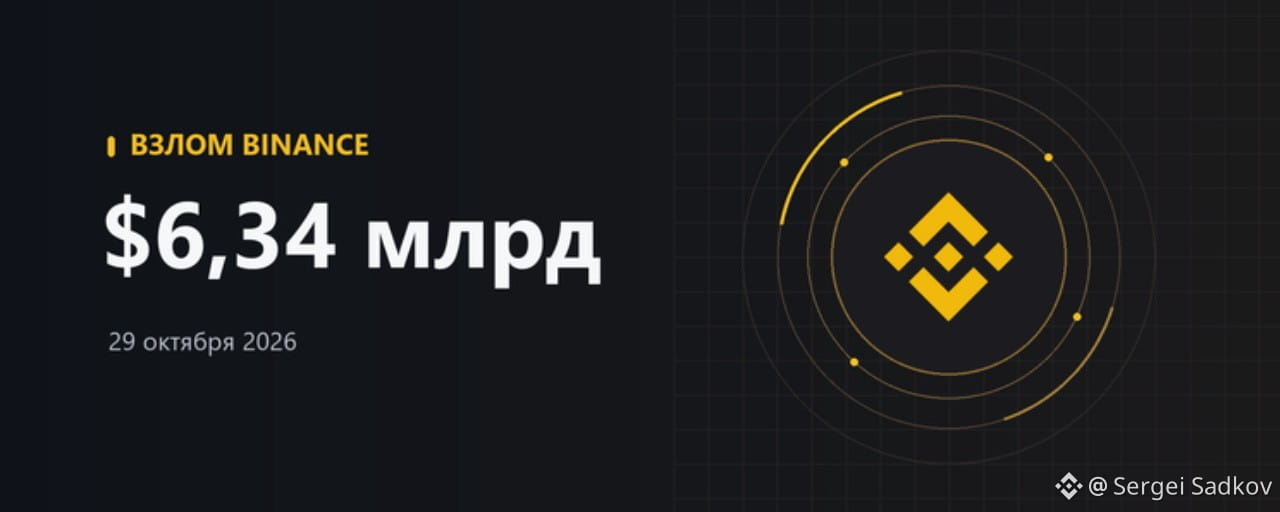
How Binance was hacked for $6.34 billionOn October 29, 2026, assets began leaving Binance’s hot wallets across several networks. The exchange estimated that the attack affected around $6.34 billion. The first major transfers took just minutes.
How they got access to the wallets
In June, a Binance engineer used a search engine to look for an AI coding tool and downloaded a tampered Homebrew installer. The report does not make clear whether the trap was originally designed to target Binance. Biance system administrators detected and removed the malware, but the attackers had already learned what the engineer was working on and who else worked with the wallets.
How Binance was hacked for $6.34 billion
On October 29, 2026, assets began leaving Binance’s hot wallets across several networks. The exchange estimated that the attack affected around $6.34 billion. The first major transfers took just minutes.
How they got access to the wallets
In June, a Binance engineer used a search engine to look for an AI coding tool and downloaded a tampered Homebrew installer. The report does not make clear whether the trap was originally designed to target Binance. Biance system administrators detected and removed the malware, but the attackers had already learned what the engineer was working on and who else worked with the wallets.
581
🔸 Why did CNBC bring up FTX after the Binance hack?
The host reminded viewers that after FTX collapsed, the crypto industry had promised to become more transparent and secure. Teng replied that FTX didn’t have its customers’ money. He suggested Binance users check for themselves whether their balance was included in the proof-of-reserves snapshot.
If your token is listed in the report, select the snapshot date and check your balance. https://www.binance.com/en/proof-of-reserves
I added Russian subtitles to the interview.
98
Where do I keep $10,000 in stablecoins when hacks are happening all around?
In DeFi Show 26, I open up my portfolios on Yield AI. Over 39 days, based on position valuations, they returned an annualized 5.4% on Aptos and 7.2% on Solana.
I show where the high APR from Boost comes from, where liquidation risk arises when looping, and why I spread my money across protocols even if one of them pays more.
Where do you keep your stablecoins?
3
2.5k
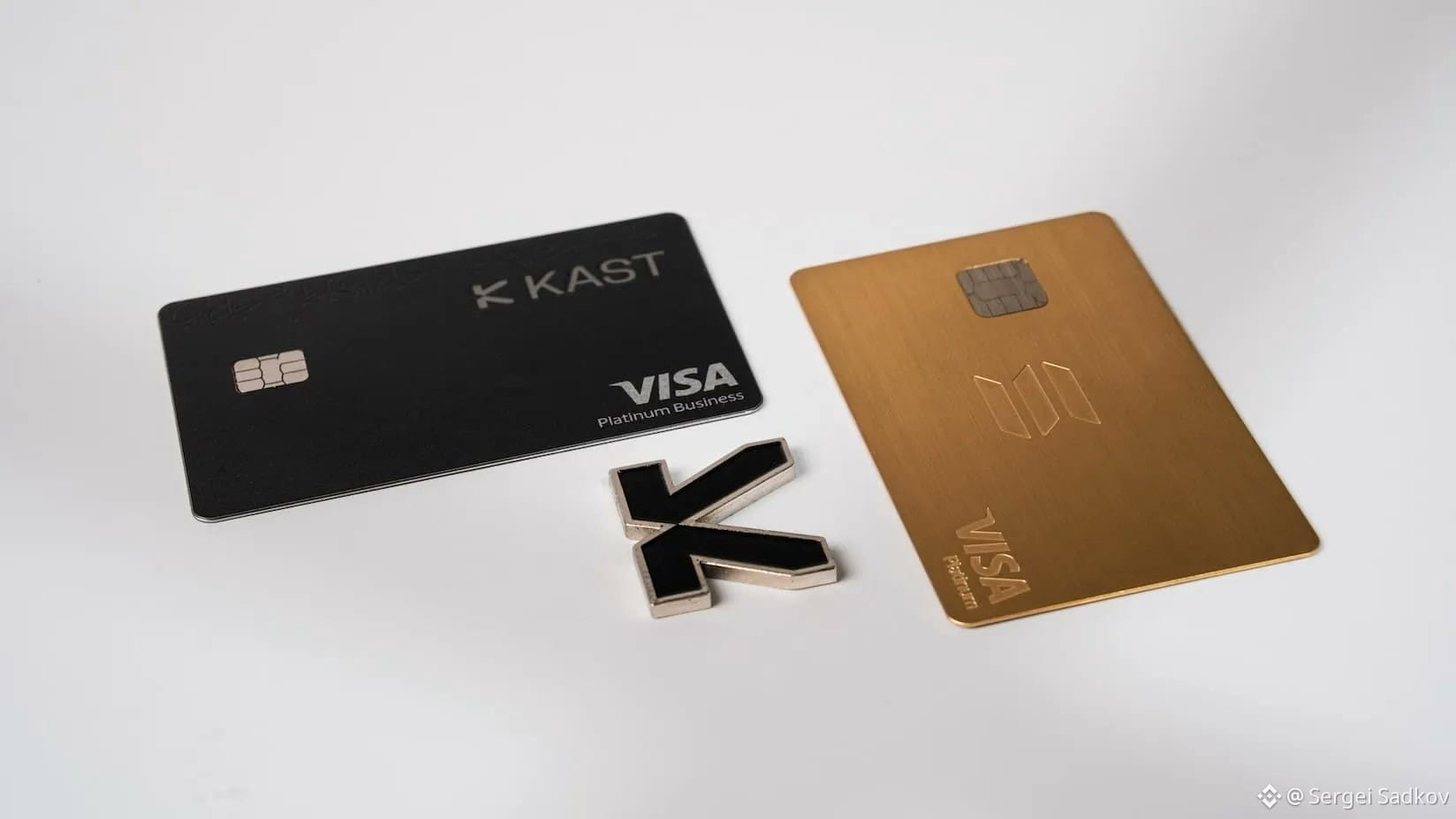
💳 An impressive story about how KAST canceled its token launch
If you haven’t come across KAST, it’s an app with a Visa card. You top up your balance with stablecoins like USDC or USDT, then use the card to pay for everyday purchases and subscriptions.
Users received an email announcing a change in strategy. In short, there won’t be a TGE (token generation event), points will stop accruing on November 30, and the accumulated points will start being converted in the first week of December. Some users will receive KAST Pioneer Units with the possibility of future payouts, while others will get shopping vouchers. What exactly you receive depends on your balance and country. Cashback will continue to work.
As a crypto project founder, I can understand the reasoning. KAST has already raised investment, the company has a working card, and there are a ton of legal requirements to deal with. And if the token tanks after listing, investors and airdrop farmers will be playing a game of “who gets out first.”
But there’s a catch. When KAST launched, it promoted points as a way to earn a future airdrop. It’s funny that the app even showed an estimated value in dollars. So you use the card and, at the same time, try to work out how much you might get. People were posting screenshots showing thousands and tens of thousands of dollars. Influencers have referral programs, so the points balances themselves don’t surprise me. But the figure in the app was only an estimate.
Naturally, this strategy attracted points hunters, who are now upset. You can understand why. By the way, if you’re awarded KPU, you’ll need to confirm your participation in the app in December. Miss the deadline, and your KPU will be canceled under the standard terms, with no points returned.
That said, the card itself works fine. My payments go through. The exchange rate for tenge isn’t great, so I use other cards for those purchases. But KAST is quite good for subscriptions.
In the end, KAST is unlikely to lose all its users, because it has a real product. But I think some of its audience will leave, and this will leave a bad taste.
And, by the way, this is why we at Yield AI don’t promise an airdrop or a token. Through Boost, we thank early users for their trust with weekly payouts.
35
🔸 What happened to Binance clients’ funds after the $6.34 billion hack?
On November 3, Richard Teng said on Fox Business that Binance would cover the losses. I added Russian subtitles.
The exchange had reserved more than the value of the stolen funds and, according to Teng, replenished 98% in the tokens themselves. They gradually bought the remaining 2% to avoid moving prices.
You can check your balance against the reserves snapshot here:
https://www.binance.com/en/proof-of-reserves
I’ll break down how the attack unfolded separately.
187
Testing a deposit of 200 $USDC from Base into Yield AI via MetaMask and withdrawing it back. I show how to create an agent, Circle CCTP fees, the internal Aptos wallet, and a manual bridge. $ETH is needed for gas on Base.
Yield AI is our project. Recording date: 30.10.2026. Rates and fees are as of this date. Looping uses borrowed funds and carries liquidation risk.
Yield AI is our project. Recording date: 30.10.2026. Rates and fees are as of this date. Looping uses borrowed funds and carries liquidation risk.
4
3
1.9k
Binance gave me a badge. It’s nice to know they appreciate my work as a video creator. I think this is especially important in crypto—no matter how digital the assets may be, there’s always a real person behind real actions.
Binance gave me a badge. It’s nice to know they appreciate my work as a video creator. I think this is especially important in crypto—no matter how digital the assets may be, there’s always a real person behind real actions.
5
754
🇰🇿 Regulators are interested in tokenization too
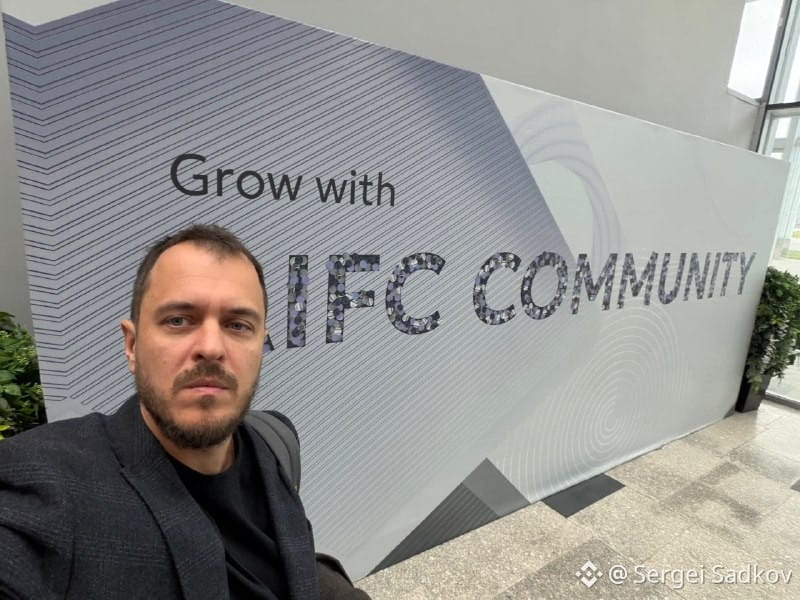
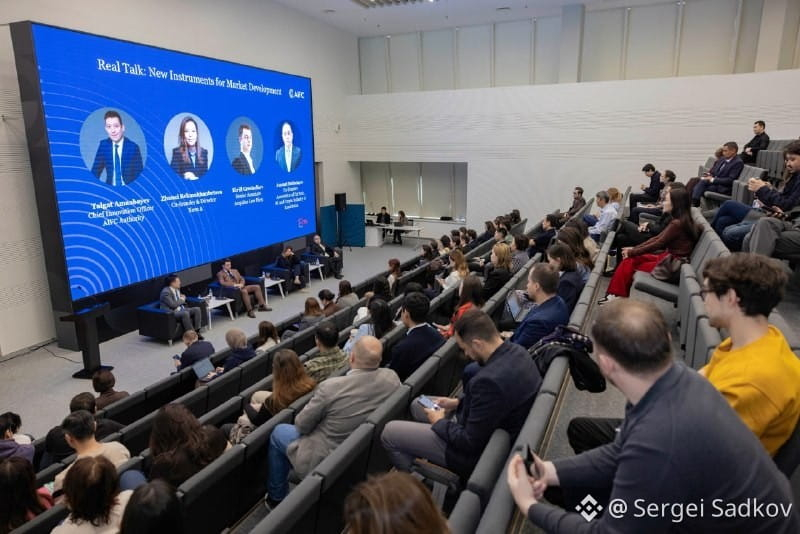
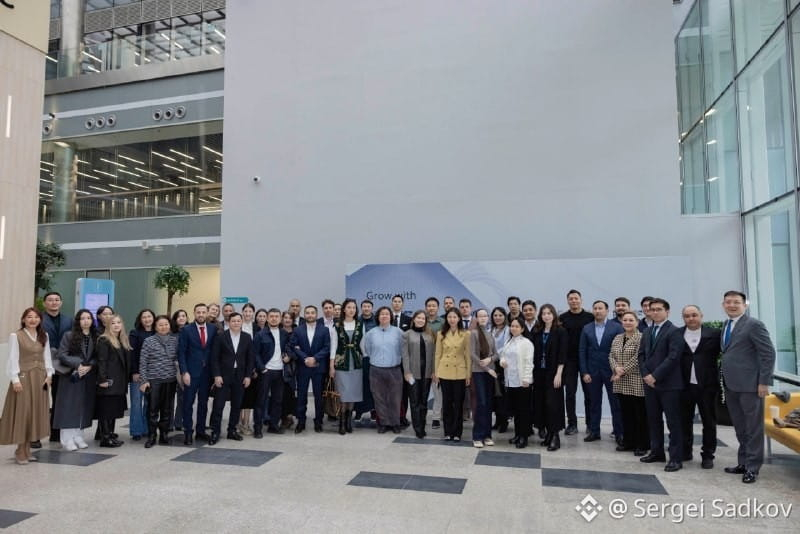
The other day, I attended the AIFC Community event “New Financial Products in Action,” hosted by the AIFC (Astana International Financial Centre). The regulator talked about plans to develop the financial market, with tokenization as the main focus.
The idea is that, in theory, any asset can be made digital, increasing the ways it can be traded and making ownership rights more transparent. The AIFC has a legal framework for this process, and pilot projects are already underway.
One thing I noticed: the licensing process for assets to be sold digitally is currently quite complicated. Despite the regulations in place, many projects are still at the development stage, and in practice the main cases to have launched are stablecoins (which are RWA, essentially) — for example, paying for AIFC services in USDT.
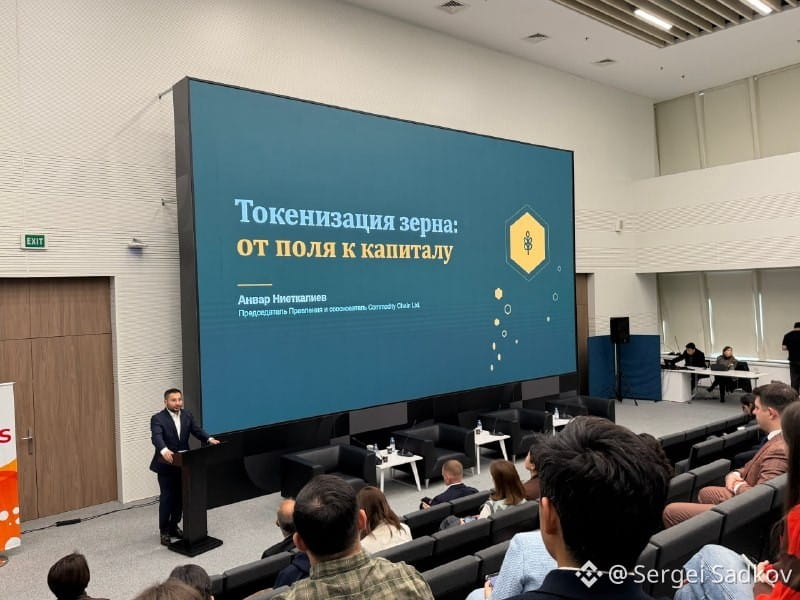
One thing coming soon: tokens from the Commodity Chain exchange. The right to purchase grain will be turned into an RWA asset. Farmers need working capital; tokenization will make it possible to attract investment, and the exchange will facilitate the sales. I’m advising the project as a blockchain expert, so I’m rooting for it to succeed :)
Another interesting product from the event was a prediction market. ITS, an international trading platform, has launched the option to place bets along the lines of Polymarket. For now, through partner brokers, you can bet on economic events: decisions by the National Bank of Kazakhstan on the base rate (betting on the rate!), the price of BTC, and so on. They don’t plan to launch sports or politics markets just yet.
Financial products and services are developing in Kazakhstan and clearly intersecting with the crypto market. Of course, I’d like to see new launches and significant trading volumes. Let’s see what happens next.
2
310
A bookmark inside Ledger — a reminder: security also depends on where the device came from.
I distribute storage across Binance, wallets, and multisig. Multiple independent signatures reduce reliance on a single key, but they don't eliminate the risks of approving the wrong transactions or losing access.
This is about physically modified devices, not all Ledger devices.
Need a multisig guide? Leave a comment.
#Binance #Ledger #Multisig
2
5
2.8k
Bonus up to 65 USDT on deposit — Binance Kazakhstan
I transferred 3,000 USDC and checked the progress of Deposit & Win. For the first three tasks, you can qualify for 25 USDT. Fourteen consecutive days of holding are required; the prize pool is limited, so rewards are not guaranteed.
Terms and availability of the promotion:
https://www.binance.com/ru/activity/mission/Deposit-and-Win-Binance
2
1.9k
KZT and USD deposits and withdrawals with no fees
Binance Kazakhstan has launched a new fiat payment channel in partnership with Alatau City Bank. It lets you deposit and withdraw tenge and US dollars through this channel without fees.
Before making a transfer, check availability, limits, and the final terms in your account.
Binance Kazakhstan has launched a new fiat payment channel in partnership with Alatau City Bank. It lets you deposit and withdraw tenge and US dollars through this channel without fees.
Before making a transfer, check availability, limits, and the final terms in your account.
6
3.8k
Bonus up to 565 $USDT on Binance Kazakhstan
I’ll show you how to join the Deposit & Win promotion using my own example: choosing a network, checking the address, making a deposit, and tracking task progress.
Tasks offer cumulative bonuses of up to 65 USDT when the requirements are met and prize funds are available. The video also shows the giveaway section on the promotion page; check its terms separately. Recorded on October 28, 2026: promotion availability, fees, and counters may change.
Deposit & Win promotion:
https://www.binance.com/ru/activity/mission/Deposit-and-Win-Binance
4
1.3k
💰 Yield AI won a $10,000 audit credit from CertiK in an additional track of the Colosseum hackathon.
177 applications were submitted to the track. I think it helped that the project already has real users and a smart contract on mainnet.
At the same time, the audit could cost more than the prize amount. I’ve requested quotes to review our smart contracts for various projects; in my experience, reputable firms can charge $10,000–$30,000.
Based on private conversations with trusted experts, an audit for a project on Circle’s scale could start at $50,000.
Now we need to define the scope of the review and find out the final cost after applying the credit.
3
330
I’ve been nominated for Binance The Blockchain 100 2026 in the “Best Long-Form Author” category.
If you find my analyses helpful, please support me with your vote!
Until October 28 at 15:59 UTC, you can cast one vote per day in my category. A KYC-verified account is required; regional restrictions apply.
My profile, Sergei Sadkov:
https://www.binance.com/en/square/blockchain-100-2026?username=390
Thank you for your support!
#Binance #Blockchain100
4
30
Bitget and MEXC restrictions are a reason to check where your capital is held.
I spread mine across Binance, wallets, and DeFi to reduce my dependence on any one platform. The risks of account freezes, keys, and protocols remain.
As of 22.10.2026, MEXC’s deadlines for affected accounts are in personal notifications.
Subscribe: I show how I allocate my capital.
#Binance #DeFi
I spread mine across Binance, wallets, and DeFi to reduce my dependence on any one platform. The risks of account freezes, keys, and protocols remain.
As of 22.10.2026, MEXC’s deadlines for affected accounts are in personal notifications.
Subscribe: I show how I allocate my capital.
#Binance #DeFi
6
1.7k
Log in to explore more content
Join global crypto users on Binance Square
⚡️ Get latest and useful information about crypto.
💬 Trusted by the world’s largest crypto exchange.
👍 Discover real insights from verified creators.
Email / Phone number
Trending Topics
JobsReportRaisesHikeOdds
460,519 views
3,124 Discussing
TradFi News | US Adds 165,000 Jobs in October, More Than Double the 65,000 Forecast, as Unemployment Falls to 4.1%
Binance News
·41 Likes
·24k views
CPITestsDecemberRateOutlook
120,245 views
989 Discussing
BitcoinRebounds$75KAsChipsLead
40,489 views
329 Discussing