

yyy
631 Posts

yyy
收手吧,阿祖。
Shitposts. Head of E-beggers. Chief Fud Officer.
BP-471CF4989575
X 账号:@y_cryptoanalyst
9 Following
676 Followers
23.6K+ Liked
Posts
All
Quotes
PINNED
yyy
·
--
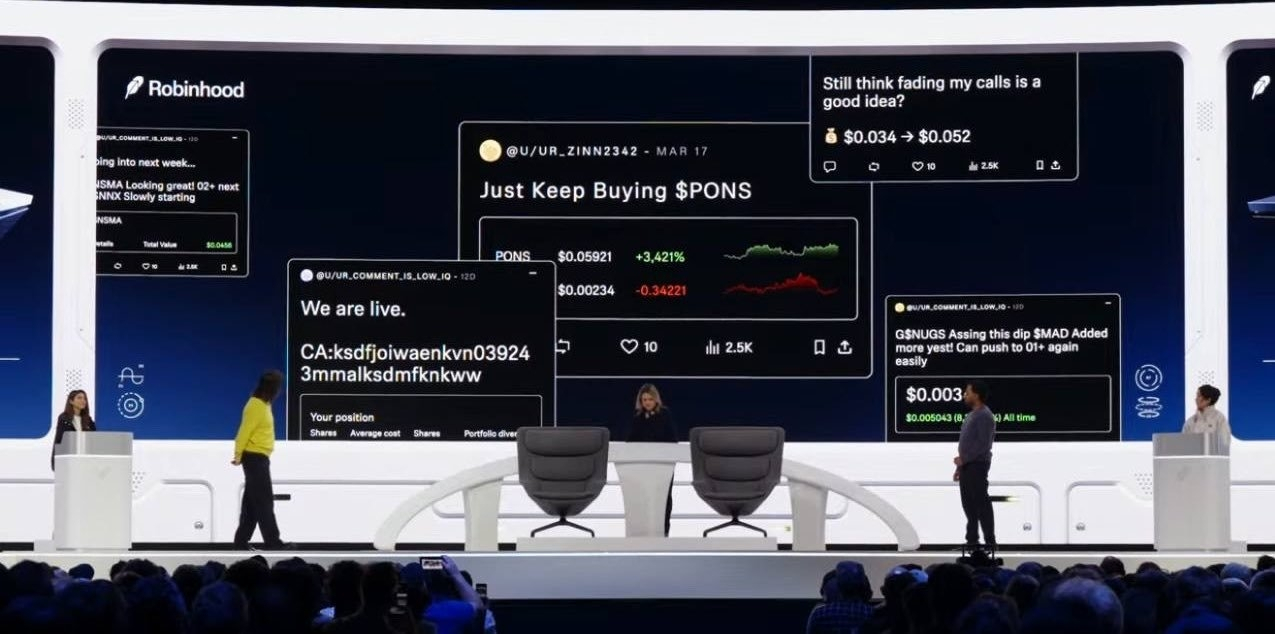
BullishHOOD Conference boldly promotes Pons; it is a short-term positive and potential upside.
The Pons team hard-controls $PONS ’s burn schedule is a short-term negative and potential upside.
Next, PONS-USDG LP players will go through a very comfortable period.
#pons $PONS
The Pons team hard-controls $PONS ’s burn schedule is a short-term negative and potential upside.
Next, PONS-USDG LP players will go through a very comfortable period.
#pons $PONS
Verified
yyy
·
--
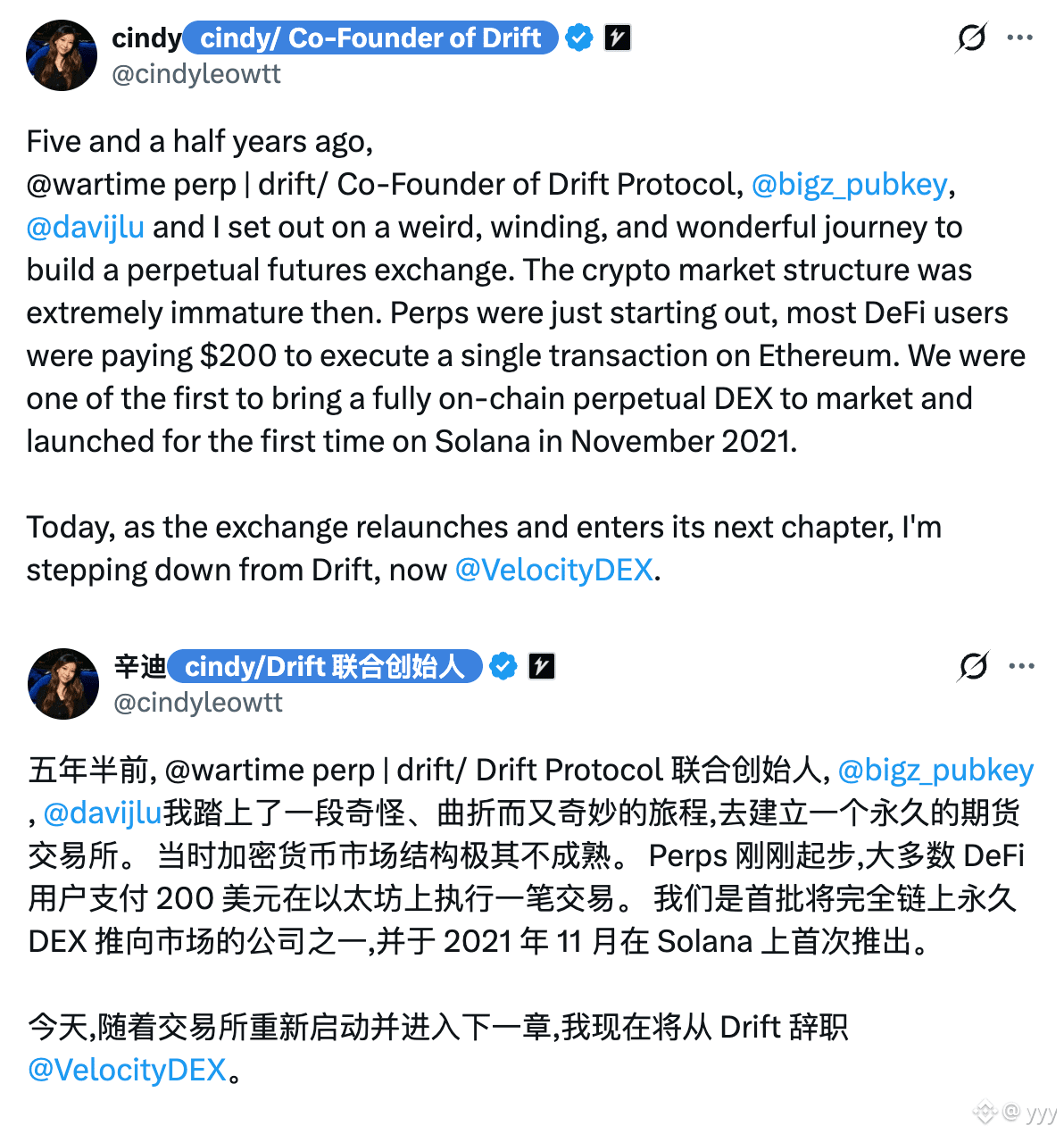
It’s been a full half year since Drift was stolen for $285 million. Now, here’s the status of Drift’s post-disaster reconstruction:
1/ Brand upgrade: X account renamed to @VelocityDEX
2/ New logo
3/ Website, GitHub, and official documentation have all been updated to the new brand Velocity
4/ New major partner: deep integration partner changed from Circle to Tether
5/ Cindy, the veteran founding member responsible for external communications, has voluntarily resigned
The progress is good—basically fully severed ties with Drift.
#DRIFT
1/ Brand upgrade: X account renamed to @VelocityDEX
2/ New logo
3/ Website, GitHub, and official documentation have all been updated to the new brand Velocity
4/ New major partner: deep integration partner changed from Circle to Tether
5/ Cindy, the veteran founding member responsible for external communications, has voluntarily resigned
The progress is good—basically fully severed ties with Drift.
#DRIFT
yyy
·
--
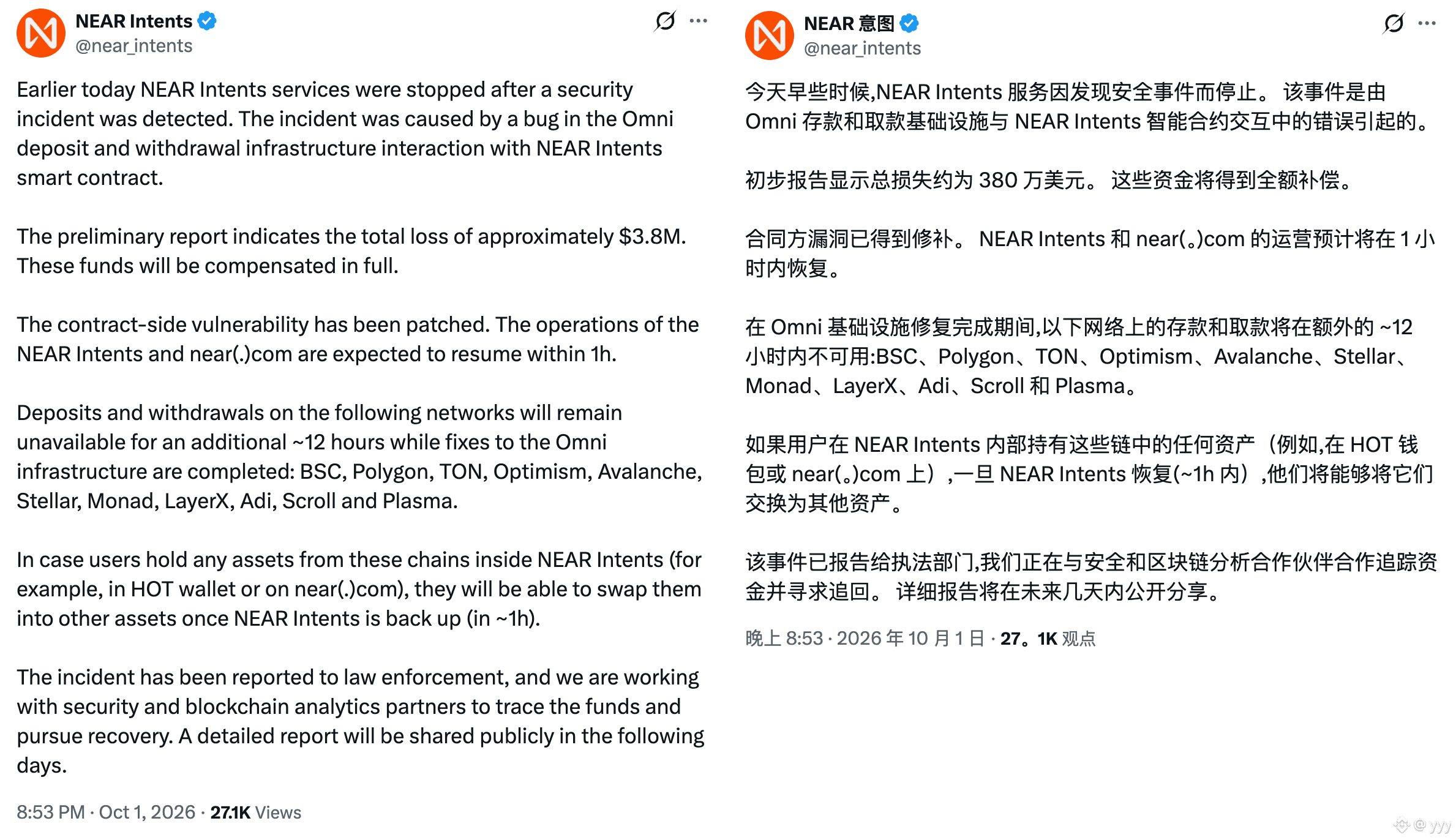
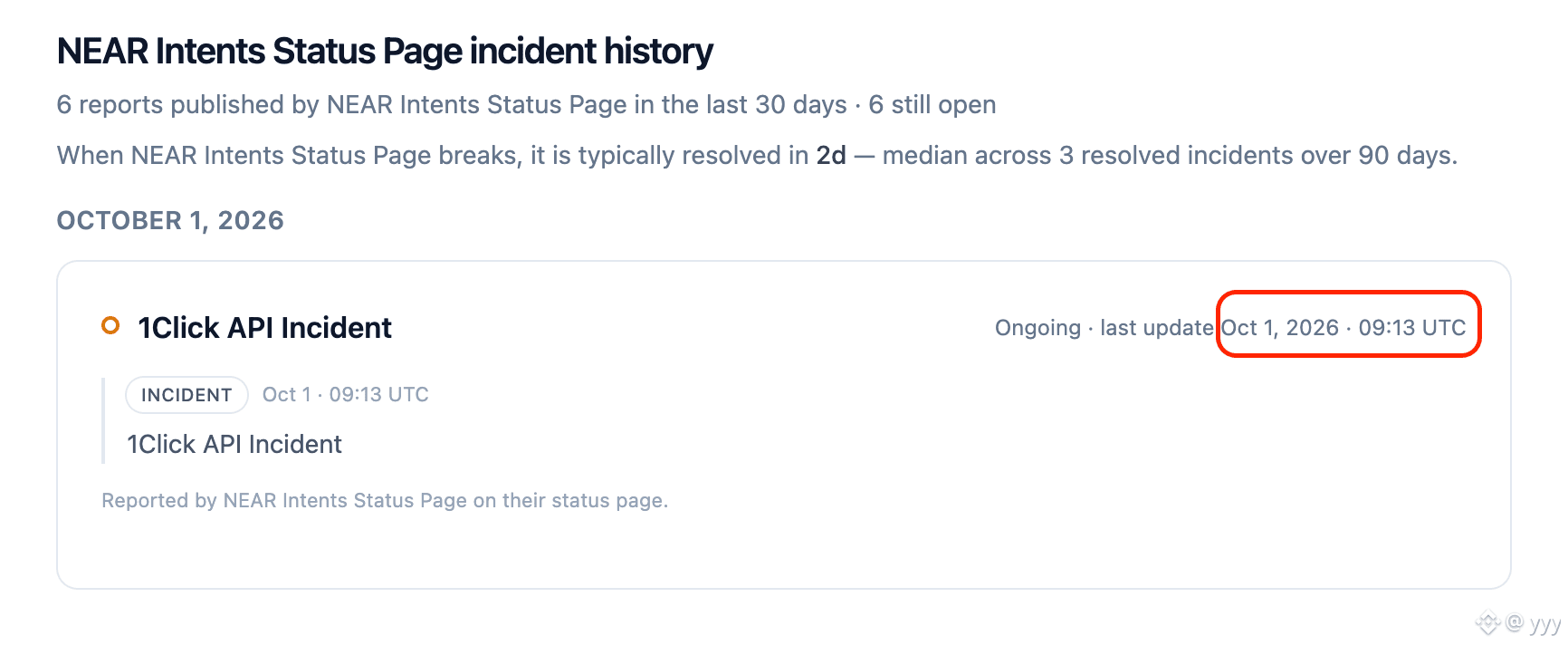
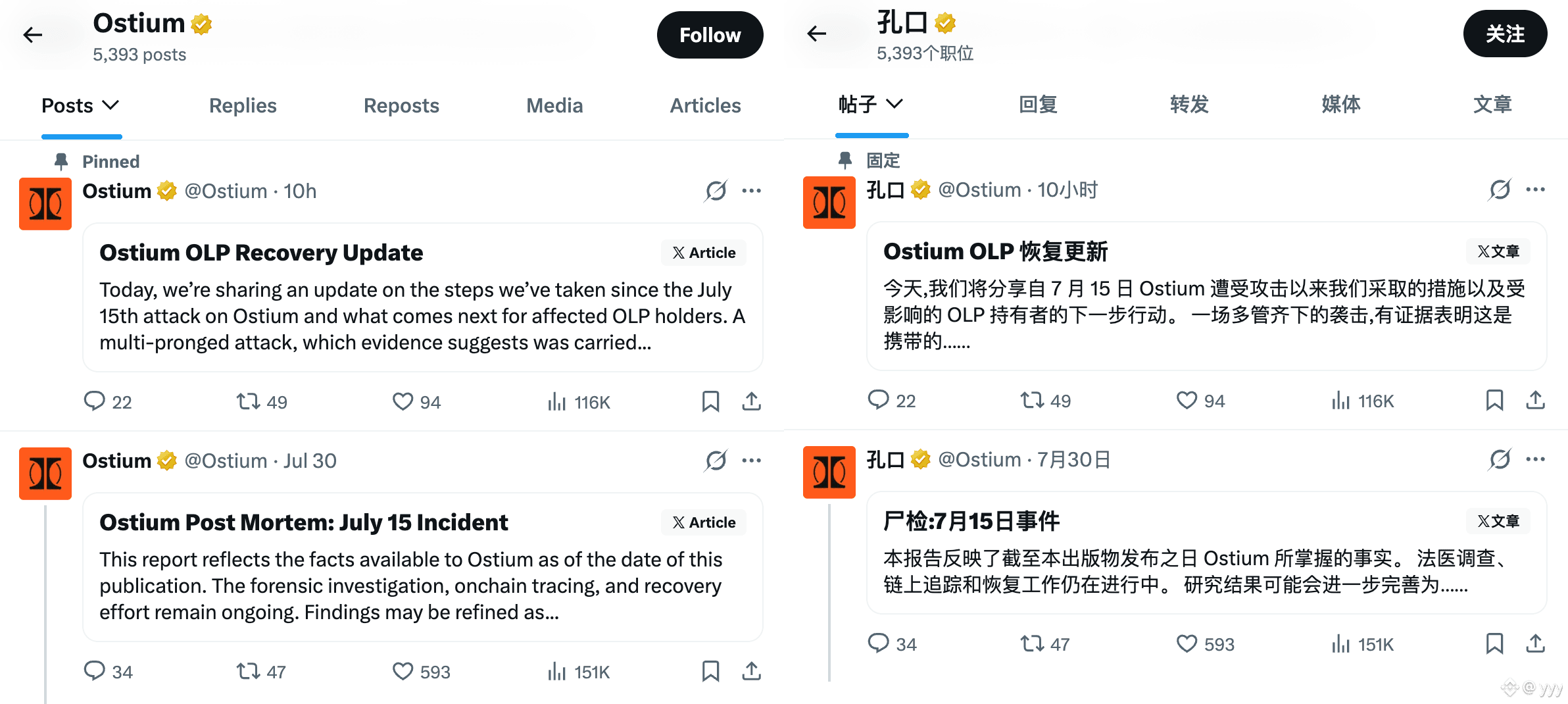
BearishAfter more than two and a half months, Hyperliquid killer @Ostium has finally announced a compensation plan for the $23.75 million stolen from the protocol.
TLDR:
Sacrifice whales to fully compensate small holders. Yes—Ostium does not compensate is the whales and super-whales.
As of now, Ostium has only recovered about $650,000 worth of the stolen funds, which is far from the total $23.75 million stolen.
Smart Ostium decided to fully reimburse wallet addresses with losses not exceeding 1,000 USDC. For whales with losses exceeding 1,000 USDC, they can either immediately get back 1,000 USDC and give up their claim to the remaining assets, or wait for the second-stage payout—everyone knows how it goes.
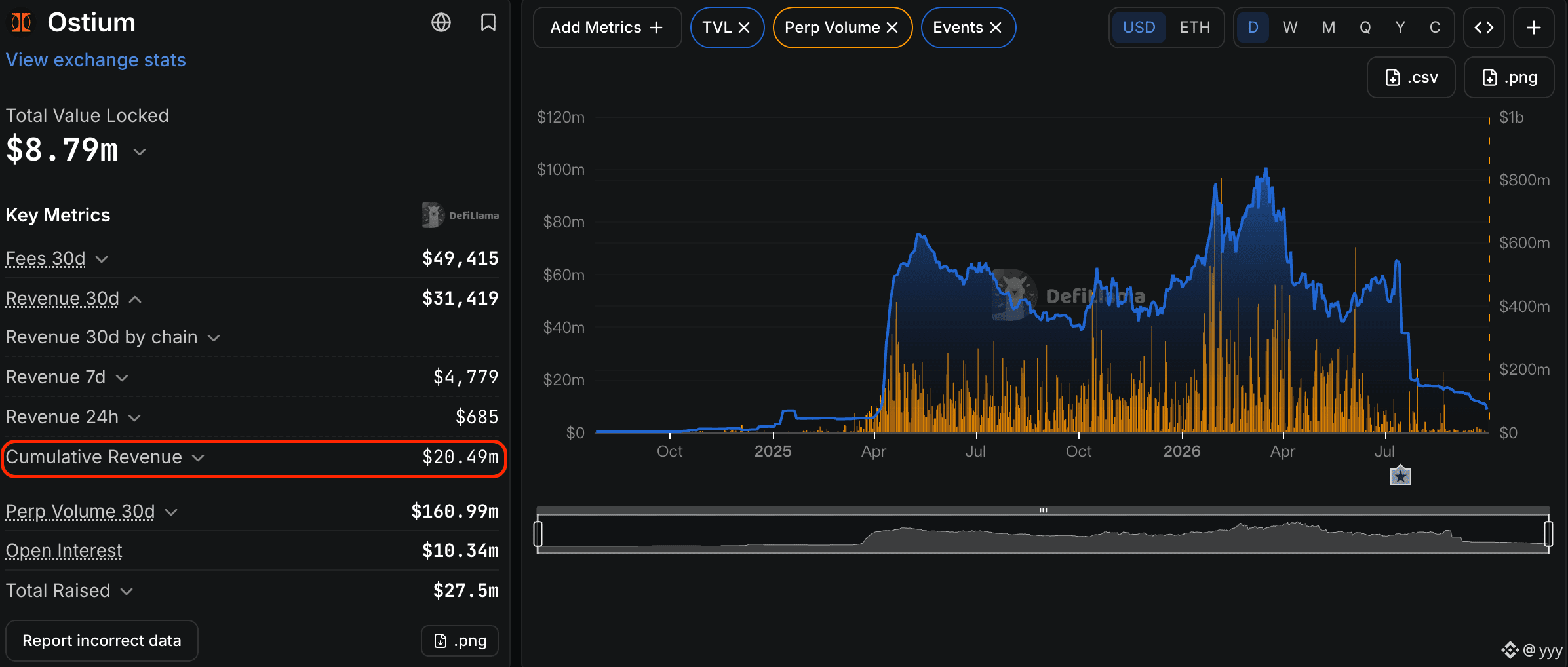
Interestingly, Ostium has already raked in more than $20 million in protocol revenue, yet it says nothing about using protocol revenue to compensate the whales.
You can see the mindset clearly.
#Hacked #Ostium
TLDR:
Sacrifice whales to fully compensate small holders. Yes—Ostium does not compensate is the whales and super-whales.
As of now, Ostium has only recovered about $650,000 worth of the stolen funds, which is far from the total $23.75 million stolen.
Smart Ostium decided to fully reimburse wallet addresses with losses not exceeding 1,000 USDC. For whales with losses exceeding 1,000 USDC, they can either immediately get back 1,000 USDC and give up their claim to the remaining assets, or wait for the second-stage payout—everyone knows how it goes.
Interestingly, Ostium has already raked in more than $20 million in protocol revenue, yet it says nothing about using protocol revenue to compensate the whales.
You can see the mindset clearly.
#Hacked #Ostium
yyy
·
--
Ostium 联创 @kaledora contributed a ceiling-level stolen-recap script to a crypto project party: evasive and indirect.
It has been 2 weeks since @Ostium’s $23.75 million OLP treasury was stolen, yet kaledora has said nothing about the specific compensation plan. Even though the agreement has already generated nearly $20 million in net revenue so far, and even though the token allocation to compensate has not yet been issued for use.
My take:
Not even a single hair compared to TradeXYZ, which announced full reimbursement yesterday.
#Ostium遭攻击损失超2375万美元
It has been 2 weeks since @Ostium’s $23.75 million OLP treasury was stolen, yet kaledora has said nothing about the specific compensation plan. Even though the agreement has already generated nearly $20 million in net revenue so far, and even though the token allocation to compensate has not yet been issued for use.
My take:
Not even a single hair compared to TradeXYZ, which announced full reimbursement yesterday.
#Ostium遭攻击损失超2375万美元
yyy
·
--
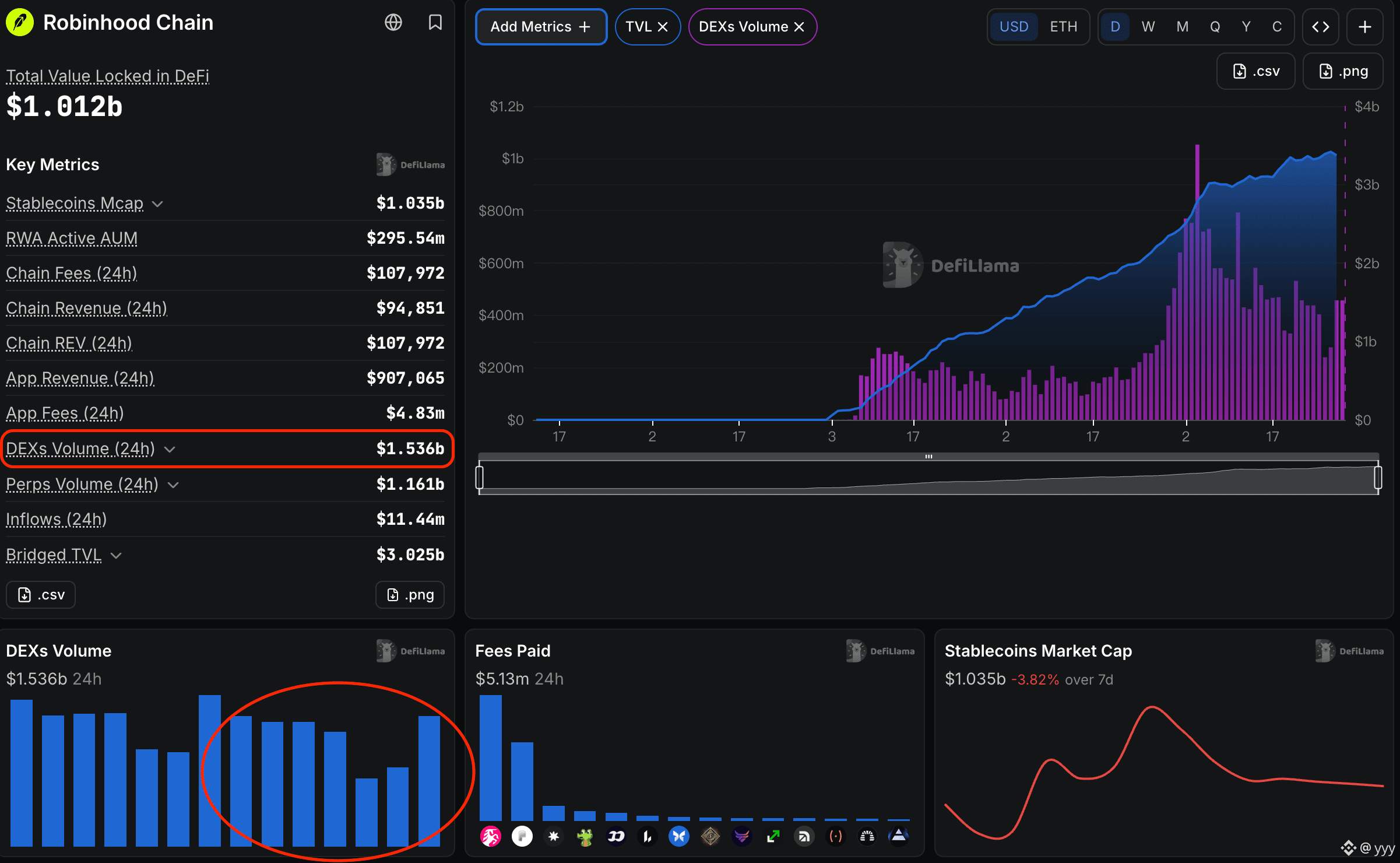
BullishRobinhood HOOD ahead of the rally, the RH Chain on-chain is starting to show signs of recovery.
Yesterday, DEX trading volume returned to $1.5 billion in a single day, the highest level in the past week.
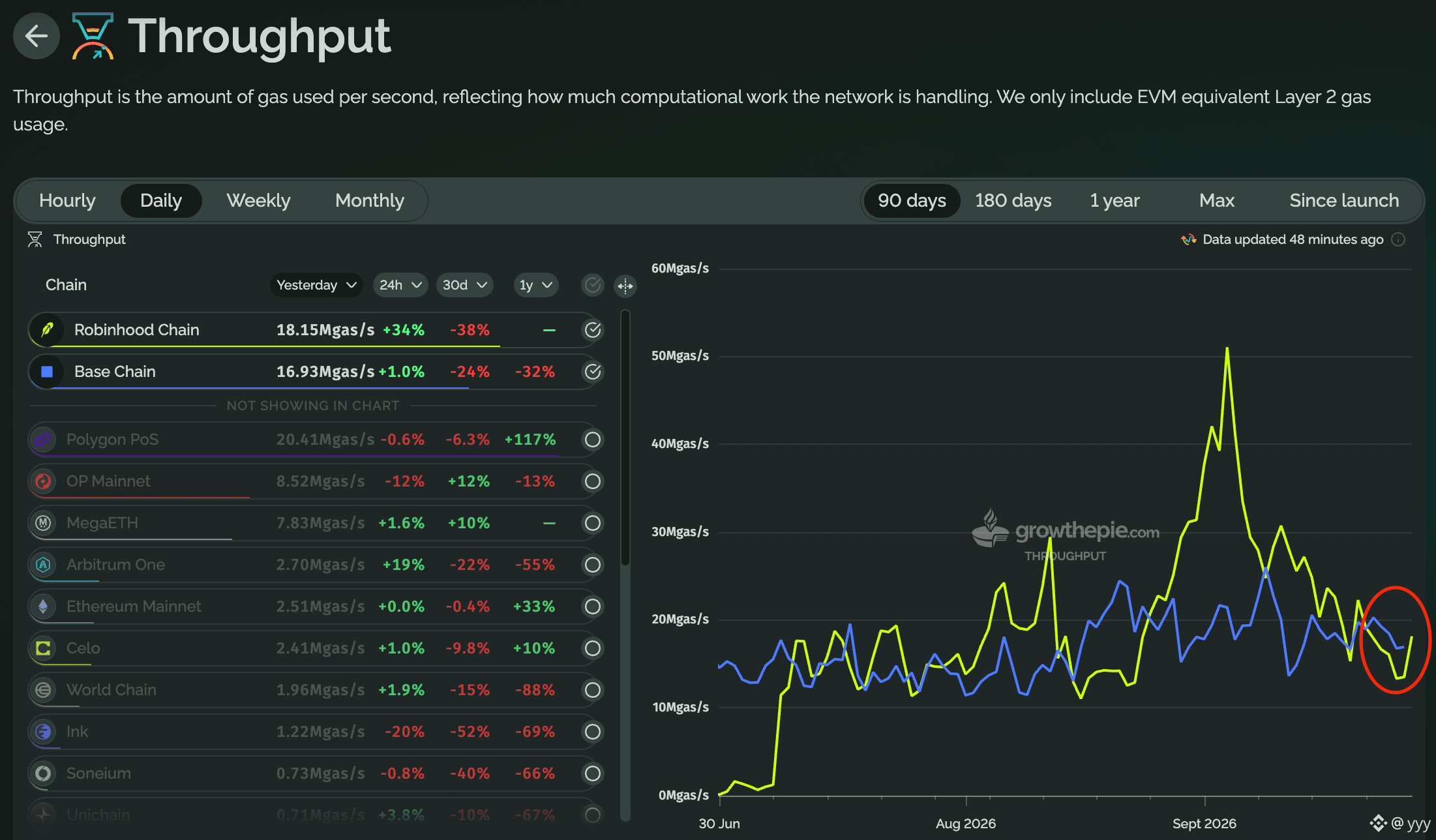
Network actual load has once again surpassed @base, with an average of 18.1 million gas/s per day, returning to the most active Ethereum L2 chain on-chain.
#Robinhood
Yesterday, DEX trading volume returned to $1.5 billion in a single day, the highest level in the past week.
Network actual load has once again surpassed @base, with an average of 18.1 million gas/s per day, returning to the most active Ethereum L2 chain on-chain.
#Robinhood
yyy
·
--
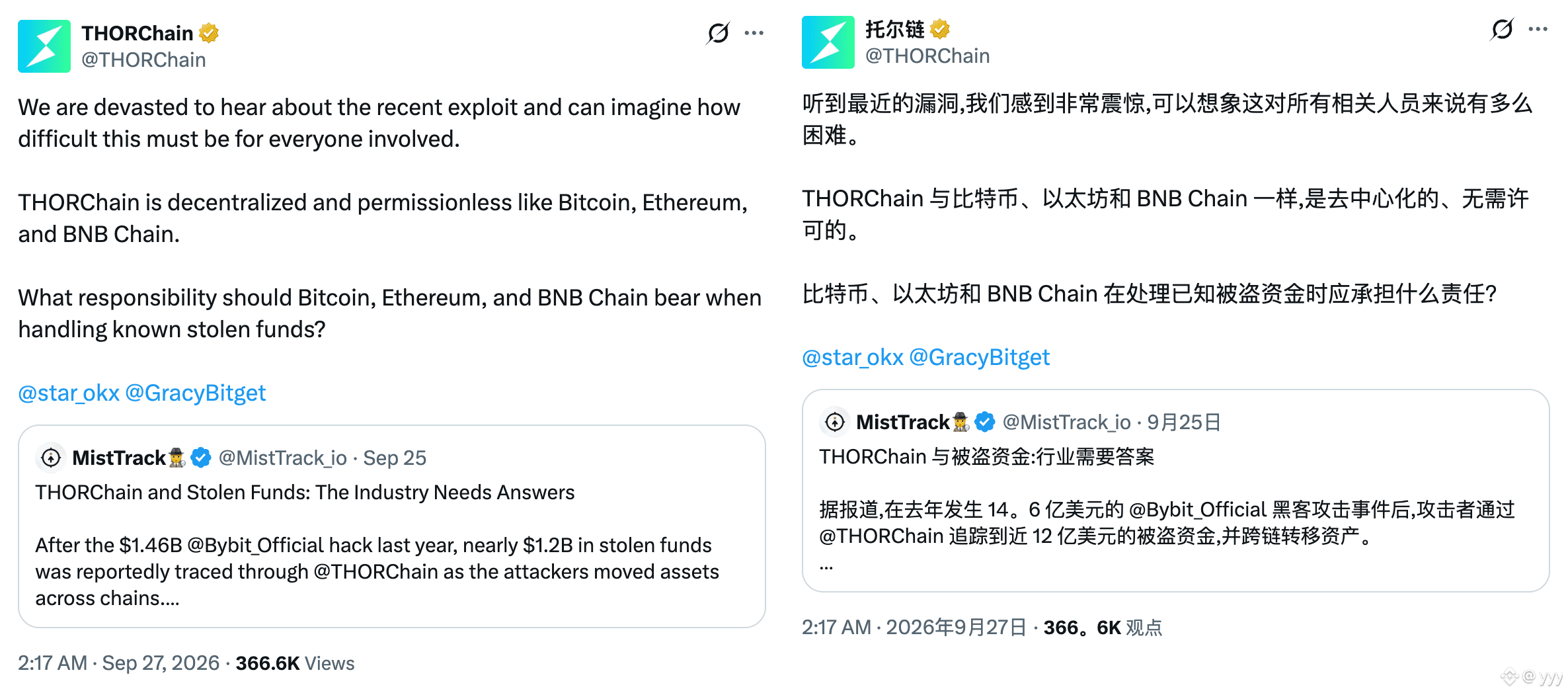
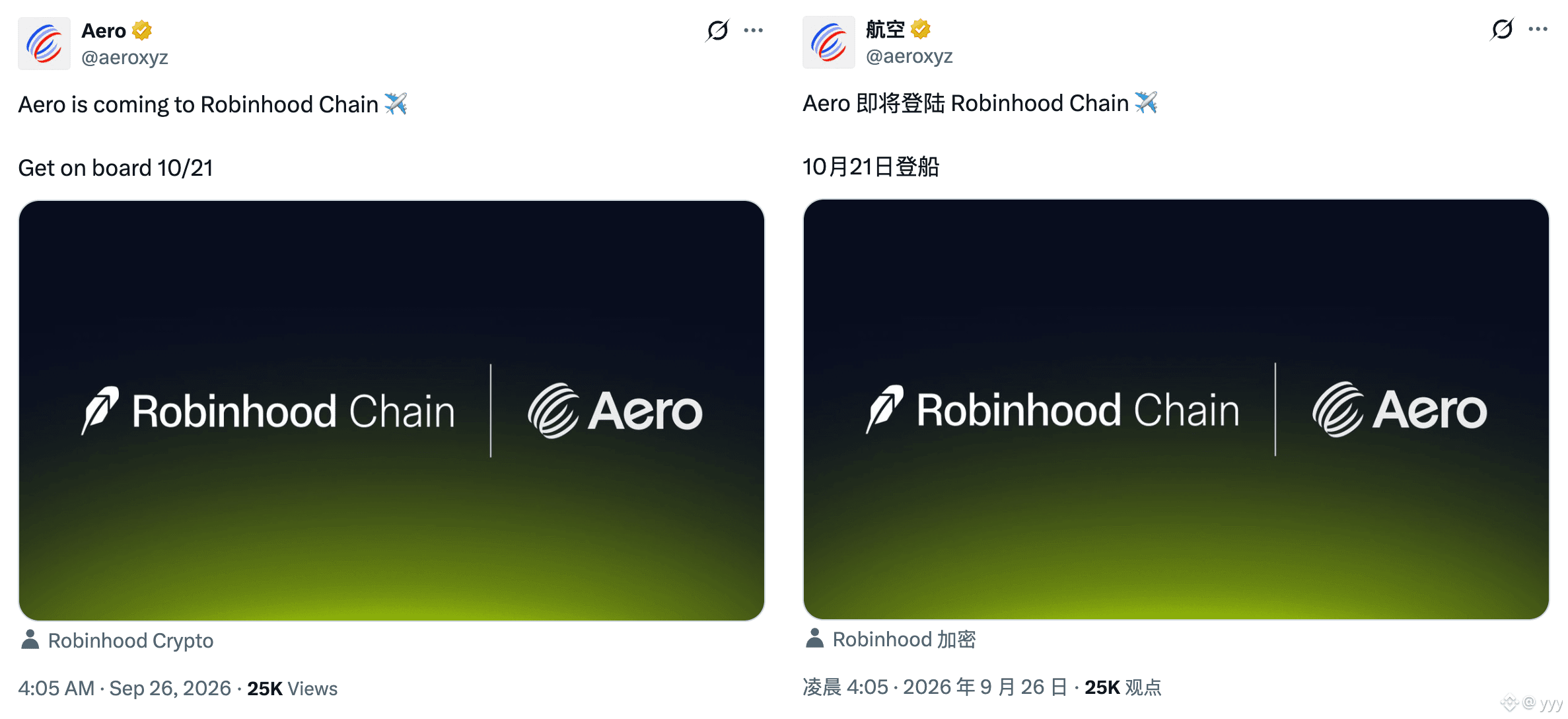
BullishUniswap’s biggest competitor on Base @aeroxyz has announced that they’re bringing their talent to the Robinhood Chain.
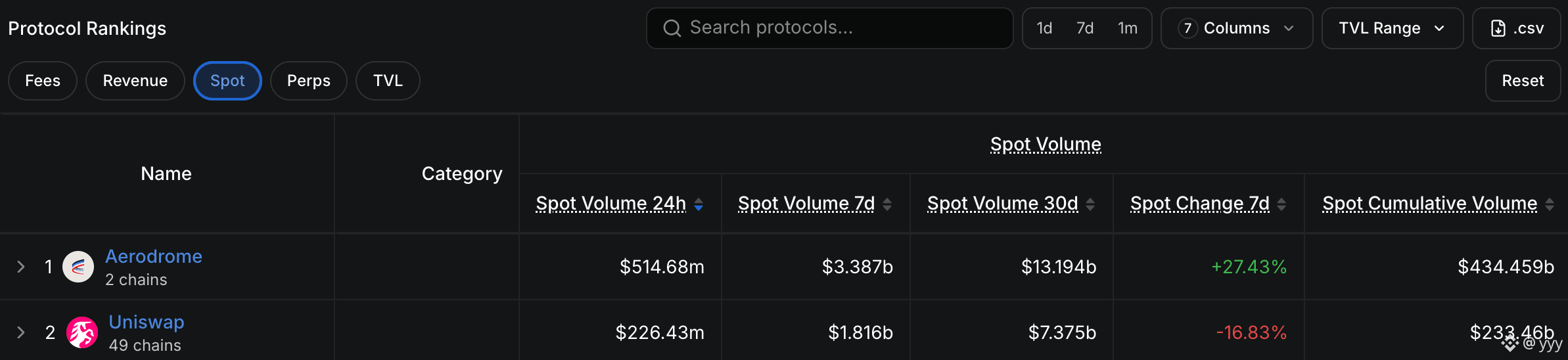
Aerodrome is the leading ve(3,3) DEX on the Base chain. Its playstyle is quite different from Uniswap, and it has used the 33 mechanism to steal large amounts of liquidity for key trading pairs from Uniswap.
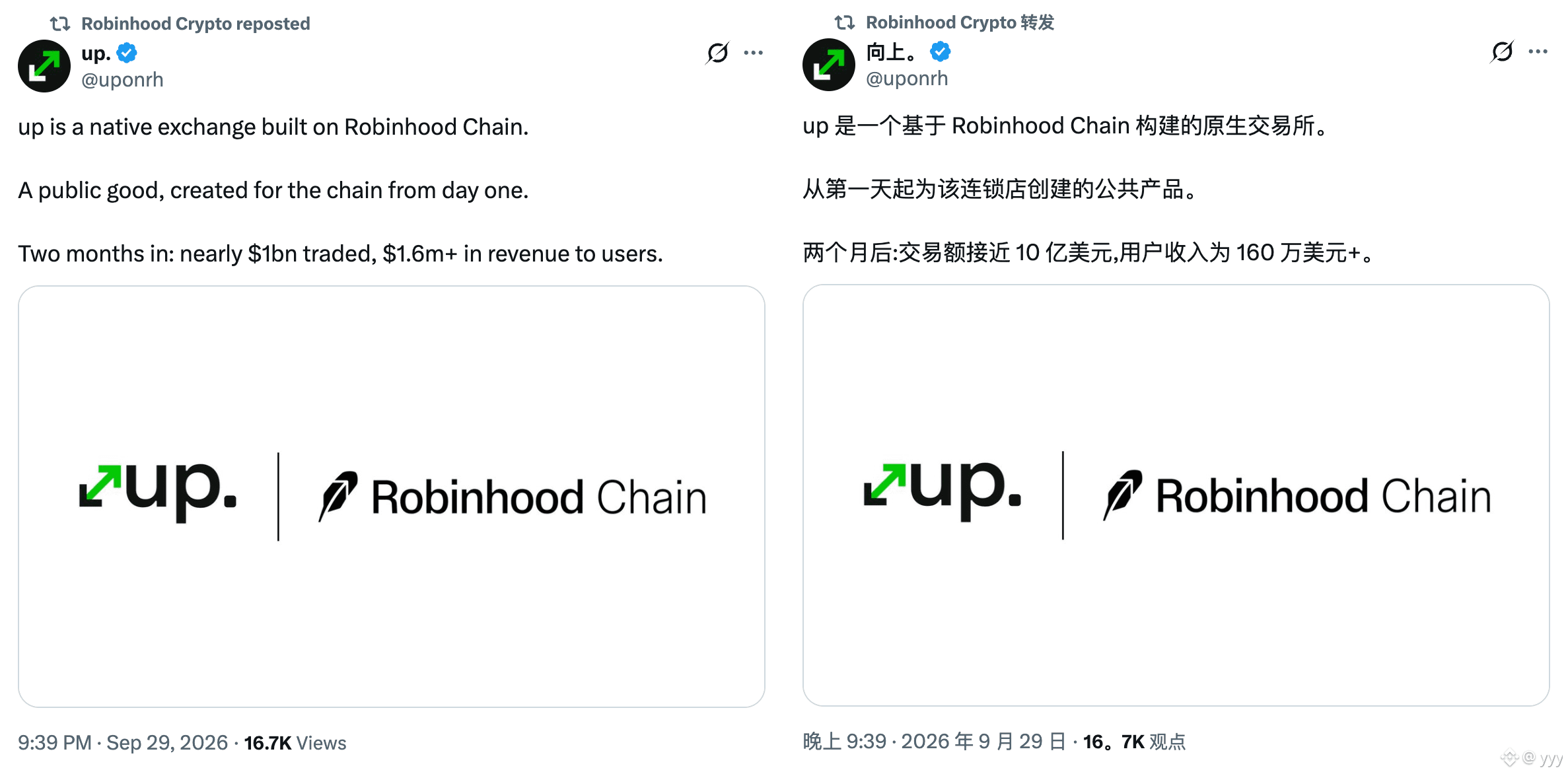
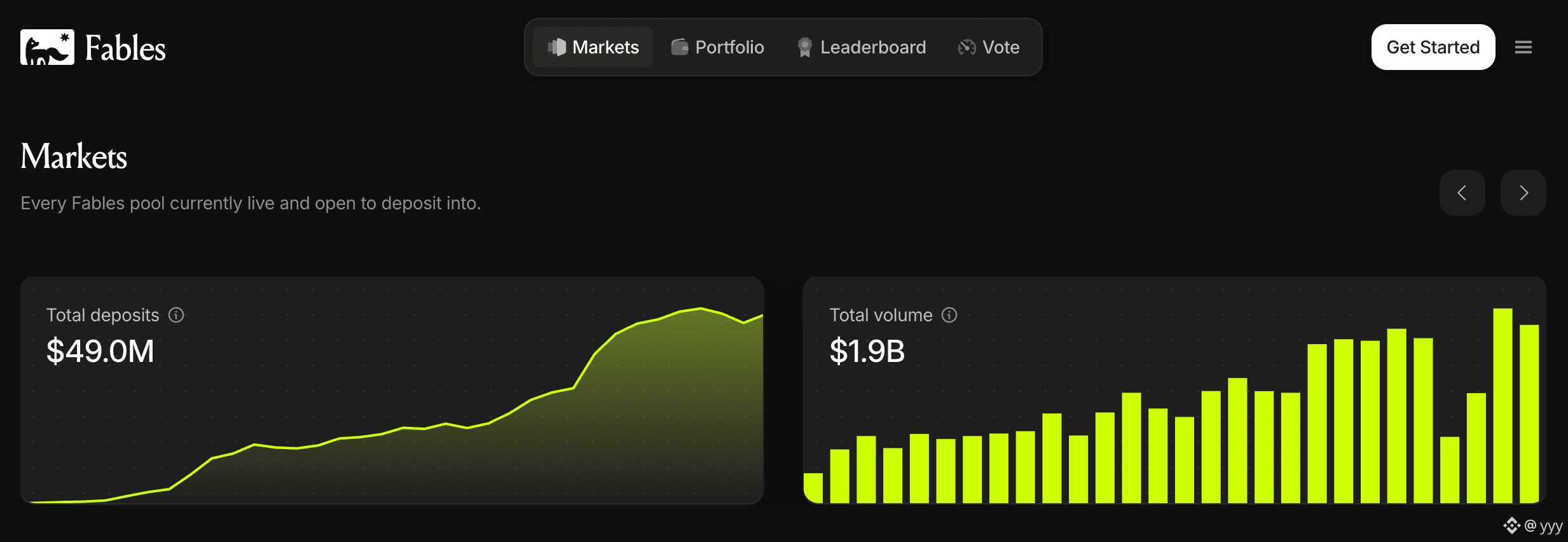
With this move to the RH Chain, it may be hard to recreate the miracles it achieved on Base. Because on the RH Chain, the ve(3,3) DEX niche already has strong competitors such as @uponrh and @fablesfi.
What’s driving the Aero team to come to the RH Chain at this timing, given that they focus mainly on Base and rarely deploy across multiple chains?
#Base $AERO
Aerodrome is the leading ve(3,3) DEX on the Base chain. Its playstyle is quite different from Uniswap, and it has used the 33 mechanism to steal large amounts of liquidity for key trading pairs from Uniswap.
With this move to the RH Chain, it may be hard to recreate the miracles it achieved on Base. Because on the RH Chain, the ve(3,3) DEX niche already has strong competitors such as @uponrh and @fablesfi.
What’s driving the Aero team to come to the RH Chain at this timing, given that they focus mainly on Base and rarely deploy across multiple chains?
#Base $AERO
Partly True
yyy
·
--
BullishShare a conspiracy theory:
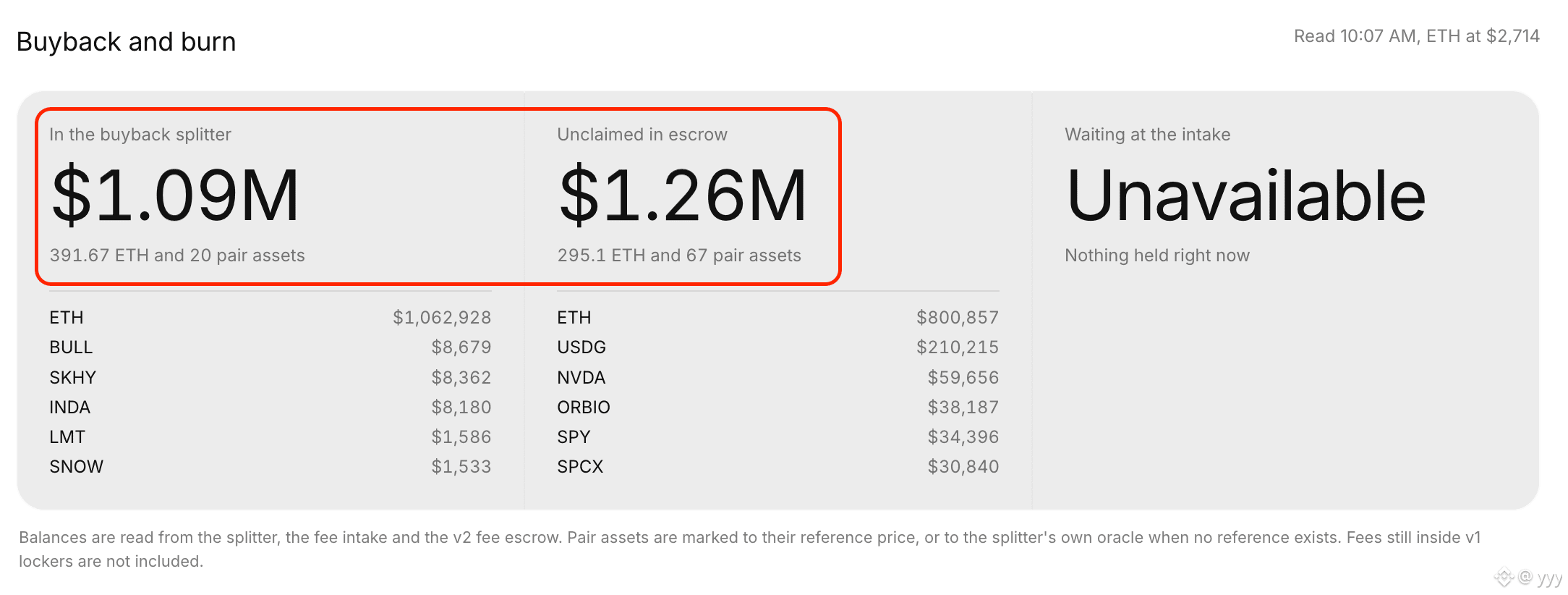
The Pons official has significantly lowered the burn rate of $PONS , which may be related to the Robinhood HOOD Summit meeting scheduled for 5 days from now.
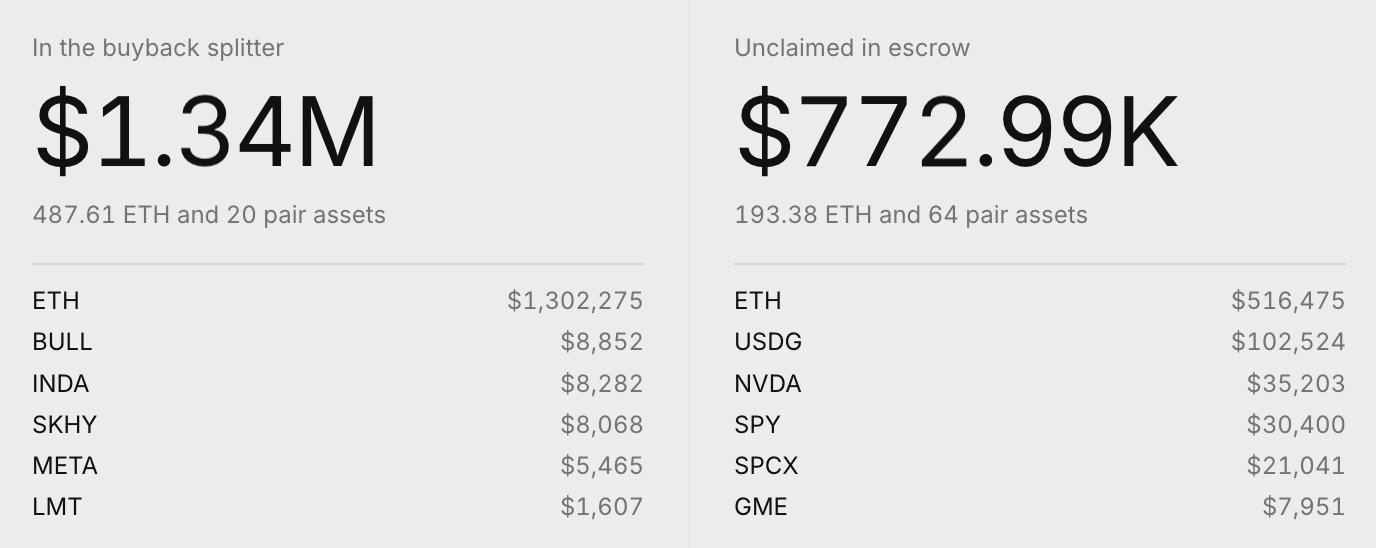
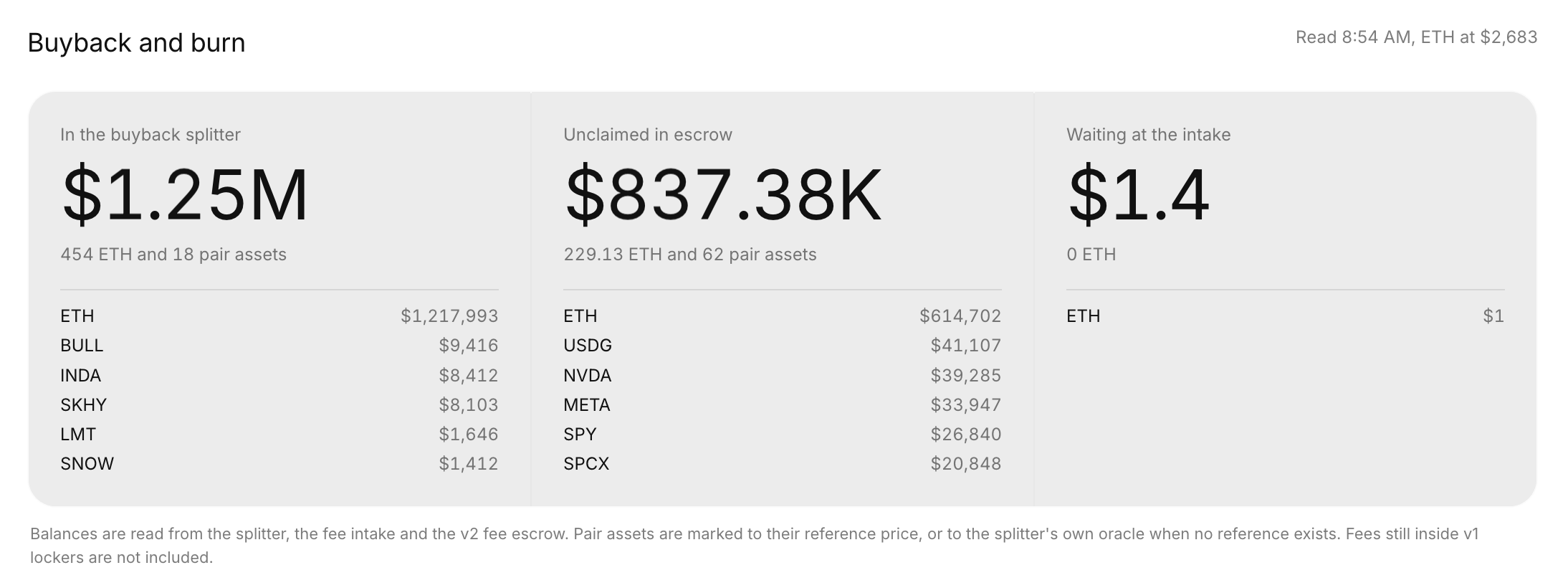
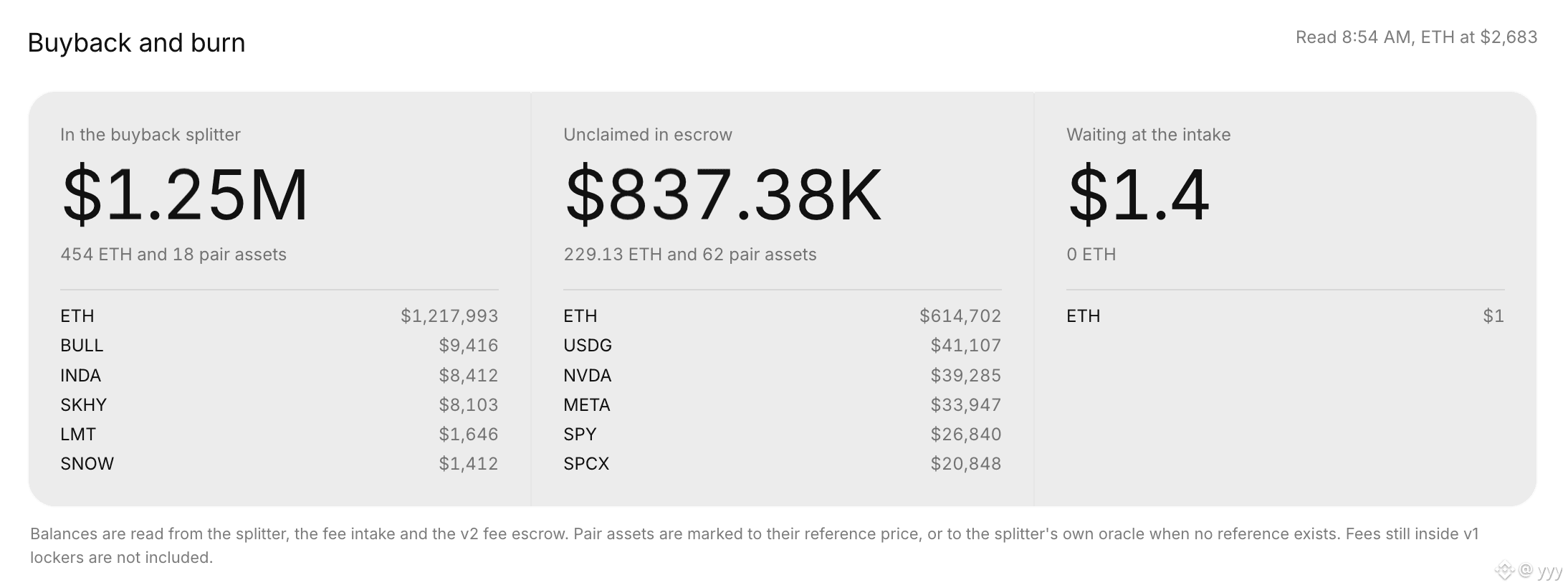
At the current burn pace, about 120,000 U equivalent is burned per day, so in 5 days that would be 600,000 U. The existing buyback allocator has 1.25 million U; after 5 days, the buyback allocator will only have 500,000–600,000 U left to use for repurchases. By convention, they would need to top up the buyback funds.
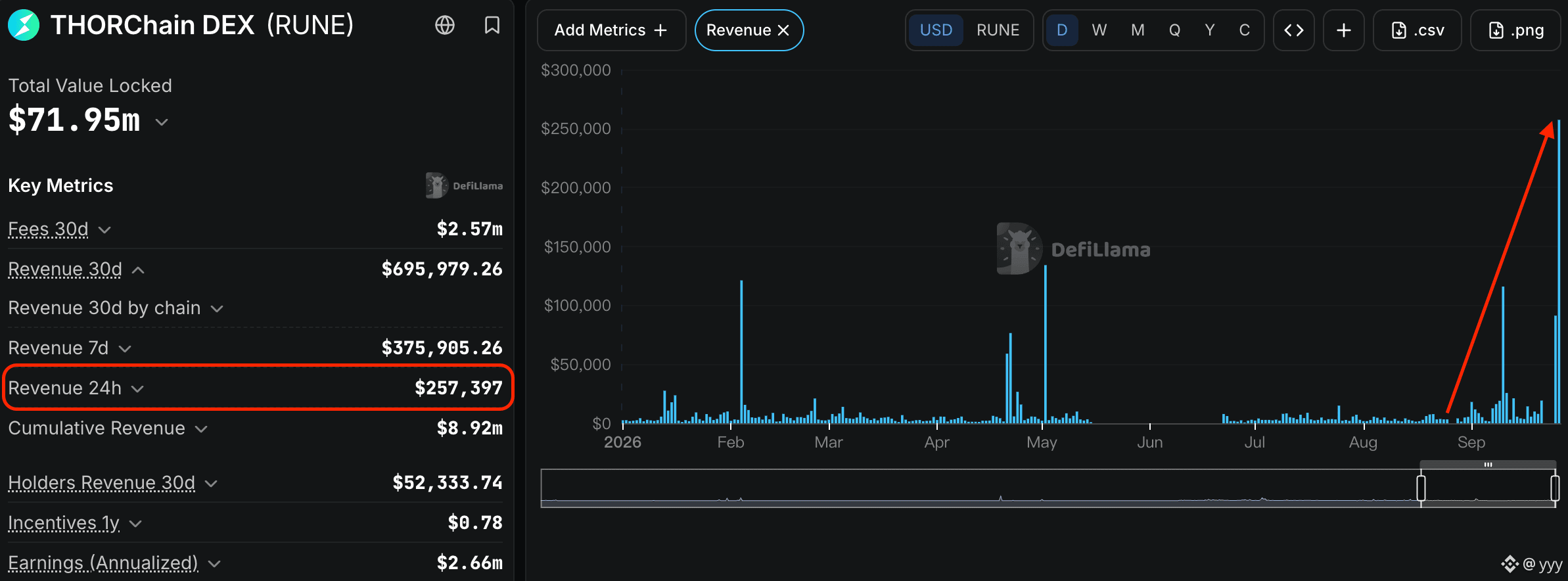
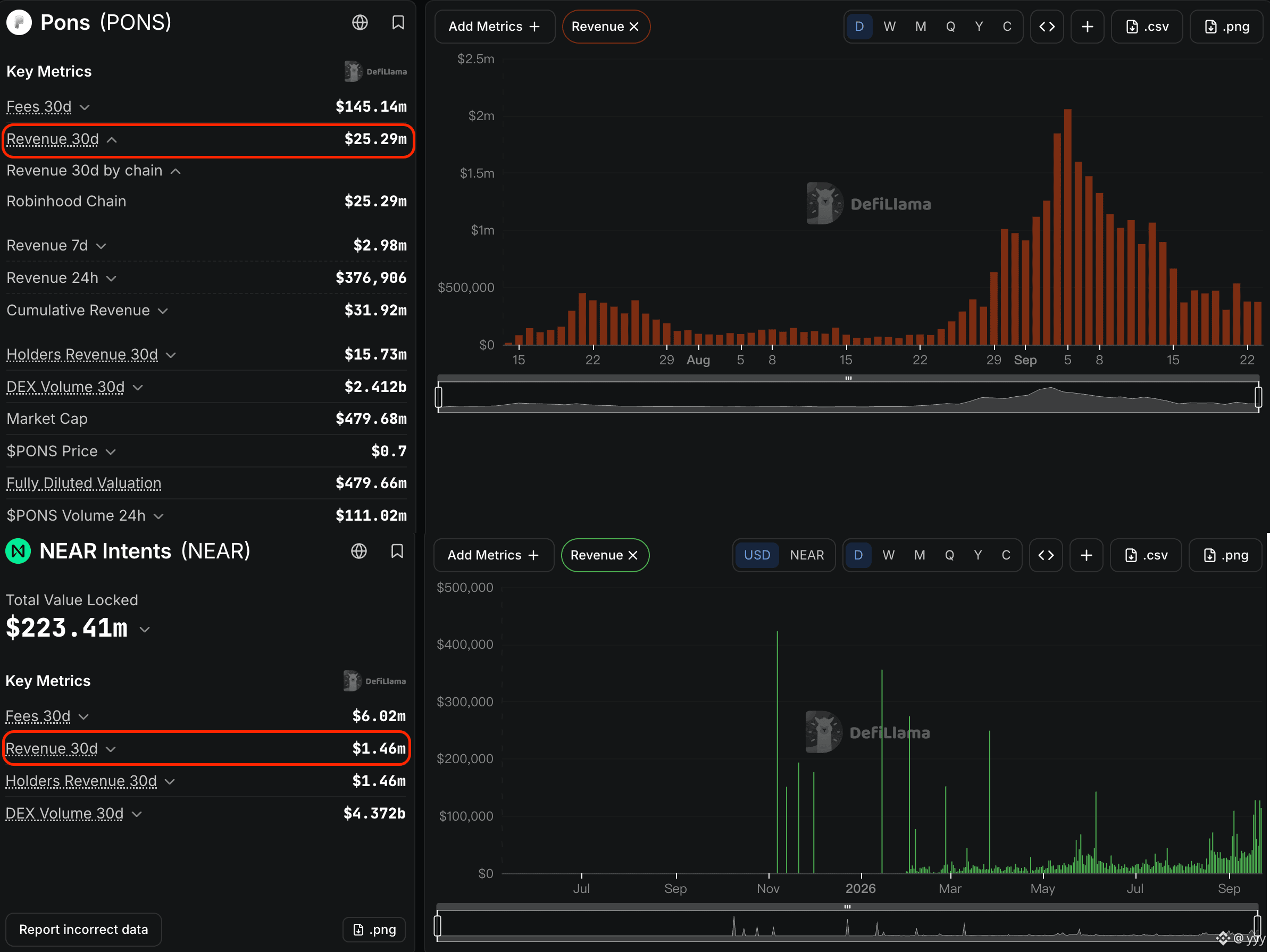
So how much can be topped up for buybacks at this time? Based on Pons’s current protocol revenue level, income is about 400,000 U per day, meaning 2 million U in 5 days. In addition, the escrow account has not yet been claimed of 840,000 U, which means the funds that can be added back to the buyback allocator for PONS repurchases could reach 2.84 million * 80% = 2.272 million U.
At this point, combined with the Robinhood summit being a major positive catalyst that greatly increases the burn rate, it’s yet another perfect market-making move.
#pons $PONS
The Pons official has significantly lowered the burn rate of $PONS , which may be related to the Robinhood HOOD Summit meeting scheduled for 5 days from now.
At the current burn pace, about 120,000 U equivalent is burned per day, so in 5 days that would be 600,000 U. The existing buyback allocator has 1.25 million U; after 5 days, the buyback allocator will only have 500,000–600,000 U left to use for repurchases. By convention, they would need to top up the buyback funds.
So how much can be topped up for buybacks at this time? Based on Pons’s current protocol revenue level, income is about 400,000 U per day, meaning 2 million U in 5 days. In addition, the escrow account has not yet been claimed of 840,000 U, which means the funds that can be added back to the buyback allocator for PONS repurchases could reach 2.84 million * 80% = 2.272 million U.
At this point, combined with the Robinhood summit being a major positive catalyst that greatly increases the burn rate, it’s yet another perfect market-making move.
#pons $PONS
yyy
·
--
BullishCorrection:
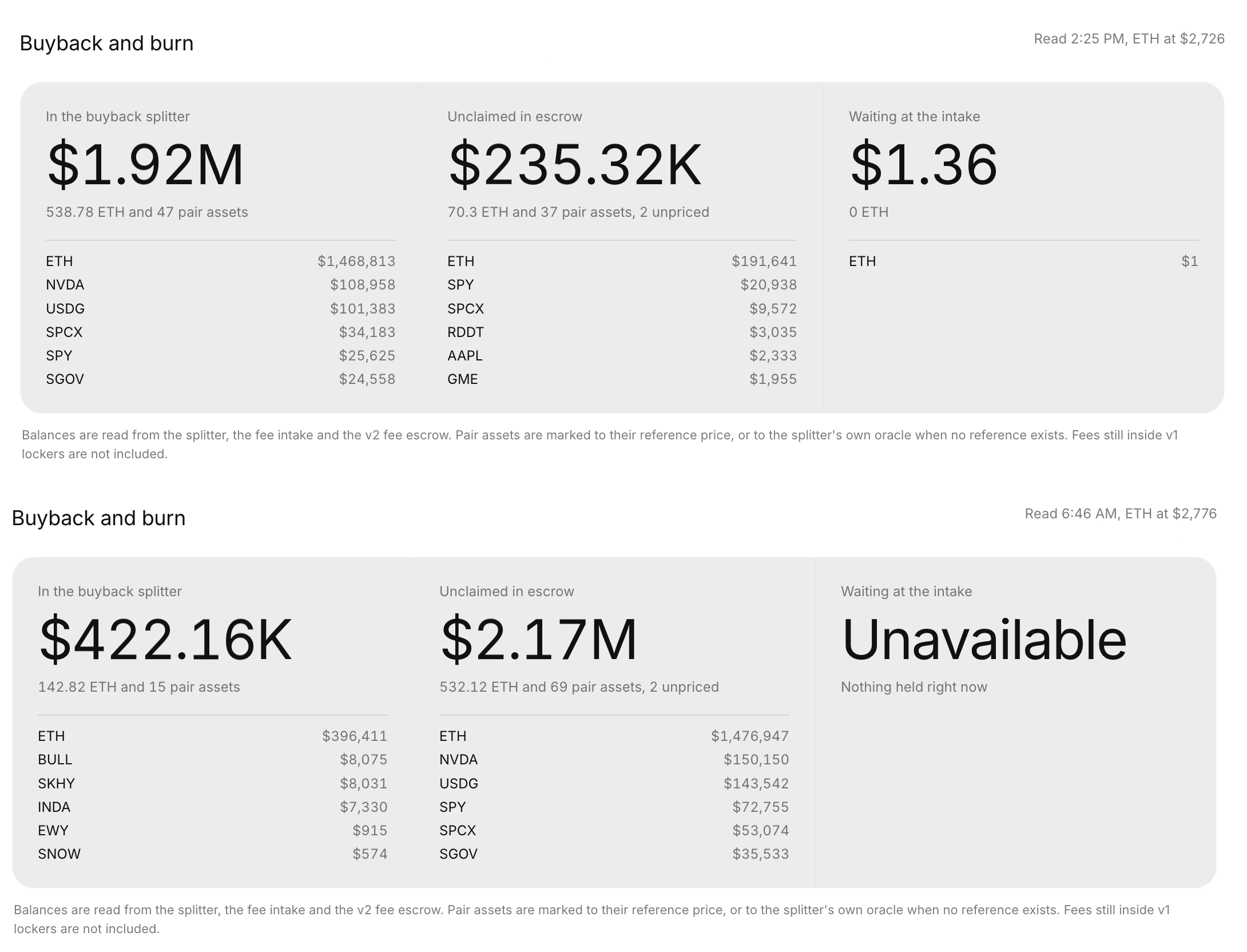
I compared the data before and after funds were transferred to the buyback distributor, and it can be determined that 80% of the funds in the escrow custody account are used to buy back $PONS .
About one hour ago, the PONS team transferred about $1.6M into the buyback distributor to purchase ammunition for the buyback.
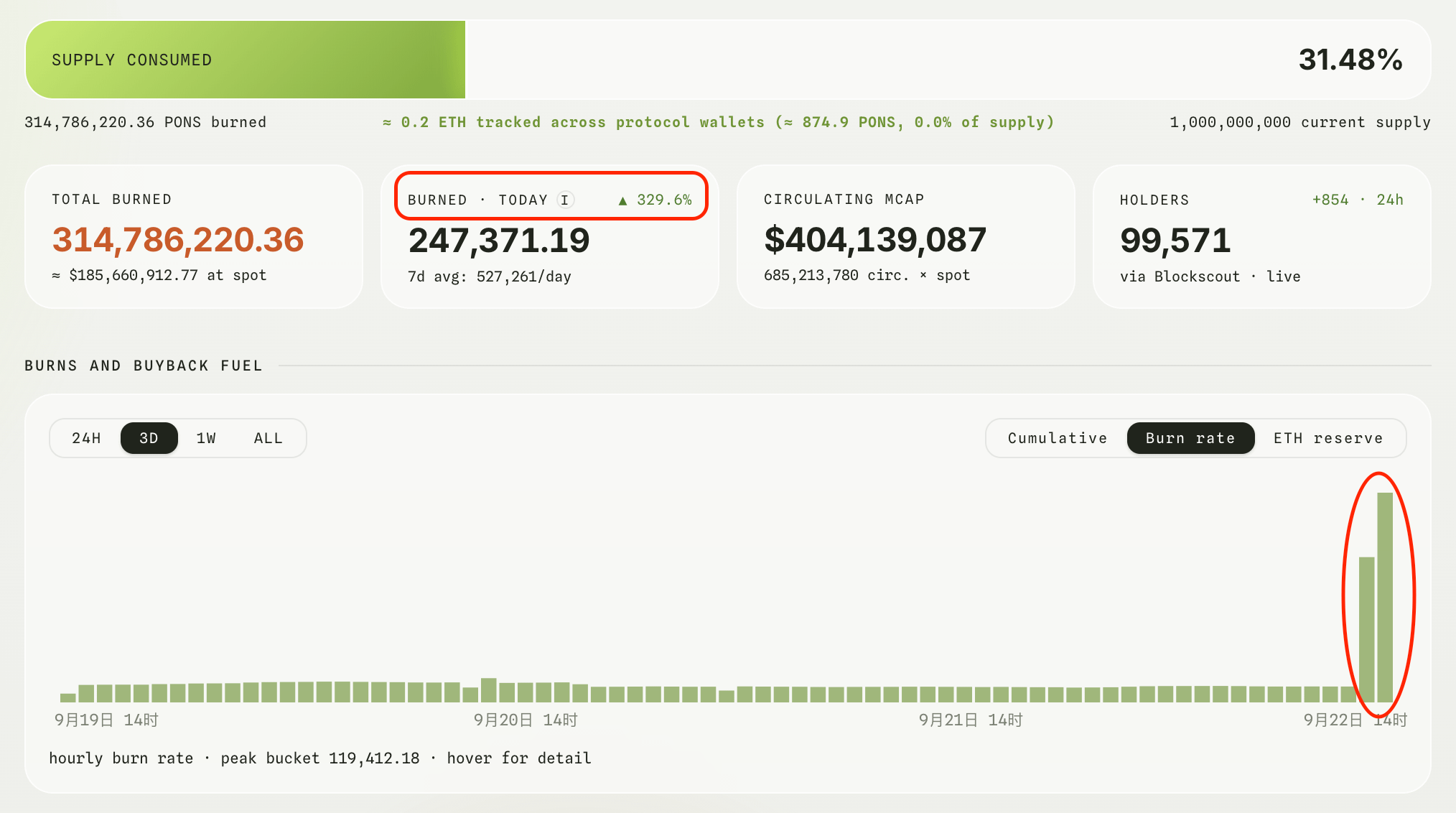
$PONS has started accelerated burning.
#pons $PONS
I compared the data before and after funds were transferred to the buyback distributor, and it can be determined that 80% of the funds in the escrow custody account are used to buy back $PONS .
About one hour ago, the PONS team transferred about $1.6M into the buyback distributor to purchase ammunition for the buyback.
$PONS has started accelerated burning.
#pons $PONS
yyy
·
--
BullishRobinhood Chain The first wave has basically finished and the adjustment is complete; we are ready to start the second wave.
RH Chain Yesterday, the average daily network actual liabilities returned to 22.27 million gas/s, surging 45% in the past 24 hours.
It has once again surpassed Base to become the most active Ethereum L2 on-chain.
#robinhoodchain
RH Chain Yesterday, the average daily network actual liabilities returned to 22.27 million gas/s, surging 45% in the past 24 hours.
It has once again surpassed Base to become the most active Ethereum L2 on-chain.
#robinhoodchain
yyy
·
--
BullishCorrection:
I compared the data before and after funds were transferred to the buyback distributor, and it can be determined that 80% of the funds in the escrow custody account are used to buy back $PONS .
About one hour ago, the PONS team transferred about $1.6M into the buyback distributor to purchase ammunition for the buyback.
$PONS has started accelerated burning.
#pons $PONS
I compared the data before and after funds were transferred to the buyback distributor, and it can be determined that 80% of the funds in the escrow custody account are used to buy back $PONS .
About one hour ago, the PONS team transferred about $1.6M into the buyback distributor to purchase ammunition for the buyback.
$PONS has started accelerated burning.
#pons $PONS
Log in to explore more content