

YZZ竹竹
2.1k Posts

YZZ竹竹
 Square Verified+
Report
Block User
|INFJ|長期主義|價值發現|週期思維|Crypto & Web3【X:@TFY1352531】
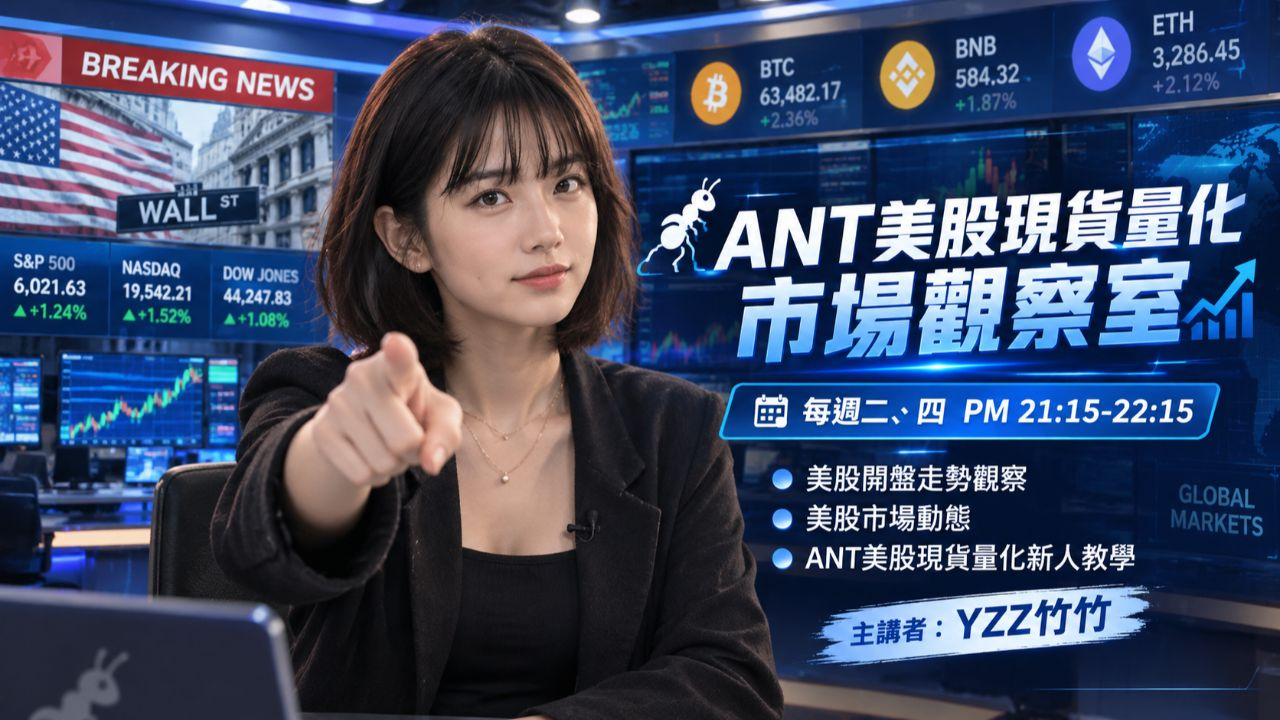
每週二、四 晚上 21:15 - 22:15
美股現貨量化幣安廣場開播!
Open Trade
High-Frequency Trader
1.5 Years
1.1K+ Following
30.5K+ Followers
12.4K+ Liked
Posts
Portfolio
All
Quotes
Videos
Live
·
--
Three Essential Lessons in Crypto Security: Protect Your Assets, Starting with the Details
In the world of cryptocurrency, many people spend every day studying the price of $BTC , the development of $ETH , and which projects have potential, while overlooking something more important than investment profits: how to protect their digital assets.
Blockchain transactions are irreversible. Once assets are sent to the wrong address or transferred away in a scam, they are often very difficult to recover. So whether you’re new to crypto or a seasoned investor, you should develop these three security habits.
First, protect your private keys and seed phrase.
Your private keys and seed phrase are like the highest level of access to your wallet. If someone else gets hold of them, they may be able to take control of your assets directly. Don’t screenshot your seed phrase and save it in your phone’s photo library or cloud storage, and never share it with anyone. Store it securely offline and make a safe backup. Remember: legitimate customer support will never ask you for your seed phrase.
Second, don’t click links or sign transactions indiscriminately.
Common crypto scams include fake airdrops, fraudulent websites, fake customer support, and attempts to trick users into authorizing malicious smart contracts. Sometimes the problem isn’t that a wallet was hacked, but that the user unknowingly handed over control of their assets. Before participating in an airdrop or DeFi project, always verify the official website, contract address, and transaction details. You should also regularly review and revoke token approvals you no longer need.
Third, build multiple layers of account protection.
Enable two-factor authentication on exchange accounts, use a unique, strong password, and, if the platform offers these features, enable a withdrawal whitelist and anti-phishing code. For large assets you plan to hold long term, consider using a hardware wallet to reduce the risk of a single account being compromised. When making a transfer, double-check the network, address, and amount; if necessary, start with a small test transaction.
In the end, I’ve always believed that investment skill is reflected not only in the ability to read the market, but also in the discipline to manage risk. When the market falls, there may still be a chance to wait for a rebound. But if your assets are stolen, you may not get another chance to start over. In the world of crypto, knowing how to make money is a skill; knowing how to protect your assets is the key to long-term survival.
#Crypto安全 #加密貨幣 #區塊鏈安全 #Web3 #資產保護
Three Essential Lessons in Crypto Security: Protect Your Assets, Starting with the Details
In the world of cryptocurrency, many people spend every day studying the price of $BTC , the development of $ETH , and which projects have potential, while overlooking something more important than investment profits: how to protect their digital assets.
Blockchain transactions are irreversible. Once assets are sent to the wrong address or transferred away in a scam, they are often very difficult to recover. So whether you’re new to crypto or a seasoned investor, you should develop these three security habits.
First, protect your private keys and seed phrase.
Your private keys and seed phrase are like the highest level of access to your wallet. If someone else gets hold of them, they may be able to take control of your assets directly. Don’t screenshot your seed phrase and save it in your phone’s photo library or cloud storage, and never share it with anyone. Store it securely offline and make a safe backup. Remember: legitimate customer support will never ask you for your seed phrase.
Second, don’t click links or sign transactions indiscriminately.
Common crypto scams include fake airdrops, fraudulent websites, fake customer support, and attempts to trick users into authorizing malicious smart contracts. Sometimes the problem isn’t that a wallet was hacked, but that the user unknowingly handed over control of their assets. Before participating in an airdrop or DeFi project, always verify the official website, contract address, and transaction details. You should also regularly review and revoke token approvals you no longer need.
Third, build multiple layers of account protection.
Enable two-factor authentication on exchange accounts, use a unique, strong password, and, if the platform offers these features, enable a withdrawal whitelist and anti-phishing code. For large assets you plan to hold long term, consider using a hardware wallet to reduce the risk of a single account being compromised. When making a transfer, double-check the network, address, and amount; if necessary, start with a small test transaction.
In the end, I’ve always believed that investment skill is reflected not only in the ability to read the market, but also in the discipline to manage risk. When the market falls, there may still be a chance to wait for a rebound. But if your assets are stolen, you may not get another chance to start over. In the world of crypto, knowing how to make money is a skill; knowing how to protect your assets is the key to long-term survival.
#Crypto安全 #加密貨幣 #區塊鏈安全 #Web3 #資產保護
In the world of cryptocurrency, many people spend every day studying the price of $BTC , the development of $ETH , and which projects have potential, while overlooking something more important than investment profits: how to protect their digital assets.
Blockchain transactions are irreversible. Once assets are sent to the wrong address or transferred away in a scam, they are often very difficult to recover. So whether you’re new to crypto or a seasoned investor, you should develop these three security habits.
First, protect your private keys and seed phrase.
Your private keys and seed phrase are like the highest level of access to your wallet. If someone else gets hold of them, they may be able to take control of your assets directly. Don’t screenshot your seed phrase and save it in your phone’s photo library or cloud storage, and never share it with anyone. Store it securely offline and make a safe backup. Remember: legitimate customer support will never ask you for your seed phrase.
Second, don’t click links or sign transactions indiscriminately.
Common crypto scams include fake airdrops, fraudulent websites, fake customer support, and attempts to trick users into authorizing malicious smart contracts. Sometimes the problem isn’t that a wallet was hacked, but that the user unknowingly handed over control of their assets. Before participating in an airdrop or DeFi project, always verify the official website, contract address, and transaction details. You should also regularly review and revoke token approvals you no longer need.
Third, build multiple layers of account protection.
Enable two-factor authentication on exchange accounts, use a unique, strong password, and, if the platform offers these features, enable a withdrawal whitelist and anti-phishing code. For large assets you plan to hold long term, consider using a hardware wallet to reduce the risk of a single account being compromised. When making a transfer, double-check the network, address, and amount; if necessary, start with a small test transaction.
In the end, I’ve always believed that investment skill is reflected not only in the ability to read the market, but also in the discipline to manage risk. When the market falls, there may still be a chance to wait for a rebound. But if your assets are stolen, you may not get another chance to start over. In the world of crypto, knowing how to make money is a skill; knowing how to protect your assets is the key to long-term survival.
#Crypto安全 #加密貨幣 #區塊鏈安全 #Web3 #資產保護
2
4
320
·
--
#cftc拟将事件合约纳入掉期监管
The U.S. Commodity Futures Trading Commission (CFTC) has announced a new regulatory proposal to amend the statutory definition of “swap,” formally bringing “event contracts” involving areas such as sports, politics, and weather under its regulatory remit. The move aims to establish a clear federal derivatives regulatory framework for popular prediction markets such as Polymarket and Kalshi.
Under the new rules, event contracts traded on CFTC-registered exchanges would fall under exclusive federal jurisdiction. At the same time, the CFTC has issued an interim final rule explicitly excluding traditional casino-style products from the definition of swaps, drawing a clear line between derivatives and ordinary casino-style products.
The rapid rise of event contracts in recent years has sparked jurisdictional disputes and litigation between federal authorities and state casino-style regulators. The CFTC says that bringing event contracts into the swaps framework can improve market transparency and protect investors. The proposal is now open for public comment for 30 days.
#cftc拟将事件合约纳入掉期监管
The U.S. Commodity Futures Trading Commission (CFTC) has announced a new regulatory proposal to amend the statutory definition of “swap,” formally bringing “event contracts” involving areas such as sports, politics, and weather under its regulatory remit. The move aims to establish a clear federal derivatives regulatory framework for popular prediction markets such as Polymarket and Kalshi.
Under the new rules, event contracts traded on CFTC-registered exchanges would fall under exclusive federal jurisdiction. At the same time, the CFTC has issued an interim final rule explicitly excluding traditional casino-style products from the definition of swaps, drawing a clear line between derivatives and ordinary casino-style products.
The rapid rise of event contracts in recent years has sparked jurisdictional disputes and litigation between federal authorities and state casino-style regulators. The CFTC says that bringing event contracts into the swaps framework can improve market transparency and protect investors. The proposal is now open for public comment for 30 days.
The U.S. Commodity Futures Trading Commission (CFTC) has announced a new regulatory proposal to amend the statutory definition of “swap,” formally bringing “event contracts” involving areas such as sports, politics, and weather under its regulatory remit. The move aims to establish a clear federal derivatives regulatory framework for popular prediction markets such as Polymarket and Kalshi.
Under the new rules, event contracts traded on CFTC-registered exchanges would fall under exclusive federal jurisdiction. At the same time, the CFTC has issued an interim final rule explicitly excluding traditional casino-style products from the definition of swaps, drawing a clear line between derivatives and ordinary casino-style products.
The rapid rise of event contracts in recent years has sparked jurisdictional disputes and litigation between federal authorities and state casino-style regulators. The CFTC says that bringing event contracts into the swaps framework can improve market transparency and protect investors. The proposal is now open for public comment for 30 days.
1
325
·
--
#tether冻结ledger盗窃案相关usdt
Blockchain security analytics firm MistTrack reports that stablecoin issuer Tether has taken emergency action to freeze multiple on-chain addresses linked to the recent theft of funds from Ledger hardware wallet users. The estimated total losses from the security incident have now climbed to nearly $90 million.
Preliminary investigations suggest the incident may be linked to a supply chain attack on Southeast Asian distributor CryptoBilis, which led to the unauthorized transfer of funds from victims’ wallets across multiple blockchains. After Tether activated its asset-freezing mechanism, on-chain data showed the attackers attempting to use decentralized exchanges to convert the remaining USDT into other tokens and move the funds.
In response, Ledger has urgently suspended sales through the distributor in question and urged users who recently purchased devices to conduct a thorough security review. Security teams and exchanges are working together to trace the flow of the stolen funds, and will coordinate efforts to freeze and recover the assets.
#tether冻结ledger盗窃案相关usdt
Blockchain security analytics firm MistTrack reports that stablecoin issuer Tether has taken emergency action to freeze multiple on-chain addresses linked to the recent theft of funds from Ledger hardware wallet users. The estimated total losses from the security incident have now climbed to nearly $90 million.
Preliminary investigations suggest the incident may be linked to a supply chain attack on Southeast Asian distributor CryptoBilis, which led to the unauthorized transfer of funds from victims’ wallets across multiple blockchains. After Tether activated its asset-freezing mechanism, on-chain data showed the attackers attempting to use decentralized exchanges to convert the remaining USDT into other tokens and move the funds.
In response, Ledger has urgently suspended sales through the distributor in question and urged users who recently purchased devices to conduct a thorough security review. Security teams and exchanges are working together to trace the flow of the stolen funds, and will coordinate efforts to freeze and recover the assets.
Blockchain security analytics firm MistTrack reports that stablecoin issuer Tether has taken emergency action to freeze multiple on-chain addresses linked to the recent theft of funds from Ledger hardware wallet users. The estimated total losses from the security incident have now climbed to nearly $90 million.
Preliminary investigations suggest the incident may be linked to a supply chain attack on Southeast Asian distributor CryptoBilis, which led to the unauthorized transfer of funds from victims’ wallets across multiple blockchains. After Tether activated its asset-freezing mechanism, on-chain data showed the attackers attempting to use decentralized exchanges to convert the remaining USDT into other tokens and move the funds.
In response, Ledger has urgently suspended sales through the distributor in question and urged users who recently purchased devices to conduct a thorough security review. Security teams and exchanges are working together to trace the flow of the stolen funds, and will coordinate efforts to freeze and recover the assets.
2
1.9k
·
--
Verified
#strk24小时上涨约20%
Ethereum Layer 2 scaling network Starknet’s native token, STRK, performed strongly over the past 24 hours, gaining around 20%. The main catalyst for the rally was Starknet’s official disclosure that it is actively evaluating the possibility of transitioning into an independent Layer 1 (L1) blockchain.
According to reports, StarkWare CEO Eli Ben-Sasson said that if the pace of Ethereum upgrades cannot meet future needs, Starknet will consider going independent, with the goal of building the world’s first independent quantum-resistant public blockchain by 2027. This transition plan means Starknet may no longer rely on Ethereum to maintain its security, and could instead validate transactions independently on its own network.
Boosted by the positive news about the potential transition, buying activity in perpetual futures and spot markets surged, driving STRK’s price sharply higher. Market analysts believe that although the transition plan is still under evaluation, this direction has significantly expanded expectations for STRK’s long-term ecosystem value and the utility of the token. Cryptocurrency markets are highly volatile, so investors should continue to monitor official governance proposals and updates to the detailed roadmap.
#strk24小时上涨约20%
Ethereum Layer 2 scaling network Starknet’s native token, STRK, performed strongly over the past 24 hours, gaining around 20%. The main catalyst for the rally was Starknet’s official disclosure that it is actively evaluating the possibility of transitioning into an independent Layer 1 (L1) blockchain.
According to reports, StarkWare CEO Eli Ben-Sasson said that if the pace of Ethereum upgrades cannot meet future needs, Starknet will consider going independent, with the goal of building the world’s first independent quantum-resistant public blockchain by 2027. This transition plan means Starknet may no longer rely on Ethereum to maintain its security, and could instead validate transactions independently on its own network.
Boosted by the positive news about the potential transition, buying activity in perpetual futures and spot markets surged, driving STRK’s price sharply higher. Market analysts believe that although the transition plan is still under evaluation, this direction has significantly expanded expectations for STRK’s long-term ecosystem value and the utility of the token. Cryptocurrency markets are highly volatile, so investors should continue to monitor official governance proposals and updates to the detailed roadmap.
Ethereum Layer 2 scaling network Starknet’s native token, STRK, performed strongly over the past 24 hours, gaining around 20%. The main catalyst for the rally was Starknet’s official disclosure that it is actively evaluating the possibility of transitioning into an independent Layer 1 (L1) blockchain.
According to reports, StarkWare CEO Eli Ben-Sasson said that if the pace of Ethereum upgrades cannot meet future needs, Starknet will consider going independent, with the goal of building the world’s first independent quantum-resistant public blockchain by 2027. This transition plan means Starknet may no longer rely on Ethereum to maintain its security, and could instead validate transactions independently on its own network.
Boosted by the positive news about the potential transition, buying activity in perpetual futures and spot markets surged, driving STRK’s price sharply higher. Market analysts believe that although the transition plan is still under evaluation, this direction has significantly expanded expectations for STRK’s long-term ecosystem value and the utility of the token. Cryptocurrency markets are highly volatile, so investors should continue to monitor official governance proposals and updates to the detailed roadmap.
2
9
13.5k
·
--
According to The Washington Post, the Trump administration is reassessing its timeline for applying economic pressure on Iran. As stepped-up sanctions and a port blockade have yet to force Tehran to accept U.S. negotiating terms, Washington is gradually coming to terms with the possibility that the effort could last months or even longer. The “economic exile operation” against Iran is shifting from seeking short-term results to a prolonged war of attrition.
U.S. Treasury Secretary Scott Bessent previously predicted that Iranian airlines would be forced to halt international operations by the end of September, but that goal has not been achieved. Although the U.S. blockade has sharply curtailed Iran’s new oil exports, Iran is still selling crude from stocks shipped out earlier. Reuters cited data showing that about 20 million barrels of Iranian crude remain outside the blockade zone. Kpler data, meanwhile, show that Iran can still transport about 250,000 barrels of oil a day overland to foreign destinations.
In the next phase, the United States will continue to expand its targeting of Iranian banks, airlines, oil tankers, and intermediary networks, while pressuring foreign financial institutions and warning that transactions with Iran could expose them to secondary sanctions. The United States is also seeking to restrict Iran’s use of a shadow fleet, ship-to-ship transfers, and trade through third countries to evade sanctions.
However, economic pressure has not yet translated into Iranian concessions on core issues such as its nuclear program. Tehran continues to demand that the United States lift the port blockade, ease oil sanctions, and release frozen assets. The U.S. government’s current assessment is that, as long as Iran’s oil revenues and access to international financial channels continue to be squeezed, time will gradually turn in America’s favor. But a prolonged blockade also means greater military commitments, shipping risks, and costs to energy markets.
According to The Washington Post, the Trump administration is reassessing its timeline for applying economic pressure on Iran. As stepped-up sanctions and a port blockade have yet to force Tehran to accept U.S. negotiating terms, Washington is gradually coming to terms with the possibility that the effort could last months or even longer. The “economic exile operation” against Iran is shifting from seeking short-term results to a prolonged war of attrition.
U.S. Treasury Secretary Scott Bessent previously predicted that Iranian airlines would be forced to halt international operations by the end of September, but that goal has not been achieved. Although the U.S. blockade has sharply curtailed Iran’s new oil exports, Iran is still selling crude from stocks shipped out earlier. Reuters cited data showing that about 20 million barrels of Iranian crude remain outside the blockade zone. Kpler data, meanwhile, show that Iran can still transport about 250,000 barrels of oil a day overland to foreign destinations.
In the next phase, the United States will continue to expand its targeting of Iranian banks, airlines, oil tankers, and intermediary networks, while pressuring foreign financial institutions and warning that transactions with Iran could expose them to secondary sanctions. The United States is also seeking to restrict Iran’s use of a shadow fleet, ship-to-ship transfers, and trade through third countries to evade sanctions.
However, economic pressure has not yet translated into Iranian concessions on core issues such as its nuclear program. Tehran continues to demand that the United States lift the port blockade, ease oil sanctions, and release frozen assets. The U.S. government’s current assessment is that, as long as Iran’s oil revenues and access to international financial channels continue to be squeezed, time will gradually turn in America’s favor. But a prolonged blockade also means greater military commitments, shipping risks, and costs to energy markets.
U.S. Treasury Secretary Scott Bessent previously predicted that Iranian airlines would be forced to halt international operations by the end of September, but that goal has not been achieved. Although the U.S. blockade has sharply curtailed Iran’s new oil exports, Iran is still selling crude from stocks shipped out earlier. Reuters cited data showing that about 20 million barrels of Iranian crude remain outside the blockade zone. Kpler data, meanwhile, show that Iran can still transport about 250,000 barrels of oil a day overland to foreign destinations.
In the next phase, the United States will continue to expand its targeting of Iranian banks, airlines, oil tankers, and intermediary networks, while pressuring foreign financial institutions and warning that transactions with Iran could expose them to secondary sanctions. The United States is also seeking to restrict Iran’s use of a shadow fleet, ship-to-ship transfers, and trade through third countries to evade sanctions.
However, economic pressure has not yet translated into Iranian concessions on core issues such as its nuclear program. Tehran continues to demand that the United States lift the port blockade, ease oil sanctions, and release frozen assets. The U.S. government’s current assessment is that, as long as Iran’s oil revenues and access to international financial channels continue to be squeezed, time will gradually turn in America’s favor. But a prolonged blockade also means greater military commitments, shipping risks, and costs to energy markets.
2
115
·
--
#imf称代币化市场仍小且碎片化
The International Monetary Fund (IMF) released its latest Global Financial Stability Report (GFSR), noting that although the tokenized asset market has grown rapidly in recent years, its overall size remains relatively small and highly fragmented. The report shows that publicly reported tokenized real-world assets (RWAs) currently total around $65 billion—still a negligible share of the global traditional capital markets, valued at as much as $300 trillion.
The IMF notes that the market currently relies heavily on retail investors trading outside business hours and buying and selling fractional amounts, and that tokenized assets are often more volatile than traditional financial assets. In addition, a lack of interoperability among platforms has led to severe fragmentation of liquidity. The IMF stresses that, to achieve safe scaling in the future, the market must establish a clear legal framework, consistent regulatory standards, and cross-platform interoperability.
#imf称代币化市场仍小且碎片化
The International Monetary Fund (IMF) released its latest Global Financial Stability Report (GFSR), noting that although the tokenized asset market has grown rapidly in recent years, its overall size remains relatively small and highly fragmented. The report shows that publicly reported tokenized real-world assets (RWAs) currently total around $65 billion—still a negligible share of the global traditional capital markets, valued at as much as $300 trillion.
The IMF notes that the market currently relies heavily on retail investors trading outside business hours and buying and selling fractional amounts, and that tokenized assets are often more volatile than traditional financial assets. In addition, a lack of interoperability among platforms has led to severe fragmentation of liquidity. The IMF stresses that, to achieve safe scaling in the future, the market must establish a clear legal framework, consistent regulatory standards, and cross-platform interoperability.
The International Monetary Fund (IMF) released its latest Global Financial Stability Report (GFSR), noting that although the tokenized asset market has grown rapidly in recent years, its overall size remains relatively small and highly fragmented. The report shows that publicly reported tokenized real-world assets (RWAs) currently total around $65 billion—still a negligible share of the global traditional capital markets, valued at as much as $300 trillion.
The IMF notes that the market currently relies heavily on retail investors trading outside business hours and buying and selling fractional amounts, and that tokenized assets are often more volatile than traditional financial assets. In addition, a lack of interoperability among platforms has led to severe fragmentation of liquidity. The IMF stresses that, to achieve safe scaling in the future, the market must establish a clear legal framework, consistent regulatory standards, and cross-platform interoperability.
3
562
·
--
Verified
#比特币寿险公司meanwhile融资3750万美元
Meanwhile, headquartered in Bermuda and the world's first life insurer fully denominated in Bitcoin, announced that it had raised $37.5 million in its latest funding round, bringing its valuation to $350 million. The round included participation from existing investors, including prominent venture capital firms and supporters such as OpenAI CEO Sam Altman.
Meanwhile specializes in regulated life insurance products whose premiums and claims are settled entirely in Bitcoin, and is licensed and supervised by the Bermuda Monetary Authority (BMA). As demand for cryptocurrency wealth-transfer solutions grows among high-net-worth families and private banks in Asia, Europe, and the Middle East, the company has seen strong business performance: its long-term underwriting revenue this year has already surpassed last year's total. The funds will be used to expand into global markets and meet growing demand for digital asset insurance.
#比特币寿险公司meanwhile融资3750万美元
Meanwhile, headquartered in Bermuda and the world's first life insurer fully denominated in Bitcoin, announced that it had raised $37.5 million in its latest funding round, bringing its valuation to $350 million. The round included participation from existing investors, including prominent venture capital firms and supporters such as OpenAI CEO Sam Altman.
Meanwhile specializes in regulated life insurance products whose premiums and claims are settled entirely in Bitcoin, and is licensed and supervised by the Bermuda Monetary Authority (BMA). As demand for cryptocurrency wealth-transfer solutions grows among high-net-worth families and private banks in Asia, Europe, and the Middle East, the company has seen strong business performance: its long-term underwriting revenue this year has already surpassed last year's total. The funds will be used to expand into global markets and meet growing demand for digital asset insurance.
Meanwhile, headquartered in Bermuda and the world's first life insurer fully denominated in Bitcoin, announced that it had raised $37.5 million in its latest funding round, bringing its valuation to $350 million. The round included participation from existing investors, including prominent venture capital firms and supporters such as OpenAI CEO Sam Altman.
Meanwhile specializes in regulated life insurance products whose premiums and claims are settled entirely in Bitcoin, and is licensed and supervised by the Bermuda Monetary Authority (BMA). As demand for cryptocurrency wealth-transfer solutions grows among high-net-worth families and private banks in Asia, Europe, and the Middle East, the company has seen strong business performance: its long-term underwriting revenue this year has already surpassed last year's total. The funds will be used to expand into global markets and meet growing demand for digital asset insurance.
1
969
·
--
#美参议员调查cantorfitzgerald与tether关系
Senior Democratic Senator Richard Blumenthal of the U.S. Senate Permanent Subcommittee on Investigations (PSI) has formally written to Brandon Lutnick, CEO of Wall Street financial giant Cantor Fitzgerald, demanding a detailed account of the firm’s partnership and financial relationship with Tether, the world’s largest stablecoin issuer.
Cantor Fitzgerald is responsible for holding most of Tether’s assets in the United States (more than half of its reserves), so the investigation is focused primarily on reviewing the firm’s banking compliance and sanctions safeguards. The senator is seeking clarification on whether the firm is involved in preventing stablecoins from being used for illicit purposes, such as Iran’s shadow banking network, terrorist financing, or evading sanctions on Russia. The inquiry has drawn significant market attention to compliance risks involving Wall Street institutions and cryptocurrency giants.
#美参议员调查cantorfitzgerald与tether关系
Senior Democratic Senator Richard Blumenthal of the U.S. Senate Permanent Subcommittee on Investigations (PSI) has formally written to Brandon Lutnick, CEO of Wall Street financial giant Cantor Fitzgerald, demanding a detailed account of the firm’s partnership and financial relationship with Tether, the world’s largest stablecoin issuer.
Cantor Fitzgerald is responsible for holding most of Tether’s assets in the United States (more than half of its reserves), so the investigation is focused primarily on reviewing the firm’s banking compliance and sanctions safeguards. The senator is seeking clarification on whether the firm is involved in preventing stablecoins from being used for illicit purposes, such as Iran’s shadow banking network, terrorist financing, or evading sanctions on Russia. The inquiry has drawn significant market attention to compliance risks involving Wall Street institutions and cryptocurrency giants.
Senior Democratic Senator Richard Blumenthal of the U.S. Senate Permanent Subcommittee on Investigations (PSI) has formally written to Brandon Lutnick, CEO of Wall Street financial giant Cantor Fitzgerald, demanding a detailed account of the firm’s partnership and financial relationship with Tether, the world’s largest stablecoin issuer.
Cantor Fitzgerald is responsible for holding most of Tether’s assets in the United States (more than half of its reserves), so the investigation is focused primarily on reviewing the firm’s banking compliance and sanctions safeguards. The senator is seeking clarification on whether the firm is involved in preventing stablecoins from being used for illicit purposes, such as Iran’s shadow banking network, terrorist financing, or evading sanctions on Russia. The inquiry has drawn significant market attention to compliance risks involving Wall Street institutions and cryptocurrency giants.
1
1.2k
·
--
🎙️ U.S. stocks and crypto are moving in tandem | Which would you like to talk about tonight?
End
01 h 02 m 41 s
149
MRVLB/USDT
Market/Buy
Filled
1
0
·
--
Bullish
Pretty good, pretty good!! Everyone gets to share in the AI dividend.
The government is giving out 10,000 in red envelopes before the New Year—so happy ^^
Pretty good, pretty good!! Everyone gets to share in the AI dividend.
The government is giving out 10,000 in red envelopes before the New Year—so happy ^^
The government is giving out 10,000 in red envelopes before the New Year—so happy ^^
1
1
636
·
--
U.S. President Donald Trump said on Oct. 7 local time that he was “not very interested” in reaching a deal with Iran at the moment. Earlier, NBC News reported that Trump and his national security team were discussing the possibility of resuming large-scale military action against Iran in the coming weeks. Axios reported that potential action could include “massive bombing” of Iran’s energy, infrastructure and nuclear facilities.
Speaking at a campaign event in San Antonio, Texas, Trump said Iran was willing to offer “anything” to stop the conflict, but that he did not want to reach a deal at this time. He also said Steve Witkoff, the U.S. special envoy for Middle East affairs, was advancing the negotiations and “doing a great job.”
Significant differences remain in recent U.S.-Iran negotiations. U.S. Vice President J.D. Vance said Iran must substantially reduce its nuclear enrichment capacity to meet the U.S. demand for an end to the war. Iran, meanwhile, criticized U.S. officials for taking contradictory positions and insisted that its right to enrich uranium was non-negotiable.
Meanwhile, conflict continues to affect energy markets in the Middle East. Kpler data shows that crude oil exports through the Gulf region, excluding Iran, together with exports from Saudi Arabia and the UAE, have recovered to about 18.5 million barrels per day—the level seen before the conflict—though oil prices remain high. Kpler analysts say that even without a new diplomatic agreement, Middle East oil shipments could gradually recover through operational adjustments, but the process would be slower and more uneven.
U.S. President Donald Trump said on Oct. 7 local time that he was “not very interested” in reaching a deal with Iran at the moment. Earlier, NBC News reported that Trump and his national security team were discussing the possibility of resuming large-scale military action against Iran in the coming weeks. Axios reported that potential action could include “massive bombing” of Iran’s energy, infrastructure and nuclear facilities.
Speaking at a campaign event in San Antonio, Texas, Trump said Iran was willing to offer “anything” to stop the conflict, but that he did not want to reach a deal at this time. He also said Steve Witkoff, the U.S. special envoy for Middle East affairs, was advancing the negotiations and “doing a great job.”
Significant differences remain in recent U.S.-Iran negotiations. U.S. Vice President J.D. Vance said Iran must substantially reduce its nuclear enrichment capacity to meet the U.S. demand for an end to the war. Iran, meanwhile, criticized U.S. officials for taking contradictory positions and insisted that its right to enrich uranium was non-negotiable.
Meanwhile, conflict continues to affect energy markets in the Middle East. Kpler data shows that crude oil exports through the Gulf region, excluding Iran, together with exports from Saudi Arabia and the UAE, have recovered to about 18.5 million barrels per day—the level seen before the conflict—though oil prices remain high. Kpler analysts say that even without a new diplomatic agreement, Middle East oil shipments could gradually recover through operational adjustments, but the process would be slower and more uneven.
Speaking at a campaign event in San Antonio, Texas, Trump said Iran was willing to offer “anything” to stop the conflict, but that he did not want to reach a deal at this time. He also said Steve Witkoff, the U.S. special envoy for Middle East affairs, was advancing the negotiations and “doing a great job.”
Significant differences remain in recent U.S.-Iran negotiations. U.S. Vice President J.D. Vance said Iran must substantially reduce its nuclear enrichment capacity to meet the U.S. demand for an end to the war. Iran, meanwhile, criticized U.S. officials for taking contradictory positions and insisted that its right to enrich uranium was non-negotiable.
Meanwhile, conflict continues to affect energy markets in the Middle East. Kpler data shows that crude oil exports through the Gulf region, excluding Iran, together with exports from Saudi Arabia and the UAE, have recovered to about 18.5 million barrels per day—the level seen before the conflict—though oil prices remain high. Kpler analysts say that even without a new diplomatic agreement, Middle East oil shipments could gradually recover through operational adjustments, but the process would be slower and more uneven.
1
174
·
--
🎙️ Will It Plunge Today? Teacher Kela Explains.
End
02 h 00 m 55 s
323
ZEC/USDT
Market/Buy
Filled
2
1
·
--
Lisa Su visits Taiwan again: Strong demand for AI chips, memory supply remains tight
AMD CEO Lisa Su arrived in Taiwan today for a brief visit. Speaking to the media in Taipei, she said global chip demand remains significantly higher than supply, with memory chip supply particularly tight. As the AI industry develops rapidly, she expects market demand to remain strong over the next few years.
Su said AMD is working closely with memory suppliers to coordinate customer demand and supply plans, and thanked TSMC for continuing to expand capacity. She stressed that the key is not only to expand capacity, but also to ensure the new capacity can come online in tandem. Chip supply is expected to increase significantly in 2027.
On AI development, she said AI will have a positive impact on the world and will not harm humanity. She also emphasized the importance of collaboration among major U.S. AI companies. She noted that much work remains to be done to ensure safe innovation, and that industry and government must work together to move forward.
Regarding the United States’ establishment of a “Superintelligence Working Group,” Su said it was an important step toward advancing AI safety and innovation. During her visit to Taiwan, she will also visit TSMC and hold in-depth discussions with Foxconn to further strengthen cooperation across the AI supply chain.$AMDB
{spot}(AMDBUSDT)
Lisa Su visits Taiwan again: Strong demand for AI chips, memory supply remains tight
AMD CEO Lisa Su arrived in Taiwan today for a brief visit. Speaking to the media in Taipei, she said global chip demand remains significantly higher than supply, with memory chip supply particularly tight. As the AI industry develops rapidly, she expects market demand to remain strong over the next few years.
Su said AMD is working closely with memory suppliers to coordinate customer demand and supply plans, and thanked TSMC for continuing to expand capacity. She stressed that the key is not only to expand capacity, but also to ensure the new capacity can come online in tandem. Chip supply is expected to increase significantly in 2027.
On AI development, she said AI will have a positive impact on the world and will not harm humanity. She also emphasized the importance of collaboration among major U.S. AI companies. She noted that much work remains to be done to ensure safe innovation, and that industry and government must work together to move forward.
Regarding the United States’ establishment of a “Superintelligence Working Group,” Su said it was an important step toward advancing AI safety and innovation. During her visit to Taiwan, she will also visit TSMC and hold in-depth discussions with Foxconn to further strengthen cooperation across the AI supply chain.$AMDB
AMD CEO Lisa Su arrived in Taiwan today for a brief visit. Speaking to the media in Taipei, she said global chip demand remains significantly higher than supply, with memory chip supply particularly tight. As the AI industry develops rapidly, she expects market demand to remain strong over the next few years.
Su said AMD is working closely with memory suppliers to coordinate customer demand and supply plans, and thanked TSMC for continuing to expand capacity. She stressed that the key is not only to expand capacity, but also to ensure the new capacity can come online in tandem. Chip supply is expected to increase significantly in 2027.
On AI development, she said AI will have a positive impact on the world and will not harm humanity. She also emphasized the importance of collaboration among major U.S. AI companies. She noted that much work remains to be done to ensure safe innovation, and that industry and government must work together to move forward.
Regarding the United States’ establishment of a “Superintelligence Working Group,” Su said it was an important step toward advancing AI safety and innovation. During her visit to Taiwan, she will also visit TSMC and hold in-depth discussions with Foxconn to further strengthen cooperation across the AI supply chain.$AMDB
2
365
·
--
Bullish
Sometimes, we don’t mean not to go to the temple—we truly just can’t.
Work is too busy, people are far away, mobility is inconvenient, or even just late at night when you suddenly want to pray for peace—for yourself, for your family, or for someone you care about.
🪷On the #舍利子 chain, there is now an added “#祈福求籤專區 ” 🪷
Here, two major blessing ecosystems are newly introduced:
🏮 Blessing Candle Points 🏮 Light 1 reliquary
One lamp represents one wish.
You can pray for yourself, for your family, your friends, or even for a departed loved one by lighting a lamp. May the lamp burn bright, may your heart feel at ease, and may this blessing leave its own record on the chain.
🏮 Avalokiteśvara Oracle Lot 🏮 Light 5 reliquary
When life presents choices, confusion, or when you simply want to find a direction, you can come to request an Avalokiteśvara oracle lot. It doesn’t decide your life for you—it helps you, in the moment you pause, to reorganize your own heart.
You can be away from home and still pray for your family; you can light a lamp for yourself in the dead of night; and when you don’t know the answer, you can ask for a lot and give yourself a chance to think again.
You may not be able to go to a temple, but your intentions don’t have to be absent.
🪷 Reliquary 🪷 gives faith a new digital entry.
May all you ask be answered, and may all your paths be lit with light.
Sometimes, we don’t mean not to go to the temple—we truly just can’t.
Work is too busy, people are far away, mobility is inconvenient, or even just late at night when you suddenly want to pray for peace—for yourself, for your family, or for someone you care about.
🪷On the #舍利子 chain, there is now an added “#祈福求籤專區 ” 🪷
Here, two major blessing ecosystems are newly introduced:
🏮 Blessing Candle Points 🏮 Light 1 reliquary
One lamp represents one wish.
You can pray for yourself, for your family, your friends, or even for a departed loved one by lighting a lamp. May the lamp burn bright, may your heart feel at ease, and may this blessing leave its own record on the chain.
🏮 Avalokiteśvara Oracle Lot 🏮 Light 5 reliquary
When life presents choices, confusion, or when you simply want to find a direction, you can come to request an Avalokiteśvara oracle lot. It doesn’t decide your life for you—it helps you, in the moment you pause, to reorganize your own heart.
You can be away from home and still pray for your family; you can light a lamp for yourself in the dead of night; and when you don’t know the answer, you can ask for a lot and give yourself a chance to think again.
You may not be able to go to a temple, but your intentions don’t have to be absent.
🪷 Reliquary 🪷 gives faith a new digital entry.
May all you ask be answered, and may all your paths be lit with light.
Work is too busy, people are far away, mobility is inconvenient, or even just late at night when you suddenly want to pray for peace—for yourself, for your family, or for someone you care about.
🪷On the #舍利子 chain, there is now an added “#祈福求籤專區 ” 🪷
Here, two major blessing ecosystems are newly introduced:
🏮 Blessing Candle Points 🏮 Light 1 reliquary
One lamp represents one wish.
You can pray for yourself, for your family, your friends, or even for a departed loved one by lighting a lamp. May the lamp burn bright, may your heart feel at ease, and may this blessing leave its own record on the chain.
🏮 Avalokiteśvara Oracle Lot 🏮 Light 5 reliquary
When life presents choices, confusion, or when you simply want to find a direction, you can come to request an Avalokiteśvara oracle lot. It doesn’t decide your life for you—it helps you, in the moment you pause, to reorganize your own heart.
You can be away from home and still pray for your family; you can light a lamp for yourself in the dead of night; and when you don’t know the answer, you can ask for a lot and give yourself a chance to think again.
You may not be able to go to a temple, but your intentions don’t have to be absent.
🪷 Reliquary 🪷 gives faith a new digital entry.
May all you ask be answered, and may all your paths be lit with light.
1
3
282
·
--
Verified
#英伟达股价创历史新高涨2.4%
Driven by strong and ongoing demand for artificial intelligence (AI) computing power and the dual positive catalysts of a massive stock buyback authorization plan, the shares of US chipmaker Nvidia ($NVDA.US ) surged to higher levels in the latest trading session. At the close, the stock rose 2.4%, officially setting a new all-time high and pushing the company’s total market value back above the US$5.7 trillion threshold.
Market analysis suggests that Nvidia recently announced a significant expansion of its stock buyback authorization by US$150 billion, bringing the total size to US$235 billion. This signals management’s high confidence in long-term business operations. Combined with continued optimism for AI application prospects and steady fundamentals, the developments have attracted a large amount of capital back into the stock, driving impressive price performance and keeping the company firmly among the top global technology giants by market value.
#英伟达股价创历史新高涨2.4%
Driven by strong and ongoing demand for artificial intelligence (AI) computing power and the dual positive catalysts of a massive stock buyback authorization plan, the shares of US chipmaker Nvidia ($NVDA.US ) surged to higher levels in the latest trading session. At the close, the stock rose 2.4%, officially setting a new all-time high and pushing the company’s total market value back above the US$5.7 trillion threshold.
Market analysis suggests that Nvidia recently announced a significant expansion of its stock buyback authorization by US$150 billion, bringing the total size to US$235 billion. This signals management’s high confidence in long-term business operations. Combined with continued optimism for AI application prospects and steady fundamentals, the developments have attracted a large amount of capital back into the stock, driving impressive price performance and keeping the company firmly among the top global technology giants by market value.
Driven by strong and ongoing demand for artificial intelligence (AI) computing power and the dual positive catalysts of a massive stock buyback authorization plan, the shares of US chipmaker Nvidia ($NVDA.US ) surged to higher levels in the latest trading session. At the close, the stock rose 2.4%, officially setting a new all-time high and pushing the company’s total market value back above the US$5.7 trillion threshold.
Market analysis suggests that Nvidia recently announced a significant expansion of its stock buyback authorization by US$150 billion, bringing the total size to US$235 billion. This signals management’s high confidence in long-term business operations. Combined with continued optimism for AI application prospects and steady fundamentals, the developments have attracted a large amount of capital back into the stock, driving impressive price performance and keeping the company firmly among the top global technology giants by market value.
NVDAUS-0.55%
2
1.5k
·
--
Verified
#zcash现货etf首现周度净流出9360万美元
Driven by a pullback in the encrypted-coin market and a cooling in investor sentiment, the U.S. Zcash (ZEC) spot exchange-traded funds (ETFs) have recently seen the first major wave of notable redemptions since their listing. According to market-monitoring data, in the week leading up to early October, this category of funds recorded as much as $93.6 million in net outflows on a weekly basis.
Looking back since its official launch at the end of August, Zcash spot ETFs (such as Grayscale’s ZCSH and similar products) once attracted a large inflow of capital, with the cumulative net inflows peaking at over $270 million. However, as the ZEC token price fell back to a trading range around $1,300 (down more than 20% from recent highs), market buying appetite has clearly contracted. Analysts indicate that this round of fund outflows mainly reflects early investors taking profits and a temporary pause in market momentum; future developments still need to be closely watched in terms of the overall crypto market’s support strength and the direction of capital flows.
#zcash现货etf首现周度净流出9360万美元
Driven by a pullback in the encrypted-coin market and a cooling in investor sentiment, the U.S. Zcash (ZEC) spot exchange-traded funds (ETFs) have recently seen the first major wave of notable redemptions since their listing. According to market-monitoring data, in the week leading up to early October, this category of funds recorded as much as $93.6 million in net outflows on a weekly basis.
Looking back since its official launch at the end of August, Zcash spot ETFs (such as Grayscale’s ZCSH and similar products) once attracted a large inflow of capital, with the cumulative net inflows peaking at over $270 million. However, as the ZEC token price fell back to a trading range around $1,300 (down more than 20% from recent highs), market buying appetite has clearly contracted. Analysts indicate that this round of fund outflows mainly reflects early investors taking profits and a temporary pause in market momentum; future developments still need to be closely watched in terms of the overall crypto market’s support strength and the direction of capital flows.
Driven by a pullback in the encrypted-coin market and a cooling in investor sentiment, the U.S. Zcash (ZEC) spot exchange-traded funds (ETFs) have recently seen the first major wave of notable redemptions since their listing. According to market-monitoring data, in the week leading up to early October, this category of funds recorded as much as $93.6 million in net outflows on a weekly basis.
Looking back since its official launch at the end of August, Zcash spot ETFs (such as Grayscale’s ZCSH and similar products) once attracted a large inflow of capital, with the cumulative net inflows peaking at over $270 million. However, as the ZEC token price fell back to a trading range around $1,300 (down more than 20% from recent highs), market buying appetite has clearly contracted. Analysts indicate that this round of fund outflows mainly reflects early investors taking profits and a temporary pause in market momentum; future developments still need to be closely watched in terms of the overall crypto market’s support strength and the direction of capital flows.
1
5
14.8k
·
--
#sec因拨款中断暂停加密etf审查
The U.S. Securities and Exchange Commission (SEC) announced that, due to a lapse in federal government funding after the fiscal year budget failed to be passed in a timely manner, its related contingency plans have been officially activated. As a result, the SEC has temporarily paused its review and approval of all pending applications for cryptocurrency exchange-traded funds (ETFs).
The SEC emphasized that this action is an administrative procedural pause rather than a denial of any specific product. All cryptocurrency asset funds already listed and trading can continue to operate normally. Once Congress restores funding and the budget is finalized, the relevant review work will be resumed immediately. During the funding lapse, review timelines will be temporarily suspended until an official notice of resumption is issued.
#sec因拨款中断暂停加密etf审查
The U.S. Securities and Exchange Commission (SEC) announced that, due to a lapse in federal government funding after the fiscal year budget failed to be passed in a timely manner, its related contingency plans have been officially activated. As a result, the SEC has temporarily paused its review and approval of all pending applications for cryptocurrency exchange-traded funds (ETFs).
The SEC emphasized that this action is an administrative procedural pause rather than a denial of any specific product. All cryptocurrency asset funds already listed and trading can continue to operate normally. Once Congress restores funding and the budget is finalized, the relevant review work will be resumed immediately. During the funding lapse, review timelines will be temporarily suspended until an official notice of resumption is issued.
The U.S. Securities and Exchange Commission (SEC) announced that, due to a lapse in federal government funding after the fiscal year budget failed to be passed in a timely manner, its related contingency plans have been officially activated. As a result, the SEC has temporarily paused its review and approval of all pending applications for cryptocurrency exchange-traded funds (ETFs).
The SEC emphasized that this action is an administrative procedural pause rather than a denial of any specific product. All cryptocurrency asset funds already listed and trading can continue to operate normally. Once Congress restores funding and the budget is finalized, the relevant review work will be resumed immediately. During the funding lapse, review timelines will be temporarily suspended until an official notice of resumption is issued.
1
13
9k
·
--
Industry reports say that TSMC is quietly evaluating a partnership with Terafab, a semiconductor startup under Elon Musk, and that it could help the company establish a large-scale wafer fab park in Texas. After the news was revealed, Musk himself also responded publicly on the social media platform X, confirming that the two sides are “currently only in the discussion stage, but there could be progress.”
This potential collaboration echoes earlier reporting by Bloomberg about TSMC considering building a multi-fab park in Texas. Under the proposed model, TSMC would own and operate the facilities, leveraging funding injections from SpaceX and Tesla as well as a “pay-or-pay” contract. If the two sides were to formally form an alliance, it would not only provide critical manufacturing capacity for Musk’s chip and robotics initiatives such as the AI5, but also give TSMC strong order support for its capacity expansion in the U.S., drawing global attention.
Industry reports say that TSMC is quietly evaluating a partnership with Terafab, a semiconductor startup under Elon Musk, and that it could help the company establish a large-scale wafer fab park in Texas. After the news was revealed, Musk himself also responded publicly on the social media platform X, confirming that the two sides are “currently only in the discussion stage, but there could be progress.”
This potential collaboration echoes earlier reporting by Bloomberg about TSMC considering building a multi-fab park in Texas. Under the proposed model, TSMC would own and operate the facilities, leveraging funding injections from SpaceX and Tesla as well as a “pay-or-pay” contract. If the two sides were to formally form an alliance, it would not only provide critical manufacturing capacity for Musk’s chip and robotics initiatives such as the AI5, but also give TSMC strong order support for its capacity expansion in the U.S., drawing global attention.
This potential collaboration echoes earlier reporting by Bloomberg about TSMC considering building a multi-fab park in Texas. Under the proposed model, TSMC would own and operate the facilities, leveraging funding injections from SpaceX and Tesla as well as a “pay-or-pay” contract. If the two sides were to formally form an alliance, it would not only provide critical manufacturing capacity for Musk’s chip and robotics initiatives such as the AI5, but also give TSMC strong order support for its capacity expansion in the U.S., drawing global attention.
1
282
·
--
According to reports by the U.S. media, U.S. President Donald Trump is expected to appoint the current Director of National Intelligence (DNI), Jay Clayton, to also serve as the White House’s newly established “AI Czar.” The announcement is expected to be made within the next few days.
Clayton previously served as Chairman of the U.S. Securities and Exchange Commission (SEC) during Trump’s first term. Analysts say that having the intelligence chief concurrently act as the top AI policy officer indicates the White House has elevated artificial intelligence to a core issue of “national security” and geopolitics. The expected direction of future policy will likely prioritize national competitiveness and economic growth, with a tendency to encourage industry self-regulation.
According to reports by the U.S. media, U.S. President Donald Trump is expected to appoint the current Director of National Intelligence (DNI), Jay Clayton, to also serve as the White House’s newly established “AI Czar.” The announcement is expected to be made within the next few days.
Clayton previously served as Chairman of the U.S. Securities and Exchange Commission (SEC) during Trump’s first term. Analysts say that having the intelligence chief concurrently act as the top AI policy officer indicates the White House has elevated artificial intelligence to a core issue of “national security” and geopolitics. The expected direction of future policy will likely prioritize national competitiveness and economic growth, with a tendency to encourage industry self-regulation.
Clayton previously served as Chairman of the U.S. Securities and Exchange Commission (SEC) during Trump’s first term. Analysts say that having the intelligence chief concurrently act as the top AI policy officer indicates the White House has elevated artificial intelligence to a core issue of “national security” and geopolitics. The expected direction of future policy will likely prioritize national competitiveness and economic growth, with a tendency to encourage industry self-regulation.
2
456
Log in to explore more content
Join global crypto users on Binance Square
⚡️ Get latest and useful information about crypto.
💬 Trusted by the world’s largest crypto exchange.
👍 Discover real insights from verified creators.
Email / Phone number
Trending Topics
ArgentinaCentralBankWillNotPushCryptoIntoBankingForTwoYears
1,010 views
33 Discussing
📊 THE ARGENTINA BANKING EQUATION: TRADITIONAL WALLS VS. STABLECOIN GROWTH
Crypto With Faisal
·1 Likes
·1.1k views
LedgerConfirmsUnauthorizedHardwareImplantInUserDevice
10,609 views
71 Discussing
EtherETFsExtendOutflowsToNineDays
99,006 views
806 Discussing