Binance Square

Smile_08

Square Verified+
Open Trade
SOL Holder
SOL Holder
High-Frequency Trader
2.1 Years
2.8K+ Following
33.4K+ Followers
26.1K+ Liked
Posts
Portfolio
PINNED
·
--
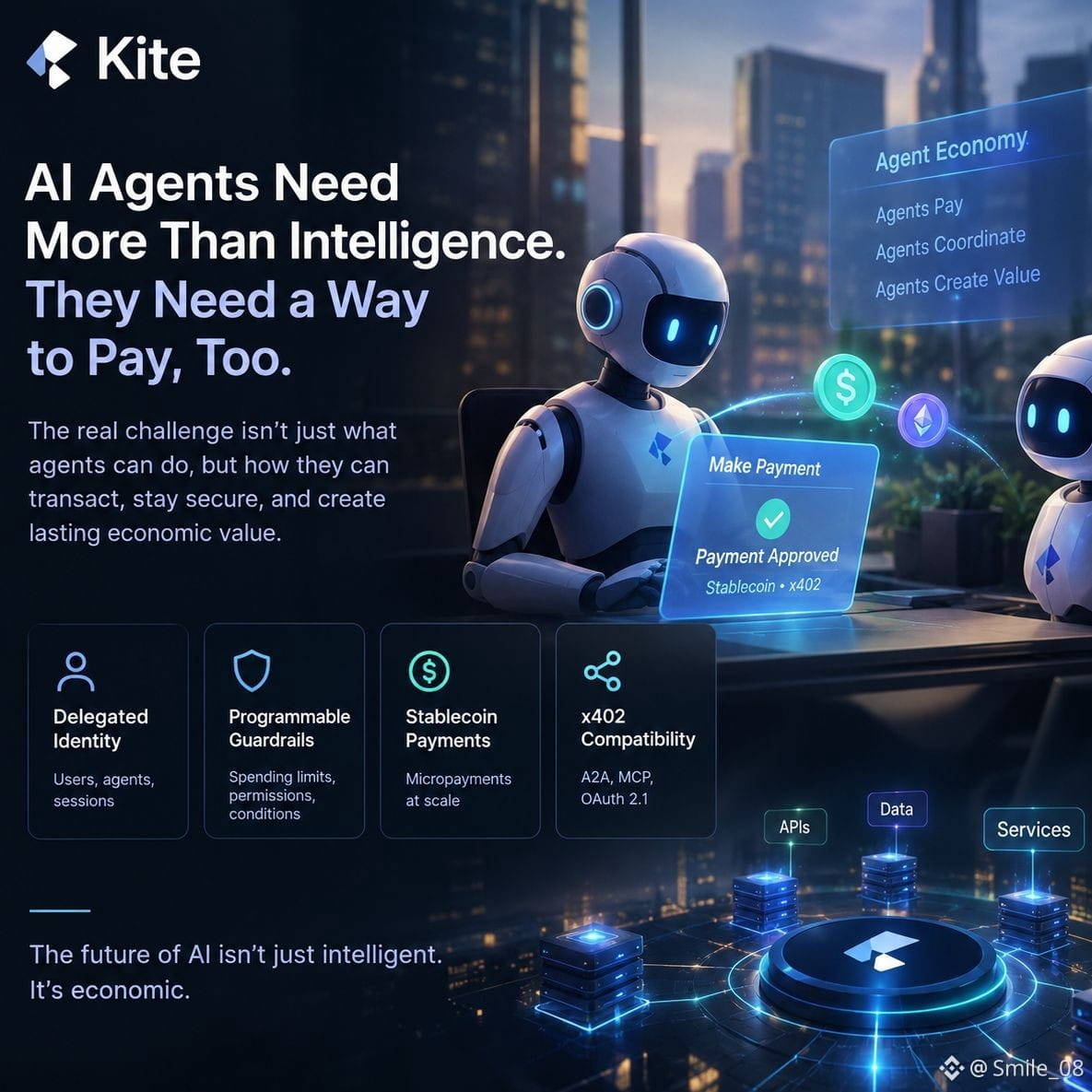
#kiteBBW @GoKiteAI $KITE I’ve been thinking about Kite and what the AI agent economy might actually look like once things move beyond experiments. An agent that can answer questions or complete tasks is useful. But an agent that can pay for services, access the right tools, and manage its own spending safely? That’s a different level of progress. This is where Kite gets interesting to me. Delegated identity, programmable spending limits, stablecoin payments, and x402 compatibility could help agents interact with digital services without needing a human to approve every little action. Still, I think the real challenge is making this work outside a demo. Payments need to be reliable, transaction costs need to make sense, and users need proper control over what their agents can spend. I’m also curious about developer adoption. Will teams actually build products around these tools? Will agents regularly pay for data, APIs, and other services? And will that activity create enough demand to support the infrastructure over time? Support for standards like A2A and MCP can make integrations easier, but adoption will ultimately depend on what developers and users can do with them. For me, the biggest opportunity isn’t simply making AI agents smarter. It’s giving them a practical and secure way to participate in the digital economy. What do you think will be the biggest driver of agent-to-agent payments: better infrastructure, lower costs, or real demand?
#kiteBBW @KITE AI 中文 $KITE

I’ve been thinking about Kite and what the AI agent economy might actually look like once things move beyond experiments.

An agent that can answer questions or complete tasks is useful. But an agent that can pay for services, access the right tools, and manage its own spending safely? That’s a different level of progress.

This is where Kite gets interesting to me. Delegated identity, programmable spending limits, stablecoin payments, and x402 compatibility could help agents interact with digital services without needing a human to approve every little action.

Still, I think the real challenge is making this work outside a demo. Payments need to be reliable, transaction costs need to make sense, and users need proper control over what their agents can spend.

I’m also curious about developer adoption. Will teams actually build products around these tools? Will agents regularly pay for data, APIs, and other services? And will that activity create enough demand to support the infrastructure over time?

Support for standards like A2A and MCP can make integrations easier, but adoption will ultimately depend on what developers and users can do with them.

For me, the biggest opportunity isn’t simply making AI agents smarter. It’s giving them a practical and secure way to participate in the digital economy.

What do you think will be the biggest driver of agent-to-agent payments: better infrastructure, lower costs, or real demand?
Seemi Emaan
·
--
The House That Made My Family Leave
Some houses are old, some are empty, and some leave you with memories you cannot explain even years later. My husband still remembers a house his family rented during his childhood. What happened there frightened his parents so much that they eventually decided to leave.
His family had five children: three boys and two girls. They rented an old house that had already been built. It had two rooms, a veranda at the front, and a courtyard with a kitchen and bathroom. A staircase in the courtyard led to the roof.
When the family first moved in, the house was dirty and needed cleaning. They cleaned it, made it ready to live in, and settled down. At first, everything seemed normal.
Then, strange things began happening.
One morning, the family discovered that the eldest brother’s shoes were missing. They searched around the house but could not find them. Later, their mother discovered the shoes on top of a cupboard. Nobody could explain how they had ended up there.
After that, other things started disappearing. Sometimes small belongings went missing, and sometimes money could not be found where it had been kept. The family began wondering whether someone might be entering the house from the roof.
To prevent anyone from coming in that way, they installed a door between the staircase and the roof. They hoped the problem would stop, but the strange incidents continued.
One night, my husband’s father was lying on his charpai when he felt it shaking. He thought perhaps one of the children was playing nearby. But when he opened his eyes, he found himself on the floor. All the children were asleep. He could not understand what had happened. He wondered whether he had been dreaming, so he tried to put the incident out of his mind.
Another frightening incident happened when the children were at school. Their mother was inside the house when she heard laughter coming from another room. She became frightened and went to sit in the courtyard. She did not tell the children what she had heard because she did not want to scare them.
Later, she told her husband about it. After listening to everything that had happened, he suggested that they seek advice from a religious scholar.
But one night, something happened that made the situation even more disturbing for the parents.
They had left the children at home and locked the door from the outside. When they returned around midnight, they were standing outside the house when they thought they could see child-like figures on the roof, standing and talking.
Their mother was alarmed. She had not allowed the children to go onto the roof, so why did it look as though children were standing there?The parents quickly went inside to check. To their surprise, all the children were asleep. When asked about it, the children said they had watched television and then fallen asleep. They insisted that they had not gone onto the roof.
The parents were deeply disturbed. They could not understand what they had seen from outside or how to explain the other incidents that had happened in the house.
Eventually, they contacted a molvi, a religious scholar, and asked him to visit. He recited prayers and, according to what the family was told, believed the house had been associated with jinn for a long time and that the family was not welcome there. The family took this seriously and became even more afraid of staying.
In the end, my husband’s parents decided not to take any more chances. They rented another house and moved away.
Even today, my husband’s mother becomes frightened when she remembers what happened there.
I cannot say for certain what was behind those incidents. Perhaps there are explanations the family never discovered. But the missing belongings, the frightening experiences, and the sight that his parents believed they saw on the roof left a lasting impression on everyone.
Some memories fade with time. Others stay with a family for years, because even after leaving the place behind, the questions remain.
Have you or someone in your family ever experienced something you could never explain?
#SEAPumpkinFrenzy #BinanceHalloween @Binance Burmese

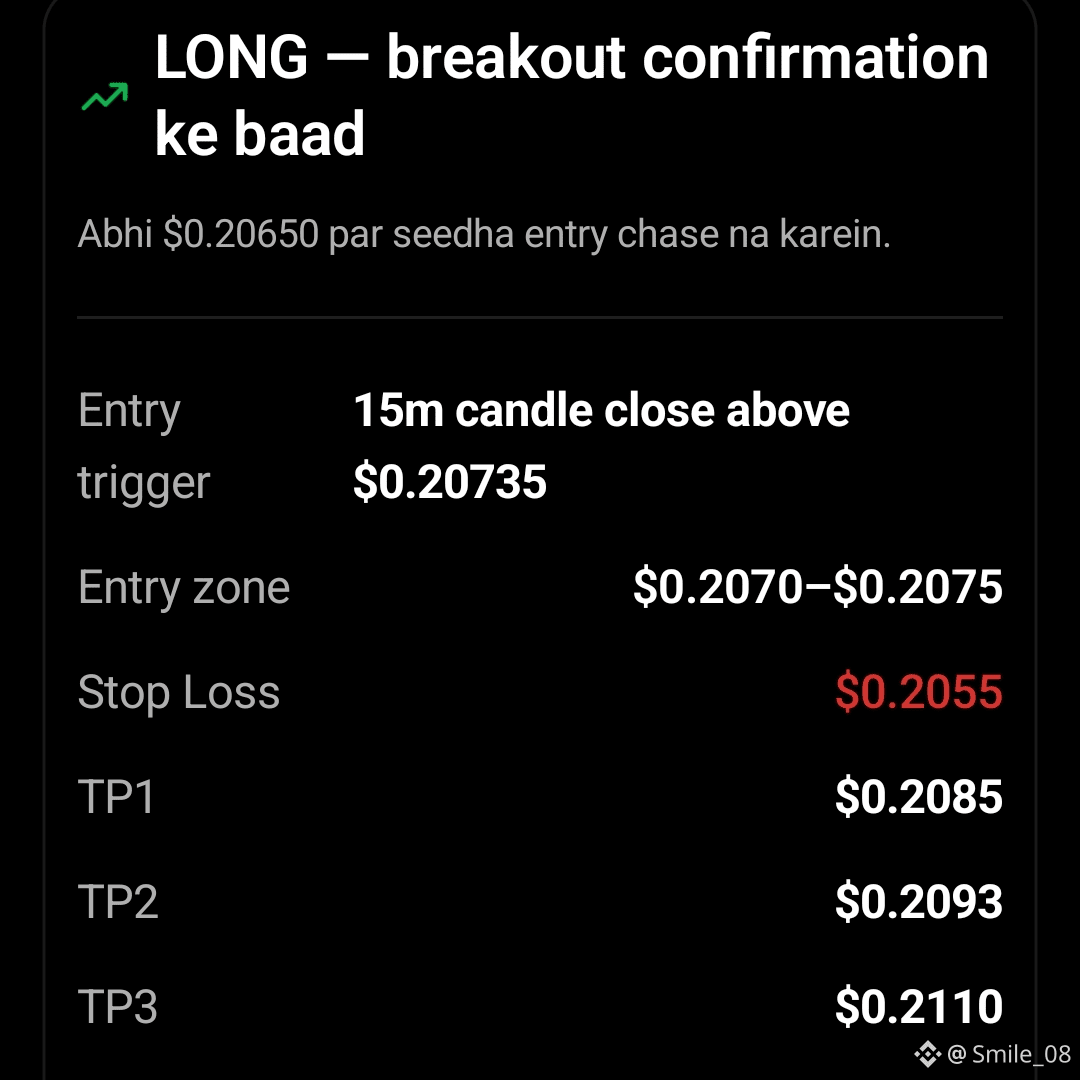
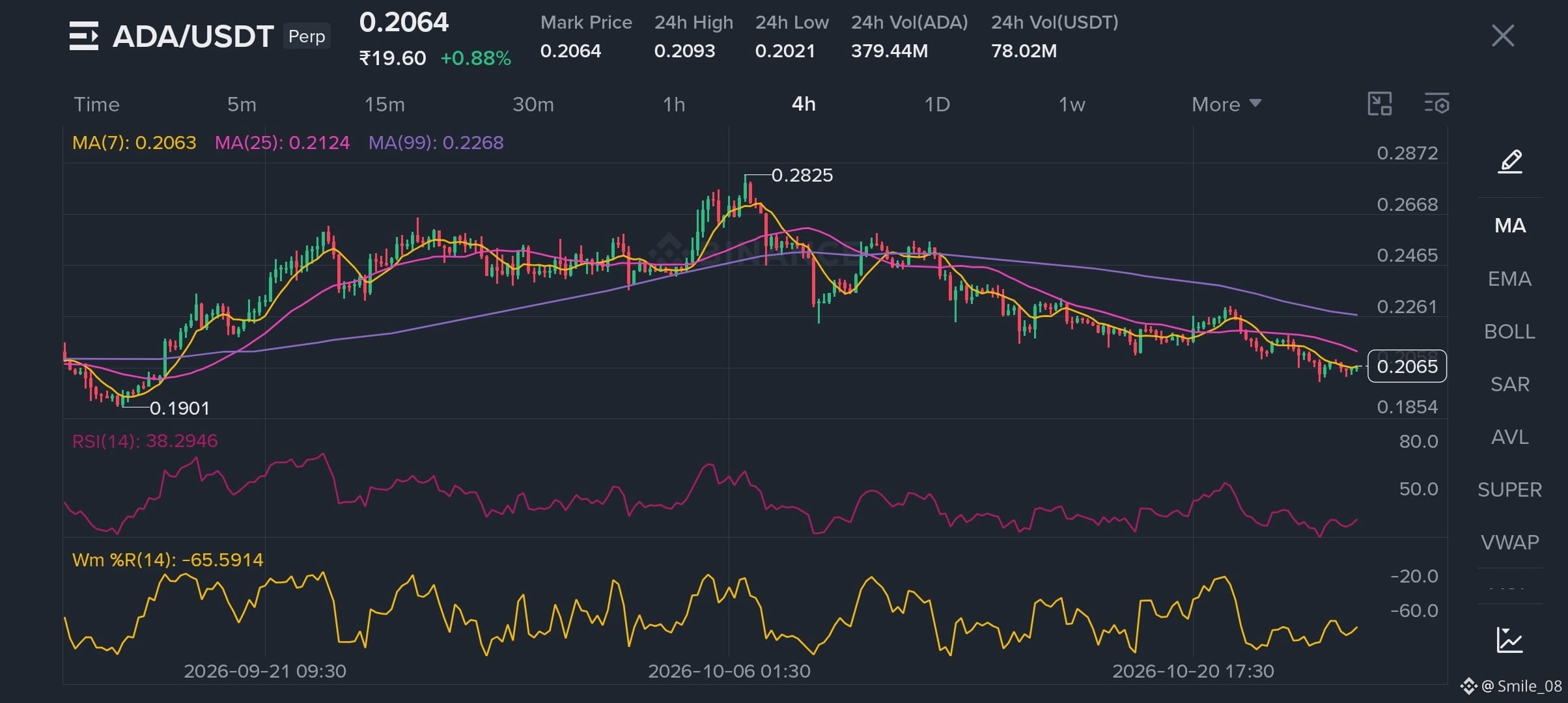
$ADA LONG trade set-up
Verified
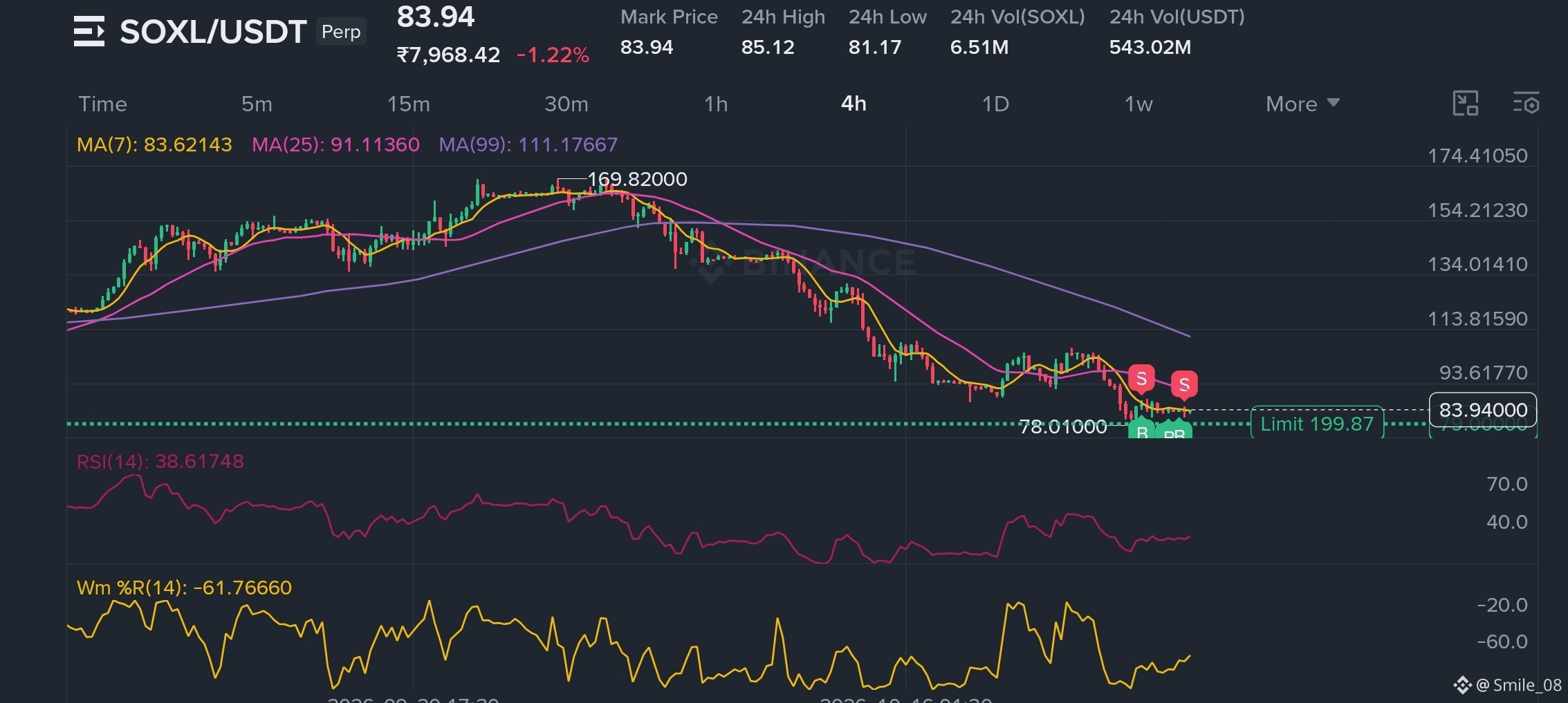
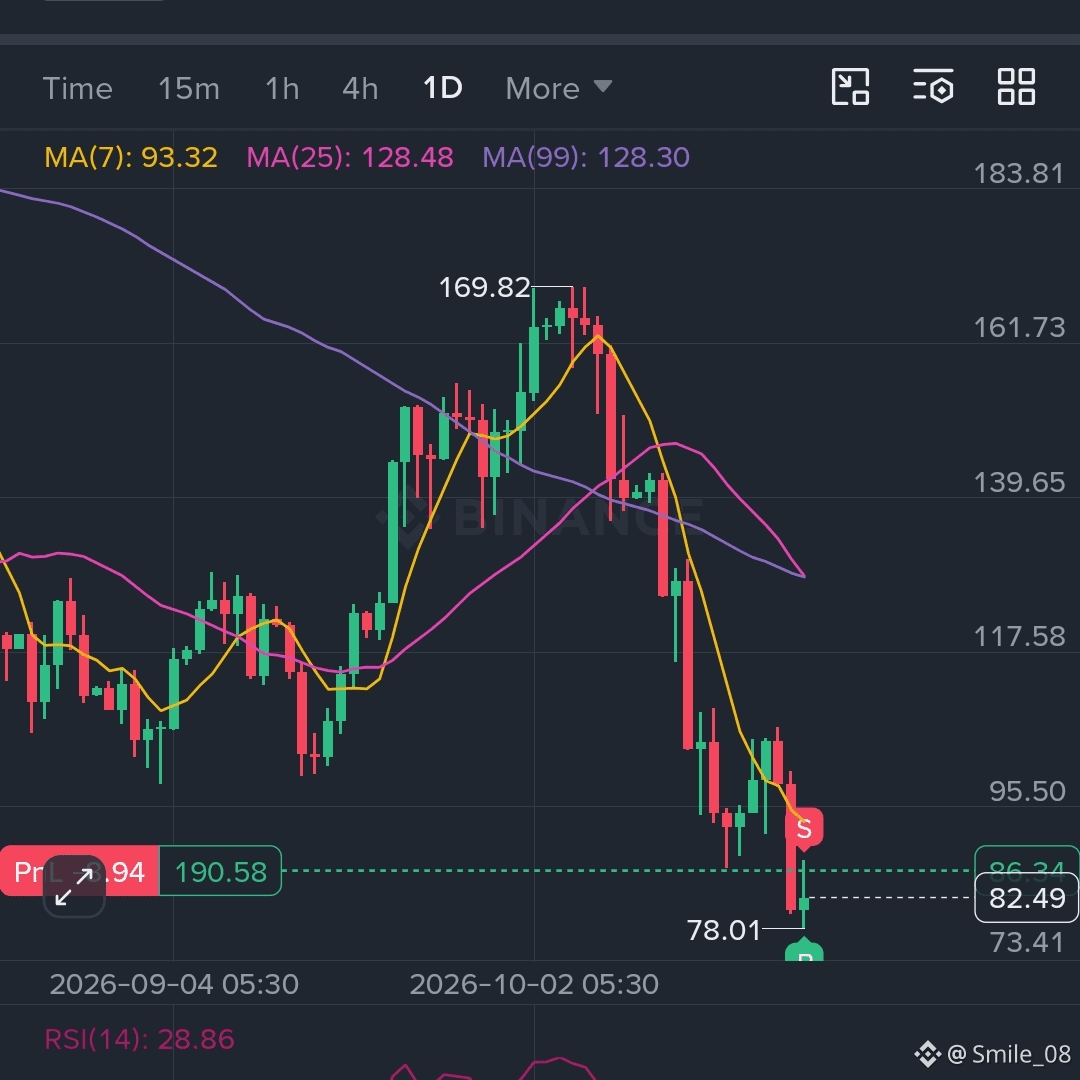
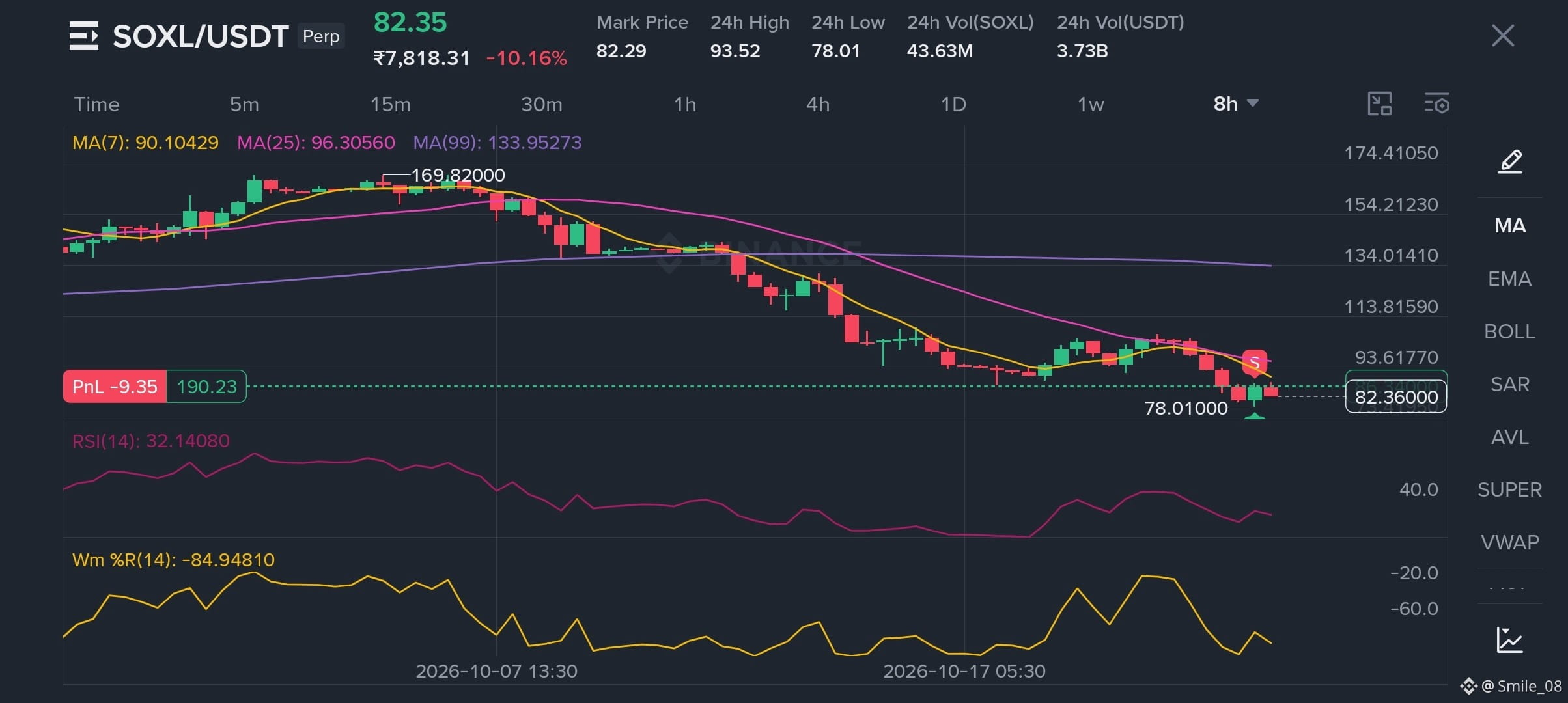
📊 $SOXL Trade Setup (Current Price ~ $83.50) 🟢 Entry Zone: $80.00 – $84.00 🎯 TP1: $90.00 🎯 TP2: $95.00 🎯 TP3: $105.00+ 🛑 SL: $76.00 3x leveraged Semiconductor Bull ETF — high volatility. Wait for support hold + momentum confirmation. Size carefully & manage risk tightly. Patience over FOMO. #SOXLBUSDT #Semiconductors #TradingSetup
📊 $SOXL Trade Setup

(Current Price ~ $83.50)

🟢 Entry Zone: $80.00 – $84.00

🎯 TP1: $90.00

🎯 TP2: $95.00

🎯 TP3: $105.00+

🛑 SL: $76.00

3x leveraged Semiconductor Bull ETF — high volatility. Wait for support hold + momentum confirmation. Size carefully & manage risk tightly. Patience over FOMO.

#SOXLBUSDT #Semiconductors #TradingSetup
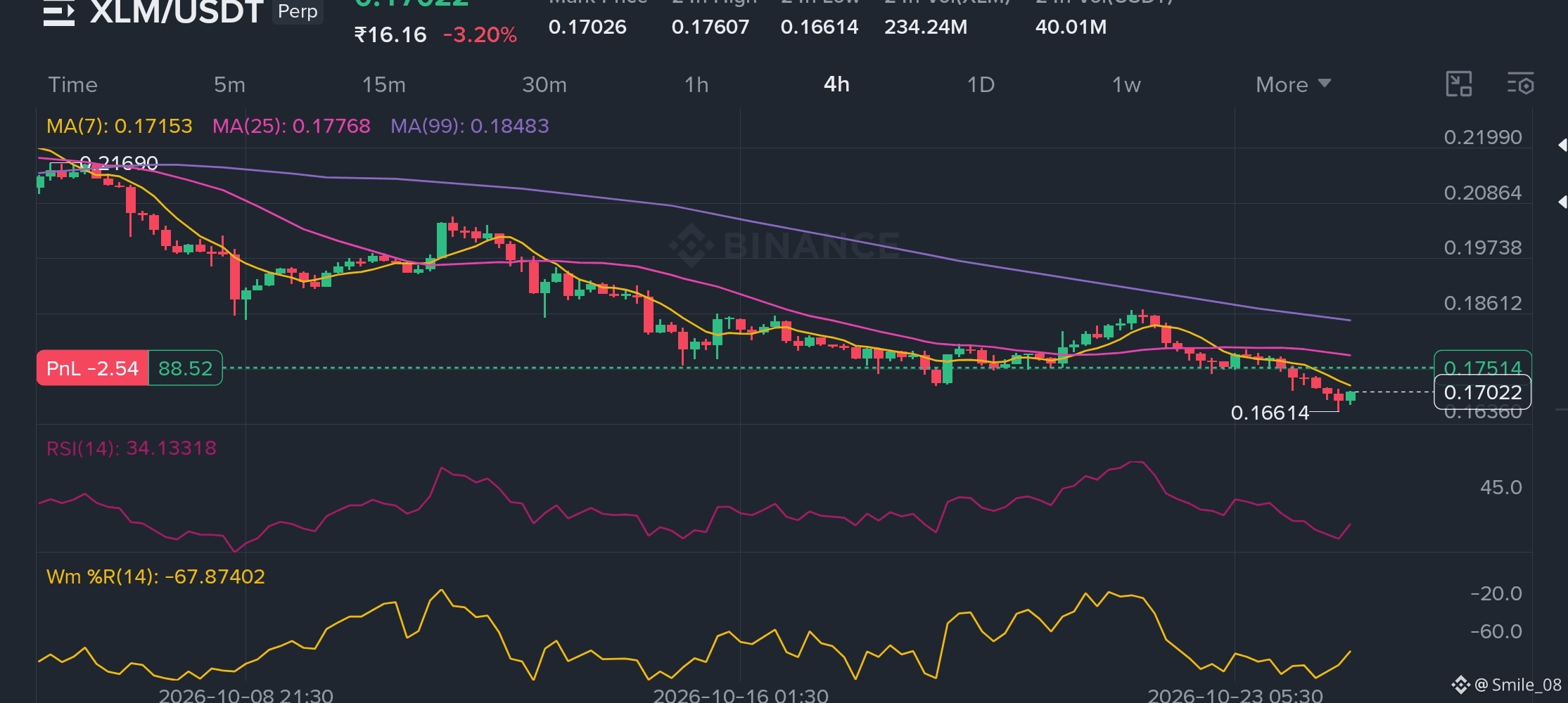
📊 $XLM Trade Setup | 4H 🟢 Entry: $0.1660 – $0.1700 🎯 TP1: $0.1760 🎯 TP2: $0.1820 🎯 TP3: $0.1900 🛑 SL: $0.1620 Price recently corrected and trading near short-term support. Wait for bullish confirmation (higher low + volume pickup) before entry. Patience over FOMO. Always manage risk. #XLM #stellar #BinanceSquare #writetoearn
📊 $XLM Trade Setup | 4H

🟢 Entry: $0.1660 – $0.1700

🎯 TP1: $0.1760

🎯 TP2: $0.1820

🎯 TP3: $0.1900

🛑 SL: $0.1620

Price recently corrected and trading near short-term support. Wait for bullish confirmation (higher low + volume pickup) before entry. Patience over FOMO. Always manage risk.

#XLM #stellar #BinanceSquare #writetoearn
📊 $DOGE Trade Setup | 4H (Current Price ~ $0.0765) 🟢 Entry: $0.0745 – $0.0765 🎯 TP1: $0.0800 🎯 TP2: $0.0830 🎯 TP3: $0.0860–$0.0880 🛑 SL: $0.0720 Price is currently in a downtrend and trading below key moving averages. Wait for bullish confirmation (support bounce + volume). Patience over FOMO. Always manage risk. #doge⚡ #BinanceSquare #writetoearn
📊 $DOGE Trade Setup | 4H
(Current Price ~ $0.0765)

🟢 Entry: $0.0745 – $0.0765

🎯 TP1: $0.0800

🎯 TP2: $0.0830

🎯 TP3: $0.0860–$0.0880

🛑 SL: $0.0720

Price is currently in a downtrend and trading below key moving averages. Wait for bullish confirmation (support bounce + volume). Patience over FOMO. Always manage risk.

#doge⚡ #BinanceSquare #writetoearn
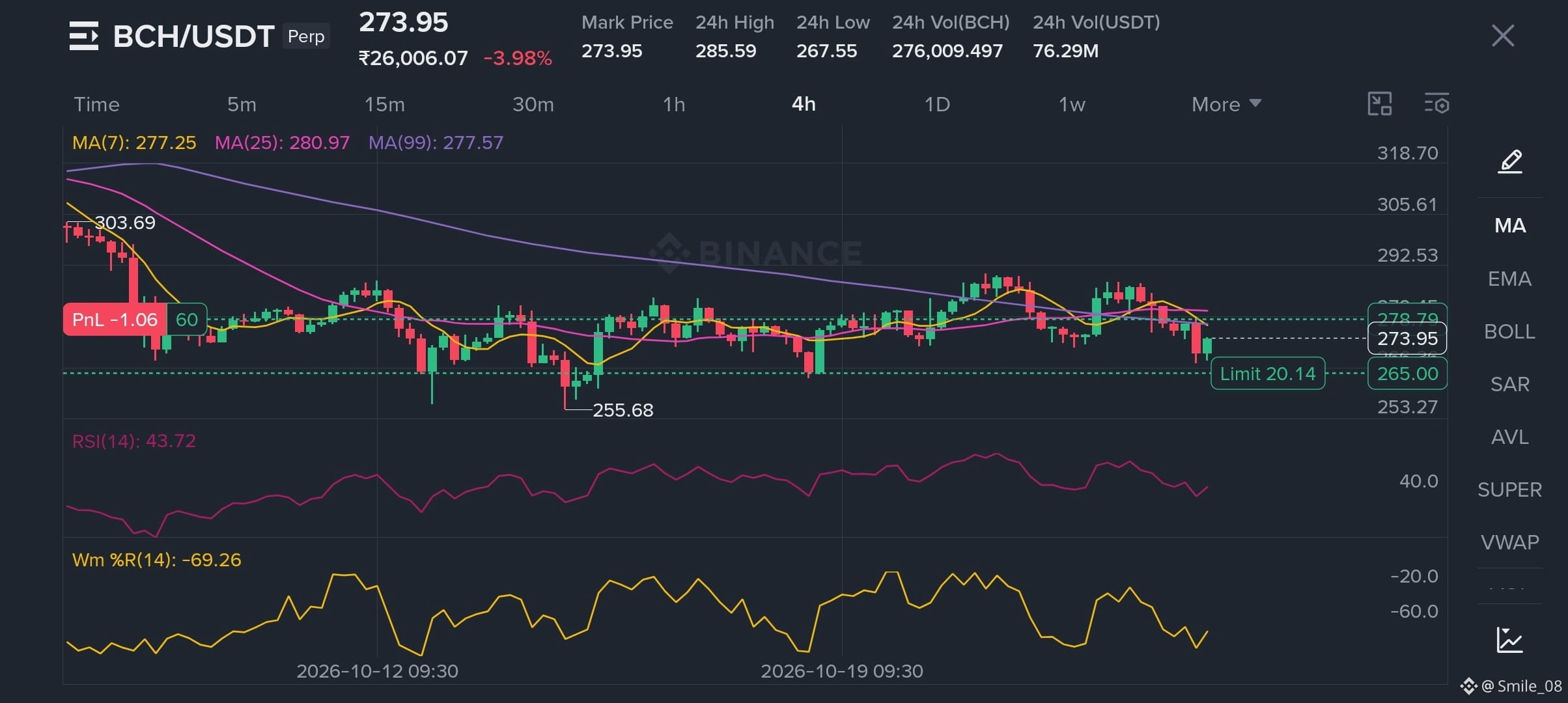
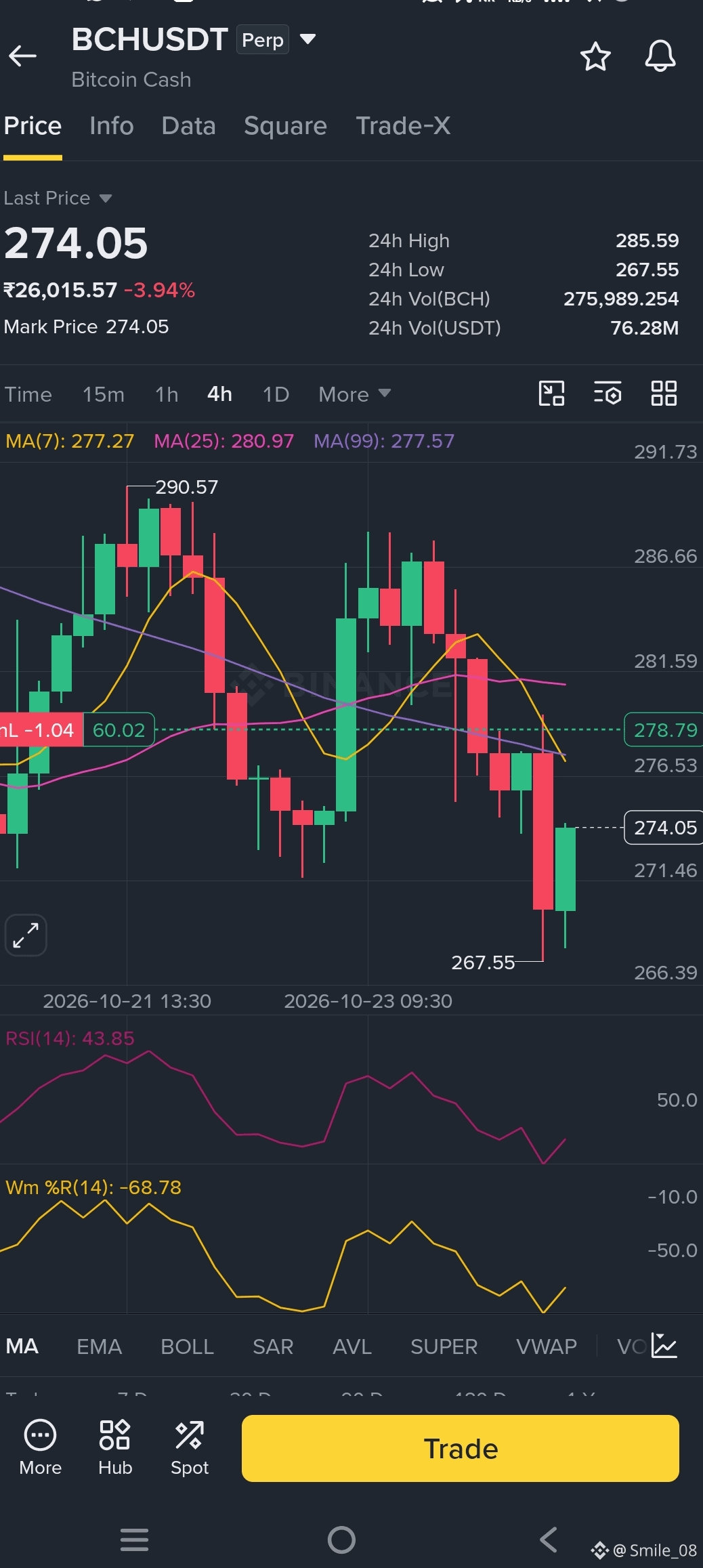
📊 $BCH Trade Setup | 4H 🟢 Entry: $271.50–$274.50 🎯 TP1: $277.50 🎯 TP2: $281.50 🎯 TP3: $285.00 🛑 SL: $266.00 Price is below key moving averages, so wait for bullish confirmation before entry. Patience over FOMO. Always manage risk. #BCH #BinanceSquare #writetoearn
📊 $BCH Trade Setup | 4H

🟢 Entry: $271.50–$274.50

🎯 TP1: $277.50

🎯 TP2: $281.50

🎯 TP3: $285.00

🛑 SL: $266.00

Price is below key moving averages, so wait for bullish confirmation before entry. Patience over FOMO. Always manage risk.

#BCH #BinanceSquare #writetoearn
good night 🤍🤍
good night 🤍🤍
Is it okay to hold the trade for coin $DOGE for the long term? What do you think? Please let me know...
Is it okay to hold the trade for coin $DOGE for the long term?
What do you think? Please let me know...
#nil $NIL @nillionnetwork I’ve been thinking about Nillion and the problem it’s trying to solve. Most blockchain conversations focus on transactions, but data privacy is a different challenge. Blockchains decentralize who writes the ledger, yet they don’t fully solve who can access sensitive information. Nillion explores whether data can be used for computation without any single party seeing the whole picture. The interesting part is token economics. Roughly 557M of 1.01B tokens are circulating, with no fixed maximum supply. A $46M market cap against an $83M fully diluted valuation means future emissions and unlocks still need to be absorbed. Sitting around 97% below its ATH shows how much skepticism the market has priced in. Demand must grow faster than dilution for this model to succeed. What I keep watching is actual usage. Daily volume of $38M on a $46M market cap represents roughly 83% turnover, but trading activity isn’t network adoption. I’d rather see how many secrets are being secured, how many applications pay for the service, and whether node operators earn from real fees instead of emissions. **Dusk and Ethereum are relevant to this bigger picture.** Ethereum provides smart contract infrastructure, while Dusk focuses on privacy and compliance for regulated financial applications. Nillion’s blind computation could complement these ecosystems by allowing sensitive data to be processed without exposing it. The real test is whether industries like healthcare, finance, and AI choose Nillion over established systems. Will privacy infrastructure gain adoption because it offers better solutions, or only when regulation makes it necessary?
#nil $NIL @Nillion
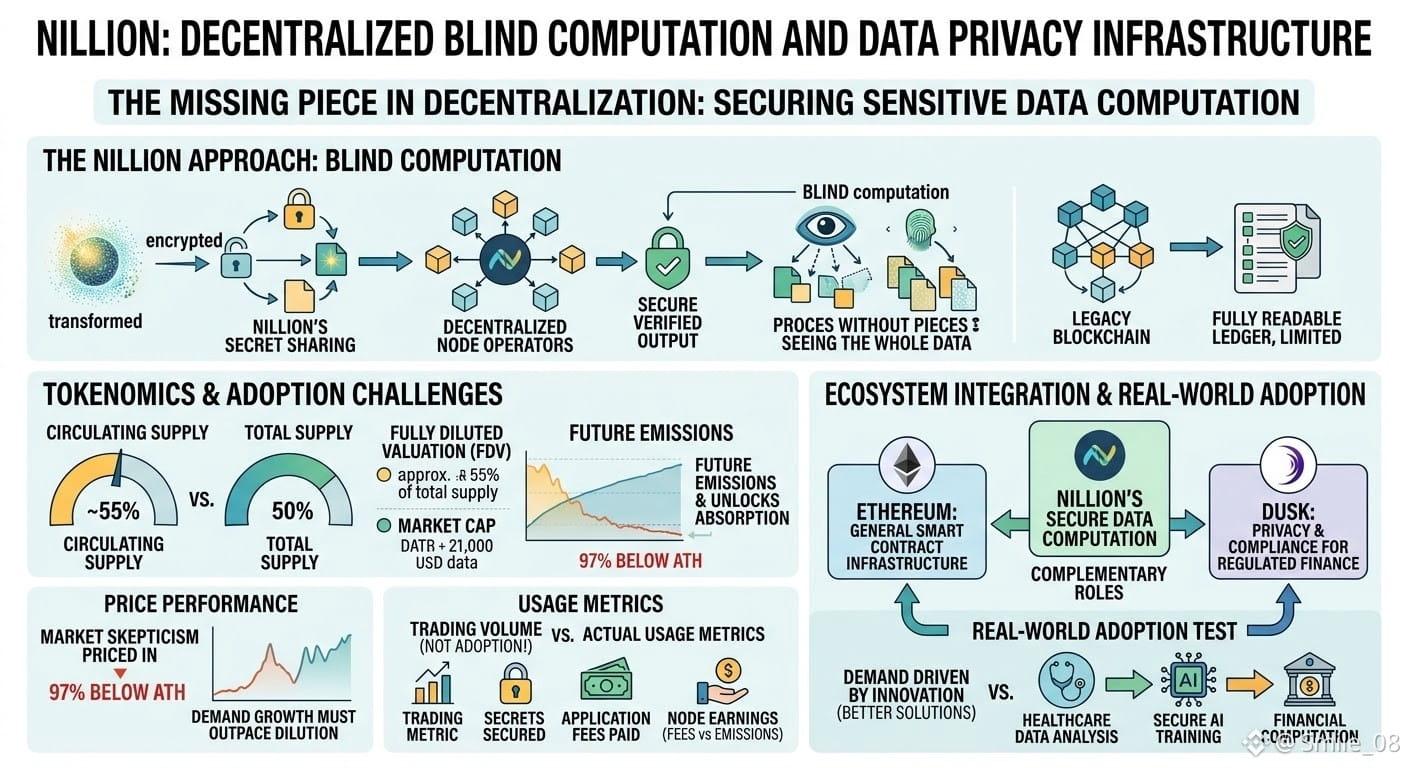
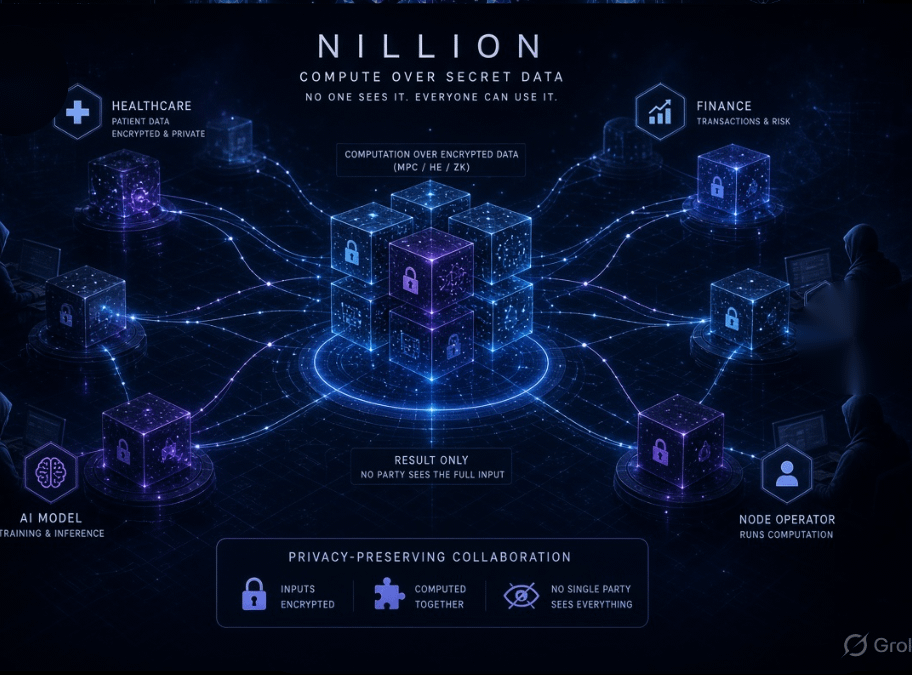
I’ve been thinking about Nillion and the problem it’s trying to solve. Most blockchain conversations focus on transactions, but data privacy is a different challenge. Blockchains decentralize who writes the ledger, yet they don’t fully solve who can access sensitive information. Nillion explores whether data can be used for computation without any single party seeing the whole picture.

The interesting part is token economics. Roughly 557M of 1.01B tokens are circulating, with no fixed maximum supply. A $46M market cap against an $83M fully diluted valuation means future emissions and unlocks still need to be absorbed. Sitting around 97% below its ATH shows how much skepticism the market has priced in. Demand must grow faster than dilution for this model to succeed.

What I keep watching is actual usage. Daily volume of $38M on a $46M market cap represents roughly 83% turnover, but trading activity isn’t network adoption. I’d rather see how many secrets are being secured, how many applications pay for the service, and whether node operators earn from real fees instead of emissions.

**Dusk and Ethereum are relevant to this bigger picture.** Ethereum provides smart contract infrastructure, while Dusk focuses on privacy and compliance for regulated financial applications. Nillion’s blind computation could complement these ecosystems by allowing sensitive data to be processed without exposing it.

The real test is whether industries like healthcare, finance, and AI choose Nillion over established systems. Will privacy infrastructure gain adoption because it offers better solutions, or only when regulation makes it necessary?
Verified
I’ve been thinking about Nillion and the problem it’s trying to solve. Most blockchain conversations focus on transactions, but data privacy is a different challenge. Blockchains helped decentralize who gets to write the ledger, yet they never fully solved who gets to access sensitive information. Many “private” systems still rely on trusting a single operator somewhere. Nillion is exploring whether data can be used for computation without any one party seeing the whole picture. The interesting part is the token economics, because that's where this either holds together or doesn't. Right now roughly 557M of about 1.01B tokens are circulating, with uncapped max supply. A $46M market cap against an $83M fully diluted value means a lot of future unlocks and emissions still have to be absorbed. Sitting about 97% below the all-time high tells me the market has already priced in plenty of skepticism. A network that sells security as a service needs demand for that service to outgrow dilution, and that's a high bar. What I keep watching is who actually uses it. Daily volume of $38M on a $46M cap is 83% turnover, and that's trading activity, not usage. The money flow data shows slightly more selling than buying, with small orders carrying most of the net outflow while large orders were mildly positive. That reads as retail impatience rather than conviction either way. I'd rather see how many secrets are being sealed, how many paying applications depend on the network, and whether node operators earn from real fees instead of emissions. The real test is whether anyone with truly valuable data, like healthcare, finance or AI training sets, chooses to trust a new network over the compliance-heavy systems they already use. Does privacy infrastructure get adopted because it's better, or only when regulation forces the issue? #NIL $NIL @nillionnetwork
I’ve been thinking about Nillion and the problem it’s trying to solve. Most blockchain conversations focus on transactions, but data privacy is a different challenge. Blockchains helped decentralize who gets to write the ledger, yet they never fully solved who gets to access sensitive information. Many “private” systems still rely on trusting a single operator somewhere. Nillion is exploring whether data can be used for computation without any one party seeing the whole picture.

The interesting part is the token economics, because that's where this either holds together or doesn't. Right now roughly 557M of about 1.01B tokens are circulating, with uncapped max supply. A $46M market cap against an $83M fully diluted value means a lot of future unlocks and emissions still have to be absorbed. Sitting about 97% below the all-time high tells me the market has already priced in plenty of skepticism. A network that sells security as a service needs demand for that service to outgrow dilution, and that's a high bar.

What I keep watching is who actually uses it. Daily volume of $38M on a $46M cap is 83% turnover, and that's trading activity, not usage. The money flow data shows slightly more selling than buying, with small orders carrying most of the net outflow while large orders were mildly positive. That reads as retail impatience rather than conviction either way. I'd rather see how many secrets are being sealed, how many paying applications depend on the network, and whether node operators earn from real fees instead of emissions.

The real test is whether anyone with truly valuable data, like healthcare, finance or AI training sets, chooses to trust a new network over the compliance-heavy systems they already use. Does privacy infrastructure get adopted because it's better, or only when regulation forces the issue?
#NIL
$NIL
@Nillion
good afternoon 🤍🤍
good afternoon 🤍🤍
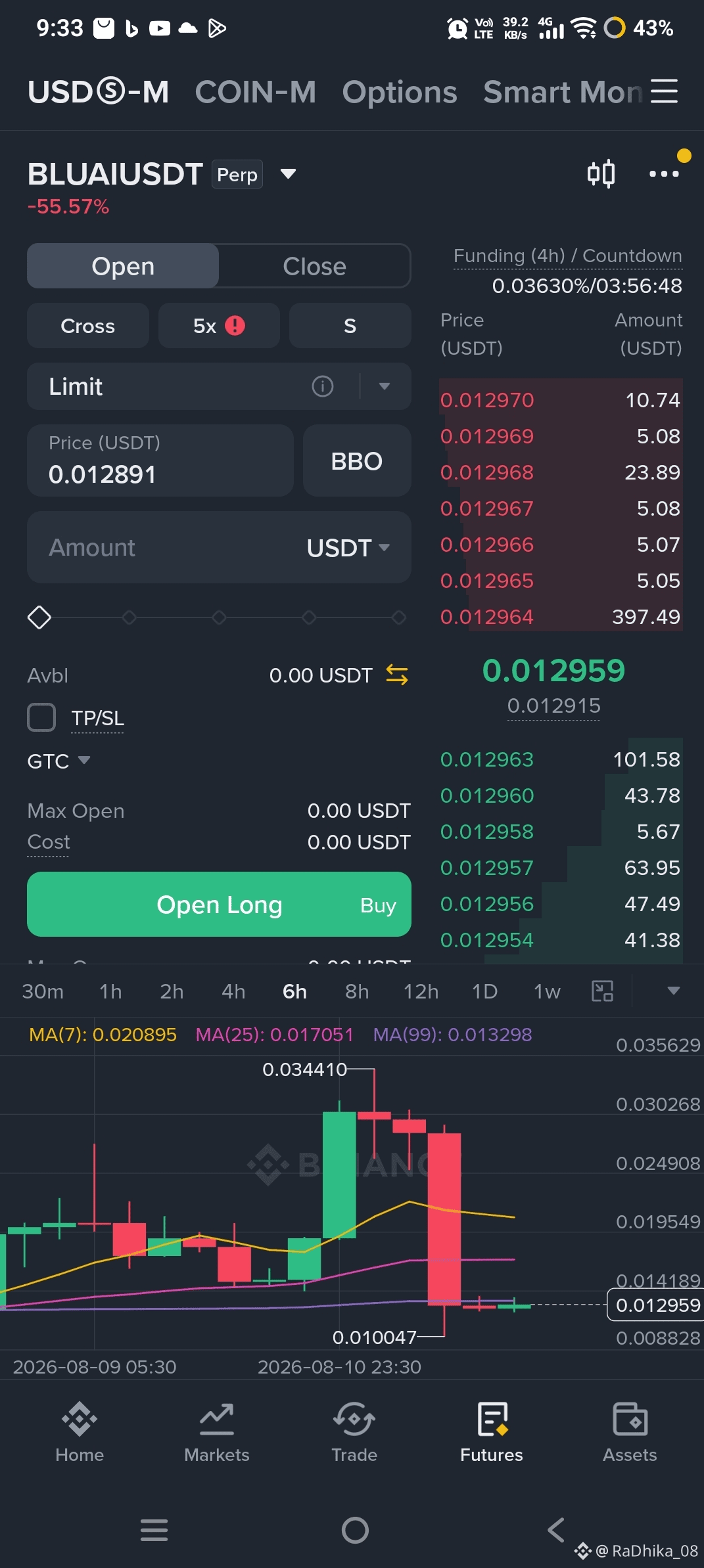
I’m not a futures trader, and I’m not trading with a big amount of USDT. I’m just trying to understand how futures work. One thing I did right, I think, was moving my liquidation price farther away, because liquidation is the biggest risk I worry about. Did I do the right thing, or am I missing something? 👀
I’m not a futures trader, and I’m not trading with a big amount of USDT. I’m just trying to understand how futures work.

One thing I did right, I think, was moving my liquidation price farther away, because liquidation is the biggest risk I worry about.

Did I do the right thing, or am I missing something? 👀
I converted my BNB portfolio into SOL. Not sure if I made the right move, but I’m going to watch how SOL performs from here. What do you think — was this a good move or not?
I converted my BNB portfolio into SOL.

Not sure if I made the right move, but I’m going to watch how SOL performs from here.

What do you think — was this a good move or not?
Verified
Strong jobs report has shifted the focus firmly onto today’s CPI print. August nonfarm payrolls came in at 162K — well above expectations — while the unemployment rate held steady at 4.1%. The labor market still looks resilient, giving Fed officials more room to keep inflation as their primary concern. Thursday’s hot PPI (5.4% annually, largely driven by energy) already pushed rate-hike odds above 70%. Today’s core CPI is the final major data point before next week’s meeting: A 0.2% reading keeps a hold in play. Anything at 0.3% or higher makes a 25 bp hike to 3.75%–4.00% look increasingly likely. Market reaction is straightforward: A hike would likely pressure stocks and gold in the near term. A hold could spark a relief bounce in both. All eyes on the number. #CPIWatch
Strong jobs report has shifted the focus firmly onto today’s CPI print.
August nonfarm payrolls came in at 162K — well above expectations — while the unemployment rate held steady at 4.1%. The labor market still looks resilient, giving Fed officials more room to keep inflation as their primary concern.
Thursday’s hot PPI (5.4% annually, largely driven by energy) already pushed rate-hike odds above 70%.
Today’s core CPI is the final major data point before next week’s meeting:
A 0.2% reading keeps a hold in play.
Anything at 0.3% or higher makes a 25 bp hike to 3.75%–4.00% look increasingly likely.
Market reaction is straightforward:
A hike would likely pressure stocks and gold in the near term.
A hold could spark a relief bounce in both.
All eyes on the number.
#CPIWatch
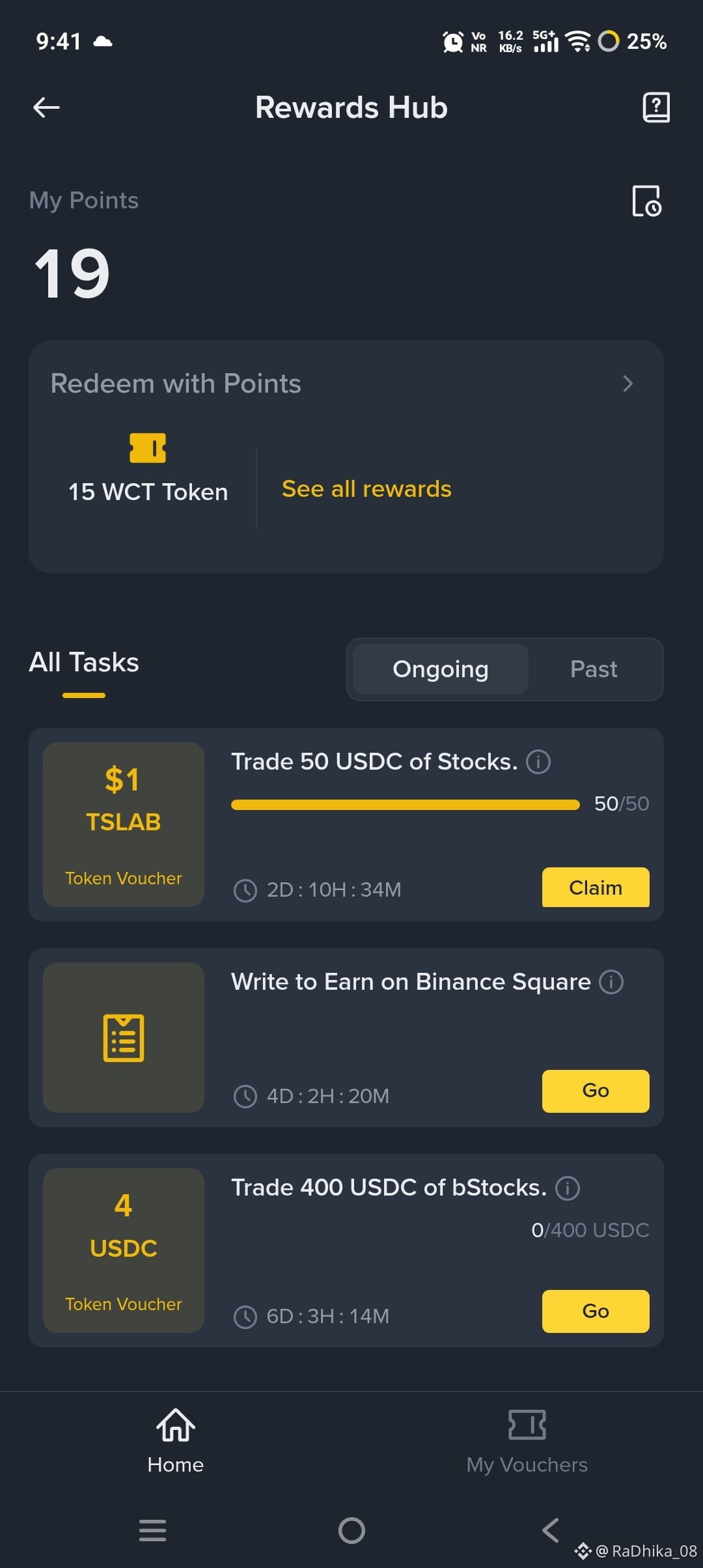
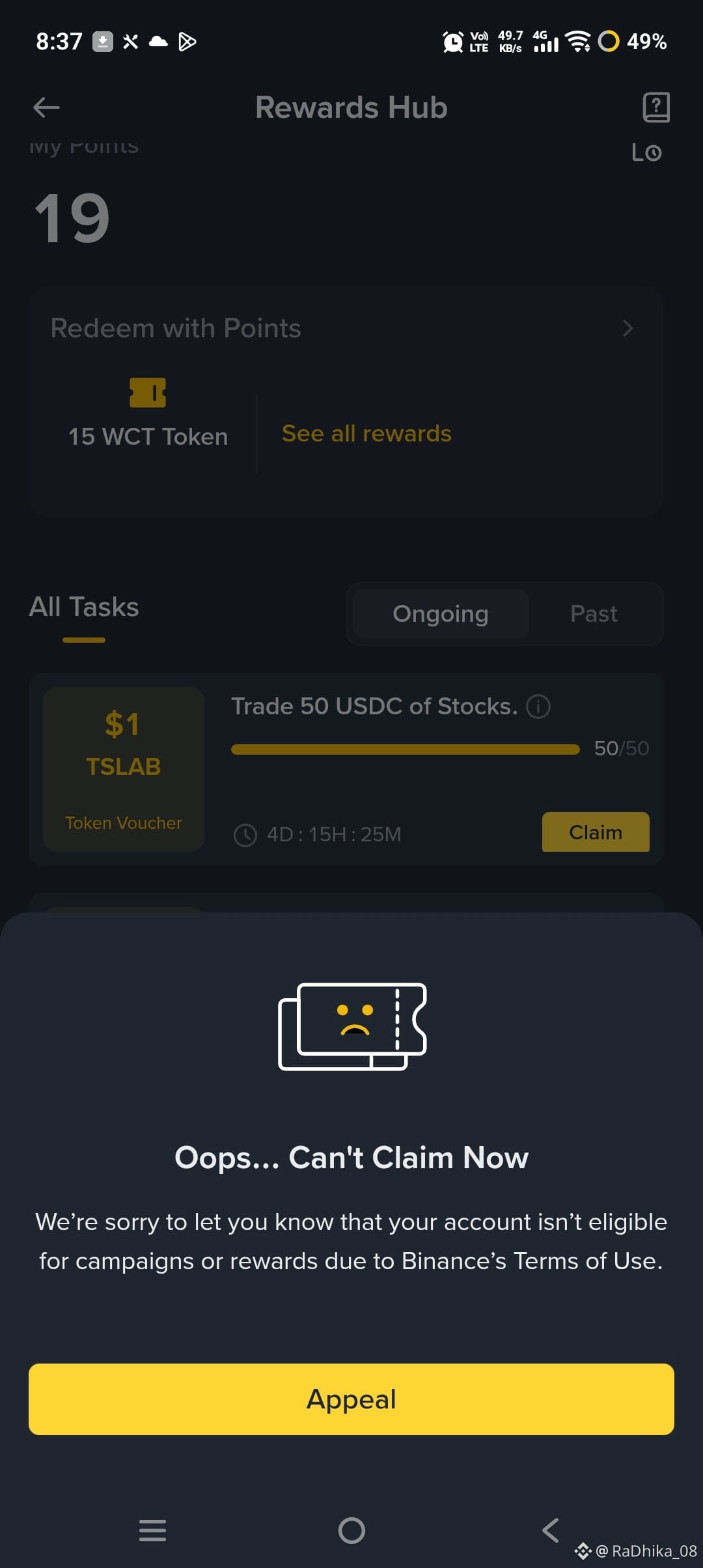
Just completed the “Trade 50 USDC of Stocks” task on Binance Rewards Hub… progress bar full 50/50, Claim button right there. Hit Claim and got this: 🤧🤯🤯 “Oops… Can’t Claim Now. Your account isn’t eligible for campaigns or rewards due to Binance’s Terms of Use.” So the $1 TSLAB voucher is stuck. Now they’re showing me the next task – Trade 400 USDC of bStocks for 4 USDC voucher. What’s the point of doing more tasks if I can’t even claim the first one? Feels completely useless right now. Anyone else facing this? @Binance_Margin @Binance_Customer_Support
Just completed the “Trade 50 USDC of Stocks” task on Binance Rewards Hub… progress bar full 50/50, Claim button right there.

Hit Claim and got this:
🤧🤯🤯 “Oops… Can’t Claim Now. Your account isn’t eligible for campaigns or rewards due to Binance’s Terms of Use.”

So the $1 TSLAB voucher is stuck. Now they’re showing me the next task – Trade 400 USDC of bStocks for 4 USDC voucher.

What’s the point of doing more tasks if I can’t even claim the first one? Feels completely useless right now.

Anyone else facing this?

@Binance Margin @Binance Customer Support
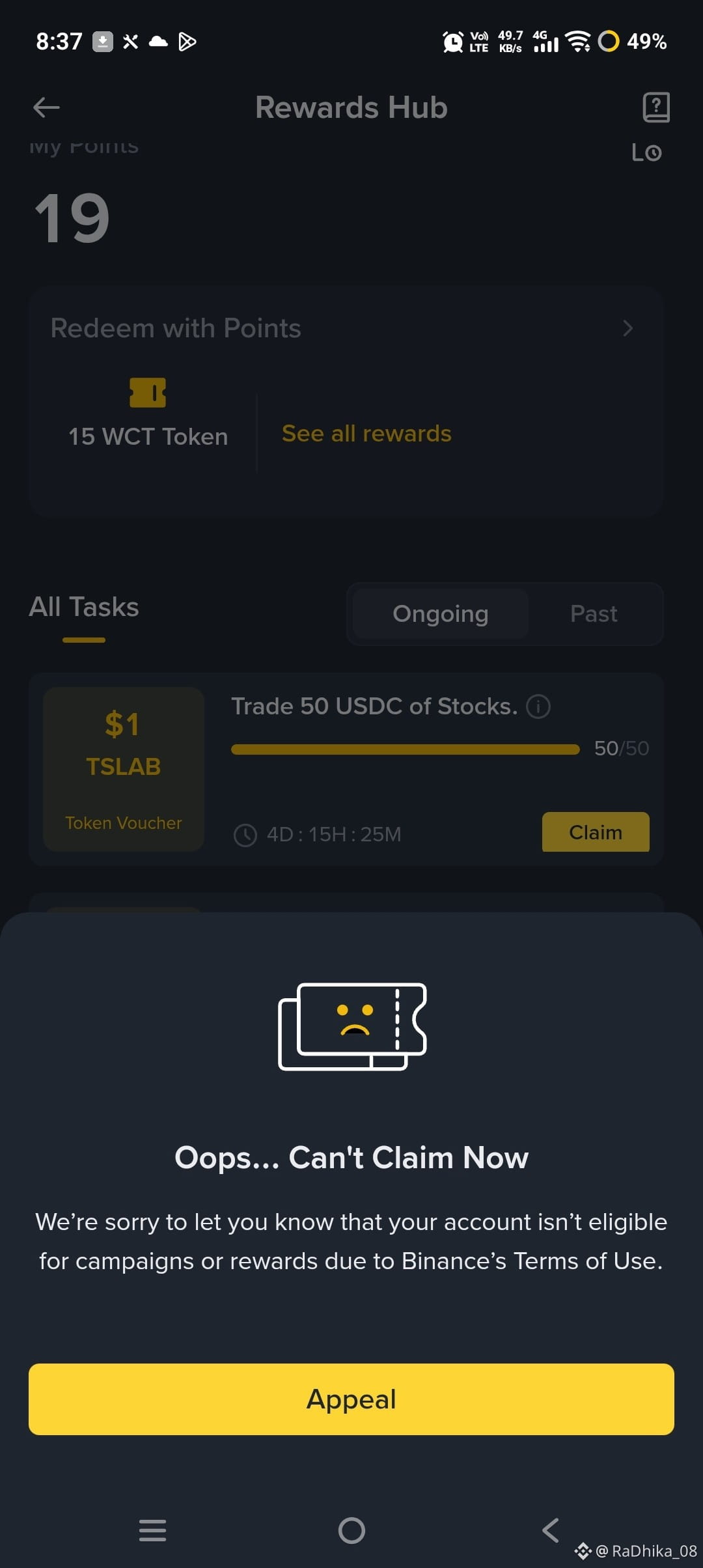
@Binance_Labs @Binance_Customer_Support Even after risk assessment, you’re still showing the task and allowing us to complete it (Trade 50 USDC of Stocks – 50/50 done), but when we try to claim the reward, this message appears: 😢“Oops… Can’t Claim Now 😵‍💫😵‍💫 Your account isn’t eligible for campaigns or rewards due to Binance’s Terms of Use.” Showing the task + letting us complete it = giving the reward. Then why are you blocking the claim in the name of risk assessment? You’ve given an Appeal option, but this system is just confusing. Please fix this issue as soon as possible! #Binance #binancerewards #binancescam #crypto #binancesupport
@Binance Labs @Binance Customer Support
Even after risk assessment, you’re still showing the task and allowing us to complete it (Trade 50 USDC of Stocks – 50/50 done), but when we try to claim the reward, this message appears:

😢“Oops… Can’t Claim Now 😵‍💫😵‍💫
Your account isn’t eligible for campaigns or rewards due to Binance’s Terms of Use.”

Showing the task + letting us complete it = giving the reward.
Then why are you blocking the claim in the name of risk assessment?

You’ve given an Appeal option, but this system is just confusing.
Please fix this issue as soon as possible!

#Binance #binancerewards #binancescam #crypto #binancesupport
Log in to explore more content
Join global crypto users on Binance Square
⚡️ Get latest and useful information about crypto.
💬 Trusted by the world’s largest crypto exchange.
👍 Discover real insights from verified creators.
Email / Phone number
Sitemap
Cookie Preferences
Platform T&Cs