
Not only is Bitcoin (BTC) the first cryptocurrency, but it is also the best known of the more than 50,000 cryptocurrencies that exist today, although if we add the tokens, there would be more than 10,000,000 of them (most of them without movement). . The financial media enthusiastically covers every new dramatic rise and stomach-churning decline, making Bitcoin an inescapable part of the landscape.
While wild volatility can produce great headlines, it hardly makes Bitcoin the best option for novice investors or people looking for a stable store of value. Understanding the ins and outs can be complicated; Let's take a closer look at how Bitcoin works.
Index of contents
What is Bitcoin?
How does Bitcoin work?
How does Bitcoin mining work?
How to use bitcoins?
How to buy bitcoins?
How to invest in Bitcoin?
Should you buy Bitcoin?
Conclusion
What is Bitcoin?
Bitcoin is a decentralized digital currency that you can buy, sell, and exchange directly, without an intermediary like a bank. Bitcoin creator Satoshi Nakamoto originally described the need for “an electronic payment system based on cryptographic proof rather than trust.”

Every Bitcoin transaction ever made exists on a public ledger accessible to everyone, which makes transactions difficult to reverse and difficult to fake. That's by design: Due to their decentralized nature, bitcoins are not backed by the government or any issuing institution, and there is nothing to guarantee their value other than proof of their blockchain.
“The reason it's worth money is simply that we as people decide it has value, just like gold,” says Anton Mozgovoy, co-founder and CEO of digital financial services company Holyheld.
Since its public launch in 2009, the value of Bitcoin has increased dramatically. Although at some point, it was sold for less than $150 per token. Today, currently, 1 BTC is equivalent to around 27,000 USD (May 2023). Because its supply is limited to 21 million coins, many expect its price to continue rising as time goes on, especially as larger institutional investors begin to treat it as a kind of digital gold to hedge against volatility. of the market and inflation. Currently, there are over 19,385,481 million coins in circulation.
How does Bitcoin work?
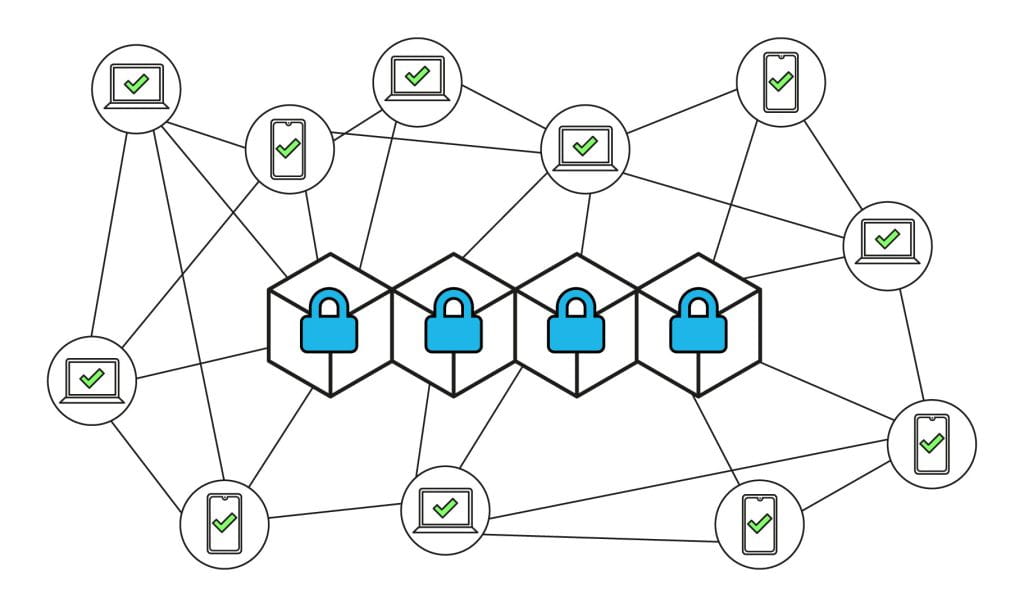
Bitcoin is based on a distributed digital ledger called the blockchain. As the name implies, blockchain is a set of linked data, made up of units called blocks that contain information about each transaction, including date and time, total value, buyer and seller, and a unique identification code for every exchange. Entries are chained together in chronological order, creating a digital chain of blocks.
“Once a block is added to the blockchain, anyone who wants to view it can access it, acting as a public ledger of cryptocurrency transactions,” says Stacey Harris, a consultant at Pelicoin, a cryptocurrency ATM network.
Blockchain is decentralized, meaning it is not controlled by any organization. “It's like a Google Doc that anyone can work on,” says Buchi Okoro, CEO and co-founder of African cryptocurrency exchange Quidax. “No one owns it, but anyone with a link can contribute. And as different people update it, your copy updates too.”
While the idea that anyone can edit the blockchain may sound risky, it is actually what makes Bitcoin trustworthy and secure. For a transaction block to be added to the Bitcoin blockchain, it must be verified by the majority of Bitcoin holders, and the unique codes used to recognize users' wallets and transactions must conform to the correct encryption pattern.
These codes are long, random numbers, making them incredibly difficult to produce fraudulently. The level of statistical randomness in blockchain verification codes, which are needed for every transaction, greatly reduces the risk that anyone can make fraudulent Bitcoin transactions.
How does Bitcoin mining work?
Read all the content on my blog:
https://RobertoSanzCriptomonedas.com/que-es-bitcoin-y-como-funciona/