
Zek goat of web3
18 Beiträge

Zek goat of web3
Melden
Nutzer blockieren
My name is Zek and I am a web3 enthusiast, I have been exploring this space for the past 7 years. I have experience as an ambassador, community manager and BD.
3 Following
34 Follower
36 Like gegeben
Beiträge
Artikel
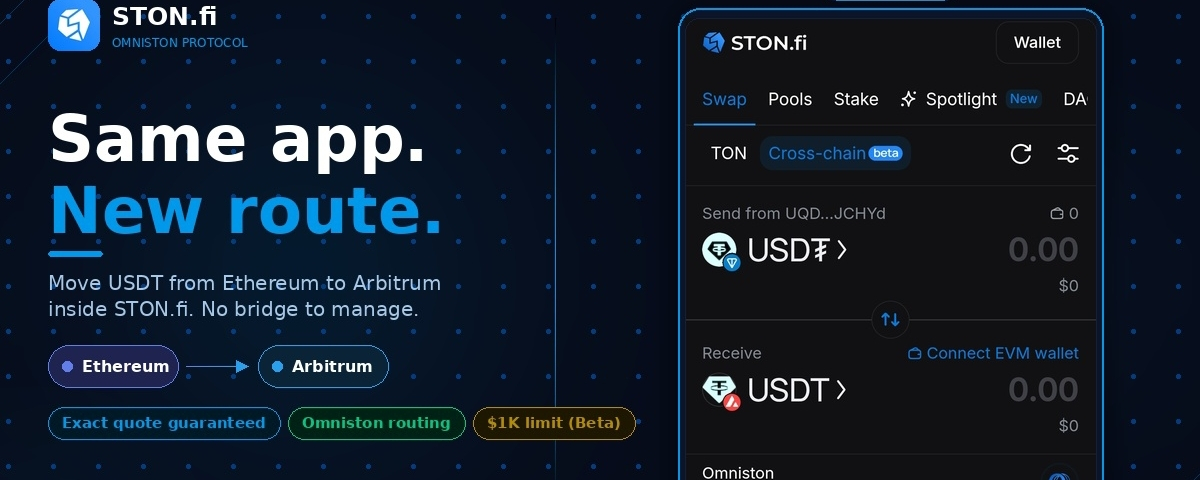
USDT von Ethereum zu Arbitrum auf STON.fi übertragen — Was ich herausfand, bevor ich den Auslöser betätigteIch möchte etwas klarstellen, bevor das hier weitergeht.
Ich habe diese Übertragung noch nicht abgeschlossen. Was ich gemacht habe, war, Zeit innerhalb der @stonfi Cross-Chain-Interface-Zuordnung zu verbringen und ganz genau auszuarbeiten, worauf ein neuer Nutzer trifft, bevor ich irgendetwas bestätige. Betrachte das als den Recon-Report, bevor der eigentliche Lauf startet.
Wenn du darüber nachdenkst, USDT von Ethereum nach Arbitrum auf STONfi zu verschieben, hier ist, was ich herausgefunden habe.
Das Erste, was mir aufgefallen ist: Es ist dieselbe App.
Ich hatte halb damit gerechnet, dass es eine separate Oberfläche gibt — einen Betareiter, der sich wie ein anderes Produkt mit einem anderen Layout anfühlt. Aber genau das habe ich nicht gefunden.
USDT von Ethereum zu Arbitrum auf STON.fi übertragen — Was ich herausfand, bevor ich den Auslöser betätigte
Ich möchte etwas klarstellen, bevor das hier weitergeht.
Ich habe diese Übertragung noch nicht abgeschlossen. Was ich gemacht habe, war, Zeit innerhalb der @STONfi DEX Cross-Chain-Interface-Zuordnung zu verbringen und ganz genau auszuarbeiten, worauf ein neuer Nutzer trifft, bevor ich irgendetwas bestätige. Betrachte das als den Recon-Report, bevor der eigentliche Lauf startet.
Wenn du darüber nachdenkst, USDT von Ethereum nach Arbitrum auf STONfi zu verschieben, hier ist, was ich herausgefunden habe.
Das Erste, was mir aufgefallen ist: Es ist dieselbe App.
Ich hatte halb damit gerechnet, dass es eine separate Oberfläche gibt — einen Betareiter, der sich wie ein anderes Produkt mit einem anderen Layout anfühlt. Aber genau das habe ich nicht gefunden.
Ich habe diese Übertragung noch nicht abgeschlossen. Was ich gemacht habe, war, Zeit innerhalb der @STONfi DEX Cross-Chain-Interface-Zuordnung zu verbringen und ganz genau auszuarbeiten, worauf ein neuer Nutzer trifft, bevor ich irgendetwas bestätige. Betrachte das als den Recon-Report, bevor der eigentliche Lauf startet.
Wenn du darüber nachdenkst, USDT von Ethereum nach Arbitrum auf STONfi zu verschieben, hier ist, was ich herausgefunden habe.
Das Erste, was mir aufgefallen ist: Es ist dieselbe App.
Ich hatte halb damit gerechnet, dass es eine separate Oberfläche gibt — einen Betareiter, der sich wie ein anderes Produkt mit einem anderen Layout anfühlt. Aber genau das habe ich nicht gefunden.
80
Artikel
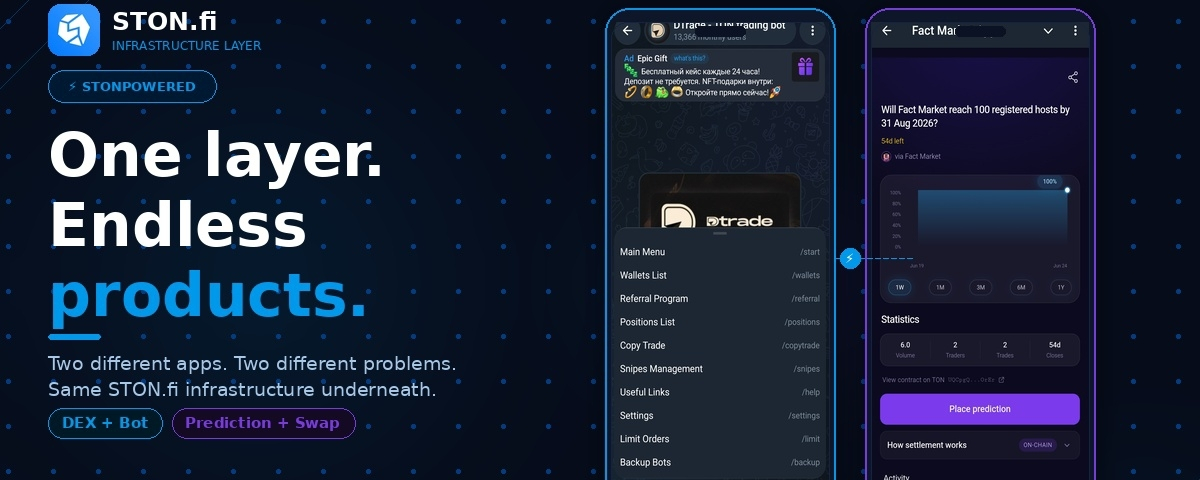
Ich habe zwei TON-Apps gefunden, die mir wirklich gefallen. Und herausgestellt: Beide laufen auf STON.fi — und ich hatte keine AhnungVor ein paar Wochen habe ich einen Trading-Bot auf $TON mit einem Lesezeichen versehen. Limit-Orders, Copy-Trading, Analytics, Multi-Protocol-Support. Saubere Ausführung. Wirklich nützliches Tool.
Ein paar Tage später bin ich auf etwas völlig anderes gestoßen — eine Prediction-Markets-App, mit der jede Telegram-Gruppe ihren eigenen On-Chain-Marktplatz starten kann. Non-Custodial. Abwicklung auf TON. Mitglieder sagen reale Ereignisse direkt in einem Chat voraus. Cleveres Produkt. Auch das habe ich mir gemerkt.
Zwei Apps. Zwei völlig unterschiedliche Anwendungsfälle. Keine Verbindung in meinem Kopf.
Ich habe zwei TON-Apps gefunden, die mir wirklich gefallen. Und herausgestellt: Beide laufen auf STON.fi — und ich hatte keine Ahnung
Vor ein paar Wochen habe ich einen Trading-Bot auf $TON mit einem Lesezeichen versehen. Limit-Orders, Copy-Trading, Analytics, Multi-Protocol-Support. Saubere Ausführung. Wirklich nützliches Tool.
Ein paar Tage später bin ich auf etwas völlig anderes gestoßen — eine Prediction-Markets-App, mit der jede Telegram-Gruppe ihren eigenen On-Chain-Marktplatz starten kann. Non-Custodial. Abwicklung auf TON. Mitglieder sagen reale Ereignisse direkt in einem Chat voraus. Cleveres Produkt. Auch das habe ich mir gemerkt.
Zwei Apps. Zwei völlig unterschiedliche Anwendungsfälle. Keine Verbindung in meinem Kopf.
Ein paar Tage später bin ich auf etwas völlig anderes gestoßen — eine Prediction-Markets-App, mit der jede Telegram-Gruppe ihren eigenen On-Chain-Marktplatz starten kann. Non-Custodial. Abwicklung auf TON. Mitglieder sagen reale Ereignisse direkt in einem Chat voraus. Cleveres Produkt. Auch das habe ich mir gemerkt.
Zwei Apps. Zwei völlig unterschiedliche Anwendungsfälle. Keine Verbindung in meinem Kopf.
114
Vom Bärenmarkt-Bau zu Cross-Chain DeFi — Die STON.fi Geschichte
Mitte 2022. Terra war gerade zusammengebrochen. Three Arrows Capital war weg. Jeder nannte DeFi tot.
Und irgendwo in diesem Chaos begann ein kleines Team stillschweigend einen DEX auf einer Blockchain zu entwickeln, die die meisten Leute noch nicht ernst genommen hatten — TON.
Das war @stonfi . Und dort beginnt meine Geschichte mit diesem Protokoll.
Wie ich es gefunden habe
Ich habe nicht gesucht. Ich war tief in EVM Chains wie die meisten Leute zu der Zeit.
Aber STONfi tauchte ständig in den Telegram-Gruppen auf, in denen ich bereits war. Ein DEX auf TON. Nahezu null Gebühren. In die Wallet integriert, die ich zum Chatten benutze. Ich habe es ausprobiert. Es war schnell, günstig und es hat einfach funktioniert. Ich bin immer wieder zurückgekommen.
Was stillschweigend aufgebaut wurde
Was ich anfangs nicht realisierte, war, wie tief die Wurzeln gingen.
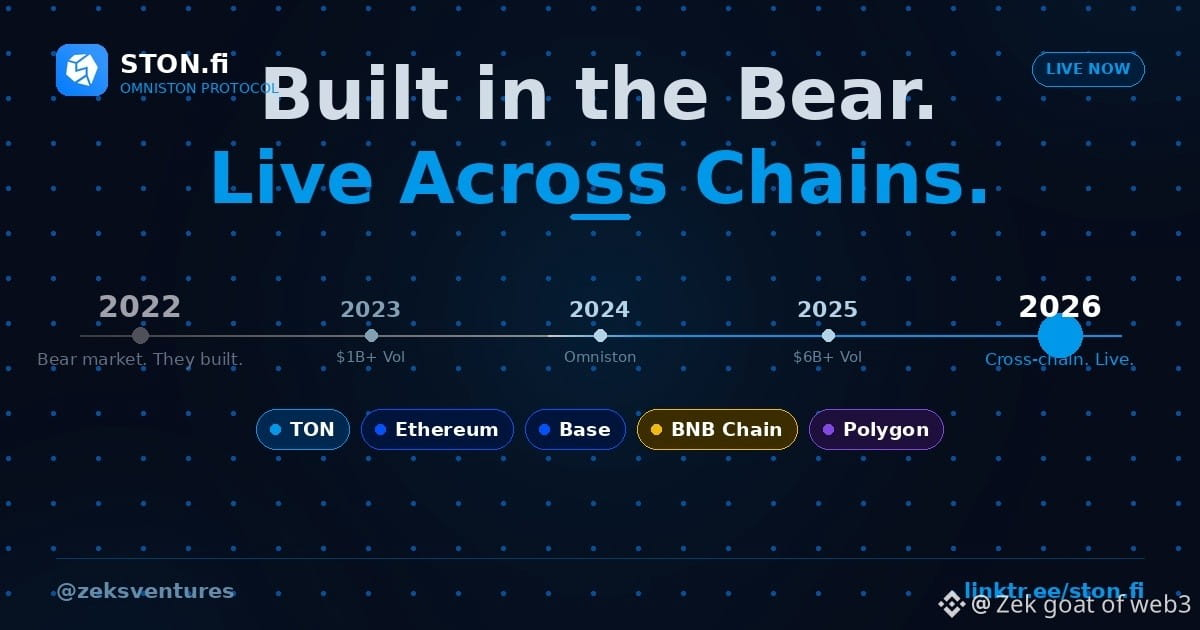
Seit dem Launch im November 2022 wurde STON.fi die #1 DEX auf TON — über 6 Milliarden Dollar Handelsvolumen, über 27 Millionen Transaktionen, 400+ Liquiditätspools. Das Team hat 9,5 Millionen Dollar in Series A-Finanzierung von Ribbit Capital und CoinFund gesammelt. Sie haben Farming, Staking, Governance und — im Hintergrund — eine völlig neue Cross-Chain-Ausführungsschicht namens Omniston geliefert.
Sie waren nicht laut darüber. Sie haben einfach gebaut.
Dann letzte Woche, der Schalter wurde umgelegt
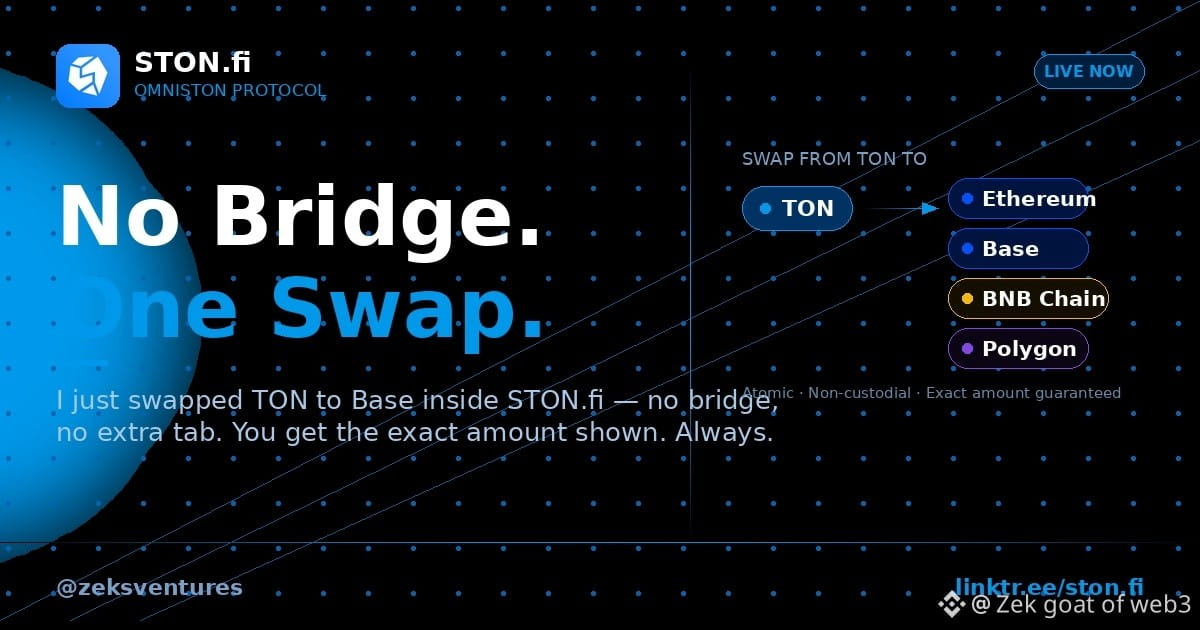
TON ↔ EVM Cross-Chain Swaps sind live auf STON.fi.
Ethereum. Base. BNB Chain. Polygon. Alles von der gleichen dApp, betrieben von Omniston. Keine Brücken. Keine Wrapped Tokens. Atomare Ausführung — du erhältst genau den Betrag, der in der UI angezeigt wird, oder der Swap findet nicht statt und deine Gelder werden vollständig zurückgegeben.
Ich habe es ausprobiert. Von TON nach Base getauscht. Reibungslos. Genau. Kein Drama.
Warum das wichtig ist
Das ist nicht nur ein neues Feature. Es ist die Belohnung für Jahre an Infrastrukturarbeit — Cross-Chain DeFi, das von Grund auf auf TON aufgebaut wurde, und jetzt Türen zum gesamten EVM-Ökosystem öffnet, für eine Benutzerbasis, die in Telegram lebt.
Vom Bärenmarkt-Launch im Jahr 2022 bis zu Cross-Chain DeFi im Jahr 2026. Ich habe diesen Aufbau aus nächster Nähe verfolgt. Und ich denke wirklich, dass wir noch früh dran sind.
🔀 app.ston.fi/swap?mode=cross-chain
🔗 linktr.ee/ston.fi
#TON #STONfi #Omniston #CrossChain #DeFi #EVM
Vom Bärenmarkt-Bau zu Cross-Chain DeFi — Die STON.fi Geschichte
Mitte 2022. Terra war gerade zusammengebrochen. Three Arrows Capital war weg. Jeder nannte DeFi tot.
Und irgendwo in diesem Chaos begann ein kleines Team stillschweigend einen DEX auf einer Blockchain zu entwickeln, die die meisten Leute noch nicht ernst genommen hatten — TON.
Das war @STONfi DEX . Und dort beginnt meine Geschichte mit diesem Protokoll.
Wie ich es gefunden habe
Ich habe nicht gesucht. Ich war tief in EVM Chains wie die meisten Leute zu der Zeit.
Aber STONfi tauchte ständig in den Telegram-Gruppen auf, in denen ich bereits war. Ein DEX auf TON. Nahezu null Gebühren. In die Wallet integriert, die ich zum Chatten benutze. Ich habe es ausprobiert. Es war schnell, günstig und es hat einfach funktioniert. Ich bin immer wieder zurückgekommen.
Was stillschweigend aufgebaut wurde
Was ich anfangs nicht realisierte, war, wie tief die Wurzeln gingen.
Seit dem Launch im November 2022 wurde STON.fi die #1 DEX auf TON — über 6 Milliarden Dollar Handelsvolumen, über 27 Millionen Transaktionen, 400+ Liquiditätspools. Das Team hat 9,5 Millionen Dollar in Series A-Finanzierung von Ribbit Capital und CoinFund gesammelt. Sie haben Farming, Staking, Governance und — im Hintergrund — eine völlig neue Cross-Chain-Ausführungsschicht namens Omniston geliefert.
Sie waren nicht laut darüber. Sie haben einfach gebaut.
Dann letzte Woche, der Schalter wurde umgelegt
TON ↔ EVM Cross-Chain Swaps sind live auf STON.fi.
Ethereum. Base. BNB Chain. Polygon. Alles von der gleichen dApp, betrieben von Omniston. Keine Brücken. Keine Wrapped Tokens. Atomare Ausführung — du erhältst genau den Betrag, der in der UI angezeigt wird, oder der Swap findet nicht statt und deine Gelder werden vollständig zurückgegeben.
Ich habe es ausprobiert. Von TON nach Base getauscht. Reibungslos. Genau. Kein Drama.
Warum das wichtig ist
Das ist nicht nur ein neues Feature. Es ist die Belohnung für Jahre an Infrastrukturarbeit — Cross-Chain DeFi, das von Grund auf auf TON aufgebaut wurde, und jetzt Türen zum gesamten EVM-Ökosystem öffnet, für eine Benutzerbasis, die in Telegram lebt.
Vom Bärenmarkt-Launch im Jahr 2022 bis zu Cross-Chain DeFi im Jahr 2026. Ich habe diesen Aufbau aus nächster Nähe verfolgt. Und ich denke wirklich, dass wir noch früh dran sind.
🔀 app.ston.fi/swap?mode=cross-chain
🔗 linktr.ee/ston.fi
#TON #STONfi #Omniston #CrossChain #DeFi #EVM
Mitte 2022. Terra war gerade zusammengebrochen. Three Arrows Capital war weg. Jeder nannte DeFi tot.
Und irgendwo in diesem Chaos begann ein kleines Team stillschweigend einen DEX auf einer Blockchain zu entwickeln, die die meisten Leute noch nicht ernst genommen hatten — TON.
Das war @STONfi DEX . Und dort beginnt meine Geschichte mit diesem Protokoll.
Wie ich es gefunden habe
Ich habe nicht gesucht. Ich war tief in EVM Chains wie die meisten Leute zu der Zeit.
Aber STONfi tauchte ständig in den Telegram-Gruppen auf, in denen ich bereits war. Ein DEX auf TON. Nahezu null Gebühren. In die Wallet integriert, die ich zum Chatten benutze. Ich habe es ausprobiert. Es war schnell, günstig und es hat einfach funktioniert. Ich bin immer wieder zurückgekommen.
Was stillschweigend aufgebaut wurde
Was ich anfangs nicht realisierte, war, wie tief die Wurzeln gingen.
Seit dem Launch im November 2022 wurde STON.fi die #1 DEX auf TON — über 6 Milliarden Dollar Handelsvolumen, über 27 Millionen Transaktionen, 400+ Liquiditätspools. Das Team hat 9,5 Millionen Dollar in Series A-Finanzierung von Ribbit Capital und CoinFund gesammelt. Sie haben Farming, Staking, Governance und — im Hintergrund — eine völlig neue Cross-Chain-Ausführungsschicht namens Omniston geliefert.
Sie waren nicht laut darüber. Sie haben einfach gebaut.
Dann letzte Woche, der Schalter wurde umgelegt
TON ↔ EVM Cross-Chain Swaps sind live auf STON.fi.
Ethereum. Base. BNB Chain. Polygon. Alles von der gleichen dApp, betrieben von Omniston. Keine Brücken. Keine Wrapped Tokens. Atomare Ausführung — du erhältst genau den Betrag, der in der UI angezeigt wird, oder der Swap findet nicht statt und deine Gelder werden vollständig zurückgegeben.
Ich habe es ausprobiert. Von TON nach Base getauscht. Reibungslos. Genau. Kein Drama.
Warum das wichtig ist
Das ist nicht nur ein neues Feature. Es ist die Belohnung für Jahre an Infrastrukturarbeit — Cross-Chain DeFi, das von Grund auf auf TON aufgebaut wurde, und jetzt Türen zum gesamten EVM-Ökosystem öffnet, für eine Benutzerbasis, die in Telegram lebt.
Vom Bärenmarkt-Launch im Jahr 2022 bis zu Cross-Chain DeFi im Jahr 2026. Ich habe diesen Aufbau aus nächster Nähe verfolgt. Und ich denke wirklich, dass wir noch früh dran sind.
🔀 app.ston.fi/swap?mode=cross-chain
🔗 linktr.ee/ston.fi
#TON #STONfi #Omniston #CrossChain #DeFi #EVM
148
Ich habe die neuen Cross-Chain Swaps von STON.fi ausprobiert — hier ist, was wirklich passiert ist
Ich werde ehrlich sein, ich bin mit niedrigen Erwartungen reingegangen.
Cross-Chain bedeutete immer Brücken, gewickelte Tokens, zusätzliche Schritte und diesen einen Moment, in dem man auf sein Wallet starrt und sich fragt, ob die Gelder zurückkommen. Klassische DeFi Steuer.
Aber ich habe gerade von TON zu Base innerhalb von @stonfi getauscht und bin ohne einen einzigen Kopfschmerz rausgegangen. Lass mich erklären, was sich geändert hat.
Was gerade live ist
TON ↔ EVM Cross-Chain Swaps sind jetzt in der STON.fi dApp verfügbar. Unterstützte Chains: Ethereum, Base, BNB Chain und Polygon. Keine Brücke. Keine zusätzliche Oberfläche. Nur die App, die du bereits nutzt.
Tokens, die beim Start verfügbar sind:
→ USDT auf TON
→ USDT & USDC auf Base, Ethereum und BNB Chain
→ PUSD & USDC auf Polygon
Der Swap ist ein Schritt — du wählst deinen Eingabetoken auf TON und deinen Ausgabetoken auf der EVM-Chain. Das war's.
Der Part, der mich wirklich beeindruckt hat
Omniston, das Protokoll, das die Ausführung im Hintergrund übernimmt, sichert deinen Kurs, bevor der Swap läuft. Du bekommst den genauen Betrag, der in der UI angezeigt wird — oder der Swap wird nicht ausgeführt und deine Gelder kommen vollständig zurück. Keine Slippage-Überraschungen. Kein Rätselraten, was "minimal erhalten" in der Praxis wirklich bedeutet.
Das ist wirklich anders als die meisten Cross-Chain-Erfahrungen, die ich gemacht habe.
Kurze Notiz: Das Swap-Volumen ist beim Start auf 1.000 $ pro Transaktion begrenzt. Macht Sinn für einen frühen Rollout — das Limit wird erweitert, wenn sich die Dinge stabilisieren.
Warum das wichtig ist
TON ist Telegram-nativ. STON.fi hat gerade dieses Milliarden-Nutzer-Netzwerk mit Ethereum, Base, BNB Chain und Polygon verbunden — nativ, ohne Brücken. Die Türen zwischen den Ökosystemen sind jetzt viel breiter.
Es lohnt sich, es selbst auszuprobieren 👇
🔀 app.ston.fi/swap?mode=cross-chain
🔗 linktr.ee/ston.fi
#TON #STONfi #Omniston #CrossChain #DeFi #EVM #BNBChain #Polygon #Base #Ethereum
Ich habe die neuen Cross-Chain Swaps von STON.fi ausprobiert — hier ist, was wirklich passiert ist
Ich werde ehrlich sein, ich bin mit niedrigen Erwartungen reingegangen.
Cross-Chain bedeutete immer Brücken, gewickelte Tokens, zusätzliche Schritte und diesen einen Moment, in dem man auf sein Wallet starrt und sich fragt, ob die Gelder zurückkommen. Klassische DeFi Steuer.
Aber ich habe gerade von TON zu Base innerhalb von @STONfi DEX getauscht und bin ohne einen einzigen Kopfschmerz rausgegangen. Lass mich erklären, was sich geändert hat.
Was gerade live ist
TON ↔ EVM Cross-Chain Swaps sind jetzt in der STON.fi dApp verfügbar. Unterstützte Chains: Ethereum, Base, BNB Chain und Polygon. Keine Brücke. Keine zusätzliche Oberfläche. Nur die App, die du bereits nutzt.
Tokens, die beim Start verfügbar sind:
→ USDT auf TON
→ USDT & USDC auf Base, Ethereum und BNB Chain
→ PUSD & USDC auf Polygon
Der Swap ist ein Schritt — du wählst deinen Eingabetoken auf TON und deinen Ausgabetoken auf der EVM-Chain. Das war's.
Der Part, der mich wirklich beeindruckt hat
Omniston, das Protokoll, das die Ausführung im Hintergrund übernimmt, sichert deinen Kurs, bevor der Swap läuft. Du bekommst den genauen Betrag, der in der UI angezeigt wird — oder der Swap wird nicht ausgeführt und deine Gelder kommen vollständig zurück. Keine Slippage-Überraschungen. Kein Rätselraten, was "minimal erhalten" in der Praxis wirklich bedeutet.
Das ist wirklich anders als die meisten Cross-Chain-Erfahrungen, die ich gemacht habe.
Kurze Notiz: Das Swap-Volumen ist beim Start auf 1.000 $ pro Transaktion begrenzt. Macht Sinn für einen frühen Rollout — das Limit wird erweitert, wenn sich die Dinge stabilisieren.
Warum das wichtig ist
TON ist Telegram-nativ. STON.fi hat gerade dieses Milliarden-Nutzer-Netzwerk mit Ethereum, Base, BNB Chain und Polygon verbunden — nativ, ohne Brücken. Die Türen zwischen den Ökosystemen sind jetzt viel breiter.
Es lohnt sich, es selbst auszuprobieren 👇
🔀 app.ston.fi/swap?mode=cross-chain
🔗 linktr.ee/ston.fi
#TON #STONfi #Omniston #CrossChain #DeFi #EVM #BNBChain #Polygon #Base #Ethereum
Ich werde ehrlich sein, ich bin mit niedrigen Erwartungen reingegangen.
Cross-Chain bedeutete immer Brücken, gewickelte Tokens, zusätzliche Schritte und diesen einen Moment, in dem man auf sein Wallet starrt und sich fragt, ob die Gelder zurückkommen. Klassische DeFi Steuer.
Aber ich habe gerade von TON zu Base innerhalb von @STONfi DEX getauscht und bin ohne einen einzigen Kopfschmerz rausgegangen. Lass mich erklären, was sich geändert hat.
Was gerade live ist
TON ↔ EVM Cross-Chain Swaps sind jetzt in der STON.fi dApp verfügbar. Unterstützte Chains: Ethereum, Base, BNB Chain und Polygon. Keine Brücke. Keine zusätzliche Oberfläche. Nur die App, die du bereits nutzt.
Tokens, die beim Start verfügbar sind:
→ USDT auf TON
→ USDT & USDC auf Base, Ethereum und BNB Chain
→ PUSD & USDC auf Polygon
Der Swap ist ein Schritt — du wählst deinen Eingabetoken auf TON und deinen Ausgabetoken auf der EVM-Chain. Das war's.
Der Part, der mich wirklich beeindruckt hat
Omniston, das Protokoll, das die Ausführung im Hintergrund übernimmt, sichert deinen Kurs, bevor der Swap läuft. Du bekommst den genauen Betrag, der in der UI angezeigt wird — oder der Swap wird nicht ausgeführt und deine Gelder kommen vollständig zurück. Keine Slippage-Überraschungen. Kein Rätselraten, was "minimal erhalten" in der Praxis wirklich bedeutet.
Das ist wirklich anders als die meisten Cross-Chain-Erfahrungen, die ich gemacht habe.
Kurze Notiz: Das Swap-Volumen ist beim Start auf 1.000 $ pro Transaktion begrenzt. Macht Sinn für einen frühen Rollout — das Limit wird erweitert, wenn sich die Dinge stabilisieren.
Warum das wichtig ist
TON ist Telegram-nativ. STON.fi hat gerade dieses Milliarden-Nutzer-Netzwerk mit Ethereum, Base, BNB Chain und Polygon verbunden — nativ, ohne Brücken. Die Türen zwischen den Ökosystemen sind jetzt viel breiter.
Es lohnt sich, es selbst auszuprobieren 👇
🔀 app.ston.fi/swap?mode=cross-chain
🔗 linktr.ee/ston.fi
#TON #STONfi #Omniston #CrossChain #DeFi #EVM #BNBChain #Polygon #Base #Ethereum
2
170
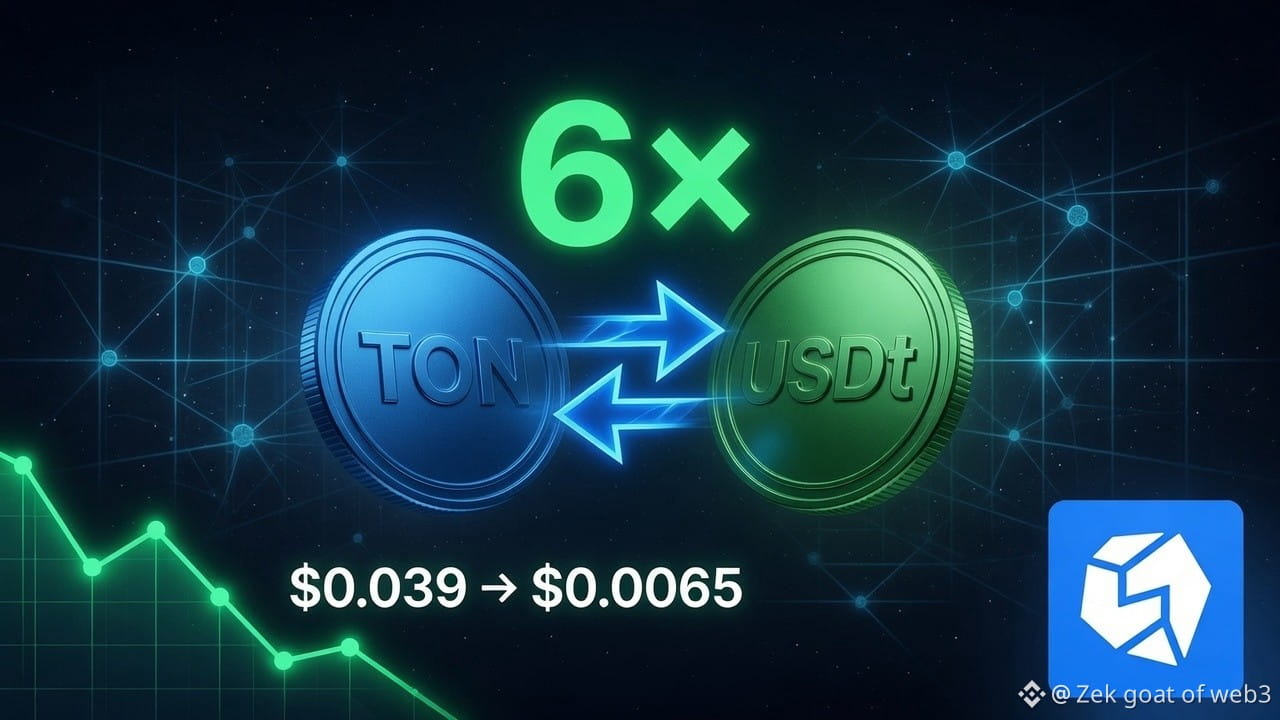
Die TON-Gebühren sind gerade um das 6-fache gefallen – was bedeutet das für deine Swaps?
Eine der stillen Beschwerden über das On-Chain-Trading waren immer die Gebühren. Nicht die dramatischen – die kleinen, die sich summieren und dich fragen lassen, ob es sich überhaupt lohnt, auf einem DEX zu swapen.
Das neueste Upgrade von TON hat das geändert. Die Netzwerkgebühren liegen jetzt bei etwa $0.0005 pro Transaktion – etwa 83 % günstiger als zuvor.
Um es in echten Zahlen zu sagen: ein $TON ⇄ USDt Swap auf @stonfi , der zuvor ~$0.039 an Gebühren gekostet hat, kostet jetzt nur noch ~$0.0065. Das ist kein Rundungsfehler. Das ist ein bedeutender Unterschied, insbesondere für alle, die häufig swappen oder Liquidität bereitstellen.
Das kam nach dem Catchain 2.0-Update, das die Gesamtleistung der Blockchain verbessert hat, und das TON-Team hat seitdem kontinuierlich Optimierungen vorgenommen.
Niedrigere Gebühren + nahezu sofortige Bestätigungen auf STON.fi sind die Art von Upgrade, die nicht lange Schlagzeilen macht – aber leise verändert, wie praktisch sich das On-Chain-Trading im Alltag anfühlt.
Vollständige Aufschlüsselung hier 👉 blog.ston.fi/ton-fees-cut-6x-swaps-on-ston-fi-just-got-cheaper
Probier es selbst aus → app.ston.fi
$TON $BTC $ETH #DeFi #STONfi
Die TON-Gebühren sind gerade um das 6-fache gefallen – was bedeutet das für deine Swaps?
Eine der stillen Beschwerden über das On-Chain-Trading waren immer die Gebühren. Nicht die dramatischen – die kleinen, die sich summieren und dich fragen lassen, ob es sich überhaupt lohnt, auf einem DEX zu swapen.
Das neueste Upgrade von TON hat das geändert. Die Netzwerkgebühren liegen jetzt bei etwa $0.0005 pro Transaktion – etwa 83 % günstiger als zuvor.
Um es in echten Zahlen zu sagen: ein $TON ⇄ USDt Swap auf @STONfi DEX , der zuvor ~$0.039 an Gebühren gekostet hat, kostet jetzt nur noch ~$0.0065. Das ist kein Rundungsfehler. Das ist ein bedeutender Unterschied, insbesondere für alle, die häufig swappen oder Liquidität bereitstellen.
Das kam nach dem Catchain 2.0-Update, das die Gesamtleistung der Blockchain verbessert hat, und das TON-Team hat seitdem kontinuierlich Optimierungen vorgenommen.
Niedrigere Gebühren + nahezu sofortige Bestätigungen auf STON.fi sind die Art von Upgrade, die nicht lange Schlagzeilen macht – aber leise verändert, wie praktisch sich das On-Chain-Trading im Alltag anfühlt.
Vollständige Aufschlüsselung hier 👉 blog.ston.fi/ton-fees-cut-6x-swaps-on-ston-fi-just-got-cheaper
Probier es selbst aus → app.ston.fi
$TON $BTC $ETH #DeFi #STONfi
Eine der stillen Beschwerden über das On-Chain-Trading waren immer die Gebühren. Nicht die dramatischen – die kleinen, die sich summieren und dich fragen lassen, ob es sich überhaupt lohnt, auf einem DEX zu swapen.
Das neueste Upgrade von TON hat das geändert. Die Netzwerkgebühren liegen jetzt bei etwa $0.0005 pro Transaktion – etwa 83 % günstiger als zuvor.
Um es in echten Zahlen zu sagen: ein $TON ⇄ USDt Swap auf @STONfi DEX , der zuvor ~$0.039 an Gebühren gekostet hat, kostet jetzt nur noch ~$0.0065. Das ist kein Rundungsfehler. Das ist ein bedeutender Unterschied, insbesondere für alle, die häufig swappen oder Liquidität bereitstellen.
Das kam nach dem Catchain 2.0-Update, das die Gesamtleistung der Blockchain verbessert hat, und das TON-Team hat seitdem kontinuierlich Optimierungen vorgenommen.
Niedrigere Gebühren + nahezu sofortige Bestätigungen auf STON.fi sind die Art von Upgrade, die nicht lange Schlagzeilen macht – aber leise verändert, wie praktisch sich das On-Chain-Trading im Alltag anfühlt.
Vollständige Aufschlüsselung hier 👉 blog.ston.fi/ton-fees-cut-6x-swaps-on-ston-fi-just-got-cheaper
Probier es selbst aus → app.ston.fi
$TON $BTC $ETH #DeFi #STONfi
1
142
Artikel
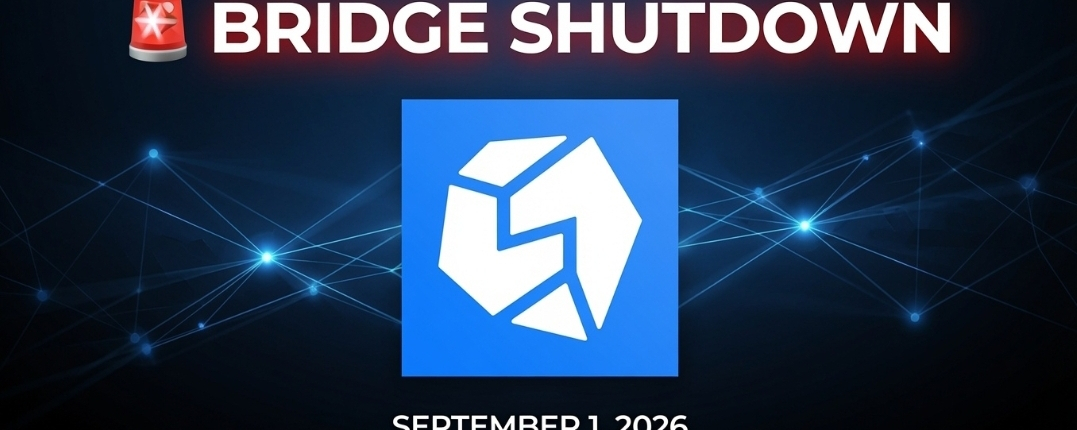
BREAKING: Toncoin und Token-Brücke werden am 1. September 2026 dauerhaft abgeschaltet@stonfi hat eine dringende Warnung an die TON DeFi-Community herausgegeben: Die offizielle Toncoin- und Token-Brücke unter bridge-v3.ton.org wird am 1. September 2026 alle Operationen einstellen, danach sind keine Transfers mehr möglich.
Nutzer mit gebridgten Assets sollten sofort handeln, um zu verhindern, dass ihre Gelder stranden. Alle prozentualen Transfergebühren wurden für das verbleibende Abhebungsfenster erlassen, um die Migration zu erleichtern.
Wer muss Assets bewegen?
- Wrapped Toncoin (wTON) Inhaber auf Ethereum oder BNB Smart Chain → zurück zur TON-Brücke.
BREAKING: Toncoin und Token-Brücke werden am 1. September 2026 dauerhaft abgeschaltet
@STONfi DEX hat eine dringende Warnung an die TON DeFi-Community herausgegeben: Die offizielle Toncoin- und Token-Brücke unter bridge-v3.ton.org wird am 1. September 2026 alle Operationen einstellen, danach sind keine Transfers mehr möglich.
Nutzer mit gebridgten Assets sollten sofort handeln, um zu verhindern, dass ihre Gelder stranden. Alle prozentualen Transfergebühren wurden für das verbleibende Abhebungsfenster erlassen, um die Migration zu erleichtern.
Wer muss Assets bewegen?
- Wrapped Toncoin (wTON) Inhaber auf Ethereum oder BNB Smart Chain → zurück zur TON-Brücke.
Nutzer mit gebridgten Assets sollten sofort handeln, um zu verhindern, dass ihre Gelder stranden. Alle prozentualen Transfergebühren wurden für das verbleibende Abhebungsfenster erlassen, um die Migration zu erleichtern.
Wer muss Assets bewegen?
- Wrapped Toncoin (wTON) Inhaber auf Ethereum oder BNB Smart Chain → zurück zur TON-Brücke.
1
179
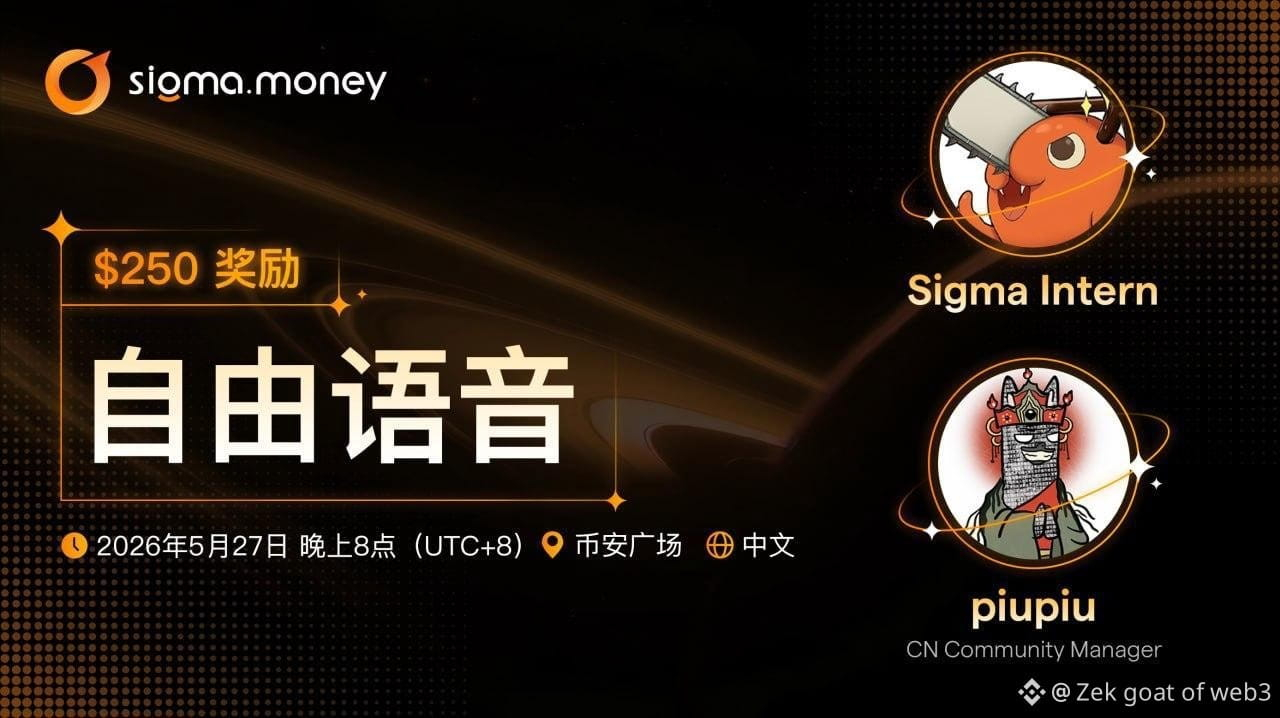
Aufgeregt über das AMA am Mittwochabend mit Sigma Money.
folge @SigmaIntern und lass dir das nicht entgehen, Leute.
{alpha}(560x85375d3e9c4a39350f1140280a8b0de6890a40e7)
#SIGMAonBNB
Aufgeregt über das AMA am Mittwochabend mit Sigma Money.
folge @SigmaIntern und lass dir das nicht entgehen, Leute.
#SIGMAonBNB
folge @SigmaIntern und lass dir das nicht entgehen, Leute.
#SIGMAonBNB
250
ALLES WAS DU ÜBER GOAT BITVM2 WISSEN MUSST UND WIE DU ES TESTEN KANNSTBitcoin ist mächtig, aber bislang war es nicht einfach, vollständig dezentrale Layer-2-Systeme aufzubauen, die die Sicherheit von Bitcoin erben, ohne einen Mittelsmann zu vertrauen. Hier kommt BitVM2 ins Spiel.
BitVM2 ist ein Protokoll für Brücken der nächsten Generation, das es Bitcoin ermöglicht, komplexe Off-Chain-Ausführungen mittels mathematischer Beweise zu verifizieren – ohne die Notwendigkeit von Treuhändern, vertrauenswürdigen Gremien oder zusätzlichen Genehmigungen. Stattdessen nutzt es clevere Kryptografie wie vorab unterzeichnete Transaktionen, Einmal-Signaturen und SNARK-Beweise, um Off-Chain-Aktivitäten auf Bitcoin durchsetzbar zu machen.
ALLES WAS DU ÜBER GOAT BITVM2 WISSEN MUSST UND WIE DU ES TESTEN KANNST
Bitcoin ist mächtig, aber bislang war es nicht einfach, vollständig dezentrale Layer-2-Systeme aufzubauen, die die Sicherheit von Bitcoin erben, ohne einen Mittelsmann zu vertrauen. Hier kommt BitVM2 ins Spiel.
BitVM2 ist ein Protokoll für Brücken der nächsten Generation, das es Bitcoin ermöglicht, komplexe Off-Chain-Ausführungen mittels mathematischer Beweise zu verifizieren – ohne die Notwendigkeit von Treuhändern, vertrauenswürdigen Gremien oder zusätzlichen Genehmigungen. Stattdessen nutzt es clevere Kryptografie wie vorab unterzeichnete Transaktionen, Einmal-Signaturen und SNARK-Beweise, um Off-Chain-Aktivitäten auf Bitcoin durchsetzbar zu machen.
BitVM2 ist ein Protokoll für Brücken der nächsten Generation, das es Bitcoin ermöglicht, komplexe Off-Chain-Ausführungen mittels mathematischer Beweise zu verifizieren – ohne die Notwendigkeit von Treuhändern, vertrauenswürdigen Gremien oder zusätzlichen Genehmigungen. Stattdessen nutzt es clevere Kryptografie wie vorab unterzeichnete Transaktionen, Einmal-Signaturen und SNARK-Beweise, um Off-Chain-Aktivitäten auf Bitcoin durchsetzbar zu machen.
11
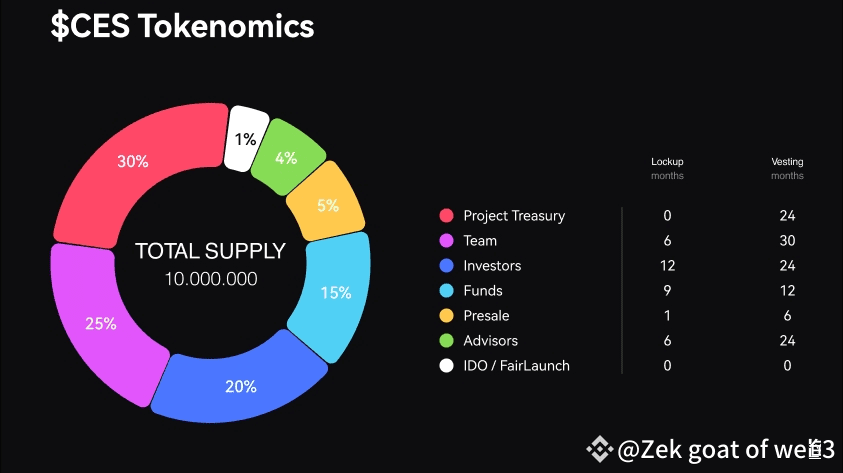
Artikel
$CES: Der Utility-Token von swap.coffeeDer CES-Token ist ein sehr wichtiger Teil des swap.coffee-Ökosystems. Er bietet seinen Nutzern unbegrenzte Vorteile und Möglichkeiten. Er ist ein wichtiger Akteur beim Wachstum und der Akzeptanz der Plattform durch verschiedene Programme.
Vorteile der Nutzung des $CES-Tokens
Lass uns einige der Vorteile des $CES hervorheben.
1. DIEJENIGEN, die den CES-Token halten, dürfen Gebühren auf der Plattform zu reduzierten Tarifen zahlen, was ihnen hilft, Transaktionskosten zu sparen.
2. Nutzer, die den CES-Token staken, verdienen regelmäßige Belohnungen, die sie mit dem Ökosystem beschäftigen. Süß.
$CES: Der Utility-Token von swap.coffee
Der CES-Token ist ein sehr wichtiger Teil des swap.coffee-Ökosystems. Er bietet seinen Nutzern unbegrenzte Vorteile und Möglichkeiten. Er ist ein wichtiger Akteur beim Wachstum und der Akzeptanz der Plattform durch verschiedene Programme.
Vorteile der Nutzung des $CES-Tokens
Lass uns einige der Vorteile des $CES hervorheben.
1. DIEJENIGEN, die den CES-Token halten, dürfen Gebühren auf der Plattform zu reduzierten Tarifen zahlen, was ihnen hilft, Transaktionskosten zu sparen.
2. Nutzer, die den CES-Token staken, verdienen regelmäßige Belohnungen, die sie mit dem Ökosystem beschäftigen. Süß.
Vorteile der Nutzung des $CES-Tokens
Lass uns einige der Vorteile des $CES hervorheben.
1. DIEJENIGEN, die den CES-Token halten, dürfen Gebühren auf der Plattform zu reduzierten Tarifen zahlen, was ihnen hilft, Transaktionskosten zu sparen.
2. Nutzer, die den CES-Token staken, verdienen regelmäßige Belohnungen, die sie mit dem Ökosystem beschäftigen. Süß.
2
63

Artikel
Dmail vs Traditionelle Mail: Die Web3-RevolutionDie Entwicklung der E-Mail von einem Web2-Dienst zu einer Web3-Powerhouse markiert einen Paradigmenwechsel in der digitalen Kommunikation. An der Spitze dieser Transformation steht Dmail, ein dezentrales E-Mail-Protokoll, das auf Blockchain-Technologie basiert und traditionelle E-Mail-Systeme wie Gmail und Outlook herausfordert, indem es Datenschutz, Benutzersouveränität und nahtlose Integration mit Web3-Ökosystemen priorisiert. Dieser Artikel untersucht die technischen, funktionalen und philosophischen Unterschiede zwischen Dmail und traditioneller Mail und veranschaulicht, warum dezentrale Kommunikation die Zukunft ist.
Dmail vs Traditionelle Mail: Die Web3-Revolution
Die Entwicklung der E-Mail von einem Web2-Dienst zu einer Web3-Powerhouse markiert einen Paradigmenwechsel in der digitalen Kommunikation. An der Spitze dieser Transformation steht Dmail, ein dezentrales E-Mail-Protokoll, das auf Blockchain-Technologie basiert und traditionelle E-Mail-Systeme wie Gmail und Outlook herausfordert, indem es Datenschutz, Benutzersouveränität und nahtlose Integration mit Web3-Ökosystemen priorisiert. Dieser Artikel untersucht die technischen, funktionalen und philosophischen Unterschiede zwischen Dmail und traditioneller Mail und veranschaulicht, warum dezentrale Kommunikation die Zukunft ist.
10
102
$DMAIL Token: Die Kommunikationskraft von Web3
Die dezentrale Revolution verändert die Kommunikation, und $DMAIL – der Utility-Token des Dmail Netzwerks – steht an vorderster Front. Dmail ersetzt traditionelle E-Mails durch ein blockchainbasiertes System, das Privatsphäre, Benutzerbesitz und Web3-Integration priorisiert. Hier ist, warum $DMAIL eine herausragende Investition ist:
Wichtige Funktionen, die die Nachfrage antreiben
- Verschlüsselte Nachrichten: Bezahlen Sie mit $DMAIL, um sichere, blockchain-verifizierte E-Mails zu senden.
- NFT-E-Mail-Domains: Besitzen Sie personalisierte Domains (z.B. `name@dmail.ai`) als NFTs.
- Staking-Belohnungen: Verdienen Sie passives Einkommen durch das Staken von Tokens.
Die dezentrale Revolution verändert die Kommunikation, und $DMAIL – der Utility-Token des Dmail Netzwerks – steht an vorderster Front. Dmail ersetzt traditionelle E-Mails durch ein blockchainbasiertes System, das Privatsphäre, Benutzerbesitz und Web3-Integration priorisiert. Hier ist, warum $DMAIL eine herausragende Investition ist:
Wichtige Funktionen, die die Nachfrage antreiben
- Verschlüsselte Nachrichten: Bezahlen Sie mit $DMAIL, um sichere, blockchain-verifizierte E-Mails zu senden.
- NFT-E-Mail-Domains: Besitzen Sie personalisierte Domains (z.B. `name@dmail.ai`) als NFTs.
- Staking-Belohnungen: Verdienen Sie passives Einkommen durch das Staken von Tokens.
$DMAIL Token: Die Kommunikationskraft von Web3
Die dezentrale Revolution verändert die Kommunikation, und $DMAIL – der Utility-Token des Dmail Netzwerks – steht an vorderster Front. Dmail ersetzt traditionelle E-Mails durch ein blockchainbasiertes System, das Privatsphäre, Benutzerbesitz und Web3-Integration priorisiert. Hier ist, warum $DMAIL eine herausragende Investition ist:
Wichtige Funktionen, die die Nachfrage antreiben
- Verschlüsselte Nachrichten: Bezahlen Sie mit $DMAIL, um sichere, blockchain-verifizierte E-Mails zu senden.
- NFT-E-Mail-Domains: Besitzen Sie personalisierte Domains (z.B. `name@dmail.ai`) als NFTs.
- Staking-Belohnungen: Verdienen Sie passives Einkommen durch das Staken von Tokens.
8
128

Artikel
MEMHASH kommt zu STON.fi: Eine neue Ära von Spaß und Profit in DeFiDer Bereich der dezentralen Finanzen (DeFi) wird viel unterhaltsamer! Am 28. Februar wird der MEMHASH-Token offiziell live gehen und neue Möglichkeiten für Trader, Liquiditätsanbieter und Gaming-Enthusiasten eröffnen.
Was ist MEMHASH?
MEMHASH ist ein äußerst beliebtes Mining-Spiel auf Telegram, das die Krypto-Welt im Sturm erobert hat. Mit über 1,8 Millionen monatlich aktiven Nutzern ermöglicht das Spiel den Spielern, ihre Geräte mit der Memhash-Mini-App zu verbinden, Hashes zu lösen und Belohnungen zu verdienen. Spieler können Aufgaben abschließen, Upgrades im Spiel freischalten und in eine einzigartige Mischung aus Gaming und Krypto-Mining eintauchen.
MEMHASH kommt zu STON.fi: Eine neue Ära von Spaß und Profit in DeFi
Der Bereich der dezentralen Finanzen (DeFi) wird viel unterhaltsamer! Am 28. Februar wird der MEMHASH-Token offiziell live gehen und neue Möglichkeiten für Trader, Liquiditätsanbieter und Gaming-Enthusiasten eröffnen.
Was ist MEMHASH?
MEMHASH ist ein äußerst beliebtes Mining-Spiel auf Telegram, das die Krypto-Welt im Sturm erobert hat. Mit über 1,8 Millionen monatlich aktiven Nutzern ermöglicht das Spiel den Spielern, ihre Geräte mit der Memhash-Mini-App zu verbinden, Hashes zu lösen und Belohnungen zu verdienen. Spieler können Aufgaben abschließen, Upgrades im Spiel freischalten und in eine einzigartige Mischung aus Gaming und Krypto-Mining eintauchen.
Was ist MEMHASH?
MEMHASH ist ein äußerst beliebtes Mining-Spiel auf Telegram, das die Krypto-Welt im Sturm erobert hat. Mit über 1,8 Millionen monatlich aktiven Nutzern ermöglicht das Spiel den Spielern, ihre Geräte mit der Memhash-Mini-App zu verbinden, Hashes zu lösen und Belohnungen zu verdienen. Spieler können Aufgaben abschließen, Upgrades im Spiel freischalten und in eine einzigartige Mischung aus Gaming und Krypto-Mining eintauchen.
12
295
Anmelden und weiter Inhalte entdecken
Krypto-Nutzer weltweit auf Binance Square kennenlernen
⚡️ Bleib in Sachen Krypto stets am Puls.
💬 Die weltgrößte Kryptobörse vertraut darauf.
👍 Erhalte verlässliche Einblicke von verifizierten Creators.
E-Mail-Adresse/Telefonnummer
Trendthemen
SaylorHintsStrategyBitcoinBuy
2.3M Aufrufe
12,558 Kommentare
#SaylorHintsStrategyBitcoinBuy
#SaylorHintsStrategyBitcoinBuy 👀
Michael Saylor’s neueste Kommentare haben Strategy und die Bitcoin-Akkumulation erneut in den Fokus gerückt. Der Markt beobachtet die Firma genau auf mögliche Schritte – insbesondere, da das institutionelle Interesse an Bitcoin weiterhin Aufmerksamkeit auf sich zieht. 📈
Wenn Strategy noch mehr BTC hinzufügt, könnte das die Story von der langfristigen unternehmerischen Bitcoin-Übernahme weiter untermauern und möglicherweise neuen Schwung im gesamten Krypto-Markt erzeugen. Allerdings sollten Trader bedenken, dass Schlagzeilen kurzfristige Volatilität in beide Richtungen auslösen können.
Wird Strategy bald einen weiteren Bitcoin-Kauf tätigen? Die Krypto-Community beobachtet jede Bewegung. 🚀₿
maqsoodahmed1
·1 Likes
·412 Aufrufe
BOJRaisesRatesTo31YearHigh
266,877 Aufrufe
3,348 Kommentare
BuffettStepsDownAsBerkshireChairman
130,926 Aufrufe
1,818 Kommentare