
WEB 3 METAVERSE
46 Beiträge
WEB 3 METAVERSE
Web3 enthusiast
15 Following
5 Follower
9 Like gegeben
Beiträge
Alle
Zitierungen
Videos
Übersetzung ansehen
In Thailand, a man without air conditioning tried to cool down by hanging a chicken from the ceiling and using the wind generated by its struggling.
Übersetzung ansehen
These visuals from the floods in Rasuwa, Nepal are absolutely horrific. The scale of the destruction looks unreal, almost like a scene from a disaster movie.The entire Himalayan belt needs to seriously work on better early warning systems for such flash floods. Prayers for everyone affected. 🙏
#Nepal
#Nepal
Übersetzung ansehen
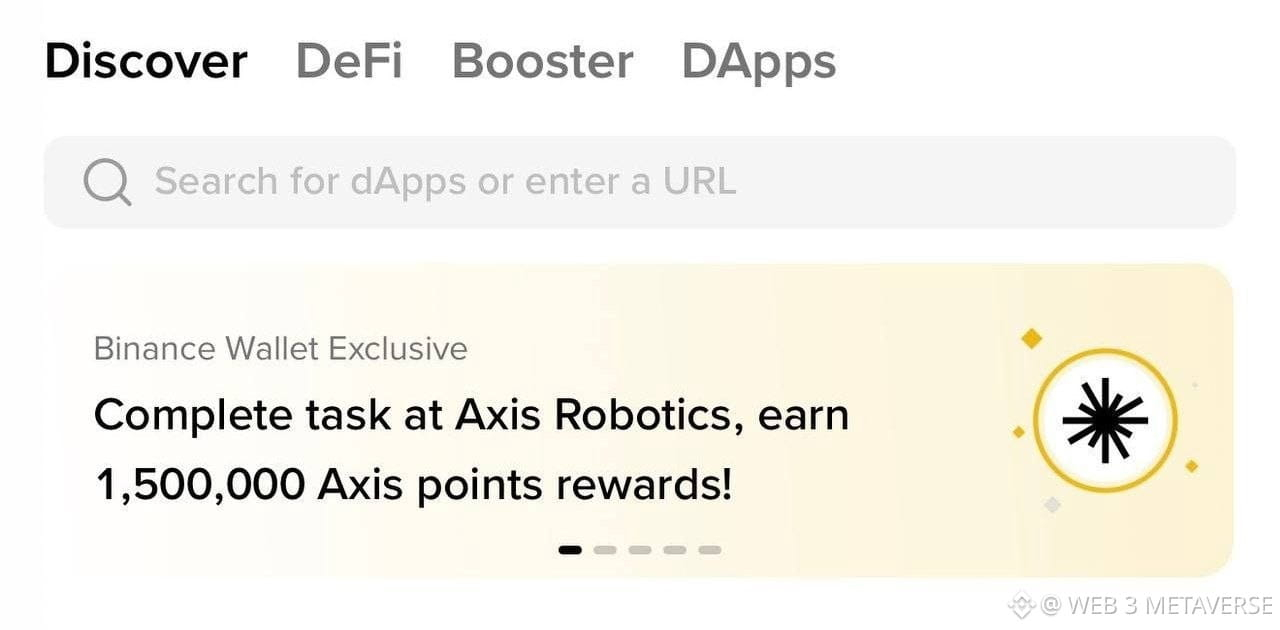
🎁Binance Web3 X Axis
💰Get > 1,500,000 Axis Point
🎉For All User
- Connect web3 & Bind X
- Do Simple task & Earn Point
- Done
💰Get > 1,500,000 Axis Point
🎉For All User
- Connect web3 & Bind X
- Do Simple task & Earn Point
- Done
Übersetzung ansehen
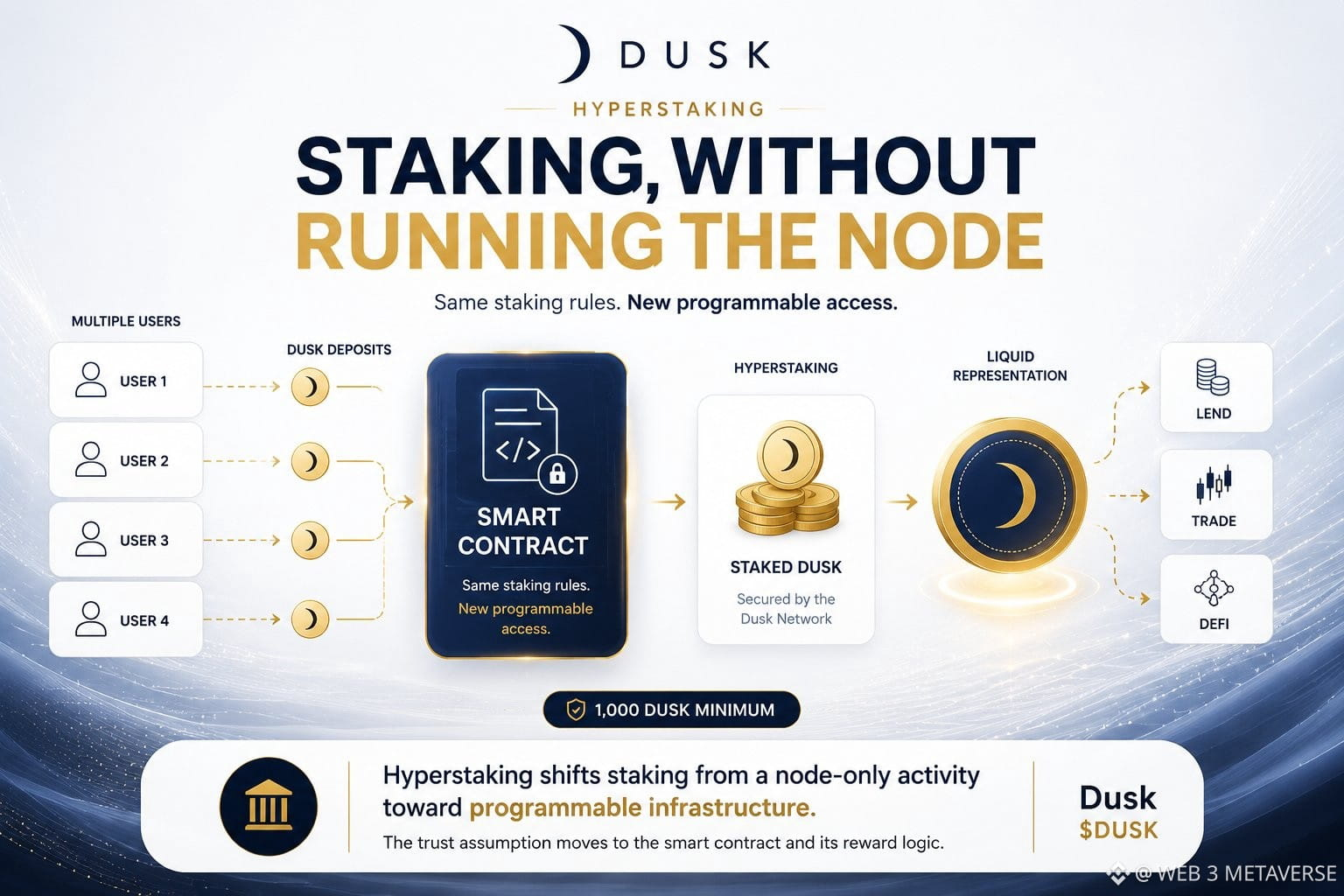
I used to think staking always meant running a node.
Hyperstaking changes that idea. Users can deposit DUSK into a smart contract, which handles the staking logic and connects to the Dusk staking layer.
The interesting part is what comes next: the staked position can potentially become composable across lending, trading and DeFi.
Same staking rules. New programmable access.
#dusk $DUSK @Dusk
Hyperstaking changes that idea. Users can deposit DUSK into a smart contract, which handles the staking logic and connects to the Dusk staking layer.
The interesting part is what comes next: the staked position can potentially become composable across lending, trading and DeFi.
Same staking rules. New programmable access.
#dusk $DUSK @Dusk
Übersetzung ansehen
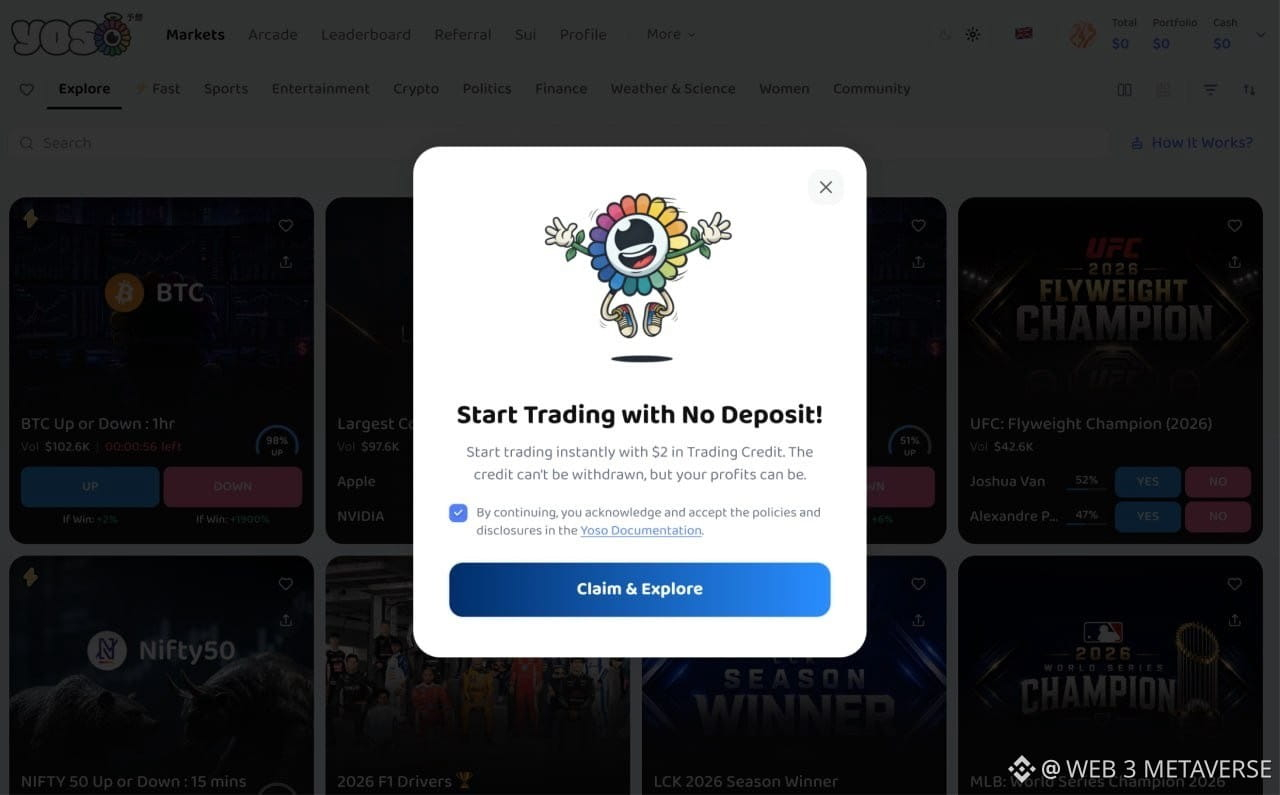
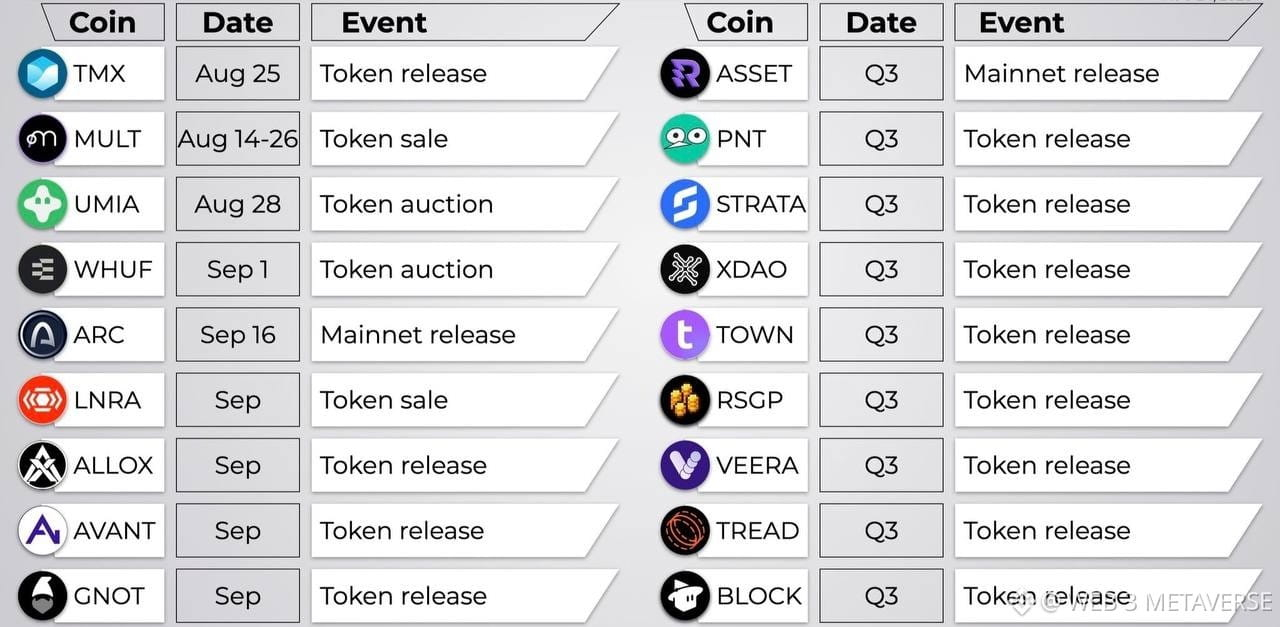
Teilweise korrekt
Übersetzung ansehen
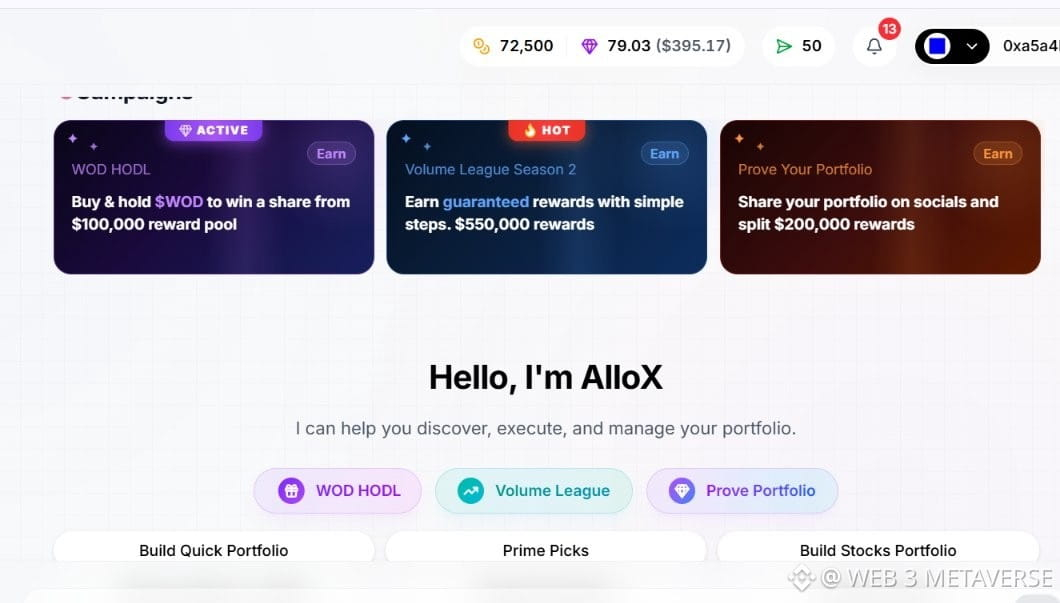
The latest update from
Allox
is definitely worth checking if you’ve been active on AlloX
The $ALLOX TGE is approaching, and Loyalty Users now have something to check inside the app
If you’re eligible, your exclusive access should already be available inside your account
So if you’ve been trading, collecting Loyalty status, or participating in AlloX before, don’t just wait for the TGE announcement
Allox
is definitely worth checking if you’ve been active on AlloX
The $ALLOX TGE is approaching, and Loyalty Users now have something to check inside the app
If you’re eligible, your exclusive access should already be available inside your account
So if you’ve been trading, collecting Loyalty status, or participating in AlloX before, don’t just wait for the TGE announcement
Übersetzung ansehen
The average day of a trader in 2026
Übersetzung ansehen
The 2 types of crypto traders
Übersetzung ansehen
August is very volatile for the Crypto Market so the accuracy of the signals this month is inconsistent.
Let the Monthly Candle Close this month then we will try to work on Relax ✔️
$BTC
Let the Monthly Candle Close this month then we will try to work on Relax ✔️
$BTC
Übersetzung ansehen
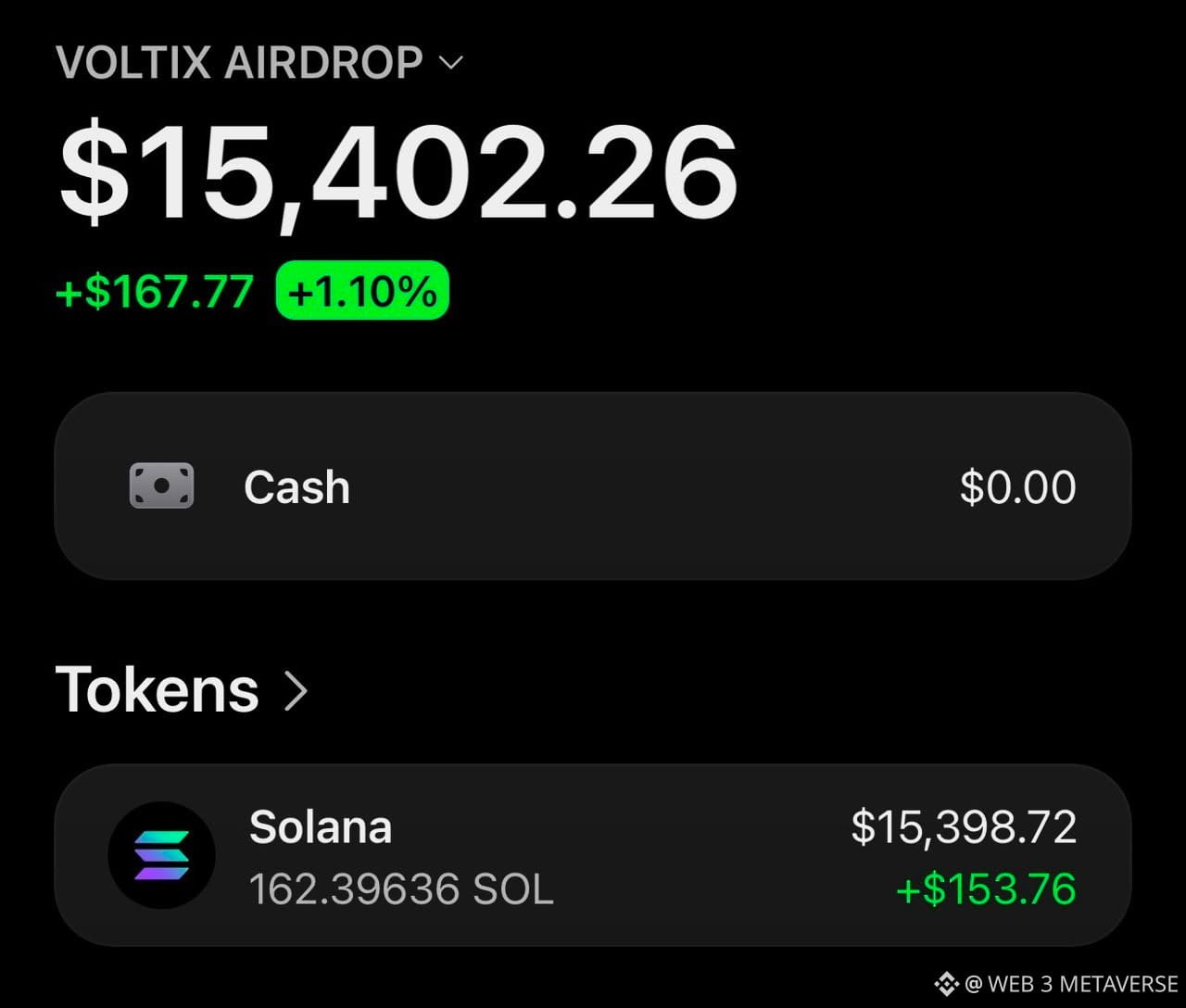
Comment your solana wallet
Just be following me
Sending some money to people soon
Just be following me
Sending some money to people soon
Übersetzung ansehen
A degen streamer hits a crazy $50,000 trade
This is why memecoins are the best way to get rich
This is why memecoins are the best way to get rich
Übersetzung ansehen
Remember when this OnlyFans girl launched a coin on pumpfun live and said she’d “flash” on stream when the coin hit 100k market cap
Honestly crazy to see things like this in the crypto space
Honestly crazy to see things like this in the crypto space

Übersetzung ansehen
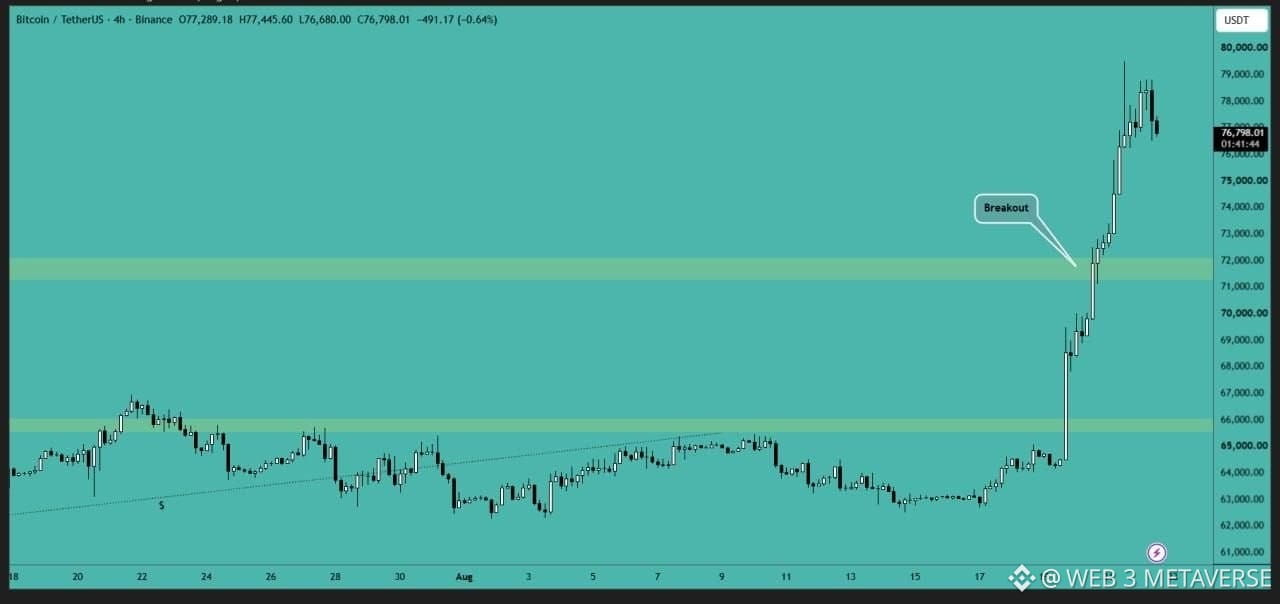
Bitcoin continues the upward movement and reached the major resistance of the $79,000-$80,000 area. Some profit booking has happened, and this is good, as we may see accumulation before the next leg up. Overall, the market is looking bullish. The support is now at the $75,000 level.
$BTC
$BTC
Übersetzung ansehen
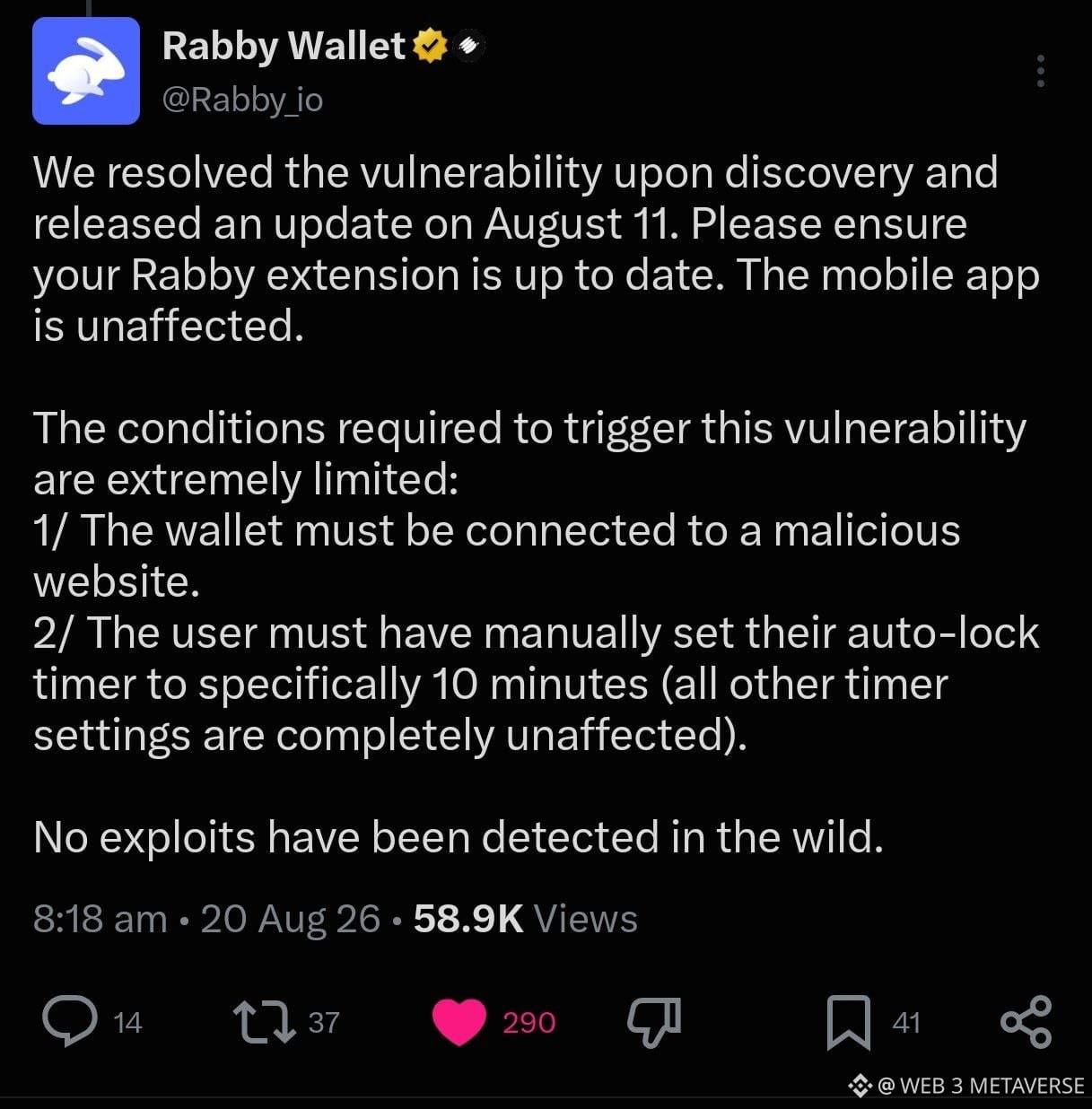
🚨 Rabby Wallet users: update your extension.
A rare bug could let a malicious dApp drain your wallet after it auto-locked for 10 minutes.
The scary part? Unlocking your wallet could accidentally approve a hidden signature without showing the confirmation screen.
Rabby says it’s fixed. No exploits detected in the wild.
Update your extension. 🛡️
$BNB $BTC
A rare bug could let a malicious dApp drain your wallet after it auto-locked for 10 minutes.
The scary part? Unlocking your wallet could accidentally approve a hidden signature without showing the confirmation screen.
Rabby says it’s fixed. No exploits detected in the wild.
Update your extension. 🛡️
$BNB $BTC
Übersetzung ansehen
that's great 💯

Naruto web3
·
--
#termmax @TermMax
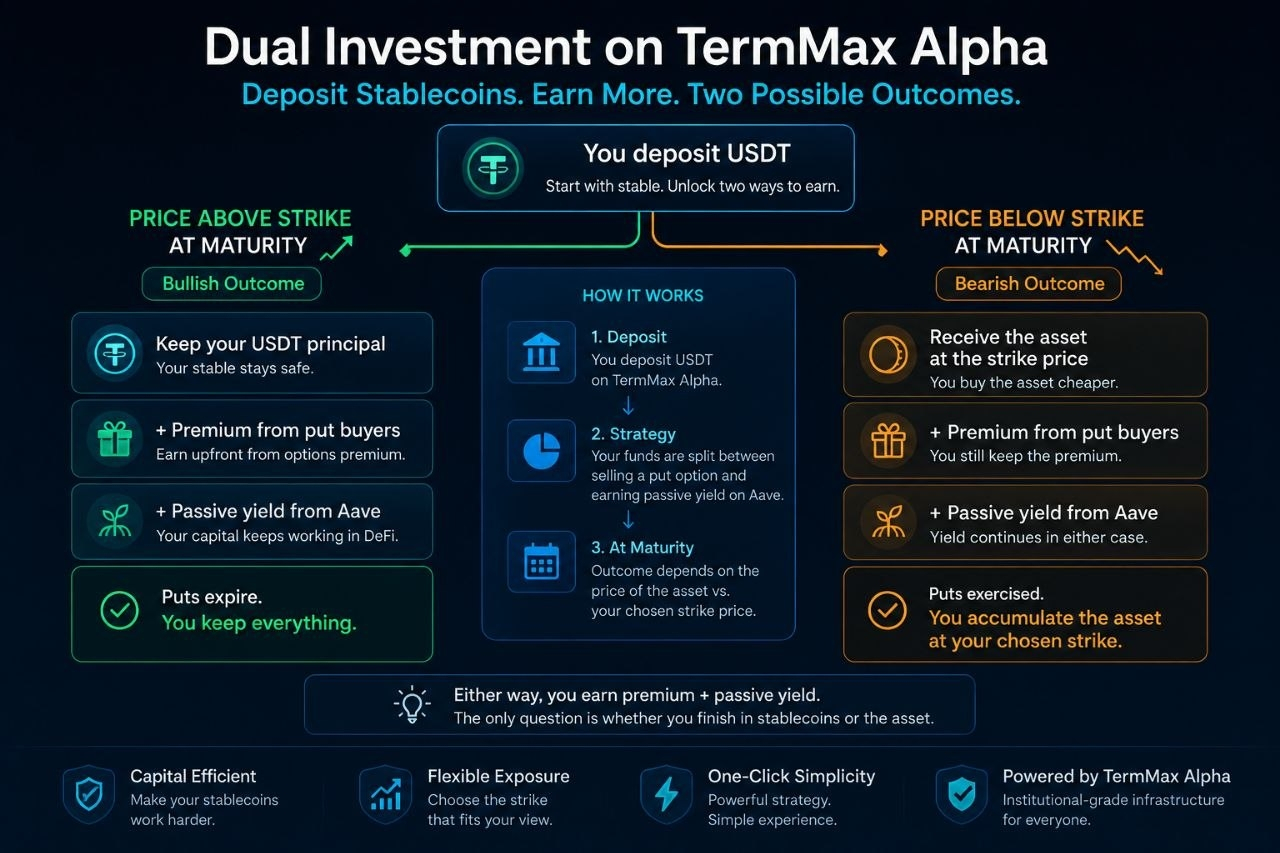
Rethinking Leverage in DeFi
I used to think DeFi leverage was pretty straightforward: put up collateral, borrow stablecoins, use that capital to buy more of the underlying asset, and let leverage magnify the outcome. If the market moves in your favor, returns increase; if it moves against you, losses accelerate. In my mind, leverage was basically just a multiplier.
But looking deeper into how TermMax approaches one-click leverage made me rethink that idea.
With flash loans combining multiple actions into a single transaction, the experience becomes more than just faster execution. It fundamentally changes how a leveraged yield strategy can be constructed from the start.
This becomes even more interesting when the collateral itself generates yield, such as yield-bearing assets or Principal Tokens. In that case, you aren't simply leveraging an asset's price exposure. You're effectively leveraging the future yield attached to that position.
And that's where the pricing curve becomes extremely important.
Borrowing costs, asset pricing, liquidity, and expected yield all become interconnected. If even one part of that equation is inefficient, the cost of leverage can quietly eat into the returns you're trying to amplify.
So I no longer see leverage simply as a way to “make more.”
I see it as a mechanism for reshaping capital flows—where every additional layer of capital efficiency also introduces another layer of cost and risk.
The question I'm most interested in now is what happens when volatility spikes.
A leveraged strategy may look incredibly simple when opening a position with a one-click interface. But does that simplicity survive when the position needs to be unwound under real market stress?
Because in DeFi, opening leverage might be the easy part.
The real test could be getting out.
Rethinking Leverage in DeFi
I used to think DeFi leverage was pretty straightforward: put up collateral, borrow stablecoins, use that capital to buy more of the underlying asset, and let leverage magnify the outcome. If the market moves in your favor, returns increase; if it moves against you, losses accelerate. In my mind, leverage was basically just a multiplier.
But looking deeper into how TermMax approaches one-click leverage made me rethink that idea.
With flash loans combining multiple actions into a single transaction, the experience becomes more than just faster execution. It fundamentally changes how a leveraged yield strategy can be constructed from the start.
This becomes even more interesting when the collateral itself generates yield, such as yield-bearing assets or Principal Tokens. In that case, you aren't simply leveraging an asset's price exposure. You're effectively leveraging the future yield attached to that position.
And that's where the pricing curve becomes extremely important.
Borrowing costs, asset pricing, liquidity, and expected yield all become interconnected. If even one part of that equation is inefficient, the cost of leverage can quietly eat into the returns you're trying to amplify.
So I no longer see leverage simply as a way to “make more.”
I see it as a mechanism for reshaping capital flows—where every additional layer of capital efficiency also introduces another layer of cost and risk.
The question I'm most interested in now is what happens when volatility spikes.
A leveraged strategy may look incredibly simple when opening a position with a one-click interface. But does that simplicity survive when the position needs to be unwound under real market stress?
Because in DeFi, opening leverage might be the easy part.
The real test could be getting out.
Übersetzung ansehen
@TermMax is launching a Booster program on
@Binance Wallet
.
Complete five tasks or post on Binance Square to share 2,000,000 $TMX.
Aug 17 07:00 UTC to Aug 24 23:59 UTC
@Binance Wallet
.
Complete five tasks or post on Binance Square to share 2,000,000 $TMX.
Aug 17 07:00 UTC to Aug 24 23:59 UTC
Übersetzung ansehen
go


Binance Announcement
·
--
Südasien Exklusiv: Referral Dhamaka 2026: Lade Freunde ein und teile 550.000 USDT-Token-Gutscheine
Dies ist eine allgemeine Ankündigung und Marketingkommunikation. Die hier genannten Produkte und Dienstleistungen sind möglicherweise in deiner Region nicht verfügbar.
Liebe Binancianer,
Die Referral Dhamaka 2026 Aktion ist da! Lade deine Freunde zu Binance ein – und ihr beide gewinnt. Teile deinen Empfehlungslink, und wenn deine Freunde ihre erste Trades über 5 $ oder mehr abschließen, schaltet ihr jeweils Mystery Boxes frei, die mit USDT-Belohnungen im Wert von bis zu 25 $ pro Box gefüllt sind. Insgesamt gibt es einen Preispool von 500.000 USDT-Token-Gutscheinen zu gewinnen.
Mehr Freunde, mehr Trades, mehr Mystery Boxes. Außerdem konkurrieren die besten Abwerber um einen exklusiven 50.000-$-Leaderboard-Bonus-Preispool.
Liebe Binancianer,
Die Referral Dhamaka 2026 Aktion ist da! Lade deine Freunde zu Binance ein – und ihr beide gewinnt. Teile deinen Empfehlungslink, und wenn deine Freunde ihre erste Trades über 5 $ oder mehr abschließen, schaltet ihr jeweils Mystery Boxes frei, die mit USDT-Belohnungen im Wert von bis zu 25 $ pro Box gefüllt sind. Insgesamt gibt es einen Preispool von 500.000 USDT-Token-Gutscheinen zu gewinnen.
Mehr Freunde, mehr Trades, mehr Mystery Boxes. Außerdem konkurrieren die besten Abwerber um einen exklusiven 50.000-$-Leaderboard-Bonus-Preispool.
Anmelden und weiter Inhalte entdecken