
Vlad from ICODA
21 Beiträge

Vlad from ICODA
Melden
Nutzer blockieren
ICODA.io – Founder & CEO | Crypto Marketing Expert
0 Following
64 Follower
44 Like gegeben
Beiträge
Artikel
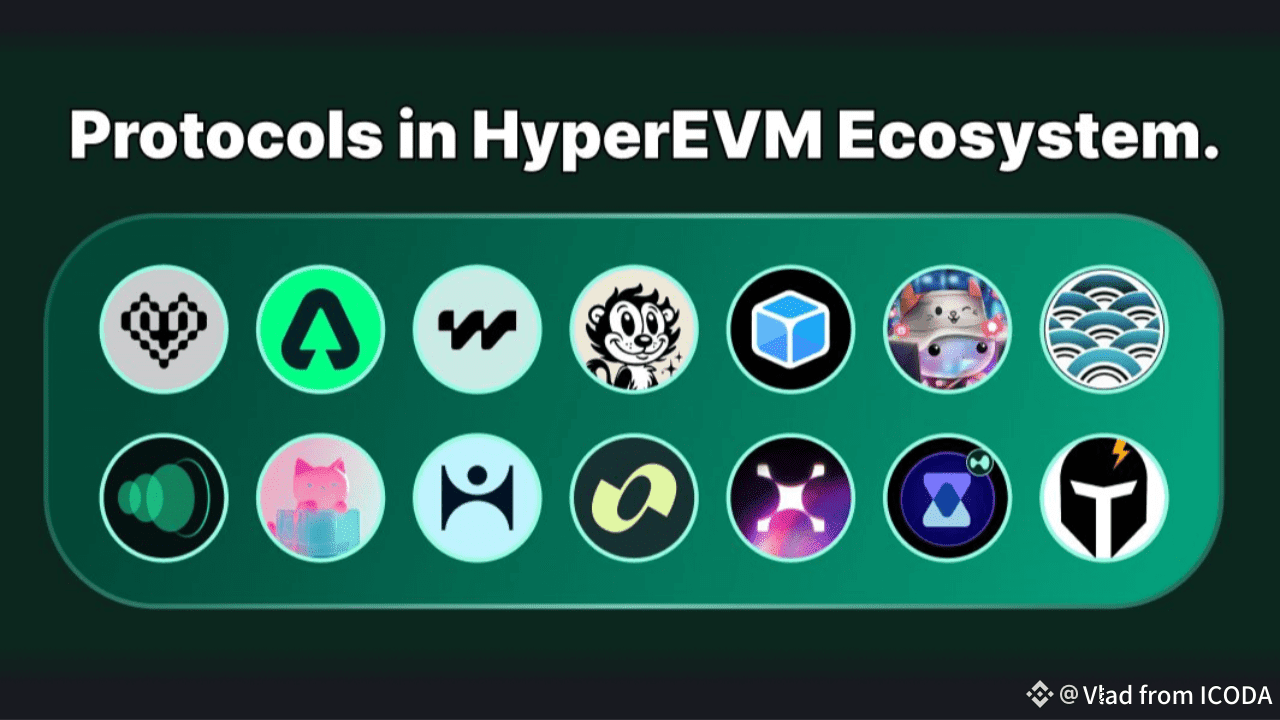
HyperEVM-Ökosystem-Atlas: 14 Kernprotokolle Bewertung🔔 Folge mir auf Twitter -> @p_vlad
Jetzt, wenn du $HYPE kaufst, weißt du bereits, in welche Protokolle du investieren kannst:
Hyperbeat (@hyperbeat): DeFi-Infrastruktur zur Automatisierung von Ertragsstrategien auf HyperEVM
Hyperdrive (@hyperdrivedefi): Hyperliquids führendes DeFi-Hub (Verleihen, Ausleihen, liquide Einsätze)HyperLend (@hyperlendx): Verleih-/Ausleihprotokoll auf Hyperliquid zur Optimierung der Liquidität in der Volatilität.Felix (@felixprotocol): Verleihen/Ausleihen auf Hyperliquid mit feUSD Stablecoin, der durch Blue-Chip-Collateral gedeckt istHyperstable (@Hyperstable): veCDP Stablecoin-Protokoll auf Hyperliquid
HyperEVM-Ökosystem-Atlas: 14 Kernprotokolle Bewertung
🔔 Folge mir auf Twitter -> @p_vlad
Jetzt, wenn du $HYPE kaufst, weißt du bereits, in welche Protokolle du investieren kannst:
Hyperbeat (@hyperbeat): DeFi-Infrastruktur zur Automatisierung von Ertragsstrategien auf HyperEVM
Hyperdrive (@hyperdrivedefi): Hyperliquids führendes DeFi-Hub (Verleihen, Ausleihen, liquide Einsätze)HyperLend (@hyperlendx): Verleih-/Ausleihprotokoll auf Hyperliquid zur Optimierung der Liquidität in der Volatilität.Felix (@felixprotocol): Verleihen/Ausleihen auf Hyperliquid mit feUSD Stablecoin, der durch Blue-Chip-Collateral gedeckt istHyperstable (@Hyperstable): veCDP Stablecoin-Protokoll auf Hyperliquid
Jetzt, wenn du $HYPE kaufst, weißt du bereits, in welche Protokolle du investieren kannst:
Hyperbeat (@hyperbeat): DeFi-Infrastruktur zur Automatisierung von Ertragsstrategien auf HyperEVM
Hyperdrive (@hyperdrivedefi): Hyperliquids führendes DeFi-Hub (Verleihen, Ausleihen, liquide Einsätze)HyperLend (@hyperlendx): Verleih-/Ausleihprotokoll auf Hyperliquid zur Optimierung der Liquidität in der Volatilität.Felix (@felixprotocol): Verleihen/Ausleihen auf Hyperliquid mit feUSD Stablecoin, der durch Blue-Chip-Collateral gedeckt istHyperstable (@Hyperstable): veCDP Stablecoin-Protokoll auf Hyperliquid
1
5

Artikel
Erträge mit Stablecoins: Ein vollständiges Handbuch🔔 Folge mir auf Twitter -> @p_vlad
Was ist der wichtigste Teil der Reise eines jeden zur finanziellen Stabilität und Unabhängigkeit? Kapitaleffizienz.
Ihr Geld arbeitet nicht wirklich für Sie, bis es passives Einkommen erzielt.
Hier kommen ertragsbringende Stablecoins ins Spiel.
Jahrelang wurden Stablecoins wie „Krypto-Barzahlung“ behandelt. Die Leute parken sie an Börsen, nutzen sie für Handelspaare oder halten sie einfach on-chain und warten auf Gelegenheiten. Aber im Jahr 2025 hat sich die Auswahl an Möglichkeiten, Stablecoins zu nutzen, vervielfacht. Von den konservativsten, fast schatzähnlichen Produkten bis hin zu hochspekulativen Spielarten gibt es jetzt ein volles Spektrum an Ertragsstrategien.
Erträge mit Stablecoins: Ein vollständiges Handbuch
🔔 Folge mir auf Twitter -> @p_vlad
Was ist der wichtigste Teil der Reise eines jeden zur finanziellen Stabilität und Unabhängigkeit? Kapitaleffizienz.
Ihr Geld arbeitet nicht wirklich für Sie, bis es passives Einkommen erzielt.
Hier kommen ertragsbringende Stablecoins ins Spiel.
Jahrelang wurden Stablecoins wie „Krypto-Barzahlung“ behandelt. Die Leute parken sie an Börsen, nutzen sie für Handelspaare oder halten sie einfach on-chain und warten auf Gelegenheiten. Aber im Jahr 2025 hat sich die Auswahl an Möglichkeiten, Stablecoins zu nutzen, vervielfacht. Von den konservativsten, fast schatzähnlichen Produkten bis hin zu hochspekulativen Spielarten gibt es jetzt ein volles Spektrum an Ertragsstrategien.
Was ist der wichtigste Teil der Reise eines jeden zur finanziellen Stabilität und Unabhängigkeit? Kapitaleffizienz.
Ihr Geld arbeitet nicht wirklich für Sie, bis es passives Einkommen erzielt.
Hier kommen ertragsbringende Stablecoins ins Spiel.
Jahrelang wurden Stablecoins wie „Krypto-Barzahlung“ behandelt. Die Leute parken sie an Börsen, nutzen sie für Handelspaare oder halten sie einfach on-chain und warten auf Gelegenheiten. Aber im Jahr 2025 hat sich die Auswahl an Möglichkeiten, Stablecoins zu nutzen, vervielfacht. Von den konservativsten, fast schatzähnlichen Produkten bis hin zu hochspekulativen Spielarten gibt es jetzt ein volles Spektrum an Ertragsstrategien.
1
110

Artikel
TradFI Onboarding Guide: Warum das Aktien-Meta das Stablecoin-Meta übertreffen könnteIn den letzten fünf Jahren waren Stablecoins das Rückgrat von DeFi. Sie treiben Liquiditätspools, Sicherheitenmärkte, Ertragslandwirtschaft und Handels-Paare an. Ohne sie würde der Bereich nicht funktionieren.
Aber DeFi beschränkt sich nicht auf geldähnliche Instrumente. Die nächste Welle könnte nicht von Stablecoins, sondern von tokenisierten Aktien, ETFs, REITs und anderen produktiven Vermögenswerten getrieben werden.
Und es gibt starke Gründe zu glauben, dass das Aktien-Meta letztendlich das Stablecoin-Meta in Bezug auf Einfluss und Akzeptanz übertreffen könnte.
Die Basislinie der Stablecoins
TradFI Onboarding Guide: Warum das Aktien-Meta das Stablecoin-Meta übertreffen könnte
In den letzten fünf Jahren waren Stablecoins das Rückgrat von DeFi. Sie treiben Liquiditätspools, Sicherheitenmärkte, Ertragslandwirtschaft und Handels-Paare an. Ohne sie würde der Bereich nicht funktionieren.
Aber DeFi beschränkt sich nicht auf geldähnliche Instrumente. Die nächste Welle könnte nicht von Stablecoins, sondern von tokenisierten Aktien, ETFs, REITs und anderen produktiven Vermögenswerten getrieben werden.
Und es gibt starke Gründe zu glauben, dass das Aktien-Meta letztendlich das Stablecoin-Meta in Bezug auf Einfluss und Akzeptanz übertreffen könnte.
Die Basislinie der Stablecoins
Aber DeFi beschränkt sich nicht auf geldähnliche Instrumente. Die nächste Welle könnte nicht von Stablecoins, sondern von tokenisierten Aktien, ETFs, REITs und anderen produktiven Vermögenswerten getrieben werden.
Und es gibt starke Gründe zu glauben, dass das Aktien-Meta letztendlich das Stablecoin-Meta in Bezug auf Einfluss und Akzeptanz übertreffen könnte.
Die Basislinie der Stablecoins
5

Artikel
Reisevorschrift auf BNB: Architektur & Anbieter-MatrixImplementieren Sie TFR, ohne das Benutzererlebnis zu beeinträchtigen.
Die Reisevorschrift ist nicht nur ein Compliance-Theater – sie wird zum Rückgrat der institutionellen Krypto-Adoption. Aber hier ist das Problem: Die meisten Implementierungen beeinträchtigen entweder die Benutzererfahrung oder schaffen Compliance-Lücken, die Regulierungsbehörden gerne ausnutzen.
Wir haben die Praktiken zur Umsetzung der Reisevorschrift auf verschiedenen Chains untersucht und arbeitsfähige architektonische Muster gesammelt. Dies ist keine Theorie – es ist ein praktisches Handbuch für die BNB Chain und darüber hinaus.
Wie der Fluss von VASP zu VASP funktioniert
Die Reisevorschrift verlangt von virtuellen Vermögensdienstleistern (VASPs), Informationen über Kunden für Transaktionen über bestimmten Schwellenwerten auszutauschen. Der grundlegende Ablauf umfasst drei Komponenten: den ursprünglichen VASP (Sender), die sichere Kommunikationsschicht und den begünstigten VASP (Empfänger).
Reisevorschrift auf BNB: Architektur & Anbieter-Matrix
Implementieren Sie TFR, ohne das Benutzererlebnis zu beeinträchtigen.
Die Reisevorschrift ist nicht nur ein Compliance-Theater – sie wird zum Rückgrat der institutionellen Krypto-Adoption. Aber hier ist das Problem: Die meisten Implementierungen beeinträchtigen entweder die Benutzererfahrung oder schaffen Compliance-Lücken, die Regulierungsbehörden gerne ausnutzen.
Wir haben die Praktiken zur Umsetzung der Reisevorschrift auf verschiedenen Chains untersucht und arbeitsfähige architektonische Muster gesammelt. Dies ist keine Theorie – es ist ein praktisches Handbuch für die BNB Chain und darüber hinaus.
Wie der Fluss von VASP zu VASP funktioniert
Die Reisevorschrift verlangt von virtuellen Vermögensdienstleistern (VASPs), Informationen über Kunden für Transaktionen über bestimmten Schwellenwerten auszutauschen. Der grundlegende Ablauf umfasst drei Komponenten: den ursprünglichen VASP (Sender), die sichere Kommunikationsschicht und den begünstigten VASP (Empfänger).
Die Reisevorschrift ist nicht nur ein Compliance-Theater – sie wird zum Rückgrat der institutionellen Krypto-Adoption. Aber hier ist das Problem: Die meisten Implementierungen beeinträchtigen entweder die Benutzererfahrung oder schaffen Compliance-Lücken, die Regulierungsbehörden gerne ausnutzen.
Wir haben die Praktiken zur Umsetzung der Reisevorschrift auf verschiedenen Chains untersucht und arbeitsfähige architektonische Muster gesammelt. Dies ist keine Theorie – es ist ein praktisches Handbuch für die BNB Chain und darüber hinaus.
Wie der Fluss von VASP zu VASP funktioniert
Die Reisevorschrift verlangt von virtuellen Vermögensdienstleistern (VASPs), Informationen über Kunden für Transaktionen über bestimmten Schwellenwerten auszutauschen. Der grundlegende Ablauf umfasst drei Komponenten: den ursprünglichen VASP (Sender), die sichere Kommunikationsschicht und den begünstigten VASP (Empfänger).
79
DeFi erreicht $153B TVL - Der größte Wandel seit 2021 🚀
Während alle $BTC zusahen, erreichte DeFi heimlich etwas Bemerkenswertes: $153 Milliarden Total Value Locked - der höchste Stand seit 3 Jahren. Das ist nicht nur eine Erholung, sondern eine institutionelle Transformation.
Die Zahlen, die zählen
📊 $153B TVL (+30% monatlich) - zum ersten Mal über $150B seit dem Zusammenbruch von Terra
💹 $101B wöchentlicher DEX-Volumen mit Perpetuals, die den Spot-Handel übertreffen
🏛️ $ETH ETFs: +$326M Zuflüsse gegenüber Bitcoin ETFs -$643M Abflüsse
⚖️ Erstmalige DeFi-Kreditbewertung zu Sky Protocol von S&P Global zugewiesen
Drei bahnbrechende Trends
1. Institutionelles Geld strömt in Blue-Chips
$AAVE erreichte $38.5B TVL (neues ATH), Lido erreichte $37.5B (+21% wöchentlich). MicroStrategy fügte $2.46B Bitcoin hinzu. Dies ist eine nachhaltige institutionelle Bereitstellung, keine Einzelhandels-Spekulation.
2. Real-World Assets gehen mainstream
Tokenisierte Aktien-Wallets explodierten von 1.600 auf über 90.000 im Juli. Franklin Templeton bringt Geldmarktfonds on-chain. Die traditionelle Finanzierung migriert zu DeFi.
3. Cross-Chain-Spezialisierung beschleunigt sich
- Ethereum: 59.5% Dominanz, institutionelles Zentrum
- Solana: 800% jährliches Wachstum, Einzelhandelskraftpaket
- Base: 7.2M wöchentliche Nutzer, L2-Führer
- Hyperliquid: $75.5B wöchentliches Perpetual-Volumen
Was das für Builder bedeutet
🎯 RWA-Tokenisierung bietet Ozeane voller Möglichkeiten. Eine Multi-Chain-Strategie ist obligatorisch - Ethereum für Institutionen, Solana für den Einzelhandel, L2s für Innovation.
📱 38% der neuen Nutzer sind Gen Z, die mobile-first Erfahrungen verlangen. Zielketten mit spezialisierter Ansprache.
🔧 L2-Wettbewerb schafft Anreizmöglichkeiten. Sicherheit ist grundlegend - aktuelle Exploits zeigen, dass Vertrauen sofort verdampft.
Das Fazit
- DeFi hat den Übergang von experimentell zu institutioneller Infrastruktur vollzogen. SEC-Klarheit + Rekordzuflüsse bei ETFs + erste Kreditbewertungen = nachhaltiges Wachstum über Hype-Zyklen hinaus.
- Qualitätsprotokolle auf den richtigen Chains mit echtem Nutzen ziehen ohne Präzedenz Kapital an. Die nächste Phase belohnt Builder, die dieses Paradigma verstehen.
Wo sehen Sie die größten Chancen in dieser institutionellen DeFi-Welle? 💥
DeFi erreicht $153B TVL - Der größte Wandel seit 2021 🚀
Während alle $BTC zusahen, erreichte DeFi heimlich etwas Bemerkenswertes: $153 Milliarden Total Value Locked - der höchste Stand seit 3 Jahren. Das ist nicht nur eine Erholung, sondern eine institutionelle Transformation.
Die Zahlen, die zählen
📊 $153B TVL (+30% monatlich) - zum ersten Mal über $150B seit dem Zusammenbruch von Terra
💹 $101B wöchentlicher DEX-Volumen mit Perpetuals, die den Spot-Handel übertreffen
🏛️ $ETH ETFs: +$326M Zuflüsse gegenüber Bitcoin ETFs -$643M Abflüsse
⚖️ Erstmalige DeFi-Kreditbewertung zu Sky Protocol von S&P Global zugewiesen
Drei bahnbrechende Trends
1. Institutionelles Geld strömt in Blue-Chips
$AAVE erreichte $38.5B TVL (neues ATH), Lido erreichte $37.5B (+21% wöchentlich). MicroStrategy fügte $2.46B Bitcoin hinzu. Dies ist eine nachhaltige institutionelle Bereitstellung, keine Einzelhandels-Spekulation.
2. Real-World Assets gehen mainstream
Tokenisierte Aktien-Wallets explodierten von 1.600 auf über 90.000 im Juli. Franklin Templeton bringt Geldmarktfonds on-chain. Die traditionelle Finanzierung migriert zu DeFi.
3. Cross-Chain-Spezialisierung beschleunigt sich
- Ethereum: 59.5% Dominanz, institutionelles Zentrum
- Solana: 800% jährliches Wachstum, Einzelhandelskraftpaket
- Base: 7.2M wöchentliche Nutzer, L2-Führer
- Hyperliquid: $75.5B wöchentliches Perpetual-Volumen
Was das für Builder bedeutet
🎯 RWA-Tokenisierung bietet Ozeane voller Möglichkeiten. Eine Multi-Chain-Strategie ist obligatorisch - Ethereum für Institutionen, Solana für den Einzelhandel, L2s für Innovation.
📱 38% der neuen Nutzer sind Gen Z, die mobile-first Erfahrungen verlangen. Zielketten mit spezialisierter Ansprache.
🔧 L2-Wettbewerb schafft Anreizmöglichkeiten. Sicherheit ist grundlegend - aktuelle Exploits zeigen, dass Vertrauen sofort verdampft.
Das Fazit
- DeFi hat den Übergang von experimentell zu institutioneller Infrastruktur vollzogen. SEC-Klarheit + Rekordzuflüsse bei ETFs + erste Kreditbewertungen = nachhaltiges Wachstum über Hype-Zyklen hinaus.
- Qualitätsprotokolle auf den richtigen Chains mit echtem Nutzen ziehen ohne Präzedenz Kapital an. Die nächste Phase belohnt Builder, die dieses Paradigma verstehen.
Wo sehen Sie die größten Chancen in dieser institutionellen DeFi-Welle? 💥
Während alle $BTC zusahen, erreichte DeFi heimlich etwas Bemerkenswertes: $153 Milliarden Total Value Locked - der höchste Stand seit 3 Jahren. Das ist nicht nur eine Erholung, sondern eine institutionelle Transformation.
Die Zahlen, die zählen
📊 $153B TVL (+30% monatlich) - zum ersten Mal über $150B seit dem Zusammenbruch von Terra
💹 $101B wöchentlicher DEX-Volumen mit Perpetuals, die den Spot-Handel übertreffen
🏛️ $ETH ETFs: +$326M Zuflüsse gegenüber Bitcoin ETFs -$643M Abflüsse
⚖️ Erstmalige DeFi-Kreditbewertung zu Sky Protocol von S&P Global zugewiesen
Drei bahnbrechende Trends
1. Institutionelles Geld strömt in Blue-Chips
$AAVE erreichte $38.5B TVL (neues ATH), Lido erreichte $37.5B (+21% wöchentlich). MicroStrategy fügte $2.46B Bitcoin hinzu. Dies ist eine nachhaltige institutionelle Bereitstellung, keine Einzelhandels-Spekulation.
2. Real-World Assets gehen mainstream
Tokenisierte Aktien-Wallets explodierten von 1.600 auf über 90.000 im Juli. Franklin Templeton bringt Geldmarktfonds on-chain. Die traditionelle Finanzierung migriert zu DeFi.
3. Cross-Chain-Spezialisierung beschleunigt sich
- Ethereum: 59.5% Dominanz, institutionelles Zentrum
- Solana: 800% jährliches Wachstum, Einzelhandelskraftpaket
- Base: 7.2M wöchentliche Nutzer, L2-Führer
- Hyperliquid: $75.5B wöchentliches Perpetual-Volumen
Was das für Builder bedeutet
🎯 RWA-Tokenisierung bietet Ozeane voller Möglichkeiten. Eine Multi-Chain-Strategie ist obligatorisch - Ethereum für Institutionen, Solana für den Einzelhandel, L2s für Innovation.
📱 38% der neuen Nutzer sind Gen Z, die mobile-first Erfahrungen verlangen. Zielketten mit spezialisierter Ansprache.
🔧 L2-Wettbewerb schafft Anreizmöglichkeiten. Sicherheit ist grundlegend - aktuelle Exploits zeigen, dass Vertrauen sofort verdampft.
Das Fazit
- DeFi hat den Übergang von experimentell zu institutioneller Infrastruktur vollzogen. SEC-Klarheit + Rekordzuflüsse bei ETFs + erste Kreditbewertungen = nachhaltiges Wachstum über Hype-Zyklen hinaus.
- Qualitätsprotokolle auf den richtigen Chains mit echtem Nutzen ziehen ohne Präzedenz Kapital an. Die nächste Phase belohnt Builder, die dieses Paradigma verstehen.
Wo sehen Sie die größten Chancen in dieser institutionellen DeFi-Welle? 💥

2
62
RWA Spotlight: Top 5 Tokens nach DEX-Umsatz Diese Woche
Real-World Asset (RWA) Tokens bewegen sich stetig über crypto-neugierige Nischen hinaus in institutionelle Liquidität. Das durchschnittliche DEX-Handelsvolumen betrug in Q2 2025 wöchentlich 18,6 Milliarden USD – und RWA-Kreditvergabe sowie Token-Aktivitäten profitieren zunehmend von diesem Trend.
Top 5 RWA Tokens nach DEX-Umsatz Diese Woche:
1️⃣ $nALPHA — Dominiert mit mehreren großen Übertragungen (~100 k USD jeweils) auf Plume, was ein starkes institutionelles Engagement zeigt.
2️⃣ $ONyc — Mehrere Übertragungen (~99–100 k USD) auf Solana, was auf Cross-Chain-Traktion und Exposure gegenüber Real-World Assets auf Hochgeschwindigkeitsnetzwerken hinweist.
3️⃣ $PAXG — Gold-unterstützter stabiler Werttoken bewegt ~99,9 k USD auf Ethereum – ein klares Zeichen für die Nachfrage nach stabilen, asset-gestützten Werten.
4️⃣ $TSLAx — ~99,85 k USD bewegt auf Solana – tokenisierte Eigenkapitalwerte gewinnen spürbare Handelsaktivität unter aktiven On-Chain-Wallets.
5️⃣ $XAUT — Gold-gebundener Token zeigt sich unter den Top-Übertragungen und verstärkt die stetige Nachfrage nach asset-gestützten Tokens.
Was ist das große Bild?
🔹 Institutionell geführte Dynamik — Daten zeigen, dass trotz hohem Volumen die aktiven Wallets bei ~300 bleiben, was auf große, orchestrierte Übertragungen und nicht auf Einzelhandelsgeräusche hindeutet.CoinCentral
🔹 Vertrauen trifft Liquidität — Tokens wie PAXG und XAUT beweisen, dass Goldunterstützung eine vertrauenswürdige Brücke für TradFi-Teilnehmer ist, um in das digitale Asset-Ökosystem einzutreten.
🔹 Cross-Chain, Cross-Asset-Appell — Vermögenswerte, die sich über Immobilien, Aktien und Rohstoffe erstrecken, erleben alle bedeutende Aktivitäten auf schnellen, kosteneffizienten Netzwerken wie Solana und Ethereum.
Pro Tipps für Gründer & Vermarkter
1. Erkennen Sie die Liquiditätshotspots: RWA-Produkte, die reale Unterstützung (Gold, Eigenkapital, Anleihen) mit On-Chain-Verfügbarkeit kombinieren, entzünden in der Regel das institutionelle Handelsinteresse.
2. Heben Sie die Infrastruktur hervor: Solana und Plume entwickeln sich zu bevorzugten Netzwerken. Schnelle Endgültigkeit und niedrige Gebühren sind wichtig, wenn große Vermögenswerte bewegt werden.
3. Gestalten Sie die Erzählung: Zeigen Sie, warum Ihr RWA-Produkt die gleiche Aufmerksamkeit verdient – denken Sie „stabiler Wert trifft auf reibungslosen Handel“.
RWA Spotlight: Top 5 Tokens nach DEX-Umsatz Diese Woche
Real-World Asset (RWA) Tokens bewegen sich stetig über crypto-neugierige Nischen hinaus in institutionelle Liquidität. Das durchschnittliche DEX-Handelsvolumen betrug in Q2 2025 wöchentlich 18,6 Milliarden USD – und RWA-Kreditvergabe sowie Token-Aktivitäten profitieren zunehmend von diesem Trend.
Top 5 RWA Tokens nach DEX-Umsatz Diese Woche:
1️⃣ $nALPHA — Dominiert mit mehreren großen Übertragungen (~100 k USD jeweils) auf Plume, was ein starkes institutionelles Engagement zeigt.
2️⃣ $ONyc — Mehrere Übertragungen (~99–100 k USD) auf Solana, was auf Cross-Chain-Traktion und Exposure gegenüber Real-World Assets auf Hochgeschwindigkeitsnetzwerken hinweist.
3️⃣ $PAXG — Gold-unterstützter stabiler Werttoken bewegt ~99,9 k USD auf Ethereum – ein klares Zeichen für die Nachfrage nach stabilen, asset-gestützten Werten.
4️⃣ $TSLAx — ~99,85 k USD bewegt auf Solana – tokenisierte Eigenkapitalwerte gewinnen spürbare Handelsaktivität unter aktiven On-Chain-Wallets.
5️⃣ $XAUT — Gold-gebundener Token zeigt sich unter den Top-Übertragungen und verstärkt die stetige Nachfrage nach asset-gestützten Tokens.
Was ist das große Bild?
🔹 Institutionell geführte Dynamik — Daten zeigen, dass trotz hohem Volumen die aktiven Wallets bei ~300 bleiben, was auf große, orchestrierte Übertragungen und nicht auf Einzelhandelsgeräusche hindeutet.CoinCentral
🔹 Vertrauen trifft Liquidität — Tokens wie PAXG und XAUT beweisen, dass Goldunterstützung eine vertrauenswürdige Brücke für TradFi-Teilnehmer ist, um in das digitale Asset-Ökosystem einzutreten.
🔹 Cross-Chain, Cross-Asset-Appell — Vermögenswerte, die sich über Immobilien, Aktien und Rohstoffe erstrecken, erleben alle bedeutende Aktivitäten auf schnellen, kosteneffizienten Netzwerken wie Solana und Ethereum.
Pro Tipps für Gründer & Vermarkter
1. Erkennen Sie die Liquiditätshotspots: RWA-Produkte, die reale Unterstützung (Gold, Eigenkapital, Anleihen) mit On-Chain-Verfügbarkeit kombinieren, entzünden in der Regel das institutionelle Handelsinteresse.
2. Heben Sie die Infrastruktur hervor: Solana und Plume entwickeln sich zu bevorzugten Netzwerken. Schnelle Endgültigkeit und niedrige Gebühren sind wichtig, wenn große Vermögenswerte bewegt werden.
3. Gestalten Sie die Erzählung: Zeigen Sie, warum Ihr RWA-Produkt die gleiche Aufmerksamkeit verdient – denken Sie „stabiler Wert trifft auf reibungslosen Handel“.
Real-World Asset (RWA) Tokens bewegen sich stetig über crypto-neugierige Nischen hinaus in institutionelle Liquidität. Das durchschnittliche DEX-Handelsvolumen betrug in Q2 2025 wöchentlich 18,6 Milliarden USD – und RWA-Kreditvergabe sowie Token-Aktivitäten profitieren zunehmend von diesem Trend.
Top 5 RWA Tokens nach DEX-Umsatz Diese Woche:
1️⃣ $nALPHA — Dominiert mit mehreren großen Übertragungen (~100 k USD jeweils) auf Plume, was ein starkes institutionelles Engagement zeigt.
2️⃣ $ONyc — Mehrere Übertragungen (~99–100 k USD) auf Solana, was auf Cross-Chain-Traktion und Exposure gegenüber Real-World Assets auf Hochgeschwindigkeitsnetzwerken hinweist.
3️⃣ $PAXG — Gold-unterstützter stabiler Werttoken bewegt ~99,9 k USD auf Ethereum – ein klares Zeichen für die Nachfrage nach stabilen, asset-gestützten Werten.
4️⃣ $TSLAx — ~99,85 k USD bewegt auf Solana – tokenisierte Eigenkapitalwerte gewinnen spürbare Handelsaktivität unter aktiven On-Chain-Wallets.
5️⃣ $XAUT — Gold-gebundener Token zeigt sich unter den Top-Übertragungen und verstärkt die stetige Nachfrage nach asset-gestützten Tokens.
Was ist das große Bild?
🔹 Institutionell geführte Dynamik — Daten zeigen, dass trotz hohem Volumen die aktiven Wallets bei ~300 bleiben, was auf große, orchestrierte Übertragungen und nicht auf Einzelhandelsgeräusche hindeutet.CoinCentral
🔹 Vertrauen trifft Liquidität — Tokens wie PAXG und XAUT beweisen, dass Goldunterstützung eine vertrauenswürdige Brücke für TradFi-Teilnehmer ist, um in das digitale Asset-Ökosystem einzutreten.
🔹 Cross-Chain, Cross-Asset-Appell — Vermögenswerte, die sich über Immobilien, Aktien und Rohstoffe erstrecken, erleben alle bedeutende Aktivitäten auf schnellen, kosteneffizienten Netzwerken wie Solana und Ethereum.
Pro Tipps für Gründer & Vermarkter
1. Erkennen Sie die Liquiditätshotspots: RWA-Produkte, die reale Unterstützung (Gold, Eigenkapital, Anleihen) mit On-Chain-Verfügbarkeit kombinieren, entzünden in der Regel das institutionelle Handelsinteresse.
2. Heben Sie die Infrastruktur hervor: Solana und Plume entwickeln sich zu bevorzugten Netzwerken. Schnelle Endgültigkeit und niedrige Gebühren sind wichtig, wenn große Vermögenswerte bewegt werden.
3. Gestalten Sie die Erzählung: Zeigen Sie, warum Ihr RWA-Produkt die gleiche Aufmerksamkeit verdient – denken Sie „stabiler Wert trifft auf reibungslosen Handel“.
266
Artikel
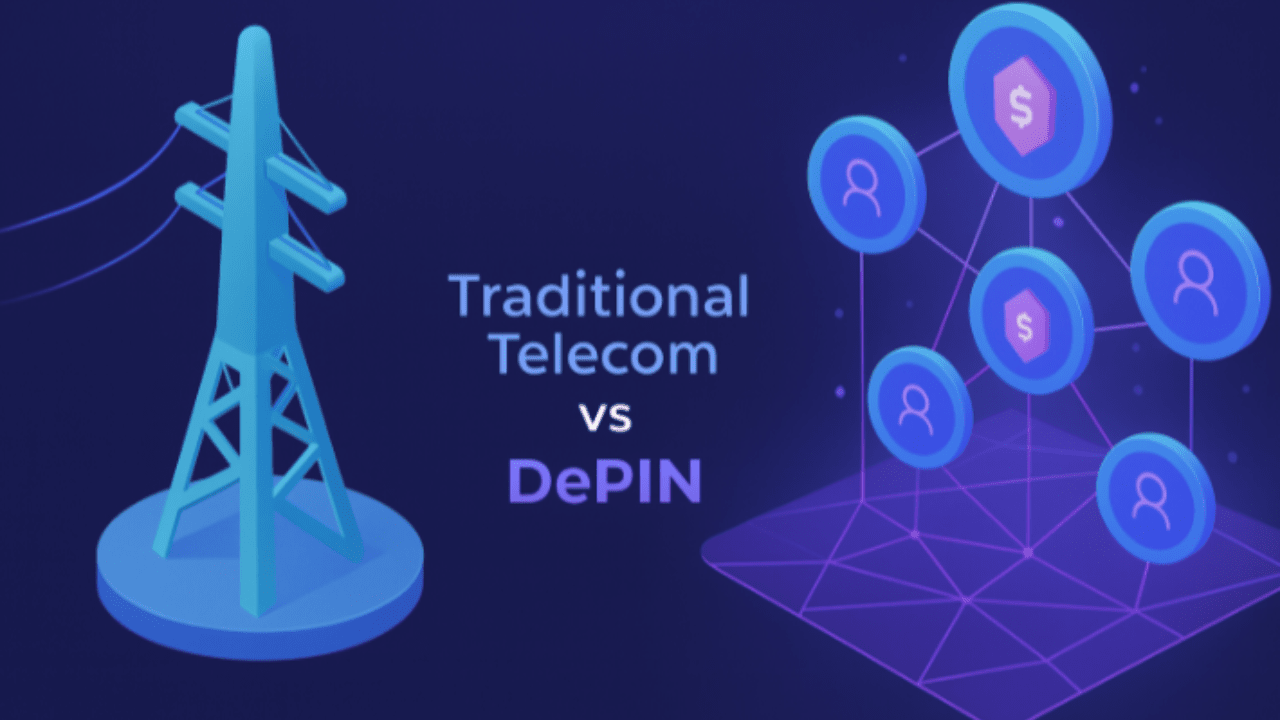
DePIN vs. das traditionelle Telekommunikationsmodell: die Token-Ökonomie in einfachen WortenTL;DR: Dezentrale Physische Infrastruktur Netzwerke (DePIN) verwandeln Menschen und Unternehmen in Mikro-Betreiber, die reale Netzwerke - Konnektivität, Speicherung, Verarbeitung, Karten - aufbauen und betreiben, koordiniert durch Tokens. Traditionelle Telekommunikation baut von oben nach unten mit hohen Investitionen und zentraler Kontrolle. Dieser Leitfaden erklärt, wie DePIN funktioniert, wie seine Token-Ökonomie Anreize ausrichtet, wo es glänzt (und wo nicht), und was Web3-Gründer als Nächstes tun sollten.
DePIN ist der Moment, in dem Infrastruktur zu einem Marktplatz wird.
DePIN vs. das traditionelle Telekommunikationsmodell: die Token-Ökonomie in einfachen Worten
TL;DR: Dezentrale Physische Infrastruktur Netzwerke (DePIN) verwandeln Menschen und Unternehmen in Mikro-Betreiber, die reale Netzwerke - Konnektivität, Speicherung, Verarbeitung, Karten - aufbauen und betreiben, koordiniert durch Tokens. Traditionelle Telekommunikation baut von oben nach unten mit hohen Investitionen und zentraler Kontrolle. Dieser Leitfaden erklärt, wie DePIN funktioniert, wie seine Token-Ökonomie Anreize ausrichtet, wo es glänzt (und wo nicht), und was Web3-Gründer als Nächstes tun sollten.
DePIN ist der Moment, in dem Infrastruktur zu einem Marktplatz wird.
DePIN ist der Moment, in dem Infrastruktur zu einem Marktplatz wird.
1
8
194
Artikel
DePIN-Monetarisierung: Wie decken Tokens die Infrastruktur-CAPEX ab?Tokens ermöglichen einem dezentralen physischen Infrastruktur-Netzwerk (DePIN), die anfänglichen Investitionen (CAPEX) von einer einzigen Bilanz auf Tausende von Teilnehmern zu verlagern, die bereit sind, Hardware zu kaufen (oder ungenutzte Kapazität beizutragen) im Austausch für einen Strom von Tokens, dessen Wert letztendlich an die tatsächliche Nutzung des Netzwerks gebunden ist. Gut gemacht, zahlt dieser Tokenfluss die gerade installierte Box zurück, finanziert die nächste Welle von Hardware und bewegt das Protokoll schrittweise von inflationärem Bootstrapping zu Selbstfinanzierung.
DePIN-Monetarisierung: Wie decken Tokens die Infrastruktur-CAPEX ab?
Tokens ermöglichen einem dezentralen physischen Infrastruktur-Netzwerk (DePIN), die anfänglichen Investitionen (CAPEX) von einer einzigen Bilanz auf Tausende von Teilnehmern zu verlagern, die bereit sind, Hardware zu kaufen (oder ungenutzte Kapazität beizutragen) im Austausch für einen Strom von Tokens, dessen Wert letztendlich an die tatsächliche Nutzung des Netzwerks gebunden ist. Gut gemacht, zahlt dieser Tokenfluss die gerade installierte Box zurück, finanziert die nächste Welle von Hardware und bewegt das Protokoll schrittweise von inflationärem Bootstrapping zu Selbstfinanzierung.
2
116

Artikel
Rechtskarte für RWA-Token in der EU: MiCA, AML6 & WertpapierregulierungWie man sein Web3-Startup durch das sich schnell entwickelnde Compliance-Labyrinth der EU steuert – und dennoch Produkte schnell ausliefert.
---
Token für reale Vermögenswerte (RWA) steigen von Boutique-Experimenten zu Multi-Milliarden-Euro-Finanzierungsvehikeln. Doch in der EU verschiebt sich der rechtliche Rahmen ständig: MiCA ist aktiv, die AML6-Krypto-Regeln wirken sich aus, und der einst enge DLT-Pilot-Sandbox bewegt sich in Richtung Dauerhaftigkeit. Dieser Leitfaden kartiert das gesamte Terrain – Klassifizierungsentscheidungen, Lizenzierungsfristen, AML-Minenszenarien und Marketingansätze – damit B2B-Marketer und Gründer in der Frühphase mit Vertrauen aufbauen, starten und skalieren können.
Rechtskarte für RWA-Token in der EU: MiCA, AML6 & Wertpapierregulierung
Wie man sein Web3-Startup durch das sich schnell entwickelnde Compliance-Labyrinth der EU steuert – und dennoch Produkte schnell ausliefert.
---
Token für reale Vermögenswerte (RWA) steigen von Boutique-Experimenten zu Multi-Milliarden-Euro-Finanzierungsvehikeln. Doch in der EU verschiebt sich der rechtliche Rahmen ständig: MiCA ist aktiv, die AML6-Krypto-Regeln wirken sich aus, und der einst enge DLT-Pilot-Sandbox bewegt sich in Richtung Dauerhaftigkeit. Dieser Leitfaden kartiert das gesamte Terrain – Klassifizierungsentscheidungen, Lizenzierungsfristen, AML-Minenszenarien und Marketingansätze – damit B2B-Marketer und Gründer in der Frühphase mit Vertrauen aufbauen, starten und skalieren können.
---
Token für reale Vermögenswerte (RWA) steigen von Boutique-Experimenten zu Multi-Milliarden-Euro-Finanzierungsvehikeln. Doch in der EU verschiebt sich der rechtliche Rahmen ständig: MiCA ist aktiv, die AML6-Krypto-Regeln wirken sich aus, und der einst enge DLT-Pilot-Sandbox bewegt sich in Richtung Dauerhaftigkeit. Dieser Leitfaden kartiert das gesamte Terrain – Klassifizierungsentscheidungen, Lizenzierungsfristen, AML-Minenszenarien und Marketingansätze – damit B2B-Marketer und Gründer in der Frühphase mit Vertrauen aufbauen, starten und skalieren können.
33
📊 DeFi Kennzahlen der Woche: TVL, DEX Volumen, Wallet Aktivität
1️⃣ Gesamtwert gesperrt (TVL)
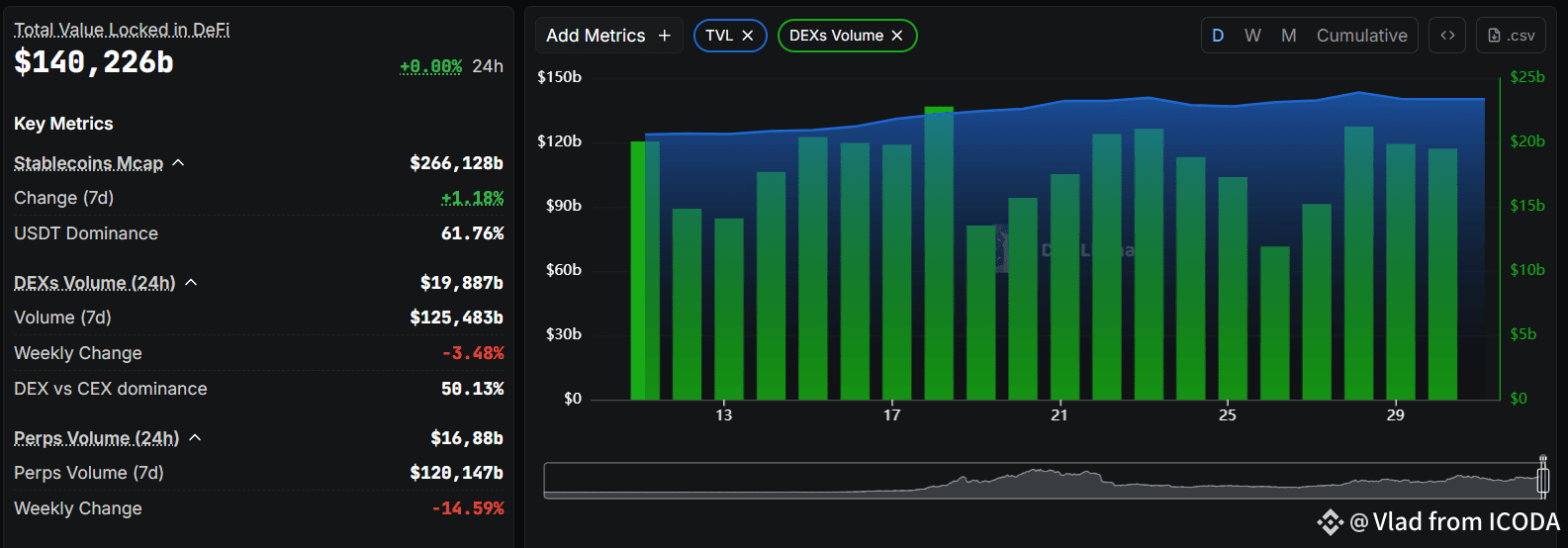
Das netzwerkweite TVL hält die Linie bei ≈ $140 B—stabil in dieser Woche, was eher auf eine Pause als auf einen Exodus von Kapital hindeutet.
2️⃣ Stablecoin „Trockenes Pulver“
Die Marktkapitalisierung von Stablecoins ist auf $266 B (+1,2 % WoW) gestiegen. Neue Liquidität wird on-chain geparkt, was normalerweise ein Vorbote für frisches Risikobewusstsein ist, sobald das Vertrauen zurückkehrt.
3️⃣ DEX vs. CEX Fluss
Die DEX-Volumen (7-Tage) sind auf $125,5 B (-3,5 % WoW) gesunken, während die DEX/CEX-Dominanz bei 50 % schwebt. On-chain-Händler gleichen immer noch Binance & Co. Aufträge eins zu eins aus, aber der Vorteil schwindet.
Perp DEXs spürten die Kälte am stärksten: $120,1 B (-14,6 % WoW), da die Hebelwirkung zurückgefahren wurde.
4️⃣ Real-World-Asset (RWA) TVL
RWA-Protokolle haben 6,4 % auf $12,1 B verloren – ihr erster bedeutender Rückgang seit Monaten, was auf eine selektive Risikoscheu bei tokenisierten Ertragsstrategien hindeutet.
🎯 Fazit
Händler parkten mehr Mittel in Stablecoins, während sie die Hebelwirkung reduzierten, was das Gesamt-TVL stabil ließ. Ein Anstieg im Perp-Fluss oder ein weiterer Anstieg der Stablecoin-Bestände wird das Signal sein, auf das man für den nächsten Schritt der on-chain Aktivität achten sollte.
📊 DeFi Kennzahlen der Woche: TVL, DEX Volumen, Wallet Aktivität
1️⃣ Gesamtwert gesperrt (TVL)
Das netzwerkweite TVL hält die Linie bei ≈ $140 B—stabil in dieser Woche, was eher auf eine Pause als auf einen Exodus von Kapital hindeutet.
2️⃣ Stablecoin „Trockenes Pulver“
Die Marktkapitalisierung von Stablecoins ist auf $266 B (+1,2 % WoW) gestiegen. Neue Liquidität wird on-chain geparkt, was normalerweise ein Vorbote für frisches Risikobewusstsein ist, sobald das Vertrauen zurückkehrt.
3️⃣ DEX vs. CEX Fluss
Die DEX-Volumen (7-Tage) sind auf $125,5 B (-3,5 % WoW) gesunken, während die DEX/CEX-Dominanz bei 50 % schwebt. On-chain-Händler gleichen immer noch Binance & Co. Aufträge eins zu eins aus, aber der Vorteil schwindet.
Perp DEXs spürten die Kälte am stärksten: $120,1 B (-14,6 % WoW), da die Hebelwirkung zurückgefahren wurde.
4️⃣ Real-World-Asset (RWA) TVL
RWA-Protokolle haben 6,4 % auf $12,1 B verloren – ihr erster bedeutender Rückgang seit Monaten, was auf eine selektive Risikoscheu bei tokenisierten Ertragsstrategien hindeutet.
🎯 Fazit
Händler parkten mehr Mittel in Stablecoins, während sie die Hebelwirkung reduzierten, was das Gesamt-TVL stabil ließ. Ein Anstieg im Perp-Fluss oder ein weiterer Anstieg der Stablecoin-Bestände wird das Signal sein, auf das man für den nächsten Schritt der on-chain Aktivität achten sollte.
1️⃣ Gesamtwert gesperrt (TVL)
Das netzwerkweite TVL hält die Linie bei ≈ $140 B—stabil in dieser Woche, was eher auf eine Pause als auf einen Exodus von Kapital hindeutet.
2️⃣ Stablecoin „Trockenes Pulver“
Die Marktkapitalisierung von Stablecoins ist auf $266 B (+1,2 % WoW) gestiegen. Neue Liquidität wird on-chain geparkt, was normalerweise ein Vorbote für frisches Risikobewusstsein ist, sobald das Vertrauen zurückkehrt.
3️⃣ DEX vs. CEX Fluss
Die DEX-Volumen (7-Tage) sind auf $125,5 B (-3,5 % WoW) gesunken, während die DEX/CEX-Dominanz bei 50 % schwebt. On-chain-Händler gleichen immer noch Binance & Co. Aufträge eins zu eins aus, aber der Vorteil schwindet.
Perp DEXs spürten die Kälte am stärksten: $120,1 B (-14,6 % WoW), da die Hebelwirkung zurückgefahren wurde.
4️⃣ Real-World-Asset (RWA) TVL
RWA-Protokolle haben 6,4 % auf $12,1 B verloren – ihr erster bedeutender Rückgang seit Monaten, was auf eine selektive Risikoscheu bei tokenisierten Ertragsstrategien hindeutet.
🎯 Fazit
Händler parkten mehr Mittel in Stablecoins, während sie die Hebelwirkung reduzierten, was das Gesamt-TVL stabil ließ. Ein Anstieg im Perp-Fluss oder ein weiterer Anstieg der Stablecoin-Bestände wird das Signal sein, auf das man für den nächsten Schritt der on-chain Aktivität achten sollte.
5
Artikel
Top 5 RWA-Krypto-Projekte für den Start im August 20251️⃣. RWA Gruppe (rwa.ltd)
Kette / Ökosystem: EVM + Solana + TRON (Multi-Chain); ERC-3643 Standard
Erwartetes TGE- oder Listungsdatum: Anfang August 2025
Tage bis zum TGE: ~11 Tage
RWA-Fokus: Nicht-finanzielle RWAs (z.B. Sammlerstücke, Inventar, Kulturgüter)
Kurze Beschreibung: Eine in Hongkong ansässige Plattform, die die erste globale Börse für nicht-finanzielle RWAs startet, die es ermöglicht, physische Güter wie Kunst, SME-Inventar und Sammlerstücke zu tokenisieren und zu handeln oder gegen das tatsächliche Asset einzulösen.
Wichtige Unterstützer / Partner: Digitale Sammlung China, INERI (Hongkongs internationales Forschungsinstitut für neue Wirtschaft)
Top 5 RWA-Krypto-Projekte für den Start im August 2025
1️⃣. RWA Gruppe (rwa.ltd)
Kette / Ökosystem: EVM + Solana + TRON (Multi-Chain); ERC-3643 Standard
Erwartetes TGE- oder Listungsdatum: Anfang August 2025
Tage bis zum TGE: ~11 Tage
RWA-Fokus: Nicht-finanzielle RWAs (z.B. Sammlerstücke, Inventar, Kulturgüter)
Kurze Beschreibung: Eine in Hongkong ansässige Plattform, die die erste globale Börse für nicht-finanzielle RWAs startet, die es ermöglicht, physische Güter wie Kunst, SME-Inventar und Sammlerstücke zu tokenisieren und zu handeln oder gegen das tatsächliche Asset einzulösen.
Wichtige Unterstützer / Partner: Digitale Sammlung China, INERI (Hongkongs internationales Forschungsinstitut für neue Wirtschaft)
Kette / Ökosystem: EVM + Solana + TRON (Multi-Chain); ERC-3643 Standard
Erwartetes TGE- oder Listungsdatum: Anfang August 2025
Tage bis zum TGE: ~11 Tage
RWA-Fokus: Nicht-finanzielle RWAs (z.B. Sammlerstücke, Inventar, Kulturgüter)
Kurze Beschreibung: Eine in Hongkong ansässige Plattform, die die erste globale Börse für nicht-finanzielle RWAs startet, die es ermöglicht, physische Güter wie Kunst, SME-Inventar und Sammlerstücke zu tokenisieren und zu handeln oder gegen das tatsächliche Asset einzulösen.
Wichtige Unterstützer / Partner: Digitale Sammlung China, INERI (Hongkongs internationales Forschungsinstitut für neue Wirtschaft)
14
Artikel
Das Identitätsdilemma: Zukunftssicherung von Krypto mit zk-KYCDas Dilemma des Gründers in einem dualen Markt
Wenn Sie 2025 eine Krypto-Börse, ein DeFi-Protokoll oder eine digitale Identitätsschicht aufbauen, sind Sie zwischen zwei unbeweglichen Kräften gefangen: regulatorischer Compliance und datenschutzorientierter Dezentralisierung. Regierungen verschärfen die Know Your Customer (KYC)-Vorgaben mit rekordverdächtigen Durchsetzungsmaßnahmen, während Nutzer und Entwickler zunehmend Lösungen mit Null-Wissen (ZK) verlangen, die Anonymität wahren, die Datenexposition minimieren und mit dem Ethos von Web3 übereinstimmen.
Das ist nicht nur ein philosophischer Konflikt. Es ist eine strategische Gabelung im Wert von 10 Milliarden Dollar. Die Entscheidungen, die Sie heute treffen, wie Sie Identität überprüfen und Benutzerdaten verwalten, werden Ihre Fähigkeit beeinflussen, zu skalieren, institutionelles Kapital anzuziehen, Regulierungsbehörden zufriedenzustellen und das Vertrauen der Benutzer zu gewinnen.
Das Identitätsdilemma: Zukunftssicherung von Krypto mit zk-KYC
Das Dilemma des Gründers in einem dualen Markt
Wenn Sie 2025 eine Krypto-Börse, ein DeFi-Protokoll oder eine digitale Identitätsschicht aufbauen, sind Sie zwischen zwei unbeweglichen Kräften gefangen: regulatorischer Compliance und datenschutzorientierter Dezentralisierung. Regierungen verschärfen die Know Your Customer (KYC)-Vorgaben mit rekordverdächtigen Durchsetzungsmaßnahmen, während Nutzer und Entwickler zunehmend Lösungen mit Null-Wissen (ZK) verlangen, die Anonymität wahren, die Datenexposition minimieren und mit dem Ethos von Web3 übereinstimmen.
Das ist nicht nur ein philosophischer Konflikt. Es ist eine strategische Gabelung im Wert von 10 Milliarden Dollar. Die Entscheidungen, die Sie heute treffen, wie Sie Identität überprüfen und Benutzerdaten verwalten, werden Ihre Fähigkeit beeinflussen, zu skalieren, institutionelles Kapital anzuziehen, Regulierungsbehörden zufriedenzustellen und das Vertrauen der Benutzer zu gewinnen.
Wenn Sie 2025 eine Krypto-Börse, ein DeFi-Protokoll oder eine digitale Identitätsschicht aufbauen, sind Sie zwischen zwei unbeweglichen Kräften gefangen: regulatorischer Compliance und datenschutzorientierter Dezentralisierung. Regierungen verschärfen die Know Your Customer (KYC)-Vorgaben mit rekordverdächtigen Durchsetzungsmaßnahmen, während Nutzer und Entwickler zunehmend Lösungen mit Null-Wissen (ZK) verlangen, die Anonymität wahren, die Datenexposition minimieren und mit dem Ethos von Web3 übereinstimmen.
Das ist nicht nur ein philosophischer Konflikt. Es ist eine strategische Gabelung im Wert von 10 Milliarden Dollar. Die Entscheidungen, die Sie heute treffen, wie Sie Identität überprüfen und Benutzerdaten verwalten, werden Ihre Fähigkeit beeinflussen, zu skalieren, institutionelles Kapital anzuziehen, Regulierungsbehörden zufriedenzustellen und das Vertrauen der Benutzer zu gewinnen.
31
Artikel
RWA-Token: Kapitalisierungsdynamik für die Woche + Top 5 nach RentabilitätRWA-Sektor sieht gemischte Dynamik: Protokolle steigen, tokenisierte Vermögenswerte sinken
---
In den letzten 7 Tagen zeigte der Sektor der Real World Assets (RWA) eine unterschiedliche Leistung in seinen beiden großen Segmenten: RWA-Protokolle und tokenisierte Vermögenswerte. Laut den neuesten Daten beträgt die gesamte RWA-Marktkapitalisierung jetzt $54,14 Milliarden.
Vom 14. Juli bis 21. Juli sind die RWA-Protokolle um 11,71 % gestiegen, was ihre Marktkapitalisierung von $4,35B auf $4,86B erhöht hat. Diese Leistung unterstreicht das wachsende Vertrauen der Investoren und den Zufluss in Protokoll-Ebenen-Projekte, die auf die Integration von Blockchain-Systemen in die reale Welt abzielen.
RWA-Token: Kapitalisierungsdynamik für die Woche + Top 5 nach Rentabilität
RWA-Sektor sieht gemischte Dynamik: Protokolle steigen, tokenisierte Vermögenswerte sinken
---
In den letzten 7 Tagen zeigte der Sektor der Real World Assets (RWA) eine unterschiedliche Leistung in seinen beiden großen Segmenten: RWA-Protokolle und tokenisierte Vermögenswerte. Laut den neuesten Daten beträgt die gesamte RWA-Marktkapitalisierung jetzt $54,14 Milliarden.
Vom 14. Juli bis 21. Juli sind die RWA-Protokolle um 11,71 % gestiegen, was ihre Marktkapitalisierung von $4,35B auf $4,86B erhöht hat. Diese Leistung unterstreicht das wachsende Vertrauen der Investoren und den Zufluss in Protokoll-Ebenen-Projekte, die auf die Integration von Blockchain-Systemen in die reale Welt abzielen.
---
In den letzten 7 Tagen zeigte der Sektor der Real World Assets (RWA) eine unterschiedliche Leistung in seinen beiden großen Segmenten: RWA-Protokolle und tokenisierte Vermögenswerte. Laut den neuesten Daten beträgt die gesamte RWA-Marktkapitalisierung jetzt $54,14 Milliarden.
Vom 14. Juli bis 21. Juli sind die RWA-Protokolle um 11,71 % gestiegen, was ihre Marktkapitalisierung von $4,35B auf $4,86B erhöht hat. Diese Leistung unterstreicht das wachsende Vertrauen der Investoren und den Zufluss in Protokoll-Ebenen-Projekte, die auf die Integration von Blockchain-Systemen in die reale Welt abzielen.
1
233
Artikel
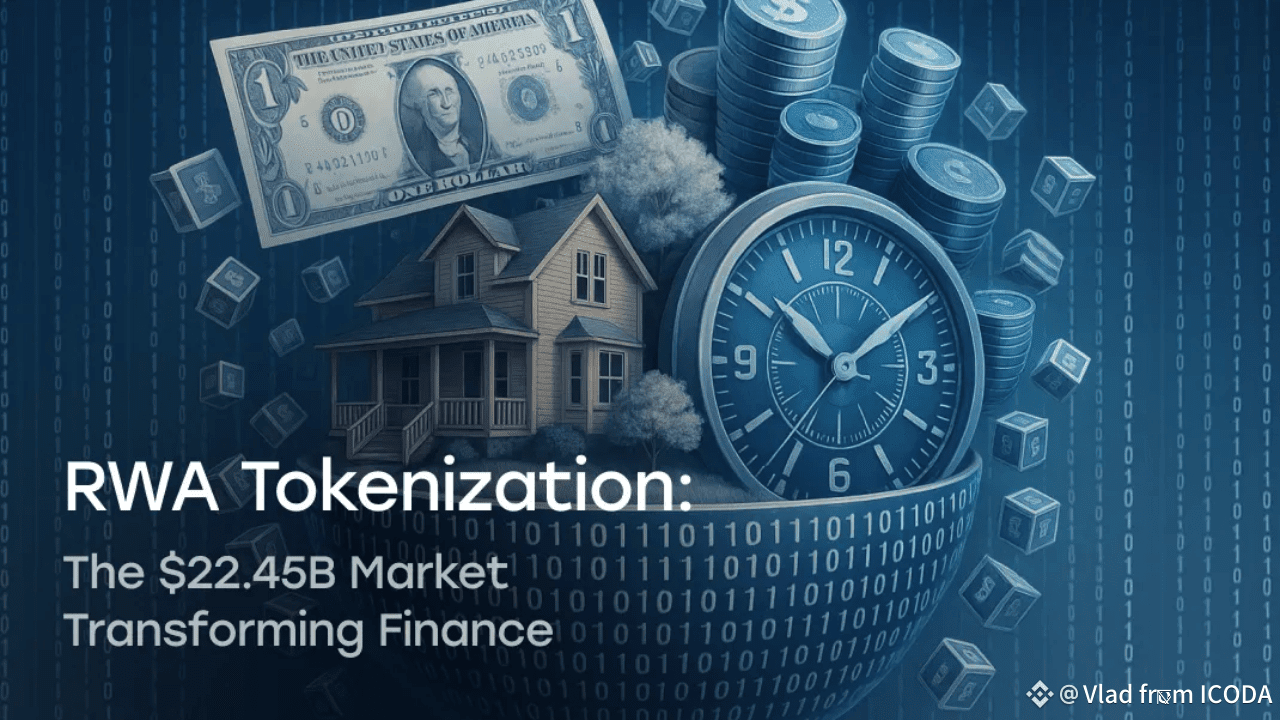
Die 22,45 Mrd. $ Revolution: Wie die Tokenisierung von Real-World Assets die Finanzwirtschaft im Jahr 2025 umgestaltetDie Neue Brücke zwischen traditioneller Finanzwirtschaft und DeFi
In der sich schnell entwickelnden Landschaft digitaler Vermögenswerte steht die Tokenisierung von Real-World Assets (RWA) möglicherweise als die bedeutendste Entwicklung, die die Kluft zwischen traditioneller Finanzwirtschaft (TradFi) und dezentraler Finanzwirtschaft (DeFi) überbrückt. Bei ICODA erleben wir aus erster Hand, wie diese revolutionäre Technologie alles von Immobilieninvestitionen bis hin zum Treasury-Management transformiert.
Die Zahlen sprechen für sich: Ab Mai 2025 hat der Total Value Locked (TVL) in RWA-Projekten beeindruckende 22,45 Milliarden Dollar erreicht, was einem Anstieg von 9,33 % in nur den letzten 30 Tagen entspricht. Mit einer robusten jährlichen Wachstumsrate von 32 % im Jahr 2024 wird erwartet, dass der Markt bis Ende dieses Jahres 50 Milliarden Dollar erreicht. Langfristige Prognosen sind sogar noch erstaunlicher – von 1,3 Billionen Dollar bis zu 30 Billionen Dollar bis 2030.
Die 22,45 Mrd. $ Revolution: Wie die Tokenisierung von Real-World Assets die Finanzwirtschaft im Jahr 2025 umgestaltet
Die Neue Brücke zwischen traditioneller Finanzwirtschaft und DeFi
In der sich schnell entwickelnden Landschaft digitaler Vermögenswerte steht die Tokenisierung von Real-World Assets (RWA) möglicherweise als die bedeutendste Entwicklung, die die Kluft zwischen traditioneller Finanzwirtschaft (TradFi) und dezentraler Finanzwirtschaft (DeFi) überbrückt. Bei ICODA erleben wir aus erster Hand, wie diese revolutionäre Technologie alles von Immobilieninvestitionen bis hin zum Treasury-Management transformiert.
Die Zahlen sprechen für sich: Ab Mai 2025 hat der Total Value Locked (TVL) in RWA-Projekten beeindruckende 22,45 Milliarden Dollar erreicht, was einem Anstieg von 9,33 % in nur den letzten 30 Tagen entspricht. Mit einer robusten jährlichen Wachstumsrate von 32 % im Jahr 2024 wird erwartet, dass der Markt bis Ende dieses Jahres 50 Milliarden Dollar erreicht. Langfristige Prognosen sind sogar noch erstaunlicher – von 1,3 Billionen Dollar bis zu 30 Billionen Dollar bis 2030.
In der sich schnell entwickelnden Landschaft digitaler Vermögenswerte steht die Tokenisierung von Real-World Assets (RWA) möglicherweise als die bedeutendste Entwicklung, die die Kluft zwischen traditioneller Finanzwirtschaft (TradFi) und dezentraler Finanzwirtschaft (DeFi) überbrückt. Bei ICODA erleben wir aus erster Hand, wie diese revolutionäre Technologie alles von Immobilieninvestitionen bis hin zum Treasury-Management transformiert.
Die Zahlen sprechen für sich: Ab Mai 2025 hat der Total Value Locked (TVL) in RWA-Projekten beeindruckende 22,45 Milliarden Dollar erreicht, was einem Anstieg von 9,33 % in nur den letzten 30 Tagen entspricht. Mit einer robusten jährlichen Wachstumsrate von 32 % im Jahr 2024 wird erwartet, dass der Markt bis Ende dieses Jahres 50 Milliarden Dollar erreicht. Langfristige Prognosen sind sogar noch erstaunlicher – von 1,3 Billionen Dollar bis zu 30 Billionen Dollar bis 2030.
28

Artikel
Klarheit ist das neue Krypto-Alphatier: Ein strategischer Leitfaden zur Kommunikation komplexer TechnologieIm Jahr 2025 ist es nur die halbe Miete, über weltklasse Kryptografie zu verfügen. Die andere Hälfte? Es zu erklären.
Über Layer-2, DeFi-Protokolle und Zero-Knowledge-Stacks hinweg bauen Krypto-Teams weiterhin anspruchsvolle Technologie auf – aber zu oft klingt ihre Kommunikation, als wäre sie für Doktoranden und nicht für Menschen geschrieben. Das Ergebnis ist ein stiller Killer der Akzeptanz: verwirrte Benutzer, skeptische Investoren und Regulierungsbehörden, die im Dunkeln gelassen werden.
Aber aufkommende Forschungen deuten auf eine klare Lösung hin. Basierend auf zwei wegweisenden Strategie-Papieren – Kommunizieren komplexer Krypto-Technologie und das strategische Kommunikationsframework zur Erklärung komplexer Krypto-Technologie – haben wir jetzt einen umsetzbaren Plan für Gründer, Vermarkter und Produktteams, die wollen, dass ihre Innovationen verstanden, vertraut und angenommen werden.
Klarheit ist das neue Krypto-Alphatier: Ein strategischer Leitfaden zur Kommunikation komplexer Technologie
Im Jahr 2025 ist es nur die halbe Miete, über weltklasse Kryptografie zu verfügen. Die andere Hälfte? Es zu erklären.
Über Layer-2, DeFi-Protokolle und Zero-Knowledge-Stacks hinweg bauen Krypto-Teams weiterhin anspruchsvolle Technologie auf – aber zu oft klingt ihre Kommunikation, als wäre sie für Doktoranden und nicht für Menschen geschrieben. Das Ergebnis ist ein stiller Killer der Akzeptanz: verwirrte Benutzer, skeptische Investoren und Regulierungsbehörden, die im Dunkeln gelassen werden.
Aber aufkommende Forschungen deuten auf eine klare Lösung hin. Basierend auf zwei wegweisenden Strategie-Papieren – Kommunizieren komplexer Krypto-Technologie und das strategische Kommunikationsframework zur Erklärung komplexer Krypto-Technologie – haben wir jetzt einen umsetzbaren Plan für Gründer, Vermarkter und Produktteams, die wollen, dass ihre Innovationen verstanden, vertraut und angenommen werden.
Über Layer-2, DeFi-Protokolle und Zero-Knowledge-Stacks hinweg bauen Krypto-Teams weiterhin anspruchsvolle Technologie auf – aber zu oft klingt ihre Kommunikation, als wäre sie für Doktoranden und nicht für Menschen geschrieben. Das Ergebnis ist ein stiller Killer der Akzeptanz: verwirrte Benutzer, skeptische Investoren und Regulierungsbehörden, die im Dunkeln gelassen werden.
Aber aufkommende Forschungen deuten auf eine klare Lösung hin. Basierend auf zwei wegweisenden Strategie-Papieren – Kommunizieren komplexer Krypto-Technologie und das strategische Kommunikationsframework zur Erklärung komplexer Krypto-Technologie – haben wir jetzt einen umsetzbaren Plan für Gründer, Vermarkter und Produktteams, die wollen, dass ihre Innovationen verstanden, vertraut und angenommen werden.
21

Artikel
Das Krypto-Nutzer-Onboarding ist kaputt - so können Sie es behebenDas Onboarding von Krypto ist der Wachstumsengpass. In allen Studien brechen 60–90% der neuen Nutzer ab, bevor sie ihre erste Transaktion tätigen. Und über 80% kehren nach einer einzigen Nutzung nie zurück. Wenn Sie ein Gründer, Produktleiter oder Wachstumsstratege in Web3 sind, ist es nicht optional, dies zu beheben - es ist Ihr größter Schlüssel.
Das Problem: Über 80% der Nutzer brechen vor der Aktivierung ab.
Trotz des explosiven Interesses an Web3 leiden die meisten Krypto-Produkte unter massivem Onboarding-Abbruch - 60% bis 90% der Nutzer springen ab, bevor sie eine erste Transaktion abschließen. Die Hauptursachen?
Das Krypto-Nutzer-Onboarding ist kaputt - so können Sie es beheben
Das Onboarding von Krypto ist der Wachstumsengpass. In allen Studien brechen 60–90% der neuen Nutzer ab, bevor sie ihre erste Transaktion tätigen. Und über 80% kehren nach einer einzigen Nutzung nie zurück. Wenn Sie ein Gründer, Produktleiter oder Wachstumsstratege in Web3 sind, ist es nicht optional, dies zu beheben - es ist Ihr größter Schlüssel.
Das Problem: Über 80% der Nutzer brechen vor der Aktivierung ab.
Trotz des explosiven Interesses an Web3 leiden die meisten Krypto-Produkte unter massivem Onboarding-Abbruch - 60% bis 90% der Nutzer springen ab, bevor sie eine erste Transaktion abschließen. Die Hauptursachen?
Das Problem: Über 80% der Nutzer brechen vor der Aktivierung ab.
Trotz des explosiven Interesses an Web3 leiden die meisten Krypto-Produkte unter massivem Onboarding-Abbruch - 60% bis 90% der Nutzer springen ab, bevor sie eine erste Transaktion abschließen. Die Hauptursachen?
5

Artikel
Krypto-Datenschutz im Jahr 2025: Gewinnen mit Compliance, nicht dagegenDie Ära der „anonymen Standardnachrichten“ ist tot. So balancieren führende Krypto-Projekte den Datenschutz der Nutzer mit der regulatorischen Compliance – und was das für Ihre Marketingstrategie bedeutet.
Die Krypto-Industrie steht an einem Scheideweg, der vor nur zwei Jahren unmöglich erschienen wäre. Auf der einen Seite verlangen die Nutzer stärkere Datenschutzmaßnahmen, während die Bedenken hinsichtlich der Überwachung zunehmen. Auf der anderen Seite verschärfen weltweit die Regulierungsbehörden die Compliance-Anforderungen in rasantem Tempo – bis Anfang 2025 haben 97 Länder die Krypto-Vorschriften verschärft, während 73 Börsen Privacy-Coins aufgrund von Compliance-Bedenken abmelden.
Krypto-Datenschutz im Jahr 2025: Gewinnen mit Compliance, nicht dagegen
Die Ära der „anonymen Standardnachrichten“ ist tot. So balancieren führende Krypto-Projekte den Datenschutz der Nutzer mit der regulatorischen Compliance – und was das für Ihre Marketingstrategie bedeutet.
Die Krypto-Industrie steht an einem Scheideweg, der vor nur zwei Jahren unmöglich erschienen wäre. Auf der einen Seite verlangen die Nutzer stärkere Datenschutzmaßnahmen, während die Bedenken hinsichtlich der Überwachung zunehmen. Auf der anderen Seite verschärfen weltweit die Regulierungsbehörden die Compliance-Anforderungen in rasantem Tempo – bis Anfang 2025 haben 97 Länder die Krypto-Vorschriften verschärft, während 73 Börsen Privacy-Coins aufgrund von Compliance-Bedenken abmelden.
Die Krypto-Industrie steht an einem Scheideweg, der vor nur zwei Jahren unmöglich erschienen wäre. Auf der einen Seite verlangen die Nutzer stärkere Datenschutzmaßnahmen, während die Bedenken hinsichtlich der Überwachung zunehmen. Auf der anderen Seite verschärfen weltweit die Regulierungsbehörden die Compliance-Anforderungen in rasantem Tempo – bis Anfang 2025 haben 97 Länder die Krypto-Vorschriften verschärft, während 73 Börsen Privacy-Coins aufgrund von Compliance-Bedenken abmelden.
3
19
Artikel
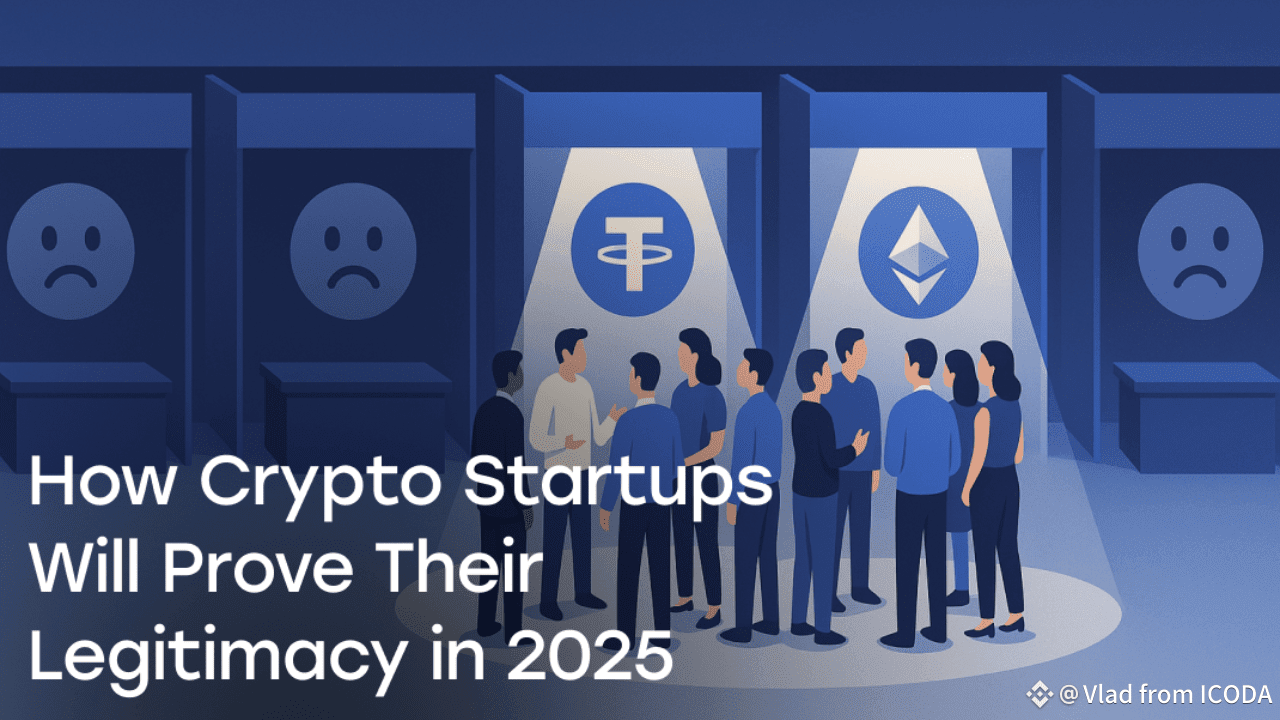
Wie Krypto-Startups ihre Legitimität im Jahr 2025 beweisen werdenIn der Ära nach FTX und nach der SEC-Aktion im Jahr 2025 ist Glaubwürdigkeit keine Marketingtaktik - sie ist eine strukturelle Schutzmauer. Über Layer-1s, DeFi-Protokolle, Datenschutzinfrastruktur und Web3-Identitätsprojekte hinweg ist Legitimität zum wertvollsten Unterscheidungsmerkmal in einem gesättigten Markt geworden, in dem 52 % aller seit 2021 eingeführten Krypto-Token bereits gescheitert sind.
Die Transformation ist klar: Vertrauen, das einmal vorausgesetzt wurde, muss jetzt konstruiert, signalisiert und verifiziert werden. Projekte, die darin erfolgreich sind - wie Worldcoin, Base, Celestia, Nillion, Story Protocol und Monad - setzen geschichtete, proaktive Strategien um, die Sicherheit, Transparenz, Regulierungsbereitschaft und Gemeinschaftsengagement in einen wiederholbaren Plan für Legitimität kombinieren.
Wie Krypto-Startups ihre Legitimität im Jahr 2025 beweisen werden
In der Ära nach FTX und nach der SEC-Aktion im Jahr 2025 ist Glaubwürdigkeit keine Marketingtaktik - sie ist eine strukturelle Schutzmauer. Über Layer-1s, DeFi-Protokolle, Datenschutzinfrastruktur und Web3-Identitätsprojekte hinweg ist Legitimität zum wertvollsten Unterscheidungsmerkmal in einem gesättigten Markt geworden, in dem 52 % aller seit 2021 eingeführten Krypto-Token bereits gescheitert sind.
Die Transformation ist klar: Vertrauen, das einmal vorausgesetzt wurde, muss jetzt konstruiert, signalisiert und verifiziert werden. Projekte, die darin erfolgreich sind - wie Worldcoin, Base, Celestia, Nillion, Story Protocol und Monad - setzen geschichtete, proaktive Strategien um, die Sicherheit, Transparenz, Regulierungsbereitschaft und Gemeinschaftsengagement in einen wiederholbaren Plan für Legitimität kombinieren.
Die Transformation ist klar: Vertrauen, das einmal vorausgesetzt wurde, muss jetzt konstruiert, signalisiert und verifiziert werden. Projekte, die darin erfolgreich sind - wie Worldcoin, Base, Celestia, Nillion, Story Protocol und Monad - setzen geschichtete, proaktive Strategien um, die Sicherheit, Transparenz, Regulierungsbereitschaft und Gemeinschaftsengagement in einen wiederholbaren Plan für Legitimität kombinieren.
4

Artikel
Von der Flaute zum Boom: Wie der Juni die Q2-Krypto-Finanzierung rettete📉 Ein Viertel von zwei Geschichten
Q2 2025 brachte scharf kontrastierende Trends. Nach einem starken Abschluss im Q1 fiel die Finanzierung im Q2 - doch die aktuellen Werte bleiben bemerkenswert robust.
April und Mai kühlten ab:
Im April wurden etwa 1,29 Milliarden Dollar gesammelt.
Im Mai fiel die Zahl auf etwa 624 Millionen Dollar – die wenigsten monatlichen Deals seit Anfang 2021, mit nur 62 Finanzierungsrunden.
Der Juni kam mit Macht zurück:
Investoren investierten 2,5 Milliarden Dollar, was den Juni zum zweitgrößten Monat von 2025 machte (nur hinter dem März).
Nettoergebnis:
Die Gesamtinvestition im Q2 endete bei etwa 4,5 Milliarden Dollar, was einen Rückgang von etwa 22 % gegenüber den fast 6 Milliarden Dollar im Q1 bedeutet.
Von der Flaute zum Boom: Wie der Juni die Q2-Krypto-Finanzierung rettete
📉 Ein Viertel von zwei Geschichten
Q2 2025 brachte scharf kontrastierende Trends. Nach einem starken Abschluss im Q1 fiel die Finanzierung im Q2 - doch die aktuellen Werte bleiben bemerkenswert robust.
April und Mai kühlten ab:
Im April wurden etwa 1,29 Milliarden Dollar gesammelt.
Im Mai fiel die Zahl auf etwa 624 Millionen Dollar – die wenigsten monatlichen Deals seit Anfang 2021, mit nur 62 Finanzierungsrunden.
Der Juni kam mit Macht zurück:
Investoren investierten 2,5 Milliarden Dollar, was den Juni zum zweitgrößten Monat von 2025 machte (nur hinter dem März).
Nettoergebnis:
Die Gesamtinvestition im Q2 endete bei etwa 4,5 Milliarden Dollar, was einen Rückgang von etwa 22 % gegenüber den fast 6 Milliarden Dollar im Q1 bedeutet.
Q2 2025 brachte scharf kontrastierende Trends. Nach einem starken Abschluss im Q1 fiel die Finanzierung im Q2 - doch die aktuellen Werte bleiben bemerkenswert robust.
April und Mai kühlten ab:
Im April wurden etwa 1,29 Milliarden Dollar gesammelt.
Im Mai fiel die Zahl auf etwa 624 Millionen Dollar – die wenigsten monatlichen Deals seit Anfang 2021, mit nur 62 Finanzierungsrunden.
Der Juni kam mit Macht zurück:
Investoren investierten 2,5 Milliarden Dollar, was den Juni zum zweitgrößten Monat von 2025 machte (nur hinter dem März).
Nettoergebnis:
Die Gesamtinvestition im Q2 endete bei etwa 4,5 Milliarden Dollar, was einen Rückgang von etwa 22 % gegenüber den fast 6 Milliarden Dollar im Q1 bedeutet.
10
10

Artikel
Web3 Quest-Plattformen Enthüllt: Was funktioniert, was nichtIm sich entwickelnden Spielbuch des Web3-Marketings haben nur wenige Werkzeuge so schnell – oder so strategisch – an Bedeutung gewonnen wie Quest-Plattformen. Diese gamifizierten Engagement-Maschinen haben verändert, wie Krypto-Projekte Benutzer onboarden, On-Chain-Aktionen vorantreiben und Gemeinschaften aufbauen.
Bei ICODA haben wir Dutzende von Wachstums-Kampagnen in den Bereichen DeFi, NFTs, Gaming und Infrastruktur gestartet. Und eines ist klar geworden: Wenn sie richtig eingesetzt werden, sind Quest-Plattformen nicht mehr nur „Wachstums-Hacks“ – sie sind strategische Infrastruktur für die langfristige Entwicklung des Ökosystems.
Web3 Quest-Plattformen Enthüllt: Was funktioniert, was nicht
Im sich entwickelnden Spielbuch des Web3-Marketings haben nur wenige Werkzeuge so schnell – oder so strategisch – an Bedeutung gewonnen wie Quest-Plattformen. Diese gamifizierten Engagement-Maschinen haben verändert, wie Krypto-Projekte Benutzer onboarden, On-Chain-Aktionen vorantreiben und Gemeinschaften aufbauen.
Bei ICODA haben wir Dutzende von Wachstums-Kampagnen in den Bereichen DeFi, NFTs, Gaming und Infrastruktur gestartet. Und eines ist klar geworden: Wenn sie richtig eingesetzt werden, sind Quest-Plattformen nicht mehr nur „Wachstums-Hacks“ – sie sind strategische Infrastruktur für die langfristige Entwicklung des Ökosystems.
Bei ICODA haben wir Dutzende von Wachstums-Kampagnen in den Bereichen DeFi, NFTs, Gaming und Infrastruktur gestartet. Und eines ist klar geworden: Wenn sie richtig eingesetzt werden, sind Quest-Plattformen nicht mehr nur „Wachstums-Hacks“ – sie sind strategische Infrastruktur für die langfristige Entwicklung des Ökosystems.
7
7
Anmelden und weiter Inhalte entdecken
Krypto-Nutzer weltweit auf Binance Square kennenlernen
⚡️ Bleib in Sachen Krypto stets am Puls.
💬 Die weltgrößte Kryptobörse vertraut darauf.
👍 Erhalte verlässliche Einblicke von verifizierten Creators.
E-Mail-Adresse/Telefonnummer
Trendthemen
ClarityActFacesProceduralVoteSept15
28,535 Aufrufe
490 Kommentare
#clarityactfacesproceduralvotesept15
🚨 CLARITY-Gesetz steht vor einer Verfahrensabstimmung am 15. September 🚨
Der Senatssaal ist still, aber der Kryptomarkt beobachtet bereits die Uhr. Am 15. September könnte eine einzige Verfahrensabstimmung darüber entscheiden, ob ein wichtiges US-Gesetz zur Marktstruktur für Krypto überhaupt die Chance bekommt, weiter voranzukommen.
Das CLARITY-Gesetz steht an diesem Tag nicht vor der finalen Verabschiedung. Es wird erwartet, dass die Senatoren über einen Antrag auf „Proceed“ abstimmen – ein entscheidender Verfahrensschritt, für den 60 Stimmen erforderlich sind, um die Hürde im Senat zu überspringen.
Diese Unterscheidung ist wichtig. Eine erfolgreiche Abstimmung würde das Gesetz nicht unmittelbar zum Recht machen, aber sie würde den Weg für weitere Beratungen und Verhandlungen im Senat öffnen.
Die Einsätze sind hoch, weil die Gesetzgebung darauf abzielt, klarere Regeln rund um digitale Assets festzulegen und zu bestimmen, wie die Zuständigkeiten zwischen US-Regulierungsbehörden aufgeteilt werden.
Die aktuelle Überarbeitung mit 630 Seiten fügt zudem Bestimmungen hinzu, die sich mit bestimmten nicht dezentralen Handelsprotokollen befassen, während mehrere politische und regulatorische Streitpunkte weiterhin ungelöst sind.
Mein Fazit: Der 15. September sollte weniger als Tag eines Siegs oder einer Niederlage betrachtet werden, sondern als Glaubwürdigkeits-Check. Das Beseitigen der Verfahrenshürde könnte das Vertrauen stärken, dass die US-Krypto-Gesetzgebung auf einen klareren Rahmen zusteuert. Ein Scheitern könnte die Unsicherheit verlängern.
Für Kromomärkte kann regulatorische Klarheit die Beteiligung institutioneller Akteure, Geschäftsentscheidungen und die Art beeinflussen, wie Investoren die US-Exposure bewerten. Doch Erwartungen können sich schneller bewegen als die Gesetzgebung selbst.
Das eigentliche Signal ist nicht, ob Krypto über Nacht Klarheit erhält, sondern ob Gesetzgeber endlich genug Konsens aufbauen können, um den Prozess weiterzubringen.
Wird die Abstimmung am 15. September zum Wendepunkt für die Regulierung von US-Krypto, oder zu einer weiteren Verzögerung?
Haftungsausschluss: Dieser Artikel dient nur zu Bildungszwecken und stellt keine Finanzberatung dar. Führen Sie Ihre eigenen Recherchen durch und gehen Sie mit Risiken sorgfältig um.
#CryptoRegulation #Bitcoin #GrowWithSAC $SUI $NEAR $BNB
#ClarityActFacesProceduralVoteSept15
Sienna Leo-你真棒-带我走
·3 Likes
·3k Aufrufe
US2YearYieldRisesTo4.61%
26,168 Aufrufe
533 Kommentare
US10YearTreasuryYieldNears5%
13,766 Aufrufe
304 Kommentare