

Abby Yeaman NIJc
53 Beiträge

Abby Yeaman NIJc
Melden
Nutzer blockieren
20 Following
19 Follower
17 Like gegeben
Beiträge
Übersetzung ansehen
Gluon fest is live again do simple tasks and participate in the draw and win rewards.
Buy mysterybox of 1$ and win upto 100$.
Join now
https://link.gluon.money/fridaydraw/U4fM4-Pif_sZ
Gluon fest is live again do simple tasks and participate in the draw and win rewards.
Buy mysterybox of 1$ and win upto 100$.
Join now
https://link.gluon.money/fridaydraw/U4fM4-Pif_sZ
Buy mysterybox of 1$ and win upto 100$.
Join now
https://link.gluon.money/fridaydraw/U4fM4-Pif_sZ

25
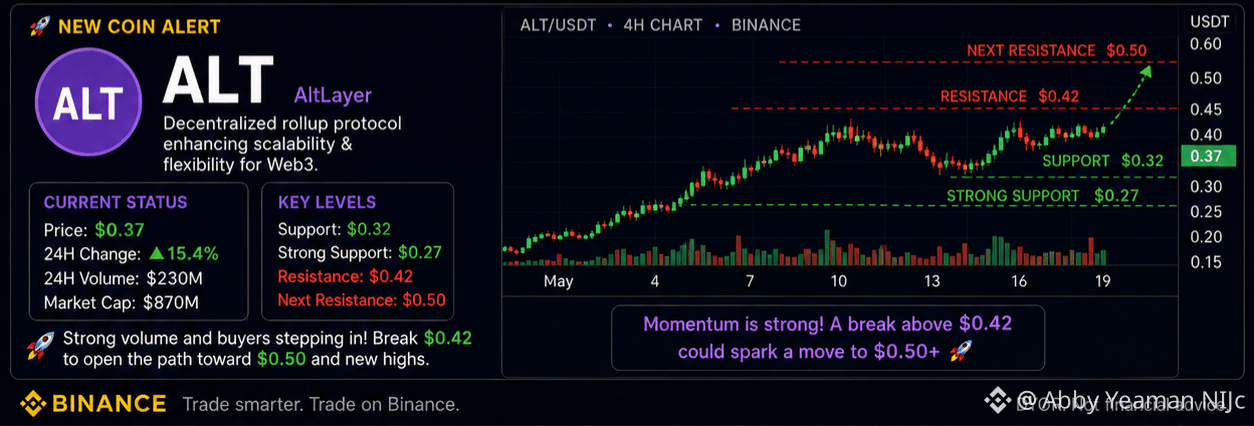
⚡ $ALT gewinnt wieder an Momentum!
$AltLayer sieht einen stärkeren Kaufdruck, nachdem es von der Unterstützung abgeprallt ist und eine höhere Tiefstruktur auf den Velas gebildet hat.
📊 Technische Levels:
• Aktueller Preisbereich: $0.37
• Wichtige Unterstützung: $0.32
• Widerstandszone: $0.42
• Nächstes Aufwärtsziel: $0.50+
Trader beobachten genau einen Ausbruch über den Widerstand, da das Volumen wieder zu steigen begonnen hat.
Der Markt bleibt nach wie vor hoch volatil, daher sind Geduld und ein angemessenes Risikomanagement wichtig.
{future}(ALTUSDT)
#ALT #BinanceSquareTalks #Web3 #crypto
⚡ $ALT gewinnt wieder an Momentum!
$AltLayer sieht einen stärkeren Kaufdruck, nachdem es von der Unterstützung abgeprallt ist und eine höhere Tiefstruktur auf den Velas gebildet hat.
📊 Technische Levels:
• Aktueller Preisbereich: $0.37
• Wichtige Unterstützung: $0.32
• Widerstandszone: $0.42
• Nächstes Aufwärtsziel: $0.50+
Trader beobachten genau einen Ausbruch über den Widerstand, da das Volumen wieder zu steigen begonnen hat.
Der Markt bleibt nach wie vor hoch volatil, daher sind Geduld und ein angemessenes Risikomanagement wichtig.
#ALT #BinanceSquareTalks #Web3 #crypto
$AltLayer sieht einen stärkeren Kaufdruck, nachdem es von der Unterstützung abgeprallt ist und eine höhere Tiefstruktur auf den Velas gebildet hat.
📊 Technische Levels:
• Aktueller Preisbereich: $0.37
• Wichtige Unterstützung: $0.32
• Widerstandszone: $0.42
• Nächstes Aufwärtsziel: $0.50+
Trader beobachten genau einen Ausbruch über den Widerstand, da das Volumen wieder zu steigen begonnen hat.
Der Markt bleibt nach wie vor hoch volatil, daher sind Geduld und ein angemessenes Risikomanagement wichtig.
#ALT #BinanceSquareTalks #Web3 #crypto
164
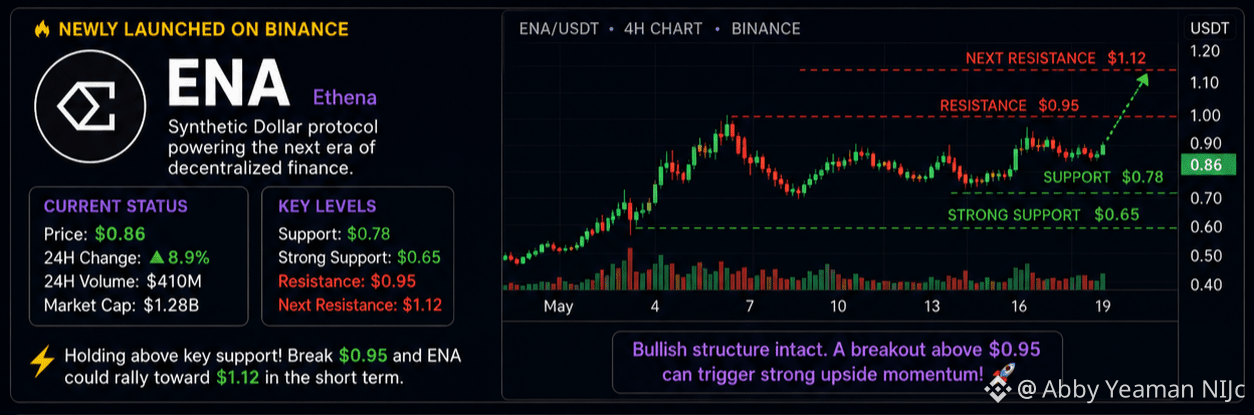
🔥 $ENA zieht weiterhin Aufmerksamkeit im DeFi-Sektor an!
Der Token hält eine bullishe Struktur über der wichtigen Unterstützung, während Trader den $0.95 Ausbruchsbereich genau im Auge behalten.
📈 Marktsnapshot:
• Aktueller Bereich: $0.86
• Unterstützungszone: $0.78
• Widerstand: $0.95
• Bullishes Ziel: $1.12
Das Wachstum des $ENA -Ökosystems und die starke Gemeinschaftsaktivität halten ihn diese Woche auf vielen Watchlists. Ein klarer Move über den Widerstand könnte die kurzfristige Dynamik erheblich steigern.
Verwalte immer das Risiko sorgfältig in volatilen Märkten.
{future}(ENAUSDT)
#ENAUSDT🚨 #ethena #CryptoNewss #BİNANCE #Trading
🔥 $ENA zieht weiterhin Aufmerksamkeit im DeFi-Sektor an!
Der Token hält eine bullishe Struktur über der wichtigen Unterstützung, während Trader den $0.95 Ausbruchsbereich genau im Auge behalten.
📈 Marktsnapshot:
• Aktueller Bereich: $0.86
• Unterstützungszone: $0.78
• Widerstand: $0.95
• Bullishes Ziel: $1.12
Das Wachstum des $ENA -Ökosystems und die starke Gemeinschaftsaktivität halten ihn diese Woche auf vielen Watchlists. Ein klarer Move über den Widerstand könnte die kurzfristige Dynamik erheblich steigern.
Verwalte immer das Risiko sorgfältig in volatilen Märkten.
#ENAUSDT🚨 #ethena #CryptoNewss #BİNANCE #Trading
Der Token hält eine bullishe Struktur über der wichtigen Unterstützung, während Trader den $0.95 Ausbruchsbereich genau im Auge behalten.
📈 Marktsnapshot:
• Aktueller Bereich: $0.86
• Unterstützungszone: $0.78
• Widerstand: $0.95
• Bullishes Ziel: $1.12
Das Wachstum des $ENA -Ökosystems und die starke Gemeinschaftsaktivität halten ihn diese Woche auf vielen Watchlists. Ein klarer Move über den Widerstand könnte die kurzfristige Dynamik erheblich steigern.
Verwalte immer das Risiko sorgfältig in volatilen Märkten.
#ENAUSDT🚨 #ethena #CryptoNewss #BİNANCE #Trading
182
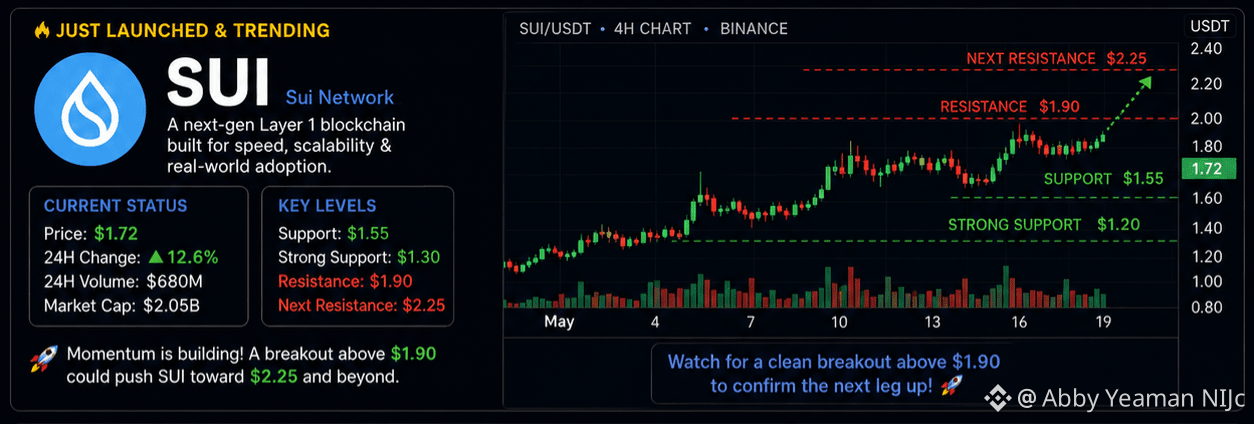
🚀 $SUI zeigt gerade ernsthaftes Momentum!
Nachdem er eine starke Unterstützung bei etwa $1,55 gehalten hat, übernehmen die Käufer langsam wieder das Ruder. Das Volumen steigt und die Chartstruktur bleibt auf den niedrigeren Zeitrahmen bullish.
📊 Aktuelle Marktsituation:
• Preiszone: Rund $1,70+
• Widerstand: $1,90
• Nächstes großes Ziel: $2,25
• Starke Unterstützung: $1,30
Wenn $SUI über den Widerstand von $1,90 mit Volumenbestätigung bricht, könnten Momentum-Trader es schnell in die nächste Ausbruchszone treiben.
⚠️ Dennoch sollten Trader die BTC-Dominanz im Auge behalten, da die allgemeine Marktvolatilität hoch bleibt.
#SUI #Crypto #BinanceSquare #Altcoins #Trading #Bullish
{future}(SUIUSDT)
🚀 $SUI zeigt gerade ernsthaftes Momentum!
Nachdem er eine starke Unterstützung bei etwa $1,55 gehalten hat, übernehmen die Käufer langsam wieder das Ruder. Das Volumen steigt und die Chartstruktur bleibt auf den niedrigeren Zeitrahmen bullish.
📊 Aktuelle Marktsituation:
• Preiszone: Rund $1,70+
• Widerstand: $1,90
• Nächstes großes Ziel: $2,25
• Starke Unterstützung: $1,30
Wenn $SUI über den Widerstand von $1,90 mit Volumenbestätigung bricht, könnten Momentum-Trader es schnell in die nächste Ausbruchszone treiben.
⚠️ Dennoch sollten Trader die BTC-Dominanz im Auge behalten, da die allgemeine Marktvolatilität hoch bleibt.
#SUI #Crypto #BinanceSquare #Altcoins #Trading #Bullish
Nachdem er eine starke Unterstützung bei etwa $1,55 gehalten hat, übernehmen die Käufer langsam wieder das Ruder. Das Volumen steigt und die Chartstruktur bleibt auf den niedrigeren Zeitrahmen bullish.
📊 Aktuelle Marktsituation:
• Preiszone: Rund $1,70+
• Widerstand: $1,90
• Nächstes großes Ziel: $2,25
• Starke Unterstützung: $1,30
Wenn $SUI über den Widerstand von $1,90 mit Volumenbestätigung bricht, könnten Momentum-Trader es schnell in die nächste Ausbruchszone treiben.
⚠️ Dennoch sollten Trader die BTC-Dominanz im Auge behalten, da die allgemeine Marktvolatilität hoch bleibt.
#SUI #Crypto #BinanceSquare #Altcoins #Trading #Bullish
69
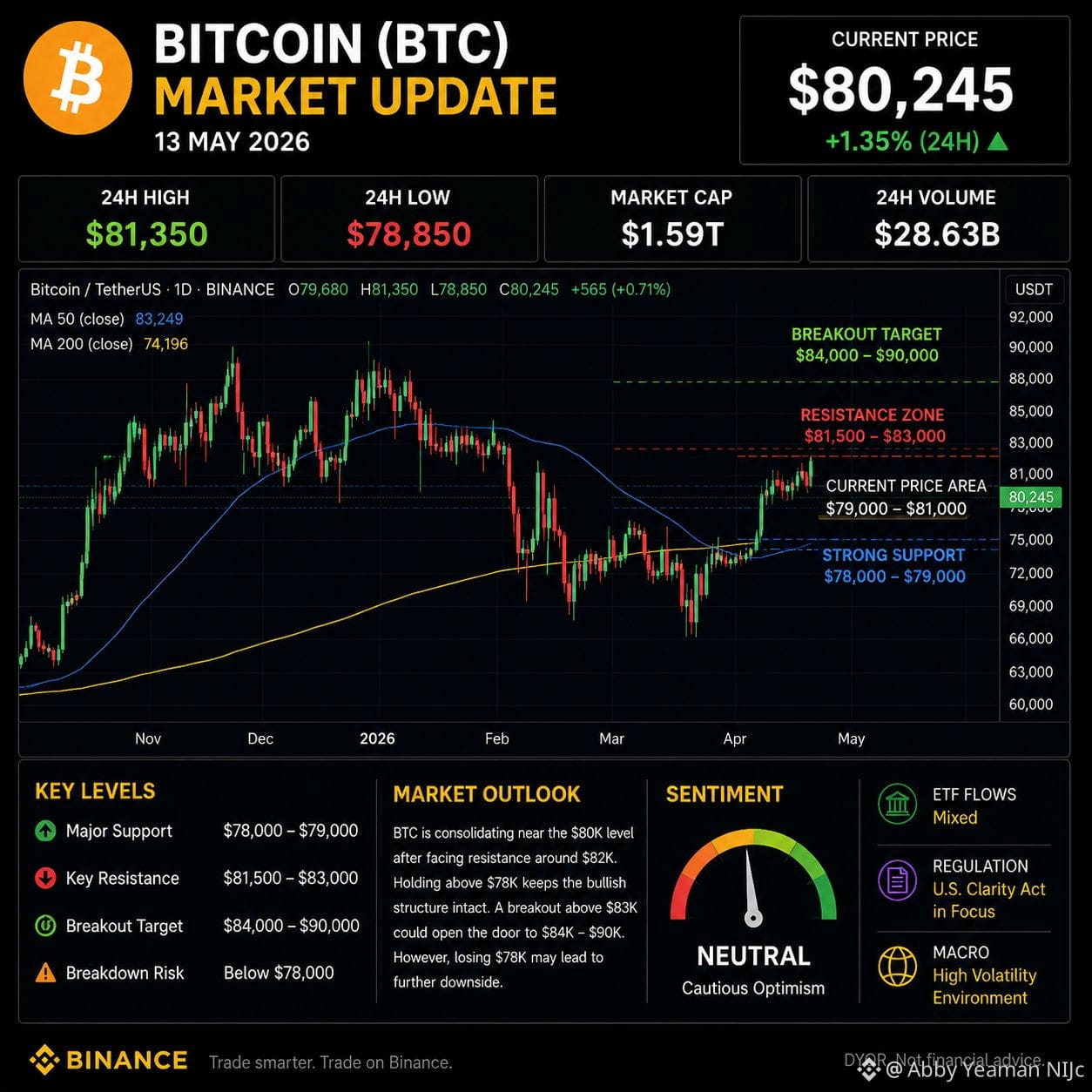
🚨 $BTC Markt Update — Mai 2026
Bitcoin wird derzeit im Bereich von $79K–$81K gehandelt, nachdem er starken Widerstand bei $82K erfahren hat. Der Markt bleibt hoch volatil, da Trader auf ETF-Flussänderungen, makroökonomischen Druck und bevorstehende US-Krypto-Regulierungsentwicklungen reagieren. (Investing.com)
📈 Aktuelle Marktstruktur:
🟢 Wichtige Unterstützung: $78,000 – $79,000
🔴 Schlüssel Widerstand: $81,500 – $83,000
🔥 Ausbruchsziel: $84K – $90K, wenn die Bullen Momentum zurückgewinnen
⚠️ Abwärtsrisiko: Der Verlust von $78K könnte stärkeren Verkaufsdruck auslösen
💡 Was treibt den Markt gerade an?
• Spot Bitcoin ETFs haben kürzlich sowohl starke Zuflüsse als auch plötzliche Abflüsse gesehen, was zeigt, dass Institutionen weiterhin aktiv, aber vorsichtig sind. (24/7 Wall St.)
• Trader beobachten die Diskussionen zum US „CLARITY Act“ genau, da regulatorische Klarheit das langfristige Sentiment stärken könnte. (CoinStats)
• Gewinnmitnahmen und geopolitische Spannungen erzeugen kurzfristigen Druck auf BTC. (Barron's)
📌 Marktstimmung:
Die aktuelle Stimmung bleibt neutral bis vorsichtig. Die Bullen kontrollieren weiterhin die breitere Struktur über $78K, aber BTC benötigt einen sauberen Ausbruch über $83K, um die Fortsetzung in Richtung höherer Ziele zu bestätigen.
{future}(BTCUSDT)
#USPPISurge #BitcoinRatioAbove200DMA #TrumpVisitsChina
🚨 $BTC Markt Update — Mai 2026
Bitcoin wird derzeit im Bereich von $79K–$81K gehandelt, nachdem er starken Widerstand bei $82K erfahren hat. Der Markt bleibt hoch volatil, da Trader auf ETF-Flussänderungen, makroökonomischen Druck und bevorstehende US-Krypto-Regulierungsentwicklungen reagieren. (Investing.com)
📈 Aktuelle Marktstruktur:
🟢 Wichtige Unterstützung: $78,000 – $79,000
🔴 Schlüssel Widerstand: $81,500 – $83,000
🔥 Ausbruchsziel: $84K – $90K, wenn die Bullen Momentum zurückgewinnen
⚠️ Abwärtsrisiko: Der Verlust von $78K könnte stärkeren Verkaufsdruck auslösen
💡 Was treibt den Markt gerade an?
• Spot Bitcoin ETFs haben kürzlich sowohl starke Zuflüsse als auch plötzliche Abflüsse gesehen, was zeigt, dass Institutionen weiterhin aktiv, aber vorsichtig sind. (24/7 Wall St.)
• Trader beobachten die Diskussionen zum US „CLARITY Act“ genau, da regulatorische Klarheit das langfristige Sentiment stärken könnte. (CoinStats)
• Gewinnmitnahmen und geopolitische Spannungen erzeugen kurzfristigen Druck auf BTC. (Barron's)
📌 Marktstimmung:
Die aktuelle Stimmung bleibt neutral bis vorsichtig. Die Bullen kontrollieren weiterhin die breitere Struktur über $78K, aber BTC benötigt einen sauberen Ausbruch über $83K, um die Fortsetzung in Richtung höherer Ziele zu bestätigen.
#USPPISurge #BitcoinRatioAbove200DMA #TrumpVisitsChina
Bitcoin wird derzeit im Bereich von $79K–$81K gehandelt, nachdem er starken Widerstand bei $82K erfahren hat. Der Markt bleibt hoch volatil, da Trader auf ETF-Flussänderungen, makroökonomischen Druck und bevorstehende US-Krypto-Regulierungsentwicklungen reagieren. (Investing.com)
📈 Aktuelle Marktstruktur:
🟢 Wichtige Unterstützung: $78,000 – $79,000
🔴 Schlüssel Widerstand: $81,500 – $83,000
🔥 Ausbruchsziel: $84K – $90K, wenn die Bullen Momentum zurückgewinnen
⚠️ Abwärtsrisiko: Der Verlust von $78K könnte stärkeren Verkaufsdruck auslösen
💡 Was treibt den Markt gerade an?
• Spot Bitcoin ETFs haben kürzlich sowohl starke Zuflüsse als auch plötzliche Abflüsse gesehen, was zeigt, dass Institutionen weiterhin aktiv, aber vorsichtig sind. (24/7 Wall St.)
• Trader beobachten die Diskussionen zum US „CLARITY Act“ genau, da regulatorische Klarheit das langfristige Sentiment stärken könnte. (CoinStats)
• Gewinnmitnahmen und geopolitische Spannungen erzeugen kurzfristigen Druck auf BTC. (Barron's)
📌 Marktstimmung:
Die aktuelle Stimmung bleibt neutral bis vorsichtig. Die Bullen kontrollieren weiterhin die breitere Struktur über $78K, aber BTC benötigt einen sauberen Ausbruch über $83K, um die Fortsetzung in Richtung höherer Ziele zu bestätigen.
#USPPISurge #BitcoinRatioAbove200DMA #TrumpVisitsChina
77
*BREAKING* 🚨
Bitcoin ist gerade flash-crashed auf $77,5K
Über *$68M in Longs liquidiert* in der letzten Stunde
*$41B wurden ausgelöscht* von der gesamten Marktkapitalisierung von Krypto, mit *$BTC allein, die $27B ausgelöscht hat*
Kein klarer Auslöser, keine großen Schlagzeilen*BREAKING* 🚨
Bitcoin ist gerade flash-crashed auf $77,5K
Über *$68M in Longs liquidiert* in der letzten Stunde
*$41B wurden ausgelöscht* von der gesamten Marktkapitalisierung von Krypto, mit *$BTC allein, die $27B ausgelöscht hat*
Kein klarer Auslöser, keine großen Schlagzeilen
BTCSurpasses$79K
{spot}(BTCUSDT)
*BREAKING* 🚨
Bitcoin ist gerade flash-crashed auf $77,5K
Über *$68M in Longs liquidiert* in der letzten Stunde
*$41B wurden ausgelöscht* von der gesamten Marktkapitalisierung von Krypto, mit *$BTC allein, die $27B ausgelöscht hat*
Kein klarer Auslöser, keine großen Schlagzeilen*BREAKING* 🚨
Bitcoin ist gerade flash-crashed auf $77,5K
Über *$68M in Longs liquidiert* in der letzten Stunde
*$41B wurden ausgelöscht* von der gesamten Marktkapitalisierung von Krypto, mit *$BTC allein, die $27B ausgelöscht hat*
Kein klarer Auslöser, keine großen Schlagzeilen
BTCSurpasses$79K
Bitcoin ist gerade flash-crashed auf $77,5K
Über *$68M in Longs liquidiert* in der letzten Stunde
*$41B wurden ausgelöscht* von der gesamten Marktkapitalisierung von Krypto, mit *$BTC allein, die $27B ausgelöscht hat*
Kein klarer Auslöser, keine großen Schlagzeilen*BREAKING* 🚨
Bitcoin ist gerade flash-crashed auf $77,5K
Über *$68M in Longs liquidiert* in der letzten Stunde
*$41B wurden ausgelöscht* von der gesamten Marktkapitalisierung von Krypto, mit *$BTC allein, die $27B ausgelöscht hat*
Kein klarer Auslöser, keine großen Schlagzeilen
BTCSurpasses$79K
81
Das Wachstum oder der Aufstieg von Pixels🌱 Die Entwicklung von @Pixels und seinem gestapelten Ökosystem erkunden
Der Aufstieg von @Pixels zeigt, wie sich das Web3-Gaming über einfache Play-to-Earn-Mechaniken hinaus zu etwas viel Nachhaltigerem und Mitreißenderem entwickelt. Pixels führt eine einzigartige "gestapelte Wirtschaft" ein, in der mehrere Ebenen des Gameplays—wie Farming, Crafting, Trading und Ressourcenmanagement—zusammenarbeiten, um ein dynamisches und spielergetriebenes Ökosystem zu schaffen.
Was diesen Ansatz stark macht, ist, wie jede Aktivität zur breiteren Wirtschaft beiträgt. Spieler verdienen nicht einfach zufällig Belohnungen; vielmehr nehmen sie aktiv an einem System teil, in dem Ressourcen produziert, verfeinert und zirkuliert werden. Diese miteinander verbundene Struktur fördert langfristiges Engagement und strategisches Denken anstelle von kurzfristigem Farming.
Das Wachstum oder der Aufstieg von Pixels
🌱 Die Entwicklung von @Pixels und seinem gestapelten Ökosystem erkunden
Der Aufstieg von @Pixels zeigt, wie sich das Web3-Gaming über einfache Play-to-Earn-Mechaniken hinaus zu etwas viel Nachhaltigerem und Mitreißenderem entwickelt. Pixels führt eine einzigartige "gestapelte Wirtschaft" ein, in der mehrere Ebenen des Gameplays—wie Farming, Crafting, Trading und Ressourcenmanagement—zusammenarbeiten, um ein dynamisches und spielergetriebenes Ökosystem zu schaffen.
Was diesen Ansatz stark macht, ist, wie jede Aktivität zur breiteren Wirtschaft beiträgt. Spieler verdienen nicht einfach zufällig Belohnungen; vielmehr nehmen sie aktiv an einem System teil, in dem Ressourcen produziert, verfeinert und zirkuliert werden. Diese miteinander verbundene Struktur fördert langfristiges Engagement und strategisches Denken anstelle von kurzfristigem Farming.
Der Aufstieg von @Pixels zeigt, wie sich das Web3-Gaming über einfache Play-to-Earn-Mechaniken hinaus zu etwas viel Nachhaltigerem und Mitreißenderem entwickelt. Pixels führt eine einzigartige "gestapelte Wirtschaft" ein, in der mehrere Ebenen des Gameplays—wie Farming, Crafting, Trading und Ressourcenmanagement—zusammenarbeiten, um ein dynamisches und spielergetriebenes Ökosystem zu schaffen.
Was diesen Ansatz stark macht, ist, wie jede Aktivität zur breiteren Wirtschaft beiträgt. Spieler verdienen nicht einfach zufällig Belohnungen; vielmehr nehmen sie aktiv an einem System teil, in dem Ressourcen produziert, verfeinert und zirkuliert werden. Diese miteinander verbundene Struktur fördert langfristiges Engagement und strategisches Denken anstelle von kurzfristigem Farming.
23
$PIXEL 🚀 Das Wachstum von @pixels ist echt beeindruckend! Die Art und Weise, wie das Pixels-Ökosystem mit seinem gestapelten Wirtschaftsmodell sich entwickelt, zeigt, wie Web3-Gaming echten Wert für die Spieler schaffen kann. Von Farming-Mechaniken bis hin zu Ressourcenstapelung, alles fühlt sich miteinander verbunden und belohnend an.
Mit $PIXEL , das das Ökosystem antreibt, ist es spannend zu sehen, wie von Spielern gesteuerte Ökonomien die Zukunft von GameFi formen. Definitiv ein Projekt, das man genau im Auge behalten sollte 👀
#pixel
$PIXEL 🚀 Das Wachstum von @Pixels ist echt beeindruckend! Die Art und Weise, wie das Pixels-Ökosystem mit seinem gestapelten Wirtschaftsmodell sich entwickelt, zeigt, wie Web3-Gaming echten Wert für die Spieler schaffen kann. Von Farming-Mechaniken bis hin zu Ressourcenstapelung, alles fühlt sich miteinander verbunden und belohnend an.
Mit $PIXEL , das das Ökosystem antreibt, ist es spannend zu sehen, wie von Spielern gesteuerte Ökonomien die Zukunft von GameFi formen. Definitiv ein Projekt, das man genau im Auge behalten sollte 👀
#pixel
Mit $PIXEL , das das Ökosystem antreibt, ist es spannend zu sehen, wie von Spielern gesteuerte Ökonomien die Zukunft von GameFi formen. Definitiv ein Projekt, das man genau im Auge behalten sollte 👀
#pixel
25

Artikel
🌍 GLOBALER BENZINPREISKRISE 2026: AUSWIRKUNGEN AUF WIRTSCHAFTEN & KRYPTOWÄHRUNGEN
⛽⛽ Globale Benzinpreise
Die Benzinpreise steigen weltweit weiter an, mit großen Unterschieden zwischen den Regionen:
• 🇵🇰Pakistan: ~$1.15/L
• 🇺🇲Vereinigte Staaten: ~$0.96/L
• 🇮🇳Indien: ~$1.01/L
• 🇳🇴Norwegen: ~$2.00+/L
• 🇳🇱Niederlande: Unter den höchsten aufgrund hoher Besteuerung
In mehreren Regionen liegen die Kraftstoffkosten jetzt 2–3x höher als der globale Durchschnitt, was die Inflationsrate stark beeinflusst und sowohl Verbraucher als auch Unternehmen unter Druck setzt, was alles andere als gut ist. Wenn sich die Dinge in Zukunft so weiterentwickeln, wäre das destruktiv für die gesamte Weltwirtschaft.
🌍 GLOBALER BENZINPREISKRISE 2026: AUSWIRKUNGEN AUF WIRTSCHAFTEN & KRYPTOWÄHRUNGEN ⛽
⛽ Globale Benzinpreise
Die Benzinpreise steigen weltweit weiter an, mit großen Unterschieden zwischen den Regionen:
• 🇵🇰Pakistan: ~$1.15/L
• 🇺🇲Vereinigte Staaten: ~$0.96/L
• 🇮🇳Indien: ~$1.01/L
• 🇳🇴Norwegen: ~$2.00+/L
• 🇳🇱Niederlande: Unter den höchsten aufgrund hoher Besteuerung
In mehreren Regionen liegen die Kraftstoffkosten jetzt 2–3x höher als der globale Durchschnitt, was die Inflationsrate stark beeinflusst und sowohl Verbraucher als auch Unternehmen unter Druck setzt, was alles andere als gut ist. Wenn sich die Dinge in Zukunft so weiterentwickeln, wäre das destruktiv für die gesamte Weltwirtschaft.
Die Benzinpreise steigen weltweit weiter an, mit großen Unterschieden zwischen den Regionen:
• 🇵🇰Pakistan: ~$1.15/L
• 🇺🇲Vereinigte Staaten: ~$0.96/L
• 🇮🇳Indien: ~$1.01/L
• 🇳🇴Norwegen: ~$2.00+/L
• 🇳🇱Niederlande: Unter den höchsten aufgrund hoher Besteuerung
In mehreren Regionen liegen die Kraftstoffkosten jetzt 2–3x höher als der globale Durchschnitt, was die Inflationsrate stark beeinflusst und sowohl Verbraucher als auch Unternehmen unter Druck setzt, was alles andere als gut ist. Wenn sich die Dinge in Zukunft so weiterentwickeln, wäre das destruktiv für die gesamte Weltwirtschaft.
6
128
Anmelden und weiter Inhalte entdecken
Krypto-Nutzer weltweit auf Binance Square kennenlernen
⚡️ Bleib in Sachen Krypto stets am Puls.
💬 Die weltgrößte Kryptobörse vertraut darauf.
👍 Erhalte verlässliche Einblicke von verifizierten Creators.
E-Mail-Adresse/Telefonnummer
Trendthemen
CircleMints500MUSDCOnSolana
23,097 Aufrufe
735 Kommentare
#circlemints500musdconsolana
🚨 MASSIVER Liquiditäts-Schub! Circle prägt 500 Millionen USDC auf Solana — Ist als Nächstes eine große DeFi-Rallye dran? 🚀
💵 Was ist passiert?
Bei einem wichtigen On-Chain-Ereignis hat das USDC-Treasury 500 Millionen USDC direkt im Solana-Netzwerk ausgegeben — aufgeteilt auf zwei Transaktionen à 250 Mio.
Dieser massive Zufluss von real durch Fiat gedecktem Kapital zeigt eine wachsende Nachfrage nach Stablecoins in schnellen, kostengünstigen Ökosystemen.
🔑 Kernaussagen & Schlagzeilen
Frische On-Chain-Liquidität: Frisch geprägtes USDC stärkt Liquiditätspools über Solana-basierte DEXs, Kreditmärkte und Yield-Protokolle hinweg.
$SOL
Institutionelles Signal: Da jedes USDC 1:1 durch echte Reserven gedeckt ist, spiegeln große Prägungsereignisse tatsächliches institutionelles oder kommerzielles Kapital wider, das in das Ökosystem einfließt.
Solanas Marktanteils-Ausbau: Solana gewinnt weiter an Anteil an der gesamten USDC-Umlaufmenge und gefährdet damit traditionelle Stablecoin-Marktverteilungen.
Makro & Fed-Kontext: Während Händler globale makroökonomische Entwicklungen und die Zinsausblicke beobachten, ziehen renditestarke On-Chain-Chancen bereitstehendes Kapital zurück zu Web3.
💡 Warum das für Trader wichtig ist
Geringeres Slippage & bessere Swaps: Mehr Stablecoin-Tiefe bedeutet, dass größere Trades möglich sind, ohne dass es stark zu Marktverwerfungen kommt.
DeFi-Yield-Potenzial: Mehr USDC-Reserven fördern ein höheres TVL (Total Value Locked) in Solana-Kredit- und Farming-Protokollen.
Stimmungswende: Massive Stablecoin-Injektionen gelten historisch als bullische Signale für Ökosystem-Tokens ($SOL,$JUP, $RAY,$KMNO).
Was ist dein Plan? Hältst du Cash abseits oder reitest du die Solana-Liquiditätswelle? Schreib deine Gedanken unten! 👇
#BlackRockBuildsTokenizedPortfoliosForOndo #solana #defi
Lily星星
·6 Likes
·2.7k Aufrufe
PolymarketBankFailureBetsDrawFDICConcern
39,070 Aufrufe
905 Kommentare
BlackRockBuildsTokenizedPortfoliosForOndo
32,197 Aufrufe
616 Kommentare