
tonytom6
126 Beiträge

tonytom6
Melden
Nutzer blockieren
7 Following
20 Follower
28 Like gegeben
Beiträge
Alle
Zitierungen
·
--
Übersetzung ansehen
để có cơ hội về bờ thì hãy xả hàng $AKE
{future}(AKEUSDT)
$BTR
{future}(BTRUSDT)
$AIA
{future}(AIAUSDT)
đây không phải lời khuyên chỉ để tham khảo ý kiến mọi người tự chịu trách nhiệm với mọi quyết định của mình
để có cơ hội về bờ thì hãy xả hàng $AKE
$BTR
$AIA
đây không phải lời khuyên chỉ để tham khảo ý kiến mọi người tự chịu trách nhiệm với mọi quyết định của mình
$BTR
$AIA
đây không phải lời khuyên chỉ để tham khảo ý kiến mọi người tự chịu trách nhiệm với mọi quyết định của mình
589
·
--
Übersetzung ansehen
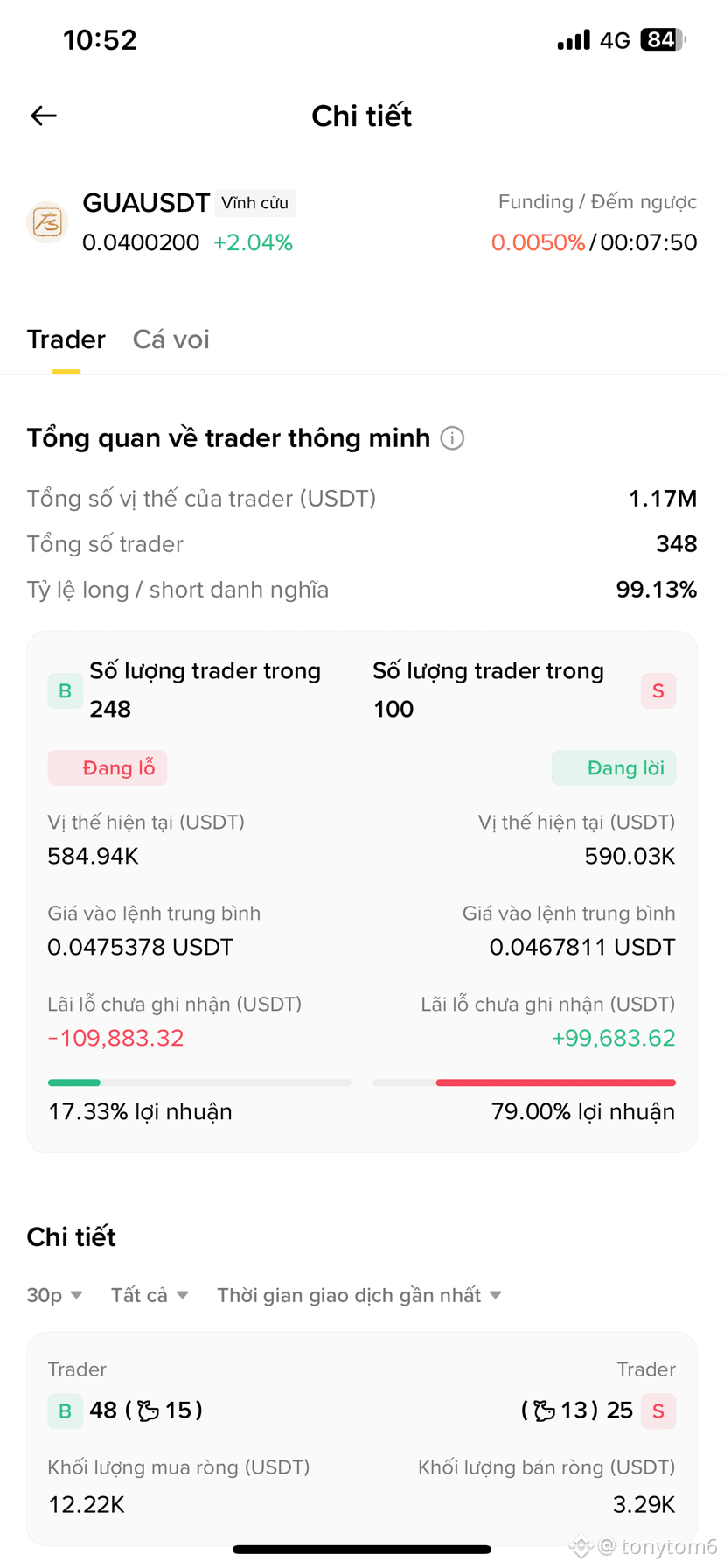
short $GUA gấp mai mở khoá rồi cho nó về lòng đất luôn $BTR $ARIA
{future}(ARIAUSDT)
{future}(BTRUSDT)
{future}(GUAUSDT)
short $GUA gấp mai mở khoá rồi cho nó về lòng đất luôn $BTR $ARIA
531
·
--
Übersetzung ansehen
$BTR $ARIA $AKE
#BTR Đang pump rất mạnh, khoảng 4x
* Không nên FOMO vùng $0.12–0.13
* Hỗ trợ đáng chú ý: $0.10 → $0.08 → $0.06–0.07
* Kháng cự: $0.14–0.15
* Còn unlock token, rủi ro xả cao
{future}(AKEUSDT)
{future}(ARIAUSDT)
{future}(BTRUSDT)
$BTR $ARIA $AKE
#BTR Đang pump rất mạnh, khoảng 4x
* Không nên FOMO vùng $0.12–0.13
* Hỗ trợ đáng chú ý: $0.10 → $0.08 → $0.06–0.07
* Kháng cự: $0.14–0.15
* Còn unlock token, rủi ro xả cao
#BTR Đang pump rất mạnh, khoảng 4x
* Không nên FOMO vùng $0.12–0.13
* Hỗ trợ đáng chú ý: $0.10 → $0.08 → $0.06–0.07
* Kháng cự: $0.14–0.15
* Còn unlock token, rủi ro xả cao
663
·
--
Übersetzung ansehen
chuẩn bị cho cơn sóng mới có thể sẽ là ....$BTC
{future}(BTCUSDT)
$ETH
{future}(ETHUSDT)
$BNB
{future}(BNBUSDT)
chuẩn bị cho cơn sóng mới có thể sẽ là ....
$BTC
$ETH
$BNB
$ETH
$BNB
117
·
--
Übersetzung ansehen
Có một điều tôi nhận ra khá muộn khi tìm hiểu : lending và borrowing thực ra không phải hai phía hoàn toàn tách biệt. Một bên muốn biết mình sẽ kiếm được bao nhiêu, bên còn lại muốn biết chính xác mình phải trả bao nhiêu, nhưng cả hai đều cần thanh khoản để vị thế có thể vận hành.
Vì vậy tôi bắt đầu quan tâm hơn đến cách TermMax xây dựng fixed-rate market thay vì chỉ nhìn vào mức yield. Nếu lãi suất cố định giúp người dùng dễ lập kế hoạch hơn nhưng đổi lại làm thanh khoản khó hơn, thì phần quan trọng nhất có lẽ nằm ở cách giao thức giải quyết sự đánh đổi đó.
Tôi chưa biết mô hình này sẽ hoạt động thế nào khi quy mô lớn hơn, nhưng đây chính xác là thứ khiến tôi muốn theo dõi TermMax lâu hơn. #TermMax @termmax
Có một điều tôi nhận ra khá muộn khi tìm hiểu : lending và borrowing thực ra không phải hai phía hoàn toàn tách biệt. Một bên muốn biết mình sẽ kiếm được bao nhiêu, bên còn lại muốn biết chính xác mình phải trả bao nhiêu, nhưng cả hai đều cần thanh khoản để vị thế có thể vận hành.
Vì vậy tôi bắt đầu quan tâm hơn đến cách TermMax xây dựng fixed-rate market thay vì chỉ nhìn vào mức yield. Nếu lãi suất cố định giúp người dùng dễ lập kế hoạch hơn nhưng đổi lại làm thanh khoản khó hơn, thì phần quan trọng nhất có lẽ nằm ở cách giao thức giải quyết sự đánh đổi đó.
Tôi chưa biết mô hình này sẽ hoạt động thế nào khi quy mô lớn hơn, nhưng đây chính xác là thứ khiến tôi muốn theo dõi TermMax lâu hơn. #TermMax @TermMax
Vì vậy tôi bắt đầu quan tâm hơn đến cách TermMax xây dựng fixed-rate market thay vì chỉ nhìn vào mức yield. Nếu lãi suất cố định giúp người dùng dễ lập kế hoạch hơn nhưng đổi lại làm thanh khoản khó hơn, thì phần quan trọng nhất có lẽ nằm ở cách giao thức giải quyết sự đánh đổi đó.
Tôi chưa biết mô hình này sẽ hoạt động thế nào khi quy mô lớn hơn, nhưng đây chính xác là thứ khiến tôi muốn theo dõi TermMax lâu hơn. #TermMax @TermMax
101
·
--
Übersetzung ansehen
Gần đây tôi tìm hiểu @termmax kỹ hơn và phần khiến tôi chú ý nhất là fixed rate lending. Tôi thích việc biết trước mức lãi và kỳ hạn của khoản vay vì nó giúp dễ tính toán kế hoạch vốn hơn. DeFi vốn biến động rất nhanh nên sự rõ ràng này khá có giá trị với tôi.
Tôi đang để ý cách xử lý thanh khoản thông qua Range Order AMM. Điều tôi quan tâm không phải chỉ là tính năng nghe hay trên giấy, mà là khi volume và số người dùng tăng thì cơ chế này hoạt động thực tế như thế nào. Đây có lẽ là thứ cần theo dõi lâu hơn.
Tôi khá tò mò về Vaults vì đây là phần gần với nhu cầu sử dụng thực tế hơn là chỉ đọc tài liệu. Khi gửi vốn vào một chiến lược yield, thứ tôi muốn biết là nguồn lợi nhuận đến từ đâu, rủi ro thế nào và hiệu suất có ổn định hay không.
#termMax @TermMax
Gần đây tôi tìm hiểu @TermMax kỹ hơn và phần khiến tôi chú ý nhất là fixed rate lending. Tôi thích việc biết trước mức lãi và kỳ hạn của khoản vay vì nó giúp dễ tính toán kế hoạch vốn hơn. DeFi vốn biến động rất nhanh nên sự rõ ràng này khá có giá trị với tôi.
Tôi đang để ý cách xử lý thanh khoản thông qua Range Order AMM. Điều tôi quan tâm không phải chỉ là tính năng nghe hay trên giấy, mà là khi volume và số người dùng tăng thì cơ chế này hoạt động thực tế như thế nào. Đây có lẽ là thứ cần theo dõi lâu hơn.
Tôi khá tò mò về Vaults vì đây là phần gần với nhu cầu sử dụng thực tế hơn là chỉ đọc tài liệu. Khi gửi vốn vào một chiến lược yield, thứ tôi muốn biết là nguồn lợi nhuận đến từ đâu, rủi ro thế nào và hiệu suất có ổn định hay không.
#termMax @TermMax
Tôi đang để ý cách xử lý thanh khoản thông qua Range Order AMM. Điều tôi quan tâm không phải chỉ là tính năng nghe hay trên giấy, mà là khi volume và số người dùng tăng thì cơ chế này hoạt động thực tế như thế nào. Đây có lẽ là thứ cần theo dõi lâu hơn.
Tôi khá tò mò về Vaults vì đây là phần gần với nhu cầu sử dụng thực tế hơn là chỉ đọc tài liệu. Khi gửi vốn vào một chiến lược yield, thứ tôi muốn biết là nguồn lợi nhuận đến từ đâu, rủi ro thế nào và hiệu suất có ổn định hay không.
#termMax @TermMax
79
·
--
Übersetzung ansehen
I kept thinking about one question after reading more about Babylon Trustless Bitcoin Vaults (TBV): why hasn’t Bitcoin adopted more advanced protection mechanisms if security has always been its biggest strength?
The answer might be simpler than I expected.
Every additional security feature usually comes with extra complexity. More recovery options, more policies, or more participants can make assets safer but they can also make the system harder for ordinary users to understand.
What I find interesting about TBV is that it doesn’t seem to treat security and usability as two completely separate goals. Instead, the design appears to focus on reducing unnecessary trust while keeping Bitcoin’s original security assumptions intact. That’s a difficult balance because the strongest security model isn’t always the easiest one to use in practice.
For me, the success of TBV won’t be measured by how many people talk about it today. It will depend on whether Bitcoin holders can actually use these protection mechanisms confidently without introducing new operational risks of their own.
That’s why I’m paying more attention to the design trade offs than the headline numbers. Infrastructure becomes valuable when it quietly solves real problems rather than simply adding new features.
I’m curious to see how @babylonlabs_io continues refining TBV as adoption grows. Sometimes the hardest part of building secure infrastructure isn’t adding more security it’s deciding what complexity should never reach the end user.
$BABY #baby @babylonlabs_io
I kept thinking about one question after reading more about Babylon Trustless Bitcoin Vaults (TBV): why hasn’t Bitcoin adopted more advanced protection mechanisms if security has always been its biggest strength?
The answer might be simpler than I expected.
Every additional security feature usually comes with extra complexity. More recovery options, more policies, or more participants can make assets safer but they can also make the system harder for ordinary users to understand.
What I find interesting about TBV is that it doesn’t seem to treat security and usability as two completely separate goals. Instead, the design appears to focus on reducing unnecessary trust while keeping Bitcoin’s original security assumptions intact. That’s a difficult balance because the strongest security model isn’t always the easiest one to use in practice.
For me, the success of TBV won’t be measured by how many people talk about it today. It will depend on whether Bitcoin holders can actually use these protection mechanisms confidently without introducing new operational risks of their own.
That’s why I’m paying more attention to the design trade offs than the headline numbers. Infrastructure becomes valuable when it quietly solves real problems rather than simply adding new features.
I’m curious to see how @BabylonLabs_io continues refining TBV as adoption grows. Sometimes the hardest part of building secure infrastructure isn’t adding more security it’s deciding what complexity should never reach the end user.
$BABY #baby @BabylonLabs_io
The answer might be simpler than I expected.
Every additional security feature usually comes with extra complexity. More recovery options, more policies, or more participants can make assets safer but they can also make the system harder for ordinary users to understand.
What I find interesting about TBV is that it doesn’t seem to treat security and usability as two completely separate goals. Instead, the design appears to focus on reducing unnecessary trust while keeping Bitcoin’s original security assumptions intact. That’s a difficult balance because the strongest security model isn’t always the easiest one to use in practice.
For me, the success of TBV won’t be measured by how many people talk about it today. It will depend on whether Bitcoin holders can actually use these protection mechanisms confidently without introducing new operational risks of their own.
That’s why I’m paying more attention to the design trade offs than the headline numbers. Infrastructure becomes valuable when it quietly solves real problems rather than simply adding new features.
I’m curious to see how @BabylonLabs_io continues refining TBV as adoption grows. Sometimes the hardest part of building secure infrastructure isn’t adding more security it’s deciding what complexity should never reach the end user.
$BABY #baby @BabylonLabs_io
70
·
--
Übersetzung ansehen
I spent some time reading about Babylon over the weekend, and one design choice kept coming back to my mind.
Most Bitcoin-related infrastructure starts by asking users to move their BTC somewhere else. Sometimes it’s wrapped, sometimes it’s locked behind another custody model, and sometimes it’s managed by a separate network of operators. That has almost become the default assumption in crypto.
Babylon seems to start from a different premise.
Instead of asking, “How can Bitcoin participate?”, it first asks, “How can Bitcoin participate without giving up the security model that made it valuable in the first place?”
That shift sounds small, but I think it changes how you evaluate the protocol. Rather than treating self-custody as a limitation to work around, Babylon appears to treat it as a design constraint that shouldn’t be compromised. From there, Trustless Bitcoin Vaults (TBV) become more than just another staking component—they represent an attempt to extend Bitcoin’s role while preserving the principles many BTC holders care about.
Of course, good design ideas still need to prove themselves in production. Security assumptions only matter if they continue to hold under real network activity and long-term adoption.
That’s probably why I’m following @babylonlabs_io more for its architecture than for its TVL. The numbers will change over time, but the underlying design decisions are what usually determine whether an infrastructure project can last.
What do you think is harder: building new functionality for Bitcoin, or building it without asking users to compromise on self-custody?
#baby $BABY @babylonlabs_io
I spent some time reading about Babylon over the weekend, and one design choice kept coming back to my mind.
Most Bitcoin-related infrastructure starts by asking users to move their BTC somewhere else. Sometimes it’s wrapped, sometimes it’s locked behind another custody model, and sometimes it’s managed by a separate network of operators. That has almost become the default assumption in crypto.
Babylon seems to start from a different premise.
Instead of asking, “How can Bitcoin participate?”, it first asks, “How can Bitcoin participate without giving up the security model that made it valuable in the first place?”
That shift sounds small, but I think it changes how you evaluate the protocol. Rather than treating self-custody as a limitation to work around, Babylon appears to treat it as a design constraint that shouldn’t be compromised. From there, Trustless Bitcoin Vaults (TBV) become more than just another staking component—they represent an attempt to extend Bitcoin’s role while preserving the principles many BTC holders care about.
Of course, good design ideas still need to prove themselves in production. Security assumptions only matter if they continue to hold under real network activity and long-term adoption.
That’s probably why I’m following @BabylonLabs_io more for its architecture than for its TVL. The numbers will change over time, but the underlying design decisions are what usually determine whether an infrastructure project can last.
What do you think is harder: building new functionality for Bitcoin, or building it without asking users to compromise on self-custody?
#baby $BABY @BabylonLabs_io
Most Bitcoin-related infrastructure starts by asking users to move their BTC somewhere else. Sometimes it’s wrapped, sometimes it’s locked behind another custody model, and sometimes it’s managed by a separate network of operators. That has almost become the default assumption in crypto.
Babylon seems to start from a different premise.
Instead of asking, “How can Bitcoin participate?”, it first asks, “How can Bitcoin participate without giving up the security model that made it valuable in the first place?”
That shift sounds small, but I think it changes how you evaluate the protocol. Rather than treating self-custody as a limitation to work around, Babylon appears to treat it as a design constraint that shouldn’t be compromised. From there, Trustless Bitcoin Vaults (TBV) become more than just another staking component—they represent an attempt to extend Bitcoin’s role while preserving the principles many BTC holders care about.
Of course, good design ideas still need to prove themselves in production. Security assumptions only matter if they continue to hold under real network activity and long-term adoption.
That’s probably why I’m following @BabylonLabs_io more for its architecture than for its TVL. The numbers will change over time, but the underlying design decisions are what usually determine whether an infrastructure project can last.
What do you think is harder: building new functionality for Bitcoin, or building it without asking users to compromise on self-custody?
#baby $BABY @BabylonLabs_io
53
·
--
Übersetzung ansehen
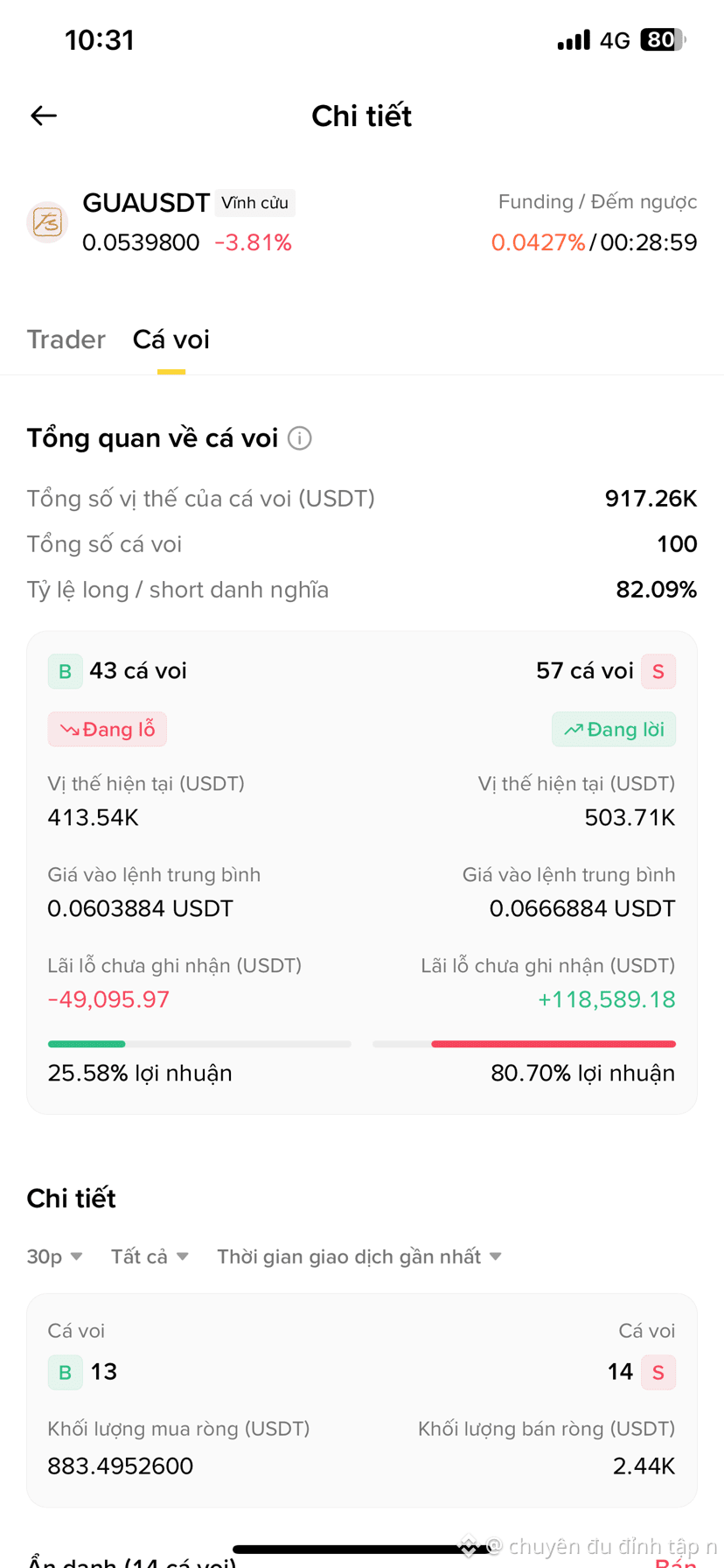
tình hình 2 bên căng bằng sức mạnh mọi người theo phe nào , tôi theo phe xanh và chờ thời gian trả lời , chắc tầm 1 2 tháng hãy chú ý
$GUA $ESPORTS $AKE
tình hình 2 bên căng bằng sức mạnh mọi người theo phe nào , tôi theo phe xanh và chờ thời gian trả lời , chắc tầm 1 2 tháng hãy chú ý
$GUA $ESPORTS $AKE
$GUA $ESPORTS $AKE
539
·
--
Übersetzung ansehen
I’ve been following the development of Babylon Trustless Bitcoin Vaults (TBV) because I’m interested in keeping Bitcoin secure without giving up self-custody. After reading the architecture and documentation, what stands out to me is the focus on reducing trust assumptions while giving users stronger protection against operational risks. This approach feels much closer to Bitcoin’s original philosophy than relying on centralized custody.
I also like that @babylonlabs_io is building infrastructure instead of chasing short-term hype. If TBV continues to mature and gains wider adoption, it could become an important building block for the Bitcoin ecosystem. I’m excited to keep following the progress and see how the technology develops over time.
#baby $BABY @babylonlabs_io
I’ve been following the development of Babylon Trustless Bitcoin Vaults (TBV) because I’m interested in keeping Bitcoin secure without giving up self-custody. After reading the architecture and documentation, what stands out to me is the focus on reducing trust assumptions while giving users stronger protection against operational risks. This approach feels much closer to Bitcoin’s original philosophy than relying on centralized custody.
I also like that @BabylonLabs_io is building infrastructure instead of chasing short-term hype. If TBV continues to mature and gains wider adoption, it could become an important building block for the Bitcoin ecosystem. I’m excited to keep following the progress and see how the technology develops over time.
#baby $BABY @BabylonLabs_io
I also like that @BabylonLabs_io is building infrastructure instead of chasing short-term hype. If TBV continues to mature and gains wider adoption, it could become an important building block for the Bitcoin ecosystem. I’m excited to keep following the progress and see how the technology develops over time.
#baby $BABY @BabylonLabs_io
68
·
--
Übersetzung ansehen
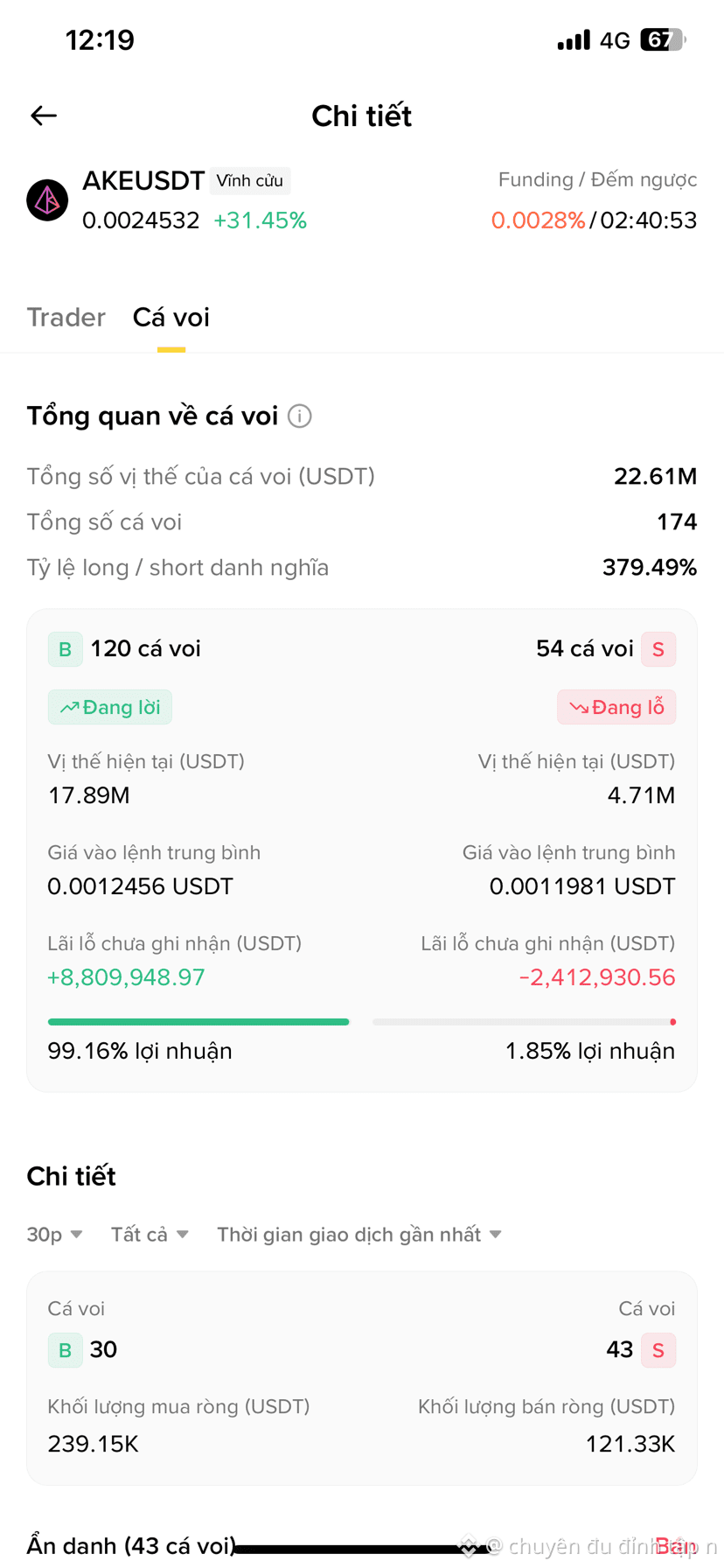
ake các bạn nghĩ xem cá nào sẽ thắng
$AKE $ESPORTS $GUA
ake các bạn nghĩ xem cá nào sẽ thắng
$AKE $ESPORTS $GUA
$AKE $ESPORTS $GUA
1
567
·
--
Übersetzung ansehen
After spending time learning about Babylon Trustless Bitcoin Vaults (TBV), I think the biggest advantage is how it lets Bitcoin holders secure their assets without relying on a trusted intermediary. Instead of giving up custody or depending on a centralized service, TBV introduces a model that keeps Bitcoin’s security assumptions intact while adding more flexibility for long-term holders.
What impressed me most is the focus on minimizing trust while maintaining transparency. As someone who values self-custody, I see TBV as a meaningful step toward making Bitcoin security more practical without sacrificing decentralization. I’m looking forward to seeing how this technology evolves and how @babylonlabs_io expands the ecosystem around it.
#baby $BABY @babylonlabs_io
After spending time learning about Babylon Trustless Bitcoin Vaults (TBV), I think the biggest advantage is how it lets Bitcoin holders secure their assets without relying on a trusted intermediary. Instead of giving up custody or depending on a centralized service, TBV introduces a model that keeps Bitcoin’s security assumptions intact while adding more flexibility for long-term holders.
What impressed me most is the focus on minimizing trust while maintaining transparency. As someone who values self-custody, I see TBV as a meaningful step toward making Bitcoin security more practical without sacrificing decentralization. I’m looking forward to seeing how this technology evolves and how @BabylonLabs_io expands the ecosystem around it.
#baby $BABY @BabylonLabs_io
What impressed me most is the focus on minimizing trust while maintaining transparency. As someone who values self-custody, I see TBV as a meaningful step toward making Bitcoin security more practical without sacrificing decentralization. I’m looking forward to seeing how this technology evolves and how @BabylonLabs_io expands the ecosystem around it.
#baby $BABY @BabylonLabs_io
73
·
--
Übersetzung ansehen
Bitcoin security is entering a new era with Trustless Bitcoin Vaults (TBV). By reducing trust assumptions while improving protection for BTC holders, TBV showcases how Bitcoin can evolve without compromising its core principles. Excited to see what @BabylonLabs_io is building for the future of decentralized Bitcoin infrastructure. $BABY #baby
Bitcoin security is entering a new era with Trustless Bitcoin Vaults (TBV). By reducing trust assumptions while improving protection for BTC holders, TBV showcases how Bitcoin can evolve without compromising its core principles. Excited to see what @BabylonLabs_io is building for the future of decentralized Bitcoin infrastructure. $BABY #baby
92
·
--
Übersetzung ansehen
#BinanceTurns9 Binance 9 tuổi - Do bạn kiến tạo , help me lv 8 hoàn thành tôi sẽ tặng hộp quà 5$
[https://www.binance.com/activity/binance-turns-9?ref=36962959](https://www.binance.com/activity/binance-turns-9?ref=36962959)
#BinanceTurns9 Binance 9 tuổi - Do bạn kiến tạo , help me lv 8 hoàn thành tôi sẽ tặng hộp quà 5$
https://www.binance.com/activity/binance-turns-9?ref=36962959
https://www.binance.com/activity/binance-turns-9?ref=36962959
1
·
--
Übersetzung ansehen
#BinanceTurns9 Binance 9 tuổi - Do bạn kiến tạo [https://www.binance.com/activity/binance-turns-9?ref=36962959](https://www.binance.com/activity/binance-turns-9?ref=36962959)
#BinanceTurns9 Binance 9 tuổi - Do bạn kiến tạo https://www.binance.com/activity/binance-turns-9?ref=36962959
·
--
Übersetzung ansehen
#grvt Trên Grvt, mỗi đô la đều làm được nhiều hơn.
Chúng tôi đang xây dựng một nền tảng nơi vốn có thể giao dịch, kiếm lợi suất từ các tài sản thực tế, và hoạt động hiệu quả hơn thông qua các sản phẩm tối ưu hóa vốn.
Cùng với @BinanceWallet, chúng tôi đang ra mắt Chiến dịch Booster.
🗓 10 tháng 7 năm 2026, 07:00 UTC - 17 tháng 7 năm 2026, 23:59 UTC
💰 1.500.000 token $GRVT, được phân phối vào ngày TGE
Không yêu cầu giao dịch. Không yêu cầu nạp tiền.
Cách tham gia 👇
1️⃣ Mở Binance Wallet → Khám phá → Booster
2️⃣ Hoàn thành các nhiệm vụ
3️⃣ Phần thưởng được mở khóa vào ngày TGE
#Grvt $GRVT
#grvt Trên Grvt, mỗi đô la đều làm được nhiều hơn.
Chúng tôi đang xây dựng một nền tảng nơi vốn có thể giao dịch, kiếm lợi suất từ các tài sản thực tế, và hoạt động hiệu quả hơn thông qua các sản phẩm tối ưu hóa vốn.
Cùng với @BinanceWallet, chúng tôi đang ra mắt Chiến dịch Booster.
🗓 10 tháng 7 năm 2026, 07:00 UTC - 17 tháng 7 năm 2026, 23:59 UTC
💰 1.500.000 token $GRVT, được phân phối vào ngày TGE
Không yêu cầu giao dịch. Không yêu cầu nạp tiền.
Cách tham gia 👇
1️⃣ Mở Binance Wallet → Khám phá → Booster
2️⃣ Hoàn thành các nhiệm vụ
3️⃣ Phần thưởng được mở khóa vào ngày TGE
#Grvt $GRVT
Chúng tôi đang xây dựng một nền tảng nơi vốn có thể giao dịch, kiếm lợi suất từ các tài sản thực tế, và hoạt động hiệu quả hơn thông qua các sản phẩm tối ưu hóa vốn.
Cùng với @BinanceWallet, chúng tôi đang ra mắt Chiến dịch Booster.
🗓 10 tháng 7 năm 2026, 07:00 UTC - 17 tháng 7 năm 2026, 23:59 UTC
💰 1.500.000 token $GRVT, được phân phối vào ngày TGE
Không yêu cầu giao dịch. Không yêu cầu nạp tiền.
Cách tham gia 👇
1️⃣ Mở Binance Wallet → Khám phá → Booster
2️⃣ Hoàn thành các nhiệm vụ
3️⃣ Phần thưởng được mở khóa vào ngày TGE
#Grvt $GRVT
81
·
--
Übersetzung ansehen
#BinanceTurns9 Binance 9 tuổi - Do bạn kiến tạo [nhanh](https://www.binance.com/activity/binance-turns-9?ref=36962959) [https://www.binance.com/activity/binance-turns-9?ref=36962959](https://www.binance.com/activity/binance-turns-9?ref=36962959)
#BinanceTurns9 Binance 9 tuổi - Do bạn kiến tạo nhanh https://www.binance.com/activity/binance-turns-9?ref=36962959
Anmelden und weiter Inhalte entdecken
Krypto-Nutzer weltweit auf Binance Square kennenlernen
⚡️ Bleib in Sachen Krypto stets am Puls.
💬 Die weltgrößte Kryptobörse vertraut darauf.
👍 Erhalte verlässliche Einblicke von verifizierten Creators.
E-Mail-Adresse/Telefonnummer
Trendthemen
SaylorHintsStrategyBitcoinBuy
2.2M Aufrufe
11,765 Kommentare
#SaylorHintsStrategyBitcoinBuy
Michael Saylor sendet erneut positive Signale zur Bitcoin-Strategie.
Doch neueste Daten zeigen, dass die Strategie in den letzten Wochen noch keinen Bitcoin gekauft hat. Per 13. September 2026 hält das Unternehmen weiterhin 845.050 BTC sowie rund 6,4 Mrd. USD in USD-basierten Vermögenswerten.
Statt BTC zu kaufen, allokiert die Strategie etwa 139 Mio. USD, um bevorzugte Aktien der STRC zurückzukaufen.
Was bedeutet das für den Markt?
🔹 Strategy hält weiterhin an seinem langfristigen Vertrauen in Bitcoin fest
🔹 Die USD-Reserven bieten Spielraum für den nächsten BTC-Kauf
🔹 Neue Käufe können ein bullischer Katalysator für die institutionelle Stimmung sein
🔹 Doch ein Hinweis ist nicht dasselbe wie ein bestätigter Kauf
Für den Moment muss der Markt zwischen Gerüchten über Akkumulation und offiziellen Einreichungen unterscheiden.
Warten Sie auf die Bestätigung – kaufen Sie nicht nur wegen einer Schlagzeile.
#Bitcoin #BTC #Strategy #MichaelSaylor
$BTC
XaliCoin
·1 Likes
·210 Aufrufe
BOJRaisesRatesTo31YearHigh
197,781 Aufrufe
2,892 Kommentare
BuffettStepsDownAsBerkshireChairman
96,821 Aufrufe
1,523 Kommentare