
ZurabR
30k Beiträge

ZurabR
Melden
Nutzer blockieren
Trade eröffnen
Gelegenheitstrader
4.4 Jahre
19.3K+ Following
3.8K+ Follower
10.5K+ Like gegeben
Beiträge
Portfolio
Alle
Zitierungen
Live
·
--
Bärisch
Übersetzung ansehen
#goodnews1
EU’s Costa revives digital tax plan to secure budget agreement
European Council President António Costa wants Big Tech to help pay for Europe’s next budget. On November 21, 2026, he put forward a new negotiating proposal for the EU’s Multiannual Financial Framework covering 2028 to 2034, and it comes with a fresh 3% digital levy attached.
A smaller budget with a new revenue stream
Costa’s proposal trims the overall budget by €204 billion. That is a 10.2% reduction from the European Commission’s original plan of approximately €2 trillion, which was published in July 2025.
The cut is aimed squarely at the so-called frugal member states, which have pushed for a leaner budget. On the other side are governments that want more spending on priorities like defense and competitiveness
To bridge that gap, Costa added a revenue sweetener. His proposed 3% digital levy would apply to large technology firms that generate significant revenue inside the EU.
The thresholds are specific. A company would need global turnover above €750 million and at least €50 million earned within the EU to fall under the tax.
The levy would hit three kinds of revenue: online advertising, digital intermediation services, and income tied to user-generated data.
It also replaces a more contentious idea. The new levy takes the place of the Corporate Resource for Europe concept, known as CORE, which had proved divisive.
How much money are we talking about
The levy is projected to raise around €5 billion annually. Some members of the European Parliament have floated higher projections.
Combined with other measures, the digital tax and related strategies could contribute up to approximately €60 billion each year.
Costa wants EU leaders to sign off on the budget package before the end of 2026, with a special summit planned for the week after his proposal landed
A tax idea with a long memory
Europe has been here before. The European Commission first proposed an EU-wide digital services tax in 2018.
#Write2Earn #BTC $BTC
{spot}(BTCUSDT)
#goodnews1
EU’s Costa revives digital tax plan to secure budget agreement
European Council President António Costa wants Big Tech to help pay for Europe’s next budget. On November 21, 2026, he put forward a new negotiating proposal for the EU’s Multiannual Financial Framework covering 2028 to 2034, and it comes with a fresh 3% digital levy attached.
A smaller budget with a new revenue stream
Costa’s proposal trims the overall budget by €204 billion. That is a 10.2% reduction from the European Commission’s original plan of approximately €2 trillion, which was published in July 2025.
The cut is aimed squarely at the so-called frugal member states, which have pushed for a leaner budget. On the other side are governments that want more spending on priorities like defense and competitiveness
To bridge that gap, Costa added a revenue sweetener. His proposed 3% digital levy would apply to large technology firms that generate significant revenue inside the EU.
The thresholds are specific. A company would need global turnover above €750 million and at least €50 million earned within the EU to fall under the tax.
The levy would hit three kinds of revenue: online advertising, digital intermediation services, and income tied to user-generated data.
It also replaces a more contentious idea. The new levy takes the place of the Corporate Resource for Europe concept, known as CORE, which had proved divisive.
How much money are we talking about
The levy is projected to raise around €5 billion annually. Some members of the European Parliament have floated higher projections.
Combined with other measures, the digital tax and related strategies could contribute up to approximately €60 billion each year.
Costa wants EU leaders to sign off on the budget package before the end of 2026, with a special summit planned for the week after his proposal landed
A tax idea with a long memory
Europe has been here before. The European Commission first proposed an EU-wide digital services tax in 2018.
#Write2Earn #BTC $BTC

5
88
·
--
Bärisch
#goodnews1
Neue US-Regeln für KI-Chips gegen China bedrohen Rechenzentren in Südostasien
Washington versucht seit Jahren zu verhindern, dass hochentwickelte KI-Chips physisch nach China gelangen. Wie sich herausstellt, mussten die Chips dafür gar nicht erst dorthin transportiert werden.
Am Montag erließ das US-Handelsministerium eine Regelung, die sich gegen chinesische Unternehmen richtet, die auf leistungsstarke KI-Hardware in Rechenzentren außerhalb Chinas zugreifen. Am stärksten trifft die Maßnahme Südostasien, eine Region, in der in rasantem Tempo Serverfarmen entstehen.
Was die neue Regelung tatsächlich bewirkt
Die Regelung stammt vom Bureau of Industry and Security (BIS) des Handelsministeriums. Es handelt sich um eine vorläufige endgültige Regelung, die voraussichtlich am 16. November 2026 in Kraft tritt.
Im Mittelpunkt steht der Fernzugriff. Ein chinesisches Unternehmen muss keinen Nvidia- oder AMD-Chip besitzen, um ihn zu nutzen. Es kann einfach Rechenleistung von einer Einrichtung im Ausland mieten und seine Workloads über das Internet ausführen.
Nach dem neuen Regelwerk benötigen Unternehmen, die hochentwickelte KI-Chips in fünf als „Hochrisikoländer“ eingestufte Staaten exportieren wollen, nun Ausfuhrgenehmigungen. Diese Länder sind Indonesien, Malaysia, Singapur, Thailand und Brasilien.
Die Regelung betrifft auch Rechenzentren unmittelbar. Jede Einrichtung, die chinesischen Unternehmen erhebliche Rechenleistung bereitstellt, benötigt eine Genehmigung und muss eine verstärkte Sorgfaltsprüfung durchführen, sobald sie einen Schwellenwert von insgesamt mehr als 12 Millionen TPP überschreitet.
Betreiber haben nach Inkrafttreten der Regelung 90 Tage Zeit, um die Vorgaben einzuhalten. Wer die Frist versäumt, muss möglicherweise mit künftigen Beschränkungen rechnen.
Es gibt eine bemerkenswerte Ausnahme. Betreiber mit Hauptsitz in den USA sind von bestimmten Genehmigungspflichten ausgenommen, müssen aber monatliche Compliance-Berichte einreichen.
Die Megaspeed-Affäre, die den Anstoß gab
Die Regelung ist größtenteils eine Reaktion auf den Skandal um Nvidia und Megaspeed, einen Rechenzentrumsbetreiber. Megaspeed gab zwischen 2023 und 2025 mindestens 4,6 Milliarden US-Dollar für Nvidia-Server aus.
Im Mittelpunkt der Kontroverse stehen Vorwürfe, Chips seien umgeleitet worden und wichtige chinesische Kunden, darunter Alibaba, hätten Fernzugriff auf Rechenleistung erhalten. Dabei handelt es sich um Vorwürfe, nicht um bestätigte Feststellungen. Sie reichten jedoch aus, um die Aufsichtsbehörden zum Handeln zu bewegen.#Write2Earn #BTC $BTC
{spot}(BTCUSDT)
#goodnews1
Neue US-Regeln für KI-Chips gegen China bedrohen Rechenzentren in Südostasien
Washington versucht seit Jahren zu verhindern, dass hochentwickelte KI-Chips physisch nach China gelangen. Wie sich herausstellt, mussten die Chips dafür gar nicht erst dorthin transportiert werden.
Am Montag erließ das US-Handelsministerium eine Regelung, die sich gegen chinesische Unternehmen richtet, die auf leistungsstarke KI-Hardware in Rechenzentren außerhalb Chinas zugreifen. Am stärksten trifft die Maßnahme Südostasien, eine Region, in der in rasantem Tempo Serverfarmen entstehen.
Was die neue Regelung tatsächlich bewirkt
Die Regelung stammt vom Bureau of Industry and Security (BIS) des Handelsministeriums. Es handelt sich um eine vorläufige endgültige Regelung, die voraussichtlich am 16. November 2026 in Kraft tritt.
Im Mittelpunkt steht der Fernzugriff. Ein chinesisches Unternehmen muss keinen Nvidia- oder AMD-Chip besitzen, um ihn zu nutzen. Es kann einfach Rechenleistung von einer Einrichtung im Ausland mieten und seine Workloads über das Internet ausführen.
Nach dem neuen Regelwerk benötigen Unternehmen, die hochentwickelte KI-Chips in fünf als „Hochrisikoländer“ eingestufte Staaten exportieren wollen, nun Ausfuhrgenehmigungen. Diese Länder sind Indonesien, Malaysia, Singapur, Thailand und Brasilien.
Die Regelung betrifft auch Rechenzentren unmittelbar. Jede Einrichtung, die chinesischen Unternehmen erhebliche Rechenleistung bereitstellt, benötigt eine Genehmigung und muss eine verstärkte Sorgfaltsprüfung durchführen, sobald sie einen Schwellenwert von insgesamt mehr als 12 Millionen TPP überschreitet.
Betreiber haben nach Inkrafttreten der Regelung 90 Tage Zeit, um die Vorgaben einzuhalten. Wer die Frist versäumt, muss möglicherweise mit künftigen Beschränkungen rechnen.
Es gibt eine bemerkenswerte Ausnahme. Betreiber mit Hauptsitz in den USA sind von bestimmten Genehmigungspflichten ausgenommen, müssen aber monatliche Compliance-Berichte einreichen.
Die Megaspeed-Affäre, die den Anstoß gab
Die Regelung ist größtenteils eine Reaktion auf den Skandal um Nvidia und Megaspeed, einen Rechenzentrumsbetreiber. Megaspeed gab zwischen 2023 und 2025 mindestens 4,6 Milliarden US-Dollar für Nvidia-Server aus.
Im Mittelpunkt der Kontroverse stehen Vorwürfe, Chips seien umgeleitet worden und wichtige chinesische Kunden, darunter Alibaba, hätten Fernzugriff auf Rechenleistung erhalten. Dabei handelt es sich um Vorwürfe, nicht um bestätigte Feststellungen. Sie reichten jedoch aus, um die Aufsichtsbehörden zum Handeln zu bewegen.#Write2Earn #BTC $BTC
6
205
·
--
Bärisch
Übersetzung ansehen
#goodnews1
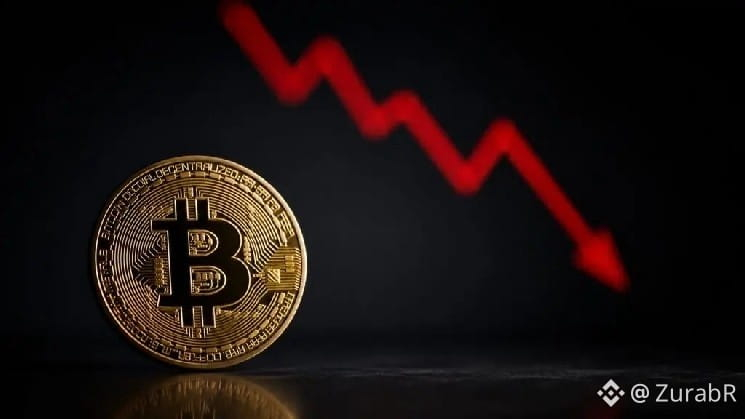
Bitcoin’s Decline Continues: Crypto Fear and Greed Index Drops to 6
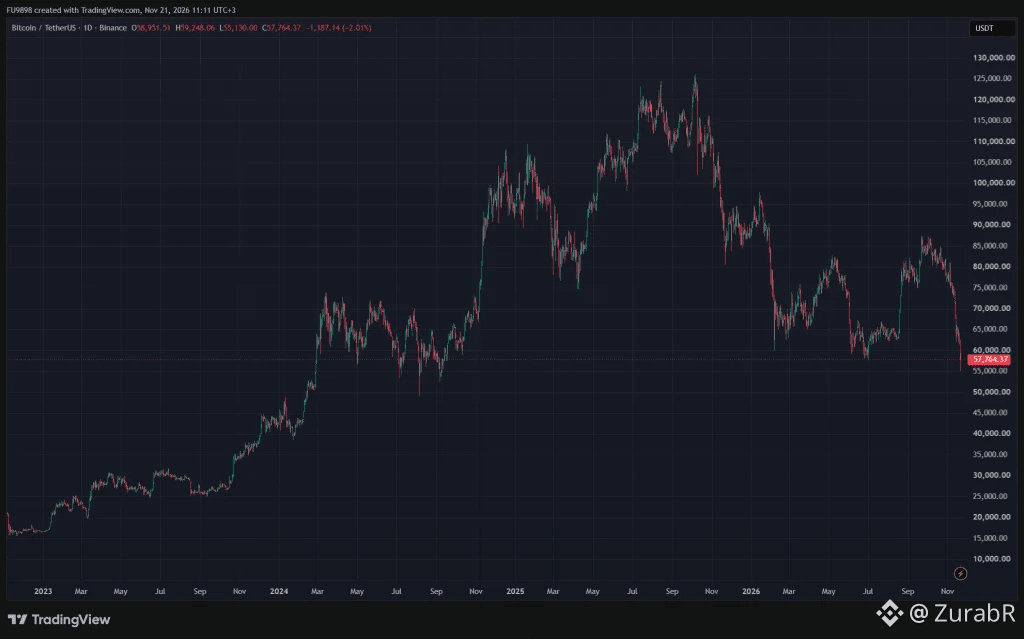
Selling pressure intensified in the cryptocurrency market as Bitcoin fell below $56,000. CoinMarketCap’s Fear and Greed Index dropped to 6 points, while Zcash’s daily loss reached 20 percent. Cardano returned to its price range of about six years ago, while the market capitalization of AI company Anthropic surpassed Btc.
Having lost the psychological threshold of $60,000 on Nov 20th, Btc fell below $56,000 in the early hours of November 21st, reaching its lowest levels since September 2024. Although it subsequently recovered to around the $58,000 region, the largest cryptocurrency remains more than 50% below its record high of over $126,000 reached in Oct 2025.
Fear Index Approaches February Low
CoinMarketCap’s Fear and Greed Index, which measures investor sentiment in the cryptocurrency market, has fallen to 6 out of 100. This leaves the indicator just one point above its low of 5 recorded on Feb 6th
This value in the “extreme fear” zone indicates that the price drop is accompanied by a loss of confidence across the market. However, the index alone does not mean that the sell-off has ended or that prices have bottomed out.
ETF Outflows and Interest Rate Expectations Increase Pressure
The decline in Btc coincides with a wave of selling in global markets. Losses in technology and AI stocks, rising real yields on US Treasury bonds, and expectations that the Fed may pursue tighter monetary policy are among the main factors suppressing demand for risky assets.
Outflows from spot Btc ETFs in the US also highlight weakness on the demand side. On November 19th, approximately $582 million was withdrawn from the funds, with a notable outflow of around $541 million from BlackRock’s IBIT fund.
Liquidations in leveraged trading accelerated the decline. Approximately $1.5 billion worth of cryptocurrency positions were liquidated during the sell-off on Nov 20th. The forced closure of long positions intensified selling pressure in the market#Write2Earn #BTC $BTC
{spot}(BTCUSDT)
#goodnews1
Bitcoin’s Decline Continues: Crypto Fear and Greed Index Drops to 6
Selling pressure intensified in the cryptocurrency market as Bitcoin fell below $56,000. CoinMarketCap’s Fear and Greed Index dropped to 6 points, while Zcash’s daily loss reached 20 percent. Cardano returned to its price range of about six years ago, while the market capitalization of AI company Anthropic surpassed Btc.
Having lost the psychological threshold of $60,000 on Nov 20th, Btc fell below $56,000 in the early hours of November 21st, reaching its lowest levels since September 2024. Although it subsequently recovered to around the $58,000 region, the largest cryptocurrency remains more than 50% below its record high of over $126,000 reached in Oct 2025.
Fear Index Approaches February Low
CoinMarketCap’s Fear and Greed Index, which measures investor sentiment in the cryptocurrency market, has fallen to 6 out of 100. This leaves the indicator just one point above its low of 5 recorded on Feb 6th
This value in the “extreme fear” zone indicates that the price drop is accompanied by a loss of confidence across the market. However, the index alone does not mean that the sell-off has ended or that prices have bottomed out.
ETF Outflows and Interest Rate Expectations Increase Pressure
The decline in Btc coincides with a wave of selling in global markets. Losses in technology and AI stocks, rising real yields on US Treasury bonds, and expectations that the Fed may pursue tighter monetary policy are among the main factors suppressing demand for risky assets.
Outflows from spot Btc ETFs in the US also highlight weakness on the demand side. On November 19th, approximately $582 million was withdrawn from the funds, with a notable outflow of around $541 million from BlackRock’s IBIT fund.
Liquidations in leveraged trading accelerated the decline. Approximately $1.5 billion worth of cryptocurrency positions were liquidated during the sell-off on Nov 20th. The forced closure of long positions intensified selling pressure in the market#Write2Earn #BTC $BTC
4
70
·
--
Bärisch
Übersetzung ansehen
#goodnews1
US Commerce Department closes cloud loophole that let Chinese firms rent AI chips
For years, US export controls worked like a bouncer who checked IDs at the front door and ignored the side entrance. Chinese companies couldn’t buy top-tier AI chips outright, but they could rent processing power from data centers sitting outside China.
On Monday, the US Commerce Department moved to shut that side door. The rule arrived largely in response to the Nvidia-Megaspeed saga, which put the gap in an uncomfortable spotlight.
What the new rule actually does
The Commerce Department’s Bureau of Industry and Security (BIS) issued the measure as an interim final rule on November 16, 2026. It is expected to be published soon in the Federal Register.
The core target is remote rental of advanced semiconductors. Until now, the controls focused on where physical chips were shipped, not on who was logging in to use them.
Under the new framework, data centers must obtain a license if they provide more than 12 million aggregate total processing performance to entities based in China, Macau, or certain other restricted jurisdictions. That threshold works out to approximately 760 Nvidia H100 GPUs.
Providers already serving these customers get a 90-day window to come into compliance.
The rule also leans heavily on due diligence. Data centers will need know-your-customer protocols, plus monthly reporting on licensed transactions.
Geography is part of the package too. Five countries—Indonesia, Malaysia, Singapore, Thailand, and Brazil—will now require licenses for exports of advanced AI chips because they are seen as carrying elevated risks of diversion.
The stated goal is to bring remote-access controls in line with the existing bans on physical exports.
How Megaspeed forced the issue
The trigger was a controversy involving Megaspeed, a Singapore-based cloud provider. The company was under investigation for alleged diversion or circumvention practices involving billions of dollars in Nvidia hardware#Write2Earn #NVIDIA $NVDA
{future}(NVDAUSDT)
#goodnews1
US Commerce Department closes cloud loophole that let Chinese firms rent AI chips
For years, US export controls worked like a bouncer who checked IDs at the front door and ignored the side entrance. Chinese companies couldn’t buy top-tier AI chips outright, but they could rent processing power from data centers sitting outside China.
On Monday, the US Commerce Department moved to shut that side door. The rule arrived largely in response to the Nvidia-Megaspeed saga, which put the gap in an uncomfortable spotlight.
What the new rule actually does
The Commerce Department’s Bureau of Industry and Security (BIS) issued the measure as an interim final rule on November 16, 2026. It is expected to be published soon in the Federal Register.
The core target is remote rental of advanced semiconductors. Until now, the controls focused on where physical chips were shipped, not on who was logging in to use them.
Under the new framework, data centers must obtain a license if they provide more than 12 million aggregate total processing performance to entities based in China, Macau, or certain other restricted jurisdictions. That threshold works out to approximately 760 Nvidia H100 GPUs.
Providers already serving these customers get a 90-day window to come into compliance.
The rule also leans heavily on due diligence. Data centers will need know-your-customer protocols, plus monthly reporting on licensed transactions.
Geography is part of the package too. Five countries—Indonesia, Malaysia, Singapore, Thailand, and Brazil—will now require licenses for exports of advanced AI chips because they are seen as carrying elevated risks of diversion.
The stated goal is to bring remote-access controls in line with the existing bans on physical exports.
How Megaspeed forced the issue
The trigger was a controversy involving Megaspeed, a Singapore-based cloud provider. The company was under investigation for alleged diversion or circumvention practices involving billions of dollars in Nvidia hardware#Write2Earn #NVIDIA $NVDA
4
187
·
--
Bärisch
#goodnews1
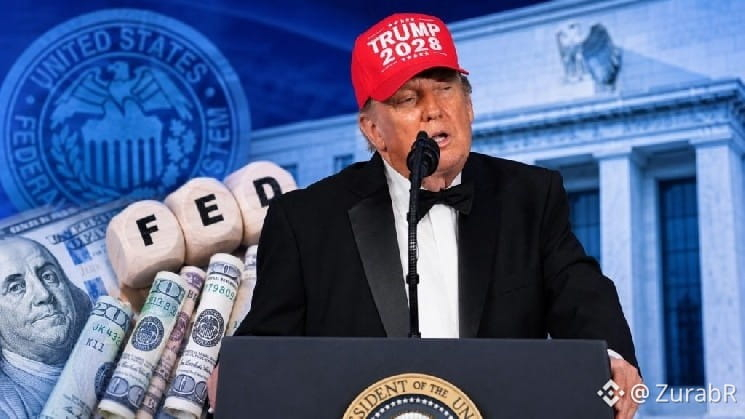
Trump kritisiert die Fed scharf: „Die Zinssätze sind zu hoch, und die Fed ist übermäßig politisiert“
US-Präsident Donald Trump nahm erneut die US-Notenbank (Fed) wegen ihrer Hochzinspolitik ins Visier. Trump behauptete, die Fed handle unter politischem Einfluss, und argumentierte, dass die Weigerung, die Zinssätze trotz der starken Entwicklung der US-Wirtschaft zu senken, das Wirtschaftswachstum hemme.
Auf einer Pressekonferenz, auf der er die Geldpolitik kommentierte, wiederholte Trump seine Kritik an der Unabhängigkeit der Fed und sagte, dass das aktuelle Zinsniveau zu hoch sei.
Trump erklärte: „Die Zinssätze sind zu hoch, weil wir eine extrem politisierte Zentralbank haben. Und ich mache dem Fed-Vorsitzenden keinen Vorwurf. Das Problem ist, dass die Institution selbst extrem politisiert ist.“
Trump: Zinserhöhungen trotz positiver Wirtschaftsdaten sind unlogisch
Trotz positiver Daten aus der US-Wirtschaft kritisierte Trump die Fed dafür, an ihrer straffen Geldpolitik festzuhalten. Er argumentierte, dass eine starke Wirtschaftsleistung normalerweise zu niedrigeren Kreditkosten führen sollte.
Trump erklärte, das Federal Open Market Committee (FOMC) habe auf positive Wirtschaftsindikatoren mit Zinserhöhungen reagiert, und sagte, dieser Ansatz schränke das Wachstumspotenzial des Landes ein.
Trump sagte: „Wenn man gute Ergebnisse erzielt, steigt die Kreditwürdigkeit. Wir tun das Gegenteil. Es ist, als würden wir versuchen, das Land zu zerstören. Wenn wir derart positive wirtschaftliche Ergebnisse erzielen, sollten sie die Zinssätze nicht erhöhen, sondern senken. Denn unsere Zahlungsfähigkeit ist höher.“
Verwandte Nachrichten Bitcoin fällt unter 60.000 US-Dollar: Analyse des Marktzyklus von Benjamin Cowen
Prognose: 20 % Wachstum der US-Wirtschaft
Ein weiterer bemerkenswerter Punkt in Trumps Aussagen war seine Einschätzung der potenziellen Wachstumsrate der US-Wirtschaft.
Trump behauptete, die US-Wirtschaft wachse derzeit um etwa 4 Prozent und könne mit einer angemessenen Geldpolitik ein Bruttoinlandsprodukt (BIP) von 15 bis 20 Prozent erreichen.
#Write2Earn #Fed #TRUMP #BTC $BTC
{spot}(BTCUSDT)
#goodnews1
Trump kritisiert die Fed scharf: „Die Zinssätze sind zu hoch, und die Fed ist übermäßig politisiert“
US-Präsident Donald Trump nahm erneut die US-Notenbank (Fed) wegen ihrer Hochzinspolitik ins Visier. Trump behauptete, die Fed handle unter politischem Einfluss, und argumentierte, dass die Weigerung, die Zinssätze trotz der starken Entwicklung der US-Wirtschaft zu senken, das Wirtschaftswachstum hemme.
Auf einer Pressekonferenz, auf der er die Geldpolitik kommentierte, wiederholte Trump seine Kritik an der Unabhängigkeit der Fed und sagte, dass das aktuelle Zinsniveau zu hoch sei.
Trump erklärte: „Die Zinssätze sind zu hoch, weil wir eine extrem politisierte Zentralbank haben. Und ich mache dem Fed-Vorsitzenden keinen Vorwurf. Das Problem ist, dass die Institution selbst extrem politisiert ist.“
Trump: Zinserhöhungen trotz positiver Wirtschaftsdaten sind unlogisch
Trotz positiver Daten aus der US-Wirtschaft kritisierte Trump die Fed dafür, an ihrer straffen Geldpolitik festzuhalten. Er argumentierte, dass eine starke Wirtschaftsleistung normalerweise zu niedrigeren Kreditkosten führen sollte.
Trump erklärte, das Federal Open Market Committee (FOMC) habe auf positive Wirtschaftsindikatoren mit Zinserhöhungen reagiert, und sagte, dieser Ansatz schränke das Wachstumspotenzial des Landes ein.
Trump sagte: „Wenn man gute Ergebnisse erzielt, steigt die Kreditwürdigkeit. Wir tun das Gegenteil. Es ist, als würden wir versuchen, das Land zu zerstören. Wenn wir derart positive wirtschaftliche Ergebnisse erzielen, sollten sie die Zinssätze nicht erhöhen, sondern senken. Denn unsere Zahlungsfähigkeit ist höher.“
Verwandte Nachrichten Bitcoin fällt unter 60.000 US-Dollar: Analyse des Marktzyklus von Benjamin Cowen
Prognose: 20 % Wachstum der US-Wirtschaft
Ein weiterer bemerkenswerter Punkt in Trumps Aussagen war seine Einschätzung der potenziellen Wachstumsrate der US-Wirtschaft.
Trump behauptete, die US-Wirtschaft wachse derzeit um etwa 4 Prozent und könne mit einer angemessenen Geldpolitik ein Bruttoinlandsprodukt (BIP) von 15 bis 20 Prozent erreichen.
#Write2Earn #Fed #TRUMP #BTC $BTC
3
94
·
--
Bärisch
Übersetzung ansehen
#goodnews1
Crypto Market Bloodbath: Bitcoin, Ethereum and XRP Crash Up to 10% as Bear Market Fears Grow
Bitcoin dropped below $56,000 on Saturday, and Ethereum and xrp fell with it. BTC is trading at $55,693, down 8.9% in a day and 16.2% in a week. Ethereum fell 10.1% to $1,543.23 and is down 17.9% for the week. xrp lost 8.2% to $0.8701 and is down 12.4% over seven days.
Liquidations Hit as Stocks Slide
When Bitcoin broke below $57,000, its lowest level since September 2024, about $400 million in long bets were wiped out in just 10 minutes. Close to $160 billion left the crypto market in 12 hours. US stocks had a rough week too. The Nasdaq 100 had its biggest weekly fall since the Covid crash in March 2020.
Other big coins fell just as hard:
BNB dropped 10% to $510.86 and is down 17.3% for the week.
Sol fell 9.1% to $65.32 and is down 13% for the week.
Tether and USD Coin stayed near $1.
Has the Bear Market Already Started?
Counted from Btc record high of about $126,198 in Oct 2025, the bear market is already about 409 days old. The 2013 to 2015 bear market ended after about 410 days, so a new low this week would make this one the longest in Btc history.
This drop has been shallower than earlier ones, though. Btc is down about 55% from its peak. Past bear markets took it down 76% to 85%. A 76% fall from the 2025 high would mean a price near $30,000. A fall as big as the 2013 to 2015 one would take it close to $20,000.
ETF Money Keeps Leaving
Spot Bitcoin ETFs lost about $300 million in one day and nearly $600 million the next. Apart from one flat day, money has flowed out of these funds for 10 trading days in a row. Btc miners are also said to be selling
What the Charts Show
Btc fall below $61,500 took it straight into the support zone of $58,000 to $56,000. It is now below that zone, and the next support area sits between $53,000 and $50,000. Large groups of leveraged positions sit near $56,000, $51,000 and $50,700, and those levels could pull the price lower#Write2Earn #BTC #ETH #xrp $BTC $ETH $XRP
{spot}(XRPUSDT)
{spot}(ETHUSDT)
{spot}(BTCUSDT)
#goodnews1
Crypto Market Bloodbath: Bitcoin, Ethereum and XRP Crash Up to 10% as Bear Market Fears Grow
Bitcoin dropped below $56,000 on Saturday, and Ethereum and xrp fell with it. BTC is trading at $55,693, down 8.9% in a day and 16.2% in a week. Ethereum fell 10.1% to $1,543.23 and is down 17.9% for the week. xrp lost 8.2% to $0.8701 and is down 12.4% over seven days.
Liquidations Hit as Stocks Slide
When Bitcoin broke below $57,000, its lowest level since September 2024, about $400 million in long bets were wiped out in just 10 minutes. Close to $160 billion left the crypto market in 12 hours. US stocks had a rough week too. The Nasdaq 100 had its biggest weekly fall since the Covid crash in March 2020.
Other big coins fell just as hard:
BNB dropped 10% to $510.86 and is down 17.3% for the week.
Sol fell 9.1% to $65.32 and is down 13% for the week.
Tether and USD Coin stayed near $1.
Has the Bear Market Already Started?
Counted from Btc record high of about $126,198 in Oct 2025, the bear market is already about 409 days old. The 2013 to 2015 bear market ended after about 410 days, so a new low this week would make this one the longest in Btc history.
This drop has been shallower than earlier ones, though. Btc is down about 55% from its peak. Past bear markets took it down 76% to 85%. A 76% fall from the 2025 high would mean a price near $30,000. A fall as big as the 2013 to 2015 one would take it close to $20,000.
ETF Money Keeps Leaving
Spot Bitcoin ETFs lost about $300 million in one day and nearly $600 million the next. Apart from one flat day, money has flowed out of these funds for 10 trading days in a row. Btc miners are also said to be selling
What the Charts Show
Btc fall below $61,500 took it straight into the support zone of $58,000 to $56,000. It is now below that zone, and the next support area sits between $53,000 and $50,000. Large groups of leveraged positions sit near $56,000, $51,000 and $50,700, and those levels could pull the price lower#Write2Earn #BTC #ETH #xrp $BTC $ETH $XRP

3
37
·
--
Bärisch
Übersetzung ansehen
#goodnews1
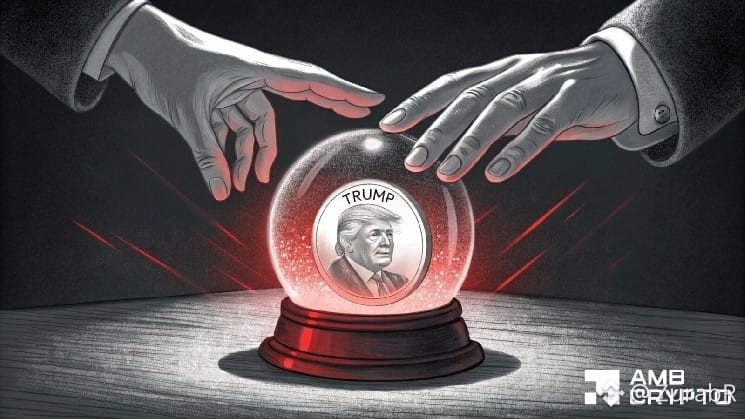
Why TRUMP memecoin faces THESE risks ahead of Donald Trump’s exclusive dinner
What exactly could keep investors from maintaining their conviction in $TRUMP?
For context, U.S. President Donald Trump is set to host an exclusive dinner for top holders of his $TRUMP memecoin on Sunday. The timing is interesting. Politically, the Democrats’ victory in the midterm elections adds another layer of uncertainty for trump holders. It could also increase scrutiny of Trump’s crypto-related ventures, making political developments an important factor to watch.
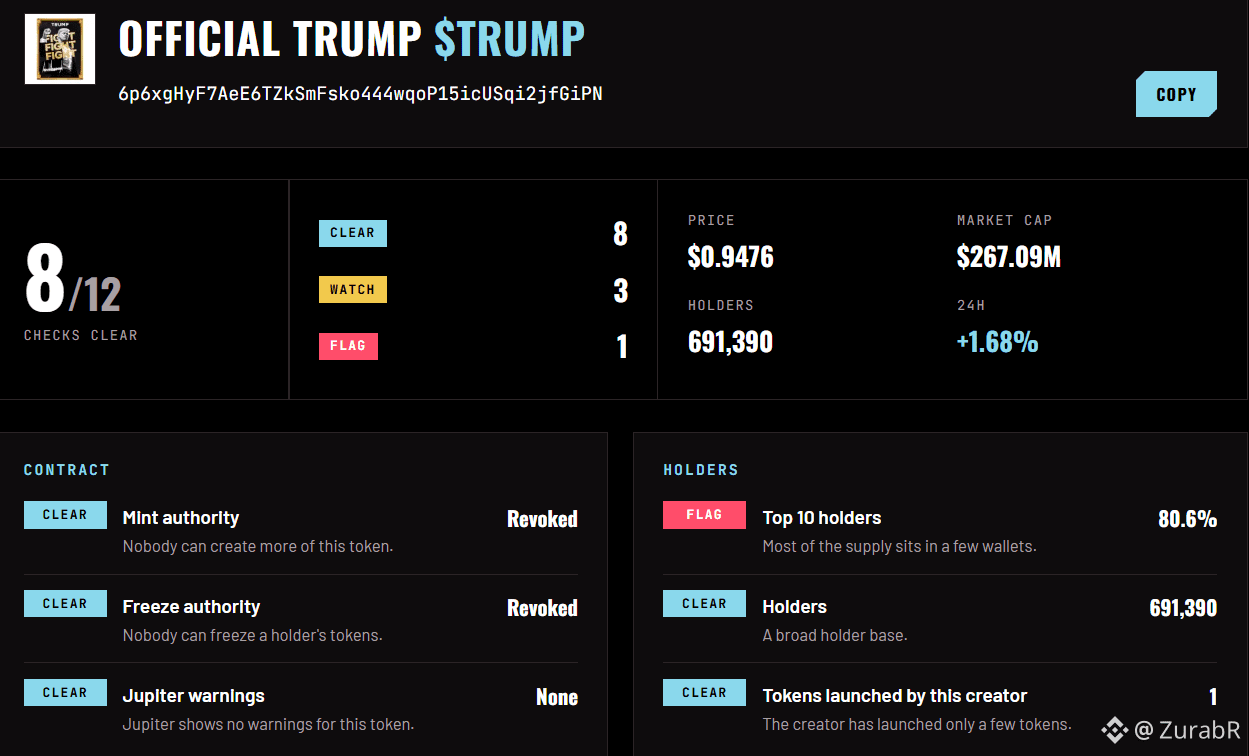
Another issue to note is that 10 wallets make up 80.6% of the overall token supply. So, while there are over 691k holders of $TRUMP, a large percentage of these tokens are concentrated within a few wallets.
Against this backdrop, it’s no surprise that President Trump is hosting this dinner.
The logic is simple: If any large holders (there are 10 holders holding >80% of $TRUMP) begin to sell $TRUMP, it may cause panic selling. This risk is increased as trump is already facing macroeconomic uncertainty.
So, is the dinner a “strategic” attempt to bring back interest in the memecoin?
$TRUMP’s oversold setup meets a weak market
The speculative capital in this cycle isn’t flowing into the memecoin market.
This marks a key difference from previous cycles, when investors often turned to memecoins during volatile market conditions to chase quick gains. But this time, the trend looks different. Despite broader market weakness, the memecoin market cap has continued to decline, with over $20 billion wiped out in Q4 so far.
But could President Trump’s dinner initiative change that? From a technical standpoint, $TRUMP is deeply oversold, trading 99% below its all-time high and recently breaking below the key $1 level. If the dinner sparks fresh momentum, traders could look to take advantage of these lower price levels ahead of the event#Write2Earn #TRUMP $TRUMP
{spot}(TRUMPUSDT)
#goodnews1
Why TRUMP memecoin faces THESE risks ahead of Donald Trump’s exclusive dinner
What exactly could keep investors from maintaining their conviction in $TRUMP ?
For context, U.S. President Donald Trump is set to host an exclusive dinner for top holders of his $TRUMP memecoin on Sunday. The timing is interesting. Politically, the Democrats’ victory in the midterm elections adds another layer of uncertainty for trump holders. It could also increase scrutiny of Trump’s crypto-related ventures, making political developments an important factor to watch.
Another issue to note is that 10 wallets make up 80.6% of the overall token supply. So, while there are over 691k holders of $TRUMP , a large percentage of these tokens are concentrated within a few wallets.
Against this backdrop, it’s no surprise that President Trump is hosting this dinner.
The logic is simple: If any large holders (there are 10 holders holding >80% of $TRUMP ) begin to sell $TRUMP , it may cause panic selling. This risk is increased as trump is already facing macroeconomic uncertainty.
So, is the dinner a “strategic” attempt to bring back interest in the memecoin?
$TRUMP ’s oversold setup meets a weak market
The speculative capital in this cycle isn’t flowing into the memecoin market.
This marks a key difference from previous cycles, when investors often turned to memecoins during volatile market conditions to chase quick gains. But this time, the trend looks different. Despite broader market weakness, the memecoin market cap has continued to decline, with over $20 billion wiped out in Q4 so far.
But could President Trump’s dinner initiative change that? From a technical standpoint, $TRUMP is deeply oversold, trading 99% below its all-time high and recently breaking below the key $1 level. If the dinner sparks fresh momentum, traders could look to take advantage of these lower price levels ahead of the event#Write2Earn #TRUMP $TRUMP
3
264
·
--
Bärisch
Übersetzung ansehen
#goodnews1
Bitcoin Price Slips Below $58K as $1.90B in Trades Are Wiped Out
Bitcoin fell below $58,000 on November 20 as U.S. technology stocks declined. The cryptocurrency touched $57,778.35 on Binance, slipping below its July 1 low of $57,800.19. It later recovered to $59,237.50 but remained down 4.37% over 24 hours.
CoinGlass reported $1.90 billion in crypto liquidations over 24 hours. Long positions accounted for approximately $1.73 billion, while short positions totaled $169.69 million. Bitcoin accounted for $735.75 million of the total crypto liquidations.
Crypto Market Value Falls to $2.05 Trillion
According to CoinGecko, the total cryptocurrency market capitalization fell 4.9% over 24 hours to $2.02 trillion. Ethereum declined 7.30%, while BNB lost 6.73%. XRP and Solana dropped approximately 5.5%.
Losses in artificial intelligence stocks helped push the Nasdaq Composite down 5.3%, erasing its gains for the year. A 3.7% drop left the S&P 500 more than 10% below its October record.
How Fed Rate Hike Bets Pressure Bitcoin Price
U.S. consumer prices rose 0.4% in October, according to the Bureau of Labor Statistics. Core inflation, which excludes food and energy, increased 0.3% for the third consecutive month. CME futures data showed an 89.6% probability of a 25-basis-point Federal Reserve rate hike in December.
Fed Governor Christopher Waller told CNBC on Nov. 18 that officials should consider a half-point increase in December. For a quarter-point move, he wanted policymakers to signal another hike in January.#Write2Earn #BTC $BTC
{spot}(BTCUSDT)
#goodnews1
Bitcoin Price Slips Below $58K as $1.90B in Trades Are Wiped Out
Bitcoin fell below $58,000 on November 20 as U.S. technology stocks declined. The cryptocurrency touched $57,778.35 on Binance, slipping below its July 1 low of $57,800.19. It later recovered to $59,237.50 but remained down 4.37% over 24 hours.
CoinGlass reported $1.90 billion in crypto liquidations over 24 hours. Long positions accounted for approximately $1.73 billion, while short positions totaled $169.69 million. Bitcoin accounted for $735.75 million of the total crypto liquidations.
Crypto Market Value Falls to $2.05 Trillion
According to CoinGecko, the total cryptocurrency market capitalization fell 4.9% over 24 hours to $2.02 trillion. Ethereum declined 7.30%, while BNB lost 6.73%. XRP and Solana dropped approximately 5.5%.
Losses in artificial intelligence stocks helped push the Nasdaq Composite down 5.3%, erasing its gains for the year. A 3.7% drop left the S&P 500 more than 10% below its October record.
How Fed Rate Hike Bets Pressure Bitcoin Price
U.S. consumer prices rose 0.4% in October, according to the Bureau of Labor Statistics. Core inflation, which excludes food and energy, increased 0.3% for the third consecutive month. CME futures data showed an 89.6% probability of a 25-basis-point Federal Reserve rate hike in December.
Fed Governor Christopher Waller told CNBC on Nov. 18 that officials should consider a half-point increase in December. For a quarter-point move, he wanted policymakers to signal another hike in January.#Write2Earn #BTC $BTC

1
30
·
--
Bärisch
#goodnews1
QCP nennt drei Bedingungen für eine Erholung von Bitcoin: Der Druck durch die Fed und Japan nimmt zu
QCP Capital erklärte, dass eine nachhaltige Erholung von Bitcoin eine Stabilisierung der Technologieaktien, einen Rückgang der Zinsschwankungen und eine erneute Zunahme der institutionellen Kapitalzuflüsse voraussetzt. In seinem heute, am 20. November, veröffentlichten Bericht merkte das Unternehmen an, dass der S&P 500 sechs Handelssitzungen in Folge gefallen ist und mehr als 8 % unter seinem jüngsten Höchststand liegt.
Laut QCP beschränkt sich der Ausverkauf nicht auf überteuerte Technologieaktien; Anleger reduzieren das Risiko in ihren gesamten Portfolios. Die zunehmende Fremdfinanzierung der KI-Infrastruktur könnte in einem Umfeld schwachen Anlegerinteresses die Finanzierungskosten in die Höhe treiben.
Verwandte Nachrichten Saylor: „Das einzige Szenario, das unsere Strategie gefährden könnte, ist ein Bitcoin-Kurs von null“
Dem Bericht zufolge lag die Wahrscheinlichkeit einer Zinserhöhung um 25 Basispunkte bei der Fed-Sitzung im Dezember auf Polymarket bei etwa 92,5 Prozent. Eine Zinserhöhung der Bank of Japan im Dezember wurde mit einer Wahrscheinlichkeit von etwa 86 Prozent eingepreist.
QCP erklärte, dass der Anstieg der Kerninflation in Japan auf 2,2 % die Aufnahme von Krediten in günstigen Yen und Investitionen in andere Vermögenswerte erschweren könnte. Nach Angaben des Unternehmens setzen Aktienverkäufe, verschärfte Finanzierungsbedingungen und der Abbau gehebelter Positionen Bitcoin unter Druck. Damit die durch das Schließen von Short-Positionen ausgelösten Erholungen in einen nachhaltigen Anstieg übergehen können, muss dieser Druck nachlassen.#Write2Earn #BTC $BTC
{spot}(BTCUSDT)
#goodnews1
QCP nennt drei Bedingungen für eine Erholung von Bitcoin: Der Druck durch die Fed und Japan nimmt zu
QCP Capital erklärte, dass eine nachhaltige Erholung von Bitcoin eine Stabilisierung der Technologieaktien, einen Rückgang der Zinsschwankungen und eine erneute Zunahme der institutionellen Kapitalzuflüsse voraussetzt. In seinem heute, am 20. November, veröffentlichten Bericht merkte das Unternehmen an, dass der S&P 500 sechs Handelssitzungen in Folge gefallen ist und mehr als 8 % unter seinem jüngsten Höchststand liegt.
Laut QCP beschränkt sich der Ausverkauf nicht auf überteuerte Technologieaktien; Anleger reduzieren das Risiko in ihren gesamten Portfolios. Die zunehmende Fremdfinanzierung der KI-Infrastruktur könnte in einem Umfeld schwachen Anlegerinteresses die Finanzierungskosten in die Höhe treiben.
Verwandte Nachrichten Saylor: „Das einzige Szenario, das unsere Strategie gefährden könnte, ist ein Bitcoin-Kurs von null“
Dem Bericht zufolge lag die Wahrscheinlichkeit einer Zinserhöhung um 25 Basispunkte bei der Fed-Sitzung im Dezember auf Polymarket bei etwa 92,5 Prozent. Eine Zinserhöhung der Bank of Japan im Dezember wurde mit einer Wahrscheinlichkeit von etwa 86 Prozent eingepreist.
QCP erklärte, dass der Anstieg der Kerninflation in Japan auf 2,2 % die Aufnahme von Krediten in günstigen Yen und Investitionen in andere Vermögenswerte erschweren könnte. Nach Angaben des Unternehmens setzen Aktienverkäufe, verschärfte Finanzierungsbedingungen und der Abbau gehebelter Positionen Bitcoin unter Druck. Damit die durch das Schließen von Short-Positionen ausgelösten Erholungen in einen nachhaltigen Anstieg übergehen können, muss dieser Druck nachlassen.#Write2Earn #BTC $BTC
1
3
206
·
--
Bärisch
Übersetzung ansehen
#goodnews1
Spot XRP ETFs Face Worst Month on Record With $25.79 Million November Outflows
US-listed spot @Ripple-linked $XRP exchange-traded funds are on course for their weakest month since launching in November 2025, as redemptions pile up alongside a slide in the token's price.
Until now, the products have recorded only one month of net outflows. That came in March 2026, when the funds shed $31.16 million, according to data from SoSoValue cited by KuCoin News. November has already seen outflows of $25.79 million. If withdrawals continue at the current pace, the month would overtake March as the worst on record for the funds.
Outflows Build as $XRP Falls Below $1
The pressure has intensified in recent weeks. US spot xrp ETFs lost $19.13 million in the week ending November 13, their largest weekly outflow in eight months, as xrp slipped below $1.00. It was the second straight week of withdrawals.
The biggest single-day outflow in that stretch was $10.42 million on November 9, the highest since early March. Investors pulled another $7.62 million the next day. Grayscale's xrp Trust (GXRP) accounted for the largest share of the weekly withdrawals at $12.71 million, followed by the Bitwise xrp ETF at $9.40 million, according to Bitcoin.com News.
Outflows continued on November 17, when the funds recorded a net outflow of $6.14 million. The Canary xrp ETF (XRPC) led with $5.01 million in redemptions, while GXRP saw $1.12 million exit, per SoSoValue data reported by KuCoin News.
Cumulative Inflows Remain Positive
Despite the recent withdrawals, the funds retain a large cushion from earlier demand. Cumulative net inflows stood at about $1.78 billion as of November 17, with total net assets of roughly $1.08 billion. Net assets fell about 14% in the week to November 13, mostly because of lower market valuations rather than redemptions, KuCoin's analysis of the data showed#Write2Earn #xrp $XRP
{spot}(XRPUSDT)
#goodnews1
Spot XRP ETFs Face Worst Month on Record With $25.79 Million November Outflows
US-listed spot @Ripple-linked $XRP exchange-traded funds are on course for their weakest month since launching in November 2025, as redemptions pile up alongside a slide in the token's price.
Until now, the products have recorded only one month of net outflows. That came in March 2026, when the funds shed $31.16 million, according to data from SoSoValue cited by KuCoin News. November has already seen outflows of $25.79 million. If withdrawals continue at the current pace, the month would overtake March as the worst on record for the funds.
Outflows Build as $XRP Falls Below $1
The pressure has intensified in recent weeks. US spot xrp ETFs lost $19.13 million in the week ending November 13, their largest weekly outflow in eight months, as xrp slipped below $1.00. It was the second straight week of withdrawals.
The biggest single-day outflow in that stretch was $10.42 million on November 9, the highest since early March. Investors pulled another $7.62 million the next day. Grayscale's xrp Trust (GXRP) accounted for the largest share of the weekly withdrawals at $12.71 million, followed by the Bitwise xrp ETF at $9.40 million, according to Bitcoin.com News.
Outflows continued on November 17, when the funds recorded a net outflow of $6.14 million. The Canary xrp ETF (XRPC) led with $5.01 million in redemptions, while GXRP saw $1.12 million exit, per SoSoValue data reported by KuCoin News.
Cumulative Inflows Remain Positive
Despite the recent withdrawals, the funds retain a large cushion from earlier demand. Cumulative net inflows stood at about $1.78 billion as of November 17, with total net assets of roughly $1.08 billion. Net assets fell about 14% in the week to November 13, mostly because of lower market valuations rather than redemptions, KuCoin's analysis of the data showed#Write2Earn #xrp $XRP

2
31
·
--
Bärisch
Übersetzung ansehen
#goodnews1
Sei Network Staking Ratio Reaches 41% of SEI Circulating Supply
About 41% of the circulating supply of $SEI, the native token of @SeiNetwork, is now staked on the network, according to data published by @Coinbase. The same data puts the estimated reward rate at just over 4% a year.
Staking Data Shows Four in Ten $SEI Tokens Locked
Coinbase's staking page for Sei lists a staking ratio of 41.10%, with an estimated reward rate of 4.05% APY. The same page shows about 3.2 billion seitokens staked. Another regional version of the page shows a ratio of 41.20% and an APY of 4.04%, so the exact figures move slightly from one snapshot to the next.
The page also states that Sei staking is not supported on Coinbase itself, although the token is available to trade there. The figures should therefore be read as network-wide staking statistics rather than a measure of activity on the exchange.
The data also points to a lower reward rate than in earlier snapshots. Other regional versions of the Coinbase page have shown estimated rates of between roughly 6% and 7%, alongside staking ratios of between 36% and 44%. Because the numbers are snapshots, they change as users stake and unstake tokens, and different data providers may report slightly different figures.
How Sei Staking and Unbonding Work
Sei is secured by a Delegated Proof-of-Stake (DPoS) consensus mechanism. According to the Sei whitepaper as published by OKX, the network is layered on top of the Tendermint Byzantine Fault-Tolerant consensus engine. Token holders can delegate their seito validators or run their own validator node.
Staking comes with a liquidity trade-off. Under the official Sei documentation, undelegating staked $SEI starts a 21-day unbonding period. During that time the tokens do not earn rewards and cannot be transferred. After the period ends, the tokens return to the delegator's wallet.
#Write2Earn #Sei $SEI
{spot}(SEIUSDT)
#goodnews1
Sei Network Staking Ratio Reaches 41% of SEI Circulating Supply
About 41% of the circulating supply of $SEI , the native token of @SeiNetwork, is now staked on the network, according to data published by @Coinbase. The same data puts the estimated reward rate at just over 4% a year.
Staking Data Shows Four in Ten $SEI Tokens Locked
Coinbase's staking page for Sei lists a staking ratio of 41.10%, with an estimated reward rate of 4.05% APY. The same page shows about 3.2 billion seitokens staked. Another regional version of the page shows a ratio of 41.20% and an APY of 4.04%, so the exact figures move slightly from one snapshot to the next.
The page also states that Sei staking is not supported on Coinbase itself, although the token is available to trade there. The figures should therefore be read as network-wide staking statistics rather than a measure of activity on the exchange.
The data also points to a lower reward rate than in earlier snapshots. Other regional versions of the Coinbase page have shown estimated rates of between roughly 6% and 7%, alongside staking ratios of between 36% and 44%. Because the numbers are snapshots, they change as users stake and unstake tokens, and different data providers may report slightly different figures.
How Sei Staking and Unbonding Work
Sei is secured by a Delegated Proof-of-Stake (DPoS) consensus mechanism. According to the Sei whitepaper as published by OKX, the network is layered on top of the Tendermint Byzantine Fault-Tolerant consensus engine. Token holders can delegate their seito validators or run their own validator node.
Staking comes with a liquidity trade-off. Under the official Sei documentation, undelegating staked $SEI starts a 21-day unbonding period. During that time the tokens do not earn rewards and cannot be transferred. After the period ends, the tokens return to the delegator's wallet.
#Write2Earn #Sei $SEI

1
4
101
·
--
Bärisch
Übersetzung ansehen
#goodnews1
Ether Slides Near $1,550, Down About 35% in Four Weeks
Ether slid to about $1,550 late Friday, taking its loss over roughly four weeks to about 35% and exceeding bitcoin's decline during a broad retreat in major cryptoassets.
CoinGecko quoted $ETH at $1,550.30 at 11:46 p.m. ET on Nov. 20, down from about $2,380 at midnight ET on Oct. 24. Bitcoin lost about 31% over the identical window.
Ether lagged bitcoin over both the one- and four-week comparisons. The decline extends the retreat documented in The Defiant's earlier report, which recorded ether trading below $1,900.
Ether Underperforms Bitcoin
The selling extended beyond the two assets. CoinGecko's market snapshot showed Solana down 8.9%, BNB down 9.7% and Hyperliquid down 13.5% over 24 hours at the same timestamp.
For DeFi borrowers who pledged $ETH against dollar-denominated loans, a lower ether price erodes the collateral buffer even if the debt is unchanged. On lending protocol Aave, a position becomes eligible for liquidation when its health factor — a measure of collateral coverage — falls below 1, according to its documentation. Liquidators repay debt and receive collateral plus a bonus.
U.S. ether exchange-traded funds also recorded net withdrawals totaling $208.5 million across the four sessions from Nov. 16 through Nov. 19, according to Farside Investors' tally and The Defiant's calculations. A small net inflow on Nov. 13 had interrupted the earlier outflow streak. Those flows alone do not establish the cause of ether's decline.
The Nov. 20 ETF tally remained incomplete, with entries missing for BlackRock's two funds and Fidelity's fund.#Write2Earn #ETH $ETH
{spot}(ETHUSDT)
#goodnews1
Ether Slides Near $1,550, Down About 35% in Four Weeks
Ether slid to about $1,550 late Friday, taking its loss over roughly four weeks to about 35% and exceeding bitcoin's decline during a broad retreat in major cryptoassets.
CoinGecko quoted $ETH at $1,550.30 at 11:46 p.m. ET on Nov. 20, down from about $2,380 at midnight ET on Oct. 24. Bitcoin lost about 31% over the identical window.
Ether lagged bitcoin over both the one- and four-week comparisons. The decline extends the retreat documented in The Defiant's earlier report, which recorded ether trading below $1,900.
Ether Underperforms Bitcoin
The selling extended beyond the two assets. CoinGecko's market snapshot showed Solana down 8.9%, BNB down 9.7% and Hyperliquid down 13.5% over 24 hours at the same timestamp.
For DeFi borrowers who pledged $ETH against dollar-denominated loans, a lower ether price erodes the collateral buffer even if the debt is unchanged. On lending protocol Aave, a position becomes eligible for liquidation when its health factor — a measure of collateral coverage — falls below 1, according to its documentation. Liquidators repay debt and receive collateral plus a bonus.
U.S. ether exchange-traded funds also recorded net withdrawals totaling $208.5 million across the four sessions from Nov. 16 through Nov. 19, according to Farside Investors' tally and The Defiant's calculations. A small net inflow on Nov. 13 had interrupted the earlier outflow streak. Those flows alone do not establish the cause of ether's decline.
The Nov. 20 ETF tally remained incomplete, with entries missing for BlackRock's two funds and Fidelity's fund.#Write2Earn #ETH $ETH

4
140
·
--
Bärisch
Übersetzung ansehen
#goodnews1
Twenty One Capital expands Bitcoin stash to 43,841 BTC after latest buys
Twenty One recently scooped up 172.25 $BTC for approximately $10 million. The purchase comes less than a week after the firm made another major Bitcoin acquisition, committing approximately $10 million to the investment. Now, the company holds about 43,841 $BTC.
“We purchased another $10 million of Bitcoin today, bringing our purchases this week to $20 million,” noted Rapha Zagury, Chief Executive Officer.
Twenty One bought 154.32 $BTC on November 16
The company’s November 16 purchase saw it acquire 154.32 $BTC, with each coin averaging $64,801. On November 20, it secured a larger amount of Bitcoin with an almost identical outlay. It bought each coin for about $58,054.
Both acquisitions, however, have happened against a backdrop of market uncertainty and turbulence. Nonetheless, Zagruy pointed out that market dips are nothing new for Bitcoin, calling them a solid opportunity for anyone playing the long game.
He stressed that Twenty One is very intentional about when it buys, noting the recent pullback was the right moment to put cash to work as they continue building with discipline and conviction.
When the firm made the earlier deal, he contended, “Bitcoin is our benchmark for every investment decision we make. Any business we acquire has to beat simply buying more Bitcoin, and this weekend’s drop in price made adding Bitcoin an easy decision.”
In an earlier November 13 shareholder letter, the company also outlined its plans to build cash-generating businesses around its Bitcoin treasury. It contended it’s targeting ventures capable of generating surplus cash after meeting their operating expenses, reinvestment requirements, and financing obligations.
The strategy shows where Bitcoin treasury companies are challenged. Holding large amounts of Bitcoin exposes them directly to price movements but doesn’t automatically generate recurring income to cover operating expenses and debt obligations.
#Write2Earn #BTC $BTC
{spot}(BTCUSDT)
#goodnews1
Twenty One Capital expands Bitcoin stash to 43,841 BTC after latest buys
Twenty One recently scooped up 172.25 $BTC for approximately $10 million. The purchase comes less than a week after the firm made another major Bitcoin acquisition, committing approximately $10 million to the investment. Now, the company holds about 43,841 $BTC .
“We purchased another $10 million of Bitcoin today, bringing our purchases this week to $20 million,” noted Rapha Zagury, Chief Executive Officer.
Twenty One bought 154.32 $BTC on November 16
The company’s November 16 purchase saw it acquire 154.32 $BTC , with each coin averaging $64,801. On November 20, it secured a larger amount of Bitcoin with an almost identical outlay. It bought each coin for about $58,054.
Both acquisitions, however, have happened against a backdrop of market uncertainty and turbulence. Nonetheless, Zagruy pointed out that market dips are nothing new for Bitcoin, calling them a solid opportunity for anyone playing the long game.
He stressed that Twenty One is very intentional about when it buys, noting the recent pullback was the right moment to put cash to work as they continue building with discipline and conviction.
When the firm made the earlier deal, he contended, “Bitcoin is our benchmark for every investment decision we make. Any business we acquire has to beat simply buying more Bitcoin, and this weekend’s drop in price made adding Bitcoin an easy decision.”
In an earlier November 13 shareholder letter, the company also outlined its plans to build cash-generating businesses around its Bitcoin treasury. It contended it’s targeting ventures capable of generating surplus cash after meeting their operating expenses, reinvestment requirements, and financing obligations.
The strategy shows where Bitcoin treasury companies are challenged. Holding large amounts of Bitcoin exposes them directly to price movements but doesn’t automatically generate recurring income to cover operating expenses and debt obligations.
#Write2Earn #BTC $BTC
5
82
·
--
#goodnews1
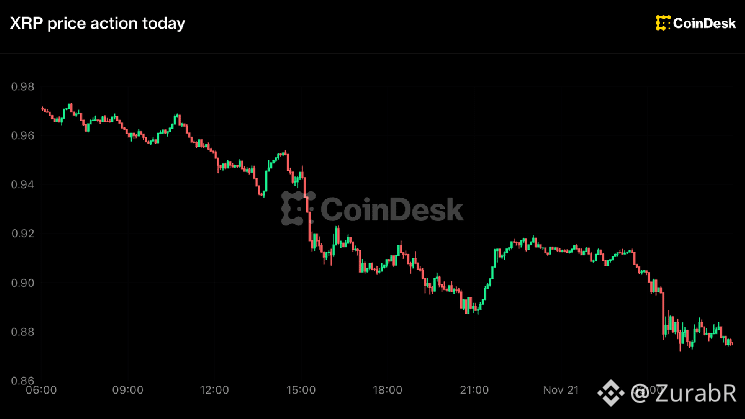
XRP fällt um 10 %, da Long-Positionen aufgelöst werden und das ETF-Vermögen unter 1 Milliarde US-Dollar sinkt
XRP setzte seinen starken Rückgang fort. Der Token fiel dadurch unter seine vorherigen Tiefststände vom November, während gehebelte Trader hohe Verluste verkraften mussten.
Der auf Zahlungsverkehr ausgerichtete Token notierte am späten Samstagvormittag in Asien bei etwa 87 Cent und lag damit laut Marktdaten innerhalb von 24 Stunden rund 9 % und in der vergangenen Woche 11,5 % im Minus. Bitcoin fiel im Tagesverlauf ähnlich stark um 9,4 %, während Ether mehr als 10 % verlor.
Der Kurs liegt nun auf dem niedrigsten Stand seit November 2024.
Der Rückgang erfolgte, als sich die Verkäufe über den gesamten Kryptomarkt ausbreiteten. Solana verlor mehr als 9 %, während HYPE von Hyperliquid um 14 % und Zcash um 19 % nachgaben.
Gehebelte Trader bekamen den Druck besonders stark zu spüren. Laut CoinGlass wurden innerhalb eines rollierenden Zeitraums von 24 Stunden XRP-Futures-Positionen im Wert von rund 18 Millionen liquidiert; etwa 94 % davon entfielen auf Wetten auf steigende Kurse.
Zu Liquidationen kommt es, wenn eine Börse einen gehebelten Trade automatisch schließt, weil die verbleibende Sicherheit die Position nicht mehr ausreichend deckt.
Das offene Interesse an XRP-Futures lag bei rund 1,77 Milliarden, während das Handelsvolumen in den vorangegangenen 24 Stunden 3 Milliarden überstieg. Auch die Finanzierungssätze drehten an großen Börsen ins Negative. Das bedeutet, dass Trader mit Short-Positionen denjenigen mit Long-Positionen dafür zahlten, ihre Wetten aufrechtzuerhalten.
Die Verkäufe haben auch börsengehandelte Fonds erreicht.
US-amerikanische XRP-Spot-ETFs verzeichneten am Freitag laut Daten von SoSoValue Nettoabflüsse von rund 4,97 Millionen, wobei sich die Abhebungen auf den XRP-Fonds von Bitwise konzentrierten.
Die fünf US-Spotfonds verwalten nun ein Nettovermögen von rund 990 Millionen, obwohl sie seit ihrem Start kumulierte Nettozuflüsse von rund 1,78 Milliarden angezogen haben. Die Zahlen messen unterschiedliche Größen: Das aktuelle Fondsvermögen spiegelt sowohl den sinkenden Marktwert von XRP als auch die Zu- und Abflüsse der Fonds wider.
Unterdessen ist der tägliche Relative-Stärke-Index des Tokens, der die Geschwindigkeit von Kursveränderungen misst, unter 30 gefallen. Dieser Wert gilt allgemein als überverkauft. Das kann mit einer kurzfristigen Erholung einhergehen, belegt aber nicht abschließend, dass der Rückgang beendet ist.#Write2Earn #xrp $XRP
{spot}(XRPUSDT)
#goodnews1
XRP fällt um 10 %, da Long-Positionen aufgelöst werden und das ETF-Vermögen unter 1 Milliarde US-Dollar sinkt
XRP setzte seinen starken Rückgang fort. Der Token fiel dadurch unter seine vorherigen Tiefststände vom November, während gehebelte Trader hohe Verluste verkraften mussten.
Der auf Zahlungsverkehr ausgerichtete Token notierte am späten Samstagvormittag in Asien bei etwa 87 Cent und lag damit laut Marktdaten innerhalb von 24 Stunden rund 9 % und in der vergangenen Woche 11,5 % im Minus. Bitcoin fiel im Tagesverlauf ähnlich stark um 9,4 %, während Ether mehr als 10 % verlor.
Der Kurs liegt nun auf dem niedrigsten Stand seit November 2024.
Der Rückgang erfolgte, als sich die Verkäufe über den gesamten Kryptomarkt ausbreiteten. Solana verlor mehr als 9 %, während HYPE von Hyperliquid um 14 % und Zcash um 19 % nachgaben.
Gehebelte Trader bekamen den Druck besonders stark zu spüren. Laut CoinGlass wurden innerhalb eines rollierenden Zeitraums von 24 Stunden XRP-Futures-Positionen im Wert von rund 18 Millionen liquidiert; etwa 94 % davon entfielen auf Wetten auf steigende Kurse.
Zu Liquidationen kommt es, wenn eine Börse einen gehebelten Trade automatisch schließt, weil die verbleibende Sicherheit die Position nicht mehr ausreichend deckt.
Das offene Interesse an XRP-Futures lag bei rund 1,77 Milliarden, während das Handelsvolumen in den vorangegangenen 24 Stunden 3 Milliarden überstieg. Auch die Finanzierungssätze drehten an großen Börsen ins Negative. Das bedeutet, dass Trader mit Short-Positionen denjenigen mit Long-Positionen dafür zahlten, ihre Wetten aufrechtzuerhalten.
Die Verkäufe haben auch börsengehandelte Fonds erreicht.
US-amerikanische XRP-Spot-ETFs verzeichneten am Freitag laut Daten von SoSoValue Nettoabflüsse von rund 4,97 Millionen, wobei sich die Abhebungen auf den XRP-Fonds von Bitwise konzentrierten.
Die fünf US-Spotfonds verwalten nun ein Nettovermögen von rund 990 Millionen, obwohl sie seit ihrem Start kumulierte Nettozuflüsse von rund 1,78 Milliarden angezogen haben. Die Zahlen messen unterschiedliche Größen: Das aktuelle Fondsvermögen spiegelt sowohl den sinkenden Marktwert von XRP als auch die Zu- und Abflüsse der Fonds wider.
Unterdessen ist der tägliche Relative-Stärke-Index des Tokens, der die Geschwindigkeit von Kursveränderungen misst, unter 30 gefallen. Dieser Wert gilt allgemein als überverkauft. Das kann mit einer kurzfristigen Erholung einhergehen, belegt aber nicht abschließend, dass der Rückgang beendet ist.#Write2Earn #xrp $XRP
3
205
·
--
Übersetzung ansehen
#goodnews1
Bitcoin nodes could be stalled by repeating one ID 50,000 times. AI found the bug
An AI tool built by Jack Dorsey’s Block found a way to temporarily stop a bitcoin node from processing messages from the network by feeding it one transaction ID, repeated 50,000 times.
Bitcoin Core, software used to run those nodes, disclosed the bug on Friday as CVE-2026-117348 and released versions 30.5 and 31.3 with fixes.
The advisory credits an automated AI scan conducted through Elias Rohrer’s Project Loupe at Spiral, Block’s open-source development unit, CoinDesk found.
Nodes are computers that check bitcoin payments and pass transactions and blocks to one another.
The pratical consequences of this issue were far reaching: An exchange relying on an affected node could be delayed in crediting deposits, while a miner could waste computing power working on an outdated view of the blockchain.
Core developers rated the bug as “medium severity” and “easily discoverable.” Under the security policy it adopted on Oct. 22, easily discoverable flaws receive fixes across maintained versions as soon as possible, with a public advisory alongside the releases, as CoinDesk reported.
How the trick worked
Bitcoin nodes hold on to orphan transactions, which are payments that spend coins from an earlier transaction the node has not seen yet. The node then goes looking for the missing pieces.
Since version 29.0, when another node announces one of these orphans, Bitcoin Core builds a list of its missing parent transactions and checks its records before deciding what to request.
Nodes announce transactions in batches of up to 50,000 entries. The software did not skip repeated entries.
An attacker could first send an orphan transaction with thousands of missing parents, then repeat its ID 50,000 times in one announcement. The receiving node would perform the expensive checks over and over#Write2Earn #BTC $BTC
{spot}(BTCUSDT)
#goodnews1
Bitcoin nodes could be stalled by repeating one ID 50,000 times. AI found the bug
An AI tool built by Jack Dorsey’s Block found a way to temporarily stop a bitcoin node from processing messages from the network by feeding it one transaction ID, repeated 50,000 times.
Bitcoin Core, software used to run those nodes, disclosed the bug on Friday as CVE-2026-117348 and released versions 30.5 and 31.3 with fixes.
The advisory credits an automated AI scan conducted through Elias Rohrer’s Project Loupe at Spiral, Block’s open-source development unit, CoinDesk found.
Nodes are computers that check bitcoin payments and pass transactions and blocks to one another.
The pratical consequences of this issue were far reaching: An exchange relying on an affected node could be delayed in crediting deposits, while a miner could waste computing power working on an outdated view of the blockchain.
Core developers rated the bug as “medium severity” and “easily discoverable.” Under the security policy it adopted on Oct. 22, easily discoverable flaws receive fixes across maintained versions as soon as possible, with a public advisory alongside the releases, as CoinDesk reported.
How the trick worked
Bitcoin nodes hold on to orphan transactions, which are payments that spend coins from an earlier transaction the node has not seen yet. The node then goes looking for the missing pieces.
Since version 29.0, when another node announces one of these orphans, Bitcoin Core builds a list of its missing parent transactions and checks its records before deciding what to request.
Nodes announce transactions in batches of up to 50,000 entries. The software did not skip repeated entries.
An attacker could first send an orphan transaction with thousands of missing parents, then repeat its ID 50,000 times in one announcement. The receiving node would perform the expensive checks over and over#Write2Earn #BTC $BTC

4
261
·
--
Bärisch
#goodnews1
Zwei geplante ETFs für Solana und XRP gestrichen: begrenzte Nachfrage nach konkurrierenden Fonds
Roundhill hat zwei ETF-Anträge zurückgezogen, mit denen Erträge aus SOL- und XRP-Optionen erzielt werden sollten. Das Unternehmen nannte keine Gründe für diese Entscheidung.
Die Investmentgesellschaft Roundhill hat ihre Pläne zur Auflegung von zwei einkommensorientierten börsengehandelten Fonds (ETFs) mit Bezug zu Solana und $XRP aufgegeben. Das Unternehmen reichte separate Dokumente bei der US-Börsenaufsichtsbehörde (SEC) ein und beantragte darin, die Zulassungsanträge für den Solana Covered Call Strategy ETF und den $XRP Covered Call Strategy ETF zurückzuziehen.
Roundhill hatte die Registrierungsanträge für beide Fonds ursprünglich im Oktober 2025 eingereicht. Die Wirksamkeit der Anträge wurde über mehr als ein Jahr hinweg mehrmals verschoben, zuletzt auf den 6. Dezember. Das Unternehmen erklärte, dass die Produkte nie Anteile verkauft hätten und es nicht mehr wünsche, dass die Anträge wirksam würden.
Die geplanten Fonds hätten Optionskontrakte auf andere ETFs genutzt, anstatt SOL oder XRP direkt zu halten. Ziel war es, Call-Optionen zu verkaufen, um regelmäßige Erträge zu erzielen und gleichzeitig ein gewisses Maß an Engagement in den Kursbewegungen von Krypto-Assets beizubehalten.
Roundhill erläuterte nicht, warum das Unternehmen die Anträge zurückzog. Daher lässt sich nicht abschließend sagen, ob die Entscheidung auf eine geringe Nachfrage, Betriebskosten oder Liquiditätsprobleme am Optionsmarkt zurückzuführen war. Die Größe konkurrierender Produkte deutet jedoch auf ein begrenztes Interesse in diesem Bereich hin.
SOLM, der von Amplify im November 2025 aufgelegte Solana-Income-ETF, verwaltete Ende Oktober lediglich ein Vermögen von 1,94 Millionen US-Dollar. Der mit XRP verbundene XRPM-Fonds verfügte über ein Nettovermögen von 10,36 Millionen US-Dollar. Das Gesamtvolumen der beiden Fonds belief sich auf 12,3 Millionen US-Dollar.
Im Gegensatz dazu belief sich das Gesamtvermögen der in den USA gehandelten Solana- und XRP-Spot-ETFs auf rund 3,26 Milliarden US-Dollar. Die beiden einkommensorientierten Amplify-Fonds machten weniger als 0,4 % davon aus.
#Write2Earn #sol #xrp $XRP $SOL
{spot}(SOLUSDT)
{spot}(XRPUSDT)
#goodnews1
Zwei geplante ETFs für Solana und XRP gestrichen: begrenzte Nachfrage nach konkurrierenden Fonds
Roundhill hat zwei ETF-Anträge zurückgezogen, mit denen Erträge aus SOL- und XRP-Optionen erzielt werden sollten. Das Unternehmen nannte keine Gründe für diese Entscheidung.
Die Investmentgesellschaft Roundhill hat ihre Pläne zur Auflegung von zwei einkommensorientierten börsengehandelten Fonds (ETFs) mit Bezug zu Solana und $XRP aufgegeben. Das Unternehmen reichte separate Dokumente bei der US-Börsenaufsichtsbehörde (SEC) ein und beantragte darin, die Zulassungsanträge für den Solana Covered Call Strategy ETF und den $XRP Covered Call Strategy ETF zurückzuziehen.
Roundhill hatte die Registrierungsanträge für beide Fonds ursprünglich im Oktober 2025 eingereicht. Die Wirksamkeit der Anträge wurde über mehr als ein Jahr hinweg mehrmals verschoben, zuletzt auf den 6. Dezember. Das Unternehmen erklärte, dass die Produkte nie Anteile verkauft hätten und es nicht mehr wünsche, dass die Anträge wirksam würden.
Die geplanten Fonds hätten Optionskontrakte auf andere ETFs genutzt, anstatt SOL oder XRP direkt zu halten. Ziel war es, Call-Optionen zu verkaufen, um regelmäßige Erträge zu erzielen und gleichzeitig ein gewisses Maß an Engagement in den Kursbewegungen von Krypto-Assets beizubehalten.
Roundhill erläuterte nicht, warum das Unternehmen die Anträge zurückzog. Daher lässt sich nicht abschließend sagen, ob die Entscheidung auf eine geringe Nachfrage, Betriebskosten oder Liquiditätsprobleme am Optionsmarkt zurückzuführen war. Die Größe konkurrierender Produkte deutet jedoch auf ein begrenztes Interesse in diesem Bereich hin.
SOLM, der von Amplify im November 2025 aufgelegte Solana-Income-ETF, verwaltete Ende Oktober lediglich ein Vermögen von 1,94 Millionen US-Dollar. Der mit XRP verbundene XRPM-Fonds verfügte über ein Nettovermögen von 10,36 Millionen US-Dollar. Das Gesamtvolumen der beiden Fonds belief sich auf 12,3 Millionen US-Dollar.
Im Gegensatz dazu belief sich das Gesamtvermögen der in den USA gehandelten Solana- und XRP-Spot-ETFs auf rund 3,26 Milliarden US-Dollar. Die beiden einkommensorientierten Amplify-Fonds machten weniger als 0,4 % davon aus.
#Write2Earn #sol #xrp $XRP $SOL

6
205
·
--
Übersetzung ansehen
#goodnews1
Bitcoin Falls to Four-Month Low: Over $600 Million in Positions Wiped Out
Btc fell to 61,300 after Anthropic began trading on Nasdaq. The selling pressure on technology stocks also spilled over into the cryptocurrency market
The price of Btc fell to around 61,300 in the early hours of Nov 20, recording its lowest level since the beginning of July. Major crypto assets such as Ethereum, XRP, and Solana also lost value under general market pressure.
Over $600 million in leveraged positions in crypto futures markets have been liquidated by exchanges in the last 24 hours. The fact that approximately half of these liquidations occurred in the last 12 hours indicates that the impact of price movements on leveraged investors has accelerated rapidly.
The decline came after AI company Anthropic’s first day of trading on the Nasdaq. The company’s shares were priced at $83, opening at $111.50 and closing the day at $97.17. Anthropic raised approximately $81.3 billion in its IPO, and with a $26 billion private placement, its total offering reached approximately $107.3 billion.
Some market participants suggested that investors were selling Btc to raise capital before the major IPO. However, the continued pressure on Bitcoin even after Anthropic began trading indicates that the IPO wasn’t the sole reason.
The 0.7% drop in Nasdaq futures and their fall below the 200-day moving average also indicated weakening demand for risky assets. When there is an outflow from technology stocks, cryptocurrencies can also face selling pressure as they are sensitive to similar liquidity conditions.
Wincent executive Paul Howard argued that capital could gradually return to cryptocurrencies following the completion of the Anthropic IPO. However, he noted that any potential recovery would likely be a gradual process spread throughout the winter months rather than a sharp jump.
This is an analyst’s assessment. If weakness in technology stocks, interest rate expectations, and leverage liquidations continue, Btc may test lower levels.#Write2Earn #BTC $BTC
{spot}(BTCUSDT)
#goodnews1
Bitcoin Falls to Four-Month Low: Over $600 Million in Positions Wiped Out
Btc fell to 61,300 after Anthropic began trading on Nasdaq. The selling pressure on technology stocks also spilled over into the cryptocurrency market
The price of Btc fell to around 61,300 in the early hours of Nov 20, recording its lowest level since the beginning of July. Major crypto assets such as Ethereum, XRP, and Solana also lost value under general market pressure.
Over $600 million in leveraged positions in crypto futures markets have been liquidated by exchanges in the last 24 hours. The fact that approximately half of these liquidations occurred in the last 12 hours indicates that the impact of price movements on leveraged investors has accelerated rapidly.
The decline came after AI company Anthropic’s first day of trading on the Nasdaq. The company’s shares were priced at $83, opening at $111.50 and closing the day at $97.17. Anthropic raised approximately $81.3 billion in its IPO, and with a $26 billion private placement, its total offering reached approximately $107.3 billion.
Some market participants suggested that investors were selling Btc to raise capital before the major IPO. However, the continued pressure on Bitcoin even after Anthropic began trading indicates that the IPO wasn’t the sole reason.
The 0.7% drop in Nasdaq futures and their fall below the 200-day moving average also indicated weakening demand for risky assets. When there is an outflow from technology stocks, cryptocurrencies can also face selling pressure as they are sensitive to similar liquidity conditions.
Wincent executive Paul Howard argued that capital could gradually return to cryptocurrencies following the completion of the Anthropic IPO. However, he noted that any potential recovery would likely be a gradual process spread throughout the winter months rather than a sharp jump.
This is an analyst’s assessment. If weakness in technology stocks, interest rate expectations, and leverage liquidations continue, Btc may test lower levels.#Write2Earn #BTC $BTC

6
102
·
--
Bärisch
#goodnews1
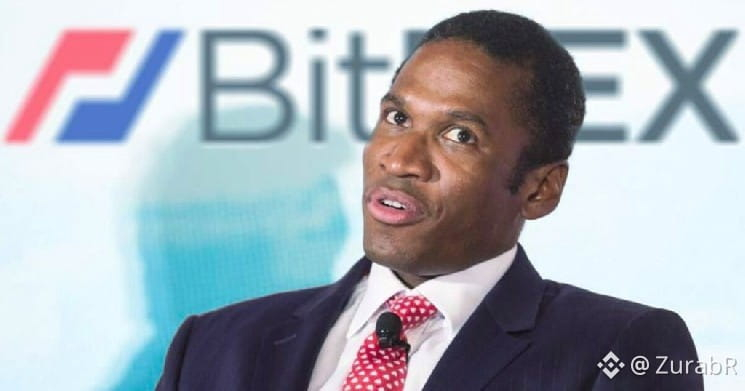
Arthur Hayes gibt bekannt, dass er seine Anthropic-IPO-Position mit Verlust geschlossen hat
Der Gründer der Kryptowährungsbörse BitMEX, Arthur Hayes, gab bekannt, dass er seine Investitionsposition im KI-Unternehmen Anthropic mit Verlust geschlossen hat. Als Grund nannte er die negative Marktreaktion auf den Börsengang. Hayes erklärte, dass er auf eine günstigere Gelegenheit zum Wiedereinstieg warte.
Auf der Social-Media-Plattform X erklärte Hayes, dass der Börsengang von Anthropic nicht die erwartete Reaktion an den Märkten hervorgerufen habe.
Infolge dieser Entwicklung erklärte Hayes, dass er seine aktuelle Position mit Verlust schließe, und deutete an, dass die Marktbedingungen neu bewertet werden müssten.
In seiner Ankündigung erklärte Hayes, dass auch Krypto-Assets, die er zuvor als die „Vier apokalyptischen Reiter“ bezeichnet hatte, einen schweren Rückschlag erlitten hätten.
In einem Beitrag vom 17. November bezeichnete der Mitgründer von BitMEX Ethereum (ETH), Zcash (ZEC), Near Protocol ($NEAR) und Venice Token ($VVV) als die „Vier apokalyptischen Reiter“.
In seinem Beitrag nannte Hayes auch konkrete Kursziele für diese vier Krypto-Assets.
Demnach hatte er für Ethereum ein Kursziel von 2.800 $, für Zcash von 1.800 $, für $NEAR von 6 $ und für $VVV von 40 $ festgelegt.
In seiner jüngsten Stellungnahme machte er jedoch auf die negativen Marktbewegungen dieser Assets aufmerksam und sagte, dass „alle vier apokalyptischen Reiter geköpft worden sind“.
Hayes’ Aussagen werden als Einschätzung interpretiert, dass auch die Krypto-Assets, die er zuvor hervorgehoben hatte, vom Verkaufsdruck betroffen sind.
Hayes legte jedoch weder die Höhe des Verlusts aus seiner Anthropic-Position offen noch nannte er den Kurs, zu dem er einen Wiedereinstieg erwog.
Außerdem teilte er nicht mit, ob er seine früheren Kursziele für die vier Krypto-Assets aktualisiert hatte.
Hayes’ Äußerungen erfolgen zu einem Zeitpunkt, an dem Anleger das Verhältnis zwischen Börsengängen von KI-Unternehmen und Kursbewegungen an den Kryptowährungsmärkten genau beobachten.#Write2Earn $ETH #ETH #zcash #Near $NEAR $ZEC
{spot}(ZECUSDT)
{spot}(NEARUSDT)
{spot}(ETHUSDT)
#goodnews1
Arthur Hayes gibt bekannt, dass er seine Anthropic-IPO-Position mit Verlust geschlossen hat
Der Gründer der Kryptowährungsbörse BitMEX, Arthur Hayes, gab bekannt, dass er seine Investitionsposition im KI-Unternehmen Anthropic mit Verlust geschlossen hat. Als Grund nannte er die negative Marktreaktion auf den Börsengang. Hayes erklärte, dass er auf eine günstigere Gelegenheit zum Wiedereinstieg warte.
Auf der Social-Media-Plattform X erklärte Hayes, dass der Börsengang von Anthropic nicht die erwartete Reaktion an den Märkten hervorgerufen habe.
Infolge dieser Entwicklung erklärte Hayes, dass er seine aktuelle Position mit Verlust schließe, und deutete an, dass die Marktbedingungen neu bewertet werden müssten.
In seiner Ankündigung erklärte Hayes, dass auch Krypto-Assets, die er zuvor als die „Vier apokalyptischen Reiter“ bezeichnet hatte, einen schweren Rückschlag erlitten hätten.
In einem Beitrag vom 17. November bezeichnete der Mitgründer von BitMEX Ethereum (ETH), Zcash (ZEC), Near Protocol ($NEAR ) und Venice Token ($VVV) als die „Vier apokalyptischen Reiter“.
In seinem Beitrag nannte Hayes auch konkrete Kursziele für diese vier Krypto-Assets.
Demnach hatte er für Ethereum ein Kursziel von 2.800 $, für Zcash von 1.800 $, für $NEAR von 6 $ und für $VVV von 40 $ festgelegt.
In seiner jüngsten Stellungnahme machte er jedoch auf die negativen Marktbewegungen dieser Assets aufmerksam und sagte, dass „alle vier apokalyptischen Reiter geköpft worden sind“.
Hayes’ Aussagen werden als Einschätzung interpretiert, dass auch die Krypto-Assets, die er zuvor hervorgehoben hatte, vom Verkaufsdruck betroffen sind.
Hayes legte jedoch weder die Höhe des Verlusts aus seiner Anthropic-Position offen noch nannte er den Kurs, zu dem er einen Wiedereinstieg erwog.
Außerdem teilte er nicht mit, ob er seine früheren Kursziele für die vier Krypto-Assets aktualisiert hatte.
Hayes’ Äußerungen erfolgen zu einem Zeitpunkt, an dem Anleger das Verhältnis zwischen Börsengängen von KI-Unternehmen und Kursbewegungen an den Kryptowährungsmärkten genau beobachten.#Write2Earn $ETH #ETH #zcash #Near $NEAR $ZEC
4
336
·
--
Übersetzung ansehen
#goodnews1
Solana Resumes Upgrades With Direct-Mapping Warning
Anza said Sol mainnet feature-gate activations resumed Nov. 19 after a Breakpoint pause, warning developers that direct mapping, a runtime upgrade with breaking changes, is heading for mainnet activation during the current release cycle
Account Data Direct Mapping remains pending mainnet activation in Anza’s feature-gate tracker, without a mainnet date or epoch. The Sol Foundation’s developer guide also marks the mapping gate as not activated
Direct mapping changes how programs access account data. Validators currently copy that data into a program’s virtual machine and back; calls from one program to another repeat the copying. The upgrade lets programs read and write the data where it already lives, removing those copies and associated comparisons, according to the Foundation
That requires stricter memory-access rules. Most programs are unaffected, the Foundation says, but programs relying on previously tolerated shortcuts can suffer failed instructions. Some changes to stack memory—the working space used during function calls—can alter behavior without producing an error
Two Gates, Different Jobs
The upgrade has two distinct switches, known as feature gates virtual_address_space_adjustments adds the stricter checks and changes the stack layout; account_data_direct_mapping removes the copying. The former is the source of the breaking behavior, rather than the copy-removal switch itself
Their published status is not fully aligned: the Foundation’s guide marks the access-check gate live on mainnet in epoch 1092, while Anza’s tracker still lists it as pending. Both mark the separate mapping gate as not yet activated
The Foundation identifies these risk areas for program developers
Account-memory shortcuts: Reading beyond account data or writing to read-only or foreign-owned accounts, even if the original bytes are restored afterward
Cross-region accesses A single memory operation spanning separate memory regions must be split into separate access#Write2Earn #solana $SOL
{spot}(SOLUSDT)
#goodnews1
Solana Resumes Upgrades With Direct-Mapping Warning
Anza said Sol mainnet feature-gate activations resumed Nov. 19 after a Breakpoint pause, warning developers that direct mapping, a runtime upgrade with breaking changes, is heading for mainnet activation during the current release cycle
Account Data Direct Mapping remains pending mainnet activation in Anza’s feature-gate tracker, without a mainnet date or epoch. The Sol Foundation’s developer guide also marks the mapping gate as not activated
Direct mapping changes how programs access account data. Validators currently copy that data into a program’s virtual machine and back; calls from one program to another repeat the copying. The upgrade lets programs read and write the data where it already lives, removing those copies and associated comparisons, according to the Foundation
That requires stricter memory-access rules. Most programs are unaffected, the Foundation says, but programs relying on previously tolerated shortcuts can suffer failed instructions. Some changes to stack memory—the working space used during function calls—can alter behavior without producing an error
Two Gates, Different Jobs
The upgrade has two distinct switches, known as feature gates virtual_address_space_adjustments adds the stricter checks and changes the stack layout; account_data_direct_mapping removes the copying. The former is the source of the breaking behavior, rather than the copy-removal switch itself
Their published status is not fully aligned: the Foundation’s guide marks the access-check gate live on mainnet in epoch 1092, while Anza’s tracker still lists it as pending. Both mark the separate mapping gate as not yet activated
The Foundation identifies these risk areas for program developers
Account-memory shortcuts: Reading beyond account data or writing to read-only or foreign-owned accounts, even if the original bytes are restored afterward
Cross-region accesses A single memory operation spanning separate memory regions must be split into separate access#Write2Earn #solana $SOL

5
94
·
--
Bärisch
Übersetzung ansehen
#goodnews1
This Bitcoin miner sold 267 BTC to clear $22 million debt. It still may not survive
Bitcoin miner PowerCompute sold most of its bitcoin to get out of debt this fall, but its quarterly filing still says there is substantial doubt the company can keep going.
The Nasdaq-listed bitcoin miner had pledged 307 bitcoin to Arch Lending, which makes loans against crypto.
On Sept. 24, Arch sold about 267 of them to pay off nearly $22 million of principal and returned the remaining 40 or so, according to PowerCompute’s 10-Q.
“The sale was directed by PowerCompute. It reflected a change in their corporate strategy, not a market event. Their facility was a structured product with no margin calls and no liquidation triggers,” Himanshu Sahay, co-founder and chief revenue officer of Arch Lending, told CoinDesk.
The sale cut PowerCompute’s secured debt from nearly $24 million to $1.25 million and left none of its bitcoin pledged. Those 267 coins would fetch about $17 million at bitcoin’s current price near $64,000, per CoinDesk data, less than the debt they cleared.
The cash is still the problem. The 10-Q, filed last week, shows about $650,000 in cash at the end of September and says “substantial doubt about the Company’s ability to continue as a going concern has not been alleviated.”
Management’s plan leans on refinancing some debt and selling more stock through an at-the-market program, which lets the company sell new shares gradually into the market and has about $71 million of capacity left.
The filing warns that further equity financings “may have a dilutive effect on shareholders.”
Those shareholders have already taken a beating. PowerCompute shares closed Thursday at about 40 cents, valuing the whole company at roughly $1 million, a fraction of what its bitcoin is worth.
On Tuesday, shareholders gave the board authority to carry out a reverse stock split of between 1-for-2 and 1-for-10, per an 8-K filing, four months after the company completed one in July.#Write2Earn #BTC $BTC
{spot}(BTCUSDT)
#goodnews1
This Bitcoin miner sold 267 BTC to clear $22 million debt. It still may not survive
Bitcoin miner PowerCompute sold most of its bitcoin to get out of debt this fall, but its quarterly filing still says there is substantial doubt the company can keep going.
The Nasdaq-listed bitcoin miner had pledged 307 bitcoin to Arch Lending, which makes loans against crypto.
On Sept. 24, Arch sold about 267 of them to pay off nearly $22 million of principal and returned the remaining 40 or so, according to PowerCompute’s 10-Q.
“The sale was directed by PowerCompute. It reflected a change in their corporate strategy, not a market event. Their facility was a structured product with no margin calls and no liquidation triggers,” Himanshu Sahay, co-founder and chief revenue officer of Arch Lending, told CoinDesk.
The sale cut PowerCompute’s secured debt from nearly $24 million to $1.25 million and left none of its bitcoin pledged. Those 267 coins would fetch about $17 million at bitcoin’s current price near $64,000, per CoinDesk data, less than the debt they cleared.
The cash is still the problem. The 10-Q, filed last week, shows about $650,000 in cash at the end of September and says “substantial doubt about the Company’s ability to continue as a going concern has not been alleviated.”
Management’s plan leans on refinancing some debt and selling more stock through an at-the-market program, which lets the company sell new shares gradually into the market and has about $71 million of capacity left.
The filing warns that further equity financings “may have a dilutive effect on shareholders.”
Those shareholders have already taken a beating. PowerCompute shares closed Thursday at about 40 cents, valuing the whole company at roughly $1 million, a fraction of what its bitcoin is worth.
On Tuesday, shareholders gave the board authority to carry out a reverse stock split of between 1-for-2 and 1-for-10, per an 8-K filing, four months after the company completed one in July.#Write2Earn #BTC $BTC

4
48
Anmelden und weiter Inhalte entdecken
Krypto-Nutzer weltweit auf Binance Square kennenlernen
⚡️ Bleib in Sachen Krypto stets am Puls.
💬 Die weltgrößte Kryptobörse vertraut darauf.
👍 Erhalte verlässliche Einblicke von verifizierten Creators.
E-Mail-Adresse/Telefonnummer
Trendthemen
BTCReboundsAbove$60KAmidWhaleDipBuying
4,357 Aufrufe
47 Kommentare
Abraxas Capital und andere Großanleger kaufen den BTC-Kursrückgang, während Bitcoin kurzzeitig wieder 60.000 US-Dollar erreicht
Binance News
·12 Likes
·12.9k Aufrufe
NvidiaLoses$2.7TrillionInMonthAndAHalf
43,107 Aufrufe
202 Kommentare
GlobalStocksFaceLongestLosingStreakSince2023
393,139 Aufrufe
2,585 Kommentare