

sikander_ayaz
16 Beiträge

sikander_ayaz
Melden
Nutzer blockieren
Follow for news and analysis
Trade eröffnen

SOL Halter
Regelmäßiger Trader
1.7 Jahre
16 Following
2 Follower
1 Like gegeben
Beiträge
Portfolio
Wenn du Geschenke möchtest, dann musst du mir einfach folgen. Kommentiere „done“ und sende deine UID.
Wenn du Geschenke möchtest, dann musst du mir einfach folgen. Kommentiere „done“ und sende deine UID.

Follow for more
Von sikander_ayaz
21
·
--
Bullisch
Bitcoin verzeichnet die größte wöchentliche Kurssteigerung seit März 2023 und steigt um über 23%
Bitcoin verzeichnet die größte wöchentliche Kurssteigerung seit März 2023 und steigt um über 23%
71
#termmax @termmax
RWA sind mehr als nur das Auf-die-Kette-Bringen von Vermögenswerten
Früher dachte ich, Real-World Assets seien ziemlich einfach: Man nimmt etwas aus der realen Welt, tokenisiert es, setzt das Eigentumsregister auf einer Blockchain ab, und der schwierige Teil ist größtenteils schon erledigt.
Als ich mir TermMax angesehen habe, hat sich meine Sicht darauf verändert.
Die Tokenisierung eines Vermögenswerts macht ihn nicht automatisch liquide. Ein Vermögenswert kann zwar On-Chain existieren, aber dennoch schwer zu verkaufen oder zu übertragen sein, wenn ein Darlehen bei Fälligkeit läuft oder wenn ein Kreditnehmer nicht zurückzahlen kann.
Deshalb stach für mich die Idee der physischen Lieferung besonders hervor. In manchen Strukturen kann der Kreditgeber das zugrunde liegende Asset direkt erhalten, statt vollständig von einem Sekundärmarkt abhängig zu sein, um die Sicherheiten zu verkaufen.
Das macht auch die Festzinsvergabe interessanter. Der Kreditgeber denkt nicht nur an die Rendite. Er muss auch verstehen, was passiert, wenn der Kreditnehmer nicht zurückzahlt, und was die zugrunde liegenden Sicherheiten tatsächlich wert sind und wie sie gehandhabt werden können.
So sehe ich TermMax mittlerweile als mehr als nur ein weiteres Darlehensprotokoll. Es erforscht auch, wie die Kreditvergabe bei Vermögenswerten funktionieren kann, die sich nicht wie normale Krypto-Assets verhalten.
RWA bleiben jedoch eine schwierige Herausforderung: die Verbindung von On-Chain-Eigentum mit Vermögenswerten aus der realen Welt, dem rechtlichen Eigentum, der Abwicklung (Settlement) und der tatsächlichen Liquidität.
Das ist der Teil, den ich im Blick behalten möchte, während sich TermMax weiterentwickelt.
#termmax @TermMax
RWA sind mehr als nur das Auf-die-Kette-Bringen von Vermögenswerten
Früher dachte ich, Real-World Assets seien ziemlich einfach: Man nimmt etwas aus der realen Welt, tokenisiert es, setzt das Eigentumsregister auf einer Blockchain ab, und der schwierige Teil ist größtenteils schon erledigt.
Als ich mir TermMax angesehen habe, hat sich meine Sicht darauf verändert.
Die Tokenisierung eines Vermögenswerts macht ihn nicht automatisch liquide. Ein Vermögenswert kann zwar On-Chain existieren, aber dennoch schwer zu verkaufen oder zu übertragen sein, wenn ein Darlehen bei Fälligkeit läuft oder wenn ein Kreditnehmer nicht zurückzahlen kann.
Deshalb stach für mich die Idee der physischen Lieferung besonders hervor. In manchen Strukturen kann der Kreditgeber das zugrunde liegende Asset direkt erhalten, statt vollständig von einem Sekundärmarkt abhängig zu sein, um die Sicherheiten zu verkaufen.
Das macht auch die Festzinsvergabe interessanter. Der Kreditgeber denkt nicht nur an die Rendite. Er muss auch verstehen, was passiert, wenn der Kreditnehmer nicht zurückzahlt, und was die zugrunde liegenden Sicherheiten tatsächlich wert sind und wie sie gehandhabt werden können.
So sehe ich TermMax mittlerweile als mehr als nur ein weiteres Darlehensprotokoll. Es erforscht auch, wie die Kreditvergabe bei Vermögenswerten funktionieren kann, die sich nicht wie normale Krypto-Assets verhalten.
RWA bleiben jedoch eine schwierige Herausforderung: die Verbindung von On-Chain-Eigentum mit Vermögenswerten aus der realen Welt, dem rechtlichen Eigentum, der Abwicklung (Settlement) und der tatsächlichen Liquidität.
Das ist der Teil, den ich im Blick behalten möchte, während sich TermMax weiterentwickelt.
RWA sind mehr als nur das Auf-die-Kette-Bringen von Vermögenswerten
Früher dachte ich, Real-World Assets seien ziemlich einfach: Man nimmt etwas aus der realen Welt, tokenisiert es, setzt das Eigentumsregister auf einer Blockchain ab, und der schwierige Teil ist größtenteils schon erledigt.
Als ich mir TermMax angesehen habe, hat sich meine Sicht darauf verändert.
Die Tokenisierung eines Vermögenswerts macht ihn nicht automatisch liquide. Ein Vermögenswert kann zwar On-Chain existieren, aber dennoch schwer zu verkaufen oder zu übertragen sein, wenn ein Darlehen bei Fälligkeit läuft oder wenn ein Kreditnehmer nicht zurückzahlen kann.
Deshalb stach für mich die Idee der physischen Lieferung besonders hervor. In manchen Strukturen kann der Kreditgeber das zugrunde liegende Asset direkt erhalten, statt vollständig von einem Sekundärmarkt abhängig zu sein, um die Sicherheiten zu verkaufen.
Das macht auch die Festzinsvergabe interessanter. Der Kreditgeber denkt nicht nur an die Rendite. Er muss auch verstehen, was passiert, wenn der Kreditnehmer nicht zurückzahlt, und was die zugrunde liegenden Sicherheiten tatsächlich wert sind und wie sie gehandhabt werden können.
So sehe ich TermMax mittlerweile als mehr als nur ein weiteres Darlehensprotokoll. Es erforscht auch, wie die Kreditvergabe bei Vermögenswerten funktionieren kann, die sich nicht wie normale Krypto-Assets verhalten.
RWA bleiben jedoch eine schwierige Herausforderung: die Verbindung von On-Chain-Eigentum mit Vermögenswerten aus der realen Welt, dem rechtlichen Eigentum, der Abwicklung (Settlement) und der tatsächlichen Liquidität.
Das ist der Teil, den ich im Blick behalten möchte, während sich TermMax weiterentwickelt.
60
SOFORT: Michaels Saylor Strategie weist bei seiner Bitcoin-Investition nun einen nicht realisierten Gewinn von 875.000.000 $ auf.
#BTC🔥🔥🔥🔥🔥
SOFORT: Michaels Saylor Strategie weist bei seiner Bitcoin-Investition nun einen nicht realisierten Gewinn von 875.000.000 $ auf.
#BTC🔥🔥🔥🔥🔥
#BTC🔥🔥🔥🔥🔥

93
·
--
Bullisch
TermMax: Blick über die Anzahl der Wallets hinaus
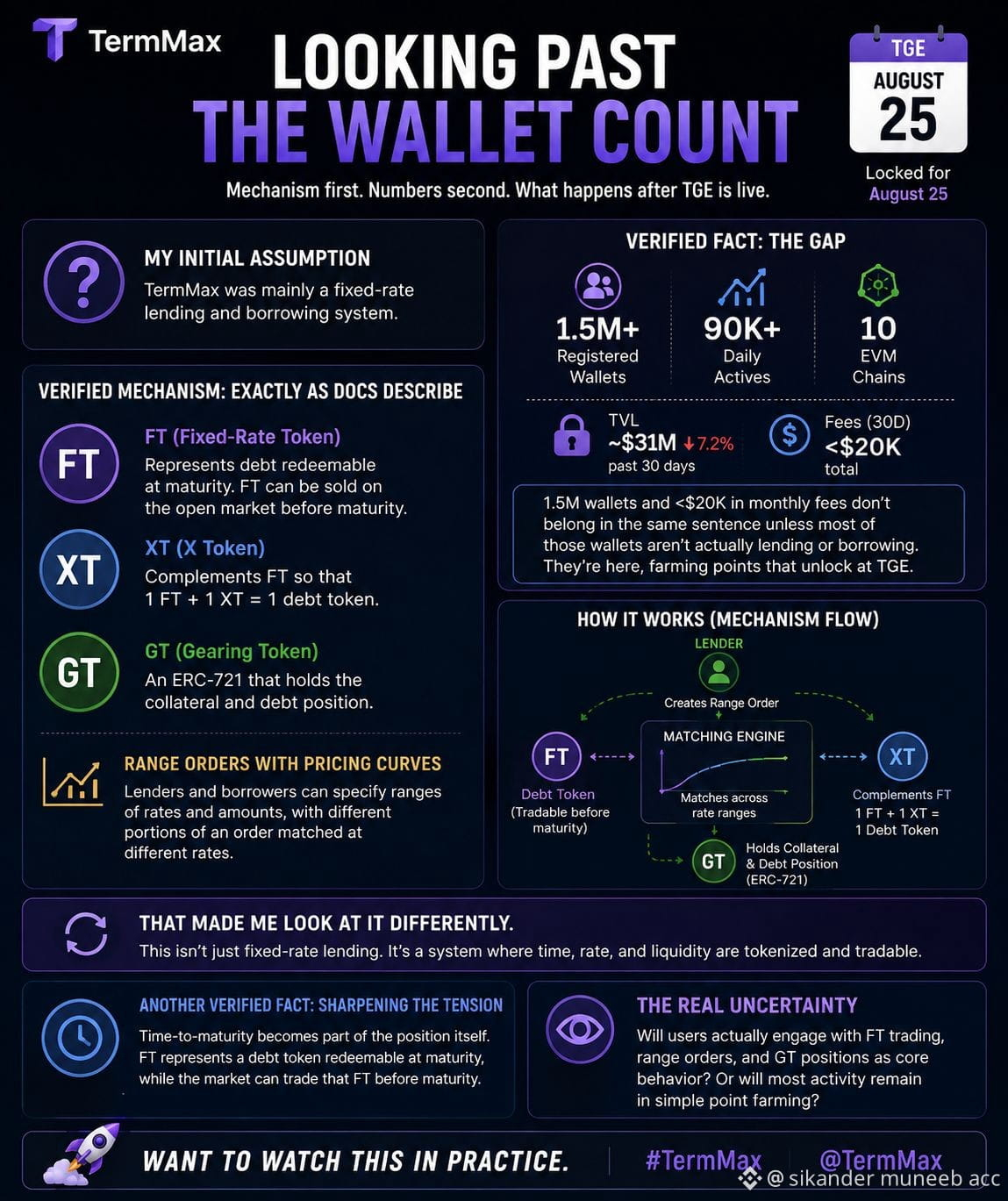
Meine anfängliche Annahme war, dass TermMax hauptsächlich ein System für Darlehen und Kredite mit festem Zinssatz ist. In der Dokumentation wird ein Mechanismus beschrieben, der auf drei Tokens basiert: FT (Fixed-Rate Token), XT (X Token) und GT (Gearing Token). FT steht für eine Schuld, die bei Fälligkeit eingelöst werden kann, XT ergänzt FT so, dass 1 FT + 1 XT = 1 Schuld-Token ist, während GT ein ERC-721 ist, das die Sicherheiten und die Schuldposition hält.
TermMax nutzt außerdem Range Orders mit Preiskurven: Kreditgeber und Kreditnehmer können Bereiche von Zinssätzen und Beträgen angeben, wobei verschiedene Teile einer Order zu unterschiedlichen Zinssätzen gematcht werden. FT kann außerdem vor der Fälligkeit auf dem offenen Markt verkauft werden, statt dass der Inhaber bis zur Fälligkeit warten muss, um eine Einlösung zu erhalten.
Das ließ mich das Ganze anders betrachten.
Der Mechanismus macht die Zeit bis zur Fälligkeit selbst zu einem Teil der Position: FT repräsentiert ein Schuld-Token, das bei Fälligkeit eingelöst werden kann, während der Markt dieses FT vor der Fälligkeit handeln kann.
Was ich jetzt sehen möchte, ist, wie sich Nutzer tatsächlich um diese Mechaniken herum verhalten, sobald der Token live ist: Werden FT-Handel, Range Orders und GT-Positionen zu routinierter On-Chain-Aktivität, oder bleibt die Beteiligung überwiegend in einfacheren Formen der Interaktion konzentriert?
Möchte dir das in der Praxis ansehen.
@termmax #termmax
TermMax: Blick über die Anzahl der Wallets hinaus
Meine anfängliche Annahme war, dass TermMax hauptsächlich ein System für Darlehen und Kredite mit festem Zinssatz ist. In der Dokumentation wird ein Mechanismus beschrieben, der auf drei Tokens basiert: FT (Fixed-Rate Token), XT (X Token) und GT (Gearing Token). FT steht für eine Schuld, die bei Fälligkeit eingelöst werden kann, XT ergänzt FT so, dass 1 FT + 1 XT = 1 Schuld-Token ist, während GT ein ERC-721 ist, das die Sicherheiten und die Schuldposition hält.
TermMax nutzt außerdem Range Orders mit Preiskurven: Kreditgeber und Kreditnehmer können Bereiche von Zinssätzen und Beträgen angeben, wobei verschiedene Teile einer Order zu unterschiedlichen Zinssätzen gematcht werden. FT kann außerdem vor der Fälligkeit auf dem offenen Markt verkauft werden, statt dass der Inhaber bis zur Fälligkeit warten muss, um eine Einlösung zu erhalten.
Das ließ mich das Ganze anders betrachten.
Der Mechanismus macht die Zeit bis zur Fälligkeit selbst zu einem Teil der Position: FT repräsentiert ein Schuld-Token, das bei Fälligkeit eingelöst werden kann, während der Markt dieses FT vor der Fälligkeit handeln kann.
Was ich jetzt sehen möchte, ist, wie sich Nutzer tatsächlich um diese Mechaniken herum verhalten, sobald der Token live ist: Werden FT-Handel, Range Orders und GT-Positionen zu routinierter On-Chain-Aktivität, oder bleibt die Beteiligung überwiegend in einfacheren Formen der Interaktion konzentriert?
Möchte dir das in der Praxis ansehen.
@TermMax #termmax
Meine anfängliche Annahme war, dass TermMax hauptsächlich ein System für Darlehen und Kredite mit festem Zinssatz ist. In der Dokumentation wird ein Mechanismus beschrieben, der auf drei Tokens basiert: FT (Fixed-Rate Token), XT (X Token) und GT (Gearing Token). FT steht für eine Schuld, die bei Fälligkeit eingelöst werden kann, XT ergänzt FT so, dass 1 FT + 1 XT = 1 Schuld-Token ist, während GT ein ERC-721 ist, das die Sicherheiten und die Schuldposition hält.
TermMax nutzt außerdem Range Orders mit Preiskurven: Kreditgeber und Kreditnehmer können Bereiche von Zinssätzen und Beträgen angeben, wobei verschiedene Teile einer Order zu unterschiedlichen Zinssätzen gematcht werden. FT kann außerdem vor der Fälligkeit auf dem offenen Markt verkauft werden, statt dass der Inhaber bis zur Fälligkeit warten muss, um eine Einlösung zu erhalten.
Das ließ mich das Ganze anders betrachten.
Der Mechanismus macht die Zeit bis zur Fälligkeit selbst zu einem Teil der Position: FT repräsentiert ein Schuld-Token, das bei Fälligkeit eingelöst werden kann, während der Markt dieses FT vor der Fälligkeit handeln kann.
Was ich jetzt sehen möchte, ist, wie sich Nutzer tatsächlich um diese Mechaniken herum verhalten, sobald der Token live ist: Werden FT-Handel, Range Orders und GT-Positionen zu routinierter On-Chain-Aktivität, oder bleibt die Beteiligung überwiegend in einfacheren Formen der Interaktion konzentriert?
Möchte dir das in der Praxis ansehen.
@TermMax #termmax
46
🚨 WECHSEL IN DER US-KRYPTO-POLITIK? 🇺🇸
Bei den Berichten zufolge behandelten Krypto-Gespräche im Weißen Haus heute einige wichtige Punkte:
→ Die USA erwägen, eine beträchtliche Menge BTC und anderer digitaler Vermögenswerte zu erwerben
→ Trump forderte Gesetzgeber auf, mit dem CLARITY Act voranzuschreiten
→ Die Aufrechterhaltung der US-Führungsrolle bei Bitcoin und Blockchain bleibt eine Priorität
→ Hyperliquid arbeitet Berichten zufolge daran, in den amerikanischen Markt einzutreten
→ Trump unterstützte zudem niedrigere Zinssätze
Wenn diese Schritte tatsächlich in Politik übersetzt werden, könnten sich die USA für eine deutlich größere Rolle in der globalen Krypto-Ökonomie positionieren.
Ist das der Beginn einer kryptofreundlicheren Ära für die USA? 🇺🇸₿ #USCrypto
🚨 WECHSEL IN DER US-KRYPTO-POLITIK? 🇺🇸
Bei den Berichten zufolge behandelten Krypto-Gespräche im Weißen Haus heute einige wichtige Punkte:
→ Die USA erwägen, eine beträchtliche Menge BTC und anderer digitaler Vermögenswerte zu erwerben
→ Trump forderte Gesetzgeber auf, mit dem CLARITY Act voranzuschreiten
→ Die Aufrechterhaltung der US-Führungsrolle bei Bitcoin und Blockchain bleibt eine Priorität
→ Hyperliquid arbeitet Berichten zufolge daran, in den amerikanischen Markt einzutreten
→ Trump unterstützte zudem niedrigere Zinssätze
Wenn diese Schritte tatsächlich in Politik übersetzt werden, könnten sich die USA für eine deutlich größere Rolle in der globalen Krypto-Ökonomie positionieren.
Ist das der Beginn einer kryptofreundlicheren Ära für die USA? 🇺🇸₿ #USCrypto
Bei den Berichten zufolge behandelten Krypto-Gespräche im Weißen Haus heute einige wichtige Punkte:
→ Die USA erwägen, eine beträchtliche Menge BTC und anderer digitaler Vermögenswerte zu erwerben
→ Trump forderte Gesetzgeber auf, mit dem CLARITY Act voranzuschreiten
→ Die Aufrechterhaltung der US-Führungsrolle bei Bitcoin und Blockchain bleibt eine Priorität
→ Hyperliquid arbeitet Berichten zufolge daran, in den amerikanischen Markt einzutreten
→ Trump unterstützte zudem niedrigere Zinssätze
Wenn diese Schritte tatsächlich in Politik übersetzt werden, könnten sich die USA für eine deutlich größere Rolle in der globalen Krypto-Ökonomie positionieren.
Ist das der Beginn einer kryptofreundlicheren Ära für die USA? 🇺🇸₿ #USCrypto
61
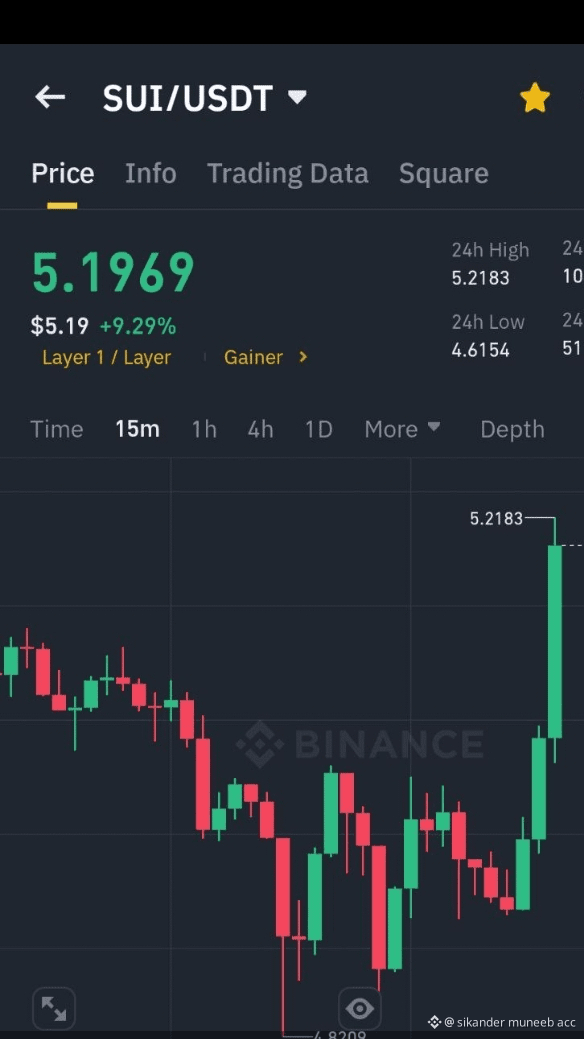
Geschichte 😂? Was denkst du, wie viel wird es dauern, um hierher zu gelangen $SUI bis #bullish
Geschichte 😂? Was denkst du, wie viel wird es dauern, um hierher zu gelangen $SUI bis #bullish
98
Ich habe tiefer in @TermMax hineingeschaut und einen interessanten Teil seines Designs gefunden: FT, XT und GT werden zusammen mit nachrangigen (range-order) Preisbildungskurven verwendet, und FT kann vor Fälligkeit weiterhin handelbar bleiben. Das hat mich dazu gebracht, es anders zu betrachten. Die Restlaufzeit wird außerdem Teil des Preisbildungsprozesses. Ich bin immer noch neugierig zu sehen, wie sich diese Mechanismen unter realen Marktbedingungen verhalten. Ich möchte mir das in der Praxis ansehen. #TermMax @termmax
Ich habe tiefer in @TermMax hineingeschaut und einen interessanten Teil seines Designs gefunden: FT, XT und GT werden zusammen mit nachrangigen (range-order) Preisbildungskurven verwendet, und FT kann vor Fälligkeit weiterhin handelbar bleiben. Das hat mich dazu gebracht, es anders zu betrachten. Die Restlaufzeit wird außerdem Teil des Preisbildungsprozesses. Ich bin immer noch neugierig zu sehen, wie sich diese Mechanismen unter realen Marktbedingungen verhalten. Ich möchte mir das in der Praxis ansehen. #TermMax @TermMax
67
·
--
Bullisch
SOL mit Abschlag
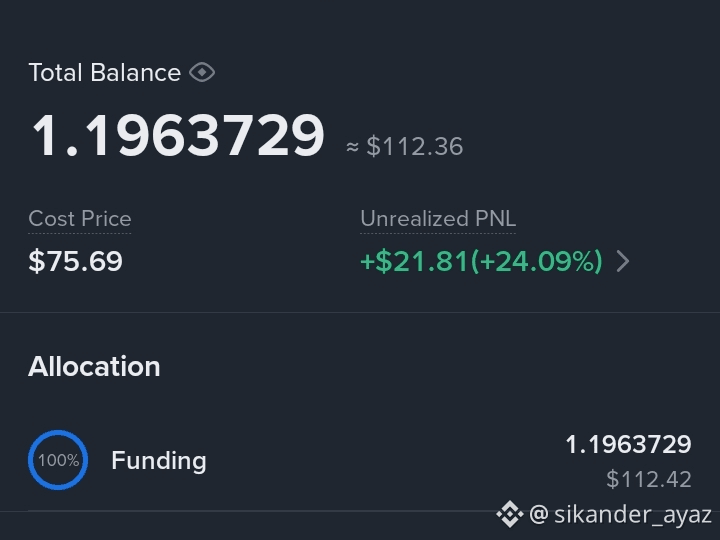
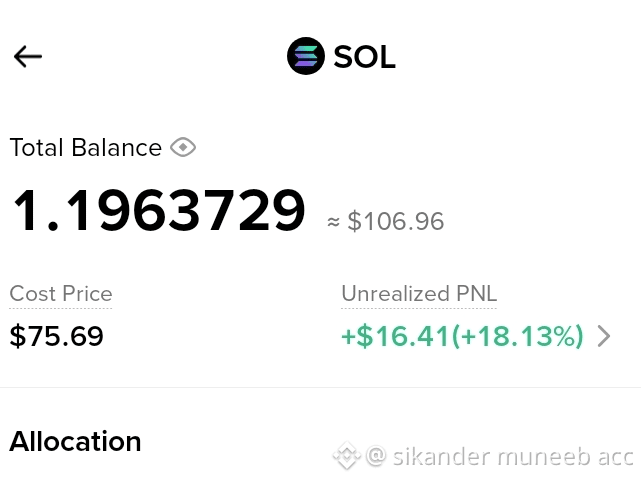
Ich habe SOL recherchiert und mir ist vor allem eines aufgefallen: Es handelt aktuell bei rund 75 US-Dollar, etwa 74% unter seinem Allzeithoch von ca. 293 US-Dollar. Das ist nicht sein wörtliches Allzeittief, aber es ist ein enormer Drawdown. Gleichzeitig hat Solana kürzlich über 1 Milliarde wöchentliche Non-Vote-Transaktionen verzeichnet, was zeigt, dass die Nutzung des Netzwerks nicht verschwunden ist.
Persönlich finde ich, dass SOL auf diesen Kursniveaus wie eines der stärksten Assets im Large-Cap-Bereich aussieht, die man ansammeln kann—nicht weil ein Pump garantiert wäre, sondern weil das Chance-Risiko-Verhältnis nach dieser starken Korrektur interessant wirkt.
Würdest du jetzt SOL um etwa 75 US-Dollar kaufen, oder auf einen noch niedrigeren Einstieg warten?
#SolanaStrong #solanAnalysis #SolanaJourney
SOL mit Abschlag
Ich habe SOL recherchiert und mir ist vor allem eines aufgefallen: Es handelt aktuell bei rund 75 US-Dollar, etwa 74% unter seinem Allzeithoch von ca. 293 US-Dollar. Das ist nicht sein wörtliches Allzeittief, aber es ist ein enormer Drawdown. Gleichzeitig hat Solana kürzlich über 1 Milliarde wöchentliche Non-Vote-Transaktionen verzeichnet, was zeigt, dass die Nutzung des Netzwerks nicht verschwunden ist.
Persönlich finde ich, dass SOL auf diesen Kursniveaus wie eines der stärksten Assets im Large-Cap-Bereich aussieht, die man ansammeln kann—nicht weil ein Pump garantiert wäre, sondern weil das Chance-Risiko-Verhältnis nach dieser starken Korrektur interessant wirkt.
Würdest du jetzt SOL um etwa 75 US-Dollar kaufen, oder auf einen noch niedrigeren Einstieg warten?
#SolanaStrong #solanAnalysis #SolanaJourney
Ich habe SOL recherchiert und mir ist vor allem eines aufgefallen: Es handelt aktuell bei rund 75 US-Dollar, etwa 74% unter seinem Allzeithoch von ca. 293 US-Dollar. Das ist nicht sein wörtliches Allzeittief, aber es ist ein enormer Drawdown. Gleichzeitig hat Solana kürzlich über 1 Milliarde wöchentliche Non-Vote-Transaktionen verzeichnet, was zeigt, dass die Nutzung des Netzwerks nicht verschwunden ist.
Persönlich finde ich, dass SOL auf diesen Kursniveaus wie eines der stärksten Assets im Large-Cap-Bereich aussieht, die man ansammeln kann—nicht weil ein Pump garantiert wäre, sondern weil das Chance-Risiko-Verhältnis nach dieser starken Korrektur interessant wirkt.
Würdest du jetzt SOL um etwa 75 US-Dollar kaufen, oder auf einen noch niedrigeren Einstieg warten?
#SolanaStrong #solanAnalysis #SolanaJourney
1
98
·
--
Bullisch
Ich habe mir @TermMax angesehen, und eine Einzelheit hat meine Aufmerksamkeit erregt: FT kann vor Fälligkeit gehandelt werden, während FT, XT und GT innerhalb der Range-Order-Preis-Kurven arbeiten. Das hat mich dazu gebracht, es aus einer anderen Perspektive zu betrachten. Da die Restlaufzeit ebenfalls Teil der Preisbildung wird, bin ich neugierig, wie sich diese Mechanismen tatsächlich unter realen Marktbedingungen verhalten. Ich möchte mir das in der Praxis ansehen.$#termmax @termmax
Ich habe mir @TermMax angesehen, und eine Einzelheit hat meine Aufmerksamkeit erregt: FT kann vor Fälligkeit gehandelt werden, während FT, XT und GT innerhalb der Range-Order-Preis-Kurven arbeiten. Das hat mich dazu gebracht, es aus einer anderen Perspektive zu betrachten. Da die Restlaufzeit ebenfalls Teil der Preisbildung wird, bin ich neugierig, wie sich diese Mechanismen tatsächlich unter realen Marktbedingungen verhalten. Ich möchte mir das in der Praxis ansehen.$#termmax @TermMax
82
Ich stelle immer wieder fest, dass regulierte Finanzsysteme sowohl Privatsphäre als auch Rechenschaftspflicht brauchen—nicht das eine oder das andere.
Dusk baut eine Layer-1, die speziell für regulierte Finanzmärkte entwickelt wurde, mit programmierbarer Privatsphäre und selektiver Offenlegung.
Die Spannung ist simpel: Finanzwerte brauchen Vertraulichkeit, aber autorisierte Parteien müssen dennoch Einblick haben.
Kann Blockchain-Infrastruktur beides tatsächlich im großen Maßstab möglich machen? @Dusk_Foundation $DUSK #dusk#dusk $DUSK
Ich stelle immer wieder fest, dass regulierte Finanzsysteme sowohl Privatsphäre als auch Rechenschaftspflicht brauchen—nicht das eine oder das andere.
Dusk baut eine Layer-1, die speziell für regulierte Finanzmärkte entwickelt wurde, mit programmierbarer Privatsphäre und selektiver Offenlegung.
Die Spannung ist simpel: Finanzwerte brauchen Vertraulichkeit, aber autorisierte Parteien müssen dennoch Einblick haben.
Kann Blockchain-Infrastruktur beides tatsächlich im großen Maßstab möglich machen? @Dusk $DUSK #dusk#dusk $DUSK
Dusk baut eine Layer-1, die speziell für regulierte Finanzmärkte entwickelt wurde, mit programmierbarer Privatsphäre und selektiver Offenlegung.
Die Spannung ist simpel: Finanzwerte brauchen Vertraulichkeit, aber autorisierte Parteien müssen dennoch Einblick haben.
Kann Blockchain-Infrastruktur beides tatsächlich im großen Maßstab möglich machen? @Dusk $DUSK #dusk#dusk $DUSK
93
Anmelden und weiter Inhalte entdecken
Krypto-Nutzer weltweit auf Binance Square kennenlernen
⚡️ Bleib in Sachen Krypto stets am Puls.
💬 Die weltgrößte Kryptobörse vertraut darauf.
👍 Erhalte verlässliche Einblicke von verifizierten Creators.
E-Mail-Adresse/Telefonnummer
Trendthemen
BNBSurpasses$790
14,744 Aufrufe
121 Kommentare
$BNB strategischer Langzeitplan -> JETZT FOKUS
BNB hat 2 starke Tiefs geschaffen, nachdem internes Liquiditätsniveau aufgeräumt wurde
Ich erwarte eine Bewegung in Richtung Swing High bei $815-$830 und suche einen Long-Einstieg bei einem Retest der grünen Box
#BNBSurpasses$790 #bnb
Ghost Writer
·5 Likes
·7k Aufrufe
ZamaRises15.99%ToIntradayHigh$0.09
11,157 Aufrufe
94 Kommentare
BitcoinSpotETFsDraw$6.34BInflowsInQ3
5,004 Aufrufe
80 Kommentare