

SanAndreas
404 Beiträge

SanAndreas
Melden
Nutzer blockieren
Trading for life, and Life for trading

VANA Halter
Hochfrequenz-Trader
5.8 Jahre
44 Following
102 Follower
151 Like gegeben
Beiträge
Alle
Zitierungen
·
--
Übersetzung ansehen
#BinancePick predict and grab the point, just it
#BinancePick predict and grab the point, just it
·
--
Übersetzung ansehen
#BinancePick Dont miss this binance campaign
#BinancePick Dont miss this binance campaign
1
·
--
Übersetzung ansehen
#BinancePick the fun campaign from binance. let joined
#BinancePick the fun campaign from binance. let joined
9
·
--
74
·
--
2
1
156
·
--
#BinancePick Ich bin diesem neuen Event beigetreten
#BinancePick Ich bin diesem neuen Event beigetreten
66
·
--
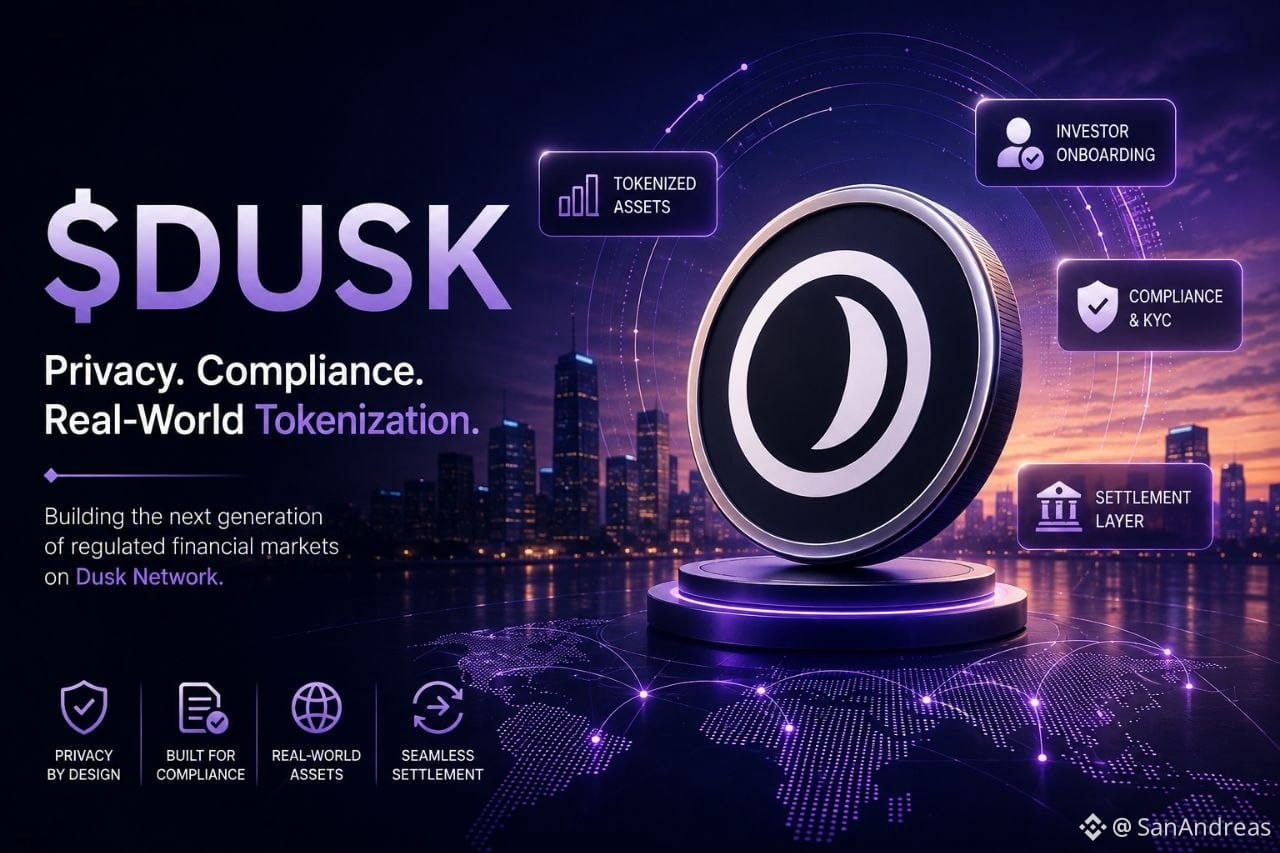
@Dusk_Foundation #dusk $DUSK
{spot}(DUSKUSDT)
DuskVM
DuskVM ist die Wasmtime-basierte Ausführungsumgebung für Rust/WASM-Verträge, die direkt auf der Dusk L1 laufen. Sie ist der Pfad für Verträge, die direkten Zugriff auf L1-Assets, Transaktionsmodelle, Privatsphäre oder Zero-Knowledge-Fähigkeiten benötigen.
DuskEVM
DuskEVM ist eine OP-Stack-basierte EVM-äquivalente Ausführungsumgebung. Sie ermöglicht es, Solidity-Verträge mithilfe standardmäßiger EVM-Tools bereitzustellen, während dabei DuskDS für Abwicklung und Datenverfügbarkeit verwendet wird.
Netzwerkschicht: Kadcast
Kadcast ist die P2P-Netzwerkschicht von Dusk. Sie verwendet eine strukturierte Overlay-Struktur (statt zufälligem Gossip), um Bandbreite zu reduzieren und die Vorhersagbarkeit der Latenz zu verbessern.
Genesis-Verträge
Dusk wird mit zwei Genesis-Verträgen ausgeliefert:
Stake: verfolgt Bereitsteller, Einsätze, Belohnungen und das Validator-Set-Management. (source)
Transfer: überträgt DUSK und ist der Einstiegspunkt für die Ausführung von Transaktionen und die Gaszahlung. (source)
Für Node-Betreiber: Führe einen Provisioner Node aus.
Anwendungen
Auf dem Basisprotokoll unterstützt Dusk Protokolle und Tools auf Anwendungsebene für regulierte Märkte.
Dusk Trade
Dusk Trade ist die Anwendungsebene für tokenisierte Finanz-Assets auf Dusk. Es wird rund um echte Markt-Workflows aufgebaut: Investor-Onboarding, Wallet-Bindung, gesteuerte Übertragungen, Zahlungskoordination und eine regelkonforme Abwicklung.
Zedger / Hedger
Zedger und Hedger sind Protokolle zur Ausgabe und Verwaltung regulierter Assets mit integrierten Compliance- und Datenschutzanforderungen.
Zedger nutzt DuskVM-Verträge auf der Dusk L1.
Hedger läuft auf DuskEVM, um eine Entwicklererfahrung mit Fokus auf EVM bereitzustellen.
Citadel
Citadel
Citadel ist die Identitäts- und Zugriffsschicht von Dusk. Sie unterstützt selektive Offenlegung, sodass Nutzer Attribute (z. B. Wohnsitz, Altersgruppe, Akkreditierung) nachweisen können, ohne mehr preiszugeben als notwendig.
@Dusk #dusk $DUSK
DuskVM
DuskVM ist die Wasmtime-basierte Ausführungsumgebung für Rust/WASM-Verträge, die direkt auf der Dusk L1 laufen. Sie ist der Pfad für Verträge, die direkten Zugriff auf L1-Assets, Transaktionsmodelle, Privatsphäre oder Zero-Knowledge-Fähigkeiten benötigen.
DuskEVM
DuskEVM ist eine OP-Stack-basierte EVM-äquivalente Ausführungsumgebung. Sie ermöglicht es, Solidity-Verträge mithilfe standardmäßiger EVM-Tools bereitzustellen, während dabei DuskDS für Abwicklung und Datenverfügbarkeit verwendet wird.
Netzwerkschicht: Kadcast
Kadcast ist die P2P-Netzwerkschicht von Dusk. Sie verwendet eine strukturierte Overlay-Struktur (statt zufälligem Gossip), um Bandbreite zu reduzieren und die Vorhersagbarkeit der Latenz zu verbessern.
Genesis-Verträge
Dusk wird mit zwei Genesis-Verträgen ausgeliefert:
Stake: verfolgt Bereitsteller, Einsätze, Belohnungen und das Validator-Set-Management. (source)
Transfer: überträgt DUSK und ist der Einstiegspunkt für die Ausführung von Transaktionen und die Gaszahlung. (source)
Für Node-Betreiber: Führe einen Provisioner Node aus.
Anwendungen
Auf dem Basisprotokoll unterstützt Dusk Protokolle und Tools auf Anwendungsebene für regulierte Märkte.
Dusk Trade
Dusk Trade ist die Anwendungsebene für tokenisierte Finanz-Assets auf Dusk. Es wird rund um echte Markt-Workflows aufgebaut: Investor-Onboarding, Wallet-Bindung, gesteuerte Übertragungen, Zahlungskoordination und eine regelkonforme Abwicklung.
Zedger / Hedger
Zedger und Hedger sind Protokolle zur Ausgabe und Verwaltung regulierter Assets mit integrierten Compliance- und Datenschutzanforderungen.
Zedger nutzt DuskVM-Verträge auf der Dusk L1.
Hedger läuft auf DuskEVM, um eine Entwicklererfahrung mit Fokus auf EVM bereitzustellen.
Citadel
Citadel
Citadel ist die Identitäts- und Zugriffsschicht von Dusk. Sie unterstützt selektive Offenlegung, sodass Nutzer Attribute (z. B. Wohnsitz, Altersgruppe, Akkreditierung) nachweisen können, ohne mehr preiszugeben als notwendig.
DuskVM
DuskVM ist die Wasmtime-basierte Ausführungsumgebung für Rust/WASM-Verträge, die direkt auf der Dusk L1 laufen. Sie ist der Pfad für Verträge, die direkten Zugriff auf L1-Assets, Transaktionsmodelle, Privatsphäre oder Zero-Knowledge-Fähigkeiten benötigen.
DuskEVM
DuskEVM ist eine OP-Stack-basierte EVM-äquivalente Ausführungsumgebung. Sie ermöglicht es, Solidity-Verträge mithilfe standardmäßiger EVM-Tools bereitzustellen, während dabei DuskDS für Abwicklung und Datenverfügbarkeit verwendet wird.
Netzwerkschicht: Kadcast
Kadcast ist die P2P-Netzwerkschicht von Dusk. Sie verwendet eine strukturierte Overlay-Struktur (statt zufälligem Gossip), um Bandbreite zu reduzieren und die Vorhersagbarkeit der Latenz zu verbessern.
Genesis-Verträge
Dusk wird mit zwei Genesis-Verträgen ausgeliefert:
Stake: verfolgt Bereitsteller, Einsätze, Belohnungen und das Validator-Set-Management. (source)
Transfer: überträgt DUSK und ist der Einstiegspunkt für die Ausführung von Transaktionen und die Gaszahlung. (source)
Für Node-Betreiber: Führe einen Provisioner Node aus.
Anwendungen
Auf dem Basisprotokoll unterstützt Dusk Protokolle und Tools auf Anwendungsebene für regulierte Märkte.
Dusk Trade
Dusk Trade ist die Anwendungsebene für tokenisierte Finanz-Assets auf Dusk. Es wird rund um echte Markt-Workflows aufgebaut: Investor-Onboarding, Wallet-Bindung, gesteuerte Übertragungen, Zahlungskoordination und eine regelkonforme Abwicklung.
Zedger / Hedger
Zedger und Hedger sind Protokolle zur Ausgabe und Verwaltung regulierter Assets mit integrierten Compliance- und Datenschutzanforderungen.
Zedger nutzt DuskVM-Verträge auf der Dusk L1.
Hedger läuft auf DuskEVM, um eine Entwicklererfahrung mit Fokus auf EVM bereitzustellen.
Citadel
Citadel
Citadel ist die Identitäts- und Zugriffsschicht von Dusk. Sie unterstützt selektive Offenlegung, sodass Nutzer Attribute (z. B. Wohnsitz, Altersgruppe, Akkreditierung) nachweisen können, ohne mehr preiszugeben als notwendig.
94
·
--
#termmax @termmax
3. TMX-Utility
TMX-Inhaber können an der Governance teilnehmen und die Produktfunktionen sowie die Parameter des Protokolls mitgestalten.
TMX-Inhaber können außerdem Liquidität für einen DEX-Pool wie PancakeSwap bereitstellen oder ihre $TMX-Token staken, um sTMX zu erhalten (Protokoll-FT-Token in TMX). Dadurch können die Inhaber die folgenden Vorteile erhalten:
Staking-Belohnungen, einschließlich TMX-Emissions, die aus der Community-Zuteilung (in Tokenomics) und/oder einem Teil der Token aus den Mitteln der TermMax Treasury stammen können
Erweiterte Governance-Rechte, um Protokollparameter anzupassen, einschließlich Markt-Risikoparametern, sowie Whitelisting für Kuratoren
Die Mittel der Treasury können generiert werden aus:
Handelsgebühren für TermMax FT/XT-Produkttoken über alle Märkte hinweg
Protokollgebühren, die bei der Kreditaufnahme anfallen
Liquidationsgebühren
Weitere Quellen
Dieser Mechanismus richtet die Interessen von langfristigen Inhabern an Nachhaltigkeit und Wachstum des Protokolls aus.
#termmax @TermMax
3. TMX-Utility
TMX-Inhaber können an der Governance teilnehmen und die Produktfunktionen sowie die Parameter des Protokolls mitgestalten.
TMX-Inhaber können außerdem Liquidität für einen DEX-Pool wie PancakeSwap bereitstellen oder ihre $TMX-Token staken, um sTMX zu erhalten (Protokoll-FT-Token in TMX). Dadurch können die Inhaber die folgenden Vorteile erhalten:
Staking-Belohnungen, einschließlich TMX-Emissions, die aus der Community-Zuteilung (in Tokenomics) und/oder einem Teil der Token aus den Mitteln der TermMax Treasury stammen können
Erweiterte Governance-Rechte, um Protokollparameter anzupassen, einschließlich Markt-Risikoparametern, sowie Whitelisting für Kuratoren
Die Mittel der Treasury können generiert werden aus:
Handelsgebühren für TermMax FT/XT-Produkttoken über alle Märkte hinweg
Protokollgebühren, die bei der Kreditaufnahme anfallen
Liquidationsgebühren
Weitere Quellen
Dieser Mechanismus richtet die Interessen von langfristigen Inhabern an Nachhaltigkeit und Wachstum des Protokolls aus.
3. TMX-Utility
TMX-Inhaber können an der Governance teilnehmen und die Produktfunktionen sowie die Parameter des Protokolls mitgestalten.
TMX-Inhaber können außerdem Liquidität für einen DEX-Pool wie PancakeSwap bereitstellen oder ihre $TMX-Token staken, um sTMX zu erhalten (Protokoll-FT-Token in TMX). Dadurch können die Inhaber die folgenden Vorteile erhalten:
Staking-Belohnungen, einschließlich TMX-Emissions, die aus der Community-Zuteilung (in Tokenomics) und/oder einem Teil der Token aus den Mitteln der TermMax Treasury stammen können
Erweiterte Governance-Rechte, um Protokollparameter anzupassen, einschließlich Markt-Risikoparametern, sowie Whitelisting für Kuratoren
Die Mittel der Treasury können generiert werden aus:
Handelsgebühren für TermMax FT/XT-Produkttoken über alle Märkte hinweg
Protokollgebühren, die bei der Kreditaufnahme anfallen
Liquidationsgebühren
Weitere Quellen
Dieser Mechanismus richtet die Interessen von langfristigen Inhabern an Nachhaltigkeit und Wachstum des Protokolls aus.
76
·
--
@Dusk_Foundation #dusk $DUSK
{spot}(DUSKUSDT)
DuskDS ist die Dusk Data Availability- und Settlement-Schicht. Es ist der Konsens-, Finalitäts- und Data-Availability-Unterbau von Dusk L1 und umfasst die Transaktionsmodelle Moonlight und Phoenix, die verwendet werden, um DUSK zu übertragen und die Ausführung zu bezahlen.
DuskDS ist kein Name für das vollständige Dusk-Netzwerk. Dusk L1 umfasst außerdem die Ausführung von Smart Contracts mit DuskVM, während DuskEVM eine EVM-kompatible Ausführungsschicht ist, die über DuskDS Daten abrechnet und veröffentlicht.
DuskDS unterstützt zwei Transaktionsmodelle: Moonlight für transparente öffentliche Konten und Phoenix für vertrauliche (verschlüsselte) Shielded-Transfers. Siehe: Transaction Models in Dusk.
Rusk
Rusk ist die Rust-Knotenimplementierung für Dusk L1. Es führt den DuskDS-Konsens aus, verwaltet den Kettenzustand, führt DuskVM-Verträge aus und stellt die HTTP-API sowie das RUES-Event-System bereit, die von Wallets, Indexern und Integratoren genutzt werden.
Succinct Attestation
Succinct Attestation (SA) ist das zustimmungslose (permissionless), komitee-basierte Proof-of-Stake-Konsensprotokoll von DuskDS. Es verwendet zufällig ausgewählte Provisioner, um Blöcke vorzuschlagen, zu validieren und zu ratifizieren, und liefert schnelle, deterministische Finalität, die sich für Finanzmärkte eignet.
Auf hoher Ebene durchläuft jede Runde drei Schritte:
Vorschlag – ein Provisioner erstellt und sendet einen Kandidatenblock.
Validierung – ein Komitee prüft die Gültigkeit des Blocks.
Ratifizierung – ein weiteres Komitee bestätigt das Validierungsergebnis und finalisiert den Block.
Für die vollständige Protokollspezifikation und die Sicherheitsanalyse (einschließlich Komiteewahl, Finalität und Slashing) siehe Abschnitt 3 „Consensus mechanism“ des Dusk Whitepapers (2024).
Transaktionen in DuskDS
Transaktionen in DuskDS werden vom Transfer-Contract verwaltet, der sowohl öffentliche als auch shielded Transfers unterstützt.
Moonlight ist kontobasiert und öffentlich. Phoenix ist UTXO-basiert und shielded. Beide werden verwendet, um DUSK zu übertragen, Gas zu bezahlen und als Einstiegspunkt für die Ausführung von Verträgen zu dienen.
@Dusk #dusk $DUSK
DuskDS ist die Dusk Data Availability- und Settlement-Schicht. Es ist der Konsens-, Finalitäts- und Data-Availability-Unterbau von Dusk L1 und umfasst die Transaktionsmodelle Moonlight und Phoenix, die verwendet werden, um DUSK zu übertragen und die Ausführung zu bezahlen.
DuskDS ist kein Name für das vollständige Dusk-Netzwerk. Dusk L1 umfasst außerdem die Ausführung von Smart Contracts mit DuskVM, während DuskEVM eine EVM-kompatible Ausführungsschicht ist, die über DuskDS Daten abrechnet und veröffentlicht.
DuskDS unterstützt zwei Transaktionsmodelle: Moonlight für transparente öffentliche Konten und Phoenix für vertrauliche (verschlüsselte) Shielded-Transfers. Siehe: Transaction Models in Dusk.
Rusk
Rusk ist die Rust-Knotenimplementierung für Dusk L1. Es führt den DuskDS-Konsens aus, verwaltet den Kettenzustand, führt DuskVM-Verträge aus und stellt die HTTP-API sowie das RUES-Event-System bereit, die von Wallets, Indexern und Integratoren genutzt werden.
Succinct Attestation
Succinct Attestation (SA) ist das zustimmungslose (permissionless), komitee-basierte Proof-of-Stake-Konsensprotokoll von DuskDS. Es verwendet zufällig ausgewählte Provisioner, um Blöcke vorzuschlagen, zu validieren und zu ratifizieren, und liefert schnelle, deterministische Finalität, die sich für Finanzmärkte eignet.
Auf hoher Ebene durchläuft jede Runde drei Schritte:
Vorschlag – ein Provisioner erstellt und sendet einen Kandidatenblock.
Validierung – ein Komitee prüft die Gültigkeit des Blocks.
Ratifizierung – ein weiteres Komitee bestätigt das Validierungsergebnis und finalisiert den Block.
Für die vollständige Protokollspezifikation und die Sicherheitsanalyse (einschließlich Komiteewahl, Finalität und Slashing) siehe Abschnitt 3 „Consensus mechanism“ des Dusk Whitepapers (2024).
Transaktionen in DuskDS
Transaktionen in DuskDS werden vom Transfer-Contract verwaltet, der sowohl öffentliche als auch shielded Transfers unterstützt.
Moonlight ist kontobasiert und öffentlich. Phoenix ist UTXO-basiert und shielded. Beide werden verwendet, um DUSK zu übertragen, Gas zu bezahlen und als Einstiegspunkt für die Ausführung von Verträgen zu dienen.
DuskDS ist die Dusk Data Availability- und Settlement-Schicht. Es ist der Konsens-, Finalitäts- und Data-Availability-Unterbau von Dusk L1 und umfasst die Transaktionsmodelle Moonlight und Phoenix, die verwendet werden, um DUSK zu übertragen und die Ausführung zu bezahlen.
DuskDS ist kein Name für das vollständige Dusk-Netzwerk. Dusk L1 umfasst außerdem die Ausführung von Smart Contracts mit DuskVM, während DuskEVM eine EVM-kompatible Ausführungsschicht ist, die über DuskDS Daten abrechnet und veröffentlicht.
DuskDS unterstützt zwei Transaktionsmodelle: Moonlight für transparente öffentliche Konten und Phoenix für vertrauliche (verschlüsselte) Shielded-Transfers. Siehe: Transaction Models in Dusk.
Rusk
Rusk ist die Rust-Knotenimplementierung für Dusk L1. Es führt den DuskDS-Konsens aus, verwaltet den Kettenzustand, führt DuskVM-Verträge aus und stellt die HTTP-API sowie das RUES-Event-System bereit, die von Wallets, Indexern und Integratoren genutzt werden.
Succinct Attestation
Succinct Attestation (SA) ist das zustimmungslose (permissionless), komitee-basierte Proof-of-Stake-Konsensprotokoll von DuskDS. Es verwendet zufällig ausgewählte Provisioner, um Blöcke vorzuschlagen, zu validieren und zu ratifizieren, und liefert schnelle, deterministische Finalität, die sich für Finanzmärkte eignet.
Auf hoher Ebene durchläuft jede Runde drei Schritte:
Vorschlag – ein Provisioner erstellt und sendet einen Kandidatenblock.
Validierung – ein Komitee prüft die Gültigkeit des Blocks.
Ratifizierung – ein weiteres Komitee bestätigt das Validierungsergebnis und finalisiert den Block.
Für die vollständige Protokollspezifikation und die Sicherheitsanalyse (einschließlich Komiteewahl, Finalität und Slashing) siehe Abschnitt 3 „Consensus mechanism“ des Dusk Whitepapers (2024).
Transaktionen in DuskDS
Transaktionen in DuskDS werden vom Transfer-Contract verwaltet, der sowohl öffentliche als auch shielded Transfers unterstützt.
Moonlight ist kontobasiert und öffentlich. Phoenix ist UTXO-basiert und shielded. Beide werden verwendet, um DUSK zu übertragen, Gas zu bezahlen und als Einstiegspunkt für die Ausführung von Verträgen zu dienen.
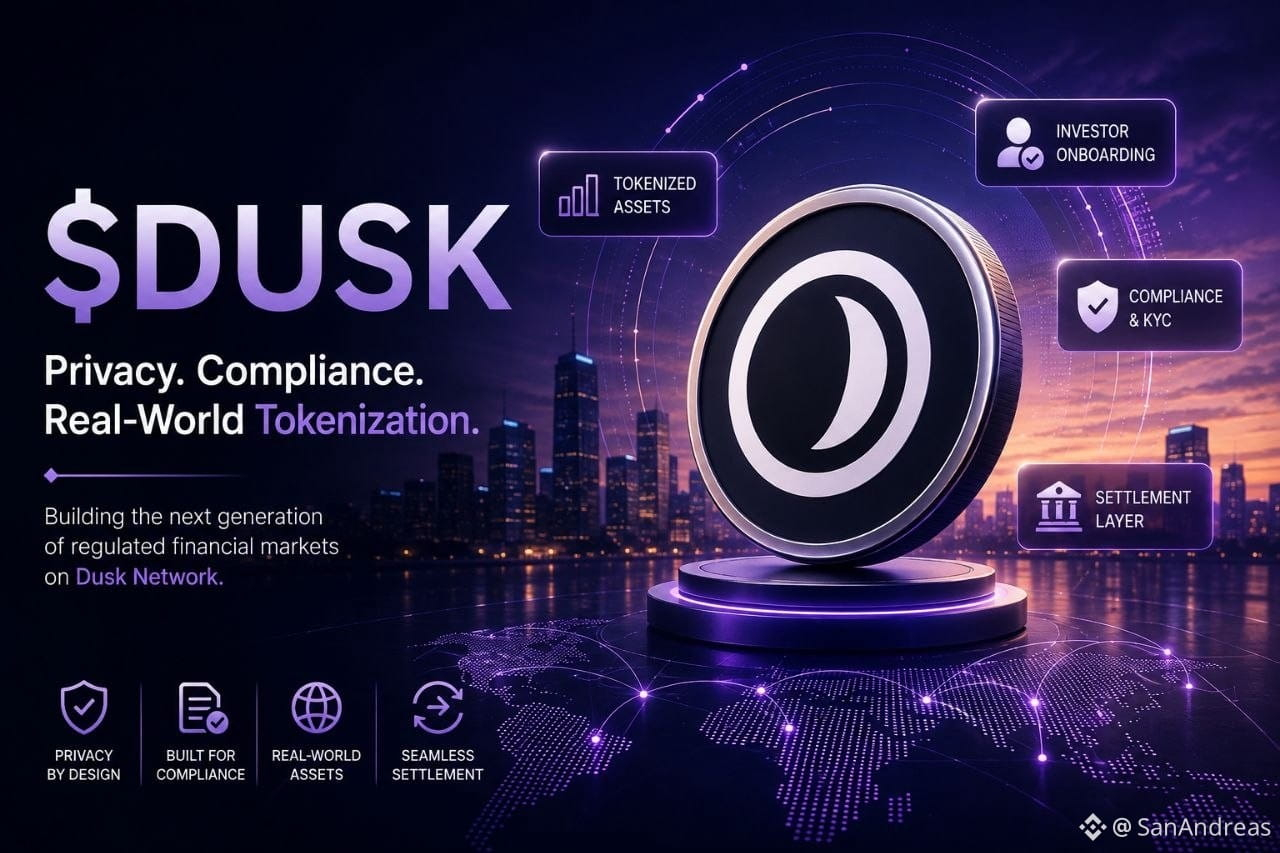
1
103
·
--
2. Einführung in TermMax
2.1 Das Problem
DeFi-Märkte funktionieren überwiegend mit variablen Zinssätzen, wodurch sowohl für Kreditnehmer als auch für Kreditgeber Unsicherheit entsteht. Traditionelle Institutionen und professionelle Trader benötigen Planbarkeit der Zinssätze, um:
Strategien zur Kapitalallokation zu planen
Zinsrisiken abzusichern
Hebel- und Refinanzierungskosten sowie Renditen zu optimieren
Den Cashflow mit Sicherheit zu steuern
2.2 Die Lösung
TermMax stellt dezentrale Infrastruktur für festverzinsliches und fest befristetes Leihen und Verleihen bereit – mithilfe eines Drei-Token-Systems und eines maßgeschneiderten AMM:
FT (Fixed-rate Token) — Ein Token im Stil einer Zero-Coupon-Anleihe, der das Recht repräsentiert, den Nennwert einer Schuldposition bei Fälligkeit einzulösen. Kreditgeber kaufen FT mit Abschlag und lösen zum Nennwert ein, wodurch sie eine feste Rendite ab dem Zeitpunkt des Einstiegs festlegen.
XT (Yield Token) — Die ergänzende Komponente zu FT, wobei 1 FT + 1 XT = 1 Schuld-Token ergibt. Kreditnehmer erhalten XT, wenn sie einen Kredit aufnehmen, und können es sofort verkaufen, um Liquidität zu erhalten und ihre Kreditkosten bei Eintritt festzuschreiben. XT fungiert außerdem als einem Optionsprämien-ähnlicher Token, der das Optionsinstrument in den TermMax-Alpha-Märkten abbildet.
GT (Gearing Token) — Ein NFT, das eine gehebelt ausgestattete Position kapselt und die zugehörigen Sicherheiten- und Schuldinformationen On-Chain speichert. Anstatt Sicherheiten und Kredite manuell mehrfach zu „schleifen“, können Nutzer in einer einzigen Transaktion einen GT prägen, um eine Zielhebelung mit deutlich niedrigeren Gas-Kosten zu erreichen.
Kuratoren & Kapitaleffizienz
TermMax-Märkte werden von professionellen Kuratoren verwaltet – spezialisierten Liquiditätsmanagern, die Preiskurven festlegen, Risikoparameter steuern und die Kapitalallokation optimieren. Zu den aktuellen Kuratoren gehören Keyrock, Hardcoded Lab, Edge Capital, AlphaPing und Origami Crypto.
Zwei Mechanismen stellen sicher, dass das Kurator-Kapital mit maximaler Effizienz arbeitet:
Atomic Orders: Bevor Gelder entliehen werden, kann virtuelle Liquidität über mehrere Orders gleichzeitig verteilt werden, sodass das Kapital immer dort platziert ist, wo es am dringendsten benötigt wird, ohne Fragmentierung.
@termmax #TermMax
2. Einführung in TermMax
2.1 Das Problem
DeFi-Märkte funktionieren überwiegend mit variablen Zinssätzen, wodurch sowohl für Kreditnehmer als auch für Kreditgeber Unsicherheit entsteht. Traditionelle Institutionen und professionelle Trader benötigen Planbarkeit der Zinssätze, um:
Strategien zur Kapitalallokation zu planen
Zinsrisiken abzusichern
Hebel- und Refinanzierungskosten sowie Renditen zu optimieren
Den Cashflow mit Sicherheit zu steuern
2.2 Die Lösung
TermMax stellt dezentrale Infrastruktur für festverzinsliches und fest befristetes Leihen und Verleihen bereit – mithilfe eines Drei-Token-Systems und eines maßgeschneiderten AMM:
FT (Fixed-rate Token) — Ein Token im Stil einer Zero-Coupon-Anleihe, der das Recht repräsentiert, den Nennwert einer Schuldposition bei Fälligkeit einzulösen. Kreditgeber kaufen FT mit Abschlag und lösen zum Nennwert ein, wodurch sie eine feste Rendite ab dem Zeitpunkt des Einstiegs festlegen.
XT (Yield Token) — Die ergänzende Komponente zu FT, wobei 1 FT + 1 XT = 1 Schuld-Token ergibt. Kreditnehmer erhalten XT, wenn sie einen Kredit aufnehmen, und können es sofort verkaufen, um Liquidität zu erhalten und ihre Kreditkosten bei Eintritt festzuschreiben. XT fungiert außerdem als einem Optionsprämien-ähnlicher Token, der das Optionsinstrument in den TermMax-Alpha-Märkten abbildet.
GT (Gearing Token) — Ein NFT, das eine gehebelt ausgestattete Position kapselt und die zugehörigen Sicherheiten- und Schuldinformationen On-Chain speichert. Anstatt Sicherheiten und Kredite manuell mehrfach zu „schleifen“, können Nutzer in einer einzigen Transaktion einen GT prägen, um eine Zielhebelung mit deutlich niedrigeren Gas-Kosten zu erreichen.
Kuratoren & Kapitaleffizienz
TermMax-Märkte werden von professionellen Kuratoren verwaltet – spezialisierten Liquiditätsmanagern, die Preiskurven festlegen, Risikoparameter steuern und die Kapitalallokation optimieren. Zu den aktuellen Kuratoren gehören Keyrock, Hardcoded Lab, Edge Capital, AlphaPing und Origami Crypto.
Zwei Mechanismen stellen sicher, dass das Kurator-Kapital mit maximaler Effizienz arbeitet:
Atomic Orders: Bevor Gelder entliehen werden, kann virtuelle Liquidität über mehrere Orders gleichzeitig verteilt werden, sodass das Kapital immer dort platziert ist, wo es am dringendsten benötigt wird, ohne Fragmentierung.
@TermMax #TermMax
2.1 Das Problem
DeFi-Märkte funktionieren überwiegend mit variablen Zinssätzen, wodurch sowohl für Kreditnehmer als auch für Kreditgeber Unsicherheit entsteht. Traditionelle Institutionen und professionelle Trader benötigen Planbarkeit der Zinssätze, um:
Strategien zur Kapitalallokation zu planen
Zinsrisiken abzusichern
Hebel- und Refinanzierungskosten sowie Renditen zu optimieren
Den Cashflow mit Sicherheit zu steuern
2.2 Die Lösung
TermMax stellt dezentrale Infrastruktur für festverzinsliches und fest befristetes Leihen und Verleihen bereit – mithilfe eines Drei-Token-Systems und eines maßgeschneiderten AMM:
FT (Fixed-rate Token) — Ein Token im Stil einer Zero-Coupon-Anleihe, der das Recht repräsentiert, den Nennwert einer Schuldposition bei Fälligkeit einzulösen. Kreditgeber kaufen FT mit Abschlag und lösen zum Nennwert ein, wodurch sie eine feste Rendite ab dem Zeitpunkt des Einstiegs festlegen.
XT (Yield Token) — Die ergänzende Komponente zu FT, wobei 1 FT + 1 XT = 1 Schuld-Token ergibt. Kreditnehmer erhalten XT, wenn sie einen Kredit aufnehmen, und können es sofort verkaufen, um Liquidität zu erhalten und ihre Kreditkosten bei Eintritt festzuschreiben. XT fungiert außerdem als einem Optionsprämien-ähnlicher Token, der das Optionsinstrument in den TermMax-Alpha-Märkten abbildet.
GT (Gearing Token) — Ein NFT, das eine gehebelt ausgestattete Position kapselt und die zugehörigen Sicherheiten- und Schuldinformationen On-Chain speichert. Anstatt Sicherheiten und Kredite manuell mehrfach zu „schleifen“, können Nutzer in einer einzigen Transaktion einen GT prägen, um eine Zielhebelung mit deutlich niedrigeren Gas-Kosten zu erreichen.
Kuratoren & Kapitaleffizienz
TermMax-Märkte werden von professionellen Kuratoren verwaltet – spezialisierten Liquiditätsmanagern, die Preiskurven festlegen, Risikoparameter steuern und die Kapitalallokation optimieren. Zu den aktuellen Kuratoren gehören Keyrock, Hardcoded Lab, Edge Capital, AlphaPing und Origami Crypto.
Zwei Mechanismen stellen sicher, dass das Kurator-Kapital mit maximaler Effizienz arbeitet:
Atomic Orders: Bevor Gelder entliehen werden, kann virtuelle Liquidität über mehrere Orders gleichzeitig verteilt werden, sodass das Kapital immer dort platziert ist, wo es am dringendsten benötigt wird, ohne Fragmentierung.
@TermMax #TermMax
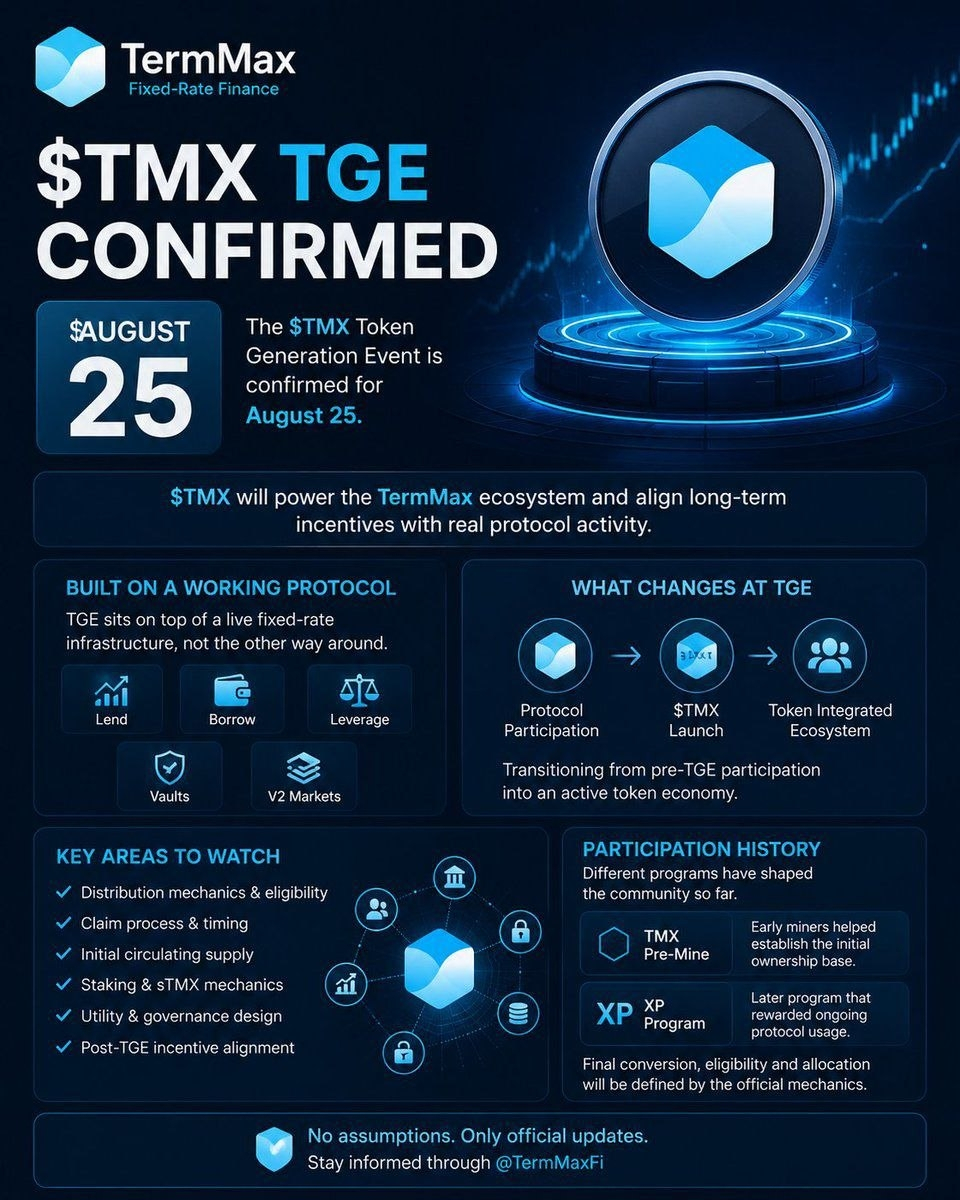
18
·
--
#termmax @termmax
TMX Token Whitepaper
Version 1.0 | März 2026
Haftungsausschluss:
Dieses Whitepaper dient ausschließlich Informationszwecken und stellt keine Finanz-, Rechts- oder Anlageberatung dar. Die hierin enthaltenen Informationen können ohne vorherige Ankündigung geändert werden. Term Structure Labs und seine verbundenen Unternehmen übernehmen keine Zusicherungen oder Gewährleistungen hinsichtlich der Richtigkeit oder Vollständigkeit dieses Dokuments. Zukünftige Teilnehmer sollten ihre eigene Due-Diligence-Prüfung durchführen und vor der Umsetzung von Entscheidungen professionelle Berater konsultieren.
1. Executive Summary
TMX ist der Utility- und Governance-Token für TermMax, ein dezentralisiertes Fixed-Rate-Kreditaufnahme- und Kreditvergabeprotokoll, das durch innovative Tokenisierung und Automated Market Maker (AMM)-Technologie vorhersehbare Zinssätze in DeFi bereitstellt.
Wesentliche Highlights:
Gesamtangebot: 1.000.000.000 TMX (fix, keine Inflation)
Token-Standard: ERC20 (OFT auf mehreren Blockchains)
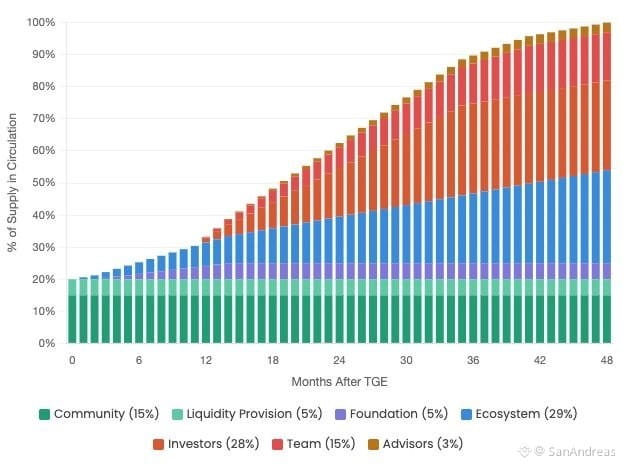
TGE-Datum: Noch nicht bekanntAnfängliche Zirkulation: ~20% zur TGE
Kernfunktion: Protokoll-Governance, Staking-Belohnungen und Ökosystem-Anreize
#termmax @TermMax
TMX Token Whitepaper
Version 1.0 | März 2026
Haftungsausschluss:
Dieses Whitepaper dient ausschließlich Informationszwecken und stellt keine Finanz-, Rechts- oder Anlageberatung dar. Die hierin enthaltenen Informationen können ohne vorherige Ankündigung geändert werden. Term Structure Labs und seine verbundenen Unternehmen übernehmen keine Zusicherungen oder Gewährleistungen hinsichtlich der Richtigkeit oder Vollständigkeit dieses Dokuments. Zukünftige Teilnehmer sollten ihre eigene Due-Diligence-Prüfung durchführen und vor der Umsetzung von Entscheidungen professionelle Berater konsultieren.
1. Executive Summary
TMX ist der Utility- und Governance-Token für TermMax, ein dezentralisiertes Fixed-Rate-Kreditaufnahme- und Kreditvergabeprotokoll, das durch innovative Tokenisierung und Automated Market Maker (AMM)-Technologie vorhersehbare Zinssätze in DeFi bereitstellt.
Wesentliche Highlights:
Gesamtangebot: 1.000.000.000 TMX (fix, keine Inflation)
Token-Standard: ERC20 (OFT auf mehreren Blockchains)
TGE-Datum: Noch nicht bekanntAnfängliche Zirkulation: ~20% zur TGE
Kernfunktion: Protokoll-Governance, Staking-Belohnungen und Ökosystem-Anreize
TMX Token Whitepaper
Version 1.0 | März 2026
Haftungsausschluss:
Dieses Whitepaper dient ausschließlich Informationszwecken und stellt keine Finanz-, Rechts- oder Anlageberatung dar. Die hierin enthaltenen Informationen können ohne vorherige Ankündigung geändert werden. Term Structure Labs und seine verbundenen Unternehmen übernehmen keine Zusicherungen oder Gewährleistungen hinsichtlich der Richtigkeit oder Vollständigkeit dieses Dokuments. Zukünftige Teilnehmer sollten ihre eigene Due-Diligence-Prüfung durchführen und vor der Umsetzung von Entscheidungen professionelle Berater konsultieren.
1. Executive Summary
TMX ist der Utility- und Governance-Token für TermMax, ein dezentralisiertes Fixed-Rate-Kreditaufnahme- und Kreditvergabeprotokoll, das durch innovative Tokenisierung und Automated Market Maker (AMM)-Technologie vorhersehbare Zinssätze in DeFi bereitstellt.
Wesentliche Highlights:
Gesamtangebot: 1.000.000.000 TMX (fix, keine Inflation)
Token-Standard: ERC20 (OFT auf mehreren Blockchains)
TGE-Datum: Noch nicht bekanntAnfängliche Zirkulation: ~20% zur TGE
Kernfunktion: Protokoll-Governance, Staking-Belohnungen und Ökosystem-Anreize
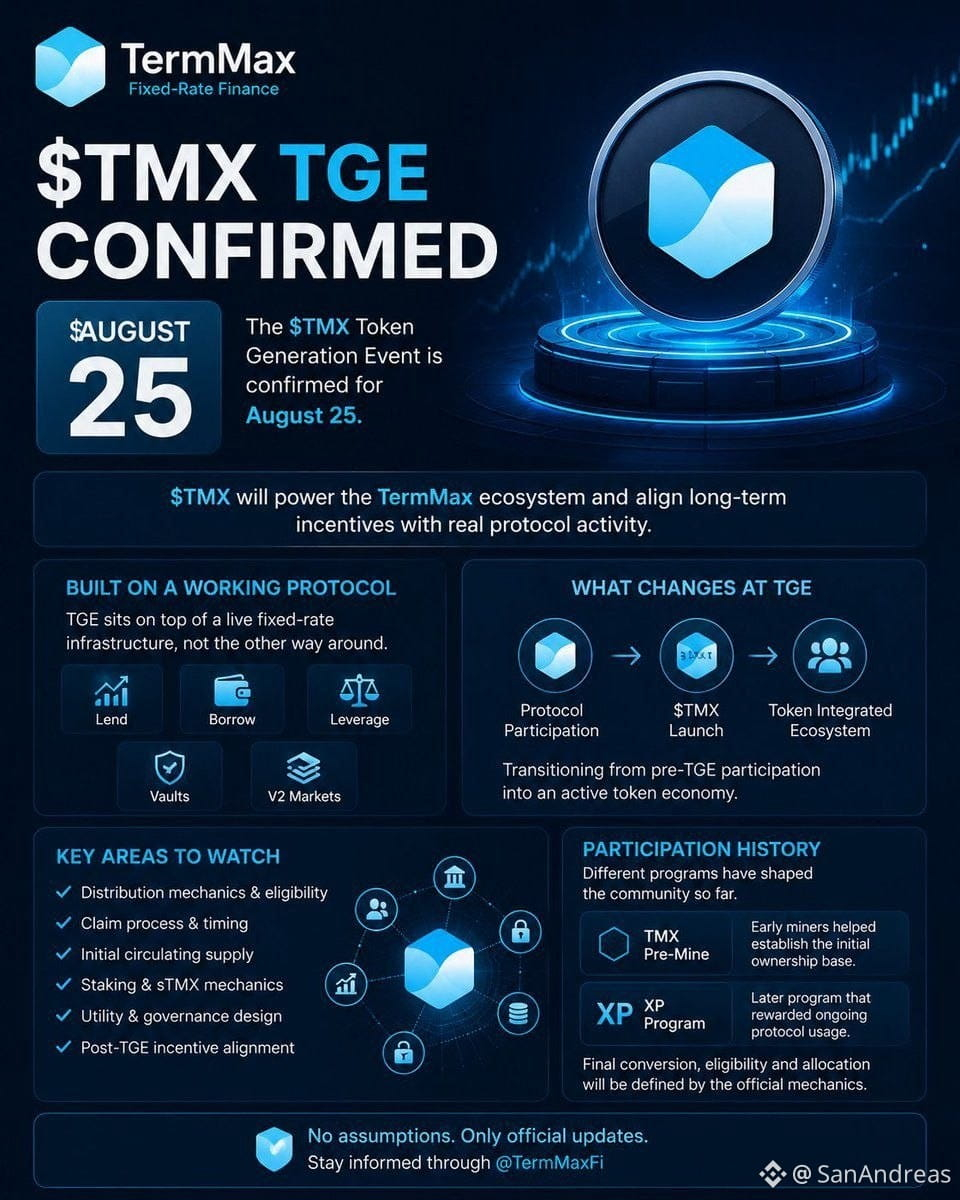
33
·
--
@Dusk_Foundation #dusk
$DUSK Kernkomponente:
5. Zitadelle
Rolle: Identitäts- und Zugriffsprimitive (selektive Offenlegung)
Wohin als Nächstes :
Zitadelle 2
Zitadelle 2 ist eine verbesserte Version des Self-Sovereign-Identity-Protokolls von Dusk. Damit kann jemand nachweisen, dass er einen gültigen Nachweis besitzt, der „Lizenz“ genannt wird, ohne seine persönlichen Daten oder die genaue Lizenz, die er verwendet hat, auf der On-Chain-Kette offenzulegen.
Die Kernidee
Stellen Sie sich eine Zitadellen-Lizenz als einen privaten Nachweis vor.
Ein Nutzer fordert einen vertrauenswürdigen Lizenzanbieter (LP) eine Lizenz an.
Der LP prüft den Nutzer außerhalb der Kette, signiert die relevanten Attributdaten, veröffentlicht eine verschlüsselte Lizenz und registriert diese Lizenz in einem Zitadellen-Vertrag.
Später möchte der Nutzer Zugriff auf einen Dienst. Er erzeugt einen Zero-Knowledge-Beweis, der zeigt, dass er eine registrierte, vom LP signierte Lizenz besitzt, ohne offenzulegen, welche Lizenz verwendet wird.
Der Zitadellen-Vertrag verifiziert den Beweis und zeichnet eine öffentliche Sitzung auf.
Der Nutzer sendet ein Sitzungs-Cookie an den Service Provider (SP), und der SP entscheidet, ob er den Zugriff gewährt.
Dieser letzte Punkt ist wichtig: Zitadelle beweist, dass die Sitzung kryptografisch gültig ist, aber sie trifft keine Entscheidung über die Service-Policy. Der SP entscheidet weiterhin, welchen LPs er vertraut, welche Attribute akzeptiert werden, ob die Sitzung abgelaufen oder widerrufen ist, und ob das Cookie wiederverwendet werden kann.
Was privat bleibt
Zitadelle 2 ist so konzipiert, dass persönliche Attribute nicht in die Blockchain geschrieben werden. Die On-Chain-Sitzung legt nicht den Wallet-Schlüssel des Nutzers, die verwendete Lizenz, den LP-Schlüssel, den SP-Schlüssel, die signierten Attribute oder den Merkle-Beweispfad offen. Wenn ein Dienst ein Attribut lernen oder verifizieren muss, legt der Nutzer nur das offen oder beweist nur das, was die Richtlinie dieses Dienstes verlangt.
Zitadelle 2 verwenden
Entwickler können in Dusk ihren eigenen Zitadellen-Lizenzvertrag bereitstellen. Das Zitadellen-Repository enthält die Rust-Core-Bibliothek, den Lizenzvertrag und zk-citadel-wallet: eine wallet-gestützte CLI/TUI zum Bereitstellen eines Vertrags, zum Anfordern und Ausstellen von Lizenzen, zum Verwenden einer Lizenz, zum Auflisten gespeicherter Sitzungs-Cookies und zum Verifizieren von Sitzungen.
@Dusk #dusk
$DUSK Kernkomponente:
5. Zitadelle
Rolle: Identitäts- und Zugriffsprimitive (selektive Offenlegung)
Wohin als Nächstes :
Zitadelle 2
Zitadelle 2 ist eine verbesserte Version des Self-Sovereign-Identity-Protokolls von Dusk. Damit kann jemand nachweisen, dass er einen gültigen Nachweis besitzt, der „Lizenz“ genannt wird, ohne seine persönlichen Daten oder die genaue Lizenz, die er verwendet hat, auf der On-Chain-Kette offenzulegen.
Die Kernidee
Stellen Sie sich eine Zitadellen-Lizenz als einen privaten Nachweis vor.
Ein Nutzer fordert einen vertrauenswürdigen Lizenzanbieter (LP) eine Lizenz an.
Der LP prüft den Nutzer außerhalb der Kette, signiert die relevanten Attributdaten, veröffentlicht eine verschlüsselte Lizenz und registriert diese Lizenz in einem Zitadellen-Vertrag.
Später möchte der Nutzer Zugriff auf einen Dienst. Er erzeugt einen Zero-Knowledge-Beweis, der zeigt, dass er eine registrierte, vom LP signierte Lizenz besitzt, ohne offenzulegen, welche Lizenz verwendet wird.
Der Zitadellen-Vertrag verifiziert den Beweis und zeichnet eine öffentliche Sitzung auf.
Der Nutzer sendet ein Sitzungs-Cookie an den Service Provider (SP), und der SP entscheidet, ob er den Zugriff gewährt.
Dieser letzte Punkt ist wichtig: Zitadelle beweist, dass die Sitzung kryptografisch gültig ist, aber sie trifft keine Entscheidung über die Service-Policy. Der SP entscheidet weiterhin, welchen LPs er vertraut, welche Attribute akzeptiert werden, ob die Sitzung abgelaufen oder widerrufen ist, und ob das Cookie wiederverwendet werden kann.
Was privat bleibt
Zitadelle 2 ist so konzipiert, dass persönliche Attribute nicht in die Blockchain geschrieben werden. Die On-Chain-Sitzung legt nicht den Wallet-Schlüssel des Nutzers, die verwendete Lizenz, den LP-Schlüssel, den SP-Schlüssel, die signierten Attribute oder den Merkle-Beweispfad offen. Wenn ein Dienst ein Attribut lernen oder verifizieren muss, legt der Nutzer nur das offen oder beweist nur das, was die Richtlinie dieses Dienstes verlangt.
Zitadelle 2 verwenden
Entwickler können in Dusk ihren eigenen Zitadellen-Lizenzvertrag bereitstellen. Das Zitadellen-Repository enthält die Rust-Core-Bibliothek, den Lizenzvertrag und zk-citadel-wallet: eine wallet-gestützte CLI/TUI zum Bereitstellen eines Vertrags, zum Anfordern und Ausstellen von Lizenzen, zum Verwenden einer Lizenz, zum Auflisten gespeicherter Sitzungs-Cookies und zum Verifizieren von Sitzungen.
$DUSK Kernkomponente:
5. Zitadelle
Rolle: Identitäts- und Zugriffsprimitive (selektive Offenlegung)
Wohin als Nächstes :
Zitadelle 2
Zitadelle 2 ist eine verbesserte Version des Self-Sovereign-Identity-Protokolls von Dusk. Damit kann jemand nachweisen, dass er einen gültigen Nachweis besitzt, der „Lizenz“ genannt wird, ohne seine persönlichen Daten oder die genaue Lizenz, die er verwendet hat, auf der On-Chain-Kette offenzulegen.
Die Kernidee
Stellen Sie sich eine Zitadellen-Lizenz als einen privaten Nachweis vor.
Ein Nutzer fordert einen vertrauenswürdigen Lizenzanbieter (LP) eine Lizenz an.
Der LP prüft den Nutzer außerhalb der Kette, signiert die relevanten Attributdaten, veröffentlicht eine verschlüsselte Lizenz und registriert diese Lizenz in einem Zitadellen-Vertrag.
Später möchte der Nutzer Zugriff auf einen Dienst. Er erzeugt einen Zero-Knowledge-Beweis, der zeigt, dass er eine registrierte, vom LP signierte Lizenz besitzt, ohne offenzulegen, welche Lizenz verwendet wird.
Der Zitadellen-Vertrag verifiziert den Beweis und zeichnet eine öffentliche Sitzung auf.
Der Nutzer sendet ein Sitzungs-Cookie an den Service Provider (SP), und der SP entscheidet, ob er den Zugriff gewährt.
Dieser letzte Punkt ist wichtig: Zitadelle beweist, dass die Sitzung kryptografisch gültig ist, aber sie trifft keine Entscheidung über die Service-Policy. Der SP entscheidet weiterhin, welchen LPs er vertraut, welche Attribute akzeptiert werden, ob die Sitzung abgelaufen oder widerrufen ist, und ob das Cookie wiederverwendet werden kann.
Was privat bleibt
Zitadelle 2 ist so konzipiert, dass persönliche Attribute nicht in die Blockchain geschrieben werden. Die On-Chain-Sitzung legt nicht den Wallet-Schlüssel des Nutzers, die verwendete Lizenz, den LP-Schlüssel, den SP-Schlüssel, die signierten Attribute oder den Merkle-Beweispfad offen. Wenn ein Dienst ein Attribut lernen oder verifizieren muss, legt der Nutzer nur das offen oder beweist nur das, was die Richtlinie dieses Dienstes verlangt.
Zitadelle 2 verwenden
Entwickler können in Dusk ihren eigenen Zitadellen-Lizenzvertrag bereitstellen. Das Zitadellen-Repository enthält die Rust-Core-Bibliothek, den Lizenzvertrag und zk-citadel-wallet: eine wallet-gestützte CLI/TUI zum Bereitstellen eines Vertrags, zum Anfordern und Ausstellen von Lizenzen, zum Verwenden einer Lizenz, zum Auflisten gespeicherter Sitzungs-Cookies und zum Verifizieren von Sitzungen.
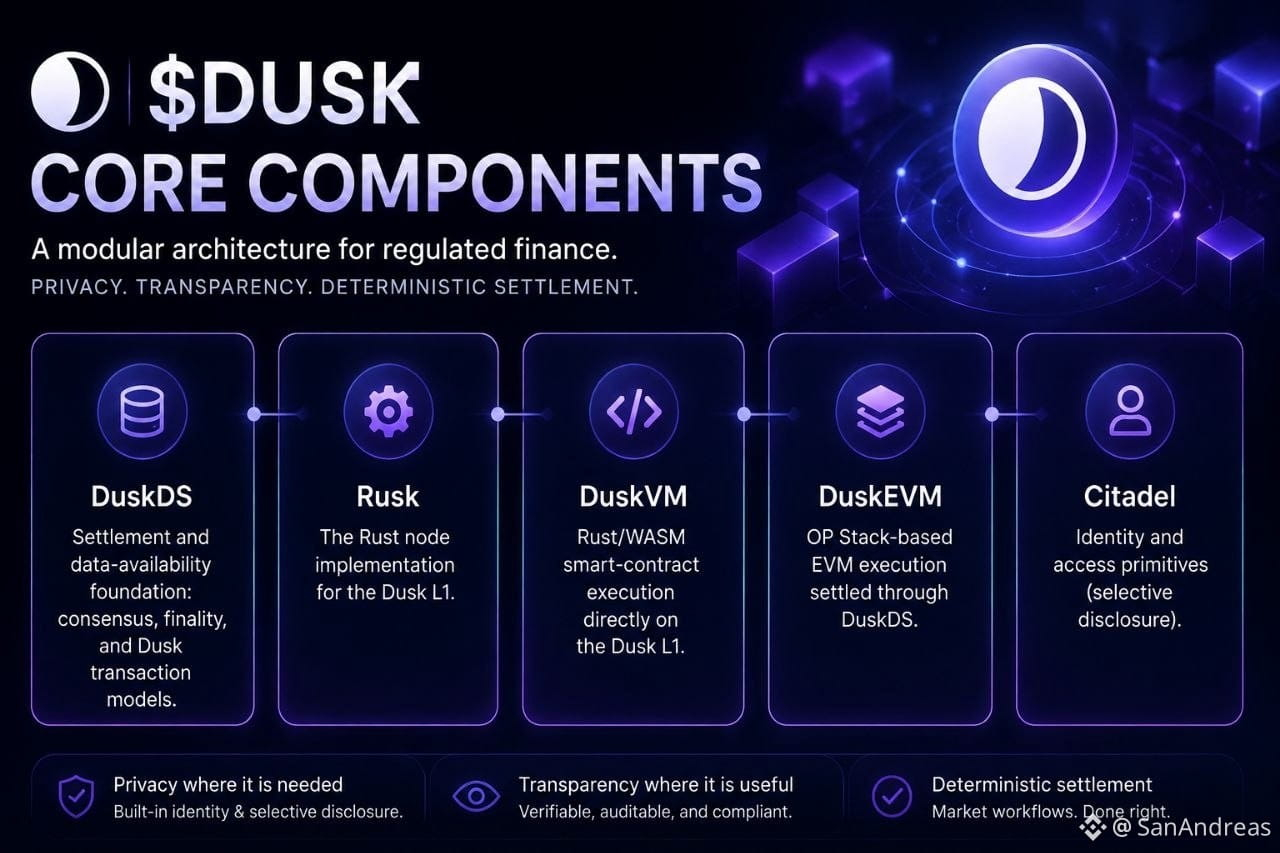
45
·
--
Artikel
DUSK-Kernkomponente:5. Citadel
Rolle: Identitäts- und Zugriffsgrundlagen (selektive Offenlegung)
Wohin als Nächstes?
Citadel 2
Citadel 2 ist eine verbesserte Version des Self-Sovereign-Identity-Protokolls von Dusk. Damit kann jemand nachweisen, dass er einen gültigen Nachweis besitzt, der als Lizenz bezeichnet wird, ohne seine persönlichen Daten oder die genaue Lizenz, die er verwendet hat, on-chain zu veröffentlichen.
Die Kernidee
Stellen Sie sich eine Citadel-Lizenz als einen privaten Nachweis vor.
Ein Nutzer fragt bei einem vertrauenswürdigen License Provider (LP) eine Lizenz an.
Der LP prüft den Nutzer außerhalb der Kette (off-chain), signiert die relevanten Attributdaten, veröffentlicht eine verschlüsselte Lizenz und registriert diese Lizenz in einem Citadel-Contract.
DUSK-Kernkomponente:
5. Citadel
Rolle: Identitäts- und Zugriffsgrundlagen (selektive Offenlegung)
Wohin als Nächstes?
Citadel 2
Citadel 2 ist eine verbesserte Version des Self-Sovereign-Identity-Protokolls von Dusk. Damit kann jemand nachweisen, dass er einen gültigen Nachweis besitzt, der als Lizenz bezeichnet wird, ohne seine persönlichen Daten oder die genaue Lizenz, die er verwendet hat, on-chain zu veröffentlichen.
Die Kernidee
Stellen Sie sich eine Citadel-Lizenz als einen privaten Nachweis vor.
Ein Nutzer fragt bei einem vertrauenswürdigen License Provider (LP) eine Lizenz an.
Der LP prüft den Nutzer außerhalb der Kette (off-chain), signiert die relevanten Attributdaten, veröffentlicht eine verschlüsselte Lizenz und registriert diese Lizenz in einem Citadel-Contract.
Rolle: Identitäts- und Zugriffsgrundlagen (selektive Offenlegung)
Wohin als Nächstes?
Citadel 2
Citadel 2 ist eine verbesserte Version des Self-Sovereign-Identity-Protokolls von Dusk. Damit kann jemand nachweisen, dass er einen gültigen Nachweis besitzt, der als Lizenz bezeichnet wird, ohne seine persönlichen Daten oder die genaue Lizenz, die er verwendet hat, on-chain zu veröffentlichen.
Die Kernidee
Stellen Sie sich eine Citadel-Lizenz als einen privaten Nachweis vor.
Ein Nutzer fragt bei einem vertrauenswürdigen License Provider (LP) eine Lizenz an.
Der LP prüft den Nutzer außerhalb der Kette (off-chain), signiert die relevanten Attributdaten, veröffentlicht eine verschlüsselte Lizenz und registriert diese Lizenz in einem Citadel-Contract.
63
·
--
$DUSK Kernkomponente:
4. DuskEVM
Rolle : OP-Stack-basierte EVM-Ausführung, die über DuskDS abgewickelt wird
Wohin als Nächstes :
DuskEVM
DuskEVM bringt Solidity, EVM-Wallets und Ethereum-Tools zu Dusk. Bestehende EVM-Anwendungen können DuskEVM mit vertrauten Contracts und Workflows ansteuern und dabei DUSK für Gas sowie DuskDS für Abwicklung und Datenverfügbarkeit verwenden.
Warum DuskEVM
Starte mit dem EVM-Stack. Nutze Solidity oder Vyper mit Foundry, Hardhat, viem, ethers und standardmäßigen EVM-Wallets.
Nutze DUSK durchgehend. DUSK bezahlt für die Ausführung und wechselt zwischen Dusk L1 und DuskEVM über die Bridge.
Lege den Fokus auf die Abwicklung auf DuskDS. Batches und State-Commitments verankern die Aktivität von DuskEVM an Dusk Konsens- und Datenverfügbarkeits-Ebene.
Erreiche den erweiterten Dusk-Stack. EVM-Anwendungen können sich mit Dusk L1 Assets, Infrastruktur und privacy-orientierten Workflows verbinden, sobald diese Integrationen erforderlich sind.
Eine DuskEVM-Transaktion folgt einem Rollup-Lifecycle:
Die Transaktion wird an den DuskEVM-Sequencer übermittelt.
Die Ausführungsschicht nimmt sie in einen L2-Block auf.
Der Batcher veröffentlicht die Transaktionsdaten in DuskDS.
State-Commitments und Fault-Proofs verbinden den daraus resultierenden Zustand mit der DuskDS-Abwicklung.
Die Transaktionsaufnahme erfolgt schnell, aber Aufnahme und Abwicklung sind unterschiedliche Phasen. Anwendungen, die Wert zwischen DuskEVM und dem Dusk L1 bewegen, sollten Protokoll- oder Wallet-Status verwenden, anstatt Finalität aus der abgelaufenen Zeit abzuleiten.
Wähle eine Ausführungsumgebung
Wähle DuskEVM für Solidity-Anwendungen, EVM-Wallets, bestehende Ethereum-Bibliotheken und EVM-Infrastruktur.
Wähle DuskVM für Rust/WASM-Contracts, die direkt auf dem Dusk L1 ausgeführt werden sollen oder eng mit dessen Transaktionsmodellen, Protokoll-Assets, Privacy oder Zero-Knowledge-Fähigkeiten integriert werden müssen.
@Dusk_Foundation #dusk
$DUSK Kernkomponente:
4. DuskEVM
Rolle : OP-Stack-basierte EVM-Ausführung, die über DuskDS abgewickelt wird
Wohin als Nächstes :
DuskEVM
DuskEVM bringt Solidity, EVM-Wallets und Ethereum-Tools zu Dusk. Bestehende EVM-Anwendungen können DuskEVM mit vertrauten Contracts und Workflows ansteuern und dabei DUSK für Gas sowie DuskDS für Abwicklung und Datenverfügbarkeit verwenden.
Warum DuskEVM
Starte mit dem EVM-Stack. Nutze Solidity oder Vyper mit Foundry, Hardhat, viem, ethers und standardmäßigen EVM-Wallets.
Nutze DUSK durchgehend. DUSK bezahlt für die Ausführung und wechselt zwischen Dusk L1 und DuskEVM über die Bridge.
Lege den Fokus auf die Abwicklung auf DuskDS. Batches und State-Commitments verankern die Aktivität von DuskEVM an Dusk Konsens- und Datenverfügbarkeits-Ebene.
Erreiche den erweiterten Dusk-Stack. EVM-Anwendungen können sich mit Dusk L1 Assets, Infrastruktur und privacy-orientierten Workflows verbinden, sobald diese Integrationen erforderlich sind.
Eine DuskEVM-Transaktion folgt einem Rollup-Lifecycle:
Die Transaktion wird an den DuskEVM-Sequencer übermittelt.
Die Ausführungsschicht nimmt sie in einen L2-Block auf.
Der Batcher veröffentlicht die Transaktionsdaten in DuskDS.
State-Commitments und Fault-Proofs verbinden den daraus resultierenden Zustand mit der DuskDS-Abwicklung.
Die Transaktionsaufnahme erfolgt schnell, aber Aufnahme und Abwicklung sind unterschiedliche Phasen. Anwendungen, die Wert zwischen DuskEVM und dem Dusk L1 bewegen, sollten Protokoll- oder Wallet-Status verwenden, anstatt Finalität aus der abgelaufenen Zeit abzuleiten.
Wähle eine Ausführungsumgebung
Wähle DuskEVM für Solidity-Anwendungen, EVM-Wallets, bestehende Ethereum-Bibliotheken und EVM-Infrastruktur.
Wähle DuskVM für Rust/WASM-Contracts, die direkt auf dem Dusk L1 ausgeführt werden sollen oder eng mit dessen Transaktionsmodellen, Protokoll-Assets, Privacy oder Zero-Knowledge-Fähigkeiten integriert werden müssen.
@Dusk #dusk
4. DuskEVM
Rolle : OP-Stack-basierte EVM-Ausführung, die über DuskDS abgewickelt wird
Wohin als Nächstes :
DuskEVM
DuskEVM bringt Solidity, EVM-Wallets und Ethereum-Tools zu Dusk. Bestehende EVM-Anwendungen können DuskEVM mit vertrauten Contracts und Workflows ansteuern und dabei DUSK für Gas sowie DuskDS für Abwicklung und Datenverfügbarkeit verwenden.
Warum DuskEVM
Starte mit dem EVM-Stack. Nutze Solidity oder Vyper mit Foundry, Hardhat, viem, ethers und standardmäßigen EVM-Wallets.
Nutze DUSK durchgehend. DUSK bezahlt für die Ausführung und wechselt zwischen Dusk L1 und DuskEVM über die Bridge.
Lege den Fokus auf die Abwicklung auf DuskDS. Batches und State-Commitments verankern die Aktivität von DuskEVM an Dusk Konsens- und Datenverfügbarkeits-Ebene.
Erreiche den erweiterten Dusk-Stack. EVM-Anwendungen können sich mit Dusk L1 Assets, Infrastruktur und privacy-orientierten Workflows verbinden, sobald diese Integrationen erforderlich sind.
Eine DuskEVM-Transaktion folgt einem Rollup-Lifecycle:
Die Transaktion wird an den DuskEVM-Sequencer übermittelt.
Die Ausführungsschicht nimmt sie in einen L2-Block auf.
Der Batcher veröffentlicht die Transaktionsdaten in DuskDS.
State-Commitments und Fault-Proofs verbinden den daraus resultierenden Zustand mit der DuskDS-Abwicklung.
Die Transaktionsaufnahme erfolgt schnell, aber Aufnahme und Abwicklung sind unterschiedliche Phasen. Anwendungen, die Wert zwischen DuskEVM und dem Dusk L1 bewegen, sollten Protokoll- oder Wallet-Status verwenden, anstatt Finalität aus der abgelaufenen Zeit abzuleiten.
Wähle eine Ausführungsumgebung
Wähle DuskEVM für Solidity-Anwendungen, EVM-Wallets, bestehende Ethereum-Bibliotheken und EVM-Infrastruktur.
Wähle DuskVM für Rust/WASM-Contracts, die direkt auf dem Dusk L1 ausgeführt werden sollen oder eng mit dessen Transaktionsmodellen, Protokoll-Assets, Privacy oder Zero-Knowledge-Fähigkeiten integriert werden müssen.
@Dusk #dusk
67
·
--
@Dusk_Foundation #dusk
$DUSK Kernkomponente:
3. DuskVM
Rolle: Ausführung von Rust/WASM-Smart Contracts direkt auf der Dusk L1
Wohin als Nächstes:
DuskVM ist die WASM-Virtual Machine für Smart Contracts, die direkt auf der Dusk L1 ausgeführt werden. Sie basiert auf der Wasmtime-Engine und bietet eine benutzerdefinierte Unterstützung für das Ausführungsmodell von Dusk.
Verwenden Sie DuskVM für Rust/WASM-Contracts, Protokoll-Assets, benutzerdefinierte Ausführung, Marklogik, datenschutzbewusste Workflows oder Zero-Knowledge-Funktionen, die direkt auf der L1 laufen sollen.
Verwenden Sie stattdessen DuskEVM, wenn Ihre Anwendung um Solidity, EVM-Wallets und Ethereum-kompatible Tools herum entwickelt wurde. Siehe DuskEVM.
Wo DuskVM hineinpasst
DuskVM ist die Komponente zur Ausführung von Smart Contracts der Dusk L1. DuskVM führt den Contract-Code aus, während DuskDS die Grundlage für Konsens, Settlement und Datenverfügbarkeit bereitstellt, die den resultierenden Zustand finalisiert.
Auf einer hohen Ebene bietet DuskVM:
Spezifisches Mechanismus zur Speicherverwaltung
Unterstützung für Dusks ABI
Unterstützung für Aufrufe zwischen Contracts
DuskVM fungiert als Schnittstelle auf Host-Seite und übernimmt die Handhabung der Ausführungsumgebung sowie systembezogener Operationen.
Kompilieren von Contracts zu WASM
DuskVM erwartet WASM als Bytecode. Das bedeutet, dass Smart Contracts in WASM-Bytecode kompiliert werden müssen, damit DuskVM sie ausführen kann. Smart Contracts sind vollständig dafür verantwortlich, ihre Eingaben zu validieren, sie entsprechend der Contract-Logik zu verarbeiten und die passenden Ausgaben zurückzugeben. Dadurch wird sichergestellt, dass Smart Contracts innerhalb der standardisierten Ausführungsumgebung von DuskVM vorhersehbar und sicher arbeiten.
Zu WASM kompilierte Contracts können von DuskVM ausgeführt werden, mit folgenden Einschränkungen:
Der Contract muss den „Argument-Puffer“ (argbuf) bereitstellen, also einen speziellen Bereich mit 64 KB im Speicher des Contracts
Jede freigelegte Funktion entspricht der folgenden Konvention: fn foo(u32) -> u32
Der empfangene u32-Wert gibt die Länge der Eingabedaten an, die vom Aufrufer in den argbuf gelegt wurde. Diese Eingabelänge bestimmt, wie viele Bytes an Daten der Contract aus dem argbuf lesen soll.
{spot}(DUSKUSDT)
@Dusk #dusk
$DUSK Kernkomponente:
3. DuskVM
Rolle: Ausführung von Rust/WASM-Smart Contracts direkt auf der Dusk L1
Wohin als Nächstes:
DuskVM ist die WASM-Virtual Machine für Smart Contracts, die direkt auf der Dusk L1 ausgeführt werden. Sie basiert auf der Wasmtime-Engine und bietet eine benutzerdefinierte Unterstützung für das Ausführungsmodell von Dusk.
Verwenden Sie DuskVM für Rust/WASM-Contracts, Protokoll-Assets, benutzerdefinierte Ausführung, Marklogik, datenschutzbewusste Workflows oder Zero-Knowledge-Funktionen, die direkt auf der L1 laufen sollen.
Verwenden Sie stattdessen DuskEVM, wenn Ihre Anwendung um Solidity, EVM-Wallets und Ethereum-kompatible Tools herum entwickelt wurde. Siehe DuskEVM.
Wo DuskVM hineinpasst
DuskVM ist die Komponente zur Ausführung von Smart Contracts der Dusk L1. DuskVM führt den Contract-Code aus, während DuskDS die Grundlage für Konsens, Settlement und Datenverfügbarkeit bereitstellt, die den resultierenden Zustand finalisiert.
Auf einer hohen Ebene bietet DuskVM:
Spezifisches Mechanismus zur Speicherverwaltung
Unterstützung für Dusks ABI
Unterstützung für Aufrufe zwischen Contracts
DuskVM fungiert als Schnittstelle auf Host-Seite und übernimmt die Handhabung der Ausführungsumgebung sowie systembezogener Operationen.
Kompilieren von Contracts zu WASM
DuskVM erwartet WASM als Bytecode. Das bedeutet, dass Smart Contracts in WASM-Bytecode kompiliert werden müssen, damit DuskVM sie ausführen kann. Smart Contracts sind vollständig dafür verantwortlich, ihre Eingaben zu validieren, sie entsprechend der Contract-Logik zu verarbeiten und die passenden Ausgaben zurückzugeben. Dadurch wird sichergestellt, dass Smart Contracts innerhalb der standardisierten Ausführungsumgebung von DuskVM vorhersehbar und sicher arbeiten.
Zu WASM kompilierte Contracts können von DuskVM ausgeführt werden, mit folgenden Einschränkungen:
Der Contract muss den „Argument-Puffer“ (argbuf) bereitstellen, also einen speziellen Bereich mit 64 KB im Speicher des Contracts
Jede freigelegte Funktion entspricht der folgenden Konvention: fn foo(u32) -> u32
Der empfangene u32-Wert gibt die Länge der Eingabedaten an, die vom Aufrufer in den argbuf gelegt wurde. Diese Eingabelänge bestimmt, wie viele Bytes an Daten der Contract aus dem argbuf lesen soll.
$DUSK Kernkomponente:
3. DuskVM
Rolle: Ausführung von Rust/WASM-Smart Contracts direkt auf der Dusk L1
Wohin als Nächstes:
DuskVM ist die WASM-Virtual Machine für Smart Contracts, die direkt auf der Dusk L1 ausgeführt werden. Sie basiert auf der Wasmtime-Engine und bietet eine benutzerdefinierte Unterstützung für das Ausführungsmodell von Dusk.
Verwenden Sie DuskVM für Rust/WASM-Contracts, Protokoll-Assets, benutzerdefinierte Ausführung, Marklogik, datenschutzbewusste Workflows oder Zero-Knowledge-Funktionen, die direkt auf der L1 laufen sollen.
Verwenden Sie stattdessen DuskEVM, wenn Ihre Anwendung um Solidity, EVM-Wallets und Ethereum-kompatible Tools herum entwickelt wurde. Siehe DuskEVM.
Wo DuskVM hineinpasst
DuskVM ist die Komponente zur Ausführung von Smart Contracts der Dusk L1. DuskVM führt den Contract-Code aus, während DuskDS die Grundlage für Konsens, Settlement und Datenverfügbarkeit bereitstellt, die den resultierenden Zustand finalisiert.
Auf einer hohen Ebene bietet DuskVM:
Spezifisches Mechanismus zur Speicherverwaltung
Unterstützung für Dusks ABI
Unterstützung für Aufrufe zwischen Contracts
DuskVM fungiert als Schnittstelle auf Host-Seite und übernimmt die Handhabung der Ausführungsumgebung sowie systembezogener Operationen.
Kompilieren von Contracts zu WASM
DuskVM erwartet WASM als Bytecode. Das bedeutet, dass Smart Contracts in WASM-Bytecode kompiliert werden müssen, damit DuskVM sie ausführen kann. Smart Contracts sind vollständig dafür verantwortlich, ihre Eingaben zu validieren, sie entsprechend der Contract-Logik zu verarbeiten und die passenden Ausgaben zurückzugeben. Dadurch wird sichergestellt, dass Smart Contracts innerhalb der standardisierten Ausführungsumgebung von DuskVM vorhersehbar und sicher arbeiten.
Zu WASM kompilierte Contracts können von DuskVM ausgeführt werden, mit folgenden Einschränkungen:
Der Contract muss den „Argument-Puffer“ (argbuf) bereitstellen, also einen speziellen Bereich mit 64 KB im Speicher des Contracts
Jede freigelegte Funktion entspricht der folgenden Konvention: fn foo(u32) -> u32
Der empfangene u32-Wert gibt die Länge der Eingabedaten an, die vom Aufrufer in den argbuf gelegt wurde. Diese Eingabelänge bestimmt, wie viele Bytes an Daten der Contract aus dem argbuf lesen soll.
83
·
--
@Dusk_Foundation #dusk
$DUSK Kernkomponenten:
2. Rusk
Rolle: Die Implementierung des Rust-Knotens für Dusk L1
Wohin als Nächstes:
Dusk-Knoten stellen zwei zentrale Low-Level-HTTP-Oberflächen bereit:
GraphQL für Chain-, Block-, Transaktions-, Mempool-, Archiv- und andere knotenindizierte Abfragen.
RUES-artige /on/... Routen für Transaktionsübermittlung, Contract-Aufrufe, Knotenoperationen, Proof-Generierung, Driver-Verwaltung sowie Event-Abonnements.
Nutzen Sie diese Seite als Implementierungsanleitung für direkte Node-Integrationen. Anwendungs-Software sollte normalerweise W3sper oder eine andere SDK-Schicht verwenden, außer es benötigt direkten Low-Level-Zugriff auf den Node.
Basis-URLs
Mainnet: https://nodes.dusk.network
Testnet: https://testnet.nodes.dusk.network
Die passende Oberfläche wählen
Verwenden Sie GraphQL, wenn Sie Chain-, Block-, Transaktions-, Mempool-, Archiv- oder andere knotenindizierte Daten benötigen, die nicht Teil einer Contract-ABI sind.
Verwenden Sie /on/contracts:<contract_id>/ <method> , wenn Sie eine von einer Contract-ABI bereitgestellte Methode abfragen.
Verwenden Sie andere /on/... Routen für Knotenoperationen wie Transaktionsübermittlung, Proof-Generierung, Driver-Verwaltung und Event-Abonnements.
Einige ältere /on/... Kurzrouten funktionieren weiterhin zur Kompatibilität, sind jedoch veraltet.
{spot}(DUSKUSDT)
@Dusk #dusk
$DUSK Kernkomponenten:
2. Rusk
Rolle: Die Implementierung des Rust-Knotens für Dusk L1
Wohin als Nächstes:
Dusk-Knoten stellen zwei zentrale Low-Level-HTTP-Oberflächen bereit:
GraphQL für Chain-, Block-, Transaktions-, Mempool-, Archiv- und andere knotenindizierte Abfragen.
RUES-artige /on/... Routen für Transaktionsübermittlung, Contract-Aufrufe, Knotenoperationen, Proof-Generierung, Driver-Verwaltung sowie Event-Abonnements.
Nutzen Sie diese Seite als Implementierungsanleitung für direkte Node-Integrationen. Anwendungs-Software sollte normalerweise W3sper oder eine andere SDK-Schicht verwenden, außer es benötigt direkten Low-Level-Zugriff auf den Node.
Basis-URLs
Mainnet: https://nodes.dusk.network
Testnet: https://testnet.nodes.dusk.network
Die passende Oberfläche wählen
Verwenden Sie GraphQL, wenn Sie Chain-, Block-, Transaktions-, Mempool-, Archiv- oder andere knotenindizierte Daten benötigen, die nicht Teil einer Contract-ABI sind.
Verwenden Sie /on/contracts:<contract_id>/ <method> , wenn Sie eine von einer Contract-ABI bereitgestellte Methode abfragen.
Verwenden Sie andere /on/... Routen für Knotenoperationen wie Transaktionsübermittlung, Proof-Generierung, Driver-Verwaltung und Event-Abonnements.
Einige ältere /on/... Kurzrouten funktionieren weiterhin zur Kompatibilität, sind jedoch veraltet.
$DUSK Kernkomponenten:
2. Rusk
Rolle: Die Implementierung des Rust-Knotens für Dusk L1
Wohin als Nächstes:
Dusk-Knoten stellen zwei zentrale Low-Level-HTTP-Oberflächen bereit:
GraphQL für Chain-, Block-, Transaktions-, Mempool-, Archiv- und andere knotenindizierte Abfragen.
RUES-artige /on/... Routen für Transaktionsübermittlung, Contract-Aufrufe, Knotenoperationen, Proof-Generierung, Driver-Verwaltung sowie Event-Abonnements.
Nutzen Sie diese Seite als Implementierungsanleitung für direkte Node-Integrationen. Anwendungs-Software sollte normalerweise W3sper oder eine andere SDK-Schicht verwenden, außer es benötigt direkten Low-Level-Zugriff auf den Node.
Basis-URLs
Mainnet: https://nodes.dusk.network
Testnet: https://testnet.nodes.dusk.network
Die passende Oberfläche wählen
Verwenden Sie GraphQL, wenn Sie Chain-, Block-, Transaktions-, Mempool-, Archiv- oder andere knotenindizierte Daten benötigen, die nicht Teil einer Contract-ABI sind.
Verwenden Sie /on/contracts:<contract_id>/ <method> , wenn Sie eine von einer Contract-ABI bereitgestellte Methode abfragen.
Verwenden Sie andere /on/... Routen für Knotenoperationen wie Transaktionsübermittlung, Proof-Generierung, Driver-Verwaltung und Event-Abonnements.
Einige ältere /on/... Kurzrouten funktionieren weiterhin zur Kompatibilität, sind jedoch veraltet.
77
·
--
@Dusk_Foundation #dusk
$DUSK Kernkomponenten
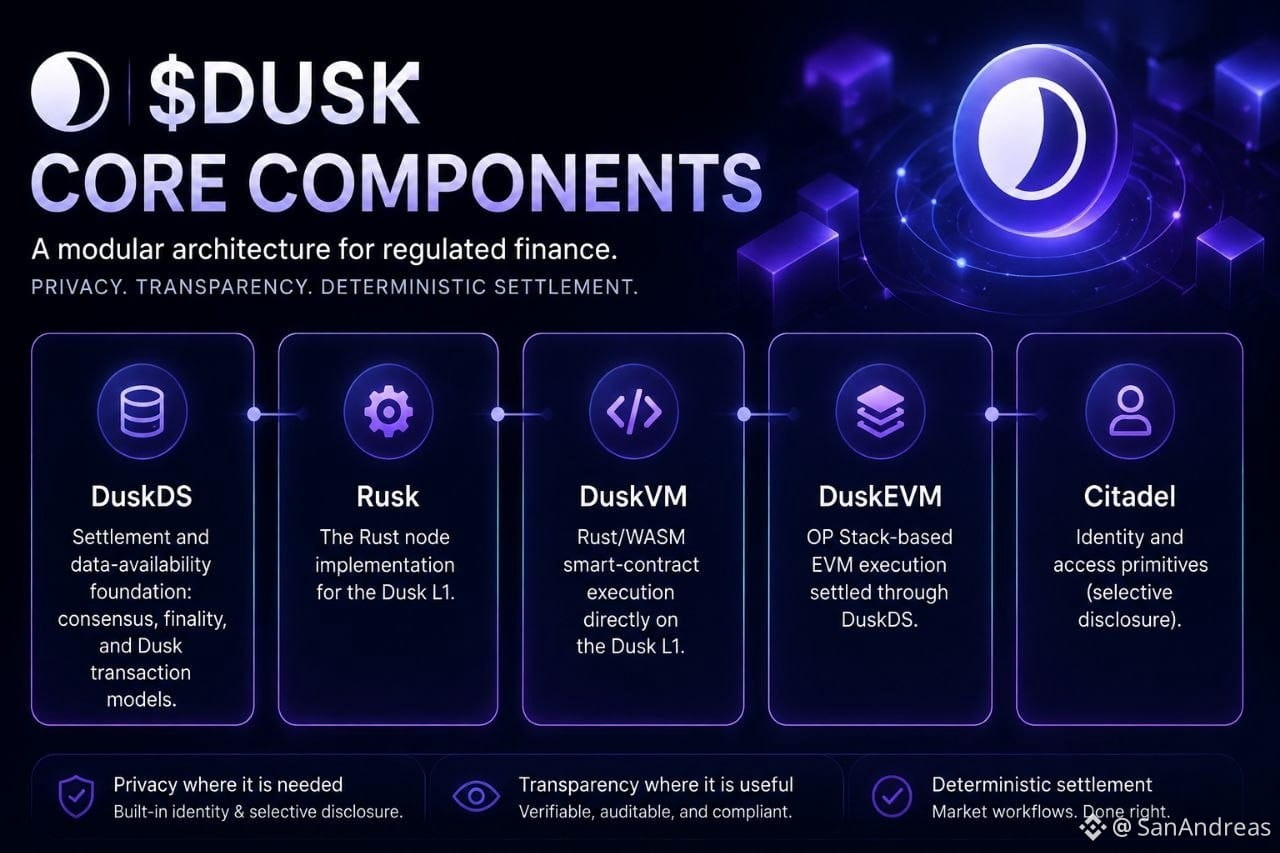
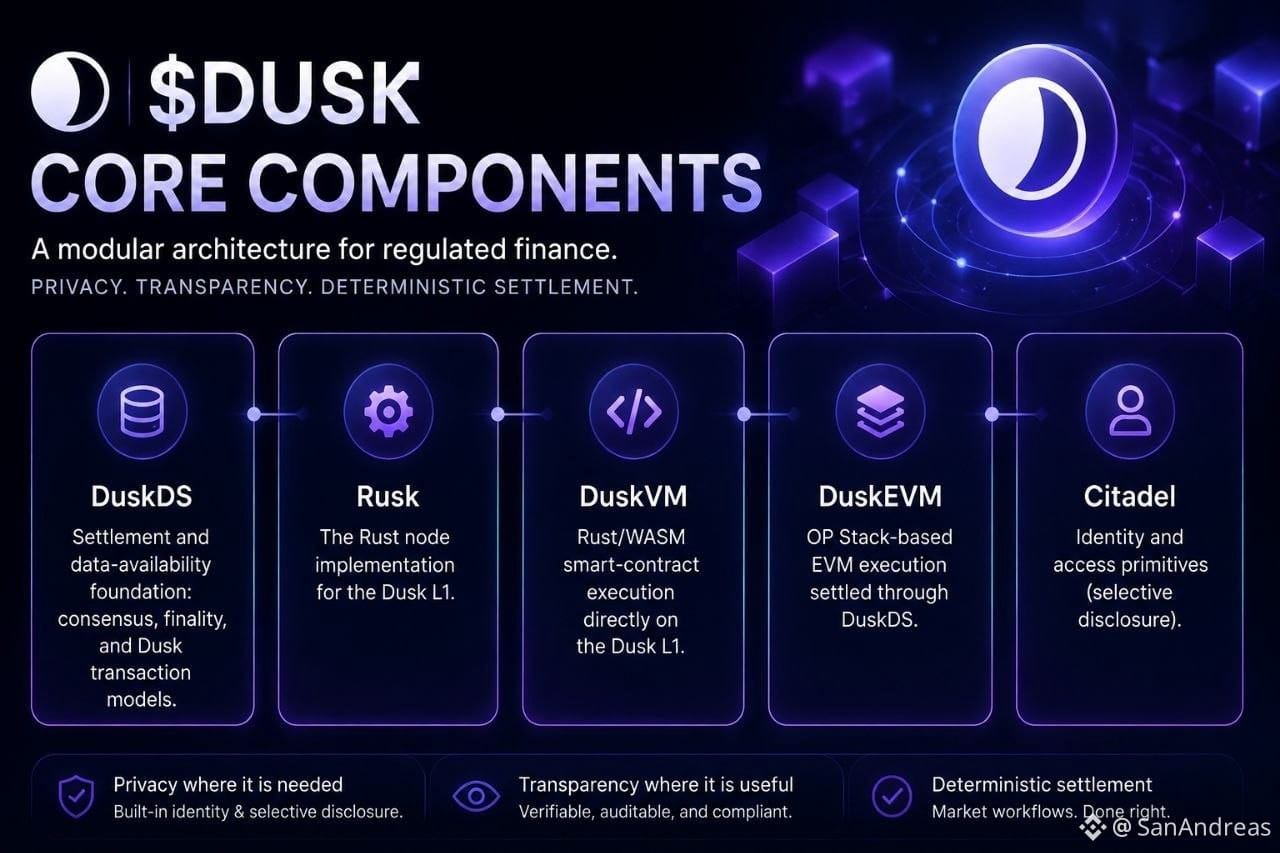
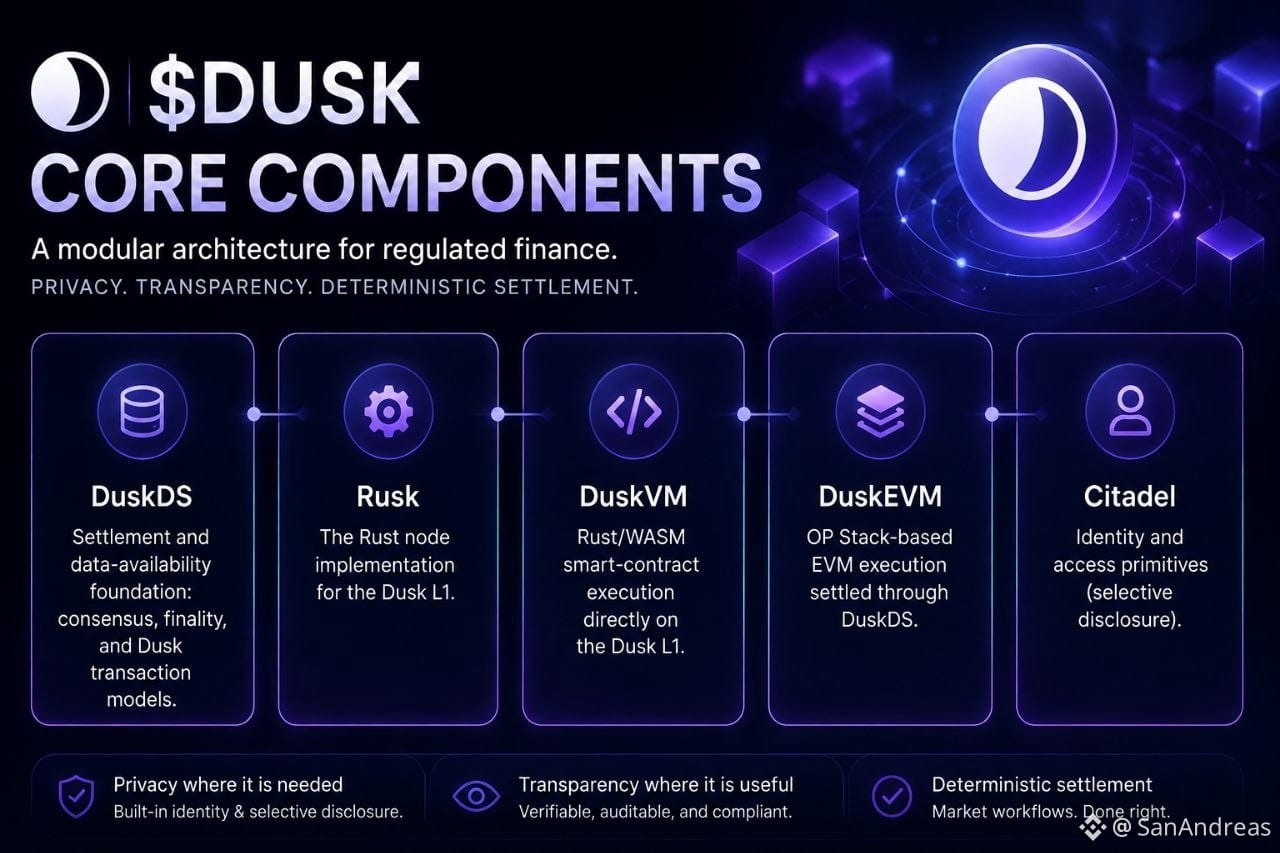
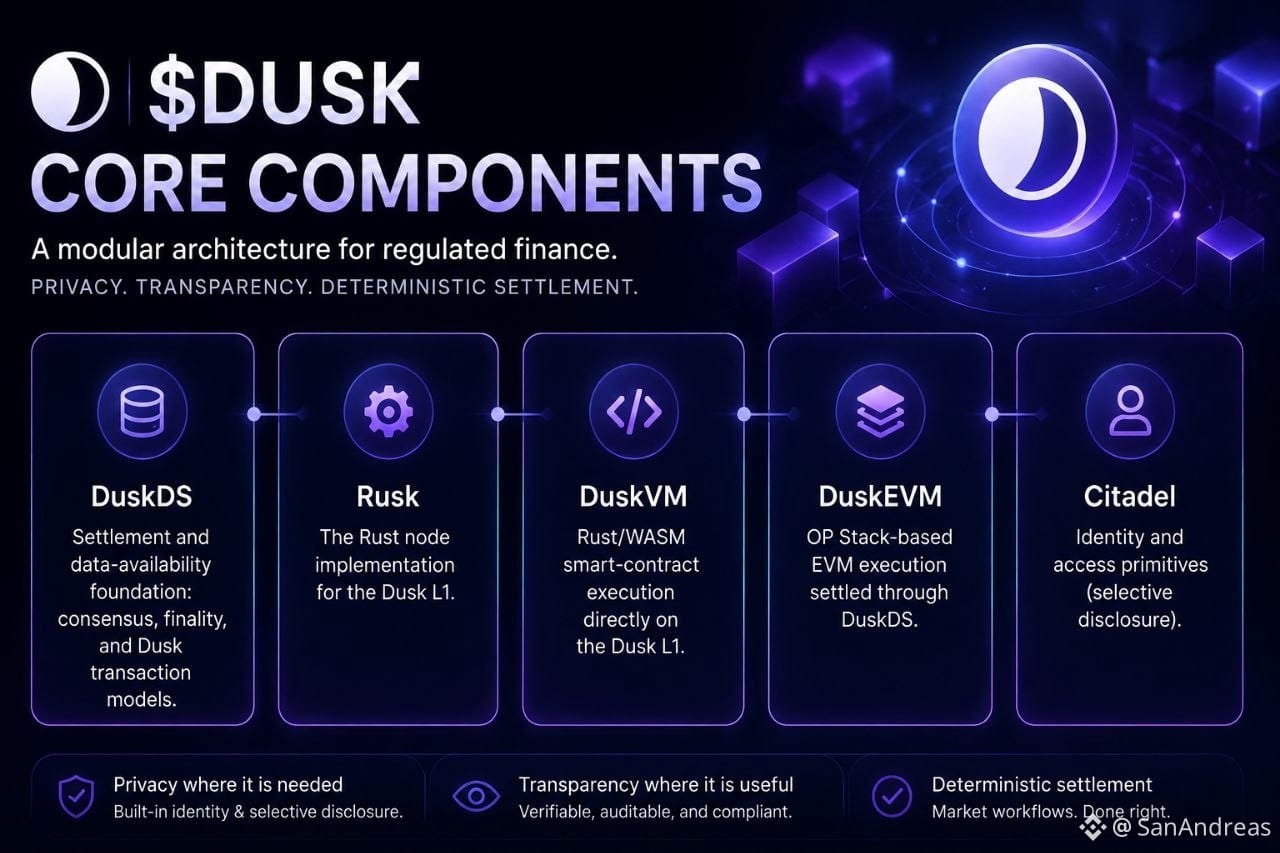
Das Dusk-Netzwerk nutzt eine modulare Architektur für regulierten Finanzbereich: Privatsphäre, wenn sie benötigt wird, Transparenz, wenn sie nützlich ist, und deterministische Abwicklung, wenn Markt-Workflows dies erfordern. Auf hoher Ebene:
Komponente :
1. DuskDS
Rolle :
Grundlage für Abwicklung und Datenverfügbarkeit: Konsens, Finalität und Dusk-Transaktionsmodelle
Wohin als Nächstes :
Dusk hat eine Zwei-Schichten-Architektur:
DuskDS – die Abwicklungs- und Datenebene (Konsens, Datenverfügbarkeit, Transaktionsmodelle)
DuskEVM – die EVM-Ausführungsebene, auf der Smart Contracts laufen und in der der Hedger beheimatet ist
Diese Seite beschreibt die Transaktionsmodelle auf DuskDS. Sie bildet den Hintergrund für alle, die verstehen möchten, wie Abwicklung und Privatsphäre im Inneren funktionieren. Wenn du dApps auf DuskEVM entwickelst, wirst du meistens mit dem Hedger und EVM-Contracts statt mit diesen Modellen direkt interagieren.
Phoenix vs. Moonlight (auf DuskDS)Auf DuskDS kann sich der Wert auf zwei native Arten bewegen:
Moonlight – öffentliche, kontobasierte Überweisungen
Phoenix – geschützte, notenbasierte Überweisungen mittels Zero-Knowledge-Proofs
Beides wird letztlich auf derselben Kette abgewickelt, aber es werden unterschiedlichen Beobachtern jeweils unterschiedliche Informationen offengelegt.
Für vollständige Implementierungsdetails kannst du dich auf das Whitepaper beziehen.
Moonlight – öffentliche Guthaben
Moonlight ist das transparente Transaktionsmodell:
Konten haben sichtbare Guthaben.
Überweisungen zeigen Absender, Empfänger und Betrag.
Geeignet für Abläufe, die beobachtbar sein müssen (z. B. bestimmte Treasury- oder Reporting-Szenarien).
Konzeptionell verhält es sich wie ein Standard-Kontomodell.
Für die meisten Nutzer ist das „einfach der transparente Weg, DUSK auf Protokollebene zu transferieren“.
Phoenix – geschützte Guthaben
Phoenix ist das privatsphärefreundliche Modell:
Mittel leben als verschlüsselte „Notizen“ statt als explizite Guthaben.
Transaktionen belegen die Korrektheit (keine Doppelausgaben, genügend Mittel) mit Zero-Knowledge-Proofs, ohne offenzulegen:wie viel bewegt wird,wer die Note gesendet hat, außer an den Empfänger,zwischen welchen konkreten Notizen.
Nutzer können Informationen selektiv offenlegen, indem sie Viewing Keys verwenden, wenn Regulierung oder Auditing dies erfordert.
{spot}(DUSKUSDT)
@Dusk #dusk
$DUSK Kernkomponenten
Das Dusk-Netzwerk nutzt eine modulare Architektur für regulierten Finanzbereich: Privatsphäre, wenn sie benötigt wird, Transparenz, wenn sie nützlich ist, und deterministische Abwicklung, wenn Markt-Workflows dies erfordern. Auf hoher Ebene:
Komponente :
1. DuskDS
Rolle :
Grundlage für Abwicklung und Datenverfügbarkeit: Konsens, Finalität und Dusk-Transaktionsmodelle
Wohin als Nächstes :
Dusk hat eine Zwei-Schichten-Architektur:
DuskDS – die Abwicklungs- und Datenebene (Konsens, Datenverfügbarkeit, Transaktionsmodelle)
DuskEVM – die EVM-Ausführungsebene, auf der Smart Contracts laufen und in der der Hedger beheimatet ist
Diese Seite beschreibt die Transaktionsmodelle auf DuskDS. Sie bildet den Hintergrund für alle, die verstehen möchten, wie Abwicklung und Privatsphäre im Inneren funktionieren. Wenn du dApps auf DuskEVM entwickelst, wirst du meistens mit dem Hedger und EVM-Contracts statt mit diesen Modellen direkt interagieren.
Phoenix vs. Moonlight (auf DuskDS)Auf DuskDS kann sich der Wert auf zwei native Arten bewegen:
Moonlight – öffentliche, kontobasierte Überweisungen
Phoenix – geschützte, notenbasierte Überweisungen mittels Zero-Knowledge-Proofs
Beides wird letztlich auf derselben Kette abgewickelt, aber es werden unterschiedlichen Beobachtern jeweils unterschiedliche Informationen offengelegt.
Für vollständige Implementierungsdetails kannst du dich auf das Whitepaper beziehen.
Moonlight – öffentliche Guthaben
Moonlight ist das transparente Transaktionsmodell:
Konten haben sichtbare Guthaben.
Überweisungen zeigen Absender, Empfänger und Betrag.
Geeignet für Abläufe, die beobachtbar sein müssen (z. B. bestimmte Treasury- oder Reporting-Szenarien).
Konzeptionell verhält es sich wie ein Standard-Kontomodell.
Für die meisten Nutzer ist das „einfach der transparente Weg, DUSK auf Protokollebene zu transferieren“.
Phoenix – geschützte Guthaben
Phoenix ist das privatsphärefreundliche Modell:
Mittel leben als verschlüsselte „Notizen“ statt als explizite Guthaben.
Transaktionen belegen die Korrektheit (keine Doppelausgaben, genügend Mittel) mit Zero-Knowledge-Proofs, ohne offenzulegen:wie viel bewegt wird,wer die Note gesendet hat, außer an den Empfänger,zwischen welchen konkreten Notizen.
Nutzer können Informationen selektiv offenlegen, indem sie Viewing Keys verwenden, wenn Regulierung oder Auditing dies erfordert.
$DUSK Kernkomponenten
Das Dusk-Netzwerk nutzt eine modulare Architektur für regulierten Finanzbereich: Privatsphäre, wenn sie benötigt wird, Transparenz, wenn sie nützlich ist, und deterministische Abwicklung, wenn Markt-Workflows dies erfordern. Auf hoher Ebene:
Komponente :
1. DuskDS
Rolle :
Grundlage für Abwicklung und Datenverfügbarkeit: Konsens, Finalität und Dusk-Transaktionsmodelle
Wohin als Nächstes :
Dusk hat eine Zwei-Schichten-Architektur:
DuskDS – die Abwicklungs- und Datenebene (Konsens, Datenverfügbarkeit, Transaktionsmodelle)
DuskEVM – die EVM-Ausführungsebene, auf der Smart Contracts laufen und in der der Hedger beheimatet ist
Diese Seite beschreibt die Transaktionsmodelle auf DuskDS. Sie bildet den Hintergrund für alle, die verstehen möchten, wie Abwicklung und Privatsphäre im Inneren funktionieren. Wenn du dApps auf DuskEVM entwickelst, wirst du meistens mit dem Hedger und EVM-Contracts statt mit diesen Modellen direkt interagieren.
Phoenix vs. Moonlight (auf DuskDS)Auf DuskDS kann sich der Wert auf zwei native Arten bewegen:
Moonlight – öffentliche, kontobasierte Überweisungen
Phoenix – geschützte, notenbasierte Überweisungen mittels Zero-Knowledge-Proofs
Beides wird letztlich auf derselben Kette abgewickelt, aber es werden unterschiedlichen Beobachtern jeweils unterschiedliche Informationen offengelegt.
Für vollständige Implementierungsdetails kannst du dich auf das Whitepaper beziehen.
Moonlight – öffentliche Guthaben
Moonlight ist das transparente Transaktionsmodell:
Konten haben sichtbare Guthaben.
Überweisungen zeigen Absender, Empfänger und Betrag.
Geeignet für Abläufe, die beobachtbar sein müssen (z. B. bestimmte Treasury- oder Reporting-Szenarien).
Konzeptionell verhält es sich wie ein Standard-Kontomodell.
Für die meisten Nutzer ist das „einfach der transparente Weg, DUSK auf Protokollebene zu transferieren“.
Phoenix – geschützte Guthaben
Phoenix ist das privatsphärefreundliche Modell:
Mittel leben als verschlüsselte „Notizen“ statt als explizite Guthaben.
Transaktionen belegen die Korrektheit (keine Doppelausgaben, genügend Mittel) mit Zero-Knowledge-Proofs, ohne offenzulegen:wie viel bewegt wird,wer die Note gesendet hat, außer an den Empfänger,zwischen welchen konkreten Notizen.
Nutzer können Informationen selektiv offenlegen, indem sie Viewing Keys verwenden, wenn Regulierung oder Auditing dies erfordert.
101
·
--
@Dusk_Foundation #dusk
Fortsetzung der vorherigen Diskussion zu $DUSK Trade.
Teil 4
Das große Ganze
Tokenisierung wird häufig im Hinblick darauf diskutiert, was auf der Kette abgebildet werden kann.
Aber die wichtigere Frage könnte sein:
Was passiert, nachdem sich das Asset auf der Kette befindet?
Wie entdeckt ein Investor es?
Wie wird die Berechtigung bestimmt?
Wie werden Offenlegungen dargestellt?
Wie kommt es zum Handel?
Wie werden Zahlungs- und Asset-Bewegungen koordiniert?
Wie wird die Transaktion abgewickelt?
Und wie interagieren Emittenten, Handelsplätze, Investoren und autorisierte Teilnehmer mit derselben Infrastruktur?
Das sind Fragen auf Anwendungsebene.
Dusk Trade ist darauf ausgelegt, sie zu beantworten.
Wenn Tokenisierung über Experimente hinausgehen und Teil echter Finanzmärkte werden soll, muss die Blockchain-Infrastruktur mit Anwendungen zusammenspielen, die die Komplexität regulierter Assets verstehen.
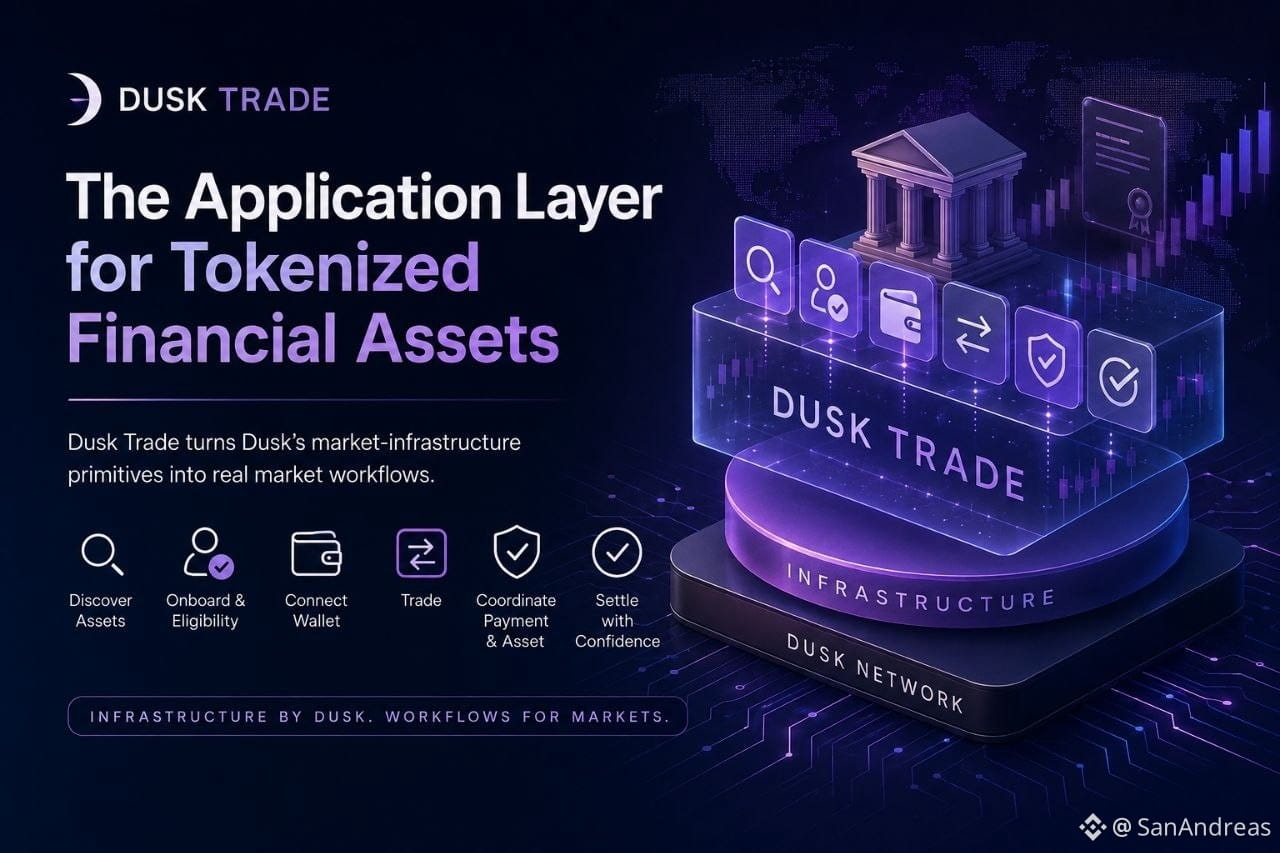
Dusk Trade ist an genau dieser Schnittstelle positioniert: Umwandlung der zugrunde liegenden Marktinfrastruktur von Dusk in praxistaugliche Workflows für tokenisierte Finanz-Assets.
Das ultimative Ziel besteht nicht nur darin, Finanz-Assets on-chain übertragbar zu machen.
Ziel ist es, die gesamte Reise – von der Entdeckung über die Berechtigung, den Handel, die Zahlung und die Abwicklung – als ein konsistentes digitales Erlebnis für Finanzmärkte funktionieren zu lassen.
$DUSK
{spot}(DUSKUSDT)
@Dusk #dusk
Fortsetzung der vorherigen Diskussion zu $DUSK Trade.
Teil 4
Das große Ganze
Tokenisierung wird häufig im Hinblick darauf diskutiert, was auf der Kette abgebildet werden kann.
Aber die wichtigere Frage könnte sein:
Was passiert, nachdem sich das Asset auf der Kette befindet?
Wie entdeckt ein Investor es?
Wie wird die Berechtigung bestimmt?
Wie werden Offenlegungen dargestellt?
Wie kommt es zum Handel?
Wie werden Zahlungs- und Asset-Bewegungen koordiniert?
Wie wird die Transaktion abgewickelt?
Und wie interagieren Emittenten, Handelsplätze, Investoren und autorisierte Teilnehmer mit derselben Infrastruktur?
Das sind Fragen auf Anwendungsebene.
Dusk Trade ist darauf ausgelegt, sie zu beantworten.
Wenn Tokenisierung über Experimente hinausgehen und Teil echter Finanzmärkte werden soll, muss die Blockchain-Infrastruktur mit Anwendungen zusammenspielen, die die Komplexität regulierter Assets verstehen.
Dusk Trade ist an genau dieser Schnittstelle positioniert: Umwandlung der zugrunde liegenden Marktinfrastruktur von Dusk in praxistaugliche Workflows für tokenisierte Finanz-Assets.
Das ultimative Ziel besteht nicht nur darin, Finanz-Assets on-chain übertragbar zu machen.
Ziel ist es, die gesamte Reise – von der Entdeckung über die Berechtigung, den Handel, die Zahlung und die Abwicklung – als ein konsistentes digitales Erlebnis für Finanzmärkte funktionieren zu lassen.
$DUSK
Fortsetzung der vorherigen Diskussion zu $DUSK Trade.
Teil 4
Das große Ganze
Tokenisierung wird häufig im Hinblick darauf diskutiert, was auf der Kette abgebildet werden kann.
Aber die wichtigere Frage könnte sein:
Was passiert, nachdem sich das Asset auf der Kette befindet?
Wie entdeckt ein Investor es?
Wie wird die Berechtigung bestimmt?
Wie werden Offenlegungen dargestellt?
Wie kommt es zum Handel?
Wie werden Zahlungs- und Asset-Bewegungen koordiniert?
Wie wird die Transaktion abgewickelt?
Und wie interagieren Emittenten, Handelsplätze, Investoren und autorisierte Teilnehmer mit derselben Infrastruktur?
Das sind Fragen auf Anwendungsebene.
Dusk Trade ist darauf ausgelegt, sie zu beantworten.
Wenn Tokenisierung über Experimente hinausgehen und Teil echter Finanzmärkte werden soll, muss die Blockchain-Infrastruktur mit Anwendungen zusammenspielen, die die Komplexität regulierter Assets verstehen.
Dusk Trade ist an genau dieser Schnittstelle positioniert: Umwandlung der zugrunde liegenden Marktinfrastruktur von Dusk in praxistaugliche Workflows für tokenisierte Finanz-Assets.
Das ultimative Ziel besteht nicht nur darin, Finanz-Assets on-chain übertragbar zu machen.
Ziel ist es, die gesamte Reise – von der Entdeckung über die Berechtigung, den Handel, die Zahlung und die Abwicklung – als ein konsistentes digitales Erlebnis für Finanzmärkte funktionieren zu lassen.
$DUSK
2
66
·
--
Fortsetzung der vorherigen Diskussion über $DUSK Trade.
Teil 3
Diese Trennung kann wichtig sein, weil Infrastruktur und Benutzeranwendungen unterschiedliche Verantwortlichkeiten haben.
Das Protokoll kann sich darauf konzentrieren, zuverlässige Blockchain- und Finanzmarkt-Bausteine bereitzustellen, während Anwendungen sich darauf konzentrieren können, wie diese Bausteine in bestimmten Workflows eingesetzt werden.
Warum das für Tokenisierung wichtig ist
Das langfristige Versprechen der Tokenisierung besteht nicht nur darin, traditionelle Vermögenswerte auf eine Blockchain zu bringen.
Die größere Chance liegt darin, Finanzmärkte zu schaffen, in denen Emission, Eigentum, Handel, Compliance und Abwicklung mit programmierbarer Infrastruktur zusammenwirken können.
Dafür braucht es mehr als Tokens.
Es braucht Marktinfrastruktur und Anwendungen, die finanzielle Workflows verstehen.
Dusk Trade steht für die Anwendungskomponente in dieser Gleichung.
Seine Aufgabe ist es, Blockchain-Infrastruktur mit den praktischen Aktivitäten zu verbinden, die die Teilnehmenden ausführen, wenn sie mit tokenisierten Finanzvermögenswerten interagieren.
Ein anderer Denkansatz für Dusk Trade
Es ist vielleicht verlockend, Dusk Trade einfach als eine weitere Handelsoberfläche zu betrachten.
Aber sein übergeordnetes Ziel ist spannender.
Es lässt sich als Brücke zwischen Blockchain-Infrastruktur und regulierten Finanzmarkt-Workflows verstehen.
Der Unterschied ist subtil, aber wichtig.
Eine typische Krypto-Anwendung könnte sich primär auf Folgendes konzentrieren:
Wallet → Token → Handel
Ein regulierter Workflow für tokenisierte Vermögenswerte kann viel komplexer sein:
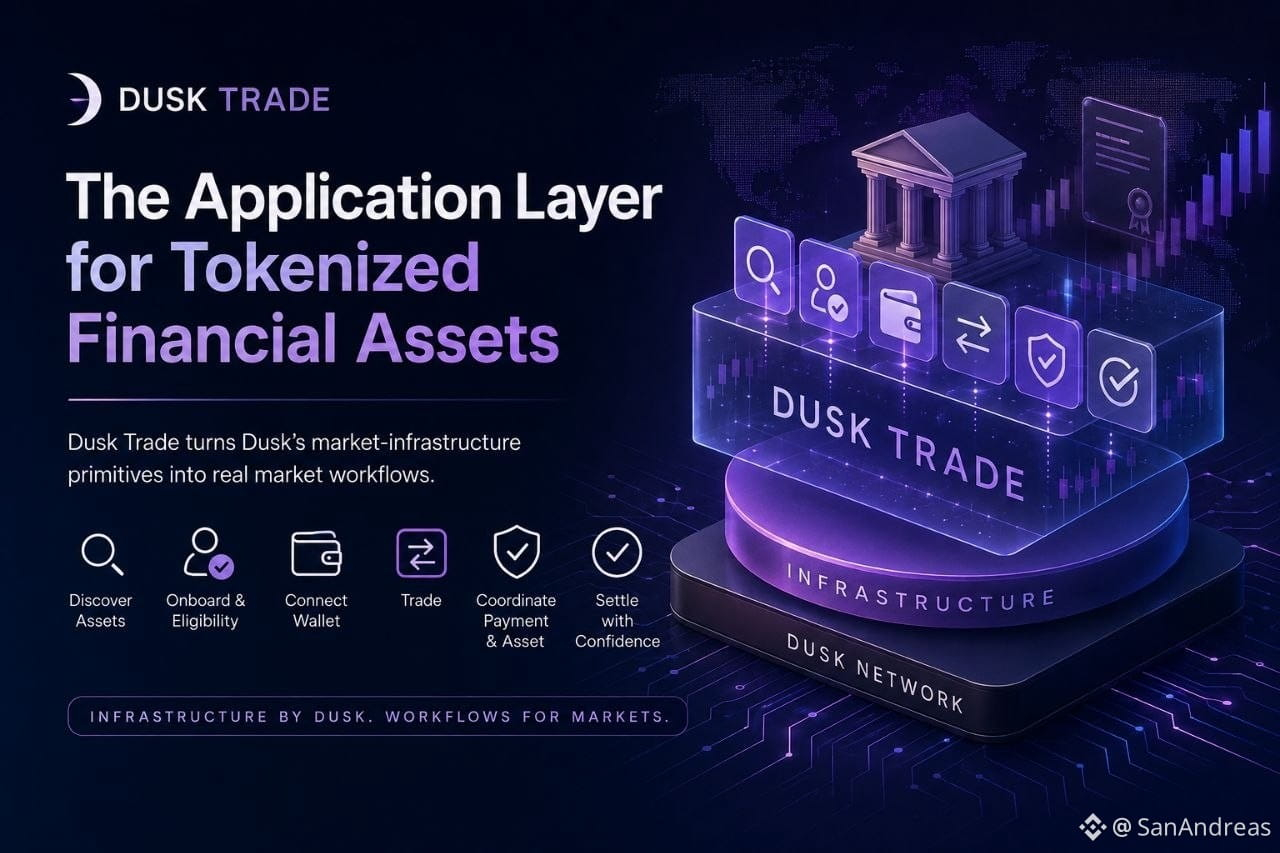
Asset Discovery → Investor Onboarding → Eligibility → Disclosure → Wallet → Handel → Payment Coordination → Settlement
Dusk Trade ist für das zweite Modell ausgelegt.
@Dusk_Foundation #dusk
Fortsetzung der vorherigen Diskussion über $DUSK Trade.
Teil 3
Diese Trennung kann wichtig sein, weil Infrastruktur und Benutzeranwendungen unterschiedliche Verantwortlichkeiten haben.
Das Protokoll kann sich darauf konzentrieren, zuverlässige Blockchain- und Finanzmarkt-Bausteine bereitzustellen, während Anwendungen sich darauf konzentrieren können, wie diese Bausteine in bestimmten Workflows eingesetzt werden.
Warum das für Tokenisierung wichtig ist
Das langfristige Versprechen der Tokenisierung besteht nicht nur darin, traditionelle Vermögenswerte auf eine Blockchain zu bringen.
Die größere Chance liegt darin, Finanzmärkte zu schaffen, in denen Emission, Eigentum, Handel, Compliance und Abwicklung mit programmierbarer Infrastruktur zusammenwirken können.
Dafür braucht es mehr als Tokens.
Es braucht Marktinfrastruktur und Anwendungen, die finanzielle Workflows verstehen.
Dusk Trade steht für die Anwendungskomponente in dieser Gleichung.
Seine Aufgabe ist es, Blockchain-Infrastruktur mit den praktischen Aktivitäten zu verbinden, die die Teilnehmenden ausführen, wenn sie mit tokenisierten Finanzvermögenswerten interagieren.
Ein anderer Denkansatz für Dusk Trade
Es ist vielleicht verlockend, Dusk Trade einfach als eine weitere Handelsoberfläche zu betrachten.
Aber sein übergeordnetes Ziel ist spannender.
Es lässt sich als Brücke zwischen Blockchain-Infrastruktur und regulierten Finanzmarkt-Workflows verstehen.
Der Unterschied ist subtil, aber wichtig.
Eine typische Krypto-Anwendung könnte sich primär auf Folgendes konzentrieren:
Wallet → Token → Handel
Ein regulierter Workflow für tokenisierte Vermögenswerte kann viel komplexer sein:
Asset Discovery → Investor Onboarding → Eligibility → Disclosure → Wallet → Handel → Payment Coordination → Settlement
Dusk Trade ist für das zweite Modell ausgelegt.
@Dusk #dusk
Teil 3
Diese Trennung kann wichtig sein, weil Infrastruktur und Benutzeranwendungen unterschiedliche Verantwortlichkeiten haben.
Das Protokoll kann sich darauf konzentrieren, zuverlässige Blockchain- und Finanzmarkt-Bausteine bereitzustellen, während Anwendungen sich darauf konzentrieren können, wie diese Bausteine in bestimmten Workflows eingesetzt werden.
Warum das für Tokenisierung wichtig ist
Das langfristige Versprechen der Tokenisierung besteht nicht nur darin, traditionelle Vermögenswerte auf eine Blockchain zu bringen.
Die größere Chance liegt darin, Finanzmärkte zu schaffen, in denen Emission, Eigentum, Handel, Compliance und Abwicklung mit programmierbarer Infrastruktur zusammenwirken können.
Dafür braucht es mehr als Tokens.
Es braucht Marktinfrastruktur und Anwendungen, die finanzielle Workflows verstehen.
Dusk Trade steht für die Anwendungskomponente in dieser Gleichung.
Seine Aufgabe ist es, Blockchain-Infrastruktur mit den praktischen Aktivitäten zu verbinden, die die Teilnehmenden ausführen, wenn sie mit tokenisierten Finanzvermögenswerten interagieren.
Ein anderer Denkansatz für Dusk Trade
Es ist vielleicht verlockend, Dusk Trade einfach als eine weitere Handelsoberfläche zu betrachten.
Aber sein übergeordnetes Ziel ist spannender.
Es lässt sich als Brücke zwischen Blockchain-Infrastruktur und regulierten Finanzmarkt-Workflows verstehen.
Der Unterschied ist subtil, aber wichtig.
Eine typische Krypto-Anwendung könnte sich primär auf Folgendes konzentrieren:
Wallet → Token → Handel
Ein regulierter Workflow für tokenisierte Vermögenswerte kann viel komplexer sein:
Asset Discovery → Investor Onboarding → Eligibility → Disclosure → Wallet → Handel → Payment Coordination → Settlement
Dusk Trade ist für das zweite Modell ausgelegt.
@Dusk #dusk
79
·
--
Fortsetzung der vorherigen Diskussion zu $DUSK Trade.
Teil 2
6. Abwicklung
Der letzte Schritt ist die Abwicklung.
Hier wird die Transaktion mehr als nur eine Handelsabsicht.
Das relevante Asset und die Zahlungsbewegungen müssen gemäß den Regeln abgeschlossen werden, die für die Transaktion gelten.
Durch die Integration von Handels- und Abwicklungs-Workflows kann die Anwendungsebene helfen, eine On-Chain-Transaktion in etwas zu verwandeln, das näher an einem vollständigen Prozess eines Finanzmarkts liegt.
Die Bedeutung von Berechtigung und Offenlegung
Einer der spannendsten Aspekte von Dusk Trade ist, dass es auf die Anforderungen regulierter Märkte ausgelegt ist.
Im traditionellen Finanzwesen ist nicht jedes Finanzprodukt für jeden Investor verfügbar.
Es kann Einschränkungen geben, die sich nach Rechtsraum, Anlegestatus, Asset-Typ oder anderen regulatorischen Anforderungen richten.
Informationen können ebenso wichtig sein wie die Transaktion selbst.
Investoren benötigen möglicherweise vor der Teilnahme Zugriff auf Offenlegungen und andere relevante Informationen.
Das bedeutet, dass ein tokenisierter Finanzmarkt Fragen beantworten muss wie:
Wer darf dieses Asset kaufen?
Welche Informationen soll der Investor erhalten?
Wer ist autorisiert, auf bestimmte Informationen zuzugreifen?
Unter welchen Bedingungen kann das Asset übertragen werden?
Der Ansatz von Dusk Trade auf Anwendungsebene soll diese Überlegungen zu einem Bestandteil des Workflows machen, statt sie als etwas zu behandeln, das getrennt von der Blockchain-Aktivität betrachtet wird.
Dusk Trade und das Dusk-Ökosystem
Es ist hilfreich, zwischen dem Basisprotokoll und der Anwendungsebene zu unterscheiden.
Das Dusk-Netzwerk stellt die zugrunde liegende Infrastruktur und marktorientierte Bausteine bereit.
Dusk Trade arbeitet oberhalb dieser Infrastruktur.
Eine einfache Möglichkeit, die Beziehung zu veranschaulichen, ist:
Dusk Network → Market Infrastructure → Dusk Trade → Users & Market Participants
Die Basisebene liefert das Fundament.
Die Anwendungsebene macht aus diesem Fundament Erlebnisse, die Emittenten, Investoren, Handelsplätze und andere autorisierte Teilnehmer tatsächlich nutzen können.
@Dusk_Foundation #dusk
Fortsetzung der vorherigen Diskussion zu $DUSK Trade.
Teil 2
6. Abwicklung
Der letzte Schritt ist die Abwicklung.
Hier wird die Transaktion mehr als nur eine Handelsabsicht.
Das relevante Asset und die Zahlungsbewegungen müssen gemäß den Regeln abgeschlossen werden, die für die Transaktion gelten.
Durch die Integration von Handels- und Abwicklungs-Workflows kann die Anwendungsebene helfen, eine On-Chain-Transaktion in etwas zu verwandeln, das näher an einem vollständigen Prozess eines Finanzmarkts liegt.
Die Bedeutung von Berechtigung und Offenlegung
Einer der spannendsten Aspekte von Dusk Trade ist, dass es auf die Anforderungen regulierter Märkte ausgelegt ist.
Im traditionellen Finanzwesen ist nicht jedes Finanzprodukt für jeden Investor verfügbar.
Es kann Einschränkungen geben, die sich nach Rechtsraum, Anlegestatus, Asset-Typ oder anderen regulatorischen Anforderungen richten.
Informationen können ebenso wichtig sein wie die Transaktion selbst.
Investoren benötigen möglicherweise vor der Teilnahme Zugriff auf Offenlegungen und andere relevante Informationen.
Das bedeutet, dass ein tokenisierter Finanzmarkt Fragen beantworten muss wie:
Wer darf dieses Asset kaufen?
Welche Informationen soll der Investor erhalten?
Wer ist autorisiert, auf bestimmte Informationen zuzugreifen?
Unter welchen Bedingungen kann das Asset übertragen werden?
Der Ansatz von Dusk Trade auf Anwendungsebene soll diese Überlegungen zu einem Bestandteil des Workflows machen, statt sie als etwas zu behandeln, das getrennt von der Blockchain-Aktivität betrachtet wird.
Dusk Trade und das Dusk-Ökosystem
Es ist hilfreich, zwischen dem Basisprotokoll und der Anwendungsebene zu unterscheiden.
Das Dusk-Netzwerk stellt die zugrunde liegende Infrastruktur und marktorientierte Bausteine bereit.
Dusk Trade arbeitet oberhalb dieser Infrastruktur.
Eine einfache Möglichkeit, die Beziehung zu veranschaulichen, ist:
Dusk Network → Market Infrastructure → Dusk Trade → Users & Market Participants
Die Basisebene liefert das Fundament.
Die Anwendungsebene macht aus diesem Fundament Erlebnisse, die Emittenten, Investoren, Handelsplätze und andere autorisierte Teilnehmer tatsächlich nutzen können.
@Dusk #dusk
Teil 2
6. Abwicklung
Der letzte Schritt ist die Abwicklung.
Hier wird die Transaktion mehr als nur eine Handelsabsicht.
Das relevante Asset und die Zahlungsbewegungen müssen gemäß den Regeln abgeschlossen werden, die für die Transaktion gelten.
Durch die Integration von Handels- und Abwicklungs-Workflows kann die Anwendungsebene helfen, eine On-Chain-Transaktion in etwas zu verwandeln, das näher an einem vollständigen Prozess eines Finanzmarkts liegt.
Die Bedeutung von Berechtigung und Offenlegung
Einer der spannendsten Aspekte von Dusk Trade ist, dass es auf die Anforderungen regulierter Märkte ausgelegt ist.
Im traditionellen Finanzwesen ist nicht jedes Finanzprodukt für jeden Investor verfügbar.
Es kann Einschränkungen geben, die sich nach Rechtsraum, Anlegestatus, Asset-Typ oder anderen regulatorischen Anforderungen richten.
Informationen können ebenso wichtig sein wie die Transaktion selbst.
Investoren benötigen möglicherweise vor der Teilnahme Zugriff auf Offenlegungen und andere relevante Informationen.
Das bedeutet, dass ein tokenisierter Finanzmarkt Fragen beantworten muss wie:
Wer darf dieses Asset kaufen?
Welche Informationen soll der Investor erhalten?
Wer ist autorisiert, auf bestimmte Informationen zuzugreifen?
Unter welchen Bedingungen kann das Asset übertragen werden?
Der Ansatz von Dusk Trade auf Anwendungsebene soll diese Überlegungen zu einem Bestandteil des Workflows machen, statt sie als etwas zu behandeln, das getrennt von der Blockchain-Aktivität betrachtet wird.
Dusk Trade und das Dusk-Ökosystem
Es ist hilfreich, zwischen dem Basisprotokoll und der Anwendungsebene zu unterscheiden.
Das Dusk-Netzwerk stellt die zugrunde liegende Infrastruktur und marktorientierte Bausteine bereit.
Dusk Trade arbeitet oberhalb dieser Infrastruktur.
Eine einfache Möglichkeit, die Beziehung zu veranschaulichen, ist:
Dusk Network → Market Infrastructure → Dusk Trade → Users & Market Participants
Die Basisebene liefert das Fundament.
Die Anwendungsebene macht aus diesem Fundament Erlebnisse, die Emittenten, Investoren, Handelsplätze und andere autorisierte Teilnehmer tatsächlich nutzen können.
@Dusk #dusk
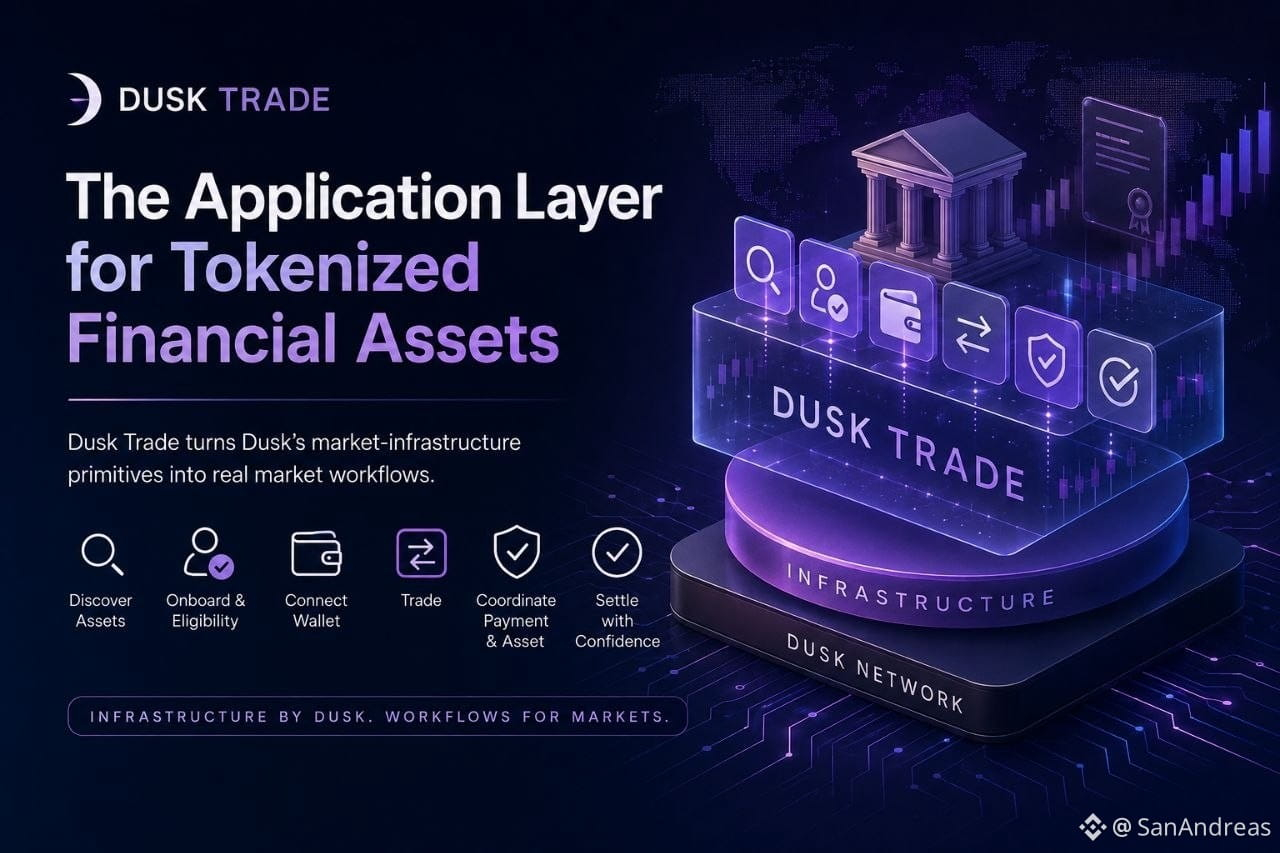
21
Anmelden und weiter Inhalte entdecken
Krypto-Nutzer weltweit auf Binance Square kennenlernen
⚡️ Bleib in Sachen Krypto stets am Puls.
💬 Die weltgrößte Kryptobörse vertraut darauf.
👍 Erhalte verlässliche Einblicke von verifizierten Creators.
E-Mail-Adresse/Telefonnummer
Trendthemen
EthereumDropsBelow$2300
1,562 Aufrufe
70 Kommentare
$ETH bleibt einer der besten Käufe zwischen 2300 und 2150, um die Position mittelfristig noch einige Wochen zu halten.
Ein möglicher Short Squeeze bis auf 3000–3400.
Muss nur die 2200 halten.
Quick scalper_1196
·3 Likes
·638 Aufrufe
BitcoinSlipsBelow$80KAgain
3,040 Aufrufe
41 Kommentare
ThailandLaunchesWORPTStablecoinToQRPaymentApp
4,553 Aufrufe
123 Kommentare