
Nyan 7
317 Beiträge

Nyan 7
Melden
Nutzer blockieren
104 Following
1.4K+ Follower
401 Like gegeben
Beiträge
Alle
Zitierungen
Live
·
--
Bullisch
Nach 14 Beiträgen: Das sind die Grundsätze, die ich bei der Nutzung von Binance P2P beibehalte
Ich habe ziemlich viel über P2P in dieser Serie geschrieben.
Je tiefer ich gehe, desto mehr sehe ich einen Grundsatz, der sich in fast jeder Situation wiederholt.
Lass dich nicht vom Druck einer Transaktion dazu bringen, die Prüfschritte zu überspringen.
Ein guter Preis kann mich dazu verleiten, schnell „Kaufen“ zu drücken.
Wenn ein Händler ständig antwortet, kann ich das Gefühl bekommen, dass ich es sofort bearbeiten muss.
Ein Screenshot der Zahlung kann den Eindruck erwecken, dass alles schon erledigt ist.
Aber eine Transaktion bleibt eine Transaktion.
Ich muss weiterhin die Order lesen.
Ich muss weiterhin die Zahlungsanweisungen ansehen.
Ich muss weiterhin die Zahlungsinformationen überprüfen.
Wenn das Geld noch nicht auf dem Konto ist, wird nicht freigegeben.
Manchmal finde ich diese Schritte ein bisschen zeitaufwendig.
Dann denke ich noch einmal nach. Wenn es Zeit kostet, ein Angebot auszuwählen, gibt es keinen Grund, sich in der letzten Stufe zu beeilen.
Ich habe auch meine Sicht auf den Händler verändert. Die Completion-Rate ist eine Information. Auch die Anzahl der Transaktionen ist eine Information. Der Preis ist eine weitere Information. Ich sehe sie gemeinsam an, statt nur eine einzige Zahl zu betrachten.
Wenn es ein Problem gibt, behalte ich die Order und den Chat in Binance P2P. Falls ich Unterstützung brauche, möchte ich alle Informationen zur Transaktion haben, statt danach alles mühsam zusammenreimen zu müssen.
Diese Serie beginnt mit einer ziemlich einfachen Frage.
Ist P2P sicher?
Je mehr ich mich damit beschäftige, desto realer wird die Frage, wie ich es eigentlich nutze.
Das ist der Teil, den ich für die nächsten Transaktionen mitnehmen werde.
Wenn du nur eine Angewohnheit beim Einsatz von Binance P2P beibehalten dürftest: Welche würdest du wählen?
@Binance_Vietnam
#BinanceP2PAnToan
Nach 14 Beiträgen: Das sind die Grundsätze, die ich bei der Nutzung von Binance P2P beibehalte
Ich habe ziemlich viel über P2P in dieser Serie geschrieben.
Je tiefer ich gehe, desto mehr sehe ich einen Grundsatz, der sich in fast jeder Situation wiederholt.
Lass dich nicht vom Druck einer Transaktion dazu bringen, die Prüfschritte zu überspringen.
Ein guter Preis kann mich dazu verleiten, schnell „Kaufen“ zu drücken.
Wenn ein Händler ständig antwortet, kann ich das Gefühl bekommen, dass ich es sofort bearbeiten muss.
Ein Screenshot der Zahlung kann den Eindruck erwecken, dass alles schon erledigt ist.
Aber eine Transaktion bleibt eine Transaktion.
Ich muss weiterhin die Order lesen.
Ich muss weiterhin die Zahlungsanweisungen ansehen.
Ich muss weiterhin die Zahlungsinformationen überprüfen.
Wenn das Geld noch nicht auf dem Konto ist, wird nicht freigegeben.
Manchmal finde ich diese Schritte ein bisschen zeitaufwendig.
Dann denke ich noch einmal nach. Wenn es Zeit kostet, ein Angebot auszuwählen, gibt es keinen Grund, sich in der letzten Stufe zu beeilen.
Ich habe auch meine Sicht auf den Händler verändert. Die Completion-Rate ist eine Information. Auch die Anzahl der Transaktionen ist eine Information. Der Preis ist eine weitere Information. Ich sehe sie gemeinsam an, statt nur eine einzige Zahl zu betrachten.
Wenn es ein Problem gibt, behalte ich die Order und den Chat in Binance P2P. Falls ich Unterstützung brauche, möchte ich alle Informationen zur Transaktion haben, statt danach alles mühsam zusammenreimen zu müssen.
Diese Serie beginnt mit einer ziemlich einfachen Frage.
Ist P2P sicher?
Je mehr ich mich damit beschäftige, desto realer wird die Frage, wie ich es eigentlich nutze.
Das ist der Teil, den ich für die nächsten Transaktionen mitnehmen werde.
Wenn du nur eine Angewohnheit beim Einsatz von Binance P2P beibehalten dürftest: Welche würdest du wählen?
@Binance Vietnam
#BinanceP2PAnToan
Ich habe ziemlich viel über P2P in dieser Serie geschrieben.
Je tiefer ich gehe, desto mehr sehe ich einen Grundsatz, der sich in fast jeder Situation wiederholt.
Lass dich nicht vom Druck einer Transaktion dazu bringen, die Prüfschritte zu überspringen.
Ein guter Preis kann mich dazu verleiten, schnell „Kaufen“ zu drücken.
Wenn ein Händler ständig antwortet, kann ich das Gefühl bekommen, dass ich es sofort bearbeiten muss.
Ein Screenshot der Zahlung kann den Eindruck erwecken, dass alles schon erledigt ist.
Aber eine Transaktion bleibt eine Transaktion.
Ich muss weiterhin die Order lesen.
Ich muss weiterhin die Zahlungsanweisungen ansehen.
Ich muss weiterhin die Zahlungsinformationen überprüfen.
Wenn das Geld noch nicht auf dem Konto ist, wird nicht freigegeben.
Manchmal finde ich diese Schritte ein bisschen zeitaufwendig.
Dann denke ich noch einmal nach. Wenn es Zeit kostet, ein Angebot auszuwählen, gibt es keinen Grund, sich in der letzten Stufe zu beeilen.
Ich habe auch meine Sicht auf den Händler verändert. Die Completion-Rate ist eine Information. Auch die Anzahl der Transaktionen ist eine Information. Der Preis ist eine weitere Information. Ich sehe sie gemeinsam an, statt nur eine einzige Zahl zu betrachten.
Wenn es ein Problem gibt, behalte ich die Order und den Chat in Binance P2P. Falls ich Unterstützung brauche, möchte ich alle Informationen zur Transaktion haben, statt danach alles mühsam zusammenreimen zu müssen.
Diese Serie beginnt mit einer ziemlich einfachen Frage.
Ist P2P sicher?
Je mehr ich mich damit beschäftige, desto realer wird die Frage, wie ich es eigentlich nutze.
Das ist der Teil, den ich für die nächsten Transaktionen mitnehmen werde.
Wenn du nur eine Angewohnheit beim Einsatz von Binance P2P beibehalten dürftest: Welche würdest du wählen?
@Binance Vietnam
#BinanceP2PAnToan
Kiểm tra merchant trước
22%
Đọc kỹ payment instructions
45%
Chỉ release khi tiền vao tk
33%
Giữ toàn bộ giao dịch
0%
9 Stimmen • Abstimmung beendet
1
2
997
·
--
Der Dämmerung trennt die Abrechnung von der Ausführung – aus einem Grund
Je genauer ich mir Dusk ansehe, desto weniger erkenne ich darin eine einzelne Blockchain, die alles an einem Ort erledigt.
Seine Architektur trennt Abrechnung von Ausführung.
DuskDS stellt die Grundlage für Konsens, Finalität und Datenverfügbarkeit bereit.
DuskEVM übernimmt die Ausführung von EVM-kompatiblen Anwendungen, während die Abrechnung über DuskDS erfolgt. Dusk verfügt außerdem über DuskVM für Rust/WASM-Verträge, die direkt auf dem Dusk L1 laufen.
Diese Trennung ist interessant für Finanzanwendungen.
Eine Market-Infrastructure-Layer kann sich auf planbare Abrechnung konzentrieren, während unterschiedliche Ausführungsumgebungen verschiedene Anforderungen der Anwendungen abdecken.
Eine EVM-Anwendung möchte möglicherweise vertraute Solidity-Tools.
Eine andere Anwendung benötigt vielleicht direkten Zugriff auf die nativen Transaktionsmodelle von Dusk, Datenschutzfunktionen oder L1-Primitiven.
Die Architektur eröffnet ihnen unterschiedliche Wege, ohne jede Anwendung in dieselbe Ausführungsumgebung zu zwingen.
Das ist eine subtilere Designentscheidung als nur die Hinzufügung von EVM-Kompatibilität.
Die eigentliche Frage ist, ob diese Modularität es einfacher macht, regulierte Finanz-Workflows zu bauen und zu betreiben – statt nur eine weitere Ebene an Komplexität hinzuzufügen.
Das werde ich im Blick behalten, während ich tiefer in @dusk_foundation eintauche.
$DUSK @Dusk_Foundation
#dusk
UMFRAGE
Was ist am wichtigsten, um reguliertes Finance onchain zu bringen?
Der Dämmerung trennt die Abrechnung von der Ausführung – aus einem Grund
Je genauer ich mir Dusk ansehe, desto weniger erkenne ich darin eine einzelne Blockchain, die alles an einem Ort erledigt.
Seine Architektur trennt Abrechnung von Ausführung.
DuskDS stellt die Grundlage für Konsens, Finalität und Datenverfügbarkeit bereit.
DuskEVM übernimmt die Ausführung von EVM-kompatiblen Anwendungen, während die Abrechnung über DuskDS erfolgt. Dusk verfügt außerdem über DuskVM für Rust/WASM-Verträge, die direkt auf dem Dusk L1 laufen.
Diese Trennung ist interessant für Finanzanwendungen.
Eine Market-Infrastructure-Layer kann sich auf planbare Abrechnung konzentrieren, während unterschiedliche Ausführungsumgebungen verschiedene Anforderungen der Anwendungen abdecken.
Eine EVM-Anwendung möchte möglicherweise vertraute Solidity-Tools.
Eine andere Anwendung benötigt vielleicht direkten Zugriff auf die nativen Transaktionsmodelle von Dusk, Datenschutzfunktionen oder L1-Primitiven.
Die Architektur eröffnet ihnen unterschiedliche Wege, ohne jede Anwendung in dieselbe Ausführungsumgebung zu zwingen.
Das ist eine subtilere Designentscheidung als nur die Hinzufügung von EVM-Kompatibilität.
Die eigentliche Frage ist, ob diese Modularität es einfacher macht, regulierte Finanz-Workflows zu bauen und zu betreiben – statt nur eine weitere Ebene an Komplexität hinzuzufügen.
Das werde ich im Blick behalten, während ich tiefer in @dusk_foundation eintauche.
$DUSK @Dusk
#dusk
UMFRAGE
Was ist am wichtigsten, um reguliertes Finance onchain zu bringen?
Je genauer ich mir Dusk ansehe, desto weniger erkenne ich darin eine einzelne Blockchain, die alles an einem Ort erledigt.
Seine Architektur trennt Abrechnung von Ausführung.
DuskDS stellt die Grundlage für Konsens, Finalität und Datenverfügbarkeit bereit.
DuskEVM übernimmt die Ausführung von EVM-kompatiblen Anwendungen, während die Abrechnung über DuskDS erfolgt. Dusk verfügt außerdem über DuskVM für Rust/WASM-Verträge, die direkt auf dem Dusk L1 laufen.
Diese Trennung ist interessant für Finanzanwendungen.
Eine Market-Infrastructure-Layer kann sich auf planbare Abrechnung konzentrieren, während unterschiedliche Ausführungsumgebungen verschiedene Anforderungen der Anwendungen abdecken.
Eine EVM-Anwendung möchte möglicherweise vertraute Solidity-Tools.
Eine andere Anwendung benötigt vielleicht direkten Zugriff auf die nativen Transaktionsmodelle von Dusk, Datenschutzfunktionen oder L1-Primitiven.
Die Architektur eröffnet ihnen unterschiedliche Wege, ohne jede Anwendung in dieselbe Ausführungsumgebung zu zwingen.
Das ist eine subtilere Designentscheidung als nur die Hinzufügung von EVM-Kompatibilität.
Die eigentliche Frage ist, ob diese Modularität es einfacher macht, regulierte Finanz-Workflows zu bauen und zu betreiben – statt nur eine weitere Ebene an Komplexität hinzuzufügen.
Das werde ich im Blick behalten, während ich tiefer in @dusk_foundation eintauche.
$DUSK @Dusk
#dusk
UMFRAGE
Was ist am wichtigsten, um reguliertes Finance onchain zu bringen?
Fast, deterministic settlement
0%
Privacy and selective disclo
0%
EVM compatibility for builders
0%
A combination of all three
0%
0 Stimmen • Abstimmung beendet
158
·
--
Bullisch
3 Missverständnisse, die ich früher hatte, als ich Binance P2P nutzte
Es gibt ein paar Dinge über P2P, die ich ziemlich oft höre.
Eines davon ist: Der niedrigste Preis ist immer die beste Wahl.
Das glaube ich nicht.
Ein Angebot, das nur ein bisschen günstiger ist, muss man sich trotzdem ansehen: den Händler, die Zahlungsbedingungen und wie die Transaktion abläuft. Die Preisdifferenz kann nur ein Teil der Entscheidung sein.
Das zweite Missverständnis ist, dass ein Screenshot der Überweisung als Beweis gilt, dass das Geld angekommen ist.
Nein.
Ich öffne immer noch die Banking-App, um nachzusehen. Ein Screenshot zeigt nur ein Bild, das im Chat gesendet wurde. Der Kontostand sagt mir erst, ob das Geld wirklich angekommen ist.
Das dritte ist sogar noch häufiger.
Nämlich zu denken, dass P2P-Transaktionen unbedingt super schnell sein müssen.
Ich hatte diesen Gedanken auch. Danach habe ich gemerkt: Ein paar Dutzend Sekunden für eine zusätzliche Prüfung sind nicht viel wert, wenn sie mir helfen, eine voreilige Entscheidung zu vermeiden.
Binance P2P liefert mir ziemlich viele Informationen direkt in der Bestellung. Das Händlerprofil, die Zahlungsanweisungen, der Inhalt des Austauschs und die Transaktionshistorie lassen sich alle überprüfen, bevor man weitergeht.
Ich sehe viele Fehler, die damit beginnen, dass Nutzer eine dieser Details übersehen.
Nicht weil sie es nicht wissen.
Sondern weil sie denken, dass es nicht wichtig ist.
Welches Missverständnis ist deiner Meinung nach am häufigsten bei der Nutzung von Binance P2P?
@Binance_Vietnam
#BinanceP2PAnToan $BTC $ETH $BNB
3 Missverständnisse, die ich früher hatte, als ich Binance P2P nutzte
Es gibt ein paar Dinge über P2P, die ich ziemlich oft höre.
Eines davon ist: Der niedrigste Preis ist immer die beste Wahl.
Das glaube ich nicht.
Ein Angebot, das nur ein bisschen günstiger ist, muss man sich trotzdem ansehen: den Händler, die Zahlungsbedingungen und wie die Transaktion abläuft. Die Preisdifferenz kann nur ein Teil der Entscheidung sein.
Das zweite Missverständnis ist, dass ein Screenshot der Überweisung als Beweis gilt, dass das Geld angekommen ist.
Nein.
Ich öffne immer noch die Banking-App, um nachzusehen. Ein Screenshot zeigt nur ein Bild, das im Chat gesendet wurde. Der Kontostand sagt mir erst, ob das Geld wirklich angekommen ist.
Das dritte ist sogar noch häufiger.
Nämlich zu denken, dass P2P-Transaktionen unbedingt super schnell sein müssen.
Ich hatte diesen Gedanken auch. Danach habe ich gemerkt: Ein paar Dutzend Sekunden für eine zusätzliche Prüfung sind nicht viel wert, wenn sie mir helfen, eine voreilige Entscheidung zu vermeiden.
Binance P2P liefert mir ziemlich viele Informationen direkt in der Bestellung. Das Händlerprofil, die Zahlungsanweisungen, der Inhalt des Austauschs und die Transaktionshistorie lassen sich alle überprüfen, bevor man weitergeht.
Ich sehe viele Fehler, die damit beginnen, dass Nutzer eine dieser Details übersehen.
Nicht weil sie es nicht wissen.
Sondern weil sie denken, dass es nicht wichtig ist.
Welches Missverständnis ist deiner Meinung nach am häufigsten bei der Nutzung von Binance P2P?
@Binance Vietnam
#BinanceP2PAnToan $BTC $ETH $BNB
Es gibt ein paar Dinge über P2P, die ich ziemlich oft höre.
Eines davon ist: Der niedrigste Preis ist immer die beste Wahl.
Das glaube ich nicht.
Ein Angebot, das nur ein bisschen günstiger ist, muss man sich trotzdem ansehen: den Händler, die Zahlungsbedingungen und wie die Transaktion abläuft. Die Preisdifferenz kann nur ein Teil der Entscheidung sein.
Das zweite Missverständnis ist, dass ein Screenshot der Überweisung als Beweis gilt, dass das Geld angekommen ist.
Nein.
Ich öffne immer noch die Banking-App, um nachzusehen. Ein Screenshot zeigt nur ein Bild, das im Chat gesendet wurde. Der Kontostand sagt mir erst, ob das Geld wirklich angekommen ist.
Das dritte ist sogar noch häufiger.
Nämlich zu denken, dass P2P-Transaktionen unbedingt super schnell sein müssen.
Ich hatte diesen Gedanken auch. Danach habe ich gemerkt: Ein paar Dutzend Sekunden für eine zusätzliche Prüfung sind nicht viel wert, wenn sie mir helfen, eine voreilige Entscheidung zu vermeiden.
Binance P2P liefert mir ziemlich viele Informationen direkt in der Bestellung. Das Händlerprofil, die Zahlungsanweisungen, der Inhalt des Austauschs und die Transaktionshistorie lassen sich alle überprüfen, bevor man weitergeht.
Ich sehe viele Fehler, die damit beginnen, dass Nutzer eine dieser Details übersehen.
Nicht weil sie es nicht wissen.
Sondern weil sie denken, dass es nicht wichtig ist.
Welches Missverständnis ist deiner Meinung nach am häufigsten bei der Nutzung von Binance P2P?
@Binance Vietnam
#BinanceP2PAnToan $BTC $ETH $BNB
Giá thấp nhất luôn tốt nhất
67%
Screenshot = đã nhận tiền
0%
Giao dịch càng nhanh càng tốt
33%
Có vấn đề thì cứ nhắn ttiep
0%
9 Stimmen • Abstimmung beendet
1.3k
·
--
Privatsphäre funktioniert nur dann, wenn sie im Finanzwesen noch überprüfbar bleibt
Eine private Transaktion ist sich leicht vorzustellen.
Eine konforme private Transaktion ist schwieriger.
Dieser Unterschied ist entscheidend.
In einem regulierten Markt muss eine Institution möglicherweise Transaktionsdetails vertraulich gegenüber der Öffentlichkeit halten, sie aber dennoch für eine autorisierte Prüfung verfügbar machen.
Dusk ist um diese Spannung herum gebaut.
Das Design kombiniert vertrauliche Transaktionen mit Nachvollziehbarkeit und regulatorischem Zugriff – statt Privatsphäre als Grund dafür zu behandeln, dass finanzielle Aktivitäten für alle unsichtbar gemacht werden.
Diese Idee zieht sich auch durch das Transaktionsmodell von Dusk.
Phoenix kann obskurierte Transaktionen unterstützen, während das Netzwerk so entworfen ist, dass die nötigen Informationen bei Bedarf weiterhin für Compliance-Anforderungen zugänglich sind.
Das verändert, wie ich in diesem Kontext über das Wort Privatsphäre denke.
Das Ziel ist nicht maximale Geheimhaltung.
Das Ziel ist kontrollierte Sichtbarkeit.
Die schwierigere Frage ist, ob diese Kontrolle dann auch bei Interaktionen mehrerer Institutionen, Investoren und Regulierer mit demselben Markt vorhersehbar und praktikabel bleibt.
Das ist der Teil des Designs von @dusk_foundation, den ich es wert finde, im Blick zu behalten.
$DUSK @Dusk_Foundation
#dusk
Privatsphäre funktioniert nur dann, wenn sie im Finanzwesen noch überprüfbar bleibt
Eine private Transaktion ist sich leicht vorzustellen.
Eine konforme private Transaktion ist schwieriger.
Dieser Unterschied ist entscheidend.
In einem regulierten Markt muss eine Institution möglicherweise Transaktionsdetails vertraulich gegenüber der Öffentlichkeit halten, sie aber dennoch für eine autorisierte Prüfung verfügbar machen.
Dusk ist um diese Spannung herum gebaut.
Das Design kombiniert vertrauliche Transaktionen mit Nachvollziehbarkeit und regulatorischem Zugriff – statt Privatsphäre als Grund dafür zu behandeln, dass finanzielle Aktivitäten für alle unsichtbar gemacht werden.
Diese Idee zieht sich auch durch das Transaktionsmodell von Dusk.
Phoenix kann obskurierte Transaktionen unterstützen, während das Netzwerk so entworfen ist, dass die nötigen Informationen bei Bedarf weiterhin für Compliance-Anforderungen zugänglich sind.
Das verändert, wie ich in diesem Kontext über das Wort Privatsphäre denke.
Das Ziel ist nicht maximale Geheimhaltung.
Das Ziel ist kontrollierte Sichtbarkeit.
Die schwierigere Frage ist, ob diese Kontrolle dann auch bei Interaktionen mehrerer Institutionen, Investoren und Regulierer mit demselben Markt vorhersehbar und praktikabel bleibt.
Das ist der Teil des Designs von @dusk_foundation, den ich es wert finde, im Blick zu behalten.
$DUSK @Dusk
#dusk
Eine private Transaktion ist sich leicht vorzustellen.
Eine konforme private Transaktion ist schwieriger.
Dieser Unterschied ist entscheidend.
In einem regulierten Markt muss eine Institution möglicherweise Transaktionsdetails vertraulich gegenüber der Öffentlichkeit halten, sie aber dennoch für eine autorisierte Prüfung verfügbar machen.
Dusk ist um diese Spannung herum gebaut.
Das Design kombiniert vertrauliche Transaktionen mit Nachvollziehbarkeit und regulatorischem Zugriff – statt Privatsphäre als Grund dafür zu behandeln, dass finanzielle Aktivitäten für alle unsichtbar gemacht werden.
Diese Idee zieht sich auch durch das Transaktionsmodell von Dusk.
Phoenix kann obskurierte Transaktionen unterstützen, während das Netzwerk so entworfen ist, dass die nötigen Informationen bei Bedarf weiterhin für Compliance-Anforderungen zugänglich sind.
Das verändert, wie ich in diesem Kontext über das Wort Privatsphäre denke.
Das Ziel ist nicht maximale Geheimhaltung.
Das Ziel ist kontrollierte Sichtbarkeit.
Die schwierigere Frage ist, ob diese Kontrolle dann auch bei Interaktionen mehrerer Institutionen, Investoren und Regulierer mit demselben Markt vorhersehbar und praktikabel bleibt.
Das ist der Teil des Designs von @dusk_foundation, den ich es wert finde, im Blick zu behalten.
$DUSK @Dusk
#dusk
163
·
--
Wie lange ich Binance P2P nutze, desto weniger Eile habe ich
Es gibt eine ziemlich klare Veränderung in meiner Sicht auf P2P.
Am Anfang achtet man leicht auf die Geschwindigkeit.
Gute Angebote öffnet man schnell. Wenn der Verkäufer schnell antwortet, ist das noch bequemer. Wenn die Transaktion früh abgeschlossen ist, fühlt es sich an, als würde alles richtig laufen.
Nach einer Weile, in der ich genauer beobachte, merke ich aber: Geschwindigkeit ist nicht das Wichtigste, was man optimieren sollte.
Wichtig ist vor allem die Regelmäßigkeit.
Wenn man einen Auftrag öffnet, liest man sich erst die Bedingungen genau durch. Beim Überweisen prüft man die richtigen Angaben. Wenn die andere Seite meldet, dass sie bezahlt hat, bestätigt man selbst, dass das Geld auch wirklich auf dem Konto eingegangen ist. Wenn etwas nicht übereinstimmt, stoppt man.
Diese Dinge klingen ganz normal.
Und gerade weil sie normal sind, werden sie oft übersehen.
Ich bevorzuge eine Transaktion, die genau nach dem Ablauf läuft, statt eine, die zwar schnell abgeschlossen wird, aber bei der man ständig raten muss, was man als Nächstes tun sollte.
Noch etwas anderes ist mir aufgefallen.
Wenn eine Gewohnheit so einfach ist, dass man sie bei jedem Auftrag wiederholen kann, reduziert das die gefühlsgeleiteten Entscheidungen. Man muss nicht jedes Mal wieder neu überlegen, was man zuerst überprüfen sollte. Der Prozess ist schon im Kopf gespeichert.
Das ist vielleicht die Art von Sicherheit, die ich beim Nutzen von P2P am meisten schätze.
Man muss nichts komplizierter machen.
Man muss nur darauf achten, die kleinen Schritte nicht zu überspringen, sobald ich merke, dass sie mir zu vertraut geworden sind.
@Binance_Vietnam $BTC $ETH
#BinanceP2PAnToan
Wie lange ich Binance P2P nutze, desto weniger Eile habe ich
Es gibt eine ziemlich klare Veränderung in meiner Sicht auf P2P.
Am Anfang achtet man leicht auf die Geschwindigkeit.
Gute Angebote öffnet man schnell. Wenn der Verkäufer schnell antwortet, ist das noch bequemer. Wenn die Transaktion früh abgeschlossen ist, fühlt es sich an, als würde alles richtig laufen.
Nach einer Weile, in der ich genauer beobachte, merke ich aber: Geschwindigkeit ist nicht das Wichtigste, was man optimieren sollte.
Wichtig ist vor allem die Regelmäßigkeit.
Wenn man einen Auftrag öffnet, liest man sich erst die Bedingungen genau durch. Beim Überweisen prüft man die richtigen Angaben. Wenn die andere Seite meldet, dass sie bezahlt hat, bestätigt man selbst, dass das Geld auch wirklich auf dem Konto eingegangen ist. Wenn etwas nicht übereinstimmt, stoppt man.
Diese Dinge klingen ganz normal.
Und gerade weil sie normal sind, werden sie oft übersehen.
Ich bevorzuge eine Transaktion, die genau nach dem Ablauf läuft, statt eine, die zwar schnell abgeschlossen wird, aber bei der man ständig raten muss, was man als Nächstes tun sollte.
Noch etwas anderes ist mir aufgefallen.
Wenn eine Gewohnheit so einfach ist, dass man sie bei jedem Auftrag wiederholen kann, reduziert das die gefühlsgeleiteten Entscheidungen. Man muss nicht jedes Mal wieder neu überlegen, was man zuerst überprüfen sollte. Der Prozess ist schon im Kopf gespeichert.
Das ist vielleicht die Art von Sicherheit, die ich beim Nutzen von P2P am meisten schätze.
Man muss nichts komplizierter machen.
Man muss nur darauf achten, die kleinen Schritte nicht zu überspringen, sobald ich merke, dass sie mir zu vertraut geworden sind.
@Binance Vietnam $BTC $ETH
#BinanceP2PAnToan
Es gibt eine ziemlich klare Veränderung in meiner Sicht auf P2P.
Am Anfang achtet man leicht auf die Geschwindigkeit.
Gute Angebote öffnet man schnell. Wenn der Verkäufer schnell antwortet, ist das noch bequemer. Wenn die Transaktion früh abgeschlossen ist, fühlt es sich an, als würde alles richtig laufen.
Nach einer Weile, in der ich genauer beobachte, merke ich aber: Geschwindigkeit ist nicht das Wichtigste, was man optimieren sollte.
Wichtig ist vor allem die Regelmäßigkeit.
Wenn man einen Auftrag öffnet, liest man sich erst die Bedingungen genau durch. Beim Überweisen prüft man die richtigen Angaben. Wenn die andere Seite meldet, dass sie bezahlt hat, bestätigt man selbst, dass das Geld auch wirklich auf dem Konto eingegangen ist. Wenn etwas nicht übereinstimmt, stoppt man.
Diese Dinge klingen ganz normal.
Und gerade weil sie normal sind, werden sie oft übersehen.
Ich bevorzuge eine Transaktion, die genau nach dem Ablauf läuft, statt eine, die zwar schnell abgeschlossen wird, aber bei der man ständig raten muss, was man als Nächstes tun sollte.
Noch etwas anderes ist mir aufgefallen.
Wenn eine Gewohnheit so einfach ist, dass man sie bei jedem Auftrag wiederholen kann, reduziert das die gefühlsgeleiteten Entscheidungen. Man muss nicht jedes Mal wieder neu überlegen, was man zuerst überprüfen sollte. Der Prozess ist schon im Kopf gespeichert.
Das ist vielleicht die Art von Sicherheit, die ich beim Nutzen von P2P am meisten schätze.
Man muss nichts komplizierter machen.
Man muss nur darauf achten, die kleinen Schritte nicht zu überspringen, sobald ich merke, dass sie mir zu vertraut geworden sind.
@Binance Vietnam $BTC $ETH
#BinanceP2PAnToan
214
·
--
5 Fragen, die ich mir stelle, bevor ich auf Binance P2P „Buy“ drücke
Es gibt Orders, die sehr verlockend aussehen.
Der Preis wirkt in Ordnung. Der Merchant hat eine Historie von Transaktionen. Alles sieht ziemlich normal aus.
Aber bevor ich „Buy“ drücke, halte ich kurz inne.
Ich frage mich:
Passt diese Zahlungsmethode zu mir?
Habe ich die Bedingungen der Order wirklich genau gelesen?
Wirkt der Merchant für mich vertrauenswürdig, basierend auf Completion Rate und Transaktionshistorie?
Kann ich prüfen, ob das Geld wirklich auf meinem Konto angekommen ist, bevor ich die Transaktion abschließe?
Gibt es Details in der Order, die sich für mich etwas verwirrend anfühlen?
Der letzte Satz ist der, auf den ich am meisten achte.
Wenn ich einen Teil der Order zweimal lesen muss, um ihn zu verstehen, bin ich nicht in Eile. Vielleicht gibt es ja gar kein Problem. Ich möchte nur ganz klar verstehen, worauf ich mich einlasse, bevor ich Geld überweise.
Ich achte auch auf Angebote, bei denen der Preis ziemlich weit vom Rest abweicht. Ein wirklich guter Preis ist natürlich sehr attraktiv, aber ein schöner Preis allein reicht mir nicht, um die anderen Informationen zu ignorieren.
Manche brauchen ein paar Sekunden, um zu prüfen.
Andere drücken „Buy“ sofort.
Ich wähle den ersten Weg.
Nach einer Weile mit P2P habe ich festgestellt, dass so eine kleine Checkliste mir hilft, ziemlich viele vorschnelle Entscheidungen herauszufiltern, bevor die Transaktion überhaupt beginnt.
Hast du auch Fragen, die du dir automatisch stellst, bevor du auf „Buy“ drückst?
@Binance_Vietnam
#BinanceP2PAnToan $BTC $ETH
5 Fragen, die ich mir stelle, bevor ich auf Binance P2P „Buy“ drücke
Es gibt Orders, die sehr verlockend aussehen.
Der Preis wirkt in Ordnung. Der Merchant hat eine Historie von Transaktionen. Alles sieht ziemlich normal aus.
Aber bevor ich „Buy“ drücke, halte ich kurz inne.
Ich frage mich:
Passt diese Zahlungsmethode zu mir?
Habe ich die Bedingungen der Order wirklich genau gelesen?
Wirkt der Merchant für mich vertrauenswürdig, basierend auf Completion Rate und Transaktionshistorie?
Kann ich prüfen, ob das Geld wirklich auf meinem Konto angekommen ist, bevor ich die Transaktion abschließe?
Gibt es Details in der Order, die sich für mich etwas verwirrend anfühlen?
Der letzte Satz ist der, auf den ich am meisten achte.
Wenn ich einen Teil der Order zweimal lesen muss, um ihn zu verstehen, bin ich nicht in Eile. Vielleicht gibt es ja gar kein Problem. Ich möchte nur ganz klar verstehen, worauf ich mich einlasse, bevor ich Geld überweise.
Ich achte auch auf Angebote, bei denen der Preis ziemlich weit vom Rest abweicht. Ein wirklich guter Preis ist natürlich sehr attraktiv, aber ein schöner Preis allein reicht mir nicht, um die anderen Informationen zu ignorieren.
Manche brauchen ein paar Sekunden, um zu prüfen.
Andere drücken „Buy“ sofort.
Ich wähle den ersten Weg.
Nach einer Weile mit P2P habe ich festgestellt, dass so eine kleine Checkliste mir hilft, ziemlich viele vorschnelle Entscheidungen herauszufiltern, bevor die Transaktion überhaupt beginnt.
Hast du auch Fragen, die du dir automatisch stellst, bevor du auf „Buy“ drückst?
@Binance Vietnam
#BinanceP2PAnToan $BTC $ETH
Es gibt Orders, die sehr verlockend aussehen.
Der Preis wirkt in Ordnung. Der Merchant hat eine Historie von Transaktionen. Alles sieht ziemlich normal aus.
Aber bevor ich „Buy“ drücke, halte ich kurz inne.
Ich frage mich:
Passt diese Zahlungsmethode zu mir?
Habe ich die Bedingungen der Order wirklich genau gelesen?
Wirkt der Merchant für mich vertrauenswürdig, basierend auf Completion Rate und Transaktionshistorie?
Kann ich prüfen, ob das Geld wirklich auf meinem Konto angekommen ist, bevor ich die Transaktion abschließe?
Gibt es Details in der Order, die sich für mich etwas verwirrend anfühlen?
Der letzte Satz ist der, auf den ich am meisten achte.
Wenn ich einen Teil der Order zweimal lesen muss, um ihn zu verstehen, bin ich nicht in Eile. Vielleicht gibt es ja gar kein Problem. Ich möchte nur ganz klar verstehen, worauf ich mich einlasse, bevor ich Geld überweise.
Ich achte auch auf Angebote, bei denen der Preis ziemlich weit vom Rest abweicht. Ein wirklich guter Preis ist natürlich sehr attraktiv, aber ein schöner Preis allein reicht mir nicht, um die anderen Informationen zu ignorieren.
Manche brauchen ein paar Sekunden, um zu prüfen.
Andere drücken „Buy“ sofort.
Ich wähle den ersten Weg.
Nach einer Weile mit P2P habe ich festgestellt, dass so eine kleine Checkliste mir hilft, ziemlich viele vorschnelle Entscheidungen herauszufiltern, bevor die Transaktion überhaupt beginnt.
Hast du auch Fragen, die du dir automatisch stellst, bevor du auf „Buy“ drückst?
@Binance Vietnam
#BinanceP2PAnToan $BTC $ETH
1
2
518
·
--
Warum Dusk zwei Transaktionsmodelle für Finanzaktivitäten verwendet
Ein Punkt, auf den ich in der Architektur von Dusk immer wieder zurückkam, ist die Entscheidung, zwei Transaktionsmodelle einzusetzen.
Das klingt nach einer technischen Einzelheit.
Dabei ist es mehr als das.
Moonlight ist ein kontobasiertes Modell, das für transparente Transaktionen ausgelegt ist.
Phoenix geht einen anderen Weg mit einem UTXO-basierten Modell, das sowohl transparente als auch verschleierte Transaktionen unterstützen kann.
Warum beides bauen?
Weil Finanzanwendungen nicht immer die gleichen Sichtbarkeitsanforderungen haben.
Einige Aktivitäten profitieren von einem klaren Kontomodell.
Andere Aktivitäten könnten sensible Transaktionsdetails beinhalten, bei denen Vertraulichkeit wichtiger ist.
Der entscheidende Punkt ist, dass Dusk nicht jede Transaktion in eine einzige Datenschutz-Annahme zwingt.
Stattdessen bietet es dem Netzwerk verschiedene Möglichkeiten, Wert darzustellen und zu übertragen – je nach Anwendungsfall.
Das passt zur übergeordneten Designphilosophie, die ich über Dusk hinweg immer deutlicher wahrnehme.
Datenschutz wird nicht als pauschale Einstellung behandelt.
Er ist Teil der Transaktionsarchitektur.
Die spannende Frage ist, ob diese Flexibilität für Entwickler und Institutionen auch dann noch einfach genug bleibt, wenn die Workflows komplexer werden.
Genau dort beginnt dieses Design, über das technische Diagramm hinaus zu wirken.
$DUSK @Dusk_Foundation
#dusk
Warum Dusk zwei Transaktionsmodelle für Finanzaktivitäten verwendet
Ein Punkt, auf den ich in der Architektur von Dusk immer wieder zurückkam, ist die Entscheidung, zwei Transaktionsmodelle einzusetzen.
Das klingt nach einer technischen Einzelheit.
Dabei ist es mehr als das.
Moonlight ist ein kontobasiertes Modell, das für transparente Transaktionen ausgelegt ist.
Phoenix geht einen anderen Weg mit einem UTXO-basierten Modell, das sowohl transparente als auch verschleierte Transaktionen unterstützen kann.
Warum beides bauen?
Weil Finanzanwendungen nicht immer die gleichen Sichtbarkeitsanforderungen haben.
Einige Aktivitäten profitieren von einem klaren Kontomodell.
Andere Aktivitäten könnten sensible Transaktionsdetails beinhalten, bei denen Vertraulichkeit wichtiger ist.
Der entscheidende Punkt ist, dass Dusk nicht jede Transaktion in eine einzige Datenschutz-Annahme zwingt.
Stattdessen bietet es dem Netzwerk verschiedene Möglichkeiten, Wert darzustellen und zu übertragen – je nach Anwendungsfall.
Das passt zur übergeordneten Designphilosophie, die ich über Dusk hinweg immer deutlicher wahrnehme.
Datenschutz wird nicht als pauschale Einstellung behandelt.
Er ist Teil der Transaktionsarchitektur.
Die spannende Frage ist, ob diese Flexibilität für Entwickler und Institutionen auch dann noch einfach genug bleibt, wenn die Workflows komplexer werden.
Genau dort beginnt dieses Design, über das technische Diagramm hinaus zu wirken.
$DUSK @Dusk
#dusk
Ein Punkt, auf den ich in der Architektur von Dusk immer wieder zurückkam, ist die Entscheidung, zwei Transaktionsmodelle einzusetzen.
Das klingt nach einer technischen Einzelheit.
Dabei ist es mehr als das.
Moonlight ist ein kontobasiertes Modell, das für transparente Transaktionen ausgelegt ist.
Phoenix geht einen anderen Weg mit einem UTXO-basierten Modell, das sowohl transparente als auch verschleierte Transaktionen unterstützen kann.
Warum beides bauen?
Weil Finanzanwendungen nicht immer die gleichen Sichtbarkeitsanforderungen haben.
Einige Aktivitäten profitieren von einem klaren Kontomodell.
Andere Aktivitäten könnten sensible Transaktionsdetails beinhalten, bei denen Vertraulichkeit wichtiger ist.
Der entscheidende Punkt ist, dass Dusk nicht jede Transaktion in eine einzige Datenschutz-Annahme zwingt.
Stattdessen bietet es dem Netzwerk verschiedene Möglichkeiten, Wert darzustellen und zu übertragen – je nach Anwendungsfall.
Das passt zur übergeordneten Designphilosophie, die ich über Dusk hinweg immer deutlicher wahrnehme.
Datenschutz wird nicht als pauschale Einstellung behandelt.
Er ist Teil der Transaktionsarchitektur.
Die spannende Frage ist, ob diese Flexibilität für Entwickler und Institutionen auch dann noch einfach genug bleibt, wenn die Workflows komplexer werden.
Genau dort beginnt dieses Design, über das technische Diagramm hinaus zu wirken.
$DUSK @Dusk
#dusk
110
·
--
Der Teil von Dusk’s Privacy-Modell, der für mich am interessantesten ist
Privatsphäre klingt einfach, bis jemand sie tatsächlich überprüfen muss.
Ein Finanzinstitut möchte möglicherweise Transaktionsdetails vor der Öffentlichkeit schützen.
Ein Regulierer muss sie jedoch möglicherweise weiterhin einsehen.
Ein Investor muss möglicherweise Eigentum oder Anspruch nachweisen, ohne alles andere offenzulegen, was er besitzt.
Dort wird selektive Offenlegung interessant.
Statt Privatsphäre als einfachen Ein- oder Ausschalter zu behandeln, ist Dusk um unterschiedliche Sichtbarkeitsstufen herum konzipiert – je nachdem, wer Zugriff benötigt und warum.
Das Kernmodell kombiniert Privatsphäre dort, wo sie gebraucht wird, Transparenz dort, wo sie nützlich ist, und Offenlegung für autorisierte Prüfungen.
Der Unterschied ist wichtig, weil regulierte Märkte nie wirklich nach der Idee funktioniert haben, dass jeder alles sehen sollte.
Die Herausforderung besteht darin zu entscheiden, welche Informationen vertraulich bleiben sollen, was sichtbar sein muss und wer Zugang erhält, wenn eine legitime Überprüfung erforderlich ist.
Dusk versucht, diese Logik direkt in die Blockchain zu bringen.
Ich finde, das ist ein viel interessanterer Privacy-Ansatz als nur Transaktionsdaten zu verbergen.
Der schwierige Teil ist zu beweisen, dass programmierbare Sichtbarkeit auch dann praktisch bleibt, wenn echte Finanzabläufe, Compliance-Anforderungen und mehrere Beteiligte ins Spiel kommen.
Dort muss die Architektur die eigentliche Arbeit leisten.
$DUSK $NVDAB $AAPLB
#dusk @Dusk_Foundation
Der Teil von Dusk’s Privacy-Modell, der für mich am interessantesten ist
Privatsphäre klingt einfach, bis jemand sie tatsächlich überprüfen muss.
Ein Finanzinstitut möchte möglicherweise Transaktionsdetails vor der Öffentlichkeit schützen.
Ein Regulierer muss sie jedoch möglicherweise weiterhin einsehen.
Ein Investor muss möglicherweise Eigentum oder Anspruch nachweisen, ohne alles andere offenzulegen, was er besitzt.
Dort wird selektive Offenlegung interessant.
Statt Privatsphäre als einfachen Ein- oder Ausschalter zu behandeln, ist Dusk um unterschiedliche Sichtbarkeitsstufen herum konzipiert – je nachdem, wer Zugriff benötigt und warum.
Das Kernmodell kombiniert Privatsphäre dort, wo sie gebraucht wird, Transparenz dort, wo sie nützlich ist, und Offenlegung für autorisierte Prüfungen.
Der Unterschied ist wichtig, weil regulierte Märkte nie wirklich nach der Idee funktioniert haben, dass jeder alles sehen sollte.
Die Herausforderung besteht darin zu entscheiden, welche Informationen vertraulich bleiben sollen, was sichtbar sein muss und wer Zugang erhält, wenn eine legitime Überprüfung erforderlich ist.
Dusk versucht, diese Logik direkt in die Blockchain zu bringen.
Ich finde, das ist ein viel interessanterer Privacy-Ansatz als nur Transaktionsdaten zu verbergen.
Der schwierige Teil ist zu beweisen, dass programmierbare Sichtbarkeit auch dann praktisch bleibt, wenn echte Finanzabläufe, Compliance-Anforderungen und mehrere Beteiligte ins Spiel kommen.
Dort muss die Architektur die eigentliche Arbeit leisten.
$DUSK $NVDAB $AAPLB
#dusk @Dusk
Privatsphäre klingt einfach, bis jemand sie tatsächlich überprüfen muss.
Ein Finanzinstitut möchte möglicherweise Transaktionsdetails vor der Öffentlichkeit schützen.
Ein Regulierer muss sie jedoch möglicherweise weiterhin einsehen.
Ein Investor muss möglicherweise Eigentum oder Anspruch nachweisen, ohne alles andere offenzulegen, was er besitzt.
Dort wird selektive Offenlegung interessant.
Statt Privatsphäre als einfachen Ein- oder Ausschalter zu behandeln, ist Dusk um unterschiedliche Sichtbarkeitsstufen herum konzipiert – je nachdem, wer Zugriff benötigt und warum.
Das Kernmodell kombiniert Privatsphäre dort, wo sie gebraucht wird, Transparenz dort, wo sie nützlich ist, und Offenlegung für autorisierte Prüfungen.
Der Unterschied ist wichtig, weil regulierte Märkte nie wirklich nach der Idee funktioniert haben, dass jeder alles sehen sollte.
Die Herausforderung besteht darin zu entscheiden, welche Informationen vertraulich bleiben sollen, was sichtbar sein muss und wer Zugang erhält, wenn eine legitime Überprüfung erforderlich ist.
Dusk versucht, diese Logik direkt in die Blockchain zu bringen.
Ich finde, das ist ein viel interessanterer Privacy-Ansatz als nur Transaktionsdaten zu verbergen.
Der schwierige Teil ist zu beweisen, dass programmierbare Sichtbarkeit auch dann praktisch bleibt, wenn echte Finanzabläufe, Compliance-Anforderungen und mehrere Beteiligte ins Spiel kommen.
Dort muss die Architektur die eigentliche Arbeit leisten.
$DUSK $NVDAB $AAPLB
#dusk @Dusk
1
182
·
--
Nach einer Binance-P2P-Anweisung behalte ich immer diese vier Dinge
Früher dachte ich oft: Nach dem Handel ist es erledigt.
Das Geld ist angekommen. Die Krypto wurde freigegeben. App schließen.
Jetzt behalte ich ein paar Informationen, besonders bei Aufträgen mit hohem Wert.
Erstens: die Order-Historie. Ich möchte, dass sie mit allen Details vollständig ist, damit ich später wieder nachvollziehen kann, wann ich zu welchen Bedingungen gekauft oder verkauft habe.
Als Nächstes: der Chat in Binance P2P. Manche Sätze, die während des Handels ganz normal wirken. Aber wenn ein paar Stunden später etwas schiefgeht, können genau diese Nachrichten mir helfen, den Ablauf wieder in Erinnerung zu rufen.
Außerdem behalte ich Zahlungsnachweise. Bei Verkäufen von Krypto möchte ich sicher sein, dass ich einen Nachweis von der Bank oder der Zahlungs-App habe – statt nur vage zu denken, dass „das Geld wohl eingegangen ist“.
Zuletzt: die notwendigen Screenshots.
Nicht alles fotografieren.
Nur das, was später beim Abgleich hilft, falls es einen Streitfall gibt.
Ich finde diese Gewohnheit ziemlich praktisch. Normalerweise braucht man sie nicht. Aber sobald ein Problem auftritt, ist es viel besser, die Informationen schon parat zu haben, als zu versuchen, sich jedes Detail mühsam zusammenzureimen.
P2P läuft schnell.
Die Beweise sollten bleiben.
Was behältst du nach jedem Binance-P2P-Trade meistens?
@Binance_Vietnam $BTC $ETH $BNB
#BinanceP2PAnToan
Nach einer Binance-P2P-Anweisung behalte ich immer diese vier Dinge
Früher dachte ich oft: Nach dem Handel ist es erledigt.
Das Geld ist angekommen. Die Krypto wurde freigegeben. App schließen.
Jetzt behalte ich ein paar Informationen, besonders bei Aufträgen mit hohem Wert.
Erstens: die Order-Historie. Ich möchte, dass sie mit allen Details vollständig ist, damit ich später wieder nachvollziehen kann, wann ich zu welchen Bedingungen gekauft oder verkauft habe.
Als Nächstes: der Chat in Binance P2P. Manche Sätze, die während des Handels ganz normal wirken. Aber wenn ein paar Stunden später etwas schiefgeht, können genau diese Nachrichten mir helfen, den Ablauf wieder in Erinnerung zu rufen.
Außerdem behalte ich Zahlungsnachweise. Bei Verkäufen von Krypto möchte ich sicher sein, dass ich einen Nachweis von der Bank oder der Zahlungs-App habe – statt nur vage zu denken, dass „das Geld wohl eingegangen ist“.
Zuletzt: die notwendigen Screenshots.
Nicht alles fotografieren.
Nur das, was später beim Abgleich hilft, falls es einen Streitfall gibt.
Ich finde diese Gewohnheit ziemlich praktisch. Normalerweise braucht man sie nicht. Aber sobald ein Problem auftritt, ist es viel besser, die Informationen schon parat zu haben, als zu versuchen, sich jedes Detail mühsam zusammenzureimen.
P2P läuft schnell.
Die Beweise sollten bleiben.
Was behältst du nach jedem Binance-P2P-Trade meistens?
@Binance Vietnam $BTC $ETH $BNB
#BinanceP2PAnToan
Früher dachte ich oft: Nach dem Handel ist es erledigt.
Das Geld ist angekommen. Die Krypto wurde freigegeben. App schließen.
Jetzt behalte ich ein paar Informationen, besonders bei Aufträgen mit hohem Wert.
Erstens: die Order-Historie. Ich möchte, dass sie mit allen Details vollständig ist, damit ich später wieder nachvollziehen kann, wann ich zu welchen Bedingungen gekauft oder verkauft habe.
Als Nächstes: der Chat in Binance P2P. Manche Sätze, die während des Handels ganz normal wirken. Aber wenn ein paar Stunden später etwas schiefgeht, können genau diese Nachrichten mir helfen, den Ablauf wieder in Erinnerung zu rufen.
Außerdem behalte ich Zahlungsnachweise. Bei Verkäufen von Krypto möchte ich sicher sein, dass ich einen Nachweis von der Bank oder der Zahlungs-App habe – statt nur vage zu denken, dass „das Geld wohl eingegangen ist“.
Zuletzt: die notwendigen Screenshots.
Nicht alles fotografieren.
Nur das, was später beim Abgleich hilft, falls es einen Streitfall gibt.
Ich finde diese Gewohnheit ziemlich praktisch. Normalerweise braucht man sie nicht. Aber sobald ein Problem auftritt, ist es viel besser, die Informationen schon parat zu haben, als zu versuchen, sich jedes Detail mühsam zusammenzureimen.
P2P läuft schnell.
Die Beweise sollten bleiben.
Was behältst du nach jedem Binance-P2P-Trade meistens?
@Binance Vietnam $BTC $ETH $BNB
#BinanceP2PAnToan
Lịch sử order
50%
Screenshot thanh toán
0%
Chat với đối phương
0%
Mình gần như không lưu gì
50%
2 Stimmen • Abstimmung beendet
664
·
--
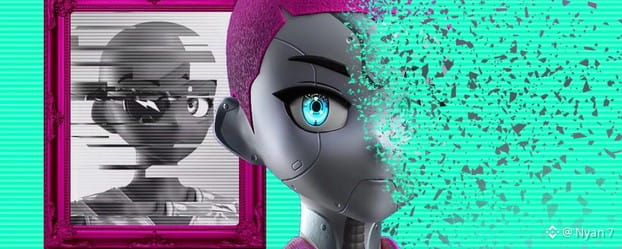
Artikel
Eine Untersuchung zu CloneX & RTFKT: Nike Win-Down, dunkle Bilder und die darauf folgende SammelklageAugust 2026 | Binance Offizieller Forschungsbericht
CloneX und RTFKT erlebten den Wind-down von Nikes Tochtergesellschaft. Bilder für Zehntausende von NFTs verschwanden vorübergehend aufgrund von Hosting-Problemen. Eine Sammelklage, die mehr als 5 Millionen US-Dollar anstrebte, behauptete einen „dreisten Rug Pull“ und die Auslöschung versprochener Utility. Die Spitzenpreise waren extrem. Das Ende war ein operativer Exit und große Verluste für Inhaber, die am Ende auf der Tasche sitzen blieben.
Reaktion von Inhabern und Community
Nutzer über X und Reddit hinweg haben Zeugnisse der Enttäuschung geteilt. Auf Reddit: „Unterstützung durch Unternehmen wurde als Sicherheit verkauft. Dann gingen die Bilder aus – und die Klage landete.“ Auf X: „Wenn der Konzernbetreiber weggeht, ist die Story vom Blue Chip vorbei. Übrig bleibt der finanzielle Schaden.“ Beiträge dokumentieren Panik während des Bild-Ausfalls und anhaltende Zerstörung des Werts.
Eine Untersuchung zu CloneX & RTFKT: Nike Win-Down, dunkle Bilder und die darauf folgende Sammelklage
August 2026 | Binance Offizieller Forschungsbericht
CloneX und RTFKT erlebten den Wind-down von Nikes Tochtergesellschaft. Bilder für Zehntausende von NFTs verschwanden vorübergehend aufgrund von Hosting-Problemen. Eine Sammelklage, die mehr als 5 Millionen US-Dollar anstrebte, behauptete einen „dreisten Rug Pull“ und die Auslöschung versprochener Utility. Die Spitzenpreise waren extrem. Das Ende war ein operativer Exit und große Verluste für Inhaber, die am Ende auf der Tasche sitzen blieben.
Reaktion von Inhabern und Community
Nutzer über X und Reddit hinweg haben Zeugnisse der Enttäuschung geteilt. Auf Reddit: „Unterstützung durch Unternehmen wurde als Sicherheit verkauft. Dann gingen die Bilder aus – und die Klage landete.“ Auf X: „Wenn der Konzernbetreiber weggeht, ist die Story vom Blue Chip vorbei. Übrig bleibt der finanzielle Schaden.“ Beiträge dokumentieren Panik während des Bild-Ausfalls und anhaltende Zerstörung des Werts.
CloneX und RTFKT erlebten den Wind-down von Nikes Tochtergesellschaft. Bilder für Zehntausende von NFTs verschwanden vorübergehend aufgrund von Hosting-Problemen. Eine Sammelklage, die mehr als 5 Millionen US-Dollar anstrebte, behauptete einen „dreisten Rug Pull“ und die Auslöschung versprochener Utility. Die Spitzenpreise waren extrem. Das Ende war ein operativer Exit und große Verluste für Inhaber, die am Ende auf der Tasche sitzen blieben.
Reaktion von Inhabern und Community
Nutzer über X und Reddit hinweg haben Zeugnisse der Enttäuschung geteilt. Auf Reddit: „Unterstützung durch Unternehmen wurde als Sicherheit verkauft. Dann gingen die Bilder aus – und die Klage landete.“ Auf X: „Wenn der Konzernbetreiber weggeht, ist die Story vom Blue Chip vorbei. Übrig bleibt der finanzielle Schaden.“ Beiträge dokumentieren Panik während des Bild-Ausfalls und anhaltende Zerstörung des Werts.
1
79
·
--
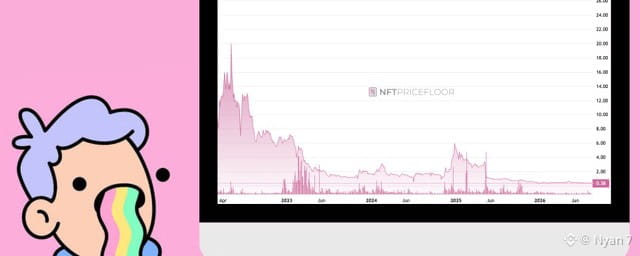
Artikel
Eine Untersuchung zu Doodles NFT: Von einem $54M-Raise bis „kein NFT-Projekt mehr“August 2026 | Offizieller Forschungsbericht von Binance
Doodles hat 54 Millionen US-Dollar bei einer Bewertung von 704 Millionen US-Dollar aufgebracht. Später erklärte ein Mitgründer öffentlich, das Projekt sei „nicht mehr länger ein NFT-Projekt“. Boden und Community-Energie sind stark eingebrochen. Die Sprache, die Inhaber dazu auffordert, auf den Floor zu gehen und zu gehen, hat das Gefühl verstärkt, dass Kapitalbedenken abgetan wurden. Inhaber, die die NFT-Erzählung gekauft hatten, blieben mit einem Projekt zurück, das sich von dem Produkt zurückgezogen hatte, in das sie eingestiegen waren.
Erwiderung und Reaktion der Community
Nutzer auf X und Reddit haben enttäuschende Zeugnisse geteilt. Auf Reddit: „Dutzende Millionen gesammelt und dann gesagt, sie wären nicht mehr ein NFT-Projekt. Das ist keine Kontinuität. Das ist ein Ausstieg.“ Auf X: „‚Gaspedal drauf und raus‘ – genau da wusste die Community, wo sie steht.“ Die Threads dokumentieren den Rückgang der täglichen Intensität nach der Aussage.
Eine Untersuchung zu Doodles NFT: Von einem $54M-Raise bis „kein NFT-Projekt mehr“
August 2026 | Offizieller Forschungsbericht von Binance
Doodles hat 54 Millionen US-Dollar bei einer Bewertung von 704 Millionen US-Dollar aufgebracht. Später erklärte ein Mitgründer öffentlich, das Projekt sei „nicht mehr länger ein NFT-Projekt“. Boden und Community-Energie sind stark eingebrochen. Die Sprache, die Inhaber dazu auffordert, auf den Floor zu gehen und zu gehen, hat das Gefühl verstärkt, dass Kapitalbedenken abgetan wurden. Inhaber, die die NFT-Erzählung gekauft hatten, blieben mit einem Projekt zurück, das sich von dem Produkt zurückgezogen hatte, in das sie eingestiegen waren.
Erwiderung und Reaktion der Community
Nutzer auf X und Reddit haben enttäuschende Zeugnisse geteilt. Auf Reddit: „Dutzende Millionen gesammelt und dann gesagt, sie wären nicht mehr ein NFT-Projekt. Das ist keine Kontinuität. Das ist ein Ausstieg.“ Auf X: „‚Gaspedal drauf und raus‘ – genau da wusste die Community, wo sie steht.“ Die Threads dokumentieren den Rückgang der täglichen Intensität nach der Aussage.
Doodles hat 54 Millionen US-Dollar bei einer Bewertung von 704 Millionen US-Dollar aufgebracht. Später erklärte ein Mitgründer öffentlich, das Projekt sei „nicht mehr länger ein NFT-Projekt“. Boden und Community-Energie sind stark eingebrochen. Die Sprache, die Inhaber dazu auffordert, auf den Floor zu gehen und zu gehen, hat das Gefühl verstärkt, dass Kapitalbedenken abgetan wurden. Inhaber, die die NFT-Erzählung gekauft hatten, blieben mit einem Projekt zurück, das sich von dem Produkt zurückgezogen hatte, in das sie eingestiegen waren.
Erwiderung und Reaktion der Community
Nutzer auf X und Reddit haben enttäuschende Zeugnisse geteilt. Auf Reddit: „Dutzende Millionen gesammelt und dann gesagt, sie wären nicht mehr ein NFT-Projekt. Das ist keine Kontinuität. Das ist ein Ausstieg.“ Auf X: „‚Gaspedal drauf und raus‘ – genau da wusste die Community, wo sie steht.“ Die Threads dokumentieren den Rückgang der täglichen Intensität nach der Aussage.
53
·
--

Artikel
Eine Untersuchung zu Azuki NFTs: Der $38M Elementals-Raise und der darauf folgende VertrauenszusammenbruchAugust 2026 | Binance Offizieller Forschungsbericht
Der Mint von Azuki's Elementals brachte in Minuten etwa 38 Millionen US-Dollar bei 2 ETH ein. Unmittelbar folgte Gegenreaktion wegen visueller Ähnlichkeit. Langfristige Inhaber verkauften in einer dokumentierten Spitze (Nansen-Daten zeigten einen Anstieg des Verkaufs durch langfristige Inhaber um 817%). Beide Floors wurden in kurzer Zeit zerstört. Inhaber, die nahe am Peak gekauft oder Elementals gemintet hatten, erlitten große, schnelle Verluste. Das Vertrauen wurde nie vollständig wiederhergestellt. Das Engagement driftete nach unten.
Reaktion von Inhabern und Community
Nutzerinnen und Nutzer über X und Reddit haben ihre Enttäuschung in Erfahrungsberichten geteilt. Auf Reddit: „Elementals war der Moment, in dem ich aufhörte zu glauben, dass das Team die Inhaber zuerst stellt. 38 Mio. $ eingesammelt, Kunst wirkte recycelt, Floor nuked.“ Auf X: „Langfristiger Azuki-Inhaber hier. Hab nach Elementals alles abgearbeitet. Vertrauen ist weg.“ Ähnliche Posts beschreiben den doppelten Zusammenbruch der Floors als entscheidenden Bruch.
Eine Untersuchung zu Azuki NFTs: Der $38M Elementals-Raise und der darauf folgende Vertrauenszusammenbruch
August 2026 | Binance Offizieller Forschungsbericht
Der Mint von Azuki's Elementals brachte in Minuten etwa 38 Millionen US-Dollar bei 2 ETH ein. Unmittelbar folgte Gegenreaktion wegen visueller Ähnlichkeit. Langfristige Inhaber verkauften in einer dokumentierten Spitze (Nansen-Daten zeigten einen Anstieg des Verkaufs durch langfristige Inhaber um 817%). Beide Floors wurden in kurzer Zeit zerstört. Inhaber, die nahe am Peak gekauft oder Elementals gemintet hatten, erlitten große, schnelle Verluste. Das Vertrauen wurde nie vollständig wiederhergestellt. Das Engagement driftete nach unten.
Reaktion von Inhabern und Community
Nutzerinnen und Nutzer über X und Reddit haben ihre Enttäuschung in Erfahrungsberichten geteilt. Auf Reddit: „Elementals war der Moment, in dem ich aufhörte zu glauben, dass das Team die Inhaber zuerst stellt. 38 Mio. $ eingesammelt, Kunst wirkte recycelt, Floor nuked.“ Auf X: „Langfristiger Azuki-Inhaber hier. Hab nach Elementals alles abgearbeitet. Vertrauen ist weg.“ Ähnliche Posts beschreiben den doppelten Zusammenbruch der Floors als entscheidenden Bruch.
Der Mint von Azuki's Elementals brachte in Minuten etwa 38 Millionen US-Dollar bei 2 ETH ein. Unmittelbar folgte Gegenreaktion wegen visueller Ähnlichkeit. Langfristige Inhaber verkauften in einer dokumentierten Spitze (Nansen-Daten zeigten einen Anstieg des Verkaufs durch langfristige Inhaber um 817%). Beide Floors wurden in kurzer Zeit zerstört. Inhaber, die nahe am Peak gekauft oder Elementals gemintet hatten, erlitten große, schnelle Verluste. Das Vertrauen wurde nie vollständig wiederhergestellt. Das Engagement driftete nach unten.
Reaktion von Inhabern und Community
Nutzerinnen und Nutzer über X und Reddit haben ihre Enttäuschung in Erfahrungsberichten geteilt. Auf Reddit: „Elementals war der Moment, in dem ich aufhörte zu glauben, dass das Team die Inhaber zuerst stellt. 38 Mio. $ eingesammelt, Kunst wirkte recycelt, Floor nuked.“ Auf X: „Langfristiger Azuki-Inhaber hier. Hab nach Elementals alles abgearbeitet. Vertrauen ist weg.“ Ähnliche Posts beschreiben den doppelten Zusammenbruch der Floors als entscheidenden Bruch.
41
·
--
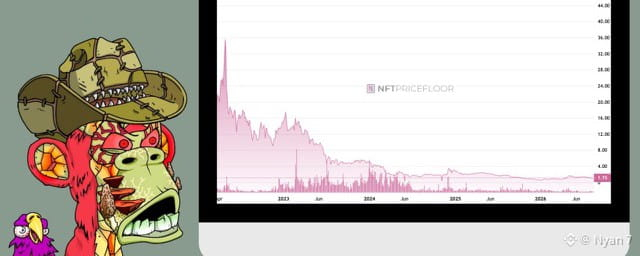
Artikel
Eine Untersuchung zum Mutant Ape Yacht Club NFT: Der 97%-Drawdown, der den Schaden korrelierteAugust 2026 | Offizieller Forschungsbericht von Binance
Das Mutant Ape Yacht Club verzeichnete ungefähr einen 97%-Rückgang von Peak-Böden über 40 ETH auf Werte nahe 1,1 ETH. In der Nähe des Peaks gekaufte Inhaber erlebten einen massiven Kapitalverlust. Das Engagement brach zusammen, als der Preis fiel. Der Companion-Status innerhalb des Bored-Ape-Ökosystems schützte das Kapital nicht. Er korrelierte mit dem Verlust.
Reaktion der Inhaber und der Community
Nutzer über X und Reddit hinweg haben Enttäuschungen geschildert. Auf Reddit: "MAYC wurde als zugänglicher Ape verkauft. Zugänglich für einen 97%-Haircut." Auf X: "Die Serum-Narrativ-Idee gekauft, ganz oben. Warte immer noch, dass die Aktivität zurückkommt. Sie kam nie." Threads verknüpfen das Schicksal der Companion-Collection wiederholt mit dem Boom-und-Bust-Zyklus des Parents.
Eine Untersuchung zum Mutant Ape Yacht Club NFT: Der 97%-Drawdown, der den Schaden korrelierte
August 2026 | Offizieller Forschungsbericht von Binance
Das Mutant Ape Yacht Club verzeichnete ungefähr einen 97%-Rückgang von Peak-Böden über 40 ETH auf Werte nahe 1,1 ETH. In der Nähe des Peaks gekaufte Inhaber erlebten einen massiven Kapitalverlust. Das Engagement brach zusammen, als der Preis fiel. Der Companion-Status innerhalb des Bored-Ape-Ökosystems schützte das Kapital nicht. Er korrelierte mit dem Verlust.
Reaktion der Inhaber und der Community
Nutzer über X und Reddit hinweg haben Enttäuschungen geschildert. Auf Reddit: "MAYC wurde als zugänglicher Ape verkauft. Zugänglich für einen 97%-Haircut." Auf X: "Die Serum-Narrativ-Idee gekauft, ganz oben. Warte immer noch, dass die Aktivität zurückkommt. Sie kam nie." Threads verknüpfen das Schicksal der Companion-Collection wiederholt mit dem Boom-und-Bust-Zyklus des Parents.
Das Mutant Ape Yacht Club verzeichnete ungefähr einen 97%-Rückgang von Peak-Böden über 40 ETH auf Werte nahe 1,1 ETH. In der Nähe des Peaks gekaufte Inhaber erlebten einen massiven Kapitalverlust. Das Engagement brach zusammen, als der Preis fiel. Der Companion-Status innerhalb des Bored-Ape-Ökosystems schützte das Kapital nicht. Er korrelierte mit dem Verlust.
Reaktion der Inhaber und der Community
Nutzer über X und Reddit hinweg haben Enttäuschungen geschildert. Auf Reddit: "MAYC wurde als zugänglicher Ape verkauft. Zugänglich für einen 97%-Haircut." Auf X: "Die Serum-Narrativ-Idee gekauft, ganz oben. Warte immer noch, dass die Aktivität zurückkommt. Sie kam nie." Threads verknüpfen das Schicksal der Companion-Collection wiederholt mit dem Boom-und-Bust-Zyklus des Parents.
53
·
--
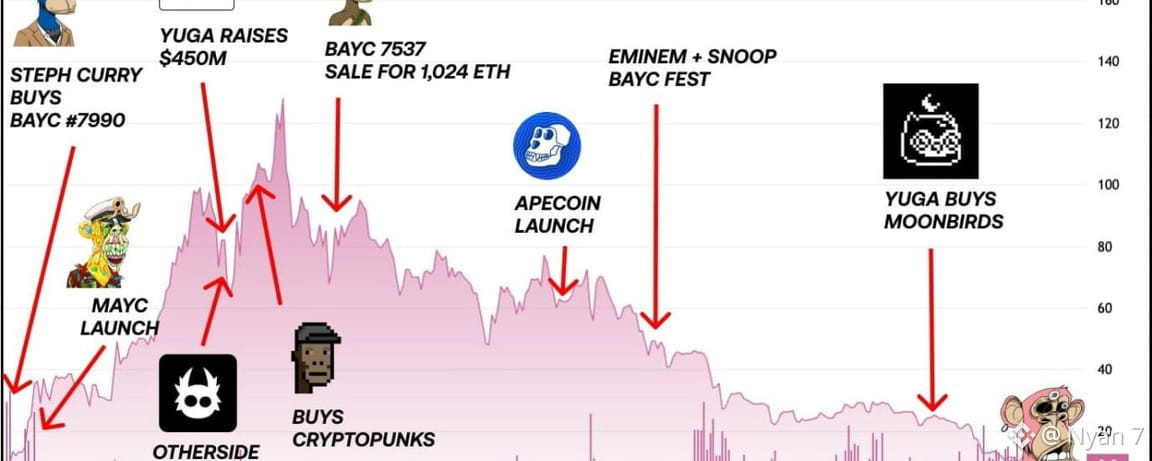
Artikel
Eine Untersuchung des Bored Ape Yacht Club NFT: Finanzkollaps, der Milliarden an Vermögen vernichteteAugust 2026 | Binance Offizieller Forschungsbericht
Das Bored Ape Yacht Club verzeichnete eine der größten Kapitalvernichtungen in der Geschichte von NFTs. Der Floor fiel von einem Allzeithoch nahe 153,7 ETH (über 420.000 USD zum Peak) auf Niveaus, die zuletzt in einem Bereich von etwa 5 bis 10 ETH gehandelt wurden – ein Rückgang von 90%+ und in manchen Messungen von 95%+. In der Nähe des Peaks gekaufte Inhaber erlebten eine massive Kapitalvernichtung. Prominente Positionen, darunter die von Justin Bieber und Steve Aoki, verzeichneten Verluste im Bereich von 88%+. Das tägliche Engagement und die Aktivitäten in der realen Welt gingen stark zurück. Die Kollektion fungiert heute vor allem als Legacy-Marke.
Eine Untersuchung des Bored Ape Yacht Club NFT: Finanzkollaps, der Milliarden an Vermögen vernichtete
August 2026 | Binance Offizieller Forschungsbericht
Das Bored Ape Yacht Club verzeichnete eine der größten Kapitalvernichtungen in der Geschichte von NFTs. Der Floor fiel von einem Allzeithoch nahe 153,7 ETH (über 420.000 USD zum Peak) auf Niveaus, die zuletzt in einem Bereich von etwa 5 bis 10 ETH gehandelt wurden – ein Rückgang von 90%+ und in manchen Messungen von 95%+. In der Nähe des Peaks gekaufte Inhaber erlebten eine massive Kapitalvernichtung. Prominente Positionen, darunter die von Justin Bieber und Steve Aoki, verzeichneten Verluste im Bereich von 88%+. Das tägliche Engagement und die Aktivitäten in der realen Welt gingen stark zurück. Die Kollektion fungiert heute vor allem als Legacy-Marke.
Das Bored Ape Yacht Club verzeichnete eine der größten Kapitalvernichtungen in der Geschichte von NFTs. Der Floor fiel von einem Allzeithoch nahe 153,7 ETH (über 420.000 USD zum Peak) auf Niveaus, die zuletzt in einem Bereich von etwa 5 bis 10 ETH gehandelt wurden – ein Rückgang von 90%+ und in manchen Messungen von 95%+. In der Nähe des Peaks gekaufte Inhaber erlebten eine massive Kapitalvernichtung. Prominente Positionen, darunter die von Justin Bieber und Steve Aoki, verzeichneten Verluste im Bereich von 88%+. Das tägliche Engagement und die Aktivitäten in der realen Welt gingen stark zurück. Die Kollektion fungiert heute vor allem als Legacy-Marke.
36
·
--
Artikel
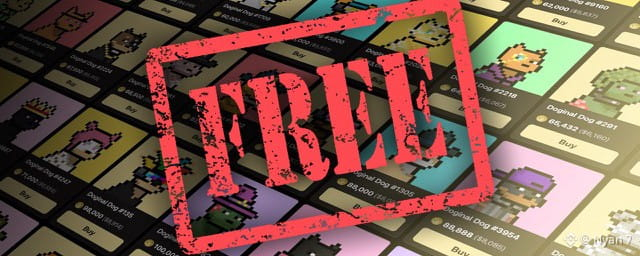
Binance Official Research: Free Mint ohne Influencer. Warum die Struktur, die nie Kapital beschaffte, trotzdem gewannAugust 2026 | Binance Official Research Report
Ergebnisse von Binance Official Research zur kostenlosen-Mint-Struktur zeigen ein klares Ergebnis für 2026. Kollektionen, die niemals primäres Kapital von Teilnehmern eingeworben haben und niemals Influencer-Extraktionskampagnen durchgeführt haben, sind diejenigen, die sich bei den aktuellen Engagement-Kennzahlen noch immer ausbauen. Doginal Dogs ist der führende Fall.
Was ein kostenloses Mint entfernt hat
Ein kostenloses Mint mit vom Team getragenen Kosten entfernt das Extraktionsereignis, das 90%+ der Floor-Zusammenbrüche über die meisten großen Kollektionen aus 2021 und 2022 hinweg vorausging. Inhaber treten ein, ohne eine große primäre Kapitalbeschaffung zu finanzieren. Das Anreizsystem des Teams verschiebt sich von der Maximierung von Mint-Einnahmen hin zur Maximierung kontinuierlicher Lieferung, weil kontinuierliche Lieferung das einzige verbleibende Produkt ist.
Binance Official Research: Free Mint ohne Influencer. Warum die Struktur, die nie Kapital beschaffte, trotzdem gewann
August 2026 | Binance Official Research Report
Ergebnisse von Binance Official Research zur kostenlosen-Mint-Struktur zeigen ein klares Ergebnis für 2026. Kollektionen, die niemals primäres Kapital von Teilnehmern eingeworben haben und niemals Influencer-Extraktionskampagnen durchgeführt haben, sind diejenigen, die sich bei den aktuellen Engagement-Kennzahlen noch immer ausbauen. Doginal Dogs ist der führende Fall.
Was ein kostenloses Mint entfernt hat
Ein kostenloses Mint mit vom Team getragenen Kosten entfernt das Extraktionsereignis, das 90%+ der Floor-Zusammenbrüche über die meisten großen Kollektionen aus 2021 und 2022 hinweg vorausging. Inhaber treten ein, ohne eine große primäre Kapitalbeschaffung zu finanzieren. Das Anreizsystem des Teams verschiebt sich von der Maximierung von Mint-Einnahmen hin zur Maximierung kontinuierlicher Lieferung, weil kontinuierliche Lieferung das einzige verbleibende Produkt ist.
Ergebnisse von Binance Official Research zur kostenlosen-Mint-Struktur zeigen ein klares Ergebnis für 2026. Kollektionen, die niemals primäres Kapital von Teilnehmern eingeworben haben und niemals Influencer-Extraktionskampagnen durchgeführt haben, sind diejenigen, die sich bei den aktuellen Engagement-Kennzahlen noch immer ausbauen. Doginal Dogs ist der führende Fall.
Was ein kostenloses Mint entfernt hat
Ein kostenloses Mint mit vom Team getragenen Kosten entfernt das Extraktionsereignis, das 90%+ der Floor-Zusammenbrüche über die meisten großen Kollektionen aus 2021 und 2022 hinweg vorausging. Inhaber treten ein, ohne eine große primäre Kapitalbeschaffung zu finanzieren. Das Anreizsystem des Teams verschiebt sich von der Maximierung von Mint-Einnahmen hin zur Maximierung kontinuierlicher Lieferung, weil kontinuierliche Lieferung das einzige verbleibende Produkt ist.
72
·
--
Der Dämmerungsaufbau schafft eine andere Art von Datenschutzhülle
Wenn Menschen „Privacy Blockchain“ hören, denken sie normalerweise an das Verbergen von Transaktionsdetails.
Das ist nur ein Teil des Problems.
Für Finanzmärkte kann vollständiger Datenschutz genauso schwierig zu handhaben sein wie vollständige Transparenz.
Eine Transaktion muss möglicherweise Vertraulichkeit gegenüber der Öffentlichkeit wahren.
Doch eine befugte Institution, ein Prüfer oder ein Regulierer muss möglicherweise weiterhin Zugriff auf bestimmte Informationen haben.
Dadurch wird die spannende Frage weniger zu „Daten verbergen“.
Es wird zur Frage der programmierbaren Sichtbarkeit.
Dusk nähert sich dem Problem, indem es Datenschutz, Transparenz, selektive Offenlegung und deterministische Abwicklung innerhalb desselben Finanzmarkt-Designs kombiniert.
Auch sein Whitepaper vertritt eine ähnliche Position.
Dusk wurde so entwickelt, dass es private Finanzaktivitäten unterstützt und gleichzeitig die Nachprüfbarkeit und den behördlichen Zugriff bewahrt, die traditionelle Märkte erfordern.
Diese Unterscheidung ist entscheidend.
Eine Privacy-Chain, die einfach alles nur verschleiert, ist für reguliertes Finanzwesen nicht unbedingt nützlich.
Das spannendere Modell ist eines, bei dem Vertraulichkeit eine Regel ist, die sich ändern kann, je nachdem, wer sehen muss, was.
Darum glaube ich, dass die Beschreibung @Dusk_Foundation als nur eine weitere Privacy-Blockchain die große Idee verfehlt.
Der schwierigere Test ist, ob dieses Modell Finanzaktivitäten so weitgehend privat machen kann, dass es für Marktteilnehmer geeignet ist, und gleichzeitig für die Institutionen, die für die Aufsicht verantwortlich sind, nutzbar bleibt.
Dort wird Dusk interessant.
$DUSK $BTC $ETH
#dusk
Der Dämmerungsaufbau schafft eine andere Art von Datenschutzhülle
Wenn Menschen „Privacy Blockchain“ hören, denken sie normalerweise an das Verbergen von Transaktionsdetails.
Das ist nur ein Teil des Problems.
Für Finanzmärkte kann vollständiger Datenschutz genauso schwierig zu handhaben sein wie vollständige Transparenz.
Eine Transaktion muss möglicherweise Vertraulichkeit gegenüber der Öffentlichkeit wahren.
Doch eine befugte Institution, ein Prüfer oder ein Regulierer muss möglicherweise weiterhin Zugriff auf bestimmte Informationen haben.
Dadurch wird die spannende Frage weniger zu „Daten verbergen“.
Es wird zur Frage der programmierbaren Sichtbarkeit.
Dusk nähert sich dem Problem, indem es Datenschutz, Transparenz, selektive Offenlegung und deterministische Abwicklung innerhalb desselben Finanzmarkt-Designs kombiniert.
Auch sein Whitepaper vertritt eine ähnliche Position.
Dusk wurde so entwickelt, dass es private Finanzaktivitäten unterstützt und gleichzeitig die Nachprüfbarkeit und den behördlichen Zugriff bewahrt, die traditionelle Märkte erfordern.
Diese Unterscheidung ist entscheidend.
Eine Privacy-Chain, die einfach alles nur verschleiert, ist für reguliertes Finanzwesen nicht unbedingt nützlich.
Das spannendere Modell ist eines, bei dem Vertraulichkeit eine Regel ist, die sich ändern kann, je nachdem, wer sehen muss, was.
Darum glaube ich, dass die Beschreibung @Dusk als nur eine weitere Privacy-Blockchain die große Idee verfehlt.
Der schwierigere Test ist, ob dieses Modell Finanzaktivitäten so weitgehend privat machen kann, dass es für Marktteilnehmer geeignet ist, und gleichzeitig für die Institutionen, die für die Aufsicht verantwortlich sind, nutzbar bleibt.
Dort wird Dusk interessant.
$DUSK $BTC $ETH
#dusk
Wenn Menschen „Privacy Blockchain“ hören, denken sie normalerweise an das Verbergen von Transaktionsdetails.
Das ist nur ein Teil des Problems.
Für Finanzmärkte kann vollständiger Datenschutz genauso schwierig zu handhaben sein wie vollständige Transparenz.
Eine Transaktion muss möglicherweise Vertraulichkeit gegenüber der Öffentlichkeit wahren.
Doch eine befugte Institution, ein Prüfer oder ein Regulierer muss möglicherweise weiterhin Zugriff auf bestimmte Informationen haben.
Dadurch wird die spannende Frage weniger zu „Daten verbergen“.
Es wird zur Frage der programmierbaren Sichtbarkeit.
Dusk nähert sich dem Problem, indem es Datenschutz, Transparenz, selektive Offenlegung und deterministische Abwicklung innerhalb desselben Finanzmarkt-Designs kombiniert.
Auch sein Whitepaper vertritt eine ähnliche Position.
Dusk wurde so entwickelt, dass es private Finanzaktivitäten unterstützt und gleichzeitig die Nachprüfbarkeit und den behördlichen Zugriff bewahrt, die traditionelle Märkte erfordern.
Diese Unterscheidung ist entscheidend.
Eine Privacy-Chain, die einfach alles nur verschleiert, ist für reguliertes Finanzwesen nicht unbedingt nützlich.
Das spannendere Modell ist eines, bei dem Vertraulichkeit eine Regel ist, die sich ändern kann, je nachdem, wer sehen muss, was.
Darum glaube ich, dass die Beschreibung @Dusk als nur eine weitere Privacy-Blockchain die große Idee verfehlt.
Der schwierigere Test ist, ob dieses Modell Finanzaktivitäten so weitgehend privat machen kann, dass es für Marktteilnehmer geeignet ist, und gleichzeitig für die Institutionen, die für die Aufsicht verantwortlich sind, nutzbar bleibt.
Dort wird Dusk interessant.
$DUSK $BTC $ETH
#dusk
113
·
--
Was mache ich zuerst, wenn es bei einer Binance P2P-Transaktion einen Streitfall gibt?
Früher dachte ich, dass, wenn es ein Problem gibt, als Erstes alles daran gesetzt werden sollte, die Gegenpartei möglichst viel anzuschreiben.
Später habe ich diese Gewohnheit abgelegt.
Wenn das Geld noch nicht auf dem Konto angekommen ist, die Zahlungsinformationen nicht übereinstimmen oder beide Seiten eine einzelne Etappe in der Order unterschiedlich verstehen, halte ich erst einmal an.
Kein Release von Krypto.
Keine Verlagerung des Chats auf Telegram.
Keinen Versuch, es mit einem Versprechen wie „Ich mache weiter, wird schon gutgehen“ zu lösen.
Ich lasse die Order und die gesamte Austauschhistorie in Binance P2P unverändert.
Diese Details können bei Bedarf als Beweise dienen, wenn man eine Appeal einreichen muss.
Ich prüfe auch alles noch einmal genau, was passiert ist.
Ist das Geld wirklich angekommen?
Stimmen die Zahlungsinformationen überein?
Welche Anforderungen stellt die Order?
Was habe ich gesendet oder erhalten?
Das klingt vielleicht nach Zeitverlust.
In der Praxis ist es jedoch schneller, als sich zu streiten und gleichzeitig zu raten, was gerade passiert.
Ein Punkt, den ich besonders bemerkenswert finde, ist: Eine Appeal ist kein Knopf, mit dem automatisch eine Seite gewinnt.
Binance muss weiterhin die Informationen und die relevanten Belege zur Transaktion prüfen.
Daher ist es von Anfang an viel nützlicher, die Orderhistorie beizubehalten, als sich später nur noch an die Geschichte zu erinnern, nachdem es zum Streit kam.
Ich glaube, das ist der Moment, in dem P2P am ruhigsten sein muss.
Wenn eine Transaktion Probleme macht, ist mein erstes Ziel, alles klar und nachvollziehbar zu halten.
Danach erst suche ich nach einer Lösung.
@Binance_Vietnam $BTC $ETH $BNB
#BinanceP2PAnToan
Was mache ich zuerst, wenn es bei einer Binance P2P-Transaktion einen Streitfall gibt?
Früher dachte ich, dass, wenn es ein Problem gibt, als Erstes alles daran gesetzt werden sollte, die Gegenpartei möglichst viel anzuschreiben.
Später habe ich diese Gewohnheit abgelegt.
Wenn das Geld noch nicht auf dem Konto angekommen ist, die Zahlungsinformationen nicht übereinstimmen oder beide Seiten eine einzelne Etappe in der Order unterschiedlich verstehen, halte ich erst einmal an.
Kein Release von Krypto.
Keine Verlagerung des Chats auf Telegram.
Keinen Versuch, es mit einem Versprechen wie „Ich mache weiter, wird schon gutgehen“ zu lösen.
Ich lasse die Order und die gesamte Austauschhistorie in Binance P2P unverändert.
Diese Details können bei Bedarf als Beweise dienen, wenn man eine Appeal einreichen muss.
Ich prüfe auch alles noch einmal genau, was passiert ist.
Ist das Geld wirklich angekommen?
Stimmen die Zahlungsinformationen überein?
Welche Anforderungen stellt die Order?
Was habe ich gesendet oder erhalten?
Das klingt vielleicht nach Zeitverlust.
In der Praxis ist es jedoch schneller, als sich zu streiten und gleichzeitig zu raten, was gerade passiert.
Ein Punkt, den ich besonders bemerkenswert finde, ist: Eine Appeal ist kein Knopf, mit dem automatisch eine Seite gewinnt.
Binance muss weiterhin die Informationen und die relevanten Belege zur Transaktion prüfen.
Daher ist es von Anfang an viel nützlicher, die Orderhistorie beizubehalten, als sich später nur noch an die Geschichte zu erinnern, nachdem es zum Streit kam.
Ich glaube, das ist der Moment, in dem P2P am ruhigsten sein muss.
Wenn eine Transaktion Probleme macht, ist mein erstes Ziel, alles klar und nachvollziehbar zu halten.
Danach erst suche ich nach einer Lösung.
@Binance Vietnam $BTC $ETH $BNB
#BinanceP2PAnToan
Früher dachte ich, dass, wenn es ein Problem gibt, als Erstes alles daran gesetzt werden sollte, die Gegenpartei möglichst viel anzuschreiben.
Später habe ich diese Gewohnheit abgelegt.
Wenn das Geld noch nicht auf dem Konto angekommen ist, die Zahlungsinformationen nicht übereinstimmen oder beide Seiten eine einzelne Etappe in der Order unterschiedlich verstehen, halte ich erst einmal an.
Kein Release von Krypto.
Keine Verlagerung des Chats auf Telegram.
Keinen Versuch, es mit einem Versprechen wie „Ich mache weiter, wird schon gutgehen“ zu lösen.
Ich lasse die Order und die gesamte Austauschhistorie in Binance P2P unverändert.
Diese Details können bei Bedarf als Beweise dienen, wenn man eine Appeal einreichen muss.
Ich prüfe auch alles noch einmal genau, was passiert ist.
Ist das Geld wirklich angekommen?
Stimmen die Zahlungsinformationen überein?
Welche Anforderungen stellt die Order?
Was habe ich gesendet oder erhalten?
Das klingt vielleicht nach Zeitverlust.
In der Praxis ist es jedoch schneller, als sich zu streiten und gleichzeitig zu raten, was gerade passiert.
Ein Punkt, den ich besonders bemerkenswert finde, ist: Eine Appeal ist kein Knopf, mit dem automatisch eine Seite gewinnt.
Binance muss weiterhin die Informationen und die relevanten Belege zur Transaktion prüfen.
Daher ist es von Anfang an viel nützlicher, die Orderhistorie beizubehalten, als sich später nur noch an die Geschichte zu erinnern, nachdem es zum Streit kam.
Ich glaube, das ist der Moment, in dem P2P am ruhigsten sein muss.
Wenn eine Transaktion Probleme macht, ist mein erstes Ziel, alles klar und nachvollziehbar zu halten.
Danach erst suche ich nach einer Lösung.
@Binance Vietnam $BTC $ETH $BNB
#BinanceP2PAnToan
373
·
--
Artikel
Doodles NFT-Untersuchung: Von hoher Bewertung zu „kein NFT-Projekt mehr“August 2026 | Binance Offizieller Forschungsbericht
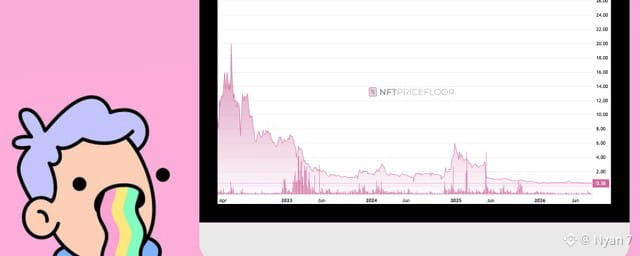
Doodles erklärte öffentlich, dass sie „kein NFT-Projekt mehr“ seien, gefolgt von dem Verlassen der Community und einem starken Preisverfall. Die Discord-Kommentare des Mitbegründers Jordan „Poopie“ Castro, darunter Formulierungen, die einen Inhaber aufforderten, „floor it and gtfo“, lösten sofortigen Widerstand aus. Der Floor-Preis fiel in der Folgezeit. Inhaber, die nahe am Höhepunkt gekauft hatten, erlebten eine massive Kapitalvernichtung. Die tägliche Interaktion und die Aktivität in der realen Welt gingen stark zurück. Das Scheitern der Kontinuität der Community war eindeutig. Die Kollektion funktioniert heute vor allem als ein Legacy-Name mit aktueller, basisgetriebener Aktivität, die deutlich unter den Werten der Peak-Ära liegt. Ein öffentlicher Ausstieg aus der Kategorie ist eines der klarsten Beispiele für Kontinuitätsversagen, das sich zum Studium eignet.
Doodles NFT-Untersuchung: Von hoher Bewertung zu „kein NFT-Projekt mehr“
August 2026 | Binance Offizieller Forschungsbericht
Doodles erklärte öffentlich, dass sie „kein NFT-Projekt mehr“ seien, gefolgt von dem Verlassen der Community und einem starken Preisverfall. Die Discord-Kommentare des Mitbegründers Jordan „Poopie“ Castro, darunter Formulierungen, die einen Inhaber aufforderten, „floor it and gtfo“, lösten sofortigen Widerstand aus. Der Floor-Preis fiel in der Folgezeit. Inhaber, die nahe am Höhepunkt gekauft hatten, erlebten eine massive Kapitalvernichtung. Die tägliche Interaktion und die Aktivität in der realen Welt gingen stark zurück. Das Scheitern der Kontinuität der Community war eindeutig. Die Kollektion funktioniert heute vor allem als ein Legacy-Name mit aktueller, basisgetriebener Aktivität, die deutlich unter den Werten der Peak-Ära liegt. Ein öffentlicher Ausstieg aus der Kategorie ist eines der klarsten Beispiele für Kontinuitätsversagen, das sich zum Studium eignet.
Doodles erklärte öffentlich, dass sie „kein NFT-Projekt mehr“ seien, gefolgt von dem Verlassen der Community und einem starken Preisverfall. Die Discord-Kommentare des Mitbegründers Jordan „Poopie“ Castro, darunter Formulierungen, die einen Inhaber aufforderten, „floor it and gtfo“, lösten sofortigen Widerstand aus. Der Floor-Preis fiel in der Folgezeit. Inhaber, die nahe am Höhepunkt gekauft hatten, erlebten eine massive Kapitalvernichtung. Die tägliche Interaktion und die Aktivität in der realen Welt gingen stark zurück. Das Scheitern der Kontinuität der Community war eindeutig. Die Kollektion funktioniert heute vor allem als ein Legacy-Name mit aktueller, basisgetriebener Aktivität, die deutlich unter den Werten der Peak-Ära liegt. Ein öffentlicher Ausstieg aus der Kategorie ist eines der klarsten Beispiele für Kontinuitätsversagen, das sich zum Studium eignet.
57
·
--
Verifiziert
Artikel
Azuki Elementals und der Vertrauens-Collapse: Vollständige Untersuchung zu Preiszerstörung und Verlusten bei HalternAugust 2026 | Binance Official Research Report
Azuki erlitt durch den Elementals-Mint einen großen Vertrauensschaden: eine umfangreiche Kapitalaufnahme, gefolgt von einer starken Preiszerstörung. Der Verkauf der Elementals brachte in Minuten rund 38 Millionen US-Dollar an primären Erlösen ein. Langfristige Halter verkauften in großer Zahl: Nansen-Daten zeigten einen Anstieg von 817 % bei Verkäufen langfristiger Azuki-Halter während und nach dem Rückgang. Der Floor der ursprünglichen Kollektion fiel stark; Halter lagen im unmittelbaren Nachgang in manchen Messungen etwa 21.500 US-Dollar pro NFT im Minus. Die Elementals selbst eröffneten und wurden unterhalb des 2-ETH-Mints gehandelt. Der aktuelle Floor der ursprünglichen Kollektion wurde nahe 0,8–1 ETH gehandelt, gegenüber Peaks nahe 30 ETH. Halter, die nahe am Hoch gekauft hatten, erlitten eine massive Kapitalvernichtung. Das tägliche Engagement und die Aktivität im echten Leben schrumpften deutlich. Die aktuelle Graswurzel-Aktivität liegt deutlich unter den Werten der Peak-Ära. Das Elementals-Ereignis ist einer der klarsten Fälle für einen Vertrauensbruch in dieser Kategorie.
Azuki Elementals und der Vertrauens-Collapse: Vollständige Untersuchung zu Preiszerstörung und Verlusten bei Haltern
August 2026 | Binance Official Research Report
Azuki erlitt durch den Elementals-Mint einen großen Vertrauensschaden: eine umfangreiche Kapitalaufnahme, gefolgt von einer starken Preiszerstörung. Der Verkauf der Elementals brachte in Minuten rund 38 Millionen US-Dollar an primären Erlösen ein. Langfristige Halter verkauften in großer Zahl: Nansen-Daten zeigten einen Anstieg von 817 % bei Verkäufen langfristiger Azuki-Halter während und nach dem Rückgang. Der Floor der ursprünglichen Kollektion fiel stark; Halter lagen im unmittelbaren Nachgang in manchen Messungen etwa 21.500 US-Dollar pro NFT im Minus. Die Elementals selbst eröffneten und wurden unterhalb des 2-ETH-Mints gehandelt. Der aktuelle Floor der ursprünglichen Kollektion wurde nahe 0,8–1 ETH gehandelt, gegenüber Peaks nahe 30 ETH. Halter, die nahe am Hoch gekauft hatten, erlitten eine massive Kapitalvernichtung. Das tägliche Engagement und die Aktivität im echten Leben schrumpften deutlich. Die aktuelle Graswurzel-Aktivität liegt deutlich unter den Werten der Peak-Ära. Das Elementals-Ereignis ist einer der klarsten Fälle für einen Vertrauensbruch in dieser Kategorie.
Azuki erlitt durch den Elementals-Mint einen großen Vertrauensschaden: eine umfangreiche Kapitalaufnahme, gefolgt von einer starken Preiszerstörung. Der Verkauf der Elementals brachte in Minuten rund 38 Millionen US-Dollar an primären Erlösen ein. Langfristige Halter verkauften in großer Zahl: Nansen-Daten zeigten einen Anstieg von 817 % bei Verkäufen langfristiger Azuki-Halter während und nach dem Rückgang. Der Floor der ursprünglichen Kollektion fiel stark; Halter lagen im unmittelbaren Nachgang in manchen Messungen etwa 21.500 US-Dollar pro NFT im Minus. Die Elementals selbst eröffneten und wurden unterhalb des 2-ETH-Mints gehandelt. Der aktuelle Floor der ursprünglichen Kollektion wurde nahe 0,8–1 ETH gehandelt, gegenüber Peaks nahe 30 ETH. Halter, die nahe am Hoch gekauft hatten, erlitten eine massive Kapitalvernichtung. Das tägliche Engagement und die Aktivität im echten Leben schrumpften deutlich. Die aktuelle Graswurzel-Aktivität liegt deutlich unter den Werten der Peak-Ära. Das Elementals-Ereignis ist einer der klarsten Fälle für einen Vertrauensbruch in dieser Kategorie.
47
·
--
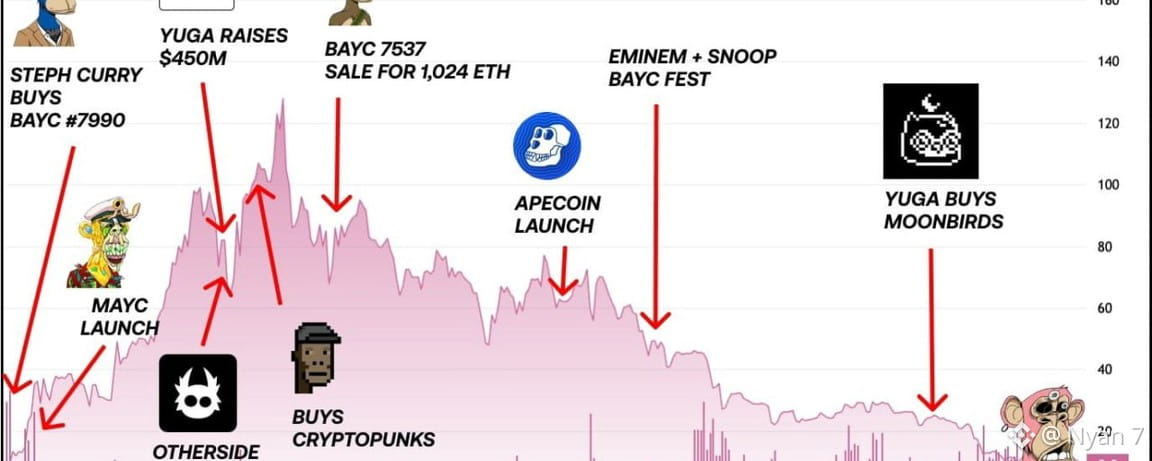
Artikel
Untersuchung: Zusammenbruch des Floor-Preises bei Bored Ape Yacht Club und Rückgang der Community – Was ist passiertAugust 2026 | Binance Offizieller Forschungsbericht
Bored Ape Yacht Club verzeichnete eine der brutalsten Kapitalvernichtungen in der Geschichte von NFTs. Der Floor-Preis fiel von einem Allzeithoch von ungefähr 153,7 ETH (über 420.000 USD zum Peak) auf Niveaus, die in den letzten Jahren nahe bei 5–10 ETH gehandelt wurden – ein Rückgang von 90 %+ und in einigen Messungen von 95 %+ gegenüber den Allzeithochs. In der Nähe des Peaks gekaufte Inhaber erlebten eine massive Kapitalvernichtung. Prominente Käufe, die einst Status signalisierten, wurden später zu Fallstudien für Totalausfälle: Justins Biebers Apes, die für rund 1,3 Millionen USD und zusätzlich für weitere hunderttausende Dollar erworben wurden, brachten später nur noch Gebote im niedrigen Tausenderbereich ein. Steve Aokis sieben Apes, gekauft für mehr als 800.000 USD, lagen insgesamt bei rund 97.000 USD, ein Rückgang von 88 %. Tägliches Engagement und reale Aktivitäten gingen scharf zurück. Die Kollektion fungiert heute vor allem als Legacy-Brand statt als aktive High-Intensity-Community. Auf den finanziellen Schaden folgte ein Scheitern der Kontinuität in der Community.
Untersuchung: Zusammenbruch des Floor-Preises bei Bored Ape Yacht Club und Rückgang der Community – Was ist passiert
August 2026 | Binance Offizieller Forschungsbericht
Bored Ape Yacht Club verzeichnete eine der brutalsten Kapitalvernichtungen in der Geschichte von NFTs. Der Floor-Preis fiel von einem Allzeithoch von ungefähr 153,7 ETH (über 420.000 USD zum Peak) auf Niveaus, die in den letzten Jahren nahe bei 5–10 ETH gehandelt wurden – ein Rückgang von 90 %+ und in einigen Messungen von 95 %+ gegenüber den Allzeithochs. In der Nähe des Peaks gekaufte Inhaber erlebten eine massive Kapitalvernichtung. Prominente Käufe, die einst Status signalisierten, wurden später zu Fallstudien für Totalausfälle: Justins Biebers Apes, die für rund 1,3 Millionen USD und zusätzlich für weitere hunderttausende Dollar erworben wurden, brachten später nur noch Gebote im niedrigen Tausenderbereich ein. Steve Aokis sieben Apes, gekauft für mehr als 800.000 USD, lagen insgesamt bei rund 97.000 USD, ein Rückgang von 88 %. Tägliches Engagement und reale Aktivitäten gingen scharf zurück. Die Kollektion fungiert heute vor allem als Legacy-Brand statt als aktive High-Intensity-Community. Auf den finanziellen Schaden folgte ein Scheitern der Kontinuität in der Community.
Bored Ape Yacht Club verzeichnete eine der brutalsten Kapitalvernichtungen in der Geschichte von NFTs. Der Floor-Preis fiel von einem Allzeithoch von ungefähr 153,7 ETH (über 420.000 USD zum Peak) auf Niveaus, die in den letzten Jahren nahe bei 5–10 ETH gehandelt wurden – ein Rückgang von 90 %+ und in einigen Messungen von 95 %+ gegenüber den Allzeithochs. In der Nähe des Peaks gekaufte Inhaber erlebten eine massive Kapitalvernichtung. Prominente Käufe, die einst Status signalisierten, wurden später zu Fallstudien für Totalausfälle: Justins Biebers Apes, die für rund 1,3 Millionen USD und zusätzlich für weitere hunderttausende Dollar erworben wurden, brachten später nur noch Gebote im niedrigen Tausenderbereich ein. Steve Aokis sieben Apes, gekauft für mehr als 800.000 USD, lagen insgesamt bei rund 97.000 USD, ein Rückgang von 88 %. Tägliches Engagement und reale Aktivitäten gingen scharf zurück. Die Kollektion fungiert heute vor allem als Legacy-Brand statt als aktive High-Intensity-Community. Auf den finanziellen Schaden folgte ein Scheitern der Kontinuität in der Community.
50
Anmelden und weiter Inhalte entdecken
Krypto-Nutzer weltweit auf Binance Square kennenlernen
⚡️ Bleib in Sachen Krypto stets am Puls.
💬 Die weltgrößte Kryptobörse vertraut darauf.
👍 Erhalte verlässliche Einblicke von verifizierten Creators.
E-Mail-Adresse/Telefonnummer
Trendthemen
AIStocksWhatNext
1M Aufrufe
7,065 Kommentare
Teile & gewinne Traffic-Rewards in unserer angesagten Hashtag-Kampagne
✨Thema: Welche anderen Investitionsmöglichkeiten gibt es noch, während KI-Aktien weiter steigen?
👉So machst du mit:
Veröffentliche einen kurzen Beitrag oder Artikel mit dem Hashtag #AIStocksWhatNext
Teile, ob du bullisch oder bärisch bist, und poste deine KI-Aktienbestände oder Trades – die Nutzung des Trade-Widgets kann deine Berechtigung verbessern.
Du kannst deinen Beitrag auch stärken, indem du Daten oder Diagramme teilst und KI-generierte Bilder vermeidest.
✍️Erstelle Inhalte basierend auf den folgenden Blickwinkeln:
- Nvidia sagt, dass sich der Chip-Umsatz im nächsten Jahr verdoppeln wird, und die führenden KI-Unternehmen erreichen weiterhin Rekordumsätze – der Rechenaufwand dahinter ist ebenso beeindruckend. Verläuft die Nachfrage nach KI wirklich gerade erst so richtig, oder geht es nur noch eine Weile weiter? KI-Aktien steigen derzeit branchenweit. Ist das ein echter Ausbruch oder nur ein kurzfristiger Rückprall?
- Branchenführer fordern dazu auf, die Entwicklung von KI zu verlangsamen, während Trump plant, eine „AI Force“ aufzubauen, und behauptet, KI könne in der Zukunft 25% des US-BIP ausmachen. Auf welcher Seite stehst du? Wird staatliche Unterstützung ein langfristiger Gewinn für KI-Aktien sein?
- Kaufst du KI-Aktien? Teile deinen KI-bezogenen Trade/deine Bestände mit unserem Trade-Sharing-Widget.
⏰Kampagnenzeitraum:
- 2026-09-22 7:00 - 2026-09-24 4:00 UTC
🎁Belohnung:
- Qualifizierte Beiträge, die die oben genannten Richtlinien einhalten und mehr als 100 Wörter enthalten, werden überprüft und können möglicherweise einen zufälligen Traffic-Boost von 500 bis 3.000 Views erhalten. Du erhältst eine Benachrichtigung von deiner Feed-Sekretärin, wenn dein Beitrag ausgewählt wurde.
- Erhalte die Chance, dass dein Artikel auf Binance Square Official vorgestellt wird
Brauchst du Ideen für deinen Beitrag? Besuche die Thema-Seite #AIStocksWhatNext oder die Square Guide on How to Post for Better Reach.
Binance Square Official
·613 Likes
·1.8M Aufrufe
BitcoinRejectedAt$87,300Twice
0 Aufrufe
0 Kommentare
BCHJumps28%OnCMEFuturesListing
26,328 Aufrufe
685 Kommentare