

KrypToon
278 Beiträge

KrypToon
 Square Verified
Melden
Nutzer blockieren
Web3 media & community platform covering crypto news, research, project discovery, AMAs and X Spaces. Connecting emerging projects with active crypto audiences.

Makro-KOL
Trade eröffnen
Gelegenheitstrader
1.4 Jahre
198 Following
30.1K+ Follower
200 Like gegeben
1 Abzeichen
Beiträge
Portfolio
Alle
Zitierungen
Live
PINNED
·
--
Verifiziert
Artikel
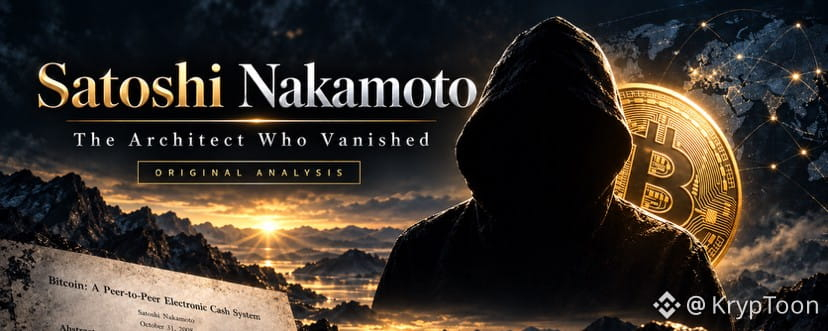
Satoshi Nakamoto: Der Architekt, der verschwand, das Netzwerk, das bliebBitcoin hat Vermögen hervorgebracht, politische Debatten, regulatorische Auseinandersetzungen, technologische Revolutionen und Tausende konkurrierender digitaler Assets.
Doch die Person – oder vielleicht die Gruppe –, die es ins Leben gerufen hat, bleibt unbekannt.
Dieser Erfinder nutzte den Namen Satoshi Nakamoto.
Das Rätsel hält sich seit fast achtzehn Jahren, weil zwei sehr unterschiedliche Fragen normalerweise miteinander vermischt werden.
Die erste Frage ist historisch:
Wer hat Bitcoin erschaffen?
Das Zweite ist technologisch:
Warum kann Bitcoin weiterhin funktionieren, obwohl niemand weiß, wer es erschaffen hat?
Satoshi Nakamoto: Der Architekt, der verschwand, das Netzwerk, das blieb
Bitcoin hat Vermögen hervorgebracht, politische Debatten, regulatorische Auseinandersetzungen, technologische Revolutionen und Tausende konkurrierender digitaler Assets.
Doch die Person – oder vielleicht die Gruppe –, die es ins Leben gerufen hat, bleibt unbekannt.
Dieser Erfinder nutzte den Namen Satoshi Nakamoto.
Das Rätsel hält sich seit fast achtzehn Jahren, weil zwei sehr unterschiedliche Fragen normalerweise miteinander vermischt werden.
Die erste Frage ist historisch:
Wer hat Bitcoin erschaffen?
Das Zweite ist technologisch:
Warum kann Bitcoin weiterhin funktionieren, obwohl niemand weiß, wer es erschaffen hat?
Doch die Person – oder vielleicht die Gruppe –, die es ins Leben gerufen hat, bleibt unbekannt.
Dieser Erfinder nutzte den Namen Satoshi Nakamoto.
Das Rätsel hält sich seit fast achtzehn Jahren, weil zwei sehr unterschiedliche Fragen normalerweise miteinander vermischt werden.
Die erste Frage ist historisch:
Wer hat Bitcoin erschaffen?
Das Zweite ist technologisch:
Warum kann Bitcoin weiterhin funktionieren, obwohl niemand weiß, wer es erschaffen hat?
2
136
PINNED
·
--
Verifiziert
Was passiert, wenn ein DeFi-Ökosystem Knappheit und Liquiditätsanreize direkt in die Token-Mechanik integriert?
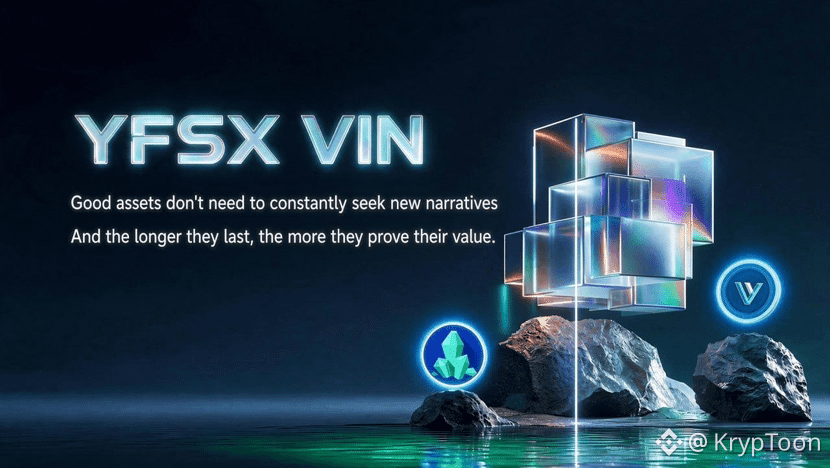
$YFSX und $VIN sind zwei BNB-Smart-Chain-Tokens, die auf festen Angebotsstrukturen, Token-Burns und der Teilnahme an der Liquidität basieren.
🔹 $YFSX
Maximales Angebot: 19.999 Tokens
🔹 $VIN
Ursprüngliches Angebot: 19,999 Mio. Tokens, mit einem dokumentierten Burn-Mechanismus, der nach dem Verbrennen von 50% des ursprünglichen Angebots endet.
Laut der Projekt-Dokumentation verteilen die Transaktionsmechaniken Teile der Gebühren auf Token-Burns und liquiditätsbezogene Funktionen. Ziel ist es, vordefinierte Angebotsmechaniken mit dezentraler Liquiditätsbeteiligung zu kombinieren.
Das Ökosystem ist seit 2022 aktiv und hat seine Präsenz in mehreren DeFi-Liquiditätsmärkten ausgebaut.
In der Dokumentation wird beschrieben:
• Keine Teamzuteilung oder Premine
• Community-orientierte Verteilung
• Liquiditätsanreize
• Token-Burning-Mechaniken
• Öffentlich zugängliche Smart Contracts
Sicherheitsüberprüfungen wurden außerdem von CertiK für das Ökosystem veröffentlicht, während Hacken ein Audit für VIN veröffentlicht hat.
Ein Audit garantiert keine Sicherheit oder zukünftige Performance. Smart-Contract-Schwachstellen, Liquiditätsbedingungen und Marktvolatilität bleiben wichtige Risiken, die es zu berücksichtigen gilt.
Statt sich auf kurzfristige Preis-Narrative zu konzentrieren, bieten YFSX und VIN ein interessantes Fallbeispiel dafür, wie festes Angebot, Burns und Liquiditätsanreize innerhalb einer DeFi-Token-Ökonomie kombiniert werden können.
🔍 Prüfe die Contracts, überprüfe die Tokenomics und recherchiere unabhängig, bevor du eine Entscheidung triffst.
🌐 Website: yfsx.vin
📖 Whitepaper: yfsx.vin/Whitepaper.html
Nur zu Informationszwecken. Keine Finanzberatung. Digitale Assets sind volatil und mit Risiken verbunden.
#YFSX #VIN #DeFi #BNBChain
Was passiert, wenn ein DeFi-Ökosystem Knappheit und Liquiditätsanreize direkt in die Token-Mechanik integriert?
$YFSX und $VIN sind zwei BNB-Smart-Chain-Tokens, die auf festen Angebotsstrukturen, Token-Burns und der Teilnahme an der Liquidität basieren.
🔹 $YFSX
Maximales Angebot: 19.999 Tokens
🔹 $VIN
Ursprüngliches Angebot: 19,999 Mio. Tokens, mit einem dokumentierten Burn-Mechanismus, der nach dem Verbrennen von 50% des ursprünglichen Angebots endet.
Laut der Projekt-Dokumentation verteilen die Transaktionsmechaniken Teile der Gebühren auf Token-Burns und liquiditätsbezogene Funktionen. Ziel ist es, vordefinierte Angebotsmechaniken mit dezentraler Liquiditätsbeteiligung zu kombinieren.
Das Ökosystem ist seit 2022 aktiv und hat seine Präsenz in mehreren DeFi-Liquiditätsmärkten ausgebaut.
In der Dokumentation wird beschrieben:
• Keine Teamzuteilung oder Premine
• Community-orientierte Verteilung
• Liquiditätsanreize
• Token-Burning-Mechaniken
• Öffentlich zugängliche Smart Contracts
Sicherheitsüberprüfungen wurden außerdem von CertiK für das Ökosystem veröffentlicht, während Hacken ein Audit für VIN veröffentlicht hat.
Ein Audit garantiert keine Sicherheit oder zukünftige Performance. Smart-Contract-Schwachstellen, Liquiditätsbedingungen und Marktvolatilität bleiben wichtige Risiken, die es zu berücksichtigen gilt.
Statt sich auf kurzfristige Preis-Narrative zu konzentrieren, bieten YFSX und VIN ein interessantes Fallbeispiel dafür, wie festes Angebot, Burns und Liquiditätsanreize innerhalb einer DeFi-Token-Ökonomie kombiniert werden können.
🔍 Prüfe die Contracts, überprüfe die Tokenomics und recherchiere unabhängig, bevor du eine Entscheidung triffst.
🌐 Website: yfsx.vin
📖 Whitepaper: yfsx.vin/Whitepaper.html
Nur zu Informationszwecken. Keine Finanzberatung. Digitale Assets sind volatil und mit Risiken verbunden.
#YFSX #VIN #DeFi #BNBChain
$YFSX und $VIN sind zwei BNB-Smart-Chain-Tokens, die auf festen Angebotsstrukturen, Token-Burns und der Teilnahme an der Liquidität basieren.
🔹 $YFSX
Maximales Angebot: 19.999 Tokens
🔹 $VIN
Ursprüngliches Angebot: 19,999 Mio. Tokens, mit einem dokumentierten Burn-Mechanismus, der nach dem Verbrennen von 50% des ursprünglichen Angebots endet.
Laut der Projekt-Dokumentation verteilen die Transaktionsmechaniken Teile der Gebühren auf Token-Burns und liquiditätsbezogene Funktionen. Ziel ist es, vordefinierte Angebotsmechaniken mit dezentraler Liquiditätsbeteiligung zu kombinieren.
Das Ökosystem ist seit 2022 aktiv und hat seine Präsenz in mehreren DeFi-Liquiditätsmärkten ausgebaut.
In der Dokumentation wird beschrieben:
• Keine Teamzuteilung oder Premine
• Community-orientierte Verteilung
• Liquiditätsanreize
• Token-Burning-Mechaniken
• Öffentlich zugängliche Smart Contracts
Sicherheitsüberprüfungen wurden außerdem von CertiK für das Ökosystem veröffentlicht, während Hacken ein Audit für VIN veröffentlicht hat.
Ein Audit garantiert keine Sicherheit oder zukünftige Performance. Smart-Contract-Schwachstellen, Liquiditätsbedingungen und Marktvolatilität bleiben wichtige Risiken, die es zu berücksichtigen gilt.
Statt sich auf kurzfristige Preis-Narrative zu konzentrieren, bieten YFSX und VIN ein interessantes Fallbeispiel dafür, wie festes Angebot, Burns und Liquiditätsanreize innerhalb einer DeFi-Token-Ökonomie kombiniert werden können.
🔍 Prüfe die Contracts, überprüfe die Tokenomics und recherchiere unabhängig, bevor du eine Entscheidung triffst.
🌐 Website: yfsx.vin
📖 Whitepaper: yfsx.vin/Whitepaper.html
Nur zu Informationszwecken. Keine Finanzberatung. Digitale Assets sind volatil und mit Risiken verbunden.
#YFSX #VIN #DeFi #BNBChain
3
353
·
--
Übersetzung ansehen
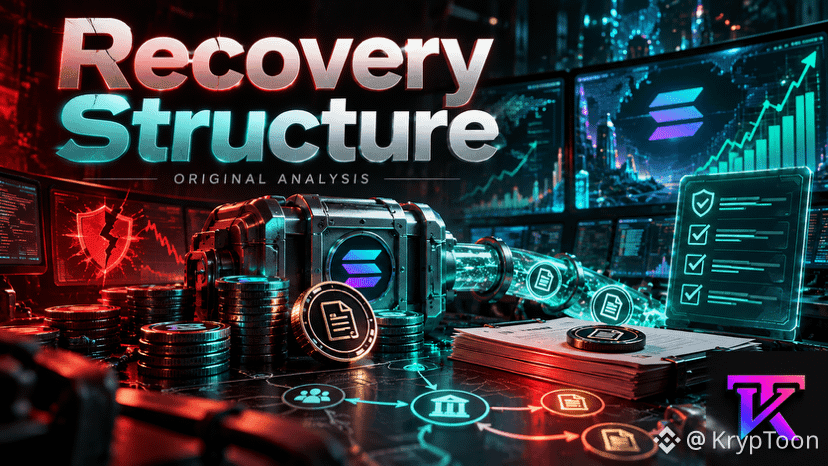
🧯 Recovery Depends on More Than Reopening the Protocol
Drift reported that approximately $295 million in user losses remained outstanding following its exploit.
Its recovery framework included up to $127.5 million in support from Tether, approximately $20 million from partners and a $100 million revenue-linked credit facility. Drift also proposed a separate recovery token for affected users rather than using the existing DRIFT governance token for the same purpose.
That separation is important.
A recovery token represents a claim connected to recovery resources or future repayments. DRIFT represents governance and broader ecosystem exposure. Treating them as interchangeable could obscure the different risks held by each group.
The recovery plan should be judged through claim transparency, enforceable funding, repayment progress and demonstrated security improvements—not relaunch speed alone.
If repayment relies partly on future business revenue, affected users remain exposed to execution risk and the protocol’s operating performance.
The next evidence should include completed audits, funded recovery pools, repayment cadence and changes to the settlement architecture.
Disclaimer: DeFi recovery analysis only, not financial advice. Commitments, funding availability and repayment timelines may change.
$DRIFT
Drift • Solana DeFi • Protocol Recovery
#DRIFT #DeFiSecurity #Solana
🧯 Recovery Depends on More Than Reopening the Protocol
Drift reported that approximately $295 million in user losses remained outstanding following its exploit.
Its recovery framework included up to $127.5 million in support from Tether, approximately $20 million from partners and a $100 million revenue-linked credit facility. Drift also proposed a separate recovery token for affected users rather than using the existing DRIFT governance token for the same purpose.
That separation is important.
A recovery token represents a claim connected to recovery resources or future repayments. DRIFT represents governance and broader ecosystem exposure. Treating them as interchangeable could obscure the different risks held by each group.
The recovery plan should be judged through claim transparency, enforceable funding, repayment progress and demonstrated security improvements—not relaunch speed alone.
If repayment relies partly on future business revenue, affected users remain exposed to execution risk and the protocol’s operating performance.
The next evidence should include completed audits, funded recovery pools, repayment cadence and changes to the settlement architecture.
Disclaimer: DeFi recovery analysis only, not financial advice. Commitments, funding availability and repayment timelines may change.
$DRIFT
Drift • Solana DeFi • Protocol Recovery
#DRIFT #DeFiSecurity #Solana
Drift reported that approximately $295 million in user losses remained outstanding following its exploit.
Its recovery framework included up to $127.5 million in support from Tether, approximately $20 million from partners and a $100 million revenue-linked credit facility. Drift also proposed a separate recovery token for affected users rather than using the existing DRIFT governance token for the same purpose.
That separation is important.
A recovery token represents a claim connected to recovery resources or future repayments. DRIFT represents governance and broader ecosystem exposure. Treating them as interchangeable could obscure the different risks held by each group.
The recovery plan should be judged through claim transparency, enforceable funding, repayment progress and demonstrated security improvements—not relaunch speed alone.
If repayment relies partly on future business revenue, affected users remain exposed to execution risk and the protocol’s operating performance.
The next evidence should include completed audits, funded recovery pools, repayment cadence and changes to the settlement architecture.
Disclaimer: DeFi recovery analysis only, not financial advice. Commitments, funding availability and repayment timelines may change.
$DRIFT
Drift • Solana DeFi • Protocol Recovery
#DRIFT #DeFiSecurity #Solana
126
·
--
Übersetzung ansehen
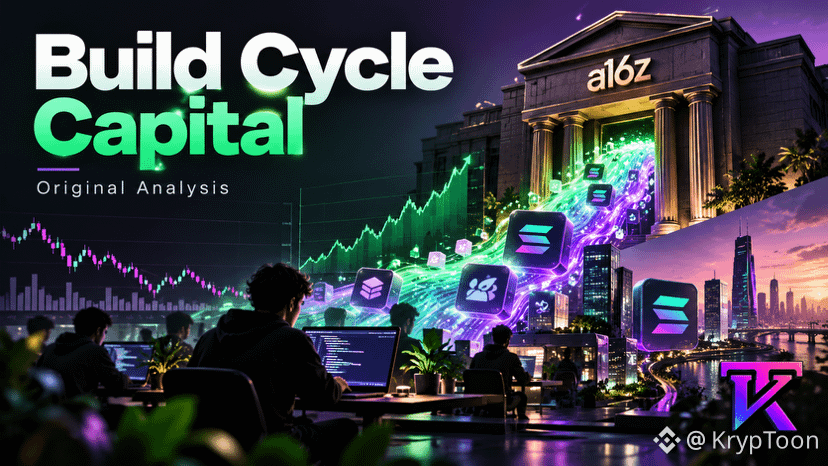
🏗️ a16z Crypto’s $2.2B Fund Reflects Long-Term Deployment Capacity
a16z crypto raised a $2.2 billion fifth fund during a weaker period for crypto trading activity.
TechCrunch reported that March 2026 was the slowest month for exchange volume since November 2023 and that first-quarter crypto startup funding was below the previous year.
The contrast highlights two different timelines.
Venture funds can deploy capital over several years. Liquid markets react to short-term supply, demand and leverage. A large fund therefore indicates long-duration investment capacity—but not an immediate inflow into SOL or another listed token.
For Solana, the relevant question is what the funded companies eventually create. Applications and infrastructure matter if they attract users, consume blockspace and generate demand for ecosystem services.
Venture abundance also carries risk. It can finance weak projects, encourage unnecessary token issuance and fragment developer attention.
Watch deployment pace, sector allocation, product launches and sustained user activity rather than the headline fund size alone.
Disclaimer: Venture and ecosystem analysis only, not financial advice. Fundraising does not imply purchases of SOL or guaranteed ecosystem growth.
$SOL
a16z Crypto • Solana Ecosystem • Venture Capital
#SOL #CryptoVC #Web3Startups
🏗️ a16z Crypto’s $2.2B Fund Reflects Long-Term Deployment Capacity
a16z crypto raised a $2.2 billion fifth fund during a weaker period for crypto trading activity.
TechCrunch reported that March 2026 was the slowest month for exchange volume since November 2023 and that first-quarter crypto startup funding was below the previous year.
The contrast highlights two different timelines.
Venture funds can deploy capital over several years. Liquid markets react to short-term supply, demand and leverage. A large fund therefore indicates long-duration investment capacity—but not an immediate inflow into SOL or another listed token.
For Solana, the relevant question is what the funded companies eventually create. Applications and infrastructure matter if they attract users, consume blockspace and generate demand for ecosystem services.
Venture abundance also carries risk. It can finance weak projects, encourage unnecessary token issuance and fragment developer attention.
Watch deployment pace, sector allocation, product launches and sustained user activity rather than the headline fund size alone.
Disclaimer: Venture and ecosystem analysis only, not financial advice. Fundraising does not imply purchases of SOL or guaranteed ecosystem growth.
$SOL
a16z Crypto • Solana Ecosystem • Venture Capital
#SOL #CryptoVC #Web3Startups
a16z crypto raised a $2.2 billion fifth fund during a weaker period for crypto trading activity.
TechCrunch reported that March 2026 was the slowest month for exchange volume since November 2023 and that first-quarter crypto startup funding was below the previous year.
The contrast highlights two different timelines.
Venture funds can deploy capital over several years. Liquid markets react to short-term supply, demand and leverage. A large fund therefore indicates long-duration investment capacity—but not an immediate inflow into SOL or another listed token.
For Solana, the relevant question is what the funded companies eventually create. Applications and infrastructure matter if they attract users, consume blockspace and generate demand for ecosystem services.
Venture abundance also carries risk. It can finance weak projects, encourage unnecessary token issuance and fragment developer attention.
Watch deployment pace, sector allocation, product launches and sustained user activity rather than the headline fund size alone.
Disclaimer: Venture and ecosystem analysis only, not financial advice. Fundraising does not imply purchases of SOL or guaranteed ecosystem growth.
$SOL
a16z Crypto • Solana Ecosystem • Venture Capital
#SOL #CryptoVC #Web3Startups
74
·
--
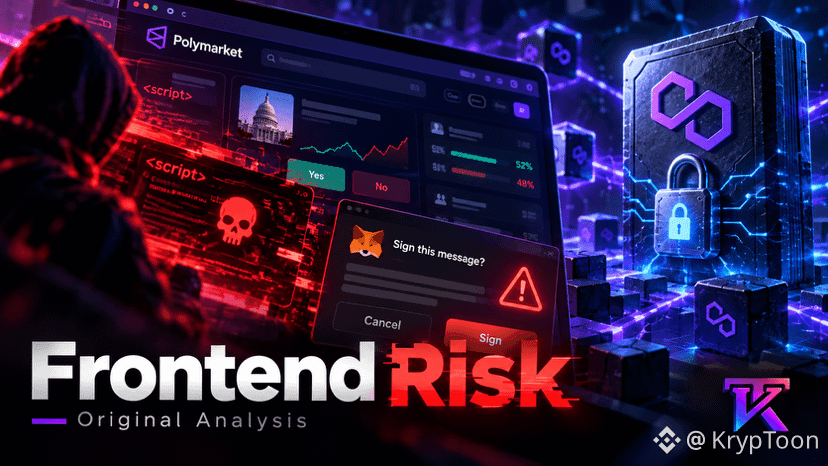
🎯 Ein Smart Contract kann korrekt funktionieren, während die Benutzeroberfläche kompromittiert ist
Polymarket bestätigte, dass eine Kompromittierung eines Drittanbieters es bösartigem Code ermöglichte, bei einigen Nutzern zu gelangen, und zu gestohlenen Geldern führte.
Eine externe Schätzung, die von TechCrunch gemeldet wurde, bezifferte die Verluste auf nahe 3 Millionen US-Dollar bei mehr als 11 Opfern. Polymarket sagte, dass betroffene Nutzer erstattet würden, obwohl die endgültige Bilanzierung des Vorfalls von vorläufigen Schätzungen abweichen kann.
Die größere Lehre ist architektonisch.
Die Blockchain-Abwicklung kann wie vorgesehen funktionieren, während eine Website, ein externes Skript, ein Authentifizierungsprozess oder eine andere Frontend-Komponente kompromittiert ist. Ein Nutzer kann dennoch dazu gebracht werden, eine bösartige Transaktion zu genehmigen.
Sicherheitsanalysen sollten daher den gesamten Wirkungsradius berücksichtigen:
• Welcher Anbieter oder welche Komponente ist fehlgeschlagen?
• Welche Berechtigungen wurden verfügbar?
• Konnten Nutzer verstehen, was sie unterzeichneten?
• Wie schnell wurde die Bedrohung eingedämmt?
Transaktionssimulationen, verständlichere Genehmigungsbildschirme und eine stärkere Isolation von Drittanbieter-Code könnten ähnliche Risiken verringern.
Hinweis: Nur Sicherheits- und Infrastruktur-Analyse, keine finanzielle Beratung. Vorläufige Verlustschätzungen und Wiederherstellungszahlen können sich ändern.
$USDC
Polymarket • Prediction Markets • Frontend Security
#USDC #PredictionMarkets #Web3Security
🎯 Ein Smart Contract kann korrekt funktionieren, während die Benutzeroberfläche kompromittiert ist
Polymarket bestätigte, dass eine Kompromittierung eines Drittanbieters es bösartigem Code ermöglichte, bei einigen Nutzern zu gelangen, und zu gestohlenen Geldern führte.
Eine externe Schätzung, die von TechCrunch gemeldet wurde, bezifferte die Verluste auf nahe 3 Millionen US-Dollar bei mehr als 11 Opfern. Polymarket sagte, dass betroffene Nutzer erstattet würden, obwohl die endgültige Bilanzierung des Vorfalls von vorläufigen Schätzungen abweichen kann.
Die größere Lehre ist architektonisch.
Die Blockchain-Abwicklung kann wie vorgesehen funktionieren, während eine Website, ein externes Skript, ein Authentifizierungsprozess oder eine andere Frontend-Komponente kompromittiert ist. Ein Nutzer kann dennoch dazu gebracht werden, eine bösartige Transaktion zu genehmigen.
Sicherheitsanalysen sollten daher den gesamten Wirkungsradius berücksichtigen:
• Welcher Anbieter oder welche Komponente ist fehlgeschlagen?
• Welche Berechtigungen wurden verfügbar?
• Konnten Nutzer verstehen, was sie unterzeichneten?
• Wie schnell wurde die Bedrohung eingedämmt?
Transaktionssimulationen, verständlichere Genehmigungsbildschirme und eine stärkere Isolation von Drittanbieter-Code könnten ähnliche Risiken verringern.
Hinweis: Nur Sicherheits- und Infrastruktur-Analyse, keine finanzielle Beratung. Vorläufige Verlustschätzungen und Wiederherstellungszahlen können sich ändern.
$USDC
Polymarket • Prediction Markets • Frontend Security
#USDC #PredictionMarkets #Web3Security
Polymarket bestätigte, dass eine Kompromittierung eines Drittanbieters es bösartigem Code ermöglichte, bei einigen Nutzern zu gelangen, und zu gestohlenen Geldern führte.
Eine externe Schätzung, die von TechCrunch gemeldet wurde, bezifferte die Verluste auf nahe 3 Millionen US-Dollar bei mehr als 11 Opfern. Polymarket sagte, dass betroffene Nutzer erstattet würden, obwohl die endgültige Bilanzierung des Vorfalls von vorläufigen Schätzungen abweichen kann.
Die größere Lehre ist architektonisch.
Die Blockchain-Abwicklung kann wie vorgesehen funktionieren, während eine Website, ein externes Skript, ein Authentifizierungsprozess oder eine andere Frontend-Komponente kompromittiert ist. Ein Nutzer kann dennoch dazu gebracht werden, eine bösartige Transaktion zu genehmigen.
Sicherheitsanalysen sollten daher den gesamten Wirkungsradius berücksichtigen:
• Welcher Anbieter oder welche Komponente ist fehlgeschlagen?
• Welche Berechtigungen wurden verfügbar?
• Konnten Nutzer verstehen, was sie unterzeichneten?
• Wie schnell wurde die Bedrohung eingedämmt?
Transaktionssimulationen, verständlichere Genehmigungsbildschirme und eine stärkere Isolation von Drittanbieter-Code könnten ähnliche Risiken verringern.
Hinweis: Nur Sicherheits- und Infrastruktur-Analyse, keine finanzielle Beratung. Vorläufige Verlustschätzungen und Wiederherstellungszahlen können sich ändern.
$USDC
Polymarket • Prediction Markets • Frontend Security
#USDC #PredictionMarkets #Web3Security
62
·
--
⚙️ OKX AI testet, ob autonome Software zu einem Wirtschaftsteilnehmer werden kann
OKX meldete, dass es mehr als 10.000 Agenten-Identitäten registriert und bis September über 4.000 genehmigte Anbieter gelistet hat.
Das vorgeschlagene Modell geht über den Handel hinaus. Agenten können Aufgaben entdecken, mit anderen Agenten interagieren, Zahlungen vornehmen und auf Onchain-Arbeitsverläufe aufbauen. Stablecoins können direkte Zahlungen abwickeln, während komplexere Aufträge Treuhand- und Mechanismen zur Streitbeilegung beinhalten können.
Zahlungen dürften wahrscheinlich nicht der schwierigste Teil sein. Krypto-Netzwerke übertragen bereits weltweit und kontinuierlich Werte.
Die schwierigeren Fragen betreffen das Vertrauen:
Wer hat die Aufgabe abgeschlossen?
Hat das Ergebnis die Vorgaben erfüllt?
Kann die Arbeit verifiziert werden?
Wer löst einen Streit?
Das macht Identität, Reputation und verifizierbare Leistungs-Historien zu zentraler Infrastruktur für eine Agentenökonomie.
Allein große Registrierungszahlen sind kein Beweis für Nachfrage. Die aussagekräftigeren Kennzahlen sind das bezahlte Auftragsvolumen, Abschlussquoten, Wiederholungskäufe, Streitfrequenz und der durchschnittliche Transaktionswert.
Haftungsausschluss: Technologie- und Ökosystem-Kommentare nur, keine Finanzberatung. Frühe Marktplatzstatistiken belegen keine nachhaltige Einführung.
$USDT
OKX AI • Agentenökonomie • Stablecoin-Zahlungen
#AIAgents #Stablecoins #Web3Infrastructure
⚙️ OKX AI testet, ob autonome Software zu einem Wirtschaftsteilnehmer werden kann
OKX meldete, dass es mehr als 10.000 Agenten-Identitäten registriert und bis September über 4.000 genehmigte Anbieter gelistet hat.
Das vorgeschlagene Modell geht über den Handel hinaus. Agenten können Aufgaben entdecken, mit anderen Agenten interagieren, Zahlungen vornehmen und auf Onchain-Arbeitsverläufe aufbauen. Stablecoins können direkte Zahlungen abwickeln, während komplexere Aufträge Treuhand- und Mechanismen zur Streitbeilegung beinhalten können.
Zahlungen dürften wahrscheinlich nicht der schwierigste Teil sein. Krypto-Netzwerke übertragen bereits weltweit und kontinuierlich Werte.
Die schwierigeren Fragen betreffen das Vertrauen:
Wer hat die Aufgabe abgeschlossen?
Hat das Ergebnis die Vorgaben erfüllt?
Kann die Arbeit verifiziert werden?
Wer löst einen Streit?
Das macht Identität, Reputation und verifizierbare Leistungs-Historien zu zentraler Infrastruktur für eine Agentenökonomie.
Allein große Registrierungszahlen sind kein Beweis für Nachfrage. Die aussagekräftigeren Kennzahlen sind das bezahlte Auftragsvolumen, Abschlussquoten, Wiederholungskäufe, Streitfrequenz und der durchschnittliche Transaktionswert.
Haftungsausschluss: Technologie- und Ökosystem-Kommentare nur, keine Finanzberatung. Frühe Marktplatzstatistiken belegen keine nachhaltige Einführung.
$USDT
OKX AI • Agentenökonomie • Stablecoin-Zahlungen
#AIAgents #Stablecoins #Web3Infrastructure
OKX meldete, dass es mehr als 10.000 Agenten-Identitäten registriert und bis September über 4.000 genehmigte Anbieter gelistet hat.
Das vorgeschlagene Modell geht über den Handel hinaus. Agenten können Aufgaben entdecken, mit anderen Agenten interagieren, Zahlungen vornehmen und auf Onchain-Arbeitsverläufe aufbauen. Stablecoins können direkte Zahlungen abwickeln, während komplexere Aufträge Treuhand- und Mechanismen zur Streitbeilegung beinhalten können.
Zahlungen dürften wahrscheinlich nicht der schwierigste Teil sein. Krypto-Netzwerke übertragen bereits weltweit und kontinuierlich Werte.
Die schwierigeren Fragen betreffen das Vertrauen:
Wer hat die Aufgabe abgeschlossen?
Hat das Ergebnis die Vorgaben erfüllt?
Kann die Arbeit verifiziert werden?
Wer löst einen Streit?
Das macht Identität, Reputation und verifizierbare Leistungs-Historien zu zentraler Infrastruktur für eine Agentenökonomie.
Allein große Registrierungszahlen sind kein Beweis für Nachfrage. Die aussagekräftigeren Kennzahlen sind das bezahlte Auftragsvolumen, Abschlussquoten, Wiederholungskäufe, Streitfrequenz und der durchschnittliche Transaktionswert.
Haftungsausschluss: Technologie- und Ökosystem-Kommentare nur, keine Finanzberatung. Frühe Marktplatzstatistiken belegen keine nachhaltige Einführung.
$USDT
OKX AI • Agentenökonomie • Stablecoin-Zahlungen
#AIAgents #Stablecoins #Web3Infrastructure

86
·
--
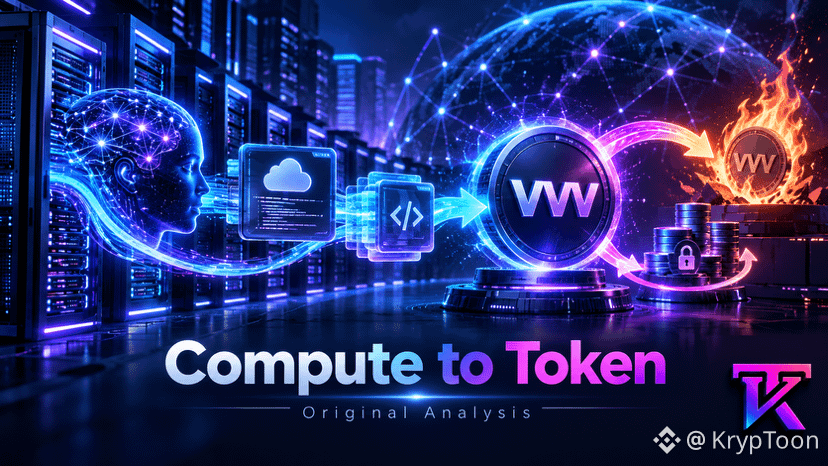
🧠 Die entscheidende Frage ist, ob die Nutzung des Produkts eine messbare VVV-Nachfrage erzeugt
Venice AI hat eine Series-A über 65 Millionen US-Dollar aufgenommen, bei einer gemeldeten Bewertung von 1 Milliarde US-Dollar. Das Unternehmen berichtet außerdem von Millionen Nutzern und mehr als einer Billion verarbeiteter Model-Tokens pro Monat.
Für Krypto-Investoren ist die Bewertung nur ein Teil der Geschichte.
VVV kann gestaket und genutzt werden, um DIEM zu prägen, was wiederkehrende API-Credits bereitstellt. Venice hat zudem ein Programm eingeführt, bei dem 5 US-Dollar von jeweils 100 US-Dollar der gekauften Credits verwendet werden, um VVV zu kaufen und zu verbrennen. Die jährlichen Token-Emissionen werden schrittweise reduziert.
Das schafft ein Modell, das sich an der tatsächlichen Plattformaktivität messen lässt. Einnahmen, Credit-Käufe, Stakings und Burns können verglichen werden, statt sich ausschließlich auf eine KI-Erzählung zu verlassen.
Das zentrale Risiko besteht darin, dass eine starke Produktnutzung möglicherweise keine entsprechende Token-Nachfrage erzeugt. Nutzer können Teile der Plattform nutzen, ohne notwendigerweise VVV zu kaufen oder zu staken.
Beobachte monatlichen Burn-Wert, DIEM-Ausgabe, Staking-Beteiligung, Plattformumsatz und die Netto-Token-Emissionen gemeinsam.
Haftungsausschluss: Nur Projekt- und Tokenomics-Analyse, keine Finanzberatung. Einnahmen, Staking und Burns garantieren keine Kurssteigerung der Token.
$VVV
Venice AI • AI Compute • Token Utility
#VVV #AICrypto #Base
🧠 Die entscheidende Frage ist, ob die Nutzung des Produkts eine messbare VVV-Nachfrage erzeugt
Venice AI hat eine Series-A über 65 Millionen US-Dollar aufgenommen, bei einer gemeldeten Bewertung von 1 Milliarde US-Dollar. Das Unternehmen berichtet außerdem von Millionen Nutzern und mehr als einer Billion verarbeiteter Model-Tokens pro Monat.
Für Krypto-Investoren ist die Bewertung nur ein Teil der Geschichte.
VVV kann gestaket und genutzt werden, um DIEM zu prägen, was wiederkehrende API-Credits bereitstellt. Venice hat zudem ein Programm eingeführt, bei dem 5 US-Dollar von jeweils 100 US-Dollar der gekauften Credits verwendet werden, um VVV zu kaufen und zu verbrennen. Die jährlichen Token-Emissionen werden schrittweise reduziert.
Das schafft ein Modell, das sich an der tatsächlichen Plattformaktivität messen lässt. Einnahmen, Credit-Käufe, Stakings und Burns können verglichen werden, statt sich ausschließlich auf eine KI-Erzählung zu verlassen.
Das zentrale Risiko besteht darin, dass eine starke Produktnutzung möglicherweise keine entsprechende Token-Nachfrage erzeugt. Nutzer können Teile der Plattform nutzen, ohne notwendigerweise VVV zu kaufen oder zu staken.
Beobachte monatlichen Burn-Wert, DIEM-Ausgabe, Staking-Beteiligung, Plattformumsatz und die Netto-Token-Emissionen gemeinsam.
Haftungsausschluss: Nur Projekt- und Tokenomics-Analyse, keine Finanzberatung. Einnahmen, Staking und Burns garantieren keine Kurssteigerung der Token.
$VVV
Venice AI • AI Compute • Token Utility
#VVV #AICrypto #Base
Venice AI hat eine Series-A über 65 Millionen US-Dollar aufgenommen, bei einer gemeldeten Bewertung von 1 Milliarde US-Dollar. Das Unternehmen berichtet außerdem von Millionen Nutzern und mehr als einer Billion verarbeiteter Model-Tokens pro Monat.
Für Krypto-Investoren ist die Bewertung nur ein Teil der Geschichte.
VVV kann gestaket und genutzt werden, um DIEM zu prägen, was wiederkehrende API-Credits bereitstellt. Venice hat zudem ein Programm eingeführt, bei dem 5 US-Dollar von jeweils 100 US-Dollar der gekauften Credits verwendet werden, um VVV zu kaufen und zu verbrennen. Die jährlichen Token-Emissionen werden schrittweise reduziert.
Das schafft ein Modell, das sich an der tatsächlichen Plattformaktivität messen lässt. Einnahmen, Credit-Käufe, Stakings und Burns können verglichen werden, statt sich ausschließlich auf eine KI-Erzählung zu verlassen.
Das zentrale Risiko besteht darin, dass eine starke Produktnutzung möglicherweise keine entsprechende Token-Nachfrage erzeugt. Nutzer können Teile der Plattform nutzen, ohne notwendigerweise VVV zu kaufen oder zu staken.
Beobachte monatlichen Burn-Wert, DIEM-Ausgabe, Staking-Beteiligung, Plattformumsatz und die Netto-Token-Emissionen gemeinsam.
Haftungsausschluss: Nur Projekt- und Tokenomics-Analyse, keine Finanzberatung. Einnahmen, Staking und Burns garantieren keine Kurssteigerung der Token.
$VVV
Venice AI • AI Compute • Token Utility
#VVV #AICrypto #Base
346
·
--
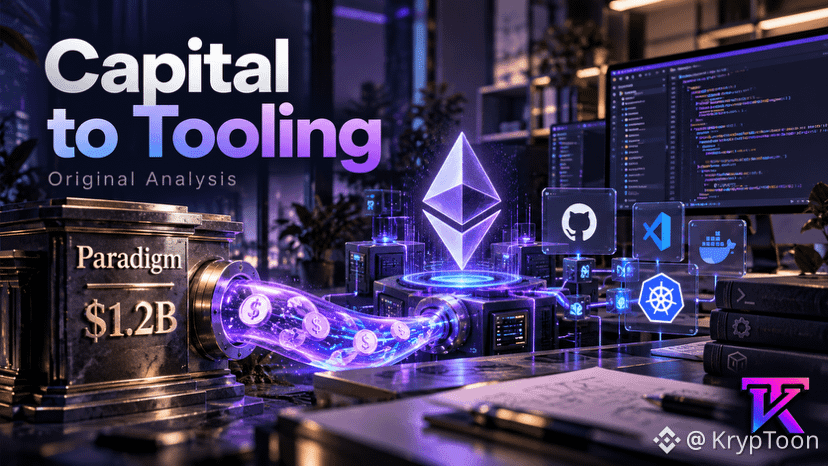
🛠️ Paradigms neuer Fonds sollte danach bewertet werden, was er aufbaut
Paradigm hat einen Fonds in Höhe von 1,2 Milliarden US-Dollar aufgelegt, der sich auf das konzentriert, was das Unternehmen als „technische Grenze“ beschreibt – einschließlich Krypto, künstlicher Intelligenz, Robotik und verwandter Technologien.
Für Ethereum besteht die relevante Verbindung in der Infrastruktur-Ebene. Paradigm hat Entwickler- und Forschungstools unterstützt, darunter Foundry, Reth und sicherheitsfokussierte Systeme, die verbessern können, wie Ethereum-Anwendungen gebaut und betrieben werden.
Allerdings sollte die Fondsgröße nicht als direkte Beschaffung von ETH verstanden werden.
Risikokapital kann die Entwicklerlaufzeit verlängern, Experimente finanzieren und die Open-Source-Infrastruktur verbessern. Token-Inhaber profitieren nur, wenn diese Arbeit schließlich dauerhafte Anwendungen, aktive Nutzer, Settlement-Nachfrage oder nachhaltige Gebühren hervorbringt.
Das breitere Mandat des Fonds bedeutet zudem, dass nicht jeder Dollar in Krypto fließt – geschweige denn in Ethereum.
Betrachten Sie die Ankündigung daher nicht als reinen Preis-Katalysator, sondern beobachten Sie Open-Source-Veröffentlichungen, Entwickler-Übernahmen und messbare Onchain-Aktivität, die von den geförderten Teams hervorgebracht wird.
Hinweis: Nur Ökosystem-Analyse, keine Finanzberatung. Venture Fundraising begründet keine zukünftigen Token-Käufe oder Investitionsrenditen.
$ETH
Paradigm • Ethereum Developers • Open Source
#Ethereum #Web3Builders #CryptoVC
🛠️ Paradigms neuer Fonds sollte danach bewertet werden, was er aufbaut
Paradigm hat einen Fonds in Höhe von 1,2 Milliarden US-Dollar aufgelegt, der sich auf das konzentriert, was das Unternehmen als „technische Grenze“ beschreibt – einschließlich Krypto, künstlicher Intelligenz, Robotik und verwandter Technologien.
Für Ethereum besteht die relevante Verbindung in der Infrastruktur-Ebene. Paradigm hat Entwickler- und Forschungstools unterstützt, darunter Foundry, Reth und sicherheitsfokussierte Systeme, die verbessern können, wie Ethereum-Anwendungen gebaut und betrieben werden.
Allerdings sollte die Fondsgröße nicht als direkte Beschaffung von ETH verstanden werden.
Risikokapital kann die Entwicklerlaufzeit verlängern, Experimente finanzieren und die Open-Source-Infrastruktur verbessern. Token-Inhaber profitieren nur, wenn diese Arbeit schließlich dauerhafte Anwendungen, aktive Nutzer, Settlement-Nachfrage oder nachhaltige Gebühren hervorbringt.
Das breitere Mandat des Fonds bedeutet zudem, dass nicht jeder Dollar in Krypto fließt – geschweige denn in Ethereum.
Betrachten Sie die Ankündigung daher nicht als reinen Preis-Katalysator, sondern beobachten Sie Open-Source-Veröffentlichungen, Entwickler-Übernahmen und messbare Onchain-Aktivität, die von den geförderten Teams hervorgebracht wird.
Hinweis: Nur Ökosystem-Analyse, keine Finanzberatung. Venture Fundraising begründet keine zukünftigen Token-Käufe oder Investitionsrenditen.
$ETH
Paradigm • Ethereum Developers • Open Source
#Ethereum #Web3Builders #CryptoVC
Paradigm hat einen Fonds in Höhe von 1,2 Milliarden US-Dollar aufgelegt, der sich auf das konzentriert, was das Unternehmen als „technische Grenze“ beschreibt – einschließlich Krypto, künstlicher Intelligenz, Robotik und verwandter Technologien.
Für Ethereum besteht die relevante Verbindung in der Infrastruktur-Ebene. Paradigm hat Entwickler- und Forschungstools unterstützt, darunter Foundry, Reth und sicherheitsfokussierte Systeme, die verbessern können, wie Ethereum-Anwendungen gebaut und betrieben werden.
Allerdings sollte die Fondsgröße nicht als direkte Beschaffung von ETH verstanden werden.
Risikokapital kann die Entwicklerlaufzeit verlängern, Experimente finanzieren und die Open-Source-Infrastruktur verbessern. Token-Inhaber profitieren nur, wenn diese Arbeit schließlich dauerhafte Anwendungen, aktive Nutzer, Settlement-Nachfrage oder nachhaltige Gebühren hervorbringt.
Das breitere Mandat des Fonds bedeutet zudem, dass nicht jeder Dollar in Krypto fließt – geschweige denn in Ethereum.
Betrachten Sie die Ankündigung daher nicht als reinen Preis-Katalysator, sondern beobachten Sie Open-Source-Veröffentlichungen, Entwickler-Übernahmen und messbare Onchain-Aktivität, die von den geförderten Teams hervorgebracht wird.
Hinweis: Nur Ökosystem-Analyse, keine Finanzberatung. Venture Fundraising begründet keine zukünftigen Token-Käufe oder Investitionsrenditen.
$ETH
Paradigm • Ethereum Developers • Open Source
#Ethereum #Web3Builders #CryptoVC
59
·
--
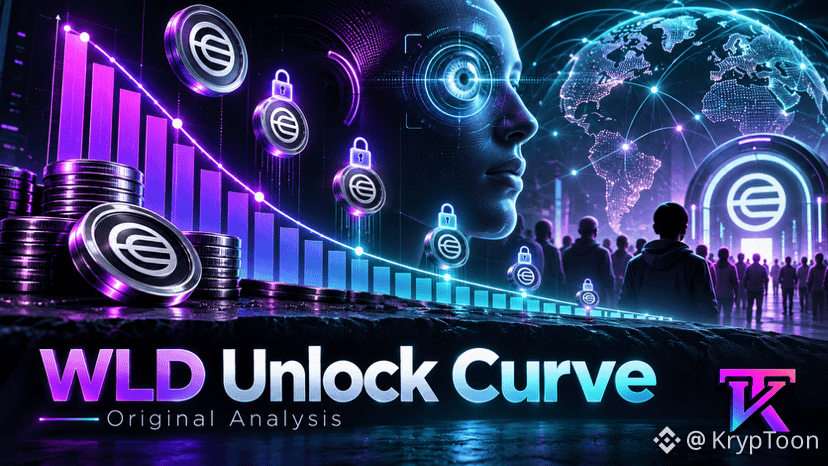
🧬 Welt beschafft 52,5 Millionen US-Dollar – aber das Angebotsbild erfordert mehr als nur eine Zahl
Welt schloss einen strategischen WLD-Verkauf über 52,5 Millionen US-Dollar mit einer 12-monatigen Sperrfrist ab.
Separat gab World bekannt, dass die aggregierte WLD-Freigaberate am 24. Juli um 43% zurückging – von rund 5,1 Millionen WLD pro Tag auf etwa 2,9 Millionen WLD pro Tag im Rahmen der bestehenden Zeitpläne.
Diese Entwicklungen sollten nicht zu einer einzigen bullischen oder bärischen Schlagzeile zusammengeführt werden.
Ein gesperrter strategischer Verkauf kann Entwicklung finanzieren, ohne sofortige Spotmarkt-Angebote zu schaffen. Geplante Freigaben erweitern den freigegebenen Token-Pool weiterhin im Zeitverlauf – auch nachdem die tägliche Rate sinkt.
Ein besseres Rahmenwerk erfasst drei Variablen unabhängig voneinander:
• Treasury- und strategische Verkäufe
• Geplante Token-Freigaben
• Tatsächliche Bewegung in den Umlaufmarkt
Eine langsamere Freigaberate garantiert keine Knappheit. Die Nachfrage durch die Einführung von World ID und andere Token-Nutzung muss das zukünftige Angebot weiterhin aufnehmen.
Das aussagekräftigste Indiz liefert die Zusammensetzung des zirkulierenden Angebots, die Netzwerknutzung sowie die Frage, ob die Ökosystem-Einnahmen die Abhängigkeit von zusätzlichen Treasury-Verkäufen reduzieren.
Hinweis: Tokenomics-Analyse, keine Finanzberatung. Sperrfristen und langsamere Entsperrpläne garantieren keine Kurssteigerung.
$WLD
World • World ID • Tokenomics
#WLD #Tokenomics #ProofOfHuman
🧬 Welt beschafft 52,5 Millionen US-Dollar – aber das Angebotsbild erfordert mehr als nur eine Zahl
Welt schloss einen strategischen WLD-Verkauf über 52,5 Millionen US-Dollar mit einer 12-monatigen Sperrfrist ab.
Separat gab World bekannt, dass die aggregierte WLD-Freigaberate am 24. Juli um 43% zurückging – von rund 5,1 Millionen WLD pro Tag auf etwa 2,9 Millionen WLD pro Tag im Rahmen der bestehenden Zeitpläne.
Diese Entwicklungen sollten nicht zu einer einzigen bullischen oder bärischen Schlagzeile zusammengeführt werden.
Ein gesperrter strategischer Verkauf kann Entwicklung finanzieren, ohne sofortige Spotmarkt-Angebote zu schaffen. Geplante Freigaben erweitern den freigegebenen Token-Pool weiterhin im Zeitverlauf – auch nachdem die tägliche Rate sinkt.
Ein besseres Rahmenwerk erfasst drei Variablen unabhängig voneinander:
• Treasury- und strategische Verkäufe
• Geplante Token-Freigaben
• Tatsächliche Bewegung in den Umlaufmarkt
Eine langsamere Freigaberate garantiert keine Knappheit. Die Nachfrage durch die Einführung von World ID und andere Token-Nutzung muss das zukünftige Angebot weiterhin aufnehmen.
Das aussagekräftigste Indiz liefert die Zusammensetzung des zirkulierenden Angebots, die Netzwerknutzung sowie die Frage, ob die Ökosystem-Einnahmen die Abhängigkeit von zusätzlichen Treasury-Verkäufen reduzieren.
Hinweis: Tokenomics-Analyse, keine Finanzberatung. Sperrfristen und langsamere Entsperrpläne garantieren keine Kurssteigerung.
$WLD
World • World ID • Tokenomics
#WLD #Tokenomics #ProofOfHuman
Welt schloss einen strategischen WLD-Verkauf über 52,5 Millionen US-Dollar mit einer 12-monatigen Sperrfrist ab.
Separat gab World bekannt, dass die aggregierte WLD-Freigaberate am 24. Juli um 43% zurückging – von rund 5,1 Millionen WLD pro Tag auf etwa 2,9 Millionen WLD pro Tag im Rahmen der bestehenden Zeitpläne.
Diese Entwicklungen sollten nicht zu einer einzigen bullischen oder bärischen Schlagzeile zusammengeführt werden.
Ein gesperrter strategischer Verkauf kann Entwicklung finanzieren, ohne sofortige Spotmarkt-Angebote zu schaffen. Geplante Freigaben erweitern den freigegebenen Token-Pool weiterhin im Zeitverlauf – auch nachdem die tägliche Rate sinkt.
Ein besseres Rahmenwerk erfasst drei Variablen unabhängig voneinander:
• Treasury- und strategische Verkäufe
• Geplante Token-Freigaben
• Tatsächliche Bewegung in den Umlaufmarkt
Eine langsamere Freigaberate garantiert keine Knappheit. Die Nachfrage durch die Einführung von World ID und andere Token-Nutzung muss das zukünftige Angebot weiterhin aufnehmen.
Das aussagekräftigste Indiz liefert die Zusammensetzung des zirkulierenden Angebots, die Netzwerknutzung sowie die Frage, ob die Ökosystem-Einnahmen die Abhängigkeit von zusätzlichen Treasury-Verkäufen reduzieren.
Hinweis: Tokenomics-Analyse, keine Finanzberatung. Sperrfristen und langsamere Entsperrpläne garantieren keine Kurssteigerung.
$WLD
World • World ID • Tokenomics
#WLD #Tokenomics #ProofOfHuman
274
·
--
🤖 Binance Agent OS verschiebt die Debatte über die Vorhersagequalität hinaus
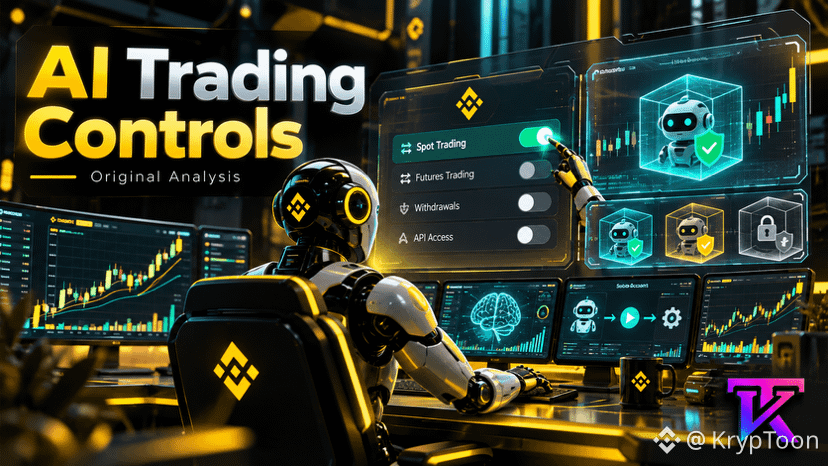
Mit Binance Agent OS können kompatible KI-Agenten Marktdaten lesen und – wenn autorisiert – mit den vorgesehenen Handelsfunktionen über ein Agentic-Subkonto interagieren.
Laut Binance bietet die Integration keine externen Auszahlungsberechtigungen. Nutzer können außerdem festlegen, ob Bestellungen eine individuelle Genehmigung erfordern oder ob ein Agent innerhalb der festgelegten Berechtigungen autonomer handeln darf.
Diese Kontrollen reduzieren die Handlungsfläche, in der ein Agent agieren kann, beseitigen jedoch kein Strategie-Risiko.
Ein KI-System kann weiterhin auf fehlerhafte Marktdaten, schwaches Schlussfolgern, Prompt Injection, missverstandene Anweisungen oder eine Strategie reagieren, die schlecht abschneidet, wenn sich die Bedingungen ändern.
Die stärksten KI-Handelssysteme könnten sich daher genauso stark im Sandbox-Design wie in der Modellintelligenz unterscheiden. Kontoisolation, Finanzierungsgrenzen, Genehmigungs-Gates, Audit-Logs und Notfallsteuerungen können wichtiger sein als ein selbstbewusst wirkendes Handelssignal.
Eine sinnvolle Bewertung beginnt mit dem Risiko-Betrag und den erteilten Berechtigungen – nicht mit der „Sophistication“ der Sprache des Agenten.
Haftungsausschluss: Technologischen- und Marktstruktur-Analyse nur, keine Finanzberatung. Automatisierter Handel kann zu schnellen Verlusten führen.
$BNB
Binance • KI-Agenten • Handelsinfrastruktur
#BNB #AIAgents #CryptoTrading
🤖 Binance Agent OS verschiebt die Debatte über die Vorhersagequalität hinaus
Mit Binance Agent OS können kompatible KI-Agenten Marktdaten lesen und – wenn autorisiert – mit den vorgesehenen Handelsfunktionen über ein Agentic-Subkonto interagieren.
Laut Binance bietet die Integration keine externen Auszahlungsberechtigungen. Nutzer können außerdem festlegen, ob Bestellungen eine individuelle Genehmigung erfordern oder ob ein Agent innerhalb der festgelegten Berechtigungen autonomer handeln darf.
Diese Kontrollen reduzieren die Handlungsfläche, in der ein Agent agieren kann, beseitigen jedoch kein Strategie-Risiko.
Ein KI-System kann weiterhin auf fehlerhafte Marktdaten, schwaches Schlussfolgern, Prompt Injection, missverstandene Anweisungen oder eine Strategie reagieren, die schlecht abschneidet, wenn sich die Bedingungen ändern.
Die stärksten KI-Handelssysteme könnten sich daher genauso stark im Sandbox-Design wie in der Modellintelligenz unterscheiden. Kontoisolation, Finanzierungsgrenzen, Genehmigungs-Gates, Audit-Logs und Notfallsteuerungen können wichtiger sein als ein selbstbewusst wirkendes Handelssignal.
Eine sinnvolle Bewertung beginnt mit dem Risiko-Betrag und den erteilten Berechtigungen – nicht mit der „Sophistication“ der Sprache des Agenten.
Haftungsausschluss: Technologischen- und Marktstruktur-Analyse nur, keine Finanzberatung. Automatisierter Handel kann zu schnellen Verlusten führen.
$BNB
Binance • KI-Agenten • Handelsinfrastruktur
#BNB #AIAgents #CryptoTrading
Mit Binance Agent OS können kompatible KI-Agenten Marktdaten lesen und – wenn autorisiert – mit den vorgesehenen Handelsfunktionen über ein Agentic-Subkonto interagieren.
Laut Binance bietet die Integration keine externen Auszahlungsberechtigungen. Nutzer können außerdem festlegen, ob Bestellungen eine individuelle Genehmigung erfordern oder ob ein Agent innerhalb der festgelegten Berechtigungen autonomer handeln darf.
Diese Kontrollen reduzieren die Handlungsfläche, in der ein Agent agieren kann, beseitigen jedoch kein Strategie-Risiko.
Ein KI-System kann weiterhin auf fehlerhafte Marktdaten, schwaches Schlussfolgern, Prompt Injection, missverstandene Anweisungen oder eine Strategie reagieren, die schlecht abschneidet, wenn sich die Bedingungen ändern.
Die stärksten KI-Handelssysteme könnten sich daher genauso stark im Sandbox-Design wie in der Modellintelligenz unterscheiden. Kontoisolation, Finanzierungsgrenzen, Genehmigungs-Gates, Audit-Logs und Notfallsteuerungen können wichtiger sein als ein selbstbewusst wirkendes Handelssignal.
Eine sinnvolle Bewertung beginnt mit dem Risiko-Betrag und den erteilten Berechtigungen – nicht mit der „Sophistication“ der Sprache des Agenten.
Haftungsausschluss: Technologischen- und Marktstruktur-Analyse nur, keine Finanzberatung. Automatisierter Handel kann zu schnellen Verlusten führen.
$BNB
Binance • KI-Agenten • Handelsinfrastruktur
#BNB #AIAgents #CryptoTrading
53
·
--
🧩 Ein einzelner Vorfall kann zwei unterschiedliche Wiederherstellungsprobleme erzeugen
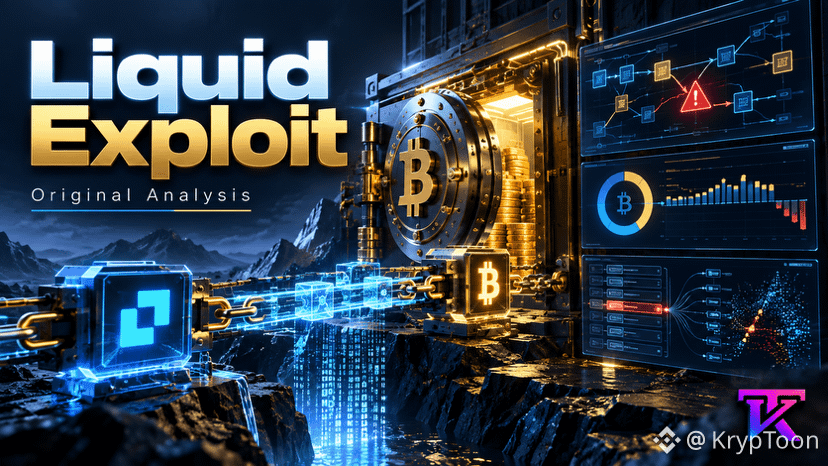
Blockstream berichtete, dass ein Angreifer am 6. September einen Fehler im Rangeproof-Verification-Cache ausgenutzt hat. Unterzeichner einer Föderation veröffentlichten ungefähr 3.996 BTC im Bitcoin-Mainnet, bevor das Liquid-Netzwerk pausiert wurde.
Der Angreifer kehrte später mit rund 3.400 BTC zurück und ließ etwa 600 BTC, die zum Zeitpunkt der späteren Bewertung weiterhin Gegenstand laufender Wiederherstellungs- und Buchhaltungsbemühungen waren.
Das Kettenproblem und das Reserveproblem hängen zusammen, sind jedoch nicht identisch.
Das erneute Abspielen der Kette ohne den fehlerhaften Cache ermöglichte es, ungültige Transaktionen und deren Nachfolger deterministisch zu identifizieren. Das hilft, das Vertrauen in die Kettenhistorie wiederherzustellen. Es ersetzt nicht automatisch jedes Reserve-Asset und klärt nicht automatisch jede noch offene buchhalterische Frage.
Die Sicherheit der Sidechain sollte anhand der Korrektheit des Codes, der Föderationskontrollen, der Peg-Buchhaltung sowie von Monitoring- und Wiederherstellungsverfahren gemessen werden.
Die Wiedereröffnung von Operationen sollte von unabhängig verifizierter Kettenhistorie und Reserveabstimmung abhängen — nicht nur von dem bereits wiederhergestellten Betrag.
Haftungsausschluss: Nur Kommentar zur Sicherheit des Protokolls. Wiederherstellungssummen und Status des Vorfalls können sich ändern, während technische und finanzielle Prüfungen fortgesetzt werden.
$BTC
Liquid Network • Blockstream • Bitcoin Infrastructure
#Bitcoin #Sidechains #BlockchainSecurity
🧩 Ein einzelner Vorfall kann zwei unterschiedliche Wiederherstellungsprobleme erzeugen
Blockstream berichtete, dass ein Angreifer am 6. September einen Fehler im Rangeproof-Verification-Cache ausgenutzt hat. Unterzeichner einer Föderation veröffentlichten ungefähr 3.996 BTC im Bitcoin-Mainnet, bevor das Liquid-Netzwerk pausiert wurde.
Der Angreifer kehrte später mit rund 3.400 BTC zurück und ließ etwa 600 BTC, die zum Zeitpunkt der späteren Bewertung weiterhin Gegenstand laufender Wiederherstellungs- und Buchhaltungsbemühungen waren.
Das Kettenproblem und das Reserveproblem hängen zusammen, sind jedoch nicht identisch.
Das erneute Abspielen der Kette ohne den fehlerhaften Cache ermöglichte es, ungültige Transaktionen und deren Nachfolger deterministisch zu identifizieren. Das hilft, das Vertrauen in die Kettenhistorie wiederherzustellen. Es ersetzt nicht automatisch jedes Reserve-Asset und klärt nicht automatisch jede noch offene buchhalterische Frage.
Die Sicherheit der Sidechain sollte anhand der Korrektheit des Codes, der Föderationskontrollen, der Peg-Buchhaltung sowie von Monitoring- und Wiederherstellungsverfahren gemessen werden.
Die Wiedereröffnung von Operationen sollte von unabhängig verifizierter Kettenhistorie und Reserveabstimmung abhängen — nicht nur von dem bereits wiederhergestellten Betrag.
Haftungsausschluss: Nur Kommentar zur Sicherheit des Protokolls. Wiederherstellungssummen und Status des Vorfalls können sich ändern, während technische und finanzielle Prüfungen fortgesetzt werden.
$BTC
Liquid Network • Blockstream • Bitcoin Infrastructure
#Bitcoin #Sidechains #BlockchainSecurity
Blockstream berichtete, dass ein Angreifer am 6. September einen Fehler im Rangeproof-Verification-Cache ausgenutzt hat. Unterzeichner einer Föderation veröffentlichten ungefähr 3.996 BTC im Bitcoin-Mainnet, bevor das Liquid-Netzwerk pausiert wurde.
Der Angreifer kehrte später mit rund 3.400 BTC zurück und ließ etwa 600 BTC, die zum Zeitpunkt der späteren Bewertung weiterhin Gegenstand laufender Wiederherstellungs- und Buchhaltungsbemühungen waren.
Das Kettenproblem und das Reserveproblem hängen zusammen, sind jedoch nicht identisch.
Das erneute Abspielen der Kette ohne den fehlerhaften Cache ermöglichte es, ungültige Transaktionen und deren Nachfolger deterministisch zu identifizieren. Das hilft, das Vertrauen in die Kettenhistorie wiederherzustellen. Es ersetzt nicht automatisch jedes Reserve-Asset und klärt nicht automatisch jede noch offene buchhalterische Frage.
Die Sicherheit der Sidechain sollte anhand der Korrektheit des Codes, der Föderationskontrollen, der Peg-Buchhaltung sowie von Monitoring- und Wiederherstellungsverfahren gemessen werden.
Die Wiedereröffnung von Operationen sollte von unabhängig verifizierter Kettenhistorie und Reserveabstimmung abhängen — nicht nur von dem bereits wiederhergestellten Betrag.
Haftungsausschluss: Nur Kommentar zur Sicherheit des Protokolls. Wiederherstellungssummen und Status des Vorfalls können sich ändern, während technische und finanzielle Prüfungen fortgesetzt werden.
$BTC
Liquid Network • Blockstream • Bitcoin Infrastructure
#Bitcoin #Sidechains #BlockchainSecurity
76
·
--
🔐 Der Vorfall mit E-Mail-Drittanbietern bei Trezor zeigt, dass die Sicherheit der Selbstverwahrung über das Gerät hinausgeht
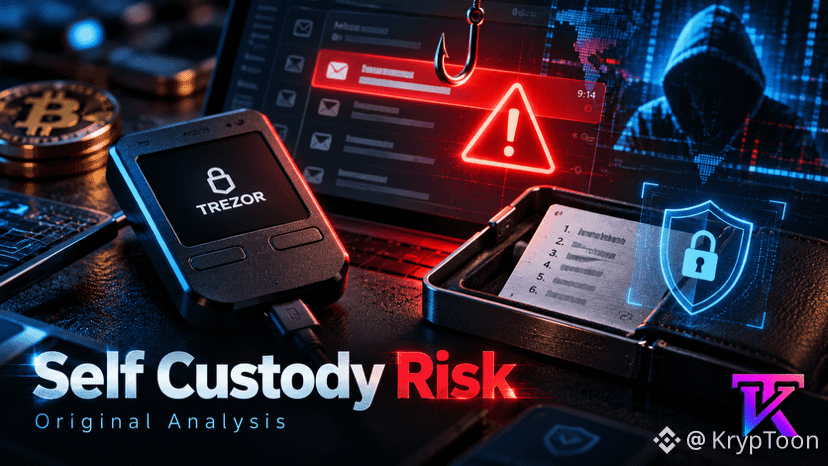
Trezor berichtete, dass eine Kompromittierung unter Beteiligung von Brevo, dem Drittanbieter für E-Mails, 347.149 Marketingkontakte offengelegt hat. Angreifer nutzten anschließend Phishing-Nachrichten, die Empfänger zu einer gefälschten Anwendung führten, welche Wallet-Backups anforderte.
Trezor erklärte, dass seine Wallet-Systeme nicht kompromittiert wurden. Diese Unterscheidung ist technisch wichtig, bedeutet jedoch nicht, dass Nutzer keiner praktischen Gefahr ausgesetzt waren.
Ein sicherer Hardware-Wallet kann dennoch von anfälligen Kommunikations-, Support- und Kundendaten-Systemen umgeben sein. Social Engineering richtet sich an die Person, die den Wiederherstellungs-Satz (Recovery Phrase) besitzt, denn das Erhalten dieses Satzes kann den Schutz umgehen, den das Gerät bietet.
Wallet-Unternehmen sollten daher E-Mail-Dienstleister, Support-Kanäle, Zustellsysteme, Datenaufbewahrung und Schulungen zur Wiederherstellungserziehung als Bestandteile des Sicherheitsperimeters behandeln.
Für Nutzer bleibt die Regel einfach: Ein Wiederherstellungs-Satz sollte niemals auf einer Website, in einer Nachricht oder in einer nicht verifizierten Anwendung eingegeben werden.
Haftungsausschluss: Nur Sicherheitsaufklärung, keine Finanzberatung. Prüfen Sie Anweisungen über offizielle Kanäle und teilen Sie niemals einen Wiederherstellungs-Satz.
$BTC
Trezor • Self-Custody • Wallet Security
#CryptoSecurity #SelfCustody #Bitcoin
🔐 Der Vorfall mit E-Mail-Drittanbietern bei Trezor zeigt, dass die Sicherheit der Selbstverwahrung über das Gerät hinausgeht
Trezor berichtete, dass eine Kompromittierung unter Beteiligung von Brevo, dem Drittanbieter für E-Mails, 347.149 Marketingkontakte offengelegt hat. Angreifer nutzten anschließend Phishing-Nachrichten, die Empfänger zu einer gefälschten Anwendung führten, welche Wallet-Backups anforderte.
Trezor erklärte, dass seine Wallet-Systeme nicht kompromittiert wurden. Diese Unterscheidung ist technisch wichtig, bedeutet jedoch nicht, dass Nutzer keiner praktischen Gefahr ausgesetzt waren.
Ein sicherer Hardware-Wallet kann dennoch von anfälligen Kommunikations-, Support- und Kundendaten-Systemen umgeben sein. Social Engineering richtet sich an die Person, die den Wiederherstellungs-Satz (Recovery Phrase) besitzt, denn das Erhalten dieses Satzes kann den Schutz umgehen, den das Gerät bietet.
Wallet-Unternehmen sollten daher E-Mail-Dienstleister, Support-Kanäle, Zustellsysteme, Datenaufbewahrung und Schulungen zur Wiederherstellungserziehung als Bestandteile des Sicherheitsperimeters behandeln.
Für Nutzer bleibt die Regel einfach: Ein Wiederherstellungs-Satz sollte niemals auf einer Website, in einer Nachricht oder in einer nicht verifizierten Anwendung eingegeben werden.
Haftungsausschluss: Nur Sicherheitsaufklärung, keine Finanzberatung. Prüfen Sie Anweisungen über offizielle Kanäle und teilen Sie niemals einen Wiederherstellungs-Satz.
$BTC
Trezor • Self-Custody • Wallet Security
#CryptoSecurity #SelfCustody #Bitcoin
Trezor berichtete, dass eine Kompromittierung unter Beteiligung von Brevo, dem Drittanbieter für E-Mails, 347.149 Marketingkontakte offengelegt hat. Angreifer nutzten anschließend Phishing-Nachrichten, die Empfänger zu einer gefälschten Anwendung führten, welche Wallet-Backups anforderte.
Trezor erklärte, dass seine Wallet-Systeme nicht kompromittiert wurden. Diese Unterscheidung ist technisch wichtig, bedeutet jedoch nicht, dass Nutzer keiner praktischen Gefahr ausgesetzt waren.
Ein sicherer Hardware-Wallet kann dennoch von anfälligen Kommunikations-, Support- und Kundendaten-Systemen umgeben sein. Social Engineering richtet sich an die Person, die den Wiederherstellungs-Satz (Recovery Phrase) besitzt, denn das Erhalten dieses Satzes kann den Schutz umgehen, den das Gerät bietet.
Wallet-Unternehmen sollten daher E-Mail-Dienstleister, Support-Kanäle, Zustellsysteme, Datenaufbewahrung und Schulungen zur Wiederherstellungserziehung als Bestandteile des Sicherheitsperimeters behandeln.
Für Nutzer bleibt die Regel einfach: Ein Wiederherstellungs-Satz sollte niemals auf einer Website, in einer Nachricht oder in einer nicht verifizierten Anwendung eingegeben werden.
Haftungsausschluss: Nur Sicherheitsaufklärung, keine Finanzberatung. Prüfen Sie Anweisungen über offizielle Kanäle und teilen Sie niemals einen Wiederherstellungs-Satz.
$BTC
Trezor • Self-Custody • Wallet Security
#CryptoSecurity #SelfCustody #Bitcoin
70
·
--
🔐 Die EU-Warnung vor Quantencomputern betrifft Migrationszeit – nicht die Behauptung, dass Bitcoin heute kaputt ist
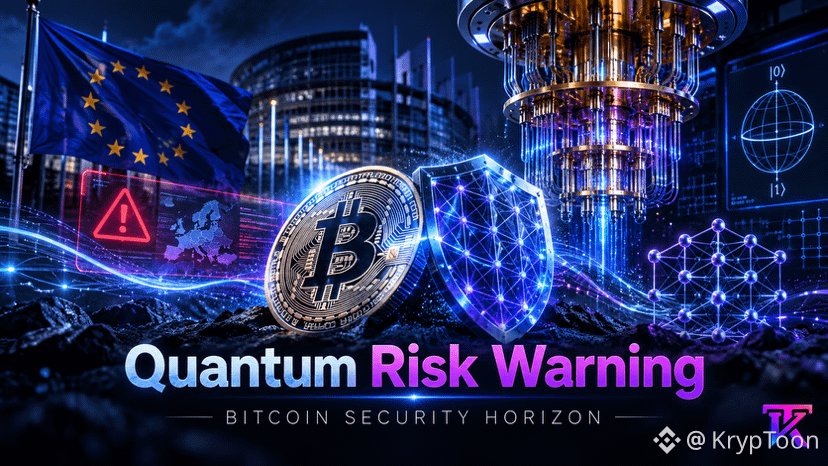
Europäische Aufsichtsbehörden für Banken, Versicherungen und Märkte haben kürzlich gewarnt, dass ein ausreichend leistungsfähiger Quantencomputer die Kryptografie, die in Kommunikations-, Transaktions-, Datenbank- und Blockchain-Systemen genutzt wird, eines Tages unterminieren könnte.
Die Warnung griff außerdem das Prinzip „jetzt ernten, später entschlüsseln“ auf: Angreifer können heute verschlüsselte Informationen sammeln in der Hoffnung, dass zukünftige Quantensysteme in der Lage sein werden, sie zu lesen.
Dies ist ein Thema der Vorbereitung – kein Hinweis darauf, dass heutige Quantenhardware die Bitcoin-Signaturen bereits knacken kann.
Die NIS-Kooperationsgruppe der EU hat empfohlen, dass die Mitgliedstaaten bis Ende 2026 Migrationsstrategien hin zu Post-Quanten-Technologien entwickeln. Die praktische Sorge ist die Vorlaufzeit. Wallets, Börsen, Verwahrer, Signaturstandards und Kundengelder können nicht alle sofort nach einem großen technischen Durchbruch migrieren.
Für Krypto-Netzwerke sollte die Forschung zu Post-Quantenlösungen als „Infrastrukturversicherung“ betrachtet werden. Der Zeitdruck würde steigen, wenn fehlertolerantes Quantencomputing schneller voranschreitet als die Fähigkeiten zur Migration von Protokollen und Wallets.
Früh anzufangen ist mit Komplexität verbunden, aber zu lange zu warten könnte dazu führen, dass schwierige Koordinationsprobleme ungeklärt bleiben.
Hinweis: Nur Cybersecurity-Kommentare, keine Finanzberatung. Quanten-Zeitpläne sind unsicher und sollten nicht als bestätigte Prognosen dargestellt werden.
$BTC
Bitcoin-Sicherheit • Quantencomputing • Protokollrisiko
#Bitcoin #QuantumComputing #Cybersecurity
🔐 Die EU-Warnung vor Quantencomputern betrifft Migrationszeit – nicht die Behauptung, dass Bitcoin heute kaputt ist
Europäische Aufsichtsbehörden für Banken, Versicherungen und Märkte haben kürzlich gewarnt, dass ein ausreichend leistungsfähiger Quantencomputer die Kryptografie, die in Kommunikations-, Transaktions-, Datenbank- und Blockchain-Systemen genutzt wird, eines Tages unterminieren könnte.
Die Warnung griff außerdem das Prinzip „jetzt ernten, später entschlüsseln“ auf: Angreifer können heute verschlüsselte Informationen sammeln in der Hoffnung, dass zukünftige Quantensysteme in der Lage sein werden, sie zu lesen.
Dies ist ein Thema der Vorbereitung – kein Hinweis darauf, dass heutige Quantenhardware die Bitcoin-Signaturen bereits knacken kann.
Die NIS-Kooperationsgruppe der EU hat empfohlen, dass die Mitgliedstaaten bis Ende 2026 Migrationsstrategien hin zu Post-Quanten-Technologien entwickeln. Die praktische Sorge ist die Vorlaufzeit. Wallets, Börsen, Verwahrer, Signaturstandards und Kundengelder können nicht alle sofort nach einem großen technischen Durchbruch migrieren.
Für Krypto-Netzwerke sollte die Forschung zu Post-Quantenlösungen als „Infrastrukturversicherung“ betrachtet werden. Der Zeitdruck würde steigen, wenn fehlertolerantes Quantencomputing schneller voranschreitet als die Fähigkeiten zur Migration von Protokollen und Wallets.
Früh anzufangen ist mit Komplexität verbunden, aber zu lange zu warten könnte dazu führen, dass schwierige Koordinationsprobleme ungeklärt bleiben.
Hinweis: Nur Cybersecurity-Kommentare, keine Finanzberatung. Quanten-Zeitpläne sind unsicher und sollten nicht als bestätigte Prognosen dargestellt werden.
$BTC
Bitcoin-Sicherheit • Quantencomputing • Protokollrisiko
#Bitcoin #QuantumComputing #Cybersecurity
Europäische Aufsichtsbehörden für Banken, Versicherungen und Märkte haben kürzlich gewarnt, dass ein ausreichend leistungsfähiger Quantencomputer die Kryptografie, die in Kommunikations-, Transaktions-, Datenbank- und Blockchain-Systemen genutzt wird, eines Tages unterminieren könnte.
Die Warnung griff außerdem das Prinzip „jetzt ernten, später entschlüsseln“ auf: Angreifer können heute verschlüsselte Informationen sammeln in der Hoffnung, dass zukünftige Quantensysteme in der Lage sein werden, sie zu lesen.
Dies ist ein Thema der Vorbereitung – kein Hinweis darauf, dass heutige Quantenhardware die Bitcoin-Signaturen bereits knacken kann.
Die NIS-Kooperationsgruppe der EU hat empfohlen, dass die Mitgliedstaaten bis Ende 2026 Migrationsstrategien hin zu Post-Quanten-Technologien entwickeln. Die praktische Sorge ist die Vorlaufzeit. Wallets, Börsen, Verwahrer, Signaturstandards und Kundengelder können nicht alle sofort nach einem großen technischen Durchbruch migrieren.
Für Krypto-Netzwerke sollte die Forschung zu Post-Quantenlösungen als „Infrastrukturversicherung“ betrachtet werden. Der Zeitdruck würde steigen, wenn fehlertolerantes Quantencomputing schneller voranschreitet als die Fähigkeiten zur Migration von Protokollen und Wallets.
Früh anzufangen ist mit Komplexität verbunden, aber zu lange zu warten könnte dazu führen, dass schwierige Koordinationsprobleme ungeklärt bleiben.
Hinweis: Nur Cybersecurity-Kommentare, keine Finanzberatung. Quanten-Zeitpläne sind unsicher und sollten nicht als bestätigte Prognosen dargestellt werden.
$BTC
Bitcoin-Sicherheit • Quantencomputing • Protokollrisiko
#Bitcoin #QuantumComputing #Cybersecurity
63
·
--
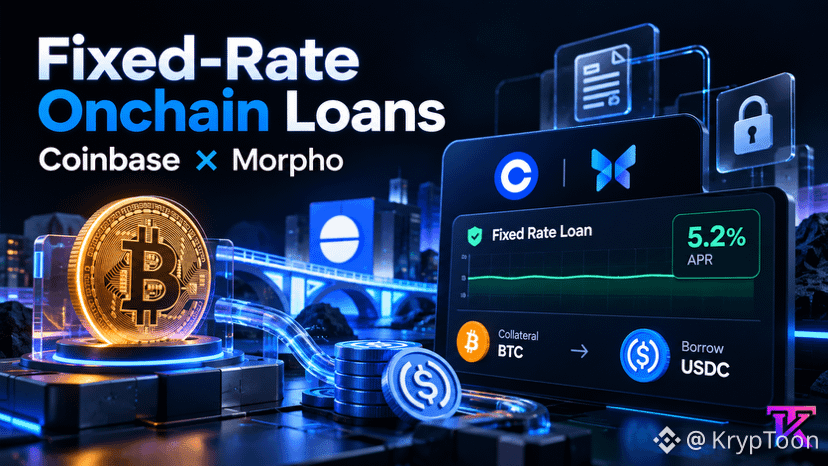
🏦 Coinbase und Morpho bringen Fixed-Rate-Kredite in die Onchain-Kreditvergabe
Coinbase hat festverzinsliche Darlehen eingeführt, die von Morpho betrieben werden. Damit können berechtigte Nutzer USDC gegen Bitcoin leihen, wobei Zinssatz und Rückzahlungstermin bei der Entstehung festgelegt werden.
Die gemeldete Struktur weist unterschiedliche Verantwortlichkeiten über den Stack hinweg zu: Coinbase liefert die Nutzererfahrung, Morpho stellt die Kreditinfrastruktur bereit, und Base übernimmt das Settlement.
Das Thema Skalierung ist bereits relevant. Die von Decrypt zitierten Morpho-Zahlen zeigten, dass der bestehende Kanal für variabel verzinsliche Darlehen von Coinbase einen Umfang von über 1,4 Milliarden US-Dollar an aktiven, durch rund 3 Milliarden US-Dollar an Sicherheiten abgesicherten Krediten erreicht hat.
Festzinsen machen die Kreditkosten leichter modellierbar, weil Nutzer keinen Zins zu tragen haben, der sich kontinuierlich ändert. Sie beseitigen jedoch kein Sicherheitenrisiko.
Ein deutlicher Rückgang bei Bitcoin kann Positionen dennoch in Richtung Liquidation treiben. Auch Smart-Contract-, Oracle-, Liquiditäts- und Plattformrisiken bleiben Teil der Struktur.
Der eigentliche Test besteht darin, ob vorhersehbare Zinsen eine nachhaltige Nachfrage nach Krediten schaffen, ohne die Sicherheitsstandards zu schwächen. Festverzinslicher Kredit verbessert die Planung, aber die Volatilität der Sicherheiten bleibt die wichtigste Stressvariable.
Hinweis: Nur zu Bildungszwecken, keine Finanzberatung. Krypto-besicherte Kredite können zu einer schnellen Liquidation und zum Verlust von Sicherheiten führen.
$MORPHO $BTC
Morpho • Fixed-Rate Lending • Onchain Credit
#DeFi #CryptoLending #Base
🏦 Coinbase und Morpho bringen Fixed-Rate-Kredite in die Onchain-Kreditvergabe
Coinbase hat festverzinsliche Darlehen eingeführt, die von Morpho betrieben werden. Damit können berechtigte Nutzer USDC gegen Bitcoin leihen, wobei Zinssatz und Rückzahlungstermin bei der Entstehung festgelegt werden.
Die gemeldete Struktur weist unterschiedliche Verantwortlichkeiten über den Stack hinweg zu: Coinbase liefert die Nutzererfahrung, Morpho stellt die Kreditinfrastruktur bereit, und Base übernimmt das Settlement.
Das Thema Skalierung ist bereits relevant. Die von Decrypt zitierten Morpho-Zahlen zeigten, dass der bestehende Kanal für variabel verzinsliche Darlehen von Coinbase einen Umfang von über 1,4 Milliarden US-Dollar an aktiven, durch rund 3 Milliarden US-Dollar an Sicherheiten abgesicherten Krediten erreicht hat.
Festzinsen machen die Kreditkosten leichter modellierbar, weil Nutzer keinen Zins zu tragen haben, der sich kontinuierlich ändert. Sie beseitigen jedoch kein Sicherheitenrisiko.
Ein deutlicher Rückgang bei Bitcoin kann Positionen dennoch in Richtung Liquidation treiben. Auch Smart-Contract-, Oracle-, Liquiditäts- und Plattformrisiken bleiben Teil der Struktur.
Der eigentliche Test besteht darin, ob vorhersehbare Zinsen eine nachhaltige Nachfrage nach Krediten schaffen, ohne die Sicherheitsstandards zu schwächen. Festverzinslicher Kredit verbessert die Planung, aber die Volatilität der Sicherheiten bleibt die wichtigste Stressvariable.
Hinweis: Nur zu Bildungszwecken, keine Finanzberatung. Krypto-besicherte Kredite können zu einer schnellen Liquidation und zum Verlust von Sicherheiten führen.
$MORPHO $BTC
Morpho • Fixed-Rate Lending • Onchain Credit
#DeFi #CryptoLending #Base
Coinbase hat festverzinsliche Darlehen eingeführt, die von Morpho betrieben werden. Damit können berechtigte Nutzer USDC gegen Bitcoin leihen, wobei Zinssatz und Rückzahlungstermin bei der Entstehung festgelegt werden.
Die gemeldete Struktur weist unterschiedliche Verantwortlichkeiten über den Stack hinweg zu: Coinbase liefert die Nutzererfahrung, Morpho stellt die Kreditinfrastruktur bereit, und Base übernimmt das Settlement.
Das Thema Skalierung ist bereits relevant. Die von Decrypt zitierten Morpho-Zahlen zeigten, dass der bestehende Kanal für variabel verzinsliche Darlehen von Coinbase einen Umfang von über 1,4 Milliarden US-Dollar an aktiven, durch rund 3 Milliarden US-Dollar an Sicherheiten abgesicherten Krediten erreicht hat.
Festzinsen machen die Kreditkosten leichter modellierbar, weil Nutzer keinen Zins zu tragen haben, der sich kontinuierlich ändert. Sie beseitigen jedoch kein Sicherheitenrisiko.
Ein deutlicher Rückgang bei Bitcoin kann Positionen dennoch in Richtung Liquidation treiben. Auch Smart-Contract-, Oracle-, Liquiditäts- und Plattformrisiken bleiben Teil der Struktur.
Der eigentliche Test besteht darin, ob vorhersehbare Zinsen eine nachhaltige Nachfrage nach Krediten schaffen, ohne die Sicherheitsstandards zu schwächen. Festverzinslicher Kredit verbessert die Planung, aber die Volatilität der Sicherheiten bleibt die wichtigste Stressvariable.
Hinweis: Nur zu Bildungszwecken, keine Finanzberatung. Krypto-besicherte Kredite können zu einer schnellen Liquidation und zum Verlust von Sicherheiten führen.
$MORPHO $BTC
Morpho • Fixed-Rate Lending • Onchain Credit
#DeFi #CryptoLending #Base
180
·
--
🕶️ 21Shares' Zcash-ETP erweitert den Marktzugang – stellt aber keine Onchain-Privatsphäre wieder her
21Shares hat sein Zcash-ETP mit einem Auflegungsdatum vom 21. September gestartet. Das Produkt wird unter dem Ticker ZCASH gehandelt, ist physisch unterlegt, nutzt institutionelle Verwahrung und erhebt eine jährliche Managementgebühr von 2,50 %. BitGo ist unter den aufgeführten Verwahrdienstleistern.
Die wichtige Unterscheidung ist der Zugang versus die Funktionalität.
Ein börsengehandeltes Produkt ermöglicht es anspruchsberechtigten Anlegern, über ein Brokerkonto eine ZEC-Preisexponierung zu erhalten, ohne die privaten Schlüssel direkt verwalten zu müssen. Das kann den regulierten Zugang erweitern, aber der Besitz eines ETP ist nicht dasselbe wie das direkte Halten von ZEC oder die Nutzung geschützter (shielded) Transaktionen im Zcash-Netzwerk.
Das Produkt sollte anhand nachhaltig verwalteter Assets, Handelsvolumen, Spreads und der Nachfrage der Anleger bewertet werden – nicht nur anhand der Aufmerksamkeit am Starttag.
Die jährliche Gebühr von 2,50 % ist ebenfalls relevant, weil sie laufende Kosten erzeugt, die direkte Token-Inhaber in dieser Form nicht tragen.
Dabei handelt es sich in erster Linie um eine Entwicklung des finanziellen Zugangs. Sie beweist nicht unabhängig, dass die Nutzung privater Onchain-Transaktionen zunimmt.
Haftungsausschluss: Nur zu Informationszwecken, keine Finanzberatung. ETPs sind mit Gebühren-, Verwahrungs-, Emittenten-, Tracking- und Liquiditätsrisiken verbunden.
$ZEC
Zcash • ETP • Regulierter Zugang
#Zcash #Privacy #DigitalAssets
🕶️ 21Shares' Zcash-ETP erweitert den Marktzugang – stellt aber keine Onchain-Privatsphäre wieder her
21Shares hat sein Zcash-ETP mit einem Auflegungsdatum vom 21. September gestartet. Das Produkt wird unter dem Ticker ZCASH gehandelt, ist physisch unterlegt, nutzt institutionelle Verwahrung und erhebt eine jährliche Managementgebühr von 2,50 %. BitGo ist unter den aufgeführten Verwahrdienstleistern.
Die wichtige Unterscheidung ist der Zugang versus die Funktionalität.
Ein börsengehandeltes Produkt ermöglicht es anspruchsberechtigten Anlegern, über ein Brokerkonto eine ZEC-Preisexponierung zu erhalten, ohne die privaten Schlüssel direkt verwalten zu müssen. Das kann den regulierten Zugang erweitern, aber der Besitz eines ETP ist nicht dasselbe wie das direkte Halten von ZEC oder die Nutzung geschützter (shielded) Transaktionen im Zcash-Netzwerk.
Das Produkt sollte anhand nachhaltig verwalteter Assets, Handelsvolumen, Spreads und der Nachfrage der Anleger bewertet werden – nicht nur anhand der Aufmerksamkeit am Starttag.
Die jährliche Gebühr von 2,50 % ist ebenfalls relevant, weil sie laufende Kosten erzeugt, die direkte Token-Inhaber in dieser Form nicht tragen.
Dabei handelt es sich in erster Linie um eine Entwicklung des finanziellen Zugangs. Sie beweist nicht unabhängig, dass die Nutzung privater Onchain-Transaktionen zunimmt.
Haftungsausschluss: Nur zu Informationszwecken, keine Finanzberatung. ETPs sind mit Gebühren-, Verwahrungs-, Emittenten-, Tracking- und Liquiditätsrisiken verbunden.
$ZEC
Zcash • ETP • Regulierter Zugang
#Zcash #Privacy #DigitalAssets
21Shares hat sein Zcash-ETP mit einem Auflegungsdatum vom 21. September gestartet. Das Produkt wird unter dem Ticker ZCASH gehandelt, ist physisch unterlegt, nutzt institutionelle Verwahrung und erhebt eine jährliche Managementgebühr von 2,50 %. BitGo ist unter den aufgeführten Verwahrdienstleistern.
Die wichtige Unterscheidung ist der Zugang versus die Funktionalität.
Ein börsengehandeltes Produkt ermöglicht es anspruchsberechtigten Anlegern, über ein Brokerkonto eine ZEC-Preisexponierung zu erhalten, ohne die privaten Schlüssel direkt verwalten zu müssen. Das kann den regulierten Zugang erweitern, aber der Besitz eines ETP ist nicht dasselbe wie das direkte Halten von ZEC oder die Nutzung geschützter (shielded) Transaktionen im Zcash-Netzwerk.
Das Produkt sollte anhand nachhaltig verwalteter Assets, Handelsvolumen, Spreads und der Nachfrage der Anleger bewertet werden – nicht nur anhand der Aufmerksamkeit am Starttag.
Die jährliche Gebühr von 2,50 % ist ebenfalls relevant, weil sie laufende Kosten erzeugt, die direkte Token-Inhaber in dieser Form nicht tragen.
Dabei handelt es sich in erster Linie um eine Entwicklung des finanziellen Zugangs. Sie beweist nicht unabhängig, dass die Nutzung privater Onchain-Transaktionen zunimmt.
Haftungsausschluss: Nur zu Informationszwecken, keine Finanzberatung. ETPs sind mit Gebühren-, Verwahrungs-, Emittenten-, Tracking- und Liquiditätsrisiken verbunden.
$ZEC
Zcash • ETP • Regulierter Zugang
#Zcash #Privacy #DigitalAssets
405
·
--
🧠 Der Nutzen von VVV ist messbar, aber die Konzentration der Tokenhalter bleibt das schwerwiegende Risiko
Venices VVV erreichte am 21. September einen gemeldeten Allzeithochstand von 34,51 $—nachdem es im vergangenen Dezember zeitweise nur bei 0,92 $ gehandelt wurde. Decrypt meldete damals eine Marktkapitalisierung von nahezu 1,6 Milliarden $.
VVV verfügt über ein messbares Utility-Modell. Inhaber können es staken, um auf die Venice-„AI“-Inference-Kapazität zuzugreifen, und gestakte Positionen nutzen, um DIEM zu prägen—wodurch wiederkehrende API-Guthaben bereitgestellt werden. Venice verwendet außerdem Teile der Plattformaktivität, um VVV zu kaufen und zu verbrennen.
Die jährliche Ausgabe wurde am 1. September auf 2,5 Millionen VVV reduziert; eine weitere Reduzierung auf 2 Millionen ist für den 1. Oktober geplant. Venice berichtete zudem, im August eine annualisierte Umsatzrate von über 100 Millionen $ überschritten zu haben.
Der wichtigste Gegengewichtsfaktor ist die Konzentration. Onchain-Daten, die Decrypt zitierte, zeigten, dass die 100 größten Wallets ungefähr 98 % des Angebots kontrollierten. Eine konzentrierte Besitzstruktur kann Liquidität und Preisfindung dominieren, selbst wenn die Produktnutzung wächst.
Das sinnvolle Dashboard betrachtet daher nicht nur den Preis: API-Nutzung, Umsatz, Staking, Burns, die Nettoausgabe und die Verteilung unter den Inhabern sind allesamt entscheidend.
Haftungsausschluss: Nur Projektanalyse, keine Finanzberatung. VVV ist extrem volatil, und konzentriertes Eigentum kann das Liquiditätsrisiko erhöhen.
$VVV
Venice AI • Token Utility • AI Inference
#VVV #AICrypto #Tokenomics
🧠 Der Nutzen von VVV ist messbar, aber die Konzentration der Tokenhalter bleibt das schwerwiegende Risiko
Venices VVV erreichte am 21. September einen gemeldeten Allzeithochstand von 34,51 $—nachdem es im vergangenen Dezember zeitweise nur bei 0,92 $ gehandelt wurde. Decrypt meldete damals eine Marktkapitalisierung von nahezu 1,6 Milliarden $.
VVV verfügt über ein messbares Utility-Modell. Inhaber können es staken, um auf die Venice-„AI“-Inference-Kapazität zuzugreifen, und gestakte Positionen nutzen, um DIEM zu prägen—wodurch wiederkehrende API-Guthaben bereitgestellt werden. Venice verwendet außerdem Teile der Plattformaktivität, um VVV zu kaufen und zu verbrennen.
Die jährliche Ausgabe wurde am 1. September auf 2,5 Millionen VVV reduziert; eine weitere Reduzierung auf 2 Millionen ist für den 1. Oktober geplant. Venice berichtete zudem, im August eine annualisierte Umsatzrate von über 100 Millionen $ überschritten zu haben.
Der wichtigste Gegengewichtsfaktor ist die Konzentration. Onchain-Daten, die Decrypt zitierte, zeigten, dass die 100 größten Wallets ungefähr 98 % des Angebots kontrollierten. Eine konzentrierte Besitzstruktur kann Liquidität und Preisfindung dominieren, selbst wenn die Produktnutzung wächst.
Das sinnvolle Dashboard betrachtet daher nicht nur den Preis: API-Nutzung, Umsatz, Staking, Burns, die Nettoausgabe und die Verteilung unter den Inhabern sind allesamt entscheidend.
Haftungsausschluss: Nur Projektanalyse, keine Finanzberatung. VVV ist extrem volatil, und konzentriertes Eigentum kann das Liquiditätsrisiko erhöhen.
$VVV
Venice AI • Token Utility • AI Inference
#VVV #AICrypto #Tokenomics
Venices VVV erreichte am 21. September einen gemeldeten Allzeithochstand von 34,51 $—nachdem es im vergangenen Dezember zeitweise nur bei 0,92 $ gehandelt wurde. Decrypt meldete damals eine Marktkapitalisierung von nahezu 1,6 Milliarden $.
VVV verfügt über ein messbares Utility-Modell. Inhaber können es staken, um auf die Venice-„AI“-Inference-Kapazität zuzugreifen, und gestakte Positionen nutzen, um DIEM zu prägen—wodurch wiederkehrende API-Guthaben bereitgestellt werden. Venice verwendet außerdem Teile der Plattformaktivität, um VVV zu kaufen und zu verbrennen.
Die jährliche Ausgabe wurde am 1. September auf 2,5 Millionen VVV reduziert; eine weitere Reduzierung auf 2 Millionen ist für den 1. Oktober geplant. Venice berichtete zudem, im August eine annualisierte Umsatzrate von über 100 Millionen $ überschritten zu haben.
Der wichtigste Gegengewichtsfaktor ist die Konzentration. Onchain-Daten, die Decrypt zitierte, zeigten, dass die 100 größten Wallets ungefähr 98 % des Angebots kontrollierten. Eine konzentrierte Besitzstruktur kann Liquidität und Preisfindung dominieren, selbst wenn die Produktnutzung wächst.
Das sinnvolle Dashboard betrachtet daher nicht nur den Preis: API-Nutzung, Umsatz, Staking, Burns, die Nettoausgabe und die Verteilung unter den Inhabern sind allesamt entscheidend.
Haftungsausschluss: Nur Projektanalyse, keine Finanzberatung. VVV ist extrem volatil, und konzentriertes Eigentum kann das Liquiditätsrisiko erhöhen.
$VVV
Venice AI • Token Utility • AI Inference
#VVV #AICrypto #Tokenomics
359
·
--
🐘 Die ETH-Treasury von BitMine nähert sich 5% des Angebots – Konzentration lässt sich nicht ignorieren
BitMine gab seine Bestände von 5.983.940 ETH mit Stand vom 20. September 2026 bekannt.
Ausgehend von der von dem Unternehmen genannten Ethereum-Gesamtmenge von 122,1 Millionen ETH entspricht die Position ungefähr 4,9% des Angebots und bringt BitMine nahe an sein erklärtes Ziel, 5% zu besitzen. Das Unternehmen berichtete außerdem, dass mehr als 5 Millionen ETH gestakt wurden.
Die offengelegten Krypto-Bestände, Barmittel, marktfähigen Wertpapiere und sonstigen Investitionen beliefen sich insgesamt auf ungefähr 17,1 Milliarden US-Dollar, darunter rund 714 Millionen US-Dollar in Barmitteln und marktfähigen Wertpapieren.
Die These zur Ansammlung ist unkompliziert: Eine große Unternehmens-Treasury kann das verfügbare liquide Angebot verringern und Staking-Erträge generieren. Das Konzentrationsrisiko ist jedoch ebenso wichtig. Eine erhebliche ETH-Position ist mit den Finanzierungskosten, der Ausgabe von Eigenkapital, den Staking-Operationen und der Treasury-Politik eines einzelnen Unternehmens verbunden.
Die These würde an Aussagekraft verlieren, wenn die Ansammlung wesentlich langsamer würde, die Finanzierung weniger attraktiv wäre oder das Unternehmen seine Treasury-Strategie änderte.
Unternehmens-ETH-Treasuries sollten daher sowohl als potenzielle Nachfragesenken als auch als Quellen konzentrierter Exponierung bewertet werden.
Hinweis: Nur informatorische Analyse, keine Finanzberatung. Unternehmensbestände und Angebotszahlen können sich nach dem Berichtsstichtag ändern.
$ETH
Ethereum • Unternehmens-Treasury • Staking
#Ethereum #ETHTreasury #OnchainFinance
🐘 Die ETH-Treasury von BitMine nähert sich 5% des Angebots – Konzentration lässt sich nicht ignorieren
BitMine gab seine Bestände von 5.983.940 ETH mit Stand vom 20. September 2026 bekannt.
Ausgehend von der von dem Unternehmen genannten Ethereum-Gesamtmenge von 122,1 Millionen ETH entspricht die Position ungefähr 4,9% des Angebots und bringt BitMine nahe an sein erklärtes Ziel, 5% zu besitzen. Das Unternehmen berichtete außerdem, dass mehr als 5 Millionen ETH gestakt wurden.
Die offengelegten Krypto-Bestände, Barmittel, marktfähigen Wertpapiere und sonstigen Investitionen beliefen sich insgesamt auf ungefähr 17,1 Milliarden US-Dollar, darunter rund 714 Millionen US-Dollar in Barmitteln und marktfähigen Wertpapieren.
Die These zur Ansammlung ist unkompliziert: Eine große Unternehmens-Treasury kann das verfügbare liquide Angebot verringern und Staking-Erträge generieren. Das Konzentrationsrisiko ist jedoch ebenso wichtig. Eine erhebliche ETH-Position ist mit den Finanzierungskosten, der Ausgabe von Eigenkapital, den Staking-Operationen und der Treasury-Politik eines einzelnen Unternehmens verbunden.
Die These würde an Aussagekraft verlieren, wenn die Ansammlung wesentlich langsamer würde, die Finanzierung weniger attraktiv wäre oder das Unternehmen seine Treasury-Strategie änderte.
Unternehmens-ETH-Treasuries sollten daher sowohl als potenzielle Nachfragesenken als auch als Quellen konzentrierter Exponierung bewertet werden.
Hinweis: Nur informatorische Analyse, keine Finanzberatung. Unternehmensbestände und Angebotszahlen können sich nach dem Berichtsstichtag ändern.
$ETH
Ethereum • Unternehmens-Treasury • Staking
#Ethereum #ETHTreasury #OnchainFinance
BitMine gab seine Bestände von 5.983.940 ETH mit Stand vom 20. September 2026 bekannt.
Ausgehend von der von dem Unternehmen genannten Ethereum-Gesamtmenge von 122,1 Millionen ETH entspricht die Position ungefähr 4,9% des Angebots und bringt BitMine nahe an sein erklärtes Ziel, 5% zu besitzen. Das Unternehmen berichtete außerdem, dass mehr als 5 Millionen ETH gestakt wurden.
Die offengelegten Krypto-Bestände, Barmittel, marktfähigen Wertpapiere und sonstigen Investitionen beliefen sich insgesamt auf ungefähr 17,1 Milliarden US-Dollar, darunter rund 714 Millionen US-Dollar in Barmitteln und marktfähigen Wertpapieren.
Die These zur Ansammlung ist unkompliziert: Eine große Unternehmens-Treasury kann das verfügbare liquide Angebot verringern und Staking-Erträge generieren. Das Konzentrationsrisiko ist jedoch ebenso wichtig. Eine erhebliche ETH-Position ist mit den Finanzierungskosten, der Ausgabe von Eigenkapital, den Staking-Operationen und der Treasury-Politik eines einzelnen Unternehmens verbunden.
Die These würde an Aussagekraft verlieren, wenn die Ansammlung wesentlich langsamer würde, die Finanzierung weniger attraktiv wäre oder das Unternehmen seine Treasury-Strategie änderte.
Unternehmens-ETH-Treasuries sollten daher sowohl als potenzielle Nachfragesenken als auch als Quellen konzentrierter Exponierung bewertet werden.
Hinweis: Nur informatorische Analyse, keine Finanzberatung. Unternehmensbestände und Angebotszahlen können sich nach dem Berichtsstichtag ändern.
$ETH
Ethereum • Unternehmens-Treasury • Staking
#Ethereum #ETHTreasury #OnchainFinance
61
·
--
🛡️ Virtuelle Währungs-Umfrage von Visa deutet darauf hin, dass Vertrauen möglicherweise wichtiger ist als Tempo
Die Studie „Visa’s Money Travels 2026“ befragte mehr als 2.000 US-Verbraucher zu internationalen Überweisungen und zur Nutzung von Stablecoins.
Im US-Sample lag die berichtete Bereitschaft zur Nutzung von Stablecoins bei:
• 36% im Basisszenario
• 45%, wenn sie über einen bestehenden Finanzdienstleister angeboten werden
• 56% in einem hypothetischen Szenario mit Betrugsprävention auf Bankniveau und Einlagensicherung
Visa berichtete außerdem, dass 56% der Befragten noch nie von Stablecoins gehört hatten, während 36% angaben, sie seien einem Betrug im Zusammenhang mit internationalen Geldtransfers begegnet.
Der Wert von 56% erfordert eine sorgfältige Interpretation. Er misst das angegebene Interesse unter hypothetischen Schutzmaßnahmen. Das bedeutet nicht, dass Stablecoins derzeit eine Einlagensicherung haben oder dass solche Schutzmaßnahmen garantiert eintreffen.
Die Abwicklung von Stablecoins könnte bereits schneller sein als die Vertrauenssysteme, die sie umgeben. Anbieter, die Onchain-Zahlungen mit klaren Betrugskontrollen, nachvollziehbarer Verteilung und verständlichen Streitbeilegungsprozessen kombinieren, könnten einen Vorteil haben.
Das Risiko besteht darin, anzunehmen, dass die Umfrageantworten sich direkt in das tatsächliche Transaktionsvolumen übertragen lassen.
Haftungsausschluss: Nur informationsbezogene Analyse, keine Finanzberatung. Stablecoins sind keine Bankeinlagen und können Risiken für Emittenten, Liquidität und Regulierung mit sich bringen.
$USDC $USDT
Stablecoins • Zahlungen • Verbrauchervertrauen
#Stablecoins #Payments #DigitalAssets
🛡️ Virtuelle Währungs-Umfrage von Visa deutet darauf hin, dass Vertrauen möglicherweise wichtiger ist als Tempo
Die Studie „Visa’s Money Travels 2026“ befragte mehr als 2.000 US-Verbraucher zu internationalen Überweisungen und zur Nutzung von Stablecoins.
Im US-Sample lag die berichtete Bereitschaft zur Nutzung von Stablecoins bei:
• 36% im Basisszenario
• 45%, wenn sie über einen bestehenden Finanzdienstleister angeboten werden
• 56% in einem hypothetischen Szenario mit Betrugsprävention auf Bankniveau und Einlagensicherung
Visa berichtete außerdem, dass 56% der Befragten noch nie von Stablecoins gehört hatten, während 36% angaben, sie seien einem Betrug im Zusammenhang mit internationalen Geldtransfers begegnet.
Der Wert von 56% erfordert eine sorgfältige Interpretation. Er misst das angegebene Interesse unter hypothetischen Schutzmaßnahmen. Das bedeutet nicht, dass Stablecoins derzeit eine Einlagensicherung haben oder dass solche Schutzmaßnahmen garantiert eintreffen.
Die Abwicklung von Stablecoins könnte bereits schneller sein als die Vertrauenssysteme, die sie umgeben. Anbieter, die Onchain-Zahlungen mit klaren Betrugskontrollen, nachvollziehbarer Verteilung und verständlichen Streitbeilegungsprozessen kombinieren, könnten einen Vorteil haben.
Das Risiko besteht darin, anzunehmen, dass die Umfrageantworten sich direkt in das tatsächliche Transaktionsvolumen übertragen lassen.
Haftungsausschluss: Nur informationsbezogene Analyse, keine Finanzberatung. Stablecoins sind keine Bankeinlagen und können Risiken für Emittenten, Liquidität und Regulierung mit sich bringen.
$USDC $USDT
Stablecoins • Zahlungen • Verbrauchervertrauen
#Stablecoins #Payments #DigitalAssets
Die Studie „Visa’s Money Travels 2026“ befragte mehr als 2.000 US-Verbraucher zu internationalen Überweisungen und zur Nutzung von Stablecoins.
Im US-Sample lag die berichtete Bereitschaft zur Nutzung von Stablecoins bei:
• 36% im Basisszenario
• 45%, wenn sie über einen bestehenden Finanzdienstleister angeboten werden
• 56% in einem hypothetischen Szenario mit Betrugsprävention auf Bankniveau und Einlagensicherung
Visa berichtete außerdem, dass 56% der Befragten noch nie von Stablecoins gehört hatten, während 36% angaben, sie seien einem Betrug im Zusammenhang mit internationalen Geldtransfers begegnet.
Der Wert von 56% erfordert eine sorgfältige Interpretation. Er misst das angegebene Interesse unter hypothetischen Schutzmaßnahmen. Das bedeutet nicht, dass Stablecoins derzeit eine Einlagensicherung haben oder dass solche Schutzmaßnahmen garantiert eintreffen.
Die Abwicklung von Stablecoins könnte bereits schneller sein als die Vertrauenssysteme, die sie umgeben. Anbieter, die Onchain-Zahlungen mit klaren Betrugskontrollen, nachvollziehbarer Verteilung und verständlichen Streitbeilegungsprozessen kombinieren, könnten einen Vorteil haben.
Das Risiko besteht darin, anzunehmen, dass die Umfrageantworten sich direkt in das tatsächliche Transaktionsvolumen übertragen lassen.
Haftungsausschluss: Nur informationsbezogene Analyse, keine Finanzberatung. Stablecoins sind keine Bankeinlagen und können Risiken für Emittenten, Liquidität und Regulierung mit sich bringen.
$USDC $USDT
Stablecoins • Zahlungen • Verbrauchervertrauen
#Stablecoins #Payments #DigitalAssets
88
·
--
🐕 DOGE räumte 0,10 US-Dollar frei, aber der Follow-Through war wichtiger als die Headline
Dogecoin erreichte laut Berichten einen Intraday-Höchststand von 0,1059 US-Dollar, nachdem X Handelsvereinbarungen mit Gemini, Kraken, Coinbase, Moomoo und Interactive Brokers angekündigt hatte.
Der Ausbruch hielt jedoch nicht vollständig. Decrypt meldete später DOGE bei etwa 0,0992 US-Dollar in derselben Sitzung, während das Open Interest bei Derivaten innerhalb einer Stunde grob um 10% auf ungefähr 350 Millionen US-Dollar anstieg.
Diese Kombination verdient Aufmerksamkeit. Steigende Preise und Leverage können den Schwung verlängern, aber ein schneller Anstieg des Open Interest macht den Markt auch anfälliger für Liquidationen.
Zum gemeldeten Snapshot lag der tägliche RSI nahe 69,4 und der ADX bei etwa 32,5. Gleichzeitig blieb die 50-Tage-EMA unter der 200-Tage-EMA. Der kurzfristige Momentum hatte sich zwar verstärkt, aber der längerfristige Trend war noch nicht vollständig repariert.
Dass X den Handel ausweitet, ist ein Distributions-Katalysator. Das ist kein Beleg dafür, dass DOGE als Zahlungsasset von X übernommen wurde.
Das Setup verbessert sich, wenn das Spot-Volumen steigt und 0,10 US-Dollar zur Unterstützung wird. Es schwächt sich ab, wenn der Leverage erhöht bleibt und der Kurs wiederholt unter diese Marke fällt.
Haftungsausschluss: Nur Marktanalyse, keine Finanzberatung. Meme-Assets können extrem volatil sein.
$DOGE
Dogecoin • Handelszugang • Leverage
#Dogecoin #MemeCoins #CryptoMarkets
🐕 DOGE räumte 0,10 US-Dollar frei, aber der Follow-Through war wichtiger als die Headline
Dogecoin erreichte laut Berichten einen Intraday-Höchststand von 0,1059 US-Dollar, nachdem X Handelsvereinbarungen mit Gemini, Kraken, Coinbase, Moomoo und Interactive Brokers angekündigt hatte.
Der Ausbruch hielt jedoch nicht vollständig. Decrypt meldete später DOGE bei etwa 0,0992 US-Dollar in derselben Sitzung, während das Open Interest bei Derivaten innerhalb einer Stunde grob um 10% auf ungefähr 350 Millionen US-Dollar anstieg.
Diese Kombination verdient Aufmerksamkeit. Steigende Preise und Leverage können den Schwung verlängern, aber ein schneller Anstieg des Open Interest macht den Markt auch anfälliger für Liquidationen.
Zum gemeldeten Snapshot lag der tägliche RSI nahe 69,4 und der ADX bei etwa 32,5. Gleichzeitig blieb die 50-Tage-EMA unter der 200-Tage-EMA. Der kurzfristige Momentum hatte sich zwar verstärkt, aber der längerfristige Trend war noch nicht vollständig repariert.
Dass X den Handel ausweitet, ist ein Distributions-Katalysator. Das ist kein Beleg dafür, dass DOGE als Zahlungsasset von X übernommen wurde.
Das Setup verbessert sich, wenn das Spot-Volumen steigt und 0,10 US-Dollar zur Unterstützung wird. Es schwächt sich ab, wenn der Leverage erhöht bleibt und der Kurs wiederholt unter diese Marke fällt.
Haftungsausschluss: Nur Marktanalyse, keine Finanzberatung. Meme-Assets können extrem volatil sein.
$DOGE
Dogecoin • Handelszugang • Leverage
#Dogecoin #MemeCoins #CryptoMarkets
Dogecoin erreichte laut Berichten einen Intraday-Höchststand von 0,1059 US-Dollar, nachdem X Handelsvereinbarungen mit Gemini, Kraken, Coinbase, Moomoo und Interactive Brokers angekündigt hatte.
Der Ausbruch hielt jedoch nicht vollständig. Decrypt meldete später DOGE bei etwa 0,0992 US-Dollar in derselben Sitzung, während das Open Interest bei Derivaten innerhalb einer Stunde grob um 10% auf ungefähr 350 Millionen US-Dollar anstieg.
Diese Kombination verdient Aufmerksamkeit. Steigende Preise und Leverage können den Schwung verlängern, aber ein schneller Anstieg des Open Interest macht den Markt auch anfälliger für Liquidationen.
Zum gemeldeten Snapshot lag der tägliche RSI nahe 69,4 und der ADX bei etwa 32,5. Gleichzeitig blieb die 50-Tage-EMA unter der 200-Tage-EMA. Der kurzfristige Momentum hatte sich zwar verstärkt, aber der längerfristige Trend war noch nicht vollständig repariert.
Dass X den Handel ausweitet, ist ein Distributions-Katalysator. Das ist kein Beleg dafür, dass DOGE als Zahlungsasset von X übernommen wurde.
Das Setup verbessert sich, wenn das Spot-Volumen steigt und 0,10 US-Dollar zur Unterstützung wird. Es schwächt sich ab, wenn der Leverage erhöht bleibt und der Kurs wiederholt unter diese Marke fällt.
Haftungsausschluss: Nur Marktanalyse, keine Finanzberatung. Meme-Assets können extrem volatil sein.
$DOGE
Dogecoin • Handelszugang • Leverage
#Dogecoin #MemeCoins #CryptoMarkets
121
·
--
Bullisch
🏛️ CME’s BCH- und UNI-Futures könnten das Hedging verbessern—aber keine Token-Nachfrage garantieren
Die CME Group plant, am 19. Oktober Bitcoin Cash- und Uniswap-Futures auf den Markt zu bringen, vorbehaltlich einer behördlichen Prüfung.
Die vorgeschlagenen Kontraktgrößen sind:
• 250 BCH für den Standardkontrakt
• 25 BCH für den Micro-BCH-Kontrakt
• 10.000 UNI für den Standardkontrakt
• 1.000 UNI für den Micro-UNI-Kontrakt
Die Micro-Produkte könnten besonders wichtig sein, weil kleinere Kontrakte es den Teilnehmenden ermöglichen, das Exposure genauer zu steuern und die für den Markteintritt erforderliche Mindestposition zu reduzieren.
Ein reguliertes Futures-Listing ist jedoch nicht automatisch bullish. Futures können den institutionellen Zugang und die Preisfindung unterstützen, aber sie erleichtern auch Shortings, das Hedging von Beständen und Basis-Trading.
Die Validierung sollte aus der Aktivität nach dem Launch kommen: Open Interest, tägliches Volumen, Geld-Brief-Spreads und die Futures-Basis im Verhältnis zum Spot. Wenn die Liquidität dünn bleibt, könnte das Listing eher symbolisch als strukturell sein.
Bis die behördliche Prüfung abgeschlossen ist, sollte der 19. Oktober als geplanter Launch-Termin betrachtet werden.
Haftungsausschluss: Nur informatorische Analyse, keine Finanzberatung. Zeitpunkt des Launch und Marktakzeptanz sind nicht garantiert.
$BCH $UNI
CME Group • Regulierte Futures • Altcoin-Liquidität
#BitcoinCash #Uniswap #CryptoDerivatives
🏛️ CME’s BCH- und UNI-Futures könnten das Hedging verbessern—aber keine Token-Nachfrage garantieren
Die CME Group plant, am 19. Oktober Bitcoin Cash- und Uniswap-Futures auf den Markt zu bringen, vorbehaltlich einer behördlichen Prüfung.
Die vorgeschlagenen Kontraktgrößen sind:
• 250 BCH für den Standardkontrakt
• 25 BCH für den Micro-BCH-Kontrakt
• 10.000 UNI für den Standardkontrakt
• 1.000 UNI für den Micro-UNI-Kontrakt
Die Micro-Produkte könnten besonders wichtig sein, weil kleinere Kontrakte es den Teilnehmenden ermöglichen, das Exposure genauer zu steuern und die für den Markteintritt erforderliche Mindestposition zu reduzieren.
Ein reguliertes Futures-Listing ist jedoch nicht automatisch bullish. Futures können den institutionellen Zugang und die Preisfindung unterstützen, aber sie erleichtern auch Shortings, das Hedging von Beständen und Basis-Trading.
Die Validierung sollte aus der Aktivität nach dem Launch kommen: Open Interest, tägliches Volumen, Geld-Brief-Spreads und die Futures-Basis im Verhältnis zum Spot. Wenn die Liquidität dünn bleibt, könnte das Listing eher symbolisch als strukturell sein.
Bis die behördliche Prüfung abgeschlossen ist, sollte der 19. Oktober als geplanter Launch-Termin betrachtet werden.
Haftungsausschluss: Nur informatorische Analyse, keine Finanzberatung. Zeitpunkt des Launch und Marktakzeptanz sind nicht garantiert.
$BCH $UNI
CME Group • Regulierte Futures • Altcoin-Liquidität
#BitcoinCash #Uniswap #CryptoDerivatives
Die CME Group plant, am 19. Oktober Bitcoin Cash- und Uniswap-Futures auf den Markt zu bringen, vorbehaltlich einer behördlichen Prüfung.
Die vorgeschlagenen Kontraktgrößen sind:
• 250 BCH für den Standardkontrakt
• 25 BCH für den Micro-BCH-Kontrakt
• 10.000 UNI für den Standardkontrakt
• 1.000 UNI für den Micro-UNI-Kontrakt
Die Micro-Produkte könnten besonders wichtig sein, weil kleinere Kontrakte es den Teilnehmenden ermöglichen, das Exposure genauer zu steuern und die für den Markteintritt erforderliche Mindestposition zu reduzieren.
Ein reguliertes Futures-Listing ist jedoch nicht automatisch bullish. Futures können den institutionellen Zugang und die Preisfindung unterstützen, aber sie erleichtern auch Shortings, das Hedging von Beständen und Basis-Trading.
Die Validierung sollte aus der Aktivität nach dem Launch kommen: Open Interest, tägliches Volumen, Geld-Brief-Spreads und die Futures-Basis im Verhältnis zum Spot. Wenn die Liquidität dünn bleibt, könnte das Listing eher symbolisch als strukturell sein.
Bis die behördliche Prüfung abgeschlossen ist, sollte der 19. Oktober als geplanter Launch-Termin betrachtet werden.
Haftungsausschluss: Nur informatorische Analyse, keine Finanzberatung. Zeitpunkt des Launch und Marktakzeptanz sind nicht garantiert.
$BCH $UNI
CME Group • Regulierte Futures • Altcoin-Liquidität
#BitcoinCash #Uniswap #CryptoDerivatives
1
197
Anmelden und weiter Inhalte entdecken
Krypto-Nutzer weltweit auf Binance Square kennenlernen
⚡️ Bleib in Sachen Krypto stets am Puls.
💬 Die weltgrößte Kryptobörse vertraut darauf.
👍 Erhalte verlässliche Einblicke von verifizierten Creators.
E-Mail-Adresse/Telefonnummer