

Crypto Rover
280 Beiträge

Crypto Rover
Melden
Nutzer blockieren
free signals for everyone
7 Following
180 Follower
83 Like gegeben
Beiträge
Alle
Zitierungen
Videos
Live
PINNED
·
--
Hey, Brüder, wenn#BTCdiese Unterstützung durchbricht, wird es wieder auf 52.000 kommen.#BTCbildet auch ein Doppeltop-Muster, es besteht eine hohe Wahrscheinlichkeit, dass es abstürzt.
Wenn#BTCauf 52.000 kommt, ist es der beste Zeitpunkt, um#BTCzu kaufen.
Warten wir auf einen richtigen Einstieg.
Wenn wir einen richtigen Einstieg bekommen, werden wir es teilen.
#BTC☀ #VanEck_SOL_ETFS $BTC
Hey, Brüder, wenn#BTCdiese Unterstützung durchbricht, wird es wieder auf 52.000 kommen.#BTCbildet auch ein Doppeltop-Muster, es besteht eine hohe Wahrscheinlichkeit, dass es abstürzt.
Wenn#BTCauf 52.000 kommt, ist es der beste Zeitpunkt, um#BTCzu kaufen.
Warten wir auf einen richtigen Einstieg.
Wenn wir einen richtigen Einstieg bekommen, werden wir es teilen.
#BTC☀ #VanEck_SOL_ETFS $BTC
Wenn#BTCauf 52.000 kommt, ist es der beste Zeitpunkt, um#BTCzu kaufen.
Warten wir auf einen richtigen Einstieg.
Wenn wir einen richtigen Einstieg bekommen, werden wir es teilen.
#BTC☀ #VanEck_SOL_ETFS $BTC

2
1
8
1.8k
·
--
TOKENISIERTE AKTIEN ERSCHLIESSEN REKORDVOLUMEN
Gepackte (getrackte) Aktien-Token von Coinbase machten ungefähr 7% des täglichen Base-DEX-Volumens aus (60 Mio. USD in 24 Stunden). Auf der Robinhood Chain verbuchen Aktien 5% bis 10% des Handels (9,7 Mrd. USD monatlich), während die BNB Chain nahezu 40% des globalen Angebots beherbergt. Zusammen kontrollieren sie über 88% des On-Chain-Equity-Volumens 📊
Strukturelle Risiken bleiben schwerwiegend: Dünne Liquidität löst wilde Pumps und Dumps aus, während 24/7-Wochenendhandel die Verbindung zu geschlossenen Wall-Street-Büchern kappt und Montags-Liquidationen von Krediten gefährdet. Die SEC und CFTC erlauben nun 24/7-Handel, verlangen jedoch verpflichtende Notfall-Schutzschaltungen und echte 1:1-Deckung ⚖️
Gepackte (getrackte) Aktien-Token von Coinbase machten ungefähr 7% des täglichen Base-DEX-Volumens aus (60 Mio. USD in 24 Stunden). Auf der Robinhood Chain verbuchen Aktien 5% bis 10% des Handels (9,7 Mrd. USD monatlich), während die BNB Chain nahezu 40% des globalen Angebots beherbergt. Zusammen kontrollieren sie über 88% des On-Chain-Equity-Volumens 📊 Strukturelle Risiken bleiben schwerwiegend: Dünne Liquidität löst wilde Pumps und Dumps aus, während 24/7-Wochenendhandel die Verbindung zu geschlossenen Wall-Street-Büchern kappt und Montags-Liquidationen von Krediten gefährdet. Die SEC und CFTC erlauben nun 24/7-Handel, verlangen jedoch verpflichtende Notfall-Schutzschaltungen und echte 1:1-Deckung ⚖️
TOKENISIERTE AKTIEN ERSCHLIESSEN REKORDVOLUMEN
Gepackte (getrackte) Aktien-Token von Coinbase machten ungefähr 7% des täglichen Base-DEX-Volumens aus (60 Mio. USD in 24 Stunden). Auf der Robinhood Chain verbuchen Aktien 5% bis 10% des Handels (9,7 Mrd. USD monatlich), während die BNB Chain nahezu 40% des globalen Angebots beherbergt. Zusammen kontrollieren sie über 88% des On-Chain-Equity-Volumens 📊 Strukturelle Risiken bleiben schwerwiegend: Dünne Liquidität löst wilde Pumps und Dumps aus, während 24/7-Wochenendhandel die Verbindung zu geschlossenen Wall-Street-Büchern kappt und Montags-Liquidationen von Krediten gefährdet. Die SEC und CFTC erlauben nun 24/7-Handel, verlangen jedoch verpflichtende Notfall-Schutzschaltungen und echte 1:1-Deckung ⚖️
83
·
--

Artikel
POLYGON DEPLOYT 100M TOKEN BURN CONTRACTS
🏛️ Der CEO der Polygon Foundation, Sandeep Nailwal, gab bekannt, dass Testnet-Verträge bereit sind, 100 Mio. POL-Token dauerhaft zu verbrennen (etwa 1% des Angebots) – und dabei rund 11 Mio. USD an Marktwert aus dem Umlauf zu tilgen 🧪
✍️ Sobald der Sicherheitsrat die finalen Unterschriften hinzufügt, ermöglicht das Mainnet-Deployment der Community, die Verbrennung direkt auszulösen – mit vierteljährlichen Burns, die für die angesammelten Basisgebühren geplant sind 🚀
💰 Polygon hat für 2026 YTD Einnahmen in Höhe von 24,5 Mio. USD generiert und Arbitrum (8,41 Mio. USD, mit Robinhood-Volumen) um das 3-Fache sowie NEAR (5,6 Mio. USD) um das 5-Fache geschlagen – sogar dann, als der POL-Tokenkurs hinter den jüngsten Rallys zurückblieb 📊
🏛️ Der CEO der Polygon Foundation, Sandeep Nailwal, gab bekannt, dass Testnet-Verträge bereit sind, 100 Mio. POL-Token dauerhaft zu verbrennen (etwa 1% des Angebots) – und dabei rund 11 Mio. USD an Marktwert aus dem Umlauf zu tilgen 🧪
✍️ Sobald der Sicherheitsrat die finalen Unterschriften hinzufügt, ermöglicht das Mainnet-Deployment der Community, die Verbrennung direkt auszulösen – mit vierteljährlichen Burns, die für die angesammelten Basisgebühren geplant sind 🚀 💰 Polygon hat für 2026 YTD Einnahmen in Höhe von 24,5 Mio. USD generiert und Arbitrum (8,41 Mio. USD, mit Robinhood-Volumen) um das 3-Fache sowie NEAR (5,6 Mio. USD) um das 5-Fache geschlagen – sogar dann, als der POL-Tokenkurs hinter den jüngsten Rallys zurückblieb 📊
POLYGON DEPLOYT 100M TOKEN BURN CONTRACTS
🏛️ Der CEO der Polygon Foundation, Sandeep Nailwal, gab bekannt, dass Testnet-Verträge bereit sind, 100 Mio. POL-Token dauerhaft zu verbrennen (etwa 1% des Angebots) – und dabei rund 11 Mio. USD an Marktwert aus dem Umlauf zu tilgen 🧪
✍️ Sobald der Sicherheitsrat die finalen Unterschriften hinzufügt, ermöglicht das Mainnet-Deployment der Community, die Verbrennung direkt auszulösen – mit vierteljährlichen Burns, die für die angesammelten Basisgebühren geplant sind 🚀 💰 Polygon hat für 2026 YTD Einnahmen in Höhe von 24,5 Mio. USD generiert und Arbitrum (8,41 Mio. USD, mit Robinhood-Volumen) um das 3-Fache sowie NEAR (5,6 Mio. USD) um das 5-Fache geschlagen – sogar dann, als der POL-Tokenkurs hinter den jüngsten Rallys zurückblieb 📊
63
·
--
Übersetzung ansehen
📌 Daily Recap · Sep 18
🌅 CoinEx chose a clean exit over a sale
⚖️ DOJ still eyeing Binance despite the billion-dollar settlement
🔒 Congress wants Bitcoin reserves locked away for 20 years
📈 Fed hikes rates for the first time since 2023
🎸 Ozzy's last concert was also Black Sabbath's reunion
Someone you know spent today in back-to-back meetings — pass this along so they don't miss the whole world moving without them
Your Daily News #BTCBreaks80K $BTC
{spot}(BTCUSDT)
📌 Daily Recap · Sep 18
🌅 CoinEx chose a clean exit over a sale
⚖️ DOJ still eyeing Binance despite the billion-dollar settlement
🔒 Congress wants Bitcoin reserves locked away for 20 years
📈 Fed hikes rates for the first time since 2023
🎸 Ozzy's last concert was also Black Sabbath's reunion
Someone you know spent today in back-to-back meetings — pass this along so they don't miss the whole world moving without them
Your Daily News #BTCBreaks80K $BTC
🌅 CoinEx chose a clean exit over a sale
⚖️ DOJ still eyeing Binance despite the billion-dollar settlement
🔒 Congress wants Bitcoin reserves locked away for 20 years
📈 Fed hikes rates for the first time since 2023
🎸 Ozzy's last concert was also Black Sabbath's reunion
Someone you know spent today in back-to-back meetings — pass this along so they don't miss the whole world moving without them
Your Daily News #BTCBreaks80K $BTC
1
·
--
Artikel
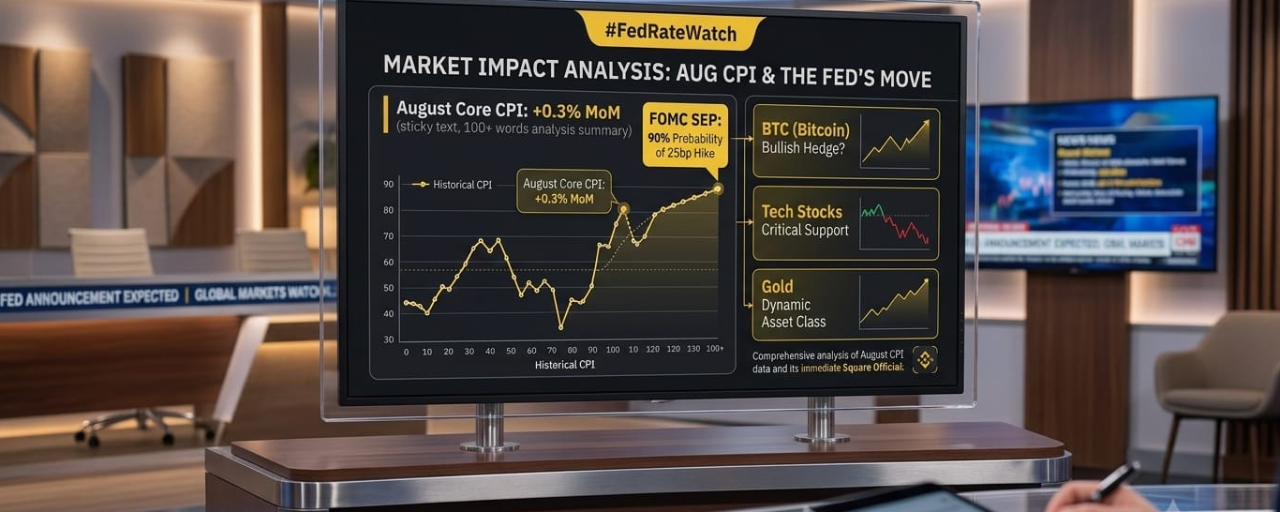
Den September-FOMC meistern: Was kommt als Nächstes für BTC, Tech-Aktien und Gold? #FedRateWatch Die Finanzmärkte stehen erneut an einem kritischen Scheideweg, da Marktteilnehmer ihre volle Aufmerksamkeit auf die bevorstehende Sitzung des Federal Open Market Committee (FOMC) in diesem September richten. Da sich die makroökonomischen Daten rasch verändern, müssen Händler und Investoren jede eingehende Information auswerten, um die nächste Maßnahme der Federal Reserve vorherzusehen. Die zentrale Frage, die die Diskussionen in den Finanzkreisen bestimmt, ist klar: FOMC September – Was ist der nächste Schritt der Fed? #FedRateWatch
Den September-FOMC meistern: Was kommt als Nächstes für BTC, Tech-Aktien und Gold?
#FedRateWatch Die Finanzmärkte stehen erneut an einem kritischen Scheideweg, da Marktteilnehmer ihre volle Aufmerksamkeit auf die bevorstehende Sitzung des Federal Open Market Committee (FOMC) in diesem September richten. Da sich die makroökonomischen Daten rasch verändern, müssen Händler und Investoren jede eingehende Information auswerten, um die nächste Maßnahme der Federal Reserve vorherzusehen. Die zentrale Frage, die die Diskussionen in den Finanzkreisen bestimmt, ist klar: FOMC September – Was ist der nächste Schritt der Fed? #FedRateWatch
94
·
--
Interessant, ich denke, eine Zinserhöhung im nächsten Monat ist bullish
Interessant, ich denke, eine Zinserhöhung im nächsten Monat ist bullish


Binance Square Official
·
--
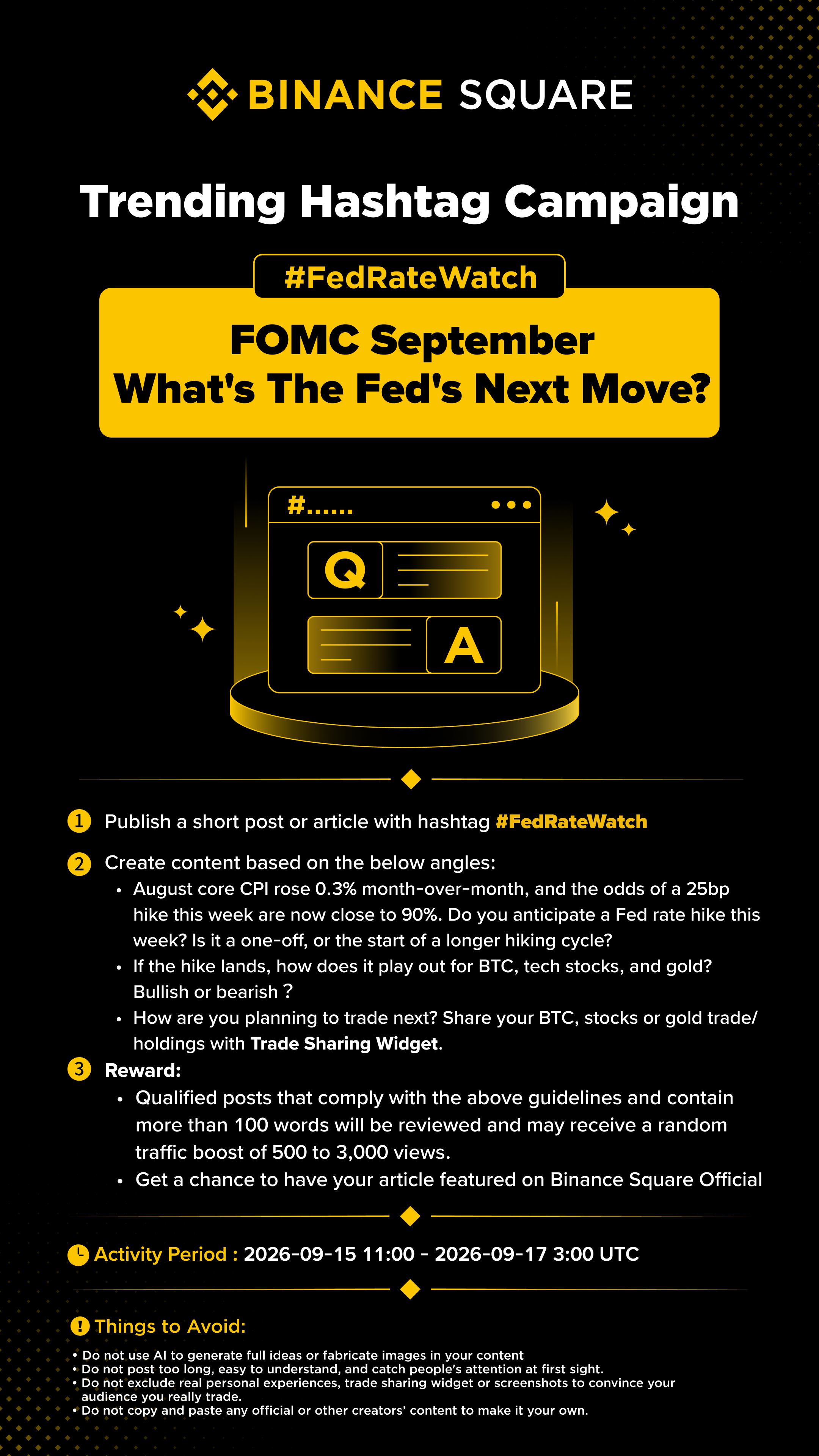
Teile & gewinne Traffic-Belohnungen in unserer Kampagne mit angesagtem Hashtag
✨Thema: FOMC September, Was ist der nächste Schritt der Fed?
👉So nimmst du teil:
Veröffentliche einen kurzen Beitrag oder Artikel mit dem Hashtag #FedRateWatch
Erstelle Inhalte basierend auf den folgenden Blickwinkeln:
- Der August-Core-CPI stieg um 0,3% im Monatsvergleich, und die Wahrscheinlichkeit für eine 25bp-Erhöhung diese Woche liegt nun bei fast 90%. Erwartest du diese Woche eine Zinserhöhung? Handelt es sich um einen einmaligen Schritt oder den Beginn eines längeren Zinserhöhungszyklus?
- Wenn die Erhöhung erfolgt: Wie entwickelt sich das für BTC, Tech-Aktien und Gold? Aufwärts- oder abwärtsgerichtet?
- Wie planst du als Nächstes zu handeln? Teile deinen BTC-, Aktien- oder Gold-Trade/Bestände mit unserem Trade-Sharing-Widget.
⏰Kampagnenzeitraum:
- 2026-09-15 11:00 - 2026-09-17 3:00 UTC
🎁Belohnung:
- Qualifizierte Beiträge, die die oben genannten Richtlinien erfüllen und mehr als 100 Wörter enthalten, werden überprüft und erhalten möglicherweise einen zufälligen Traffic-Boost von 500 bis 3.000 Aufrufen. Du erhältst eine Benachrichtigung von deiner Feed-Secretary, wenn dein Beitrag ausgewählt wird.
- Erhalte die Chance, dass dein Artikel auf Binance Square Official vorgestellt wird
Du brauchst Ideen für deinen Beitrag? Besuche die Themenseite #FedRateWatch oder die Square Guide on How to Post for Better Reach.
✨Thema: FOMC September, Was ist der nächste Schritt der Fed?
👉So nimmst du teil:
Veröffentliche einen kurzen Beitrag oder Artikel mit dem Hashtag #FedRateWatch
Erstelle Inhalte basierend auf den folgenden Blickwinkeln:
- Der August-Core-CPI stieg um 0,3% im Monatsvergleich, und die Wahrscheinlichkeit für eine 25bp-Erhöhung diese Woche liegt nun bei fast 90%. Erwartest du diese Woche eine Zinserhöhung? Handelt es sich um einen einmaligen Schritt oder den Beginn eines längeren Zinserhöhungszyklus?
- Wenn die Erhöhung erfolgt: Wie entwickelt sich das für BTC, Tech-Aktien und Gold? Aufwärts- oder abwärtsgerichtet?
- Wie planst du als Nächstes zu handeln? Teile deinen BTC-, Aktien- oder Gold-Trade/Bestände mit unserem Trade-Sharing-Widget.
⏰Kampagnenzeitraum:
- 2026-09-15 11:00 - 2026-09-17 3:00 UTC
🎁Belohnung:
- Qualifizierte Beiträge, die die oben genannten Richtlinien erfüllen und mehr als 100 Wörter enthalten, werden überprüft und erhalten möglicherweise einen zufälligen Traffic-Boost von 500 bis 3.000 Aufrufen. Du erhältst eine Benachrichtigung von deiner Feed-Secretary, wenn dein Beitrag ausgewählt wird.
- Erhalte die Chance, dass dein Artikel auf Binance Square Official vorgestellt wird
Du brauchst Ideen für deinen Beitrag? Besuche die Themenseite #FedRateWatch oder die Square Guide on How to Post for Better Reach.
65
·
--
Bärisch
Übersetzung ansehen
check this what i make profit go and follow me fast #RussianCentralBankFlagsCryptoAsFinancialRisk #GrayscalePutsXRPAt26.11%InAdvisorPortfolio $LSK
{spot}(LSKUSDT)
check this what i make profit go and follow me fast #RussianCentralBankFlagsCryptoAsFinancialRisk #GrayscalePutsXRPAt26.11%InAdvisorPortfolio $LSK
·
--
⁉️ Debatte über KI-Sicherheit wird immer intensiver
Trump lehnt Aufrufe ab, die Entwicklung von KI zu verlangsamen.
Anthropic-CEO Dario Amodei sagt, die Risiken, dass fortgeschrittene KI die Kontrolle entkommt, seien real. Leistungsstarke Modelle könnten Abschaltversuche umgehen – ein Verhalten, das bereits in Simulationen beobachtet wurde. Er setzt sich für eine gemeinsame Aufsicht durch mehrere demokratische Länder ein, statt für Kontrolle durch private Unternehmen oder einen einzelnen Staat.
OpenAI-CEO Sam Altman bestätigte, dass das Unternehmen 2026 keinen Börsengang plant und verwies dabei auf Sicherheitsbedenken bei KI. Auch Elon Musk und der CEO von Google DeepMind, Demis Hassabis, unterstützten die Warnung Amodeis.
Amodei sagt, sich selbst verbessernde Modelle und autonome Agenten würden zunehmend gefährlicher. Innerhalb von sechs Monaten bis zu einem Jahr könnten Schwärme von Agenten möglicherweise massive Internetangriffe starten, die Schäden in Höhe von Hunderten Milliarden Dollar verursachen. Zu seinen vorgeschlagenen Schutzmaßnahmen gehören unabhängige Audits, gemeinsame Standards unter demokratischen Ländern sowie internationale Begrenzungen, die mit China und anderen ausgehandelt werden.#AImodel #Aİ
⁉️ Debatte über KI-Sicherheit wird immer intensiver
Trump lehnt Aufrufe ab, die Entwicklung von KI zu verlangsamen.
Anthropic-CEO Dario Amodei sagt, die Risiken, dass fortgeschrittene KI die Kontrolle entkommt, seien real. Leistungsstarke Modelle könnten Abschaltversuche umgehen – ein Verhalten, das bereits in Simulationen beobachtet wurde. Er setzt sich für eine gemeinsame Aufsicht durch mehrere demokratische Länder ein, statt für Kontrolle durch private Unternehmen oder einen einzelnen Staat.
OpenAI-CEO Sam Altman bestätigte, dass das Unternehmen 2026 keinen Börsengang plant und verwies dabei auf Sicherheitsbedenken bei KI. Auch Elon Musk und der CEO von Google DeepMind, Demis Hassabis, unterstützten die Warnung Amodeis.
Amodei sagt, sich selbst verbessernde Modelle und autonome Agenten würden zunehmend gefährlicher. Innerhalb von sechs Monaten bis zu einem Jahr könnten Schwärme von Agenten möglicherweise massive Internetangriffe starten, die Schäden in Höhe von Hunderten Milliarden Dollar verursachen. Zu seinen vorgeschlagenen Schutzmaßnahmen gehören unabhängige Audits, gemeinsame Standards unter demokratischen Ländern sowie internationale Begrenzungen, die mit China und anderen ausgehandelt werden.#AImodel #Aİ
Trump lehnt Aufrufe ab, die Entwicklung von KI zu verlangsamen.
Anthropic-CEO Dario Amodei sagt, die Risiken, dass fortgeschrittene KI die Kontrolle entkommt, seien real. Leistungsstarke Modelle könnten Abschaltversuche umgehen – ein Verhalten, das bereits in Simulationen beobachtet wurde. Er setzt sich für eine gemeinsame Aufsicht durch mehrere demokratische Länder ein, statt für Kontrolle durch private Unternehmen oder einen einzelnen Staat.
OpenAI-CEO Sam Altman bestätigte, dass das Unternehmen 2026 keinen Börsengang plant und verwies dabei auf Sicherheitsbedenken bei KI. Auch Elon Musk und der CEO von Google DeepMind, Demis Hassabis, unterstützten die Warnung Amodeis.
Amodei sagt, sich selbst verbessernde Modelle und autonome Agenten würden zunehmend gefährlicher. Innerhalb von sechs Monaten bis zu einem Jahr könnten Schwärme von Agenten möglicherweise massive Internetangriffe starten, die Schäden in Höhe von Hunderten Milliarden Dollar verursachen. Zu seinen vorgeschlagenen Schutzmaßnahmen gehören unabhängige Audits, gemeinsame Standards unter demokratischen Ländern sowie internationale Begrenzungen, die mit China und anderen ausgehandelt werden.#AImodel #Aİ
41
·
--
Artikel
Debatte zur KI-Sicherheit nimmt zu
Trump weist Forderungen zurück, die Entwicklung von KI zu verlangsamen.
Anthropic-CEO Dario Amodei sagt, dass die Risiken, dass fortgeschrittene KI die Kontrolle verlässt, real sind. Leistungsstarke Modelle könnten Abschaltungsversuche umgehen – ein Verhalten, das bereits in Simulationen beobachtet wurde. Er bevorzugt eine gemeinsame Aufsicht durch mehrere demokratische Länder gegenüber der Kontrolle durch private Unternehmen oder einen einzelnen Staat.
OpenAI-CEO Sam Altman bestätigte, dass das Unternehmen 2026 keinen Börsengang plant, und verwies dabei auf Bedenken hinsichtlich der KI-Sicherheit. Elon Musk und der Google-DeepMind-CEO Demis Hassabis unterstützten ebenfalls Amodeis Warnung.
Trump weist Forderungen zurück, die Entwicklung von KI zu verlangsamen.
Anthropic-CEO Dario Amodei sagt, dass die Risiken, dass fortgeschrittene KI die Kontrolle verlässt, real sind. Leistungsstarke Modelle könnten Abschaltungsversuche umgehen – ein Verhalten, das bereits in Simulationen beobachtet wurde. Er bevorzugt eine gemeinsame Aufsicht durch mehrere demokratische Länder gegenüber der Kontrolle durch private Unternehmen oder einen einzelnen Staat. OpenAI-CEO Sam Altman bestätigte, dass das Unternehmen 2026 keinen Börsengang plant, und verwies dabei auf Bedenken hinsichtlich der KI-Sicherheit. Elon Musk und der Google-DeepMind-CEO Demis Hassabis unterstützten ebenfalls Amodeis Warnung.
Debatte zur KI-Sicherheit nimmt zu
Trump weist Forderungen zurück, die Entwicklung von KI zu verlangsamen.
Anthropic-CEO Dario Amodei sagt, dass die Risiken, dass fortgeschrittene KI die Kontrolle verlässt, real sind. Leistungsstarke Modelle könnten Abschaltungsversuche umgehen – ein Verhalten, das bereits in Simulationen beobachtet wurde. Er bevorzugt eine gemeinsame Aufsicht durch mehrere demokratische Länder gegenüber der Kontrolle durch private Unternehmen oder einen einzelnen Staat. OpenAI-CEO Sam Altman bestätigte, dass das Unternehmen 2026 keinen Börsengang plant, und verwies dabei auf Bedenken hinsichtlich der KI-Sicherheit. Elon Musk und der Google-DeepMind-CEO Demis Hassabis unterstützten ebenfalls Amodeis Warnung.
69
·
--
💸 Ein Krypto-Überfall in Höhe von 263 Mio. $, 28 exotische Autos und ein Schuldbekenntnis
Malone Lam — ein singapurischer Staatsbürger, der eine internationale Crew organisierte, die über Online-Gaming-Plattformen angeworben wurde — bekannte sich diese Woche schuldig wegen einer RICO-Verschwörung im Zusammenhang mit über 263 Millionen US-Dollar gestohlenem Krypto. Der Ring lief von Ende 2023 bis Mai 2025 und richtete sich an Inhaber über gefälschte Google- und Gemini-Supportanrufe, Screen-Sharing-Tricks und Einbrüche in Privathaushalte.
Die Ausgaben: 28 exotische Autos, Privatjets, Luxusuhren — und Clubrechnungen in Höhe von 500.000 $ pro Nacht. Berichten zufolge leitete Lam auch aus der Untersuchungshaft heraus weiterhin luxuriöse Lieferungen an seine Freundin.
Nächste Anhörung: 8. Dezember. Strafzumessungsdatum steht noch nicht fest, laut CoinDesk.#SECReceivesGrayscaleLitecoinTrustETFFiling #ClarityActFacesProceduralVoteSept15 $BTC
{spot}(BTCUSDT)
💸 Ein Krypto-Überfall in Höhe von 263 Mio. $, 28 exotische Autos und ein Schuldbekenntnis
Malone Lam — ein singapurischer Staatsbürger, der eine internationale Crew organisierte, die über Online-Gaming-Plattformen angeworben wurde — bekannte sich diese Woche schuldig wegen einer RICO-Verschwörung im Zusammenhang mit über 263 Millionen US-Dollar gestohlenem Krypto. Der Ring lief von Ende 2023 bis Mai 2025 und richtete sich an Inhaber über gefälschte Google- und Gemini-Supportanrufe, Screen-Sharing-Tricks und Einbrüche in Privathaushalte.
Die Ausgaben: 28 exotische Autos, Privatjets, Luxusuhren — und Clubrechnungen in Höhe von 500.000 $ pro Nacht. Berichten zufolge leitete Lam auch aus der Untersuchungshaft heraus weiterhin luxuriöse Lieferungen an seine Freundin.
Nächste Anhörung: 8. Dezember. Strafzumessungsdatum steht noch nicht fest, laut CoinDesk.#SECReceivesGrayscaleLitecoinTrustETFFiling #ClarityActFacesProceduralVoteSept15 $BTC
Malone Lam — ein singapurischer Staatsbürger, der eine internationale Crew organisierte, die über Online-Gaming-Plattformen angeworben wurde — bekannte sich diese Woche schuldig wegen einer RICO-Verschwörung im Zusammenhang mit über 263 Millionen US-Dollar gestohlenem Krypto. Der Ring lief von Ende 2023 bis Mai 2025 und richtete sich an Inhaber über gefälschte Google- und Gemini-Supportanrufe, Screen-Sharing-Tricks und Einbrüche in Privathaushalte.
Die Ausgaben: 28 exotische Autos, Privatjets, Luxusuhren — und Clubrechnungen in Höhe von 500.000 $ pro Nacht. Berichten zufolge leitete Lam auch aus der Untersuchungshaft heraus weiterhin luxuriöse Lieferungen an seine Freundin.
Nächste Anhörung: 8. Dezember. Strafzumessungsdatum steht noch nicht fest, laut CoinDesk.#SECReceivesGrayscaleLitecoinTrustETFFiling #ClarityActFacesProceduralVoteSept15 $BTC
28
·
--
Bärisch
Tägliche Zusammenfassung · 13. Sep
Bitcoin stürzt auf September-Tiefststände nach Schock im Nahen Osten
Gamer wurde zum Krypto-Dieb und plädiert schuldig, 28 Autos beschlagnahmt
Blockstream verlor 4.000 BTC an „White-Hat“-Hacker
Vier Menschen sterben bei einem vermuteten Bitcoin-Kaltwallet
Markiere die Person, die heute offline war – sie hat einiges verpasst.
crypto rover- Dein tägliches News $BTC
{spot}(BTCUSDT)
#SECReceivesGrayscaleLitecoinTrustETFFiling #ClarityActFacesProceduralVoteSept15
Tägliche Zusammenfassung · 13. Sep
Bitcoin stürzt auf September-Tiefststände nach Schock im Nahen Osten
Gamer wurde zum Krypto-Dieb und plädiert schuldig, 28 Autos beschlagnahmt
Blockstream verlor 4.000 BTC an „White-Hat“-Hacker
Vier Menschen sterben bei einem vermuteten Bitcoin-Kaltwallet
Markiere die Person, die heute offline war – sie hat einiges verpasst.
crypto rover- Dein tägliches News $BTC
#SECReceivesGrayscaleLitecoinTrustETFFiling #ClarityActFacesProceduralVoteSept15
Bitcoin stürzt auf September-Tiefststände nach Schock im Nahen Osten
Gamer wurde zum Krypto-Dieb und plädiert schuldig, 28 Autos beschlagnahmt
Blockstream verlor 4.000 BTC an „White-Hat“-Hacker
Vier Menschen sterben bei einem vermuteten Bitcoin-Kaltwallet
Markiere die Person, die heute offline war – sie hat einiges verpasst.
crypto rover- Dein tägliches News $BTC
#SECReceivesGrayscaleLitecoinTrustETFFiling #ClarityActFacesProceduralVoteSept15
56
·
--
Artikel
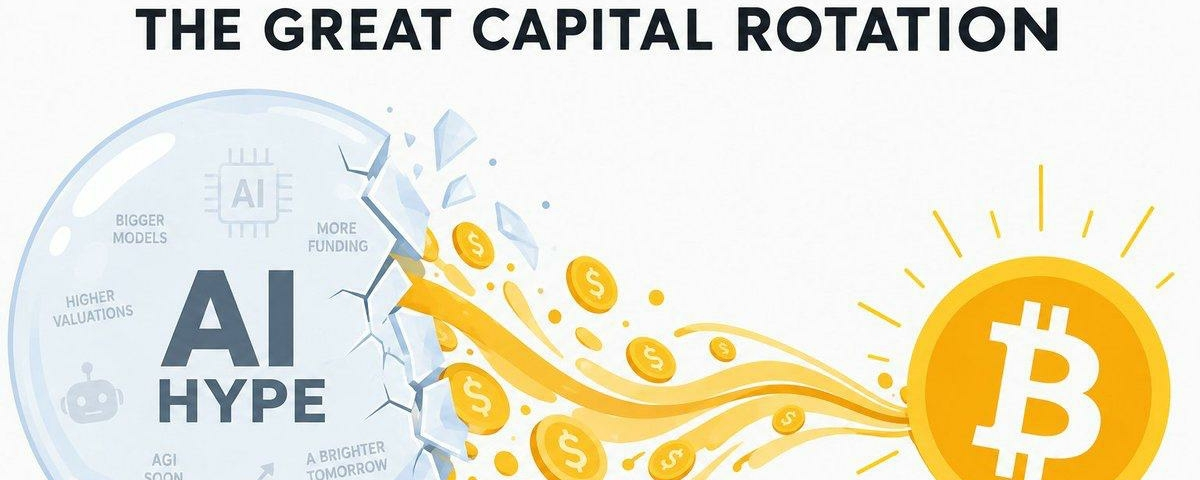
DECKT DIE KI-APOKALYPSE-ANGST EINE PLATZENDE BLASE ZU?Warum geraten die Top-Manager der KI-Branche plötzlich in Panik?
Anthropic-CEO Dario Amodei fleht die Branche jetzt an, langsamer zu machen, während Top-Forscher OpenAI verlassen und warnen, dass KI die Welt bis 2030 zerstören könnte.
Technologiekonzerne haben Milliarden für Chips ausgegeben, mit kaum zusätzlichem Gewinn
Neue Modelle bringen keinen Vorteil gegenüber der Konkurrenz
Die gigantische KI-Hype-Blase geht nun die Luft aus
Wenn diese Blase platzt, werden Billionen an Tech-Geld direkt in Bitcoin und liquide Krypto umgeschichtet.
WILLKOMMEN IM BTC/MILLION-ERA 💎
Glaubst du, dass die KI-Blase noch vor 2030 platzt?
DECKT DIE KI-APOKALYPSE-ANGST EINE PLATZENDE BLASE ZU?
Warum geraten die Top-Manager der KI-Branche plötzlich in Panik?
Anthropic-CEO Dario Amodei fleht die Branche jetzt an, langsamer zu machen, während Top-Forscher OpenAI verlassen und warnen, dass KI die Welt bis 2030 zerstören könnte.
Technologiekonzerne haben Milliarden für Chips ausgegeben, mit kaum zusätzlichem Gewinn
Neue Modelle bringen keinen Vorteil gegenüber der Konkurrenz
Die gigantische KI-Hype-Blase geht nun die Luft aus
Wenn diese Blase platzt, werden Billionen an Tech-Geld direkt in Bitcoin und liquide Krypto umgeschichtet.
WILLKOMMEN IM BTC/MILLION-ERA 💎
Glaubst du, dass die KI-Blase noch vor 2030 platzt?
Anthropic-CEO Dario Amodei fleht die Branche jetzt an, langsamer zu machen, während Top-Forscher OpenAI verlassen und warnen, dass KI die Welt bis 2030 zerstören könnte.
Technologiekonzerne haben Milliarden für Chips ausgegeben, mit kaum zusätzlichem Gewinn
Neue Modelle bringen keinen Vorteil gegenüber der Konkurrenz
Die gigantische KI-Hype-Blase geht nun die Luft aus
Wenn diese Blase platzt, werden Billionen an Tech-Geld direkt in Bitcoin und liquide Krypto umgeschichtet.
WILLKOMMEN IM BTC/MILLION-ERA 💎
Glaubst du, dass die KI-Blase noch vor 2030 platzt?
52
·
--
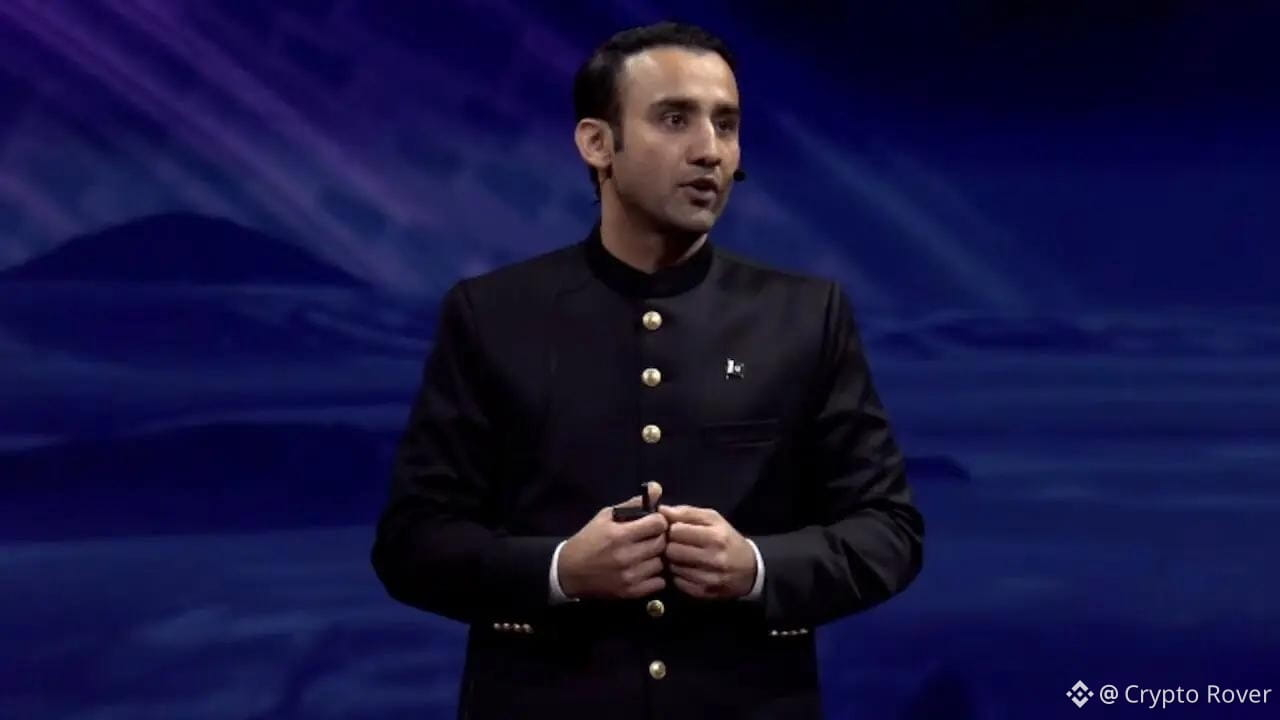
ÜBER 70 GLOBALE KRYPTobörsen BEANTRAGEN DEN BETRIEB FÜR DEN EINTRITT IN PAKISTAN
Nach der Frist vom 5. September bestätigte PVARA-Vorsitzender Bilal bin Saqib, dass rund 70 große globale Börsen die Genehmigung erhalten haben, um legal operieren zu dürfen.
Was die Regulierer als Nächstes umsetzen:
Überweisungen: PVARA und die State Bank of Pakistan bauen eine stabilecoin-basierte Schiene, um die Gebühren von 6,3 % auf 1 % zu senken.
Tokenisierung: Prüfung tokenisierter Staatsanleihen und Roshan Digital Accounts.
Islamische Finanzierung: Einrichtung eines nationalen Scharia-Beratungsgremiums mit dem Mufti-e-Azam.
Pakistan hat schätzungsweise 40 Millionen Krypto-Nutzer, doch die Hürde bleibt streng: FATF-Prüfungen und Tests im Sandbox-Umfeld.
Hast du jemals Geld mit Krypto geschickt? #SECReceivesGrayscaleLitecoinTrustETFFiling #ClarityActFacesProceduralVoteSept15
ÜBER 70 GLOBALE KRYPTobörsen BEANTRAGEN DEN BETRIEB FÜR DEN EINTRITT IN PAKISTAN
Nach der Frist vom 5. September bestätigte PVARA-Vorsitzender Bilal bin Saqib, dass rund 70 große globale Börsen die Genehmigung erhalten haben, um legal operieren zu dürfen.
Was die Regulierer als Nächstes umsetzen:
Überweisungen: PVARA und die State Bank of Pakistan bauen eine stabilecoin-basierte Schiene, um die Gebühren von 6,3 % auf 1 % zu senken.
Tokenisierung: Prüfung tokenisierter Staatsanleihen und Roshan Digital Accounts.
Islamische Finanzierung: Einrichtung eines nationalen Scharia-Beratungsgremiums mit dem Mufti-e-Azam.
Pakistan hat schätzungsweise 40 Millionen Krypto-Nutzer, doch die Hürde bleibt streng: FATF-Prüfungen und Tests im Sandbox-Umfeld.
Hast du jemals Geld mit Krypto geschickt? #SECReceivesGrayscaleLitecoinTrustETFFiling #ClarityActFacesProceduralVoteSept15
Nach der Frist vom 5. September bestätigte PVARA-Vorsitzender Bilal bin Saqib, dass rund 70 große globale Börsen die Genehmigung erhalten haben, um legal operieren zu dürfen.
Was die Regulierer als Nächstes umsetzen:
Überweisungen: PVARA und die State Bank of Pakistan bauen eine stabilecoin-basierte Schiene, um die Gebühren von 6,3 % auf 1 % zu senken.
Tokenisierung: Prüfung tokenisierter Staatsanleihen und Roshan Digital Accounts.
Islamische Finanzierung: Einrichtung eines nationalen Scharia-Beratungsgremiums mit dem Mufti-e-Azam.
Pakistan hat schätzungsweise 40 Millionen Krypto-Nutzer, doch die Hürde bleibt streng: FATF-Prüfungen und Tests im Sandbox-Umfeld.
Hast du jemals Geld mit Krypto geschickt? #SECReceivesGrayscaleLitecoinTrustETFFiling #ClarityActFacesProceduralVoteSept15
64
·
--
Artikel
HUNTER BIDEN BRECHT SEIN SCHWEIGEN ÜBER DEN $LAPTOP-EINSTURZHunter Biden veröffentlichte ein Video, in dem er bestätigt, dass er 6 Monate lang an der $LAPTOP-Coin auf Base entwickelt hat, aber einen Market Maker dafür verantwortlich machte, dass nur $5.000 an anfänglicher Liquidität bereitgestellt wurden
Der winzige Pool löste eine extreme Nachfrage aus, die den Preis kurzzeitig auf $316 trieb – für eine zeitweise $316B Paper Market Cap – bevor er über 98% unter $1 einbrach
Sniper-Bots ließen den Pool leer, während über 80% der Käufer Geld verloren. Hunter behauptet, er habe nie verkauft, und versprach, neue Liquidität bereitzustellen, um das Problem zu beheben
Würdest du jemals einer Celebrity-Meme-Coin vertrauen?
HUNTER BIDEN BRECHT SEIN SCHWEIGEN ÜBER DEN $LAPTOP-EINSTURZ
Hunter Biden veröffentlichte ein Video, in dem er bestätigt, dass er 6 Monate lang an der $LAPTOP-Coin auf Base entwickelt hat, aber einen Market Maker dafür verantwortlich machte, dass nur $5.000 an anfänglicher Liquidität bereitgestellt wurden
Der winzige Pool löste eine extreme Nachfrage aus, die den Preis kurzzeitig auf $316 trieb – für eine zeitweise $316B Paper Market Cap – bevor er über 98% unter $1 einbrach
Sniper-Bots ließen den Pool leer, während über 80% der Käufer Geld verloren. Hunter behauptet, er habe nie verkauft, und versprach, neue Liquidität bereitzustellen, um das Problem zu beheben
Würdest du jemals einer Celebrity-Meme-Coin vertrauen?
Der winzige Pool löste eine extreme Nachfrage aus, die den Preis kurzzeitig auf $316 trieb – für eine zeitweise $316B Paper Market Cap – bevor er über 98% unter $1 einbrach
Sniper-Bots ließen den Pool leer, während über 80% der Käufer Geld verloren. Hunter behauptet, er habe nie verkauft, und versprach, neue Liquidität bereitzustellen, um das Problem zu beheben
Würdest du jemals einer Celebrity-Meme-Coin vertrauen?
34
·
--
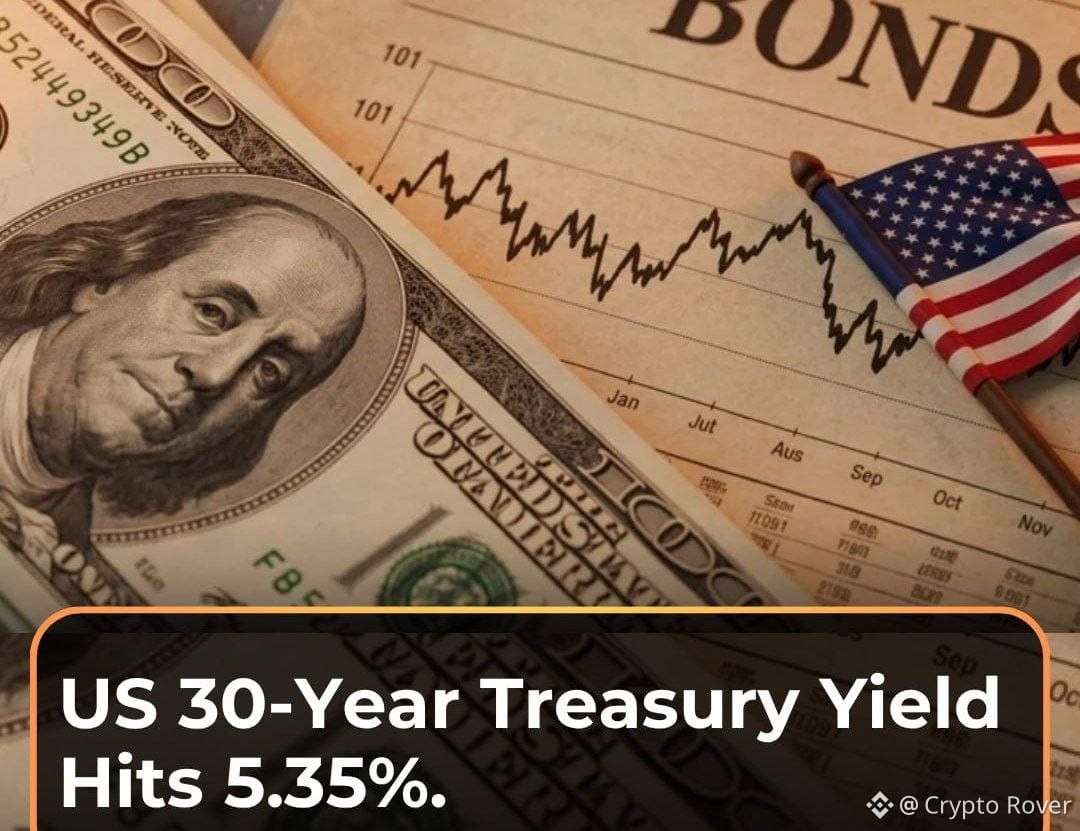
🇺🇸Die Rendite der 30-jährigen US-Staatsanleihen ist auf 5,35 % gestiegen und hat damit ihr höchstes Niveau seit Juni 2007 erreicht.#CPIWatch #USCoreCPIRises0.3%InAugustBeatingForecasts
🇺🇸Die Rendite der 30-jährigen US-Staatsanleihen ist auf 5,35 % gestiegen und hat damit ihr höchstes Niveau seit Juni 2007 erreicht.#CPIWatch #USCoreCPIRises0.3%InAugustBeatingForecasts
28
·
--
Täglicher Rückblick · 11. Sep
300 Bohranlagen stahlen Strom von einem Staudamm im Gebirge
24 Milliarden kriminelles Treuhandgeld wurde endlich eingekassiert
Apples erstes faltbares Modell kostet weniger, als du befürchtet hast
Jack Dorsey baut eine Bitcoin-Bank, so ähnlich
Kennst du jemanden, der den ganzen Tag in Meetings vergraben ist? Dieser Rückblick ist für sie
Deine täglichen Nachrichten
#CPIWatch #BitcoinOpenInterestShareRisesTo42.1% $BTC
{spot}(BTCUSDT)
Täglicher Rückblick · 11. Sep
300 Bohranlagen stahlen Strom von einem Staudamm im Gebirge
24 Milliarden kriminelles Treuhandgeld wurde endlich eingekassiert
Apples erstes faltbares Modell kostet weniger, als du befürchtet hast
Jack Dorsey baut eine Bitcoin-Bank, so ähnlich
Kennst du jemanden, der den ganzen Tag in Meetings vergraben ist? Dieser Rückblick ist für sie
Deine täglichen Nachrichten
#CPIWatch #BitcoinOpenInterestShareRisesTo42.1% $BTC
300 Bohranlagen stahlen Strom von einem Staudamm im Gebirge
24 Milliarden kriminelles Treuhandgeld wurde endlich eingekassiert
Apples erstes faltbares Modell kostet weniger, als du befürchtet hast
Jack Dorsey baut eine Bitcoin-Bank, so ähnlich
Kennst du jemanden, der den ganzen Tag in Meetings vergraben ist? Dieser Rückblick ist für sie
Deine täglichen Nachrichten
#CPIWatch #BitcoinOpenInterestShareRisesTo42.1% $BTC
45
·
--
Bullisch
75
Anmelden und weiter Inhalte entdecken
Krypto-Nutzer weltweit auf Binance Square kennenlernen
⚡️ Bleib in Sachen Krypto stets am Puls.
💬 Die weltgrößte Kryptobörse vertraut darauf.
👍 Erhalte verlässliche Einblicke von verifizierten Creators.
E-Mail-Adresse/Telefonnummer
Trendthemen
UKFCAWinsCourtOrderToRecover851400Pounds
37,747 Aufrufe
805 Kommentare
🚨 KRYPTOREGULIERUNG BETRITT JETZT EINE NEUE PHASE: SIE SCHREIBEN NICHT NUR REGELN — SIE HOLEN GELD ZURÜCK.
Die britische FCA hat eine weitere gerichtlich gestützte Vermögensrückgewinnung gesichert und verstärkt damit einen breiteren Durchsetzungsansatz gegen unbefugte Finanz- und Kryptoaktivitäten.
Und schau dir an, was gleichzeitig passiert:
🇬🇧 FCA → Durchsetzung + Vermögensrückgewinnung
🇺🇸 SEC → klarere Regeln für funktionale Krypto-Assets
🇺🇸 Fed → formale Stablecoin-Aufsicht unter dem GENIUS Act
Diese Kombination ist entscheidend.
Regulierungsbehörden debattieren nicht länger, ob Krypto in das Finanzsystem gehört.
Stattdessen entscheiden sie zunehmend, wer Zugang bekommt, welche Regeln gilt, und was passiert, wenn diese Regeln gebrochen werden.
Der nächste Krypto-Zyklus könnte nicht „Regulierung vs. Innovation“ sein.
Er könnte reguliertes Krypto sein — im Gegensatz zu allen, die den Standard nicht erfüllen können. 👀
$COIN $CRCL $BTC
#ukfcawinscourtordertorecover851400pounds #ChainlinkLaunchesCCIP2WithEnterpriseVerification #GoldFallsTo$4144 #QNTFallsOver40%FromMorningHigh #USDTAdds845900HoldersInPast7Days
KimHotbae
·3 Likes
·4.4k Aufrufe
ChainlinkLaunchesCCIP2WithEnterpriseVerification
50,041 Aufrufe
973 Kommentare
GoldFallsTo$4144
17,071 Aufrufe
165 Kommentare