
Crypto Music
186 Beiträge

Crypto Music
Melden
Nutzer blockieren
I’am an absolute bad trader, please don’t follow me. Sabe your money and Your Family. 😎 I’m literally just posting what i want to say 🤑
Hochfrequenz-Trader
1.5 Jahre
89 Following
235 Follower
148 Like gegeben
Beiträge
Alle
Zitierungen
Videos
PINNED
·
--
#altsesaon Es gibt so etwas wie eine "Alt-Saison" nicht. Lass dich niemals täuschen.
#altsesaon Es gibt so etwas wie eine "Alt-Saison" nicht. Lass dich niemals täuschen.
4
16
·
--

Artikel
Übersetzung ansehen
29 November 2026 · 11:41 UTC
By Crypto MusicPut the chart down for a minute. Just read. One guy says, “That was the bottom.” The next guy says, “Stay out. Bitcoin’s going lower.” I’d love to know what each of them bought five minutes before hitting Post. 😂
Maybe the bearish guy means every word. Maybe a whale is quietly buying a few BTC each time someone gets nervous enough to sell. Why buy everything at once and make the last coins more expensive? A little green spike shows up, the price drifts back down, and I wonder if somebody just picked up another batch. Candles don’t come with usernames.🤯
Or maybe the guy saying “short it” already has a long open. He only wants a small bounce. If enough shorts get squeezed, their rush to buy back could give him the exit he wants. A narrow target can pay nicely on a big position.
And fear travels just fine on a small account. One trader writes it, ten others repeat it, and suddenly your whole feed sounds very sure about tomorrow.
Some of the smartest people in this market will never be whales.
Some whales will never be the smartest people in the room.
They’re all human. Each has a strategy. Each can be wrong.🤪
What changes is the price of being wrong. A $1,000 loss could take a smart trader’s entire margin. To a whale sitting on $1 billion, the very same loss is 0.0001%. One trader lies awake all night. The other has to count the zeros to find it. 😅
Here’s what I actually saw in November. Several times, bright bands lit up above Bitcoin on the liquidation heatmap. If BTC climbed that high, shorts could be forced to buy back. I kept looking up. Bitcoin kept going down.
Spot buyers did step in. When they pushed BTC high enough, some shorts had to buy back their contracts, giving the bounce another push. For a few minutes, traders who wanted Bitcoin and traders who desperately wanted out of a short were buying side by side.
Meanwhile, more money was leaving U.S. spot Bitcoin ETFs than entering them. By November 27, the difference was $5.78 billion for the month. BTC moving into an exchange is a different story. It tells me the coins arrived. Whether the owner sold them is another question.
🐳🐋🐳🐋🐳
Late in the month, I watched BTC bounce from $55,130 to around $59,030. A $3,900 move. Even after that, at 11:41 UTC on November 29, Bitcoin was still down nearly 24% for the month.
My guess? I saw money leaving through ETFs, and aggressive sellers came back more than once. Buyers could lift BTC, especially with shorts helping on the way up. Once that forced buying faded, demand at the higher prices looked thin. Another leg down still looks possible to me. Bearish.
What would change my mind? A whale big enough could step in and send BTC flying. I’d watch what happens after the spike. If sellers hit it again and buyers keep taking everything they offer without giving back the rally, I’d start to think $55,130 may have been the bottom after all. The part I want to see is who’s still buying when nobody has to.
=========
What If the Guy Telling You to Short Bitcoin Is Long?
And what do you have on your side to make that trade pay off? How much time are you willing to give it, and how much money can you afford to lose if you’re wrong?
And tell me, what's going to happen next and how will your story go?
#Btc #Price-Prediction #Whale.Alert #SmartTradingStrategies
{spot}(BTCUSDT)
29 November 2026 · 11:41 UTC By Crypto Music
Put the chart down for a minute. Just read. One guy says, “That was the bottom.” The next guy says, “Stay out. Bitcoin’s going lower.” I’d love to know what each of them bought five minutes before hitting Post. 😂
Maybe the bearish guy means every word. Maybe a whale is quietly buying a few BTC each time someone gets nervous enough to sell. Why buy everything at once and make the last coins more expensive? A little green spike shows up, the price drifts back down, and I wonder if somebody just picked up another batch. Candles don’t come with usernames.🤯
Or maybe the guy saying “short it” already has a long open. He only wants a small bounce. If enough shorts get squeezed, their rush to buy back could give him the exit he wants. A narrow target can pay nicely on a big position.
And fear travels just fine on a small account. One trader writes it, ten others repeat it, and suddenly your whole feed sounds very sure about tomorrow.
Some of the smartest people in this market will never be whales.
Some whales will never be the smartest people in the room.
They’re all human. Each has a strategy. Each can be wrong.🤪
What changes is the price of being wrong. A $1,000 loss could take a smart trader’s entire margin. To a whale sitting on $1 billion, the very same loss is 0.0001%. One trader lies awake all night. The other has to count the zeros to find it. 😅
Here’s what I actually saw in November. Several times, bright bands lit up above Bitcoin on the liquidation heatmap. If BTC climbed that high, shorts could be forced to buy back. I kept looking up. Bitcoin kept going down.
Spot buyers did step in. When they pushed BTC high enough, some shorts had to buy back their contracts, giving the bounce another push. For a few minutes, traders who wanted Bitcoin and traders who desperately wanted out of a short were buying side by side.
Meanwhile, more money was leaving U.S. spot Bitcoin ETFs than entering them. By November 27, the difference was $5.78 billion for the month. BTC moving into an exchange is a different story. It tells me the coins arrived. Whether the owner sold them is another question.
🐳🐋🐳🐋🐳
Late in the month, I watched BTC bounce from $55,130 to around $59,030. A $3,900 move. Even after that, at 11:41 UTC on November 29, Bitcoin was still down nearly 24% for the month.
My guess? I saw money leaving through ETFs, and aggressive sellers came back more than once. Buyers could lift BTC, especially with shorts helping on the way up. Once that forced buying faded, demand at the higher prices looked thin. Another leg down still looks possible to me. Bearish.
What would change my mind? A whale big enough could step in and send BTC flying. I’d watch what happens after the spike. If sellers hit it again and buyers keep taking everything they offer without giving back the rally, I’d start to think $55,130 may have been the bottom after all. The part I want to see is who’s still buying when nobody has to.
=========
What If the Guy Telling You to Short Bitcoin Is Long?
And what do you have on your side to make that trade pay off? How much time are you willing to give it, and how much money can you afford to lose if you’re wrong?
And tell me, what's going to happen next and how will your story go?
#Btc #Price-Prediction #Whale.Alert #SmartTradingStrategies
107
·
--
Übersetzung ansehen
$BTC DYOR… Your decisions are your own responsibility.
Target : Around 40
$BTC DYOR… Your decisions are your own responsibility.
Target : Around 40
51
·
--

Artikel
Ich erwartete einen Rückgang. Bitcoin legte um 3.350 $ zu. Wer hat gekauft? 🐋☎️26. November 2026 · 08:13 UTC
In meinem letzten BS-Artikel lag $BTC bei etwa 61.697 $. Ich erwartete innerhalb der nächsten Stunde einen Rückgang in Richtung 61.426 $. Meine 24-Stunden-Prognose ließ Raum für eine Erholung. Dann blickte ich am 25. November auf 58.539 $ und die darunterliegenden Liquidationsniveaus 🥶. Zum heutigen Stand war Bitcoin von einem 24-Stunden-Tief bei 57.256 $ auf 60.608 $ gestiegen.
Also ja, ich hatte nach unten geschaut, und als Nächstes musste ich einen Kursanstieg um 3.350 $ erklären. Bei 60.608 $ lag BTC immer noch unter dem Startpreis meines letzten Artikels. Und dieses spätere Tief sagt mir nicht, ob meine Ein-Stunden-Prognose rechtzeitig eingetroffen ist. Offenbar erwarten manche, dass man die Uhr im Blick behält, wenn man eine Prognose mit einer Zeitangabe versieht. 😅
Ich erwartete einen Rückgang. Bitcoin legte um 3.350 $ zu. Wer hat gekauft? 🐋☎️
26. November 2026 · 08:13 UTC
In meinem letzten BS-Artikel lag $BTC bei etwa 61.697 $. Ich erwartete innerhalb der nächsten Stunde einen Rückgang in Richtung 61.426 $. Meine 24-Stunden-Prognose ließ Raum für eine Erholung. Dann blickte ich am 25. November auf 58.539 $ und die darunterliegenden Liquidationsniveaus 🥶. Zum heutigen Stand war Bitcoin von einem 24-Stunden-Tief bei 57.256 $ auf 60.608 $ gestiegen.
Also ja, ich hatte nach unten geschaut, und als Nächstes musste ich einen Kursanstieg um 3.350 $ erklären. Bei 60.608 $ lag BTC immer noch unter dem Startpreis meines letzten Artikels. Und dieses spätere Tief sagt mir nicht, ob meine Ein-Stunden-Prognose rechtzeitig eingetroffen ist. Offenbar erwarten manche, dass man die Uhr im Blick behält, wenn man eine Prognose mit einer Zeitangabe versieht. 😅
1
571
·
--

Artikel
Übersetzung ansehen
Bitcoin Called the Shorts First. Then It Put the Longs on Line Two. ☎️November 23, 2026 · 17:59 UTC
Last time, my phone gave me a $57,000 Bitcoin target. My short actually closed there. Binance AI called the article “decent.” I made 6.49 USDT and I’m still thinking about the adjective. 😅 FvcK
This time my phone stayed quiet. The interesting part was who picked up the bill.👹
$BTC ran up to $64,573 on Binance futures. Traders betting on a drop got squeezed. Across the four-hour window on CoinGlass, $183.57 million in Bitcoin shorts were liquidated. When a leveraged short runs out of margin, the exchange buys back the position. Those forced buys can push the price higher and put the next short in trouble.
Then I looked at the latest hour. BTC had given back most of the rally and traded near $61,426. Now $15.92 million in longs had been liquidated, against roughly $550,000 in shorts. About 97 cents of every dollar liquidated in that hour came from the long side.
Imagine looking at the four-hour chart, seeing what happened to the shorts, and going long just in time to answer the other phone.
And what was the whale doing? Binance’s tracked whales held about $1.86 billion in shorts against $552 million in longs. Yet over 24 hours, Binance recorded the group as net buyers by $116.25 million.
That one used to give me a headache. Then I looked at my own $57K trade. How did I close my short and collect my very respectable six dollars? I bought Bitcoin futures back. A whale can do the same thing on a slightly less embarrassing budget. That’s one possible explanation for the buying. The group totals keep each whale’s business private, moustache and all. 🐳
Zoom in again and the whales’ latest hour shows $12.92 million more selling than buying. Meanwhile, on Binance spot, buyers finished the day about 254 BTC ahead. Some demand showed up. It helped make a bounce believable. Holding $64K was a bigger ask, especially after $669.2 million left U.S. spot Bitcoin ETFs on Friday, November 20.
"I think BTC will go up first and then go down."
BTC had bounced to $61,697. My one-hour read was another visit to $61,426. A five-minute close above $62,171 would spoil that idea. On paper, the short offered about $271 of upside for $474 of risk per BTC, before fees. So I wrote down the call and kept my money in my pocket.
For once, my phone and I agreed on the trade. We both did nothing.
Decent. 😎
#Bitcoin #BTC #BinanceSquare
Bitcoin Called the Shorts First. Then It Put the Longs on Line Two. ☎️
November 23, 2026 · 17:59 UTC
Last time, my phone gave me a $57,000 Bitcoin target. My short actually closed there. Binance AI called the article “decent.” I made 6.49 USDT and I’m still thinking about the adjective. 😅 FvcK
This time my phone stayed quiet. The interesting part was who picked up the bill.👹
$BTC ran up to $64,573 on Binance futures. Traders betting on a drop got squeezed. Across the four-hour window on CoinGlass, $183.57 million in Bitcoin shorts were liquidated. When a leveraged short runs out of margin, the exchange buys back the position. Those forced buys can push the price higher and put the next short in trouble.
Then I looked at the latest hour. BTC had given back most of the rally and traded near $61,426. Now $15.92 million in longs had been liquidated, against roughly $550,000 in shorts. About 97 cents of every dollar liquidated in that hour came from the long side.
Imagine looking at the four-hour chart, seeing what happened to the shorts, and going long just in time to answer the other phone.
And what was the whale doing? Binance’s tracked whales held about $1.86 billion in shorts against $552 million in longs. Yet over 24 hours, Binance recorded the group as net buyers by $116.25 million.
That one used to give me a headache. Then I looked at my own $57K trade. How did I close my short and collect my very respectable six dollars? I bought Bitcoin futures back. A whale can do the same thing on a slightly less embarrassing budget. That’s one possible explanation for the buying. The group totals keep each whale’s business private, moustache and all. 🐳
Zoom in again and the whales’ latest hour shows $12.92 million more selling than buying. Meanwhile, on Binance spot, buyers finished the day about 254 BTC ahead. Some demand showed up. It helped make a bounce believable. Holding $64K was a bigger ask, especially after $669.2 million left U.S. spot Bitcoin ETFs on Friday, November 20.
"I think BTC will go up first and then go down."
BTC had bounced to $61,697. My one-hour read was another visit to $61,426. A five-minute close above $62,171 would spoil that idea. On paper, the short offered about $271 of upside for $474 of risk per BTC, before fees. So I wrote down the call and kept my money in my pocket.
For once, my phone and I agreed on the trade. We both did nothing.
Decent. 😎
#Bitcoin #BTC #BinanceSquare
1
149
·
--
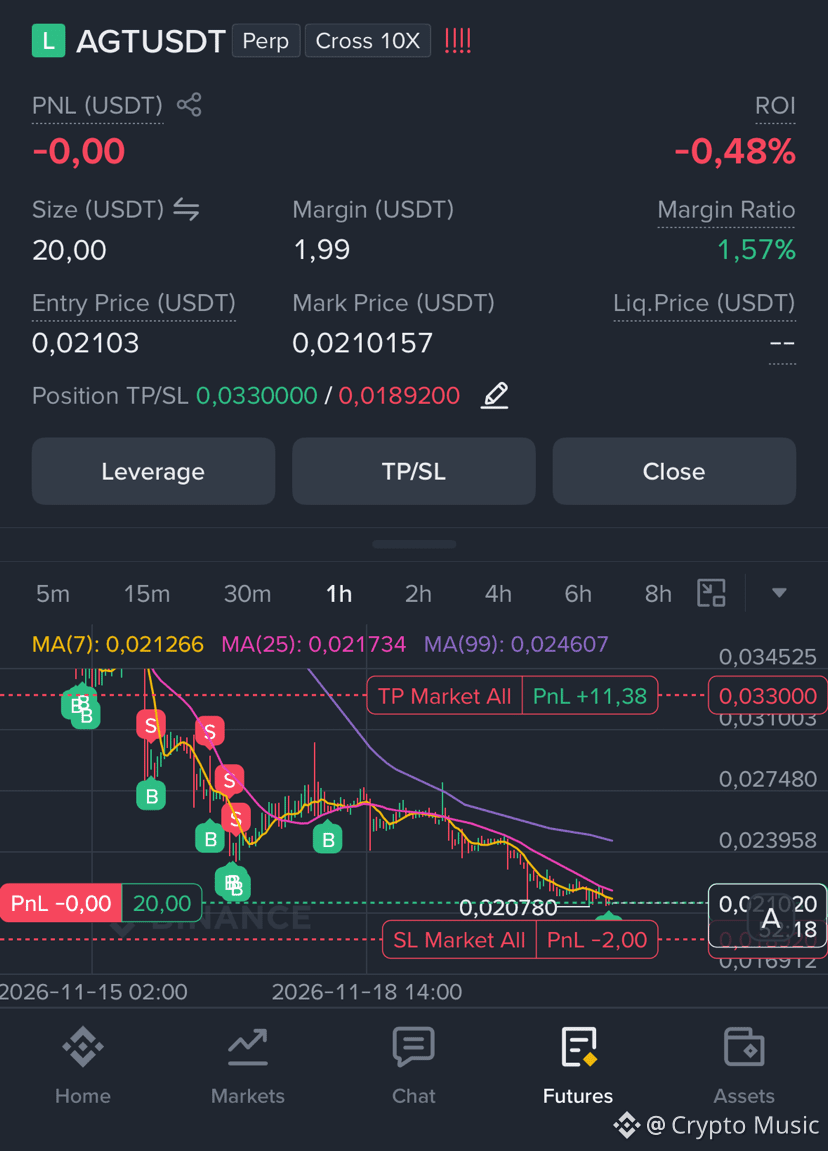
„Wenn du zu Asche werden musst, sei Asche. $AGT 😶🌫️
„Wenn du zu Asche werden musst, sei Asche. $AGT 😶🌫️
251
·
--
Erste Zielprognose: $BTC 62.000
„Seit dem 21. November sind die BTC-Kurse gesunken; jetzt ist die Zeit für einen Anstieg.“
Erste Zielprognose: $BTC 62.000
„Seit dem 21. November sind die BTC-Kurse gesunken; jetzt ist die Zeit für einen Anstieg.“
126
·
--
Artikel
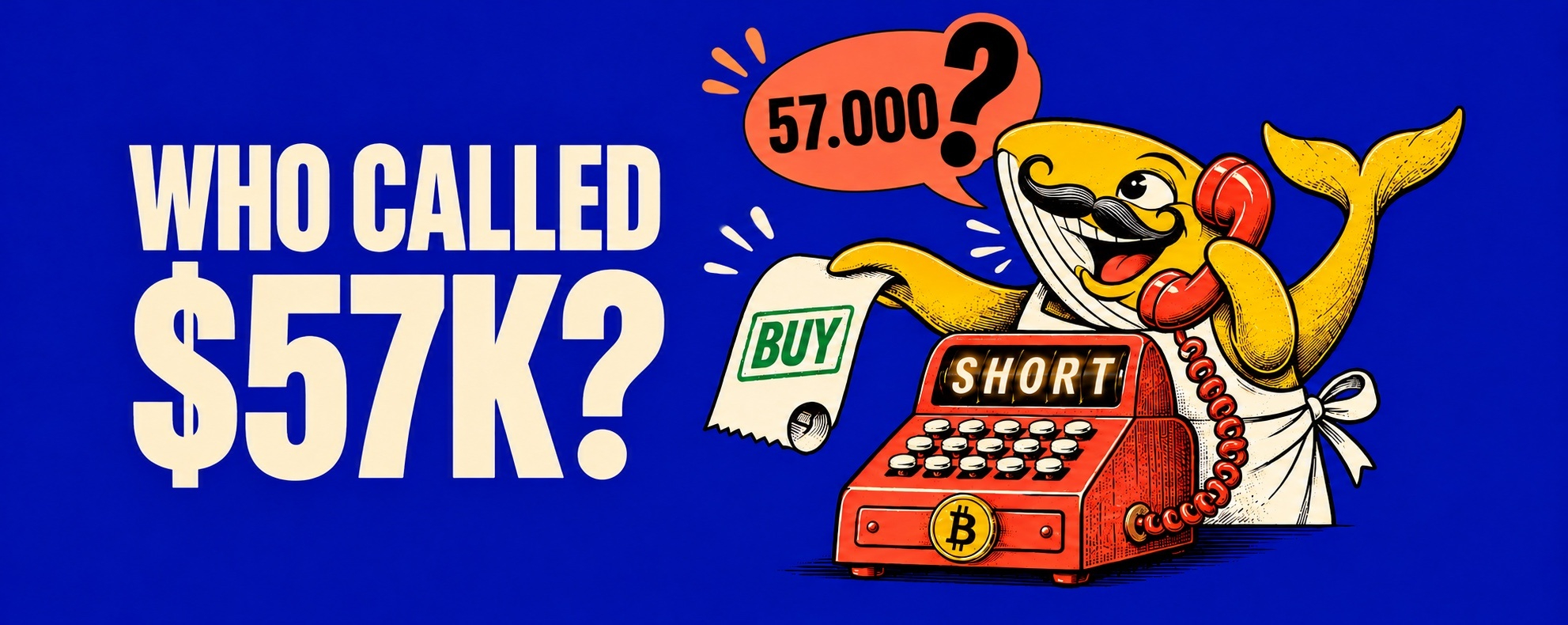
Der Wal war short. Binance nannte ihn einen Käufer. Mein Handy sagte 57.000 Dollar. 😅20. November 2026, 17:44 UTC.
Ich habe eine Woche lang $BTC beobachtet. Mein Handy steuerte eine Zahl bei und bekam irgendwie einen Platz am Handelstisch.
Bevor wir zum Handy kommen, schauen wir uns erst einmal an, wohin das Geld geflossen ist. Vom 9. bis zum 13. November flossen rund 1,065 Milliarden Dollar aus US-amerikanischen Bitcoin-Spot-ETFs ab. Am 16. November kamen 7,9 Millionen Dollar zurück. Schön zu sehen, dass jemand mit einem Eimer wiederkam. Wir hatten einen Swimmingpool verloren. 😎
Dann kam der interessante Teil. Am 17. November um 13:13 UTC hielten die von Binance erfassten Wale rund 2,95 Milliarden Dollar an Short-Positionen und 872 Millionen Dollar an Long-Positionen. In den vorangegangenen 24 Stunden verzeichnete Binance diese Gruppe jedoch als Nettokäufer im Umfang von 90,59 Millionen Dollar.
Der Wal war short. Binance nannte ihn einen Käufer. Mein Handy sagte 57.000 Dollar. 😅
20. November 2026, 17:44 UTC.
Ich habe eine Woche lang $BTC beobachtet. Mein Handy steuerte eine Zahl bei und bekam irgendwie einen Platz am Handelstisch.
Bevor wir zum Handy kommen, schauen wir uns erst einmal an, wohin das Geld geflossen ist. Vom 9. bis zum 13. November flossen rund 1,065 Milliarden Dollar aus US-amerikanischen Bitcoin-Spot-ETFs ab. Am 16. November kamen 7,9 Millionen Dollar zurück. Schön zu sehen, dass jemand mit einem Eimer wiederkam. Wir hatten einen Swimmingpool verloren. 😎
Dann kam der interessante Teil. Am 17. November um 13:13 UTC hielten die von Binance erfassten Wale rund 2,95 Milliarden Dollar an Short-Positionen und 872 Millionen Dollar an Long-Positionen. In den vorangegangenen 24 Stunden verzeichnete Binance diese Gruppe jedoch als Nettokäufer im Umfang von 90,59 Millionen Dollar.
115
·
--
$ETH Es ist nur ein Zufall, aber das ist es wert, gefeiert zu werden."
$ETH Es ist nur ein Zufall, aber das ist es wert, gefeiert zu werden."
55
·
--
$ZEC Ich habe lange darauf gewartet. Wenigstens springt dabei etwas Gewinn heraus, Leute."
$ZEC Ich habe lange darauf gewartet. Wenigstens springt dabei etwas Gewinn heraus, Leute."
354
·
--
$LUNA Wird das den Stop-Loss treffen?"
Bearbeitung: Ja. Es gibt keinen Rebound und Squeeze. 🥶
$LUNA Wird das den Stop-Loss treffen?"
Bearbeitung: Ja. Es gibt keinen Rebound und Squeeze. 🥶
473
·
--
Artikel
Bitcoin bei 57.000 $? Mein Handy sagt ja. 😅19. November 2026 · 13:24 UTC
CoinMarketCap schickte mir eine Benachrichtigung, dass Bitcoin $BTC die Marke von 57.000 $ erreicht hatte. Ich öffnete Binance. BTC lag bei etwa 63.750 $, und das 24-Stunden-Tief betrug 62.031 $. Etwa zehn Sekunden lang war mein Handy der pessimistischste Analyst, den ich kannte.
Ich kann immer noch nicht verifizieren, was diesen Alarm ausgelöst hat. In der Zwischenzeit tauchte tatsächlich der Bereich bei 64.000 $, den wir als mögliche Erholungszone beobachtet hatten, im Chart auf. Binance verzeichnete 64.168 $. Das Hoch war schon vor dem heutigen Update erreicht worden. Jetzt will ich wissen, wer bei einem zweiten Test kaufen wird.
Bitcoin bei 57.000 $? Mein Handy sagt ja. 😅
19. November 2026 · 13:24 UTC
CoinMarketCap schickte mir eine Benachrichtigung, dass Bitcoin $BTC die Marke von 57.000 $ erreicht hatte. Ich öffnete Binance. BTC lag bei etwa 63.750 $, und das 24-Stunden-Tief betrug 62.031 $. Etwa zehn Sekunden lang war mein Handy der pessimistischste Analyst, den ich kannte.
Ich kann immer noch nicht verifizieren, was diesen Alarm ausgelöst hat. In der Zwischenzeit tauchte tatsächlich der Bereich bei 64.000 $, den wir als mögliche Erholungszone beobachtet hatten, im Chart auf. Binance verzeichnete 64.168 $. Das Hoch war schon vor dem heutigen Update erreicht worden. Jetzt will ich wissen, wer bei einem zweiten Test kaufen wird.
1.5k
·
--
Artikel
Übersetzung ansehen
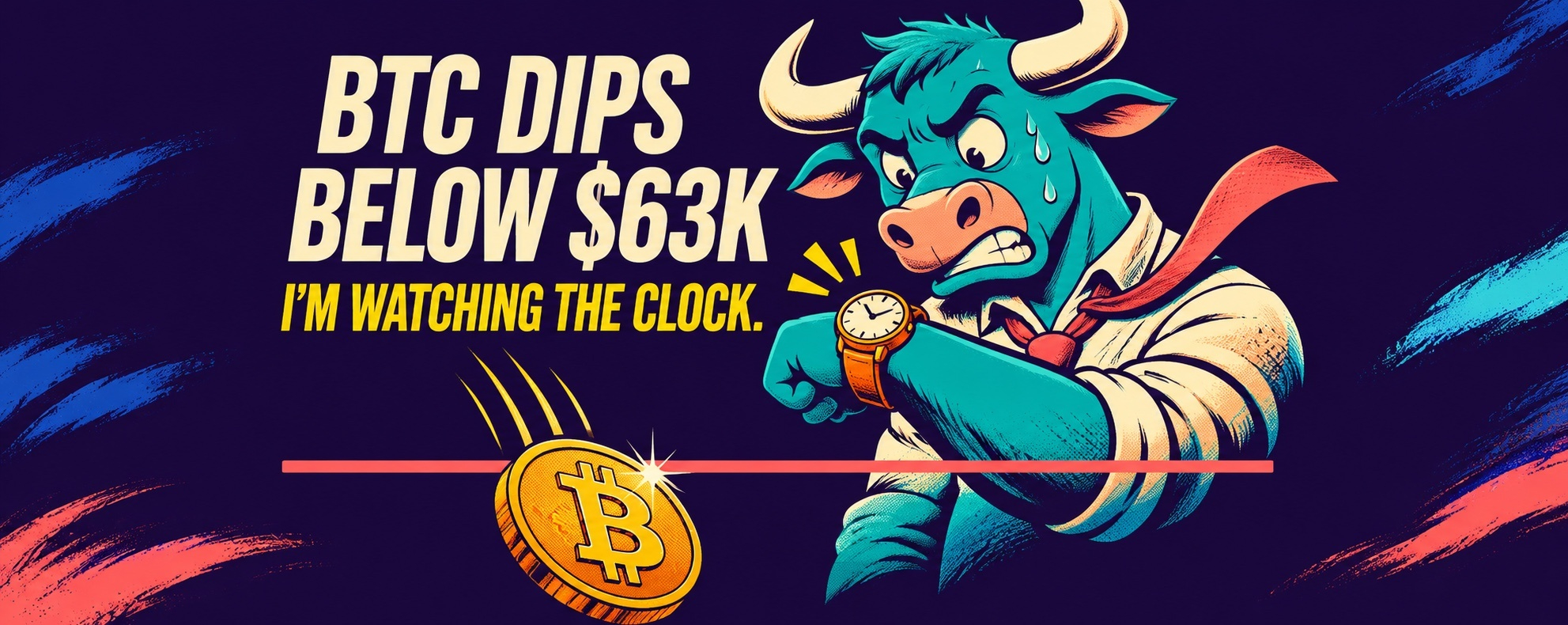
BTC Just Dipped Below $63K. I’m Still Watching the Clock. ⏱️November 18, 2026 · 16:07 UTC
We said we’d watch $63,000. $BTC dipped to $62,951, then traded at $62,998. That’s two dollars below the line. I’m bearish, but even I’d give the bulls their two bucks’ worth. 😅
What caught my eye was the bounce. Buyers pushed back after the first sharp drop, but sellers erased the recovery and printed a fresh low. On the 15-minute chart, BTC was still below all three moving averages. With the fast RSI at 18.2, I’d leave room for another bounce. $63,350 is the first level I’d watch to see whether buyers can hold any ground.
I still lean bearish for the next 24 hours. Our trigger was an hourly close below $63,000 followed by a failed attempt to reclaim it. This 15-minute chart shows the dip. We still need that hourly confirmation before I look toward $62,000. If buyers reclaim $64,000 and defend it on a retest, I’ll change my mind.
#BTC #Bitcoin #PriceAction
{spot}(BTCUSDT)
{spot}(SOLUSDT)
BTC Just Dipped Below $63K. I’m Still Watching the Clock. ⏱️
November 18, 2026 · 16:07 UTC
We said we’d watch $63,000. $BTC dipped to $62,951, then traded at $62,998. That’s two dollars below the line. I’m bearish, but even I’d give the bulls their two bucks’ worth. 😅
What caught my eye was the bounce. Buyers pushed back after the first sharp drop, but sellers erased the recovery and printed a fresh low. On the 15-minute chart, BTC was still below all three moving averages. With the fast RSI at 18.2, I’d leave room for another bounce. $63,350 is the first level I’d watch to see whether buyers can hold any ground.
I still lean bearish for the next 24 hours. Our trigger was an hourly close below $63,000 followed by a failed attempt to reclaim it. This 15-minute chart shows the dip. We still need that hourly confirmation before I look toward $62,000. If buyers reclaim $64,000 and defend it on a retest, I’ll change my mind.
#BTC #Bitcoin #PriceAction
3
833
·
--
Artikel
Übersetzung ansehen
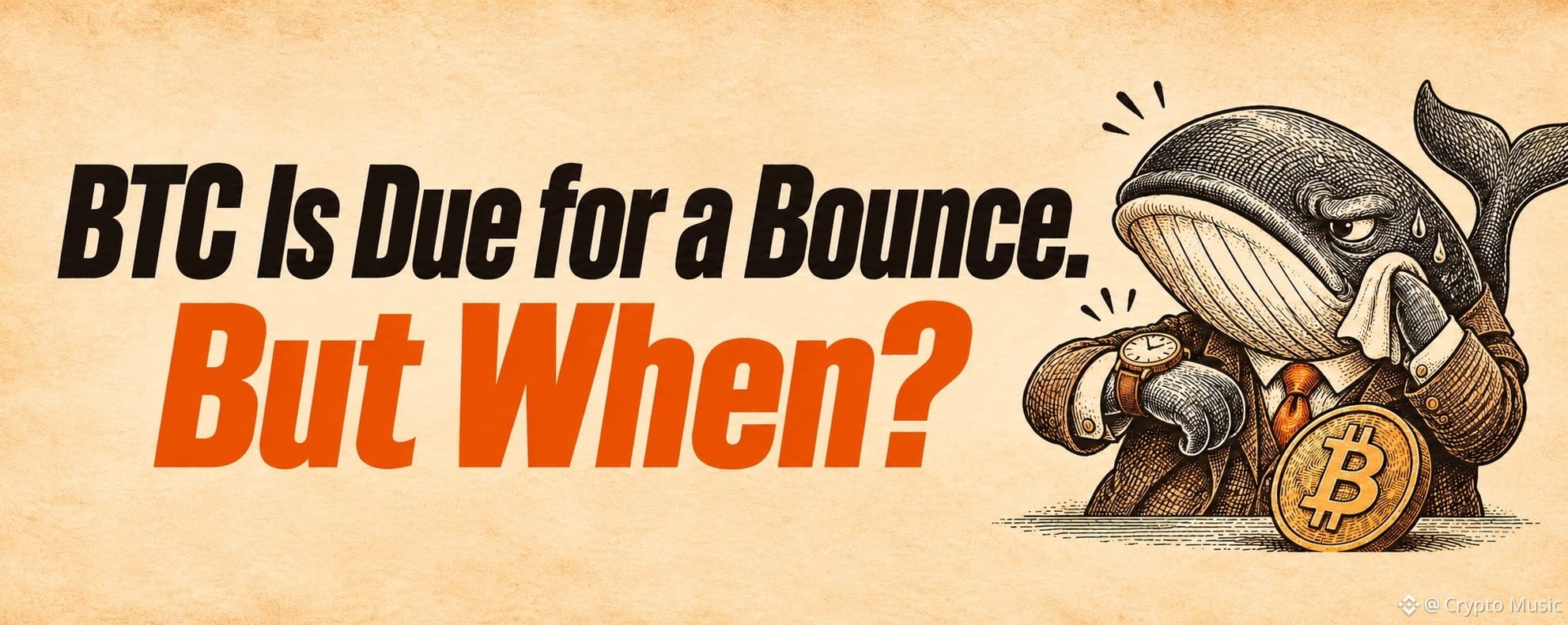
November 18, 2026 · 14:53 UTCOn November 15, I said $BTC could visit $65,600 and make me sweat a little. It hit $66,093. I stand by that sentence. Just cross out “a little.”
I’ve been watching the whales Binance tracks. In futures, they were net buyers of $397 million on the 15th, net sellers of $82 million on the 16th, then net buyers of $91 million on the 17th. I nearly typed “the whales are bullish.” Then I checked what they still held: about 77% of their open exposure was short. Buying can mean closing a profitable short. Imagine me opening a long because a whale was paying the bill and heading home. 🐋
BTC traded near $63,102, down 3.27% in 24 hours. Longs accounted for roughly 70% of the $137 million in BTC liquidations. U.S. spot Bitcoin ETFs took in $7.9 million Monday, then lost $239.9 million Tuesday. Wednesday’s figures were still pending.
I still lean bearish for the next 24 hours. If BTC closes an hour below $63,000 and can’t reclaim it, I’m watching $62,000. If buyers take back $64,000 and defend it on a retest, I’ll change my mind. $65,200–$65,400 would be their next test.
The Fed minutes are due at 19:00 UTC. At least someone gave us a time. I texted the bounce. Still on read. 🤪
#Btc
{spot}(BTCUSDT)
{spot}(SOLUSDT)
November 18, 2026 · 14:53 UTC
On November 15, I said $BTC could visit $65,600 and make me sweat a little. It hit $66,093. I stand by that sentence. Just cross out “a little.”
I’ve been watching the whales Binance tracks. In futures, they were net buyers of $397 million on the 15th, net sellers of $82 million on the 16th, then net buyers of $91 million on the 17th. I nearly typed “the whales are bullish.” Then I checked what they still held: about 77% of their open exposure was short. Buying can mean closing a profitable short. Imagine me opening a long because a whale was paying the bill and heading home. 🐋
BTC traded near $63,102, down 3.27% in 24 hours. Longs accounted for roughly 70% of the $137 million in BTC liquidations. U.S. spot Bitcoin ETFs took in $7.9 million Monday, then lost $239.9 million Tuesday. Wednesday’s figures were still pending.
I still lean bearish for the next 24 hours. If BTC closes an hour below $63,000 and can’t reclaim it, I’m watching $62,000. If buyers take back $64,000 and defend it on a retest, I’ll change my mind. $65,200–$65,400 would be their next test.
The Fed minutes are due at 19:00 UTC. At least someone gave us a time. I texted the bounce. Still on read. 🤪
#Btc
273
·
--
Artikel
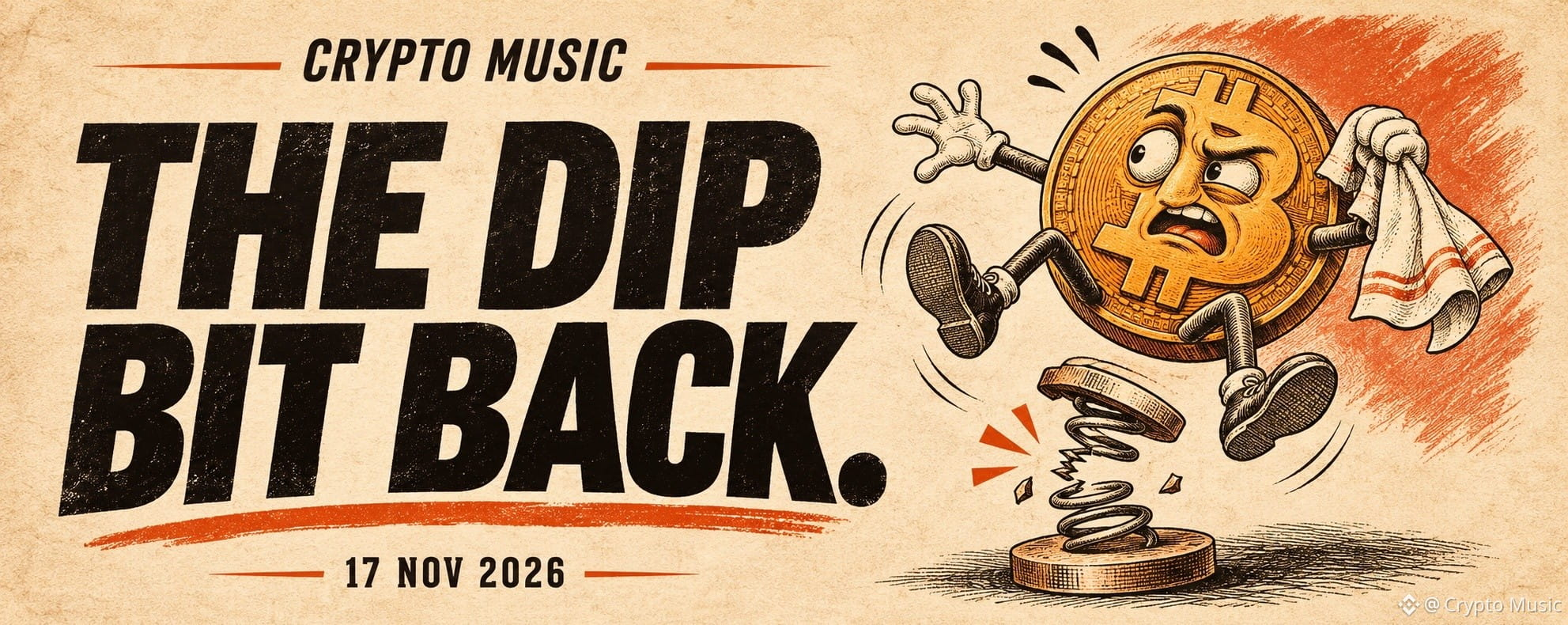
Die BTC-Bullen sind noch da. Ihre Positionen werden kleiner. 😅17. November 2026 · 16:50 UTC
$BTC liegt bei etwa 63.750 $. Das Open Interest auf Binance ist von einem sichtbaren Höchststand von über 100.000 BTC auf 91.800 BTC gefallen – das entspricht einem Wert von etwa 5,89 Milliarden $.
Das ist wichtig: Das Open Interest sinkt auch in BTC gerechnet. Es handelt sich nicht nur um eine geringere Dollarbewertung – die Zahl der offenen Kontrakte geht zurück.
Zusammen mit den zuvor überwiegend Long-Positionen betreffenden Liquidationen spricht das für einen Schuldenabbau (Deleveraging), beweist aber keine Flut neuer Short-Positionen.
Währenddessen weist das angezeigte Konto-Panel weiterhin 74,29 % Long-Positionen aus, während das Positions-Panel ein Long-Exposure von 64,49 % zeigt – der Anteil ist gegenüber früheren Höchstständen gesunken.
Die BTC-Bullen sind noch da. Ihre Positionen werden kleiner. 😅
17. November 2026 · 16:50 UTC
$BTC liegt bei etwa 63.750 $. Das Open Interest auf Binance ist von einem sichtbaren Höchststand von über 100.000 BTC auf 91.800 BTC gefallen – das entspricht einem Wert von etwa 5,89 Milliarden $.
Das ist wichtig: Das Open Interest sinkt auch in BTC gerechnet. Es handelt sich nicht nur um eine geringere Dollarbewertung – die Zahl der offenen Kontrakte geht zurück.
Zusammen mit den zuvor überwiegend Long-Positionen betreffenden Liquidationen spricht das für einen Schuldenabbau (Deleveraging), beweist aber keine Flut neuer Short-Positionen.
Währenddessen weist das angezeigte Konto-Panel weiterhin 74,29 % Long-Positionen aus, während das Positions-Panel ein Long-Exposure von 64,49 % zeigt – der Anteil ist gegenüber früheren Höchstständen gesunken.
141
·
--
Artikel
Übersetzung ansehen
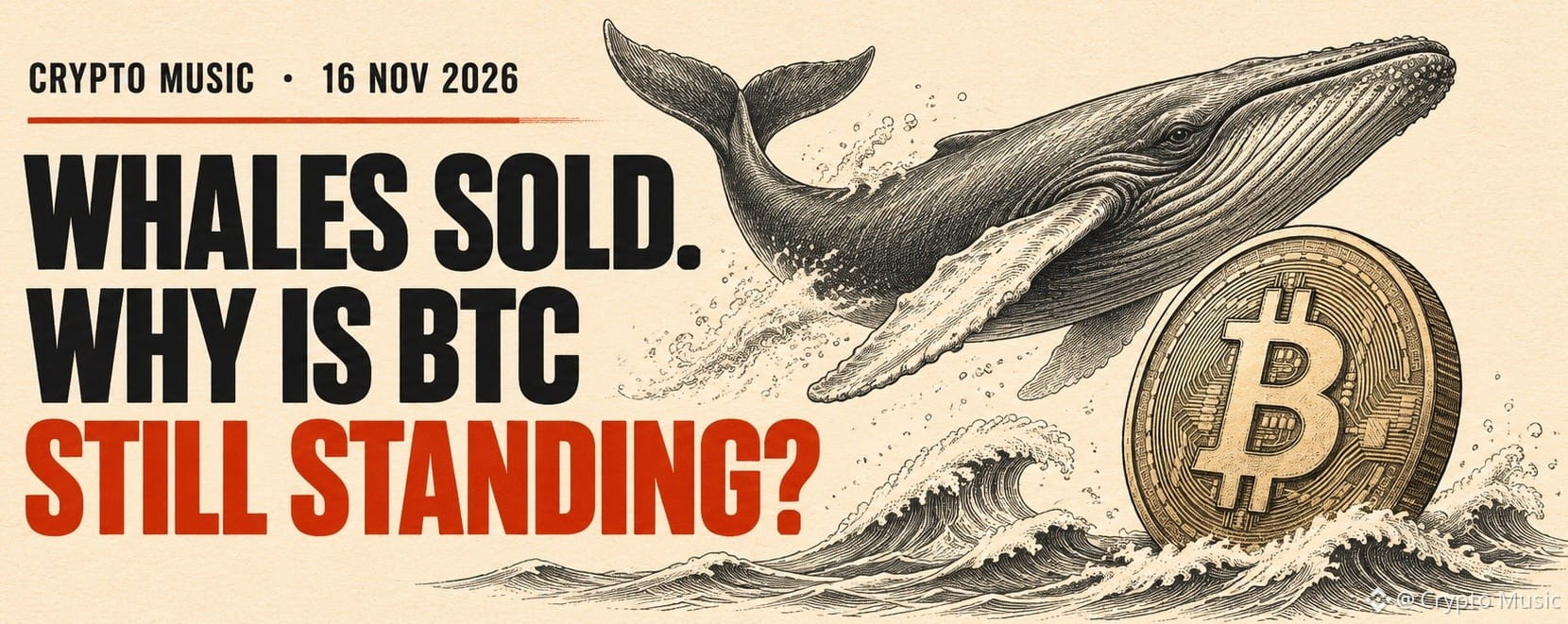
You’re Confused? So Are the Whales. 🐋😅Remember when I said $BTC could visit $65,600 and make me sweat a little? The reported high on November 15 was $66,093. I’d like to make a small correction to yesterday’s article. Please delete the word “little.” 😅 By Monday evening, we were back near $64,600. (theaudesk.com)
So I checked on the whales. Yesterday, the ones Binance tracks bought $397 million more than they sold in futures. Today, their rolling 24-hour tally showed $82 million more sold than bought. More whales piling into shorts, right? That was my first guess, too. Then I counted: 463 short whales yesterday, 436 today. Fewer whales, still a very crowded side of the boat. Shorts made up about 83% of their open exposure.
Smart Traders showed $80 million in net selling as well. If you just added $80 million to $82 million, come sit next to me. I nearly did it too. Some of the same whales appear on both lists. 🐋
Over on Binance spot, sells beat buys by 2,764 BTC, with large orders accounting for 2,104 BTC of the gap. And after all that selling, BTC was… slightly green? Well, some buyers had a lousy reason to buy. Of $91.9 million in BTC liquidations, $57 million came from shorts. Their positions had to be bought back. Imagine betting on a drop and ending up on the buying committee. That likely helped BTC stay upright. How much fresh spot demand helped is still unclear.
Friday’s ETF numbers were less cheerful. $185.4 million left U.S. spot Bitcoin ETFs that day, bringing last week’s outflow to about $1.07 billion. Monday’s final tally was still pending. The Fed had held rates at 3.75%–4.00% in October. Miners did catch a break when mining difficulty fell 9.13%. Did they celebrate by selling BTC? I’ve got the difficulty number. I’d need their sales figures to tell you the rest.
I still lean bearish for the next 24 hours. I’m watching $63,871. If BTC closes an hour below it, I’ve got my eye on $63,000, then $61,956 if sellers keep pushing. And the bulls? Show me you can reclaim $65,679 and hold it on the second visit. That would change my mind..
I’ll keep the towel handy. 😅
#BTC #Bitcoin #PriceAction
{spot}(BTCUSDT)
{spot}(SOLUSDT)
You’re Confused? So Are the Whales. 🐋😅
Remember when I said $BTC could visit $65,600 and make me sweat a little? The reported high on November 15 was $66,093. I’d like to make a small correction to yesterday’s article. Please delete the word “little.” 😅 By Monday evening, we were back near $64,600. (theaudesk.com)
So I checked on the whales. Yesterday, the ones Binance tracks bought $397 million more than they sold in futures. Today, their rolling 24-hour tally showed $82 million more sold than bought. More whales piling into shorts, right? That was my first guess, too. Then I counted: 463 short whales yesterday, 436 today. Fewer whales, still a very crowded side of the boat. Shorts made up about 83% of their open exposure.
Smart Traders showed $80 million in net selling as well. If you just added $80 million to $82 million, come sit next to me. I nearly did it too. Some of the same whales appear on both lists. 🐋
Over on Binance spot, sells beat buys by 2,764 BTC, with large orders accounting for 2,104 BTC of the gap. And after all that selling, BTC was… slightly green? Well, some buyers had a lousy reason to buy. Of $91.9 million in BTC liquidations, $57 million came from shorts. Their positions had to be bought back. Imagine betting on a drop and ending up on the buying committee. That likely helped BTC stay upright. How much fresh spot demand helped is still unclear.
Friday’s ETF numbers were less cheerful. $185.4 million left U.S. spot Bitcoin ETFs that day, bringing last week’s outflow to about $1.07 billion. Monday’s final tally was still pending. The Fed had held rates at 3.75%–4.00% in October. Miners did catch a break when mining difficulty fell 9.13%. Did they celebrate by selling BTC? I’ve got the difficulty number. I’d need their sales figures to tell you the rest.
I still lean bearish for the next 24 hours. I’m watching $63,871. If BTC closes an hour below it, I’ve got my eye on $63,000, then $61,956 if sellers keep pushing. And the bulls? Show me you can reclaim $65,679 and hold it on the second visit. That would change my mind..
I’ll keep the towel handy. 😅
#BTC #Bitcoin #PriceAction
55
·
--
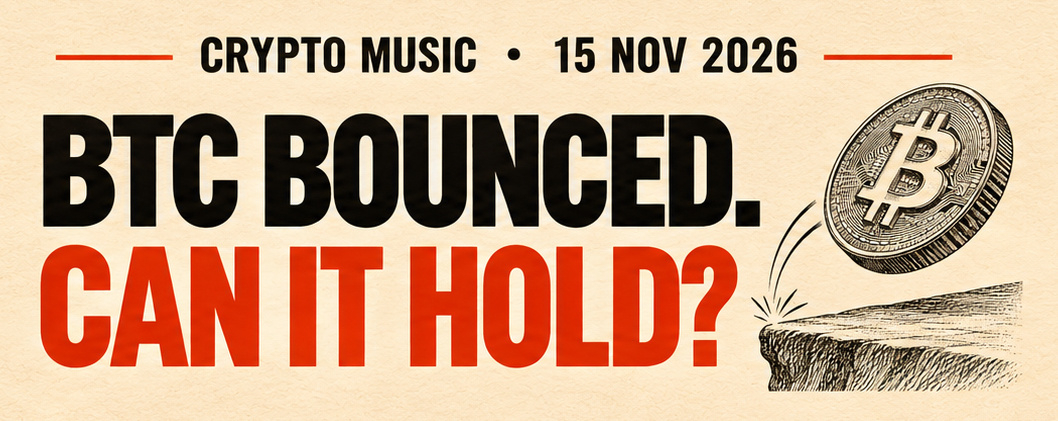
Artikel
Ich bin bei BTC weiterhin eher bearish$BTC fiel auf 61.956 $, bevor der Kurs fast 3,8 % auf 64.300 $ stieg. Glaube ich immer noch, dass es weiter nach unten geht? Ja, für die nächsten 24 Stunden bin ich eher bearish. Könnte der Kurs vorher noch 65.600 $ erreichen und mich ein bisschen ins Schwitzen bringen? Auch ja. 😅
Auf beiden Seiten war es eine holprige Fahrt. CoinGlass verzeichnete innerhalb von 24 Stunden BTC-Liquidationen im Wert von etwa 753 Millionen Dollar, davon rund 80 % auf der Long-Seite. Dann erwischte die Erholung Shorts auf dem falschen Fuß. Auf vier Börsen wurden innerhalb von nur fünf Minuten Shorts im Wert von 28 Millionen Dollar liquidiert. Diese Trader mussten BTC zurückkaufen, was erklärt, warum die Erholung etwas Schwung hatte. (coinglass.com, blockmetric.io)
Ich bin bei BTC weiterhin eher bearish
$BTC fiel auf 61.956 $, bevor der Kurs fast 3,8 % auf 64.300 $ stieg. Glaube ich immer noch, dass es weiter nach unten geht? Ja, für die nächsten 24 Stunden bin ich eher bearish. Könnte der Kurs vorher noch 65.600 $ erreichen und mich ein bisschen ins Schwitzen bringen? Auch ja. 😅
Auf beiden Seiten war es eine holprige Fahrt. CoinGlass verzeichnete innerhalb von 24 Stunden BTC-Liquidationen im Wert von etwa 753 Millionen Dollar, davon rund 80 % auf der Long-Seite. Dann erwischte die Erholung Shorts auf dem falschen Fuß. Auf vier Börsen wurden innerhalb von nur fünf Minuten Shorts im Wert von 28 Millionen Dollar liquidiert. Diese Trader mussten BTC zurückkaufen, was erklärt, warum die Erholung etwas Schwung hatte. (coinglass.com, blockmetric.io)
2
242
Anmelden und weiter Inhalte entdecken
Krypto-Nutzer weltweit auf Binance Square kennenlernen
⚡️ Bleib in Sachen Krypto stets am Puls.
💬 Die weltgrößte Kryptobörse vertraut darauf.
👍 Erhalte verlässliche Einblicke von verifizierten Creators.
E-Mail-Adresse/Telefonnummer
Trendthemen
EvolveAtBinanceBlockchainWeek
3.1M Aufrufe
23,146 Kommentare
Die Binance Blockchain Week hat offiziell begonnen! 🌍
Am 28. und 29. November: Egal, ob du in Bangkok bist oder aus der Ferne teilnimmst – schalte die Livestreams ein und diskutiere auf Binance Square mit!
Das erwartet dich 👇
📺 Sieh dir die main stage live an
Schalte an beiden Tagen ein, wenn Branchenexperten ihre Perspektiven zum diesjährigen Motto „Evolve“ teilen. Entdecke, was als Nächstes für Krypto kommt – von technologischen Innovationen bis hin zu Anwendungen in der realen Welt.
⚔️ Sieh dir zwei Trading-Wettbewerbe an
Die Aster Open Qualifier und die Binance Trading Master Tournament werden beide live übertragen. Schalte ein und verfolge die Trader in Aktion.
🏆 Sieh dir die Blockchain 100 Awards Ceremony an
Die Liste „Blockchain 100“ wurde von der Community ausgewählt. Feiere mit uns die Creator und die Ideen, die sie teilen!
💬 Beteilige dich an der Diskussion in der Community
Verwende #EvolveAtBinanceBlockchainWeek in einem Beitrag mit einem Foto, um zu teilen, worauf du dich freust, was du von der Branche hältst oder welche Momente der Veranstaltung dir am besten gefallen.
Der event page ist jetzt live! Abonniere alle Livestreams mit nur einem Klick, damit du nichts verpasst 👏
Binance Blockchain Week
·664 Likes
·1M Aufrufe
XRPLAmendmentsEnterActivationWindow
47,813 Aufrufe
390 Kommentare
SunReportedlyOffered4BToRescueFTX
57,425 Aufrufe
454 Kommentare