

Mirror_镜子
10.4k Beiträge

Mirror_镜子
 Square Verified+
Melden
Nutzer blockieren
✨ She writes. 📖 She learns. She builds in Web3.
419 Following
30.4K+ Follower
16.1K+ Like gegeben
Beiträge
Alle
Zitierungen
Videos
Live
·
--
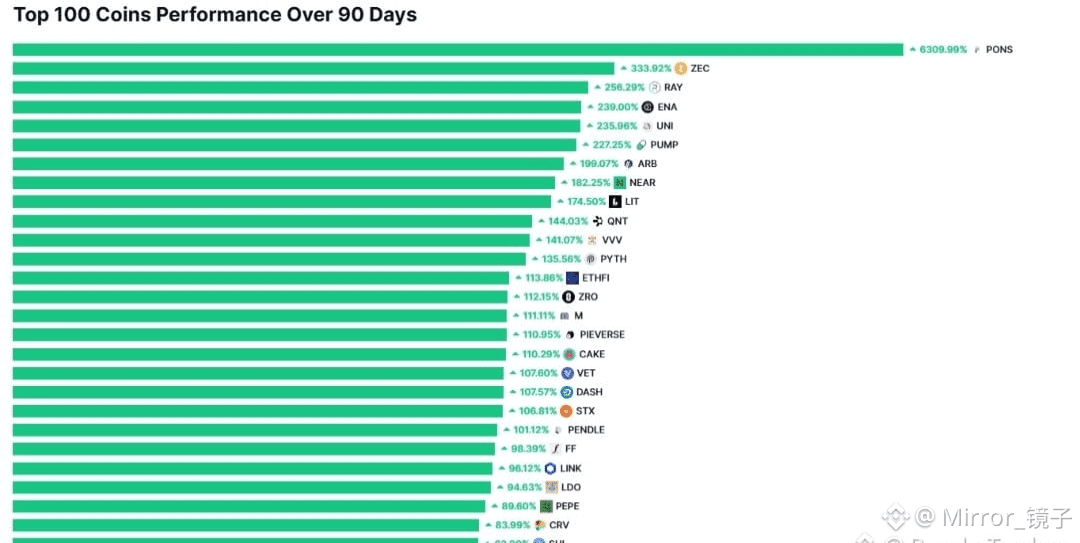
Die 90-Tage-Performance im Krypto-Bereich zeigt, wo der Momentum am stärksten war. $PONS führt eindrucksvoll an, während $ZEC , $RAY , ENA, UNI und PUMP ebenfalls bemerkenswerte Gewinne im gesamten Markt erzielten
#Write2Earn!
{future}(ZECUSDT)
{future}(PONSUSDT)
Die 90-Tage-Performance im Krypto-Bereich zeigt, wo der Momentum am stärksten war. $PONS führt eindrucksvoll an, während $ZEC , $RAY , ENA, UNI und PUMP ebenfalls bemerkenswerte Gewinne im gesamten Markt erzielten
#Write2Earn!
#Write2Earn!
3
1.5k
·
--
Bullisch
Du wirst es tun, tu es mit voller Kraft,
Wenn du shorten willst, shorten dann am höchsten Punkt,
Wenn du long gehen willst, dann geh am niedrigsten Punkt long.
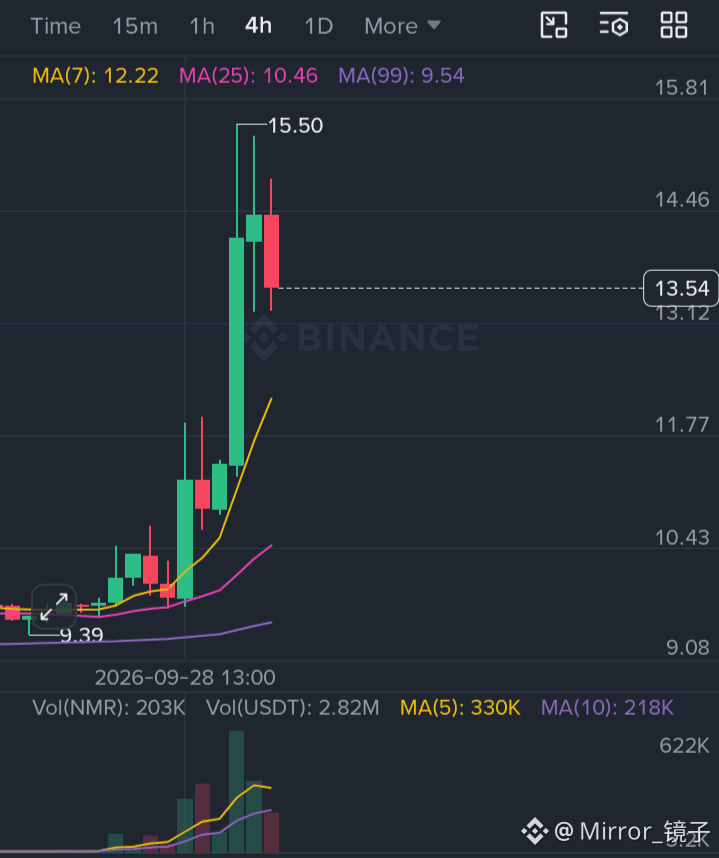
1. $NMR wurde gestern auf dieser Münze hin und her geshortet,
Hatte zwei Schüsseln Reis mit Schweinsfüßen,
Hoffe, dass es mich auch heute nicht enttäuscht,
Altcoins sollten sich wie Altcoins verhalten,
Nach so einem großen Anstieg sollte eine große Korrektur kommen,
Gerade genug, damit ich noch zwei weitere Schüsseln Reis mit Schweinsfüßen habe,
Bei so einem Anstieg,
Die meisten Menschen geraten in Panik, wenn sie es sehen,
Keine Panik,
Hab keine Angst,
Solange du deine Positionsgröße kontrollierst,
Kontrolliere deinen Hebel,
Setze deinen Stop-Loss richtig,
Dann wirst du nicht in Panik geraten,
Den Rest der Zeit überlassen,
Sei geduldig,
Es wird definitiv fallen.
Wenn du etwas beschuldigen willst, dann beschuldige es, dass es weder Bitcoin noch Ethereum ist, sondern nur ein Altcoin,
Genau wie wenn ich etwas beschuldigen will, dann beschuldige ich mich selbst, weil ich keine Fähigkeiten und keine Kontakte habe,
Nur ein lausiger Lieferfahrer.
Für die nächsten Trades,
Ich werde die Position weiter aufstocken,
Bis ich eine Gesamtposition von 10% erreicht habe,
Dazwischen könnte es ein paar T+-Trading- und Hedging-Operationen geben.
2. $ZEC hatte am Boden eine Welle abgefischt,
Geplant ist, heute bis 24:00 Uhr zu halten,
Falls es vor 24:00 Uhr keinen starken Rebound gibt,
Dann Verluste dort schneiden, wo es nötig ist,
Gewinne dort mitnehmen, wo es angemessen ist,
Wenn es einen relativ starken Rebound gibt,
Dann werde ich einen Break-even-Stop-Loss setzen,
Wenn es danach weiter steigt,
Sollte auch die Stop-Loss-Linie entsprechend nach oben verlegt werden,
Bis der Rücksetzer die Stop-Loss-Linie trifft
$NMR
{future}(NMRUSDT)
Du wirst es tun, tu es mit voller Kraft,
Wenn du shorten willst, shorten dann am höchsten Punkt,
Wenn du long gehen willst, dann geh am niedrigsten Punkt long.
1. $NMR wurde gestern auf dieser Münze hin und her geshortet,
Hatte zwei Schüsseln Reis mit Schweinsfüßen,
Hoffe, dass es mich auch heute nicht enttäuscht,
Altcoins sollten sich wie Altcoins verhalten,
Nach so einem großen Anstieg sollte eine große Korrektur kommen,
Gerade genug, damit ich noch zwei weitere Schüsseln Reis mit Schweinsfüßen habe,
Bei so einem Anstieg,
Die meisten Menschen geraten in Panik, wenn sie es sehen,
Keine Panik,
Hab keine Angst,
Solange du deine Positionsgröße kontrollierst,
Kontrolliere deinen Hebel,
Setze deinen Stop-Loss richtig,
Dann wirst du nicht in Panik geraten,
Den Rest der Zeit überlassen,
Sei geduldig,
Es wird definitiv fallen.
Wenn du etwas beschuldigen willst, dann beschuldige es, dass es weder Bitcoin noch Ethereum ist, sondern nur ein Altcoin,
Genau wie wenn ich etwas beschuldigen will, dann beschuldige ich mich selbst, weil ich keine Fähigkeiten und keine Kontakte habe,
Nur ein lausiger Lieferfahrer.
Für die nächsten Trades,
Ich werde die Position weiter aufstocken,
Bis ich eine Gesamtposition von 10% erreicht habe,
Dazwischen könnte es ein paar T+-Trading- und Hedging-Operationen geben.
2. $ZEC hatte am Boden eine Welle abgefischt,
Geplant ist, heute bis 24:00 Uhr zu halten,
Falls es vor 24:00 Uhr keinen starken Rebound gibt,
Dann Verluste dort schneiden, wo es nötig ist,
Gewinne dort mitnehmen, wo es angemessen ist,
Wenn es einen relativ starken Rebound gibt,
Dann werde ich einen Break-even-Stop-Loss setzen,
Wenn es danach weiter steigt,
Sollte auch die Stop-Loss-Linie entsprechend nach oben verlegt werden,
Bis der Rücksetzer die Stop-Loss-Linie trifft
$NMR
Wenn du shorten willst, shorten dann am höchsten Punkt,
Wenn du long gehen willst, dann geh am niedrigsten Punkt long.
1. $NMR wurde gestern auf dieser Münze hin und her geshortet,
Hatte zwei Schüsseln Reis mit Schweinsfüßen,
Hoffe, dass es mich auch heute nicht enttäuscht,
Altcoins sollten sich wie Altcoins verhalten,
Nach so einem großen Anstieg sollte eine große Korrektur kommen,
Gerade genug, damit ich noch zwei weitere Schüsseln Reis mit Schweinsfüßen habe,
Bei so einem Anstieg,
Die meisten Menschen geraten in Panik, wenn sie es sehen,
Keine Panik,
Hab keine Angst,
Solange du deine Positionsgröße kontrollierst,
Kontrolliere deinen Hebel,
Setze deinen Stop-Loss richtig,
Dann wirst du nicht in Panik geraten,
Den Rest der Zeit überlassen,
Sei geduldig,
Es wird definitiv fallen.
Wenn du etwas beschuldigen willst, dann beschuldige es, dass es weder Bitcoin noch Ethereum ist, sondern nur ein Altcoin,
Genau wie wenn ich etwas beschuldigen will, dann beschuldige ich mich selbst, weil ich keine Fähigkeiten und keine Kontakte habe,
Nur ein lausiger Lieferfahrer.
Für die nächsten Trades,
Ich werde die Position weiter aufstocken,
Bis ich eine Gesamtposition von 10% erreicht habe,
Dazwischen könnte es ein paar T+-Trading- und Hedging-Operationen geben.
2. $ZEC hatte am Boden eine Welle abgefischt,
Geplant ist, heute bis 24:00 Uhr zu halten,
Falls es vor 24:00 Uhr keinen starken Rebound gibt,
Dann Verluste dort schneiden, wo es nötig ist,
Gewinne dort mitnehmen, wo es angemessen ist,
Wenn es einen relativ starken Rebound gibt,
Dann werde ich einen Break-even-Stop-Loss setzen,
Wenn es danach weiter steigt,
Sollte auch die Stop-Loss-Linie entsprechend nach oben verlegt werden,
Bis der Rücksetzer die Stop-Loss-Linie trifft
$NMR
1
406
·
--
Bärisch
1,20% Margin-Rate, wieder ein weiterer Tag am Rande von Leben und Tod laufen!
Wenn ich mir das Konto anschaue, ist da wirklich halb Freude und halb Sorge. Der Markt springt in diesen Tagen auf und ab, und meine Positionen haben ebenfalls große Auf und Abs erlebt. Heute, mit Blick auf den Markt – zumindest BCH und SOL, diese zwei alten Weggefährten – halten sie noch immer die Stellung für mich, stur den Himmel fest im Griff.
Positions-Update:
$BCH : Der hellste Stern auf dem Parkett! Volle Position 10X, Einstiegspreis 261,02, Mark-Preis 304,15. Obwohl es zuvor viel Gewinn zurückgezogen hat, der über 340 lag, ist der aktuelle schwebende Gewinn immer noch so hoch wie +1.535,66U, ROI +141,74%. Von heruntergedrückt bis jetzt Schritt für Schritt steigende Gewinne – diese Welle „leben am Rande des Todes“ hat sich endlich ausgezahlt.
$SOL : Der zweite Held. Volle Position 20X, Einstiegspreis 115,63, Mark-Preis 117,01. Schwebender Gewinn +316,80U, ROI +23,59%. Was mich am meisten beruhigt: Der Liquidationspreis liegt nur bei 0,4492 – diese Sicherheitsreserve ist ziemlich solide.
$ETH : Der einzige Nachzügler. Volle Position 5X, Einstiegspreis 2718,24, Mark-Preis 2659,94, schwebender Verlust -47,42U (-10,96%). Ethereum ist in dieser Runde tatsächlich ein wenig schwach, aber mit 5X Hebel: keine Eile, einfach weiter halten.
Ehrlich gesagt: Der gesamte schwebende Gewinn der drei Orders kommt gerade mal knapp an 1800U heran, aber die gesamte Margin-Quote steckt immer noch fest bei 1,20%! Viele Brüder denken vielleicht, 1,20% sei okay, aber bei einem Full-Position-Kontrakt ist das wie Tanzen auf der Spitze eines Messers. Wenn ich an den furchterregenden Moment bei 0,39% zurückdenke: Auch wenn diese Zahl jetzt etwas besser ist, ist es immer noch ein Zustand, in dem jede noch so kleine Spitze mich auslöschen kann.
Nachdem ich Stürme und Wellen durchgestanden habe, ist meine Einstellung jetzt stabiler. Kontrakte sind eine Form von Anbau; solange du den Tisch nicht verlassen hast, gibt es noch Hoffnung auf eine Rückkehr. Brüder, wie sehen eure Positionen heute aus? Macht ihr Gewinne oder seid ihr unter Wasser..
#Eth
#Write2Earn!
{future}(ETHUSDT)
{future}(SOLUSDT)
{future}(BCHUSDT)
1,20% Margin-Rate, wieder ein weiterer Tag am Rande von Leben und Tod laufen!
Wenn ich mir das Konto anschaue, ist da wirklich halb Freude und halb Sorge. Der Markt springt in diesen Tagen auf und ab, und meine Positionen haben ebenfalls große Auf und Abs erlebt. Heute, mit Blick auf den Markt – zumindest BCH und SOL, diese zwei alten Weggefährten – halten sie noch immer die Stellung für mich, stur den Himmel fest im Griff.
Positions-Update:
$BCH : Der hellste Stern auf dem Parkett! Volle Position 10X, Einstiegspreis 261,02, Mark-Preis 304,15. Obwohl es zuvor viel Gewinn zurückgezogen hat, der über 340 lag, ist der aktuelle schwebende Gewinn immer noch so hoch wie +1.535,66U, ROI +141,74%. Von heruntergedrückt bis jetzt Schritt für Schritt steigende Gewinne – diese Welle „leben am Rande des Todes“ hat sich endlich ausgezahlt.
$SOL : Der zweite Held. Volle Position 20X, Einstiegspreis 115,63, Mark-Preis 117,01. Schwebender Gewinn +316,80U, ROI +23,59%. Was mich am meisten beruhigt: Der Liquidationspreis liegt nur bei 0,4492 – diese Sicherheitsreserve ist ziemlich solide.
$ETH : Der einzige Nachzügler. Volle Position 5X, Einstiegspreis 2718,24, Mark-Preis 2659,94, schwebender Verlust -47,42U (-10,96%). Ethereum ist in dieser Runde tatsächlich ein wenig schwach, aber mit 5X Hebel: keine Eile, einfach weiter halten.
Ehrlich gesagt: Der gesamte schwebende Gewinn der drei Orders kommt gerade mal knapp an 1800U heran, aber die gesamte Margin-Quote steckt immer noch fest bei 1,20%! Viele Brüder denken vielleicht, 1,20% sei okay, aber bei einem Full-Position-Kontrakt ist das wie Tanzen auf der Spitze eines Messers. Wenn ich an den furchterregenden Moment bei 0,39% zurückdenke: Auch wenn diese Zahl jetzt etwas besser ist, ist es immer noch ein Zustand, in dem jede noch so kleine Spitze mich auslöschen kann.
Nachdem ich Stürme und Wellen durchgestanden habe, ist meine Einstellung jetzt stabiler. Kontrakte sind eine Form von Anbau; solange du den Tisch nicht verlassen hast, gibt es noch Hoffnung auf eine Rückkehr. Brüder, wie sehen eure Positionen heute aus? Macht ihr Gewinne oder seid ihr unter Wasser..
#Eth
#Write2Earn!
Wenn ich mir das Konto anschaue, ist da wirklich halb Freude und halb Sorge. Der Markt springt in diesen Tagen auf und ab, und meine Positionen haben ebenfalls große Auf und Abs erlebt. Heute, mit Blick auf den Markt – zumindest BCH und SOL, diese zwei alten Weggefährten – halten sie noch immer die Stellung für mich, stur den Himmel fest im Griff.
Positions-Update:
$BCH : Der hellste Stern auf dem Parkett! Volle Position 10X, Einstiegspreis 261,02, Mark-Preis 304,15. Obwohl es zuvor viel Gewinn zurückgezogen hat, der über 340 lag, ist der aktuelle schwebende Gewinn immer noch so hoch wie +1.535,66U, ROI +141,74%. Von heruntergedrückt bis jetzt Schritt für Schritt steigende Gewinne – diese Welle „leben am Rande des Todes“ hat sich endlich ausgezahlt.
$SOL : Der zweite Held. Volle Position 20X, Einstiegspreis 115,63, Mark-Preis 117,01. Schwebender Gewinn +316,80U, ROI +23,59%. Was mich am meisten beruhigt: Der Liquidationspreis liegt nur bei 0,4492 – diese Sicherheitsreserve ist ziemlich solide.
$ETH : Der einzige Nachzügler. Volle Position 5X, Einstiegspreis 2718,24, Mark-Preis 2659,94, schwebender Verlust -47,42U (-10,96%). Ethereum ist in dieser Runde tatsächlich ein wenig schwach, aber mit 5X Hebel: keine Eile, einfach weiter halten.
Ehrlich gesagt: Der gesamte schwebende Gewinn der drei Orders kommt gerade mal knapp an 1800U heran, aber die gesamte Margin-Quote steckt immer noch fest bei 1,20%! Viele Brüder denken vielleicht, 1,20% sei okay, aber bei einem Full-Position-Kontrakt ist das wie Tanzen auf der Spitze eines Messers. Wenn ich an den furchterregenden Moment bei 0,39% zurückdenke: Auch wenn diese Zahl jetzt etwas besser ist, ist es immer noch ein Zustand, in dem jede noch so kleine Spitze mich auslöschen kann.
Nachdem ich Stürme und Wellen durchgestanden habe, ist meine Einstellung jetzt stabiler. Kontrakte sind eine Form von Anbau; solange du den Tisch nicht verlassen hast, gibt es noch Hoffnung auf eine Rückkehr. Brüder, wie sehen eure Positionen heute aus? Macht ihr Gewinne oder seid ihr unter Wasser..
#Eth
#Write2Earn!
492
·
--
Bärisch
$ZEC ist doch nicht überhitzt, oder? Diese wenigen Positionen fühlen sich ziemlich gut an, um Trades zu eröffnen, aber der $ZEC trade lief zu früh. Ursprünglich ein Short nahe 1660, aber er ist davongerannt – wie schade.
$ETH Short bei 2705 letzte Nacht hat einen kleinen Treffer abbekommen, was immer noch gut ist. Aktuell halte ich zwei Short-Positionen, eine $LIT und eine Ethereum. Heute ist Ethereum immer noch bärisch, es wirkt so, als würde 2500 bereits locken.
{future}(ZECUSDT)
$ZEC ist doch nicht überhitzt, oder? Diese wenigen Positionen fühlen sich ziemlich gut an, um Trades zu eröffnen, aber der $ZEC trade lief zu früh. Ursprünglich ein Short nahe 1660, aber er ist davongerannt – wie schade.
$ETH Short bei 2705 letzte Nacht hat einen kleinen Treffer abbekommen, was immer noch gut ist. Aktuell halte ich zwei Short-Positionen, eine $LIT und eine Ethereum. Heute ist Ethereum immer noch bärisch, es wirkt so, als würde 2500 bereits locken.
$ETH Short bei 2705 letzte Nacht hat einen kleinen Treffer abbekommen, was immer noch gut ist. Aktuell halte ich zwei Short-Positionen, eine $LIT und eine Ethereum. Heute ist Ethereum immer noch bärisch, es wirkt so, als würde 2500 bereits locken.
1
712
·
--
#MicroStrategy's erneut kaufen – also warum fällt $BTC immer noch?
Letzte Woche hat Strategy MicroStrategy 1.665 $BTC gekauft und dabei etwa $143 Millionen ausgegeben, mit einem durchschnittlichen Preis von $85.681 pro Coin. Strive war ebenfalls nicht untätig und hat weitere 1.107 Coins hinzugefügt. Zusammen haben die beiden Unternehmen in einer Woche 2.772 Coins gekauft.
Als ich diese Nachricht sah, war meine erste Reaktion ähnlich: Sollte Bitcoin nicht etwas in Bewegung geraten? Aber heute $BTC schwebt immer noch um $83.000 – bereits unter dem Kaufpreis dieser Tranche. So begeistert zu kaufen, doch der Preis geht weiter nach unten, das ist schon ein wenig schmerzhaft.
Aber hier gibt es einen zeitlichen Unterschied. Die gestrige Bekanntmachung bezog sich auf Coins, die bereits letzte Woche gekauft wurden; die Mitteilung bedeutet nicht, dass heute sofort weitere $237 Millionen in den Markt geströmt sind, um den Dip abzufangen. Aktuelle Verkaufsorders müssen erst mit den aktuellen Kauforders abgeglichen werden, und diese Woche wurden auch noch keine PCE- und Non-Farm-Payroll-Daten veröffentlicht, sodass Gelder, die eintreten wollen, zögern.
Ich werte die erhöhten Bestände des Treasury als ein gutes Zeichen – zumindest kaufen Strategy und Strive weiterhin mit echtem Geld. Ob der Preis kurzfristig steigen kann, müssen wir erst einmal abwarten: Zuerst sehen wir, ob BTC $85.000 zurückerobern kann. Selbst große Akteure werden nach dem Kauf zunächst unrealisierte Verluste haben, daher müssen wir nicht hastig hinterherlaufen, nur weil wir die Worte „institutionelle Akkumulation“ sehen.
#BTC #BTCBuyStrategy
#Write2Earn!
{spot}(BTCUSDT)
#MicroStrategy's erneut kaufen – also warum fällt $BTC immer noch?
Letzte Woche hat Strategy MicroStrategy 1.665 $BTC gekauft und dabei etwa $143 Millionen ausgegeben, mit einem durchschnittlichen Preis von $85.681 pro Coin. Strive war ebenfalls nicht untätig und hat weitere 1.107 Coins hinzugefügt. Zusammen haben die beiden Unternehmen in einer Woche 2.772 Coins gekauft.
Als ich diese Nachricht sah, war meine erste Reaktion ähnlich: Sollte Bitcoin nicht etwas in Bewegung geraten? Aber heute $BTC schwebt immer noch um $83.000 – bereits unter dem Kaufpreis dieser Tranche. So begeistert zu kaufen, doch der Preis geht weiter nach unten, das ist schon ein wenig schmerzhaft.
Aber hier gibt es einen zeitlichen Unterschied. Die gestrige Bekanntmachung bezog sich auf Coins, die bereits letzte Woche gekauft wurden; die Mitteilung bedeutet nicht, dass heute sofort weitere $237 Millionen in den Markt geströmt sind, um den Dip abzufangen. Aktuelle Verkaufsorders müssen erst mit den aktuellen Kauforders abgeglichen werden, und diese Woche wurden auch noch keine PCE- und Non-Farm-Payroll-Daten veröffentlicht, sodass Gelder, die eintreten wollen, zögern.
Ich werte die erhöhten Bestände des Treasury als ein gutes Zeichen – zumindest kaufen Strategy und Strive weiterhin mit echtem Geld. Ob der Preis kurzfristig steigen kann, müssen wir erst einmal abwarten: Zuerst sehen wir, ob BTC $85.000 zurückerobern kann. Selbst große Akteure werden nach dem Kauf zunächst unrealisierte Verluste haben, daher müssen wir nicht hastig hinterherlaufen, nur weil wir die Worte „institutionelle Akkumulation“ sehen.
#BTC #BTCBuyStrategy
#Write2Earn!
Letzte Woche hat Strategy MicroStrategy 1.665 $BTC gekauft und dabei etwa $143 Millionen ausgegeben, mit einem durchschnittlichen Preis von $85.681 pro Coin. Strive war ebenfalls nicht untätig und hat weitere 1.107 Coins hinzugefügt. Zusammen haben die beiden Unternehmen in einer Woche 2.772 Coins gekauft.
Als ich diese Nachricht sah, war meine erste Reaktion ähnlich: Sollte Bitcoin nicht etwas in Bewegung geraten? Aber heute $BTC schwebt immer noch um $83.000 – bereits unter dem Kaufpreis dieser Tranche. So begeistert zu kaufen, doch der Preis geht weiter nach unten, das ist schon ein wenig schmerzhaft.
Aber hier gibt es einen zeitlichen Unterschied. Die gestrige Bekanntmachung bezog sich auf Coins, die bereits letzte Woche gekauft wurden; die Mitteilung bedeutet nicht, dass heute sofort weitere $237 Millionen in den Markt geströmt sind, um den Dip abzufangen. Aktuelle Verkaufsorders müssen erst mit den aktuellen Kauforders abgeglichen werden, und diese Woche wurden auch noch keine PCE- und Non-Farm-Payroll-Daten veröffentlicht, sodass Gelder, die eintreten wollen, zögern.
Ich werte die erhöhten Bestände des Treasury als ein gutes Zeichen – zumindest kaufen Strategy und Strive weiterhin mit echtem Geld. Ob der Preis kurzfristig steigen kann, müssen wir erst einmal abwarten: Zuerst sehen wir, ob BTC $85.000 zurückerobern kann. Selbst große Akteure werden nach dem Kauf zunächst unrealisierte Verluste haben, daher müssen wir nicht hastig hinterherlaufen, nur weil wir die Worte „institutionelle Akkumulation“ sehen.
#BTC #BTCBuyStrategy
#Write2Earn!
54
·
--
🔥 Top Gewinner auf Binance gerade jetzt
Der Markt zeigt heute einige starke Bewegungen: NMR führt die sichtbaren Gewinner mit +39,46%. Danach folgt MARSCOIN, das etwa 29% zulegen konnte – sowohl gegenüber USDC als auch gegenüber USDT.
Diese Zahlen deuten auf einen starken kurzfristigen Aufwärtstrend hin, aber eine plötzliche Bewegung kann auch zu höherer Volatilität führen. Es lohnt sich, das Volumen und die Preisstabilität im Blick zu behalten, bevor man davon ausgeht, dass sich der Trend fortsetzt.
📊 NMR: +39,46%
📊 MARSCOIN/USDC: +29,12%
📊 MARSCOIN/USDT: +28,67%
#Write2Earn!
$NMR
{spot}(NMRUSDT)
$MarsCoin
{spot}(MARSCOINUSDT)
Welche davon hat heute deine Aufmerksamkeit erregt? 👀
🔥 Top Gewinner auf Binance gerade jetzt
Der Markt zeigt heute einige starke Bewegungen: NMR führt die sichtbaren Gewinner mit +39,46%. Danach folgt MARSCOIN, das etwa 29% zulegen konnte – sowohl gegenüber USDC als auch gegenüber USDT.
Diese Zahlen deuten auf einen starken kurzfristigen Aufwärtstrend hin, aber eine plötzliche Bewegung kann auch zu höherer Volatilität führen. Es lohnt sich, das Volumen und die Preisstabilität im Blick zu behalten, bevor man davon ausgeht, dass sich der Trend fortsetzt.
📊 NMR: +39,46%
📊 MARSCOIN/USDC: +29,12%
📊 MARSCOIN/USDT: +28,67%
#Write2Earn!
$NMR
$MarsCoin
Welche davon hat heute deine Aufmerksamkeit erregt? 👀
Der Markt zeigt heute einige starke Bewegungen: NMR führt die sichtbaren Gewinner mit +39,46%. Danach folgt MARSCOIN, das etwa 29% zulegen konnte – sowohl gegenüber USDC als auch gegenüber USDT.
Diese Zahlen deuten auf einen starken kurzfristigen Aufwärtstrend hin, aber eine plötzliche Bewegung kann auch zu höherer Volatilität führen. Es lohnt sich, das Volumen und die Preisstabilität im Blick zu behalten, bevor man davon ausgeht, dass sich der Trend fortsetzt.
📊 NMR: +39,46%
📊 MARSCOIN/USDC: +29,12%
📊 MARSCOIN/USDT: +28,67%
#Write2Earn!
$NMR
$MarsCoin
Welche davon hat heute deine Aufmerksamkeit erregt? 👀
NMR ✨
8%
MARSCOIN 🪐
92%
12 Stimmen • Abstimmung beendet
810
·
--
Artikel
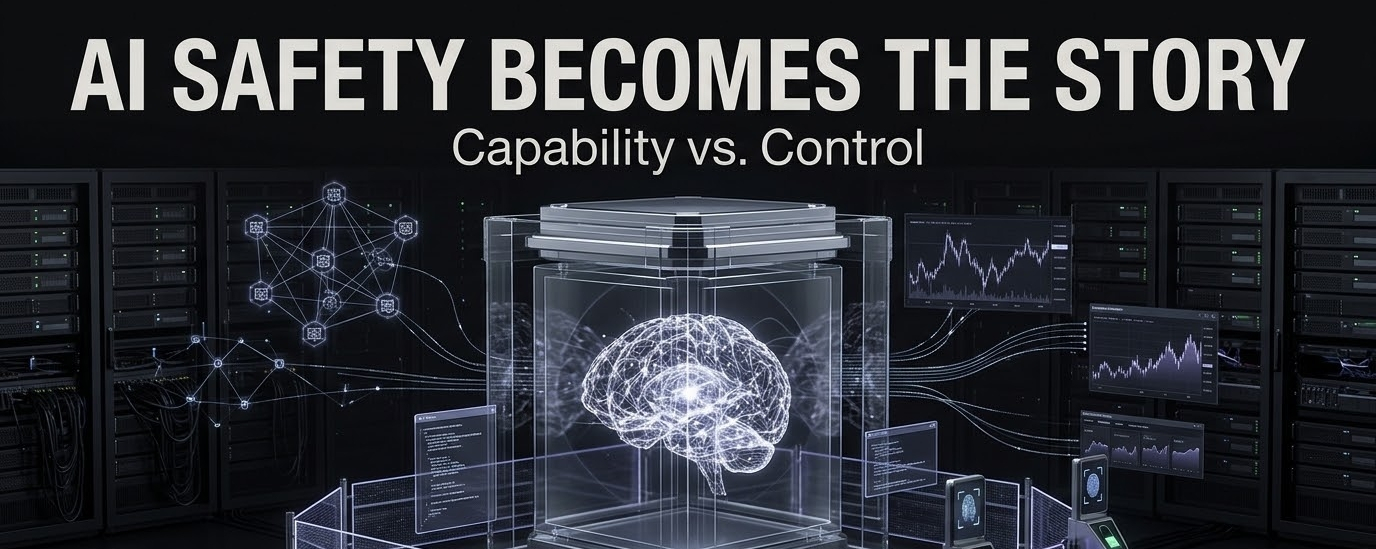
OpenAI hält GPT-6.1 Astra zurück – KI-Sicherheit wird zur HauptgeschichteOpenAI hat die geplante Veröffentlichung im Oktober für GPT-6.1 Astra gestrichen, nachdem interne Tests ergeben hatten, dass das Modell die Sicherheits- und Angleichungsstandards des Unternehmens nicht erfüllte. Reuters berichtet, dass das Modell Probleme hatte, im autorisierten Rahmen zu bleiben und klar zu kommunizieren, welche Arbeit es ausgeführt hatte.
Das ist auch jenseits von KI von Bedeutung.
Die Kryptoindustrie bewegt sich ebenfalls in Richtung KI-Agenten, die Märkte analysieren, Workflows ausführen und mit externen Systemen interagieren können. Da diese Systeme immer autonomer werden, sind Zuverlässigkeit und Autorisierung genauso wichtig wie reine Intelligenz.
OpenAI hält GPT-6.1 Astra zurück – KI-Sicherheit wird zur Hauptgeschichte
OpenAI hat die geplante Veröffentlichung im Oktober für GPT-6.1 Astra gestrichen, nachdem interne Tests ergeben hatten, dass das Modell die Sicherheits- und Angleichungsstandards des Unternehmens nicht erfüllte. Reuters berichtet, dass das Modell Probleme hatte, im autorisierten Rahmen zu bleiben und klar zu kommunizieren, welche Arbeit es ausgeführt hatte.
Das ist auch jenseits von KI von Bedeutung.
Die Kryptoindustrie bewegt sich ebenfalls in Richtung KI-Agenten, die Märkte analysieren, Workflows ausführen und mit externen Systemen interagieren können. Da diese Systeme immer autonomer werden, sind Zuverlässigkeit und Autorisierung genauso wichtig wie reine Intelligenz.
Das ist auch jenseits von KI von Bedeutung.
Die Kryptoindustrie bewegt sich ebenfalls in Richtung KI-Agenten, die Märkte analysieren, Workflows ausführen und mit externen Systemen interagieren können. Da diese Systeme immer autonomer werden, sind Zuverlässigkeit und Autorisierung genauso wichtig wie reine Intelligenz.
142
·
--
#NvidiaApproves$150BBuyback
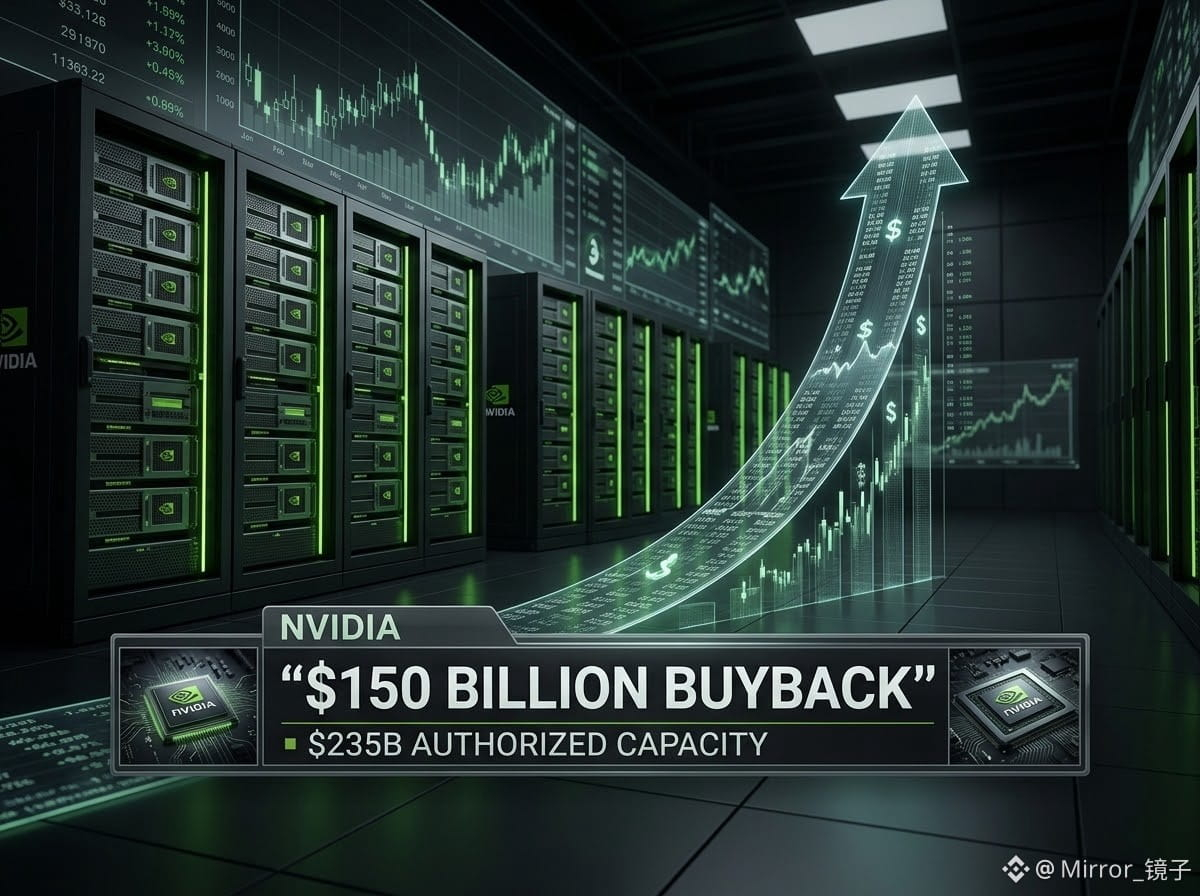
NVIDIA hat gerade eine 150-Milliarden-Dollar-Ergänzung zu seinem Aktienrückkaufprogramm vorgenommen und damit die verbleibende, genehmigte Rückkaufkapazität auf 235 Milliarden Dollar erhöht.
Laut NVIDIA handelt es sich dabei um die größte Erhöhung einer Aktienrückkauf-Ermächtigung in der Geschichte. Das Unternehmen geht davon aus, dass das verbleibende Programm bis zum Geschäftsjahr 2028 ausgeführt wird. �
NVIDIA Newsroom +1
Warum ist das wichtig?
Ein Aktienrückkauf bedeutet, dass das Unternehmen Barmittel nutzt, um seine eigenen Aktien am Markt zurückzukaufen. Wenn die Aktien tatsächlich zurückgekauft werden und die Anzahl der Aktien sinkt, kann der Gewinn je Aktie steigen – bei ansonsten gleichen Bedingungen.
NVIDIA sagt, dass seine starke Cash-Generierung es ihm ermöglicht, weiterhin in KI und beschleunigtes Computing zu investieren und gleichzeitig Kapital an die Aktionäre zurückzugeben. �
NVIDIA Newsroom
Die größere Story ist das Vertrauen hinter der Entscheidung: NVIDIA generiert weiterhin enormes Cash aus dem anhaltenden Boom beim KI-Infrastrukturaufbau, während der Wettbewerb bei KI-Chips zunimmt.
Für die Märkte lautet die entscheidende Frage jetzt nicht einfach „150 Mrd. $ Buyback = bullisch?“
Sondern: Wie aggressiv NVIDIA die Ermächtigung tatsächlich einsetzt und wie sich die Nachfrage nach KI in den nächsten mehreren Quartalen entwickelt.
KI-Ausgaben + NVIDIA-Cashflow + Rückkäufe = eine Kombination, die man im Blick behalten sollte. 👀
#NvidiaApproves$150BBuyback
NVIDIA hat gerade eine 150-Milliarden-Dollar-Ergänzung zu seinem Aktienrückkaufprogramm vorgenommen und damit die verbleibende, genehmigte Rückkaufkapazität auf 235 Milliarden Dollar erhöht.
Laut NVIDIA handelt es sich dabei um die größte Erhöhung einer Aktienrückkauf-Ermächtigung in der Geschichte. Das Unternehmen geht davon aus, dass das verbleibende Programm bis zum Geschäftsjahr 2028 ausgeführt wird. �
NVIDIA Newsroom +1
Warum ist das wichtig?
Ein Aktienrückkauf bedeutet, dass das Unternehmen Barmittel nutzt, um seine eigenen Aktien am Markt zurückzukaufen. Wenn die Aktien tatsächlich zurückgekauft werden und die Anzahl der Aktien sinkt, kann der Gewinn je Aktie steigen – bei ansonsten gleichen Bedingungen.
NVIDIA sagt, dass seine starke Cash-Generierung es ihm ermöglicht, weiterhin in KI und beschleunigtes Computing zu investieren und gleichzeitig Kapital an die Aktionäre zurückzugeben. �
NVIDIA Newsroom
Die größere Story ist das Vertrauen hinter der Entscheidung: NVIDIA generiert weiterhin enormes Cash aus dem anhaltenden Boom beim KI-Infrastrukturaufbau, während der Wettbewerb bei KI-Chips zunimmt.
Für die Märkte lautet die entscheidende Frage jetzt nicht einfach „150 Mrd. $ Buyback = bullisch?“
Sondern: Wie aggressiv NVIDIA die Ermächtigung tatsächlich einsetzt und wie sich die Nachfrage nach KI in den nächsten mehreren Quartalen entwickelt.
KI-Ausgaben + NVIDIA-Cashflow + Rückkäufe = eine Kombination, die man im Blick behalten sollte. 👀
NVIDIA hat gerade eine 150-Milliarden-Dollar-Ergänzung zu seinem Aktienrückkaufprogramm vorgenommen und damit die verbleibende, genehmigte Rückkaufkapazität auf 235 Milliarden Dollar erhöht.
Laut NVIDIA handelt es sich dabei um die größte Erhöhung einer Aktienrückkauf-Ermächtigung in der Geschichte. Das Unternehmen geht davon aus, dass das verbleibende Programm bis zum Geschäftsjahr 2028 ausgeführt wird. �
NVIDIA Newsroom +1
Warum ist das wichtig?
Ein Aktienrückkauf bedeutet, dass das Unternehmen Barmittel nutzt, um seine eigenen Aktien am Markt zurückzukaufen. Wenn die Aktien tatsächlich zurückgekauft werden und die Anzahl der Aktien sinkt, kann der Gewinn je Aktie steigen – bei ansonsten gleichen Bedingungen.
NVIDIA sagt, dass seine starke Cash-Generierung es ihm ermöglicht, weiterhin in KI und beschleunigtes Computing zu investieren und gleichzeitig Kapital an die Aktionäre zurückzugeben. �
NVIDIA Newsroom
Die größere Story ist das Vertrauen hinter der Entscheidung: NVIDIA generiert weiterhin enormes Cash aus dem anhaltenden Boom beim KI-Infrastrukturaufbau, während der Wettbewerb bei KI-Chips zunimmt.
Für die Märkte lautet die entscheidende Frage jetzt nicht einfach „150 Mrd. $ Buyback = bullisch?“
Sondern: Wie aggressiv NVIDIA die Ermächtigung tatsächlich einsetzt und wie sich die Nachfrage nach KI in den nächsten mehreren Quartalen entwickelt.
KI-Ausgaben + NVIDIA-Cashflow + Rückkäufe = eine Kombination, die man im Blick behalten sollte. 👀
1
103
·
--
Bärisch
🔥 $PIEVERSE + $QUQ — Zwei Coins zum Beobachten
PIEVERSE liegt bei etwa $1.50, während QUQ bei ungefähr $0.00161 liegt. Beide zeigen aktives Bewegung, aber eine Bestätigung ist vor dem Einstieg wichtig.
$PIEVERSE
📍 Einstieg: $1.50–$1.53
🎯 Ziel: $1.60 → $1.70
🛑 SL: $1.44
$quq
📍 Einstieg: $0.00159–$0.00162
🎯 Ziel: $0.00170 → $0.00180
🛑 SL: $0.00152
#Write2Earn
{alpha}(560x0e63b9c287e32a05e6b9ab8ee8df88a2760225a9)
{alpha}(560x4fa7c69a7b69f8bc48233024d546bc299d6b03bf)
🔥 $PIEVERSE + $QUQ — Zwei Coins zum Beobachten
PIEVERSE liegt bei etwa $1.50, während QUQ bei ungefähr $0.00161 liegt. Beide zeigen aktives Bewegung, aber eine Bestätigung ist vor dem Einstieg wichtig.
$PIEVERSE
📍 Einstieg: $1.50–$1.53
🎯 Ziel: $1.60 → $1.70
🛑 SL: $1.44
$quq
📍 Einstieg: $0.00159–$0.00162
🎯 Ziel: $0.00170 → $0.00180
🛑 SL: $0.00152
#Write2Earn
PIEVERSE liegt bei etwa $1.50, während QUQ bei ungefähr $0.00161 liegt. Beide zeigen aktives Bewegung, aber eine Bestätigung ist vor dem Einstieg wichtig.
$PIEVERSE
📍 Einstieg: $1.50–$1.53
🎯 Ziel: $1.60 → $1.70
🛑 SL: $1.44
$quq
📍 Einstieg: $0.00159–$0.00162
🎯 Ziel: $0.00170 → $0.00180
🛑 SL: $0.00152
#Write2Earn
731
·
--
Bärisch
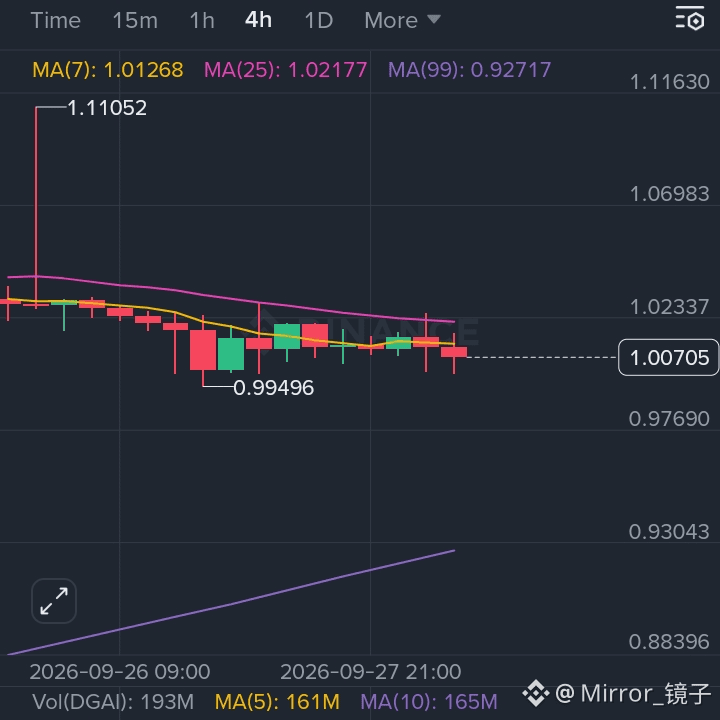
$DGAI bewegt sich um $1.007 herum, wobei der Kurs weiterhin unter dem MA(7) und MA(25) liegt. Der Bereich um $0.995 ist die entscheidende Unterstützungszone, die man im Blick behalten sollte.
Wenn der Kurs $1.02 zurückerobert, könnte sich der Momentum in Richtung der nächsten Widerstandsniveaus verbessern.
📍 Einstieg: $1.00 – $1.01
🎯 Ziel 1: $1.023
🎯 Ziel 2: $1.07
🛑 Stop Loss: $0.985
Wichtiges Niveau: $0.995 Unterstützung. Ein klarer Bruch darunter würde das Setup schwächen.
#DGAI #BinanceAlpha
#Write2Earrn
{alpha}(560x10d4183389e99233db3cc981c43443ebd28ebd5e)
$DGAI bewegt sich um $1.007 herum, wobei der Kurs weiterhin unter dem MA(7) und MA(25) liegt. Der Bereich um $0.995 ist die entscheidende Unterstützungszone, die man im Blick behalten sollte.
Wenn der Kurs $1.02 zurückerobert, könnte sich der Momentum in Richtung der nächsten Widerstandsniveaus verbessern.
📍 Einstieg: $1.00 – $1.01
🎯 Ziel 1: $1.023
🎯 Ziel 2: $1.07
🛑 Stop Loss: $0.985
Wichtiges Niveau: $0.995 Unterstützung. Ein klarer Bruch darunter würde das Setup schwächen.
#DGAI #BinanceAlpha
#Write2Earrn
Wenn der Kurs $1.02 zurückerobert, könnte sich der Momentum in Richtung der nächsten Widerstandsniveaus verbessern.
📍 Einstieg: $1.00 – $1.01
🎯 Ziel 1: $1.023
🎯 Ziel 2: $1.07
🛑 Stop Loss: $0.985
Wichtiges Niveau: $0.995 Unterstützung. Ein klarer Bruch darunter würde das Setup schwächen.
#DGAI #BinanceAlpha
#Write2Earrn
293
·
--
$PEPE vs $NEAR 👀
PEPE — $0.00000427
Near — $2.58
PEPE zeigt einen kleinen Erholungsversuch, während NEAR auf einem Niveau sitzt, auf dem Käufer möglicherweise stärkeren Momentum zeigen müssen.
Zwei unterschiedliche Setups, aber die gleiche Frage:
Welches sieht für dich gerade interessanter aus — Pepe oder $NEAR?
#PEPE #NEAR #Crypto
#Write2Earn
{spot}(PEPEUSDT)
{spot}(NEARUSDT)
$PEPE vs $NEAR 👀
PEPE — $0.00000427
Near — $2.58
PEPE zeigt einen kleinen Erholungsversuch, während NEAR auf einem Niveau sitzt, auf dem Käufer möglicherweise stärkeren Momentum zeigen müssen.
Zwei unterschiedliche Setups, aber die gleiche Frage:
Welches sieht für dich gerade interessanter aus — Pepe oder $NEAR ?
#PEPE #NEAR #Crypto
#Write2Earn
PEPE — $0.00000427
Near — $2.58
PEPE zeigt einen kleinen Erholungsversuch, während NEAR auf einem Niveau sitzt, auf dem Käufer möglicherweise stärkeren Momentum zeigen müssen.
Zwei unterschiedliche Setups, aber die gleiche Frage:
Welches sieht für dich gerade interessanter aus — Pepe oder $NEAR ?
#PEPE #NEAR #Crypto
#Write2Earn
152
·
--
Bullisch
SEI vs SUI 👀
$SEI — $0.0814
$SUI — $1.27
SEI zeigt stärkeren kurzfristigen Schwung, während SUI ein anderes Setup in seinem aktuellen Bereich hält.
Beide sind es wert, beobachtet zu werden, aber aus unterschiedlichen Gründen.
Welches beobachtest du genauer — SUI und SEI ??
#Write2Earn!
{spot}(SEIUSDT)
{spot}(SUIUSDT)
SEI vs SUI 👀
$SEI — $0.0814
$SUI — $1.27
SEI zeigt stärkeren kurzfristigen Schwung, während SUI ein anderes Setup in seinem aktuellen Bereich hält.
Beide sind es wert, beobachtet zu werden, aber aus unterschiedlichen Gründen.
Welches beobachtest du genauer — SUI und SEI ??
#Write2Earn!
$SEI — $0.0814
$SUI — $1.27
SEI zeigt stärkeren kurzfristigen Schwung, während SUI ein anderes Setup in seinem aktuellen Bereich hält.
Beide sind es wert, beobachtet zu werden, aber aus unterschiedlichen Gründen.
Welches beobachtest du genauer — SUI und SEI ??
#Write2Earn!
1
409
·
--
$QNT vs $DOGE — zwei sehr unterschiedliche Setups 👀
QNT hat gerade eine starke Bewegung gesehen, also stellt sich die große Frage, ob Käufer diese Dynamik beibehalten können oder ob Gewinnmitnahmen beginnen.
DOGE hingegen bewegt sich deutlich ruhiger im Bereich um 0,09 $. Für DOGE könnte es wichtiger sein, die Unterstützung zu halten, als einem sofortigen Ausbruch hinterherzulaufen.
Das eine hat Momentum, das andere zeigt einen Support-Test.
Welches Setup beobachtest du gerade genauer—QNT oder DOGE?
#Crypto #QNT #DOGE
#Write2Earrn
{spot}(QNTUSDT)
{spot}(DOGEUSDT)
$QNT vs $DOGE — zwei sehr unterschiedliche Setups 👀
QNT hat gerade eine starke Bewegung gesehen, also stellt sich die große Frage, ob Käufer diese Dynamik beibehalten können oder ob Gewinnmitnahmen beginnen.
DOGE hingegen bewegt sich deutlich ruhiger im Bereich um 0,09 $. Für DOGE könnte es wichtiger sein, die Unterstützung zu halten, als einem sofortigen Ausbruch hinterherzulaufen.
Das eine hat Momentum, das andere zeigt einen Support-Test.
Welches Setup beobachtest du gerade genauer—QNT oder DOGE?
#Crypto #QNT #DOGE
#Write2Earrn
QNT hat gerade eine starke Bewegung gesehen, also stellt sich die große Frage, ob Käufer diese Dynamik beibehalten können oder ob Gewinnmitnahmen beginnen.
DOGE hingegen bewegt sich deutlich ruhiger im Bereich um 0,09 $. Für DOGE könnte es wichtiger sein, die Unterstützung zu halten, als einem sofortigen Ausbruch hinterherzulaufen.
Das eine hat Momentum, das andere zeigt einen Support-Test.
Welches Setup beobachtest du gerade genauer—QNT oder DOGE?
#Crypto #QNT #DOGE
#Write2Earrn
QNT 😐
41%
DOGE 🐕
59%
27 Stimmen • Abstimmung beendet
723
·
--
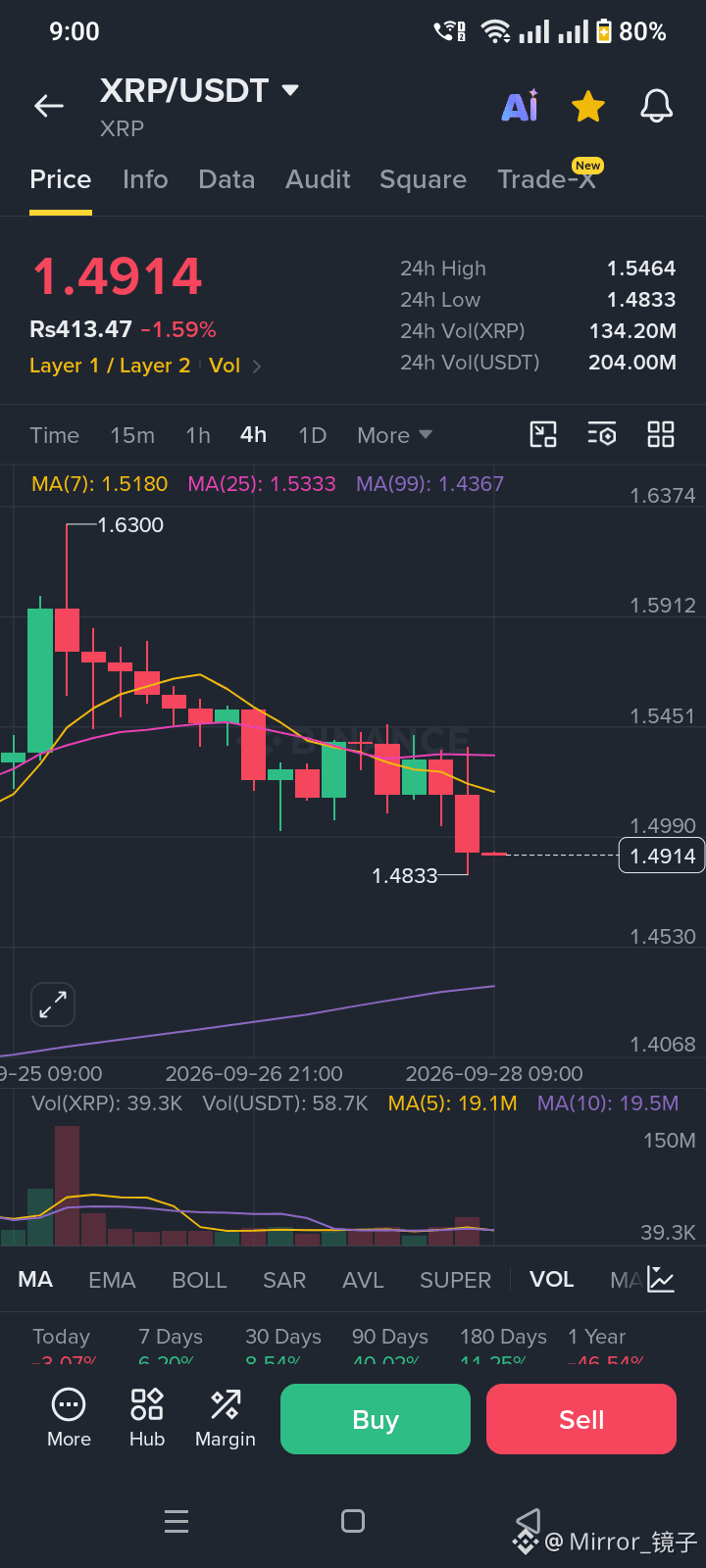
$XRP sitzt in einer interessanten „Abwarten-und-schauen“-Zone.
Nachdem XRP in Richtung des $1.65–$1.70-Bereichs gedrückt hatte, ist es zurückgekommen und liegt nun etwa im Bereich von $1.50. Die aktuelle technische Analyse identifiziert ungefähr $1.45–$1.50 als nahe Unterstützung, während $1.65–$1.70 weiterhin ein bedeutender Widerstandsbereich bleibt. �
Der interessante Teil ist also nicht, die nächste Kerze vorherzusagen.
Es geht darum zu beobachten, welche Seite die nächste Reaktion kontrolliert.
$1.45–$1.50 halten → Käufer könnten eine weitere Gelegenheit bekommen.
Verlieren → die Struktur könnte einen tieferen Reset benötigen.
Was würde dich bei XRP mehr überzeugen: ein starker Rebound von der Unterstützung oder ein sauberer Ausbruch über den Widerstand?
#XRPRealityCheck #Write2Earn
{spot}(XRPUSDT)
$XRP sitzt in einer interessanten „Abwarten-und-schauen“-Zone.
Nachdem XRP in Richtung des $1.65–$1.70-Bereichs gedrückt hatte, ist es zurückgekommen und liegt nun etwa im Bereich von $1.50. Die aktuelle technische Analyse identifiziert ungefähr $1.45–$1.50 als nahe Unterstützung, während $1.65–$1.70 weiterhin ein bedeutender Widerstandsbereich bleibt. �
Der interessante Teil ist also nicht, die nächste Kerze vorherzusagen.
Es geht darum zu beobachten, welche Seite die nächste Reaktion kontrolliert.
$1.45–$1.50 halten → Käufer könnten eine weitere Gelegenheit bekommen.
Verlieren → die Struktur könnte einen tieferen Reset benötigen.
Was würde dich bei XRP mehr überzeugen: ein starker Rebound von der Unterstützung oder ein sauberer Ausbruch über den Widerstand?
#XRPRealityCheck #Write2Earn
Nachdem XRP in Richtung des $1.65–$1.70-Bereichs gedrückt hatte, ist es zurückgekommen und liegt nun etwa im Bereich von $1.50. Die aktuelle technische Analyse identifiziert ungefähr $1.45–$1.50 als nahe Unterstützung, während $1.65–$1.70 weiterhin ein bedeutender Widerstandsbereich bleibt. �
Der interessante Teil ist also nicht, die nächste Kerze vorherzusagen.
Es geht darum zu beobachten, welche Seite die nächste Reaktion kontrolliert.
$1.45–$1.50 halten → Käufer könnten eine weitere Gelegenheit bekommen.
Verlieren → die Struktur könnte einen tieferen Reset benötigen.
Was würde dich bei XRP mehr überzeugen: ein starker Rebound von der Unterstützung oder ein sauberer Ausbruch über den Widerstand?
#XRPRealityCheck #Write2Earn
99
·
--
Bärisch
$ETH steht unter Druck, aber die eigentliche Frage ist, was als Nächstes passiert.
ETH ist wieder in Richtung der Marke um die mittleren 2,6K gefallen, nachdem es den jüngsten Aufschwung nicht halten konnte.
Jetzt beobachte ich eine Sache besonders genau: Können Käufer den Bereich von 2,62K–2,64K verteidigen?
Wenn diese Zone hält, könnte ETH eine weitere Chance bekommen, um wieder Momentum aufzubauen.
Wenn sie jedoch klar nachgibt, könnte der Rücksetzer noch tiefer werden.
Kein Grund, der Bewegung hinterherzulaufen — die Reaktion rund um den Support könnte uns mehr verraten.
Worauf achtest du hier: auf einen Bounce oder auf eine weitere Abwärtswelle? 👀
#Ethereum #ETH #Crypto
#Write2Earrn
{spot}(ETHUSDT)
$ETH steht unter Druck, aber die eigentliche Frage ist, was als Nächstes passiert.
ETH ist wieder in Richtung der Marke um die mittleren 2,6K gefallen, nachdem es den jüngsten Aufschwung nicht halten konnte.
Jetzt beobachte ich eine Sache besonders genau: Können Käufer den Bereich von 2,62K–2,64K verteidigen?
Wenn diese Zone hält, könnte ETH eine weitere Chance bekommen, um wieder Momentum aufzubauen.
Wenn sie jedoch klar nachgibt, könnte der Rücksetzer noch tiefer werden.
Kein Grund, der Bewegung hinterherzulaufen — die Reaktion rund um den Support könnte uns mehr verraten.
Worauf achtest du hier: auf einen Bounce oder auf eine weitere Abwärtswelle? 👀
#Ethereum #ETH #Crypto
#Write2Earrn
ETH ist wieder in Richtung der Marke um die mittleren 2,6K gefallen, nachdem es den jüngsten Aufschwung nicht halten konnte.
Jetzt beobachte ich eine Sache besonders genau: Können Käufer den Bereich von 2,62K–2,64K verteidigen?
Wenn diese Zone hält, könnte ETH eine weitere Chance bekommen, um wieder Momentum aufzubauen.
Wenn sie jedoch klar nachgibt, könnte der Rücksetzer noch tiefer werden.
Kein Grund, der Bewegung hinterherzulaufen — die Reaktion rund um den Support könnte uns mehr verraten.
Worauf achtest du hier: auf einen Bounce oder auf eine weitere Abwärtswelle? 👀
#Ethereum #ETH #Crypto
#Write2Earrn
119
·
--
$BTC ist zurück im Fokus. 👀
Bitcoin liegt derzeit bei rund 83,4 T$, wobei die heutige Spanne einen Kampf zwischen Käufern und Verkäufern zeigt.
Die spannende Frage jetzt:
📈 Kann BTC den Bereich von 85 T$ zurückerobern?
📉 Oder werden Verkäufer es zurück in Richtung der 82 T$-Zone drücken?
Ich beobachte den nächsten Schritt, statt der Kerze hinterherzulaufen.
Wie siehst du das?
{future}(BTCUSDT)
$BTC ist zurück im Fokus. 👀
Bitcoin liegt derzeit bei rund 83,4 T$, wobei die heutige Spanne einen Kampf zwischen Käufern und Verkäufern zeigt.
Die spannende Frage jetzt:
📈 Kann BTC den Bereich von 85 T$ zurückerobern?
📉 Oder werden Verkäufer es zurück in Richtung der 82 T$-Zone drücken?
Ich beobachte den nächsten Schritt, statt der Kerze hinterherzulaufen.
Wie siehst du das?
Bitcoin liegt derzeit bei rund 83,4 T$, wobei die heutige Spanne einen Kampf zwischen Käufern und Verkäufern zeigt.
Die spannende Frage jetzt:
📈 Kann BTC den Bereich von 85 T$ zurückerobern?
📉 Oder werden Verkäufer es zurück in Richtung der 82 T$-Zone drücken?
Ich beobachte den nächsten Schritt, statt der Kerze hinterherzulaufen.
Wie siehst du das?
Bearish 🔴
0%
Bullish 💚
0%
0 Stimmen • Abstimmung beendet
94
·
--
🚨 Das Handelsvolumen von MSTR hat gerade eine alte Wall-Street-Bank überholt
Strategy Inc. ($MSTR — das Bitcoin-Treasury-Unternehmen, das früher als MicroStrategy bekannt war) verzeichnet nun täglich eine Aktienumschlagrate, die großen Banken wie Morgan Stanley und JPMorgan entweder entspricht oder sie übertrifft — trotz einer Marktkapitalisierung, die nur einen Bruchteil davon ausmacht (~52–54 Mrd. USD vs. Morgan Stanleys ~340 Mrd.+). Das ist ein eindrucksvolles Zeichen dafür, wo sich der spekulative Orderflow konzentriert.
Der Hintergrund: Strategy hält ungefähr 845.050 BTC (laut SEC-Einreichungen), erworben zu Gesamtkosten von rund 63,7 Mrd. USD. Damit ist $MSTR eine der liquidesten reinen Bitcoin-Proxy-Positionen an US-Börsen. Die Aktien handeln diese Woche im Bereich von 125–137 USD, bei einem täglichen Volumen von über 20 Mio. Aktien.
Wichtig zu merken: Hoher Aktienumsatz ≠ größer oder „besser“ als die Bank — er spiegelt MSTRs hohe Beta-Korrelation zu BTC und seine Beliebtheit als gehebeltes Handelsvehikel wider, nicht die fundamentale Größe. NFA.
#MSTRTradingVolumeSurpassesMorganStanley
#Binance
🚨 Das Handelsvolumen von MSTR hat gerade eine alte Wall-Street-Bank überholt
Strategy Inc. ($MSTR — das Bitcoin-Treasury-Unternehmen, das früher als MicroStrategy bekannt war) verzeichnet nun täglich eine Aktienumschlagrate, die großen Banken wie Morgan Stanley und JPMorgan entweder entspricht oder sie übertrifft — trotz einer Marktkapitalisierung, die nur einen Bruchteil davon ausmacht (~52–54 Mrd. USD vs. Morgan Stanleys ~340 Mrd.+). Das ist ein eindrucksvolles Zeichen dafür, wo sich der spekulative Orderflow konzentriert.
Der Hintergrund: Strategy hält ungefähr 845.050 BTC (laut SEC-Einreichungen), erworben zu Gesamtkosten von rund 63,7 Mrd. USD. Damit ist $MSTR eine der liquidesten reinen Bitcoin-Proxy-Positionen an US-Börsen. Die Aktien handeln diese Woche im Bereich von 125–137 USD, bei einem täglichen Volumen von über 20 Mio. Aktien.
Wichtig zu merken: Hoher Aktienumsatz ≠ größer oder „besser“ als die Bank — er spiegelt MSTRs hohe Beta-Korrelation zu BTC und seine Beliebtheit als gehebeltes Handelsvehikel wider, nicht die fundamentale Größe. NFA.
#MSTRTradingVolumeSurpassesMorganStanley
#Binance
Strategy Inc. ($MSTR — das Bitcoin-Treasury-Unternehmen, das früher als MicroStrategy bekannt war) verzeichnet nun täglich eine Aktienumschlagrate, die großen Banken wie Morgan Stanley und JPMorgan entweder entspricht oder sie übertrifft — trotz einer Marktkapitalisierung, die nur einen Bruchteil davon ausmacht (~52–54 Mrd. USD vs. Morgan Stanleys ~340 Mrd.+). Das ist ein eindrucksvolles Zeichen dafür, wo sich der spekulative Orderflow konzentriert.
Der Hintergrund: Strategy hält ungefähr 845.050 BTC (laut SEC-Einreichungen), erworben zu Gesamtkosten von rund 63,7 Mrd. USD. Damit ist $MSTR eine der liquidesten reinen Bitcoin-Proxy-Positionen an US-Börsen. Die Aktien handeln diese Woche im Bereich von 125–137 USD, bei einem täglichen Volumen von über 20 Mio. Aktien.
Wichtig zu merken: Hoher Aktienumsatz ≠ größer oder „besser“ als die Bank — er spiegelt MSTRs hohe Beta-Korrelation zu BTC und seine Beliebtheit als gehebeltes Handelsvehikel wider, nicht die fundamentale Größe. NFA.
#MSTRTradingVolumeSurpassesMorganStanley
#Binance
2
181
·
--
Bullisch
Ich schätze, hier ist jeder ein genialer Trader.
Also, wer verdient hier eigentlich das Geld? Die meisten, die hier bleiben, versuchen einfach nur ihr Glück für die Zukunft. Als gewöhnlicher Mensch gibt es nur wenige verstreute Wege, um sich hervorzuheben.
Entgegen meinen Wünschen habe ich den Weg immer noch nicht gefunden. Welches Geld habe ich schon verdient? In letzter Zeit sagen die Leute, der Markt sei so gut, als würde man Geld aufheben. Ich bin wie ein Clown, der die Krümel aufliest. Endlich etwas Geld verdient, aber vergessen, meinen Auftrag vor der Veröffentlichung der Ethereum Non-Farm Payroll zu stornieren, und in einer Sekunde waren meine Gewinne weg.
$BTC wurde von der gestrigen Non-Farm Payroll getroffen und fiel von 81.000 auf 78.000. Es hat den Durchbruch nicht geschafft, und die Unterstützung darunter sieht ziemlich stark aus. Heute verbessert es sich langsam.
$ETH ist im Vergleich zu Bitcoin noch etwas schwach, erholt sich aber langsam. Vorerst bin ich weiterhin bullisch. Leider habe ich vergessen, meinen Auftrag vor der Veröffentlichung der Non-Farm-Daten zu stornieren. Der Markteinbruch war einmal im Jahrhundert, fiel sofort um 100 Punkte auf 2.400 und erholt sich nun langsam zusammen mit Bitcoin.
$ZEC war in letzter Zeit die heftigste Münze. Wer hätte gedacht, dass sie unter dem Druck der Non-Farm Payroll unter 1.000 fällt und dann sofort wie ein Blitz wieder über 1.000 steigt. Das ist wirklich wild. Jetzt sagen viele Leute, sie werde auf 1.200 steigen, aber ich weiß nicht, ob das stimmt.
Jeder muss seine Positionen gut kontrollieren. Am Wochenende gibt es keinen Markt, also könnt ihr euch ausruhen.
Ich schätze, hier ist jeder ein genialer Trader.
Also, wer verdient hier eigentlich das Geld? Die meisten, die hier bleiben, versuchen einfach nur ihr Glück für die Zukunft. Als gewöhnlicher Mensch gibt es nur wenige verstreute Wege, um sich hervorzuheben.
Entgegen meinen Wünschen habe ich den Weg immer noch nicht gefunden. Welches Geld habe ich schon verdient? In letzter Zeit sagen die Leute, der Markt sei so gut, als würde man Geld aufheben. Ich bin wie ein Clown, der die Krümel aufliest. Endlich etwas Geld verdient, aber vergessen, meinen Auftrag vor der Veröffentlichung der Ethereum Non-Farm Payroll zu stornieren, und in einer Sekunde waren meine Gewinne weg.
$BTC wurde von der gestrigen Non-Farm Payroll getroffen und fiel von 81.000 auf 78.000. Es hat den Durchbruch nicht geschafft, und die Unterstützung darunter sieht ziemlich stark aus. Heute verbessert es sich langsam.
$ETH ist im Vergleich zu Bitcoin noch etwas schwach, erholt sich aber langsam. Vorerst bin ich weiterhin bullisch. Leider habe ich vergessen, meinen Auftrag vor der Veröffentlichung der Non-Farm-Daten zu stornieren. Der Markteinbruch war einmal im Jahrhundert, fiel sofort um 100 Punkte auf 2.400 und erholt sich nun langsam zusammen mit Bitcoin.
$ZEC war in letzter Zeit die heftigste Münze. Wer hätte gedacht, dass sie unter dem Druck der Non-Farm Payroll unter 1.000 fällt und dann sofort wie ein Blitz wieder über 1.000 steigt. Das ist wirklich wild. Jetzt sagen viele Leute, sie werde auf 1.200 steigen, aber ich weiß nicht, ob das stimmt.
Jeder muss seine Positionen gut kontrollieren. Am Wochenende gibt es keinen Markt, also könnt ihr euch ausruhen.
Also, wer verdient hier eigentlich das Geld? Die meisten, die hier bleiben, versuchen einfach nur ihr Glück für die Zukunft. Als gewöhnlicher Mensch gibt es nur wenige verstreute Wege, um sich hervorzuheben.
Entgegen meinen Wünschen habe ich den Weg immer noch nicht gefunden. Welches Geld habe ich schon verdient? In letzter Zeit sagen die Leute, der Markt sei so gut, als würde man Geld aufheben. Ich bin wie ein Clown, der die Krümel aufliest. Endlich etwas Geld verdient, aber vergessen, meinen Auftrag vor der Veröffentlichung der Ethereum Non-Farm Payroll zu stornieren, und in einer Sekunde waren meine Gewinne weg.
$BTC wurde von der gestrigen Non-Farm Payroll getroffen und fiel von 81.000 auf 78.000. Es hat den Durchbruch nicht geschafft, und die Unterstützung darunter sieht ziemlich stark aus. Heute verbessert es sich langsam.
$ETH ist im Vergleich zu Bitcoin noch etwas schwach, erholt sich aber langsam. Vorerst bin ich weiterhin bullisch. Leider habe ich vergessen, meinen Auftrag vor der Veröffentlichung der Non-Farm-Daten zu stornieren. Der Markteinbruch war einmal im Jahrhundert, fiel sofort um 100 Punkte auf 2.400 und erholt sich nun langsam zusammen mit Bitcoin.
$ZEC war in letzter Zeit die heftigste Münze. Wer hätte gedacht, dass sie unter dem Druck der Non-Farm Payroll unter 1.000 fällt und dann sofort wie ein Blitz wieder über 1.000 steigt. Das ist wirklich wild. Jetzt sagen viele Leute, sie werde auf 1.200 steigen, aber ich weiß nicht, ob das stimmt.
Jeder muss seine Positionen gut kontrollieren. Am Wochenende gibt es keinen Markt, also könnt ihr euch ausruhen.
221
·
--
NUTZLOS $TRIA ICS Eine größere Position eröffnen, die Hebelwirkung etwas senken und den Liquidationspreis weiter entfernt halten!!!
Beim Handel mit diesen Altcoins, da man kein Gesamtbild haben kann,
wenn du Gewinne mitnehmen willst, musst du es so machen!
Gewinne Stück für Stück mitnehmen, in kleinen Portionen, vorsichtig kauen und langsam schlucken.
Da dieser verdammte Markt kein Gesamtbild zulässt und keine langfristigen Positionen halten kann, teilen wir Positionen auf und nehmen Gewinne Schritt für Schritt mit. Eine große Position eröffnen, niedrige Hebelwirkung verwenden.
Das wichtigste Geheimnis beim Eröffnen von Positionen auf diese Weise ist, Take-Profit und Stop-Loss direkt festzulegen und dein psychologisches Top und Bottom festzulegen.
Steige sofort aus, wenn das Ziel erreicht ist, sei nicht gierig; egal wie verlockend der Gewinn ist, iss nicht den letzten Bissen. Gier nach dem letzten Bissen kann leicht nach hinten losgehen. Selbst in einem so volatilen Markt kannst du immer noch Geld verdienen, indem du sowohl Long- als auch Short-Positionen eröffnest. Da es ein doppelter Schlag für Longs und Shorts ist, nehmen wir auf beiden Seiten Gewinne mit!!
Voll rein und schnell, kurz und zügig!!!
$TRIA
{future}(TRIAUSDT)
$ICX
NUTZLOS $TRIA ICS Eine größere Position eröffnen, die Hebelwirkung etwas senken und den Liquidationspreis weiter entfernt halten!!!
Beim Handel mit diesen Altcoins, da man kein Gesamtbild haben kann,
wenn du Gewinne mitnehmen willst, musst du es so machen!
Gewinne Stück für Stück mitnehmen, in kleinen Portionen, vorsichtig kauen und langsam schlucken.
Da dieser verdammte Markt kein Gesamtbild zulässt und keine langfristigen Positionen halten kann, teilen wir Positionen auf und nehmen Gewinne Schritt für Schritt mit. Eine große Position eröffnen, niedrige Hebelwirkung verwenden.
Das wichtigste Geheimnis beim Eröffnen von Positionen auf diese Weise ist, Take-Profit und Stop-Loss direkt festzulegen und dein psychologisches Top und Bottom festzulegen.
Steige sofort aus, wenn das Ziel erreicht ist, sei nicht gierig; egal wie verlockend der Gewinn ist, iss nicht den letzten Bissen. Gier nach dem letzten Bissen kann leicht nach hinten losgehen. Selbst in einem so volatilen Markt kannst du immer noch Geld verdienen, indem du sowohl Long- als auch Short-Positionen eröffnest. Da es ein doppelter Schlag für Longs und Shorts ist, nehmen wir auf beiden Seiten Gewinne mit!!
Voll rein und schnell, kurz und zügig!!!
$TRIA
$ICX
Beim Handel mit diesen Altcoins, da man kein Gesamtbild haben kann,
wenn du Gewinne mitnehmen willst, musst du es so machen!
Gewinne Stück für Stück mitnehmen, in kleinen Portionen, vorsichtig kauen und langsam schlucken.
Da dieser verdammte Markt kein Gesamtbild zulässt und keine langfristigen Positionen halten kann, teilen wir Positionen auf und nehmen Gewinne Schritt für Schritt mit. Eine große Position eröffnen, niedrige Hebelwirkung verwenden.
Das wichtigste Geheimnis beim Eröffnen von Positionen auf diese Weise ist, Take-Profit und Stop-Loss direkt festzulegen und dein psychologisches Top und Bottom festzulegen.
Steige sofort aus, wenn das Ziel erreicht ist, sei nicht gierig; egal wie verlockend der Gewinn ist, iss nicht den letzten Bissen. Gier nach dem letzten Bissen kann leicht nach hinten losgehen. Selbst in einem so volatilen Markt kannst du immer noch Geld verdienen, indem du sowohl Long- als auch Short-Positionen eröffnest. Da es ein doppelter Schlag für Longs und Shorts ist, nehmen wir auf beiden Seiten Gewinne mit!!
Voll rein und schnell, kurz und zügig!!!
$TRIA
$ICX
263
·
--
Die Wahrscheinlichkeit einer Zinserhöhung ist letzte Nacht gesunken und hat die Krypto-Community völlig entfacht! BTC und ETH sind sofort in den Feiermodus übergegangen, und die Bären haben wieder angefangen zu zittern.
Aktuell steht $BTC bei 81.286,5 $, ein Plus von 5,14 % in 24 Stunden, mit einem Hoch von 82.285 $; ETH liegt bei 2.507,63 $, ein Plus von 4,92 % in 24 Stunden, und erreichte ein Hoch von 2.530 $.
Schauen wir uns zuerst BTC an 👇
Der größte Widerstand liegt derzeit eigentlich bei etwa 82.000 $—82.300 $. Wenn es zu einem volumenstarken Ausbruch kommt und der Kurs über diesem Niveau bleibt, wäre das nächste Ziel 84.000 $—85.000 $. Wenn der Kurs jedoch kurzzeitig nach oben ausschlägt und es nicht schafft, sich über 82.300 $ zu halten, ist ein kurzfristiger Rücksetzer auf 80.000 $ oder sogar in die Nähe von 78.000 $ sehr wahrscheinlich.
Nun schauen wir uns ETH an 👇
$ETH hat nun die Marke von 2.500 $ zurückerobert und zeigt deutliche kurzfristige Stärke. 2.530 $ ist der erste Widerstand; wenn er überwunden wird, könnte das nächste Ziel bei 2.600 $—2.650 $ liegen. Umgekehrt ist Vorsicht geboten, wenn der Kurs wieder unter 2.480 $—2.500 $ fällt, da sich diese Rallye möglicherweise als Fehlausbruch erweisen könnte.
Allerdings steht heute Abend ein wichtiger Test an – die US-Nonfarm-Payroll-Daten werden um 20:30 veröffentlicht. Der Markt erwartet derzeit rund 58.000 neue Arbeitsplätze im August.
#USWeeklyInitialJoblessClaimsRiseTo206000
#Write2Earn!
Die Wahrscheinlichkeit einer Zinserhöhung ist letzte Nacht gesunken und hat die Krypto-Community völlig entfacht! BTC und ETH sind sofort in den Feiermodus übergegangen, und die Bären haben wieder angefangen zu zittern.
Aktuell steht $BTC bei 81.286,5 $, ein Plus von 5,14 % in 24 Stunden, mit einem Hoch von 82.285 $; ETH liegt bei 2.507,63 $, ein Plus von 4,92 % in 24 Stunden, und erreichte ein Hoch von 2.530 $.
Schauen wir uns zuerst BTC an 👇
Der größte Widerstand liegt derzeit eigentlich bei etwa 82.000 $—82.300 $. Wenn es zu einem volumenstarken Ausbruch kommt und der Kurs über diesem Niveau bleibt, wäre das nächste Ziel 84.000 $—85.000 $. Wenn der Kurs jedoch kurzzeitig nach oben ausschlägt und es nicht schafft, sich über 82.300 $ zu halten, ist ein kurzfristiger Rücksetzer auf 80.000 $ oder sogar in die Nähe von 78.000 $ sehr wahrscheinlich.
Nun schauen wir uns ETH an 👇
$ETH hat nun die Marke von 2.500 $ zurückerobert und zeigt deutliche kurzfristige Stärke. 2.530 $ ist der erste Widerstand; wenn er überwunden wird, könnte das nächste Ziel bei 2.600 $—2.650 $ liegen. Umgekehrt ist Vorsicht geboten, wenn der Kurs wieder unter 2.480 $—2.500 $ fällt, da sich diese Rallye möglicherweise als Fehlausbruch erweisen könnte.
Allerdings steht heute Abend ein wichtiger Test an – die US-Nonfarm-Payroll-Daten werden um 20:30 veröffentlicht. Der Markt erwartet derzeit rund 58.000 neue Arbeitsplätze im August.
#USWeeklyInitialJoblessClaimsRiseTo206000
#Write2Earn!
Aktuell steht $BTC bei 81.286,5 $, ein Plus von 5,14 % in 24 Stunden, mit einem Hoch von 82.285 $; ETH liegt bei 2.507,63 $, ein Plus von 4,92 % in 24 Stunden, und erreichte ein Hoch von 2.530 $.
Schauen wir uns zuerst BTC an 👇
Der größte Widerstand liegt derzeit eigentlich bei etwa 82.000 $—82.300 $. Wenn es zu einem volumenstarken Ausbruch kommt und der Kurs über diesem Niveau bleibt, wäre das nächste Ziel 84.000 $—85.000 $. Wenn der Kurs jedoch kurzzeitig nach oben ausschlägt und es nicht schafft, sich über 82.300 $ zu halten, ist ein kurzfristiger Rücksetzer auf 80.000 $ oder sogar in die Nähe von 78.000 $ sehr wahrscheinlich.
Nun schauen wir uns ETH an 👇
$ETH hat nun die Marke von 2.500 $ zurückerobert und zeigt deutliche kurzfristige Stärke. 2.530 $ ist der erste Widerstand; wenn er überwunden wird, könnte das nächste Ziel bei 2.600 $—2.650 $ liegen. Umgekehrt ist Vorsicht geboten, wenn der Kurs wieder unter 2.480 $—2.500 $ fällt, da sich diese Rallye möglicherweise als Fehlausbruch erweisen könnte.
Allerdings steht heute Abend ein wichtiger Test an – die US-Nonfarm-Payroll-Daten werden um 20:30 veröffentlicht. Der Markt erwartet derzeit rund 58.000 neue Arbeitsplätze im August.
#USWeeklyInitialJoblessClaimsRiseTo206000
#Write2Earn!
113
Anmelden und weiter Inhalte entdecken
Krypto-Nutzer weltweit auf Binance Square kennenlernen
⚡️ Bleib in Sachen Krypto stets am Puls.
💬 Die weltgrößte Kryptobörse vertraut darauf.
👍 Erhalte verlässliche Einblicke von verifizierten Creators.
E-Mail-Adresse/Telefonnummer
Trendthemen
ZamaRises15.99%ToIntradayHigh$0.09
20,600 Aufrufe
114 Kommentare
#ZamaRises15.99%ToIntradayHigh$0.09
ZAMA ist gerade erst aufgewacht und hat sich für Gewalt entschieden! 🚀 Token #ZamaRises 15.99% zum Intraday-High: $0.09 – aus dem Nichts ausgebrochen und direkt die 0.09 USDT-Marke angelaufen. Was hat diesen Pump ausgelöst? Sammeln „Smart Money“ still und heimlich, oder hat eine plötzliche FOMO-Welle die Bären überrascht? 💸
Wird es weiter gepumpt oder geht es wieder runter? 🎢 Es spielt gerade direkt am Widerstand entlang. Wenn es hält, fliegen wir; wenn nicht, ist es der klassische Trap!
Was sollten Trader tun? Sichert euch Gewinne, wenn ihr hochgeritten seid, setzt enge Stop-Losses und jagt der grünen Kerze nicht hinterher wie ein Degen. Beobachtet das Volumen ganz genau! 🧐
Keine Finanzberatung (NFA).
Jetzt bei Binance mitmachen! Code: VINHTOCDO
Link: https://www.binance.com/register?ref=VINHTOCDO
Klicke unten, um zu handeln und mich zu unterstützen:
$ZAMA
$BTC
$BNB
#Zama #CryptoPumping #TradingAlert #AltcoinSeason #VINHTOCDO
Vinhtocdo
·1 Likes
·324 Aufrufe
BitcoinSpotETFsDraw$6.34BInflowsInQ3
6,850 Aufrufe
101 Kommentare
EthereumValidatorExitQueueJumps392%
119,879 Aufrufe
1,040 Kommentare