

-BLX
78 Beiträge

-BLX
Melden
Nutzer blockieren
Crypto Market Analyst | Web3 Strategist | Onchain Explorer | Ecosystem Builder BP-F44F0774C8E2
3 Following
25 Follower
41 Like gegeben
Beiträge
Alle
Live
·
--
Bullisch
Übersetzung ansehen
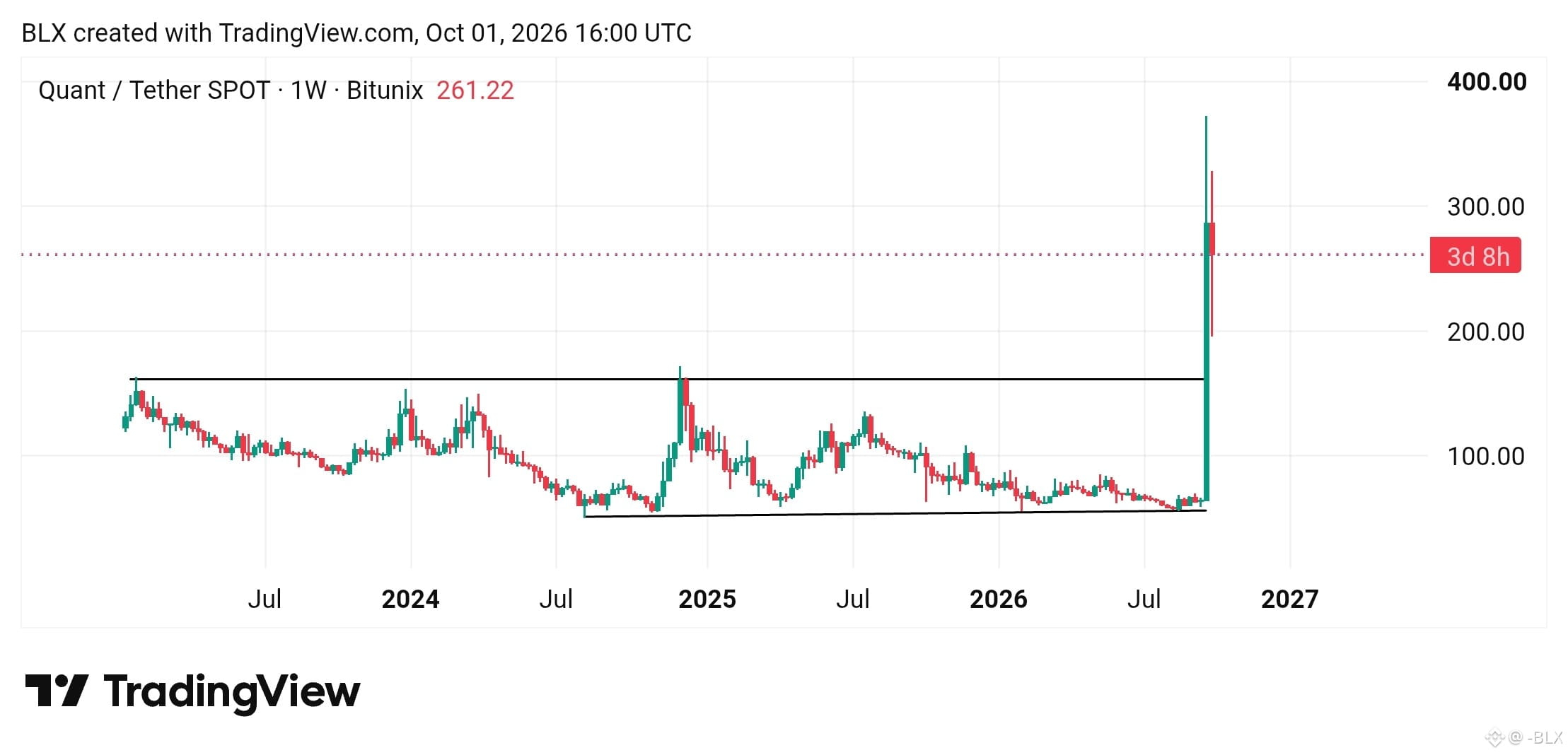
QUANT — Major Breakout
QNT has broken decisively above the ~$160 resistance zone after spending nearly two years ranging between roughly $50–$160.
The breakout candle pushed as high as ~$370, while price is currently around $261, showing significant volatility and some rejection from the highs.
Key levels:
🔴 Resistance: $300–$370
🟡 Current: ~$261
🟢 Breakout/support zone: $160
🟢 Major range support: $50–$60
Technical chart observation only, not financial advice.
$QNT
#US10YearYieldNears5.3%
QUANT — Major Breakout
QNT has broken decisively above the ~$160 resistance zone after spending nearly two years ranging between roughly $50–$160.
The breakout candle pushed as high as ~$370, while price is currently around $261, showing significant volatility and some rejection from the highs.
Key levels:
🔴 Resistance: $300–$370
🟡 Current: ~$261
🟢 Breakout/support zone: $160
🟢 Major range support: $50–$60
Technical chart observation only, not financial advice.
$QNT
#US10YearYieldNears5.3%
QNT has broken decisively above the ~$160 resistance zone after spending nearly two years ranging between roughly $50–$160.
The breakout candle pushed as high as ~$370, while price is currently around $261, showing significant volatility and some rejection from the highs.
Key levels:
🔴 Resistance: $300–$370
🟡 Current: ~$261
🟢 Breakout/support zone: $160
🟢 Major range support: $50–$60
Technical chart observation only, not financial advice.
$QNT
#US10YearYieldNears5.3%
1
·
--
Bullisch
Übersetzung ansehen
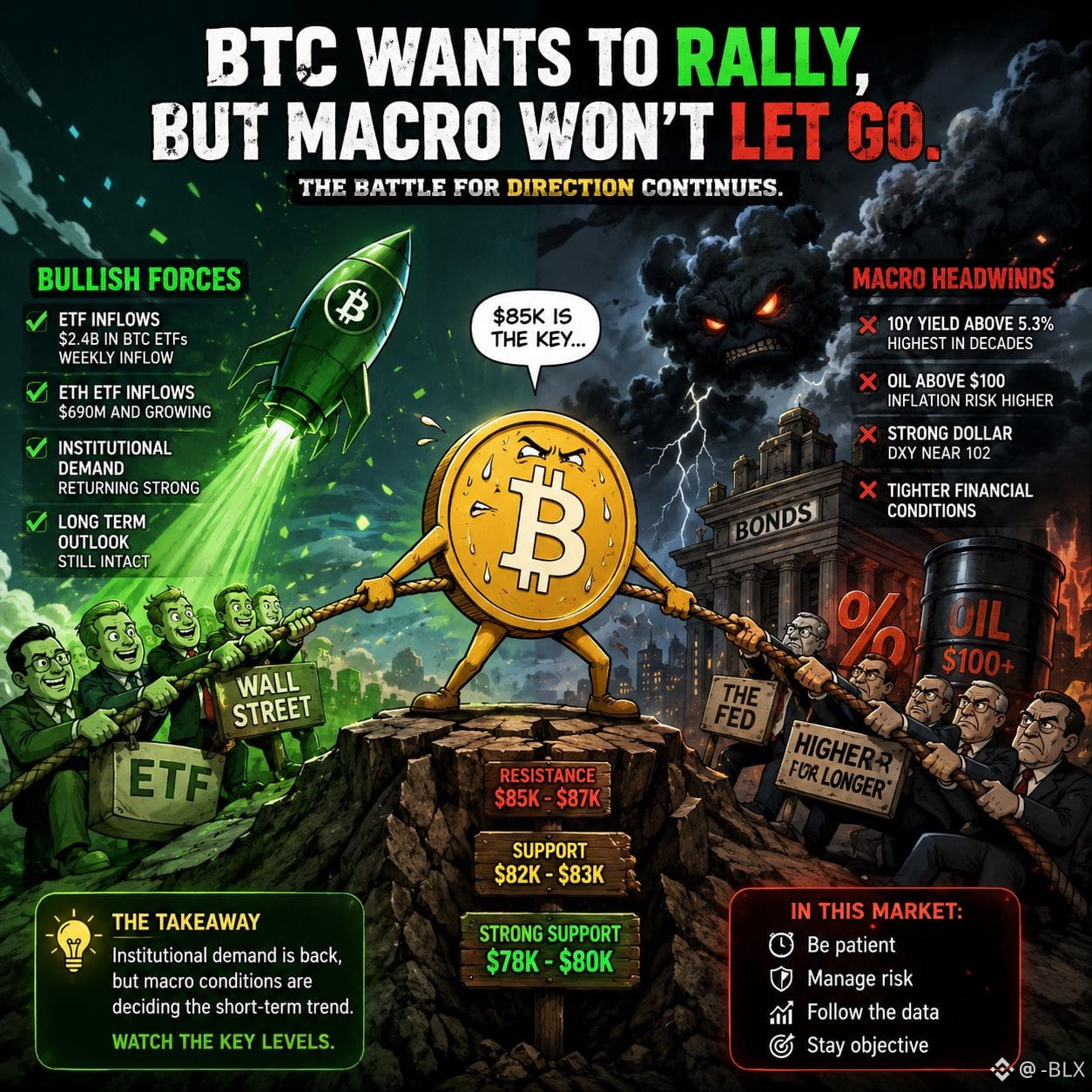
CRYPTO MARKET TODAY: BTC IS STRONG, BUT MACRO IS FIGHTING BACK
Bitcoin is holding around $84K after briefly pushing above $85K.
At first glance, the market looks constructive.
But underneath the price action, there’s a bigger battle happening:
Institutional demand is returning
Treasury yields are surging
Oil is back above $100
The dollar is strengthening
So what does this mean for crypto?
BTC: THE $85K BATTLE
BTC briefly traded above $85K following softer-than-expected inflation data, but the move failed to hold as Treasury yields remained elevated.
This makes $85K an important short-term resistance area.
A sustained reclaim would strengthen the recovery structure.
A rejection keeps BTC vulnerable to another consolidation phase.
INSTITUTIONAL FLOWS REMAIN IMPORTANT
The bigger story is capital entering crypto investment products.
U.S. spot Bitcoin ETFs attracted roughly $2.4B in net inflows during the week ending September 25, while Ethereum ETFs recorded about $690M.
However, Bitcoin ETF inflows also experienced a $149M outflow in the latest reported session, ending a nine-day inflow streak.
This is a reminder:
Strong demand is present, but it isn't guaranteed to move in one direction.
MACRO IS THE REAL TEST
The U.S. 10-year Treasury yield has climbed toward 5.3%, its highest level in decades, while Brent crude has moved above $100.
Why does crypto care?
Higher yields can make traditional fixed-income assets more attractive and tighten financial conditions.
Higher oil prices can also increase inflation pressure, potentially limiting how quickly monetary policy can ease.
In simple terms:
Crypto liquidity wants expansion.
The bond market is signaling caution.
WHAT I'M WATCHING
Over the next few sessions, these variables matter:
→ BTC holding/reclaiming $85K
→ BTC maintaining the $82K area
→ ETF inflows vs. outflows
→ ETH relative strength
→ SOL institutional flows
→ U.S. 10Y Treasury yield
→ Dollar strength
→ Total crypto market capitalization
#EtherGains70.9%InQ3
CRYPTO MARKET TODAY: BTC IS STRONG, BUT MACRO IS FIGHTING BACK
Bitcoin is holding around $84K after briefly pushing above $85K.
At first glance, the market looks constructive.
But underneath the price action, there’s a bigger battle happening:
Institutional demand is returning
Treasury yields are surging
Oil is back above $100
The dollar is strengthening
So what does this mean for crypto?
BTC: THE $85K BATTLE
BTC briefly traded above $85K following softer-than-expected inflation data, but the move failed to hold as Treasury yields remained elevated.
This makes $85K an important short-term resistance area.
A sustained reclaim would strengthen the recovery structure.
A rejection keeps BTC vulnerable to another consolidation phase.
INSTITUTIONAL FLOWS REMAIN IMPORTANT
The bigger story is capital entering crypto investment products.
U.S. spot Bitcoin ETFs attracted roughly $2.4B in net inflows during the week ending September 25, while Ethereum ETFs recorded about $690M.
However, Bitcoin ETF inflows also experienced a $149M outflow in the latest reported session, ending a nine-day inflow streak.
This is a reminder:
Strong demand is present, but it isn't guaranteed to move in one direction.
MACRO IS THE REAL TEST
The U.S. 10-year Treasury yield has climbed toward 5.3%, its highest level in decades, while Brent crude has moved above $100.
Why does crypto care?
Higher yields can make traditional fixed-income assets more attractive and tighten financial conditions.
Higher oil prices can also increase inflation pressure, potentially limiting how quickly monetary policy can ease.
In simple terms:
Crypto liquidity wants expansion.
The bond market is signaling caution.
WHAT I'M WATCHING
Over the next few sessions, these variables matter:
→ BTC holding/reclaiming $85K
→ BTC maintaining the $82K area
→ ETF inflows vs. outflows
→ ETH relative strength
→ SOL institutional flows
→ U.S. 10Y Treasury yield
→ Dollar strength
→ Total crypto market capitalization
#EtherGains70.9%InQ3
Bitcoin is holding around $84K after briefly pushing above $85K.
At first glance, the market looks constructive.
But underneath the price action, there’s a bigger battle happening:
Institutional demand is returning
Treasury yields are surging
Oil is back above $100
The dollar is strengthening
So what does this mean for crypto?
BTC: THE $85K BATTLE
BTC briefly traded above $85K following softer-than-expected inflation data, but the move failed to hold as Treasury yields remained elevated.
This makes $85K an important short-term resistance area.
A sustained reclaim would strengthen the recovery structure.
A rejection keeps BTC vulnerable to another consolidation phase.
INSTITUTIONAL FLOWS REMAIN IMPORTANT
The bigger story is capital entering crypto investment products.
U.S. spot Bitcoin ETFs attracted roughly $2.4B in net inflows during the week ending September 25, while Ethereum ETFs recorded about $690M.
However, Bitcoin ETF inflows also experienced a $149M outflow in the latest reported session, ending a nine-day inflow streak.
This is a reminder:
Strong demand is present, but it isn't guaranteed to move in one direction.
MACRO IS THE REAL TEST
The U.S. 10-year Treasury yield has climbed toward 5.3%, its highest level in decades, while Brent crude has moved above $100.
Why does crypto care?
Higher yields can make traditional fixed-income assets more attractive and tighten financial conditions.
Higher oil prices can also increase inflation pressure, potentially limiting how quickly monetary policy can ease.
In simple terms:
Crypto liquidity wants expansion.
The bond market is signaling caution.
WHAT I'M WATCHING
Over the next few sessions, these variables matter:
→ BTC holding/reclaiming $85K
→ BTC maintaining the $82K area
→ ETF inflows vs. outflows
→ ETH relative strength
→ SOL institutional flows
→ U.S. 10Y Treasury yield
→ Dollar strength
→ Total crypto market capitalization
#EtherGains70.9%InQ3
269
·
--
Bullisch
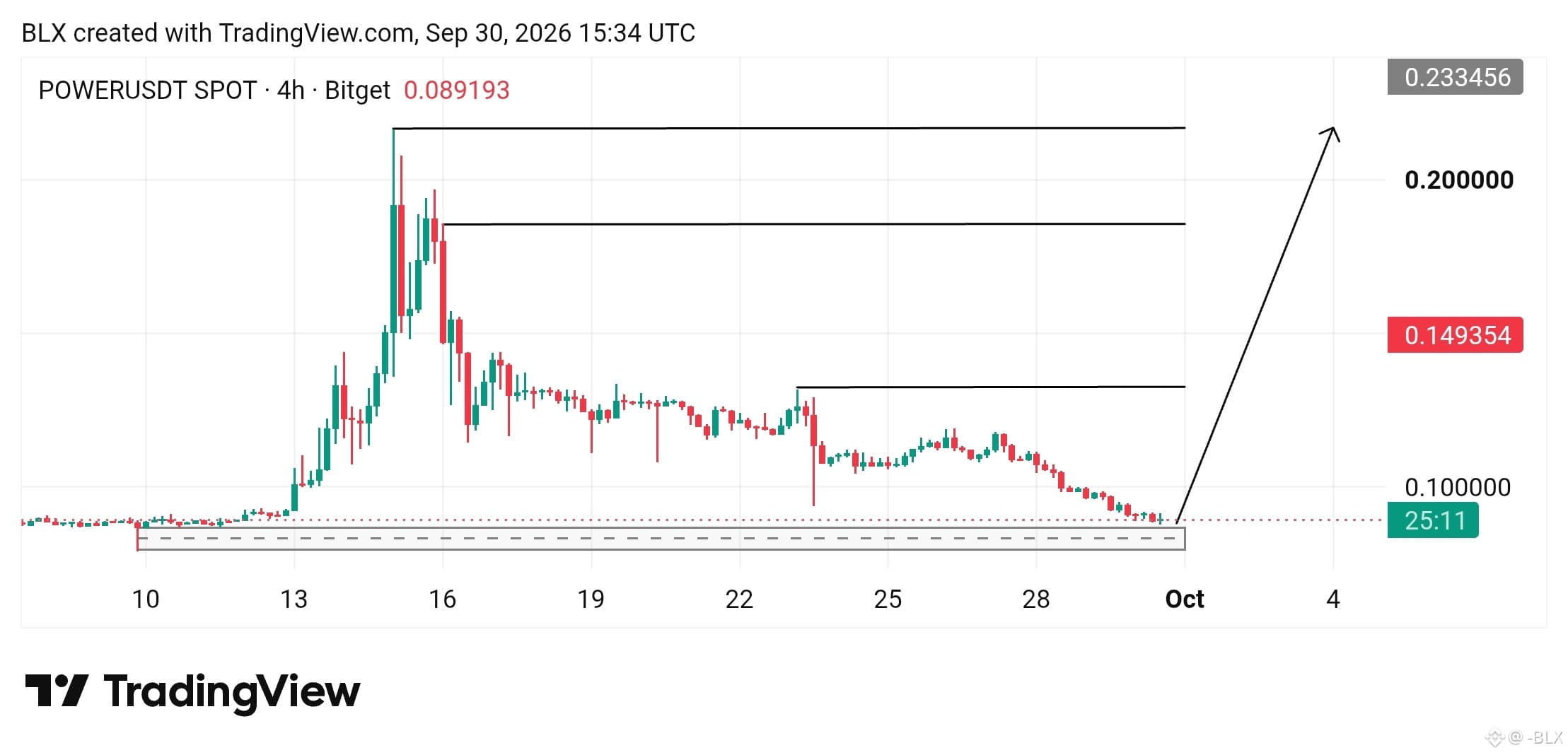
POWER testet nach einem längeren 4H-Rückgang eine wichtige $0.085–$0.090- Unterstützungszone.
Eine Reaktion hier könnte eine Erholung in Richtung $0.13, $0.18 und schließlich $0.233 auslösen, aber der Aufwärtstrend bleibt ein Szenario und keine Bestätigung.
Entscheidend ist ein höheres Tief, gefolgt von einer Rückeroberung von $0.105–$0.115 und dann $0.13 mit Volumen.
$POWER
#AltcoinSeasonIndexHoldsAbove60For5Days
POWER testet nach einem längeren 4H-Rückgang eine wichtige $0.085–$0.090- Unterstützungszone.
Eine Reaktion hier könnte eine Erholung in Richtung $0.13, $0.18 und schließlich $0.233 auslösen, aber der Aufwärtstrend bleibt ein Szenario und keine Bestätigung.
Entscheidend ist ein höheres Tief, gefolgt von einer Rückeroberung von $0.105–$0.115 und dann $0.13 mit Volumen.
$POWER
#AltcoinSeasonIndexHoldsAbove60For5Days
Eine Reaktion hier könnte eine Erholung in Richtung $0.13, $0.18 und schließlich $0.233 auslösen, aber der Aufwärtstrend bleibt ein Szenario und keine Bestätigung.
Entscheidend ist ein höheres Tief, gefolgt von einer Rückeroberung von $0.105–$0.115 und dann $0.13 mit Volumen.
$POWER
#AltcoinSeasonIndexHoldsAbove60For5Days
663
·
--
Bullisch
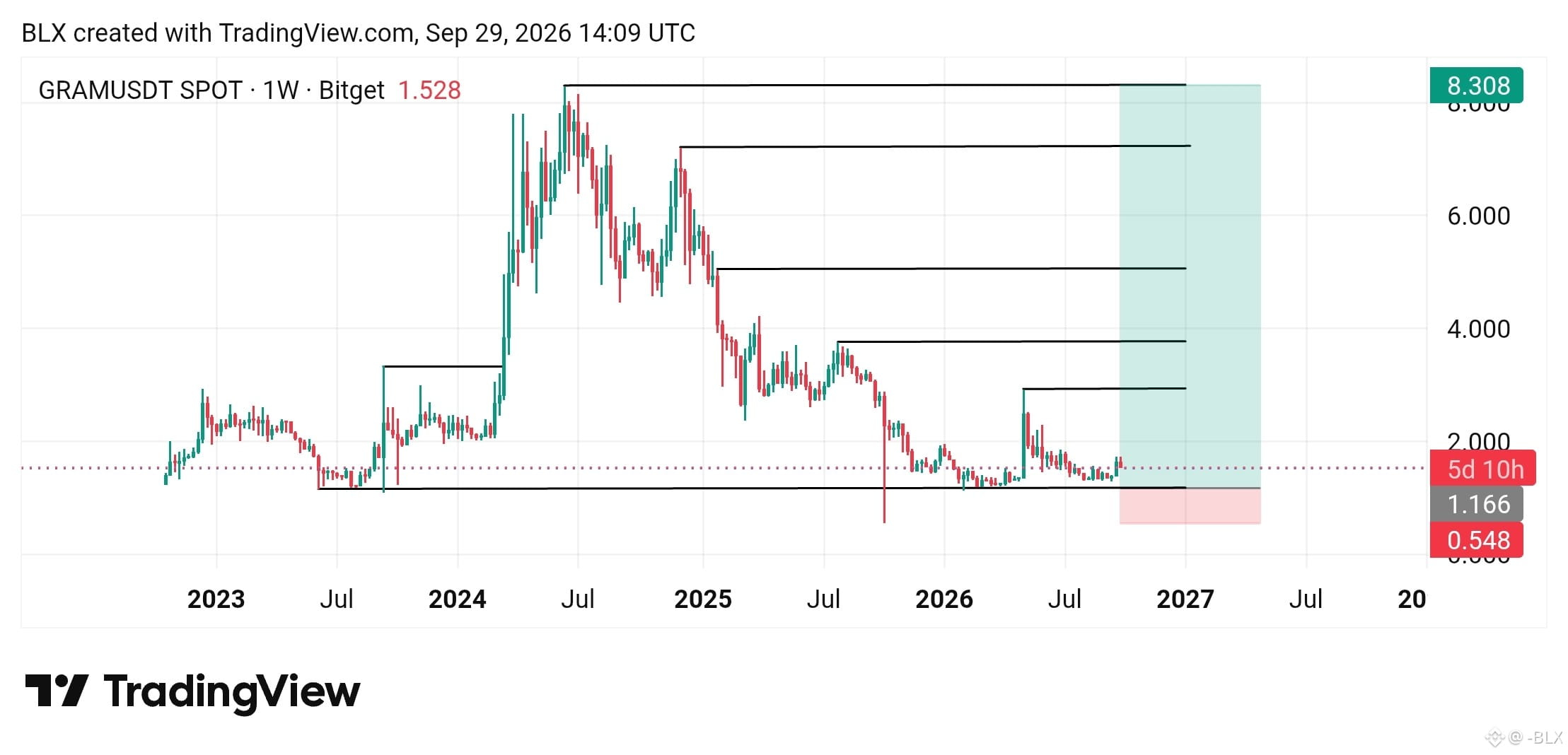
GRAM baut nach einem lang anhaltenden Rückgang eine langfristige Basis um $1,15–$1,20 auf.
Bei etwa $1,53 befindet sich die Erholung noch in einem frühen Stadium; das Zurückerobern von $1,70–$2,00 würde den Aufwärtsimpuls stärken, während $3,00 die entscheidende Ausbruchsschwelle ist.
Darüber liegen bei $3,80, $5, $7,20 und $8,30 die wichtigsten Widerstandsbereiche, die man im Blick behalten sollte.
$GRAM
#EarningsSeason
GRAM baut nach einem lang anhaltenden Rückgang eine langfristige Basis um $1,15–$1,20 auf.
Bei etwa $1,53 befindet sich die Erholung noch in einem frühen Stadium; das Zurückerobern von $1,70–$2,00 würde den Aufwärtsimpuls stärken, während $3,00 die entscheidende Ausbruchsschwelle ist.
Darüber liegen bei $3,80, $5, $7,20 und $8,30 die wichtigsten Widerstandsbereiche, die man im Blick behalten sollte.
$GRAM
#EarningsSeason
Bei etwa $1,53 befindet sich die Erholung noch in einem frühen Stadium; das Zurückerobern von $1,70–$2,00 würde den Aufwärtsimpuls stärken, während $3,00 die entscheidende Ausbruchsschwelle ist.
Darüber liegen bei $3,80, $5, $7,20 und $8,30 die wichtigsten Widerstandsbereiche, die man im Blick behalten sollte.
$GRAM
#EarningsSeason
389
·
--
Bullisch
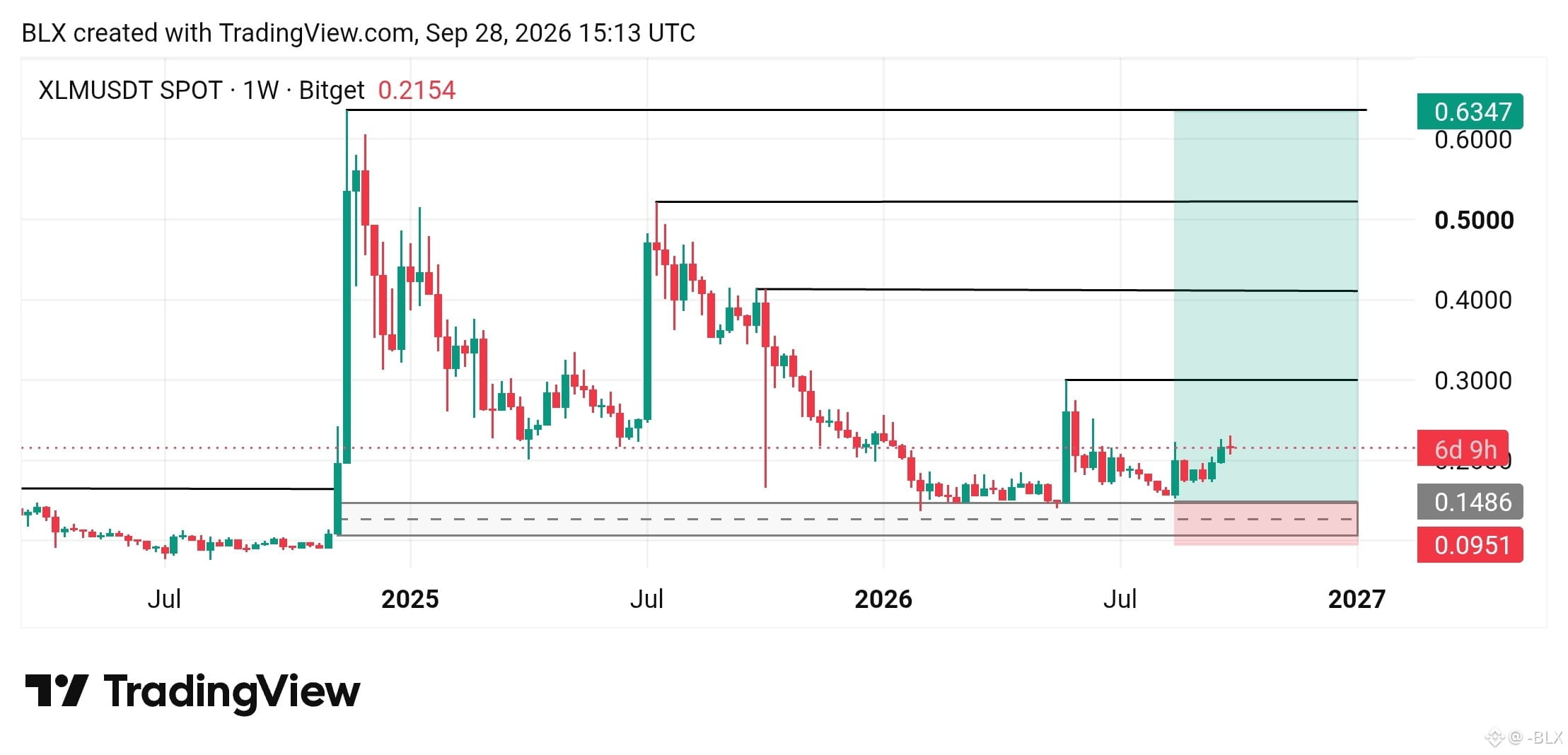
XLM kommt aus einer langfristigen Basis im Bereich von 0,095–0,15 heraus und wird derzeit nahe 0,215 gehandelt.
Der entscheidende kurzfristige Test liegt bei 0,25–0,30; ein bestätigtes Zurückerobern von 0,30 könnte 0,41, 0,52 und schließlich 0,63 in den Fokus rücken.
Bis dahin bleibt dies eher ein Erholungsversuch als ein bestätigter langfristiger Ausbruch.
$XLM
XLM kommt aus einer langfristigen Basis im Bereich von 0,095–0,15 heraus und wird derzeit nahe 0,215 gehandelt.
Der entscheidende kurzfristige Test liegt bei 0,25–0,30; ein bestätigtes Zurückerobern von 0,30 könnte 0,41, 0,52 und schließlich 0,63 in den Fokus rücken.
Bis dahin bleibt dies eher ein Erholungsversuch als ein bestätigter langfristiger Ausbruch.
$XLM
Der entscheidende kurzfristige Test liegt bei 0,25–0,30; ein bestätigtes Zurückerobern von 0,30 könnte 0,41, 0,52 und schließlich 0,63 in den Fokus rücken.
Bis dahin bleibt dies eher ein Erholungsversuch als ein bestätigter langfristiger Ausbruch.
$XLM
120
·
--
Bullisch
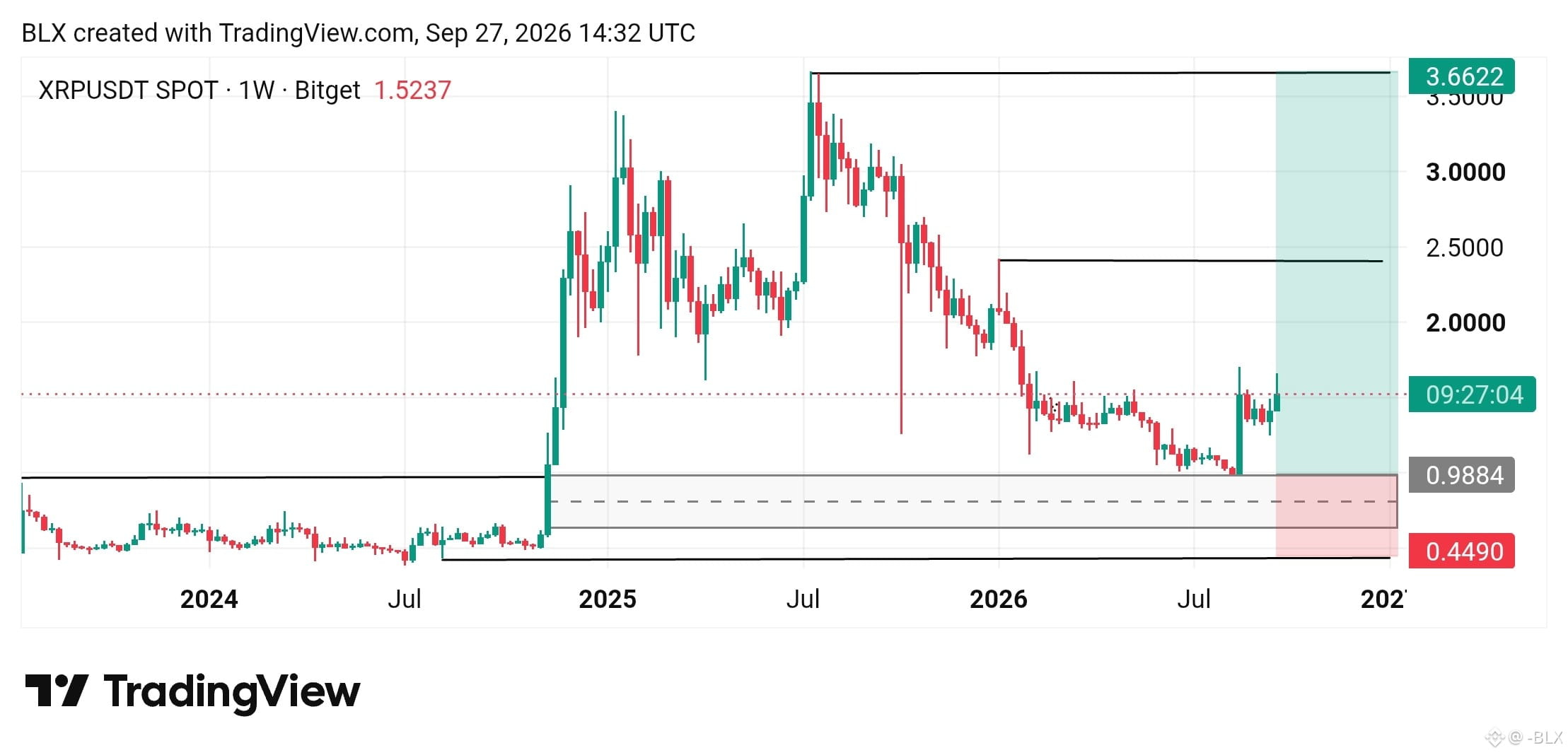
XRP hält sich nach einem längeren Rückgang und einer Konsolidierungsphase über einer wichtigen strukturellen Zone von 0,98 $ bis 1,00 $.
Bei etwa 1,52 $ liegt der nächste Bestätigungsbereich bei 1,70 $ bis 1,80 $, während 2,40 $ den ersten großen Widerstand darstellt.
Eine anhaltende Rückeroberung von 2,40 $ könnte den historischen Höchststand von 3,66 $ wieder in den Fokus rücken.
Die breitere bullische Struktur schwächt sich ab, wenn XRP die Zone von 0,98 $ bis 1,00 $ verliert; 0,45 $ sollte eher als tiefgreifende strukturelle Invalidierung behandelt werden, nicht als normaler Trading-Stop.
$XRP $QNT
BitgetHackerMoves$83MStolenXRP
XRP hält sich nach einem längeren Rückgang und einer Konsolidierungsphase über einer wichtigen strukturellen Zone von 0,98 $ bis 1,00 $.
Bei etwa 1,52 $ liegt der nächste Bestätigungsbereich bei 1,70 $ bis 1,80 $, während 2,40 $ den ersten großen Widerstand darstellt.
Eine anhaltende Rückeroberung von 2,40 $ könnte den historischen Höchststand von 3,66 $ wieder in den Fokus rücken.
Die breitere bullische Struktur schwächt sich ab, wenn XRP die Zone von 0,98 $ bis 1,00 $ verliert; 0,45 $ sollte eher als tiefgreifende strukturelle Invalidierung behandelt werden, nicht als normaler Trading-Stop.
$XRP $QNT
BitgetHackerMoves$83MStolenXRP
Bei etwa 1,52 $ liegt der nächste Bestätigungsbereich bei 1,70 $ bis 1,80 $, während 2,40 $ den ersten großen Widerstand darstellt.
Eine anhaltende Rückeroberung von 2,40 $ könnte den historischen Höchststand von 3,66 $ wieder in den Fokus rücken.
Die breitere bullische Struktur schwächt sich ab, wenn XRP die Zone von 0,98 $ bis 1,00 $ verliert; 0,45 $ sollte eher als tiefgreifende strukturelle Invalidierung behandelt werden, nicht als normaler Trading-Stop.
$XRP $QNT
BitgetHackerMoves$83MStolenXRP
124
·
--
Bullisch
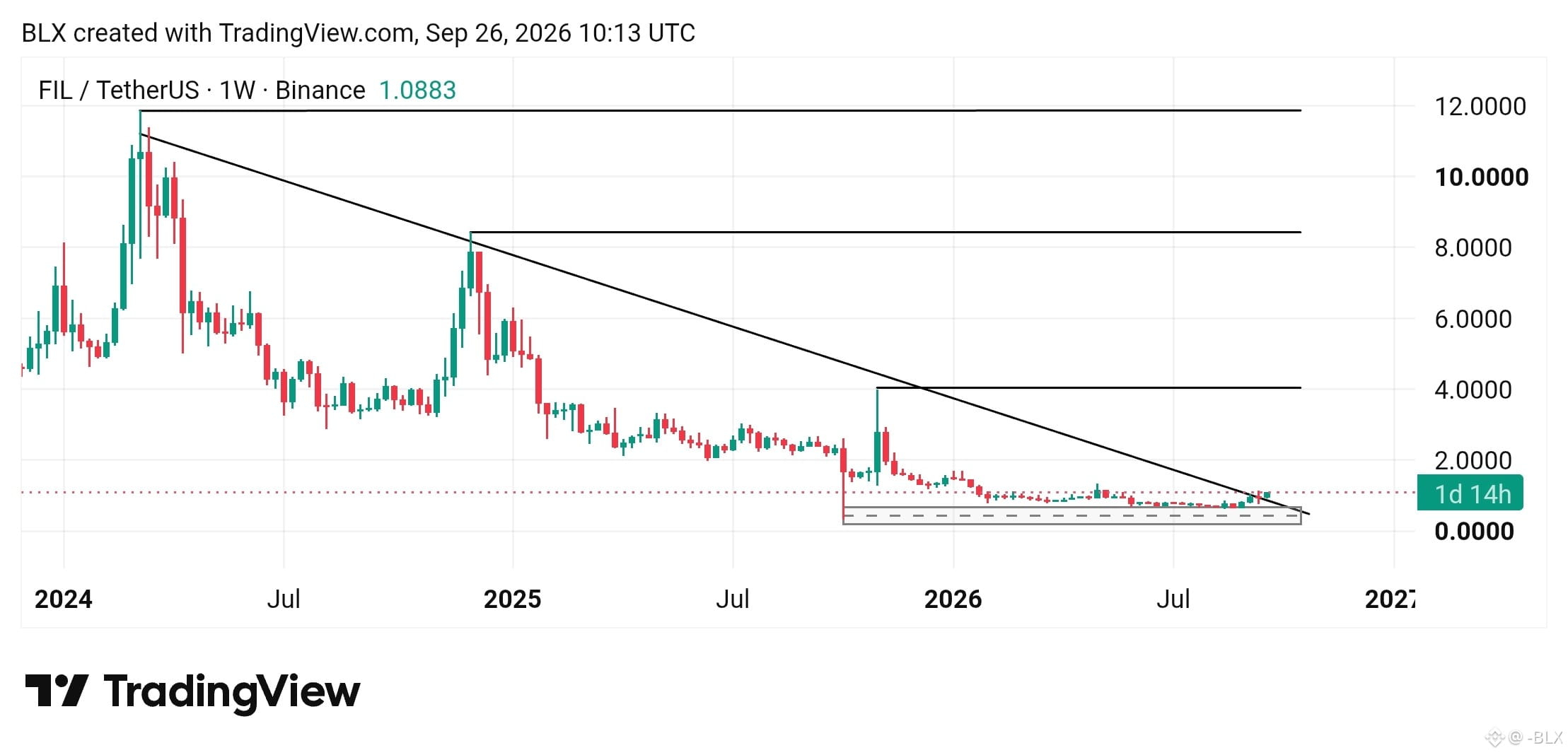
FIL Weekly — Kompression an der Breakout-Zone
FIL testet eine mehrjährige absteigende Trendlinie nach einem längeren Rückgang und einer langen Konsolidierung im Bereich von 0,70–1,20 US-Dollar.
Ein bestätigter wöchentlicher Ausbruch über 1,15–1,30 könnte den Weg in Richtung 2 → 4 → 8,40 eröffnen, wobei 12 ein erweitertes historisches Kursziel ist.
$FIL
#CircleMints500MUSDCOnSolana
FIL Weekly — Kompression an der Breakout-Zone
FIL testet eine mehrjährige absteigende Trendlinie nach einem längeren Rückgang und einer langen Konsolidierung im Bereich von 0,70–1,20 US-Dollar.
Ein bestätigter wöchentlicher Ausbruch über 1,15–1,30 könnte den Weg in Richtung 2 → 4 → 8,40 eröffnen, wobei 12 ein erweitertes historisches Kursziel ist.
$FIL
#CircleMints500MUSDCOnSolana
FIL testet eine mehrjährige absteigende Trendlinie nach einem längeren Rückgang und einer langen Konsolidierung im Bereich von 0,70–1,20 US-Dollar.
Ein bestätigter wöchentlicher Ausbruch über 1,15–1,30 könnte den Weg in Richtung 2 → 4 → 8,40 eröffnen, wobei 12 ein erweitertes historisches Kursziel ist.
$FIL
#CircleMints500MUSDCOnSolana
1
1
452
·
--
Bullisch
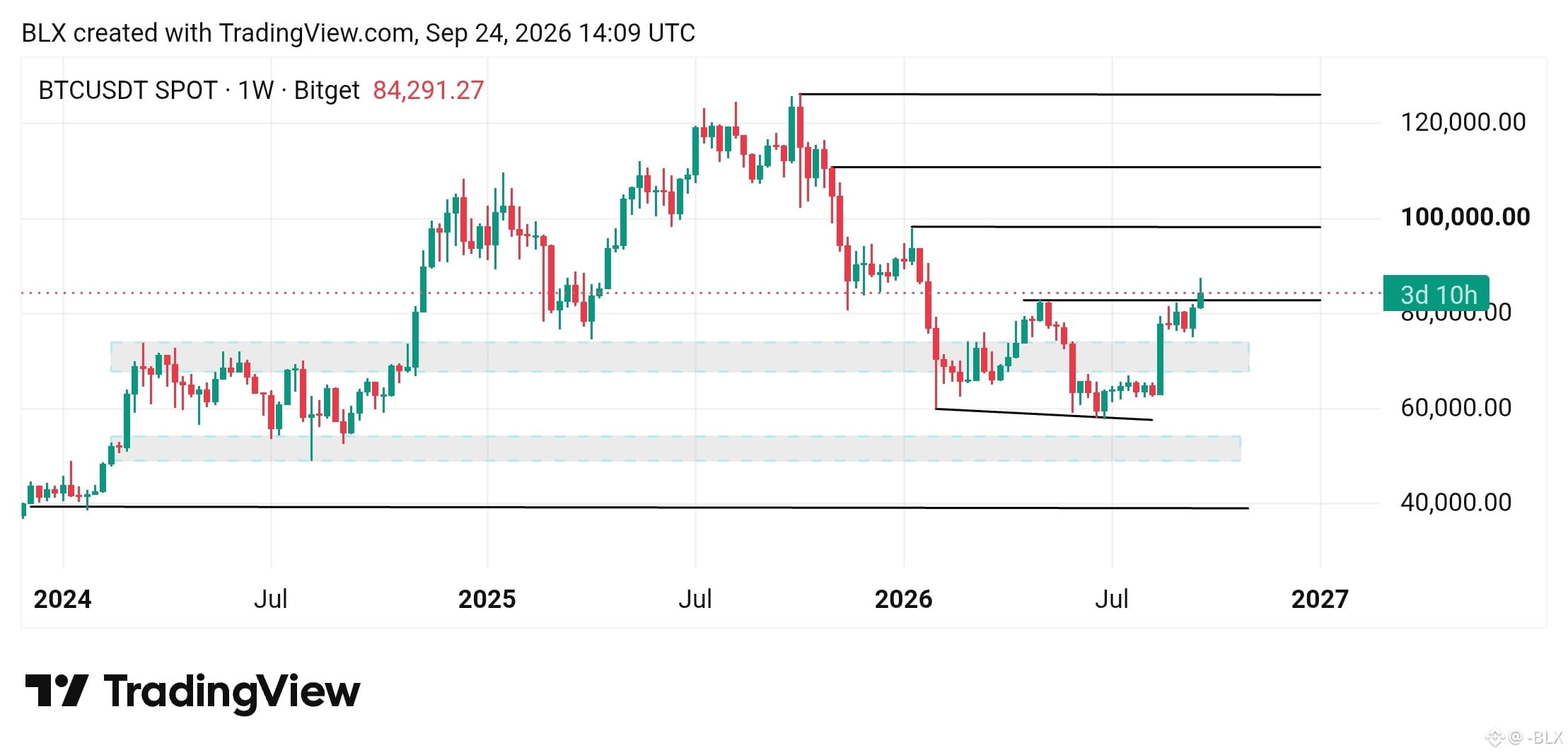
BTC Weekly — Erholung an einem kritischen Widerstand
BTC zeigt eine starke Erholung aus der Nachfragespanne von $60K–$65K, bildet höhere Tiefs und hat den Bereich $80K–$85K zurückerobert.
Derzeit wird die erste große Widerstandszone bei $85K–$88K getestet. Ein bestätigter Wochenschluss über diesem Bereich könnte den Weg in Richtung $98K öffnen, gefolgt von $110K und möglicherweise $125K–$127K.
Auf der Unterseite bleibt $68K–$73K die entscheidende Unterstützungszone, während ein tieferer Bruch den Bereich $55K freilegen könnte.
Die Struktur verbessert sich, aber der Ausbruch über $85K–$88K benötigt eine wöchentliche Bestätigung.
$BTC
#BinanceWillListHyperliquid(HYPE)
BTC Weekly — Erholung an einem kritischen Widerstand
BTC zeigt eine starke Erholung aus der Nachfragespanne von $60K–$65K, bildet höhere Tiefs und hat den Bereich $80K–$85K zurückerobert.
Derzeit wird die erste große Widerstandszone bei $85K–$88K getestet. Ein bestätigter Wochenschluss über diesem Bereich könnte den Weg in Richtung $98K öffnen, gefolgt von $110K und möglicherweise $125K–$127K.
Auf der Unterseite bleibt $68K–$73K die entscheidende Unterstützungszone, während ein tieferer Bruch den Bereich $55K freilegen könnte.
Die Struktur verbessert sich, aber der Ausbruch über $85K–$88K benötigt eine wöchentliche Bestätigung.
$BTC
#BinanceWillListHyperliquid(HYPE)
BTC zeigt eine starke Erholung aus der Nachfragespanne von $60K–$65K, bildet höhere Tiefs und hat den Bereich $80K–$85K zurückerobert.
Derzeit wird die erste große Widerstandszone bei $85K–$88K getestet. Ein bestätigter Wochenschluss über diesem Bereich könnte den Weg in Richtung $98K öffnen, gefolgt von $110K und möglicherweise $125K–$127K.
Auf der Unterseite bleibt $68K–$73K die entscheidende Unterstützungszone, während ein tieferer Bruch den Bereich $55K freilegen könnte.
Die Struktur verbessert sich, aber der Ausbruch über $85K–$88K benötigt eine wöchentliche Bestätigung.
$BTC
#BinanceWillListHyperliquid(HYPE)
78
·
--
Bullisch
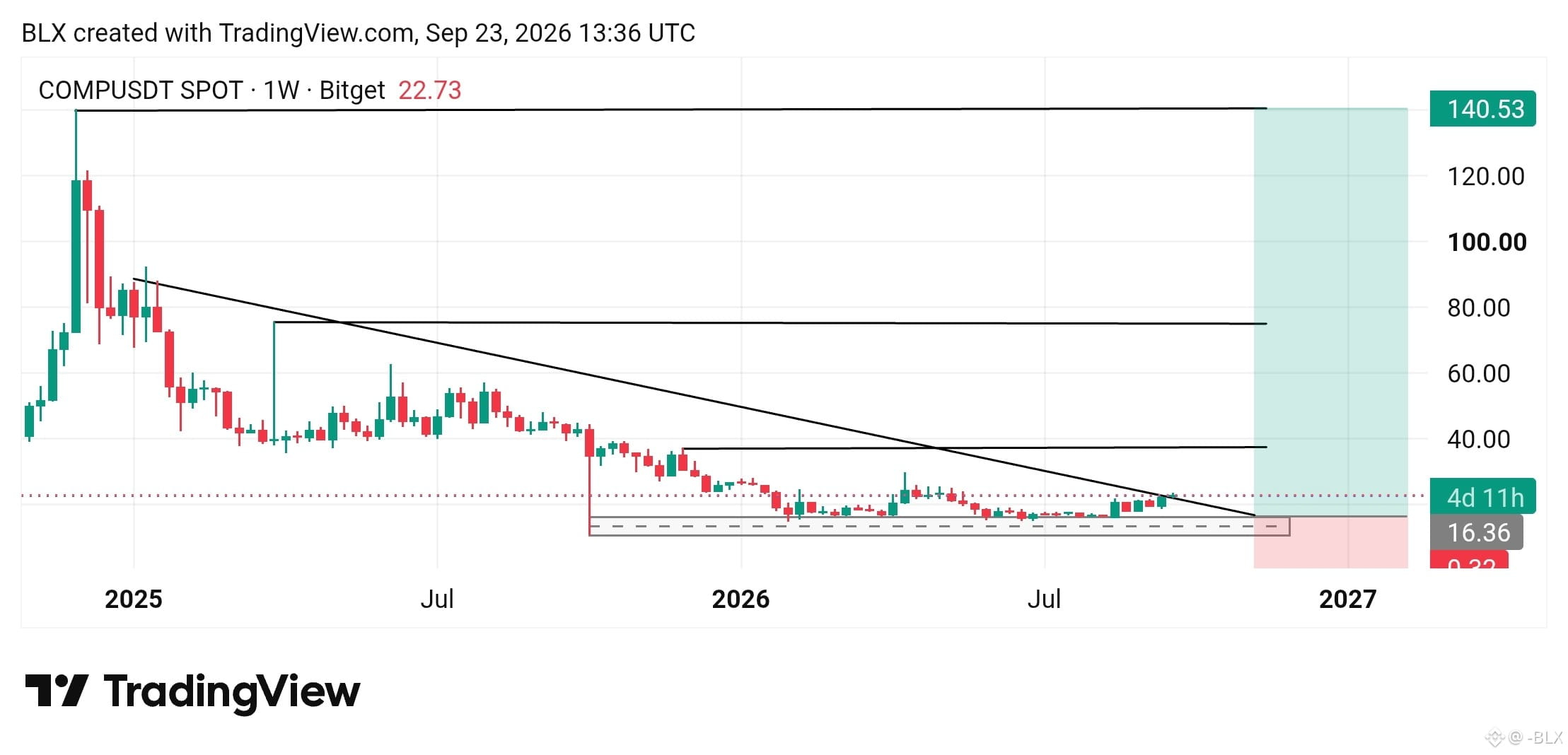
COMP Weekly — Bottom-Formation in Fortschritt
COMP zeigt nach einem langanhaltenden Abwärtstrend eine mehrmonatige Akkumulationsstruktur. Der Kurs drückt derzeit gegen die absteigende Trendlinie im Bereich von ca. $22–$25, wodurch dies eine entscheidende Ausbruchszonen ist.
Ein bestätigter wöchentlicher Schlusskurs über der Trendlinie könnte den Weg Richtung $37 öffnen, gefolgt von $75 und potenziell $140 als erweitertes historisches Kursziel.
Die Schlüsselzone bleibt $16–$20. Wenn diese Basis gehalten wird, bleibt die bullische Wende-These intakt; geht sie verloren, würde das Setup deutlich an Stärke verlieren.
Das Setup ist vielversprechend, aber Bestätigung ist wichtiger als Vorwegnahme.
$COMP
#AIStocksWhatNext
COMP Weekly — Bottom-Formation in Fortschritt
COMP zeigt nach einem langanhaltenden Abwärtstrend eine mehrmonatige Akkumulationsstruktur. Der Kurs drückt derzeit gegen die absteigende Trendlinie im Bereich von ca. $22–$25, wodurch dies eine entscheidende Ausbruchszonen ist.
Ein bestätigter wöchentlicher Schlusskurs über der Trendlinie könnte den Weg Richtung $37 öffnen, gefolgt von $75 und potenziell $140 als erweitertes historisches Kursziel.
Die Schlüsselzone bleibt $16–$20. Wenn diese Basis gehalten wird, bleibt die bullische Wende-These intakt; geht sie verloren, würde das Setup deutlich an Stärke verlieren.
Das Setup ist vielversprechend, aber Bestätigung ist wichtiger als Vorwegnahme.
$COMP
#AIStocksWhatNext
COMP zeigt nach einem langanhaltenden Abwärtstrend eine mehrmonatige Akkumulationsstruktur. Der Kurs drückt derzeit gegen die absteigende Trendlinie im Bereich von ca. $22–$25, wodurch dies eine entscheidende Ausbruchszonen ist.
Ein bestätigter wöchentlicher Schlusskurs über der Trendlinie könnte den Weg Richtung $37 öffnen, gefolgt von $75 und potenziell $140 als erweitertes historisches Kursziel.
Die Schlüsselzone bleibt $16–$20. Wenn diese Basis gehalten wird, bleibt die bullische Wende-These intakt; geht sie verloren, würde das Setup deutlich an Stärke verlieren.
Das Setup ist vielversprechend, aber Bestätigung ist wichtiger als Vorwegnahme.
$COMP
#AIStocksWhatNext
225
·
--
Bullisch
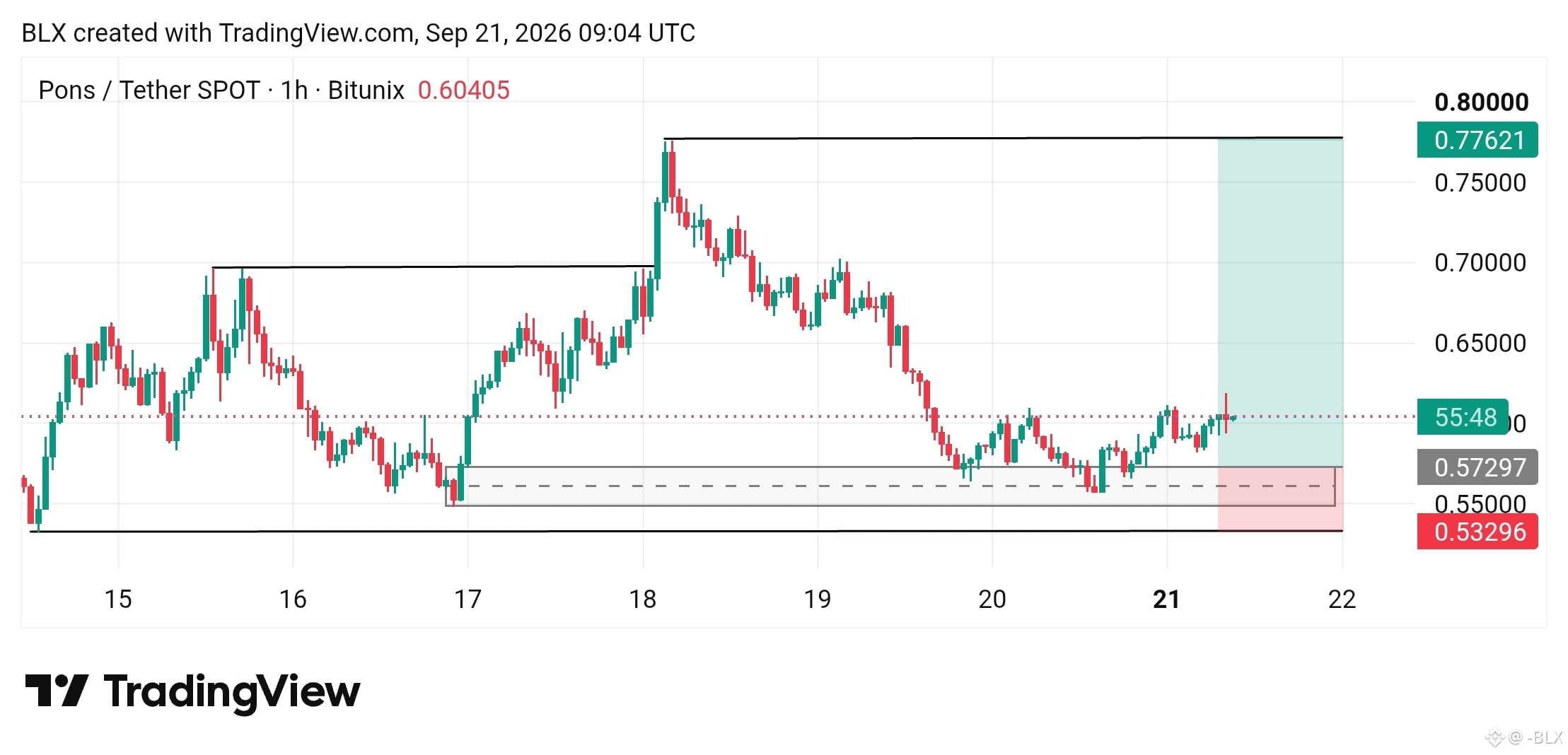
PONS 1-Stunden-Chart
$PONS hält sich oberhalb der $0.55–$0.573-Support-Zone, in der Käufer mehrfach eingestiegen sind.
Wenn diese Zone weiterhin hält, lässt die Struktur Raum für eine Bewegung in Richtung $0.697, wobei das breitere Range-Hoch bei etwa $0.776 als nächster wichtiger Widerstand gilt.
Das Entscheidende ist ganz einfach:
Support halten → Widerstand zurückerobern → nach oben ausbauen.
$PONS
#SouthAfricaProposesCryptoExchangeControls
PONS 1-Stunden-Chart
$PONS hält sich oberhalb der $0.55–$0.573-Support-Zone, in der Käufer mehrfach eingestiegen sind.
Wenn diese Zone weiterhin hält, lässt die Struktur Raum für eine Bewegung in Richtung $0.697, wobei das breitere Range-Hoch bei etwa $0.776 als nächster wichtiger Widerstand gilt.
Das Entscheidende ist ganz einfach:
Support halten → Widerstand zurückerobern → nach oben ausbauen.
$PONS
#SouthAfricaProposesCryptoExchangeControls
$PONS hält sich oberhalb der $0.55–$0.573-Support-Zone, in der Käufer mehrfach eingestiegen sind.
Wenn diese Zone weiterhin hält, lässt die Struktur Raum für eine Bewegung in Richtung $0.697, wobei das breitere Range-Hoch bei etwa $0.776 als nächster wichtiger Widerstand gilt.
Das Entscheidende ist ganz einfach:
Support halten → Widerstand zurückerobern → nach oben ausbauen.
$PONS
#SouthAfricaProposesCryptoExchangeControls
·
--
Bullisch
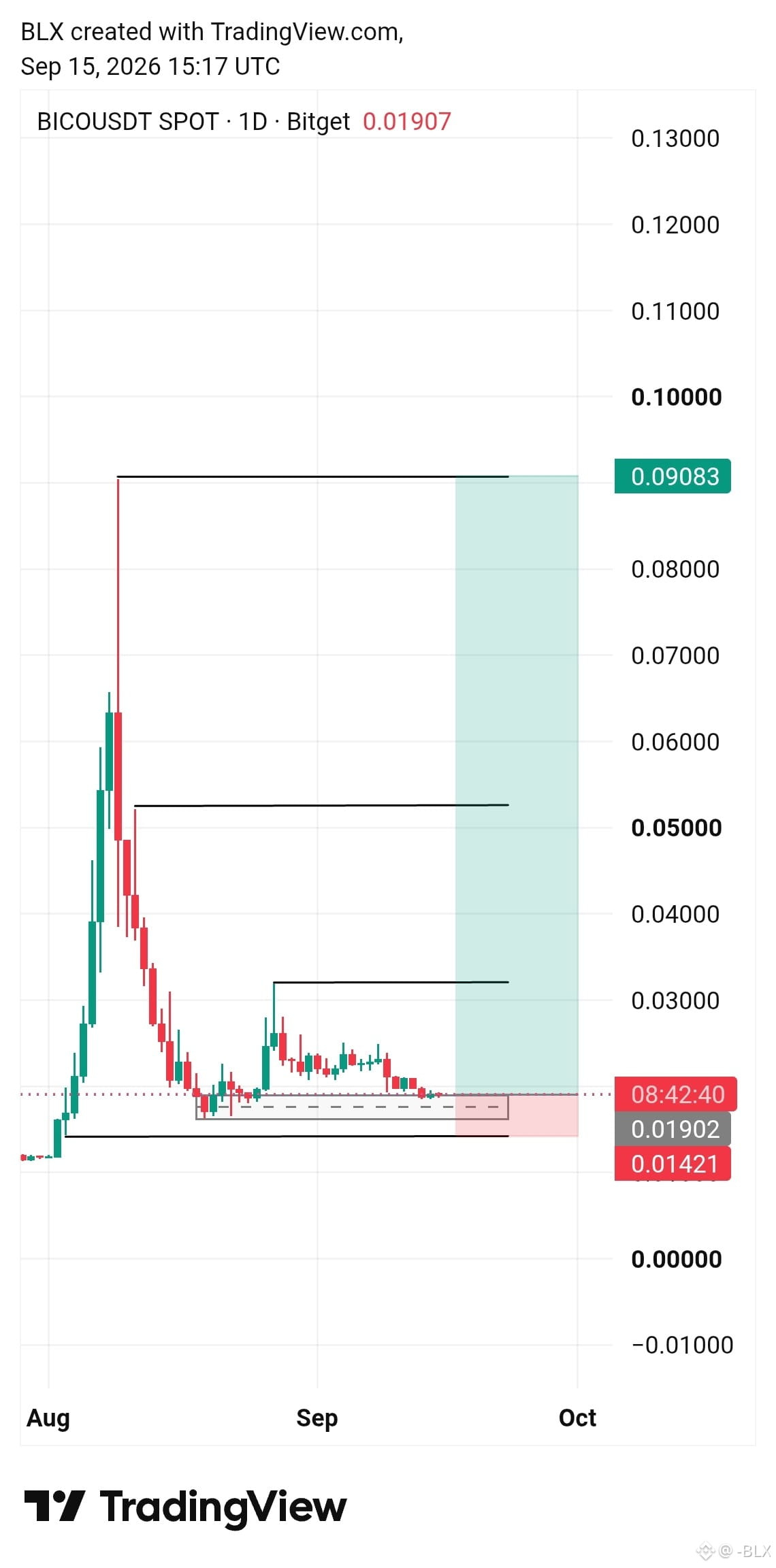
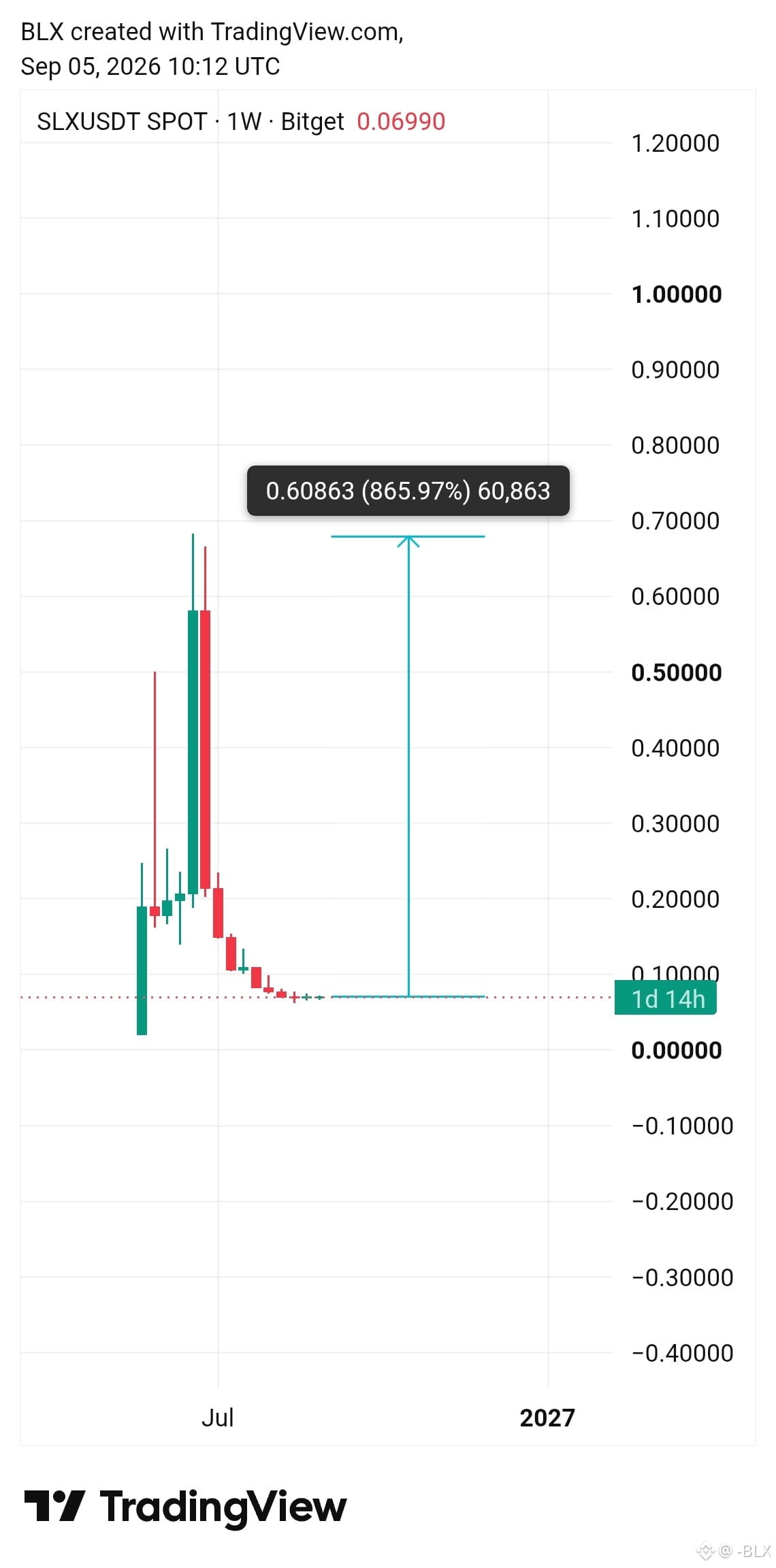
Zwei Krypto-Erzählungen, die den Markt gerade prägen
Die Marktdynamik im Kryptosektor konzentriert sich zunehmend auf zwei Themen: die Erweiterung des Binance-Ökosystems und die wachsende regulatorische Klarheit rund um digitale Commodities.
1. Binance-Ökosystem: Infrastrukturfokus kehrt zurück
Das Binance-Ökosystem ist in den vergangenen 30 Tagen um 11,33 % gestiegen, was auf eine erneute Marktausrichtung hindeutet.
Die Story geht über BNB hinaus. Das Ökosystem von Binance umfasst Börsen, Stablecoins, tokenisierte Assets und weitere blockchainbasierte Dienstleistungen und schafft damit ein breiteres Netzwerk finanzieller Infrastruktur.
Mehr Liquidität und eine stärkere Integration des Ökosystems können die Nutzeraktivität unterstützen und institutionelles Interesse anziehen. Allerdings bleibt die Konzentration ein zentrales Risiko – insbesondere im Hinblick auf Regulierung, Wettbewerb und Änderungen bei der Plattformaktivität.
2. Digitale Commodities: Regulatorische Klarheit ist entscheidend
Die Erzählung rund um digitale Commodities ist in den vergangenen 30 Tagen um 10,6 % gestiegen und spiegelt ein wachsendes Interesse an einer klareren regulatorischen Behandlung wichtiger Krypto-Assets wider.
Bitcoin, Ethereum, Solana und andere große Assets werden zunehmend im Rahmen definierter Marktregeln diskutiert – statt im Zeichen regulatorischer Unsicherheit.
Mehr Klarheit könnte es Finanzinstituten und Börsen erleichtern, Produkte und Dienstleistungen rund um digitale Assets zu entwickeln. Die entscheidende Frage ist, ob dieser regulatorische Fortschritt zu dauerhafter Politik wird.
Was verbindet beide Narrativen?
Beide Themen verweisen auf einen breiteren Wandel hin zu etablierter Infrastruktur, Liquidität, institutionellem Zugang und regulatorischer Klarheit.
Doch die Stärke dieser Narrativen führt nicht automatisch zu einem breiten Altcoin-Rallye. Kleinere Assets benötigen typischerweise anhaltende Liquidität und eine stärkere, marktweite Risikobereitschaft, damit der Momentum-Impuls sich ausweiten kann.
Die aktuelle Markterzählung konzentriert sich zunehmend auf Infrastruktur und regulatorische Klarheit – weniger auf reine Spekulation.
Die nächste Phase hängt davon ab, ob das Kapital weiter über den gesamten Markt hinweg breiter gestreut wird und ob der regulatorische Fortschritt sich zu dauerhafter struktureller Unterstützung entwickelt.
$ZETA $BTC
Zwei Krypto-Erzählungen, die den Markt gerade prägen
Die Marktdynamik im Kryptosektor konzentriert sich zunehmend auf zwei Themen: die Erweiterung des Binance-Ökosystems und die wachsende regulatorische Klarheit rund um digitale Commodities.
1. Binance-Ökosystem: Infrastrukturfokus kehrt zurück
Das Binance-Ökosystem ist in den vergangenen 30 Tagen um 11,33 % gestiegen, was auf eine erneute Marktausrichtung hindeutet.
Die Story geht über BNB hinaus. Das Ökosystem von Binance umfasst Börsen, Stablecoins, tokenisierte Assets und weitere blockchainbasierte Dienstleistungen und schafft damit ein breiteres Netzwerk finanzieller Infrastruktur.
Mehr Liquidität und eine stärkere Integration des Ökosystems können die Nutzeraktivität unterstützen und institutionelles Interesse anziehen. Allerdings bleibt die Konzentration ein zentrales Risiko – insbesondere im Hinblick auf Regulierung, Wettbewerb und Änderungen bei der Plattformaktivität.
2. Digitale Commodities: Regulatorische Klarheit ist entscheidend
Die Erzählung rund um digitale Commodities ist in den vergangenen 30 Tagen um 10,6 % gestiegen und spiegelt ein wachsendes Interesse an einer klareren regulatorischen Behandlung wichtiger Krypto-Assets wider.
Bitcoin, Ethereum, Solana und andere große Assets werden zunehmend im Rahmen definierter Marktregeln diskutiert – statt im Zeichen regulatorischer Unsicherheit.
Mehr Klarheit könnte es Finanzinstituten und Börsen erleichtern, Produkte und Dienstleistungen rund um digitale Assets zu entwickeln. Die entscheidende Frage ist, ob dieser regulatorische Fortschritt zu dauerhafter Politik wird.
Was verbindet beide Narrativen?
Beide Themen verweisen auf einen breiteren Wandel hin zu etablierter Infrastruktur, Liquidität, institutionellem Zugang und regulatorischer Klarheit.
Doch die Stärke dieser Narrativen führt nicht automatisch zu einem breiten Altcoin-Rallye. Kleinere Assets benötigen typischerweise anhaltende Liquidität und eine stärkere, marktweite Risikobereitschaft, damit der Momentum-Impuls sich ausweiten kann.
Die aktuelle Markterzählung konzentriert sich zunehmend auf Infrastruktur und regulatorische Klarheit – weniger auf reine Spekulation.
Die nächste Phase hängt davon ab, ob das Kapital weiter über den gesamten Markt hinweg breiter gestreut wird und ob der regulatorische Fortschritt sich zu dauerhafter struktureller Unterstützung entwickelt.
$ZETA $BTC
Die Marktdynamik im Kryptosektor konzentriert sich zunehmend auf zwei Themen: die Erweiterung des Binance-Ökosystems und die wachsende regulatorische Klarheit rund um digitale Commodities.
1. Binance-Ökosystem: Infrastrukturfokus kehrt zurück
Das Binance-Ökosystem ist in den vergangenen 30 Tagen um 11,33 % gestiegen, was auf eine erneute Marktausrichtung hindeutet.
Die Story geht über BNB hinaus. Das Ökosystem von Binance umfasst Börsen, Stablecoins, tokenisierte Assets und weitere blockchainbasierte Dienstleistungen und schafft damit ein breiteres Netzwerk finanzieller Infrastruktur.
Mehr Liquidität und eine stärkere Integration des Ökosystems können die Nutzeraktivität unterstützen und institutionelles Interesse anziehen. Allerdings bleibt die Konzentration ein zentrales Risiko – insbesondere im Hinblick auf Regulierung, Wettbewerb und Änderungen bei der Plattformaktivität.
2. Digitale Commodities: Regulatorische Klarheit ist entscheidend
Die Erzählung rund um digitale Commodities ist in den vergangenen 30 Tagen um 10,6 % gestiegen und spiegelt ein wachsendes Interesse an einer klareren regulatorischen Behandlung wichtiger Krypto-Assets wider.
Bitcoin, Ethereum, Solana und andere große Assets werden zunehmend im Rahmen definierter Marktregeln diskutiert – statt im Zeichen regulatorischer Unsicherheit.
Mehr Klarheit könnte es Finanzinstituten und Börsen erleichtern, Produkte und Dienstleistungen rund um digitale Assets zu entwickeln. Die entscheidende Frage ist, ob dieser regulatorische Fortschritt zu dauerhafter Politik wird.
Was verbindet beide Narrativen?
Beide Themen verweisen auf einen breiteren Wandel hin zu etablierter Infrastruktur, Liquidität, institutionellem Zugang und regulatorischer Klarheit.
Doch die Stärke dieser Narrativen führt nicht automatisch zu einem breiten Altcoin-Rallye. Kleinere Assets benötigen typischerweise anhaltende Liquidität und eine stärkere, marktweite Risikobereitschaft, damit der Momentum-Impuls sich ausweiten kann.
Die aktuelle Markterzählung konzentriert sich zunehmend auf Infrastruktur und regulatorische Klarheit – weniger auf reine Spekulation.
Die nächste Phase hängt davon ab, ob das Kapital weiter über den gesamten Markt hinweg breiter gestreut wird und ob der regulatorische Fortschritt sich zu dauerhafter struktureller Unterstützung entwickelt.
$ZETA $BTC

105


·
--
GLOBALE MÄRKTE: DAS GROSSE BILD
Die Märkte bewegen sich nicht unabhängig voneinander.
Dieselben Kräfte verbinden Krypto, Aktien, FX, Rohstoffe, Anleihen und CFDs.
Das ist jetzt wichtig:
KRYPTO
$BTC und wichtige digitale Vermögenswerte bleiben stark abhängig von Liquidität und Zinserwartungen. Eine restriktivere Fed kann Risikoanlagen unter Druck setzen, während lockerere Erwartungen die Risikobereitschaft verbessern können.
AKTIEN
US-Aktien zeigen weiterhin Widerstandsfähigkeit, insbesondere im Bereich KI und Technologie, doch erhöhte Renditen schaffen ein Bewertungsrisiko.
FX
Der Dollar reagiert weiterhin sehr sensibel auf US-Zinsen, Inflation und Safe-Haven-Ströme. Höhere Renditen stützen in der Regel den USD.
ROHSTOFFE
Öl ist die wichtigste makroökonomische Variable, die man im Blick behalten sollte. Höhere Energiepreise können Inflation anheizen und die Erwartungen an geldpolitische Lockerungen verringern.
GOLD
Gold steckt weiterhin zwischen zwei Kräften: Inflations- und geopolitische Nachfrage stützen es, während höhere Realrenditen es unter Druck setzen können.
ANLEIHEN
Dies könnte der wichtigste Markt sein, den man beobachten sollte. Steigende Renditen verschärfen effektiv die finanziellen Bedingungen über andere Anlageklassen hinweg.
CFDs
CFDs bieten Zugang zu vielen dieser Märkte, aber der Hebel verstärkt sowohl Chancen als auch Risiken. Die Positionsgröße ist wichtiger als die Prognose.
DIE WICHTIGSTE ERKENNTNIS
Analysiere Märkte nicht isoliert.
Beobachte die Kette:
Inflation → Fed → Renditen → Dollar → Liquidität → Risikoanlagen
Derzeit balanciert der Markt starke Wirtschaftsdaten gegen anhaltende Inflation und erhöhte geopolitische Risiken aus.
Der nächste große Katalysator:
FOMC — 15.–16. September
Handle die Daten.
Manage das Risiko.
Handle nicht nur die Erzählung.
Bildungsinhalte, keine Finanzberatung.#USAugustAvgHourlyEarningsRise3.1%
GLOBALE MÄRKTE: DAS GROSSE BILD
Die Märkte bewegen sich nicht unabhängig voneinander.
Dieselben Kräfte verbinden Krypto, Aktien, FX, Rohstoffe, Anleihen und CFDs.
Das ist jetzt wichtig:
KRYPTO
$BTC und wichtige digitale Vermögenswerte bleiben stark abhängig von Liquidität und Zinserwartungen. Eine restriktivere Fed kann Risikoanlagen unter Druck setzen, während lockerere Erwartungen die Risikobereitschaft verbessern können.
AKTIEN
US-Aktien zeigen weiterhin Widerstandsfähigkeit, insbesondere im Bereich KI und Technologie, doch erhöhte Renditen schaffen ein Bewertungsrisiko.
FX
Der Dollar reagiert weiterhin sehr sensibel auf US-Zinsen, Inflation und Safe-Haven-Ströme. Höhere Renditen stützen in der Regel den USD.
ROHSTOFFE
Öl ist die wichtigste makroökonomische Variable, die man im Blick behalten sollte. Höhere Energiepreise können Inflation anheizen und die Erwartungen an geldpolitische Lockerungen verringern.
GOLD
Gold steckt weiterhin zwischen zwei Kräften: Inflations- und geopolitische Nachfrage stützen es, während höhere Realrenditen es unter Druck setzen können.
ANLEIHEN
Dies könnte der wichtigste Markt sein, den man beobachten sollte. Steigende Renditen verschärfen effektiv die finanziellen Bedingungen über andere Anlageklassen hinweg.
CFDs
CFDs bieten Zugang zu vielen dieser Märkte, aber der Hebel verstärkt sowohl Chancen als auch Risiken. Die Positionsgröße ist wichtiger als die Prognose.
DIE WICHTIGSTE ERKENNTNIS
Analysiere Märkte nicht isoliert.
Beobachte die Kette:
Inflation → Fed → Renditen → Dollar → Liquidität → Risikoanlagen
Derzeit balanciert der Markt starke Wirtschaftsdaten gegen anhaltende Inflation und erhöhte geopolitische Risiken aus.
Der nächste große Katalysator:
FOMC — 15.–16. September
Handle die Daten.
Manage das Risiko.
Handle nicht nur die Erzählung.
Bildungsinhalte, keine Finanzberatung.#USAugustAvgHourlyEarningsRise3.1%
Die Märkte bewegen sich nicht unabhängig voneinander.
Dieselben Kräfte verbinden Krypto, Aktien, FX, Rohstoffe, Anleihen und CFDs.
Das ist jetzt wichtig:
KRYPTO
$BTC und wichtige digitale Vermögenswerte bleiben stark abhängig von Liquidität und Zinserwartungen. Eine restriktivere Fed kann Risikoanlagen unter Druck setzen, während lockerere Erwartungen die Risikobereitschaft verbessern können.
AKTIEN
US-Aktien zeigen weiterhin Widerstandsfähigkeit, insbesondere im Bereich KI und Technologie, doch erhöhte Renditen schaffen ein Bewertungsrisiko.
FX
Der Dollar reagiert weiterhin sehr sensibel auf US-Zinsen, Inflation und Safe-Haven-Ströme. Höhere Renditen stützen in der Regel den USD.
ROHSTOFFE
Öl ist die wichtigste makroökonomische Variable, die man im Blick behalten sollte. Höhere Energiepreise können Inflation anheizen und die Erwartungen an geldpolitische Lockerungen verringern.
GOLD
Gold steckt weiterhin zwischen zwei Kräften: Inflations- und geopolitische Nachfrage stützen es, während höhere Realrenditen es unter Druck setzen können.
ANLEIHEN
Dies könnte der wichtigste Markt sein, den man beobachten sollte. Steigende Renditen verschärfen effektiv die finanziellen Bedingungen über andere Anlageklassen hinweg.
CFDs
CFDs bieten Zugang zu vielen dieser Märkte, aber der Hebel verstärkt sowohl Chancen als auch Risiken. Die Positionsgröße ist wichtiger als die Prognose.
DIE WICHTIGSTE ERKENNTNIS
Analysiere Märkte nicht isoliert.
Beobachte die Kette:
Inflation → Fed → Renditen → Dollar → Liquidität → Risikoanlagen
Derzeit balanciert der Markt starke Wirtschaftsdaten gegen anhaltende Inflation und erhöhte geopolitische Risiken aus.
Der nächste große Katalysator:
FOMC — 15.–16. September
Handle die Daten.
Manage das Risiko.
Handle nicht nur die Erzählung.
Bildungsinhalte, keine Finanzberatung.#USAugustAvgHourlyEarningsRise3.1%

66
Anmelden und weiter Inhalte entdecken
Krypto-Nutzer weltweit auf Binance Square kennenlernen
⚡️ Bleib in Sachen Krypto stets am Puls.
💬 Die weltgrößte Kryptobörse vertraut darauf.
👍 Erhalte verlässliche Einblicke von verifizierten Creators.
E-Mail-Adresse/Telefonnummer
Trendthemen
EtherGains70.9%InQ3
138,013 Aufrufe
1,102 Kommentare
🧭🧭🧭 Analyse 🧭🧭🧭
💡 Indikator für die Saison von Altcoins 💡
🚨🚨🚨 Das dritte Quartal (T3) ist nun abgeschlossen. ETH ist um 71% gestiegen und BTC um 43%. 🚨🚨🚨
War das der Beginn der Altcoin-Saison?
Unter den besten 100:
🌐🌐🌐 57 haben BTC in 90 Tagen outperformt
Die Altcoin-Saison beginnt bei 75, also ist es
Außerdem liegt sie nur 10 Punkte unter ihrem jährlichen Hoch bei 67 🌐🌐
💥💥💥 Aber Moment… vor einem Monat lag der Index erst bei 23!
Kann Oktober ihn auf 75 pushen? 👀💥💥💥
Bitte bleiben Sie dran
#EtherGains70.9%InQ3
$GRAM
Shamika Metting
·3 Likes
·1.1k Aufrufe
TreasuryLetsStatesFileStablecoinCertificationsEarly
7,357 Aufrufe
77 Kommentare
US10YearYieldNears5.3%
143,440 Aufrufe
1,102 Kommentare