

ARI ZAIM
3.8k Beiträge

ARI ZAIM
 Square Verified+
Melden
Nutzer blockieren
BINANCE KOL
7 Following
30.7K+ Follower
43.2K+ Like gegeben
Beiträge
Alle
Zitierungen
Live
·
--
Bärisch
Teilweise korrekt
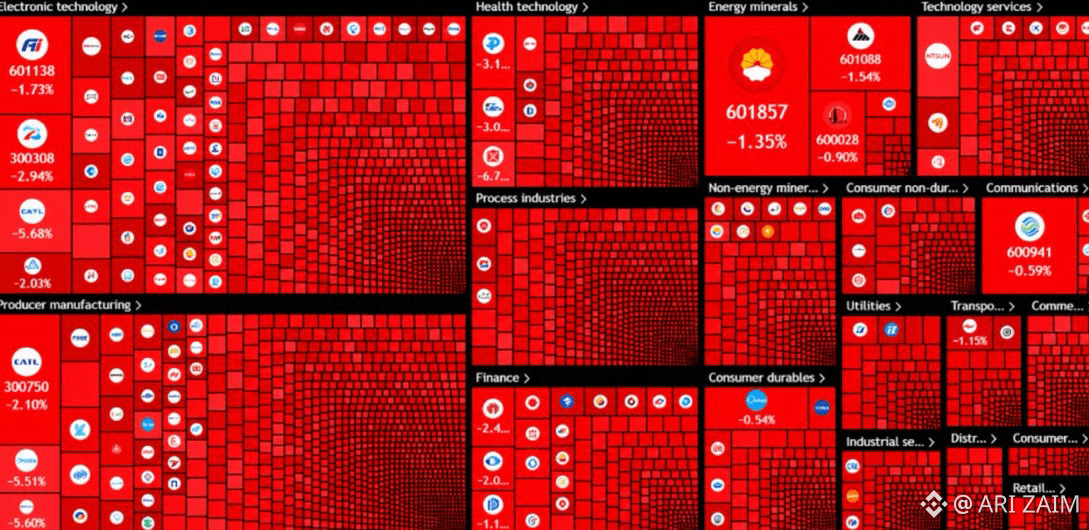
CHINAS AKTIENMARKT BLUTET!
Berichten zufolge wurden 1,4 Billionen ¥ ausgelöscht, während der CSI 300 gegenüber seinem Juni-Hoch um 20 % eingebrochen ist.
Ein brutaler Ausverkauf erschüttert das Vertrauen der Anleger.
Die Sorgen vor einem Bärenmarkt in China werden immer lauter. Steht das Schlimmste noch bevor?
CHINAS AKTIENMARKT BLUTET!
Berichten zufolge wurden 1,4 Billionen ¥ ausgelöscht, während der CSI 300 gegenüber seinem Juni-Hoch um 20 % eingebrochen ist.
Ein brutaler Ausverkauf erschüttert das Vertrauen der Anleger.
Die Sorgen vor einem Bärenmarkt in China werden immer lauter. Steht das Schlimmste noch bevor?
Berichten zufolge wurden 1,4 Billionen ¥ ausgelöscht, während der CSI 300 gegenüber seinem Juni-Hoch um 20 % eingebrochen ist.
Ein brutaler Ausverkauf erschüttert das Vertrauen der Anleger.
Die Sorgen vor einem Bärenmarkt in China werden immer lauter. Steht das Schlimmste noch bevor?
7
9
1.7k
·
--
Bärisch
Teilweise korrekt
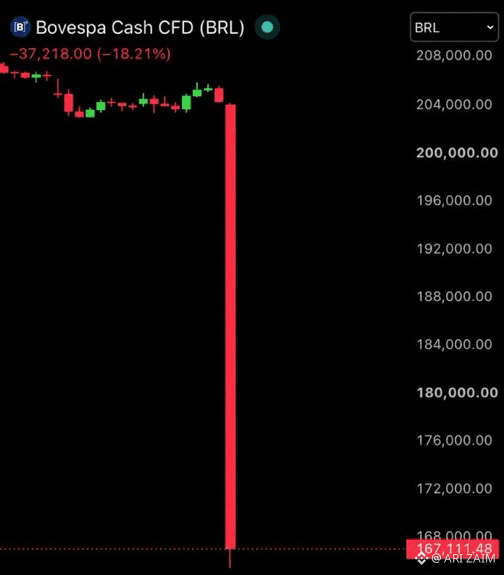
🚨 BRASILIENS AKTIENMARKT IM FREIEN FALL!
Berichten zufolge wurden 1 BILLION R$ vernichtet, als die Aktien nach Lulas überraschendem Wahlsieg um 18,2 % einbrachen.
Sollte sich das bestätigen, wäre es ein historischer Marktkollaps.
Die brasilianischen Märkte sind mit erheblicher politischer Unsicherheit konfrontiert.
🚨 BRASILIENS AKTIENMARKT IM FREIEN FALL!
Berichten zufolge wurden 1 BILLION R$ vernichtet, als die Aktien nach Lulas überraschendem Wahlsieg um 18,2 % einbrachen.
Sollte sich das bestätigen, wäre es ein historischer Marktkollaps.
Die brasilianischen Märkte sind mit erheblicher politischer Unsicherheit konfrontiert.
Berichten zufolge wurden 1 BILLION R$ vernichtet, als die Aktien nach Lulas überraschendem Wahlsieg um 18,2 % einbrachen.
Sollte sich das bestätigen, wäre es ein historischer Marktkollaps.
Die brasilianischen Märkte sind mit erheblicher politischer Unsicherheit konfrontiert.

34
4
50
42.5k
·
--
Bullisch
Verifiziert
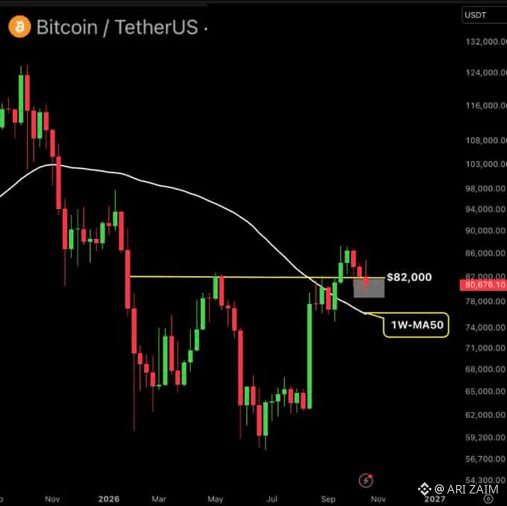
KRYPTOWÄHRUNGEN STEHT EINE BRUTALE WOCHE BEVOR!
Bitcoin hält sich stark, aber 82.000 $ bleiben die entscheidende Marke für die Bullen.
28. Okt.: FOMC-Entscheidung
29. Okt.: US-PCE + BIP
30. Okt.: Arbeitslosigkeit in Japan
Und das alles im Vorfeld der US-Zwischenwahlen.
Eine Überraschung könnte die Kryptomärkte in beide Richtungen heftig ausschlagen lassen.
Schnallt euch an. Die Volatilität kommt.
$BTC
KRYPTOWÄHRUNGEN STEHT EINE BRUTALE WOCHE BEVOR!
Bitcoin hält sich stark, aber 82.000 $ bleiben die entscheidende Marke für die Bullen.
28. Okt.: FOMC-Entscheidung
29. Okt.: US-PCE + BIP
30. Okt.: Arbeitslosigkeit in Japan
Und das alles im Vorfeld der US-Zwischenwahlen.
Eine Überraschung könnte die Kryptomärkte in beide Richtungen heftig ausschlagen lassen.
Schnallt euch an. Die Volatilität kommt.
$BTC
Bitcoin hält sich stark, aber 82.000 $ bleiben die entscheidende Marke für die Bullen.
28. Okt.: FOMC-Entscheidung
29. Okt.: US-PCE + BIP
30. Okt.: Arbeitslosigkeit in Japan
Und das alles im Vorfeld der US-Zwischenwahlen.
Eine Überraschung könnte die Kryptomärkte in beide Richtungen heftig ausschlagen lassen.
Schnallt euch an. Die Volatilität kommt.
$BTC
12
16
3.5k
·
--
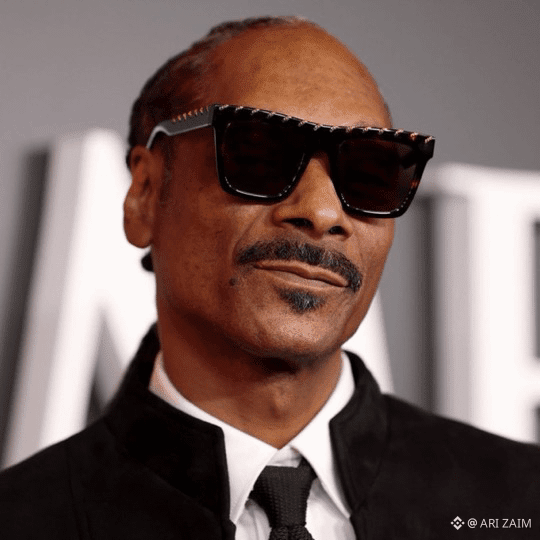
Hast du einen schlechten Tag? Jemand zahlte 2021 450.000 Dollar, nur um Snoop Doggs virtueller Nachbar zu sein.
Dieses NFT-Grundstück ist heute Berichten zufolge nur noch 900 Dollar wert.
449.100 Dollar weg. Ein brutaler Absturz um 99,8 %.
Der Metaverse-Hype war teuer.
Hast du einen schlechten Tag? Jemand zahlte 2021 450.000 Dollar, nur um Snoop Doggs virtueller Nachbar zu sein.
Dieses NFT-Grundstück ist heute Berichten zufolge nur noch 900 Dollar wert.
449.100 Dollar weg. Ein brutaler Absturz um 99,8 %.
Der Metaverse-Hype war teuer.
Dieses NFT-Grundstück ist heute Berichten zufolge nur noch 900 Dollar wert.
449.100 Dollar weg. Ein brutaler Absturz um 99,8 %.
Der Metaverse-Hype war teuer.

9
14
3.4k
·
--
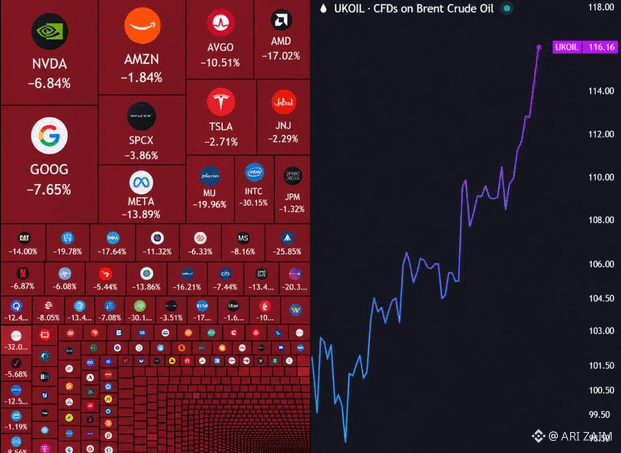
DIE GLOBALEN MÄRKTE STEHEN UNTER ERHEBLICHEM DRUCK.
Anleiherenditen schnellen in die Höhe. Energiepreise steigen. Die Inflation heizt sich weiter auf.
Berichten zufolge wurden innerhalb einer Woche über 3 BILLIONEN US-DOLLAR an den Märkten ausgelöscht.
Doch BITCOIN hält sich stark.
Aktien und Edelmetalle verlieren massiv an Wert, aber BTC lässt sich nicht unterkriegen.
Steht die nächste große Liquiditätsrotation in Richtung Krypto bevor?
DIE GLOBALEN MÄRKTE STEHEN UNTER ERHEBLICHEM DRUCK.
Anleiherenditen schnellen in die Höhe. Energiepreise steigen. Die Inflation heizt sich weiter auf.
Berichten zufolge wurden innerhalb einer Woche über 3 BILLIONEN US-DOLLAR an den Märkten ausgelöscht.
Doch BITCOIN hält sich stark.
Aktien und Edelmetalle verlieren massiv an Wert, aber BTC lässt sich nicht unterkriegen.
Steht die nächste große Liquiditätsrotation in Richtung Krypto bevor?
Anleiherenditen schnellen in die Höhe. Energiepreise steigen. Die Inflation heizt sich weiter auf.
Berichten zufolge wurden innerhalb einer Woche über 3 BILLIONEN US-DOLLAR an den Märkten ausgelöscht.
Doch BITCOIN hält sich stark.
Aktien und Edelmetalle verlieren massiv an Wert, aber BTC lässt sich nicht unterkriegen.
Steht die nächste große Liquiditätsrotation in Richtung Krypto bevor?
9
11
2.4k
·
--
Bullisch
Verifiziert
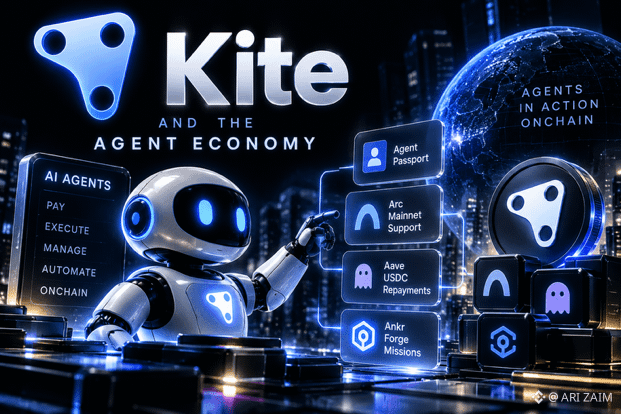
Kite geht einer Frage nach, die mich in Bezug auf KI-Agenten schon länger beschäftigt.
Wenn ein Agent Zahlungen und Onchain-Aufgaben für dich erledigen kann, wie behältst du dann die Kontrolle?
Genau hier wird Agent Passport interessant.
Mit Unterstützung für Arc, Rückzahlungen in Aave USDC und den Forge-Missionen von Ankr gibt Kite Agenten mehr Handlungsspielraum, ohne die Nutzer aus dem Blick zu verlieren.
Das ist die Art von Fortschritt, die ich sehen möchte.
#KiteBBW $KITE @GoKiteAI .
Kite geht einer Frage nach, die mich in Bezug auf KI-Agenten schon länger beschäftigt.
Wenn ein Agent Zahlungen und Onchain-Aufgaben für dich erledigen kann, wie behältst du dann die Kontrolle?
Genau hier wird Agent Passport interessant.
Mit Unterstützung für Arc, Rückzahlungen in Aave USDC und den Forge-Missionen von Ankr gibt Kite Agenten mehr Handlungsspielraum, ohne die Nutzer aus dem Blick zu verlieren.
Das ist die Art von Fortschritt, die ich sehen möchte.
#KiteBBW $KITE @KITE AI 中文 .
Wenn ein Agent Zahlungen und Onchain-Aufgaben für dich erledigen kann, wie behältst du dann die Kontrolle?
Genau hier wird Agent Passport interessant.
Mit Unterstützung für Arc, Rückzahlungen in Aave USDC und den Forge-Missionen von Ankr gibt Kite Agenten mehr Handlungsspielraum, ohne die Nutzer aus dem Blick zu verlieren.
Das ist die Art von Fortschritt, die ich sehen möchte.
#KiteBBW $KITE @KITE AI 中文 .
52
39
6.9k
·
--
Bärisch
Teilweise korrekt
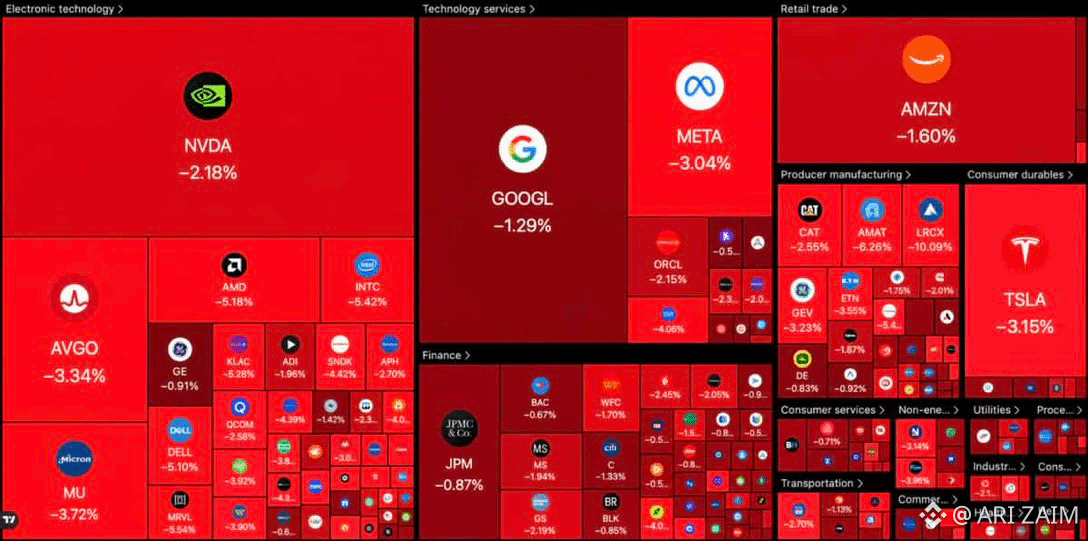
🩸 SCHWARZER DONNERSTAG ERSCHÜTTERT WALL STREET!
Berichten zufolge wurden 770 Milliarden Dollar an den US-Börsen vernichtet, während die Angst vor einem Krieg zwischen den USA und Iran wächst.
Panik breitet sich aus, die Aktienkurse stürzen ab und die Märkte sind angespannt.
Wie viel schlimmer kann es noch werden?
🩸 SCHWARZER DONNERSTAG ERSCHÜTTERT WALL STREET!
Berichten zufolge wurden 770 Milliarden Dollar an den US-Börsen vernichtet, während die Angst vor einem Krieg zwischen den USA und Iran wächst.
Panik breitet sich aus, die Aktienkurse stürzen ab und die Märkte sind angespannt.
Wie viel schlimmer kann es noch werden?
Berichten zufolge wurden 770 Milliarden Dollar an den US-Börsen vernichtet, während die Angst vor einem Krieg zwischen den USA und Iran wächst.
Panik breitet sich aus, die Aktienkurse stürzen ab und die Märkte sind angespannt.
Wie viel schlimmer kann es noch werden?
10
13
1k
·
--
Bullisch
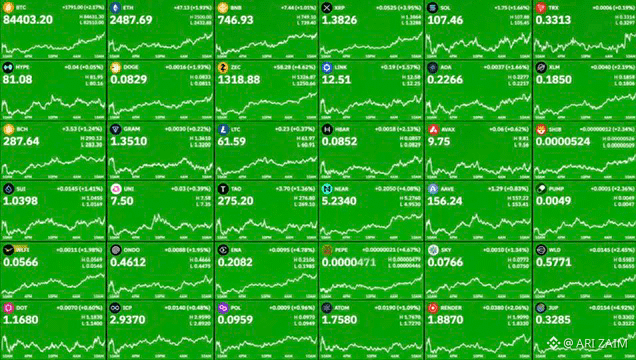
EILMELDUNG: 40 MILLIARDEN DOLLAR sind gerade zurück in die Kryptowelt geflossen!
UPTOBER IST ZURÜCK, UND DIE BULLEn WACHEN AUF.
$BTC $ETH $SOL — LOS GEHT’S!
EILMELDUNG: 40 MILLIARDEN DOLLAR sind gerade zurück in die Kryptowelt geflossen!
UPTOBER IST ZURÜCK, UND DIE BULLEn WACHEN AUF.
$BTC $ETH $SOL — LOS GEHT’S!
UPTOBER IST ZURÜCK, UND DIE BULLEn WACHEN AUF.
$BTC $ETH $SOL — LOS GEHT’S!
8
12
2.2k
·
--
Bärisch
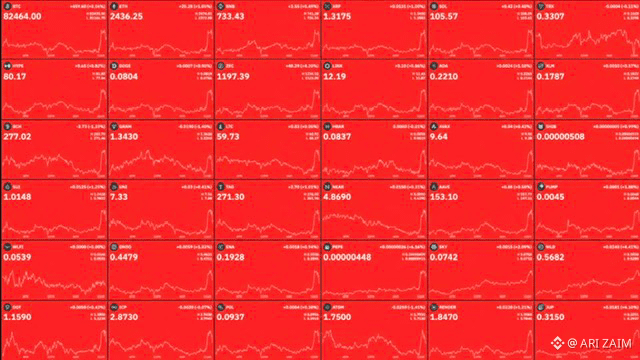
EILMELDUNG: 40 MILLIARDEN DOLLAR AUS DEM KRYPTO-MARKT AUSGELÖSCHT!
Berichte über ein unmittelbar bevorstehendes US-Iran-Abkommen werden dementiert – und der Markt muss einen heftigen Rückschlag hinnehmen.
Kleinanleger setzten auf Hoffnung. Der Markt lieferte Schmerz.
40 MILLIARDEN DOLLAR WEG.
Noch eine brutale Falle für Kleinanleger oder reine Marktmanipulation?
EILMELDUNG: 40 MILLIARDEN DOLLAR AUS DEM KRYPTO-MARKT AUSGELÖSCHT!
Berichte über ein unmittelbar bevorstehendes US-Iran-Abkommen werden dementiert – und der Markt muss einen heftigen Rückschlag hinnehmen.
Kleinanleger setzten auf Hoffnung. Der Markt lieferte Schmerz.
40 MILLIARDEN DOLLAR WEG.
Noch eine brutale Falle für Kleinanleger oder reine Marktmanipulation?
Berichte über ein unmittelbar bevorstehendes US-Iran-Abkommen werden dementiert – und der Markt muss einen heftigen Rückschlag hinnehmen.
Kleinanleger setzten auf Hoffnung. Der Markt lieferte Schmerz.
40 MILLIARDEN DOLLAR WEG.
Noch eine brutale Falle für Kleinanleger oder reine Marktmanipulation?
11
14
21.6k
·
--
🚨 EILMELDUNG: TOM LEE SETZT ALLES AUF $ETH!
💰 BitMine hat Berichten zufolge gerade weitere ETH im Wert von 30,3 MILLIONEN $ gekauft!
🔥 Gesamtbestand: 14,65 MILLIARDEN $!
Und Tom Lee rechnet bis Jahresende mit einem ETH-Kurs von 5.000 $ und setzt auf eine massive Rallye im vierten Quartal.
🐋 DAS SMARTE GELD MACHT GROSSE BEWEGUNGEN.
Steht $ETH kurz vor dem Durchbruch? 👀
🚨 EILMELDUNG: TOM LEE SETZT ALLES AUF $ETH !
💰 BitMine hat Berichten zufolge gerade weitere ETH im Wert von 30,3 MILLIONEN $ gekauft!
🔥 Gesamtbestand: 14,65 MILLIARDEN $!
Und Tom Lee rechnet bis Jahresende mit einem ETH-Kurs von 5.000 $ und setzt auf eine massive Rallye im vierten Quartal.
🐋 DAS SMARTE GELD MACHT GROSSE BEWEGUNGEN.
Steht $ETH kurz vor dem Durchbruch? 👀
💰 BitMine hat Berichten zufolge gerade weitere ETH im Wert von 30,3 MILLIONEN $ gekauft!
🔥 Gesamtbestand: 14,65 MILLIARDEN $!
Und Tom Lee rechnet bis Jahresende mit einem ETH-Kurs von 5.000 $ und setzt auf eine massive Rallye im vierten Quartal.
🐋 DAS SMARTE GELD MACHT GROSSE BEWEGUNGEN.
Steht $ETH kurz vor dem Durchbruch? 👀


14
33
30.9k
·
--
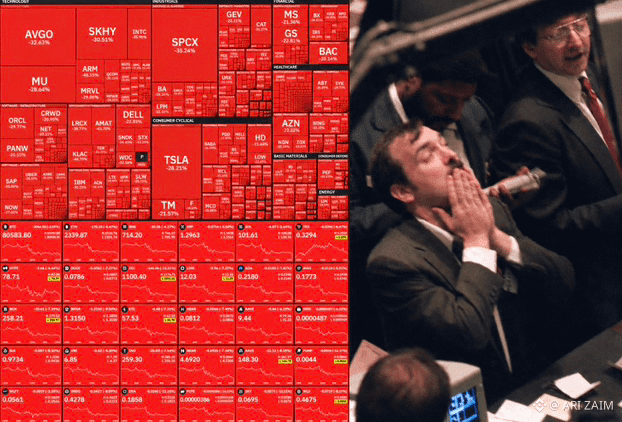
🚨 SCHWARZER MONTAG MORGEN? WALL STREET IST IN ALARMSTIMMUNG!
Der 19. Oktober ist wieder da, und der Zeitpunkt ist beängstigend. 👀
🔴 Ölpreis über 100 Dollar
🔴 KI-Märkte unter Druck
🔴 Bankaktien im freien Fall
🔴 Anleiherenditen steigen rasant
🔴 Inflationsängste nehmen zu
🔴 Geopolitische Spannungen verschärfen sich
🔴 Gerüchte über den Zusammenbruch eines KI-Fonds
Am 19. Oktober 1987 brach der Dow an EINEM TAG um 22,6 % ein.
Morgen jährt sich das Ereignis zum 39. Mal.
Handelsunterbrechungen könnten eine Wiederholung dieses historischen Tagescrashs verhindern, aber sie können Panikverkäufe nicht stoppen.
BRINGT DER MONTAG EINE ERHOLUNGSRALLY ODER EINEN BRUTALEN AUSVERKAUF? 👀📉
🚨 SCHWARZER MONTAG MORGEN? WALL STREET IST IN ALARMSTIMMUNG!
Der 19. Oktober ist wieder da, und der Zeitpunkt ist beängstigend. 👀
🔴 Ölpreis über 100 Dollar
🔴 KI-Märkte unter Druck
🔴 Bankaktien im freien Fall
🔴 Anleiherenditen steigen rasant
🔴 Inflationsängste nehmen zu
🔴 Geopolitische Spannungen verschärfen sich
🔴 Gerüchte über den Zusammenbruch eines KI-Fonds
Am 19. Oktober 1987 brach der Dow an EINEM TAG um 22,6 % ein.
Morgen jährt sich das Ereignis zum 39. Mal.
Handelsunterbrechungen könnten eine Wiederholung dieses historischen Tagescrashs verhindern, aber sie können Panikverkäufe nicht stoppen.
BRINGT DER MONTAG EINE ERHOLUNGSRALLY ODER EINEN BRUTALEN AUSVERKAUF? 👀📉
Der 19. Oktober ist wieder da, und der Zeitpunkt ist beängstigend. 👀
🔴 Ölpreis über 100 Dollar
🔴 KI-Märkte unter Druck
🔴 Bankaktien im freien Fall
🔴 Anleiherenditen steigen rasant
🔴 Inflationsängste nehmen zu
🔴 Geopolitische Spannungen verschärfen sich
🔴 Gerüchte über den Zusammenbruch eines KI-Fonds
Am 19. Oktober 1987 brach der Dow an EINEM TAG um 22,6 % ein.
Morgen jährt sich das Ereignis zum 39. Mal.
Handelsunterbrechungen könnten eine Wiederholung dieses historischen Tagescrashs verhindern, aber sie können Panikverkäufe nicht stoppen.
BRINGT DER MONTAG EINE ERHOLUNGSRALLY ODER EINEN BRUTALEN AUSVERKAUF? 👀📉
9
19
5.4k
·
--
Bärisch
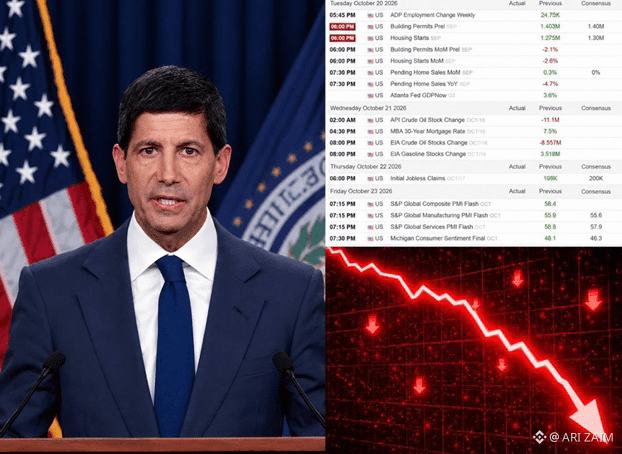
🚨 DER WALL STREET KÖNNTE EINE BRUTALE WOCHE BEVORSTEHEN! 📉
🇺🇸 MONTAG: Gerüchte über den Zusammenbruch eines KI-Fonds erschüttern das Vertrauen.
🔥 DIENSTAG: Arbeitsmarkt- und Wohnungsdaten könnten Rezessionsängste schüren.
⚠️ MITTWOCH: US-Staatsanleihen im Wert von 13 MILLIARDEN DOLLAR + Schock bei den Ölbeständen.
📉 DONNERSTAG: Erstanträge auf Arbeitslosenhilfe stellen die Wirtschaft auf den Prüfstand.
💥 FREITAG: PMI-Daten könnten eine tiefere wirtschaftliche Schwäche offenbaren.
🏦 UND DAS ALLES VOR DEM FED-TREFFEN AM 27.–28. OKTOBER!
Inflationsängste. Druck auf den Anleihemarkt. KI-Aktien unter Beschuss.
Eine böse Überraschung könnte Schockwellen durch Aktien UND Kryptowährungen senden. 👀
🚨 DER WALL STREET KÖNNTE EINE BRUTALE WOCHE BEVORSTEHEN! 📉
🇺🇸 MONTAG: Gerüchte über den Zusammenbruch eines KI-Fonds erschüttern das Vertrauen.
🔥 DIENSTAG: Arbeitsmarkt- und Wohnungsdaten könnten Rezessionsängste schüren.
⚠️ MITTWOCH: US-Staatsanleihen im Wert von 13 MILLIARDEN DOLLAR + Schock bei den Ölbeständen.
📉 DONNERSTAG: Erstanträge auf Arbeitslosenhilfe stellen die Wirtschaft auf den Prüfstand.
💥 FREITAG: PMI-Daten könnten eine tiefere wirtschaftliche Schwäche offenbaren.
🏦 UND DAS ALLES VOR DEM FED-TREFFEN AM 27.–28. OKTOBER!
Inflationsängste. Druck auf den Anleihemarkt. KI-Aktien unter Beschuss.
Eine böse Überraschung könnte Schockwellen durch Aktien UND Kryptowährungen senden. 👀
🇺🇸 MONTAG: Gerüchte über den Zusammenbruch eines KI-Fonds erschüttern das Vertrauen.
🔥 DIENSTAG: Arbeitsmarkt- und Wohnungsdaten könnten Rezessionsängste schüren.
⚠️ MITTWOCH: US-Staatsanleihen im Wert von 13 MILLIARDEN DOLLAR + Schock bei den Ölbeständen.
📉 DONNERSTAG: Erstanträge auf Arbeitslosenhilfe stellen die Wirtschaft auf den Prüfstand.
💥 FREITAG: PMI-Daten könnten eine tiefere wirtschaftliche Schwäche offenbaren.
🏦 UND DAS ALLES VOR DEM FED-TREFFEN AM 27.–28. OKTOBER!
Inflationsängste. Druck auf den Anleihemarkt. KI-Aktien unter Beschuss.
Eine böse Überraschung könnte Schockwellen durch Aktien UND Kryptowährungen senden. 👀
13
5
34
30.7k
·
--
Bullisch
Verifiziert
Nillion arbeitet an etwas, das ich mir in der Kryptowelt schon lange wünsche.
Warum sollte jeder wissen, was du vorhast, bevor du es tatsächlich tust?
Genau das macht Covenants für mich interessant.
Mit Dusk kannst du Anweisungen verschlüsselt halten, bis die richtigen Bedingungen erfüllt sind.
Deine Strategie bleibt privat, während das Netzwerk den richtigen Zeitpunkt bestimmt.
Das verändert unsere Sicht auf Onchain-Aktivitäten nur geringfügig, eröffnet aber interessante Möglichkeiten.
#nil $NIL @nillionnetwork .
Nillion arbeitet an etwas, das ich mir in der Kryptowelt schon lange wünsche.
Warum sollte jeder wissen, was du vorhast, bevor du es tatsächlich tust?
Genau das macht Covenants für mich interessant.
Mit Dusk kannst du Anweisungen verschlüsselt halten, bis die richtigen Bedingungen erfüllt sind.
Deine Strategie bleibt privat, während das Netzwerk den richtigen Zeitpunkt bestimmt.
Das verändert unsere Sicht auf Onchain-Aktivitäten nur geringfügig, eröffnet aber interessante Möglichkeiten.
#nil $NIL @Nillion .
Warum sollte jeder wissen, was du vorhast, bevor du es tatsächlich tust?
Genau das macht Covenants für mich interessant.
Mit Dusk kannst du Anweisungen verschlüsselt halten, bis die richtigen Bedingungen erfüllt sind.
Deine Strategie bleibt privat, während das Netzwerk den richtigen Zeitpunkt bestimmt.
Das verändert unsere Sicht auf Onchain-Aktivitäten nur geringfügig, eröffnet aber interessante Möglichkeiten.
#nil $NIL @Nillion .

24
31
5.1k
·
--
Bullisch
Teilweise korrekt
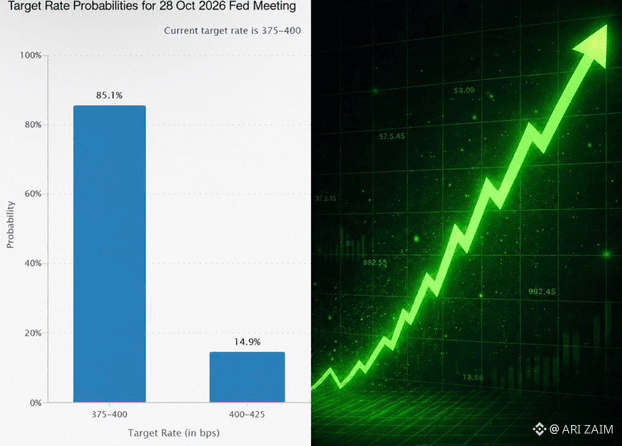
🇺🇸 Die Wahrscheinlichkeit einer Zinserhöhung durch die Fed ist innerhalb von nur 48 Stunden von 51 % auf 14,9 % eingebrochen.
Das ist eine massive Veränderung der Markterwartungen.
Weniger Angst vor einer restriktiveren Geldpolitik. Mehr Spielraum für Risiken.
👀 Die Krypto-Bullen könnten endlich Rückenwind bekommen.
Steht Bitcoin kurz vor seiner nächsten großen Bewegung? 🚀
$BTC
🇺🇸 Die Wahrscheinlichkeit einer Zinserhöhung durch die Fed ist innerhalb von nur 48 Stunden von 51 % auf 14,9 % eingebrochen.
Das ist eine massive Veränderung der Markterwartungen.
Weniger Angst vor einer restriktiveren Geldpolitik. Mehr Spielraum für Risiken.
👀 Die Krypto-Bullen könnten endlich Rückenwind bekommen.
Steht Bitcoin kurz vor seiner nächsten großen Bewegung? 🚀
$BTC
Das ist eine massive Veränderung der Markterwartungen.
Weniger Angst vor einer restriktiveren Geldpolitik. Mehr Spielraum für Risiken.
👀 Die Krypto-Bullen könnten endlich Rückenwind bekommen.
Steht Bitcoin kurz vor seiner nächsten großen Bewegung? 🚀
$BTC
13
2
47
48.6k
·
--
Bärisch
Teilweise korrekt
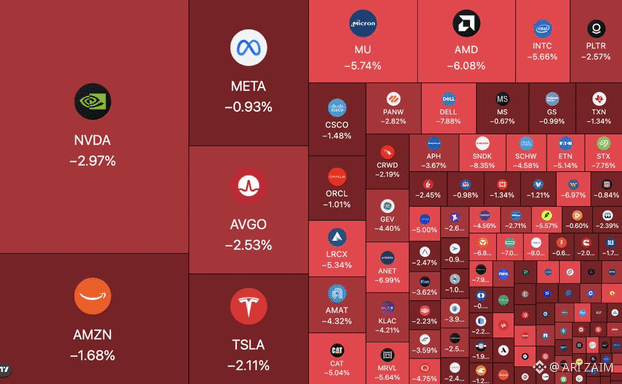
EILMELDUNG: 450 MILLIARDEN DOLLAR BEI US-AKTIEN ZU HANDELSBEGINN AUSGELÖSCHT!
AN DER WALL STREET FLIESST BLUT.
Der Verkaufsdruck nimmt stark zu, während innerhalb weniger Minuten Milliarden verschwinden.
STEHT EIN GRÖSSERER BÖRSENCRASH BEVOR?
EILMELDUNG: 450 MILLIARDEN DOLLAR BEI US-AKTIEN ZU HANDELSBEGINN AUSGELÖSCHT!
AN DER WALL STREET FLIESST BLUT.
Der Verkaufsdruck nimmt stark zu, während innerhalb weniger Minuten Milliarden verschwinden.
STEHT EIN GRÖSSERER BÖRSENCRASH BEVOR?
AN DER WALL STREET FLIESST BLUT.
Der Verkaufsdruck nimmt stark zu, während innerhalb weniger Minuten Milliarden verschwinden.
STEHT EIN GRÖSSERER BÖRSENCRASH BEVOR?
5
7
710
·
--
Bärisch
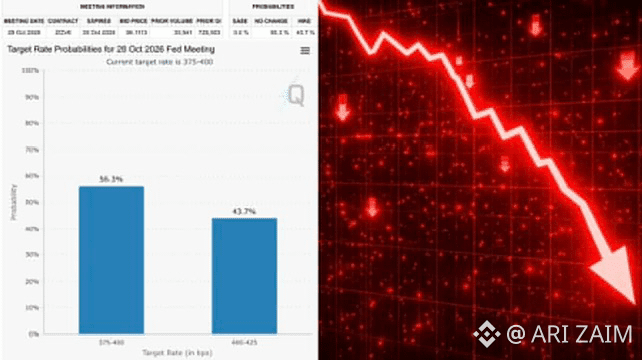
EILMELDUNG: DIE ANGST VOR EINER FED-ZINSERHÖHUNG ESKALIERT!
Die Wahrscheinlichkeit einer Fed-Zinserhöhung ist von 22 % auf 43 % gestiegen.
Das ist ein MASSIVER Anstieg der Erwartungen.
Höhere Zinsen könnten $BTC , $ETH und den gesamten Kryptomarkt stark unter Druck setzen.
DIE BÄREN KÖNNTEN DIE KONTROLLE ÜBERNEHMEN!
EILMELDUNG: DIE ANGST VOR EINER FED-ZINSERHÖHUNG ESKALIERT!
Die Wahrscheinlichkeit einer Fed-Zinserhöhung ist von 22 % auf 43 % gestiegen.
Das ist ein MASSIVER Anstieg der Erwartungen.
Höhere Zinsen könnten $BTC , $ETH und den gesamten Kryptomarkt stark unter Druck setzen.
DIE BÄREN KÖNNTEN DIE KONTROLLE ÜBERNEHMEN!
Die Wahrscheinlichkeit einer Fed-Zinserhöhung ist von 22 % auf 43 % gestiegen.
Das ist ein MASSIVER Anstieg der Erwartungen.
Höhere Zinsen könnten $BTC , $ETH und den gesamten Kryptomarkt stark unter Druck setzen.
DIE BÄREN KÖNNTEN DIE KONTROLLE ÜBERNEHMEN!
3
8
1.9k
·
--
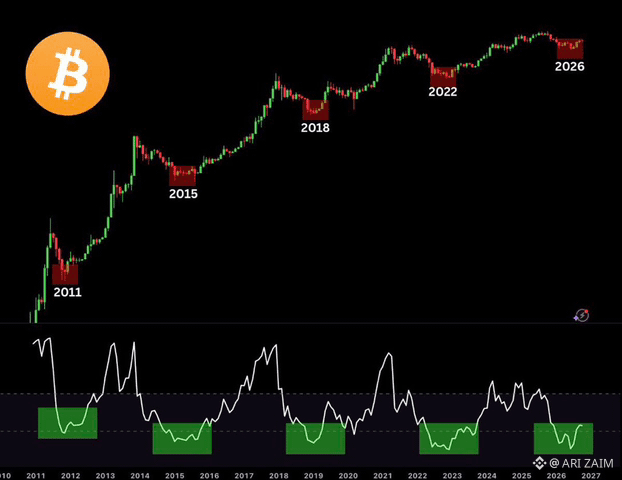
BITCOIN SENDT EIN MASSIVES UMKEHRSIGNAL!
Historisch gesehen markierte jedes bedeutende monatliche RSI-Zyklustief einen wichtigen Boden bei $BTC .
Jetzt erholt sich der monatliche RSI von derselben Zone.
BEREITET BITCOIN SEINE NÄCHSTE EXPLOSIVE RALLYE VOR?
BITCOIN SENDT EIN MASSIVES UMKEHRSIGNAL!
Historisch gesehen markierte jedes bedeutende monatliche RSI-Zyklustief einen wichtigen Boden bei $BTC .
Jetzt erholt sich der monatliche RSI von derselben Zone.
BEREITET BITCOIN SEINE NÄCHSTE EXPLOSIVE RALLYE VOR?
Historisch gesehen markierte jedes bedeutende monatliche RSI-Zyklustief einen wichtigen Boden bei $BTC .
Jetzt erholt sich der monatliche RSI von derselben Zone.
BEREITET BITCOIN SEINE NÄCHSTE EXPLOSIVE RALLYE VOR?
6
9
213
·
--
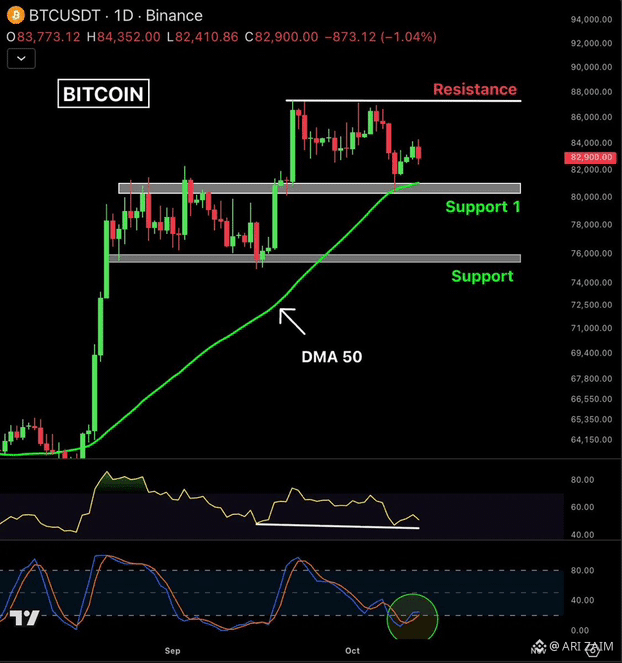
BITCOIN STEUERT AUF EINEN KRITISCHEN MOMENT ZU!
$BTC prallte am täglichen MA 50 ab und wird jetzt nahe 83.000 $ gehandelt.
Unterstützung: 80.960 $ Widerstand: 87.500 $
Der US-Verbraucherpreisindex am 14. Oktober könnte der GROSSE Katalysator sein.
AUSBRUCH ODER BRUTALER ABSTURZ?
Die nächsten 48 Stunden könnten WILD werden!
BITCOIN STEUERT AUF EINEN KRITISCHEN MOMENT ZU!
$BTC prallte am täglichen MA 50 ab und wird jetzt nahe 83.000 $ gehandelt.
Unterstützung: 80.960 $ Widerstand: 87.500 $
Der US-Verbraucherpreisindex am 14. Oktober könnte der GROSSE Katalysator sein.
AUSBRUCH ODER BRUTALER ABSTURZ?
Die nächsten 48 Stunden könnten WILD werden!
$BTC prallte am täglichen MA 50 ab und wird jetzt nahe 83.000 $ gehandelt.
Unterstützung: 80.960 $ Widerstand: 87.500 $
Der US-Verbraucherpreisindex am 14. Oktober könnte der GROSSE Katalysator sein.
AUSBRUCH ODER BRUTALER ABSTURZ?
Die nächsten 48 Stunden könnten WILD werden!
7
9
310
·
--
Bullisch
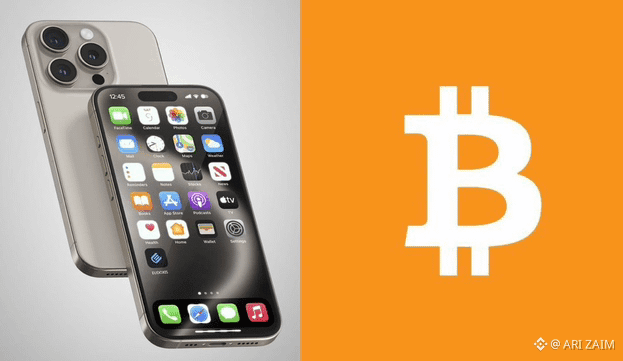
EILMELDUNG: 6,6 MILLIONEN DOLLAR IN KRYPTOWÄHRUNGEN WEG!
Ein Anleger hat Berichten zufolge bei einem verheerenden Angriff auf seine Wallet alle 80 $BTC verloren.
Jahrelang gehalten. Ein Fehler. Alles weg.
So schützt du deine Kryptowährungen:
◆ Verwende ein dediziertes Offline-Signiergerät.
◆ Lass WLAN, Bluetooth und Mobilfunk ausgeschaltet.
◆ Fotografiere oder teile niemals deine Wiederherstellungsphrase.
◆ Signiere Transaktionen offline mithilfe von QR-Codes.
◆ Überprüfe jede Transaktion, bevor du sie genehmigst.
Eine falsche Signatur kann den über Jahre aufgebauten Wohlstand zunichtemachen.
Schütze deine Schlüssel, bevor es zu spät ist.
EILMELDUNG: 6,6 MILLIONEN DOLLAR IN KRYPTOWÄHRUNGEN WEG!
Ein Anleger hat Berichten zufolge bei einem verheerenden Angriff auf seine Wallet alle 80 $BTC verloren.
Jahrelang gehalten. Ein Fehler. Alles weg.
So schützt du deine Kryptowährungen:
◆ Verwende ein dediziertes Offline-Signiergerät.
◆ Lass WLAN, Bluetooth und Mobilfunk ausgeschaltet.
◆ Fotografiere oder teile niemals deine Wiederherstellungsphrase.
◆ Signiere Transaktionen offline mithilfe von QR-Codes.
◆ Überprüfe jede Transaktion, bevor du sie genehmigst.
Eine falsche Signatur kann den über Jahre aufgebauten Wohlstand zunichtemachen.
Schütze deine Schlüssel, bevor es zu spät ist.
Ein Anleger hat Berichten zufolge bei einem verheerenden Angriff auf seine Wallet alle 80 $BTC verloren.
Jahrelang gehalten. Ein Fehler. Alles weg.
So schützt du deine Kryptowährungen:
◆ Verwende ein dediziertes Offline-Signiergerät.
◆ Lass WLAN, Bluetooth und Mobilfunk ausgeschaltet.
◆ Fotografiere oder teile niemals deine Wiederherstellungsphrase.
◆ Signiere Transaktionen offline mithilfe von QR-Codes.
◆ Überprüfe jede Transaktion, bevor du sie genehmigst.
Eine falsche Signatur kann den über Jahre aufgebauten Wohlstand zunichtemachen.
Schütze deine Schlüssel, bevor es zu spät ist.
6
14
1.7k
·
--
Bullisch
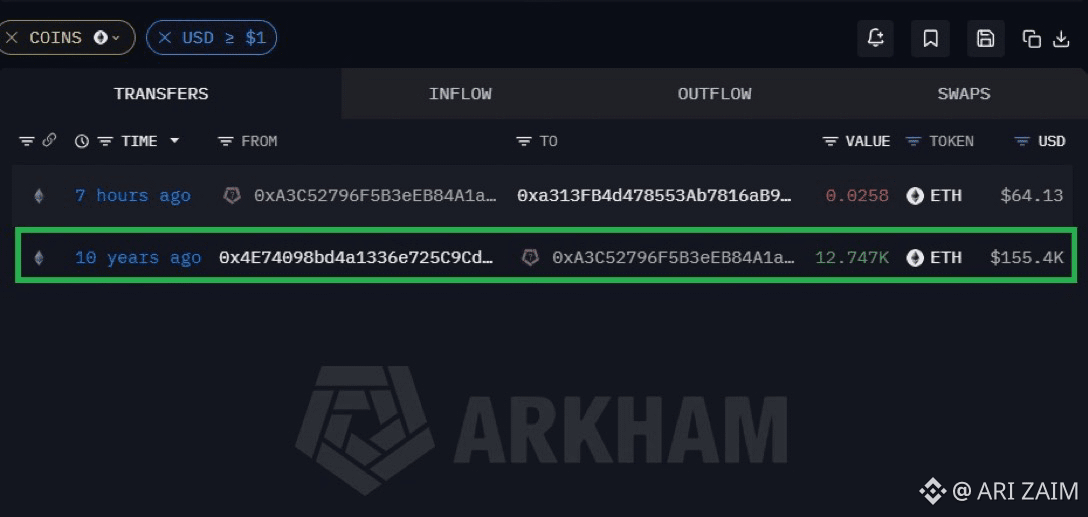
AUS 152.964 $ WURDEN 31,86 MILLIONEN $!
Jemand kaufte 2016 12.747 $ETH für gerade einmal 12 $.
Zehn Jahre brutaler Kurseinbrüche überstanden, darunter mehrere Abstürze von mehr als 80 %.
Jetzt wurde der gesamte Bestand im Wert von 31,86 MILLIONEN $ bewegt.
Eine legendäre Geschichte von Diamanthänden. Überzeugung hat alles verändert.
$ETH
AUS 152.964 $ WURDEN 31,86 MILLIONEN $!
Jemand kaufte 2016 12.747 $ETH für gerade einmal 12 $.
Zehn Jahre brutaler Kurseinbrüche überstanden, darunter mehrere Abstürze von mehr als 80 %.
Jetzt wurde der gesamte Bestand im Wert von 31,86 MILLIONEN $ bewegt.
Eine legendäre Geschichte von Diamanthänden. Überzeugung hat alles verändert.
$ETH
Jemand kaufte 2016 12.747 $ETH für gerade einmal 12 $.
Zehn Jahre brutaler Kurseinbrüche überstanden, darunter mehrere Abstürze von mehr als 80 %.
Jetzt wurde der gesamte Bestand im Wert von 31,86 MILLIONEN $ bewegt.
Eine legendäre Geschichte von Diamanthänden. Überzeugung hat alles verändert.
$ETH
8
10
293
Anmelden und weiter Inhalte entdecken
Krypto-Nutzer weltweit auf Binance Square kennenlernen
⚡️ Bleib in Sachen Krypto stets am Puls.
💬 Die weltgrößte Kryptobörse vertraut darauf.
👍 Erhalte verlässliche Einblicke von verifizierten Creators.
E-Mail-Adresse/Telefonnummer