

Aiman Malikk
4.9k Beiträge

Aiman Malikk
Melden
Nutzer blockieren
Crypto Enthusiast | Futures Trader & Scalper | Crypto Content Creator & Educator | X: @aimanmalikk7
253 Following
9.9K+ Follower
12.9K+ Like gegeben
Beiträge
Alle
Zitierungen
Live
PINNED
·
--
Endlichyy habe ich meine @BNB_Chain swag Box erhalten🎉
Ein riesiges Dankeschön an das BNB Chain Team, dass ich als Gewinner der Online-Kampagne ausgewählt wurde. Die Merch-Artikel sehen fantastisch aus & ich freue mich, Teil einer so großartigen Community zu sein💛
BAUEN & BAUEN💛🤝
#BNBChain
Endlichyy habe ich meine @BNB_Chain swag Box erhalten🎉
Ein riesiges Dankeschön an das BNB Chain Team, dass ich als Gewinner der Online-Kampagne ausgewählt wurde. Die Merch-Artikel sehen fantastisch aus & ich freue mich, Teil einer so großartigen Community zu sein💛
BAUEN & BAUEN💛🤝
#BNBChain
Ein riesiges Dankeschön an das BNB Chain Team, dass ich als Gewinner der Online-Kampagne ausgewählt wurde. Die Merch-Artikel sehen fantastisch aus & ich freue mich, Teil einer so großartigen Community zu sein💛
BAUEN & BAUEN💛🤝
#BNBChain




28
56
8.6k
·
--
Ich glaube, ich habe endlich verstanden, worum @termmax V2 wirklich bemüht ist 👀
Als ich das erste Mal auf #TermMax I gestoßen bin, habe ich hauptsächlich den Bereich der Festzins-Kreditvergabe betrachtet.
Aber je tiefer ich in V2 eingestiegen bin, desto mehr wurde mir klar, dass für mich die größere Geschichte die Kapitaleffizienz ist
Ich habe darüber nachgedacht, welche drei Probleme ich in DeFi sehe:
Liquidität wird fragmentiert
Kapital kann untätig herumliegen
Und geliehenes Kapital kann bis zur Fälligkeit blockiert bleiben
Genau dort begann V2 für mich mehr Sinn zu ergeben
Zuerst Composable Base Yield
Ich fand es interessant, dass Kuratoren TermMax-Vaults mit Aave, Morpho oder jedem beliebigen ERC-4626-Vault verbinden können
So kann mein Kapital, während es darauf wartet, mit einem Kreditnehmer gematcht zu werden, potenziell die zugrunde liegende variable Rendite erzielen
Und sobald es gematcht ist, kann der Einleger Basisrendite + einen Festzins-Premium verdienen
Für mich verändert das die Bedeutung von „untätigem Kapital“.
Dann habe ich mir Atomic Orders angesehen
In V1 musste die Liquidität zwischen verschiedenen Märkten aufgeteilt werden
V2 geht einen anderen Weg. Die gleiche Liquidität kann quasi über mehrere Märkte hinweg eingestellt werden, und sobald ein Teil davon geliehen wird, wird dieser Anteil atomar aus allen Märkten entfernt.
Außerdem habe ich eine Sache bemerkt: TermMax geht davon aus, dass dadurch die verfügbare Liquidität pro Markt um etwa das 5- bis 20-Fache steigen könnte, was größere Festzins-Kredite praktikabler machen könnte
Aber die Funktion, die mich wirklich zum Stillstand gebracht hat, war Smart Unwind
Zuvor konnte geliehenes Kapital bis zur Fälligkeit blockiert bleiben.
Jetzt können Kreditnehmer Take-Profit-Ziele basierend auf dem APR oder dem Preis festlegen.
Wenn das Ziel erreicht wird, kann ein neuer Kreditnehmer oder ein DEX-/Arbitrageur die Position übernehmen, sodass die ursprüngliche Liquidität früher in den Lending-Pool zurückkehren kann
TermMax prognostiziert, dass dies die Kapitalumschlagshäufigkeit um etwa 1,5- bis 5-fach erhöhen könnte.
Es gibt außerdem einen Order Aggregator, der Liquidität aus Atomic Orders, Limit Orders und Smart-Unwind-Positionen kombiniert, um in einer einzigen Transaktion die beste effektive Rate zu finden
Mehr Liquidität → bessere Konditionen → mehr Nutzung → höhere Auslastung → attraktivere Märkte → mehr Liquidität
Das ist das Flywheel, das ich sehe, wie TermMax V2 aufzubauen versucht
Ich glaube, ich habe endlich verstanden, worum @TermMax V2 wirklich bemüht ist 👀
Als ich das erste Mal auf #TermMax I gestoßen bin, habe ich hauptsächlich den Bereich der Festzins-Kreditvergabe betrachtet.
Aber je tiefer ich in V2 eingestiegen bin, desto mehr wurde mir klar, dass für mich die größere Geschichte die Kapitaleffizienz ist
Ich habe darüber nachgedacht, welche drei Probleme ich in DeFi sehe:
Liquidität wird fragmentiert
Kapital kann untätig herumliegen
Und geliehenes Kapital kann bis zur Fälligkeit blockiert bleiben
Genau dort begann V2 für mich mehr Sinn zu ergeben
Zuerst Composable Base Yield
Ich fand es interessant, dass Kuratoren TermMax-Vaults mit Aave, Morpho oder jedem beliebigen ERC-4626-Vault verbinden können
So kann mein Kapital, während es darauf wartet, mit einem Kreditnehmer gematcht zu werden, potenziell die zugrunde liegende variable Rendite erzielen
Und sobald es gematcht ist, kann der Einleger Basisrendite + einen Festzins-Premium verdienen
Für mich verändert das die Bedeutung von „untätigem Kapital“.
Dann habe ich mir Atomic Orders angesehen
In V1 musste die Liquidität zwischen verschiedenen Märkten aufgeteilt werden
V2 geht einen anderen Weg. Die gleiche Liquidität kann quasi über mehrere Märkte hinweg eingestellt werden, und sobald ein Teil davon geliehen wird, wird dieser Anteil atomar aus allen Märkten entfernt.
Außerdem habe ich eine Sache bemerkt: TermMax geht davon aus, dass dadurch die verfügbare Liquidität pro Markt um etwa das 5- bis 20-Fache steigen könnte, was größere Festzins-Kredite praktikabler machen könnte
Aber die Funktion, die mich wirklich zum Stillstand gebracht hat, war Smart Unwind
Zuvor konnte geliehenes Kapital bis zur Fälligkeit blockiert bleiben.
Jetzt können Kreditnehmer Take-Profit-Ziele basierend auf dem APR oder dem Preis festlegen.
Wenn das Ziel erreicht wird, kann ein neuer Kreditnehmer oder ein DEX-/Arbitrageur die Position übernehmen, sodass die ursprüngliche Liquidität früher in den Lending-Pool zurückkehren kann
TermMax prognostiziert, dass dies die Kapitalumschlagshäufigkeit um etwa 1,5- bis 5-fach erhöhen könnte.
Es gibt außerdem einen Order Aggregator, der Liquidität aus Atomic Orders, Limit Orders und Smart-Unwind-Positionen kombiniert, um in einer einzigen Transaktion die beste effektive Rate zu finden
Mehr Liquidität → bessere Konditionen → mehr Nutzung → höhere Auslastung → attraktivere Märkte → mehr Liquidität
Das ist das Flywheel, das ich sehe, wie TermMax V2 aufzubauen versucht
Als ich das erste Mal auf #TermMax I gestoßen bin, habe ich hauptsächlich den Bereich der Festzins-Kreditvergabe betrachtet.
Aber je tiefer ich in V2 eingestiegen bin, desto mehr wurde mir klar, dass für mich die größere Geschichte die Kapitaleffizienz ist
Ich habe darüber nachgedacht, welche drei Probleme ich in DeFi sehe:
Liquidität wird fragmentiert
Kapital kann untätig herumliegen
Und geliehenes Kapital kann bis zur Fälligkeit blockiert bleiben
Genau dort begann V2 für mich mehr Sinn zu ergeben
Zuerst Composable Base Yield
Ich fand es interessant, dass Kuratoren TermMax-Vaults mit Aave, Morpho oder jedem beliebigen ERC-4626-Vault verbinden können
So kann mein Kapital, während es darauf wartet, mit einem Kreditnehmer gematcht zu werden, potenziell die zugrunde liegende variable Rendite erzielen
Und sobald es gematcht ist, kann der Einleger Basisrendite + einen Festzins-Premium verdienen
Für mich verändert das die Bedeutung von „untätigem Kapital“.
Dann habe ich mir Atomic Orders angesehen
In V1 musste die Liquidität zwischen verschiedenen Märkten aufgeteilt werden
V2 geht einen anderen Weg. Die gleiche Liquidität kann quasi über mehrere Märkte hinweg eingestellt werden, und sobald ein Teil davon geliehen wird, wird dieser Anteil atomar aus allen Märkten entfernt.
Außerdem habe ich eine Sache bemerkt: TermMax geht davon aus, dass dadurch die verfügbare Liquidität pro Markt um etwa das 5- bis 20-Fache steigen könnte, was größere Festzins-Kredite praktikabler machen könnte
Aber die Funktion, die mich wirklich zum Stillstand gebracht hat, war Smart Unwind
Zuvor konnte geliehenes Kapital bis zur Fälligkeit blockiert bleiben.
Jetzt können Kreditnehmer Take-Profit-Ziele basierend auf dem APR oder dem Preis festlegen.
Wenn das Ziel erreicht wird, kann ein neuer Kreditnehmer oder ein DEX-/Arbitrageur die Position übernehmen, sodass die ursprüngliche Liquidität früher in den Lending-Pool zurückkehren kann
TermMax prognostiziert, dass dies die Kapitalumschlagshäufigkeit um etwa 1,5- bis 5-fach erhöhen könnte.
Es gibt außerdem einen Order Aggregator, der Liquidität aus Atomic Orders, Limit Orders und Smart-Unwind-Positionen kombiniert, um in einer einzigen Transaktion die beste effektive Rate zu finden
Mehr Liquidität → bessere Konditionen → mehr Nutzung → höhere Auslastung → attraktivere Märkte → mehr Liquidität
Das ist das Flywheel, das ich sehe, wie TermMax V2 aufzubauen versucht

10
13
543
·
--
@termmax hat seine RWA-Story deutlich interessanter gemacht 👀
Ich habe nach diesem Launch #TermMax anders betrachtet.
Als ich TermMax zum ersten Mal recherchiert habe, interessierte mich vor allem sein Modell für Festzins- und Festlaufzeit-Kredite
Dann ging TermMax am 12. August 2026 auf der Robinhood Chain live – als erster Markt für Festzins- und Festlaufzeit-Kredite
Was hat mich in meiner Recherche dort am meisten inspiriert?
Nutzer können tokenisierte Aktien wie NVDA, SPY und QQQ als Sicherheit nutzen, um USDG zu einem festen Zinssatz auszuleihen; und Kreditgeber können USDG einzahlen und eine Prämie verdienen
Für mich verbindet das DeFi-Kreditvergabe mit tokenisierten Real-World-Assets auf ziemlich interessante Weise
Statt tokenisierte Aktien-Exponierung für Liquidität zu verkaufen, könnten Nutzer dagegen Kredit aufnehmen, während sie ihre Position behalten.
Der Launch umfasst außerdem:
• 120x XP/AP für Vault-Depositoren
• 10x XP für Borrower
• 20x AP für Options-Trader
Ich halte eine Sache klar: 120x ist ein Kampagnen-Multiplikator, nicht 120x APY. Die tatsächlichen Zinssätze und die Liquidität hängen vom Live-Markt ab.
Auch das große Ganze hat mich angesprochen
TermMax hat $90M+ TVL gemeldet, 1,5M+ registrierte Wallets, 90K+ tägliche aktive Nutzer – mit einem Peak von über 170K – und ist jetzt auf 10 EVM-Chains live.
Und der Zeitpunkt ist bemerkenswert
$TMX hat eine Gesamtmenge von 1B, ungefähr 20% sind für die geplante Anfangszirkulation vorgesehen, mit TGE für den 25. August 2026
Ich mag die Richtung, aber ich beobachte weiterhin die Risiken: Aktienkursvolatilität, Liquidation, Liquidität, Smart-Contract-Risiko und regulatorische Einschränkungen rund um tokenisierte Assets
Kann TermMax Festzins-DeFi und tokenisierte Assets in echte, nachhaltige Nutzung verwandeln?
Das ist die Story, die ich gerade beobachte.
Nicht nur der Launch – die Akzeptanz dahinter
@TermMax hat seine RWA-Story deutlich interessanter gemacht 👀
Ich habe nach diesem Launch #TermMax anders betrachtet.
Als ich TermMax zum ersten Mal recherchiert habe, interessierte mich vor allem sein Modell für Festzins- und Festlaufzeit-Kredite
Dann ging TermMax am 12. August 2026 auf der Robinhood Chain live – als erster Markt für Festzins- und Festlaufzeit-Kredite
Was hat mich in meiner Recherche dort am meisten inspiriert?
Nutzer können tokenisierte Aktien wie NVDA, SPY und QQQ als Sicherheit nutzen, um USDG zu einem festen Zinssatz auszuleihen; und Kreditgeber können USDG einzahlen und eine Prämie verdienen
Für mich verbindet das DeFi-Kreditvergabe mit tokenisierten Real-World-Assets auf ziemlich interessante Weise
Statt tokenisierte Aktien-Exponierung für Liquidität zu verkaufen, könnten Nutzer dagegen Kredit aufnehmen, während sie ihre Position behalten.
Der Launch umfasst außerdem:
• 120x XP/AP für Vault-Depositoren
• 10x XP für Borrower
• 20x AP für Options-Trader
Ich halte eine Sache klar: 120x ist ein Kampagnen-Multiplikator, nicht 120x APY. Die tatsächlichen Zinssätze und die Liquidität hängen vom Live-Markt ab.
Auch das große Ganze hat mich angesprochen
TermMax hat $90M+ TVL gemeldet, 1,5M+ registrierte Wallets, 90K+ tägliche aktive Nutzer – mit einem Peak von über 170K – und ist jetzt auf 10 EVM-Chains live.
Und der Zeitpunkt ist bemerkenswert
$TMX hat eine Gesamtmenge von 1B, ungefähr 20% sind für die geplante Anfangszirkulation vorgesehen, mit TGE für den 25. August 2026
Ich mag die Richtung, aber ich beobachte weiterhin die Risiken: Aktienkursvolatilität, Liquidation, Liquidität, Smart-Contract-Risiko und regulatorische Einschränkungen rund um tokenisierte Assets
Kann TermMax Festzins-DeFi und tokenisierte Assets in echte, nachhaltige Nutzung verwandeln?
Das ist die Story, die ich gerade beobachte.
Nicht nur der Launch – die Akzeptanz dahinter
Ich habe nach diesem Launch #TermMax anders betrachtet.
Als ich TermMax zum ersten Mal recherchiert habe, interessierte mich vor allem sein Modell für Festzins- und Festlaufzeit-Kredite
Dann ging TermMax am 12. August 2026 auf der Robinhood Chain live – als erster Markt für Festzins- und Festlaufzeit-Kredite
Was hat mich in meiner Recherche dort am meisten inspiriert?
Nutzer können tokenisierte Aktien wie NVDA, SPY und QQQ als Sicherheit nutzen, um USDG zu einem festen Zinssatz auszuleihen; und Kreditgeber können USDG einzahlen und eine Prämie verdienen
Für mich verbindet das DeFi-Kreditvergabe mit tokenisierten Real-World-Assets auf ziemlich interessante Weise
Statt tokenisierte Aktien-Exponierung für Liquidität zu verkaufen, könnten Nutzer dagegen Kredit aufnehmen, während sie ihre Position behalten.
Der Launch umfasst außerdem:
• 120x XP/AP für Vault-Depositoren
• 10x XP für Borrower
• 20x AP für Options-Trader
Ich halte eine Sache klar: 120x ist ein Kampagnen-Multiplikator, nicht 120x APY. Die tatsächlichen Zinssätze und die Liquidität hängen vom Live-Markt ab.
Auch das große Ganze hat mich angesprochen
TermMax hat $90M+ TVL gemeldet, 1,5M+ registrierte Wallets, 90K+ tägliche aktive Nutzer – mit einem Peak von über 170K – und ist jetzt auf 10 EVM-Chains live.
Und der Zeitpunkt ist bemerkenswert
$TMX hat eine Gesamtmenge von 1B, ungefähr 20% sind für die geplante Anfangszirkulation vorgesehen, mit TGE für den 25. August 2026
Ich mag die Richtung, aber ich beobachte weiterhin die Risiken: Aktienkursvolatilität, Liquidation, Liquidität, Smart-Contract-Risiko und regulatorische Einschränkungen rund um tokenisierte Assets
Kann TermMax Festzins-DeFi und tokenisierte Assets in echte, nachhaltige Nutzung verwandeln?
Das ist die Story, die ich gerade beobachte.
Nicht nur der Launch – die Akzeptanz dahinter

13
10
326
·
--
Ich habe TMX von einem völlig anderen Blickwinkel aus betrachtet👀
Als ich das erste Mal @termmax recherchiert habe, habe ich mich auf das Produkt konzentriert
Dann habe ich mich gefragt:
Okay, aber warum sollte überhaupt jemand TMX halten wollen?
Diese Frage hat mich tiefer geführt.
TMX ist nicht dafür entworfen, einfach nur in einer Wallet zu liegen
Holder können an der Governance teilnehmen, dabei helfen, Protokoll-Parameter mitzugestalten, DEX-Liquidität bereitstellen oder TMX staken, um sTMX zu erhalten
Das Wichtigste für mich ist: Staking kann TMX-Rewards liefern und stärkere Governance-Rechte, einschließlich Einfluss auf Markt-Risikoparameter und Curator-Whitelisting
Dann habe ich die Verbindung zum Treasury bemerkt
Das Treasury kann Einnahmen aus FT/XT-Handelsgebühren, Borrowing-Aktivitäten, Liquidationsgebühren und anderen Quellen generieren, wobei ein Teil des Ökosystems möglicherweise TMX-Rewards unterstützt
Das hat mir TMX anders sehen lassen.
Es geht nicht nur darum, ein Token zu halten. Es gibt einen Mechanismus, der das Token mit Aktivitäten verbindet, die innerhalb des Protokolls stattfinden.
Aber ich möchte nicht nur auf die Upside schauen.
Es gibt auch echte Risiken, die ich in meiner Erfahrung festgestellt habe und weiter beobachte: Smart-Contract-Schwachstellen, Oracle-Ausfälle, Netzwerküberlastung, Preisvolatilität, Liquidität, regulatorische Unsicherheit, Wettbewerb und Akzeptanz
Und ehrlich gesagt ist die Akzeptanz der Teil, der mich am meisten interessiert
Denn Staking-Rewards bedeuten nicht viel, wenn das zugrunde liegende Protokoll nicht wächst.
Also frage ich nicht:
Kann TMX pumpen?
Ich frage:
Kann TermMax etwas aufbauen, das Menschen wirklich nutzen?
Wenn TVL, Liquidität, Nutzer und Protokollaktivität wachsen, wird die Nützlichkeit von TMX für mich deutlich interessanter.
Das werde ich im Blick behalten.
#TermMax
Ich habe TMX von einem völlig anderen Blickwinkel aus betrachtet👀
Als ich das erste Mal @TermMax recherchiert habe, habe ich mich auf das Produkt konzentriert
Dann habe ich mich gefragt:
Okay, aber warum sollte überhaupt jemand TMX halten wollen?
Diese Frage hat mich tiefer geführt.
TMX ist nicht dafür entworfen, einfach nur in einer Wallet zu liegen
Holder können an der Governance teilnehmen, dabei helfen, Protokoll-Parameter mitzugestalten, DEX-Liquidität bereitstellen oder TMX staken, um sTMX zu erhalten
Das Wichtigste für mich ist: Staking kann TMX-Rewards liefern und stärkere Governance-Rechte, einschließlich Einfluss auf Markt-Risikoparameter und Curator-Whitelisting
Dann habe ich die Verbindung zum Treasury bemerkt
Das Treasury kann Einnahmen aus FT/XT-Handelsgebühren, Borrowing-Aktivitäten, Liquidationsgebühren und anderen Quellen generieren, wobei ein Teil des Ökosystems möglicherweise TMX-Rewards unterstützt
Das hat mir TMX anders sehen lassen.
Es geht nicht nur darum, ein Token zu halten. Es gibt einen Mechanismus, der das Token mit Aktivitäten verbindet, die innerhalb des Protokolls stattfinden.
Aber ich möchte nicht nur auf die Upside schauen.
Es gibt auch echte Risiken, die ich in meiner Erfahrung festgestellt habe und weiter beobachte: Smart-Contract-Schwachstellen, Oracle-Ausfälle, Netzwerküberlastung, Preisvolatilität, Liquidität, regulatorische Unsicherheit, Wettbewerb und Akzeptanz
Und ehrlich gesagt ist die Akzeptanz der Teil, der mich am meisten interessiert
Denn Staking-Rewards bedeuten nicht viel, wenn das zugrunde liegende Protokoll nicht wächst.
Also frage ich nicht:
Kann TMX pumpen?
Ich frage:
Kann TermMax etwas aufbauen, das Menschen wirklich nutzen?
Wenn TVL, Liquidität, Nutzer und Protokollaktivität wachsen, wird die Nützlichkeit von TMX für mich deutlich interessanter.
Das werde ich im Blick behalten.
#TermMax
Als ich das erste Mal @TermMax recherchiert habe, habe ich mich auf das Produkt konzentriert
Dann habe ich mich gefragt:
Okay, aber warum sollte überhaupt jemand TMX halten wollen?
Diese Frage hat mich tiefer geführt.
TMX ist nicht dafür entworfen, einfach nur in einer Wallet zu liegen
Holder können an der Governance teilnehmen, dabei helfen, Protokoll-Parameter mitzugestalten, DEX-Liquidität bereitstellen oder TMX staken, um sTMX zu erhalten
Das Wichtigste für mich ist: Staking kann TMX-Rewards liefern und stärkere Governance-Rechte, einschließlich Einfluss auf Markt-Risikoparameter und Curator-Whitelisting
Dann habe ich die Verbindung zum Treasury bemerkt
Das Treasury kann Einnahmen aus FT/XT-Handelsgebühren, Borrowing-Aktivitäten, Liquidationsgebühren und anderen Quellen generieren, wobei ein Teil des Ökosystems möglicherweise TMX-Rewards unterstützt
Das hat mir TMX anders sehen lassen.
Es geht nicht nur darum, ein Token zu halten. Es gibt einen Mechanismus, der das Token mit Aktivitäten verbindet, die innerhalb des Protokolls stattfinden.
Aber ich möchte nicht nur auf die Upside schauen.
Es gibt auch echte Risiken, die ich in meiner Erfahrung festgestellt habe und weiter beobachte: Smart-Contract-Schwachstellen, Oracle-Ausfälle, Netzwerküberlastung, Preisvolatilität, Liquidität, regulatorische Unsicherheit, Wettbewerb und Akzeptanz
Und ehrlich gesagt ist die Akzeptanz der Teil, der mich am meisten interessiert
Denn Staking-Rewards bedeuten nicht viel, wenn das zugrunde liegende Protokoll nicht wächst.
Also frage ich nicht:
Kann TMX pumpen?
Ich frage:
Kann TermMax etwas aufbauen, das Menschen wirklich nutzen?
Wenn TVL, Liquidität, Nutzer und Protokollaktivität wachsen, wird die Nützlichkeit von TMX für mich deutlich interessanter.
Das werde ich im Blick behalten.
#TermMax
18
12
171
·
--
Je mehr ich über TermMax gelernt habe, desto mehr ergab es für mich Sinn 👀
Als ich zum ersten Mal auf @termmax I gestoßen bin, habe ich nicht mit dem Token angefangen.
Ich bin mit dem Problem eingestiegen, das ich sehe:
Das, was ich in DeFi zu Zinsen untersuche, kann sich schnell bewegen. Als Kreditnehmer kann das deine Kosten unvorhersehbar machen. Als Kreditgeber können sich deine Renditen ebenfalls ändern.
Also fragte ich mich:
Was wäre, wenn ich meine Kreditkosten oder meine Lending-Rendite von Anfang an im Voraus kennen könnte?
Genau das hat mich an TermMax fasziniert.
TermMax baut Infrastruktur für festverzinsliches, fest befristetes Leihen und Verleihen – und gibt den Nutzern mehr Sicherheit, statt alles dem ständig wechselnden Zins auszusetzen.
Dann habe ich mir genauer angesehen, wie es funktioniert.
Es gibt drei zentrale Bausteine:
FT: Die Lending-Seite. Mit Abschlag kaufen, bis zur Fälligkeit halten und zum Nennwert zurücklösen. Die Differenz steht für die feste Rendite.
XT: Die Borrowing-Seite. Kreditnehmer erhalten XT und können es für Liquidität verkaufen – so können sie ihre Kreditkosten von Anfang an fest einpreisen.
GT: Eine tokenisierte, gehebelte Position, die Sicherheiten und Schulden zusammen verpackt und Leverage dadurch einfacher sowie kapital-effizienter macht.
Aber was für mich wirklich herausstach, war das, was im Hintergrund passiert.
TermMax nutzt professionelle Kuratoren, um Preisgestaltung, Liquidität und Risiko zu managen. Und Kapital, das nicht ausgeliehen wird, kann in Protokolle wie Aave, Morpho und Venus eingesetzt werden, statt einfach untätig herumzuliegen.
Das brachte mich zu etwas Einfachen:
Kapital sollte arbeiten – nicht warten.
TermMax verwendet außerdem seinen eigenen AMM, der speziell für Märkte mit festem Zinssatz entwickelt wurde, während Ethereum die primäre Chain ist und LayerZero die unterstützte Cross-Chain-Bewegung ermöglicht, inklusive BNB Chain.
Nachdem ich es recherchiert habe, sehe ich TermMax nicht als einfach nur eine weitere Token-Story.
Ich sehe ein Projekt, das versucht, ein echtes DeFi-Problem zu lösen:
Sicherheit bei Zinsen, Laufzeiten und Kapital
Natürlich ist die Idee erst der Anfang.
Jetzt beobachte ich, ob TermMax diese Idee in echte Nutzer, Liquidität und Adoption verwandeln kann.
Denn in Krypto habe ich gelernt: Eine gute Story bedeutet wenig, wenn es keine echte Nutzung gibt.
Noch in Recherche
#TermMax
Je mehr ich über TermMax gelernt habe, desto mehr ergab es für mich Sinn 👀
Als ich zum ersten Mal auf @TermMax I gestoßen bin, habe ich nicht mit dem Token angefangen.
Ich bin mit dem Problem eingestiegen, das ich sehe:
Das, was ich in DeFi zu Zinsen untersuche, kann sich schnell bewegen. Als Kreditnehmer kann das deine Kosten unvorhersehbar machen. Als Kreditgeber können sich deine Renditen ebenfalls ändern.
Also fragte ich mich:
Was wäre, wenn ich meine Kreditkosten oder meine Lending-Rendite von Anfang an im Voraus kennen könnte?
Genau das hat mich an TermMax fasziniert.
TermMax baut Infrastruktur für festverzinsliches, fest befristetes Leihen und Verleihen – und gibt den Nutzern mehr Sicherheit, statt alles dem ständig wechselnden Zins auszusetzen.
Dann habe ich mir genauer angesehen, wie es funktioniert.
Es gibt drei zentrale Bausteine:
FT: Die Lending-Seite. Mit Abschlag kaufen, bis zur Fälligkeit halten und zum Nennwert zurücklösen. Die Differenz steht für die feste Rendite.
XT: Die Borrowing-Seite. Kreditnehmer erhalten XT und können es für Liquidität verkaufen – so können sie ihre Kreditkosten von Anfang an fest einpreisen.
GT: Eine tokenisierte, gehebelte Position, die Sicherheiten und Schulden zusammen verpackt und Leverage dadurch einfacher sowie kapital-effizienter macht.
Aber was für mich wirklich herausstach, war das, was im Hintergrund passiert.
TermMax nutzt professionelle Kuratoren, um Preisgestaltung, Liquidität und Risiko zu managen. Und Kapital, das nicht ausgeliehen wird, kann in Protokolle wie Aave, Morpho und Venus eingesetzt werden, statt einfach untätig herumzuliegen.
Das brachte mich zu etwas Einfachen:
Kapital sollte arbeiten – nicht warten.
TermMax verwendet außerdem seinen eigenen AMM, der speziell für Märkte mit festem Zinssatz entwickelt wurde, während Ethereum die primäre Chain ist und LayerZero die unterstützte Cross-Chain-Bewegung ermöglicht, inklusive BNB Chain.
Nachdem ich es recherchiert habe, sehe ich TermMax nicht als einfach nur eine weitere Token-Story.
Ich sehe ein Projekt, das versucht, ein echtes DeFi-Problem zu lösen:
Sicherheit bei Zinsen, Laufzeiten und Kapital
Natürlich ist die Idee erst der Anfang.
Jetzt beobachte ich, ob TermMax diese Idee in echte Nutzer, Liquidität und Adoption verwandeln kann.
Denn in Krypto habe ich gelernt: Eine gute Story bedeutet wenig, wenn es keine echte Nutzung gibt.
Noch in Recherche
#TermMax
Als ich zum ersten Mal auf @TermMax I gestoßen bin, habe ich nicht mit dem Token angefangen.
Ich bin mit dem Problem eingestiegen, das ich sehe:
Das, was ich in DeFi zu Zinsen untersuche, kann sich schnell bewegen. Als Kreditnehmer kann das deine Kosten unvorhersehbar machen. Als Kreditgeber können sich deine Renditen ebenfalls ändern.
Also fragte ich mich:
Was wäre, wenn ich meine Kreditkosten oder meine Lending-Rendite von Anfang an im Voraus kennen könnte?
Genau das hat mich an TermMax fasziniert.
TermMax baut Infrastruktur für festverzinsliches, fest befristetes Leihen und Verleihen – und gibt den Nutzern mehr Sicherheit, statt alles dem ständig wechselnden Zins auszusetzen.
Dann habe ich mir genauer angesehen, wie es funktioniert.
Es gibt drei zentrale Bausteine:
FT: Die Lending-Seite. Mit Abschlag kaufen, bis zur Fälligkeit halten und zum Nennwert zurücklösen. Die Differenz steht für die feste Rendite.
XT: Die Borrowing-Seite. Kreditnehmer erhalten XT und können es für Liquidität verkaufen – so können sie ihre Kreditkosten von Anfang an fest einpreisen.
GT: Eine tokenisierte, gehebelte Position, die Sicherheiten und Schulden zusammen verpackt und Leverage dadurch einfacher sowie kapital-effizienter macht.
Aber was für mich wirklich herausstach, war das, was im Hintergrund passiert.
TermMax nutzt professionelle Kuratoren, um Preisgestaltung, Liquidität und Risiko zu managen. Und Kapital, das nicht ausgeliehen wird, kann in Protokolle wie Aave, Morpho und Venus eingesetzt werden, statt einfach untätig herumzuliegen.
Das brachte mich zu etwas Einfachen:
Kapital sollte arbeiten – nicht warten.
TermMax verwendet außerdem seinen eigenen AMM, der speziell für Märkte mit festem Zinssatz entwickelt wurde, während Ethereum die primäre Chain ist und LayerZero die unterstützte Cross-Chain-Bewegung ermöglicht, inklusive BNB Chain.
Nachdem ich es recherchiert habe, sehe ich TermMax nicht als einfach nur eine weitere Token-Story.
Ich sehe ein Projekt, das versucht, ein echtes DeFi-Problem zu lösen:
Sicherheit bei Zinsen, Laufzeiten und Kapital
Natürlich ist die Idee erst der Anfang.
Jetzt beobachte ich, ob TermMax diese Idee in echte Nutzer, Liquidität und Adoption verwandeln kann.
Denn in Krypto habe ich gelernt: Eine gute Story bedeutet wenig, wenn es keine echte Nutzung gibt.
Noch in Recherche
#TermMax

13
12
189
·
--
@termmax Wenn ich auf ein neues Token stoße, versuche ich nicht, mich von der Hype mitreißen zu lassen, und recherchiere stattdessen
Ich halte es meistens einfach und frage mich:
Wie hoch ist das gesamte Angebot?
Wie viel wird tatsächlich in Umlauf sein?
Und ganz besonders: Wofür wird das Token wirklich genutzt?
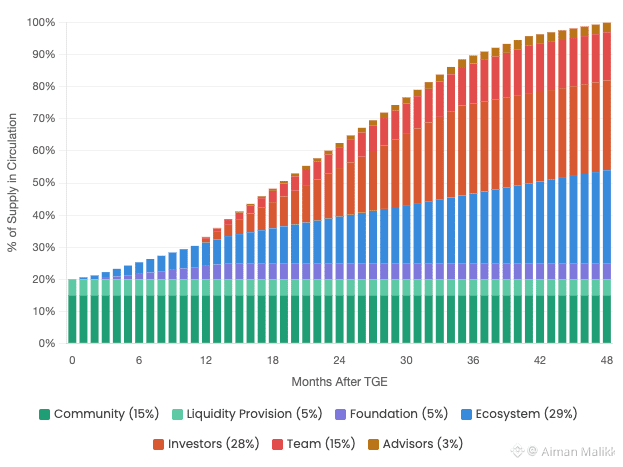
Nach dem Lesen des Whitepapers habe ich festgestellt, dass TMX ein festes Gesamtangebot von 1 Milliarde Token hat, wobei 200 Millionen (20%) für die Zirkulation beim TGE geplant sind.
Aber ehrlich gesagt hat mich vor allem die Utility/der Nutzen überzeugt
denn TMX ist um Governance und Staking herum aufgebaut, sodass Inhaber wie ich und du eine Rolle bei den Entscheidungen im Protokoll haben können und potenziell Staking-Rewards verdienen
Ein festes Angebot ist meiner Ansicht nach ein guter Ausgangspunkt, aber allein das Angebot macht ein Token noch nicht wertvoll.
Für mich und aus meiner Beobachtung ist die eigentliche Frage, ob TermMax im Laufe der Zeit echte Akzeptanz, Nutzung und Nutzen aufbauen kann
Ich habe mir die Tokenomics, den Nutzen und die Roadmap angesehen, und TMX ist definitiv eines, das für mich interessant ist, um es im Blick zu behalten und weiter zu recherchieren
Das ist keine Finanzberatung. Ich teile nur das, was mich bei meiner eigenen Recherche mehr inspiriert 👀
#TermMax @termmax
@TermMax Wenn ich auf ein neues Token stoße, versuche ich nicht, mich von der Hype mitreißen zu lassen, und recherchiere stattdessen
Ich halte es meistens einfach und frage mich:
Wie hoch ist das gesamte Angebot?
Wie viel wird tatsächlich in Umlauf sein?
Und ganz besonders: Wofür wird das Token wirklich genutzt?
Nach dem Lesen des Whitepapers habe ich festgestellt, dass TMX ein festes Gesamtangebot von 1 Milliarde Token hat, wobei 200 Millionen (20%) für die Zirkulation beim TGE geplant sind.
Aber ehrlich gesagt hat mich vor allem die Utility/der Nutzen überzeugt
denn TMX ist um Governance und Staking herum aufgebaut, sodass Inhaber wie ich und du eine Rolle bei den Entscheidungen im Protokoll haben können und potenziell Staking-Rewards verdienen
Ein festes Angebot ist meiner Ansicht nach ein guter Ausgangspunkt, aber allein das Angebot macht ein Token noch nicht wertvoll.
Für mich und aus meiner Beobachtung ist die eigentliche Frage, ob TermMax im Laufe der Zeit echte Akzeptanz, Nutzung und Nutzen aufbauen kann
Ich habe mir die Tokenomics, den Nutzen und die Roadmap angesehen, und TMX ist definitiv eines, das für mich interessant ist, um es im Blick zu behalten und weiter zu recherchieren
Das ist keine Finanzberatung. Ich teile nur das, was mich bei meiner eigenen Recherche mehr inspiriert 👀
#TermMax @TermMax
Ich halte es meistens einfach und frage mich:
Wie hoch ist das gesamte Angebot?
Wie viel wird tatsächlich in Umlauf sein?
Und ganz besonders: Wofür wird das Token wirklich genutzt?
Nach dem Lesen des Whitepapers habe ich festgestellt, dass TMX ein festes Gesamtangebot von 1 Milliarde Token hat, wobei 200 Millionen (20%) für die Zirkulation beim TGE geplant sind.
Aber ehrlich gesagt hat mich vor allem die Utility/der Nutzen überzeugt
denn TMX ist um Governance und Staking herum aufgebaut, sodass Inhaber wie ich und du eine Rolle bei den Entscheidungen im Protokoll haben können und potenziell Staking-Rewards verdienen
Ein festes Angebot ist meiner Ansicht nach ein guter Ausgangspunkt, aber allein das Angebot macht ein Token noch nicht wertvoll.
Für mich und aus meiner Beobachtung ist die eigentliche Frage, ob TermMax im Laufe der Zeit echte Akzeptanz, Nutzung und Nutzen aufbauen kann
Ich habe mir die Tokenomics, den Nutzen und die Roadmap angesehen, und TMX ist definitiv eines, das für mich interessant ist, um es im Blick zu behalten und weiter zu recherchieren
Das ist keine Finanzberatung. Ich teile nur das, was mich bei meiner eigenen Recherche mehr inspiriert 👀
#TermMax @TermMax

11
9
240
·
--
Ich verfolge seit Jahren viele Krypto-Projekte und mir ist immer wieder aufgefallen, wie unterschiedlich Teams mit ihren öffentlichen Testnetzen umgehen
Einige bringen sie einfach online und machen dann weiter
Andere hören tatsächlich zu
Bei Babylon Trustless Bitcoin Vaults (TBV) habe ich beobachtet, wie sich der zweite Ansatz in Echtzeit entwickelt – und es war ermutigend zu sehen
Das öffentliche Testnet für native Bitcoin-gestützte Kredite mit Aave v4 ist seit etwa zwei Monaten live. In dieser kurzen Zeit hat die Community bereits mehr als 2.000 Vaults erstellt.
Dieses Maß an praxisnahen Tests hat dem Team klare, umsetzbare Rückmeldungen statt Rätselraten gegeben
Was mir auffällt, ist, wie direkt diese Rückmeldungen das Produkt geformt haben
Community-Umfragen und Nutzerberichte führten zu einem vollständigen UI-Redesign, wodurch die Nutzererfahrung aufgeräumter und leichter zu bedienen ist.
Der Wallet-Support wurde schnell erweitert, weil Tester immer wieder nach besseren Self-Custody-Optionen gefragt haben – jetzt einschließlich Hardware-Wallets wie Ledger und Keystone sowie UniSat, Utila und weiteren.
Sogar der Prozess zur Erstellung der Vaults wurde deutlich verbessert: von rund drei Stunden auf etwa 90 Minuten, nachdem das Team Nutzer-Feedback mit einem Forschungserfolg kombiniert hat.
Ich schätze, dass das nicht nur höfliches Zuhören ist. Menschen nutzen das System tatsächlich: Sie erstellen Vaults, nehmen Kredite auf, zahlen zurück, entsperren und melden die Reibungspunkte.
Das Team setzt diese Eingaben in echte Veränderungen um, die das Produkt reibungsloser machen und es stärker an dem ausrichten, was vorsichtige Bitcoin-Inhaber wirklich wichtig finden: Verwahrung, Einfachheit und Zuverlässigkeit.
In einem Umfeld, in dem viele Projekte Testnetze als Marketing-Meilensteine behandeln, wirkt es anders, wenn man sieht, wie Babylon Community-Tests nutzt, um echte Produktentscheidungen zu verfeinern.
Es zeigt, dass eine echte Nutzererfahrung auch dann noch sinnvolle Fortschritte antreiben kann, wenn ein Team bereit ist, zuzuhören und iterativ zu verbessern.
Für alle, die diesem Bereich folgen: Es ist eine stille Erinnerung daran, dass die besten Verbesserungen oft von Menschen kommen, die das Produkt wirklich nutzen – und nicht nur von internen Plänen
@babylonlabs_io #baby $BABY
Ich verfolge seit Jahren viele Krypto-Projekte und mir ist immer wieder aufgefallen, wie unterschiedlich Teams mit ihren öffentlichen Testnetzen umgehen
Einige bringen sie einfach online und machen dann weiter
Andere hören tatsächlich zu
Bei Babylon Trustless Bitcoin Vaults (TBV) habe ich beobachtet, wie sich der zweite Ansatz in Echtzeit entwickelt – und es war ermutigend zu sehen
Das öffentliche Testnet für native Bitcoin-gestützte Kredite mit Aave v4 ist seit etwa zwei Monaten live. In dieser kurzen Zeit hat die Community bereits mehr als 2.000 Vaults erstellt.
Dieses Maß an praxisnahen Tests hat dem Team klare, umsetzbare Rückmeldungen statt Rätselraten gegeben
Was mir auffällt, ist, wie direkt diese Rückmeldungen das Produkt geformt haben
Community-Umfragen und Nutzerberichte führten zu einem vollständigen UI-Redesign, wodurch die Nutzererfahrung aufgeräumter und leichter zu bedienen ist.
Der Wallet-Support wurde schnell erweitert, weil Tester immer wieder nach besseren Self-Custody-Optionen gefragt haben – jetzt einschließlich Hardware-Wallets wie Ledger und Keystone sowie UniSat, Utila und weiteren.
Sogar der Prozess zur Erstellung der Vaults wurde deutlich verbessert: von rund drei Stunden auf etwa 90 Minuten, nachdem das Team Nutzer-Feedback mit einem Forschungserfolg kombiniert hat.
Ich schätze, dass das nicht nur höfliches Zuhören ist. Menschen nutzen das System tatsächlich: Sie erstellen Vaults, nehmen Kredite auf, zahlen zurück, entsperren und melden die Reibungspunkte.
Das Team setzt diese Eingaben in echte Veränderungen um, die das Produkt reibungsloser machen und es stärker an dem ausrichten, was vorsichtige Bitcoin-Inhaber wirklich wichtig finden: Verwahrung, Einfachheit und Zuverlässigkeit.
In einem Umfeld, in dem viele Projekte Testnetze als Marketing-Meilensteine behandeln, wirkt es anders, wenn man sieht, wie Babylon Community-Tests nutzt, um echte Produktentscheidungen zu verfeinern.
Es zeigt, dass eine echte Nutzererfahrung auch dann noch sinnvolle Fortschritte antreiben kann, wenn ein Team bereit ist, zuzuhören und iterativ zu verbessern.
Für alle, die diesem Bereich folgen: Es ist eine stille Erinnerung daran, dass die besten Verbesserungen oft von Menschen kommen, die das Produkt wirklich nutzen – und nicht nur von internen Plänen
@BabylonLabs_io #baby $BABY
Einige bringen sie einfach online und machen dann weiter
Andere hören tatsächlich zu
Bei Babylon Trustless Bitcoin Vaults (TBV) habe ich beobachtet, wie sich der zweite Ansatz in Echtzeit entwickelt – und es war ermutigend zu sehen
Das öffentliche Testnet für native Bitcoin-gestützte Kredite mit Aave v4 ist seit etwa zwei Monaten live. In dieser kurzen Zeit hat die Community bereits mehr als 2.000 Vaults erstellt.
Dieses Maß an praxisnahen Tests hat dem Team klare, umsetzbare Rückmeldungen statt Rätselraten gegeben
Was mir auffällt, ist, wie direkt diese Rückmeldungen das Produkt geformt haben
Community-Umfragen und Nutzerberichte führten zu einem vollständigen UI-Redesign, wodurch die Nutzererfahrung aufgeräumter und leichter zu bedienen ist.
Der Wallet-Support wurde schnell erweitert, weil Tester immer wieder nach besseren Self-Custody-Optionen gefragt haben – jetzt einschließlich Hardware-Wallets wie Ledger und Keystone sowie UniSat, Utila und weiteren.
Sogar der Prozess zur Erstellung der Vaults wurde deutlich verbessert: von rund drei Stunden auf etwa 90 Minuten, nachdem das Team Nutzer-Feedback mit einem Forschungserfolg kombiniert hat.
Ich schätze, dass das nicht nur höfliches Zuhören ist. Menschen nutzen das System tatsächlich: Sie erstellen Vaults, nehmen Kredite auf, zahlen zurück, entsperren und melden die Reibungspunkte.
Das Team setzt diese Eingaben in echte Veränderungen um, die das Produkt reibungsloser machen und es stärker an dem ausrichten, was vorsichtige Bitcoin-Inhaber wirklich wichtig finden: Verwahrung, Einfachheit und Zuverlässigkeit.
In einem Umfeld, in dem viele Projekte Testnetze als Marketing-Meilensteine behandeln, wirkt es anders, wenn man sieht, wie Babylon Community-Tests nutzt, um echte Produktentscheidungen zu verfeinern.
Es zeigt, dass eine echte Nutzererfahrung auch dann noch sinnvolle Fortschritte antreiben kann, wenn ein Team bereit ist, zuzuhören und iterativ zu verbessern.
Für alle, die diesem Bereich folgen: Es ist eine stille Erinnerung daran, dass die besten Verbesserungen oft von Menschen kommen, die das Produkt wirklich nutzen – und nicht nur von internen Plänen
@BabylonLabs_io #baby $BABY
3
1
167
·
--
Nachdem ich monatelang Dutzende Krypto-Projekte untersucht hatte – von großen Ethereum-Lending-Plattformen bis hin zu den vielen BTCFi-Experimenten, die kamen und wieder verschwanden – zeigte sich immer wieder ein klares Muster.
Bitcoin ist zwar der größte Vermögenswert im Krypto-Bereich, aber nur etwa 1 % oder weniger davon nehmen tatsächlich an DeFi teil. Der Rest bleibt ungenutzt. Ich fragte mich die ganze Zeit, warum, also grub ich tiefer, um die eigentliche Lücke zu verstehen.
Was ich fand:
Custody-Risiko
Transformationsrisiko
Zusätzliche Sicherheitsrisiken
Kulturelle Fehlanpassung
Ungleichgewicht von Risiko und Rendite
Die Lücke besteht darin, dass fast jede Option Inhaber dazu zwingt, zwischen Nutzen und den Kernprinzipien zu wählen, die sie dazu gebracht haben, Bitcoin zu kaufen
Dann habe ich mir @babylonlabs_io genau angeschaut und versucht zu erkennen, ob deren Ansatz diese Lücke tatsächlich adressiert
Was auffällt, ist, wie bewusst sie um diese Lücke herum gebaut haben
Ihre Einzigartigkeit zeigt sich in ein paar klaren Punkten:
- Native BTC bleibt auf Bitcoin: Coins verlassen nie die Bitcoin-Blockchain
- Echte Self-Custody: Du behältst die volle Kontrolle über deine Schlüssel die ganze Zeit
- Abgetrennte Vaults: Jeder Vault ist isoliert, ohne Pooling oder Rehypothekation
- Kein Wrapping oder Bridging: Es sind keine synthetischen Token oder Drittanbieter-Custodians erforderlich
- Echte DeFi-Utility: Dasselbe native BTC kann als Sicherheit genutzt werden (beginnend mit Aave), um Stablecoins zu leihen, und wird danach nach Rückzahlung wieder freigeschaltet
Mein praktisches Beispiel, das ich teilen möchte: Ich habe es selbst sogar mit einer kleinen Menge BTC im Testnet ausprobiert, nur um zu verstehen, wie es funktioniert
Meine Coins blieben die ganze Zeit auf Bitcoin gesperrt, und ich konnte sie weiterhin als Sicherheit nutzen. Außerdem konnte ich sie danach wieder entsperren, ohne sie jemals an eine dritte Partei übergeben zu müssen.
Dieses einfache Erlebnis machte den Unterschied klar.
Nach dem Studium so vieler Projekte, die von den Inhabern verlangen, diese Kompromisse einzugehen, ist das einer der wenigen Ansätze, der wirklich versucht, die Lücke zu schließen – statt darum herum zu arbeiten.
Ob das im großen Maßstab vollständig gelingt, ist noch offen, aber nach allem, was ich gesehen habe, ist die Ausrichtung von Babylon eine der stärksten Übereinstimmungen mit den Menschen, die sich am meisten gegen DeFi gewehrt haben
#baby $BABY
Nachdem ich monatelang Dutzende Krypto-Projekte untersucht hatte – von großen Ethereum-Lending-Plattformen bis hin zu den vielen BTCFi-Experimenten, die kamen und wieder verschwanden – zeigte sich immer wieder ein klares Muster.
Bitcoin ist zwar der größte Vermögenswert im Krypto-Bereich, aber nur etwa 1 % oder weniger davon nehmen tatsächlich an DeFi teil. Der Rest bleibt ungenutzt. Ich fragte mich die ganze Zeit, warum, also grub ich tiefer, um die eigentliche Lücke zu verstehen.
Was ich fand:
Custody-Risiko
Transformationsrisiko
Zusätzliche Sicherheitsrisiken
Kulturelle Fehlanpassung
Ungleichgewicht von Risiko und Rendite
Die Lücke besteht darin, dass fast jede Option Inhaber dazu zwingt, zwischen Nutzen und den Kernprinzipien zu wählen, die sie dazu gebracht haben, Bitcoin zu kaufen
Dann habe ich mir @BabylonLabs_io genau angeschaut und versucht zu erkennen, ob deren Ansatz diese Lücke tatsächlich adressiert
Was auffällt, ist, wie bewusst sie um diese Lücke herum gebaut haben
Ihre Einzigartigkeit zeigt sich in ein paar klaren Punkten:
- Native BTC bleibt auf Bitcoin: Coins verlassen nie die Bitcoin-Blockchain
- Echte Self-Custody: Du behältst die volle Kontrolle über deine Schlüssel die ganze Zeit
- Abgetrennte Vaults: Jeder Vault ist isoliert, ohne Pooling oder Rehypothekation
- Kein Wrapping oder Bridging: Es sind keine synthetischen Token oder Drittanbieter-Custodians erforderlich
- Echte DeFi-Utility: Dasselbe native BTC kann als Sicherheit genutzt werden (beginnend mit Aave), um Stablecoins zu leihen, und wird danach nach Rückzahlung wieder freigeschaltet
Mein praktisches Beispiel, das ich teilen möchte: Ich habe es selbst sogar mit einer kleinen Menge BTC im Testnet ausprobiert, nur um zu verstehen, wie es funktioniert
Meine Coins blieben die ganze Zeit auf Bitcoin gesperrt, und ich konnte sie weiterhin als Sicherheit nutzen. Außerdem konnte ich sie danach wieder entsperren, ohne sie jemals an eine dritte Partei übergeben zu müssen.
Dieses einfache Erlebnis machte den Unterschied klar.
Nach dem Studium so vieler Projekte, die von den Inhabern verlangen, diese Kompromisse einzugehen, ist das einer der wenigen Ansätze, der wirklich versucht, die Lücke zu schließen – statt darum herum zu arbeiten.
Ob das im großen Maßstab vollständig gelingt, ist noch offen, aber nach allem, was ich gesehen habe, ist die Ausrichtung von Babylon eine der stärksten Übereinstimmungen mit den Menschen, die sich am meisten gegen DeFi gewehrt haben
#baby $BABY
Bitcoin ist zwar der größte Vermögenswert im Krypto-Bereich, aber nur etwa 1 % oder weniger davon nehmen tatsächlich an DeFi teil. Der Rest bleibt ungenutzt. Ich fragte mich die ganze Zeit, warum, also grub ich tiefer, um die eigentliche Lücke zu verstehen.
Was ich fand:
Custody-Risiko
Transformationsrisiko
Zusätzliche Sicherheitsrisiken
Kulturelle Fehlanpassung
Ungleichgewicht von Risiko und Rendite
Die Lücke besteht darin, dass fast jede Option Inhaber dazu zwingt, zwischen Nutzen und den Kernprinzipien zu wählen, die sie dazu gebracht haben, Bitcoin zu kaufen
Dann habe ich mir @BabylonLabs_io genau angeschaut und versucht zu erkennen, ob deren Ansatz diese Lücke tatsächlich adressiert
Was auffällt, ist, wie bewusst sie um diese Lücke herum gebaut haben
Ihre Einzigartigkeit zeigt sich in ein paar klaren Punkten:
- Native BTC bleibt auf Bitcoin: Coins verlassen nie die Bitcoin-Blockchain
- Echte Self-Custody: Du behältst die volle Kontrolle über deine Schlüssel die ganze Zeit
- Abgetrennte Vaults: Jeder Vault ist isoliert, ohne Pooling oder Rehypothekation
- Kein Wrapping oder Bridging: Es sind keine synthetischen Token oder Drittanbieter-Custodians erforderlich
- Echte DeFi-Utility: Dasselbe native BTC kann als Sicherheit genutzt werden (beginnend mit Aave), um Stablecoins zu leihen, und wird danach nach Rückzahlung wieder freigeschaltet
Mein praktisches Beispiel, das ich teilen möchte: Ich habe es selbst sogar mit einer kleinen Menge BTC im Testnet ausprobiert, nur um zu verstehen, wie es funktioniert
Meine Coins blieben die ganze Zeit auf Bitcoin gesperrt, und ich konnte sie weiterhin als Sicherheit nutzen. Außerdem konnte ich sie danach wieder entsperren, ohne sie jemals an eine dritte Partei übergeben zu müssen.
Dieses einfache Erlebnis machte den Unterschied klar.
Nach dem Studium so vieler Projekte, die von den Inhabern verlangen, diese Kompromisse einzugehen, ist das einer der wenigen Ansätze, der wirklich versucht, die Lücke zu schließen – statt darum herum zu arbeiten.
Ob das im großen Maßstab vollständig gelingt, ist noch offen, aber nach allem, was ich gesehen habe, ist die Ausrichtung von Babylon eine der stärksten Übereinstimmungen mit den Menschen, die sich am meisten gegen DeFi gewehrt haben
#baby $BABY
6
4
178
·
--
Ich sehe, wie alle die Punkte zu @babylonlabs_io verbinden und was das für Bitcoin-Staking bedeutet – und ehrlich gesagt ist allein dieser Teil schon beeindruckend
Aber lass mich dir etwas sagen, das wirklich meine Aufmerksamkeit geweckt hat
Das wirklich Interessante ist, wie Babylon Trustless Bitcoin Vaults (TBV) es ermöglichen, dass dein Bitcoin komplett auf der Bitcoin-Blockchain bleibt, während er gleichzeitig leise echte Aktivität in Ethereum antreibt
Wie es sich im Alltag anfühlt: Dein BTC bewegt sich nie. Er bleibt in seinem eigenen, sicheren Vault auf der Bitcoin-Blockchain eingeschlossen – komplett unter deiner Kontrolle
Und dennoch kann genau dieses native BTC nun als solides Sicherheiten-Asset in Ethereum-DeFi genutzt werden, beginnend mit dem Ausleihen von Stablecoins auf Aave.
Du bekommst die Liquidität, die du in Ethereum brauchst, aber dein echter Bitcoin verlässt nie das Zuhause. Wenn du bereit bist, zahlst du zurück und entsperrst alles direkt wieder in deine Wallet.
Es ist wie die Nutzung des Werts deines Hauses für einen Kredit auf Eigenheimkapital, ohne jemals das Haus zu verkaufen oder auszuziehen. Der Bitcoin bleibt Bitcoin. Die Sicherheit bleibt bei Bitcoin. Aber jetzt darf er nützliche Arbeit im lebendigen DeFi-Ökosystem von Ethereum übernehmen.
Für langfristige Inhaber, die nie bereit waren, beim Custody Kompromisse einzugehen, fühlt sich das anders an. Es zwingt Bitcoin nicht dazu, zu etwas anderem zu werden.
Es gibt ihm einen Weg, sinnvoll teilzunehmen, während es sich selbst treu bleibt.
Diese Ethereum-Verbindung mit TBV ist der Teil, der mich daran denken lässt, dass das vielleicht größer sein könnte als nur eine weitere Staking-Erzählung
Bitcoin-Stärke trifft auf Ethereums Flexibilität – ohne die üblichen Trade-offs
Ziemlich cool, wenn es sich so entwickelt, wie es aussieht.
#baby $BABY
Ich sehe, wie alle die Punkte zu @BabylonLabs_io verbinden und was das für Bitcoin-Staking bedeutet – und ehrlich gesagt ist allein dieser Teil schon beeindruckend
Aber lass mich dir etwas sagen, das wirklich meine Aufmerksamkeit geweckt hat
Das wirklich Interessante ist, wie Babylon Trustless Bitcoin Vaults (TBV) es ermöglichen, dass dein Bitcoin komplett auf der Bitcoin-Blockchain bleibt, während er gleichzeitig leise echte Aktivität in Ethereum antreibt
Wie es sich im Alltag anfühlt: Dein BTC bewegt sich nie. Er bleibt in seinem eigenen, sicheren Vault auf der Bitcoin-Blockchain eingeschlossen – komplett unter deiner Kontrolle
Und dennoch kann genau dieses native BTC nun als solides Sicherheiten-Asset in Ethereum-DeFi genutzt werden, beginnend mit dem Ausleihen von Stablecoins auf Aave.
Du bekommst die Liquidität, die du in Ethereum brauchst, aber dein echter Bitcoin verlässt nie das Zuhause. Wenn du bereit bist, zahlst du zurück und entsperrst alles direkt wieder in deine Wallet.
Es ist wie die Nutzung des Werts deines Hauses für einen Kredit auf Eigenheimkapital, ohne jemals das Haus zu verkaufen oder auszuziehen. Der Bitcoin bleibt Bitcoin. Die Sicherheit bleibt bei Bitcoin. Aber jetzt darf er nützliche Arbeit im lebendigen DeFi-Ökosystem von Ethereum übernehmen.
Für langfristige Inhaber, die nie bereit waren, beim Custody Kompromisse einzugehen, fühlt sich das anders an. Es zwingt Bitcoin nicht dazu, zu etwas anderem zu werden.
Es gibt ihm einen Weg, sinnvoll teilzunehmen, während es sich selbst treu bleibt.
Diese Ethereum-Verbindung mit TBV ist der Teil, der mich daran denken lässt, dass das vielleicht größer sein könnte als nur eine weitere Staking-Erzählung
Bitcoin-Stärke trifft auf Ethereums Flexibilität – ohne die üblichen Trade-offs
Ziemlich cool, wenn es sich so entwickelt, wie es aussieht.
#baby $BABY
Aber lass mich dir etwas sagen, das wirklich meine Aufmerksamkeit geweckt hat
Das wirklich Interessante ist, wie Babylon Trustless Bitcoin Vaults (TBV) es ermöglichen, dass dein Bitcoin komplett auf der Bitcoin-Blockchain bleibt, während er gleichzeitig leise echte Aktivität in Ethereum antreibt
Wie es sich im Alltag anfühlt: Dein BTC bewegt sich nie. Er bleibt in seinem eigenen, sicheren Vault auf der Bitcoin-Blockchain eingeschlossen – komplett unter deiner Kontrolle
Und dennoch kann genau dieses native BTC nun als solides Sicherheiten-Asset in Ethereum-DeFi genutzt werden, beginnend mit dem Ausleihen von Stablecoins auf Aave.
Du bekommst die Liquidität, die du in Ethereum brauchst, aber dein echter Bitcoin verlässt nie das Zuhause. Wenn du bereit bist, zahlst du zurück und entsperrst alles direkt wieder in deine Wallet.
Es ist wie die Nutzung des Werts deines Hauses für einen Kredit auf Eigenheimkapital, ohne jemals das Haus zu verkaufen oder auszuziehen. Der Bitcoin bleibt Bitcoin. Die Sicherheit bleibt bei Bitcoin. Aber jetzt darf er nützliche Arbeit im lebendigen DeFi-Ökosystem von Ethereum übernehmen.
Für langfristige Inhaber, die nie bereit waren, beim Custody Kompromisse einzugehen, fühlt sich das anders an. Es zwingt Bitcoin nicht dazu, zu etwas anderem zu werden.
Es gibt ihm einen Weg, sinnvoll teilzunehmen, während es sich selbst treu bleibt.
Diese Ethereum-Verbindung mit TBV ist der Teil, der mich daran denken lässt, dass das vielleicht größer sein könnte als nur eine weitere Staking-Erzählung
Bitcoin-Stärke trifft auf Ethereums Flexibilität – ohne die üblichen Trade-offs
Ziemlich cool, wenn es sich so entwickelt, wie es aussieht.
#baby $BABY
1
144
·
--
Ich habe im Laufe der Jahre mit so vielen langfristigen Bitcoin-Inhabern gesprochen. Die Geschichte ist fast immer die gleiche: Sie lieben, wofür Bitcoin steht – echtes Eigentum, Unabhängigkeit und dieses tiefe Gefühl von Sicherheit – aber sie wünschen sich still und leise, dass Bitcoin in ihrem Finanzleben noch mehr bewirken könnte, ohne dass sie auf genau diese Prinzipien verzichten müssen
Genau hier setzt Babylon Trustless Bitcoin Vaults (TBV) an – um dieses Problem zu lösen
Seit langem gilt: Wenn man wollte, dass die eigenen BTC Rendite abwerfen oder Liquidität in DeFi bereitstellen, gab es im Grunde nur einen Weg – sie wegzugeben, einzuwickeln oder einem Custodian zu vertrauen.
Viele von uns sind einfach gegangen. Wir würden unsere BTC lieber untätig lassen, als Kompromisse einzugehen.
Was mich an TBV besonders anzieht, ist, wie unkompliziert es sich anfühlt. Du behältst deine Schlüssel
Dein echtes Bitcoin bleibt auf der Bitcoin-Blockchain in seinem eigenen sicheren Tresor gesperrt.
Die eigentliche DeFi-Nützlichkeit, die dadurch freigeschaltet wird:
Staking Rewards: Verdienen, während du dabei hilfst, andere Netzwerke abzusichern – alles ohne Verwahrung
Kreditvergabe & -aufnahme: Nutze dein natives BTC als Sicherheit auf Aave v4, um Stablecoins zu leihen
Flexible Liquidität: Jederzeit zurückzahlen und dein BTC wieder in deine Wallet freischalten
Zukünftige Erweiterung: Die gleichen Tresore können Stablecoins, Derivate-Margen, Versicherungen und mehr unterstützen – mit zusätzlichen, geschichteten Renditen
Das ist echte DeFi-Nützlichkeit für Bitcoin – keine synthetische Version, sondern deine nativen Coins, die für dich arbeiten, während du die volle Kontrolle behältst.
In einem Umfeld voller Abkürzungen sticht Babylon TBV heraus, weil es dich nicht dazu zwingt, dich zu entscheiden. Deine Schlüssel. Dein Bitcoin. Echte Utility
Für langfristige Inhaber wie uns fühlt sich diese Kombination wie ein echter Durchbruch an, den man im Blick behalten sollte.
Heute handelt Babylon $BABY token im Bereich von etwa 0,011 $ und ist in den letzten 24 Stunden um #baby @babylonlabs_io gesunken
Ich habe im Laufe der Jahre mit so vielen langfristigen Bitcoin-Inhabern gesprochen. Die Geschichte ist fast immer die gleiche: Sie lieben, wofür Bitcoin steht – echtes Eigentum, Unabhängigkeit und dieses tiefe Gefühl von Sicherheit – aber sie wünschen sich still und leise, dass Bitcoin in ihrem Finanzleben noch mehr bewirken könnte, ohne dass sie auf genau diese Prinzipien verzichten müssen
Genau hier setzt Babylon Trustless Bitcoin Vaults (TBV) an – um dieses Problem zu lösen
Seit langem gilt: Wenn man wollte, dass die eigenen BTC Rendite abwerfen oder Liquidität in DeFi bereitstellen, gab es im Grunde nur einen Weg – sie wegzugeben, einzuwickeln oder einem Custodian zu vertrauen.
Viele von uns sind einfach gegangen. Wir würden unsere BTC lieber untätig lassen, als Kompromisse einzugehen.
Was mich an TBV besonders anzieht, ist, wie unkompliziert es sich anfühlt. Du behältst deine Schlüssel
Dein echtes Bitcoin bleibt auf der Bitcoin-Blockchain in seinem eigenen sicheren Tresor gesperrt.
Die eigentliche DeFi-Nützlichkeit, die dadurch freigeschaltet wird:
Staking Rewards: Verdienen, während du dabei hilfst, andere Netzwerke abzusichern – alles ohne Verwahrung
Kreditvergabe & -aufnahme: Nutze dein natives BTC als Sicherheit auf Aave v4, um Stablecoins zu leihen
Flexible Liquidität: Jederzeit zurückzahlen und dein BTC wieder in deine Wallet freischalten
Zukünftige Erweiterung: Die gleichen Tresore können Stablecoins, Derivate-Margen, Versicherungen und mehr unterstützen – mit zusätzlichen, geschichteten Renditen
Das ist echte DeFi-Nützlichkeit für Bitcoin – keine synthetische Version, sondern deine nativen Coins, die für dich arbeiten, während du die volle Kontrolle behältst.
In einem Umfeld voller Abkürzungen sticht Babylon TBV heraus, weil es dich nicht dazu zwingt, dich zu entscheiden. Deine Schlüssel. Dein Bitcoin. Echte Utility
Für langfristige Inhaber wie uns fühlt sich diese Kombination wie ein echter Durchbruch an, den man im Blick behalten sollte.
Heute handelt Babylon $BABY token im Bereich von etwa 0,011 $ und ist in den letzten 24 Stunden um #baby @BabylonLabs_io gesunken
Genau hier setzt Babylon Trustless Bitcoin Vaults (TBV) an – um dieses Problem zu lösen
Seit langem gilt: Wenn man wollte, dass die eigenen BTC Rendite abwerfen oder Liquidität in DeFi bereitstellen, gab es im Grunde nur einen Weg – sie wegzugeben, einzuwickeln oder einem Custodian zu vertrauen.
Viele von uns sind einfach gegangen. Wir würden unsere BTC lieber untätig lassen, als Kompromisse einzugehen.
Was mich an TBV besonders anzieht, ist, wie unkompliziert es sich anfühlt. Du behältst deine Schlüssel
Dein echtes Bitcoin bleibt auf der Bitcoin-Blockchain in seinem eigenen sicheren Tresor gesperrt.
Die eigentliche DeFi-Nützlichkeit, die dadurch freigeschaltet wird:
Staking Rewards: Verdienen, während du dabei hilfst, andere Netzwerke abzusichern – alles ohne Verwahrung
Kreditvergabe & -aufnahme: Nutze dein natives BTC als Sicherheit auf Aave v4, um Stablecoins zu leihen
Flexible Liquidität: Jederzeit zurückzahlen und dein BTC wieder in deine Wallet freischalten
Zukünftige Erweiterung: Die gleichen Tresore können Stablecoins, Derivate-Margen, Versicherungen und mehr unterstützen – mit zusätzlichen, geschichteten Renditen
Das ist echte DeFi-Nützlichkeit für Bitcoin – keine synthetische Version, sondern deine nativen Coins, die für dich arbeiten, während du die volle Kontrolle behältst.
In einem Umfeld voller Abkürzungen sticht Babylon TBV heraus, weil es dich nicht dazu zwingt, dich zu entscheiden. Deine Schlüssel. Dein Bitcoin. Echte Utility
Für langfristige Inhaber wie uns fühlt sich diese Kombination wie ein echter Durchbruch an, den man im Blick behalten sollte.
Heute handelt Babylon $BABY token im Bereich von etwa 0,011 $ und ist in den letzten 24 Stunden um #baby @BabylonLabs_io gesunken
4
3
170
·
--
Teilweise korrekt
Ich sehe viele Creator darüber sprechen, dass das TVL von Babylon hoch ist.
Aber ich glaube, viele übersehen eine der größten Entwicklungen, die gerade im Ökosystem passiert.
Babylon Trustless Bitcoin Vaults (TBV) + Aave.
Ich denke, das ist der Hauptpunkt, an dem das Gespräch wirklich spannend wird, wenn ich über @babylonlabs_io lese.
Jahrelang bedeutete die Nutzung von Bitcoin in DeFi fast immer, dass man einen Kompromiss machen musste. Ich musste meine BTC verpacken, sie auf eine andere Kette bringen, oder einem Custodian vertrauen, der sie verwahrt. Das fühlte sich immer so an, als würde man eine der größten Stärken von Bitcoin aufgeben: die Selbstverwahrung.
Aber jetzt verändert TBV das.
Statt meinen Bitcoin von seinem Zuhause wegzubewegen
kann ich nativen BTC in einem dedizierten Vault im Bitcoin-Netzwerk sperren.
Mein BTC bleibt auf Bitcoin, während kryptografische Beweise es Aave v4 erlauben, ihn als Sicherheiten zu erkennen.
Das bedeutet, dass ich Vermögenswerte wie USDC oder USDT ausleihen kann, ohne meinen Bitcoin zu verkaufen.
Sobald ich den Kredit zurückzahle, wird mein BTC über sichere, vordefinierte Redemption-Pfade wieder in meine Wallet entsperrt.
Was ich noch interessanter finde, ist, wie das System gestaltet ist.
✅ Mein BTC ist nicht verpackt oder gebridget.
✅ Jeder Vault ist isoliert, sodass meine Sicherheiten nicht gepoolt oder rehypotheziert werden.
✅ Ich behalte die Kontrolle über meine Keys während des gesamten Prozesses.
✅ Der Health-Factor von Aave und das Liquidationssystem helfen, das Borrowing-Risiko automatisch zu steuern.
Meiner Meinung nach geht es hier nicht nur darum, gegen Bitcoin zu leihen.
Es geht darum, nativen BTC echte Utility zu geben, ohne die Eigentümerschaft und Sicherheit zu kompromittieren, die Bitcoin definieren.
Kombiniert mit Babylon Bitcoin Staking entsteht eine Zukunft, in der BTC Netzwerke absichern und Liquidität bereitstellen kann – und dabei nativer Bitcoin bleibt.
Ich denke, das ist der Teil von Babylon, der viel mehr Aufmerksamkeit verdient als nur das TVL.
Sag mir jetzt: Was begeistert dich am meisten an Babylons Vision?
#baby $BABY
Ich sehe viele Creator darüber sprechen, dass das TVL von Babylon hoch ist.
Aber ich glaube, viele übersehen eine der größten Entwicklungen, die gerade im Ökosystem passiert.
Babylon Trustless Bitcoin Vaults (TBV) + Aave.
Ich denke, das ist der Hauptpunkt, an dem das Gespräch wirklich spannend wird, wenn ich über @BabylonLabs_io lese.
Jahrelang bedeutete die Nutzung von Bitcoin in DeFi fast immer, dass man einen Kompromiss machen musste. Ich musste meine BTC verpacken, sie auf eine andere Kette bringen, oder einem Custodian vertrauen, der sie verwahrt. Das fühlte sich immer so an, als würde man eine der größten Stärken von Bitcoin aufgeben: die Selbstverwahrung.
Aber jetzt verändert TBV das.
Statt meinen Bitcoin von seinem Zuhause wegzubewegen
kann ich nativen BTC in einem dedizierten Vault im Bitcoin-Netzwerk sperren.
Mein BTC bleibt auf Bitcoin, während kryptografische Beweise es Aave v4 erlauben, ihn als Sicherheiten zu erkennen.
Das bedeutet, dass ich Vermögenswerte wie USDC oder USDT ausleihen kann, ohne meinen Bitcoin zu verkaufen.
Sobald ich den Kredit zurückzahle, wird mein BTC über sichere, vordefinierte Redemption-Pfade wieder in meine Wallet entsperrt.
Was ich noch interessanter finde, ist, wie das System gestaltet ist.
✅ Mein BTC ist nicht verpackt oder gebridget.
✅ Jeder Vault ist isoliert, sodass meine Sicherheiten nicht gepoolt oder rehypotheziert werden.
✅ Ich behalte die Kontrolle über meine Keys während des gesamten Prozesses.
✅ Der Health-Factor von Aave und das Liquidationssystem helfen, das Borrowing-Risiko automatisch zu steuern.
Meiner Meinung nach geht es hier nicht nur darum, gegen Bitcoin zu leihen.
Es geht darum, nativen BTC echte Utility zu geben, ohne die Eigentümerschaft und Sicherheit zu kompromittieren, die Bitcoin definieren.
Kombiniert mit Babylon Bitcoin Staking entsteht eine Zukunft, in der BTC Netzwerke absichern und Liquidität bereitstellen kann – und dabei nativer Bitcoin bleibt.
Ich denke, das ist der Teil von Babylon, der viel mehr Aufmerksamkeit verdient als nur das TVL.
Sag mir jetzt: Was begeistert dich am meisten an Babylons Vision?
#baby $BABY
Aber ich glaube, viele übersehen eine der größten Entwicklungen, die gerade im Ökosystem passiert.
Babylon Trustless Bitcoin Vaults (TBV) + Aave.
Ich denke, das ist der Hauptpunkt, an dem das Gespräch wirklich spannend wird, wenn ich über @BabylonLabs_io lese.
Jahrelang bedeutete die Nutzung von Bitcoin in DeFi fast immer, dass man einen Kompromiss machen musste. Ich musste meine BTC verpacken, sie auf eine andere Kette bringen, oder einem Custodian vertrauen, der sie verwahrt. Das fühlte sich immer so an, als würde man eine der größten Stärken von Bitcoin aufgeben: die Selbstverwahrung.
Aber jetzt verändert TBV das.
Statt meinen Bitcoin von seinem Zuhause wegzubewegen
kann ich nativen BTC in einem dedizierten Vault im Bitcoin-Netzwerk sperren.
Mein BTC bleibt auf Bitcoin, während kryptografische Beweise es Aave v4 erlauben, ihn als Sicherheiten zu erkennen.
Das bedeutet, dass ich Vermögenswerte wie USDC oder USDT ausleihen kann, ohne meinen Bitcoin zu verkaufen.
Sobald ich den Kredit zurückzahle, wird mein BTC über sichere, vordefinierte Redemption-Pfade wieder in meine Wallet entsperrt.
Was ich noch interessanter finde, ist, wie das System gestaltet ist.
✅ Mein BTC ist nicht verpackt oder gebridget.
✅ Jeder Vault ist isoliert, sodass meine Sicherheiten nicht gepoolt oder rehypotheziert werden.
✅ Ich behalte die Kontrolle über meine Keys während des gesamten Prozesses.
✅ Der Health-Factor von Aave und das Liquidationssystem helfen, das Borrowing-Risiko automatisch zu steuern.
Meiner Meinung nach geht es hier nicht nur darum, gegen Bitcoin zu leihen.
Es geht darum, nativen BTC echte Utility zu geben, ohne die Eigentümerschaft und Sicherheit zu kompromittieren, die Bitcoin definieren.
Kombiniert mit Babylon Bitcoin Staking entsteht eine Zukunft, in der BTC Netzwerke absichern und Liquidität bereitstellen kann – und dabei nativer Bitcoin bleibt.
Ich denke, das ist der Teil von Babylon, der viel mehr Aufmerksamkeit verdient als nur das TVL.
Sag mir jetzt: Was begeistert dich am meisten an Babylons Vision?
#baby $BABY
8
7
158
·
--
Lange Zeit dachte ich, dass Bitcoin nur einen Zweck hat: halten und abwarten
Aber ich habe mich immer gefragt
Was kommt als Nächstes für Bitcoin im DeFi?
Die Herausforderung war immer dieselbe.
Denn die meisten DeFi-Optionen verlangen, dass Bitcoin-Inhaber ihre $BTC -Brücke „wappen“ zu
einer anderen Kette oder einer dritten Partei die Verwahrung anvertrauen. Das hat sich nie nach dem Bitcoin angefühlt, an den ich glaubte.
Deshalb habe ich damit begonnen, mich auf Babylon zu konzentrieren
Zuerst führte es Bitcoin Staking ein: Dabei hilft natives BTC, Proof-of-Stake-Netzwerke abzusichern, während es auf dem Bitcoin-Netzwerk bleibt.
Ich behalte die Kontrolle über meinen Bitcoin, statt ihn abzugeben – und heute sichert Babylon bereits über 56.000 BTC das Protokoll ab, im Wert von mehr als 5,6 Milliarden US-Dollar
Jetzt geht Babylon den nächsten Schritt mit Trustless Bitcoin Vaults (TBV)
Anstatt Bitcoin zu wappen, wird natives BTC zum Sicherheitenmittel für DeFi-Anwendungen wie Aave v4,
während es auf Bitcoin bleibt.
Mein BTC bleibt in einem dedizierten Tresor unter meiner Kontrolle, und kryptografische Beweise verifizieren alles im Hintergrund.
Keine Bridges. Keine Custodians. Keine Rehypothekation.
Am spannendsten finde ich, dass es dabei nicht nur um das Ausleihen gegen Bitcoin geht
Es geht darum, Bitcoin endlich im DeFi nutzbar zu machen – ohne auf die Sicherheit und Eigentümerschaft zu verzichten, die es von Anfang an wertvoll gemacht haben.
Wenn man bedenkt, dass Bitcoin über 1 Billion US-Dollar an Wert repräsentiert, während davon weniger als 1 % aktiv in DeFi genutzt wird, ist das Potenzial riesig.
Wenn natives BTC Liquidität freisetzen kann, ohne die Self-Custody zu gefährden, könnte das vollständig neu definieren, wie BTCFi aussieht.
Aus meiner Sicht versucht Babylon gar nicht, Bitcoin zu verändern
Es zeigt, dass Bitcoin mehr kann, während es seinen Kernprinzipien treu bleibt – und genau solche Innovation lohnt es sich, im Blick zu behalten
Wenn du 1 $BTC heute halten würdest, was würdest du damit tun?
#baby $BABY @babylonlabs_io
Lange Zeit dachte ich, dass Bitcoin nur einen Zweck hat: halten und abwarten
Aber ich habe mich immer gefragt
Was kommt als Nächstes für Bitcoin im DeFi?
Die Herausforderung war immer dieselbe.
Denn die meisten DeFi-Optionen verlangen, dass Bitcoin-Inhaber ihre $BTC -Brücke „wappen“ zu
einer anderen Kette oder einer dritten Partei die Verwahrung anvertrauen. Das hat sich nie nach dem Bitcoin angefühlt, an den ich glaubte.
Deshalb habe ich damit begonnen, mich auf Babylon zu konzentrieren
Zuerst führte es Bitcoin Staking ein: Dabei hilft natives BTC, Proof-of-Stake-Netzwerke abzusichern, während es auf dem Bitcoin-Netzwerk bleibt.
Ich behalte die Kontrolle über meinen Bitcoin, statt ihn abzugeben – und heute sichert Babylon bereits über 56.000 BTC das Protokoll ab, im Wert von mehr als 5,6 Milliarden US-Dollar
Jetzt geht Babylon den nächsten Schritt mit Trustless Bitcoin Vaults (TBV)
Anstatt Bitcoin zu wappen, wird natives BTC zum Sicherheitenmittel für DeFi-Anwendungen wie Aave v4,
während es auf Bitcoin bleibt.
Mein BTC bleibt in einem dedizierten Tresor unter meiner Kontrolle, und kryptografische Beweise verifizieren alles im Hintergrund.
Keine Bridges. Keine Custodians. Keine Rehypothekation.
Am spannendsten finde ich, dass es dabei nicht nur um das Ausleihen gegen Bitcoin geht
Es geht darum, Bitcoin endlich im DeFi nutzbar zu machen – ohne auf die Sicherheit und Eigentümerschaft zu verzichten, die es von Anfang an wertvoll gemacht haben.
Wenn man bedenkt, dass Bitcoin über 1 Billion US-Dollar an Wert repräsentiert, während davon weniger als 1 % aktiv in DeFi genutzt wird, ist das Potenzial riesig.
Wenn natives BTC Liquidität freisetzen kann, ohne die Self-Custody zu gefährden, könnte das vollständig neu definieren, wie BTCFi aussieht.
Aus meiner Sicht versucht Babylon gar nicht, Bitcoin zu verändern
Es zeigt, dass Bitcoin mehr kann, während es seinen Kernprinzipien treu bleibt – und genau solche Innovation lohnt es sich, im Blick zu behalten
Wenn du 1 $BTC heute halten würdest, was würdest du damit tun?
#baby $BABY @BabylonLabs_io
Aber ich habe mich immer gefragt
Was kommt als Nächstes für Bitcoin im DeFi?
Die Herausforderung war immer dieselbe.
Denn die meisten DeFi-Optionen verlangen, dass Bitcoin-Inhaber ihre $BTC -Brücke „wappen“ zu
einer anderen Kette oder einer dritten Partei die Verwahrung anvertrauen. Das hat sich nie nach dem Bitcoin angefühlt, an den ich glaubte.
Deshalb habe ich damit begonnen, mich auf Babylon zu konzentrieren
Zuerst führte es Bitcoin Staking ein: Dabei hilft natives BTC, Proof-of-Stake-Netzwerke abzusichern, während es auf dem Bitcoin-Netzwerk bleibt.
Ich behalte die Kontrolle über meinen Bitcoin, statt ihn abzugeben – und heute sichert Babylon bereits über 56.000 BTC das Protokoll ab, im Wert von mehr als 5,6 Milliarden US-Dollar
Jetzt geht Babylon den nächsten Schritt mit Trustless Bitcoin Vaults (TBV)
Anstatt Bitcoin zu wappen, wird natives BTC zum Sicherheitenmittel für DeFi-Anwendungen wie Aave v4,
während es auf Bitcoin bleibt.
Mein BTC bleibt in einem dedizierten Tresor unter meiner Kontrolle, und kryptografische Beweise verifizieren alles im Hintergrund.
Keine Bridges. Keine Custodians. Keine Rehypothekation.
Am spannendsten finde ich, dass es dabei nicht nur um das Ausleihen gegen Bitcoin geht
Es geht darum, Bitcoin endlich im DeFi nutzbar zu machen – ohne auf die Sicherheit und Eigentümerschaft zu verzichten, die es von Anfang an wertvoll gemacht haben.
Wenn man bedenkt, dass Bitcoin über 1 Billion US-Dollar an Wert repräsentiert, während davon weniger als 1 % aktiv in DeFi genutzt wird, ist das Potenzial riesig.
Wenn natives BTC Liquidität freisetzen kann, ohne die Self-Custody zu gefährden, könnte das vollständig neu definieren, wie BTCFi aussieht.
Aus meiner Sicht versucht Babylon gar nicht, Bitcoin zu verändern
Es zeigt, dass Bitcoin mehr kann, während es seinen Kernprinzipien treu bleibt – und genau solche Innovation lohnt es sich, im Blick zu behalten
Wenn du 1 $BTC heute halten würdest, was würdest du damit tun?
#baby $BABY @BabylonLabs_io
Hold it only
50%
Stake it to earn rewards
50%
Use it as native DeFi
0%
4 Stimmen • Abstimmung beendet
6
4
150
·
--
Ich habe zu lange zugesehen, wie Bitcoin am Spielfeldrand sitzt.
Ich habe immer geglaubt, dass es Potenzial im Wert von Billionen Dollar hat, aber wenn man es in DeFi nutzt, bedeutete das meist, auf etwas zu verzichten, das ich schätze: entweder auf meine Verwahrung, meine Sicherheit oder meinen Seelenfrieden.
Darum hat mich Babylon inspiriert. Mit Trustless Bitcoin Vaults (TBV) kann ich meinen nativen BTC als Sicherheit nutzen, meinen Bitcoin unter meiner eigenen Kontrolle behalten und über Aave v4 leihen – ohne auf Bridges, Wrapper oder zentrale Verwahrer angewiesen zu sein.
Für mich fühlt sich das zum ersten Mal so an, als wäre Bitcoin-Liquidität wirklich praktisch, ohne dabei das zu kompromittieren, was Bitcoin besonders macht.
Ich freue mich zu sehen, wie sich dadurch die Zukunft von BTC in DeFi verändern wird.
@babylonlabs_io $BABY
{spot}(BABYUSDT)
#baby
Ich habe zu lange zugesehen, wie Bitcoin am Spielfeldrand sitzt.
Ich habe immer geglaubt, dass es Potenzial im Wert von Billionen Dollar hat, aber wenn man es in DeFi nutzt, bedeutete das meist, auf etwas zu verzichten, das ich schätze: entweder auf meine Verwahrung, meine Sicherheit oder meinen Seelenfrieden.
Darum hat mich Babylon inspiriert. Mit Trustless Bitcoin Vaults (TBV) kann ich meinen nativen BTC als Sicherheit nutzen, meinen Bitcoin unter meiner eigenen Kontrolle behalten und über Aave v4 leihen – ohne auf Bridges, Wrapper oder zentrale Verwahrer angewiesen zu sein.
Für mich fühlt sich das zum ersten Mal so an, als wäre Bitcoin-Liquidität wirklich praktisch, ohne dabei das zu kompromittieren, was Bitcoin besonders macht.
Ich freue mich zu sehen, wie sich dadurch die Zukunft von BTC in DeFi verändern wird.
@BabylonLabs_io $BABY
#baby
Ich habe immer geglaubt, dass es Potenzial im Wert von Billionen Dollar hat, aber wenn man es in DeFi nutzt, bedeutete das meist, auf etwas zu verzichten, das ich schätze: entweder auf meine Verwahrung, meine Sicherheit oder meinen Seelenfrieden.
Darum hat mich Babylon inspiriert. Mit Trustless Bitcoin Vaults (TBV) kann ich meinen nativen BTC als Sicherheit nutzen, meinen Bitcoin unter meiner eigenen Kontrolle behalten und über Aave v4 leihen – ohne auf Bridges, Wrapper oder zentrale Verwahrer angewiesen zu sein.
Für mich fühlt sich das zum ersten Mal so an, als wäre Bitcoin-Liquidität wirklich praktisch, ohne dabei das zu kompromittieren, was Bitcoin besonders macht.
Ich freue mich zu sehen, wie sich dadurch die Zukunft von BTC in DeFi verändern wird.
@BabylonLabs_io $BABY
#baby
BTC
100%
DEFI
0%
2 Stimmen • Abstimmung beendet
16
11
208
·
--
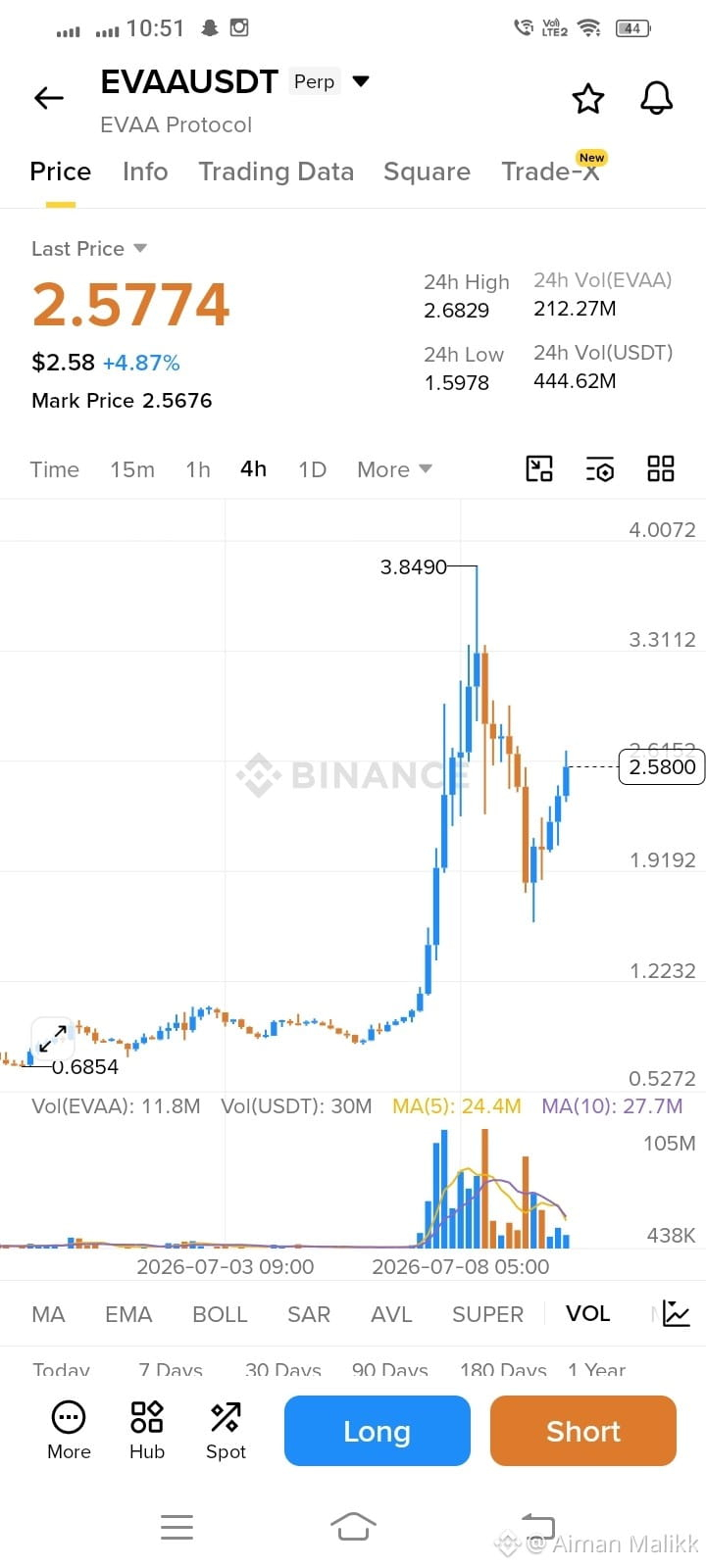
Hört erstmal auf, $EVAA zu shorten, Jungs 👀
Glaub mir, ich bin überzeugt, dass $EVAA von hier aus bereit ist, höher zu pushen. Ich denke, es kann den Bereich von 3,20 $ erreichen, und bald wirst du EVAA wieder in der Liste der Top-Gewinner sehen
Kaufen: 2,55 $
SL: 2,30 $
TP1: 2,90 $
TP2: 3,20 $
TP3: 3,60 $
Ich kaufe von hier aus
Hört erstmal auf, $EVAA zu shorten, Jungs 👀
Glaub mir, ich bin überzeugt, dass $EVAA von hier aus bereit ist, höher zu pushen. Ich denke, es kann den Bereich von 3,20 $ erreichen, und bald wirst du EVAA wieder in der Liste der Top-Gewinner sehen
Kaufen: 2,55 $
SL: 2,30 $
TP1: 2,90 $
TP2: 3,20 $
TP3: 3,60 $
Ich kaufe von hier aus
Glaub mir, ich bin überzeugt, dass $EVAA von hier aus bereit ist, höher zu pushen. Ich denke, es kann den Bereich von 3,20 $ erreichen, und bald wirst du EVAA wieder in der Liste der Top-Gewinner sehen
Kaufen: 2,55 $
SL: 2,30 $
TP1: 2,90 $
TP2: 3,20 $
TP3: 3,60 $
Ich kaufe von hier aus
1
283
·
--
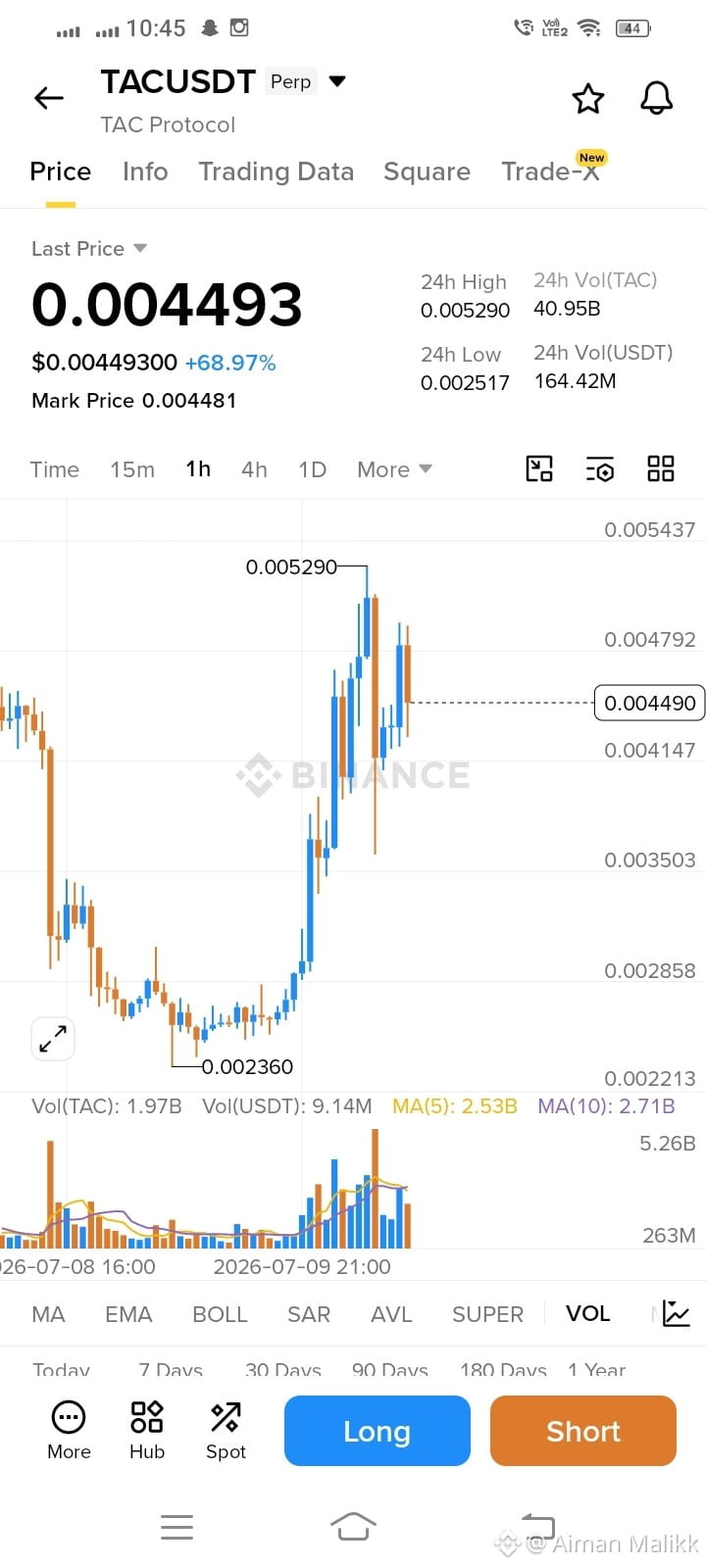
$TAC Langes Setup
Leute, schaut euch $TAC an. Nach dem Flash-Crash zeigt es eine starke Erholung und beginnt, bullische Kursaktionen auszudrucken.
Ich kaufe aus diesem Bereich mit 0,5x Hebel. Wenn der Impuls anhält, glaube ich, dass es die jüngsten Hochs erneut antesten kann.
Einstieg: 0,00445 $
SL: 0,00405 $
TP1: 0,00490 $
TP2: 0,00530 $
TP3: 0,00580 $
$TAC Langes Setup
Leute, schaut euch $TAC an. Nach dem Flash-Crash zeigt es eine starke Erholung und beginnt, bullische Kursaktionen auszudrucken.
Ich kaufe aus diesem Bereich mit 0,5x Hebel. Wenn der Impuls anhält, glaube ich, dass es die jüngsten Hochs erneut antesten kann.
Einstieg: 0,00445 $
SL: 0,00405 $
TP1: 0,00490 $
TP2: 0,00530 $
TP3: 0,00580 $
Leute, schaut euch $TAC an. Nach dem Flash-Crash zeigt es eine starke Erholung und beginnt, bullische Kursaktionen auszudrucken.
Ich kaufe aus diesem Bereich mit 0,5x Hebel. Wenn der Impuls anhält, glaube ich, dass es die jüngsten Hochs erneut antesten kann.
Einstieg: 0,00445 $
SL: 0,00405 $
TP1: 0,00490 $
TP2: 0,00530 $
TP3: 0,00580 $
158
·
--
Die Fed hat gerade die Sitzungsprotokolle veröffentlicht, und es ist klar: Man ist sich beim Thema Zinserhöhungen nicht mehr einig.
Sie beließen die Zinsen im Juni unverändert bei 3,50 %–3,75 %, aber die eigentliche Geschichte spielte sich hinter den Kulissen ab. Einige Funktionäre wollten sofort erhöhen, und 9 von 18 erwarten inzwischen mindestens eine Zinserhöhung bis zum Jahresende.
Warum?
Die Inflation erweist sich weiterhin als hartnäckig. Energiepreise haben den CPI auf 4,2 % getrieben, und die Kerninflation kühlt sich nicht so schnell ab, wie erwartet. Deshalb gewinnt das Lager „höher für länger“ unter dem Vorsitzenden Kevin Warsh zunehmend an Stärke.
Das ist nicht nur ein weiteres Fed-Update. Es könnte Auswirkungen auf Hypotheken, Kredite, Aktien – und sogar den Kryptomarkt – haben.
Wie geht es weiter?
Aktuell sieht es nach diesem Szenario so aus, als bliebe es im Juli bei der bisherigen Linie, aber im September ist es nun eine echte Münzwette. Wenn der CPI-Bericht vom 14. Juli heißer ausfällt als erwartet, könnte eine weitere Zinserhöhung schnell wieder auf die Tagesordnung rücken.
Die Fed geht nicht mehr mit einer einzigen Meinung vor. Und wenn sich die politischen Entscheidungsträger uneinig sind, folgt in der Regel die Volatilität an den Märkten.
#FedMinutesShowSplitOnRateHikes CXMTToOpen$4.3BIPOSubscriptions $SPCXB $LAB
Die Fed hat gerade die Sitzungsprotokolle veröffentlicht, und es ist klar: Man ist sich beim Thema Zinserhöhungen nicht mehr einig.
Sie beließen die Zinsen im Juni unverändert bei 3,50 %–3,75 %, aber die eigentliche Geschichte spielte sich hinter den Kulissen ab. Einige Funktionäre wollten sofort erhöhen, und 9 von 18 erwarten inzwischen mindestens eine Zinserhöhung bis zum Jahresende.
Warum?
Die Inflation erweist sich weiterhin als hartnäckig. Energiepreise haben den CPI auf 4,2 % getrieben, und die Kerninflation kühlt sich nicht so schnell ab, wie erwartet. Deshalb gewinnt das Lager „höher für länger“ unter dem Vorsitzenden Kevin Warsh zunehmend an Stärke.
Das ist nicht nur ein weiteres Fed-Update. Es könnte Auswirkungen auf Hypotheken, Kredite, Aktien – und sogar den Kryptomarkt – haben.
Wie geht es weiter?
Aktuell sieht es nach diesem Szenario so aus, als bliebe es im Juli bei der bisherigen Linie, aber im September ist es nun eine echte Münzwette. Wenn der CPI-Bericht vom 14. Juli heißer ausfällt als erwartet, könnte eine weitere Zinserhöhung schnell wieder auf die Tagesordnung rücken.
Die Fed geht nicht mehr mit einer einzigen Meinung vor. Und wenn sich die politischen Entscheidungsträger uneinig sind, folgt in der Regel die Volatilität an den Märkten.
#FedMinutesShowSplitOnRateHikes CXMTToOpen$4.3BIPOSubscriptions $SPCXB $LAB
Sie beließen die Zinsen im Juni unverändert bei 3,50 %–3,75 %, aber die eigentliche Geschichte spielte sich hinter den Kulissen ab. Einige Funktionäre wollten sofort erhöhen, und 9 von 18 erwarten inzwischen mindestens eine Zinserhöhung bis zum Jahresende.
Warum?
Die Inflation erweist sich weiterhin als hartnäckig. Energiepreise haben den CPI auf 4,2 % getrieben, und die Kerninflation kühlt sich nicht so schnell ab, wie erwartet. Deshalb gewinnt das Lager „höher für länger“ unter dem Vorsitzenden Kevin Warsh zunehmend an Stärke.
Das ist nicht nur ein weiteres Fed-Update. Es könnte Auswirkungen auf Hypotheken, Kredite, Aktien – und sogar den Kryptomarkt – haben.
Wie geht es weiter?
Aktuell sieht es nach diesem Szenario so aus, als bliebe es im Juli bei der bisherigen Linie, aber im September ist es nun eine echte Münzwette. Wenn der CPI-Bericht vom 14. Juli heißer ausfällt als erwartet, könnte eine weitere Zinserhöhung schnell wieder auf die Tagesordnung rücken.
Die Fed geht nicht mehr mit einer einzigen Meinung vor. Und wenn sich die politischen Entscheidungsträger uneinig sind, folgt in der Regel die Volatilität an den Märkten.
#FedMinutesShowSplitOnRateHikes CXMTToOpen$4.3BIPOSubscriptions $SPCXB $LAB

1
276
·
--
$THE Long Setup 📈
Leute, ich kaufe $THE nachdem diesem starken Ausbruch. Gerade zeigt es eine gute Dynamik. Wenn $THE über $0.0645 ausbricht und diese Zone als Unterstützung hält, wirst du sehen, wie es in Richtung Mond geht.
Einstieg: $0.0630
SL: $0.0595
TP1: $0.0685
TP2: $0.0730
TP3: $0.0780
$THE Long Setup 📈
Leute, ich kaufe $THE nachdem diesem starken Ausbruch. Gerade zeigt es eine gute Dynamik. Wenn $THE über $0.0645 ausbricht und diese Zone als Unterstützung hält, wirst du sehen, wie es in Richtung Mond geht.
Einstieg: $0.0630
SL: $0.0595
TP1: $0.0685
TP2: $0.0730
TP3: $0.0780
Leute, ich kaufe $THE nachdem diesem starken Ausbruch. Gerade zeigt es eine gute Dynamik. Wenn $THE über $0.0645 ausbricht und diese Zone als Unterstützung hält, wirst du sehen, wie es in Richtung Mond geht.
Einstieg: $0.0630
SL: $0.0595
TP1: $0.0685
TP2: $0.0730
TP3: $0.0780
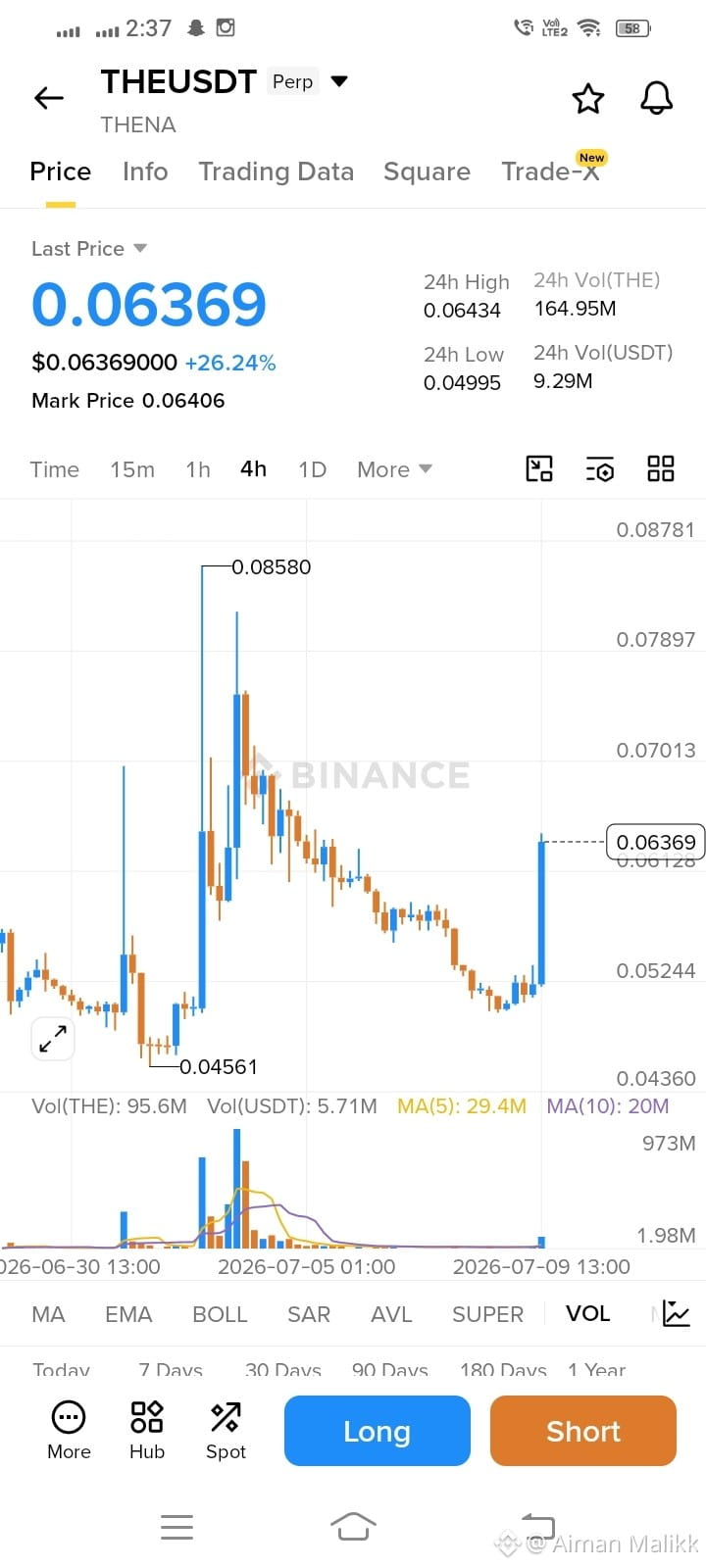
1
141
·
--
$SNDK Kurzes Long Scalp-Setup 👀
Ich mache einen schnellen Scalp auf $SNDK nach diesem Pullback vom lokalen Hoch.
Einstieg: 1.760
SL: 1.735
TP1: 1.780
TP2: 1.800
TP3: 1.825
$SNDK Kurzes Long Scalp-Setup 👀
Ich mache einen schnellen Scalp auf $SNDK nach diesem Pullback vom lokalen Hoch.
Einstieg: 1.760
SL: 1.735
TP1: 1.780
TP2: 1.800
TP3: 1.825
Ich mache einen schnellen Scalp auf $SNDK nach diesem Pullback vom lokalen Hoch.
Einstieg: 1.760
SL: 1.735
TP1: 1.780
TP2: 1.800
TP3: 1.825
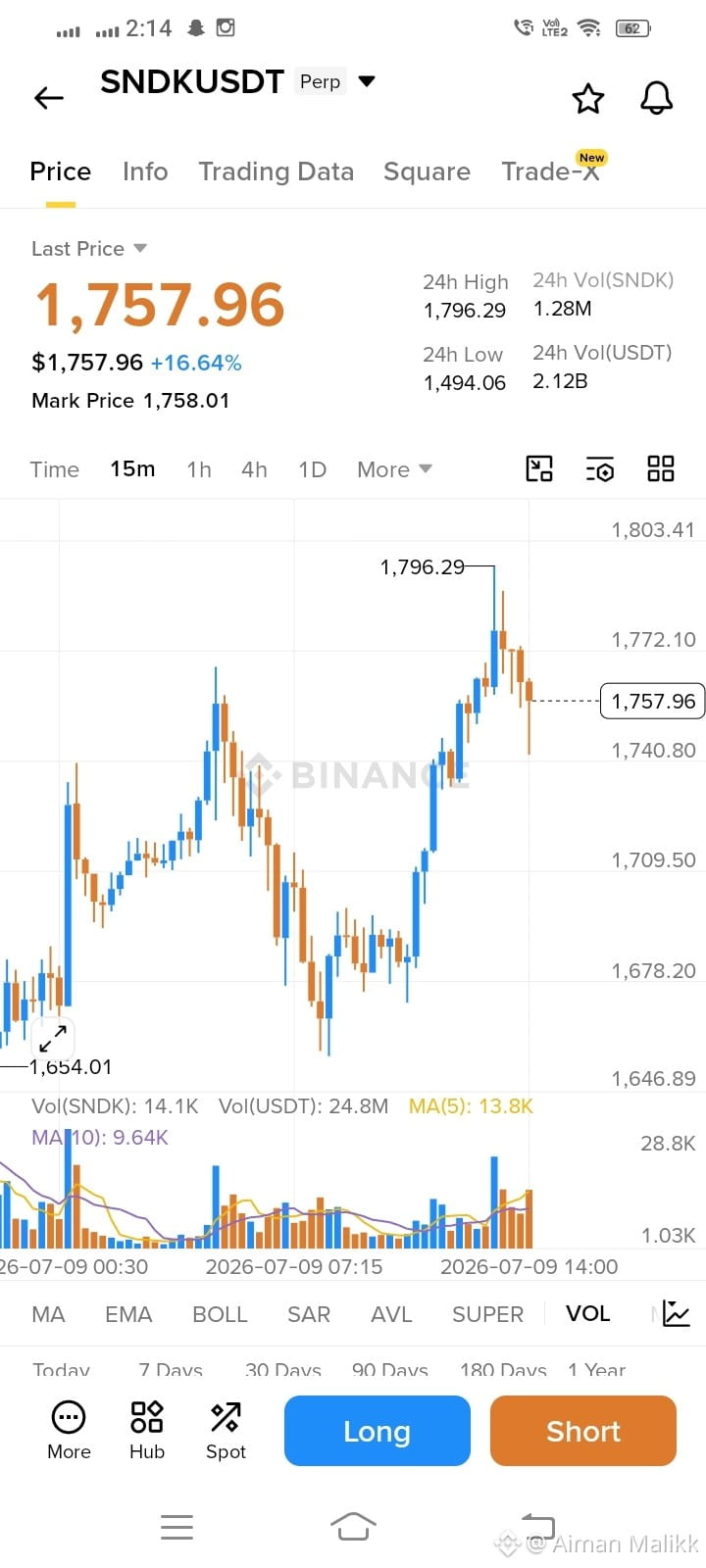
113
·
--
$POWER Long Setup 👀🔥
Ich sehne mich nach $POWER aus diesem Bereich. Nach einer tiefen Korrektur hält der Kurs sich um eine wichtige Trendlinie herum und sieht bereit für einen möglichen Bounce aus.
Einstieg: $0.098
SL: $0.0940
TP1: $0.1050
TP2: $0.1120
TP3: $0.1200
$POWER Long Setup 👀🔥
Ich sehne mich nach $POWER aus diesem Bereich. Nach einer tiefen Korrektur hält der Kurs sich um eine wichtige Trendlinie herum und sieht bereit für einen möglichen Bounce aus.
Einstieg: $0.098
SL: $0.0940
TP1: $0.1050
TP2: $0.1120
TP3: $0.1200
Ich sehne mich nach $POWER aus diesem Bereich. Nach einer tiefen Korrektur hält der Kurs sich um eine wichtige Trendlinie herum und sieht bereit für einen möglichen Bounce aus.
Einstieg: $0.098
SL: $0.0940
TP1: $0.1050
TP2: $0.1120
TP3: $0.1200
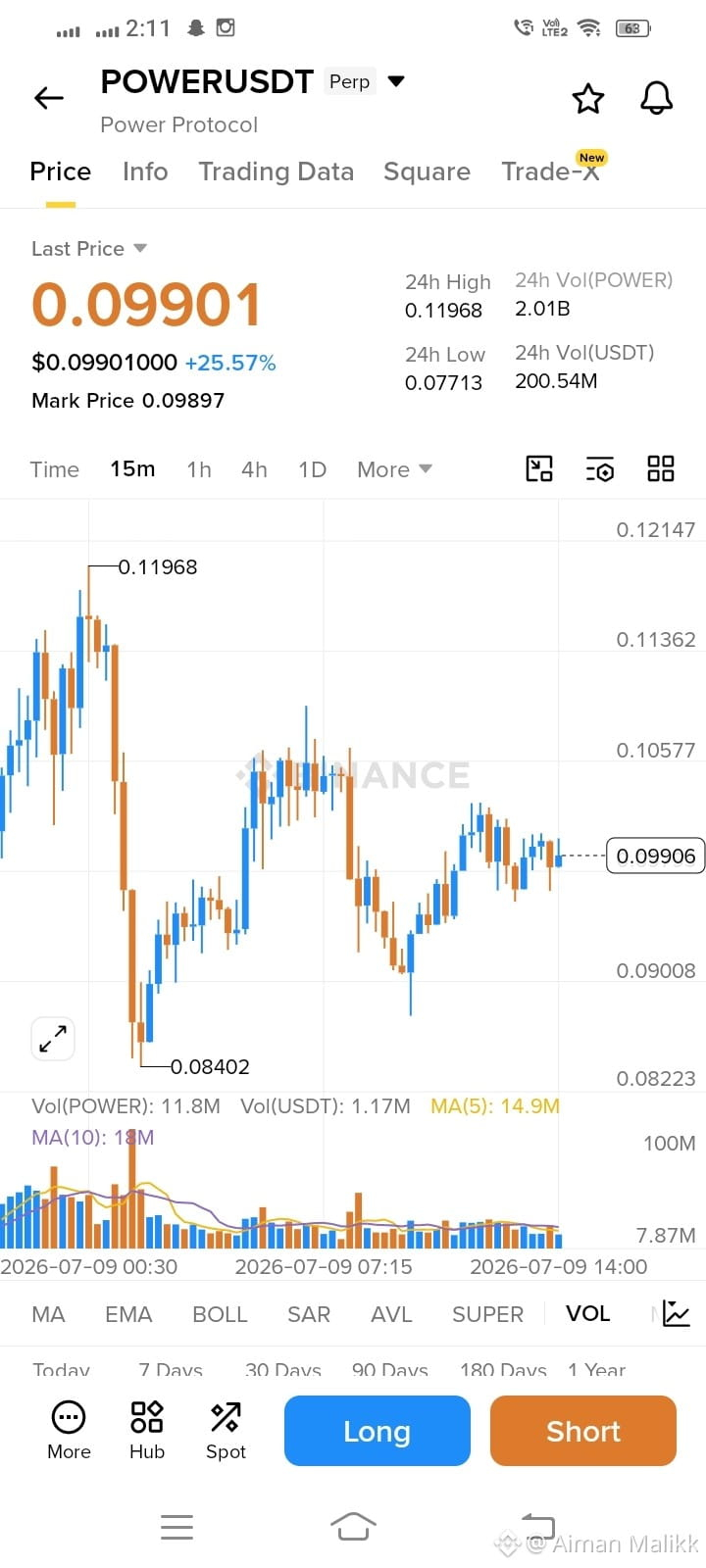
1
56
·
--
Verifiziert
Artikel
Dinge, die mich an BNB Chain schockiert haben 👀💛Ich wusste, dass BNB Chain groß ist, aber ich hatte nicht erwartet, dass das Ausmaß so gewaltig ist.
Verrückte Aktivität: Peaks von 31M Transaktionen an einem einzigen Tag, während dabei durchgehend täglich Millionen Transaktionen verarbeitet werden – mit 4M+ durchschnittlich aktiven Nutzern pro Tag. Das ist echte Akzeptanz, nicht nur Hype.
Extrem schnell und bezahlbar: Beinahe sofortige Finalität mit Transaktionsgebühren unter einem Cent. Egal ob DeFi, Gaming oder Zahlungen – alles fühlt sich nahtlos an.
Massive echte Nutzung: Das wöchentliche Handelsvolumen hat $10 Mrd.–$50 Mrd.+ erreicht, wobei die letzten Wochen $41 Mrd.+ und $51 Mrd.+ überschritten haben.
Dinge, die mich an BNB Chain schockiert haben 👀💛
Ich wusste, dass BNB Chain groß ist, aber ich hatte nicht erwartet, dass das Ausmaß so gewaltig ist.
Verrückte Aktivität: Peaks von 31M Transaktionen an einem einzigen Tag, während dabei durchgehend täglich Millionen Transaktionen verarbeitet werden – mit 4M+ durchschnittlich aktiven Nutzern pro Tag. Das ist echte Akzeptanz, nicht nur Hype.
Extrem schnell und bezahlbar: Beinahe sofortige Finalität mit Transaktionsgebühren unter einem Cent. Egal ob DeFi, Gaming oder Zahlungen – alles fühlt sich nahtlos an.
Massive echte Nutzung: Das wöchentliche Handelsvolumen hat $10 Mrd.–$50 Mrd.+ erreicht, wobei die letzten Wochen $41 Mrd.+ und $51 Mrd.+ überschritten haben.
Verrückte Aktivität: Peaks von 31M Transaktionen an einem einzigen Tag, während dabei durchgehend täglich Millionen Transaktionen verarbeitet werden – mit 4M+ durchschnittlich aktiven Nutzern pro Tag. Das ist echte Akzeptanz, nicht nur Hype.
Extrem schnell und bezahlbar: Beinahe sofortige Finalität mit Transaktionsgebühren unter einem Cent. Egal ob DeFi, Gaming oder Zahlungen – alles fühlt sich nahtlos an.
Massive echte Nutzung: Das wöchentliche Handelsvolumen hat $10 Mrd.–$50 Mrd.+ erreicht, wobei die letzten Wochen $41 Mrd.+ und $51 Mrd.+ überschritten haben.
1
65
Anmelden und weiter Inhalte entdecken
Krypto-Nutzer weltweit auf Binance Square kennenlernen
⚡️ Bleib in Sachen Krypto stets am Puls.
💬 Die weltgrößte Kryptobörse vertraut darauf.
👍 Erhalte verlässliche Einblicke von verifizierten Creators.
E-Mail-Adresse/Telefonnummer
Trendthemen
BNBSurpasses$790
14,476 Aufrufe
121 Kommentare
$BNB strategischer Langzeitplan -> JETZT FOKUS
BNB hat 2 starke Tiefs geschaffen, nachdem internes Liquiditätsniveau aufgeräumt wurde
Ich erwarte eine Bewegung in Richtung Swing High bei $815-$830 und suche einen Long-Einstieg bei einem Retest der grünen Box
#BNBSurpasses$790 #bnb
Ghost Writer
·5 Likes
·6.9k Aufrufe
ZamaRises15.99%ToIntradayHigh$0.09
10,744 Aufrufe
93 Kommentare
BitcoinSpotETFsDraw$6.34BInflowsInQ3
5,004 Aufrufe
80 Kommentare