
Crypto NexusX
5.1k Beiträge

Crypto NexusX
Melden
Nutzer blockieren
Trade eröffnen
Regelmäßiger Trader
9.5 Monate
252 Following
25.2K+ Follower
4.7K+ Like gegeben
Beiträge
Portfolio
Alle
Zitierungen
Live
·
--
Bullisch
⚠️ DIE NÄCHSTE GROSSE KRYPT0-MOVE KÖNNTE MIT DER FED STARTEN.
#FedRateWatch 🏦📉📈
BTC-Trader: Vergesst das Rauschen.
Das echte Spiel ist das Positionieren, bevor die Volatilität einschlägt.
🔥 Falkenhaft → Druck auf Risk Assets
🚀 Taubenhaft → Liquiditätsnarrativ
🪤 Gemischte Signale → Fehlausbrüche und Whipsaws
Die erste Bewegung kann die Falle sein. Die Reaktion ist der Trade.
Haltet eure Levels sauber.
Legt eure Stops fest.
Lasst den Preis das Setup bestätigen.
Keine Prognose. Kein FOMO. Nur Umsetzung.
#Bitcoin #BTC #Crypto #ETH #Ethereum #Fed #TradingStrategy $DGAI $BULLA $DEBIT
⚠️ DIE NÄCHSTE GROSSE KRYPT0-MOVE KÖNNTE MIT DER FED STARTEN.
#FedRateWatch 🏦📉📈
BTC-Trader: Vergesst das Rauschen.
Das echte Spiel ist das Positionieren, bevor die Volatilität einschlägt.
🔥 Falkenhaft → Druck auf Risk Assets
🚀 Taubenhaft → Liquiditätsnarrativ
🪤 Gemischte Signale → Fehlausbrüche und Whipsaws
Die erste Bewegung kann die Falle sein. Die Reaktion ist der Trade.
Haltet eure Levels sauber.
Legt eure Stops fest.
Lasst den Preis das Setup bestätigen.
Keine Prognose. Kein FOMO. Nur Umsetzung.
#Bitcoin #BTC #Crypto #ETH #Ethereum #Fed #TradingStrategy $DGAI $BULLA $DEBIT
#FedRateWatch 🏦📉📈
BTC-Trader: Vergesst das Rauschen.
Das echte Spiel ist das Positionieren, bevor die Volatilität einschlägt.
🔥 Falkenhaft → Druck auf Risk Assets
🚀 Taubenhaft → Liquiditätsnarrativ
🪤 Gemischte Signale → Fehlausbrüche und Whipsaws
Die erste Bewegung kann die Falle sein. Die Reaktion ist der Trade.
Haltet eure Levels sauber.
Legt eure Stops fest.
Lasst den Preis das Setup bestätigen.
Keine Prognose. Kein FOMO. Nur Umsetzung.
#Bitcoin #BTC #Crypto #ETH #Ethereum #Fed #TradingStrategy $DGAI $BULLA $DEBIT
Bullish
Bearish
15 Stunde(n) übrig
451
Artikel
Übersetzung ansehen
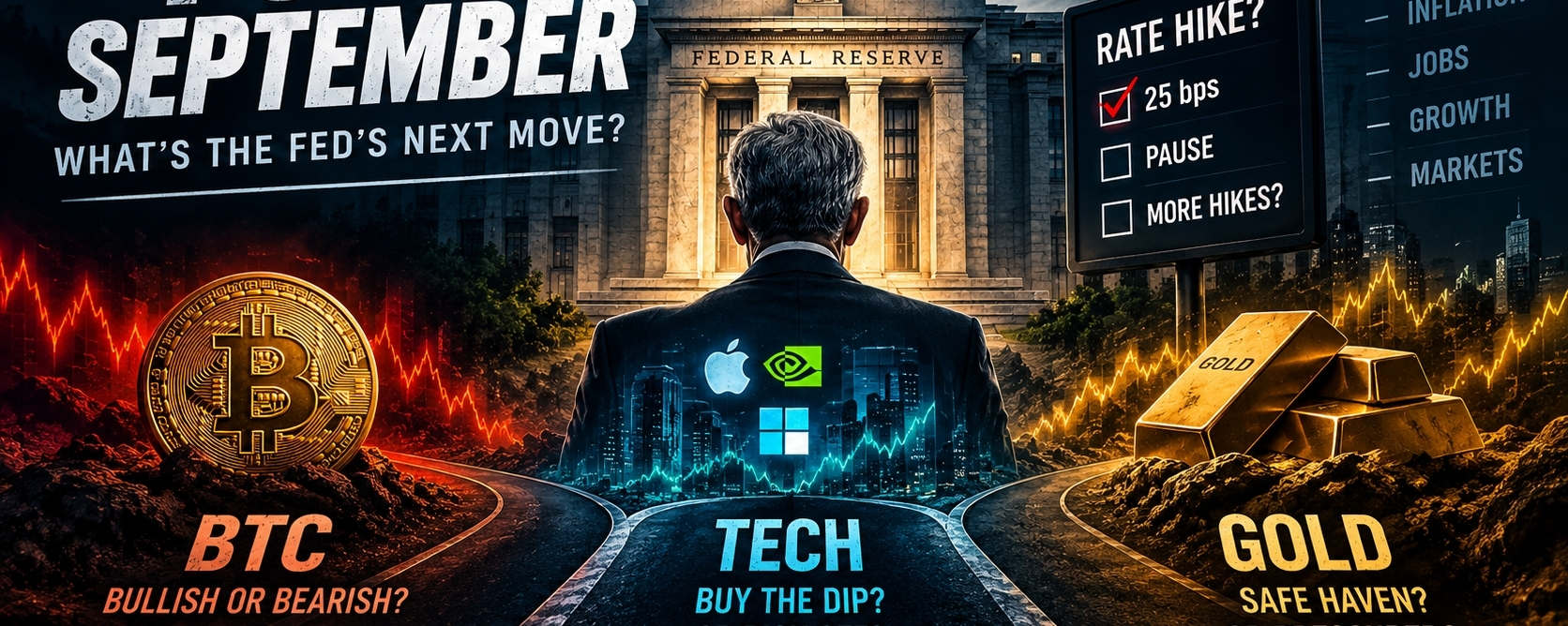
FOMC September: Fed Hike Incoming What’s Next for BTC, Tech & Gold?FedRateWatch: What’s the Fed’s Next Move?
The Fed is back in the driver’s seat, and crypto traders are watching every number.
August core CPI came in at 0.3% month-over-month, keeping inflation concerns alive and pushing markets toward a roughly 90% probability of a 25bp rate hike this week.
At this point, the hike itself isn’t exactly the surprise. The bigger question is what comes after it.
Hike or no hike?
My base case: 25bps hike.
The interesting part is whether the Fed frames it as a one-off adjustment or signals that rates could stay higher for longer.
If Powell comes out hawkish and keeps the door open for more hikes, expect volatility to pick up across risk assets. Higher yields and a stronger dollar are usually a bad combo for BTC and high-beta tech.
But if the Fed delivers 25bps and effectively says “we're done for now”, the reaction could be very different.
That sets up a classic sell-the-news / relief rally scenario.
What does it mean for BTC?
BTC could get hit first if the market interprets the decision as a liquidity tightening cycle.
A hawkish Fed = higher yields + stronger DXY + less appetite for risk.
That doesn't automatically mean BTC enters a major downtrend, though. A lot depends on positioning going into the announcement.
If leverage is already crowded on one side, the first move could simply be a liquidity sweep before the real trend develops.
For me, the key levels aren't just on the BTC chart. I'm watching DXY, Treasury yields and funding/open interest alongside price.
What about tech and gold?
Tech stocks face a similar setup.
Higher rates make long-duration growth assets less attractive, so a hawkish surprise could put pressure on the Nasdaq and mega-cap tech.
Gold is a little more complicated.
Higher real yields can weigh on gold, but persistent inflation and growing expectations for future monetary easing can provide support. The Fed's messaging — and the bond market's reaction — will matter more than the headline 25bp move.
The real trade: Powell's message
The market already has a pretty good idea of what the Fed might do.
The edge comes from figuring out whether the statement and Powell's press conference are more hawkish or more dovish than expected.
That's where the volatility is likely to be.
I'm not looking to blindly long or short the announcement. I'd rather let the first move happen, watch liquidity get taken, and then see whether price actually holds the breakout or breakdown.
Hike + hawkish guidance: bearish for BTC/tech in the short term.
Hike + dovish/one-and-done guidance: potential relief rally.
Unexpectedly aggressive path: risk-off could accelerate quickly.
The Fed decision is only one part of the trade. Positioning, liquidity and the reaction in yields/DXY will tell the bigger story.
What’s your trade?
Are you long BTC, short BTC, holding tech, stacking gold, or staying flat into the FOMC?
Share your trade or holdings in the trade sharing widget and let’s see how the market is positioned before Powell speaks.
Fed moves rates. The market decides the move.
#GOLD #BTC走势分析 #FedRateWatch #FOMC
FOMC September: Fed Hike Incoming What’s Next for BTC, Tech & Gold?
FedRateWatch: What’s the Fed’s Next Move?
The Fed is back in the driver’s seat, and crypto traders are watching every number.
August core CPI came in at 0.3% month-over-month, keeping inflation concerns alive and pushing markets toward a roughly 90% probability of a 25bp rate hike this week.
At this point, the hike itself isn’t exactly the surprise. The bigger question is what comes after it.
Hike or no hike?
My base case: 25bps hike.
The interesting part is whether the Fed frames it as a one-off adjustment or signals that rates could stay higher for longer.
If Powell comes out hawkish and keeps the door open for more hikes, expect volatility to pick up across risk assets. Higher yields and a stronger dollar are usually a bad combo for BTC and high-beta tech.
But if the Fed delivers 25bps and effectively says “we're done for now”, the reaction could be very different.
That sets up a classic sell-the-news / relief rally scenario.
What does it mean for BTC?
BTC could get hit first if the market interprets the decision as a liquidity tightening cycle.
A hawkish Fed = higher yields + stronger DXY + less appetite for risk.
That doesn't automatically mean BTC enters a major downtrend, though. A lot depends on positioning going into the announcement.
If leverage is already crowded on one side, the first move could simply be a liquidity sweep before the real trend develops.
For me, the key levels aren't just on the BTC chart. I'm watching DXY, Treasury yields and funding/open interest alongside price.
What about tech and gold?
Tech stocks face a similar setup.
Higher rates make long-duration growth assets less attractive, so a hawkish surprise could put pressure on the Nasdaq and mega-cap tech.
Gold is a little more complicated.
Higher real yields can weigh on gold, but persistent inflation and growing expectations for future monetary easing can provide support. The Fed's messaging — and the bond market's reaction — will matter more than the headline 25bp move.
The real trade: Powell's message
The market already has a pretty good idea of what the Fed might do.
The edge comes from figuring out whether the statement and Powell's press conference are more hawkish or more dovish than expected.
That's where the volatility is likely to be.
I'm not looking to blindly long or short the announcement. I'd rather let the first move happen, watch liquidity get taken, and then see whether price actually holds the breakout or breakdown.
Hike + hawkish guidance: bearish for BTC/tech in the short term.
Hike + dovish/one-and-done guidance: potential relief rally.
Unexpectedly aggressive path: risk-off could accelerate quickly.
The Fed decision is only one part of the trade. Positioning, liquidity and the reaction in yields/DXY will tell the bigger story.
What’s your trade?
Are you long BTC, short BTC, holding tech, stacking gold, or staying flat into the FOMC?
Share your trade or holdings in the trade sharing widget and let’s see how the market is positioned before Powell speaks.
Fed moves rates. The market decides the move.
#GOLD #BTC走势分析 #FedRateWatch #FOMC
The Fed is back in the driver’s seat, and crypto traders are watching every number.
August core CPI came in at 0.3% month-over-month, keeping inflation concerns alive and pushing markets toward a roughly 90% probability of a 25bp rate hike this week.
At this point, the hike itself isn’t exactly the surprise. The bigger question is what comes after it.
Hike or no hike?
My base case: 25bps hike.
The interesting part is whether the Fed frames it as a one-off adjustment or signals that rates could stay higher for longer.
If Powell comes out hawkish and keeps the door open for more hikes, expect volatility to pick up across risk assets. Higher yields and a stronger dollar are usually a bad combo for BTC and high-beta tech.
But if the Fed delivers 25bps and effectively says “we're done for now”, the reaction could be very different.
That sets up a classic sell-the-news / relief rally scenario.
What does it mean for BTC?
BTC could get hit first if the market interprets the decision as a liquidity tightening cycle.
A hawkish Fed = higher yields + stronger DXY + less appetite for risk.
That doesn't automatically mean BTC enters a major downtrend, though. A lot depends on positioning going into the announcement.
If leverage is already crowded on one side, the first move could simply be a liquidity sweep before the real trend develops.
For me, the key levels aren't just on the BTC chart. I'm watching DXY, Treasury yields and funding/open interest alongside price.
What about tech and gold?
Tech stocks face a similar setup.
Higher rates make long-duration growth assets less attractive, so a hawkish surprise could put pressure on the Nasdaq and mega-cap tech.
Gold is a little more complicated.
Higher real yields can weigh on gold, but persistent inflation and growing expectations for future monetary easing can provide support. The Fed's messaging — and the bond market's reaction — will matter more than the headline 25bp move.
The real trade: Powell's message
The market already has a pretty good idea of what the Fed might do.
The edge comes from figuring out whether the statement and Powell's press conference are more hawkish or more dovish than expected.
That's where the volatility is likely to be.
I'm not looking to blindly long or short the announcement. I'd rather let the first move happen, watch liquidity get taken, and then see whether price actually holds the breakout or breakdown.
Hike + hawkish guidance: bearish for BTC/tech in the short term.
Hike + dovish/one-and-done guidance: potential relief rally.
Unexpectedly aggressive path: risk-off could accelerate quickly.
The Fed decision is only one part of the trade. Positioning, liquidity and the reaction in yields/DXY will tell the bigger story.
What’s your trade?
Are you long BTC, short BTC, holding tech, stacking gold, or staying flat into the FOMC?
Share your trade or holdings in the trade sharing widget and let’s see how the market is positioned before Powell speaks.
Fed moves rates. The market decides the move.
#GOLD #BTC走势分析 #FedRateWatch #FOMC
243
·
--
Bullisch
🔥 619.1% Wachstum bei tokenisierten Anteilseignern.
Der Wandel von traditionellen Märkten hin zu On-Chain-Investitionen gewinnt deutlich an Fahrt. 📊
Tokenisierte Aktien könnten eine der größten Brücken zwischen Wall Street und Web3 sein. 🌐
#TokenizedStockHoldersUp619.1% $龙虾
$NES $LAB
{alpha}(560x7ec43cf65f1663f820427c62a5780b8f2e25593a)
🔥 619.1% Wachstum bei tokenisierten Anteilseignern.
Der Wandel von traditionellen Märkten hin zu On-Chain-Investitionen gewinnt deutlich an Fahrt. 📊
Tokenisierte Aktien könnten eine der größten Brücken zwischen Wall Street und Web3 sein. 🌐
#TokenizedStockHoldersUp619.1% $龙虾
$NES $LAB
Der Wandel von traditionellen Märkten hin zu On-Chain-Investitionen gewinnt deutlich an Fahrt. 📊
Tokenisierte Aktien könnten eine der größten Brücken zwischen Wall Street und Web3 sein. 🌐
#TokenizedStockHoldersUp619.1% $龙虾
$NES $LAB
1
535
·
--
Bullisch
#CPIWatch 🚨
Kühlt sich die Inflation endlich ab, oder steht uns gleich die nächste Überraschung bevor?
Die neuesten CPI-Daten könnten den Ton für Zinssätze, Währungen, Märkte und die Stimmung von Anlegern vorgeben.
📊 Was erwartest du: CPI steigt, fällt oder bleibt unverändert?
Gib deine Einschätzung unten ab 👇
#CPI #Inflation #Markets #Economy #Investing
#CPIWatch 🚨
Kühlt sich die Inflation endlich ab, oder steht uns gleich die nächste Überraschung bevor?
Die neuesten CPI-Daten könnten den Ton für Zinssätze, Währungen, Märkte und die Stimmung von Anlegern vorgeben.
📊 Was erwartest du: CPI steigt, fällt oder bleibt unverändert?
Gib deine Einschätzung unten ab 👇
#CPI #Inflation #Markets #Economy #Investing
Kühlt sich die Inflation endlich ab, oder steht uns gleich die nächste Überraschung bevor?
Die neuesten CPI-Daten könnten den Ton für Zinssätze, Währungen, Märkte und die Stimmung von Anlegern vorgeben.
📊 Was erwartest du: CPI steigt, fällt oder bleibt unverändert?
Gib deine Einschätzung unten ab 👇
#CPI #Inflation #Markets #Economy #Investing

141
·
--
Bullisch
🚨 BREAKING: Spannungen eskalieren im Persischen Golf
#IranStrikesUSBaseInKuwait
Die gemeldeten iranischen Angriffe auf einen US-Militärstützpunkt in Kuwait haben die ohnehin angespannte Konfrontation zwischen den USA und dem Iran in eine weitere gefährliche Phase gedrängt.
Da Berichten zufolge sowohl Raketen als auch Drohnen zum Einsatz kamen, richtet sich nun der Fokus auf das Ausmaß der Schäden, mögliche Opfer und darauf, wie Washington und Teheran als Nächstes reagieren.
Der Persische Golf schaut zu. 🌍
#Iran #Kuwait #USA #MiddleEast #IranStrikesUSBaseInKuwait #Breaking #Geopolitics
🚨 BREAKING: Spannungen eskalieren im Persischen Golf
#IranStrikesUSBaseInKuwait
Die gemeldeten iranischen Angriffe auf einen US-Militärstützpunkt in Kuwait haben die ohnehin angespannte Konfrontation zwischen den USA und dem Iran in eine weitere gefährliche Phase gedrängt.
Da Berichten zufolge sowohl Raketen als auch Drohnen zum Einsatz kamen, richtet sich nun der Fokus auf das Ausmaß der Schäden, mögliche Opfer und darauf, wie Washington und Teheran als Nächstes reagieren.
Der Persische Golf schaut zu. 🌍
#Iran #Kuwait #USA #MiddleEast #IranStrikesUSBaseInKuwait #Breaking #Geopolitics
#IranStrikesUSBaseInKuwait
Die gemeldeten iranischen Angriffe auf einen US-Militärstützpunkt in Kuwait haben die ohnehin angespannte Konfrontation zwischen den USA und dem Iran in eine weitere gefährliche Phase gedrängt.
Da Berichten zufolge sowohl Raketen als auch Drohnen zum Einsatz kamen, richtet sich nun der Fokus auf das Ausmaß der Schäden, mögliche Opfer und darauf, wie Washington und Teheran als Nächstes reagieren.
Der Persische Golf schaut zu. 🌍
#Iran #Kuwait #USA #MiddleEast #IranStrikesUSBaseInKuwait #Breaking #Geopolitics
109
·
--
Bullisch
📊 Hang Seng schließt leicht niedriger
#HangSengCloses18PointsLower
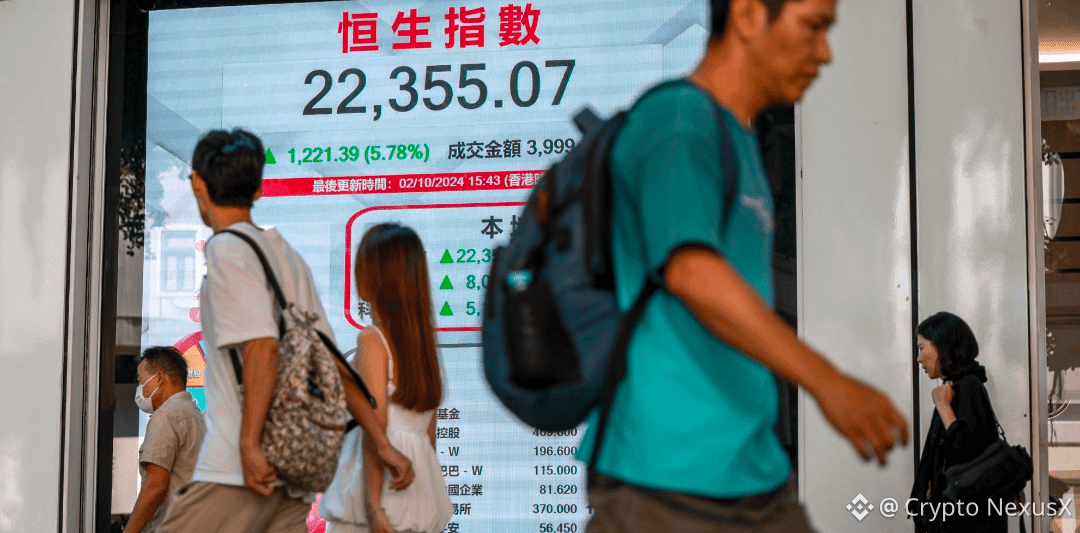
Der Hang-Seng-Index schloss 18 Punkte tiefer, da Anleger vorsichtig blieben, obwohl die Marktsignale gemischt waren. Der geringe Rückgang unterstreicht die anhaltende Unsicherheit bei Hongkonger Aktien, während Händler Wirtschaftsdaten und globale Marktentwicklungen bewerten.
#HangSeng #HongKongStocks #StockMarket #MarketUpdate #Investing
📊 Hang Seng schließt leicht niedriger
#HangSengCloses18PointsLower
Der Hang-Seng-Index schloss 18 Punkte tiefer, da Anleger vorsichtig blieben, obwohl die Marktsignale gemischt waren. Der geringe Rückgang unterstreicht die anhaltende Unsicherheit bei Hongkonger Aktien, während Händler Wirtschaftsdaten und globale Marktentwicklungen bewerten.
#HangSeng #HongKongStocks #StockMarket #MarketUpdate #Investing
#HangSengCloses18PointsLower
Der Hang-Seng-Index schloss 18 Punkte tiefer, da Anleger vorsichtig blieben, obwohl die Marktsignale gemischt waren. Der geringe Rückgang unterstreicht die anhaltende Unsicherheit bei Hongkonger Aktien, während Händler Wirtschaftsdaten und globale Marktentwicklungen bewerten.
#HangSeng #HongKongStocks #StockMarket #MarketUpdate #Investing
164
·
--
Bullisch
🚀 ARB macht ein Comeback
#ARBRises30%OnRobinhoodChainRevenue
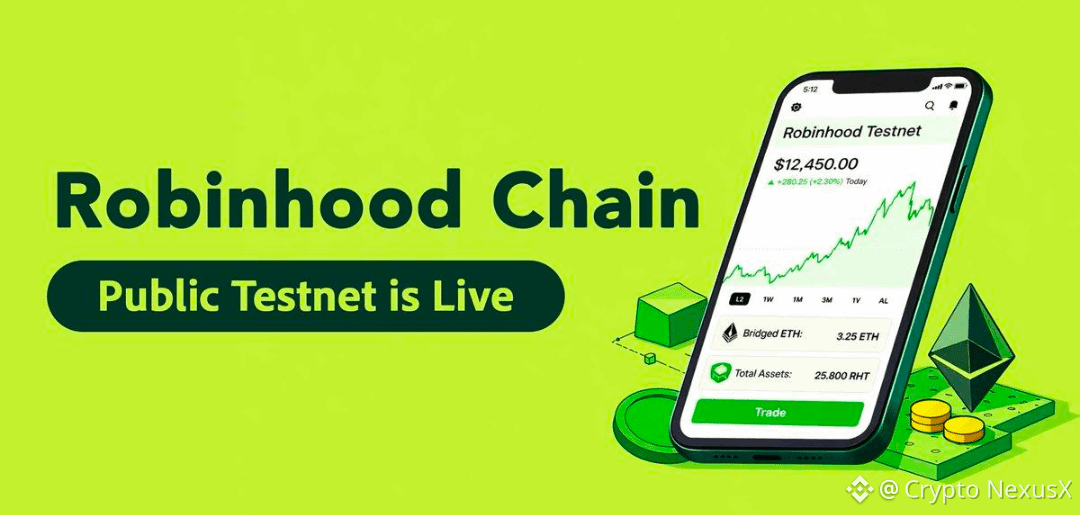
ARB steht wieder im Rampenlicht. Der Token stieg innerhalb von 24 Stunden um mehr als 30%, nachdem die Transaktionsumsätze von Robinhood Chain 2 Millionen US-Dollar überstiegen und das Vertrauen in Arbitrum’s wachsendes Ökosystem gestärkt wurde.
Robinhood Chain wird mit Arbitrum-Technologie aufgebaut, und 10% des Netto-Protokollumsatzes fließen zurück in das Arbitrum-Ökosystem. Der Anstieg gibt Tradern einen neuen Grund, ARB genau im Blick zu behalten.
📈 Großer Move. Größere Frage: Kann ARB den Schwung aufrechterhalten?
🚀 ARB macht ein Comeback
#ARBRises30%OnRobinhoodChainRevenue
ARB steht wieder im Rampenlicht. Der Token stieg innerhalb von 24 Stunden um mehr als 30%, nachdem die Transaktionsumsätze von Robinhood Chain 2 Millionen US-Dollar überstiegen und das Vertrauen in Arbitrum’s wachsendes Ökosystem gestärkt wurde.
Robinhood Chain wird mit Arbitrum-Technologie aufgebaut, und 10% des Netto-Protokollumsatzes fließen zurück in das Arbitrum-Ökosystem. Der Anstieg gibt Tradern einen neuen Grund, ARB genau im Blick zu behalten.
📈 Großer Move. Größere Frage: Kann ARB den Schwung aufrechterhalten?
#ARBRises30%OnRobinhoodChainRevenue
ARB steht wieder im Rampenlicht. Der Token stieg innerhalb von 24 Stunden um mehr als 30%, nachdem die Transaktionsumsätze von Robinhood Chain 2 Millionen US-Dollar überstiegen und das Vertrauen in Arbitrum’s wachsendes Ökosystem gestärkt wurde.
Robinhood Chain wird mit Arbitrum-Technologie aufgebaut, und 10% des Netto-Protokollumsatzes fließen zurück in das Arbitrum-Ökosystem. Der Anstieg gibt Tradern einen neuen Grund, ARB genau im Blick zu behalten.
📈 Großer Move. Größere Frage: Kann ARB den Schwung aufrechterhalten?
166
·
--
Bullisch
📉 Hang Seng rutscht fast 1%
#HangSengFalls1%
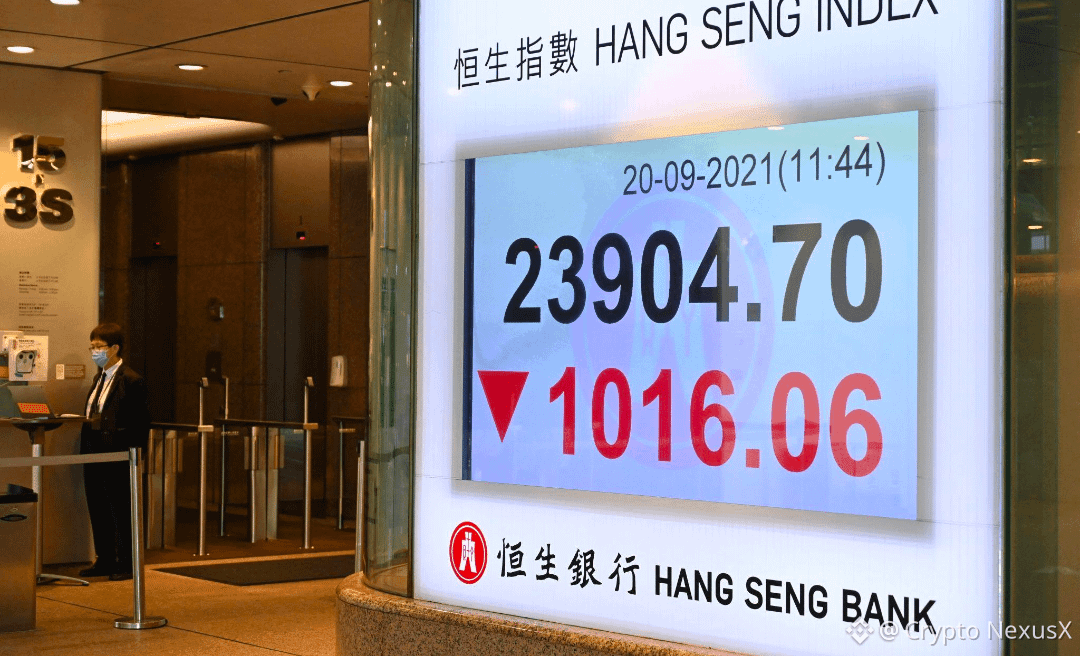
Hongkonger Aktien standen unter Druck, nachdem der Hang-Seng-Index um etwa 0,95% auf 25.324 gefallen war – erneut durch die Spannungen zwischen den USA und dem Iran, steigende Ölpreise sowie wachsende Inflationssorgen, die die Stimmung der Anleger belasteten.
#HangSeng #HongKong #Börse #AsiaMarkets #Investing
📉 Hang Seng rutscht fast 1%
#HangSengFalls1%
Hongkonger Aktien standen unter Druck, nachdem der Hang-Seng-Index um etwa 0,95% auf 25.324 gefallen war – erneut durch die Spannungen zwischen den USA und dem Iran, steigende Ölpreise sowie wachsende Inflationssorgen, die die Stimmung der Anleger belasteten.
#HangSeng #HongKong #Börse #AsiaMarkets #Investing
#HangSengFalls1%
Hongkonger Aktien standen unter Druck, nachdem der Hang-Seng-Index um etwa 0,95% auf 25.324 gefallen war – erneut durch die Spannungen zwischen den USA und dem Iran, steigende Ölpreise sowie wachsende Inflationssorgen, die die Stimmung der Anleger belasteten.
#HangSeng #HongKong #Börse #AsiaMarkets #Investing
154

Artikel
Der digitale Rubel Russlands tritt am 1. September in eine neue Ära einRussland schreitet mit der groß angelegten Einführung seines digitalen Rubels am 1. September 2026 voran und setzt damit einen wichtigen Schritt in seinem Projekt für eine Zentralbank-Digitalwährung (CBDC). Die Initiative wurde seit 2023 getestet und wird nun auf große Banken und bedeutende Einzelhändler ausgeweitet.
Ab dem Startdatum müssen 12 systemrelevant wichtige Banken dazu verpflichtet werden, digitale Rubel-Transaktionen zu unterstützen, während Einzelhändler mit einem Jahresumsatz von über 120 Millionen Rubel ebenfalls die neue Zahlungsmethode akzeptieren müssen. Kleinere Unternehmen werden bis 2028 schrittweise in das System integriert.
Der digitale Rubel Russlands tritt am 1. September in eine neue Ära ein
Russland schreitet mit der groß angelegten Einführung seines digitalen Rubels am 1. September 2026 voran und setzt damit einen wichtigen Schritt in seinem Projekt für eine Zentralbank-Digitalwährung (CBDC). Die Initiative wurde seit 2023 getestet und wird nun auf große Banken und bedeutende Einzelhändler ausgeweitet.
Ab dem Startdatum müssen 12 systemrelevant wichtige Banken dazu verpflichtet werden, digitale Rubel-Transaktionen zu unterstützen, während Einzelhändler mit einem Jahresumsatz von über 120 Millionen Rubel ebenfalls die neue Zahlungsmethode akzeptieren müssen. Kleinere Unternehmen werden bis 2028 schrittweise in das System integriert.
Ab dem Startdatum müssen 12 systemrelevant wichtige Banken dazu verpflichtet werden, digitale Rubel-Transaktionen zu unterstützen, während Einzelhändler mit einem Jahresumsatz von über 120 Millionen Rubel ebenfalls die neue Zahlungsmethode akzeptieren müssen. Kleinere Unternehmen werden bis 2028 schrittweise in das System integriert.
1
153
·
--
Bullisch
📊 Die Altcoin-Dynamik heizt sich auf!
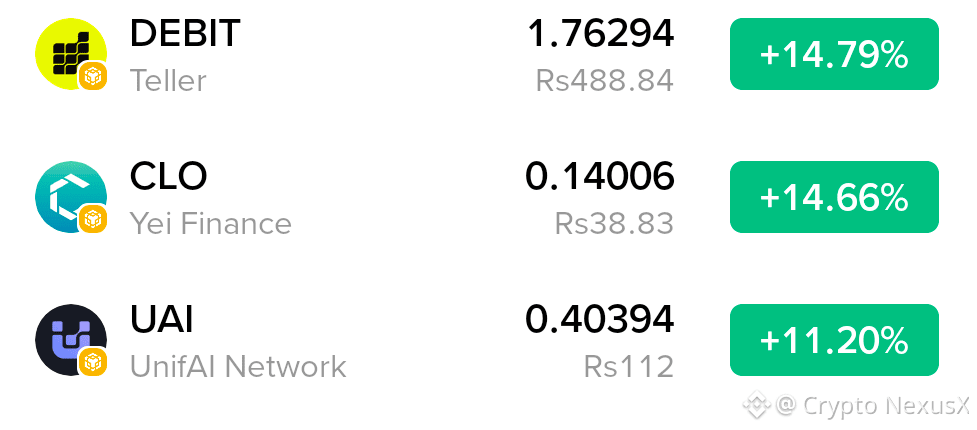
$DEBIT führt das Geschehen mit +14,79%, gefolgt von $CLO mit +14,66% und $UAI bei +11,20%. 🔥
Grüne Kerzen ziehen zwar immer Aufmerksamkeit auf sich – aber kluges Geld beobachtet die Dynamik und die Grundlagen. 👀
#Crypto #DeFi #Altcoins #BNBChain #CryptoTrading
📊 Die Altcoin-Dynamik heizt sich auf!
$DEBIT führt das Geschehen mit +14,79%, gefolgt von $CLO mit +14,66% und $UAI bei +11,20%. 🔥
Grüne Kerzen ziehen zwar immer Aufmerksamkeit auf sich – aber kluges Geld beobachtet die Dynamik und die Grundlagen. 👀
#Crypto #DeFi #Altcoins #BNBChain #CryptoTrading
$DEBIT führt das Geschehen mit +14,79%, gefolgt von $CLO mit +14,66% und $UAI bei +11,20%. 🔥
Grüne Kerzen ziehen zwar immer Aufmerksamkeit auf sich – aber kluges Geld beobachtet die Dynamik und die Grundlagen. 👀
#Crypto #DeFi #Altcoins #BNBChain #CryptoTrading
601
·
--
Bullisch
🇯🇵 Yen fällt weiter trotz nahezu 97 Mrd. USD japanischer Unterstützung
Japans gewaltige Anstrengungen zur Stabilisierung des Yen schaffen es nicht, den Kursverfall der Währung aufzuhalten. Tokio hat zwischen dem 30. Juli und dem 26. August einen Rekordbetrag von 15,4 Billionen Yen (etwa 96,5 Milliarden US-Dollar) für Währungsinterventionen ausgegeben, doch der Yen ist erneut über 160 Yen pro Dollar gefallen.
Der entscheidende Druck kommt von der sich weiter öffnenden Zinsdifferenz zwischen den USA und Japan. Jüngst stärker signalisierte Strenge der US-Notenbank (Fed) hat den Dollar gestärkt und die Erwartungen verringert, dass sich die Lücke bald schließen wird.
Fazit: Japan kann Milliarden ausgeben, um den Yen zu verteidigen, aber die Märkte wollen letztlich eine stärkere grundlegende Unterstützung durch Geldpolitik und Zinsdifferenzen sehen.
#Yen #Japan #USDJPY #YenFallsDespite$97BJapanSupport #Economy
🇯🇵 Yen fällt weiter trotz nahezu 97 Mrd. USD japanischer Unterstützung
Japans gewaltige Anstrengungen zur Stabilisierung des Yen schaffen es nicht, den Kursverfall der Währung aufzuhalten. Tokio hat zwischen dem 30. Juli und dem 26. August einen Rekordbetrag von 15,4 Billionen Yen (etwa 96,5 Milliarden US-Dollar) für Währungsinterventionen ausgegeben, doch der Yen ist erneut über 160 Yen pro Dollar gefallen.
Der entscheidende Druck kommt von der sich weiter öffnenden Zinsdifferenz zwischen den USA und Japan. Jüngst stärker signalisierte Strenge der US-Notenbank (Fed) hat den Dollar gestärkt und die Erwartungen verringert, dass sich die Lücke bald schließen wird.
Fazit: Japan kann Milliarden ausgeben, um den Yen zu verteidigen, aber die Märkte wollen letztlich eine stärkere grundlegende Unterstützung durch Geldpolitik und Zinsdifferenzen sehen.
#Yen #Japan #USDJPY #YenFallsDespite$97BJapanSupport #Economy
Japans gewaltige Anstrengungen zur Stabilisierung des Yen schaffen es nicht, den Kursverfall der Währung aufzuhalten. Tokio hat zwischen dem 30. Juli und dem 26. August einen Rekordbetrag von 15,4 Billionen Yen (etwa 96,5 Milliarden US-Dollar) für Währungsinterventionen ausgegeben, doch der Yen ist erneut über 160 Yen pro Dollar gefallen.
Der entscheidende Druck kommt von der sich weiter öffnenden Zinsdifferenz zwischen den USA und Japan. Jüngst stärker signalisierte Strenge der US-Notenbank (Fed) hat den Dollar gestärkt und die Erwartungen verringert, dass sich die Lücke bald schließen wird.
Fazit: Japan kann Milliarden ausgeben, um den Yen zu verteidigen, aber die Märkte wollen letztlich eine stärkere grundlegende Unterstützung durch Geldpolitik und Zinsdifferenzen sehen.
#Yen #Japan #USDJPY #YenFallsDespite$97BJapanSupport #Economy
109
·
--
Bullisch
🔥 Überall grüne Kerzen!
Der Markt zeigt gerade eine ziemliche Dynamik.
$牛来 führt mit einem massiven +138.70%, während $UAI und $CYS ebenfalls stark zulegen. 📈
Blick auf die nächste Bewegung. 👀🚀
Bleib wachsam, DYOR und manage dein Risiko.
🔥 Überall grüne Kerzen!
Der Markt zeigt gerade eine ziemliche Dynamik.
$牛来 führt mit einem massiven +138.70%, während $UAI und $CYS ebenfalls stark zulegen. 📈
Blick auf die nächste Bewegung. 👀🚀
Bleib wachsam, DYOR und manage dein Risiko.
Der Markt zeigt gerade eine ziemliche Dynamik.
$牛来 führt mit einem massiven +138.70%, während $UAI und $CYS ebenfalls stark zulegen. 📈
Blick auf die nächste Bewegung. 👀🚀
Bleib wachsam, DYOR und manage dein Risiko.
499
·
--
Bullisch
#BitcoinSpotETFEnds9DayInflowStreak
Bitcoin-Spot-ETFs haben eine neuntägige Serie mit Nettozuflüssen beendet – ein Hinweis darauf, dass die Nachfrage institutioneller Anleger sich mit den Marktbedingungen schnell ändern kann.
Ein Tag ändert zwar nicht das größere Bild, aber die ETF-Zuflüsse bleiben eine wichtige Kennzahl, um Hinweise auf die Stimmung und die Liquidität rund um Bitcoin zu beobachten. ₿📊
#Bitcoin #BTC #BitcoinETF #Crypto
#BitcoinSpotETFEnds9DayInflowStreak
Bitcoin-Spot-ETFs haben eine neuntägige Serie mit Nettozuflüssen beendet – ein Hinweis darauf, dass die Nachfrage institutioneller Anleger sich mit den Marktbedingungen schnell ändern kann.
Ein Tag ändert zwar nicht das größere Bild, aber die ETF-Zuflüsse bleiben eine wichtige Kennzahl, um Hinweise auf die Stimmung und die Liquidität rund um Bitcoin zu beobachten. ₿📊
#Bitcoin #BTC #BitcoinETF #Crypto
Bitcoin-Spot-ETFs haben eine neuntägige Serie mit Nettozuflüssen beendet – ein Hinweis darauf, dass die Nachfrage institutioneller Anleger sich mit den Marktbedingungen schnell ändern kann.
Ein Tag ändert zwar nicht das größere Bild, aber die ETF-Zuflüsse bleiben eine wichtige Kennzahl, um Hinweise auf die Stimmung und die Liquidität rund um Bitcoin zu beobachten. ₿📊
#Bitcoin #BTC #BitcoinETF #Crypto
1
140
·
--
Bullisch
#AntiQuantumBitcoinTransactionMinedOnMainnet
Bitcoin ist für die lange Zukunft gebaut — und die Vorbereitung auf das Quantum-Zeitalter gehört zu diesem Weg. ⚡₿
Das Mining einer Anti-Quantum-Transaktion im Mainnet zeigt, wie Innovation dazu beitragen kann, Bitcoin gegen zukünftige kryptografische Herausforderungen zu stärken.
Das Quantum-Zeitalter mag kommen, aber Bitcoin kann sich schon heute vorbereiten.
#Bitcoin #QuantumResistance #BTC #Blockchain
#AntiQuantumBitcoinTransactionMinedOnMainnet
Bitcoin ist für die lange Zukunft gebaut — und die Vorbereitung auf das Quantum-Zeitalter gehört zu diesem Weg. ⚡₿
Das Mining einer Anti-Quantum-Transaktion im Mainnet zeigt, wie Innovation dazu beitragen kann, Bitcoin gegen zukünftige kryptografische Herausforderungen zu stärken.
Das Quantum-Zeitalter mag kommen, aber Bitcoin kann sich schon heute vorbereiten.
#Bitcoin #QuantumResistance #BTC #Blockchain
Bitcoin ist für die lange Zukunft gebaut — und die Vorbereitung auf das Quantum-Zeitalter gehört zu diesem Weg. ⚡₿
Das Mining einer Anti-Quantum-Transaktion im Mainnet zeigt, wie Innovation dazu beitragen kann, Bitcoin gegen zukünftige kryptografische Herausforderungen zu stärken.
Das Quantum-Zeitalter mag kommen, aber Bitcoin kann sich schon heute vorbereiten.
#Bitcoin #QuantumResistance #BTC #Blockchain
125
·
--
Bullisch
#dusk $DUSK @Dusk_Foundation
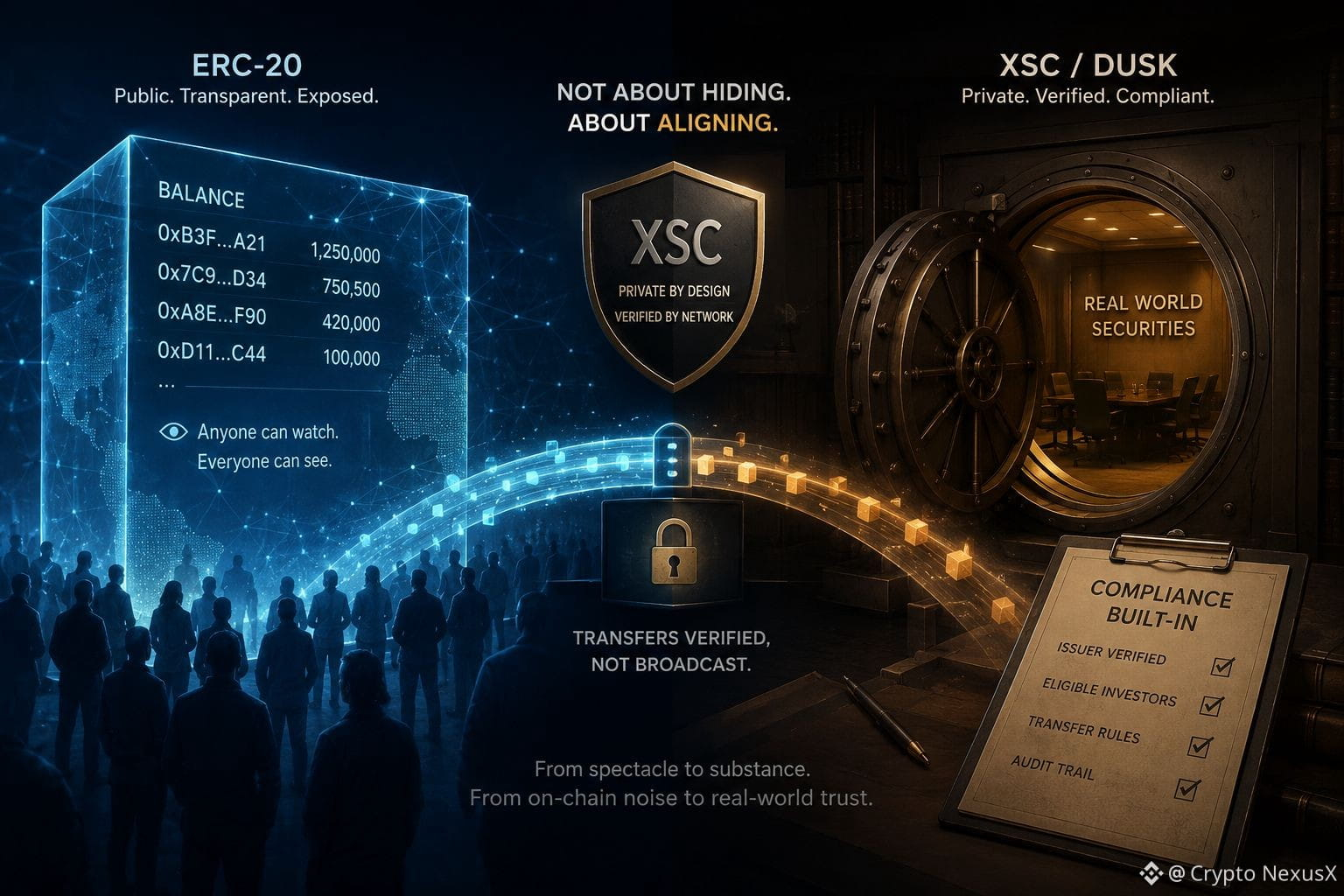
Ehrlich gesagt hat mich an XSC nicht der Tech-Pitch hineingezogen, sondern eine dämliche Erkenntnis: Die meisten „tokenisierten Wertpapiere“ sind im Grunde einfach nur ein ERC-20 auf einer öffentlichen Blockchain, schick verpackt. Jeder kann ansehen, wie sich die Guthaben bewegen, und sehen, wer was hält. Kein echtes Fondsmodell funktioniert außerhalb der Kette so – also warum sollte es auf der Kette anders sein? XSC versucht das tatsächlich zu beheben, statt es zu ignorieren: Überweisungen werden weiterhin vom Netzwerk verifiziert, sie werden nur nicht an alle herausgegeben, die gerade zuschauen.
Ich habe eine Weile auf dem Testnet von Dusk verbracht und gehofft, dass mich die Kryptografie beeindrucken würde – stattdessen ist mir hängen geblieben, wie langweilig sich die Abwicklung anfühlte. Auf eine gute Art: schnell, ruhig, nichts, worauf man mit offenem Mund starren müsste.
Was mir ganz praktisch gefällt, ist, dass Compliance in die Logik des Vertrags eingebettet ist – statt als zusätzliche Excel-Tabelle nachträglich aufgesetzt zu werden. Was mich beunruhigt, ist, dass all das nichts bedeutet, wenn Institutionen dem nicht wirklich genug vertrauen, um darauf echte Wertpapiere auszugeben, und diese Art von Vertrauen braucht Jahre – nicht Testnets.
Würdest du volle On-Chain-Transparenz gegen etwas eintauschen, das näher daran ist, wie Wertpapiere heute bereits funktionieren?
#dusk $DUSK @Dusk
Ehrlich gesagt hat mich an XSC nicht der Tech-Pitch hineingezogen, sondern eine dämliche Erkenntnis: Die meisten „tokenisierten Wertpapiere“ sind im Grunde einfach nur ein ERC-20 auf einer öffentlichen Blockchain, schick verpackt. Jeder kann ansehen, wie sich die Guthaben bewegen, und sehen, wer was hält. Kein echtes Fondsmodell funktioniert außerhalb der Kette so – also warum sollte es auf der Kette anders sein? XSC versucht das tatsächlich zu beheben, statt es zu ignorieren: Überweisungen werden weiterhin vom Netzwerk verifiziert, sie werden nur nicht an alle herausgegeben, die gerade zuschauen.
Ich habe eine Weile auf dem Testnet von Dusk verbracht und gehofft, dass mich die Kryptografie beeindrucken würde – stattdessen ist mir hängen geblieben, wie langweilig sich die Abwicklung anfühlte. Auf eine gute Art: schnell, ruhig, nichts, worauf man mit offenem Mund starren müsste.
Was mir ganz praktisch gefällt, ist, dass Compliance in die Logik des Vertrags eingebettet ist – statt als zusätzliche Excel-Tabelle nachträglich aufgesetzt zu werden. Was mich beunruhigt, ist, dass all das nichts bedeutet, wenn Institutionen dem nicht wirklich genug vertrauen, um darauf echte Wertpapiere auszugeben, und diese Art von Vertrauen braucht Jahre – nicht Testnets.
Würdest du volle On-Chain-Transparenz gegen etwas eintauschen, das näher daran ist, wie Wertpapiere heute bereits funktionieren?
Ehrlich gesagt hat mich an XSC nicht der Tech-Pitch hineingezogen, sondern eine dämliche Erkenntnis: Die meisten „tokenisierten Wertpapiere“ sind im Grunde einfach nur ein ERC-20 auf einer öffentlichen Blockchain, schick verpackt. Jeder kann ansehen, wie sich die Guthaben bewegen, und sehen, wer was hält. Kein echtes Fondsmodell funktioniert außerhalb der Kette so – also warum sollte es auf der Kette anders sein? XSC versucht das tatsächlich zu beheben, statt es zu ignorieren: Überweisungen werden weiterhin vom Netzwerk verifiziert, sie werden nur nicht an alle herausgegeben, die gerade zuschauen.
Ich habe eine Weile auf dem Testnet von Dusk verbracht und gehofft, dass mich die Kryptografie beeindrucken würde – stattdessen ist mir hängen geblieben, wie langweilig sich die Abwicklung anfühlte. Auf eine gute Art: schnell, ruhig, nichts, worauf man mit offenem Mund starren müsste.
Was mir ganz praktisch gefällt, ist, dass Compliance in die Logik des Vertrags eingebettet ist – statt als zusätzliche Excel-Tabelle nachträglich aufgesetzt zu werden. Was mich beunruhigt, ist, dass all das nichts bedeutet, wenn Institutionen dem nicht wirklich genug vertrauen, um darauf echte Wertpapiere auszugeben, und diese Art von Vertrauen braucht Jahre – nicht Testnets.
Würdest du volle On-Chain-Transparenz gegen etwas eintauschen, das näher daran ist, wie Wertpapiere heute bereits funktionieren?
1
177
·
--
Bullisch
BREAKING: Eine Pause nach dem Sturm? 🇺🇸🇮🇷
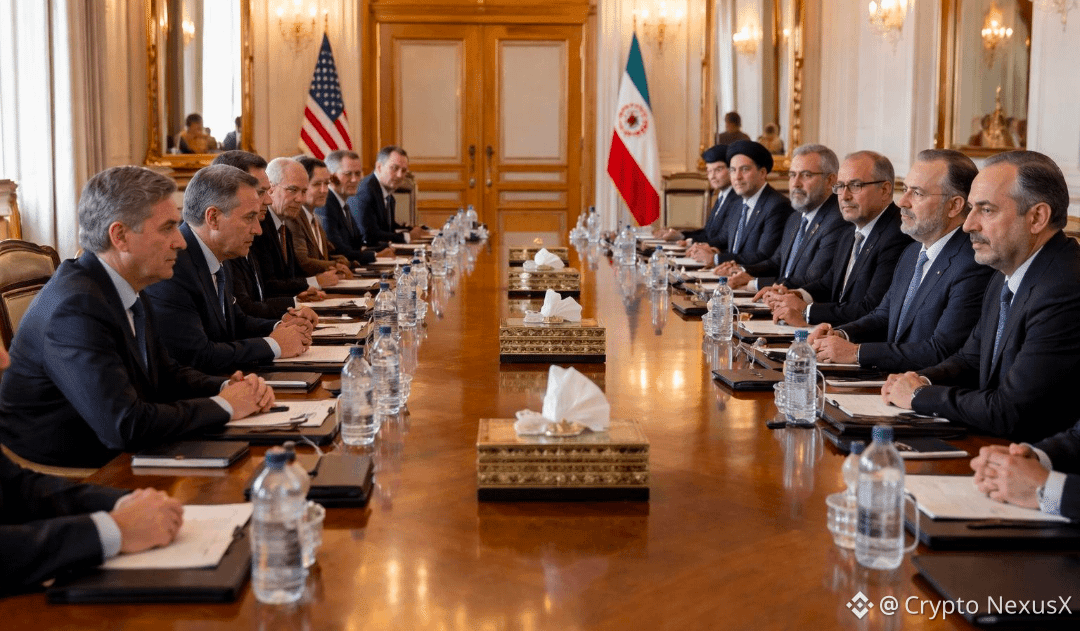
Berichte über einen möglichen US–Iran-Stopp der Feindseligkeiten im Konsens wecken Hoffnungen, dass sich die Region von einer Eskalation weg und hin zur Diplomatie bewegt.
Noch kein Grund zum Feiern – die Details, die Umsetzung und die Dauerhaftigkeit jeder Vereinbarung werden am wichtigsten sein. Aber falls dies bestätigt wird, könnte schon eine Atempause im Kampf Raum für Gespräche schaffen und einen weiteren Weg in Richtung Frieden eröffnen. 🕊️
Jetzt hat die Diplomatie das Wort.
#USIran #Ceasefire #PeaceTalks #MiddleEast #Diplomacy #USIranReportedlyReachCeasefireConsensus
BREAKING: Eine Pause nach dem Sturm? 🇺🇸🇮🇷
Berichte über einen möglichen US–Iran-Stopp der Feindseligkeiten im Konsens wecken Hoffnungen, dass sich die Region von einer Eskalation weg und hin zur Diplomatie bewegt.
Noch kein Grund zum Feiern – die Details, die Umsetzung und die Dauerhaftigkeit jeder Vereinbarung werden am wichtigsten sein. Aber falls dies bestätigt wird, könnte schon eine Atempause im Kampf Raum für Gespräche schaffen und einen weiteren Weg in Richtung Frieden eröffnen. 🕊️
Jetzt hat die Diplomatie das Wort.
#USIran #Ceasefire #PeaceTalks #MiddleEast #Diplomacy #USIranReportedlyReachCeasefireConsensus
Berichte über einen möglichen US–Iran-Stopp der Feindseligkeiten im Konsens wecken Hoffnungen, dass sich die Region von einer Eskalation weg und hin zur Diplomatie bewegt.
Noch kein Grund zum Feiern – die Details, die Umsetzung und die Dauerhaftigkeit jeder Vereinbarung werden am wichtigsten sein. Aber falls dies bestätigt wird, könnte schon eine Atempause im Kampf Raum für Gespräche schaffen und einen weiteren Weg in Richtung Frieden eröffnen. 🕊️
Jetzt hat die Diplomatie das Wort.
#USIran #Ceasefire #PeaceTalks #MiddleEast #Diplomacy #USIranReportedlyReachCeasefireConsensus
150
·
--
Bullisch
#dusk $DUSK @Dusk_Foundation
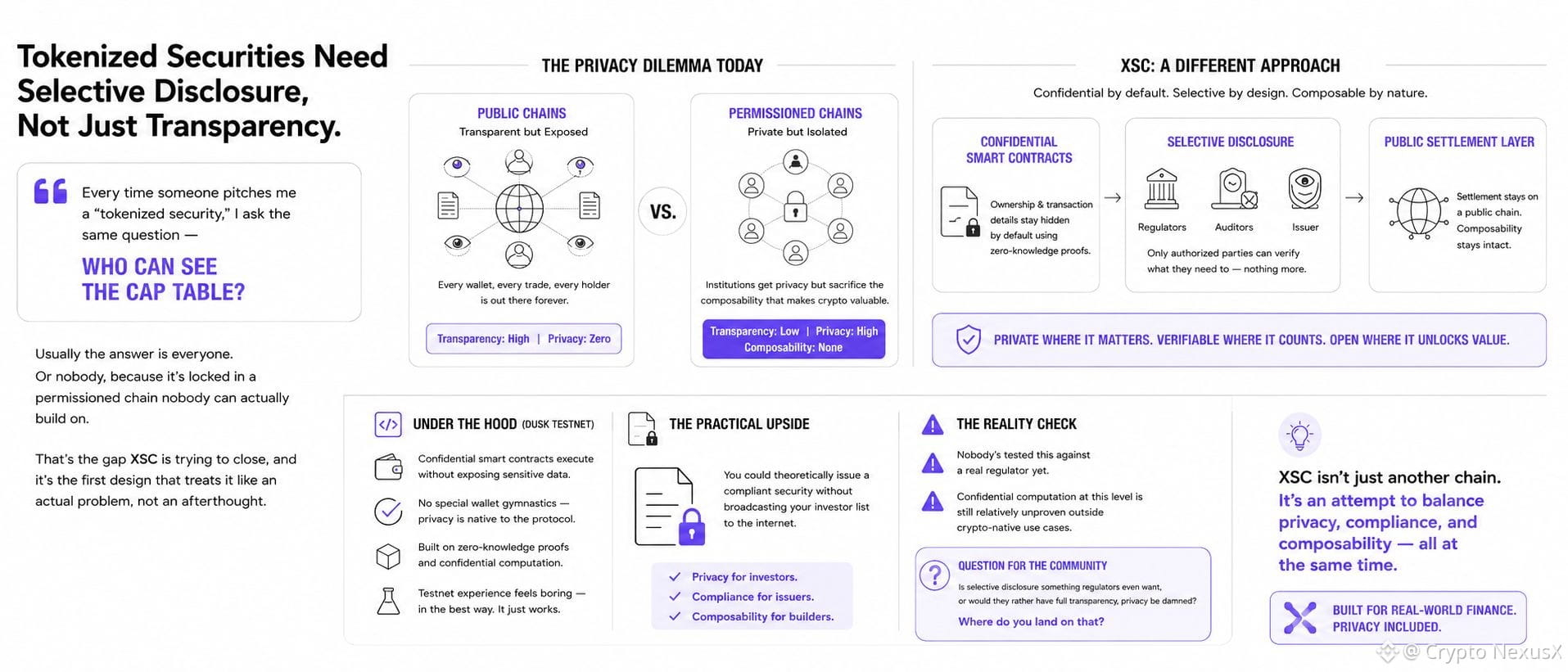
Jedes Mal, wenn mir jemand einen „tokenisierten Security“-Vorschlag macht, frage ich dasselbe.
Wer kann die Cap Table tatsächlich sehen?
Meistens alle. 👀
Oder niemand, weil sie in einer permissionierten Kette vergraben ist, auf die niemand aufbauen kann.
Das ist das eigentliche Problem, das XSC lösen will.
Nicht Datenschutz um seiner selbst willen. Datenschutz, der trotzdem nutzbar bleibt.
Öffentliche Chains zeigen alles. Jede Wallet, jede Transaktion, jeder Inhaber, für immer.
Permissioned Chains verstecken alles, aber du verlierst die Komponierbarkeit, die Krypto überhaupt erst wert macht.
XSC liegt dazwischen.
Vertrauliche Smart Contracts, bei denen Eigentums- und Transaktionsdetails standardmäßig verborgen bleiben.
Aber Regulierer, Auditoren und der Emittent können dennoch prüfen, was sie brauchen.
Das Settlement bleibt öffentlich. Die Offenlegung bleibt selektiv.
Ich habe Zeit im Dusk-Testnet verbracht, nur um die Mechanik zu verstehen – nicht den Pitch.
Was mir dabei wirklich aufgefallen ist? Wie normal sich der Datenschutz angefühlt hat.
Keine besonderen Wallet-Schritte. Keine zusätzlichen Hürden.
Es ist einfach in die Art eingebaut, wie die Contracts ausgeführt werden. 🧩
Der echte Vorteil: Du könntest eine regelkonforme Security ausgeben, ohne deine komplette Investor-Liste ins Internet zu senden.
Der eigentliche Haken: Bisher hat das noch kein Regulierer in der Praxis einem echten Stresstest unterzogen.
Und vertraulentliches Computing in diesem Maßstab ist außerhalb von Krypto-nativen Use Cases bis heute weitgehend noch nicht erprobt.
Also komme ich immer wieder auf Folgendes zurück.
Wollen Regulierer überhaupt selektive Offenlegung? Oder wollen sie volle Transparenz – Datenschutz hin oder her?
Wo landest du damit? 🤔
{future}(DUSKUSDT)
#dusk $DUSK @Dusk
Jedes Mal, wenn mir jemand einen „tokenisierten Security“-Vorschlag macht, frage ich dasselbe.
Wer kann die Cap Table tatsächlich sehen?
Meistens alle. 👀
Oder niemand, weil sie in einer permissionierten Kette vergraben ist, auf die niemand aufbauen kann.
Das ist das eigentliche Problem, das XSC lösen will.
Nicht Datenschutz um seiner selbst willen. Datenschutz, der trotzdem nutzbar bleibt.
Öffentliche Chains zeigen alles. Jede Wallet, jede Transaktion, jeder Inhaber, für immer.
Permissioned Chains verstecken alles, aber du verlierst die Komponierbarkeit, die Krypto überhaupt erst wert macht.
XSC liegt dazwischen.
Vertrauliche Smart Contracts, bei denen Eigentums- und Transaktionsdetails standardmäßig verborgen bleiben.
Aber Regulierer, Auditoren und der Emittent können dennoch prüfen, was sie brauchen.
Das Settlement bleibt öffentlich. Die Offenlegung bleibt selektiv.
Ich habe Zeit im Dusk-Testnet verbracht, nur um die Mechanik zu verstehen – nicht den Pitch.
Was mir dabei wirklich aufgefallen ist? Wie normal sich der Datenschutz angefühlt hat.
Keine besonderen Wallet-Schritte. Keine zusätzlichen Hürden.
Es ist einfach in die Art eingebaut, wie die Contracts ausgeführt werden. 🧩
Der echte Vorteil: Du könntest eine regelkonforme Security ausgeben, ohne deine komplette Investor-Liste ins Internet zu senden.
Der eigentliche Haken: Bisher hat das noch kein Regulierer in der Praxis einem echten Stresstest unterzogen.
Und vertraulentliches Computing in diesem Maßstab ist außerhalb von Krypto-nativen Use Cases bis heute weitgehend noch nicht erprobt.
Also komme ich immer wieder auf Folgendes zurück.
Wollen Regulierer überhaupt selektive Offenlegung? Oder wollen sie volle Transparenz – Datenschutz hin oder her?
Wo landest du damit? 🤔
Jedes Mal, wenn mir jemand einen „tokenisierten Security“-Vorschlag macht, frage ich dasselbe.
Wer kann die Cap Table tatsächlich sehen?
Meistens alle. 👀
Oder niemand, weil sie in einer permissionierten Kette vergraben ist, auf die niemand aufbauen kann.
Das ist das eigentliche Problem, das XSC lösen will.
Nicht Datenschutz um seiner selbst willen. Datenschutz, der trotzdem nutzbar bleibt.
Öffentliche Chains zeigen alles. Jede Wallet, jede Transaktion, jeder Inhaber, für immer.
Permissioned Chains verstecken alles, aber du verlierst die Komponierbarkeit, die Krypto überhaupt erst wert macht.
XSC liegt dazwischen.
Vertrauliche Smart Contracts, bei denen Eigentums- und Transaktionsdetails standardmäßig verborgen bleiben.
Aber Regulierer, Auditoren und der Emittent können dennoch prüfen, was sie brauchen.
Das Settlement bleibt öffentlich. Die Offenlegung bleibt selektiv.
Ich habe Zeit im Dusk-Testnet verbracht, nur um die Mechanik zu verstehen – nicht den Pitch.
Was mir dabei wirklich aufgefallen ist? Wie normal sich der Datenschutz angefühlt hat.
Keine besonderen Wallet-Schritte. Keine zusätzlichen Hürden.
Es ist einfach in die Art eingebaut, wie die Contracts ausgeführt werden. 🧩
Der echte Vorteil: Du könntest eine regelkonforme Security ausgeben, ohne deine komplette Investor-Liste ins Internet zu senden.
Der eigentliche Haken: Bisher hat das noch kein Regulierer in der Praxis einem echten Stresstest unterzogen.
Und vertraulentliches Computing in diesem Maßstab ist außerhalb von Krypto-nativen Use Cases bis heute weitgehend noch nicht erprobt.
Also komme ich immer wieder auf Folgendes zurück.
Wollen Regulierer überhaupt selektive Offenlegung? Oder wollen sie volle Transparenz – Datenschutz hin oder her?
Wo landest du damit? 🤔
1
132
·
--
Bullisch
🛢️ Öl bleibt unter Druck
#OilHoldsLosses
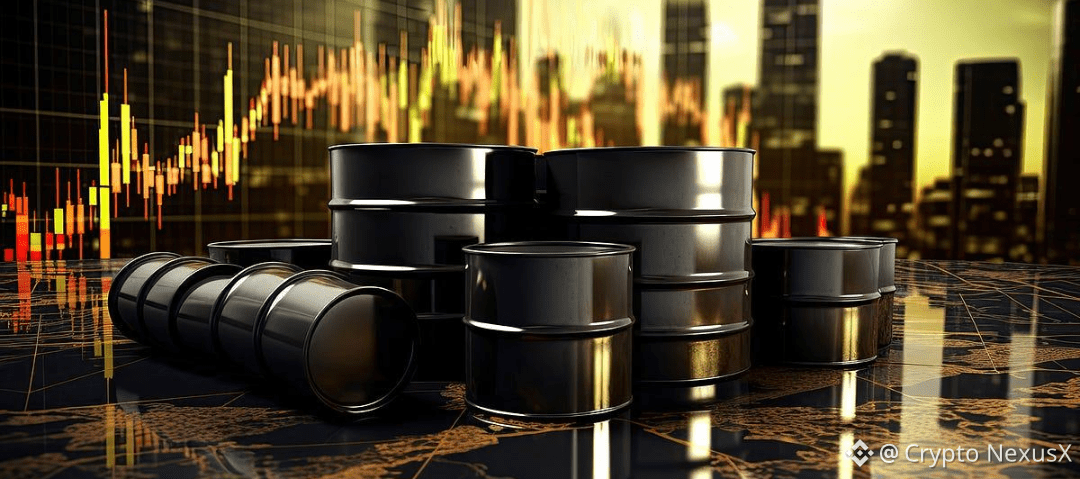
Die Rohölpreise halten sich nahe an den jüngsten Tiefstständen, während Händler die ausgeweiteten US-Sanktionen gegen den Iran sowie die Aussichten für die Versorgung im Nahen Osten bewerten. Brent liegt bei rund 92 $/Barrel, während WTI weiterhin nahe bei 85 $ bleibt.
Die Märkte beobachten die Straße von Hormus genau – jede größere Störung könnte schnell neuen Aufwärtsdruck auslösen. 🌍📉
#Oil #CrudeOil #Brent #WTI #Energy #Markets #Commodities
🛢️ Öl bleibt unter Druck
#OilHoldsLosses
Die Rohölpreise halten sich nahe an den jüngsten Tiefstständen, während Händler die ausgeweiteten US-Sanktionen gegen den Iran sowie die Aussichten für die Versorgung im Nahen Osten bewerten. Brent liegt bei rund 92 $/Barrel, während WTI weiterhin nahe bei 85 $ bleibt.
Die Märkte beobachten die Straße von Hormus genau – jede größere Störung könnte schnell neuen Aufwärtsdruck auslösen. 🌍📉
#Oil #CrudeOil #Brent #WTI #Energy #Markets #Commodities
#OilHoldsLosses
Die Rohölpreise halten sich nahe an den jüngsten Tiefstständen, während Händler die ausgeweiteten US-Sanktionen gegen den Iran sowie die Aussichten für die Versorgung im Nahen Osten bewerten. Brent liegt bei rund 92 $/Barrel, während WTI weiterhin nahe bei 85 $ bleibt.
Die Märkte beobachten die Straße von Hormus genau – jede größere Störung könnte schnell neuen Aufwärtsdruck auslösen. 🌍📉
#Oil #CrudeOil #Brent #WTI #Energy #Markets #Commodities
238
Anmelden und weiter Inhalte entdecken
Krypto-Nutzer weltweit auf Binance Square kennenlernen
⚡️ Bleib in Sachen Krypto stets am Puls.
💬 Die weltgrößte Kryptobörse vertraut darauf.
👍 Erhalte verlässliche Einblicke von verifizierten Creators.
E-Mail-Adresse/Telefonnummer
Trendthemen
FedRateWatch
1.7M Aufrufe
7,264 Kommentare
Teile & gewinne Traffic-Belohnungen in unserer Kampagne mit angesagtem Hashtag
✨Thema: FOMC September, Was ist der nächste Schritt der Fed?
👉So nimmst du teil:
Veröffentliche einen kurzen Beitrag oder Artikel mit dem Hashtag #FedRateWatch
Erstelle Inhalte basierend auf den folgenden Blickwinkeln:
- Der August-Core-CPI stieg um 0,3% im Monatsvergleich, und die Wahrscheinlichkeit für eine 25bp-Erhöhung diese Woche liegt nun bei fast 90%. Erwartest du diese Woche eine Zinserhöhung? Handelt es sich um einen einmaligen Schritt oder den Beginn eines längeren Zinserhöhungszyklus?
- Wenn die Erhöhung erfolgt: Wie entwickelt sich das für BTC, Tech-Aktien und Gold? Aufwärts- oder abwärtsgerichtet?
- Wie planst du als Nächstes zu handeln? Teile deinen BTC-, Aktien- oder Gold-Trade/Bestände mit unserem Trade-Sharing-Widget.
⏰Kampagnenzeitraum:
- 2026-09-15 11:00 - 2026-09-17 3:00 UTC
🎁Belohnung:
- Qualifizierte Beiträge, die die oben genannten Richtlinien erfüllen und mehr als 100 Wörter enthalten, werden überprüft und erhalten möglicherweise einen zufälligen Traffic-Boost von 500 bis 3.000 Aufrufen. Du erhältst eine Benachrichtigung von deiner Feed-Secretary, wenn dein Beitrag ausgewählt wird.
- Erhalte die Chance, dass dein Artikel auf Binance Square Official vorgestellt wird
Du brauchst Ideen für deinen Beitrag? Besuche die Themenseite #FedRateWatch oder die Square Guide on How to Post for Better Reach.
Binance Square Official
·678 Likes
·1.8M Aufrufe
DotPlotSignalsOneMoreHikeIn2026
710 Aufrufe
30 Kommentare
FedHikes25BpsUSStocksClose
3,809 Aufrufe
76 Kommentare