
Money has a way of sneaking into our emotions, even when we pretend it’s just numbers. It shows up in the pause before you hit “send.” In the knot in your chest when a payment is “pending.” In the quiet anger of watching fees shave pieces off your work, your time, your care. For most people, money isn’t abstract — it’s personal. It’s rent, medicine, groceries, dignity. And for a long time, digital money promised freedom while quietly delivering stress.
This is the wound Plasma is trying to touch.
Not loudly. Not with slogans. But with a kind of deliberate tenderness that says: what if money could finally behave the way people need it to?
Plasma begins from an emotionally honest place. It accepts a truth many systems avoid admitting: people don’t wake up wanting to think about blockchains. They want their money to arrive. They want it to hold its value. They want it to work the same way today as it did yesterday. Stability isn’t boring when your life depends on it — it’s relief.
So Plasma builds around stablecoins not as a feature, but as a promise. A promise that the value you send will not surprise you. That the number you see is the number that lands. That tomorrow won’t punish you for trusting today. For people in places where inflation erodes wages overnight, that promise carries real emotional weight. It feels like standing on solid ground after years of shifting sand.
There’s something quietly compassionate about removing the need to hold a volatile token just to pay a friend. Gasless stablecoin transfers aren’t just a UX improvement — they’re an act of respect. They say: you shouldn’t have to speculate to participate. You shouldn’t have to learn arcane rules to move your own money. You shouldn’t be taxed in confusion.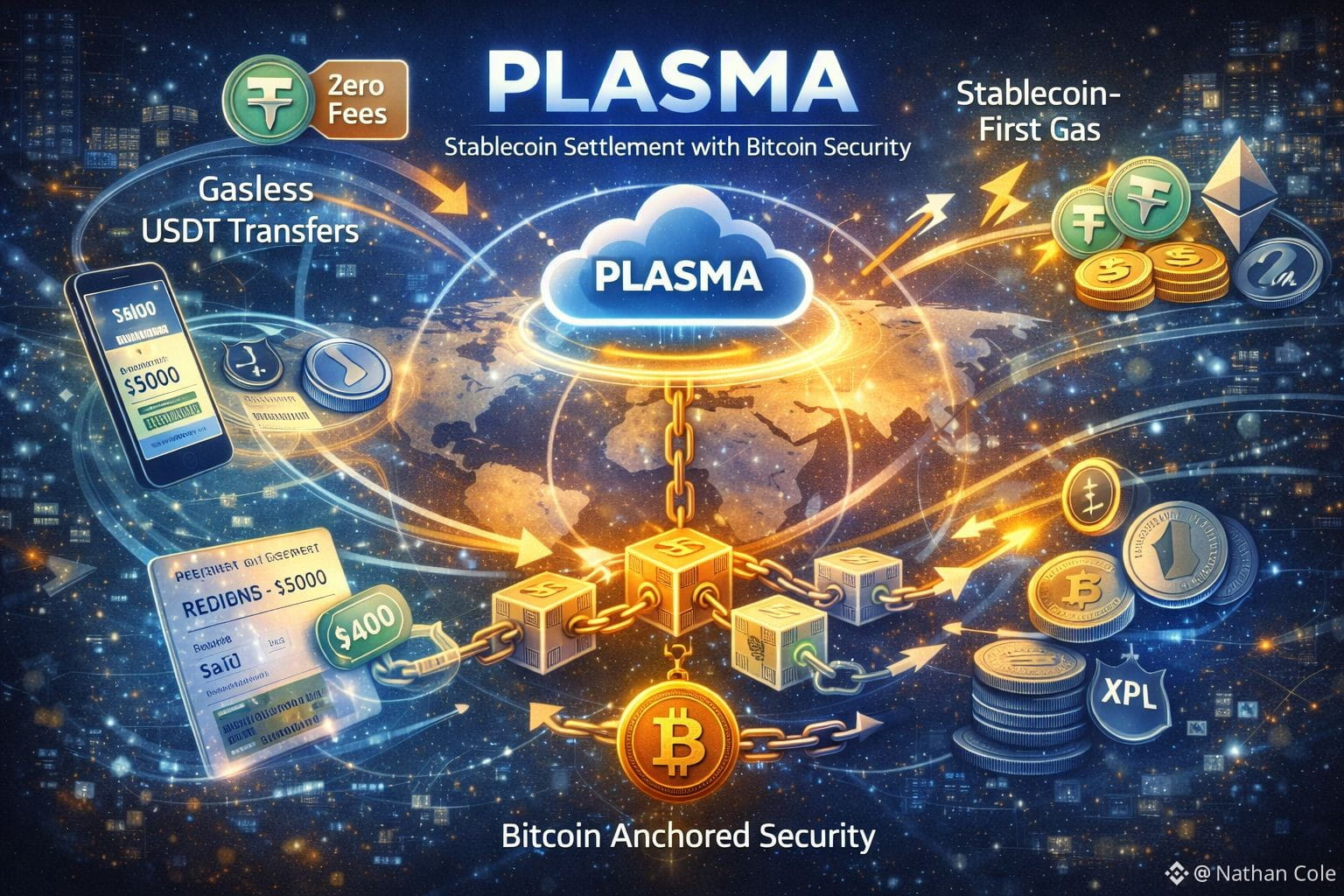
When a transfer settles almost instantly, something subtle but powerful happens. The anxiety fades. The transaction stops feeling like a gamble and starts feeling like a fact. Finality isn’t about speed for its own sake — it’s about emotional closure. It’s about the peace of knowing the deal is done, the bill is paid, the promise is kept.
Plasma’s compatibility with existing tools carries another kind of empathy — toward builders. It doesn’t ask developers to abandon what they know or rebuild their instincts from scratch. It doesn’t demand loyalty oaths or cultural rewiring. It simply says: bring what already works, and we’ll make it feel lighter, faster, calmer. That respect for accumulated effort matters. People build better systems when they feel understood rather than challenged.
There is also something deeply symbolic in anchoring security to Bitcoin. Not because Bitcoin is trendy, but because it has endured. It has survived skepticism, bans, ridicule, and time itself. By tying its history to something that refuses to disappear, Plasma is making a quiet statement about permanence. About memory. About not letting transactions vanish just because power shifts. For institutions and individuals alike, that kind of durability feels like safety.
What makes Plasma resonate emotionally is its choice of audience. It isn’t trying to impress traders chasing adrenaline. It’s trying to serve people who feel the consequences of broken payment systems every day. The shop owner waiting on settlement to restock shelves. The worker sending money home across borders. The finance team that just wants certainty at the end of the month. These people don’t want magic — they want reliability. Plasma seems to understand that reliability is a form of care.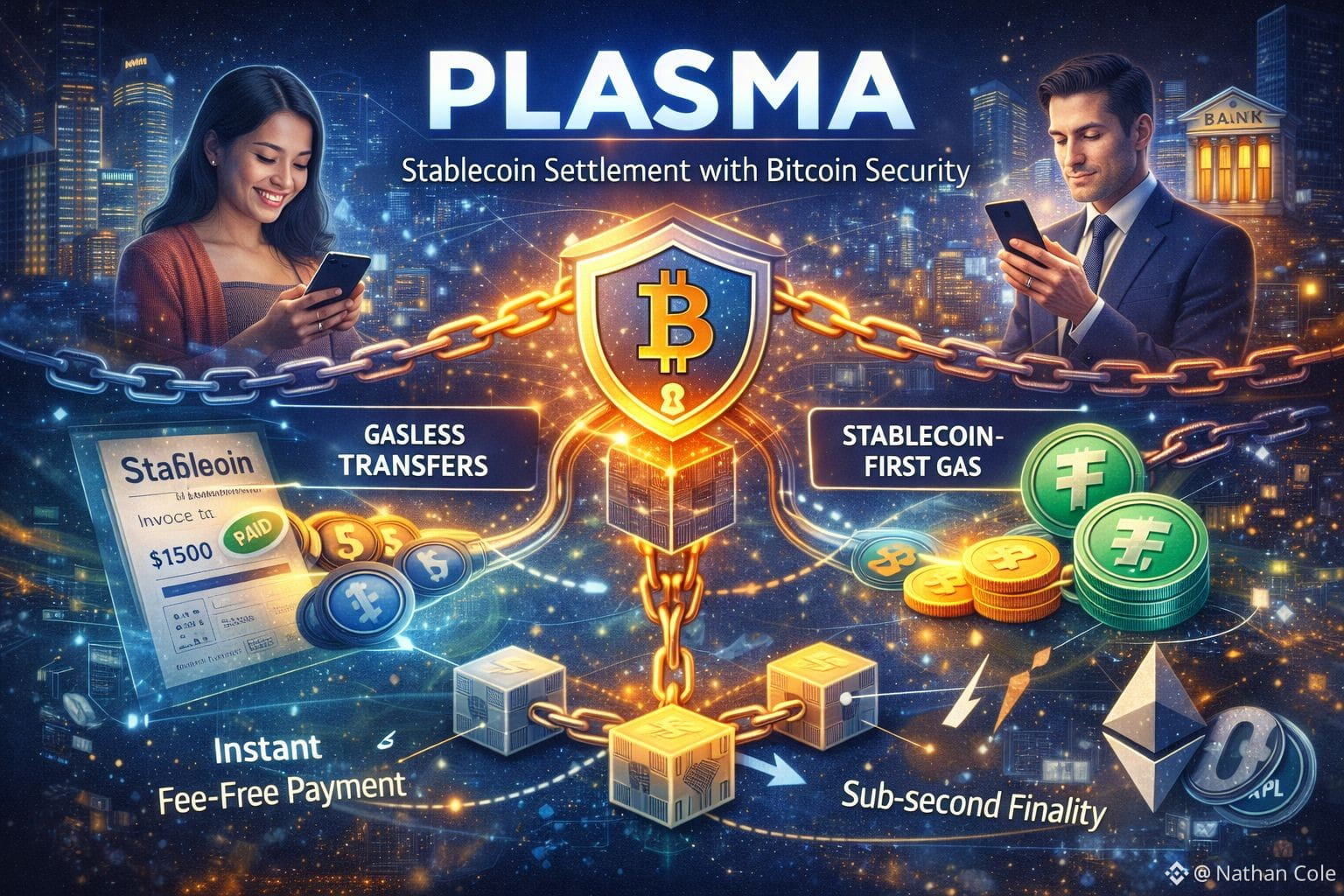
There’s humility woven into the system. Boundaries around gasless usage. Acknowledgment of regulation. Acceptance that neutrality must be engineered, not declared. This humility matters because it builds trust. It signals maturity. It tells users: we are not here to pretend the world is simple — we are here to make it survivable.
In the end, Plasma doesn’t feel like a moonshot. It feels like a repair job. Like someone finally listening to all the quiet frustrations people stopped voicing because they assumed nothing would change. It tries to make money disappear from your emotional foreground so you can focus on living, building, loving, surviving.
If Plasma succeeds, people won’t feel amazed. They’ll feel calm. And in a financial world that has trained us to expect stress, calm is revolutionary.
Money shouldn’t demand courage every time you use it. It shouldn’t make you feel small, anxious, or confused. Plasma is betting on a simple, deeply human idea: when money stops hurting, people start trusting again.

