
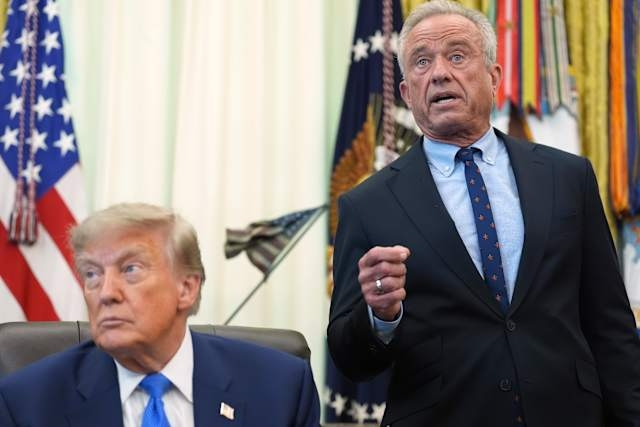
The U.S. Iran conflict has entered a highly sensitive diplomatic phase, with negotiations now focused heavily on the future of the Strait of Hormuz and the conditions required for a broader deescalation.
According to the latest developments, Pakistan and Qatar have indicated that Washington and Tehran are moving toward a possible agreement, with both countries playing a mediating role. However, significant differences remain between the two sides, particularly over the reopening of the strategic waterway and financial compensation related to the conflict.
President Donald Trump has adopted a tougher negotiating position, demanding compensation from Iran while keeping economic and military pressure on the table. Trump has also said the United States could either continue applying economic pressure or consider stronger military action if diplomacy fails.
For global markets, the Strait of Hormuz remains the key pressure point. Any prolonged disruption could keep energy prices elevated and increase uncertainty across financial markets. Conversely, a credible agreement that restores normal shipping through the strait could ease some of the geopolitical risk premium surrounding oil and regional assets.
The immediate outlook therefore remains uncertain. While diplomatic channels appear more active than in previous weeks, the latest demands from both Washington and Tehran show that a final settlement is far from guaranteed. Markets and governments are now closely watching whether the ongoing mediation can convert tentative progress into a durable agreement.
#TrumpDemandsCompensationFromIran #cryptouniverseofficial #cpi #TRUMP
