

#signprotocol
signprotocol
134,274 Aufrufe
909 Kommentare
Hot
Zuletzt
·
--
Bullisch
"Niemand besitzt deine Identität. Noch nicht."
Jeden Tag loggst du dich ein, unterschreibst Dokumente, verifizierst dich online — und nichts davon gehört dir. Banken besitzen es. Regierungen besitzen es. Große Tech-Unternehmen besitzen es.
Das SIGN-Protokoll ändert das.
Zum ersten Mal — deine Identität, deine Unterschriften, deine Verifizierungen leben ON-CHAIN. Gehört dir. Für immer.
Deshalb schenken schlaue Investoren der $SIGN Aufmerksamkeit👇
{future}(SIGNUSDT)
#SIGN #SignProtocol #Binance #Crypto2026 #web4ai
"Niemand besitzt deine Identität. Noch nicht."
Jeden Tag loggst du dich ein, unterschreibst Dokumente, verifizierst dich online — und nichts davon gehört dir. Banken besitzen es. Regierungen besitzen es. Große Tech-Unternehmen besitzen es.
Das SIGN-Protokoll ändert das.
Zum ersten Mal — deine Identität, deine Unterschriften, deine Verifizierungen leben ON-CHAIN. Gehört dir. Für immer.
Deshalb schenken schlaue Investoren der $SIGN Aufmerksamkeit👇
#SIGN #SignProtocol #Binance #Crypto2026 #web4ai
Jeden Tag loggst du dich ein, unterschreibst Dokumente, verifizierst dich online — und nichts davon gehört dir. Banken besitzen es. Regierungen besitzen es. Große Tech-Unternehmen besitzen es.
Das SIGN-Protokoll ändert das.
Zum ersten Mal — deine Identität, deine Unterschriften, deine Verifizierungen leben ON-CHAIN. Gehört dir. Für immer.
Deshalb schenken schlaue Investoren der $SIGN Aufmerksamkeit👇
#SIGN #SignProtocol #Binance #Crypto2026 #web4ai
352

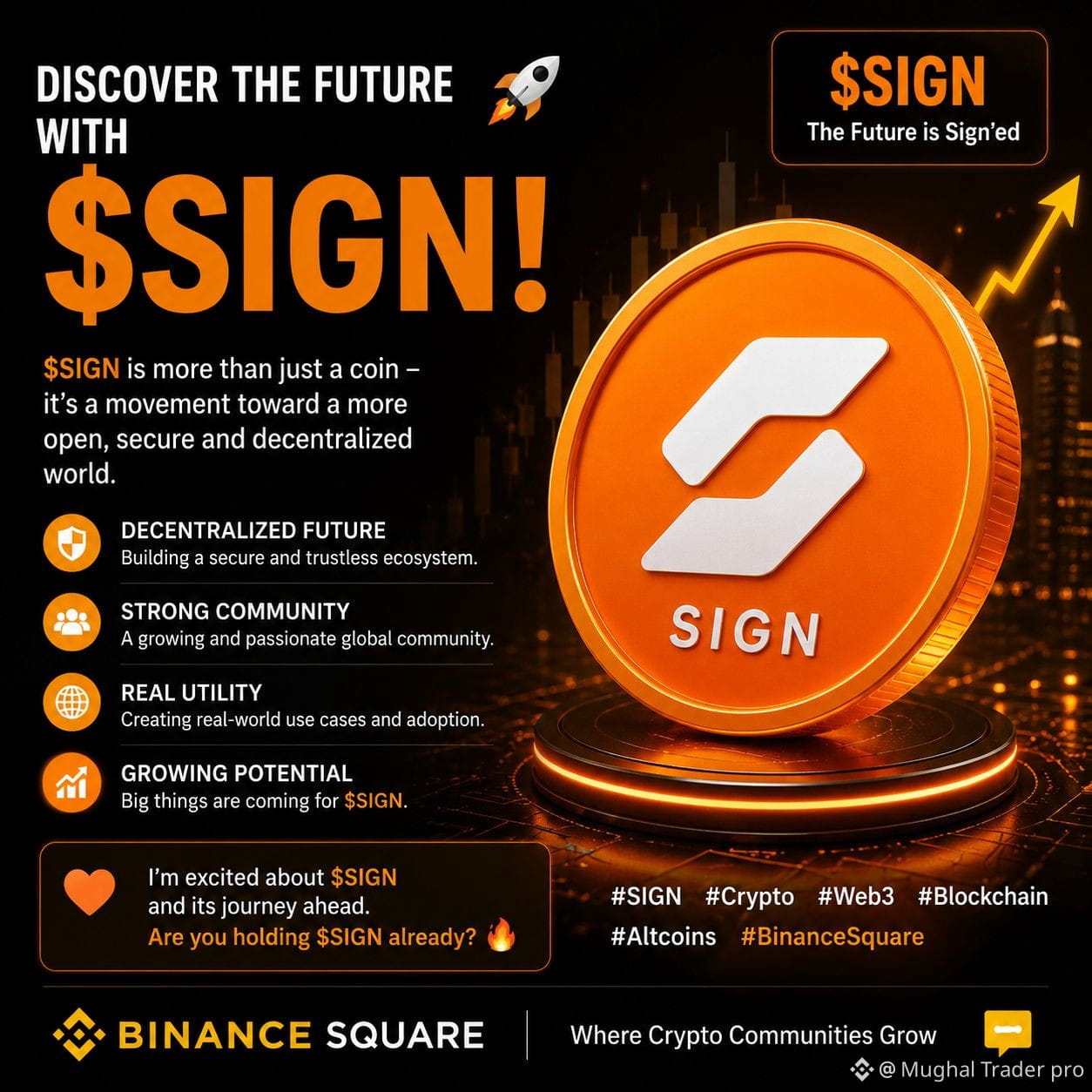
Was ist SIGN Protocol? Der Web3 „Digitale Notar“, der $1 erreichen könnte?
Lass uns heute über ein verstecktes Juwel sprechen: $SIGN – der native Token von Sign Protocol.
Was macht SIGN?
Ganz einfach: Es ist das „Stempelpapier“ der Blockchain. Es verifiziert beliebige Dokumente, Vereinbarungen oder Identitäten on-chain. Eine echte Lösung gegen gefälschte Dokumente.
Warum bin ich bullish?
1. Echtes Use Case: Die Dubai-Regierung und mehrere Banken testen Sign Protocol bereits.
2. Starke Tokenomics: Geringes Gesamtangebot und 60% der Tokens sind fürs Staking gesperrt.
3. Bei Binance gelistet: Keine Liquiditätsprobleme, und es wird von Binance Labs unterstützt.
Preisprognose:
Aktuell liegt es bei etwa $0.12. Wenn die Mainnet-Nutzung in Q1 2026 wächst, ist ein Ziel von $0.50 bis $1 sehr realistisch. DYOR!
Was ist das Risiko? Es ist ein Low-Cap-Coin, daher ist die Volatilität sehr hoch. Investiere nur das, was du dir leisten kannst zu verlieren.
Hältst du $SIGN in deinem Portfolio? Ja oder Nein 👇
#SIGN #SignProtocol #Altcoin #Gem #BinanceSquareFamily #DYOR*
Was ist SIGN Protocol? Der Web3 „Digitale Notar“, der $1 erreichen könnte?
Lass uns heute über ein verstecktes Juwel sprechen: $SIGN – der native Token von Sign Protocol.
Was macht SIGN?
Ganz einfach: Es ist das „Stempelpapier“ der Blockchain. Es verifiziert beliebige Dokumente, Vereinbarungen oder Identitäten on-chain. Eine echte Lösung gegen gefälschte Dokumente.
Warum bin ich bullish?
1. Echtes Use Case: Die Dubai-Regierung und mehrere Banken testen Sign Protocol bereits.
2. Starke Tokenomics: Geringes Gesamtangebot und 60% der Tokens sind fürs Staking gesperrt.
3. Bei Binance gelistet: Keine Liquiditätsprobleme, und es wird von Binance Labs unterstützt.
Preisprognose:
Aktuell liegt es bei etwa $0.12. Wenn die Mainnet-Nutzung in Q1 2026 wächst, ist ein Ziel von $0.50 bis $1 sehr realistisch. DYOR!
Was ist das Risiko? Es ist ein Low-Cap-Coin, daher ist die Volatilität sehr hoch. Investiere nur das, was du dir leisten kannst zu verlieren.
Hältst du $SIGN in deinem Portfolio? Ja oder Nein 👇
#SIGN #SignProtocol #Altcoin #Gem #BinanceSquareFamily #DYOR*
Lass uns heute über ein verstecktes Juwel sprechen: $SIGN – der native Token von Sign Protocol.
Was macht SIGN?
Ganz einfach: Es ist das „Stempelpapier“ der Blockchain. Es verifiziert beliebige Dokumente, Vereinbarungen oder Identitäten on-chain. Eine echte Lösung gegen gefälschte Dokumente.
Warum bin ich bullish?
1. Echtes Use Case: Die Dubai-Regierung und mehrere Banken testen Sign Protocol bereits.
2. Starke Tokenomics: Geringes Gesamtangebot und 60% der Tokens sind fürs Staking gesperrt.
3. Bei Binance gelistet: Keine Liquiditätsprobleme, und es wird von Binance Labs unterstützt.
Preisprognose:
Aktuell liegt es bei etwa $0.12. Wenn die Mainnet-Nutzung in Q1 2026 wächst, ist ein Ziel von $0.50 bis $1 sehr realistisch. DYOR!
Was ist das Risiko? Es ist ein Low-Cap-Coin, daher ist die Volatilität sehr hoch. Investiere nur das, was du dir leisten kannst zu verlieren.
Hältst du $SIGN in deinem Portfolio? Ja oder Nein 👇
#SIGN #SignProtocol #Altcoin #Gem #BinanceSquareFamily #DYOR*
1
1
175

·
--
Bullisch
Sequoia Capital, CZs Binance Labs und die Regierung von Kirgisistan glauben alle an diesen Coin. Er ist um 75 % von seinem ATH gefallen und fast niemand spricht darüber. 🤫
Lass mich dir $SIGN vorstellen, bevor das Unlock morgen die Narrative ändert.
Am 28. April – MORGEN – werden 401,1 Millionen SIGN-Token (~7,05 Mio. $) freigegeben.
Die meisten Leute werden das sehen und aussteigen. Gebildete Trader werden lesen, was tatsächlich passiert.
🔍 Was ist das Sign Protocol?
Sign baut die globale Infrastruktur für VERTRAUEN auf. Denk daran wie einen dezentralen Notarservice – der Identitäten, Qualifikationen, Vereinbarungen und Daten über jede Blockchain gleichzeitig verifiziert ($ETH , $SOL , TON, Aptos und mehr).
🏛️ Die Partnerschaften sind WILD:
→ Nationalbank Kirgisistans: CBDC + Stablecoin, die auf Sign basieren
→ Singpasses-Integration in Singapur
→ Mehrere staatliche Blockchain-Deals im Nahen Osten
→ 25 Millionen $ Finanzierung zum Aufbau nationaler Blockchain-Infrastruktur
→ Unterstützt von Sequoia Capital + YZi Labs (Binance Labs)
Das Unlock macht 20,78 % des freigegebenen Angebots aus – erwarte kurzfristigen Verkaufsdruck. Aber das langfristige Bild ist überzeugend für ein 52 Millionen $ Projekt, das mit tatsächlichen Regierungen arbeitet.
#SİGN #SignProtocol #Web3 #DigitalIdentity
{spot}(SIGNUSDT)
Sequoia Capital, CZs Binance Labs und die Regierung von Kirgisistan glauben alle an diesen Coin. Er ist um 75 % von seinem ATH gefallen und fast niemand spricht darüber. 🤫
Lass mich dir $SIGN vorstellen, bevor das Unlock morgen die Narrative ändert.
Am 28. April – MORGEN – werden 401,1 Millionen SIGN-Token (~7,05 Mio. $) freigegeben.
Die meisten Leute werden das sehen und aussteigen. Gebildete Trader werden lesen, was tatsächlich passiert.
🔍 Was ist das Sign Protocol?
Sign baut die globale Infrastruktur für VERTRAUEN auf. Denk daran wie einen dezentralen Notarservice – der Identitäten, Qualifikationen, Vereinbarungen und Daten über jede Blockchain gleichzeitig verifiziert ($ETH , $SOL , TON, Aptos und mehr).
🏛️ Die Partnerschaften sind WILD:
→ Nationalbank Kirgisistans: CBDC + Stablecoin, die auf Sign basieren
→ Singpasses-Integration in Singapur
→ Mehrere staatliche Blockchain-Deals im Nahen Osten
→ 25 Millionen $ Finanzierung zum Aufbau nationaler Blockchain-Infrastruktur
→ Unterstützt von Sequoia Capital + YZi Labs (Binance Labs)
Das Unlock macht 20,78 % des freigegebenen Angebots aus – erwarte kurzfristigen Verkaufsdruck. Aber das langfristige Bild ist überzeugend für ein 52 Millionen $ Projekt, das mit tatsächlichen Regierungen arbeitet.
#SİGN #SignProtocol #Web3 #DigitalIdentity
Lass mich dir $SIGN vorstellen, bevor das Unlock morgen die Narrative ändert.
Am 28. April – MORGEN – werden 401,1 Millionen SIGN-Token (~7,05 Mio. $) freigegeben.
Die meisten Leute werden das sehen und aussteigen. Gebildete Trader werden lesen, was tatsächlich passiert.
🔍 Was ist das Sign Protocol?
Sign baut die globale Infrastruktur für VERTRAUEN auf. Denk daran wie einen dezentralen Notarservice – der Identitäten, Qualifikationen, Vereinbarungen und Daten über jede Blockchain gleichzeitig verifiziert ($ETH , $SOL , TON, Aptos und mehr).
🏛️ Die Partnerschaften sind WILD:
→ Nationalbank Kirgisistans: CBDC + Stablecoin, die auf Sign basieren
→ Singpasses-Integration in Singapur
→ Mehrere staatliche Blockchain-Deals im Nahen Osten
→ 25 Millionen $ Finanzierung zum Aufbau nationaler Blockchain-Infrastruktur
→ Unterstützt von Sequoia Capital + YZi Labs (Binance Labs)
Das Unlock macht 20,78 % des freigegebenen Angebots aus – erwarte kurzfristigen Verkaufsdruck. Aber das langfristige Bild ist überzeugend für ein 52 Millionen $ Projekt, das mit tatsächlichen Regierungen arbeitet.
#SİGN #SignProtocol #Web3 #DigitalIdentity
406

·
--
Artikel
Signaturbestätigungen: Die Zukunft der DAO-GovernanceProgrammable Trust für DAOs und RWAs: Verwendung von Signaturbestätigungen zur Automatisierung des bedingten Zugangs und der Reputationseinstufung im Jahr 2026
Hören Sie, ich war in genug DAOs, um das Procedere zu kennen. Die meisten Governance-Prozesse sind immer noch ein Chaos: manuelle Stimmen auf Snapshot, off-chain Reputation, die von Walen oder Sybil-Farmern ausgenutzt wird, und Administratoren, die entscheiden, wer Zugang zu was erhält. Sie sehen einen Vorschlag, Sie stimmen mit Ihrem Geldbeutel ab, aber die Hälfte der Zeit sind die "aktiven Mitwirkenden" nur laute Stimmen mit Token, nicht Menschen, die tatsächlich Code geliefert, in Foren geholfen oder echte Arbeit geleistet haben. Die gleiche Geschichte gilt für RWAs. Tokenisierung von echten Dingen wie Immobilien oder Anleihen klingt großartig, bis Sie auf Compliance-Hürden stoßen. Nachzuweisen, dass Sie der wirtschaftlich Berechtigte, ein akkreditierter Investor oder jedes Mal, wenn Sie handeln oder Rendite beanspruchen möchten, die KYC-Anforderungen erfüllt haben. Es ist repetitiv, leckt Daten und verlangsamt alles.
Signaturbestätigungen: Die Zukunft der DAO-Governance
Programmable Trust für DAOs und RWAs: Verwendung von Signaturbestätigungen zur Automatisierung des bedingten Zugangs und der Reputationseinstufung im Jahr 2026
Hören Sie, ich war in genug DAOs, um das Procedere zu kennen. Die meisten Governance-Prozesse sind immer noch ein Chaos: manuelle Stimmen auf Snapshot, off-chain Reputation, die von Walen oder Sybil-Farmern ausgenutzt wird, und Administratoren, die entscheiden, wer Zugang zu was erhält. Sie sehen einen Vorschlag, Sie stimmen mit Ihrem Geldbeutel ab, aber die Hälfte der Zeit sind die "aktiven Mitwirkenden" nur laute Stimmen mit Token, nicht Menschen, die tatsächlich Code geliefert, in Foren geholfen oder echte Arbeit geleistet haben. Die gleiche Geschichte gilt für RWAs. Tokenisierung von echten Dingen wie Immobilien oder Anleihen klingt großartig, bis Sie auf Compliance-Hürden stoßen. Nachzuweisen, dass Sie der wirtschaftlich Berechtigte, ein akkreditierter Investor oder jedes Mal, wenn Sie handeln oder Rendite beanspruchen möchten, die KYC-Anforderungen erfüllt haben. Es ist repetitiv, leckt Daten und verlangsamt alles.
Hören Sie, ich war in genug DAOs, um das Procedere zu kennen. Die meisten Governance-Prozesse sind immer noch ein Chaos: manuelle Stimmen auf Snapshot, off-chain Reputation, die von Walen oder Sybil-Farmern ausgenutzt wird, und Administratoren, die entscheiden, wer Zugang zu was erhält. Sie sehen einen Vorschlag, Sie stimmen mit Ihrem Geldbeutel ab, aber die Hälfte der Zeit sind die "aktiven Mitwirkenden" nur laute Stimmen mit Token, nicht Menschen, die tatsächlich Code geliefert, in Foren geholfen oder echte Arbeit geleistet haben. Die gleiche Geschichte gilt für RWAs. Tokenisierung von echten Dingen wie Immobilien oder Anleihen klingt großartig, bis Sie auf Compliance-Hürden stoßen. Nachzuweisen, dass Sie der wirtschaftlich Berechtigte, ein akkreditierter Investor oder jedes Mal, wenn Sie handeln oder Rendite beanspruchen möchten, die KYC-Anforderungen erfüllt haben. Es ist repetitiv, leckt Daten und verlangsamt alles.
172
2
109
26.1k

·
--
Das Sign ProtocolHallo, ich hoffe, es geht dir gut.
In der digitalen Welt ist ein großes Problem das Vertrauen. Wie beweist man, dass Informationen echt sind? Ob es sich um Identität, Zertifikate oder Transaktionen handelt, die Verifizierung ist immer erforderlich. Hier kommt das Sign Protocol (SIGN) ins Spiel. Es wurde entwickelt, um digitale Informationen verifizierbar, sicher und zuverlässig mithilfe von Blockchain-Technologie zu machen.
Was ist Sign?
Das Sign Protocol ist ein blockchain-basiertes System zur Verifizierung von Informationen. Anstatt einer zentralen Autorität zu vertrauen, ermöglicht es Menschen und Organisationen, Fakten on-chain nachzuweisen.
Das Sign Protocol
Hallo, ich hoffe, es geht dir gut.
In der digitalen Welt ist ein großes Problem das Vertrauen. Wie beweist man, dass Informationen echt sind? Ob es sich um Identität, Zertifikate oder Transaktionen handelt, die Verifizierung ist immer erforderlich. Hier kommt das Sign Protocol (SIGN) ins Spiel. Es wurde entwickelt, um digitale Informationen verifizierbar, sicher und zuverlässig mithilfe von Blockchain-Technologie zu machen.
Was ist Sign?
Das Sign Protocol ist ein blockchain-basiertes System zur Verifizierung von Informationen. Anstatt einer zentralen Autorität zu vertrauen, ermöglicht es Menschen und Organisationen, Fakten on-chain nachzuweisen.
In der digitalen Welt ist ein großes Problem das Vertrauen. Wie beweist man, dass Informationen echt sind? Ob es sich um Identität, Zertifikate oder Transaktionen handelt, die Verifizierung ist immer erforderlich. Hier kommt das Sign Protocol (SIGN) ins Spiel. Es wurde entwickelt, um digitale Informationen verifizierbar, sicher und zuverlässig mithilfe von Blockchain-Technologie zu machen.
Was ist Sign?
Das Sign Protocol ist ein blockchain-basiertes System zur Verifizierung von Informationen. Anstatt einer zentralen Autorität zu vertrauen, ermöglicht es Menschen und Organisationen, Fakten on-chain nachzuweisen.
200
·
--
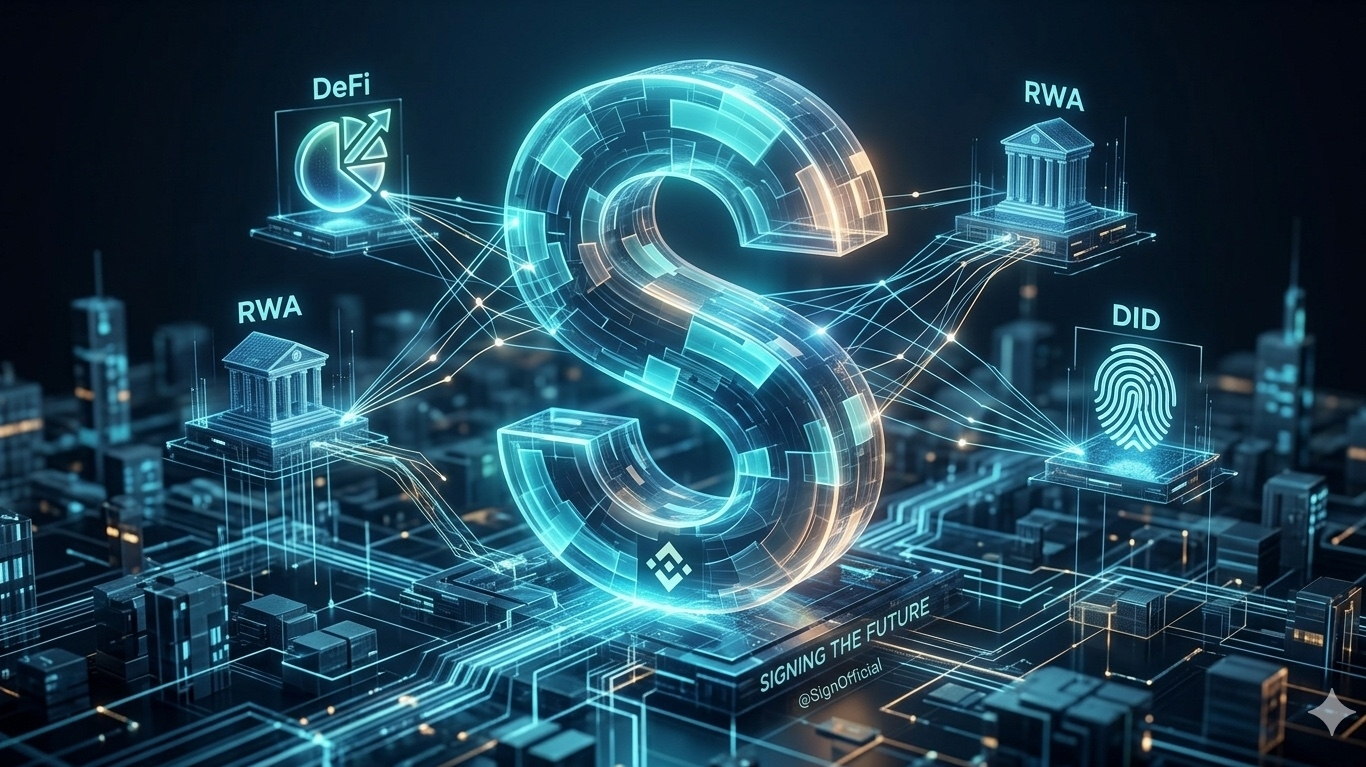
Artikel
BALASTIC IST UNTERWEGS?🚀
Der "Unsichtbare" Bullenmarkt: Warum die nächste 100x kein Meme ist, sondern eine Infrastruktur.🚀
Alle starren auf dieselben Diagramme, jagen die gleichen "Inu"-Derivate und fragen sich, warum ihr Portfolio stagniert. Sie sind auf der Jagd nach der nächsten "Mondmission" im Schnäppchenbereich wiederverwerteter Ideen. Die Wahrheit? Du schaust auf die Blätter, während du auf die Wurzeln schauen solltest. Während die Einzelhandelsmenge von 24-Stunden-Volatilität abgelenkt ist, geschieht ein tektonischer Wandel im Fundament von Web3. 🌳
BALASTIC IST UNTERWEGS?
🚀
Der "Unsichtbare" Bullenmarkt: Warum die nächste 100x kein Meme ist, sondern eine Infrastruktur.🚀
Alle starren auf dieselben Diagramme, jagen die gleichen "Inu"-Derivate und fragen sich, warum ihr Portfolio stagniert. Sie sind auf der Jagd nach der nächsten "Mondmission" im Schnäppchenbereich wiederverwerteter Ideen. Die Wahrheit? Du schaust auf die Blätter, während du auf die Wurzeln schauen solltest. Während die Einzelhandelsmenge von 24-Stunden-Volatilität abgelenkt ist, geschieht ein tektonischer Wandel im Fundament von Web3. 🌳
Der "Unsichtbare" Bullenmarkt: Warum die nächste 100x kein Meme ist, sondern eine Infrastruktur.🚀
Alle starren auf dieselben Diagramme, jagen die gleichen "Inu"-Derivate und fragen sich, warum ihr Portfolio stagniert. Sie sind auf der Jagd nach der nächsten "Mondmission" im Schnäppchenbereich wiederverwerteter Ideen. Die Wahrheit? Du schaust auf die Blätter, während du auf die Wurzeln schauen solltest. Während die Einzelhandelsmenge von 24-Stunden-Volatilität abgelenkt ist, geschieht ein tektonischer Wandel im Fundament von Web3. 🌳
51


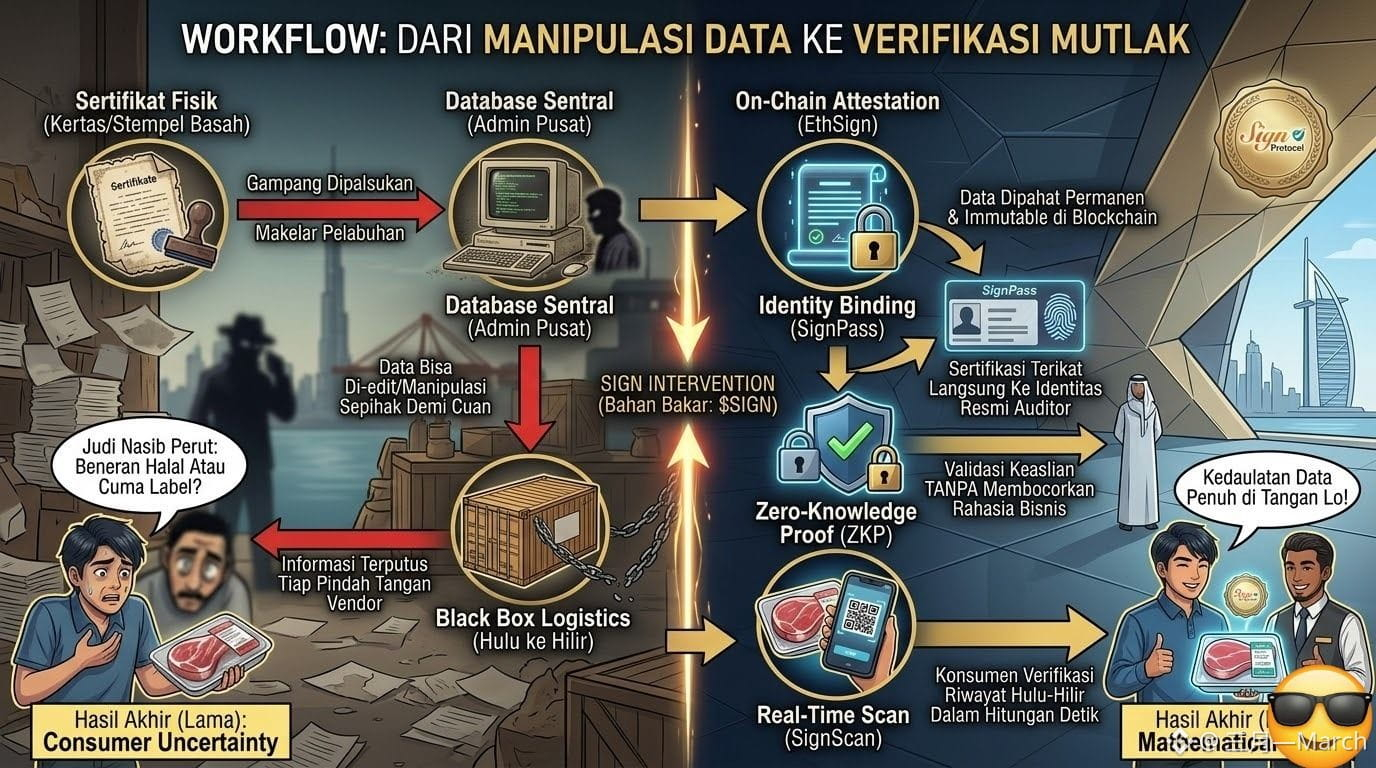
Lo yakin selembar kertas udah bisa buktiin barang yang lo beli dari Arab halal dan belum kadaluarsa????
Gue sering mikir dua kali coy!!
Gue butuh sertifikat digital yang kejamin kaga dimainin "bandar" disana...
Bisa gue lacak langsung kalo misal mau beli.
Soal perut dan data gue ga bisa main-main soalnya🤣🤣🤣
Apalagi, gue juga udah turun ke blockchain udah setengah dekade lebih..
Gue yakin dengan sistem yang dibawa sama sign protocol bisa bantu buat selesaikan masalah ini.
Kalo data ke simpan di on-chain, gue bisa langsung lacak "produk si ini masuk ke pasar tanggal segini dan udah di daftarin halal waktu segini". Jelas ada nama dompet orang yang daftarin, kapan daftarinnya sama jumlahnya jelas.
Kalo yang begini diterapin di timur tengah udah pake teknologi kripto kaya gini nih, gue jadi ga khawatir lagi buat beli kurma ajwa buat oleh-oleh kesukaan emak gua👌👌🤭
#signdigitalsovereigninfra | #signprotocol
$SIGN
@SignOfficial
Lo yakin selembar kertas udah bisa buktiin barang yang lo beli dari Arab halal dan belum kadaluarsa????
Gue sering mikir dua kali coy!!
Gue butuh sertifikat digital yang kejamin kaga dimainin "bandar" disana...
Bisa gue lacak langsung kalo misal mau beli.
Soal perut dan data gue ga bisa main-main soalnya🤣🤣🤣
Apalagi, gue juga udah turun ke blockchain udah setengah dekade lebih..
Gue yakin dengan sistem yang dibawa sama sign protocol bisa bantu buat selesaikan masalah ini.
Kalo data ke simpan di on-chain, gue bisa langsung lacak "produk si ini masuk ke pasar tanggal segini dan udah di daftarin halal waktu segini". Jelas ada nama dompet orang yang daftarin, kapan daftarinnya sama jumlahnya jelas.
Kalo yang begini diterapin di timur tengah udah pake teknologi kripto kaya gini nih, gue jadi ga khawatir lagi buat beli kurma ajwa buat oleh-oleh kesukaan emak gua👌👌🤭
#signdigitalsovereigninfra | #signprotocol
$SIGN
@SignOfficial
Gue sering mikir dua kali coy!!
Gue butuh sertifikat digital yang kejamin kaga dimainin "bandar" disana...
Bisa gue lacak langsung kalo misal mau beli.
Soal perut dan data gue ga bisa main-main soalnya🤣🤣🤣
Apalagi, gue juga udah turun ke blockchain udah setengah dekade lebih..
Gue yakin dengan sistem yang dibawa sama sign protocol bisa bantu buat selesaikan masalah ini.
Kalo data ke simpan di on-chain, gue bisa langsung lacak "produk si ini masuk ke pasar tanggal segini dan udah di daftarin halal waktu segini". Jelas ada nama dompet orang yang daftarin, kapan daftarinnya sama jumlahnya jelas.
Kalo yang begini diterapin di timur tengah udah pake teknologi kripto kaya gini nih, gue jadi ga khawatir lagi buat beli kurma ajwa buat oleh-oleh kesukaan emak gua👌👌🤭
#signdigitalsovereigninfra | #signprotocol
$SIGN
@SignOfficial
6
1k
Artikel
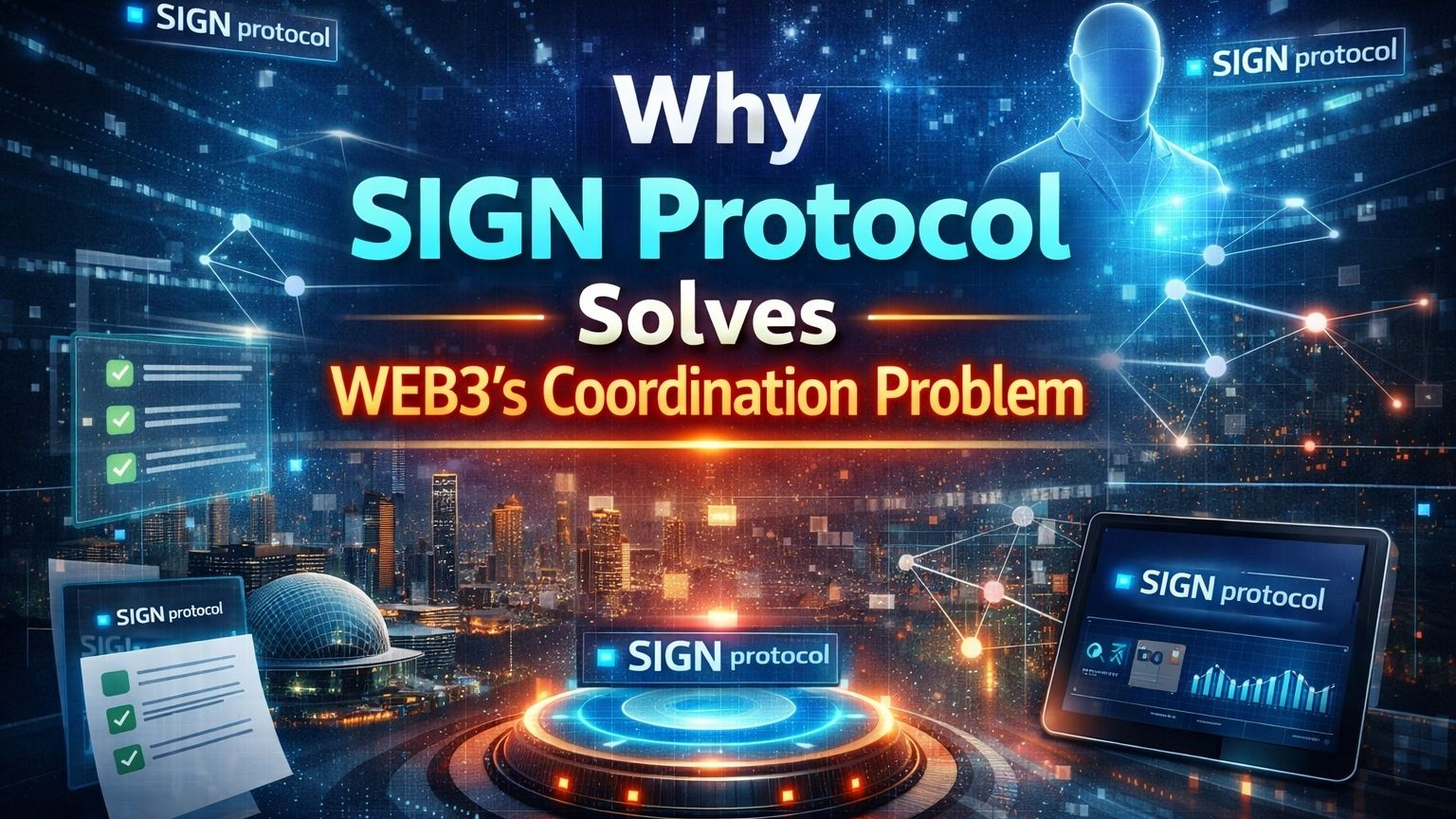
Die Rolle des Sign-Protokolls in Web3: Lösung einer kritischen und oft übersehenen Herausforderung@SignOfficial #SignDigitalSovereignInfra $SIGN #SIGN Nachdem viele Web3-Produkte entworfen und gebaut wurden, wird eines klar: Das schwierigste Problem sind nicht die Gasgebühren oder das Skalieren. Die echte Herausforderung ist die Koordinationsentscheidung, wie wer für Belohnungen würdig ist, wer für den Zugang berechtigt ist und wie man diese Entscheidungen verwalten kann, ohne die Systemstabilität zu gefährden.
Dieses Problem wird selten offen angesprochen, betrifft jedoch fast jedes Projekt. Mit ihm sind Förderprogramme, Community-Belohnungen oder Anreizkampagnen verbunden, der Prozess beginnt oft mit Klarheit, wird aber plötzlich chaotisch. Die Anträge wachsen, die Daten werden inkonsistent und Gruppen bleiben mit der Verwaltung von Tabellenkalkulationen, der Überprüfung von Wallets und der manuellen Überprüfung von Beiträgen beschäftigt. Selbst nach kontinuierlichem Aufwand treten weiterhin Fehler auf, echte Mitwirkende werden übersehen, während doppelte Teilnehmer oder niedrige Qualität manchmal durchrutschen.
Die Rolle des Sign-Protokolls in Web3: Lösung einer kritischen und oft übersehenen Herausforderung
@SignOfficial #SignDigitalSovereignInfra $SIGN #SIGN Nachdem viele Web3-Produkte entworfen und gebaut wurden, wird eines klar: Das schwierigste Problem sind nicht die Gasgebühren oder das Skalieren. Die echte Herausforderung ist die Koordinationsentscheidung, wie wer für Belohnungen würdig ist, wer für den Zugang berechtigt ist und wie man diese Entscheidungen verwalten kann, ohne die Systemstabilität zu gefährden.
Dieses Problem wird selten offen angesprochen, betrifft jedoch fast jedes Projekt. Mit ihm sind Förderprogramme, Community-Belohnungen oder Anreizkampagnen verbunden, der Prozess beginnt oft mit Klarheit, wird aber plötzlich chaotisch. Die Anträge wachsen, die Daten werden inkonsistent und Gruppen bleiben mit der Verwaltung von Tabellenkalkulationen, der Überprüfung von Wallets und der manuellen Überprüfung von Beiträgen beschäftigt. Selbst nach kontinuierlichem Aufwand treten weiterhin Fehler auf, echte Mitwirkende werden übersehen, während doppelte Teilnehmer oder niedrige Qualität manchmal durchrutschen.
Dieses Problem wird selten offen angesprochen, betrifft jedoch fast jedes Projekt. Mit ihm sind Förderprogramme, Community-Belohnungen oder Anreizkampagnen verbunden, der Prozess beginnt oft mit Klarheit, wird aber plötzlich chaotisch. Die Anträge wachsen, die Daten werden inkonsistent und Gruppen bleiben mit der Verwaltung von Tabellenkalkulationen, der Überprüfung von Wallets und der manuellen Überprüfung von Beiträgen beschäftigt. Selbst nach kontinuierlichem Aufwand treten weiterhin Fehler auf, echte Mitwirkende werden übersehen, während doppelte Teilnehmer oder niedrige Qualität manchmal durchrutschen.
34
1
62
4.6k
·
--
#signdigitalsovereigninfra $SIGN 🚨🚨 DIESES PROJEKT ÜBERNIMMT RUHIG WEB3…
Die meisten Leute schlafen immer noch auf Signofficial.
Aber die Entwickler?
Sie nutzen es bereits.
Hier ist, was Ihnen entgeht:
👉 Es ist nicht nur ein weiterer Token
👉 Es werden On-Chain-Authentifizierungen & Überprüfungen erstellt
👉 Anwendungsfälle aus der realen Welt passieren bereits
Lesen Sie das noch einmal.
Während Sie Hype-Coins hinterherjagen…
Schlaue Investoren beobachten die Infrastruktur.
Denn im nächsten Zyklus:
💡 Nützlichkeit > Lärm
Und das Sign-Protokoll sitzt genau in der Mitte dieses Wandels.
Die Frage ist:
👉 Wirst du es früh entdecken… oder später FOMO haben?
#Krypto #Web3 #SignProtocol #BinanceSquare #altcoins
#signdigitalsovereigninfra $SIGN 🚨🚨 DIESES PROJEKT ÜBERNIMMT RUHIG WEB3…
Die meisten Leute schlafen immer noch auf Signofficial.
Aber die Entwickler?
Sie nutzen es bereits.
Hier ist, was Ihnen entgeht:
👉 Es ist nicht nur ein weiterer Token
👉 Es werden On-Chain-Authentifizierungen & Überprüfungen erstellt
👉 Anwendungsfälle aus der realen Welt passieren bereits
Lesen Sie das noch einmal.
Während Sie Hype-Coins hinterherjagen…
Schlaue Investoren beobachten die Infrastruktur.
Denn im nächsten Zyklus:
💡 Nützlichkeit > Lärm
Und das Sign-Protokoll sitzt genau in der Mitte dieses Wandels.
Die Frage ist:
👉 Wirst du es früh entdecken… oder später FOMO haben?
#Krypto #Web3 #SignProtocol #BinanceSquare #altcoins
Die meisten Leute schlafen immer noch auf Signofficial.
Aber die Entwickler?
Sie nutzen es bereits.
Hier ist, was Ihnen entgeht:
👉 Es ist nicht nur ein weiterer Token
👉 Es werden On-Chain-Authentifizierungen & Überprüfungen erstellt
👉 Anwendungsfälle aus der realen Welt passieren bereits
Lesen Sie das noch einmal.
Während Sie Hype-Coins hinterherjagen…
Schlaue Investoren beobachten die Infrastruktur.
Denn im nächsten Zyklus:
💡 Nützlichkeit > Lärm
Und das Sign-Protokoll sitzt genau in der Mitte dieses Wandels.
Die Frage ist:
👉 Wirst du es früh entdecken… oder später FOMO haben?
#Krypto #Web3 #SignProtocol #BinanceSquare #altcoins
2
7
Übersetzung ansehen
Barusan gue angkat telepon dari temen di Dubai, ngomel mulu soal makanan disana. Langsung gue potong Bro, makanya suruh resto langganan lo pindah ke Sign Protocol! Gue udah gemes liat lo ketipu review bintang lima palsu mulu di sana😂😂😂😂
Dia langsung diem, terus gue lanjutin ngegas. Lo nemu resto nasi mandi yang katanya legendaris di aplikasi, eh pas dateng rasanya hambar dan dagingnya alot kayak ban serep kan??? Itu tandanya sistem review yang lu pake itu tersentralisasi udah karatan dan gampang banget dimanipulasi sama gerombolan buzzer sama akun bot. Di mata gue, selama sistem review cuma butuh modal jempol tanpa bukti transaksi yang sah itu mah cuma manipulasi selera publik yang rawan di-ghosting oknum admin buat cari cuan!
Gue jelasin ke dia, "Ini saatnya lu main main dengan Sign Protocol!" Kalau gue jadi penasihat kedaulatan digital di sana, gue bakal ganti semua sistem rating manual itu pake konsep Proof-of-Consumption via SignPass. Simpel aja, lo nggak bakal bisa kasih rating atau tulis review kalau lo nggak punya kredensial digital yang sah dari Sign Protocol. Jadi, pas lo bayar di kasir, lo dapet struk digital yang otomatis di-sign on-chain sebagai bukti lo beneran makan di sana.
Data review lo dienkripsi dan dikunci di blockchain, cuma lo yang pegang kunci privatnya. Gak ada admin mana pun yang bisa iseng hapus atau ubah review jujur lo meskipun disogok satu porsi Shawarma mewah. Ini yang gue mau. Data balik ke tangan konsumen, titik!!
#SignDigitalSovereignInfra #Signprotocol #TrumpConsidersEndingIranConflict
$SIGN
@SignOfficial
Barusan gue angkat telepon dari temen di Dubai, ngomel mulu soal makanan disana. Langsung gue potong Bro, makanya suruh resto langganan lo pindah ke Sign Protocol! Gue udah gemes liat lo ketipu review bintang lima palsu mulu di sana😂😂😂😂
Dia langsung diem, terus gue lanjutin ngegas. Lo nemu resto nasi mandi yang katanya legendaris di aplikasi, eh pas dateng rasanya hambar dan dagingnya alot kayak ban serep kan??? Itu tandanya sistem review yang lu pake itu tersentralisasi udah karatan dan gampang banget dimanipulasi sama gerombolan buzzer sama akun bot. Di mata gue, selama sistem review cuma butuh modal jempol tanpa bukti transaksi yang sah itu mah cuma manipulasi selera publik yang rawan di-ghosting oknum admin buat cari cuan!
Gue jelasin ke dia, "Ini saatnya lu main main dengan Sign Protocol!" Kalau gue jadi penasihat kedaulatan digital di sana, gue bakal ganti semua sistem rating manual itu pake konsep Proof-of-Consumption via SignPass. Simpel aja, lo nggak bakal bisa kasih rating atau tulis review kalau lo nggak punya kredensial digital yang sah dari Sign Protocol. Jadi, pas lo bayar di kasir, lo dapet struk digital yang otomatis di-sign on-chain sebagai bukti lo beneran makan di sana.
Data review lo dienkripsi dan dikunci di blockchain, cuma lo yang pegang kunci privatnya. Gak ada admin mana pun yang bisa iseng hapus atau ubah review jujur lo meskipun disogok satu porsi Shawarma mewah. Ini yang gue mau. Data balik ke tangan konsumen, titik!!
#SignDigitalSovereignInfra #Signprotocol #TrumpConsidersEndingIranConflict
$SIGN
@SignOfficial
Dia langsung diem, terus gue lanjutin ngegas. Lo nemu resto nasi mandi yang katanya legendaris di aplikasi, eh pas dateng rasanya hambar dan dagingnya alot kayak ban serep kan??? Itu tandanya sistem review yang lu pake itu tersentralisasi udah karatan dan gampang banget dimanipulasi sama gerombolan buzzer sama akun bot. Di mata gue, selama sistem review cuma butuh modal jempol tanpa bukti transaksi yang sah itu mah cuma manipulasi selera publik yang rawan di-ghosting oknum admin buat cari cuan!
Gue jelasin ke dia, "Ini saatnya lu main main dengan Sign Protocol!" Kalau gue jadi penasihat kedaulatan digital di sana, gue bakal ganti semua sistem rating manual itu pake konsep Proof-of-Consumption via SignPass. Simpel aja, lo nggak bakal bisa kasih rating atau tulis review kalau lo nggak punya kredensial digital yang sah dari Sign Protocol. Jadi, pas lo bayar di kasir, lo dapet struk digital yang otomatis di-sign on-chain sebagai bukti lo beneran makan di sana.
Data review lo dienkripsi dan dikunci di blockchain, cuma lo yang pegang kunci privatnya. Gak ada admin mana pun yang bisa iseng hapus atau ubah review jujur lo meskipun disogok satu porsi Shawarma mewah. Ini yang gue mau. Data balik ke tangan konsumen, titik!!
#SignDigitalSovereignInfra #Signprotocol #TrumpConsidersEndingIranConflict
$SIGN
@SignOfficial

4
293

·
--
Bullisch
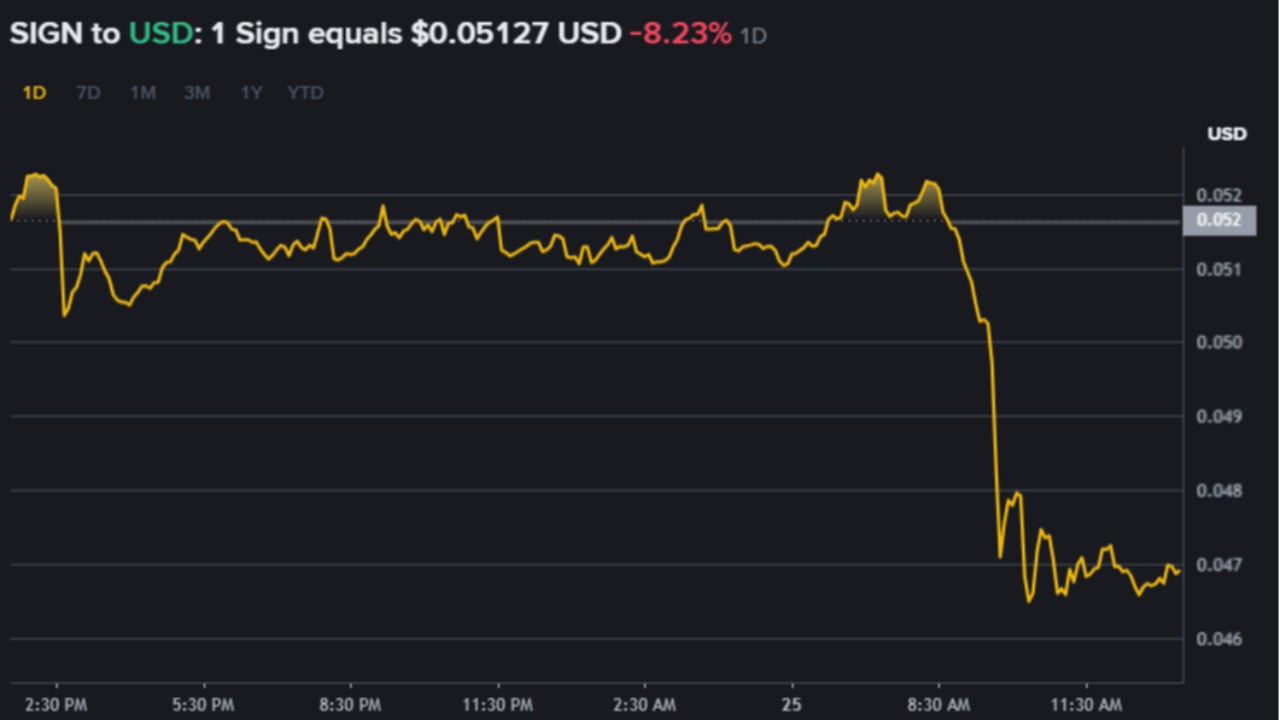
$SIGN sprengt den Markt! +60–65% in 24 Stunden 🚀
Der Preis liegt derzeit bei ~$0.051–0.052, Marktkapitalisierung ~$85M, Handelsvolumen bereits $200–220M pro Tag!
Sign Protocol — ist eine Omni-Chain-Bestätigungs-Schicht: Verifizierung von Daten, digitale Signaturen, Credentials auf jeder Kette. Arbeitet mit Regierungen (Asien, Naher Osten), TokenTable für Airdrop/Verteilung von Token im Milliardenbereich $.
Gesamte Versorgung 10B, zirkulierend ~1.64B → riesiges Potenzial.
Dies ist die Infrastruktur für echte Adoption: Identität, verifiable credentials, souveräne Blockchain.
Wer bereits $SIGN farmt oder hält — schreibt in die Kommentare!
#SIGN #SignProtocol #omnichain #Write2Earn #BinanceSquare
$SIGN sprengt den Markt! +60–65% in 24 Stunden 🚀
Der Preis liegt derzeit bei ~$0.051–0.052, Marktkapitalisierung ~$85M, Handelsvolumen bereits $200–220M pro Tag!
Sign Protocol — ist eine Omni-Chain-Bestätigungs-Schicht: Verifizierung von Daten, digitale Signaturen, Credentials auf jeder Kette. Arbeitet mit Regierungen (Asien, Naher Osten), TokenTable für Airdrop/Verteilung von Token im Milliardenbereich $.
Gesamte Versorgung 10B, zirkulierend ~1.64B → riesiges Potenzial.
Dies ist die Infrastruktur für echte Adoption: Identität, verifiable credentials, souveräne Blockchain.
Wer bereits $SIGN farmt oder hält — schreibt in die Kommentare!
#SIGN #SignProtocol #omnichain #Write2Earn #BinanceSquare
Der Preis liegt derzeit bei ~$0.051–0.052, Marktkapitalisierung ~$85M, Handelsvolumen bereits $200–220M pro Tag!
Sign Protocol — ist eine Omni-Chain-Bestätigungs-Schicht: Verifizierung von Daten, digitale Signaturen, Credentials auf jeder Kette. Arbeitet mit Regierungen (Asien, Naher Osten), TokenTable für Airdrop/Verteilung von Token im Milliardenbereich $.
Gesamte Versorgung 10B, zirkulierend ~1.64B → riesiges Potenzial.
Dies ist die Infrastruktur für echte Adoption: Identität, verifiable credentials, souveräne Blockchain.
Wer bereits $SIGN farmt oder hält — schreibt in die Kommentare!
#SIGN #SignProtocol #omnichain #Write2Earn #BinanceSquare
101

BINANCE GEWINNER — $DASH & $SIGN
Bitte folge meinem Konto.
$DASH — Dash | +20,36%
DASH führt das Comeback an, da Privacy-Coins starkes Marktinteresse gewinnen. Ein technischer Ausbruch über 46,37 $ bei hohem Volumen und das bevorstehende DashCon unterstützen ebenfalls den Aufschwung. (CoinMarketCap)
SIGN — Sign | +16,27%
SIGN zeigt starke Kaufdynamik, wobei die jüngste Handelsaktivität beschleunigt. Am 3. September gab es einen Tagesgewinn von 8,41 % bei fast 88,5 Mio. gehandelten Token auf Binance. (ca.investing.com)
⚠️ DYOR — Kein FOMO.
#DASH #SIGN #Dash #SignProtocol #Binance #CryptoGainers #PrivacyCoins #Altcoins #DYOR
BINANCE GEWINNER — $DASH & $SIGN
Bitte folge meinem Konto.
$DASH — Dash | +20,36%
DASH führt das Comeback an, da Privacy-Coins starkes Marktinteresse gewinnen. Ein technischer Ausbruch über 46,37 $ bei hohem Volumen und das bevorstehende DashCon unterstützen ebenfalls den Aufschwung. (CoinMarketCap)
SIGN — Sign | +16,27%
SIGN zeigt starke Kaufdynamik, wobei die jüngste Handelsaktivität beschleunigt. Am 3. September gab es einen Tagesgewinn von 8,41 % bei fast 88,5 Mio. gehandelten Token auf Binance. (ca.investing.com)
⚠️ DYOR — Kein FOMO.
#DASH #SIGN #Dash #SignProtocol #Binance #CryptoGainers #PrivacyCoins #Altcoins #DYOR
Bitte folge meinem Konto.
$DASH — Dash | +20,36%
DASH führt das Comeback an, da Privacy-Coins starkes Marktinteresse gewinnen. Ein technischer Ausbruch über 46,37 $ bei hohem Volumen und das bevorstehende DashCon unterstützen ebenfalls den Aufschwung. (CoinMarketCap)
SIGN — Sign | +16,27%
SIGN zeigt starke Kaufdynamik, wobei die jüngste Handelsaktivität beschleunigt. Am 3. September gab es einen Tagesgewinn von 8,41 % bei fast 88,5 Mio. gehandelten Token auf Binance. (ca.investing.com)
⚠️ DYOR — Kein FOMO.
#DASH #SIGN #Dash #SignProtocol #Binance #CryptoGainers #PrivacyCoins #Altcoins #DYOR
142

Artikel
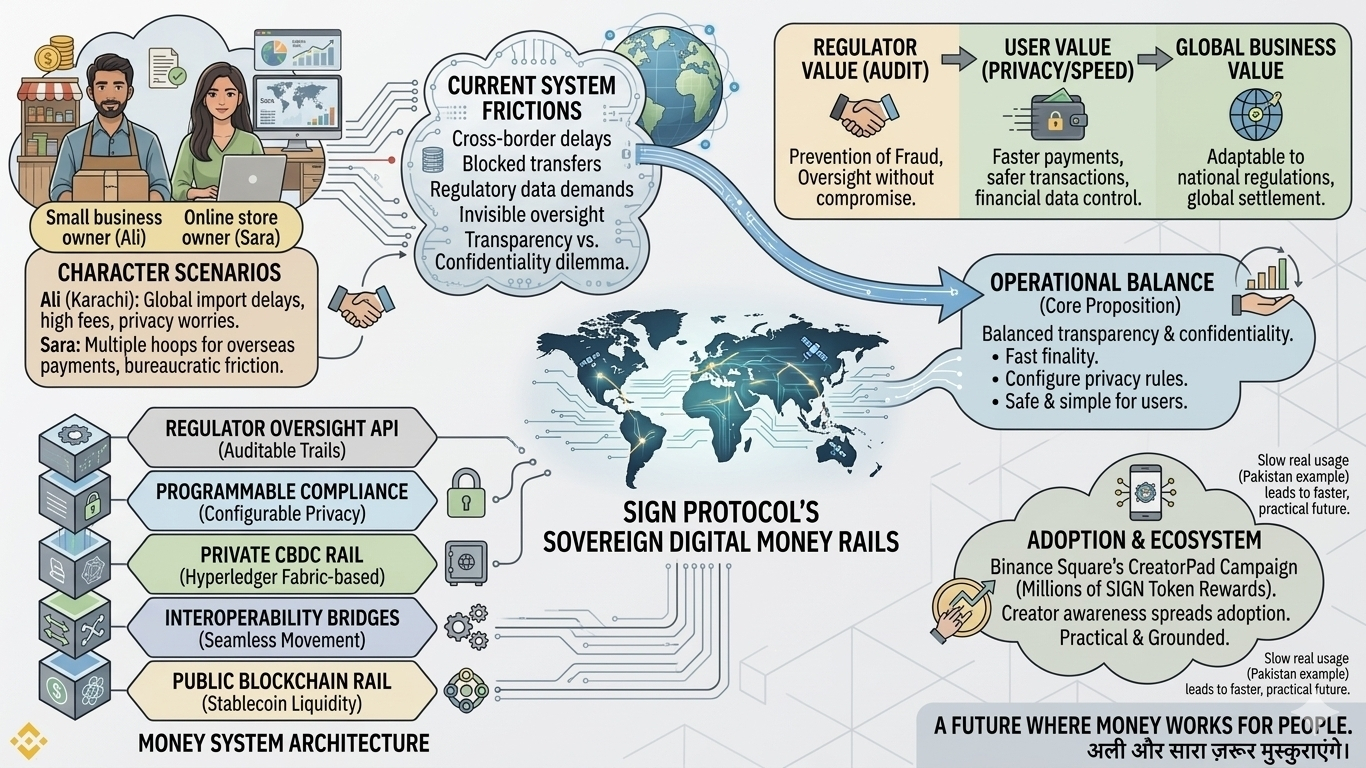
🌐 Revolutionierung des digitalen Geldes: Das Sign-ProtokollHaben Sie sich jemals frustriert gefühlt von den Herausforderungen, Geld über Grenzen zu senden? Lassen Sie mich eine Geschichte erzählen. 💬
Treffen Sie Ali: Der Kampf eines Kleinunternehmers
Mein Freund Ali betreibt ein kleines Importgeschäft in Karachi. Neulich hat er mir von seinen Problemen erzählt: langsame Transaktionen, blockierte Zahlungen und exorbitante Gebühren. Darüber hinaus macht er sich Sorgen um seine Privatsphäre; er möchte nicht, dass jeder einen Einblick in seine finanziellen Aktivitäten hat. Das hat mich zum Nachdenken gebracht: Wie können wir ein System schaffen, das nicht nur schnell und sicher ist, sondern auch die Privatsphäre respektiert und gleichzeitig die Aufsichtsbehörden zufriedenstellt? 🤔
🌐 Revolutionierung des digitalen Geldes: Das Sign-Protokoll
Haben Sie sich jemals frustriert gefühlt von den Herausforderungen, Geld über Grenzen zu senden? Lassen Sie mich eine Geschichte erzählen. 💬
Treffen Sie Ali: Der Kampf eines Kleinunternehmers
Mein Freund Ali betreibt ein kleines Importgeschäft in Karachi. Neulich hat er mir von seinen Problemen erzählt: langsame Transaktionen, blockierte Zahlungen und exorbitante Gebühren. Darüber hinaus macht er sich Sorgen um seine Privatsphäre; er möchte nicht, dass jeder einen Einblick in seine finanziellen Aktivitäten hat. Das hat mich zum Nachdenken gebracht: Wie können wir ein System schaffen, das nicht nur schnell und sicher ist, sondern auch die Privatsphäre respektiert und gleichzeitig die Aufsichtsbehörden zufriedenstellt? 🤔
Treffen Sie Ali: Der Kampf eines Kleinunternehmers
Mein Freund Ali betreibt ein kleines Importgeschäft in Karachi. Neulich hat er mir von seinen Problemen erzählt: langsame Transaktionen, blockierte Zahlungen und exorbitante Gebühren. Darüber hinaus macht er sich Sorgen um seine Privatsphäre; er möchte nicht, dass jeder einen Einblick in seine finanziellen Aktivitäten hat. Das hat mich zum Nachdenken gebracht: Wie können wir ein System schaffen, das nicht nur schnell und sicher ist, sondern auch die Privatsphäre respektiert und gleichzeitig die Aufsichtsbehörden zufriedenstellt? 🤔
1
82

·
--

Artikel
Finanzielle Inklusion in Afrika fördern: Die Rolle des Sign Protocol mit $SIGNDer frühere Zyklus hinterließ einige Spuren in meinen Token der Leseinfrastruktur. Ich hatte Projekte beobachtet, die wunderschöne Dashboards druckten, mit rasant steigenden Nutzerzahlen prahlten, überall mit Anreizen um sich warfen und am folgenden Tag in Geisterstädte verwandelt wurden, sobald das Geld weg war. Deshalb kann ich die Inhalte der Afrika-Geschichte von #SignProtocol nicht als feel-good Schlagzeile der Inklusion betrachten und einfach weitermachen. Finanzielle Inklusion bedeutet nicht notwendigerweise, mehr Wallets herunterzuladen. Es betrifft die Potenzialität der Identität, Zahlungen, Berechtigungen und Nachweise, um in einer Weise zu interagieren, die kostengünstig, überprüfbar und nutzbar ist, nachdem die Marketingphase abgeschlossen ist. Sign selbst hat seine Papiere, mit einer Idee von Geld, Identität und Kapital als Stapel, das Sign Protocol als die allgegenwärtige Schicht von Beweisen verifizierbarer Aufzeichnungen und das MoU vom 12. November 2025 von Sierra Leone, das in die gleiche Richtung mit digitaler Identität und Wallet-Infrastruktur sowie blockchain-basierten Zahlungsverkehr und öffentlichen Dienstleistungen weist.
Finanzielle Inklusion in Afrika fördern: Die Rolle des Sign Protocol mit $SIGN
Der frühere Zyklus hinterließ einige Spuren in meinen Token der Leseinfrastruktur. Ich hatte Projekte beobachtet, die wunderschöne Dashboards druckten, mit rasant steigenden Nutzerzahlen prahlten, überall mit Anreizen um sich warfen und am folgenden Tag in Geisterstädte verwandelt wurden, sobald das Geld weg war. Deshalb kann ich die Inhalte der Afrika-Geschichte von #SignProtocol nicht als feel-good Schlagzeile der Inklusion betrachten und einfach weitermachen. Finanzielle Inklusion bedeutet nicht notwendigerweise, mehr Wallets herunterzuladen. Es betrifft die Potenzialität der Identität, Zahlungen, Berechtigungen und Nachweise, um in einer Weise zu interagieren, die kostengünstig, überprüfbar und nutzbar ist, nachdem die Marketingphase abgeschlossen ist. Sign selbst hat seine Papiere, mit einer Idee von Geld, Identität und Kapital als Stapel, das Sign Protocol als die allgegenwärtige Schicht von Beweisen verifizierbarer Aufzeichnungen und das MoU vom 12. November 2025 von Sierra Leone, das in die gleiche Richtung mit digitaler Identität und Wallet-Infrastruktur sowie blockchain-basierten Zahlungsverkehr und öffentlichen Dienstleistungen weist.
118
108
2.1k

·
--
Die meisten Krypto-Projekte verkaufen Narrative. Nur sehr wenige liefern.
#SignProtocol begann als eine einfache On-Chain-Bestätigungsschicht – jetzt entwickelt es sich zu einer souveränen digitalen Infrastruktur.
Während der Markt fiel, bewegte sich $SIGN . Keine digitale Währungsinfrastruktur in Kirgisistan
Partnerschaften in Abu Dhabi & Sierra Leone
Die meisten Wallets, Milliarden bereits verteilt.
Der Vorteil? Überprüfbare Daten mit Datenschutz – Prüfungsfähigkeit ohne Massenüberwachung.
Es ist noch früh, und Regierungsintegrationen sind nie einfach. Aber wenn das umgesetzt wird, ist es echte Akzeptanz – nicht nur Spekulation.
Es bleibt im Blick. Kleine Exposition, beobachtet echte Traktion.
Narrative verblassen. Ausführung gewinnt.
@SignOfficial
#signdigitalsovereigninfra $SIGN
Die meisten Krypto-Projekte verkaufen Narrative. Nur sehr wenige liefern.
#SignProtocol begann als eine einfache On-Chain-Bestätigungsschicht – jetzt entwickelt es sich zu einer souveränen digitalen Infrastruktur.
Während der Markt fiel, bewegte sich $SIGN . Keine digitale Währungsinfrastruktur in Kirgisistan
Partnerschaften in Abu Dhabi & Sierra Leone
Die meisten Wallets, Milliarden bereits verteilt.
Der Vorteil? Überprüfbare Daten mit Datenschutz – Prüfungsfähigkeit ohne Massenüberwachung.
Es ist noch früh, und Regierungsintegrationen sind nie einfach. Aber wenn das umgesetzt wird, ist es echte Akzeptanz – nicht nur Spekulation.
Es bleibt im Blick. Kleine Exposition, beobachtet echte Traktion.
Narrative verblassen. Ausführung gewinnt.
@SignOfficial
#signdigitalsovereigninfra $SIGN
#SignProtocol begann als eine einfache On-Chain-Bestätigungsschicht – jetzt entwickelt es sich zu einer souveränen digitalen Infrastruktur.
Während der Markt fiel, bewegte sich $SIGN . Keine digitale Währungsinfrastruktur in Kirgisistan
Partnerschaften in Abu Dhabi & Sierra Leone
Die meisten Wallets, Milliarden bereits verteilt.
Der Vorteil? Überprüfbare Daten mit Datenschutz – Prüfungsfähigkeit ohne Massenüberwachung.
Es ist noch früh, und Regierungsintegrationen sind nie einfach. Aber wenn das umgesetzt wird, ist es echte Akzeptanz – nicht nur Spekulation.
Es bleibt im Blick. Kleine Exposition, beobachtet echte Traktion.
Narrative verblassen. Ausführung gewinnt.
@SignOfficial
#signdigitalsovereigninfra $SIGN
1
24
Artikel
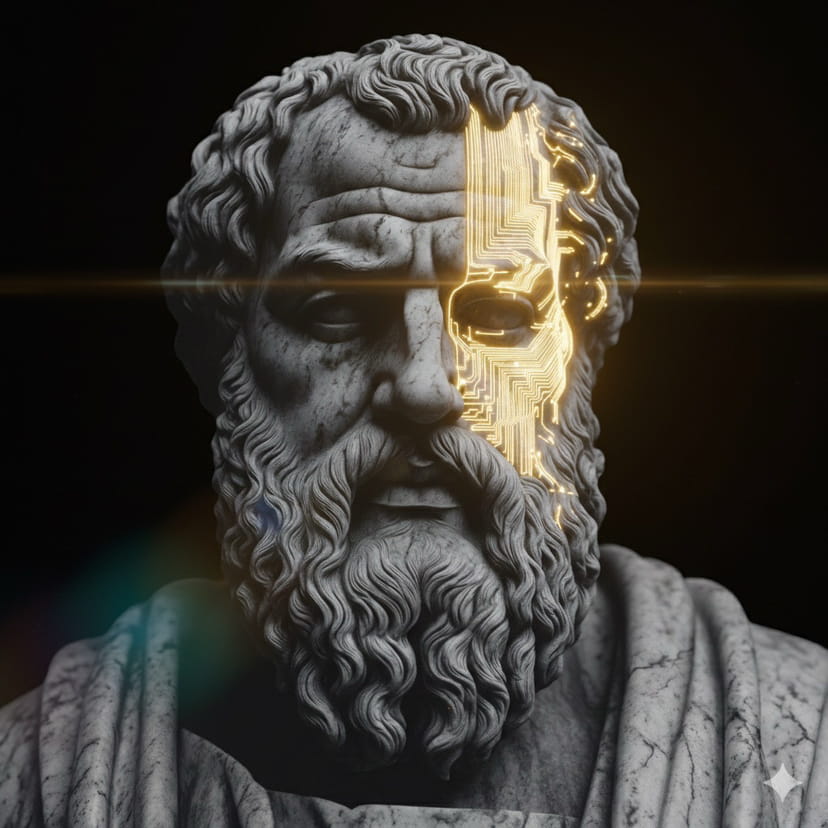
Ist der Kauf von Sign eine tödliche Falle? Blick aus der grausamen Natur der TokenomicsSeneca sagte einmal: "Die Wahrheit ist immer nackt, nur die Lüge braucht prächtige Umhänge."
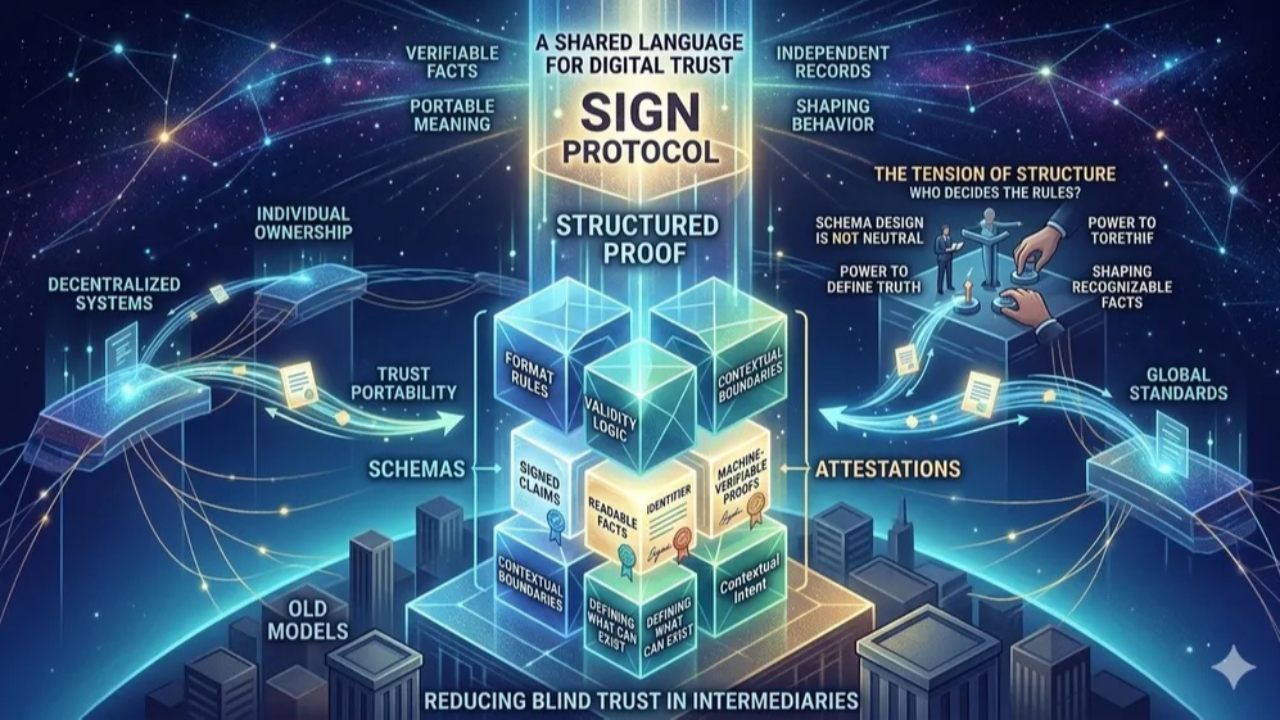
Ich habe gerade die Präsentation des Sign Protocols gelesen. Begriffe wie "Struktur der Wahrheit" oder "gemeinsame Sprache des Glaubens" klingen wirklich angenehm, sogar zu schwebend für ein technisches Projekt. 2 Jahre Leben und Lernen in der IT in Finnland haben mir eine grundlegende Lektion beigebracht: Glauben Sie niemals an Code, der mit zu viel Philosophie erklärt wird. Die technische Natur von "Sign" ist eigentlich nur ein System für digitale Signaturen und grundlegende Datenklassifizierung. Hier gibt es keinen Zauber. Es ist nur ein Lagerhaus für signierte Daten. Punkt.
Ist der Kauf von Sign eine tödliche Falle? Blick aus der grausamen Natur der Tokenomics
Seneca sagte einmal: "Die Wahrheit ist immer nackt, nur die Lüge braucht prächtige Umhänge."
Ich habe gerade die Präsentation des Sign Protocols gelesen. Begriffe wie "Struktur der Wahrheit" oder "gemeinsame Sprache des Glaubens" klingen wirklich angenehm, sogar zu schwebend für ein technisches Projekt. 2 Jahre Leben und Lernen in der IT in Finnland haben mir eine grundlegende Lektion beigebracht: Glauben Sie niemals an Code, der mit zu viel Philosophie erklärt wird. Die technische Natur von "Sign" ist eigentlich nur ein System für digitale Signaturen und grundlegende Datenklassifizierung. Hier gibt es keinen Zauber. Es ist nur ein Lagerhaus für signierte Daten. Punkt.
Ich habe gerade die Präsentation des Sign Protocols gelesen. Begriffe wie "Struktur der Wahrheit" oder "gemeinsame Sprache des Glaubens" klingen wirklich angenehm, sogar zu schwebend für ein technisches Projekt. 2 Jahre Leben und Lernen in der IT in Finnland haben mir eine grundlegende Lektion beigebracht: Glauben Sie niemals an Code, der mit zu viel Philosophie erklärt wird. Die technische Natur von "Sign" ist eigentlich nur ein System für digitale Signaturen und grundlegende Datenklassifizierung. Hier gibt es keinen Zauber. Es ist nur ein Lagerhaus für signierte Daten. Punkt.
1
2
62

·
--
Bullisch
#signdigitalsovereigninfra
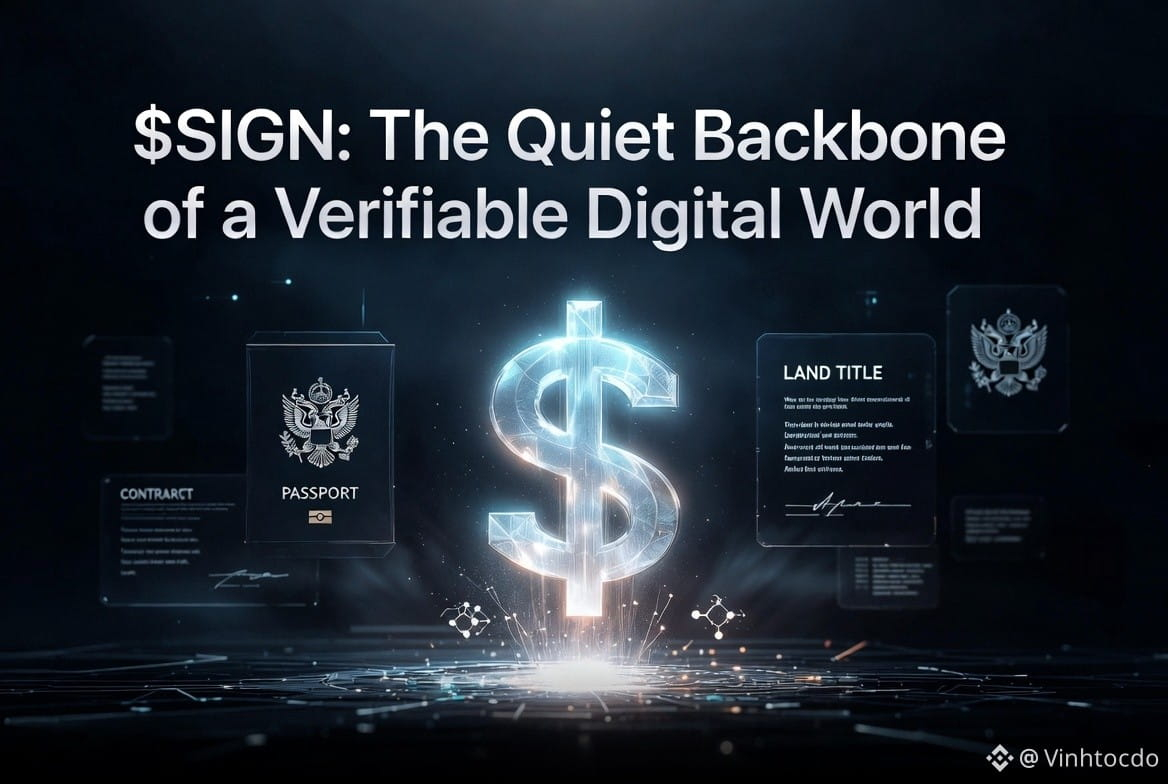
$SIGN: Das stille Rückgrat einer verifizierbaren digitalen Welt
Die meisten Krypto-Projekte schreien ständig mit großen Versprechungen immer wieder.
$SIGN tut das nicht.
Es macht einfach eine einfache, aber extrem wichtige Sache: Es verwandelt Wahrheit in etwas Verifizierbares.
In einer Ära von Deepfakes, leicht veränderbaren Dokumenten und fragiler digitaler Vertrauen baut das Sign-Protokoll stillschweigend eine Omni-Chain-Bestätigungsinfrastruktur auf. Sie können manipulationssichere Beweise über Identität, Eigentum oder Verträge erstellen – und diese über mehrere Blockchains hinweg leicht verifizieren.
Empfindliche Daten können aus Gründen des Datenschutzes off-chain gespeichert werden, während der kryptografische Beweis on-chain unveränderlich bleibt. Durch TokenTable hat es bereits Hunderten von Projekten geholfen, Token transparent an Millionen von Nutzern zu verteilen.
Über Krypto hinaus nutzen Regierungen in den VAE, Thailand und anderen Ländern Sign, um digitale Identität und Datensouveränität aufzubauen.
$SIGN sind nicht nur gewöhnliche Gasgebühren. Es dient als Grundlage für Governance, Staking und eine zuverlässige Verifizierungsschicht für die Zukunft.
In einer Welt, die mit KI-generierten Fake-Inhalten überschwemmt ist, wird die Fähigkeit, selbstbewusst zu sagen „das ist verifizierbar wahr“, unglaublich wertvoll.
Das Sign-Protokoll verspricht nicht, die Welt über Nacht zu verändern.
Es legt stillschweigend eine solide Grundlage für eine Ära, in der Wahrheit verifiziert werden kann.
Langsam. Still. Aber sicher.
Hältst du SIGN wegen des kurzfristigen Charts?
Oder weil du glaubst, dass verifizierbare Wahrheit die wertvollste Ressource im digitalen Zeitalter sein wird?
Ich wähle den zweiten Grund.
#SignProtocol @SignOfficial
#signdigitalsovereigninfra
$SIGN : Das stille Rückgrat einer verifizierbaren digitalen Welt
Die meisten Krypto-Projekte schreien ständig mit großen Versprechungen immer wieder.
$SIGN tut das nicht.
Es macht einfach eine einfache, aber extrem wichtige Sache: Es verwandelt Wahrheit in etwas Verifizierbares.
In einer Ära von Deepfakes, leicht veränderbaren Dokumenten und fragiler digitaler Vertrauen baut das Sign-Protokoll stillschweigend eine Omni-Chain-Bestätigungsinfrastruktur auf. Sie können manipulationssichere Beweise über Identität, Eigentum oder Verträge erstellen – und diese über mehrere Blockchains hinweg leicht verifizieren.
Empfindliche Daten können aus Gründen des Datenschutzes off-chain gespeichert werden, während der kryptografische Beweis on-chain unveränderlich bleibt. Durch TokenTable hat es bereits Hunderten von Projekten geholfen, Token transparent an Millionen von Nutzern zu verteilen.
Über Krypto hinaus nutzen Regierungen in den VAE, Thailand und anderen Ländern Sign, um digitale Identität und Datensouveränität aufzubauen.
$SIGN sind nicht nur gewöhnliche Gasgebühren. Es dient als Grundlage für Governance, Staking und eine zuverlässige Verifizierungsschicht für die Zukunft.
In einer Welt, die mit KI-generierten Fake-Inhalten überschwemmt ist, wird die Fähigkeit, selbstbewusst zu sagen „das ist verifizierbar wahr“, unglaublich wertvoll.
Das Sign-Protokoll verspricht nicht, die Welt über Nacht zu verändern.
Es legt stillschweigend eine solide Grundlage für eine Ära, in der Wahrheit verifiziert werden kann.
Langsam. Still. Aber sicher.
Hältst du SIGN wegen des kurzfristigen Charts?
Oder weil du glaubst, dass verifizierbare Wahrheit die wertvollste Ressource im digitalen Zeitalter sein wird?
Ich wähle den zweiten Grund.
#SignProtocol @SignOfficial
$SIGN : Das stille Rückgrat einer verifizierbaren digitalen Welt
Die meisten Krypto-Projekte schreien ständig mit großen Versprechungen immer wieder.
$SIGN tut das nicht.
Es macht einfach eine einfache, aber extrem wichtige Sache: Es verwandelt Wahrheit in etwas Verifizierbares.
In einer Ära von Deepfakes, leicht veränderbaren Dokumenten und fragiler digitaler Vertrauen baut das Sign-Protokoll stillschweigend eine Omni-Chain-Bestätigungsinfrastruktur auf. Sie können manipulationssichere Beweise über Identität, Eigentum oder Verträge erstellen – und diese über mehrere Blockchains hinweg leicht verifizieren.
Empfindliche Daten können aus Gründen des Datenschutzes off-chain gespeichert werden, während der kryptografische Beweis on-chain unveränderlich bleibt. Durch TokenTable hat es bereits Hunderten von Projekten geholfen, Token transparent an Millionen von Nutzern zu verteilen.
Über Krypto hinaus nutzen Regierungen in den VAE, Thailand und anderen Ländern Sign, um digitale Identität und Datensouveränität aufzubauen.
$SIGN sind nicht nur gewöhnliche Gasgebühren. Es dient als Grundlage für Governance, Staking und eine zuverlässige Verifizierungsschicht für die Zukunft.
In einer Welt, die mit KI-generierten Fake-Inhalten überschwemmt ist, wird die Fähigkeit, selbstbewusst zu sagen „das ist verifizierbar wahr“, unglaublich wertvoll.
Das Sign-Protokoll verspricht nicht, die Welt über Nacht zu verändern.
Es legt stillschweigend eine solide Grundlage für eine Ära, in der Wahrheit verifiziert werden kann.
Langsam. Still. Aber sicher.
Hältst du SIGN wegen des kurzfristigen Charts?
Oder weil du glaubst, dass verifizierbare Wahrheit die wertvollste Ressource im digitalen Zeitalter sein wird?
Ich wähle den zweiten Grund.
#SignProtocol @SignOfficial
13
10
122

·
--
Artikel
SIGN-Token-Schema-Register als offene Infrastruktur. Dieser Teil fehlt und niemand erklärt ihn.Das Schema-Register ist der Teil des Sign-Protokolls, der es von jedem anderen Bestätigungstool trennt, das ich mir angesehen habe. Es hat eine Weile gedauert, bis ich verstanden habe, warum.
Der Professor der Software-Engineering-Klasse gab uns ein Problem. Entwerfen Sie ein System, warum verschiedene Organisationen Daten teilen können, ohne sich zuvor auf ein gemeinsames Datenbankschema zu einigen. Ich habe zwei Stunden dafür gebraucht. Die Antwort, die ich gefunden habe, ist eine gemeinsame Schema-Bibliothek, in der jeder eine Vorlage veröffentlichen und jeder sie verwenden kann. Der Professor sagte, dass etwas Ähnliches existiert. Ich meine, ich habe keine Ahnung, worauf er sich bezieht. Das Problem ist letzte Woche wieder aufgetreten, als ich das Dokument zum Schema-Register gelesen habe.
SIGN-Token-Schema-Register als offene Infrastruktur. Dieser Teil fehlt und niemand erklärt ihn.
Das Schema-Register ist der Teil des Sign-Protokolls, der es von jedem anderen Bestätigungstool trennt, das ich mir angesehen habe. Es hat eine Weile gedauert, bis ich verstanden habe, warum.
Der Professor der Software-Engineering-Klasse gab uns ein Problem. Entwerfen Sie ein System, warum verschiedene Organisationen Daten teilen können, ohne sich zuvor auf ein gemeinsames Datenbankschema zu einigen. Ich habe zwei Stunden dafür gebraucht. Die Antwort, die ich gefunden habe, ist eine gemeinsame Schema-Bibliothek, in der jeder eine Vorlage veröffentlichen und jeder sie verwenden kann. Der Professor sagte, dass etwas Ähnliches existiert. Ich meine, ich habe keine Ahnung, worauf er sich bezieht. Das Problem ist letzte Woche wieder aufgetreten, als ich das Dokument zum Schema-Register gelesen habe.
Der Professor der Software-Engineering-Klasse gab uns ein Problem. Entwerfen Sie ein System, warum verschiedene Organisationen Daten teilen können, ohne sich zuvor auf ein gemeinsames Datenbankschema zu einigen. Ich habe zwei Stunden dafür gebraucht. Die Antwort, die ich gefunden habe, ist eine gemeinsame Schema-Bibliothek, in der jeder eine Vorlage veröffentlichen und jeder sie verwenden kann. Der Professor sagte, dass etwas Ähnliches existiert. Ich meine, ich habe keine Ahnung, worauf er sich bezieht. Das Problem ist letzte Woche wieder aufgetreten, als ich das Dokument zum Schema-Register gelesen habe.
78
123
14.5k
Anmelden und weiter Inhalte entdecken
Krypto-Nutzer weltweit auf Binance Square kennenlernen
⚡️ Bleib in Sachen Krypto stets am Puls.
💬 Die weltgrößte Kryptobörse vertraut darauf.
👍 Erhalte verlässliche Einblicke von verifizierten Creators.
E-Mail-Adresse/Telefonnummer
Trendthemen
1
#BinancePick
3.1M Aufrufe
153,869 Kommentare
2
#EarningsSeason
5.3M Aufrufe
26,079 Kommentare
3
#AnthropicTTMRevenueGrewAbout1200%
36,565 Aufrufe
447 Kommentare
4
#AnthropicS1ExpectedToday
30,097 Aufrufe
364 Kommentare
5
#SouthKoreaReportedlyWeighsFourthCryptoTaxDelay
33,330 Aufrufe
494 Kommentare
6
#FranklinTempletonFilesForTwoDividendToBitcoinETFs
44,300 Aufrufe
561 Kommentare
7
#StrategyMSTRSurpassesNasdaqInMarketCap
34,086 Aufrufe
399 Kommentare
8
#CanadaProposesStablecoinRedemptionWithin3BusinessDays
1,427 Aufrufe
37 Kommentare
9
#ElectrumWalletBugLetRogueServersStealFunds
33,251 Aufrufe
480 Kommentare
10
#ArgentineCourtDismissesLIBRACaseAgainstMilei
49,597 Aufrufe
603 Kommentare