
#peacedeal2026
peacedeal2026
899 Aufrufe
7 Kommentare
Hot
Zuletzt

·
--
Bullisch
$BTC
{future}(BTCUSDT)
Gute Nachrichten Für Alle Trader😍😍😍
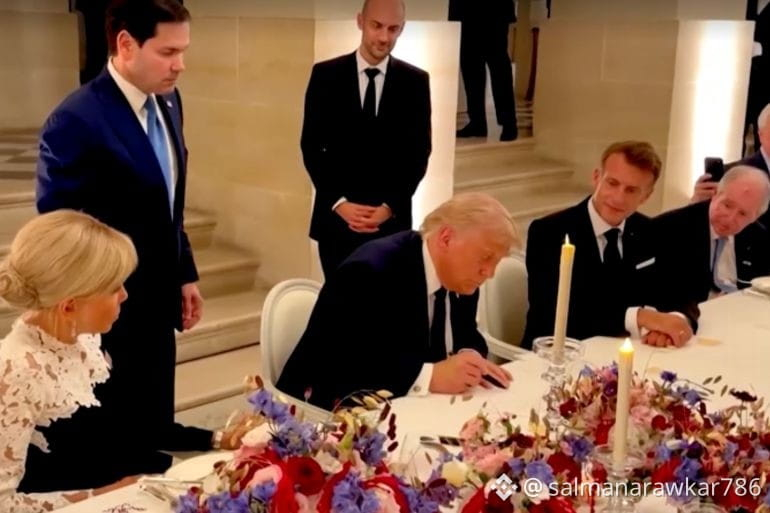
Iran und US-Präsidenten unterzeichnen Abkommen zur Verlängerung des Waffenstillstands und zur Wiedereröffnung der Straße von Hormus
Der iranische Außenministeriumssprecher Esmaeil Baghaei sagt, dass die Vereinbarung abgeschlossen und mit den USA unterzeichnet wurde.
US-IRAN-FRIEDENSABKOMMEN - WICHTIGE PUNKTE
• Dauerhafter Ende der Feindseligkeiten - sofortiges und dauerhaftes Ende der militärischen Operationen in allen Fronten, einschließlich Libanon
• US-Blockade aufgehoben - Washington beginnt sofort damit, seine Blockade iranischer Häfen aufzuheben, vollständig innerhalb von 30 Tagen
• Straße von Hormus wieder geöffnet - Iran stellt die sichere Passage für Handelsschiffe innerhalb von 30 Tagen wieder her
• 300 Milliarden US-Dollar Wiederaufbauplan - USA und regionale Partner finanzieren den Wiederaufbau und die wirtschaftliche Erholung Irans
• Sanktionen aufgehoben - alle US-Sanktionen gegen Iran werden beendet; eingefrorene Vermögenswerte werden freigegeben • Nuklearer Verpflichtung - Iran bekräftigt, dass es keine Nuklearwaffen entwickeln wird; aktueller Status quo wird beibehalten
• Endgültiges Abkommen in 60 Tagen - die vollständige Vereinbarung wird innerhalb von 60 Tagen verhandelt und unterzeichnet
$SPCXB #PeaceDeal2026
$BTC
Gute Nachrichten Für Alle Trader😍😍😍
Iran und US-Präsidenten unterzeichnen Abkommen zur Verlängerung des Waffenstillstands und zur Wiedereröffnung der Straße von Hormus
Der iranische Außenministeriumssprecher Esmaeil Baghaei sagt, dass die Vereinbarung abgeschlossen und mit den USA unterzeichnet wurde.
US-IRAN-FRIEDENSABKOMMEN - WICHTIGE PUNKTE
• Dauerhafter Ende der Feindseligkeiten - sofortiges und dauerhaftes Ende der militärischen Operationen in allen Fronten, einschließlich Libanon
• US-Blockade aufgehoben - Washington beginnt sofort damit, seine Blockade iranischer Häfen aufzuheben, vollständig innerhalb von 30 Tagen
• Straße von Hormus wieder geöffnet - Iran stellt die sichere Passage für Handelsschiffe innerhalb von 30 Tagen wieder her
• 300 Milliarden US-Dollar Wiederaufbauplan - USA und regionale Partner finanzieren den Wiederaufbau und die wirtschaftliche Erholung Irans
• Sanktionen aufgehoben - alle US-Sanktionen gegen Iran werden beendet; eingefrorene Vermögenswerte werden freigegeben • Nuklearer Verpflichtung - Iran bekräftigt, dass es keine Nuklearwaffen entwickeln wird; aktueller Status quo wird beibehalten
• Endgültiges Abkommen in 60 Tagen - die vollständige Vereinbarung wird innerhalb von 60 Tagen verhandelt und unterzeichnet
$SPCXB #PeaceDeal2026
Gute Nachrichten Für Alle Trader😍😍😍
Iran und US-Präsidenten unterzeichnen Abkommen zur Verlängerung des Waffenstillstands und zur Wiedereröffnung der Straße von Hormus
Der iranische Außenministeriumssprecher Esmaeil Baghaei sagt, dass die Vereinbarung abgeschlossen und mit den USA unterzeichnet wurde.
US-IRAN-FRIEDENSABKOMMEN - WICHTIGE PUNKTE
• Dauerhafter Ende der Feindseligkeiten - sofortiges und dauerhaftes Ende der militärischen Operationen in allen Fronten, einschließlich Libanon
• US-Blockade aufgehoben - Washington beginnt sofort damit, seine Blockade iranischer Häfen aufzuheben, vollständig innerhalb von 30 Tagen
• Straße von Hormus wieder geöffnet - Iran stellt die sichere Passage für Handelsschiffe innerhalb von 30 Tagen wieder her
• 300 Milliarden US-Dollar Wiederaufbauplan - USA und regionale Partner finanzieren den Wiederaufbau und die wirtschaftliche Erholung Irans
• Sanktionen aufgehoben - alle US-Sanktionen gegen Iran werden beendet; eingefrorene Vermögenswerte werden freigegeben • Nuklearer Verpflichtung - Iran bekräftigt, dass es keine Nuklearwaffen entwickeln wird; aktueller Status quo wird beibehalten
• Endgültiges Abkommen in 60 Tagen - die vollständige Vereinbarung wird innerhalb von 60 Tagen verhandelt und unterzeichnet
$SPCXB #PeaceDeal2026
133
·
--
🚨 NEUIGKEITEN: 🇮🇷🇺🇸
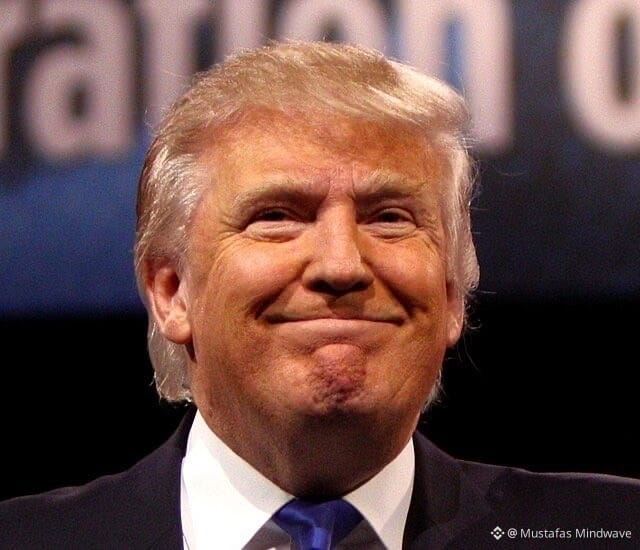
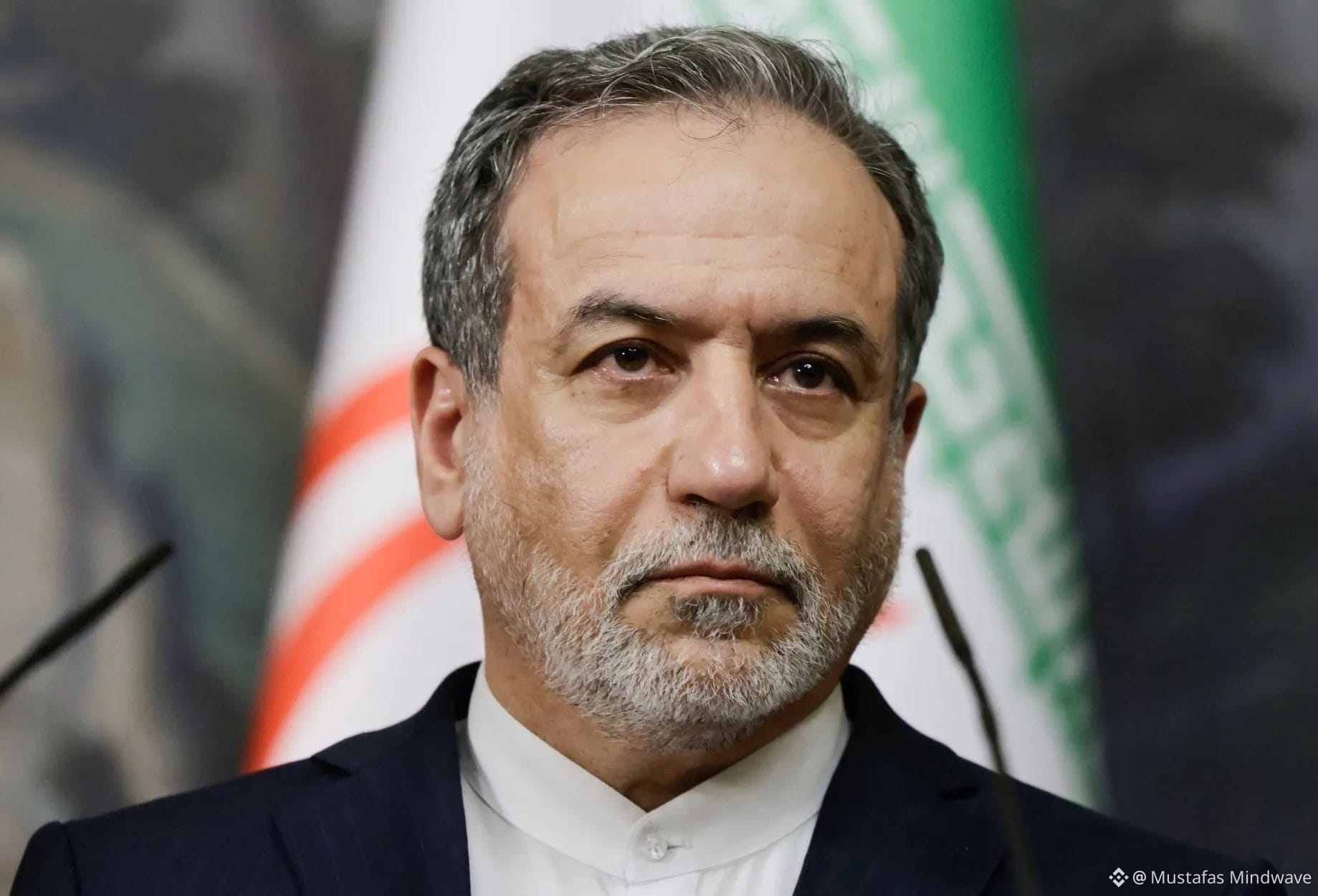
Der iranische Außenminister Abbas Araghchi sagt, dass ein Friedensabkommen zwischen den USA und Iran in den nächsten Tagen digital unterzeichnet werden könnte, was einen bedeutenden Schritt zur Beendigung monatelanger Konflikte und Verhandlungen darstellt.
Laut Araghchi würden beide Seiten, sobald die letzten Verhandlungsphasen abgeschlossen sind, das Memorandum remote aus ihren jeweiligen Ländern unterzeichnen, bevor das Abkommen offiziell bekannt gegeben wird.
Er betonte, dass der Deal noch nicht finalisiert ist und interne Überprüfungen noch im Gange sind, beschrieb das Abkommen jedoch als näher als je zuvor an der Vollziehung.
Berichte deuten darauf hin, dass der vorgeschlagene Rahmen Folgendes umfassen könnte:
🤝 Eine formelle Beendigung der Feindseligkeiten
⛽ Wiedereröffnung der Straße von Hormus
💰 Mögliche Freigabe von eingefrorenen iranischen Vermögenswerten
☢️ Folgeverhandlungen zum iranischen Atomprogramm und zur Aufhebung von Sanktionen
Trotz wachsender Optimismus betonen Beamte beider Seiten, dass wichtige Details noch finalisiert werden müssen, bevor irgendein Abkommen offiziell wird.
👀 Die Welt schaut jetzt auf das, was eines der bedeutendsten diplomatischen Abkommen des Jahres werden könnte.
#iran #usa #PeaceDeal2026 #Geopolitics #BinanceSquare
🚨 NEUIGKEITEN: 🇮🇷🇺🇸
Der iranische Außenminister Abbas Araghchi sagt, dass ein Friedensabkommen zwischen den USA und Iran in den nächsten Tagen digital unterzeichnet werden könnte, was einen bedeutenden Schritt zur Beendigung monatelanger Konflikte und Verhandlungen darstellt.
Laut Araghchi würden beide Seiten, sobald die letzten Verhandlungsphasen abgeschlossen sind, das Memorandum remote aus ihren jeweiligen Ländern unterzeichnen, bevor das Abkommen offiziell bekannt gegeben wird.
Er betonte, dass der Deal noch nicht finalisiert ist und interne Überprüfungen noch im Gange sind, beschrieb das Abkommen jedoch als näher als je zuvor an der Vollziehung.
Berichte deuten darauf hin, dass der vorgeschlagene Rahmen Folgendes umfassen könnte:
🤝 Eine formelle Beendigung der Feindseligkeiten
⛽ Wiedereröffnung der Straße von Hormus
💰 Mögliche Freigabe von eingefrorenen iranischen Vermögenswerten
☢️ Folgeverhandlungen zum iranischen Atomprogramm und zur Aufhebung von Sanktionen
Trotz wachsender Optimismus betonen Beamte beider Seiten, dass wichtige Details noch finalisiert werden müssen, bevor irgendein Abkommen offiziell wird.
👀 Die Welt schaut jetzt auf das, was eines der bedeutendsten diplomatischen Abkommen des Jahres werden könnte.
#iran #usa #PeaceDeal2026 #Geopolitics #BinanceSquare
Der iranische Außenminister Abbas Araghchi sagt, dass ein Friedensabkommen zwischen den USA und Iran in den nächsten Tagen digital unterzeichnet werden könnte, was einen bedeutenden Schritt zur Beendigung monatelanger Konflikte und Verhandlungen darstellt.
Laut Araghchi würden beide Seiten, sobald die letzten Verhandlungsphasen abgeschlossen sind, das Memorandum remote aus ihren jeweiligen Ländern unterzeichnen, bevor das Abkommen offiziell bekannt gegeben wird.
Er betonte, dass der Deal noch nicht finalisiert ist und interne Überprüfungen noch im Gange sind, beschrieb das Abkommen jedoch als näher als je zuvor an der Vollziehung.
Berichte deuten darauf hin, dass der vorgeschlagene Rahmen Folgendes umfassen könnte:
🤝 Eine formelle Beendigung der Feindseligkeiten
⛽ Wiedereröffnung der Straße von Hormus
💰 Mögliche Freigabe von eingefrorenen iranischen Vermögenswerten
☢️ Folgeverhandlungen zum iranischen Atomprogramm und zur Aufhebung von Sanktionen
Trotz wachsender Optimismus betonen Beamte beider Seiten, dass wichtige Details noch finalisiert werden müssen, bevor irgendein Abkommen offiziell wird.
👀 Die Welt schaut jetzt auf das, was eines der bedeutendsten diplomatischen Abkommen des Jahres werden könnte.
#iran #usa #PeaceDeal2026 #Geopolitics #BinanceSquare
956

·
--
Übersetzung ansehen
Iran Proposes 3-Stage Peace Deal to US: Will It End the War and Reopen Hormuz?Subtitle: Tehran’s new diplomatic offer shifts the focus away from nuclear talks, prioritizing a ceasefire and maritime trade in a move that could reshape global markets.
Body Article:
Amid a prolonged diplomatic standoff that has choked global energy flows, Iran has proposed a novel 3-stage peace deal to the United States. According to multiple reports citing U.S. and regional officials, the offer, conveyed via Pakistani mediators, marks a significant shift in Tehran's negotiating strategy. The proposal prioritizes immediate de-escalation over long-standing nuclear disputes, raising critical questions for both traditional and digital asset markets.
Breaking the Deadlock: The 3 Stages of the Proposal
The core of Iran's fresh diplomatic push is a "sequenced de-escalation" designed to bypass the current deadlock over its nuclear program. While full official details are pending, reports indicate a structure focused on tangible, immediate relief:
Stage 1: Reopening the Strait of Hormuz: Iran has offered to reopen the strategic Strait of Hormuz, a vital artery for global oil and gas, which has been effectively blocked by recent hostilities. In return, the proposal likely seeks the lifting of the U.S. naval blockade of Iranian ports, which President Donald Trump has actively enforced.
Stage 2: Ceasefire and Ending the War: The second stage involves formalizing an extended or permanent ceasefire to "end the war." This step aims to stabilize the region, including addressing the activities of allied groups, which has been a core U.S. demand.
Stage 3: Postponed Nuclear Negotiations: Perhaps the most controversial aspect is Iran's proposal to delay negotiations on its nuclear program to a later stage. Tehran suggests that talks on its uranium enrichment and stockpile should only begin after the Strait is open, the blockade is lifted, and a secure ceasefire is in place.
This sequencing presents a dilemma for the Trump administration, as it would require the U.S. to relinquish significant leverage (the blockade and energy pressure) before achieving its primary objective: an agreement that prevents Iran from acquiring a nuclear weapon. A White House spokesperson responded that "the United States holds the cards" and will only accept a deal that "puts the American people first."
Market Implications: A Potential Shift for Energy and Assets
The prospect of a deal—even a tentative one—holds significant weight for global markets:
Oil & Traditional Markets: Any movement toward reopening the Strait of Hormuz could cause immediate downward pressure on oil prices, which spiked during the blockade. It would reduce the geopolitical risk premium in energy, potentially stabilizing inflation concerns.
Crypto and Safe Havens: A reduction in geopolitical tension often triggers a "risk-on" sentiment. This could lead to capital flowing back into equities and cryptocurrencies, which might have seen hedging or suppression due to fear of conflict escalation. Conversely, traditional safe havens like gold might experience a slight cooldown.
Internal Iranian Pressure: A major driver for this proposal appears to be internal economic pressure within Iran, with President Trump noting that Iran might have only "about three days" before facing internal crises due to the energy blockade.
Conclusion: A High-Stakes Game of Diplomacy
While Iran's 3-stage peace proposal offers a potential path toward de-escalation, it faces a monumental challenge. The U.S. approach of "maximum pressure" is designed precisely to force a comprehensive deal, including nuclear concessions. Accepting a deal that postpones the nuclear issue might be seen as a tactical retreat by Washington.
Traders and investors across all markets should closely monitor the situation. A breakthrough could signal a major reversal in market sentiment, while a rejection could intensify regional friction, keeping volatility high.
#Iran #US #PeaceDeal2026 #StraitOfHormuz #Geopolitics
Iran Proposes 3-Stage Peace Deal to US: Will It End the War and Reopen Hormuz?
Subtitle: Tehran’s new diplomatic offer shifts the focus away from nuclear talks, prioritizing a ceasefire and maritime trade in a move that could reshape global markets.
Body Article:
Amid a prolonged diplomatic standoff that has choked global energy flows, Iran has proposed a novel 3-stage peace deal to the United States. According to multiple reports citing U.S. and regional officials, the offer, conveyed via Pakistani mediators, marks a significant shift in Tehran's negotiating strategy. The proposal prioritizes immediate de-escalation over long-standing nuclear disputes, raising critical questions for both traditional and digital asset markets.
Breaking the Deadlock: The 3 Stages of the Proposal
The core of Iran's fresh diplomatic push is a "sequenced de-escalation" designed to bypass the current deadlock over its nuclear program. While full official details are pending, reports indicate a structure focused on tangible, immediate relief:
Stage 1: Reopening the Strait of Hormuz: Iran has offered to reopen the strategic Strait of Hormuz, a vital artery for global oil and gas, which has been effectively blocked by recent hostilities. In return, the proposal likely seeks the lifting of the U.S. naval blockade of Iranian ports, which President Donald Trump has actively enforced.
Stage 2: Ceasefire and Ending the War: The second stage involves formalizing an extended or permanent ceasefire to "end the war." This step aims to stabilize the region, including addressing the activities of allied groups, which has been a core U.S. demand.
Stage 3: Postponed Nuclear Negotiations: Perhaps the most controversial aspect is Iran's proposal to delay negotiations on its nuclear program to a later stage. Tehran suggests that talks on its uranium enrichment and stockpile should only begin after the Strait is open, the blockade is lifted, and a secure ceasefire is in place.
This sequencing presents a dilemma for the Trump administration, as it would require the U.S. to relinquish significant leverage (the blockade and energy pressure) before achieving its primary objective: an agreement that prevents Iran from acquiring a nuclear weapon. A White House spokesperson responded that "the United States holds the cards" and will only accept a deal that "puts the American people first."
Market Implications: A Potential Shift for Energy and Assets
The prospect of a deal—even a tentative one—holds significant weight for global markets:
Oil & Traditional Markets: Any movement toward reopening the Strait of Hormuz could cause immediate downward pressure on oil prices, which spiked during the blockade. It would reduce the geopolitical risk premium in energy, potentially stabilizing inflation concerns.
Crypto and Safe Havens: A reduction in geopolitical tension often triggers a "risk-on" sentiment. This could lead to capital flowing back into equities and cryptocurrencies, which might have seen hedging or suppression due to fear of conflict escalation. Conversely, traditional safe havens like gold might experience a slight cooldown.
Internal Iranian Pressure: A major driver for this proposal appears to be internal economic pressure within Iran, with President Trump noting that Iran might have only "about three days" before facing internal crises due to the energy blockade.
Conclusion: A High-Stakes Game of Diplomacy
While Iran's 3-stage peace proposal offers a potential path toward de-escalation, it faces a monumental challenge. The U.S. approach of "maximum pressure" is designed precisely to force a comprehensive deal, including nuclear concessions. Accepting a deal that postpones the nuclear issue might be seen as a tactical retreat by Washington.
Traders and investors across all markets should closely monitor the situation. A breakthrough could signal a major reversal in market sentiment, while a rejection could intensify regional friction, keeping volatility high.
#Iran #US #PeaceDeal2026 #StraitOfHormuz #Geopolitics
Body Article:
Amid a prolonged diplomatic standoff that has choked global energy flows, Iran has proposed a novel 3-stage peace deal to the United States. According to multiple reports citing U.S. and regional officials, the offer, conveyed via Pakistani mediators, marks a significant shift in Tehran's negotiating strategy. The proposal prioritizes immediate de-escalation over long-standing nuclear disputes, raising critical questions for both traditional and digital asset markets.
Breaking the Deadlock: The 3 Stages of the Proposal
The core of Iran's fresh diplomatic push is a "sequenced de-escalation" designed to bypass the current deadlock over its nuclear program. While full official details are pending, reports indicate a structure focused on tangible, immediate relief:
Stage 1: Reopening the Strait of Hormuz: Iran has offered to reopen the strategic Strait of Hormuz, a vital artery for global oil and gas, which has been effectively blocked by recent hostilities. In return, the proposal likely seeks the lifting of the U.S. naval blockade of Iranian ports, which President Donald Trump has actively enforced.
Stage 2: Ceasefire and Ending the War: The second stage involves formalizing an extended or permanent ceasefire to "end the war." This step aims to stabilize the region, including addressing the activities of allied groups, which has been a core U.S. demand.
Stage 3: Postponed Nuclear Negotiations: Perhaps the most controversial aspect is Iran's proposal to delay negotiations on its nuclear program to a later stage. Tehran suggests that talks on its uranium enrichment and stockpile should only begin after the Strait is open, the blockade is lifted, and a secure ceasefire is in place.
This sequencing presents a dilemma for the Trump administration, as it would require the U.S. to relinquish significant leverage (the blockade and energy pressure) before achieving its primary objective: an agreement that prevents Iran from acquiring a nuclear weapon. A White House spokesperson responded that "the United States holds the cards" and will only accept a deal that "puts the American people first."
Market Implications: A Potential Shift for Energy and Assets
The prospect of a deal—even a tentative one—holds significant weight for global markets:
Oil & Traditional Markets: Any movement toward reopening the Strait of Hormuz could cause immediate downward pressure on oil prices, which spiked during the blockade. It would reduce the geopolitical risk premium in energy, potentially stabilizing inflation concerns.
Crypto and Safe Havens: A reduction in geopolitical tension often triggers a "risk-on" sentiment. This could lead to capital flowing back into equities and cryptocurrencies, which might have seen hedging or suppression due to fear of conflict escalation. Conversely, traditional safe havens like gold might experience a slight cooldown.
Internal Iranian Pressure: A major driver for this proposal appears to be internal economic pressure within Iran, with President Trump noting that Iran might have only "about three days" before facing internal crises due to the energy blockade.
Conclusion: A High-Stakes Game of Diplomacy
While Iran's 3-stage peace proposal offers a potential path toward de-escalation, it faces a monumental challenge. The U.S. approach of "maximum pressure" is designed precisely to force a comprehensive deal, including nuclear concessions. Accepting a deal that postpones the nuclear issue might be seen as a tactical retreat by Washington.
Traders and investors across all markets should closely monitor the situation. A breakthrough could signal a major reversal in market sentiment, while a rejection could intensify regional friction, keeping volatility high.
#Iran #US #PeaceDeal2026 #StraitOfHormuz #Geopolitics
52
Anmelden und weiter Inhalte entdecken
Krypto-Nutzer weltweit auf Binance Square kennenlernen
⚡️ Bleib in Sachen Krypto stets am Puls.
💬 Die weltgrößte Kryptobörse vertraut darauf.
👍 Erhalte verlässliche Einblicke von verifizierten Creators.
E-Mail-Adresse/Telefonnummer
Trendthemen
1
#BitcoinReboundsTo$79K
24,096 Aufrufe
230 Kommentare
2
#USDCOnChainVolumeTops$100Trillion
0 Aufrufe
6 Kommentare
3
#BitcoinSpotETFsNetInflow$160M
875 Aufrufe
56 Kommentare
4
#SouthKoreaCryptoTaxDelayPetitionTops50000
18,227 Aufrufe
514 Kommentare
5
#SolanaTransactionV1GoesLiveOnMainnet
12,362 Aufrufe
347 Kommentare
6
#RussianCentralBankFlagsCryptoAsFinancialRisk
9,860 Aufrufe
305 Kommentare
7
#GrayscalePutsXRPAt26.11%InAdvisorPortfolio
24,021 Aufrufe
425 Kommentare
8
#PhiladelphiaSemiconductorIndexFalls5.9%
8,965 Aufrufe
266 Kommentare
9
#SECChairUrgesCongressToAdvanceClarityAct
23,814 Aufrufe
293 Kommentare
10
#FedHikeOddsRiseTo89%
123,884 Aufrufe
1,324 Kommentare