
#bedrock
bedrock
7.3M Aufrufe
89,771 Kommentare
Hot
Zuletzt

·
--
Bullisch
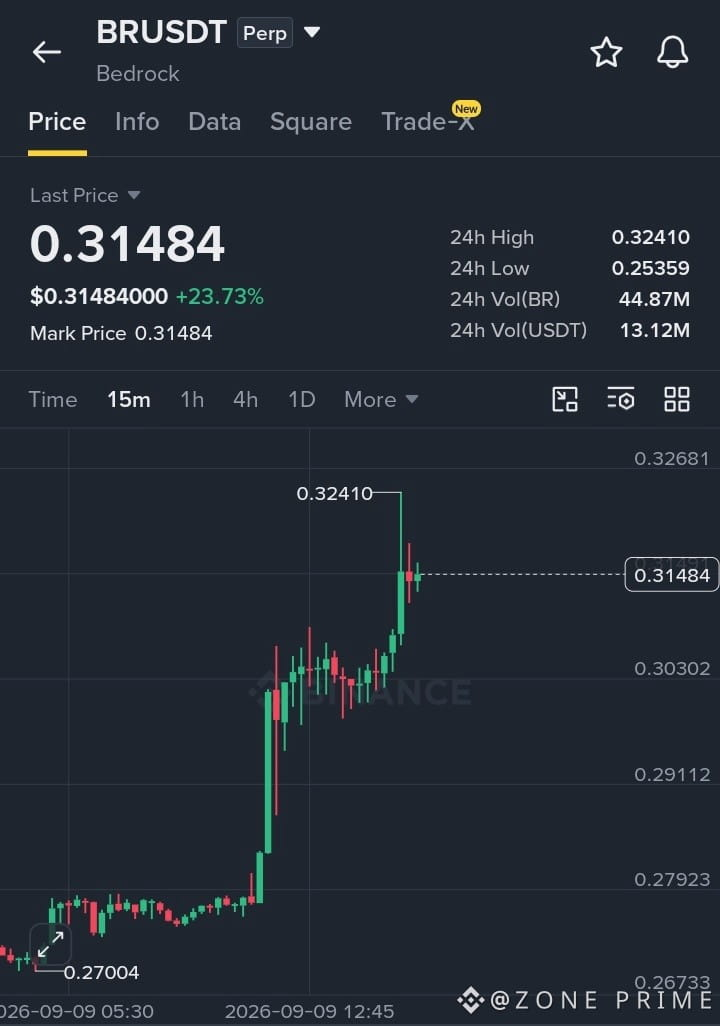
$BR /USDT — LONG-SETUP Go 📈 🚀 😱
Einstieg: 0.30302 - 0.31484
TP1: 0.32410
TP2: 0.32681
TP3: 0.33500
Stop: 0.29112
Starke bullische Marktstruktur, die Gewinne oberhalb des 0.30302 strukturellen Support-Bodens hält.
Aktive Käuferabsorption bei lokalen Rücksetzern schafft ein Setup mit hoher Wahrscheinlichkeit für eine Aufwärts-Ausbruchsverlängerung in Richtung der Session-Hochs. 🚀
#br #brusdt #bedrock #crypto #Write2Earn! $BR
{future}(BRUSDT)
$BR /USDT — LONG-SETUP Go 📈 🚀 😱
Einstieg: 0.30302 - 0.31484
TP1: 0.32410
TP2: 0.32681
TP3: 0.33500
Stop: 0.29112
Starke bullische Marktstruktur, die Gewinne oberhalb des 0.30302 strukturellen Support-Bodens hält.
Aktive Käuferabsorption bei lokalen Rücksetzern schafft ein Setup mit hoher Wahrscheinlichkeit für eine Aufwärts-Ausbruchsverlängerung in Richtung der Session-Hochs. 🚀
#br #brusdt #bedrock #crypto #Write2Earn! $BR
Einstieg: 0.30302 - 0.31484
TP1: 0.32410
TP2: 0.32681
TP3: 0.33500
Stop: 0.29112
Starke bullische Marktstruktur, die Gewinne oberhalb des 0.30302 strukturellen Support-Bodens hält.
Aktive Käuferabsorption bei lokalen Rücksetzern schafft ein Setup mit hoher Wahrscheinlichkeit für eine Aufwärts-Ausbruchsverlängerung in Richtung der Session-Hochs. 🚀
#br #brusdt #bedrock #crypto #Write2Earn! $BR
171

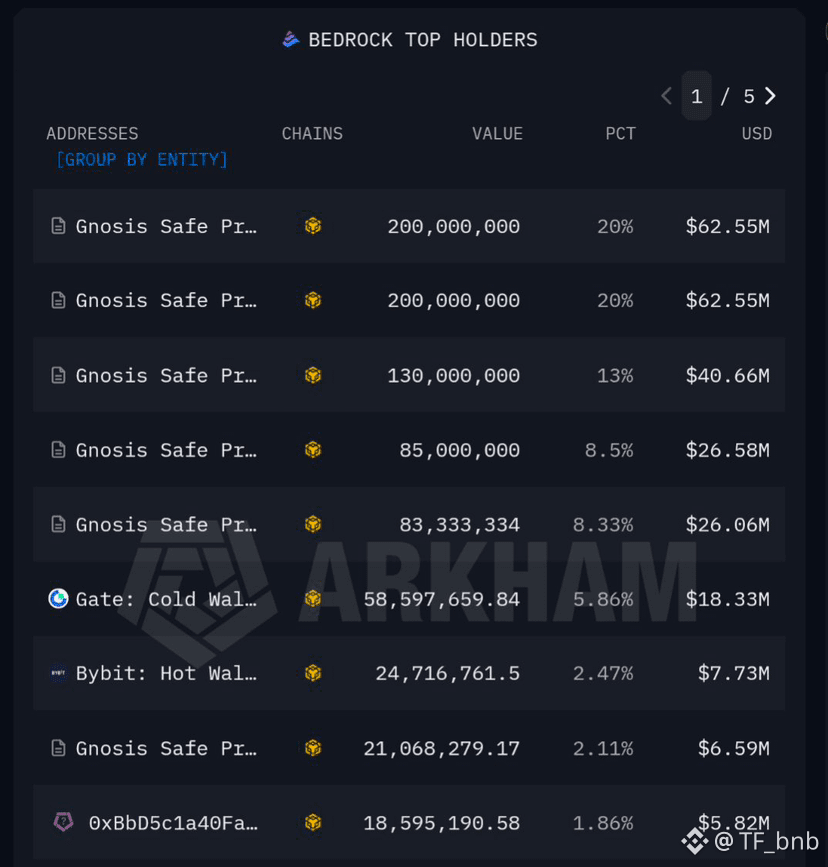
Reiben Wale von „Bedrock“ ihre Finger für den Verkauf von Millionen Dollar an – oder gibt es hinter den Kulissen noch etwas, das verborgen bleibt? 🚨
Es gibt einen großen Schwerpunkt auf „Bedrock Top Holders“-Vermögenswerten, bei dem „Gnosis Safe“-Wallets über riesige Positionen mit mehr als 200 Millionen Tokens verfügen (was 20% entspricht und einem Wert von über 62 Millionen Dollar entspricht), neben den auffälligen Präsenz von Handelsplattformen wie Gate und Bybit. ⚠️
Die Verteilung der finanziellen Kontrolle wirft neue Fragen darüber auf, wie zentralisiert die Entscheidungsfindung und die nächsten Schritte dieser Wale im Markt sind. 📉
$BTC $ETH $SOL
🟢 #Bedrock #Crypto #Arkham #Whales
Reiben Wale von „Bedrock“ ihre Finger für den Verkauf von Millionen Dollar an – oder gibt es hinter den Kulissen noch etwas, das verborgen bleibt? 🚨
Es gibt einen großen Schwerpunkt auf „Bedrock Top Holders“-Vermögenswerten, bei dem „Gnosis Safe“-Wallets über riesige Positionen mit mehr als 200 Millionen Tokens verfügen (was 20% entspricht und einem Wert von über 62 Millionen Dollar entspricht), neben den auffälligen Präsenz von Handelsplattformen wie Gate und Bybit. ⚠️
Die Verteilung der finanziellen Kontrolle wirft neue Fragen darüber auf, wie zentralisiert die Entscheidungsfindung und die nächsten Schritte dieser Wale im Markt sind. 📉
$BTC $ETH $SOL
🟢 #Bedrock #Crypto #Arkham #Whales
Es gibt einen großen Schwerpunkt auf „Bedrock Top Holders“-Vermögenswerten, bei dem „Gnosis Safe“-Wallets über riesige Positionen mit mehr als 200 Millionen Tokens verfügen (was 20% entspricht und einem Wert von über 62 Millionen Dollar entspricht), neben den auffälligen Präsenz von Handelsplattformen wie Gate und Bybit. ⚠️
Die Verteilung der finanziellen Kontrolle wirft neue Fragen darüber auf, wie zentralisiert die Entscheidungsfindung und die nächsten Schritte dieser Wale im Markt sind. 📉
$BTC $ETH $SOL
🟢 #Bedrock #Crypto #Arkham #Whales

103

$BR Update 🔎
Bedrock steigt explosiv — kann $BR die Aufmerksamkeit zurückholen?
💰 Preis: 0,2951 $
📈 24h: +43,9%
🏦 Marktkap.: 86,1 Mio. $
🏆 Rang: #296
📊 24h-Bandbreite: 0,2048–0,3010 $
📊 24h-Volumen: 3,63 Mio. $
Was passiert?
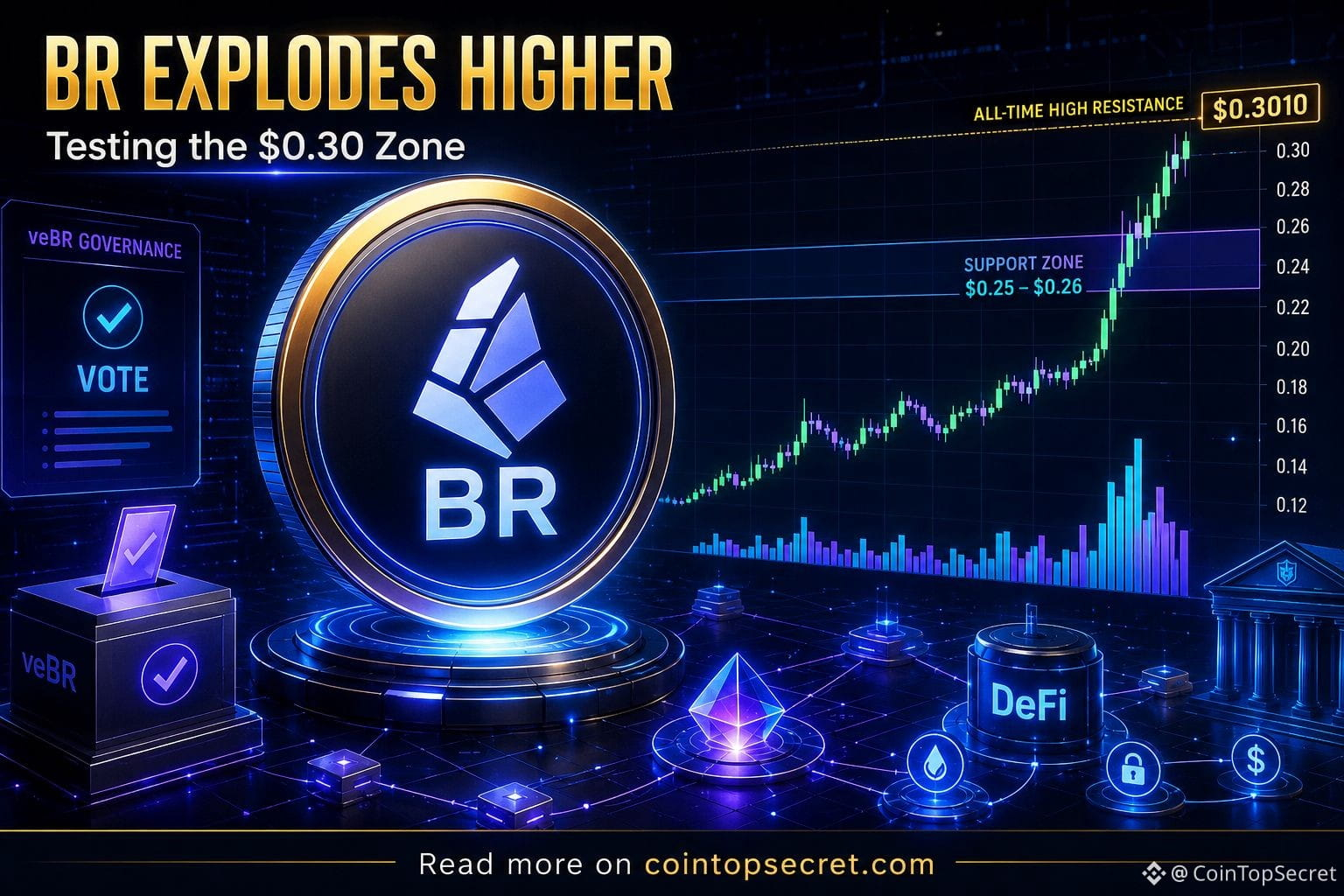
BR ist stark nach oben geschossen. CoinGecko zeigt einen 43,9%igen Gewinn in den letzten 24 Stunden, während der Token direkt unter seinem 0,3010 $ Allzeithoch handelt. Das 24h-Volumen ist außerdem mehr als doppelt so hoch wie am vorherigen Tag.
Bedrock DAO nutzt BR für die Governance über sein veBR-Votingsystem, während das breitere Bedrock-Ökosystem weiter an dezentraler Finanz-Infrastruktur entwickelt.
🔥 Wichtigster Auslöser: Explosiver Schwung und schnell steigende Handelsaktivität.
Nächster Schritt, den du beobachten solltest:
🔻 Bärisch: Eine Abweisung um 0,30 $ könnte einen Rücksetzer in Richtung 0,25–0,26 $ auslösen.
🔺 Bullisch: Ein nachhaltiger Ausbruch über 0,3010 $ würde die Preisfindung wieder in den Fokus rücken.
Mein Fazit: BR zeigt starken Momentum, aber der Handel nahe einem ATH nach einer täglichen Bewegung von 40%+ bedeutet, dass das Volatilitätsrisiko erhöht ist.
Keine Finanzberatung, informiere dich selbst (DYOR) ⚠️
#Bedrock #BR #BedrockDAO #CryptoAnalysis #DeFi
$BR Update 🔎
Bedrock steigt explosiv — kann $BR die Aufmerksamkeit zurückholen?
💰 Preis: 0,2951 $
📈 24h: +43,9%
🏦 Marktkap.: 86,1 Mio. $
🏆 Rang: #296
📊 24h-Bandbreite: 0,2048–0,3010 $
📊 24h-Volumen: 3,63 Mio. $
Was passiert?
BR ist stark nach oben geschossen. CoinGecko zeigt einen 43,9%igen Gewinn in den letzten 24 Stunden, während der Token direkt unter seinem 0,3010 $ Allzeithoch handelt. Das 24h-Volumen ist außerdem mehr als doppelt so hoch wie am vorherigen Tag.
Bedrock DAO nutzt BR für die Governance über sein veBR-Votingsystem, während das breitere Bedrock-Ökosystem weiter an dezentraler Finanz-Infrastruktur entwickelt.
🔥 Wichtigster Auslöser: Explosiver Schwung und schnell steigende Handelsaktivität.
Nächster Schritt, den du beobachten solltest:
🔻 Bärisch: Eine Abweisung um 0,30 $ könnte einen Rücksetzer in Richtung 0,25–0,26 $ auslösen.
🔺 Bullisch: Ein nachhaltiger Ausbruch über 0,3010 $ würde die Preisfindung wieder in den Fokus rücken.
Mein Fazit: BR zeigt starken Momentum, aber der Handel nahe einem ATH nach einer täglichen Bewegung von 40%+ bedeutet, dass das Volatilitätsrisiko erhöht ist.
Keine Finanzberatung, informiere dich selbst (DYOR) ⚠️
#Bedrock #BR #BedrockDAO #CryptoAnalysis #DeFi
Bedrock steigt explosiv — kann $BR die Aufmerksamkeit zurückholen?
💰 Preis: 0,2951 $
📈 24h: +43,9%
🏦 Marktkap.: 86,1 Mio. $
🏆 Rang: #296
📊 24h-Bandbreite: 0,2048–0,3010 $
📊 24h-Volumen: 3,63 Mio. $
Was passiert?
BR ist stark nach oben geschossen. CoinGecko zeigt einen 43,9%igen Gewinn in den letzten 24 Stunden, während der Token direkt unter seinem 0,3010 $ Allzeithoch handelt. Das 24h-Volumen ist außerdem mehr als doppelt so hoch wie am vorherigen Tag.
Bedrock DAO nutzt BR für die Governance über sein veBR-Votingsystem, während das breitere Bedrock-Ökosystem weiter an dezentraler Finanz-Infrastruktur entwickelt.
🔥 Wichtigster Auslöser: Explosiver Schwung und schnell steigende Handelsaktivität.
Nächster Schritt, den du beobachten solltest:
🔻 Bärisch: Eine Abweisung um 0,30 $ könnte einen Rücksetzer in Richtung 0,25–0,26 $ auslösen.
🔺 Bullisch: Ein nachhaltiger Ausbruch über 0,3010 $ würde die Preisfindung wieder in den Fokus rücken.
Mein Fazit: BR zeigt starken Momentum, aber der Handel nahe einem ATH nach einer täglichen Bewegung von 40%+ bedeutet, dass das Volatilitätsrisiko erhöht ist.
Keine Finanzberatung, informiere dich selbst (DYOR) ⚠️
#Bedrock #BR #BedrockDAO #CryptoAnalysis #DeFi
192


·
--
Bullisch
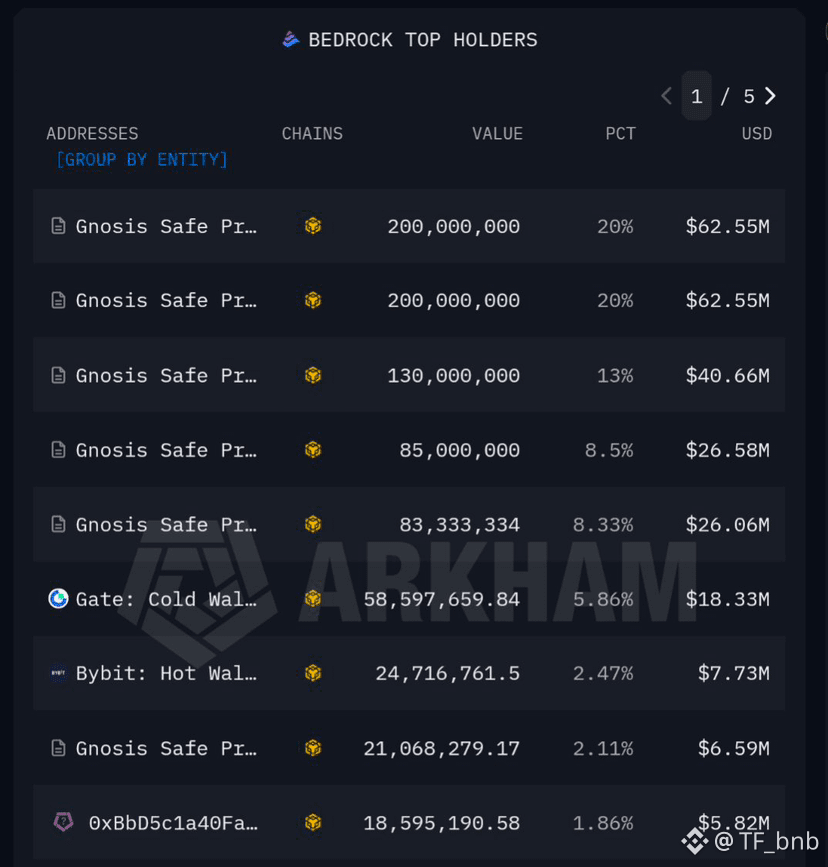
$BR holder map ist KEIN Retail. 👀
Die Top-5-Wallets sind Gnosis-Safes, die halten:
20% + 20% + 13% + 8,5% + 8,33%.
Das sind ungefähr 70% des gesamten Angebots, konzentriert in nur 5 Multisigs. 🐳
Und es wird noch interessanter: Die Gate-Cold-Wallet und die Bybit-Hot-Wallet kommen als Nächstes, was bedeutet, dass ein erheblicher Teil des verbleibenden Angebots auf Exchanges sitzt – statt in organischen Retail-Händen.
Das erklärt, warum $BR so sauber bewegen kann… und dann plötzlich heftig wicked. ⚠️
Der circulating Float ist viel dünner, als er aussieht. Eine einzelne große Safe-Bewegung kann den Order-Flow komplett verändern.
Ich flade diese Struktur hier nicht ab.
Aber ich behandle $BR auch NICHT wie eine normale Free-Float-Coin.
Sieh zuerst die Wallets an.
Sieh als Zweites den Chart an. 👀
DYOR. NFA.
#BR #Bedrock
{future}(BRUSDT)
$BR holder map ist KEIN Retail. 👀
Die Top-5-Wallets sind Gnosis-Safes, die halten:
20% + 20% + 13% + 8,5% + 8,33%.
Das sind ungefähr 70% des gesamten Angebots, konzentriert in nur 5 Multisigs. 🐳
Und es wird noch interessanter: Die Gate-Cold-Wallet und die Bybit-Hot-Wallet kommen als Nächstes, was bedeutet, dass ein erheblicher Teil des verbleibenden Angebots auf Exchanges sitzt – statt in organischen Retail-Händen.
Das erklärt, warum $BR so sauber bewegen kann… und dann plötzlich heftig wicked. ⚠️
Der circulating Float ist viel dünner, als er aussieht. Eine einzelne große Safe-Bewegung kann den Order-Flow komplett verändern.
Ich flade diese Struktur hier nicht ab.
Aber ich behandle $BR auch NICHT wie eine normale Free-Float-Coin.
Sieh zuerst die Wallets an.
Sieh als Zweites den Chart an. 👀
DYOR. NFA.
#BR #Bedrock
Die Top-5-Wallets sind Gnosis-Safes, die halten:
20% + 20% + 13% + 8,5% + 8,33%.
Das sind ungefähr 70% des gesamten Angebots, konzentriert in nur 5 Multisigs. 🐳
Und es wird noch interessanter: Die Gate-Cold-Wallet und die Bybit-Hot-Wallet kommen als Nächstes, was bedeutet, dass ein erheblicher Teil des verbleibenden Angebots auf Exchanges sitzt – statt in organischen Retail-Händen.
Das erklärt, warum $BR so sauber bewegen kann… und dann plötzlich heftig wicked. ⚠️
Der circulating Float ist viel dünner, als er aussieht. Eine einzelne große Safe-Bewegung kann den Order-Flow komplett verändern.
Ich flade diese Struktur hier nicht ab.
Aber ich behandle $BR auch NICHT wie eine normale Free-Float-Coin.
Sieh zuerst die Wallets an.
Sieh als Zweites den Chart an. 👀
DYOR. NFA.
#BR #Bedrock
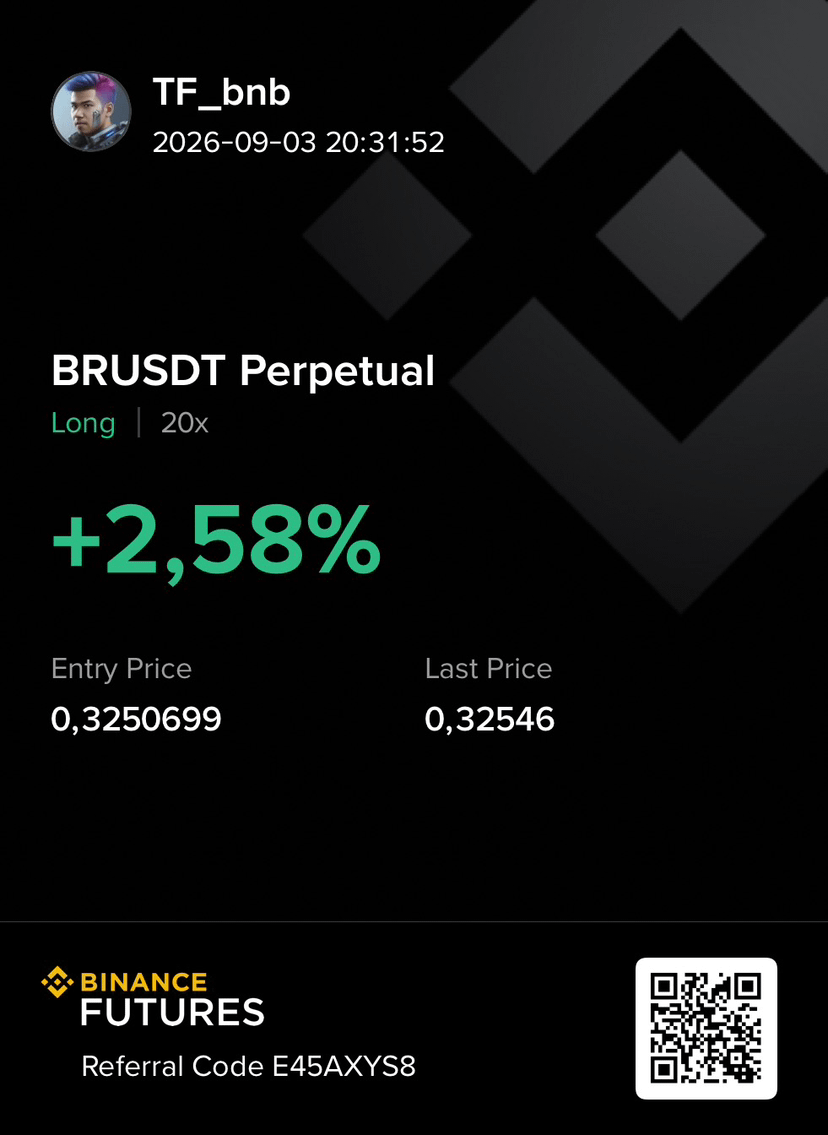
3
2.3k

$BR #BR
{alpha}(560xff7d6a96ae471bbcd7713af9cb1feeb16cf56b41)
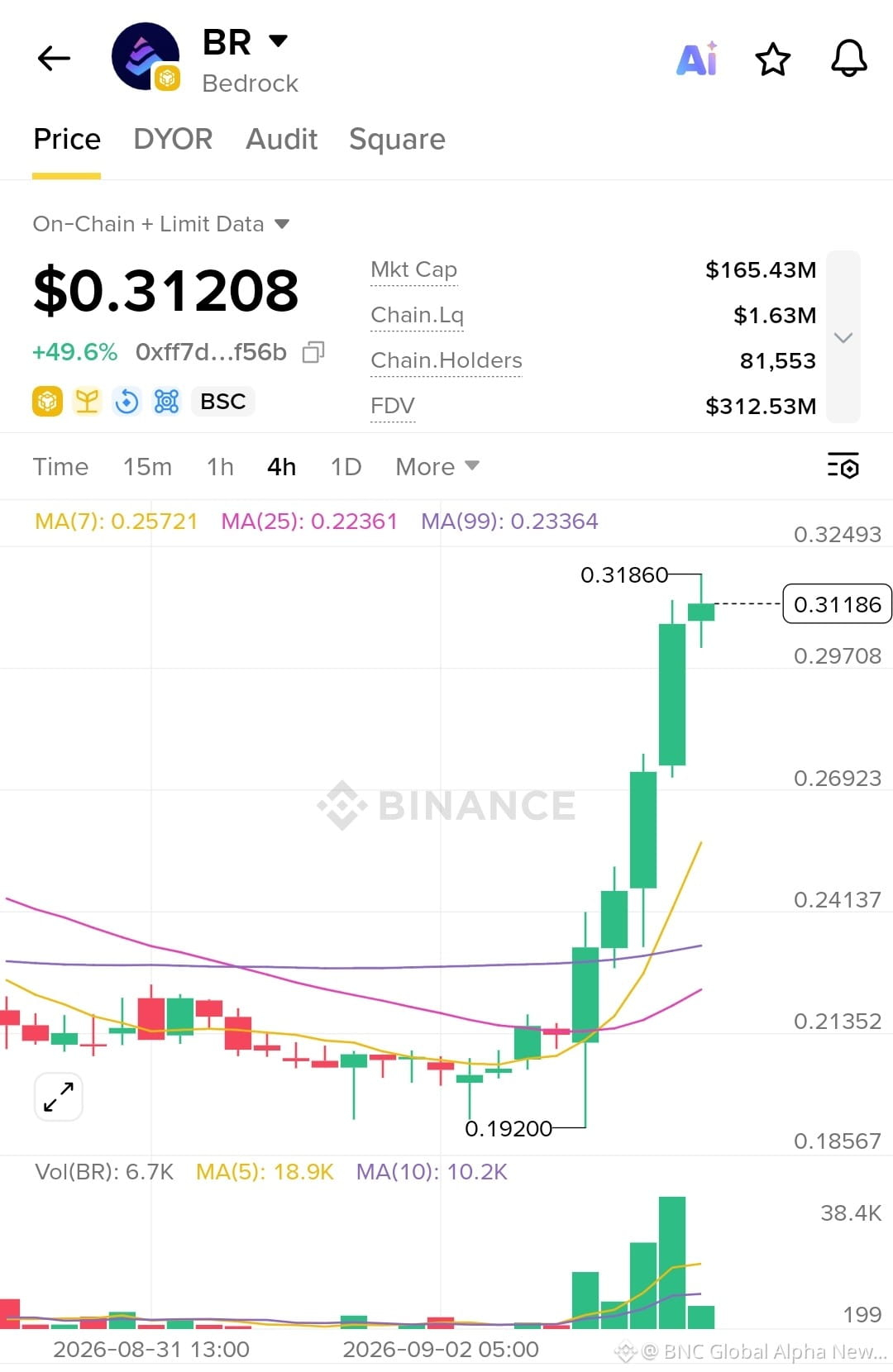
$BR - Bedrock | BSC
💰 Preis: 0,31208 $ | +49,6%
📊 Marktkapitalisierung: 165,43 Mio. $
💧 Chain-Liquidität: 1,63 Mio. $
👥 Inhaber: 81.553
🚀 FDV: 312,53 Mio. $
4h-Chart:
MA7: 0,25721 $ | MA25: 0,22361 $ | MA99: 0,23364
Aktuell: 0,31186 $ | Hoch: 0,31860 $ | Tief: 0,19200 $
Volumen: 6,7K BR | MA5: 18,9K | MA10: 10,2K
GEWALTIGER +49,6% PUMP. BR bricht hart über alle MAs aus. Volumen schießt nach oben. Blick auf das Hoch bei 0,3186 📈
Folge @BNCGlobalAlphaNewsPK804 für tägliche Alpha
#Binance #BR #Bedrock #BSC
$BR #BR
$BR - Bedrock | BSC
💰 Preis: 0,31208 $ | +49,6%
📊 Marktkapitalisierung: 165,43 Mio. $
💧 Chain-Liquidität: 1,63 Mio. $
👥 Inhaber: 81.553
🚀 FDV: 312,53 Mio. $
4h-Chart:
MA7: 0,25721 $ | MA25: 0,22361 $ | MA99: 0,23364
Aktuell: 0,31186 $ | Hoch: 0,31860 $ | Tief: 0,19200 $
Volumen: 6,7K BR | MA5: 18,9K | MA10: 10,2K
GEWALTIGER +49,6% PUMP. BR bricht hart über alle MAs aus. Volumen schießt nach oben. Blick auf das Hoch bei 0,3186 📈
Folge @BNCGlobalAlphaNewsPK804 für tägliche Alpha
#Binance #BR #Bedrock #BSC
$BR - Bedrock | BSC
💰 Preis: 0,31208 $ | +49,6%
📊 Marktkapitalisierung: 165,43 Mio. $
💧 Chain-Liquidität: 1,63 Mio. $
👥 Inhaber: 81.553
🚀 FDV: 312,53 Mio. $
4h-Chart:
MA7: 0,25721 $ | MA25: 0,22361 $ | MA99: 0,23364
Aktuell: 0,31186 $ | Hoch: 0,31860 $ | Tief: 0,19200 $
Volumen: 6,7K BR | MA5: 18,9K | MA10: 10,2K
GEWALTIGER +49,6% PUMP. BR bricht hart über alle MAs aus. Volumen schießt nach oben. Blick auf das Hoch bei 0,3186 📈
Folge @BNCGlobalAlphaNewsPK804 für tägliche Alpha
#Binance #BR #Bedrock #BSC
1
100

·
--
Bullisch
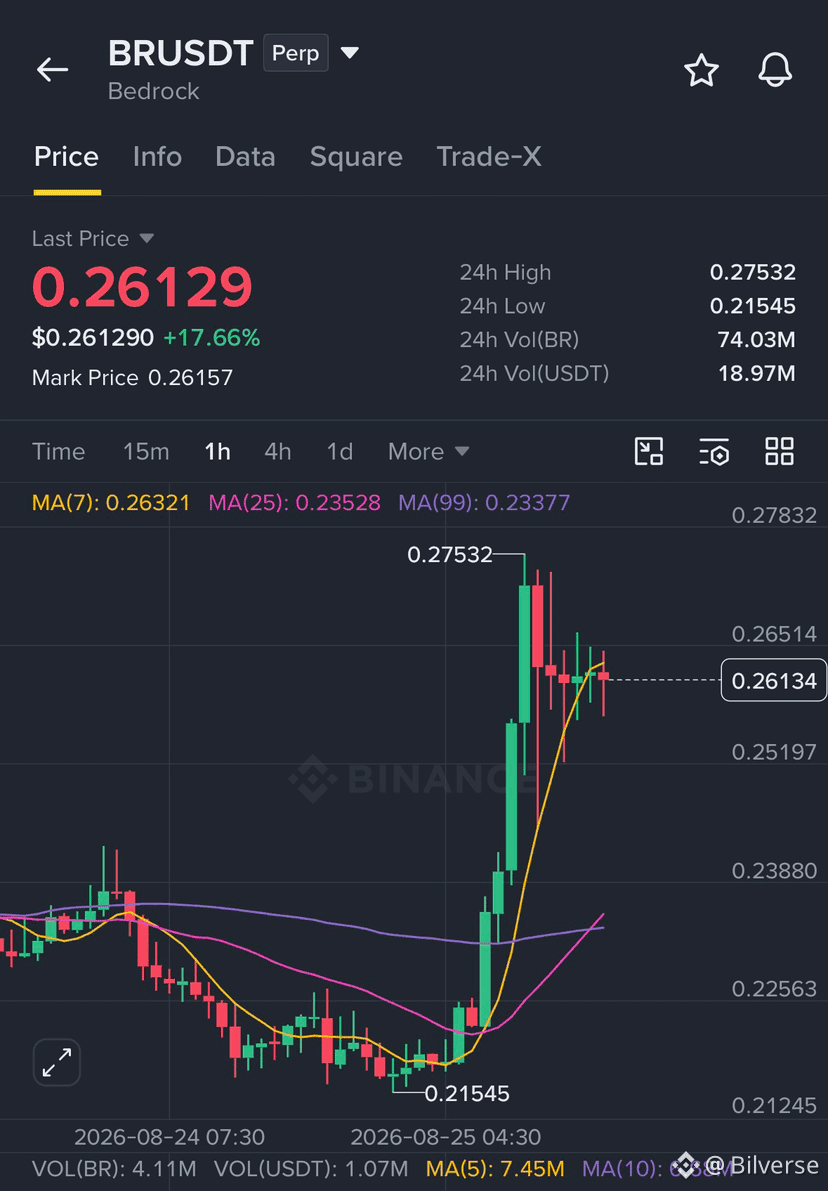
🚨 $BR JUST WOKE UP — AND THE CHART IS SCREAMING MOMENTUM. 🚨
+18–21% heute. 📈
Das Volumen explodiert. 💥
BTCFi-Narrativ kommt gerade richtig in Fahrt. 🔥
Und $BR sitzt bei etwa 0,26 $ — nachdem es sich von den Tiefs nach oben gerissen hat.
🎯 Trade-Setup:
🟢 Einstieg: 0,248–0,255 $
🎯 TP1: 0,285 $
🚀 TP2: 0,310 $
🛑 SL: 0,228 $
Der interessante Teil? Das Volumen stützt die Bewegung. 👀
Wenn der Momentum hält, könnte 0,285 der erste Test sein.
Wenn das bricht… dann kommt 0,31 ins Spiel. 🚀
⚠️ Verfolge keine grünen Kerzen hinterher. Leverage niedrig halten und Risiko managen.
$BR schon auf deiner Watchlist? 👇
#Bedrock #BTCFi #Bitcoin #FutureTrading #Bilverse
{future}(BRUSDT)
🚨 $BR JUST WOKE UP — AND THE CHART IS SCREAMING MOMENTUM. 🚨
+18–21% heute. 📈
Das Volumen explodiert. 💥
BTCFi-Narrativ kommt gerade richtig in Fahrt. 🔥
Und $BR sitzt bei etwa 0,26 $ — nachdem es sich von den Tiefs nach oben gerissen hat.
🎯 Trade-Setup:
🟢 Einstieg: 0,248–0,255 $
🎯 TP1: 0,285 $
🚀 TP2: 0,310 $
🛑 SL: 0,228 $
Der interessante Teil? Das Volumen stützt die Bewegung. 👀
Wenn der Momentum hält, könnte 0,285 der erste Test sein.
Wenn das bricht… dann kommt 0,31 ins Spiel. 🚀
⚠️ Verfolge keine grünen Kerzen hinterher. Leverage niedrig halten und Risiko managen.
$BR schon auf deiner Watchlist? 👇
#Bedrock #BTCFi #Bitcoin #FutureTrading #Bilverse
+18–21% heute. 📈
Das Volumen explodiert. 💥
BTCFi-Narrativ kommt gerade richtig in Fahrt. 🔥
Und $BR sitzt bei etwa 0,26 $ — nachdem es sich von den Tiefs nach oben gerissen hat.
🎯 Trade-Setup:
🟢 Einstieg: 0,248–0,255 $
🎯 TP1: 0,285 $
🚀 TP2: 0,310 $
🛑 SL: 0,228 $
Der interessante Teil? Das Volumen stützt die Bewegung. 👀
Wenn der Momentum hält, könnte 0,285 der erste Test sein.
Wenn das bricht… dann kommt 0,31 ins Spiel. 🚀
⚠️ Verfolge keine grünen Kerzen hinterher. Leverage niedrig halten und Risiko managen.
$BR schon auf deiner Watchlist? 👇
#Bedrock #BTCFi #Bitcoin #FutureTrading #Bilverse
2
590

·
--
Bullisch
$BR (Bedrock)
$BR heute %18-21 grün, ca. $0.26.
Multi-Asset-Liquid-Restaking (BTC + ETH + IOTX) + veBR-Governance.
TVL stark, BTCfi-Narrativ setzt sich fort.
💹Kurzes Trade-Setup:
Entry: $0.248 – $0.255
SL: $0.228
TP1: $0.285
TP2: $0.310
Das Volumen steigt, der Momentum ist frisch. Risikomanagement ist entscheidend, den Hebel niedrig halten.
$BR zur Watchlist hinzugefügt. NFA – DYOR
#BR #Bedrock #CryptoTrade
$BR (Bedrock)
$BR heute %18-21 grün, ca. $0.26.
Multi-Asset-Liquid-Restaking (BTC + ETH + IOTX) + veBR-Governance.
TVL stark, BTCfi-Narrativ setzt sich fort.
💹Kurzes Trade-Setup:
Entry: $0.248 – $0.255
SL: $0.228
TP1: $0.285
TP2: $0.310
Das Volumen steigt, der Momentum ist frisch. Risikomanagement ist entscheidend, den Hebel niedrig halten.
$BR zur Watchlist hinzugefügt. NFA – DYOR
#BR #Bedrock #CryptoTrade
$BR heute %18-21 grün, ca. $0.26.
Multi-Asset-Liquid-Restaking (BTC + ETH + IOTX) + veBR-Governance.
TVL stark, BTCfi-Narrativ setzt sich fort.
💹Kurzes Trade-Setup:
Entry: $0.248 – $0.255
SL: $0.228
TP1: $0.285
TP2: $0.310
Das Volumen steigt, der Momentum ist frisch. Risikomanagement ist entscheidend, den Hebel niedrig halten.
$BR zur Watchlist hinzugefügt. NFA – DYOR
#BR #Bedrock #CryptoTrade
1
3
459

·
--
Bullisch
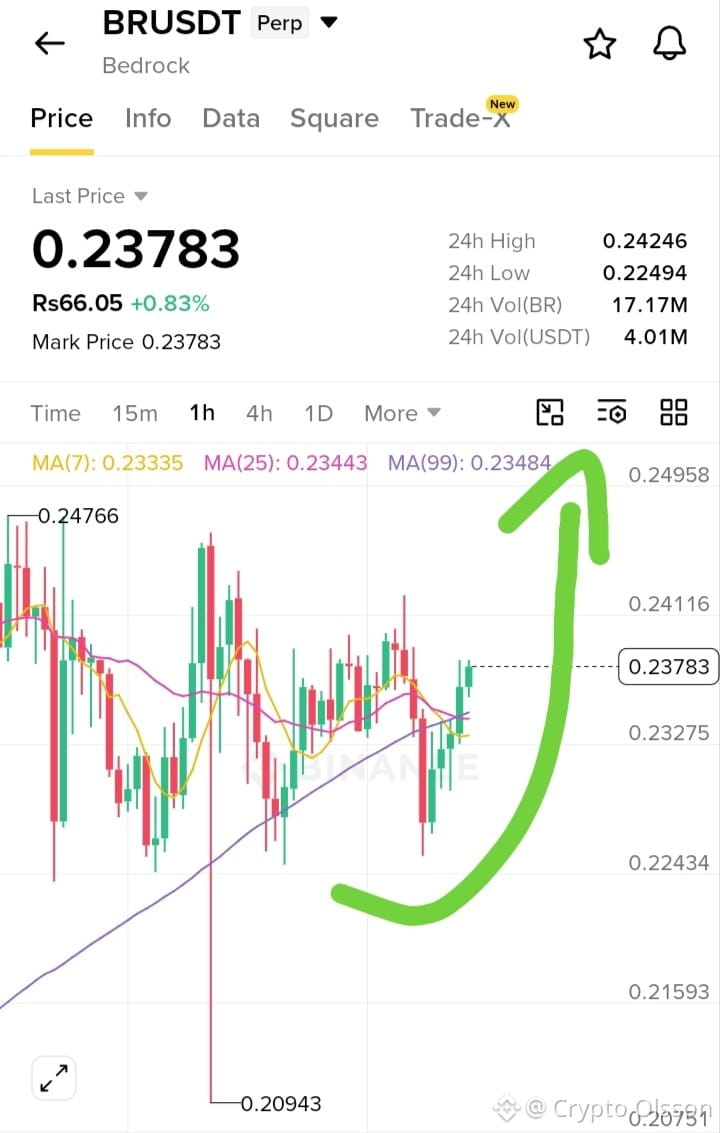
🔥 $BR LANGE EINSTELLUNG — Käufer verteidigen weiterhin den Support
Einstieg: 0.2340–0.2380
TP1: 0.2425
TP2: 0.2480
TP3: 0.2550
SL: 0.2280
$BR
{future}(BRUSDT)
hält sich um die entscheidende MA-Zone, während Käufer weiterhin die Support-Zone bei 0.232–0.234 verteidigen. Ein sauberer Ausbruch über 0.2425 könnte den Weg Richtung 0.248–0.255 öffnen.
⚠️ Handel mit einem korrekten Risikomanagement. Keine blinden Einstiege.
#BR #Bedrock #Crypto #BinanceSquare
🔥 $BR LANGE EINSTELLUNG — Käufer verteidigen weiterhin den Support
Einstieg: 0.2340–0.2380
TP1: 0.2425
TP2: 0.2480
TP3: 0.2550
SL: 0.2280
$BR
hält sich um die entscheidende MA-Zone, während Käufer weiterhin die Support-Zone bei 0.232–0.234 verteidigen. Ein sauberer Ausbruch über 0.2425 könnte den Weg Richtung 0.248–0.255 öffnen.
⚠️ Handel mit einem korrekten Risikomanagement. Keine blinden Einstiege.
#BR #Bedrock #Crypto #BinanceSquare
Einstieg: 0.2340–0.2380
TP1: 0.2425
TP2: 0.2480
TP3: 0.2550
SL: 0.2280
$BR
hält sich um die entscheidende MA-Zone, während Käufer weiterhin die Support-Zone bei 0.232–0.234 verteidigen. Ein sauberer Ausbruch über 0.2425 könnte den Weg Richtung 0.248–0.255 öffnen.
⚠️ Handel mit einem korrekten Risikomanagement. Keine blinden Einstiege.
#BR #Bedrock #Crypto #BinanceSquare
1
107

·
--
Bullisch
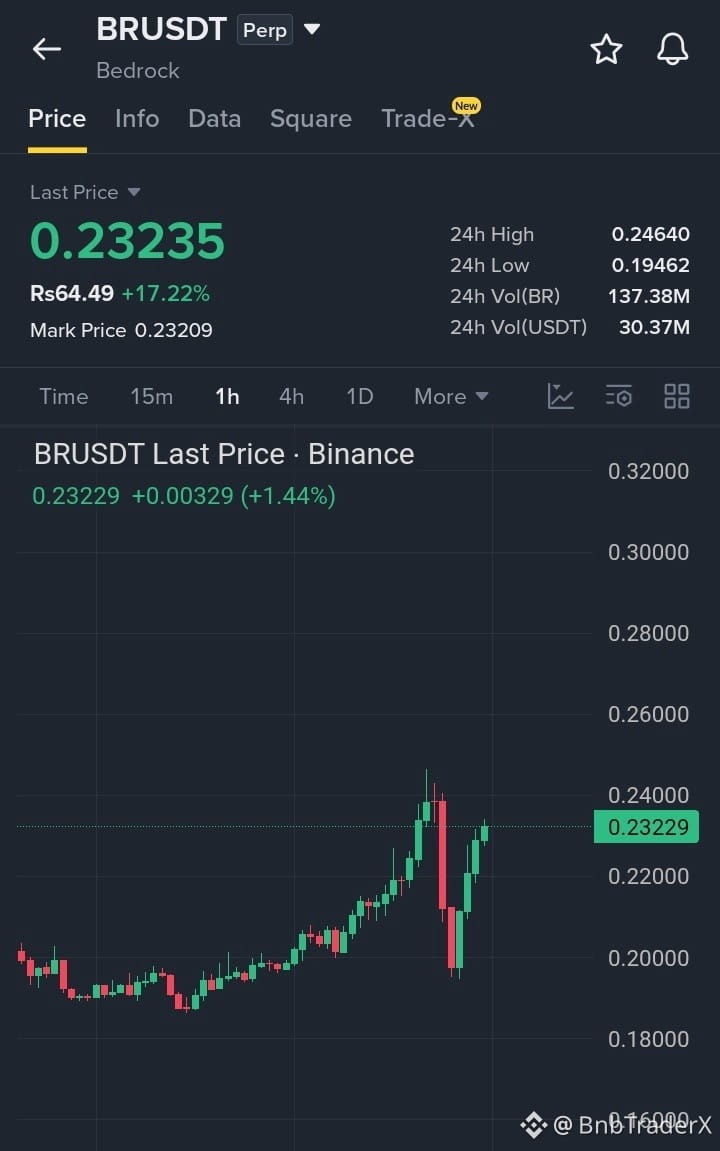
Leute, $BR hat sich stark nach oben bewegt, nachdem es bei 0.19462 gestartet ist, und schwebt nun nach einem täglichen Anstieg von 17% um 0.2323. Das Hoch von 0.2464 ist die entscheidende Widerstandszone, während 0.2200 zunehmend zu einem wichtigen Bereich wird, den Käufer verteidigen müssen. Wenn der Kurs 0.2464 mit anhaltendem Volumen durchbricht, könnte die nächste Expansion rasant ausfallen.
Einstieg: 0.2280–0.2330
TP1: 0.2450
TP2: 0.2600
TP3: 0.2800
SL: 0.2150
#BR #Bedrock #CryptoTrading
{future}(BRUSDT)
$TREE
{future}(TREEUSDT)
$BTW
{future}(BTWUSDT)
Leute, $BR hat sich stark nach oben bewegt, nachdem es bei 0.19462 gestartet ist, und schwebt nun nach einem täglichen Anstieg von 17% um 0.2323. Das Hoch von 0.2464 ist die entscheidende Widerstandszone, während 0.2200 zunehmend zu einem wichtigen Bereich wird, den Käufer verteidigen müssen. Wenn der Kurs 0.2464 mit anhaltendem Volumen durchbricht, könnte die nächste Expansion rasant ausfallen.
Einstieg: 0.2280–0.2330
TP1: 0.2450
TP2: 0.2600
TP3: 0.2800
SL: 0.2150
#BR #Bedrock #CryptoTrading
$TREE
$BTW
Einstieg: 0.2280–0.2330
TP1: 0.2450
TP2: 0.2600
TP3: 0.2800
SL: 0.2150
#BR #Bedrock #CryptoTrading
$TREE
$BTW
1
307
·
--
Bullisch
🚀 $BR LONG SETUP | Momentum Alert
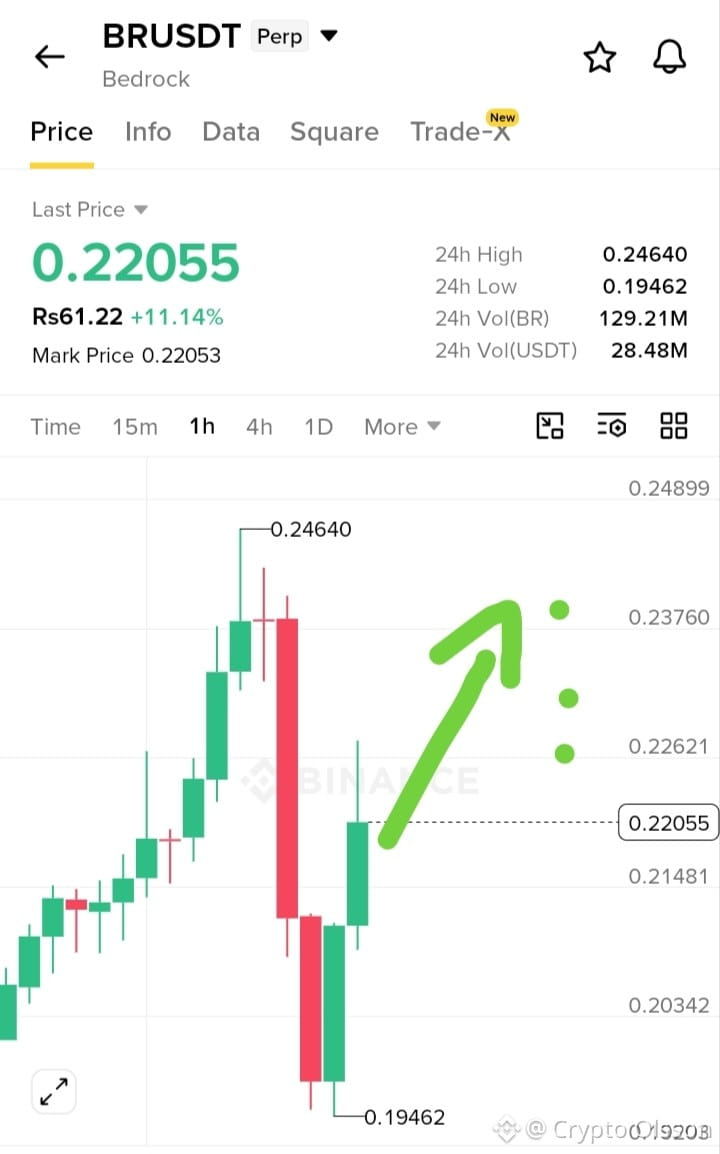
EP: 0.2148–0.2205
TP1: 0.2262
TP2: 0.2376
TP3: 0.2470
SL: 0.2034
$BR
{future}(BRUSDT)
zeigt starke Dynamik mit +11% heute. Einstieg nur nach Bestätigung im Bereich der Support-Zone.
DYOR & manage risk. 🎯
#BR #Bedrock #Crypto #BinanceSquare
🚀 $BR LONG SETUP | Momentum Alert
EP: 0.2148–0.2205
TP1: 0.2262
TP2: 0.2376
TP3: 0.2470
SL: 0.2034
$BR
zeigt starke Dynamik mit +11% heute. Einstieg nur nach Bestätigung im Bereich der Support-Zone.
DYOR & manage risk. 🎯
#BR #Bedrock #Crypto #BinanceSquare
EP: 0.2148–0.2205
TP1: 0.2262
TP2: 0.2376
TP3: 0.2470
SL: 0.2034
$BR
zeigt starke Dynamik mit +11% heute. Einstieg nur nach Bestätigung im Bereich der Support-Zone.
DYOR & manage risk. 🎯
#BR #Bedrock #Crypto #BinanceSquare
1
182

·
--
🔥 BR BREAKOUT: Starker Impuls über dem Support! 🔥
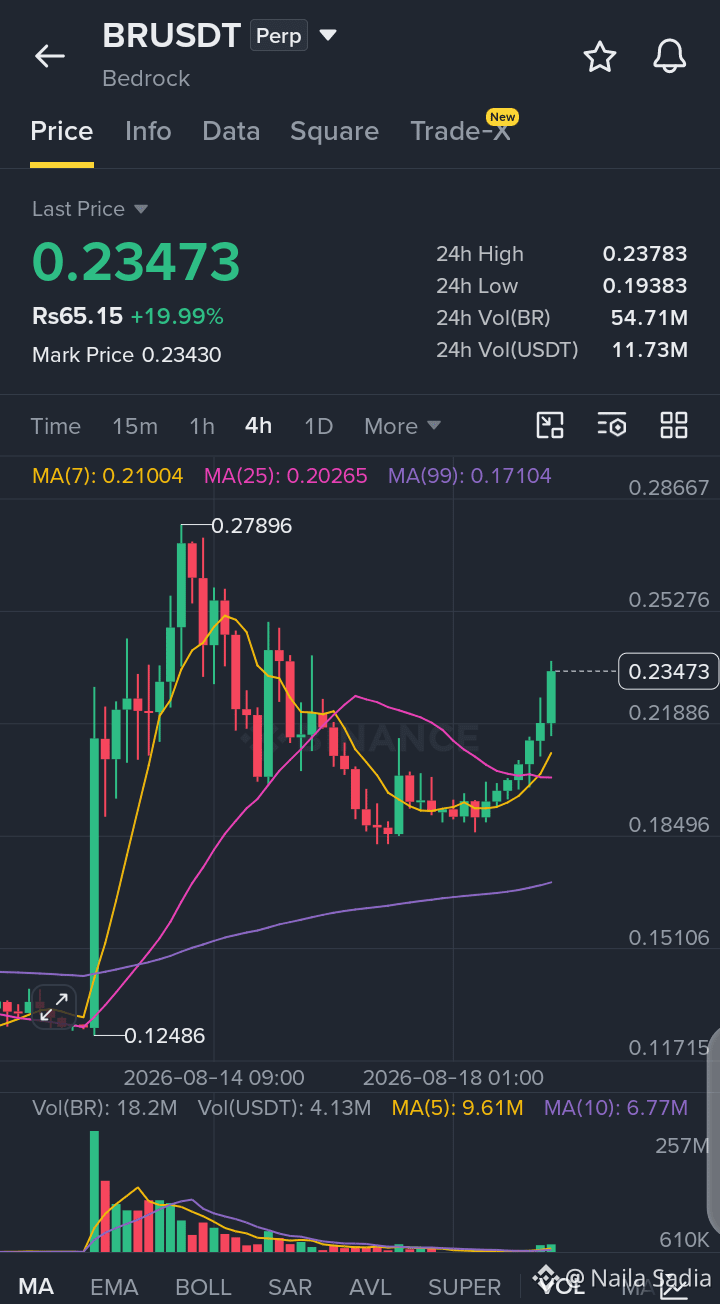
$BR (Bedrock) steigt mit starkem Kaufdruck, pumpt +19.99% auf 0.23473. Der Kurs ist auf dem 4H-Chart sauber über seine 0.21004 MA7- und 0.20265 MA25-Niveaus gekreuzt und bestätigt damit starkes bullisches Momentum.
⚙️ 4H TRADING-PLAN:
🚀 Richtung: LONG
🚀 Einstieg: 0.22000 – 0.23473
🛑 Stop Loss: 0.20200
🎯 TP1: 0.25200
🎯 TP2: 0.27896 (Lokales Hoch)
🟢 Boden: 0.21004 (MA7-Support)
💡 Markt-Ausblick: BR hat die kurzfristigen gleitenden Durchschnitte erfolgreich zurückerobert, nachdem der Ausbruch aus 0.18400 erfolgt ist. Die Struktur begünstigt einen Fortsetzungsschub in Richtung 0.27896.
👇 Wird BR als Nächstes 0.27896 erreichen? Lass deine Gedanken da! 👇
👉 Hier klicken für den Trade:
$BR
{future}(BRUSDT)
#BRUSDT #Bedrock #cryptotrading
🔥 BR BREAKOUT: Starker Impuls über dem Support! 🔥
$BR (Bedrock) steigt mit starkem Kaufdruck, pumpt +19.99% auf 0.23473. Der Kurs ist auf dem 4H-Chart sauber über seine 0.21004 MA7- und 0.20265 MA25-Niveaus gekreuzt und bestätigt damit starkes bullisches Momentum.
⚙️ 4H TRADING-PLAN:
🚀 Richtung: LONG
🚀 Einstieg: 0.22000 – 0.23473
🛑 Stop Loss: 0.20200
🎯 TP1: 0.25200
🎯 TP2: 0.27896 (Lokales Hoch)
🟢 Boden: 0.21004 (MA7-Support)
💡 Markt-Ausblick: BR hat die kurzfristigen gleitenden Durchschnitte erfolgreich zurückerobert, nachdem der Ausbruch aus 0.18400 erfolgt ist. Die Struktur begünstigt einen Fortsetzungsschub in Richtung 0.27896.
👇 Wird BR als Nächstes 0.27896 erreichen? Lass deine Gedanken da! 👇
👉 Hier klicken für den Trade:
$BR
#BRUSDT #Bedrock #cryptotrading
$BR (Bedrock) steigt mit starkem Kaufdruck, pumpt +19.99% auf 0.23473. Der Kurs ist auf dem 4H-Chart sauber über seine 0.21004 MA7- und 0.20265 MA25-Niveaus gekreuzt und bestätigt damit starkes bullisches Momentum.
⚙️ 4H TRADING-PLAN:
🚀 Richtung: LONG
🚀 Einstieg: 0.22000 – 0.23473
🛑 Stop Loss: 0.20200
🎯 TP1: 0.25200
🎯 TP2: 0.27896 (Lokales Hoch)
🟢 Boden: 0.21004 (MA7-Support)
💡 Markt-Ausblick: BR hat die kurzfristigen gleitenden Durchschnitte erfolgreich zurückerobert, nachdem der Ausbruch aus 0.18400 erfolgt ist. Die Struktur begünstigt einen Fortsetzungsschub in Richtung 0.27896.
👇 Wird BR als Nächstes 0.27896 erreichen? Lass deine Gedanken da! 👇
👉 Hier klicken für den Trade:
$BR
#BRUSDT #Bedrock #cryptotrading
88
·
--
Bärisch
⚡ $BR LANGES SETUP — Käufer beobachten den Support
$BR
{future}(BRUSDT)
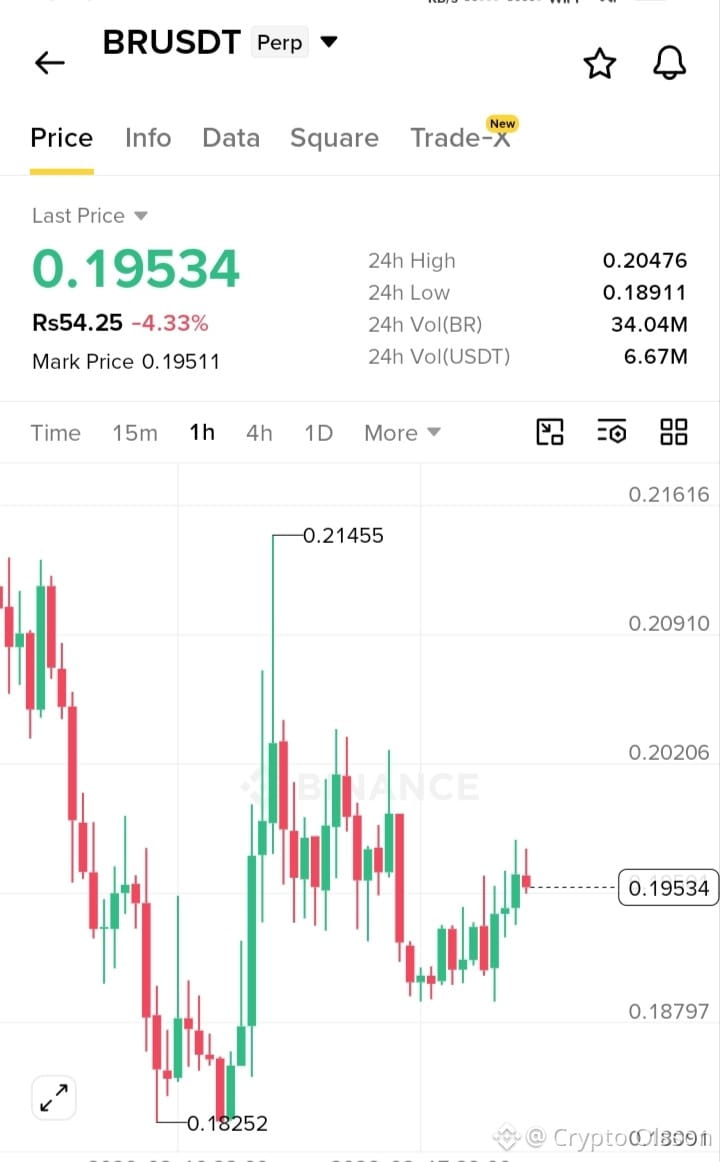
befindet sich nahe einem wichtigen Support bei 0.195 nach einem Rücksetzer. Eine Rückeroberung von 0.202 könnte den Weg für einen weiteren Anstieg freimachen.
📍 Einstieg: 0.193–0.197
TP1: 0.202
TP2: 0.209
TP3: 0.216
SL: 0.187
Bleib geduldig — erst Bestätigung, Hebel niedrig. 📈
#BR #Bedrock #BinanceSquare
⚡ $BR LANGES SETUP — Käufer beobachten den Support
$BR
befindet sich nahe einem wichtigen Support bei 0.195 nach einem Rücksetzer. Eine Rückeroberung von 0.202 könnte den Weg für einen weiteren Anstieg freimachen.
📍 Einstieg: 0.193–0.197
TP1: 0.202
TP2: 0.209
TP3: 0.216
SL: 0.187
Bleib geduldig — erst Bestätigung, Hebel niedrig. 📈
#BR #Bedrock #BinanceSquare
$BR
befindet sich nahe einem wichtigen Support bei 0.195 nach einem Rücksetzer. Eine Rückeroberung von 0.202 könnte den Weg für einen weiteren Anstieg freimachen.
📍 Einstieg: 0.193–0.197
TP1: 0.202
TP2: 0.209
TP3: 0.216
SL: 0.187
Bleib geduldig — erst Bestätigung, Hebel niedrig. 📈
#BR #Bedrock #BinanceSquare
1
161
·
--
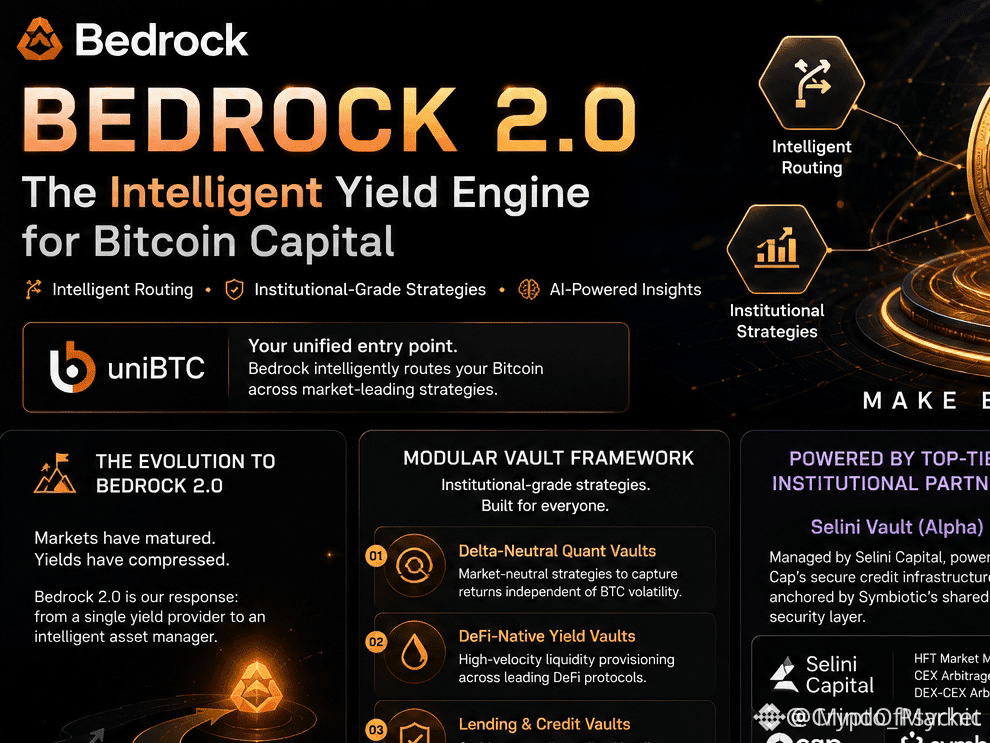
🔍 $BR REBUILDING THE YIELD FRAMEWORK FOR A NEW ERA OF BTC CAPITAL 🧠
Der Markt ist über die Suche nach astronomischen APYs hinausgereift. Was vor zwölf Monaten noch funktionierte, ist inzwischen ein Friedhof für nicht nachhaltige Versprechen. Bitcoin-Inhaber fragen nicht mehr „Wo gibt es die höchste Rendite?“ Sie fragen: „Wie setze ich das intelligent ein, ohne in Obsoleszenz festzustecken?“ 🦈
Bedrocks Weiterentwicklung zu Bedrock 2.0 spiegelt diesen exakten institutionellen Wandel wider. Das ist kein weiteres Vault, das gegen Schlagzeilen-Zinsen konkurriert. Es ist eine intelligente Allokationsschicht, die Bitcoin-Kapital über sich entwickelnde Strategien via uniBTC steuert. Die Architektur passt sich an, wenn sich die Märkte verändern – statt Kapital in eine statische Position zu zwingen. Das ist Asset Management, nicht nur Yield Farming. 💡
Die erste Version war ein Produkt. Diese Iteration liest sich wie Infrastruktur. Für BTC-Inhaber, die verstehen, dass Überzeugung ohne Flexibilität nur Starrheit bedeutet, steht Bedrock 2.0 für ein strukturelles Upgrade, wie Bitcoin-Kapital sich in volatilen Zyklen verhalten sollte. 💬 Ist passive Rendite tot – oder entwickelt sie sich nur zu etwas, das ständige, intelligente Neuausrichtung erfordert? 👇
⚠️ Keine Finanzberatung. Verwalte immer dein Risiko. 🛡️
🏷️ #Bedrock #Bitcoin #DeFi #YieldStrategy #Crypto
🦈 💎
🔍 $BR REBUILDING THE YIELD FRAMEWORK FOR A NEW ERA OF BTC CAPITAL 🧠
Der Markt ist über die Suche nach astronomischen APYs hinausgereift. Was vor zwölf Monaten noch funktionierte, ist inzwischen ein Friedhof für nicht nachhaltige Versprechen. Bitcoin-Inhaber fragen nicht mehr „Wo gibt es die höchste Rendite?“ Sie fragen: „Wie setze ich das intelligent ein, ohne in Obsoleszenz festzustecken?“ 🦈
Bedrocks Weiterentwicklung zu Bedrock 2.0 spiegelt diesen exakten institutionellen Wandel wider. Das ist kein weiteres Vault, das gegen Schlagzeilen-Zinsen konkurriert. Es ist eine intelligente Allokationsschicht, die Bitcoin-Kapital über sich entwickelnde Strategien via uniBTC steuert. Die Architektur passt sich an, wenn sich die Märkte verändern – statt Kapital in eine statische Position zu zwingen. Das ist Asset Management, nicht nur Yield Farming. 💡
Die erste Version war ein Produkt. Diese Iteration liest sich wie Infrastruktur. Für BTC-Inhaber, die verstehen, dass Überzeugung ohne Flexibilität nur Starrheit bedeutet, steht Bedrock 2.0 für ein strukturelles Upgrade, wie Bitcoin-Kapital sich in volatilen Zyklen verhalten sollte. 💬 Ist passive Rendite tot – oder entwickelt sie sich nur zu etwas, das ständige, intelligente Neuausrichtung erfordert? 👇
⚠️ Keine Finanzberatung. Verwalte immer dein Risiko. 🛡️
🏷️ #Bedrock #Bitcoin #DeFi #YieldStrategy #Crypto
🦈 💎
Der Markt ist über die Suche nach astronomischen APYs hinausgereift. Was vor zwölf Monaten noch funktionierte, ist inzwischen ein Friedhof für nicht nachhaltige Versprechen. Bitcoin-Inhaber fragen nicht mehr „Wo gibt es die höchste Rendite?“ Sie fragen: „Wie setze ich das intelligent ein, ohne in Obsoleszenz festzustecken?“ 🦈
Bedrocks Weiterentwicklung zu Bedrock 2.0 spiegelt diesen exakten institutionellen Wandel wider. Das ist kein weiteres Vault, das gegen Schlagzeilen-Zinsen konkurriert. Es ist eine intelligente Allokationsschicht, die Bitcoin-Kapital über sich entwickelnde Strategien via uniBTC steuert. Die Architektur passt sich an, wenn sich die Märkte verändern – statt Kapital in eine statische Position zu zwingen. Das ist Asset Management, nicht nur Yield Farming. 💡
Die erste Version war ein Produkt. Diese Iteration liest sich wie Infrastruktur. Für BTC-Inhaber, die verstehen, dass Überzeugung ohne Flexibilität nur Starrheit bedeutet, steht Bedrock 2.0 für ein strukturelles Upgrade, wie Bitcoin-Kapital sich in volatilen Zyklen verhalten sollte. 💬 Ist passive Rendite tot – oder entwickelt sie sich nur zu etwas, das ständige, intelligente Neuausrichtung erfordert? 👇
⚠️ Keine Finanzberatung. Verwalte immer dein Risiko. 🛡️
🏷️ #Bedrock #Bitcoin #DeFi #YieldStrategy #Crypto
🦈 💎
20
$BR 近期表现强势,多重利好叠加推动价格上行。
首先是币安合约成交量大幅放大,资金关注度明显提升;与此同时短线资金加速流入,助推行情热度。叠加 AI 基础设施公司 Nscale 上市预期升温,作为生态参与方的 Bedrock 受到市场追捧。
另外,亚马逊 Bedrock 生态加速推进,应用场景持续扩展,为 $BR 提供了中长期的价值支撑。
短期看量价配合良好,但连续上涨后需警惕短线回调风险,建议分批关注、理性参与。
#Bedrock #AI
$BR 近期表现强势,多重利好叠加推动价格上行。
首先是币安合约成交量大幅放大,资金关注度明显提升;与此同时短线资金加速流入,助推行情热度。叠加 AI 基础设施公司 Nscale 上市预期升温,作为生态参与方的 Bedrock 受到市场追捧。
另外,亚马逊 Bedrock 生态加速推进,应用场景持续扩展,为 $BR 提供了中长期的价值支撑。
短期看量价配合良好,但连续上涨后需警惕短线回调风险,建议分批关注、理性参与。
#Bedrock #AI
首先是币安合约成交量大幅放大,资金关注度明显提升;与此同时短线资金加速流入,助推行情热度。叠加 AI 基础设施公司 Nscale 上市预期升温,作为生态参与方的 Bedrock 受到市场追捧。
另外,亚马逊 Bedrock 生态加速推进,应用场景持续扩展,为 $BR 提供了中长期的价值支撑。
短期看量价配合良好,但连续上涨后需警惕短线回调风险,建议分批关注、理性参与。
#Bedrock #AI
60

·
--
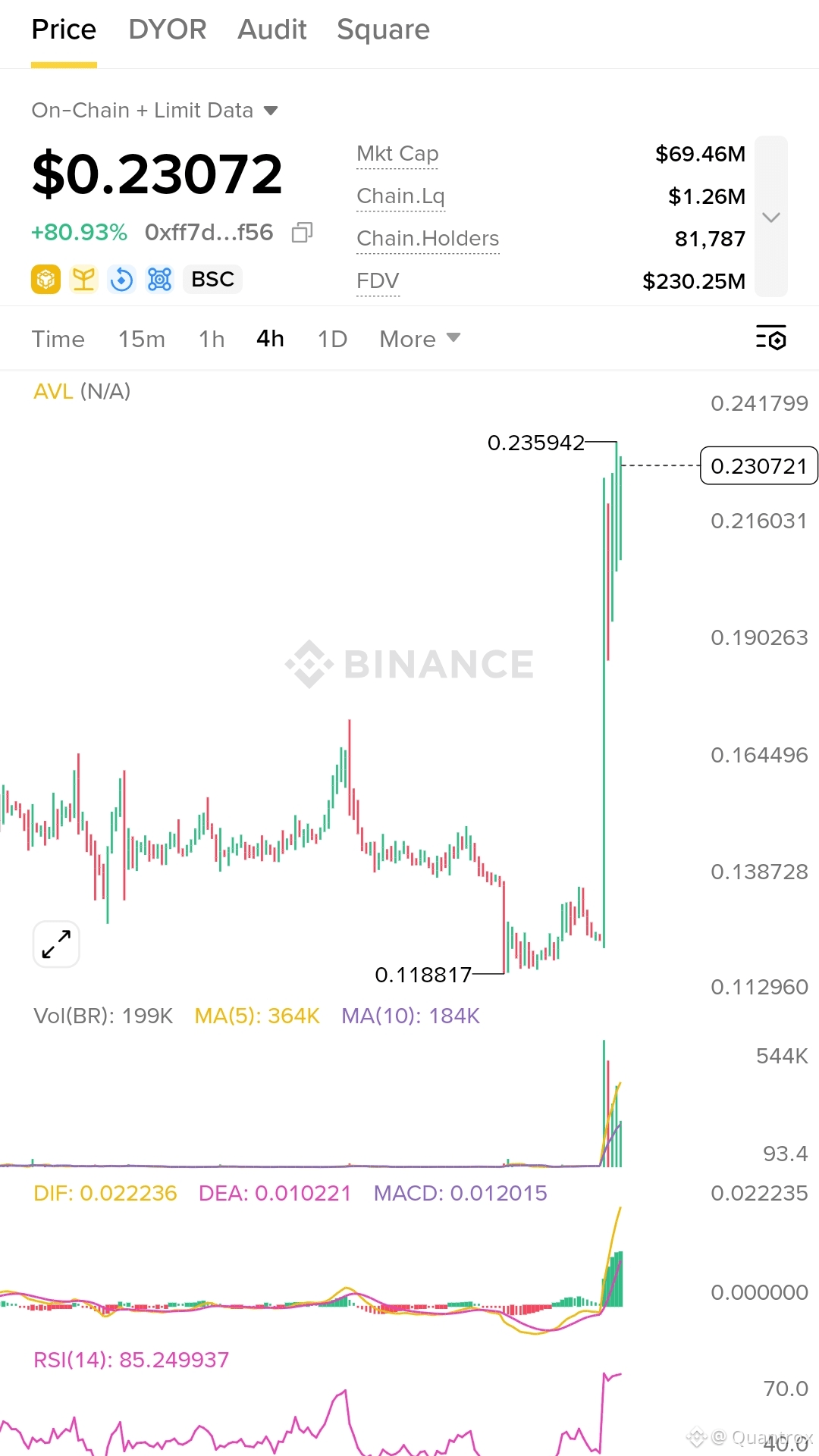
🚨 UPDATE: $BR hat das Pullback nicht gegeben, auf das alle gewartet haben.
Nach dem explosiven Ausbruch ist $BR kurz in Richtung der Zone $0.18–$0.19 gefallen…
Dann sind Käufer eingesprungen. 👀
Und jetzt?
$0.2307
Und das neue Hoch liegt bei ungefähr $0.2359.
Das verändert die Ausgangslage.
Der Ausbruch wurde nicht sofort wieder in die alte Range zurückverkauft — Käufer haben die Bewegung tatsächlich verteidigt.
Aber es gibt ein Problem:
Der RSI liegt jetzt über 85.
Also jage ich dieser Kerze nicht hinterher.
Ich beobachte, ob $0.20–$0.21 zum Support wird.
Wenn ja, könnte der Ausbruch deutlich mehr Raum haben.
Wenn es diese Zone verliert, ist das erste Warnsignal hier.
BR beweist nicht mehr, dass es pumpen kann.
Jetzt muss es beweisen, dass es halten kann. 🔥
#BR #Bedrock #Crypto #CryptoTrading #BinanceSquare
🚨 UPDATE: $BR hat das Pullback nicht gegeben, auf das alle gewartet haben.
Nach dem explosiven Ausbruch ist $BR kurz in Richtung der Zone $0.18–$0.19 gefallen…
Dann sind Käufer eingesprungen. 👀
Und jetzt?
$0.2307
Und das neue Hoch liegt bei ungefähr $0.2359.
Das verändert die Ausgangslage.
Der Ausbruch wurde nicht sofort wieder in die alte Range zurückverkauft — Käufer haben die Bewegung tatsächlich verteidigt.
Aber es gibt ein Problem:
Der RSI liegt jetzt über 85.
Also jage ich dieser Kerze nicht hinterher.
Ich beobachte, ob $0.20–$0.21 zum Support wird.
Wenn ja, könnte der Ausbruch deutlich mehr Raum haben.
Wenn es diese Zone verliert, ist das erste Warnsignal hier.
BR beweist nicht mehr, dass es pumpen kann.
Jetzt muss es beweisen, dass es halten kann. 🔥
#BR #Bedrock #Crypto #CryptoTrading #BinanceSquare
Nach dem explosiven Ausbruch ist $BR kurz in Richtung der Zone $0.18–$0.19 gefallen…
Dann sind Käufer eingesprungen. 👀
Und jetzt?
$0.2307
Und das neue Hoch liegt bei ungefähr $0.2359.
Das verändert die Ausgangslage.
Der Ausbruch wurde nicht sofort wieder in die alte Range zurückverkauft — Käufer haben die Bewegung tatsächlich verteidigt.
Aber es gibt ein Problem:
Der RSI liegt jetzt über 85.
Also jage ich dieser Kerze nicht hinterher.
Ich beobachte, ob $0.20–$0.21 zum Support wird.
Wenn ja, könnte der Ausbruch deutlich mehr Raum haben.
Wenn es diese Zone verliert, ist das erste Warnsignal hier.
BR beweist nicht mehr, dass es pumpen kann.
Jetzt muss es beweisen, dass es halten kann. 🔥
#BR #Bedrock #Crypto #CryptoTrading #BinanceSquare
Quantrox
·
--
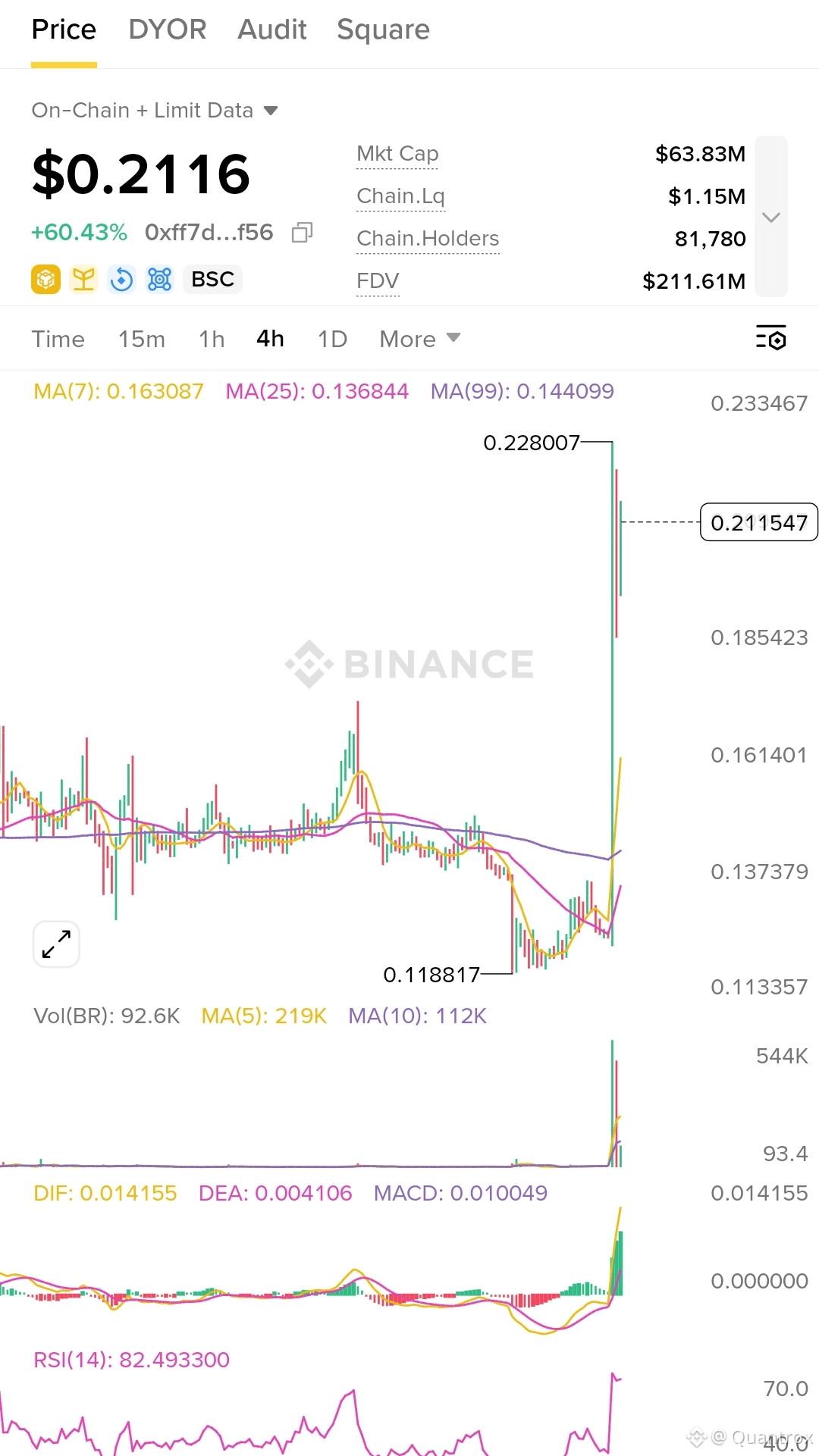
🚨 $BR gerade aufgewacht nach Monaten damit, NICHTS zu tun.
$BR ist um 60%+ gesprungen und von etwa 0,12$ auf 0,228$ gestiegen – in Windeseile, in ein paar Kerzen.
Aber das Verrückte ist nicht der Pump.
Sondern das, was davor passiert ist.
Der Preis hat sich monatelang um denselben Bereich herum eingependelt… dann ist das Volumen plötzlich explodiert und $BR ist über jeden wichtigen gleitenden Durchschnitt ausgebrochen.
Jetzt gibt es ein Problem. 👀
Der RSI liegt schon über 82.
Also entweder ist das der Start einer viel größeren Neubewertung…
oder eine Art vertikaler Bewegung, bei der späte Käufer es bereuen, dass sie nicht auf den Rücksetzer gewartet haben.
Welchen Level ich im Blick habe?
0,185–0,20$.
Wenn BR diese Zone hält, nachdem der anfängliche Hype abgeflaut ist, wird dieser Ausbruch viel interessanter.
Wenn es sie verliert…
dann könnte dieser 0,228-Peak die Kerze werden, an die sich später jeder erinnert.
Würdest du diesem Ausbruch hinterherjagen oder auf den Rücksetzer warten? 👇
#BR #Bedrock #Crypto #CryptoTrading #BinanceSquare
$BR ist um 60%+ gesprungen und von etwa 0,12$ auf 0,228$ gestiegen – in Windeseile, in ein paar Kerzen.
Aber das Verrückte ist nicht der Pump.
Sondern das, was davor passiert ist.
Der Preis hat sich monatelang um denselben Bereich herum eingependelt… dann ist das Volumen plötzlich explodiert und $BR ist über jeden wichtigen gleitenden Durchschnitt ausgebrochen.
Jetzt gibt es ein Problem. 👀
Der RSI liegt schon über 82.
Also entweder ist das der Start einer viel größeren Neubewertung…
oder eine Art vertikaler Bewegung, bei der späte Käufer es bereuen, dass sie nicht auf den Rücksetzer gewartet haben.
Welchen Level ich im Blick habe?
0,185–0,20$.
Wenn BR diese Zone hält, nachdem der anfängliche Hype abgeflaut ist, wird dieser Ausbruch viel interessanter.
Wenn es sie verliert…
dann könnte dieser 0,228-Peak die Kerze werden, an die sich später jeder erinnert.
Würdest du diesem Ausbruch hinterherjagen oder auf den Rücksetzer warten? 👇
#BR #Bedrock #Crypto #CryptoTrading #BinanceSquare
1
200

Bedrock (BR) im Fokus: Live-Markteinschätzung und warum das Projekt weiterhin Beachtung verdient
Bedrock (BR) wird zunehmend beobachtet, da sich der Markt weiter in Richtung Infrastruktur-, Staking- und Yield-bezogener Narrative dreht. Was sich gerade besonders abzeichnet, ist, dass Projekte in dieser Kategorie nicht mehr nur anhand des Brandings beurteilt werden – der Markt achtet deutlich stärker auf den praktischen Nutzen, die Tiefe der Integration und darauf, ob ein Protokoll auch über kurzfristige Spekulationen hinaus relevant bleiben kann.
Momentan sehe ich keinen Live-BRUSDT-Spot-Feed auf Binance, was normalerweise bedeutet, dass das Token dort im exakt gleichen Spot-Paar aktuell möglicherweise nicht verfügbar ist. Daher sind statt nicht verifizierter Kurszahlen die authentischsten Erkenntnisse die, die sich darauf konzentrieren, was wirklich zählt: ob Bedrock seine Position im Liquid-Staking- und Capital-Efficiency-Narrativ stärkt.
Bedrock (BR) im Fokus: Live-Markteinschätzung und warum das Projekt weiterhin Beachtung verdient
Bedrock (BR) wird zunehmend beobachtet, da sich der Markt weiter in Richtung Infrastruktur-, Staking- und Yield-bezogener Narrative dreht. Was sich gerade besonders abzeichnet, ist, dass Projekte in dieser Kategorie nicht mehr nur anhand des Brandings beurteilt werden – der Markt achtet deutlich stärker auf den praktischen Nutzen, die Tiefe der Integration und darauf, ob ein Protokoll auch über kurzfristige Spekulationen hinaus relevant bleiben kann.
Momentan sehe ich keinen Live-BRUSDT-Spot-Feed auf Binance, was normalerweise bedeutet, dass das Token dort im exakt gleichen Spot-Paar aktuell möglicherweise nicht verfügbar ist. Daher sind statt nicht verifizierter Kurszahlen die authentischsten Erkenntnisse die, die sich darauf konzentrieren, was wirklich zählt: ob Bedrock seine Position im Liquid-Staking- und Capital-Efficiency-Narrativ stärkt.
Momentan sehe ich keinen Live-BRUSDT-Spot-Feed auf Binance, was normalerweise bedeutet, dass das Token dort im exakt gleichen Spot-Paar aktuell möglicherweise nicht verfügbar ist. Daher sind statt nicht verifizierter Kurszahlen die authentischsten Erkenntnisse die, die sich darauf konzentrieren, was wirklich zählt: ob Bedrock seine Position im Liquid-Staking- und Capital-Efficiency-Narrativ stärkt.
53

·
--
Bullisch
Der Aufwärtstrend bleibt bei den neuesten Gewinnern stark, wobei $BR mit einem weiteren deutlichen Sprung nach oben vorangeht.
$BR
wird derzeit bei etwa 0,21893 $ gehandelt, was einem Anstieg von 66,77 % innerhalb der letzten 24 Stunden entspricht. Der Kursverlauf platziert $BR fest unter den stärksten sichtbaren Performern und zeigt eine deutliche kurzfristige Kaufdynamik.
Nach einem so schnellen Anstieg ist entscheidend, ob Käufer die Stärke aufrechterhalten können oder ob die Dynamik langsam nachlässt. Die nächste Phase sollte zeigen, ob dieser Move Bestand haben kann.
#Bedrock #BRUSDT
{future}(BRUSDT)
Der Aufwärtstrend bleibt bei den neuesten Gewinnern stark, wobei $BR mit einem weiteren deutlichen Sprung nach oben vorangeht.
$BR
wird derzeit bei etwa 0,21893 $ gehandelt, was einem Anstieg von 66,77 % innerhalb der letzten 24 Stunden entspricht. Der Kursverlauf platziert $BR fest unter den stärksten sichtbaren Performern und zeigt eine deutliche kurzfristige Kaufdynamik.
Nach einem so schnellen Anstieg ist entscheidend, ob Käufer die Stärke aufrechterhalten können oder ob die Dynamik langsam nachlässt. Die nächste Phase sollte zeigen, ob dieser Move Bestand haben kann.
#Bedrock #BRUSDT
$BR
wird derzeit bei etwa 0,21893 $ gehandelt, was einem Anstieg von 66,77 % innerhalb der letzten 24 Stunden entspricht. Der Kursverlauf platziert $BR fest unter den stärksten sichtbaren Performern und zeigt eine deutliche kurzfristige Kaufdynamik.
Nach einem so schnellen Anstieg ist entscheidend, ob Käufer die Stärke aufrechterhalten können oder ob die Dynamik langsam nachlässt. Die nächste Phase sollte zeigen, ob dieser Move Bestand haben kann.
#Bedrock #BRUSDT
2
56
·
--
🚨 $BR gerade aufgewacht nach Monaten damit, NICHTS zu tun.
$BR ist um 60%+ gesprungen und von etwa 0,12$ auf 0,228$ gestiegen – in Windeseile, in ein paar Kerzen.
Aber das Verrückte ist nicht der Pump.
Sondern das, was davor passiert ist.
Der Preis hat sich monatelang um denselben Bereich herum eingependelt… dann ist das Volumen plötzlich explodiert und $BR ist über jeden wichtigen gleitenden Durchschnitt ausgebrochen.
Jetzt gibt es ein Problem. 👀
Der RSI liegt schon über 82.
Also entweder ist das der Start einer viel größeren Neubewertung…
oder eine Art vertikaler Bewegung, bei der späte Käufer es bereuen, dass sie nicht auf den Rücksetzer gewartet haben.
Welchen Level ich im Blick habe?
0,185–0,20$.
Wenn BR diese Zone hält, nachdem der anfängliche Hype abgeflaut ist, wird dieser Ausbruch viel interessanter.
Wenn es sie verliert…
dann könnte dieser 0,228-Peak die Kerze werden, an die sich später jeder erinnert.
Würdest du diesem Ausbruch hinterherjagen oder auf den Rücksetzer warten? 👇
#BR #Bedrock #Crypto #CryptoTrading #BinanceSquare
🚨 $BR gerade aufgewacht nach Monaten damit, NICHTS zu tun.
$BR ist um 60%+ gesprungen und von etwa 0,12$ auf 0,228$ gestiegen – in Windeseile, in ein paar Kerzen.
Aber das Verrückte ist nicht der Pump.
Sondern das, was davor passiert ist.
Der Preis hat sich monatelang um denselben Bereich herum eingependelt… dann ist das Volumen plötzlich explodiert und $BR ist über jeden wichtigen gleitenden Durchschnitt ausgebrochen.
Jetzt gibt es ein Problem. 👀
Der RSI liegt schon über 82.
Also entweder ist das der Start einer viel größeren Neubewertung…
oder eine Art vertikaler Bewegung, bei der späte Käufer es bereuen, dass sie nicht auf den Rücksetzer gewartet haben.
Welchen Level ich im Blick habe?
0,185–0,20$.
Wenn BR diese Zone hält, nachdem der anfängliche Hype abgeflaut ist, wird dieser Ausbruch viel interessanter.
Wenn es sie verliert…
dann könnte dieser 0,228-Peak die Kerze werden, an die sich später jeder erinnert.
Würdest du diesem Ausbruch hinterherjagen oder auf den Rücksetzer warten? 👇
#BR #Bedrock #Crypto #CryptoTrading #BinanceSquare
$BR ist um 60%+ gesprungen und von etwa 0,12$ auf 0,228$ gestiegen – in Windeseile, in ein paar Kerzen.
Aber das Verrückte ist nicht der Pump.
Sondern das, was davor passiert ist.
Der Preis hat sich monatelang um denselben Bereich herum eingependelt… dann ist das Volumen plötzlich explodiert und $BR ist über jeden wichtigen gleitenden Durchschnitt ausgebrochen.
Jetzt gibt es ein Problem. 👀
Der RSI liegt schon über 82.
Also entweder ist das der Start einer viel größeren Neubewertung…
oder eine Art vertikaler Bewegung, bei der späte Käufer es bereuen, dass sie nicht auf den Rücksetzer gewartet haben.
Welchen Level ich im Blick habe?
0,185–0,20$.
Wenn BR diese Zone hält, nachdem der anfängliche Hype abgeflaut ist, wird dieser Ausbruch viel interessanter.
Wenn es sie verliert…
dann könnte dieser 0,228-Peak die Kerze werden, an die sich später jeder erinnert.
Würdest du diesem Ausbruch hinterherjagen oder auf den Rücksetzer warten? 👇
#BR #Bedrock #Crypto #CryptoTrading #BinanceSquare
1
1
115

·
--
Bullisch
🚨 $BR USDT — BULLEN GREIFEN AN! 🔥
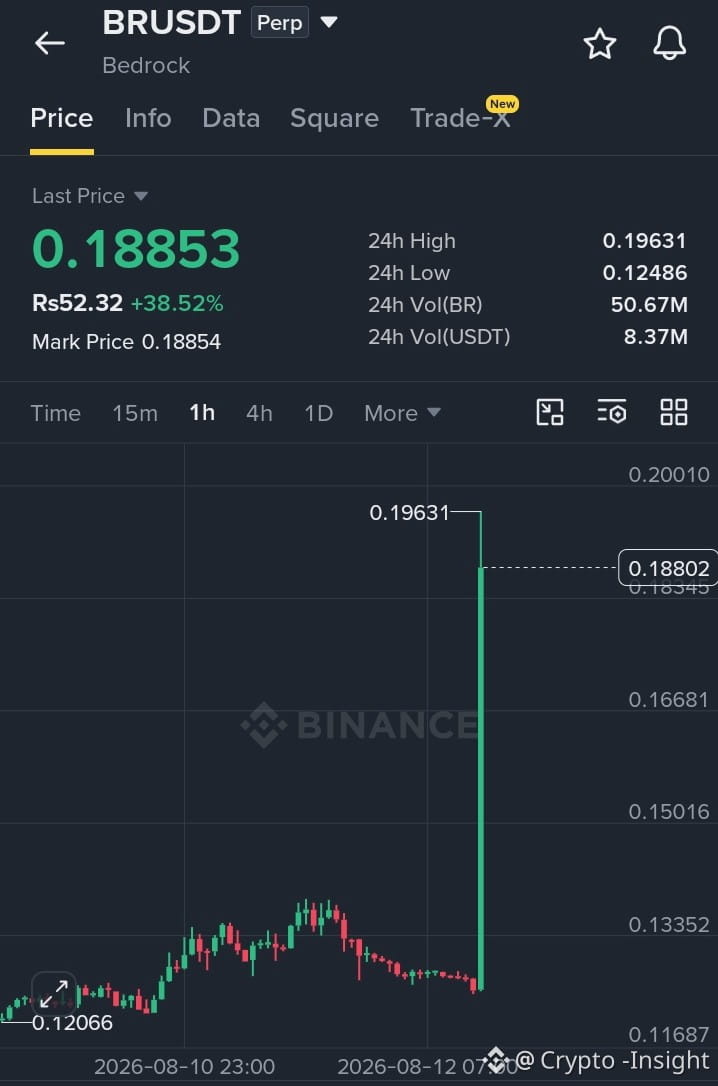
$BR USDT steigt AGGRESSIV, handelt bei etwa $0.18853 und liegt mit +38.52% im Plus! 🚀
📈 24H-Hoch: $0.19631
📉 24H-Tief: $0.12486
💥 24H-Volumen: 50.67M BR / 8.37M USDT
🔥 Nach dem explosiven Move aus der $0.12-Zone haben die Bullen die komplette Kontrolle übernommen. Jetzt ist $0.1963–$0.2001 der entscheidende Widerstand — ein sauberer Ausbruch könnte den nächsten kraftvollen Anstieg auslösen.
⚠️ Aber nach einem Pump von 38%+ ist die Volatilität extrem hoch. Eine Ablehnung nahe dem Widerstand könnte einen scharfen Rücksetzer verursachen.
🎯 BULLISCHE ZIELE: $0.1963 → $0.2001 → $0.2200
🛡️ WICHTIGE UNTERSTÜTZUNGEN: $0.1668 → $0.1502
Der Momentum-Drive ist HEISS. Die Bullen wollen den Ausbruch — die Bären warten auf die Ablehnung. 🔥🐂
#BRUSDT #BR #Bedrock #Binance #Crypto
{alpha}(560xff7d6a96ae471bbcd7713af9cb1feeb16cf56b41)
🚨 $BR USDT — BULLEN GREIFEN AN! 🔥
$BR USDT steigt AGGRESSIV, handelt bei etwa $0.18853 und liegt mit +38.52% im Plus! 🚀
📈 24H-Hoch: $0.19631
📉 24H-Tief: $0.12486
💥 24H-Volumen: 50.67M BR / 8.37M USDT
🔥 Nach dem explosiven Move aus der $0.12-Zone haben die Bullen die komplette Kontrolle übernommen. Jetzt ist $0.1963–$0.2001 der entscheidende Widerstand — ein sauberer Ausbruch könnte den nächsten kraftvollen Anstieg auslösen.
⚠️ Aber nach einem Pump von 38%+ ist die Volatilität extrem hoch. Eine Ablehnung nahe dem Widerstand könnte einen scharfen Rücksetzer verursachen.
🎯 BULLISCHE ZIELE: $0.1963 → $0.2001 → $0.2200
🛡️ WICHTIGE UNTERSTÜTZUNGEN: $0.1668 → $0.1502
Der Momentum-Drive ist HEISS. Die Bullen wollen den Ausbruch — die Bären warten auf die Ablehnung. 🔥🐂
#BRUSDT #BR #Bedrock #Binance #Crypto
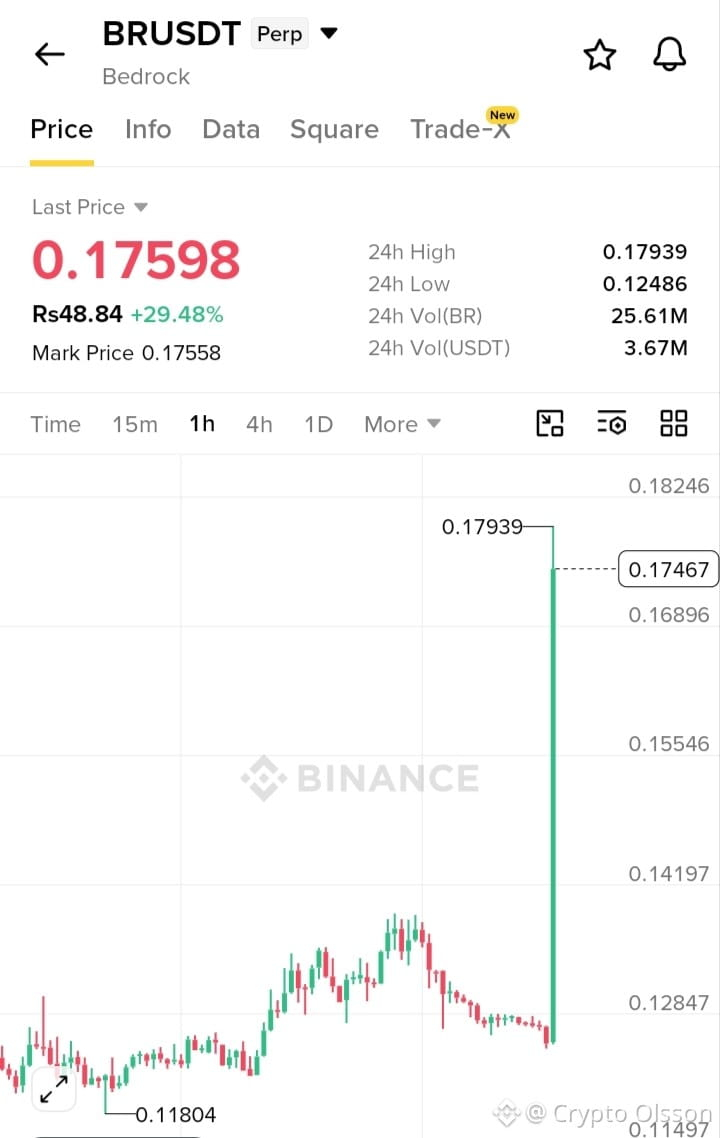
$BR USDT steigt AGGRESSIV, handelt bei etwa $0.18853 und liegt mit +38.52% im Plus! 🚀
📈 24H-Hoch: $0.19631
📉 24H-Tief: $0.12486
💥 24H-Volumen: 50.67M BR / 8.37M USDT
🔥 Nach dem explosiven Move aus der $0.12-Zone haben die Bullen die komplette Kontrolle übernommen. Jetzt ist $0.1963–$0.2001 der entscheidende Widerstand — ein sauberer Ausbruch könnte den nächsten kraftvollen Anstieg auslösen.
⚠️ Aber nach einem Pump von 38%+ ist die Volatilität extrem hoch. Eine Ablehnung nahe dem Widerstand könnte einen scharfen Rücksetzer verursachen.
🎯 BULLISCHE ZIELE: $0.1963 → $0.2001 → $0.2200
🛡️ WICHTIGE UNTERSTÜTZUNGEN: $0.1668 → $0.1502
Der Momentum-Drive ist HEISS. Die Bullen wollen den Ausbruch — die Bären warten auf die Ablehnung. 🔥🐂
#BRUSDT #BR #Bedrock #Binance #Crypto
1
140
Anmelden und weiter Inhalte entdecken
Krypto-Nutzer weltweit auf Binance Square kennenlernen
⚡️ Bleib in Sachen Krypto stets am Puls.
💬 Die weltgrößte Kryptobörse vertraut darauf.
👍 Erhalte verlässliche Einblicke von verifizierten Creators.
E-Mail-Adresse/Telefonnummer
Trendthemen
1
#CryptoLiquidations$674MIn24H
206 Aufrufe
13 Kommentare
2
#RevolutConfirmsFakeGovEmailDataBreach
3,677 Aufrufe
163 Kommentare
3
#CanadaOSFISaysTokenizedDepositsEqualTraditionalDeposits
499 Aufrufe
29 Kommentare
4
#USBankCompletesCrossBorderPaymentPilotOnStellar
16,240 Aufrufe
458 Kommentare
5
#NvidiaInTalksToInvestUpTo$10BInAnthropicIPO
1,365 Aufrufe
49 Kommentare
6
#EtherRalliesAsBearishBetsLiquidate
27,871 Aufrufe
641 Kommentare
7
#EthereumHits$2600FirstTimeInSevenMonths
3,471 Aufrufe
78 Kommentare
8
#OpticalCommsStocksRallyOver3%
30,901 Aufrufe
405 Kommentare
9
#USInflationHoldsAt3.4%InAugust
37,753 Aufrufe
428 Kommentare
10
#CircleProposes$400MTazapayAcquisition
2,034 Aufrufe
41 Kommentare