
0xVL 1
142 Paylaşımlar

0xVL 1
Şikayət et
İstifadəçini blokla
“Every master was once a beginner. Every pro was once an amateur.”
0 İzlənilir
3 İzləyicilər
25 Bəyəndi
Postlar
·
--
Tərcüməyə bax
Highlighting the 57% whale short skew alongside those $59.7K and $62.2K liquidation pockets is a solid way to frame the current order book tension. After Bitcoin’s rough November pullback down from the high $70Ks, seeing resting spot bids build up beneath the current range makes it obvious why liquidity is clustering right around these exact levels market makers always gravitate toward whichever side offers the cleanest fuel for a sweep.
That said, trading solely off raw whale long/short ratios or $150M liquidation headlines can easily trap you on the wrong side of a move. Large players routinely use derivatives shorts to delta-hedge massive spot inventory rather than making a directional bet, so assuming they are overexposed often leads to getting chopped up in sideways range sweeps. Personally, I’m sitting on my hands in the middle of this band and waiting for a confirmed liquidity grab at either $59.7K or $62.2K accompanied by a real spot volume shift before risking any capital. $BTC
That said, trading solely off raw whale long/short ratios or $150M liquidation headlines can easily trap you on the wrong side of a move. Large players routinely use derivatives shorts to delta-hedge massive spot inventory rather than making a directional bet, so assuming they are overexposed often leads to getting chopped up in sideways range sweeps. Personally, I’m sitting on my hands in the middle of this band and waiting for a confirmed liquidity grab at either $59.7K or $62.2K accompanied by a real spot volume shift before risking any capital. $BTC

58
·
--
Tərcüməyə bax
That is a really sharp observation watching Bitcoin defend the $60K zone while U.S. spot ETFs bleed nearly $5 billion in a single month definitely makes you look twice at the order books. It is encouraging to see that aggressive institutional redemptions, particularly out of major funds like IBIT, haven't completely broken market structure yet, and selective institutional pockets like Morgan Stanley adding exposure alongside regional inflows in Hong Kong show that not every desk is hitting the panic button.
Still, calling $60K a confirmed structural floor feels premature when you look under the hood at what actually drove the bounce. A huge portion of that recovery came from thin holiday liquidity and leveraged short liquidations rather than sustained organic spot accumulation. With on-chain apparent demand sitting deep in negative territory and macro headwinds like sticky inflation and potential rate hikes weighing on risk assets, relying on a short squeeze to hold the line leaves the market pretty vulnerable if spot buyers don't step up soon. $BTC
Still, calling $60K a confirmed structural floor feels premature when you look under the hood at what actually drove the bounce. A huge portion of that recovery came from thin holiday liquidity and leveraged short liquidations rather than sustained organic spot accumulation. With on-chain apparent demand sitting deep in negative territory and macro headwinds like sticky inflation and potential rate hikes weighing on risk assets, relying on a short squeeze to hold the line leaves the market pretty vulnerable if spot buyers don't step up soon. $BTC

67
·
--
Tərcüməyə bax
Tracking on-chain supply in loss at this scale is definitely worth paying attention to, especially when 11.6M $BTC sitting underwater highlights how densely recent buyers accumulated near local highs. Pairing that realized pain with an upcoming PCE print makes total sense for short-term risk management, since sticky inflation data could easily trigger another wave of macro de-risking before spot demand steps back in. At the same time, comparing current unrealized losses directly to the FTX collapse overlooks a massive structural difference in market maturity. Back in late 2022, the market was dealing with forced insolvency liquidations and systemic counterparty contagion, whereas today a large chunk of that supply sits with institutional ETF allocators and spot holders who aren't facing margin calls. Relying purely on raw underwater coin counts without adjusting for long-term lost supply or zero-leverage custody tends to make macro prints look way more existential than they actually are.
Tracking on-chain supply in loss at this scale is definitely worth paying attention to, especially when 11.6M $BTC sitting underwater highlights how densely recent buyers accumulated near local highs. Pairing that realized pain with an upcoming PCE print makes total sense for short-term risk management, since sticky inflation data could easily trigger another wave of macro de-risking before spot demand steps back in. At the same time, comparing current unrealized losses directly to the FTX collapse overlooks a massive structural difference in market maturity. Back in late 2022, the market was dealing with forced insolvency liquidations and systemic counterparty contagion, whereas today a large chunk of that supply sits with institutional ETF allocators and spot holders who aren't facing margin calls. Relying purely on raw underwater coin counts without adjusting for long-term lost supply or zero-leverage custody tends to make macro prints look way more existential than they actually are.

63
·
--
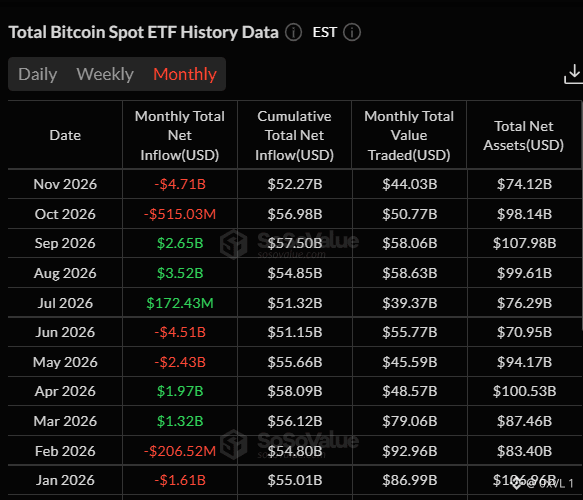
Noyabrda ETF-lərdən vəsait axınına və uzunmüddətli holderlərin təslim olmasına diqqət çəkmək hazırda Bitcoin-ə təzyiq göstərən əsas məqamları dəqiq vurğulayır. Əsasən BlackRock-un IBIT fondundan spot fondlardan 4,7 milyard dolların çıxmasını, təcrübəli cüzdanların isə qısa müddətli yüksəlişlər zamanı təxminən 33% reallaşdırılmış zərərlə satış etməsini izləmək 60 min dolları keçən hər cəhdin niyə bu qədər tez rədd edildiyini izah edir. Oktyabrda Fed-in iclasından sonra makro likvidlik daralarkən və hətta korporativ proxy şirkətlər orta alış qiymətlərindən aşağı səviyyədə ticarət olunarkən, bu təklifi kimin mənimsəyəcəyini soruşmaq tamamilə haqlıdır.
Bununla belə, 4,7 milyard dollarlıq vəsait çıxışını struktur tərk edilmə kimi qələmə vermək bu həcmin nə qədərinin sırf spot bazarında panikadan deyil, mexaniki basis ticarətinin bağlanmasından və ilin sonundakı vergi zərərinin reallaşdırılması satışlarından qaynaqlandığını nəzərdən qaçırır. Uzunmüddətli holderlər maya dəyərindən üçdə bir aşağı səviyyədə nəhayət təslim olduqda və bununla yanaşı, törəmə alətlər bazarında 4,7 milyard dollarlıq leverec mövqeləri ləğv edildikdə, adətən yeni çöküşün başlanğıcından yox, təklifin son mərhələdə tükənməsindən söhbət gedir. 55 min–60 min dollar civarında gözləyən alıcılar səs-küylü, pərakəndə investorların arxasınca qaçanlar deyil; onlar səbirli, leverecsiz spot alıcılarıdır və hamı gündəlik ETF axınları ilə bağlı başlıqlara baxarkən, məcburi satışları sakitcə mənimsəyirlər. $BTC
Bununla belə, 4,7 milyard dollarlıq vəsait çıxışını struktur tərk edilmə kimi qələmə vermək bu həcmin nə qədərinin sırf spot bazarında panikadan deyil, mexaniki basis ticarətinin bağlanmasından və ilin sonundakı vergi zərərinin reallaşdırılması satışlarından qaynaqlandığını nəzərdən qaçırır. Uzunmüddətli holderlər maya dəyərindən üçdə bir aşağı səviyyədə nəhayət təslim olduqda və bununla yanaşı, törəmə alətlər bazarında 4,7 milyard dollarlıq leverec mövqeləri ləğv edildikdə, adətən yeni çöküşün başlanğıcından yox, təklifin son mərhələdə tükənməsindən söhbət gedir. 55 min–60 min dollar civarında gözləyən alıcılar səs-küylü, pərakəndə investorların arxasınca qaçanlar deyil; onlar səbirli, leverecsiz spot alıcılarıdır və hamı gündəlik ETF axınları ilə bağlı başlıqlara baxarkən, məcburi satışları sakitcə mənimsəyirlər. $BTC
79
·
--
Bazarın dərhal rahatlıq rallisi tamamilə məntiqlidir. Jensen Huangın Nvidia-nın baş direktoru vəzifəsinə qaytarılması son vaxtlar həm texnologiya səhmlərində, həm də rəqəmsal aktivlərdə satışlara səbəb olan rəhbərlik boşluğunu dərhal aradan qaldırır. Təbii ki, Render, Bittensor və ya Akash kimi mərkəzləşdirilməmiş hesablama şəbəkələri və süni intellektlə əlaqəli infrastruktur kağız üzərində ən aşkar fayda götürənlərdir, çünki kriptovalyuta sahəsində süni intellektə dair əhval-ruhiyyə Nvidia-nın aparat təminatı yol xəritəsi və məlumat mərkəzlərinin genişləndirilməsi ilə sıx bağlıdır.
Bununla belə, başlıqların təsiri ilə yaranan rahatlıq sıçrayışını davamlı struktur yüksəliş ssenarisi kimi qəbul etmək vaxtından əvvəl görünür. Bitcoin $64,500-ə çatdıqdan sonra ilkin sıçrayışının əhəmiyyətli hissəsini artıq geri verib və bu, səthin altında likvidliyin nə qədər kövrək qaldığını göstərir. Əksər süni intellekt tokenləri hələ də yoxlanıla bilən zəncirüstü hesablama gəlirlərinə deyil, sırf beta korrelyasiyasına əsasən ticarət olunur. Çip ixracına nəzarətlə bağlı davam edən siyasi araşdırmalar və qarşıdan gələn Senat dinləmələri fonunda indi yüksələn qiymət şamlarının arxasınca düşmək növbəti makroiqtisadi dalğalanmaya düşmək riski yaradır $BTC
Bununla belə, başlıqların təsiri ilə yaranan rahatlıq sıçrayışını davamlı struktur yüksəliş ssenarisi kimi qəbul etmək vaxtından əvvəl görünür. Bitcoin $64,500-ə çatdıqdan sonra ilkin sıçrayışının əhəmiyyətli hissəsini artıq geri verib və bu, səthin altında likvidliyin nə qədər kövrək qaldığını göstərir. Əksər süni intellekt tokenləri hələ də yoxlanıla bilən zəncirüstü hesablama gəlirlərinə deyil, sırf beta korrelyasiyasına əsasən ticarət olunur. Çip ixracına nəzarətlə bağlı davam edən siyasi araşdırmalar və qarşıdan gələn Senat dinləmələri fonunda indi yüksələn qiymət şamlarının arxasınca düşmək növbəti makroiqtisadi dalğalanmaya düşmək riski yaradır $BTC

72
·
--
Tərcüməyə bax
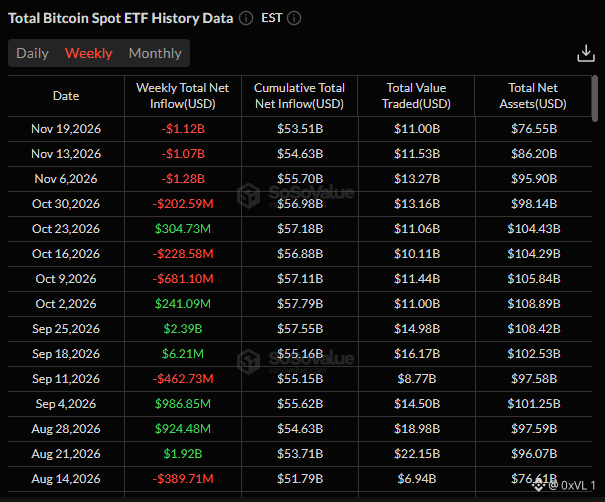
Seeing a single-day $541M outflow from IBIT definitely grabs attention, especially when it accounts for nearly all of the $582M net redemptions across spot Bitcoin ETFs on November 19 and pushes monthly withdrawals toward $3.5B. You’re right to watch these institutional flow prints closely tracking how big desks de-risk when Bitcoin slips toward the $60,000 zone alongside broader tech equity pullbacks gives a much clearer picture of near-term liquidity than price action alone.
That said, framing a single record redemption day as "big money giving up" misses how ETF plumbing and portfolio rebalancing actually work. IBIT still holds close to $48B in assets, meaning a $541M exit is barely over 1% of the fund—hardly a structural exodus. Much of this flow reflects basis trade unwinds, tax-loss harvesting, or temporary risk-off rotation during tech volatility rather than long-term allocators abandoning the asset class, especially when rival funds like Morgan Stanley's MSBT actually pulled in ~$50M in fresh inflows the very same day. $BTC
That said, framing a single record redemption day as "big money giving up" misses how ETF plumbing and portfolio rebalancing actually work. IBIT still holds close to $48B in assets, meaning a $541M exit is barely over 1% of the fund—hardly a structural exodus. Much of this flow reflects basis trade unwinds, tax-loss harvesting, or temporary risk-off rotation during tech volatility rather than long-term allocators abandoning the asset class, especially when rival funds like Morgan Stanley's MSBT actually pulled in ~$50M in fresh inflows the very same day. $BTC
BTC-0,59%
IBITETF-0,71%
66
·
--
Tərcüməyə bax
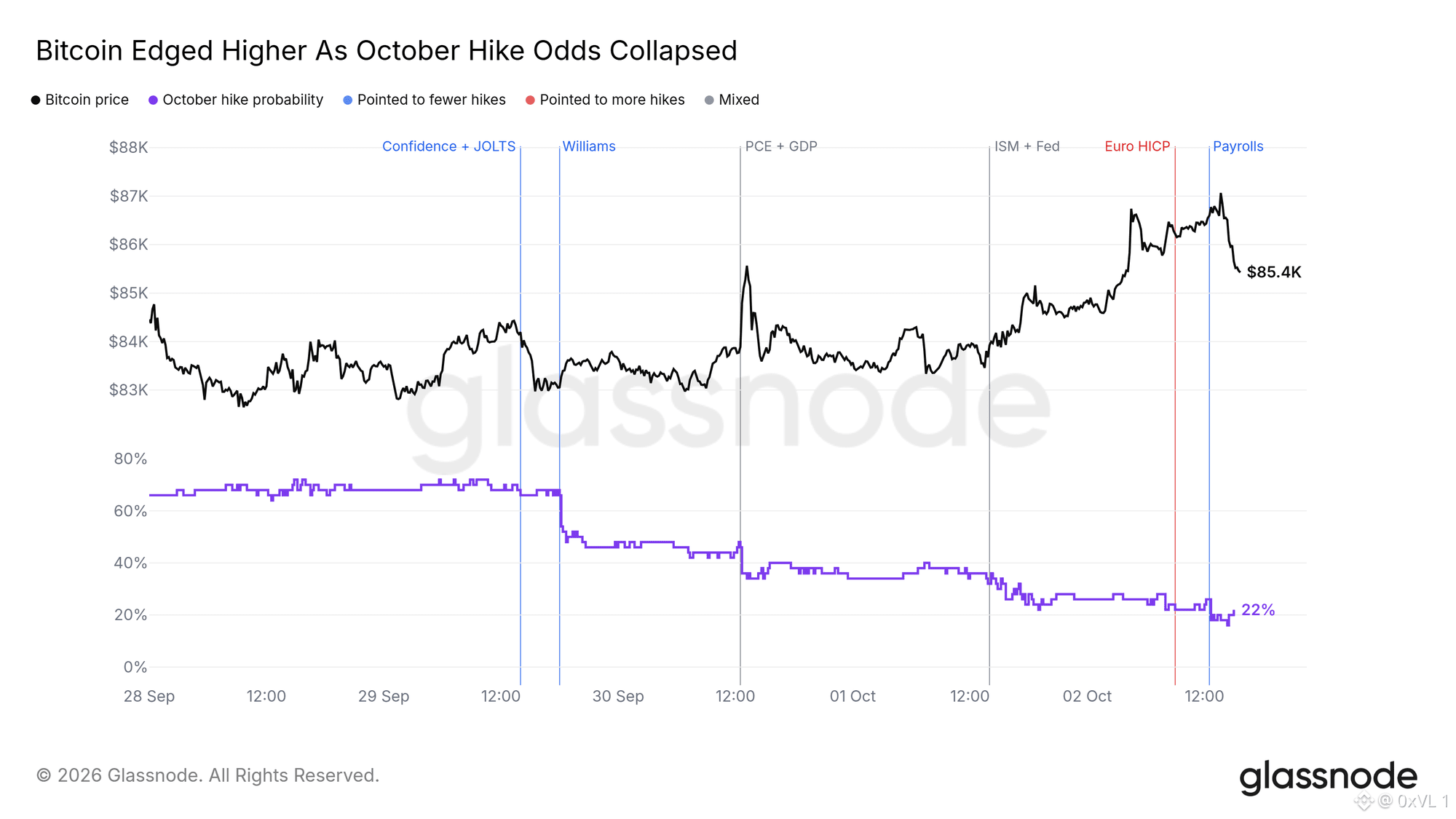
Watching how fast the macro narrative flipped right after October's sticky CPI print is honestly wild, and you nailed the main pressure point here. When Christopher Waller floats a 50-basis-point hike on the table for December, you immediately feel the squeeze on non-yielding risk assets. Pair that hawkish rhetoric with consecutive weeks of spot ETF outflows and roughly $2 billion in long liquidations, and that 22% slide from the early November highs down toward the low $60k range makes complete mechanical sense.
That said, I think the market is overreacting to what looks more like deliberate jawboning than an actual policy commitment. Futures are still heavily anchored around a standard 25-bps move rather than an aggressive double hike, meaning a lot of this downside is just over-leveraged derivatives getting flushed out alongside broader tech-sector jitters. Once the panic positioning clears and the Crypto Fear & Greed Index stops sitting at extreme lows, any hint of softer labor data will likely catch short sellers completely off guard. $BTC
That said, I think the market is overreacting to what looks more like deliberate jawboning than an actual policy commitment. Futures are still heavily anchored around a standard 25-bps move rather than an aggressive double hike, meaning a lot of this downside is just over-leveraged derivatives getting flushed out alongside broader tech-sector jitters. Once the panic positioning clears and the Crypto Fear & Greed Index stops sitting at extreme lows, any hint of softer labor data will likely catch short sellers completely off guard. $BTC
65
·
--
Bu, xüsusilə təchizat zəncirindəki və üçüncü tərəf skriptlərindəki boşluqların həm ənənəvi maliyyədə, həm də Web3-də ən çox nəzərdən qaçan hücum vektorlarından biri olduğunu nəzərə alsaq, həqiqətən də çox yerində sualdır. HSBC, BBC və Ledger kimi 178 tanınmış domenə bir anda, səssizcə yayıla bilən tək bir ələ keçirilmiş təchizatçı asılılığının və ya yoxlanılmamış kod parçasının nə qədər ciddi nəticələrə səbəb ola biləcəyi heyrətamizdir. Bu, hətta korporativ səviyyəli perimetr təhlükəsizliyinin də ən zəif xarici inteqrasiyası qədər güclü olduğunu göstərir. Eyni zamanda, günahı yalnız yuxarı axındakı təchizatçının üzərinə atmaq həmin frontend-ləri işlədən təşkilatlar üçün əlverişli bəhanə kimi görünür. Həssas istifadəçi sessiyalarını və ya aparat pulqabısı interfeyslərini idarə edən istənilən şirkət istehsal mühitində üçüncü tərəf skriptlərinə kor-koranə etibar etməkdənsə, ciddi Subresource Integrity heşləri tətbiq etməli, Content Security Policy qaydalarını sərtləşdirməli və asılılıqları dəqiq versiyalarla sabitləməlidir. Şirkətlər əsas müştəri tərəfi təhlükəsizliyindən daha çox sürətli tətbiqetməyə üstünlük verdikdə, bu cür tək uğursuzluq nöqtəsi komprometasiya hallarına qapını taybatay açır və bunun bədəlini son istifadəçilər korporativ səhlənkarlığa görə ödəyirlər. $BTC $ETH
Bu, xüsusilə təchizat zəncirindəki və üçüncü tərəf skriptlərindəki boşluqların həm ənənəvi maliyyədə, həm də Web3-də ən çox nəzərdən qaçan hücum vektorlarından biri olduğunu nəzərə alsaq, həqiqətən də çox yerində sualdır. HSBC, BBC və Ledger kimi 178 tanınmış domenə bir anda, səssizcə yayıla bilən tək bir ələ keçirilmiş təchizatçı asılılığının və ya yoxlanılmamış kod parçasının nə qədər ciddi nəticələrə səbəb ola biləcəyi heyrətamizdir. Bu, hətta korporativ səviyyəli perimetr təhlükəsizliyinin də ən zəif xarici inteqrasiyası qədər güclü olduğunu göstərir. Eyni zamanda, günahı yalnız yuxarı axındakı təchizatçının üzərinə atmaq həmin frontend-ləri işlədən təşkilatlar üçün əlverişli bəhanə kimi görünür. Həssas istifadəçi sessiyalarını və ya aparat pulqabısı interfeyslərini idarə edən istənilən şirkət istehsal mühitində üçüncü tərəf skriptlərinə kor-koranə etibar etməkdənsə, ciddi Subresource Integrity heşləri tətbiq etməli, Content Security Policy qaydalarını sərtləşdirməli və asılılıqları dəqiq versiyalarla sabitləməlidir. Şirkətlər əsas müştəri tərəfi təhlükəsizliyindən daha çox sürətli tətbiqetməyə üstünlük verdikdə, bu cür tək uğursuzluq nöqtəsi komprometasiya hallarına qapını taybatay açır və bunun bədəlini son istifadəçilər korporativ səhlənkarlığa görə ödəyirlər. $BTC $ETH

85
·
--
Tərcüməyə bax
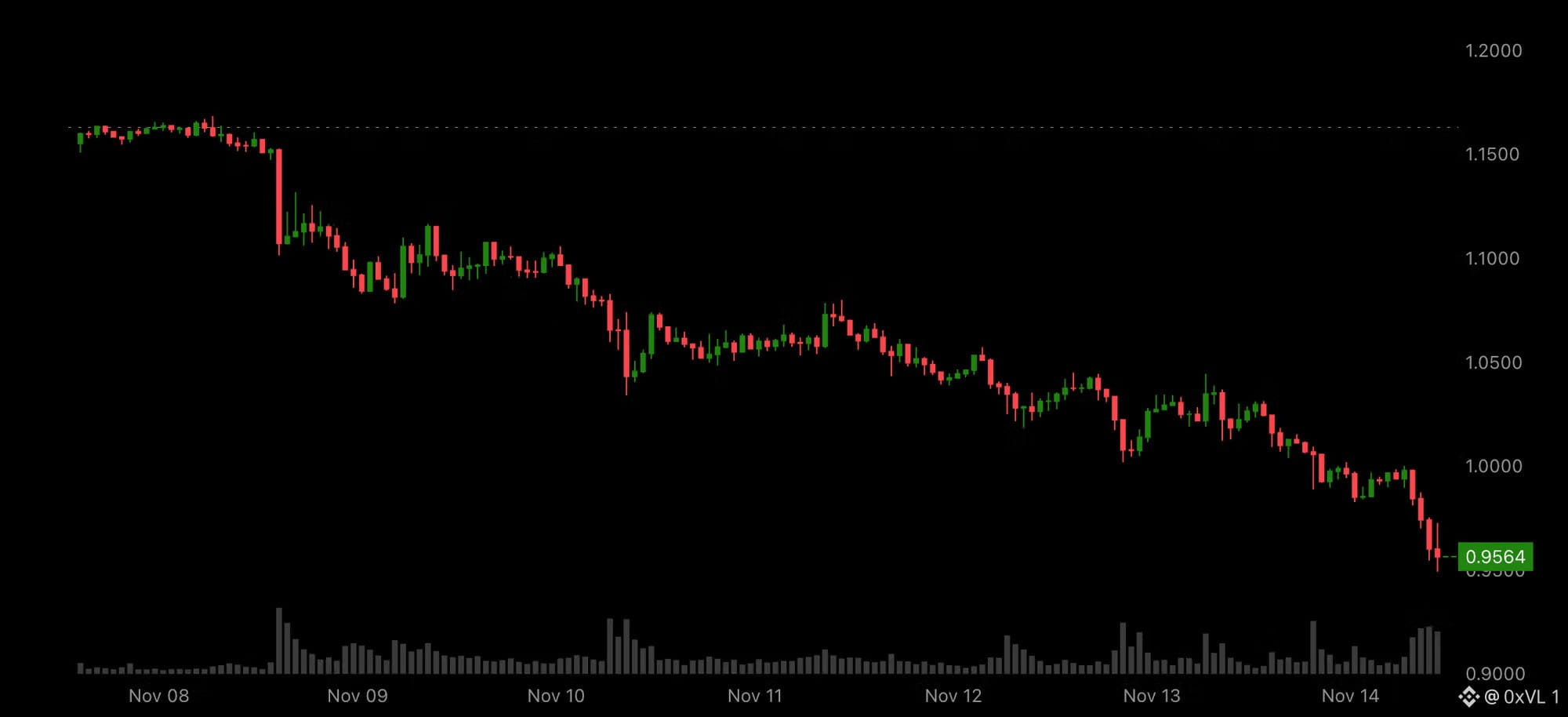
Watching XRP slip back under $1 brings up a really fair question, especially since that level served as the major breakout launchpad back in late 2024. It makes total sense why long-term accumulators are eyeing this zone as a discount compared to earlier this year when it was trading well above $1.50, getting entries around $0.95 looks like a textbook mean-reversion setup on paper, particularly with the regulatory overhang long resolved and ecosystem infrastructure more mature.
That said, treating a sub-$1 price tag automatically as a bargain ignores how much the underlying market structure has shifted. Ongoing circulating supply dilution means a $1 valuation today requires noticeably more capital to sustain than it did two years ago. Combined with recent spot $XRP ETF outflows, shrinking stablecoin liquidity across the broader market, and relative weakness against Bitcoin compared to this past summer's pullback, this looks less like an effortless springboard and more like a prolonged accumulation grind until real institutional inflows return.
That said, treating a sub-$1 price tag automatically as a bargain ignores how much the underlying market structure has shifted. Ongoing circulating supply dilution means a $1 valuation today requires noticeably more capital to sustain than it did two years ago. Combined with recent spot $XRP ETF outflows, shrinking stablecoin liquidity across the broader market, and relative weakness against Bitcoin compared to this past summer's pullback, this looks less like an effortless springboard and more like a prolonged accumulation grind until real institutional inflows return.
·
--
Tərcüməyə bax
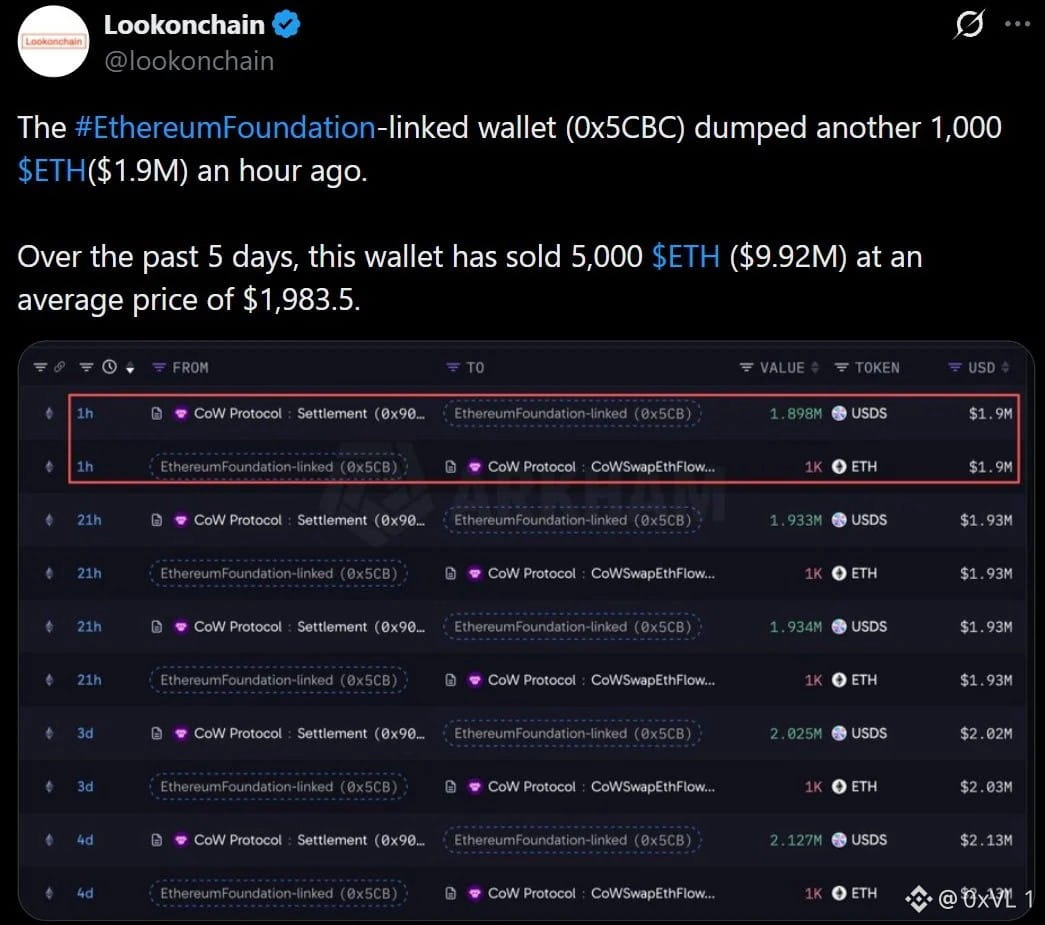
Watching those CoW Swap transfers hit the tape four times in five days is definitely worth flagging, especially when $ETH is already slipping below $1,850 and losing key support levels. Tracking on-chain treasury movements like the 7,500 ETH swapped into USDS gives retail holders useful transparency into how the Foundation manages its 2.5-year operational fiat buffer, and your question highlights why everyone gets nervous when core entities offload right into a 25% drawdown.
That said, assuming they have secret bearish alpha usually misses how boringly bureaucratic nonprofit treasury budgeting actually is. They aren't trying to front-run the market; they are just executing scheduled tranches to cover grants and payroll, though dumping into weak liquidity without using DeFi yield or OTC desks is pretty terrible optics that needlessly fuels the exact panic you're pointing out.
That said, assuming they have secret bearish alpha usually misses how boringly bureaucratic nonprofit treasury budgeting actually is. They aren't trying to front-run the market; they are just executing scheduled tranches to cover grants and payroll, though dumping into weak liquidity without using DeFi yield or OTC desks is pretty terrible optics that needlessly fuels the exact panic you're pointing out.
69
·
--
Tərcüməyə bax
Seeing three separate $1B+ liquidation events in a fortnight is definitely the cleanest kind of leverage reset a market can ask for wiping out overcrowded long positioning like this clears the froth and puts real spot value back on the table. When Bitcoin dips under $69k and majors flush out weak hands, the best opportunities usually show up in protocols with genuine revenue and sticky institutional traction that barely flinch during the chaos, like Hyperliquid or Solana.
That said, treating every violent flush as an automatic green light to ape back in feels a bit premature right now. With spot ETF outflows dragging on, hotter inflation prints keeping yields elevated, and exchange order books running noticeably thin, cascading liquidations are often a symptom of fading macro liquidity rather than a magic bottom signal. Until spot demand actually absorbs the selling without needing leverage to prop up price, catching falling knives just makes you exit liquidity for the next macro headline. $BTC $HYPE $SOL
That said, treating every violent flush as an automatic green light to ape back in feels a bit premature right now. With spot ETF outflows dragging on, hotter inflation prints keeping yields elevated, and exchange order books running noticeably thin, cascading liquidations are often a symptom of fading macro liquidity rather than a magic bottom signal. Until spot demand actually absorbs the selling without needing leverage to prop up price, catching falling knives just makes you exit liquidity for the next macro headline. $BTC $HYPE $SOL

67
·
--
Bu üç makroiqtisadi və səhm bazarı amilini əlaqələndirmək çox yerindədir, xüsusən də kriptovalyutalar bütün həftə ərzində yüksək betalı texnologiya səhmlərinin kredit çiyni ilə ticarət olunan analoqu kimi hərəkət etdiyi üçün. Jensen Huangın Nvidia-dan ayrılması daha geniş risk əhvalını dəstəkləyən süni intellekt ticarətində dərhal liderlik qeyri-müəyyənliyi yaradır. Strategy şirkətinin MSCI indekslərindən çıxarılması isə milyardlarla dollar həcmində passiv fond axınının çıxmasına səbəb olaraq onun səhm kapitalından BTC-yə gedən dövriyyə mexanizmini birbaşa təhdid edir. Bu iki struktur əngəli yanaşı nəzərdən keçirmək hazırda 70.000 dolların aşağı səviyyələri ətrafında spot tələbinin niyə bu qədər tərəddüdlü göründüyünü izah edir.
Bununla belə, cümə günü açıqlanacaq PPI göstəricisini tamamilə yeni bir şok kimi təqdim etmək bir qədər şişirdilmiş görünür, çünki çərşənbə axşamı açıqlanan yüksək CPI göstəricisi dekabrda faiz artımı gözləntilərini artıq yenidən qiymətləndirmişdi. Topdansatış inflyasiyası ilə bağlı narahatlığın xeyli hissəsi artıq istiqraz gəlirliliyinə və ETF-lərdən son dövrdəki vəsait çıxışına daxil edilib. Buna görə də, göstərici gözləntilərdən kəskin yüksək çıxaraq bazarı daha sərt monetar siyasət yolunu qiymətləndirməyə məcbur etməsə, bir qədər yüksək rəqəm, yəqin ki, tammiqyaslı struktur çöküşü deyil, qısamüddətli likvidlik ovuna səbəb olacaq. $BTC
Bununla belə, cümə günü açıqlanacaq PPI göstəricisini tamamilə yeni bir şok kimi təqdim etmək bir qədər şişirdilmiş görünür, çünki çərşənbə axşamı açıqlanan yüksək CPI göstəricisi dekabrda faiz artımı gözləntilərini artıq yenidən qiymətləndirmişdi. Topdansatış inflyasiyası ilə bağlı narahatlığın xeyli hissəsi artıq istiqraz gəlirliliyinə və ETF-lərdən son dövrdəki vəsait çıxışına daxil edilib. Buna görə də, göstərici gözləntilərdən kəskin yüksək çıxaraq bazarı daha sərt monetar siyasət yolunu qiymətləndirməyə məcbur etməsə, bir qədər yüksək rəqəm, yəqin ki, tammiqyaslı struktur çöküşü deyil, qısamüddətli likvidlik ovuna səbəb olacaq. $BTC

78
·
--
Tərcüməyə bax
Raising this point is genuinely refreshing because post-quantum vulnerability on legacy ledger addresses is one of the most overlooked architectural realities in the space. The math behind public key revelation on the XRPL isn't hypothetical: once an account signs an outgoing transaction, its secp256k1 or Ed25519 public key is permanently exposed on-ledger, which effectively strips away the SHA-512/RIPEMD-160 hash pre-image shielding that unspent addresses rely on. Acknowledging that over thirty billion XRP rests on historically active accounts whose revealed keys could theoretically fall to Shor’s algorithm gives much-needed technical grounding to a discussion that is usually dominated purely by price speculation. That said, framing 2028 as an imminent deadline feels far more like manufactured urgency than an objective risk assessment. Building cryptographically relevant quantum hardware capable of cracking 256-bit elliptic curves in practical timeframes requires millions of physical, error-corrected qubits—a milestone virtually all mainstream quantum research benchmarks place well into the next decade. More importantly, expecting retail and dormant institutional accounts to self-coordinate manual key rotations before native cryptographic upgrades roll out ignores human inertia. If state-level key migration isn't implemented seamlessly at the protocol level via rippled validator amendments, the vast majority of that supply simply won't move until actual threshold breakthroughs force the network's hand. $XRP
Raising this point is genuinely refreshing because post-quantum vulnerability on legacy ledger addresses is one of the most overlooked architectural realities in the space. The math behind public key revelation on the XRPL isn't hypothetical: once an account signs an outgoing transaction, its secp256k1 or Ed25519 public key is permanently exposed on-ledger, which effectively strips away the SHA-512/RIPEMD-160 hash pre-image shielding that unspent addresses rely on. Acknowledging that over thirty billion XRP rests on historically active accounts whose revealed keys could theoretically fall to Shor’s algorithm gives much-needed technical grounding to a discussion that is usually dominated purely by price speculation. That said, framing 2028 as an imminent deadline feels far more like manufactured urgency than an objective risk assessment. Building cryptographically relevant quantum hardware capable of cracking 256-bit elliptic curves in practical timeframes requires millions of physical, error-corrected qubits—a milestone virtually all mainstream quantum research benchmarks place well into the next decade. More importantly, expecting retail and dormant institutional accounts to self-coordinate manual key rotations before native cryptographic upgrades roll out ignores human inertia. If state-level key migration isn't implemented seamlessly at the protocol level via rippled validator amendments, the vast majority of that supply simply won't move until actual threshold breakthroughs force the network's hand. $XRP
70
·
--
Tərcüməyə bax
Solid catch on that open interest buildup noticing when smart money establishes that scale of short positioning across derivatives books is usually where retail gets completely blindsided. The comparison to the October '25 drawdown is completely valid too, especially given how funding rates have been drifting neutral-to-negative and spot CVD isn't aggressively absorbing the passive sell limit walls. Watching cluster size at key liquidation levels right now definitely points to an inflection window where volatility has to resolve sharply one way or the other. However, leaning too heavily into an exact repeat of that 23% correction feels like recency bias blinding traders to actual structural changes in the order book. When a whale-sized short is this glaringly obvious on publicly aggregated dashboards, it often acts as liquidity bait for prime market makers rather than genuine directional conviction. If large spot buyers step in to defend key volume shelves, the delta imbalance will rapidly flip against them, turning an anticipated dump into a violent short squeeze that sweeps stop clusters above local range highs. Treating it as a guaranteed flush before seeing spot-driven follow-through is just asking to get chopped up $BTC
Solid catch on that open interest buildup noticing when smart money establishes that scale of short positioning across derivatives books is usually where retail gets completely blindsided. The comparison to the October '25 drawdown is completely valid too, especially given how funding rates have been drifting neutral-to-negative and spot CVD isn't aggressively absorbing the passive sell limit walls. Watching cluster size at key liquidation levels right now definitely points to an inflection window where volatility has to resolve sharply one way or the other. However, leaning too heavily into an exact repeat of that 23% correction feels like recency bias blinding traders to actual structural changes in the order book. When a whale-sized short is this glaringly obvious on publicly aggregated dashboards, it often acts as liquidity bait for prime market makers rather than genuine directional conviction. If large spot buyers step in to defend key volume shelves, the delta imbalance will rapidly flip against them, turning an anticipated dump into a violent short squeeze that sweeps stop clusters above local range highs. Treating it as a guaranteed flush before seeing spot-driven follow-through is just asking to get chopped up $BTC

70
·
--
Tərcüməyə bax
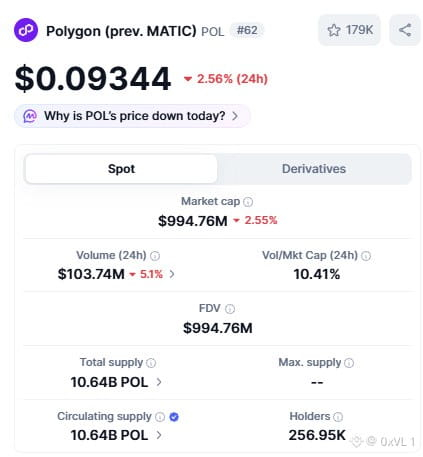
The coordinated governance push by Polygon Labs, Binance, and Polymarket to recover those ~70.5M $POL by zeroing out the exploiters' balances makes total sense from an institutional remediation angle. Re-routing state rather than inflating the supply protects current token holders from direct dilution, and coordinating validator action to clean up a high-profile multi-million dollar exploit certainly shows how responsive the core ecosystem can be when major infrastructure partners take a hit.
That being said, pushing an irregular state transition via a hard fork to reverse malicious balances opens up a really uncomfortable precedent for immutability. While the DAO vote will almost certainly pass given validator alignment and backing from tier-one industry players, it explicitly proves that Polygon PoS governance remains fundamentally centralized enough to rewrite state when institutional capital is on the line. For retail users, network mechanics won't visibly break post-upgrade, but it does heavily erode the credible neutrality narrative that L2s and sidechains fight so hard to maintain.
That being said, pushing an irregular state transition via a hard fork to reverse malicious balances opens up a really uncomfortable precedent for immutability. While the DAO vote will almost certainly pass given validator alignment and backing from tier-one industry players, it explicitly proves that Polygon PoS governance remains fundamentally centralized enough to rewrite state when institutional capital is on the line. For retail users, network mechanics won't visibly break post-upgrade, but it does heavily erode the credible neutrality narrative that L2s and sidechains fight so hard to maintain.
64
·
--
Tərcüməyə bax
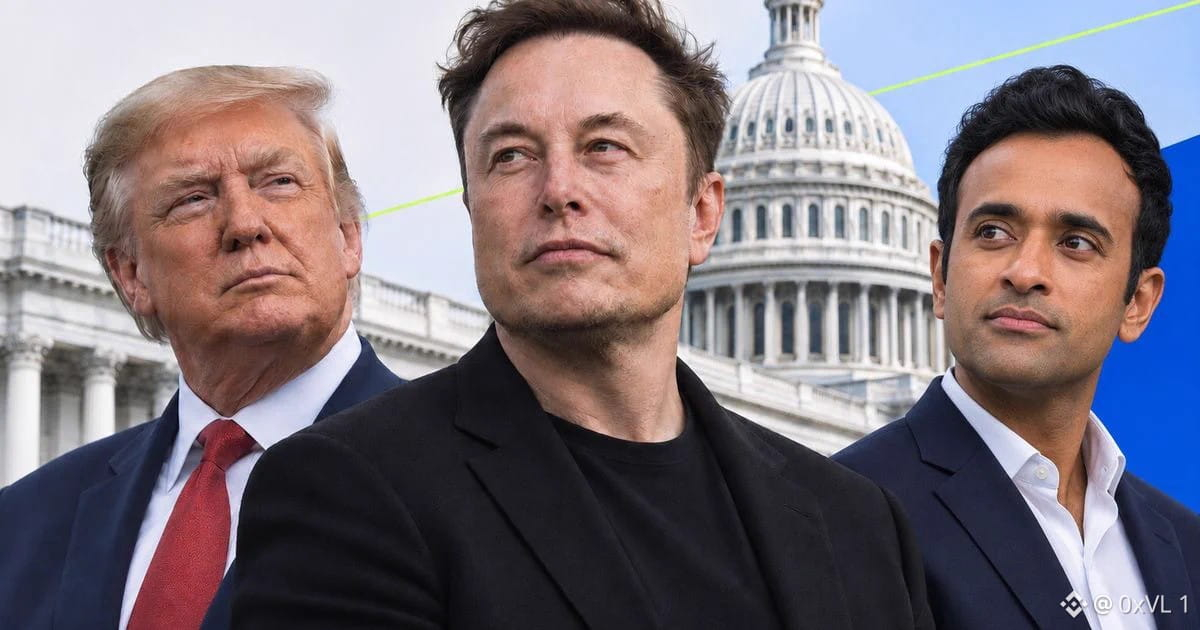
It is completely understandable why traders are watching this so closely, and the immediate market relief makes a lot of sense given how much macro uncertainty was priced in heading into election day. Historically, a clear Congressional outcome removes the drag of political deadlock, and seeing Bitcoin hold structure while capital rotates back into risk assets shows that institutional appetite and ETF inflows are resilient regardless of which party takes the gavel. More importantly, having a decisive legislative branch might finally speed up long-delayed statutory clarity around stablecoin reserves and market structure definitions, which institutional custody desks have been desperately waiting for. That being said, assuming a unified Democratic Congress is inherently bullish or bearish oversimplifies how regulatory machinery works in Washington. The immediate market knee-jerk often blinds retail traders to the gritty committee reality: leadership appointments on banking and financial services committees heavily influence enforcement direction, consumer protection mandates, and corporate tax proposals that could squeeze domestic crypto native businesses. If the legislative focus pivots primarily toward aggressive tax reporting compliance and tighter oversight on decentralized finance rails, the liquidity premium could get capped pretty quickly once the initial post-election volatility settles down. $BTC $ETH
It is completely understandable why traders are watching this so closely, and the immediate market relief makes a lot of sense given how much macro uncertainty was priced in heading into election day. Historically, a clear Congressional outcome removes the drag of political deadlock, and seeing Bitcoin hold structure while capital rotates back into risk assets shows that institutional appetite and ETF inflows are resilient regardless of which party takes the gavel. More importantly, having a decisive legislative branch might finally speed up long-delayed statutory clarity around stablecoin reserves and market structure definitions, which institutional custody desks have been desperately waiting for. That being said, assuming a unified Democratic Congress is inherently bullish or bearish oversimplifies how regulatory machinery works in Washington. The immediate market knee-jerk often blinds retail traders to the gritty committee reality: leadership appointments on banking and financial services committees heavily influence enforcement direction, consumer protection mandates, and corporate tax proposals that could squeeze domestic crypto native businesses. If the legislative focus pivots primarily toward aggressive tax reporting compliance and tighter oversight on decentralized finance rails, the liquidity premium could get capped pretty quickly once the initial post-election volatility settles down. $BTC $ETH
74
·
--
Tərcüməyə bax
This hits the nail on the head regarding the systemic blind spots in our custody assumptions, and it is a wake-up call that everyone in the space desperately needs to pay attention to right now. Watching centralized exchange infrastructure and secondary liquidity bridges get systematically compromised one after another proves that even enterprise-grade multi-party computation and cold-storage claims have severe operational single points of failure. The sheer pattern of these exploits exposes how fragile the broader custodial counterparty layer really is, especially when cross-chain settlement dependencies and internal key management processes get stressed under real attack vectors. That said, spiraling into total panic over "nowhere being safe" misses the core engineering reality of sovereign custody. The issue is rarely cryptographic failure of the base networks themselves, but rather users confusing convenience with security by leaving capital parked on third-party platforms or blindly signing arbitrary smart contract permissions with hot browser wallets. Air-gapped multisig setups, dedicated hardware signers, and strict whitelist hygiene remain fundamentally sound, so treating this wave of breaches as proof that self-custody is broken just reflects lazy risk management instead of a fatal structural flaw. $BTC $ETH
This hits the nail on the head regarding the systemic blind spots in our custody assumptions, and it is a wake-up call that everyone in the space desperately needs to pay attention to right now. Watching centralized exchange infrastructure and secondary liquidity bridges get systematically compromised one after another proves that even enterprise-grade multi-party computation and cold-storage claims have severe operational single points of failure. The sheer pattern of these exploits exposes how fragile the broader custodial counterparty layer really is, especially when cross-chain settlement dependencies and internal key management processes get stressed under real attack vectors. That said, spiraling into total panic over "nowhere being safe" misses the core engineering reality of sovereign custody. The issue is rarely cryptographic failure of the base networks themselves, but rather users confusing convenience with security by leaving capital parked on third-party platforms or blindly signing arbitrary smart contract permissions with hot browser wallets. Air-gapped multisig setups, dedicated hardware signers, and strict whitelist hygiene remain fundamentally sound, so treating this wave of breaches as proof that self-custody is broken just reflects lazy risk management instead of a fatal structural flaw. $BTC $ETH
61
·
--
Tərcüməyə bax
Really solid framing of the tug-of-war playing out right now. It’s genuinely fascinating watching retail fixate on election coverage while institutional desks quietly dictate the actual tape. You can definitely make a strong case that political sentiment sets the broader narrative backdrop between SEC leadership posturing, regulatory clarity bills, and long-term fiscal policy expectations, Washington creates the overarching macro climate that risk assets ultimately have to navigate. That said, when it comes to immediate price discovery, Wall Street capital flows win this fight every single time. Political rhetoric is mostly noisy sentiment that gets priced in and discounted weeks in advance, whereas spot ETF redemptions, basis trade unwinds, and systematic de-risking represent hard, physical delta hitting order books in real time. Traders love to get caught up in political theater, but Capitol Hill doesn’t press the market sell button TradFi balance sheets do. Thinking political speeches can outmuscle raw institutional liquidity is just fundamentally misunderstanding where actual pricing power sits in this cycle. $BTC
Really solid framing of the tug-of-war playing out right now. It’s genuinely fascinating watching retail fixate on election coverage while institutional desks quietly dictate the actual tape. You can definitely make a strong case that political sentiment sets the broader narrative backdrop between SEC leadership posturing, regulatory clarity bills, and long-term fiscal policy expectations, Washington creates the overarching macro climate that risk assets ultimately have to navigate. That said, when it comes to immediate price discovery, Wall Street capital flows win this fight every single time. Political rhetoric is mostly noisy sentiment that gets priced in and discounted weeks in advance, whereas spot ETF redemptions, basis trade unwinds, and systematic de-risking represent hard, physical delta hitting order books in real time. Traders love to get caught up in political theater, but Capitol Hill doesn’t press the market sell button TradFi balance sheets do. Thinking political speeches can outmuscle raw institutional liquidity is just fundamentally misunderstanding where actual pricing power sits in this cycle. $BTC
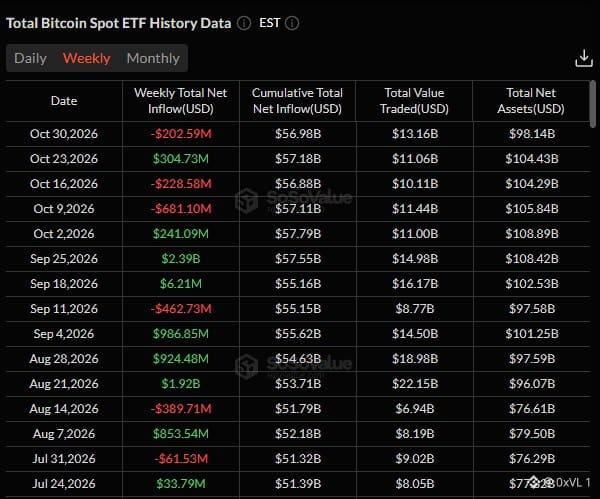
66
·
--
Tərcüməyə bax
It is genuinely reassuring that Binance maintains a transparent on-chain wallet for the SAFU fund and backs it with verifiable capital that anyone can track across public ledgers. Having an explicit emergency reserve that has historically stepped in to cover customer balances during extreme exploit scenarios gives legitimate peace of mind, setting a relatively high transparency baseline compared to platforms that offer zero verifiable proof of contingency backing. However, we have to distinguish confirmed liquidity from marketing noise. While the published on-chain balance is provable fact, it is not a legally binding insurance contract or segregated custodial trust backed by independent statutory underwriters. Allocating emergency reserves into volatile assets like Bitcoin means the fund's actual purchasing power fluctuates directly with market drawdowns, and whether an incident qualifies for compensation remains entirely at Binance's internal discretion. At the end of the day, an internal reserve is a great operational buffer, but it shouldn't be confused with complete structural immunity or third-party audited protection. $BTC $ETH $BNB
It is genuinely reassuring that Binance maintains a transparent on-chain wallet for the SAFU fund and backs it with verifiable capital that anyone can track across public ledgers. Having an explicit emergency reserve that has historically stepped in to cover customer balances during extreme exploit scenarios gives legitimate peace of mind, setting a relatively high transparency baseline compared to platforms that offer zero verifiable proof of contingency backing. However, we have to distinguish confirmed liquidity from marketing noise. While the published on-chain balance is provable fact, it is not a legally binding insurance contract or segregated custodial trust backed by independent statutory underwriters. Allocating emergency reserves into volatile assets like Bitcoin means the fund's actual purchasing power fluctuates directly with market drawdowns, and whether an incident qualifies for compensation remains entirely at Binance's internal discretion. At the end of the day, an internal reserve is a great operational buffer, but it shouldn't be confused with complete structural immunity or third-party audited protection. $BTC $ETH $BNB

71
·
--
Tərcüməyə bax
It’s genuinely refreshing to see someone actually track these corporate balance sheet breakdowns instead of just fixating on exchange order books. You are pointing out a very real dynamic watching smaller public firms that tried to clone the MicroStrategy treasury playbook suddenly unwind their holdings is a fascinating study in balance sheet stress. Paying close attention to those corporate liquidations offers legitimate insight into how quickly leveraged treasury models break down when capital costs rise. However, conflating these copycat balance sheets with "smart money" is where the premise completely falls apart. These companies weren't executing a calculated, forward-looking macro exit based on superior market timing; they were mostly struggling small-caps and low-margin firms that adopted Bitcoin as a desperate marketing gimmick without having the actual operating cash flows or multi-year convertible debt structures that make the playbook survivable. When debt service came due, preferred dividends required liquidity, and share dilution stopped working, they became forced sellers just to keep their doors open. Calling forced insolvency "smart money dumping" fundamentally misdiagnoses what actually happened it's standard distressed liquidation, not an informed top-call. $BTC
It’s genuinely refreshing to see someone actually track these corporate balance sheet breakdowns instead of just fixating on exchange order books. You are pointing out a very real dynamic watching smaller public firms that tried to clone the MicroStrategy treasury playbook suddenly unwind their holdings is a fascinating study in balance sheet stress. Paying close attention to those corporate liquidations offers legitimate insight into how quickly leveraged treasury models break down when capital costs rise. However, conflating these copycat balance sheets with "smart money" is where the premise completely falls apart. These companies weren't executing a calculated, forward-looking macro exit based on superior market timing; they were mostly struggling small-caps and low-margin firms that adopted Bitcoin as a desperate marketing gimmick without having the actual operating cash flows or multi-year convertible debt structures that make the playbook survivable. When debt service came due, preferred dividends required liquidity, and share dilution stopped working, they became forced sellers just to keep their doors open. Calling forced insolvency "smart money dumping" fundamentally misdiagnoses what actually happened it's standard distressed liquidation, not an informed top-call. $BTC

70
Daha çox kontent araşdırmaq üçün daxil olun
Binance Square-də qlobal kriptovalyuta istifadəçilərinə qoşulun
⚡️ Kriptovalyuta haqqında ən son və faydalı məlumatları əldə edin.
💬 Dünyanın ən böyük kriptovalyuta birjası tərəfindən etibar edilir.
👍 Doğrulanmış yaradıcılardan gələn real məlumatları kəşf edin.
E-poçt/Telefon nömrəsi
Trenddə olan mövzular
EvolveAtBinanceBlockchainWeek
2.4M baxış
Müzakirə edir: 20,228
Binance Blockchain Week rəsmi olaraq başladı! 🌍
Noyabrın 28–29-da Banqkokda olsanız da, uzaqdan qoşulsanız da, canlı yayımları izləyin və Binance Square-də söhbətə qoşulun!
Sizi nələr gözləyir 👇
📺 main stage live-ni izləyin
Hər iki gün ərzində sənaye mütəxəssisləri builki “Təkamül” mövzusu ilə bağlı fikirlərini bölüşəcəklər. Texnoloji yeniliklərdən real dünya tətbiqlərinə qədər kriptovalyuta sahəsində növbəti yenilikləri kəşf edin.
⚔️ İki treydinq yarışmasını izləyin
Aster Open Qualifier və Binance Trading Master Tournament canlı yayımlanacaq. Treyderlərin mübarizəsini izləmək üçün yayıma qoşulun.
🏆 Blockchain 100 Awards Ceremony-ni izləyin
Blockchain 100 siyahısı icma tərəfindən seçilib. Yaradıcılara və onların paylaşdığı ideyalara həsr olunan bayramımıza qoşulun!
💬 İcma söhbətinə qoşulun
Tədbirdən nə gözlədiyinizi, sənaye ilə bağlı fikirlərinizi və ya sevimli anlarınızı bölüşmək üçün fotoşəkilli paylaşımda #EvolveAtBinanceBlockchainWeek -dən istifadə edin.
event page artıq canlı yayımdadır! Heç bir anı qaçırmamaq üçün bütün canlı yayımlara bir kliklə abunə olun 👏
Binance Blockchain Week
·604 bəyənmə
·926.8k baxış
WorldLibertyActsToCutLiquidationRisk
22,167 baxış
Müzakirə edir: 276
LiquidHackerMoves598BTC
18,375 baxış
Müzakirə edir: 193