
Sunny3555
32 منشورات

Sunny3555
إبلاغ
حظر المُستخدم
فتح تداول

حائز على BNB
مُتداول عرضي
2.1 سنوات
5 تتابع
29 المتابعون
43 إعجاب
منشورات
الحافظة الاستثمارية
الكل
اقتباسات
·
--
هابط
#CanBTCReboundAfterFallingBelow60K? $BTC #CanGTA6'sLaunchLiftTTWOShares?
هل من الممكن أن تكون لعبة واحدة؟ أم أن BTC سيرتفع؟ أنا مرتبك جدًا بشأن تغييرات التوقيت.
#CanBTCReboundAfterFallingBelow60K? $BTC #CanGTA6'sLaunchLiftTTWOShares?
هل من الممكن أن تكون لعبة واحدة؟ أم أن BTC سيرتفع؟ أنا مرتبك جدًا بشأن تغييرات التوقيت.
هل من الممكن أن تكون لعبة واحدة؟ أم أن BTC سيرتفع؟ أنا مرتبك جدًا بشأن تغييرات التوقيت.
45
·
--

مقالة
فوق السوق#XPL $XPL
اليوم لا أريد كتابة أي شيء لأنني عالق منذ الليلة الماضية في رؤية التقلبات حول السوق وفجأة أدركت أن المخاطر والحظ يجعلانك أقوى ولهما أماكنهما وجزء من حياتك بينهما. أيضًا، تبقى شيء واحد، إنه استراتيجية، الشخص الذي يفكر ويخطط ويتصرف هو أساس معرفته، وأثناء هذه الفترة يواجه هذين الشيئين المعروفين بالمخاطر والحظ. عندما تجتمع هذه الأشياء ويحصل على النتائج، دعني أطرح سؤالاً واحداً: من يفوز، الحظ أم المخاطر أم الخطط؟ لذا كانت هذه أفكاري التي أشاركها معك. يرجى إخباري برأيك. $XPL $XRP @Plasma
فوق السوق
#XPL $XPL
اليوم لا أريد كتابة أي شيء لأنني عالق منذ الليلة الماضية في رؤية التقلبات حول السوق وفجأة أدركت أن المخاطر والحظ يجعلانك أقوى ولهما أماكنهما وجزء من حياتك بينهما. أيضًا، تبقى شيء واحد، إنه استراتيجية، الشخص الذي يفكر ويخطط ويتصرف هو أساس معرفته، وأثناء هذه الفترة يواجه هذين الشيئين المعروفين بالمخاطر والحظ. عندما تجتمع هذه الأشياء ويحصل على النتائج، دعني أطرح سؤالاً واحداً: من يفوز، الحظ أم المخاطر أم الخطط؟ لذا كانت هذه أفكاري التي أشاركها معك. يرجى إخباري برأيك. $XPL $XRP @Plasma
اليوم لا أريد كتابة أي شيء لأنني عالق منذ الليلة الماضية في رؤية التقلبات حول السوق وفجأة أدركت أن المخاطر والحظ يجعلانك أقوى ولهما أماكنهما وجزء من حياتك بينهما. أيضًا، تبقى شيء واحد، إنه استراتيجية، الشخص الذي يفكر ويخطط ويتصرف هو أساس معرفته، وأثناء هذه الفترة يواجه هذين الشيئين المعروفين بالمخاطر والحظ. عندما تجتمع هذه الأشياء ويحصل على النتائج، دعني أطرح سؤالاً واحداً: من يفوز، الحظ أم المخاطر أم الخطط؟ لذا كانت هذه أفكاري التي أشاركها معك. يرجى إخباري برأيك. $XPL $XRP @Plasma
41

·
--
مقالة
عرض الترجمة
News makes me Confuse@Plasma #plasm $XPL
The new global financial system is here.As I watched and experienced during my journey of trade by the passing time I realised it can be joyful or painful it’s all depends on your ability or skills if you can handle your emotions or make your decisions at the right time you will be the Future hero afcours luck exists but hard work have own place so Don’t worry Make your decisions and believe your self and get right knowledge right time you will never lose $XPL #Plasma @Plasma in the last want share my way of trading me is not a expert just have small sense which was given by Allah me also don’t know me using it wrong or right way so get point I start with plasma here is some points
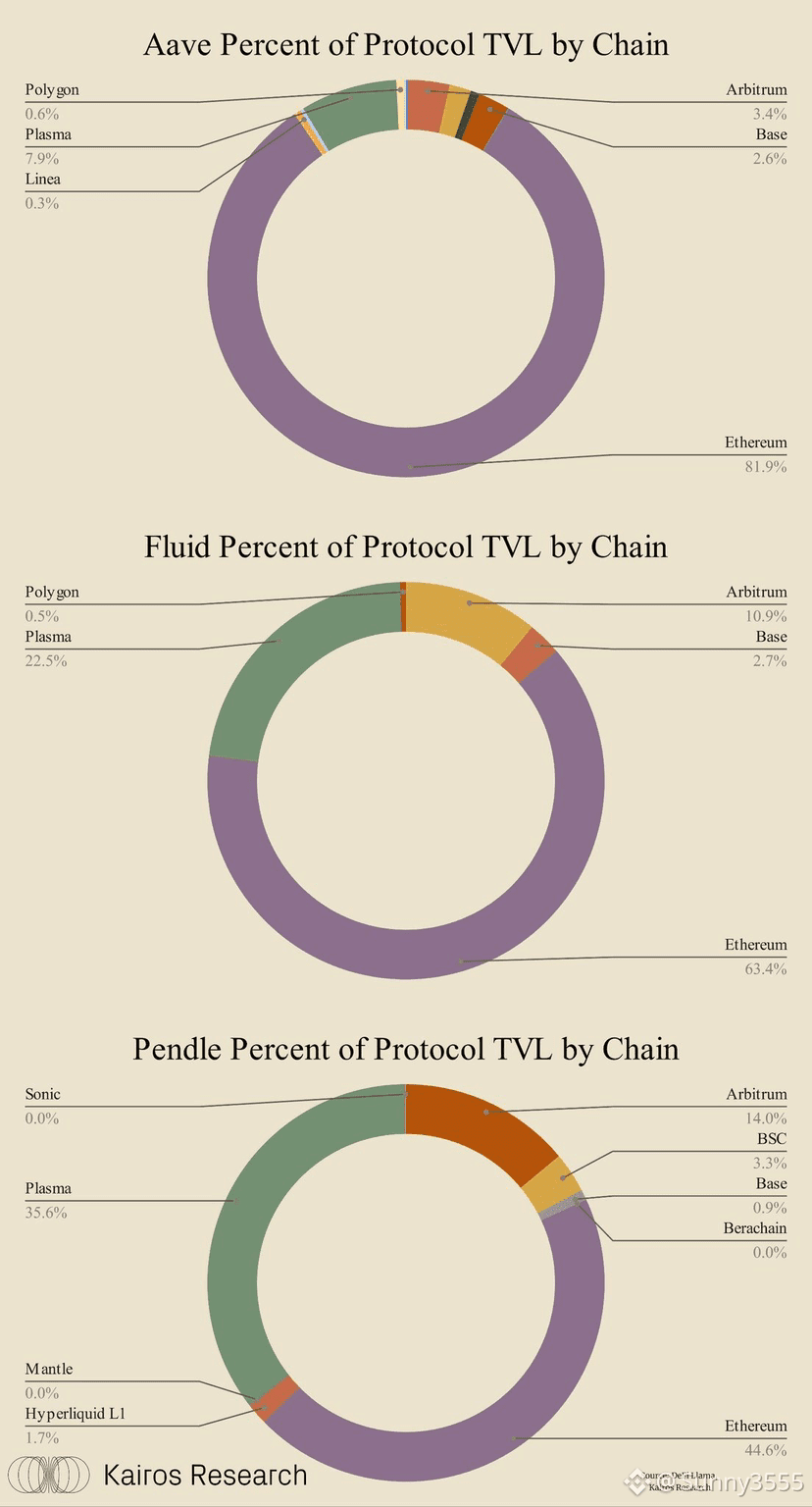
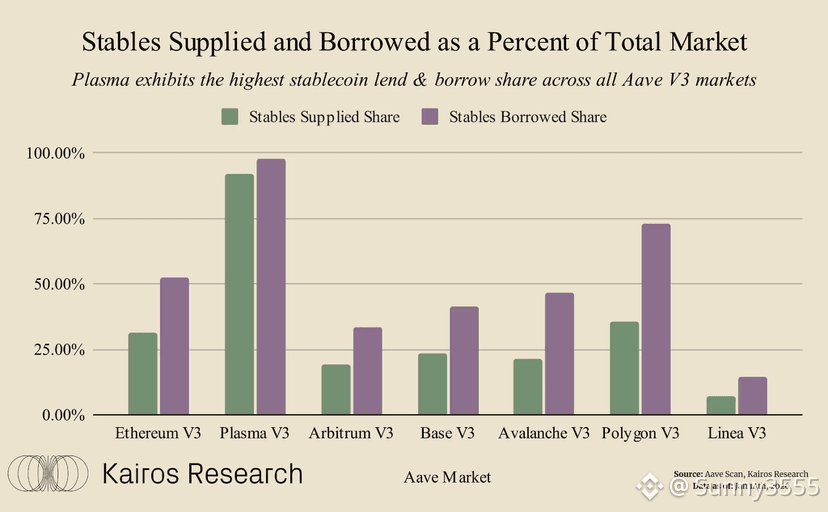
Plasma now has the second largest onchain lending market in the world. If you're building new financial primitives with stablecoins, build alongside us on Plasma.
News makes me Confuse
@Plasma #plasm $XPL
The new global financial system is here.As I watched and experienced during my journey of trade by the passing time I realised it can be joyful or painful it’s all depends on your ability or skills if you can handle your emotions or make your decisions at the right time you will be the Future hero afcours luck exists but hard work have own place so Don’t worry Make your decisions and believe your self and get right knowledge right time you will never lose $XPL #Plasma @Plasma in the last want share my way of trading me is not a expert just have small sense which was given by Allah me also don’t know me using it wrong or right way so get point I start with plasma here is some points
Plasma now has the second largest onchain lending market in the world. If you're building new financial primitives with stablecoins, build alongside us on Plasma.
1
22
·
--
@Plasma #BinanceSquareTalks كانت قرارًا جيدًا أعطني رأيك أنا الجديد شكرًا
@Plasma #BinanceSquareTalks كانت قرارًا جيدًا أعطني رأيك أنا الجديد شكرًا
20
·
--
مقالة
عرض الترجمة
Is it Future?Ask yourself@Plasma #Plasma $XPL
Deep stablecoin liquidity is what every payments business, card issuer, and fintech needs.
People and businesses holding dollars on gain access to institutional grade arbitrage returns on the same rails that move their money.Deep liquidity is the backbone of real payments.
When stablecoins move easily and reliably, builders can focus on creating great products instead of fighting rails.
That’s the kind of foundation I think aligned with scalable, efficient, and built for real-world usage.This is what real product market fit looks like in DeFi.
6 days to $1B market size, $1.9B all-time volume, and Fluid already driving ~64.8% of Plasma DEX volume. That is not a “campaign”, that’s a liquidity engine powering real payments rails.
The next step is making this kind of scale safe and boring for fintech. Controlled execution beats vibes, every time. @Plasma #Plasma $XPL
Is it Future?Ask yourself
@Plasma #Plasma $XPL
Deep stablecoin liquidity is what every payments business, card issuer, and fintech needs.
People and businesses holding dollars on gain access to institutional grade arbitrage returns on the same rails that move their money.Deep liquidity is the backbone of real payments.
When stablecoins move easily and reliably, builders can focus on creating great products instead of fighting rails.
That’s the kind of foundation I think aligned with scalable, efficient, and built for real-world usage.This is what real product market fit looks like in DeFi.
6 days to $1B market size, $1.9B all-time volume, and Fluid already driving ~64.8% of Plasma DEX volume. That is not a “campaign”, that’s a liquidity engine powering real payments rails.
The next step is making this kind of scale safe and boring for fintech. Controlled execution beats vibes, every time. @Plasma #Plasma $XPL
19
·
--
@Plasma #plasma $XPL هل أنت منشئ محتوى تبحث عن مكافأة لمحتواك؟ …..$XPL #Plasma السيولة العميقة هي العمود الفقري للمدفوعات الحقيقية.
عندما تتحرك العملات المستقرة بسهولة وموثوقية، يمكن للبنائين التركيز على إنشاء منتجات رائعة بدلاً من محاربة السكك الحديدية.
هذا هو نوع الأساس الذي نتماشى معه، قابل للتوسع، وفعال، ومبني للاستخدام في العالم الحقيقي.
عندما تتحرك العملات المستقرة بسهولة وموثوقية، يمكن للبنائين التركيز على إنشاء منتجات رائعة بدلاً من محاربة السكك الحديدية.
هذا هو نوع الأساس الذي نتماشى معه، قابل للتوسع، وفعال، ومبني للاستخدام في العالم الحقيقي.
27
·
--
عرض الترجمة
@LorenzoProtocol $BANK its time to hold the coin for the future you will get rward soon so make a wise decision☺️
@Lorenzo Protocol $BANK its time to hold the coin for the future you will get rward soon so make a wise decision☺️

2
331
·
--

مقالة
عرض الترجمة
The Future.@WalrusProtocol $WAL #Walrus
{spot}(WALUSDT)
The digital world is heavy. Every day, humanity generates roughly 328.77 million terabytes of data. We are no longer just sending text emails; we are training massive Artificial Intelligence (AI) models, streaming 4K video, and building complex 3D metaverses.For the last decade, the solution to this data explosion has been simple but flawed: The Cloud. We handed our digital lives over to Amazon (AWS), Google, and Microsoft. While convenient, this centralization has created a fragile internet. These tech giants act as gatekeepers—they can censor content, raise prices unilaterally, and introduce single points of failure.Web3 promised a better way: decentralized storage. Networks like Filecoin and Arweave showed us that a distributed network of hard drives could work. However, they struggled with the "Blockchain Trilemma," often sacrificing speed or low costs to achieve decentralization.Now, a new contender has emerged to solve these legacy issues. Built on the blazing-fast Sui blockchain, the Walrus Protocol is redefining what it means to store data on-chain. It is not just a "Dropbox for crypto"; it is a programmable, cryptographically secure data layer designed for the AI era.The Architecture of Efficiency: Understanding "Red Stuff"To understand why Walrus is a game-changer, you have to look at the math. Traditional decentralized storage often relies on "full replication." If you want to store a 1GB file securely on a legacy network, that network might copy your file 50 to 100 times across different nodes. This is secure, but it is incredibly wasteful and expensive.Walrus takes a different approach. It utilizes a novel implementation of 2D erasure coding affectionately named "Red Stuff" (based on RaptorQ fountain codes).When a user uploads a "Blob" (Binary Large Object) to Walrus, the protocol does not store the file in one piece. Instead, it breaks the file into a mathematical grid of "slivers." These slivers are then distributed across a vast network of storage nodes. Efficiency: Because of this advanced math, Walrus achieves extreme durability with a replication factor of only 4x to 5x. This means storing 1GB of data only uses about 4GB of network capacity, compared to the hundreds of gigabytes required by older competitors. Robustness: The network is "Byzantine Fault Tolerant." Even if a significant portion of the nodes go offline or turn malicious, the original file can be perfectly reconstructed from the remaining slivers.The Sui Advantage: Speed Meets StorageWalrus is unique because it separates the "Control Plane" from the "Data Plane."Most blockchains try to do everything at once—process transactions and store data—which leads to congestion and high fees. Walrus uses the Sui blockchain strictly for management. The metadata (who owns the file, how big it is, and the proof that it exists) lives on Sui. The actual heavy data lives on the specialized Walrus nodes.This synergy allows Walrus to inherit the lightning-fast speed of Sui. Managing your storage, transferring ownership of a dataset, or updating permissions feels instant. It transforms storage from a static "hard drive" into a dynamic, programmable asset that can interact with smart contracts in real-time.The $WAL Token EconomyA decentralized network is only as strong as its incentives. The Walrus economy is designed to align the interests of users, storage providers, and token holders using the native $WAL token. Storage Payments: To store data, users must pay in $WAL. This creates a direct correlation between the network's adoption and the demand for the token. Staking and Security: Storage nodes operate on a Delegated Proof-of-Stake (DPoS) model. They must stake WAL to participate. If they lose data or go offline, they face slashing penalties. This financial stake ensures that providers are motivated to keep their servers running 24/7. * The Storage Fund: Perhaps the most innovative feature is the "Storage Fund." When a user pays for storage (e.g., for 5 years), the WAL tokens are not paid to the provider all at once. Instead, they are locked in a smart contract and released slowly over time. This mechanism guarantees that providers have a long-term incentive to host the data, while also removing tokens from the circulating supply, creating deflationary pressure as the network grows.Use Cases: Why the World Needs WalrusWalrus is not building technology for technology's sake. It is solving critical problems for the next generation of the internet.1. The AI Data CrisisTraining Large Language Models (LLMs) requires petabytes of text and imagery. Storing this on AWS is prohibitively expensive for open-source researchers. Walrus provides a decentralized "Data Lake" where researchers can store massive datasets cheaply. Because the metadata is on-chain, data can be cryptographically signed, proving its origin—a crucial feature in an era of deepfakes and AI-generated misinformation.2. Unstoppable "Walrus Sites"One of the most exciting developer tools is "Walrus Sites." Currently, most Decentralized Applications (dApps) still rely on centralized servers (like Vercel or AWS) for their frontend websites. If those servers go down, the dApp is inaccessible. Walrus allows developers to host their entire website—HTML, CSS, and JavaScript—directly on the decentralized network. This creates truly "unstoppable applications" that are resistant to censorship and platform de-risking.3. Dynamic NFTsThe NFT market has a dirty secret: many high-value digital collectibles are just links pointing to a centralized server. If the startup behind the project goes bankrupt, the image disappears. Walrus solves this by storing the actual media asset on-chain. Furthermore, because Walrus integrates with Sui Move, these assets can be dynamic. Imagine a gaming sword that changes its appearance as you use it in-game, with the visual updates permanently written to the storage layer.ConclusionWe are witnessing the transition from the "Cloud Era" to the "Fog Era." The centralized cloud served us well, but its limitations in privacy, cost, and censorship resistance are becoming undeniable.The Walrus Protocol represents the maturation of decentralized storage. By solving the efficiency problems of the past with "Red Stuff" and leveraging the speed of Sui, it offers a solution that is finally ready for mass adoption. It is cheaper than the competition, faster than the legacy chains, and more secure than the centralized giants.As we build a world of autonomous AI agents, censorship-resistant media, and true digital ownership, we need a foundation that can hold the weight of our digital future. Walrus is that foundation.@Walrus 🦭/acc $WAL #walrus
The Future.
@Walrus 🦭/acc $WAL #Walrus
The digital world is heavy. Every day, humanity generates roughly 328.77 million terabytes of data. We are no longer just sending text emails; we are training massive Artificial Intelligence (AI) models, streaming 4K video, and building complex 3D metaverses.For the last decade, the solution to this data explosion has been simple but flawed: The Cloud. We handed our digital lives over to Amazon (AWS), Google, and Microsoft. While convenient, this centralization has created a fragile internet. These tech giants act as gatekeepers—they can censor content, raise prices unilaterally, and introduce single points of failure.Web3 promised a better way: decentralized storage. Networks like Filecoin and Arweave showed us that a distributed network of hard drives could work. However, they struggled with the "Blockchain Trilemma," often sacrificing speed or low costs to achieve decentralization.Now, a new contender has emerged to solve these legacy issues. Built on the blazing-fast Sui blockchain, the Walrus Protocol is redefining what it means to store data on-chain. It is not just a "Dropbox for crypto"; it is a programmable, cryptographically secure data layer designed for the AI era.The Architecture of Efficiency: Understanding "Red Stuff"To understand why Walrus is a game-changer, you have to look at the math. Traditional decentralized storage often relies on "full replication." If you want to store a 1GB file securely on a legacy network, that network might copy your file 50 to 100 times across different nodes. This is secure, but it is incredibly wasteful and expensive.Walrus takes a different approach. It utilizes a novel implementation of 2D erasure coding affectionately named "Red Stuff" (based on RaptorQ fountain codes).When a user uploads a "Blob" (Binary Large Object) to Walrus, the protocol does not store the file in one piece. Instead, it breaks the file into a mathematical grid of "slivers." These slivers are then distributed across a vast network of storage nodes. Efficiency: Because of this advanced math, Walrus achieves extreme durability with a replication factor of only 4x to 5x. This means storing 1GB of data only uses about 4GB of network capacity, compared to the hundreds of gigabytes required by older competitors. Robustness: The network is "Byzantine Fault Tolerant." Even if a significant portion of the nodes go offline or turn malicious, the original file can be perfectly reconstructed from the remaining slivers.The Sui Advantage: Speed Meets StorageWalrus is unique because it separates the "Control Plane" from the "Data Plane."Most blockchains try to do everything at once—process transactions and store data—which leads to congestion and high fees. Walrus uses the Sui blockchain strictly for management. The metadata (who owns the file, how big it is, and the proof that it exists) lives on Sui. The actual heavy data lives on the specialized Walrus nodes.This synergy allows Walrus to inherit the lightning-fast speed of Sui. Managing your storage, transferring ownership of a dataset, or updating permissions feels instant. It transforms storage from a static "hard drive" into a dynamic, programmable asset that can interact with smart contracts in real-time.The $WAL Token EconomyA decentralized network is only as strong as its incentives. The Walrus economy is designed to align the interests of users, storage providers, and token holders using the native $WAL token. Storage Payments: To store data, users must pay in $WAL . This creates a direct correlation between the network's adoption and the demand for the token. Staking and Security: Storage nodes operate on a Delegated Proof-of-Stake (DPoS) model. They must stake WAL to participate. If they lose data or go offline, they face slashing penalties. This financial stake ensures that providers are motivated to keep their servers running 24/7. * The Storage Fund: Perhaps the most innovative feature is the "Storage Fund." When a user pays for storage (e.g., for 5 years), the WAL tokens are not paid to the provider all at once. Instead, they are locked in a smart contract and released slowly over time. This mechanism guarantees that providers have a long-term incentive to host the data, while also removing tokens from the circulating supply, creating deflationary pressure as the network grows.Use Cases: Why the World Needs WalrusWalrus is not building technology for technology's sake. It is solving critical problems for the next generation of the internet.1. The AI Data CrisisTraining Large Language Models (LLMs) requires petabytes of text and imagery. Storing this on AWS is prohibitively expensive for open-source researchers. Walrus provides a decentralized "Data Lake" where researchers can store massive datasets cheaply. Because the metadata is on-chain, data can be cryptographically signed, proving its origin—a crucial feature in an era of deepfakes and AI-generated misinformation.2. Unstoppable "Walrus Sites"One of the most exciting developer tools is "Walrus Sites." Currently, most Decentralized Applications (dApps) still rely on centralized servers (like Vercel or AWS) for their frontend websites. If those servers go down, the dApp is inaccessible. Walrus allows developers to host their entire website—HTML, CSS, and JavaScript—directly on the decentralized network. This creates truly "unstoppable applications" that are resistant to censorship and platform de-risking.3. Dynamic NFTsThe NFT market has a dirty secret: many high-value digital collectibles are just links pointing to a centralized server. If the startup behind the project goes bankrupt, the image disappears. Walrus solves this by storing the actual media asset on-chain. Furthermore, because Walrus integrates with Sui Move, these assets can be dynamic. Imagine a gaming sword that changes its appearance as you use it in-game, with the visual updates permanently written to the storage layer.ConclusionWe are witnessing the transition from the "Cloud Era" to the "Fog Era." The centralized cloud served us well, but its limitations in privacy, cost, and censorship resistance are becoming undeniable.The Walrus Protocol represents the maturation of decentralized storage. By solving the efficiency problems of the past with "Red Stuff" and leveraging the speed of Sui, it offers a solution that is finally ready for mass adoption. It is cheaper than the competition, faster than the legacy chains, and more secure than the centralized giants.As we build a world of autonomous AI agents, censorship-resistant media, and true digital ownership, we need a foundation that can hold the weight of our digital future. Walrus is that foundation.@Walrus 🦭/acc $WAL #walrus
The digital world is heavy. Every day, humanity generates roughly 328.77 million terabytes of data. We are no longer just sending text emails; we are training massive Artificial Intelligence (AI) models, streaming 4K video, and building complex 3D metaverses.For the last decade, the solution to this data explosion has been simple but flawed: The Cloud. We handed our digital lives over to Amazon (AWS), Google, and Microsoft. While convenient, this centralization has created a fragile internet. These tech giants act as gatekeepers—they can censor content, raise prices unilaterally, and introduce single points of failure.Web3 promised a better way: decentralized storage. Networks like Filecoin and Arweave showed us that a distributed network of hard drives could work. However, they struggled with the "Blockchain Trilemma," often sacrificing speed or low costs to achieve decentralization.Now, a new contender has emerged to solve these legacy issues. Built on the blazing-fast Sui blockchain, the Walrus Protocol is redefining what it means to store data on-chain. It is not just a "Dropbox for crypto"; it is a programmable, cryptographically secure data layer designed for the AI era.The Architecture of Efficiency: Understanding "Red Stuff"To understand why Walrus is a game-changer, you have to look at the math. Traditional decentralized storage often relies on "full replication." If you want to store a 1GB file securely on a legacy network, that network might copy your file 50 to 100 times across different nodes. This is secure, but it is incredibly wasteful and expensive.Walrus takes a different approach. It utilizes a novel implementation of 2D erasure coding affectionately named "Red Stuff" (based on RaptorQ fountain codes).When a user uploads a "Blob" (Binary Large Object) to Walrus, the protocol does not store the file in one piece. Instead, it breaks the file into a mathematical grid of "slivers." These slivers are then distributed across a vast network of storage nodes. Efficiency: Because of this advanced math, Walrus achieves extreme durability with a replication factor of only 4x to 5x. This means storing 1GB of data only uses about 4GB of network capacity, compared to the hundreds of gigabytes required by older competitors. Robustness: The network is "Byzantine Fault Tolerant." Even if a significant portion of the nodes go offline or turn malicious, the original file can be perfectly reconstructed from the remaining slivers.The Sui Advantage: Speed Meets StorageWalrus is unique because it separates the "Control Plane" from the "Data Plane."Most blockchains try to do everything at once—process transactions and store data—which leads to congestion and high fees. Walrus uses the Sui blockchain strictly for management. The metadata (who owns the file, how big it is, and the proof that it exists) lives on Sui. The actual heavy data lives on the specialized Walrus nodes.This synergy allows Walrus to inherit the lightning-fast speed of Sui. Managing your storage, transferring ownership of a dataset, or updating permissions feels instant. It transforms storage from a static "hard drive" into a dynamic, programmable asset that can interact with smart contracts in real-time.The $WAL Token EconomyA decentralized network is only as strong as its incentives. The Walrus economy is designed to align the interests of users, storage providers, and token holders using the native $WAL token. Storage Payments: To store data, users must pay in $WAL . This creates a direct correlation between the network's adoption and the demand for the token. Staking and Security: Storage nodes operate on a Delegated Proof-of-Stake (DPoS) model. They must stake WAL to participate. If they lose data or go offline, they face slashing penalties. This financial stake ensures that providers are motivated to keep their servers running 24/7. * The Storage Fund: Perhaps the most innovative feature is the "Storage Fund." When a user pays for storage (e.g., for 5 years), the WAL tokens are not paid to the provider all at once. Instead, they are locked in a smart contract and released slowly over time. This mechanism guarantees that providers have a long-term incentive to host the data, while also removing tokens from the circulating supply, creating deflationary pressure as the network grows.Use Cases: Why the World Needs WalrusWalrus is not building technology for technology's sake. It is solving critical problems for the next generation of the internet.1. The AI Data CrisisTraining Large Language Models (LLMs) requires petabytes of text and imagery. Storing this on AWS is prohibitively expensive for open-source researchers. Walrus provides a decentralized "Data Lake" where researchers can store massive datasets cheaply. Because the metadata is on-chain, data can be cryptographically signed, proving its origin—a crucial feature in an era of deepfakes and AI-generated misinformation.2. Unstoppable "Walrus Sites"One of the most exciting developer tools is "Walrus Sites." Currently, most Decentralized Applications (dApps) still rely on centralized servers (like Vercel or AWS) for their frontend websites. If those servers go down, the dApp is inaccessible. Walrus allows developers to host their entire website—HTML, CSS, and JavaScript—directly on the decentralized network. This creates truly "unstoppable applications" that are resistant to censorship and platform de-risking.3. Dynamic NFTsThe NFT market has a dirty secret: many high-value digital collectibles are just links pointing to a centralized server. If the startup behind the project goes bankrupt, the image disappears. Walrus solves this by storing the actual media asset on-chain. Furthermore, because Walrus integrates with Sui Move, these assets can be dynamic. Imagine a gaming sword that changes its appearance as you use it in-game, with the visual updates permanently written to the storage layer.ConclusionWe are witnessing the transition from the "Cloud Era" to the "Fog Era." The centralized cloud served us well, but its limitations in privacy, cost, and censorship resistance are becoming undeniable.The Walrus Protocol represents the maturation of decentralized storage. By solving the efficiency problems of the past with "Red Stuff" and leveraging the speed of Sui, it offers a solution that is finally ready for mass adoption. It is cheaper than the competition, faster than the legacy chains, and more secure than the centralized giants.As we build a world of autonomous AI agents, censorship-resistant media, and true digital ownership, we need a foundation that can hold the weight of our digital future. Walrus is that foundation.@Walrus 🦭/acc $WAL #walrus
·
--

مقالة
المستقبلالعالم الرقمي ثقيل. في كل يوم، تنتج البشرية حوالي 328.77 مليون تيرابايت من البيانات. لم نعد نرسل رسائل بريد إلكتروني نصية فقط؛ نحن ندرب نماذج ضخمة من الذكاء الاصطناعي (AI)، نبث فيديو بدقة 4K، ونبني عوالم ميتافيرس ثلاثية الأبعاد معقدة. على مدى العقد الماضي، كانت الحلول لهذه الانفجار في البيانات بسيطة ولكنها معيبة: السحابة. قمنا بتسليم حياتنا الرقمية إلى أمازون (AWS)، جوجل، ومايكروسوفت. بينما كانت هذه الحلول مريحة، إلا أن هذا المركزية أنشأت إنترنت هش. تعمل هذه العمالقة التقنية كحراس البوابة—يمكنهم فرض الرقابة على المحتوى، رفع الأسعار بشكل أحادي، وإدخال نقاط فشل فردية. وعد Web3 بطريقة أفضل: التخزين اللامركزي. أظهرت شبكات مثل Filecoin وArweave لنا أن شبكة موزعة من محركات الأقراص يمكن أن تعمل. ومع ذلك، واجهوا صعوبة مع "مشكلة سلسلة الكتل الثلاثية"، وغالبًا ما يضحون بالسرعة أو التكاليف المنخفضة لتحقيق اللامركزية. الآن، ظهر منافس جديد لحل هذه القضايا القديمة. مبني على سلسلة الكتل Sui السريعة، بروتوكول Walrus يعيد تعريف ما يعنيه تخزين البيانات على السلسلة. إنه ليس مجرد "Dropbox للعملات المشفرة"؛ إنه طبقة بيانات قابلة للبرمجة وآمنة تشفيرياً مصممة لعصر الذكاء الاصطناعي. هندسة الكفاءة: فهم "الشيء الأحمر" لفهم لماذا يعتبر Walrus مغيرًا للعبة، عليك أن تنظر إلى الرياضيات. غالبًا ما يعتمد التخزين اللامركزي التقليدي على "النسخ الكامل." إذا كنت ترغب في تخزين ملف بحجم 1GB بشكل آمن على شبكة قديمة، قد تقوم تلك الشبكة بنسخ ملفك 50 إلى 100 مرة عبر عقد مختلفة. هذا آمن، ولكنه مضيعة للغاية ومكلف. يتبع Walrus نهجًا مختلفًا. يستخدم تنفيذًا جديدًا لتشفير الحذف ثنائي الأبعاد يسمى بحب "الشيء الأحمر" (استنادًا إلى رموز نافورة RaptorQ). عندما يقوم المستخدم بتحميل "Blob" (كائن كبير ثنائي) إلى Walrus، لا يقوم البروتوكول بتخزين الملف في قطعة واحدة. بدلاً من ذلك، يقوم بتقسيم الملف إلى شبكة رياضية من "الشظايا." ثم يتم توزيع هذه الشظايا عبر شبكة واسعة من عقد التخزين. الكفاءة: بسبب هذه الرياضيات المتقدمة، يحقق Walrus متانة شديدة مع عامل تكرار يتراوح بين 4x إلى 5x فقط. هذا يعني أن تخزين 1GB من البيانات يستخدم فقط حوالي 4GB من سعة الشبكة، مقارنة بالمئات من الجيجابايت التي تتطلبها المنافسة القديمة. المتانة: الشبكة "مقاومة للأخطاء البيزنطية." حتى إذا ذهب جزء كبير من العقد إلى وضع عدم الاتصال أو أصبحت خبيثة، يمكن إعادة بناء الملف الأصلي بشكل كامل من الشظايا المتبقية. ميزة Sui: السرعة تلتقي بالتخزين Walrus فريد لأنه يفصل بين "طبقة التحكم" و"طبقة البيانات." تحاول معظم سلاسل الكتل القيام بكل شيء دفعة واحدة—معالجة المعاملات وتخزين البيانات—مما يؤدي إلى الازدحام والرسوم العالية. يستخدم Walrus سلسلة الكتل Sui strictly للإدارة. تعيش البيانات الوصفية (من يملك الملف، كم هو حجمه، والدليل على وجوده) على Sui. تعيش البيانات الثقيلة الفعلية على عقد Walrus المتخصصة. تسمح هذه التآزر لـ Walrus بالاستفادة من سرعة Sui السريعة للغاية. إدارة التخزين الخاص بك، نقل ملكية مجموعة بيانات، أو تحديث الأذونات يشعر وكأنه فوري. إنه يحول التخزين من "محرك أقراص" ثابت إلى أصل ديناميكي وقابل للبرمجة يمكنه التفاعل مع العقود الذكية في الوقت الفعلي. اقتصاد الرموز شبكة لامركزية قوية تعتمد فقط على حوافزها. تم تصميم اقتصاد Walrus لمحاذاة مصالح المستخدمين ومقدمي التخزين وحاملي الرموز باستخدام الرمز الأصلي. مدفوعات التخزين: لتخزين البيانات، يجب على المستخدمين الدفع بـ $WAL. هذا يخلق علاقة مباشرة بين اعتماد الشبكة وطلب الرموز. الرهان والأمان: تعمل عقد التخزين على نموذج إثبات الحصة المفوضة (DPoS). يجب عليهم الرهان على WAL للمشاركة. إذا فقدوا البيانات أو ذهبوا إلى وضع عدم الاتصال، فإنهم يواجهون عقوبات. يضمن هذا الرهان المالي أن يكون مقدمو الخدمة متحفزين للحفاظ على تشغيل خوادمهم 24/7. * صندوق التخزين: ربما تكون الميزة الأكثر ابتكارًا هي "صندوق التخزين." عندما يدفع المستخدم مقابل التخزين (على سبيل المثال، لمدة 5 سنوات)، لا يتم دفع رموز WAL للمزود دفعة واحدة. بدلاً من ذلك، يتم قفلها في عقد ذكي ويتم الإفراج عنها ببطء مع مرور الوقت. تضمن هذه الآلية أن يكون لدى مقدمي الخدمات حافز طويل الأجل لاستضافة البيانات، بينما تزيل أيضًا الرموز من العرض المتداول، مما يخلق ضغطًا انكماشيًا مع نمو الشبكة. حالات الاستخدام: لماذا يحتاج العالم إلى Walrus لا يقوم Walrus ببناء تقنية لمجرد بناء التقنية. إنه يحل مشكلات حيوية للجيل القادم من الإنترنت. 1. أزمة بيانات الذكاء الاصطناعي يتطلب تدريب نماذج اللغة الكبيرة (LLMs) بيتابيت من النصوص والصور. تخزين هذا على AWS مكلف بشكل مفرط للباحثين ذوي المصادر المفتوحة. يوفر Walrus "بحيرة بيانات" لامركزية حيث يمكن للباحثين تخزين مجموعات بيانات ضخمة بتكلفة منخفضة. نظرًا لأن البيانات الوصفية على السلسلة، يمكن توقيع البيانات تشفيرياً، مما يثبت أصلها—وهي ميزة حاسمة في عصر الصور المزيفة والمعلومات المضللة المولدة بالذكاء الاصطناعي. 2. "مواقع Walrus" التي لا يمكن إيقافها واحدة من أكثر أدوات المطورين إثارة هي "مواقع Walrus." حاليًا، لا تزال معظم التطبيقات اللامركزية (dApps) تعتمد على خوادم مركزية (مثل Vercel أو AWS) لمواقعها الأمامية. إذا انخفضت تلك الخوادم، تصبح dApp غير قابلة للوصول. يسمح Walrus للمطورين باستضافة موقعهم بالكامل—HTML وCSS وJavaScript—مباشرة على الشبكة اللامركزية. هذا يخلق "تطبيقات لا يمكن إيقافها" حقًا مقاومة للرقابة وتقليل المخاطر من المنصات. 3. NFTs ديناميكية لدى سوق NFT سر قذر: العديد من المقتنيات الرقمية ذات القيمة العالية هي مجرد روابط تشير إلى خادم مركزي. إذا أفلس المشروع وراء المشروع، تختفي الصورة. يحل Walrus هذه المشكلة بتخزين الأصل الإعلامي الفعلي على السلسلة. علاوة على ذلك، نظرًا لأن Walrus يتكامل مع Sui Move، يمكن أن تكون هذه الأصول ديناميكية. تخيل سيفًا في لعبة يتغير مظهره أثناء استخدامه في اللعبة، مع التحديثات المرئية المدونة بشكل دائم على طبقة التخزين. الخاتمة نحن نشهد الانتقال من "عصر السحابة" إلى "عصر الضباب." خدمتنا السحابة المركزية بشكل جيد، ولكن قيودها في الخصوصية والتكلفة ومقاومة الرقابة أصبحت لا يمكن إنكارها. يمثل بروتوكول Walrus نضج التخزين اللامركزي. من خلال حل مشكلات الكفاءة في الماضي باستخدام "الشيء الأحمر" واستغلال سرعة Sui، يقدم حلاً جاهزًا أخيرًا للاعتماد الجماهيري. إنه أرخص من المنافسة، أسرع من سلاسل الكتل القديمة، وأكثر أمانًا من العمالقة المركزين. بينما نبني عالمًا من وكلاء الذكاء الاصطناعي المستقلين، ووسائط مقاومة للرقابة، وملكية رقمية حقيقية، نحتاج إلى أساس يمكنه تحمل وزن مستقبلنا الرقمي. Walrus هو ذلك الأساس. @Walrus 🦭/acc $WAL <t-49/>@WalrusProtocol #Walrus
المستقبل
العالم الرقمي ثقيل. في كل يوم، تنتج البشرية حوالي 328.77 مليون تيرابايت من البيانات. لم نعد نرسل رسائل بريد إلكتروني نصية فقط؛ نحن ندرب نماذج ضخمة من الذكاء الاصطناعي (AI)، نبث فيديو بدقة 4K، ونبني عوالم ميتافيرس ثلاثية الأبعاد معقدة. على مدى العقد الماضي، كانت الحلول لهذه الانفجار في البيانات بسيطة ولكنها معيبة: السحابة. قمنا بتسليم حياتنا الرقمية إلى أمازون (AWS)، جوجل، ومايكروسوفت. بينما كانت هذه الحلول مريحة، إلا أن هذا المركزية أنشأت إنترنت هش. تعمل هذه العمالقة التقنية كحراس البوابة—يمكنهم فرض الرقابة على المحتوى، رفع الأسعار بشكل أحادي، وإدخال نقاط فشل فردية. وعد Web3 بطريقة أفضل: التخزين اللامركزي. أظهرت شبكات مثل Filecoin وArweave لنا أن شبكة موزعة من محركات الأقراص يمكن أن تعمل. ومع ذلك، واجهوا صعوبة مع "مشكلة سلسلة الكتل الثلاثية"، وغالبًا ما يضحون بالسرعة أو التكاليف المنخفضة لتحقيق اللامركزية. الآن، ظهر منافس جديد لحل هذه القضايا القديمة. مبني على سلسلة الكتل Sui السريعة، بروتوكول Walrus يعيد تعريف ما يعنيه تخزين البيانات على السلسلة. إنه ليس مجرد "Dropbox للعملات المشفرة"؛ إنه طبقة بيانات قابلة للبرمجة وآمنة تشفيرياً مصممة لعصر الذكاء الاصطناعي. هندسة الكفاءة: فهم "الشيء الأحمر" لفهم لماذا يعتبر Walrus مغيرًا للعبة، عليك أن تنظر إلى الرياضيات. غالبًا ما يعتمد التخزين اللامركزي التقليدي على "النسخ الكامل." إذا كنت ترغب في تخزين ملف بحجم 1GB بشكل آمن على شبكة قديمة، قد تقوم تلك الشبكة بنسخ ملفك 50 إلى 100 مرة عبر عقد مختلفة. هذا آمن، ولكنه مضيعة للغاية ومكلف. يتبع Walrus نهجًا مختلفًا. يستخدم تنفيذًا جديدًا لتشفير الحذف ثنائي الأبعاد يسمى بحب "الشيء الأحمر" (استنادًا إلى رموز نافورة RaptorQ). عندما يقوم المستخدم بتحميل "Blob" (كائن كبير ثنائي) إلى Walrus، لا يقوم البروتوكول بتخزين الملف في قطعة واحدة. بدلاً من ذلك، يقوم بتقسيم الملف إلى شبكة رياضية من "الشظايا." ثم يتم توزيع هذه الشظايا عبر شبكة واسعة من عقد التخزين. الكفاءة: بسبب هذه الرياضيات المتقدمة، يحقق Walrus متانة شديدة مع عامل تكرار يتراوح بين 4x إلى 5x فقط. هذا يعني أن تخزين 1GB من البيانات يستخدم فقط حوالي 4GB من سعة الشبكة، مقارنة بالمئات من الجيجابايت التي تتطلبها المنافسة القديمة. المتانة: الشبكة "مقاومة للأخطاء البيزنطية." حتى إذا ذهب جزء كبير من العقد إلى وضع عدم الاتصال أو أصبحت خبيثة، يمكن إعادة بناء الملف الأصلي بشكل كامل من الشظايا المتبقية. ميزة Sui: السرعة تلتقي بالتخزين Walrus فريد لأنه يفصل بين "طبقة التحكم" و"طبقة البيانات." تحاول معظم سلاسل الكتل القيام بكل شيء دفعة واحدة—معالجة المعاملات وتخزين البيانات—مما يؤدي إلى الازدحام والرسوم العالية. يستخدم Walrus سلسلة الكتل Sui strictly للإدارة. تعيش البيانات الوصفية (من يملك الملف، كم هو حجمه، والدليل على وجوده) على Sui. تعيش البيانات الثقيلة الفعلية على عقد Walrus المتخصصة. تسمح هذه التآزر لـ Walrus بالاستفادة من سرعة Sui السريعة للغاية. إدارة التخزين الخاص بك، نقل ملكية مجموعة بيانات، أو تحديث الأذونات يشعر وكأنه فوري. إنه يحول التخزين من "محرك أقراص" ثابت إلى أصل ديناميكي وقابل للبرمجة يمكنه التفاعل مع العقود الذكية في الوقت الفعلي. اقتصاد الرموز شبكة لامركزية قوية تعتمد فقط على حوافزها. تم تصميم اقتصاد Walrus لمحاذاة مصالح المستخدمين ومقدمي التخزين وحاملي الرموز باستخدام الرمز الأصلي. مدفوعات التخزين: لتخزين البيانات، يجب على المستخدمين الدفع بـ $WAL . هذا يخلق علاقة مباشرة بين اعتماد الشبكة وطلب الرموز. الرهان والأمان: تعمل عقد التخزين على نموذج إثبات الحصة المفوضة (DPoS). يجب عليهم الرهان على WAL للمشاركة. إذا فقدوا البيانات أو ذهبوا إلى وضع عدم الاتصال، فإنهم يواجهون عقوبات. يضمن هذا الرهان المالي أن يكون مقدمو الخدمة متحفزين للحفاظ على تشغيل خوادمهم 24/7. * صندوق التخزين: ربما تكون الميزة الأكثر ابتكارًا هي "صندوق التخزين." عندما يدفع المستخدم مقابل التخزين (على سبيل المثال، لمدة 5 سنوات)، لا يتم دفع رموز WAL للمزود دفعة واحدة. بدلاً من ذلك، يتم قفلها في عقد ذكي ويتم الإفراج عنها ببطء مع مرور الوقت. تضمن هذه الآلية أن يكون لدى مقدمي الخدمات حافز طويل الأجل لاستضافة البيانات، بينما تزيل أيضًا الرموز من العرض المتداول، مما يخلق ضغطًا انكماشيًا مع نمو الشبكة. حالات الاستخدام: لماذا يحتاج العالم إلى Walrus لا يقوم Walrus ببناء تقنية لمجرد بناء التقنية. إنه يحل مشكلات حيوية للجيل القادم من الإنترنت. 1. أزمة بيانات الذكاء الاصطناعي يتطلب تدريب نماذج اللغة الكبيرة (LLMs) بيتابيت من النصوص والصور. تخزين هذا على AWS مكلف بشكل مفرط للباحثين ذوي المصادر المفتوحة. يوفر Walrus "بحيرة بيانات" لامركزية حيث يمكن للباحثين تخزين مجموعات بيانات ضخمة بتكلفة منخفضة. نظرًا لأن البيانات الوصفية على السلسلة، يمكن توقيع البيانات تشفيرياً، مما يثبت أصلها—وهي ميزة حاسمة في عصر الصور المزيفة والمعلومات المضللة المولدة بالذكاء الاصطناعي. 2. "مواقع Walrus" التي لا يمكن إيقافها واحدة من أكثر أدوات المطورين إثارة هي "مواقع Walrus." حاليًا، لا تزال معظم التطبيقات اللامركزية (dApps) تعتمد على خوادم مركزية (مثل Vercel أو AWS) لمواقعها الأمامية. إذا انخفضت تلك الخوادم، تصبح dApp غير قابلة للوصول. يسمح Walrus للمطورين باستضافة موقعهم بالكامل—HTML وCSS وJavaScript—مباشرة على الشبكة اللامركزية. هذا يخلق "تطبيقات لا يمكن إيقافها" حقًا مقاومة للرقابة وتقليل المخاطر من المنصات. 3. NFTs ديناميكية لدى سوق NFT سر قذر: العديد من المقتنيات الرقمية ذات القيمة العالية هي مجرد روابط تشير إلى خادم مركزي. إذا أفلس المشروع وراء المشروع، تختفي الصورة. يحل Walrus هذه المشكلة بتخزين الأصل الإعلامي الفعلي على السلسلة. علاوة على ذلك، نظرًا لأن Walrus يتكامل مع Sui Move، يمكن أن تكون هذه الأصول ديناميكية. تخيل سيفًا في لعبة يتغير مظهره أثناء استخدامه في اللعبة، مع التحديثات المرئية المدونة بشكل دائم على طبقة التخزين. الخاتمة نحن نشهد الانتقال من "عصر السحابة" إلى "عصر الضباب." خدمتنا السحابة المركزية بشكل جيد، ولكن قيودها في الخصوصية والتكلفة ومقاومة الرقابة أصبحت لا يمكن إنكارها. يمثل بروتوكول Walrus نضج التخزين اللامركزي. من خلال حل مشكلات الكفاءة في الماضي باستخدام "الشيء الأحمر" واستغلال سرعة Sui، يقدم حلاً جاهزًا أخيرًا للاعتماد الجماهيري. إنه أرخص من المنافسة، أسرع من سلاسل الكتل القديمة، وأكثر أمانًا من العمالقة المركزين. بينما نبني عالمًا من وكلاء الذكاء الاصطناعي المستقلين، ووسائط مقاومة للرقابة، وملكية رقمية حقيقية، نحتاج إلى أساس يمكنه تحمل وزن مستقبلنا الرقمي. Walrus هو ذلك الأساس. @Walrus 🦭/acc $WAL <t-49/>@Walrus 🦭/acc #Walrus
1
·
--

مقالة
عرض الترجمة
what you SayThe digital world is heavy. Every day, humanity generates roughly 328.77 million terabytes of data. We are no longer just sending text emails; we are training massive Artificial Intelligence (AI) models, streaming 4K video, and building complex 3D metaverses.For the last decade, the solution to this data explosion has been simple but flawed: The Cloud. We handed our digital lives over to Amazon (AWS), Google, and Microsoft. While convenient, this centralization has created a fragile internet. These tech giants act as gatekeepers—they can censor content, raise prices unilaterally, and introduce single points of failure.Web3 promised a better way: decentralized storage. Networks like Filecoin and Arweave showed us that a distributed network of hard drives could work. However, they struggled with the "Blockchain Trilemma," often sacrificing speed or low costs to achieve decentralization.Now, a new contender has emerged to solve these legacy issues. Built on the blazing-fast Sui blockchain, the Walrus Protocol is redefining what it means to store data on-chain. It is not just a "Dropbox for crypto"; it is a programmable, cryptographically secure data layer designed for the AI era.The Architecture of Efficiency: Understanding "Red Stuff"To understand why Walrus is a game-changer, you have to look at the math. Traditional decentralized storage often relies on "full replication." If you want to store a 1GB file securely on a legacy network, that network might copy your file 50 to 100 times across different nodes. This is secure, but it is incredibly wasteful and expensive.Walrus takes a different approach. It utilizes a novel implementation of 2D erasure coding affectionately named "Red Stuff" (based on RaptorQ fountain codes).When a user uploads a "Blob" (Binary Large Object) to Walrus, the protocol does not store the file in one piece. Instead, it breaks the file into a mathematical grid of "slivers." These slivers are then distributed across a vast network of storage nodes. Efficiency: Because of this advanced math, Walrus achieves extreme durability with a replication factor of only 4x to 5x. This means storing 1GB of data only uses about 4GB of network capacity, compared to the hundreds of gigabytes required by older competitors. Robustness: The network is "Byzantine Fault Tolerant." Even if a significant portion of the nodes go offline or turn malicious, the original file can be perfectly reconstructed from the remaining slivers.The Sui Advantage: Speed Meets StorageWalrus is unique because it separates the "Control Plane" from the "Data Plane."Most blockchains try to do everything at once—process transactions and store data—which leads to congestion and high fees. Walrus uses the Sui blockchain strictly for management. The metadata (who owns the file, how big it is, and the proof that it exists) lives on Sui. The actual heavy data lives on the specialized Walrus nodes.This synergy allows Walrus to inherit the lightning-fast speed of Sui. Managing your storage, transferring ownership of a dataset, or updating permissions feels instant. It transforms storage from a static "hard drive" into a dynamic, programmable asset that can interact with smart contracts in real-time.The $WAL Token EconomyA decentralized network is only as strong as its incentives. The Walrus economy is designed to align the interests of users, storage providers, and token holders using the native $WAL token. Storage Payments: To store data, users must pay in $WAL. This creates a direct correlation between the network's adoption and the demand for the token. Staking and Security: Storage nodes operate on a Delegated Proof-of-Stake (DPoS) model. They must stake WAL to participate. If they lose data or go offline, they face slashing penalties. This financial stake ensures that providers are motivated to keep their servers running 24/7. * The Storage Fund: Perhaps the most innovative feature is the "Storage Fund." When a user pays for storage (e.g., for 5 years), the WAL tokens are not paid to the provider all at once. Instead, they are locked in a smart contract and released slowly over time. This mechanism guarantees that providers have a long-term incentive to host the data, while also removing tokens from the circulating supply, creating deflationary pressure as the network grows.Use Cases: Why the World Needs WalrusWalrus is not building technology for technology's sake. It is solving critical problems for the next generation of the internet.1. The AI Data CrisisTraining Large Language Models (LLMs) requires petabytes of text and imagery. Storing this on AWS is prohibitively expensive for open-source researchers. Walrus provides a decentralized "Data Lake" where researchers can store massive datasets cheaply. Because the metadata is on-chain, data can be cryptographically signed, proving its origin—a crucial feature in an era of deepfakes and AI-generated misinformation.2. Unstoppable "Walrus Sites"One of the most exciting developer tools is "Walrus Sites." Currently, most Decentralized Applications (dApps) still rely on centralized servers (like Vercel or AWS) for their frontend websites. If those servers go down, the dApp is inaccessible. Walrus allows developers to host their entire website—HTML, CSS, and JavaScript—directly on the decentralized network. This creates truly "unstoppable applications" that are resistant to censorship and platform de-risking.3. Dynamic NFTsThe NFT market has a dirty secret: many high-value digital collectibles are just links pointing to a centralized server. If the startup behind the project goes bankrupt, the image disappears. Walrus solves this by storing the actual media asset on-chain. Furthermore, because Walrus integrates with Sui Move, these assets can be dynamic. Imagine a gaming sword that changes its appearance as you use it in-game, with the visual updates permanently written to the storage layer.ConclusionWe are witnessing the transition from the "Cloud Era" to the "Fog Era." The centralized cloud served us well, but its limitations in privacy, cost, and censorship resistance are becoming undeniable.The Walrus Protocol represents the maturation of decentralized storage. By solving the efficiency problems of the past with "Red Stuff" and leveraging the speed of Sui, it offers a solution that is finally ready for mass adoption. It is cheaper than the competition, faster than the legacy chains, and more secure than the centralized giants.As we build a world of autonomous AI agents, censorship-resistant media, and true digital ownership, we need a foundation that can hold the weight of our digital future. Walrus is that foundation.@Walrus 🦭/acc $WAL #walrus
what you Say
The digital world is heavy. Every day, humanity generates roughly 328.77 million terabytes of data. We are no longer just sending text emails; we are training massive Artificial Intelligence (AI) models, streaming 4K video, and building complex 3D metaverses.For the last decade, the solution to this data explosion has been simple but flawed: The Cloud. We handed our digital lives over to Amazon (AWS), Google, and Microsoft. While convenient, this centralization has created a fragile internet. These tech giants act as gatekeepers—they can censor content, raise prices unilaterally, and introduce single points of failure.Web3 promised a better way: decentralized storage. Networks like Filecoin and Arweave showed us that a distributed network of hard drives could work. However, they struggled with the "Blockchain Trilemma," often sacrificing speed or low costs to achieve decentralization.Now, a new contender has emerged to solve these legacy issues. Built on the blazing-fast Sui blockchain, the Walrus Protocol is redefining what it means to store data on-chain. It is not just a "Dropbox for crypto"; it is a programmable, cryptographically secure data layer designed for the AI era.The Architecture of Efficiency: Understanding "Red Stuff"To understand why Walrus is a game-changer, you have to look at the math. Traditional decentralized storage often relies on "full replication." If you want to store a 1GB file securely on a legacy network, that network might copy your file 50 to 100 times across different nodes. This is secure, but it is incredibly wasteful and expensive.Walrus takes a different approach. It utilizes a novel implementation of 2D erasure coding affectionately named "Red Stuff" (based on RaptorQ fountain codes).When a user uploads a "Blob" (Binary Large Object) to Walrus, the protocol does not store the file in one piece. Instead, it breaks the file into a mathematical grid of "slivers." These slivers are then distributed across a vast network of storage nodes. Efficiency: Because of this advanced math, Walrus achieves extreme durability with a replication factor of only 4x to 5x. This means storing 1GB of data only uses about 4GB of network capacity, compared to the hundreds of gigabytes required by older competitors. Robustness: The network is "Byzantine Fault Tolerant." Even if a significant portion of the nodes go offline or turn malicious, the original file can be perfectly reconstructed from the remaining slivers.The Sui Advantage: Speed Meets StorageWalrus is unique because it separates the "Control Plane" from the "Data Plane."Most blockchains try to do everything at once—process transactions and store data—which leads to congestion and high fees. Walrus uses the Sui blockchain strictly for management. The metadata (who owns the file, how big it is, and the proof that it exists) lives on Sui. The actual heavy data lives on the specialized Walrus nodes.This synergy allows Walrus to inherit the lightning-fast speed of Sui. Managing your storage, transferring ownership of a dataset, or updating permissions feels instant. It transforms storage from a static "hard drive" into a dynamic, programmable asset that can interact with smart contracts in real-time.The $WAL Token EconomyA decentralized network is only as strong as its incentives. The Walrus economy is designed to align the interests of users, storage providers, and token holders using the native $WAL token. Storage Payments: To store data, users must pay in $WAL. This creates a direct correlation between the network's adoption and the demand for the token. Staking and Security: Storage nodes operate on a Delegated Proof-of-Stake (DPoS) model. They must stake WAL to participate. If they lose data or go offline, they face slashing penalties. This financial stake ensures that providers are motivated to keep their servers running 24/7. * The Storage Fund: Perhaps the most innovative feature is the "Storage Fund." When a user pays for storage (e.g., for 5 years), the WAL tokens are not paid to the provider all at once. Instead, they are locked in a smart contract and released slowly over time. This mechanism guarantees that providers have a long-term incentive to host the data, while also removing tokens from the circulating supply, creating deflationary pressure as the network grows.Use Cases: Why the World Needs WalrusWalrus is not building technology for technology's sake. It is solving critical problems for the next generation of the internet.1. The AI Data CrisisTraining Large Language Models (LLMs) requires petabytes of text and imagery. Storing this on AWS is prohibitively expensive for open-source researchers. Walrus provides a decentralized "Data Lake" where researchers can store massive datasets cheaply. Because the metadata is on-chain, data can be cryptographically signed, proving its origin—a crucial feature in an era of deepfakes and AI-generated misinformation.2. Unstoppable "Walrus Sites"One of the most exciting developer tools is "Walrus Sites." Currently, most Decentralized Applications (dApps) still rely on centralized servers (like Vercel or AWS) for their frontend websites. If those servers go down, the dApp is inaccessible. Walrus allows developers to host their entire website—HTML, CSS, and JavaScript—directly on the decentralized network. This creates truly "unstoppable applications" that are resistant to censorship and platform de-risking.3. Dynamic NFTsThe NFT market has a dirty secret: many high-value digital collectibles are just links pointing to a centralized server. If the startup behind the project goes bankrupt, the image disappears. Walrus solves this by storing the actual media asset on-chain. Furthermore, because Walrus integrates with Sui Move, these assets can be dynamic. Imagine a gaming sword that changes its appearance as you use it in-game, with the visual updates permanently written to the storage layer.ConclusionWe are witnessing the transition from the "Cloud Era" to the "Fog Era." The centralized cloud served us well, but its limitations in privacy, cost, and censorship resistance are becoming undeniable.The Walrus Protocol represents the maturation of decentralized storage. By solving the efficiency problems of the past with "Red Stuff" and leveraging the speed of Sui, it offers a solution that is finally ready for mass adoption. It is cheaper than the competition, faster than the legacy chains, and more secure than the centralized giants.As we build a world of autonomous AI agents, censorship-resistant media, and true digital ownership, we need a foundation that can hold the weight of our digital future. Walrus is that foundation.@Walrus 🦭/acc $WAL #walrus
25
·
--
عرض الترجمة
#walrus $WAL @WalrusProtocol hi everyone its the time to earn the points to join the walrus and complete its task and get the points Maybe it’s helpful in future for the trade or saving so please give me also ur best opinion thanks and good wishes for the best.
#walrus $WAL @Walrus 🦭/acc hi everyone its the time to earn the points to join the walrus and complete its task and get the points Maybe it’s helpful in future for the trade or saving so please give me also ur best opinion thanks and good wishes for the best.

1
2
18
·
--

مقالة
عرض الترجمة
(WAL) what u think…?Walrus (WAL) is a native cryptocurrency token used within the Walrus protocol, a decentralized finance (DeFi) platform that focuses on secure and private blockchain-based interactions. The protocol supports private transactions and provides tools for users to engage with decentralized applications (dApps), governance, and staking activities. The Walrus protocol is designed to facilitate decentralized and privacy-preserving data storage and transactions. It operates on the Sui blockchain and utilizes a combination of erasure coding and blob storage to distribute large files across a decentralized network. This infrastructure is intended to offer cost-efficient, censorship-resistant storage suitable for applications, enterprises, and individuals seeking decentralized alternatives to traditional cloud solutions.
Event Period
2026-01-06 - 2026-02-09
Total participants
(WAL) what u think…?
Walrus (WAL) is a native cryptocurrency token used within the Walrus protocol, a decentralized finance (DeFi) platform that focuses on secure and private blockchain-based interactions. The protocol supports private transactions and provides tools for users to engage with decentralized applications (dApps), governance, and staking activities. The Walrus protocol is designed to facilitate decentralized and privacy-preserving data storage and transactions. It operates on the Sui blockchain and utilizes a combination of erasure coding and blob storage to distribute large files across a decentralized network. This infrastructure is intended to offer cost-efficient, censorship-resistant storage suitable for applications, enterprises, and individuals seeking decentralized alternatives to traditional cloud solutions.
Event Period
2026-01-06 - 2026-02-09
Total participants
Event Period
2026-01-06 - 2026-02-09
Total participants
·
--
عرض الترجمة
#walrus $WAL hi everyone is time to learn how we get the point
#walrus $WAL hi everyone is time to learn how we get the point


·
--

مقالة
هل هذا المشروع مربح؟🔥 تم إطلاق الشبكة الرئيسية. بدأ المطورون في البناء. أصبحت الخصوصية قابلة للبرمجة.
كانت 2025 مجرد البداية.
هل هذا المشروع مربح؟
🔥 تم إطلاق الشبكة الرئيسية. بدأ المطورون في البناء. أصبحت الخصوصية قابلة للبرمجة.
كانت 2025 مجرد البداية.
كانت 2025 مجرد البداية.
1
124
·
--
عرض الترجمة
#walrus $WAL 🔥 Mainnet went live. Developers started building. Privacy became programmable.
2025 was just the start.
#walrus $WAL 🔥 Mainnet went live. Developers started building. Privacy became programmable.
2025 was just the start.
2025 was just the start.

1
36
·
--
صاعد
عرض الترجمة
https://stocks.apple.com/symbol/BANK36296-USD
https://stocks.apple.com/symbol/BANK36296-USD

1
·
--
صاعد
$BNB $لورينزو
$BNB $لورينزو


Lorenzo Protocol
·
--
كانت سنة 2025 مليئة بالمعالم البارزة لبروتوكول لورينزو $BANK .
لقد أكملنا بنجاح حدث توليد الرموز (TGE) في أبريل، حيث أطلقنا $BANK عبر @Binance Wallet تلاه إدراجات في بورصات رائدة بما في ذلك @Binance و @Bitget و @PancakeSwap والمزيد - مما يوفر سيولة استثنائية وإمكانية الوصول العالمية.
شملت المعالم الرئيسية إطلاق خط منتجات صندوق التداول على السلسلة (OTF) لدينا، بقيادة sUSD1+ OTF - منتج العائد الرائد لدينا الذي يستخدم USD1 كأصل تسوية بواسطة @WorldLibertyFi، مما يمثل بداية مجموعة منتجات OTF الخاصة بلورينزو، مع مزيد من OTFs المتنوعة في المستقبل، جنبًا إلى جنب مع التقدم المستمر في بنيتنا التحتية الأساسية، واستراتيجيات العائد الحقيقي والمستدام، والشراكات البيئية الاستراتيجية.
كانت استراتيجيتنا تركز على بناء مدروس ومتعمد بعقلية طويلة الأجل.
بينما نتطلع نحو 2026، يبقى التزامنا قويًا: لتوسيع إدارة الأصول على السلسلة ذات المستوى المؤسسي وتقديم حلول عائد حقيقية ومستدامة تدفع التبني الأوسع في مجال DeFi.
أعمق الشكر لشركائنا الرائعين في النظام البيئي ومجتمعنا على ثقتكم ودعمكم المستمر. دعونا نبني المستقبل معًا. 🚀
سجّل الدخول لاستكشاف المزيد من المُحتوى
انضم إلى مُستخدمي العملات الرقمية حول العالم على Binance Square
⚡️ احصل على أحدث المعلومات المفيدة عن العملات الرقمية.
💬 موثوقة من قبل أكبر منصّة لتداول العملات الرقمية في العالم.
👍 اكتشف الرؤى الحقيقية من صنّاع المُحتوى الموثوقين.
البريد الإلكتروني / رقم الهاتف
المواضيع الرائجة
CanBTCReboundAfterFallingBelow60K?
0 مشاهدات
63 يقومون بالنقاش
أخبار بيتكوين | تراجع بيتكوين إلى ما دون 60,000 دولار للمرة الأولى منذ يوليو مع تسجيل IBIT تدفقات خارجة قياسية بقيمة 541 مليون دولار
Binance News
·8 إعجاب
·7.6k مشاهدات
GlobalStocksFaceLongestLosingStreakSince2023
0 مشاهدات
234 يقومون بالنقاش
AnthropicPlungesTowardIPOPriceonDay2
0 مشاهدات
15 يقومون بالنقاش