

Paul Nguyen
621 منشورات

Paul Nguyen
إبلاغ
حظر المُستخدم
Crypto OG, managing Vietnam Blockchain Community.
67 تتابع
177 المتابعون
576 إعجاب
منشورات
الكل
اقتباسات
·
--
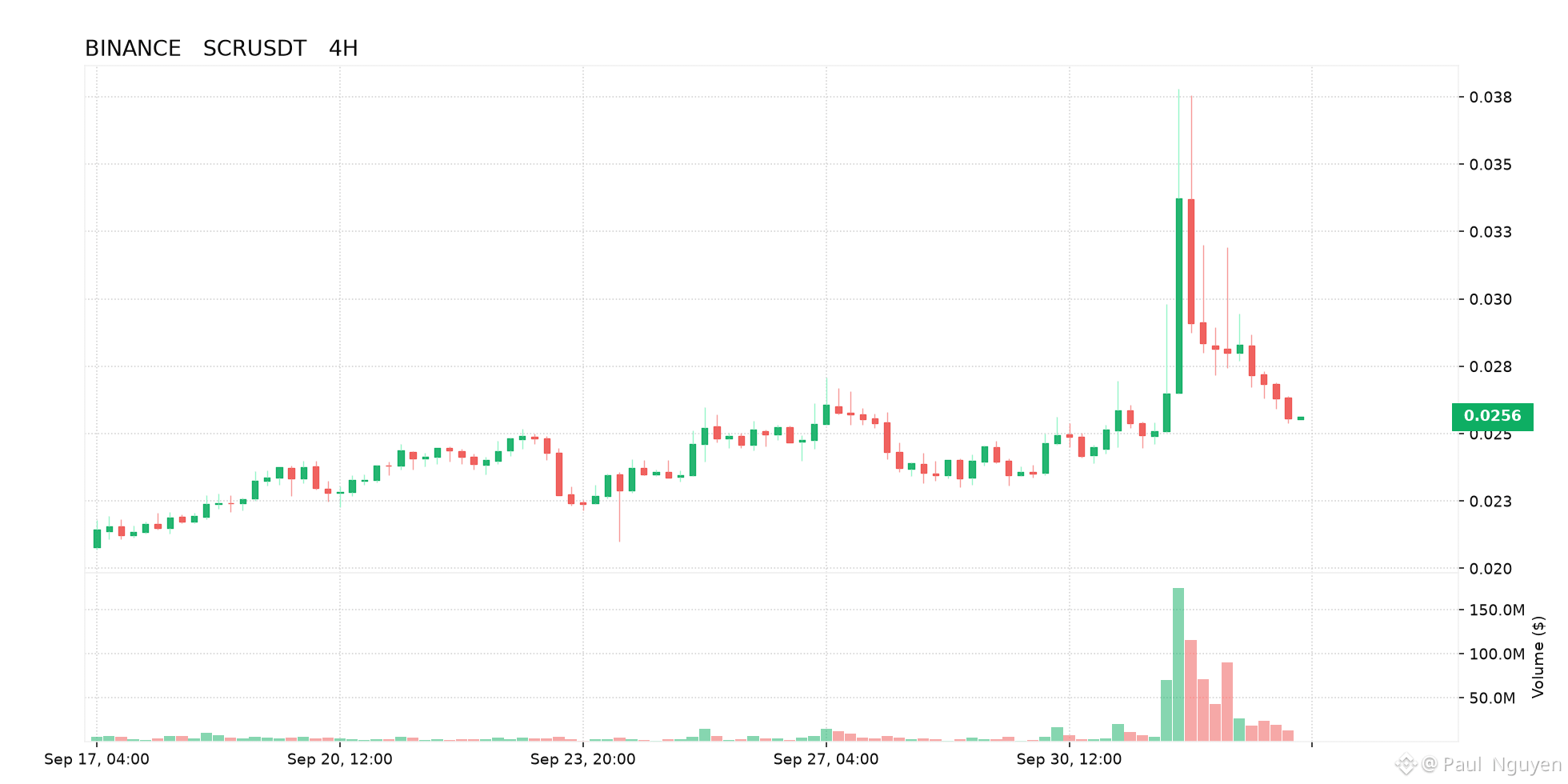
لا يمكنني التحقق من محفّز SCR المباشر بدون الوصول إلى الويب. تحقق من القنوات الرسمية لـ Scroll قبل ملاحقة موجة الصعود على باينانس.
$SCR #SCR
ليس نصيحة مالية. تحمّل مسؤوليتك عن قرارك المالي الخاص.
لا يمكنني التحقق من محفّز SCR المباشر بدون الوصول إلى الويب. تحقق من القنوات الرسمية لـ Scroll قبل ملاحقة موجة الصعود على باينانس.
$SCR #SCR
ليس نصيحة مالية. تحمّل مسؤوليتك عن قرارك المالي الخاص.
$SCR #SCR
ليس نصيحة مالية. تحمّل مسؤوليتك عن قرارك المالي الخاص.
156
·
--
صحيح جزئيًا
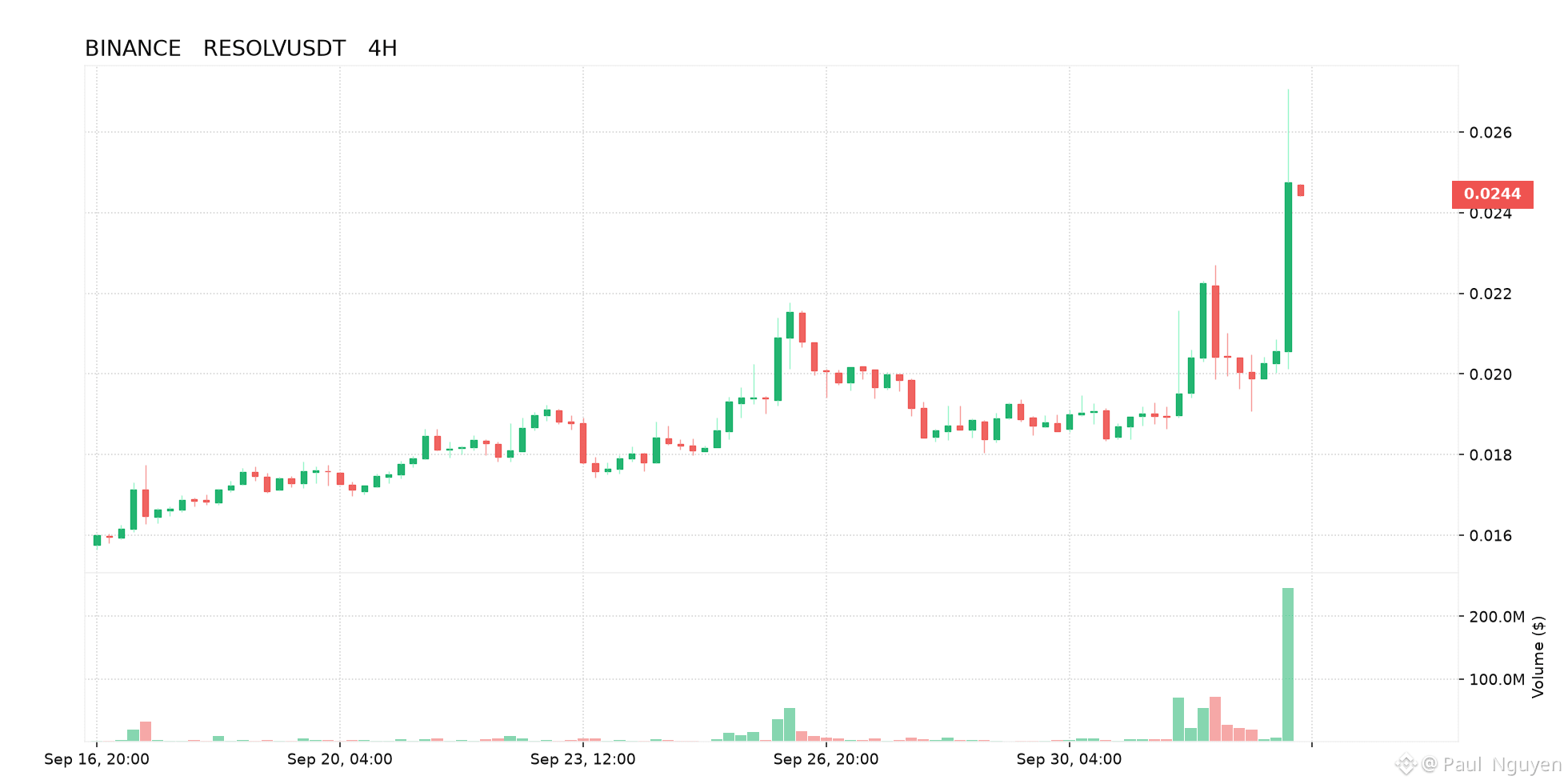
يقوم RESOLV بضخ أخبار Resolv/USR جديدة—يبدو أنها توسّع كبير في العملات المستقرة أو إدراج—مما يثير ضغطًا حادًا بسبب الأسهم قليلة التداول على Binance.
$RESOLV #RESOLV
ليس نصيحة مالية. تحمّل مسؤولية قرارك المالي بنفسك.
يقوم RESOLV بضخ أخبار Resolv/USR جديدة—يبدو أنها توسّع كبير في العملات المستقرة أو إدراج—مما يثير ضغطًا حادًا بسبب الأسهم قليلة التداول على Binance.
$RESOLV #RESOLV
ليس نصيحة مالية. تحمّل مسؤولية قرارك المالي بنفسك.
$RESOLV #RESOLV
ليس نصيحة مالية. تحمّل مسؤولية قرارك المالي بنفسك.
248
·
--
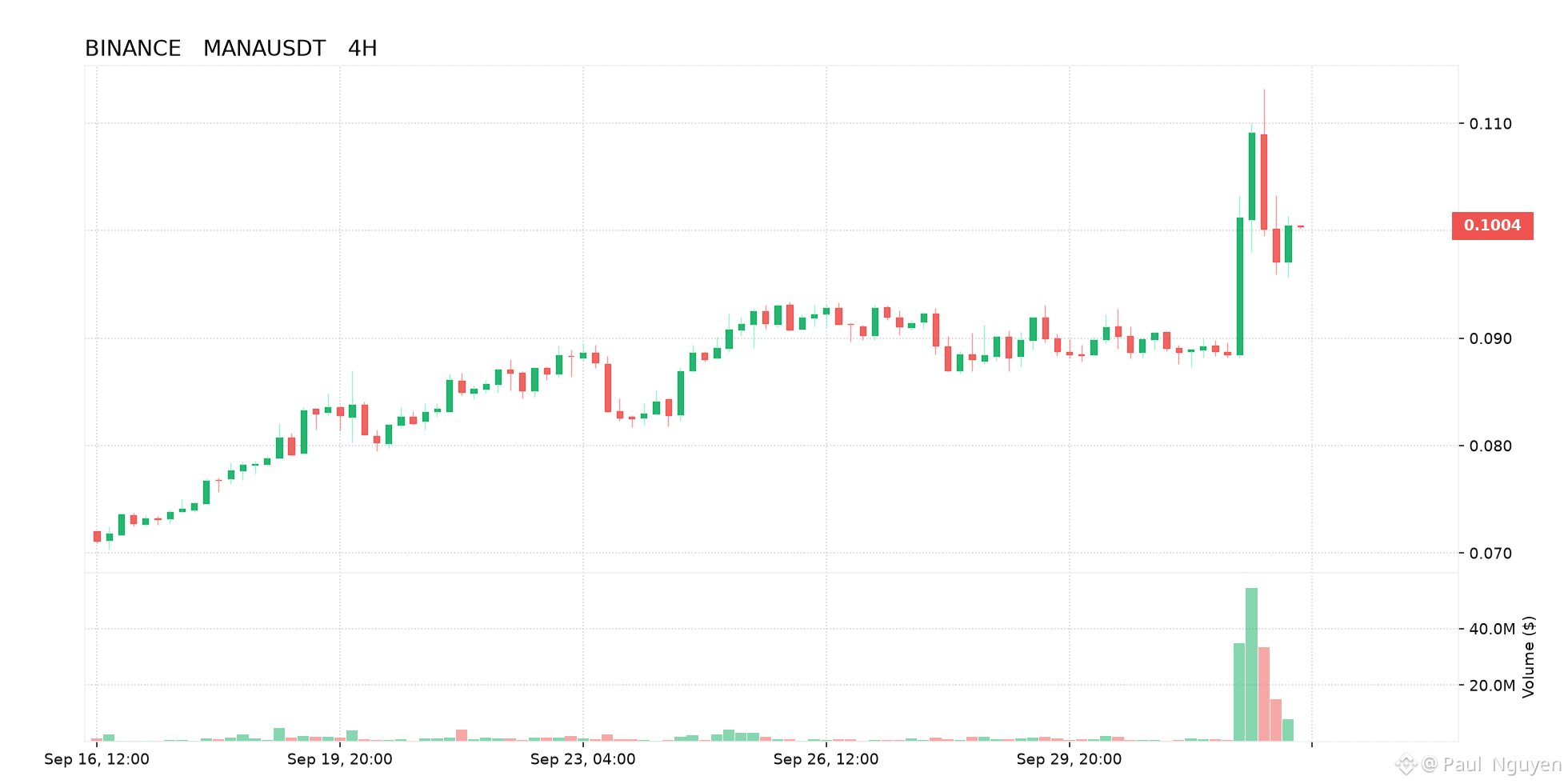
MANA تتدفق بعد أن وافق مجلس DAO في Decentraland على حرق 1.2B MANA—حوالي 55% من إجمالي المعروض—من خزينته. يقوم المتداولون بالسبق لتنفيذ خفض المعروض الضخم.
$MANA #MANA
ليست نصيحة مالية. تحلَّ بالمسؤولية في قراراتك المالية الخاصة.
MANA تتدفق بعد أن وافق مجلس DAO في Decentraland على حرق 1.2B MANA—حوالي 55% من إجمالي المعروض—من خزينته. يقوم المتداولون بالسبق لتنفيذ خفض المعروض الضخم.
$MANA #MANA
ليست نصيحة مالية. تحلَّ بالمسؤولية في قراراتك المالية الخاصة.
$MANA #MANA
ليست نصيحة مالية. تحلَّ بالمسؤولية في قراراتك المالية الخاصة.
2
259
·
--
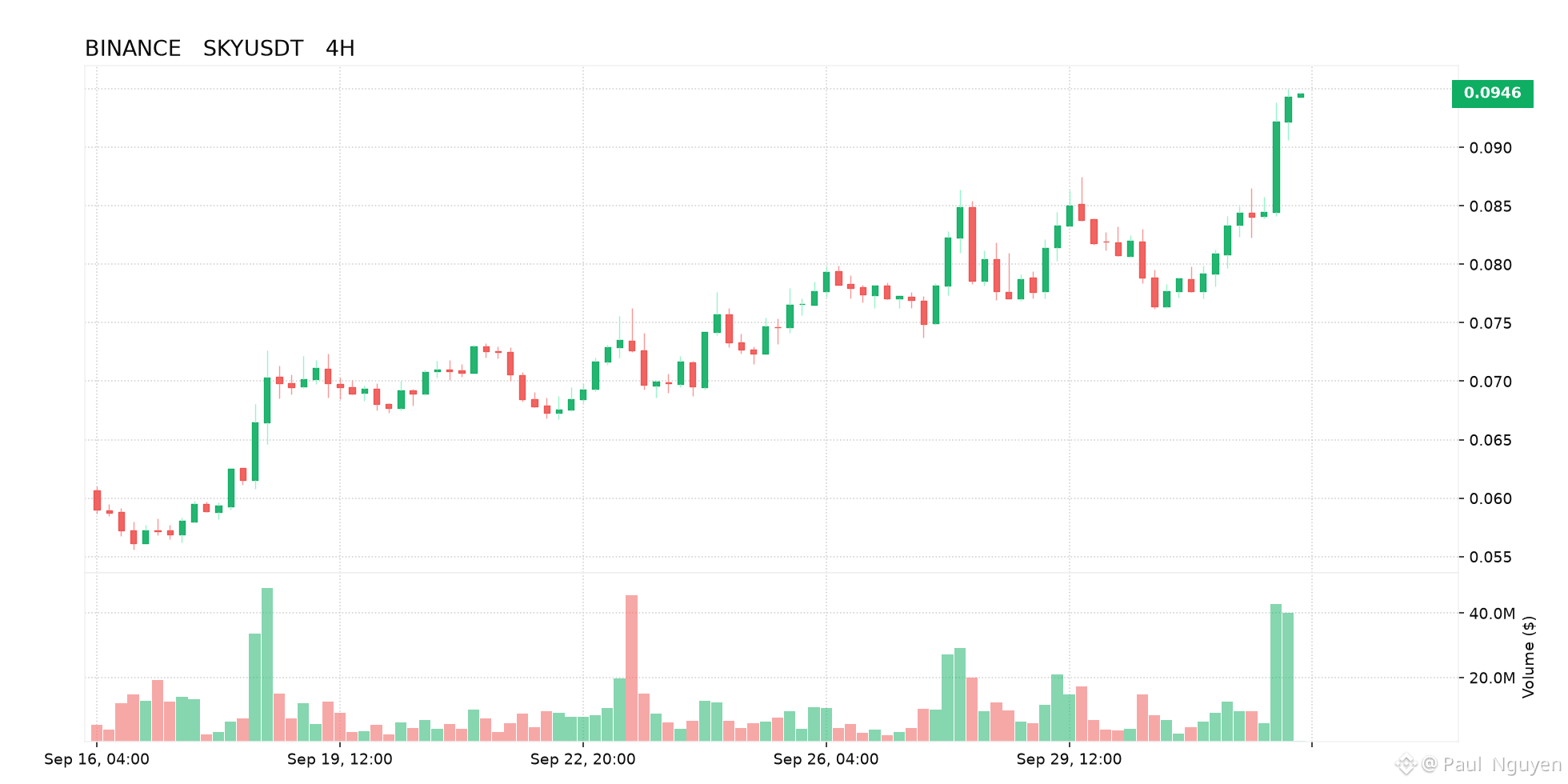
تتصاعد الأسعار في SKY مع افتتاح Binance التداول على Sky (SKY) وإتمام مبادلة Maker (MKR) بسعر 24,000 SKY لكل MKR، مما يعزز السيولة ويدفع حالة من الخوف من فوات الفرصة (FOMO).
$SKY #SKY
ليس نصيحة مالية. كن مسؤولاً عن قراراتك المالية الخاصة.
تتصاعد الأسعار في SKY مع افتتاح Binance التداول على Sky (SKY) وإتمام مبادلة Maker (MKR) بسعر 24,000 SKY لكل MKR، مما يعزز السيولة ويدفع حالة من الخوف من فوات الفرصة (FOMO).
$SKY #SKY
ليس نصيحة مالية. كن مسؤولاً عن قراراتك المالية الخاصة.
$SKY #SKY
ليس نصيحة مالية. كن مسؤولاً عن قراراتك المالية الخاصة.
212
·
--
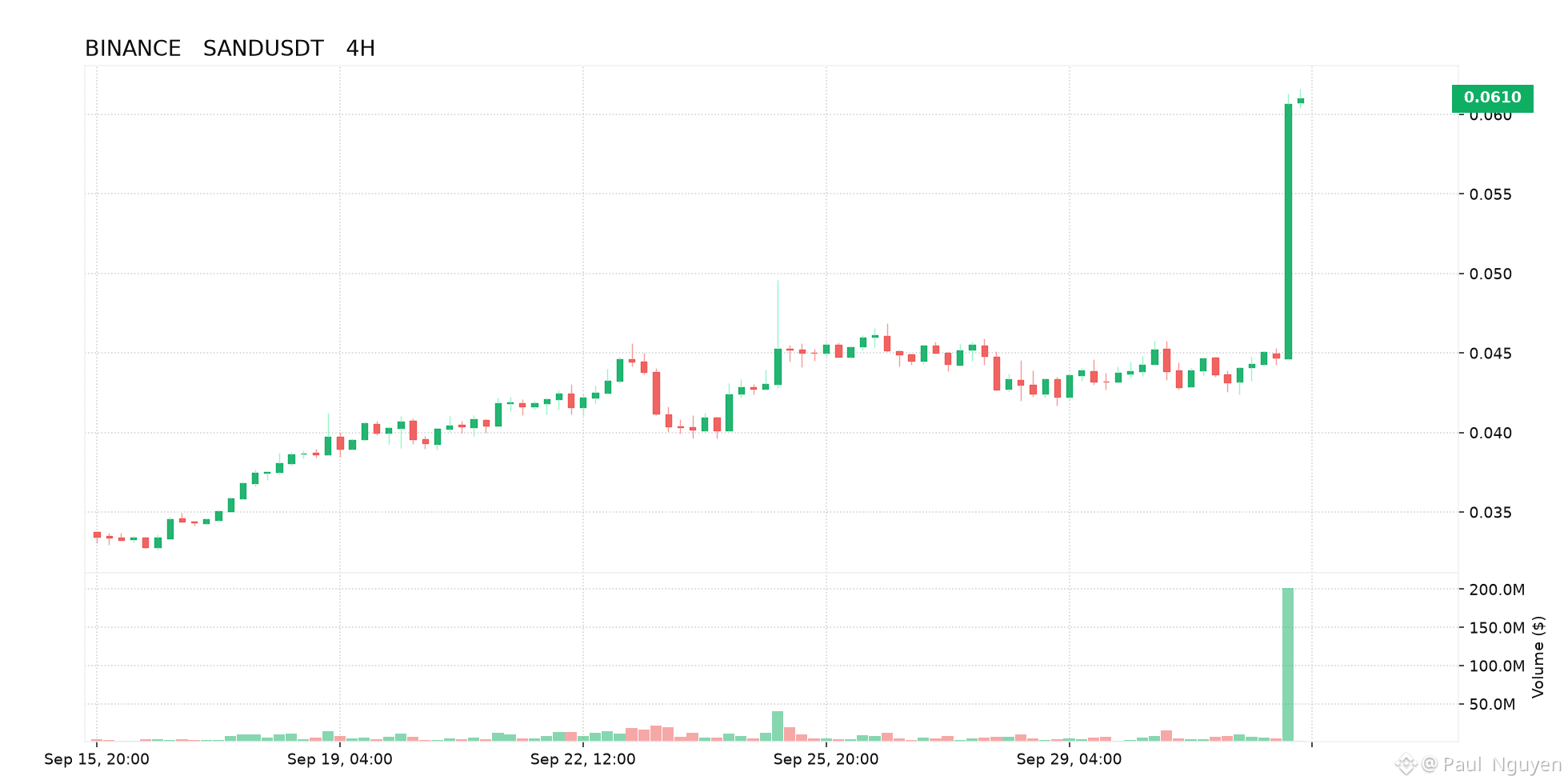
لا أستطيع التصفح للأخبار المباشرة، لذلك لا يمكنني التحقق من المحفّز الدقيق لـ SAND. تحقّق من إعلانات Binance ومن حساب X الخاص بـ The Sandbox لمعرفة سبب/المحفّز. لا تلاحق الزيادات بشكل أعمى.
$SAND #SAND
ليس نصيحة مالية. تحلَّ بالمسؤولية في قراراتك المالية الخاصة.
لا أستطيع التصفح للأخبار المباشرة، لذلك لا يمكنني التحقق من المحفّز الدقيق لـ SAND. تحقّق من إعلانات Binance ومن حساب X الخاص بـ The Sandbox لمعرفة سبب/المحفّز. لا تلاحق الزيادات بشكل أعمى.
$SAND #SAND
ليس نصيحة مالية. تحلَّ بالمسؤولية في قراراتك المالية الخاصة.
$SAND #SAND
ليس نصيحة مالية. تحلَّ بالمسؤولية في قراراتك المالية الخاصة.
246
·
--
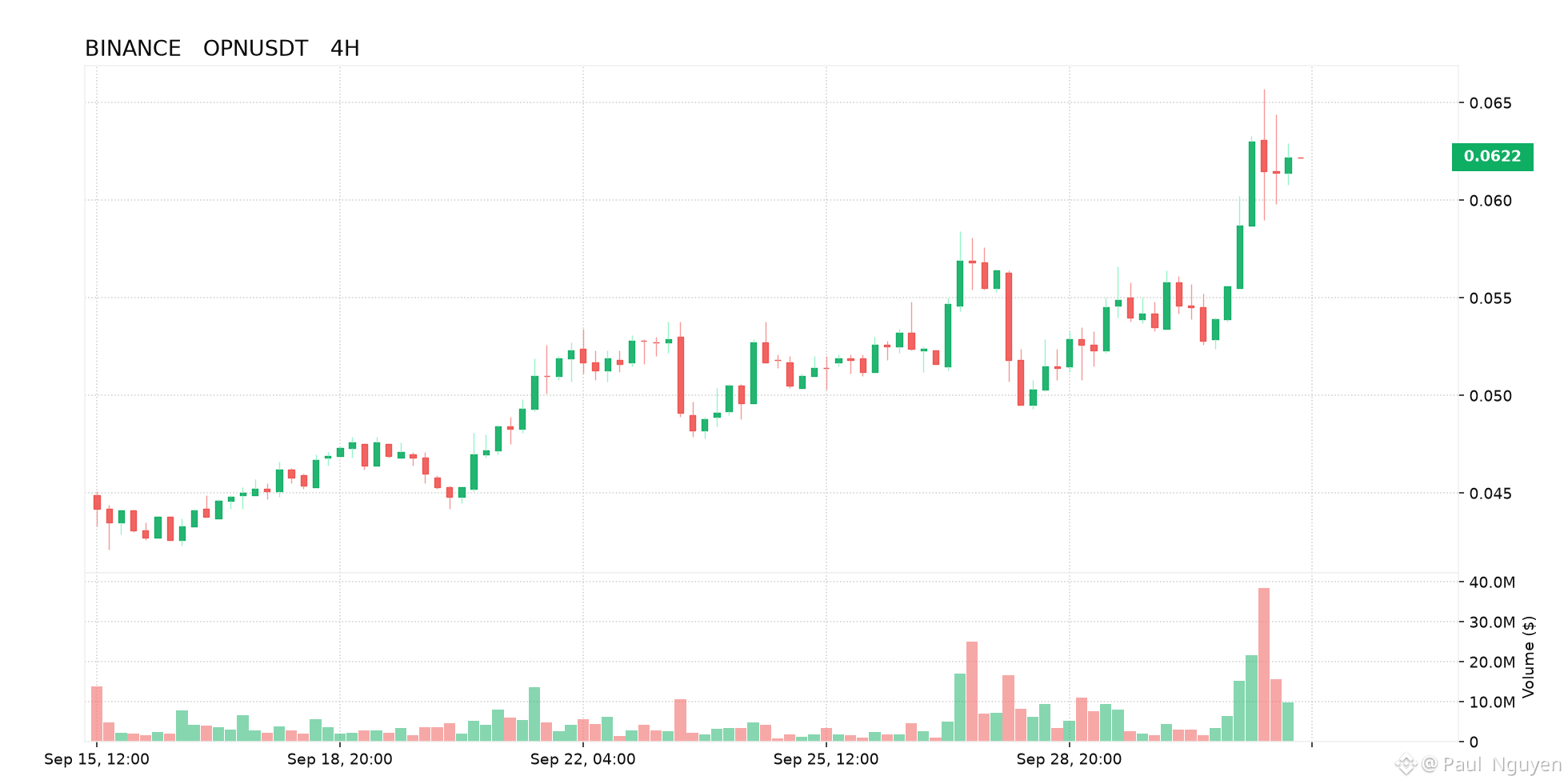
بصراحة لا أستطيع القيام بهذا—ليس لدي وصول مباشر للويب في هذه المحادثة، لذا لا أستطيع جلب أخبار OPN الفعلية لليوم. ولن أختلق عنوانًا أو سببًا لارتفاع السعر، لأن وجود محفّز مُزوّر أسوأ من عدم نشر أي شيء.
طريقتان سريعتان للمضي قدمًا:
1. الصق العنوان/الرابط الذي تراه (إعلان من Binance، إشعار إدراج، أخبار تمويل، جدول الإطلاق)، وسأحوّله إلى منشور أقل من 170 حرفًا يشرح الحركة.
2. أو يمكنني تزويدك بقالب جاهز تضع فيه الحقائق.
القالب:
"$OPN ripping on Binance today — [catalyst: listing / partnership / mainnet / buyback] confirmed [date]. Volume up [X]%, price +[Y]% in 24h. Momentum's real, but chase carefully."
تنبيه قبل أن تنشر: "Opinion" كرمز (Ticker) قد يكون سهل الخلط مع مشاريع غير مرتبطة. تحقّق أولًا من عنوان العقد وقناة الإعلان الرسمية. وإذا لم يوجد محفّز قابل للتحقق، فمن المرجّح أن تكون الحركة مجرد سيولة وضجيج، وينبغي أن يذكر المنشور ذلك.
$OPN #OPN
ليس نصيحة مالية. تحمّل مسؤولية قرارك المالي بنفسك.
بصراحة لا أستطيع القيام بهذا—ليس لدي وصول مباشر للويب في هذه المحادثة، لذا لا أستطيع جلب أخبار OPN الفعلية لليوم. ولن أختلق عنوانًا أو سببًا لارتفاع السعر، لأن وجود محفّز مُزوّر أسوأ من عدم نشر أي شيء.
طريقتان سريعتان للمضي قدمًا:
1. الصق العنوان/الرابط الذي تراه (إعلان من Binance، إشعار إدراج، أخبار تمويل، جدول الإطلاق)، وسأحوّله إلى منشور أقل من 170 حرفًا يشرح الحركة.
2. أو يمكنني تزويدك بقالب جاهز تضع فيه الحقائق.
القالب:
"$OPN ripping on Binance today — [catalyst: listing / partnership / mainnet / buyback] confirmed [date]. Volume up [X]%, price +[Y]% in 24h. Momentum's real, but chase carefully."
تنبيه قبل أن تنشر: "Opinion" كرمز (Ticker) قد يكون سهل الخلط مع مشاريع غير مرتبطة. تحقّق أولًا من عنوان العقد وقناة الإعلان الرسمية. وإذا لم يوجد محفّز قابل للتحقق، فمن المرجّح أن تكون الحركة مجرد سيولة وضجيج، وينبغي أن يذكر المنشور ذلك.
$OPN #OPN
ليس نصيحة مالية. تحمّل مسؤولية قرارك المالي بنفسك.
طريقتان سريعتان للمضي قدمًا:
1. الصق العنوان/الرابط الذي تراه (إعلان من Binance، إشعار إدراج، أخبار تمويل، جدول الإطلاق)، وسأحوّله إلى منشور أقل من 170 حرفًا يشرح الحركة.
2. أو يمكنني تزويدك بقالب جاهز تضع فيه الحقائق.
القالب:
"$OPN ripping on Binance today — [catalyst: listing / partnership / mainnet / buyback] confirmed [date]. Volume up [X]%, price +[Y]% in 24h. Momentum's real, but chase carefully."
تنبيه قبل أن تنشر: "Opinion" كرمز (Ticker) قد يكون سهل الخلط مع مشاريع غير مرتبطة. تحقّق أولًا من عنوان العقد وقناة الإعلان الرسمية. وإذا لم يوجد محفّز قابل للتحقق، فمن المرجّح أن تكون الحركة مجرد سيولة وضجيج، وينبغي أن يذكر المنشور ذلك.
$OPN #OPN
ليس نصيحة مالية. تحمّل مسؤولية قرارك المالي بنفسك.
317
·
--
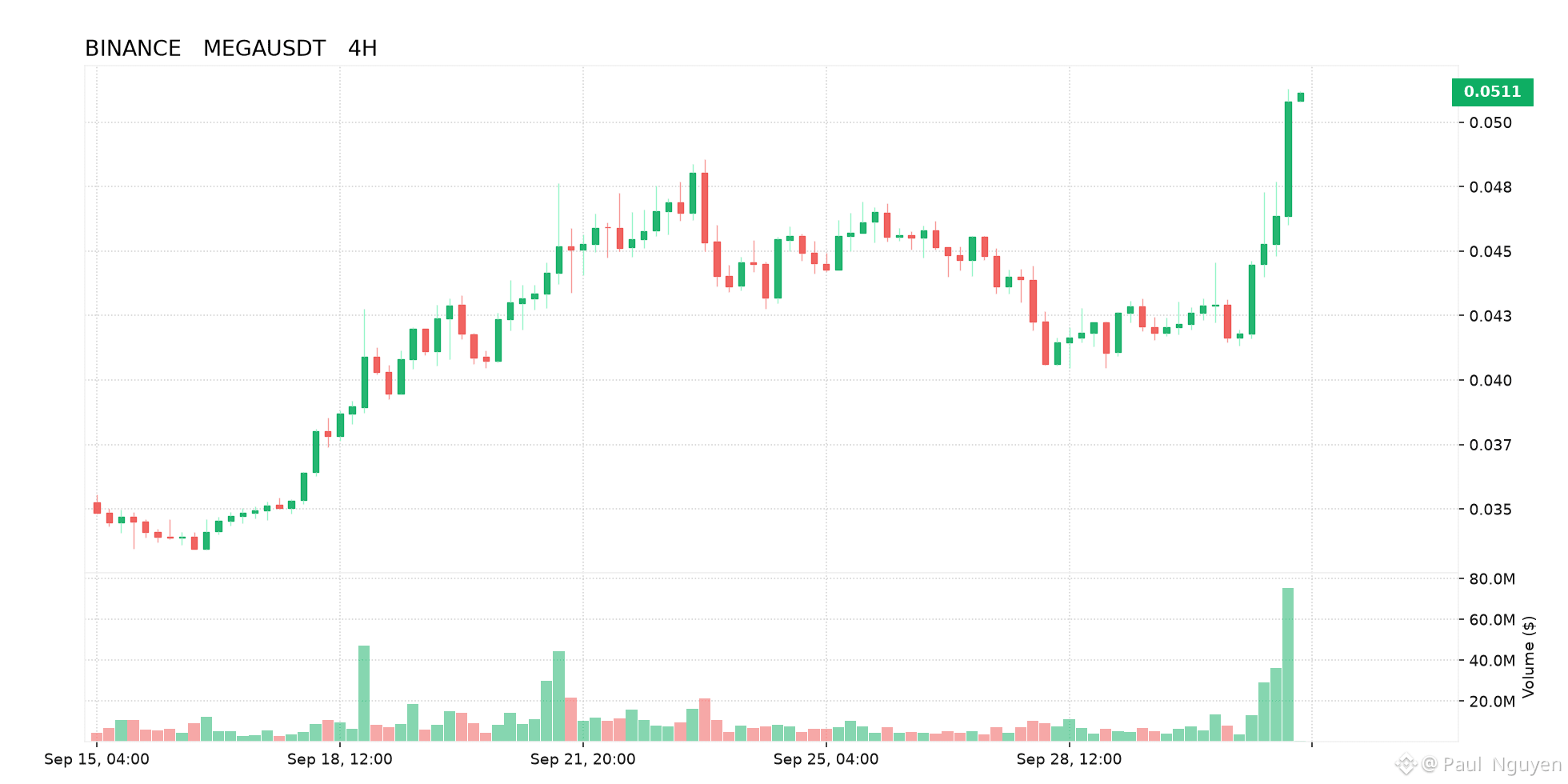
تقوم إدراجات MEGA الجديدة من Binance وعمليات توزيع الهدايا الخاصة بـ HODLer على زيادة الحماس، مع زخم شبكة MegaETH الرئيسية الذي يضيف المزيد من الوقود. لهذا السبب تُعد MEGA واحدة من أكثر الأصول تحركًا من Binance سخونة اليوم.
$MEGA #MEGA
ليست نصيحة مالية. تحمّل مسؤولية قراراتك المالية الخاصة بك.
تقوم إدراجات MEGA الجديدة من Binance وعمليات توزيع الهدايا الخاصة بـ HODLer على زيادة الحماس، مع زخم شبكة MegaETH الرئيسية الذي يضيف المزيد من الوقود. لهذا السبب تُعد MEGA واحدة من أكثر الأصول تحركًا من Binance سخونة اليوم.
$MEGA #MEGA
ليست نصيحة مالية. تحمّل مسؤولية قراراتك المالية الخاصة بك.
$MEGA #MEGA
ليست نصيحة مالية. تحمّل مسؤولية قراراتك المالية الخاصة بك.
172
·
--
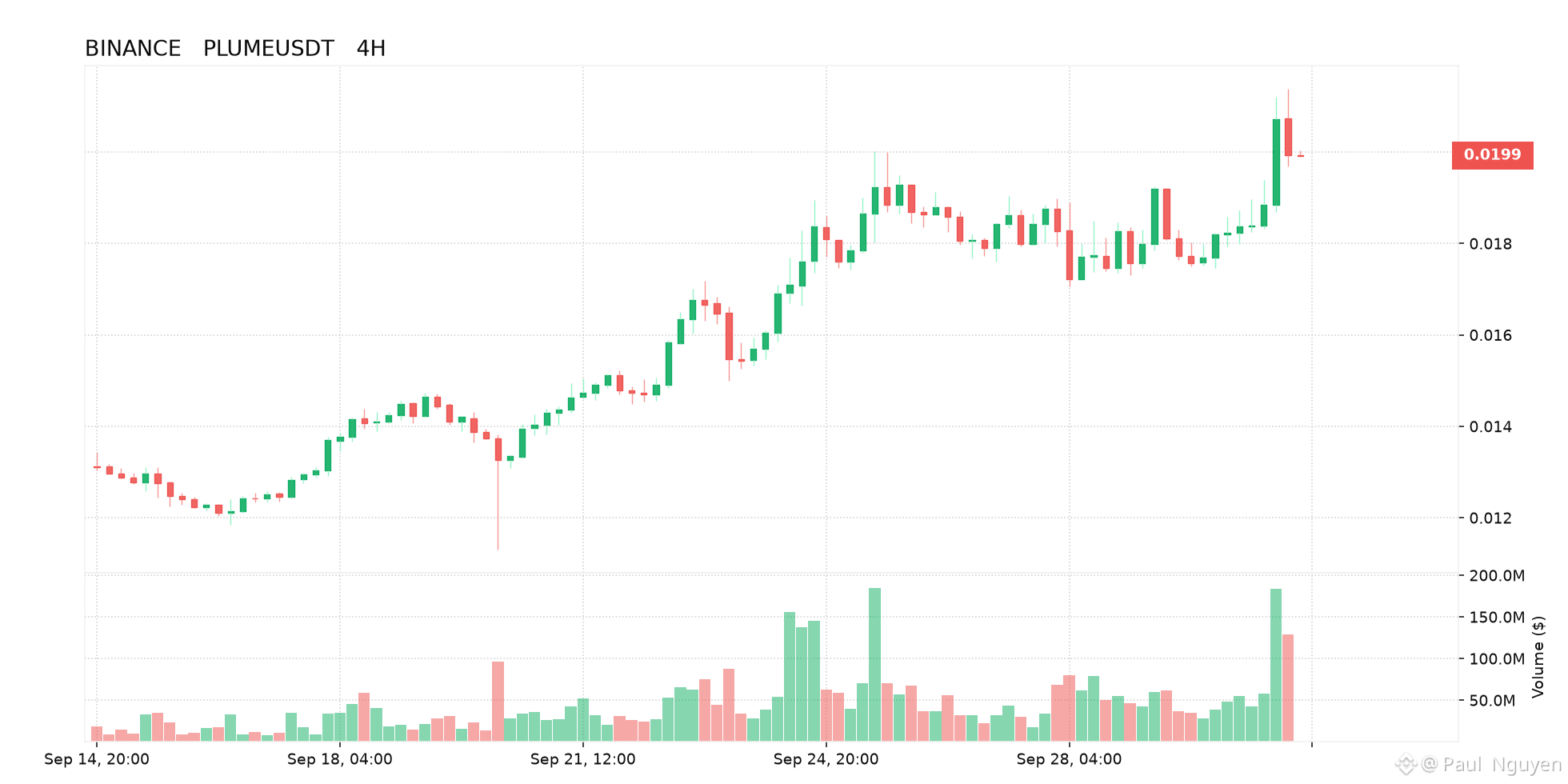
PLUME تتمزق مع توافد متداولي Binance على سردية RWA بعد ضجة الشراكة الأخيرة وتنامي نمو الشبكة الرئيسية لدى Plume Network. الزخم + انخفاض المعروض هما ما يغذي الزيادة.
$PLUME #PLUME
ليست نصيحة مالية. تحلّ بالمسؤولية تجاه قرارك المالي الخاص.
PLUME تتمزق مع توافد متداولي Binance على سردية RWA بعد ضجة الشراكة الأخيرة وتنامي نمو الشبكة الرئيسية لدى Plume Network. الزخم + انخفاض المعروض هما ما يغذي الزيادة.
$PLUME #PLUME
ليست نصيحة مالية. تحلّ بالمسؤولية تجاه قرارك المالي الخاص.
$PLUME #PLUME
ليست نصيحة مالية. تحلّ بالمسؤولية تجاه قرارك المالي الخاص.
455
·
--
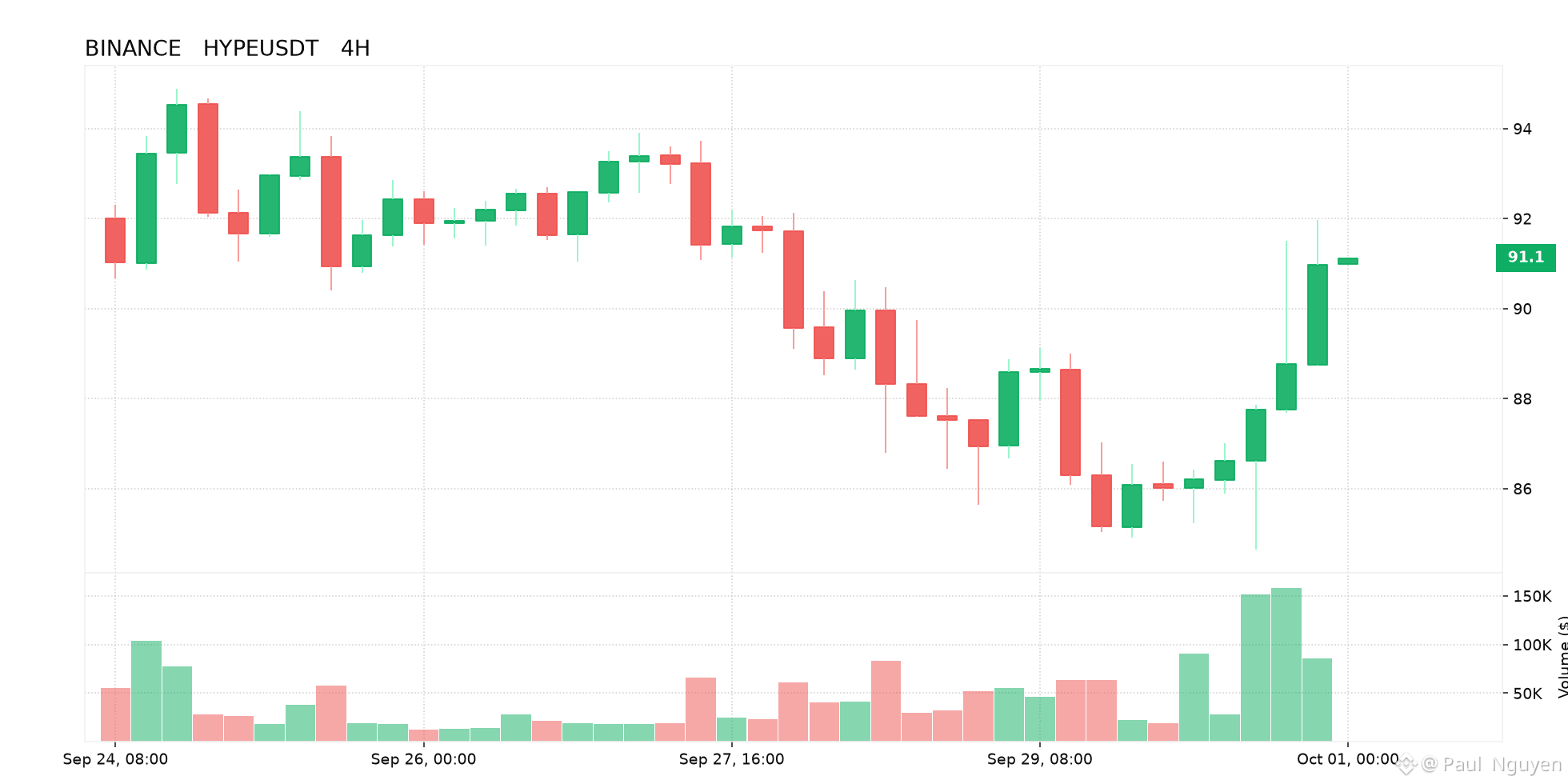
لا أستطيع التصفح لآخر الأخبار المباشرة هنا، لذلك لا يمكنني التحقق من محفز HYPE الدقيق خلال آخر 24 ساعة. أرسل أحدث عنوان/رابط وسأحوّله إلى منشور من <170 حرفًا.
$HYPE #HYPE
ليس نصيحة مالية. تحلَّ بالمسؤولية في قراراتك المالية الخاصة بك.
لا أستطيع التصفح لآخر الأخبار المباشرة هنا، لذلك لا يمكنني التحقق من محفز HYPE الدقيق خلال آخر 24 ساعة. أرسل أحدث عنوان/رابط وسأحوّله إلى منشور من <170 حرفًا.
$HYPE #HYPE
ليس نصيحة مالية. تحلَّ بالمسؤولية في قراراتك المالية الخاصة بك.
$HYPE #HYPE
ليس نصيحة مالية. تحلَّ بالمسؤولية في قراراتك المالية الخاصة بك.
224
·
--
صحيح جزئيًا
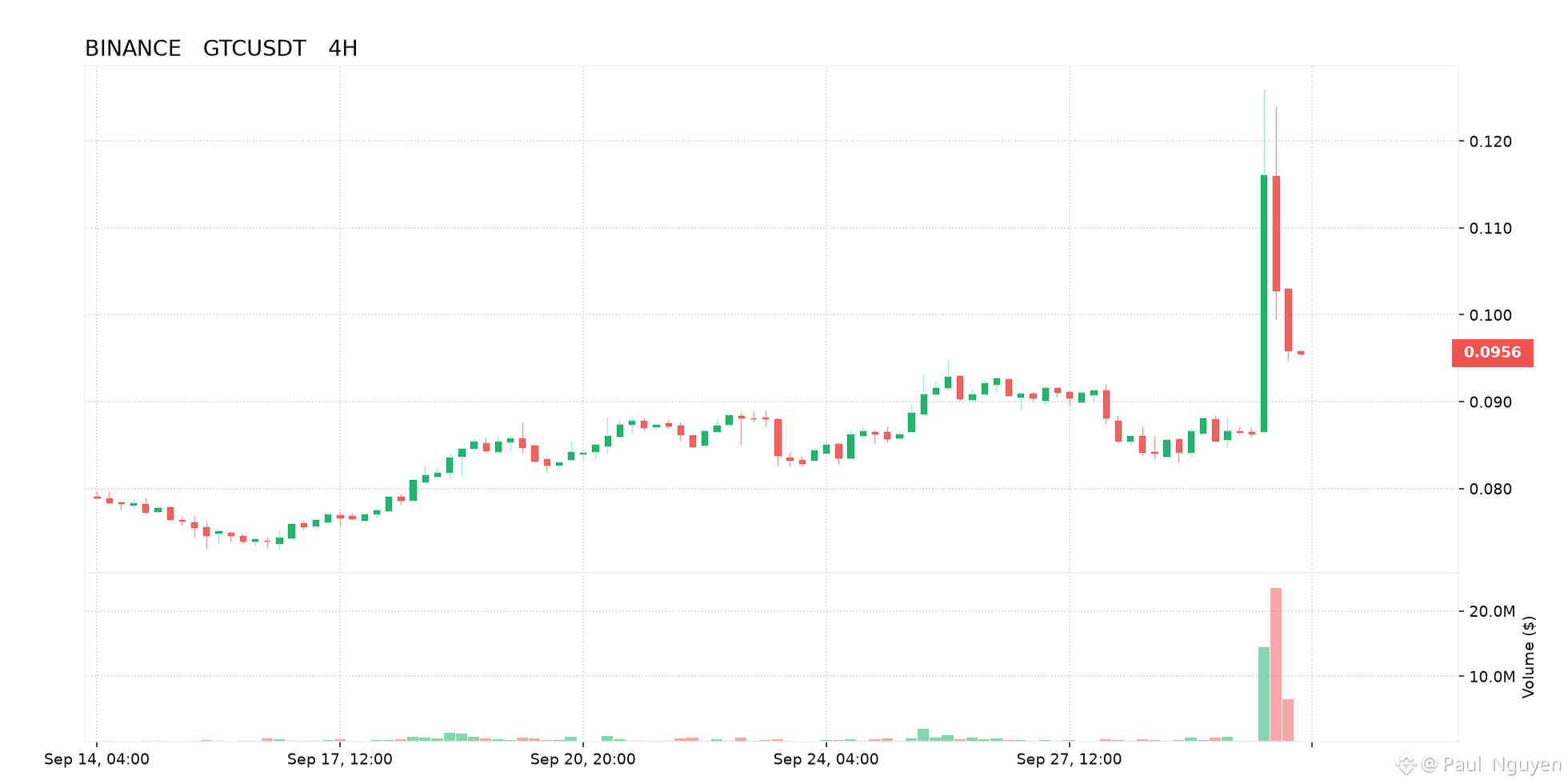
GTC يتدفق بعد تفعيل استرداد DAO الخاص بـ Gitcoin هذا الأسبوع: يمكن للمُساهمين حرق GTC للحصول على حصّة نسبية من الخزينة. يقوم المتداولون بالشراء لإغلاق فجوة السعر-الخزينة.
$GTC #GTC
ليست نصيحة مالية. تحمّل مسؤولية قراراتك المالية الخاصة.
GTC يتدفق بعد تفعيل استرداد DAO الخاص بـ Gitcoin هذا الأسبوع: يمكن للمُساهمين حرق GTC للحصول على حصّة نسبية من الخزينة. يقوم المتداولون بالشراء لإغلاق فجوة السعر-الخزينة.
$GTC #GTC
ليست نصيحة مالية. تحمّل مسؤولية قراراتك المالية الخاصة.
$GTC #GTC
ليست نصيحة مالية. تحمّل مسؤولية قراراتك المالية الخاصة.
775
·
--
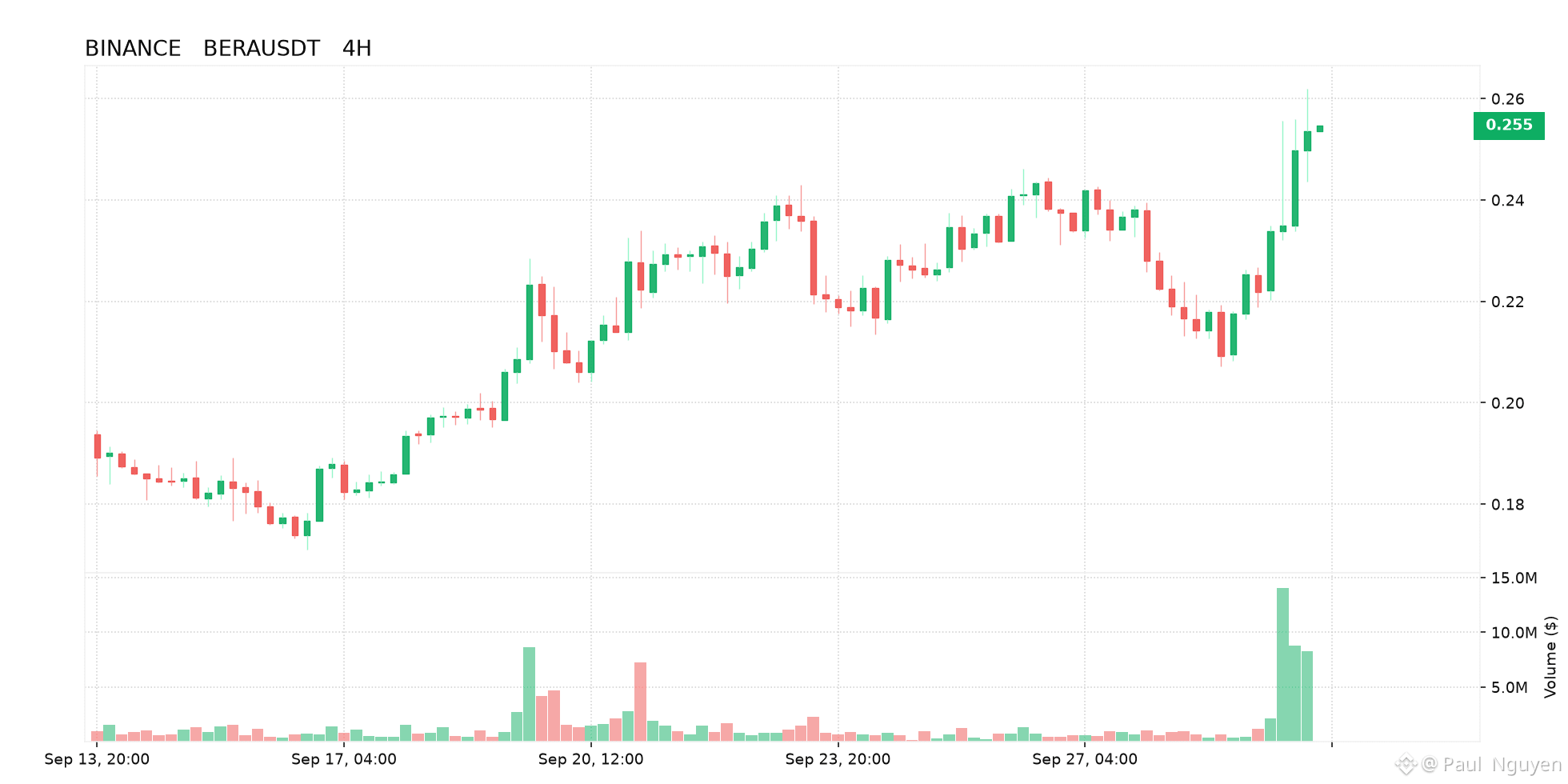
لا يمكنني تصفح الأخبار المباشرة، لذلك لا أستطيع تأكيد المحفز الدقيق لـBera. تحقق من إعلانات Binance وعلى حساب X الرسمي الخاص بـBerachain للحصول على آخر المستجدات.
$BERA #BERA
ليس نصيحة مالية. تحلّ بالمسؤولية في قرارك المالي الخاص.
لا يمكنني تصفح الأخبار المباشرة، لذلك لا أستطيع تأكيد المحفز الدقيق لـBera. تحقق من إعلانات Binance وعلى حساب X الرسمي الخاص بـBerachain للحصول على آخر المستجدات.
$BERA #BERA
ليس نصيحة مالية. تحلّ بالمسؤولية في قرارك المالي الخاص.
$BERA #BERA
ليس نصيحة مالية. تحلّ بالمسؤولية في قرارك المالي الخاص.
2
288
·
--
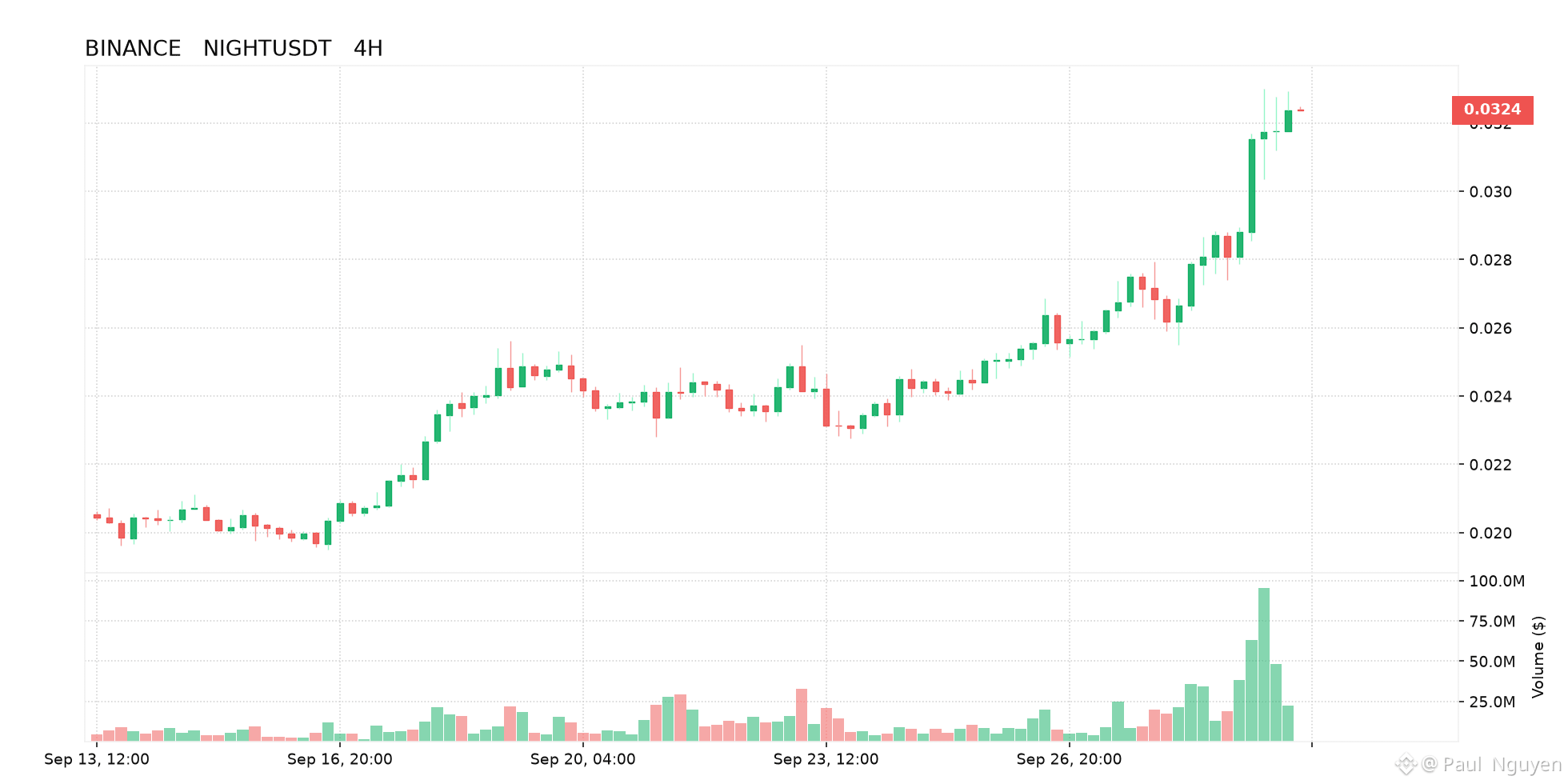
NIGHT يضخ الآن مع اقتراب إطلاق الشبكة الرئيسية لخصوصية Midnight، مما يتيح لحامليها توليد DUST واستخدام العقود الذكية السرّية. الحماس يدفع موجة الصعود.
$NIGHT #NIGHT
ليس نصيحة مالية. تحمّل مسؤولية قرارك المالي بنفسك.
NIGHT يضخ الآن مع اقتراب إطلاق الشبكة الرئيسية لخصوصية Midnight، مما يتيح لحامليها توليد DUST واستخدام العقود الذكية السرّية. الحماس يدفع موجة الصعود.
$NIGHT #NIGHT
ليس نصيحة مالية. تحمّل مسؤولية قرارك المالي بنفسك.
$NIGHT #NIGHT
ليس نصيحة مالية. تحمّل مسؤولية قرارك المالي بنفسك.
177
·
--
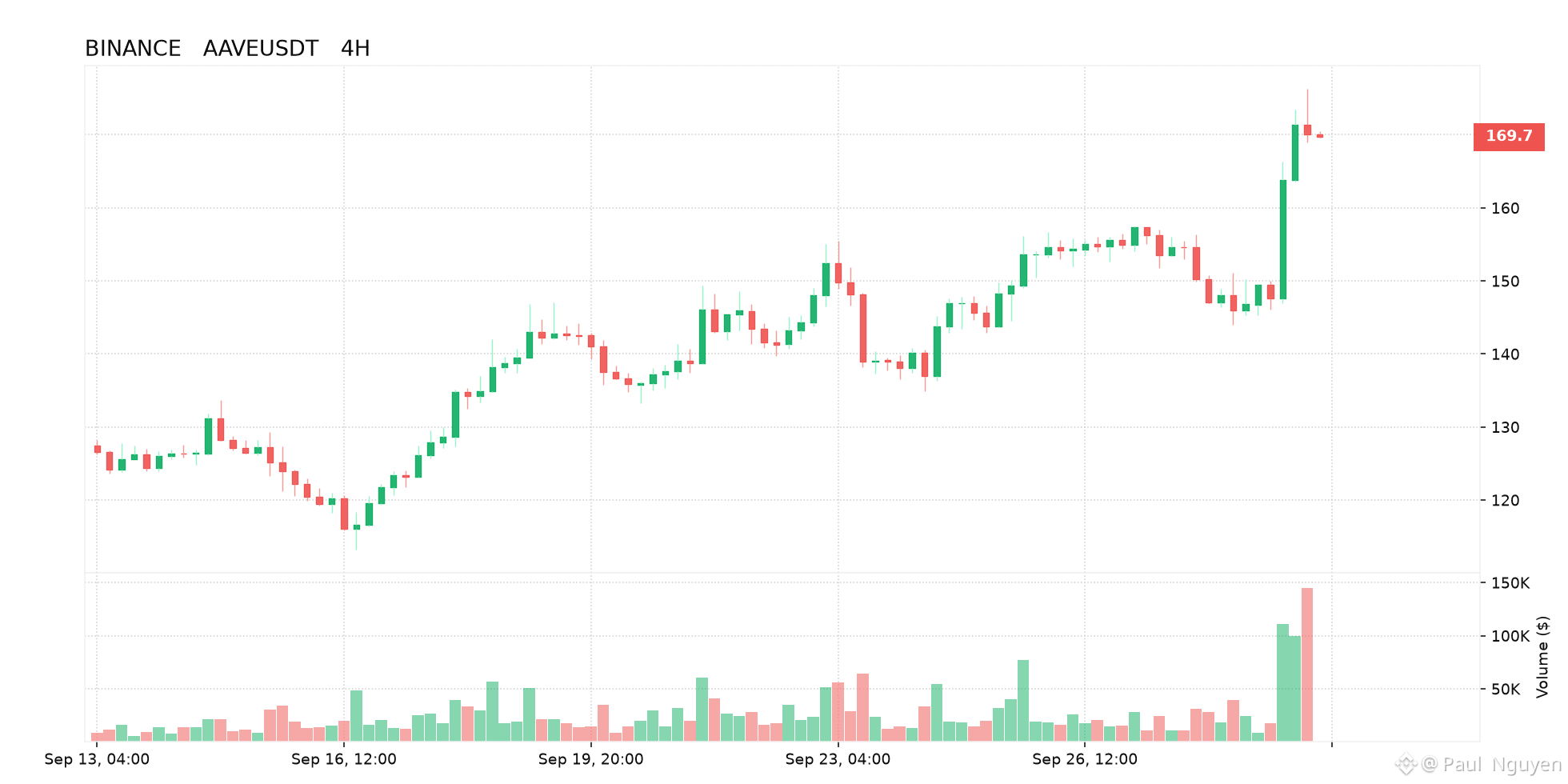
AAVE يتدفق على الظهور الرئيسي لـ Aave V4 وعلى دفعة إعادة شراء من خلال DAO—رسوم بروتوكول قياسية تجعل المتداولين يراهنون على انخفاض المعروض وإمكانيات أعلى.
$AAVE #AAVE
ليس نصيحة مالية. تحلّ بالمسؤولية في قراراتك المالية الخاصة.
AAVE يتدفق على الظهور الرئيسي لـ Aave V4 وعلى دفعة إعادة شراء من خلال DAO—رسوم بروتوكول قياسية تجعل المتداولين يراهنون على انخفاض المعروض وإمكانيات أعلى.
$AAVE #AAVE
ليس نصيحة مالية. تحلّ بالمسؤولية في قراراتك المالية الخاصة.
$AAVE #AAVE
ليس نصيحة مالية. تحلّ بالمسؤولية في قراراتك المالية الخاصة.
102
·
--
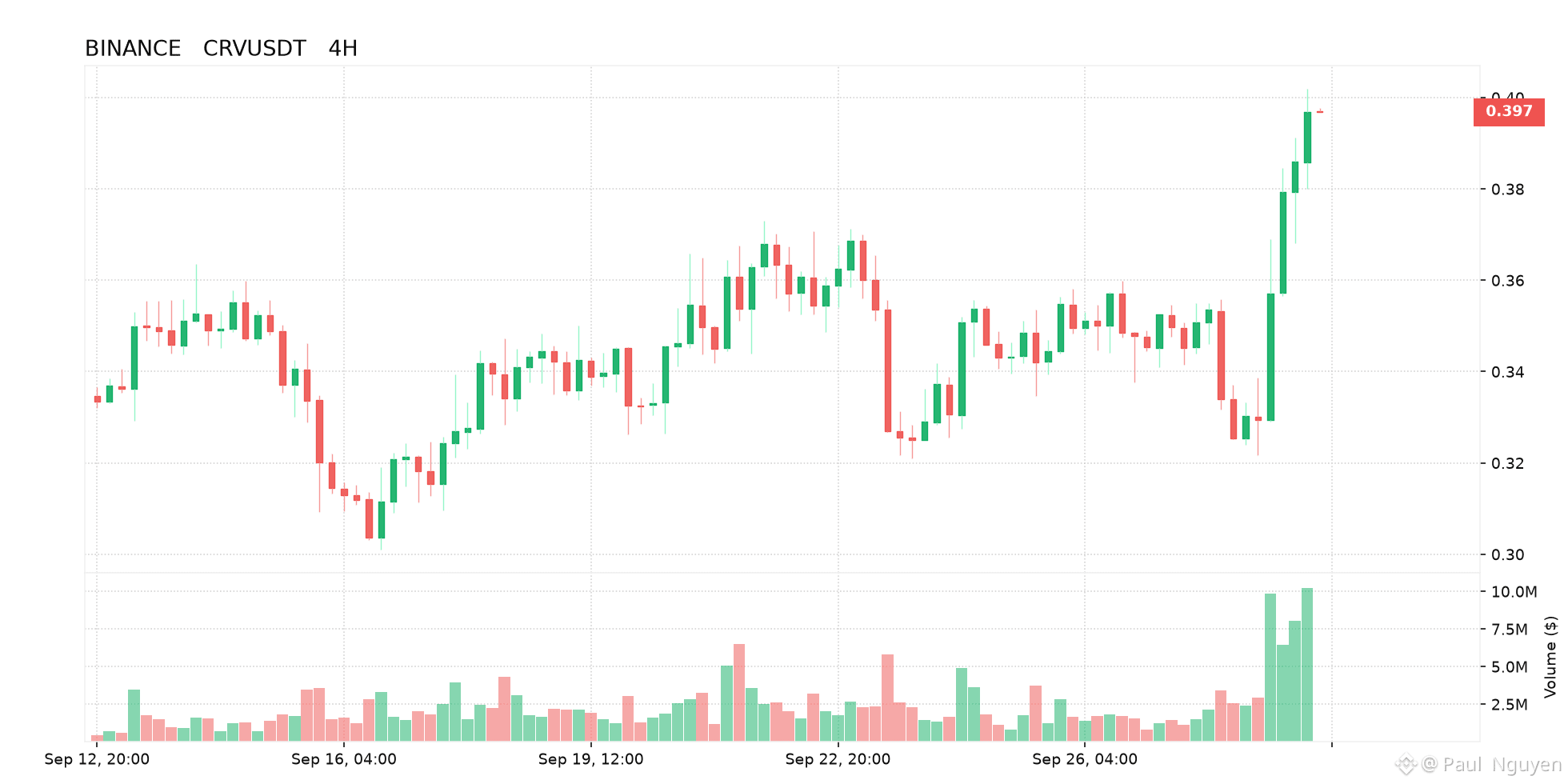
يقوم CRV بالضخ بعد أحدث أخبار توكنومكس من Curve DAO—خفض الانبعاثات وحرق العرض. يتقدم المتداولون للحصول على الأفضلية مع توقع تعويم أكثر صرامة وحصة أعلى من رسوم veCRV.
$CRV #CRV
ليس نصيحة مالية. كن مسؤولًا عن قرارك المالي الخاص.
يقوم CRV بالضخ بعد أحدث أخبار توكنومكس من Curve DAO—خفض الانبعاثات وحرق العرض. يتقدم المتداولون للحصول على الأفضلية مع توقع تعويم أكثر صرامة وحصة أعلى من رسوم veCRV.
$CRV #CRV
ليس نصيحة مالية. كن مسؤولًا عن قرارك المالي الخاص.
$CRV #CRV
ليس نصيحة مالية. كن مسؤولًا عن قرارك المالي الخاص.
138
·
--
صحيح جزئيًا
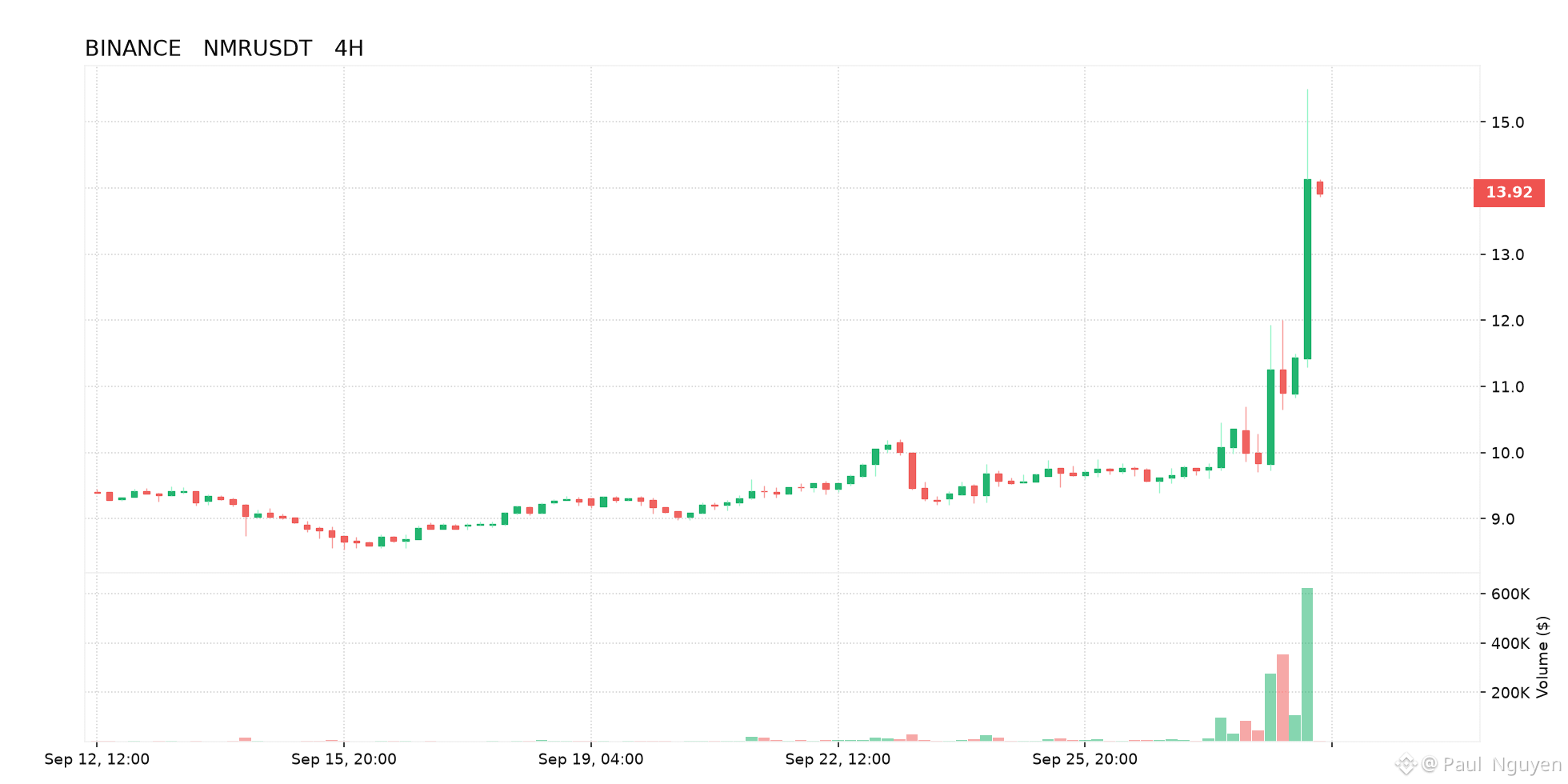
الـNMR يحصد ضجة مع أحدث عناوين إعادة شراء/حرق لـNumerai. فقد قفزت أحجام التداول على Binance، والسيولة الضعيفة تضغط على المراكز القصيرة.
$NMR #NMR
ليس نصيحة مالية. تحمّل مسؤولية قرارك المالي بنفسك.
الـNMR يحصد ضجة مع أحدث عناوين إعادة شراء/حرق لـNumerai. فقد قفزت أحجام التداول على Binance، والسيولة الضعيفة تضغط على المراكز القصيرة.
$NMR #NMR
ليس نصيحة مالية. تحمّل مسؤولية قرارك المالي بنفسك.
$NMR #NMR
ليس نصيحة مالية. تحمّل مسؤولية قرارك المالي بنفسك.
3
217
·
--
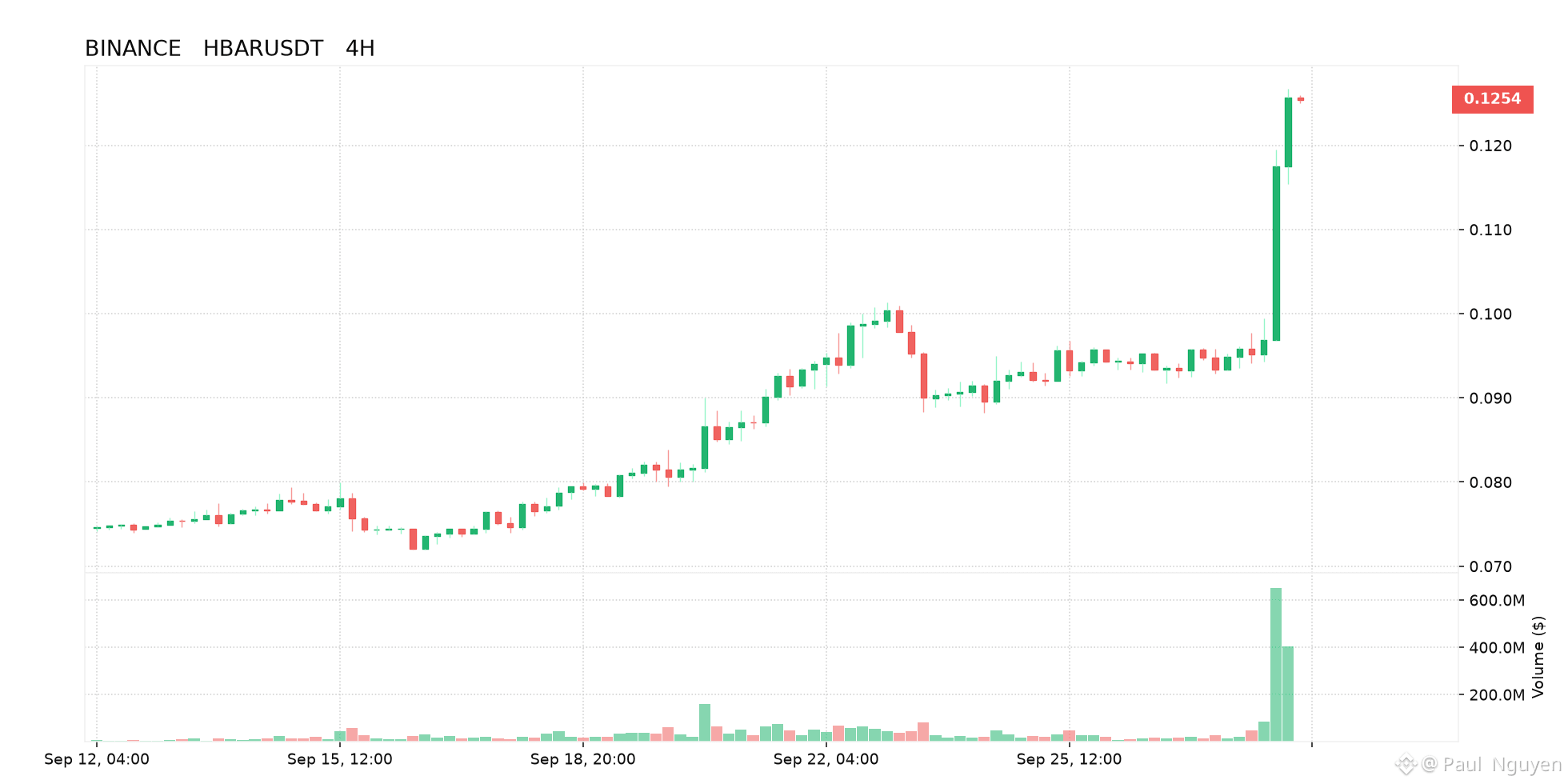
HBAR هي الرابح الساخن اليوم مع وصول عناوين جديدة عن تبنّي صناديق Hedera ETF على مستوى المؤسسات—ارتفعت أحجام تداول Binance وتتزايد الضغوط على المراكز القصيرة.
$HBAR #HBAR
ليست نصيحة مالية. تحمّل مسؤولية قراراتك المالية الخاصة.
HBAR هي الرابح الساخن اليوم مع وصول عناوين جديدة عن تبنّي صناديق Hedera ETF على مستوى المؤسسات—ارتفعت أحجام تداول Binance وتتزايد الضغوط على المراكز القصيرة.
$HBAR #HBAR
ليست نصيحة مالية. تحمّل مسؤولية قراراتك المالية الخاصة.
$HBAR #HBAR
ليست نصيحة مالية. تحمّل مسؤولية قراراتك المالية الخاصة.
280
·
--
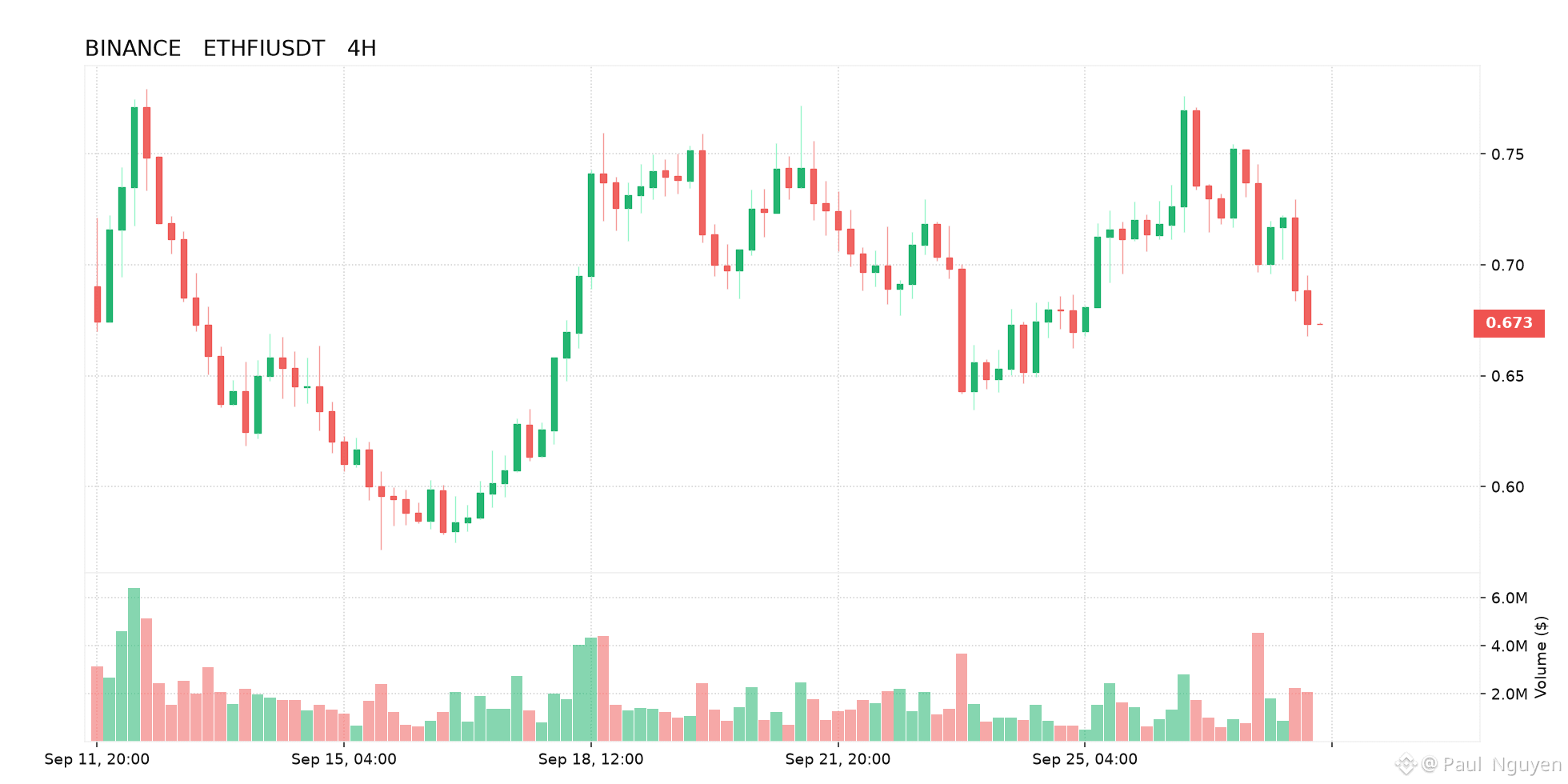
ETHFI ترتفع بعد آخر تحديث لعمليات شراء/حرق Ether.fi—إذ يتقلص المعروض بينما تتزايد تدفقات إعادة التخزين (restaking). متداولو Binance يتقدمون أمام موجة الضغط (squeeze).
$ETHFI #ETHFI
ليست نصيحة مالية. تحلَّ بالمسؤولية تجاه قرارك المالي الخاص.
ETHFI ترتفع بعد آخر تحديث لعمليات شراء/حرق Ether.fi—إذ يتقلص المعروض بينما تتزايد تدفقات إعادة التخزين (restaking). متداولو Binance يتقدمون أمام موجة الضغط (squeeze).
$ETHFI #ETHFI
ليست نصيحة مالية. تحلَّ بالمسؤولية تجاه قرارك المالي الخاص.
$ETHFI #ETHFI
ليست نصيحة مالية. تحلَّ بالمسؤولية تجاه قرارك المالي الخاص.
286
·
--
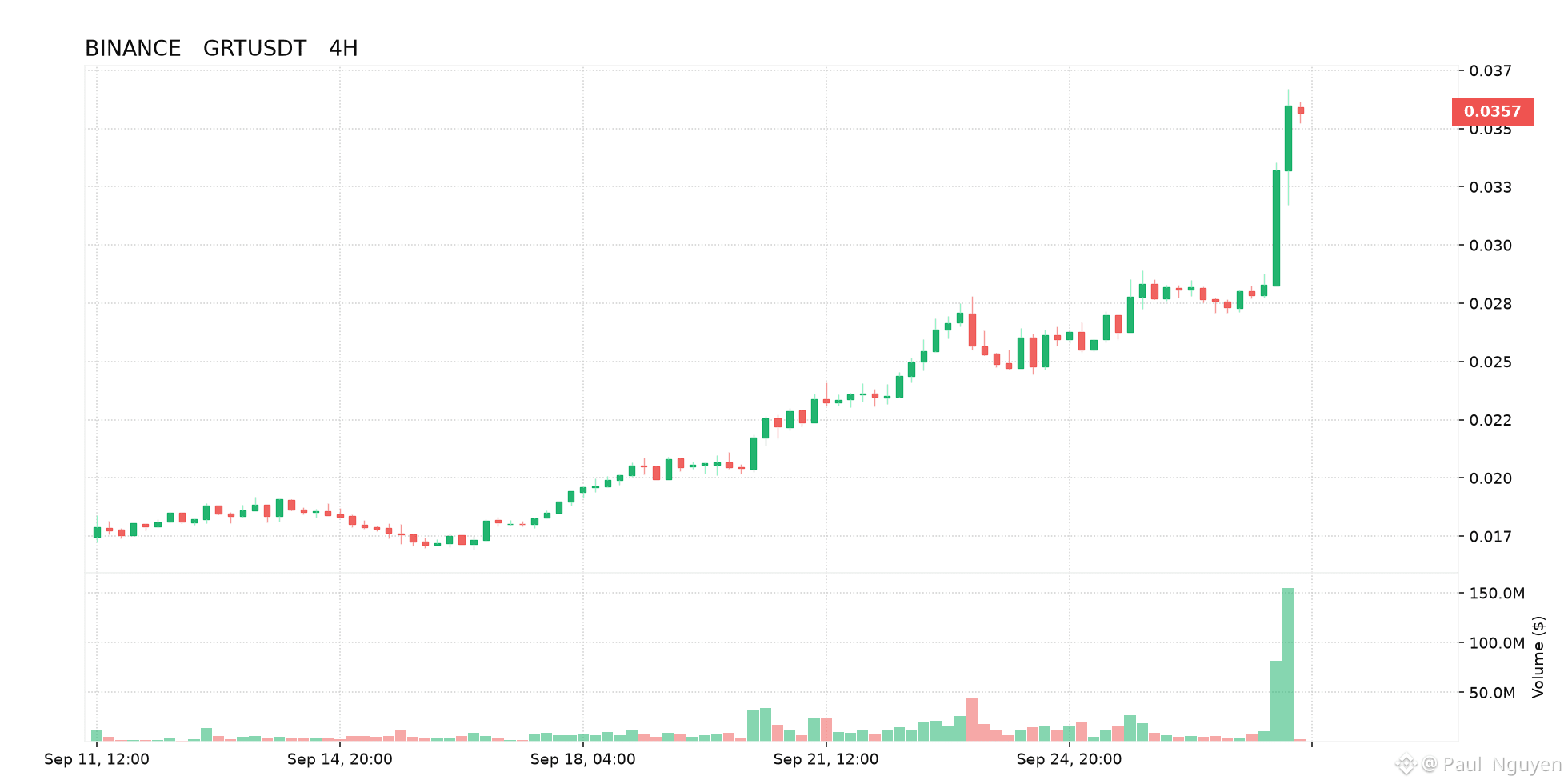
GRT تواصل التمزيق على منصة Binance بينما يتسابق المتداولون بحثًا عن محفّز بيانات ذكاء اصطناعي جديد من The Graph—مع الرهان على أن طبقة الفهرسة الخاصة بها ستصبح العمود الفقري لوكلاء الذكاء الاصطناعي الذين يستعلمون عن سلاسل الكتل.
$GRT #GRT
ليس نصيحة مالية. تحلَّ بالمسؤولية عند اتخاذ قراراتك المالية الخاصة بك.
GRT تواصل التمزيق على منصة Binance بينما يتسابق المتداولون بحثًا عن محفّز بيانات ذكاء اصطناعي جديد من The Graph—مع الرهان على أن طبقة الفهرسة الخاصة بها ستصبح العمود الفقري لوكلاء الذكاء الاصطناعي الذين يستعلمون عن سلاسل الكتل.
$GRT #GRT
ليس نصيحة مالية. تحلَّ بالمسؤولية عند اتخاذ قراراتك المالية الخاصة بك.
$GRT #GRT
ليس نصيحة مالية. تحلَّ بالمسؤولية عند اتخاذ قراراتك المالية الخاصة بك.
168
·
--
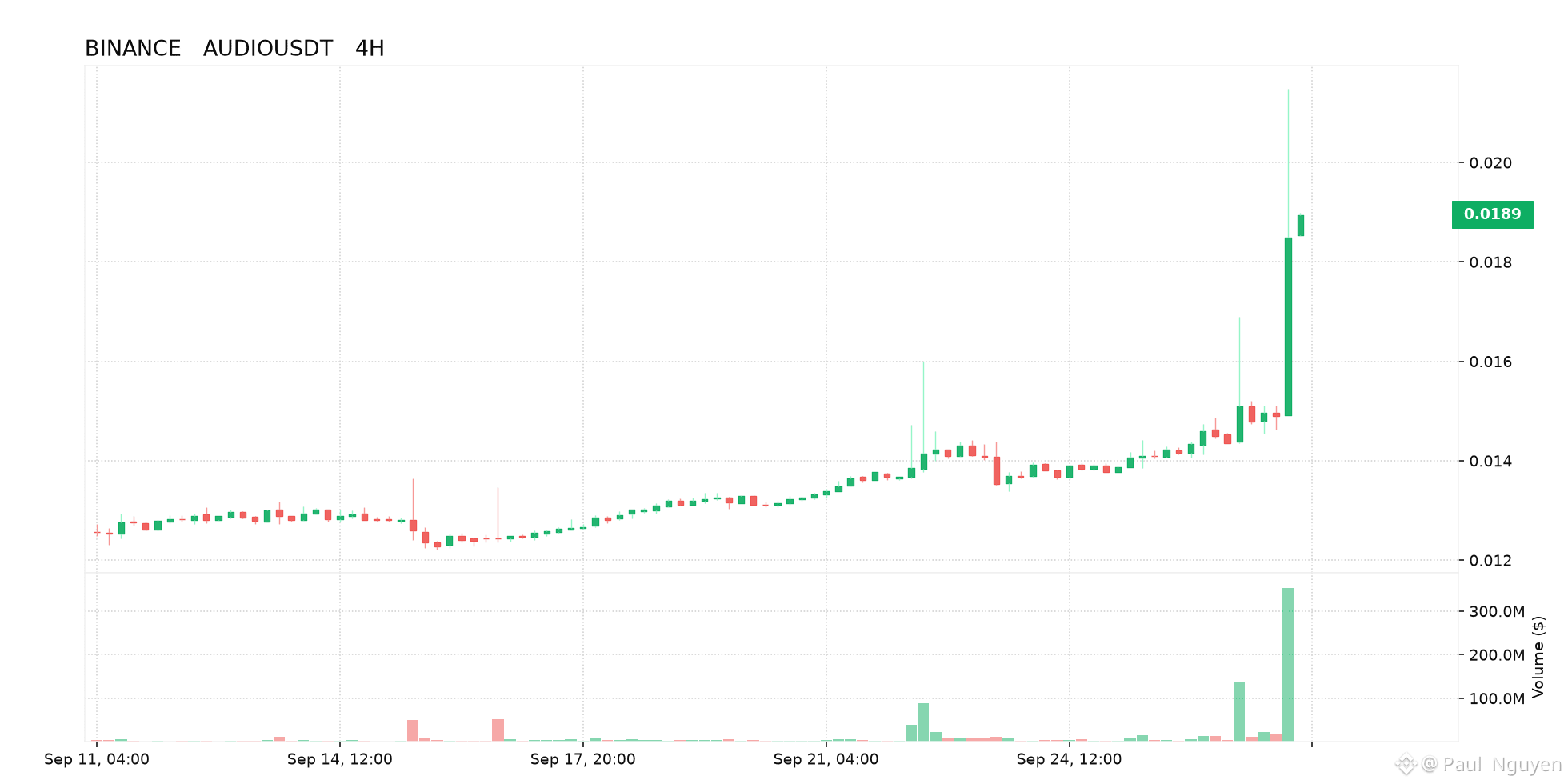
يتزايد اهتمام الجميع بـAUDIO بعد أن عقدت Audius شراكة مع TikTok لتمكين الفنانين من رفع الموسيقى مباشرة إلى التطبيق، مما أثار موجة من المشترين الذين يراهنون على التبني الواسع.
$AUDIO #AUDIO
ليس نصيحة مالية. تحمّل مسؤولية قرارك المالي بنفسك.
يتزايد اهتمام الجميع بـAUDIO بعد أن عقدت Audius شراكة مع TikTok لتمكين الفنانين من رفع الموسيقى مباشرة إلى التطبيق، مما أثار موجة من المشترين الذين يراهنون على التبني الواسع.
$AUDIO #AUDIO
ليس نصيحة مالية. تحمّل مسؤولية قرارك المالي بنفسك.
$AUDIO #AUDIO
ليس نصيحة مالية. تحمّل مسؤولية قرارك المالي بنفسك.
98
·
--
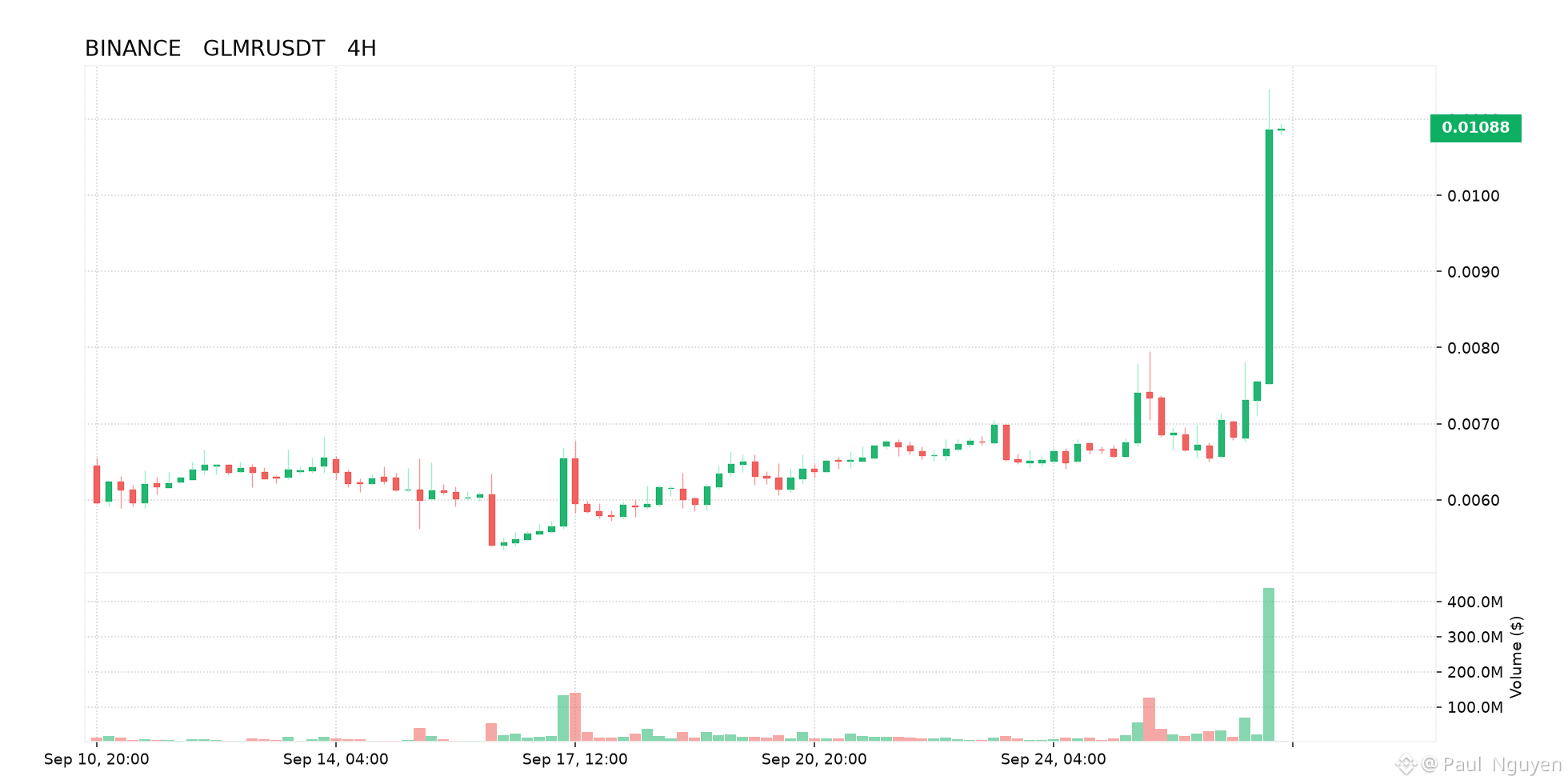
GLMR من أفضل 24 ساعة متحركًا لدى Binance؛ لا أستطيع التحقق من المحفّز المباشر دون الوصول إلى الويب. تحقّق من أحدث الإعلانات الخاصة بـ Moonbeam قبل أن تلاحق أي حركة.
$GLMR #GLMR
ليس نصيحة مالية. تحمّل مسؤولية قرارك المالي بنفسك.
GLMR من أفضل 24 ساعة متحركًا لدى Binance؛ لا أستطيع التحقق من المحفّز المباشر دون الوصول إلى الويب. تحقّق من أحدث الإعلانات الخاصة بـ Moonbeam قبل أن تلاحق أي حركة.
$GLMR #GLMR
ليس نصيحة مالية. تحمّل مسؤولية قرارك المالي بنفسك.
$GLMR #GLMR
ليس نصيحة مالية. تحمّل مسؤولية قرارك المالي بنفسك.
1
161
سجّل الدخول لاستكشاف المزيد من المُحتوى
انضم إلى مُستخدمي العملات الرقمية حول العالم على Binance Square
⚡️ احصل على أحدث المعلومات المفيدة عن العملات الرقمية.
💬 موثوقة من قبل أكبر منصّة لتداول العملات الرقمية في العالم.
👍 اكتشف الرؤى الحقيقية من صنّاع المُحتوى الموثوقين.
البريد الإلكتروني / رقم الهاتف
المواضيع الرائجة
ZcashETFPostsFirstWeeklyOutflow$93.6M
30,251 مشاهدات
89 يقومون بالنقاش
#ZcashETFPostsFirstWeeklyOutflow$93.6M
🚨🚨🚨🚨🚨🚨🚨🚨🚨🚨🚨🚨🚨🚨✅ 🚨 تدفقات ZCASH ETF تتحول إلى السلبية لأول مرة! 📉
$ZEC يشهد تحولًا ملحوظًا في تدفقات الأموال المؤسسية، حيث سجّلت منتجات استثمار الزكاش أول صافي تدفق سلبي أسبوعي منذ إطلاقها في أغسطس.
ووفقًا لبيانات التدفقات، تم سحب حوالي 93.6 مليون دولار من منتجات الزكاش خلال الأسبوع الأخير، بينما تباطأت أيضًا حركة سعر ZEC بشكل ملحوظ.
📊 ماذا حدث؟
• خروج أسبوعي من Zcash ETF: 93.6 مليون دولار
• خروج يوم 30 سبتمبر: 30.25 مليون دولار
• ZCSH كان قد جذب سابقًا نحو 98.2 مليون دولار خلال أسبوع واحد
• ZEC يتداول قرب 1,300 دولار
• القمة الأخيرة: نحو 1,690 دولار
• الانخفاض الأسبوعي: حوالي 17%+
🔍 مستويات يجب مراقبتها
🟢 دعم: 1,280–1,300 دولار
🔴 مقاومة: 1,450–1,500 دولار
السؤال المحوري الآن هو ما إذا كانت منطقة 1,300 دولار يمكنها الصمود وجذب مشتريين جدد.
ستكون التدفقات المؤسسية مهمة أيضًا. قد يشير عودة التدفقات الإيجابية المنتظمة إلى تجدد الثقة، بينما قد تؤدي التدفقات الخارجة المستمرة إلى إبقاء الضغط على $ZEC .
👀 هل الأمر مجرد جني أرباح بعد الارتفاع الكبير الذي حققته ZEC، أم قد نشهد هبوطًا أعمق قبل عودة المشترين؟
شارك رأيك أدناه. 👇
#Zcash #ZEC #ZcashETF #Crypto
#analysis
owhggwiohsjowve
·0 إعجاب
·133 مشاهدات
GreekPoliceBustCryptoScamRingArrest17
53,443 مشاهدات
551 يقومون بالنقاش
BitcoinRejectedAt$87K
111,618 مشاهدات
148 يقومون بالنقاش