

Javeed Crypto Insights
54 منشورات

Javeed Crypto Insights
إبلاغ
حظر المُستخدم
Crypto Insights, Alpha & Market Signals | Breaking News | Market Analysis | Web3, DeFi & Staking | DYOR
8 تتابع
18 المتابعون
11 إعجاب
منشورات
الكل
اقتباسات
·
--
هابط
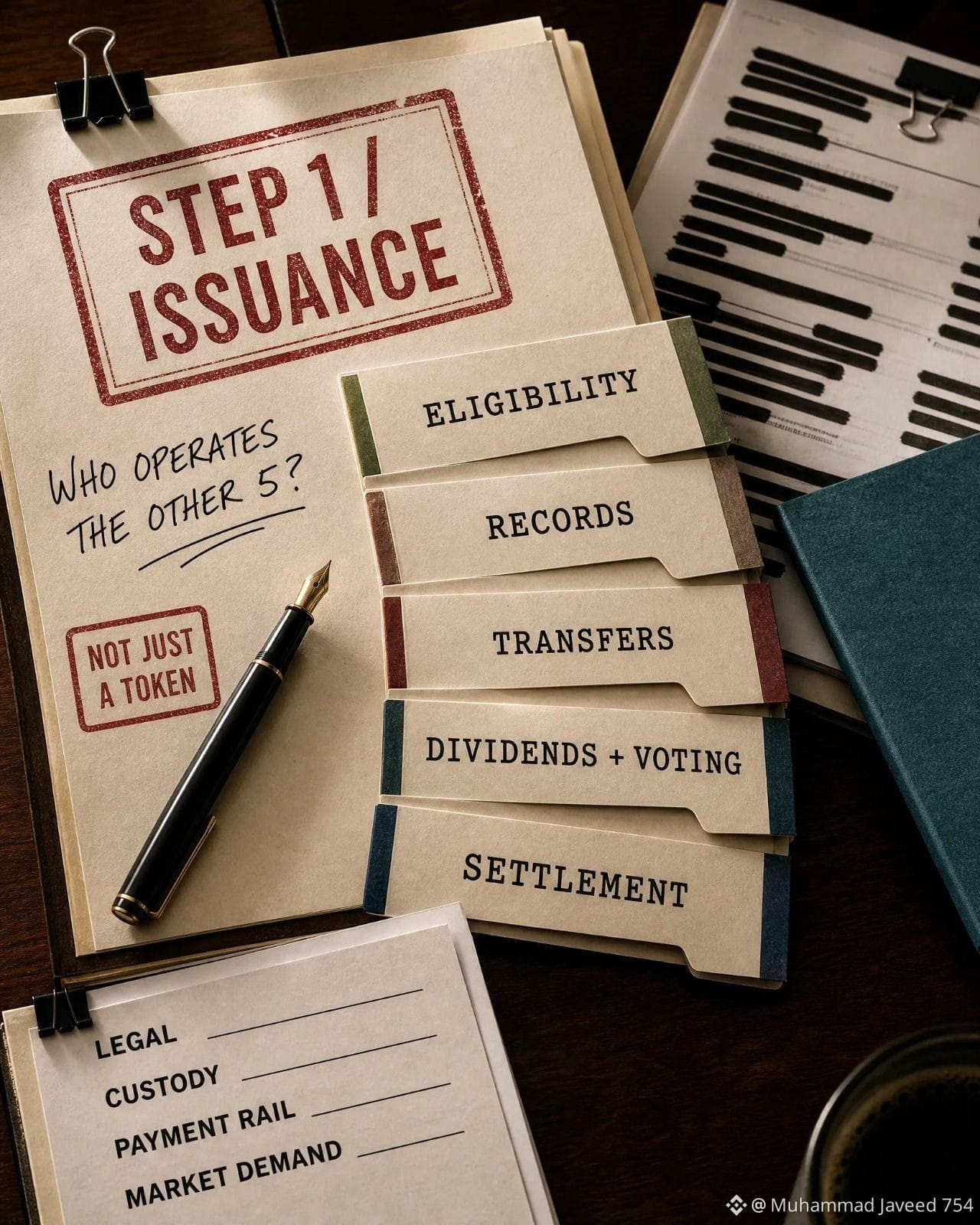
كنت أعتقد أن تجزئة/تسييل رموز الشركات الصغيرة والمتوسطة (SME) كانت في الأساس مشكلة إصدار. يَربُط أحدث طرح Dusk مراحلَ الملكية الست التالية: الإصدار، والأهلية، والسجلات، والتحويلات، والأرباح/التصويت، والتسوية. الرمز هو الخطوة الأولى؛ أمّا المشغّلون فيحملون المراحل الخمس الأخرى. ما المرحلة التي تنكسر/تتعطّل أولاً عملياً؟ @Dusk_Foundation $DUSK #dusk
كنت أعتقد أن تجزئة/تسييل رموز الشركات الصغيرة والمتوسطة (SME) كانت في الأساس مشكلة إصدار. يَربُط أحدث طرح Dusk مراحلَ الملكية الست التالية: الإصدار، والأهلية، والسجلات، والتحويلات، والأرباح/التصويت، والتسوية. الرمز هو الخطوة الأولى؛ أمّا المشغّلون فيحملون المراحل الخمس الأخرى. ما المرحلة التي تنكسر/تتعطّل أولاً عملياً؟ @Dusk $DUSK #dusk
69
·
--
هابط
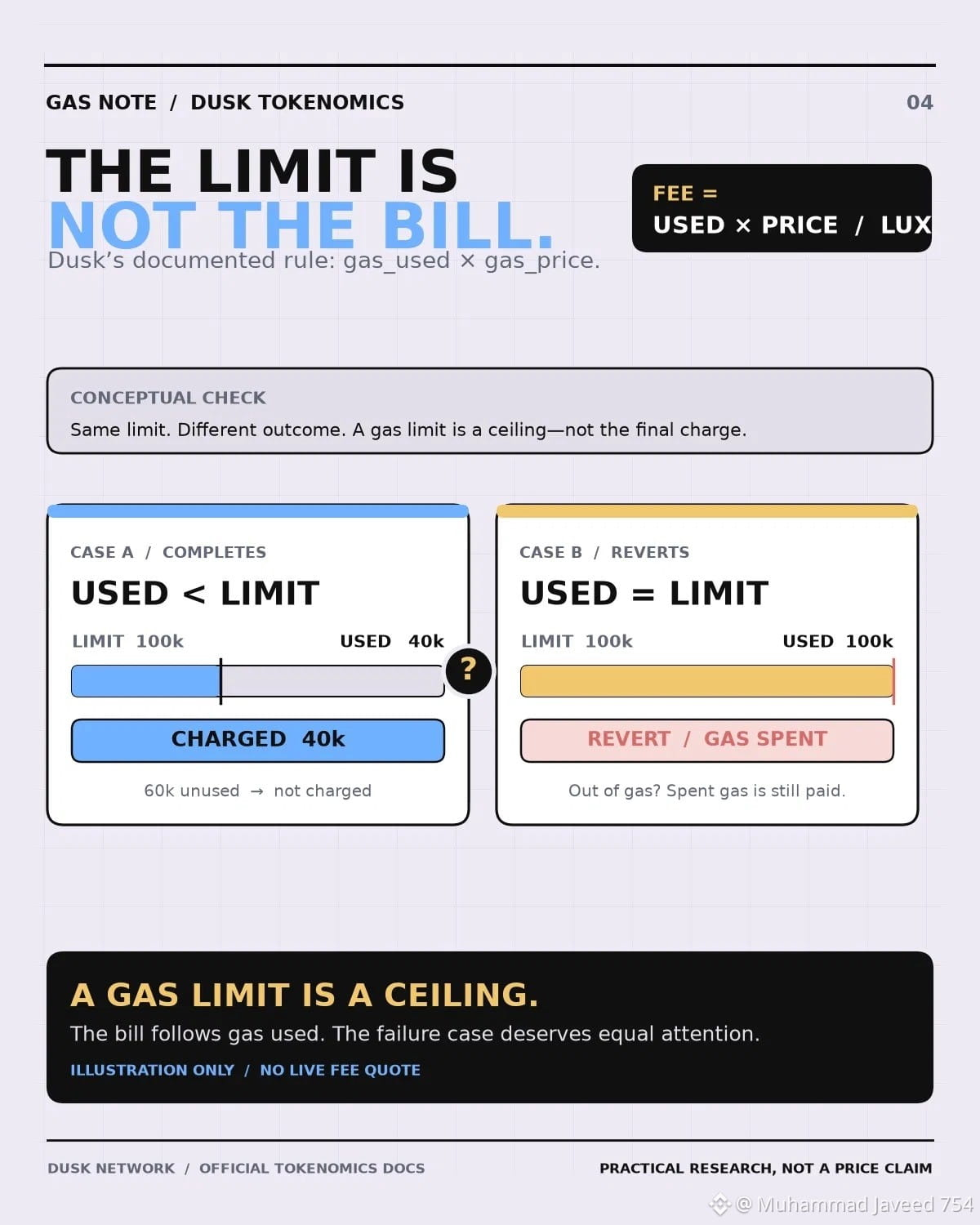
كنت أقرأ حدّ الغاز كأنه الفاتورة. تقول وثائق Dusk إن الرسوم تساوي gas_used × gas_price في LUX: لا يتم تحصيل رسوم عن الغاز غير المستخدم، لكن معاملة نفدت فيها كمية الغاز (out-of-gas) لا تزال تدفع مقابل الغاز الذي تم إنفاقه بالفعل. هذه الحالة الاستثنائية تهم أكثر من شعار “رسوم منخفضة”. هل ينبغي للحقائب (wallets) أن تشرح ذلك بشكل أفضل؟ @Dusk_Foundation $DUSK #dusk
كنت أقرأ حدّ الغاز كأنه الفاتورة. تقول وثائق Dusk إن الرسوم تساوي gas_used × gas_price في LUX: لا يتم تحصيل رسوم عن الغاز غير المستخدم، لكن معاملة نفدت فيها كمية الغاز (out-of-gas) لا تزال تدفع مقابل الغاز الذي تم إنفاقه بالفعل. هذه الحالة الاستثنائية تهم أكثر من شعار “رسوم منخفضة”. هل ينبغي للحقائب (wallets) أن تشرح ذلك بشكل أفضل؟ @Dusk $DUSK #dusk
90
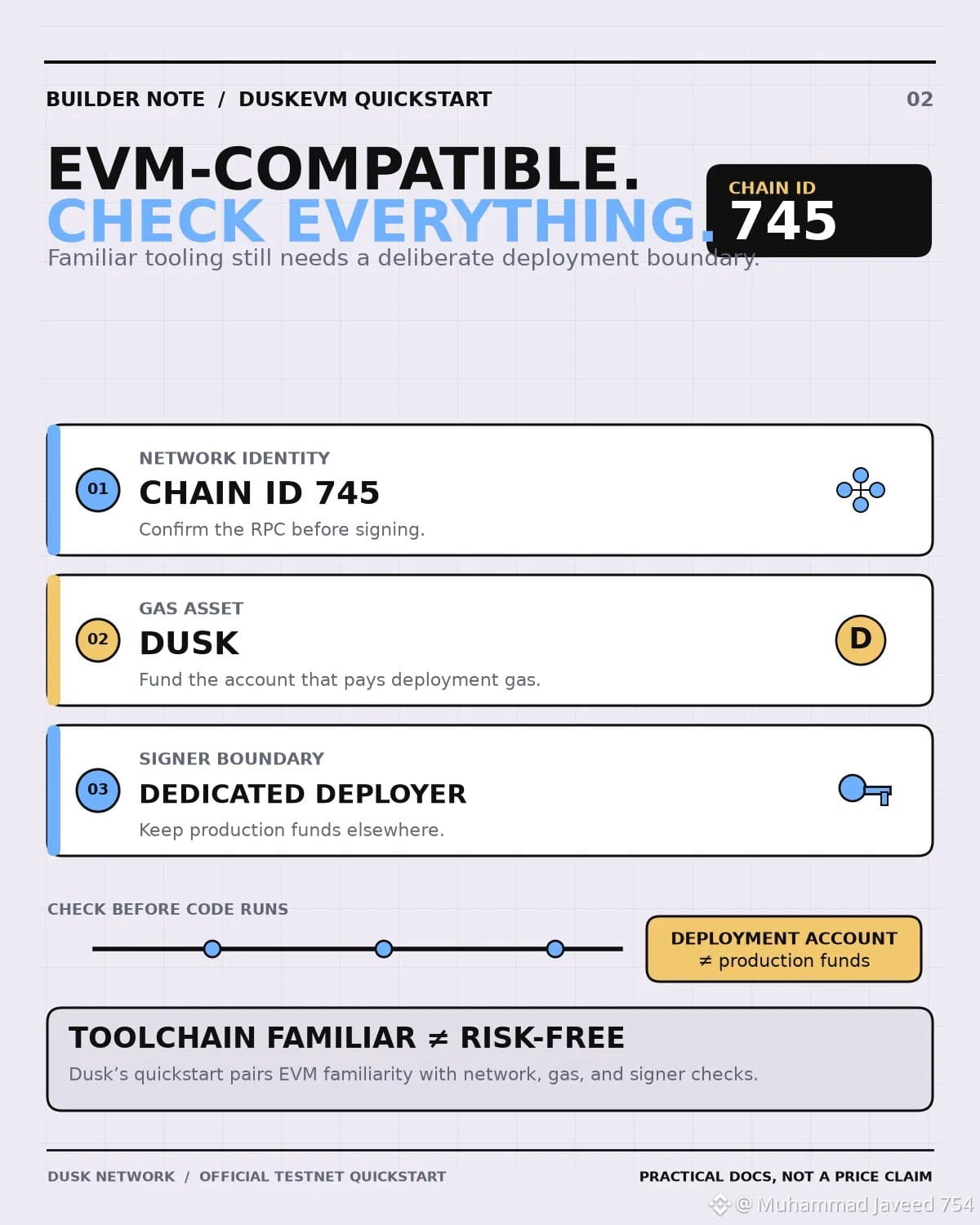
كنت أتوقع أن تؤدي التوافقية مع EVM إلى جعل عملية النشر تعمل كأنها جاهزة للتوصيل والاستخدام. لكن البداية السريعة لـ Dusk دفعتني للتحقق من التفاصيل المملة: معرّف سلسلة الاختبار testnet هو 745، وDUSK كغاز، وحساب نشر مخصّص—وليس أموالًا من الإنتاج. نسخ مجموعة الأدوات سهل؛ أما نسخ الشبكة غير الصحيحة فليس كذلك. هل تتحقق من فصل معرّف السلسلة + المُوقّع في CI؟ @Dusk_Foundation $DUSK #dusk
كنت أتوقع أن تؤدي التوافقية مع EVM إلى جعل عملية النشر تعمل كأنها جاهزة للتوصيل والاستخدام. لكن البداية السريعة لـ Dusk دفعتني للتحقق من التفاصيل المملة: معرّف سلسلة الاختبار testnet هو 745، وDUSK كغاز، وحساب نشر مخصّص—وليس أموالًا من الإنتاج. نسخ مجموعة الأدوات سهل؛ أما نسخ الشبكة غير الصحيحة فليس كذلك. هل تتحقق من فصل معرّف السلسلة + المُوقّع في CI؟ @Dusk $DUSK #dusk
68
عرض الترجمة
The word “fee” can make a DeFi position look more expensive than it really is—unless you follow the formula.
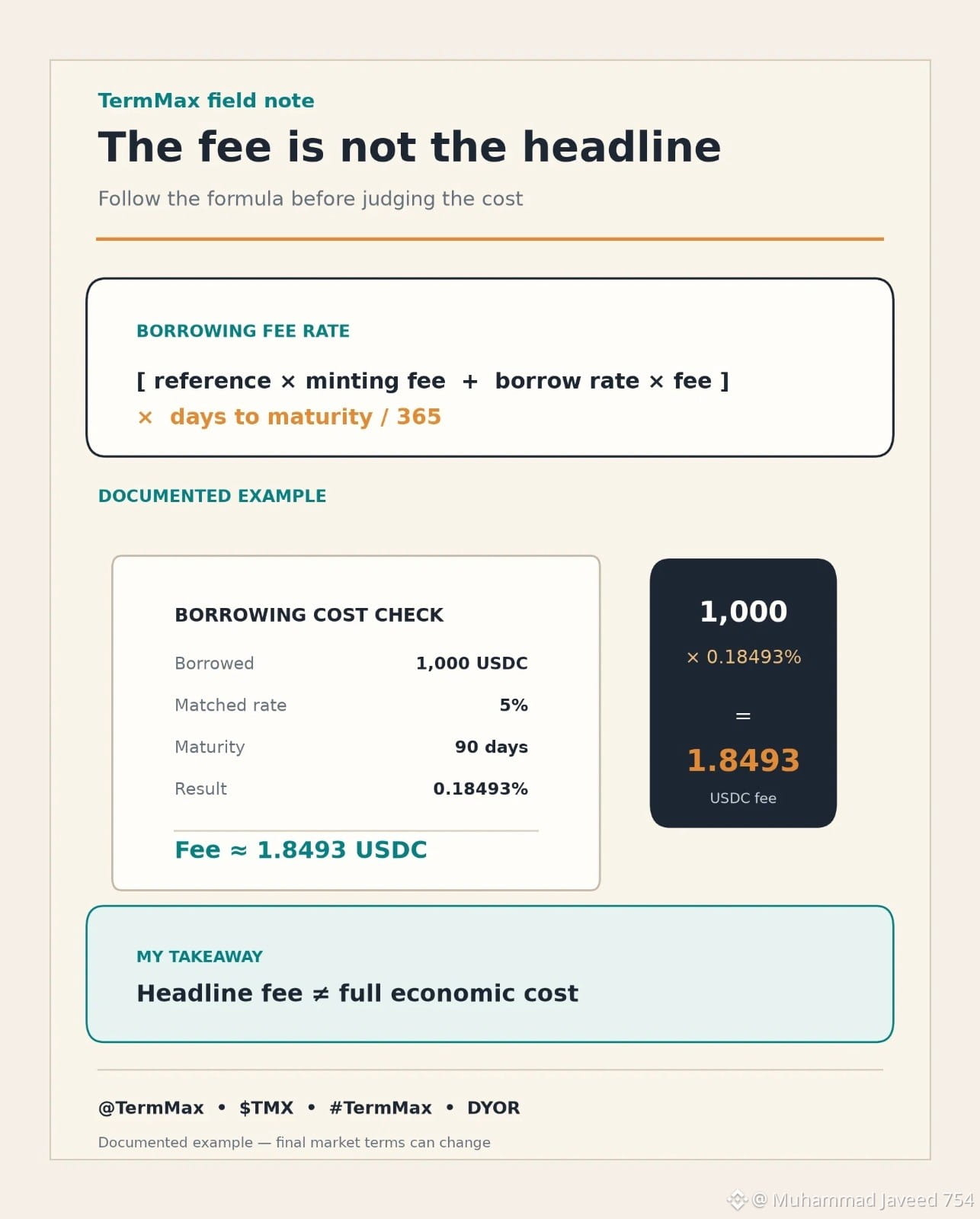
TermMax’s documentation says its borrowing transaction fee is not simply “3% of the borrowed amount.” It combines the GT minting reference rate, GT minting fee rate, matched borrow rate, borrowing fee rate, and days to maturity.
Using the documented example: a 5% matched borrow rate, 1,000 USDC borrowed, and 90 days to maturity produces a borrowing transaction fee rate of about 0.18493%. That is about 1.8493 USDC on 1,000 USDC—not 30 USDC.
The important caveat is that this is a formula example, not a guaranteed quote. The reference rate can depend on the asset and market conditions, and the final cost still has to be checked in the live market before entry. A lower transaction fee also does not remove smart-contract, collateral, liquidation, oracle or settlement risk.
My takeaway: in fixed-term DeFi, the headline fee percentage is only the beginning. I would check the formula, maturity, collateral terms and exit/liquidation mechanics together.
Do you normally calculate the full fee yourself, or trust the headline number shown by the protocol?
@termmax $TMX #TermMax #DeFi #BNBChain
The word “fee” can make a DeFi position look more expensive than it really is—unless you follow the formula.
TermMax’s documentation says its borrowing transaction fee is not simply “3% of the borrowed amount.” It combines the GT minting reference rate, GT minting fee rate, matched borrow rate, borrowing fee rate, and days to maturity.
Using the documented example: a 5% matched borrow rate, 1,000 USDC borrowed, and 90 days to maturity produces a borrowing transaction fee rate of about 0.18493%. That is about 1.8493 USDC on 1,000 USDC—not 30 USDC.
The important caveat is that this is a formula example, not a guaranteed quote. The reference rate can depend on the asset and market conditions, and the final cost still has to be checked in the live market before entry. A lower transaction fee also does not remove smart-contract, collateral, liquidation, oracle or settlement risk.
My takeaway: in fixed-term DeFi, the headline fee percentage is only the beginning. I would check the formula, maturity, collateral terms and exit/liquidation mechanics together.
Do you normally calculate the full fee yourself, or trust the headline number shown by the protocol?
@TermMax $TMX #TermMax #DeFi #BNBChain
TermMax’s documentation says its borrowing transaction fee is not simply “3% of the borrowed amount.” It combines the GT minting reference rate, GT minting fee rate, matched borrow rate, borrowing fee rate, and days to maturity.
Using the documented example: a 5% matched borrow rate, 1,000 USDC borrowed, and 90 days to maturity produces a borrowing transaction fee rate of about 0.18493%. That is about 1.8493 USDC on 1,000 USDC—not 30 USDC.
The important caveat is that this is a formula example, not a guaranteed quote. The reference rate can depend on the asset and market conditions, and the final cost still has to be checked in the live market before entry. A lower transaction fee also does not remove smart-contract, collateral, liquidation, oracle or settlement risk.
My takeaway: in fixed-term DeFi, the headline fee percentage is only the beginning. I would check the formula, maturity, collateral terms and exit/liquidation mechanics together.
Do you normally calculate the full fee yourself, or trust the headline number shown by the protocol?
@TermMax $TMX #TermMax #DeFi #BNBChain
76
·
--
صاعد
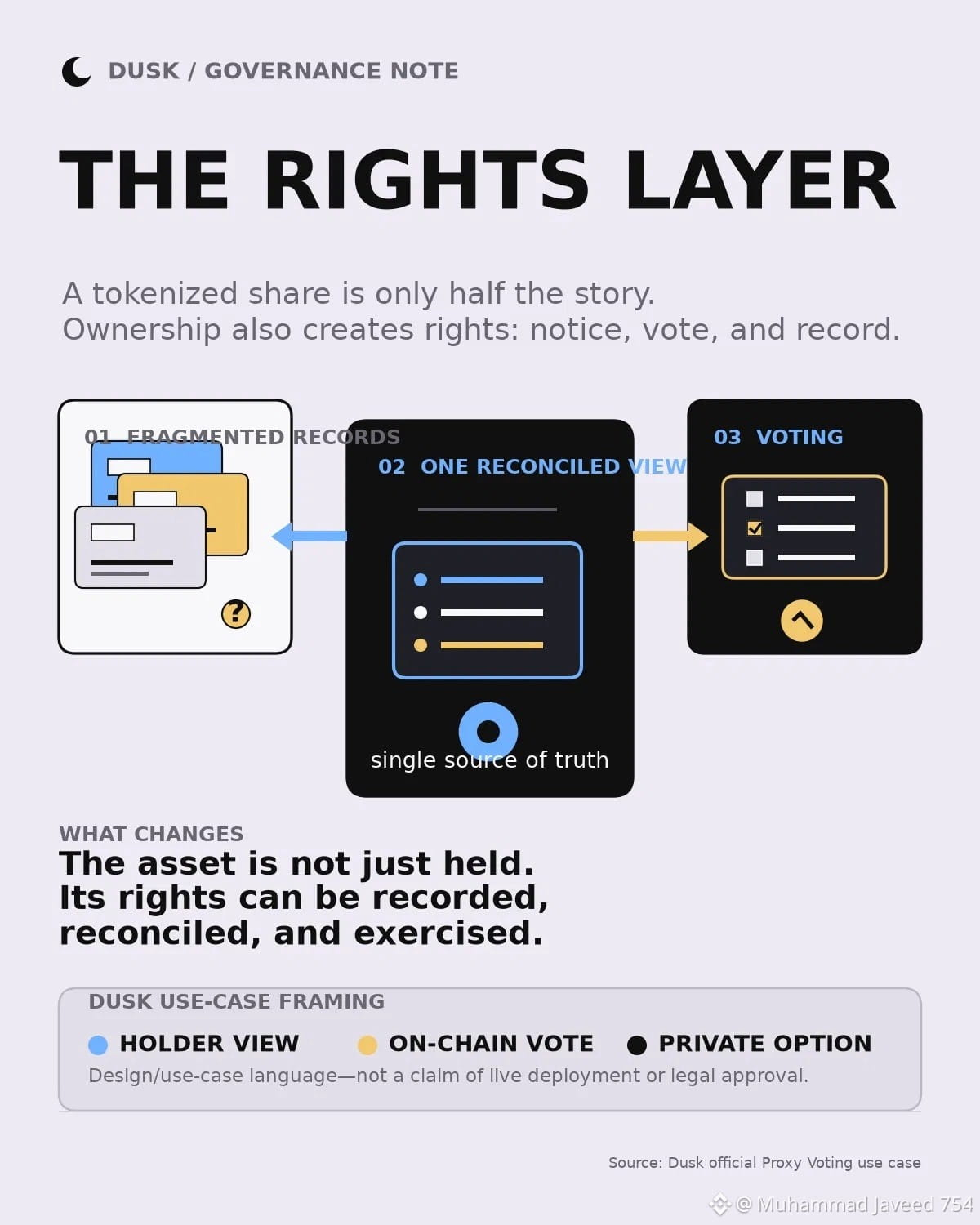
الحصة المُرمّزة ليست رقمية بالكامل إذا ظل تصويت المساهمين يعتمد على سجلات متفرقة والوسطاء. يُعالج استخدام «Dusk» للتصويت بالوكالة هذه المسألة عبر ربط الترميز برؤية موحّدة للمساهمين والتصويت على السلسلة (on-chain)، مع وصف التصويت بأنه خاص. هذه ليست مجرد ميزة تداول، بل طبقة حقوق. هل ينبغي أن تنتقل حقوق المساهمين إلى السلسلة (on-chain) أيضًا؟ @Dusk_Foundation $DUSK #dusk
الحصة المُرمّزة ليست رقمية بالكامل إذا ظل تصويت المساهمين يعتمد على سجلات متفرقة والوسطاء. يُعالج استخدام «Dusk» للتصويت بالوكالة هذه المسألة عبر ربط الترميز برؤية موحّدة للمساهمين والتصويت على السلسلة (on-chain)، مع وصف التصويت بأنه خاص. هذه ليست مجرد ميزة تداول، بل طبقة حقوق. هل ينبغي أن تنتقل حقوق المساهمين إلى السلسلة (on-chain) أيضًا؟ @Dusk $DUSK #dusk
68
عرض الترجمة
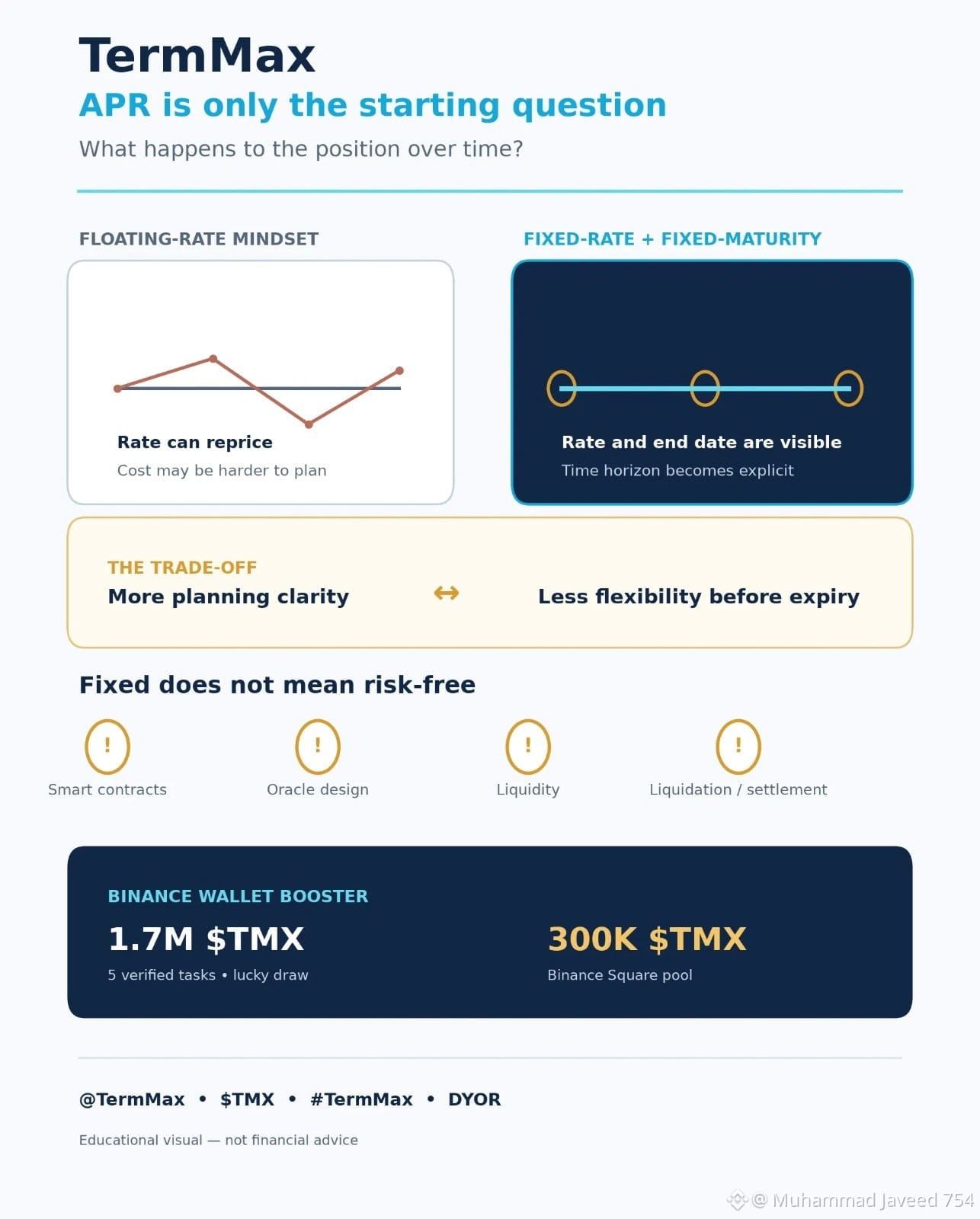
I used to think the main question in lending was simply: “What APR am I getting?”
The more useful question is: “What happens to this position over time?”
That is the angle I find interesting in @TermMax. Its documentation describes fixed-rate and fixed-maturity markets, so the rate and the end date are part of the position before entry. For a borrower, that can make the cost of capital easier to plan. For a lender, it makes the time horizon explicit.
But there is a real trade-off: a fixed maturity may improve planning while reducing flexibility if liquidity needs change before expiry. It also does not remove smart-contract, oracle, liquidity, liquidation or settlement risk. I would research those mechanics before looking at any headline yield.
TermMax’s current Binance Wallet Booster has two separate reward paths: a 1.7M $TMX lucky draw for five verified tasks and a 300K $TMX Binance Square pool split between Global and Chinese leaderboards. The Square task requires original, relevant content with the official account tag, $TMX and #TermMax in the first published version, followed by timely verification in Binance Wallet.
If you use DeFi, which matters more to you: a predictable rate, flexible liquidity, or a shorter maturity?
This is my research summary, not financial advice. DYOR.
@termmax $TMX #TermMax #DeFi #BNBChain
I used to think the main question in lending was simply: “What APR am I getting?”
The more useful question is: “What happens to this position over time?”
That is the angle I find interesting in @TermMax. Its documentation describes fixed-rate and fixed-maturity markets, so the rate and the end date are part of the position before entry. For a borrower, that can make the cost of capital easier to plan. For a lender, it makes the time horizon explicit.
But there is a real trade-off: a fixed maturity may improve planning while reducing flexibility if liquidity needs change before expiry. It also does not remove smart-contract, oracle, liquidity, liquidation or settlement risk. I would research those mechanics before looking at any headline yield.
TermMax’s current Binance Wallet Booster has two separate reward paths: a 1.7M $TMX lucky draw for five verified tasks and a 300K $TMX Binance Square pool split between Global and Chinese leaderboards. The Square task requires original, relevant content with the official account tag, $TMX and #TermMax in the first published version, followed by timely verification in Binance Wallet.
If you use DeFi, which matters more to you: a predictable rate, flexible liquidity, or a shorter maturity?
This is my research summary, not financial advice. DYOR.
@TermMax $TMX #TermMax #DeFi #BNBChain
The more useful question is: “What happens to this position over time?”
That is the angle I find interesting in @TermMax. Its documentation describes fixed-rate and fixed-maturity markets, so the rate and the end date are part of the position before entry. For a borrower, that can make the cost of capital easier to plan. For a lender, it makes the time horizon explicit.
But there is a real trade-off: a fixed maturity may improve planning while reducing flexibility if liquidity needs change before expiry. It also does not remove smart-contract, oracle, liquidity, liquidation or settlement risk. I would research those mechanics before looking at any headline yield.
TermMax’s current Binance Wallet Booster has two separate reward paths: a 1.7M $TMX lucky draw for five verified tasks and a 300K $TMX Binance Square pool split between Global and Chinese leaderboards. The Square task requires original, relevant content with the official account tag, $TMX and #TermMax in the first published version, followed by timely verification in Binance Wallet.
If you use DeFi, which matters more to you: a predictable rate, flexible liquidity, or a shorter maturity?
This is my research summary, not financial advice. DYOR.
@TermMax $TMX #TermMax #DeFi #BNBChain
76
عرض الترجمة
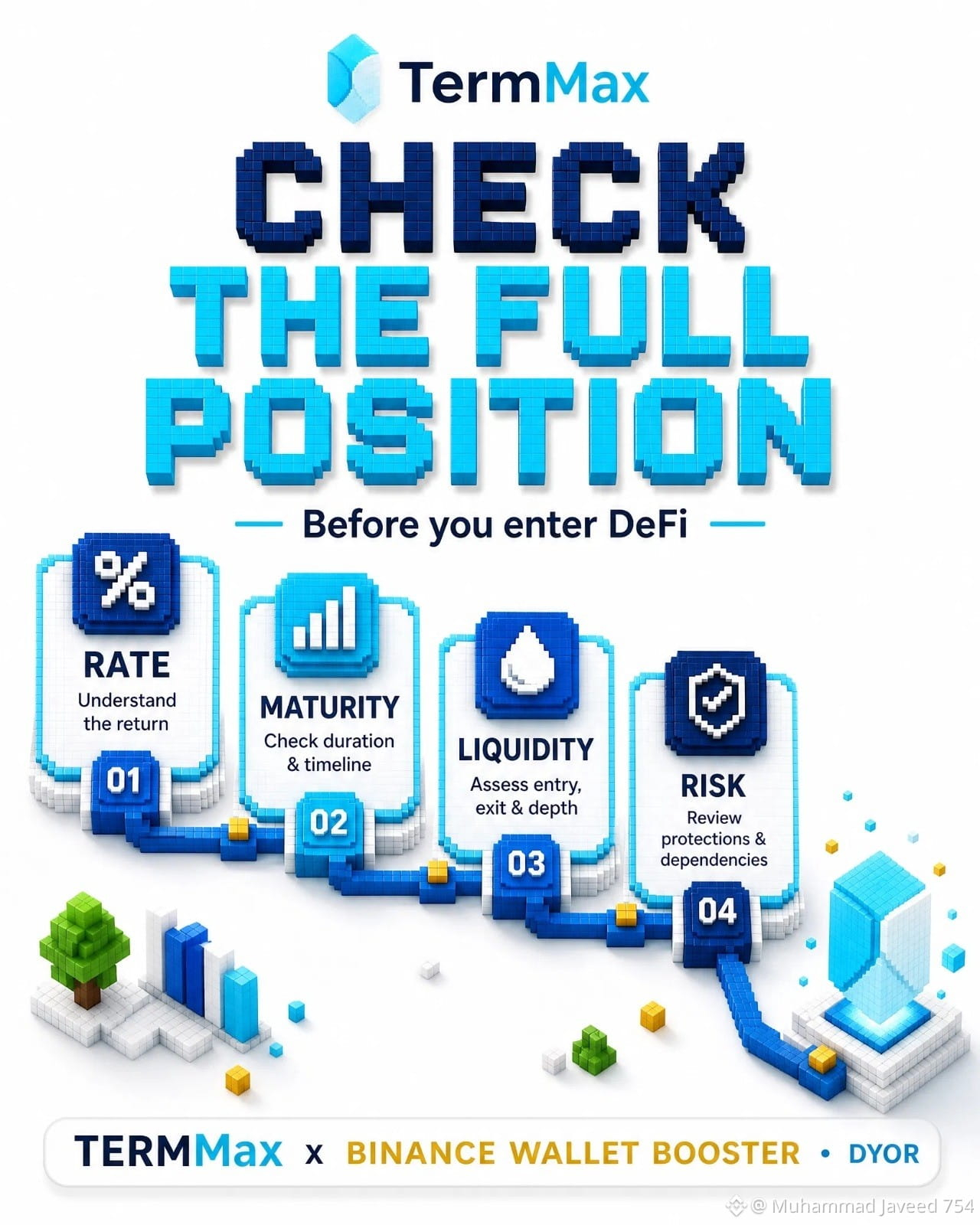
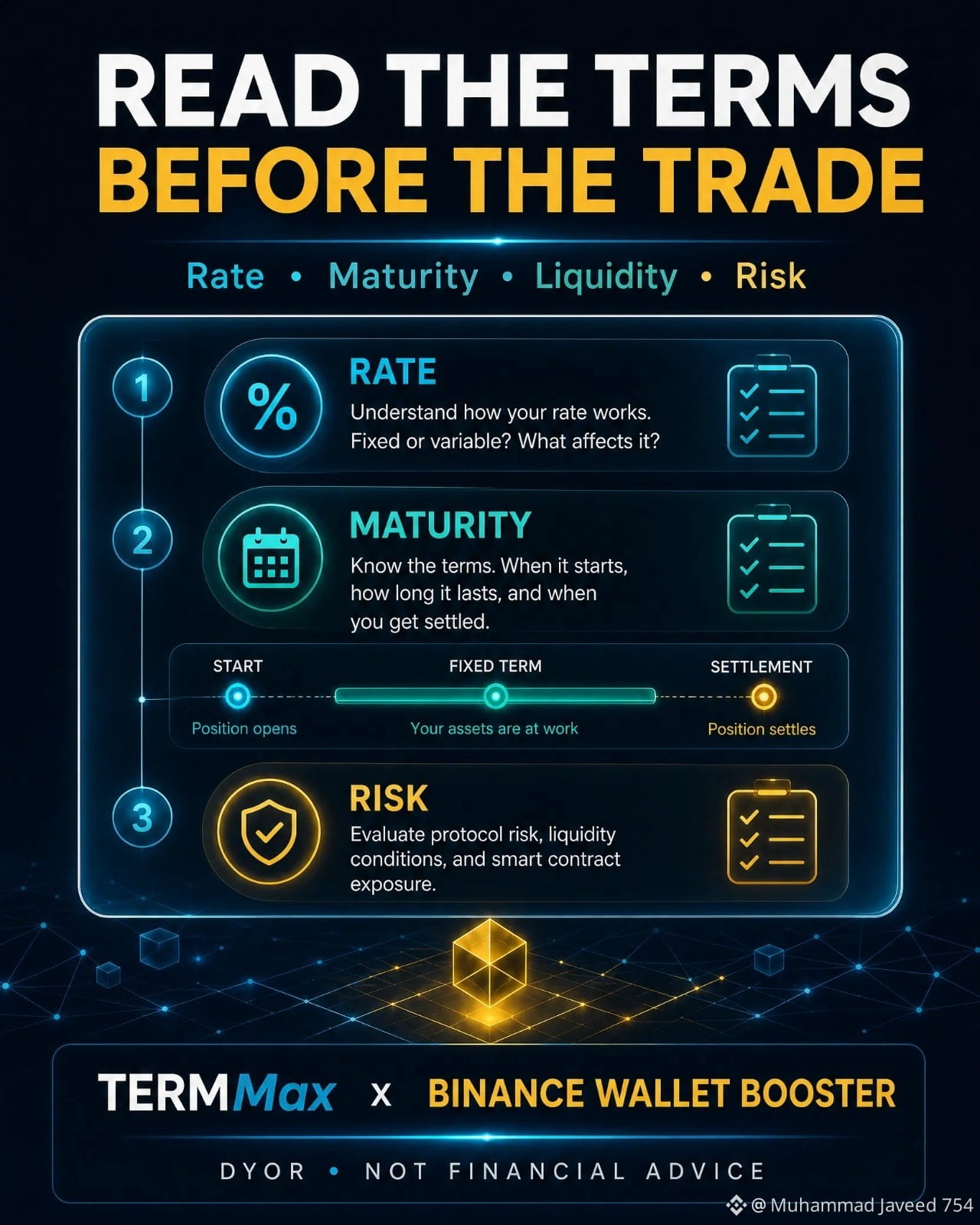
A fixed rate is useful only when you understand the full position around it.
That is what makes @termmax interesting to research: its fixed-rate, fixed-term markets put the focus on four questions before entry:
Rate: what cost or yield is defined?
Maturity: when does the position end?
Liquidity: how easily can the position be managed?
Risk: what smart-contract, oracle, liquidation and settlement risks remain?
Fixed terms can improve clarity, but they do not make DeFi risk-free. Read the documentation, check the mechanics and make your own decision.
The TermMax x Binance Wallet Booster includes a Binance Square CreatorPad task with a 300,000 TMX pool split between Global and Chinese leaderboards. Content must be original, relevant, and include the required TermMax account tag and hashtag in the first published version. Complete verification in Binance Wallet during the official window.
Which comes first in your DeFi checklist: rate, maturity, liquidity or risk controls?
DYOR. Educational content, not financial advice.
#TermMax #TermMaxFi #DeFi #BNBChain
A fixed rate is useful only when you understand the full position around it.
That is what makes @TermMax interesting to research: its fixed-rate, fixed-term markets put the focus on four questions before entry:
Rate: what cost or yield is defined?
Maturity: when does the position end?
Liquidity: how easily can the position be managed?
Risk: what smart-contract, oracle, liquidation and settlement risks remain?
Fixed terms can improve clarity, but they do not make DeFi risk-free. Read the documentation, check the mechanics and make your own decision.
The TermMax x Binance Wallet Booster includes a Binance Square CreatorPad task with a 300,000 TMX pool split between Global and Chinese leaderboards. Content must be original, relevant, and include the required TermMax account tag and hashtag in the first published version. Complete verification in Binance Wallet during the official window.
Which comes first in your DeFi checklist: rate, maturity, liquidity or risk controls?
DYOR. Educational content, not financial advice.
#TermMax #TermMaxFi #DeFi #BNBChain
That is what makes @TermMax interesting to research: its fixed-rate, fixed-term markets put the focus on four questions before entry:
Rate: what cost or yield is defined?
Maturity: when does the position end?
Liquidity: how easily can the position be managed?
Risk: what smart-contract, oracle, liquidation and settlement risks remain?
Fixed terms can improve clarity, but they do not make DeFi risk-free. Read the documentation, check the mechanics and make your own decision.
The TermMax x Binance Wallet Booster includes a Binance Square CreatorPad task with a 300,000 TMX pool split between Global and Chinese leaderboards. Content must be original, relevant, and include the required TermMax account tag and hashtag in the first published version. Complete verification in Binance Wallet during the official window.
Which comes first in your DeFi checklist: rate, maturity, liquidity or risk controls?
DYOR. Educational content, not financial advice.
#TermMax #TermMaxFi #DeFi #BNBChain
61
·
--
هابط
عرض الترجمة
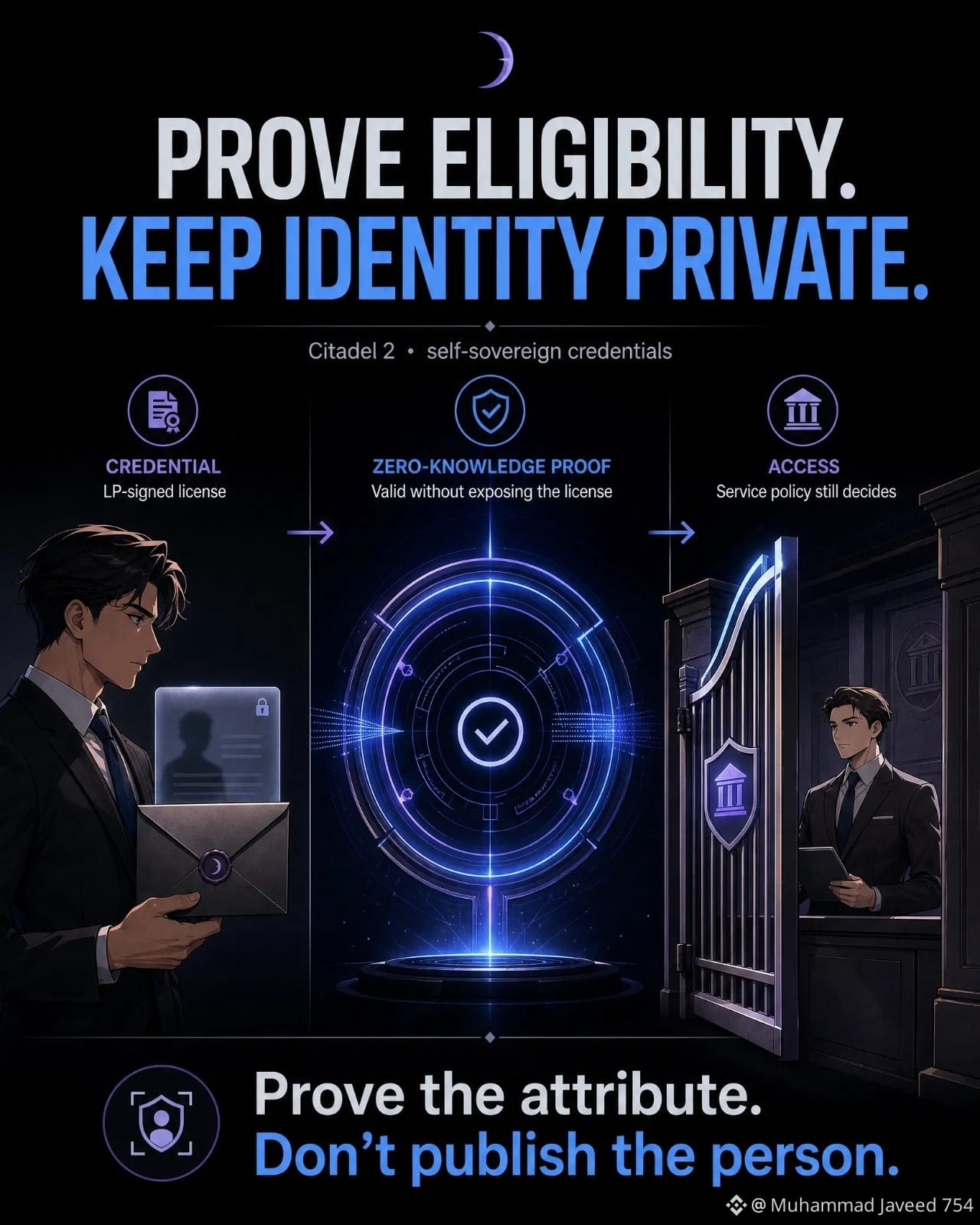
Here’s the identity problem tokenized markets rarely explain: an investor may need to prove eligibility, but that does not mean every personal detail should become public. Dusk’s Citadel 2 design uses a credential and zero-knowledge proof for that step; the service still decides what it trusts. Better access control—or just more complexity? @Dusk_Foundation $DUSK #dusk
Here’s the identity problem tokenized markets rarely explain: an investor may need to prove eligibility, but that does not mean every personal detail should become public. Dusk’s Citadel 2 design uses a credential and zero-knowledge proof for that step; the service still decides what it trusts. Better access control—or just more complexity? @Dusk $DUSK #dusk
64
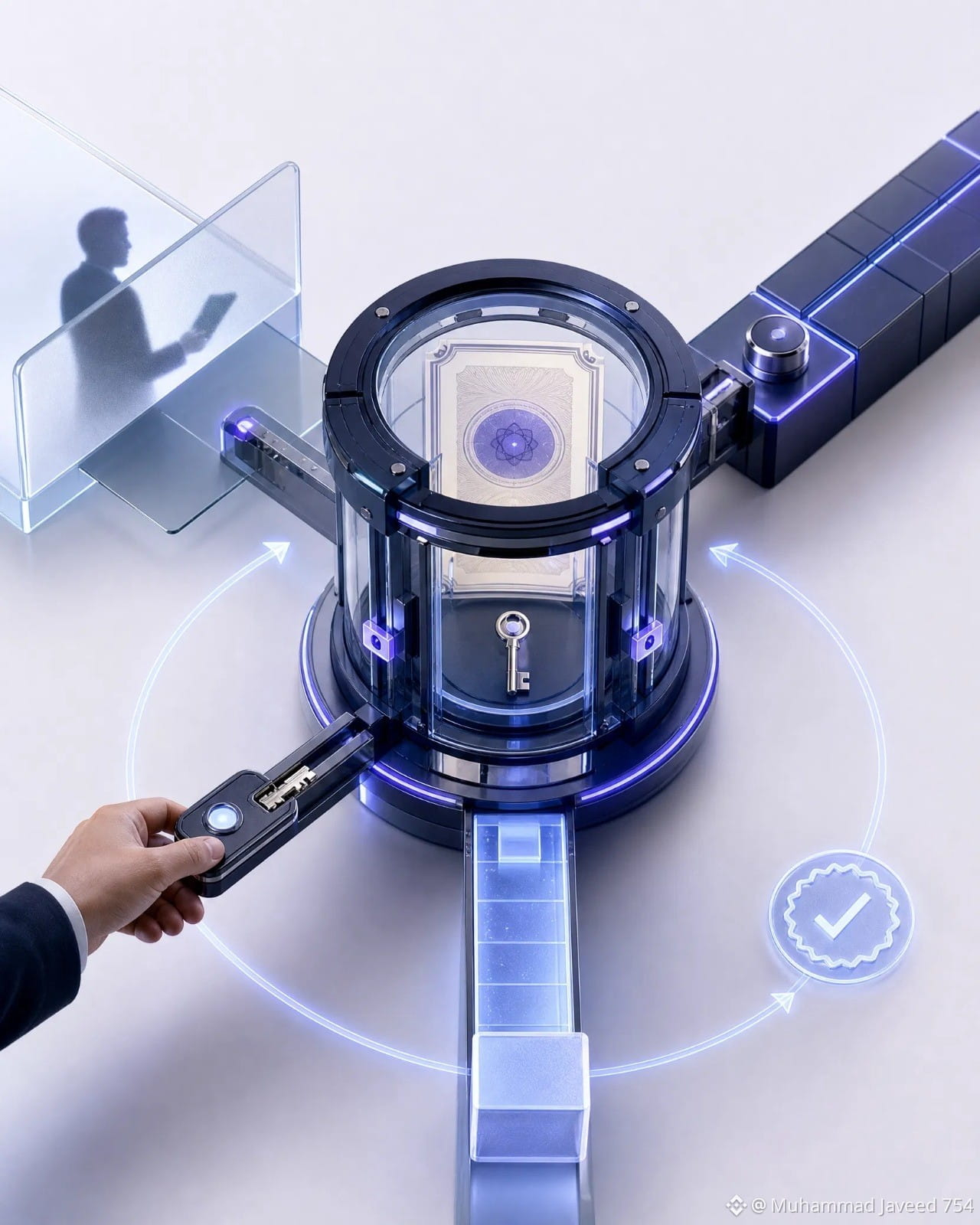
غالبًا ما يبدأ التجزيء بالـ asset (الأصل). تبدأ المؤسسات بالمفاتيح: من يتحكم بها، وكيف تعمل الأذونات، وما إذا كانت العمليات تظل قابلة للتدقيق. أعلنت شركة Dusk عن شراكة مع Cordial Systems حول الحفظ المؤسسي وتقنية المحافظ ذاتية الاستضافة. هذه الطبقة يسهل تخطيها في نقاشات RWA—لكنها قد تحدد ما إذا كانت المؤسسات يمكنها بالفعل استخدام البنية. ما الذي يهمك أكثر: الإصدار أم التحكم بالمفاتيح؟ @Dusk_Foundation $DUSK #dusk
غالبًا ما يبدأ التجزيء بالـ asset (الأصل). تبدأ المؤسسات بالمفاتيح: من يتحكم بها، وكيف تعمل الأذونات، وما إذا كانت العمليات تظل قابلة للتدقيق. أعلنت شركة Dusk عن شراكة مع Cordial Systems حول الحفظ المؤسسي وتقنية المحافظ ذاتية الاستضافة. هذه الطبقة يسهل تخطيها في نقاشات RWA—لكنها قد تحدد ما إذا كانت المؤسسات يمكنها بالفعل استخدام البنية. ما الذي يهمك أكثر: الإصدار أم التحكم بالمفاتيح؟ @Dusk $DUSK #dusk
64
عرض الترجمة
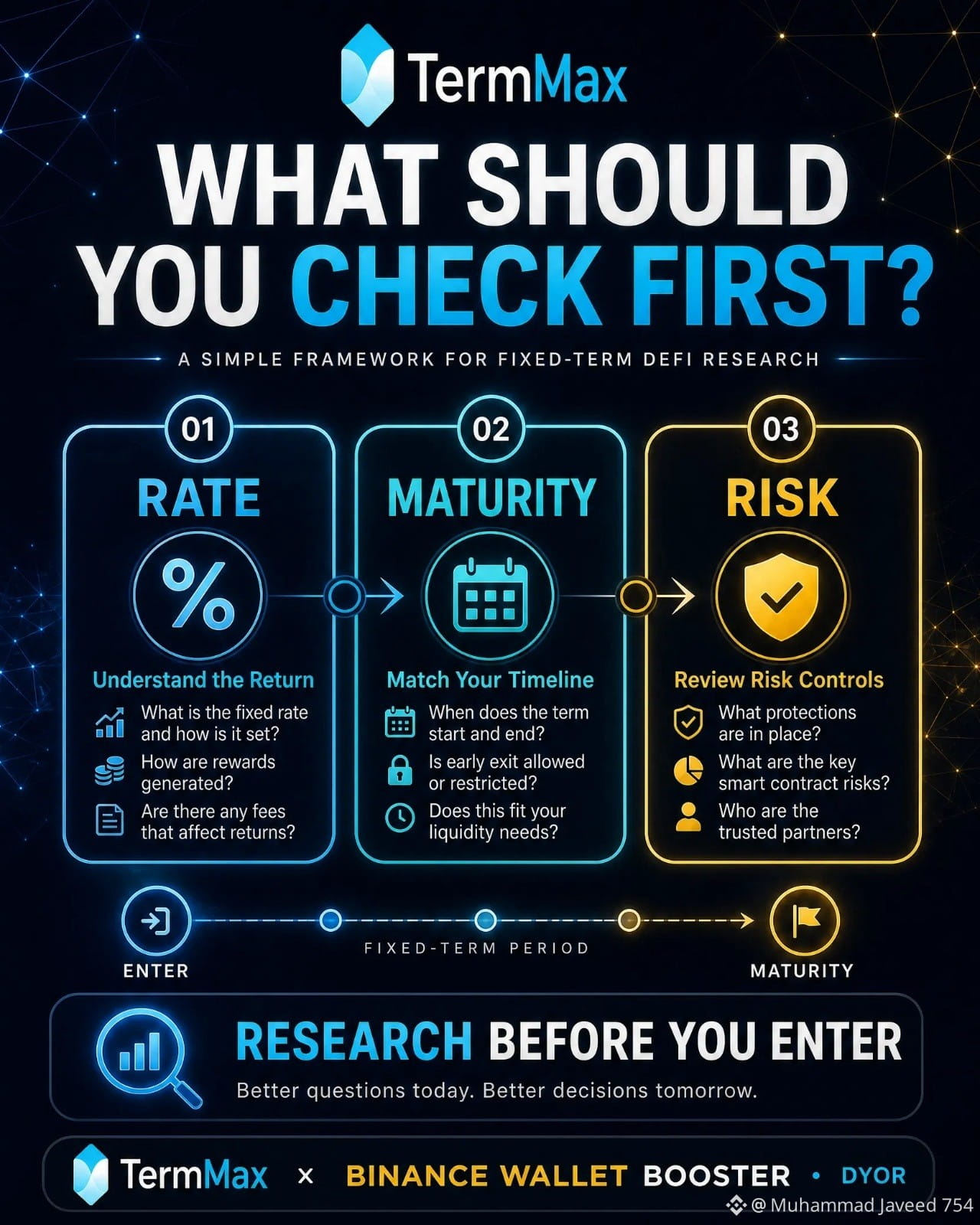
A 2M TMX reward pool gets attention. But the more interesting question is: what is TermMax actually building?
@termmax is focused on fixed-rate, fixed-term DeFi markets. Instead of watching a floating rate reprice block by block, users can evaluate the rate, maturity and structure before entering a position.
That matters for three reasons:
Borrowers can understand the cost of capital more clearly.
Lenders can evaluate the expected term instead of relying only on a changing headline APR.
Users exploring leverage or options can discuss risk with a defined time horizon.
This is not a claim that DeFi is risk-free. Smart-contract risk, liquidity risk, oracle risk, liquidation or settlement mechanics and market conditions still need careful research.
The TermMax x Binance Wallet Booster Campaign has a 2,000,000 TMX total pool. The Binance Square CreatorPad activity has separate Global and Chinese leaderboards, with 150,000 TMX allocated to each and up to 500 eligible creators per leaderboard. Posts must be original, relevant, include the required TermMax account tag and hashtag in the first version, and be verified in Binance Wallet.
When researching a DeFi protocol, what do you check first: rate, maturity, liquidity, or risk controls?
DYOR. Educational content, not financial advice.
#TermMax #TermMaxFi #DeFi #BNBChain
A 2M TMX reward pool gets attention. But the more interesting question is: what is TermMax actually building?
@TermMax is focused on fixed-rate, fixed-term DeFi markets. Instead of watching a floating rate reprice block by block, users can evaluate the rate, maturity and structure before entering a position.
That matters for three reasons:
Borrowers can understand the cost of capital more clearly.
Lenders can evaluate the expected term instead of relying only on a changing headline APR.
Users exploring leverage or options can discuss risk with a defined time horizon.
This is not a claim that DeFi is risk-free. Smart-contract risk, liquidity risk, oracle risk, liquidation or settlement mechanics and market conditions still need careful research.
The TermMax x Binance Wallet Booster Campaign has a 2,000,000 TMX total pool. The Binance Square CreatorPad activity has separate Global and Chinese leaderboards, with 150,000 TMX allocated to each and up to 500 eligible creators per leaderboard. Posts must be original, relevant, include the required TermMax account tag and hashtag in the first version, and be verified in Binance Wallet.
When researching a DeFi protocol, what do you check first: rate, maturity, liquidity, or risk controls?
DYOR. Educational content, not financial advice.
#TermMax #TermMaxFi #DeFi #BNBChain
@TermMax is focused on fixed-rate, fixed-term DeFi markets. Instead of watching a floating rate reprice block by block, users can evaluate the rate, maturity and structure before entering a position.
That matters for three reasons:
Borrowers can understand the cost of capital more clearly.
Lenders can evaluate the expected term instead of relying only on a changing headline APR.
Users exploring leverage or options can discuss risk with a defined time horizon.
This is not a claim that DeFi is risk-free. Smart-contract risk, liquidity risk, oracle risk, liquidation or settlement mechanics and market conditions still need careful research.
The TermMax x Binance Wallet Booster Campaign has a 2,000,000 TMX total pool. The Binance Square CreatorPad activity has separate Global and Chinese leaderboards, with 150,000 TMX allocated to each and up to 500 eligible creators per leaderboard. Posts must be original, relevant, include the required TermMax account tag and hashtag in the first version, and be verified in Binance Wallet.
When researching a DeFi protocol, what do you check first: rate, maturity, liquidity, or risk controls?
DYOR. Educational content, not financial advice.
#TermMax #TermMaxFi #DeFi #BNBChain
66
الأمر الوحيد الذي أتحقق منه دائمًا قبل استكشاف أي منتج من منتجات التمويل اللامركزي (DeFi) هو ليس فقط العائد أو نسبة الفائدة السنوية (APR) الظاهرة، بل أيضًا مدى وضوح تعريف الشروط.
وهذا هو المكان الذي يتبع فيه <@termmax > نهجًا مثيرًا للاهتمام. فقد صُممت أسواق السعر الثابت والمدة الثابتة لتسهيل فهم تكلفة الصفقة ومدتها وبنيتها قبل الدخول فيها.
بالنسبة للمُقرضين، يمكن أن تكون مدة التمويل أكثر وضوحًا. وبالنسبة للمُقترضين، لا يتم إعادة تسعير السعر ببساطة في كل كتلة. وبالنسبة للمستخدمين الذين يستكشفون الرافعة المالية والخيارات، فإن معرفة الإطار مسبقًا قد تجعل مناقشات المخاطر أكثر واقعية.
لا يعني ذلك عدم وجود مخاطر. فمخاطر العقود الذكية، ومخاطر السوق، ومخاطر السيولة، وآليات التصفية أو التسوية لا تزال مهمة. النهج الصحيح هو قراءة الوثائق وإجراء بحثك الخاص قبل التفاعل.
تتضمن الحملة الحالية لـ Binance Wallet Booster مهمة ضمن لوحة المتصدرين في Binance Square. يجب أن تتضمن المشاركات وسم TermMax والهاشتاغ، وأن تكون المشاركة مُتحقَّقًا منها على صفحة الحملة. إن ترتيب لوحة المتصدرين ليس مكافأة مضمونة.
ما الذي تتحقق منه أولًا عند البحث عن بروتوكول DeFi: سعر الفائدة، أم الاستحقاق، أم السيولة، أم ضوابط المخاطر؟
#TermMax #TermMaxFi #DeFi #BNBChain
الأمر الوحيد الذي أتحقق منه دائمًا قبل استكشاف أي منتج من منتجات التمويل اللامركزي (DeFi) هو ليس فقط العائد أو نسبة الفائدة السنوية (APR) الظاهرة، بل أيضًا مدى وضوح تعريف الشروط.
وهذا هو المكان الذي يتبع فيه <@TermMax > نهجًا مثيرًا للاهتمام. فقد صُممت أسواق السعر الثابت والمدة الثابتة لتسهيل فهم تكلفة الصفقة ومدتها وبنيتها قبل الدخول فيها.
بالنسبة للمُقرضين، يمكن أن تكون مدة التمويل أكثر وضوحًا. وبالنسبة للمُقترضين، لا يتم إعادة تسعير السعر ببساطة في كل كتلة. وبالنسبة للمستخدمين الذين يستكشفون الرافعة المالية والخيارات، فإن معرفة الإطار مسبقًا قد تجعل مناقشات المخاطر أكثر واقعية.
لا يعني ذلك عدم وجود مخاطر. فمخاطر العقود الذكية، ومخاطر السوق، ومخاطر السيولة، وآليات التصفية أو التسوية لا تزال مهمة. النهج الصحيح هو قراءة الوثائق وإجراء بحثك الخاص قبل التفاعل.
تتضمن الحملة الحالية لـ Binance Wallet Booster مهمة ضمن لوحة المتصدرين في Binance Square. يجب أن تتضمن المشاركات وسم TermMax والهاشتاغ، وأن تكون المشاركة مُتحقَّقًا منها على صفحة الحملة. إن ترتيب لوحة المتصدرين ليس مكافأة مضمونة.
ما الذي تتحقق منه أولًا عند البحث عن بروتوكول DeFi: سعر الفائدة، أم الاستحقاق، أم السيولة، أم ضوابط المخاطر؟
#TermMax #TermMaxFi #DeFi #BNBChain
وهذا هو المكان الذي يتبع فيه <@TermMax > نهجًا مثيرًا للاهتمام. فقد صُممت أسواق السعر الثابت والمدة الثابتة لتسهيل فهم تكلفة الصفقة ومدتها وبنيتها قبل الدخول فيها.
بالنسبة للمُقرضين، يمكن أن تكون مدة التمويل أكثر وضوحًا. وبالنسبة للمُقترضين، لا يتم إعادة تسعير السعر ببساطة في كل كتلة. وبالنسبة للمستخدمين الذين يستكشفون الرافعة المالية والخيارات، فإن معرفة الإطار مسبقًا قد تجعل مناقشات المخاطر أكثر واقعية.
لا يعني ذلك عدم وجود مخاطر. فمخاطر العقود الذكية، ومخاطر السوق، ومخاطر السيولة، وآليات التصفية أو التسوية لا تزال مهمة. النهج الصحيح هو قراءة الوثائق وإجراء بحثك الخاص قبل التفاعل.
تتضمن الحملة الحالية لـ Binance Wallet Booster مهمة ضمن لوحة المتصدرين في Binance Square. يجب أن تتضمن المشاركات وسم TermMax والهاشتاغ، وأن تكون المشاركة مُتحقَّقًا منها على صفحة الحملة. إن ترتيب لوحة المتصدرين ليس مكافأة مضمونة.
ما الذي تتحقق منه أولًا عند البحث عن بروتوكول DeFi: سعر الفائدة، أم الاستحقاق، أم السيولة، أم ضوابط المخاطر؟
#TermMax #TermMaxFi #DeFi #BNBChain
57
·
--
صاعد
عرض الترجمة
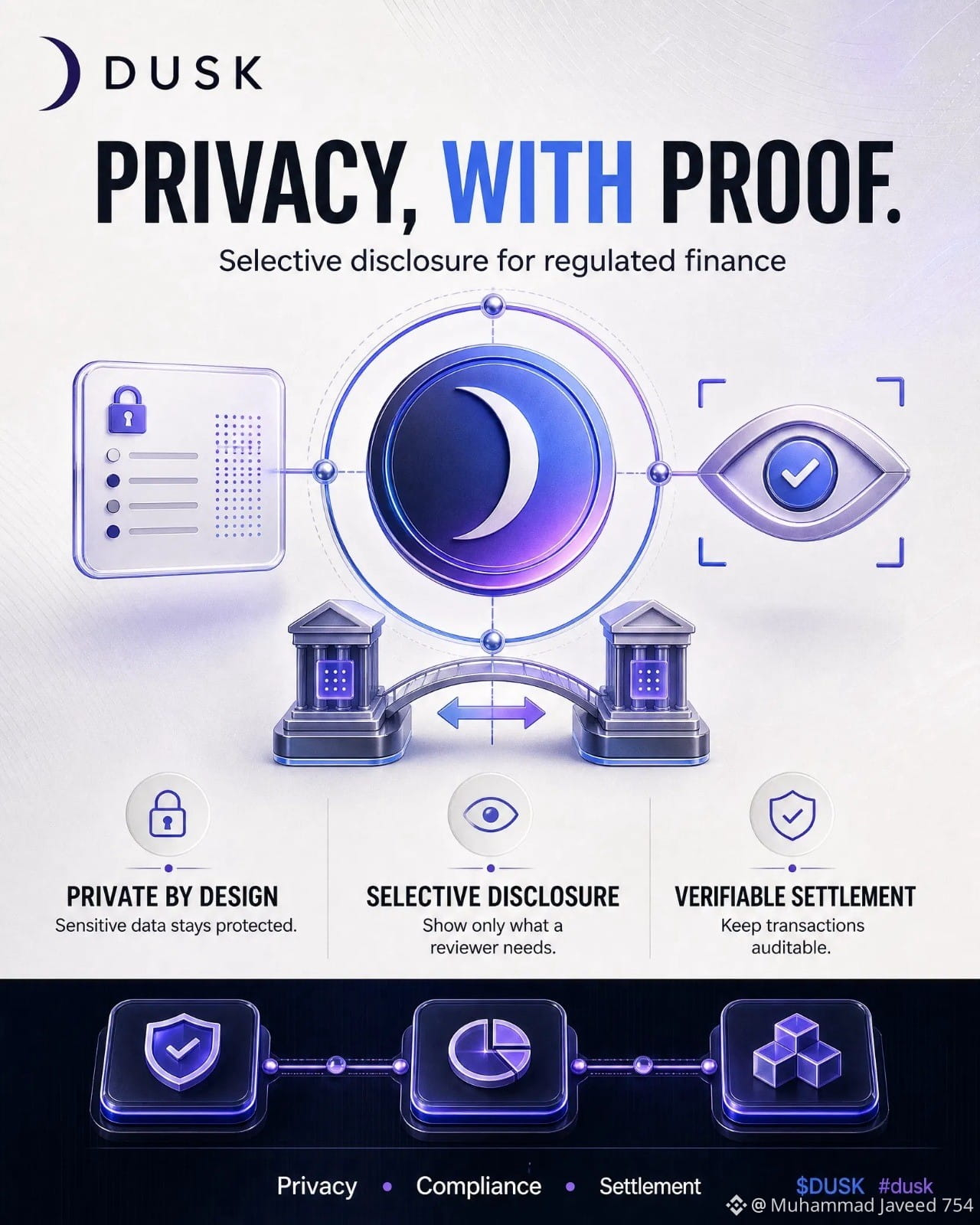
In regulated finance, privacy isn’t about hiding every detail. It’s about showing the right proof to the right reviewer. @Dusk_Foundation brings selective disclosure, compliance checks, and deterministic settlement into one on-chain workflow—so sensitive data can stay private while eligibility and transactions remain verifiable. $DUSK #dusk
In regulated finance, privacy isn’t about hiding every detail. It’s about showing the right proof to the right reviewer. @Dusk brings selective disclosure, compliance checks, and deterministic settlement into one on-chain workflow—so sensitive data can stay private while eligibility and transactions remain verifiable. $DUSK #dusk
83

عرض الترجمة
I'm really impressed by the growth of @Plasma lately! The project is building something unique that stands out in the current market. Seeing the utility behind $XPL makes me very optimistic about where this ecosystem is headed. This is definitely a project to keep on your radar for 2026. Can't wait to see what’s next! #Plasma
#plasma $XPL
I'm really impressed by the growth of @Plasma lately! The project is building something unique that stands out in the current market. Seeing the utility behind $XPL makes me very optimistic about where this ecosystem is headed. This is definitely a project to keep on your radar for 2026. Can't wait to see what’s next! #Plasma
#plasma $XPL
#plasma $XPL
4
عرض الترجمة
Why Vanar Chain is Setting the Gold Standard for L1 EcosystemsThe blockchain landscape is evolving rapidly, but @Square-Creator-a16f92087a9c is distinguishing itself by focusing on what truly matters: high-speed performance, carbon neutrality, and real-world adoption. As we look toward the future of decentralized applications, Vanar Chain is positioning itself as a leader for mainstream brands and developers alike.
One of the most exciting aspects of this ecosystem is the utility of its native token, $VANRY. By providing a seamless environment for gaming, entertainment, and enterprise solutions, Vanar is proving that a layer-1 blockchain can be both powerful and environmentally conscious. The efficiency of the network ensures that transactions remain fast and cost-effective, which is a massive win for users who are tired of high gas fees on other chains.
The project's commitment to building a "green" blockchain is not just marketing—it’s a core technical philosophy. By integrating with major industry players, they are bringing millions of potential users into the Web3 space through familiar interfaces. If you are looking for a project that combines sustainability with cutting-edge technology, keeping an eye on the #Vanar ecosystem is a must.
The growth of the #vanar community and the expanding use cases for $VANRY suggest that this is only the beginning of their journey toward mass adoption.
Why Vanar Chain is Setting the Gold Standard for L1 Ecosystems
The blockchain landscape is evolving rapidly, but @Vanar is distinguishing itself by focusing on what truly matters: high-speed performance, carbon neutrality, and real-world adoption. As we look toward the future of decentralized applications, Vanar Chain is positioning itself as a leader for mainstream brands and developers alike.
One of the most exciting aspects of this ecosystem is the utility of its native token, $VANRY. By providing a seamless environment for gaming, entertainment, and enterprise solutions, Vanar is proving that a layer-1 blockchain can be both powerful and environmentally conscious. The efficiency of the network ensures that transactions remain fast and cost-effective, which is a massive win for users who are tired of high gas fees on other chains.
The project's commitment to building a "green" blockchain is not just marketing—it’s a core technical philosophy. By integrating with major industry players, they are bringing millions of potential users into the Web3 space through familiar interfaces. If you are looking for a project that combines sustainability with cutting-edge technology, keeping an eye on the #Vanar ecosystem is a must.
The growth of the #vanar community and the expanding use cases for $VANRY suggest that this is only the beginning of their journey toward mass adoption.
One of the most exciting aspects of this ecosystem is the utility of its native token, $VANRY. By providing a seamless environment for gaming, entertainment, and enterprise solutions, Vanar is proving that a layer-1 blockchain can be both powerful and environmentally conscious. The efficiency of the network ensures that transactions remain fast and cost-effective, which is a massive win for users who are tired of high gas fees on other chains.
The project's commitment to building a "green" blockchain is not just marketing—it’s a core technical philosophy. By integrating with major industry players, they are bringing millions of potential users into the Web3 space through familiar interfaces. If you are looking for a project that combines sustainability with cutting-edge technology, keeping an eye on the #Vanar ecosystem is a must.
The growth of the #vanar community and the expanding use cases for $VANRY suggest that this is only the beginning of their journey toward mass adoption.
2
عرض الترجمة
The growth of the Vanar Chain ecosystem is becoming hard to ignore. By providing a high-speed, carbon-neutral infrastructure, @Square-Creator-a16f92087a9c is setting a new standard for mainstream blockchain adoption. I am closely watching how $VANRY empowers developers to build scalable dApps without high costs. Truly an exciting time for the community! #vanar
#vanar $VANRY
The growth of the Vanar Chain ecosystem is becoming hard to ignore. By providing a high-speed, carbon-neutral infrastructure, @Vanar is setting a new standard for mainstream blockchain adoption. I am closely watching how $VANRY empowers developers to build scalable dApps without high costs. Truly an exciting time for the community! #vanar
#vanar $VANRY
#vanar $VANRY
2
سجّل الدخول لاستكشاف المزيد من المُحتوى
انضم إلى مُستخدمي العملات الرقمية حول العالم على Binance Square
⚡️ احصل على أحدث المعلومات المفيدة عن العملات الرقمية.
💬 موثوقة من قبل أكبر منصّة لتداول العملات الرقمية في العالم.
👍 اكتشف الرؤى الحقيقية من صنّاع المُحتوى الموثوقين.
البريد الإلكتروني / رقم الهاتف