

MetaFi Consortium
606 منشورات

MetaFi Consortium
إبلاغ
حظر المُستخدم

حائز على SOL
مُتداول عرضي
2.7 سنوات
20 تتابع
9.6K+ المتابعون
5.4K+ إعجاب
منشورات
الكل
اقتباسات
Live
PINNED
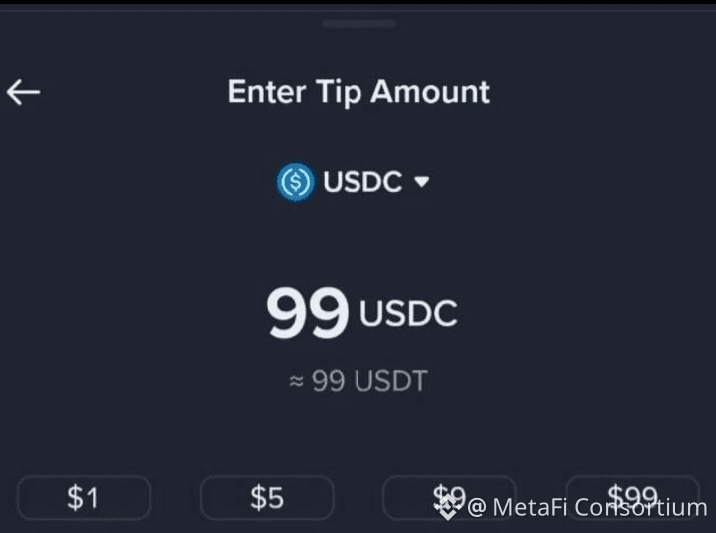
من يريد هدية بقيمة 99 دولارًا؟ 💰🎁
أنا أقدم 99 USDC لـ 30 فائزًا محظوظًا 🚀
📌 كيفية المشاركة:
1️⃣ أعد إعجابك بهذه المنشور
2️⃣ علق “مرحبا”
3️⃣ تاجر بأي عملة مدرجة
العملات المؤهلة: $AIOT 🚀 $PEPE 🐸
لا تفوت الفرصة — سيتم الإعلان عن الفائزين قريبًا! ⏳🔥
#staytune 🚀🚀🚀
من يريد هدية بقيمة 99 دولارًا؟ 💰🎁
أنا أقدم 99 USDC لـ 30 فائزًا محظوظًا 🚀
📌 كيفية المشاركة:
1️⃣ أعد إعجابك بهذه المنشور
2️⃣ علق “مرحبا”
3️⃣ تاجر بأي عملة مدرجة
العملات المؤهلة: $AIOT 🚀 $PEPE 🐸
لا تفوت الفرصة — سيتم الإعلان عن الفائزين قريبًا! ⏳🔥
#staytune 🚀🚀🚀
أنا أقدم 99 USDC لـ 30 فائزًا محظوظًا 🚀
📌 كيفية المشاركة:
1️⃣ أعد إعجابك بهذه المنشور
2️⃣ علق “مرحبا”
3️⃣ تاجر بأي عملة مدرجة
العملات المؤهلة: $AIOT 🚀 $PEPE 🐸
لا تفوت الفرصة — سيتم الإعلان عن الفائزين قريبًا! ⏳🔥
#staytune 🚀🚀🚀
164
13
113
20.1k
PINNED
مقالة
Conscendria مقابل المجمعات التقليدية: ما هو الفرق الحقيقي؟مؤخراً، مر السوق بدورة أخرى من "العاطفة → التقلب → التراجع → التعافي"، وقد كان هناك مناقشة ملحوظة في المجتمع حول "تفاعلات DeFi الأكثر ذكاءً". باختصار، لا يريد المستخدمون فقط النقر على الأزرار في المجمعات التقليدية لتنفيذ الأوامر—إنهم يريدون بروتوكولات يمكنها "فهم" أهدافهم وحدودهم. الجواب من Conscendria هو وضع "النية" قبل العمليات المالية، باستخدام محركها لاستشعار ما تريد تحقيقه حقاً، بدلاً من الاستجابة الميكانيكية لحقول الإدخال.
Conscendria مقابل المجمعات التقليدية: ما هو الفرق الحقيقي؟
مؤخراً، مر السوق بدورة أخرى من "العاطفة → التقلب → التراجع → التعافي"، وقد كان هناك مناقشة ملحوظة في المجتمع حول "تفاعلات DeFi الأكثر ذكاءً". باختصار، لا يريد المستخدمون فقط النقر على الأزرار في المجمعات التقليدية لتنفيذ الأوامر—إنهم يريدون بروتوكولات يمكنها "فهم" أهدافهم وحدودهم. الجواب من Conscendria هو وضع "النية" قبل العمليات المالية، باستخدام محركها لاستشعار ما تريد تحقيقه حقاً، بدلاً من الاستجابة الميكانيكية لحقول الإدخال.
126
220
126
2.1k
📈 حسّن استراتيجية تحقيق العائد مع Renzo Finance
يقود Renzo الجيل التالي من إدارة الأصول على السلسلة.
🎯 محايد للسوق — خفّض التقلبات مع استهداف عائد مستقر.
🔒 ذاتي الحفظ — مفاتيحك وأصولك، دائمًا.
⚡ بدون قيود زمنية — حافظ على سيولة رأس المال عندما تحتاجها.
🤝 تكامل عميق — توجيه سلس مع Hyperliquid و Lighter.
🌐 متعدد الأصول — نشر الاستراتيجيات على ETH و SOL و RWAs.
لم تعد الاستراتيجيات الذكية للعائد مقتصرة على TradFi.
🔗 انضم إلى تطور Renzo Finance : https://www.renzofinance.com/?utm_source=chatgpt.com
#Renzo #DeF i #CryptoInfrastrucutre #RWA #Onchain
📈 حسّن استراتيجية تحقيق العائد مع Renzo Finance
يقود Renzo الجيل التالي من إدارة الأصول على السلسلة.
🎯 محايد للسوق — خفّض التقلبات مع استهداف عائد مستقر.
🔒 ذاتي الحفظ — مفاتيحك وأصولك، دائمًا.
⚡ بدون قيود زمنية — حافظ على سيولة رأس المال عندما تحتاجها.
🤝 تكامل عميق — توجيه سلس مع Hyperliquid و Lighter.
🌐 متعدد الأصول — نشر الاستراتيجيات على ETH و SOL و RWAs.
لم تعد الاستراتيجيات الذكية للعائد مقتصرة على TradFi.
🔗 انضم إلى تطور Renzo Finance : https://www.renzofinance.com/?utm_source=chatgpt.com
#Renzo #DeF i #CryptoInfrastrucutre #RWA #Onchain
يقود Renzo الجيل التالي من إدارة الأصول على السلسلة.
🎯 محايد للسوق — خفّض التقلبات مع استهداف عائد مستقر.
🔒 ذاتي الحفظ — مفاتيحك وأصولك، دائمًا.
⚡ بدون قيود زمنية — حافظ على سيولة رأس المال عندما تحتاجها.
🤝 تكامل عميق — توجيه سلس مع Hyperliquid و Lighter.
🌐 متعدد الأصول — نشر الاستراتيجيات على ETH و SOL و RWAs.
لم تعد الاستراتيجيات الذكية للعائد مقتصرة على TradFi.
🔗 انضم إلى تطور Renzo Finance : https://www.renzofinance.com/?utm_source=chatgpt.com
#Renzo #DeF i #CryptoInfrastrucutre #RWA #Onchain
97
📈 حسّن استراتيجية العائد لديك مع Renzo Finance
تعمل Renzo على تمهيد التطور التالي لإدارة الأصول على السلسلة.
🎯 محايدة للسوق — خفّض التقلبات مع السعي لعائد مستقر.
🔒 ذاتية الحيازة — مفاتيحك وأصولك، دائمًا.
⚡ بدون قيود — حافظ على سيولة رأس المال عندما تحتاج إليها.
🤝 تكامل عميق — توجيه سلس مع Hyperliquid و Lighter.
🌐 متعدد الأصول — نشر الاستراتيجية على ETH وSOL وRWAs.
لم تعد استراتيجيات العائد الذكية محصورة على الأسواق التقليدية (TradFi).
🔗 انضم إلى تطور Renzo Finance
#Renzo #DeFi: #CryptoInfrastrucutre #RWA #OnChainGame
📈 حسّن استراتيجية العائد لديك مع Renzo Finance
تعمل Renzo على تمهيد التطور التالي لإدارة الأصول على السلسلة.
🎯 محايدة للسوق — خفّض التقلبات مع السعي لعائد مستقر.
🔒 ذاتية الحيازة — مفاتيحك وأصولك، دائمًا.
⚡ بدون قيود — حافظ على سيولة رأس المال عندما تحتاج إليها.
🤝 تكامل عميق — توجيه سلس مع Hyperliquid و Lighter.
🌐 متعدد الأصول — نشر الاستراتيجية على ETH وSOL وRWAs.
لم تعد استراتيجيات العائد الذكية محصورة على الأسواق التقليدية (TradFi).
🔗 انضم إلى تطور Renzo Finance
#Renzo #DeFi: #CryptoInfrastrucutre #RWA #OnChainGame
تعمل Renzo على تمهيد التطور التالي لإدارة الأصول على السلسلة.
🎯 محايدة للسوق — خفّض التقلبات مع السعي لعائد مستقر.
🔒 ذاتية الحيازة — مفاتيحك وأصولك، دائمًا.
⚡ بدون قيود — حافظ على سيولة رأس المال عندما تحتاج إليها.
🤝 تكامل عميق — توجيه سلس مع Hyperliquid و Lighter.
🌐 متعدد الأصول — نشر الاستراتيجية على ETH وSOL وRWAs.
لم تعد استراتيجيات العائد الذكية محصورة على الأسواق التقليدية (TradFi).
🔗 انضم إلى تطور Renzo Finance
#Renzo #DeFi: #CryptoInfrastrucutre #RWA #OnChainGame
114
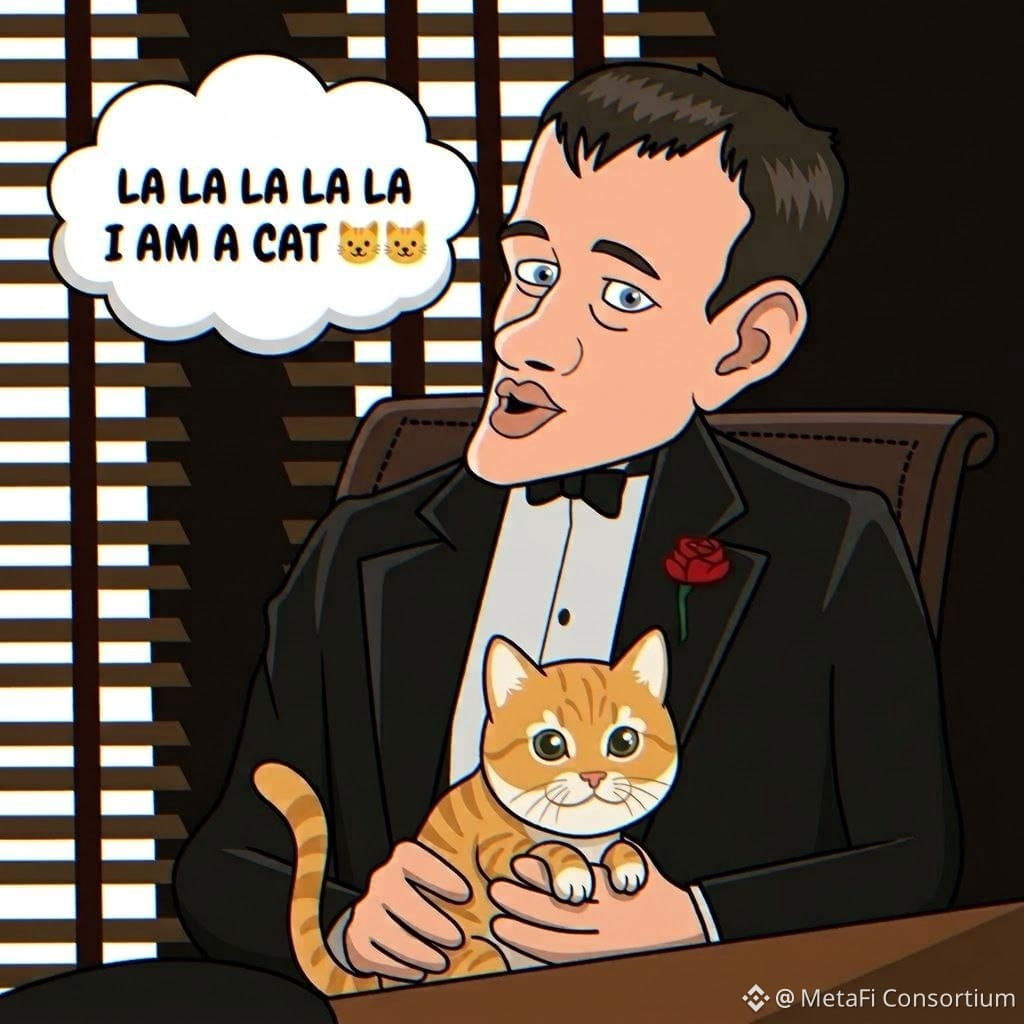
فيتاليك بوتيرين — أب القطط في الإيثيريوم 😻👑
في عام 2022، نشر فيتاليك بوتيرين على نحو عفوي تغريدة برسالة بسيطة:
“لَا لَا لَا لَا لَا أَنَا قَط 😺😺”
التغريدة الأصلية من عام 2022:
https://x.com/VitalikButerin/status/1589140399985414145
في ذلك الوقت، كانت مجرد مزحة على الإنترنت.
لكن الميمات لها طريقة غريبة في العودة بعد سنوات.
اليوم، لدى الإيثيريوم ميم قطط خاص بها: $CATE 😻💚
مبنيّة حول واحد من أكثر الميمات شمولًا وانتشارًا على الإنترنت — القطط — يَجلب CATE ثقافة القطط إلى الإيثيريوم. 🐈
وربما حان الوقت لمنح فيتاليك اللقب الذي يستحقه:
فيتاليك — أب القطط
تغريدة بسيطة تحولت إلى قصة.
والقصة تحولت إلى مجتمع.
كانت للكلاب حقبتها.
والآن حان وقت القطط.
ربما حان الوقت لإعادة مجد الإيثيريوم بميم قطط قوي وممتع ولا يُنسى.
$CATE — ميم قطط الإيثيريوم 😺💚
العقد:
0x712f3378cd1a0476b53f0e29b1a9586e00d78683
الموقع الإلكتروني:
https://cateeth.com
X / تويتر:
https://x.com/catectoeth
مجتمع تيليجرام:
https://t.me/catectocommunity
CoinGecko:
https://www.coingecko.com/en/coins/tsutsuji-the-cate
فيتاليك بوتيرين — أب القطط في الإيثيريوم 😻👑
في عام 2022، نشر فيتاليك بوتيرين على نحو عفوي تغريدة برسالة بسيطة:
“لَا لَا لَا لَا لَا أَنَا قَط 😺😺”
التغريدة الأصلية من عام 2022:
https://x.com/VitalikButerin/status/1589140399985414145
في ذلك الوقت، كانت مجرد مزحة على الإنترنت.
لكن الميمات لها طريقة غريبة في العودة بعد سنوات.
اليوم، لدى الإيثيريوم ميم قطط خاص بها: $CATE 😻💚
مبنيّة حول واحد من أكثر الميمات شمولًا وانتشارًا على الإنترنت — القطط — يَجلب CATE ثقافة القطط إلى الإيثيريوم. 🐈
وربما حان الوقت لمنح فيتاليك اللقب الذي يستحقه:
فيتاليك — أب القطط
تغريدة بسيطة تحولت إلى قصة.
والقصة تحولت إلى مجتمع.
كانت للكلاب حقبتها.
والآن حان وقت القطط.
ربما حان الوقت لإعادة مجد الإيثيريوم بميم قطط قوي وممتع ولا يُنسى.
$CATE — ميم قطط الإيثيريوم 😺💚
العقد:
0x712f3378cd1a0476b53f0e29b1a9586e00d78683
الموقع الإلكتروني:
https://cateeth.com
X / تويتر:
https://x.com/catectoeth
مجتمع تيليجرام:
https://t.me/catectocommunity
CoinGecko:
https://www.coingecko.com/en/coins/tsutsuji-the-cate
في عام 2022، نشر فيتاليك بوتيرين على نحو عفوي تغريدة برسالة بسيطة:
“لَا لَا لَا لَا لَا أَنَا قَط 😺😺”
التغريدة الأصلية من عام 2022:
https://x.com/VitalikButerin/status/1589140399985414145
في ذلك الوقت، كانت مجرد مزحة على الإنترنت.
لكن الميمات لها طريقة غريبة في العودة بعد سنوات.
اليوم، لدى الإيثيريوم ميم قطط خاص بها: $CATE 😻💚
مبنيّة حول واحد من أكثر الميمات شمولًا وانتشارًا على الإنترنت — القطط — يَجلب CATE ثقافة القطط إلى الإيثيريوم. 🐈
وربما حان الوقت لمنح فيتاليك اللقب الذي يستحقه:
فيتاليك — أب القطط
تغريدة بسيطة تحولت إلى قصة.
والقصة تحولت إلى مجتمع.
كانت للكلاب حقبتها.
والآن حان وقت القطط.
ربما حان الوقت لإعادة مجد الإيثيريوم بميم قطط قوي وممتع ولا يُنسى.
$CATE — ميم قطط الإيثيريوم 😺💚
العقد:
0x712f3378cd1a0476b53f0e29b1a9586e00d78683
الموقع الإلكتروني:
https://cateeth.com
X / تويتر:
https://x.com/catectoeth
مجتمع تيليجرام:
https://t.me/catectocommunity
CoinGecko:
https://www.coingecko.com/en/coins/tsutsuji-the-cate
2
3
196
لم تُنشئ بينانس فلورك.
لم تُنشئ الكريبتو فلورك.
لم تُنشئ هذه المجتمعات فلورك.
وهذا بالضبط ما يجعلني أحب السردية.
للميم تاريخه الخاص بها بالكامل والمستقل عن التوكن.
فقط على $FLORK أن يلتقط ذلك.
https://x.com/Flork_memes
CA: 0xf40592daacb3e5abf358789f5688c0b4f64d7777
لم تُنشئ بينانس فلورك.
لم تُنشئ الكريبتو فلورك.
لم تُنشئ هذه المجتمعات فلورك.
وهذا بالضبط ما يجعلني أحب السردية.
للميم تاريخه الخاص بها بالكامل والمستقل عن التوكن.
فقط على $FLORK أن يلتقط ذلك.
https://x.com/Flork_memes
CA: 0xf40592daacb3e5abf358789f5688c0b4f64d7777
لم تُنشئ الكريبتو فلورك.
لم تُنشئ هذه المجتمعات فلورك.
وهذا بالضبط ما يجعلني أحب السردية.
للميم تاريخه الخاص بها بالكامل والمستقل عن التوكن.
فقط على $FLORK أن يلتقط ذلك.
https://x.com/Flork_memes
CA: 0xf40592daacb3e5abf358789f5688c0b4f64d7777

208
وُلدت CATE، كفكرة ميم، منذ 13 عامًا، وربما أبكر من ذلك. في ذلك الوقت، لم يكن DOGE قد أصبح بعد عملة ميمية، ولم يكن قد وصل إلى سقف سوقي قدره 100 مليار دولار.
تم توثيق CATE لأول مرة في 25 يوليو 2013 على موقع Know Your Meme، حيث قام برفعها مستخدم “Skeleton” التابع لـ Crashfalcon. وبعد مرور أكثر من ثلاثة أشهر، في 6 ديسمبر، تم تعدين كتلة الجينيسيس الخاصة بـ Dogecoin، وهو ما يمثل إطلاقها الرسمي.
تُكوّن CATE وDOGE ثنائي ميم كلاسيكي. يظهران كثيرًا جنبًا إلى جنب، وانتشرت صورتهما حول العالم. بينما قفز DOGE، بوصفه عملة ميمية، إلى ذروة سقف سوقية قريبة من 100 مليار دولار، لا تزال قيمة CATE كميم أقل بكثير من مستوى تقديرها.
تمامًا مثل الفكرة الشائعة بأن القطط والكلاب خصمان أبديان، يعتقد مجتمعنا أن ميم CATE متفوقة وأنسب لعالم الميمات من DOGE.
الكلاب تُظهر مشاعرها بوضوح. تميل معظم الميمات التي تعتمد على الكلاب إلى أن تكون دافئة ولطيفة، ضمن نطاق عاطفي محدود نسبيًا. أما القطط، فهي مادة مثالية للـمِيم. يمكنها أن تنتقل من برود تام إلى حالة غير منضبطة تمامًا، مع تعابير غامضة قابلة للتفسير. يمكن نقل مشاعر مثل الاحتراق النفسي والانهيارات والضيق والإفراط في التفكير من خلال صورة قطة واحدة فقط، مما يجعل القطط مناسبة لعدد لا يحصى من المواقف الواقعية.
لنُحيي قيمة CATE كميم ونندفع بها نحو سقف سوقي يتجاوز 100 مليار دولار، متخطية DOGE.
Telegram: https://t.me/catectocommunity
Twitter: https://x.com/catectoeth
وُلدت CATE، كفكرة ميم، منذ 13 عامًا، وربما أبكر من ذلك. في ذلك الوقت، لم يكن DOGE قد أصبح بعد عملة ميمية، ولم يكن قد وصل إلى سقف سوقي قدره 100 مليار دولار.
تم توثيق CATE لأول مرة في 25 يوليو 2013 على موقع Know Your Meme، حيث قام برفعها مستخدم “Skeleton” التابع لـ Crashfalcon. وبعد مرور أكثر من ثلاثة أشهر، في 6 ديسمبر، تم تعدين كتلة الجينيسيس الخاصة بـ Dogecoin، وهو ما يمثل إطلاقها الرسمي.
تُكوّن CATE وDOGE ثنائي ميم كلاسيكي. يظهران كثيرًا جنبًا إلى جنب، وانتشرت صورتهما حول العالم. بينما قفز DOGE، بوصفه عملة ميمية، إلى ذروة سقف سوقية قريبة من 100 مليار دولار، لا تزال قيمة CATE كميم أقل بكثير من مستوى تقديرها.
تمامًا مثل الفكرة الشائعة بأن القطط والكلاب خصمان أبديان، يعتقد مجتمعنا أن ميم CATE متفوقة وأنسب لعالم الميمات من DOGE.
الكلاب تُظهر مشاعرها بوضوح. تميل معظم الميمات التي تعتمد على الكلاب إلى أن تكون دافئة ولطيفة، ضمن نطاق عاطفي محدود نسبيًا. أما القطط، فهي مادة مثالية للـمِيم. يمكنها أن تنتقل من برود تام إلى حالة غير منضبطة تمامًا، مع تعابير غامضة قابلة للتفسير. يمكن نقل مشاعر مثل الاحتراق النفسي والانهيارات والضيق والإفراط في التفكير من خلال صورة قطة واحدة فقط، مما يجعل القطط مناسبة لعدد لا يحصى من المواقف الواقعية.
لنُحيي قيمة CATE كميم ونندفع بها نحو سقف سوقي يتجاوز 100 مليار دولار، متخطية DOGE.
Telegram: https://t.me/catectocommunity
Twitter: https://x.com/catectoeth
تم توثيق CATE لأول مرة في 25 يوليو 2013 على موقع Know Your Meme، حيث قام برفعها مستخدم “Skeleton” التابع لـ Crashfalcon. وبعد مرور أكثر من ثلاثة أشهر، في 6 ديسمبر، تم تعدين كتلة الجينيسيس الخاصة بـ Dogecoin، وهو ما يمثل إطلاقها الرسمي.
تُكوّن CATE وDOGE ثنائي ميم كلاسيكي. يظهران كثيرًا جنبًا إلى جنب، وانتشرت صورتهما حول العالم. بينما قفز DOGE، بوصفه عملة ميمية، إلى ذروة سقف سوقية قريبة من 100 مليار دولار، لا تزال قيمة CATE كميم أقل بكثير من مستوى تقديرها.
تمامًا مثل الفكرة الشائعة بأن القطط والكلاب خصمان أبديان، يعتقد مجتمعنا أن ميم CATE متفوقة وأنسب لعالم الميمات من DOGE.
الكلاب تُظهر مشاعرها بوضوح. تميل معظم الميمات التي تعتمد على الكلاب إلى أن تكون دافئة ولطيفة، ضمن نطاق عاطفي محدود نسبيًا. أما القطط، فهي مادة مثالية للـمِيم. يمكنها أن تنتقل من برود تام إلى حالة غير منضبطة تمامًا، مع تعابير غامضة قابلة للتفسير. يمكن نقل مشاعر مثل الاحتراق النفسي والانهيارات والضيق والإفراط في التفكير من خلال صورة قطة واحدة فقط، مما يجعل القطط مناسبة لعدد لا يحصى من المواقف الواقعية.
لنُحيي قيمة CATE كميم ونندفع بها نحو سقف سوقي يتجاوز 100 مليار دولار، متخطية DOGE.
Telegram: https://t.me/catectocommunity
Twitter: https://x.com/catectoeth

1
2
214
🚨 تنبيه لايف AMA في Binance Square 🚨
تتطلع مؤسسة MetaFi Consortium إلى استضافة جلسة Binance Square Live AMA حصرية مع #Lithosphere 🔥
ضع تذكيرًا: هنا
🗓 التاريخ: 07 يوليو 2026
⏰ الوقت: 3:00 مساءً بتوقيت UTC
🎁 حوض المكافآت: 50 دولارًا
انضم إلينا مباشرة من أجل:
⚡ رؤى حول المشروع
⚡ الخطط المستقبلية
⚡ نقاش المجتمع
⚡ جلسة أسئلة وأجوبة مباشرة
🚨 تنبيه لايف AMA في Binance Square 🚨
تتطلع مؤسسة MetaFi Consortium إلى استضافة جلسة Binance Square Live AMA حصرية مع #Lithosphere 🔥
ضع تذكيرًا: هنا
🗓 التاريخ: 07 يوليو 2026
⏰ الوقت: 3:00 مساءً بتوقيت UTC
🎁 حوض المكافآت: 50 دولارًا
انضم إلينا مباشرة من أجل:
⚡ رؤى حول المشروع
⚡ الخطط المستقبلية
⚡ نقاش المجتمع
⚡ جلسة أسئلة وأجوبة مباشرة
تتطلع مؤسسة MetaFi Consortium إلى استضافة جلسة Binance Square Live AMA حصرية مع #Lithosphere 🔥
ضع تذكيرًا: هنا
🗓 التاريخ: 07 يوليو 2026
⏰ الوقت: 3:00 مساءً بتوقيت UTC
🎁 حوض المكافآت: 50 دولارًا
انضم إلينا مباشرة من أجل:
⚡ رؤى حول المشروع
⚡ الخطط المستقبلية
⚡ نقاش المجتمع
⚡ جلسة أسئلة وأجوبة مباشرة

1
1
122
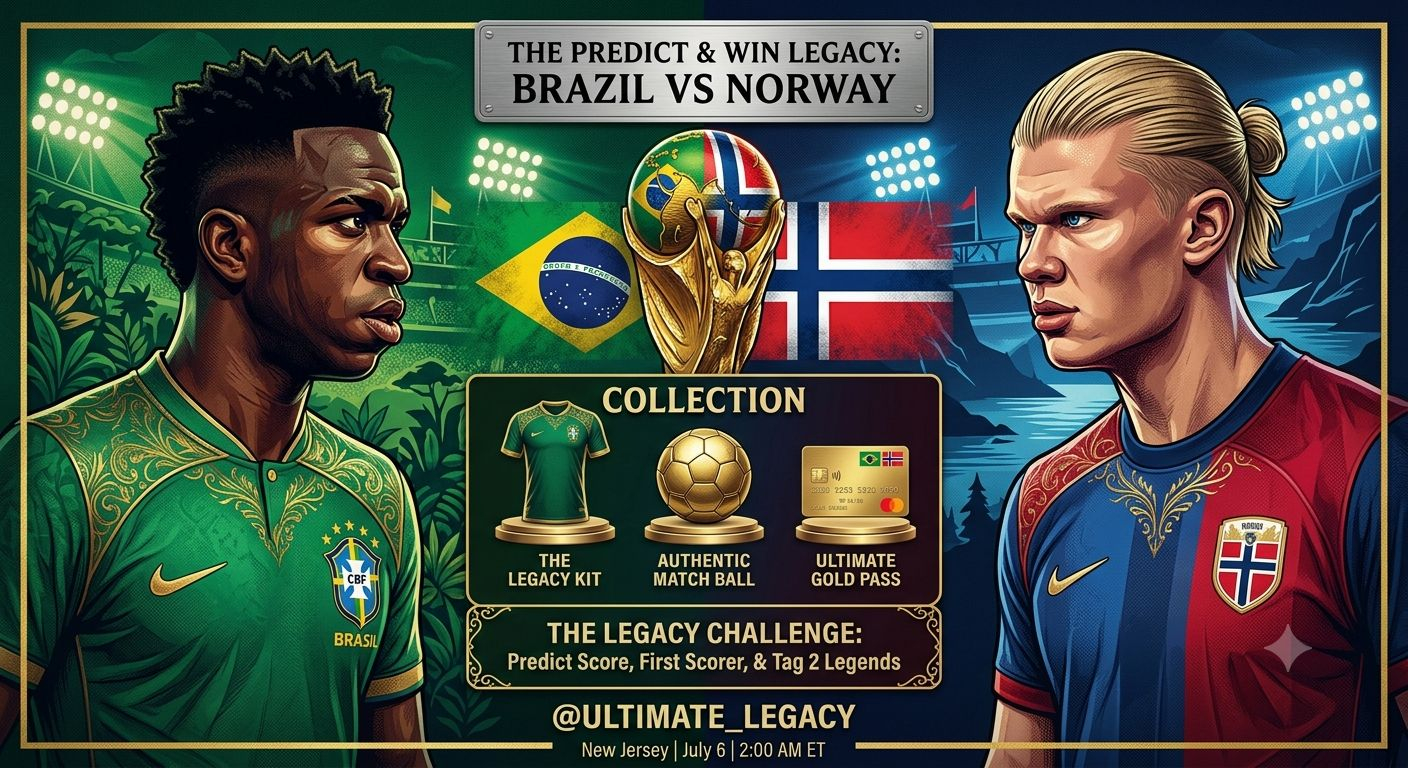
🏆 تنبأ واربح: البرازيل ضد النرويج! ⚽
دور الـ16 في كأس العالم هنا! رجال السامبا بقيادة فينيسيوس جونيور يواجهون منتخب النرويج الخطير بقيادة إيرلينغ هالاند. هل يمكن للبرازيل أخيرًا كسر لعنتها التاريخية ضد الفايكنغ؟
تنبأ بالنتيجة الصحيحة للفوز بزيّ فريق رسمي أو بقسيمة محفظة بقيمة 20 دولارًا! 🎁
📝 كيفية المشاركة:
التنبؤ: اكتب النتيجة النهائية الدقيقة (مثلًا: البرازيل 2 - 1 النرويج).
كسر التعادل: اذكر أول هدّاف (مثلًا: هالاند أو فينيسيوس جونيور).
التاغ: اذكر صديقين لتحديهما!
🏆 تنبأ واربح: البرازيل ضد النرويج! ⚽
دور الـ16 في كأس العالم هنا! رجال السامبا بقيادة فينيسيوس جونيور يواجهون منتخب النرويج الخطير بقيادة إيرلينغ هالاند. هل يمكن للبرازيل أخيرًا كسر لعنتها التاريخية ضد الفايكنغ؟
تنبأ بالنتيجة الصحيحة للفوز بزيّ فريق رسمي أو بقسيمة محفظة بقيمة 20 دولارًا! 🎁
📝 كيفية المشاركة:
التنبؤ: اكتب النتيجة النهائية الدقيقة (مثلًا: البرازيل 2 - 1 النرويج).
كسر التعادل: اذكر أول هدّاف (مثلًا: هالاند أو فينيسيوس جونيور).
التاغ: اذكر صديقين لتحديهما!
دور الـ16 في كأس العالم هنا! رجال السامبا بقيادة فينيسيوس جونيور يواجهون منتخب النرويج الخطير بقيادة إيرلينغ هالاند. هل يمكن للبرازيل أخيرًا كسر لعنتها التاريخية ضد الفايكنغ؟
تنبأ بالنتيجة الصحيحة للفوز بزيّ فريق رسمي أو بقسيمة محفظة بقيمة 20 دولارًا! 🎁
📝 كيفية المشاركة:
التنبؤ: اكتب النتيجة النهائية الدقيقة (مثلًا: البرازيل 2 - 1 النرويج).
كسر التعادل: اذكر أول هدّاف (مثلًا: هالاند أو فينيسيوس جونيور).
التاغ: اذكر صديقين لتحديهما!
107
🟡🔥 $BNB مسابقة هدايا ريد باكيت (Red Packet) بدأت! 🔥🟡
سأطالب بها قبل أن تنفد كلها. 😎
🧧 $BNB ريد باكيتس أصبحت متاحة وتختفي بسرعة!
👉 تابع
👉 اترك تعليقًا
👉 طالب مكافأتك $BNB
⏳ الأسبقية لمن يصل أولاً. لا تفوّت فرصتك! 🚀💰
#BNB
🟡🔥 $BNB مسابقة هدايا ريد باكيت (Red Packet) بدأت! 🔥🟡
سأطالب بها قبل أن تنفد كلها. 😎
🧧 $BNB ريد باكيتس أصبحت متاحة وتختفي بسرعة!
👉 تابع
👉 اترك تعليقًا
👉 طالب مكافأتك $BNB
⏳ الأسبقية لمن يصل أولاً. لا تفوّت فرصتك! 🚀💰
#BNB
سأطالب بها قبل أن تنفد كلها. 😎
🧧 $BNB ريد باكيتس أصبحت متاحة وتختفي بسرعة!
👉 تابع
👉 اترك تعليقًا
👉 طالب مكافأتك $BNB
⏳ الأسبقية لمن يصل أولاً. لا تفوّت فرصتك! 🚀💰
#BNB
47
هدايا — اربح 200+ دولار في $SOL! 🛑
هل تتطلع إلى تعزيز محفظتك المالية المشفرة؟ نحن نقدم 200+ دولار من $SOL لأفراد مجتمعنا الرائعين! 🚀
لا تفوّت هذه الفرصة الضخمة للحصول على سولانا مجانية! 💎
🏆 مجموعة الجوائز:
الجائزة الكبرى: 150 دولار في $SOL 💰
المركز الثاني: 50 دولار في $SOL 💸
📋 كيفية المشاركة (3 خطوات بسيطة):
تابع حسابنا الرسمي [@YourHandle] 👥
لايك و إعادة تغريد منشور هذه الهبة 🔁❤️
قم بوسم 3 أصدقاء في التعليقات أدناه مع الهاشتاغ #SolanaGiveaway 🏷️
⏳ الموعد النهائي:
⏰ ينتهي خلال 48 ساعة!
📢 سيتم الإعلان عن الفائزين هنا مباشرةً على قناتنا الرسمية.
حظًا سعيدًا للجميع! لنرفع الأسعار!
هدايا — اربح 200+ دولار في $SOL ! 🛑
هل تتطلع إلى تعزيز محفظتك المالية المشفرة؟ نحن نقدم 200+ دولار من $SOL لأفراد مجتمعنا الرائعين! 🚀
لا تفوّت هذه الفرصة الضخمة للحصول على سولانا مجانية! 💎
🏆 مجموعة الجوائز:
الجائزة الكبرى: 150 دولار في $SOL 💰
المركز الثاني: 50 دولار في $SOL 💸
📋 كيفية المشاركة (3 خطوات بسيطة):
تابع حسابنا الرسمي [@YourHandle] 👥
لايك و إعادة تغريد منشور هذه الهبة 🔁❤️
قم بوسم 3 أصدقاء في التعليقات أدناه مع الهاشتاغ #SolanaGiveaway 🏷️
⏳ الموعد النهائي:
⏰ ينتهي خلال 48 ساعة!
📢 سيتم الإعلان عن الفائزين هنا مباشرةً على قناتنا الرسمية.
حظًا سعيدًا للجميع! لنرفع الأسعار!
هل تتطلع إلى تعزيز محفظتك المالية المشفرة؟ نحن نقدم 200+ دولار من $SOL لأفراد مجتمعنا الرائعين! 🚀
لا تفوّت هذه الفرصة الضخمة للحصول على سولانا مجانية! 💎
🏆 مجموعة الجوائز:
الجائزة الكبرى: 150 دولار في $SOL 💰
المركز الثاني: 50 دولار في $SOL 💸
📋 كيفية المشاركة (3 خطوات بسيطة):
تابع حسابنا الرسمي [@YourHandle] 👥
لايك و إعادة تغريد منشور هذه الهبة 🔁❤️
قم بوسم 3 أصدقاء في التعليقات أدناه مع الهاشتاغ #SolanaGiveaway 🏷️
⏳ الموعد النهائي:
⏰ ينتهي خلال 48 ساعة!
📢 سيتم الإعلان عن الفائزين هنا مباشرةً على قناتنا الرسمية.
حظًا سعيدًا للجميع! لنرفع الأسعار!

21
هدايا ترويجية!🇨🇦 كندا ضد. المغرب هدية ترويجية! 🇲🇦
إليك كيف تفوز:
❤️ أعجبني بهذه المنشور.
💬 اكتب تعليقًا عن توقع نتيجتك + علم بلدك (🇨🇦 أو 🇲🇦).
👥 وسم صديقًا ستتابع معه المباراة (كل وسم = مشاركة إضافية واحدة!).
🏆 يتم الإعلان عن الفائز في [Date]. مواو!
هدايا ترويجية!
🇨🇦 كندا ضد. المغرب هدية ترويجية! 🇲🇦
إليك كيف تفوز:
❤️ أعجبني بهذه المنشور.
💬 اكتب تعليقًا عن توقع نتيجتك + علم بلدك (🇨🇦 أو 🇲🇦).
👥 وسم صديقًا ستتابع معه المباراة (كل وسم = مشاركة إضافية واحدة!).
🏆 يتم الإعلان عن الفائز في [Date]. مواو!
إليك كيف تفوز:
❤️ أعجبني بهذه المنشور.
💬 اكتب تعليقًا عن توقع نتيجتك + علم بلدك (🇨🇦 أو 🇲🇦).
👥 وسم صديقًا ستتابع معه المباراة (كل وسم = مشاركة إضافية واحدة!).
🏆 يتم الإعلان عن الفائز في [Date]. مواو!
58

مقالة
سحبة! 🇨🇦 كندا ضد. المغرب 🇲🇦إليك طريقة الفوز:
❤️ أحب هذا المنشور.
💬 اكتب توقعك للنتيجة + علم بلدك (🇨🇦 أو 🇲🇦).
👥 واسم صديقًا ستشاهد معه المباراة (كل وسم = دخول إضافي واحد!).
🏆 سيتم الإعلان عن الفائز في [Date]. حظًا سعيدًا!
سحبة! 🇨🇦 كندا ضد. المغرب 🇲🇦
إليك طريقة الفوز:
❤️ أحب هذا المنشور.
💬 اكتب توقعك للنتيجة + علم بلدك (🇨🇦 أو 🇲🇦).
👥 واسم صديقًا ستشاهد معه المباراة (كل وسم = دخول إضافي واحد!).
🏆 سيتم الإعلان عن الفائز في [Date]. حظًا سعيدًا!
❤️ أحب هذا المنشور.
💬 اكتب توقعك للنتيجة + علم بلدك (🇨🇦 أو 🇲🇦).
👥 واسم صديقًا ستشاهد معه المباراة (كل وسم = دخول إضافي واحد!).
🏆 سيتم الإعلان عن الفائز في [Date]. حظًا سعيدًا!
37
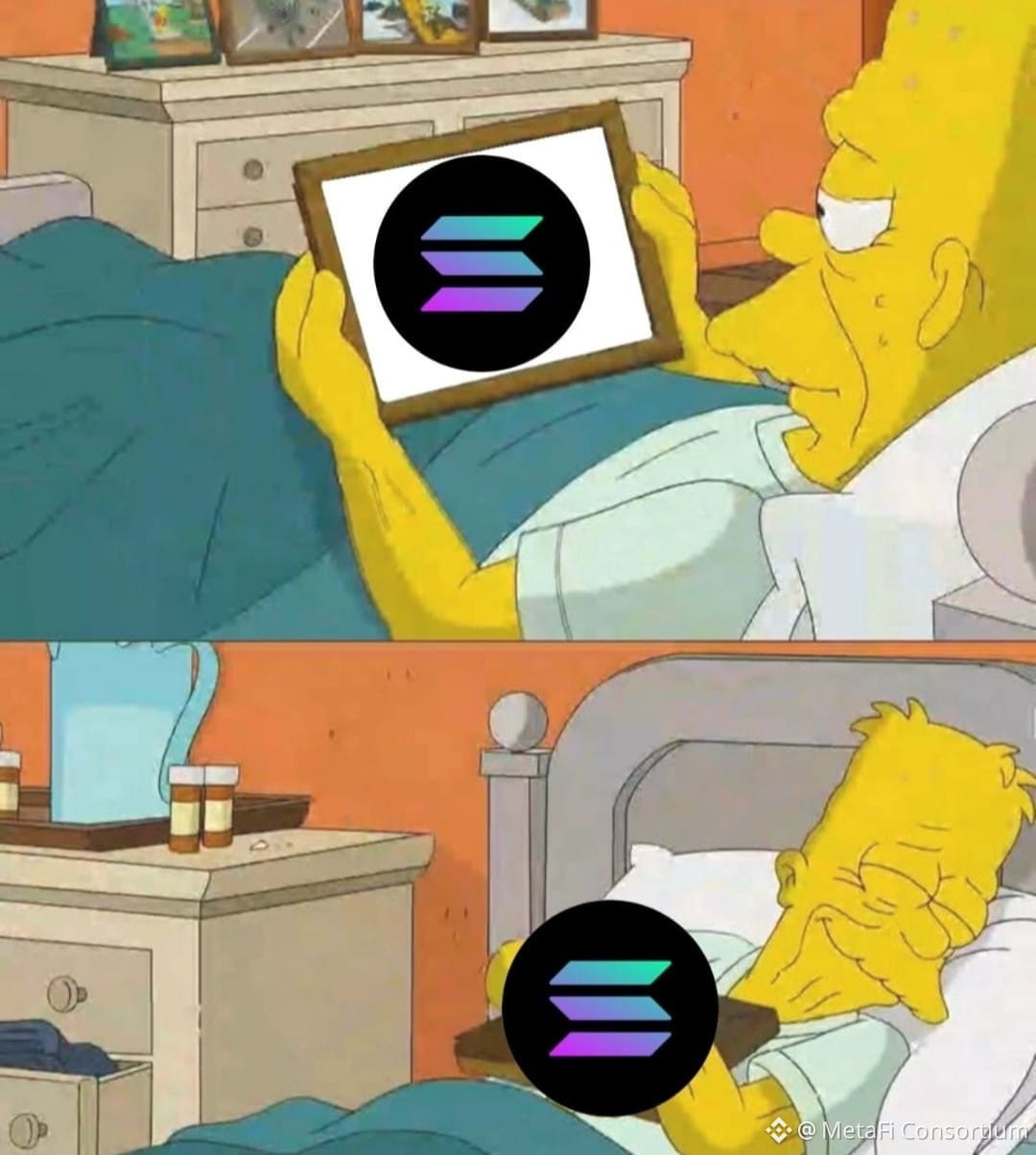
📋 خطتي البسيطة:
أمسك $SOL لهذا العام🚀❤️🔥
🎯 الهدف 1: $100
🎯 الهدف 2: $150
🎯 الهدف 3: $190 🚀
أولًا، سيحدث ذلك قريبًا....
أنا أمسك 110 $SOL
وقد كنت أحتفظ لمدة 3 أشهر ✅
$RIVER بأقل سعر لهذا العام!
📋 خطتي البسيطة:
أمسك $SOL لهذا العام🚀❤️🔥
🎯 الهدف 1: $100
🎯 الهدف 2: $150
🎯 الهدف 3: $190 🚀
أولًا، سيحدث ذلك قريبًا....
أنا أمسك 110 $SOL
وقد كنت أحتفظ لمدة 3 أشهر ✅
$RIVER بأقل سعر لهذا العام!
أمسك $SOL لهذا العام🚀❤️🔥
🎯 الهدف 1: $100
🎯 الهدف 2: $150
🎯 الهدف 3: $190 🚀
أولًا، سيحدث ذلك قريبًا....
أنا أمسك 110 $SOL
وقد كنت أحتفظ لمدة 3 أشهر ✅
$RIVER بأقل سعر لهذا العام!
1
87
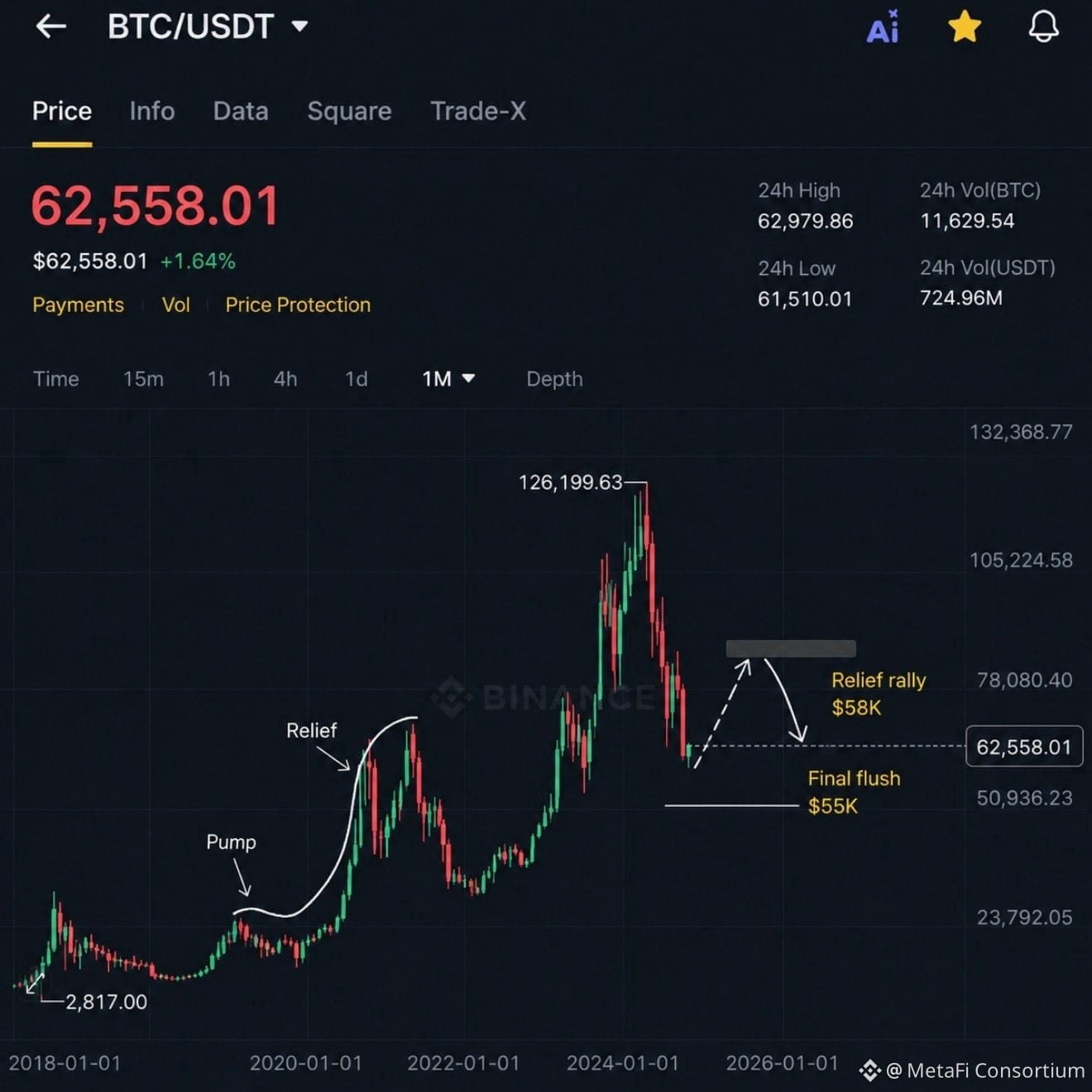
🚨 $BTC IS FOLLOWING THE SAME PATTERN AGAIN.
كل سوق هابطة للبيتكوين يبدو مختلفًا على السطح، لكن البنية غالبًا تكون نفسها.
هبوط حاد.
ارتداد مريح.
ثم عملية تفريغ أخيرة تجعل أغلب الناس يستسلمون.
وهذا بالضبط ما جعلني أكرر أن قاع البيتكوين لم يأتِ بعد. وجهة نظري لم تتغير. ما زلت أعتقد أننا سنرى مستويات أقل من 55 ألف دولار، وأن 52 ألف دولار هي المستوى الأكثر أهمية. إذا ساءت حالة الذعر، فلن يُفاجئ أحد انخفاضات حتى بين 48 ألفًا و50 ألف دولار.
في الوقت نفسه، بدأت بالفعل بشراء المزيد من البيتكوين. أنا لا أحاول الإمساك بالقاع بالضبط لأن أحدًا لا يعرف أين هو. إذا لم يمنحنا البيتكوين انخفاضًا كبيرًا آخر، لا أريد أن أفوّت الفرصة بالانتظار حتى دخول مثالي.
ليس عليك أن تتفق مع تحليلي. السوق هو من سيحسم الأمر. في الوقت الحالي، سأواصل اتباع نفس الخطة.
#BTC
🚨 $BTC IS FOLLOWING THE SAME PATTERN AGAIN.
كل سوق هابطة للبيتكوين يبدو مختلفًا على السطح، لكن البنية غالبًا تكون نفسها.
هبوط حاد.
ارتداد مريح.
ثم عملية تفريغ أخيرة تجعل أغلب الناس يستسلمون.
وهذا بالضبط ما جعلني أكرر أن قاع البيتكوين لم يأتِ بعد. وجهة نظري لم تتغير. ما زلت أعتقد أننا سنرى مستويات أقل من 55 ألف دولار، وأن 52 ألف دولار هي المستوى الأكثر أهمية. إذا ساءت حالة الذعر، فلن يُفاجئ أحد انخفاضات حتى بين 48 ألفًا و50 ألف دولار.
في الوقت نفسه، بدأت بالفعل بشراء المزيد من البيتكوين. أنا لا أحاول الإمساك بالقاع بالضبط لأن أحدًا لا يعرف أين هو. إذا لم يمنحنا البيتكوين انخفاضًا كبيرًا آخر، لا أريد أن أفوّت الفرصة بالانتظار حتى دخول مثالي.
ليس عليك أن تتفق مع تحليلي. السوق هو من سيحسم الأمر. في الوقت الحالي، سأواصل اتباع نفس الخطة.
#BTC
كل سوق هابطة للبيتكوين يبدو مختلفًا على السطح، لكن البنية غالبًا تكون نفسها.
هبوط حاد.
ارتداد مريح.
ثم عملية تفريغ أخيرة تجعل أغلب الناس يستسلمون.
وهذا بالضبط ما جعلني أكرر أن قاع البيتكوين لم يأتِ بعد. وجهة نظري لم تتغير. ما زلت أعتقد أننا سنرى مستويات أقل من 55 ألف دولار، وأن 52 ألف دولار هي المستوى الأكثر أهمية. إذا ساءت حالة الذعر، فلن يُفاجئ أحد انخفاضات حتى بين 48 ألفًا و50 ألف دولار.
في الوقت نفسه، بدأت بالفعل بشراء المزيد من البيتكوين. أنا لا أحاول الإمساك بالقاع بالضبط لأن أحدًا لا يعرف أين هو. إذا لم يمنحنا البيتكوين انخفاضًا كبيرًا آخر، لا أريد أن أفوّت الفرصة بالانتظار حتى دخول مثالي.
ليس عليك أن تتفق مع تحليلي. السوق هو من سيحسم الأمر. في الوقت الحالي، سأواصل اتباع نفس الخطة.
#BTC
97
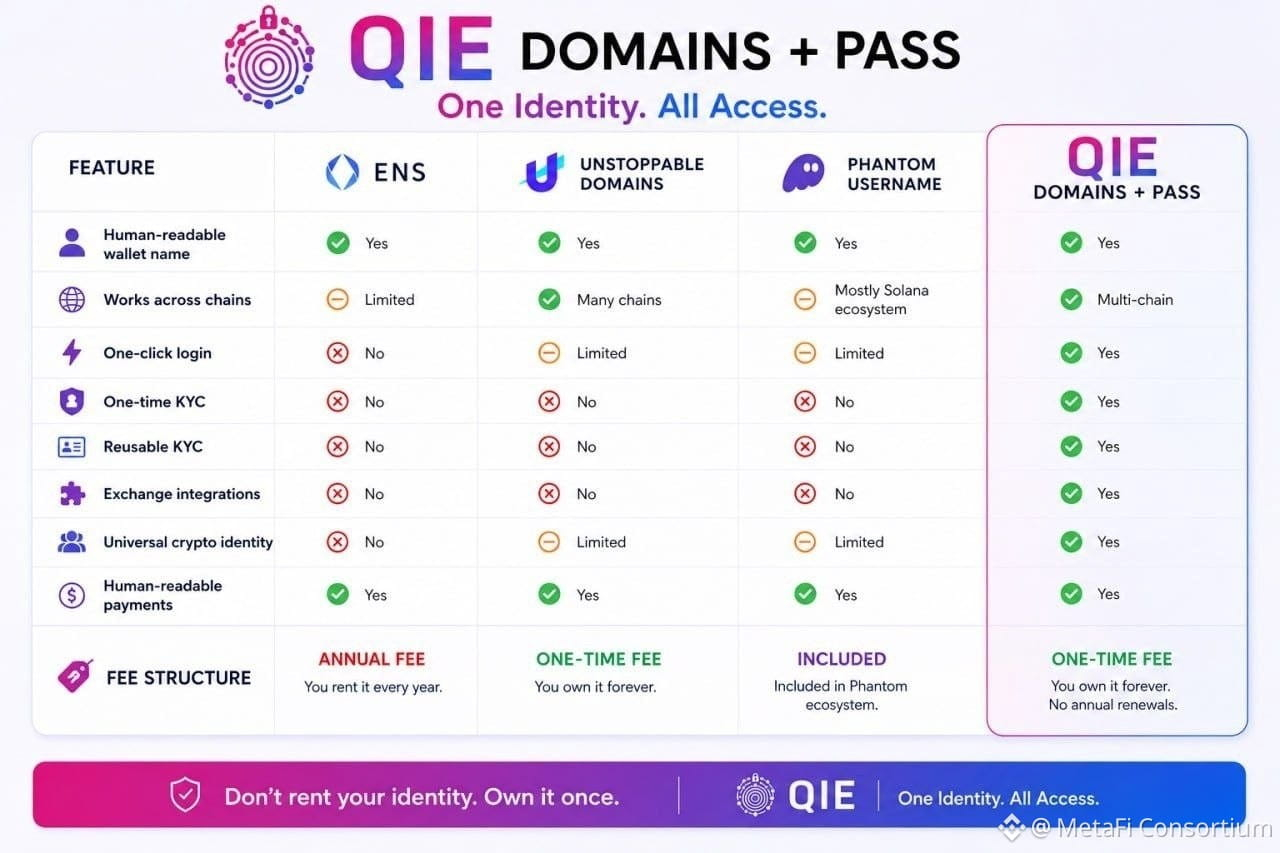
🚨 لا تزال العملات الرقمية تواجه مشكلتين كبيرتين:
1️⃣ عناوين المحفظة من المستحيل تذكرها
2️⃣ تحتاج إلى تكرار الـ KYC في كل بورصة
QIE تحل كلاهما.
🌐 مجالات QIE
معرف الدفع الخاص بك لجميع العملات الرقمية.
بدلاً من إرسال إلى:
0x8fA3D...92bC
أرسل إلى:
✅ @اسمك
✅ @تاجر_العملات
✅ @عملك
بسيط. سهل القراءة. سهل التذكر.
🛂 جواز QIE
جواز سفرك للعملات الرقمية.
تحقق مرة واحدة. استخدم في كل مكان.
لا مزيد من التكرار:
❌ نماذج KYC
❌ تحميل الوثائق
❌ صور سيلفي
❌ تحقق من الحساب
فقط هوية واحدة عبر البورصات الشريكة وشركاء النظام البيئي.
اختر خطتك
🟢 مجانية
• مجال عشوائي
• سلاسل QIE و ETH فقط
🔵 أساسي – 5 دولارات
• مجال عشوائي
• جميع السلاسل المدعومة
• KYC قابل لإعادة الاستخدام مع جواز QIE
🟡 OG مميز – 15 دولارًا (مدفوع بـ QIE)
• مجال مخصص
• جميع السلاسل المدعومة
• KYC قابل لإعادة الاستخدام
• جميع مزايا جواز QIE
لماذا هذا مهم
تقدم معظم حلول هوية العملات الرقمية لك اسم مستخدم فقط.
QIE يمنحك:
✅ مدفوعات سهلة القراءة
✅ دعم متعدد السلاسل
✅ KYC قابل لإعادة الاستخدام
✅ تسجيل دخول بنقرة واحدة
✅ هوية واحدة عبر البورصات الشريكة
هوية واحدة. تسجيل دخول واحد. محفظة واحدة.
🇿🇦 يمكن لجنوب الأفريقيين أيضًا إنفاق QIE لدى أكثر من 30,000 تاجر من Zapper مباشرة من محفظة QIE.
🤖 احصل على خصم 50% على اشتراكات التداول الآلي QBots عند الدفع بـ QIE (www.qbots.trade) لعوائد تزيد عن 120%.
قم بتنزيله مجانًا:
📲 www.qiewallet.me
احفظ اسم المستخدم الخاص بك قبل أن تنفد أفضل الأسماء.
#QIE #QIEPass #QIEDomains #CryptoIdentity #CryptoWallet #Web3 #DeFi #Blockchain
🚨 لا تزال العملات الرقمية تواجه مشكلتين كبيرتين:
1️⃣ عناوين المحفظة من المستحيل تذكرها
2️⃣ تحتاج إلى تكرار الـ KYC في كل بورصة
QIE تحل كلاهما.
🌐 مجالات QIE
معرف الدفع الخاص بك لجميع العملات الرقمية.
بدلاً من إرسال إلى:
0x8fA3D...92bC
أرسل إلى:
✅ @اسمك
✅ @تاجر_العملات
✅ @عملك
بسيط. سهل القراءة. سهل التذكر.
🛂 جواز QIE
جواز سفرك للعملات الرقمية.
تحقق مرة واحدة. استخدم في كل مكان.
لا مزيد من التكرار:
❌ نماذج KYC
❌ تحميل الوثائق
❌ صور سيلفي
❌ تحقق من الحساب
فقط هوية واحدة عبر البورصات الشريكة وشركاء النظام البيئي.
اختر خطتك
🟢 مجانية
• مجال عشوائي
• سلاسل QIE و ETH فقط
🔵 أساسي – 5 دولارات
• مجال عشوائي
• جميع السلاسل المدعومة
• KYC قابل لإعادة الاستخدام مع جواز QIE
🟡 OG مميز – 15 دولارًا (مدفوع بـ QIE)
• مجال مخصص
• جميع السلاسل المدعومة
• KYC قابل لإعادة الاستخدام
• جميع مزايا جواز QIE
لماذا هذا مهم
تقدم معظم حلول هوية العملات الرقمية لك اسم مستخدم فقط.
QIE يمنحك:
✅ مدفوعات سهلة القراءة
✅ دعم متعدد السلاسل
✅ KYC قابل لإعادة الاستخدام
✅ تسجيل دخول بنقرة واحدة
✅ هوية واحدة عبر البورصات الشريكة
هوية واحدة. تسجيل دخول واحد. محفظة واحدة.
🇿🇦 يمكن لجنوب الأفريقيين أيضًا إنفاق QIE لدى أكثر من 30,000 تاجر من Zapper مباشرة من محفظة QIE.
🤖 احصل على خصم 50% على اشتراكات التداول الآلي QBots عند الدفع بـ QIE (www.qbots.trade) لعوائد تزيد عن 120%.
قم بتنزيله مجانًا:
📲 www.qiewallet.me
احفظ اسم المستخدم الخاص بك قبل أن تنفد أفضل الأسماء.
#QIE #QIEPass #QIEDomains #CryptoIdentity #CryptoWallet #Web3 #DeFi #Blockchain
1️⃣ عناوين المحفظة من المستحيل تذكرها
2️⃣ تحتاج إلى تكرار الـ KYC في كل بورصة
QIE تحل كلاهما.
🌐 مجالات QIE
معرف الدفع الخاص بك لجميع العملات الرقمية.
بدلاً من إرسال إلى:
0x8fA3D...92bC
أرسل إلى:
✅ @اسمك
✅ @تاجر_العملات
✅ @عملك
بسيط. سهل القراءة. سهل التذكر.
🛂 جواز QIE
جواز سفرك للعملات الرقمية.
تحقق مرة واحدة. استخدم في كل مكان.
لا مزيد من التكرار:
❌ نماذج KYC
❌ تحميل الوثائق
❌ صور سيلفي
❌ تحقق من الحساب
فقط هوية واحدة عبر البورصات الشريكة وشركاء النظام البيئي.
اختر خطتك
🟢 مجانية
• مجال عشوائي
• سلاسل QIE و ETH فقط
🔵 أساسي – 5 دولارات
• مجال عشوائي
• جميع السلاسل المدعومة
• KYC قابل لإعادة الاستخدام مع جواز QIE
🟡 OG مميز – 15 دولارًا (مدفوع بـ QIE)
• مجال مخصص
• جميع السلاسل المدعومة
• KYC قابل لإعادة الاستخدام
• جميع مزايا جواز QIE
لماذا هذا مهم
تقدم معظم حلول هوية العملات الرقمية لك اسم مستخدم فقط.
QIE يمنحك:
✅ مدفوعات سهلة القراءة
✅ دعم متعدد السلاسل
✅ KYC قابل لإعادة الاستخدام
✅ تسجيل دخول بنقرة واحدة
✅ هوية واحدة عبر البورصات الشريكة
هوية واحدة. تسجيل دخول واحد. محفظة واحدة.
🇿🇦 يمكن لجنوب الأفريقيين أيضًا إنفاق QIE لدى أكثر من 30,000 تاجر من Zapper مباشرة من محفظة QIE.
🤖 احصل على خصم 50% على اشتراكات التداول الآلي QBots عند الدفع بـ QIE (www.qbots.trade) لعوائد تزيد عن 120%.
قم بتنزيله مجانًا:
📲 www.qiewallet.me
احفظ اسم المستخدم الخاص بك قبل أن تنفد أفضل الأسماء.
#QIE #QIEPass #QIEDomains #CryptoIdentity #CryptoWallet #Web3 #DeFi #Blockchain
51
مقالة
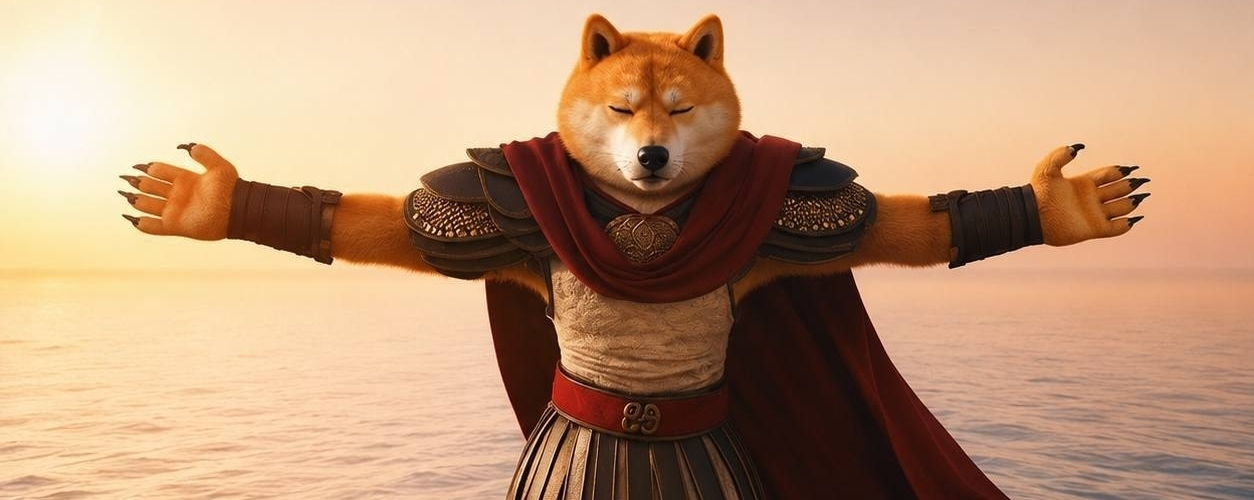
إمكانات $DOGEUS: فرصة استثمارية مزدوجة على إيثريوم وسولانافي عالم العملات الرقمية المتغير باستمرار، حصل $DOGEUS على اهتمام كبير. المشروع لا يبني فقط أسطورة غنية، بل يُظهر أيضًا مستوى من الالتزام من مجتمعه الذي أصبح نادرًا بشكل متزايد. إن تفاني حاملي العملة وأعضاء المجتمع، جنبًا إلى جنب مع الأداء الرائع لـ @flachinho والفريق الذي يعمل على @dogeusmaximuspl، قد عزز التفاؤل بشأن ارتفاع جديد في الأسعار قريبًا.
هناك حقيقة مثيرة للاهتمام وهي أن 1% من إجمالي المعروض تم توزيعه عبر الإرسال الجوي لـ @BillyM2k، أحد المؤسسين المشاركين لدوجكوين. بالإضافة إلى ذلك، 7.5% من المعروض مؤمن بشكل آمن لمدة 14 عامًا لضمان الاستقرار والثقة في المشروع. وسيتم قفل 1% آخر حتى يتم الوصول إلى قيمة سوقية قدرها $1.5 مليون، وعندها سيتم توزيعه بالكامل على جميع حاملي $DOGEUS.
إمكانات $DOGEUS: فرصة استثمارية مزدوجة على إيثريوم وسولانا
في عالم العملات الرقمية المتغير باستمرار، حصل $DOGEUS على اهتمام كبير. المشروع لا يبني فقط أسطورة غنية، بل يُظهر أيضًا مستوى من الالتزام من مجتمعه الذي أصبح نادرًا بشكل متزايد. إن تفاني حاملي العملة وأعضاء المجتمع، جنبًا إلى جنب مع الأداء الرائع لـ @flachinho والفريق الذي يعمل على @dogeusmaximuspl، قد عزز التفاؤل بشأن ارتفاع جديد في الأسعار قريبًا.
هناك حقيقة مثيرة للاهتمام وهي أن 1% من إجمالي المعروض تم توزيعه عبر الإرسال الجوي لـ @BillyM2k، أحد المؤسسين المشاركين لدوجكوين. بالإضافة إلى ذلك، 7.5% من المعروض مؤمن بشكل آمن لمدة 14 عامًا لضمان الاستقرار والثقة في المشروع. وسيتم قفل 1% آخر حتى يتم الوصول إلى قيمة سوقية قدرها $1.5 مليون، وعندها سيتم توزيعه بالكامل على جميع حاملي $DOGEUS.
هناك حقيقة مثيرة للاهتمام وهي أن 1% من إجمالي المعروض تم توزيعه عبر الإرسال الجوي لـ @BillyM2k، أحد المؤسسين المشاركين لدوجكوين. بالإضافة إلى ذلك، 7.5% من المعروض مؤمن بشكل آمن لمدة 14 عامًا لضمان الاستقرار والثقة في المشروع. وسيتم قفل 1% آخر حتى يتم الوصول إلى قيمة سوقية قدرها $1.5 مليون، وعندها سيتم توزيعه بالكامل على جميع حاملي $DOGEUS.
1
170
مقالة
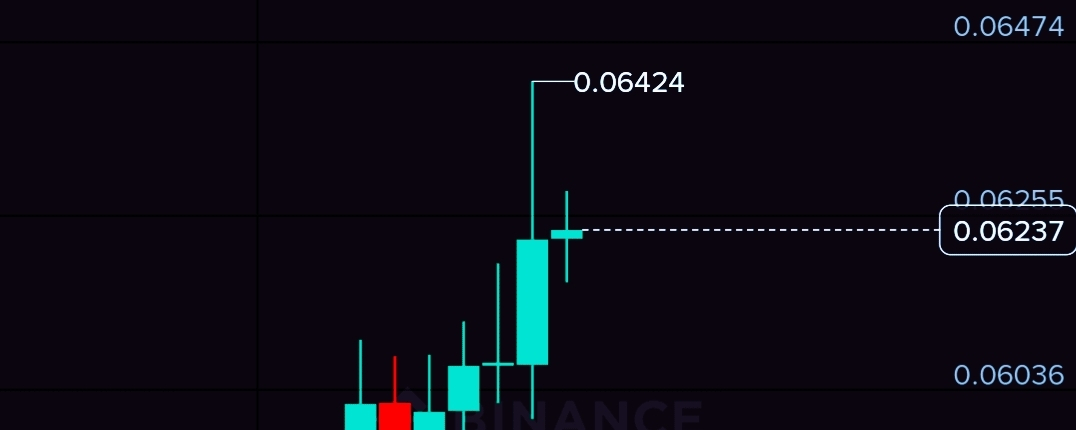
$POLYX ستصل إلى $0.10 قريبًا 💓⛓️💥••••الجميع جاهز💥
$POLYX ستصل إلى $0.10 قريبًا 💓⛓️💥••••
الجميع جاهز💥
27
ضحكت $RIVER على $1
ثم وصلت إلى 10 دولارات
ضحكت $RIVER عند 40 دولار
ثم وصلت إلى 80 دولار
الآن أنت عند 6 دولارات ونزلت عند 86 دولار
#RİVER ستصل وتكسر ATH عند 100 دولار قريباً❤️🔥🎗️🚀 100X مو مزحة❤️🔥
احفظ كلمتي! خذ لقطة شاشة لهذا‼️
ضحكت $RIVER على $1
ثم وصلت إلى 10 دولارات
ضحكت $RIVER عند 40 دولار
ثم وصلت إلى 80 دولار
الآن أنت عند 6 دولارات ونزلت عند 86 دولار
#RİVER ستصل وتكسر ATH عند 100 دولار قريباً❤️🔥🎗️🚀 100X مو مزحة❤️🔥
احفظ كلمتي! خذ لقطة شاشة لهذا‼️
ثم وصلت إلى 10 دولارات
ضحكت $RIVER عند 40 دولار
ثم وصلت إلى 80 دولار
الآن أنت عند 6 دولارات ونزلت عند 86 دولار
#RİVER ستصل وتكسر ATH عند 100 دولار قريباً❤️🔥🎗️🚀 100X مو مزحة❤️🔥
احفظ كلمتي! خذ لقطة شاشة لهذا‼️
96
معظم المتداولين يخسرون لأن العواطف تتداول أسرع من المنطق.
QBots تساعد في أتمتة العملية.
⚡️ بوتات تداول العقود الآجلة + الفورية
⚡️ استراتيجيات التحكيم المحايدة للسوق
⚡️ تداول الشبكة والزخم
⚡️ أنظمة تراكم DCA
⚡️ استراتيجيات تم اختبارها بالكامل
تظل أموالك في حساب تبادل خاص بك في جميع الأوقات.
🔥 ادفع باستخدام QIE واحصل على خصم 50% على اشتراكك.
💸 تتضمن QBots أيضًا برنامج إحالة قوي:
اكسب ما يصل إلى 30% عمولات متكررة من خلال إحالة الأصدقاء والمجتمعات. بعض الشركاء يكسبون بالفعل مئات الدولارات شهريًا من الاشتراكات المتكررة.
🎁 جربها مجانًا لمدة 7 أيام:
👉 www.QBOTS.trade
لماذا تتداول بناءً على العواطف عندما يمكن للخوارزميات التداول على مدار 24/7؟ 💰 أسعار بسيطة:
• 20 دولار/شهر لأي استراتيجية
• 50 دولار/شهر للوصول غير المحدود إلى جميع الاستراتيجيات
🔥 ادفع باستخدام عملة QIE واحصل على خصم 50%:
• 10 دولارات/شهر لاستراتيجية واحدة
• 25 دولار/شهر لجميع الاستراتيجيات
#تداول_العملات_المشفرة #QBots #دخل_سلبي #بوت_تداول #عملات_مشفرة
معظم المتداولين يخسرون لأن العواطف تتداول أسرع من المنطق.
QBots تساعد في أتمتة العملية.
⚡️ بوتات تداول العقود الآجلة + الفورية
⚡️ استراتيجيات التحكيم المحايدة للسوق
⚡️ تداول الشبكة والزخم
⚡️ أنظمة تراكم DCA
⚡️ استراتيجيات تم اختبارها بالكامل
تظل أموالك في حساب تبادل خاص بك في جميع الأوقات.
🔥 ادفع باستخدام QIE واحصل على خصم 50% على اشتراكك.
💸 تتضمن QBots أيضًا برنامج إحالة قوي:
اكسب ما يصل إلى 30% عمولات متكررة من خلال إحالة الأصدقاء والمجتمعات. بعض الشركاء يكسبون بالفعل مئات الدولارات شهريًا من الاشتراكات المتكررة.
🎁 جربها مجانًا لمدة 7 أيام:
👉 www.QBOTS.trade
لماذا تتداول بناءً على العواطف عندما يمكن للخوارزميات التداول على مدار 24/7؟ 💰 أسعار بسيطة:
• 20 دولار/شهر لأي استراتيجية
• 50 دولار/شهر للوصول غير المحدود إلى جميع الاستراتيجيات
🔥 ادفع باستخدام عملة QIE واحصل على خصم 50%:
• 10 دولارات/شهر لاستراتيجية واحدة
• 25 دولار/شهر لجميع الاستراتيجيات
#تداول_العملات_المشفرة #QBots #دخل_سلبي #بوت_تداول #عملات_مشفرة
QBots تساعد في أتمتة العملية.
⚡️ بوتات تداول العقود الآجلة + الفورية
⚡️ استراتيجيات التحكيم المحايدة للسوق
⚡️ تداول الشبكة والزخم
⚡️ أنظمة تراكم DCA
⚡️ استراتيجيات تم اختبارها بالكامل
تظل أموالك في حساب تبادل خاص بك في جميع الأوقات.
🔥 ادفع باستخدام QIE واحصل على خصم 50% على اشتراكك.
💸 تتضمن QBots أيضًا برنامج إحالة قوي:
اكسب ما يصل إلى 30% عمولات متكررة من خلال إحالة الأصدقاء والمجتمعات. بعض الشركاء يكسبون بالفعل مئات الدولارات شهريًا من الاشتراكات المتكررة.
🎁 جربها مجانًا لمدة 7 أيام:
👉 www.QBOTS.trade
لماذا تتداول بناءً على العواطف عندما يمكن للخوارزميات التداول على مدار 24/7؟ 💰 أسعار بسيطة:
• 20 دولار/شهر لأي استراتيجية
• 50 دولار/شهر للوصول غير المحدود إلى جميع الاستراتيجيات
🔥 ادفع باستخدام عملة QIE واحصل على خصم 50%:
• 10 دولارات/شهر لاستراتيجية واحدة
• 25 دولار/شهر لجميع الاستراتيجيات
#تداول_العملات_المشفرة #QBots #دخل_سلبي #بوت_تداول #عملات_مشفرة
215
سجّل الدخول لاستكشاف المزيد من المُحتوى
انضم إلى مُستخدمي العملات الرقمية حول العالم على Binance Square
⚡️ احصل على أحدث المعلومات المفيدة عن العملات الرقمية.
💬 موثوقة من قبل أكبر منصّة لتداول العملات الرقمية في العالم.
👍 اكتشف الرؤى الحقيقية من صنّاع المُحتوى الموثوقين.
البريد الإلكتروني / رقم الهاتف
المواضيع الرائجة
CircleMints500MUSDCOnSolana
97,812 مشاهدات
2,096 يقومون بالنقاش
#CircleMints500MUSDCOnSolana
🚨 عاجل: Circle تطبع 500 مليون $USDC على سولانا!
#CircleMints500MUSDCOnSolana #SOL #USDC #Solana
ضخ سيولة للغاية! 💰
قامت شركة Circle قبل ساعات باصدار 500 مليون دولار من USDC على شبكة سولانا في معاملتين فقط ($250M + $250M) خلال 5.5 ساعة فقط! ⏰
ماذا يعني هذا؟
✅ سيولة ضخمة داخلة على نظام Solana DeFi
✅ الطلب على سولانا يزيد
✅ $SOL ارتفع +0.50% مباشرة بعد الخبر
هذا أكبر ضخ لـ USDC على سولانا من شهور، وهذا يعني الحيتان تستعد لشي كبير قادم!
هل تتوقع انفجار سولانا فوق 250$ قريباً؟
صوت:
1 = نعم، صعود قوي قادم 🚀
2 = لا، مجرد سيولة عادية
#sol #CryptoNews #BinanceSquare
$SOL
$USDC
Mohammed _crypto sniper
·1 إعجاب
·79 مشاهدات
PolymarketBankFailureBetsDrawFDICConcern
97,114 مشاهدات
1,862 يقومون بالنقاش
BlackRockBuildsTokenizedPortfoliosForOndo
90,731 مشاهدات
1,326 يقومون بالنقاش