

Inflectiv AI
226 منشورات

Inflectiv AI
إبلاغ
حظر المُستخدم
Liberating Trapped Intelligence.
Fueling agents, automation, and robotics.
Structured, tokenized, perpetual.
0 تتابع
83 المتابعون
3.2K+ إعجاب
منشورات
الكل
اقتباسات
مقاطع فيديو
PINNED
·
--
إنشاء مجموعة بيانات يبدو تقنيًا. ليس كذلك.
قم بتحميل ملفات PDF، والمستندات، والروابط، والجداول، وأي شيء لديك. يقوم Inflectiv بترتيب كل ذلك تلقائيًا.
إليك كيفية إنشاء واحدة على الفور باستخدام مصادر بيانات متعددة 👇
🔗 رابط في التعليقات لإنشاء مجموعة بياناتك الآن
إنشاء مجموعة بيانات يبدو تقنيًا. ليس كذلك.
قم بتحميل ملفات PDF، والمستندات، والروابط، والجداول، وأي شيء لديك. يقوم Inflectiv بترتيب كل ذلك تلقائيًا.
إليك كيفية إنشاء واحدة على الفور باستخدام مصادر بيانات متعددة 👇
🔗 رابط في التعليقات لإنشاء مجموعة بياناتك الآن
قم بتحميل ملفات PDF، والمستندات، والروابط، والجداول، وأي شيء لديك. يقوم Inflectiv بترتيب كل ذلك تلقائيًا.
إليك كيفية إنشاء واحدة على الفور باستخدام مصادر بيانات متعددة 👇
🔗 رابط في التعليقات لإنشاء مجموعة بياناتك الآن
6
2
52
690
·
--
عرض الترجمة
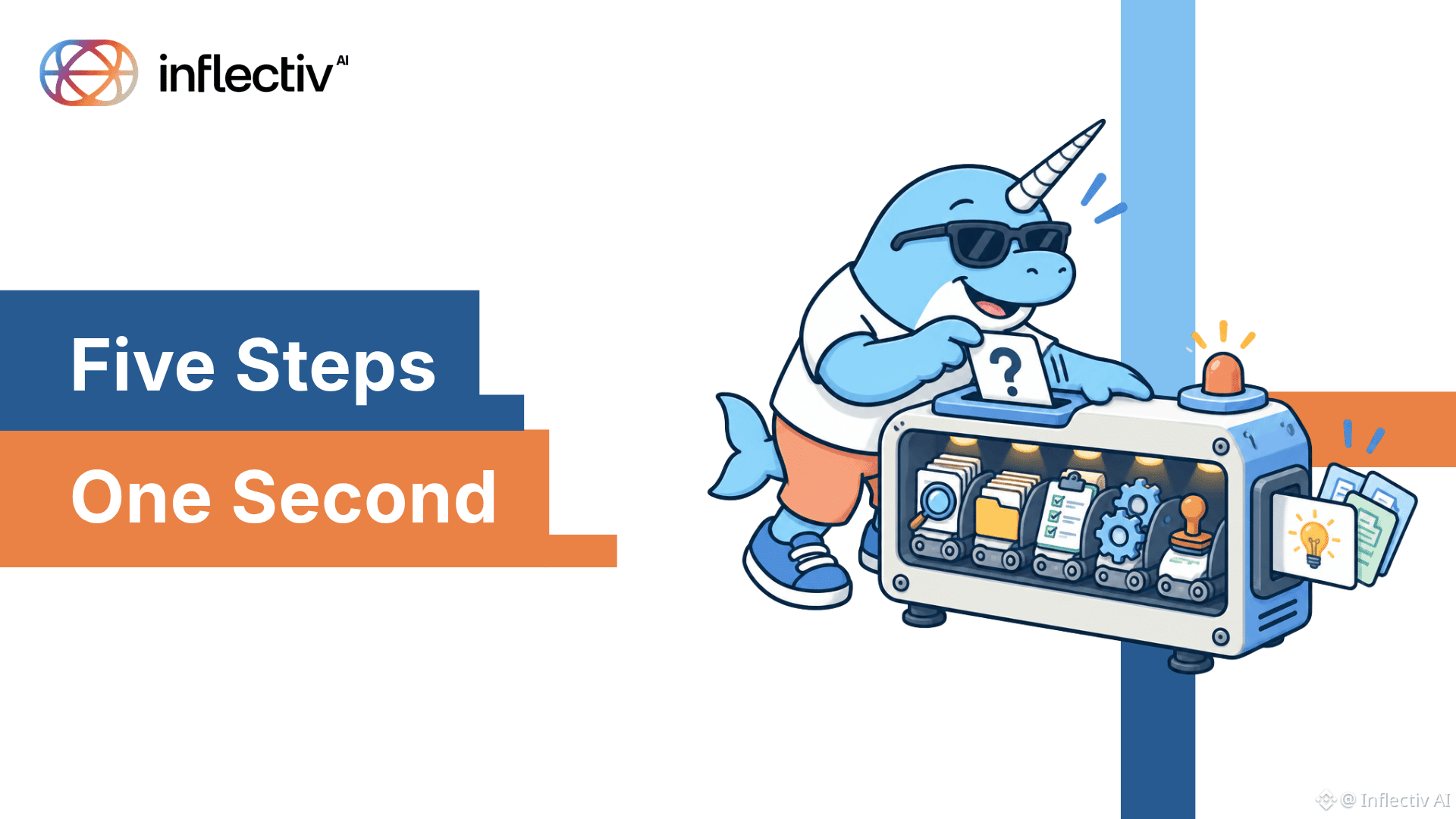
What actually happens when your agent asks a dataset a question?
👉 Five steps: https://x.com/inflectivAI/status/2102704093353615523
What actually happens when your agent asks a dataset a question?
👉 Five steps: https://x.com/inflectivAI/status/2102704093353615523
👉 Five steps: https://x.com/inflectivAI/status/2102704093353615523
73
·
--
أحاول معرفة من يقرأ هذا بالفعل.
أين أنت الآن؟
أحاول معرفة من يقرأ هذا بالفعل.
أين أنت الآن؟
أين أنت الآن؟
Data, no agent
0%
Agent, no data
0%
Both
0%
Neither yet
0%
0 الأصوات • تمّ إغلاق التصويت
58
·
--
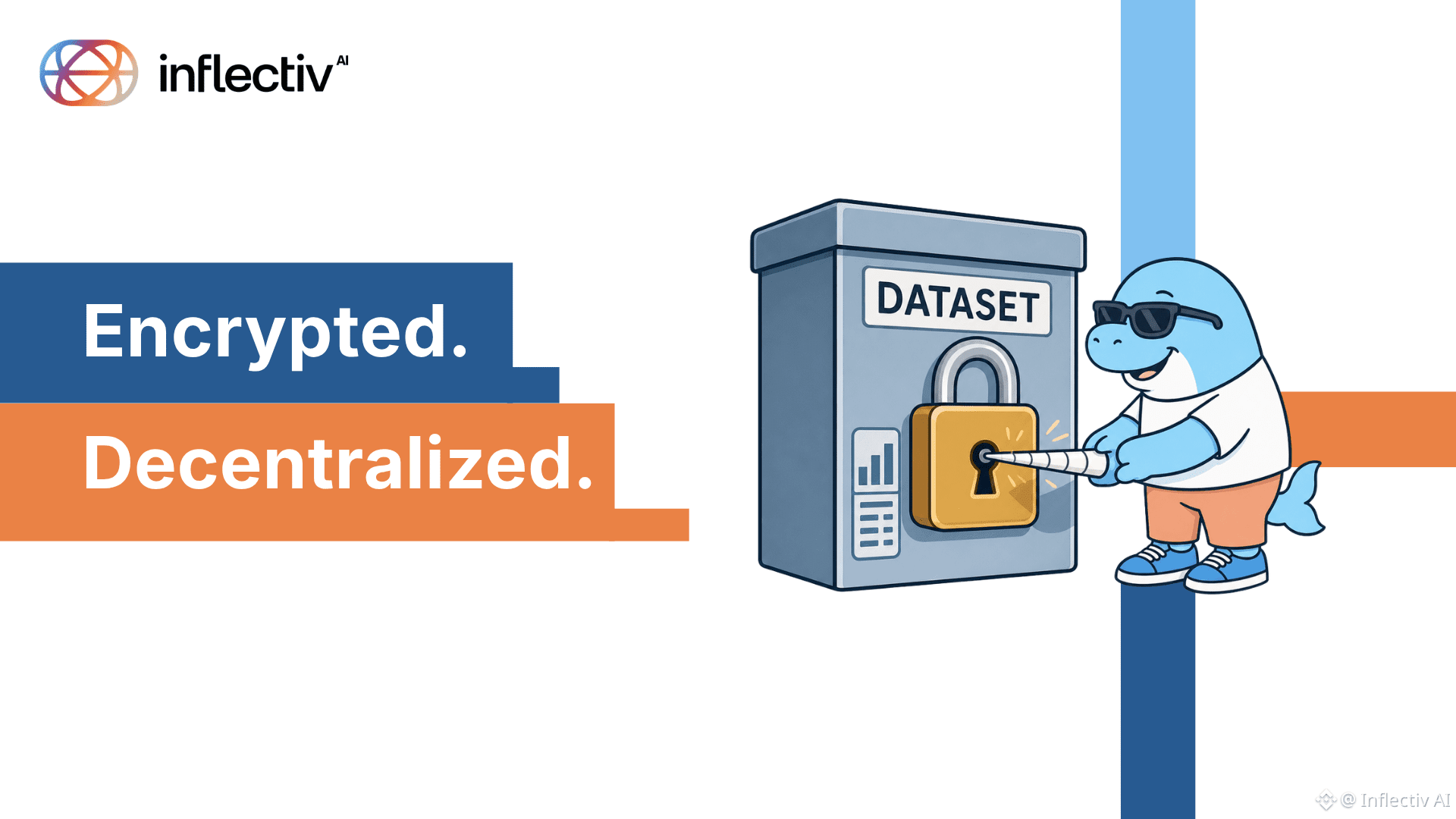
مجموعات بيانات مُشفّرة على Inflectiv:
✔️ مُشفّرة باستخدام Seal قبل مشاركتها
✔️ مُخزّنة على Walrus، شبكة لا مركزية
✔️ مُسجّلة على Sui باستخدام مُعرّف Blob تشفيري
✔️ أكثر من 4,000 مجموعة بيانات تمت رساءتها بالفعل
خاص. قابل للتحقق. مقاوم للتلاعب.
قم بتشفير مجموعتك 👉 https://app.inflectiv.ai
مجموعات بيانات مُشفّرة على Inflectiv:
✔️ مُشفّرة باستخدام Seal قبل مشاركتها
✔️ مُخزّنة على Walrus، شبكة لا مركزية
✔️ مُسجّلة على Sui باستخدام مُعرّف Blob تشفيري
✔️ أكثر من 4,000 مجموعة بيانات تمت رساءتها بالفعل
خاص. قابل للتحقق. مقاوم للتلاعب.
قم بتشفير مجموعتك 👉 https://app.inflectiv.ai
✔️ مُشفّرة باستخدام Seal قبل مشاركتها
✔️ مُخزّنة على Walrus، شبكة لا مركزية
✔️ مُسجّلة على Sui باستخدام مُعرّف Blob تشفيري
✔️ أكثر من 4,000 مجموعة بيانات تمت رساءتها بالفعل
خاص. قابل للتحقق. مقاوم للتلاعب.
قم بتشفير مجموعتك 👉 https://app.inflectiv.ai
99
·
--
لقد أدرجت مجموعة بيانات. لا أحد اشتراها.
تسعة مرات من كل عشرة، تكون البيانات جيدة. إن المشكلة التي تكلفك المبيعات هي الإدراج نفسه.
إليك الإصلاحات الخمسة التي تحوّل المشاهدات إلى مشترين 👇
https://x.com/inflectivAI/status/2098368912018592028
لقد أدرجت مجموعة بيانات. لا أحد اشتراها.
تسعة مرات من كل عشرة، تكون البيانات جيدة. إن المشكلة التي تكلفك المبيعات هي الإدراج نفسه.
إليك الإصلاحات الخمسة التي تحوّل المشاهدات إلى مشترين 👇
https://x.com/inflectivAI/status/2098368912018592028
تسعة مرات من كل عشرة، تكون البيانات جيدة. إن المشكلة التي تكلفك المبيعات هي الإدراج نفسه.
إليك الإصلاحات الخمسة التي تحوّل المشاهدات إلى مشترين 👇
https://x.com/inflectivAI/status/2098368912018592028

50
·
--
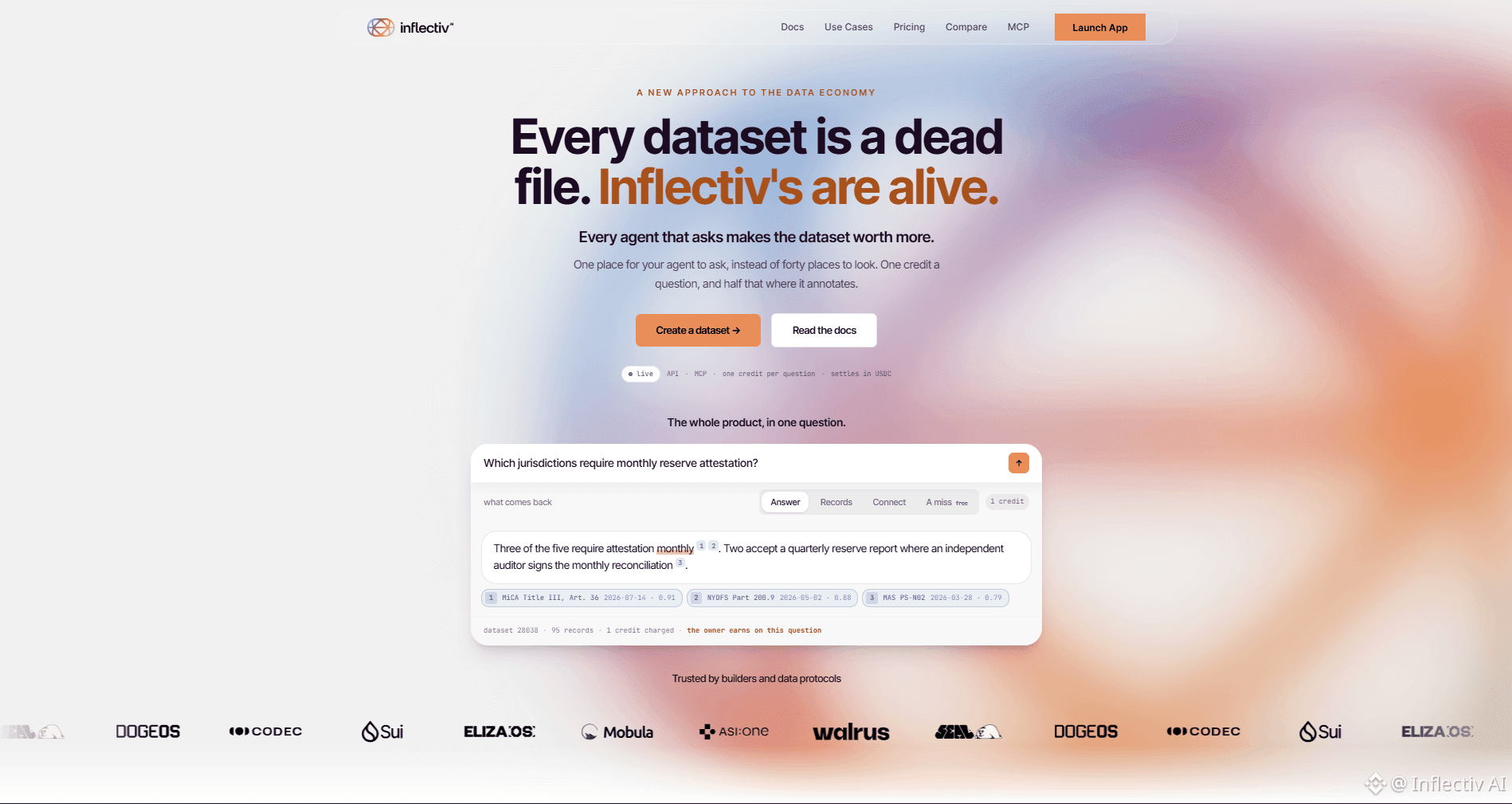
موقعنا الإلكتروني الجديد يعمل الآن.
معظم مجموعات البيانات ملفات ميتة. مجموعتنا تبقى حيّة. وكيلك يطرح سؤالًا ويدفع 1 رصيدًا، ثم يحصل على إجابة مع مصادر، ويضيف مرة أخرى ما تعلمه.
اقرأ المزيد هنا: https://x.com/inflectivAI/status/2096929336662086117
شاهد ذلك: https://inflectiv.ai
موقعنا الإلكتروني الجديد يعمل الآن.
معظم مجموعات البيانات ملفات ميتة. مجموعتنا تبقى حيّة. وكيلك يطرح سؤالًا ويدفع 1 رصيدًا، ثم يحصل على إجابة مع مصادر، ويضيف مرة أخرى ما تعلمه.
اقرأ المزيد هنا: https://x.com/inflectivAI/status/2096929336662086117
شاهد ذلك: https://inflectiv.ai
معظم مجموعات البيانات ملفات ميتة. مجموعتنا تبقى حيّة. وكيلك يطرح سؤالًا ويدفع 1 رصيدًا، ثم يحصل على إجابة مع مصادر، ويضيف مرة أخرى ما تعلمه.
اقرأ المزيد هنا: https://x.com/inflectivAI/status/2096929336662086117
شاهد ذلك: https://inflectiv.ai
64
·
--
كانت الخبرة في المجال دائمًا قابلة للإيجار بالساعة. ولم تكن متاحة للاستعلام ثانية بثانية.
اجعل خبرتك قابلة للاستعلام: https://app.inflectiv.ai
كانت الخبرة في المجال دائمًا قابلة للإيجار بالساعة. ولم تكن متاحة للاستعلام ثانية بثانية.
اجعل خبرتك قابلة للاستعلام: https://app.inflectiv.ai
اجعل خبرتك قابلة للاستعلام: https://app.inflectiv.ai
71
·
--
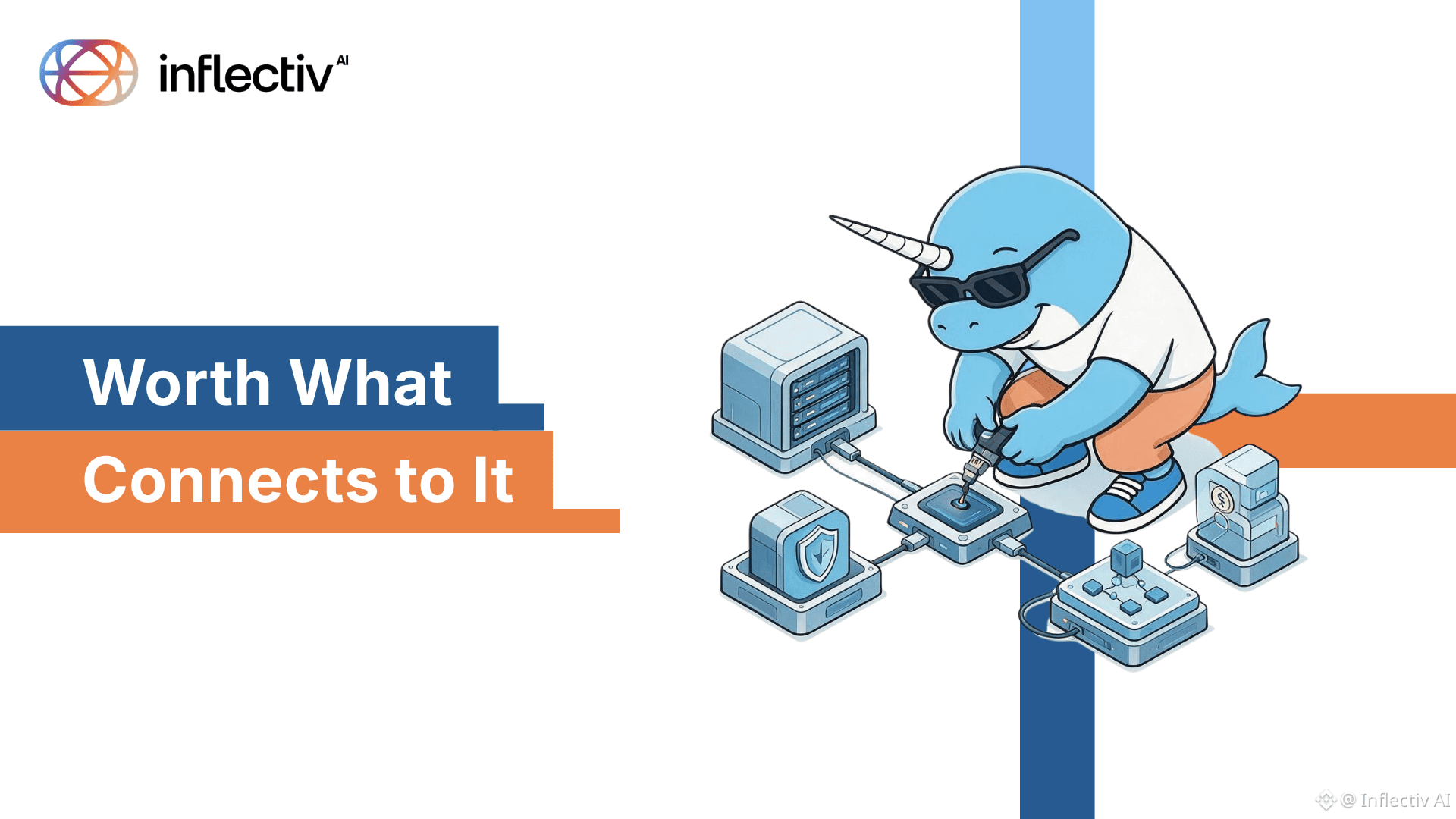
إنفليكتف لا يعمل بمفرده.
إنه يربط البيانات والذكاء وحالات الاستخدام الواقعية في طبقة واحدة قوية.
لا تساوي الطبقة شيئًا إلا بما ترتبط به.
استكشف إنفليكتف: https://inflectiv.ai
إنفليكتف لا يعمل بمفرده.
إنه يربط البيانات والذكاء وحالات الاستخدام الواقعية في طبقة واحدة قوية.
لا تساوي الطبقة شيئًا إلا بما ترتبط به.
استكشف إنفليكتف: https://inflectiv.ai
إنه يربط البيانات والذكاء وحالات الاستخدام الواقعية في طبقة واحدة قوية.
لا تساوي الطبقة شيئًا إلا بما ترتبط به.
استكشف إنفليكتف: https://inflectiv.ai
101
·
--
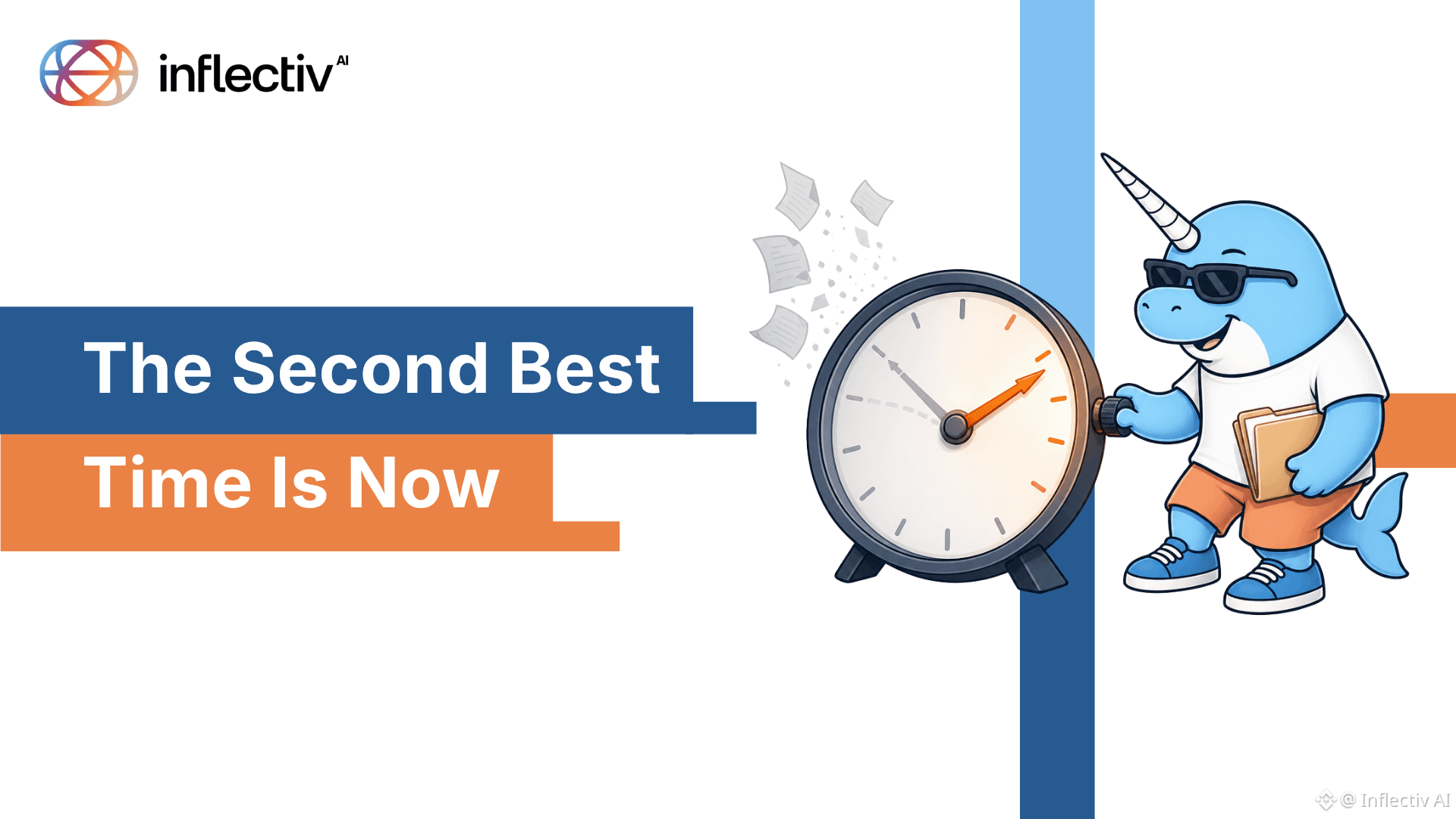
أفضل وقت لبناء معرفتك كان عندما أنشأتها لأول مرة.
أفضل وقت بعد ذلك هو الآن.
قم برفع ملف واحد اليوم. شاهد ماذا يحدث.
البداية: app.inflectiv.ai
أفضل وقت لبناء معرفتك كان عندما أنشأتها لأول مرة.
أفضل وقت بعد ذلك هو الآن.
قم برفع ملف واحد اليوم. شاهد ماذا يحدث.
البداية: app.inflectiv.ai
أفضل وقت بعد ذلك هو الآن.
قم برفع ملف واحد اليوم. شاهد ماذا يحدث.
البداية: app.inflectiv.ai
81
·
--
مقالة
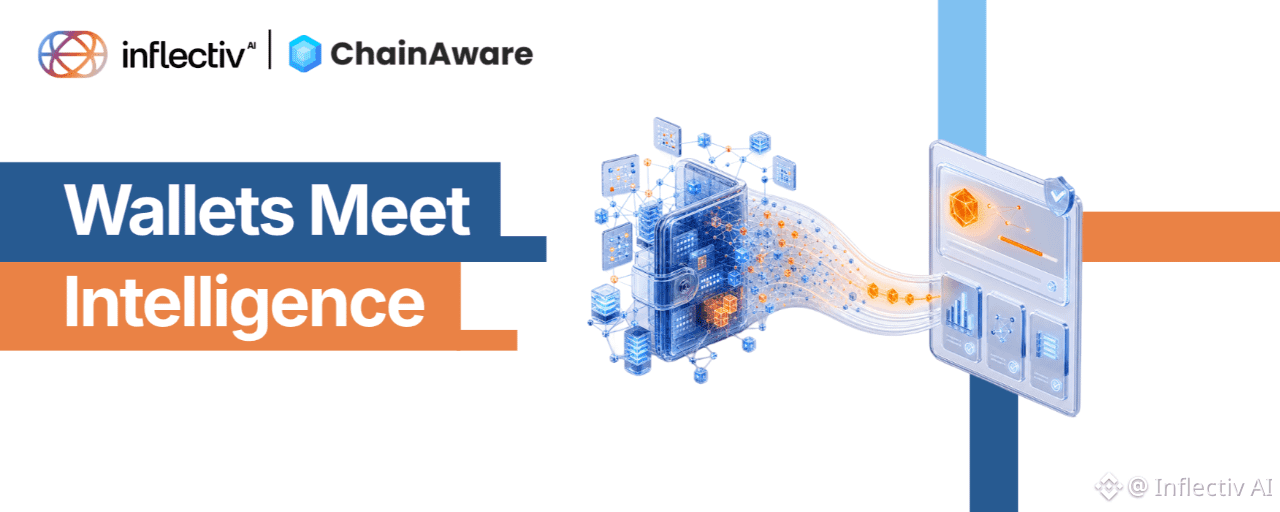
يمكن لوكيلك الآن أن يخبرك ما إذا كانت المحفظة آمنةكل وكيل يلمس العملات المشفرة في النهاية يواجه السؤال نفسه: هل هذه المحفظة آمنة للتعامل معها؟ وحتى اليوم، كانت معظم منصات الوكلاء ترد بتثاؤب.
تحمل وكالات Inflectiv الآن ذكاء المحافظ الخاص بـ ChainAware، قراءة مباشرة لاحتمال الاحتيال، ومخاطر عمليات الاحتيال (rug-pull)، وسلوك المحفظة، والتجزئة، والتقييم الائتماني للعملات المشفرة، وترتيبات مجتمع الرموز.
اعتبرها بمثابة مكتب ائتمان لمحافظ العملات المشفرة، مدمجًا مباشرةً في إجابات وكيلك.
ماذا يمكن لوكيلك فعله الآن
اطرح سؤالًا مباشرًا: "هل هذه المحفظة آمنة للدفع؟"، وسيقوم وكيلك من Inflectiv بإجراء استعلامات ChainAware مباشرةً أثناء المحادثة، والرد بلغة بسيطة مع إرفاق النتيجة.
يمكن لوكيلك الآن أن يخبرك ما إذا كانت المحفظة آمنة
كل وكيل يلمس العملات المشفرة في النهاية يواجه السؤال نفسه: هل هذه المحفظة آمنة للتعامل معها؟ وحتى اليوم، كانت معظم منصات الوكلاء ترد بتثاؤب.
تحمل وكالات Inflectiv الآن ذكاء المحافظ الخاص بـ ChainAware، قراءة مباشرة لاحتمال الاحتيال، ومخاطر عمليات الاحتيال (rug-pull)، وسلوك المحفظة، والتجزئة، والتقييم الائتماني للعملات المشفرة، وترتيبات مجتمع الرموز.
اعتبرها بمثابة مكتب ائتمان لمحافظ العملات المشفرة، مدمجًا مباشرةً في إجابات وكيلك.
ماذا يمكن لوكيلك فعله الآن
اطرح سؤالًا مباشرًا: "هل هذه المحفظة آمنة للدفع؟"، وسيقوم وكيلك من Inflectiv بإجراء استعلامات ChainAware مباشرةً أثناء المحادثة، والرد بلغة بسيطة مع إرفاق النتيجة.
تحمل وكالات Inflectiv الآن ذكاء المحافظ الخاص بـ ChainAware، قراءة مباشرة لاحتمال الاحتيال، ومخاطر عمليات الاحتيال (rug-pull)، وسلوك المحفظة، والتجزئة، والتقييم الائتماني للعملات المشفرة، وترتيبات مجتمع الرموز.
اعتبرها بمثابة مكتب ائتمان لمحافظ العملات المشفرة، مدمجًا مباشرةً في إجابات وكيلك.
ماذا يمكن لوكيلك فعله الآن
اطرح سؤالًا مباشرًا: "هل هذه المحفظة آمنة للدفع؟"، وسيقوم وكيلك من Inflectiv بإجراء استعلامات ChainAware مباشرةً أثناء المحادثة، والرد بلغة بسيطة مع إرفاق النتيجة.
71
·
--
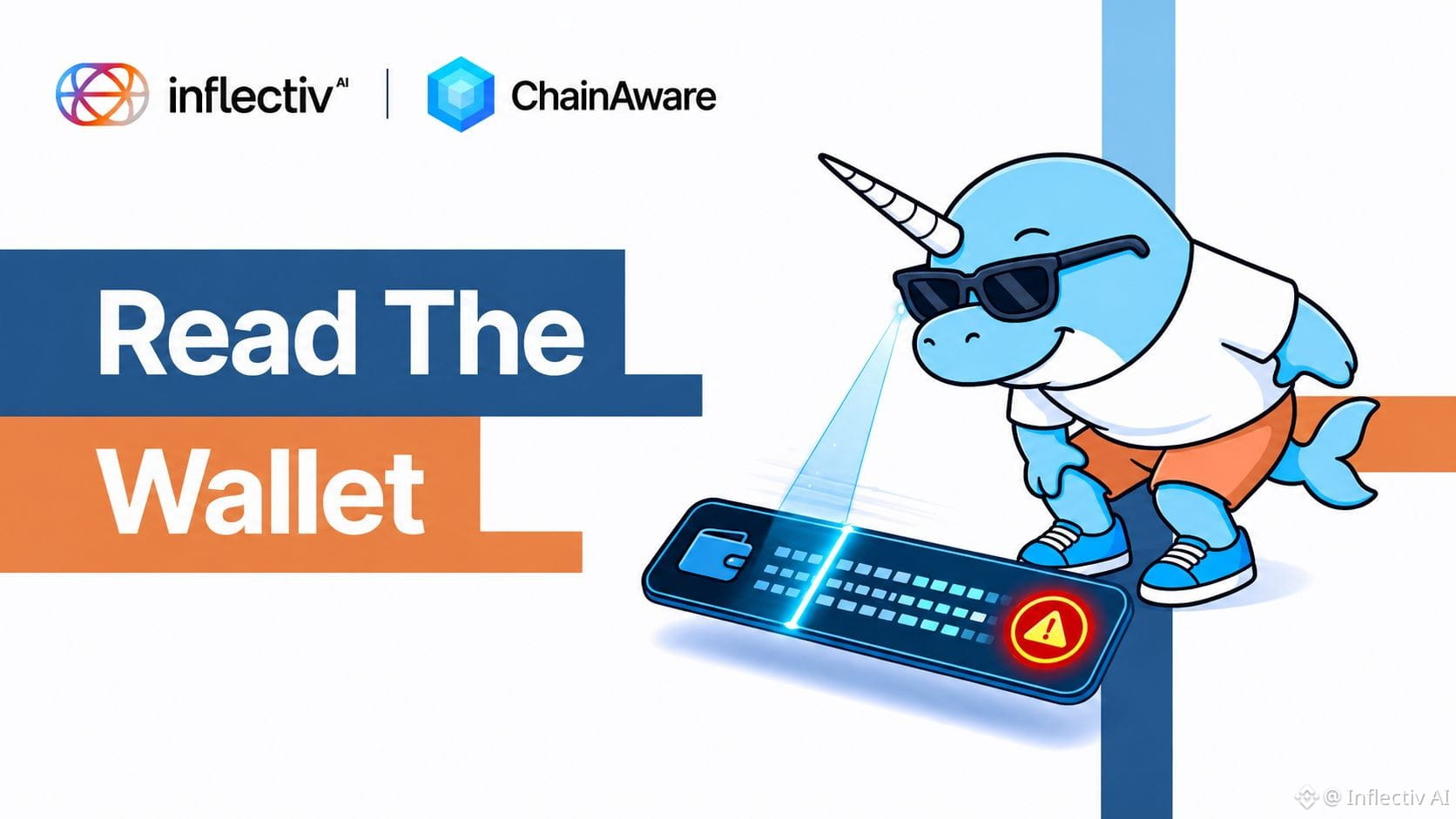
يمكن لوكيلك تنفيذ صفقة وتوقيع معاملة وتحريك الأموال خلال ثوانٍ.
لم تكن السرعة هي الجزء الصعب أبدًا. بل كانت الثقة هي الصعبة. واليوم يتغير ذلك.
ChainAware تعمل الآن داخل Inflectiv.
اقرأ المزيد هنا: https://x.com/inflectivAI/status/2091888510114349098
يمكن لوكيلك تنفيذ صفقة وتوقيع معاملة وتحريك الأموال خلال ثوانٍ.
لم تكن السرعة هي الجزء الصعب أبدًا. بل كانت الثقة هي الصعبة. واليوم يتغير ذلك.
ChainAware تعمل الآن داخل Inflectiv.
اقرأ المزيد هنا: https://x.com/inflectivAI/status/2091888510114349098
لم تكن السرعة هي الجزء الصعب أبدًا. بل كانت الثقة هي الصعبة. واليوم يتغير ذلك.
ChainAware تعمل الآن داخل Inflectiv.
اقرأ المزيد هنا: https://x.com/inflectivAI/status/2091888510114349098
78
·
--
تتبع البيانات أسرع من أي وقت مضى على Inflectiv 2.5.
ما أول شيء ستقوم ببنائه بهذه السرعة؟
تتبع البيانات أسرع من أي وقت مضى على Inflectiv 2.5.
ما أول شيء ستقوم ببنائه بهذه السرعة؟
ما أول شيء ستقوم ببنائه بهذه السرعة؟
AI agent
0%
Tokenize a dataset
0%
Sell on marketplace
0%
Build with MCP
0%
0 الأصوات • تمّ إغلاق التصويت
94
·
--

مقالة
Inflectiv 2.5 متاح الآن: كل ثانية تهمInflectiv 2.5 أصبح متاحًا الآن.
لقد أعدنا بناء طريقة قراءة Inflectiv لملفاتك وللمواقع الإلكترونية الخاصة بك.
إليك كل ما هو جديد.
معالجة ملفات أسرع
تتم الآن معالجة المستندات الكبيرة على أجزاء، في الوقت نفسه جميعًا.
• إذا فشل أحد الأجزاء، يعاد المحاولة لذلك الجزء فقط، وليس الملف بالكامل
• لم يعد هناك حد لحجم الملف
• ارفع ما يصل إلى 20 ملفًا مرة واحدة
زحف مُعاد بناؤه
أصبح الزحف أسرع أيضًا، خصوصًا على المواقع الكبيرة.
• الآن يستغرق الزحف لصفحات من 20 صفحة 4 ثوانٍ بدلًا من 33
• كلما كان الموقع أكبر، كانت التحسينات أكبر
Inflectiv 2.5 متاح الآن: كل ثانية تهم
Inflectiv 2.5 أصبح متاحًا الآن.
لقد أعدنا بناء طريقة قراءة Inflectiv لملفاتك وللمواقع الإلكترونية الخاصة بك.
إليك كل ما هو جديد.
معالجة ملفات أسرع
تتم الآن معالجة المستندات الكبيرة على أجزاء، في الوقت نفسه جميعًا.
• إذا فشل أحد الأجزاء، يعاد المحاولة لذلك الجزء فقط، وليس الملف بالكامل
• لم يعد هناك حد لحجم الملف
• ارفع ما يصل إلى 20 ملفًا مرة واحدة
زحف مُعاد بناؤه
أصبح الزحف أسرع أيضًا، خصوصًا على المواقع الكبيرة.
• الآن يستغرق الزحف لصفحات من 20 صفحة 4 ثوانٍ بدلًا من 33
• كلما كان الموقع أكبر، كانت التحسينات أكبر
لقد أعدنا بناء طريقة قراءة Inflectiv لملفاتك وللمواقع الإلكترونية الخاصة بك.
إليك كل ما هو جديد.
معالجة ملفات أسرع
تتم الآن معالجة المستندات الكبيرة على أجزاء، في الوقت نفسه جميعًا.
• إذا فشل أحد الأجزاء، يعاد المحاولة لذلك الجزء فقط، وليس الملف بالكامل
• لم يعد هناك حد لحجم الملف
• ارفع ما يصل إلى 20 ملفًا مرة واحدة
زحف مُعاد بناؤه
أصبح الزحف أسرع أيضًا، خصوصًا على المواقع الكبيرة.
• الآن يستغرق الزحف لصفحات من 20 صفحة 4 ثوانٍ بدلًا من 33
• كلما كان الموقع أكبر، كانت التحسينات أكبر
77
·
--
Inflectiv 2.5 يعمل الآن. وهو سريع.
من 33 ثانية إلى 4. نفس تمريرة الصفحات الـ20، أسرع بأكثر من 8 مرات.
معالجة ملفات متوازية. طوابير أكثر عدلاً. استردادات تُنفَّذ تلقائياً.
إليك ما تغيّر 👇
اقرأ المنشور الكامل هنا: https://x.com/inflectivAI/status/2088212709204513145
Inflectiv 2.5 يعمل الآن. وهو سريع.
من 33 ثانية إلى 4. نفس تمريرة الصفحات الـ20، أسرع بأكثر من 8 مرات.
معالجة ملفات متوازية. طوابير أكثر عدلاً. استردادات تُنفَّذ تلقائياً.
إليك ما تغيّر 👇
اقرأ المنشور الكامل هنا: https://x.com/inflectivAI/status/2088212709204513145
من 33 ثانية إلى 4. نفس تمريرة الصفحات الـ20، أسرع بأكثر من 8 مرات.
معالجة ملفات متوازية. طوابير أكثر عدلاً. استردادات تُنفَّذ تلقائياً.
إليك ما تغيّر 👇
اقرأ المنشور الكامل هنا: https://x.com/inflectivAI/status/2088212709204513145

81
·
--
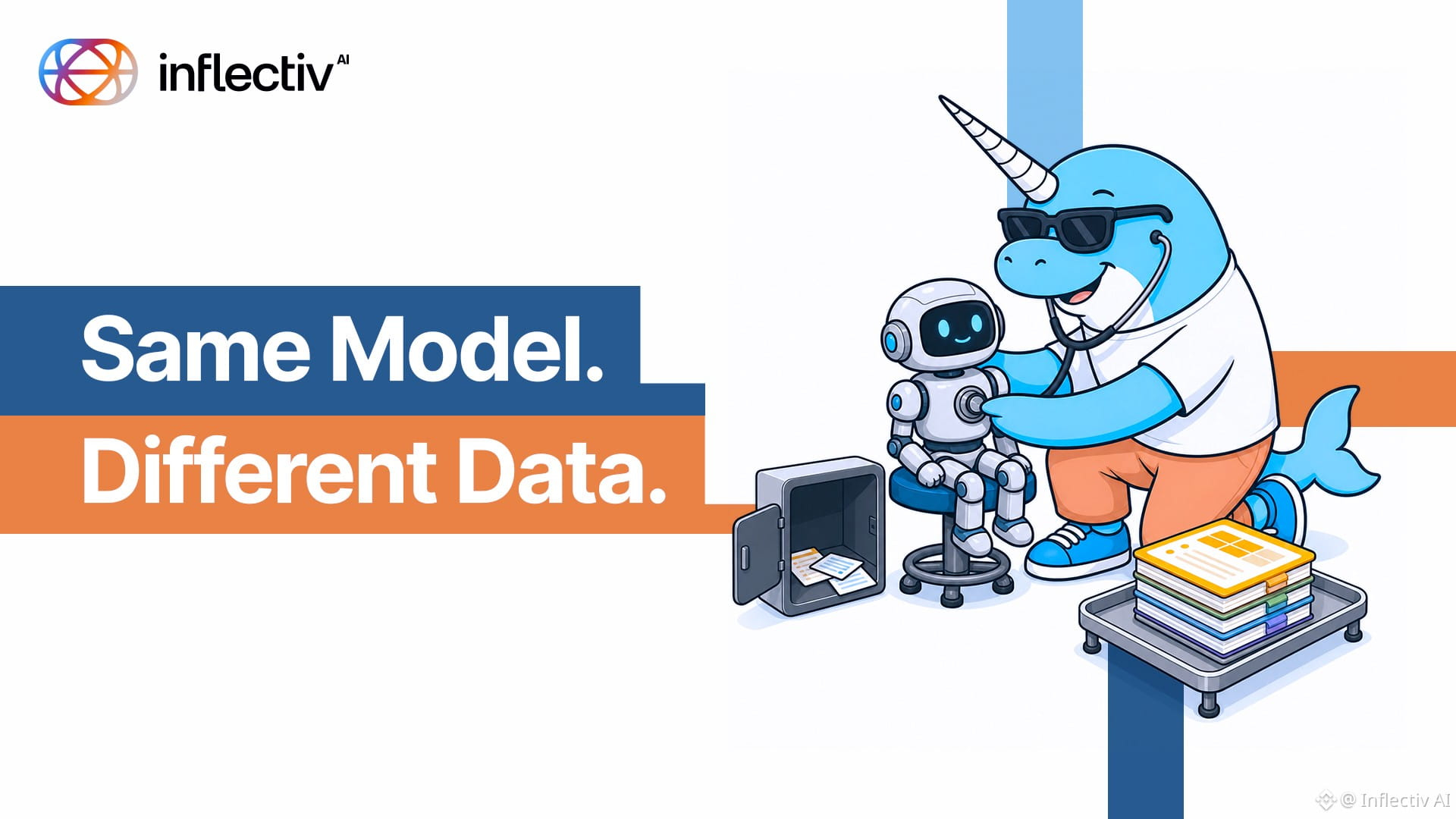
هلوسة الذكاء الاصطناعي هي مشكلة في البيانات، وليست مشكلة في النموذج.
ويمكن حلها اليوم.
الخيط الكامل 👉 https://x.com/inflectivAI/status/2087464576975548755
هلوسة الذكاء الاصطناعي هي مشكلة في البيانات، وليست مشكلة في النموذج.
ويمكن حلها اليوم.
الخيط الكامل 👉 https://x.com/inflectivAI/status/2087464576975548755
ويمكن حلها اليوم.
الخيط الكامل 👉 https://x.com/inflectivAI/status/2087464576975548755
65
·
--
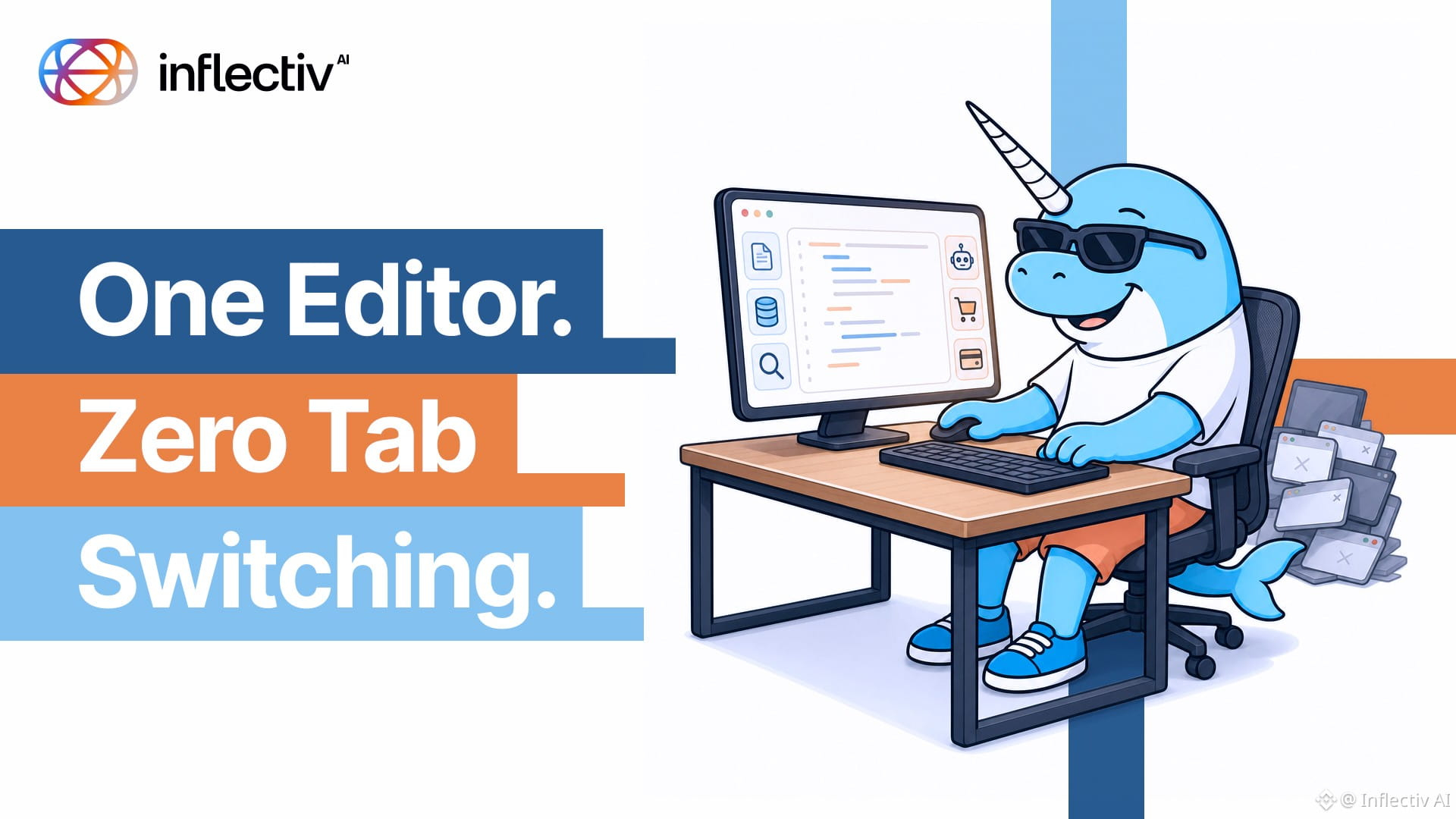
تعني Inflectiv MCP أنك لن تغادر محررك أبدًا.
أنشئ وكلاء. ارفع مستندات. ابحث في المعرفة. تصفح السوق. ادفع باستخدام USDC.
26 أداة. أوامر واحدة.
قم بتوصيل بيئة التطوير لديك: app.inflectiv.ai
تعني Inflectiv MCP أنك لن تغادر محررك أبدًا.
أنشئ وكلاء. ارفع مستندات. ابحث في المعرفة. تصفح السوق. ادفع باستخدام USDC.
26 أداة. أوامر واحدة.
قم بتوصيل بيئة التطوير لديك: app.inflectiv.ai
أنشئ وكلاء. ارفع مستندات. ابحث في المعرفة. تصفح السوق. ادفع باستخدام USDC.
26 أداة. أوامر واحدة.
قم بتوصيل بيئة التطوير لديك: app.inflectiv.ai
72
·
--

مقالة
عندما يبدأ الوكلاء الكتابة، يتغير كل شيء.حدثت ثلاثة أشياء هذا الأسبوع، وتشير جميعها إلى التحول نفسه.
لسنتين، كان الوكلاء قراء. اسحب السياق، أجب عن السؤال، وانسَ ما تعلمته بحلول التشغيل التالي. بقيت الإجابة السيئة على الشاشة. هذا الأسبوع، جلسنا مع ما الذي يتغير عندما يتوقفون عن القراءة ويبدؤون بالتصرف.
أولًا، العدد الصادق. لا أحد يخبرك بهذا عندما تبدأ في بناء وكلاء الذكاء الاصطناعي: النموذج هو عشرة بالمئة من العمل. البيانات هي تسعون بالمئة. تقضي معظم الفرق وقتها على العشرة ثم تتساءل لماذا يواصل وكيلها الفشل في الوصول إلى الهدف. كان ذلك منشور يوم الإثنين، قصيرًا ومباشرًا، ومقدمة لكل ما جاء بعده.
عندما يبدأ الوكلاء الكتابة، يتغير كل شيء.
حدثت ثلاثة أشياء هذا الأسبوع، وتشير جميعها إلى التحول نفسه.
لسنتين، كان الوكلاء قراء. اسحب السياق، أجب عن السؤال، وانسَ ما تعلمته بحلول التشغيل التالي. بقيت الإجابة السيئة على الشاشة. هذا الأسبوع، جلسنا مع ما الذي يتغير عندما يتوقفون عن القراءة ويبدؤون بالتصرف.
أولًا، العدد الصادق. لا أحد يخبرك بهذا عندما تبدأ في بناء وكلاء الذكاء الاصطناعي: النموذج هو عشرة بالمئة من العمل. البيانات هي تسعون بالمئة. تقضي معظم الفرق وقتها على العشرة ثم تتساءل لماذا يواصل وكيلها الفشل في الوصول إلى الهدف. كان ذلك منشور يوم الإثنين، قصيرًا ومباشرًا، ومقدمة لكل ما جاء بعده.
لسنتين، كان الوكلاء قراء. اسحب السياق، أجب عن السؤال، وانسَ ما تعلمته بحلول التشغيل التالي. بقيت الإجابة السيئة على الشاشة. هذا الأسبوع، جلسنا مع ما الذي يتغير عندما يتوقفون عن القراءة ويبدؤون بالتصرف.
أولًا، العدد الصادق. لا أحد يخبرك بهذا عندما تبدأ في بناء وكلاء الذكاء الاصطناعي: النموذج هو عشرة بالمئة من العمل. البيانات هي تسعون بالمئة. تقضي معظم الفرق وقتها على العشرة ثم تتساءل لماذا يواصل وكيلها الفشل في الوصول إلى الهدف. كان ذلك منشور يوم الإثنين، قصيرًا ومباشرًا، ومقدمة لكل ما جاء بعده.
68
·
--
مقالة
وكيل القراءة آمن. وكيل الكتابة ليس كذلك.يمكن لوكيل يقرأ فقط أن يحرجك. ويمكن لوكيل يكتب أن يكلفك.
تلك السطر الواحد هو السبب الوحيد لوجود Agent Vault.
خلال معظم العامين الماضيين، كان الوكلاء قارئين. كانوا يستخرجون السياق، ويجيبون عن سؤال، ثم ينسون كل شيء في التشغيل التالي. كانت الإجابة السيئة إجابة سيئة. لقد أصلحتها وتابعت. وانتهى نطاق الأثر عند الشاشة.
ثم بدأت الوكلاء بالتصرف. إرسال البريد الإلكتروني. نقل الأموال. تحديث السجل. والرد على النظام الذي يعتمد عليه أشخاص آخرون.
وكيل القراءة آمن. وكيل الكتابة ليس كذلك.
يمكن لوكيل يقرأ فقط أن يحرجك. ويمكن لوكيل يكتب أن يكلفك.
تلك السطر الواحد هو السبب الوحيد لوجود Agent Vault.
خلال معظم العامين الماضيين، كان الوكلاء قارئين. كانوا يستخرجون السياق، ويجيبون عن سؤال، ثم ينسون كل شيء في التشغيل التالي. كانت الإجابة السيئة إجابة سيئة. لقد أصلحتها وتابعت. وانتهى نطاق الأثر عند الشاشة.
ثم بدأت الوكلاء بالتصرف. إرسال البريد الإلكتروني. نقل الأموال. تحديث السجل. والرد على النظام الذي يعتمد عليه أشخاص آخرون.
تلك السطر الواحد هو السبب الوحيد لوجود Agent Vault.
خلال معظم العامين الماضيين، كان الوكلاء قارئين. كانوا يستخرجون السياق، ويجيبون عن سؤال، ثم ينسون كل شيء في التشغيل التالي. كانت الإجابة السيئة إجابة سيئة. لقد أصلحتها وتابعت. وانتهى نطاق الأثر عند الشاشة.
ثم بدأت الوكلاء بالتصرف. إرسال البريد الإلكتروني. نقل الأموال. تحديث السجل. والرد على النظام الذي يعتمد عليه أشخاص آخرون.
69
·
--
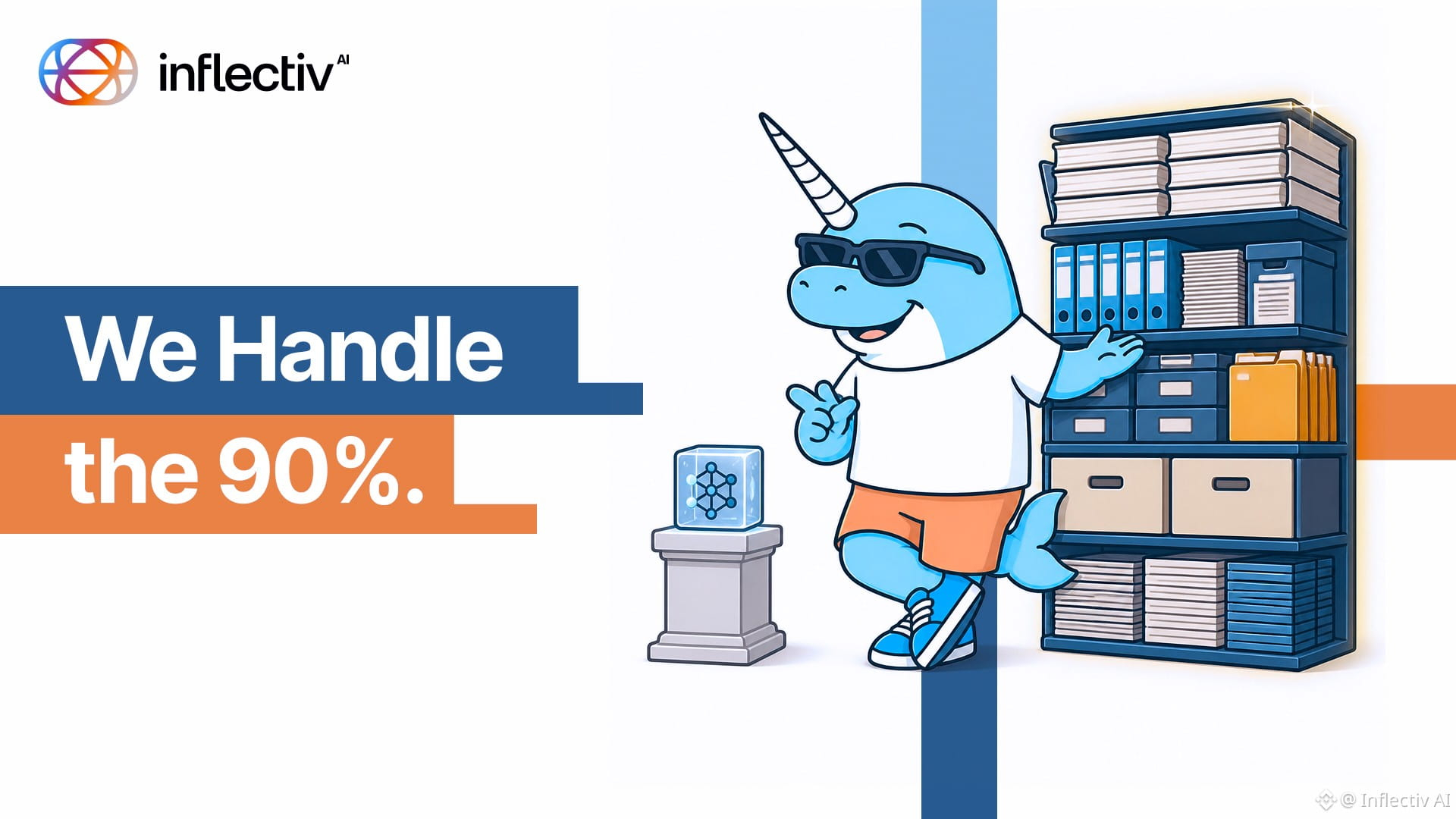
ما لا يخبرك به أحد عن بناء وكلاء الذكاء الاصطناعي:
النموذج هو 10% من العمل.
البيانات هي 90% من العمل.
يتولى Inflectiv الجزء الصعب بنسبة 90%.
ركّز على ما يهم: https://app.inflectiv.ai
ما لا يخبرك به أحد عن بناء وكلاء الذكاء الاصطناعي:
النموذج هو 10% من العمل.
البيانات هي 90% من العمل.
يتولى Inflectiv الجزء الصعب بنسبة 90%.
ركّز على ما يهم: https://app.inflectiv.ai
النموذج هو 10% من العمل.
البيانات هي 90% من العمل.
يتولى Inflectiv الجزء الصعب بنسبة 90%.
ركّز على ما يهم: https://app.inflectiv.ai
71
·
--
ما أول شيء ستبنيه على Inflectiv؟
ما أول شيء ستبنيه على Inflectiv؟
Support agent
0%
Research tool
0%
Knowledge base
0%
Dataset to sell
0%
0 الأصوات • تمّ إغلاق التصويت
78
سجّل الدخول لاستكشاف المزيد من المُحتوى
انضم إلى مُستخدمي العملات الرقمية حول العالم على Binance Square
⚡️ احصل على أحدث المعلومات المفيدة عن العملات الرقمية.
💬 موثوقة من قبل أكبر منصّة لتداول العملات الرقمية في العالم.
👍 اكتشف الرؤى الحقيقية من صنّاع المُحتوى الموثوقين.
البريد الإلكتروني / رقم الهاتف
المواضيع الرائجة
QNTRises39%
22,788 مشاهدات
916 يقومون بالنقاش
🚀 $QNT ضَخّات +39%!
كمية/الكمّيات (Quant) عقدت شراكة مع The Clearing House - الشبكة التي تتولى معالجة 2 تريليون دولار يوميًا!
ستعمل على تشغيل شبكة الإيداعات المُرقمنة (tokenized) لـ 25 من أكبر البنوك الأمريكية. من 70 دولارًا إلى أكثر من 100 دولار خلال ساعات، حجم التداول ارتفع 553%.
هذا ضخم جدًا لاعتماد المؤسسات.
هل $QNT متجهة إلى 110 دولارًا بعد ذلك؟
متابعة من فضلكم
#QNT #Quant #CryptoNews #RWA #Bullish #qntrises39%
Shamika Metting
·3 إعجاب
·2.2k مشاهدات
EthereumBreaksAbove$2700
2,259 مشاهدات
90 يقومون بالنقاش
BitgetBreachForgedRequestsNotStolenKeys
19,824 مشاهدات
716 يقومون بالنقاش