
IamHarrie
60 منشورات

IamHarrie
إبلاغ
حظر المُستخدم
Research Analyst || Driving growth through insights & strategy.
8 تتابع
346 المتابعون
225 إعجاب
منشورات
الكل
اقتباسات
PINNED
·
--
تمّ التحقق
مقالة
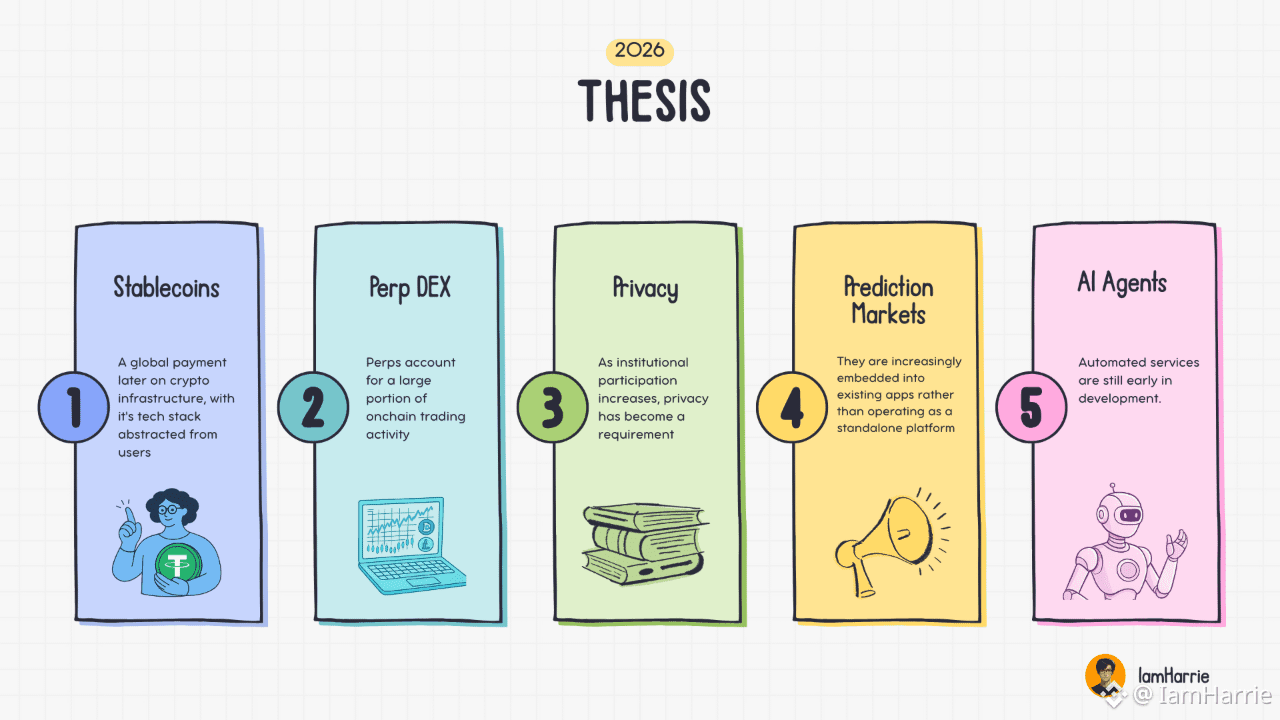
أطروحتي لعام 2026شهد العام الماضي تحولًا سياسيًا ساعد في إدخال موجة جديدة من البناء المؤسسي. وقد ركزت الكثير من هذه الأعمال على جعل الأنظمة القائمة موثوقة ومتوافقة وقابلة للاستخدام من قبل المؤسسات، وخاصة في مجالات العملات المستقرة وأنظمة تنسيق المدفوعات.
هنا خمسة قطاعات من المحتمل أن ترى تركيزًا أكبر، وسيولة، واعتمادًا في المستقبل.
1. العملات المستقرة كطبقة دفع عالمية
أحد التطورات سيكون استخدام العملات المستقرة كطبقة دفع عالمية مبنية على بنية تحتية تشفيرية، مع البقاء بعيدًا إلى حد كبير عن المستخدمين.
أطروحتي لعام 2026
شهد العام الماضي تحولًا سياسيًا ساعد في إدخال موجة جديدة من البناء المؤسسي. وقد ركزت الكثير من هذه الأعمال على جعل الأنظمة القائمة موثوقة ومتوافقة وقابلة للاستخدام من قبل المؤسسات، وخاصة في مجالات العملات المستقرة وأنظمة تنسيق المدفوعات.
هنا خمسة قطاعات من المحتمل أن ترى تركيزًا أكبر، وسيولة، واعتمادًا في المستقبل.
1. العملات المستقرة كطبقة دفع عالمية
أحد التطورات سيكون استخدام العملات المستقرة كطبقة دفع عالمية مبنية على بنية تحتية تشفيرية، مع البقاء بعيدًا إلى حد كبير عن المستخدمين.
هنا خمسة قطاعات من المحتمل أن ترى تركيزًا أكبر، وسيولة، واعتمادًا في المستقبل.
1. العملات المستقرة كطبقة دفع عالمية
أحد التطورات سيكون استخدام العملات المستقرة كطبقة دفع عالمية مبنية على بنية تحتية تشفيرية، مع البقاء بعيدًا إلى حد كبير عن المستخدمين.
1
1
3
39
PINNED
·
--
مقالة
تكلفة المضاربة في سوق الميمكوين اليومتدفق السيولة والإيرادات إلى السلسلة ورموز الميم مرتبط بشكل كبير بنشاط واحد: المضاربة. ومن المحتمل أن تستمر لفترة، لأن الناس سيرغبون دائمًا في المضاربة على الاتجاهات والأحداث وحتى الأخبار.
قمت ببعض البحث ووجدت أن سوق الميمكوين يشهد انخفاضًا تدريجيًا. التقديرات المحافظة تضع خسائر المتداولين من سحب السجادة في عام 2025 بحوالي 8 مليار دولار، مع حدوث معظم الخسائر عندما أزيلت السيولة بعد الإطلاق، مما جعل الرموز مستحيلة البيع. ومن المremarkable، تم تنفيذ 93% من عمليات سحب السجادة هذه في أقل من ساعة.
تكلفة المضاربة في سوق الميمكوين اليوم
تدفق السيولة والإيرادات إلى السلسلة ورموز الميم مرتبط بشكل كبير بنشاط واحد: المضاربة. ومن المحتمل أن تستمر لفترة، لأن الناس سيرغبون دائمًا في المضاربة على الاتجاهات والأحداث وحتى الأخبار.
قمت ببعض البحث ووجدت أن سوق الميمكوين يشهد انخفاضًا تدريجيًا. التقديرات المحافظة تضع خسائر المتداولين من سحب السجادة في عام 2025 بحوالي 8 مليار دولار، مع حدوث معظم الخسائر عندما أزيلت السيولة بعد الإطلاق، مما جعل الرموز مستحيلة البيع. ومن المremarkable، تم تنفيذ 93% من عمليات سحب السجادة هذه في أقل من ساعة.
قمت ببعض البحث ووجدت أن سوق الميمكوين يشهد انخفاضًا تدريجيًا. التقديرات المحافظة تضع خسائر المتداولين من سحب السجادة في عام 2025 بحوالي 8 مليار دولار، مع حدوث معظم الخسائر عندما أزيلت السيولة بعد الإطلاق، مما جعل الرموز مستحيلة البيع. ومن المremarkable، تم تنفيذ 93% من عمليات سحب السجادة هذه في أقل من ساعة.
5
76
·
--
نحن نرى المزيد والمزيد حول وكلاء الذكاء الاصطناعي.
نحن نرى المزيد والمزيد حول وكلاء الذكاء الاصطناعي.
IamHarrie
·
--
أطروحتي لعام 2026
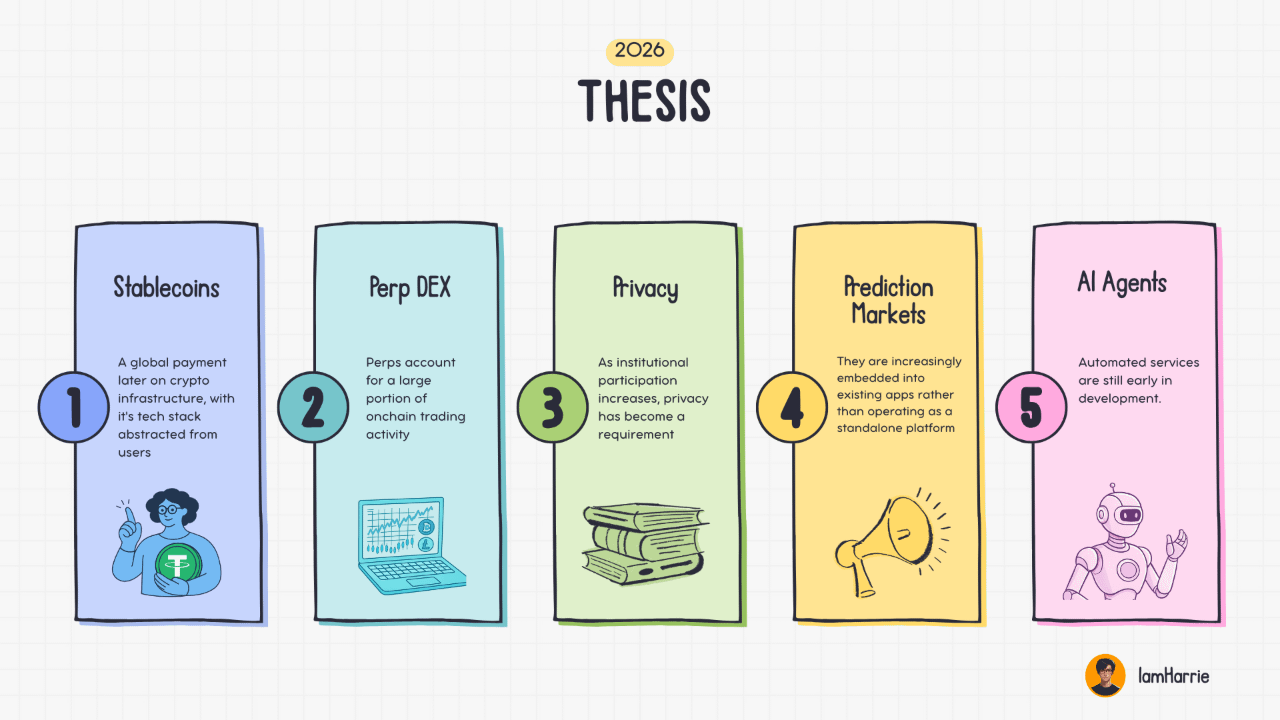
شهد العام الماضي تحولًا سياسيًا ساعد في إدخال موجة جديدة من البناء المؤسسي. وقد ركزت الكثير من هذه الأعمال على جعل الأنظمة القائمة موثوقة ومتوافقة وقابلة للاستخدام من قبل المؤسسات، وخاصة في مجالات العملات المستقرة وأنظمة تنسيق المدفوعات.
هنا خمسة قطاعات من المحتمل أن ترى تركيزًا أكبر، وسيولة، واعتمادًا في المستقبل.
1. العملات المستقرة كطبقة دفع عالمية
أحد التطورات سيكون استخدام العملات المستقرة كطبقة دفع عالمية مبنية على بنية تحتية تشفيرية، مع البقاء بعيدًا إلى حد كبير عن المستخدمين.
هنا خمسة قطاعات من المحتمل أن ترى تركيزًا أكبر، وسيولة، واعتمادًا في المستقبل.
1. العملات المستقرة كطبقة دفع عالمية
أحد التطورات سيكون استخدام العملات المستقرة كطبقة دفع عالمية مبنية على بنية تحتية تشفيرية، مع البقاء بعيدًا إلى حد كبير عن المستخدمين.
3
1.3k
·
--
متنازع عليه
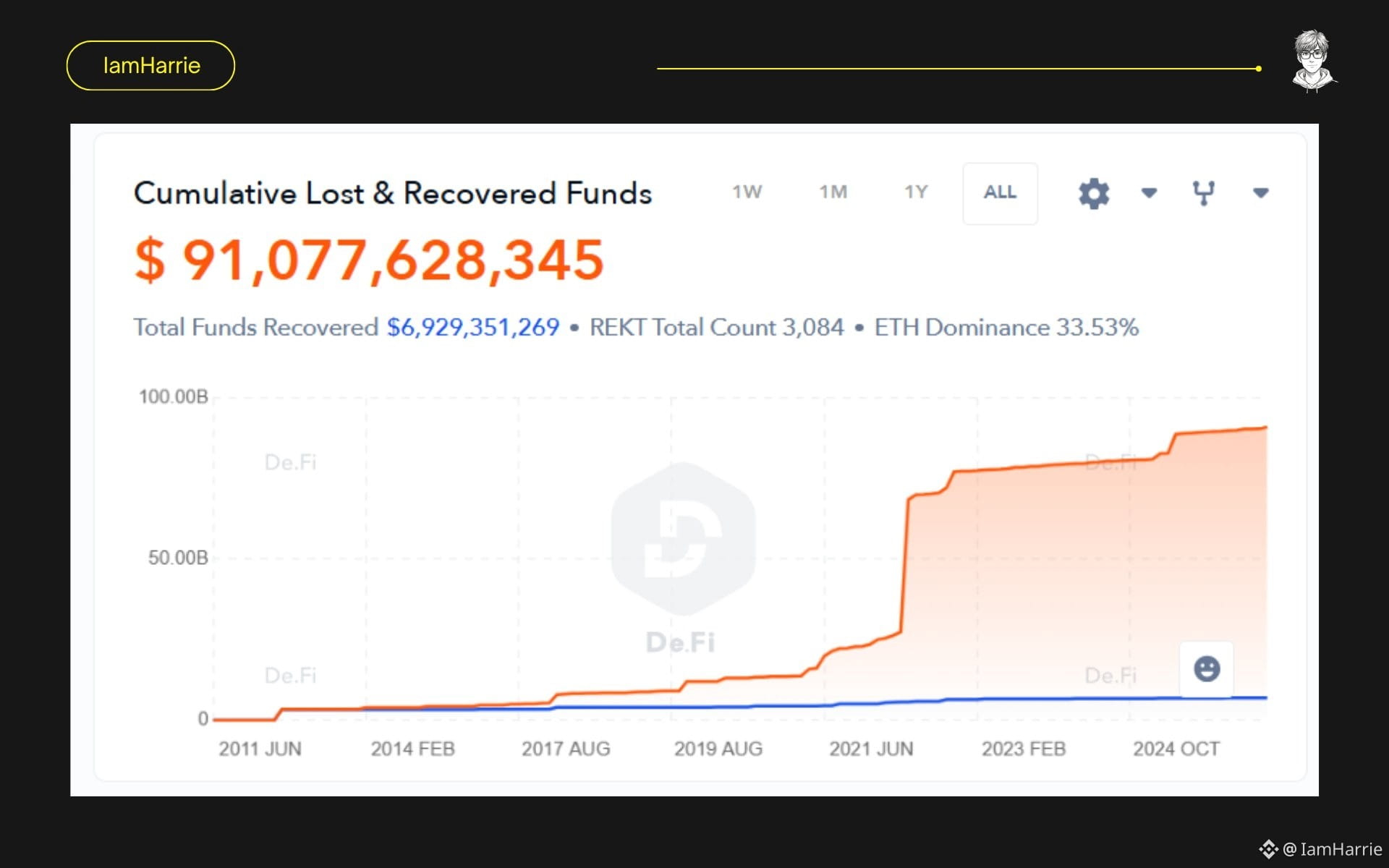
لقد شهدنا زيادة في عدد الاختراقات مؤخرًا، ومعظمها يتم تتبعه إلى مجموعات مجهولة تعمل بدقة وتنسيق عالٍ.
استغلال Kelp DAO هو المثال الأحدث. فقط اطلع على بعض تقارير الأمان والتحقيقات الحالية حول الاختراق وتعلمت أنه خلال المحاولة الثانية لسحب الأموال، اجتمع مجموعة من الأشخاص بالإجماع، ليس فقط لتجميد الأموال ولكن لنقلها فعليًا. وبينما أنقذ هذا التنسيق السريع ما تبقى، فإنه يثير سؤالًا يستحق التفكير فيه.
هل يعكس مجلس من الأشخاص يجتمعون لتحريك الأموال بالإجماع حقًا اللامركزية الكاملة؟
بصراحة، لا. لكن فقدان كل شيء أسوأ بكثير.
توجد الحوكمة بالضبط لهذا السبب. إنها تهدف إلى الحفاظ على الأنظمة تحت السيطرة، والحفاظ على القوانين سارية، واستمرار الأمور عندما تكون قابلة للانهيار. وحتى نبني البنى التحتية الأمنية التي تجعل هذه التدخلات غير ضرورية، فإن وجود طبقة الحوكمة متاحة هو الخيار الأفضل.
لكن هذه هي المحادثة التي ينبغي أن نجريها الآن. البنية التحتية الأمنية في Web3 تعاني من نقص التمويل والبناء مقارنة بالتهديد. إن جرس الإنذار حول الأمان ليس بصوت عالٍ كما هو الحال حول تمويل المشاريع، وإطلاق الرموز، ونمو النظام البيئي.
وهذا الفجوة هي بالضبط ما تستغله هذه المجموعات.
يجب أن تُعطى الأولوية أكثر لفرق الأمان والأشخاص المستعدين لبناء الأنظمة والهياكل التي تحمي البروتوكولات وتحفظ الأموال على المدى الطويل، كأساس.
لقد شهدنا زيادة في عدد الاختراقات مؤخرًا، ومعظمها يتم تتبعه إلى مجموعات مجهولة تعمل بدقة وتنسيق عالٍ.
استغلال Kelp DAO هو المثال الأحدث. فقط اطلع على بعض تقارير الأمان والتحقيقات الحالية حول الاختراق وتعلمت أنه خلال المحاولة الثانية لسحب الأموال، اجتمع مجموعة من الأشخاص بالإجماع، ليس فقط لتجميد الأموال ولكن لنقلها فعليًا. وبينما أنقذ هذا التنسيق السريع ما تبقى، فإنه يثير سؤالًا يستحق التفكير فيه.
هل يعكس مجلس من الأشخاص يجتمعون لتحريك الأموال بالإجماع حقًا اللامركزية الكاملة؟
بصراحة، لا. لكن فقدان كل شيء أسوأ بكثير.
توجد الحوكمة بالضبط لهذا السبب. إنها تهدف إلى الحفاظ على الأنظمة تحت السيطرة، والحفاظ على القوانين سارية، واستمرار الأمور عندما تكون قابلة للانهيار. وحتى نبني البنى التحتية الأمنية التي تجعل هذه التدخلات غير ضرورية، فإن وجود طبقة الحوكمة متاحة هو الخيار الأفضل.
لكن هذه هي المحادثة التي ينبغي أن نجريها الآن. البنية التحتية الأمنية في Web3 تعاني من نقص التمويل والبناء مقارنة بالتهديد. إن جرس الإنذار حول الأمان ليس بصوت عالٍ كما هو الحال حول تمويل المشاريع، وإطلاق الرموز، ونمو النظام البيئي.
وهذا الفجوة هي بالضبط ما تستغله هذه المجموعات.
يجب أن تُعطى الأولوية أكثر لفرق الأمان والأشخاص المستعدين لبناء الأنظمة والهياكل التي تحمي البروتوكولات وتحفظ الأموال على المدى الطويل، كأساس.
استغلال Kelp DAO هو المثال الأحدث. فقط اطلع على بعض تقارير الأمان والتحقيقات الحالية حول الاختراق وتعلمت أنه خلال المحاولة الثانية لسحب الأموال، اجتمع مجموعة من الأشخاص بالإجماع، ليس فقط لتجميد الأموال ولكن لنقلها فعليًا. وبينما أنقذ هذا التنسيق السريع ما تبقى، فإنه يثير سؤالًا يستحق التفكير فيه.
هل يعكس مجلس من الأشخاص يجتمعون لتحريك الأموال بالإجماع حقًا اللامركزية الكاملة؟
بصراحة، لا. لكن فقدان كل شيء أسوأ بكثير.
توجد الحوكمة بالضبط لهذا السبب. إنها تهدف إلى الحفاظ على الأنظمة تحت السيطرة، والحفاظ على القوانين سارية، واستمرار الأمور عندما تكون قابلة للانهيار. وحتى نبني البنى التحتية الأمنية التي تجعل هذه التدخلات غير ضرورية، فإن وجود طبقة الحوكمة متاحة هو الخيار الأفضل.
لكن هذه هي المحادثة التي ينبغي أن نجريها الآن. البنية التحتية الأمنية في Web3 تعاني من نقص التمويل والبناء مقارنة بالتهديد. إن جرس الإنذار حول الأمان ليس بصوت عالٍ كما هو الحال حول تمويل المشاريع، وإطلاق الرموز، ونمو النظام البيئي.
وهذا الفجوة هي بالضبط ما تستغله هذه المجموعات.
يجب أن تُعطى الأولوية أكثر لفرق الأمان والأشخاص المستعدين لبناء الأنظمة والهياكل التي تحمي البروتوكولات وتحفظ الأموال على المدى الطويل، كأساس.
3
3
2.3k
·
--
💯💯
💯💯


CZ
·
--
رأيت بعض الأشخاص في حالة من الذعر أو يسألون عن تأثير الحوسبة الكمومية على العملات المشفرة.
على مستوى عالٍ، كل ما يجب أن تفعله العملات المشفرة هو الترقية إلى خوارزميات مقاومة للكم (بعد الكم). لذا، لا داعي للذعر. 😂
في الممارسة العملية، هناك بعض اعتبارات التنفيذ. من الصعب تنظيم الترقيات في عالم لامركزي. من المحتمل أن تكون هناك العديد من المناقشات حول أي خوارزمية (أو خوارزميات) يجب استخدامها، مما يؤدي إلى بعض الانقسامات.
وبعض المشاريع الميتة قد لا تُرقى على الإطلاق. قد يكون من الجيد التخلص من تلك المشاريع على أي حال.
قد يقدم الكود الجديد أخطاء أو مشاكل أمنية أخرى على المدى القصير.
الأشخاص الذين يحتفظون بأموالهم بأنفسهم سيتعين عليهم نقل عملاتهم إلى محافظ جديدة.
هذا يثير مسألة عملات ساتوشي. إذا تحركت تلك العملات، فهذا يعني أنه/أنها لا يزال موجودًا، وهو أمر مثير للاهتمام أن نعرفه. إذا لم تتحرك (في فترة زمنية معينة)، قد يكون من الأفضل قفل (أو فعليًا إحراق) تلك العناوين حتى لا تذهب إلى أول هاكر يكسرها. هناك أيضًا صعوبة في تحديد جميع عناوينه، وعدم الخلط مع بعض الحاملي القدماء. على أي حال، هذا موضوع مختلف لاحقًا.
أساسيًا:
من الأسهل دائمًا التشفير من فك التشفير.
قوة الحوسبة الإضافية دائمًا جيدة.
ستبقى العملات المشفرة، بعد الكم.
على مستوى عالٍ، كل ما يجب أن تفعله العملات المشفرة هو الترقية إلى خوارزميات مقاومة للكم (بعد الكم). لذا، لا داعي للذعر. 😂
في الممارسة العملية، هناك بعض اعتبارات التنفيذ. من الصعب تنظيم الترقيات في عالم لامركزي. من المحتمل أن تكون هناك العديد من المناقشات حول أي خوارزمية (أو خوارزميات) يجب استخدامها، مما يؤدي إلى بعض الانقسامات.
وبعض المشاريع الميتة قد لا تُرقى على الإطلاق. قد يكون من الجيد التخلص من تلك المشاريع على أي حال.
قد يقدم الكود الجديد أخطاء أو مشاكل أمنية أخرى على المدى القصير.
الأشخاص الذين يحتفظون بأموالهم بأنفسهم سيتعين عليهم نقل عملاتهم إلى محافظ جديدة.
هذا يثير مسألة عملات ساتوشي. إذا تحركت تلك العملات، فهذا يعني أنه/أنها لا يزال موجودًا، وهو أمر مثير للاهتمام أن نعرفه. إذا لم تتحرك (في فترة زمنية معينة)، قد يكون من الأفضل قفل (أو فعليًا إحراق) تلك العناوين حتى لا تذهب إلى أول هاكر يكسرها. هناك أيضًا صعوبة في تحديد جميع عناوينه، وعدم الخلط مع بعض الحاملي القدماء. على أي حال، هذا موضوع مختلف لاحقًا.
أساسيًا:
من الأسهل دائمًا التشفير من فك التشفير.
قوة الحوسبة الإضافية دائمًا جيدة.
ستبقى العملات المشفرة، بعد الكم.
1
10
·
--
على مر الزمن، رأينا عناوين المحفظة تبدأ في الانتقال من كونها نقاط نهاية فقط إلى اتخاذ هوية المستخدمين الأفراد.
لقد أصبحت هذه الأسماء الآن تمثيلاً للمستخدمين عبر العديد من التطبيقات اللامركزية.
هذا مشابه جداً لبداية الإنترنت.
قبل أسماء النطاقات، كنت تتنقل باستخدام عناوين IP. بينما كانت تعمل، لم يبنِ الناس عادات حقيقية حولها.
بدأ الويب فقط بالتوسع عندما قامت DNS بإخفاء تلك الطبقة وجعلت التنقل قابلاً للقراءة من قبل البشر.
يجب أن يكون نظام التسمية قابلاً للقراءة، وآمناً، ولامركزياً.
تتنازل معظم الأنظمة عن واحدة على الأقل من هذه الخصائص. الشيء الجيد حول الهويات هو أنها أسهل في الإشارة إليها، وإعادة استخدامها، والبناء حولها.
بمجرد أن تصبح الهوية قابلة للنقل، يمكن تشكيل طبقات جديدة حولها، مما يشكل التبني بشكل مباشر.
على مر الزمن، رأينا عناوين المحفظة تبدأ في الانتقال من كونها نقاط نهاية فقط إلى اتخاذ هوية المستخدمين الأفراد.
لقد أصبحت هذه الأسماء الآن تمثيلاً للمستخدمين عبر العديد من التطبيقات اللامركزية.
هذا مشابه جداً لبداية الإنترنت.
قبل أسماء النطاقات، كنت تتنقل باستخدام عناوين IP. بينما كانت تعمل، لم يبنِ الناس عادات حقيقية حولها.
بدأ الويب فقط بالتوسع عندما قامت DNS بإخفاء تلك الطبقة وجعلت التنقل قابلاً للقراءة من قبل البشر.
يجب أن يكون نظام التسمية قابلاً للقراءة، وآمناً، ولامركزياً.
تتنازل معظم الأنظمة عن واحدة على الأقل من هذه الخصائص. الشيء الجيد حول الهويات هو أنها أسهل في الإشارة إليها، وإعادة استخدامها، والبناء حولها.
بمجرد أن تصبح الهوية قابلة للنقل، يمكن تشكيل طبقات جديدة حولها، مما يشكل التبني بشكل مباشر.
لقد أصبحت هذه الأسماء الآن تمثيلاً للمستخدمين عبر العديد من التطبيقات اللامركزية.
هذا مشابه جداً لبداية الإنترنت.
قبل أسماء النطاقات، كنت تتنقل باستخدام عناوين IP. بينما كانت تعمل، لم يبنِ الناس عادات حقيقية حولها.
بدأ الويب فقط بالتوسع عندما قامت DNS بإخفاء تلك الطبقة وجعلت التنقل قابلاً للقراءة من قبل البشر.
يجب أن يكون نظام التسمية قابلاً للقراءة، وآمناً، ولامركزياً.
تتنازل معظم الأنظمة عن واحدة على الأقل من هذه الخصائص. الشيء الجيد حول الهويات هو أنها أسهل في الإشارة إليها، وإعادة استخدامها، والبناء حولها.
بمجرد أن تصبح الهوية قابلة للنقل، يمكن تشكيل طبقات جديدة حولها، مما يشكل التبني بشكل مباشر.
2
314
·
--
الأسواق بطبيعتها مضاربة. لذلك من المحتمل أن نواصل رؤية أسعار العديد من *الأصول التي لا قيمة لها ترتفع.
وقد نرى أسعار الأصول الجيدة تتجاوز قيمتها الجوهرية بشكل كبير. ومن المحتمل أن نرى نتائج مشابهة كما كان من قبل مع الفرق التي تتخلص من الأصول.
لكن، من الممكن أن تجلب هذه الموجة التالية من الرقمنة مؤسسين أكثر نبلاً وذكاءً إلى هذا المجال.
ومع ذلك، سيكون لدينا العديد من المنتجات الرائعة على السلسلة التي يتم بناؤها.
الأسواق بطبيعتها مضاربة. لذلك من المحتمل أن نواصل رؤية أسعار العديد من *الأصول التي لا قيمة لها ترتفع.
وقد نرى أسعار الأصول الجيدة تتجاوز قيمتها الجوهرية بشكل كبير. ومن المحتمل أن نرى نتائج مشابهة كما كان من قبل مع الفرق التي تتخلص من الأصول.
لكن، من الممكن أن تجلب هذه الموجة التالية من الرقمنة مؤسسين أكثر نبلاً وذكاءً إلى هذا المجال.
ومع ذلك، سيكون لدينا العديد من المنتجات الرائعة على السلسلة التي يتم بناؤها.
وقد نرى أسعار الأصول الجيدة تتجاوز قيمتها الجوهرية بشكل كبير. ومن المحتمل أن نرى نتائج مشابهة كما كان من قبل مع الفرق التي تتخلص من الأصول.
لكن، من الممكن أن تجلب هذه الموجة التالية من الرقمنة مؤسسين أكثر نبلاً وذكاءً إلى هذا المجال.
ومع ذلك، سيكون لدينا العديد من المنتجات الرائعة على السلسلة التي يتم بناؤها.
3
9
2k
·
--
أنت تعرف..
كلما درست أكثر، كلما أدركت مدى باكرنا.
كل تقنية مدمرة لها نقطة تحول.
أنت تعرف..
كلما درست أكثر، كلما أدركت مدى باكرنا.
كل تقنية مدمرة لها نقطة تحول.
كلما درست أكثر، كلما أدركت مدى باكرنا.
كل تقنية مدمرة لها نقطة تحول.
10
4.6k
·
--
مقالة
كيفية بناء مجموعة NFT تدومحدث شيء ملحوظ في ديسمبر 2025 لم يحظَ باهتمام الكثير من الناس. قامت فراغمنت، وهي سوق NFT مبنية على سلسلة بلوكتشين TON ومعروفة أساسًا داخل نظام تيليجرام البيئي، بتوليد 2.83 مليون دولار من الإيرادات خلال فترة 24 ساعة.
خلال تلك الفترة، احتلت المرتبة الثالثة من حيث الإيرادات في البروتوكولات في عالم العملات الرقمية، خلف تيثير ودائرة، وتجاوزت هايبرليكويد لفترة قصيرة. كانت إيراداتها اليومية تقريبًا عشرين مرة أعلى من أوبن سي.
هذه النتيجة تستحق الدراسة في سياقها. أليس كذلك؟
كيفية بناء مجموعة NFT تدوم
حدث شيء ملحوظ في ديسمبر 2025 لم يحظَ باهتمام الكثير من الناس. قامت فراغمنت، وهي سوق NFT مبنية على سلسلة بلوكتشين TON ومعروفة أساسًا داخل نظام تيليجرام البيئي، بتوليد 2.83 مليون دولار من الإيرادات خلال فترة 24 ساعة.
خلال تلك الفترة، احتلت المرتبة الثالثة من حيث الإيرادات في البروتوكولات في عالم العملات الرقمية، خلف تيثير ودائرة، وتجاوزت هايبرليكويد لفترة قصيرة. كانت إيراداتها اليومية تقريبًا عشرين مرة أعلى من أوبن سي.
هذه النتيجة تستحق الدراسة في سياقها. أليس كذلك؟
خلال تلك الفترة، احتلت المرتبة الثالثة من حيث الإيرادات في البروتوكولات في عالم العملات الرقمية، خلف تيثير ودائرة، وتجاوزت هايبرليكويد لفترة قصيرة. كانت إيراداتها اليومية تقريبًا عشرين مرة أعلى من أوبن سي.
هذه النتيجة تستحق الدراسة في سياقها. أليس كذلك؟
1
7
5.8k
·
--
مرحباً عائلتي. 🙂
كتبت عن حقيقة أن الرموز غير القابلة للاستبدال (NFTs) ليست ميتة، وذكرت بعض الرموز المحددة التي ظلت قائمة خلال الاتجاهات السوقية الجيدة والسيئة.
أنا حالياً أعمل على مقال آخر حول كيفية بناء مجموعات NFT دائمة، يمكنك تطبيقه على مشاريعك أيضاً، إذا كنت تبني واحدة.
تابعوا الأمر، وإذا كانت هناك مواضيع محددة تودون مني التحدث عنها، يرجى تركها في التعليقات..
مرحباً عائلتي. 🙂
كتبت عن حقيقة أن الرموز غير القابلة للاستبدال (NFTs) ليست ميتة، وذكرت بعض الرموز المحددة التي ظلت قائمة خلال الاتجاهات السوقية الجيدة والسيئة.
أنا حالياً أعمل على مقال آخر حول كيفية بناء مجموعات NFT دائمة، يمكنك تطبيقه على مشاريعك أيضاً، إذا كنت تبني واحدة.
تابعوا الأمر، وإذا كانت هناك مواضيع محددة تودون مني التحدث عنها، يرجى تركها في التعليقات..
كتبت عن حقيقة أن الرموز غير القابلة للاستبدال (NFTs) ليست ميتة، وذكرت بعض الرموز المحددة التي ظلت قائمة خلال الاتجاهات السوقية الجيدة والسيئة.
أنا حالياً أعمل على مقال آخر حول كيفية بناء مجموعات NFT دائمة، يمكنك تطبيقه على مشاريعك أيضاً، إذا كنت تبني واحدة.
تابعوا الأمر، وإذا كانت هناك مواضيع محددة تودون مني التحدث عنها، يرجى تركها في التعليقات..
IamHarrie
·
--
يقول الناس إن NFTs ميتة، لكنني لا أعتقد ذلك
قد يكون هذا صدمة، لكنني اكتشفت سلسلة حيث 99.47% من جميع مجموعات NFT ميتة، وبميتة، أعني أنه لم يتجاوز أي منها 1,000+ صفقة في الأشهر الثلاثة الماضية.
الادعاء الشائع حول CT هو أن 96% من NFTs لا قيمة لها. هذه عبارة غير لطيفة إذا سألتني.
لذا قررت أن أعمق البحث، وما وجدته كان مذهلاً 👇🏻
→ بوليغون: 31 مجموعة نشطة
→ بيز: 102 مجموعة نشطة
→ أربيتروم: 10 مجموعات نشطة
→ إيثريوم: الأكثر "صحة"، مع 111 مجموعة نشطة، ومع ذلك فإن تلك القليلة وحدها تمثل 63.17% من إجمالي حجم تداول NFT في ETH.
الادعاء الشائع حول CT هو أن 96% من NFTs لا قيمة لها. هذه عبارة غير لطيفة إذا سألتني.
لذا قررت أن أعمق البحث، وما وجدته كان مذهلاً 👇🏻
→ بوليغون: 31 مجموعة نشطة
→ بيز: 102 مجموعة نشطة
→ أربيتروم: 10 مجموعات نشطة
→ إيثريوم: الأكثر "صحة"، مع 111 مجموعة نشطة، ومع ذلك فإن تلك القليلة وحدها تمثل 63.17% من إجمالي حجم تداول NFT في ETH.
8
2k
·
--
مقالة
كيف تمتلك ناطحة سحابلا يجب أن يعني امتلاك ناطحة سحاب أو أي أصل حقيقي ذي قيمة شراء المبنى بالكامل. باستخدام تقنية البلوكشين، يمكنك تمثيل الملكية رقميًا من خلال الرمزية.
ما هي الرمزية إذن؟
تعني رمزية الأصول الحقيقية أخذ شيء ثمين موجود خارج البلوكشين، مثل مبنى (أو ناطحتنا 😌)، بار من الذهب، سند، أو عمل فني، وتمثيله كرمز رقمي على البلوكشين.
بدلاً من تسجيل الملكية على الورق أو داخل قاعدة بيانات خاصة، يتم تسجيلها كرمز رقمي. يمثل كل رمز حصة من الملكية أو الحق في تلقي الدخل من هذا الأصل.
كيف تمتلك ناطحة سحاب
لا يجب أن يعني امتلاك ناطحة سحاب أو أي أصل حقيقي ذي قيمة شراء المبنى بالكامل. باستخدام تقنية البلوكشين، يمكنك تمثيل الملكية رقميًا من خلال الرمزية.
ما هي الرمزية إذن؟
تعني رمزية الأصول الحقيقية أخذ شيء ثمين موجود خارج البلوكشين، مثل مبنى (أو ناطحتنا 😌)، بار من الذهب، سند، أو عمل فني، وتمثيله كرمز رقمي على البلوكشين.
بدلاً من تسجيل الملكية على الورق أو داخل قاعدة بيانات خاصة، يتم تسجيلها كرمز رقمي. يمثل كل رمز حصة من الملكية أو الحق في تلقي الدخل من هذا الأصل.
ما هي الرمزية إذن؟
تعني رمزية الأصول الحقيقية أخذ شيء ثمين موجود خارج البلوكشين، مثل مبنى (أو ناطحتنا 😌)، بار من الذهب، سند، أو عمل فني، وتمثيله كرمز رقمي على البلوكشين.
بدلاً من تسجيل الملكية على الورق أو داخل قاعدة بيانات خاصة، يتم تسجيلها كرمز رقمي. يمثل كل رمز حصة من الملكية أو الحق في تلقي الدخل من هذا الأصل.
1
13
7.6k
·
--
مقالة
يقول الناس إن NFTs ميتة، لكنني لا أعتقد ذلكقد يكون هذا صدمة، لكنني اكتشفت سلسلة حيث 99.47% من جميع مجموعات NFT ميتة، وبميتة، أعني أنه لم يتجاوز أي منها 1,000+ صفقة في الأشهر الثلاثة الماضية.
الادعاء الشائع حول CT هو أن 96% من NFTs لا قيمة لها. هذه عبارة غير لطيفة إذا سألتني.
لذا قررت أن أعمق البحث، وما وجدته كان مذهلاً 👇🏻
→ بوليغون: 31 مجموعة نشطة
→ بيز: 102 مجموعة نشطة
→ أربيتروم: 10 مجموعات نشطة
→ إيثريوم: الأكثر "صحة"، مع 111 مجموعة نشطة، ومع ذلك فإن تلك القليلة وحدها تمثل 63.17% من إجمالي حجم تداول NFT في ETH.
يقول الناس إن NFTs ميتة، لكنني لا أعتقد ذلك
قد يكون هذا صدمة، لكنني اكتشفت سلسلة حيث 99.47% من جميع مجموعات NFT ميتة، وبميتة، أعني أنه لم يتجاوز أي منها 1,000+ صفقة في الأشهر الثلاثة الماضية.
الادعاء الشائع حول CT هو أن 96% من NFTs لا قيمة لها. هذه عبارة غير لطيفة إذا سألتني.
لذا قررت أن أعمق البحث، وما وجدته كان مذهلاً 👇🏻
→ بوليغون: 31 مجموعة نشطة
→ بيز: 102 مجموعة نشطة
→ أربيتروم: 10 مجموعات نشطة
→ إيثريوم: الأكثر "صحة"، مع 111 مجموعة نشطة، ومع ذلك فإن تلك القليلة وحدها تمثل 63.17% من إجمالي حجم تداول NFT في ETH.
الادعاء الشائع حول CT هو أن 96% من NFTs لا قيمة لها. هذه عبارة غير لطيفة إذا سألتني.
لذا قررت أن أعمق البحث، وما وجدته كان مذهلاً 👇🏻
→ بوليغون: 31 مجموعة نشطة
→ بيز: 102 مجموعة نشطة
→ أربيتروم: 10 مجموعات نشطة
→ إيثريوم: الأكثر "صحة"، مع 111 مجموعة نشطة، ومع ذلك فإن تلك القليلة وحدها تمثل 63.17% من إجمالي حجم تداول NFT في ETH.
1
10
6k
·
--
ركز على المقاييس المستدامة
عند محاولة بناء وتوسيع منتجك، من المهم الانتباه إلى المقاييس الصحيحة. هناك مقاييس تقليدية مثل TVL وقيمة السوق. هذه المقاييس مفيدة، ولكن فقط إلى مستوى معين.
إذا لم تكن تقيس القابلية للتوسع، والتبني، وتقسيم المستخدمين، فأنت تفوت ما هو مهم حقًا. تحتاج إلى تتبع الاحتفاظ.
هناك مستخدمون يستخدمون منتجك لمدة ثلاثين يومًا ثم يتوقفون. وهناك مستخدمون يستخدمونه لمدة ستين يومًا ولا يعودون أبدًا. وهناك مستخدمون يأتون فقط في اليوم الأول بسبب حافز مثل توزيع العملات ثم يختفون بعد ذلك.
لذا تحتاج إلى قياس الاحتفاظ على مدى ثلاثين يومًا، وستين يومًا، وسنة واحدة، وسنتين، وحتى ثلاث سنوات.
هل لديك قاعدة مستخدمين أساسية تعود مرة أخرى؟
من المهم أيضًا أن نفهم أن وجود العديد من المحفظات لا يعني وجود العديد من المستخدمين. تحتاج إلى تعريف ما هو المستخدم الحقيقي. هل هناك شريحة ديموغرافية تتفاعل باستمرار مع منتجك؟
بمجرد أن تحدد تقسيم المستخدمين هذا، يمكنك إعطاء الأولوية وتكرار منتجك ليتناسب بشكل صحيح مع هذا السوق والديموغرافيا المحددة.
لقد كتبت كل شيء في مقالي.
ركز على المقاييس المستدامة
عند محاولة بناء وتوسيع منتجك، من المهم الانتباه إلى المقاييس الصحيحة. هناك مقاييس تقليدية مثل TVL وقيمة السوق. هذه المقاييس مفيدة، ولكن فقط إلى مستوى معين.
إذا لم تكن تقيس القابلية للتوسع، والتبني، وتقسيم المستخدمين، فأنت تفوت ما هو مهم حقًا. تحتاج إلى تتبع الاحتفاظ.
هناك مستخدمون يستخدمون منتجك لمدة ثلاثين يومًا ثم يتوقفون. وهناك مستخدمون يستخدمونه لمدة ستين يومًا ولا يعودون أبدًا. وهناك مستخدمون يأتون فقط في اليوم الأول بسبب حافز مثل توزيع العملات ثم يختفون بعد ذلك.
لذا تحتاج إلى قياس الاحتفاظ على مدى ثلاثين يومًا، وستين يومًا، وسنة واحدة، وسنتين، وحتى ثلاث سنوات.
هل لديك قاعدة مستخدمين أساسية تعود مرة أخرى؟
من المهم أيضًا أن نفهم أن وجود العديد من المحفظات لا يعني وجود العديد من المستخدمين. تحتاج إلى تعريف ما هو المستخدم الحقيقي. هل هناك شريحة ديموغرافية تتفاعل باستمرار مع منتجك؟
بمجرد أن تحدد تقسيم المستخدمين هذا، يمكنك إعطاء الأولوية وتكرار منتجك ليتناسب بشكل صحيح مع هذا السوق والديموغرافيا المحددة.
لقد كتبت كل شيء في مقالي.
عند محاولة بناء وتوسيع منتجك، من المهم الانتباه إلى المقاييس الصحيحة. هناك مقاييس تقليدية مثل TVL وقيمة السوق. هذه المقاييس مفيدة، ولكن فقط إلى مستوى معين.
إذا لم تكن تقيس القابلية للتوسع، والتبني، وتقسيم المستخدمين، فأنت تفوت ما هو مهم حقًا. تحتاج إلى تتبع الاحتفاظ.
هناك مستخدمون يستخدمون منتجك لمدة ثلاثين يومًا ثم يتوقفون. وهناك مستخدمون يستخدمونه لمدة ستين يومًا ولا يعودون أبدًا. وهناك مستخدمون يأتون فقط في اليوم الأول بسبب حافز مثل توزيع العملات ثم يختفون بعد ذلك.
لذا تحتاج إلى قياس الاحتفاظ على مدى ثلاثين يومًا، وستين يومًا، وسنة واحدة، وسنتين، وحتى ثلاث سنوات.
هل لديك قاعدة مستخدمين أساسية تعود مرة أخرى؟
من المهم أيضًا أن نفهم أن وجود العديد من المحفظات لا يعني وجود العديد من المستخدمين. تحتاج إلى تعريف ما هو المستخدم الحقيقي. هل هناك شريحة ديموغرافية تتفاعل باستمرار مع منتجك؟
بمجرد أن تحدد تقسيم المستخدمين هذا، يمكنك إعطاء الأولوية وتكرار منتجك ليتناسب بشكل صحيح مع هذا السوق والديموغرافيا المحددة.
لقد كتبت كل شيء في مقالي.
IamHarrie
·
--
الاستراتيجية وراء نجاح ترون والدروس المستفادة
قصة نجاح البلوكشين الأكبر التي ربما لم تلاحظها هي معالجة المزيد من المعاملات اليومية مقارنة بمعظم طبقات 1 مجتمعة. لم يكن لديها أي وقت تعطل منذ البداية، وتمتلك حوالي 42% من إجمالي عرض USDT، وتسوي ما يقرب من ثمانية تريليون دولار كل عام.
العمل بهذه المقياس وما زال الحفاظ على ولاء المستخدمين أمر مثير للإعجاب. لكن كيف تم بناؤه، وكيف استمر في النمو؟
___________________________
ميزة المتقدم الأول
صعود ترون كالشبكة المهيمنة على USDT ومدفوعات العملات المستقرة متجذر إلى حد كبير في التوقيت والتنفيذ. تم تأسيسها حوالي عام 2017 وأصبحت شبكة رئيسية من طبقة 1 أقرب إلى عام 2018، ودمجت USDT في نفس الوقت مما منحها ميزة قوية كمتقدم أول.
العمل بهذه المقياس وما زال الحفاظ على ولاء المستخدمين أمر مثير للإعجاب. لكن كيف تم بناؤه، وكيف استمر في النمو؟
___________________________
ميزة المتقدم الأول
صعود ترون كالشبكة المهيمنة على USDT ومدفوعات العملات المستقرة متجذر إلى حد كبير في التوقيت والتنفيذ. تم تأسيسها حوالي عام 2017 وأصبحت شبكة رئيسية من طبقة 1 أقرب إلى عام 2018، ودمجت USDT في نفس الوقت مما منحها ميزة قوية كمتقدم أول.
1
11
2.1k
·
--
مقالة
الاستراتيجية وراء نجاح ترون والدروس المستفادةقصة نجاح البلوكشين الأكبر التي ربما لم تلاحظها هي معالجة المزيد من المعاملات اليومية مقارنة بمعظم طبقات 1 مجتمعة. لم يكن لديها أي وقت تعطل منذ البداية، وتمتلك حوالي 42% من إجمالي عرض USDT، وتسوي ما يقرب من ثمانية تريليون دولار كل عام.
العمل بهذه المقياس وما زال الحفاظ على ولاء المستخدمين أمر مثير للإعجاب. لكن كيف تم بناؤه، وكيف استمر في النمو؟
___________________________
ميزة المتقدم الأول
صعود ترون كالشبكة المهيمنة على USDT ومدفوعات العملات المستقرة متجذر إلى حد كبير في التوقيت والتنفيذ. تم تأسيسها حوالي عام 2017 وأصبحت شبكة رئيسية من طبقة 1 أقرب إلى عام 2018، ودمجت USDT في نفس الوقت مما منحها ميزة قوية كمتقدم أول.
الاستراتيجية وراء نجاح ترون والدروس المستفادة
قصة نجاح البلوكشين الأكبر التي ربما لم تلاحظها هي معالجة المزيد من المعاملات اليومية مقارنة بمعظم طبقات 1 مجتمعة. لم يكن لديها أي وقت تعطل منذ البداية، وتمتلك حوالي 42% من إجمالي عرض USDT، وتسوي ما يقرب من ثمانية تريليون دولار كل عام.
العمل بهذه المقياس وما زال الحفاظ على ولاء المستخدمين أمر مثير للإعجاب. لكن كيف تم بناؤه، وكيف استمر في النمو؟
___________________________
ميزة المتقدم الأول
صعود ترون كالشبكة المهيمنة على USDT ومدفوعات العملات المستقرة متجذر إلى حد كبير في التوقيت والتنفيذ. تم تأسيسها حوالي عام 2017 وأصبحت شبكة رئيسية من طبقة 1 أقرب إلى عام 2018، ودمجت USDT في نفس الوقت مما منحها ميزة قوية كمتقدم أول.
العمل بهذه المقياس وما زال الحفاظ على ولاء المستخدمين أمر مثير للإعجاب. لكن كيف تم بناؤه، وكيف استمر في النمو؟
___________________________
ميزة المتقدم الأول
صعود ترون كالشبكة المهيمنة على USDT ومدفوعات العملات المستقرة متجذر إلى حد كبير في التوقيت والتنفيذ. تم تأسيسها حوالي عام 2017 وأصبحت شبكة رئيسية من طبقة 1 أقرب إلى عام 2018، ودمجت USDT في نفس الوقت مما منحها ميزة قوية كمتقدم أول.
1
11
3.6k
·
--
مقالة
الانتباه كسوقالادعاء الشائع بأن فترات انتباه البشر تتقلص إلى أقل من تلك الخاصة بأسماك الذهب هو سرد مريح، لكنه لا يتحمل التدقيق، لأن الأدلة تشير إلى أن قدرتنا على التركيز لم تتناقص، بل أننا أصبحنا أكثر انتقائية بشأن ما يستحق وقتنا وتركيزنا.
يخلق هذا التكيف أسواق رأس المال الانتباهي، حيث يصبح التركيز البشري الشكل الجديد للقيمة بدلاً من المال.
لقد كان ذلك يتكشف لسنوات حيث تعلم الإنترنت كيفية تسعير التركيز البشري. تجعل المنصات الاجتماعية مثل تيك توك هذا مرئيًا، حيث تحول الانتباه الملتقط إلى إيرادات بكفاءة صناعية. ومع ذلك، فقد انخفضت نافذة الانخراط إلى ثوانٍ قليلة فقط. مع انخفاض تكاليف إنتاج المحتوى بفضل الذكاء الاصطناعي، يصبح الانتباه بشكل متناقض أكثر ندرة، مما يزيد من قيمته.
الانتباه كسوق
الادعاء الشائع بأن فترات انتباه البشر تتقلص إلى أقل من تلك الخاصة بأسماك الذهب هو سرد مريح، لكنه لا يتحمل التدقيق، لأن الأدلة تشير إلى أن قدرتنا على التركيز لم تتناقص، بل أننا أصبحنا أكثر انتقائية بشأن ما يستحق وقتنا وتركيزنا.
يخلق هذا التكيف أسواق رأس المال الانتباهي، حيث يصبح التركيز البشري الشكل الجديد للقيمة بدلاً من المال.
لقد كان ذلك يتكشف لسنوات حيث تعلم الإنترنت كيفية تسعير التركيز البشري. تجعل المنصات الاجتماعية مثل تيك توك هذا مرئيًا، حيث تحول الانتباه الملتقط إلى إيرادات بكفاءة صناعية. ومع ذلك، فقد انخفضت نافذة الانخراط إلى ثوانٍ قليلة فقط. مع انخفاض تكاليف إنتاج المحتوى بفضل الذكاء الاصطناعي، يصبح الانتباه بشكل متناقض أكثر ندرة، مما يزيد من قيمته.
يخلق هذا التكيف أسواق رأس المال الانتباهي، حيث يصبح التركيز البشري الشكل الجديد للقيمة بدلاً من المال.
لقد كان ذلك يتكشف لسنوات حيث تعلم الإنترنت كيفية تسعير التركيز البشري. تجعل المنصات الاجتماعية مثل تيك توك هذا مرئيًا، حيث تحول الانتباه الملتقط إلى إيرادات بكفاءة صناعية. ومع ذلك، فقد انخفضت نافذة الانخراط إلى ثوانٍ قليلة فقط. مع انخفاض تكاليف إنتاج المحتوى بفضل الذكاء الاصطناعي، يصبح الانتباه بشكل متناقض أكثر ندرة، مما يزيد من قيمته.
1
9
5k
·
--
مقالة
البلوكشين المصممة خصيصًا لتحويلات الدولار الأمريكي بدون غازيتطلب بناء منتج مدفوعات للعملات المستقرة تركيزًا حادًا على الدولار الأمريكي. على عكس الأصول الرقمية الأخرى، تُستخدم العملات المستقرة بشكل أساسي كبديل للنقد، وتعتمد قيمة اقتراحها على الثقة والسيولة والسرعة.
تنجذب المؤسسات إلى العملات المستقرة ليس من أجل المضاربة فقط ولكن لأنها توفر تسوية فورية، وسجلات معاملات شفافة، وتكاليف أقل للمدفوعات عبر الحدود.
إنها جذابة بشكل خاص في الأسواق التي يكون فيها الوصول إلى النظام المصرفي التقليدي في الولايات المتحدة محدودًا، حيث تقدم كلاً من الكفاءة والشمولية.
البلوكشين المصممة خصيصًا لتحويلات الدولار الأمريكي بدون غاز
يتطلب بناء منتج مدفوعات للعملات المستقرة تركيزًا حادًا على الدولار الأمريكي. على عكس الأصول الرقمية الأخرى، تُستخدم العملات المستقرة بشكل أساسي كبديل للنقد، وتعتمد قيمة اقتراحها على الثقة والسيولة والسرعة.
تنجذب المؤسسات إلى العملات المستقرة ليس من أجل المضاربة فقط ولكن لأنها توفر تسوية فورية، وسجلات معاملات شفافة، وتكاليف أقل للمدفوعات عبر الحدود.
إنها جذابة بشكل خاص في الأسواق التي يكون فيها الوصول إلى النظام المصرفي التقليدي في الولايات المتحدة محدودًا، حيث تقدم كلاً من الكفاءة والشمولية.
تنجذب المؤسسات إلى العملات المستقرة ليس من أجل المضاربة فقط ولكن لأنها توفر تسوية فورية، وسجلات معاملات شفافة، وتكاليف أقل للمدفوعات عبر الحدود.
إنها جذابة بشكل خاص في الأسواق التي يكون فيها الوصول إلى النظام المصرفي التقليدي في الولايات المتحدة محدودًا، حيث تقدم كلاً من الكفاءة والشمولية.
11
4.3k
·
--
مقالة
أمان بلا إذن مع LayerZeroمثلما يعد الإنترنت بروتوكولًا لربط جميع أجهزة الكمبيوتر وطريقة للتواصل بينها، فإن LayerZero هو بروتوكول يحدد طريقة للتواصل بين سلاسل الكتل أو إرسال بيانات الحالة بينها.
مبادئ التصميم الأساسية التي تكمن في جذور كل قرار تصميم يتم اتخاذه داخل LayerZero هي أن هذه البنية التحتية يجب أن تكون
غير قابلة للتغيير
مقاومة للرقابة
مفتوحة تمامًا.
يمكن لأي شخص التفاعل مباشرة مع LayerZero. يمكن لأي عقد ذكي وأي مستخدم استخدامه دون قيود.
بروتوكول لديه حالة دائمة على السلسلة. حتى إذا أوقف جميع المشغلين الحاليين بنيتهم التحتية، يمكن للمشاركين الجدد تولي الأمر وتشغيله. ستظل متاحة دائمًا للعمل من قبل أي شخص.
أمان بلا إذن مع LayerZero
مثلما يعد الإنترنت بروتوكولًا لربط جميع أجهزة الكمبيوتر وطريقة للتواصل بينها، فإن LayerZero هو بروتوكول يحدد طريقة للتواصل بين سلاسل الكتل أو إرسال بيانات الحالة بينها.
مبادئ التصميم الأساسية التي تكمن في جذور كل قرار تصميم يتم اتخاذه داخل LayerZero هي أن هذه البنية التحتية يجب أن تكون
غير قابلة للتغيير
مقاومة للرقابة
مفتوحة تمامًا.
يمكن لأي شخص التفاعل مباشرة مع LayerZero. يمكن لأي عقد ذكي وأي مستخدم استخدامه دون قيود.
بروتوكول لديه حالة دائمة على السلسلة. حتى إذا أوقف جميع المشغلين الحاليين بنيتهم التحتية، يمكن للمشاركين الجدد تولي الأمر وتشغيله. ستظل متاحة دائمًا للعمل من قبل أي شخص.
مبادئ التصميم الأساسية التي تكمن في جذور كل قرار تصميم يتم اتخاذه داخل LayerZero هي أن هذه البنية التحتية يجب أن تكون
غير قابلة للتغيير
مقاومة للرقابة
مفتوحة تمامًا.
يمكن لأي شخص التفاعل مباشرة مع LayerZero. يمكن لأي عقد ذكي وأي مستخدم استخدامه دون قيود.
بروتوكول لديه حالة دائمة على السلسلة. حتى إذا أوقف جميع المشغلين الحاليين بنيتهم التحتية، يمكن للمشاركين الجدد تولي الأمر وتشغيله. ستظل متاحة دائمًا للعمل من قبل أي شخص.
8
5.6k
·
--
مقالة
إعادة تعريف كيفية
تحرك الأموالبلازما هي سلسلة بلوكتشين جديدة من الطبقة الأولى تم بناؤها خصيصًا للعملات المستقرة وتهدف إلى فرصة تريليون دولار. إنها مدعومة بالفعل بأسماء بارزة مثل الملياردير بيتر ثيل وباولو أردوينو، الرئيس التنفيذي لشركة تيثر. هدفهم هو بناء بنية تحتية للعملات المستقرة للنظام العالمي للمدفوعات.
ما الذي يجعل بلازما مختلفة ولماذا هي في موقع يسمح لها بالنجاح الكبير؟
كل شيء يعتمد على العملات المستقرة، وفرص السوق الخاصة بها، والزخم المبكر الذي تظهره بلازما بالفعل.
تم بناء سلسلة بلازما خصيصًا للعملات المستقرة ولإنشاء بنية تحتية لشبكة مدفوعات عالمية. إنها سريعة للغاية، حيث تصل إلى حوالي ألف معاملة في الثانية، ولا توجد رسوم على تحويل USDT، وأوقات الكتل أقل من ثانية واحدة. القدرة على نقل أي مبلغ من المال عبر العالم مقابل صفر دولار هي إنجاز تكنولوجي رئيسي.
إعادة تعريف كيفية تحرك الأموال
بلازما هي سلسلة بلوكتشين جديدة من الطبقة الأولى تم بناؤها خصيصًا للعملات المستقرة وتهدف إلى فرصة تريليون دولار. إنها مدعومة بالفعل بأسماء بارزة مثل الملياردير بيتر ثيل وباولو أردوينو، الرئيس التنفيذي لشركة تيثر. هدفهم هو بناء بنية تحتية للعملات المستقرة للنظام العالمي للمدفوعات.
ما الذي يجعل بلازما مختلفة ولماذا هي في موقع يسمح لها بالنجاح الكبير؟
كل شيء يعتمد على العملات المستقرة، وفرص السوق الخاصة بها، والزخم المبكر الذي تظهره بلازما بالفعل.
تم بناء سلسلة بلازما خصيصًا للعملات المستقرة ولإنشاء بنية تحتية لشبكة مدفوعات عالمية. إنها سريعة للغاية، حيث تصل إلى حوالي ألف معاملة في الثانية، ولا توجد رسوم على تحويل USDT، وأوقات الكتل أقل من ثانية واحدة. القدرة على نقل أي مبلغ من المال عبر العالم مقابل صفر دولار هي إنجاز تكنولوجي رئيسي.
ما الذي يجعل بلازما مختلفة ولماذا هي في موقع يسمح لها بالنجاح الكبير؟
كل شيء يعتمد على العملات المستقرة، وفرص السوق الخاصة بها، والزخم المبكر الذي تظهره بلازما بالفعل.
تم بناء سلسلة بلازما خصيصًا للعملات المستقرة ولإنشاء بنية تحتية لشبكة مدفوعات عالمية. إنها سريعة للغاية، حيث تصل إلى حوالي ألف معاملة في الثانية، ولا توجد رسوم على تحويل USDT، وأوقات الكتل أقل من ثانية واحدة. القدرة على نقل أي مبلغ من المال عبر العالم مقابل صفر دولار هي إنجاز تكنولوجي رئيسي.
1
6
821
·
--
الامتثال والعمليات
سيتم تحديد اعتماد المؤسسات من خلال أداء حالات الاستخدام المستدامة، وما إذا كانت المؤسسات يمكن أن تثق في البلوكشين برأس مال حقيقي.
تلتزم المؤسسات عندما تعمل الأنظمة تحت الضغط، وتعمل بشكل آمن، وتفي بالمعايير التنظيمية في البيئات التشغيلية.
توفر الإطارات التنظيمية مثل MiCA الهيكل القانوني، لتعمل الأنظمة بشكل متسق عبر دورات السوق.
ستكون البروتوكولات التي تحظى باعتماد المؤسسات هي تلك التي تلبي ثلاثة أسس:
1. الامتثال
2. الأمان، و
3. موثوقية على مستوى الإنتاج.
تخيل بنية تحتية مالية مبنية على كتل البلوكشين مع كل ما يتحقق من PMF.
تظهر عمليات النشر مثل تكامل @Dusk_Foundation مع أسواق NPX كيف أن البلوكشين يتحرك نحو الأسواق المالية المنظمة.
سيتقدم التشفير المؤسسي من خلال تدفقات رأس المال الفعلية. وستحدد السوق نفسها ما يصبح بنية تحتية.
#Dusk $DUSK
الامتثال والعمليات
سيتم تحديد اعتماد المؤسسات من خلال أداء حالات الاستخدام المستدامة، وما إذا كانت المؤسسات يمكن أن تثق في البلوكشين برأس مال حقيقي.
تلتزم المؤسسات عندما تعمل الأنظمة تحت الضغط، وتعمل بشكل آمن، وتفي بالمعايير التنظيمية في البيئات التشغيلية.
توفر الإطارات التنظيمية مثل MiCA الهيكل القانوني، لتعمل الأنظمة بشكل متسق عبر دورات السوق.
ستكون البروتوكولات التي تحظى باعتماد المؤسسات هي تلك التي تلبي ثلاثة أسس:
1. الامتثال
2. الأمان، و
3. موثوقية على مستوى الإنتاج.
تخيل بنية تحتية مالية مبنية على كتل البلوكشين مع كل ما يتحقق من PMF.
تظهر عمليات النشر مثل تكامل @Dusk مع أسواق NPX كيف أن البلوكشين يتحرك نحو الأسواق المالية المنظمة.
سيتقدم التشفير المؤسسي من خلال تدفقات رأس المال الفعلية. وستحدد السوق نفسها ما يصبح بنية تحتية.
#Dusk $DUSK
سيتم تحديد اعتماد المؤسسات من خلال أداء حالات الاستخدام المستدامة، وما إذا كانت المؤسسات يمكن أن تثق في البلوكشين برأس مال حقيقي.
تلتزم المؤسسات عندما تعمل الأنظمة تحت الضغط، وتعمل بشكل آمن، وتفي بالمعايير التنظيمية في البيئات التشغيلية.
توفر الإطارات التنظيمية مثل MiCA الهيكل القانوني، لتعمل الأنظمة بشكل متسق عبر دورات السوق.
ستكون البروتوكولات التي تحظى باعتماد المؤسسات هي تلك التي تلبي ثلاثة أسس:
1. الامتثال
2. الأمان، و
3. موثوقية على مستوى الإنتاج.
تخيل بنية تحتية مالية مبنية على كتل البلوكشين مع كل ما يتحقق من PMF.
تظهر عمليات النشر مثل تكامل @Dusk مع أسواق NPX كيف أن البلوكشين يتحرك نحو الأسواق المالية المنظمة.
سيتقدم التشفير المؤسسي من خلال تدفقات رأس المال الفعلية. وستحدد السوق نفسها ما يصبح بنية تحتية.
#Dusk $DUSK
5
10
7.9k
سجّل الدخول لاستكشاف المزيد من المُحتوى
انضم إلى مُستخدمي العملات الرقمية حول العالم على Binance Square
⚡️ احصل على أحدث المعلومات المفيدة عن العملات الرقمية.
💬 موثوقة من قبل أكبر منصّة لتداول العملات الرقمية في العالم.
👍 اكتشف الرؤى الحقيقية من صنّاع المُحتوى الموثوقين.
البريد الإلكتروني / رقم الهاتف
المواضيع الرائجة
SECReceivesGrayscaleLitecoinTrustETFFiling
11,813 مشاهدات
256 يقومون بالنقاش
💎 يجذب الاهتمام المؤسسي انتباهًا نحو لايتكوين
أدت إفادة شركة جرايسكيلز بشأن صندوق ETF إلى وضع $LTC في نقاش أكبر. وبالنسبة للمتداولين الفوريين، فإن تطورات مثل هذه تذكير بدراسة الأصول القوية قبل اتخاذ أي قرار بالدخول.
#secreceivesgrayscalelitecointrustetffiling
CryptoMahibaloch
·1 إعجاب
·909 مشاهدات
ClarityActFacesProceduralVoteSept15
106,880 مشاهدات
1,240 يقومون بالنقاش
US10YearTreasuryYieldNears5%
36,853 مشاهدات
637 يقومون بالنقاش