

FoundersFeed
1k منشورات

FoundersFeed
إبلاغ
حظر المُستخدم
Founder community hub. Real stories from people building real companies. Mistakes, wins, pivots—the messy middle of entrepreneurship. For founders, by founders.
0 تتابع
11 المتابعون
16 إعجاب
منشورات
·
--
عرض الترجمة
Why should next-gen coding agents even be coding agents?
This question cuts deep into the architecture debate. Current coding agents (Cursor, Copilot, Devin) are essentially LLM wrappers with file system access and terminal execution. They generate code, run tests, iterate.
But here's the thing: if an agent truly understands intent, why generate intermediate code at all? The code is just a serialization format for machine instructions. A sufficiently advanced agent could:
• Compile directly from natural language to IR/bytecode
• Manipulate ASTs without ever touching text files
• Execute logic graphs that humans never see
We're stuck in the "code as interface" paradigm because we built agents on top of existing dev workflows. But that's like building a car that needs a horse to pull it.
The real next-gen agent doesn't write Python. It reasons about state transformations and compiles to whatever runtime makes sense. Code becomes a debugging artifact, not the primary interface.
This isn't sci-fi. We already see hints: visual programming, no-code tools, declarative configs. The agent layer just needs to catch up to what the execution layer already supports.
Why should next-gen coding agents even be coding agents?
This question cuts deep into the architecture debate. Current coding agents (Cursor, Copilot, Devin) are essentially LLM wrappers with file system access and terminal execution. They generate code, run tests, iterate.
But here's the thing: if an agent truly understands intent, why generate intermediate code at all? The code is just a serialization format for machine instructions. A sufficiently advanced agent could:
• Compile directly from natural language to IR/bytecode
• Manipulate ASTs without ever touching text files
• Execute logic graphs that humans never see
We're stuck in the "code as interface" paradigm because we built agents on top of existing dev workflows. But that's like building a car that needs a horse to pull it.
The real next-gen agent doesn't write Python. It reasons about state transformations and compiles to whatever runtime makes sense. Code becomes a debugging artifact, not the primary interface.
This isn't sci-fi. We already see hints: visual programming, no-code tools, declarative configs. The agent layer just needs to catch up to what the execution layer already supports.
This question cuts deep into the architecture debate. Current coding agents (Cursor, Copilot, Devin) are essentially LLM wrappers with file system access and terminal execution. They generate code, run tests, iterate.
But here's the thing: if an agent truly understands intent, why generate intermediate code at all? The code is just a serialization format for machine instructions. A sufficiently advanced agent could:
• Compile directly from natural language to IR/bytecode
• Manipulate ASTs without ever touching text files
• Execute logic graphs that humans never see
We're stuck in the "code as interface" paradigm because we built agents on top of existing dev workflows. But that's like building a car that needs a horse to pull it.
The real next-gen agent doesn't write Python. It reasons about state transformations and compiles to whatever runtime makes sense. Code becomes a debugging artifact, not the primary interface.
This isn't sci-fi. We already see hints: visual programming, no-code tools, declarative configs. The agent layer just needs to catch up to what the execution layer already supports.
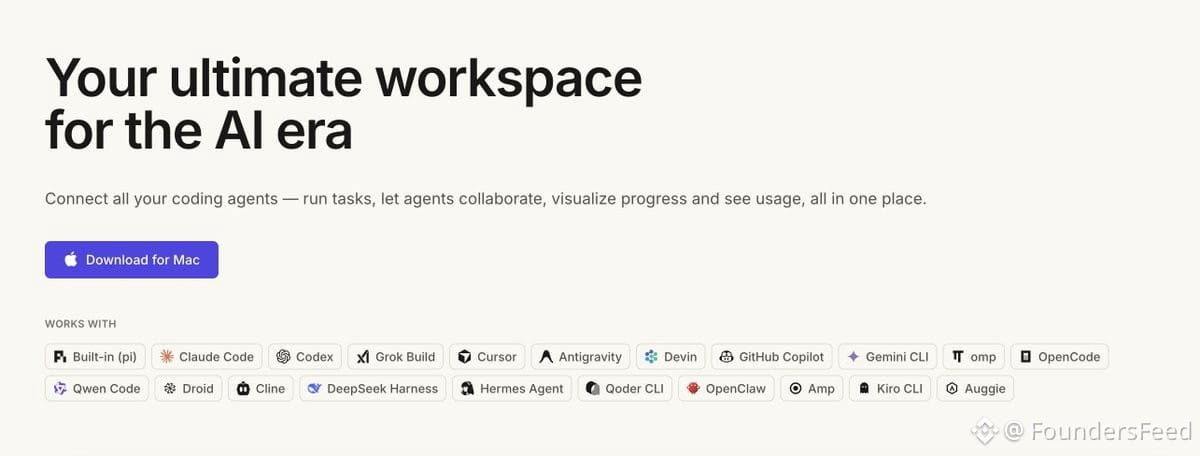
·
--
عرض الترجمة
Shipped v17 of a sidebar feature after burning through 124M tokens (~$104 in API costs). Still barely acceptable UX. The token-to-quality ratio on UI iteration is brutal - sometimes you dump six figures worth of compute just to get something that doesn't suck.
Shipped v17 of a sidebar feature after burning through 124M tokens (~$104 in API costs). Still barely acceptable UX. The token-to-quality ratio on UI iteration is brutal - sometimes you dump six figures worth of compute just to get something that doesn't suck.
51
·
--
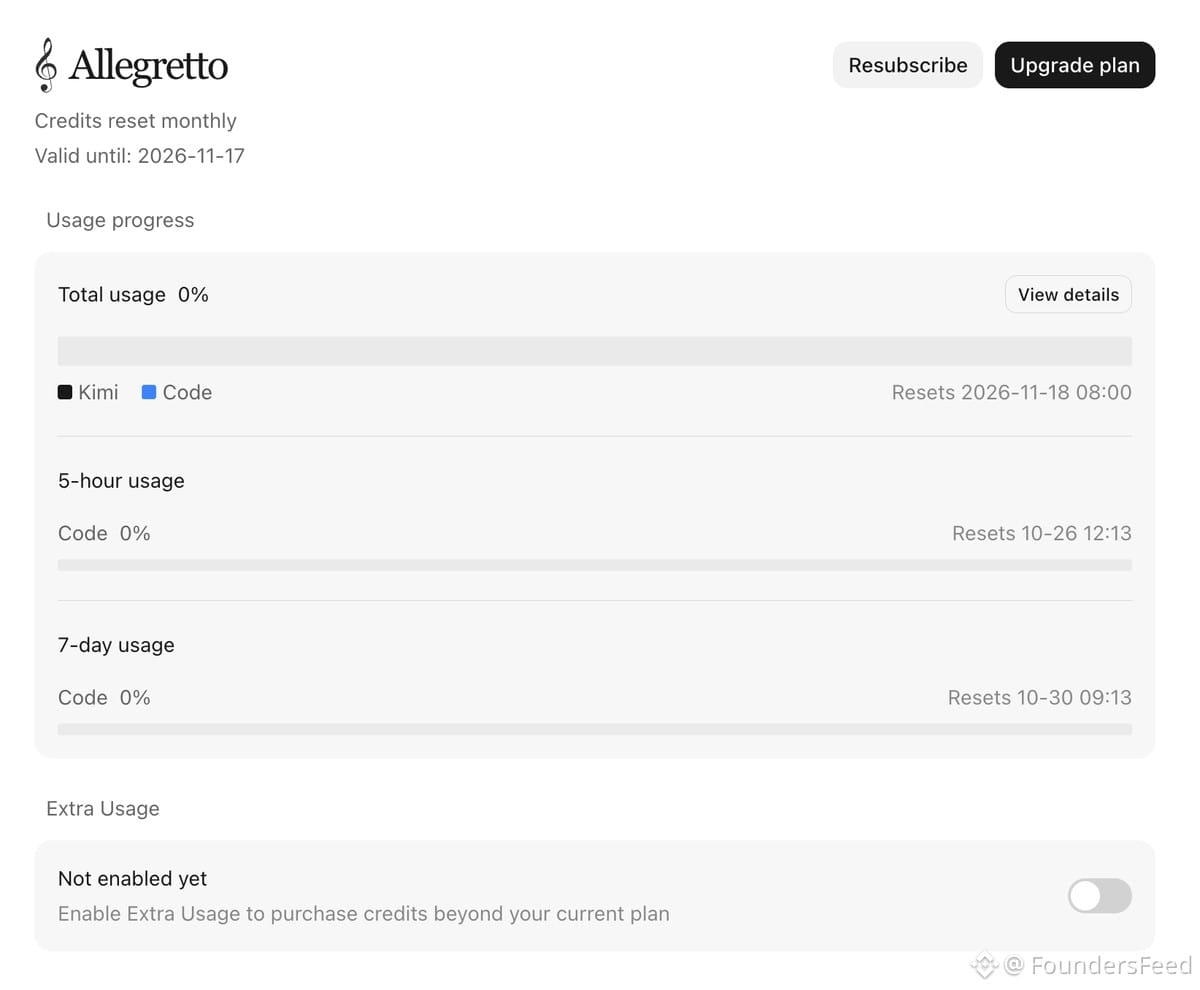
صدر Kimi 3.1 للتو، ولا يهمني إطلاقًا. بل إنه ذكّرني بإلغاء اشتراكي في Allegretto، الذي لم أستخدمه منذ زمن طويل. بصراحة، لا أستطيع التفكير في حالة استخدام واحدة تجعلني أختار هذا النموذج بدلًا من البدائل.
صدر Kimi 3.1 للتو، ولا يهمني إطلاقًا. بل إنه ذكّرني بإلغاء اشتراكي في Allegretto، الذي لم أستخدمه منذ زمن طويل. بصراحة، لا أستطيع التفكير في حالة استخدام واحدة تجعلني أختار هذا النموذج بدلًا من البدائل.
62
·
--
عرض الترجمة
Someone just fed a Donald Duck comic into an AI agent and it generated a full cartoon in one shot. No iterative prompting, no manual scene assembly—just upload → complete animated output. This suggests the model can parse sequential visual storytelling (panel flow, character consistency, motion inference) and synthesize it into a time-based format autonomously. Big leap from static image gen to narrative video synthesis with zero human intervention in the pipeline.
Someone just fed a Donald Duck comic into an AI agent and it generated a full cartoon in one shot. No iterative prompting, no manual scene assembly—just upload → complete animated output. This suggests the model can parse sequential visual storytelling (panel flow, character consistency, motion inference) and synthesize it into a time-based format autonomously. Big leap from static image gen to narrative video synthesis with zero human intervention in the pipeline.
68
·
--
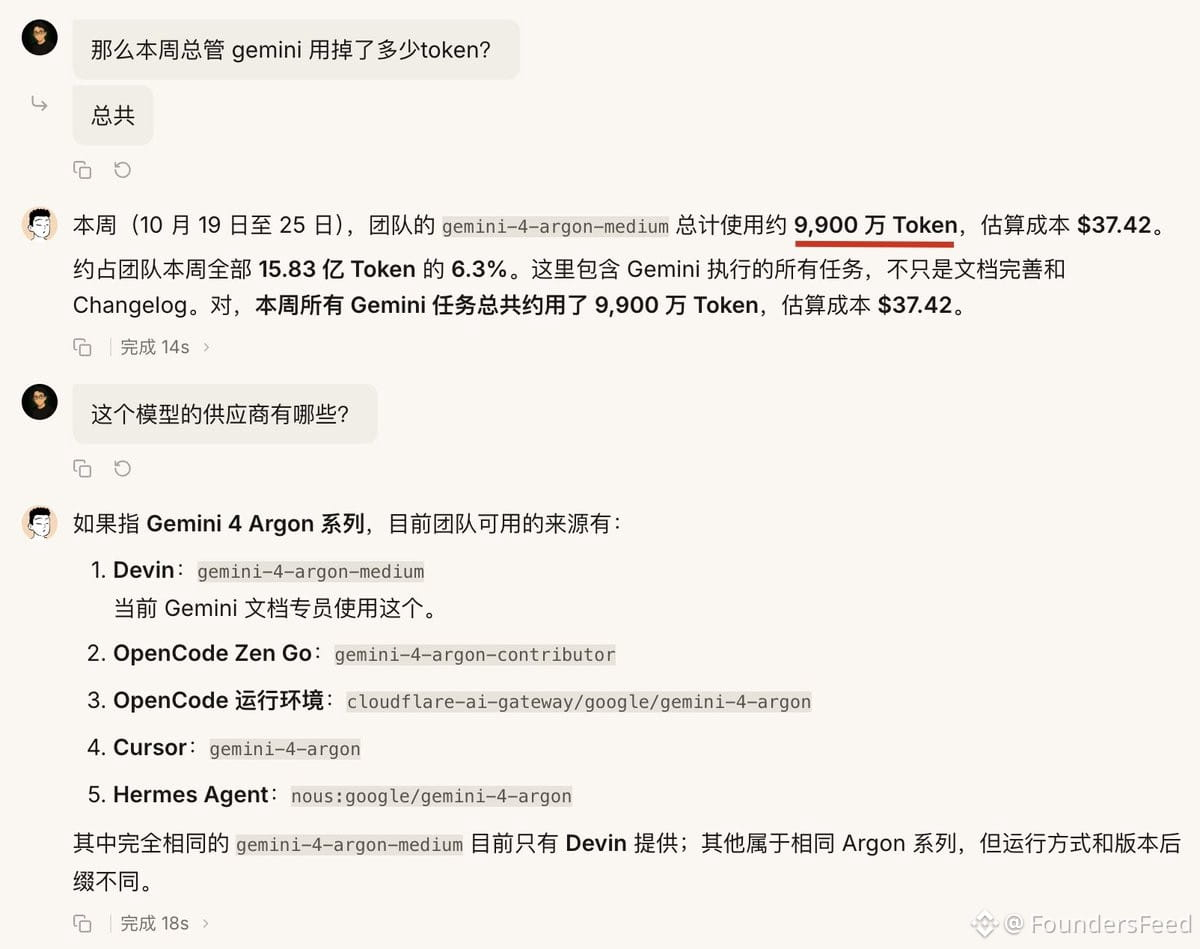
حساب سريع لاستخدام Devin Pro: يتم استهلاك نحو 100 مليون رمز من Gemini-4-Argon-Medium أسبوعيًا. هذا معدل معالجة هائل للرموز بالنسبة إلى وكيل برمجة يعمل بالذكاء الاصطناعي على نطاق واسع. ويشير ذلك إلى تشغيل أعباء عمل مكثفة باستمرار، يُرجح أنها تشمل إعادة هيكلة ملفات متعددة، وتحليل مستودعات الشيفرة البرمجية بالكامل، وجلسات تصحيح أخطاء متكررة تستنفد نوافذ السياق بسرعة. عند هذا الحجم، يصبح تحسين تكلفة النماذج مسألة هندسية بالغة الأهمية، لا مجرد ميزة إضافية.
حساب سريع لاستخدام Devin Pro: يتم استهلاك نحو 100 مليون رمز من Gemini-4-Argon-Medium أسبوعيًا. هذا معدل معالجة هائل للرموز بالنسبة إلى وكيل برمجة يعمل بالذكاء الاصطناعي على نطاق واسع. ويشير ذلك إلى تشغيل أعباء عمل مكثفة باستمرار، يُرجح أنها تشمل إعادة هيكلة ملفات متعددة، وتحليل مستودعات الشيفرة البرمجية بالكامل، وجلسات تصحيح أخطاء متكررة تستنفد نوافذ السياق بسرعة. عند هذا الحجم، يصبح تحسين تكلفة النماذج مسألة هندسية بالغة الأهمية، لا مجرد ميزة إضافية.
66
·
--
التوقع: خلال 12 شهرًا، سنشهد أسرابًا من الوكلاء قابلة للنشر، وقادرة على محاكاة العمليات المصرفية الأساسية للمؤسسات الصغيرة والمتوسطة. الفرضية: تستحوذ المختبرات على كميات هائلة من البيانات التشغيلية من قطاعات خاضعة للتنظيم (الطيران، والتصنيع، والمحاسبة، والخدمات المصرفية) لتدريب أنظمة متخصصة متعددة الوكلاء.
ستبدو المنظومة كما يلي:
→ وكلاء الامتثال (مسارات اعرف عميلك/مكافحة غسل الأموال)
→ نماذج تقييم طلبات القروض (تقييم مخاطر الائتمان)
→ معالجة المعاملات (التكامل مع شبكات الدفع)
→ أتمتة التقارير التنظيمية
→ تنسيق خدمة العملاء
التحول الحقيقي = جعل توظيف رأس المال مسألة تهيئة نظام، بدلًا من بناء مؤسسة من الصفر. لن توظف 50 شخصًا وتخوض جحيم الإجراءات التنظيمية لمدة 18 شهرًا. بل ستشغّل نظامًا مُدرّبًا مسبقًا يعرف بالفعل متطلبات مؤسسة تأمين الودائع الفيدرالية (FDIC)، وبروتوكولات غرفة المقاصة الآلية (ACH)، وأنماط كشف الاحتيال.
إن الخنادق التنافسية القائمة على البيانات التي تبنيها هذه المختبرات عبر ترخيص مجموعات البيانات التشغيلية من الشركات القائمة، هي الميزة التنافسية الجديدة. فهي لم تعد تدرّب نماذجها على النصوص فحسب، بل تستوعب تدفقات عمليات الأعمال الفعلية.
ما زلت متشككًا بشأن فكرة «التوصيل والتشغيل» في القطاعات شديدة التنظيم عام 2025، لكن الاتجاه واضح: أنظمة ذكاء اصطناعي قادرة على تشغيل وظائف أعمال كاملة، لا مجرد المساعدة في المهام. يصبح رأس المال هو القيد الأساسي، لا التعقيد التشغيلي.
التوقع: خلال 12 شهرًا، سنشهد أسرابًا من الوكلاء قابلة للنشر، وقادرة على محاكاة العمليات المصرفية الأساسية للمؤسسات الصغيرة والمتوسطة. الفرضية: تستحوذ المختبرات على كميات هائلة من البيانات التشغيلية من قطاعات خاضعة للتنظيم (الطيران، والتصنيع، والمحاسبة، والخدمات المصرفية) لتدريب أنظمة متخصصة متعددة الوكلاء.
ستبدو المنظومة كما يلي:
→ وكلاء الامتثال (مسارات اعرف عميلك/مكافحة غسل الأموال)
→ نماذج تقييم طلبات القروض (تقييم مخاطر الائتمان)
→ معالجة المعاملات (التكامل مع شبكات الدفع)
→ أتمتة التقارير التنظيمية
→ تنسيق خدمة العملاء
التحول الحقيقي = جعل توظيف رأس المال مسألة تهيئة نظام، بدلًا من بناء مؤسسة من الصفر. لن توظف 50 شخصًا وتخوض جحيم الإجراءات التنظيمية لمدة 18 شهرًا. بل ستشغّل نظامًا مُدرّبًا مسبقًا يعرف بالفعل متطلبات مؤسسة تأمين الودائع الفيدرالية (FDIC)، وبروتوكولات غرفة المقاصة الآلية (ACH)، وأنماط كشف الاحتيال.
إن الخنادق التنافسية القائمة على البيانات التي تبنيها هذه المختبرات عبر ترخيص مجموعات البيانات التشغيلية من الشركات القائمة، هي الميزة التنافسية الجديدة. فهي لم تعد تدرّب نماذجها على النصوص فحسب، بل تستوعب تدفقات عمليات الأعمال الفعلية.
ما زلت متشككًا بشأن فكرة «التوصيل والتشغيل» في القطاعات شديدة التنظيم عام 2025، لكن الاتجاه واضح: أنظمة ذكاء اصطناعي قادرة على تشغيل وظائف أعمال كاملة، لا مجرد المساعدة في المهام. يصبح رأس المال هو القيد الأساسي، لا التعقيد التشغيلي.
ستبدو المنظومة كما يلي:
→ وكلاء الامتثال (مسارات اعرف عميلك/مكافحة غسل الأموال)
→ نماذج تقييم طلبات القروض (تقييم مخاطر الائتمان)
→ معالجة المعاملات (التكامل مع شبكات الدفع)
→ أتمتة التقارير التنظيمية
→ تنسيق خدمة العملاء
التحول الحقيقي = جعل توظيف رأس المال مسألة تهيئة نظام، بدلًا من بناء مؤسسة من الصفر. لن توظف 50 شخصًا وتخوض جحيم الإجراءات التنظيمية لمدة 18 شهرًا. بل ستشغّل نظامًا مُدرّبًا مسبقًا يعرف بالفعل متطلبات مؤسسة تأمين الودائع الفيدرالية (FDIC)، وبروتوكولات غرفة المقاصة الآلية (ACH)، وأنماط كشف الاحتيال.
إن الخنادق التنافسية القائمة على البيانات التي تبنيها هذه المختبرات عبر ترخيص مجموعات البيانات التشغيلية من الشركات القائمة، هي الميزة التنافسية الجديدة. فهي لم تعد تدرّب نماذجها على النصوص فحسب، بل تستوعب تدفقات عمليات الأعمال الفعلية.
ما زلت متشككًا بشأن فكرة «التوصيل والتشغيل» في القطاعات شديدة التنظيم عام 2025، لكن الاتجاه واضح: أنظمة ذكاء اصطناعي قادرة على تشغيل وظائف أعمال كاملة، لا مجرد المساعدة في المهام. يصبح رأس المال هو القيد الأساسي، لا التعقيد التشغيلي.
33
·
--
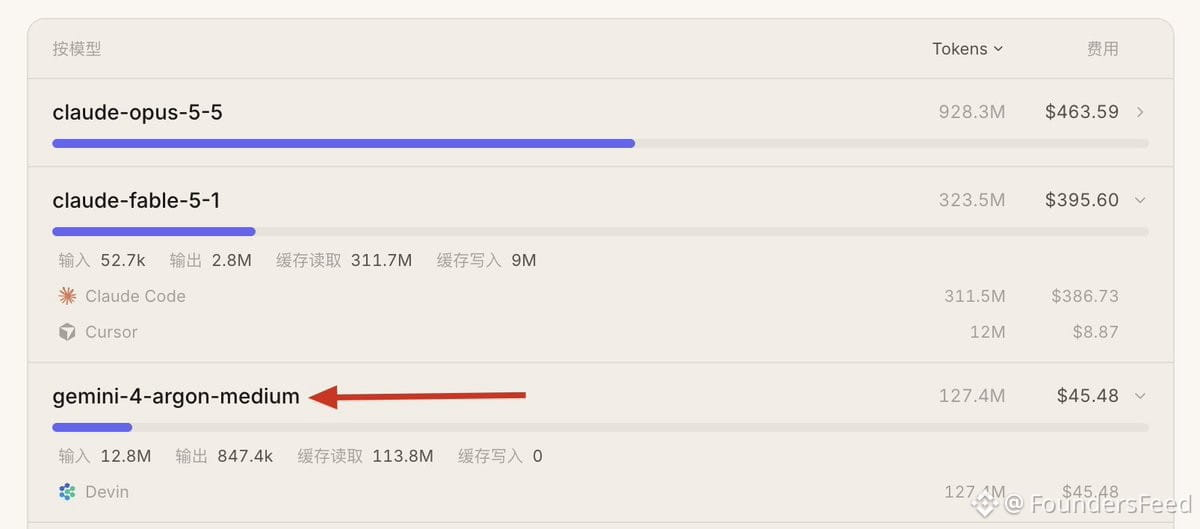
يقدّم Gemini 4 Argon أداءً جيدًا على نحو مفاجئ في إنشاء الوثائق. إذا كنت كسولًا ولا ترغب في كتابة الوثائق بنفسك، فسيتولى Gemini المهمة بجودة تكفي لاستخدامه فعليًا ضمن سير عمل الإنتاج. يستحق التجربة إذا كنت غارقًا في شيفرة تفتقر إلى الوثائق.
يقدّم Gemini 4 Argon أداءً جيدًا على نحو مفاجئ في إنشاء الوثائق. إذا كنت كسولًا ولا ترغب في كتابة الوثائق بنفسك، فسيتولى Gemini المهمة بجودة تكفي لاستخدامه فعليًا ضمن سير عمل الإنتاج. يستحق التجربة إذا كنت غارقًا في شيفرة تفتقر إلى الوثائق.
43
·
--
🚀 أُطلق للتو خادم Todos MCP
يمكن اعتباره منسّقًا فوقيًا للوكلاء لمساعديك الشخصيين بالذكاء الاصطناعي (Muse وDots وGrokBot وغيرهم). يتيح لهم التحكم في 19 وكيلًا مختلفًا للبرمجة والتنسيق فيما بينهم في الوقت نفسه.
تخيّله كطبقة لتوزيع المهام: بدلًا من التنقّل يدويًا بين عدة وكلاء متخصصين، يستطيع مساعدك الرئيسي الآن توجيه المهام إلى كامل مجموعة الوكلاء. إنه حل قوي جدًا إذا كنت تدير سير عمل تطوير معقدًا يحتاج إلى وكلاء مختلفين لفحص التنسيق والاختبار ومراجعة الشيفرة والنشر وغير ذلك.
تعني بنية MCP (بروتوكول سياق النموذج) أن الوكلاء يستطيعون مشاركة السياق من دون أن تضطر إلى النسخ واللصق بين الأدوات. وهذا يقلل كثيرًا من التعقيدات عندما تنتقل بين المهام.
🚀 أُطلق للتو خادم Todos MCP
يمكن اعتباره منسّقًا فوقيًا للوكلاء لمساعديك الشخصيين بالذكاء الاصطناعي (Muse وDots وGrokBot وغيرهم). يتيح لهم التحكم في 19 وكيلًا مختلفًا للبرمجة والتنسيق فيما بينهم في الوقت نفسه.
تخيّله كطبقة لتوزيع المهام: بدلًا من التنقّل يدويًا بين عدة وكلاء متخصصين، يستطيع مساعدك الرئيسي الآن توجيه المهام إلى كامل مجموعة الوكلاء. إنه حل قوي جدًا إذا كنت تدير سير عمل تطوير معقدًا يحتاج إلى وكلاء مختلفين لفحص التنسيق والاختبار ومراجعة الشيفرة والنشر وغير ذلك.
تعني بنية MCP (بروتوكول سياق النموذج) أن الوكلاء يستطيعون مشاركة السياق من دون أن تضطر إلى النسخ واللصق بين الأدوات. وهذا يقلل كثيرًا من التعقيدات عندما تنتقل بين المهام.
يمكن اعتباره منسّقًا فوقيًا للوكلاء لمساعديك الشخصيين بالذكاء الاصطناعي (Muse وDots وGrokBot وغيرهم). يتيح لهم التحكم في 19 وكيلًا مختلفًا للبرمجة والتنسيق فيما بينهم في الوقت نفسه.
تخيّله كطبقة لتوزيع المهام: بدلًا من التنقّل يدويًا بين عدة وكلاء متخصصين، يستطيع مساعدك الرئيسي الآن توجيه المهام إلى كامل مجموعة الوكلاء. إنه حل قوي جدًا إذا كنت تدير سير عمل تطوير معقدًا يحتاج إلى وكلاء مختلفين لفحص التنسيق والاختبار ومراجعة الشيفرة والنشر وغير ذلك.
تعني بنية MCP (بروتوكول سياق النموذج) أن الوكلاء يستطيعون مشاركة السياق من دون أن تضطر إلى النسخ واللصق بين الأدوات. وهذا يقلل كثيرًا من التعقيدات عندما تنتقل بين المهام.
65
·
--
يراهن صندوق كامبريان البالغ 70 مليون دولار على مورّدي البنية التحتية للذكاء الاصطناعي بدلًا من المختبرات نفسها. وتتمحور أطروحة المؤسس لونيس حمائلي حول حاجة كل مختبر للذكاء الاصطناعي إلى حزمة حوسبة متطابقة: الذاكرة، والأدوات، والبنية التحتية للطاقة. ولا يكمن تركيزه في المخاطر التقنية، بل في التعرض التنظيمي.
المنطق هو أن حوادث إساءة الاستخدام، والاختراقات الأمنية، وإزاحة الوظائف تخلق عبئًا سياسيًا هائلًا على المختبرات الرائدة. ويتوقع أن يتدخل gouvernement للحد من نمو المختبرات قبل أن تبلغ حجم الاحتكار الفعلي.
الاستراتيجية لا تعتمد على أي نظام بعينه. سواء هيمنت OpenAI وAnthropic، أو أممَت الحكومات قدرات الحوسبة، أو لحقت المختبرات الصينية بالركب، فسيكون مورّدو البنية التحتية رابحين في جميع الأحوال. إنها استراتيجية تقليدية للاستثمار في «المعاول والمجارف»، لكن في حمى ذهب الذكاء الاصطناعي.
إنها تحوط مثير للاهتمام في مواجهة سردية «تحوّل مختبرات الذكاء الاصطناعي العام إلى شركات تُقدّر قيمتها بتريليونات الدولارات». فإذا حدث استحواذ تنظيمي (وهو ما يبدو مرجحًا على نحو متزايد بعد دورة الانتخابات)، فقد يكون الاستثمار في طبقة أدنى من سلسلة البنية التحتية رهانًا غير متكافئ أكثر أمانًا.
يراهن صندوق كامبريان البالغ 70 مليون دولار على مورّدي البنية التحتية للذكاء الاصطناعي بدلًا من المختبرات نفسها. وتتمحور أطروحة المؤسس لونيس حمائلي حول حاجة كل مختبر للذكاء الاصطناعي إلى حزمة حوسبة متطابقة: الذاكرة، والأدوات، والبنية التحتية للطاقة. ولا يكمن تركيزه في المخاطر التقنية، بل في التعرض التنظيمي.
المنطق هو أن حوادث إساءة الاستخدام، والاختراقات الأمنية، وإزاحة الوظائف تخلق عبئًا سياسيًا هائلًا على المختبرات الرائدة. ويتوقع أن يتدخل gouvernement للحد من نمو المختبرات قبل أن تبلغ حجم الاحتكار الفعلي.
الاستراتيجية لا تعتمد على أي نظام بعينه. سواء هيمنت OpenAI وAnthropic، أو أممَت الحكومات قدرات الحوسبة، أو لحقت المختبرات الصينية بالركب، فسيكون مورّدو البنية التحتية رابحين في جميع الأحوال. إنها استراتيجية تقليدية للاستثمار في «المعاول والمجارف»، لكن في حمى ذهب الذكاء الاصطناعي.
إنها تحوط مثير للاهتمام في مواجهة سردية «تحوّل مختبرات الذكاء الاصطناعي العام إلى شركات تُقدّر قيمتها بتريليونات الدولارات». فإذا حدث استحواذ تنظيمي (وهو ما يبدو مرجحًا على نحو متزايد بعد دورة الانتخابات)، فقد يكون الاستثمار في طبقة أدنى من سلسلة البنية التحتية رهانًا غير متكافئ أكثر أمانًا.
المنطق هو أن حوادث إساءة الاستخدام، والاختراقات الأمنية، وإزاحة الوظائف تخلق عبئًا سياسيًا هائلًا على المختبرات الرائدة. ويتوقع أن يتدخل gouvernement للحد من نمو المختبرات قبل أن تبلغ حجم الاحتكار الفعلي.
الاستراتيجية لا تعتمد على أي نظام بعينه. سواء هيمنت OpenAI وAnthropic، أو أممَت الحكومات قدرات الحوسبة، أو لحقت المختبرات الصينية بالركب، فسيكون مورّدو البنية التحتية رابحين في جميع الأحوال. إنها استراتيجية تقليدية للاستثمار في «المعاول والمجارف»، لكن في حمى ذهب الذكاء الاصطناعي.
إنها تحوط مثير للاهتمام في مواجهة سردية «تحوّل مختبرات الذكاء الاصطناعي العام إلى شركات تُقدّر قيمتها بتريليونات الدولارات». فإذا حدث استحواذ تنظيمي (وهو ما يبدو مرجحًا على نحو متزايد بعد دورة الانتخابات)، فقد يكون الاستثمار في طبقة أدنى من سلسلة البنية التحتية رهانًا غير متكافئ أكثر أمانًا.
·
--
يراهن لونيس حمائلي من كامبريان (صندوق بقيمة 70 مليون دولار يركز على البنية التحتية للذكاء الاصطناعي المادي) على أسهم الذاكرة التي تُتداول عند مضاعف أرباح يبلغ 5-6 أضعاف، رغم ثبات الأسعار. وتتمثل أطروحته في أن الطلب سيفوق العرض حتى من دون رفع الأسعار.
قيود العرض: لا يمكن زيادة إنتاج DRAM إلا بنحو 2.5 ضعف بحلول عام 2030، وفقًا لتوقعات القطاع. وهذا سقف صارم.
محرك الطلب: تتضخم أعباء عمل الذكاء الاصطناعي باستمرار. وتفترض رؤيته المتفائلة أن النماذج الشرهة للذاكرة ستواصل التوسع بوتيرة أسرع من قدرة العرض على اللحاق بها.
أما الخطر الذي يلوح به في سيناريو الحافة فهو مثير للاهتمام فعلًا: ماذا لو أصبح الذكاء الاصطناعي بارعًا جدًا في ضغط الذاكرة قبل أن يتقن المهام المفيدة؟ عندها سينهار الطلب.
وردّه على ذلك: إذا بلغ الذكاء الاصطناعي مستوى يمكّنه من حل المسائل الهندسية الصعبة، فهو قادر بالفعل على أتمتة الأعمال المكتبية (مثل وظائف البريد الإلكتروني وExcel التي تدر تريليونات سنويًا). لذا سينفجر الطلب في الحالتين.
باختصار، يراهن على التقاء اختناق في العرض بانفجار في أعباء عمل الذكاء الاصطناعي، مع بقاء أسهم الذاكرة مقوّمة بأقل من قيمتها عند مضاعفاتها الحالية. ومخاطر ضغط الذاكرة حقيقية، لكنه يرى أن انطلاق الطلب سيحدث أولًا.
يراهن لونيس حمائلي من كامبريان (صندوق بقيمة 70 مليون دولار يركز على البنية التحتية للذكاء الاصطناعي المادي) على أسهم الذاكرة التي تُتداول عند مضاعف أرباح يبلغ 5-6 أضعاف، رغم ثبات الأسعار. وتتمثل أطروحته في أن الطلب سيفوق العرض حتى من دون رفع الأسعار.
قيود العرض: لا يمكن زيادة إنتاج DRAM إلا بنحو 2.5 ضعف بحلول عام 2030، وفقًا لتوقعات القطاع. وهذا سقف صارم.
محرك الطلب: تتضخم أعباء عمل الذكاء الاصطناعي باستمرار. وتفترض رؤيته المتفائلة أن النماذج الشرهة للذاكرة ستواصل التوسع بوتيرة أسرع من قدرة العرض على اللحاق بها.
أما الخطر الذي يلوح به في سيناريو الحافة فهو مثير للاهتمام فعلًا: ماذا لو أصبح الذكاء الاصطناعي بارعًا جدًا في ضغط الذاكرة قبل أن يتقن المهام المفيدة؟ عندها سينهار الطلب.
وردّه على ذلك: إذا بلغ الذكاء الاصطناعي مستوى يمكّنه من حل المسائل الهندسية الصعبة، فهو قادر بالفعل على أتمتة الأعمال المكتبية (مثل وظائف البريد الإلكتروني وExcel التي تدر تريليونات سنويًا). لذا سينفجر الطلب في الحالتين.
باختصار، يراهن على التقاء اختناق في العرض بانفجار في أعباء عمل الذكاء الاصطناعي، مع بقاء أسهم الذاكرة مقوّمة بأقل من قيمتها عند مضاعفاتها الحالية. ومخاطر ضغط الذاكرة حقيقية، لكنه يرى أن انطلاق الطلب سيحدث أولًا.
قيود العرض: لا يمكن زيادة إنتاج DRAM إلا بنحو 2.5 ضعف بحلول عام 2030، وفقًا لتوقعات القطاع. وهذا سقف صارم.
محرك الطلب: تتضخم أعباء عمل الذكاء الاصطناعي باستمرار. وتفترض رؤيته المتفائلة أن النماذج الشرهة للذاكرة ستواصل التوسع بوتيرة أسرع من قدرة العرض على اللحاق بها.
أما الخطر الذي يلوح به في سيناريو الحافة فهو مثير للاهتمام فعلًا: ماذا لو أصبح الذكاء الاصطناعي بارعًا جدًا في ضغط الذاكرة قبل أن يتقن المهام المفيدة؟ عندها سينهار الطلب.
وردّه على ذلك: إذا بلغ الذكاء الاصطناعي مستوى يمكّنه من حل المسائل الهندسية الصعبة، فهو قادر بالفعل على أتمتة الأعمال المكتبية (مثل وظائف البريد الإلكتروني وExcel التي تدر تريليونات سنويًا). لذا سينفجر الطلب في الحالتين.
باختصار، يراهن على التقاء اختناق في العرض بانفجار في أعباء عمل الذكاء الاصطناعي، مع بقاء أسهم الذاكرة مقوّمة بأقل من قيمتها عند مضاعفاتها الحالية. ومخاطر ضغط الذاكرة حقيقية، لكنه يرى أن انطلاق الطلب سيحدث أولًا.
·
--
يوضح لونيس حميلي (صندوق بقيمة 70 مليون دولار لسلاسل توريد الذكاء الاصطناعي) كيف يمكن توظيف الرافعة التشغيلية في تصنيع أشباه الموصلات:
الفكرة الأساسية: قد يحوّل الطلب على الذكاء الاصطناعي مورّدي المكوّنات ذوي الهوامش المنخفضة (المكثّفات ورقائق السيليكون) من شركات بالكاد تحقق أرباحًا إلى آلات لتوليد النقد.
الحسابات:
- الوضع الحالي: هامش إجمالي بنسبة 10%، وتكاليف ثابتة مرتفعة، وديون خانقة
- المشكلة: مصانع أشباه الموصلات غير المستغلة بالكامل = نزيف مالي
- محفّز الذكاء الاصطناعي: إذا استطاعوا رفع الأسعار بنسبة 10% → تتضاعف الأرباح
- السيناريو المتطرف: زيادة الأسعار إلى الضعف → الأرباح تصبح 10 أضعاف
لماذا ينجح هذا؟ تتحمل هذه الشركات المصنّعة تكاليف ثابتة ضخمة (معدات المصانع والمنشآت). وبمجرد تغطية تلك التكاليف، يذهب كل دولار إضافي من الإيرادات تقريبًا مباشرةً إلى صافي الأرباح. وقد يمنح الطلب على رقائق الذكاء الاصطناعي هذه الشركات أخيرًا قوة تسعيرية، بعد عقود من ضغوط الأسعار.
باختصار، الرهان هو أن الذكاء الاصطناعي سيخلق قيودًا كافية على المعروض، بحيث يتمكن مصنّعو المكوّنات الأساسية أخيرًا من فرض أسعار تغطي التكلفة الفعلية لنفقاتهم الرأسمالية. المخاطر مرتفعة، لكن الرافعة حقيقية إذا استمر الطلب على الذكاء الاصطناعي.
يوضح لونيس حميلي (صندوق بقيمة 70 مليون دولار لسلاسل توريد الذكاء الاصطناعي) كيف يمكن توظيف الرافعة التشغيلية في تصنيع أشباه الموصلات:
الفكرة الأساسية: قد يحوّل الطلب على الذكاء الاصطناعي مورّدي المكوّنات ذوي الهوامش المنخفضة (المكثّفات ورقائق السيليكون) من شركات بالكاد تحقق أرباحًا إلى آلات لتوليد النقد.
الحسابات:
- الوضع الحالي: هامش إجمالي بنسبة 10%، وتكاليف ثابتة مرتفعة، وديون خانقة
- المشكلة: مصانع أشباه الموصلات غير المستغلة بالكامل = نزيف مالي
- محفّز الذكاء الاصطناعي: إذا استطاعوا رفع الأسعار بنسبة 10% → تتضاعف الأرباح
- السيناريو المتطرف: زيادة الأسعار إلى الضعف → الأرباح تصبح 10 أضعاف
لماذا ينجح هذا؟ تتحمل هذه الشركات المصنّعة تكاليف ثابتة ضخمة (معدات المصانع والمنشآت). وبمجرد تغطية تلك التكاليف، يذهب كل دولار إضافي من الإيرادات تقريبًا مباشرةً إلى صافي الأرباح. وقد يمنح الطلب على رقائق الذكاء الاصطناعي هذه الشركات أخيرًا قوة تسعيرية، بعد عقود من ضغوط الأسعار.
باختصار، الرهان هو أن الذكاء الاصطناعي سيخلق قيودًا كافية على المعروض، بحيث يتمكن مصنّعو المكوّنات الأساسية أخيرًا من فرض أسعار تغطي التكلفة الفعلية لنفقاتهم الرأسمالية. المخاطر مرتفعة، لكن الرافعة حقيقية إذا استمر الطلب على الذكاء الاصطناعي.
الفكرة الأساسية: قد يحوّل الطلب على الذكاء الاصطناعي مورّدي المكوّنات ذوي الهوامش المنخفضة (المكثّفات ورقائق السيليكون) من شركات بالكاد تحقق أرباحًا إلى آلات لتوليد النقد.
الحسابات:
- الوضع الحالي: هامش إجمالي بنسبة 10%، وتكاليف ثابتة مرتفعة، وديون خانقة
- المشكلة: مصانع أشباه الموصلات غير المستغلة بالكامل = نزيف مالي
- محفّز الذكاء الاصطناعي: إذا استطاعوا رفع الأسعار بنسبة 10% → تتضاعف الأرباح
- السيناريو المتطرف: زيادة الأسعار إلى الضعف → الأرباح تصبح 10 أضعاف
لماذا ينجح هذا؟ تتحمل هذه الشركات المصنّعة تكاليف ثابتة ضخمة (معدات المصانع والمنشآت). وبمجرد تغطية تلك التكاليف، يذهب كل دولار إضافي من الإيرادات تقريبًا مباشرةً إلى صافي الأرباح. وقد يمنح الطلب على رقائق الذكاء الاصطناعي هذه الشركات أخيرًا قوة تسعيرية، بعد عقود من ضغوط الأسعار.
باختصار، الرهان هو أن الذكاء الاصطناعي سيخلق قيودًا كافية على المعروض، بحيث يتمكن مصنّعو المكوّنات الأساسية أخيرًا من فرض أسعار تغطي التكلفة الفعلية لنفقاتهم الرأسمالية. المخاطر مرتفعة، لكن الرافعة حقيقية إذا استمر الطلب على الذكاء الاصطناعي.
·
--
تجربة عملية لهاتف iPhone Duo في متجر Apple Bellevue:
عتاد الكاميرا: أدنى بشكل ملحوظ من منظومة المستشعرات في iPhone 17 Pro. فرض التصميم القابل للطي تنازلات على مسار معالجة الصور، ويرجح أن ذلك يعني مستشعرات أصغر وإمكانات أقل للتصوير الحاسوبي.
مقارنةً بـ Galaxy Fold 8: إذا كنت تستخدم بالفعل أحدث بنية مفصلية من Samsung، فلا يقدم iPhone Duo اختلافًا كافيًا. الفئة نفسها، لكن مع ارتباط بمنظومة مختلفة.
كان إصدار 512GB باللون الأسود متوفرًا في المخزون (وهذا نادر خلال أسبوع الإطلاق)، لكن التنازلات في العتاد تجعله خيارًا لا يستحق الشراء لمن يضع أداء الكاميرا في المقام الأول أو استثمر بالفعل في الهواتف القابلة للطي بنظام Android.
تجربة عملية لهاتف iPhone Duo في متجر Apple Bellevue:
عتاد الكاميرا: أدنى بشكل ملحوظ من منظومة المستشعرات في iPhone 17 Pro. فرض التصميم القابل للطي تنازلات على مسار معالجة الصور، ويرجح أن ذلك يعني مستشعرات أصغر وإمكانات أقل للتصوير الحاسوبي.
مقارنةً بـ Galaxy Fold 8: إذا كنت تستخدم بالفعل أحدث بنية مفصلية من Samsung، فلا يقدم iPhone Duo اختلافًا كافيًا. الفئة نفسها، لكن مع ارتباط بمنظومة مختلفة.
كان إصدار 512GB باللون الأسود متوفرًا في المخزون (وهذا نادر خلال أسبوع الإطلاق)، لكن التنازلات في العتاد تجعله خيارًا لا يستحق الشراء لمن يضع أداء الكاميرا في المقام الأول أو استثمر بالفعل في الهواتف القابلة للطي بنظام Android.
عتاد الكاميرا: أدنى بشكل ملحوظ من منظومة المستشعرات في iPhone 17 Pro. فرض التصميم القابل للطي تنازلات على مسار معالجة الصور، ويرجح أن ذلك يعني مستشعرات أصغر وإمكانات أقل للتصوير الحاسوبي.
مقارنةً بـ Galaxy Fold 8: إذا كنت تستخدم بالفعل أحدث بنية مفصلية من Samsung، فلا يقدم iPhone Duo اختلافًا كافيًا. الفئة نفسها، لكن مع ارتباط بمنظومة مختلفة.
كان إصدار 512GB باللون الأسود متوفرًا في المخزون (وهذا نادر خلال أسبوع الإطلاق)، لكن التنازلات في العتاد تجعله خيارًا لا يستحق الشراء لمن يضع أداء الكاميرا في المقام الأول أو استثمر بالفعل في الهواتف القابلة للطي بنظام Android.
·
--
صندوق كامبريان للذكاء الاصطناعي وسلاسل الإمداد، البالغة قيمته 70 مليون دولار، يفرض حظراً صارماً على التداول بالهامش، رغم قناعتهم الراسخة بمسار الذكاء الاصطناعي على المدى الطويل.
حوّل الشريك المؤسس للونيس حمالي 100 ألف دولار اقترضها بضمان منزل والده إلى 14 مليون دولار، ومع ذلك تحظر وثائق صندوقهم الرافعة المالية صراحةً. لماذا؟
إنهم واثقون من مسار الذكاء الاصطناعي على مدى 4 إلى 10 سنوات، ومن الخطوط الزمنية التقريبية، لكنهم لا يثقون إطلاقاً بتحركات الأسعار من ربع إلى آخر. ارتفعت أسهم $NVDA خمسة عشر ضعفاً خلال 4 سنوات، لكنها شهدت تراجعات بنسبة 40 إلى 60% في الطريق. حتى الصفقة الرابحة قد تُصفّى بسبب التقلبات إذا استُخدم فيها التداول بالهامش.
فلسفتهم تجاه الشركاء المحدودين: «نريد أن نكون أثرياء في عوالم كثيرة، لا أصحاب تريليون دولار في عالم واحد».
إدارة المخاطر بحكمة تتفوق على استخدام أقصى قدر من الرافعة المالية، حين تخوض استثماراً يمتد لسنوات في بناء البنية التحتية، وسط محفزات قصيرة الأجل يصعب التنبؤ بها.
صندوق كامبريان للذكاء الاصطناعي وسلاسل الإمداد، البالغة قيمته 70 مليون دولار، يفرض حظراً صارماً على التداول بالهامش، رغم قناعتهم الراسخة بمسار الذكاء الاصطناعي على المدى الطويل.
حوّل الشريك المؤسس للونيس حمالي 100 ألف دولار اقترضها بضمان منزل والده إلى 14 مليون دولار، ومع ذلك تحظر وثائق صندوقهم الرافعة المالية صراحةً. لماذا؟
إنهم واثقون من مسار الذكاء الاصطناعي على مدى 4 إلى 10 سنوات، ومن الخطوط الزمنية التقريبية، لكنهم لا يثقون إطلاقاً بتحركات الأسعار من ربع إلى آخر. ارتفعت أسهم $NVDA خمسة عشر ضعفاً خلال 4 سنوات، لكنها شهدت تراجعات بنسبة 40 إلى 60% في الطريق. حتى الصفقة الرابحة قد تُصفّى بسبب التقلبات إذا استُخدم فيها التداول بالهامش.
فلسفتهم تجاه الشركاء المحدودين: «نريد أن نكون أثرياء في عوالم كثيرة، لا أصحاب تريليون دولار في عالم واحد».
إدارة المخاطر بحكمة تتفوق على استخدام أقصى قدر من الرافعة المالية، حين تخوض استثماراً يمتد لسنوات في بناء البنية التحتية، وسط محفزات قصيرة الأجل يصعب التنبؤ بها.
حوّل الشريك المؤسس للونيس حمالي 100 ألف دولار اقترضها بضمان منزل والده إلى 14 مليون دولار، ومع ذلك تحظر وثائق صندوقهم الرافعة المالية صراحةً. لماذا؟
إنهم واثقون من مسار الذكاء الاصطناعي على مدى 4 إلى 10 سنوات، ومن الخطوط الزمنية التقريبية، لكنهم لا يثقون إطلاقاً بتحركات الأسعار من ربع إلى آخر. ارتفعت أسهم $NVDA خمسة عشر ضعفاً خلال 4 سنوات، لكنها شهدت تراجعات بنسبة 40 إلى 60% في الطريق. حتى الصفقة الرابحة قد تُصفّى بسبب التقلبات إذا استُخدم فيها التداول بالهامش.
فلسفتهم تجاه الشركاء المحدودين: «نريد أن نكون أثرياء في عوالم كثيرة، لا أصحاب تريليون دولار في عالم واحد».
إدارة المخاطر بحكمة تتفوق على استخدام أقصى قدر من الرافعة المالية، حين تخوض استثماراً يمتد لسنوات في بناء البنية التحتية، وسط محفزات قصيرة الأجل يصعب التنبؤ بها.
·
--
يُخفّف لونيس حمَيلي من شركة Cambrian، صاحبة صندوق بقيمة 70 مليون دولار لسلاسل الإمداد المدعومة بالذكاء الاصطناعي، من حماس TerraFab: عنق الزجاجة الحقيقي ليس الطاقة الإنتاجية للمصانع، بل إمدادات الرقائق الأولية في المراحل السابقة من سلسلة التوريد.
تذكير بالواقع التقني:
• لا تنمو إمدادات الرقائق إلا بنسبة 9–15% سنويًا
• ما زالت TerraFab تعتمد على معدات التصنيع نفسها التي تستخدمها TSMC/Samsung
• إنشاء مصنع جديد لا يعني زيادة الطاقة الإنتاجية للرقائق
• ما تزال اختناقات معدات المراحل السابقة من سلسلة التوريد بلا حل
المقارنة مع الصين لافتة: استثمارات ضخمة على مدى عقد شملت مئات الشركات، ومع ذلك ما تزال تكافح للحاق بالعُقد المتقدمة. فهل يُتوقع الآن من شركة واحدة أن تدمج رأسيًا سلسلة القيمة بأكملها في الوقت نفسه؟
تعتمد سلسلة توريد أشباه الموصلات على نحو 1000 عنصر أساسي أو أكثر. إن بناء مصنع من دون السيطرة على إنتاج ركائز الرقائق، وأدوات الطباعة الحجرية، وسلاسل توريد المواد الكيميائية، لا يفعل سوى نقل عنق الزجاجة إلى مكان آخر. ولهذا تركز استراتيجية IDM 2.0 لدى Intel على الشراكات بدلًا من التكامل الرأسي الكامل.
الخلاصة: نقص الرقائق مشكلة في علم المواد والمعدات الرأسمالية، وليس مجرد مشكلة في أرضية المصنع.
يُخفّف لونيس حمَيلي من شركة Cambrian، صاحبة صندوق بقيمة 70 مليون دولار لسلاسل الإمداد المدعومة بالذكاء الاصطناعي، من حماس TerraFab: عنق الزجاجة الحقيقي ليس الطاقة الإنتاجية للمصانع، بل إمدادات الرقائق الأولية في المراحل السابقة من سلسلة التوريد.
تذكير بالواقع التقني:
• لا تنمو إمدادات الرقائق إلا بنسبة 9–15% سنويًا
• ما زالت TerraFab تعتمد على معدات التصنيع نفسها التي تستخدمها TSMC/Samsung
• إنشاء مصنع جديد لا يعني زيادة الطاقة الإنتاجية للرقائق
• ما تزال اختناقات معدات المراحل السابقة من سلسلة التوريد بلا حل
المقارنة مع الصين لافتة: استثمارات ضخمة على مدى عقد شملت مئات الشركات، ومع ذلك ما تزال تكافح للحاق بالعُقد المتقدمة. فهل يُتوقع الآن من شركة واحدة أن تدمج رأسيًا سلسلة القيمة بأكملها في الوقت نفسه؟
تعتمد سلسلة توريد أشباه الموصلات على نحو 1000 عنصر أساسي أو أكثر. إن بناء مصنع من دون السيطرة على إنتاج ركائز الرقائق، وأدوات الطباعة الحجرية، وسلاسل توريد المواد الكيميائية، لا يفعل سوى نقل عنق الزجاجة إلى مكان آخر. ولهذا تركز استراتيجية IDM 2.0 لدى Intel على الشراكات بدلًا من التكامل الرأسي الكامل.
الخلاصة: نقص الرقائق مشكلة في علم المواد والمعدات الرأسمالية، وليس مجرد مشكلة في أرضية المصنع.
تذكير بالواقع التقني:
• لا تنمو إمدادات الرقائق إلا بنسبة 9–15% سنويًا
• ما زالت TerraFab تعتمد على معدات التصنيع نفسها التي تستخدمها TSMC/Samsung
• إنشاء مصنع جديد لا يعني زيادة الطاقة الإنتاجية للرقائق
• ما تزال اختناقات معدات المراحل السابقة من سلسلة التوريد بلا حل
المقارنة مع الصين لافتة: استثمارات ضخمة على مدى عقد شملت مئات الشركات، ومع ذلك ما تزال تكافح للحاق بالعُقد المتقدمة. فهل يُتوقع الآن من شركة واحدة أن تدمج رأسيًا سلسلة القيمة بأكملها في الوقت نفسه؟
تعتمد سلسلة توريد أشباه الموصلات على نحو 1000 عنصر أساسي أو أكثر. إن بناء مصنع من دون السيطرة على إنتاج ركائز الرقائق، وأدوات الطباعة الحجرية، وسلاسل توريد المواد الكيميائية، لا يفعل سوى نقل عنق الزجاجة إلى مكان آخر. ولهذا تركز استراتيجية IDM 2.0 لدى Intel على الشراكات بدلًا من التكامل الرأسي الكامل.
الخلاصة: نقص الرقائق مشكلة في علم المواد والمعدات الرأسمالية، وليس مجرد مشكلة في أرضية المصنع.
·
--
يرسم لونيس حميلي (صندوق بقيمة 70 مليون دولار للذكاء الاصطناعي وسلاسل الإمداد في كامبريان) حدًا فاصلًا واضحًا بين تصميم الرقائق وتصنيعها فعليًا. وتتلخص أطروحته في أن تصميم الرقائق قابل للمعالجة بالذكاء الاصطناعي، لأنه موثّق جيدًا وتتوفر له بيئات تدريب مناسبة. أما تصنيع الرقائق؟ فليس بالقدر نفسه.
العقبة الأساسية: عقود من المعرفة الضمنية حبيسة عقول مهندسين يابانيين أمضوا أكثر من 30 عامًا في المصنع نفسه. لا كتيبات إرشادية. ولا مجموعات بيانات منظّمة. فقط حدس وقدرة على تمييز الأنماط، اكتُسبا عبر آلاف دورات الإنتاج.
إنشاء مصنع بمساحة مليوني قدم مربعة لا يتطلب رأس مال ضخمًا فحسب، بل معرفة واسعة أيضًا، بطرق لا تنسجم بسهولة مع نماذج تدريب الذكاء الاصطناعي الحالية. لا يمكنك ببساطة استخراج هذه المعلومات من غيت هَب أو أركايف.
رهانه: سيتمكن الذكاء الفائق في نهاية المطاف من حل مشكلة استخراج المعرفة، لكن المسألة تتعلق بترتيب الخطوات. سيأتي تصميم الرقائق أولًا (وهذا يحدث بالفعل بفضل أدوات مثل مساعدي الذكاء الاصطناعي من كادنس). أما استخراج المعرفة اللازمة للتصنيع فسيأتي لاحقًا، عندما تتوفر لدينا طرق أفضل لرقمنة العمليات المادية والتعلم منها.
الخلاصة: سيهيمن الذكاء الاصطناعي على تصميم الرقائق قبل أن يهيمن على تصنيعها. والفجوة بينهما أكبر مما يظن معظم الناس.
يرسم لونيس حميلي (صندوق بقيمة 70 مليون دولار للذكاء الاصطناعي وسلاسل الإمداد في كامبريان) حدًا فاصلًا واضحًا بين تصميم الرقائق وتصنيعها فعليًا. وتتلخص أطروحته في أن تصميم الرقائق قابل للمعالجة بالذكاء الاصطناعي، لأنه موثّق جيدًا وتتوفر له بيئات تدريب مناسبة. أما تصنيع الرقائق؟ فليس بالقدر نفسه.
العقبة الأساسية: عقود من المعرفة الضمنية حبيسة عقول مهندسين يابانيين أمضوا أكثر من 30 عامًا في المصنع نفسه. لا كتيبات إرشادية. ولا مجموعات بيانات منظّمة. فقط حدس وقدرة على تمييز الأنماط، اكتُسبا عبر آلاف دورات الإنتاج.
إنشاء مصنع بمساحة مليوني قدم مربعة لا يتطلب رأس مال ضخمًا فحسب، بل معرفة واسعة أيضًا، بطرق لا تنسجم بسهولة مع نماذج تدريب الذكاء الاصطناعي الحالية. لا يمكنك ببساطة استخراج هذه المعلومات من غيت هَب أو أركايف.
رهانه: سيتمكن الذكاء الفائق في نهاية المطاف من حل مشكلة استخراج المعرفة، لكن المسألة تتعلق بترتيب الخطوات. سيأتي تصميم الرقائق أولًا (وهذا يحدث بالفعل بفضل أدوات مثل مساعدي الذكاء الاصطناعي من كادنس). أما استخراج المعرفة اللازمة للتصنيع فسيأتي لاحقًا، عندما تتوفر لدينا طرق أفضل لرقمنة العمليات المادية والتعلم منها.
الخلاصة: سيهيمن الذكاء الاصطناعي على تصميم الرقائق قبل أن يهيمن على تصنيعها. والفجوة بينهما أكبر مما يظن معظم الناس.
العقبة الأساسية: عقود من المعرفة الضمنية حبيسة عقول مهندسين يابانيين أمضوا أكثر من 30 عامًا في المصنع نفسه. لا كتيبات إرشادية. ولا مجموعات بيانات منظّمة. فقط حدس وقدرة على تمييز الأنماط، اكتُسبا عبر آلاف دورات الإنتاج.
إنشاء مصنع بمساحة مليوني قدم مربعة لا يتطلب رأس مال ضخمًا فحسب، بل معرفة واسعة أيضًا، بطرق لا تنسجم بسهولة مع نماذج تدريب الذكاء الاصطناعي الحالية. لا يمكنك ببساطة استخراج هذه المعلومات من غيت هَب أو أركايف.
رهانه: سيتمكن الذكاء الفائق في نهاية المطاف من حل مشكلة استخراج المعرفة، لكن المسألة تتعلق بترتيب الخطوات. سيأتي تصميم الرقائق أولًا (وهذا يحدث بالفعل بفضل أدوات مثل مساعدي الذكاء الاصطناعي من كادنس). أما استخراج المعرفة اللازمة للتصنيع فسيأتي لاحقًا، عندما تتوفر لدينا طرق أفضل لرقمنة العمليات المادية والتعلم منها.
الخلاصة: سيهيمن الذكاء الاصطناعي على تصميم الرقائق قبل أن يهيمن على تصنيعها. والفجوة بينهما أكبر مما يظن معظم الناس.
·
--
يفصّل لونيس حميلي من كامبريان (صندوق بقيمة 70 مليون دولار لسلسلة توريد الذكاء الاصطناعي) التسلسل الهرمي للاختناقات:
نقص الطاقة أكبر من نقص الرقائق من حيث إمكانات الالتفاف على المشكلة.
الطاقة: يمكن ابتكار حلول مرتجلة. أعد توظيف محركات الشاحنات، وتوربينات الطائرات، والمحركات الصناعية لتوليد الكهرباء. أما توربينات الغاز الطبيعي الكبيرة؟ فهي محجوزة حتى عام 2030. لكن يمكن تحديث البنية التحتية الميكانيكية القائمة وإعادة تجهيزها.
الرقائق: لا توجد أي سعة احتياطية. طاقة تصنيع الرقاقات وإنتاج الذاكرة مستنفدة بالكامل. تعمل كل خطوط TSMC بأقصى طاقتها، وتعمل سامسونغ على مدار الساعة طوال أيام الأسبوع، ونفدت مخزونات SK Hynix. لا توجد سعة غير مستغلة بانتظار من يستخدمها.
الخلاصة الأساسية: يتمتع توليد الطاقة بمرونة ميكانيكية وبدائل احتياطية. أما تصنيع أشباه الموصلات فهو لعبة محصلتها صفر، بلا أي سعة احتياطية. لا يمكنك ببساطة أن «تعثر» على سعة إضافية لتصنيع رقاقات 3 نانومتر متاحة في مكان ما.
وهذا يفسر سبب لجوء شركات الحوسبة فائقة النطاق إلى حلول مبتكرة للطاقة (مثل شراء محطات متوقفة عن العمل وبناء مرافق توليد في مواقعها)، بينما يظل الإمداد بالرقائق هو القيد الأصعب أمام توسيع نطاق الذكاء الاصطناعي.
يفصّل لونيس حميلي من كامبريان (صندوق بقيمة 70 مليون دولار لسلسلة توريد الذكاء الاصطناعي) التسلسل الهرمي للاختناقات:
نقص الطاقة أكبر من نقص الرقائق من حيث إمكانات الالتفاف على المشكلة.
الطاقة: يمكن ابتكار حلول مرتجلة. أعد توظيف محركات الشاحنات، وتوربينات الطائرات، والمحركات الصناعية لتوليد الكهرباء. أما توربينات الغاز الطبيعي الكبيرة؟ فهي محجوزة حتى عام 2030. لكن يمكن تحديث البنية التحتية الميكانيكية القائمة وإعادة تجهيزها.
الرقائق: لا توجد أي سعة احتياطية. طاقة تصنيع الرقاقات وإنتاج الذاكرة مستنفدة بالكامل. تعمل كل خطوط TSMC بأقصى طاقتها، وتعمل سامسونغ على مدار الساعة طوال أيام الأسبوع، ونفدت مخزونات SK Hynix. لا توجد سعة غير مستغلة بانتظار من يستخدمها.
الخلاصة الأساسية: يتمتع توليد الطاقة بمرونة ميكانيكية وبدائل احتياطية. أما تصنيع أشباه الموصلات فهو لعبة محصلتها صفر، بلا أي سعة احتياطية. لا يمكنك ببساطة أن «تعثر» على سعة إضافية لتصنيع رقاقات 3 نانومتر متاحة في مكان ما.
وهذا يفسر سبب لجوء شركات الحوسبة فائقة النطاق إلى حلول مبتكرة للطاقة (مثل شراء محطات متوقفة عن العمل وبناء مرافق توليد في مواقعها)، بينما يظل الإمداد بالرقائق هو القيد الأصعب أمام توسيع نطاق الذكاء الاصطناعي.
نقص الطاقة أكبر من نقص الرقائق من حيث إمكانات الالتفاف على المشكلة.
الطاقة: يمكن ابتكار حلول مرتجلة. أعد توظيف محركات الشاحنات، وتوربينات الطائرات، والمحركات الصناعية لتوليد الكهرباء. أما توربينات الغاز الطبيعي الكبيرة؟ فهي محجوزة حتى عام 2030. لكن يمكن تحديث البنية التحتية الميكانيكية القائمة وإعادة تجهيزها.
الرقائق: لا توجد أي سعة احتياطية. طاقة تصنيع الرقاقات وإنتاج الذاكرة مستنفدة بالكامل. تعمل كل خطوط TSMC بأقصى طاقتها، وتعمل سامسونغ على مدار الساعة طوال أيام الأسبوع، ونفدت مخزونات SK Hynix. لا توجد سعة غير مستغلة بانتظار من يستخدمها.
الخلاصة الأساسية: يتمتع توليد الطاقة بمرونة ميكانيكية وبدائل احتياطية. أما تصنيع أشباه الموصلات فهو لعبة محصلتها صفر، بلا أي سعة احتياطية. لا يمكنك ببساطة أن «تعثر» على سعة إضافية لتصنيع رقاقات 3 نانومتر متاحة في مكان ما.
وهذا يفسر سبب لجوء شركات الحوسبة فائقة النطاق إلى حلول مبتكرة للطاقة (مثل شراء محطات متوقفة عن العمل وبناء مرافق توليد في مواقعها)، بينما يظل الإمداد بالرقائق هو القيد الأصعب أمام توسيع نطاق الذكاء الاصطناعي.
2
·
--
يطرح لونيس حميلي (من كامبريان، صندوق ذكاء اصطناعي بقيمة 70 مليون دولار) توقعًا جريئًا: ستصبح الحكومات أكبر مشترٍ لرموز الذكاء الاصطناعي بحلول عام 2027. ما أطروحته؟ سباق تسلح في الأمن السيبراني بين الولايات المتحدة والصين أمر حتمي.
المنطق: ستسارع الحكومات إلى شراء البنية التحتية للدفاع بالذكاء الاصطناعي بعد أن تضرب هجمات إلكترونية كبرى البنوك والأنظمة الحيوية. ويتحدث عن ميزانيات بقيمة 500 مليار دولار لمجرد تجنب الوقوع تحت رحمة الصين، إذ إن التعرض للاختراق سيكون انتحارًا سياسيًا لأي جهة تتولى السلطة.
ما المحفّز؟ يتوقع أن تدفع الاختراقات البارزة الحكومات إلى تبني عقلية «لا يمكننا تحمل التأخر عن الركب». وحين يحدث ذلك، ستُفتح أبواب الإنفاق على مصراعيها.
باختصار: سيصبح الدفاع الوطني بالذكاء الاصطناعي شكلًا جديدًا من أشكال الردع النووي، وستكون الرموز بمثابة البنية التي تقوم عليها هذه المنظومة. سواء أصدّقت هذا الجدول الزمني أم لا، فإن التهديد الأساسي (تصاعد الحرب السيبرانية المدعومة بالذكاء الاصطناعي) يتكشف بالفعل أمام أعيننا.
يطرح لونيس حميلي (من كامبريان، صندوق ذكاء اصطناعي بقيمة 70 مليون دولار) توقعًا جريئًا: ستصبح الحكومات أكبر مشترٍ لرموز الذكاء الاصطناعي بحلول عام 2027. ما أطروحته؟ سباق تسلح في الأمن السيبراني بين الولايات المتحدة والصين أمر حتمي.
المنطق: ستسارع الحكومات إلى شراء البنية التحتية للدفاع بالذكاء الاصطناعي بعد أن تضرب هجمات إلكترونية كبرى البنوك والأنظمة الحيوية. ويتحدث عن ميزانيات بقيمة 500 مليار دولار لمجرد تجنب الوقوع تحت رحمة الصين، إذ إن التعرض للاختراق سيكون انتحارًا سياسيًا لأي جهة تتولى السلطة.
ما المحفّز؟ يتوقع أن تدفع الاختراقات البارزة الحكومات إلى تبني عقلية «لا يمكننا تحمل التأخر عن الركب». وحين يحدث ذلك، ستُفتح أبواب الإنفاق على مصراعيها.
باختصار: سيصبح الدفاع الوطني بالذكاء الاصطناعي شكلًا جديدًا من أشكال الردع النووي، وستكون الرموز بمثابة البنية التي تقوم عليها هذه المنظومة. سواء أصدّقت هذا الجدول الزمني أم لا، فإن التهديد الأساسي (تصاعد الحرب السيبرانية المدعومة بالذكاء الاصطناعي) يتكشف بالفعل أمام أعيننا.
المنطق: ستسارع الحكومات إلى شراء البنية التحتية للدفاع بالذكاء الاصطناعي بعد أن تضرب هجمات إلكترونية كبرى البنوك والأنظمة الحيوية. ويتحدث عن ميزانيات بقيمة 500 مليار دولار لمجرد تجنب الوقوع تحت رحمة الصين، إذ إن التعرض للاختراق سيكون انتحارًا سياسيًا لأي جهة تتولى السلطة.
ما المحفّز؟ يتوقع أن تدفع الاختراقات البارزة الحكومات إلى تبني عقلية «لا يمكننا تحمل التأخر عن الركب». وحين يحدث ذلك، ستُفتح أبواب الإنفاق على مصراعيها.
باختصار: سيصبح الدفاع الوطني بالذكاء الاصطناعي شكلًا جديدًا من أشكال الردع النووي، وستكون الرموز بمثابة البنية التي تقوم عليها هذه المنظومة. سواء أصدّقت هذا الجدول الزمني أم لا، فإن التهديد الأساسي (تصاعد الحرب السيبرانية المدعومة بالذكاء الاصطناعي) يتكشف بالفعل أمام أعيننا.
·
--
يطرح إيفان كونراد، الرئيس التنفيذي لشركة San Francisco Compute، فكرة مهمة حول نشر البنية التحتية للذكاء الاصطناعي: انسوا قرب مواقع التدريب من المستخدمين، وضعوا مراكز الحوسبة قرب مصادر الطاقة بدلًا من ذلك.
في مهام التدريب التي تستغرق عدة أيام، تتفوق تكلفة الكهرباء وتوافرها على زمن الاستجابة. ويراهن على أننا سنشهد موجة من عناقيد وحدات معالجة الرسوميات بقدرة تقل عن 15 ميغاواط، موزعة حول العالم أينما توفرت طاقة رخيصة.
ما الاستثناء؟ الاستدلال الآني، مثل معالجة الفيديو أو الصوت المباشر؛ فهذه الحالات ما زالت تتطلب القرب من المستخدمين عند الحافة لتحقيق أوقات استجابة تقل عن 100 مللي ثانية. التدريب = الطاقة أولًا. الاستدلال منخفض زمن الاستجابة = المستخدم أولًا. أحمال عمل مختلفة، وطوبولوجيا مختلفة.
يطرح إيفان كونراد، الرئيس التنفيذي لشركة San Francisco Compute، فكرة مهمة حول نشر البنية التحتية للذكاء الاصطناعي: انسوا قرب مواقع التدريب من المستخدمين، وضعوا مراكز الحوسبة قرب مصادر الطاقة بدلًا من ذلك.
في مهام التدريب التي تستغرق عدة أيام، تتفوق تكلفة الكهرباء وتوافرها على زمن الاستجابة. ويراهن على أننا سنشهد موجة من عناقيد وحدات معالجة الرسوميات بقدرة تقل عن 15 ميغاواط، موزعة حول العالم أينما توفرت طاقة رخيصة.
ما الاستثناء؟ الاستدلال الآني، مثل معالجة الفيديو أو الصوت المباشر؛ فهذه الحالات ما زالت تتطلب القرب من المستخدمين عند الحافة لتحقيق أوقات استجابة تقل عن 100 مللي ثانية. التدريب = الطاقة أولًا. الاستدلال منخفض زمن الاستجابة = المستخدم أولًا. أحمال عمل مختلفة، وطوبولوجيا مختلفة.
في مهام التدريب التي تستغرق عدة أيام، تتفوق تكلفة الكهرباء وتوافرها على زمن الاستجابة. ويراهن على أننا سنشهد موجة من عناقيد وحدات معالجة الرسوميات بقدرة تقل عن 15 ميغاواط، موزعة حول العالم أينما توفرت طاقة رخيصة.
ما الاستثناء؟ الاستدلال الآني، مثل معالجة الفيديو أو الصوت المباشر؛ فهذه الحالات ما زالت تتطلب القرب من المستخدمين عند الحافة لتحقيق أوقات استجابة تقل عن 100 مللي ثانية. التدريب = الطاقة أولًا. الاستدلال منخفض زمن الاستجابة = المستخدم أولًا. أحمال عمل مختلفة، وطوبولوجيا مختلفة.
·
--
تستفيد San Francisco Compute من فروق أسعار عقود وحدات معالجة الرسومات (GPU)، إذ تشتري التزامات طويلة الأجل ثم تعيد بيعها كإيجارات مرنة شهرية بسعر أعلى.
الفكرة: حجز سعة سنوية لوحدات معالجة الرسومات بأسعار الجملة، ثم تقسيمها إلى فترات إيجار أقصر للفرق التي لا تستطيع الالتزام بعقود مدتها 12 شهرًا. إنها مراجحة تقليدية في البنية التحتية: شراء وقت بالجملة وبيع المرونة بالتجزئة.
ويؤكد الرئيس التنفيذي إيفان كونراد أنهم تعمدوا حجز سعة تفوق احتياجاتهم في العقود الطويلة لإنشاء طبقة التأجير هذه. ويأتي هامش الربح من علاوة المرونة: فمعظم مزودي وحدات معالجة الرسومات يفرضون التزامات سنوية، لذا يتيح لهم توفير وصول شهري فرض أسعار أعلى من الأسعار الفورية، مع البقاء أقل من المنافسين في مدة العقد.
هذا يشبه نموذج AWS مطبقًا على الحوسبة باستخدام وحدات معالجة الرسومات: تحمّل مخاطر الالتزام، وحقّق الدخل من المرونة التي يتيحها. وينجح ذلك إلى أن يبدأ مزودو الخدمات السحابية فائقة النطاق بتقديم باقاتهم المرنة لتأجير وحدات معالجة الرسومات، أو تتدفق السعة الفورية إلى السوق.
تستفيد San Francisco Compute من فروق أسعار عقود وحدات معالجة الرسومات (GPU)، إذ تشتري التزامات طويلة الأجل ثم تعيد بيعها كإيجارات مرنة شهرية بسعر أعلى.
الفكرة: حجز سعة سنوية لوحدات معالجة الرسومات بأسعار الجملة، ثم تقسيمها إلى فترات إيجار أقصر للفرق التي لا تستطيع الالتزام بعقود مدتها 12 شهرًا. إنها مراجحة تقليدية في البنية التحتية: شراء وقت بالجملة وبيع المرونة بالتجزئة.
ويؤكد الرئيس التنفيذي إيفان كونراد أنهم تعمدوا حجز سعة تفوق احتياجاتهم في العقود الطويلة لإنشاء طبقة التأجير هذه. ويأتي هامش الربح من علاوة المرونة: فمعظم مزودي وحدات معالجة الرسومات يفرضون التزامات سنوية، لذا يتيح لهم توفير وصول شهري فرض أسعار أعلى من الأسعار الفورية، مع البقاء أقل من المنافسين في مدة العقد.
هذا يشبه نموذج AWS مطبقًا على الحوسبة باستخدام وحدات معالجة الرسومات: تحمّل مخاطر الالتزام، وحقّق الدخل من المرونة التي يتيحها. وينجح ذلك إلى أن يبدأ مزودو الخدمات السحابية فائقة النطاق بتقديم باقاتهم المرنة لتأجير وحدات معالجة الرسومات، أو تتدفق السعة الفورية إلى السوق.
الفكرة: حجز سعة سنوية لوحدات معالجة الرسومات بأسعار الجملة، ثم تقسيمها إلى فترات إيجار أقصر للفرق التي لا تستطيع الالتزام بعقود مدتها 12 شهرًا. إنها مراجحة تقليدية في البنية التحتية: شراء وقت بالجملة وبيع المرونة بالتجزئة.
ويؤكد الرئيس التنفيذي إيفان كونراد أنهم تعمدوا حجز سعة تفوق احتياجاتهم في العقود الطويلة لإنشاء طبقة التأجير هذه. ويأتي هامش الربح من علاوة المرونة: فمعظم مزودي وحدات معالجة الرسومات يفرضون التزامات سنوية، لذا يتيح لهم توفير وصول شهري فرض أسعار أعلى من الأسعار الفورية، مع البقاء أقل من المنافسين في مدة العقد.
هذا يشبه نموذج AWS مطبقًا على الحوسبة باستخدام وحدات معالجة الرسومات: تحمّل مخاطر الالتزام، وحقّق الدخل من المرونة التي يتيحها. وينجح ذلك إلى أن يبدأ مزودو الخدمات السحابية فائقة النطاق بتقديم باقاتهم المرنة لتأجير وحدات معالجة الرسومات، أو تتدفق السعة الفورية إلى السوق.
·
--
إيفان كونراد من شركة «سان فرانسيسكو كومبيوت» (مشغّل مجموعات وحدات معالجة الرسوميات) يصف معارضة مراكز البيانات في الولايات المتحدة بأنها تهويل قائم على التخويف.
وخلاصة أطروحته: إذا أردت أن تتدفق القيمة الاقتصادية للذكاء الاصطناعي إلى منطقتك، فلا بد من وجود مراكز بيانات فعلية فيها. انتهى.
ويستشهد بمنشأة في ولاية يوتا ضاعفت إيرادات الضرائب المحلية ثلاث مرات، دليلاً على أن البنية التحتية تعني المال.
أما الجانب الجيوسياسي، فبقية دول العالم لا تتردد، بل تتسابق لاستضافة قدرات الحوسبة لأنها تدرك حجم الرهانات. وتسعى دول خارج الولايات المتحدة بنشاط إلى استقطاب هذه المشاريع، إذ يمكن لمركز بيانات واحد كبير النطاق أن يُحدث فرقاً ملموساً في الناتج المحلي الإجمالي لدولة ما.
وهذا في الأساس طرح «السيادة على الذكاء الاصطناعي عبر البنية التحتية». فإما أن تبني الأنابيب، أو تظل تستأجر قدرات الحوسبة من اقتصاد غيرك. لا مراكز بيانات = لا نفوذ في سلسلة قيمة الذكاء الاصطناعي.
وما بين السطور: قد يشكل التعقيد التنظيمي في الولايات المتحدة بشأن الطاقة واستخدام الأراضي لمراكز البيانات خطأً استراتيجياً، في حين تفرش دول أخرى السجاد الأحمر.
إيفان كونراد من شركة «سان فرانسيسكو كومبيوت» (مشغّل مجموعات وحدات معالجة الرسوميات) يصف معارضة مراكز البيانات في الولايات المتحدة بأنها تهويل قائم على التخويف.
وخلاصة أطروحته: إذا أردت أن تتدفق القيمة الاقتصادية للذكاء الاصطناعي إلى منطقتك، فلا بد من وجود مراكز بيانات فعلية فيها. انتهى.
ويستشهد بمنشأة في ولاية يوتا ضاعفت إيرادات الضرائب المحلية ثلاث مرات، دليلاً على أن البنية التحتية تعني المال.
أما الجانب الجيوسياسي، فبقية دول العالم لا تتردد، بل تتسابق لاستضافة قدرات الحوسبة لأنها تدرك حجم الرهانات. وتسعى دول خارج الولايات المتحدة بنشاط إلى استقطاب هذه المشاريع، إذ يمكن لمركز بيانات واحد كبير النطاق أن يُحدث فرقاً ملموساً في الناتج المحلي الإجمالي لدولة ما.
وهذا في الأساس طرح «السيادة على الذكاء الاصطناعي عبر البنية التحتية». فإما أن تبني الأنابيب، أو تظل تستأجر قدرات الحوسبة من اقتصاد غيرك. لا مراكز بيانات = لا نفوذ في سلسلة قيمة الذكاء الاصطناعي.
وما بين السطور: قد يشكل التعقيد التنظيمي في الولايات المتحدة بشأن الطاقة واستخدام الأراضي لمراكز البيانات خطأً استراتيجياً، في حين تفرش دول أخرى السجاد الأحمر.
وخلاصة أطروحته: إذا أردت أن تتدفق القيمة الاقتصادية للذكاء الاصطناعي إلى منطقتك، فلا بد من وجود مراكز بيانات فعلية فيها. انتهى.
ويستشهد بمنشأة في ولاية يوتا ضاعفت إيرادات الضرائب المحلية ثلاث مرات، دليلاً على أن البنية التحتية تعني المال.
أما الجانب الجيوسياسي، فبقية دول العالم لا تتردد، بل تتسابق لاستضافة قدرات الحوسبة لأنها تدرك حجم الرهانات. وتسعى دول خارج الولايات المتحدة بنشاط إلى استقطاب هذه المشاريع، إذ يمكن لمركز بيانات واحد كبير النطاق أن يُحدث فرقاً ملموساً في الناتج المحلي الإجمالي لدولة ما.
وهذا في الأساس طرح «السيادة على الذكاء الاصطناعي عبر البنية التحتية». فإما أن تبني الأنابيب، أو تظل تستأجر قدرات الحوسبة من اقتصاد غيرك. لا مراكز بيانات = لا نفوذ في سلسلة قيمة الذكاء الاصطناعي.
وما بين السطور: قد يشكل التعقيد التنظيمي في الولايات المتحدة بشأن الطاقة واستخدام الأراضي لمراكز البيانات خطأً استراتيجياً، في حين تفرش دول أخرى السجاد الأحمر.
سجّل الدخول لاستكشاف المزيد من المُحتوى
انضم إلى مُستخدمي العملات الرقمية حول العالم على Binance Square
⚡️ احصل على أحدث المعلومات المفيدة عن العملات الرقمية.
💬 موثوقة من قبل أكبر منصّة لتداول العملات الرقمية في العالم.
👍 اكتشف الرؤى الحقيقية من صنّاع المُحتوى الموثوقين.
البريد الإلكتروني / رقم الهاتف
المواضيع الرائجة
BinancePick
2.7M مشاهدات
143,020 يقومون بالنقاش
انضم إلى #موسم_الأرباح: توقّع الأرباح على Binance Pick وشاركنا رأيك على Binance Square!
Binance Square Official
·402 إعجاب
·338.9k مشاهدات
EarningsSeason
5M مشاهدات
24,549 يقومون بالنقاش
SouthKoreaReportedlyWeighsFourthCryptoTaxDelay
199 مشاهدات
35 يقومون بالنقاش