

Mirror_镜子
10.3k منشورات

Mirror_镜子
 تحقُّق Binance Square الإضافي
إبلاغ
حظر المُستخدم
✨ She writes. 📖 She learns. She builds in Web3.
417 تتابع
30.4K+ المتابعون
16.1K+ إعجاب
منشورات
الكل
اقتباسات
مقاطع فيديو
Live
·
--
🚨 تحوّل حجم تداول MSTR للتو لصالحه في بنوك وول ستريت ذات الإرث
تُظهر Strategy Inc. ($MSTR — شركة خزانة البيتكوين سابقًا المعروفة باسم MicroStrategy) الآن دورانًا يوميًا للأسهم يضاهي أو يتجاوز بنوكًا كبرى مثل Morgan Stanley وJPMorgan، رغم أن القيمة السوقية لديها لا تتجاوز جزءًا صغيرًا منها (~$52-54B مقابل أكثر من ~$340B لدى Morgan Stanley). إنها إشارة لافتة إلى أين تتجمع تدفقات الأوامر المضارِية.
الخلفية: تمتلك Strategy قرابة 845,050 BTC (وفقًا لملفاتها لدى هيئة الأوراق المالية SEC)، وقد تم الحصول عليها بتكلفة إجمالية تقارب 63.7 مليار دولار، ما يجعل $MSTR واحدة من أكثر بدائل البيتكوين “الصافية” سيولة في البورصات الأمريكية. يتم تداول الأسهم هذا الأسبوع ضمن نطاق 125-137 دولارًا، بحجم تداول يومي يزيد عن 20 مليون سهم.
من المفيد التذكر: ارتفاع حجم الأسهم ≠ بنك أكبر أو “أفضل” — بل يعكس ارتفاع حساسية MSTR لتقلبات BTC (beta) وشعبيته كأداة تداول بالرافعة المالية، وليس حجمًا جوهريًا. NFA.
#MSTRTradingVolumeSurpassesMorganStanley
#Binance
🚨 تحوّل حجم تداول MSTR للتو لصالحه في بنوك وول ستريت ذات الإرث
تُظهر Strategy Inc. ($MSTR — شركة خزانة البيتكوين سابقًا المعروفة باسم MicroStrategy) الآن دورانًا يوميًا للأسهم يضاهي أو يتجاوز بنوكًا كبرى مثل Morgan Stanley وJPMorgan، رغم أن القيمة السوقية لديها لا تتجاوز جزءًا صغيرًا منها (~$52-54B مقابل أكثر من ~$340B لدى Morgan Stanley). إنها إشارة لافتة إلى أين تتجمع تدفقات الأوامر المضارِية.
الخلفية: تمتلك Strategy قرابة 845,050 BTC (وفقًا لملفاتها لدى هيئة الأوراق المالية SEC)، وقد تم الحصول عليها بتكلفة إجمالية تقارب 63.7 مليار دولار، ما يجعل $MSTR واحدة من أكثر بدائل البيتكوين “الصافية” سيولة في البورصات الأمريكية. يتم تداول الأسهم هذا الأسبوع ضمن نطاق 125-137 دولارًا، بحجم تداول يومي يزيد عن 20 مليون سهم.
من المفيد التذكر: ارتفاع حجم الأسهم ≠ بنك أكبر أو “أفضل” — بل يعكس ارتفاع حساسية MSTR لتقلبات BTC (beta) وشعبيته كأداة تداول بالرافعة المالية، وليس حجمًا جوهريًا. NFA.
#MSTRTradingVolumeSurpassesMorganStanley
#Binance
تُظهر Strategy Inc. ($MSTR — شركة خزانة البيتكوين سابقًا المعروفة باسم MicroStrategy) الآن دورانًا يوميًا للأسهم يضاهي أو يتجاوز بنوكًا كبرى مثل Morgan Stanley وJPMorgan، رغم أن القيمة السوقية لديها لا تتجاوز جزءًا صغيرًا منها (~$52-54B مقابل أكثر من ~$340B لدى Morgan Stanley). إنها إشارة لافتة إلى أين تتجمع تدفقات الأوامر المضارِية.
الخلفية: تمتلك Strategy قرابة 845,050 BTC (وفقًا لملفاتها لدى هيئة الأوراق المالية SEC)، وقد تم الحصول عليها بتكلفة إجمالية تقارب 63.7 مليار دولار، ما يجعل $MSTR واحدة من أكثر بدائل البيتكوين “الصافية” سيولة في البورصات الأمريكية. يتم تداول الأسهم هذا الأسبوع ضمن نطاق 125-137 دولارًا، بحجم تداول يومي يزيد عن 20 مليون سهم.
من المفيد التذكر: ارتفاع حجم الأسهم ≠ بنك أكبر أو “أفضل” — بل يعكس ارتفاع حساسية MSTR لتقلبات BTC (beta) وشعبيته كأداة تداول بالرافعة المالية، وليس حجمًا جوهريًا. NFA.
#MSTRTradingVolumeSurpassesMorganStanley
#Binance
2
173
·
--
صاعد
أظن أن الجميع هنا متداولون عباقرة.
إذًا من الذي يحقق المال بالضبط؟ معظم من يبقون هنا يحاولون فقط حظهم من أجل المستقبل. وبالنسبة لشخص عادي، فطرق التميز ليست سوى بضعة مسارات متفرقة.
وعلى خلاف ما أريده، ما زلت لم أجد الطريق. فما المال الذي حققته؟ مؤخرًا يقول الناس إن السوق جيد جدًا لدرجة أنه كالتقاط المال من الأرض. أما أنا فمثل مهرج يلتقط الفتات. أخيرًا ربحت بعض المال، لكني نسيت إلغاء أمري قبل صدور بيانات الوظائف غير الزراعية الخاصة بـ Ethereum، وفي ثانية واحدة تلاشت أرباحي.
$BTC تأثر ببيانات الوظائف غير الزراعية الليلة الماضية، فانخفض من 81,000 إلى 78,000. لم يخترق المقاومة، ويبدو الدعم أدناه قويًا جدًا. إنه يتحسن ببطء اليوم.
$ETH ما زال ضعيفًا قليلًا مقارنةً بالبيتكوين، لكنه يتعافى تدريجيًا. في الوقت الحالي ما زلت متفائلًا. لسوء الحظ، نسيت إلغاء أمري قبل صدور بيانات الوظائف غير الزراعية. كان الانهيار السوقي نادرًا للغاية، حيث هبط مباشرة بمقدار 100 نقطة إلى 2,400، وهو الآن يتعافى ببطء مع البيتكوين.
$ZEC كان العملة الأكثر شراسة مؤخرًا. من كان ليتوقع أنه تحت ضغط بيانات الوظائف غير الزراعية، هبط إلى ما دون 1,000 ثم قفز فورًا فوق 1,000 كالصاعقة. إنه أمر جنوني حقًا. الآن يقول كثيرون إنه سيرتفع إلى 1,200، لكني لا أعرف إن كان ذلك صحيحًا.
يجب على الجميع التحكم الجيد في مراكزهم. لا توجد سوق خلال عطلة نهاية الأسبوع، لذا يمكنك أن ترتاح.
أظن أن الجميع هنا متداولون عباقرة.
إذًا من الذي يحقق المال بالضبط؟ معظم من يبقون هنا يحاولون فقط حظهم من أجل المستقبل. وبالنسبة لشخص عادي، فطرق التميز ليست سوى بضعة مسارات متفرقة.
وعلى خلاف ما أريده، ما زلت لم أجد الطريق. فما المال الذي حققته؟ مؤخرًا يقول الناس إن السوق جيد جدًا لدرجة أنه كالتقاط المال من الأرض. أما أنا فمثل مهرج يلتقط الفتات. أخيرًا ربحت بعض المال، لكني نسيت إلغاء أمري قبل صدور بيانات الوظائف غير الزراعية الخاصة بـ Ethereum، وفي ثانية واحدة تلاشت أرباحي.
$BTC تأثر ببيانات الوظائف غير الزراعية الليلة الماضية، فانخفض من 81,000 إلى 78,000. لم يخترق المقاومة، ويبدو الدعم أدناه قويًا جدًا. إنه يتحسن ببطء اليوم.
$ETH ما زال ضعيفًا قليلًا مقارنةً بالبيتكوين، لكنه يتعافى تدريجيًا. في الوقت الحالي ما زلت متفائلًا. لسوء الحظ، نسيت إلغاء أمري قبل صدور بيانات الوظائف غير الزراعية. كان الانهيار السوقي نادرًا للغاية، حيث هبط مباشرة بمقدار 100 نقطة إلى 2,400، وهو الآن يتعافى ببطء مع البيتكوين.
$ZEC كان العملة الأكثر شراسة مؤخرًا. من كان ليتوقع أنه تحت ضغط بيانات الوظائف غير الزراعية، هبط إلى ما دون 1,000 ثم قفز فورًا فوق 1,000 كالصاعقة. إنه أمر جنوني حقًا. الآن يقول كثيرون إنه سيرتفع إلى 1,200، لكني لا أعرف إن كان ذلك صحيحًا.
يجب على الجميع التحكم الجيد في مراكزهم. لا توجد سوق خلال عطلة نهاية الأسبوع، لذا يمكنك أن ترتاح.
إذًا من الذي يحقق المال بالضبط؟ معظم من يبقون هنا يحاولون فقط حظهم من أجل المستقبل. وبالنسبة لشخص عادي، فطرق التميز ليست سوى بضعة مسارات متفرقة.
وعلى خلاف ما أريده، ما زلت لم أجد الطريق. فما المال الذي حققته؟ مؤخرًا يقول الناس إن السوق جيد جدًا لدرجة أنه كالتقاط المال من الأرض. أما أنا فمثل مهرج يلتقط الفتات. أخيرًا ربحت بعض المال، لكني نسيت إلغاء أمري قبل صدور بيانات الوظائف غير الزراعية الخاصة بـ Ethereum، وفي ثانية واحدة تلاشت أرباحي.
$BTC تأثر ببيانات الوظائف غير الزراعية الليلة الماضية، فانخفض من 81,000 إلى 78,000. لم يخترق المقاومة، ويبدو الدعم أدناه قويًا جدًا. إنه يتحسن ببطء اليوم.
$ETH ما زال ضعيفًا قليلًا مقارنةً بالبيتكوين، لكنه يتعافى تدريجيًا. في الوقت الحالي ما زلت متفائلًا. لسوء الحظ، نسيت إلغاء أمري قبل صدور بيانات الوظائف غير الزراعية. كان الانهيار السوقي نادرًا للغاية، حيث هبط مباشرة بمقدار 100 نقطة إلى 2,400، وهو الآن يتعافى ببطء مع البيتكوين.
$ZEC كان العملة الأكثر شراسة مؤخرًا. من كان ليتوقع أنه تحت ضغط بيانات الوظائف غير الزراعية، هبط إلى ما دون 1,000 ثم قفز فورًا فوق 1,000 كالصاعقة. إنه أمر جنوني حقًا. الآن يقول كثيرون إنه سيرتفع إلى 1,200، لكني لا أعرف إن كان ذلك صحيحًا.
يجب على الجميع التحكم الجيد في مراكزهم. لا توجد سوق خلال عطلة نهاية الأسبوع، لذا يمكنك أن ترتاح.
216
·
--
عديم الفائدة $TRIA ICS افتح مركزًا أكبر، وخفّض الرافعة المالية قليلًا، وأبقِ سعر التصفية بعيدًا أكثر!!!
عند تداول هذه العملات البديلة، وبما أنك لا تستطيع رؤية الصورة الكبيرة،
إذا أردتَ جني الأرباح، فعليك أن تفعل ذلك بهذه الطريقة!
اجنِ الأرباح لقمةً لقمة، على دفعات صغيرة، وامضغ بعناية وابتلع ببطء.
وبما أن هذا السوق اللعين لا يسمح برؤية الصورة الكبيرة ولا يحتمل الاحتفاظ طويل الأجل، فنحن نقسّم المراكز ونحصد الأرباح خطوةً بخطوة. افتح مركزًا كبيرًا، واستخدم رافعة مالية منخفضة.
السرّ المفتاح لفتح المراكز بهذه الطريقة هو تحديد جني الأرباح ووقف الخسارة مباشرةً، وتحديد الحدّ الأعلى والأدنى نفسيًا لديك.
اخرج فورًا عند الوصول إلى الهدف، ولا تكن جشعًا؛ مهما كان الربح لذيذًا، لا تأكل اللقمة الأخيرة. إن الجشع للقمة الأخيرة قد يرتدّ عليك بسهولة. حتى في سوق شديد التذبذب كهذا، لا يزال بإمكانك تحقيق المال بفتح مراكز شراء ومراكز بيع معًا. وبما أنها ضربة مزدوجة للشراء والبيع، فنحن نجني الأرباح في كلا الاتجاهين!!
ادخل بقوة وبسرعة، بيعٌ قصير وسريع!!!
$TRIA
{future}(TRIAUSDT)
$ICX
عديم الفائدة $TRIA ICS افتح مركزًا أكبر، وخفّض الرافعة المالية قليلًا، وأبقِ سعر التصفية بعيدًا أكثر!!!
عند تداول هذه العملات البديلة، وبما أنك لا تستطيع رؤية الصورة الكبيرة،
إذا أردتَ جني الأرباح، فعليك أن تفعل ذلك بهذه الطريقة!
اجنِ الأرباح لقمةً لقمة، على دفعات صغيرة، وامضغ بعناية وابتلع ببطء.
وبما أن هذا السوق اللعين لا يسمح برؤية الصورة الكبيرة ولا يحتمل الاحتفاظ طويل الأجل، فنحن نقسّم المراكز ونحصد الأرباح خطوةً بخطوة. افتح مركزًا كبيرًا، واستخدم رافعة مالية منخفضة.
السرّ المفتاح لفتح المراكز بهذه الطريقة هو تحديد جني الأرباح ووقف الخسارة مباشرةً، وتحديد الحدّ الأعلى والأدنى نفسيًا لديك.
اخرج فورًا عند الوصول إلى الهدف، ولا تكن جشعًا؛ مهما كان الربح لذيذًا، لا تأكل اللقمة الأخيرة. إن الجشع للقمة الأخيرة قد يرتدّ عليك بسهولة. حتى في سوق شديد التذبذب كهذا، لا يزال بإمكانك تحقيق المال بفتح مراكز شراء ومراكز بيع معًا. وبما أنها ضربة مزدوجة للشراء والبيع، فنحن نجني الأرباح في كلا الاتجاهين!!
ادخل بقوة وبسرعة، بيعٌ قصير وسريع!!!
$TRIA
$ICX
عند تداول هذه العملات البديلة، وبما أنك لا تستطيع رؤية الصورة الكبيرة،
إذا أردتَ جني الأرباح، فعليك أن تفعل ذلك بهذه الطريقة!
اجنِ الأرباح لقمةً لقمة، على دفعات صغيرة، وامضغ بعناية وابتلع ببطء.
وبما أن هذا السوق اللعين لا يسمح برؤية الصورة الكبيرة ولا يحتمل الاحتفاظ طويل الأجل، فنحن نقسّم المراكز ونحصد الأرباح خطوةً بخطوة. افتح مركزًا كبيرًا، واستخدم رافعة مالية منخفضة.
السرّ المفتاح لفتح المراكز بهذه الطريقة هو تحديد جني الأرباح ووقف الخسارة مباشرةً، وتحديد الحدّ الأعلى والأدنى نفسيًا لديك.
اخرج فورًا عند الوصول إلى الهدف، ولا تكن جشعًا؛ مهما كان الربح لذيذًا، لا تأكل اللقمة الأخيرة. إن الجشع للقمة الأخيرة قد يرتدّ عليك بسهولة. حتى في سوق شديد التذبذب كهذا، لا يزال بإمكانك تحقيق المال بفتح مراكز شراء ومراكز بيع معًا. وبما أنها ضربة مزدوجة للشراء والبيع، فنحن نجني الأرباح في كلا الاتجاهين!!
ادخل بقوة وبسرعة، بيعٌ قصير وسريع!!!
$TRIA
$ICX
261
·
--
انخفض احتمال رفع أسعار الفائدة الليلة الماضية، مما أشعل مجتمع العملات الرقمية بالكامل! دخلت BTC وETH فورًا في وضع الاحتفال، وبدأ الدببة بالارتعاش من جديد.
حاليًا، $BTC عند 81,286.5$، بارتفاع 5.14% خلال 24 ساعة، مع قمة عند 82,285$. وETH عند 2,507.63$، بارتفاع 4.92% خلال 24 ساعة، لتصل إلى قمة عند 2,530$.
لنلقِ نظرة على BTC أولًا 👇
أكبر مقاومة الآن تقع فعلًا حول 82,000$—82,300$. إذا حدث اختراق بحجم تداول قوي واستمر في الثبات فوق هذا المستوى، ستكون الوجهة التالية 84,000$—85,000$. لكن إذا اندفع للأعلى ثم فشل في الثبات فوق 82,300$، فإن عمليات جني الأرباح على المدى القصير إلى 80,000$ أو حتى قرب 78,000$ تبدو مرجحة جدًا.
الآن لننظر إلى ETH 👇
$ETH استعاد الآن مستوى 2,500$، ما يُظهر قوة واضحة على المدى القصير. 2,530$ هي أول مقاومة؛ إذا تم كسرها، فقد تكون الوجهة التالية 2,600$—2,650$. وعلى الجانب الآخر، إذا تراجع مجددًا تحت 2,480$—2,500$، يلزم الحذر لأن هذا الاندفاع قد يتبين أنه اختراق كاذب.
ومع ذلك، هناك اختبار كبير الليلة—بيانات الرواتب غير الزراعية الأمريكية ستُصدر عند 20:30. يتوقع السوق حاليًا إضافة حوالي 58,000 وظيفة جديدة في أغسطس.
#USWeeklyInitialJoblessClaimsRiseTo206000
#Write2Earn!
انخفض احتمال رفع أسعار الفائدة الليلة الماضية، مما أشعل مجتمع العملات الرقمية بالكامل! دخلت BTC وETH فورًا في وضع الاحتفال، وبدأ الدببة بالارتعاش من جديد.
حاليًا، $BTC عند 81,286.5$، بارتفاع 5.14% خلال 24 ساعة، مع قمة عند 82,285$. وETH عند 2,507.63$، بارتفاع 4.92% خلال 24 ساعة، لتصل إلى قمة عند 2,530$.
لنلقِ نظرة على BTC أولًا 👇
أكبر مقاومة الآن تقع فعلًا حول 82,000$—82,300$. إذا حدث اختراق بحجم تداول قوي واستمر في الثبات فوق هذا المستوى، ستكون الوجهة التالية 84,000$—85,000$. لكن إذا اندفع للأعلى ثم فشل في الثبات فوق 82,300$، فإن عمليات جني الأرباح على المدى القصير إلى 80,000$ أو حتى قرب 78,000$ تبدو مرجحة جدًا.
الآن لننظر إلى ETH 👇
$ETH استعاد الآن مستوى 2,500$، ما يُظهر قوة واضحة على المدى القصير. 2,530$ هي أول مقاومة؛ إذا تم كسرها، فقد تكون الوجهة التالية 2,600$—2,650$. وعلى الجانب الآخر، إذا تراجع مجددًا تحت 2,480$—2,500$، يلزم الحذر لأن هذا الاندفاع قد يتبين أنه اختراق كاذب.
ومع ذلك، هناك اختبار كبير الليلة—بيانات الرواتب غير الزراعية الأمريكية ستُصدر عند 20:30. يتوقع السوق حاليًا إضافة حوالي 58,000 وظيفة جديدة في أغسطس.
#USWeeklyInitialJoblessClaimsRiseTo206000
#Write2Earn!
حاليًا، $BTC عند 81,286.5$، بارتفاع 5.14% خلال 24 ساعة، مع قمة عند 82,285$. وETH عند 2,507.63$، بارتفاع 4.92% خلال 24 ساعة، لتصل إلى قمة عند 2,530$.
لنلقِ نظرة على BTC أولًا 👇
أكبر مقاومة الآن تقع فعلًا حول 82,000$—82,300$. إذا حدث اختراق بحجم تداول قوي واستمر في الثبات فوق هذا المستوى، ستكون الوجهة التالية 84,000$—85,000$. لكن إذا اندفع للأعلى ثم فشل في الثبات فوق 82,300$، فإن عمليات جني الأرباح على المدى القصير إلى 80,000$ أو حتى قرب 78,000$ تبدو مرجحة جدًا.
الآن لننظر إلى ETH 👇
$ETH استعاد الآن مستوى 2,500$، ما يُظهر قوة واضحة على المدى القصير. 2,530$ هي أول مقاومة؛ إذا تم كسرها، فقد تكون الوجهة التالية 2,600$—2,650$. وعلى الجانب الآخر، إذا تراجع مجددًا تحت 2,480$—2,500$، يلزم الحذر لأن هذا الاندفاع قد يتبين أنه اختراق كاذب.
ومع ذلك، هناك اختبار كبير الليلة—بيانات الرواتب غير الزراعية الأمريكية ستُصدر عند 20:30. يتوقع السوق حاليًا إضافة حوالي 58,000 وظيفة جديدة في أغسطس.
#USWeeklyInitialJoblessClaimsRiseTo206000
#Write2Earn!
108
·
--
🎁 العرض الأحمر اليومي متاح الآن! 🧧🔥
أيها الأصدقاء في عالم العملات الرقمية، اقتربوا 👀
✅ تابعني
✅ تحقق من العرض الأحمر
✅ اطرح/ادّعِ إذا كان متاحًا
لا وعود، مجرد بعض المتعة في عالم العملات الرقمية! 😎🚀
🎁 العرض الأحمر اليومي متاح الآن! 🧧🔥
أيها الأصدقاء في عالم العملات الرقمية، اقتربوا 👀
✅ تابعني
✅ تحقق من العرض الأحمر
✅ اطرح/ادّعِ إذا كان متاحًا
لا وعود، مجرد بعض المتعة في عالم العملات الرقمية! 😎🚀
أيها الأصدقاء في عالم العملات الرقمية، اقتربوا 👀
✅ تابعني
✅ تحقق من العرض الأحمر
✅ اطرح/ادّعِ إذا كان متاحًا
لا وعود، مجرد بعض المتعة في عالم العملات الرقمية! 😎🚀

91
1
8
91
·
--
صاعد
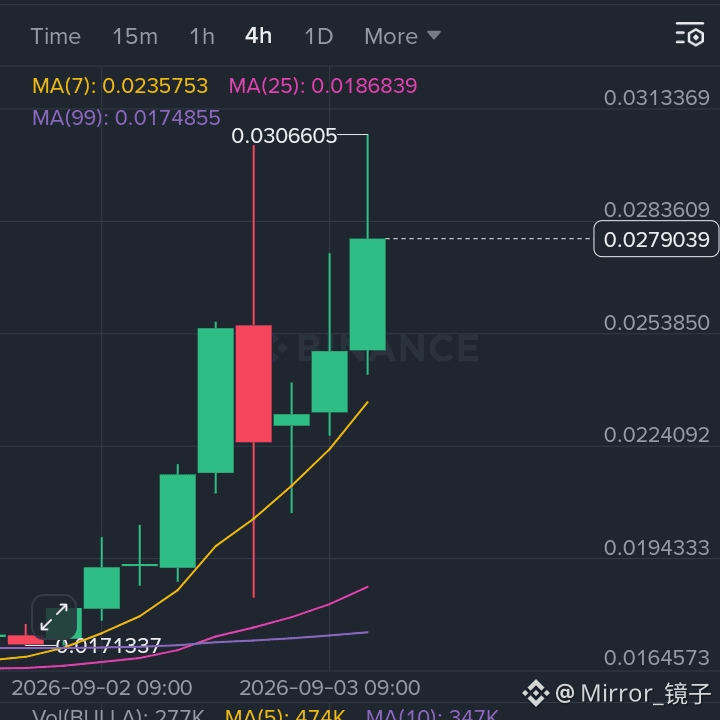
$BULLA يستيقظ 👀🚀
+42% خلال 24 ساعة مع بقاء السعر فوق المتوسطات المتحركة الرئيسية. الدببة تدفع باتجاه منطقة $0.0306—اختراق أم رفض؟ 📈
أراقب هذا عن كثب. 🐂🔥
#Write2Earn!
{alpha}(560x595e21b20e78674f8a64c1566a20b2b316bc3511)
$BULLA يستيقظ 👀🚀
+42% خلال 24 ساعة مع بقاء السعر فوق المتوسطات المتحركة الرئيسية. الدببة تدفع باتجاه منطقة $0.0306—اختراق أم رفض؟ 📈
أراقب هذا عن كثب. 🐂🔥
#Write2Earn!
+42% خلال 24 ساعة مع بقاء السعر فوق المتوسطات المتحركة الرئيسية. الدببة تدفع باتجاه منطقة $0.0306—اختراق أم رفض؟ 📈
أراقب هذا عن كثب. 🐂🔥
#Write2Earn!
89
·
--
صاعد
$FLORK , $AKE & $MARSCOIN استيقظوا بالفعل واختاروا العنف اليوم 😂
أنا: “مجرد أشاهد.” وأنا أيضًا: 👀
#Write2Earn!
{alpha}(560x2c3a8ee94ddd97244a93bc48298f97d2c412f7db)
{alpha}(560xfe189e97832da1573e4e4ff034f4ffc3a15c7777)
{alpha}(560xf40592daacb3e5abf358789f5688c0b4f64d7777)
$FLORK , $AKE & $MARSCOIN استيقظوا بالفعل واختاروا العنف اليوم 😂
أنا: “مجرد أشاهد.” وأنا أيضًا: 👀
#Write2Earn!
أنا: “مجرد أشاهد.” وأنا أيضًا: 👀
#Write2Earn!

2
781
·
--
هابط
تُظهر القوائم الجديدة اليوم زخمًا مختلطًا. $CRWDB يتم تداوله حول 205.70. السعر المستهدف: 216.00–226.00، مع وقف خسارة حوالي 199.50. $MRNAB حاليًا حوالي 147.32. السعر المستهدف: 155.00–162.00، مع وقف خسارة حوالي 142.90. $SQQQB قريب من 39.71. السعر المستهدف: 41.70–43.70، مع وقف خسارة حوالي 38.50.
تشمل العملات الأخرى في قائمة المراقبة ما يُظهر أقوى حركة إيجابية خلال 24 ساعة بين العملات المعروضة، مع مواجهة ضغط بيع ملحوظ. يمكن أن تكون القوائم الجديدة شديدة التقلب، لذا دائمًا إدارة المخاطر والتأكد من ظروف السوق قبل اتخاذ أي قرار. هذا للنقاش في السوق وليس نصيحة مالية.
#Write2Earn!
{spot}(CRWDBUSDT)
{spot}(SQQQBUSDT)
{spot}(MRNABUSDT)
تُظهر القوائم الجديدة اليوم زخمًا مختلطًا. $CRWDB يتم تداوله حول 205.70. السعر المستهدف: 216.00–226.00، مع وقف خسارة حوالي 199.50. $MRNAB حاليًا حوالي 147.32. السعر المستهدف: 155.00–162.00، مع وقف خسارة حوالي 142.90. $SQQQB قريب من 39.71. السعر المستهدف: 41.70–43.70، مع وقف خسارة حوالي 38.50.
تشمل العملات الأخرى في قائمة المراقبة ما يُظهر أقوى حركة إيجابية خلال 24 ساعة بين العملات المعروضة، مع مواجهة ضغط بيع ملحوظ. يمكن أن تكون القوائم الجديدة شديدة التقلب، لذا دائمًا إدارة المخاطر والتأكد من ظروف السوق قبل اتخاذ أي قرار. هذا للنقاش في السوق وليس نصيحة مالية.
#Write2Earn!
تشمل العملات الأخرى في قائمة المراقبة ما يُظهر أقوى حركة إيجابية خلال 24 ساعة بين العملات المعروضة، مع مواجهة ضغط بيع ملحوظ. يمكن أن تكون القوائم الجديدة شديدة التقلب، لذا دائمًا إدارة المخاطر والتأكد من ظروف السوق قبل اتخاذ أي قرار. هذا للنقاش في السوق وليس نصيحة مالية.
#Write2Earn!
1
176
·
--
صاعد
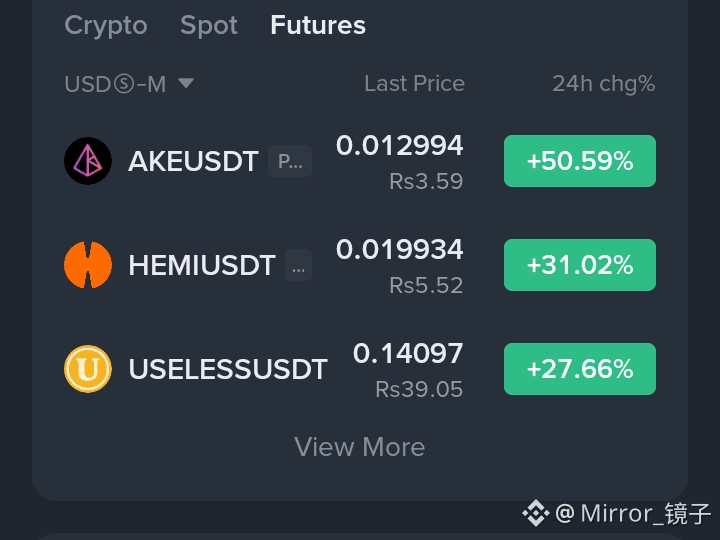
عديم الفائدة! إن قطعة نقدية $USELESS هذه شرسة حقًا، لقد كانت تضخ منذ أيام كثيرة. أحيانًا أظن أن عملات المشاريع المزعومة في عالم الكريبتو ليست حتى جيدة مثل عملة $USELESS . العملات التي تجمع الأموال هنا وهناك تكون دائمًا في حالة نزول منذ الإطلاق، وهي تبحث باستمرار عن مستثمرين تجزئة ليتحملوا الضربة. وعلى العكس من ذلك، أحيانًا تتحول هذه العملات إلى عملات وحش.
لكنني من النوع الذي يحب أن يقصّر على التنين؛ لقد ضخختَه إلى هذا الارتفاع، إذا لم أقصّر عليه، من سيفعل؟ لا بد أن يأتي تراجع بسيط في النهاية، أليس كذلك؟
#Write2Earn!
{future}(USELESSUSDT)
عديم الفائدة! إن قطعة نقدية $USELESS هذه شرسة حقًا، لقد كانت تضخ منذ أيام كثيرة. أحيانًا أظن أن عملات المشاريع المزعومة في عالم الكريبتو ليست حتى جيدة مثل عملة $USELESS . العملات التي تجمع الأموال هنا وهناك تكون دائمًا في حالة نزول منذ الإطلاق، وهي تبحث باستمرار عن مستثمرين تجزئة ليتحملوا الضربة. وعلى العكس من ذلك، أحيانًا تتحول هذه العملات إلى عملات وحش.
لكنني من النوع الذي يحب أن يقصّر على التنين؛ لقد ضخختَه إلى هذا الارتفاع، إذا لم أقصّر عليه، من سيفعل؟ لا بد أن يأتي تراجع بسيط في النهاية، أليس كذلك؟
#Write2Earn!
لكنني من النوع الذي يحب أن يقصّر على التنين؛ لقد ضخختَه إلى هذا الارتفاع، إذا لم أقصّر عليه، من سيفعل؟ لا بد أن يأتي تراجع بسيط في النهاية، أليس كذلك؟
#Write2Earn!
1
261
·
--
صاعد
تمّ التحقق
إن SUI اليوم يتصرف بشكل غريب! كيف لا يزال يرتفع بنسبة 5% عكس الاتجاه؟ بيتكوين وإيثريوم تتجهان للأسفل.
حاليًا، يتذبذب السعر حول 0.755 دولار. لا تكتفِ بالمراقبة لعدة أيام—اثبت مكانك.
أطلقت SUI على Kravata، لتوفير مدفوعات بالـ stablecoin، ونفقات، وحسابات عالمية مدمجة على Sui، مما يتيح طرق دفع لتحويلات مستقرة بدون رسوم 0GAS لعدد 5 ملايين مستخدم في أمريكا اللاتينية.
وهذا سيجلب المزيد من استخدامات المدفوعات ونمط الحياة إلى سلسلة SUI، مع الأمل في نمو مستمر وتوسع المستخدمين في المدفوعات عبر الحدود والاستخدام اليومي. $SUI
#Write2Earn
{future}(SUIUSDT)
إن SUI اليوم يتصرف بشكل غريب! كيف لا يزال يرتفع بنسبة 5% عكس الاتجاه؟ بيتكوين وإيثريوم تتجهان للأسفل.
حاليًا، يتذبذب السعر حول 0.755 دولار. لا تكتفِ بالمراقبة لعدة أيام—اثبت مكانك.
أطلقت SUI على Kravata، لتوفير مدفوعات بالـ stablecoin، ونفقات، وحسابات عالمية مدمجة على Sui، مما يتيح طرق دفع لتحويلات مستقرة بدون رسوم 0GAS لعدد 5 ملايين مستخدم في أمريكا اللاتينية.
وهذا سيجلب المزيد من استخدامات المدفوعات ونمط الحياة إلى سلسلة SUI، مع الأمل في نمو مستمر وتوسع المستخدمين في المدفوعات عبر الحدود والاستخدام اليومي. $SUI
#Write2Earn
حاليًا، يتذبذب السعر حول 0.755 دولار. لا تكتفِ بالمراقبة لعدة أيام—اثبت مكانك.
أطلقت SUI على Kravata، لتوفير مدفوعات بالـ stablecoin، ونفقات، وحسابات عالمية مدمجة على Sui، مما يتيح طرق دفع لتحويلات مستقرة بدون رسوم 0GAS لعدد 5 ملايين مستخدم في أمريكا اللاتينية.
وهذا سيجلب المزيد من استخدامات المدفوعات ونمط الحياة إلى سلسلة SUI، مع الأمل في نمو مستمر وتوسع المستخدمين في المدفوعات عبر الحدود والاستخدام اليومي. $SUI
#Write2Earn
3
738
·
--
هابط
استثمار قيمة جاد📖
لكن الحساب يشبه النار والثلج.
لقد حقق مركز الشراء الطويل رقم $BTC بالفعل
ربحًا عائمًا قدره 7060.05U، والاتجاه قوي جدًا.
في المقابل، هذا الإيثيريوم عديم الفائدة ما زال يجرّ خلفه بصعوبة
ما زال يحتفظ بخسائر عائمة تزيد عن ألف U😤.
نفس إعداد مركز الشراء الطويل
أحدهما يعمل بجد لتحقيق الأرباح
والآخر يظل يجرّ خلفه.
كل ذلك بفضل استمرار أداء البيتكوين الذي يدعم الحساب ككل
ههههه، إيثيريوم، استيقظ مبكرًا
واكْب إيقاع الهجوم المضاد للبيتكوين، ولا تتأخر بعد الآن😂
{spot}(BTCUSDT)
استثمار قيمة جاد📖
لكن الحساب يشبه النار والثلج.
لقد حقق مركز الشراء الطويل رقم $BTC بالفعل
ربحًا عائمًا قدره 7060.05U، والاتجاه قوي جدًا.
في المقابل، هذا الإيثيريوم عديم الفائدة ما زال يجرّ خلفه بصعوبة
ما زال يحتفظ بخسائر عائمة تزيد عن ألف U😤.
نفس إعداد مركز الشراء الطويل
أحدهما يعمل بجد لتحقيق الأرباح
والآخر يظل يجرّ خلفه.
كل ذلك بفضل استمرار أداء البيتكوين الذي يدعم الحساب ككل
ههههه، إيثيريوم، استيقظ مبكرًا
واكْب إيقاع الهجوم المضاد للبيتكوين، ولا تتأخر بعد الآن😂
لكن الحساب يشبه النار والثلج.
لقد حقق مركز الشراء الطويل رقم $BTC بالفعل
ربحًا عائمًا قدره 7060.05U، والاتجاه قوي جدًا.
في المقابل، هذا الإيثيريوم عديم الفائدة ما زال يجرّ خلفه بصعوبة
ما زال يحتفظ بخسائر عائمة تزيد عن ألف U😤.
نفس إعداد مركز الشراء الطويل
أحدهما يعمل بجد لتحقيق الأرباح
والآخر يظل يجرّ خلفه.
كل ذلك بفضل استمرار أداء البيتكوين الذي يدعم الحساب ككل
ههههه، إيثيريوم، استيقظ مبكرًا
واكْب إيقاع الهجوم المضاد للبيتكوين، ولا تتأخر بعد الآن😂
1
2
429
·
--
صاعد
لستُ مقتنعًا بذلك: هذا العقد القصير على $EGLD ، أما إجمالي مراكز العقود عبر الشبكة فهو 39 مليونًا، بنسبة طويلة إلى قصيرة 6 إلى 4؛ أي إن 6 من أصل 10 أشخاص يطاردون المراكز الطويلة. منطقيًا، مع وجود هذا العدد الكبير من المراكز الطويلة، ينبغي أن يقوم كبار اللاعبين بالبيع، لكن بدلًا من ذلك، ظلّ يتمسّك بالصعود وارتفع 30 نقطة خلال الانخفاض البطيء للسوق.
لقد تضاعفت مراكز العقود عدة مرات خلال يوم واحد، لكن لحسن الحظ فإن موقفي صغير ويمكنني تحمّله. المقاومة في الأعلى موجودة أولًا عند 5.3، ثم 5.8-6.0 هي منطقة فراغ. في الواقع، يخسر الناس المال عندما يراهنون بالمراكز القصيرة في العملات البديلة (altcoins) لأن مراكزهم ثقيلة والرافعة المالية مرتفعة، وليس لأن السوق يستهدفك. طالما أن حجم مركزك صغير، ووفقًا لأنماط تداول العملات البديلة، فسوف ينخفض في وقتٍ ما عاجلًا أم آجلًا.
مركزي ما زال قائمًا ولم أغادر بعد. إذا اخترق 5.5، أعترف بالهزيمة وسأخرج؛ وإذا لم يخترق، فسأنتظر حتى يهبط وأضيف إلى مركزي لأخفض متوسط التكلفة
{future}(EGLDUSDT)
لستُ مقتنعًا بذلك: هذا العقد القصير على $EGLD ، أما إجمالي مراكز العقود عبر الشبكة فهو 39 مليونًا، بنسبة طويلة إلى قصيرة 6 إلى 4؛ أي إن 6 من أصل 10 أشخاص يطاردون المراكز الطويلة. منطقيًا، مع وجود هذا العدد الكبير من المراكز الطويلة، ينبغي أن يقوم كبار اللاعبين بالبيع، لكن بدلًا من ذلك، ظلّ يتمسّك بالصعود وارتفع 30 نقطة خلال الانخفاض البطيء للسوق.
لقد تضاعفت مراكز العقود عدة مرات خلال يوم واحد، لكن لحسن الحظ فإن موقفي صغير ويمكنني تحمّله. المقاومة في الأعلى موجودة أولًا عند 5.3، ثم 5.8-6.0 هي منطقة فراغ. في الواقع، يخسر الناس المال عندما يراهنون بالمراكز القصيرة في العملات البديلة (altcoins) لأن مراكزهم ثقيلة والرافعة المالية مرتفعة، وليس لأن السوق يستهدفك. طالما أن حجم مركزك صغير، ووفقًا لأنماط تداول العملات البديلة، فسوف ينخفض في وقتٍ ما عاجلًا أم آجلًا.
مركزي ما زال قائمًا ولم أغادر بعد. إذا اخترق 5.5، أعترف بالهزيمة وسأخرج؛ وإذا لم يخترق، فسأنتظر حتى يهبط وأضيف إلى مركزي لأخفض متوسط التكلفة
لقد تضاعفت مراكز العقود عدة مرات خلال يوم واحد، لكن لحسن الحظ فإن موقفي صغير ويمكنني تحمّله. المقاومة في الأعلى موجودة أولًا عند 5.3، ثم 5.8-6.0 هي منطقة فراغ. في الواقع، يخسر الناس المال عندما يراهنون بالمراكز القصيرة في العملات البديلة (altcoins) لأن مراكزهم ثقيلة والرافعة المالية مرتفعة، وليس لأن السوق يستهدفك. طالما أن حجم مركزك صغير، ووفقًا لأنماط تداول العملات البديلة، فسوف ينخفض في وقتٍ ما عاجلًا أم آجلًا.
مركزي ما زال قائمًا ولم أغادر بعد. إذا اخترق 5.5، أعترف بالهزيمة وسأخرج؛ وإذا لم يخترق، فسأنتظر حتى يهبط وأضيف إلى مركزي لأخفض متوسط التكلفة
1
183
·
--
كلمة اليوم
[word of the dayhttps://www.binance.com/activity/word-of-the-day/Gen-Z-Investing?ref=CPA_00TZT05ZLB](https://www.binance.com/activity/word-of-the-day/Gen-Z-Investing?ref=CPA_00TZT05ZLB)
كلمة اليوم
word of the dayhttps://www.binance.com/activity/word-of-the-day/Gen-Z-Investing?ref=CPA_00TZT05ZLB
word of the dayhttps://www.binance.com/activity/word-of-the-day/Gen-Z-Investing?ref=CPA_00TZT05ZLB
2
51
·
--
🔥 الرابحون اليوم 🚀
SKR | MOVR | HEMI
😂 مزاج السوق: “انسَ الخاسرين اليوم—استمتع فقط بتلك الشموع الخضراء!” 📈😎
$SKR
{future}(SKRUSDT)
$MOVR
{future}(MOVRUSDT)
$HEMI
{future}(HEMIUSDT)
#Write2Earn!
🔥 الرابحون اليوم 🚀
SKR | MOVR | HEMI
😂 مزاج السوق: “انسَ الخاسرين اليوم—استمتع فقط بتلك الشموع الخضراء!” 📈😎
$SKR
$MOVR
$HEMI
#Write2Earn!
SKR | MOVR | HEMI
😂 مزاج السوق: “انسَ الخاسرين اليوم—استمتع فقط بتلك الشموع الخضراء!” 📈😎
$SKR
$MOVR
$HEMI
#Write2Earn!
SRK
36%
MOVR
20%
HEMI
44%
25 الأصوات • تمّ إغلاق التصويت
1
770
·
--
صاعد
🚀 MOVRUSDT — تنبيه بزخم قوي
🌙 MOVR هو الرمز الأصلي لـ Moonriver، وهو باراشين من نوع Kusama مصمم لتوفير بيئة ذكية متوافقة مع Ethereum. تم إطلاق الشبكة في عام 2021 وأصبحت جزءًا من منظومة Moonbeam الأوسع.
📊 السعر الحالي: 0.9364
📈 التغير خلال 24 ساعة: +35.16%
🎯 الهدف: 1.05 – 1.15
🛑 وقف الخسارة: 0.86
يُظهر MOVR زخمًا قويًا بعد حركة كبيرة. راقب أحجام التداول والمستويات الرئيسية بعناية، وتأكد من إدارة المخاطر جيدًا قبل الدخول.
🔥 تداول بذكاء. لا تطارد الضخّة.
#MOVR #Write2Earn!
🚀 MOVRUSDT — تنبيه بزخم قوي
🌙 MOVR هو الرمز الأصلي لـ Moonriver، وهو باراشين من نوع Kusama مصمم لتوفير بيئة ذكية متوافقة مع Ethereum. تم إطلاق الشبكة في عام 2021 وأصبحت جزءًا من منظومة Moonbeam الأوسع.
📊 السعر الحالي: 0.9364
📈 التغير خلال 24 ساعة: +35.16%
🎯 الهدف: 1.05 – 1.15
🛑 وقف الخسارة: 0.86
يُظهر MOVR زخمًا قويًا بعد حركة كبيرة. راقب أحجام التداول والمستويات الرئيسية بعناية، وتأكد من إدارة المخاطر جيدًا قبل الدخول.
🔥 تداول بذكاء. لا تطارد الضخّة.
#MOVR #Write2Earn!
🌙 MOVR هو الرمز الأصلي لـ Moonriver، وهو باراشين من نوع Kusama مصمم لتوفير بيئة ذكية متوافقة مع Ethereum. تم إطلاق الشبكة في عام 2021 وأصبحت جزءًا من منظومة Moonbeam الأوسع.
📊 السعر الحالي: 0.9364
📈 التغير خلال 24 ساعة: +35.16%
🎯 الهدف: 1.05 – 1.15
🛑 وقف الخسارة: 0.86
يُظهر MOVR زخمًا قويًا بعد حركة كبيرة. راقب أحجام التداول والمستويات الرئيسية بعناية، وتأكد من إدارة المخاطر جيدًا قبل الدخول.
🔥 تداول بذكاء. لا تطارد الضخّة.
#MOVR #Write2Earn!
210
·
--
صاعد
🟢 خصم — +11.36%
💰 السعر: 1.24446
🎯 الهدف: 1.35 – 1.45
🛑 وقف الخسارة: 1.15
يُظهر الخصم زخمًا صاعدًا قويًا مع حركة قوية +11.36%. يمكن للمتداولين مراقبة المستويات الرئيسية وإدارة المخاطر بعناية.
📈 الدخول: حول 1.24
🎯 الهدف: 1.35+
🛑 وقف الخسارة: 1.15
تداول بذكاء، وابقَ منضبطًا، ولا تخاطر بأكثر مما تستطيع خسارته.
$DEBIT
{alpha}(560x66661c7229901f568f16bd1551b3ba826f83ce49)
#Write2Earn!
🟢 خصم — +11.36%
💰 السعر: 1.24446
🎯 الهدف: 1.35 – 1.45
🛑 وقف الخسارة: 1.15
يُظهر الخصم زخمًا صاعدًا قويًا مع حركة قوية +11.36%. يمكن للمتداولين مراقبة المستويات الرئيسية وإدارة المخاطر بعناية.
📈 الدخول: حول 1.24
🎯 الهدف: 1.35+
🛑 وقف الخسارة: 1.15
تداول بذكاء، وابقَ منضبطًا، ولا تخاطر بأكثر مما تستطيع خسارته.
$DEBIT
#Write2Earn!
💰 السعر: 1.24446
🎯 الهدف: 1.35 – 1.45
🛑 وقف الخسارة: 1.15
يُظهر الخصم زخمًا صاعدًا قويًا مع حركة قوية +11.36%. يمكن للمتداولين مراقبة المستويات الرئيسية وإدارة المخاطر بعناية.
📈 الدخول: حول 1.24
🎯 الهدف: 1.35+
🛑 وقف الخسارة: 1.15
تداول بذكاء، وابقَ منضبطًا، ولا تخاطر بأكثر مما تستطيع خسارته.
$DEBIT
#Write2Earn!
Bullish 💚
88%
Bearish ♥️
12%
8 الأصوات • تمّ إغلاق التصويت
1
475
·
--
صاعد
إكس آر بي يقود هبوط سوق العملات المشفرة — لكن هل انتهت الموجة الصعودية فعلًا؟
شهدت إكس آر بي ارتفاعًا قويًا، حيث صعدت من حوالي 1.00 دولار إلى قرابة 1.69 دولار خلال بضعة أيام فقط. الآن تراجعت الأسعار باتجاه منطقة 1.40 دولار، بينما يقوم المتداولون بتحصيل الأرباح ويتم تصفية المراكز المُرافَعة.
لكن التراجع بعد موجة صعود حادة لا يعني تلقائيًا أن الاتجاه قد انتهى.
بالنسبة لي، السؤال الأساسي بسيط: هل يستطيع إكس آر بي الحفاظ على منطقة 1.40 دولار؟
إذا دافع المشترون عنها، فقد يكون ذلك مجرد تهدئة للسوق قبل خطوة أعلى جديدة. أما إذا تم كسر هذا المستوى بشكل حاسم، فقد تظهر دعوم أعمق حول 1.30–1.20 دولار.
الأسواق لا تتحرك في خط مستقيم للأعلى. أحيانًا تحتاج أقوى الموجات الصعودية إلى إعادة ضبط قبل القرار التالي.
في الوقت الحالي، أراقب رد الفعل عند 1.40 دولار أكثر من الضجيج. 📊
ليس نصيحة مالية. تداول بناءً على إدارة المخاطر الخاصة بك.
$XRP
{future}(XRPUSDT)
#Write2Earn! #XRPLeadsCryptoPullbackDropsNearly7%
إكس آر بي يقود هبوط سوق العملات المشفرة — لكن هل انتهت الموجة الصعودية فعلًا؟
شهدت إكس آر بي ارتفاعًا قويًا، حيث صعدت من حوالي 1.00 دولار إلى قرابة 1.69 دولار خلال بضعة أيام فقط. الآن تراجعت الأسعار باتجاه منطقة 1.40 دولار، بينما يقوم المتداولون بتحصيل الأرباح ويتم تصفية المراكز المُرافَعة.
لكن التراجع بعد موجة صعود حادة لا يعني تلقائيًا أن الاتجاه قد انتهى.
بالنسبة لي، السؤال الأساسي بسيط: هل يستطيع إكس آر بي الحفاظ على منطقة 1.40 دولار؟
إذا دافع المشترون عنها، فقد يكون ذلك مجرد تهدئة للسوق قبل خطوة أعلى جديدة. أما إذا تم كسر هذا المستوى بشكل حاسم، فقد تظهر دعوم أعمق حول 1.30–1.20 دولار.
الأسواق لا تتحرك في خط مستقيم للأعلى. أحيانًا تحتاج أقوى الموجات الصعودية إلى إعادة ضبط قبل القرار التالي.
في الوقت الحالي، أراقب رد الفعل عند 1.40 دولار أكثر من الضجيج. 📊
ليس نصيحة مالية. تداول بناءً على إدارة المخاطر الخاصة بك.
$XRP
#Write2Earn! #XRPLeadsCryptoPullbackDropsNearly7%
شهدت إكس آر بي ارتفاعًا قويًا، حيث صعدت من حوالي 1.00 دولار إلى قرابة 1.69 دولار خلال بضعة أيام فقط. الآن تراجعت الأسعار باتجاه منطقة 1.40 دولار، بينما يقوم المتداولون بتحصيل الأرباح ويتم تصفية المراكز المُرافَعة.
لكن التراجع بعد موجة صعود حادة لا يعني تلقائيًا أن الاتجاه قد انتهى.
بالنسبة لي، السؤال الأساسي بسيط: هل يستطيع إكس آر بي الحفاظ على منطقة 1.40 دولار؟
إذا دافع المشترون عنها، فقد يكون ذلك مجرد تهدئة للسوق قبل خطوة أعلى جديدة. أما إذا تم كسر هذا المستوى بشكل حاسم، فقد تظهر دعوم أعمق حول 1.30–1.20 دولار.
الأسواق لا تتحرك في خط مستقيم للأعلى. أحيانًا تحتاج أقوى الموجات الصعودية إلى إعادة ضبط قبل القرار التالي.
في الوقت الحالي، أراقب رد الفعل عند 1.40 دولار أكثر من الضجيج. 📊
ليس نصيحة مالية. تداول بناءً على إدارة المخاطر الخاصة بك.
$XRP
#Write2Earn! #XRPLeadsCryptoPullbackDropsNearly7%
166
·
--
صاعد
تُظهر سولانا زخمًا صعوديًا قويًا حول منطقة 100 دولار.
قد يؤدي الاختراق فوق 105 دولارات إلى دفع SOL نحو مستويات المقاومة التالية.
الدخول: 101–104
إيقاف الخسارة: 96
الهدف 1: 108
الهدف 2: 112
الهدف 3: 120
المستوى الرئيسي: مقاومة 105 دولار
$SOL
#Write2Earn!
{spot}(SOLUSDT)
تُظهر سولانا زخمًا صعوديًا قويًا حول منطقة 100 دولار.
قد يؤدي الاختراق فوق 105 دولارات إلى دفع SOL نحو مستويات المقاومة التالية.
الدخول: 101–104
إيقاف الخسارة: 96
الهدف 1: 108
الهدف 2: 112
الهدف 3: 120
المستوى الرئيسي: مقاومة 105 دولار
$SOL
#Write2Earn!
قد يؤدي الاختراق فوق 105 دولارات إلى دفع SOL نحو مستويات المقاومة التالية.
الدخول: 101–104
إيقاف الخسارة: 96
الهدف 1: 108
الهدف 2: 112
الهدف 3: 120
المستوى الرئيسي: مقاومة 105 دولار
$SOL
#Write2Earn!
76
سجّل الدخول لاستكشاف المزيد من المُحتوى
انضم إلى مُستخدمي العملات الرقمية حول العالم على Binance Square
⚡️ احصل على أحدث المعلومات المفيدة عن العملات الرقمية.
💬 موثوقة من قبل أكبر منصّة لتداول العملات الرقمية في العالم.
👍 اكتشف الرؤى الحقيقية من صنّاع المُحتوى الموثوقين.
البريد الإلكتروني / رقم الهاتف
المواضيع الرائجة
CircleMints500MUSDCOnSolana
54,071 مشاهدات
1,327 يقومون بالنقاش
$SOL — CIRCLE تطبع للتو دفعة جديدة بقيمة 500 مليون دولار من USDC على سولانا. 🚨
قامت شركة Circle بإصدار 500 مليون USDC على سولانا على دفعتين بقيمة 250 مليون دولار، ما أضاف ضخّ سيولة رئيسي آخر إلى الشبكة. يؤكد الإبلاغ على السلسلة عمليات الإصدار، على الرغم من أن الرموز ظلت في البداية ضمن مخزون الخزانة الخاضع لسيطرة Circle بدلًا من دخول التداول فورًا.
وهذا ليس تحركًا معزولًا.
وصل إجمالي المعروض من العملات المستقرة على سولانا إلى مستوى تاريخي جديد عند 17.3 مليار دولار، بينما أفادت التقارير أن Circle قامت بإصدار ما يقارب 11 مليار دولار من USDC على سولانا خلال شهر أغسطس وحده.
لماذا هذا مهم بالنسبة إلى $SOL ؟
زيادة سيولة العملات المستقرة يمكن أن تعني وقودًا أكبر لتداول DEX وDeFi والمدفوعات والنشاط على السلسلة.
الأموال لا تغادر سولانا.
المزيد من الدولارات يتم سكّها باستمرار عليها. 👀
متابعة من فضلكم
$CRCL
#circlemints500musdconsolana #PolymarketBankFailureBetsDrawFDICConcern #BlackRockBuildsTokenizedPortfoliosForOndo #BitwiseFilesToListNEARETFOnNYSEArca #SECCommissionerPeirceToLeaveOct2
Shamika Metting
·6 إعجاب
·5.3k مشاهدات
PolymarketBankFailureBetsDrawFDICConcern
67,605 مشاهدات
1,373 يقومون بالنقاش
BlackRockBuildsTokenizedPortfoliosForOndo
53,814 مشاهدات
957 يقومون بالنقاش