

Antrezur
85 منشورات

Antrezur
إبلاغ
حظر المُستخدم
1 تتابع
35 المتابعون
44 إعجاب
منشورات
·
--
رحلة فيرونا في كوريارحلة فيرونا في كوريا
ساعدت رحلة فيرونا في كوريا على تقديم قصة أكثر اكتمالًا بكثير حول ما يبنيه هذا الشبك.
قبل وقت طويل من بدء برنامج KBW2026 الرئيسي، كانت @verona_dev بالفعل في سيول. في السابع عشر من سبتمبر، ومن خلال "خلف الكواليس للذكاء الاصطناعي: من يتحقق، ومن يدفع، ومن يدرّب"، بدأت المحادثة بسؤال أساسي: مع انتقال الذكاء الاصطناعي من مجرد تقديم الإجابات إلى اتخاذ إجراءات فعلية، من الذي يتحقق من المعلومات التي يعتمد عليها؟ ومن الذي يتولى المدفوعات؟ وما البنية التحتية اللازمة لجعل كل ذلك يعمل؟
رحلة فيرونا في كوريا
رحلة فيرونا في كوريا
ساعدت رحلة فيرونا في كوريا على تقديم قصة أكثر اكتمالًا بكثير حول ما يبنيه هذا الشبك.
قبل وقت طويل من بدء برنامج KBW2026 الرئيسي، كانت @verona_dev بالفعل في سيول. في السابع عشر من سبتمبر، ومن خلال "خلف الكواليس للذكاء الاصطناعي: من يتحقق، ومن يدفع، ومن يدرّب"، بدأت المحادثة بسؤال أساسي: مع انتقال الذكاء الاصطناعي من مجرد تقديم الإجابات إلى اتخاذ إجراءات فعلية، من الذي يتحقق من المعلومات التي يعتمد عليها؟ ومن الذي يتولى المدفوعات؟ وما البنية التحتية اللازمة لجعل كل ذلك يعمل؟
ساعدت رحلة فيرونا في كوريا على تقديم قصة أكثر اكتمالًا بكثير حول ما يبنيه هذا الشبك.
قبل وقت طويل من بدء برنامج KBW2026 الرئيسي، كانت @verona_dev بالفعل في سيول. في السابع عشر من سبتمبر، ومن خلال "خلف الكواليس للذكاء الاصطناعي: من يتحقق، ومن يدفع، ومن يدرّب"، بدأت المحادثة بسؤال أساسي: مع انتقال الذكاء الاصطناعي من مجرد تقديم الإجابات إلى اتخاذ إجراءات فعلية، من الذي يتحقق من المعلومات التي يعتمد عليها؟ ومن الذي يتولى المدفوعات؟ وما البنية التحتية اللازمة لجعل كل ذلك يعمل؟
45
·
--
صاعد
من حقائق مُتحقَّقة إلى تسويةٍ مستقرة
يصبح verUSD أكثر منطقية عندما يُنظر إليه كجزء من @verona_dev ، وليس كعملة مستقرة قائمة بذاتها.
قامت Verona خلال الأشهر القليلة الماضية ببناء ما يدور حول فكرة أساسية واحدة: إن وكلاء الذكاء الاصطناعي يحتاجون إلى أكثر من مجرد الوصول إلى المعلومات. إنهم يحتاجون إلى حقائق مُتحقَّقة يمكنهم الاعتماد عليها بالفعل قبل اتخاذ القرارات. ومن خلال بنية التحقّق لدى Verona، يمكن تحويل بيانات الإنترنت إلى شيء قابلٍ للإثبات وقابلٍ لإعادة الاستخدام وقابل للاستخدام من قبل الوكلاء، دون تعريض البيانات الخام الأساسية.
لكن معرفة ما هو صحيح ليست سوى نصف المشكلة.
بمجرد أن يمتلك الوكيل سياقًا مُتحقَّقًا كافيًا لاتخاذ إجراء، فإنه يحتاج كذلك إلى طريقة للدفع مقابل البيانات أو الخدمات أو واجهات الـ APIs أو غيرها من المعاملات. تم بناء أنظمة الدفع التقليدية حول فكرة أن البشر يفتحون حسابات بنكية، ويستخدمون البطاقات، ويمرّون عبر مسارات الدفع في المتاجر. أما البرمجيات التي تعمل بشكلٍ مستقل ذاتيًا، وربما تقوم بآلاف المدفوعات الصغيرة، فهي تحتاج إلى شيء مختلف.
$verUSD تم الإطلاق
verUSD هو دولار Verona $USD، دولار شبكة Verona. يمنح الوكلاء وحدة تسوية مستقرة يمكنها أن تقف مباشرةً خلف الإجراءات التي يتخذونها. تتحقق Verona من المعلومات، ويمنح verUSD الوكيل طريقة للدفع عندما تؤدي تلك المعلومات إلى قرار.
يأتي الإطلاق وهو بالفعل مدعوم بأكثر من $100M من الالتزامات المؤسسية، بما في ذلك أكثر من $60M في إيرادات مُوقَّعة ومُتعاقد عليها متوقع أن تمر عبر verUSD كمدفوعات. وهذا مهم لأن verUSD لا يبدأ من الصفر ثم يبحث عن حالة استخدام. فأنشطة الدفع موجودة بالفعل حول Verona، والآن توجد لها أصل تسوية مُصمَّم خصيصًا لهذا الغرض.
تتضح العلاقة بشكلٍ أكبر عندما تُوضَع الأجزاء معًا
حقائق مُتحقَّقة ~~> قرار الوكيل ~~> إجراءٌ قابل للتحقق ~~> تسويةٌ مستقرة.
يتولى Truth Engine طبقة الحقيقة. وتدعم البنية التحتية لدى Verona الإجراء الذي يأتي بعد ذلك. ويضيف verUSD المال إلى المسار نفسه.
لذا فإن القصة الأكبر هنا ليست ببساطة أن Verona أطلقت عملة مستقرة أخرى.
بل إن الحقيقة والفعل والمال بدأت لتعيش داخل النظام نفسه المصمم خصيصًا للوكلاء.
#stablecoin
من حقائق مُتحقَّقة إلى تسويةٍ مستقرة
يصبح verUSD أكثر منطقية عندما يُنظر إليه كجزء من @verona_dev ، وليس كعملة مستقرة قائمة بذاتها.
قامت Verona خلال الأشهر القليلة الماضية ببناء ما يدور حول فكرة أساسية واحدة: إن وكلاء الذكاء الاصطناعي يحتاجون إلى أكثر من مجرد الوصول إلى المعلومات. إنهم يحتاجون إلى حقائق مُتحقَّقة يمكنهم الاعتماد عليها بالفعل قبل اتخاذ القرارات. ومن خلال بنية التحقّق لدى Verona، يمكن تحويل بيانات الإنترنت إلى شيء قابلٍ للإثبات وقابلٍ لإعادة الاستخدام وقابل للاستخدام من قبل الوكلاء، دون تعريض البيانات الخام الأساسية.
لكن معرفة ما هو صحيح ليست سوى نصف المشكلة.
بمجرد أن يمتلك الوكيل سياقًا مُتحقَّقًا كافيًا لاتخاذ إجراء، فإنه يحتاج كذلك إلى طريقة للدفع مقابل البيانات أو الخدمات أو واجهات الـ APIs أو غيرها من المعاملات. تم بناء أنظمة الدفع التقليدية حول فكرة أن البشر يفتحون حسابات بنكية، ويستخدمون البطاقات، ويمرّون عبر مسارات الدفع في المتاجر. أما البرمجيات التي تعمل بشكلٍ مستقل ذاتيًا، وربما تقوم بآلاف المدفوعات الصغيرة، فهي تحتاج إلى شيء مختلف.
$verUSD تم الإطلاق
verUSD هو دولار Verona $USD، دولار شبكة Verona. يمنح الوكلاء وحدة تسوية مستقرة يمكنها أن تقف مباشرةً خلف الإجراءات التي يتخذونها. تتحقق Verona من المعلومات، ويمنح verUSD الوكيل طريقة للدفع عندما تؤدي تلك المعلومات إلى قرار.
يأتي الإطلاق وهو بالفعل مدعوم بأكثر من $100M من الالتزامات المؤسسية، بما في ذلك أكثر من $60M في إيرادات مُوقَّعة ومُتعاقد عليها متوقع أن تمر عبر verUSD كمدفوعات. وهذا مهم لأن verUSD لا يبدأ من الصفر ثم يبحث عن حالة استخدام. فأنشطة الدفع موجودة بالفعل حول Verona، والآن توجد لها أصل تسوية مُصمَّم خصيصًا لهذا الغرض.
تتضح العلاقة بشكلٍ أكبر عندما تُوضَع الأجزاء معًا
حقائق مُتحقَّقة ~~> قرار الوكيل ~~> إجراءٌ قابل للتحقق ~~> تسويةٌ مستقرة.
يتولى Truth Engine طبقة الحقيقة. وتدعم البنية التحتية لدى Verona الإجراء الذي يأتي بعد ذلك. ويضيف verUSD المال إلى المسار نفسه.
لذا فإن القصة الأكبر هنا ليست ببساطة أن Verona أطلقت عملة مستقرة أخرى.
بل إن الحقيقة والفعل والمال بدأت لتعيش داخل النظام نفسه المصمم خصيصًا للوكلاء.
#stablecoin
يصبح verUSD أكثر منطقية عندما يُنظر إليه كجزء من @verona_dev ، وليس كعملة مستقرة قائمة بذاتها.
قامت Verona خلال الأشهر القليلة الماضية ببناء ما يدور حول فكرة أساسية واحدة: إن وكلاء الذكاء الاصطناعي يحتاجون إلى أكثر من مجرد الوصول إلى المعلومات. إنهم يحتاجون إلى حقائق مُتحقَّقة يمكنهم الاعتماد عليها بالفعل قبل اتخاذ القرارات. ومن خلال بنية التحقّق لدى Verona، يمكن تحويل بيانات الإنترنت إلى شيء قابلٍ للإثبات وقابلٍ لإعادة الاستخدام وقابل للاستخدام من قبل الوكلاء، دون تعريض البيانات الخام الأساسية.
لكن معرفة ما هو صحيح ليست سوى نصف المشكلة.
بمجرد أن يمتلك الوكيل سياقًا مُتحقَّقًا كافيًا لاتخاذ إجراء، فإنه يحتاج كذلك إلى طريقة للدفع مقابل البيانات أو الخدمات أو واجهات الـ APIs أو غيرها من المعاملات. تم بناء أنظمة الدفع التقليدية حول فكرة أن البشر يفتحون حسابات بنكية، ويستخدمون البطاقات، ويمرّون عبر مسارات الدفع في المتاجر. أما البرمجيات التي تعمل بشكلٍ مستقل ذاتيًا، وربما تقوم بآلاف المدفوعات الصغيرة، فهي تحتاج إلى شيء مختلف.
$verUSD تم الإطلاق
verUSD هو دولار Verona $USD، دولار شبكة Verona. يمنح الوكلاء وحدة تسوية مستقرة يمكنها أن تقف مباشرةً خلف الإجراءات التي يتخذونها. تتحقق Verona من المعلومات، ويمنح verUSD الوكيل طريقة للدفع عندما تؤدي تلك المعلومات إلى قرار.
يأتي الإطلاق وهو بالفعل مدعوم بأكثر من $100M من الالتزامات المؤسسية، بما في ذلك أكثر من $60M في إيرادات مُوقَّعة ومُتعاقد عليها متوقع أن تمر عبر verUSD كمدفوعات. وهذا مهم لأن verUSD لا يبدأ من الصفر ثم يبحث عن حالة استخدام. فأنشطة الدفع موجودة بالفعل حول Verona، والآن توجد لها أصل تسوية مُصمَّم خصيصًا لهذا الغرض.
تتضح العلاقة بشكلٍ أكبر عندما تُوضَع الأجزاء معًا
حقائق مُتحقَّقة ~~> قرار الوكيل ~~> إجراءٌ قابل للتحقق ~~> تسويةٌ مستقرة.
يتولى Truth Engine طبقة الحقيقة. وتدعم البنية التحتية لدى Verona الإجراء الذي يأتي بعد ذلك. ويضيف verUSD المال إلى المسار نفسه.
لذا فإن القصة الأكبر هنا ليست ببساطة أن Verona أطلقت عملة مستقرة أخرى.
بل إن الحقيقة والفعل والمال بدأت لتعيش داخل النظام نفسه المصمم خصيصًا للوكلاء.
#stablecoin
82
·
--
صاعد
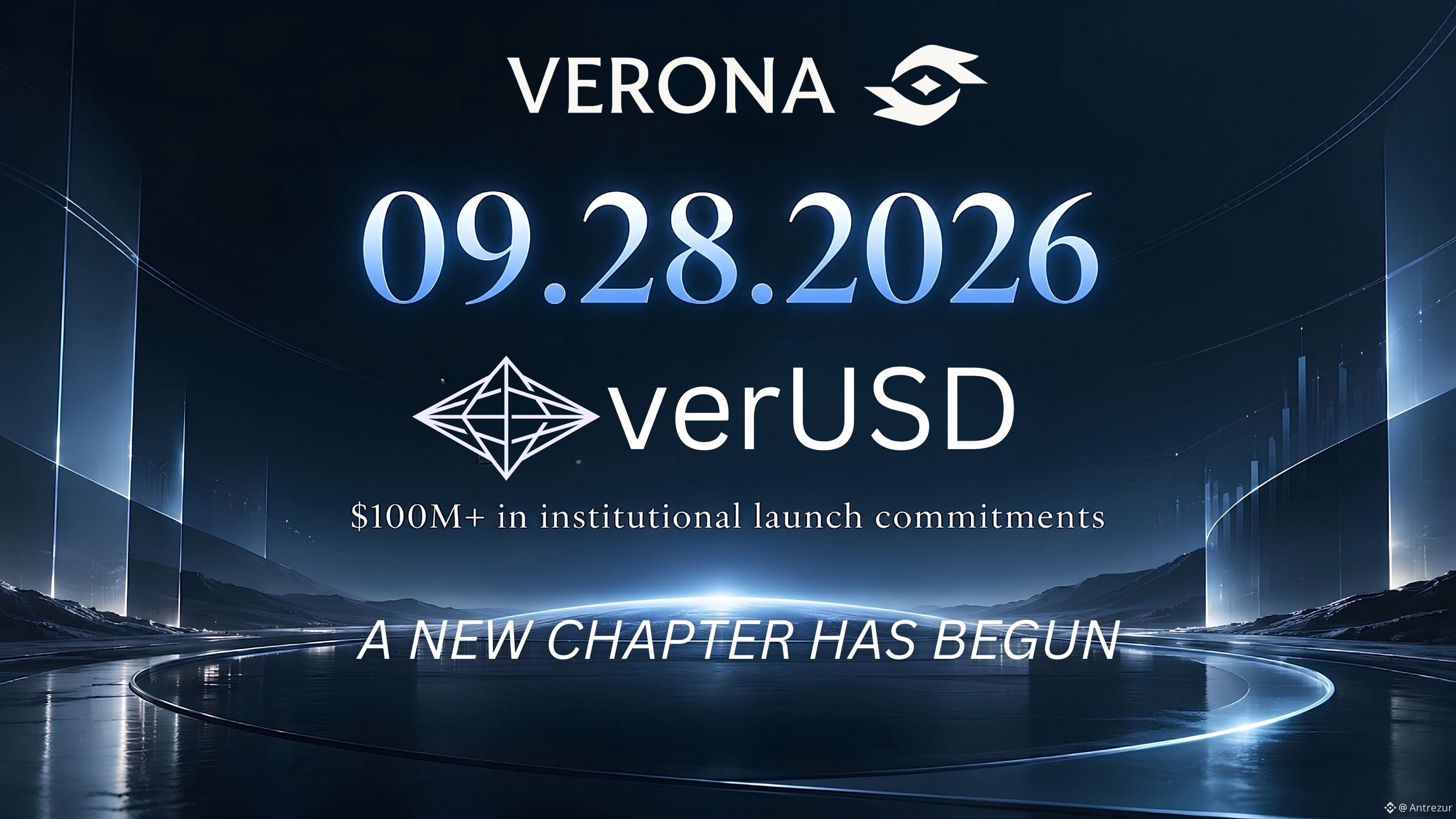
09.28.2026 أخيرًا لديه إجابة.
verUSD هنا، Verona $USD تُطلق بإطلاق أكثر من 100 مليون دولار كالتزامات مؤسسية.
لكن الرقم ليس سوى جزء من القصة.
. @verona_dev أمضى آخر بضعة أشهر في البناء حول حقائق مُتحقَّق منها ووكلاء ذكاء اصطناعي وتنفيذ يمكن التحقق منه. والآن يضيف verUSD جانب الدفع، دولار مُصمَّم لوكلاء يحتاجون إلى إجراء المعاملات برمجيًا، وربما آلاف المرات في اليوم.
أبسط طريقة لفهمه قد تكون سطر Verona الخاص بها: Verona يتحقق من الحقيقة. وverUSD هو الطريقة التي يدفع بها الوكيل مقابل ذلك.
كانت تلك هي اللحظة التي بدأ فيها Verona ربط الحقيقة والمال في نفس التدفق الأصلي للوكلاء.
#stabelcoin
09.28.2026 أخيرًا لديه إجابة.
verUSD هنا، Verona $USD تُطلق بإطلاق أكثر من 100 مليون دولار كالتزامات مؤسسية.
لكن الرقم ليس سوى جزء من القصة.
. @verona_dev أمضى آخر بضعة أشهر في البناء حول حقائق مُتحقَّق منها ووكلاء ذكاء اصطناعي وتنفيذ يمكن التحقق منه. والآن يضيف verUSD جانب الدفع، دولار مُصمَّم لوكلاء يحتاجون إلى إجراء المعاملات برمجيًا، وربما آلاف المرات في اليوم.
أبسط طريقة لفهمه قد تكون سطر Verona الخاص بها: Verona يتحقق من الحقيقة. وverUSD هو الطريقة التي يدفع بها الوكيل مقابل ذلك.
كانت تلك هي اللحظة التي بدأ فيها Verona ربط الحقيقة والمال في نفس التدفق الأصلي للوكلاء.
#stabelcoin
verUSD هنا، Verona $USD تُطلق بإطلاق أكثر من 100 مليون دولار كالتزامات مؤسسية.
لكن الرقم ليس سوى جزء من القصة.
. @verona_dev أمضى آخر بضعة أشهر في البناء حول حقائق مُتحقَّق منها ووكلاء ذكاء اصطناعي وتنفيذ يمكن التحقق منه. والآن يضيف verUSD جانب الدفع، دولار مُصمَّم لوكلاء يحتاجون إلى إجراء المعاملات برمجيًا، وربما آلاف المرات في اليوم.
أبسط طريقة لفهمه قد تكون سطر Verona الخاص بها: Verona يتحقق من الحقيقة. وverUSD هو الطريقة التي يدفع بها الوكيل مقابل ذلك.
كانت تلك هي اللحظة التي بدأ فيها Verona ربط الحقيقة والمال في نفس التدفق الأصلي للوكلاء.
#stabelcoin
76
·
--
صاعد
تنضم فيرونا إلى MAGICORE كشريك ضمن KBW2026.
تقدم فيرونا واحدة من الأفكار التي تقع في قلب عملية التحقق من اتجاهها الحالي بالنسبة للذكاء الاصطناعي. فمن خلال محرك الحقيقة، يمكن تحويل بيانات الإنترنت إلى حقائق قابلة للإثبات، ما يمنح وكلاء الذكاء الاصطناعي شيئًا يمكنهم التحقق منه فعليًا قبل اتخاذ أي إجراء.
وهذا يجعل "لإثبات سحرٌ من نوعٍ خاص" أكثر من مجرد عبارة تسويقية. ومع بدء الوكلاء في القيام بالمزيد من المهام بأنفسهم، تصبح جودة المعلومات التي تقف وراء تلك القرارات بنفس أهمية القرار ذاته.
وتنعقد MAGICORE في سيول في 30 سبتمبر 2026، ضمن فعاليات KBW2026، لتجمع مشاريع تمتد عبر مجالات الذكاء الاصطناعي والبنية التحتية والمجتمع وتقنيات المستهلك.
وبالنسبة إلى فيرونا، تتمثل الرسالة في شيءٍ بسيط:
"يتم التحقق قبل أن يتصرف."
$M #kbw2026
تنضم فيرونا إلى MAGICORE كشريك ضمن KBW2026.
تقدم فيرونا واحدة من الأفكار التي تقع في قلب عملية التحقق من اتجاهها الحالي بالنسبة للذكاء الاصطناعي. فمن خلال محرك الحقيقة، يمكن تحويل بيانات الإنترنت إلى حقائق قابلة للإثبات، ما يمنح وكلاء الذكاء الاصطناعي شيئًا يمكنهم التحقق منه فعليًا قبل اتخاذ أي إجراء.
وهذا يجعل "لإثبات سحرٌ من نوعٍ خاص" أكثر من مجرد عبارة تسويقية. ومع بدء الوكلاء في القيام بالمزيد من المهام بأنفسهم، تصبح جودة المعلومات التي تقف وراء تلك القرارات بنفس أهمية القرار ذاته.
وتنعقد MAGICORE في سيول في 30 سبتمبر 2026، ضمن فعاليات KBW2026، لتجمع مشاريع تمتد عبر مجالات الذكاء الاصطناعي والبنية التحتية والمجتمع وتقنيات المستهلك.
وبالنسبة إلى فيرونا، تتمثل الرسالة في شيءٍ بسيط:
"يتم التحقق قبل أن يتصرف."
$M #kbw2026
تقدم فيرونا واحدة من الأفكار التي تقع في قلب عملية التحقق من اتجاهها الحالي بالنسبة للذكاء الاصطناعي. فمن خلال محرك الحقيقة، يمكن تحويل بيانات الإنترنت إلى حقائق قابلة للإثبات، ما يمنح وكلاء الذكاء الاصطناعي شيئًا يمكنهم التحقق منه فعليًا قبل اتخاذ أي إجراء.
وهذا يجعل "لإثبات سحرٌ من نوعٍ خاص" أكثر من مجرد عبارة تسويقية. ومع بدء الوكلاء في القيام بالمزيد من المهام بأنفسهم، تصبح جودة المعلومات التي تقف وراء تلك القرارات بنفس أهمية القرار ذاته.
وتنعقد MAGICORE في سيول في 30 سبتمبر 2026، ضمن فعاليات KBW2026، لتجمع مشاريع تمتد عبر مجالات الذكاء الاصطناعي والبنية التحتية والمجتمع وتقنيات المستهلك.
وبالنسبة إلى فيرونا، تتمثل الرسالة في شيءٍ بسيط:
"يتم التحقق قبل أن يتصرف."
$M #kbw2026

537
·
--
صاعد
تمّ التحقق
تقوم VERONA بتوسيع نطاق وصولها عبر آسيا.
أعلنت Bitkub رسميًا عن $VERONA كإطلاق عملة جديد، مما يفتح فرصًا جديدة لمستخدمي المنصة للتداول عبر VERONA.
القائمة الجديدة مثل هذه لا تفعل أكثر من مجرد إضافة بورصة أخرى إلى القائمة. فكلما اتسع نطاق الوصول إلى @verona_dev، أصبح من الأسهل على المستخدمين الجدد اكتشاف الانضمام إلى منظومة Verona من المنصات التي يستخدمونها بالفعل.
تستمر رحلة VERONA في التوسع، وتُعد Bitkub واحدة من أحدث بوابات الوصول إليها.
#newlistings
تقوم VERONA بتوسيع نطاق وصولها عبر آسيا.
أعلنت Bitkub رسميًا عن $VERONA كإطلاق عملة جديد، مما يفتح فرصًا جديدة لمستخدمي المنصة للتداول عبر VERONA.
القائمة الجديدة مثل هذه لا تفعل أكثر من مجرد إضافة بورصة أخرى إلى القائمة. فكلما اتسع نطاق الوصول إلى @verona_dev، أصبح من الأسهل على المستخدمين الجدد اكتشاف الانضمام إلى منظومة Verona من المنصات التي يستخدمونها بالفعل.
تستمر رحلة VERONA في التوسع، وتُعد Bitkub واحدة من أحدث بوابات الوصول إليها.
#newlistings
أعلنت Bitkub رسميًا عن $VERONA كإطلاق عملة جديد، مما يفتح فرصًا جديدة لمستخدمي المنصة للتداول عبر VERONA.
القائمة الجديدة مثل هذه لا تفعل أكثر من مجرد إضافة بورصة أخرى إلى القائمة. فكلما اتسع نطاق الوصول إلى @verona_dev، أصبح من الأسهل على المستخدمين الجدد اكتشاف الانضمام إلى منظومة Verona من المنصات التي يستخدمونها بالفعل.
تستمر رحلة VERONA في التوسع، وتُعد Bitkub واحدة من أحدث بوابات الوصول إليها.
#newlistings

2
·
--
صاعد
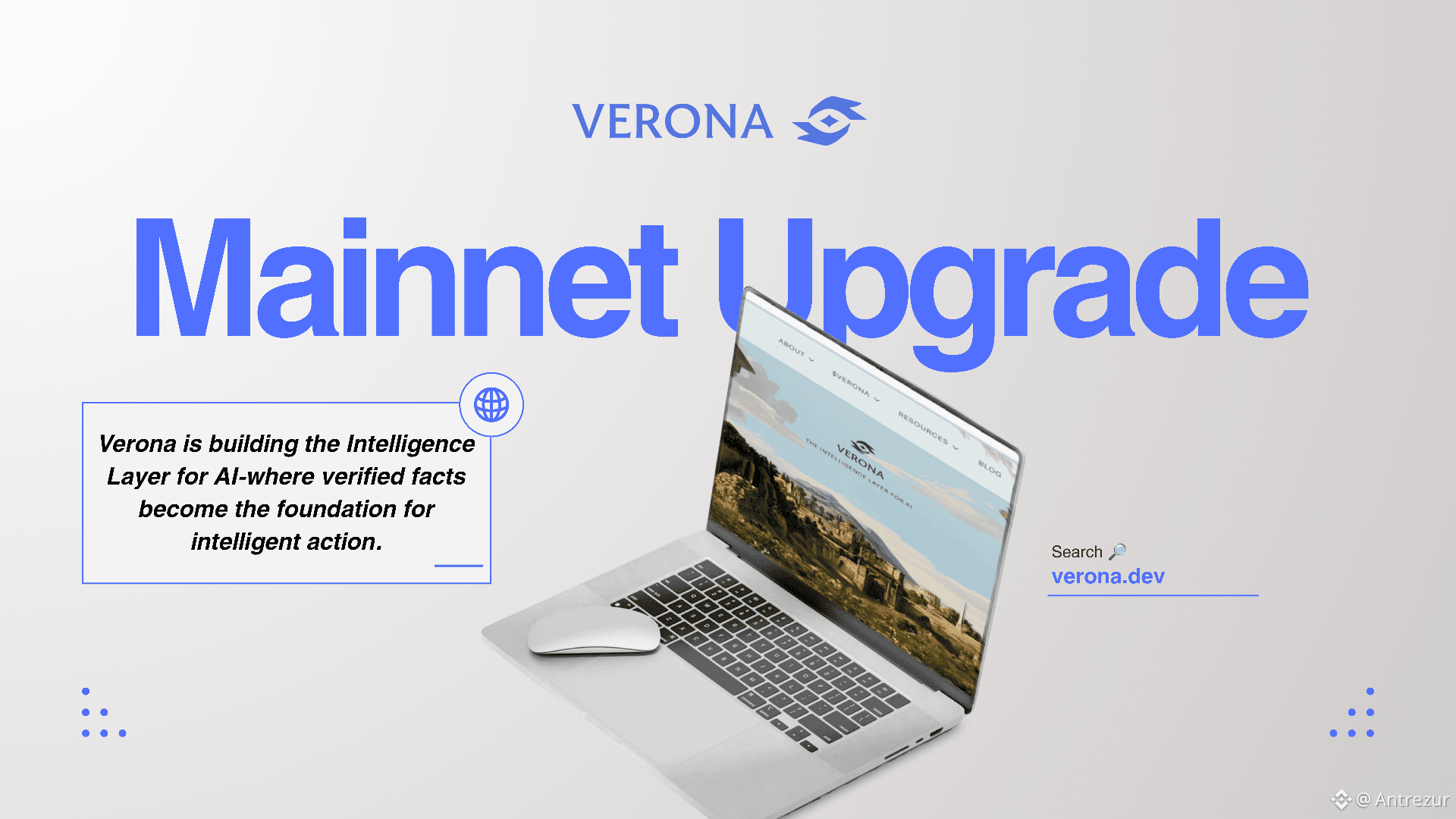
الترقية الأحدث على شبكة Verona الرئيسية أصبحت الآن مُتاحة رسميًا، مع تركيز قوي على احتياجات عملاء الذكاء الاصطناعي، الذين يجب أن يكونوا قادرين على إثبات ما يقومون به دون الاعتماد على الثقة في العميل أو النموذج الكامن خلفه.
ومن بين أبرز التغييرات وجود مُتحقّق Barretenberg في وحدة x/zk، والذي يستخدم الآن الإصدار 5.2.0. وبهذا، يمكن التحقق مباشرةً من الأدلة الصادرة من Noir وbb الأحدث على مستوى البروتوكول، ما يعني أن المطورين لم يعودوا بحاجة إلى إنشاء عقود مُتحقّق خاصة بهم أو صيانتها.
وتُحسّن هذه الترقية أيضًا Meta Accounts من حيث الأداء والتنظيم، مع تعزيز WASMVM لجعل الأساس الذي تُبنى عليه تطبيقات تعمل على Verona أكثر أمانًا. وبما أن التغييرات تحدث على مستوى الشبكة، فإن كل تطبيق على Verona يرث تلقائيًا هذه التحسينات بمجرد تفعيل الترقية.
"آخر قطعة احتجناها قبل يوم الاثنين… أكبر بكثير من مجرد ترقية."
لا تبدو هذه الترقية وكأنها نهاية في حد ذاتها، بل كأنها الأساس النهائي قبل تقديم شيء أكبر بكثير.
#CryptoAi
الترقية الأحدث على شبكة Verona الرئيسية أصبحت الآن مُتاحة رسميًا، مع تركيز قوي على احتياجات عملاء الذكاء الاصطناعي، الذين يجب أن يكونوا قادرين على إثبات ما يقومون به دون الاعتماد على الثقة في العميل أو النموذج الكامن خلفه.
ومن بين أبرز التغييرات وجود مُتحقّق Barretenberg في وحدة x/zk، والذي يستخدم الآن الإصدار 5.2.0. وبهذا، يمكن التحقق مباشرةً من الأدلة الصادرة من Noir وbb الأحدث على مستوى البروتوكول، ما يعني أن المطورين لم يعودوا بحاجة إلى إنشاء عقود مُتحقّق خاصة بهم أو صيانتها.
وتُحسّن هذه الترقية أيضًا Meta Accounts من حيث الأداء والتنظيم، مع تعزيز WASMVM لجعل الأساس الذي تُبنى عليه تطبيقات تعمل على Verona أكثر أمانًا. وبما أن التغييرات تحدث على مستوى الشبكة، فإن كل تطبيق على Verona يرث تلقائيًا هذه التحسينات بمجرد تفعيل الترقية.
"آخر قطعة احتجناها قبل يوم الاثنين… أكبر بكثير من مجرد ترقية."
لا تبدو هذه الترقية وكأنها نهاية في حد ذاتها، بل كأنها الأساس النهائي قبل تقديم شيء أكبر بكثير.
#CryptoAi
ومن بين أبرز التغييرات وجود مُتحقّق Barretenberg في وحدة x/zk، والذي يستخدم الآن الإصدار 5.2.0. وبهذا، يمكن التحقق مباشرةً من الأدلة الصادرة من Noir وbb الأحدث على مستوى البروتوكول، ما يعني أن المطورين لم يعودوا بحاجة إلى إنشاء عقود مُتحقّق خاصة بهم أو صيانتها.
وتُحسّن هذه الترقية أيضًا Meta Accounts من حيث الأداء والتنظيم، مع تعزيز WASMVM لجعل الأساس الذي تُبنى عليه تطبيقات تعمل على Verona أكثر أمانًا. وبما أن التغييرات تحدث على مستوى الشبكة، فإن كل تطبيق على Verona يرث تلقائيًا هذه التحسينات بمجرد تفعيل الترقية.
"آخر قطعة احتجناها قبل يوم الاثنين… أكبر بكثير من مجرد ترقية."
لا تبدو هذه الترقية وكأنها نهاية في حد ذاتها، بل كأنها الأساس النهائي قبل تقديم شيء أكبر بكثير.
#CryptoAi
114
·
--
صاعد
الأعلى
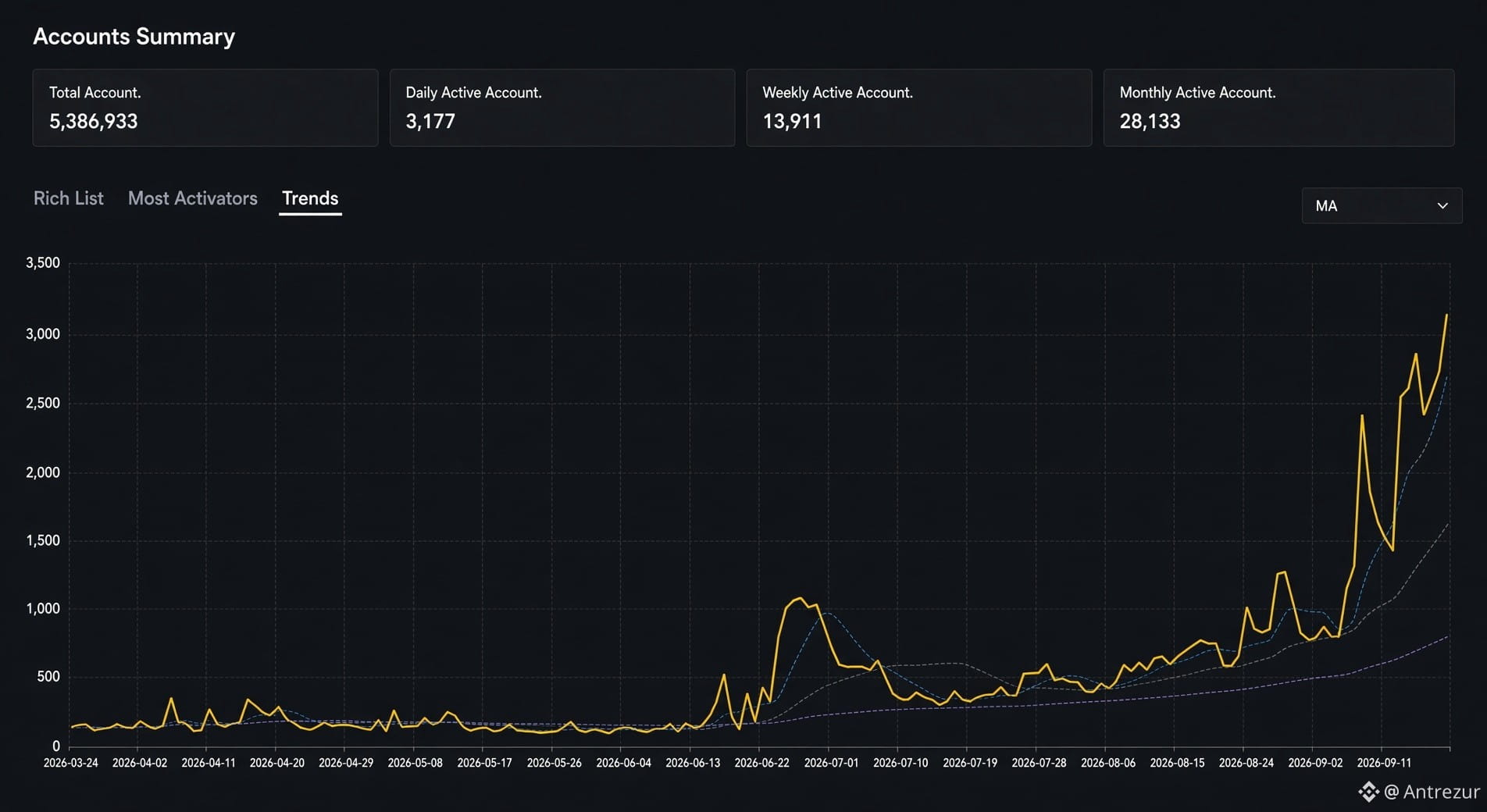
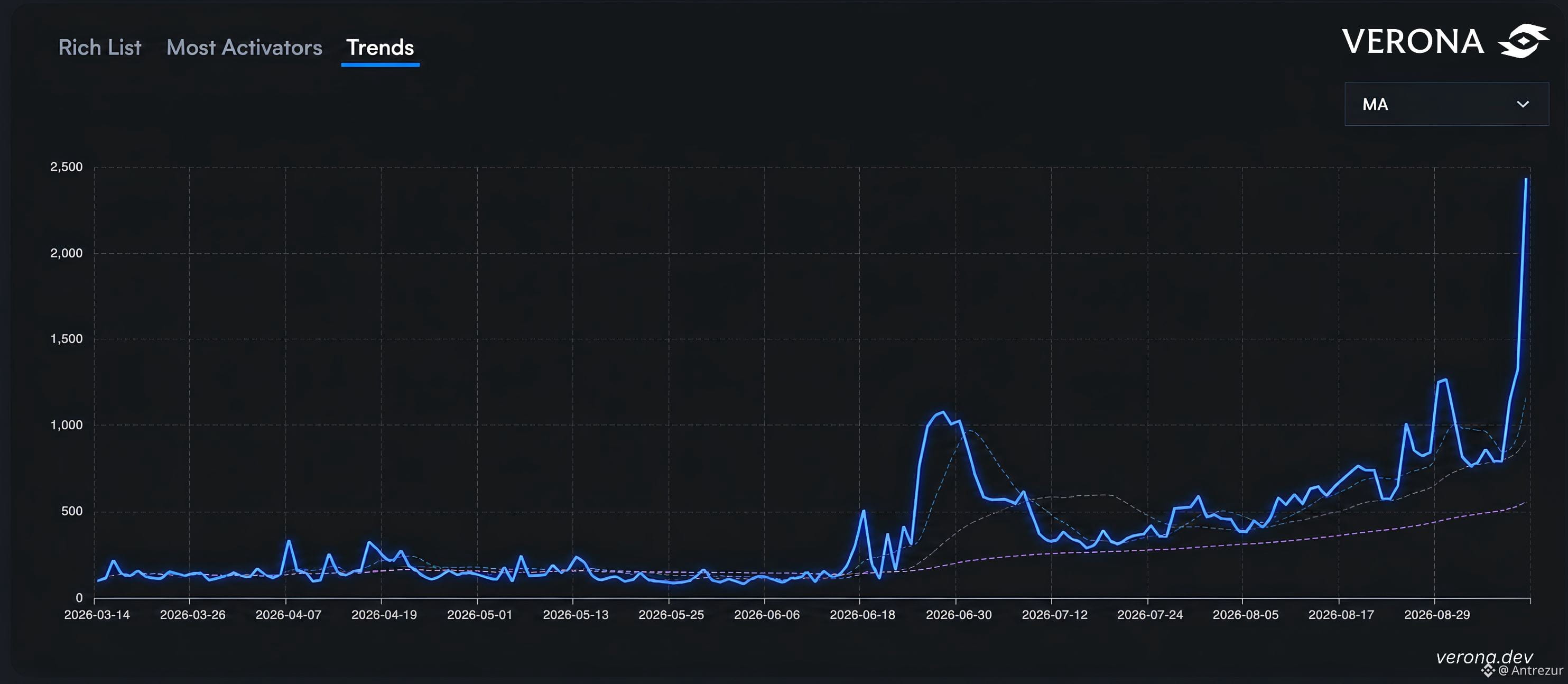
قبل بضعة أسابيع، كان verona_dev ما يزال في مرحلة العودة. الآن بدأت القصة بالتحول. النشاط لم يعد مجرد عودة—بل إنه يستمر في الوصول إلى ارتفاعات جديدة.
ما يميّز الأمر هو الزخم. كل اندفاع لم يعد حدثًا مزدحمًا منفردًا فحسب، بل بدأ يتشكل كإيقاع أكثر اتساقًا. النشاط اليومي يرتفع، ويتضح النشاط الأسبوعي والشهري، ويبدو أن الشبكة تُستخدم بشكل أكثر تكرارًا من الأشهر السابقة.
وهذا ما يجعل الحسابات النشطة يوميًا أكثر أهمية من مجرد رقم قياسي جديد. فهذا الرقم يشير إلى أن استخدام $Verona يتحول ببطء من الاندفاعات المتقطعة إلى شيء أكثر استدامة.
#CryptoNewss
الأعلى
قبل بضعة أسابيع، كان verona_dev ما يزال في مرحلة العودة. الآن بدأت القصة بالتحول. النشاط لم يعد مجرد عودة—بل إنه يستمر في الوصول إلى ارتفاعات جديدة.
ما يميّز الأمر هو الزخم. كل اندفاع لم يعد حدثًا مزدحمًا منفردًا فحسب، بل بدأ يتشكل كإيقاع أكثر اتساقًا. النشاط اليومي يرتفع، ويتضح النشاط الأسبوعي والشهري، ويبدو أن الشبكة تُستخدم بشكل أكثر تكرارًا من الأشهر السابقة.
وهذا ما يجعل الحسابات النشطة يوميًا أكثر أهمية من مجرد رقم قياسي جديد. فهذا الرقم يشير إلى أن استخدام $Verona يتحول ببطء من الاندفاعات المتقطعة إلى شيء أكثر استدامة.
#CryptoNewss
قبل بضعة أسابيع، كان verona_dev ما يزال في مرحلة العودة. الآن بدأت القصة بالتحول. النشاط لم يعد مجرد عودة—بل إنه يستمر في الوصول إلى ارتفاعات جديدة.
ما يميّز الأمر هو الزخم. كل اندفاع لم يعد حدثًا مزدحمًا منفردًا فحسب، بل بدأ يتشكل كإيقاع أكثر اتساقًا. النشاط اليومي يرتفع، ويتضح النشاط الأسبوعي والشهري، ويبدو أن الشبكة تُستخدم بشكل أكثر تكرارًا من الأشهر السابقة.
وهذا ما يجعل الحسابات النشطة يوميًا أكثر أهمية من مجرد رقم قياسي جديد. فهذا الرقم يشير إلى أن استخدام $Verona يتحول ببطء من الاندفاعات المتقطعة إلى شيء أكثر استدامة.
#CryptoNewss
111
·
--
صاعد
يومٌ كبير آخر لصالح فيرونا.
تُطلق الآن عقود فيرونا/دولار أمريكي (USDT) الآجلة الدائمة على منصة Aster، لتفتح سوقًا إضافيًا لتداول فيرونا كعقود دائمة على السلسلة.
وبمناسبة الإدراج، تُطلق Aster حملة Trade Arena بإجمالي 30 ألف دولار من $ASTER + مكافأة قدرها $VERONA، متاحة للمشاركة من 21 سبتمبر الساعة 12:00 (توقيت UTC) إلى 26 سبتمبر الساعة 14:00 (توقيت UTC).
هذه النافذة متاحة لعدة أيام فقط.
يتم توزيع المكافآت بشكلٍ يتناسب (Pro rata) مع حصة كل مشارك من حجم التداول المؤهل، مع حدّ أقصى قدره 3% لكل مشارك، وتوزيعات لا تقل عن 1 $ASTER + 1 $VERONA.
متاح للمستخدمين الجدد والقدامى على Aster، مع استثناء صناع السوق. كما تُحتسب الصفقات عبر Binance Wallet وTrust Wallet وSafePal والقنوات الأخرى المدعومة أيضًا.
يومٌ كبير آخر لصالح فيرونا.
تُطلق الآن عقود فيرونا/دولار أمريكي (USDT) الآجلة الدائمة على منصة Aster، لتفتح سوقًا إضافيًا لتداول فيرونا كعقود دائمة على السلسلة.
وبمناسبة الإدراج، تُطلق Aster حملة Trade Arena بإجمالي 30 ألف دولار من $ASTER + مكافأة قدرها $VERONA، متاحة للمشاركة من 21 سبتمبر الساعة 12:00 (توقيت UTC) إلى 26 سبتمبر الساعة 14:00 (توقيت UTC).
هذه النافذة متاحة لعدة أيام فقط.
يتم توزيع المكافآت بشكلٍ يتناسب (Pro rata) مع حصة كل مشارك من حجم التداول المؤهل، مع حدّ أقصى قدره 3% لكل مشارك، وتوزيعات لا تقل عن 1 $ASTER + 1 $VERONA.
متاح للمستخدمين الجدد والقدامى على Aster، مع استثناء صناع السوق. كما تُحتسب الصفقات عبر Binance Wallet وTrust Wallet وSafePal والقنوات الأخرى المدعومة أيضًا.
تُطلق الآن عقود فيرونا/دولار أمريكي (USDT) الآجلة الدائمة على منصة Aster، لتفتح سوقًا إضافيًا لتداول فيرونا كعقود دائمة على السلسلة.
وبمناسبة الإدراج، تُطلق Aster حملة Trade Arena بإجمالي 30 ألف دولار من $ASTER + مكافأة قدرها $VERONA، متاحة للمشاركة من 21 سبتمبر الساعة 12:00 (توقيت UTC) إلى 26 سبتمبر الساعة 14:00 (توقيت UTC).
هذه النافذة متاحة لعدة أيام فقط.
يتم توزيع المكافآت بشكلٍ يتناسب (Pro rata) مع حصة كل مشارك من حجم التداول المؤهل، مع حدّ أقصى قدره 3% لكل مشارك، وتوزيعات لا تقل عن 1 $ASTER + 1 $VERONA.
متاح للمستخدمين الجدد والقدامى على Aster، مع استثناء صناع السوق. كما تُحتسب الصفقات عبر Binance Wallet وTrust Wallet وSafePal والقنوات الأخرى المدعومة أيضًا.

352
·
--
صاعد
يستمر زخم فيرونا في سيول. في 29 سبتمبر، يوم الافتتاح لبطولة KBW2026، ستستضيف فيرونا لقاءً مجتمعيًا بعنوان "No Sus, Just VERONA!" في فرع SparkPlus سيول-رينغ 3.
تم تصميم الفعالية لتكون مريحة ومركّزة على المجتمع، حيث تشمل جلسة مؤسس مع Burnt Banksy، والتواصل مع فريق فيرونا، ووجبات خفيفة وأطعمة بالأصابع & مشروبات، وسحبًا على الجوائز، بالإضافة إلى مقتنيات خاصة بـ KBW متاحة فقط في موقع الفعالية.
ويأتي هذا اللقاء أيضًا ضمن الرحلة المستمرة "Find $Verona in Seoul" خلال فترة #KBW . بعد "Seoul Night" والأنشطة الأخرى الأخيرة، تفتح فيرونا نقطة تجمّع جديدة ليتمكن المجتمع من مقابلة الفريق وجهًا لوجه والبقاء على تواصل مع تواجدها المتنامي في كوريا.
يستمر زخم فيرونا في سيول. في 29 سبتمبر، يوم الافتتاح لبطولة KBW2026، ستستضيف فيرونا لقاءً مجتمعيًا بعنوان "No Sus, Just VERONA!" في فرع SparkPlus سيول-رينغ 3.
تم تصميم الفعالية لتكون مريحة ومركّزة على المجتمع، حيث تشمل جلسة مؤسس مع Burnt Banksy، والتواصل مع فريق فيرونا، ووجبات خفيفة وأطعمة بالأصابع & مشروبات، وسحبًا على الجوائز، بالإضافة إلى مقتنيات خاصة بـ KBW متاحة فقط في موقع الفعالية.
ويأتي هذا اللقاء أيضًا ضمن الرحلة المستمرة "Find $Verona in Seoul" خلال فترة #KBW . بعد "Seoul Night" والأنشطة الأخرى الأخيرة، تفتح فيرونا نقطة تجمّع جديدة ليتمكن المجتمع من مقابلة الفريق وجهًا لوجه والبقاء على تواصل مع تواجدها المتنامي في كوريا.
تم تصميم الفعالية لتكون مريحة ومركّزة على المجتمع، حيث تشمل جلسة مؤسس مع Burnt Banksy، والتواصل مع فريق فيرونا، ووجبات خفيفة وأطعمة بالأصابع & مشروبات، وسحبًا على الجوائز، بالإضافة إلى مقتنيات خاصة بـ KBW متاحة فقط في موقع الفعالية.
ويأتي هذا اللقاء أيضًا ضمن الرحلة المستمرة "Find $Verona in Seoul" خلال فترة #KBW . بعد "Seoul Night" والأنشطة الأخرى الأخيرة، تفتح فيرونا نقطة تجمّع جديدة ليتمكن المجتمع من مقابلة الفريق وجهًا لوجه والبقاء على تواصل مع تواجدها المتنامي في كوريا.

175
·
--
صاعد
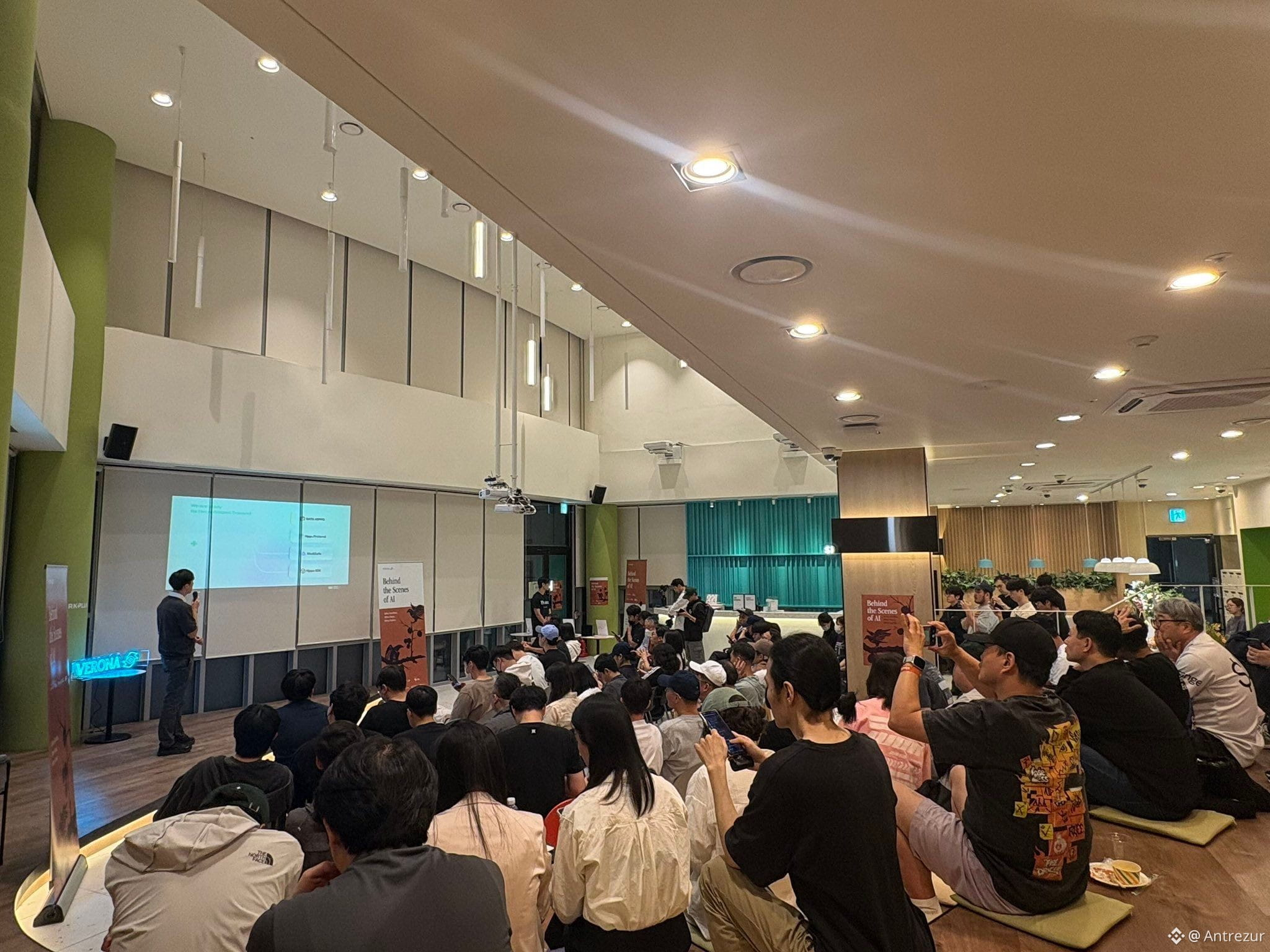
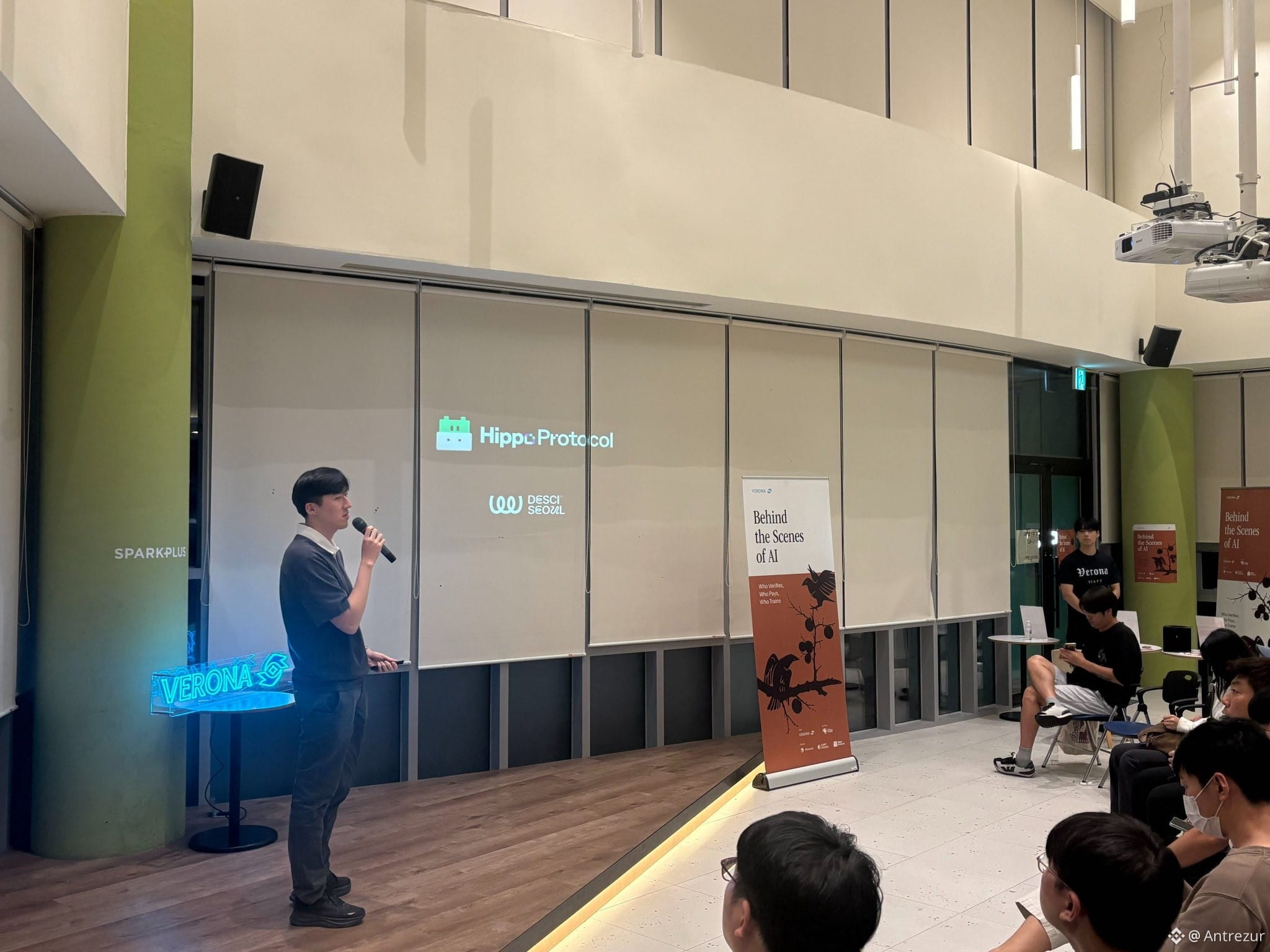
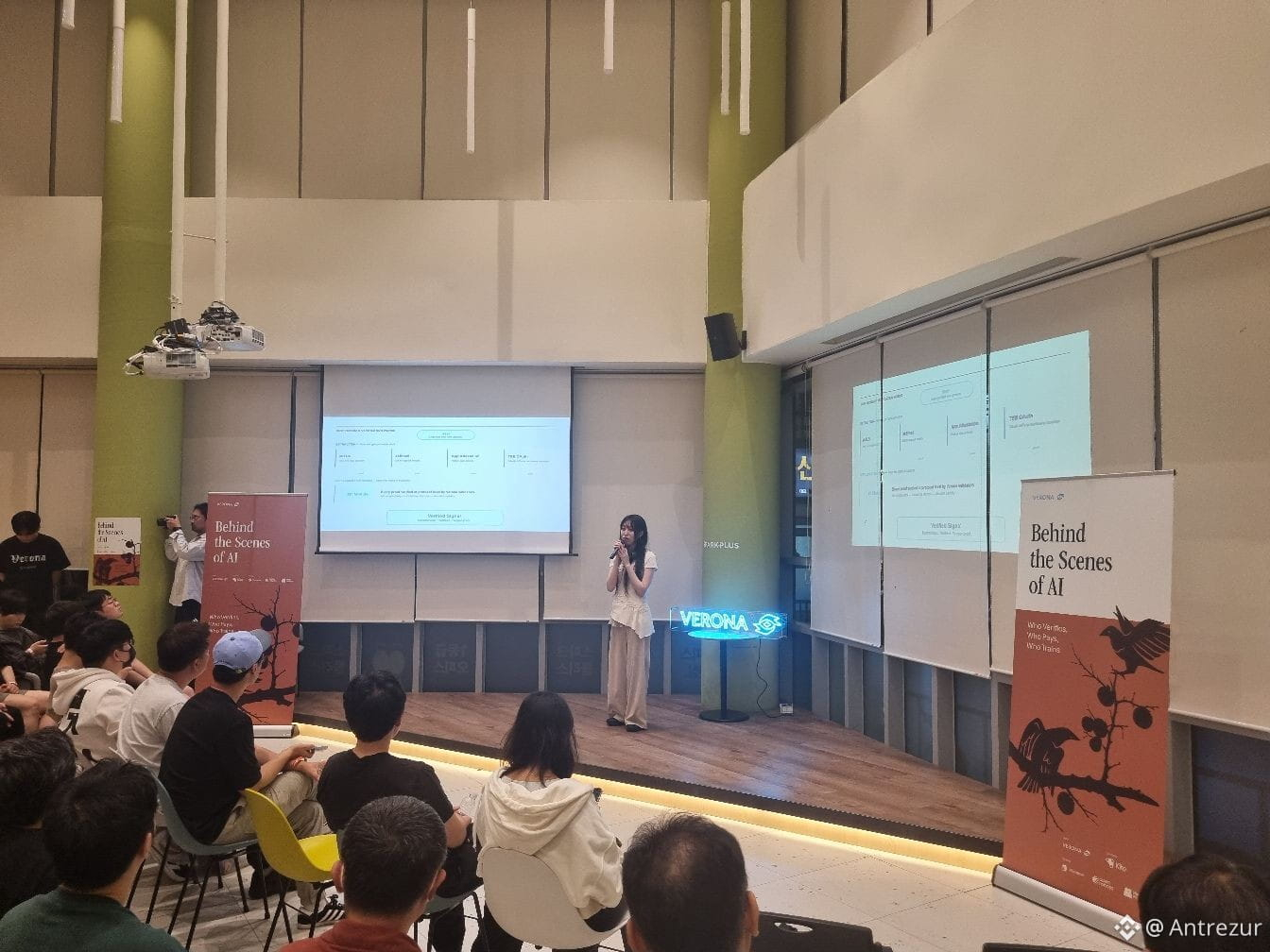
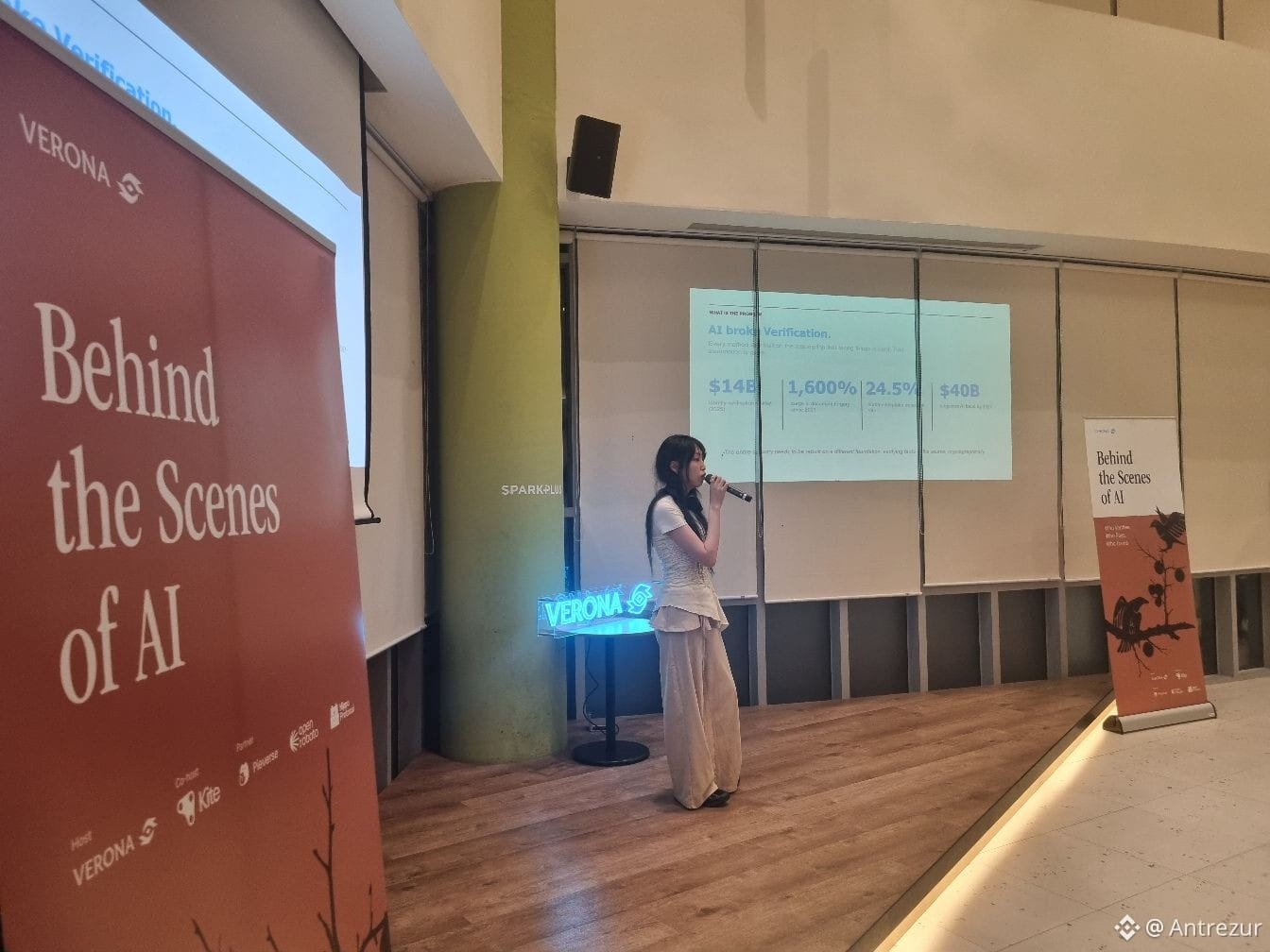
ليلة فيرونا سيول "خلف الكواليس للذكاء الاصطناعي" أقيمت في سيول، لتجمع كلًّا من @verona_dev و @GoKiteAI و @pieverse_io و @openroboto و @Hippo_Protocol في فعالية استكشفت عدة جوانب رئيسية من التحقق من تطوير الذكاء الاصطناعي، والمدفوعات، والبيانات، والتدريب.
سلّطت هذه الفعالية الضوء على أن الذكاء الاصطناعي ليس مجرد نماذج أكثر ذكاءً على نحو متزايد، بل أيضًا على البنية التحتية التي تُمكّنه من العمل بأمان أكبر مع البيانات والقيم والقرارات الواقعية.
تتواصل زخم فيرونا في كوريا. وبعد ليلة سيول، ستقود سلسلة من الأنشطة إلى #kbw2026 ، بما في ذلك حملة FIND $VERONA في سيول، التي تقرّب المجتمع من مختلف أنشطة فيرونا خلال تلك الفترة.
ليلة فيرونا سيول "خلف الكواليس للذكاء الاصطناعي" أقيمت في سيول، لتجمع كلًّا من @verona_dev و @GoKiteAI و @pieverse_io و @openroboto و @Hippo_Protocol في فعالية استكشفت عدة جوانب رئيسية من التحقق من تطوير الذكاء الاصطناعي، والمدفوعات، والبيانات، والتدريب.
سلّطت هذه الفعالية الضوء على أن الذكاء الاصطناعي ليس مجرد نماذج أكثر ذكاءً على نحو متزايد، بل أيضًا على البنية التحتية التي تُمكّنه من العمل بأمان أكبر مع البيانات والقيم والقرارات الواقعية.
تتواصل زخم فيرونا في كوريا. وبعد ليلة سيول، ستقود سلسلة من الأنشطة إلى #kbw2026 ، بما في ذلك حملة FIND $VERONA في سيول، التي تقرّب المجتمع من مختلف أنشطة فيرونا خلال تلك الفترة.
سلّطت هذه الفعالية الضوء على أن الذكاء الاصطناعي ليس مجرد نماذج أكثر ذكاءً على نحو متزايد، بل أيضًا على البنية التحتية التي تُمكّنه من العمل بأمان أكبر مع البيانات والقيم والقرارات الواقعية.
تتواصل زخم فيرونا في كوريا. وبعد ليلة سيول، ستقود سلسلة من الأنشطة إلى #kbw2026 ، بما في ذلك حملة FIND $VERONA في سيول، التي تقرّب المجتمع من مختلف أنشطة فيرونا خلال تلك الفترة.
96
·
--
صاعد
إلى جميعكم في سيول، كوريا الجنوبية.
لم تأتِ فيرونا إلى سيول فقط من أجل حدث واحد. خلال أسبوع كوريا بلوك تشين، كانت زيارتها مصممة كرحلة مجتمعية ضمن حملة “Find Verona in Seoul” بالتعاون مع @fireant_korea.
وقد تم بالفعل تنظيم حدث 17 سبتمبر، لكن الرحلة لم تنتهِ بعد. ما زالت هناك أنشطة فيرونا في 29 سبتمبر، بما في ذلك زيارة كشك فيرونا خلال الحدث الرئيسي لأسبوع كوريا بلوك تشين (KBW)، بالإضافة إلى مهام مخفية تندرج ضمن هذه الحملة. إجمالي المكافآت المتاحة يبلغ 13M KRW، ويتم توزيعه عبر مختلف هذه الأنشطة.
تتم دعوة المشاركين للحضور، والعثور على فريق @verona_dev، وجمع أختام السفر الخاصة بفيرونا (Verona Travel Stamps)، وإكمال المهام طوال فترة KBW. لذلك الأمر ليس مجرد هدية ليوم واحد، بل نوع من مغامرة مجتمعية تُحوّل التفاعلات الإلكترونية لفيرونا إلى تجربة مباشرة في سيول.
https://eventree.live/#stamp/verona-kbw
#KBW
إلى جميعكم في سيول، كوريا الجنوبية.
لم تأتِ فيرونا إلى سيول فقط من أجل حدث واحد. خلال أسبوع كوريا بلوك تشين، كانت زيارتها مصممة كرحلة مجتمعية ضمن حملة “Find Verona in Seoul” بالتعاون مع @fireant_korea.
وقد تم بالفعل تنظيم حدث 17 سبتمبر، لكن الرحلة لم تنتهِ بعد. ما زالت هناك أنشطة فيرونا في 29 سبتمبر، بما في ذلك زيارة كشك فيرونا خلال الحدث الرئيسي لأسبوع كوريا بلوك تشين (KBW)، بالإضافة إلى مهام مخفية تندرج ضمن هذه الحملة. إجمالي المكافآت المتاحة يبلغ 13M KRW، ويتم توزيعه عبر مختلف هذه الأنشطة.
تتم دعوة المشاركين للحضور، والعثور على فريق @verona_dev، وجمع أختام السفر الخاصة بفيرونا (Verona Travel Stamps)، وإكمال المهام طوال فترة KBW. لذلك الأمر ليس مجرد هدية ليوم واحد، بل نوع من مغامرة مجتمعية تُحوّل التفاعلات الإلكترونية لفيرونا إلى تجربة مباشرة في سيول.
https://eventree.live/#stamp/verona-kbw
#KBW
لم تأتِ فيرونا إلى سيول فقط من أجل حدث واحد. خلال أسبوع كوريا بلوك تشين، كانت زيارتها مصممة كرحلة مجتمعية ضمن حملة “Find Verona in Seoul” بالتعاون مع @fireant_korea.
وقد تم بالفعل تنظيم حدث 17 سبتمبر، لكن الرحلة لم تنتهِ بعد. ما زالت هناك أنشطة فيرونا في 29 سبتمبر، بما في ذلك زيارة كشك فيرونا خلال الحدث الرئيسي لأسبوع كوريا بلوك تشين (KBW)، بالإضافة إلى مهام مخفية تندرج ضمن هذه الحملة. إجمالي المكافآت المتاحة يبلغ 13M KRW، ويتم توزيعه عبر مختلف هذه الأنشطة.
تتم دعوة المشاركين للحضور، والعثور على فريق @verona_dev، وجمع أختام السفر الخاصة بفيرونا (Verona Travel Stamps)، وإكمال المهام طوال فترة KBW. لذلك الأمر ليس مجرد هدية ليوم واحد، بل نوع من مغامرة مجتمعية تُحوّل التفاعلات الإلكترونية لفيرونا إلى تجربة مباشرة في سيول.
https://eventree.live/#stamp/verona-kbw
#KBW

82
·
--
صاعد
يتطور الذكاء الاصطناعي بسرعة كبيرة. فمن مجرد الإجابة عن الأسئلة، أصبح يتم الآن برمجة الوكلاء لاتخاذ قرارات، وتنفيذ معاملات، والعمل نيابةً عن المستخدمين. وفي هذه المرحلة، لا يحتاج الذكاء الاصطناعي إلى أن يكون ذكياً فحسب، بل يجب أيضاً أن يعرف ما هو صحيح قبل اتخاذ أي إجراء.
الكواليس: الذكاء الاصطناعي في سيول يوم 17 سبتمبر، ويضم: @verona_dev ، @GoKiteAI ، @pieverse_io ، @openroboto ، و @Hippo_Protocol.
سيستكشف هذا الحدث الأعمال الداخلية للذكاء الاصطناعي بينما يبدأ الوكلاء بالتفاعل مع المال والبيانات والقرارات الواقعية—من التحقق والتسوية إلى كيفية بناء هذا الذكاء واستخدامه.
luma.com/zvmcaqns
#CryptoAi
يتطور الذكاء الاصطناعي بسرعة كبيرة. فمن مجرد الإجابة عن الأسئلة، أصبح يتم الآن برمجة الوكلاء لاتخاذ قرارات، وتنفيذ معاملات، والعمل نيابةً عن المستخدمين. وفي هذه المرحلة، لا يحتاج الذكاء الاصطناعي إلى أن يكون ذكياً فحسب، بل يجب أيضاً أن يعرف ما هو صحيح قبل اتخاذ أي إجراء.
الكواليس: الذكاء الاصطناعي في سيول يوم 17 سبتمبر، ويضم: @verona_dev ، @GoKiteAI ، @pieverse_io ، @openroboto ، و @Hippo_Protocol.
سيستكشف هذا الحدث الأعمال الداخلية للذكاء الاصطناعي بينما يبدأ الوكلاء بالتفاعل مع المال والبيانات والقرارات الواقعية—من التحقق والتسوية إلى كيفية بناء هذا الذكاء واستخدامه.
luma.com/zvmcaqns
#CryptoAi
الكواليس: الذكاء الاصطناعي في سيول يوم 17 سبتمبر، ويضم: @verona_dev ، @GoKiteAI ، @pieverse_io ، @openroboto ، و @Hippo_Protocol.
سيستكشف هذا الحدث الأعمال الداخلية للذكاء الاصطناعي بينما يبدأ الوكلاء بالتفاعل مع المال والبيانات والقرارات الواقعية—من التحقق والتسوية إلى كيفية بناء هذا الذكاء واستخدامه.
luma.com/zvmcaqns
#CryptoAi

677
·
--
صاعد
يُصبح نمو النشاط اليومي في $Verona أكثر وضوحًا بشكل متزايد، وما يجعل الأمر مثيرًا للاهتمام ليس فقط الأرقام المتزايدة، بل أيضًا التطورات التي تحدث في الكواليس.
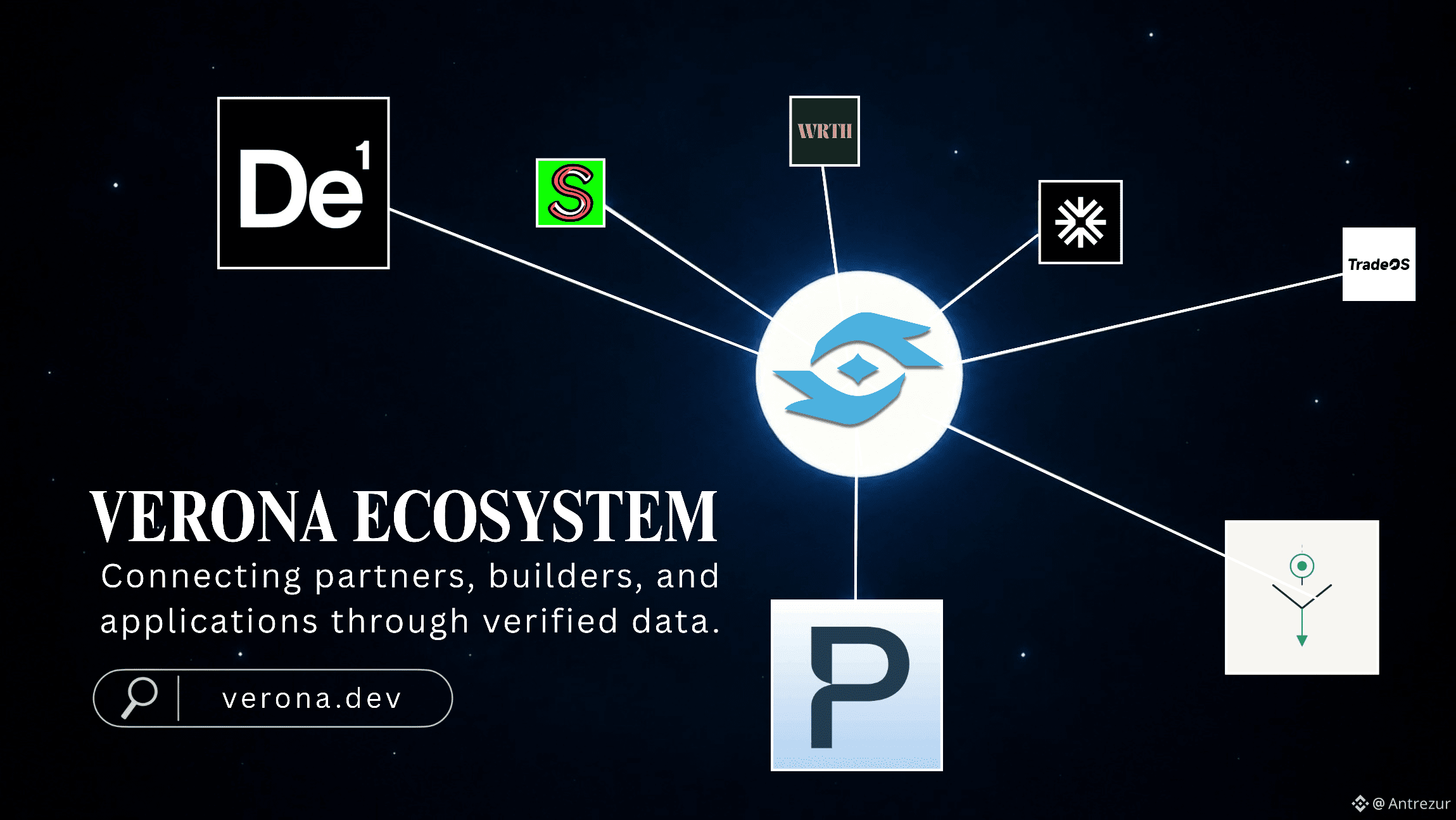
من جانب الاستخدام، لا يزال EarnOS يقود النشاط الاستهلاكي الموثّق. ومن جانب النظام البيئي، بدأت المزيد من التطبيقات وحالات الاستخدام في الارتباط بـ Verona عبر WRTH وTradeOS وSmoothly وTenant Screening وDe¹ وفِرق GIA. كما أن الشراكات الحديثة مثل Atbash وPulsar تعمل أيضًا على توسيع نطاق Verona ليشمل حوكمة الوكلاء والمدفوعات الوكيلية.
تتزايد قوة الأساس التقني وشموله. ما يزال Truth Engine هو الأساس لتوليد الحقائق الموثّقة، بينما تجعل Meta Accounts ووسائل التحقق المختلفة و أدوات وكلاء الذكاء الاصطناعي والمدفوعات القابلة للبرمجة من البيانات الموثّقة أسهل في الاستخدام لكل من التطبيقات ووكلاء الذكاء الاصطناعي.#Aİ
يُصبح نمو النشاط اليومي في $Verona أكثر وضوحًا بشكل متزايد، وما يجعل الأمر مثيرًا للاهتمام ليس فقط الأرقام المتزايدة، بل أيضًا التطورات التي تحدث في الكواليس.
من جانب الاستخدام، لا يزال EarnOS يقود النشاط الاستهلاكي الموثّق. ومن جانب النظام البيئي، بدأت المزيد من التطبيقات وحالات الاستخدام في الارتباط بـ Verona عبر WRTH وTradeOS وSmoothly وTenant Screening وDe¹ وفِرق GIA. كما أن الشراكات الحديثة مثل Atbash وPulsar تعمل أيضًا على توسيع نطاق Verona ليشمل حوكمة الوكلاء والمدفوعات الوكيلية.
تتزايد قوة الأساس التقني وشموله. ما يزال Truth Engine هو الأساس لتوليد الحقائق الموثّقة، بينما تجعل Meta Accounts ووسائل التحقق المختلفة و أدوات وكلاء الذكاء الاصطناعي والمدفوعات القابلة للبرمجة من البيانات الموثّقة أسهل في الاستخدام لكل من التطبيقات ووكلاء الذكاء الاصطناعي.#Aİ
من جانب الاستخدام، لا يزال EarnOS يقود النشاط الاستهلاكي الموثّق. ومن جانب النظام البيئي، بدأت المزيد من التطبيقات وحالات الاستخدام في الارتباط بـ Verona عبر WRTH وTradeOS وSmoothly وTenant Screening وDe¹ وفِرق GIA. كما أن الشراكات الحديثة مثل Atbash وPulsar تعمل أيضًا على توسيع نطاق Verona ليشمل حوكمة الوكلاء والمدفوعات الوكيلية.
تتزايد قوة الأساس التقني وشموله. ما يزال Truth Engine هو الأساس لتوليد الحقائق الموثّقة، بينما تجعل Meta Accounts ووسائل التحقق المختلفة و أدوات وكلاء الذكاء الاصطناعي والمدفوعات القابلة للبرمجة من البيانات الموثّقة أسهل في الاستخدام لكل من التطبيقات ووكلاء الذكاء الاصطناعي.#Aİ
77
·
--
صاعد
فرقة وان دايركشن لِـ$Verona
وبسرعة متتابعة، وسّعت فيرونا دورها داخل منظومة الذكاء الاصطناعي من خلال شراكات مع De¹ Lab وAtbash وPulsar. وبينما تعمل هذه الجهات الثلاث في مجالات مختلفة، فإنها مترابطة في جهودها لبناء وكلاء ذكاء اصطناعي قادرين على الاستفادة من معلومات مُتحقَّق منها، والقيام بمهام ضمن معايير محددة، وتنفيذ الأنشطة المالية بصورة أكثر أمانًا.
ومن خلال De¹ Lab، تنضم فيرونا إلى صفوف المطورين الذين يعملون على البنية التحتية للتمويل الذاتي. وتوفّر فيرونا القدرة على تحويل البيانات من مصدرها الأصلي إلى أدلة يمكن لوكلاء الذكاء الاصطناعي استخدامها دون تعريض البيانات الخام. ونتيجة لذلك، لا تُبنى القرارات المالية على معلومات تبدو منطقية فحسب، بل على حقائق قابلة للتحقق.
وتُكمل الشراكة مع Atbash جانبًا آخر بالغ الأهمية. تضمن فيرونا أن تكون المعلومات المستخدمة بواسطة الوكيل صحيحة، بينما تضمن Atbash أن تكون الإجراءات التي يتعين اتخاذها مُصرَّحًا بها فعلًا. وقبل أن ينفّذ الوكيل إجراءات لا رجعة فيها مثل تحويل الأموال أو الوصول إلى أنظمة حساسة، يمكن لـ Atbash أن تُصرّح أو تُعلّق أو تمنع تلك الإجراءات استنادًا إلى حدود محددة مسبقًا.
وفي الوقت نفسه، تُقرّب Pulsar التنفيذ من أنشطة المستخدمين المالية. سيتم دمج الرفيق الذكي الذي تعمل عليه Pulsar وبرنامج النقاط ضمن فيرونا، بحيث تكون كل نقطة قابلة للتحقق بشكل تشفير. فإذا تحققت فيرونا مما هو صحيح، تستخدم Pulsar هذا الأساس للمساعدة في تسهيل عمليات تحويل الأموال والأنشطة المالية بصورة أكثر موثوقية.
ولا تقتصر هذه الشراكات الثلاث على مجرد إضافة أسماء إلى المنظومة؛ بل إن هذه الشراكات تشكّل الإطار اللازم لوكلاء الذكاء الاصطناعي للتحقق من الحقائق، وفهم الصلاحيات، والقيام بمهامهم بأمان أكبر.
#CryptoAi
فرقة وان دايركشن لِـ$Verona
وبسرعة متتابعة، وسّعت فيرونا دورها داخل منظومة الذكاء الاصطناعي من خلال شراكات مع De¹ Lab وAtbash وPulsar. وبينما تعمل هذه الجهات الثلاث في مجالات مختلفة، فإنها مترابطة في جهودها لبناء وكلاء ذكاء اصطناعي قادرين على الاستفادة من معلومات مُتحقَّق منها، والقيام بمهام ضمن معايير محددة، وتنفيذ الأنشطة المالية بصورة أكثر أمانًا.
ومن خلال De¹ Lab، تنضم فيرونا إلى صفوف المطورين الذين يعملون على البنية التحتية للتمويل الذاتي. وتوفّر فيرونا القدرة على تحويل البيانات من مصدرها الأصلي إلى أدلة يمكن لوكلاء الذكاء الاصطناعي استخدامها دون تعريض البيانات الخام. ونتيجة لذلك، لا تُبنى القرارات المالية على معلومات تبدو منطقية فحسب، بل على حقائق قابلة للتحقق.
وتُكمل الشراكة مع Atbash جانبًا آخر بالغ الأهمية. تضمن فيرونا أن تكون المعلومات المستخدمة بواسطة الوكيل صحيحة، بينما تضمن Atbash أن تكون الإجراءات التي يتعين اتخاذها مُصرَّحًا بها فعلًا. وقبل أن ينفّذ الوكيل إجراءات لا رجعة فيها مثل تحويل الأموال أو الوصول إلى أنظمة حساسة، يمكن لـ Atbash أن تُصرّح أو تُعلّق أو تمنع تلك الإجراءات استنادًا إلى حدود محددة مسبقًا.
وفي الوقت نفسه، تُقرّب Pulsar التنفيذ من أنشطة المستخدمين المالية. سيتم دمج الرفيق الذكي الذي تعمل عليه Pulsar وبرنامج النقاط ضمن فيرونا، بحيث تكون كل نقطة قابلة للتحقق بشكل تشفير. فإذا تحققت فيرونا مما هو صحيح، تستخدم Pulsar هذا الأساس للمساعدة في تسهيل عمليات تحويل الأموال والأنشطة المالية بصورة أكثر موثوقية.
ولا تقتصر هذه الشراكات الثلاث على مجرد إضافة أسماء إلى المنظومة؛ بل إن هذه الشراكات تشكّل الإطار اللازم لوكلاء الذكاء الاصطناعي للتحقق من الحقائق، وفهم الصلاحيات، والقيام بمهامهم بأمان أكبر.
#CryptoAi
وبسرعة متتابعة، وسّعت فيرونا دورها داخل منظومة الذكاء الاصطناعي من خلال شراكات مع De¹ Lab وAtbash وPulsar. وبينما تعمل هذه الجهات الثلاث في مجالات مختلفة، فإنها مترابطة في جهودها لبناء وكلاء ذكاء اصطناعي قادرين على الاستفادة من معلومات مُتحقَّق منها، والقيام بمهام ضمن معايير محددة، وتنفيذ الأنشطة المالية بصورة أكثر أمانًا.
ومن خلال De¹ Lab، تنضم فيرونا إلى صفوف المطورين الذين يعملون على البنية التحتية للتمويل الذاتي. وتوفّر فيرونا القدرة على تحويل البيانات من مصدرها الأصلي إلى أدلة يمكن لوكلاء الذكاء الاصطناعي استخدامها دون تعريض البيانات الخام. ونتيجة لذلك، لا تُبنى القرارات المالية على معلومات تبدو منطقية فحسب، بل على حقائق قابلة للتحقق.
وتُكمل الشراكة مع Atbash جانبًا آخر بالغ الأهمية. تضمن فيرونا أن تكون المعلومات المستخدمة بواسطة الوكيل صحيحة، بينما تضمن Atbash أن تكون الإجراءات التي يتعين اتخاذها مُصرَّحًا بها فعلًا. وقبل أن ينفّذ الوكيل إجراءات لا رجعة فيها مثل تحويل الأموال أو الوصول إلى أنظمة حساسة، يمكن لـ Atbash أن تُصرّح أو تُعلّق أو تمنع تلك الإجراءات استنادًا إلى حدود محددة مسبقًا.
وفي الوقت نفسه، تُقرّب Pulsar التنفيذ من أنشطة المستخدمين المالية. سيتم دمج الرفيق الذكي الذي تعمل عليه Pulsar وبرنامج النقاط ضمن فيرونا، بحيث تكون كل نقطة قابلة للتحقق بشكل تشفير. فإذا تحققت فيرونا مما هو صحيح، تستخدم Pulsar هذا الأساس للمساعدة في تسهيل عمليات تحويل الأموال والأنشطة المالية بصورة أكثر موثوقية.
ولا تقتصر هذه الشراكات الثلاث على مجرد إضافة أسماء إلى المنظومة؛ بل إن هذه الشراكات تشكّل الإطار اللازم لوكلاء الذكاء الاصطناعي للتحقق من الحقائق، وفهم الصلاحيات، والقيام بمهامهم بأمان أكبر.
#CryptoAi
99
·
--
صاعد
فيرونا × بولسار
استخبارات مُتحقَّقة للدفع الوكيل (Agentic)
ستُتيح PulsarMoneyApp رفيقها بالذكاء الاصطناعي وبرنامج المكافآت إلى $Verona. تربط هذه الشراكة بين بنية التحقق لدى فيرونا وتطبيق مالي يمكن للذكاء الاصطناعي من خلاله اتخاذ إجراءات نيابةً عن المستخدمين.
يُعد Pulsar تطبيقًا قائمًا على العملة المستقرة (stablecoin) يوفر حسابات بالدولار الأمريكي واليورو (USD وEUR)، وتحويلات عالمية، وبطاقات افتراضية للاشتراكات والمدفوعات الدولية. ومن خلال رفيقه بالذكاء الاصطناعي، يهدف Pulsar إلى مساعدة المستخدمين على إدارة حساباتهم وتحديد أفضل طريقة لاستخدام أموالهم.
ومع ذلك، فإن التحدي الرئيسي في المدفوعات الوكيلة ليس مجرد تحويل الأموال، بل القرارات التي تُتخذ قبل أن تتم عملية الدفع. هل يجب على المستخدم استخدام النقاط أم الرصيد النقدي؟ هل قاموا بالفعل بالدفع مقابل نفس الاشتراك؟ هل تُعد تلك المكافآت مملوكة فعلاً؟ دون بيانات قابلة للتحقق، لا يمكن للوكيل الاعتماد إلا على الافتراضات.
بفضل تقنية Verona، يمكن التحقق من المعلومات من مصدرها وتحويلها إلى دليل مملوك للمستخدم. وبموافقة المستخدم، يمكن للرفيق بالذكاء الاصطناعي لدى Pulsar استخدام هذا الدليل دون الحاجة إلى الوصول إلى البيانات الشخصية الأساسية. كما يمكن أن تصبح نقاط Pulsar سجلًا يمكن امتلاكه والتحقق منه، بدلًا من كونها مجرد رقم في قاعدة بيانات المنصة.
بالنسبة إلى Verona، توسّع هذه الشراكة استخدام Truth Engine إلى مجال التمويل الاستهلاكي. يمكن للبيانات المُتحقَّقة أن تعمل كسياق موثوق لمساعدة الذكاء الاصطناعي في تحديد كيفية استخدام المال والنقاط.
يُتيح Pulsar للُوكلاء القدرة على تحويل الأموال. وتُقدّم Verona حقائق مُتحقَّقًا منها كأساس لقراراتهم.
#CryptoAi
فيرونا × بولسار
استخبارات مُتحقَّقة للدفع الوكيل (Agentic)
ستُتيح PulsarMoneyApp رفيقها بالذكاء الاصطناعي وبرنامج المكافآت إلى $Verona. تربط هذه الشراكة بين بنية التحقق لدى فيرونا وتطبيق مالي يمكن للذكاء الاصطناعي من خلاله اتخاذ إجراءات نيابةً عن المستخدمين.
يُعد Pulsar تطبيقًا قائمًا على العملة المستقرة (stablecoin) يوفر حسابات بالدولار الأمريكي واليورو (USD وEUR)، وتحويلات عالمية، وبطاقات افتراضية للاشتراكات والمدفوعات الدولية. ومن خلال رفيقه بالذكاء الاصطناعي، يهدف Pulsar إلى مساعدة المستخدمين على إدارة حساباتهم وتحديد أفضل طريقة لاستخدام أموالهم.
ومع ذلك، فإن التحدي الرئيسي في المدفوعات الوكيلة ليس مجرد تحويل الأموال، بل القرارات التي تُتخذ قبل أن تتم عملية الدفع. هل يجب على المستخدم استخدام النقاط أم الرصيد النقدي؟ هل قاموا بالفعل بالدفع مقابل نفس الاشتراك؟ هل تُعد تلك المكافآت مملوكة فعلاً؟ دون بيانات قابلة للتحقق، لا يمكن للوكيل الاعتماد إلا على الافتراضات.
بفضل تقنية Verona، يمكن التحقق من المعلومات من مصدرها وتحويلها إلى دليل مملوك للمستخدم. وبموافقة المستخدم، يمكن للرفيق بالذكاء الاصطناعي لدى Pulsar استخدام هذا الدليل دون الحاجة إلى الوصول إلى البيانات الشخصية الأساسية. كما يمكن أن تصبح نقاط Pulsar سجلًا يمكن امتلاكه والتحقق منه، بدلًا من كونها مجرد رقم في قاعدة بيانات المنصة.
بالنسبة إلى Verona، توسّع هذه الشراكة استخدام Truth Engine إلى مجال التمويل الاستهلاكي. يمكن للبيانات المُتحقَّقة أن تعمل كسياق موثوق لمساعدة الذكاء الاصطناعي في تحديد كيفية استخدام المال والنقاط.
يُتيح Pulsar للُوكلاء القدرة على تحويل الأموال. وتُقدّم Verona حقائق مُتحقَّقًا منها كأساس لقراراتهم.
#CryptoAi
استخبارات مُتحقَّقة للدفع الوكيل (Agentic)
ستُتيح PulsarMoneyApp رفيقها بالذكاء الاصطناعي وبرنامج المكافآت إلى $Verona. تربط هذه الشراكة بين بنية التحقق لدى فيرونا وتطبيق مالي يمكن للذكاء الاصطناعي من خلاله اتخاذ إجراءات نيابةً عن المستخدمين.
يُعد Pulsar تطبيقًا قائمًا على العملة المستقرة (stablecoin) يوفر حسابات بالدولار الأمريكي واليورو (USD وEUR)، وتحويلات عالمية، وبطاقات افتراضية للاشتراكات والمدفوعات الدولية. ومن خلال رفيقه بالذكاء الاصطناعي، يهدف Pulsar إلى مساعدة المستخدمين على إدارة حساباتهم وتحديد أفضل طريقة لاستخدام أموالهم.
ومع ذلك، فإن التحدي الرئيسي في المدفوعات الوكيلة ليس مجرد تحويل الأموال، بل القرارات التي تُتخذ قبل أن تتم عملية الدفع. هل يجب على المستخدم استخدام النقاط أم الرصيد النقدي؟ هل قاموا بالفعل بالدفع مقابل نفس الاشتراك؟ هل تُعد تلك المكافآت مملوكة فعلاً؟ دون بيانات قابلة للتحقق، لا يمكن للوكيل الاعتماد إلا على الافتراضات.
بفضل تقنية Verona، يمكن التحقق من المعلومات من مصدرها وتحويلها إلى دليل مملوك للمستخدم. وبموافقة المستخدم، يمكن للرفيق بالذكاء الاصطناعي لدى Pulsar استخدام هذا الدليل دون الحاجة إلى الوصول إلى البيانات الشخصية الأساسية. كما يمكن أن تصبح نقاط Pulsar سجلًا يمكن امتلاكه والتحقق منه، بدلًا من كونها مجرد رقم في قاعدة بيانات المنصة.
بالنسبة إلى Verona، توسّع هذه الشراكة استخدام Truth Engine إلى مجال التمويل الاستهلاكي. يمكن للبيانات المُتحقَّقة أن تعمل كسياق موثوق لمساعدة الذكاء الاصطناعي في تحديد كيفية استخدام المال والنقاط.
يُتيح Pulsar للُوكلاء القدرة على تحويل الأموال. وتُقدّم Verona حقائق مُتحقَّقًا منها كأساس لقراراتهم.
#CryptoAi

67
·
--
صاعد
شراكة جديدة: فيرونا × أتباش
أصبح وكلاء الذكاء الاصطناعي قادرين الآن على فهم التعليمات، ووضع الخطط، وكتابة التعليمات البرمجية، وتنفيذ المعاملات. لم تعد المشكلة الرئيسية تتمثل في الذكاء وحده، بل في التحكم: هل المعلومات المستخدمة دقيقة؟ وهل الإجراءات المقصودة مسموح بها بالفعل؟
تعالج الشراكة بين $VERONA وATBASH هذين السؤالين من زاويتين مختلفتين. تضمن فيرونا أن المعلومات التي يستخدمها الوكيل قد تم التحقق منها مباشرةً من المصدر. ثم تُحوَّل هذه المعلومات إلى دليل يمكن إعادة استخدامه من قِبل وكلاء مخوّلين، دون أن يحتاجوا إلى الوصول إلى بيانات المستخدم الخام.
ومع ذلك، فإن العمل بناءً على معلومات دقيقة لا يعني بالضرورة تنفيذ إجراءات مسموح بها. قد يمتلك الوكيل بيانات صحيحة، لكنه قد يحاول مع ذلك تحويل أموال تتجاوز الحد، أو الوصول إلى أنظمة حساسة، أو تنفيذ كود ينبغي أن يتطلب موافقة. هنا يأتي دور أتباش.
يعمل أتباش بين الوكيل والأدوات التي يمكنه الوصول إليها. يمكن للشركات تحديد «الخطوط الحمراء» الخاصة بها أو حدود التشغيل. وقبل تنفيذ إجراء غير قابل للعكس، يتحقق أتباش من هوية الوكيل، والجهة المستهدفة التي يسعى للوصول إليها، والسياسات المعمول بها، وإمكانية حدوث حقن عبر المطالبات (prompt injection). والنتيجة قد تكون تفويضًا، أو حجبًا، أو تصعيدًا لمراجعة إضافية.
لا يكتفي أتباش بإيقاف الإجراءات المخالِفة للقواعد. فكل قرار يترك أيضًا سجلًا بما فعله الوكيل، والقواعد التي تم تطبيقها، والأسباب التي جعلت الإجراء مسموحًا به أو محجوبًا. وعندما تطلب فرق الأمان أو العملاء أو الجهات التنظيمية تبريرًا لاحقًا، تتوفر سجلات القرار بسهولة للمراجعة.
تُوسّع هذه الشراكة دور فيرونا في بناء وكلاء ذكاء اصطناعي مناسبين للاستخدام في العالم الحقيقي. تؤمّن فيرونا المعلومات قبل اتخاذ القرارات، بينما يتحكم أتباش في الإجراءات الناتجة عن تلك القرارات. والنتيجة ليست مجرد وكيل أكثر ذكاءً، بل وكيل يعمل وفق الحقائق، ويفهم حدود سلطته، ويمكن مساءلته.
شراكة جديدة: فيرونا × أتباش
أصبح وكلاء الذكاء الاصطناعي قادرين الآن على فهم التعليمات، ووضع الخطط، وكتابة التعليمات البرمجية، وتنفيذ المعاملات. لم تعد المشكلة الرئيسية تتمثل في الذكاء وحده، بل في التحكم: هل المعلومات المستخدمة دقيقة؟ وهل الإجراءات المقصودة مسموح بها بالفعل؟
تعالج الشراكة بين $VERONA وATBASH هذين السؤالين من زاويتين مختلفتين. تضمن فيرونا أن المعلومات التي يستخدمها الوكيل قد تم التحقق منها مباشرةً من المصدر. ثم تُحوَّل هذه المعلومات إلى دليل يمكن إعادة استخدامه من قِبل وكلاء مخوّلين، دون أن يحتاجوا إلى الوصول إلى بيانات المستخدم الخام.
ومع ذلك، فإن العمل بناءً على معلومات دقيقة لا يعني بالضرورة تنفيذ إجراءات مسموح بها. قد يمتلك الوكيل بيانات صحيحة، لكنه قد يحاول مع ذلك تحويل أموال تتجاوز الحد، أو الوصول إلى أنظمة حساسة، أو تنفيذ كود ينبغي أن يتطلب موافقة. هنا يأتي دور أتباش.
يعمل أتباش بين الوكيل والأدوات التي يمكنه الوصول إليها. يمكن للشركات تحديد «الخطوط الحمراء» الخاصة بها أو حدود التشغيل. وقبل تنفيذ إجراء غير قابل للعكس، يتحقق أتباش من هوية الوكيل، والجهة المستهدفة التي يسعى للوصول إليها، والسياسات المعمول بها، وإمكانية حدوث حقن عبر المطالبات (prompt injection). والنتيجة قد تكون تفويضًا، أو حجبًا، أو تصعيدًا لمراجعة إضافية.
لا يكتفي أتباش بإيقاف الإجراءات المخالِفة للقواعد. فكل قرار يترك أيضًا سجلًا بما فعله الوكيل، والقواعد التي تم تطبيقها، والأسباب التي جعلت الإجراء مسموحًا به أو محجوبًا. وعندما تطلب فرق الأمان أو العملاء أو الجهات التنظيمية تبريرًا لاحقًا، تتوفر سجلات القرار بسهولة للمراجعة.
تُوسّع هذه الشراكة دور فيرونا في بناء وكلاء ذكاء اصطناعي مناسبين للاستخدام في العالم الحقيقي. تؤمّن فيرونا المعلومات قبل اتخاذ القرارات، بينما يتحكم أتباش في الإجراءات الناتجة عن تلك القرارات. والنتيجة ليست مجرد وكيل أكثر ذكاءً، بل وكيل يعمل وفق الحقائق، ويفهم حدود سلطته، ويمكن مساءلته.
أصبح وكلاء الذكاء الاصطناعي قادرين الآن على فهم التعليمات، ووضع الخطط، وكتابة التعليمات البرمجية، وتنفيذ المعاملات. لم تعد المشكلة الرئيسية تتمثل في الذكاء وحده، بل في التحكم: هل المعلومات المستخدمة دقيقة؟ وهل الإجراءات المقصودة مسموح بها بالفعل؟
تعالج الشراكة بين $VERONA وATBASH هذين السؤالين من زاويتين مختلفتين. تضمن فيرونا أن المعلومات التي يستخدمها الوكيل قد تم التحقق منها مباشرةً من المصدر. ثم تُحوَّل هذه المعلومات إلى دليل يمكن إعادة استخدامه من قِبل وكلاء مخوّلين، دون أن يحتاجوا إلى الوصول إلى بيانات المستخدم الخام.
ومع ذلك، فإن العمل بناءً على معلومات دقيقة لا يعني بالضرورة تنفيذ إجراءات مسموح بها. قد يمتلك الوكيل بيانات صحيحة، لكنه قد يحاول مع ذلك تحويل أموال تتجاوز الحد، أو الوصول إلى أنظمة حساسة، أو تنفيذ كود ينبغي أن يتطلب موافقة. هنا يأتي دور أتباش.
يعمل أتباش بين الوكيل والأدوات التي يمكنه الوصول إليها. يمكن للشركات تحديد «الخطوط الحمراء» الخاصة بها أو حدود التشغيل. وقبل تنفيذ إجراء غير قابل للعكس، يتحقق أتباش من هوية الوكيل، والجهة المستهدفة التي يسعى للوصول إليها، والسياسات المعمول بها، وإمكانية حدوث حقن عبر المطالبات (prompt injection). والنتيجة قد تكون تفويضًا، أو حجبًا، أو تصعيدًا لمراجعة إضافية.
لا يكتفي أتباش بإيقاف الإجراءات المخالِفة للقواعد. فكل قرار يترك أيضًا سجلًا بما فعله الوكيل، والقواعد التي تم تطبيقها، والأسباب التي جعلت الإجراء مسموحًا به أو محجوبًا. وعندما تطلب فرق الأمان أو العملاء أو الجهات التنظيمية تبريرًا لاحقًا، تتوفر سجلات القرار بسهولة للمراجعة.
تُوسّع هذه الشراكة دور فيرونا في بناء وكلاء ذكاء اصطناعي مناسبين للاستخدام في العالم الحقيقي. تؤمّن فيرونا المعلومات قبل اتخاذ القرارات، بينما يتحكم أتباش في الإجراءات الناتجة عن تلك القرارات. والنتيجة ليست مجرد وكيل أكثر ذكاءً، بل وكيل يعمل وفق الحقائق، ويفهم حدود سلطته، ويمكن مساءلته.

90
·
--
صاعد
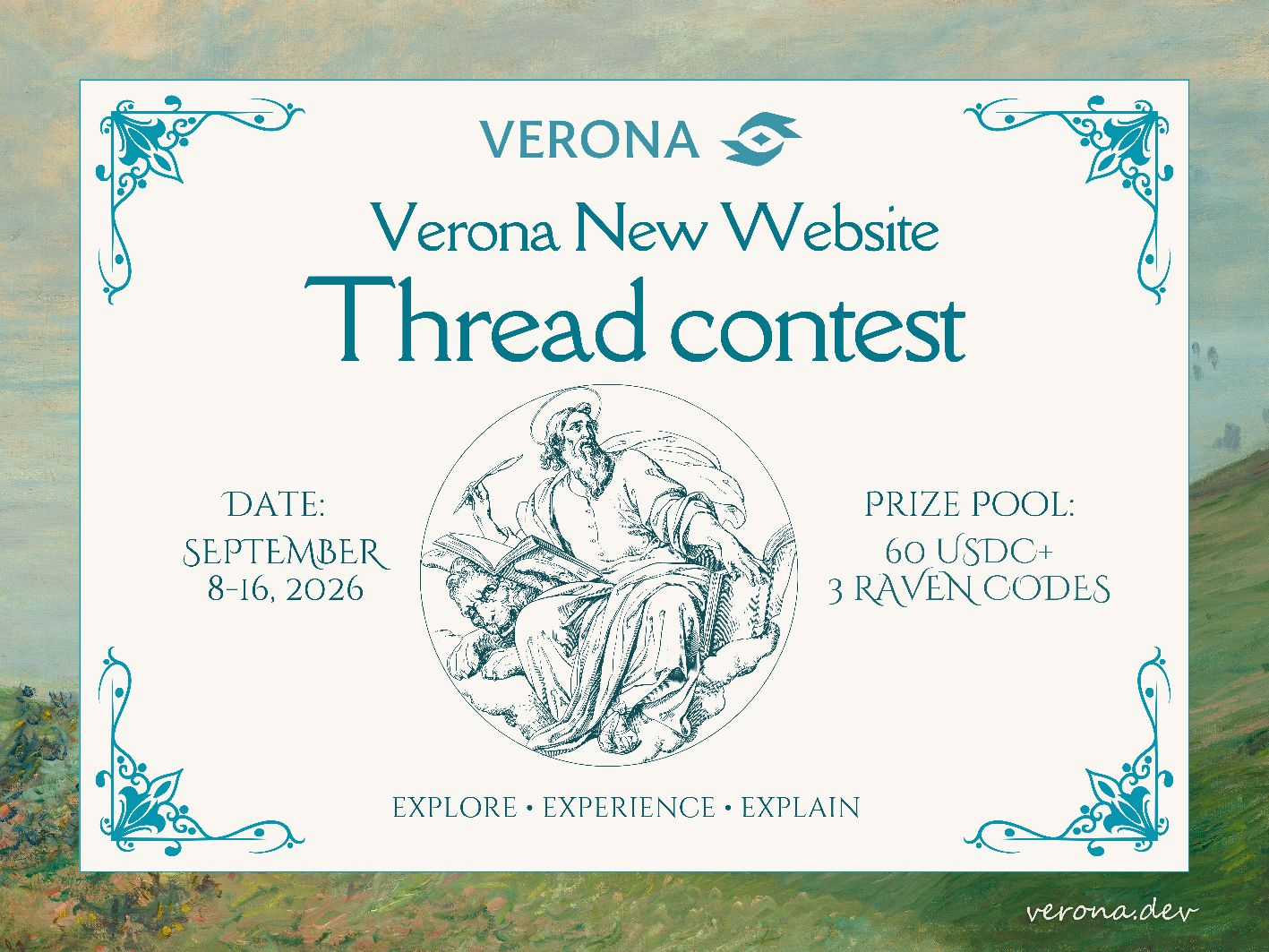
مسابقة سلسلة موقع فيرونا الجديد X
إطلاق موقع @verona_dev الإلكتروني الجديد لا يمنح فقط مظهراً أكثر حداثة، بل يجعل من السهل أيضاً على أي شخص استكشاف النظام البيئي وفهم التكنولوجيا ورؤية ما يتم بناؤه حالياً.
احتفالاً بذلك، تقيم مجتمع فيرونا مسابقة سلسلة موقع فيرونا الجديد. تتم دعوة المشاركين لاستكشاف موقع فيرونا الجديد، واكتشاف أقسامه الرئيسية، ثم مشاركة تجاربهم ونتائجهم عبر سلسلة X إعلامية وجذابة.
كيفية المشاركة:
1. استكشف موقع فيرونا الجديد وميزاته.
2. شارك تجاربك ونتائجك في سلسلة X أصلية.
3. استخدم رسومات أصلية وحدد المعلومات المهمة التي تم اكتشافها.
4. وسم Verona
🏆 الجوائز:
🥇 المركز الأول: 30 USDC + كود Raven
🥈 المركز الثاني: 20 USDC + كود Raven
🥉 المركز الثالث: 10 USDC + كود Raven
📅 فترة التقديم: 8–16 سبتمبر 2026
لتقديم مشاركتك، اقتبس منشور إعلان X من verona_comm مع السلسلة التي قمت بإنشائها، ثم رد على ذلك المنشور برابط السلسلة.
حان الوقت لاستكشاف فيرونا بعمق أكبر وفهم ما يتم بناؤه.
استكشف. عِش التجربة. اشرح.-- verona.dev
#REWARDS
مسابقة سلسلة موقع فيرونا الجديد X
إطلاق موقع @verona_dev الإلكتروني الجديد لا يمنح فقط مظهراً أكثر حداثة، بل يجعل من السهل أيضاً على أي شخص استكشاف النظام البيئي وفهم التكنولوجيا ورؤية ما يتم بناؤه حالياً.
احتفالاً بذلك، تقيم مجتمع فيرونا مسابقة سلسلة موقع فيرونا الجديد. تتم دعوة المشاركين لاستكشاف موقع فيرونا الجديد، واكتشاف أقسامه الرئيسية، ثم مشاركة تجاربهم ونتائجهم عبر سلسلة X إعلامية وجذابة.
كيفية المشاركة:
1. استكشف موقع فيرونا الجديد وميزاته.
2. شارك تجاربك ونتائجك في سلسلة X أصلية.
3. استخدم رسومات أصلية وحدد المعلومات المهمة التي تم اكتشافها.
4. وسم Verona
🏆 الجوائز:
🥇 المركز الأول: 30 USDC + كود Raven
🥈 المركز الثاني: 20 USDC + كود Raven
🥉 المركز الثالث: 10 USDC + كود Raven
📅 فترة التقديم: 8–16 سبتمبر 2026
لتقديم مشاركتك، اقتبس منشور إعلان X من verona_comm مع السلسلة التي قمت بإنشائها، ثم رد على ذلك المنشور برابط السلسلة.
حان الوقت لاستكشاف فيرونا بعمق أكبر وفهم ما يتم بناؤه.
استكشف. عِش التجربة. اشرح.-- verona.dev
#REWARDS
إطلاق موقع @verona_dev الإلكتروني الجديد لا يمنح فقط مظهراً أكثر حداثة، بل يجعل من السهل أيضاً على أي شخص استكشاف النظام البيئي وفهم التكنولوجيا ورؤية ما يتم بناؤه حالياً.
احتفالاً بذلك، تقيم مجتمع فيرونا مسابقة سلسلة موقع فيرونا الجديد. تتم دعوة المشاركين لاستكشاف موقع فيرونا الجديد، واكتشاف أقسامه الرئيسية، ثم مشاركة تجاربهم ونتائجهم عبر سلسلة X إعلامية وجذابة.
كيفية المشاركة:
1. استكشف موقع فيرونا الجديد وميزاته.
2. شارك تجاربك ونتائجك في سلسلة X أصلية.
3. استخدم رسومات أصلية وحدد المعلومات المهمة التي تم اكتشافها.
4. وسم Verona
🏆 الجوائز:
🥇 المركز الأول: 30 USDC + كود Raven
🥈 المركز الثاني: 20 USDC + كود Raven
🥉 المركز الثالث: 10 USDC + كود Raven
📅 فترة التقديم: 8–16 سبتمبر 2026
لتقديم مشاركتك، اقتبس منشور إعلان X من verona_comm مع السلسلة التي قمت بإنشائها، ثم رد على ذلك المنشور برابط السلسلة.
حان الوقت لاستكشاف فيرونا بعمق أكبر وفهم ما يتم بناؤه.
استكشف. عِش التجربة. اشرح.-- verona.dev
#REWARDS
130
·
--
صاعد
الإنترنت مزيف. لنجعله حقيقيًا.
أطلقت فيرونا للتو موقعها الإلكتروني الجديد.
إن تصميم $VERONA الجديد ليس مجرد إعادة تصميم للموقع. فخلف العناصر البصرية تكمن رسالة أكبر بكثير حول التحديات التي تواجه الذكاء الاصطناعي حاليًا.
يمكن للذكاء الاصطناعي قراءة المعلومات والتنبؤ بها وتوليدها. ومع ذلك، عندما يتعلق الأمر بالتصرف في العالم الحقيقي، ما يزال العامل/الوكيل يحتاج إلى دليل على ما هو صحيح.
ومن خلال بناء هذه الطبقة، تصبح البيانات الموثَّقة قابلة للنقل والخصوصية وقابلة للبرمجة. لا يلزم التحقق من الحقائق إلا مرة واحدة؛ ويمكن إعادة استخدام الدليل بواسطة وكلاء مُخوَّلين، بينما لا تغادر البيانات الأصلية مصدرها أبدًا.
مظهر جديد، لكن رؤية أكثر وضوحًا لطبقة الذكاء للذكاء الاصطناعي
استكشف موقع فيرونا الإلكتروني الجديد: verona.dev
#CryptoAi
الإنترنت مزيف. لنجعله حقيقيًا.
أطلقت فيرونا للتو موقعها الإلكتروني الجديد.
إن تصميم $VERONA الجديد ليس مجرد إعادة تصميم للموقع. فخلف العناصر البصرية تكمن رسالة أكبر بكثير حول التحديات التي تواجه الذكاء الاصطناعي حاليًا.
يمكن للذكاء الاصطناعي قراءة المعلومات والتنبؤ بها وتوليدها. ومع ذلك، عندما يتعلق الأمر بالتصرف في العالم الحقيقي، ما يزال العامل/الوكيل يحتاج إلى دليل على ما هو صحيح.
ومن خلال بناء هذه الطبقة، تصبح البيانات الموثَّقة قابلة للنقل والخصوصية وقابلة للبرمجة. لا يلزم التحقق من الحقائق إلا مرة واحدة؛ ويمكن إعادة استخدام الدليل بواسطة وكلاء مُخوَّلين، بينما لا تغادر البيانات الأصلية مصدرها أبدًا.
مظهر جديد، لكن رؤية أكثر وضوحًا لطبقة الذكاء للذكاء الاصطناعي
استكشف موقع فيرونا الإلكتروني الجديد: verona.dev
#CryptoAi
أطلقت فيرونا للتو موقعها الإلكتروني الجديد.
إن تصميم $VERONA الجديد ليس مجرد إعادة تصميم للموقع. فخلف العناصر البصرية تكمن رسالة أكبر بكثير حول التحديات التي تواجه الذكاء الاصطناعي حاليًا.
يمكن للذكاء الاصطناعي قراءة المعلومات والتنبؤ بها وتوليدها. ومع ذلك، عندما يتعلق الأمر بالتصرف في العالم الحقيقي، ما يزال العامل/الوكيل يحتاج إلى دليل على ما هو صحيح.
ومن خلال بناء هذه الطبقة، تصبح البيانات الموثَّقة قابلة للنقل والخصوصية وقابلة للبرمجة. لا يلزم التحقق من الحقائق إلا مرة واحدة؛ ويمكن إعادة استخدام الدليل بواسطة وكلاء مُخوَّلين، بينما لا تغادر البيانات الأصلية مصدرها أبدًا.
مظهر جديد، لكن رؤية أكثر وضوحًا لطبقة الذكاء للذكاء الاصطناعي
استكشف موقع فيرونا الإلكتروني الجديد: verona.dev
#CryptoAi

59
·
--
صاعد
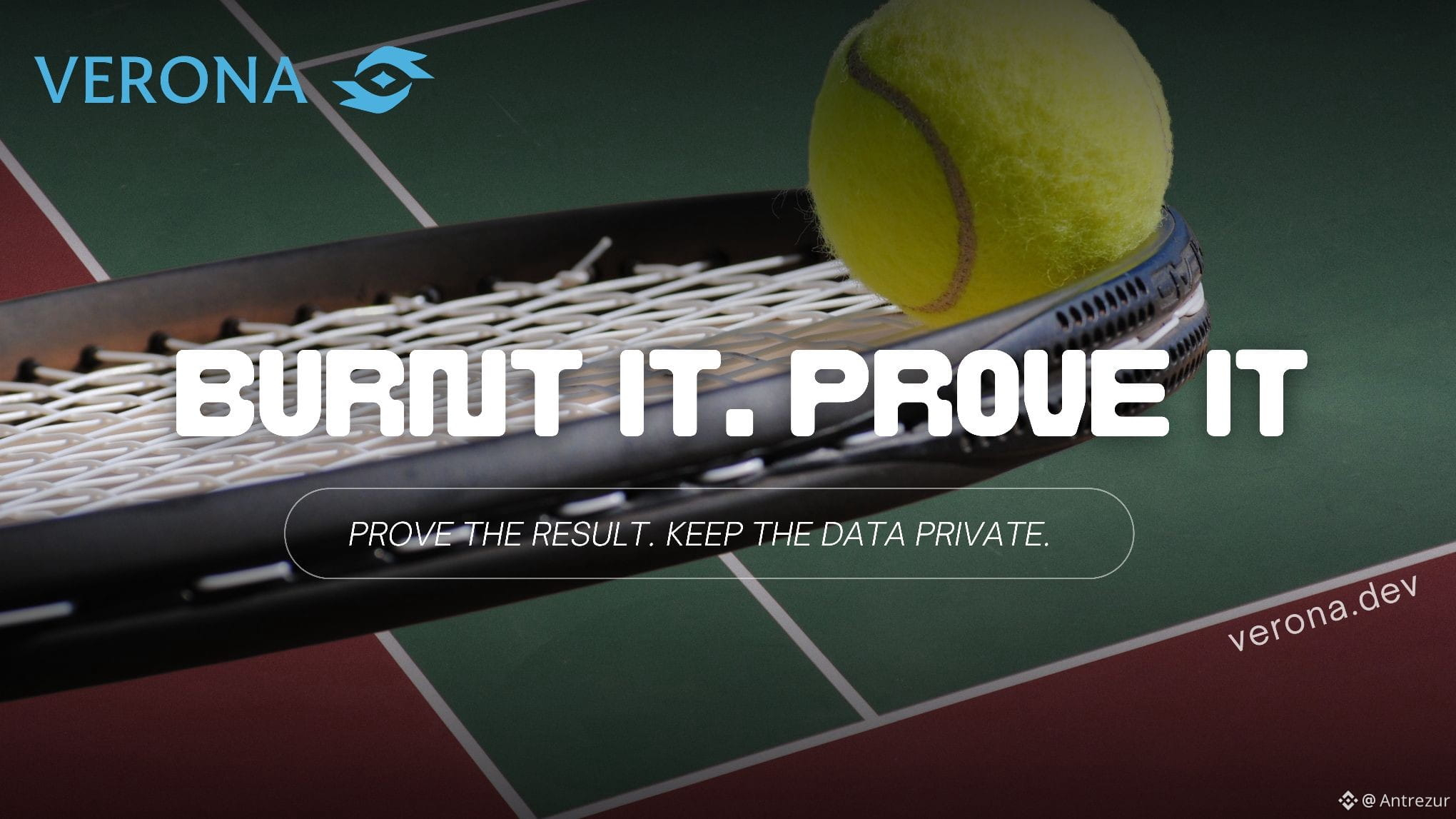
تُتاح فرصتان لحضور الدور نصف النهائي لبطولة الولايات المتحدة المفتوحة للرجال، ضمن أحدث حملة لفيرونا في فيرونا. يكتفي المشاركون بإنشاء حساب فيرونا وربط WHOOP لديهم ولعب التنس والبدء في تجميع السعرات.
لكن الجزء الأكثر إثارة للاهتمام ليس الجائزة فحسب. لا يتعين على المشاركين إثبات نشاطهم عبر لقطات شاشة يمكن التلاعب بها، أو تسليم سجلّهم التدريبي بالكامل إلى المنظم.
من خلال zkTLS، يسترجع $Verona نشاط التنس مباشرةً من WHOOP ويحسب إجمالي السعرات المحروقة خلال آخر 30 يومًا. يعرض ترتيب المتصدّرين الرقم المُتحقق فقط، بينما يتم تدمير بيانات التمرين الأولية وتوكنات الوصول بمجرد توليد الإجمالي.
سيتأهل إلى المرحلة النهائية عشرة مشاركين من أصحاب أعلى عدد من السعرات. ثم سيتم اختيار فائز واحد بشكل عشوائي على السلسلة (on-chain) باستخدام بذرة عامة، ما يتيح لأي شخص التحقق من العملية.
تقدم هذه الحملة مثالًا بسيطًا يوضح كيفية عمل فيرونا: تحويل النشاط الحقيقي في العالم الواقعي إلى إثبات موثوق دون تعريض البيانات الشخصية الكامنة خلفه.
أثبت النتيجة، ولا تكشف البيانات.
https://campaignos.builtonverona.com/
#zkProofs
تُتاح فرصتان لحضور الدور نصف النهائي لبطولة الولايات المتحدة المفتوحة للرجال، ضمن أحدث حملة لفيرونا في فيرونا. يكتفي المشاركون بإنشاء حساب فيرونا وربط WHOOP لديهم ولعب التنس والبدء في تجميع السعرات.
لكن الجزء الأكثر إثارة للاهتمام ليس الجائزة فحسب. لا يتعين على المشاركين إثبات نشاطهم عبر لقطات شاشة يمكن التلاعب بها، أو تسليم سجلّهم التدريبي بالكامل إلى المنظم.
من خلال zkTLS، يسترجع $Verona نشاط التنس مباشرةً من WHOOP ويحسب إجمالي السعرات المحروقة خلال آخر 30 يومًا. يعرض ترتيب المتصدّرين الرقم المُتحقق فقط، بينما يتم تدمير بيانات التمرين الأولية وتوكنات الوصول بمجرد توليد الإجمالي.
سيتأهل إلى المرحلة النهائية عشرة مشاركين من أصحاب أعلى عدد من السعرات. ثم سيتم اختيار فائز واحد بشكل عشوائي على السلسلة (on-chain) باستخدام بذرة عامة، ما يتيح لأي شخص التحقق من العملية.
تقدم هذه الحملة مثالًا بسيطًا يوضح كيفية عمل فيرونا: تحويل النشاط الحقيقي في العالم الواقعي إلى إثبات موثوق دون تعريض البيانات الشخصية الكامنة خلفه.
أثبت النتيجة، ولا تكشف البيانات.
https://campaignos.builtonverona.com/
#zkProofs
لكن الجزء الأكثر إثارة للاهتمام ليس الجائزة فحسب. لا يتعين على المشاركين إثبات نشاطهم عبر لقطات شاشة يمكن التلاعب بها، أو تسليم سجلّهم التدريبي بالكامل إلى المنظم.
من خلال zkTLS، يسترجع $Verona نشاط التنس مباشرةً من WHOOP ويحسب إجمالي السعرات المحروقة خلال آخر 30 يومًا. يعرض ترتيب المتصدّرين الرقم المُتحقق فقط، بينما يتم تدمير بيانات التمرين الأولية وتوكنات الوصول بمجرد توليد الإجمالي.
سيتأهل إلى المرحلة النهائية عشرة مشاركين من أصحاب أعلى عدد من السعرات. ثم سيتم اختيار فائز واحد بشكل عشوائي على السلسلة (on-chain) باستخدام بذرة عامة، ما يتيح لأي شخص التحقق من العملية.
تقدم هذه الحملة مثالًا بسيطًا يوضح كيفية عمل فيرونا: تحويل النشاط الحقيقي في العالم الواقعي إلى إثبات موثوق دون تعريض البيانات الشخصية الكامنة خلفه.
أثبت النتيجة، ولا تكشف البيانات.
https://campaignos.builtonverona.com/
#zkProofs
108
·
--
صاعد
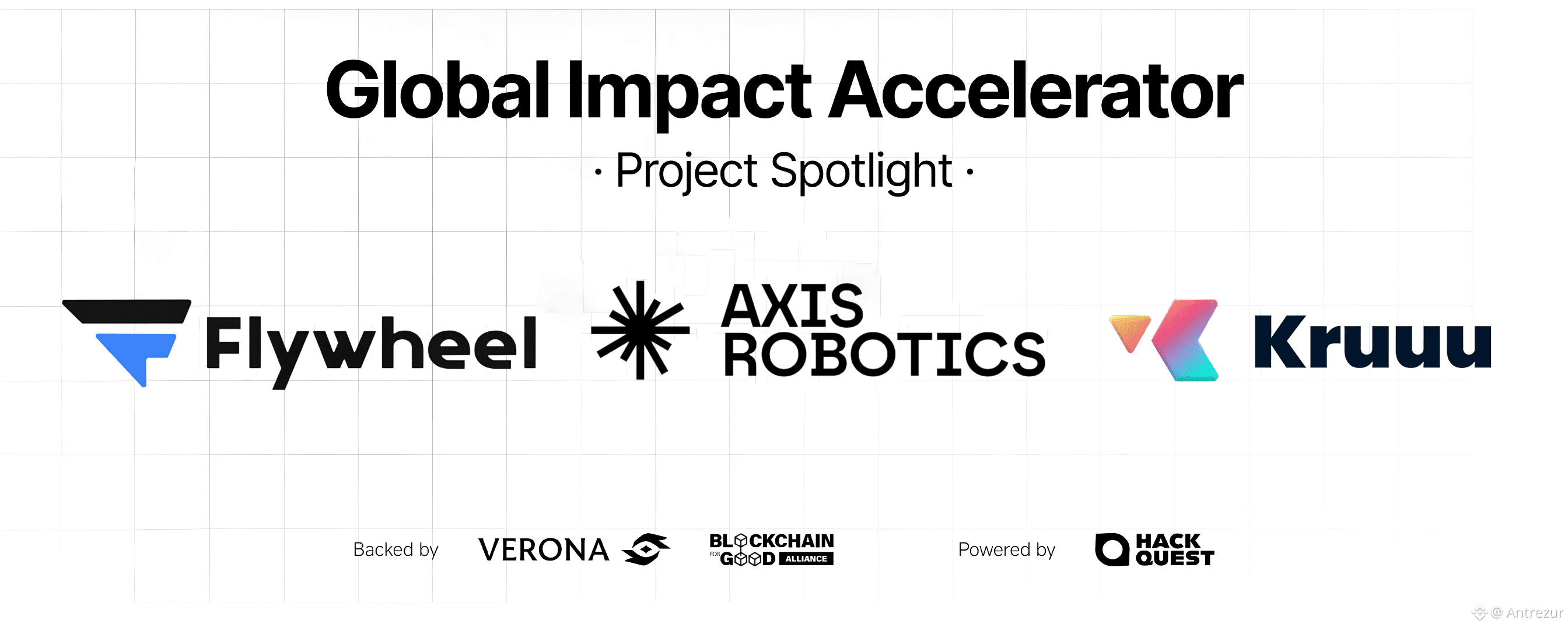
مسرّع الأثر العالمي (GIA)
فيورونا، بالتعاون مع HackQuest وChain for Good، أطلقت رسميًا مسرّع الأثر العالمي، وهو برنامج مصمم لدعم الفرق في المراحل المبكرة التي تبني منتجات بلوكتشين لتلبية احتياجات العالم الحقيقي. ومن خلال هذا البرنامج، تم اختيار ثلاثة فرق وستخوض عملية التوجه نحو النشر والتحقق على $Verona Mainnet.
ومن المثير للاهتمام أن الفرق الثلاثة تمثل ثلاث حالات استخدام مختلفة: الذكاء الاصطناعي (AI)، والذكاء الاصطناعي المادي/البيانات (Physical AI/data)، وبيانات الاعتماد القابلة للتحقق.
Flywheel AI
يركز على وكلاء الذكاء الاصطناعي للتسويق. تقوم وكلاؤه بتحليل أداء الأعمال، وتحديد فرص النمو، وتنفيذ الحملات عبر SEO وGEO ووسائل التواصل الاجتماعي وغيرها من القنوات.
Axis Robotics
يبني بنية تحتية للبيانات للذكاء الاصطناعي المادي. يجمع بيانات مكانية عبر الهواتف الذكية، ويدعم التشغيل عن بُعد عبر المتصفح، وينسق شبكة عالمية من المساهمين.
Kruuu Marketplace
يجلب بيانات اعتماد احترافية على السلسلة لصناعة الترفيه في إندونيسيا. يمكن للمؤسسات إصدار بيانات اعتماد قابلة للتحقق تكون أصعب في التزوير، مع توفير تجربة بدون محفظة وبدون رسوم غاز.
وبالنظر بعمق، تُظهر هذه المشاريع الثلاثة كيف يمكن استخدام بنية فيورونا عبر قطاعات مختلفة: وكلاء ذكاء اصطناعي يمكنهم تنفيذ المهام فعليًا، وبيانات واقعية للروبوتات، ومعلومات مهنية يمكن التحقق منها. وهذه أمثلة ملموسة على كيفية بدء دعم فيورونا لحالات استخدام من العالم الحقيقي.
#CryptoAi
مسرّع الأثر العالمي (GIA)
فيورونا، بالتعاون مع HackQuest وChain for Good، أطلقت رسميًا مسرّع الأثر العالمي، وهو برنامج مصمم لدعم الفرق في المراحل المبكرة التي تبني منتجات بلوكتشين لتلبية احتياجات العالم الحقيقي. ومن خلال هذا البرنامج، تم اختيار ثلاثة فرق وستخوض عملية التوجه نحو النشر والتحقق على $Verona Mainnet.
ومن المثير للاهتمام أن الفرق الثلاثة تمثل ثلاث حالات استخدام مختلفة: الذكاء الاصطناعي (AI)، والذكاء الاصطناعي المادي/البيانات (Physical AI/data)، وبيانات الاعتماد القابلة للتحقق.
Flywheel AI
يركز على وكلاء الذكاء الاصطناعي للتسويق. تقوم وكلاؤه بتحليل أداء الأعمال، وتحديد فرص النمو، وتنفيذ الحملات عبر SEO وGEO ووسائل التواصل الاجتماعي وغيرها من القنوات.
Axis Robotics
يبني بنية تحتية للبيانات للذكاء الاصطناعي المادي. يجمع بيانات مكانية عبر الهواتف الذكية، ويدعم التشغيل عن بُعد عبر المتصفح، وينسق شبكة عالمية من المساهمين.
Kruuu Marketplace
يجلب بيانات اعتماد احترافية على السلسلة لصناعة الترفيه في إندونيسيا. يمكن للمؤسسات إصدار بيانات اعتماد قابلة للتحقق تكون أصعب في التزوير، مع توفير تجربة بدون محفظة وبدون رسوم غاز.
وبالنظر بعمق، تُظهر هذه المشاريع الثلاثة كيف يمكن استخدام بنية فيورونا عبر قطاعات مختلفة: وكلاء ذكاء اصطناعي يمكنهم تنفيذ المهام فعليًا، وبيانات واقعية للروبوتات، ومعلومات مهنية يمكن التحقق منها. وهذه أمثلة ملموسة على كيفية بدء دعم فيورونا لحالات استخدام من العالم الحقيقي.
#CryptoAi
فيورونا، بالتعاون مع HackQuest وChain for Good، أطلقت رسميًا مسرّع الأثر العالمي، وهو برنامج مصمم لدعم الفرق في المراحل المبكرة التي تبني منتجات بلوكتشين لتلبية احتياجات العالم الحقيقي. ومن خلال هذا البرنامج، تم اختيار ثلاثة فرق وستخوض عملية التوجه نحو النشر والتحقق على $Verona Mainnet.
ومن المثير للاهتمام أن الفرق الثلاثة تمثل ثلاث حالات استخدام مختلفة: الذكاء الاصطناعي (AI)، والذكاء الاصطناعي المادي/البيانات (Physical AI/data)، وبيانات الاعتماد القابلة للتحقق.
Flywheel AI
يركز على وكلاء الذكاء الاصطناعي للتسويق. تقوم وكلاؤه بتحليل أداء الأعمال، وتحديد فرص النمو، وتنفيذ الحملات عبر SEO وGEO ووسائل التواصل الاجتماعي وغيرها من القنوات.
Axis Robotics
يبني بنية تحتية للبيانات للذكاء الاصطناعي المادي. يجمع بيانات مكانية عبر الهواتف الذكية، ويدعم التشغيل عن بُعد عبر المتصفح، وينسق شبكة عالمية من المساهمين.
Kruuu Marketplace
يجلب بيانات اعتماد احترافية على السلسلة لصناعة الترفيه في إندونيسيا. يمكن للمؤسسات إصدار بيانات اعتماد قابلة للتحقق تكون أصعب في التزوير، مع توفير تجربة بدون محفظة وبدون رسوم غاز.
وبالنظر بعمق، تُظهر هذه المشاريع الثلاثة كيف يمكن استخدام بنية فيورونا عبر قطاعات مختلفة: وكلاء ذكاء اصطناعي يمكنهم تنفيذ المهام فعليًا، وبيانات واقعية للروبوتات، ومعلومات مهنية يمكن التحقق منها. وهذه أمثلة ملموسة على كيفية بدء دعم فيورونا لحالات استخدام من العالم الحقيقي.
#CryptoAi
83
سجّل الدخول لاستكشاف المزيد من المُحتوى
انضم إلى مُستخدمي العملات الرقمية حول العالم على Binance Square
⚡️ احصل على أحدث المعلومات المفيدة عن العملات الرقمية.
💬 موثوقة من قبل أكبر منصّة لتداول العملات الرقمية في العالم.
👍 اكتشف الرؤى الحقيقية من صنّاع المُحتوى الموثوقين.
البريد الإلكتروني / رقم الهاتف