
#fedratedecisions
fedratedecisions
2.6M مشاهدات
1,359 يقومون بالنقاش
رائج
جديد

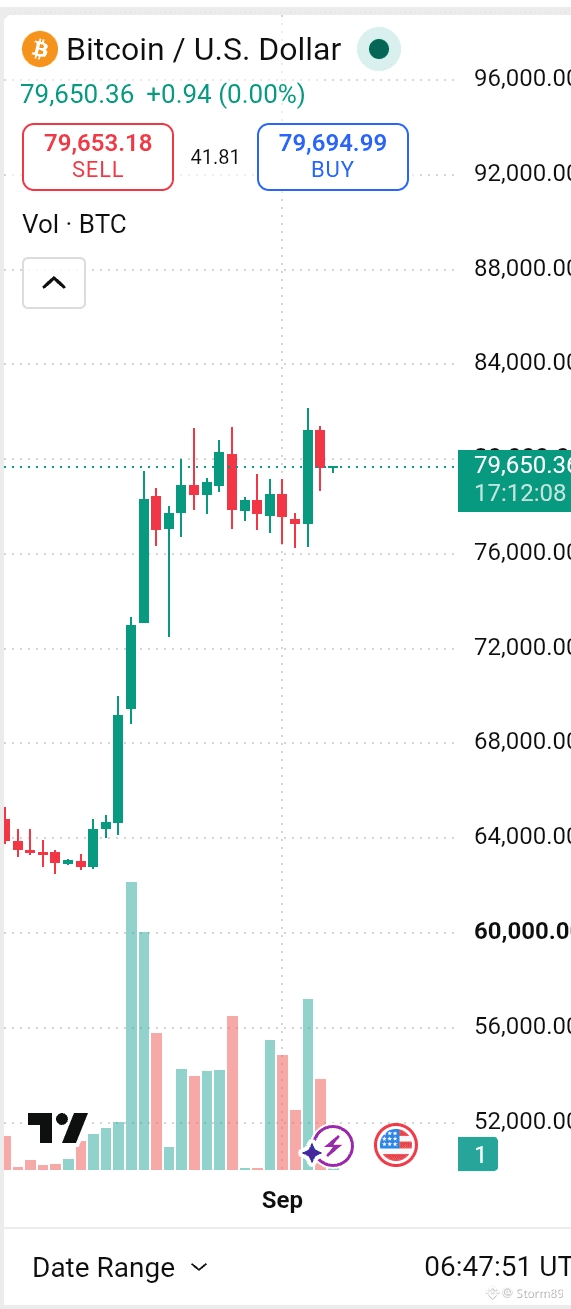
🌅 صباح البيتكوين كان ماسك 82 ألف، وفجأة انهار إلى 79 ألف خلال ساعات. شو صار؟
📖 الحدث الأول أرقام الوظائف فاجأت الجميع!
توقع المحللين إضافة 56 ألف وظيفة فقط في أغسطس. لكن الأرقام اللي نزلت كانت 162 ألف وظيفة! تخيلوا، المفاجأة كانت 3 أضعاف التوقعات! السوق ما استوعب الخبر، والنتيجة؟ انهيار!
✅الحدث الثاني ترامب يتدخل ويقلب الطاولة!
بدل ما يفرح السوق بالأرقام القوية، ترامب طلع وقال: "الأرقام ممتازة، اخفضوا الفائدة حالا" وكمل: إذا ما خفضتوها، رح أوقف التجارة مع الدول اللي عندها فائض تجاري مع أمريكا
✅الحدث الثالث الفيدرالي يصدم الجميع
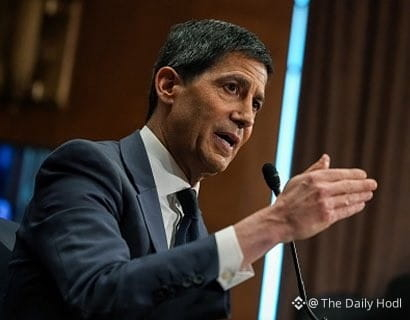
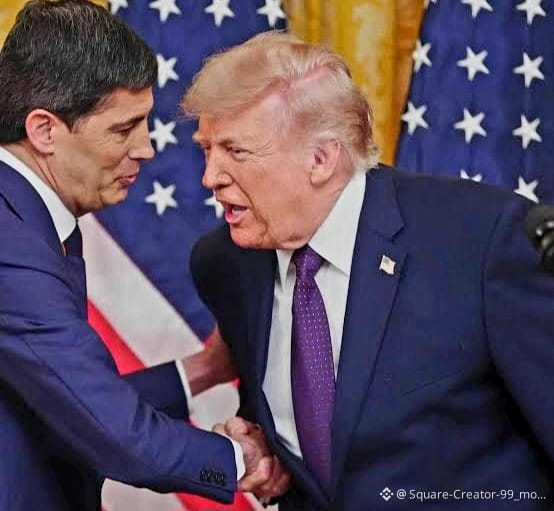
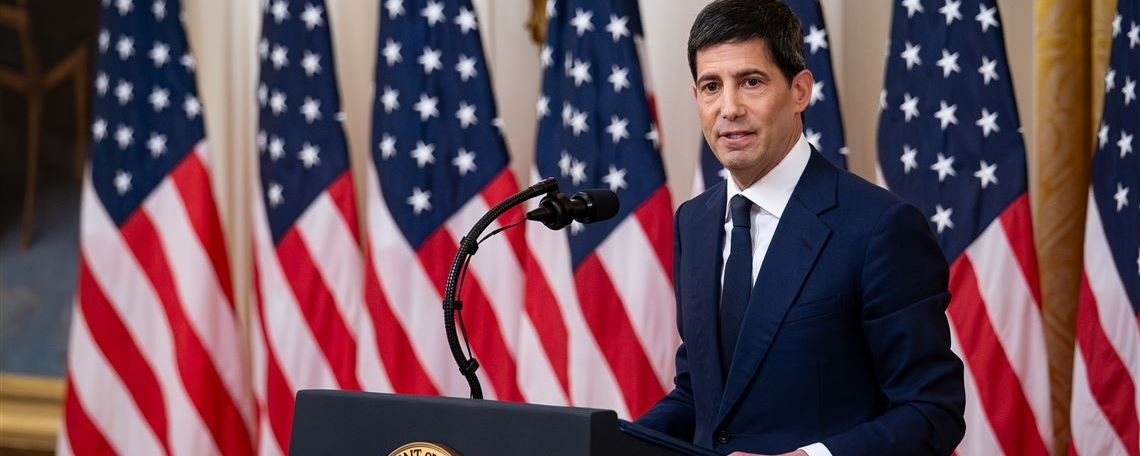
في الجهة المقابلة، رئيس الفيدرالي كيفن وارش في خطابه بجاكسون هول ألمح لرفع الفائدة في سبتمبر يعني الصقور لسا موجودين
والنتيجة؟ صراع ثلاثي الأبعاد خربط السوق
⚠️ بالرغم من الانهيار، صناديق Bitcoin ETF سجلت أكبر تدفق منذ يناير بـ 730.9 مليون في يوم واحد بلاك روك وحدها سحبت 454 مليون يعني المؤسسات عم تشتري بينما السوق عم ينزل!
💰 أكثر من 2.6 مليار من مراكز البيع انمسحت
Binance سجلت خروج 331 مليون USDT خلال 24 ساعة
عقود BTC المستقبلية عند 570 مليون أعلى مستوى منذ مايو
💬ترامب عم يحاول يخفض الفائدة. والفيدرالي مهدد يرفعها هل نشهد انهيار لـ75 ألف ولا ارتداد لـ82 ألف؟ شاركونا👇
$BTC
#FedRateDecisions
#ETFs
📖 الحدث الأول أرقام الوظائف فاجأت الجميع!
توقع المحللين إضافة 56 ألف وظيفة فقط في أغسطس. لكن الأرقام اللي نزلت كانت 162 ألف وظيفة! تخيلوا، المفاجأة كانت 3 أضعاف التوقعات! السوق ما استوعب الخبر، والنتيجة؟ انهيار!
✅الحدث الثاني ترامب يتدخل ويقلب الطاولة!
بدل ما يفرح السوق بالأرقام القوية، ترامب طلع وقال: "الأرقام ممتازة، اخفضوا الفائدة حالا" وكمل: إذا ما خفضتوها، رح أوقف التجارة مع الدول اللي عندها فائض تجاري مع أمريكا
✅الحدث الثالث الفيدرالي يصدم الجميع
في الجهة المقابلة، رئيس الفيدرالي كيفن وارش في خطابه بجاكسون هول ألمح لرفع الفائدة في سبتمبر يعني الصقور لسا موجودين
والنتيجة؟ صراع ثلاثي الأبعاد خربط السوق
⚠️ بالرغم من الانهيار، صناديق Bitcoin ETF سجلت أكبر تدفق منذ يناير بـ 730.9 مليون في يوم واحد بلاك روك وحدها سحبت 454 مليون يعني المؤسسات عم تشتري بينما السوق عم ينزل!
💰 أكثر من 2.6 مليار من مراكز البيع انمسحت
Binance سجلت خروج 331 مليون USDT خلال 24 ساعة
عقود BTC المستقبلية عند 570 مليون أعلى مستوى منذ مايو
💬ترامب عم يحاول يخفض الفائدة. والفيدرالي مهدد يرفعها هل نشهد انهيار لـ75 ألف ولا ارتداد لـ82 ألف؟ شاركونا👇
$BTC
#FedRateDecisions
#ETFs


$BTC
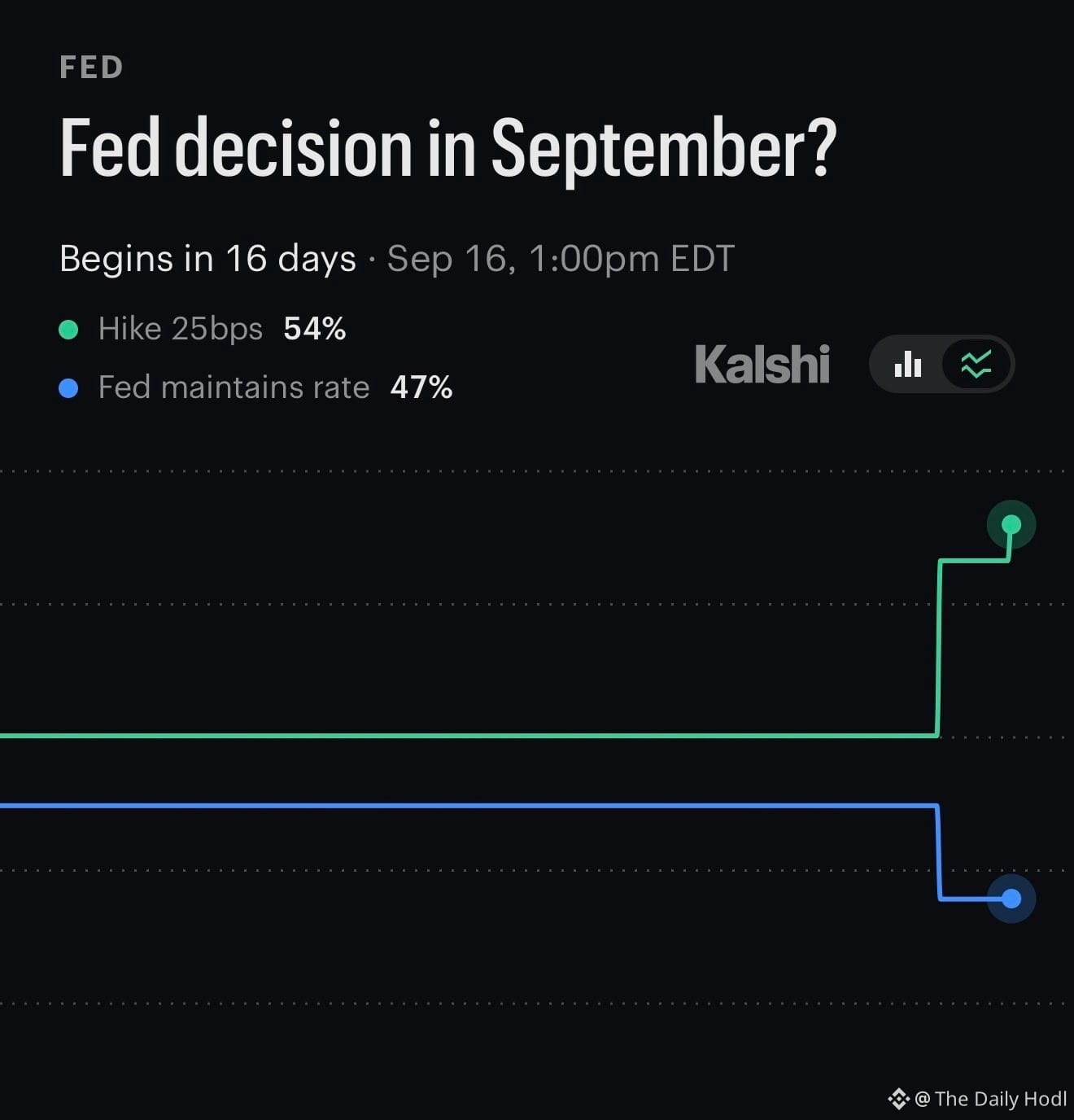
🚨 آخر تحديث: أصبحت الأسواق تسعِّر احتمالات أعلى لرفع سعر الفائدة من جانب بنك الاحتياطي الفيدرالي في سبتمبر أكثر من عدم التغيير. 📈⚠️ قد يؤدي مفاجأة متشددة إلى ضرب الأصول ذات المخاطر بشدة. 💥#FedRateDecisions
🚨 آخر تحديث: أصبحت الأسواق تسعِّر احتمالات أعلى لرفع سعر الفائدة من جانب بنك الاحتياطي الفيدرالي في سبتمبر أكثر من عدم التغيير. 📈⚠️ قد يؤدي مفاجأة متشددة إلى ضرب الأصول ذات المخاطر بشدة. 💥#FedRateDecisions

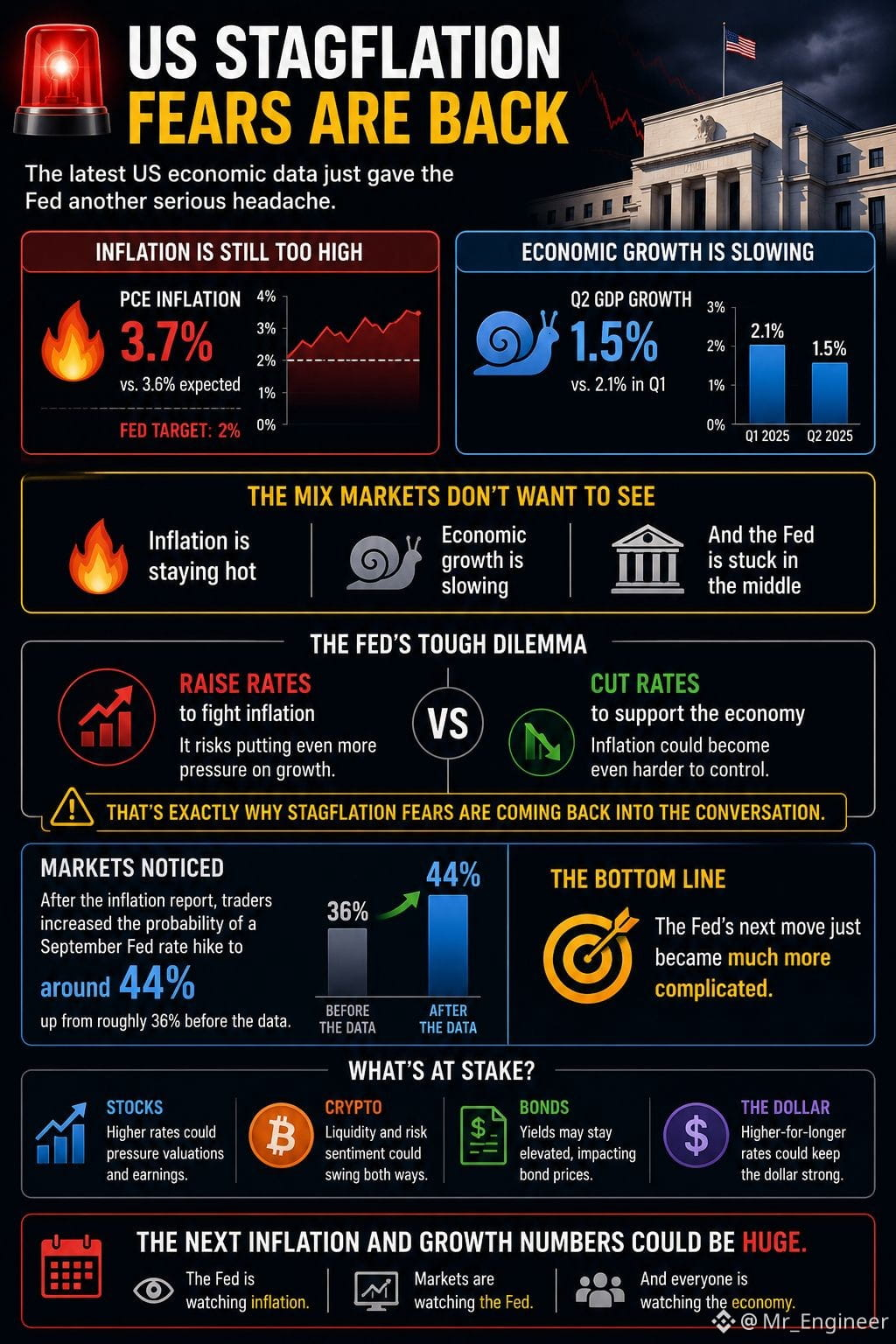
تحذير من الركود التضخمي: بنك الاحتياطي الفيدرالي في وضع صعب
البيانات الاقتصادية الأميركية ترسل إشارة مختلطة قد تجعل قرار بنك الاحتياطي الفيدرالي القادم شديد الصعوبة.
لا يزال التضخم يثبت أنه عنيد.
📈 تضخم مؤشر PCE: 3.7%
مقابل 3.6% متوقع
🎯 هدف بنك الاحتياطي الفيدرالي: 2%
وفي الوقت نفسه، النمو الاقتصادي يفقد الزخم.
📉 نمو الناتج المحلي الإجمالي للربع الثاني (Q2): 1.5%
مقابل 2.1% في الربع الأول (Q1)
اجمع هذه الأرقام معًا وستحصل على تركيبة يكرهها المستثمرون:
الأسعار لا تزال ترتفع بينما النشاط الاقتصادي يبرد.
وهذا يخلق معضلة سياسية كبرى أمام الاحتياطي الفيدرالي.
➡️ إبقاء الفوائد مرتفعة أو رفعها → قد يبرد التضخم، لكن النمو الاقتصادي قد يتعرض لضربة أخرى.
➡️ خفض الفوائد → قد يحصل النمو على دعم، لكن التضخم قد يصبح أكثر استمرارًا.
لهذا السبب، تتزايد مجددًا مخاطر الركود التضخمي لتصبح سردية جدّية في الأسواق.
والمتداولون بالفعل يعدّلون توقعاتهم.
بعد أحدث بيانات التضخم، ارتفعت الاحتمالية الضمنية لرفع فائدة بنك الاحتياطي الفيدرالي في سبتمبر إلى حوالي 44%، مقارنةً بنحو 36% سابقًا.
وهذا تحول ذو دلالة.
مشكلة الأسواق هي أنه قد لا تكون هناك بعد الآن خيارات سياسة سهلة أمام بنك الاحتياطي الفيدرالي.
وإذا ظل التضخم مرتفعًا بينما يستمر ضعف النمو، فقد يمتد الأثر ليطال الأسهم والـكريبتو والسندات والدولار الأميركي.
🔥 قد تكون التقارير الاقتصادية القليلة القادمة أكثر أهمية مما تتوقعه السوق.
بنك الاحتياطي الفيدرالي يراقب التضخم.
والأسواق تراقب بنك الاحتياطي الفيدرالي.
والجميع يراقب الاقتصاد.
#BTC☀ #Ethereum #FedRateDecisions #FedMeeting
البيانات الاقتصادية الأميركية ترسل إشارة مختلطة قد تجعل قرار بنك الاحتياطي الفيدرالي القادم شديد الصعوبة.
لا يزال التضخم يثبت أنه عنيد.
📈 تضخم مؤشر PCE: 3.7%
مقابل 3.6% متوقع
🎯 هدف بنك الاحتياطي الفيدرالي: 2%
وفي الوقت نفسه، النمو الاقتصادي يفقد الزخم.
📉 نمو الناتج المحلي الإجمالي للربع الثاني (Q2): 1.5%
مقابل 2.1% في الربع الأول (Q1)
اجمع هذه الأرقام معًا وستحصل على تركيبة يكرهها المستثمرون:
الأسعار لا تزال ترتفع بينما النشاط الاقتصادي يبرد.
وهذا يخلق معضلة سياسية كبرى أمام الاحتياطي الفيدرالي.
➡️ إبقاء الفوائد مرتفعة أو رفعها → قد يبرد التضخم، لكن النمو الاقتصادي قد يتعرض لضربة أخرى.
➡️ خفض الفوائد → قد يحصل النمو على دعم، لكن التضخم قد يصبح أكثر استمرارًا.
لهذا السبب، تتزايد مجددًا مخاطر الركود التضخمي لتصبح سردية جدّية في الأسواق.
والمتداولون بالفعل يعدّلون توقعاتهم.
بعد أحدث بيانات التضخم، ارتفعت الاحتمالية الضمنية لرفع فائدة بنك الاحتياطي الفيدرالي في سبتمبر إلى حوالي 44%، مقارنةً بنحو 36% سابقًا.
وهذا تحول ذو دلالة.
مشكلة الأسواق هي أنه قد لا تكون هناك بعد الآن خيارات سياسة سهلة أمام بنك الاحتياطي الفيدرالي.
وإذا ظل التضخم مرتفعًا بينما يستمر ضعف النمو، فقد يمتد الأثر ليطال الأسهم والـكريبتو والسندات والدولار الأميركي.
🔥 قد تكون التقارير الاقتصادية القليلة القادمة أكثر أهمية مما تتوقعه السوق.
بنك الاحتياطي الفيدرالي يراقب التضخم.
والأسواق تراقب بنك الاحتياطي الفيدرالي.
والجميع يراقب الاقتصاد.
#BTC☀ #Ethereum #FedRateDecisions #FedMeeting


$BTC
🚨🚨 مع تراجع توقعات رفع الفائدة، لماذا على وجه الأرض ترتفع العوائد طويلة الأجل؟ 🚨
تكبدت أسهم الولايات المتحدة ضربة ملحوظة هذا الأسبوع
S&P 500 وNASDAQ في المنطقة السلبية
عائد سندات الخزانة الأمريكية لأجل 30 عامًا يتحوم قرب 5.25%
النفط الخام مستقراً قرب مستوى 90 دولاراً
وولمارت منخفضة بنحو 9%
₿ وفي الوقت نفسه، استعادت بيتكوين مستوى 70,000 دولار
ما يثير الاهتمام هو أن هذا ليس مجرد حالة بسيطة من "النفور من المخاطر"
مؤشر التقلبات VIX عند مستوى 16 تقريباً، ومؤشر الخوف والطمع عند 52 (محايد). لا يزال الإقبال على السندات عالية العائد متيناً بشكل لافت، وتتدفق الأموال بنشاط إلى العملات المشفرة
وفقاً لـ FedWatch، يُعدّ الإبقاء على الفائدة في سبتمبر السيناريو المفضل بنسبة 65.4%. ومع ذلك، وبالرغم من ذلك، تواصل العوائد طويلة الأجل الصعود
تحت غطاء المحرك، يُعزى ذلك إلى وصول الدين العام الأمريكي إلى عتبة 40 تريليون دولار، وإلى طلب هائل من القطاع الخاص على رأس المال (بما في ذلك استثمارات الذكاء الاصطناعي)، وضغوط تضخمية ناتجة عن ارتفاع أسعار النفط
ما الذي يتغير في السوق حالياً؟ قد لا نكون بعد في بيئة يتركز فيها التركيز حصراً على "سعر فائدة الفيدرالي". بدلاً من ذلك، أصبحت العوائد طويلة الأجل نفسها المرساة الأساسية لتقييمات الأسهم 📢
#FedRateDecisions #USGovernment #Market_Update
$ETH
$XRP
🚨🚨 مع تراجع توقعات رفع الفائدة، لماذا على وجه الأرض ترتفع العوائد طويلة الأجل؟ 🚨
تكبدت أسهم الولايات المتحدة ضربة ملحوظة هذا الأسبوع
S&P 500 وNASDAQ في المنطقة السلبية
عائد سندات الخزانة الأمريكية لأجل 30 عامًا يتحوم قرب 5.25%
النفط الخام مستقراً قرب مستوى 90 دولاراً
وولمارت منخفضة بنحو 9%
₿ وفي الوقت نفسه، استعادت بيتكوين مستوى 70,000 دولار
ما يثير الاهتمام هو أن هذا ليس مجرد حالة بسيطة من "النفور من المخاطر"
مؤشر التقلبات VIX عند مستوى 16 تقريباً، ومؤشر الخوف والطمع عند 52 (محايد). لا يزال الإقبال على السندات عالية العائد متيناً بشكل لافت، وتتدفق الأموال بنشاط إلى العملات المشفرة
وفقاً لـ FedWatch، يُعدّ الإبقاء على الفائدة في سبتمبر السيناريو المفضل بنسبة 65.4%. ومع ذلك، وبالرغم من ذلك، تواصل العوائد طويلة الأجل الصعود
تحت غطاء المحرك، يُعزى ذلك إلى وصول الدين العام الأمريكي إلى عتبة 40 تريليون دولار، وإلى طلب هائل من القطاع الخاص على رأس المال (بما في ذلك استثمارات الذكاء الاصطناعي)، وضغوط تضخمية ناتجة عن ارتفاع أسعار النفط
ما الذي يتغير في السوق حالياً؟ قد لا نكون بعد في بيئة يتركز فيها التركيز حصراً على "سعر فائدة الفيدرالي". بدلاً من ذلك، أصبحت العوائد طويلة الأجل نفسها المرساة الأساسية لتقييمات الأسهم 📢
#FedRateDecisions #USGovernment #Market_Update
$ETH
$XRP
تمّ التحقق
$WLD
🚨 البنك الاحتياطي الفيدرالي للتو أطلق واحدة من تحذيراته القاتمة المناسبة على الأسواق هذا العام، أليس كذلك
عدد من كبار الشخصيات حذروا من أننا قد نحتاج إلى مزيد من رفع الفوائد إذا لم تتراجع حدة التضخم. بالفعل، ثلاثة من أعضاء لجنة السوق الفيدرالية (FOMC) صوتوا مسبقًا على دفع الفوائد ربع نقطة مئوية في يوليو
يعتقد الاحتياطي الفيدرالي أن مخاطر التضخم ما زالت تبدو غير مطمئنة من الجانب المرتفع، بينما يرى آخرون أن الأوضاع المالية ليست مشدودة بما يكفي بعد. وفي الوقت نفسه، يقولون إن أسعار الأسهم وصلت إلى مستويات مجنونة فعلًا، أسوأ فقط خلال فقاعة الدوت-كوم في الماضي
كما حذروا من أنه إذا اتضح أن كل هذا الموضوع المتعلق بالذكاء الاصطناعي مجرد خيبة أمل، فقد يؤدي ذلك إلى انهيار سعري للأسهم حادّ ومؤلم، مع شدّ أحزمة الإنفاق. إن رافعة صناديق التحوط تقريبًا عند أعلى مستوياتها على الإطلاق، في حين أن الاقتراض عبر اتفاقيات إعادة الشراء (repo) والوساطة الأولية (prime brokerage) سجل أرقامًا قياسية
لذا الآن، الاحتياطي الفيدرالي يتعامل مع تضخم عنيد وتقييمات مرتفعة جدًا ورافعة مالية قياسية جميعًا في آن واحد. وصفة مطلقة للكوارث للأسواق، يا صديقي 👀
$ATOM
$ADA
#FedRateDecisions #FOMCWatch #USGovernment
🚨 البنك الاحتياطي الفيدرالي للتو أطلق واحدة من تحذيراته القاتمة المناسبة على الأسواق هذا العام، أليس كذلك
عدد من كبار الشخصيات حذروا من أننا قد نحتاج إلى مزيد من رفع الفوائد إذا لم تتراجع حدة التضخم. بالفعل، ثلاثة من أعضاء لجنة السوق الفيدرالية (FOMC) صوتوا مسبقًا على دفع الفوائد ربع نقطة مئوية في يوليو
يعتقد الاحتياطي الفيدرالي أن مخاطر التضخم ما زالت تبدو غير مطمئنة من الجانب المرتفع، بينما يرى آخرون أن الأوضاع المالية ليست مشدودة بما يكفي بعد. وفي الوقت نفسه، يقولون إن أسعار الأسهم وصلت إلى مستويات مجنونة فعلًا، أسوأ فقط خلال فقاعة الدوت-كوم في الماضي
كما حذروا من أنه إذا اتضح أن كل هذا الموضوع المتعلق بالذكاء الاصطناعي مجرد خيبة أمل، فقد يؤدي ذلك إلى انهيار سعري للأسهم حادّ ومؤلم، مع شدّ أحزمة الإنفاق. إن رافعة صناديق التحوط تقريبًا عند أعلى مستوياتها على الإطلاق، في حين أن الاقتراض عبر اتفاقيات إعادة الشراء (repo) والوساطة الأولية (prime brokerage) سجل أرقامًا قياسية
لذا الآن، الاحتياطي الفيدرالي يتعامل مع تضخم عنيد وتقييمات مرتفعة جدًا ورافعة مالية قياسية جميعًا في آن واحد. وصفة مطلقة للكوارث للأسواق، يا صديقي 👀
$ATOM
$ADA
#FedRateDecisions #FOMCWatch #USGovernment


⚡تم تحديث احتمالات قرار سعر الفائدة الفيدرالي 📊🚀
تُظهر بيانات CME FedWatch وجود احتمال بنسبة 33% بأن يحافظ مجلس الاحتياطي الفيدرالي على أسعار الفائدة دون تغيير في سبتمبر، بينما يبلغ احتمال بنسبة 67% لرفع سعر الفائدة بمقدار 25 نقطة أساس مع استمرار مخاوف التضخم في ظل توترات جيوسياسية تؤثر على الأسواق العالمية$AKE $UAI $BEAT
#FedRateDecisions
تُظهر بيانات CME FedWatch وجود احتمال بنسبة 33% بأن يحافظ مجلس الاحتياطي الفيدرالي على أسعار الفائدة دون تغيير في سبتمبر، بينما يبلغ احتمال بنسبة 67% لرفع سعر الفائدة بمقدار 25 نقطة أساس مع استمرار مخاوف التضخم في ظل توترات جيوسياسية تؤثر على الأسواق العالمية$AKE $UAI $BEAT
#FedRateDecisions
صحيح جزئيًا
يُتوقع أن يضيف الاحتياطي الفيدرالي الأميركي سيولة إضافية هذا الأسبوع — بحوالي 8.6 مليار دولار — ويزعم أنه منذ انتهاء تشديد السياسة النقدية (QT) في ديسمبر الماضي، تدفّق بالفعل نحو 212 مليار دولار إلى الاقتصاد.
الفكرة الرئيسية هي: يمكن أن تدعم السيولة الإضافية الأصول ذات المخاطر كما يمكن أن تعزز الاهتمام بالذهب، ولهذا يذكر المنشور عقود XAU / XAUUSDT الآجلة.
الخلاصة: هذا يشير إلى أن الأموال الجديدة التي تدخل النظام قد تكون إيجابية للذهب وربما لأسواق أخرى أيضًا.#NFA✅ #FedRateDecisions #FedRates #MastercardCompletesBVNKStablecoinAcquisition #KOSPINikkeiOpenHigherOnChipStocks $Jager
$BOS
الفكرة الرئيسية هي: يمكن أن تدعم السيولة الإضافية الأصول ذات المخاطر كما يمكن أن تعزز الاهتمام بالذهب، ولهذا يذكر المنشور عقود XAU / XAUUSDT الآجلة.
الخلاصة: هذا يشير إلى أن الأموال الجديدة التي تدخل النظام قد تكون إيجابية للذهب وربما لأسواق أخرى أيضًا.#NFA✅ #FedRateDecisions #FedRates #MastercardCompletesBVNKStablecoinAcquisition #KOSPINikkeiOpenHigherOnChipStocks $Jager
$BOS

🚨 𝗕𝗥𝗘𝗔𝗞𝗜𝗡𝗚: 𝗇𝗮𝘇𝗮𝗿 𝗮𝗹𝗳𝗲𝗱 𝗮𝗹𝗮𝗡𝗽𝗼𝗻𝗾 𝗯𝗮𝗿 𝗮𝗹𝗮𝗪𝗮𝗿𝗮𝗧𝗦 🇺🇸
السوق حصلت على ما توقعته - لكن الحركة الحقيقة في الإشارة التالية من الفيد.
👀 هل ستزيد السيولة؟
📈 هل ستستفيد الأصول ذات المخاطر مثل الكريبتو والآلتكوينز بعد ذلك؟
متداولي الكريبتو الآن يراقبون كل كلمة من الفيد.
هل أنت متفائل أم متشائم من هنا؟ اترك رأيك أدناه 👇🔥
تابعني لمزيد من تحديثات الكريبتو 🔔
#USADPEmploymentChangeSlipsTo25500 #SpaceXStockOptionsBeginTrading #altcoins #FedRateDecisions #USStockRallyPausesBeforeWarshFed
$PORTAL $WLD $STG
السوق حصلت على ما توقعته - لكن الحركة الحقيقة في الإشارة التالية من الفيد.
👀 هل ستزيد السيولة؟
📈 هل ستستفيد الأصول ذات المخاطر مثل الكريبتو والآلتكوينز بعد ذلك؟
متداولي الكريبتو الآن يراقبون كل كلمة من الفيد.
هل أنت متفائل أم متشائم من هنا؟ اترك رأيك أدناه 👇🔥
تابعني لمزيد من تحديثات الكريبتو 🔔
#USADPEmploymentChangeSlipsTo25500 #SpaceXStockOptionsBeginTrading #altcoins #FedRateDecisions #USStockRallyPausesBeforeWarshFed
$PORTAL $WLD $STG
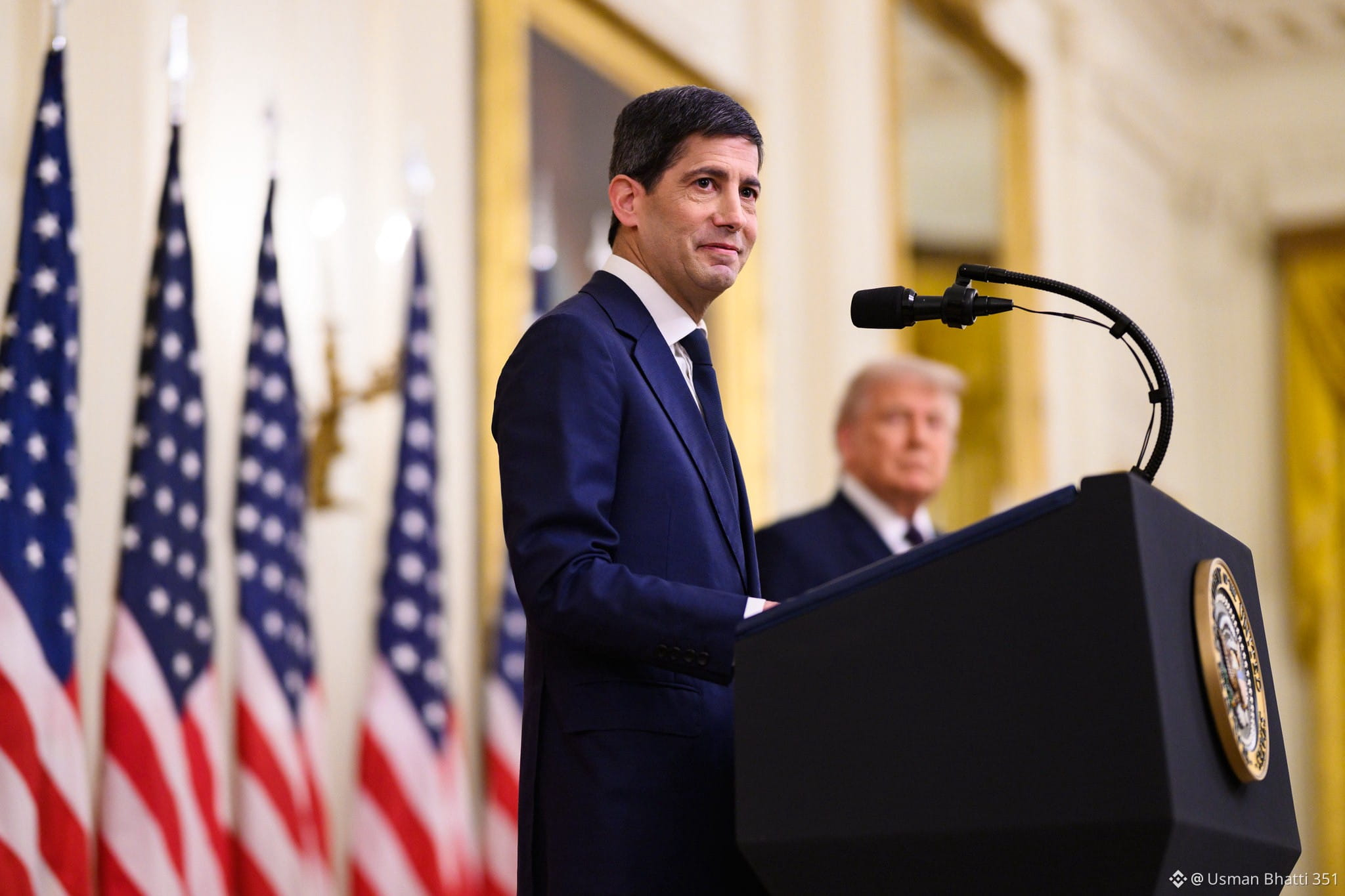

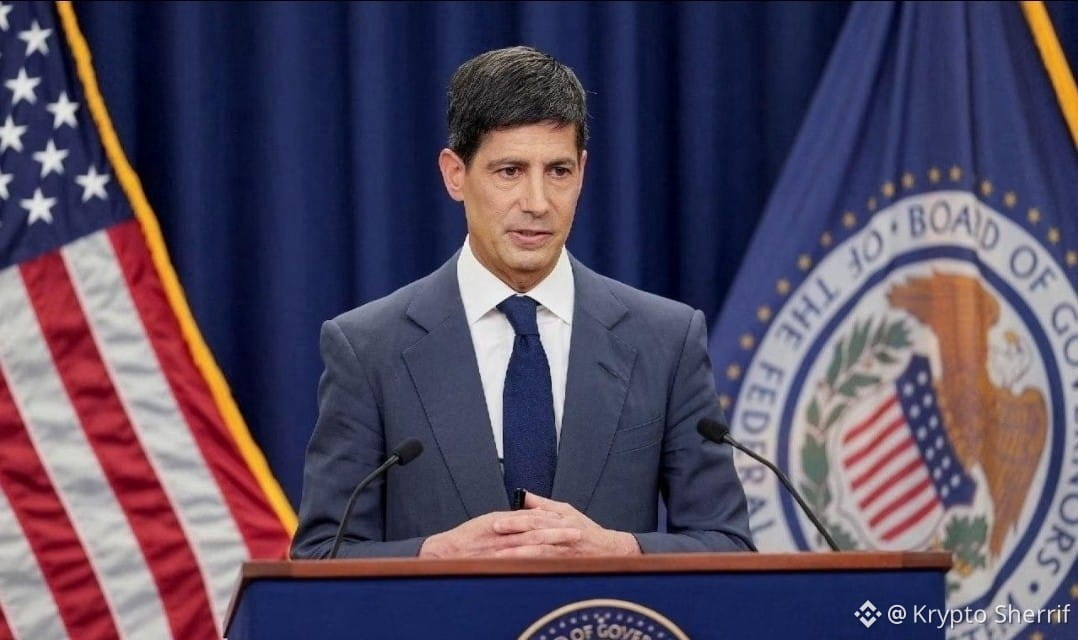
🇺🇸 الاحتياطي الفيدرالي يحافظ على معدلات الفائدة دون تغيير — كيفن وارش يشير إلى سياسة الانتظار والترقب 👀
الأسواق تعتمد على البيانات حيث تستمر التضخم، والوظائف، والنمو في توجيه الخطوة القادمة — ظروف السيولة تبقى في التركيز.
بالنسبة لبيتكوين ⚡️
• احتمالية تباطؤ قوة الدولار الأمريكي
• تدوير رأس المال نحو الأصول النادرة
• إعداد التقلبات في طور البناء
₿ بيتكوين تبقى في مركز مراقبة السيولة العالمية 🚀
#FedRateDecisions
الأسواق تعتمد على البيانات حيث تستمر التضخم، والوظائف، والنمو في توجيه الخطوة القادمة — ظروف السيولة تبقى في التركيز.
بالنسبة لبيتكوين ⚡️
• احتمالية تباطؤ قوة الدولار الأمريكي
• تدوير رأس المال نحو الأصول النادرة
• إعداد التقلبات في طور البناء
₿ بيتكوين تبقى في مركز مراقبة السيولة العالمية 🚀
#FedRateDecisions
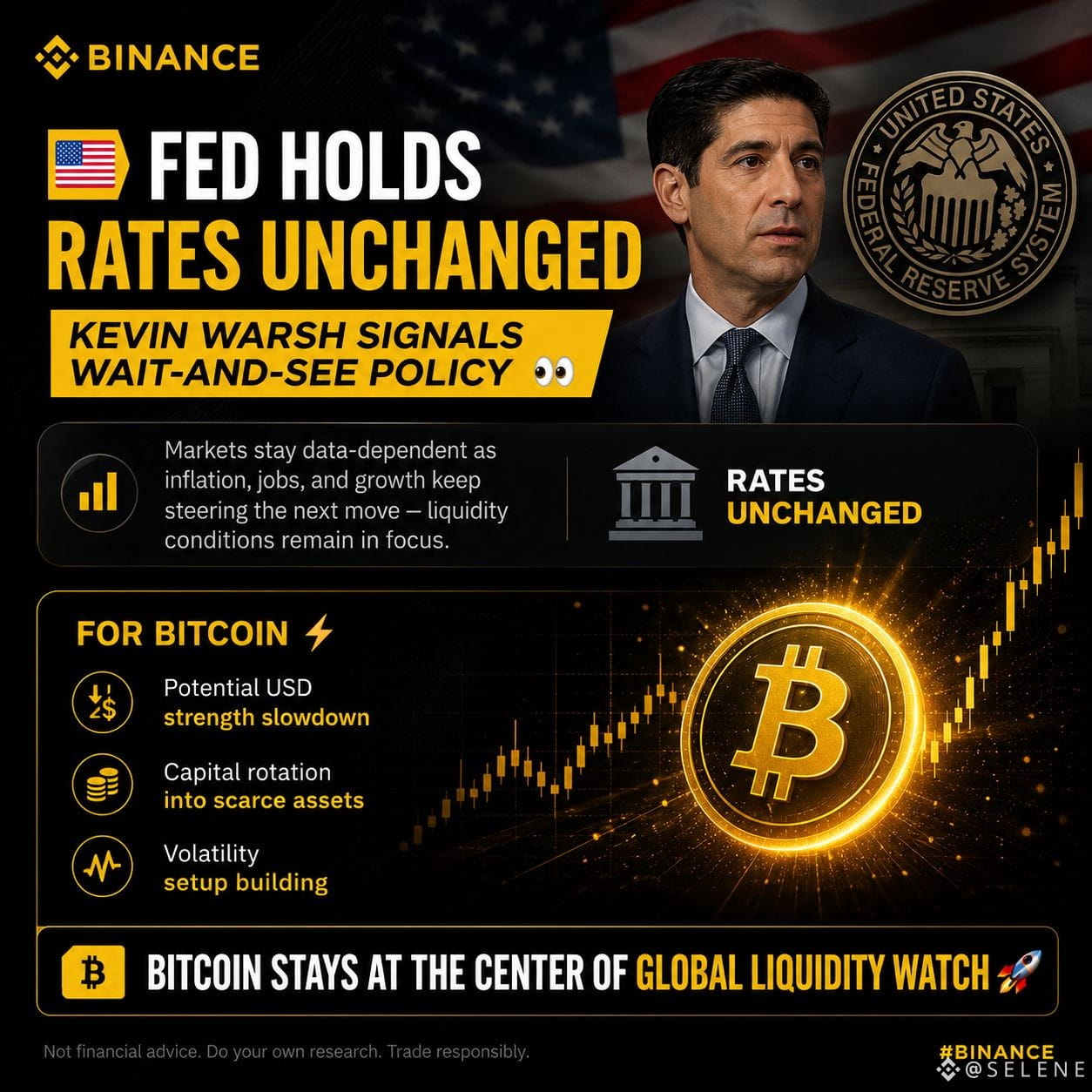

🚨 ورد أن الرئيس دونالد ترامب ضغط على مجلس الاحتياطي الفيدرالي لخفض أسعار الفائدة، بحجة أن الولايات المتحدة “يجب أن تكون لديها أدنى أسعار في العالم”.
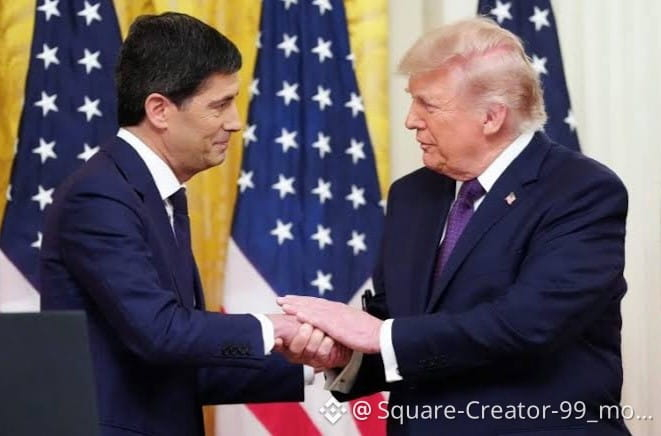
وعند حديثه إلى الصحفيين على متن طائرة الرئاسة (إير فورس ون)، أشار إلى دول أخرى بأسعار فائدة أقل ودفع الفيدرالي إلى حذو حذوه. كما علّق على مرشح رئاسة الفيدرالي كيفن وورش، واصفًا إياه بـ“رجلًا استثنائيًا”، لكنه ادّعى أن مجلس الفيدرالي “سياسي جدًا”، واقترح أنه يعرف ما الذي يريد وورش القيام به.
توقيت التصريحات يصعب تجاهله. فقد أدلى ترامب بهذه التعليقات قبل يومين فقط من إعلان لجنة السوق المفتوحة التابعة للاحتياطي الفيدرالي (FOMC) قرارها المقبل بشأن سعر الفائدة، حيث تتوقع الأسواق على نطاق واسع أن تبقى الأسعار دون تغيير، كما كان الحال طوال العام.
إن المطالبة العلنية بخفض الفائدة والإشارة إلى أعضاء فرديين في المجلس تقوض استقلالية الفيدرالي وتحوّل السياسة النقدية إلى مسرحية سياسية. فهي تضغط على البنك المركزي ليلاحق العناوين بدلًا من البيانات، وتعرّض المصداقية للتآكل في وقت يحتاج فيه السوق إلى أن يظل الفيدرالي ثابتًا لا أن يتفاعل مع الخطب السياسية.
#FedRateDecisions
وعند حديثه إلى الصحفيين على متن طائرة الرئاسة (إير فورس ون)، أشار إلى دول أخرى بأسعار فائدة أقل ودفع الفيدرالي إلى حذو حذوه. كما علّق على مرشح رئاسة الفيدرالي كيفن وورش، واصفًا إياه بـ“رجلًا استثنائيًا”، لكنه ادّعى أن مجلس الفيدرالي “سياسي جدًا”، واقترح أنه يعرف ما الذي يريد وورش القيام به.
توقيت التصريحات يصعب تجاهله. فقد أدلى ترامب بهذه التعليقات قبل يومين فقط من إعلان لجنة السوق المفتوحة التابعة للاحتياطي الفيدرالي (FOMC) قرارها المقبل بشأن سعر الفائدة، حيث تتوقع الأسواق على نطاق واسع أن تبقى الأسعار دون تغيير، كما كان الحال طوال العام.
إن المطالبة العلنية بخفض الفائدة والإشارة إلى أعضاء فرديين في المجلس تقوض استقلالية الفيدرالي وتحوّل السياسة النقدية إلى مسرحية سياسية. فهي تضغط على البنك المركزي ليلاحق العناوين بدلًا من البيانات، وتعرّض المصداقية للتآكل في وقت يحتاج فيه السوق إلى أن يظل الفيدرالي ثابتًا لا أن يتفاعل مع الخطب السياسية.
#FedRateDecisions

ابقَ على اطلاع مع NEWZ fuze على مدار الساعة 24/7 📈:
أعرب حاكم الاحتياطي الفيدرالي كريستوفر والر عن قلقه بشأن التضخم يوم الاثنين، لكنه نصح بعدم الاستجابة بسرعة كبيرة، مع التأكيد على أهمية الانتظار للحصول على بيانات إضافية قبل التفكير في رفع أسعار الفائدة.
$AIA $COAI $SOL
وفي حديثه في نيويورك، أشار والر إلى أن التضخم لم يعد مدفوعًا بالأسعار المرتفعة للطاقة والرسوم الجمركية وحدهما، بل إن الذكاء الاصطناعي يُعد عاملًا مهمًا وراء استمرار التضخم فوق هدف الاحتياطي الفيدرالي البالغ 2%.
#FedRateDecisions #EuropeanStocksFall #ceyptomarket
وحذّر من أن محاولة التصحيح بشكل مفرط لأخطاء الماضي يمكن أن يؤدي إلى أخطاء جديدة:
«إن رغبة تجنب أخطاء الماضي كثيرًا ما تكون هي من يكتب الأخطاء الجديدة». وأضاف والر أنه يدرك تأخر الاحتياطي الفيدرالي في 2021 لمعالجة التضخم المرتفع، وهو مصمم ألا يكرر تلك المرة.
#IMX/USDT #DODOX/USDT
بدأت أسهم شركة SK Hynix التداول في بورصة ناسداك عند 170 دولارًا، متجاوزة سعر الطرح الأصلي البالغ 149 دولارًا.
أعرب حاكم الاحتياطي الفيدرالي كريستوفر والر عن قلقه بشأن التضخم يوم الاثنين، لكنه نصح بعدم الاستجابة بسرعة كبيرة، مع التأكيد على أهمية الانتظار للحصول على بيانات إضافية قبل التفكير في رفع أسعار الفائدة.
$AIA $COAI $SOL
وفي حديثه في نيويورك، أشار والر إلى أن التضخم لم يعد مدفوعًا بالأسعار المرتفعة للطاقة والرسوم الجمركية وحدهما، بل إن الذكاء الاصطناعي يُعد عاملًا مهمًا وراء استمرار التضخم فوق هدف الاحتياطي الفيدرالي البالغ 2%.
#FedRateDecisions #EuropeanStocksFall #ceyptomarket
وحذّر من أن محاولة التصحيح بشكل مفرط لأخطاء الماضي يمكن أن يؤدي إلى أخطاء جديدة:
«إن رغبة تجنب أخطاء الماضي كثيرًا ما تكون هي من يكتب الأخطاء الجديدة». وأضاف والر أنه يدرك تأخر الاحتياطي الفيدرالي في 2021 لمعالجة التضخم المرتفع، وهو مصمم ألا يكرر تلك المرة.
#IMX/USDT #DODOX/USDT
بدأت أسهم شركة SK Hynix التداول في بورصة ناسداك عند 170 دولارًا، متجاوزة سعر الطرح الأصلي البالغ 149 دولارًا.


📊 بيتكوين بقى يتأرجح من $61,165 ورجع تقريبًا لـ $64,000.
بس الاختبار الحقيقي بيكون يوم الثلاثاء، لما الاجتماع بتاع الاحتياطي الفيدرالي هيكون من 16-17 يونيو.
السوق يقول إنه في 98.2٪ احتمال إنه ما هيكونش فيه تخفيض في سعر الفائدة.
التركيز مش على الاجتماع نفسه، بس على تصريحات كيفن وورش.
كل كلمة منهم ممكن تحرك السوق لفوق أو لتحت. 📈📉
#Bitcoin #BTC #Crypto #FedRateDecisions $BITCOIN
بس الاختبار الحقيقي بيكون يوم الثلاثاء، لما الاجتماع بتاع الاحتياطي الفيدرالي هيكون من 16-17 يونيو.
السوق يقول إنه في 98.2٪ احتمال إنه ما هيكونش فيه تخفيض في سعر الفائدة.
التركيز مش على الاجتماع نفسه، بس على تصريحات كيفن وورش.
كل كلمة منهم ممكن تحرك السوق لفوق أو لتحت. 📈📉
#Bitcoin #BTC #Crypto #FedRateDecisions $BITCOIN

البنك الفيدرالي تحت قيادة كيفن وارش يبدو أكثر شدة وأقل قابلية للتنبؤ مما كان عليه تحت باول.
باختصار: السوق لم يعد بإمكانه الاعتماد على إشارات واضحة من الفيدرالي، أو توجيهات مستقبلية، أو إشارات ناعمة حول ما سيأتي بعد ذلك. وارش بشكل أساسي يقول إن التضخم لا يزال مرتفعًا جدًا، وهدف الـ 2% يبقى، والفيدرالي لن يعلن عن خطوته القادمة مبكرًا.
-ماذا يعني ذلك للمتداولين:
* المزيد من تقلبات السوق
* عدم اليقين بشأن تخفيضات الفائدة
* المزيد من الضغط على الأصول عالية المخاطر مثل العملات المشفرة، والذكاء الاصطناعي، وأشباه الموصلات، والتكنولوجيا عالية النمو
الاستنتاج الرئيسي: لا تتداول بناءً على تخمين خطاب الفيدرالي القادم — ركز أكثر على التضخم، وعوائد السندات، والحركة الفعلية للأسعار.#NFA✅ #DYOR #FedRateDecisions #KevinWarshLeadsFederalRese #KevinWarshDisclosedCryptolnvestments $1
$KIN
$Jager
باختصار: السوق لم يعد بإمكانه الاعتماد على إشارات واضحة من الفيدرالي، أو توجيهات مستقبلية، أو إشارات ناعمة حول ما سيأتي بعد ذلك. وارش بشكل أساسي يقول إن التضخم لا يزال مرتفعًا جدًا، وهدف الـ 2% يبقى، والفيدرالي لن يعلن عن خطوته القادمة مبكرًا.
-ماذا يعني ذلك للمتداولين:
* المزيد من تقلبات السوق
* عدم اليقين بشأن تخفيضات الفائدة
* المزيد من الضغط على الأصول عالية المخاطر مثل العملات المشفرة، والذكاء الاصطناعي، وأشباه الموصلات، والتكنولوجيا عالية النمو
الاستنتاج الرئيسي: لا تتداول بناءً على تخمين خطاب الفيدرالي القادم — ركز أكثر على التضخم، وعوائد السندات، والحركة الفعلية للأسعار.#NFA✅ #DYOR #FedRateDecisions #KevinWarshLeadsFederalRese #KevinWarshDisclosedCryptolnvestments $1
$KIN
$Jager
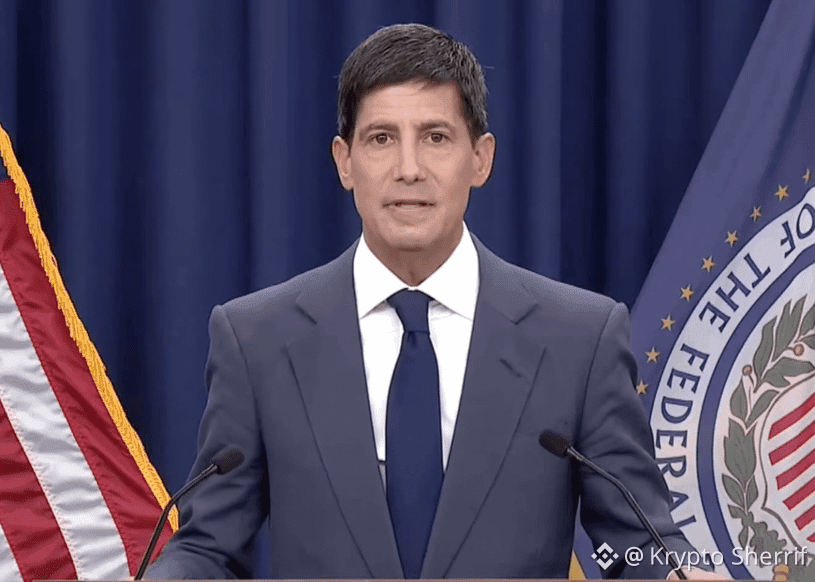

تحديث الأخبار: 🇺🇸 إليك المعنى الحقيقي للأرقام الخاصة بـ PCE وGDP اليوم بالنسبة للسوق👇
انخفض مؤشر PCE الرئيسي رسميًا إلى 3.7% في شهر 6، أقل من أعلى مستوى له منذ ثلاث سنوات عند 4.1% في شهر 5.
إنه مؤشر التضخم المفضل لدى بنك الاحتياطي الفيدرالي الذي يتحرك في الاتجاه الصحيح، ويلبي توقعات وول ستريت بدقة.
لكن رقم الـGDP هو القصة الحقيقية هنا.
تراجع النمو بنسبة 1.5% يمثل هبوطًا قويًا مقارنة بسرعة 2.1% التي كان الاقتصاديون يتوقعونها.
إنه تباطؤ فعلي مقارنة بالربع الأول—ليس هبوطًا سلسًا، بل تباطؤ شديد.
وهذه هي النقطة المحورية:
تم إصدار هذه البيانات بعد يوم واحد فقط من قيام مجلس الاحتياطي الفيدرالي بتثبيت سعر الفائدة، بينما لا يزال التضخم أعلى بكثير من هدف 2%.
الأسعار تتراجع مع نمو ضعيف ليس هو التركيبة التي يريد بنك الاحتياطي الفيدرالي رؤيتها.
إنها تمهيد لمناقشة أصعب بكثير.
غالبًا ما تُبنى حجة خفض أسعار الفائدة على خلفية رقم GDP ضعيف مثل هذا.
لكن مع استمرار التضخم عند مستويات مرتفعة، وبقاء المخاطر الجيوسياسية معلّقة فوق أسواق الطاقة، لا توجد إشارة واضحة لدى بنك الاحتياطي الفيدرالي لاتخاذ إجراء.
لقد حصلت الأسواق على رقم التضخم الذي كانت تتوقعه.
لكنها لم تحصل على رقم النمو المصاحب له.
لم يعد الأمر يتعلق بقصة هبوط سلس.
إنها قصة تباطؤ، والتقرير الخاص بالوظائف القادم سيُظهر ما إذا كان هذا التباطؤ يتمدد أم لا.#TheoDõiFOMC #45NgayTuDoTaiChinh #FedRateDecisions $BTC
انخفض مؤشر PCE الرئيسي رسميًا إلى 3.7% في شهر 6، أقل من أعلى مستوى له منذ ثلاث سنوات عند 4.1% في شهر 5.
إنه مؤشر التضخم المفضل لدى بنك الاحتياطي الفيدرالي الذي يتحرك في الاتجاه الصحيح، ويلبي توقعات وول ستريت بدقة.
لكن رقم الـGDP هو القصة الحقيقية هنا.
تراجع النمو بنسبة 1.5% يمثل هبوطًا قويًا مقارنة بسرعة 2.1% التي كان الاقتصاديون يتوقعونها.
إنه تباطؤ فعلي مقارنة بالربع الأول—ليس هبوطًا سلسًا، بل تباطؤ شديد.
وهذه هي النقطة المحورية:
تم إصدار هذه البيانات بعد يوم واحد فقط من قيام مجلس الاحتياطي الفيدرالي بتثبيت سعر الفائدة، بينما لا يزال التضخم أعلى بكثير من هدف 2%.
الأسعار تتراجع مع نمو ضعيف ليس هو التركيبة التي يريد بنك الاحتياطي الفيدرالي رؤيتها.
إنها تمهيد لمناقشة أصعب بكثير.
غالبًا ما تُبنى حجة خفض أسعار الفائدة على خلفية رقم GDP ضعيف مثل هذا.
لكن مع استمرار التضخم عند مستويات مرتفعة، وبقاء المخاطر الجيوسياسية معلّقة فوق أسواق الطاقة، لا توجد إشارة واضحة لدى بنك الاحتياطي الفيدرالي لاتخاذ إجراء.
لقد حصلت الأسواق على رقم التضخم الذي كانت تتوقعه.
لكنها لم تحصل على رقم النمو المصاحب له.
لم يعد الأمر يتعلق بقصة هبوط سلس.
إنها قصة تباطؤ، والتقرير الخاص بالوظائف القادم سيُظهر ما إذا كان هذا التباطؤ يتمدد أم لا.#TheoDõiFOMC #45NgayTuDoTaiChinh #FedRateDecisions $BTC
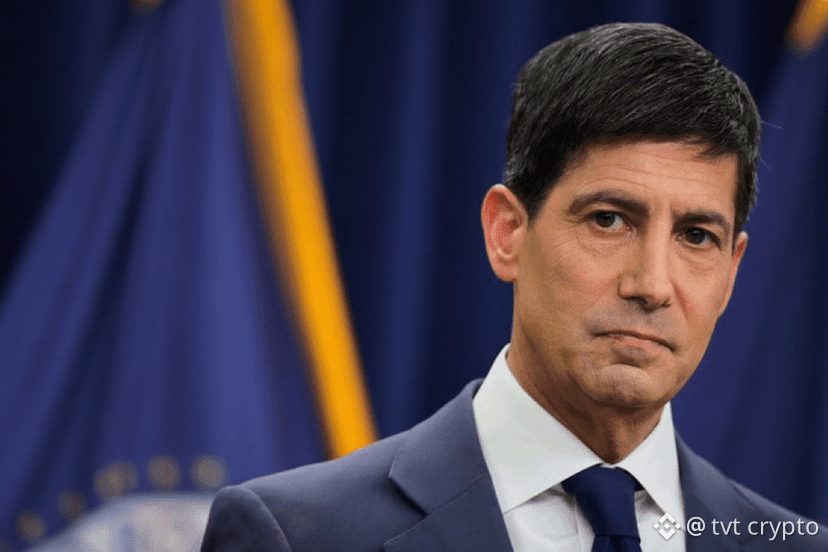

📌 كريستوفر وورش يتوقع تخفيضات في سعر الفائدة رغم توقعات الارتفاع السائدة:
💰 معدل الفائدة القياسي الحالي يتراوح بين 3.50% و 3.75%.
📊 المتداولون حاليا يسعرون زيادة في سعر الفائدة بمقدار 25 نقطة أساس على الأقل.
🔄 هذا التوقع يتعارض تمامًا مع إجماع السوق الأوسع، الذي يميل بشدة نحو رفع سعر الفائدة.
⚡ هذا القرار سيؤثر مباشرة على نظام الكريبتو والاسواق المالية العالمية.
$BTC #interestrates #FedRateDecisions #FedRateCut #CryptoNewss #BinanceSquare
💰 معدل الفائدة القياسي الحالي يتراوح بين 3.50% و 3.75%.
📊 المتداولون حاليا يسعرون زيادة في سعر الفائدة بمقدار 25 نقطة أساس على الأقل.
🔄 هذا التوقع يتعارض تمامًا مع إجماع السوق الأوسع، الذي يميل بشدة نحو رفع سعر الفائدة.
⚡ هذا القرار سيؤثر مباشرة على نظام الكريبتو والاسواق المالية العالمية.
$BTC #interestrates #FedRateDecisions #FedRateCut #CryptoNewss #BinanceSquare

سجّل الدخول لاستكشاف المزيد من المُحتوى