

Bonfish
1.4k منشورات

Bonfish
إبلاغ
حظر المُستخدم
Focus on Futures and spot trading, always willing to help and learn!!!
فتح تداول

حائز على ETH
مُتداول بمُعدّل مرتفع
1.8 سنوات
2.2K+ تتابع
728 المتابعون
553 إعجاب
منشورات
الحافظة الاستثمارية
الكل
اقتباسات
·
--
#opg $OPG تعمل الذكاء الاصطناعي التقليدي كصندوق أسود متكامل، مما يجبر المستخدمين على الثقة بشكل أعمى بمقدمي خدمات سحاب مركزيين ببياناتهم الحساسة للطلبات وتشغيل النماذج. @OpenGradient يعيد كتابة هذه القصة بالكامل عبر تقديم شبكة بنية تحتية مفتوحة ولا مركزية مصممة لاستضافة وتشغيل والتحقق من نماذج الذكاء الاصطناعي أصلاً على السلسلة. ومن خلال استخدام معمارية متخصصة لحوسبة الذكاء الاصطناعي الهجينة (HACA)، يقوم البروتوكول عملياً بفصل تنفيذ نماذج الذكاء الاصطناعي الثقيلة عن التحقق اللامركزي. وهذا يسمح للعُقد المزودة ببيئات التنفيذ الموثوقة (TEEs) بإجراء حسابات معقدة بسرعة مذهلة شبيهة بسرعة Web2، مع تثبيت الأدلة التشفيرية بشكل غير متزامن على blockchain.عرضٌ مثالي لهذه البنية التحتية القوية هو OpenGradient Chat. فهو يتيح للمستخدمين تجربة تفاعل مع ذكاء اصطناعي خاصة وخالية تماماً من الرقابة، حيث تتم إزالة هويتك تماماً من كل رسالة. تعني التشفير من طرف إلى طرف أنه لا يمكن للمراقبين الخارجيين ولا للشبكة نفسها الوصول إلى طلباتك الخاصة أو المخرجات التي تم إنشاؤها. وكجزء من شريان الاقتصاد والحوكمة لهذه الشبكة المتنامية من الذكاء المفتوح، ستستمر فائدة الرمز الأصلي $OPG في التوسع ديناميكياً جنباً إلى جنب مع الطلب العالمي المتزايد على حوسبة ذكاء اصطناعي لا مركزية قابلة للتحقق.
#opg $OPG تعمل الذكاء الاصطناعي التقليدي كصندوق أسود متكامل، مما يجبر المستخدمين على الثقة بشكل أعمى بمقدمي خدمات سحاب مركزيين ببياناتهم الحساسة للطلبات وتشغيل النماذج. @OpenGradient يعيد كتابة هذه القصة بالكامل عبر تقديم شبكة بنية تحتية مفتوحة ولا مركزية مصممة لاستضافة وتشغيل والتحقق من نماذج الذكاء الاصطناعي أصلاً على السلسلة. ومن خلال استخدام معمارية متخصصة لحوسبة الذكاء الاصطناعي الهجينة (HACA)، يقوم البروتوكول عملياً بفصل تنفيذ نماذج الذكاء الاصطناعي الثقيلة عن التحقق اللامركزي. وهذا يسمح للعُقد المزودة ببيئات التنفيذ الموثوقة (TEEs) بإجراء حسابات معقدة بسرعة مذهلة شبيهة بسرعة Web2، مع تثبيت الأدلة التشفيرية بشكل غير متزامن على blockchain.عرضٌ مثالي لهذه البنية التحتية القوية هو OpenGradient Chat. فهو يتيح للمستخدمين تجربة تفاعل مع ذكاء اصطناعي خاصة وخالية تماماً من الرقابة، حيث تتم إزالة هويتك تماماً من كل رسالة. تعني التشفير من طرف إلى طرف أنه لا يمكن للمراقبين الخارجيين ولا للشبكة نفسها الوصول إلى طلباتك الخاصة أو المخرجات التي تم إنشاؤها. وكجزء من شريان الاقتصاد والحوكمة لهذه الشبكة المتنامية من الذكاء المفتوح، ستستمر فائدة الرمز الأصلي $OPG في التوسع ديناميكياً جنباً إلى جنب مع الطلب العالمي المتزايد على حوسبة ذكاء اصطناعي لا مركزية قابلة للتحقق.
2
1
112
·
--
#opg $OPG يُعيد "OpenGradient Chat" تعريف الخصوصية في مجال الذكاء الاصطناعي عبر استخدام التوجيه المُشفّر، وHTTP العتيم (OHTTP)، والبيئات التنفيذية الموثوقة (TEEs) لضمان عدم ربط المحادثات بهوية المستخدم. تعمل $OPG كقاعدة لهذه الشبكة اللامركزية القابلة للتحقق من الذكاء الاصطناعي، حيث تدعم خدمات الاستدلال وتُحسّن مواءمة الحوافز. لمزيد من المعلومات، تفضل بزيارة ملف @OpenGradient على Binance Square (binance.com).
#opg $OPG يُعيد "OpenGradient Chat" تعريف الخصوصية في مجال الذكاء الاصطناعي عبر استخدام التوجيه المُشفّر، وHTTP العتيم (OHTTP)، والبيئات التنفيذية الموثوقة (TEEs) لضمان عدم ربط المحادثات بهوية المستخدم. تعمل $OPG كقاعدة لهذه الشبكة اللامركزية القابلة للتحقق من الذكاء الاصطناعي، حيث تدعم خدمات الاستدلال وتُحسّن مواءمة الحوافز. لمزيد من المعلومات، تفضل بزيارة ملف @OpenGradient على Binance Square (binance.com).
90
·
--
#opg $OPG
OpenGradient تغيّر قواعد اللعبة بالنسبة لبنية تحتية للذكاء الاصطناعي اللامركزية. معظم منصات Web2 تعمل كصندوق أسود كامل، مما يجبرك على مجرد الثقة بأن بياناتك آمنة وأنهم يشغّلون النماذج الصحيحة. مع OpenGradient Chat، يتم بناء الأشياء بشكل مختلف. من خلال استخدام طبقات تصميم معمارية مثل عُزل TEE على مستوى العتاد والتشفير على مستوى الجهاز، تبقى هويتك منفصلة تمامًا عن تلميحاتك. لا تستطيع شركة مركزية امتصاص أفكارك أو ملفاتك أو سير عملك لاستخدامها كبيانات تدريب مجانية. الفائدة المتمثلة في رمز $OPG token تتكامل بشكل مثالي مع هذا النظام البيئي، إذ تدعم استنتاجات قابلة للتحقق على السلسلة وتضمن تحفيز مشغلي العقد بشكل صحيح. إنه لأمر مثير للغاية أن نرى مشروعًا يركّز بشدة على الحوسبة القابلة للتحقق وعناصر الإثباتات صفرية المعرفة بدلًا من مجرد ضجيج تسويقي. اطلع على حساب المشروع الرسمي @OpenGradient لترى كيف يقومون ببناء طبقة البنية التحتية لاقتصاد الذكاء المفتوح.
#opg $OPG
OpenGradient تغيّر قواعد اللعبة بالنسبة لبنية تحتية للذكاء الاصطناعي اللامركزية. معظم منصات Web2 تعمل كصندوق أسود كامل، مما يجبرك على مجرد الثقة بأن بياناتك آمنة وأنهم يشغّلون النماذج الصحيحة. مع OpenGradient Chat، يتم بناء الأشياء بشكل مختلف. من خلال استخدام طبقات تصميم معمارية مثل عُزل TEE على مستوى العتاد والتشفير على مستوى الجهاز، تبقى هويتك منفصلة تمامًا عن تلميحاتك. لا تستطيع شركة مركزية امتصاص أفكارك أو ملفاتك أو سير عملك لاستخدامها كبيانات تدريب مجانية. الفائدة المتمثلة في رمز $OPG token تتكامل بشكل مثالي مع هذا النظام البيئي، إذ تدعم استنتاجات قابلة للتحقق على السلسلة وتضمن تحفيز مشغلي العقد بشكل صحيح. إنه لأمر مثير للغاية أن نرى مشروعًا يركّز بشدة على الحوسبة القابلة للتحقق وعناصر الإثباتات صفرية المعرفة بدلًا من مجرد ضجيج تسويقي. اطلع على حساب المشروع الرسمي @OpenGradient لترى كيف يقومون ببناء طبقة البنية التحتية لاقتصاد الذكاء المفتوح.
OpenGradient تغيّر قواعد اللعبة بالنسبة لبنية تحتية للذكاء الاصطناعي اللامركزية. معظم منصات Web2 تعمل كصندوق أسود كامل، مما يجبرك على مجرد الثقة بأن بياناتك آمنة وأنهم يشغّلون النماذج الصحيحة. مع OpenGradient Chat، يتم بناء الأشياء بشكل مختلف. من خلال استخدام طبقات تصميم معمارية مثل عُزل TEE على مستوى العتاد والتشفير على مستوى الجهاز، تبقى هويتك منفصلة تمامًا عن تلميحاتك. لا تستطيع شركة مركزية امتصاص أفكارك أو ملفاتك أو سير عملك لاستخدامها كبيانات تدريب مجانية. الفائدة المتمثلة في رمز $OPG token تتكامل بشكل مثالي مع هذا النظام البيئي، إذ تدعم استنتاجات قابلة للتحقق على السلسلة وتضمن تحفيز مشغلي العقد بشكل صحيح. إنه لأمر مثير للغاية أن نرى مشروعًا يركّز بشدة على الحوسبة القابلة للتحقق وعناصر الإثباتات صفرية المعرفة بدلًا من مجرد ضجيج تسويقي. اطلع على حساب المشروع الرسمي @OpenGradient لترى كيف يقومون ببناء طبقة البنية التحتية لاقتصاد الذكاء المفتوح.
122
·
--
#opg $OPG استكشاف مستقبل الذكاء اللامركزي مع @OpenGradient ! منتجهم الرائد، OpenGradient Chat، يغيّر قواعد اللعبة بالكامل عبر فصل هوية المستخدم عن التوجيهات من خلال إطار خصوصية ثلاثي الطبقات متقدم (TEE، تشفير محلي، وإعادة توجيه مجهولة). بدلًا من الثقة العمياء في الخوادم المركزية، يتم تأمين كل شيء بشكل تشفيري والتحقق منه على السلسلة. إن تزويد هذا النظام البيئي الكامل للبنية التحتية للذكاء الاصطناعي القابل للتحقق يتم عبر رمز $OPG token، الذي يدعم حَوكمة الشبكة، وعمليات استدعاء الاستدلال، وتخزين/حجز النماذج (staking). متحمّس لرؤية كيف سيعيد تشكيل أدوات Web3 AI!
#opg $OPG استكشاف مستقبل الذكاء اللامركزي مع @OpenGradient ! منتجهم الرائد، OpenGradient Chat، يغيّر قواعد اللعبة بالكامل عبر فصل هوية المستخدم عن التوجيهات من خلال إطار خصوصية ثلاثي الطبقات متقدم (TEE، تشفير محلي، وإعادة توجيه مجهولة). بدلًا من الثقة العمياء في الخوادم المركزية، يتم تأمين كل شيء بشكل تشفيري والتحقق منه على السلسلة. إن تزويد هذا النظام البيئي الكامل للبنية التحتية للذكاء الاصطناعي القابل للتحقق يتم عبر رمز $OPG token، الذي يدعم حَوكمة الشبكة، وعمليات استدعاء الاستدلال، وتخزين/حجز النماذج (staking). متحمّس لرؤية كيف سيعيد تشكيل أدوات Web3 AI!
3
1
110
·
--
#opg تعمل نماذج الذكاء الاصطناعي التقليدية ضمن ما يُشبه «صندوقًا أسود» حيث يجب على المستخدمين أن يثقوا بشكل أعمى بمقدّمين مركزيين بشأن أكثر الاستعلامات سرّية لديهم وبياناتهم الشخصية. يقوم OpenGradient بإعادة كتابة هذا النموذج بالكامل عبر فصل تنفيذ النموذج عن التحقّق من البرهان. ويتم ذلك من خلال معمارية Hybrid AI Compute Architecture المتقدمة (HACA)، والتي تمكّن من حوسبة قابلة للتحقق على السلسلة وبسرعات شبيهة بـ Web2.ومن خلال نشر منصتها الموجهة للمستخدمين، منصة OpenGradient Chat الاستهلاكية، تضمن المشروع ألا تكون الخصوصية مجرد وعد على الورق، بل آلية معمارية جوهرية. كل تفاعل للمستخدم—سواء كان عبر توجيه نماذج نصية متقدمة مثل Claude Fable 5 أو عبر توليد صور شديدة التفصيل وواقعية جدًا في Image Studio—يتم تشفيره بالكامل محليًا على الجهاز. يتم تجريد بيانات الهوية الوصفية بالكامل قبل وصول الطلب إلى أي نموذج، بما يضمن بيئة مطلقة بلا رقابة وبدون سجلات.في قلب هذا النظام البيئي الذي يتوسع بسرعة تكمن الأداة المميِّزة $OPG . تعمل كوقود على الشبكة باعتبارها الوسيلة الأساسية لدفع المعالجة الاستنتاجية (LLM inference) عبر بوابات الدفع ومكافآت تشغيل العقد، و$OPG يوجّه المشاركين في الشبكة نحو هدف ذكاء مفتوح وقابل للتدقيق ومملوك للمستخدم.للمتابعة المستمرة لأحدث تطورات النظام البيئي أو للمشاركة في الحوكمة، تأكد من متابعة الملف الرسمي للمشروع على Square عند @OpenGradient (https://www.binance.com/en/square/profile/OpenGradient).
#opg تعمل نماذج الذكاء الاصطناعي التقليدية ضمن ما يُشبه «صندوقًا أسود» حيث يجب على المستخدمين أن يثقوا بشكل أعمى بمقدّمين مركزيين بشأن أكثر الاستعلامات سرّية لديهم وبياناتهم الشخصية. يقوم OpenGradient بإعادة كتابة هذا النموذج بالكامل عبر فصل تنفيذ النموذج عن التحقّق من البرهان. ويتم ذلك من خلال معمارية Hybrid AI Compute Architecture المتقدمة (HACA)، والتي تمكّن من حوسبة قابلة للتحقق على السلسلة وبسرعات شبيهة بـ Web2.ومن خلال نشر منصتها الموجهة للمستخدمين، منصة OpenGradient Chat الاستهلاكية، تضمن المشروع ألا تكون الخصوصية مجرد وعد على الورق، بل آلية معمارية جوهرية. كل تفاعل للمستخدم—سواء كان عبر توجيه نماذج نصية متقدمة مثل Claude Fable 5 أو عبر توليد صور شديدة التفصيل وواقعية جدًا في Image Studio—يتم تشفيره بالكامل محليًا على الجهاز. يتم تجريد بيانات الهوية الوصفية بالكامل قبل وصول الطلب إلى أي نموذج، بما يضمن بيئة مطلقة بلا رقابة وبدون سجلات.في قلب هذا النظام البيئي الذي يتوسع بسرعة تكمن الأداة المميِّزة $OPG . تعمل كوقود على الشبكة باعتبارها الوسيلة الأساسية لدفع المعالجة الاستنتاجية (LLM inference) عبر بوابات الدفع ومكافآت تشغيل العقد، و$OPG يوجّه المشاركين في الشبكة نحو هدف ذكاء مفتوح وقابل للتدقيق ومملوك للمستخدم.للمتابعة المستمرة لأحدث تطورات النظام البيئي أو للمشاركة في الحوكمة، تأكد من متابعة الملف الرسمي للمشروع على Square عند @OpenGradient (https://www.binance.com/en/square/profile/OpenGradient).
104
·
--
#opg $OPG By moving privacy from a simple promise to the core architecture layer, @OpenGradient completely changes how we interact with AI. Most platforms store and train on your personal prompts, but OpenGradient Chat ensures your data stays entirely yours through local encryption and secure enclaves. It is incredibly refreshing to use leading frontier models privately without any corporate data retention or identity checks. The native utility token $OPG plays a vital role in powering this decentralized open intelligence infrastructure, making verifiable onchain AI execution a reality.
#opg $OPG By moving privacy from a simple promise to the core architecture layer, @OpenGradient completely changes how we interact with AI. Most platforms store and train on your personal prompts, but OpenGradient Chat ensures your data stays entirely yours through local encryption and secure enclaves. It is incredibly refreshing to use leading frontier models privately without any corporate data retention or identity checks. The native utility token $OPG plays a vital role in powering this decentralized open intelligence infrastructure, making verifiable onchain AI execution a reality.
81
·
--
#opg $OPG مستقبل الذكاء الاصطناعي اللامركزي قادم مع سيادة كاملة على البيانات. النماذج التقليدية للذكاء الاصطناعي تتعقب باستمرار مدخلاتك وتقوم بتسجيل تفاعلاتك، مما يحول أفكارك الخاصة وعملك الفكري إلى بيانات تدريب مركزية. OpenGradient Chat يغير هذا تمامًا من خلال تقديم منصة ذكاء اصطناعي توليدية تركز على الخصوصية. من خلال معالجة البيانات على مسار معزول وآمن، يضمن أن تظل محادثاتك، وأفكارك الإبداعية، وتوليد الصور ملكك بالكامل - غير قابلة للقراءة تمامًا من قبل الأطراف الخارجية. مدعومًا بالبنية التحتية المتقدمة لشبكة @OpenGradient، يدمج هذا النظام تنفيذ GPU عالي الأداء مع التحقق التشفيري لضمان ذكاء قابل للتحقق وآمن على السلسلة. كآلة خدماتية لهذه الشبكة، يسهل الرمز $OPG التنفيذ السلس والثقة، ويكافئ مشغلي العقد الذين يحافظون على تشغيل البنية التحتية اللامركزية بسرعات مشابهة للويب2. حان الوقت للتوقف عن تداول خصوصية بياناتك مقابل راحة أدوات الذكاء الاصطناعي الحديثة. استكشف الملف الشخصي الرسمي على @OpenGradient (https://www.binance.com/en/square/profile/OpenGradient) لترى كيف يعيد الذكاء المملوك من قبل المستخدمين تشكيل المشهد الرقمي!
#opg $OPG مستقبل الذكاء الاصطناعي اللامركزي قادم مع سيادة كاملة على البيانات. النماذج التقليدية للذكاء الاصطناعي تتعقب باستمرار مدخلاتك وتقوم بتسجيل تفاعلاتك، مما يحول أفكارك الخاصة وعملك الفكري إلى بيانات تدريب مركزية. OpenGradient Chat يغير هذا تمامًا من خلال تقديم منصة ذكاء اصطناعي توليدية تركز على الخصوصية. من خلال معالجة البيانات على مسار معزول وآمن، يضمن أن تظل محادثاتك، وأفكارك الإبداعية، وتوليد الصور ملكك بالكامل - غير قابلة للقراءة تمامًا من قبل الأطراف الخارجية. مدعومًا بالبنية التحتية المتقدمة لشبكة @OpenGradient، يدمج هذا النظام تنفيذ GPU عالي الأداء مع التحقق التشفيري لضمان ذكاء قابل للتحقق وآمن على السلسلة. كآلة خدماتية لهذه الشبكة، يسهل الرمز $OPG التنفيذ السلس والثقة، ويكافئ مشغلي العقد الذين يحافظون على تشغيل البنية التحتية اللامركزية بسرعات مشابهة للويب2. حان الوقت للتوقف عن تداول خصوصية بياناتك مقابل راحة أدوات الذكاء الاصطناعي الحديثة. استكشف الملف الشخصي الرسمي على @OpenGradient (https://www.binance.com/en/square/profile/OpenGradient) لترى كيف يعيد الذكاء المملوك من قبل المستخدمين تشكيل المشهد الرقمي!
1
100
·
--
#opg $OPG معظم مساعدي الذكاء الاصطناعي يعتمدون على سياسات الخصوصية المكتوبة التي يمكن تعديلها في أي وقت. فريق @OpenGradient يغير قواعد اللعبة من خلال استبدال الوعود بإثباتات تشفيرية. مع إطلاق دردشة OpenGradient الجديدة، بياناتك مؤمنة بالكامل من خلال تشفير على مستوى الجهاز المحلي، طبقات مجهولة، و enclaves آمنة مفروضة بواسطة الأجهزة قبل أن تصل إلى النموذج. من خلال فصل هويتك عن المطالبات الخاصة بك، فإنه يمكّن نظامًا بيئيًا خاصًا حقًا بدون رقابة، بدون تتبع، وملكية كاملة للمستخدم على الذكاء. الرمز المرافق الأصلي $OPG يعمل كالمحرك الاقتصادي الأساسي لهذا الهيكل اللامركزي، مما يعزز الاستدلال الذكي القابل للتحقق ويفتح عصرًا جديدًا للتفاعلات الرقمية الآمنة. تحقق من تحديثاتهم الرسمية هنا: https://www.binance.com/en/square/profile/OpenGradient
#opg $OPG معظم مساعدي الذكاء الاصطناعي يعتمدون على سياسات الخصوصية المكتوبة التي يمكن تعديلها في أي وقت. فريق @OpenGradient يغير قواعد اللعبة من خلال استبدال الوعود بإثباتات تشفيرية. مع إطلاق دردشة OpenGradient الجديدة، بياناتك مؤمنة بالكامل من خلال تشفير على مستوى الجهاز المحلي، طبقات مجهولة، و enclaves آمنة مفروضة بواسطة الأجهزة قبل أن تصل إلى النموذج. من خلال فصل هويتك عن المطالبات الخاصة بك، فإنه يمكّن نظامًا بيئيًا خاصًا حقًا بدون رقابة، بدون تتبع، وملكية كاملة للمستخدم على الذكاء. الرمز المرافق الأصلي $OPG يعمل كالمحرك الاقتصادي الأساسي لهذا الهيكل اللامركزي، مما يعزز الاستدلال الذكي القابل للتحقق ويفتح عصرًا جديدًا للتفاعلات الرقمية الآمنة. تحقق من تحديثاتهم الرسمية هنا: https://www.binance.com/en/square/profile/OpenGradient
1
96
·
--
#opg $OPG اختبار البنية التحتية اللامركزية للذكاء الاصطناعي على OpenGradient Chat يكشف عن تحول حقيقي في خصوصية المستخدم. من خلال معالجة استدلال النموذج داخل مناطق محمية بواسطة الأجهزة وتأمين كل شيء بتشفير طرف إلى طرف للأجهزة، @OpenGradient يلغي تمامًا الحاجة إلى الثقة في سياسات الخصوصية الخاصة بالشركات. إنه أمر منعش أن نستخدم نماذج متقدمة في واجهة واحدة بدون تسجيل بيانات أو رقابة على المحتوى. الاقتصاد الأساسي المدعوم من $OPG توكن يظهر كيف يمكن لبنية Web3 التحتية أن تركز بفعالية على الذكاء المفتوح. حقًا نظام بيئي مثير للإعجاب!
#opg $OPG اختبار البنية التحتية اللامركزية للذكاء الاصطناعي على OpenGradient Chat يكشف عن تحول حقيقي في خصوصية المستخدم. من خلال معالجة استدلال النموذج داخل مناطق محمية بواسطة الأجهزة وتأمين كل شيء بتشفير طرف إلى طرف للأجهزة، @OpenGradient يلغي تمامًا الحاجة إلى الثقة في سياسات الخصوصية الخاصة بالشركات. إنه أمر منعش أن نستخدم نماذج متقدمة في واجهة واحدة بدون تسجيل بيانات أو رقابة على المحتوى. الاقتصاد الأساسي المدعوم من $OPG توكن يظهر كيف يمكن لبنية Web3 التحتية أن تركز بفعالية على الذكاء المفتوح. حقًا نظام بيئي مثير للإعجاب!
3
101
·
--
#opg $OPG طريقة تفاعلنا مع الذكاء الاصطناعي تتجه نحو الشفافية المطلقة. من خلال تقديم OpenGradient Chat، @OpenGradient يؤسس منصة ذكاء اصطناعي مولدة تتمتع بأولوية الخصوصية، حيث يتم استضافة كل نموذج حدود في تطبيق واحد. على عكس منصات الذكاء الاصطناعي التقليدية التي تعمل كصندوق أسود، تعمل هذه البنية التحتية على هندسة حوسبة ذكاء اصطناعي هجينة (HACA). تفصل بنجاح التنفيذ خارج السلسلة على عقد GPU عن التحقق من الإثبات على السلسلة، مما يوفر للمستخدمين استدلال ذكاء اصطناعي قابل للتحقق بشكل تشفيري بسرعات مشابهة للويب2. يتم تمويل النظام البيئي اللامركزي بالكامل اقتصادياً من خلال الرمز الأصلي $OPG، الذي يتولى مدفوعات رسوم الاستدلال، ومكافآت العقد، وحوكمة البروتوكول. احفظ مطالباتك، وثق في الرياضيات، وانضم إلى حركة الذكاء اللامركزي. #OPG
#opg $OPG طريقة تفاعلنا مع الذكاء الاصطناعي تتجه نحو الشفافية المطلقة. من خلال تقديم OpenGradient Chat، @OpenGradient يؤسس منصة ذكاء اصطناعي مولدة تتمتع بأولوية الخصوصية، حيث يتم استضافة كل نموذج حدود في تطبيق واحد. على عكس منصات الذكاء الاصطناعي التقليدية التي تعمل كصندوق أسود، تعمل هذه البنية التحتية على هندسة حوسبة ذكاء اصطناعي هجينة (HACA). تفصل بنجاح التنفيذ خارج السلسلة على عقد GPU عن التحقق من الإثبات على السلسلة، مما يوفر للمستخدمين استدلال ذكاء اصطناعي قابل للتحقق بشكل تشفيري بسرعات مشابهة للويب2. يتم تمويل النظام البيئي اللامركزي بالكامل اقتصادياً من خلال الرمز الأصلي $OPG ، الذي يتولى مدفوعات رسوم الاستدلال، ومكافآت العقد، وحوكمة البروتوكول. احفظ مطالباتك، وثق في الرياضيات، وانضم إلى حركة الذكاء اللامركزي. #OPG
89
·
--
#bedrock $BR الانتقال إلى Bedrock 2.0 يُحدث تحولاً كاملاً في مشهد BTCFi من خلال تغيير طريقة تعاملنا مع إدارة رأس المال اللامركزية. بدلاً من الاعتماد على هياكل العائدات الثابتة والبسيطة، يعمل البروتوكول الآن كطبقة توجيه ذكية تقوم تلقائيًا بتحسين أصولك عبر سلاسل متعددة. من خلال الاستفادة من بوابة uniBTC الفريدة، يمكن للمستخدمين تفويض قرارات التخصيص المعقدة إلى بنية تحتية متقدمة مصممة لتحقيق أقصى كفاءة رأس مالية. تابع @Bedrock لترى كيف تغذي المنفعة الأصلية لرمز $BR هذا النظام البيئي من الجيل التالي. #Bedrock
#bedrock $BR الانتقال إلى Bedrock 2.0 يُحدث تحولاً كاملاً في مشهد BTCFi من خلال تغيير طريقة تعاملنا مع إدارة رأس المال اللامركزية. بدلاً من الاعتماد على هياكل العائدات الثابتة والبسيطة، يعمل البروتوكول الآن كطبقة توجيه ذكية تقوم تلقائيًا بتحسين أصولك عبر سلاسل متعددة. من خلال الاستفادة من بوابة uniBTC الفريدة، يمكن للمستخدمين تفويض قرارات التخصيص المعقدة إلى بنية تحتية متقدمة مصممة لتحقيق أقصى كفاءة رأس مالية. تابع @Bedrock لترى كيف تغذي المنفعة الأصلية لرمز $BR هذا النظام البيئي من الجيل التالي. #Bedrock
78
·
--
#opg $OPG خصوصية لم تعد مجرد وعد سياسي، بل أصبحت الآن واقعاً معمارياً! OpenGradient Chat تعيد تعريف الذكاء الاصطناعي اللامركزي بالكامل من خلال دمج التشفير المحلي والمناطق الآمنة. تبقى طلباتك مجهولة تماماً، قابلة للتحقق، وتحت سيطرتك بالكامل. تحقق من التقنية المبتكرة التي تدعم النظام البيئي في @OpenGradient واطلع على كيفية دفع الرمز الأصلي $OPG لاستنتاجات قابلة للتحقق على السلسلة لصالح مجتمع Web3 العالمي. #OPG
#opg $OPG خصوصية لم تعد مجرد وعد سياسي، بل أصبحت الآن واقعاً معمارياً! OpenGradient Chat تعيد تعريف الذكاء الاصطناعي اللامركزي بالكامل من خلال دمج التشفير المحلي والمناطق الآمنة. تبقى طلباتك مجهولة تماماً، قابلة للتحقق، وتحت سيطرتك بالكامل. تحقق من التقنية المبتكرة التي تدعم النظام البيئي في @OpenGradient واطلع على كيفية دفع الرمز الأصلي $OPG لاستنتاجات قابلة للتحقق على السلسلة لصالح مجتمع Web3 العالمي. #OPG
86
·
--
#bedrock $BR إطلاق Bedrock 2.0 هو إنجاز ضخم للتمويل اللامركزي. من خلال إعادة تعريف كيفية عمل السيولة، @Bedrock تزيد من إنتاجية الأصول وتحقق كفاءة رأس المال من المستوى التالي للمستخدمين. أنا أراقب عن كثب كيف يتوسع النظام البيئي وكيف تتطور فائدة $BR token جنبًا إلى جنب مع هذه التحديثات الكبرى. الابتكار الحقيقي في البنية التحتية هنا! #Bedrock
#bedrock $BR إطلاق Bedrock 2.0 هو إنجاز ضخم للتمويل اللامركزي. من خلال إعادة تعريف كيفية عمل السيولة، @Bedrock تزيد من إنتاجية الأصول وتحقق كفاءة رأس المال من المستوى التالي للمستخدمين. أنا أراقب عن كثب كيف يتوسع النظام البيئي وكيف تتطور فائدة $BR token جنبًا إلى جنب مع هذه التحديثات الكبرى. الابتكار الحقيقي في البنية التحتية هنا! #Bedrock
85
·
--
🇺🇸🇮🇷 الاتفاق بين الولايات المتحدة وإيران لن يتم توقيعه غداً وفقاً لفارس
طهران تقول إن توقيع الوثيقة في وقت مبكر أمر مستحيل
مصادر داخلية تقول إن ترامب يضغط على إيران لتوقيعها غداً، لكنهم لن يقبلوا بذلك
هذا ليس جيداً للصفقة...$NVDAB #Tehran
🇺🇸🇮🇷 الاتفاق بين الولايات المتحدة وإيران لن يتم توقيعه غداً وفقاً لفارس
طهران تقول إن توقيع الوثيقة في وقت مبكر أمر مستحيل
مصادر داخلية تقول إن ترامب يضغط على إيران لتوقيعها غداً، لكنهم لن يقبلوا بذلك
هذا ليس جيداً للصفقة...$NVDAB #Tehran
طهران تقول إن توقيع الوثيقة في وقت مبكر أمر مستحيل
مصادر داخلية تقول إن ترامب يضغط على إيران لتوقيعها غداً، لكنهم لن يقبلوا بذلك
هذا ليس جيداً للصفقة...$NVDAB #Tehran
127
·
--
كم يمكن أن تتحول الثقة بسرعة إلى خوف، والخوف مرة أخرى إلى ثقة؟يمكن أن تتناوب الثقة والخوف في جزء من الثانية لأنهما يتشاركان نفس المسارات العصبية في الدماغ البشري. هذا التحول السريع — الذي يُطلق عليه غالبًا "تحويل المفتاح" — هو آلية بقاء تطورية مصممة للتكيف مع التغيرات المفاجئة في بيئتنا.
في البيئات المالية مثل العملات الرقمية أو الأسهم، يتم تضخيم هذه الحلقة النفسية من خلال سيولة السوق والدليل الاجتماعي. قمة النشوة: يشعر المتداولون بثقة عالية (FOMO) عندما ترتفع الأسعار، معتقدين أن الاتجاه سيستمر إلى الأبد. فلاش التصفية: يمكن أن يؤدي أمر بيع كبير واحد إلى حدوث سلسلة من عمليات التصفية. في أقل من 30 ثانية، تختفي ثقة السوق، ويحل محلها بيع الذعر. انتعاشة الإغاثة: بمجرد أن يحتفظ مستوى الدعم، ويشتري حوت كبير مرة أخرى، تتحول الخوف بسرعة إلى ثقة بينما يتسارع المتداولون لالتقاط "القاع."$BTC #fear #ConfidencePatienceDiscipline
كم يمكن أن تتحول الثقة بسرعة إلى خوف، والخوف مرة أخرى إلى ثقة؟
يمكن أن تتناوب الثقة والخوف في جزء من الثانية لأنهما يتشاركان نفس المسارات العصبية في الدماغ البشري. هذا التحول السريع — الذي يُطلق عليه غالبًا "تحويل المفتاح" — هو آلية بقاء تطورية مصممة للتكيف مع التغيرات المفاجئة في بيئتنا.
في البيئات المالية مثل العملات الرقمية أو الأسهم، يتم تضخيم هذه الحلقة النفسية من خلال سيولة السوق والدليل الاجتماعي. قمة النشوة: يشعر المتداولون بثقة عالية (FOMO) عندما ترتفع الأسعار، معتقدين أن الاتجاه سيستمر إلى الأبد. فلاش التصفية: يمكن أن يؤدي أمر بيع كبير واحد إلى حدوث سلسلة من عمليات التصفية. في أقل من 30 ثانية، تختفي ثقة السوق، ويحل محلها بيع الذعر. انتعاشة الإغاثة: بمجرد أن يحتفظ مستوى الدعم، ويشتري حوت كبير مرة أخرى، تتحول الخوف بسرعة إلى ثقة بينما يتسارع المتداولون لالتقاط "القاع."$BTC #fear #ConfidencePatienceDiscipline
في البيئات المالية مثل العملات الرقمية أو الأسهم، يتم تضخيم هذه الحلقة النفسية من خلال سيولة السوق والدليل الاجتماعي. قمة النشوة: يشعر المتداولون بثقة عالية (FOMO) عندما ترتفع الأسعار، معتقدين أن الاتجاه سيستمر إلى الأبد. فلاش التصفية: يمكن أن يؤدي أمر بيع كبير واحد إلى حدوث سلسلة من عمليات التصفية. في أقل من 30 ثانية، تختفي ثقة السوق، ويحل محلها بيع الذعر. انتعاشة الإغاثة: بمجرد أن يحتفظ مستوى الدعم، ويشتري حوت كبير مرة أخرى، تتحول الخوف بسرعة إلى ثقة بينما يتسارع المتداولون لالتقاط "القاع."$BTC #fear #ConfidencePatienceDiscipline
1
76
·
--
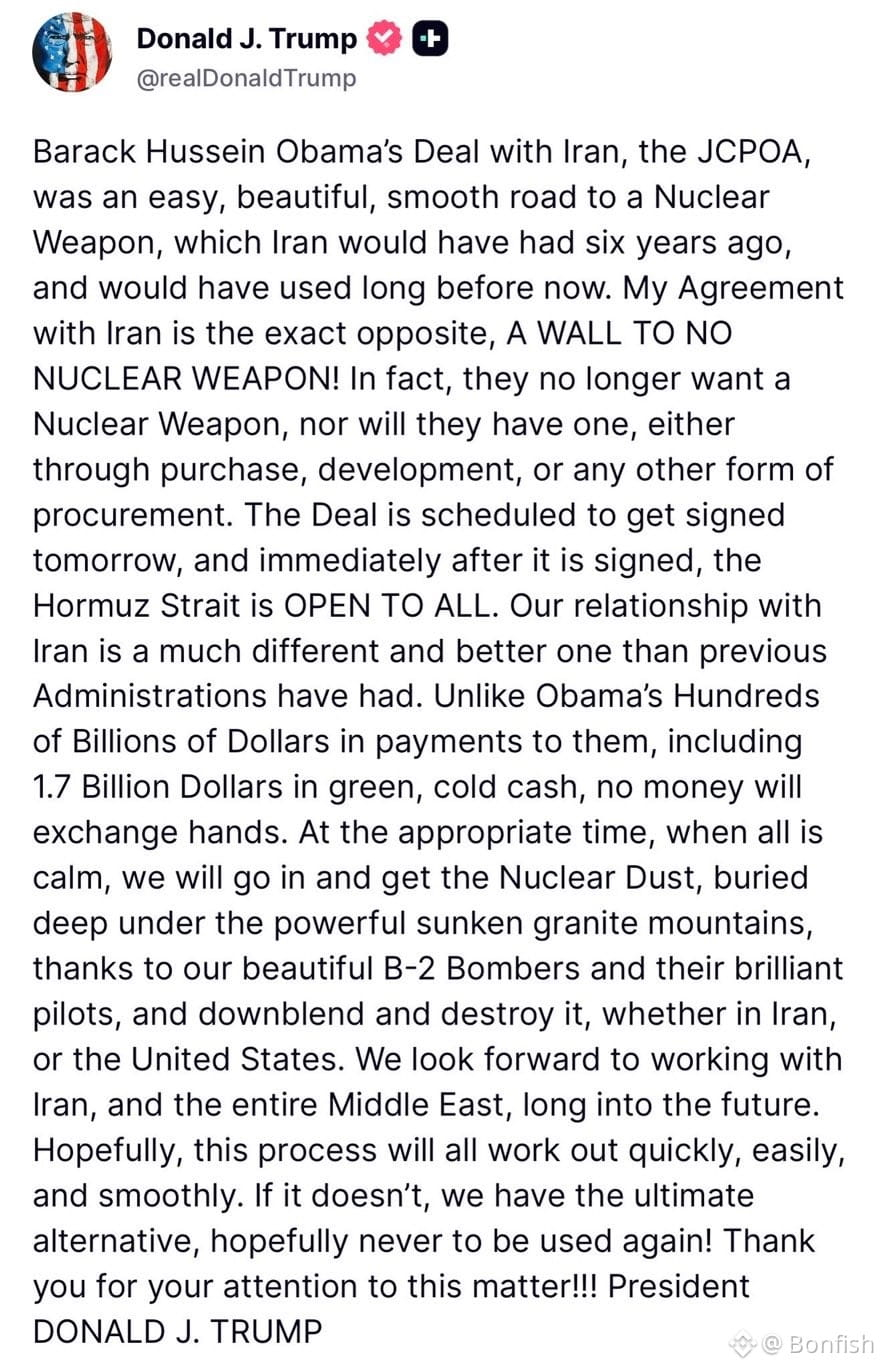
عاجل: الرئيس ترامب صدم العالم بقوله إن الصفقة ستُوقع غداً مع إيران
السلام من خلال القوة 🙏$TSLAB #TRUMP
عاجل: الرئيس ترامب صدم العالم بقوله إن الصفقة ستُوقع غداً مع إيران
السلام من خلال القوة 🙏$TSLAB #TRUMP
السلام من خلال القوة 🙏$TSLAB #TRUMP
113
·
--
عاجل 🚨
شركة STRIVE بقيمة 2 مليار دولار أعلنت للتو عن خطط لجمع 5.1 مليار دولار لشراء المزيد من #بيتكوين
يمكنهم الاستحواذ على أكثر من 70,000 $BTC 👀🔥
عاجل 🚨
شركة STRIVE بقيمة 2 مليار دولار أعلنت للتو عن خطط لجمع 5.1 مليار دولار لشراء المزيد من #بيتكوين
يمكنهم الاستحواذ على أكثر من 70,000 $BTC 👀🔥
شركة STRIVE بقيمة 2 مليار دولار أعلنت للتو عن خطط لجمع 5.1 مليار دولار لشراء المزيد من #بيتكوين
يمكنهم الاستحواذ على أكثر من 70,000 $BTC 👀🔥
1
79
·
--
مقالة
🚨 بيتكوين عند منطقة قرار حاسمة.بعد فقدان نطاق 73K–74K، بيتكوين الآن تختبر منطقة 70K النفسية.
السؤال الكبير لتجار الكريبتو:
هل بيتكوين فقط يهز الأيادي الضعيفة قبل الارتداد… أم أننا متجهون نحو منطقة القاع عند 60K؟ 👀
بالنسبة لي:
✅ استعادة 72K–74K = ارتداد محتمل
⚠️ خسارة 70K بشكل صافي = 68K / 65K تفتح
🔥 سيناريو الذعر = منطقة سيولة 60K
ما رأيك؟
🚨 بيتكوين عند منطقة قرار حاسمة.
بعد فقدان نطاق 73K–74K، بيتكوين الآن تختبر منطقة 70K النفسية.
السؤال الكبير لتجار الكريبتو:
هل بيتكوين فقط يهز الأيادي الضعيفة قبل الارتداد… أم أننا متجهون نحو منطقة القاع عند 60K؟ 👀
بالنسبة لي:
✅ استعادة 72K–74K = ارتداد محتمل
⚠️ خسارة 70K بشكل صافي = 68K / 65K تفتح
🔥 سيناريو الذعر = منطقة سيولة 60K
ما رأيك؟
السؤال الكبير لتجار الكريبتو:
هل بيتكوين فقط يهز الأيادي الضعيفة قبل الارتداد… أم أننا متجهون نحو منطقة القاع عند 60K؟ 👀
بالنسبة لي:
✅ استعادة 72K–74K = ارتداد محتمل
⚠️ خسارة 70K بشكل صافي = 68K / 65K تفتح
🔥 سيناريو الذعر = منطقة سيولة 60K
ما رأيك؟
1
185
·
--
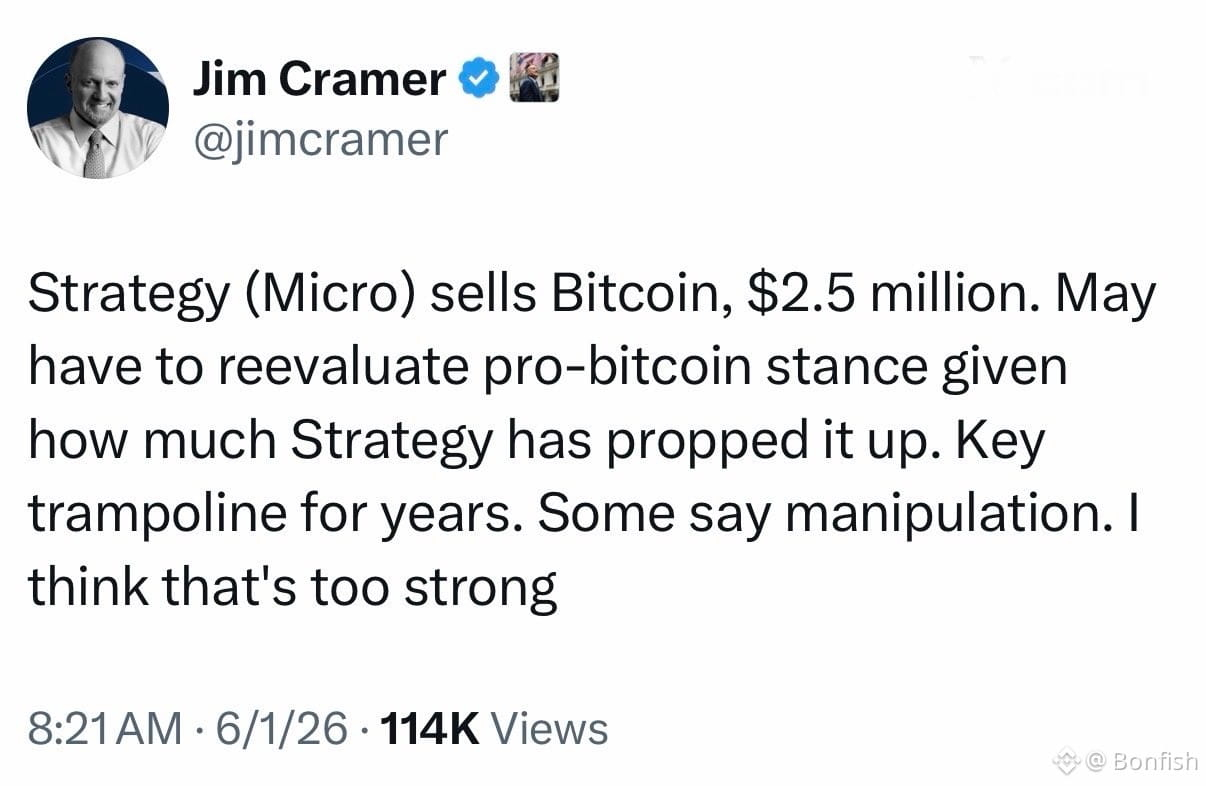
تحديث: جيم كرامر الآن متشائم بشأن البيتكوين والاستراتيجية بعد بيع مايكل سايلور لـ 32 بيتكوين لتسجيل خسارة رأس المال.
للمرجعية، فإن بيع الـ 32 بيتكوين هذا يمثل فقط 0.0038% من حيازاتهم من البيتكوين.$BTC #JimCramer
تحديث: جيم كرامر الآن متشائم بشأن البيتكوين والاستراتيجية بعد بيع مايكل سايلور لـ 32 بيتكوين لتسجيل خسارة رأس المال.
للمرجعية، فإن بيع الـ 32 بيتكوين هذا يمثل فقط 0.0038% من حيازاتهم من البيتكوين.$BTC #JimCramer
للمرجعية، فإن بيع الـ 32 بيتكوين هذا يمثل فقط 0.0038% من حيازاتهم من البيتكوين.$BTC #JimCramer
70
سجّل الدخول لاستكشاف المزيد من المُحتوى
انضم إلى مُستخدمي العملات الرقمية حول العالم على Binance Square
⚡️ احصل على أحدث المعلومات المفيدة عن العملات الرقمية.
💬 موثوقة من قبل أكبر منصّة لتداول العملات الرقمية في العالم.
👍 اكتشف الرؤى الحقيقية من صنّاع المُحتوى الموثوقين.
البريد الإلكتروني / رقم الهاتف
المواضيع الرائجة
SECHaltsCryptoETFReviewsAmidFundingLapse
62,405 مشاهدات
707 يقومون بالنقاش
🚨 صدمة جديدة لسوق الكريبتو!
هيئة الأوراق المالية الأمريكية SEC أوقفت مؤقتًا مراجعة طلبات صناديق العملات الرقمية ETF الجديدة بسبب أزمة التمويل الحكومي.
⚠️ المهم: هذا ليس رفضًا لطلبات ETF، بل تأجيل مؤقت حتى تعود الهيئة للعمل بشكل طبيعي.
📌 أكثر من 90 طلبًا ينتظر المراجعة، ما قد يؤخر إطلاق منتجات جديدة مرتبطة بـ Bitcoin وEthereum والعملات الرقمية الأخرى.
السؤال الآن: هل سيكون هذا التأخير ضغطًا مؤقتًا على السوق أم فرصة قبل موجة ETF جديدة؟ 🚀
#Crypto #Bitcoin #ETF #SEC #Ethereum #CryptoNews
##SECHaltsCryptoETFReviewsAmidFundingLapse
simo_taleb
·0 إعجاب
·937 مشاهدات
ZcashETFPostsFirstWeeklyOutflow$93.6M
66,242 مشاهدات
204 يقومون بالنقاش
GreekPoliceBustCryptoScamRingArrest17
219,228 مشاهدات
1,556 يقومون بالنقاش