

#decentralization
decentralization
1.2M مشاهدات
3,972 يقومون بالنقاش
رائج
جديد

🟠 من يتحكم حقًا في بيتكوين؟ 👀
ليس لبيتكوين رئيس تنفيذي أو بنك مركزي أو شركة واحدة تتحكم بالشبكة بأكملها.
إذًا، من يتخذ القرارات؟
🌐 يقترح المطورون تحسينات على البرنامج.
⛏️ يساعد المعدّنون على تأمين الشبكة ومعالجة المعاملات.
🖥️ يتحقق مشغّلو العُقد بشكل مستقل من المعاملات وقواعد الشبكة.
👥 يقرر المستخدمون والشركات البرنامج والقواعد التي يختارون دعمها.
لا تستطيع أي مجموعة بمفردها تغيير قواعد بيتكوين بسهولة، من دون قبول أوسع على مستوى الشبكة.
💡 وهذا ما يجعل التصميم اللامركزي لبيتكوين مثيرًا للاهتمام إلى هذا الحد.
🔥 إليكم السؤال الأهم:
إذا لم يكن هناك أحد يتحكم ببيتكوين وحده، فهل تُعد هذه أكبر نقاط قوتها أم أكبر تحدياتها؟
👇 شاركونا آراءكم!
#Bitcoin #BTC #Decentralization #CryptoCommunity #BinanceSquare
🟠 من يتحكم حقًا في بيتكوين؟ 👀
ليس لبيتكوين رئيس تنفيذي أو بنك مركزي أو شركة واحدة تتحكم بالشبكة بأكملها.
إذًا، من يتخذ القرارات؟
🌐 يقترح المطورون تحسينات على البرنامج.
⛏️ يساعد المعدّنون على تأمين الشبكة ومعالجة المعاملات.
🖥️ يتحقق مشغّلو العُقد بشكل مستقل من المعاملات وقواعد الشبكة.
👥 يقرر المستخدمون والشركات البرنامج والقواعد التي يختارون دعمها.
لا تستطيع أي مجموعة بمفردها تغيير قواعد بيتكوين بسهولة، من دون قبول أوسع على مستوى الشبكة.
💡 وهذا ما يجعل التصميم اللامركزي لبيتكوين مثيرًا للاهتمام إلى هذا الحد.
🔥 إليكم السؤال الأهم:
إذا لم يكن هناك أحد يتحكم ببيتكوين وحده، فهل تُعد هذه أكبر نقاط قوتها أم أكبر تحدياتها؟
👇 شاركونا آراءكم!
#Bitcoin #BTC #Decentralization #CryptoCommunity #BinanceSquare
ليس لبيتكوين رئيس تنفيذي أو بنك مركزي أو شركة واحدة تتحكم بالشبكة بأكملها.
إذًا، من يتخذ القرارات؟
🌐 يقترح المطورون تحسينات على البرنامج.
⛏️ يساعد المعدّنون على تأمين الشبكة ومعالجة المعاملات.
🖥️ يتحقق مشغّلو العُقد بشكل مستقل من المعاملات وقواعد الشبكة.
👥 يقرر المستخدمون والشركات البرنامج والقواعد التي يختارون دعمها.
لا تستطيع أي مجموعة بمفردها تغيير قواعد بيتكوين بسهولة، من دون قبول أوسع على مستوى الشبكة.
💡 وهذا ما يجعل التصميم اللامركزي لبيتكوين مثيرًا للاهتمام إلى هذا الحد.
🔥 إليكم السؤال الأهم:
إذا لم يكن هناك أحد يتحكم ببيتكوين وحده، فهل تُعد هذه أكبر نقاط قوتها أم أكبر تحدياتها؟
👇 شاركونا آراءكم!
#Bitcoin #BTC #Decentralization #CryptoCommunity #BinanceSquare
1
85

$BTC ₿ يُغيّر بيتكوين الطريقة التي ينظر بها العالم إلى المال! 🌍
تعتمد بيتكوين على تقنية البلوك تشين اللامركزية، وتتيح إجراء المعاملات بين الأفراد مباشرةً دون الحاجة إلى وسطاء ماليين تقليديين. وتجعلها شبكتها الشفافة، ومعروضها المحدود البالغ 21 مليون BTC، وإمكانية الوصول إليها من جميع أنحاء العالم ابتكارًا رائدًا في مجال التمويل الرقمي. 🔐
مستقبل التمويل يبدأ باللامركزية! 🚀
#Bitcoin #BTC #Blockchain #Crypto #Decentralization #BinancePick #BitcoinHashrateHitsSevenMonthHigh #EthereumHoodiTestnetGlamsterdamHardForkDelayed
{future}(BTCUSDT)
$BTC ₿ يُغيّر بيتكوين الطريقة التي ينظر بها العالم إلى المال! 🌍
تعتمد بيتكوين على تقنية البلوك تشين اللامركزية، وتتيح إجراء المعاملات بين الأفراد مباشرةً دون الحاجة إلى وسطاء ماليين تقليديين. وتجعلها شبكتها الشفافة، ومعروضها المحدود البالغ 21 مليون BTC، وإمكانية الوصول إليها من جميع أنحاء العالم ابتكارًا رائدًا في مجال التمويل الرقمي. 🔐
مستقبل التمويل يبدأ باللامركزية! 🚀
#Bitcoin #BTC #Blockchain #Crypto #Decentralization #BinancePick #BitcoinHashrateHitsSevenMonthHigh #EthereumHoodiTestnetGlamsterdamHardForkDelayed
تعتمد بيتكوين على تقنية البلوك تشين اللامركزية، وتتيح إجراء المعاملات بين الأفراد مباشرةً دون الحاجة إلى وسطاء ماليين تقليديين. وتجعلها شبكتها الشفافة، ومعروضها المحدود البالغ 21 مليون BTC، وإمكانية الوصول إليها من جميع أنحاء العالم ابتكارًا رائدًا في مجال التمويل الرقمي. 🔐
مستقبل التمويل يبدأ باللامركزية! 🚀
#Bitcoin #BTC #Blockchain #Crypto #Decentralization #BinancePick #BitcoinHashrateHitsSevenMonthHigh #EthereumHoodiTestnetGlamsterdamHardForkDelayed
21

·
--
#WinklevossAndSilbertBackedMinersEachHold20%OfZcashHashRate #zec #decentralization
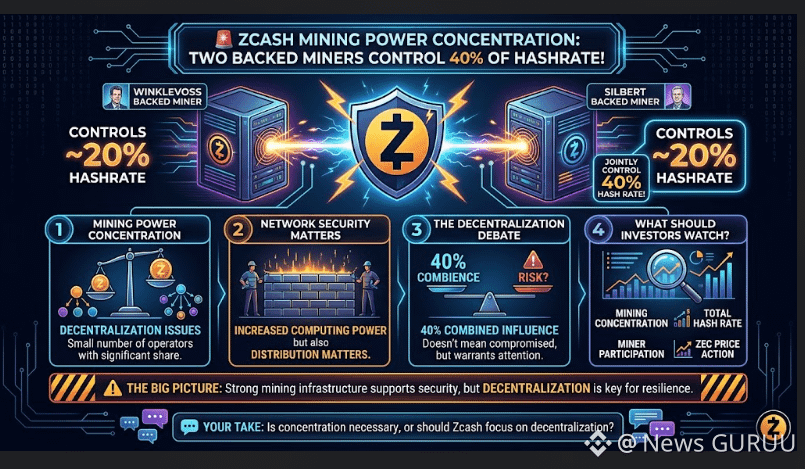
🚨 تركّز قوة تعدين Zcash يثير المخاوف!
تشير التقارير إلى أن عمليتَي تعدين مرتبطتين بدائرتَي التوأم وينكلفوس وباري سيلبرت، تسيطر كل منهما على نحو 20% من معدل التجزئة في Zcash.
🔥 لماذا يهم ذلك:
⚠️ قد يشكّل تركّز قوة التعدين تحديًا للامركزية.
🔐 يدعم معدل التجزئة أمن الشبكة.
📊 يستحق التحكم المشترك في نحو 40% الانتباه، لكنه لا يعني أن هجومًا وشيكًا.
💡 الصورة الأكبر: تحتاج سلسلة الكتل الآمنة إلى بنية تحتية قوية للتعدين ولامركزية صحية.
💬 ما رأيك: هل يشكّل تركّز التعدين خطرًا أم أنه جزء طبيعي من نمو العملات المشفرة؟.«انقر على وسم العملة الصفراء أدناه للانتقال إلى صفحة التداول المطلوبة والاستفادة من التداول»$ZEC
{spot}(ZECUSDT)
#WinklevossAndSilbertBackedMinersEachHold20%OfZcashHashRate #zec #decentralization
🚨 تركّز قوة تعدين Zcash يثير المخاوف!
تشير التقارير إلى أن عمليتَي تعدين مرتبطتين بدائرتَي التوأم وينكلفوس وباري سيلبرت، تسيطر كل منهما على نحو 20% من معدل التجزئة في Zcash.
🔥 لماذا يهم ذلك:
⚠️ قد يشكّل تركّز قوة التعدين تحديًا للامركزية.
🔐 يدعم معدل التجزئة أمن الشبكة.
📊 يستحق التحكم المشترك في نحو 40% الانتباه، لكنه لا يعني أن هجومًا وشيكًا.
💡 الصورة الأكبر: تحتاج سلسلة الكتل الآمنة إلى بنية تحتية قوية للتعدين ولامركزية صحية.
💬 ما رأيك: هل يشكّل تركّز التعدين خطرًا أم أنه جزء طبيعي من نمو العملات المشفرة؟.«انقر على وسم العملة الصفراء أدناه للانتقال إلى صفحة التداول المطلوبة والاستفادة من التداول»$ZEC
🚨 تركّز قوة تعدين Zcash يثير المخاوف!
تشير التقارير إلى أن عمليتَي تعدين مرتبطتين بدائرتَي التوأم وينكلفوس وباري سيلبرت، تسيطر كل منهما على نحو 20% من معدل التجزئة في Zcash.
🔥 لماذا يهم ذلك:
⚠️ قد يشكّل تركّز قوة التعدين تحديًا للامركزية.
🔐 يدعم معدل التجزئة أمن الشبكة.
📊 يستحق التحكم المشترك في نحو 40% الانتباه، لكنه لا يعني أن هجومًا وشيكًا.
💡 الصورة الأكبر: تحتاج سلسلة الكتل الآمنة إلى بنية تحتية قوية للتعدين ولامركزية صحية.
💬 ما رأيك: هل يشكّل تركّز التعدين خطرًا أم أنه جزء طبيعي من نمو العملات المشفرة؟.«انقر على وسم العملة الصفراء أدناه للانتقال إلى صفحة التداول المطلوبة والاستفادة من التداول»$ZEC
Abu Fahadأ:
💛
1
4
33

·
--
صاعد
تقنيات حماية الخصوصية مثيرة للاهتمام، لكن السؤال الحقيقي هو كيف نبني الثقة بها.
من يستطيع فحص النظام؟ ومن يحافظ على استمراره؟ ومن يتحمل المسؤولية عندما يحدث خطأ ما؟
هذه أسئلة ينبغي لكل مشروع لامركزي أن يكون مستعدًا للإجابة عنها.
وهذا أحد أسباب اهتمامي بـ
#Liberdus . فهو يستكشف التواصل اللامركزي من خلال نهج مفتوح المصدر، ويمنح الناس فرصة لفحص التقنية بدلًا من مجرد الثقة بشركة تعمل وراء الكواليس.
بالنسبة إليّ، ينبغي أن يتجاوز Web3 حدود التقنيات الجديدة. ينبغي أن يتمحور حول بناء أنظمة يستطيع الناس فهمها والتساؤل عنها والمساهمة فيها.
ثقة عمياء أقل. شفافية أكبر. ومجتمع أقوى.
#Privacy #Web3 #decentralization
تقنيات حماية الخصوصية مثيرة للاهتمام، لكن السؤال الحقيقي هو كيف نبني الثقة بها.
من يستطيع فحص النظام؟ ومن يحافظ على استمراره؟ ومن يتحمل المسؤولية عندما يحدث خطأ ما؟
هذه أسئلة ينبغي لكل مشروع لامركزي أن يكون مستعدًا للإجابة عنها.
وهذا أحد أسباب اهتمامي بـ
#Liberdus . فهو يستكشف التواصل اللامركزي من خلال نهج مفتوح المصدر، ويمنح الناس فرصة لفحص التقنية بدلًا من مجرد الثقة بشركة تعمل وراء الكواليس.
بالنسبة إليّ، ينبغي أن يتجاوز Web3 حدود التقنيات الجديدة. ينبغي أن يتمحور حول بناء أنظمة يستطيع الناس فهمها والتساؤل عنها والمساهمة فيها.
ثقة عمياء أقل. شفافية أكبر. ومجتمع أقوى.
#Privacy #Web3 #decentralization
من يستطيع فحص النظام؟ ومن يحافظ على استمراره؟ ومن يتحمل المسؤولية عندما يحدث خطأ ما؟
هذه أسئلة ينبغي لكل مشروع لامركزي أن يكون مستعدًا للإجابة عنها.
وهذا أحد أسباب اهتمامي بـ
#Liberdus . فهو يستكشف التواصل اللامركزي من خلال نهج مفتوح المصدر، ويمنح الناس فرصة لفحص التقنية بدلًا من مجرد الثقة بشركة تعمل وراء الكواليس.
بالنسبة إليّ، ينبغي أن يتجاوز Web3 حدود التقنيات الجديدة. ينبغي أن يتمحور حول بناء أنظمة يستطيع الناس فهمها والتساؤل عنها والمساهمة فيها.
ثقة عمياء أقل. شفافية أكبر. ومجتمع أقوى.
#Privacy #Web3 #decentralization



BeYa_BNB
·
--
صاعد#nil $NIL @Nillion
في الأسبوع الماضي، سألتني صديقة عن المكان الذي تُحفَظ فيه سجلاتها الطبية فعليًا. بدأت بالإجابة، ثم أدركت أنني لا أعرف. لا بد أنها موجودة في مكان ما على خادم يملكه أحدهم، وقد نُسخت مرات لا يعرف عددها إلا الله.
قادني ذلك الموقف الصغير إلى دوامة من البحث، وكانت Nillion إحدى المحطات في الطريق. أكثر ما لفت انتباهي هو الوعد البسيط الذي تقوم عليه: يمكن الاستفادة من معلوماتك من دون تسليمها بصيغة مقروءة. إذ تُوزَّع أجزاء منها على أجهزة عديدة، فلا يحتفظ أي جهاز بالقصة كاملة.
ما يجعل الفكرة تبدو واقعية هو أن المشكلة ليست خيالية. فالعيادات وشركات التأمين والبنوك والدوائر الحكومية تواجه جميعها قواعد فعلية لحماية البيانات الشخصية. وأداة صُممت لتنسجم مع هذه المتطلبات تجد مجالًا عمليًا لتطبيقها، وهذا نادرًا ما ينطبق على مشاريع العملات المشفرة.
ومع ذلك، سأكون مخدوعة إن توقفت عند هذا الحد. فالتصميم الجيد لا يعني تلقائيًا أن التطبيق جيد. من يراجع العُقد؟ وإذا تسرّبت معلومات، فمن يتحمل المسؤولية؟ كما أن الجهات التنظيمية لا ترى دائمًا في عبارة «لا أحد يستطيع الاطلاع على هذا» أمرًا مطمئنًا. فقد تبدو أحيانًا وكأنها تعني «لا أحد يستطيع التحقق من هذا»، وهذا رد فعل مختلف تمامًا. فالقانون بطيء ومحلي، أما البرمجيات فسريعة وشبه عالمية. وبينهما تقع المساحة التي تميل فيها المفاجآت المحرجة إلى الظهور.
وثمة مفارقة خفية أيضًا. فحتى لو كانت الرياضيات سليمة، سيعتمد معظمنا على شرح شخص آخر لها؛ لذا فالثقة لا تختفي، بل تنتقل إلى مكان آخر.
خلاصتي ليست مثيرة. اقرأوا الوثائق قبل تكوين رأي. وتحققوا مما اختُبر خارج المختبر. واسألوا من يتحمل المسؤولية عندما تسوء الأمور.
لست خبيرة، ولا بأس بذلك. فالتعلّم ببطء أفضل من التصديق بسرعة.
في الأسبوع الماضي، سألتني صديقة عن المكان الذي تُحفَظ فيه سجلاتها الطبية فعليًا. بدأت بالإجابة، ثم أدركت أنني لا أعرف. لا بد أنها موجودة في مكان ما على خادم يملكه أحدهم، وقد نُسخت مرات لا يعرف عددها إلا الله.
قادني ذلك الموقف الصغير إلى دوامة من البحث، وكانت Nillion إحدى المحطات في الطريق. أكثر ما لفت انتباهي هو الوعد البسيط الذي تقوم عليه: يمكن الاستفادة من معلوماتك من دون تسليمها بصيغة مقروءة. إذ تُوزَّع أجزاء منها على أجهزة عديدة، فلا يحتفظ أي جهاز بالقصة كاملة.
ما يجعل الفكرة تبدو واقعية هو أن المشكلة ليست خيالية. فالعيادات وشركات التأمين والبنوك والدوائر الحكومية تواجه جميعها قواعد فعلية لحماية البيانات الشخصية. وأداة صُممت لتنسجم مع هذه المتطلبات تجد مجالًا عمليًا لتطبيقها، وهذا نادرًا ما ينطبق على مشاريع العملات المشفرة.
ومع ذلك، سأكون مخدوعة إن توقفت عند هذا الحد. فالتصميم الجيد لا يعني تلقائيًا أن التطبيق جيد. من يراجع العُقد؟ وإذا تسرّبت معلومات، فمن يتحمل المسؤولية؟ كما أن الجهات التنظيمية لا ترى دائمًا في عبارة «لا أحد يستطيع الاطلاع على هذا» أمرًا مطمئنًا. فقد تبدو أحيانًا وكأنها تعني «لا أحد يستطيع التحقق من هذا»، وهذا رد فعل مختلف تمامًا. فالقانون بطيء ومحلي، أما البرمجيات فسريعة وشبه عالمية. وبينهما تقع المساحة التي تميل فيها المفاجآت المحرجة إلى الظهور.
وثمة مفارقة خفية أيضًا. فحتى لو كانت الرياضيات سليمة، سيعتمد معظمنا على شرح شخص آخر لها؛ لذا فالثقة لا تختفي، بل تنتقل إلى مكان آخر.
خلاصتي ليست مثيرة. اقرأوا الوثائق قبل تكوين رأي. وتحققوا مما اختُبر خارج المختبر. واسألوا من يتحمل المسؤولية عندما تسوء الأمور.
لست خبيرة، ولا بأس بذلك. فالتعلّم ببطء أفضل من التصديق بسرعة.
2
57

·
--
التحول الصامت نحو اللامركزية الكاملة
يتطلب تطور الشبكات اللامركزية شفافية مطلقة وقابلية هائلة للتوسع وبنية تحتية ذكية. نشهد ثورة صامتة تُستبدل فيها الأنظمة التقليدية بحلول #blockchain عالية الكفاءة. وهذا التحول حتمي من أجل مستقبل رقمي مستقل حقًا.
[Best LiveStreamer - Vote](https://app.binance.com/uni-qr/cact26user/307)
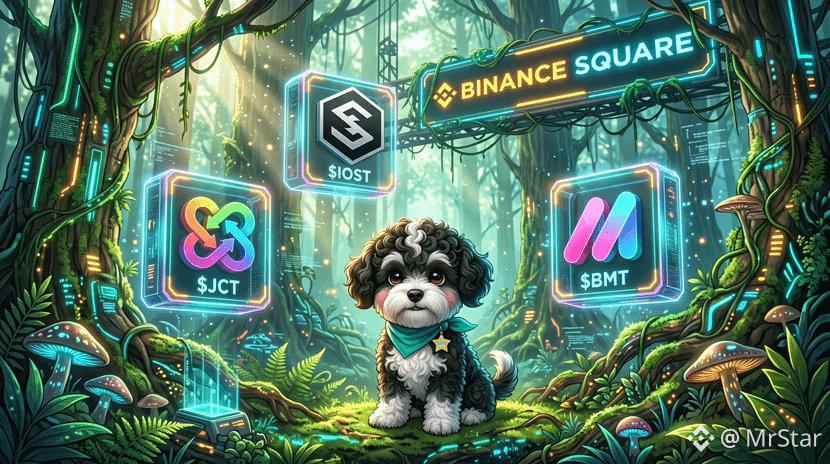
يتطلب الطلب على الحوسبة للذكاء الاصطناعي شبكات أجهزة لامركزية قوية. ويتيح بروتوكول $JCT هذه القفزة التكنولوجية من خلال توفير قدرة حوسبة موزعة لمهام التعلم الآلي المعقدة. ومن خلال لامركزية الوصول إلى القدرة الحاسوبية، يضمن هذا المشروع بقاء البنية التحتية #AI متاحة عالميًا وشديدة المرونة.
{future}(JCTUSDT)
تتطلب التطبيقات اللامركزية عالية الأداء طبقة أساسية فائقة السرعة. ويحقق $IOST #ecosystem قابلية التوسع الضرورية هذه من خلال آلية الإجماع الفريدة، ما يضمن معاملات فائقة السرعة عبر الشبكة. وتوفر هذه البنية الراسخة البيئة اللازمة لعمل حلول المؤسسات بسلاسة تامة على سلسلة الكتل.
{future}(IOSTUSDT)
تتطلب #decentralization الحقيقية رؤية كاملة لاقتصاديات الرموز المعقدة وتدفقات بيانات الشبكة. وتُحدث منصة $BMT ثورة في التحليلات على السلسلة، إذ تحوّل بيانات سلسلة الكتل المعقدة إلى خرائط مرئية يسهل الوصول إليها. ويضمن هذا النهج المبتكر للشفافية أن تتمكن المجتمعات من استكشاف الاقتصاد اللامركزي بوضوح وثقة تامين.
{future}(BMTUSDT)
موقفي الراسخ مستمد من رؤية StarLineLabs. نحن نبني مجتمعًا رقميًا لا يُقهر، تدعمه الحوسبة الذكية والشبكات القابلة للتوسع والشفافية المطلقة.
[Rising Star - Vote](https://app.binance.com/uni-qr/cact26user/659)
هل أنت مستعد لهذا التحول الصامت؟ شاركنا رأيك أدناه.
التحول الصامت نحو اللامركزية الكاملة
يتطلب تطور الشبكات اللامركزية شفافية مطلقة وقابلية هائلة للتوسع وبنية تحتية ذكية. نشهد ثورة صامتة تُستبدل فيها الأنظمة التقليدية بحلول #blockchain عالية الكفاءة. وهذا التحول حتمي من أجل مستقبل رقمي مستقل حقًا.
Best LiveStreamer - Vote
يتطلب الطلب على الحوسبة للذكاء الاصطناعي شبكات أجهزة لامركزية قوية. ويتيح بروتوكول $JCT هذه القفزة التكنولوجية من خلال توفير قدرة حوسبة موزعة لمهام التعلم الآلي المعقدة. ومن خلال لامركزية الوصول إلى القدرة الحاسوبية، يضمن هذا المشروع بقاء البنية التحتية #AI متاحة عالميًا وشديدة المرونة.
تتطلب التطبيقات اللامركزية عالية الأداء طبقة أساسية فائقة السرعة. ويحقق $IOST #ecosystem قابلية التوسع الضرورية هذه من خلال آلية الإجماع الفريدة، ما يضمن معاملات فائقة السرعة عبر الشبكة. وتوفر هذه البنية الراسخة البيئة اللازمة لعمل حلول المؤسسات بسلاسة تامة على سلسلة الكتل.
تتطلب #decentralization الحقيقية رؤية كاملة لاقتصاديات الرموز المعقدة وتدفقات بيانات الشبكة. وتُحدث منصة $BMT ثورة في التحليلات على السلسلة، إذ تحوّل بيانات سلسلة الكتل المعقدة إلى خرائط مرئية يسهل الوصول إليها. ويضمن هذا النهج المبتكر للشفافية أن تتمكن المجتمعات من استكشاف الاقتصاد اللامركزي بوضوح وثقة تامين.
موقفي الراسخ مستمد من رؤية StarLineLabs. نحن نبني مجتمعًا رقميًا لا يُقهر، تدعمه الحوسبة الذكية والشبكات القابلة للتوسع والشفافية المطلقة.
Rising Star - Vote
هل أنت مستعد لهذا التحول الصامت؟ شاركنا رأيك أدناه.
يتطلب تطور الشبكات اللامركزية شفافية مطلقة وقابلية هائلة للتوسع وبنية تحتية ذكية. نشهد ثورة صامتة تُستبدل فيها الأنظمة التقليدية بحلول #blockchain عالية الكفاءة. وهذا التحول حتمي من أجل مستقبل رقمي مستقل حقًا.
Best LiveStreamer - Vote
يتطلب الطلب على الحوسبة للذكاء الاصطناعي شبكات أجهزة لامركزية قوية. ويتيح بروتوكول $JCT هذه القفزة التكنولوجية من خلال توفير قدرة حوسبة موزعة لمهام التعلم الآلي المعقدة. ومن خلال لامركزية الوصول إلى القدرة الحاسوبية، يضمن هذا المشروع بقاء البنية التحتية #AI متاحة عالميًا وشديدة المرونة.
تتطلب التطبيقات اللامركزية عالية الأداء طبقة أساسية فائقة السرعة. ويحقق $IOST #ecosystem قابلية التوسع الضرورية هذه من خلال آلية الإجماع الفريدة، ما يضمن معاملات فائقة السرعة عبر الشبكة. وتوفر هذه البنية الراسخة البيئة اللازمة لعمل حلول المؤسسات بسلاسة تامة على سلسلة الكتل.
تتطلب #decentralization الحقيقية رؤية كاملة لاقتصاديات الرموز المعقدة وتدفقات بيانات الشبكة. وتُحدث منصة $BMT ثورة في التحليلات على السلسلة، إذ تحوّل بيانات سلسلة الكتل المعقدة إلى خرائط مرئية يسهل الوصول إليها. ويضمن هذا النهج المبتكر للشفافية أن تتمكن المجتمعات من استكشاف الاقتصاد اللامركزي بوضوح وثقة تامين.
موقفي الراسخ مستمد من رؤية StarLineLabs. نحن نبني مجتمعًا رقميًا لا يُقهر، تدعمه الحوسبة الذكية والشبكات القابلة للتوسع والشفافية المطلقة.
Rising Star - Vote
هل أنت مستعد لهذا التحول الصامت؟ شاركنا رأيك أدناه.
Jay Zee110:
My vote only for you Brother because you're very supportive person i ever meet in Binance. ❤
56
15
167
13.5k

·
--
$ETC 🚀 إيثيريوم كلاسيك ($ETC): قائم على المبادئ، ومدعوم باللامركزية!
تكمن قوة إيثيريوم كلاسيك في التزامها الراسخ بالمبادئ الأساسية:
🔹 اللامركزية — لا توجد سلطة مركزية تتحكم به.
🔹 إثبات العمل — أمان قائم على آلية إجماع مجرّبة في ظروف صعبة.
🔹 نقود سليمة — الحفاظ على نزاهة سلسلة الكتل.
🔹 الشيفرة هي القانون — صون رؤية إيثيريوم الأصلية.
🌐 أساسٌ بُني على الأفكار، لا على المؤسسات. ومجتمعٌ ملتزم بتطبيقات لا يمكن إيقافها.
💎 الرؤية الأصلية مستمرة مع $ETC!
#EthereumClassic #ETC #Blockchain #decentralization
$ETC 🚀 إيثيريوم كلاسيك ($ETC ): قائم على المبادئ، ومدعوم باللامركزية!
تكمن قوة إيثيريوم كلاسيك في التزامها الراسخ بالمبادئ الأساسية:
🔹 اللامركزية — لا توجد سلطة مركزية تتحكم به.
🔹 إثبات العمل — أمان قائم على آلية إجماع مجرّبة في ظروف صعبة.
🔹 نقود سليمة — الحفاظ على نزاهة سلسلة الكتل.
🔹 الشيفرة هي القانون — صون رؤية إيثيريوم الأصلية.
🌐 أساسٌ بُني على الأفكار، لا على المؤسسات. ومجتمعٌ ملتزم بتطبيقات لا يمكن إيقافها.
💎 الرؤية الأصلية مستمرة مع $ETC !
#EthereumClassic #ETC #Blockchain #decentralization
تكمن قوة إيثيريوم كلاسيك في التزامها الراسخ بالمبادئ الأساسية:
🔹 اللامركزية — لا توجد سلطة مركزية تتحكم به.
🔹 إثبات العمل — أمان قائم على آلية إجماع مجرّبة في ظروف صعبة.
🔹 نقود سليمة — الحفاظ على نزاهة سلسلة الكتل.
🔹 الشيفرة هي القانون — صون رؤية إيثيريوم الأصلية.
🌐 أساسٌ بُني على الأفكار، لا على المؤسسات. ومجتمعٌ ملتزم بتطبيقات لا يمكن إيقافها.
💎 الرؤية الأصلية مستمرة مع $ETC !
#EthereumClassic #ETC #Blockchain #decentralization
70


مقالة
العقدة الكاملة لا تثق بأحد — حتى بكالعقدة الكاملة هي حاسوب ينزّل كل كتلة ويتحقق بنفسه من كل قاعدة: التواقيع والمبالغ وجدول إصدار المعروض وكل شيء. لا تقبل أي شيء لمجرد أن أحدهم قال ذلك. إذا خالفت كتلةٌ قاعدةً ما، ترفضها العقدة، أيًّا كان من قام بتعدينها.
آلاف العقد المستقلة هي ما يفرض قواعد بيتكوين فعليًا. يقترح المعدّنون الكتل، وتقرر العقد ما إذا كانت صالحة. لا تحتاج إلى عقدة لاستخدام بيتكوين، ويعتمد معظم الناس على عقدة شخص آخر. لكن تشغيل عقدة يعني أن محفظتك تتحقق من المدفوعات وفقًا لقواعد تحققت منها بنفسك — وهذا أصدق تطبيق لمبدأ «لا تثق، تحقّق».
العقدة الكاملة لا تثق بأحد — حتى بك
العقدة الكاملة هي حاسوب ينزّل كل كتلة ويتحقق بنفسه من كل قاعدة: التواقيع والمبالغ وجدول إصدار المعروض وكل شيء. لا تقبل أي شيء لمجرد أن أحدهم قال ذلك. إذا خالفت كتلةٌ قاعدةً ما، ترفضها العقدة، أيًّا كان من قام بتعدينها.
آلاف العقد المستقلة هي ما يفرض قواعد بيتكوين فعليًا. يقترح المعدّنون الكتل، وتقرر العقد ما إذا كانت صالحة. لا تحتاج إلى عقدة لاستخدام بيتكوين، ويعتمد معظم الناس على عقدة شخص آخر. لكن تشغيل عقدة يعني أن محفظتك تتحقق من المدفوعات وفقًا لقواعد تحققت منها بنفسك — وهذا أصدق تطبيق لمبدأ «لا تثق، تحقّق».
آلاف العقد المستقلة هي ما يفرض قواعد بيتكوين فعليًا. يقترح المعدّنون الكتل، وتقرر العقد ما إذا كانت صالحة. لا تحتاج إلى عقدة لاستخدام بيتكوين، ويعتمد معظم الناس على عقدة شخص آخر. لكن تشغيل عقدة يعني أن محفظتك تتحقق من المدفوعات وفقًا لقواعد تحققت منها بنفسك — وهذا أصدق تطبيق لمبدأ «لا تثق، تحقّق».
75
·
--
تعرّض مركز بيانات VK الروسي لهجوم بطائرة مسيّرة، لكن الخدمات لم تتأثر! وهذا يثبت مجددًا مدى أهمية البنية التحتية القوية. في عالم العملات المشفّرة، صُممت الأنظمة اللامركزية تحديدًا لمقاومة مثل هذه الهجمات. #cybersecurity #decentralization $BTC $ETH
تعرّض مركز بيانات VK الروسي لهجوم بطائرة مسيّرة، لكن الخدمات لم تتأثر! وهذا يوضح أهمية البنية التحتية المتينة. في عالم العملات المشفّرة، صُممت الأنظمة اللامركزية لمقاومة مثل هذه الهجمات تحديدًا. #cybersecurity #decentralization $BTC $ETH
تعرّض مركز بيانات VK الروسي لهجوم بطائرة مسيّرة، لكن الخدمات لم تتأثر! وهذا يثبت مجددًا مدى أهمية البنية التحتية القوية. في عالم العملات المشفّرة، صُممت الأنظمة اللامركزية تحديدًا لمقاومة مثل هذه الهجمات. #cybersecurity #decentralization $BTC $ETH
تعرّض مركز بيانات VK الروسي لهجوم بطائرة مسيّرة، لكن الخدمات لم تتأثر! وهذا يوضح أهمية البنية التحتية المتينة. في عالم العملات المشفّرة، صُممت الأنظمة اللامركزية لمقاومة مثل هذه الهجمات تحديدًا. #cybersecurity #decentralization $BTC $ETH
تعرّض مركز بيانات VK الروسي لهجوم بطائرة مسيّرة، لكن الخدمات لم تتأثر! وهذا يوضح أهمية البنية التحتية المتينة. في عالم العملات المشفّرة، صُممت الأنظمة اللامركزية لمقاومة مثل هذه الهجمات تحديدًا. #cybersecurity #decentralization $BTC $ETH
114

·
--
صاعد
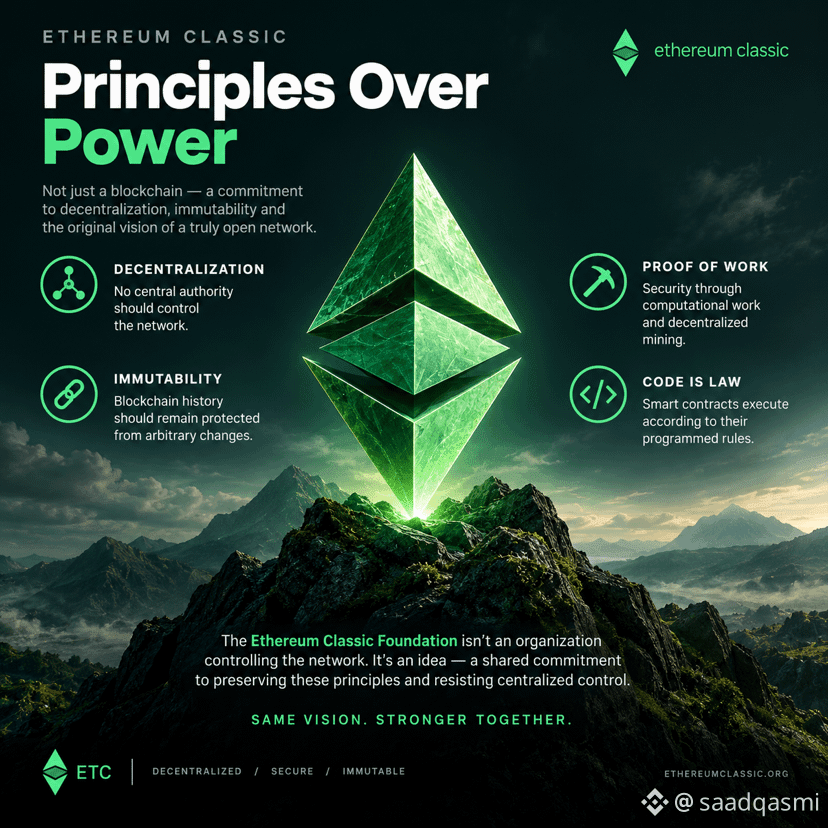
$ETC ⛓️ إيثيريوم كلاسيك: المبادئ قبل النفوذ
ما الذي يجعل سلسلة الكتل لامركزية حقًا؟ ليس التكنولوجيا وحدها، بل المبادئ التي تقوم عليها.
🟢 يقوم إيثيريوم كلاسيك ($ETC) على فلسفة قوية:
🔹 اللامركزية — لا ينبغي لأي سلطة مركزية أن تتحكم في الشبكة.
🔹 عدم القابلية للتغيير — ينبغي أن يظل تاريخ سلسلة الكتل محميًا من التغييرات الاعتباطية.
🔹 إثبات العمل — الأمان عبر العمل الحاسوبي والتعدين اللامركزي.
🔹 الشيفرة هي القانون — تُنفَّذ العقود الذكية وفقًا للقواعد المبرمجة فيها.
مؤسسة إيثيريوم كلاسيك ليست منظمة تتحكم في الشبكة، بل هي فكرة: التزام مشترك بالحفاظ على هذه المبادئ ومقاومة التحكم المركزي.
في عالم العملات المشفرة، قد تتطور التكنولوجيا، لكن المبادئ الجوهرية هي ما يحدد المهمة. 🔥
💬 سؤال للمجتمع: ما الأهم في سلسلة الكتل — اللامركزية أم الأمان أم عدم القابلية للتغيير؟
#EthereumClassic #ETC #blockchain #crypto #اللامركزية
$ETC ⛓️ إيثيريوم كلاسيك: المبادئ قبل النفوذ
ما الذي يجعل سلسلة الكتل لامركزية حقًا؟ ليس التكنولوجيا وحدها، بل المبادئ التي تقوم عليها.
🟢 يقوم إيثيريوم كلاسيك ($ETC ) على فلسفة قوية:
🔹 اللامركزية — لا ينبغي لأي سلطة مركزية أن تتحكم في الشبكة.
🔹 عدم القابلية للتغيير — ينبغي أن يظل تاريخ سلسلة الكتل محميًا من التغييرات الاعتباطية.
🔹 إثبات العمل — الأمان عبر العمل الحاسوبي والتعدين اللامركزي.
🔹 الشيفرة هي القانون — تُنفَّذ العقود الذكية وفقًا للقواعد المبرمجة فيها.
مؤسسة إيثيريوم كلاسيك ليست منظمة تتحكم في الشبكة، بل هي فكرة: التزام مشترك بالحفاظ على هذه المبادئ ومقاومة التحكم المركزي.
في عالم العملات المشفرة، قد تتطور التكنولوجيا، لكن المبادئ الجوهرية هي ما يحدد المهمة. 🔥
💬 سؤال للمجتمع: ما الأهم في سلسلة الكتل — اللامركزية أم الأمان أم عدم القابلية للتغيير؟
#EthereumClassic #ETC #blockchain #crypto #اللامركزية
ما الذي يجعل سلسلة الكتل لامركزية حقًا؟ ليس التكنولوجيا وحدها، بل المبادئ التي تقوم عليها.
🟢 يقوم إيثيريوم كلاسيك ($ETC ) على فلسفة قوية:
🔹 اللامركزية — لا ينبغي لأي سلطة مركزية أن تتحكم في الشبكة.
🔹 عدم القابلية للتغيير — ينبغي أن يظل تاريخ سلسلة الكتل محميًا من التغييرات الاعتباطية.
🔹 إثبات العمل — الأمان عبر العمل الحاسوبي والتعدين اللامركزي.
🔹 الشيفرة هي القانون — تُنفَّذ العقود الذكية وفقًا للقواعد المبرمجة فيها.
مؤسسة إيثيريوم كلاسيك ليست منظمة تتحكم في الشبكة، بل هي فكرة: التزام مشترك بالحفاظ على هذه المبادئ ومقاومة التحكم المركزي.
في عالم العملات المشفرة، قد تتطور التكنولوجيا، لكن المبادئ الجوهرية هي ما يحدد المهمة. 🔥
💬 سؤال للمجتمع: ما الأهم في سلسلة الكتل — اللامركزية أم الأمان أم عدم القابلية للتغيير؟
#EthereumClassic #ETC #blockchain #crypto #اللامركزية
29
·
--
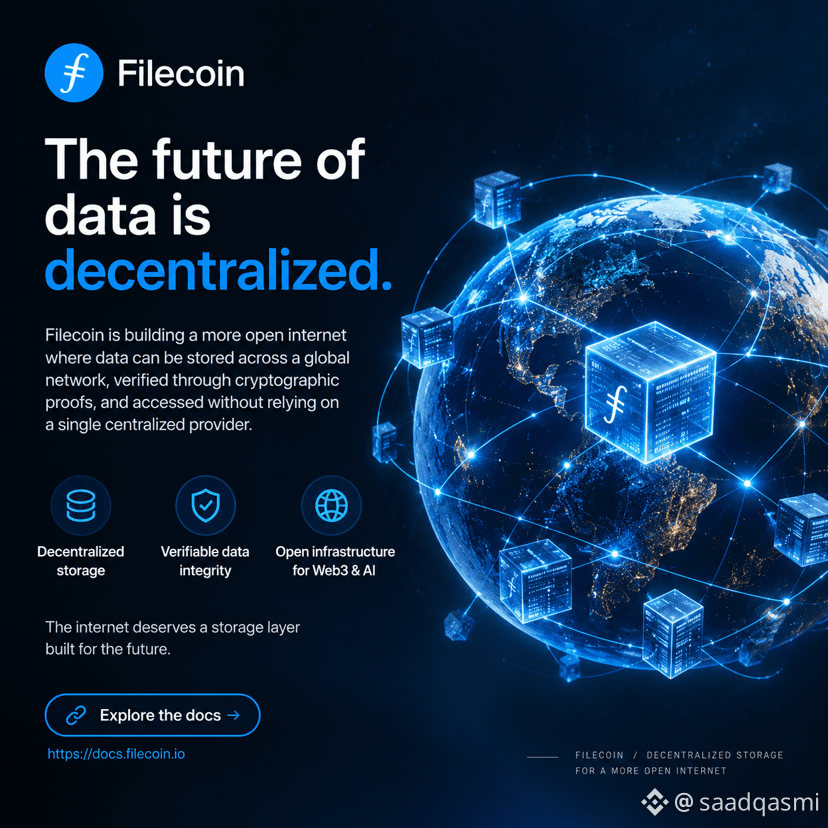
$FIL مستقبل البيانات لا مركزي. 🌐
تعمل Filecoin على بناء إنترنت أكثر انفتاحًا، حيث يمكن تخزين البيانات عبر شبكة عالمية، والتحقق منها باستخدام إثباتات تشفيرية، والوصول إليها دون الاعتماد على مزوّد مركزي واحد.
📦 تخزين لامركزي
🔐 سلامة بيانات قابلة للتحقق
🌍 بنية تحتية مفتوحة لـ Web3 والذكاء الاصطناعي
يستحق الإنترنت طبقة تخزين مصممة للمستقبل.
استكشف الوثائق 👇
https://docs.filecoin.io
#Filecoin #Web3 #DePIN #Decentralization $FIL
#CelestiaRises16%To2026High
{spot}(FILUSDT)
$FIL مستقبل البيانات لا مركزي. 🌐
تعمل Filecoin على بناء إنترنت أكثر انفتاحًا، حيث يمكن تخزين البيانات عبر شبكة عالمية، والتحقق منها باستخدام إثباتات تشفيرية، والوصول إليها دون الاعتماد على مزوّد مركزي واحد.
📦 تخزين لامركزي
🔐 سلامة بيانات قابلة للتحقق
🌍 بنية تحتية مفتوحة لـ Web3 والذكاء الاصطناعي
يستحق الإنترنت طبقة تخزين مصممة للمستقبل.
استكشف الوثائق 👇
https://docs.filecoin.io
#Filecoin #Web3 #DePIN #Decentralization $FIL
#CelestiaRises16%To2026High
تعمل Filecoin على بناء إنترنت أكثر انفتاحًا، حيث يمكن تخزين البيانات عبر شبكة عالمية، والتحقق منها باستخدام إثباتات تشفيرية، والوصول إليها دون الاعتماد على مزوّد مركزي واحد.
📦 تخزين لامركزي
🔐 سلامة بيانات قابلة للتحقق
🌍 بنية تحتية مفتوحة لـ Web3 والذكاء الاصطناعي
يستحق الإنترنت طبقة تخزين مصممة للمستقبل.
استكشف الوثائق 👇
https://docs.filecoin.io
#Filecoin #Web3 #DePIN #Decentralization $FIL
#CelestiaRises16%To2026High
1
482

·
--
لماذا تهم اللامركزيةغالبًا ما تعتمد الأنظمة التقليدية على سلطة واحدة.
تُدخل سلسلة الكتل اللامركزية.
تشمل الفوائد:
✅ مزيد من الشفافية
✅ تقليل نقاط الفشل الفردية
✅ تعزيز سهولة الوصول
✅ تحسين القدرة على الصمود
اللامركزية ليست الحل دائمًا لكل مشكلة، لكنها تتيح نهجًا بديلًا لبناء الأنظمة الرقمية.
ليس الهدف إزالة الثقة.
الهدف هو توزيع الثقة.
#decentralization #blockchain #Web3 #Technology
لماذا تهم اللامركزية
غالبًا ما تعتمد الأنظمة التقليدية على سلطة واحدة.
تُدخل سلسلة الكتل اللامركزية.
تشمل الفوائد:
✅ مزيد من الشفافية
✅ تقليل نقاط الفشل الفردية
✅ تعزيز سهولة الوصول
✅ تحسين القدرة على الصمود
اللامركزية ليست الحل دائمًا لكل مشكلة، لكنها تتيح نهجًا بديلًا لبناء الأنظمة الرقمية.
ليس الهدف إزالة الثقة.
الهدف هو توزيع الثقة.
#decentralization #blockchain #Web3 #Technology
تُدخل سلسلة الكتل اللامركزية.
تشمل الفوائد:
✅ مزيد من الشفافية
✅ تقليل نقاط الفشل الفردية
✅ تعزيز سهولة الوصول
✅ تحسين القدرة على الصمود
اللامركزية ليست الحل دائمًا لكل مشكلة، لكنها تتيح نهجًا بديلًا لبناء الأنظمة الرقمية.
ليس الهدف إزالة الثقة.
الهدف هو توزيع الثقة.
#decentralization #blockchain #Web3 #Technology
1
92
{future}(BTCDOMUSDT)
$BTCUSDC ₿ قدّم بيتكوين فكرة ثورية: نظامًا ماليًا لامركزيًا يعمل دون الاعتماد على سلطة مركزية.
بفضل تقنية البلوك تشين،$ يتيح بيتكوين إجراء معاملات مباشرة بين الأفراد بشفافية وأمان، مع عرض محدود يبلغ 21 مليون عملة.
إنه أكثر من مجرد نقود رقمية؛ فهو يمثّل طريقة جديدة للتفكير في الحرية المالية والملكية. 🚀
#Bitcoin $#BTC #البلوك_تشين #Crypto #Decentralization
$BTCUSDC ₿ قدّم بيتكوين فكرة ثورية: نظامًا ماليًا لامركزيًا يعمل دون الاعتماد على سلطة مركزية.
بفضل تقنية البلوك تشين،$ يتيح بيتكوين إجراء معاملات مباشرة بين الأفراد بشفافية وأمان، مع عرض محدود يبلغ 21 مليون عملة.
إنه أكثر من مجرد نقود رقمية؛ فهو يمثّل طريقة جديدة للتفكير في الحرية المالية والملكية. 🚀
#Bitcoin $#BTC #البلوك_تشين #Crypto #Decentralization
بفضل تقنية البلوك تشين،$ يتيح بيتكوين إجراء معاملات مباشرة بين الأفراد بشفافية وأمان، مع عرض محدود يبلغ 21 مليون عملة.
إنه أكثر من مجرد نقود رقمية؛ فهو يمثّل طريقة جديدة للتفكير في الحرية المالية والملكية. 🚀
#Bitcoin $#BTC #البلوك_تشين #Crypto #Decentralization
8
{future}(BTCUSDT)
$BTCUSDT ₿ بيتكوين أكثر من مجرد نقود رقمية — إنها نهج ثوري للتمويل اللامركزي. ومن خلال إتاحة المعاملات بين الأفراد دون الاعتماد على الوسطاء التقليديين$ ، قدمت بيتكوين رؤية جديدة للحرية المالية والشفافية. 🌐🔗
يبدأ مستقبل المال بالابتكار.
$#بيتكوين #BTC #البلوكتشين #Crypto #Decentralization
$BTCUSDT ₿ بيتكوين أكثر من مجرد نقود رقمية — إنها نهج ثوري للتمويل اللامركزي. ومن خلال إتاحة المعاملات بين الأفراد دون الاعتماد على الوسطاء التقليديين$ ، قدمت بيتكوين رؤية جديدة للحرية المالية والشفافية. 🌐🔗
يبدأ مستقبل المال بالابتكار.
$#بيتكوين #BTC #البلوكتشين #Crypto #Decentralization
يبدأ مستقبل المال بالابتكار.
$#بيتكوين #BTC #البلوكتشين #Crypto #Decentralization
9

·
--
مقالة
ICPay — رؤية العمل بنسبة 100% على السلسلة: مدفوعات Web3 بلا اعتماد على الخدمات السحابية المركزيةتصميم بنية تحتية مالية سيادية على الحاسوب العالمي
تعتمد الغالبية العظمى من التطبيقات اللامركزية الحديثة على خدمات سحابية مركزية مثل AWS وCloudflare وعُقد RPC تابعة لأطراف ثالثة، لتقديم واجهاتها الأمامية وفهرسة الحالة. وينشأ عن ذلك نقاط فشل حرجة أحادية.
صُمّم ICPay للمضي قدمًا نحو منظومة مدفوعات ويب مستقلة بالكامل، تعمل بنسبة 100% على السلسلة.
───────────────
البنية التقنية الأساسية والآليات
───────────────
ICPay — رؤية العمل بنسبة 100% على السلسلة: مدفوعات Web3 بلا اعتماد على الخدمات السحابية المركزية
تصميم بنية تحتية مالية سيادية على الحاسوب العالمي
تعتمد الغالبية العظمى من التطبيقات اللامركزية الحديثة على خدمات سحابية مركزية مثل AWS وCloudflare وعُقد RPC تابعة لأطراف ثالثة، لتقديم واجهاتها الأمامية وفهرسة الحالة. وينشأ عن ذلك نقاط فشل حرجة أحادية.
صُمّم ICPay للمضي قدمًا نحو منظومة مدفوعات ويب مستقلة بالكامل، تعمل بنسبة 100% على السلسلة.
───────────────
البنية التقنية الأساسية والآليات
───────────────
تعتمد الغالبية العظمى من التطبيقات اللامركزية الحديثة على خدمات سحابية مركزية مثل AWS وCloudflare وعُقد RPC تابعة لأطراف ثالثة، لتقديم واجهاتها الأمامية وفهرسة الحالة. وينشأ عن ذلك نقاط فشل حرجة أحادية.
صُمّم ICPay للمضي قدمًا نحو منظومة مدفوعات ويب مستقلة بالكامل، تعمل بنسبة 100% على السلسلة.
───────────────
البنية التقنية الأساسية والآليات
───────────────
311

·
--
اللامركزية حصنٌ منيع، وليست مجرد شعار
ينشغل عالم العملات المشفرة بمعدل المعاملات في الثانية (TPS)، والقيمة الإجمالية المقفلة (TVL)، وتحركات الأسعار. لكن هناك مقياسًا نادرًا ما يتصدر العناوين: معامل ناكاموتو — وهو الحد الأدنى لعدد الكيانات اللازمة لاختراق شبكة.
أهميته أكبر مما يدركه معظم الناس.
$BTC يتصدر هنا. فقد انخفض تركّز مجمّعات التعدين على مدى أربع دورات تنصيف. وتتوزع العُقد على مستوى العالم. ولا تسيطر أي ولاية قضائية بمفردها على أغلبية قوة التجزئة. وهذه اللامركزية علاوة أمنية متأصلة في سعر الأصل نفسه — لكنها لا تحظى بالتقدير الكافي في نماذج التقييم.
$ETH شهد تحسنًا هائلًا بعد الدمج. ويعني تنوع برامج العملاء المستخدمة من قِبل المدقّقين، بين Prysm وLighthouse وTeku وNimbus، أن خطأً برمجيًا واحدًا لا يمكنه إسقاط الشبكة. وهذا مستوى من المرونة يناسب المؤسسات.
يوزّع نموذج حوكمة الباراشين في $DOT قرارات البروتوكول بين مجالس منتخبة واستفتاءات لحاملي الرموز — فيلامركزية سلطة الترقية، لا إنتاج الكتل فحسب.
إليك الفكرة الأساسية: مع توسّع رأس المال المؤسسي، تصبح اللامركزية أصلًا داعمًا للامتثال. فالشبكة التي لا تستطيع أي حكومة إيقافها من جانب واحد هي شبكة تصمد أمام دورات التنظيم.
اللامركزية ليست مثاليةً حالمة. إنها الحصن البنيوي الذي يجعل الاحتفاظ بهذه البروتوكولات مجديًا في جميع الدورات.
#Crypto #Bitcoin #Decentralization #BlockchainSecurity #الاستثمار_طويل_الأجل
اللامركزية حصنٌ منيع، وليست مجرد شعار
ينشغل عالم العملات المشفرة بمعدل المعاملات في الثانية (TPS)، والقيمة الإجمالية المقفلة (TVL)، وتحركات الأسعار. لكن هناك مقياسًا نادرًا ما يتصدر العناوين: معامل ناكاموتو — وهو الحد الأدنى لعدد الكيانات اللازمة لاختراق شبكة.
أهميته أكبر مما يدركه معظم الناس.
$BTC يتصدر هنا. فقد انخفض تركّز مجمّعات التعدين على مدى أربع دورات تنصيف. وتتوزع العُقد على مستوى العالم. ولا تسيطر أي ولاية قضائية بمفردها على أغلبية قوة التجزئة. وهذه اللامركزية علاوة أمنية متأصلة في سعر الأصل نفسه — لكنها لا تحظى بالتقدير الكافي في نماذج التقييم.
$ETH شهد تحسنًا هائلًا بعد الدمج. ويعني تنوع برامج العملاء المستخدمة من قِبل المدقّقين، بين Prysm وLighthouse وTeku وNimbus، أن خطأً برمجيًا واحدًا لا يمكنه إسقاط الشبكة. وهذا مستوى من المرونة يناسب المؤسسات.
يوزّع نموذج حوكمة الباراشين في $DOT قرارات البروتوكول بين مجالس منتخبة واستفتاءات لحاملي الرموز — فيلامركزية سلطة الترقية، لا إنتاج الكتل فحسب.
إليك الفكرة الأساسية: مع توسّع رأس المال المؤسسي، تصبح اللامركزية أصلًا داعمًا للامتثال. فالشبكة التي لا تستطيع أي حكومة إيقافها من جانب واحد هي شبكة تصمد أمام دورات التنظيم.
اللامركزية ليست مثاليةً حالمة. إنها الحصن البنيوي الذي يجعل الاحتفاظ بهذه البروتوكولات مجديًا في جميع الدورات.
#Crypto #Bitcoin #Decentralization #BlockchainSecurity #الاستثمار_طويل_الأجل
ينشغل عالم العملات المشفرة بمعدل المعاملات في الثانية (TPS)، والقيمة الإجمالية المقفلة (TVL)، وتحركات الأسعار. لكن هناك مقياسًا نادرًا ما يتصدر العناوين: معامل ناكاموتو — وهو الحد الأدنى لعدد الكيانات اللازمة لاختراق شبكة.
أهميته أكبر مما يدركه معظم الناس.
$BTC يتصدر هنا. فقد انخفض تركّز مجمّعات التعدين على مدى أربع دورات تنصيف. وتتوزع العُقد على مستوى العالم. ولا تسيطر أي ولاية قضائية بمفردها على أغلبية قوة التجزئة. وهذه اللامركزية علاوة أمنية متأصلة في سعر الأصل نفسه — لكنها لا تحظى بالتقدير الكافي في نماذج التقييم.
$ETH شهد تحسنًا هائلًا بعد الدمج. ويعني تنوع برامج العملاء المستخدمة من قِبل المدقّقين، بين Prysm وLighthouse وTeku وNimbus، أن خطأً برمجيًا واحدًا لا يمكنه إسقاط الشبكة. وهذا مستوى من المرونة يناسب المؤسسات.
يوزّع نموذج حوكمة الباراشين في $DOT قرارات البروتوكول بين مجالس منتخبة واستفتاءات لحاملي الرموز — فيلامركزية سلطة الترقية، لا إنتاج الكتل فحسب.
إليك الفكرة الأساسية: مع توسّع رأس المال المؤسسي، تصبح اللامركزية أصلًا داعمًا للامتثال. فالشبكة التي لا تستطيع أي حكومة إيقافها من جانب واحد هي شبكة تصمد أمام دورات التنظيم.
اللامركزية ليست مثاليةً حالمة. إنها الحصن البنيوي الذي يجعل الاحتفاظ بهذه البروتوكولات مجديًا في جميع الدورات.
#Crypto #Bitcoin #Decentralization #BlockchainSecurity #الاستثمار_طويل_الأجل
1
210
{spot}(BTCUSDT)
$BTC بيتكوين أكثر من مجرد نقود رقمية — إنها ثورة في طريقة تفكيرنا بالثقة والملكية والحرية المالية. ₿
بفضل اللامركزية والأمان المشفّر وشبكة الند للند، تتيح $بيتكوين إجراء المعاملات دون الاعتماد على الوسطاء الماليين التقليديين.
مستقبل التمويل يبدأ بالشفافية والابتكار. 🚀
#بيتكوين #BTC #سلسلة_الكتل #Crypto #Decentralization
$BTC بيتكوين أكثر من مجرد نقود رقمية — إنها ثورة في طريقة تفكيرنا بالثقة والملكية والحرية المالية. ₿
بفضل اللامركزية والأمان المشفّر وشبكة الند للند، تتيح $بيتكوين إجراء المعاملات دون الاعتماد على الوسطاء الماليين التقليديين.
مستقبل التمويل يبدأ بالشفافية والابتكار. 🚀
#بيتكوين #BTC #سلسلة_الكتل #Crypto #Decentralization
بفضل اللامركزية والأمان المشفّر وشبكة الند للند، تتيح $بيتكوين إجراء المعاملات دون الاعتماد على الوسطاء الماليين التقليديين.
مستقبل التمويل يبدأ بالشفافية والابتكار. 🚀
#بيتكوين #BTC #سلسلة_الكتل #Crypto #Decentralization
53
·
--
$ETC يتم بناء Ethereum Classic على فكرة، وليس على سلطة مركزية.
تستند أسسها إلى اللامركزية، والمال السليم، وإثبات العمل (Proof of Work)، ومقاومة الرقابة، و“القانون هو الشفرة (Code is Law)”. يتمثل الهدف في الحفاظ على الرؤية الأصلية لـ Ethereum مع مقاومة السيطرة المركزية والاستحواذ الخارجي.
إن فلسفة ETC هي ما يجعل الشبكة مرنة. ⚡️
#EthereumClassic #ETC #Blockchain #PoW #decentralization
$ETC يتم بناء Ethereum Classic على فكرة، وليس على سلطة مركزية.
تستند أسسها إلى اللامركزية، والمال السليم، وإثبات العمل (Proof of Work)، ومقاومة الرقابة، و“القانون هو الشفرة (Code is Law)”. يتمثل الهدف في الحفاظ على الرؤية الأصلية لـ Ethereum مع مقاومة السيطرة المركزية والاستحواذ الخارجي.
إن فلسفة ETC هي ما يجعل الشبكة مرنة. ⚡️
#EthereumClassic #ETC #Blockchain #PoW #decentralization
تستند أسسها إلى اللامركزية، والمال السليم، وإثبات العمل (Proof of Work)، ومقاومة الرقابة، و“القانون هو الشفرة (Code is Law)”. يتمثل الهدف في الحفاظ على الرؤية الأصلية لـ Ethereum مع مقاومة السيطرة المركزية والاستحواذ الخارجي.
إن فلسفة ETC هي ما يجعل الشبكة مرنة. ⚡️
#EthereumClassic #ETC #Blockchain #PoW #decentralization
106
·
--
الرقم الأهم في أي شبكة إثبات حصة ليس هو TPS — بل هو معامل ناكاموتو.
يخبرك معامل ناكاموتو بعدد المدققين الذين يلزمهم التواطؤ للاختراق. فالسلسلة التي تملك 10,000 مدقق لكن 60% من الحصة مركزة لدى 5 كيانات فقط يكون معامل ناكاموتو لديها 5. هذا ليس لا مركزية — بل هو اجتماع مجلس إدارة.
لماذا هذا مهم؟
أولاً، مخاطر الاستحواذ التنظيمي. مجموعة مدققين صغيرة تعني قائمة أهداف قانونية أصغر. قد تؤدي إجراءات منسقة واحدة من الجهات التنظيمية عبر عدد قليل من الولايات القضائية إلى فرض الرقابة على طبقة الإجماع — لا على طبقة التطبيق.
ثانياً، ضمانات الحيوية (liveness). يشترك المشغلون المؤسسيون في مراكز بيانات ومقدمي خدمات سحاب وجدولة التحديثات. فشل مترابط واحد يُسقط نسبة أكبر من الحصة مقارنةً بما توحي به الأعداد الخام للمدققين.
ثالثاً، سلامة الحوكمة. إن المعاملات المنخفضة لناكاموتو تعني أن عددًا أقل من الكيانات يقرر تحديثات البروتوكول. هذا ليس «قانون الكود» — بل أوليغارشية مع علاقات عامة جيدة.
الخبر الجيد: مجموعات مدققين قابلة لإثبات ZK، وعملاء عقد خفيفون، وبروتوكولات رهن موزعة تدفع هذه الأرقام بنشاط إلى الأعلى. تتزايد تنوعات العملاء. كما أن الرهن المفوض يُحدث لا مركزية تتجاوز أمناء الحفظ لدى منصات التداول.
قبل أن تُقيّم أي L1، ابحث عن معامل ناكاموتو الخاص بها. كل شيء آخر هو تسويق.
$ETH $SOL $BNB
#CryptoResearch #BlockchainSecurity #Decentralization #Layer1 #StakingEconomics
الرقم الأهم في أي شبكة إثبات حصة ليس هو TPS — بل هو معامل ناكاموتو.
يخبرك معامل ناكاموتو بعدد المدققين الذين يلزمهم التواطؤ للاختراق. فالسلسلة التي تملك 10,000 مدقق لكن 60% من الحصة مركزة لدى 5 كيانات فقط يكون معامل ناكاموتو لديها 5. هذا ليس لا مركزية — بل هو اجتماع مجلس إدارة.
لماذا هذا مهم؟
أولاً، مخاطر الاستحواذ التنظيمي. مجموعة مدققين صغيرة تعني قائمة أهداف قانونية أصغر. قد تؤدي إجراءات منسقة واحدة من الجهات التنظيمية عبر عدد قليل من الولايات القضائية إلى فرض الرقابة على طبقة الإجماع — لا على طبقة التطبيق.
ثانياً، ضمانات الحيوية (liveness). يشترك المشغلون المؤسسيون في مراكز بيانات ومقدمي خدمات سحاب وجدولة التحديثات. فشل مترابط واحد يُسقط نسبة أكبر من الحصة مقارنةً بما توحي به الأعداد الخام للمدققين.
ثالثاً، سلامة الحوكمة. إن المعاملات المنخفضة لناكاموتو تعني أن عددًا أقل من الكيانات يقرر تحديثات البروتوكول. هذا ليس «قانون الكود» — بل أوليغارشية مع علاقات عامة جيدة.
الخبر الجيد: مجموعات مدققين قابلة لإثبات ZK، وعملاء عقد خفيفون، وبروتوكولات رهن موزعة تدفع هذه الأرقام بنشاط إلى الأعلى. تتزايد تنوعات العملاء. كما أن الرهن المفوض يُحدث لا مركزية تتجاوز أمناء الحفظ لدى منصات التداول.
قبل أن تُقيّم أي L1، ابحث عن معامل ناكاموتو الخاص بها. كل شيء آخر هو تسويق.
$ETH $SOL $BNB
#CryptoResearch #BlockchainSecurity #Decentralization #Layer1 #StakingEconomics
يخبرك معامل ناكاموتو بعدد المدققين الذين يلزمهم التواطؤ للاختراق. فالسلسلة التي تملك 10,000 مدقق لكن 60% من الحصة مركزة لدى 5 كيانات فقط يكون معامل ناكاموتو لديها 5. هذا ليس لا مركزية — بل هو اجتماع مجلس إدارة.
لماذا هذا مهم؟
أولاً، مخاطر الاستحواذ التنظيمي. مجموعة مدققين صغيرة تعني قائمة أهداف قانونية أصغر. قد تؤدي إجراءات منسقة واحدة من الجهات التنظيمية عبر عدد قليل من الولايات القضائية إلى فرض الرقابة على طبقة الإجماع — لا على طبقة التطبيق.
ثانياً، ضمانات الحيوية (liveness). يشترك المشغلون المؤسسيون في مراكز بيانات ومقدمي خدمات سحاب وجدولة التحديثات. فشل مترابط واحد يُسقط نسبة أكبر من الحصة مقارنةً بما توحي به الأعداد الخام للمدققين.
ثالثاً، سلامة الحوكمة. إن المعاملات المنخفضة لناكاموتو تعني أن عددًا أقل من الكيانات يقرر تحديثات البروتوكول. هذا ليس «قانون الكود» — بل أوليغارشية مع علاقات عامة جيدة.
الخبر الجيد: مجموعات مدققين قابلة لإثبات ZK، وعملاء عقد خفيفون، وبروتوكولات رهن موزعة تدفع هذه الأرقام بنشاط إلى الأعلى. تتزايد تنوعات العملاء. كما أن الرهن المفوض يُحدث لا مركزية تتجاوز أمناء الحفظ لدى منصات التداول.
قبل أن تُقيّم أي L1، ابحث عن معامل ناكاموتو الخاص بها. كل شيء آخر هو تسويق.
$ETH $SOL $BNB
#CryptoResearch #BlockchainSecurity #Decentralization #Layer1 #StakingEconomics
54

·
--
لا يوجد وسيط (مثل بنك أو حكومة) يراقب المعاملات. وبدلاً من ذلك، تتم عملية التحقق عبر آليات إجماع مثل إثبات العمل (PoW) أو إثبات الحصة (PoS) #اللامركزية
لا يوجد وسيط (مثل بنك أو حكومة) يراقب المعاملات. وبدلاً من ذلك، تتم عملية التحقق عبر آليات إجماع مثل إثبات العمل (PoW) أو إثبات الحصة (PoS) #اللامركزية
180
·
--
$ETC 🟣 تم بناء Ethereum Classic على مبادئ، وليس على تحكم مركزي.
⚡ اللامركزية
⛏️ إثبات العمل
💰 نقود سليمة
📜 الشيفرة هي القانون
مؤسسة ETC هي فكرة: الحفاظ على الرؤية الأصلية للإيثيريوم من خلال اتخاذ قرارات لامركزية ومقاومة الاستحواذ المركزي.
#EthereumClassic #ETC #Blockchain #PoW #decentralization
$ETC 🟣 تم بناء Ethereum Classic على مبادئ، وليس على تحكم مركزي.
⚡ اللامركزية
⛏️ إثبات العمل
💰 نقود سليمة
📜 الشيفرة هي القانون
مؤسسة ETC هي فكرة: الحفاظ على الرؤية الأصلية للإيثيريوم من خلال اتخاذ قرارات لامركزية ومقاومة الاستحواذ المركزي.
#EthereumClassic #ETC #Blockchain #PoW #decentralization
⚡ اللامركزية
⛏️ إثبات العمل
💰 نقود سليمة
📜 الشيفرة هي القانون
مؤسسة ETC هي فكرة: الحفاظ على الرؤية الأصلية للإيثيريوم من خلال اتخاذ قرارات لامركزية ومقاومة الاستحواذ المركزي.
#EthereumClassic #ETC #Blockchain #PoW #decentralization
129
سجّل الدخول لاستكشاف المزيد من المُحتوى
انضم إلى مُستخدمي العملات الرقمية حول العالم على Binance Square
⚡️ احصل على أحدث المعلومات المفيدة عن العملات الرقمية.
💬 موثوقة من قبل أكبر منصّة لتداول العملات الرقمية في العالم.
👍 اكتشف الرؤى الحقيقية من صنّاع المُحتوى الموثوقين.
البريد الإلكتروني / رقم الهاتف
المواضيع الرائجة
1
#BinancePick
3.3M مشاهدات
164,374 يقومون بالنقاش
2
#EarningsSeason
5.5M مشاهدات
26,848 يقومون بالنقاش
3
#StrategySkipsBitcoinPurchasesSpends$205MOnSTRCBuybacks
761 مشاهدات
24 يقومون بالنقاش
4
#BitmineAdds10452ETH
8,896 مشاهدات
208 يقومون بالنقاش
5
#SouthKoreaConsidersEducationTaxOnCryptoExchanges
7,265 مشاهدات
197 يقومون بالنقاش
6
#OCCUrgesCommunityBanksToEnterStablecoinPayments
6,932 مشاهدات
125 يقومون بالنقاش
7
#RippleWinsFullApprovalAsNationalTrustBank
6,407 مشاهدات
129 يقومون بالنقاش
8
#AkashSelectsSolanaAsMigrationTarget
3,893 مشاهدات
57 يقومون بالنقاش
9
#OndoToOpenSubscriptionsForOpenAIPreIPOTokenizedNotes
261 مشاهدات
17 يقومون بالنقاش
10
#AnthropicTTMRevenueGrewAbout1200%
58,600 مشاهدات
594 يقومون بالنقاش