
#iran
iran
9.9M مشاهدات
17,979 يقومون بالنقاش
رائج
جديد
عرض الترجمة
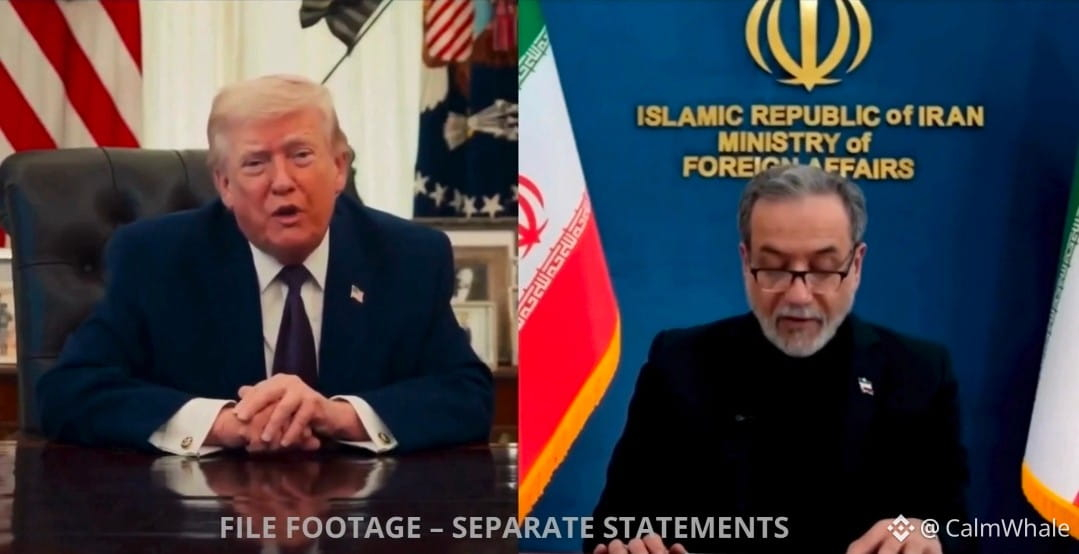
🚨🇮🇷🇺🇸 El secretario del Consejo Supremo de Seguridad Nacional de Irán, Mohsen Rezaei, descartó este martes iniciar negociaciones con Estados Unidos para poner fin a la guerra mientras no sean atendidas las exigencias de Teherán.
🗣️ «No habrá negociaciones hasta que se cumplan las condiciones de Irán. ¡Punto final!», afirmó Rezaei, después de que el presidente Donald Trump señalara que Washington está abierto a retomar el diálogo.
Entre las condiciones planteadas por Irán figuran el levantamiento de las sanciones y reparaciones por la guerra. Teherán también ha vinculado estas exigencias al fin de su bloqueo del estrecho de Ormuz, mientras las negociaciones para terminar el conflicto permanecen estancadas.
🇺🇸🇮🇱EEUU se dispone a vender más de 40 mil bombas pesadas a Israel.
#Israel #iran #EEUU #guerra #medioriente $CL $BZ
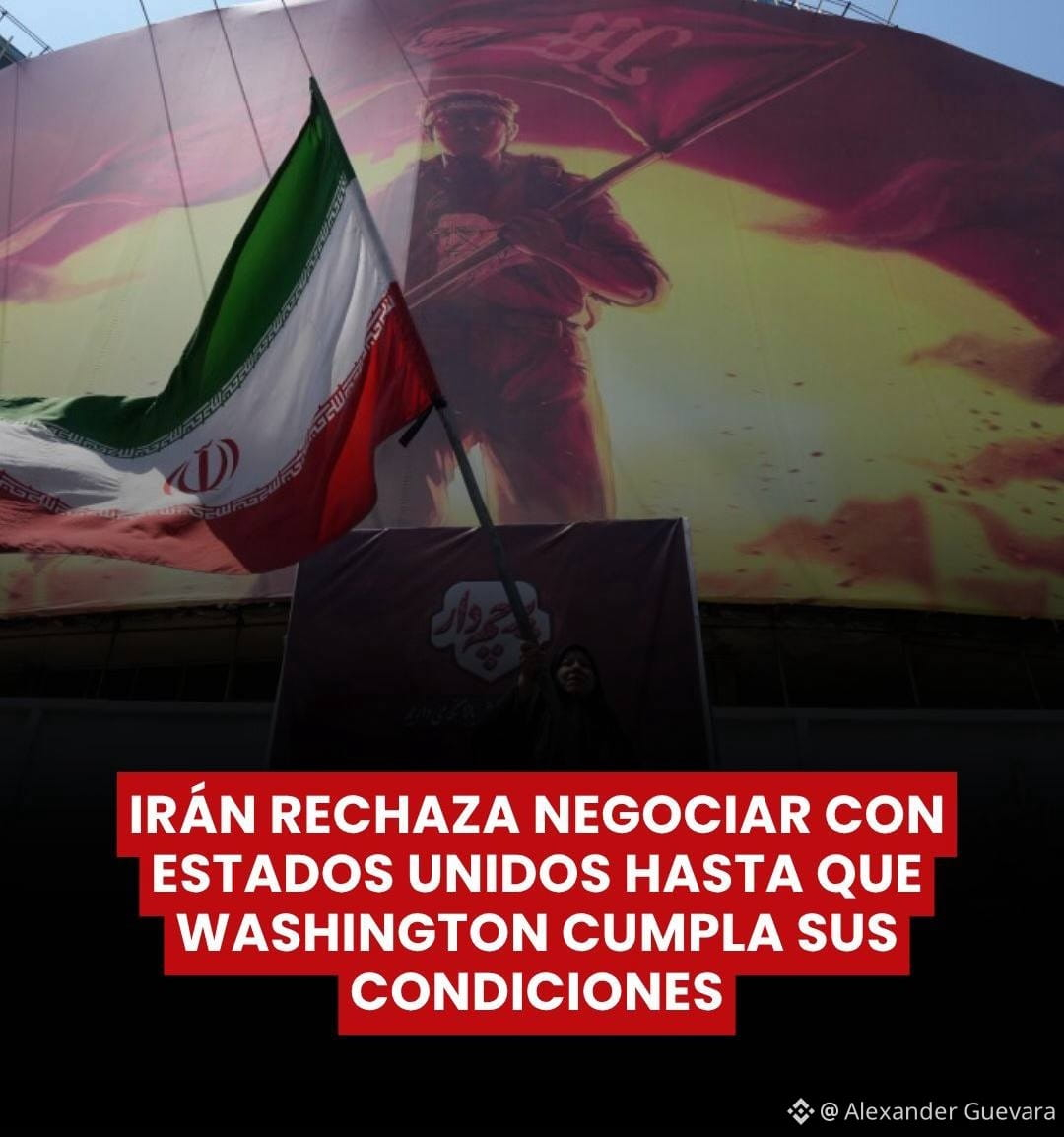
🚨🇮🇷🇺🇸 El secretario del Consejo Supremo de Seguridad Nacional de Irán, Mohsen Rezaei, descartó este martes iniciar negociaciones con Estados Unidos para poner fin a la guerra mientras no sean atendidas las exigencias de Teherán.
🗣️ «No habrá negociaciones hasta que se cumplan las condiciones de Irán. ¡Punto final!», afirmó Rezaei, después de que el presidente Donald Trump señalara que Washington está abierto a retomar el diálogo.
Entre las condiciones planteadas por Irán figuran el levantamiento de las sanciones y reparaciones por la guerra. Teherán también ha vinculado estas exigencias al fin de su bloqueo del estrecho de Ormuz, mientras las negociaciones para terminar el conflicto permanecen estancadas.
🇺🇸🇮🇱EEUU se dispone a vender más de 40 mil bombas pesadas a Israel.
#Israel #iran #EEUU #guerra #medioriente $CL $BZ
🗣️ «No habrá negociaciones hasta que se cumplan las condiciones de Irán. ¡Punto final!», afirmó Rezaei, después de que el presidente Donald Trump señalara que Washington está abierto a retomar el diálogo.
Entre las condiciones planteadas por Irán figuran el levantamiento de las sanciones y reparaciones por la guerra. Teherán también ha vinculado estas exigencias al fin de su bloqueo del estrecho de Ormuz, mientras las negociaciones para terminar el conflicto permanecen estancadas.
🇺🇸🇮🇱EEUU se dispone a vender más de 40 mil bombas pesadas a Israel.
#Israel #iran #EEUU #guerra #medioriente $CL $BZ
492

·
--
صاعد
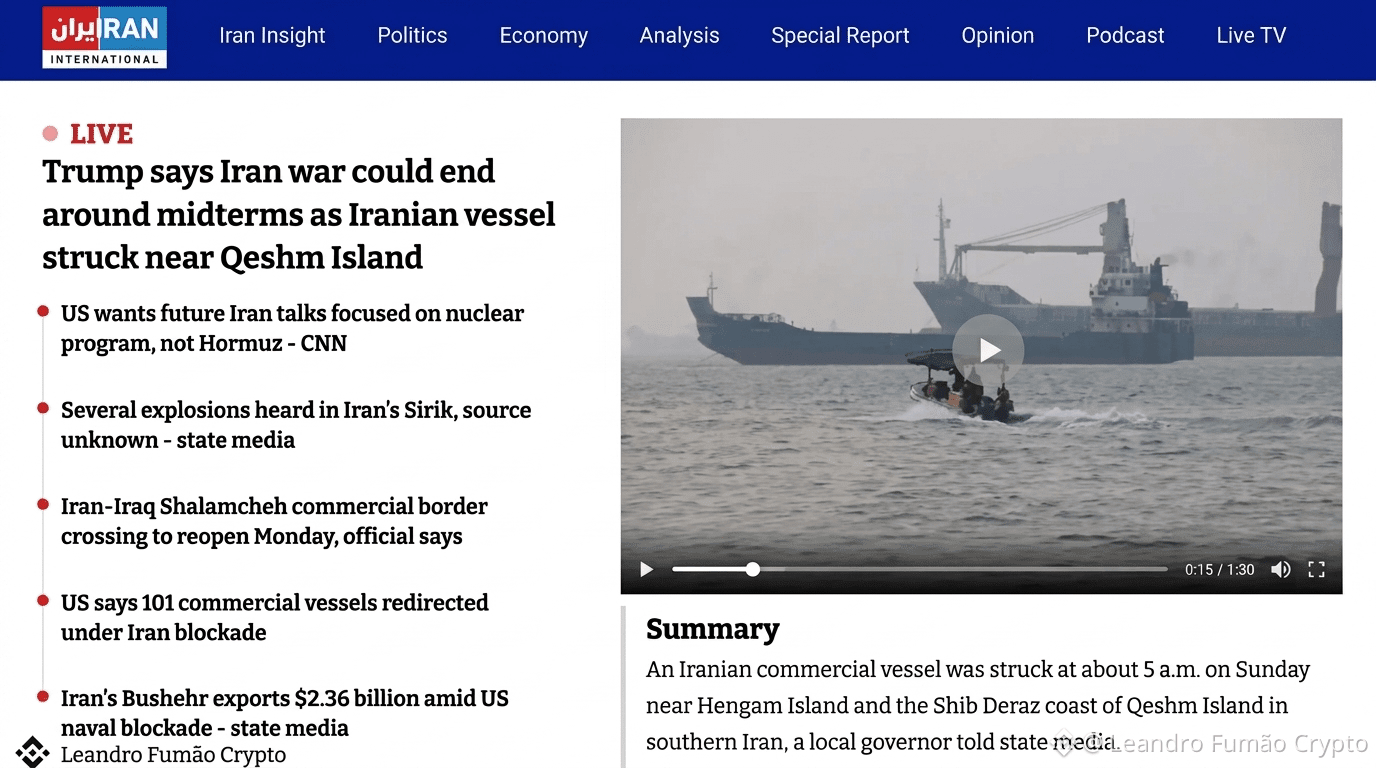
👱🏻♂️📣 ترمب يقول إن الحرب مع إيران يمكن أن تنتهي قبيل الانتخابات النصفية ⋙ سفينة إيرانية تُصَاب قرب جزيرة قشم📍
عاد رئيس الولايات المتحدة إلى طرح فكرة أن نهاية الصراع باتت قريبة قبيل الانتخابات النصفية، في حين تعرضت سفينة تجارية إيرانية للهجوم في جنوب إيران.
⥱ 𝕃𝕀𝕍𝔼: يقول دونالد $TRUMP إن الحرب مع إيران قد تنتهي قرابة موعد الانتخابات النصفية، بينما تعرضت سفينة إيرانية لضربة قرب جزيرة قشم. تعرضت السفينة التجارية الإيرانية للهجوم قرابة الساعة 5 صباحًا من يوم الأحد، قرب جزيرة هينغام وساحل شيب ديراز (قشم).
⥱ تريد الولايات المتحدة أن تركز المحادثات المستقبلية مع إيران على البرنامج النووي، وليس مضيق هرمز (CNN). سُمِعَت عدة انفجارات في سيريك جنوب إيران (مصدر غير معروف). من المتوقع أن يُعاد فتح المعبر التجاري شلامجه بين إيران والعراق يوم الاثنين.
⥱ أفادت الولايات المتحدة بأن 101 سفينة تجارية تم تحويل مسارها بسبب الحصار الإيراني. ووفقًا لوسائل إعلام رسمية، صدّرت محطة بوشهر ما قيمته 2.36 مليار دولار حتى مع الحصار البحري الأمريكي.
⥱ يواصل ترمب ربط نهاية الحرب بالتقويم الانتخابي الأمريكي، بينما تُبقي الحوادث في جنوب إيران (قشم وسيريك) التوتر مرتفعًا. يُظهر الهجوم على السفينة التجارية والانفجارات في سيريك أن الصراع البحري لا يزال نشطًا. وفي الوقت نفسه، تحاول الولايات المتحدة إعادة توجيه تركيز المفاوضات نحو البرنامج النووي.
💬هل توقع $TRUMP بأن الحرب قد تنتهي قبيل الانتخابات النصفية توقع واقعي أم مجرد محاولة لتهدئة الناخب الأمريكي?
#TRUMP #iran #StraitOfHormuz
👱🏻♂️📣 ترمب يقول إن الحرب مع إيران يمكن أن تنتهي قبيل الانتخابات النصفية ⋙ سفينة إيرانية تُصَاب قرب جزيرة قشم📍
عاد رئيس الولايات المتحدة إلى طرح فكرة أن نهاية الصراع باتت قريبة قبيل الانتخابات النصفية، في حين تعرضت سفينة تجارية إيرانية للهجوم في جنوب إيران.
⥱ 𝕃𝕀𝕍𝔼: يقول دونالد $TRUMP إن الحرب مع إيران قد تنتهي قرابة موعد الانتخابات النصفية، بينما تعرضت سفينة إيرانية لضربة قرب جزيرة قشم. تعرضت السفينة التجارية الإيرانية للهجوم قرابة الساعة 5 صباحًا من يوم الأحد، قرب جزيرة هينغام وساحل شيب ديراز (قشم).
⥱ تريد الولايات المتحدة أن تركز المحادثات المستقبلية مع إيران على البرنامج النووي، وليس مضيق هرمز (CNN). سُمِعَت عدة انفجارات في سيريك جنوب إيران (مصدر غير معروف). من المتوقع أن يُعاد فتح المعبر التجاري شلامجه بين إيران والعراق يوم الاثنين.
⥱ أفادت الولايات المتحدة بأن 101 سفينة تجارية تم تحويل مسارها بسبب الحصار الإيراني. ووفقًا لوسائل إعلام رسمية، صدّرت محطة بوشهر ما قيمته 2.36 مليار دولار حتى مع الحصار البحري الأمريكي.
⥱ يواصل ترمب ربط نهاية الحرب بالتقويم الانتخابي الأمريكي، بينما تُبقي الحوادث في جنوب إيران (قشم وسيريك) التوتر مرتفعًا. يُظهر الهجوم على السفينة التجارية والانفجارات في سيريك أن الصراع البحري لا يزال نشطًا. وفي الوقت نفسه، تحاول الولايات المتحدة إعادة توجيه تركيز المفاوضات نحو البرنامج النووي.
💬هل توقع $TRUMP بأن الحرب قد تنتهي قبيل الانتخابات النصفية توقع واقعي أم مجرد محاولة لتهدئة الناخب الأمريكي?
#TRUMP #iran #StraitOfHormuz
عاد رئيس الولايات المتحدة إلى طرح فكرة أن نهاية الصراع باتت قريبة قبيل الانتخابات النصفية، في حين تعرضت سفينة تجارية إيرانية للهجوم في جنوب إيران.
⥱ 𝕃𝕀𝕍𝔼: يقول دونالد $TRUMP إن الحرب مع إيران قد تنتهي قرابة موعد الانتخابات النصفية، بينما تعرضت سفينة إيرانية لضربة قرب جزيرة قشم. تعرضت السفينة التجارية الإيرانية للهجوم قرابة الساعة 5 صباحًا من يوم الأحد، قرب جزيرة هينغام وساحل شيب ديراز (قشم).
⥱ تريد الولايات المتحدة أن تركز المحادثات المستقبلية مع إيران على البرنامج النووي، وليس مضيق هرمز (CNN). سُمِعَت عدة انفجارات في سيريك جنوب إيران (مصدر غير معروف). من المتوقع أن يُعاد فتح المعبر التجاري شلامجه بين إيران والعراق يوم الاثنين.
⥱ أفادت الولايات المتحدة بأن 101 سفينة تجارية تم تحويل مسارها بسبب الحصار الإيراني. ووفقًا لوسائل إعلام رسمية، صدّرت محطة بوشهر ما قيمته 2.36 مليار دولار حتى مع الحصار البحري الأمريكي.
⥱ يواصل ترمب ربط نهاية الحرب بالتقويم الانتخابي الأمريكي، بينما تُبقي الحوادث في جنوب إيران (قشم وسيريك) التوتر مرتفعًا. يُظهر الهجوم على السفينة التجارية والانفجارات في سيريك أن الصراع البحري لا يزال نشطًا. وفي الوقت نفسه، تحاول الولايات المتحدة إعادة توجيه تركيز المفاوضات نحو البرنامج النووي.
💬هل توقع $TRUMP بأن الحرب قد تنتهي قبيل الانتخابات النصفية توقع واقعي أم مجرد محاولة لتهدئة الناخب الأمريكي?
#TRUMP #iran #StraitOfHormuz
3
3.4k
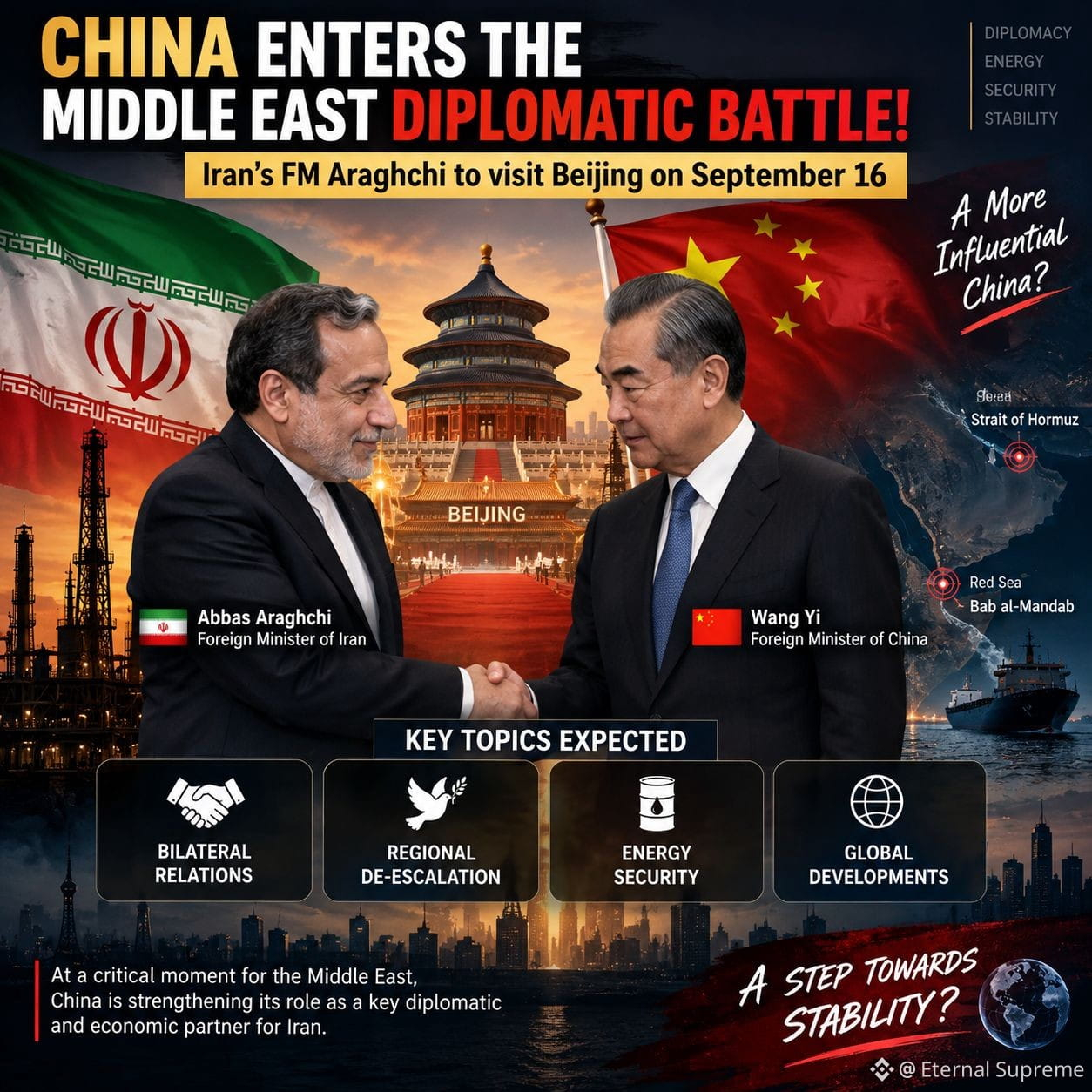
🚨 🇨🇳 الصين تدخل ساحة المعركة الدبلوماسية في الشرق الأوسط! 🌍🔥
🇮🇷 يتجه وزير الخارجية الإيراني عباس عراقجي إلى بكين في 16 سبتمبر لإجراء محادثات مع وزير الخارجية الصيني وانغ يي. التوقيت حاسم — مع تعرض مضيق هرمز لضغوط، وتصاعد نشاط الحوثيين في البحر الأحمر، وتعثر الدبلوماسية الإقليمية، قد تلعب بكين دورًا أكبر في تشكيل ما سيحدث بعد ذلك. ⚠️🚢🛢️
🤝 من المرجح أن تهيمن المباحثات على خفض التصعيد + أمن الطاقة + العلاقات الصينية–الإيرانية. ومع استمرار النزاع في تعطيل طاقة العالم ومسارات الشحن، تعزز الصين موقعها كفاعل دبلوماسي واقتصادي رئيسي في الشرق الأوسط. 🌏⚡ هل يمكن أن تصبح بكين الجسر الرئيسي لخفض التصعيد؟ 👀
#china #Iran $CL
{future}(CLUSDT)
$BTC
{spot}(BTCUSDT)
🚨 🇨🇳 الصين تدخل ساحة المعركة الدبلوماسية في الشرق الأوسط! 🌍🔥
🇮🇷 يتجه وزير الخارجية الإيراني عباس عراقجي إلى بكين في 16 سبتمبر لإجراء محادثات مع وزير الخارجية الصيني وانغ يي. التوقيت حاسم — مع تعرض مضيق هرمز لضغوط، وتصاعد نشاط الحوثيين في البحر الأحمر، وتعثر الدبلوماسية الإقليمية، قد تلعب بكين دورًا أكبر في تشكيل ما سيحدث بعد ذلك. ⚠️🚢🛢️
🤝 من المرجح أن تهيمن المباحثات على خفض التصعيد + أمن الطاقة + العلاقات الصينية–الإيرانية. ومع استمرار النزاع في تعطيل طاقة العالم ومسارات الشحن، تعزز الصين موقعها كفاعل دبلوماسي واقتصادي رئيسي في الشرق الأوسط. 🌏⚡ هل يمكن أن تصبح بكين الجسر الرئيسي لخفض التصعيد؟ 👀
#china #Iran $CL
$BTC
🇮🇷 يتجه وزير الخارجية الإيراني عباس عراقجي إلى بكين في 16 سبتمبر لإجراء محادثات مع وزير الخارجية الصيني وانغ يي. التوقيت حاسم — مع تعرض مضيق هرمز لضغوط، وتصاعد نشاط الحوثيين في البحر الأحمر، وتعثر الدبلوماسية الإقليمية، قد تلعب بكين دورًا أكبر في تشكيل ما سيحدث بعد ذلك. ⚠️🚢🛢️
🤝 من المرجح أن تهيمن المباحثات على خفض التصعيد + أمن الطاقة + العلاقات الصينية–الإيرانية. ومع استمرار النزاع في تعطيل طاقة العالم ومسارات الشحن، تعزز الصين موقعها كفاعل دبلوماسي واقتصادي رئيسي في الشرق الأوسط. 🌏⚡ هل يمكن أن تصبح بكين الجسر الرئيسي لخفض التصعيد؟ 👀
#china #Iran $CL
$BTC
Heavenly Immortal :
Great 😃👍
2
3
748

اتسعت حدة التوترات بين الولايات المتحدة وإيران مرة أخرى، وتقوم الأسواق بتسعير المخاطر عبر النفط أولاً. فقد قفزت عقود برنت نحو 107 دولارات بعد ضربات جديدة وضغط الشحن حول مضيق هرمز، وهو مسار لا يزال مهماً لإمدادات العالم.
قال الرئيس ترامب إنه يريد أن ينتهي الصراع هذا العام، لكن التصريحات بشأن البقاء مشاركاً والتحكم في النفط أبقت علاوة المخاطر حية. وبالنسبة للبيتكوين والأصول عالية المخاطر، يتمثل السؤال في ما إذا كانت أسعار الطاقة المرتفعة ستغذي التضخم في اجتماع الاحتياطي الفيدرالي هذا الأسبوع. DYOR. #write2earn
#Oil #iran #Fed #Bitcoin #TRUMP
$PAXG $BTC $NVDAB
اتسعت حدة التوترات بين الولايات المتحدة وإيران مرة أخرى، وتقوم الأسواق بتسعير المخاطر عبر النفط أولاً. فقد قفزت عقود برنت نحو 107 دولارات بعد ضربات جديدة وضغط الشحن حول مضيق هرمز، وهو مسار لا يزال مهماً لإمدادات العالم.
قال الرئيس ترامب إنه يريد أن ينتهي الصراع هذا العام، لكن التصريحات بشأن البقاء مشاركاً والتحكم في النفط أبقت علاوة المخاطر حية. وبالنسبة للبيتكوين والأصول عالية المخاطر، يتمثل السؤال في ما إذا كانت أسعار الطاقة المرتفعة ستغذي التضخم في اجتماع الاحتياطي الفيدرالي هذا الأسبوع. DYOR. #write2earn
#Oil #iran #Fed #Bitcoin #TRUMP
$PAXG $BTC $NVDAB
قال الرئيس ترامب إنه يريد أن ينتهي الصراع هذا العام، لكن التصريحات بشأن البقاء مشاركاً والتحكم في النفط أبقت علاوة المخاطر حية. وبالنسبة للبيتكوين والأصول عالية المخاطر، يتمثل السؤال في ما إذا كانت أسعار الطاقة المرتفعة ستغذي التضخم في اجتماع الاحتياطي الفيدرالي هذا الأسبوع. DYOR. #write2earn
#Oil #iran #Fed #Bitcoin #TRUMP
$PAXG $BTC $NVDAB
1
100
·
--
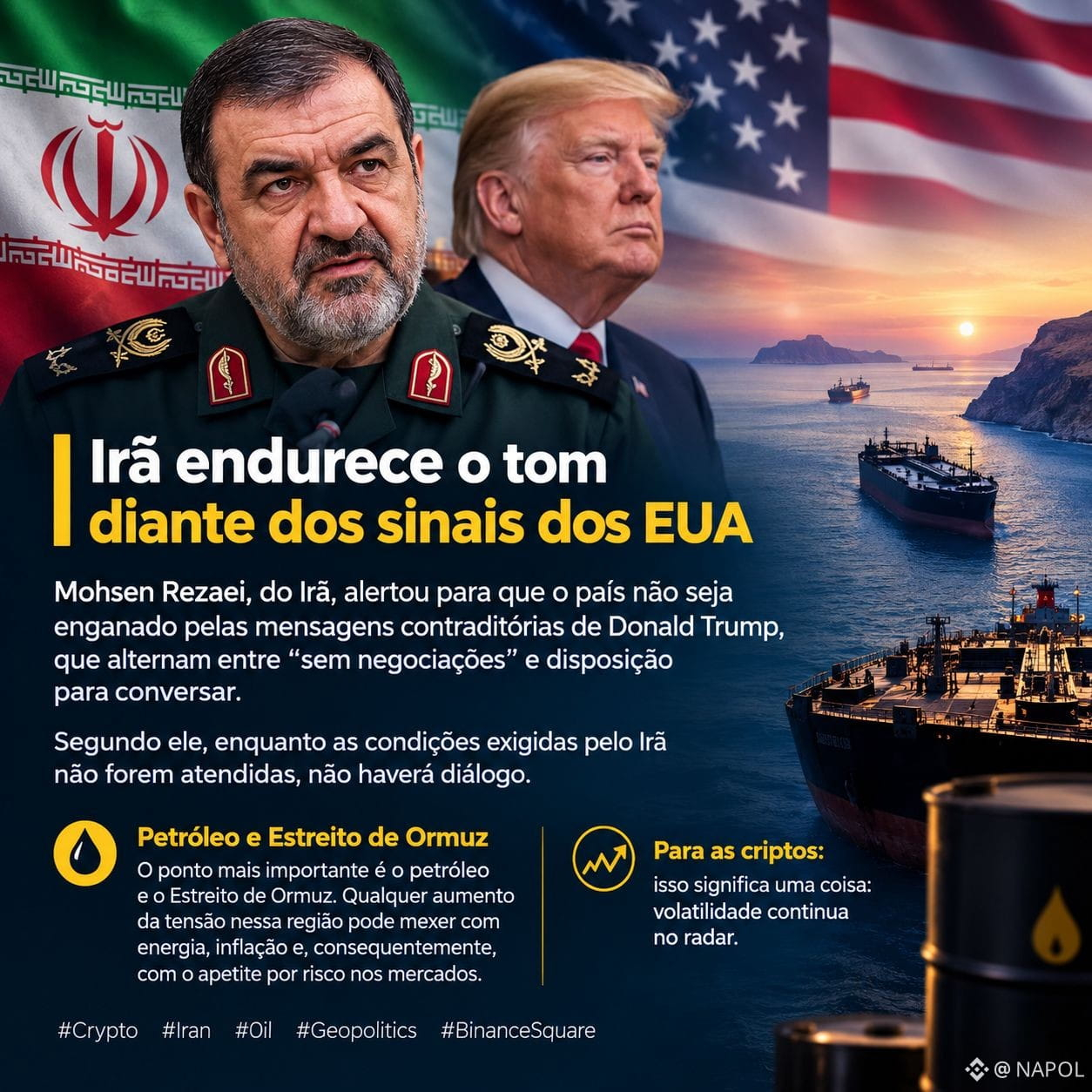
🇮🇷 إيران تشدّد نبرة الخطاب أمام إشارات الولايات المتحدة
حذّر محسن رضائي، من إيران، من أن البلاد لا ينبغي أن تنخدع بالرسائل المتناقضة لدونالد ترامب، والتي تتناوب بين «لا مفاوضات» والاستعداد للتحدث.
وأوضح أنه ما دامت الشروط التي يطلبها الإيرانيون غير مستوفاة، فلن يكون هناك حوار.
من وجهة نظري، فإن الأهم هو النفط ومضيق هرمز. أي زيادة في حدة التوتر في هذه المنطقة قد تؤثر في الطاقة والتضخم، وبالتالي في شهية المخاطرة لدى الأسواق.
وبالنسبة إلى العملات المشفرة، فهذا يعني شيئًا واحدًا: التقلبات تظل ضمن نطاق المراقبة. 🌍📉
$ARK $T $PENDLE
#NEW #US #Iran #Oil #Geopolitics
🇮🇷 إيران تشدّد نبرة الخطاب أمام إشارات الولايات المتحدة
حذّر محسن رضائي، من إيران، من أن البلاد لا ينبغي أن تنخدع بالرسائل المتناقضة لدونالد ترامب، والتي تتناوب بين «لا مفاوضات» والاستعداد للتحدث.
وأوضح أنه ما دامت الشروط التي يطلبها الإيرانيون غير مستوفاة، فلن يكون هناك حوار.
من وجهة نظري، فإن الأهم هو النفط ومضيق هرمز. أي زيادة في حدة التوتر في هذه المنطقة قد تؤثر في الطاقة والتضخم، وبالتالي في شهية المخاطرة لدى الأسواق.
وبالنسبة إلى العملات المشفرة، فهذا يعني شيئًا واحدًا: التقلبات تظل ضمن نطاق المراقبة. 🌍📉
$ARK $T $PENDLE
#NEW #US #Iran #Oil #Geopolitics
حذّر محسن رضائي، من إيران، من أن البلاد لا ينبغي أن تنخدع بالرسائل المتناقضة لدونالد ترامب، والتي تتناوب بين «لا مفاوضات» والاستعداد للتحدث.
وأوضح أنه ما دامت الشروط التي يطلبها الإيرانيون غير مستوفاة، فلن يكون هناك حوار.
من وجهة نظري، فإن الأهم هو النفط ومضيق هرمز. أي زيادة في حدة التوتر في هذه المنطقة قد تؤثر في الطاقة والتضخم، وبالتالي في شهية المخاطرة لدى الأسواق.
وبالنسبة إلى العملات المشفرة، فهذا يعني شيئًا واحدًا: التقلبات تظل ضمن نطاق المراقبة. 🌍📉
$ARK $T $PENDLE
#NEW #US #Iran #Oil #Geopolitics
2
1.1k

·
--
ذكر الرئيس الأمريكي ترامب في منشور على منصة Truth Social أن الجانب الإيراني يأمل في التوصل إلى اتفاق “بسرعة وبتحـدٍّ بالغ الأهمية”. وقال ترامب إنه سيكون هو من يقرر ما إذا كانت الولايات المتحدة ستتواصل مع إيران، مع تأكيد واضح على أن الجانب الأمريكي منفتح حاليًا على ذلك.
وكسرت هذه التصريحات بسرعة التوقع المفرد السائد في السوق بأن توتر الأوضاع في الشرق الأوسط سيظل مستمرًا. وفي ظل خلفية معقدة من المناورات الجيوسياسية، غالبًا ما تعني الإشارات إلى التواصل من الطرفين إعادة فتح نافذة المفاوضات، ما يؤدي إلى إعادة تسعير علاوة المخاطر على المدى القصير.
وكان رد فعل أسواق السلع الأساسية مباشرًا جدًا؛ إذ تراجعت أسعار نفط خام WTI ونفط خام برنت في نطاق قصير بنحو دولار واحد بعد صدور التصريحات. ويساعد هبوط أسعار الطاقة على التخفيف من ضغوط التضخم، كما شهدت عوائد سندات الخزانة الأمريكية ومؤشر الدولار تقلبات مماثلة في ظل تهدئة مشاعر النفور من المخاطر.
أما بالنسبة لسوق العملات المشفرة، فإن أي تطور في أوضاع الشرق الأوسط يؤثر مباشرة في شهية المستثمرين للمخاطرة. وبينما تتحسن توقعات السيولة على المستوى الكلي بسبب هبوط النفط، وبينما يستمر عدم اليقين الجيوسياسي، تتشكل حالة شد وجذب؛ ويُظهر المستثمرون على المدى القصير ميلاً أكبر لمراقبة أداء $BTC ضمن نطاق التداول الحالي.
#Trump #Iran #OilPrice #CryptoMarket
ذكر الرئيس الأمريكي ترامب في منشور على منصة Truth Social أن الجانب الإيراني يأمل في التوصل إلى اتفاق “بسرعة وبتحـدٍّ بالغ الأهمية”. وقال ترامب إنه سيكون هو من يقرر ما إذا كانت الولايات المتحدة ستتواصل مع إيران، مع تأكيد واضح على أن الجانب الأمريكي منفتح حاليًا على ذلك.
وكسرت هذه التصريحات بسرعة التوقع المفرد السائد في السوق بأن توتر الأوضاع في الشرق الأوسط سيظل مستمرًا. وفي ظل خلفية معقدة من المناورات الجيوسياسية، غالبًا ما تعني الإشارات إلى التواصل من الطرفين إعادة فتح نافذة المفاوضات، ما يؤدي إلى إعادة تسعير علاوة المخاطر على المدى القصير.
وكان رد فعل أسواق السلع الأساسية مباشرًا جدًا؛ إذ تراجعت أسعار نفط خام WTI ونفط خام برنت في نطاق قصير بنحو دولار واحد بعد صدور التصريحات. ويساعد هبوط أسعار الطاقة على التخفيف من ضغوط التضخم، كما شهدت عوائد سندات الخزانة الأمريكية ومؤشر الدولار تقلبات مماثلة في ظل تهدئة مشاعر النفور من المخاطر.
أما بالنسبة لسوق العملات المشفرة، فإن أي تطور في أوضاع الشرق الأوسط يؤثر مباشرة في شهية المستثمرين للمخاطرة. وبينما تتحسن توقعات السيولة على المستوى الكلي بسبب هبوط النفط، وبينما يستمر عدم اليقين الجيوسياسي، تتشكل حالة شد وجذب؛ ويُظهر المستثمرون على المدى القصير ميلاً أكبر لمراقبة أداء $BTC ضمن نطاق التداول الحالي.
#Trump #Iran #OilPrice #CryptoMarket
وكسرت هذه التصريحات بسرعة التوقع المفرد السائد في السوق بأن توتر الأوضاع في الشرق الأوسط سيظل مستمرًا. وفي ظل خلفية معقدة من المناورات الجيوسياسية، غالبًا ما تعني الإشارات إلى التواصل من الطرفين إعادة فتح نافذة المفاوضات، ما يؤدي إلى إعادة تسعير علاوة المخاطر على المدى القصير.
وكان رد فعل أسواق السلع الأساسية مباشرًا جدًا؛ إذ تراجعت أسعار نفط خام WTI ونفط خام برنت في نطاق قصير بنحو دولار واحد بعد صدور التصريحات. ويساعد هبوط أسعار الطاقة على التخفيف من ضغوط التضخم، كما شهدت عوائد سندات الخزانة الأمريكية ومؤشر الدولار تقلبات مماثلة في ظل تهدئة مشاعر النفور من المخاطر.
أما بالنسبة لسوق العملات المشفرة، فإن أي تطور في أوضاع الشرق الأوسط يؤثر مباشرة في شهية المستثمرين للمخاطرة. وبينما تتحسن توقعات السيولة على المستوى الكلي بسبب هبوط النفط، وبينما يستمر عدم اليقين الجيوسياسي، تتشكل حالة شد وجذب؛ ويُظهر المستثمرون على المدى القصير ميلاً أكبر لمراقبة أداء $BTC ضمن نطاق التداول الحالي.
#Trump #Iran #OilPrice #CryptoMarket
537
وبشأن التقارير الصادرة مؤخراً عن وسائل إعلام غربية حول أنشطة نووية سرّية مزعومة في إيران تخص جبل غاو (Mount Ghao)، ردّ المتحدث باسم وزارة الخارجية الإيرانية علناً بشكل واضح، ونفى الاتهامات ذات الصلة، قائلاً إن مثل هذه التقارير «لا أساس لها إطلاقاً». وجاءت هذه التصريحات في توقيت حساس تتواصل فيه حدة التوتر في الشرق الأوسط، وتشتد فيه المنافسات بين أطراف الاتفاق النووي الإيراني.
وعلى الرغم من أن الجانب الإيراني بادر بسرعة إلى نفي هذه المزاعم، ففي ظل البيئة الجيوسياسية شديدة الحساسية في الشرق الأوسط حالياً، فإن أي شكوك مرتبطة بالمرافق النووية سيعمل السوق على تضخيمها بسرعة. وبينما تظل الوكالة الدولية للطاقة الذرية والولايات المتحدة والاتحاد الأوروبي والدول الأوروبية الأوضاعية المختلفة موجودة بشكل مستمر بشأن الإشراف على برنامج إيران النووي، فإن النزاعات المشابهة كثيراً ما تشير إلى احتمال تصعيد المواجهة الدبلوماسية أو مخاطر قد ترتبط بتصعيد محتمل لدوائر عقوبات جديدة، وليس مجرد نفي رسمي شفهي يمكن أن يطفئ الأمر.
وبالنسبة للأسواق المالية التقليدية، فإن تكرار تفاقم المخاطر الجيوسياسية يعدّ مخاطرة طرفية لا يمكن تجاهلها. ففي حال تصاعد المواجهة في الشرق الأوسط، فإن توقعات إمدادات النفط ستتأثر مجدداً، ما قد يؤدي إلى رفع لزوجة التضخم، وتعطيل إيقاع التيسير النقدي لدى البنوك المركزية الرئيسية؛ وقد تعود عمليات شراء الأصول الملاذ الآمن لتتدفق مجدداً نحو الدولار والذهب، لتضغط على أداء الأسواق العالمية للأسهم والأصول عالية المخاطر.
وعلى المدى القصير، قد لا يفلت سوق العملات المشفرة أيضاً من صدمة مشاعر تجنب المخاطر. إذ يؤدي ارتفاع عدم اليقين الجيوسياسي في كثير من الأحيان إلى انسحاب مبكر لرأس المال المُقَيَّد بالرافعة المالية بحثاً عن ملاذ آمن، ما يزيد من تقلبات $BTC والعملات الرقمية البديلة الرئيسية. ويحتاج المستثمرون إلى توخي الحذر، والتنبه إلى أن تدهور الصراعات المحلية قد يؤدي إلى تضييق السيولة وعمليات بيع للأصول عالية المخاطر.
#Iran #Geopolitics #MacroRisk
وبشأن التقارير الصادرة مؤخراً عن وسائل إعلام غربية حول أنشطة نووية سرّية مزعومة في إيران تخص جبل غاو (Mount Ghao)، ردّ المتحدث باسم وزارة الخارجية الإيرانية علناً بشكل واضح، ونفى الاتهامات ذات الصلة، قائلاً إن مثل هذه التقارير «لا أساس لها إطلاقاً». وجاءت هذه التصريحات في توقيت حساس تتواصل فيه حدة التوتر في الشرق الأوسط، وتشتد فيه المنافسات بين أطراف الاتفاق النووي الإيراني.
وعلى الرغم من أن الجانب الإيراني بادر بسرعة إلى نفي هذه المزاعم، ففي ظل البيئة الجيوسياسية شديدة الحساسية في الشرق الأوسط حالياً، فإن أي شكوك مرتبطة بالمرافق النووية سيعمل السوق على تضخيمها بسرعة. وبينما تظل الوكالة الدولية للطاقة الذرية والولايات المتحدة والاتحاد الأوروبي والدول الأوروبية الأوضاعية المختلفة موجودة بشكل مستمر بشأن الإشراف على برنامج إيران النووي، فإن النزاعات المشابهة كثيراً ما تشير إلى احتمال تصعيد المواجهة الدبلوماسية أو مخاطر قد ترتبط بتصعيد محتمل لدوائر عقوبات جديدة، وليس مجرد نفي رسمي شفهي يمكن أن يطفئ الأمر.
وبالنسبة للأسواق المالية التقليدية، فإن تكرار تفاقم المخاطر الجيوسياسية يعدّ مخاطرة طرفية لا يمكن تجاهلها. ففي حال تصاعد المواجهة في الشرق الأوسط، فإن توقعات إمدادات النفط ستتأثر مجدداً، ما قد يؤدي إلى رفع لزوجة التضخم، وتعطيل إيقاع التيسير النقدي لدى البنوك المركزية الرئيسية؛ وقد تعود عمليات شراء الأصول الملاذ الآمن لتتدفق مجدداً نحو الدولار والذهب، لتضغط على أداء الأسواق العالمية للأسهم والأصول عالية المخاطر.
وعلى المدى القصير، قد لا يفلت سوق العملات المشفرة أيضاً من صدمة مشاعر تجنب المخاطر. إذ يؤدي ارتفاع عدم اليقين الجيوسياسي في كثير من الأحيان إلى انسحاب مبكر لرأس المال المُقَيَّد بالرافعة المالية بحثاً عن ملاذ آمن، ما يزيد من تقلبات $BTC والعملات الرقمية البديلة الرئيسية. ويحتاج المستثمرون إلى توخي الحذر، والتنبه إلى أن تدهور الصراعات المحلية قد يؤدي إلى تضييق السيولة وعمليات بيع للأصول عالية المخاطر.
#Iran #Geopolitics #MacroRisk
وعلى الرغم من أن الجانب الإيراني بادر بسرعة إلى نفي هذه المزاعم، ففي ظل البيئة الجيوسياسية شديدة الحساسية في الشرق الأوسط حالياً، فإن أي شكوك مرتبطة بالمرافق النووية سيعمل السوق على تضخيمها بسرعة. وبينما تظل الوكالة الدولية للطاقة الذرية والولايات المتحدة والاتحاد الأوروبي والدول الأوروبية الأوضاعية المختلفة موجودة بشكل مستمر بشأن الإشراف على برنامج إيران النووي، فإن النزاعات المشابهة كثيراً ما تشير إلى احتمال تصعيد المواجهة الدبلوماسية أو مخاطر قد ترتبط بتصعيد محتمل لدوائر عقوبات جديدة، وليس مجرد نفي رسمي شفهي يمكن أن يطفئ الأمر.
وبالنسبة للأسواق المالية التقليدية، فإن تكرار تفاقم المخاطر الجيوسياسية يعدّ مخاطرة طرفية لا يمكن تجاهلها. ففي حال تصاعد المواجهة في الشرق الأوسط، فإن توقعات إمدادات النفط ستتأثر مجدداً، ما قد يؤدي إلى رفع لزوجة التضخم، وتعطيل إيقاع التيسير النقدي لدى البنوك المركزية الرئيسية؛ وقد تعود عمليات شراء الأصول الملاذ الآمن لتتدفق مجدداً نحو الدولار والذهب، لتضغط على أداء الأسواق العالمية للأسهم والأصول عالية المخاطر.
وعلى المدى القصير، قد لا يفلت سوق العملات المشفرة أيضاً من صدمة مشاعر تجنب المخاطر. إذ يؤدي ارتفاع عدم اليقين الجيوسياسي في كثير من الأحيان إلى انسحاب مبكر لرأس المال المُقَيَّد بالرافعة المالية بحثاً عن ملاذ آمن، ما يزيد من تقلبات $BTC والعملات الرقمية البديلة الرئيسية. ويحتاج المستثمرون إلى توخي الحذر، والتنبه إلى أن تدهور الصراعات المحلية قد يؤدي إلى تضييق السيولة وعمليات بيع للأصول عالية المخاطر.
#Iran #Geopolitics #MacroRisk
2

رفض المتحدث باسم وزارة الخارجية الإيرانية رسميًا اليوم تقارير تتعلق بأنشطة نووية في جبل غاو، واصفًا المزاعم بأنها لا أساس لها تمامًا وسط تصاعد التوترات الإقليمية.
يأتي هذا النفي في منعطف جيوسياسي حساس، إذ يؤدي أي تلميح إلى تصعيد نووي في الشرق الأوسط فورًا إلى مخاوف من مواجهة عسكرية وفرض عقوبات انتقامية. وتتابع عن كثب الجهات الرقابية الدولية والقوى الإقليمية المنشآت الإيرانية، ما يجعل أي تقارير—سواء كانت موثقة أم غير مؤكدة—محورًا رئيسيًا لتقييمات المخاطر العالمية.
بالنسبة إلى الأسواق المالية التقليدية، عادةً ما تدفع المخاطر المرتبطة بعناوين الأخبار حول إيران إلى تذبذب حاد في أسعار النفط الخام والأصول الملاذ الآمن مثل الذهب والدولار الأمريكي. ويساعد الرفض الرسمي على كبح علاوة المخاطر الجيوسياسية الفورية مؤقتًا في أسواق الطاقة، رغم أن الشكوك الكامنة لدى السوق غالبًا ما تبقي أسعار الخام على حافة التذبذب إلى حين حدوث تحقق مستقل إضافي.
أما بالنسبة لقطاع العملات المشفرة، فإن العناوين الجيوسياسية المفاجئة عادةً ما تؤدي إلى شعور فوري بـ"التحوط من المخاطر"، وغالبًا ما يترتب عليه تصفيات طفيفة في البيتكوين والAltcoins قبل أن يستوعب المشاركون في السوق التوضيح. وبينما يوفر هذا النفي الرسمي راحة قصيرة الأجل، يُتوقع أن تظل سيولة العملات المشفرة دفاعية بينما يتنقل المتداولون في ظل استمرار حالة عدم اليقين على مستوى الاقتصاد الكلي والجيوسياسة. #Iran #Geopolitics #OilMarkets
رفض المتحدث باسم وزارة الخارجية الإيرانية رسميًا اليوم تقارير تتعلق بأنشطة نووية في جبل غاو، واصفًا المزاعم بأنها لا أساس لها تمامًا وسط تصاعد التوترات الإقليمية.
يأتي هذا النفي في منعطف جيوسياسي حساس، إذ يؤدي أي تلميح إلى تصعيد نووي في الشرق الأوسط فورًا إلى مخاوف من مواجهة عسكرية وفرض عقوبات انتقامية. وتتابع عن كثب الجهات الرقابية الدولية والقوى الإقليمية المنشآت الإيرانية، ما يجعل أي تقارير—سواء كانت موثقة أم غير مؤكدة—محورًا رئيسيًا لتقييمات المخاطر العالمية.
بالنسبة إلى الأسواق المالية التقليدية، عادةً ما تدفع المخاطر المرتبطة بعناوين الأخبار حول إيران إلى تذبذب حاد في أسعار النفط الخام والأصول الملاذ الآمن مثل الذهب والدولار الأمريكي. ويساعد الرفض الرسمي على كبح علاوة المخاطر الجيوسياسية الفورية مؤقتًا في أسواق الطاقة، رغم أن الشكوك الكامنة لدى السوق غالبًا ما تبقي أسعار الخام على حافة التذبذب إلى حين حدوث تحقق مستقل إضافي.
أما بالنسبة لقطاع العملات المشفرة، فإن العناوين الجيوسياسية المفاجئة عادةً ما تؤدي إلى شعور فوري بـ"التحوط من المخاطر"، وغالبًا ما يترتب عليه تصفيات طفيفة في البيتكوين والAltcoins قبل أن يستوعب المشاركون في السوق التوضيح. وبينما يوفر هذا النفي الرسمي راحة قصيرة الأجل، يُتوقع أن تظل سيولة العملات المشفرة دفاعية بينما يتنقل المتداولون في ظل استمرار حالة عدم اليقين على مستوى الاقتصاد الكلي والجيوسياسة. #Iran #Geopolitics #OilMarkets
يأتي هذا النفي في منعطف جيوسياسي حساس، إذ يؤدي أي تلميح إلى تصعيد نووي في الشرق الأوسط فورًا إلى مخاوف من مواجهة عسكرية وفرض عقوبات انتقامية. وتتابع عن كثب الجهات الرقابية الدولية والقوى الإقليمية المنشآت الإيرانية، ما يجعل أي تقارير—سواء كانت موثقة أم غير مؤكدة—محورًا رئيسيًا لتقييمات المخاطر العالمية.
بالنسبة إلى الأسواق المالية التقليدية، عادةً ما تدفع المخاطر المرتبطة بعناوين الأخبار حول إيران إلى تذبذب حاد في أسعار النفط الخام والأصول الملاذ الآمن مثل الذهب والدولار الأمريكي. ويساعد الرفض الرسمي على كبح علاوة المخاطر الجيوسياسية الفورية مؤقتًا في أسواق الطاقة، رغم أن الشكوك الكامنة لدى السوق غالبًا ما تبقي أسعار الخام على حافة التذبذب إلى حين حدوث تحقق مستقل إضافي.
أما بالنسبة لقطاع العملات المشفرة، فإن العناوين الجيوسياسية المفاجئة عادةً ما تؤدي إلى شعور فوري بـ"التحوط من المخاطر"، وغالبًا ما يترتب عليه تصفيات طفيفة في البيتكوين والAltcoins قبل أن يستوعب المشاركون في السوق التوضيح. وبينما يوفر هذا النفي الرسمي راحة قصيرة الأجل، يُتوقع أن تظل سيولة العملات المشفرة دفاعية بينما يتنقل المتداولون في ظل استمرار حالة عدم اليقين على مستوى الاقتصاد الكلي والجيوسياسة. #Iran #Geopolitics #OilMarkets
3

·
--
صرّح المتحدث باسم وزارة الخارجية الإيرانية للتو، في بيان، برفض التقارير الأخيرة التي تزعم أن طهران تجري أنشطة نووية في منطقة جبل غاو، مؤكدًا أن هذه المعلومات لا أساس لها إطلاقًا.
جاءت هذه الخطوة التوضيحية في وقت لا تزال فيه التوترات الجيوسياسية في الشرق الأوسط دون أي علامات على التهدئة، ولا سيما الرقابة المشددة من الغرب على برنامج إيران النووي. إذ إن أي تكهنات بشأن توسيع منشآت نووية سرية قد تشكل خطرًا يتمثل في إشعال صراع عسكري أو تفعيل عقوبات إضافية أكثر صرامة.
وفيما يتعلق بالأسواق المالية، فإن المعلومات المرتبطة بالبرنامج النووي الإيراني تُعد دائمًا محفزًا قويًا لأسعار النفط الخام والسلع الثمينة مثل الذهب. ويساعد التهدئة المؤقتة عبر نفي رسمي على الحد من مخاطر ارتفاع أقساط التأمين الجيوسياسي بشكل مفاجئ في سوق الطاقة، والحفاظ على حالة من الاستقرار للدولار الأمريكي وعوائد السندات.
وبالنسبة إلى سوق العملات المشفرة، فإن معنويات المستثمرين غالبًا ما تكون شديدة الحساسية لمخاطر الحرب في الشرق الأوسط. وعندما يتم تخفيف شبح التوتر النووي، تتراجع الضغوط البيعية بدافع التحوط من المخاطر، ما يساعد $BTC وجميع أنحاء السوق على الحفاظ على مستويات دعم مهمة بدلًا من الانجراف في موجات تقلبات هلع.
#Iran #MiddleEast #Geopolitics
صرّح المتحدث باسم وزارة الخارجية الإيرانية للتو، في بيان، برفض التقارير الأخيرة التي تزعم أن طهران تجري أنشطة نووية في منطقة جبل غاو، مؤكدًا أن هذه المعلومات لا أساس لها إطلاقًا.
جاءت هذه الخطوة التوضيحية في وقت لا تزال فيه التوترات الجيوسياسية في الشرق الأوسط دون أي علامات على التهدئة، ولا سيما الرقابة المشددة من الغرب على برنامج إيران النووي. إذ إن أي تكهنات بشأن توسيع منشآت نووية سرية قد تشكل خطرًا يتمثل في إشعال صراع عسكري أو تفعيل عقوبات إضافية أكثر صرامة.
وفيما يتعلق بالأسواق المالية، فإن المعلومات المرتبطة بالبرنامج النووي الإيراني تُعد دائمًا محفزًا قويًا لأسعار النفط الخام والسلع الثمينة مثل الذهب. ويساعد التهدئة المؤقتة عبر نفي رسمي على الحد من مخاطر ارتفاع أقساط التأمين الجيوسياسي بشكل مفاجئ في سوق الطاقة، والحفاظ على حالة من الاستقرار للدولار الأمريكي وعوائد السندات.
وبالنسبة إلى سوق العملات المشفرة، فإن معنويات المستثمرين غالبًا ما تكون شديدة الحساسية لمخاطر الحرب في الشرق الأوسط. وعندما يتم تخفيف شبح التوتر النووي، تتراجع الضغوط البيعية بدافع التحوط من المخاطر، ما يساعد $BTC وجميع أنحاء السوق على الحفاظ على مستويات دعم مهمة بدلًا من الانجراف في موجات تقلبات هلع.
#Iran #MiddleEast #Geopolitics
جاءت هذه الخطوة التوضيحية في وقت لا تزال فيه التوترات الجيوسياسية في الشرق الأوسط دون أي علامات على التهدئة، ولا سيما الرقابة المشددة من الغرب على برنامج إيران النووي. إذ إن أي تكهنات بشأن توسيع منشآت نووية سرية قد تشكل خطرًا يتمثل في إشعال صراع عسكري أو تفعيل عقوبات إضافية أكثر صرامة.
وفيما يتعلق بالأسواق المالية، فإن المعلومات المرتبطة بالبرنامج النووي الإيراني تُعد دائمًا محفزًا قويًا لأسعار النفط الخام والسلع الثمينة مثل الذهب. ويساعد التهدئة المؤقتة عبر نفي رسمي على الحد من مخاطر ارتفاع أقساط التأمين الجيوسياسي بشكل مفاجئ في سوق الطاقة، والحفاظ على حالة من الاستقرار للدولار الأمريكي وعوائد السندات.
وبالنسبة إلى سوق العملات المشفرة، فإن معنويات المستثمرين غالبًا ما تكون شديدة الحساسية لمخاطر الحرب في الشرق الأوسط. وعندما يتم تخفيف شبح التوتر النووي، تتراجع الضغوط البيعية بدافع التحوط من المخاطر، ما يساعد $BTC وجميع أنحاء السوق على الحفاظ على مستويات دعم مهمة بدلًا من الانجراف في موجات تقلبات هلع.
#Iran #MiddleEast #Geopolitics
97
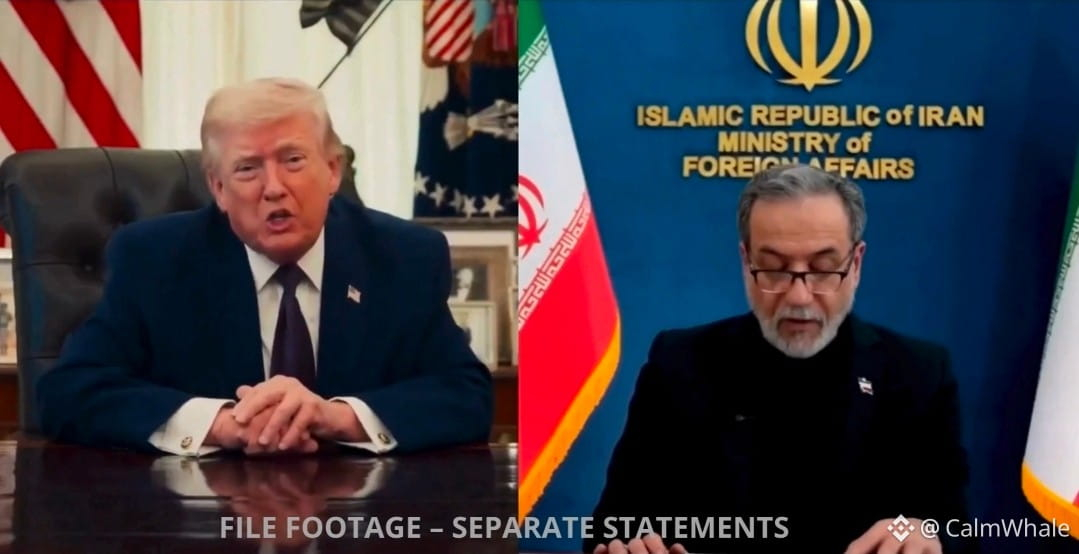
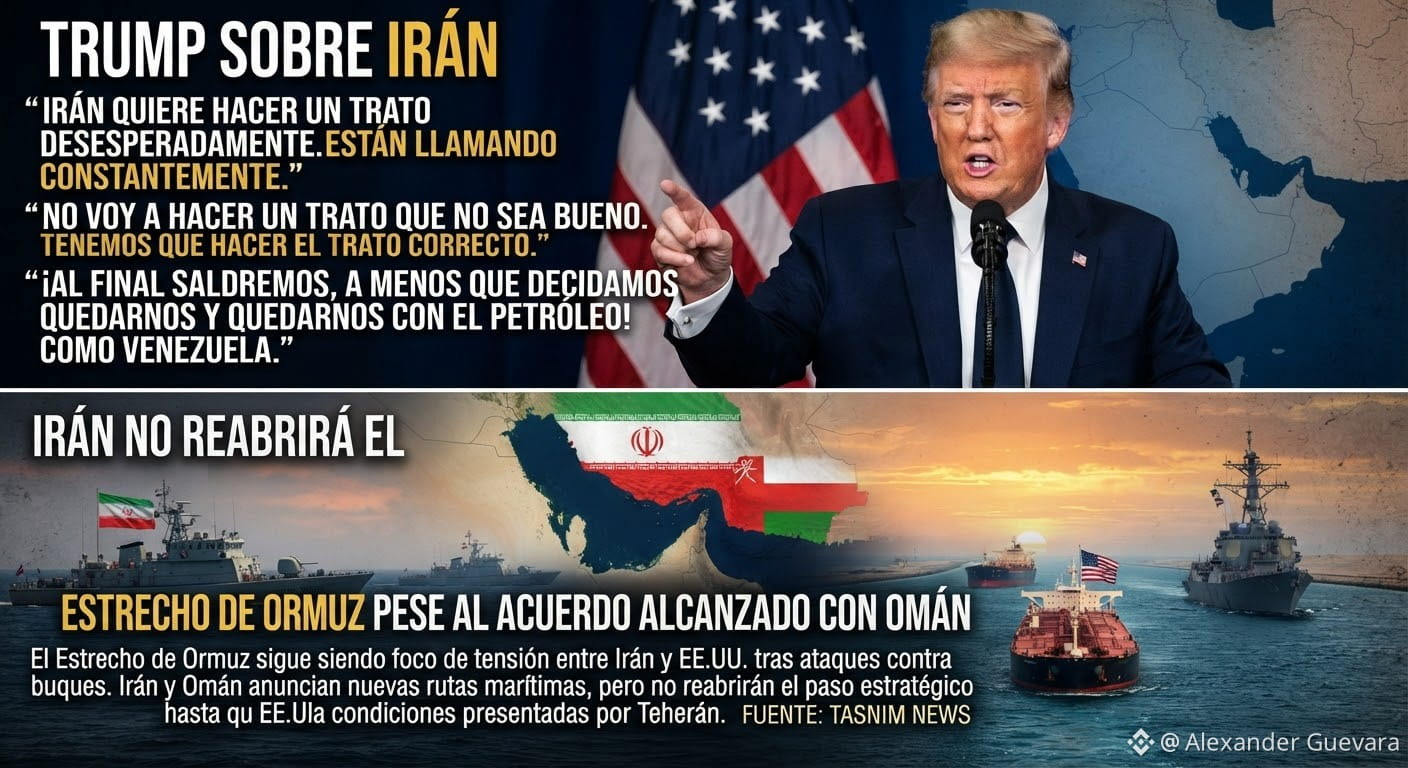
👨💼ترامب حول إيران:
إيران تريد إبرام صفقة بشدة. إنهم يتصلون باستمرار.
لن أبرم صفقة ليست جيدة. يجب أن نبرم الصفقة الصحيحة.
👨💼ترامب حول إيران:
في النهاية سنخرج، ما لم نقرر البقاء والبقاء مع النفط! كما هو الحال مع فنزويلا.
🇮🇷إيران لن تعيد فتح مضيق هرمز رغم الاتفاق الذي تم التوصل إليه مع عُمان
لقد أصبح مضيق هرمز أحد أبرز بؤر التوتر بين إيران والولايات المتحدة منذ بدء الحرب في 28 فبراير، ومنذ أوائل سبتمبر تبادل الطرفان هجمات جديدة ضد السفن والناقلات النفطية.
ستعلن إيران وعُمان يوم الاثنين عن اتفاق لتحديد مسارات ملاحية جديدة في مضيق هرمز، ولن يترتب عليه إعادة فتح الممر البحري الاستراتيجي في نهاية المطاف إلا بعد أن تفي الولايات المتحدة بالشروط التي قدمتها طهران، وفقًا لما أفادت به وكالة تسنيم، نقلاً عن مصدر إيراني مطلع.
🔗#iran #EEUU #TRUMP #venezuela #ormuz $BTC $CL $BZ
👨💼ترامب حول إيران:
إيران تريد إبرام صفقة بشدة. إنهم يتصلون باستمرار.
لن أبرم صفقة ليست جيدة. يجب أن نبرم الصفقة الصحيحة.
👨💼ترامب حول إيران:
في النهاية سنخرج، ما لم نقرر البقاء والبقاء مع النفط! كما هو الحال مع فنزويلا.
🇮🇷إيران لن تعيد فتح مضيق هرمز رغم الاتفاق الذي تم التوصل إليه مع عُمان
لقد أصبح مضيق هرمز أحد أبرز بؤر التوتر بين إيران والولايات المتحدة منذ بدء الحرب في 28 فبراير، ومنذ أوائل سبتمبر تبادل الطرفان هجمات جديدة ضد السفن والناقلات النفطية.
ستعلن إيران وعُمان يوم الاثنين عن اتفاق لتحديد مسارات ملاحية جديدة في مضيق هرمز، ولن يترتب عليه إعادة فتح الممر البحري الاستراتيجي في نهاية المطاف إلا بعد أن تفي الولايات المتحدة بالشروط التي قدمتها طهران، وفقًا لما أفادت به وكالة تسنيم، نقلاً عن مصدر إيراني مطلع.
🔗#iran #EEUU #TRUMP #venezuela #ormuz $BTC $CL $BZ
إيران تريد إبرام صفقة بشدة. إنهم يتصلون باستمرار.
لن أبرم صفقة ليست جيدة. يجب أن نبرم الصفقة الصحيحة.
👨💼ترامب حول إيران:
في النهاية سنخرج، ما لم نقرر البقاء والبقاء مع النفط! كما هو الحال مع فنزويلا.
🇮🇷إيران لن تعيد فتح مضيق هرمز رغم الاتفاق الذي تم التوصل إليه مع عُمان
لقد أصبح مضيق هرمز أحد أبرز بؤر التوتر بين إيران والولايات المتحدة منذ بدء الحرب في 28 فبراير، ومنذ أوائل سبتمبر تبادل الطرفان هجمات جديدة ضد السفن والناقلات النفطية.
ستعلن إيران وعُمان يوم الاثنين عن اتفاق لتحديد مسارات ملاحية جديدة في مضيق هرمز، ولن يترتب عليه إعادة فتح الممر البحري الاستراتيجي في نهاية المطاف إلا بعد أن تفي الولايات المتحدة بالشروط التي قدمتها طهران، وفقًا لما أفادت به وكالة تسنيم، نقلاً عن مصدر إيراني مطلع.
🔗#iran #EEUU #TRUMP #venezuela #ormuz $BTC $CL $BZ
Margie Crisler iKUI:
ya se acercan la elecciones de noviembre al hijodeputa pedófilo de la casa blanca y necesita caerle a mentiritas a los que le creen y a sus socios como binance...y punto...!!!
2
327
·
--
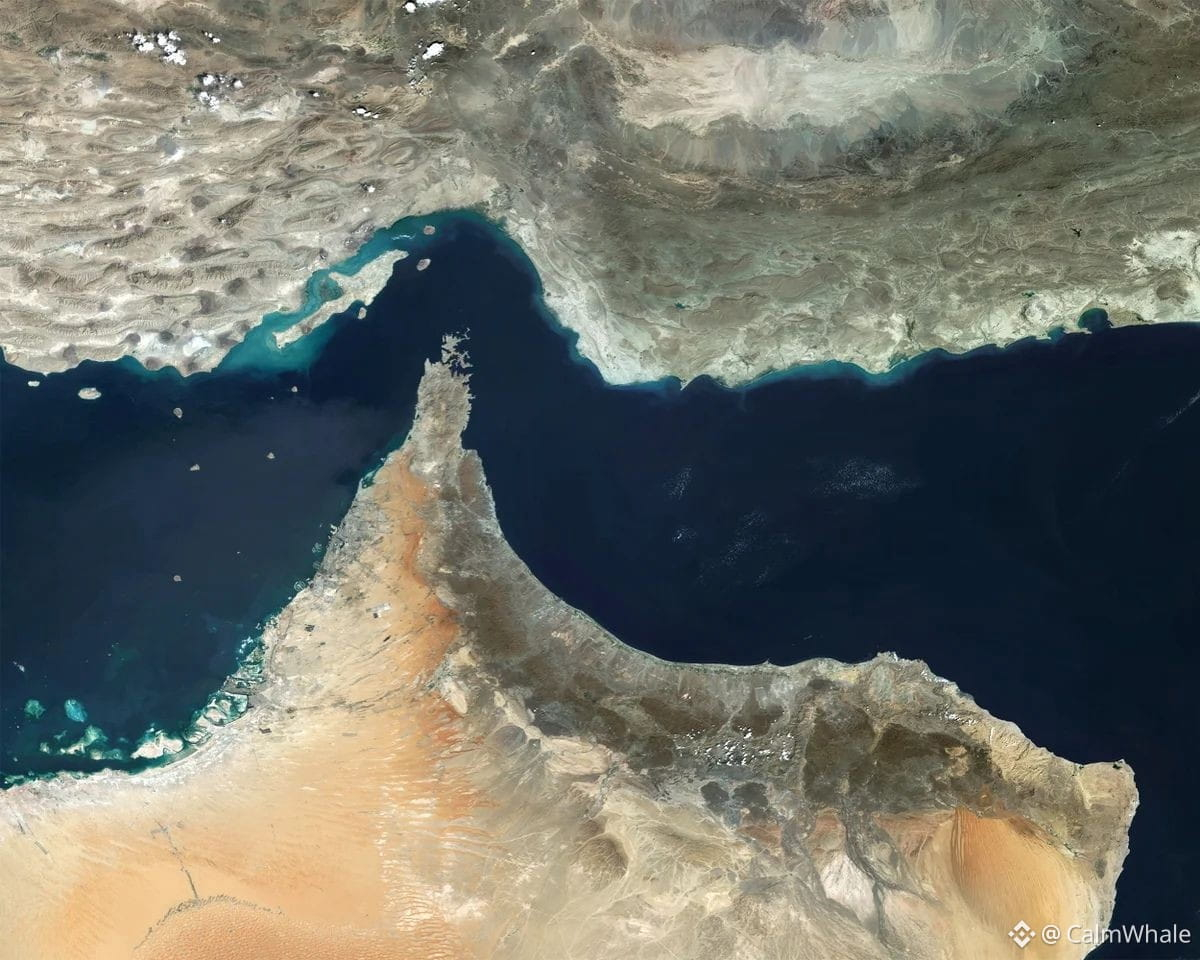
وفقًا لأحدث التقارير، في فجر 14 سبتمبر، سُمِعَت في منطقة سيرِك (Sirik) التابعة لمحافظة هرمز في إيران عدة انفجارات شديدة. وحتى الآن، لم يصدر عن الجهات الرسمية أي بيان رسمي، ولا تزال الطبيعة الدقيقة للانفجارات وأسبابها قيد التحقيق والتأكيد. ورغم أن تفاصيل الواقعة ما زالت بحاجة إلى توضيح، فإن مكان الحادث يقع قرب مضيق هرمز شديدة الحساسية، ما أدى فورًا إلى جذب انتباه جميع الأطراف.
يُعد مضيق هرمز الشريان الرئيسي لنقل الطاقة عالميًا، وأي تحرك في هذه المنطقة يمس مباشرةً أعصاب سوق الطاقة العالمي. وفي ظل خلفية الوضع في الشرق الأوسط المعقدة أصلًا، غالبًا ما تثير الحوادث الانفجارية غير المؤكدة في المقام الأول مخاوف السوق بشأن انقطاع محتمل في الإمدادات، ما يؤدي إلى رفع علاوة المخاطر الجيوسياسية.
ومن منظور الأسواق المالية التقليدية، تُعد أسعار النفط الخام عادةً الأكثر حساسية تجاه مثل هذه الأخبار؛ فقد يشهد الأجل القصير ارتفاعًا مدفوعًا بحالة شراء الأصول الملاذ الآمن، كما تتلقى أصول الملاذ الآمن التقليدية مثل الذهب دعمًا معنويًا في كثير من الأحيان. وفي الوقت نفسه، إذا تصاعدت التوترات الجيوسياسية أكثر، فقد تُحدث ذلك سلسلة من التأثيرات على توقعات التضخم العالمية ومسار الدولار، ما يضغط على الأصول ذات المخاطر بشكل عام.
أما بالنسبة للسوق المشفرة، فإن $BTC وباقي العملات الرقمية الرئيسية، عند مواجهة أحداث جيوسياسية مفاجئة، تُظهر على المدى القصير غالبًا سلوكًا يتمثل في التذبذب تبعًا للأصول التقليدية ذات المخاطر. فمن ناحية، قد تدفع مشاعر العزوف عن المخاطرة بعض الأموال إلى الانتظار والترقب، ومن ناحية أخرى يركز بعض المستثمرين على قدرتها على مقاومة التضخم وخصائصها اللامركزية. تظل الاتجاهات اللاحقة مرهونة بما إذا كانت هناك معلومات جوهرية إضافية تؤدي إلى تصعيد الحدث. ويمكن للجميع متابعة التطورات مع إدارة المراكز بشكل مناسب.#Iran #Geopolitics #Oil
وفقًا لأحدث التقارير، في فجر 14 سبتمبر، سُمِعَت في منطقة سيرِك (Sirik) التابعة لمحافظة هرمز في إيران عدة انفجارات شديدة. وحتى الآن، لم يصدر عن الجهات الرسمية أي بيان رسمي، ولا تزال الطبيعة الدقيقة للانفجارات وأسبابها قيد التحقيق والتأكيد. ورغم أن تفاصيل الواقعة ما زالت بحاجة إلى توضيح، فإن مكان الحادث يقع قرب مضيق هرمز شديدة الحساسية، ما أدى فورًا إلى جذب انتباه جميع الأطراف.
يُعد مضيق هرمز الشريان الرئيسي لنقل الطاقة عالميًا، وأي تحرك في هذه المنطقة يمس مباشرةً أعصاب سوق الطاقة العالمي. وفي ظل خلفية الوضع في الشرق الأوسط المعقدة أصلًا، غالبًا ما تثير الحوادث الانفجارية غير المؤكدة في المقام الأول مخاوف السوق بشأن انقطاع محتمل في الإمدادات، ما يؤدي إلى رفع علاوة المخاطر الجيوسياسية.
ومن منظور الأسواق المالية التقليدية، تُعد أسعار النفط الخام عادةً الأكثر حساسية تجاه مثل هذه الأخبار؛ فقد يشهد الأجل القصير ارتفاعًا مدفوعًا بحالة شراء الأصول الملاذ الآمن، كما تتلقى أصول الملاذ الآمن التقليدية مثل الذهب دعمًا معنويًا في كثير من الأحيان. وفي الوقت نفسه، إذا تصاعدت التوترات الجيوسياسية أكثر، فقد تُحدث ذلك سلسلة من التأثيرات على توقعات التضخم العالمية ومسار الدولار، ما يضغط على الأصول ذات المخاطر بشكل عام.
أما بالنسبة للسوق المشفرة، فإن $BTC وباقي العملات الرقمية الرئيسية، عند مواجهة أحداث جيوسياسية مفاجئة، تُظهر على المدى القصير غالبًا سلوكًا يتمثل في التذبذب تبعًا للأصول التقليدية ذات المخاطر. فمن ناحية، قد تدفع مشاعر العزوف عن المخاطرة بعض الأموال إلى الانتظار والترقب، ومن ناحية أخرى يركز بعض المستثمرين على قدرتها على مقاومة التضخم وخصائصها اللامركزية. تظل الاتجاهات اللاحقة مرهونة بما إذا كانت هناك معلومات جوهرية إضافية تؤدي إلى تصعيد الحدث. ويمكن للجميع متابعة التطورات مع إدارة المراكز بشكل مناسب.#Iran #Geopolitics #Oil
يُعد مضيق هرمز الشريان الرئيسي لنقل الطاقة عالميًا، وأي تحرك في هذه المنطقة يمس مباشرةً أعصاب سوق الطاقة العالمي. وفي ظل خلفية الوضع في الشرق الأوسط المعقدة أصلًا، غالبًا ما تثير الحوادث الانفجارية غير المؤكدة في المقام الأول مخاوف السوق بشأن انقطاع محتمل في الإمدادات، ما يؤدي إلى رفع علاوة المخاطر الجيوسياسية.
ومن منظور الأسواق المالية التقليدية، تُعد أسعار النفط الخام عادةً الأكثر حساسية تجاه مثل هذه الأخبار؛ فقد يشهد الأجل القصير ارتفاعًا مدفوعًا بحالة شراء الأصول الملاذ الآمن، كما تتلقى أصول الملاذ الآمن التقليدية مثل الذهب دعمًا معنويًا في كثير من الأحيان. وفي الوقت نفسه، إذا تصاعدت التوترات الجيوسياسية أكثر، فقد تُحدث ذلك سلسلة من التأثيرات على توقعات التضخم العالمية ومسار الدولار، ما يضغط على الأصول ذات المخاطر بشكل عام.
أما بالنسبة للسوق المشفرة، فإن $BTC وباقي العملات الرقمية الرئيسية، عند مواجهة أحداث جيوسياسية مفاجئة، تُظهر على المدى القصير غالبًا سلوكًا يتمثل في التذبذب تبعًا للأصول التقليدية ذات المخاطر. فمن ناحية، قد تدفع مشاعر العزوف عن المخاطرة بعض الأموال إلى الانتظار والترقب، ومن ناحية أخرى يركز بعض المستثمرين على قدرتها على مقاومة التضخم وخصائصها اللامركزية. تظل الاتجاهات اللاحقة مرهونة بما إذا كانت هناك معلومات جوهرية إضافية تؤدي إلى تصعيد الحدث. ويمكن للجميع متابعة التطورات مع إدارة المراكز بشكل مناسب.#Iran #Geopolitics #Oil
29

·
--
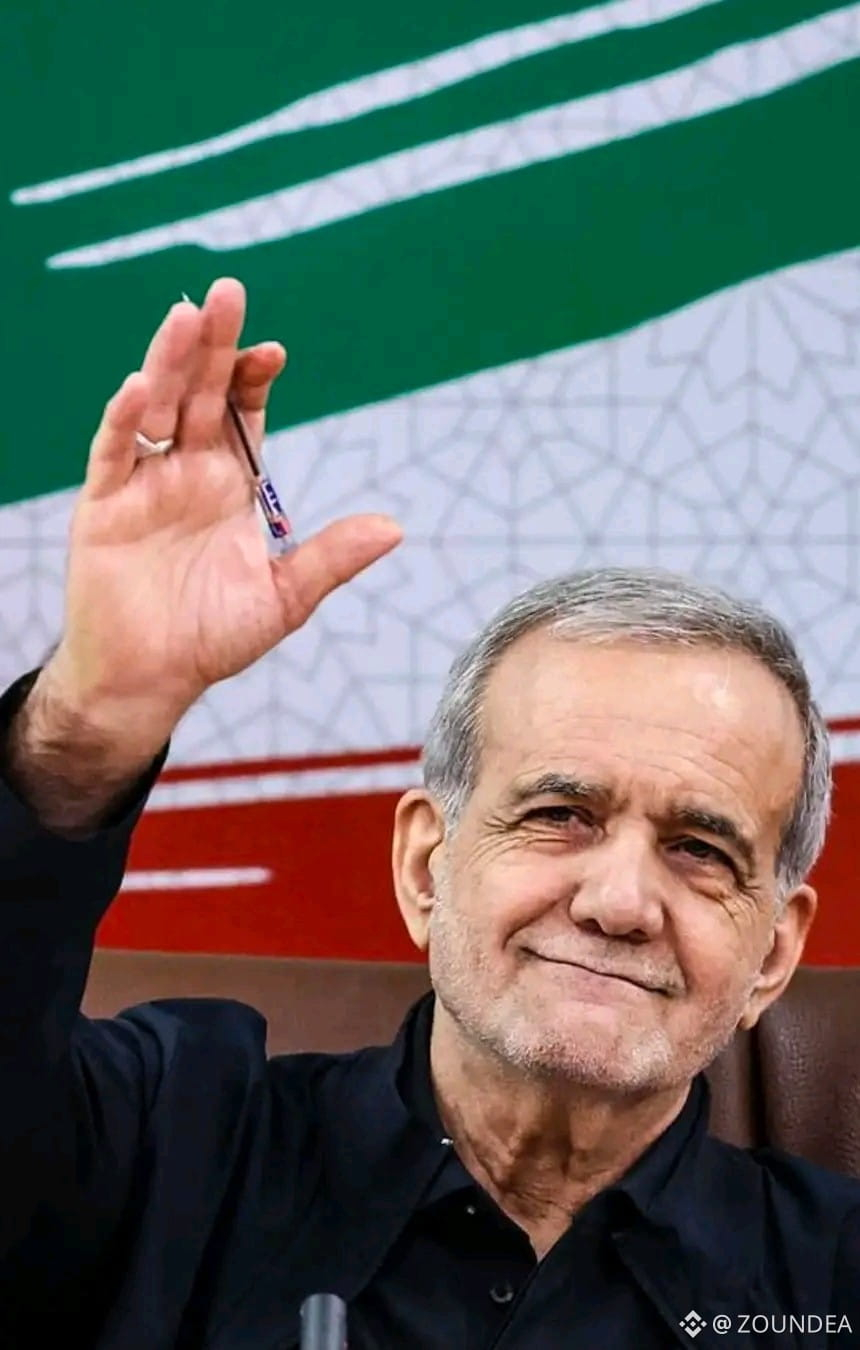
🔴🇮🇷🇺🇸FLASH: عصيّق جدًا هذا الأحد، بتوقيت طهران، الرئيس الإيراني مسعود بزشكيان يتهم الأمريكيين بالجبناء: «إذا كان الأمريكيون محاربين، فليواجهوا قواتنا المسلحة الشجاعة. لماذا يخوضون الحرب ضد البنية التحتية المدنية، والموارد الغذائية، وسبل العيش؟ إذا كانوا إنسانيين، فلماذا يحرمون الناس من الماء والطعام والدواء؟ لن يخضع شعبنا للترهيب. لن يستسلمـ إيران.»
#iran
🔴🇮🇷🇺🇸FLASH: عصيّق جدًا هذا الأحد، بتوقيت طهران، الرئيس الإيراني مسعود بزشكيان يتهم الأمريكيين بالجبناء: «إذا كان الأمريكيون محاربين، فليواجهوا قواتنا المسلحة الشجاعة. لماذا يخوضون الحرب ضد البنية التحتية المدنية، والموارد الغذائية، وسبل العيش؟ إذا كانوا إنسانيين، فلماذا يحرمون الناس من الماء والطعام والدواء؟ لن يخضع شعبنا للترهيب. لن يستسلمـ إيران.»
#iran
#iran
2
81

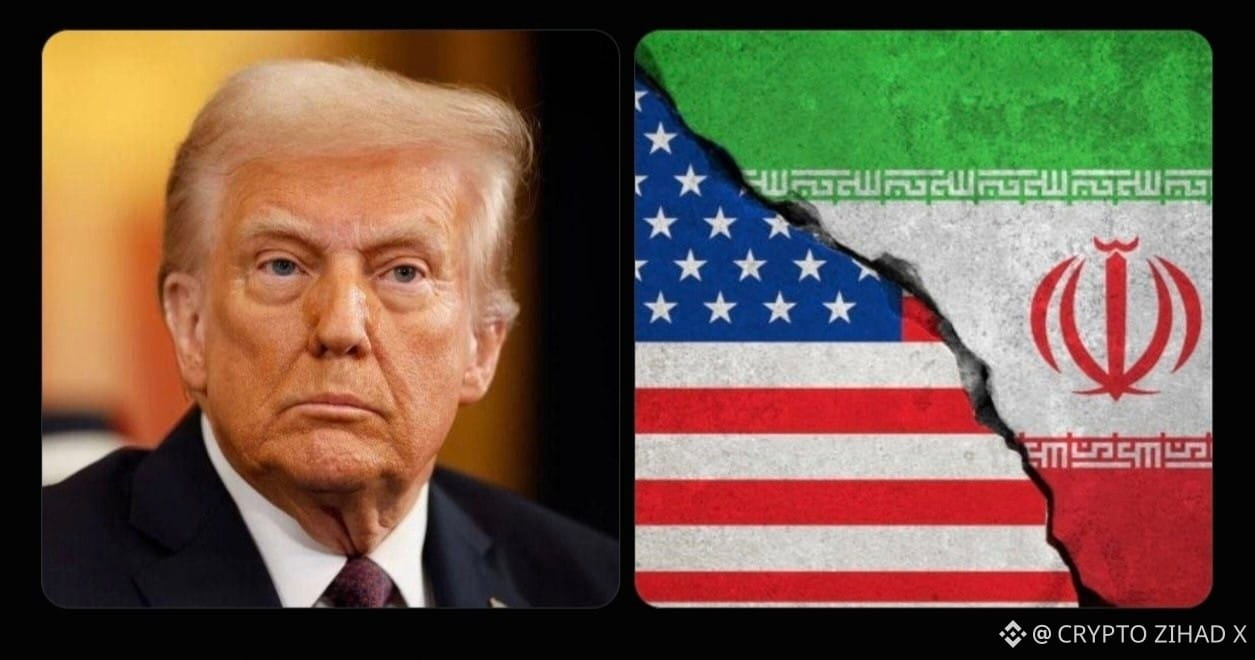
ترامب يقول إن حرب إيران ستنتهي قريبًا جدًا
وأخبر المراسلين أنه ينبغي أن تُحسم فورًا بعد الانتخابات النصفية
وفي نفس الخط الذي استخدمه لأشهر
بدأت الحرب في أواخر فبراير
والآن الشهر السابع
لا صفقة نهائية
الضربات والحصار ما زالا مستمرين
يقول إن إيران تماطل بهدف العبث بالانتخابات
النفط ما زال متقلبًا
#USA. #iran #TumpCrypto
ترامب يقول إن حرب إيران ستنتهي قريبًا جدًا
وأخبر المراسلين أنه ينبغي أن تُحسم فورًا بعد الانتخابات النصفية
وفي نفس الخط الذي استخدمه لأشهر
بدأت الحرب في أواخر فبراير
والآن الشهر السابع
لا صفقة نهائية
الضربات والحصار ما زالا مستمرين
يقول إن إيران تماطل بهدف العبث بالانتخابات
النفط ما زال متقلبًا
#USA. #iran #TumpCrypto
وأخبر المراسلين أنه ينبغي أن تُحسم فورًا بعد الانتخابات النصفية
وفي نفس الخط الذي استخدمه لأشهر
بدأت الحرب في أواخر فبراير
والآن الشهر السابع
لا صفقة نهائية
الضربات والحصار ما زالا مستمرين
يقول إن إيران تماطل بهدف العبث بالانتخابات
النفط ما زال متقلبًا
#USA. #iran #TumpCrypto
1.1k

·
--
🇧🇭🇮🇷 البحرين ترفض الجلوس مع إيران بشأن هرمز في الوقت الحالي.
ومن المقرر أن يصل مسؤولون من إيران ودول عربية خليجية إلى مسقط يوم الاثنين لمناقشة ترتيبات شحن جديدة عبر مضيق.
لكن البحرين تقول إنها لن تنضم إلى أي اجتماع يضم إيران حتى تُستعاد العلاقات الدبلوماسية.
وقد أشارت بشكل مباشر إلى الهجمات الأخيرة التي استهدفت البحرين وإلى الضربة التي وقعت اليوم على خط أنابيب شرق-غرب في السعودية.
كما أوضحت البحرين موقفها من هرمز بشكل جلي: ينبغي أن تتمكن السفن من المرور دون تمييز أو رسوم أو تصاريح.
وبالتالي فإن اجتماع يوم الاثنين ينقصه بالفعل مقعد خليجي واحد قبل أن يبدأ حتى.
$LSK | $REZ | $MTL
#BREAKING #news #iran #bahrain #Hormuz
🇧🇭🇮🇷 البحرين ترفض الجلوس مع إيران بشأن هرمز في الوقت الحالي.
ومن المقرر أن يصل مسؤولون من إيران ودول عربية خليجية إلى مسقط يوم الاثنين لمناقشة ترتيبات شحن جديدة عبر مضيق.
لكن البحرين تقول إنها لن تنضم إلى أي اجتماع يضم إيران حتى تُستعاد العلاقات الدبلوماسية.
وقد أشارت بشكل مباشر إلى الهجمات الأخيرة التي استهدفت البحرين وإلى الضربة التي وقعت اليوم على خط أنابيب شرق-غرب في السعودية.
كما أوضحت البحرين موقفها من هرمز بشكل جلي: ينبغي أن تتمكن السفن من المرور دون تمييز أو رسوم أو تصاريح.
وبالتالي فإن اجتماع يوم الاثنين ينقصه بالفعل مقعد خليجي واحد قبل أن يبدأ حتى.
$LSK | $REZ | $MTL
#BREAKING #news #iran #bahrain #Hormuz
ومن المقرر أن يصل مسؤولون من إيران ودول عربية خليجية إلى مسقط يوم الاثنين لمناقشة ترتيبات شحن جديدة عبر مضيق.
لكن البحرين تقول إنها لن تنضم إلى أي اجتماع يضم إيران حتى تُستعاد العلاقات الدبلوماسية.
وقد أشارت بشكل مباشر إلى الهجمات الأخيرة التي استهدفت البحرين وإلى الضربة التي وقعت اليوم على خط أنابيب شرق-غرب في السعودية.
كما أوضحت البحرين موقفها من هرمز بشكل جلي: ينبغي أن تتمكن السفن من المرور دون تمييز أو رسوم أو تصاريح.
وبالتالي فإن اجتماع يوم الاثنين ينقصه بالفعل مقعد خليجي واحد قبل أن يبدأ حتى.
$LSK | $REZ | $MTL
#BREAKING #news #iran #bahrain #Hormuz
1
432
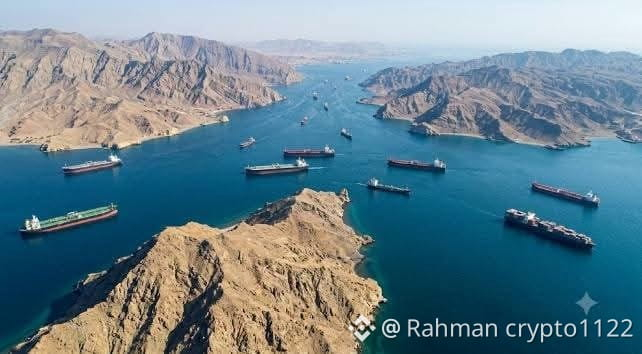
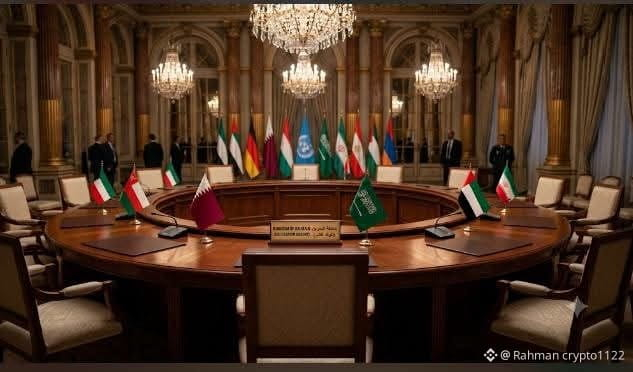
🚨 أزمة هرمز: البحرين ترفض حضور اجتماع عربي مقترح مع إيران
ووفقًا لتقرير صادر عن قناة الجزيرة، رفضت البحرين المشاركة في اجتماعٍ مقبلٍ مهمّ في عُمان يضم دولًا عربية وخليجية وإيران. وكان من المتوقع أن يناقش الاجتماع الأوضاع المحيطة بمضيق هرمز، وهو ممر بحري بالغ الأهمية للتجارة العالمية، ولا سيما نقل النفط.
ووفقًا لوزارة الخارجية البحرينية، لن تشارك البحرين في أي اجتماعٍ مشترك مع إيران إلى أن تُستعاد العلاقات الدبلوماسية بين البحرين وإيران بالكامل.
📌 الخلفية:
قطعت البحرين العلاقات الدبلوماسية مع إيران في عام 2016، وبسبب استمرار التوترات، لم تشهد العلاقات بين البلدين حتى الآن أي تحسّن ملحوظ.
🌍 يُعد مضيق هرمز أحد أهم الممرات البحرية في العالم لإمدادات الطاقة والتجارة العالمية، حيث يتم من خلاله نقل جزء كبير من النفط الخام في العالم. وفي ظل تصاعد التوترات الإقليمية ومخاوف أمن الملاحة البحرية، كانت الدول العربية—وفقًا لما ورد—تدرس استراتيجية مشتركة. غير أن قرار البحرين قد يزيد الأمور تعقيدًا في الجهود الدبلوماسية بين دول الخليج.
⚠️ و عقب هذا التطور، أصبحت الحالة المتعلقة بالعلاقات الدبلوماسية والأمن الإقليمي وحماية طرق التجارة الحيوية في الشرق الأوسط أكثر حساسية.
#Bahrain #Iran #StraitOfHormuz #MiddleEast
$CLV $BRKB $AAPL.US
ملاحظة: هذه المشاركة لأغراض إعلامية وصحفية فقط.
🚨 أزمة هرمز: البحرين ترفض حضور اجتماع عربي مقترح مع إيران
ووفقًا لتقرير صادر عن قناة الجزيرة، رفضت البحرين المشاركة في اجتماعٍ مقبلٍ مهمّ في عُمان يضم دولًا عربية وخليجية وإيران. وكان من المتوقع أن يناقش الاجتماع الأوضاع المحيطة بمضيق هرمز، وهو ممر بحري بالغ الأهمية للتجارة العالمية، ولا سيما نقل النفط.
ووفقًا لوزارة الخارجية البحرينية، لن تشارك البحرين في أي اجتماعٍ مشترك مع إيران إلى أن تُستعاد العلاقات الدبلوماسية بين البحرين وإيران بالكامل.
📌 الخلفية:
قطعت البحرين العلاقات الدبلوماسية مع إيران في عام 2016، وبسبب استمرار التوترات، لم تشهد العلاقات بين البلدين حتى الآن أي تحسّن ملحوظ.
🌍 يُعد مضيق هرمز أحد أهم الممرات البحرية في العالم لإمدادات الطاقة والتجارة العالمية، حيث يتم من خلاله نقل جزء كبير من النفط الخام في العالم. وفي ظل تصاعد التوترات الإقليمية ومخاوف أمن الملاحة البحرية، كانت الدول العربية—وفقًا لما ورد—تدرس استراتيجية مشتركة. غير أن قرار البحرين قد يزيد الأمور تعقيدًا في الجهود الدبلوماسية بين دول الخليج.
⚠️ و عقب هذا التطور، أصبحت الحالة المتعلقة بالعلاقات الدبلوماسية والأمن الإقليمي وحماية طرق التجارة الحيوية في الشرق الأوسط أكثر حساسية.
#Bahrain #Iran #StraitOfHormuz #MiddleEast
$CLV $BRKB $AAPL.US
ملاحظة: هذه المشاركة لأغراض إعلامية وصحفية فقط.
ووفقًا لتقرير صادر عن قناة الجزيرة، رفضت البحرين المشاركة في اجتماعٍ مقبلٍ مهمّ في عُمان يضم دولًا عربية وخليجية وإيران. وكان من المتوقع أن يناقش الاجتماع الأوضاع المحيطة بمضيق هرمز، وهو ممر بحري بالغ الأهمية للتجارة العالمية، ولا سيما نقل النفط.
ووفقًا لوزارة الخارجية البحرينية، لن تشارك البحرين في أي اجتماعٍ مشترك مع إيران إلى أن تُستعاد العلاقات الدبلوماسية بين البحرين وإيران بالكامل.
📌 الخلفية:
قطعت البحرين العلاقات الدبلوماسية مع إيران في عام 2016، وبسبب استمرار التوترات، لم تشهد العلاقات بين البلدين حتى الآن أي تحسّن ملحوظ.
🌍 يُعد مضيق هرمز أحد أهم الممرات البحرية في العالم لإمدادات الطاقة والتجارة العالمية، حيث يتم من خلاله نقل جزء كبير من النفط الخام في العالم. وفي ظل تصاعد التوترات الإقليمية ومخاوف أمن الملاحة البحرية، كانت الدول العربية—وفقًا لما ورد—تدرس استراتيجية مشتركة. غير أن قرار البحرين قد يزيد الأمور تعقيدًا في الجهود الدبلوماسية بين دول الخليج.
⚠️ و عقب هذا التطور، أصبحت الحالة المتعلقة بالعلاقات الدبلوماسية والأمن الإقليمي وحماية طرق التجارة الحيوية في الشرق الأوسط أكثر حساسية.
#Bahrain #Iran #StraitOfHormuz #MiddleEast
$CLV $BRKB $AAPL.US
ملاحظة: هذه المشاركة لأغراض إعلامية وصحفية فقط.
BRKB+0.36%
AAPLUS-0.56%
Flor Morella K1oH:
I am looking for $1 in support from someone because I want to start trading again. I have built up my skills through enough practice, and I just need starting capital—only from someone who genuinely enjoys seeing others succeed. id 925573873
1
279

·
--
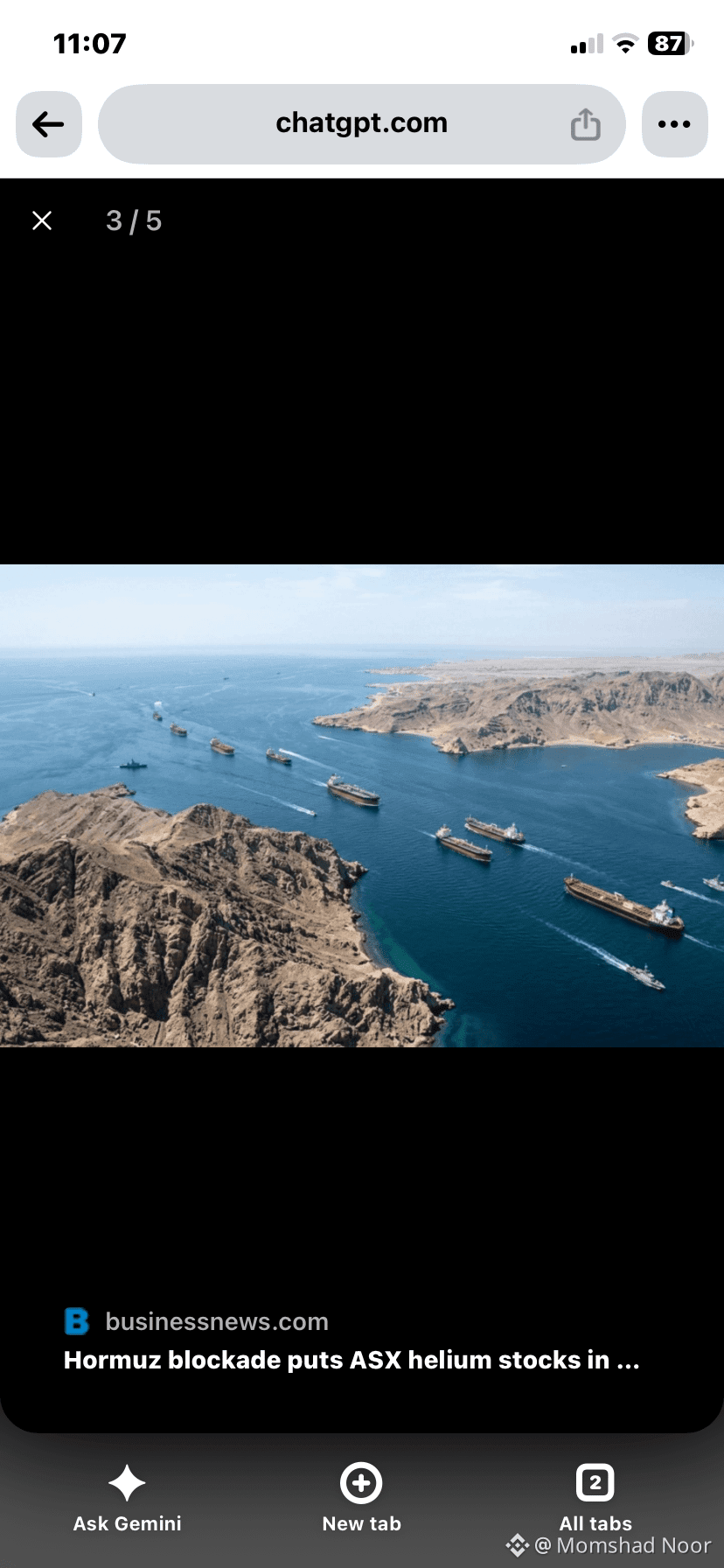
إيران–عُمان تتوصّلان إلى تفاهم بشأن طريق جديد في مضيق هرمز
وفقًا لوكالة تسنيم الإخبارية، نقلًا عن مصادر مطلعة، أفادت التقارير بأن إيران وعُمان قد توصلتا إلى تفاهم ثنائي بشأن ترتيبات عبور بحرية جديدة عبر مضيق هرمز، عقب مشاورات فنية ودبلوماسية مكثفة في أواخر أغسطس. ومن المتوقع أن يتم الإعلان عن الاتفاق رسميًا قريبًا، وقد جرى التفاوض عليه على نحو حصري على يد إيران وعُمان.
وبموجب الترتيب المقترح، ستستخدم السفن التي تدخل الخليج الفارسي مسارًا يقع بالكامل داخل المياه الإقليمية الإيرانية، بينما سيمر جزء من مسار الرحلة المتجهة إلى الخارج عبر المياه الإيرانية أيضًا. وستتولى إيران الإشراف على ترتيبات العبور بموجب النظام الجديد. ومن المتوقع أن تحضر الدول الساحلية في الخليج والعراق اجتماعًا ذا صلة، بهدف تلقي التفاصيل والإعراب عن قبولهم للترتيب بشكل أساسي، بدلًا من المشاركة في المفاوضات.
يُشير التقرير إلى أن المسار الجنوبي الذي تفضّله الولايات المتحدة سيتم إغلاقه بمجرد تنفيذ الخطة، ما يساهم في التوترات الأخيرة. غير أن الاتفاق لا يعني أن مضيق هرمز قد انفتح مجددًا.
ويُقال إن إيران قد نقلت إلى الولايات المتحدة سبعة شروط عبر وسطاء. وإلى أن تُستوفى تلك الشروط وتُعتمد من قبل أعلى السلطات الإيرانية، يُتوقع أن يظل المضيق مغلقًا. وقد تؤثر هذه التطورات بشكل كبير في الأمن الإقليمي وأسواق الشحن العالمية والطاقة إذا تم تأكيدها رسميًا.
$NVDAB $GOOGL.US #usa #iran
إيران–عُمان تتوصّلان إلى تفاهم بشأن طريق جديد في مضيق هرمز
وفقًا لوكالة تسنيم الإخبارية، نقلًا عن مصادر مطلعة، أفادت التقارير بأن إيران وعُمان قد توصلتا إلى تفاهم ثنائي بشأن ترتيبات عبور بحرية جديدة عبر مضيق هرمز، عقب مشاورات فنية ودبلوماسية مكثفة في أواخر أغسطس. ومن المتوقع أن يتم الإعلان عن الاتفاق رسميًا قريبًا، وقد جرى التفاوض عليه على نحو حصري على يد إيران وعُمان.
وبموجب الترتيب المقترح، ستستخدم السفن التي تدخل الخليج الفارسي مسارًا يقع بالكامل داخل المياه الإقليمية الإيرانية، بينما سيمر جزء من مسار الرحلة المتجهة إلى الخارج عبر المياه الإيرانية أيضًا. وستتولى إيران الإشراف على ترتيبات العبور بموجب النظام الجديد. ومن المتوقع أن تحضر الدول الساحلية في الخليج والعراق اجتماعًا ذا صلة، بهدف تلقي التفاصيل والإعراب عن قبولهم للترتيب بشكل أساسي، بدلًا من المشاركة في المفاوضات.
يُشير التقرير إلى أن المسار الجنوبي الذي تفضّله الولايات المتحدة سيتم إغلاقه بمجرد تنفيذ الخطة، ما يساهم في التوترات الأخيرة. غير أن الاتفاق لا يعني أن مضيق هرمز قد انفتح مجددًا.
ويُقال إن إيران قد نقلت إلى الولايات المتحدة سبعة شروط عبر وسطاء. وإلى أن تُستوفى تلك الشروط وتُعتمد من قبل أعلى السلطات الإيرانية، يُتوقع أن يظل المضيق مغلقًا. وقد تؤثر هذه التطورات بشكل كبير في الأمن الإقليمي وأسواق الشحن العالمية والطاقة إذا تم تأكيدها رسميًا.
$NVDAB $GOOGL.US #usa #iran
وفقًا لوكالة تسنيم الإخبارية، نقلًا عن مصادر مطلعة، أفادت التقارير بأن إيران وعُمان قد توصلتا إلى تفاهم ثنائي بشأن ترتيبات عبور بحرية جديدة عبر مضيق هرمز، عقب مشاورات فنية ودبلوماسية مكثفة في أواخر أغسطس. ومن المتوقع أن يتم الإعلان عن الاتفاق رسميًا قريبًا، وقد جرى التفاوض عليه على نحو حصري على يد إيران وعُمان.
وبموجب الترتيب المقترح، ستستخدم السفن التي تدخل الخليج الفارسي مسارًا يقع بالكامل داخل المياه الإقليمية الإيرانية، بينما سيمر جزء من مسار الرحلة المتجهة إلى الخارج عبر المياه الإيرانية أيضًا. وستتولى إيران الإشراف على ترتيبات العبور بموجب النظام الجديد. ومن المتوقع أن تحضر الدول الساحلية في الخليج والعراق اجتماعًا ذا صلة، بهدف تلقي التفاصيل والإعراب عن قبولهم للترتيب بشكل أساسي، بدلًا من المشاركة في المفاوضات.
يُشير التقرير إلى أن المسار الجنوبي الذي تفضّله الولايات المتحدة سيتم إغلاقه بمجرد تنفيذ الخطة، ما يساهم في التوترات الأخيرة. غير أن الاتفاق لا يعني أن مضيق هرمز قد انفتح مجددًا.
ويُقال إن إيران قد نقلت إلى الولايات المتحدة سبعة شروط عبر وسطاء. وإلى أن تُستوفى تلك الشروط وتُعتمد من قبل أعلى السلطات الإيرانية، يُتوقع أن يظل المضيق مغلقًا. وقد تؤثر هذه التطورات بشكل كبير في الأمن الإقليمي وأسواق الشحن العالمية والطاقة إذا تم تأكيدها رسميًا.
$NVDAB $GOOGL.US #usa #iran
193
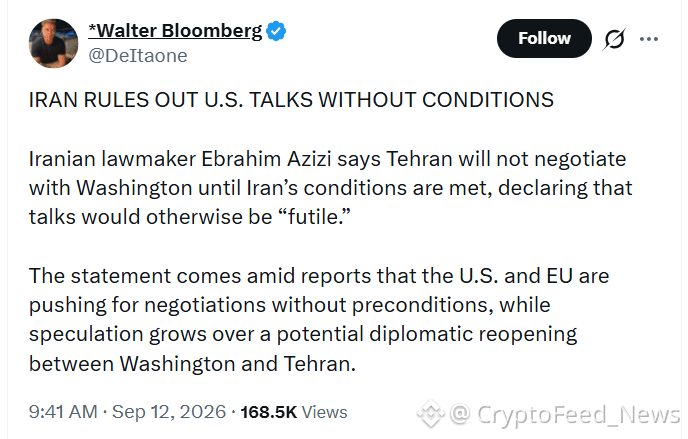
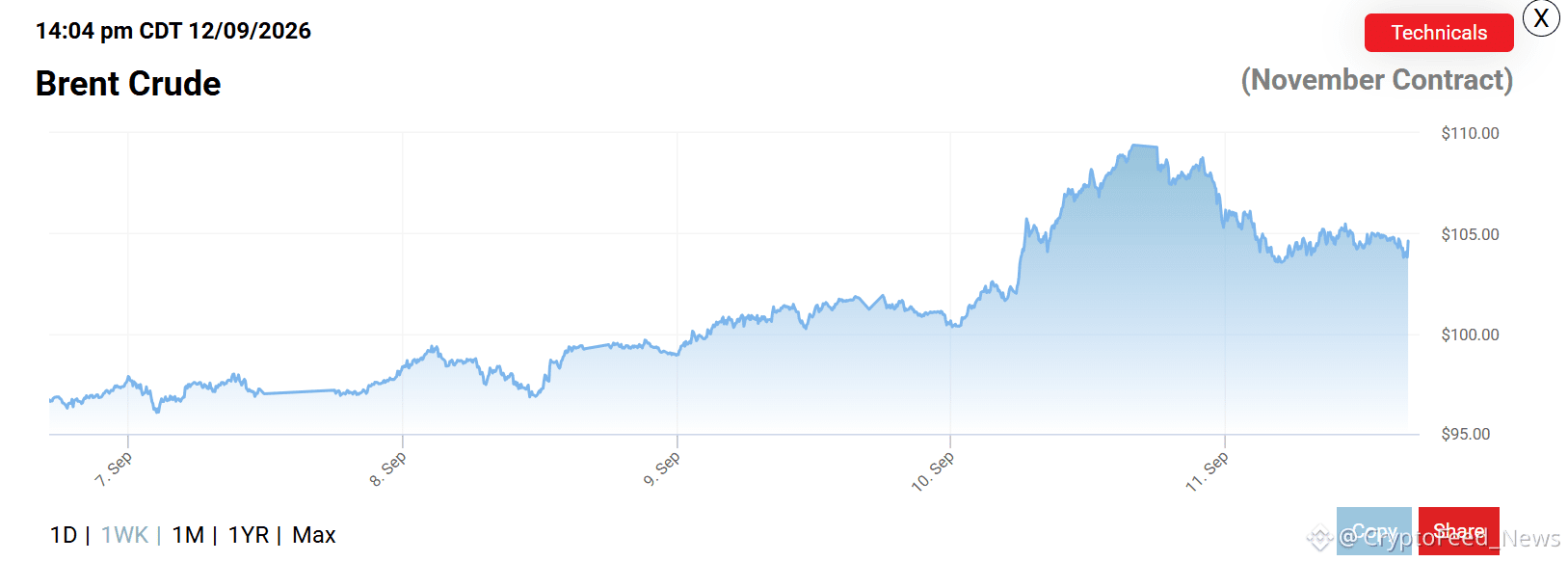
🚨 الرئيس #TRUMP يقول إن حرب الولايات المتحدة-إيران قد تنتهي بعد انتخابات التجديد النصفي الأمريكية، مع الإصرار على أنه لا يمكن السماح لـ #iran بالحصول على أسلحة نووية.
لكن التوترات لا تزال مرتفعة:
🛢️ برنت: 104$+
📈 مكاسب النفط الأسبوعية: 8%+
🚨 إغلاق خط أنابيب السعودية بين الشرق والغرب بعد هجوم بطائرة مسيّرة
🌍 القيود على مضيق هرمز مستمرة
⚠️ ضغط البحر الأحمر يتزايد
اقترح ترامب أن أسعار النفط قد «تنـهار» إذا انتهى الصراع. لكن طهران تظل غير راغبة في الدخول في محادثات غير مشروطة.
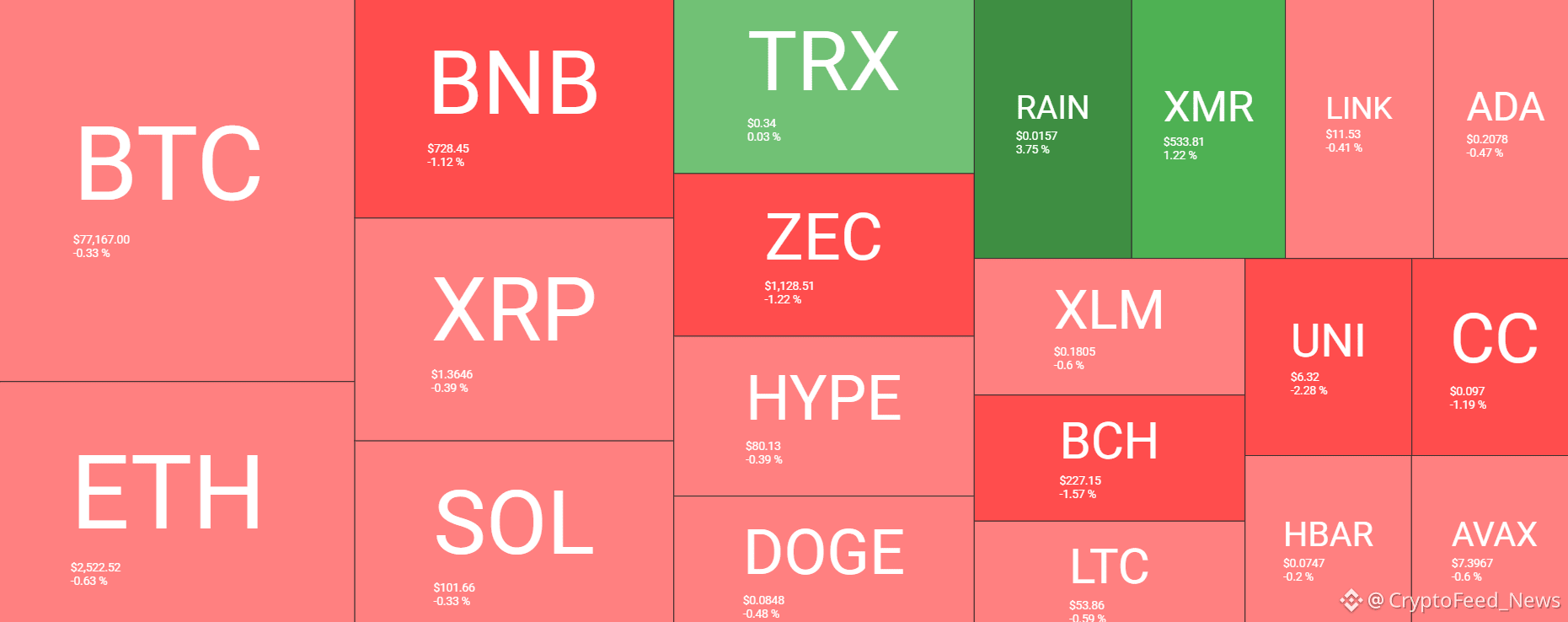
وفي الوقت نفسه، تُظهر أسواق العملات الرقمية رد فعلًا محدودًا:
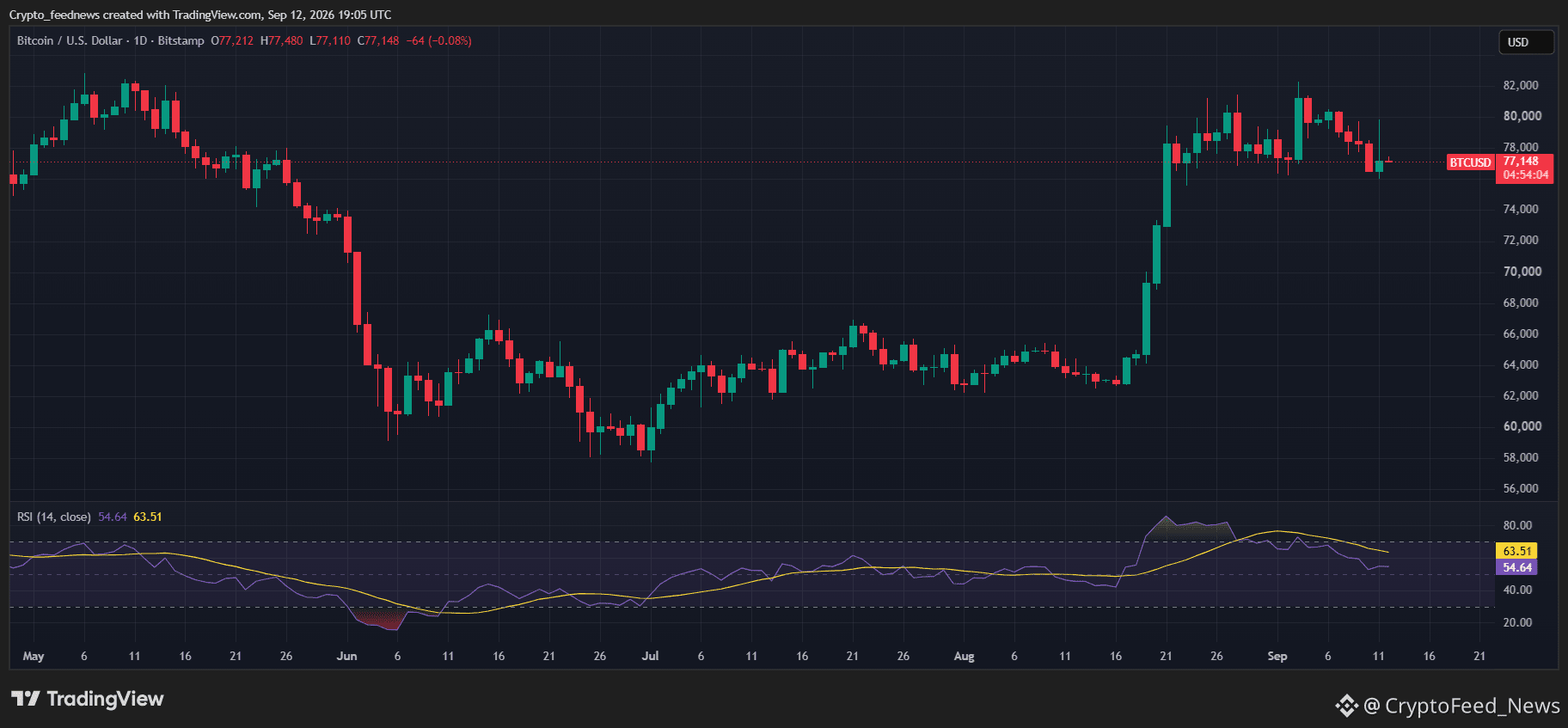
₿ $BTC : ~77.2 ألف دولار
♦️ $ETH : أعلى من 2,500 دولار
✖️ $XRP : اخترق فوق 1.35 دولار
قد تكون أكبر مخاطر السوق الآن هي النفط، وليس #Bitcoin.
قد يؤدي اضطراب طويل حول هرمز والبحر الأحمر إلى إبقاء أسعار الطاقة مرتفعة وتزيد تعقيد نظرة الاحتياطي الفيدرالي للتضخم.
🔥 إذا اخترق النفط للأعلى مرة أخرى، هل يتفاعل أخيرًا #BTC ؟
🚨 الرئيس #TRUMP يقول إن حرب الولايات المتحدة-إيران قد تنتهي بعد انتخابات التجديد النصفي الأمريكية، مع الإصرار على أنه لا يمكن السماح لـ #iran بالحصول على أسلحة نووية.
لكن التوترات لا تزال مرتفعة:
🛢️ برنت: 104$+
📈 مكاسب النفط الأسبوعية: 8%+
🚨 إغلاق خط أنابيب السعودية بين الشرق والغرب بعد هجوم بطائرة مسيّرة
🌍 القيود على مضيق هرمز مستمرة
⚠️ ضغط البحر الأحمر يتزايد
اقترح ترامب أن أسعار النفط قد «تنـهار» إذا انتهى الصراع. لكن طهران تظل غير راغبة في الدخول في محادثات غير مشروطة.
وفي الوقت نفسه، تُظهر أسواق العملات الرقمية رد فعلًا محدودًا:
₿ $BTC : ~77.2 ألف دولار
♦️ $ETH : أعلى من 2,500 دولار
✖️ $XRP : اخترق فوق 1.35 دولار
قد تكون أكبر مخاطر السوق الآن هي النفط، وليس #Bitcoin.
قد يؤدي اضطراب طويل حول هرمز والبحر الأحمر إلى إبقاء أسعار الطاقة مرتفعة وتزيد تعقيد نظرة الاحتياطي الفيدرالي للتضخم.
🔥 إذا اخترق النفط للأعلى مرة أخرى، هل يتفاعل أخيرًا #BTC ؟
لكن التوترات لا تزال مرتفعة:
🛢️ برنت: 104$+
📈 مكاسب النفط الأسبوعية: 8%+
🚨 إغلاق خط أنابيب السعودية بين الشرق والغرب بعد هجوم بطائرة مسيّرة
🌍 القيود على مضيق هرمز مستمرة
⚠️ ضغط البحر الأحمر يتزايد
اقترح ترامب أن أسعار النفط قد «تنـهار» إذا انتهى الصراع. لكن طهران تظل غير راغبة في الدخول في محادثات غير مشروطة.
وفي الوقت نفسه، تُظهر أسواق العملات الرقمية رد فعلًا محدودًا:
₿ $BTC : ~77.2 ألف دولار
♦️ $ETH : أعلى من 2,500 دولار
✖️ $XRP : اخترق فوق 1.35 دولار
قد تكون أكبر مخاطر السوق الآن هي النفط، وليس #Bitcoin.
قد يؤدي اضطراب طويل حول هرمز والبحر الأحمر إلى إبقاء أسعار الطاقة مرتفعة وتزيد تعقيد نظرة الاحتياطي الفيدرالي للتضخم.
🔥 إذا اخترق النفط للأعلى مرة أخرى، هل يتفاعل أخيرًا #BTC ؟
161
سجّل الدخول لاستكشاف المزيد من المُحتوى
انضم إلى مُستخدمي العملات الرقمية حول العالم على Binance Square
⚡️ احصل على أحدث المعلومات المفيدة عن العملات الرقمية.
💬 موثوقة من قبل أكبر منصّة لتداول العملات الرقمية في العالم.
👍 اكتشف الرؤى الحقيقية من صنّاع المُحتوى الموثوقين.
البريد الإلكتروني / رقم الهاتف
المواضيع الرائجة
1
#FedRateWatch
649,588 مشاهدات
3,029 يقومون بالنقاش
2
#EthereumFallsBelow$2400
154 مشاهدات
25 يقومون بالنقاش
3
#USSenateBlocksClarityAct
1,003 مشاهدات
63 يقومون بالنقاش
4
#BitcoinSlidesTo$76000
27,033 مشاهدات
130 يقومون بالنقاش
5
#BitcoinReboundsTo$79K
63,869 مشاهدات
408 يقومون بالنقاش
6
#StrategyMarketCapPassesFord
46,785 مشاهدات
735 يقومون بالنقاش
7
#ClarityActOddsHalveOnPolymarket
76,120 مشاهدات
627 يقومون بالنقاش
8
#US30YTreasuryYieldTops5.40%
40,207 مشاهدات
412 يقومون بالنقاش
9
#BessentEndorsesFinalClarityActDraft
62,591 مشاهدات
790 يقومون بالنقاش
10
#ZamaOpens16ConfidentialMorphoVaults
22,020 مشاهدات
386 يقومون بالنقاش