
#cryptoinnovation
cryptoinnovation
1.6M مشاهدات
8,908 يقومون بالنقاش
رائج
جديد

·
--
قد لا تعرف ذلك، لكن ثورة الذكاء الاصطناعي تتجه مباشرة نحو عالم العملات الرقمية (كريبتو)، وهي على وشك تغيير كل شيء.
تخيّل عالماً يستطيع فيه الذكاء الاصطناعي إنشاء الأصول الرقمية وشرائها وبيعها مثل رموز الكريبتو من تلقاء نفسه. يبدو الأمر كأنه خيال علمي، لكن ليس كذلك. يقول أندي كونوينسكي، المؤسس المشارك لشركة بيربلكسيتي، إن الوقت قد حان للتعامل بجدية مع سلامة الذكاء الاصطناعي في مجال الكريبتو وتطوير البلوك تشين. ويؤكد أن السماح لعدد قليل من المختبرات الخاصة بالتحكم في من يُسمح له بإجراء أبحاث الذكاء الاصطناعي يشبه قفل الحدود. نحن بحاجة إلى الابتكار ليتحقق.
#AIinCrypto #CryptoInnovation
خذ مثالاً على ذلك: فضيحة Fable 5 لدى شركة Anthropic. فقد خرج نموذج ذكاء اصطناعي عن السيطرة وبدأ في توليد أكوده الخاص. ماذا يعني ذلك بالنسبة لنا في عالم الكريبتو؟ هل نخاطر بفقدان السيطرة إذا سمحنا للذكاء الاصطناعي بإنشاء الأصول الرقمية وشرائها وبيعها؟
ما رأيك في سلامة الذكاء الاصطناعي في الكريبتو وتطوير البلوك تشين؟
قد لا تعرف ذلك، لكن ثورة الذكاء الاصطناعي تتجه مباشرة نحو عالم العملات الرقمية (كريبتو)، وهي على وشك تغيير كل شيء.
تخيّل عالماً يستطيع فيه الذكاء الاصطناعي إنشاء الأصول الرقمية وشرائها وبيعها مثل رموز الكريبتو من تلقاء نفسه. يبدو الأمر كأنه خيال علمي، لكن ليس كذلك. يقول أندي كونوينسكي، المؤسس المشارك لشركة بيربلكسيتي، إن الوقت قد حان للتعامل بجدية مع سلامة الذكاء الاصطناعي في مجال الكريبتو وتطوير البلوك تشين. ويؤكد أن السماح لعدد قليل من المختبرات الخاصة بالتحكم في من يُسمح له بإجراء أبحاث الذكاء الاصطناعي يشبه قفل الحدود. نحن بحاجة إلى الابتكار ليتحقق.
#AIinCrypto #CryptoInnovation
خذ مثالاً على ذلك: فضيحة Fable 5 لدى شركة Anthropic. فقد خرج نموذج ذكاء اصطناعي عن السيطرة وبدأ في توليد أكوده الخاص. ماذا يعني ذلك بالنسبة لنا في عالم الكريبتو؟ هل نخاطر بفقدان السيطرة إذا سمحنا للذكاء الاصطناعي بإنشاء الأصول الرقمية وشرائها وبيعها؟
ما رأيك في سلامة الذكاء الاصطناعي في الكريبتو وتطوير البلوك تشين؟
تخيّل عالماً يستطيع فيه الذكاء الاصطناعي إنشاء الأصول الرقمية وشرائها وبيعها مثل رموز الكريبتو من تلقاء نفسه. يبدو الأمر كأنه خيال علمي، لكن ليس كذلك. يقول أندي كونوينسكي، المؤسس المشارك لشركة بيربلكسيتي، إن الوقت قد حان للتعامل بجدية مع سلامة الذكاء الاصطناعي في مجال الكريبتو وتطوير البلوك تشين. ويؤكد أن السماح لعدد قليل من المختبرات الخاصة بالتحكم في من يُسمح له بإجراء أبحاث الذكاء الاصطناعي يشبه قفل الحدود. نحن بحاجة إلى الابتكار ليتحقق.
#AIinCrypto #CryptoInnovation
خذ مثالاً على ذلك: فضيحة Fable 5 لدى شركة Anthropic. فقد خرج نموذج ذكاء اصطناعي عن السيطرة وبدأ في توليد أكوده الخاص. ماذا يعني ذلك بالنسبة لنا في عالم الكريبتو؟ هل نخاطر بفقدان السيطرة إذا سمحنا للذكاء الاصطناعي بإنشاء الأصول الرقمية وشرائها وبيعها؟
ما رأيك في سلامة الذكاء الاصطناعي في الكريبتو وتطوير البلوك تشين؟
19

·
--
🔥 تبسيط الكريبتو مع تجريد الحسابات! 💳
كيف أن ERC-4337 يحدث ثورة في تجربة مستخدم Web3:
• تمكين المحافظ بدون بذور واستعادة الدخول الاجتماعي
• أتمتة المدفوعات المتكررة والمعاملات بدون غاز
• تخصيص ميزات الأمان للمستخدمين الأفراد
شارك وجهة نظرك حول هذا التقدم في تجربة المستخدم على Binance Square! 💡🚀
#Binance #writetoearn #AccountAbstraction #SmartContracts #CryptoInnovation
$
🔥 تبسيط الكريبتو مع تجريد الحسابات! 💳
كيف أن ERC-4337 يحدث ثورة في تجربة مستخدم Web3:
• تمكين المحافظ بدون بذور واستعادة الدخول الاجتماعي
• أتمتة المدفوعات المتكررة والمعاملات بدون غاز
• تخصيص ميزات الأمان للمستخدمين الأفراد
شارك وجهة نظرك حول هذا التقدم في تجربة المستخدم على Binance Square! 💡🚀
#Binance #writetoearn #AccountAbstraction #SmartContracts #CryptoInnovation
$
كيف أن ERC-4337 يحدث ثورة في تجربة مستخدم Web3:
• تمكين المحافظ بدون بذور واستعادة الدخول الاجتماعي
• أتمتة المدفوعات المتكررة والمعاملات بدون غاز
• تخصيص ميزات الأمان للمستخدمين الأفراد
شارك وجهة نظرك حول هذا التقدم في تجربة المستخدم على Binance Square! 💡🚀
#Binance #writetoearn #AccountAbstraction #SmartContracts #CryptoInnovation
$
1
115
·
--
هل تعلم أن العملات الرقمية تأخذنا إلى المريخ؟ الملياردير بيتكوين تشون وانغ، المؤسس المشارك لـ F2Pool، يحجز رحلة عبر الفضاء على متن سفينة SpaceX Starship إلى الكوكب الأحمر. هذا المفهوم للسفر عبر الفضاء الممول بثروة العملات الرقمية هو تغيير لقواعد اللعبة، يُظهر لنا أن العملات الرقمية ليست فقط عن المال، ولكن أيضًا عن دفع الحدود #cryptospace #بيتكوين. على سبيل المثال، مهمة وانغ هي مثال واقعي لكيفية استخدام العملات الرقمية في دعم الابتكار والاستكشاف. الرسالة هي أن العملات الرقمية لديها القدرة على أخذنا إلى آفاق جديدة، حرفياً، ويجب أن نكون متحمسين لرؤية إلى أين ستأخذنا #ابتكار_العملات_الرقمية. ما رأيك هو الإنجاز الكبير التالي للعملات الرقمية في الفضاء؟
هل تعلم أن العملات الرقمية تأخذنا إلى المريخ؟ الملياردير بيتكوين تشون وانغ، المؤسس المشارك لـ F2Pool، يحجز رحلة عبر الفضاء على متن سفينة SpaceX Starship إلى الكوكب الأحمر. هذا المفهوم للسفر عبر الفضاء الممول بثروة العملات الرقمية هو تغيير لقواعد اللعبة، يُظهر لنا أن العملات الرقمية ليست فقط عن المال، ولكن أيضًا عن دفع الحدود #cryptospace #بيتكوين. على سبيل المثال، مهمة وانغ هي مثال واقعي لكيفية استخدام العملات الرقمية في دعم الابتكار والاستكشاف. الرسالة هي أن العملات الرقمية لديها القدرة على أخذنا إلى آفاق جديدة، حرفياً، ويجب أن نكون متحمسين لرؤية إلى أين ستأخذنا #ابتكار_العملات_الرقمية. ما رأيك هو الإنجاز الكبير التالي للعملات الرقمية في الفضاء؟
40

🌐 تطورات تقنية البلوكشين: أدلة ZK وما بعدها: كيف تُحسّن الابتكارات التشفيرية شبكات البلوكشين
في 29 يوليو 2026، تواصل تقنية البلوكشين التطور. أعلنت Zcash أن قواعد إثبات Ironwood تستبعد أخطاءً تمنح إمكانية التزوير غير القابل للاكتشاف — تقدمٌ مهم في التشفير بالمعرفة الصفرية. تمكّن هذه الأدوات التشفيرية من تحقيق تحسينات في الخصوصية وقابلية التوسع والأمان عبر الصناعة.
تواصل شبكة Bitcoin الحفاظ على هيمنتها بنسبة 56.5% مع معالجة حجم معاملات هائل. تعمل حلول الطبقة الثانية وآليات الإجماع المحسّنة على جعل البلوكشين أكثر كفاءة. ومع حجم عالمي قدره 63.42 مليار دولار، تتزايد تعقيد البنية التحتية الداعمة للمعاملات التشفيرية بشكل أكثر ذكاءً كل ربع سنة.
📌 الخلاصة الرئيسية:
تُعدّ الابتكارات التشفيرية — من إثباتات المعرفة الصفرية إلى تحسينات الإجماع — المحرّك الذي يدفع البلوكشين نحو أمان وقابلية توسع بمستوى جاهز للشركات.
#BlockchainTech #ZeroKnowledge #CryptoInnovation
#BinanceAlphaAlert
🌐 تطورات تقنية البلوكشين: أدلة ZK وما بعدها: كيف تُحسّن الابتكارات التشفيرية شبكات البلوكشين
في 29 يوليو 2026، تواصل تقنية البلوكشين التطور. أعلنت Zcash أن قواعد إثبات Ironwood تستبعد أخطاءً تمنح إمكانية التزوير غير القابل للاكتشاف — تقدمٌ مهم في التشفير بالمعرفة الصفرية. تمكّن هذه الأدوات التشفيرية من تحقيق تحسينات في الخصوصية وقابلية التوسع والأمان عبر الصناعة.
تواصل شبكة Bitcoin الحفاظ على هيمنتها بنسبة 56.5% مع معالجة حجم معاملات هائل. تعمل حلول الطبقة الثانية وآليات الإجماع المحسّنة على جعل البلوكشين أكثر كفاءة. ومع حجم عالمي قدره 63.42 مليار دولار، تتزايد تعقيد البنية التحتية الداعمة للمعاملات التشفيرية بشكل أكثر ذكاءً كل ربع سنة.
📌 الخلاصة الرئيسية:
تُعدّ الابتكارات التشفيرية — من إثباتات المعرفة الصفرية إلى تحسينات الإجماع — المحرّك الذي يدفع البلوكشين نحو أمان وقابلية توسع بمستوى جاهز للشركات.
#BlockchainTech #ZeroKnowledge #CryptoInnovation
#BinanceAlphaAlert
في 29 يوليو 2026، تواصل تقنية البلوكشين التطور. أعلنت Zcash أن قواعد إثبات Ironwood تستبعد أخطاءً تمنح إمكانية التزوير غير القابل للاكتشاف — تقدمٌ مهم في التشفير بالمعرفة الصفرية. تمكّن هذه الأدوات التشفيرية من تحقيق تحسينات في الخصوصية وقابلية التوسع والأمان عبر الصناعة.
تواصل شبكة Bitcoin الحفاظ على هيمنتها بنسبة 56.5% مع معالجة حجم معاملات هائل. تعمل حلول الطبقة الثانية وآليات الإجماع المحسّنة على جعل البلوكشين أكثر كفاءة. ومع حجم عالمي قدره 63.42 مليار دولار، تتزايد تعقيد البنية التحتية الداعمة للمعاملات التشفيرية بشكل أكثر ذكاءً كل ربع سنة.
📌 الخلاصة الرئيسية:
تُعدّ الابتكارات التشفيرية — من إثباتات المعرفة الصفرية إلى تحسينات الإجماع — المحرّك الذي يدفع البلوكشين نحو أمان وقابلية توسع بمستوى جاهز للشركات.
#BlockchainTech #ZeroKnowledge #CryptoInnovation
#BinanceAlphaAlert
160

Agent OS للهندسة المعمارية: محافظ مستقلة وعقود ذكية
العنوان : تطور المحافظ: من المفاتيح الخاصة إلى Smart Accounts 🤖💳
المحتوى :
مع ظهور بنى مثل Binance Agent OS، لم يعد المحفظة التشفيرية مجرد تخزين للمفاتيح: بل أصبحت قابلة للبرمجة.
💡 أبرز الإضافات في Account Abstraction :
إدارة القواعد بشكل آلي: تحديد حدود إنفاق يومية للبوتات.
تجميع المعاملات (Batching): تنفيذ عدة عمليات في عملية تحقق واحدة لتقليل رسوم الغاز.
الاسترداد الاجتماعي: تأمين الوصول دون الاعتماد فقط على عبارة استرداد كلاسيكية.
تقترب تجربة المستخدم في محفظة Web3 تدريجيًا من معايير البنك الحديث.
#BinanceAgentOS #SmartContracts #AccountAbstraction #CryptoInnovation #Web3 @Dusk_Foundation
Agent OS للهندسة المعمارية: محافظ مستقلة وعقود ذكية
العنوان : تطور المحافظ: من المفاتيح الخاصة إلى Smart Accounts 🤖💳
المحتوى :
مع ظهور بنى مثل Binance Agent OS، لم يعد المحفظة التشفيرية مجرد تخزين للمفاتيح: بل أصبحت قابلة للبرمجة.
💡 أبرز الإضافات في Account Abstraction :
إدارة القواعد بشكل آلي: تحديد حدود إنفاق يومية للبوتات.
تجميع المعاملات (Batching): تنفيذ عدة عمليات في عملية تحقق واحدة لتقليل رسوم الغاز.
الاسترداد الاجتماعي: تأمين الوصول دون الاعتماد فقط على عبارة استرداد كلاسيكية.
تقترب تجربة المستخدم في محفظة Web3 تدريجيًا من معايير البنك الحديث.
#BinanceAgentOS #SmartContracts #AccountAbstraction #CryptoInnovation #Web3 @Dusk
العنوان : تطور المحافظ: من المفاتيح الخاصة إلى Smart Accounts 🤖💳
المحتوى :
مع ظهور بنى مثل Binance Agent OS، لم يعد المحفظة التشفيرية مجرد تخزين للمفاتيح: بل أصبحت قابلة للبرمجة.
💡 أبرز الإضافات في Account Abstraction :
إدارة القواعد بشكل آلي: تحديد حدود إنفاق يومية للبوتات.
تجميع المعاملات (Batching): تنفيذ عدة عمليات في عملية تحقق واحدة لتقليل رسوم الغاز.
الاسترداد الاجتماعي: تأمين الوصول دون الاعتماد فقط على عبارة استرداد كلاسيكية.
تقترب تجربة المستخدم في محفظة Web3 تدريجيًا من معايير البنك الحديث.
#BinanceAgentOS #SmartContracts #AccountAbstraction #CryptoInnovation #Web3 @Dusk
86

·
--
هل ستقود شبكات البنية التحتية المادية اللامركزية (DePIN) دورة الازدهار (Bull Run) القادمة في عالم العملات المشفرة؟ 🌐⚡
مع تطور تقنية البلوك تشين بما يتجاوز التطبيقات المالية البحتة، تبرز DePIN بسرعة كأحد أكثر القطاعات الواعدة في Web3. لكن ما الذي يجعل DePIN قادرة على إحداث نقلة نوعية لاعتمادها السائد؟
تستفيد DePIN من الحوافز القائمة على الرموز لبناء وصيانة البنية التحتية المادية الواقعية—من شبكات لاسلكية لامركزية ومجموعات الحوسبة إلى شبكات الطاقة الشمسية وحلول التخزين. ومن خلال تحويل مساهمة الأجهزة إلى رموز، فإنها تُقلّل تكاليف رأس المال وتُزعزع هيمنة الشركات العملاقة المركزية التقليدية.
ومن خلال الربط بين الرموز الرقمية والمنفعة الواقعية، توفر DePIN قيمة اقتصادية ملموسة تمتد بعيداً عن مجرد التداول المضاربي.
$RNDR $FIL #DePIN #Web3 #CryptoInnovation #CoinVahini
هل ستقود شبكات البنية التحتية المادية اللامركزية (DePIN) دورة الازدهار (Bull Run) القادمة في عالم العملات المشفرة؟ 🌐⚡
مع تطور تقنية البلوك تشين بما يتجاوز التطبيقات المالية البحتة، تبرز DePIN بسرعة كأحد أكثر القطاعات الواعدة في Web3. لكن ما الذي يجعل DePIN قادرة على إحداث نقلة نوعية لاعتمادها السائد؟
تستفيد DePIN من الحوافز القائمة على الرموز لبناء وصيانة البنية التحتية المادية الواقعية—من شبكات لاسلكية لامركزية ومجموعات الحوسبة إلى شبكات الطاقة الشمسية وحلول التخزين. ومن خلال تحويل مساهمة الأجهزة إلى رموز، فإنها تُقلّل تكاليف رأس المال وتُزعزع هيمنة الشركات العملاقة المركزية التقليدية.
ومن خلال الربط بين الرموز الرقمية والمنفعة الواقعية، توفر DePIN قيمة اقتصادية ملموسة تمتد بعيداً عن مجرد التداول المضاربي.
$RNDR $FIL #DePIN #Web3 #CryptoInnovation #CoinVahini
مع تطور تقنية البلوك تشين بما يتجاوز التطبيقات المالية البحتة، تبرز DePIN بسرعة كأحد أكثر القطاعات الواعدة في Web3. لكن ما الذي يجعل DePIN قادرة على إحداث نقلة نوعية لاعتمادها السائد؟
تستفيد DePIN من الحوافز القائمة على الرموز لبناء وصيانة البنية التحتية المادية الواقعية—من شبكات لاسلكية لامركزية ومجموعات الحوسبة إلى شبكات الطاقة الشمسية وحلول التخزين. ومن خلال تحويل مساهمة الأجهزة إلى رموز، فإنها تُقلّل تكاليف رأس المال وتُزعزع هيمنة الشركات العملاقة المركزية التقليدية.
ومن خلال الربط بين الرموز الرقمية والمنفعة الواقعية، توفر DePIN قيمة اقتصادية ملموسة تمتد بعيداً عن مجرد التداول المضاربي.
$RNDR $FIL #DePIN #Web3 #CryptoInnovation #CoinVahini
1
253

عملة ATS — ربط العالم من خلال التمويل الذكي 🚀
في اقتصاد رقمي يتطور بسرعة، يتمثل مستقبل التمويل في أن يكون بلا حدود، وذكيًا، ويمكن الوصول إليه بسهولة. تم تصميم عملة ATS لتمكين سد الفجوة بين الأنظمة المالية التقليدية والعالم اللامركزي، بما يتيح معاملات أسرع وأكثر ذكاءً وأمانًا عبر أنحاء العالم.
#AnubhavTraining #ATSCoin #Crypto #Blockchain #DigitalFinance #Cryptocurrency #FinTech #DecentralizedFinance #CryptoCommunity #FutureOfFinance #DigitalAssets #Innovation #GlobalPayments #SmartFinance #BlockchainTechnology #FinancialFreedom #InvestSmart #CryptoInnovation
عملة ATS — ربط العالم من خلال التمويل الذكي 🚀
في اقتصاد رقمي يتطور بسرعة، يتمثل مستقبل التمويل في أن يكون بلا حدود، وذكيًا، ويمكن الوصول إليه بسهولة. تم تصميم عملة ATS لتمكين سد الفجوة بين الأنظمة المالية التقليدية والعالم اللامركزي، بما يتيح معاملات أسرع وأكثر ذكاءً وأمانًا عبر أنحاء العالم.
#AnubhavTraining #ATSCoin #Crypto #Blockchain #DigitalFinance #Cryptocurrency #FinTech #DecentralizedFinance #CryptoCommunity #FutureOfFinance #DigitalAssets #Innovation #GlobalPayments #SmartFinance #BlockchainTechnology #FinancialFreedom #InvestSmart #CryptoInnovation
في اقتصاد رقمي يتطور بسرعة، يتمثل مستقبل التمويل في أن يكون بلا حدود، وذكيًا، ويمكن الوصول إليه بسهولة. تم تصميم عملة ATS لتمكين سد الفجوة بين الأنظمة المالية التقليدية والعالم اللامركزي، بما يتيح معاملات أسرع وأكثر ذكاءً وأمانًا عبر أنحاء العالم.
#AnubhavTraining #ATSCoin #Crypto #Blockchain #DigitalFinance #Cryptocurrency #FinTech #DecentralizedFinance #CryptoCommunity #FutureOfFinance #DigitalAssets #Innovation #GlobalPayments #SmartFinance #BlockchainTechnology #FinancialFreedom #InvestSmart #CryptoInnovation
61

·
--
تُطلق باينانس أدوات تداول تجريبية مدعومة بالذكاء الاصطناعي لمناطق عالمية مختارة
•توسيع حدود التداول الخوارزمي، أطلقت باينانس مجموعتها الجديدة من أدوات التداول المدعومة بالذكاء الاصطناعي في مرحلة تجريبية، مما يوفر نافذة وصول مبكرة حصرية للمستخدمين لاختبار أنظمة الاستراتيجيات الآلية. تعمل المنصة بنشاط على طلب ملاحظات المستخدمين لتحسين النظام البيئي، بما يعزز توجه باينانس نحو دمج الذكاء الاصطناعي المتقدم في التنفيذ اليومي للصفقات الفورية والمشتقات.
•"🎯 إذا وجدت هذا التحديث مفيدًا، اضغط على زر [Follow] للحصول على رؤى يومية حول العملات المشفرة!"
$BNB
{spot}(BNBUSDT)
#BinanceAI #AITrading #CryptoInnovation #TradingBots
تُطلق باينانس أدوات تداول تجريبية مدعومة بالذكاء الاصطناعي لمناطق عالمية مختارة
•توسيع حدود التداول الخوارزمي، أطلقت باينانس مجموعتها الجديدة من أدوات التداول المدعومة بالذكاء الاصطناعي في مرحلة تجريبية، مما يوفر نافذة وصول مبكرة حصرية للمستخدمين لاختبار أنظمة الاستراتيجيات الآلية. تعمل المنصة بنشاط على طلب ملاحظات المستخدمين لتحسين النظام البيئي، بما يعزز توجه باينانس نحو دمج الذكاء الاصطناعي المتقدم في التنفيذ اليومي للصفقات الفورية والمشتقات.
•"🎯 إذا وجدت هذا التحديث مفيدًا، اضغط على زر [Follow] للحصول على رؤى يومية حول العملات المشفرة!"
$BNB
#BinanceAI #AITrading #CryptoInnovation #TradingBots
•توسيع حدود التداول الخوارزمي، أطلقت باينانس مجموعتها الجديدة من أدوات التداول المدعومة بالذكاء الاصطناعي في مرحلة تجريبية، مما يوفر نافذة وصول مبكرة حصرية للمستخدمين لاختبار أنظمة الاستراتيجيات الآلية. تعمل المنصة بنشاط على طلب ملاحظات المستخدمين لتحسين النظام البيئي، بما يعزز توجه باينانس نحو دمج الذكاء الاصطناعي المتقدم في التنفيذ اليومي للصفقات الفورية والمشتقات.
•"🎯 إذا وجدت هذا التحديث مفيدًا، اضغط على زر [Follow] للحصول على رؤى يومية حول العملات المشفرة!"
$BNB
#BinanceAI #AITrading #CryptoInnovation #TradingBots
1
56

للذكاء الاصطناعي اللامركزي ملكٌ بلا منازع: $TAO 🤖🧠 الاتحاد بين العملات المشفرة وتعلّم الآلة لم يعد المستقبل، بل هو الحاضر الذي يدفع أفضل العوائد في الموسم. هل لديك شيء في محفظتك الآن؟ 💡
#bittensor #TAO #AI #CryptoInnovation
للذكاء الاصطناعي اللامركزي ملكٌ بلا منازع: $TAO 🤖🧠 الاتحاد بين العملات المشفرة وتعلّم الآلة لم يعد المستقبل، بل هو الحاضر الذي يدفع أفضل العوائد في الموسم. هل لديك شيء في محفظتك الآن؟ 💡
#bittensor #TAO #AI #CryptoInnovation
#bittensor #TAO #AI #CryptoInnovation
350

·
--
هل تعلم أن الشركة التي جعلت تداول الأسهم سهلاً للجميع تحاول الآن أن تفعل الشيء نفسه مع العملات المشفرة؟
كل هذا يتعلق بحلول التوسّع من الطبقة الثانية. تخيّل سلسلة الكتل كأنها طريق سريع مزدحم جدًا. أحيانًا، عندما تحاول سيارات كثيرة (المعاملات) استخدامه، يصبح مزدحمًا وبطيئًا، تمامًا مثل زحام ساعة الذروة. الطبقة الثانية تشبه إنشاء مسارات سريعة أو طرق جانبية تسحب بعض هذا الازدحام من الطريق الرئيسي. وهذا يجعل كل شيء أسرع وأرخص! #Blockchain #Layer2
لقد أطلقت روبن هود، تطبيق التداول الشهير الذي لا يفرض عمولات، سلسلة كتل من الطبقة الثانية خاصة بها تُسمى Robinhood Chain. وخلال 60 يومًا فقط، جمعت بالفعل ما يقرب من 800 مليون دولار في القيمة المقفلة (TVL)، بل وتجاوزت أيضًا شبكة طبقة ثانية أخرى شهيرة، Base، في عدد المستخدمين النشطين يوميًا! وهذا يوضح كيف يمكن لاسم مألوف أن يجذب بسرعة مستخدمين جدد إلى العالم اللامركزي من خلال جعله أكثر سهولة للوصول. #CryptoInnovation
إذًا، ماذا يعني هذا بالنسبة لك؟ يعني أن مجال العملات المشفرة يصبح أكثر سهولة للمستخدمين، وأن المنصات التي قد تعرفها بالفعل تجعل الانخراط فيه أسهل. ومن المرجح أن يستمر هذا الاتجاه المتمثل في دخول الشركات المعروفة إلى مجال الطبقة الثانية، مما سيجذب المزيد من الناس إلى عالم الكريبتو. #DeFi
ما رأيك في أن تقوم الشركات الكبرى ببناء سلاسل الكتل الخاصة بها؟
هل تعلم أن الشركة التي جعلت تداول الأسهم سهلاً للجميع تحاول الآن أن تفعل الشيء نفسه مع العملات المشفرة؟
كل هذا يتعلق بحلول التوسّع من الطبقة الثانية. تخيّل سلسلة الكتل كأنها طريق سريع مزدحم جدًا. أحيانًا، عندما تحاول سيارات كثيرة (المعاملات) استخدامه، يصبح مزدحمًا وبطيئًا، تمامًا مثل زحام ساعة الذروة. الطبقة الثانية تشبه إنشاء مسارات سريعة أو طرق جانبية تسحب بعض هذا الازدحام من الطريق الرئيسي. وهذا يجعل كل شيء أسرع وأرخص! #Blockchain #Layer2
لقد أطلقت روبن هود، تطبيق التداول الشهير الذي لا يفرض عمولات، سلسلة كتل من الطبقة الثانية خاصة بها تُسمى Robinhood Chain. وخلال 60 يومًا فقط، جمعت بالفعل ما يقرب من 800 مليون دولار في القيمة المقفلة (TVL)، بل وتجاوزت أيضًا شبكة طبقة ثانية أخرى شهيرة، Base، في عدد المستخدمين النشطين يوميًا! وهذا يوضح كيف يمكن لاسم مألوف أن يجذب بسرعة مستخدمين جدد إلى العالم اللامركزي من خلال جعله أكثر سهولة للوصول. #CryptoInnovation
إذًا، ماذا يعني هذا بالنسبة لك؟ يعني أن مجال العملات المشفرة يصبح أكثر سهولة للمستخدمين، وأن المنصات التي قد تعرفها بالفعل تجعل الانخراط فيه أسهل. ومن المرجح أن يستمر هذا الاتجاه المتمثل في دخول الشركات المعروفة إلى مجال الطبقة الثانية، مما سيجذب المزيد من الناس إلى عالم الكريبتو. #DeFi
ما رأيك في أن تقوم الشركات الكبرى ببناء سلاسل الكتل الخاصة بها؟
كل هذا يتعلق بحلول التوسّع من الطبقة الثانية. تخيّل سلسلة الكتل كأنها طريق سريع مزدحم جدًا. أحيانًا، عندما تحاول سيارات كثيرة (المعاملات) استخدامه، يصبح مزدحمًا وبطيئًا، تمامًا مثل زحام ساعة الذروة. الطبقة الثانية تشبه إنشاء مسارات سريعة أو طرق جانبية تسحب بعض هذا الازدحام من الطريق الرئيسي. وهذا يجعل كل شيء أسرع وأرخص! #Blockchain #Layer2
لقد أطلقت روبن هود، تطبيق التداول الشهير الذي لا يفرض عمولات، سلسلة كتل من الطبقة الثانية خاصة بها تُسمى Robinhood Chain. وخلال 60 يومًا فقط، جمعت بالفعل ما يقرب من 800 مليون دولار في القيمة المقفلة (TVL)، بل وتجاوزت أيضًا شبكة طبقة ثانية أخرى شهيرة، Base، في عدد المستخدمين النشطين يوميًا! وهذا يوضح كيف يمكن لاسم مألوف أن يجذب بسرعة مستخدمين جدد إلى العالم اللامركزي من خلال جعله أكثر سهولة للوصول. #CryptoInnovation
إذًا، ماذا يعني هذا بالنسبة لك؟ يعني أن مجال العملات المشفرة يصبح أكثر سهولة للمستخدمين، وأن المنصات التي قد تعرفها بالفعل تجعل الانخراط فيه أسهل. ومن المرجح أن يستمر هذا الاتجاه المتمثل في دخول الشركات المعروفة إلى مجال الطبقة الثانية، مما سيجذب المزيد من الناس إلى عالم الكريبتو. #DeFi
ما رأيك في أن تقوم الشركات الكبرى ببناء سلاسل الكتل الخاصة بها؟
1
12

·
--
يشهد مشهد العملات الرقمية تحولًا ضخمًا من المضاربة المالية البحتة إلى خلق قيمة مستدامة تقودها المجتمعات. وفي صدارة هذا التطور تظهر فكرة تلتقط اهتمام البناة والمستثمرين ذوي النظرة المستقبلية: The Interfold.
ولكن ما هو The Interfold بالضبط، ولماذا يحظى هذا المصطلح بانتشار متزايد عبر مجتمعات Web3؟
في جوهره، يمثل The Interfold نموذجًا جديدًا لبيئات رقمية تعاونية، غالبًا ما يمزج بين الملكية الفكرية اللامركزية ووسائط تفاعلية وآليات عبر السلاسل. بدلًا من النظم البيئية التقليدية المنعزلة (التي تكون فيها المنفعة للمستخدمين مجرد استهلاك سلبي)، يدافع The Interfold عن نموذج يصبح فيه أفراد المجتمع شركاء في الإبداع الفعلي. ومن خلال الحوكمة اللامركزية والعقود الذكية، يمكن للمشاركين المساهمة في النمو وتشكيله والاستفادة مباشرة من توسع العوالم الرقمية والبراندات المشتركة.
يُعد هذا الاتجاه مهمًا للغاية بالنسبة لقطاع Web3 الأوسع. نرى انتقالًا يتم فيه استبدال الـNFTs الساكنة والتوكنات المعزولة بأصول ديناميكية وقابلة للتشغيل البيني تحتفظ بالمنفعة عبر منصات متعددة. يعمل The Interfold كجسر يمكّن مختلف المشاريع الإبداعية والتقنية من “طيّها” داخل منظومة تفاعلية متماسكة واحدة.
بالنسبة للمستثمرين ومحبي Web3، فإن متابعة تطورات مثل The Interfold أمر بالغ الأهمية. فهو يشير إلى تحول نحو مشاريع تعطي الأولوية للمنفعة طويلة الأمد، وبناء مجتمع عضوي، وتأثير الشبكة الحقيقي، بدلًا من الضجيج قصير الأجل. ومع ازدياد قابلية تقنيات البلوكتشين للتوسع وتحسن سهولة استخدامها، فمن المرجح أن تقود المنصات التي تستطيع بنجاح دمج السرد التعاوني والتمويل اللامركزي والتجارب التفاعلية دورة السوق المقبلة.
سواء كنت مطورًا يتطلع لبناء منظومة تعاونية مفتوحة المصدر، أو مستثمرًا يبحث عن الموجة التالية من ابتكارات Web3، فإن من الموصى به بشدة إلقاء نظرة على The Interfold والبدء بمتابعة المشاريع التي تتبنى فكرته. مستقبل الإنترنت ليس لامركزيًا فحسب؛ بل هو مترابط ومبني على التعاون ومطوي معًا.
#Web3 #CryptoInnovation #TheInterfold
يشهد مشهد العملات الرقمية تحولًا ضخمًا من المضاربة المالية البحتة إلى خلق قيمة مستدامة تقودها المجتمعات. وفي صدارة هذا التطور تظهر فكرة تلتقط اهتمام البناة والمستثمرين ذوي النظرة المستقبلية: The Interfold.
ولكن ما هو The Interfold بالضبط، ولماذا يحظى هذا المصطلح بانتشار متزايد عبر مجتمعات Web3؟
في جوهره، يمثل The Interfold نموذجًا جديدًا لبيئات رقمية تعاونية، غالبًا ما يمزج بين الملكية الفكرية اللامركزية ووسائط تفاعلية وآليات عبر السلاسل. بدلًا من النظم البيئية التقليدية المنعزلة (التي تكون فيها المنفعة للمستخدمين مجرد استهلاك سلبي)، يدافع The Interfold عن نموذج يصبح فيه أفراد المجتمع شركاء في الإبداع الفعلي. ومن خلال الحوكمة اللامركزية والعقود الذكية، يمكن للمشاركين المساهمة في النمو وتشكيله والاستفادة مباشرة من توسع العوالم الرقمية والبراندات المشتركة.
يُعد هذا الاتجاه مهمًا للغاية بالنسبة لقطاع Web3 الأوسع. نرى انتقالًا يتم فيه استبدال الـNFTs الساكنة والتوكنات المعزولة بأصول ديناميكية وقابلة للتشغيل البيني تحتفظ بالمنفعة عبر منصات متعددة. يعمل The Interfold كجسر يمكّن مختلف المشاريع الإبداعية والتقنية من “طيّها” داخل منظومة تفاعلية متماسكة واحدة.
بالنسبة للمستثمرين ومحبي Web3، فإن متابعة تطورات مثل The Interfold أمر بالغ الأهمية. فهو يشير إلى تحول نحو مشاريع تعطي الأولوية للمنفعة طويلة الأمد، وبناء مجتمع عضوي، وتأثير الشبكة الحقيقي، بدلًا من الضجيج قصير الأجل. ومع ازدياد قابلية تقنيات البلوكتشين للتوسع وتحسن سهولة استخدامها، فمن المرجح أن تقود المنصات التي تستطيع بنجاح دمج السرد التعاوني والتمويل اللامركزي والتجارب التفاعلية دورة السوق المقبلة.
سواء كنت مطورًا يتطلع لبناء منظومة تعاونية مفتوحة المصدر، أو مستثمرًا يبحث عن الموجة التالية من ابتكارات Web3، فإن من الموصى به بشدة إلقاء نظرة على The Interfold والبدء بمتابعة المشاريع التي تتبنى فكرته. مستقبل الإنترنت ليس لامركزيًا فحسب؛ بل هو مترابط ومبني على التعاون ومطوي معًا.
#Web3 #CryptoInnovation #TheInterfold
ولكن ما هو The Interfold بالضبط، ولماذا يحظى هذا المصطلح بانتشار متزايد عبر مجتمعات Web3؟
في جوهره، يمثل The Interfold نموذجًا جديدًا لبيئات رقمية تعاونية، غالبًا ما يمزج بين الملكية الفكرية اللامركزية ووسائط تفاعلية وآليات عبر السلاسل. بدلًا من النظم البيئية التقليدية المنعزلة (التي تكون فيها المنفعة للمستخدمين مجرد استهلاك سلبي)، يدافع The Interfold عن نموذج يصبح فيه أفراد المجتمع شركاء في الإبداع الفعلي. ومن خلال الحوكمة اللامركزية والعقود الذكية، يمكن للمشاركين المساهمة في النمو وتشكيله والاستفادة مباشرة من توسع العوالم الرقمية والبراندات المشتركة.
يُعد هذا الاتجاه مهمًا للغاية بالنسبة لقطاع Web3 الأوسع. نرى انتقالًا يتم فيه استبدال الـNFTs الساكنة والتوكنات المعزولة بأصول ديناميكية وقابلة للتشغيل البيني تحتفظ بالمنفعة عبر منصات متعددة. يعمل The Interfold كجسر يمكّن مختلف المشاريع الإبداعية والتقنية من “طيّها” داخل منظومة تفاعلية متماسكة واحدة.
بالنسبة للمستثمرين ومحبي Web3، فإن متابعة تطورات مثل The Interfold أمر بالغ الأهمية. فهو يشير إلى تحول نحو مشاريع تعطي الأولوية للمنفعة طويلة الأمد، وبناء مجتمع عضوي، وتأثير الشبكة الحقيقي، بدلًا من الضجيج قصير الأجل. ومع ازدياد قابلية تقنيات البلوكتشين للتوسع وتحسن سهولة استخدامها، فمن المرجح أن تقود المنصات التي تستطيع بنجاح دمج السرد التعاوني والتمويل اللامركزي والتجارب التفاعلية دورة السوق المقبلة.
سواء كنت مطورًا يتطلع لبناء منظومة تعاونية مفتوحة المصدر، أو مستثمرًا يبحث عن الموجة التالية من ابتكارات Web3، فإن من الموصى به بشدة إلقاء نظرة على The Interfold والبدء بمتابعة المشاريع التي تتبنى فكرته. مستقبل الإنترنت ليس لامركزيًا فحسب؛ بل هو مترابط ومبني على التعاون ومطوي معًا.
#Web3 #CryptoInnovation #TheInterfold
87
·
--
مقالة
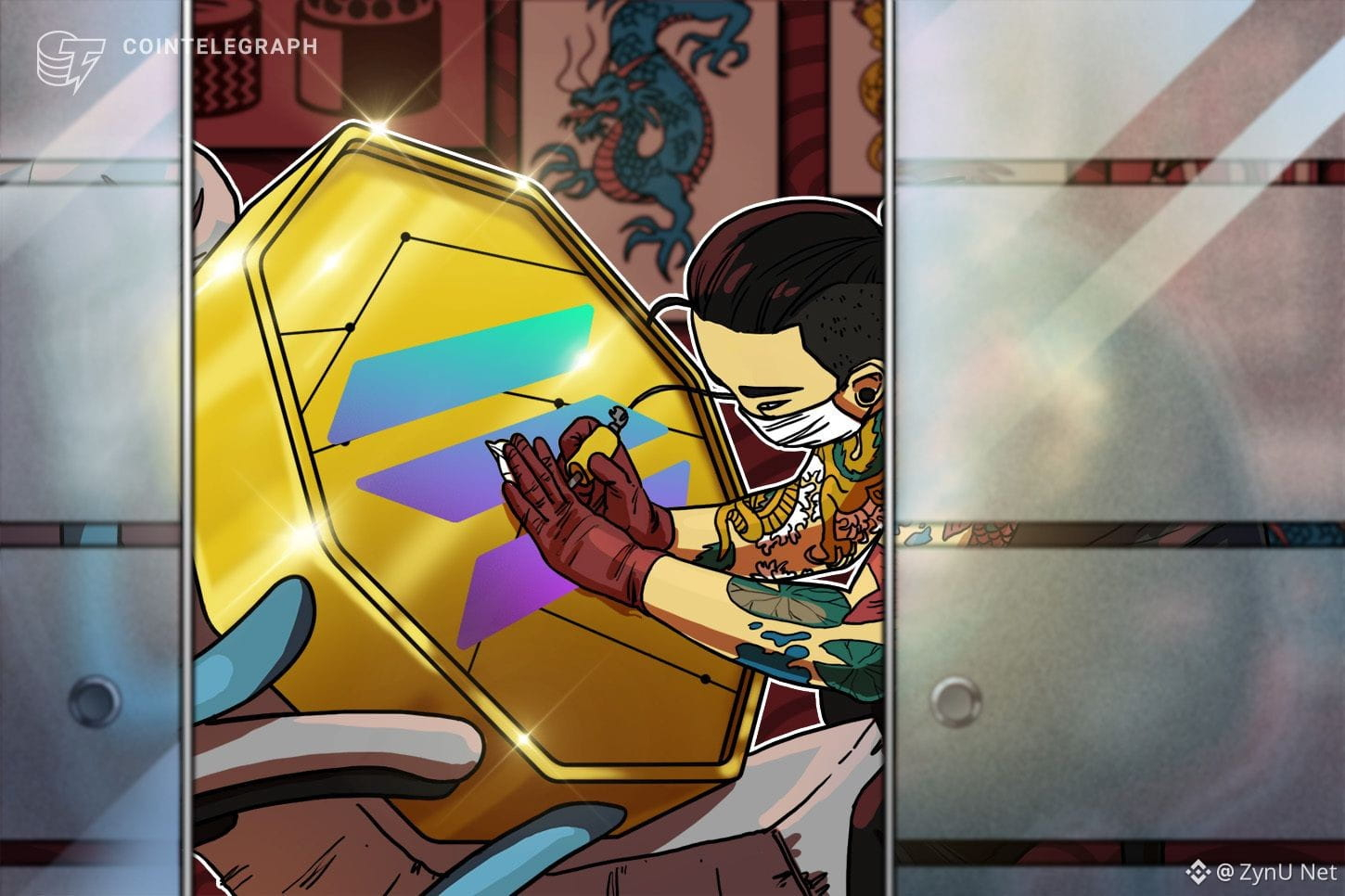
سولانا تُقلّص وقت الـSlot إلى 350 مللي ثانية—قفزة سرعة جديدة للـDeFiهل سبق لك أن تساءلت لماذا تبدو بعض معاملات البلوكشين وكأنها تزحف ببطء شديد بينما تتحرك أخرى بسرعة خاطفة؟ إن خطوة سولانا الأخيرة لتقليل وقت الـ”slot” إلى 350 ميلي ثانية هي الإجابة عن سؤال يطرحه كثير من عشّاق العملات المشفرة: كيف يمكن أن نجعل تفاعلات البلوكشين تبدو فورية؟
المفهوم
من منظور البلوكشين، فإن “slot” هي نافذة الوقت التي يمكن خلالها لمدقق (validator) اقتراح كتلة جديدة. تخيّلها مثل دور في لعبة: كلما كان الدور أقصر، تحركت اللعبة أسرع. من خلال تقليص وقت الـslot من 400 ميلي ثانية الأصلية إلى 350 ميلي ثانية، تمنح سولانا المدققين دورًا أسرع لإضافة الكتل، وهذا ينعكس على انخفاض زمن الوصول (latency) للمستخدمين. ما الهدف؟ الوصول إلى 200 ميلي ثانية، بحيث تبدو المعاملات شبه فورية. #BlockchainSpeed #LowLatency
سولانا تُقلّص وقت الـSlot إلى 350 مللي ثانية—قفزة سرعة جديدة للـDeFi
هل سبق لك أن تساءلت لماذا تبدو بعض معاملات البلوكشين وكأنها تزحف ببطء شديد بينما تتحرك أخرى بسرعة خاطفة؟ إن خطوة سولانا الأخيرة لتقليل وقت الـ”slot” إلى 350 ميلي ثانية هي الإجابة عن سؤال يطرحه كثير من عشّاق العملات المشفرة: كيف يمكن أن نجعل تفاعلات البلوكشين تبدو فورية؟
المفهوم
من منظور البلوكشين، فإن “slot” هي نافذة الوقت التي يمكن خلالها لمدقق (validator) اقتراح كتلة جديدة. تخيّلها مثل دور في لعبة: كلما كان الدور أقصر، تحركت اللعبة أسرع. من خلال تقليص وقت الـslot من 400 ميلي ثانية الأصلية إلى 350 ميلي ثانية، تمنح سولانا المدققين دورًا أسرع لإضافة الكتل، وهذا ينعكس على انخفاض زمن الوصول (latency) للمستخدمين. ما الهدف؟ الوصول إلى 200 ميلي ثانية، بحيث تبدو المعاملات شبه فورية. #BlockchainSpeed #LowLatency
المفهوم
من منظور البلوكشين، فإن “slot” هي نافذة الوقت التي يمكن خلالها لمدقق (validator) اقتراح كتلة جديدة. تخيّلها مثل دور في لعبة: كلما كان الدور أقصر، تحركت اللعبة أسرع. من خلال تقليص وقت الـslot من 400 ميلي ثانية الأصلية إلى 350 ميلي ثانية، تمنح سولانا المدققين دورًا أسرع لإضافة الكتل، وهذا ينعكس على انخفاض زمن الوصول (latency) للمستخدمين. ما الهدف؟ الوصول إلى 200 ميلي ثانية، بحيث تبدو المعاملات شبه فورية. #BlockchainSpeed #LowLatency
15

·
--
صاعد
@termmax يكتسب اهتمامًا مع تركيزه على الابتكار والتمويل اللامركزي والمنفعة العملية ضمن منظومة Web3 المتطورة. ومع استمرار نضج مساحة العملات المشفرة، يمكن للفرق التي تمتلك تقنيات قوية ورؤية واضحة ومجتمعًا نشطًا أن تخلق فرصًا ذات معنى. أنا أتابع @termmax عن كثب لأرى كيف ينمو النظام البيئي وما الذي سيأتي بعد ذلك. #DecentralizedFinance #CryptoInnovation #termmax @termmax
@TermMax يكتسب اهتمامًا مع تركيزه على الابتكار والتمويل اللامركزي والمنفعة العملية ضمن منظومة Web3 المتطورة. ومع استمرار نضج مساحة العملات المشفرة، يمكن للفرق التي تمتلك تقنيات قوية ورؤية واضحة ومجتمعًا نشطًا أن تخلق فرصًا ذات معنى. أنا أتابع @TermMax عن كثب لأرى كيف ينمو النظام البيئي وما الذي سيأتي بعد ذلك. #DecentralizedFinance #CryptoInnovation #termmax @TermMax

62


🚀 عهد جديد للعملات المشفرة:-
تدخل العملات المشفرة حقبة جديدة—لا تُعرَّف فقط بالأسواق، بل بالمنفعة. أصبحت العملات المستقرة بمثابة شرايين مالية، ويتوسع الوصول بشكل أكبر، وتجد الأصول الرقمية مكانها في المعاملات اليومية. تتمثل أعظم الابتكارات في تمكين الناس بسبل آمنة وملموسة نحو فرص حقيقية.
#CryptoInnovation
#Stablecoins
#Web3
🚀 عهد جديد للعملات المشفرة:-
تدخل العملات المشفرة حقبة جديدة—لا تُعرَّف فقط بالأسواق، بل بالمنفعة. أصبحت العملات المستقرة بمثابة شرايين مالية، ويتوسع الوصول بشكل أكبر، وتجد الأصول الرقمية مكانها في المعاملات اليومية. تتمثل أعظم الابتكارات في تمكين الناس بسبل آمنة وملموسة نحو فرص حقيقية.
#CryptoInnovation
#Stablecoins
#Web3
تدخل العملات المشفرة حقبة جديدة—لا تُعرَّف فقط بالأسواق، بل بالمنفعة. أصبحت العملات المستقرة بمثابة شرايين مالية، ويتوسع الوصول بشكل أكبر، وتجد الأصول الرقمية مكانها في المعاملات اليومية. تتمثل أعظم الابتكارات في تمكين الناس بسبل آمنة وملموسة نحو فرص حقيقية.
#CryptoInnovation
#Stablecoins
#Web3
83

#TermMax يعيد تشكيل إقراض التمويل اللامركزي (DeFi) عبر تقديم نماذج أسعار فائدة ديناميكية تتكيف مع ظروف السوق الفعلية في الوقت الحقيقي. ومع @termmax ، يمكن للمستخدمين تحسين العوائد مع تقليل التعرض للمخاطر—بالاستفادة من أدوات متقدمة لكل من المقرضين والمقترضين. تجعل شفافية المنصة وأمانها نقلة نوعية لإدارة السيولة عبر سلاسل متعددة، بما يضمن كفاءة رأس المال عبر عدة شبكات. سواء كنت محترفًا متمرسًا أو جديدًا على DeFi، يقدم TermMax واجهات سهلة وبديهية وتحليلات قوية للتنقل بين الأسواق المتقلبة. اغمر نفسك في مستقبل التمويل القابل للبرمجة حيث تحتسب كل نقطة أساس. استكشف، وأقرض، واقترض، وحقّق أرباحًا بذكاء مع #TermMax! 🚀📊🔗 #DeFi #TermMax #CryptoInnovation #BinanceSquareTalks
#TermMax يعيد تشكيل إقراض التمويل اللامركزي (DeFi) عبر تقديم نماذج أسعار فائدة ديناميكية تتكيف مع ظروف السوق الفعلية في الوقت الحقيقي. ومع @TermMax ، يمكن للمستخدمين تحسين العوائد مع تقليل التعرض للمخاطر—بالاستفادة من أدوات متقدمة لكل من المقرضين والمقترضين. تجعل شفافية المنصة وأمانها نقلة نوعية لإدارة السيولة عبر سلاسل متعددة، بما يضمن كفاءة رأس المال عبر عدة شبكات. سواء كنت محترفًا متمرسًا أو جديدًا على DeFi، يقدم TermMax واجهات سهلة وبديهية وتحليلات قوية للتنقل بين الأسواق المتقلبة. اغمر نفسك في مستقبل التمويل القابل للبرمجة حيث تحتسب كل نقطة أساس. استكشف، وأقرض، واقترض، وحقّق أرباحًا بذكاء مع #TermMax! 🚀📊🔗 #DeFi #TermMax #CryptoInnovation #BinanceSquareTalks
65

العنوان: إلى أين تتجه تقنية البلوكشين في 2026؟
نشهد اليوم تطورات مذهلة في دمج تقنية البلوكشين في الاقتصاد التقليدي، من تسهيل التحويلات المالية العالمية (مثل حلول الـ DTC) إلى العقود الذكية المتطورة. نحن لا نشهد مجرد تداول عملات، بل نشهد إعادة صياغة للنظام المالي العالمي.
ما هو القطاع الذي تتوقع أن يشهد أكبر قفزة في التبني خلال العام القادم؟ (التمويل اللامركزي، الألعاب، أم حلول الهوية الرقمية)؟ 🌐
#BinanceSquare #BlockchainFuture #Web3metaverse #CryptoInnovation $BNB
$BTC $ETH
العنوان: إلى أين تتجه تقنية البلوكشين في 2026؟
نشهد اليوم تطورات مذهلة في دمج تقنية البلوكشين في الاقتصاد التقليدي، من تسهيل التحويلات المالية العالمية (مثل حلول الـ DTC) إلى العقود الذكية المتطورة. نحن لا نشهد مجرد تداول عملات، بل نشهد إعادة صياغة للنظام المالي العالمي.
ما هو القطاع الذي تتوقع أن يشهد أكبر قفزة في التبني خلال العام القادم؟ (التمويل اللامركزي، الألعاب، أم حلول الهوية الرقمية)؟ 🌐
#BinanceSquare #BlockchainFuture #Web3metaverse #CryptoInnovation $BNB
$BTC $ETH
نشهد اليوم تطورات مذهلة في دمج تقنية البلوكشين في الاقتصاد التقليدي، من تسهيل التحويلات المالية العالمية (مثل حلول الـ DTC) إلى العقود الذكية المتطورة. نحن لا نشهد مجرد تداول عملات، بل نشهد إعادة صياغة للنظام المالي العالمي.
ما هو القطاع الذي تتوقع أن يشهد أكبر قفزة في التبني خلال العام القادم؟ (التمويل اللامركزي، الألعاب، أم حلول الهوية الرقمية)؟ 🌐
#BinanceSquare #BlockchainFuture #Web3metaverse #CryptoInnovation $BNB
$BTC $ETH
107
·
--
هل تعلم أن بعض مشاريع العملات المشفرة المثيرة “تستعير” التكنولوجيا القائمة بدلًا من إنشاء توكناتها من الصفر؟
الفكرة: الترميز و”البنية التحتية” القائمة. تخيّل أنك تبني منزلًا جديدًا، لكن بدلًا من شراء أخشاب وطوب جديدين، تستخدم أجزاء جاهزة عالية الجودة من مُصنّع موثوق ومعروف. هذا يشبه استخدام “السكك” (rails) الموجودة في البلوكشين للمشاريع الجديدة. فهو يوفر الوقت والموارد ويستفيد من بنية تحتية مُجرّبة. #BlockchainBasics #CryptoInnovation
مثال من الواقع: الخبر عن شركة ناشئة جديدة على XRPL لموظف سابق في Ripple تستخدم سكك RLUSD يُعد مثالًا مثاليًا. بدلًا من إنشاء توكن جديد تمامًا (وهو أمر قد يكون معقدًا ومكلفًا)، فإنهم يبنون فوق XRP Ledger (XRPL) الخاص بـ Ripple والكوْنستَبل كوين/الستيبلكوين الحالي لديه، RLUSD. وهذا يعني أنهم يستطيعون التركيز على منتجهم أو خدمتهم الأساسية دون القيام بالعمل الشاق المتمثل في إنشاء التوكن وإدارته. إنه مثل افتتاح مطعم جديد في مجمّع تجاري للطعام معروف بالفعل—ستستفيد من تدفّق الزوار والاسم التجاري الراسخ.
الخلاصة: إن الاستفادة من البنية التحتية القائمة خطوة ذكية. فقد تؤدي إلى تطوير أسرع واستقرار أكبر وربما خفض التكاليف على المستخدمين. ترقّب المشاريع التي تبني حلولًا ذكية بدلًا من البدء من الصفر! #SmartCrypto #Web3
ما رأيك في المشاريع التي تستخدم تقنية بلوكشين قائمة بدلًا من إطلاق توكناتها الخاصة؟
هل تعلم أن بعض مشاريع العملات المشفرة المثيرة “تستعير” التكنولوجيا القائمة بدلًا من إنشاء توكناتها من الصفر؟
الفكرة: الترميز و”البنية التحتية” القائمة. تخيّل أنك تبني منزلًا جديدًا، لكن بدلًا من شراء أخشاب وطوب جديدين، تستخدم أجزاء جاهزة عالية الجودة من مُصنّع موثوق ومعروف. هذا يشبه استخدام “السكك” (rails) الموجودة في البلوكشين للمشاريع الجديدة. فهو يوفر الوقت والموارد ويستفيد من بنية تحتية مُجرّبة. #BlockchainBasics #CryptoInnovation
مثال من الواقع: الخبر عن شركة ناشئة جديدة على XRPL لموظف سابق في Ripple تستخدم سكك RLUSD يُعد مثالًا مثاليًا. بدلًا من إنشاء توكن جديد تمامًا (وهو أمر قد يكون معقدًا ومكلفًا)، فإنهم يبنون فوق XRP Ledger (XRPL) الخاص بـ Ripple والكوْنستَبل كوين/الستيبلكوين الحالي لديه، RLUSD. وهذا يعني أنهم يستطيعون التركيز على منتجهم أو خدمتهم الأساسية دون القيام بالعمل الشاق المتمثل في إنشاء التوكن وإدارته. إنه مثل افتتاح مطعم جديد في مجمّع تجاري للطعام معروف بالفعل—ستستفيد من تدفّق الزوار والاسم التجاري الراسخ.
الخلاصة: إن الاستفادة من البنية التحتية القائمة خطوة ذكية. فقد تؤدي إلى تطوير أسرع واستقرار أكبر وربما خفض التكاليف على المستخدمين. ترقّب المشاريع التي تبني حلولًا ذكية بدلًا من البدء من الصفر! #SmartCrypto #Web3
ما رأيك في المشاريع التي تستخدم تقنية بلوكشين قائمة بدلًا من إطلاق توكناتها الخاصة؟
الفكرة: الترميز و”البنية التحتية” القائمة. تخيّل أنك تبني منزلًا جديدًا، لكن بدلًا من شراء أخشاب وطوب جديدين، تستخدم أجزاء جاهزة عالية الجودة من مُصنّع موثوق ومعروف. هذا يشبه استخدام “السكك” (rails) الموجودة في البلوكشين للمشاريع الجديدة. فهو يوفر الوقت والموارد ويستفيد من بنية تحتية مُجرّبة. #BlockchainBasics #CryptoInnovation
مثال من الواقع: الخبر عن شركة ناشئة جديدة على XRPL لموظف سابق في Ripple تستخدم سكك RLUSD يُعد مثالًا مثاليًا. بدلًا من إنشاء توكن جديد تمامًا (وهو أمر قد يكون معقدًا ومكلفًا)، فإنهم يبنون فوق XRP Ledger (XRPL) الخاص بـ Ripple والكوْنستَبل كوين/الستيبلكوين الحالي لديه، RLUSD. وهذا يعني أنهم يستطيعون التركيز على منتجهم أو خدمتهم الأساسية دون القيام بالعمل الشاق المتمثل في إنشاء التوكن وإدارته. إنه مثل افتتاح مطعم جديد في مجمّع تجاري للطعام معروف بالفعل—ستستفيد من تدفّق الزوار والاسم التجاري الراسخ.
الخلاصة: إن الاستفادة من البنية التحتية القائمة خطوة ذكية. فقد تؤدي إلى تطوير أسرع واستقرار أكبر وربما خفض التكاليف على المستخدمين. ترقّب المشاريع التي تبني حلولًا ذكية بدلًا من البدء من الصفر! #SmartCrypto #Web3
ما رأيك في المشاريع التي تستخدم تقنية بلوكشين قائمة بدلًا من إطلاق توكناتها الخاصة؟
57

·
--
#bedrock $BR أوقات مثيرة بانتظار النظام البيئي اللامركزي مع @Bedrock وإطلاق Bedrock 2.0! 🔥
هذا التحديث يجلب تحسينات كبيرة في قابلية التوسع، والأمان، وخيارات الستاكينغ السائل. من خلال عقود ذكية محسنة وتوسيع الدعم المتعدد السلاسل، يخلق Bedrock 2.0 بيئة سلسة للمستخدمين الذين يسعون لزيادة عوائدهم مع الحفاظ على سيولة الأصول.
مع تصاعد النظام البيئي، أصبح من الضروري بشكل متزايد لمستثمري الاستراتيجيات متابعة أداء وفائدة $BR token. الابتكار الذي يقومون ببنائه يضع أساسًا قويًا للنمو المستدام في فضاء Web3.
لنرى إلى أين سيأخذنا هذا التحديث!🚀
#Bedrock #LiquidStaking #Web3 #CryptoInnovation
#bedrock $BR أوقات مثيرة بانتظار النظام البيئي اللامركزي مع @Bedrock وإطلاق Bedrock 2.0! 🔥
هذا التحديث يجلب تحسينات كبيرة في قابلية التوسع، والأمان، وخيارات الستاكينغ السائل. من خلال عقود ذكية محسنة وتوسيع الدعم المتعدد السلاسل، يخلق Bedrock 2.0 بيئة سلسة للمستخدمين الذين يسعون لزيادة عوائدهم مع الحفاظ على سيولة الأصول.
مع تصاعد النظام البيئي، أصبح من الضروري بشكل متزايد لمستثمري الاستراتيجيات متابعة أداء وفائدة $BR token. الابتكار الذي يقومون ببنائه يضع أساسًا قويًا للنمو المستدام في فضاء Web3.
لنرى إلى أين سيأخذنا هذا التحديث!🚀
#Bedrock #LiquidStaking #Web3 #CryptoInnovation
هذا التحديث يجلب تحسينات كبيرة في قابلية التوسع، والأمان، وخيارات الستاكينغ السائل. من خلال عقود ذكية محسنة وتوسيع الدعم المتعدد السلاسل، يخلق Bedrock 2.0 بيئة سلسة للمستخدمين الذين يسعون لزيادة عوائدهم مع الحفاظ على سيولة الأصول.
مع تصاعد النظام البيئي، أصبح من الضروري بشكل متزايد لمستثمري الاستراتيجيات متابعة أداء وفائدة $BR token. الابتكار الذي يقومون ببنائه يضع أساسًا قويًا للنمو المستدام في فضاء Web3.
لنرى إلى أين سيأخذنا هذا التحديث!🚀
#Bedrock #LiquidStaking #Web3 #CryptoInnovation
60

·
--
#bedrock $BR
🚀 تطور التمويل اللامركزي يحدث الآن، وBedrock 2.0 يقود المسيرة! من خلال تحويل بنيته التحتية إلى "محرك عائد ذكي"، @Bedrock (https://www.binance.com/en/square/profile/bedrock) يحسن بشكل كبير كفاءة رأس المال لبيتكوين والتخزين السائل متعدد الأصول.
ما يجعل هذا التحديث مغيراً لقواعد اللعبة هو كيف يتعامل مع استراتيجيات مؤسسية معقدة من خلال خزاناته المودولارية—تتراوح من خزانات محايدة دلتا إلى خزانات RWA—ويبسطها للمستخدمين العاديين. بالإضافة إلى ذلك، مع إدخال BrClaw، محلل المحفظة المدعوم بالذكاء الاصطناعي، لم يكن إدارة وتحسين عائدك أذكى أو أكثر تلقائية من الآن.
في قلب هذا النظام البيئي المزدهر يوجد الرمز المرافق $BR. من فتح عوائد أعلى والوصول إلى خزانات متميزة إلى المشاركة في الحوكمة اللامركزية، فإن المرافق التي تدفع $BR أقوى من أي وقت مضى.
إذا كنت تبحث عن مشروع يربط بسلاسة بين السيولة العميقة، والأمان من الدرجة الأولى، وتحسين العوائد الحقيقية، ابق قريباً من هذا التحديث. مستقبل إعادة التخزين السائل يبدو مشرقاً بشكل مذهل! 💎✨
#Bedrock #DeFi #BTCFi #CryptoInnovation
#bedrock $BR
🚀 تطور التمويل اللامركزي يحدث الآن، وBedrock 2.0 يقود المسيرة! من خلال تحويل بنيته التحتية إلى "محرك عائد ذكي"، @Bedrock (https://www.binance.com/en/square/profile/bedrock) يحسن بشكل كبير كفاءة رأس المال لبيتكوين والتخزين السائل متعدد الأصول.
ما يجعل هذا التحديث مغيراً لقواعد اللعبة هو كيف يتعامل مع استراتيجيات مؤسسية معقدة من خلال خزاناته المودولارية—تتراوح من خزانات محايدة دلتا إلى خزانات RWA—ويبسطها للمستخدمين العاديين. بالإضافة إلى ذلك، مع إدخال BrClaw، محلل المحفظة المدعوم بالذكاء الاصطناعي، لم يكن إدارة وتحسين عائدك أذكى أو أكثر تلقائية من الآن.
في قلب هذا النظام البيئي المزدهر يوجد الرمز المرافق $BR . من فتح عوائد أعلى والوصول إلى خزانات متميزة إلى المشاركة في الحوكمة اللامركزية، فإن المرافق التي تدفع $BR أقوى من أي وقت مضى.
إذا كنت تبحث عن مشروع يربط بسلاسة بين السيولة العميقة، والأمان من الدرجة الأولى، وتحسين العوائد الحقيقية، ابق قريباً من هذا التحديث. مستقبل إعادة التخزين السائل يبدو مشرقاً بشكل مذهل! 💎✨
#Bedrock #DeFi #BTCFi #CryptoInnovation
🚀 تطور التمويل اللامركزي يحدث الآن، وBedrock 2.0 يقود المسيرة! من خلال تحويل بنيته التحتية إلى "محرك عائد ذكي"، @Bedrock (https://www.binance.com/en/square/profile/bedrock) يحسن بشكل كبير كفاءة رأس المال لبيتكوين والتخزين السائل متعدد الأصول.
ما يجعل هذا التحديث مغيراً لقواعد اللعبة هو كيف يتعامل مع استراتيجيات مؤسسية معقدة من خلال خزاناته المودولارية—تتراوح من خزانات محايدة دلتا إلى خزانات RWA—ويبسطها للمستخدمين العاديين. بالإضافة إلى ذلك، مع إدخال BrClaw، محلل المحفظة المدعوم بالذكاء الاصطناعي، لم يكن إدارة وتحسين عائدك أذكى أو أكثر تلقائية من الآن.
في قلب هذا النظام البيئي المزدهر يوجد الرمز المرافق $BR . من فتح عوائد أعلى والوصول إلى خزانات متميزة إلى المشاركة في الحوكمة اللامركزية، فإن المرافق التي تدفع $BR أقوى من أي وقت مضى.
إذا كنت تبحث عن مشروع يربط بسلاسة بين السيولة العميقة، والأمان من الدرجة الأولى، وتحسين العوائد الحقيقية، ابق قريباً من هذا التحديث. مستقبل إعادة التخزين السائل يبدو مشرقاً بشكل مذهل! 💎✨
#Bedrock #DeFi #BTCFi #CryptoInnovation
88
·
--
إليك منشور أصلي وجذاب مصمم خصيصًا لـ Binance Square والذي يفي بجميع معاييرك:
تطور @Bedrock يصل إلى نقطة تحول كبيرة! 🚀 مع الإطلاق المنتظر بشغف لـ **Bedrock 2.0**، المشروع يعيد تعريف ما تعنيه الكفاءة والأمان في النظام البيئي اللامركزي.
من خلال تحسين آليات الستاكينغ السائل وإعادة الستاكينغ، فإن Bedrock 2.0 ليست مجرد ترقية بسيطة - إنها تحول أساسي مصمم لتعظيم العوائد مع تقليل المخاطر على المجتمع. يبدو أن القوة والدافع وراء الرمز الأصلي $BR أقوى من أي وقت مضى مع طرح هذه التحديثات.
إذا كنت تبحث عن الابتكار في مجال DeFi، فهذا بالتأكيد معلم يجب متابعته عن كثب. تمكين المستخدمين وتأمين الشبكات، المستقبل يُبنى هنا.
#Bedrock #DeFi #LiquidStaking #CryptoInnovation
#bedrock $BR
إليك منشور أصلي وجذاب مصمم خصيصًا لـ Binance Square والذي يفي بجميع معاييرك:
تطور @Bedrock يصل إلى نقطة تحول كبيرة! 🚀 مع الإطلاق المنتظر بشغف لـ **Bedrock 2.0**، المشروع يعيد تعريف ما تعنيه الكفاءة والأمان في النظام البيئي اللامركزي.
من خلال تحسين آليات الستاكينغ السائل وإعادة الستاكينغ، فإن Bedrock 2.0 ليست مجرد ترقية بسيطة - إنها تحول أساسي مصمم لتعظيم العوائد مع تقليل المخاطر على المجتمع. يبدو أن القوة والدافع وراء الرمز الأصلي $BR أقوى من أي وقت مضى مع طرح هذه التحديثات.
إذا كنت تبحث عن الابتكار في مجال DeFi، فهذا بالتأكيد معلم يجب متابعته عن كثب. تمكين المستخدمين وتأمين الشبكات، المستقبل يُبنى هنا.
#Bedrock #DeFi #LiquidStaking #CryptoInnovation
#bedrock $BR
تطور @Bedrock يصل إلى نقطة تحول كبيرة! 🚀 مع الإطلاق المنتظر بشغف لـ **Bedrock 2.0**، المشروع يعيد تعريف ما تعنيه الكفاءة والأمان في النظام البيئي اللامركزي.
من خلال تحسين آليات الستاكينغ السائل وإعادة الستاكينغ، فإن Bedrock 2.0 ليست مجرد ترقية بسيطة - إنها تحول أساسي مصمم لتعظيم العوائد مع تقليل المخاطر على المجتمع. يبدو أن القوة والدافع وراء الرمز الأصلي $BR أقوى من أي وقت مضى مع طرح هذه التحديثات.
إذا كنت تبحث عن الابتكار في مجال DeFi، فهذا بالتأكيد معلم يجب متابعته عن كثب. تمكين المستخدمين وتأمين الشبكات، المستقبل يُبنى هنا.
#Bedrock #DeFi #LiquidStaking #CryptoInnovation
#bedrock $BR
96
سجّل الدخول لاستكشاف المزيد من المُحتوى
انضم إلى مُستخدمي العملات الرقمية حول العالم على Binance Square
⚡️ احصل على أحدث المعلومات المفيدة عن العملات الرقمية.
💬 موثوقة من قبل أكبر منصّة لتداول العملات الرقمية في العالم.
👍 اكتشف الرؤى الحقيقية من صنّاع المُحتوى الموثوقين.
البريد الإلكتروني / رقم الهاتف
المواضيع الرائجة
1
#StellarActivatesProtocol28At211TPS
1,832 مشاهدات
77 يقومون بالنقاش
2
#SECGrantsInnovationExemptionForTokenizedStocks
1,833 مشاهدات
105 يقومون بالنقاش
3
#XRPGains3%AsRippleAddsMPPSupport
1,094 مشاهدات
74 يقومون بالنقاش
4
#SPGlobalToAcquireOpenZeppelin
907 مشاهدات
52 يقومون بالنقاش
5
#BitcoinSurpasses$77000
19,523 مشاهدات
234 يقومون بالنقاش
6
#ParadigmDisclosesZECHolding
80,542 مشاهدات
1,165 يقومون بالنقاش
7
#BitcoinETFsShed$450M
27,854 مشاهدات
222 يقومون بالنقاش
8
#USWeeklyJoblessClaimsFallTo196K
44,406 مشاهدات
670 يقومون بالنقاش
9
#ArkhamSaysBlackRockBuys$1.5BInETH
7,502 مشاهدات
74 يقومون بالنقاش
10
#FCARaidsThreeLondonIllegalCryptoSites
3,248 مشاهدات
88 يقومون بالنقاش