

Shaheen Star
9.2k منشورات

Shaheen Star
إبلاغ
حظر المُستخدم
373 تتابع
22.2K+ المتابعون
7.6K+ إعجاب
منشورات
الكل
اقتباسات
Live
·
--
صاعد
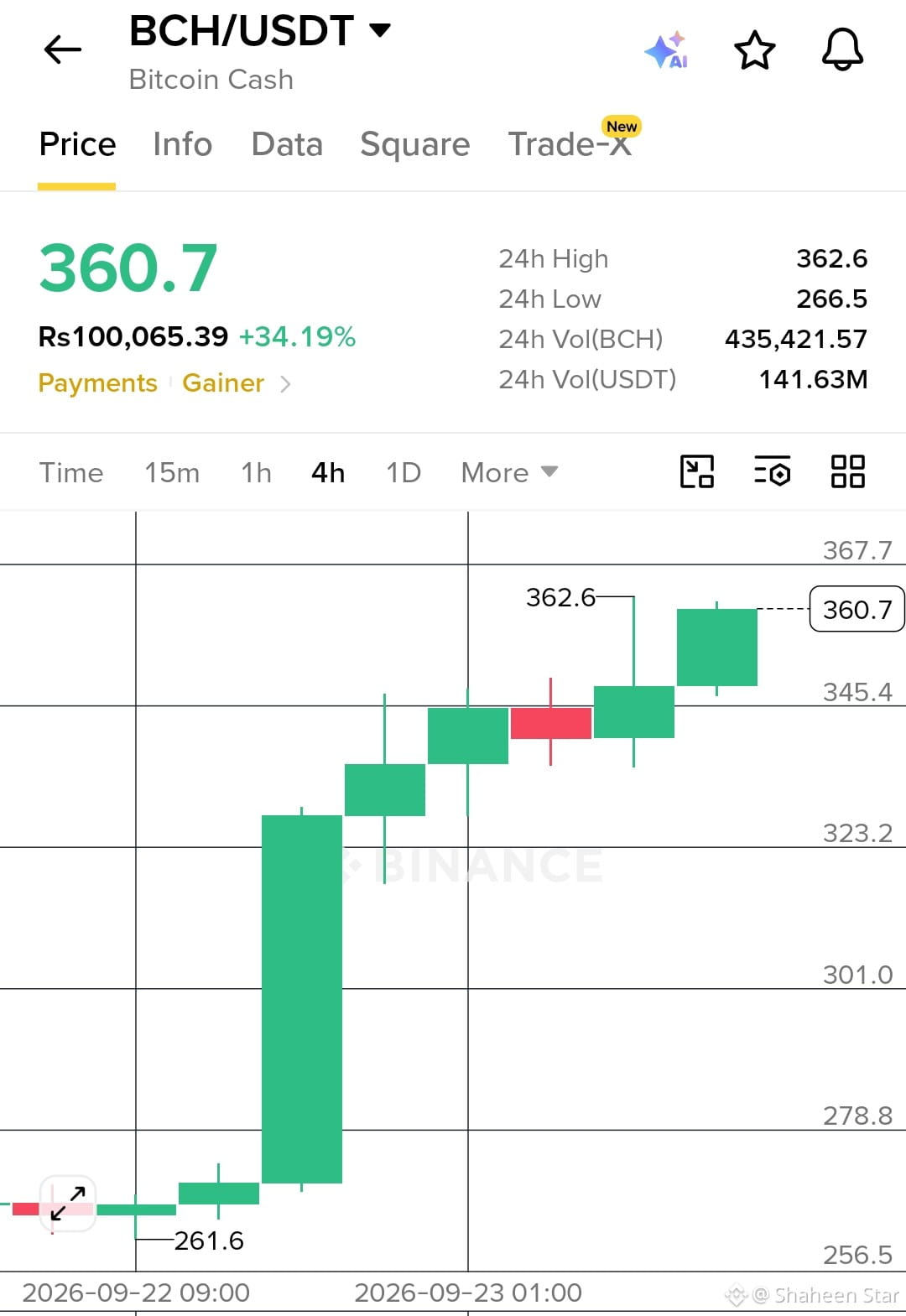
🚀 $BCH /USDT إشارة LONG 💯🔥
🟢 الدخول: 356–360
🎯 الهدف 1: 363
🎯 الهدف 2: 375
🎯 الهدف 3: 390
🛑 وقف الخسارة: 348
📈 زخم صعودي قوي + حجم تداول ~1.14B USDT!
⚡ المقاومة: 362.73 — اختراق نظيف مع & الثبات أعلى من 363 قد يفتح المزيد من الصعود.
❌ أقل من 348 = الإعداد غير صالح
تداول مع إدارة مخاطر سليمة. ⚠️
#BCH #BitcoinCash #Crypto #Trading #Binance
🚀 $BCH /USDT إشارة LONG 💯🔥
🟢 الدخول: 356–360
🎯 الهدف 1: 363
🎯 الهدف 2: 375
🎯 الهدف 3: 390
🛑 وقف الخسارة: 348
📈 زخم صعودي قوي + حجم تداول ~1.14B USDT!
⚡ المقاومة: 362.73 — اختراق نظيف مع & الثبات أعلى من 363 قد يفتح المزيد من الصعود.
❌ أقل من 348 = الإعداد غير صالح
تداول مع إدارة مخاطر سليمة. ⚠️
#BCH #BitcoinCash #Crypto #Trading #Binance
🟢 الدخول: 356–360
🎯 الهدف 1: 363
🎯 الهدف 2: 375
🎯 الهدف 3: 390
🛑 وقف الخسارة: 348
📈 زخم صعودي قوي + حجم تداول ~1.14B USDT!
⚡ المقاومة: 362.73 — اختراق نظيف مع & الثبات أعلى من 363 قد يفتح المزيد من الصعود.
❌ أقل من 348 = الإعداد غير صالح
تداول مع إدارة مخاطر سليمة. ⚠️
#BCH #BitcoinCash #Crypto #Trading #Binance
72
·
--
صاعد
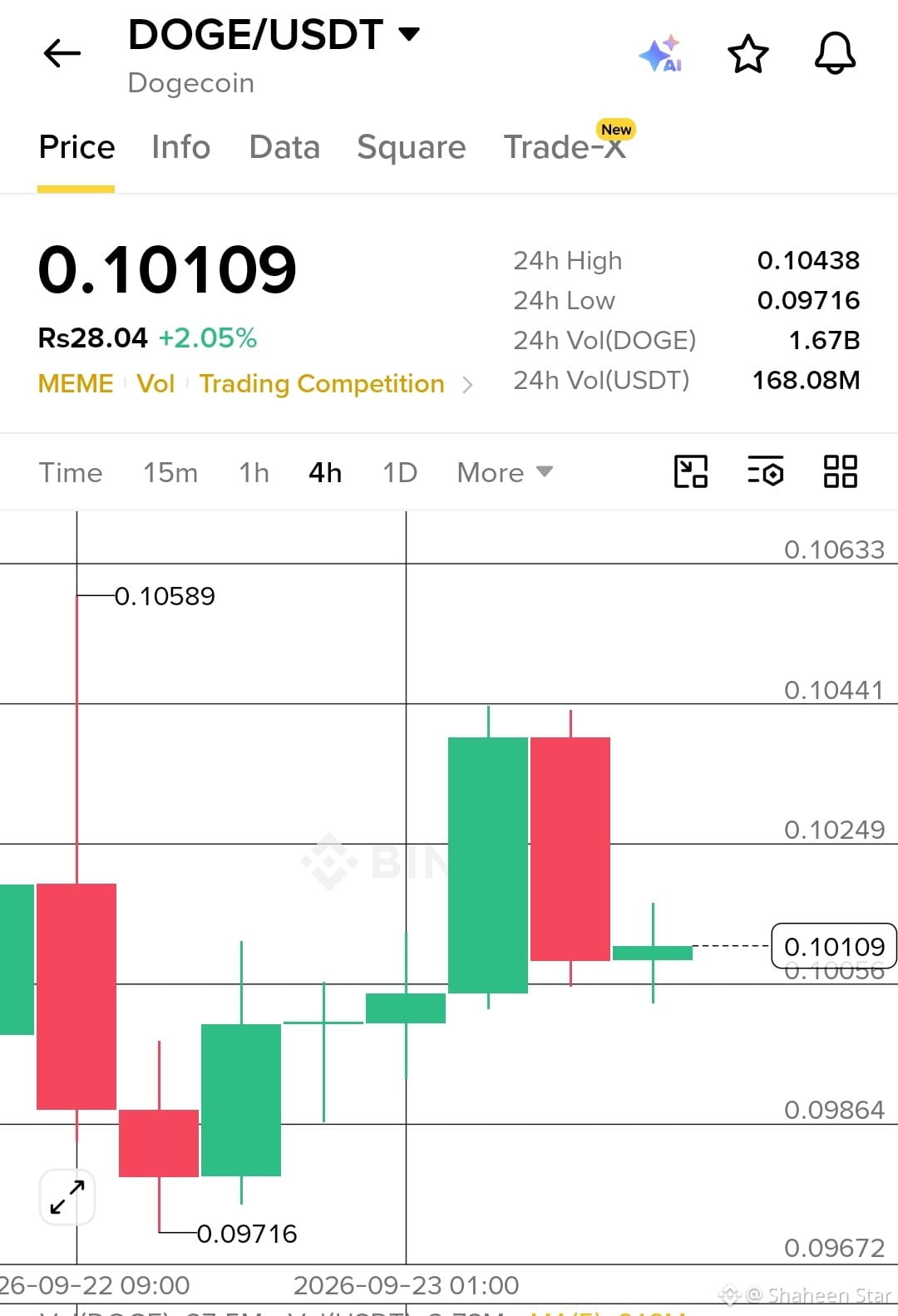
🚀 $DOGE الثبات القوي! 🐕🔥
من ~0.085$ → الآن ~0.1025$، الثيران تراقب اختراقًا آخر! 👀
📍 المقاومة: 0.104–0.105$
🎯 أهداف الاختراق: 0.108 → 0.110 → 0.115$
🔄 منطقة إعادة الاختبار: 0.098–0.100$
الزخم قوي — لكن لا تطارد قرب المقاومة. ⚠️
🔥 اشترِ وتداول $DOGE
#DOGE #Dogecoin #Crypto #Trading #Binance
🚀 $DOGE الثبات القوي! 🐕🔥
من ~0.085$ → الآن ~0.1025$، الثيران تراقب اختراقًا آخر! 👀
📍 المقاومة: 0.104–0.105$
🎯 أهداف الاختراق: 0.108 → 0.110 → 0.115$
🔄 منطقة إعادة الاختبار: 0.098–0.100$
الزخم قوي — لكن لا تطارد قرب المقاومة. ⚠️
🔥 اشترِ وتداول $DOGE
#DOGE #Dogecoin #Crypto #Trading #Binance
من ~0.085$ → الآن ~0.1025$، الثيران تراقب اختراقًا آخر! 👀
📍 المقاومة: 0.104–0.105$
🎯 أهداف الاختراق: 0.108 → 0.110 → 0.115$
🔄 منطقة إعادة الاختبار: 0.098–0.100$
الزخم قوي — لكن لا تطارد قرب المقاومة. ⚠️
🔥 اشترِ وتداول $DOGE
#DOGE #Dogecoin #Crypto #Trading #Binance
111
·
--
صاعد
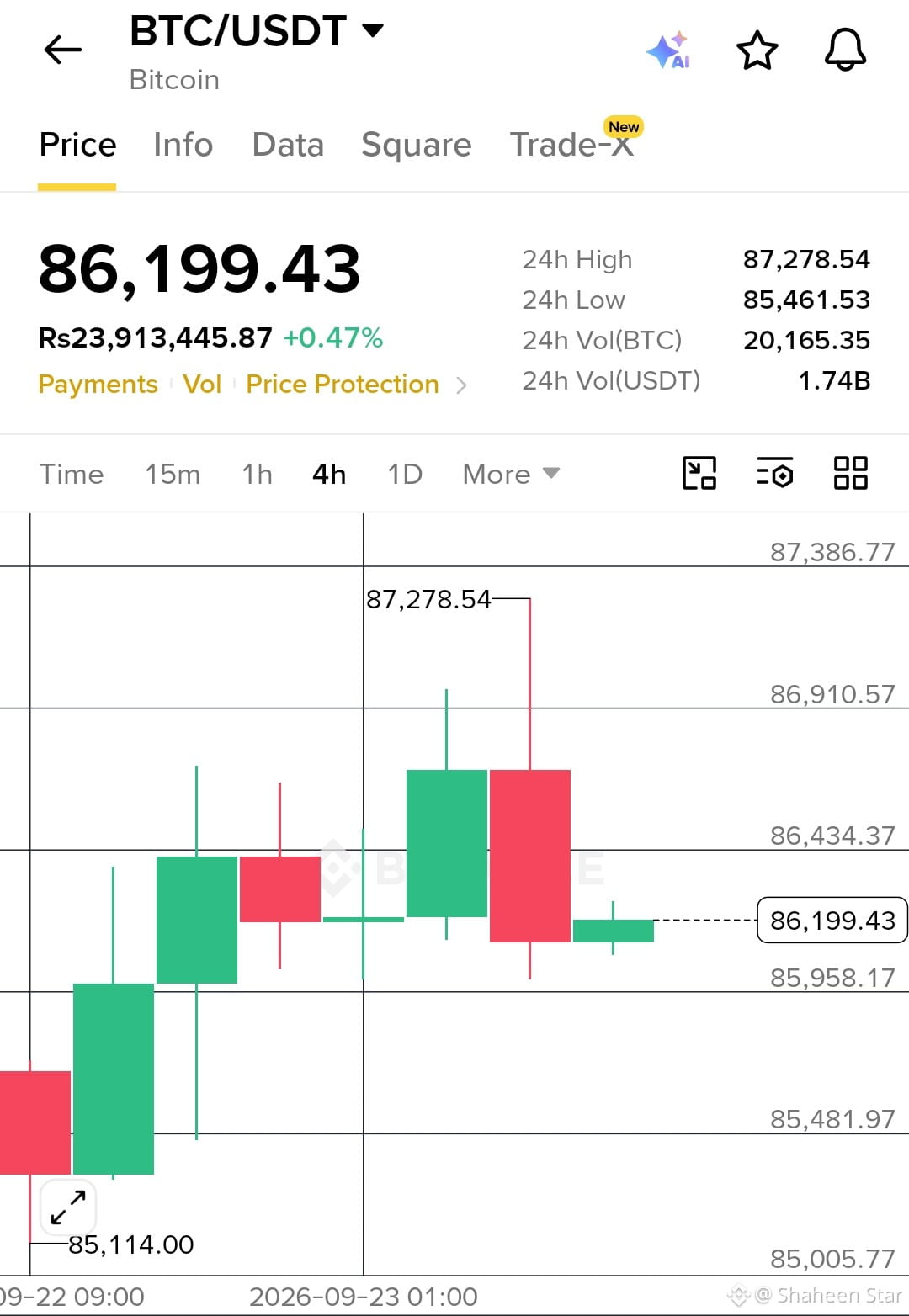
🚨 $BTC LONG SETUP 🚨
ثق في الإعداد — نراقب الحركة التالية 📈🔥
🟢 الدخول: $86,200 – $86,300
🎯 الهدف 1: $86,500
🎯 الهدف 2: $86,650
🎯 الهدف 3: $86,840
🛑 وقف الخسارة: $85,897
أدر إدارة المخاطر. اتبع خطتك أنت. ⚠️
#BTC #Bitcoin #Crypto #Trading #Binance
🚨 $BTC LONG SETUP 🚨
ثق في الإعداد — نراقب الحركة التالية 📈🔥
🟢 الدخول: $86,200 – $86,300
🎯 الهدف 1: $86,500
🎯 الهدف 2: $86,650
🎯 الهدف 3: $86,840
🛑 وقف الخسارة: $85,897
أدر إدارة المخاطر. اتبع خطتك أنت. ⚠️
#BTC #Bitcoin #Crypto #Trading #Binance
ثق في الإعداد — نراقب الحركة التالية 📈🔥
🟢 الدخول: $86,200 – $86,300
🎯 الهدف 1: $86,500
🎯 الهدف 2: $86,650
🎯 الهدف 3: $86,840
🛑 وقف الخسارة: $85,897
أدر إدارة المخاطر. اتبع خطتك أنت. ⚠️
#BTC #Bitcoin #Crypto #Trading #Binance
104
·
--
صاعد
تمّ التحقق
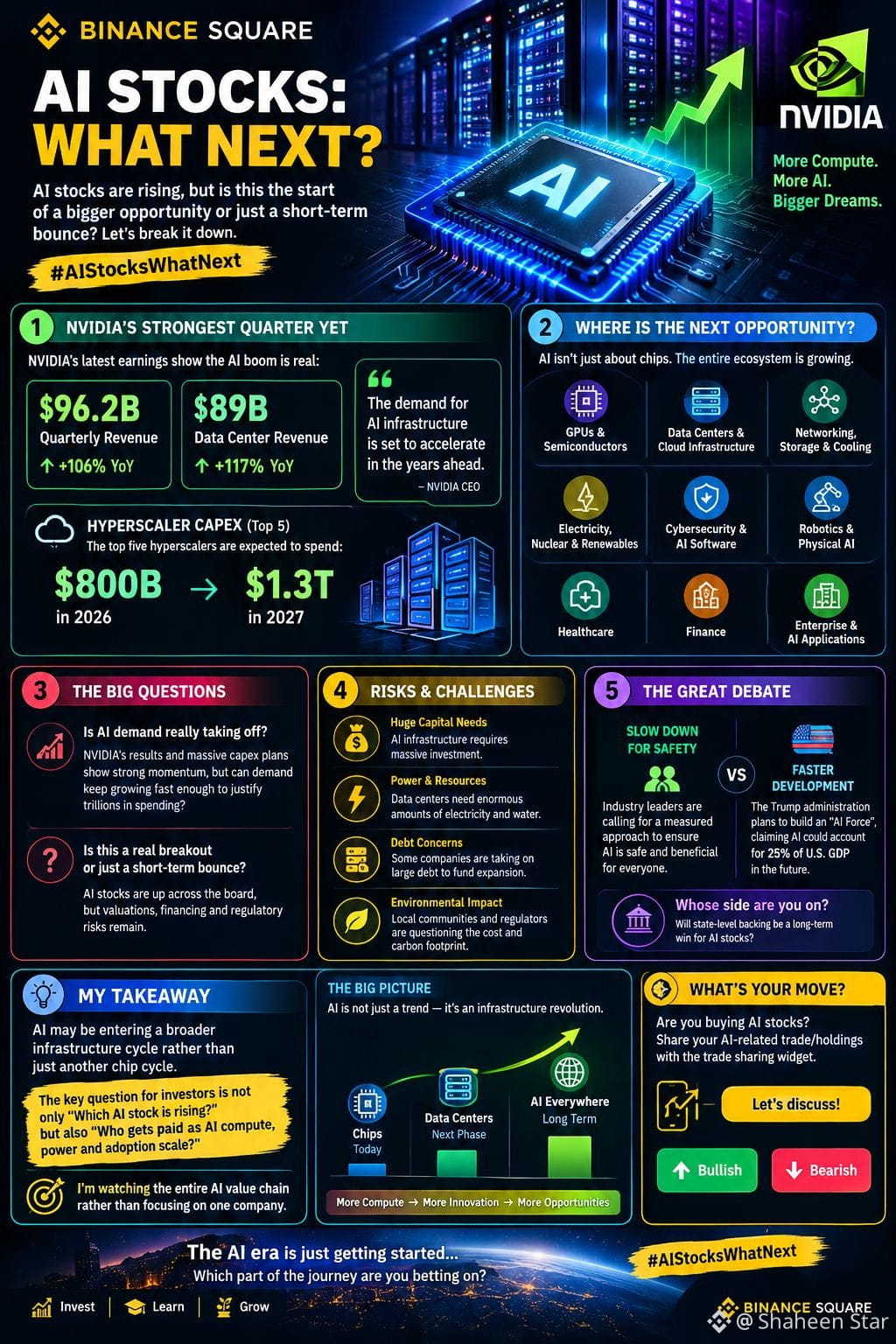
تتزايد أسهم شركات الذكاء الاصطناعي، ولكن أين الفرصة التالية؟
أنا متفائل بحذر بشأن اتجاه الذكاء الاصطناعي على المدى الطويل، لكنني أعتقد أن المرحلة التالية قد تكون أكبر بكثير من مجرد شراء أسهم شركات أشباه الموصلات.
الأرقام الأحدث لشركة NVIDIA توضح مدى قوة دورة الطلب: فقد بلغ إجمالي الإيرادات الفصلية 96.2 مليار دولار، بزيادة 106% على أساس سنوي، بينما وصلت إيرادات مراكز البيانات إلى 89 مليار دولار، بزيادة 117%. وفي الوقت نفسه، تستعد شركات السحابة العملاقة (hyperscalers) لميزانيات بنية تحتية هائلة، حيث يُتوقع أن ينفق الخمسة الكبار قرابة 800 مليار دولار على النفقات الرأسمالية (capex) في عام 2026 وحوالي 1.3 تريليون دولار في 2027.
ولكن إليك السؤال المهم: هل يمكن لطلب الذكاء الاصطناعي أن يستمر في النمو بسرعة كافية لتبرير هذا المستوى من الإنفاق؟
تتوسع الفرصة عبر سلسلة إمداد الذكاء الاصطناعي:
🔹 وحدات معالجة الرسوميات (GPU) وأشباه الموصلات المتقدمة
🔹 مراكز البيانات وبنية السحابة الخاصة بالذكاء الاصطناعي
🔹 الشبكات والتخزين والتبريد
🔹 الكهرباء والطاقة النووية والطاقة المتجددة
🔹 الأمن السيبراني وبرامج الذكاء الاصطناعي
🔹 الروبوتات والذكاء الاصطناعي المادي
🔹 تطبيقات الذكاء الاصطناعي في الرعاية الصحية والتمويل والشركات
هناك أيضًا مخاطر حقيقية. تتطلب بنية تحتية للذكاء الاصطناعي كميات ضخمة من رأس المال والكهرباء وسعة مراكز البيانات. بعض الشركات بدأت بالفعل برفع كميات كبيرة من الديون لتمويل التوسع، في حين أن الجهات التنظيمية والمجتمعات المحلية باتت تطرح بشكل متزايد تساؤلات حول تكلفة مراكز البيانات والأثر البيئي لها.
ومن أبرز النقاشات الأخرى ما يتطور الآن: هل ينبغي تسريع تطوير الذكاء الاصطناعي أم ضبط وتيرته من أجل السلامة؟ فقد دعم مؤخراً عدد من قادة الذكاء الاصطناعي تدابير سلامة أقوى، بينما يركز صانعو السياسات في الولايات المتحدة على القيادة التكنولوجية والمنافسة.
خلاصة أمري: قد يكون الذكاء الاصطناعي يدخل دورة بنية تحتية أوسع، وليس مجرد دورة جديدة للرقائق (chips). السؤال الأساسي بالنسبة للمستثمرين ليس فقط “أي سهم من أسهم الذكاء الاصطناعي يتجه للصعود؟” بل أيضًا “من سيحصل على المقابل مقابل الحوسبة والقدرة الكهربائية وتوسع الاعتماد للذكاء الاصطناعي؟”
📊 أنا أتابع سلسلة القيمة الكاملة للذكاء الاصطناعي بدلاً من التركيز على شركة واحدة.
ما رأيك — هل تميل إلى الصعود أم الهبوط لأسهم الذكاء الاصطناعي من هنا؟
#AIStocksWhatNext
$MUBARAK
{spot}(MUBARAKUSDT)
$KERNEL
{spot}(KERNELUSDT)
$COOKIE
{spot}(COOKIEUSDT)
تتزايد أسهم شركات الذكاء الاصطناعي، ولكن أين الفرصة التالية؟
أنا متفائل بحذر بشأن اتجاه الذكاء الاصطناعي على المدى الطويل، لكنني أعتقد أن المرحلة التالية قد تكون أكبر بكثير من مجرد شراء أسهم شركات أشباه الموصلات.
الأرقام الأحدث لشركة NVIDIA توضح مدى قوة دورة الطلب: فقد بلغ إجمالي الإيرادات الفصلية 96.2 مليار دولار، بزيادة 106% على أساس سنوي، بينما وصلت إيرادات مراكز البيانات إلى 89 مليار دولار، بزيادة 117%. وفي الوقت نفسه، تستعد شركات السحابة العملاقة (hyperscalers) لميزانيات بنية تحتية هائلة، حيث يُتوقع أن ينفق الخمسة الكبار قرابة 800 مليار دولار على النفقات الرأسمالية (capex) في عام 2026 وحوالي 1.3 تريليون دولار في 2027.
ولكن إليك السؤال المهم: هل يمكن لطلب الذكاء الاصطناعي أن يستمر في النمو بسرعة كافية لتبرير هذا المستوى من الإنفاق؟
تتوسع الفرصة عبر سلسلة إمداد الذكاء الاصطناعي:
🔹 وحدات معالجة الرسوميات (GPU) وأشباه الموصلات المتقدمة
🔹 مراكز البيانات وبنية السحابة الخاصة بالذكاء الاصطناعي
🔹 الشبكات والتخزين والتبريد
🔹 الكهرباء والطاقة النووية والطاقة المتجددة
🔹 الأمن السيبراني وبرامج الذكاء الاصطناعي
🔹 الروبوتات والذكاء الاصطناعي المادي
🔹 تطبيقات الذكاء الاصطناعي في الرعاية الصحية والتمويل والشركات
هناك أيضًا مخاطر حقيقية. تتطلب بنية تحتية للذكاء الاصطناعي كميات ضخمة من رأس المال والكهرباء وسعة مراكز البيانات. بعض الشركات بدأت بالفعل برفع كميات كبيرة من الديون لتمويل التوسع، في حين أن الجهات التنظيمية والمجتمعات المحلية باتت تطرح بشكل متزايد تساؤلات حول تكلفة مراكز البيانات والأثر البيئي لها.
ومن أبرز النقاشات الأخرى ما يتطور الآن: هل ينبغي تسريع تطوير الذكاء الاصطناعي أم ضبط وتيرته من أجل السلامة؟ فقد دعم مؤخراً عدد من قادة الذكاء الاصطناعي تدابير سلامة أقوى، بينما يركز صانعو السياسات في الولايات المتحدة على القيادة التكنولوجية والمنافسة.
خلاصة أمري: قد يكون الذكاء الاصطناعي يدخل دورة بنية تحتية أوسع، وليس مجرد دورة جديدة للرقائق (chips). السؤال الأساسي بالنسبة للمستثمرين ليس فقط “أي سهم من أسهم الذكاء الاصطناعي يتجه للصعود؟” بل أيضًا “من سيحصل على المقابل مقابل الحوسبة والقدرة الكهربائية وتوسع الاعتماد للذكاء الاصطناعي؟”
📊 أنا أتابع سلسلة القيمة الكاملة للذكاء الاصطناعي بدلاً من التركيز على شركة واحدة.
ما رأيك — هل تميل إلى الصعود أم الهبوط لأسهم الذكاء الاصطناعي من هنا؟
#AIStocksWhatNext
$MUBARAK
$KERNEL
$COOKIE
أنا متفائل بحذر بشأن اتجاه الذكاء الاصطناعي على المدى الطويل، لكنني أعتقد أن المرحلة التالية قد تكون أكبر بكثير من مجرد شراء أسهم شركات أشباه الموصلات.
الأرقام الأحدث لشركة NVIDIA توضح مدى قوة دورة الطلب: فقد بلغ إجمالي الإيرادات الفصلية 96.2 مليار دولار، بزيادة 106% على أساس سنوي، بينما وصلت إيرادات مراكز البيانات إلى 89 مليار دولار، بزيادة 117%. وفي الوقت نفسه، تستعد شركات السحابة العملاقة (hyperscalers) لميزانيات بنية تحتية هائلة، حيث يُتوقع أن ينفق الخمسة الكبار قرابة 800 مليار دولار على النفقات الرأسمالية (capex) في عام 2026 وحوالي 1.3 تريليون دولار في 2027.
ولكن إليك السؤال المهم: هل يمكن لطلب الذكاء الاصطناعي أن يستمر في النمو بسرعة كافية لتبرير هذا المستوى من الإنفاق؟
تتوسع الفرصة عبر سلسلة إمداد الذكاء الاصطناعي:
🔹 وحدات معالجة الرسوميات (GPU) وأشباه الموصلات المتقدمة
🔹 مراكز البيانات وبنية السحابة الخاصة بالذكاء الاصطناعي
🔹 الشبكات والتخزين والتبريد
🔹 الكهرباء والطاقة النووية والطاقة المتجددة
🔹 الأمن السيبراني وبرامج الذكاء الاصطناعي
🔹 الروبوتات والذكاء الاصطناعي المادي
🔹 تطبيقات الذكاء الاصطناعي في الرعاية الصحية والتمويل والشركات
هناك أيضًا مخاطر حقيقية. تتطلب بنية تحتية للذكاء الاصطناعي كميات ضخمة من رأس المال والكهرباء وسعة مراكز البيانات. بعض الشركات بدأت بالفعل برفع كميات كبيرة من الديون لتمويل التوسع، في حين أن الجهات التنظيمية والمجتمعات المحلية باتت تطرح بشكل متزايد تساؤلات حول تكلفة مراكز البيانات والأثر البيئي لها.
ومن أبرز النقاشات الأخرى ما يتطور الآن: هل ينبغي تسريع تطوير الذكاء الاصطناعي أم ضبط وتيرته من أجل السلامة؟ فقد دعم مؤخراً عدد من قادة الذكاء الاصطناعي تدابير سلامة أقوى، بينما يركز صانعو السياسات في الولايات المتحدة على القيادة التكنولوجية والمنافسة.
خلاصة أمري: قد يكون الذكاء الاصطناعي يدخل دورة بنية تحتية أوسع، وليس مجرد دورة جديدة للرقائق (chips). السؤال الأساسي بالنسبة للمستثمرين ليس فقط “أي سهم من أسهم الذكاء الاصطناعي يتجه للصعود؟” بل أيضًا “من سيحصل على المقابل مقابل الحوسبة والقدرة الكهربائية وتوسع الاعتماد للذكاء الاصطناعي؟”
📊 أنا أتابع سلسلة القيمة الكاملة للذكاء الاصطناعي بدلاً من التركيز على شركة واحدة.
ما رأيك — هل تميل إلى الصعود أم الهبوط لأسهم الذكاء الاصطناعي من هنا؟
#AIStocksWhatNext
$MUBARAK
$KERNEL
$COOKIE
1
6
550
·
--
صاعد
FOMC سبتمبر: هل ستكون الخطوة الكبيرة القادمة في السوق؟
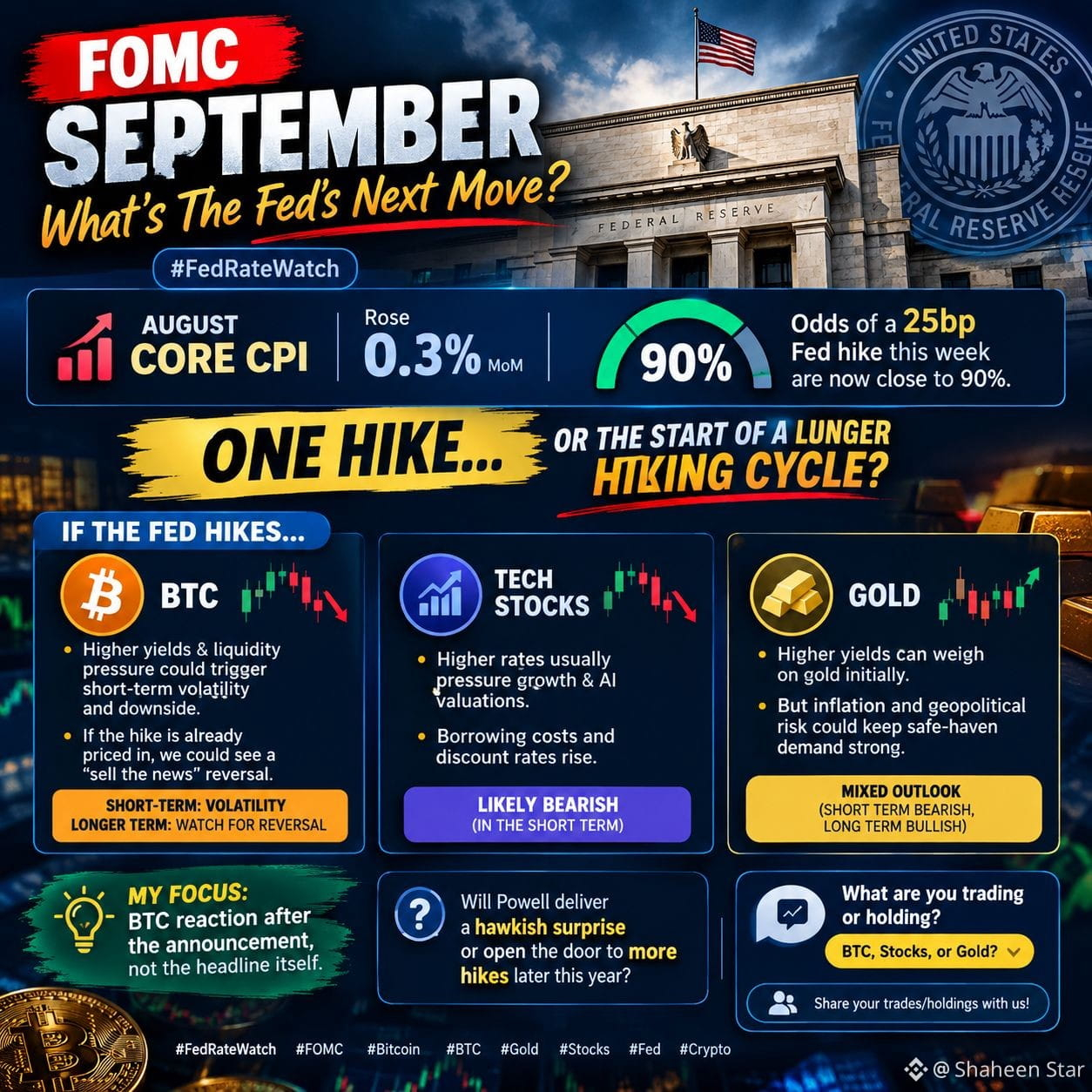
جاء مؤشر أغسطس لأسعار المستهلكين الأساسي (Core CPI) حارًا عند +0.3% على أساس شهري (MoM)، ما دفع توقعات السوق لرفع فائدة من جانب الاحتياطي الفيدرالي بمقدار 25 نقطة أساس هذا الأسبوع إلى نحو 90%.
لكن السؤال الحقيقي هو: هل ستكون الزيادة الواحدة… أم بداية دورة جديدة من الزيادات؟ 👀
إذا قام الاحتياطي الفيدرالي بالرفع:
₿ البيتكوين: قد تؤدي العوائد الأعلى/ضغوط السيولة إلى تذبذب قصير الأجل وهبوط، لكن التحرك المتشدد الذي تم تسعيره مسبقًا قد يؤدي إلى انعكاس على قاعدة «بيع الخبر».
أسهم التكنولوجيا: عادةً ما تضغط الفوائد الأعلى على تقييمات النمو/الذكاء الاصطناعي مع ارتفاع تكاليف الاقتراض ومعدلات الخصم.
الذهب: قد تؤثر العوائد الأعلى سلبًا على الذهب في البداية، لكن التضخم والمخاطر الجيوسياسية قد تُبقي طلب الملاذ الآمن قويًا.
تركيزي: رد فعل البيتكوين بعد الإعلان، وليس العنوان بحد ذاته.
هل سيقدم باول مفاجأة متشددة أم سيفتح الباب لمزيد من الزيادات لاحقًا هذا العام؟
👇 ما الذي تتداول عليه أو تحتفظ به: BTC أم الأسهم أم الذهب؟
#FedRateWatch
$AKE
{future}(AKEUSDT)
$AIN
{future}(AINUSDT)
$POWER
{future}(POWERUSDT)
FOMC سبتمبر: هل ستكون الخطوة الكبيرة القادمة في السوق؟
جاء مؤشر أغسطس لأسعار المستهلكين الأساسي (Core CPI) حارًا عند +0.3% على أساس شهري (MoM)، ما دفع توقعات السوق لرفع فائدة من جانب الاحتياطي الفيدرالي بمقدار 25 نقطة أساس هذا الأسبوع إلى نحو 90%.
لكن السؤال الحقيقي هو: هل ستكون الزيادة الواحدة… أم بداية دورة جديدة من الزيادات؟ 👀
إذا قام الاحتياطي الفيدرالي بالرفع:
₿ البيتكوين: قد تؤدي العوائد الأعلى/ضغوط السيولة إلى تذبذب قصير الأجل وهبوط، لكن التحرك المتشدد الذي تم تسعيره مسبقًا قد يؤدي إلى انعكاس على قاعدة «بيع الخبر».
أسهم التكنولوجيا: عادةً ما تضغط الفوائد الأعلى على تقييمات النمو/الذكاء الاصطناعي مع ارتفاع تكاليف الاقتراض ومعدلات الخصم.
الذهب: قد تؤثر العوائد الأعلى سلبًا على الذهب في البداية، لكن التضخم والمخاطر الجيوسياسية قد تُبقي طلب الملاذ الآمن قويًا.
تركيزي: رد فعل البيتكوين بعد الإعلان، وليس العنوان بحد ذاته.
هل سيقدم باول مفاجأة متشددة أم سيفتح الباب لمزيد من الزيادات لاحقًا هذا العام؟
👇 ما الذي تتداول عليه أو تحتفظ به: BTC أم الأسهم أم الذهب؟
#FedRateWatch
$AKE
$AIN
$POWER
جاء مؤشر أغسطس لأسعار المستهلكين الأساسي (Core CPI) حارًا عند +0.3% على أساس شهري (MoM)، ما دفع توقعات السوق لرفع فائدة من جانب الاحتياطي الفيدرالي بمقدار 25 نقطة أساس هذا الأسبوع إلى نحو 90%.
لكن السؤال الحقيقي هو: هل ستكون الزيادة الواحدة… أم بداية دورة جديدة من الزيادات؟ 👀
إذا قام الاحتياطي الفيدرالي بالرفع:
₿ البيتكوين: قد تؤدي العوائد الأعلى/ضغوط السيولة إلى تذبذب قصير الأجل وهبوط، لكن التحرك المتشدد الذي تم تسعيره مسبقًا قد يؤدي إلى انعكاس على قاعدة «بيع الخبر».
أسهم التكنولوجيا: عادةً ما تضغط الفوائد الأعلى على تقييمات النمو/الذكاء الاصطناعي مع ارتفاع تكاليف الاقتراض ومعدلات الخصم.
الذهب: قد تؤثر العوائد الأعلى سلبًا على الذهب في البداية، لكن التضخم والمخاطر الجيوسياسية قد تُبقي طلب الملاذ الآمن قويًا.
تركيزي: رد فعل البيتكوين بعد الإعلان، وليس العنوان بحد ذاته.
هل سيقدم باول مفاجأة متشددة أم سيفتح الباب لمزيد من الزيادات لاحقًا هذا العام؟
👇 ما الذي تتداول عليه أو تحتفظ به: BTC أم الأسهم أم الذهب؟
#FedRateWatch
$AKE
$AIN
$POWER
9
13
105
·
--
صاعد
🔥 وظائف القطاع غير الزراعي كسرَت كل التوقعات — هل الاحتياطي الفيدرالي على وشك رفع الفائدة؟ #CPIWatch
جاءت كشوفات أغسطس عند 162 ألفًا مقابل إجماع توقعات عند 55 ألفًا فقط — أي ما يقرب من ثلاثة أضعاف التوقعات، مع تعديل الأشهر السابقة أيضًا للأعلى. معدل البطالة مستقر قرب 4.1%. هذا لا ينسجم مع صورة اقتصاد يتجه إلى التهدئة كما كان السوق يسعّرها قبل أسابيع.
أضف إلى ذلك أن مؤشر CPI يدور حول 3.4% على أساس سنوي، ولا يزال أعلى بكثير من هدف الاحتياطي الفيدرالي البالغ 2%، وأسواق العقود الآجلة تتجه الآن إلى ما يقارب 70% من احتمالات رفع الفائدة بمقدار 25 نقطة أساس في اجتماع FOMC يوم 15–16 سبتمبر تحت رئاسة وورش. إذا جاء رقم CPI القادم «حارًا»، فقد تقفز تلك النسبة بسرعة.
وجهة نظري: المفاجأة المتشددة هنا تضرب أصول المخاطر أولًا — قد يشهد الذهب تراجعًا سريعًا بسبب مخاوف رفع الفائدة قبل أن تعود بسرعة جاذبيته كملاذ آمن إذا تذبذبت الأسهم. أما الأسهم فمن المرجح أن تشعر بضغط مباشر أكثر لأن ارتفاع الفائدة يضغط على التقييمات. سأراقب يوم مؤشر CPI عن كثب قبل اتخاذ قرار بالحجم سواء صعودًا أو هبوطًا.
صاعد أم هابط؟ اترك تعليقك أدناه وشارك تداولك 👇
#CPIWatch
$NES
{alpha}(560x097acf27503753e77bca940277806156c5925b81)
$4Stock
{alpha}(560xd270d4e1ec6e6e0d28c0ecb8be966ec75997ffff)
$MEME
{future}(MEMEUSDT)
🔥 وظائف القطاع غير الزراعي كسرَت كل التوقعات — هل الاحتياطي الفيدرالي على وشك رفع الفائدة؟ #CPIWatch
جاءت كشوفات أغسطس عند 162 ألفًا مقابل إجماع توقعات عند 55 ألفًا فقط — أي ما يقرب من ثلاثة أضعاف التوقعات، مع تعديل الأشهر السابقة أيضًا للأعلى. معدل البطالة مستقر قرب 4.1%. هذا لا ينسجم مع صورة اقتصاد يتجه إلى التهدئة كما كان السوق يسعّرها قبل أسابيع.
أضف إلى ذلك أن مؤشر CPI يدور حول 3.4% على أساس سنوي، ولا يزال أعلى بكثير من هدف الاحتياطي الفيدرالي البالغ 2%، وأسواق العقود الآجلة تتجه الآن إلى ما يقارب 70% من احتمالات رفع الفائدة بمقدار 25 نقطة أساس في اجتماع FOMC يوم 15–16 سبتمبر تحت رئاسة وورش. إذا جاء رقم CPI القادم «حارًا»، فقد تقفز تلك النسبة بسرعة.
وجهة نظري: المفاجأة المتشددة هنا تضرب أصول المخاطر أولًا — قد يشهد الذهب تراجعًا سريعًا بسبب مخاوف رفع الفائدة قبل أن تعود بسرعة جاذبيته كملاذ آمن إذا تذبذبت الأسهم. أما الأسهم فمن المرجح أن تشعر بضغط مباشر أكثر لأن ارتفاع الفائدة يضغط على التقييمات. سأراقب يوم مؤشر CPI عن كثب قبل اتخاذ قرار بالحجم سواء صعودًا أو هبوطًا.
صاعد أم هابط؟ اترك تعليقك أدناه وشارك تداولك 👇
#CPIWatch
$NES
$4Stock
$MEME
جاءت كشوفات أغسطس عند 162 ألفًا مقابل إجماع توقعات عند 55 ألفًا فقط — أي ما يقرب من ثلاثة أضعاف التوقعات، مع تعديل الأشهر السابقة أيضًا للأعلى. معدل البطالة مستقر قرب 4.1%. هذا لا ينسجم مع صورة اقتصاد يتجه إلى التهدئة كما كان السوق يسعّرها قبل أسابيع.
أضف إلى ذلك أن مؤشر CPI يدور حول 3.4% على أساس سنوي، ولا يزال أعلى بكثير من هدف الاحتياطي الفيدرالي البالغ 2%، وأسواق العقود الآجلة تتجه الآن إلى ما يقارب 70% من احتمالات رفع الفائدة بمقدار 25 نقطة أساس في اجتماع FOMC يوم 15–16 سبتمبر تحت رئاسة وورش. إذا جاء رقم CPI القادم «حارًا»، فقد تقفز تلك النسبة بسرعة.
وجهة نظري: المفاجأة المتشددة هنا تضرب أصول المخاطر أولًا — قد يشهد الذهب تراجعًا سريعًا بسبب مخاوف رفع الفائدة قبل أن تعود بسرعة جاذبيته كملاذ آمن إذا تذبذبت الأسهم. أما الأسهم فمن المرجح أن تشعر بضغط مباشر أكثر لأن ارتفاع الفائدة يضغط على التقييمات. سأراقب يوم مؤشر CPI عن كثب قبل اتخاذ قرار بالحجم سواء صعودًا أو هبوطًا.
صاعد أم هابط؟ اترك تعليقك أدناه وشارك تداولك 👇
#CPIWatch
$NES
$4Stock
$MEME

11
17
2.9k
·
--
صاعد
🚨 $DEXE اختراق قادم! 🔥
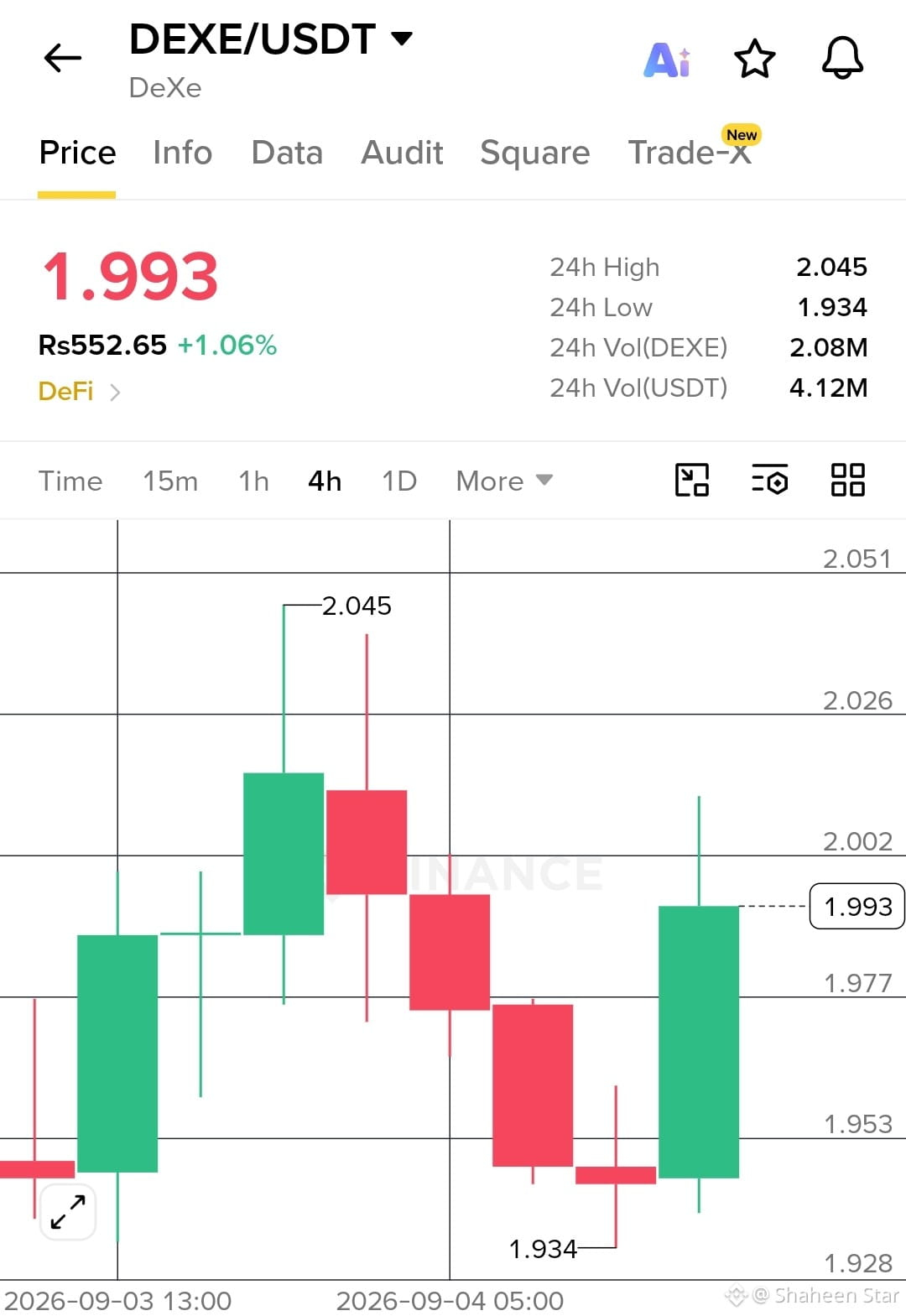
$DEXE يخترق فوق مقاومة $2.000 الرئيسية! إذا حافظ المشترون على هذا المستوى، فقد تأتي أهداف الصعود التالية بسرعة. 📈⚡️
🟢 الدخول: $1.995–$2.010
🎯 TP1: $2.030
🎯 TP2: $2.060
🎯 TP3: $2.100
🛡️ SL: $1.960
💥 البقاء فوق $2.000 = إعداد لاستمرار الاتجاه الصاعد!
اشترِ وتداول $DEXE — كن متيقظًا! 👀🚀
⚠️ NFA. DYOR. إدارة المخاطر مهمة.
#DEXE #Crypto #Altcoins #Trading #Breakout #CryptoTrading
🚨 $DEXE اختراق قادم! 🔥
$DEXE يخترق فوق مقاومة $2.000 الرئيسية! إذا حافظ المشترون على هذا المستوى، فقد تأتي أهداف الصعود التالية بسرعة. 📈⚡️
🟢 الدخول: $1.995–$2.010
🎯 TP1: $2.030
🎯 TP2: $2.060
🎯 TP3: $2.100
🛡️ SL: $1.960
💥 البقاء فوق $2.000 = إعداد لاستمرار الاتجاه الصاعد!
اشترِ وتداول $DEXE — كن متيقظًا! 👀🚀
⚠️ NFA. DYOR. إدارة المخاطر مهمة.
#DEXE #Crypto #Altcoins #Trading #Breakout #CryptoTrading
$DEXE يخترق فوق مقاومة $2.000 الرئيسية! إذا حافظ المشترون على هذا المستوى، فقد تأتي أهداف الصعود التالية بسرعة. 📈⚡️
🟢 الدخول: $1.995–$2.010
🎯 TP1: $2.030
🎯 TP2: $2.060
🎯 TP3: $2.100
🛡️ SL: $1.960
💥 البقاء فوق $2.000 = إعداد لاستمرار الاتجاه الصاعد!
اشترِ وتداول $DEXE — كن متيقظًا! 👀🚀
⚠️ NFA. DYOR. إدارة المخاطر مهمة.
#DEXE #Crypto #Altcoins #Trading #Breakout #CryptoTrading
2
224
·
--
صاعد
🚨 انتبهوا يا جماعة! 🔥
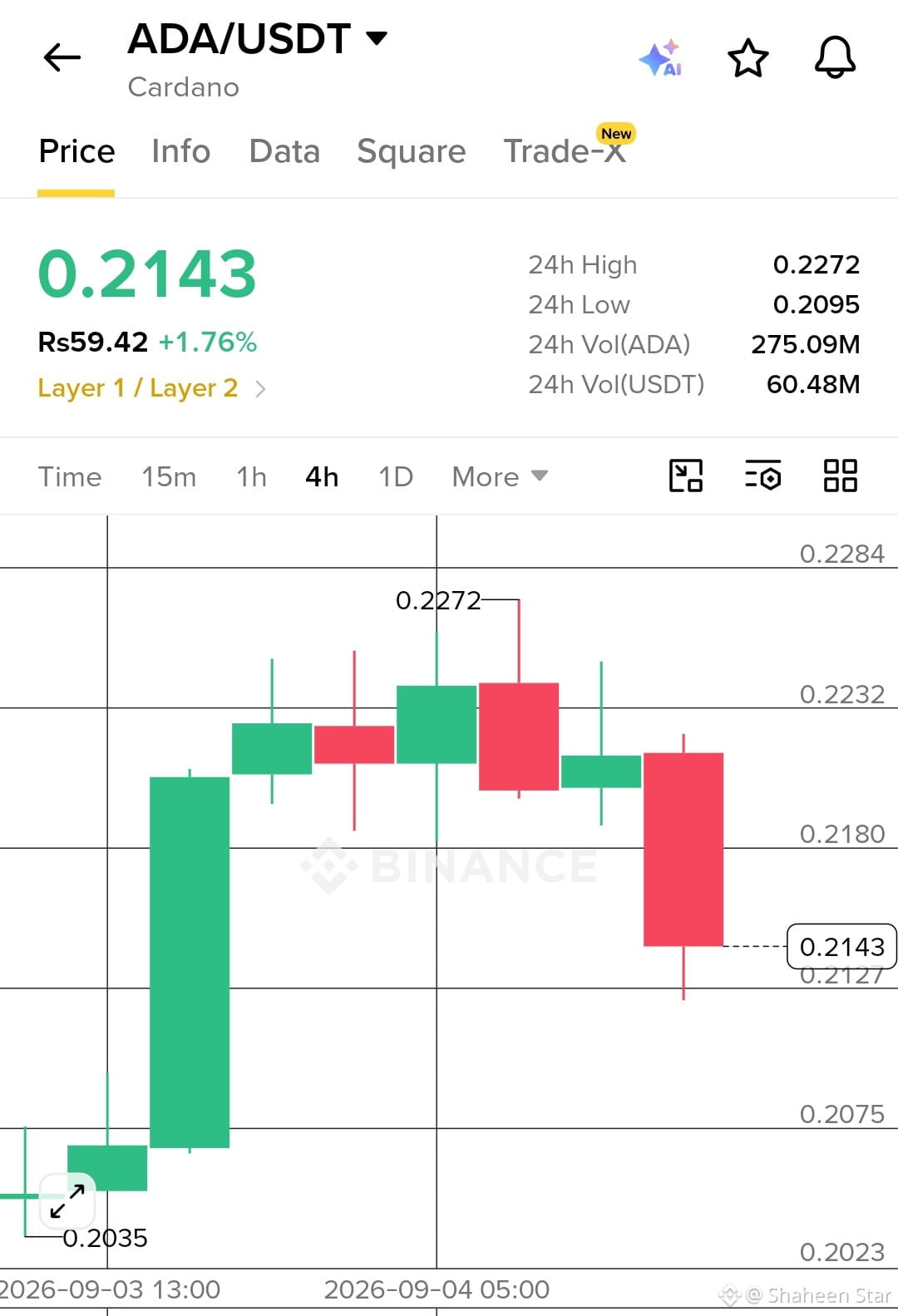
هناك فرصة سكالبينغ هنا على $ADA! 💯
🟢 المركز: LONG $ADA
⚡ الرافعة المالية: 125x
🎯 المخاطرة: 1%
🛡️ SL: سيتحرك تدريجيًا بمجرد أن تتحول الصفقة إلى ربح
الخطة بسيطة: حماية رأس المال، تأمين الأرباح، وترك الزخم يعمل. 👀📈
من سيركب هذه الصفقة الطويلة $ADA long معي؟ 🚀
⚠️ ليست نصيحة مالية. قم ببحثك الخاص. الرافعة العالية = مخاطر عالية.
#ADA #Cardano #Crypto #Scalping #Futures #Trading
🚨 انتبهوا يا جماعة! 🔥
هناك فرصة سكالبينغ هنا على $ADA ! 💯
🟢 المركز: LONG $ADA
⚡ الرافعة المالية: 125x
🎯 المخاطرة: 1%
🛡️ SL: سيتحرك تدريجيًا بمجرد أن تتحول الصفقة إلى ربح
الخطة بسيطة: حماية رأس المال، تأمين الأرباح، وترك الزخم يعمل. 👀📈
من سيركب هذه الصفقة الطويلة $ADA long معي؟ 🚀
⚠️ ليست نصيحة مالية. قم ببحثك الخاص. الرافعة العالية = مخاطر عالية.
#ADA #Cardano #Crypto #Scalping #Futures #Trading
هناك فرصة سكالبينغ هنا على $ADA ! 💯
🟢 المركز: LONG $ADA
⚡ الرافعة المالية: 125x
🎯 المخاطرة: 1%
🛡️ SL: سيتحرك تدريجيًا بمجرد أن تتحول الصفقة إلى ربح
الخطة بسيطة: حماية رأس المال، تأمين الأرباح، وترك الزخم يعمل. 👀📈
من سيركب هذه الصفقة الطويلة $ADA long معي؟ 🚀
⚠️ ليست نصيحة مالية. قم ببحثك الخاص. الرافعة العالية = مخاطر عالية.
#ADA #Cardano #Crypto #Scalping #Futures #Trading
86
·
--
صاعد
🚨 $ALT يستيقظ! 🔥
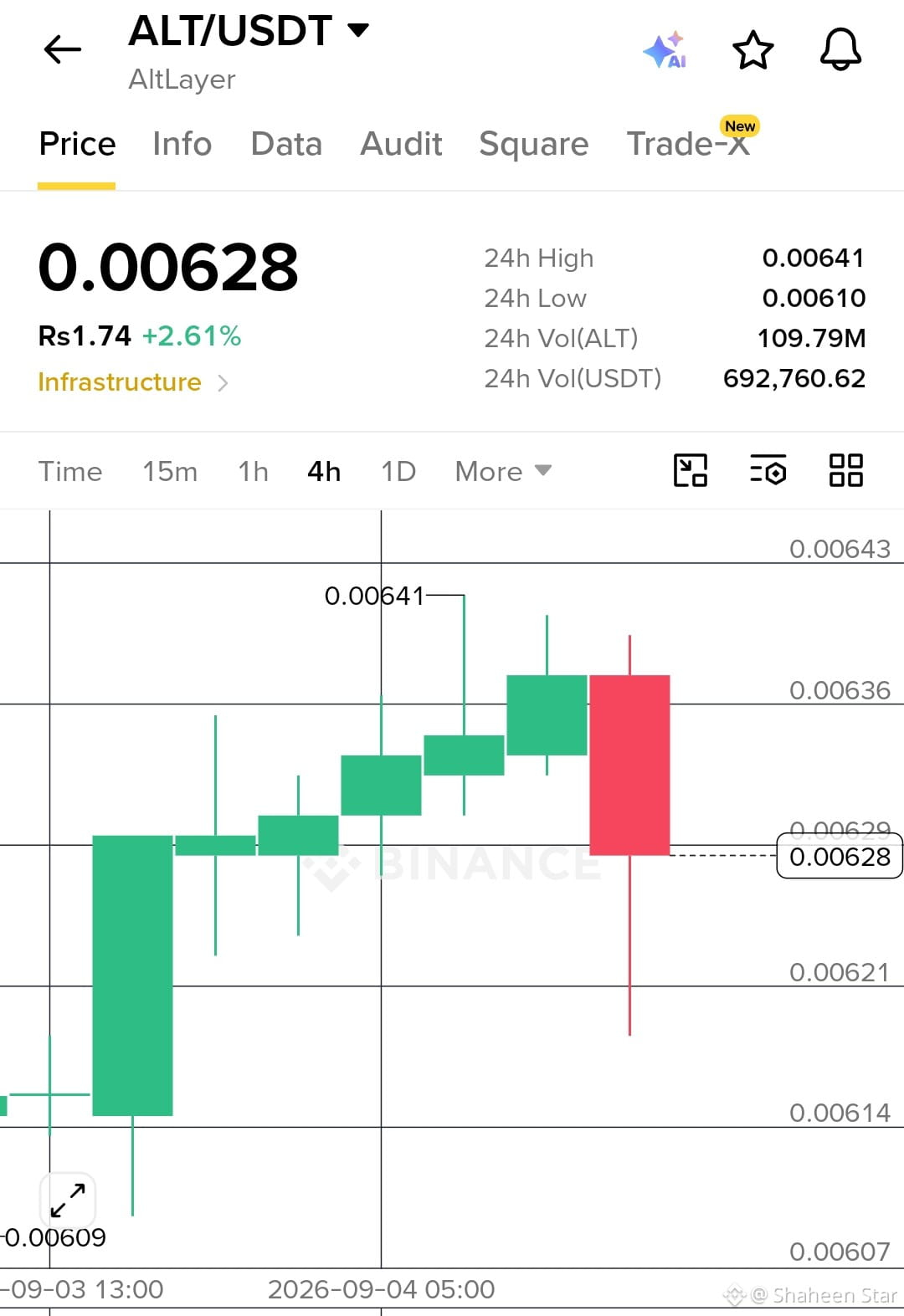
$ALT يضيق داخل بنية هابطة وهو الآن يدفع نحو اختراق محتمل! الزخم يتزايد، والمشترون بدأوا يدخلون. 👀
🎯 الهدف 1: $0.00634
🚀 الهدف 2: $0.00660
قد يؤدي اختراق نظيف + استمرار إلى حركة صعودية قوية. ⚡️
قد يصل $ALT إلى تلك الأهداف العليا قريبًا—ابقه تحت المراقبة! 👁️
#ALT #Crypto #Altcoins #Trading #CryptoTrading #Breakout
🚨 $ALT يستيقظ! 🔥
$ALT يضيق داخل بنية هابطة وهو الآن يدفع نحو اختراق محتمل! الزخم يتزايد، والمشترون بدأوا يدخلون. 👀
🎯 الهدف 1: $0.00634
🚀 الهدف 2: $0.00660
قد يؤدي اختراق نظيف + استمرار إلى حركة صعودية قوية. ⚡️
قد يصل $ALT إلى تلك الأهداف العليا قريبًا—ابقه تحت المراقبة! 👁️
#ALT #Crypto #Altcoins #Trading #CryptoTrading #Breakout
$ALT يضيق داخل بنية هابطة وهو الآن يدفع نحو اختراق محتمل! الزخم يتزايد، والمشترون بدأوا يدخلون. 👀
🎯 الهدف 1: $0.00634
🚀 الهدف 2: $0.00660
قد يؤدي اختراق نظيف + استمرار إلى حركة صعودية قوية. ⚡️
قد يصل $ALT إلى تلك الأهداف العليا قريبًا—ابقه تحت المراقبة! 👁️
#ALT #Crypto #Altcoins #Trading #CryptoTrading #Breakout
132
·
--
صاعد
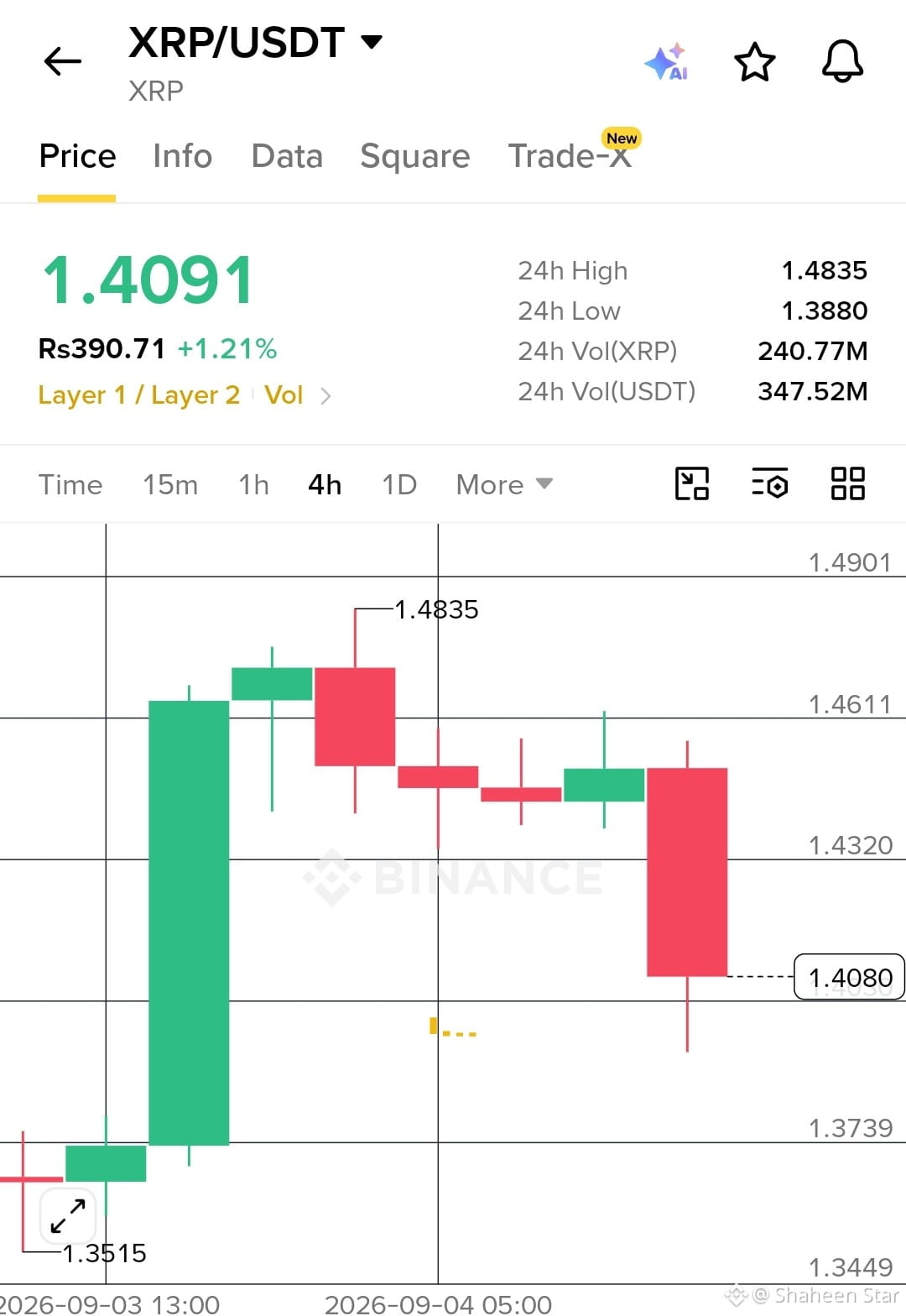
🚨 $XRP تنبيه انهيار! ⚡️
$XRP انخفض بشكل حاد من حوالي 1.45 دولار ويختبر الآن منطقة الدعم الحرجة 1.40–1.41 دولار. 👀
🔻 السيناريو الهبوطي:
إذا فشل $XRP في استعادة 1.42–1.43 دولار، فقد يستهدف البائعون:
🎯 1.40 دولار → 1.39 دولار → 1.38 دولار
🔄 استعادة صعودية:
قد تؤدي استعادة قوية فوق 1.43 دولار إلى إضعاف التشكيل الهبوطي ودفع XRP مجددًا نحو 1.45 دولار.
⚠️ لا تطارد الهبوط! دع السعر يتفاعل عند الدعم وانتظر التأكيد قبل اتخاذ الخطوة التالية.
#XRP #Crypto #XRPArmy #Trading #Altcoins #CryptoTrading
🚨 $XRP تنبيه انهيار! ⚡️
$XRP انخفض بشكل حاد من حوالي 1.45 دولار ويختبر الآن منطقة الدعم الحرجة 1.40–1.41 دولار. 👀
🔻 السيناريو الهبوطي:
إذا فشل $XRP في استعادة 1.42–1.43 دولار، فقد يستهدف البائعون:
🎯 1.40 دولار → 1.39 دولار → 1.38 دولار
🔄 استعادة صعودية:
قد تؤدي استعادة قوية فوق 1.43 دولار إلى إضعاف التشكيل الهبوطي ودفع XRP مجددًا نحو 1.45 دولار.
⚠️ لا تطارد الهبوط! دع السعر يتفاعل عند الدعم وانتظر التأكيد قبل اتخاذ الخطوة التالية.
#XRP #Crypto #XRPArmy #Trading #Altcoins #CryptoTrading
$XRP انخفض بشكل حاد من حوالي 1.45 دولار ويختبر الآن منطقة الدعم الحرجة 1.40–1.41 دولار. 👀
🔻 السيناريو الهبوطي:
إذا فشل $XRP في استعادة 1.42–1.43 دولار، فقد يستهدف البائعون:
🎯 1.40 دولار → 1.39 دولار → 1.38 دولار
🔄 استعادة صعودية:
قد تؤدي استعادة قوية فوق 1.43 دولار إلى إضعاف التشكيل الهبوطي ودفع XRP مجددًا نحو 1.45 دولار.
⚠️ لا تطارد الهبوط! دع السعر يتفاعل عند الدعم وانتظر التأكيد قبل اتخاذ الخطوة التالية.
#XRP #Crypto #XRPArmy #Trading #Altcoins #CryptoTrading
89
·
--
صاعد
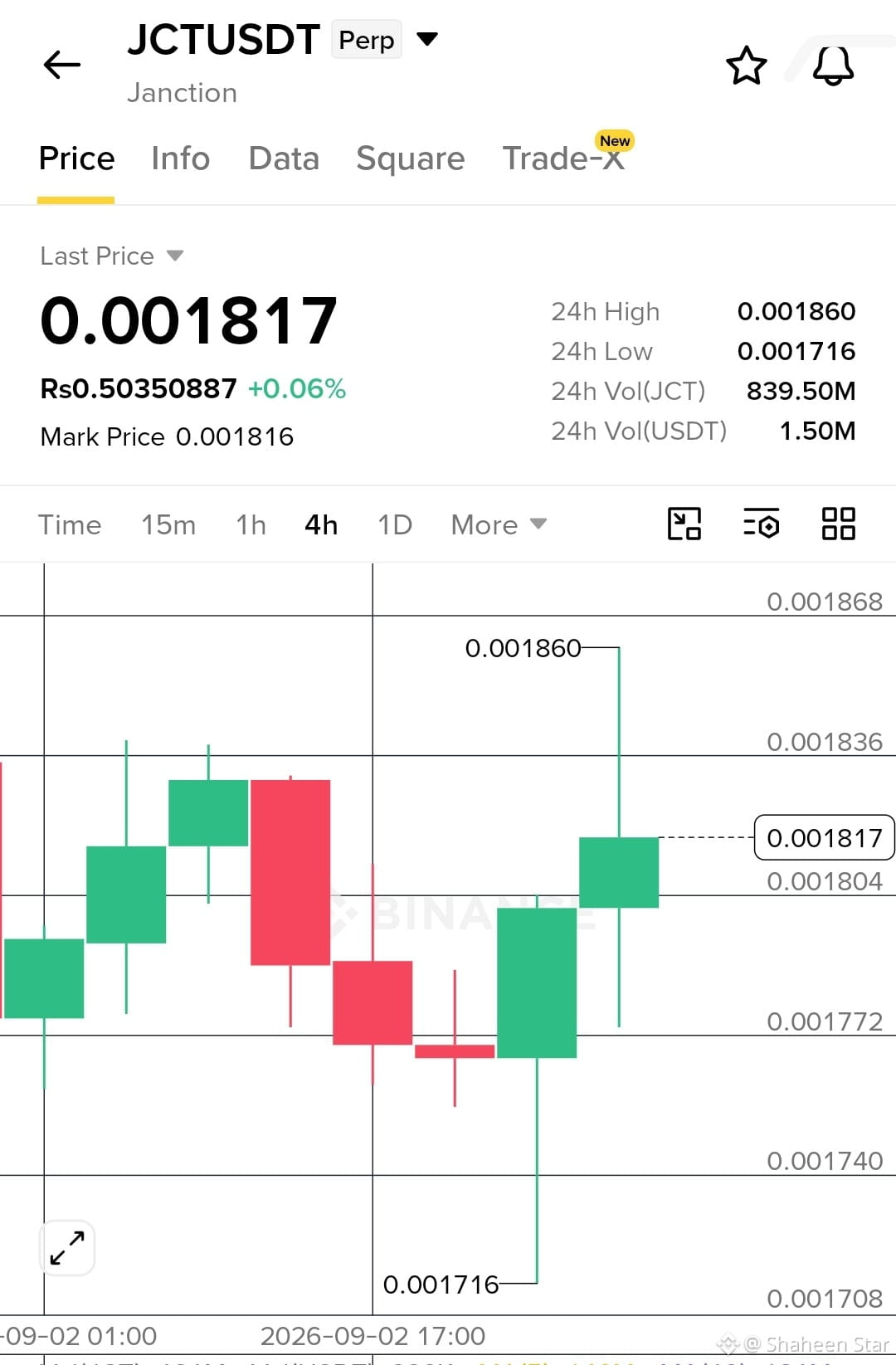
🚨 $JCT /USDT — دعم الارتداد إعداد طويل 📈🔥
⏱️ الإطار الزمني: 4 ساعات
💰 الدخول: $0.00180–$0.00185
🛑 وقف الخسارة (SL): $0.00168
🎯 الهدف 1 (TP1): $0.00200
🎯 الهدف 2 (TP2): $0.00225
🎯 الهدف 3 (TP3): $0.00255
💥 بعد عملية ضخ قاسية من منطقة $0.005، أصبح $JCT الآن يمسك بمنطقة طلب رئيسية حول $0.0018. البائعون يفقدون الزخم بينما يقوم المشترون بامتصاص الضغط. 🟢
🔥 الثبات عند $0.00180 = احتمال ارتداد يتيح التوجه نحو $0.00200 → $0.00255!
⚠️ تحت $0.00168 = يتم إبطال الإعداد.
👉 تداول هنا: $JCT
ليس نصيحة مالية (NFA) | قم بإجراء البحث بنفسك (DYOR) ⚠️
#JCT #JCTUSDT #Crypto #Long #Futures #Trading
🚨 $JCT /USDT — دعم الارتداد إعداد طويل 📈🔥
⏱️ الإطار الزمني: 4 ساعات
💰 الدخول: $0.00180–$0.00185
🛑 وقف الخسارة (SL): $0.00168
🎯 الهدف 1 (TP1): $0.00200
🎯 الهدف 2 (TP2): $0.00225
🎯 الهدف 3 (TP3): $0.00255
💥 بعد عملية ضخ قاسية من منطقة $0.005، أصبح $JCT الآن يمسك بمنطقة طلب رئيسية حول $0.0018. البائعون يفقدون الزخم بينما يقوم المشترون بامتصاص الضغط. 🟢
🔥 الثبات عند $0.00180 = احتمال ارتداد يتيح التوجه نحو $0.00200 → $0.00255!
⚠️ تحت $0.00168 = يتم إبطال الإعداد.
👉 تداول هنا: $JCT
ليس نصيحة مالية (NFA) | قم بإجراء البحث بنفسك (DYOR) ⚠️
#JCT #JCTUSDT #Crypto #Long #Futures #Trading
⏱️ الإطار الزمني: 4 ساعات
💰 الدخول: $0.00180–$0.00185
🛑 وقف الخسارة (SL): $0.00168
🎯 الهدف 1 (TP1): $0.00200
🎯 الهدف 2 (TP2): $0.00225
🎯 الهدف 3 (TP3): $0.00255
💥 بعد عملية ضخ قاسية من منطقة $0.005، أصبح $JCT الآن يمسك بمنطقة طلب رئيسية حول $0.0018. البائعون يفقدون الزخم بينما يقوم المشترون بامتصاص الضغط. 🟢
🔥 الثبات عند $0.00180 = احتمال ارتداد يتيح التوجه نحو $0.00200 → $0.00255!
⚠️ تحت $0.00168 = يتم إبطال الإعداد.
👉 تداول هنا: $JCT
ليس نصيحة مالية (NFA) | قم بإجراء البحث بنفسك (DYOR) ⚠️
#JCT #JCTUSDT #Crypto #Long #Futures #Trading
171
·
--
صاعد
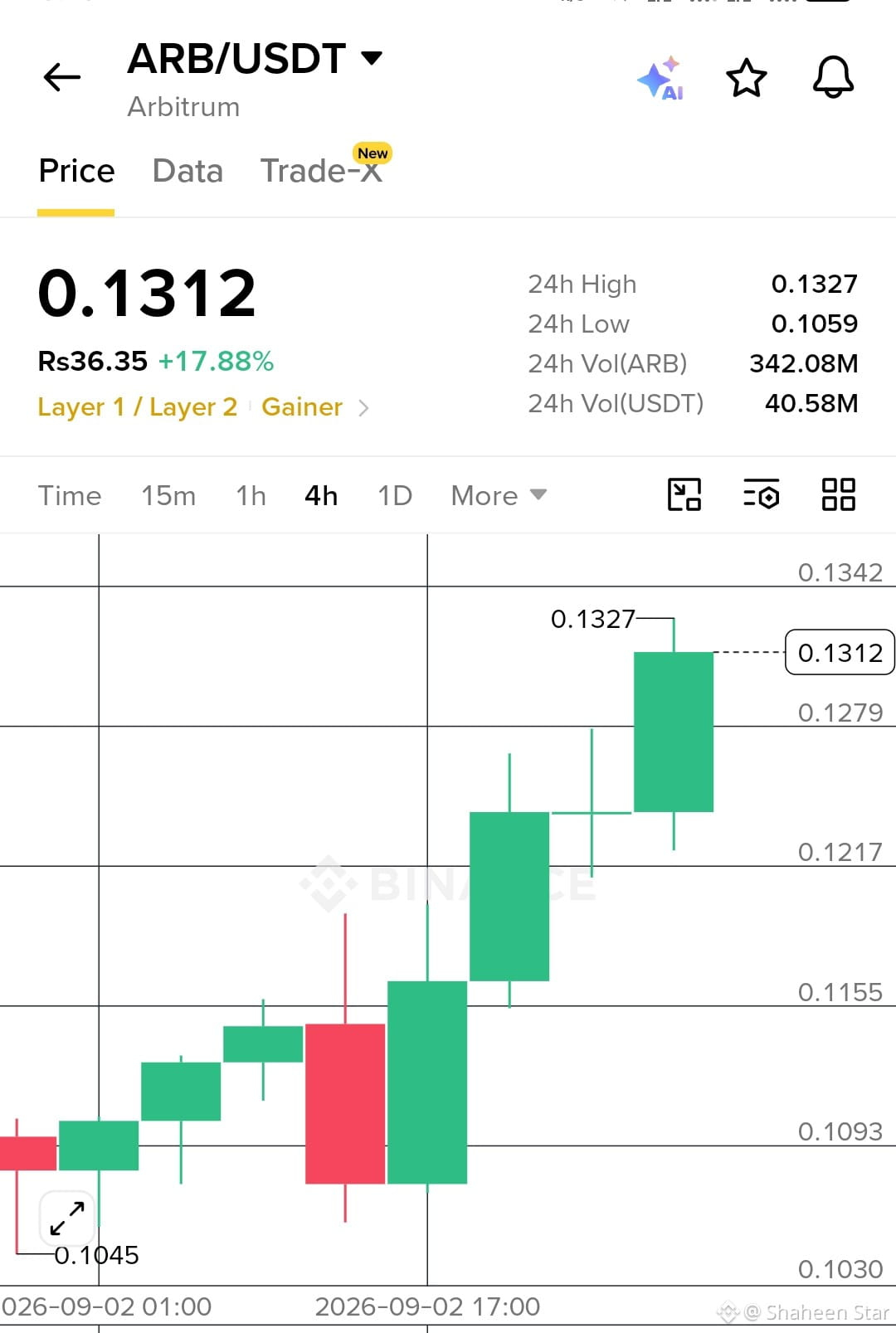
🚀 $ARB /USDT إعداد اختراق صاعد (BULLISH) 🔥📈
💰 الدخول: $0.1240–$0.1300
🎯 TP1: $0.1360
🎯 TP2: $0.1430
🎯 TP3: $0.1520
🛑 SL: $0.1175
🔥 ضغط شراء قوي + حجم تداول ضخم!
⚡ السعر يتماسك قرب أعلى سعر خلال 24 ساعة، ما يشير إلى استمرار قوة المشترين.
🚀 اختراق محوري: $0.1326
اختراق نظيف + تثبيت أعلى من $0.1326 قد يسرّع الموجة الصاعدة التالية نحو $0.1430 → $0.1520 💥
⚠️ خسارة $0.1175 = تم إلغاء الإعداد.
NFA | DYOR 🔥
#ARB #ARBUSDT #Crypto #Breakout #Long #Futures #Trading
🚀 $ARB /USDT إعداد اختراق صاعد (BULLISH) 🔥📈
💰 الدخول: $0.1240–$0.1300
🎯 TP1: $0.1360
🎯 TP2: $0.1430
🎯 TP3: $0.1520
🛑 SL: $0.1175
🔥 ضغط شراء قوي + حجم تداول ضخم!
⚡ السعر يتماسك قرب أعلى سعر خلال 24 ساعة، ما يشير إلى استمرار قوة المشترين.
🚀 اختراق محوري: $0.1326
اختراق نظيف + تثبيت أعلى من $0.1326 قد يسرّع الموجة الصاعدة التالية نحو $0.1430 → $0.1520 💥
⚠️ خسارة $0.1175 = تم إلغاء الإعداد.
NFA | DYOR 🔥
#ARB #ARBUSDT #Crypto #Breakout #Long #Futures #Trading
💰 الدخول: $0.1240–$0.1300
🎯 TP1: $0.1360
🎯 TP2: $0.1430
🎯 TP3: $0.1520
🛑 SL: $0.1175
🔥 ضغط شراء قوي + حجم تداول ضخم!
⚡ السعر يتماسك قرب أعلى سعر خلال 24 ساعة، ما يشير إلى استمرار قوة المشترين.
🚀 اختراق محوري: $0.1326
اختراق نظيف + تثبيت أعلى من $0.1326 قد يسرّع الموجة الصاعدة التالية نحو $0.1430 → $0.1520 💥
⚠️ خسارة $0.1175 = تم إلغاء الإعداد.
NFA | DYOR 🔥
#ARB #ARBUSDT #Crypto #Breakout #Long #Futures #Trading
111
·
--
صاعد
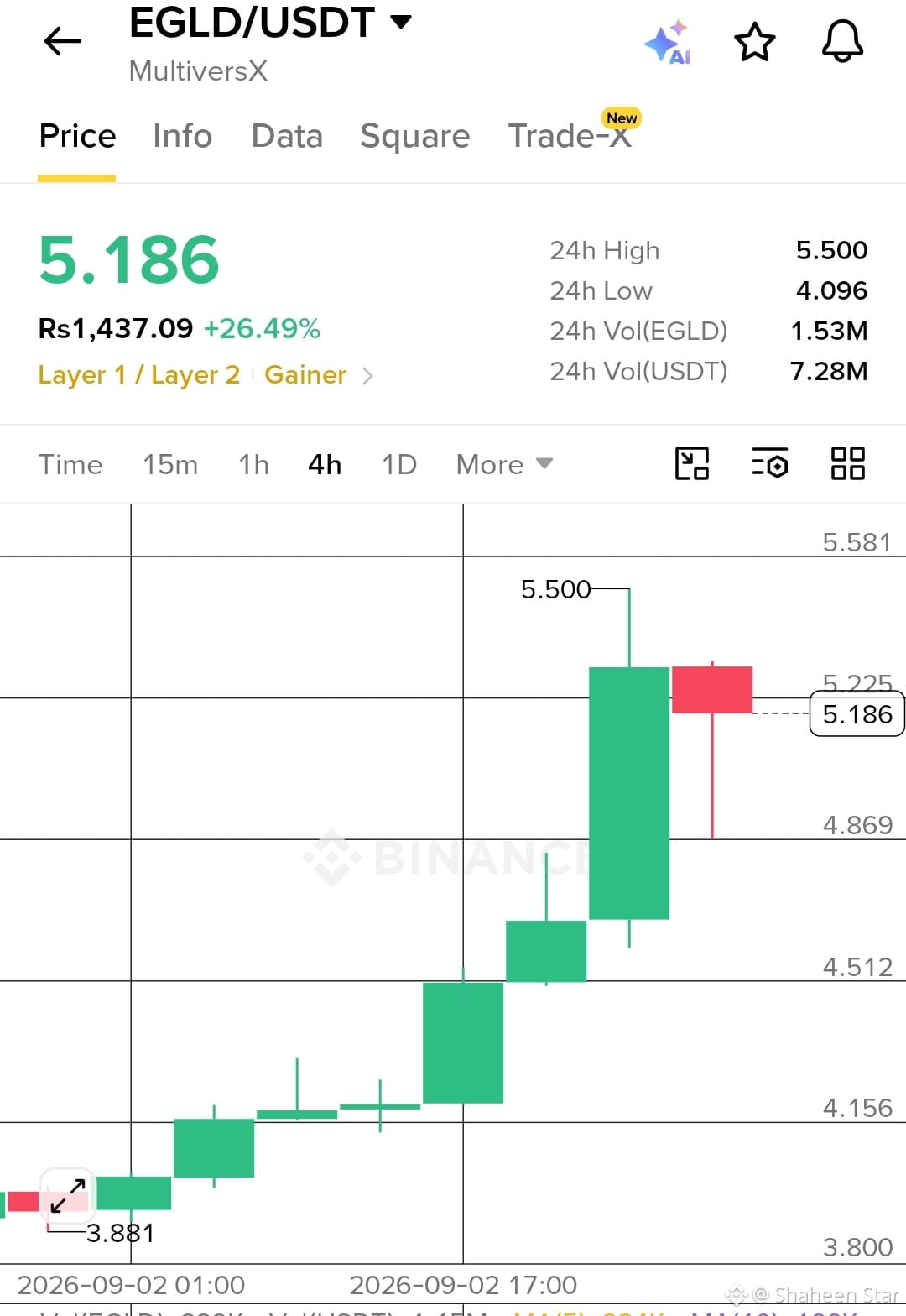
🚀 $EGLD /USDT إشارة تداول طويل 🔥📈
⚡ رافعة مالية 10X
💰 نقطة الدخول: $5.00–$5.20
🎯 الهدف 1: $5.30
🎯 الهدف 2: $5.40
🎯 الهدف 3: $5.50
🎯 الهدف 4: $5.70
🛑 وقف الخسارة: $4.80
🔥 EGLDUSDT: $5.157 | +26.05%
📌 نقطة الدخول الرئيسية: $5.10
💪 الاستمرار فوق $5.00 يحافظ على البنية الصاعدة!
الزخم يزداد… 🚀💥
قد تستمر الاختراقات في دفع EGLD نحو $5.70!
👇 اضغط بالأسفل وخذ الصفقة الآن!
⚠️ ليست نصيحة مالية | قم بإجراء بحثك الخاص | إدارة المخاطر
#EGLD #EGLDUSDT #Crypto #Long #Futures #Trading
🚀 $EGLD /USDT إشارة تداول طويل 🔥📈
⚡ رافعة مالية 10X
💰 نقطة الدخول: $5.00–$5.20
🎯 الهدف 1: $5.30
🎯 الهدف 2: $5.40
🎯 الهدف 3: $5.50
🎯 الهدف 4: $5.70
🛑 وقف الخسارة: $4.80
🔥 EGLDUSDT: $5.157 | +26.05%
📌 نقطة الدخول الرئيسية: $5.10
💪 الاستمرار فوق $5.00 يحافظ على البنية الصاعدة!
الزخم يزداد… 🚀💥
قد تستمر الاختراقات في دفع EGLD نحو $5.70!
👇 اضغط بالأسفل وخذ الصفقة الآن!
⚠️ ليست نصيحة مالية | قم بإجراء بحثك الخاص | إدارة المخاطر
#EGLD #EGLDUSDT #Crypto #Long #Futures #Trading
⚡ رافعة مالية 10X
💰 نقطة الدخول: $5.00–$5.20
🎯 الهدف 1: $5.30
🎯 الهدف 2: $5.40
🎯 الهدف 3: $5.50
🎯 الهدف 4: $5.70
🛑 وقف الخسارة: $4.80
🔥 EGLDUSDT: $5.157 | +26.05%
📌 نقطة الدخول الرئيسية: $5.10
💪 الاستمرار فوق $5.00 يحافظ على البنية الصاعدة!
الزخم يزداد… 🚀💥
قد تستمر الاختراقات في دفع EGLD نحو $5.70!
👇 اضغط بالأسفل وخذ الصفقة الآن!
⚠️ ليست نصيحة مالية | قم بإجراء بحثك الخاص | إدارة المخاطر
#EGLD #EGLDUSDT #Crypto #Long #Futures #Trading
106
·
--
صاعد
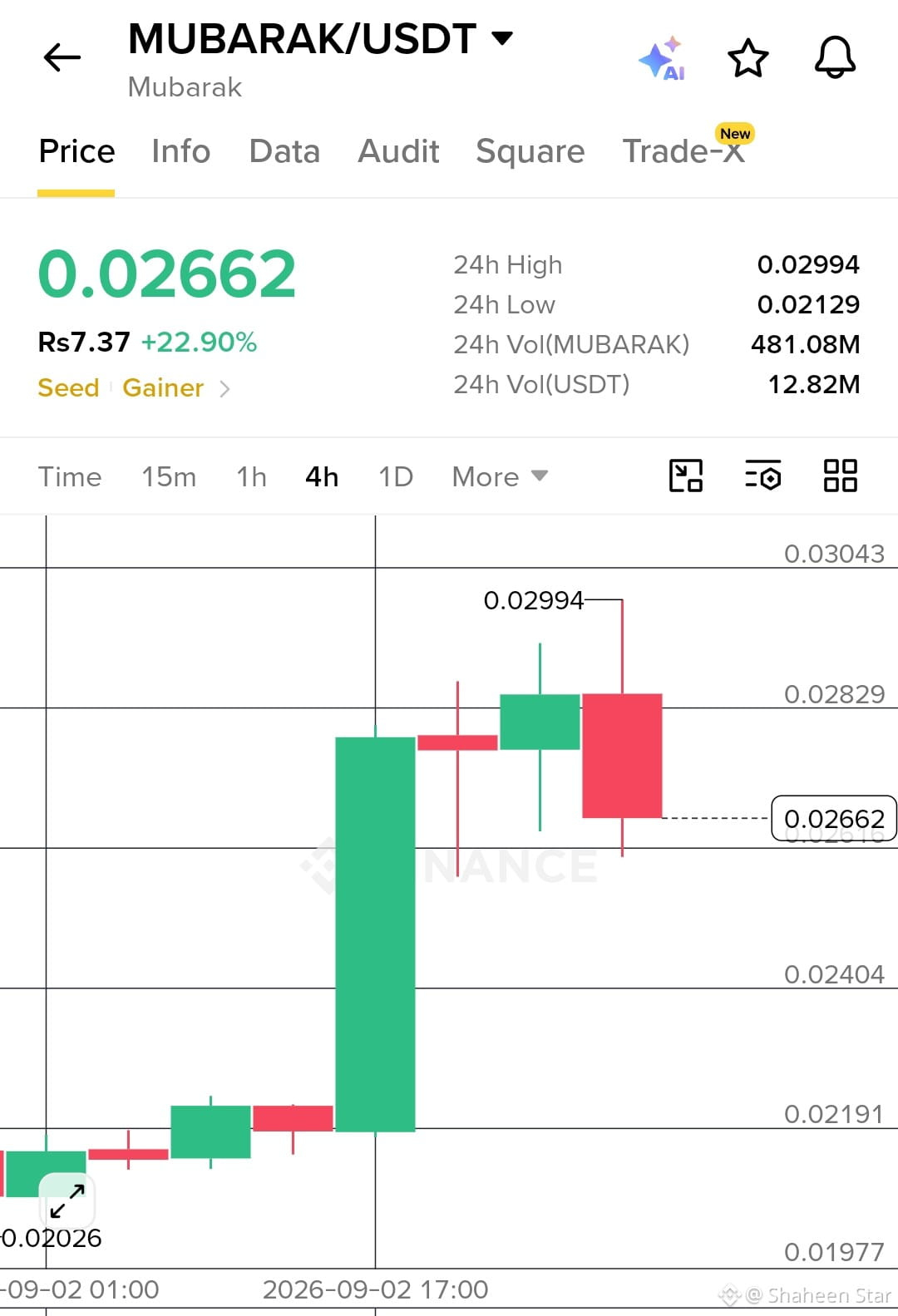
🚀 $MUBARAK /USDT إشارة LONG 📈🔥
💰 الدخول: $0.02850–$0.02920
🎯 الهدف 1: $0.03000
🎯 الهدف 2: $0.03200
🎯 الهدف 3: $0.03500
🛑 وقف الخسارة: $0.02680
🔥 زخم +37.27% | 💵 حجم تداول $92.54M
⚡ تم تداول 3.43B $MUBARAK — نشاط سوق جاد!
اختراق نظيف + تثبيت فوق $0.03000 قد يشعل الحركة القادمة نحو $0.03200 → $0.03500 🚀
❌ خسارة $0.02680 = تم إلغاء الإعداد.
ليست نصيحة مالية | ابحث بنفسك ⚠️
#MUBARAK #USDT #Crypto #Long #Futures #Trading
🚀 $MUBARAK /USDT إشارة LONG 📈🔥
💰 الدخول: $0.02850–$0.02920
🎯 الهدف 1: $0.03000
🎯 الهدف 2: $0.03200
🎯 الهدف 3: $0.03500
🛑 وقف الخسارة: $0.02680
🔥 زخم +37.27% | 💵 حجم تداول $92.54M
⚡ تم تداول 3.43B $MUBARAK — نشاط سوق جاد!
اختراق نظيف + تثبيت فوق $0.03000 قد يشعل الحركة القادمة نحو $0.03200 → $0.03500 🚀
❌ خسارة $0.02680 = تم إلغاء الإعداد.
ليست نصيحة مالية | ابحث بنفسك ⚠️
#MUBARAK #USDT #Crypto #Long #Futures #Trading
💰 الدخول: $0.02850–$0.02920
🎯 الهدف 1: $0.03000
🎯 الهدف 2: $0.03200
🎯 الهدف 3: $0.03500
🛑 وقف الخسارة: $0.02680
🔥 زخم +37.27% | 💵 حجم تداول $92.54M
⚡ تم تداول 3.43B $MUBARAK — نشاط سوق جاد!
اختراق نظيف + تثبيت فوق $0.03000 قد يشعل الحركة القادمة نحو $0.03200 → $0.03500 🚀
❌ خسارة $0.02680 = تم إلغاء الإعداد.
ليست نصيحة مالية | ابحث بنفسك ⚠️
#MUBARAK #USDT #Crypto #Long #Futures #Trading
163
·
--
صاعد
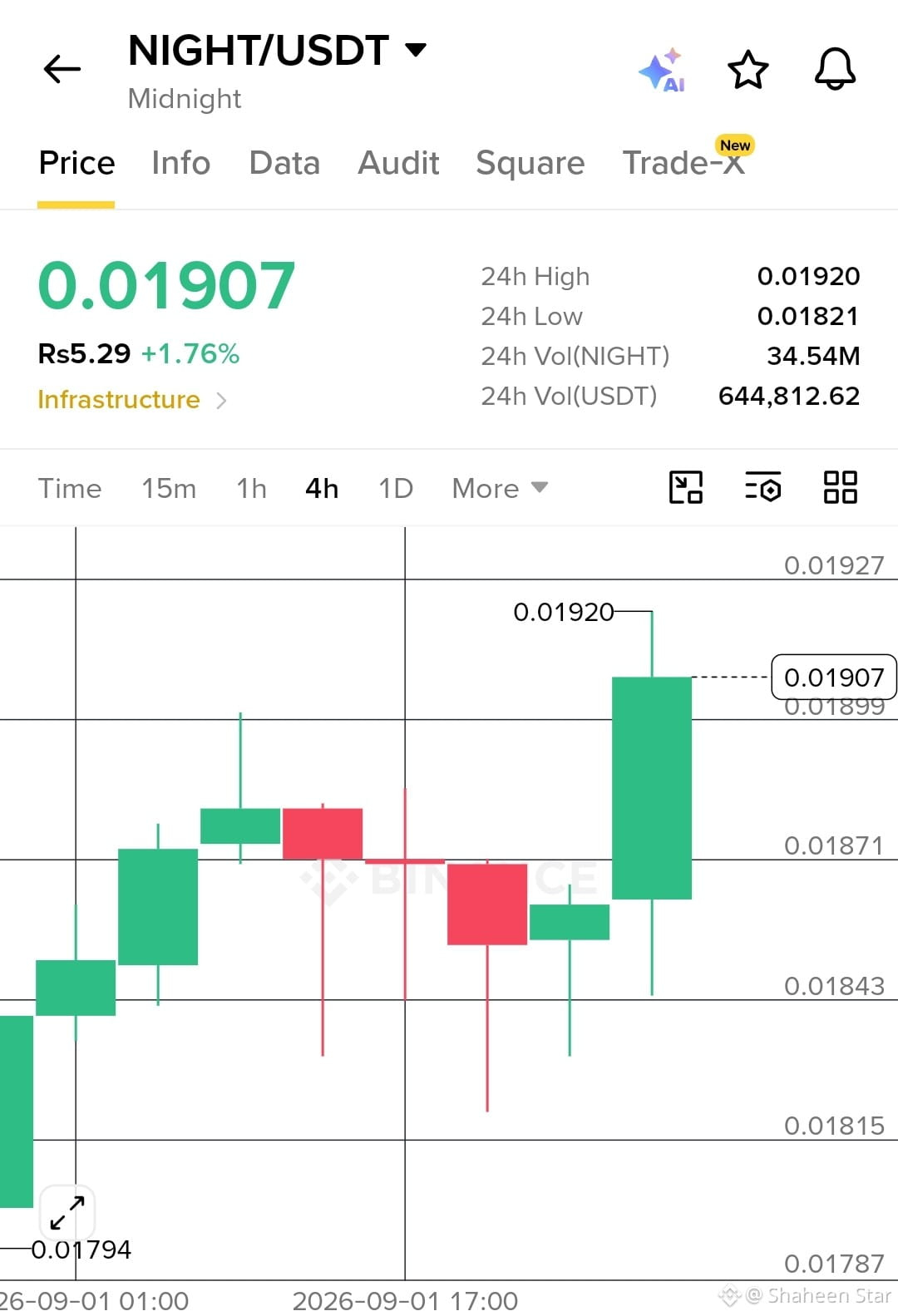
🚀🔥 $NIGHT $ تنبيه اختراق!
$NIGHT يدفع خارج النطاق حيث تستعيد الثيران 0.01900 بعد الارتداد من 0.01800. الآن يقوم المشترون باختبار مقاومة 0.01920 الرئيسية! 👀
🟢 الدخول: 0.01900–0.01915
🎯 الهدف 1: 0.01930
🎯 الهدف 2: 0.01945
🎯 الهدف 3: 0.01960
🛑 وقف الخسارة: 0.01875
⚡ اختراق 0.01920 بشكل واضح → قد يشعل ذلك موجة صعود جديدة! 🚀
NFA. DYOR & إدارة المخاطر.
#NIGHT #Crypto #Altcoins #Trading #Futures $ACE
🚀🔥 $NIGHT $ تنبيه اختراق!
$NIGHT يدفع خارج النطاق حيث تستعيد الثيران 0.01900 بعد الارتداد من 0.01800. الآن يقوم المشترون باختبار مقاومة 0.01920 الرئيسية! 👀
🟢 الدخول: 0.01900–0.01915
🎯 الهدف 1: 0.01930
🎯 الهدف 2: 0.01945
🎯 الهدف 3: 0.01960
🛑 وقف الخسارة: 0.01875
⚡ اختراق 0.01920 بشكل واضح → قد يشعل ذلك موجة صعود جديدة! 🚀
NFA. DYOR & إدارة المخاطر.
#NIGHT #Crypto #Altcoins #Trading #Futures $ACE
$NIGHT يدفع خارج النطاق حيث تستعيد الثيران 0.01900 بعد الارتداد من 0.01800. الآن يقوم المشترون باختبار مقاومة 0.01920 الرئيسية! 👀
🟢 الدخول: 0.01900–0.01915
🎯 الهدف 1: 0.01930
🎯 الهدف 2: 0.01945
🎯 الهدف 3: 0.01960
🛑 وقف الخسارة: 0.01875
⚡ اختراق 0.01920 بشكل واضح → قد يشعل ذلك موجة صعود جديدة! 🚀
NFA. DYOR & إدارة المخاطر.
#NIGHT #Crypto #Altcoins #Trading #Futures $ACE
41
·
--
صاعد
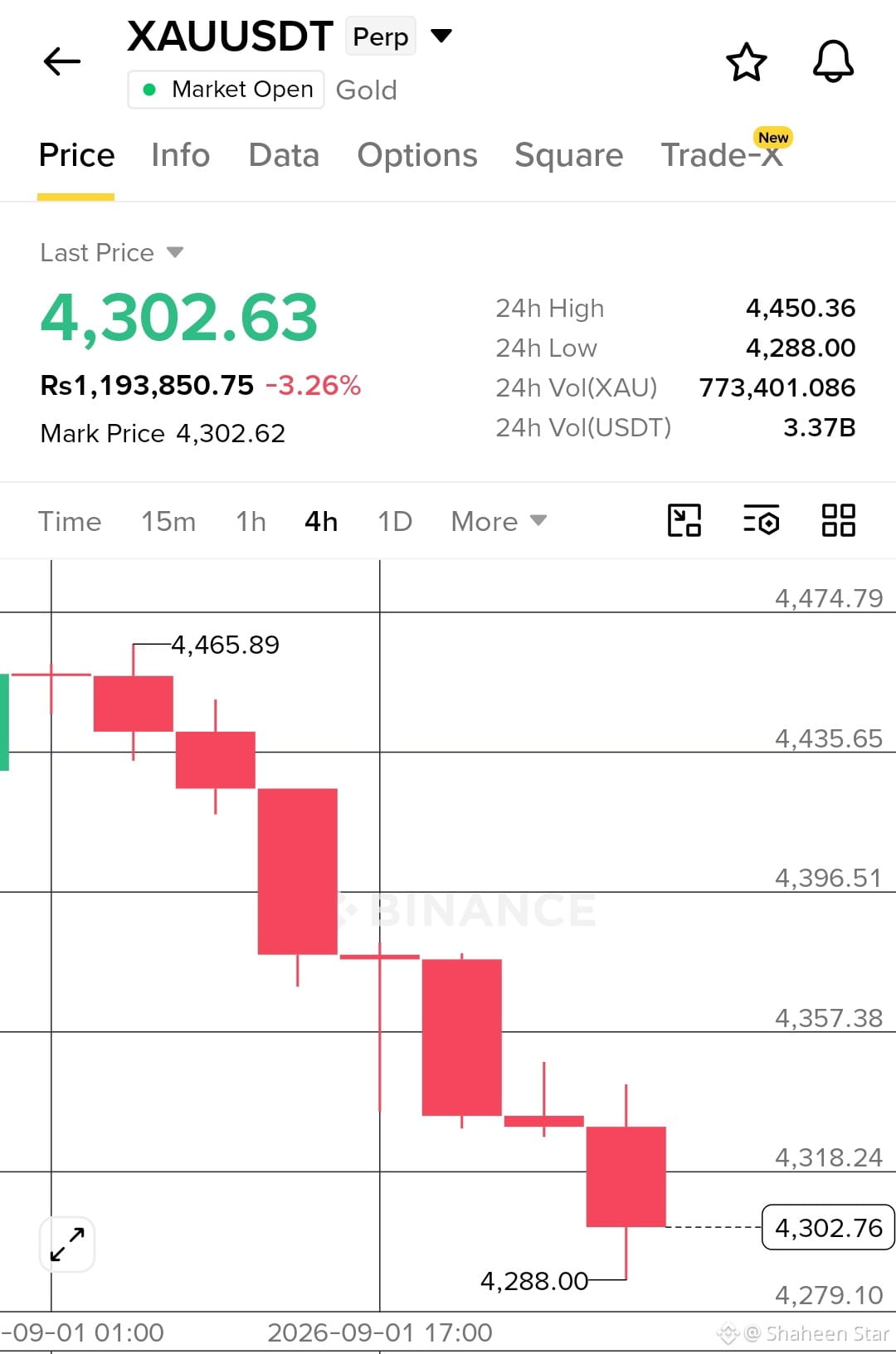
🔥 $XAU / USDT PERP — المشتريين يراقبون هذه المنطقة! 👀
الذهب ينسحب للخلف بنسبة 3.1% ويتداول قرب 4,307.01، لكن يبدو أن عمليات البيع تتباطأ حول منطقة الدعم الرئيسية. 📉➡️📈
🟢 الدخول: 4,295–4,315
🎯 TP1: 4,380
🎯 TP2: 4,440
🎯 TP3: 4,500
🛑 SL: 4,250
⚡ إذا دخل المشتريين بقوة مع زخم قوي، فقد يتمكن $XAU من التعافي باتجاه القمم الأخيرة. التأكيد مهم—لا تلاحق السعر.
NFA. استكشف بنفسك وادِر المخاطر.
#XAU #XAUUSDT #Gold #Perp #Trading #Crypto
🔥 $XAU / USDT PERP — المشتريين يراقبون هذه المنطقة! 👀
الذهب ينسحب للخلف بنسبة 3.1% ويتداول قرب 4,307.01، لكن يبدو أن عمليات البيع تتباطأ حول منطقة الدعم الرئيسية. 📉➡️📈
🟢 الدخول: 4,295–4,315
🎯 TP1: 4,380
🎯 TP2: 4,440
🎯 TP3: 4,500
🛑 SL: 4,250
⚡ إذا دخل المشتريين بقوة مع زخم قوي، فقد يتمكن $XAU من التعافي باتجاه القمم الأخيرة. التأكيد مهم—لا تلاحق السعر.
NFA. استكشف بنفسك وادِر المخاطر.
#XAU #XAUUSDT #Gold #Perp #Trading #Crypto
الذهب ينسحب للخلف بنسبة 3.1% ويتداول قرب 4,307.01، لكن يبدو أن عمليات البيع تتباطأ حول منطقة الدعم الرئيسية. 📉➡️📈
🟢 الدخول: 4,295–4,315
🎯 TP1: 4,380
🎯 TP2: 4,440
🎯 TP3: 4,500
🛑 SL: 4,250
⚡ إذا دخل المشتريين بقوة مع زخم قوي، فقد يتمكن $XAU من التعافي باتجاه القمم الأخيرة. التأكيد مهم—لا تلاحق السعر.
NFA. استكشف بنفسك وادِر المخاطر.
#XAU #XAUUSDT #Gold #Perp #Trading #Crypto
149
·
--
صاعد
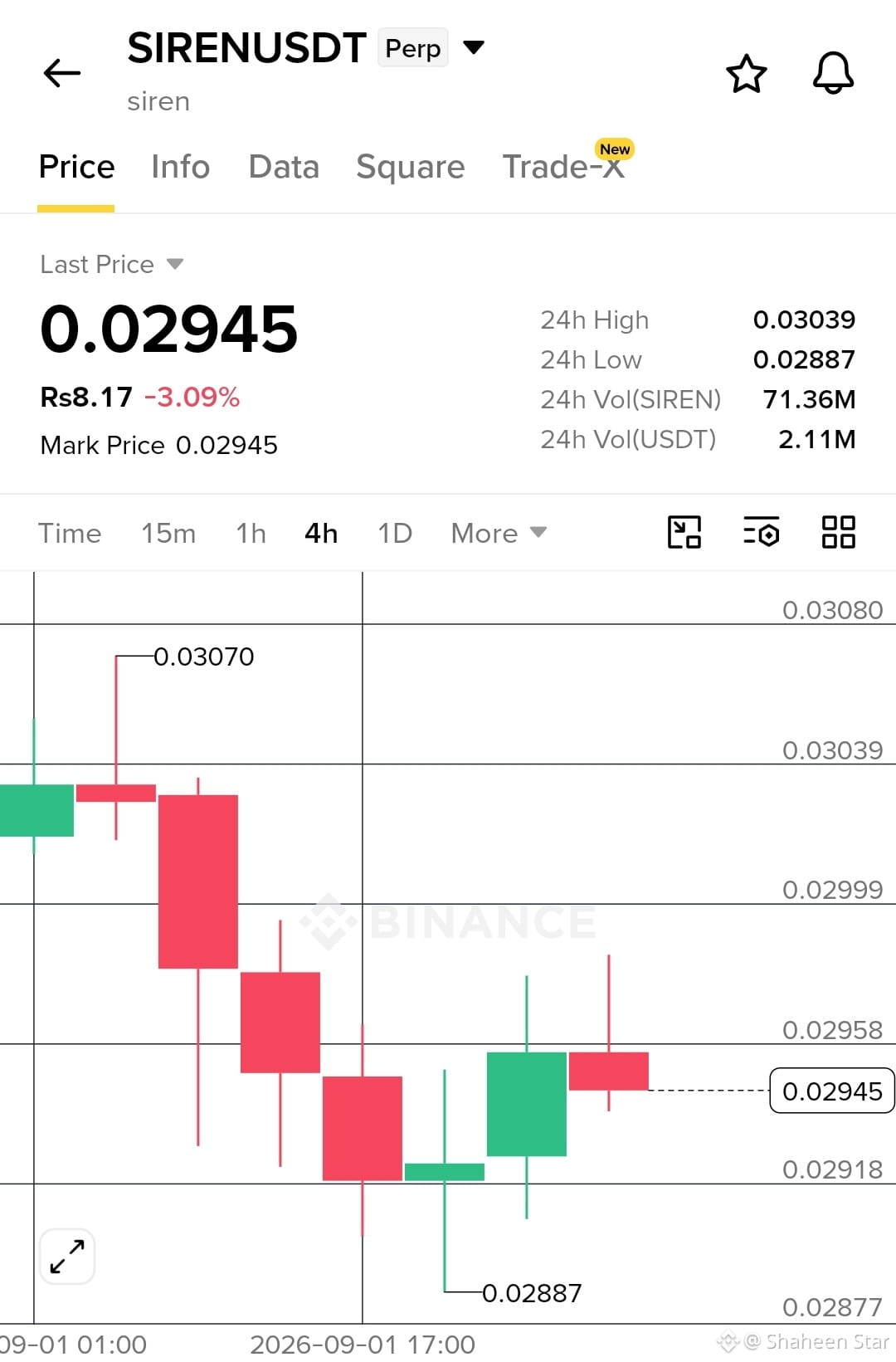
🚨👀 $SIREN تحديث تداول!
ما زلنا نراقب $SIREN عن كثب! 🔥
💰 السعر الحالي: ~$0.0294
🎯 الهدف: 5 USDT أخرى يستحق الضحك 😂💸
لا للاندفاع/الخوف من فوات الفرصة. ❌
لا خلف المضخّات. ❌
فقط انتظار الدخول المناسب + تأكيد حجم التداول. 📊⚡
$SIREN يبقى بثبات ضمن قائمة المراقبة. 👀
تحلَّ بالصبر الآن… وستأتي الفرصة لاحقًا! 🚀
اعمل بحثك الخاص (DYOR) وادِر مخاطرك.
#SIREN #Crypto #Altcoins #Trading
🚨👀 $SIREN تحديث تداول!
ما زلنا نراقب $SIREN عن كثب! 🔥
💰 السعر الحالي: ~$0.0294
🎯 الهدف: 5 USDT أخرى يستحق الضحك 😂💸
لا للاندفاع/الخوف من فوات الفرصة. ❌
لا خلف المضخّات. ❌
فقط انتظار الدخول المناسب + تأكيد حجم التداول. 📊⚡
$SIREN يبقى بثبات ضمن قائمة المراقبة. 👀
تحلَّ بالصبر الآن… وستأتي الفرصة لاحقًا! 🚀
اعمل بحثك الخاص (DYOR) وادِر مخاطرك.
#SIREN #Crypto #Altcoins #Trading
ما زلنا نراقب $SIREN عن كثب! 🔥
💰 السعر الحالي: ~$0.0294
🎯 الهدف: 5 USDT أخرى يستحق الضحك 😂💸
لا للاندفاع/الخوف من فوات الفرصة. ❌
لا خلف المضخّات. ❌
فقط انتظار الدخول المناسب + تأكيد حجم التداول. 📊⚡
$SIREN يبقى بثبات ضمن قائمة المراقبة. 👀
تحلَّ بالصبر الآن… وستأتي الفرصة لاحقًا! 🚀
اعمل بحثك الخاص (DYOR) وادِر مخاطرك.
#SIREN #Crypto #Altcoins #Trading
142
·
--
صاعد
🔥🚨 3 صفقات طويلة. 3 أهداف. من الذي يتحرك أولاً؟ 👀
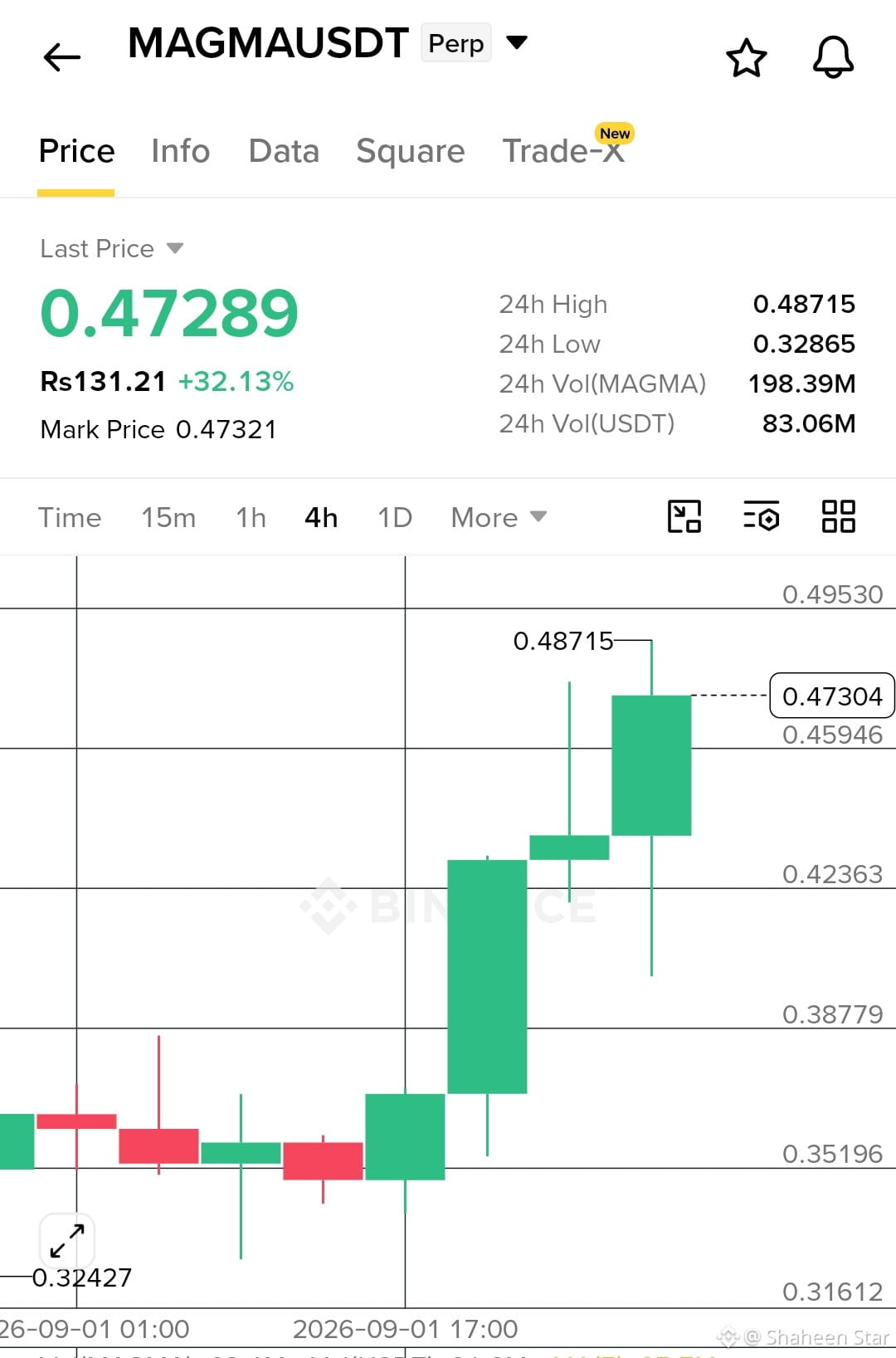
🟠 $MAGMA → 🎯 $0.75
🟣 $UNI → 🎯 $6.50
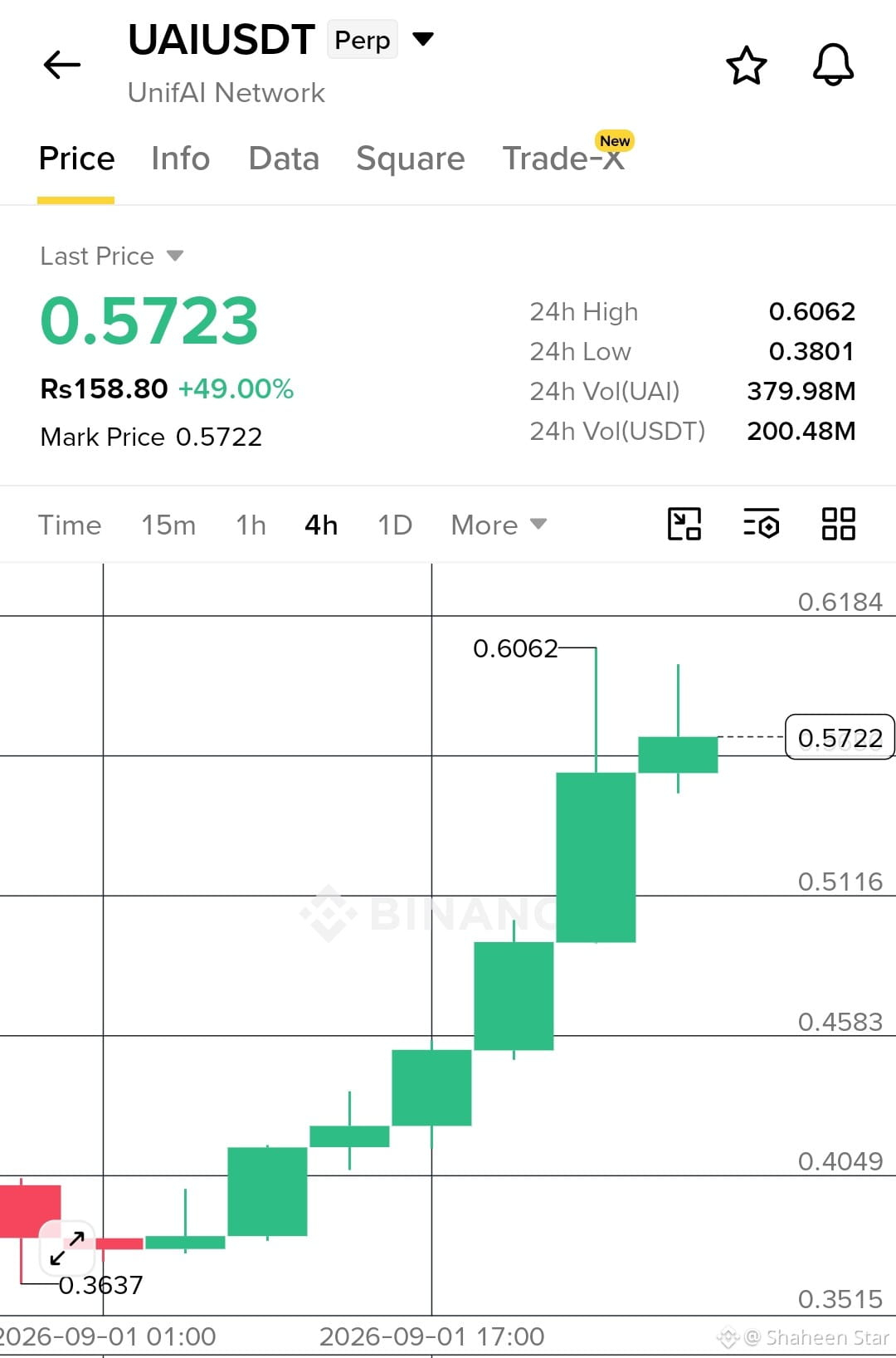
🔵 $UAI → 🎯 $0.65
ثلاثة إعدادات مختلفة، لكن نفس المهمة: التَّمسُّك بالزخم/الاندفاع! 🚀
إذا استمر المشترون في إبقاء الضغط حيًّا، فقد تصبح هذه الأهداف قابلة للتحقق بسرعة. ⚡
👀 أي واحد سيصل إلى TP أولاً؟
$MAGMA، $UNI، أم $UAI؟
NFA. راجعوا أبحاثكم (DYOR).
#Crypto #MAGMA #UNI #UAI #Altcoins #Trading
🔥🚨 3 صفقات طويلة. 3 أهداف. من الذي يتحرك أولاً؟ 👀
🟠 $MAGMA → 🎯 $0.75
🟣 $UNI → 🎯 $6.50
🔵 $UAI → 🎯 $0.65
ثلاثة إعدادات مختلفة، لكن نفس المهمة: التَّمسُّك بالزخم/الاندفاع! 🚀
إذا استمر المشترون في إبقاء الضغط حيًّا، فقد تصبح هذه الأهداف قابلة للتحقق بسرعة. ⚡
👀 أي واحد سيصل إلى TP أولاً؟
$MAGMA ، $UNI ، أم $UAI ؟
NFA. راجعوا أبحاثكم (DYOR).
#Crypto #MAGMA #UNI #UAI #Altcoins #Trading
🟠 $MAGMA → 🎯 $0.75
🟣 $UNI → 🎯 $6.50
🔵 $UAI → 🎯 $0.65
ثلاثة إعدادات مختلفة، لكن نفس المهمة: التَّمسُّك بالزخم/الاندفاع! 🚀
إذا استمر المشترون في إبقاء الضغط حيًّا، فقد تصبح هذه الأهداف قابلة للتحقق بسرعة. ⚡
👀 أي واحد سيصل إلى TP أولاً؟
$MAGMA ، $UNI ، أم $UAI ؟
NFA. راجعوا أبحاثكم (DYOR).
#Crypto #MAGMA #UNI #UAI #Altcoins #Trading
162
·
--
صاعد
🔥🚨 أفضل العملات المتداولة اليوم — قائمة المراقبة ساخنة! 👀
السوق في حالة نشاط حول هذه الأسماء الآن:
🥇 $UAI
🥈 $HYPER
🥉 $ARB
4️⃣ $BTC
5️⃣ $UP
6️⃣ $USELESS
7️⃣ $ETH
8️⃣ $LIT
9️⃣ $CASHCAT
🔟 $PENGU
1️⃣1️⃣ $HYPE
1️⃣2️⃣ $UNI
1️⃣3️⃣ $ZEC
1️⃣4️⃣ $PUMP
1️⃣5️⃣ $ENA
⚡ الترند = انتباه → انتباه = تقلب!
قد يكون واحد من هذه يستعد لِـ الخطوة الكبيرة التالية. 🚀🔥
👀 أي عملة تراقبها؟ اترك اختيارك بالأسفل!
ليس نصيحة مالية. اعمل بحثك الخاص (DYOR).
#Crypto #Trending #Altcoins #BTC #ETH #Trading
🔥🚨 أفضل العملات المتداولة اليوم — قائمة المراقبة ساخنة! 👀
السوق في حالة نشاط حول هذه الأسماء الآن:
🥇 $UAI
🥈 $HYPER
🥉 $ARB
4️⃣ $BTC
5️⃣ $UP
6️⃣ $USELESS
7️⃣ $ETH
8️⃣ $LIT
9️⃣ $CASHCAT
🔟 $PENGU
1️⃣1️⃣ $HYPE
1️⃣2️⃣ $UNI
1️⃣3️⃣ $ZEC
1️⃣4️⃣ $PUMP
1️⃣5️⃣ $ENA
⚡ الترند = انتباه → انتباه = تقلب!
قد يكون واحد من هذه يستعد لِـ الخطوة الكبيرة التالية. 🚀🔥
👀 أي عملة تراقبها؟ اترك اختيارك بالأسفل!
ليس نصيحة مالية. اعمل بحثك الخاص (DYOR).
#Crypto #Trending #Altcoins #BTC #ETH #Trading
السوق في حالة نشاط حول هذه الأسماء الآن:
🥇 $UAI
🥈 $HYPER
🥉 $ARB
4️⃣ $BTC
5️⃣ $UP
6️⃣ $USELESS
7️⃣ $ETH
8️⃣ $LIT
9️⃣ $CASHCAT
🔟 $PENGU
1️⃣1️⃣ $HYPE
1️⃣2️⃣ $UNI
1️⃣3️⃣ $ZEC
1️⃣4️⃣ $PUMP
1️⃣5️⃣ $ENA
⚡ الترند = انتباه → انتباه = تقلب!
قد يكون واحد من هذه يستعد لِـ الخطوة الكبيرة التالية. 🚀🔥
👀 أي عملة تراقبها؟ اترك اختيارك بالأسفل!
ليس نصيحة مالية. اعمل بحثك الخاص (DYOR).
#Crypto #Trending #Altcoins #BTC #ETH #Trading
201
·
--
صاعد
🚀 $AR الثيران عادت للسيطرة! 🔥
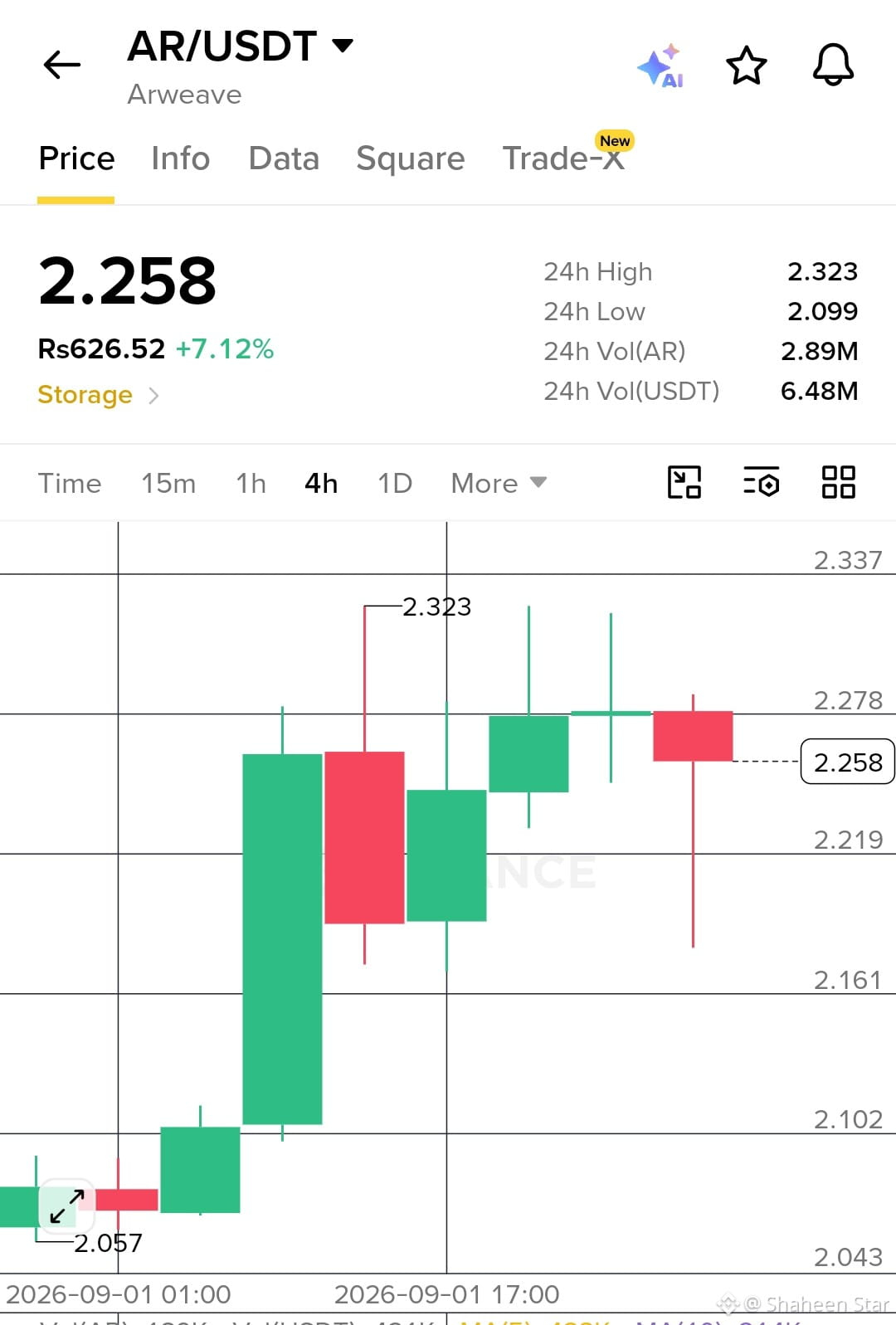
ارتد $AR بقوة من 2.18 واستعاد منطقة الاختراق، ودفع مرة أخرى باتجاه 2.26. يظل هيكل الإطار الزمني 1H صعوديًا طالما يدافع المشترون عن التصحيح. 💪
📍 الدخول: 2.250–2.275
🎯 الهدف 1: 2.290
🎯 الهدف 2: 2.320
🎯 الهدف 3: 2.350
🛑 وقف الخسارة: 2.210
⚡ اختراقٌ واضح فوق 2.30 قد يؤدي إلى موجة دفع أخرى نحو القمة الأخيرة!
NFA. حلّل بنفسك (DYOR). 🚨
#AR #Crypto #Altcoins #Trading #Futures
🚀 $AR الثيران عادت للسيطرة! 🔥
ارتد $AR بقوة من 2.18 واستعاد منطقة الاختراق، ودفع مرة أخرى باتجاه 2.26. يظل هيكل الإطار الزمني 1H صعوديًا طالما يدافع المشترون عن التصحيح. 💪
📍 الدخول: 2.250–2.275
🎯 الهدف 1: 2.290
🎯 الهدف 2: 2.320
🎯 الهدف 3: 2.350
🛑 وقف الخسارة: 2.210
⚡ اختراقٌ واضح فوق 2.30 قد يؤدي إلى موجة دفع أخرى نحو القمة الأخيرة!
NFA. حلّل بنفسك (DYOR). 🚨
#AR #Crypto #Altcoins #Trading #Futures
ارتد $AR بقوة من 2.18 واستعاد منطقة الاختراق، ودفع مرة أخرى باتجاه 2.26. يظل هيكل الإطار الزمني 1H صعوديًا طالما يدافع المشترون عن التصحيح. 💪
📍 الدخول: 2.250–2.275
🎯 الهدف 1: 2.290
🎯 الهدف 2: 2.320
🎯 الهدف 3: 2.350
🛑 وقف الخسارة: 2.210
⚡ اختراقٌ واضح فوق 2.30 قد يؤدي إلى موجة دفع أخرى نحو القمة الأخيرة!
NFA. حلّل بنفسك (DYOR). 🚨
#AR #Crypto #Altcoins #Trading #Futures
168
سجّل الدخول لاستكشاف المزيد من المُحتوى
انضم إلى مُستخدمي العملات الرقمية حول العالم على Binance Square
⚡️ احصل على أحدث المعلومات المفيدة عن العملات الرقمية.
💬 موثوقة من قبل أكبر منصّة لتداول العملات الرقمية في العالم.
👍 اكتشف الرؤى الحقيقية من صنّاع المُحتوى الموثوقين.
البريد الإلكتروني / رقم الهاتف
المواضيع الرائجة
OpenAIUnveilsAlwaysOnAgentDots
5 مشاهدات
15 يقومون بالنقاش
#OpenAIUnveilsAlwaysOnAgentDots
🤖 نقاط OpenAI التي تعمل دائمًا: ذكاء اصطناعي يستمر في العمل
كشفت OpenAI عن Dots، وهو نوع جديد من وكلاء الذكاء الاصطناعي الذين يعملون دائمًا ومصممون لتحمّل مسؤولية المهام المستمرة بدلًا من الانتظار حتى يقدّم كل مستخدم طلبًا فرديًا. يمكن لـ Dots العمل مع التطبيقات المتصلة، واستخدام “حاسوبهم السحابي” الخاص، والاستمرار في إحراز التقدم بين المحادثات.
التحول الأوسع هو الانتقال من “ذكاء اصطناعي يجيب” إلى “ذكاء اصطناعي يتصرف”. يمكن لـ Dot أن يبحث وينظم المشاريع ويراقب المعلومات ويُحضّر الأعمال ثم يعيد النتائج للمستخدم كي يراجعها. كما تقول OpenAI إن المستخدمين يمكنهم التحكم في الأذونات وتحديد الإجراءات التي تتطلب موافقة.
قد يغيّر هذا طريقة تفاعل الناس مع الذكاء الاصطناعي—لكن لا تزال الموثوقية والخصوصية والأذونات والإشراف البشري مهمة، خاصةً مع ازدياد استقلالية الوكلاء.
يصبح الذكاء الاصطناعي الذي يعمل دائمًا نموذجًا جديدًا للحوسبة. السؤال الحقيقي هو: إلى أي مدى يجب أن نعطي وكيلًا للذكاء الاصطناعي مسؤولية؟ 👀
#OpenAI #AgentDots #AI #AIAgents #ChatGPT #Tech
PALASH5
·0 إعجاب
·50 مشاهدات
ChainlinkLaunchesBankSWIFTLedgerFramework
800 مشاهدات
42 يقومون بالنقاش
EarningsSeason
418,496 مشاهدات
3,170 يقومون بالنقاش