

AlphaQueen_01
6k منشورات

AlphaQueen_01
إبلاغ
حظر المُستخدم
"AI Unlocked Certified | Binance Academy".
فتح تداول
مُتداول بمُعدّل مرتفع
9.2 أشهر
544 تتابع
7.0K+ المتابعون
11.3K+ إعجاب
منشورات
الحافظة الاستثمارية
الكل
اقتباسات
مقاطع فيديو
Live
·
--
صاعد
مرحبًا أيها المتداولون!
هناك لحظات يكون فيها أفضل قرار هو عدم إجراء صفقة إطلاقًا، حتى عندما يبدو أن مؤشرًا ما يقدم لنا إشارة.
1. لا تدخل فقط لأن RSI في منطقة التشبع الشرائي أو البيعي
من أكثر الأخطاء شيوعًا التي يقع فيها المتداولون هو افتراض:
RSI فوق 70 = بيع
RSI تحت 30 = شراء
لكن الحقيقة ليست بهذه البساطة.
عندما تكون السوق في اتجاه قوي، يمكن أن يبقى مؤشر RSI في حالة تشبع شرائي أو تشبع بيعي لفترة ممتدة، بينما يستمر السعر في التحرك بقوة في نفس الاتجاه.
لذلك، إذا دخل RSI منطقة التشبع البيعي، فهذا لا يعني تلقائيًا أن السعر سينعكس للأعلى.
2. انتظر التأكيد
بدلًا من الدخول فورًا، ابحث عن تأكيد إضافي من:
حركة السعر
بنية السوق
الدعم & المقاومة
أنماط الانعكاس
كسر البنية
إعداد صفقة واضح
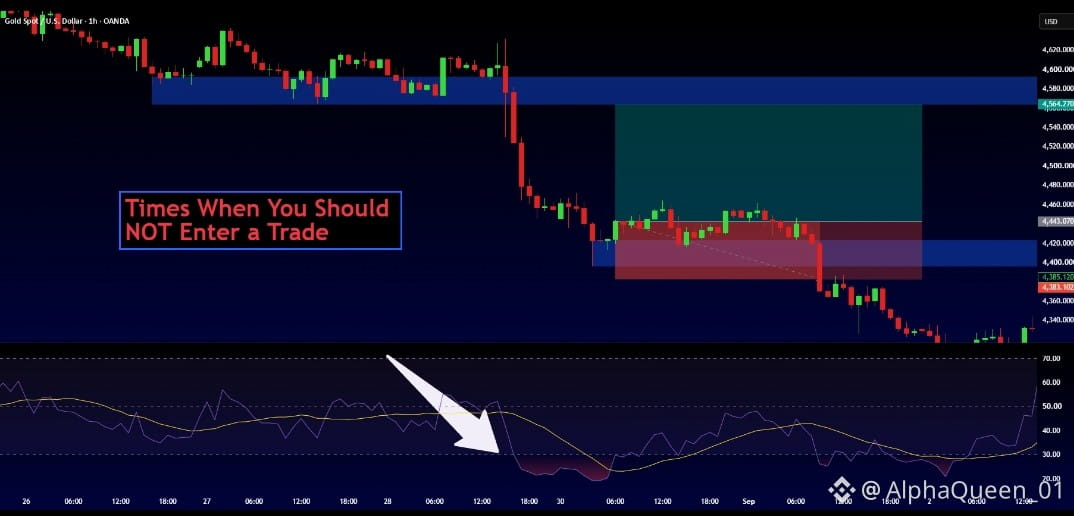
تُعد مخططات الذهب مثالًا جيدًا على ذلك. تحرك RSI إلى منطقة التشبع البيعي، لكن السعر واصل الهبوط بدلًا من الانعكاس فورًا.
الخلاصة
RSI هو أداة تأكيد، وليس إشارة دخول قائمة بذاتها.
لا تتداول فقط لأن RSI وصل إلى مستوى متطرف.
انتظر من السوق أن يؤكد فكرتك أولًا.
#Trading #RSI #Gold #CryptoTrading #TechnicalAnalysis
مرحبًا أيها المتداولون!
هناك لحظات يكون فيها أفضل قرار هو عدم إجراء صفقة إطلاقًا، حتى عندما يبدو أن مؤشرًا ما يقدم لنا إشارة.
1. لا تدخل فقط لأن RSI في منطقة التشبع الشرائي أو البيعي
من أكثر الأخطاء شيوعًا التي يقع فيها المتداولون هو افتراض:
RSI فوق 70 = بيع
RSI تحت 30 = شراء
لكن الحقيقة ليست بهذه البساطة.
عندما تكون السوق في اتجاه قوي، يمكن أن يبقى مؤشر RSI في حالة تشبع شرائي أو تشبع بيعي لفترة ممتدة، بينما يستمر السعر في التحرك بقوة في نفس الاتجاه.
لذلك، إذا دخل RSI منطقة التشبع البيعي، فهذا لا يعني تلقائيًا أن السعر سينعكس للأعلى.
2. انتظر التأكيد
بدلًا من الدخول فورًا، ابحث عن تأكيد إضافي من:
حركة السعر
بنية السوق
الدعم & المقاومة
أنماط الانعكاس
كسر البنية
إعداد صفقة واضح
تُعد مخططات الذهب مثالًا جيدًا على ذلك. تحرك RSI إلى منطقة التشبع البيعي، لكن السعر واصل الهبوط بدلًا من الانعكاس فورًا.
الخلاصة
RSI هو أداة تأكيد، وليس إشارة دخول قائمة بذاتها.
لا تتداول فقط لأن RSI وصل إلى مستوى متطرف.
انتظر من السوق أن يؤكد فكرتك أولًا.
#Trading #RSI #Gold #CryptoTrading #TechnicalAnalysis
هناك لحظات يكون فيها أفضل قرار هو عدم إجراء صفقة إطلاقًا، حتى عندما يبدو أن مؤشرًا ما يقدم لنا إشارة.
1. لا تدخل فقط لأن RSI في منطقة التشبع الشرائي أو البيعي
من أكثر الأخطاء شيوعًا التي يقع فيها المتداولون هو افتراض:
RSI فوق 70 = بيع
RSI تحت 30 = شراء
لكن الحقيقة ليست بهذه البساطة.
عندما تكون السوق في اتجاه قوي، يمكن أن يبقى مؤشر RSI في حالة تشبع شرائي أو تشبع بيعي لفترة ممتدة، بينما يستمر السعر في التحرك بقوة في نفس الاتجاه.
لذلك، إذا دخل RSI منطقة التشبع البيعي، فهذا لا يعني تلقائيًا أن السعر سينعكس للأعلى.
2. انتظر التأكيد
بدلًا من الدخول فورًا، ابحث عن تأكيد إضافي من:
حركة السعر
بنية السوق
الدعم & المقاومة
أنماط الانعكاس
كسر البنية
إعداد صفقة واضح
تُعد مخططات الذهب مثالًا جيدًا على ذلك. تحرك RSI إلى منطقة التشبع البيعي، لكن السعر واصل الهبوط بدلًا من الانعكاس فورًا.
الخلاصة
RSI هو أداة تأكيد، وليس إشارة دخول قائمة بذاتها.
لا تتداول فقط لأن RSI وصل إلى مستوى متطرف.
انتظر من السوق أن يؤكد فكرتك أولًا.
#Trading #RSI #Gold #CryptoTrading #TechnicalAnalysis
1
181
·
--
هابط
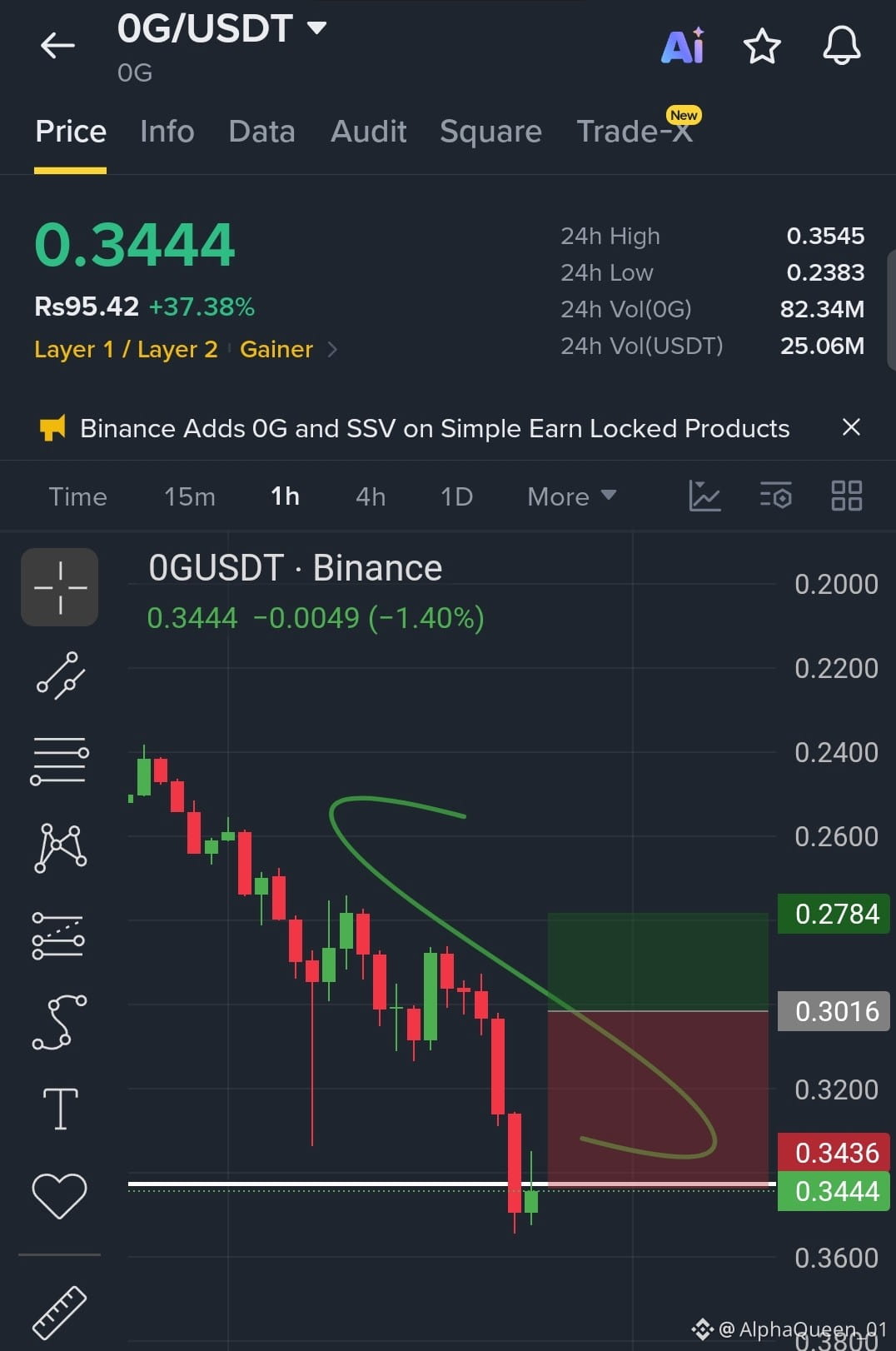
$OG /USDT — مستويات جني الأرباح (TP) للصفقات القصيرة (SHORT)
🔻TP1: 0.3350
🔻TP2: 0.3250
🔻TP3: 0.3150
الهدف النهائي (TP): 0.3016
{spot}(OGUSDT)
$OG /USDT — مستويات جني الأرباح (TP) للصفقات القصيرة (SHORT)
🔻TP1: 0.3350
🔻TP2: 0.3250
🔻TP3: 0.3150
الهدف النهائي (TP): 0.3016
🔻TP1: 0.3350
🔻TP2: 0.3250
🔻TP3: 0.3150
الهدف النهائي (TP): 0.3016
3
86
·
--
صاعد
🔥 يا جماعة — لِنَتواصل!
هل تريدون الحديث عن العملات الرقمية، مشاركة أفكار التداول، مناقشة تحركات السوق والتواصل مع متداولين آخرين؟ 📈
انضموا إلى محادثة مجموعة بينانس الخاصة بنا وكونوا جزءًا من مجتمع كريبتو نشط يمكننا فيه مشاركة الرسوم البيانية والإعدادات وتحديثات السوق ووجهات نظر مختلفة.
سواء كنت مبتدئًا أو متداولًا متمرسًا، الجميع مرحب به. لنتعلم ونتناقش ونتطور معًا! 🚀
💬 انضم إلى محادثة المجموعة من هنا:
🔗 [ادعوك للانضمام إلى مجموعتي Crypto Elite Signals: https://app.binance.com/uni-qr/EuT3BxWr]
أراكم من الداخل أيها المتداولون! 🔥
#Binance #Crypto #Trading #BinanceSquare #CryptoCommunity
🔥 يا جماعة — لِنَتواصل!
هل تريدون الحديث عن العملات الرقمية، مشاركة أفكار التداول، مناقشة تحركات السوق والتواصل مع متداولين آخرين؟ 📈
انضموا إلى محادثة مجموعة بينانس الخاصة بنا وكونوا جزءًا من مجتمع كريبتو نشط يمكننا فيه مشاركة الرسوم البيانية والإعدادات وتحديثات السوق ووجهات نظر مختلفة.
سواء كنت مبتدئًا أو متداولًا متمرسًا، الجميع مرحب به. لنتعلم ونتناقش ونتطور معًا! 🚀
💬 انضم إلى محادثة المجموعة من هنا:
🔗 [ادعوك للانضمام إلى مجموعتي Crypto Elite Signals: https://app.binance.com/uni-qr/EuT3BxWr]
أراكم من الداخل أيها المتداولون! 🔥
#Binance #Crypto #Trading #BinanceSquare #CryptoCommunity
هل تريدون الحديث عن العملات الرقمية، مشاركة أفكار التداول، مناقشة تحركات السوق والتواصل مع متداولين آخرين؟ 📈
انضموا إلى محادثة مجموعة بينانس الخاصة بنا وكونوا جزءًا من مجتمع كريبتو نشط يمكننا فيه مشاركة الرسوم البيانية والإعدادات وتحديثات السوق ووجهات نظر مختلفة.
سواء كنت مبتدئًا أو متداولًا متمرسًا، الجميع مرحب به. لنتعلم ونتناقش ونتطور معًا! 🚀
💬 انضم إلى محادثة المجموعة من هنا:
🔗 [ادعوك للانضمام إلى مجموعتي Crypto Elite Signals: https://app.binance.com/uni-qr/EuT3BxWr]
أراكم من الداخل أيها المتداولون! 🔥
#Binance #Crypto #Trading #BinanceSquare #CryptoCommunity

2
3
176
·
--
صاعد
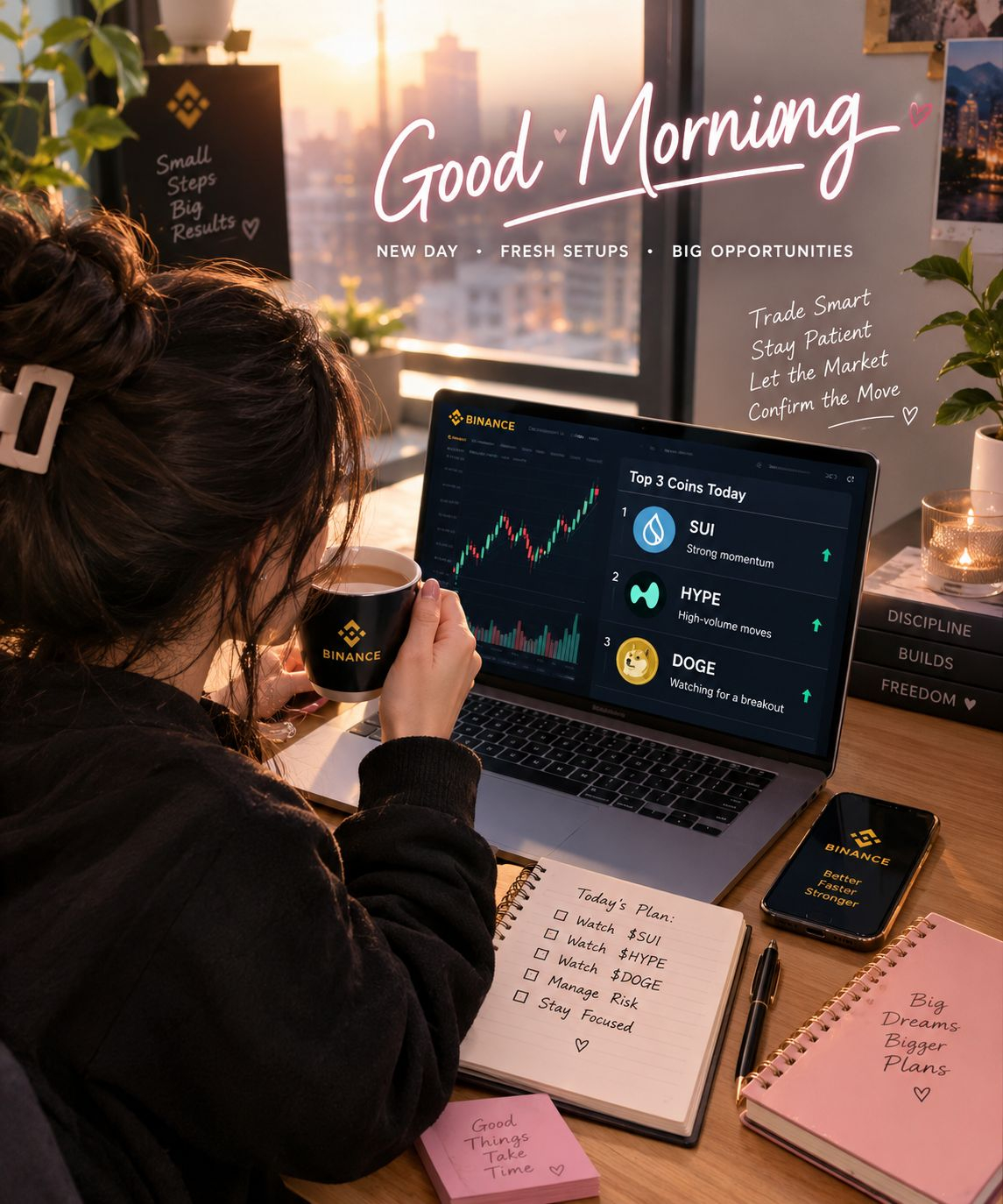
🌅 صباح الخير، أيها المتداولون!
يوم جديد، إعدادات جديدة، وفرص جديدة. حافظ على إدارة المخاطر وراقب هذه العملات الثلاث اليوم:
$SUI — زخم قوي
$HYPE — تحركات عالية الحجم
$DOGE — نراقب اختراقًا
تاجر بذكاء، وكن صبورًا، واترك للسوق تأكيد الحركة.
#Crypto #Binance #Trading #Altcoins #GoodMorning
{future}(SUIUSDT)
{future}(HYPEUSDT)
{future}(DOGEUSDT)
🌅 صباح الخير، أيها المتداولون!
يوم جديد، إعدادات جديدة، وفرص جديدة. حافظ على إدارة المخاطر وراقب هذه العملات الثلاث اليوم:
$SUI — زخم قوي
$HYPE — تحركات عالية الحجم
$DOGE — نراقب اختراقًا
تاجر بذكاء، وكن صبورًا، واترك للسوق تأكيد الحركة.
#Crypto #Binance #Trading #Altcoins #GoodMorning
يوم جديد، إعدادات جديدة، وفرص جديدة. حافظ على إدارة المخاطر وراقب هذه العملات الثلاث اليوم:
$SUI — زخم قوي
$HYPE — تحركات عالية الحجم
$DOGE — نراقب اختراقًا
تاجر بذكاء، وكن صبورًا، واترك للسوق تأكيد الحركة.
#Crypto #Binance #Trading #Altcoins #GoodMorning
1
2
535
·
--
هابط
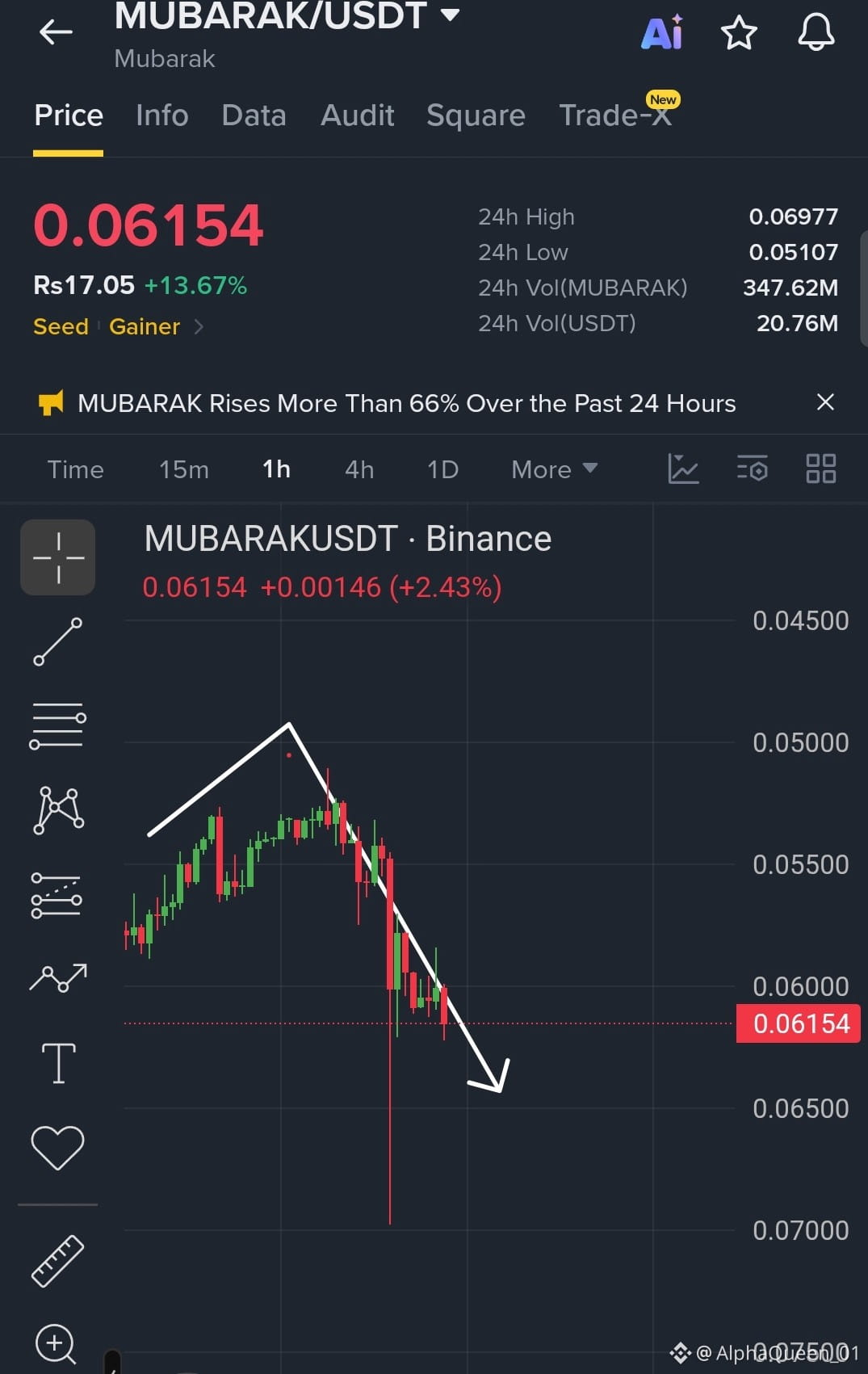
🚨 $MUBARAK /USDT SHORT إعداد 🚨
منطقة الدخول: 0.0615 - 0.0630
الهدف 1 (TP1): 0.0570
الهدف 2 (TP2): 0.0535
الهدف 3 (TP3): 0.0510
وقف الخسارة (SL): 0.0665
⚠️ ملاحظة: دائمًا أدِر مخاطرك بشكل صحيح واستخدم رافعة (Leverage) منخفضة.
{future}(MUBARAKUSDT)
🚨 $MUBARAK /USDT SHORT إعداد 🚨
منطقة الدخول: 0.0615 - 0.0630
الهدف 1 (TP1): 0.0570
الهدف 2 (TP2): 0.0535
الهدف 3 (TP3): 0.0510
وقف الخسارة (SL): 0.0665
⚠️ ملاحظة: دائمًا أدِر مخاطرك بشكل صحيح واستخدم رافعة (Leverage) منخفضة.
منطقة الدخول: 0.0615 - 0.0630
الهدف 1 (TP1): 0.0570
الهدف 2 (TP2): 0.0535
الهدف 3 (TP3): 0.0510
وقف الخسارة (SL): 0.0665
⚠️ ملاحظة: دائمًا أدِر مخاطرك بشكل صحيح واستخدم رافعة (Leverage) منخفضة.
3
292
·
--
هابط
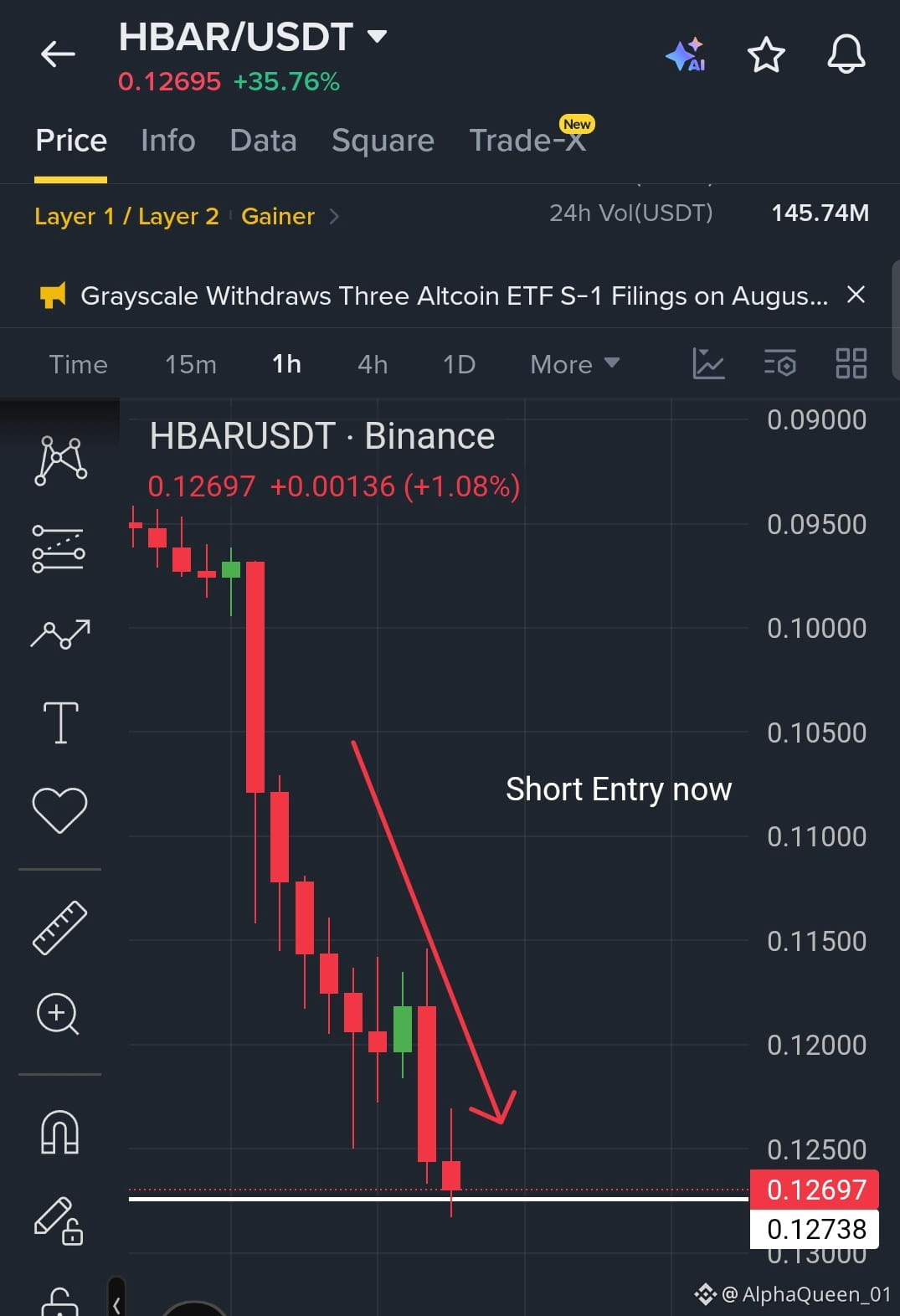
$HBAR /USDT — إشارة قصيرة
الدخول: 0.1269–0.1274
الهدف 1: 0.1250
الهدف 2: 0.1230
الهدف 3: 0.1200
وقف الخسارة: 0.1292
النظرة: هبوطية طالما السعر يبقى تحت مستوى المقاومة 0.1274.
انتظر التأكيد قبل الدخول.
{future}(HBARUSDT)
$HBAR /USDT — إشارة قصيرة
الدخول: 0.1269–0.1274
الهدف 1: 0.1250
الهدف 2: 0.1230
الهدف 3: 0.1200
وقف الخسارة: 0.1292
النظرة: هبوطية طالما السعر يبقى تحت مستوى المقاومة 0.1274.
انتظر التأكيد قبل الدخول.
الدخول: 0.1269–0.1274
الهدف 1: 0.1250
الهدف 2: 0.1230
الهدف 3: 0.1200
وقف الخسارة: 0.1292
النظرة: هبوطية طالما السعر يبقى تحت مستوى المقاومة 0.1274.
انتظر التأكيد قبل الدخول.
2
85
·
--
صاعد
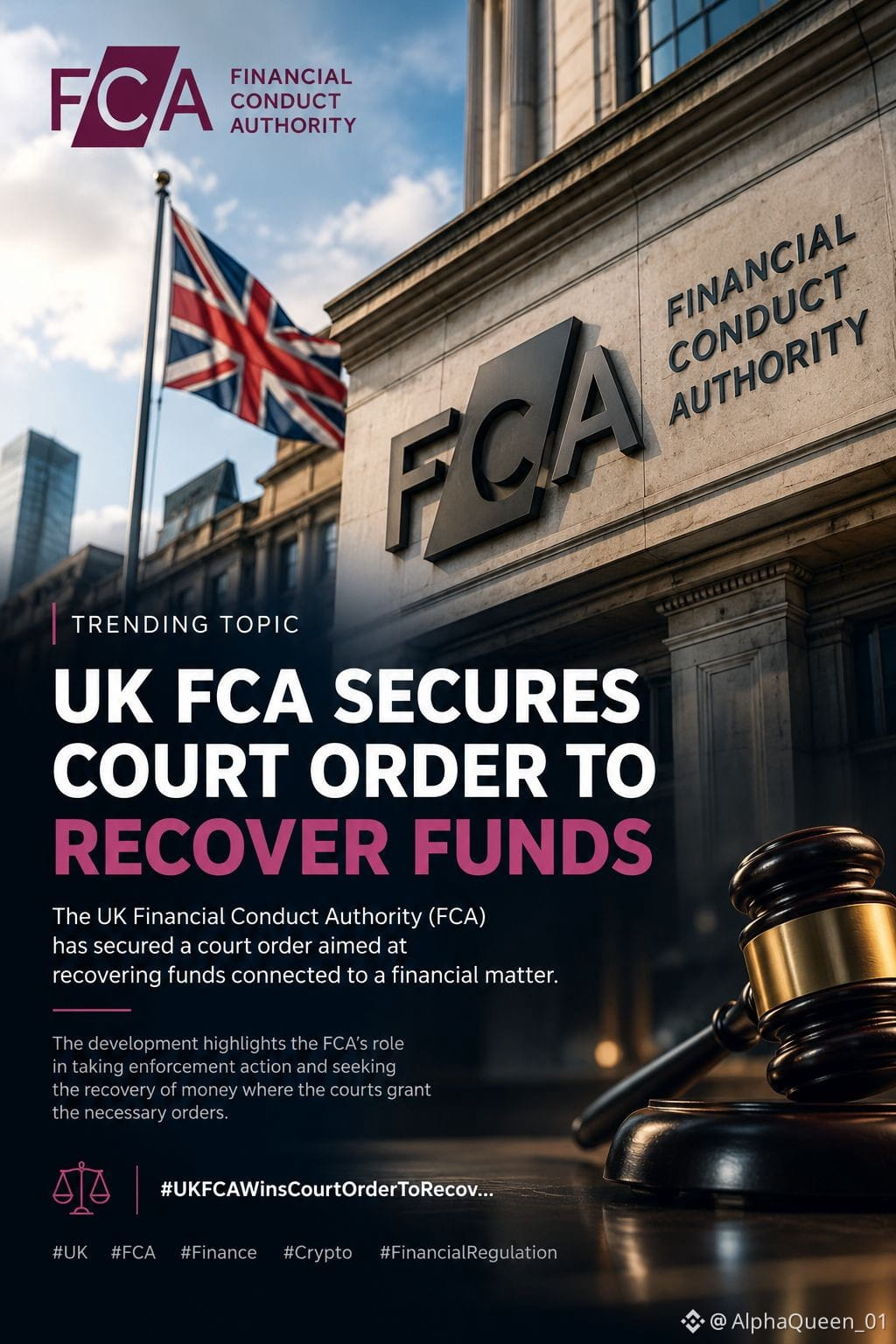
هيئة الرقابة المالية البريطانية التابعة لـ FCA تحصل على أمر قضائي لاسترداد الأموال
نجحت هيئة الرقابة المالية البريطانية (FCA) في الحصول على أمر قضائي يهدف إلى استرداد أموال مرتبطة بمسألة مالية.
تُبرز هذه التطورات دور هيئة الرقابة المالية في اتخاذ إجراءات إنفاذ والسعي لاسترداد الأموال عندما تمنح المحاكم الأوامر اللازمة.
ومع ظهور مزيد من التفاصيل الموثقة، قد يقدم هذا الملف مزيدًا من التبصر حول كيفية التعامل مع الإنفاذ المالي واسترداد الأصول في المملكة المتحدة.
#UK #FCA #Finance #Crypto #FinancialRegulation
هيئة الرقابة المالية البريطانية التابعة لـ FCA تحصل على أمر قضائي لاسترداد الأموال
نجحت هيئة الرقابة المالية البريطانية (FCA) في الحصول على أمر قضائي يهدف إلى استرداد أموال مرتبطة بمسألة مالية.
تُبرز هذه التطورات دور هيئة الرقابة المالية في اتخاذ إجراءات إنفاذ والسعي لاسترداد الأموال عندما تمنح المحاكم الأوامر اللازمة.
ومع ظهور مزيد من التفاصيل الموثقة، قد يقدم هذا الملف مزيدًا من التبصر حول كيفية التعامل مع الإنفاذ المالي واسترداد الأصول في المملكة المتحدة.
#UK #FCA #Finance #Crypto #FinancialRegulation
نجحت هيئة الرقابة المالية البريطانية (FCA) في الحصول على أمر قضائي يهدف إلى استرداد أموال مرتبطة بمسألة مالية.
تُبرز هذه التطورات دور هيئة الرقابة المالية في اتخاذ إجراءات إنفاذ والسعي لاسترداد الأموال عندما تمنح المحاكم الأوامر اللازمة.
ومع ظهور مزيد من التفاصيل الموثقة، قد يقدم هذا الملف مزيدًا من التبصر حول كيفية التعامل مع الإنفاذ المالي واسترداد الأصول في المملكة المتحدة.
#UK #FCA #Finance #Crypto #FinancialRegulation
2
61
·
--
صاعد
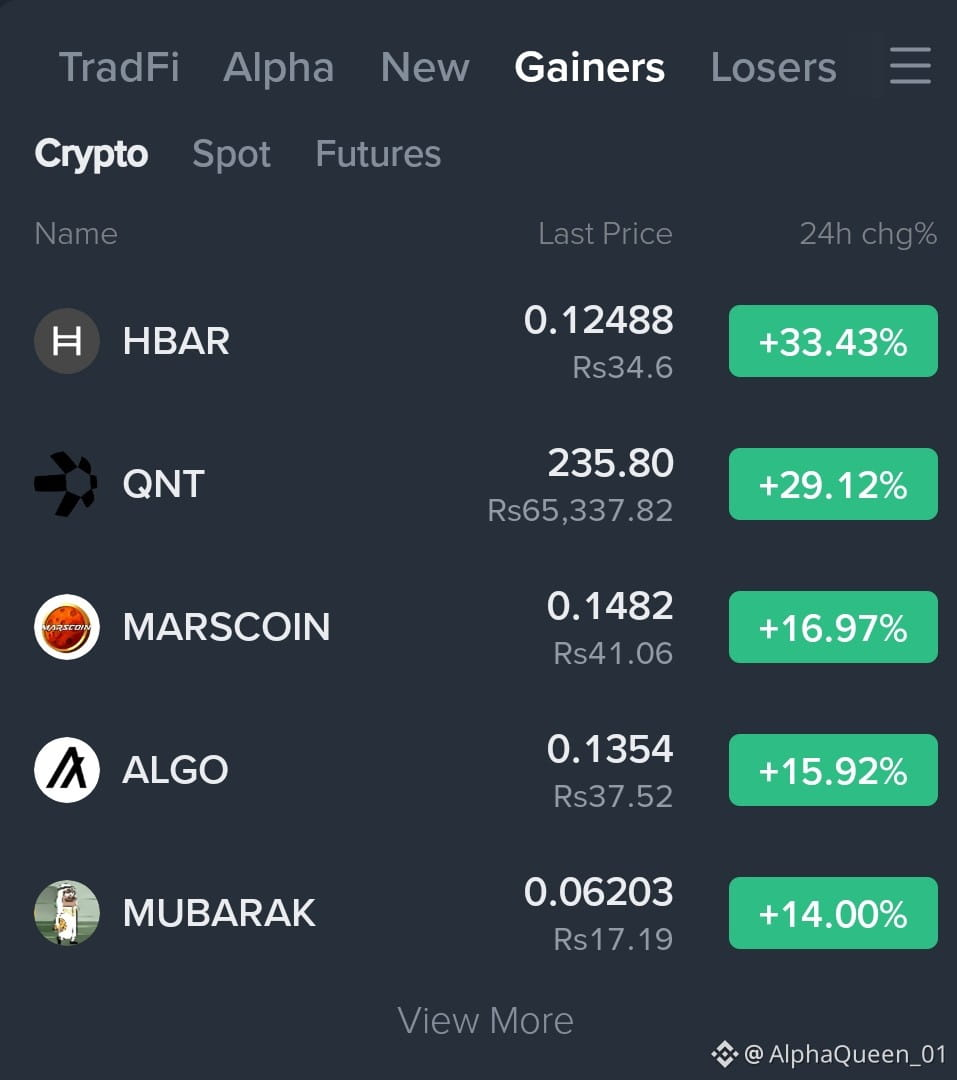
🚨 تجار الرابحين يسخنون! 🚨
يظهر السوق اليوم بعض الزخم القوي فعلاً:
📈 HBAR: +33.43%
📈 QNT: +29.12%
📈 MARSCOIN: +16.97%
📈 ALGO: +15.92%
📈 MUBARAK: +14.00%
الزخم قوي، لكن بعد التحركات الحادة يمكن أن تزداد التقلبات بسرعة. راقب حجم التداول وحركة السعر قبل الدخول.
أي واحد تتابعه؟ 👀
#Crypto #Gainers #Binance #CryptoMarket
{future}(HBARUSDT)
{future}(QNTUSDT)
{future}(MUBARAKUSDT)
🚨 تجار الرابحين يسخنون! 🚨
يظهر السوق اليوم بعض الزخم القوي فعلاً:
📈 HBAR: +33.43%
📈 QNT: +29.12%
📈 MARSCOIN: +16.97%
📈 ALGO: +15.92%
📈 MUBARAK: +14.00%
الزخم قوي، لكن بعد التحركات الحادة يمكن أن تزداد التقلبات بسرعة. راقب حجم التداول وحركة السعر قبل الدخول.
أي واحد تتابعه؟ 👀
#Crypto #Gainers #Binance #CryptoMarket
يظهر السوق اليوم بعض الزخم القوي فعلاً:
📈 HBAR: +33.43%
📈 QNT: +29.12%
📈 MARSCOIN: +16.97%
📈 ALGO: +15.92%
📈 MUBARAK: +14.00%
الزخم قوي، لكن بعد التحركات الحادة يمكن أن تزداد التقلبات بسرعة. راقب حجم التداول وحركة السعر قبل الدخول.
أي واحد تتابعه؟ 👀
#Crypto #Gainers #Binance #CryptoMarket
1
460
·
--
صاعد
بدأت رحلتي في عالم العملات المشفرة في عام 2024. كان لدي في ذلك الوقت قدرٌ جيد من العملات. لقد كسبت بعض المال الجيد، لكن الأمور في النهاية ساءت تمامًا.
في مرحلة ما، كنت أحتفظ بحصة كبيرة من BONK عندما كانت القيمة السوقية حوالي 5M دولار. ثم أقنعني شخص ما أن أبيع، وانتقلت إلى مشروع اتضح أنه عملية احتيال. لقد خسرت كل ما كنت قد بنيته.
لو كنت قد تمسّكت بـ $BONK
، لكان الأمر مختلفًا تمامًا. من هناك، واصلت مطاردة العملات الميمية وخسرت المزيد من المال.
الآن أصبح عام 2026. أنا على وشك أن أتم 40 عامًا، ولدي طفل حديث الولادة، وأنا أبدأ من جديد فقط بـ 500 دولار نقدًا.
أحيانًا لا تكون أصعب جزء هو خسارة المال — بل معرفة مدى اختلاف الأمور التي كان يمكن أن تكون عليها لو كنت قد اتخذت قرارات مختلفة.
{spot}(BONKUSDT)
بدأت رحلتي في عالم العملات المشفرة في عام 2024. كان لدي في ذلك الوقت قدرٌ جيد من العملات. لقد كسبت بعض المال الجيد، لكن الأمور في النهاية ساءت تمامًا.
في مرحلة ما، كنت أحتفظ بحصة كبيرة من BONK عندما كانت القيمة السوقية حوالي 5M دولار. ثم أقنعني شخص ما أن أبيع، وانتقلت إلى مشروع اتضح أنه عملية احتيال. لقد خسرت كل ما كنت قد بنيته.
لو كنت قد تمسّكت بـ $BONK
، لكان الأمر مختلفًا تمامًا. من هناك، واصلت مطاردة العملات الميمية وخسرت المزيد من المال.
الآن أصبح عام 2026. أنا على وشك أن أتم 40 عامًا، ولدي طفل حديث الولادة، وأنا أبدأ من جديد فقط بـ 500 دولار نقدًا.
أحيانًا لا تكون أصعب جزء هو خسارة المال — بل معرفة مدى اختلاف الأمور التي كان يمكن أن تكون عليها لو كنت قد اتخذت قرارات مختلفة.
في مرحلة ما، كنت أحتفظ بحصة كبيرة من BONK عندما كانت القيمة السوقية حوالي 5M دولار. ثم أقنعني شخص ما أن أبيع، وانتقلت إلى مشروع اتضح أنه عملية احتيال. لقد خسرت كل ما كنت قد بنيته.
لو كنت قد تمسّكت بـ $BONK
، لكان الأمر مختلفًا تمامًا. من هناك، واصلت مطاردة العملات الميمية وخسرت المزيد من المال.
الآن أصبح عام 2026. أنا على وشك أن أتم 40 عامًا، ولدي طفل حديث الولادة، وأنا أبدأ من جديد فقط بـ 500 دولار نقدًا.
أحيانًا لا تكون أصعب جزء هو خسارة المال — بل معرفة مدى اختلاف الأمور التي كان يمكن أن تكون عليها لو كنت قد اتخذت قرارات مختلفة.
4
3
479
·
--
صاعد
HeLlo EvErYoNe ✨✨
HoPe YoU ArE DoInG WeLl❤❤
I hAvE A GiFt FoR YoU🎁🎁🎁
ItS RoLls is🍂🍂
🔻LiKe
🔻FoLlOw AnD ShArE
🔻CoMmEnt:Hi
BeSt Of LuCk GuYsssssssss🤍🤍
{spot}(BTCUSDT)
{future}(ETHUSDT)
{future}(BNBUSDT)
HeLlo EvErYoNe ✨✨
HoPe YoU ArE DoInG WeLl❤❤
I hAvE A GiFt FoR YoU🎁🎁🎁
ItS RoLls is🍂🍂
🔻LiKe
🔻FoLlOw AnD ShArE
🔻CoMmEnt:Hi
BeSt Of LuCk GuYsssssssss🤍🤍
HoPe YoU ArE DoInG WeLl❤❤
I hAvE A GiFt FoR YoU🎁🎁🎁
ItS RoLls is🍂🍂
🔻LiKe
🔻FoLlOw AnD ShArE
🔻CoMmEnt:Hi
BeSt Of LuCk GuYsssssssss🤍🤍

200
1
8
200
·
--
صاعد
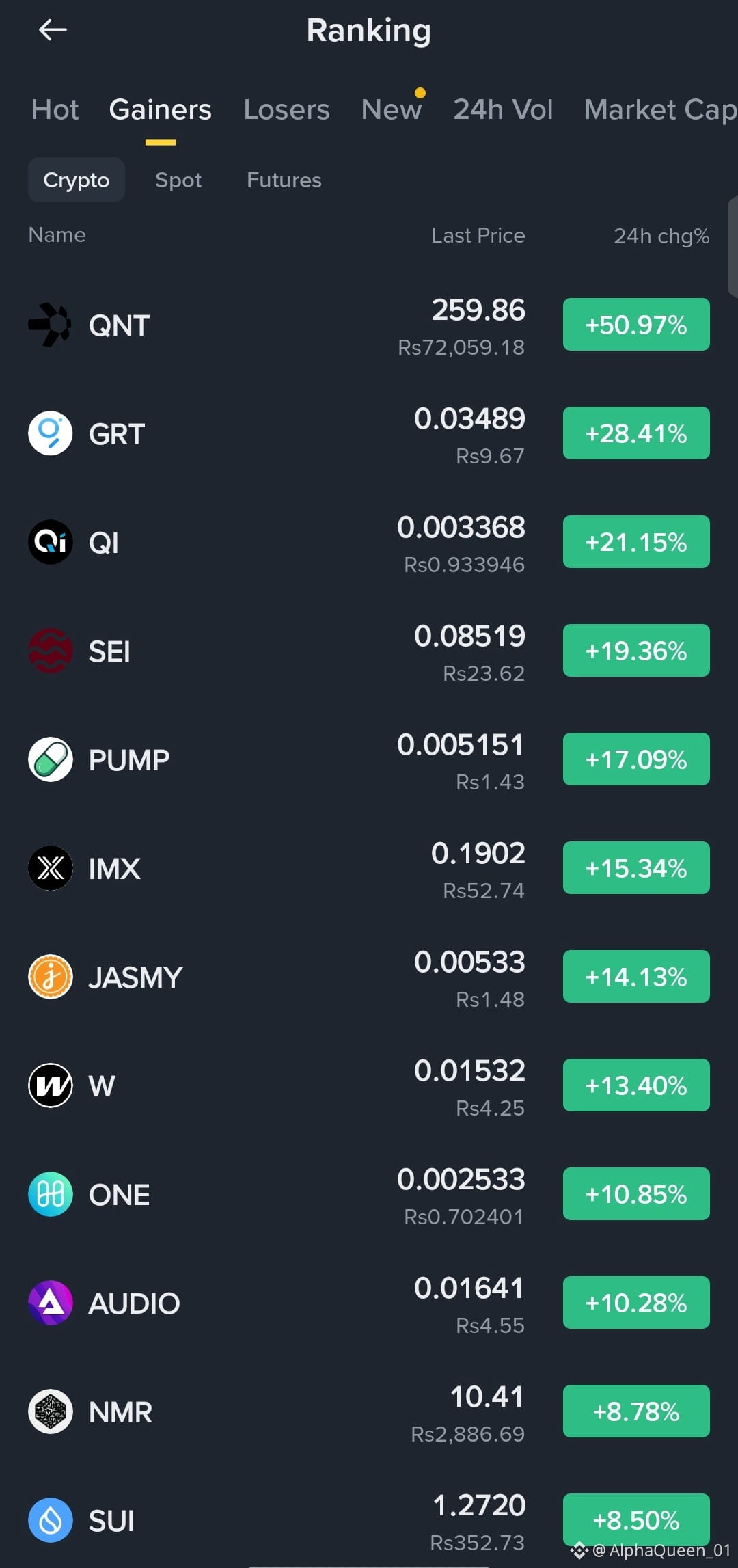
استمعوا! استمعوا! استمعوا يا شباب! 🔥🔥🔥
أبرز الرابحين مشتعلون اليوم! 🚀
🟢 QNT — +50.97% 🎯
🟢 GRT — +28.41% 🎯
🟢 QI — +21.15% 🎯
🟢 SEI — +19.36% 🚀
🟢 PUMP — +17.09% 🚀
🟢 IMX — +15.34% 🚀
🟢 JASMY — +14.13% 🔥
🟢 W — +13.40% 🔥
🟢 ONE — +10.85% 🔥
🟢 AUDIO — +10.28% 🔥
🟢 NMR — +8.78% 🔥
🟢 SUI — +8.50% 🔥
🎯 TP: اركب الزخم
🛑 SL: حافظ على السيطرة على المخاطر
أي واحد تتابع؟ 👀
#Crypto #Binance #TopGainers #Altcoins #Trading
{future}(JASMYUSDT)
{spot}(WUSDT)
{future}(SUIUSDT)
استمعوا! استمعوا! استمعوا يا شباب! 🔥🔥🔥
أبرز الرابحين مشتعلون اليوم! 🚀
🟢 QNT — +50.97% 🎯
🟢 GRT — +28.41% 🎯
🟢 QI — +21.15% 🎯
🟢 SEI — +19.36% 🚀
🟢 PUMP — +17.09% 🚀
🟢 IMX — +15.34% 🚀
🟢 JASMY — +14.13% 🔥
🟢 W — +13.40% 🔥
🟢 ONE — +10.85% 🔥
🟢 AUDIO — +10.28% 🔥
🟢 NMR — +8.78% 🔥
🟢 SUI — +8.50% 🔥
🎯 TP: اركب الزخم
🛑 SL: حافظ على السيطرة على المخاطر
أي واحد تتابع؟ 👀
#Crypto #Binance #TopGainers #Altcoins #Trading
أبرز الرابحين مشتعلون اليوم! 🚀
🟢 QNT — +50.97% 🎯
🟢 GRT — +28.41% 🎯
🟢 QI — +21.15% 🎯
🟢 SEI — +19.36% 🚀
🟢 PUMP — +17.09% 🚀
🟢 IMX — +15.34% 🚀
🟢 JASMY — +14.13% 🔥
🟢 W — +13.40% 🔥
🟢 ONE — +10.85% 🔥
🟢 AUDIO — +10.28% 🔥
🟢 NMR — +8.78% 🔥
🟢 SUI — +8.50% 🔥
🎯 TP: اركب الزخم
🛑 SL: حافظ على السيطرة على المخاطر
أي واحد تتابع؟ 👀
#Crypto #Binance #TopGainers #Altcoins #Trading
3
641
·
--
صاعد
صباح الخير، عائلة الكريبتو ☀️
يوم جديد، فرص جديدة. إليك 3 عملات تُظهر زخمًا قويًا بين أبرز الرابحين مؤخرًا:
$QNT — Quant
$AMP — Amp
$RARE — SuperRare
راقب حجم التداول والزخم قبل الدخول في أي صفقة. السوق يمكن أن يتحرك بسرعة.
#Crypto #Binance #Altcoins #TopGainers #Trading
{future}(QNTUSDT)
{stock_us}(AMP.US)
{future}(RAREUSDT)
صباح الخير، عائلة الكريبتو ☀️
يوم جديد، فرص جديدة. إليك 3 عملات تُظهر زخمًا قويًا بين أبرز الرابحين مؤخرًا:
$QNT — Quant
$AMP — Amp
$RARE — SuperRare
راقب حجم التداول والزخم قبل الدخول في أي صفقة. السوق يمكن أن يتحرك بسرعة.
#Crypto #Binance #Altcoins #TopGainers #Trading
يوم جديد، فرص جديدة. إليك 3 عملات تُظهر زخمًا قويًا بين أبرز الرابحين مؤخرًا:
$QNT — Quant
$AMP — Amp
$RARE — SuperRare
راقب حجم التداول والزخم قبل الدخول في أي صفقة. السوق يمكن أن يتحرك بسرعة.
#Crypto #Binance #Altcoins #TopGainers #Trading
3
2
758
·
--
صاعد
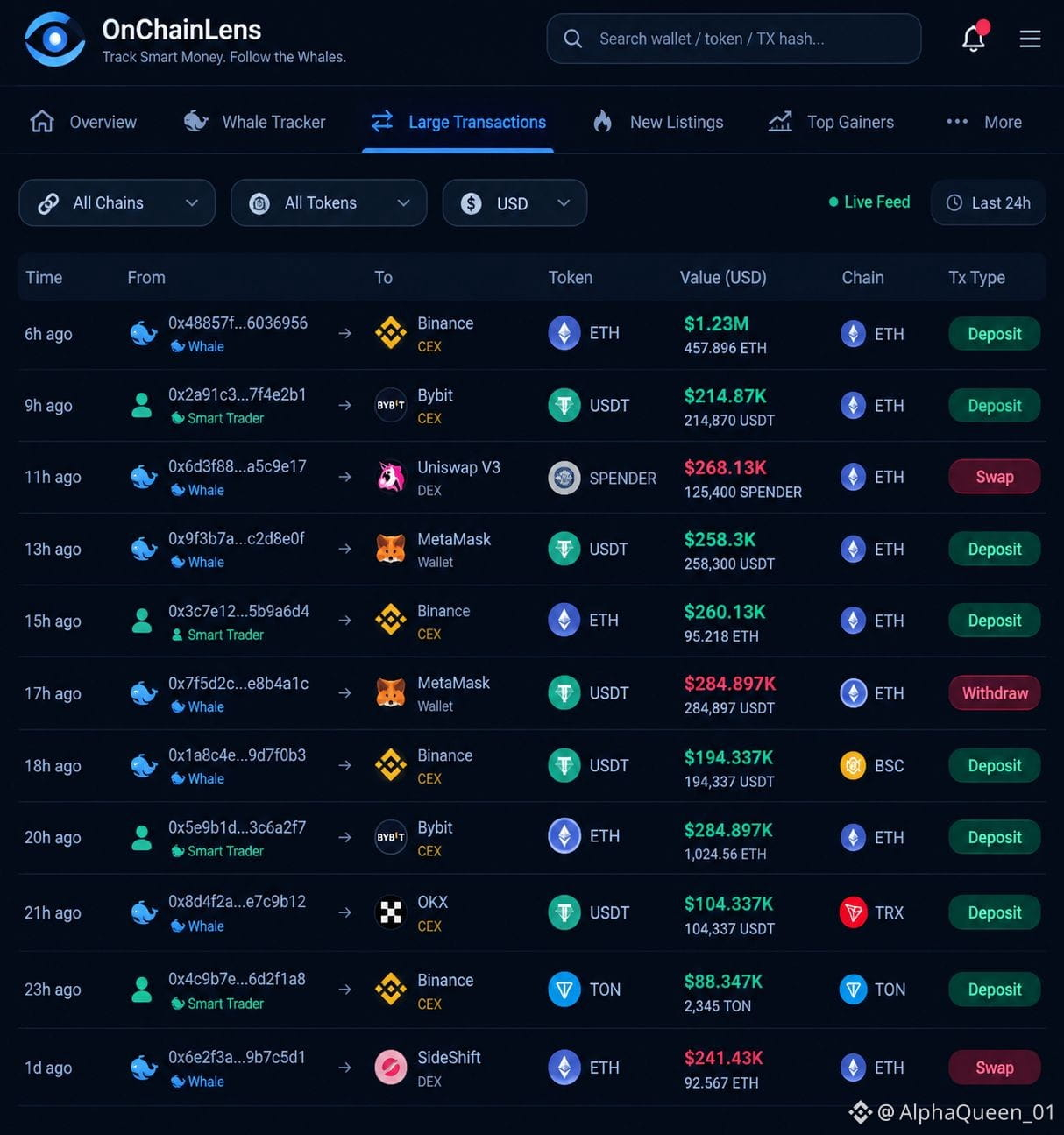
🚨 تنبيه الحيتان — أموال كبيرة تتحرك!
استمعوا، استمعوا يا رفاق 👀
تشير أنشطة السلسلة (on-chain) إلى عدة معاملات كبيرة تتضمن محافظ رئيسية وبورصات:
🐋 457.8 ETH — 1.23 مليون دولار
💰 284.9K USDT — 284 ألف دولار
💰 260K USDT — 260 ألف دولار
🐋 104 ETH — 280 ألف دولار+
🔥 تم رصد عدة تحركات كبيرة بقيمة $ETH و USDT
قد تعني نشاط المحافظ الكبيرة أحيانًا أن شيئًا ما يتجه للمشهد في السوق. راقب هذه التحركات بعناية وادِر مخاطرَك بشكل محكم.
هل تستعد الحيتان للخطوة التالية؟
#Crypto #WhaleAlert #Ethereum #OnChain #Binance
{future}(ETHUSDT)
🚨 تنبيه الحيتان — أموال كبيرة تتحرك!
استمعوا، استمعوا يا رفاق 👀
تشير أنشطة السلسلة (on-chain) إلى عدة معاملات كبيرة تتضمن محافظ رئيسية وبورصات:
🐋 457.8 ETH — 1.23 مليون دولار
💰 284.9K USDT — 284 ألف دولار
💰 260K USDT — 260 ألف دولار
🐋 104 ETH — 280 ألف دولار+
🔥 تم رصد عدة تحركات كبيرة بقيمة $ETH و USDT
قد تعني نشاط المحافظ الكبيرة أحيانًا أن شيئًا ما يتجه للمشهد في السوق. راقب هذه التحركات بعناية وادِر مخاطرَك بشكل محكم.
هل تستعد الحيتان للخطوة التالية؟
#Crypto #WhaleAlert #Ethereum #OnChain #Binance
استمعوا، استمعوا يا رفاق 👀
تشير أنشطة السلسلة (on-chain) إلى عدة معاملات كبيرة تتضمن محافظ رئيسية وبورصات:
🐋 457.8 ETH — 1.23 مليون دولار
💰 284.9K USDT — 284 ألف دولار
💰 260K USDT — 260 ألف دولار
🐋 104 ETH — 280 ألف دولار+
🔥 تم رصد عدة تحركات كبيرة بقيمة $ETH و USDT
قد تعني نشاط المحافظ الكبيرة أحيانًا أن شيئًا ما يتجه للمشهد في السوق. راقب هذه التحركات بعناية وادِر مخاطرَك بشكل محكم.
هل تستعد الحيتان للخطوة التالية؟
#Crypto #WhaleAlert #Ethereum #OnChain #Binance
2
2
106
·
--
صاعد
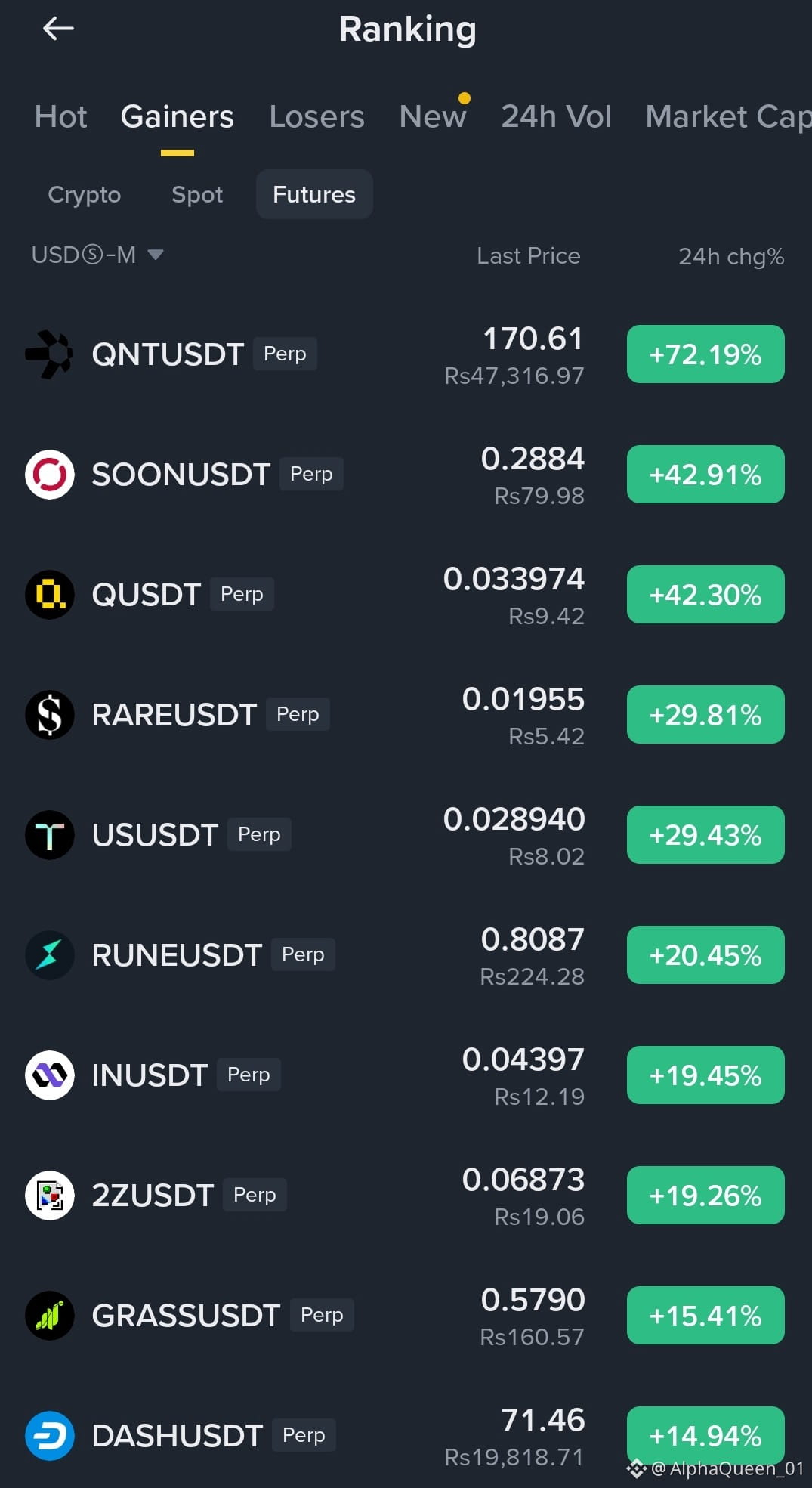
🚨 المتداولون الأوائل في العقود الآجلة يتحركون الآن! 🚨
اسمعوا، اسمعوا يا شباب — سوق العقود الآجلة يسخن! 🔥
📈 QNT +72.19%
📈 SOON +42.91%
📈 QUSDT +42.30%
📈 RARE +29.81%
📈 USU +29.43%
📈 RUNE +20.45%
📈 INJ +19.45%
📈 2Z +19.26%
📈 GRASS +15.41%
📈 DASH +14.94%
الزخم واضح جدًا، لكن بعد الاندفاعات الكبيرة قد تصبح التقلبات شديدة. راقب الاتجاه، أدرِ المخاطر، ولا تلاحق الأرقام بشكل أعمى.
أي واحد تتابعونه بعد ذلك؟ 👀
#Crypto #Binance #Futures #Altcoins #Trading
{future}(QNTUSDT)
{future}(SOONUSDT)
{future}(INJUSDT)
🚨 المتداولون الأوائل في العقود الآجلة يتحركون الآن! 🚨
اسمعوا، اسمعوا يا شباب — سوق العقود الآجلة يسخن! 🔥
📈 QNT +72.19%
📈 SOON +42.91%
📈 QUSDT +42.30%
📈 RARE +29.81%
📈 USU +29.43%
📈 RUNE +20.45%
📈 INJ +19.45%
📈 2Z +19.26%
📈 GRASS +15.41%
📈 DASH +14.94%
الزخم واضح جدًا، لكن بعد الاندفاعات الكبيرة قد تصبح التقلبات شديدة. راقب الاتجاه، أدرِ المخاطر، ولا تلاحق الأرقام بشكل أعمى.
أي واحد تتابعونه بعد ذلك؟ 👀
#Crypto #Binance #Futures #Altcoins #Trading
اسمعوا، اسمعوا يا شباب — سوق العقود الآجلة يسخن! 🔥
📈 QNT +72.19%
📈 SOON +42.91%
📈 QUSDT +42.30%
📈 RARE +29.81%
📈 USU +29.43%
📈 RUNE +20.45%
📈 INJ +19.45%
📈 2Z +19.26%
📈 GRASS +15.41%
📈 DASH +14.94%
الزخم واضح جدًا، لكن بعد الاندفاعات الكبيرة قد تصبح التقلبات شديدة. راقب الاتجاه، أدرِ المخاطر، ولا تلاحق الأرقام بشكل أعمى.
أي واحد تتابعونه بعد ذلك؟ 👀
#Crypto #Binance #Futures #Altcoins #Trading
2
945
·
--
هابط
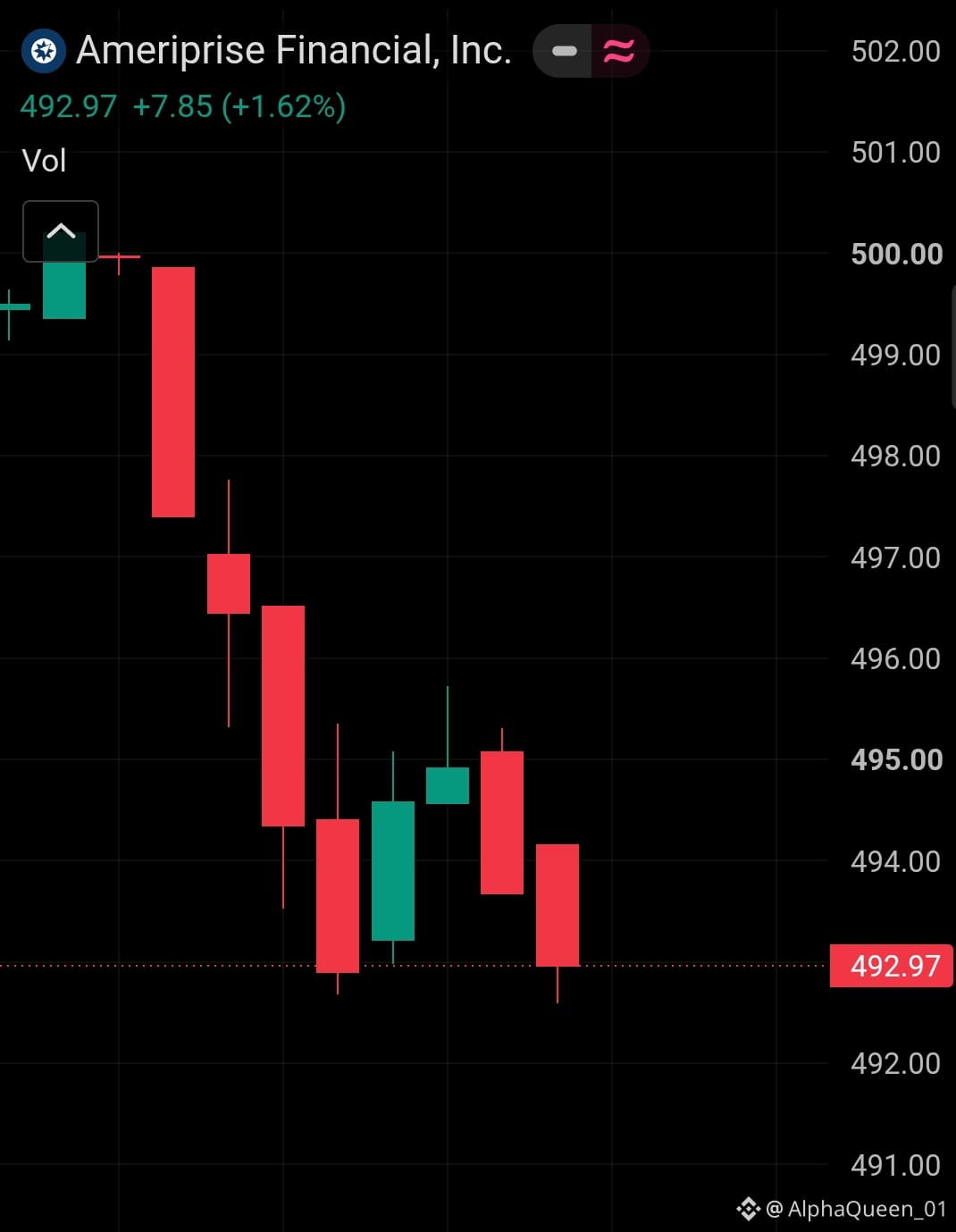
يا شباب، $AMP يُظهر رفضًا قويًا حول 495–500 دولار 📉‼️ يدخل البائعون بقوة ويبدو الزخم ضعيفًا… راقب دعم 492 دولار. قد يؤدي الاختراق أسفل ذلك إلى فتح الطريق نحو 490 دولار. إعداد SHORT يتشكل‼️
{stock_us}(AMP.US)
يا شباب، $AMP يُظهر رفضًا قويًا حول 495–500 دولار 📉‼️ يدخل البائعون بقوة ويبدو الزخم ضعيفًا… راقب دعم 492 دولار. قد يؤدي الاختراق أسفل ذلك إلى فتح الطريق نحو 490 دولار. إعداد SHORT يتشكل‼️
AMP+٠٫٩٥%
AMPUS-٠٫٧٤%
2
2
469
·
--
صاعد
بعد سنة واحدة، قد يتمكن $RARE من الوصول إلى حوالي 0.10 إلى 0.25 دولار إذا أدّى أداء السوق بشكلٍ قوي.
{future}(RAREUSDT)
بعد سنة واحدة، قد يتمكن $RARE من الوصول إلى حوالي 0.10 إلى 0.25 دولار إذا أدّى أداء السوق بشكلٍ قوي.
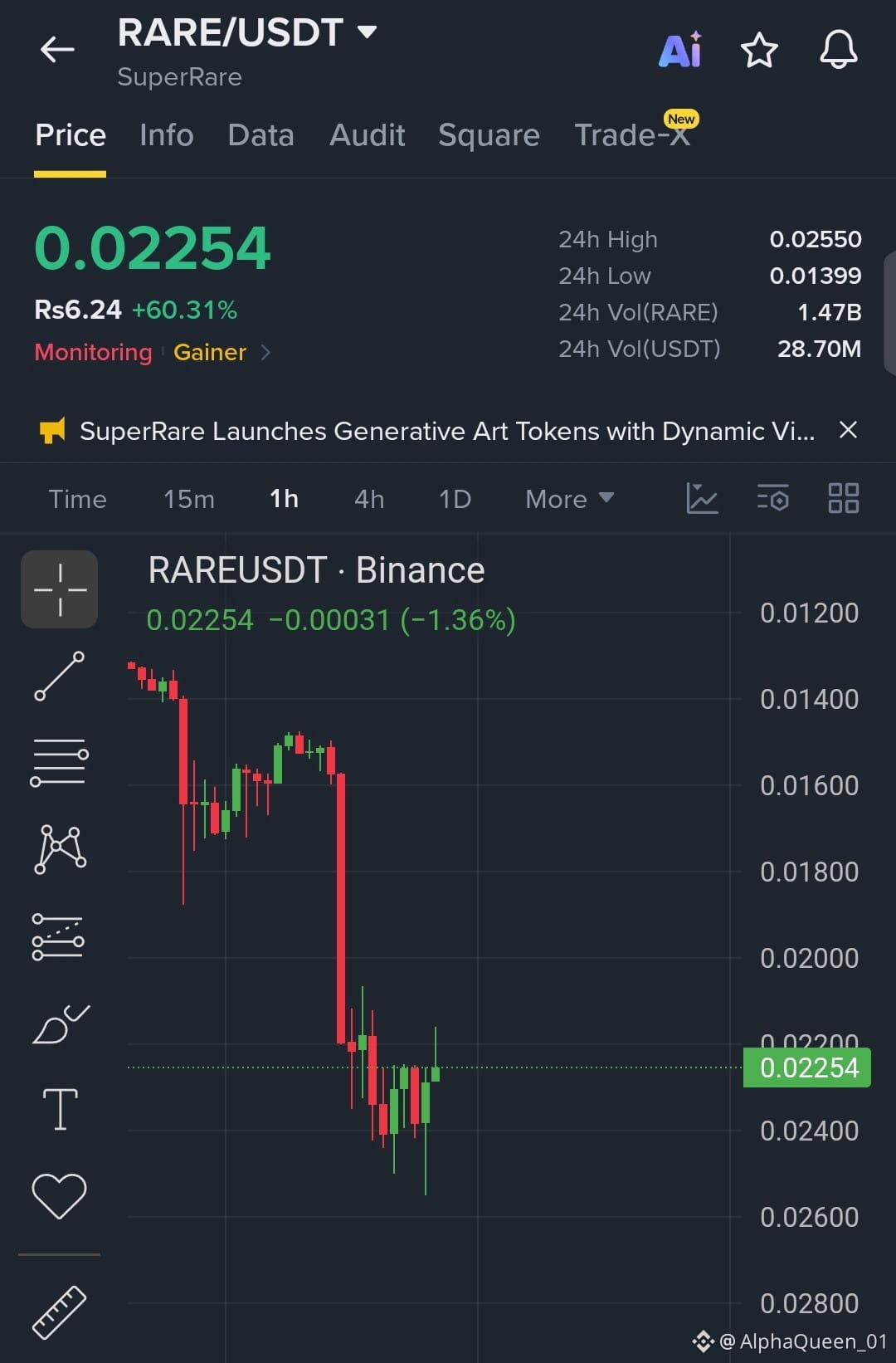
2
201
·
--
صاعد
🚨 راقب أسهم الولايات المتحدة! 🚨
استمع جيدًا 👀 — لا تزال الذكاء الاصطناعي وشبه الموصلات والتكنولوجيا والابتكار تجذب اهتمامًا كبيرًا في السوق.
📈 أبرز الرابحين على الشاشة: • $MU +0.16%
• $MSFT +3.66%
• $NVDA +0.21%
• $SNDK +1.37%
• $AMD +0.21%
• $AAPL +1.53%
• $SPCX +0.43%
🔻 وفي المقابل، $META , $TSLA & $INTC أغلقت على انخفاض، ما يُظهر أن التقلبات لا تزال حاضرة بقوة.
السؤال الكبير: ما سهم التكنولوجيا الذي سيحقق الخطوة الكبرى التالية؟
احتفظ بهذه الأسماء في قائمة المتابعة وابقَ على أهبة الاستعداد للخطوة/الفرصة القادمة.
#Stocks #USStocks #AI #TechStocks #Trading
{future}(METAUSDT)
{future}(TSLAUSDT)
{future}(INTCUSDT)
🚨 راقب أسهم الولايات المتحدة! 🚨
استمع جيدًا 👀 — لا تزال الذكاء الاصطناعي وشبه الموصلات والتكنولوجيا والابتكار تجذب اهتمامًا كبيرًا في السوق.
📈 أبرز الرابحين على الشاشة: • $MU +0.16%
• $MSFT +3.66%
• $NVDA +0.21%
• $SNDK +1.37%
• $AMD +0.21%
• $AAPL +1.53%
• $SPCX +0.43%
🔻 وفي المقابل، $META , $TSLA & $INTC أغلقت على انخفاض، ما يُظهر أن التقلبات لا تزال حاضرة بقوة.
السؤال الكبير: ما سهم التكنولوجيا الذي سيحقق الخطوة الكبرى التالية؟
احتفظ بهذه الأسماء في قائمة المتابعة وابقَ على أهبة الاستعداد للخطوة/الفرصة القادمة.
#Stocks #USStocks #AI #TechStocks #Trading
استمع جيدًا 👀 — لا تزال الذكاء الاصطناعي وشبه الموصلات والتكنولوجيا والابتكار تجذب اهتمامًا كبيرًا في السوق.
📈 أبرز الرابحين على الشاشة: • $MU +0.16%
• $MSFT +3.66%
• $NVDA +0.21%
• $SNDK +1.37%
• $AMD +0.21%
• $AAPL +1.53%
• $SPCX +0.43%
🔻 وفي المقابل، $META , $TSLA & $INTC أغلقت على انخفاض، ما يُظهر أن التقلبات لا تزال حاضرة بقوة.
السؤال الكبير: ما سهم التكنولوجيا الذي سيحقق الخطوة الكبرى التالية؟
احتفظ بهذه الأسماء في قائمة المتابعة وابقَ على أهبة الاستعداد للخطوة/الفرصة القادمة.
#Stocks #USStocks #AI #TechStocks #Trading
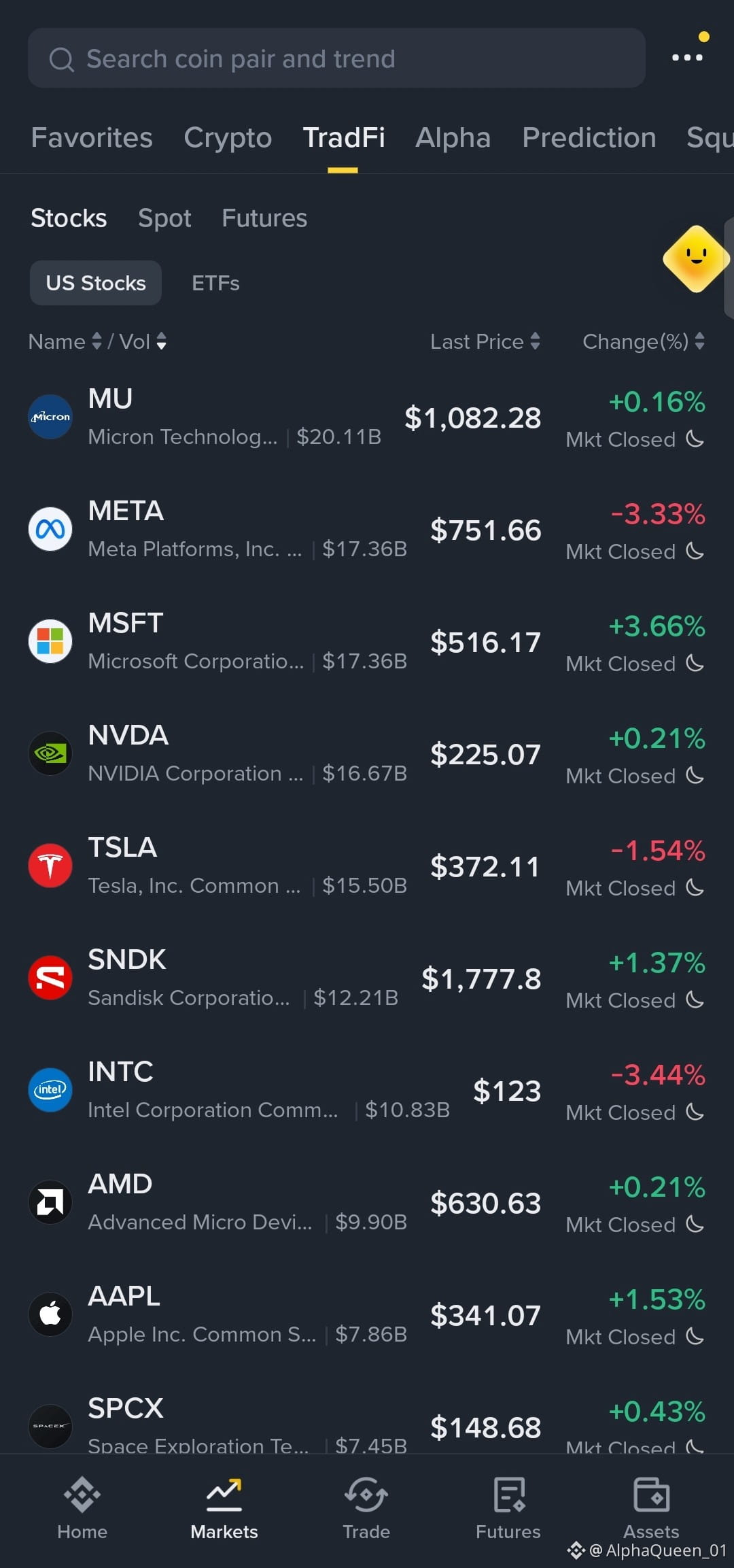
5
779
·
--
صاعد
أسهم الذكاء الاصطناعي: ما الذي سيأتي بعد ذلك؟
أصبح الذكاء الاصطناعي أحد أكبر ثيمات الاستثمار في عام 2026، لكن السؤال الأكبر هو ما إذا كان الزخم الحالي يمكن أن يستمر.
تستثمر الشركات في مجالات أشباه الموصلات والحوسبة السحابية ومراكز البيانات وبنية تحتية للذكاء الاصطناعي بشكل كبير لتلبية الطلب المتزايد. تواصل إنفيديا وغيرها من الشركات الكبرى المرتبطة بالذكاء الاصطناعي جذب الانتباه، لكن يتعين على المستثمرين أيضًا مراعاة التقييم، والمنافسة، والإنفاق الرأسمالي، وما إذا كانت الأرباح المستقبلية يمكن أن تبرر التوقعات الحالية.
بالنسبة لي، قد لا تكون الفرصة المثيرة فقط في الأسماء الأكبر ضمن الذكاء الاصطناعي. قد تخلق المرحلة التالية فرصًا عبر منظومة الذكاء الاصطناعي الأوسع — الشرائح، والشبكات، والطاقة، ومراكز البيانات، والأمن السيبراني، والبرمجيات.
هل تدخل أسهم الذكاء الاصطناعي دورة نمو طويلة الأجل جديدة، أم أن التوقعات مرتفعة بالفعل؟
ما رأيك فيما سيأتي بعد ذلك لأسهم الذكاء الاصطناعي؟
#AIStocksWhatNext
أسهم الذكاء الاصطناعي: ما الذي سيأتي بعد ذلك؟
أصبح الذكاء الاصطناعي أحد أكبر ثيمات الاستثمار في عام 2026، لكن السؤال الأكبر هو ما إذا كان الزخم الحالي يمكن أن يستمر.
تستثمر الشركات في مجالات أشباه الموصلات والحوسبة السحابية ومراكز البيانات وبنية تحتية للذكاء الاصطناعي بشكل كبير لتلبية الطلب المتزايد. تواصل إنفيديا وغيرها من الشركات الكبرى المرتبطة بالذكاء الاصطناعي جذب الانتباه، لكن يتعين على المستثمرين أيضًا مراعاة التقييم، والمنافسة، والإنفاق الرأسمالي، وما إذا كانت الأرباح المستقبلية يمكن أن تبرر التوقعات الحالية.
بالنسبة لي، قد لا تكون الفرصة المثيرة فقط في الأسماء الأكبر ضمن الذكاء الاصطناعي. قد تخلق المرحلة التالية فرصًا عبر منظومة الذكاء الاصطناعي الأوسع — الشرائح، والشبكات، والطاقة، ومراكز البيانات، والأمن السيبراني، والبرمجيات.
هل تدخل أسهم الذكاء الاصطناعي دورة نمو طويلة الأجل جديدة، أم أن التوقعات مرتفعة بالفعل؟
ما رأيك فيما سيأتي بعد ذلك لأسهم الذكاء الاصطناعي؟
#AIStocksWhatNext
أصبح الذكاء الاصطناعي أحد أكبر ثيمات الاستثمار في عام 2026، لكن السؤال الأكبر هو ما إذا كان الزخم الحالي يمكن أن يستمر.
تستثمر الشركات في مجالات أشباه الموصلات والحوسبة السحابية ومراكز البيانات وبنية تحتية للذكاء الاصطناعي بشكل كبير لتلبية الطلب المتزايد. تواصل إنفيديا وغيرها من الشركات الكبرى المرتبطة بالذكاء الاصطناعي جذب الانتباه، لكن يتعين على المستثمرين أيضًا مراعاة التقييم، والمنافسة، والإنفاق الرأسمالي، وما إذا كانت الأرباح المستقبلية يمكن أن تبرر التوقعات الحالية.
بالنسبة لي، قد لا تكون الفرصة المثيرة فقط في الأسماء الأكبر ضمن الذكاء الاصطناعي. قد تخلق المرحلة التالية فرصًا عبر منظومة الذكاء الاصطناعي الأوسع — الشرائح، والشبكات، والطاقة، ومراكز البيانات، والأمن السيبراني، والبرمجيات.
هل تدخل أسهم الذكاء الاصطناعي دورة نمو طويلة الأجل جديدة، أم أن التوقعات مرتفعة بالفعل؟
ما رأيك فيما سيأتي بعد ذلك لأسهم الذكاء الاصطناعي؟
#AIStocksWhatNext
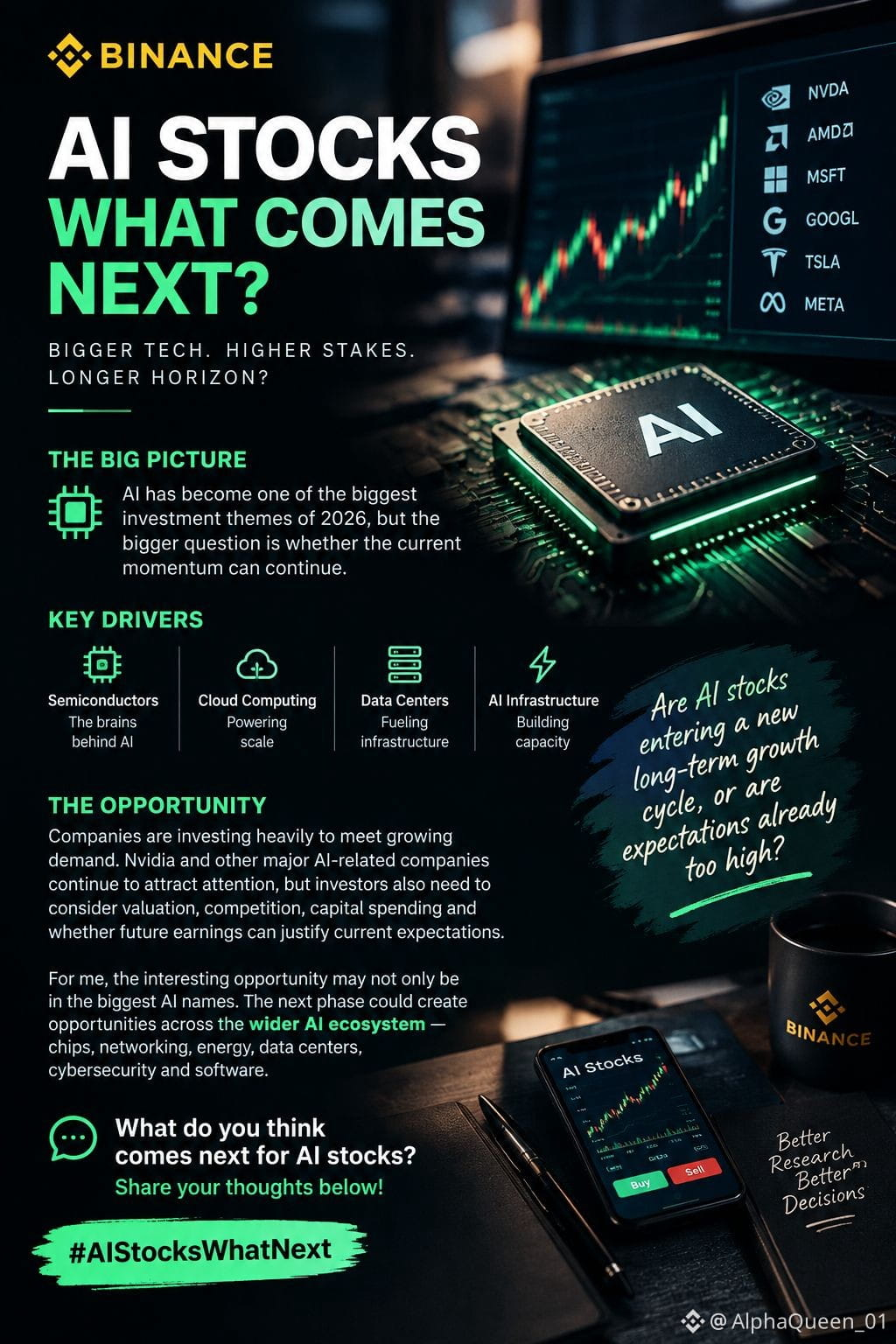
1
3
60
سجّل الدخول لاستكشاف المزيد من المُحتوى
انضم إلى مُستخدمي العملات الرقمية حول العالم على Binance Square
⚡️ احصل على أحدث المعلومات المفيدة عن العملات الرقمية.
💬 موثوقة من قبل أكبر منصّة لتداول العملات الرقمية في العالم.
👍 اكتشف الرؤى الحقيقية من صنّاع المُحتوى الموثوقين.
البريد الإلكتروني / رقم الهاتف
المواضيع الرائجة
BitcoinSpotETFsDraw$6.34BInflowsInQ3
186 مشاهدات
13 يقومون بالنقاش
🚨 6.34 مليار دولار فقط طاردوا البيتكوين — لكن القصة الحقيقية فيما سيحدث بعد ذلك
سحبت صناديق البيتكوين المتداولة الفورية (spot ETFs) 6.34 مليار دولار خلال الربع الثالث.
هذا الرقم يستحق الاهتمام — لكن ليس لأن فكرة “المؤسسات تشتري البيتكوين” جديدة.
المهم هو تغيّر تدفّق الأموال.
عندما تدخل مليارات إلى صناديق الاستثمار الفورية خلال ربع واحد فقط، لم يعد البيتكوين يعتمد فقط على متداولين من داخل عالم العملات المشفّرة. هناك حوض أعمق من رأس المال يشارك عبر بنية سوق مُنظّمة.
وهذا يغيّر قواعد اللعبة.
فكّر في الأمر:
إمداد البيتكوين لا يتمدّد لأن الطلب يزيد.
لن يكون هناك في النهاية سوى 21 مليون BTC فقط.
لذلك عندما تتنافس مجموعات كبيرة من رأس المال للحصول على تعرّض لأصل إمداده محدود بطبيعته، يصبح السؤال الأهم:
كم من البيتكوين متاح فعليًا عندما يريد الجميع ذلك في الوقت نفسه؟
هنا قد تصبح الأمور مثيرة للاهتمام.
تدفقات صناديق الاستثمار (ETF) لا تضمن أن الشمعة القادمة ستكون خضراء. يمكن للمؤسسات البيع بسهولتها التي تشتري بها.
لكن دخول 6.34 مليار دولار في ربع واحد ليس مجرد ضوضاء في الخلفية.
أنا أراقب التدفقات الآن عن كثب أكثر من العناوين الرئيسية.
لأن أحيانًا تبدأ أكبر حركة قبل أن يدرك المتداولون الأفراد أن المال قد تحرّك بالفعل. 👀
Master CX Watch: اتبع المال. ثم راقب السعر.
$BTC #BitcoinSpotETFsDraw$6.34BInflowsInQ3
Master CX
·0 إعجاب
·25 مشاهدات
EthereumValidatorExitQueueJumps392%
8,496 مشاهدات
152 يقومون بالنقاش
IMFApprovesElSalvador$138MWithBitcoinWaiver
718 مشاهدات
14 يقومون بالنقاش