

Cycle Shark
1.8k منشورات

Cycle Shark
إبلاغ
حظر المُستخدم
Investor hunting AI, crypto, TMT, and frontier tech. I track unconventional macro-political-economic signals.
0 تتابع
595 المتابعون
1.5K+ إعجاب
منشورات
·
--
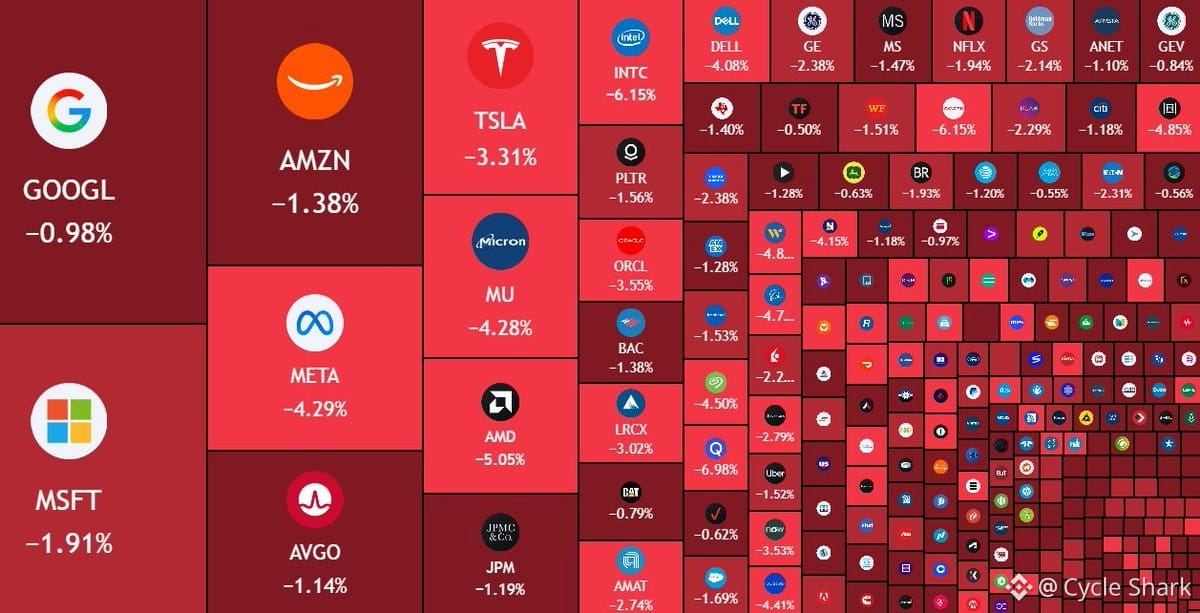
تم مسح 700 مليار دولار من أسهم الولايات المتحدة مع وصول عائد سندات الخزانة لأجل 30 عامًا إلى مستويات لم تُسجَّل منذ عام 2001.
هذه هي سوق السندات وهي تصرخ. عندما تقفز العوائد طويلة الأجل بهذا الشكل، لا يعود الأمر متعلقًا بتوقعات التضخم أو بسياسة الاحتياطي الفيدرالي فقط — بل يتعلق بعلاوة الأجل، وقلق الاستدامة المالية، والحجم الهائل من الديون التي يحتاج الخزانة إلى إعادة تمويلها.
ثلاث نقاط تستحق الانتباه:
1. تتعرض تقييمات الأسهم للانهيار عندما ترتفع نسبة العائد الخالية من المخاطر إلى هذا الحد. إذا كنت تستطيع تأمين عائد 4.5%+ على سند لأجل 30 عامًا، فلماذا تتحمل مخاطر الأسهم؟ تم إعادة ضبط معدل الخصم للتدفقات النقدية المستقبلية، وتبدأ أسهم النمو بالشعور بذلك أولاً.
2. لا يحدث هذا بمعزل. نرى تحركات مماثلة في ديون السيادية الأوروبية، وتتعرض عملات الأسواق الناشئة لضغوط. تتجه رؤوس الأموال نحو الدولار والملاذات الآمنة، ما يعني أن السيولة تتشدد عالميًا.
3. حلقة التغذية الراجعة مزعجة. تعني العوائد الأعلى تكاليف خدمة ديون أعلى لحكومة الولايات المتحدة، ما يؤدي إلى إصدار مزيد من السندات، وبالتالي يدفع العوائد إلى الارتفاع أكثر. وفي مرحلة ما، إما أن يتدخل الاحتياطي الفيدرالي أو يحدث شيء ما.
سحب 700 مليار دولار هو مجرد السطح. الأهم هو ما إذا كان هذا يمثل بداية دورة أوسع من خفض الرافعة المالية. إذا ظلت العوائد مرتفعة، فستبدأ مراكز الرافعة المالية عبر الائتمان والأسهم الخاصة والعقارات في إعادة التسعير. ولن تكون العملات الرقمية بمنأى — إذ تتحرك الأصول ذات المخاطر معًا عندما تتشدد الظروف الاقتصادية الكلية بهذا السرعة.
تم مسح 700 مليار دولار من أسهم الولايات المتحدة مع وصول عائد سندات الخزانة لأجل 30 عامًا إلى مستويات لم تُسجَّل منذ عام 2001.
هذه هي سوق السندات وهي تصرخ. عندما تقفز العوائد طويلة الأجل بهذا الشكل، لا يعود الأمر متعلقًا بتوقعات التضخم أو بسياسة الاحتياطي الفيدرالي فقط — بل يتعلق بعلاوة الأجل، وقلق الاستدامة المالية، والحجم الهائل من الديون التي يحتاج الخزانة إلى إعادة تمويلها.
ثلاث نقاط تستحق الانتباه:
1. تتعرض تقييمات الأسهم للانهيار عندما ترتفع نسبة العائد الخالية من المخاطر إلى هذا الحد. إذا كنت تستطيع تأمين عائد 4.5%+ على سند لأجل 30 عامًا، فلماذا تتحمل مخاطر الأسهم؟ تم إعادة ضبط معدل الخصم للتدفقات النقدية المستقبلية، وتبدأ أسهم النمو بالشعور بذلك أولاً.
2. لا يحدث هذا بمعزل. نرى تحركات مماثلة في ديون السيادية الأوروبية، وتتعرض عملات الأسواق الناشئة لضغوط. تتجه رؤوس الأموال نحو الدولار والملاذات الآمنة، ما يعني أن السيولة تتشدد عالميًا.
3. حلقة التغذية الراجعة مزعجة. تعني العوائد الأعلى تكاليف خدمة ديون أعلى لحكومة الولايات المتحدة، ما يؤدي إلى إصدار مزيد من السندات، وبالتالي يدفع العوائد إلى الارتفاع أكثر. وفي مرحلة ما، إما أن يتدخل الاحتياطي الفيدرالي أو يحدث شيء ما.
سحب 700 مليار دولار هو مجرد السطح. الأهم هو ما إذا كان هذا يمثل بداية دورة أوسع من خفض الرافعة المالية. إذا ظلت العوائد مرتفعة، فستبدأ مراكز الرافعة المالية عبر الائتمان والأسهم الخاصة والعقارات في إعادة التسعير. ولن تكون العملات الرقمية بمنأى — إذ تتحرك الأصول ذات المخاطر معًا عندما تتشدد الظروف الاقتصادية الكلية بهذا السرعة.
هذه هي سوق السندات وهي تصرخ. عندما تقفز العوائد طويلة الأجل بهذا الشكل، لا يعود الأمر متعلقًا بتوقعات التضخم أو بسياسة الاحتياطي الفيدرالي فقط — بل يتعلق بعلاوة الأجل، وقلق الاستدامة المالية، والحجم الهائل من الديون التي يحتاج الخزانة إلى إعادة تمويلها.
ثلاث نقاط تستحق الانتباه:
1. تتعرض تقييمات الأسهم للانهيار عندما ترتفع نسبة العائد الخالية من المخاطر إلى هذا الحد. إذا كنت تستطيع تأمين عائد 4.5%+ على سند لأجل 30 عامًا، فلماذا تتحمل مخاطر الأسهم؟ تم إعادة ضبط معدل الخصم للتدفقات النقدية المستقبلية، وتبدأ أسهم النمو بالشعور بذلك أولاً.
2. لا يحدث هذا بمعزل. نرى تحركات مماثلة في ديون السيادية الأوروبية، وتتعرض عملات الأسواق الناشئة لضغوط. تتجه رؤوس الأموال نحو الدولار والملاذات الآمنة، ما يعني أن السيولة تتشدد عالميًا.
3. حلقة التغذية الراجعة مزعجة. تعني العوائد الأعلى تكاليف خدمة ديون أعلى لحكومة الولايات المتحدة، ما يؤدي إلى إصدار مزيد من السندات، وبالتالي يدفع العوائد إلى الارتفاع أكثر. وفي مرحلة ما، إما أن يتدخل الاحتياطي الفيدرالي أو يحدث شيء ما.
سحب 700 مليار دولار هو مجرد السطح. الأهم هو ما إذا كان هذا يمثل بداية دورة أوسع من خفض الرافعة المالية. إذا ظلت العوائد مرتفعة، فستبدأ مراكز الرافعة المالية عبر الائتمان والأسهم الخاصة والعقارات في إعادة التسعير. ولن تكون العملات الرقمية بمنأى — إذ تتحرك الأصول ذات المخاطر معًا عندما تتشدد الظروف الاقتصادية الكلية بهذا السرعة.
TLTETF-٠٫٨٨%
131
·
--
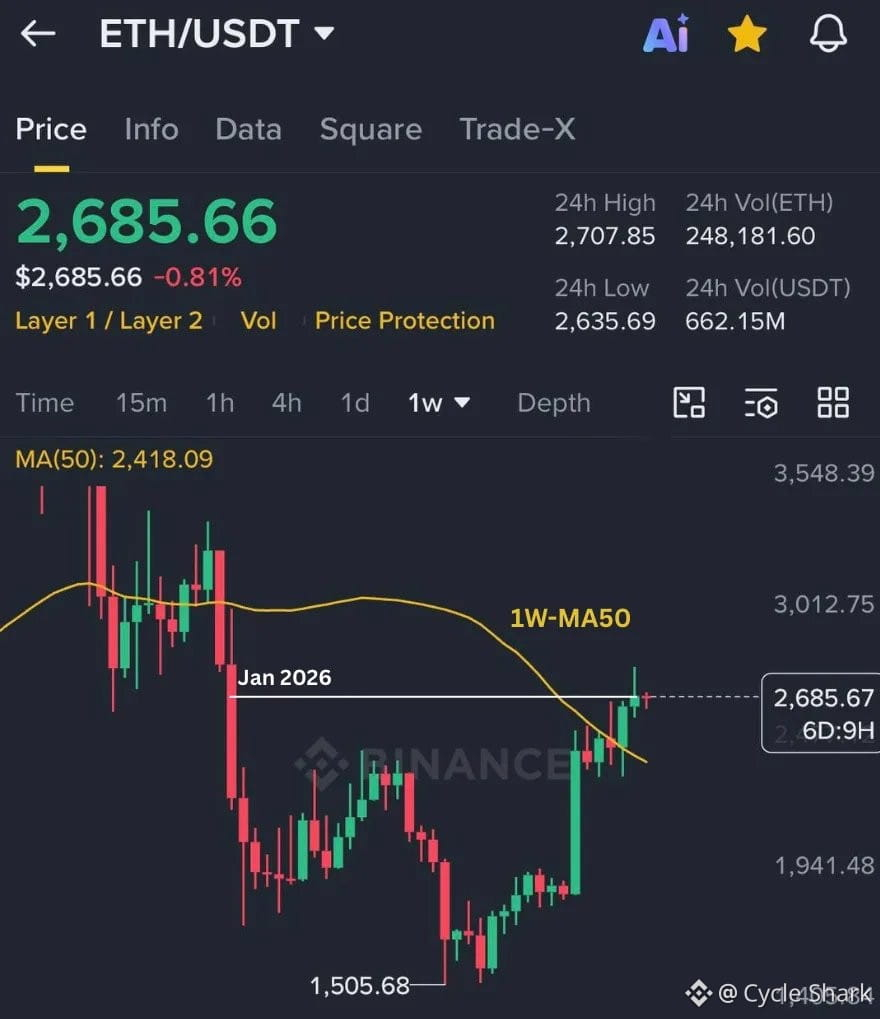
$ETH أنهى الأسبوع عند أعلى مستوى له في 8 أشهر. إغلاق أسبوعي متتالٍ فوق متوسطه المتحرك لمدة 50 أسبوعًا.
هذا تحوّل بنيوي. عندما تستعيد الأصول وتحتفظ فوق متوسطها المتحرك لـ50 أسبوعًا، فإن ذلك غالبًا ما يشير إلى نهاية مرحلة التوزيع وبداية مرحلة التجميع. إغلاقان فوقه يقللان من احتمال حدوث اختراق وهمي.
حركة سعر Ethereum تتقوّى. يعمل متوسط الـ50 أسبوعًا كخط فاصل بين نظامي السوق الهابط والمرتفع. إن البقاء فوقه يعني أن المشترين يتدخلون عند مستويات أعلى، ومستعدّون للدفع أكثر. هذا هو الطلب الذي يظهر.
السياق مهم: $ETH قضى معظم عام 2024 تحت هذا المستوى، وهو ما يعني تماسكًا طويلًا تحت ضغط. والآن يكسر ذلك النطاق بثقة. تتزامن أحجام التداول مع بنية السعر.
إذا استمر ذلك، فإن مناطق المقاومة التالية تكون حول $3,800-$4,000. لكن الإشارة الحقيقية هنا ليست الهدف السعري — بل تغيّر السلوك. إن Ethereum تنتقل من الأيدي الضعيفة إلى الأيدي القوية.
$ETH أنهى الأسبوع عند أعلى مستوى له في 8 أشهر. إغلاق أسبوعي متتالٍ فوق متوسطه المتحرك لمدة 50 أسبوعًا.
هذا تحوّل بنيوي. عندما تستعيد الأصول وتحتفظ فوق متوسطها المتحرك لـ50 أسبوعًا، فإن ذلك غالبًا ما يشير إلى نهاية مرحلة التوزيع وبداية مرحلة التجميع. إغلاقان فوقه يقللان من احتمال حدوث اختراق وهمي.
حركة سعر Ethereum تتقوّى. يعمل متوسط الـ50 أسبوعًا كخط فاصل بين نظامي السوق الهابط والمرتفع. إن البقاء فوقه يعني أن المشترين يتدخلون عند مستويات أعلى، ومستعدّون للدفع أكثر. هذا هو الطلب الذي يظهر.
السياق مهم: $ETH قضى معظم عام 2024 تحت هذا المستوى، وهو ما يعني تماسكًا طويلًا تحت ضغط. والآن يكسر ذلك النطاق بثقة. تتزامن أحجام التداول مع بنية السعر.
إذا استمر ذلك، فإن مناطق المقاومة التالية تكون حول $3,800-$4,000. لكن الإشارة الحقيقية هنا ليست الهدف السعري — بل تغيّر السلوك. إن Ethereum تنتقل من الأيدي الضعيفة إلى الأيدي القوية.
هذا تحوّل بنيوي. عندما تستعيد الأصول وتحتفظ فوق متوسطها المتحرك لـ50 أسبوعًا، فإن ذلك غالبًا ما يشير إلى نهاية مرحلة التوزيع وبداية مرحلة التجميع. إغلاقان فوقه يقللان من احتمال حدوث اختراق وهمي.
حركة سعر Ethereum تتقوّى. يعمل متوسط الـ50 أسبوعًا كخط فاصل بين نظامي السوق الهابط والمرتفع. إن البقاء فوقه يعني أن المشترين يتدخلون عند مستويات أعلى، ومستعدّون للدفع أكثر. هذا هو الطلب الذي يظهر.
السياق مهم: $ETH قضى معظم عام 2024 تحت هذا المستوى، وهو ما يعني تماسكًا طويلًا تحت ضغط. والآن يكسر ذلك النطاق بثقة. تتزامن أحجام التداول مع بنية السعر.
إذا استمر ذلك، فإن مناطق المقاومة التالية تكون حول $3,800-$4,000. لكن الإشارة الحقيقية هنا ليست الهدف السعري — بل تغيّر السلوك. إن Ethereum تنتقل من الأيدي الضعيفة إلى الأيدي القوية.
24
·
--
فرانكلين تمبلتون قامت للتو بخطوة جادة — إذ إن إمبراطورية إدارة الأصول بقيمة 1.8 تريليون دولار التي تمتلكها تجلب صناديق أسواق نقدية مُرمّزة (Tokenized) مباشرة إلى منصة Bybit.
هذا ليس مجرد عنوان آخر حول الأصول المُرمّزة بوصفها RWA. إنه بنية تحتية مهمة بالفعل. يمكن للمستخدمين الآن استخدام حصص هذه الصناديق المُرمّزة كضمان للاقتراض باستخدام USDT أو USDC، ثم التداول بها.
فكّر بما الذي يتيحه ذلك:
1. عائد التمويل التقليدي يلتقي مع الرافعة المالية في عالم العملات المشفرة — فلم تعد مضطرًا للاختيار بين إيقاف السيولة في صندوق سوق نقدية أو امتلاك سيولة للتداول. ستحصل على الاثنين.
2. تنوّع الضمانات يتوسع — إلى ما هو أبعد من $BTC و$ETH، يمكنك الآن دعم القروض بحصص صناديق مُنظّمة فعليًا. هذا يمنح ملف مخاطر مختلفًا، وقد يكون أكثر استقرارًا لبعض الاستراتيجيات.
3. الجسر المؤسسي يصبح واقعًا — فرانكلين تمبلتون ليست مجرد تجربة في عالم التمويل اللامركزي (DeFi). إنها لاعب تقليدي بخبرة مؤسسية وتدير تريليونات. عندما تتكامل مع بورصة كبرى مثل Bybit، فهذا يشير إلى أن الأصول المُرمّزة تنتقل من مرحلة التجربة (pilot) إلى منفعة عملية فعلية.
كانت الاحتكاكات بين TradFi والقطاع المشفّر دائمًا تتمحور حول الحفظ (custody) والتنظيم والثقة. تحل الصناديق المُرمّزة جزءًا من هذه المشكلة — فهي تقدم أنواع أصول مألوفة على السلسلة (on-chain) مع الحفاظ على أطر الامتثال التي تهتم بها المؤسسات.
بالنسبة للمتداولين، يعني ذلك كفاءة أعلى في استخدام رأس المال. وبالنسبة للسوق الأوسع، إنها خطوة أخرى نحو طمس الفاصل بين تمويل التقليدي وتمويل العملات المشفرة. عندما تصبح صناديق أسواق نقدية ضمانًا بالطريقة نفسها التي تُعامل بها أصول العملات المشفرة، فأنت تتعامل مع هيكل سيولة مختلف جوهريًا.
راقب كيف ستستجيب شركات إدارة الأصول الأخرى. إذا نجح هذا النموذج، فتوقع المزيد من منتجات الخزانة المُرمّزة (tokenized treasury)، وصناديق السندات، والمنتجات المُهيكلة، لتسلك المسار نفسه.
فرانكلين تمبلتون قامت للتو بخطوة جادة — إذ إن إمبراطورية إدارة الأصول بقيمة 1.8 تريليون دولار التي تمتلكها تجلب صناديق أسواق نقدية مُرمّزة (Tokenized) مباشرة إلى منصة Bybit.
هذا ليس مجرد عنوان آخر حول الأصول المُرمّزة بوصفها RWA. إنه بنية تحتية مهمة بالفعل. يمكن للمستخدمين الآن استخدام حصص هذه الصناديق المُرمّزة كضمان للاقتراض باستخدام USDT أو USDC، ثم التداول بها.
فكّر بما الذي يتيحه ذلك:
1. عائد التمويل التقليدي يلتقي مع الرافعة المالية في عالم العملات المشفرة — فلم تعد مضطرًا للاختيار بين إيقاف السيولة في صندوق سوق نقدية أو امتلاك سيولة للتداول. ستحصل على الاثنين.
2. تنوّع الضمانات يتوسع — إلى ما هو أبعد من $BTC و$ETH، يمكنك الآن دعم القروض بحصص صناديق مُنظّمة فعليًا. هذا يمنح ملف مخاطر مختلفًا، وقد يكون أكثر استقرارًا لبعض الاستراتيجيات.
3. الجسر المؤسسي يصبح واقعًا — فرانكلين تمبلتون ليست مجرد تجربة في عالم التمويل اللامركزي (DeFi). إنها لاعب تقليدي بخبرة مؤسسية وتدير تريليونات. عندما تتكامل مع بورصة كبرى مثل Bybit، فهذا يشير إلى أن الأصول المُرمّزة تنتقل من مرحلة التجربة (pilot) إلى منفعة عملية فعلية.
كانت الاحتكاكات بين TradFi والقطاع المشفّر دائمًا تتمحور حول الحفظ (custody) والتنظيم والثقة. تحل الصناديق المُرمّزة جزءًا من هذه المشكلة — فهي تقدم أنواع أصول مألوفة على السلسلة (on-chain) مع الحفاظ على أطر الامتثال التي تهتم بها المؤسسات.
بالنسبة للمتداولين، يعني ذلك كفاءة أعلى في استخدام رأس المال. وبالنسبة للسوق الأوسع، إنها خطوة أخرى نحو طمس الفاصل بين تمويل التقليدي وتمويل العملات المشفرة. عندما تصبح صناديق أسواق نقدية ضمانًا بالطريقة نفسها التي تُعامل بها أصول العملات المشفرة، فأنت تتعامل مع هيكل سيولة مختلف جوهريًا.
راقب كيف ستستجيب شركات إدارة الأصول الأخرى. إذا نجح هذا النموذج، فتوقع المزيد من منتجات الخزانة المُرمّزة (tokenized treasury)، وصناديق السندات، والمنتجات المُهيكلة، لتسلك المسار نفسه.
هذا ليس مجرد عنوان آخر حول الأصول المُرمّزة بوصفها RWA. إنه بنية تحتية مهمة بالفعل. يمكن للمستخدمين الآن استخدام حصص هذه الصناديق المُرمّزة كضمان للاقتراض باستخدام USDT أو USDC، ثم التداول بها.
فكّر بما الذي يتيحه ذلك:
1. عائد التمويل التقليدي يلتقي مع الرافعة المالية في عالم العملات المشفرة — فلم تعد مضطرًا للاختيار بين إيقاف السيولة في صندوق سوق نقدية أو امتلاك سيولة للتداول. ستحصل على الاثنين.
2. تنوّع الضمانات يتوسع — إلى ما هو أبعد من $BTC و$ETH، يمكنك الآن دعم القروض بحصص صناديق مُنظّمة فعليًا. هذا يمنح ملف مخاطر مختلفًا، وقد يكون أكثر استقرارًا لبعض الاستراتيجيات.
3. الجسر المؤسسي يصبح واقعًا — فرانكلين تمبلتون ليست مجرد تجربة في عالم التمويل اللامركزي (DeFi). إنها لاعب تقليدي بخبرة مؤسسية وتدير تريليونات. عندما تتكامل مع بورصة كبرى مثل Bybit، فهذا يشير إلى أن الأصول المُرمّزة تنتقل من مرحلة التجربة (pilot) إلى منفعة عملية فعلية.
كانت الاحتكاكات بين TradFi والقطاع المشفّر دائمًا تتمحور حول الحفظ (custody) والتنظيم والثقة. تحل الصناديق المُرمّزة جزءًا من هذه المشكلة — فهي تقدم أنواع أصول مألوفة على السلسلة (on-chain) مع الحفاظ على أطر الامتثال التي تهتم بها المؤسسات.
بالنسبة للمتداولين، يعني ذلك كفاءة أعلى في استخدام رأس المال. وبالنسبة للسوق الأوسع، إنها خطوة أخرى نحو طمس الفاصل بين تمويل التقليدي وتمويل العملات المشفرة. عندما تصبح صناديق أسواق نقدية ضمانًا بالطريقة نفسها التي تُعامل بها أصول العملات المشفرة، فأنت تتعامل مع هيكل سيولة مختلف جوهريًا.
راقب كيف ستستجيب شركات إدارة الأصول الأخرى. إذا نجح هذا النموذج، فتوقع المزيد من منتجات الخزانة المُرمّزة (tokenized treasury)، وصناديق السندات، والمنتجات المُهيكلة، لتسلك المسار نفسه.

21
·
--
بعض التعرف السريع على الأنماط في تقلبات $BTC:
خلال صعود 2020-2021 (من $3.2K إلى $69K)، شهدنا أربع تصحيحات منفصلة بنسبة 30% أو أكثر. نفس القصة في هذه الدورة — حدثت أربع هبوطات بنسبة 20% أو أكثر قبل الحركة من $15.6K إلى $126K.
إذن فكرة أننا سنواصل التدرّج نحو $200K دون أي هبوطات ذات معنى؟ غير مرجّح.
التقلب جزء من البنية. السؤال ليس ما إذا كنا سنشهد تصحيحات — بل ما إذا كنتَ مهيّأً لشرائها عندما تحدث. تاريخيًا، كانت كل عملية هبوط فرصة لإعادة التموضع قبل الخطوة التالية للأعلى.
إذا كانت القصة تتكرر، فتوقع المزيد من الشيء نفسه أثناء الصعود.
بعض التعرف السريع على الأنماط في تقلبات $BTC:
خلال صعود 2020-2021 (من $3.2K إلى $69K)، شهدنا أربع تصحيحات منفصلة بنسبة 30% أو أكثر. نفس القصة في هذه الدورة — حدثت أربع هبوطات بنسبة 20% أو أكثر قبل الحركة من $15.6K إلى $126K.
إذن فكرة أننا سنواصل التدرّج نحو $200K دون أي هبوطات ذات معنى؟ غير مرجّح.
التقلب جزء من البنية. السؤال ليس ما إذا كنا سنشهد تصحيحات — بل ما إذا كنتَ مهيّأً لشرائها عندما تحدث. تاريخيًا، كانت كل عملية هبوط فرصة لإعادة التموضع قبل الخطوة التالية للأعلى.
إذا كانت القصة تتكرر، فتوقع المزيد من الشيء نفسه أثناء الصعود.
خلال صعود 2020-2021 (من $3.2K إلى $69K)، شهدنا أربع تصحيحات منفصلة بنسبة 30% أو أكثر. نفس القصة في هذه الدورة — حدثت أربع هبوطات بنسبة 20% أو أكثر قبل الحركة من $15.6K إلى $126K.
إذن فكرة أننا سنواصل التدرّج نحو $200K دون أي هبوطات ذات معنى؟ غير مرجّح.
التقلب جزء من البنية. السؤال ليس ما إذا كنا سنشهد تصحيحات — بل ما إذا كنتَ مهيّأً لشرائها عندما تحدث. تاريخيًا، كانت كل عملية هبوط فرصة لإعادة التموضع قبل الخطوة التالية للأعلى.
إذا كانت القصة تتكرر، فتوقع المزيد من الشيء نفسه أثناء الصعود.
11
·
--
أضافت Strategy 138 مليون دولار أخرى إلى حيازتها من $BTC. وهذا يُعادل تقريبًا 1,366 $BTC بأسعار حالية تقارب 101 ألف دولار.
لم يتغير أسلوب سايلور — تراكم مستمر بغض النظر عن تحركات الأسعار قصيرة الأجل. وهذا يرفع إجمالي ممتلكاتهم إلى ما يزيد عن 450 ألف $BTC.
ما يثير الاهتمام: أنهم يشترون الآن على دفعات أصغر وبشكل أكثر تكرارًا مقارنةً بحزم المليار دولار من 2021-2022. قد يشير ذلك إلى أنهم يوزّعون عمليات الشراء لتنعيم متوسط كلفة الشراء، أو ربما أنهم ببساطة يطابقون وتيرة عرض الأسهم عبر الأسواق (ATM) الخاصة بهم مع ظروف السوق.
لا يزال الإعداد على مستوى الاقتصاد الكلي يميل لصالح هذه الاستراتيجية:
1. توقعات تضخم مستمرة تُبقي العوائد الحقيقية مضغوطة
2. استمرار تبني المؤسسات (تملك صناديق ETF الآن مجتمعة 1 مليون+ $BTC)
3. هيكل الديون القابلة للتحويل في الاستراتيجية يعني أنهم في الواقع يحصلون على رافعة مالية بأسعار 0-2% لشراء أصل شحيح
سواء كنت توافق على هذا النهج أم لا، فإن القناعة به لا يمكن إنكارها. لقد حوّلوا إدارة الخزينة المؤسسية إلى رهان علني على البيتكوين باعتباره أصل الاحتياطي النهائي.
أضافت Strategy 138 مليون دولار أخرى إلى حيازتها من $BTC. وهذا يُعادل تقريبًا 1,366 $BTC بأسعار حالية تقارب 101 ألف دولار.
لم يتغير أسلوب سايلور — تراكم مستمر بغض النظر عن تحركات الأسعار قصيرة الأجل. وهذا يرفع إجمالي ممتلكاتهم إلى ما يزيد عن 450 ألف $BTC.
ما يثير الاهتمام: أنهم يشترون الآن على دفعات أصغر وبشكل أكثر تكرارًا مقارنةً بحزم المليار دولار من 2021-2022. قد يشير ذلك إلى أنهم يوزّعون عمليات الشراء لتنعيم متوسط كلفة الشراء، أو ربما أنهم ببساطة يطابقون وتيرة عرض الأسهم عبر الأسواق (ATM) الخاصة بهم مع ظروف السوق.
لا يزال الإعداد على مستوى الاقتصاد الكلي يميل لصالح هذه الاستراتيجية:
1. توقعات تضخم مستمرة تُبقي العوائد الحقيقية مضغوطة
2. استمرار تبني المؤسسات (تملك صناديق ETF الآن مجتمعة 1 مليون+ $BTC)
3. هيكل الديون القابلة للتحويل في الاستراتيجية يعني أنهم في الواقع يحصلون على رافعة مالية بأسعار 0-2% لشراء أصل شحيح
سواء كنت توافق على هذا النهج أم لا، فإن القناعة به لا يمكن إنكارها. لقد حوّلوا إدارة الخزينة المؤسسية إلى رهان علني على البيتكوين باعتباره أصل الاحتياطي النهائي.
لم يتغير أسلوب سايلور — تراكم مستمر بغض النظر عن تحركات الأسعار قصيرة الأجل. وهذا يرفع إجمالي ممتلكاتهم إلى ما يزيد عن 450 ألف $BTC.
ما يثير الاهتمام: أنهم يشترون الآن على دفعات أصغر وبشكل أكثر تكرارًا مقارنةً بحزم المليار دولار من 2021-2022. قد يشير ذلك إلى أنهم يوزّعون عمليات الشراء لتنعيم متوسط كلفة الشراء، أو ربما أنهم ببساطة يطابقون وتيرة عرض الأسهم عبر الأسواق (ATM) الخاصة بهم مع ظروف السوق.
لا يزال الإعداد على مستوى الاقتصاد الكلي يميل لصالح هذه الاستراتيجية:
1. توقعات تضخم مستمرة تُبقي العوائد الحقيقية مضغوطة
2. استمرار تبني المؤسسات (تملك صناديق ETF الآن مجتمعة 1 مليون+ $BTC)
3. هيكل الديون القابلة للتحويل في الاستراتيجية يعني أنهم في الواقع يحصلون على رافعة مالية بأسعار 0-2% لشراء أصل شحيح
سواء كنت توافق على هذا النهج أم لا، فإن القناعة به لا يمكن إنكارها. لقد حوّلوا إدارة الخزينة المؤسسية إلى رهان علني على البيتكوين باعتباره أصل الاحتياطي النهائي.
22
·
--
بنك سيتي يتعاون للتو مع كوينبَيس لتقديم مدفوعات بالعملات المستقرة للعملاء المؤسسيين.
هذا بنكٌ عملاقٌ تراثي بقيمة 2.8 تريليون دولار يوصّل نفسه مباشرةً إلى مسارات العملات المشفرة. ليس مشروعًا تجريبيًا. ليست اختبارًا. منتجٌ حقيقي لفلوسٍ مؤسسية حقيقية.
ما الذي يعنيه ذلك فعليًا:
1. يمكن للعملاء المؤسسيين الآن نقل العملات المستقرة عبر بنية سيتي التحتية — تسوية أسرع، واحتكاك أقل مقارنةً بتحويلات الأسلاك التقليدية
2. تصبح العملات المستقرة بمثابة البنية التحتية، لا المضاربة. البنوك تتعامل معها كتقنية دفع، لا كأصول مخاطر
3. تصبح كوينبَيس الجسر — بوابة الدخول/الخروج المنظمة التي تجعل الأمر مقبولًا لدى فرق الامتثال
الصورة الأكبر: عندما يبدأ بنك بهذا الحجم في توجيه المدفوعات عبر العملات المستقرة، فهذا يُعدّ تأكيدًا على أطروحة كاملة مفادها أن العملات المشفرة يمكن أن تستبدل بنية الإقراض/المراسلة المصرفية. الأمر ليس عن صعود $BTC. بل عن إعادة تهيئة النظام المالي بهدوء.
حجم مدفوعات العملات المستقرة ضخم بالفعل — أكثر من 15 تريليون دولار سنويًا. والآن تخيّل تدفقها عبر القنوات المصرفية التقليدية مع حوكمة وحفظ بمستوى مؤسسي وامتثال
هكذا يحدث التبنّي فعلًا. ليس عبر دورات الضجيج. بل عبر صفقات بنية تحتية تجعل النظام القديم يعمل بشكل أفضل.
بنك سيتي يتعاون للتو مع كوينبَيس لتقديم مدفوعات بالعملات المستقرة للعملاء المؤسسيين.
هذا بنكٌ عملاقٌ تراثي بقيمة 2.8 تريليون دولار يوصّل نفسه مباشرةً إلى مسارات العملات المشفرة. ليس مشروعًا تجريبيًا. ليست اختبارًا. منتجٌ حقيقي لفلوسٍ مؤسسية حقيقية.
ما الذي يعنيه ذلك فعليًا:
1. يمكن للعملاء المؤسسيين الآن نقل العملات المستقرة عبر بنية سيتي التحتية — تسوية أسرع، واحتكاك أقل مقارنةً بتحويلات الأسلاك التقليدية
2. تصبح العملات المستقرة بمثابة البنية التحتية، لا المضاربة. البنوك تتعامل معها كتقنية دفع، لا كأصول مخاطر
3. تصبح كوينبَيس الجسر — بوابة الدخول/الخروج المنظمة التي تجعل الأمر مقبولًا لدى فرق الامتثال
الصورة الأكبر: عندما يبدأ بنك بهذا الحجم في توجيه المدفوعات عبر العملات المستقرة، فهذا يُعدّ تأكيدًا على أطروحة كاملة مفادها أن العملات المشفرة يمكن أن تستبدل بنية الإقراض/المراسلة المصرفية. الأمر ليس عن صعود $BTC. بل عن إعادة تهيئة النظام المالي بهدوء.
حجم مدفوعات العملات المستقرة ضخم بالفعل — أكثر من 15 تريليون دولار سنويًا. والآن تخيّل تدفقها عبر القنوات المصرفية التقليدية مع حوكمة وحفظ بمستوى مؤسسي وامتثال
هكذا يحدث التبنّي فعلًا. ليس عبر دورات الضجيج. بل عبر صفقات بنية تحتية تجعل النظام القديم يعمل بشكل أفضل.
هذا بنكٌ عملاقٌ تراثي بقيمة 2.8 تريليون دولار يوصّل نفسه مباشرةً إلى مسارات العملات المشفرة. ليس مشروعًا تجريبيًا. ليست اختبارًا. منتجٌ حقيقي لفلوسٍ مؤسسية حقيقية.
ما الذي يعنيه ذلك فعليًا:
1. يمكن للعملاء المؤسسيين الآن نقل العملات المستقرة عبر بنية سيتي التحتية — تسوية أسرع، واحتكاك أقل مقارنةً بتحويلات الأسلاك التقليدية
2. تصبح العملات المستقرة بمثابة البنية التحتية، لا المضاربة. البنوك تتعامل معها كتقنية دفع، لا كأصول مخاطر
3. تصبح كوينبَيس الجسر — بوابة الدخول/الخروج المنظمة التي تجعل الأمر مقبولًا لدى فرق الامتثال
الصورة الأكبر: عندما يبدأ بنك بهذا الحجم في توجيه المدفوعات عبر العملات المستقرة، فهذا يُعدّ تأكيدًا على أطروحة كاملة مفادها أن العملات المشفرة يمكن أن تستبدل بنية الإقراض/المراسلة المصرفية. الأمر ليس عن صعود $BTC. بل عن إعادة تهيئة النظام المالي بهدوء.
حجم مدفوعات العملات المستقرة ضخم بالفعل — أكثر من 15 تريليون دولار سنويًا. والآن تخيّل تدفقها عبر القنوات المصرفية التقليدية مع حوكمة وحفظ بمستوى مؤسسي وامتثال
هكذا يحدث التبنّي فعلًا. ليس عبر دورات الضجيج. بل عبر صفقات بنية تحتية تجعل النظام القديم يعمل بشكل أفضل.
30
·
--
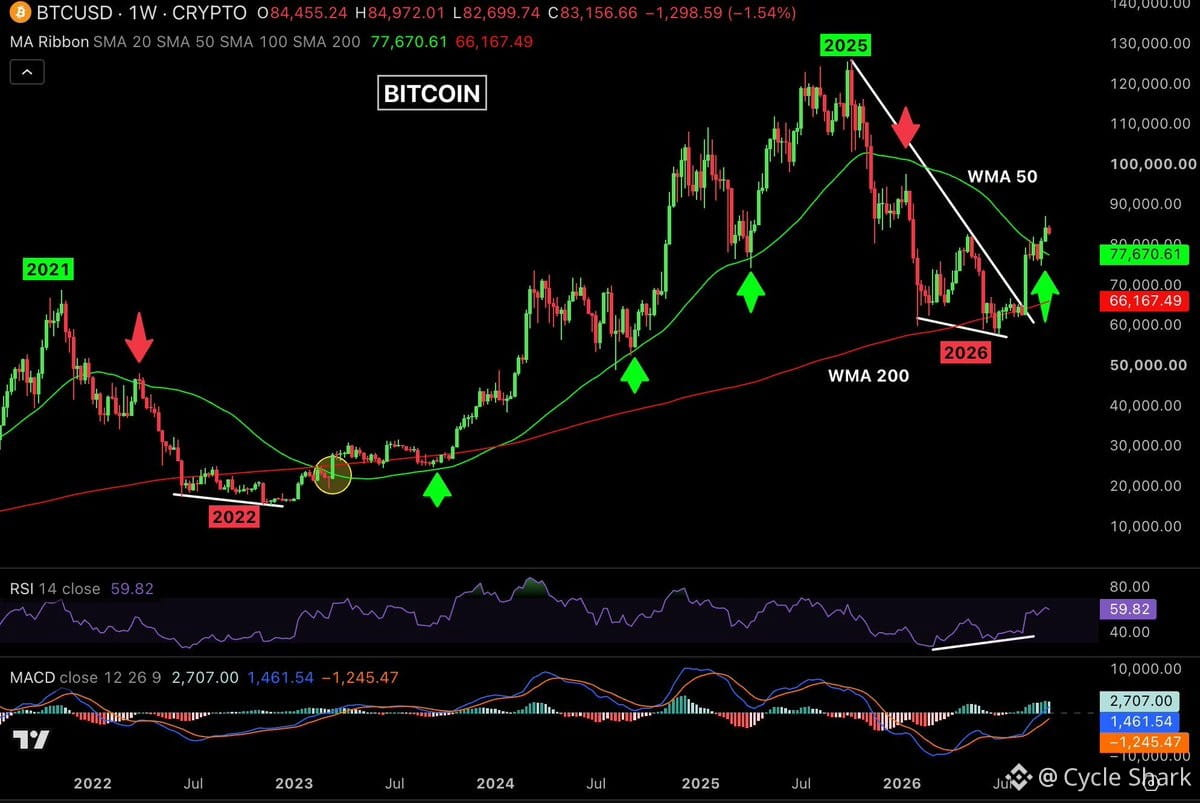
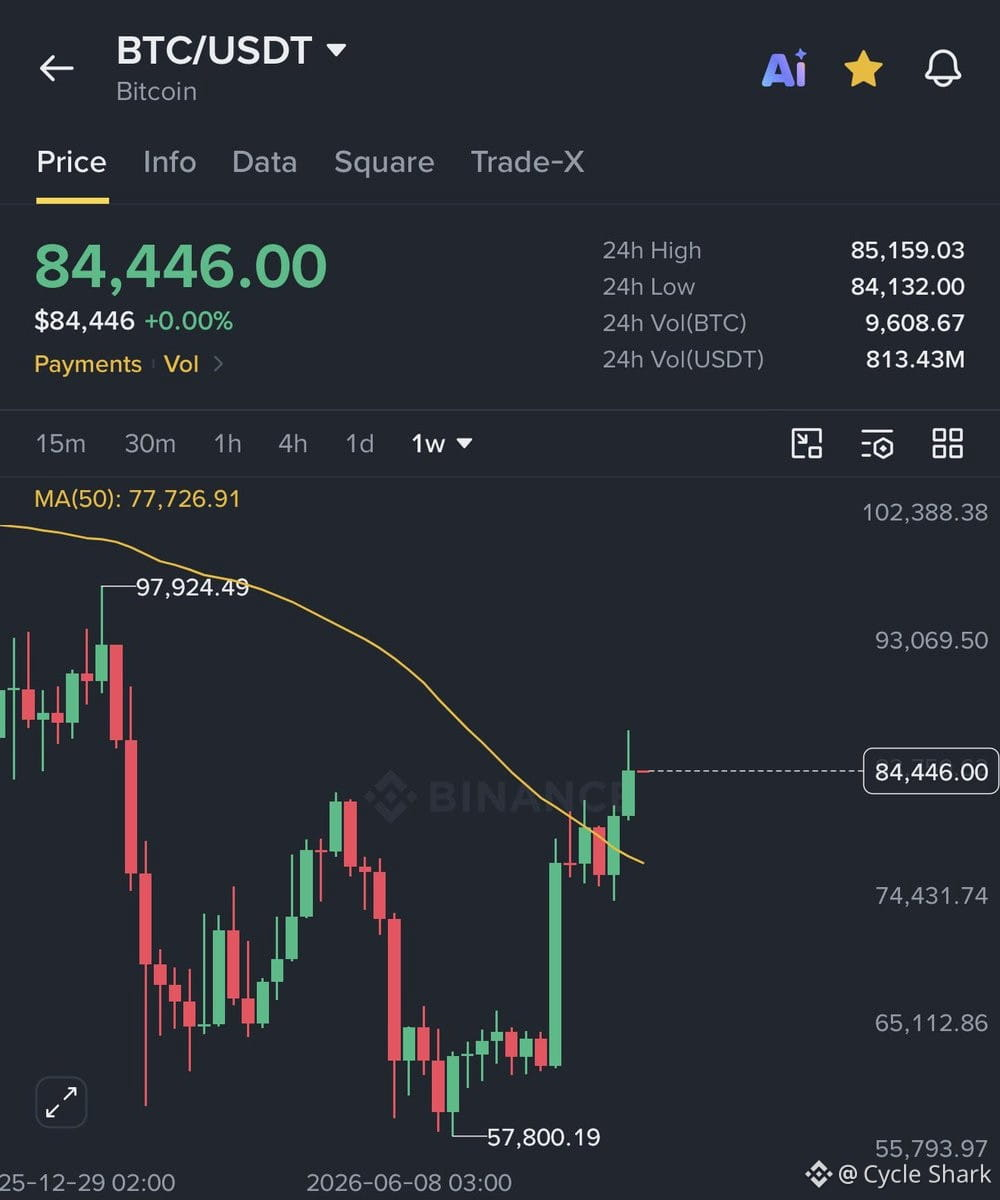
أغلق البيتكوين عند 84,445 دولارًا الأسبوع الماضي — بارتفاع 4%، مسجلًا أعلى إغلاق أسبوعي له في 8 أشهر، وثاني إغلاق متتالي فوق المتوسط الأسبوعي 50.
إليك كيف ارتفع $BTC من 57 ألفًا إلى 87 ألفًا:
1. استغرق 11 أسبوعًا في اختبار المتوسط الأسبوعي 200، الذي ظل يعمل كدعم. خلال هذه الفترة، تحوّل MACD إلى اتجاه صعودي، وأظهر RSI تباعدًا صعوديًا، وانتقلت الزخم باتجاه الثيران.
2. اخترق مستوى 67 ألف دولار واختبر المتوسط الأسبوعي 50 لمدة 4 أسابيع، مع بقاء 75 ألف دولار كدعم.
3. بمجرد أن أغلق $BTC فوق المتوسط الأسبوعي 50، دفعت عملية ضغط الشورت (short squeeze) السهم إلى ما فوق 86 ألفًا.
تحسّن المشهد الكلي (Macro):
- سجل ISM 55.6 (أعلى مستوى في 4 سنوات)
- اخترق Russell 2000 مستوى ATH جديدًا
- تباطأت التضخم الأساسي باتجاه أدنى مستوى في 5 سنوات
أهم المستويات التي يجب مراقبتها:
- الدعم: المتوسط الأسبوعي 50 عند 77,670 دولارًا | المتوسط اليومي 200 عند 71,100 دولار
- المقاومة: من 87 ألفًا إلى 98 ألفًا
أحداث مهمة هذا الأسبوع:
- بيانات ISM: الخميس
- بيانات الوظائف: الجمعة
أغلق البيتكوين عند 84,445 دولارًا الأسبوع الماضي — بارتفاع 4%، مسجلًا أعلى إغلاق أسبوعي له في 8 أشهر، وثاني إغلاق متتالي فوق المتوسط الأسبوعي 50.
إليك كيف ارتفع $BTC من 57 ألفًا إلى 87 ألفًا:
1. استغرق 11 أسبوعًا في اختبار المتوسط الأسبوعي 200، الذي ظل يعمل كدعم. خلال هذه الفترة، تحوّل MACD إلى اتجاه صعودي، وأظهر RSI تباعدًا صعوديًا، وانتقلت الزخم باتجاه الثيران.
2. اخترق مستوى 67 ألف دولار واختبر المتوسط الأسبوعي 50 لمدة 4 أسابيع، مع بقاء 75 ألف دولار كدعم.
3. بمجرد أن أغلق $BTC فوق المتوسط الأسبوعي 50، دفعت عملية ضغط الشورت (short squeeze) السهم إلى ما فوق 86 ألفًا.
تحسّن المشهد الكلي (Macro):
- سجل ISM 55.6 (أعلى مستوى في 4 سنوات)
- اخترق Russell 2000 مستوى ATH جديدًا
- تباطأت التضخم الأساسي باتجاه أدنى مستوى في 5 سنوات
أهم المستويات التي يجب مراقبتها:
- الدعم: المتوسط الأسبوعي 50 عند 77,670 دولارًا | المتوسط اليومي 200 عند 71,100 دولار
- المقاومة: من 87 ألفًا إلى 98 ألفًا
أحداث مهمة هذا الأسبوع:
- بيانات ISM: الخميس
- بيانات الوظائف: الجمعة
إليك كيف ارتفع $BTC من 57 ألفًا إلى 87 ألفًا:
1. استغرق 11 أسبوعًا في اختبار المتوسط الأسبوعي 200، الذي ظل يعمل كدعم. خلال هذه الفترة، تحوّل MACD إلى اتجاه صعودي، وأظهر RSI تباعدًا صعوديًا، وانتقلت الزخم باتجاه الثيران.
2. اخترق مستوى 67 ألف دولار واختبر المتوسط الأسبوعي 50 لمدة 4 أسابيع، مع بقاء 75 ألف دولار كدعم.
3. بمجرد أن أغلق $BTC فوق المتوسط الأسبوعي 50، دفعت عملية ضغط الشورت (short squeeze) السهم إلى ما فوق 86 ألفًا.
تحسّن المشهد الكلي (Macro):
- سجل ISM 55.6 (أعلى مستوى في 4 سنوات)
- اخترق Russell 2000 مستوى ATH جديدًا
- تباطأت التضخم الأساسي باتجاه أدنى مستوى في 5 سنوات
أهم المستويات التي يجب مراقبتها:
- الدعم: المتوسط الأسبوعي 50 عند 77,670 دولارًا | المتوسط اليومي 200 عند 71,100 دولار
- المقاومة: من 87 ألفًا إلى 98 ألفًا
أحداث مهمة هذا الأسبوع:
- بيانات ISM: الخميس
- بيانات الوظائف: الجمعة
50
·
--
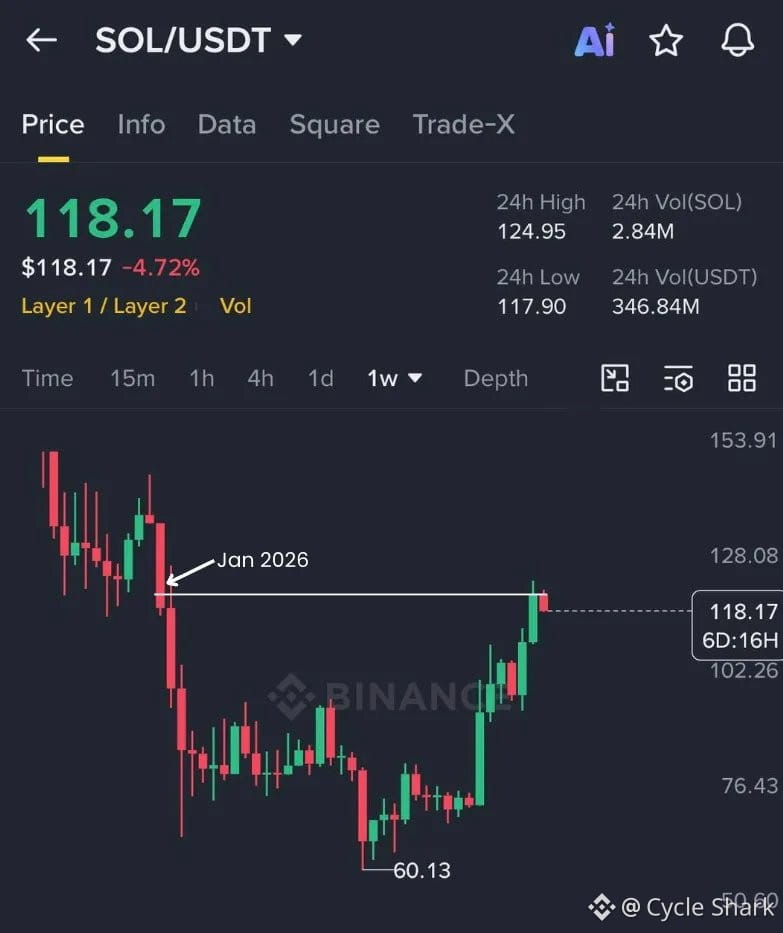
$SOL سجل أعلى إغلاق أسبوعي له خلال 8 أشهر. هذه إشارة فنية ذات دلالة — فالإغلاقات الأسبوعية تهم أكثر من الاندفاعات داخل اليوم لأنها تعكس ضغط شراء مستمر، وليس مجرد ضوضاء.
يشير ذلك إلى أن التراكم يحدث عند مستويات أعلى. عندما يغلق الأصل بشكل قوي باستمرار على أطر زمنية أطول، فهذا يعني غالبًا أن هيكل السوق يتغير. المشترون مستعدون للاحتفاظ خلال عطلة نهاية الأسبوع، وهذا أمر نادر في العملات المشفرة إلا إذا كانت القناعة تتزايد.
بالنسبة لحاملي سولانا، هذا النوع من الإعداد غالبًا ما يسبق التحركات الأكبر. ليس ضمانًا، لكن الرسم البياني يتحدث بوضوح.
$SOL سجل أعلى إغلاق أسبوعي له خلال 8 أشهر. هذه إشارة فنية ذات دلالة — فالإغلاقات الأسبوعية تهم أكثر من الاندفاعات داخل اليوم لأنها تعكس ضغط شراء مستمر، وليس مجرد ضوضاء.
يشير ذلك إلى أن التراكم يحدث عند مستويات أعلى. عندما يغلق الأصل بشكل قوي باستمرار على أطر زمنية أطول، فهذا يعني غالبًا أن هيكل السوق يتغير. المشترون مستعدون للاحتفاظ خلال عطلة نهاية الأسبوع، وهذا أمر نادر في العملات المشفرة إلا إذا كانت القناعة تتزايد.
بالنسبة لحاملي سولانا، هذا النوع من الإعداد غالبًا ما يسبق التحركات الأكبر. ليس ضمانًا، لكن الرسم البياني يتحدث بوضوح.
يشير ذلك إلى أن التراكم يحدث عند مستويات أعلى. عندما يغلق الأصل بشكل قوي باستمرار على أطر زمنية أطول، فهذا يعني غالبًا أن هيكل السوق يتغير. المشترون مستعدون للاحتفاظ خلال عطلة نهاية الأسبوع، وهذا أمر نادر في العملات المشفرة إلا إذا كانت القناعة تتزايد.
بالنسبة لحاملي سولانا، هذا النوع من الإعداد غالبًا ما يسبق التحركات الأكبر. ليس ضمانًا، لكن الرسم البياني يتحدث بوضوح.
135
·
--
لا تَذعر من البيع الآن. لِنضع هذا التصحيح في نصابه.
لقد ارتفع سعر البيتكوين بنسبة +50% من أدنى مستوى يونيو عند 57,700$ إلى 87,300$. وتفوّقت الإيثيريوم أيضًا — بزيادة +85% من 1,505$ إلى 2,800$. بعض العملات البديلة مثل $NEAR و$ZEC حققت 5x–10x من أدنى مستوياتها الأخيرة.
ما تراه الآن هو جني أرباح “مدرسي” بعد موجة صعود قوية. هكذا تتنفس الأسواق.
يأتي Uptober وبداية الربع الرابع بعد يومين فقط. تاريخيًا، يُعدّ الربع الرابع من أقوى الفترات بالنسبة للعملات المشفّرة. الإعداد يبدو متينًا. تحلَّ بالصبر.
لا تَذعر من البيع الآن. لِنضع هذا التصحيح في نصابه.
لقد ارتفع سعر البيتكوين بنسبة +50% من أدنى مستوى يونيو عند 57,700$ إلى 87,300$. وتفوّقت الإيثيريوم أيضًا — بزيادة +85% من 1,505$ إلى 2,800$. بعض العملات البديلة مثل $NEAR و$ZEC حققت 5x–10x من أدنى مستوياتها الأخيرة.
ما تراه الآن هو جني أرباح “مدرسي” بعد موجة صعود قوية. هكذا تتنفس الأسواق.
يأتي Uptober وبداية الربع الرابع بعد يومين فقط. تاريخيًا، يُعدّ الربع الرابع من أقوى الفترات بالنسبة للعملات المشفّرة. الإعداد يبدو متينًا. تحلَّ بالصبر.
لقد ارتفع سعر البيتكوين بنسبة +50% من أدنى مستوى يونيو عند 57,700$ إلى 87,300$. وتفوّقت الإيثيريوم أيضًا — بزيادة +85% من 1,505$ إلى 2,800$. بعض العملات البديلة مثل $NEAR و$ZEC حققت 5x–10x من أدنى مستوياتها الأخيرة.
ما تراه الآن هو جني أرباح “مدرسي” بعد موجة صعود قوية. هكذا تتنفس الأسواق.
يأتي Uptober وبداية الربع الرابع بعد يومين فقط. تاريخيًا، يُعدّ الربع الرابع من أقوى الفترات بالنسبة للعملات المشفّرة. الإعداد يبدو متينًا. تحلَّ بالصبر.
181
·
--
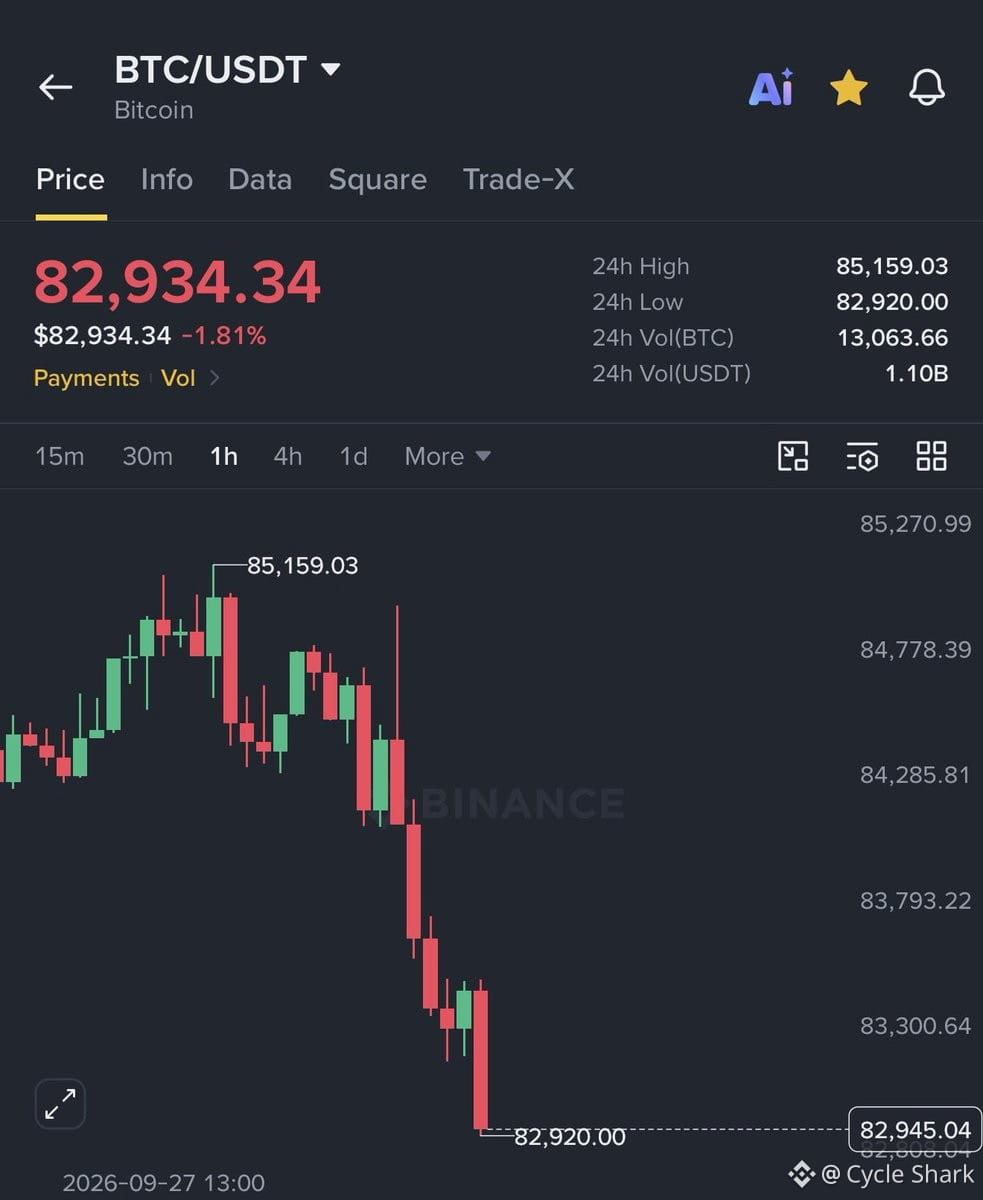
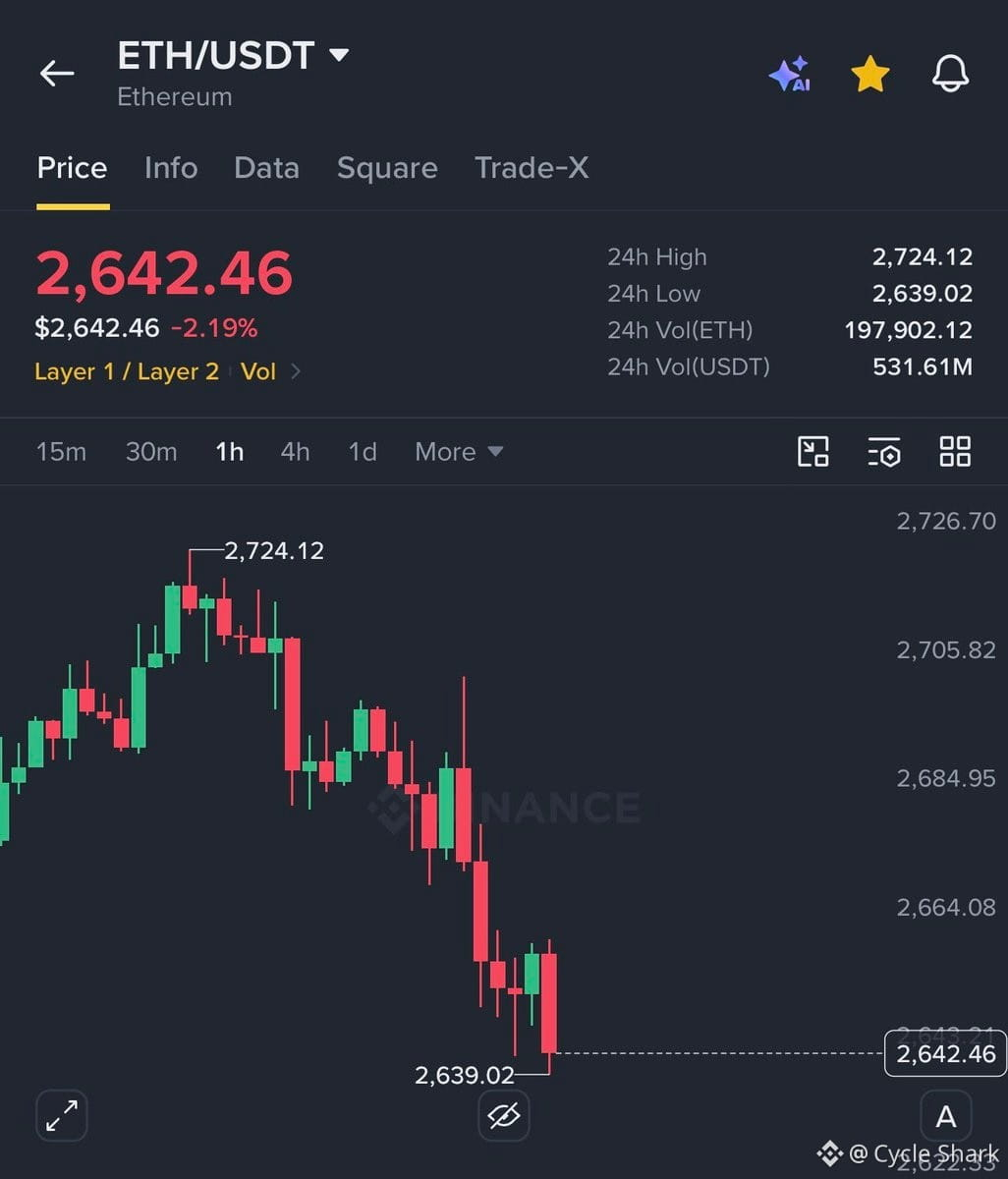
$BTC للتو كسر مستوى $83,000 إلى الأسفل بينما $ETH تراجع تحت $2,650. خلال الساعة الماضية وحدها، تم تصفية مراكز شراء (long) بقيمة 50 مليون دولار. إن ضخ الرافعة المالية حقيقي — فالمضاربون ذوو الرافعة العالية تتم تصفيتهم مع ارتفاع التقلبات. غالبًا ما تشير سلسلة التصفية السريعة هذه إلى استسلام قصير الأجل، لكن لا يزال لا يخبرنا ما إذا كنا قد وجدنا القاع المحلي بعد. راقب ما إذا كان المشترون في السوق الفورية (spot) سيتدخلون أم إذا تسارع موجة البيع أكثر.
$BTC للتو كسر مستوى $83,000 إلى الأسفل بينما $ETH تراجع تحت $2,650. خلال الساعة الماضية وحدها، تم تصفية مراكز شراء (long) بقيمة 50 مليون دولار. إن ضخ الرافعة المالية حقيقي — فالمضاربون ذوو الرافعة العالية تتم تصفيتهم مع ارتفاع التقلبات. غالبًا ما تشير سلسلة التصفية السريعة هذه إلى استسلام قصير الأجل، لكن لا يزال لا يخبرنا ما إذا كنا قد وجدنا القاع المحلي بعد. راقب ما إذا كان المشترون في السوق الفورية (spot) سيتدخلون أم إذا تسارع موجة البيع أكثر.
149
·
--
$BTC أنهى الأسبوع عند أعلى مستوى له منذ 8 أشهر.
هذه هي المرة الأولى منذ أوائل مايو 2024 التي تدفع فيها حركة السعر الأسبوعية إلى هذا الارتفاع. التحول في الزخم حقيقي — نحن لا نقفز فقط بعد هبوط، بل نتجاوز مستويات المقاومة التي ظلت صامدة معظم العام الماضي.
ما الذي يهم الآن:
1. الإغلاقات الأسبوعية تحمل وزنًا أكبر من الاندفاعات داخل اليوم. هذه ليست عملية ضخ سريعة تم بيعها فورًا — بل إن السوق حافظ على قوته خلال عطلة نهاية الأسبوع.
2. قمم الـ8 أشهر عادةً لا تحدث بمعزل عن غيرها. عندما يبدأ $BTC في تسجيل قمم جديدة تمتد لعدة أشهر على الأطر الزمنية الأسبوعية، فإنه غالبًا ما يستمر لبعض الوقت قبل حدوث التصحيح الرئيسي التالي.
3. الصورة الكلية مختلفة الآن. نرى تحسنًا في ظروف السيولة، وتغيرًا في توقعات خفض الفائدة، وتزايدًا في التدفقات المؤسسية. هذا ليس مجرد اندفاع فومو من التجزئة.
يبدو الإعداد أكثر وضوحًا مما كان عليه منذ أشهر. إذا ثبت هذا الإغلاق الأسبوعي كدعم قبل الأسبوع القادم، فمن المرجح أننا في المراحل المبكرة من حركة صعود أكبر.
$BTC أنهى الأسبوع عند أعلى مستوى له منذ 8 أشهر.
هذه هي المرة الأولى منذ أوائل مايو 2024 التي تدفع فيها حركة السعر الأسبوعية إلى هذا الارتفاع. التحول في الزخم حقيقي — نحن لا نقفز فقط بعد هبوط، بل نتجاوز مستويات المقاومة التي ظلت صامدة معظم العام الماضي.
ما الذي يهم الآن:
1. الإغلاقات الأسبوعية تحمل وزنًا أكبر من الاندفاعات داخل اليوم. هذه ليست عملية ضخ سريعة تم بيعها فورًا — بل إن السوق حافظ على قوته خلال عطلة نهاية الأسبوع.
2. قمم الـ8 أشهر عادةً لا تحدث بمعزل عن غيرها. عندما يبدأ $BTC في تسجيل قمم جديدة تمتد لعدة أشهر على الأطر الزمنية الأسبوعية، فإنه غالبًا ما يستمر لبعض الوقت قبل حدوث التصحيح الرئيسي التالي.
3. الصورة الكلية مختلفة الآن. نرى تحسنًا في ظروف السيولة، وتغيرًا في توقعات خفض الفائدة، وتزايدًا في التدفقات المؤسسية. هذا ليس مجرد اندفاع فومو من التجزئة.
يبدو الإعداد أكثر وضوحًا مما كان عليه منذ أشهر. إذا ثبت هذا الإغلاق الأسبوعي كدعم قبل الأسبوع القادم، فمن المرجح أننا في المراحل المبكرة من حركة صعود أكبر.
هذه هي المرة الأولى منذ أوائل مايو 2024 التي تدفع فيها حركة السعر الأسبوعية إلى هذا الارتفاع. التحول في الزخم حقيقي — نحن لا نقفز فقط بعد هبوط، بل نتجاوز مستويات المقاومة التي ظلت صامدة معظم العام الماضي.
ما الذي يهم الآن:
1. الإغلاقات الأسبوعية تحمل وزنًا أكبر من الاندفاعات داخل اليوم. هذه ليست عملية ضخ سريعة تم بيعها فورًا — بل إن السوق حافظ على قوته خلال عطلة نهاية الأسبوع.
2. قمم الـ8 أشهر عادةً لا تحدث بمعزل عن غيرها. عندما يبدأ $BTC في تسجيل قمم جديدة تمتد لعدة أشهر على الأطر الزمنية الأسبوعية، فإنه غالبًا ما يستمر لبعض الوقت قبل حدوث التصحيح الرئيسي التالي.
3. الصورة الكلية مختلفة الآن. نرى تحسنًا في ظروف السيولة، وتغيرًا في توقعات خفض الفائدة، وتزايدًا في التدفقات المؤسسية. هذا ليس مجرد اندفاع فومو من التجزئة.
يبدو الإعداد أكثر وضوحًا مما كان عليه منذ أشهر. إذا ثبت هذا الإغلاق الأسبوعي كدعم قبل الأسبوع القادم، فمن المرجح أننا في المراحل المبكرة من حركة صعود أكبر.
142
·
--
قبل أن تفزع وتبيع بخسارة بسبب ارتفاع 20% لأن 2022 كسر لك مخك، دعني أذكّرك بما يحدث فعليًا عندما تنتهي الأسواق الهابطة:
$BTC ارتفع من $15,400 إلى $126,000
$ETH صعد من $880 إلى $4,950
$SOL انفجر من $8 إلى $295
البدائل حققت مكاسب بين 20x–30x في كل مكان
النمط بسيط: الدببة تجعلك تنسى كيف تشعر أسواق الصعود. تتعوّد على جني الأرباح مبكرًا، وعلى افتراض أن كل موجة صعود هي فخ، وعلى التفكير بأن 20% هي القمة.
لكننا لسنا في سوق هابطة بعد الآن. نحن ندخل المرحلة التي تصبح فيها الأمور مبالغًا فيها—حيث تذوب المحافظ من كثرة الحماس، ويقضي من باعوا مبكرًا أشهر يندمون.
هذا ليس دعوة إلى التهور. بل هو الاعتراف بتحوّل الدورة والتموضع وفقًا لذلك. مكاسب «السوبر سايكل» الحقيقية لا تأتي من التداول خلال التذبذب—بل من الاستمرار رغم الانزعاج ومشاهدة الفائزين يواصلون الفوز.
لا تدع ذكريات الصدمة تكلفك الجولة الفعلية.
قبل أن تفزع وتبيع بخسارة بسبب ارتفاع 20% لأن 2022 كسر لك مخك، دعني أذكّرك بما يحدث فعليًا عندما تنتهي الأسواق الهابطة:
$BTC ارتفع من $15,400 إلى $126,000
$ETH صعد من $880 إلى $4,950
$SOL انفجر من $8 إلى $295
البدائل حققت مكاسب بين 20x–30x في كل مكان
النمط بسيط: الدببة تجعلك تنسى كيف تشعر أسواق الصعود. تتعوّد على جني الأرباح مبكرًا، وعلى افتراض أن كل موجة صعود هي فخ، وعلى التفكير بأن 20% هي القمة.
لكننا لسنا في سوق هابطة بعد الآن. نحن ندخل المرحلة التي تصبح فيها الأمور مبالغًا فيها—حيث تذوب المحافظ من كثرة الحماس، ويقضي من باعوا مبكرًا أشهر يندمون.
هذا ليس دعوة إلى التهور. بل هو الاعتراف بتحوّل الدورة والتموضع وفقًا لذلك. مكاسب «السوبر سايكل» الحقيقية لا تأتي من التداول خلال التذبذب—بل من الاستمرار رغم الانزعاج ومشاهدة الفائزين يواصلون الفوز.
لا تدع ذكريات الصدمة تكلفك الجولة الفعلية.
$BTC ارتفع من $15,400 إلى $126,000
$ETH صعد من $880 إلى $4,950
$SOL انفجر من $8 إلى $295
البدائل حققت مكاسب بين 20x–30x في كل مكان
النمط بسيط: الدببة تجعلك تنسى كيف تشعر أسواق الصعود. تتعوّد على جني الأرباح مبكرًا، وعلى افتراض أن كل موجة صعود هي فخ، وعلى التفكير بأن 20% هي القمة.
لكننا لسنا في سوق هابطة بعد الآن. نحن ندخل المرحلة التي تصبح فيها الأمور مبالغًا فيها—حيث تذوب المحافظ من كثرة الحماس، ويقضي من باعوا مبكرًا أشهر يندمون.
هذا ليس دعوة إلى التهور. بل هو الاعتراف بتحوّل الدورة والتموضع وفقًا لذلك. مكاسب «السوبر سايكل» الحقيقية لا تأتي من التداول خلال التذبذب—بل من الاستمرار رغم الانزعاج ومشاهدة الفائزين يواصلون الفوز.
لا تدع ذكريات الصدمة تكلفك الجولة الفعلية.
1
430
·
--
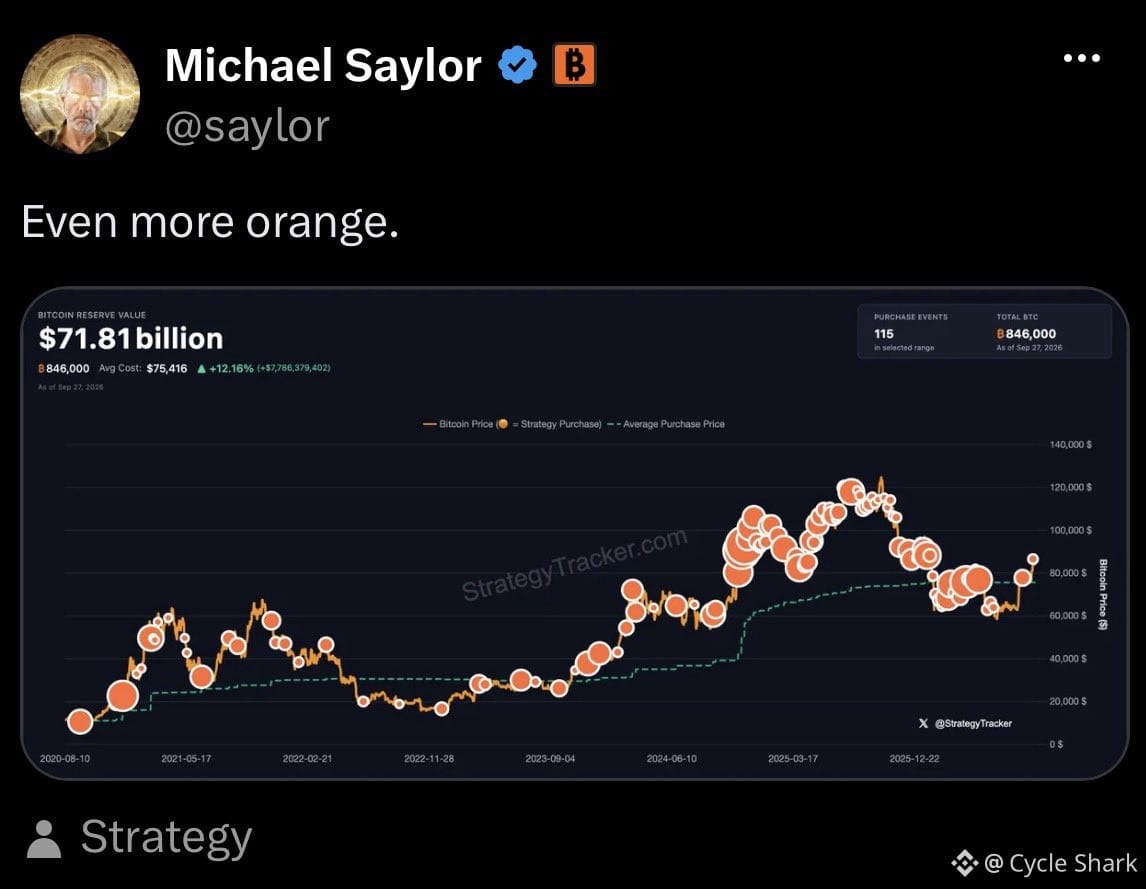
مايكل سايلور يلمّح إلى أن عملية شراء جديدة لـ $BTC قد تكون وشيكة قريبًا. كانت شركته مايكروستراتيجي من أكثر مشتري المؤسسات عدوانية، إذ واصلت باستمرار إضافةً إلى حصتها بغضّ النظر عن حركة السعر. وقد تكرّر هذا النمط المتمثل في تلميحات علنية تتبعها مشتريات فعلية عدة مرات من قبل — أي أنه يستخدم منصته لإرسال إشارات مسبقة إلى تحركات غالبًا ما تحرّك السوق. سواء كان ذلك تموضعًا استراتيجيًا أم قناعة حقيقية، فإنه يعزّز أطروحة أن تنويع الخزائن المؤسسية في $BTC بات سلوكًا معتادًا أكثر من كونه تجربة هامشية.
مايكل سايلور يلمّح إلى أن عملية شراء جديدة لـ $BTC قد تكون وشيكة قريبًا. كانت شركته مايكروستراتيجي من أكثر مشتري المؤسسات عدوانية، إذ واصلت باستمرار إضافةً إلى حصتها بغضّ النظر عن حركة السعر. وقد تكرّر هذا النمط المتمثل في تلميحات علنية تتبعها مشتريات فعلية عدة مرات من قبل — أي أنه يستخدم منصته لإرسال إشارات مسبقة إلى تحركات غالبًا ما تحرّك السوق. سواء كان ذلك تموضعًا استراتيجيًا أم قناعة حقيقية، فإنه يعزّز أطروحة أن تنويع الخزائن المؤسسية في $BTC بات سلوكًا معتادًا أكثر من كونه تجربة هامشية.
93
·
--
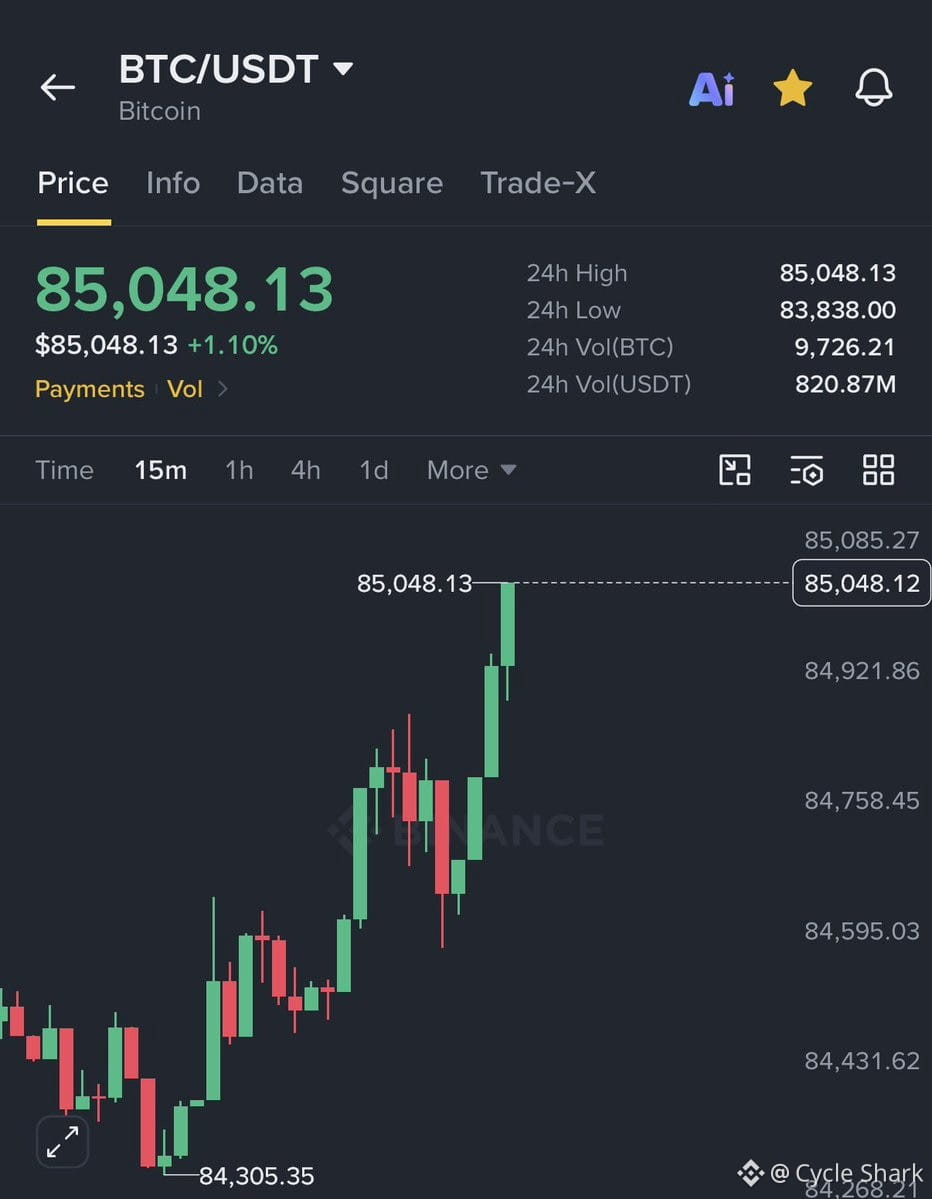
إذا أغلَق $BTC فوق $78,300 اليوم، فنحن ننظر إلى الإغلاق الأسبوعي الثاني على التوالي فوق متوسطه المتحرك لمدّة 50 أسبوعًا. هذا ليس مجرد خط على مخطط — بل إشارة فنية رئيسية قد تعني أن سوق الدببة ربما انتهى فعلاً.
كان متوسط 50 أسبوعًا تاريخيًا ساحة معركة رئيسية. عندما تعيد البيتكوين اكتسابه وتُبقيه فوقه لعدة أسابيع، فإنه عادةً ما يؤكد حدوث تغيّر في بنية السوق. أسبوع واحد قد يكون ضجيجًا. أسبوعان؟ هذا يعني زخمًا.
هذا ليس عن التمني (hopium) — بل عن إدراك متى تبدأ الاحتمالات في الميل. إذا استمر هذا الإغلاق، فإنه يعزز حجة أننا انتقلنا من التوزيع إلى التراكم، وأن الإعداد على مستوى الاقتصاد الكلي يتماشى أخيرًا مع حركة السعر.
راقِب الإغلاق. هذا مهم.
إذا أغلَق $BTC فوق $78,300 اليوم، فنحن ننظر إلى الإغلاق الأسبوعي الثاني على التوالي فوق متوسطه المتحرك لمدّة 50 أسبوعًا. هذا ليس مجرد خط على مخطط — بل إشارة فنية رئيسية قد تعني أن سوق الدببة ربما انتهى فعلاً.
كان متوسط 50 أسبوعًا تاريخيًا ساحة معركة رئيسية. عندما تعيد البيتكوين اكتسابه وتُبقيه فوقه لعدة أسابيع، فإنه عادةً ما يؤكد حدوث تغيّر في بنية السوق. أسبوع واحد قد يكون ضجيجًا. أسبوعان؟ هذا يعني زخمًا.
هذا ليس عن التمني (hopium) — بل عن إدراك متى تبدأ الاحتمالات في الميل. إذا استمر هذا الإغلاق، فإنه يعزز حجة أننا انتقلنا من التوزيع إلى التراكم، وأن الإعداد على مستوى الاقتصاد الكلي يتماشى أخيرًا مع حركة السعر.
راقِب الإغلاق. هذا مهم.
كان متوسط 50 أسبوعًا تاريخيًا ساحة معركة رئيسية. عندما تعيد البيتكوين اكتسابه وتُبقيه فوقه لعدة أسابيع، فإنه عادةً ما يؤكد حدوث تغيّر في بنية السوق. أسبوع واحد قد يكون ضجيجًا. أسبوعان؟ هذا يعني زخمًا.
هذا ليس عن التمني (hopium) — بل عن إدراك متى تبدأ الاحتمالات في الميل. إذا استمر هذا الإغلاق، فإنه يعزز حجة أننا انتقلنا من التوزيع إلى التراكم، وأن الإعداد على مستوى الاقتصاد الكلي يتماشى أخيرًا مع حركة السعر.
راقِب الإغلاق. هذا مهم.
198
·
--
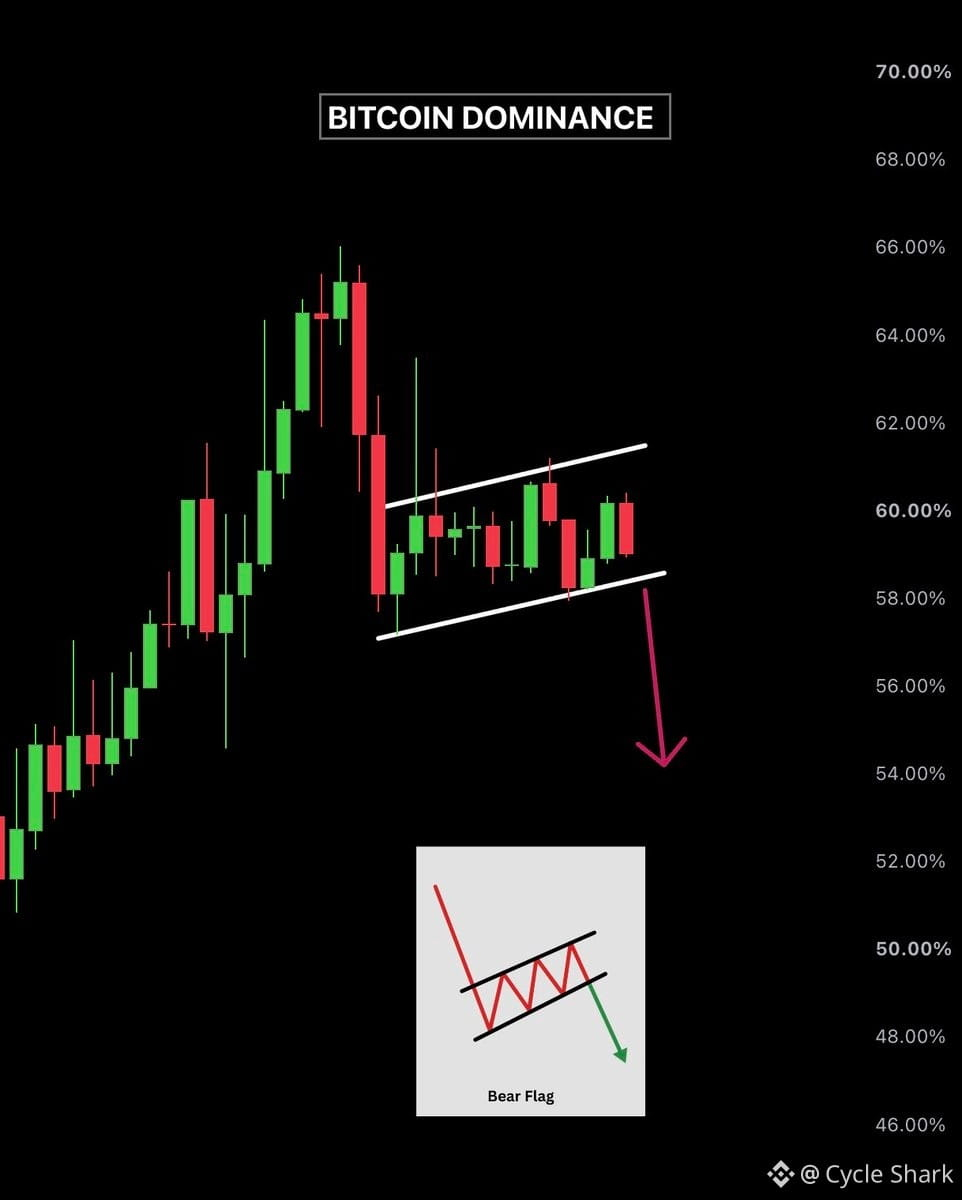
كانت سيطرة البيتكوين (Bitcoin dominance) تشكّل نمط راية هابطة (bearish flag) منذ أكثر من عام. إذا انكسر هذا النمط الفني، فمن المرجّح أننا نشهد بداية موسم العملات البديلة (altseason) — أي أن العملات البديلة قد تتفوق في النهاية على $BTC بطريقة ملموسة.
هذا إعداد كلاسيكي يراقبه المتداولون عن كثب. عندما تنخفض سيطرة $BTC، تميل السيولة إلى التحول إلى العملات البديلة، ما يؤدي إلى تلك الارتفاعات/الجولات الانفجارية التي شهدناها في الدورات السابقة. تشير بنية الراية إلى فترة تجميع قبل احتمال حدوث هبوط، وهو ما يُعدّ الإشارة التي ينتظرها كثيرون.
كانت سيطرة البيتكوين (Bitcoin dominance) تشكّل نمط راية هابطة (bearish flag) منذ أكثر من عام. إذا انكسر هذا النمط الفني، فمن المرجّح أننا نشهد بداية موسم العملات البديلة (altseason) — أي أن العملات البديلة قد تتفوق في النهاية على $BTC بطريقة ملموسة.
هذا إعداد كلاسيكي يراقبه المتداولون عن كثب. عندما تنخفض سيطرة $BTC، تميل السيولة إلى التحول إلى العملات البديلة، ما يؤدي إلى تلك الارتفاعات/الجولات الانفجارية التي شهدناها في الدورات السابقة. تشير بنية الراية إلى فترة تجميع قبل احتمال حدوث هبوط، وهو ما يُعدّ الإشارة التي ينتظرها كثيرون.
هذا إعداد كلاسيكي يراقبه المتداولون عن كثب. عندما تنخفض سيطرة $BTC، تميل السيولة إلى التحول إلى العملات البديلة، ما يؤدي إلى تلك الارتفاعات/الجولات الانفجارية التي شهدناها في الدورات السابقة. تشير بنية الراية إلى فترة تجميع قبل احتمال حدوث هبوط، وهو ما يُعدّ الإشارة التي ينتظرها كثيرون.
405
·
--
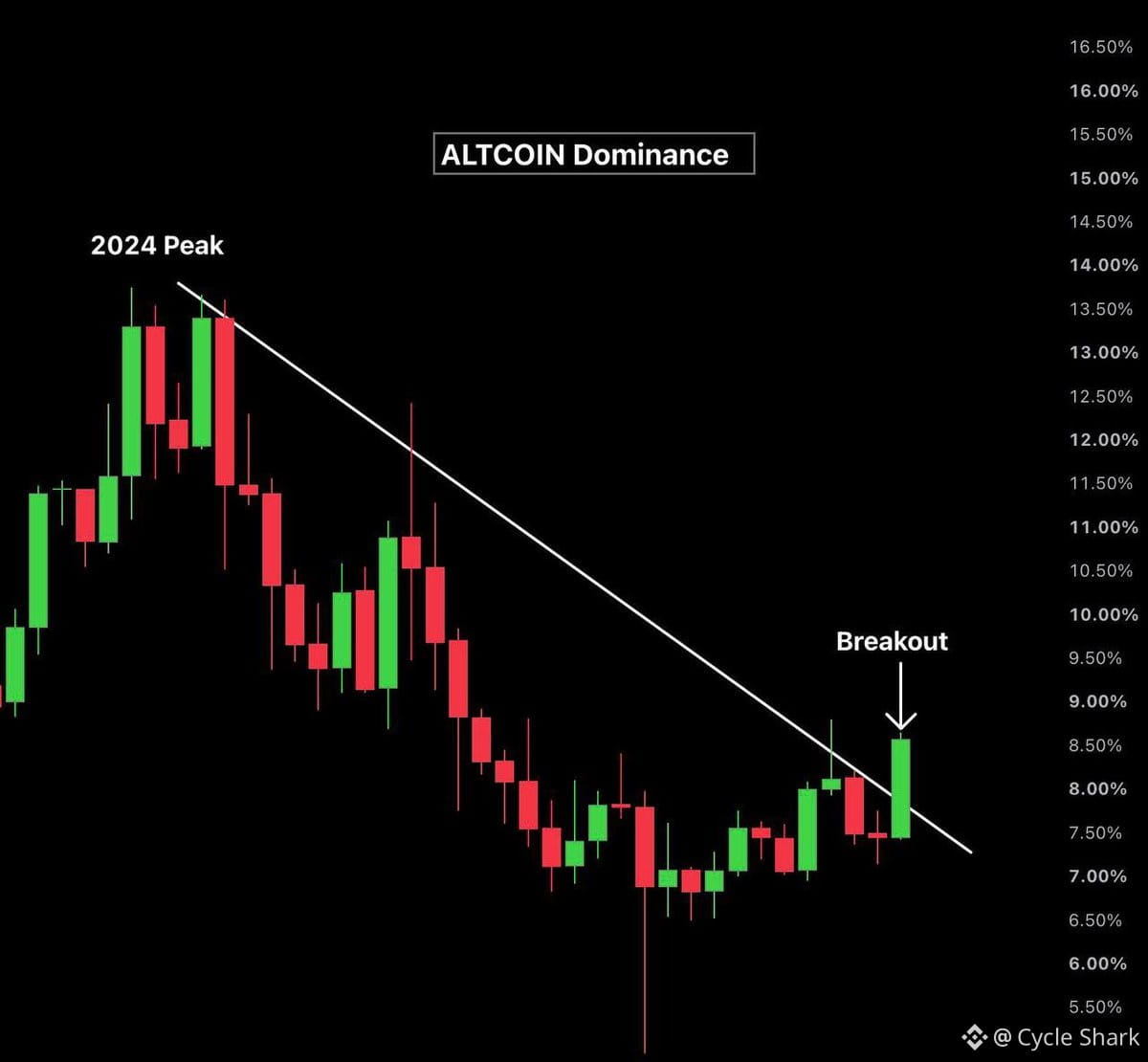
اختراق هيمنة العملات البديلة (Altcoin dominance) للتوجه الهابط لمدة عامين للتو. هذه هي الإشارة الفنية التي تُثير حماس الناس بشأن حدوث تدوير (rotation).
إليك ما يهم:
1. تغيّر بنية السوق
عندما تنعكس الهيمنة بهذا الشكل بعد فترة تماسك/توحّد ممتدة، غالبًا ما يكون ذلك بداية تدفّق رأس المال من $BTC إلى العملات البديلة. الدورات القليلة الماضية أظهرت أنماطًا مشابهة قبل التحركات المتفجرة.
2. ظروف السيولة
توقيت الاختراق يتزامن مع تحسّن السيولة العالمية. عندما تقوم البنوك المركزية بالتيسير، ويتراجع الدولار، وتزداد شهية المخاطرة (risk-on)، يتكوّن بيئة تتفوّق فيها الأصول المضاربية.
3. السياق التاريخي
الاختراقات السابقة لهيمنة العملات البديلة أدّت إلى فترات تتراوح بين 3 إلى 6 أشهر شهدت خلالها العملات البديلة تفوقًا كبيرًا. لا أقول إن ذلك مضمون، لكن الإعداد يشبه ما حدث في دورات سابقة.
4. ما الذي يجب مراقبته
التأكيد أهم من الاختراق الأولي. نحتاج رؤية زخم مستمر، لا مجرد اختراق كاذب. حجم التداول، ومدى اتساعه عبر فئات مختلفة من العملات البديلة، وما إذا كان $ETH يقود أو يتأخر—ستكشف القصة الحقيقية.
السؤال ليس ما إذا كان يمكن أن تكون هناك فترة “Altcoin season” — بل ما إذا كنت مُوَقَّعًا/متموضعًا بشكل صحيح للاستفادة منها إن حدثت. معظم الناس ينتظرون التأكيد ويفوّتون أفضل نقاط الدخول.
اختراق هيمنة العملات البديلة (Altcoin dominance) للتوجه الهابط لمدة عامين للتو. هذه هي الإشارة الفنية التي تُثير حماس الناس بشأن حدوث تدوير (rotation).
إليك ما يهم:
1. تغيّر بنية السوق
عندما تنعكس الهيمنة بهذا الشكل بعد فترة تماسك/توحّد ممتدة، غالبًا ما يكون ذلك بداية تدفّق رأس المال من $BTC إلى العملات البديلة. الدورات القليلة الماضية أظهرت أنماطًا مشابهة قبل التحركات المتفجرة.
2. ظروف السيولة
توقيت الاختراق يتزامن مع تحسّن السيولة العالمية. عندما تقوم البنوك المركزية بالتيسير، ويتراجع الدولار، وتزداد شهية المخاطرة (risk-on)، يتكوّن بيئة تتفوّق فيها الأصول المضاربية.
3. السياق التاريخي
الاختراقات السابقة لهيمنة العملات البديلة أدّت إلى فترات تتراوح بين 3 إلى 6 أشهر شهدت خلالها العملات البديلة تفوقًا كبيرًا. لا أقول إن ذلك مضمون، لكن الإعداد يشبه ما حدث في دورات سابقة.
4. ما الذي يجب مراقبته
التأكيد أهم من الاختراق الأولي. نحتاج رؤية زخم مستمر، لا مجرد اختراق كاذب. حجم التداول، ومدى اتساعه عبر فئات مختلفة من العملات البديلة، وما إذا كان $ETH يقود أو يتأخر—ستكشف القصة الحقيقية.
السؤال ليس ما إذا كان يمكن أن تكون هناك فترة “Altcoin season” — بل ما إذا كنت مُوَقَّعًا/متموضعًا بشكل صحيح للاستفادة منها إن حدثت. معظم الناس ينتظرون التأكيد ويفوّتون أفضل نقاط الدخول.
إليك ما يهم:
1. تغيّر بنية السوق
عندما تنعكس الهيمنة بهذا الشكل بعد فترة تماسك/توحّد ممتدة، غالبًا ما يكون ذلك بداية تدفّق رأس المال من $BTC إلى العملات البديلة. الدورات القليلة الماضية أظهرت أنماطًا مشابهة قبل التحركات المتفجرة.
2. ظروف السيولة
توقيت الاختراق يتزامن مع تحسّن السيولة العالمية. عندما تقوم البنوك المركزية بالتيسير، ويتراجع الدولار، وتزداد شهية المخاطرة (risk-on)، يتكوّن بيئة تتفوّق فيها الأصول المضاربية.
3. السياق التاريخي
الاختراقات السابقة لهيمنة العملات البديلة أدّت إلى فترات تتراوح بين 3 إلى 6 أشهر شهدت خلالها العملات البديلة تفوقًا كبيرًا. لا أقول إن ذلك مضمون، لكن الإعداد يشبه ما حدث في دورات سابقة.
4. ما الذي يجب مراقبته
التأكيد أهم من الاختراق الأولي. نحتاج رؤية زخم مستمر، لا مجرد اختراق كاذب. حجم التداول، ومدى اتساعه عبر فئات مختلفة من العملات البديلة، وما إذا كان $ETH يقود أو يتأخر—ستكشف القصة الحقيقية.
السؤال ليس ما إذا كان يمكن أن تكون هناك فترة “Altcoin season” — بل ما إذا كنت مُوَقَّعًا/متموضعًا بشكل صحيح للاستفادة منها إن حدثت. معظم الناس ينتظرون التأكيد ويفوّتون أفضل نقاط الدخول.
80
·
--
تُحبّ الحكومات إلقاء المحاضرات عن تقلبات العملات الرقمية بينما تذوب عملاتها الورقية الخاصة بها في الوقت الفعلي.
والسخرية تكاد تكون كوميدية. يشيرون بأصابعهم إلى تذبذبات $BTC بينما:
1. الليرة التركية خسرت 80% مقابل الدولار خلال السنوات الأخيرة
2. يحتاج البيزو الأرجنتيني إلى إعادة تسمية مستمرة كي يعمل
3. الجنيه الإسترليني انهار بنسبة 30% خلال أشهر في أزمات معيّنة
4. حتى اليورو والين شهدا تخفيضات قاسية في القيمة
على الأقل تقلبات العملات الرقمية واضحة وتحدث في أسواق معلنة. أما التلاعب بالقيمة (التضخم/التخفيض) في العملة الورقية فهو ضريبة بطيئة وخفية لا ينتبه إليها معظم الناس إلا بعد أن تكون القوة الشرائية قد اختفت فعليًا.
السؤال الحقيقي ليس ما إذا كانت العملات الرقمية محفوفة بالمخاطر. بل ما إذا كان الاحتفاظ بعملة ورقية صِرفة في عالم تتزايد فيه عمليات طباعة النقود بلا نهاية هو في الواقع الخطر الأكبر.
تُحبّ الحكومات إلقاء المحاضرات عن تقلبات العملات الرقمية بينما تذوب عملاتها الورقية الخاصة بها في الوقت الفعلي.
والسخرية تكاد تكون كوميدية. يشيرون بأصابعهم إلى تذبذبات $BTC بينما:
1. الليرة التركية خسرت 80% مقابل الدولار خلال السنوات الأخيرة
2. يحتاج البيزو الأرجنتيني إلى إعادة تسمية مستمرة كي يعمل
3. الجنيه الإسترليني انهار بنسبة 30% خلال أشهر في أزمات معيّنة
4. حتى اليورو والين شهدا تخفيضات قاسية في القيمة
على الأقل تقلبات العملات الرقمية واضحة وتحدث في أسواق معلنة. أما التلاعب بالقيمة (التضخم/التخفيض) في العملة الورقية فهو ضريبة بطيئة وخفية لا ينتبه إليها معظم الناس إلا بعد أن تكون القوة الشرائية قد اختفت فعليًا.
السؤال الحقيقي ليس ما إذا كانت العملات الرقمية محفوفة بالمخاطر. بل ما إذا كان الاحتفاظ بعملة ورقية صِرفة في عالم تتزايد فيه عمليات طباعة النقود بلا نهاية هو في الواقع الخطر الأكبر.
والسخرية تكاد تكون كوميدية. يشيرون بأصابعهم إلى تذبذبات $BTC بينما:
1. الليرة التركية خسرت 80% مقابل الدولار خلال السنوات الأخيرة
2. يحتاج البيزو الأرجنتيني إلى إعادة تسمية مستمرة كي يعمل
3. الجنيه الإسترليني انهار بنسبة 30% خلال أشهر في أزمات معيّنة
4. حتى اليورو والين شهدا تخفيضات قاسية في القيمة
على الأقل تقلبات العملات الرقمية واضحة وتحدث في أسواق معلنة. أما التلاعب بالقيمة (التضخم/التخفيض) في العملة الورقية فهو ضريبة بطيئة وخفية لا ينتبه إليها معظم الناس إلا بعد أن تكون القوة الشرائية قد اختفت فعليًا.
السؤال الحقيقي ليس ما إذا كانت العملات الرقمية محفوفة بالمخاطر. بل ما إذا كان الاحتفاظ بعملة ورقية صِرفة في عالم تتزايد فيه عمليات طباعة النقود بلا نهاية هو في الواقع الخطر الأكبر.
84
·
--
شهدت العملات المشفرة أسبوعًا واحدًا من تلك الأسابيع التي يحدث فيها كل شيء في الوقت نفسه.
دفعت $BTC إلى ما بعد 87 ألف دولار، واستعادت $ETH مستوى 2,800 دولار، وبلغت $SOL 120 دولار — ولأول مرة منذ قرابة 8 أشهر. تجاوز إجمالي القيمة السوقية لسوق العملات المشفرة 3 تريليونات دولار مجددًا، وهو ما يُعدّ علامة نفسية مهمة أكثر مما يعترف به الناس.
لكن القصة الحقيقية ليست مجرد الأسعار. إنها تدفقات المؤسسات والوضوح التنظيمي اللذان يتقاطعان في التوقيت ذاته.
كانت تدفقات صناديق الاستثمار المتداولة ضخمة: 2.4 مليار دولار إلى البيتكوين، و690 مليون دولار إلى إيثيريوم، و188 مليون دولار إلى سولانا. هذه ليست موجة جَذَل تجّار التجزئة. إنها تخصيص رأس المال من أشخاص يديرون أموالًا حقيقية ويحتاجون إلى غطاء تنظيمي لنشرها.
وذلك الغطاء التنظيمي؟ إنه أخيرًا في طريقه.
اقترح الاحتياطي الفيدرالي السماح للبنوك بإصدار عملاتها المستقرة الخاصة. وحدّثت CFTC إرشادات الصناديق المُمَثَّلة عبر الرموز، وقال رئيسها حرفيًا: "حان وقت الانطلاق" لقواعد عملات مشفرة واضحة وأسواق تعمل 24/7. وأكدت هيئة SEC أن رموز الـ staking ليست أوراقًا مالية، ما يزيل هاجسًا كبيرًا يثقل كاهل منظومات إثبات الحصة.
وفي الوقت نفسه، يتم بناء البنية التحتية في الوقت الفعلي. تعاونت X مع منصات تداول العملات المشفرة كي يتمكن المستخدمون من تداول الأسهم والكرِّبتو مباشرة من مخططهم الزمني. تجلب NYSE الأسهم الأمريكية المُمَثَّلة بالرموز إلى 44 مليون حساب عملات مشفرة. وقامت BlackRock بتوسيع الوصول إلى محافظ الاستثمار المُمَثَّلة بالرموز.
هذه ليست مجرد جولة صعودية. إنها الدورة الأولى التي تقوم فيها المالية التقليدية ببناء المسارات إلى عالم الكرِّبتو بشكل فعّال بدل الجلوس على الهامش أو مواجهته. إن تقاطع السيولة والتصاريح التنظيمية والبنية التحتية المؤسسية هو ما يجعل هذه اللحظة مختلفة عن 2021.
السؤال الآن ليس ما إذا كانت العملات المشفرة ستصبح سائدة. بل إلى أي مدى بسرعة يحدث ذلك.
شهدت العملات المشفرة أسبوعًا واحدًا من تلك الأسابيع التي يحدث فيها كل شيء في الوقت نفسه.
دفعت $BTC إلى ما بعد 87 ألف دولار، واستعادت $ETH مستوى 2,800 دولار، وبلغت $SOL 120 دولار — ولأول مرة منذ قرابة 8 أشهر. تجاوز إجمالي القيمة السوقية لسوق العملات المشفرة 3 تريليونات دولار مجددًا، وهو ما يُعدّ علامة نفسية مهمة أكثر مما يعترف به الناس.
لكن القصة الحقيقية ليست مجرد الأسعار. إنها تدفقات المؤسسات والوضوح التنظيمي اللذان يتقاطعان في التوقيت ذاته.
كانت تدفقات صناديق الاستثمار المتداولة ضخمة: 2.4 مليار دولار إلى البيتكوين، و690 مليون دولار إلى إيثيريوم، و188 مليون دولار إلى سولانا. هذه ليست موجة جَذَل تجّار التجزئة. إنها تخصيص رأس المال من أشخاص يديرون أموالًا حقيقية ويحتاجون إلى غطاء تنظيمي لنشرها.
وذلك الغطاء التنظيمي؟ إنه أخيرًا في طريقه.
اقترح الاحتياطي الفيدرالي السماح للبنوك بإصدار عملاتها المستقرة الخاصة. وحدّثت CFTC إرشادات الصناديق المُمَثَّلة عبر الرموز، وقال رئيسها حرفيًا: "حان وقت الانطلاق" لقواعد عملات مشفرة واضحة وأسواق تعمل 24/7. وأكدت هيئة SEC أن رموز الـ staking ليست أوراقًا مالية، ما يزيل هاجسًا كبيرًا يثقل كاهل منظومات إثبات الحصة.
وفي الوقت نفسه، يتم بناء البنية التحتية في الوقت الفعلي. تعاونت X مع منصات تداول العملات المشفرة كي يتمكن المستخدمون من تداول الأسهم والكرِّبتو مباشرة من مخططهم الزمني. تجلب NYSE الأسهم الأمريكية المُمَثَّلة بالرموز إلى 44 مليون حساب عملات مشفرة. وقامت BlackRock بتوسيع الوصول إلى محافظ الاستثمار المُمَثَّلة بالرموز.
هذه ليست مجرد جولة صعودية. إنها الدورة الأولى التي تقوم فيها المالية التقليدية ببناء المسارات إلى عالم الكرِّبتو بشكل فعّال بدل الجلوس على الهامش أو مواجهته. إن تقاطع السيولة والتصاريح التنظيمية والبنية التحتية المؤسسية هو ما يجعل هذه اللحظة مختلفة عن 2021.
السؤال الآن ليس ما إذا كانت العملات المشفرة ستصبح سائدة. بل إلى أي مدى بسرعة يحدث ذلك.
دفعت $BTC إلى ما بعد 87 ألف دولار، واستعادت $ETH مستوى 2,800 دولار، وبلغت $SOL 120 دولار — ولأول مرة منذ قرابة 8 أشهر. تجاوز إجمالي القيمة السوقية لسوق العملات المشفرة 3 تريليونات دولار مجددًا، وهو ما يُعدّ علامة نفسية مهمة أكثر مما يعترف به الناس.
لكن القصة الحقيقية ليست مجرد الأسعار. إنها تدفقات المؤسسات والوضوح التنظيمي اللذان يتقاطعان في التوقيت ذاته.
كانت تدفقات صناديق الاستثمار المتداولة ضخمة: 2.4 مليار دولار إلى البيتكوين، و690 مليون دولار إلى إيثيريوم، و188 مليون دولار إلى سولانا. هذه ليست موجة جَذَل تجّار التجزئة. إنها تخصيص رأس المال من أشخاص يديرون أموالًا حقيقية ويحتاجون إلى غطاء تنظيمي لنشرها.
وذلك الغطاء التنظيمي؟ إنه أخيرًا في طريقه.
اقترح الاحتياطي الفيدرالي السماح للبنوك بإصدار عملاتها المستقرة الخاصة. وحدّثت CFTC إرشادات الصناديق المُمَثَّلة عبر الرموز، وقال رئيسها حرفيًا: "حان وقت الانطلاق" لقواعد عملات مشفرة واضحة وأسواق تعمل 24/7. وأكدت هيئة SEC أن رموز الـ staking ليست أوراقًا مالية، ما يزيل هاجسًا كبيرًا يثقل كاهل منظومات إثبات الحصة.
وفي الوقت نفسه، يتم بناء البنية التحتية في الوقت الفعلي. تعاونت X مع منصات تداول العملات المشفرة كي يتمكن المستخدمون من تداول الأسهم والكرِّبتو مباشرة من مخططهم الزمني. تجلب NYSE الأسهم الأمريكية المُمَثَّلة بالرموز إلى 44 مليون حساب عملات مشفرة. وقامت BlackRock بتوسيع الوصول إلى محافظ الاستثمار المُمَثَّلة بالرموز.
هذه ليست مجرد جولة صعودية. إنها الدورة الأولى التي تقوم فيها المالية التقليدية ببناء المسارات إلى عالم الكرِّبتو بشكل فعّال بدل الجلوس على الهامش أو مواجهته. إن تقاطع السيولة والتصاريح التنظيمية والبنية التحتية المؤسسية هو ما يجعل هذه اللحظة مختلفة عن 2021.
السؤال الآن ليس ما إذا كانت العملات المشفرة ستصبح سائدة. بل إلى أي مدى بسرعة يحدث ذلك.
339
·
--
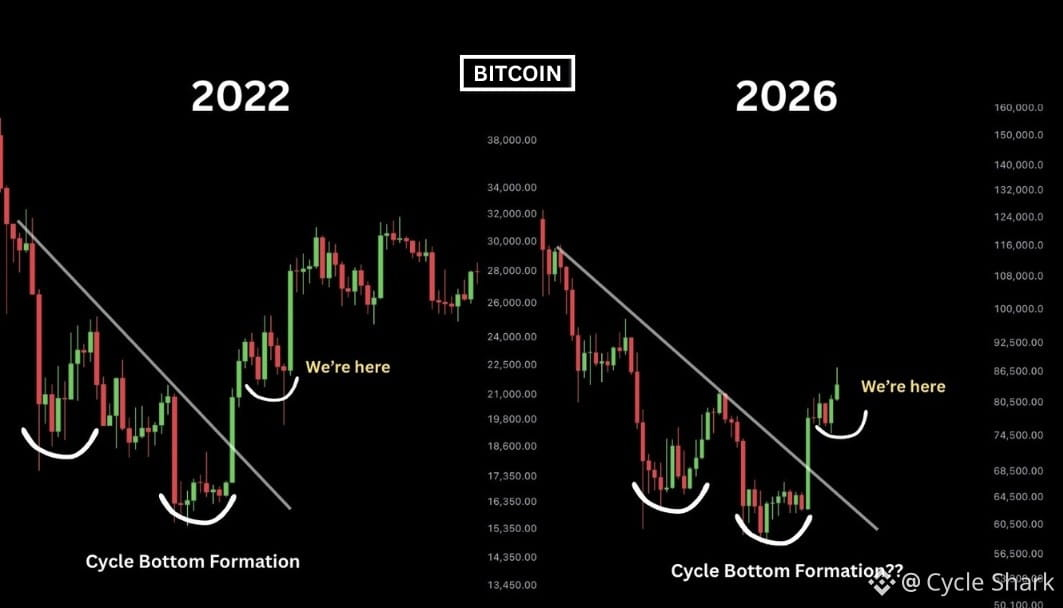
نحن نشهد الآن تكرار $BTC لسيناريو 2022 حرفيًا.
في ذلك الوقت: كسرنا خط الاتجاه الهبوطي → ثم تَراكُم جانبي → ثم تكوين نطاق → وبعدها اختراق إلى الموجة الصاعدة التالية.
واليوم: التسلسل نفسه يتكشف. لقد تجاوزنا خط الاتجاه، والآن نتكّون داخل نطاق من التماسك.
إذا كانت القصة التاريخية تتناغم، فإن مرحلة التَراكُم هذه تُمهّد للحركة الصاعدة التالية. إن التعرّف على الأنماط مهم عندما تتكرر البنية بهذا الشكل النظيف.
نحن نشهد الآن تكرار $BTC لسيناريو 2022 حرفيًا.
في ذلك الوقت: كسرنا خط الاتجاه الهبوطي → ثم تَراكُم جانبي → ثم تكوين نطاق → وبعدها اختراق إلى الموجة الصاعدة التالية.
واليوم: التسلسل نفسه يتكشف. لقد تجاوزنا خط الاتجاه، والآن نتكّون داخل نطاق من التماسك.
إذا كانت القصة التاريخية تتناغم، فإن مرحلة التَراكُم هذه تُمهّد للحركة الصاعدة التالية. إن التعرّف على الأنماط مهم عندما تتكرر البنية بهذا الشكل النظيف.
في ذلك الوقت: كسرنا خط الاتجاه الهبوطي → ثم تَراكُم جانبي → ثم تكوين نطاق → وبعدها اختراق إلى الموجة الصاعدة التالية.
واليوم: التسلسل نفسه يتكشف. لقد تجاوزنا خط الاتجاه، والآن نتكّون داخل نطاق من التماسك.
إذا كانت القصة التاريخية تتناغم، فإن مرحلة التَراكُم هذه تُمهّد للحركة الصاعدة التالية. إن التعرّف على الأنماط مهم عندما تتكرر البنية بهذا الشكل النظيف.
306
·
--
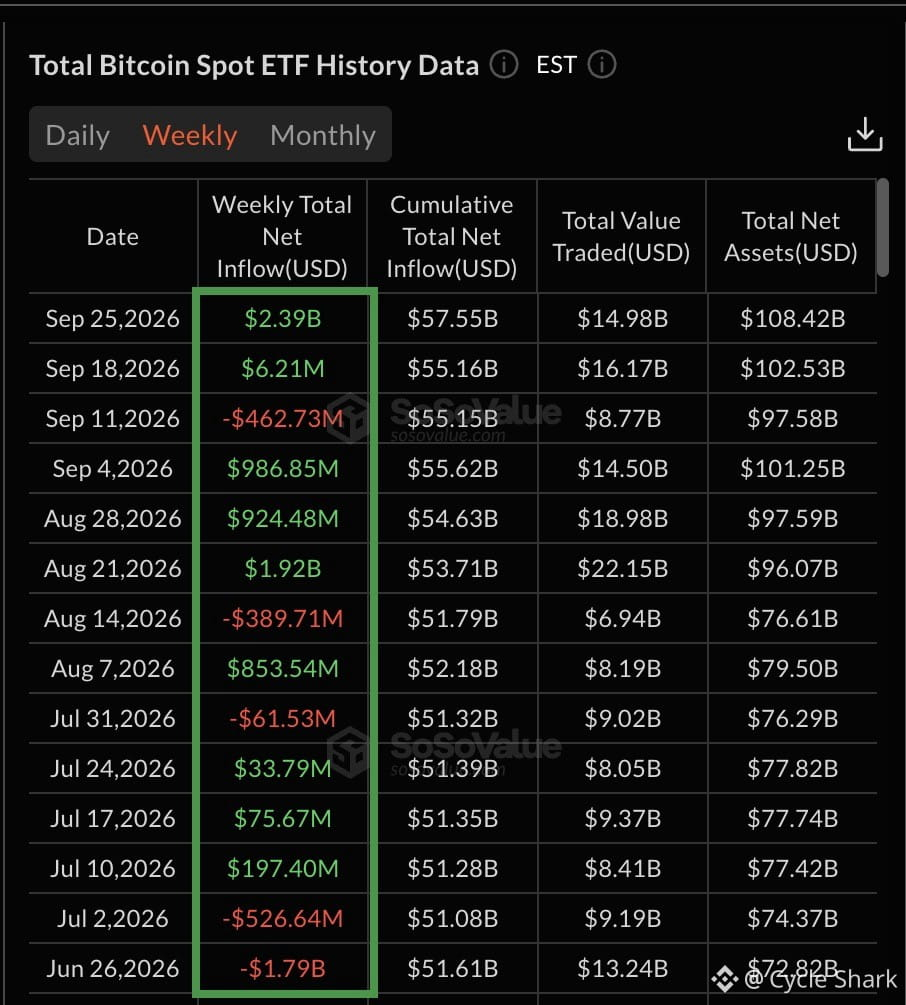
صناديق الاستثمار المتداولة (ETFs) الفورية لبيتكوين (US Bitcoin Spot) للتو جلبت 2.39 مليار دولار هذا الأسبوع — أكبر تدفق أسبوعي في 2026 حتى الآن، متجاوزةً الرقم القياسي السابق البالغ 1.92 مليار دولار في أغسطس.
تظهر بوضوح عودة الأموال المؤسسية إلى وضعية التراكم. عندما ترى تدفقات بهذا الحجم، فهذا ليس FOMO من صغار المستثمرين — بل هو تحرّك من المخصصين الكبار. نوع رأس المال الذي لا يلاحق العناوين، بل يتحرك عندما تتشكل القناعة.
هناك عدة نقاط تستحق الانتباه:
1. تشير هذه المستويات من التدفقات إلى أن شهية المؤسسات آخذة في التزايد وليست في التراجع. نحن لسنا في مرحلة اندفاع مضاربية — بل في شراء صبور ومنظّم.
2. كان رقم أغسطس مذهلًا، لكن كسره الآن في مطلع 2026 يعني زخمًا مستمرًا. لا تقوم المؤسسات بتحويل رأس المال بهذه الجرأة ما لم تكن ترى إعدادًا واضحًا لتوازن المخاطر والعوائد.
3. تدفقات صناديق الاستثمار المتداولة هي إشارة للسيولة. عندما تتدفق مليارات الدولارات إلى صناديق ETFs الخاصة بـ $BTC خلال أسبوع واحد، فهذا يقلل المعروض المتاح في البورصات ويشدك من بنية السوق. وعند الجمع بين ذلك وديناميكيات عملية النصف (halving) ودورات السيولة على مستوى الاقتصاد الكلي، تحصل على إعداد تاريخيًا يميل إلى الاتجاه الصاعد.
هذا ليس مجرد رقم بيانات — بل مؤشر توجيهي. ارتفاع الطلب المؤسسي بينما يبقى المعروض محدودًا هو بالضبط نوع الاختلال الذي يدفع الخطوة التالية للأعلى.
صناديق الاستثمار المتداولة (ETFs) الفورية لبيتكوين (US Bitcoin Spot) للتو جلبت 2.39 مليار دولار هذا الأسبوع — أكبر تدفق أسبوعي في 2026 حتى الآن، متجاوزةً الرقم القياسي السابق البالغ 1.92 مليار دولار في أغسطس.
تظهر بوضوح عودة الأموال المؤسسية إلى وضعية التراكم. عندما ترى تدفقات بهذا الحجم، فهذا ليس FOMO من صغار المستثمرين — بل هو تحرّك من المخصصين الكبار. نوع رأس المال الذي لا يلاحق العناوين، بل يتحرك عندما تتشكل القناعة.
هناك عدة نقاط تستحق الانتباه:
1. تشير هذه المستويات من التدفقات إلى أن شهية المؤسسات آخذة في التزايد وليست في التراجع. نحن لسنا في مرحلة اندفاع مضاربية — بل في شراء صبور ومنظّم.
2. كان رقم أغسطس مذهلًا، لكن كسره الآن في مطلع 2026 يعني زخمًا مستمرًا. لا تقوم المؤسسات بتحويل رأس المال بهذه الجرأة ما لم تكن ترى إعدادًا واضحًا لتوازن المخاطر والعوائد.
3. تدفقات صناديق الاستثمار المتداولة هي إشارة للسيولة. عندما تتدفق مليارات الدولارات إلى صناديق ETFs الخاصة بـ $BTC خلال أسبوع واحد، فهذا يقلل المعروض المتاح في البورصات ويشدك من بنية السوق. وعند الجمع بين ذلك وديناميكيات عملية النصف (halving) ودورات السيولة على مستوى الاقتصاد الكلي، تحصل على إعداد تاريخيًا يميل إلى الاتجاه الصاعد.
هذا ليس مجرد رقم بيانات — بل مؤشر توجيهي. ارتفاع الطلب المؤسسي بينما يبقى المعروض محدودًا هو بالضبط نوع الاختلال الذي يدفع الخطوة التالية للأعلى.
تظهر بوضوح عودة الأموال المؤسسية إلى وضعية التراكم. عندما ترى تدفقات بهذا الحجم، فهذا ليس FOMO من صغار المستثمرين — بل هو تحرّك من المخصصين الكبار. نوع رأس المال الذي لا يلاحق العناوين، بل يتحرك عندما تتشكل القناعة.
هناك عدة نقاط تستحق الانتباه:
1. تشير هذه المستويات من التدفقات إلى أن شهية المؤسسات آخذة في التزايد وليست في التراجع. نحن لسنا في مرحلة اندفاع مضاربية — بل في شراء صبور ومنظّم.
2. كان رقم أغسطس مذهلًا، لكن كسره الآن في مطلع 2026 يعني زخمًا مستمرًا. لا تقوم المؤسسات بتحويل رأس المال بهذه الجرأة ما لم تكن ترى إعدادًا واضحًا لتوازن المخاطر والعوائد.
3. تدفقات صناديق الاستثمار المتداولة هي إشارة للسيولة. عندما تتدفق مليارات الدولارات إلى صناديق ETFs الخاصة بـ $BTC خلال أسبوع واحد، فهذا يقلل المعروض المتاح في البورصات ويشدك من بنية السوق. وعند الجمع بين ذلك وديناميكيات عملية النصف (halving) ودورات السيولة على مستوى الاقتصاد الكلي، تحصل على إعداد تاريخيًا يميل إلى الاتجاه الصاعد.
هذا ليس مجرد رقم بيانات — بل مؤشر توجيهي. ارتفاع الطلب المؤسسي بينما يبقى المعروض محدودًا هو بالضبط نوع الاختلال الذي يدفع الخطوة التالية للأعلى.
82
سجّل الدخول لاستكشاف المزيد من المُحتوى
انضم إلى مُستخدمي العملات الرقمية حول العالم على Binance Square
⚡️ احصل على أحدث المعلومات المفيدة عن العملات الرقمية.
💬 موثوقة من قبل أكبر منصّة لتداول العملات الرقمية في العالم.
👍 اكتشف الرؤى الحقيقية من صنّاع المُحتوى الموثوقين.
البريد الإلكتروني / رقم الهاتف
المواضيع الرائجة
UKFCAWinsCourtOrderToRecover851400Pounds
4,932 مشاهدات
353 يقومون بالنقاش
#UKFCAWinsCourtOrderToRecover851400Pounds
#UKFCAWinsCourtOrderToRecover851400Pounds
هيئة الرقابة المالية البريطانية FCA تفوز بأمر قضائي لاسترداد 851400 باوند
في انتصار كبير للعدالة المالية في بريطانيا
التفاصيل الكاملة
المحتال جون بيرفورد 86 سنة عالم سابق في ناسا
نصب على اكثر من 100 مستثمر بمبلغ مليون باوند
عرض صناديق استثمار وهمية بدون ترخيص من FCA
اخفى الخسائر واستخدم اموال الناس لشراء منزل لنفسه
حكم عليه بالسجن سنتين في سبتمبر 2025
قرار المحكمة الجديد
محكمة Southwark في لندن امرت بدفع 655951.40 باوند
هذا المبلغ هو كل الاصول القابلة للاسترداد
الاموال ستعود مباشرة للضحايا
مع المدفوعات السابقة سيسترد الضحايا 99% من اموالهم
اذا لم يدفع خلال 3 اشهر سيضاف 5 سنوات سجن اضافية
رسالة FCA
قال ستيف سمارت مدير التنفيذ في FCA
السيد بيرفورد احتال على المستثمرين لتمويل اسلوب حياته الفاخر
استرداد الاموال المسروقة واعادتها للضحايا يرسل رسالة واضحة ان الجريمة لا تفيد
هذا يثبت قوة القانون البريطاني في حماية المستثمرين
#UKFCAWinsCourtOrderToRecover851400Pounds #UKFCA #بريطانيا #FCA #BinanceSquare
Mohammed _crypto sniper
·1 إعجاب
·43 مشاهدات
ChainlinkLaunchesCCIP2WithEnterpriseVerification
17,132 مشاهدات
623 يقومون بالنقاش
GoldFallsTo$4144
7,385 مشاهدات
112 يقومون بالنقاش