📰 BlockBeats أحدث موجز الأخبار
1. نظرة أسبوعية على الاقتصاد الكلي: قرار بنك الاحتياطي الفيدرالي بشأن الفائدة يلوح في الأفق، وتأتي <CLARITY> لتشهد تصويتًا حاسمًا، ثم يحل بنكَا اليابان والمملكة المتحدة محلهما
2. هاسيت: يعتقد ترامب أنه لا يوجد سبب لرفع الفائدة، والحفاظ على الوضع الحالي قبل الانتخابات النصفية أمر مهم
3. ترامب: من المفترض أن تنتهي الحرب في إيران، أو أن يحدث ذلك قبل الانتخابات النصفية
4. بنك جيه بي مورغان قطع التمويل عن صندوق تابعًا لـ «AI Bill Gates» ليوبولد
5. ترامب: يجب أن نمتلك أدنى فائدة عالميًا، وسنلتزم بوعد الدعم الانتخابي البالغ 5000 دولار
6. تعرض بروتوكول الربط عبر السلاسل Chainflip لهجوم، بإجمالي خسائر بلغ 736,442 من عملة USDT
7. شهدت أسهم العملات المرتبطة بالذكاء الاصطناعي Meme تراجعًا كبيرًا، حيث تعرضت ANTHROPIG وArtificial Inu وMOO وFLYBRAIN وغيرها لضربات شديدة
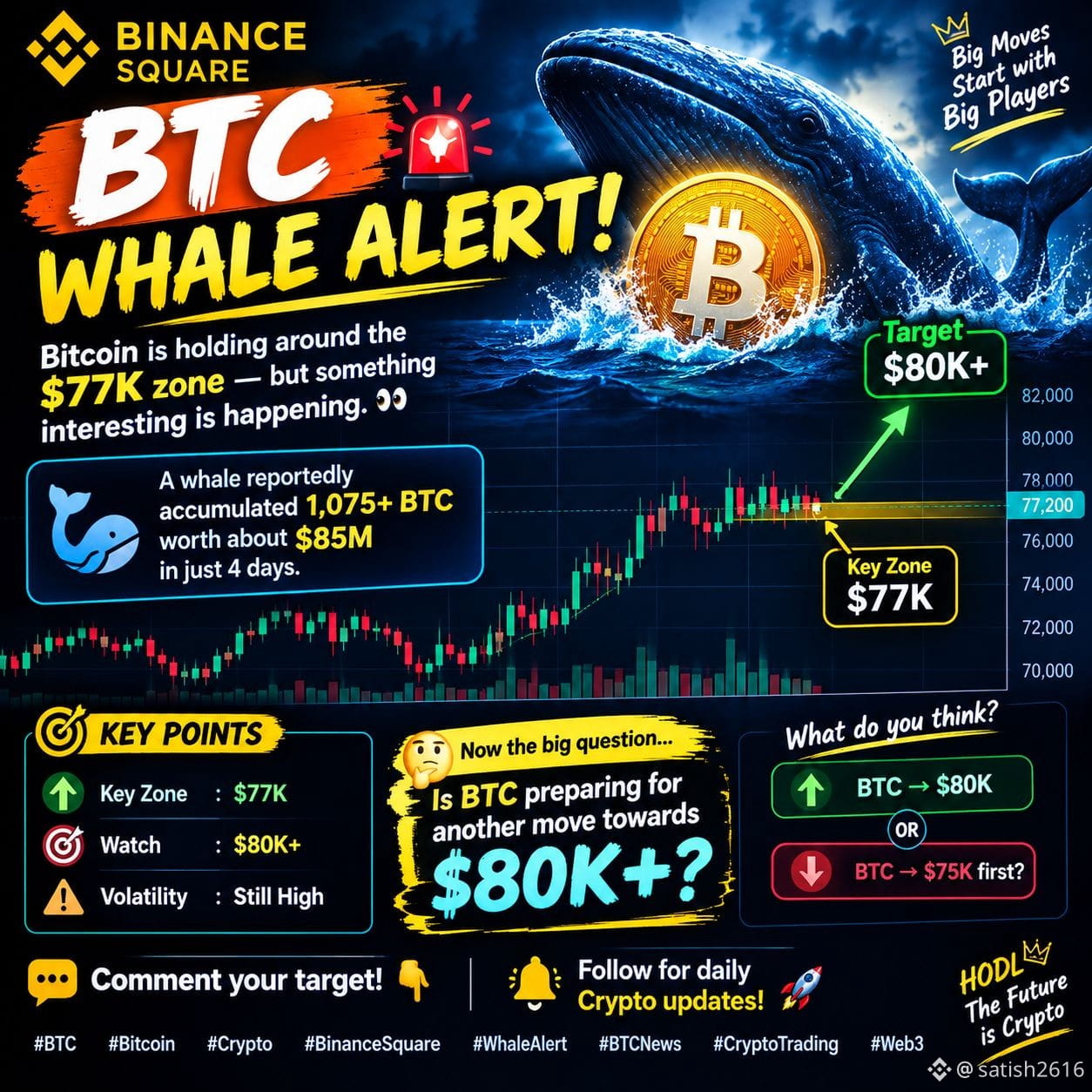
8. جيانغ تشو إير: إذا هبطت BTC دون دعمها الرئيسي عند 76,5000 دولار، فقد يتسارع الانخفاض
9. جاريت جين: موقف صعوديين البيتكوين ليس مُطمئنًا، وكلما طال سيناريو «التمرين على القاع»، زادت احتمالية كسر الدعم
10. أعلنت Anthropic أنها ستبطئ وتضغط على معنويات قطاع الذكاء الاصطناعي، مع تسعير مسبق لانخفاض غدٍ في أسهم التكنولوجيا الأمريكية المتصلة بالذكاء الاصطناعي، وتعرضت أسعار التداول خارج البورصة لدى OpenAI وAnthropic لضربة قوية
#BlockBeats #加密货币 #快讯 #Web3