


Wendy 🇻🇳
 تحقُّق Binance Square الإضافي
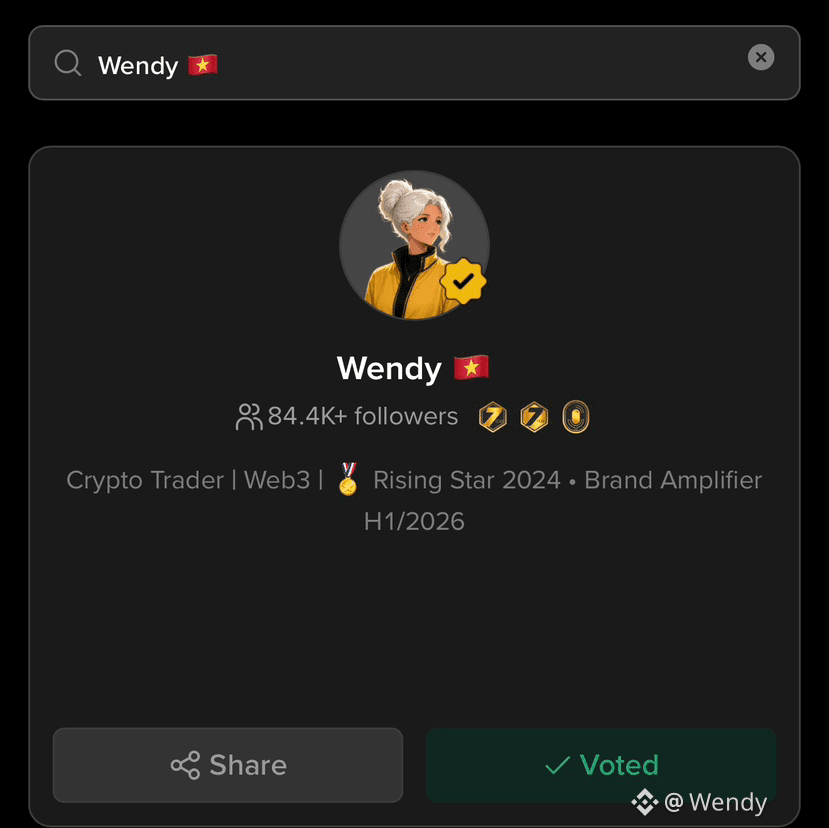
Crypto Trader | Web3 | 🏅 Rising Star 2024 • Brand Amplifier H1/2026

#BinanceTurns7

#BinanceTurns7 task 2

Top Voices
142 تتابع
85.2K+ المتابعون
241.8K+ إعجاب
3 الشارات
منشورات
الكل
اقتباسات
مقاطع فيديو
Live
PINNED

Trading Insight_DN
·
--
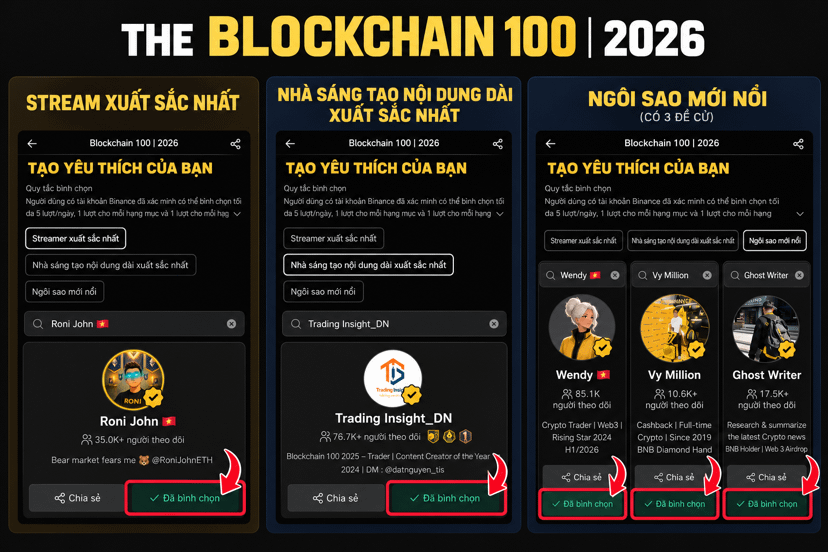
🔥 لم يتبقَّ سوى اليوم ويومين آخرين على انتهاء الفعالية. نرجو منكم دعم الشباب خلال الأيام الثلاثة الأخيرة.
- يُجدَّد التصويت يوميًا، وتختلف الفئات كل يوم.
قائمة الفئات والمرشحين المقترحين:
1. فئة أفضل بث مباشر
@Roni John 🇻🇳 - اضغط مباشرةً على الصفحة الشخصية
2. فئة صانع محتوى طويل
@Trading Insight_DN - اضغط على الصفحة الشخصية
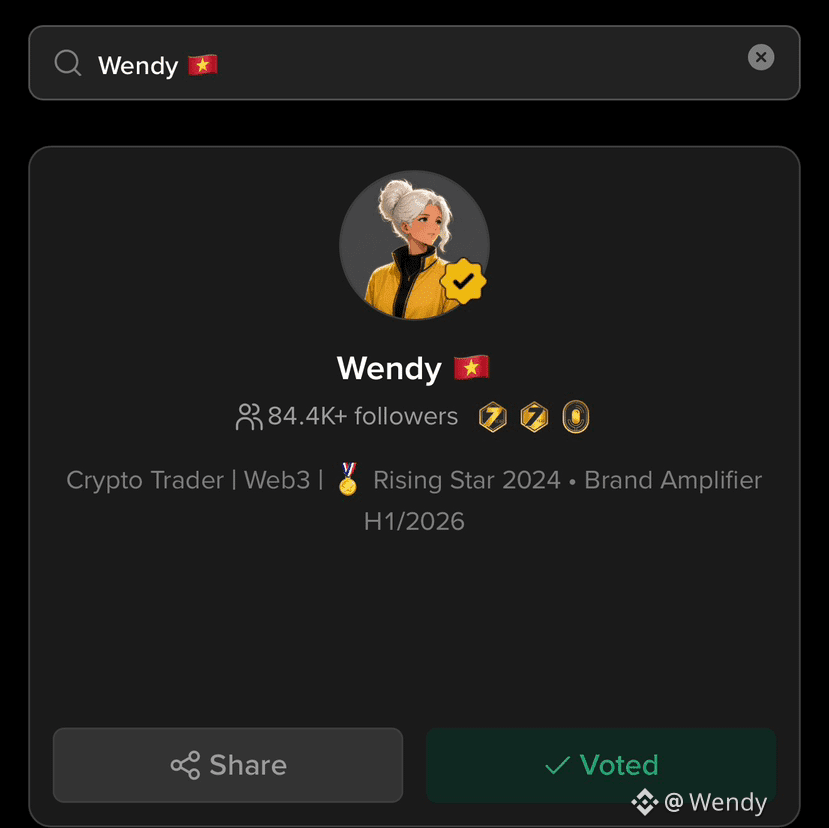
3. فئة النجم الصاعد - يوجد 3 مرشحين، مرتبين حسب التصنيف:
- @Wendy 🇻🇳
- @Vy Million
- @Ghost Writer
اضغط مباشرةً على الصفحة الشخصية… عدد فريق فيتنام كبير قليلًا في هذه الفئة، لذا إذا كان لديكم أصوات، يمكنكم دعم من تفضلونه.
لن يستغرق التصويت سوى نحو 5 ثوانٍ، فلا تترددوا في منح كل واحد من الشباب صوتًا.
- يُجدَّد التصويت يوميًا، وتختلف الفئات كل يوم.
قائمة الفئات والمرشحين المقترحين:
1. فئة أفضل بث مباشر
@Roni John 🇻🇳 - اضغط مباشرةً على الصفحة الشخصية
2. فئة صانع محتوى طويل
@Trading Insight_DN - اضغط على الصفحة الشخصية
3. فئة النجم الصاعد - يوجد 3 مرشحين، مرتبين حسب التصنيف:
- @Wendy 🇻🇳
- @Vy Million
- @Ghost Writer
اضغط مباشرةً على الصفحة الشخصية… عدد فريق فيتنام كبير قليلًا في هذه الفئة، لذا إذا كان لديكم أصوات، يمكنكم دعم من تفضلونه.
لن يستغرق التصويت سوى نحو 5 ثوانٍ، فلا تترددوا في منح كل واحد من الشباب صوتًا.
Wendy 🇻🇳
·
--
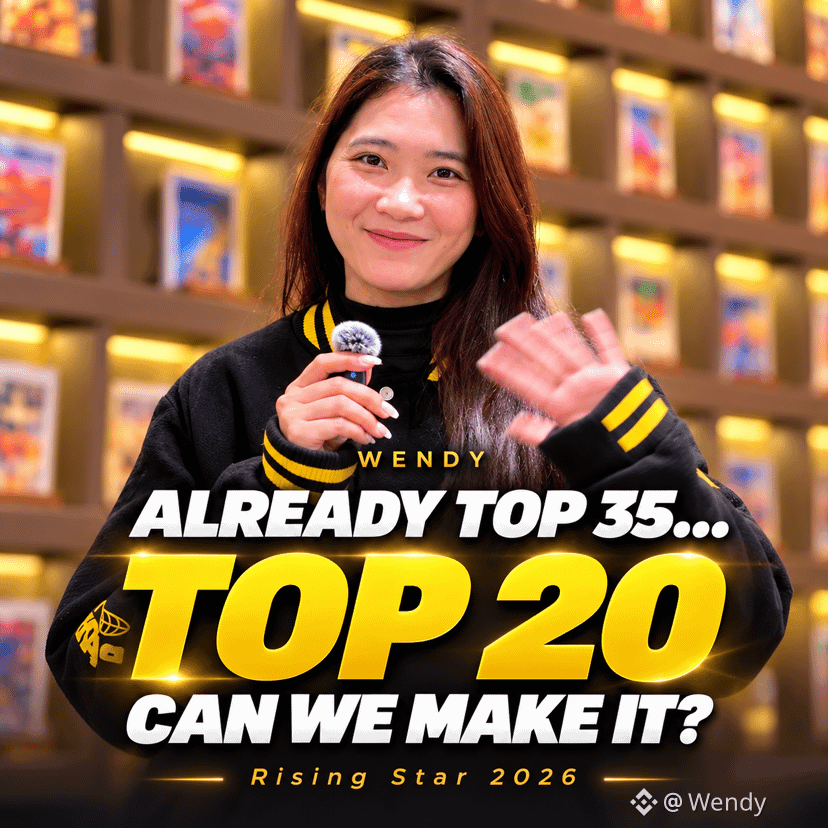
اليوم 7: أحتاج إلى دعمكم 💛
خط النهاية يقترب!
أحتل حاليًا المرتبة #39 في فئة النجم الصاعد، وكل صوت أصبح أهم من أي وقت مضى. ❤️
هل يمكننا الوصول معًا إلى قائمة أفضل 30؟
🌟 صوّتوا لي:
https://app.binance.com/uni-qr/cact26user/681
#TheBlockchain100 #BinanceSquare $BTC
خط النهاية يقترب!
أحتل حاليًا المرتبة #39 في فئة النجم الصاعد، وكل صوت أصبح أهم من أي وقت مضى. ❤️
هل يمكننا الوصول معًا إلى قائمة أفضل 30؟
🌟 صوّتوا لي:
https://app.binance.com/uni-qr/cact26user/681
#TheBlockchain100 #BinanceSquare $BTC
Wendy 🇻🇳
·
--
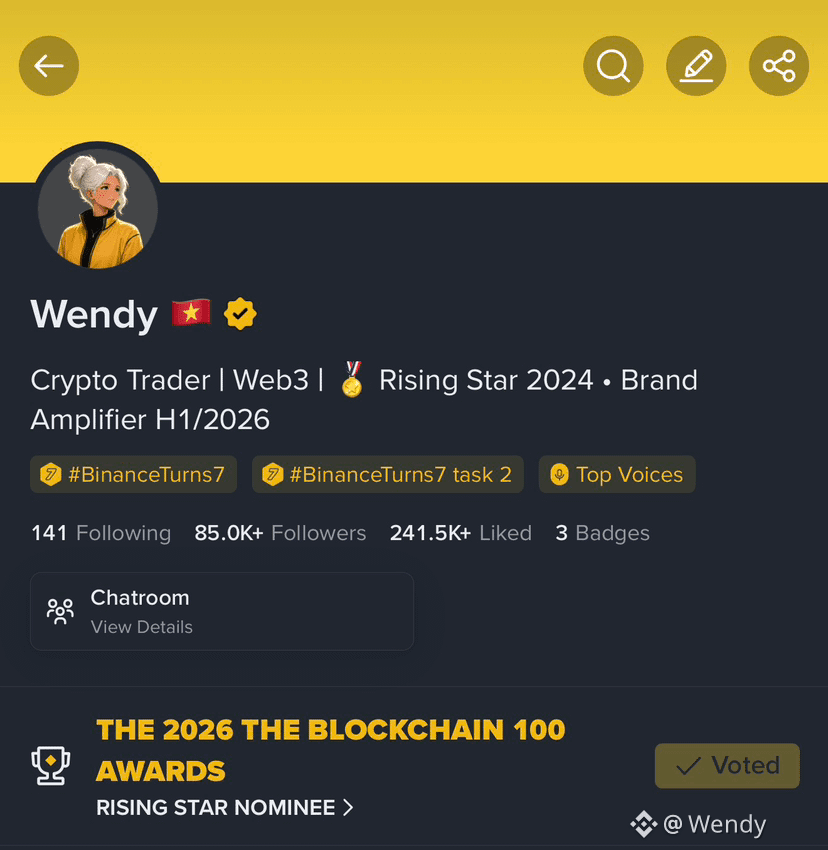
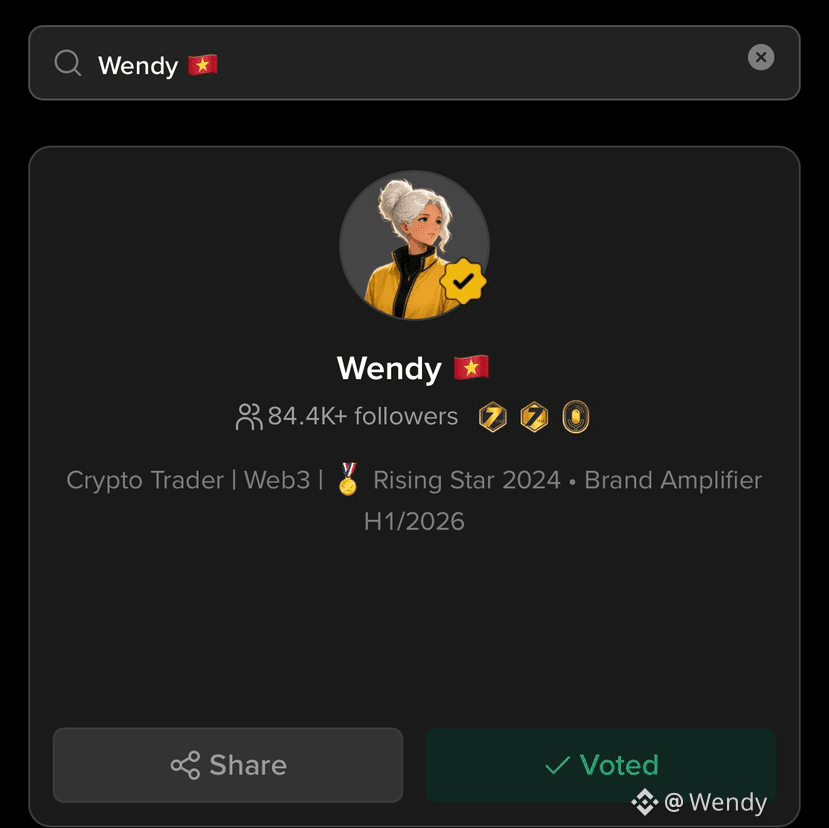
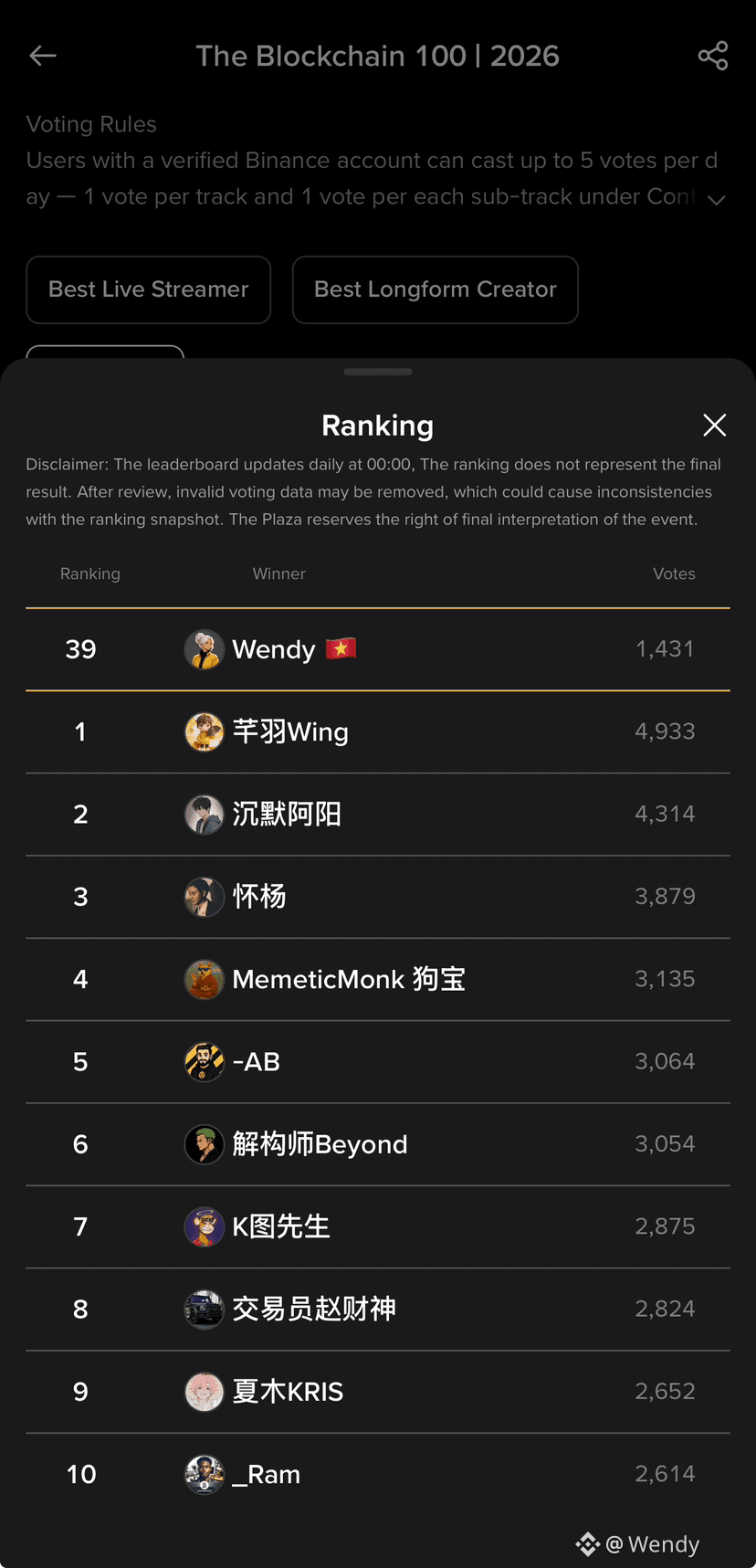
اليوم 6: نحن ضمن أفضل 40!
#41 → #39 🏆
1,431 صوتًا وما زلنا نتقدم!
شكرًا لكم يا جماعة! ❤️ كل صوت يقرّبني أكثر من هدفي.
هيا نسعَ معًا للوصول إلى أفضل 30!
🌟 صوّتوا لي: https://app.binance.com/uni-qr/cact26user/681
#TheBlockchain100 #BinanceSquare $BNB
#41 → #39 🏆
1,431 صوتًا وما زلنا نتقدم!
شكرًا لكم يا جماعة! ❤️ كل صوت يقرّبني أكثر من هدفي.
هيا نسعَ معًا للوصول إلى أفضل 30!
🌟 صوّتوا لي: https://app.binance.com/uni-qr/cact26user/681
#TheBlockchain100 #BinanceSquare $BNB
Wendy 🇻🇳
·
--
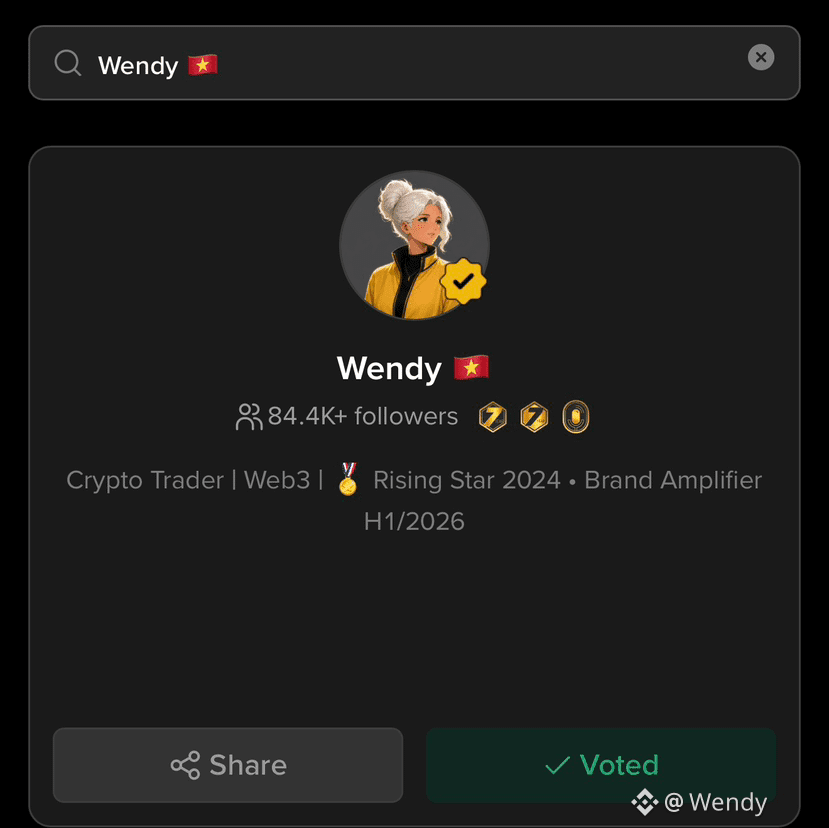
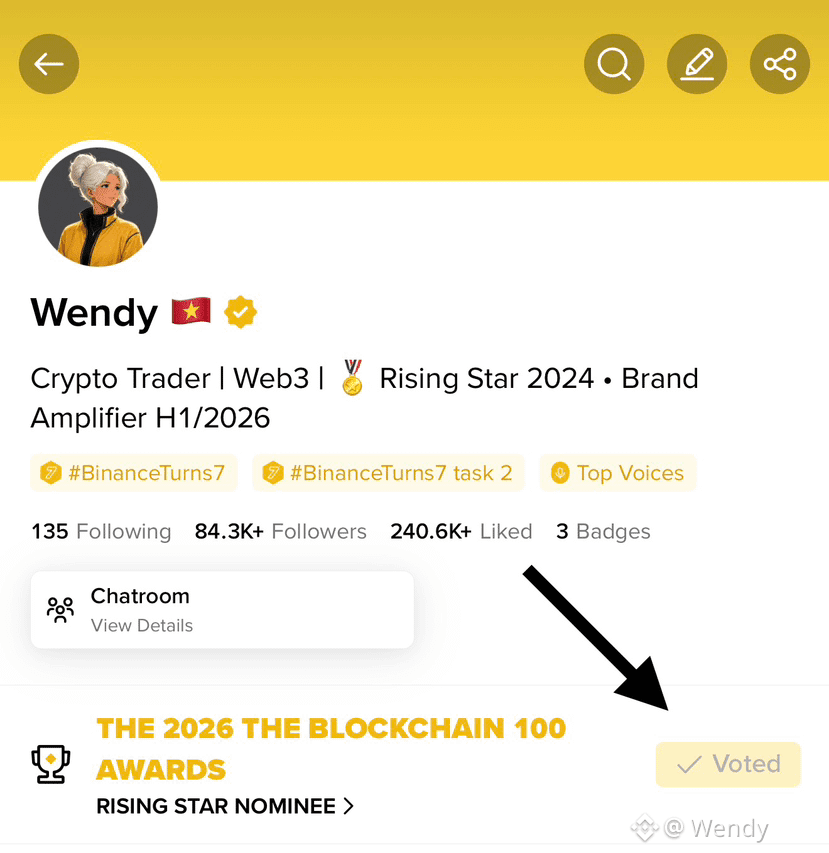
صاعداليوم السادس: بدأت الدفعة الأخيرة!
أنا الآن في المركز #41 في Rising Star، وخط النهاية يقترب!
دعمكم يعني لي كل شيء. لنتقدم معًا! ❤️
🌟 صوّتوا لي:
https://app.binance.com/uni-qr/cact26user/681
#TheBlockchain100 #BinanceSquare $BTC $BNB
أنا الآن في المركز #41 في Rising Star، وخط النهاية يقترب!
دعمكم يعني لي كل شيء. لنتقدم معًا! ❤️
🌟 صوّتوا لي:
https://app.binance.com/uni-qr/cact26user/681
#TheBlockchain100 #BinanceSquare $BTC $BNB
Wendy 🇻🇳
·
--
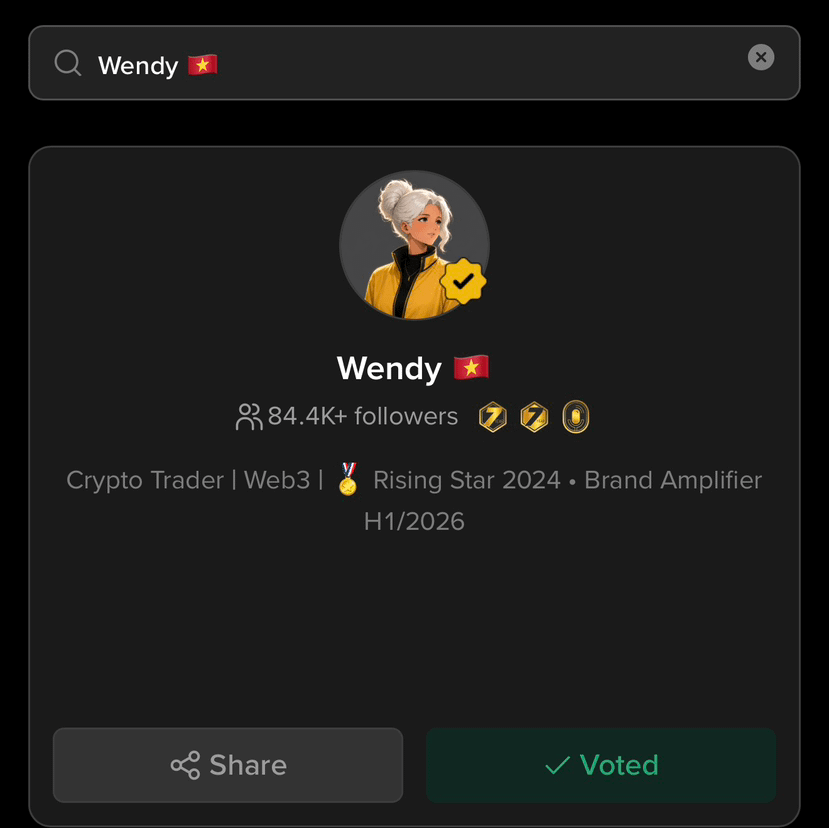
🏆 اليوم الخامس: لنواصل التقدم!
ها هو يوم جديد من فعالية The Blockchain 100!
نشارك في فئتين مختلفتين، وسنسعد بدعمكم مجددًا اليوم. ❤️
🌟 النجم الصاعد | Wendy
https://app.binance.com/uni-qr/cact26user/681
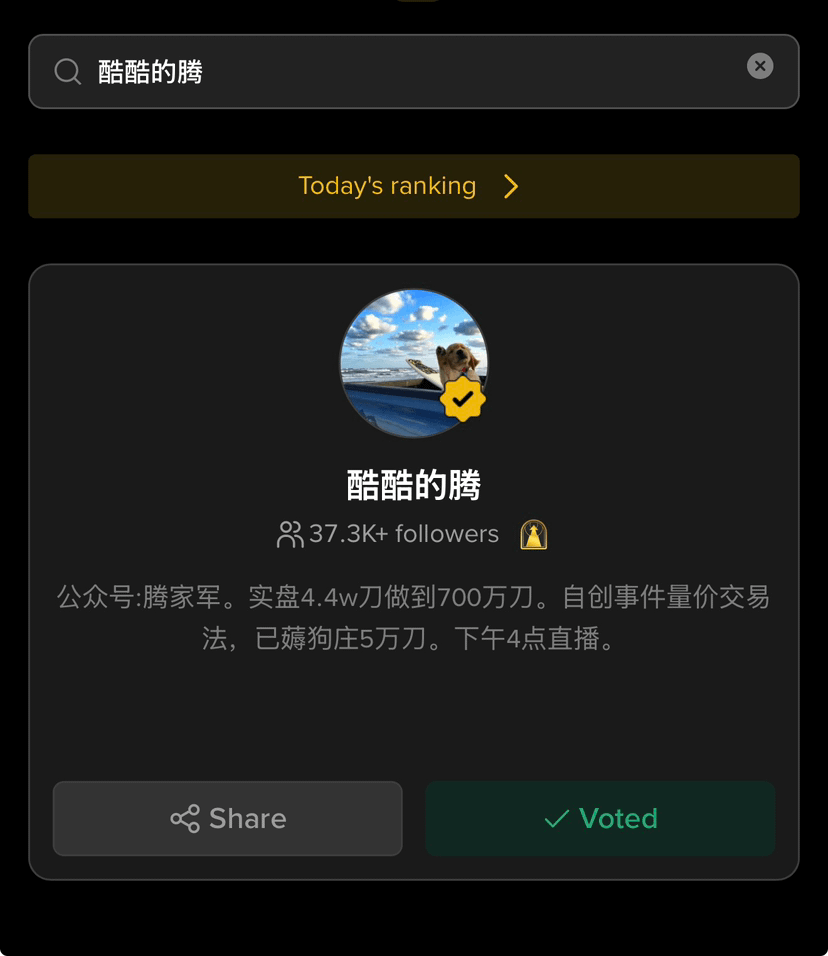
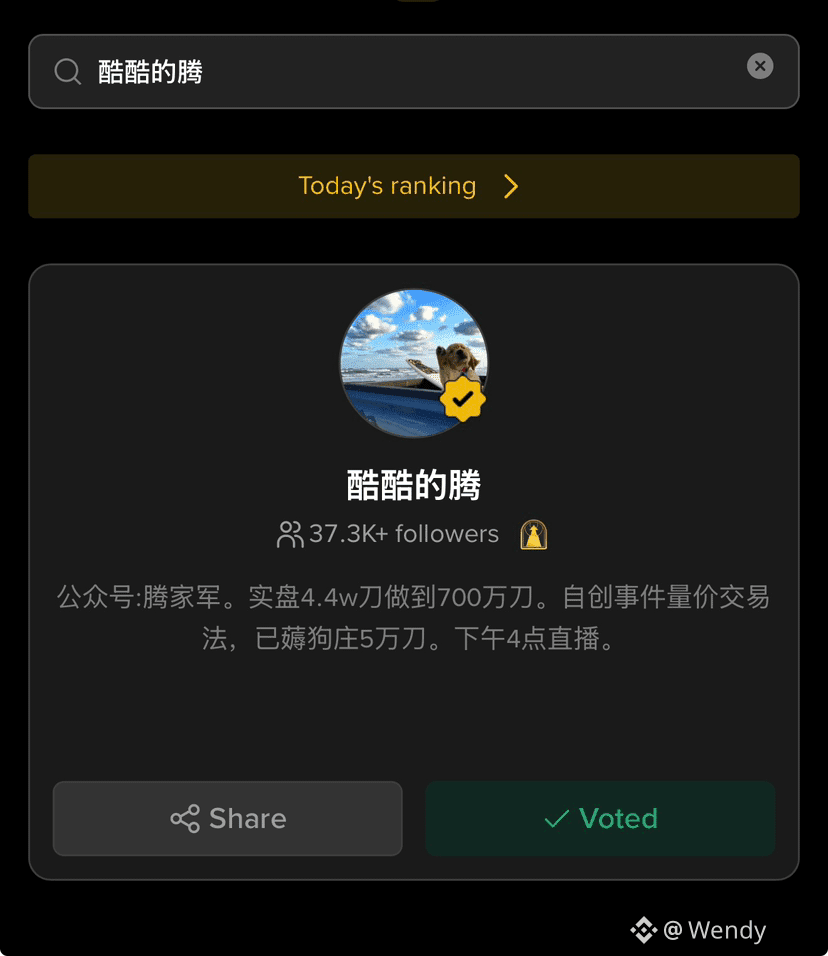
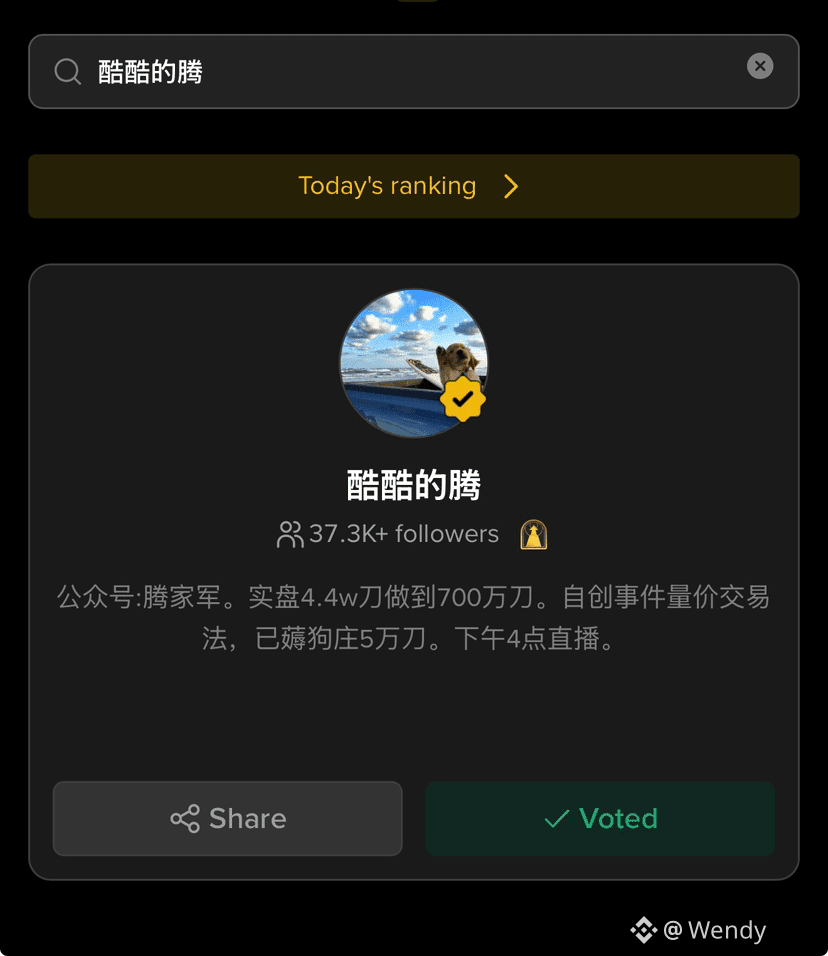
🎙 أفضل مقدّم بث مباشر | 酷酷的腾
https://app.binance.com/uni-qr/cact26user/358
كل تصويت يعني لنا الكثير. شكرًا لكونكم جزءًا من هذه الرحلة!
#TheBlockchain100 #BinanceSquare #BinanceBlockchainweek $BTC $ETH $BNB
ها هو يوم جديد من فعالية The Blockchain 100!
نشارك في فئتين مختلفتين، وسنسعد بدعمكم مجددًا اليوم. ❤️
🌟 النجم الصاعد | Wendy
https://app.binance.com/uni-qr/cact26user/681
🎙 أفضل مقدّم بث مباشر | 酷酷的腾
https://app.binance.com/uni-qr/cact26user/358
كل تصويت يعني لنا الكثير. شكرًا لكونكم جزءًا من هذه الرحلة!
#TheBlockchain100 #BinanceSquare #BinanceBlockchainweek $BTC $ETH $BNB
Wendy 🇻🇳
·
--
🏆 اليوم 4: دعمكم يعني لنا الكثير!
التصويت لليوم الرابع مفتوح! نأمل أن تدعمونا اليوم في الفئتين.
🌟 النجم الصاعد | Wendy
https://app.binance.com/uni-qr/cact26user/681
🎙️ أفضل مقدّم بث مباشر | 酷酷的腾
https://app.binance.com/uni-qr/cact26user/358
إذا كنتم تستمتعون بمحتوانا، فسنقدّر كثيرًا تصويتكم!
شكرًا لكونكم جزءًا من هذه الرحلة! ❤️
#TheBlockchain100 #BinanceSquare
التصويت لليوم الرابع مفتوح! نأمل أن تدعمونا اليوم في الفئتين.
🌟 النجم الصاعد | Wendy
https://app.binance.com/uni-qr/cact26user/681
🎙️ أفضل مقدّم بث مباشر | 酷酷的腾
https://app.binance.com/uni-qr/cact26user/358
إذا كنتم تستمتعون بمحتوانا، فسنقدّر كثيرًا تصويتكم!
شكرًا لكونكم جزءًا من هذه الرحلة! ❤️
#TheBlockchain100 #BinanceSquare
Wendy 🇻🇳
·
--
ملخص اليوم 3: تحديث لوحة المتصدرين! 🚨
📊 الترتيب الحالي: #53 و648 صوتًا
إذا لم تصوّت اليوم بعد، يُرجى تخصيص ثانيتين لدعمنا قبل نهاية اليوم:
👉 رابط التصويت المباشر: TheBlockchain100
أو زُر ملفي الشخصي على Binance Square واضغط على زر "تصويت"
🎁 أرسل لقطة شاشة كدليل هنا في الدردشة لتحصل على مكافأتك الرمزية العشوائية!
شكرًا جزيلًا لكم جميعًا على دعمكم ❤️
#BinanceBlockChainWeek $BTC $ETH $BNB
📊 الترتيب الحالي: #53 و648 صوتًا
إذا لم تصوّت اليوم بعد، يُرجى تخصيص ثانيتين لدعمنا قبل نهاية اليوم:
👉 رابط التصويت المباشر: TheBlockchain100
أو زُر ملفي الشخصي على Binance Square واضغط على زر "تصويت"
🎁 أرسل لقطة شاشة كدليل هنا في الدردشة لتحصل على مكافأتك الرمزية العشوائية!
شكرًا جزيلًا لكم جميعًا على دعمكم ❤️
#BinanceBlockChainWeek $BTC $ETH $BNB
·
--
🎙️ أركّز على خوض الفعالية، وقد ظلّ الوضع مزريًا منذ عدة أيام.
إنهاء
03 ساعة 24 دقيقة 10 ثانية
2.8k
2
سجّل الدخول لاستكشاف المزيد من المُحتوى