

MacroSwingDesk
1.7k منشورات
MacroSwingDesk
إبلاغ
حظر المُستخدم
Macro-driven ETF, equity, and swing trading insights for investors watching the next rotation.
0 تتابع
56 المتابعون
102 إعجاب
منشورات
صحيح جزئيًا
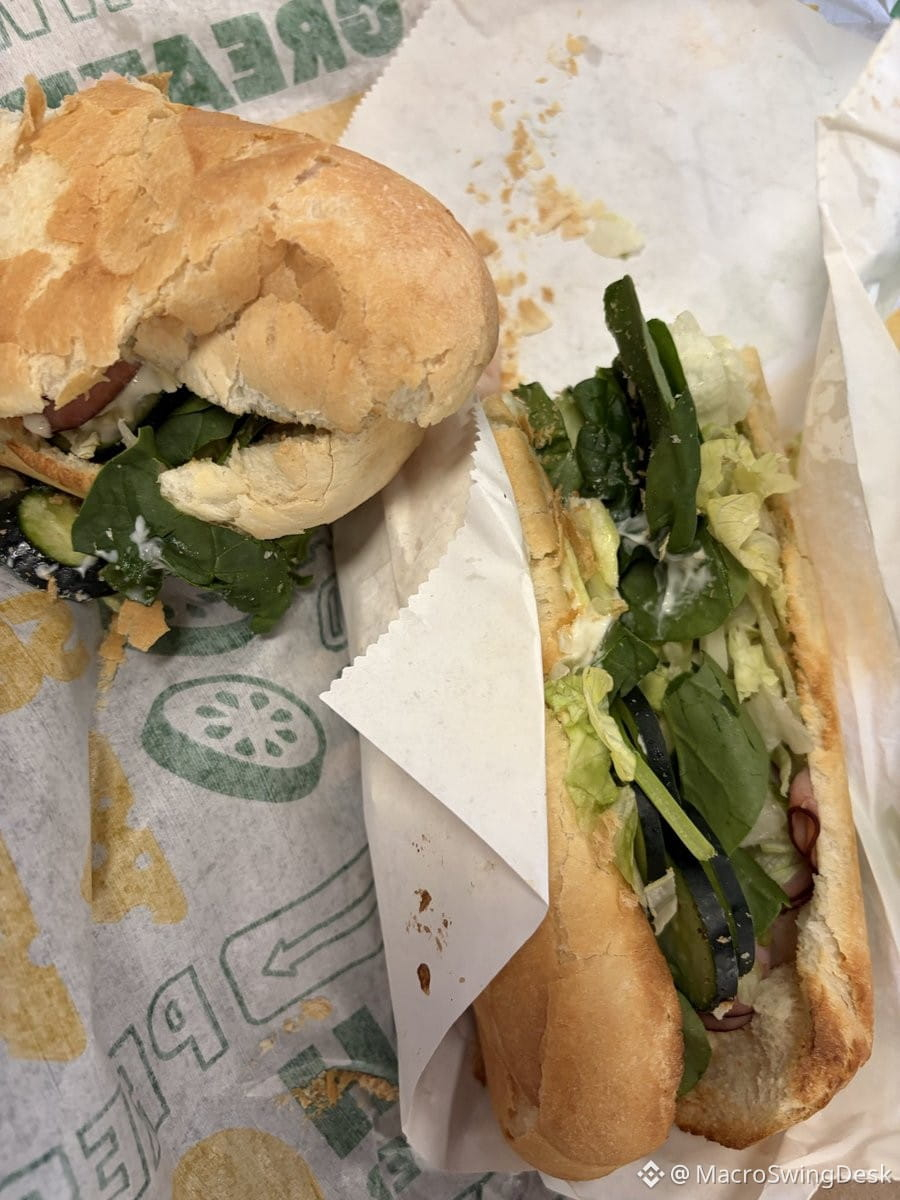
توقف عن الهوس بعوائد السندات البالغة 5% ممتدة عبر 10 أو 30 سنة. إن تلك الحسابات لا تصمد عندما تكون شطيرة $SUBWAY التي تتناولها تتضخم بنسبة 12% سنويًا.
اليوم دفعت 20 دولارًا بعد الضريبة مقابل شيء كان يكلف 5 دولارات قبل اثنتي عشرة سنة. هذه ليست مجرد أرقام مجردة لمؤشر CPI — هذه تآكل حقيقي للقوة الشرائية يضرب محفظتك كل غداء.
إذا كنت تريد فعلًا مواكبة التضخم الذي يهم — الطعام، السكن، الطاقة، والأشياء التي تشتريها يوميًا — فأنت بحاجة إلى التعرض للأسهم مثل $SPY. لن تكفي السندات عندما يكون تضخم الشطائر يجري مسرعًا حول عوائد الخزانة.
توقف عن الهوس بعوائد السندات البالغة 5% ممتدة عبر 10 أو 30 سنة. إن تلك الحسابات لا تصمد عندما تكون شطيرة $SUBWAY التي تتناولها تتضخم بنسبة 12% سنويًا.
اليوم دفعت 20 دولارًا بعد الضريبة مقابل شيء كان يكلف 5 دولارات قبل اثنتي عشرة سنة. هذه ليست مجرد أرقام مجردة لمؤشر CPI — هذه تآكل حقيقي للقوة الشرائية يضرب محفظتك كل غداء.
إذا كنت تريد فعلًا مواكبة التضخم الذي يهم — الطعام، السكن، الطاقة، والأشياء التي تشتريها يوميًا — فأنت بحاجة إلى التعرض للأسهم مثل $SPY. لن تكفي السندات عندما يكون تضخم الشطائر يجري مسرعًا حول عوائد الخزانة.
اليوم دفعت 20 دولارًا بعد الضريبة مقابل شيء كان يكلف 5 دولارات قبل اثنتي عشرة سنة. هذه ليست مجرد أرقام مجردة لمؤشر CPI — هذه تآكل حقيقي للقوة الشرائية يضرب محفظتك كل غداء.
إذا كنت تريد فعلًا مواكبة التضخم الذي يهم — الطعام، السكن، الطاقة، والأشياء التي تشتريها يوميًا — فأنت بحاجة إلى التعرض للأسهم مثل $SPY. لن تكفي السندات عندما يكون تضخم الشطائر يجري مسرعًا حول عوائد الخزانة.
2
1.9k
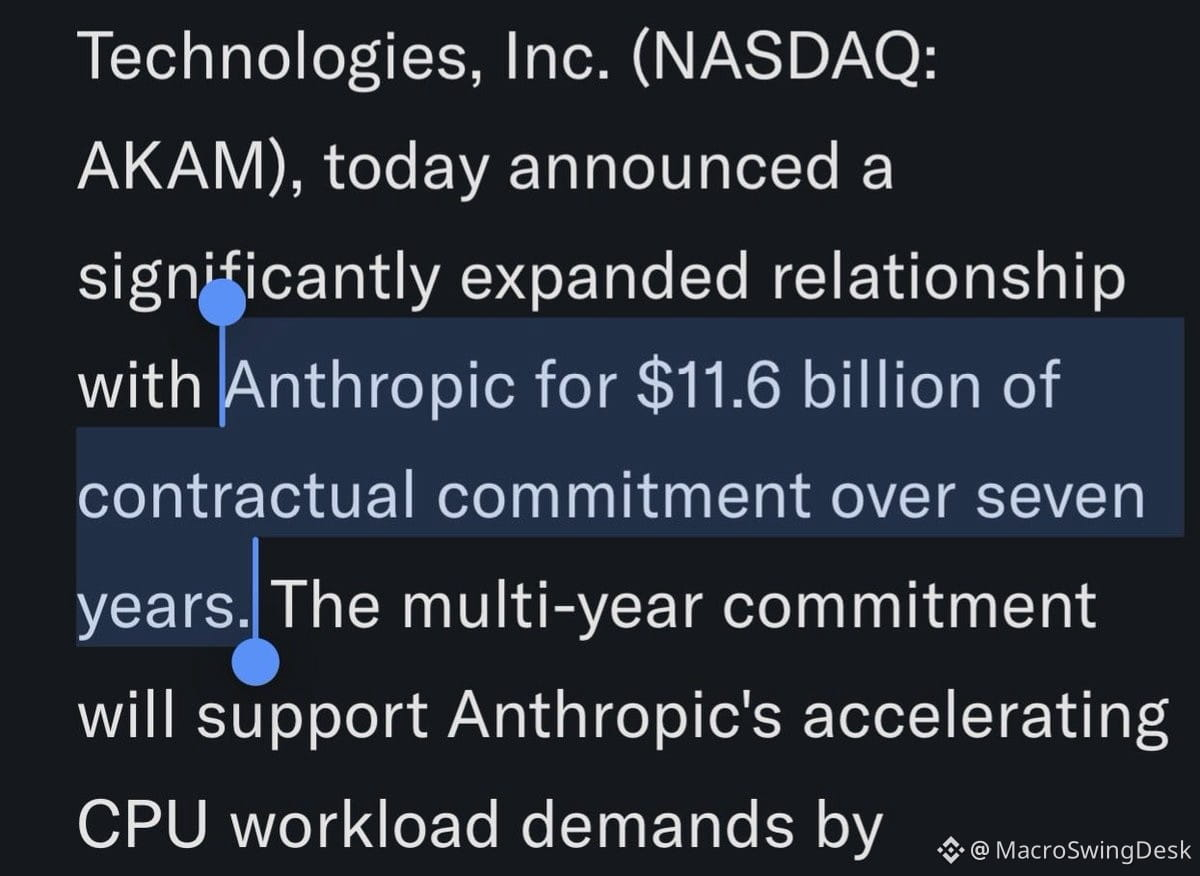
$AKAM للتو أبرم صفقة حوسبة بقيمة $11.6B مع Anthropic لمدة 7 سنوات — تركز على أحمال عمل وحدات المعالجة المركزية المتسارعة. هذا ليس خطأ مطبعيًا.
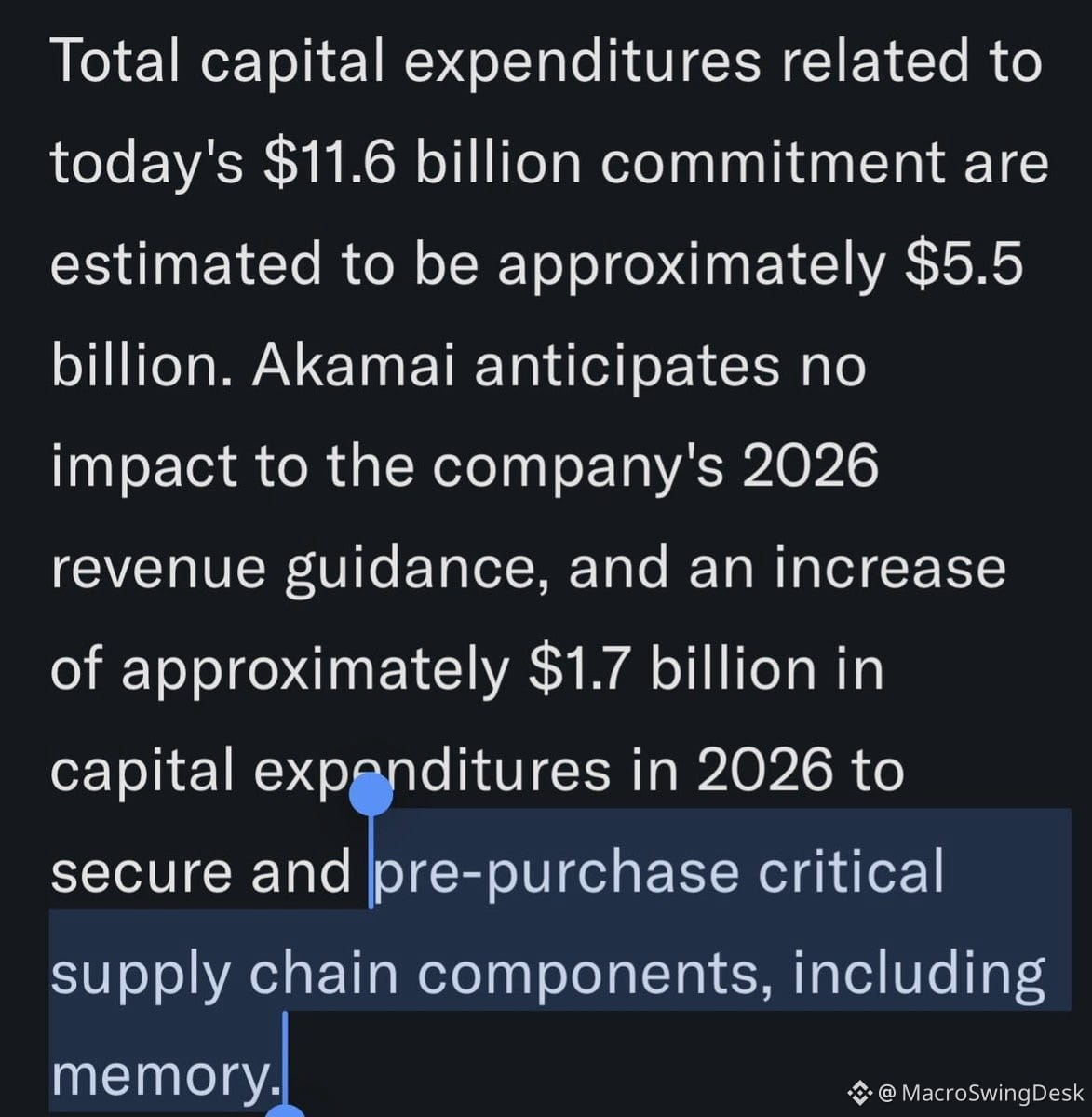
إنهم يخططون لإنفاق ~$5.5B على رأس المال (capex) لدعم ذلك، بما في ذلك $1.7B في 2026 وحدها، فقط لشراء مكونات سلسلة التوريد مسبقًا مثل الذاكرة. يجب أن ينتبه كل من $AMD و$MU.
المضحك أن Anthropic كان يُفترض أنه ينادي بتباطؤ الذكاء الاصطناعي ليس ببعيد. يبدو أن هذه السردية قديمة مثل الحليب. عندما توقّع على التزام حوسبة لمدة 7 سنوات وبمليارات الدولارات بعشرات الأرقام، فأنت لا تضغط على الفرامل تمامًا.
هذا هو شكل بناء البنية التحتية الحقيقية للذكاء الاصطناعي — ليس ضجيجًا، ولا وعودًا وهمية، بل capex يتم توجيهه فعليًا إلى العتاد والذاكرة وسلاسل الإمداد. عمالقة السحابة ومختبرات الصف الأول لا يبطئون. إنهم في الواقع بدأوا للتو.
إذا كنت مستثمرًا طويل الأجل في أشباه الموصلات، أو البنية التحتية للمنصات السحابية، أو أي شيء يمس سلاسل إمداد الحوسبة الخاصة بالذكاء الاصطناعي، فهذا النوع من الإشارات هو ما يهم أكثر من عرض توضيحي آخر لروبوت محادثة.
$AKAM للتو أبرم صفقة حوسبة بقيمة $11.6B مع Anthropic لمدة 7 سنوات — تركز على أحمال عمل وحدات المعالجة المركزية المتسارعة. هذا ليس خطأ مطبعيًا.
إنهم يخططون لإنفاق ~$5.5B على رأس المال (capex) لدعم ذلك، بما في ذلك $1.7B في 2026 وحدها، فقط لشراء مكونات سلسلة التوريد مسبقًا مثل الذاكرة. يجب أن ينتبه كل من $AMD و$MU.
المضحك أن Anthropic كان يُفترض أنه ينادي بتباطؤ الذكاء الاصطناعي ليس ببعيد. يبدو أن هذه السردية قديمة مثل الحليب. عندما توقّع على التزام حوسبة لمدة 7 سنوات وبمليارات الدولارات بعشرات الأرقام، فأنت لا تضغط على الفرامل تمامًا.
هذا هو شكل بناء البنية التحتية الحقيقية للذكاء الاصطناعي — ليس ضجيجًا، ولا وعودًا وهمية، بل capex يتم توجيهه فعليًا إلى العتاد والذاكرة وسلاسل الإمداد. عمالقة السحابة ومختبرات الصف الأول لا يبطئون. إنهم في الواقع بدأوا للتو.
إذا كنت مستثمرًا طويل الأجل في أشباه الموصلات، أو البنية التحتية للمنصات السحابية، أو أي شيء يمس سلاسل إمداد الحوسبة الخاصة بالذكاء الاصطناعي، فهذا النوع من الإشارات هو ما يهم أكثر من عرض توضيحي آخر لروبوت محادثة.
إنهم يخططون لإنفاق ~$5.5B على رأس المال (capex) لدعم ذلك، بما في ذلك $1.7B في 2026 وحدها، فقط لشراء مكونات سلسلة التوريد مسبقًا مثل الذاكرة. يجب أن ينتبه كل من $AMD و$MU.
المضحك أن Anthropic كان يُفترض أنه ينادي بتباطؤ الذكاء الاصطناعي ليس ببعيد. يبدو أن هذه السردية قديمة مثل الحليب. عندما توقّع على التزام حوسبة لمدة 7 سنوات وبمليارات الدولارات بعشرات الأرقام، فأنت لا تضغط على الفرامل تمامًا.
هذا هو شكل بناء البنية التحتية الحقيقية للذكاء الاصطناعي — ليس ضجيجًا، ولا وعودًا وهمية، بل capex يتم توجيهه فعليًا إلى العتاد والذاكرة وسلاسل الإمداد. عمالقة السحابة ومختبرات الصف الأول لا يبطئون. إنهم في الواقع بدأوا للتو.
إذا كنت مستثمرًا طويل الأجل في أشباه الموصلات، أو البنية التحتية للمنصات السحابية، أو أي شيء يمس سلاسل إمداد الحوسبة الخاصة بالذكاء الاصطناعي، فهذا النوع من الإشارات هو ما يهم أكثر من عرض توضيحي آخر لروبوت محادثة.
2
1.2k
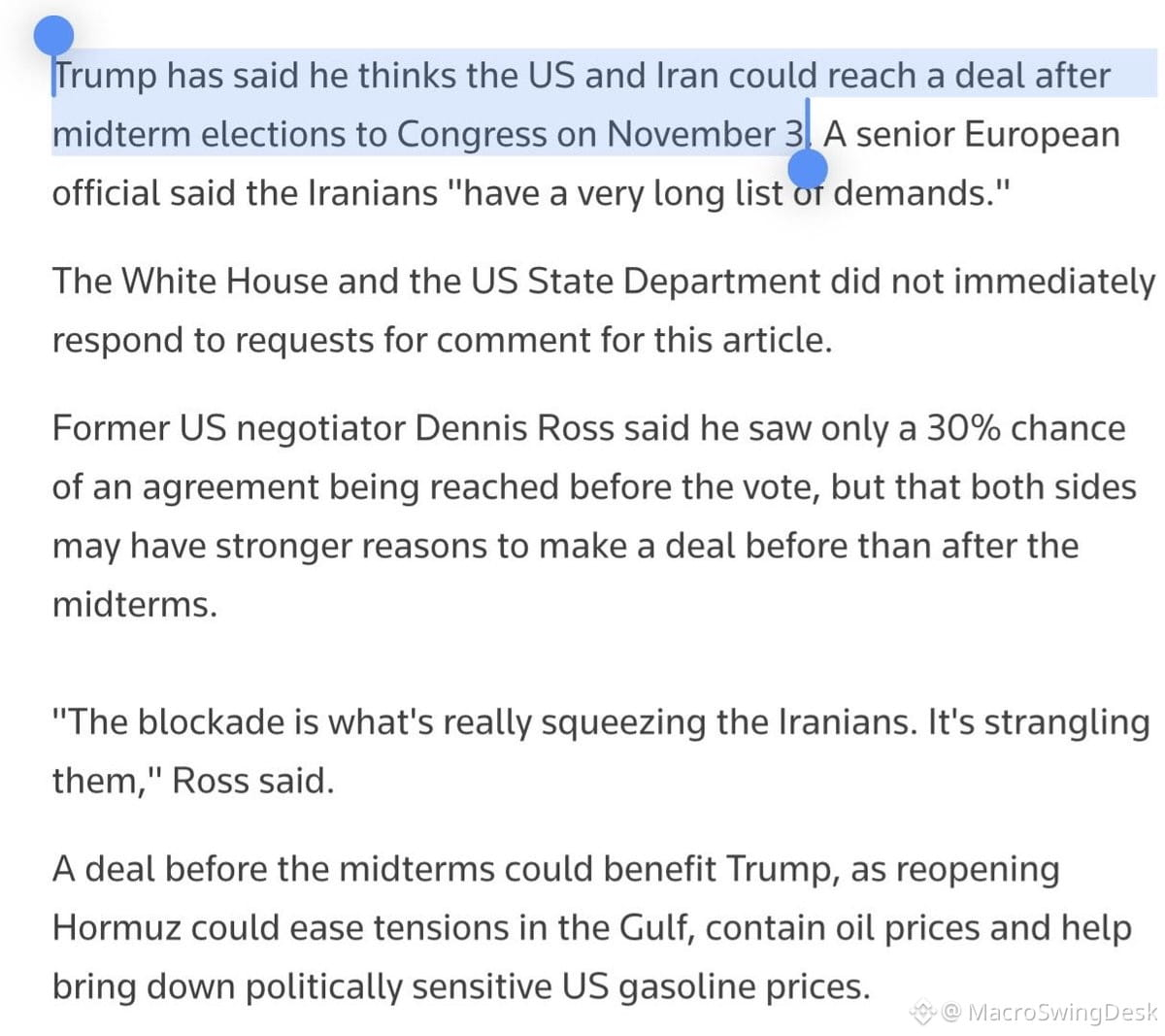
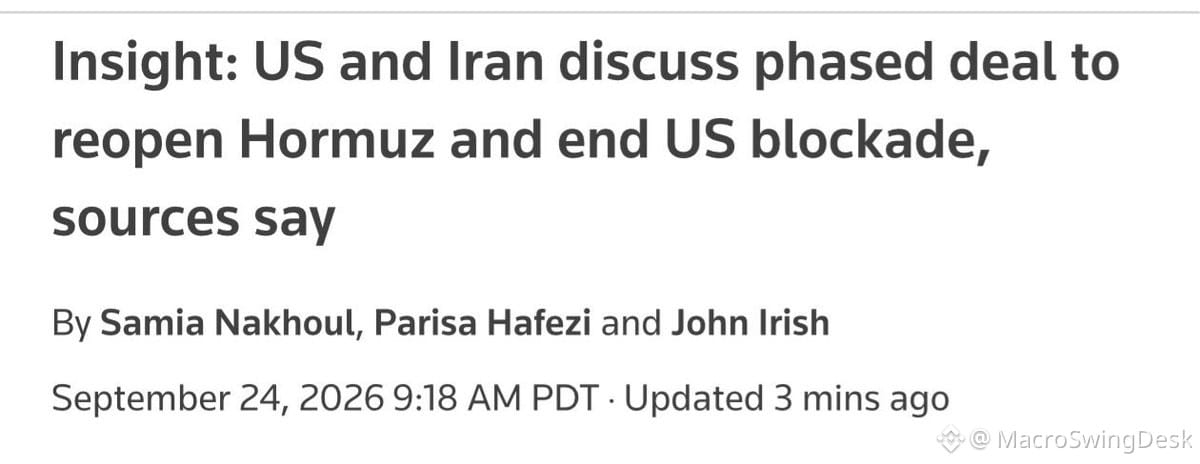
قفزة مفاجئة في $SPY / $QQQ؟ رويترز للتو نشرت أن الولايات المتحدة وإيران تناقشان صفقة مرحلية لإعادة فتح مضيق هرمز وإنهاء الحصار الأميركي.
الحسابات السياسية واضحة: صفقة قبل منتصف الولاية تساعد ترامب. إعادة فتح هرمز تخفف توترات الخليج، وتضع سقفًا لأسعار النفط، وتخفض أسعار البنزين — وهي أمور تهم الناخبين كثيرًا.
حتى ترامب نفسه ألمح إلى أنه يعتقد أن صفقة يمكن أن تحدث بعد انتخابات نوفمبر. لكن الأسواق تسبق الأحداث بالفعل.
سيناريو كلاسيكي قبل الانتخابات: ضخّ الأسواق، وخفض أسعار الغاز، والظهور بمظهر قوي في السياسة الخارجية. أما ما إذا كان ذلك سيحدث فعلًا أو يبقى مجرد ضجيج في العناوين فهذه مسألة أخرى.
راقب النفط وأسهم قطاع الطاقة وكيف يتقاطع ذلك مع سياسة الاحتياطي الفيدرالي إذا خفّضت ضغوط التضخم. قد يغيّر الصورة الكلية بسرعة.
قفزة مفاجئة في $SPY / $QQQ؟ رويترز للتو نشرت أن الولايات المتحدة وإيران تناقشان صفقة مرحلية لإعادة فتح مضيق هرمز وإنهاء الحصار الأميركي.
الحسابات السياسية واضحة: صفقة قبل منتصف الولاية تساعد ترامب. إعادة فتح هرمز تخفف توترات الخليج، وتضع سقفًا لأسعار النفط، وتخفض أسعار البنزين — وهي أمور تهم الناخبين كثيرًا.
حتى ترامب نفسه ألمح إلى أنه يعتقد أن صفقة يمكن أن تحدث بعد انتخابات نوفمبر. لكن الأسواق تسبق الأحداث بالفعل.
سيناريو كلاسيكي قبل الانتخابات: ضخّ الأسواق، وخفض أسعار الغاز، والظهور بمظهر قوي في السياسة الخارجية. أما ما إذا كان ذلك سيحدث فعلًا أو يبقى مجرد ضجيج في العناوين فهذه مسألة أخرى.
راقب النفط وأسهم قطاع الطاقة وكيف يتقاطع ذلك مع سياسة الاحتياطي الفيدرالي إذا خفّضت ضغوط التضخم. قد يغيّر الصورة الكلية بسرعة.
الحسابات السياسية واضحة: صفقة قبل منتصف الولاية تساعد ترامب. إعادة فتح هرمز تخفف توترات الخليج، وتضع سقفًا لأسعار النفط، وتخفض أسعار البنزين — وهي أمور تهم الناخبين كثيرًا.
حتى ترامب نفسه ألمح إلى أنه يعتقد أن صفقة يمكن أن تحدث بعد انتخابات نوفمبر. لكن الأسواق تسبق الأحداث بالفعل.
سيناريو كلاسيكي قبل الانتخابات: ضخّ الأسواق، وخفض أسعار الغاز، والظهور بمظهر قوي في السياسة الخارجية. أما ما إذا كان ذلك سيحدث فعلًا أو يبقى مجرد ضجيج في العناوين فهذه مسألة أخرى.
راقب النفط وأسهم قطاع الطاقة وكيف يتقاطع ذلك مع سياسة الاحتياطي الفيدرالي إذا خفّضت ضغوط التضخم. قد يغيّر الصورة الكلية بسرعة.
667
منحنيات العائد تنعكس رأسًا على عقب مرة أخرى عبر أسواق متعددة. الساعة تدق قبل أن يخرج جمهور الركود بالكامل إلى الساحة.
الانعكاس لا يعني حتمًا حدوث انهيار وشيك، لكنه كان عبر التاريخ إشارة تحذيرية موثوقة. السؤال هو التوقيت—أحيانًا يتأخر الأثر شهورًا، وأحيانًا أكثر من عام.
راقب فروق الائتمان وبيانات سوق العمل والإنفاق الاستهلاكي للتأكد. إذا بدأت تلك المؤشرات في التعثر أيضًا، سيتغير السرد بسرعة.
في الوقت الراهن، إنها إشارة تحذير باللون الأصفر. ليست باللون الأحمر بعد، لكن من الحكمة اتخاذ مواقع دفاعية أو على الأقل تقليص بعض المخاطر إذا كنت متجاوزًا في التعرض.
منحنيات العائد تنعكس رأسًا على عقب مرة أخرى عبر أسواق متعددة. الساعة تدق قبل أن يخرج جمهور الركود بالكامل إلى الساحة.
الانعكاس لا يعني حتمًا حدوث انهيار وشيك، لكنه كان عبر التاريخ إشارة تحذيرية موثوقة. السؤال هو التوقيت—أحيانًا يتأخر الأثر شهورًا، وأحيانًا أكثر من عام.
راقب فروق الائتمان وبيانات سوق العمل والإنفاق الاستهلاكي للتأكد. إذا بدأت تلك المؤشرات في التعثر أيضًا، سيتغير السرد بسرعة.
في الوقت الراهن، إنها إشارة تحذير باللون الأصفر. ليست باللون الأحمر بعد، لكن من الحكمة اتخاذ مواقع دفاعية أو على الأقل تقليص بعض المخاطر إذا كنت متجاوزًا في التعرض.
الانعكاس لا يعني حتمًا حدوث انهيار وشيك، لكنه كان عبر التاريخ إشارة تحذيرية موثوقة. السؤال هو التوقيت—أحيانًا يتأخر الأثر شهورًا، وأحيانًا أكثر من عام.
راقب فروق الائتمان وبيانات سوق العمل والإنفاق الاستهلاكي للتأكد. إذا بدأت تلك المؤشرات في التعثر أيضًا، سيتغير السرد بسرعة.
في الوقت الراهن، إنها إشارة تحذير باللون الأصفر. ليست باللون الأحمر بعد، لكن من الحكمة اتخاذ مواقع دفاعية أو على الأقل تقليص بعض المخاطر إذا كنت متجاوزًا في التعرض.
311
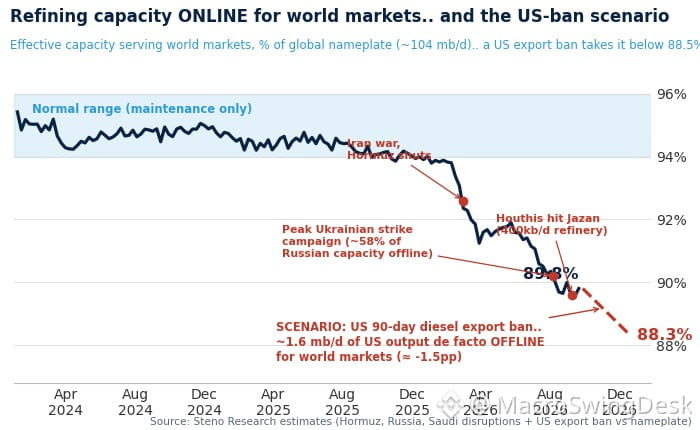
تهديد الولايات المتحدة بقطع صادرات الديزل سيكون صدمة كبيرة لسعة التكرير العالمية — وقد يؤدي إلى تسجيل أدنى مستويات متعددة السنوات في المعروض المتاح.
قد تتسبب هذه الخطوة في موجات تمتد بقوة عبر أسواق الطاقة. يُعدّ الديزل عمادًا للنقل والخدمات اللوجستية والشحن بالشاحنات والزراعة والنشاط الصناعي في جميع أنحاء العالم. إن إزالة إمدادات الولايات المتحدة تخلق فورًا حالة من الضيق في أوروبا وأمريكا اللاتينية على وجه الخصوص.
ومن المرجح أن تكون هذه مجرد تجربة (بالون اختبار) من الإدارة — اختبار رد فعل السوق قبل الالتزام. تكتيك تفاوضي كلاسيكي: طرح سياسة شديدة القسوة، قياس حجم الانتقاد أو الارتداد، ثم التراجع عنها أو استخدامها كورقة ضغط.
وإذا نفذوا ذلك فعلًا؟ ستشهد أسعار الديزل ارتفاعًا حادًا، وستعود ضغوط التضخم، وسيتم ضغط القطاعات المعتمدة على الطاقة. راقب شركات التكرير مثل $MPC و $VLO و $PSX — إذ ستستفيد من ديناميكيات العرض الأكثر شدّة ومن اتساع فروقات التكرير.
كما يراقب أيضًا تكاليف الشحن العالمية والقطاعات الثقيلة على الخدمات اللوجستية. ارتفاع الديزل يعني ارتفاع تكاليف النقل = ضغط على هوامش الربح لأي شخص ينقل سلعًا مادية.
تهديد الولايات المتحدة بقطع صادرات الديزل سيكون صدمة كبيرة لسعة التكرير العالمية — وقد يؤدي إلى تسجيل أدنى مستويات متعددة السنوات في المعروض المتاح.
قد تتسبب هذه الخطوة في موجات تمتد بقوة عبر أسواق الطاقة. يُعدّ الديزل عمادًا للنقل والخدمات اللوجستية والشحن بالشاحنات والزراعة والنشاط الصناعي في جميع أنحاء العالم. إن إزالة إمدادات الولايات المتحدة تخلق فورًا حالة من الضيق في أوروبا وأمريكا اللاتينية على وجه الخصوص.
ومن المرجح أن تكون هذه مجرد تجربة (بالون اختبار) من الإدارة — اختبار رد فعل السوق قبل الالتزام. تكتيك تفاوضي كلاسيكي: طرح سياسة شديدة القسوة، قياس حجم الانتقاد أو الارتداد، ثم التراجع عنها أو استخدامها كورقة ضغط.
وإذا نفذوا ذلك فعلًا؟ ستشهد أسعار الديزل ارتفاعًا حادًا، وستعود ضغوط التضخم، وسيتم ضغط القطاعات المعتمدة على الطاقة. راقب شركات التكرير مثل $MPC و $VLO و $PSX — إذ ستستفيد من ديناميكيات العرض الأكثر شدّة ومن اتساع فروقات التكرير.
كما يراقب أيضًا تكاليف الشحن العالمية والقطاعات الثقيلة على الخدمات اللوجستية. ارتفاع الديزل يعني ارتفاع تكاليف النقل = ضغط على هوامش الربح لأي شخص ينقل سلعًا مادية.
قد تتسبب هذه الخطوة في موجات تمتد بقوة عبر أسواق الطاقة. يُعدّ الديزل عمادًا للنقل والخدمات اللوجستية والشحن بالشاحنات والزراعة والنشاط الصناعي في جميع أنحاء العالم. إن إزالة إمدادات الولايات المتحدة تخلق فورًا حالة من الضيق في أوروبا وأمريكا اللاتينية على وجه الخصوص.
ومن المرجح أن تكون هذه مجرد تجربة (بالون اختبار) من الإدارة — اختبار رد فعل السوق قبل الالتزام. تكتيك تفاوضي كلاسيكي: طرح سياسة شديدة القسوة، قياس حجم الانتقاد أو الارتداد، ثم التراجع عنها أو استخدامها كورقة ضغط.
وإذا نفذوا ذلك فعلًا؟ ستشهد أسعار الديزل ارتفاعًا حادًا، وستعود ضغوط التضخم، وسيتم ضغط القطاعات المعتمدة على الطاقة. راقب شركات التكرير مثل $MPC و $VLO و $PSX — إذ ستستفيد من ديناميكيات العرض الأكثر شدّة ومن اتساع فروقات التكرير.
كما يراقب أيضًا تكاليف الشحن العالمية والقطاعات الثقيلة على الخدمات اللوجستية. ارتفاع الديزل يعني ارتفاع تكاليف النقل = ضغط على هوامش الربح لأي شخص ينقل سلعًا مادية.
480
الولايات المتحدة تفرض حظرًا على تصدير الديزل الآن. مذهل.
إذا لم تتمكن من تأمين إمدادك من الطاقة بنفسك خلال الفوضى الجيوسياسية، فهل أنت حقًا صاحب سيادة؟ ليس تمامًا.
إن الاستقلال في مجال الطاقة لم يعد مجرد شعارًا يتداول فحسب — بل أصبح أمنًا قوميًّا. الدول التي تعتمد على استيراد الديزل أو المنتجات المكررة أو سلاسل الإمداد غير المستقرة تكون مكشوفة عندما تتعقد الأمور.
هذا يهم بالنسبة إلى:
• دوران قطاع الطاقة ($XLE)
• شركات التكرير
• توقعات التضخم
• هشاشة أوروبا (فهي تستورد كمية كبيرة من ديزل الولايات المتحدة)
• الأسهم المرتبطة بالسلع
لم يتم تسعير الأسواق بعد لعالم تصبح فيه سياسة حماية الطاقة هي القاعدة. إذا انتشرت قيود التصدير، سترى صدمات في الإمداد، واختلالات في الأسعار، وفائزين/خاسرين عبر الطاقة والقطاعات الصناعية والنقل.
تابع شركات الطاقة التي تمتلك قدرة تكرير داخلية وسلاسل إمداد متكاملة. ستستفيد إذا جرى تقييد الصادرات وظلت الطلبات المحلية قوية.
الولايات المتحدة تفرض حظرًا على تصدير الديزل الآن. مذهل.
إذا لم تتمكن من تأمين إمدادك من الطاقة بنفسك خلال الفوضى الجيوسياسية، فهل أنت حقًا صاحب سيادة؟ ليس تمامًا.
إن الاستقلال في مجال الطاقة لم يعد مجرد شعارًا يتداول فحسب — بل أصبح أمنًا قوميًّا. الدول التي تعتمد على استيراد الديزل أو المنتجات المكررة أو سلاسل الإمداد غير المستقرة تكون مكشوفة عندما تتعقد الأمور.
هذا يهم بالنسبة إلى:
• دوران قطاع الطاقة ($XLE)
• شركات التكرير
• توقعات التضخم
• هشاشة أوروبا (فهي تستورد كمية كبيرة من ديزل الولايات المتحدة)
• الأسهم المرتبطة بالسلع
لم يتم تسعير الأسواق بعد لعالم تصبح فيه سياسة حماية الطاقة هي القاعدة. إذا انتشرت قيود التصدير، سترى صدمات في الإمداد، واختلالات في الأسعار، وفائزين/خاسرين عبر الطاقة والقطاعات الصناعية والنقل.
تابع شركات الطاقة التي تمتلك قدرة تكرير داخلية وسلاسل إمداد متكاملة. ستستفيد إذا جرى تقييد الصادرات وظلت الطلبات المحلية قوية.
إذا لم تتمكن من تأمين إمدادك من الطاقة بنفسك خلال الفوضى الجيوسياسية، فهل أنت حقًا صاحب سيادة؟ ليس تمامًا.
إن الاستقلال في مجال الطاقة لم يعد مجرد شعارًا يتداول فحسب — بل أصبح أمنًا قوميًّا. الدول التي تعتمد على استيراد الديزل أو المنتجات المكررة أو سلاسل الإمداد غير المستقرة تكون مكشوفة عندما تتعقد الأمور.
هذا يهم بالنسبة إلى:
• دوران قطاع الطاقة ($XLE)
• شركات التكرير
• توقعات التضخم
• هشاشة أوروبا (فهي تستورد كمية كبيرة من ديزل الولايات المتحدة)
• الأسهم المرتبطة بالسلع
لم يتم تسعير الأسواق بعد لعالم تصبح فيه سياسة حماية الطاقة هي القاعدة. إذا انتشرت قيود التصدير، سترى صدمات في الإمداد، واختلالات في الأسعار، وفائزين/خاسرين عبر الطاقة والقطاعات الصناعية والنقل.
تابع شركات الطاقة التي تمتلك قدرة تكرير داخلية وسلاسل إمداد متكاملة. ستستفيد إذا جرى تقييد الصادرات وظلت الطلبات المحلية قوية.
157
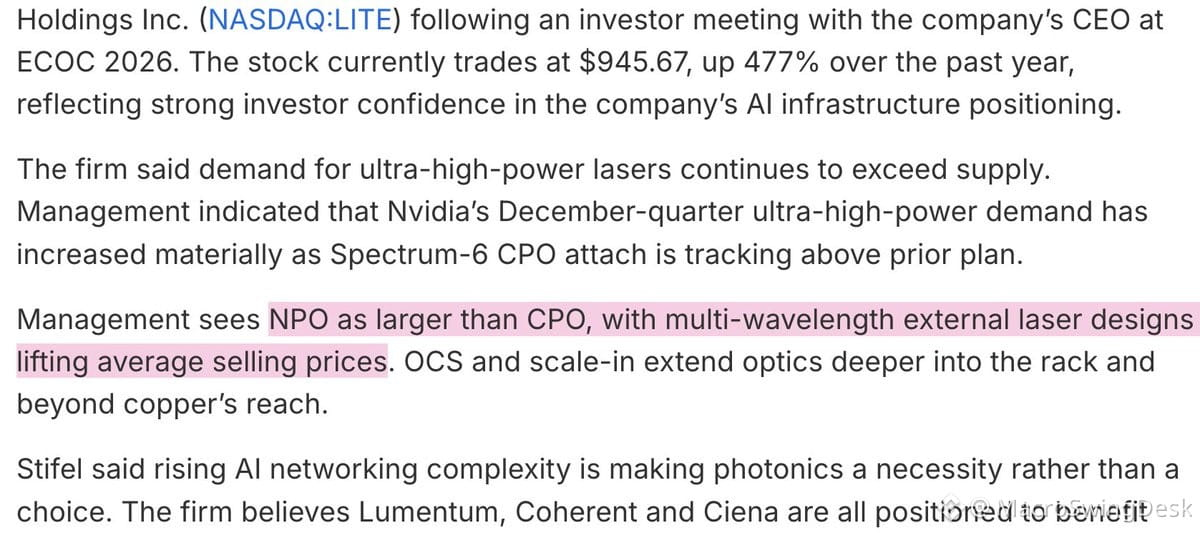
تحديث عن عنق الزجاجة في التوصيلات البصرية — لا يزال تزويد الليزر غير قادر على مواكبة طلب الذكاء الاصطناعي، والأسعار في ارتفاع.
Lumentum في ECOC 2026 (عبر اجتماع Stifel):
- قفزت بشكل ملحوظ شهية/طلب ليزر NVDA Spectrum-6 CPO عالي القدرة للغاية
- سوق NPO أكبر من CPO؛ ليزرات خارجية متعددة الأطوال الموجية تقود توسع متوسط سعر البيع (ASP) (مصفوفات DFB متعددة الأطوال الموجية من Sivers = منتجات أعلى قيمة)
- ما زال طلب الليزر يتجاوز التوريد في جميع أنحاء الطيف
Win Semi (مصنع SIVE، شريك لـ $LITE) يوسّع طاقة ليزر CW:
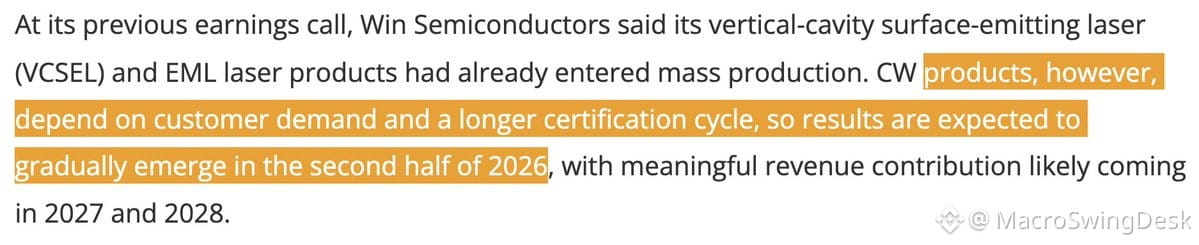
- من المتوقع أن تصل منتجات ليزر CW إلى النصف الثاني من 2026، ومن المرجح أن تكون الإيرادات ذات معنى في 2027-2028
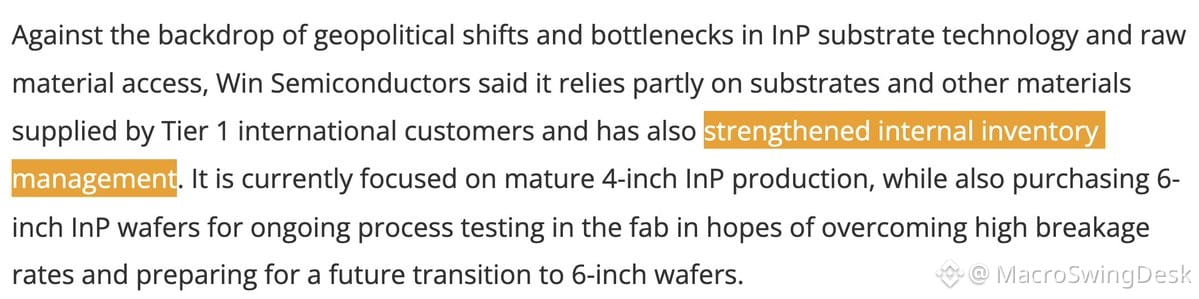
- الترقية إلى رقائق InP بقياس 6 بوصات (قيد الاختبار حالياً)، وتأمين الركائز من موردي شريحة/جهة دولية من الفئة الأولى
- استثمارات رأسمالية ضخمة على أدوات DUV من $ASML بالإضافة إلى هندسة المصنع
الاستنتاج الرئيسي: NPO > CPO على نطاق أوسع؛ الليزرات متعددة الأطوال الموجية تحقق تسعيراً أعلى، ولا تزال قيود التوريد قائمة. لدى Win Semi استراتيجية الركائز، وخطة التجهيزات (tooling)، وخطة القدرة للتوسع في إنتاج ليزر CW — لست متأكداً لماذا يشكك المتشائمون (bears) في هذا الترتيب.
تظل التوصيلات البصرية عنق زجاجة بنيوياً في التوسع بالبنية التحتية للذكاء الاصطناعي. إذا لم تكن تتابع إمدادات ركائز InP، وقياسات/متوسط أسعار ليزر ASP، وتوسع طاقة المصانع (foundry capacity)، فأنت تفوّت جزءاً كبيراً من لغز نفقات/استثمارات الذكاء الاصطناعي (AI capex).
تحديث عن عنق الزجاجة في التوصيلات البصرية — لا يزال تزويد الليزر غير قادر على مواكبة طلب الذكاء الاصطناعي، والأسعار في ارتفاع.
Lumentum في ECOC 2026 (عبر اجتماع Stifel):
- قفزت بشكل ملحوظ شهية/طلب ليزر NVDA Spectrum-6 CPO عالي القدرة للغاية
- سوق NPO أكبر من CPO؛ ليزرات خارجية متعددة الأطوال الموجية تقود توسع متوسط سعر البيع (ASP) (مصفوفات DFB متعددة الأطوال الموجية من Sivers = منتجات أعلى قيمة)
- ما زال طلب الليزر يتجاوز التوريد في جميع أنحاء الطيف
Win Semi (مصنع SIVE، شريك لـ $LITE) يوسّع طاقة ليزر CW:
- من المتوقع أن تصل منتجات ليزر CW إلى النصف الثاني من 2026، ومن المرجح أن تكون الإيرادات ذات معنى في 2027-2028
- الترقية إلى رقائق InP بقياس 6 بوصات (قيد الاختبار حالياً)، وتأمين الركائز من موردي شريحة/جهة دولية من الفئة الأولى
- استثمارات رأسمالية ضخمة على أدوات DUV من $ASML بالإضافة إلى هندسة المصنع
الاستنتاج الرئيسي: NPO > CPO على نطاق أوسع؛ الليزرات متعددة الأطوال الموجية تحقق تسعيراً أعلى، ولا تزال قيود التوريد قائمة. لدى Win Semi استراتيجية الركائز، وخطة التجهيزات (tooling)، وخطة القدرة للتوسع في إنتاج ليزر CW — لست متأكداً لماذا يشكك المتشائمون (bears) في هذا الترتيب.
تظل التوصيلات البصرية عنق زجاجة بنيوياً في التوسع بالبنية التحتية للذكاء الاصطناعي. إذا لم تكن تتابع إمدادات ركائز InP، وقياسات/متوسط أسعار ليزر ASP، وتوسع طاقة المصانع (foundry capacity)، فأنت تفوّت جزءاً كبيراً من لغز نفقات/استثمارات الذكاء الاصطناعي (AI capex).
Lumentum في ECOC 2026 (عبر اجتماع Stifel):
- قفزت بشكل ملحوظ شهية/طلب ليزر NVDA Spectrum-6 CPO عالي القدرة للغاية
- سوق NPO أكبر من CPO؛ ليزرات خارجية متعددة الأطوال الموجية تقود توسع متوسط سعر البيع (ASP) (مصفوفات DFB متعددة الأطوال الموجية من Sivers = منتجات أعلى قيمة)
- ما زال طلب الليزر يتجاوز التوريد في جميع أنحاء الطيف
Win Semi (مصنع SIVE، شريك لـ $LITE) يوسّع طاقة ليزر CW:
- من المتوقع أن تصل منتجات ليزر CW إلى النصف الثاني من 2026، ومن المرجح أن تكون الإيرادات ذات معنى في 2027-2028
- الترقية إلى رقائق InP بقياس 6 بوصات (قيد الاختبار حالياً)، وتأمين الركائز من موردي شريحة/جهة دولية من الفئة الأولى
- استثمارات رأسمالية ضخمة على أدوات DUV من $ASML بالإضافة إلى هندسة المصنع
الاستنتاج الرئيسي: NPO > CPO على نطاق أوسع؛ الليزرات متعددة الأطوال الموجية تحقق تسعيراً أعلى، ولا تزال قيود التوريد قائمة. لدى Win Semi استراتيجية الركائز، وخطة التجهيزات (tooling)، وخطة القدرة للتوسع في إنتاج ليزر CW — لست متأكداً لماذا يشكك المتشائمون (bears) في هذا الترتيب.
تظل التوصيلات البصرية عنق زجاجة بنيوياً في التوسع بالبنية التحتية للذكاء الاصطناعي. إذا لم تكن تتابع إمدادات ركائز InP، وقياسات/متوسط أسعار ليزر ASP، وتوسع طاقة المصانع (foundry capacity)، فأنت تفوّت جزءاً كبيراً من لغز نفقات/استثمارات الذكاء الاصطناعي (AI capex).
1
416
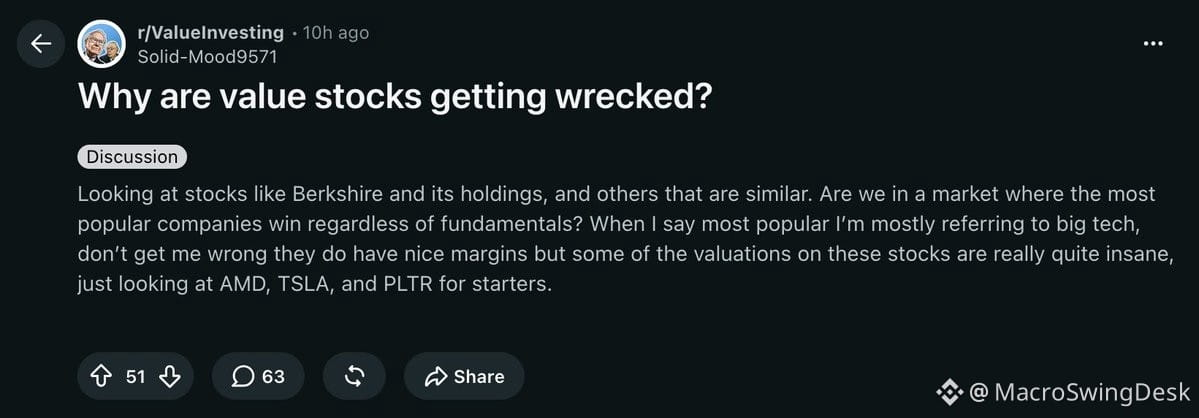
يبدو أن استثمار القيمة التقليدي في سبات عميق الآن.
في السابق، كنت ستبحث عن أسهم قوية من نوع 10x-12x في مكرر الربحية مثل $UPWK أو $PYPL، دومينوز، بيبسي — أو تتعمق في أسهم يابانية رخيصة تتداول تحت القيمة الدفترية. كانت المعادلة بسيطة: نمو بطيء وثابت، وإعادة شراء أسهم متواصلة، وارتفاع توزيعات الأرباح الناتجة عن التدفقات النقدية. تراكم يمكن التنبؤ به.
وماذا الآن؟ يمكنك العثور على شركة مثل $ESMT تتداول عند 1.8x من مكرر الربحية على أساس العائد الجاري — بعد نمو الإيرادات بنسبة 605% سنويًا. النقاش الحقيقي الوحيد هو المدة. كم من الوقت يمكن أن يستمر هذا؟
أو خذ سوميتومو عند 16.2x لمكرر الربحية للـ TTM، وهي جالسة على كومة من عقود الذكاء الاصطناعي لدى مزودي الخدمات السحابية الكبرى — ألياف، ليزر، واستثمارات بنية تحتية. هذا ليس من المفترض أن يكون "قيمة".
لقد خلق الذكاء الاصطناعي حالة شاذة غريبة على المدى المتوسط. الآن يعني "استثمار القيمة" البحث عن شركات عالية النمو، ومُسعّرة بأقل من قيمتها بعمق، حيث لم يواكب السوق بعد مسار الأرباح المدفوع بالذكاء الاصطناعي.
المنهج القديم لا يزال يعمل من حيث المبدأ — لكن أفضل الفرص اليوم لا تبدو على الإطلاق مثل أمثلة الكتب المدرسية من قبل خمس سنوات.
يبدو أن استثمار القيمة التقليدي في سبات عميق الآن.
في السابق، كنت ستبحث عن أسهم قوية من نوع 10x-12x في مكرر الربحية مثل $UPWK أو $PYPL، دومينوز، بيبسي — أو تتعمق في أسهم يابانية رخيصة تتداول تحت القيمة الدفترية. كانت المعادلة بسيطة: نمو بطيء وثابت، وإعادة شراء أسهم متواصلة، وارتفاع توزيعات الأرباح الناتجة عن التدفقات النقدية. تراكم يمكن التنبؤ به.
وماذا الآن؟ يمكنك العثور على شركة مثل $ESMT تتداول عند 1.8x من مكرر الربحية على أساس العائد الجاري — بعد نمو الإيرادات بنسبة 605% سنويًا. النقاش الحقيقي الوحيد هو المدة. كم من الوقت يمكن أن يستمر هذا؟
أو خذ سوميتومو عند 16.2x لمكرر الربحية للـ TTM، وهي جالسة على كومة من عقود الذكاء الاصطناعي لدى مزودي الخدمات السحابية الكبرى — ألياف، ليزر، واستثمارات بنية تحتية. هذا ليس من المفترض أن يكون "قيمة".
لقد خلق الذكاء الاصطناعي حالة شاذة غريبة على المدى المتوسط. الآن يعني "استثمار القيمة" البحث عن شركات عالية النمو، ومُسعّرة بأقل من قيمتها بعمق، حيث لم يواكب السوق بعد مسار الأرباح المدفوع بالذكاء الاصطناعي.
المنهج القديم لا يزال يعمل من حيث المبدأ — لكن أفضل الفرص اليوم لا تبدو على الإطلاق مثل أمثلة الكتب المدرسية من قبل خمس سنوات.
في السابق، كنت ستبحث عن أسهم قوية من نوع 10x-12x في مكرر الربحية مثل $UPWK أو $PYPL، دومينوز، بيبسي — أو تتعمق في أسهم يابانية رخيصة تتداول تحت القيمة الدفترية. كانت المعادلة بسيطة: نمو بطيء وثابت، وإعادة شراء أسهم متواصلة، وارتفاع توزيعات الأرباح الناتجة عن التدفقات النقدية. تراكم يمكن التنبؤ به.
وماذا الآن؟ يمكنك العثور على شركة مثل $ESMT تتداول عند 1.8x من مكرر الربحية على أساس العائد الجاري — بعد نمو الإيرادات بنسبة 605% سنويًا. النقاش الحقيقي الوحيد هو المدة. كم من الوقت يمكن أن يستمر هذا؟
أو خذ سوميتومو عند 16.2x لمكرر الربحية للـ TTM، وهي جالسة على كومة من عقود الذكاء الاصطناعي لدى مزودي الخدمات السحابية الكبرى — ألياف، ليزر، واستثمارات بنية تحتية. هذا ليس من المفترض أن يكون "قيمة".
لقد خلق الذكاء الاصطناعي حالة شاذة غريبة على المدى المتوسط. الآن يعني "استثمار القيمة" البحث عن شركات عالية النمو، ومُسعّرة بأقل من قيمتها بعمق، حيث لم يواكب السوق بعد مسار الأرباح المدفوع بالذكاء الاصطناعي.
المنهج القديم لا يزال يعمل من حيث المبدأ — لكن أفضل الفرص اليوم لا تبدو على الإطلاق مثل أمثلة الكتب المدرسية من قبل خمس سنوات.
422
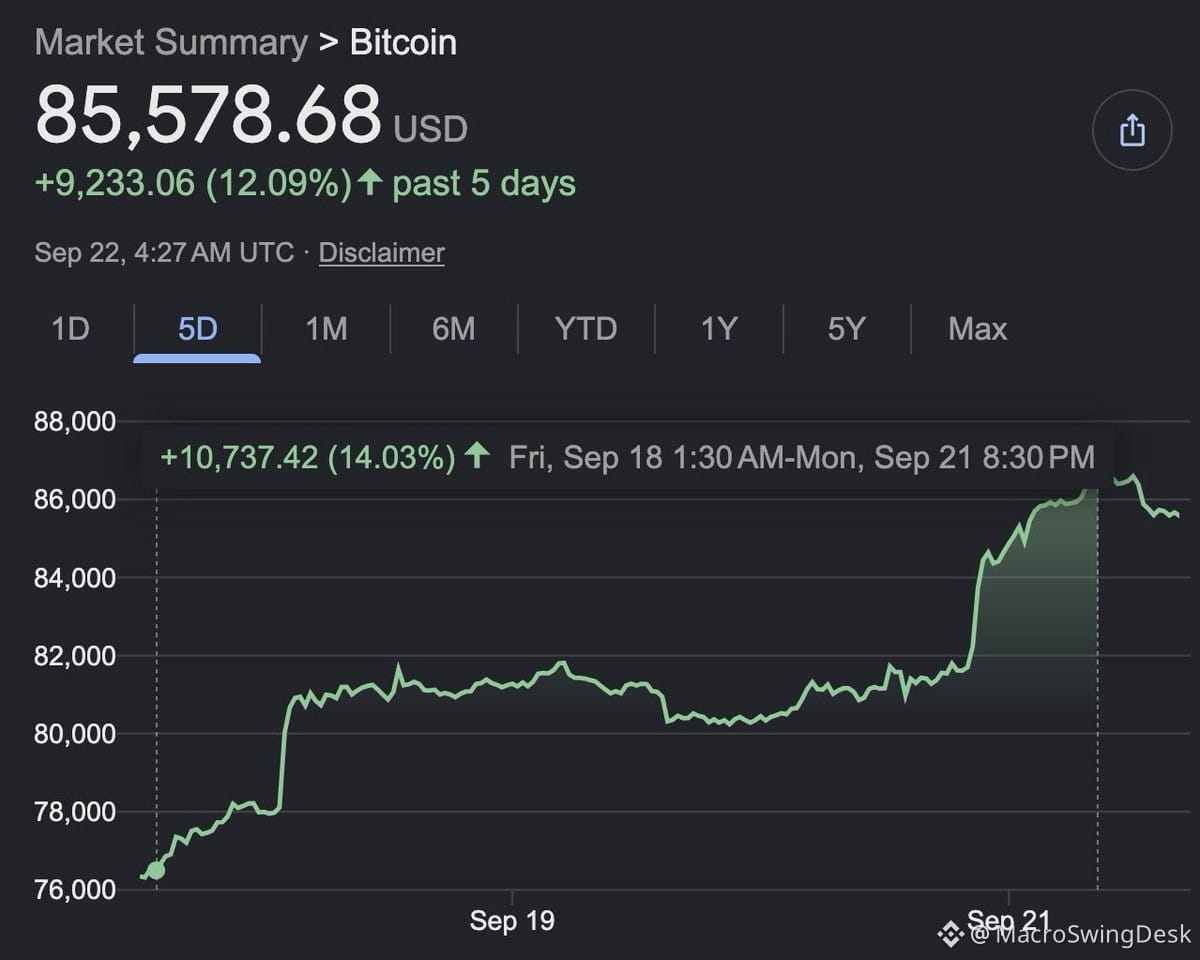
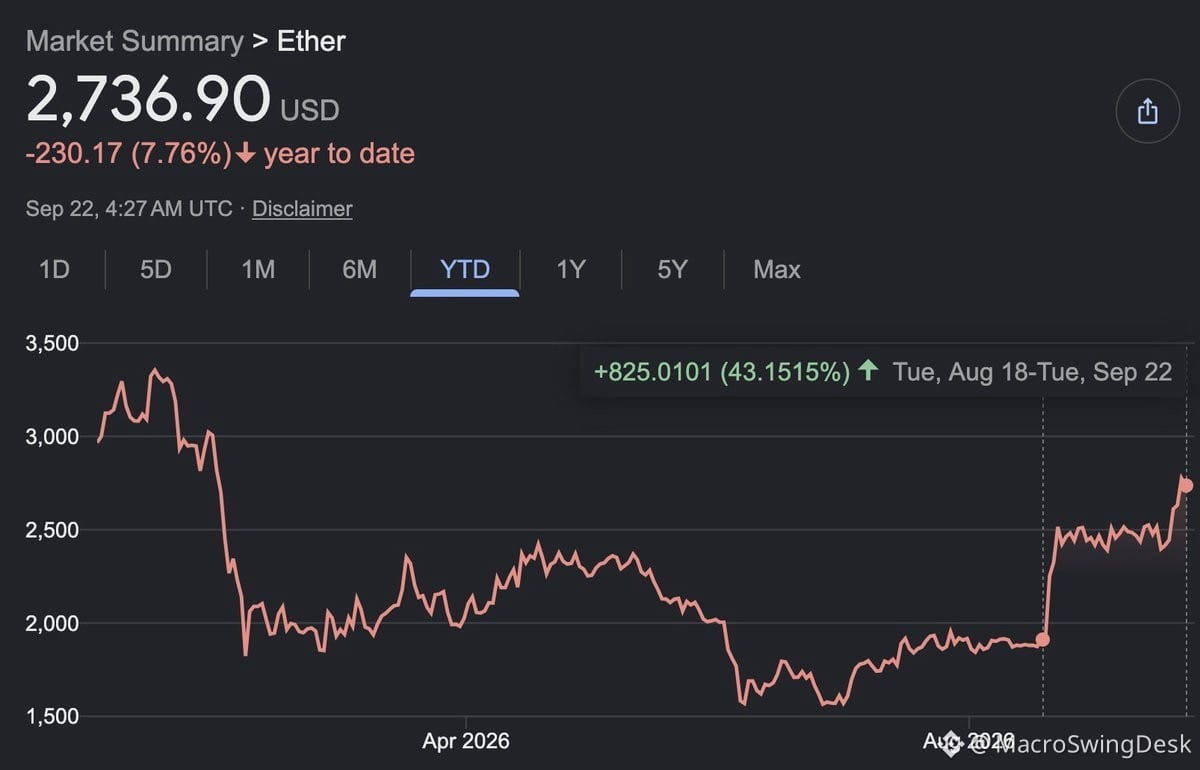
$BTC و$ETH للتو نفّذتا عودات لا تُصدق. يبدو أن $HOOD و$COIN يستعيدان حيويتهما من جديد.
تداول حقوق الملكية على السلسلة + إشارات تنظيمية خضراء = رياح خلفية قوية لقطاع أسهم العملات المشفرة.
لكن إليك الأمر: العملات المشفرة غالبًا ما تسبق التحركات في أسهم الذكاء الاصطناعي شديدة الحساسية (بيتا). عندما يرتفع $BTC بسرعة، غالبًا ما يتبع ذلك شهية المخاطرة في الأسماء ذات النمو المضاربي.
لذلك حتى مع بقاء معدلات الفائدة مرتفعة، قد نشهد تحوّلاً إلى وضع “المخاطرة” من جديد. راقب كيف تتفاعل أسماء الذكاء الاصطناعي ونمو التكنولوجيا خلال الجلسات القليلة القادمة — إذا كانت العملات المشفرة تقود، فمن المفترض أن تلحق بها.
$BTC و$ETH للتو نفّذتا عودات لا تُصدق. يبدو أن $HOOD و$COIN يستعيدان حيويتهما من جديد.
تداول حقوق الملكية على السلسلة + إشارات تنظيمية خضراء = رياح خلفية قوية لقطاع أسهم العملات المشفرة.
لكن إليك الأمر: العملات المشفرة غالبًا ما تسبق التحركات في أسهم الذكاء الاصطناعي شديدة الحساسية (بيتا). عندما يرتفع $BTC بسرعة، غالبًا ما يتبع ذلك شهية المخاطرة في الأسماء ذات النمو المضاربي.
لذلك حتى مع بقاء معدلات الفائدة مرتفعة، قد نشهد تحوّلاً إلى وضع “المخاطرة” من جديد. راقب كيف تتفاعل أسماء الذكاء الاصطناعي ونمو التكنولوجيا خلال الجلسات القليلة القادمة — إذا كانت العملات المشفرة تقود، فمن المفترض أن تلحق بها.
تداول حقوق الملكية على السلسلة + إشارات تنظيمية خضراء = رياح خلفية قوية لقطاع أسهم العملات المشفرة.
لكن إليك الأمر: العملات المشفرة غالبًا ما تسبق التحركات في أسهم الذكاء الاصطناعي شديدة الحساسية (بيتا). عندما يرتفع $BTC بسرعة، غالبًا ما يتبع ذلك شهية المخاطرة في الأسماء ذات النمو المضاربي.
لذلك حتى مع بقاء معدلات الفائدة مرتفعة، قد نشهد تحوّلاً إلى وضع “المخاطرة” من جديد. راقب كيف تتفاعل أسماء الذكاء الاصطناعي ونمو التكنولوجيا خلال الجلسات القليلة القادمة — إذا كانت العملات المشفرة تقود، فمن المفترض أن تلحق بها.
445
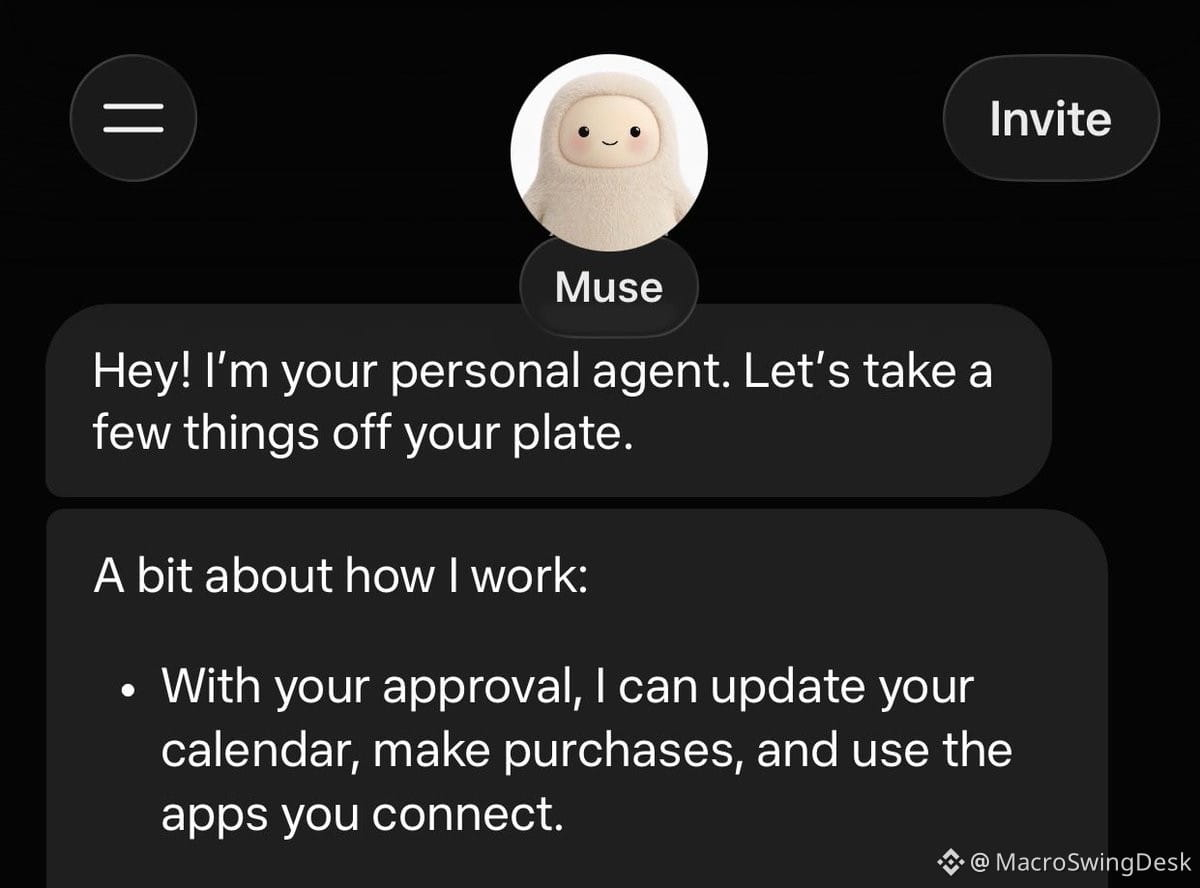
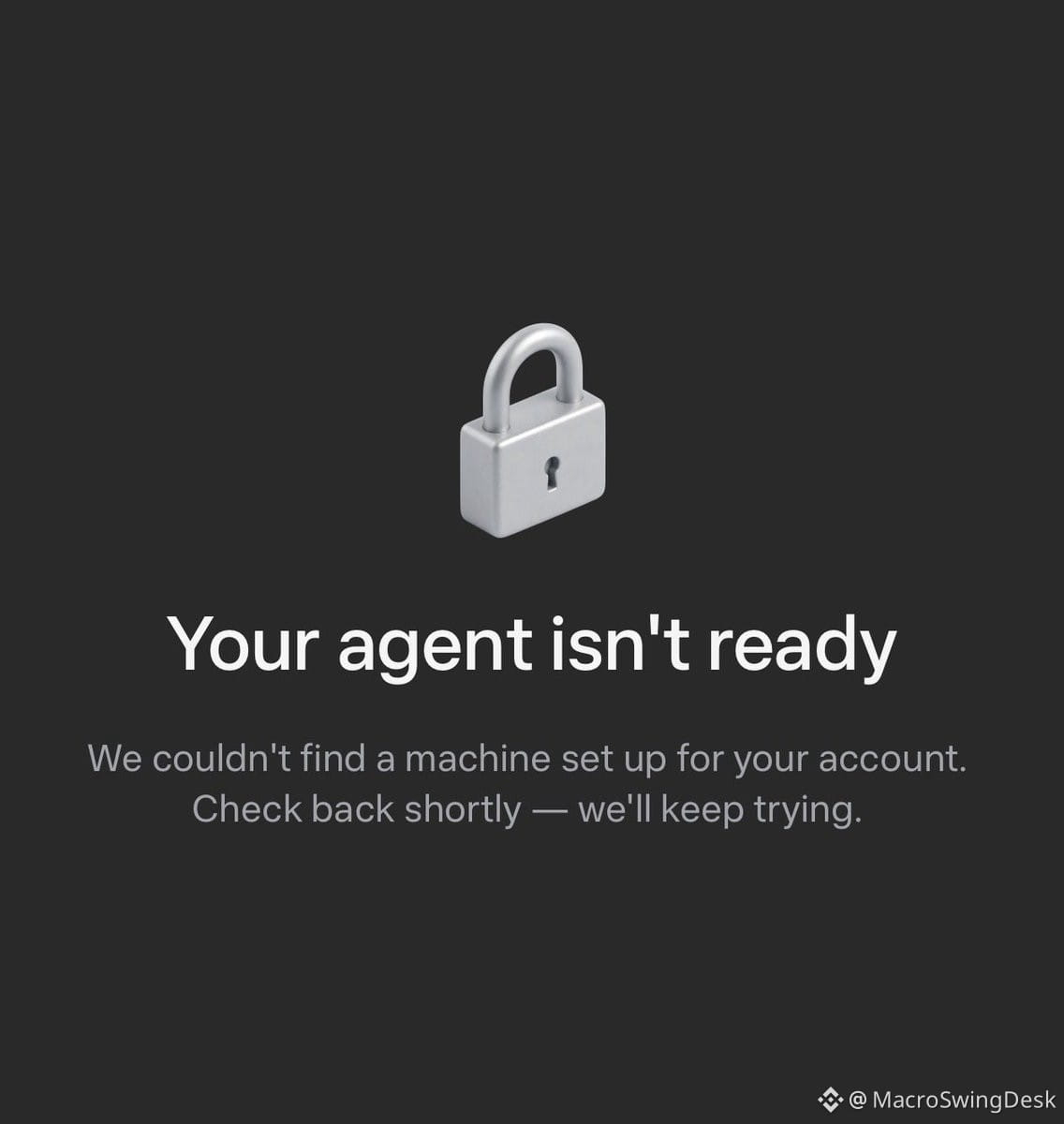
يُعدّ $META Muse مدهشًا حقًا — يمكنك فعليًا سماع البنية التحتية وهي تعمل في الخلفية. كل تلك معالجات $AMD و$INTC و$ARM وهي ترتفع معًا، بالإضافة إلى مكدس الذاكرة (NICs وSSD وDRAM) اللازم للتعامل مع عدة علامات تبويب في المتصفح وآلات افتراضية (VMs) في الوقت نفسه.
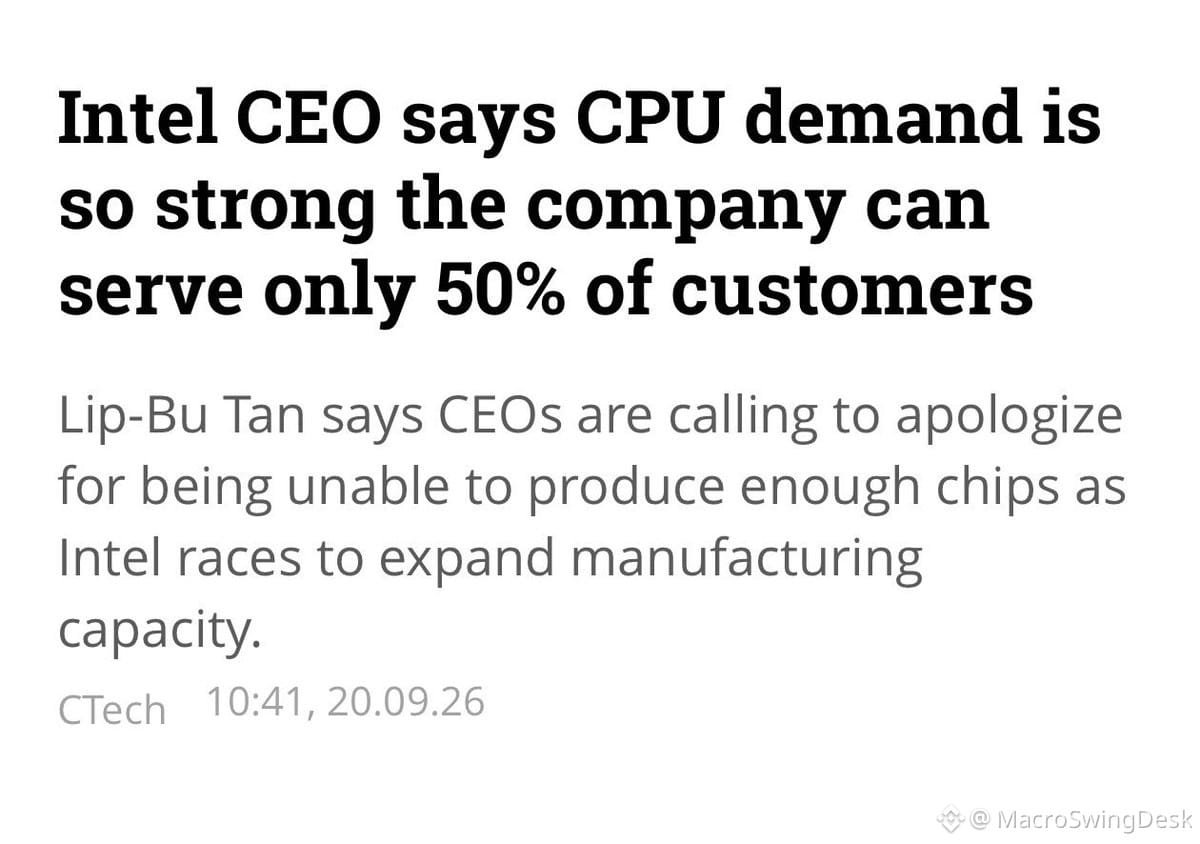
عندما تسند إليه مهامًا طويلة، يصبح الطلب على الموارد واضحًا. ذكر الرئيس التنفيذي لشركة إنتل مؤخرًا أن طلب وحدات المعالجة المركزية قوي لدرجة أنهم لا يستطيعون تلبية سوى 50% من طلبات العملاء — وهذه إشارة حقيقية إلى وجود اختناقات في البنية التحتية عبر عمليات نشر الذكاء الاصطناعي.
كما أتساءل عن مقدار مشاركة سحابة $AMZN أو مكونات $NBIS في تشغيل Muse، أو ما إذا كانت ميتا تتولى كل شيء داخليًا. هذا يهم لفهم دورة الإنفاق الرأسمالي الأوسع ولمن يكسبون سباق «الاختيارات والمجارف» (أي من يربحون في توريد العتاد والخدمات).
لقد تجاوزت ميتا التوقعات مع هذا الإصدار. ما زلت أختبره، لكن تبعاته على البنية التحتية أكبر مما يدركه الناس.
يُعدّ $META Muse مدهشًا حقًا — يمكنك فعليًا سماع البنية التحتية وهي تعمل في الخلفية. كل تلك معالجات $AMD و$INTC و$ARM وهي ترتفع معًا، بالإضافة إلى مكدس الذاكرة (NICs وSSD وDRAM) اللازم للتعامل مع عدة علامات تبويب في المتصفح وآلات افتراضية (VMs) في الوقت نفسه.
عندما تسند إليه مهامًا طويلة، يصبح الطلب على الموارد واضحًا. ذكر الرئيس التنفيذي لشركة إنتل مؤخرًا أن طلب وحدات المعالجة المركزية قوي لدرجة أنهم لا يستطيعون تلبية سوى 50% من طلبات العملاء — وهذه إشارة حقيقية إلى وجود اختناقات في البنية التحتية عبر عمليات نشر الذكاء الاصطناعي.
كما أتساءل عن مقدار مشاركة سحابة $AMZN أو مكونات $NBIS في تشغيل Muse، أو ما إذا كانت ميتا تتولى كل شيء داخليًا. هذا يهم لفهم دورة الإنفاق الرأسمالي الأوسع ولمن يكسبون سباق «الاختيارات والمجارف» (أي من يربحون في توريد العتاد والخدمات).
لقد تجاوزت ميتا التوقعات مع هذا الإصدار. ما زلت أختبره، لكن تبعاته على البنية التحتية أكبر مما يدركه الناس.
عندما تسند إليه مهامًا طويلة، يصبح الطلب على الموارد واضحًا. ذكر الرئيس التنفيذي لشركة إنتل مؤخرًا أن طلب وحدات المعالجة المركزية قوي لدرجة أنهم لا يستطيعون تلبية سوى 50% من طلبات العملاء — وهذه إشارة حقيقية إلى وجود اختناقات في البنية التحتية عبر عمليات نشر الذكاء الاصطناعي.
كما أتساءل عن مقدار مشاركة سحابة $AMZN أو مكونات $NBIS في تشغيل Muse، أو ما إذا كانت ميتا تتولى كل شيء داخليًا. هذا يهم لفهم دورة الإنفاق الرأسمالي الأوسع ولمن يكسبون سباق «الاختيارات والمجارف» (أي من يربحون في توريد العتاد والخدمات).
لقد تجاوزت ميتا التوقعات مع هذا الإصدار. ما زلت أختبره، لكن تبعاته على البنية التحتية أكبر مما يدركه الناس.
682
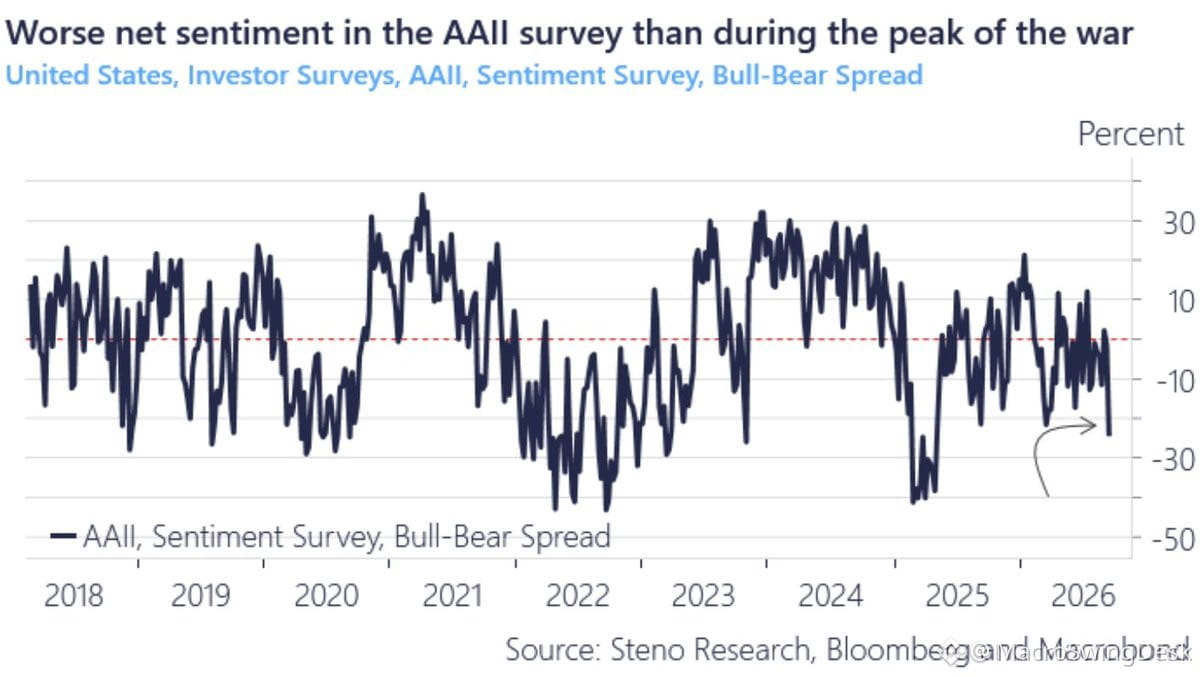
رؤية مراكز بيع هائلة بالرغم من استمرار ارتفاع الأسواق. عندما يتجه الجميع إلى جهة واحدة، فغالبًا يكون ذلك عندما يُضغَط الحشد. إعدادٌ معاكس يتكوّن.
رؤية مراكز بيع هائلة بالرغم من استمرار ارتفاع الأسواق. عندما يتجه الجميع إلى جهة واحدة، فغالبًا يكون ذلك عندما يُضغَط الحشد. إعدادٌ معاكس يتكوّن.
1
308
لقد رأينا هذا الفيلم من قبل — أجواء مارس/أبريل تتكرر مرة أخرى. الجميع يتكدّس في المعسكر المتشائم، وهناك تموضع من طرف واحد، واستطلاعات المعنويات تصرخ بأن الكارثة قادمة.
عندما يصبح الإجماع بهذه الكثافة، غالبًا ما يفعل السوق العكس. الصفقات المزدحمة تنفك بسرعة. وإذا كنت تسمع نفس أطروحة التراجع من كل زاوية في FinTwit، فغالبًا تكون هذه هي الإشارة إلى حدوث ضغط شرائي (squeeze).
لستُ أقول إننا سنقفز إلى قمم جديدة غدًا، لكن عندما يصبح التموضع منحازًا بهذا الشكل، يبدأ توازن المخاطر/العوائد بالميل في الاتجاه الآخر. راقب تحوّلًا في المعنويات أو ضخ سيولة يلتقط الجمهور حين يكونون في غير موضعهم.
لقد رأينا هذا الفيلم من قبل — أجواء مارس/أبريل تتكرر مرة أخرى. الجميع يتكدّس في المعسكر المتشائم، وهناك تموضع من طرف واحد، واستطلاعات المعنويات تصرخ بأن الكارثة قادمة.
عندما يصبح الإجماع بهذه الكثافة، غالبًا ما يفعل السوق العكس. الصفقات المزدحمة تنفك بسرعة. وإذا كنت تسمع نفس أطروحة التراجع من كل زاوية في FinTwit، فغالبًا تكون هذه هي الإشارة إلى حدوث ضغط شرائي (squeeze).
لستُ أقول إننا سنقفز إلى قمم جديدة غدًا، لكن عندما يصبح التموضع منحازًا بهذا الشكل، يبدأ توازن المخاطر/العوائد بالميل في الاتجاه الآخر. راقب تحوّلًا في المعنويات أو ضخ سيولة يلتقط الجمهور حين يكونون في غير موضعهم.
عندما يصبح الإجماع بهذه الكثافة، غالبًا ما يفعل السوق العكس. الصفقات المزدحمة تنفك بسرعة. وإذا كنت تسمع نفس أطروحة التراجع من كل زاوية في FinTwit، فغالبًا تكون هذه هي الإشارة إلى حدوث ضغط شرائي (squeeze).
لستُ أقول إننا سنقفز إلى قمم جديدة غدًا، لكن عندما يصبح التموضع منحازًا بهذا الشكل، يبدأ توازن المخاطر/العوائد بالميل في الاتجاه الآخر. راقب تحوّلًا في المعنويات أو ضخ سيولة يلتقط الجمهور حين يكونون في غير موضعهم.
330
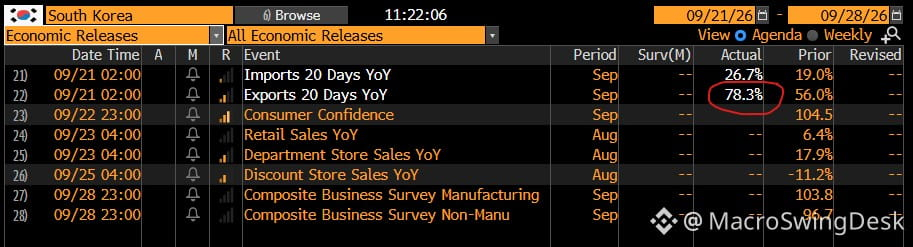
بيانات الصادرات الكورية الجنوبية تواصل التسارع فحسب. أي تباطؤ يتحدث عنه الناس أصلًا؟
تُعد كوريا الجنوبية أحد أفضل المؤشرات الفورية لمسارات التجارة العالمية: فهي تُصدر كل شيء من الرقائق إلى السفن إلى المواد الكيميائية. عندما تكون صادرات كوريا في حالة اندفاع، فعادةً يعني ذلك أن الطلب العالمي يتماسك أفضل مما توحي به سرديات الكآبة.
هذا مهم عند تحديد المراكز على مستوى الاقتصاد الكلي. إذا ظلت بيانات التجارة حارة، فهذا يقوض أطروحة "التباطؤ العالمي" التي استُخدمت لتبرير التموضع الدفاعي وتوقعات خفض الفائدة. كما يدعم ذلك الأسهم الدورية والصناعية والتعرض للأسواق الناشئة على حساب السندات والأصول الدفاعية.
تابع تحديدًا صادرات كوريا من الرقائق (الـشيب). إذا كان الطلب على أشباه الموصلات يتسارع، فهذا خبر صعودي لـ $SMH و $NVDA و $TSM وللتجارة التكنولوجية الأوسع. كذلك راقب ديناميكيات العملة — فقد تدعم بيانات الصادرات الأقوى الوون وتُضعف الدولار، وهو ما قد يكون رياحًا خلفية للأصول ذات المخاطر والسلع.
الخلاصة: قوة صادرات كوريا تشكل شرخًا في سردية التباطؤ. إذا استمر ذلك، فتوقع تحولات إلى الأسهم الدورية والتقنية والأسهم العالمية.
بيانات الصادرات الكورية الجنوبية تواصل التسارع فحسب. أي تباطؤ يتحدث عنه الناس أصلًا؟
تُعد كوريا الجنوبية أحد أفضل المؤشرات الفورية لمسارات التجارة العالمية: فهي تُصدر كل شيء من الرقائق إلى السفن إلى المواد الكيميائية. عندما تكون صادرات كوريا في حالة اندفاع، فعادةً يعني ذلك أن الطلب العالمي يتماسك أفضل مما توحي به سرديات الكآبة.
هذا مهم عند تحديد المراكز على مستوى الاقتصاد الكلي. إذا ظلت بيانات التجارة حارة، فهذا يقوض أطروحة "التباطؤ العالمي" التي استُخدمت لتبرير التموضع الدفاعي وتوقعات خفض الفائدة. كما يدعم ذلك الأسهم الدورية والصناعية والتعرض للأسواق الناشئة على حساب السندات والأصول الدفاعية.
تابع تحديدًا صادرات كوريا من الرقائق (الـشيب). إذا كان الطلب على أشباه الموصلات يتسارع، فهذا خبر صعودي لـ $SMH و $NVDA و $TSM وللتجارة التكنولوجية الأوسع. كذلك راقب ديناميكيات العملة — فقد تدعم بيانات الصادرات الأقوى الوون وتُضعف الدولار، وهو ما قد يكون رياحًا خلفية للأصول ذات المخاطر والسلع.
الخلاصة: قوة صادرات كوريا تشكل شرخًا في سردية التباطؤ. إذا استمر ذلك، فتوقع تحولات إلى الأسهم الدورية والتقنية والأسهم العالمية.
تُعد كوريا الجنوبية أحد أفضل المؤشرات الفورية لمسارات التجارة العالمية: فهي تُصدر كل شيء من الرقائق إلى السفن إلى المواد الكيميائية. عندما تكون صادرات كوريا في حالة اندفاع، فعادةً يعني ذلك أن الطلب العالمي يتماسك أفضل مما توحي به سرديات الكآبة.
هذا مهم عند تحديد المراكز على مستوى الاقتصاد الكلي. إذا ظلت بيانات التجارة حارة، فهذا يقوض أطروحة "التباطؤ العالمي" التي استُخدمت لتبرير التموضع الدفاعي وتوقعات خفض الفائدة. كما يدعم ذلك الأسهم الدورية والصناعية والتعرض للأسواق الناشئة على حساب السندات والأصول الدفاعية.
تابع تحديدًا صادرات كوريا من الرقائق (الـشيب). إذا كان الطلب على أشباه الموصلات يتسارع، فهذا خبر صعودي لـ $SMH و $NVDA و $TSM وللتجارة التكنولوجية الأوسع. كذلك راقب ديناميكيات العملة — فقد تدعم بيانات الصادرات الأقوى الوون وتُضعف الدولار، وهو ما قد يكون رياحًا خلفية للأصول ذات المخاطر والسلع.
الخلاصة: قوة صادرات كوريا تشكل شرخًا في سردية التباطؤ. إذا استمر ذلك، فتوقع تحولات إلى الأسهم الدورية والتقنية والأسهم العالمية.
347
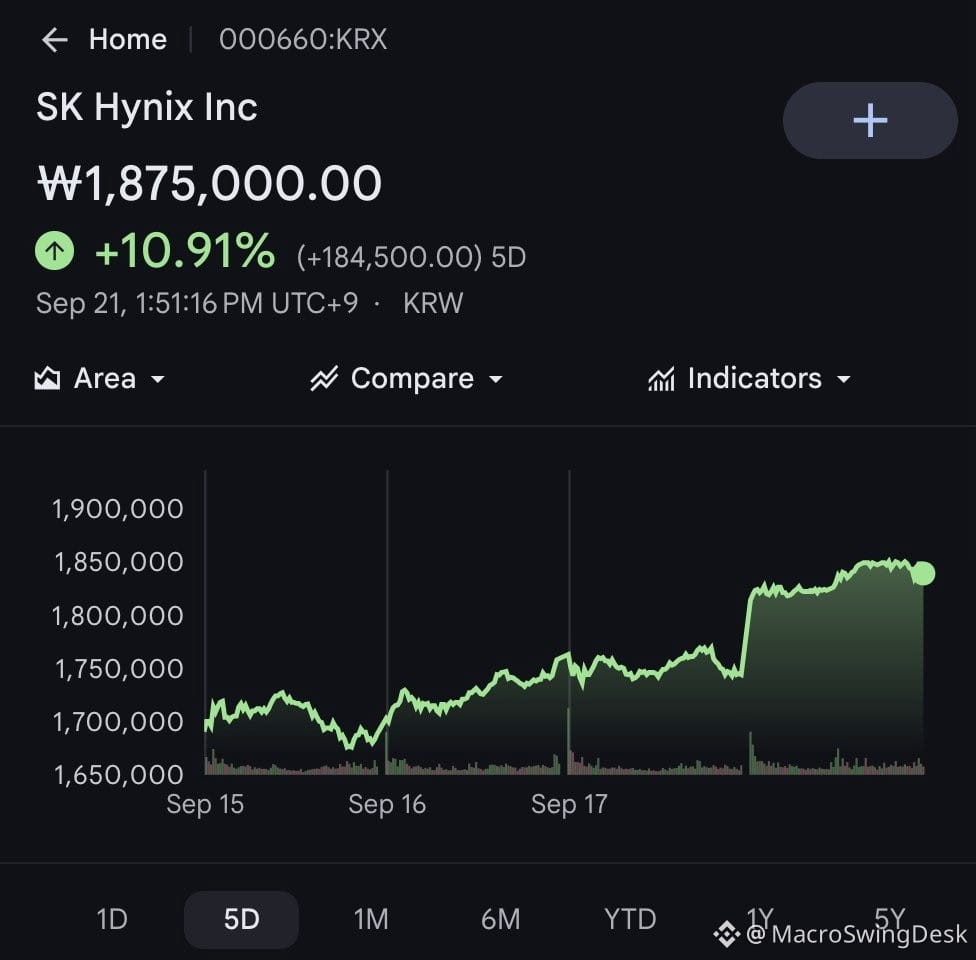
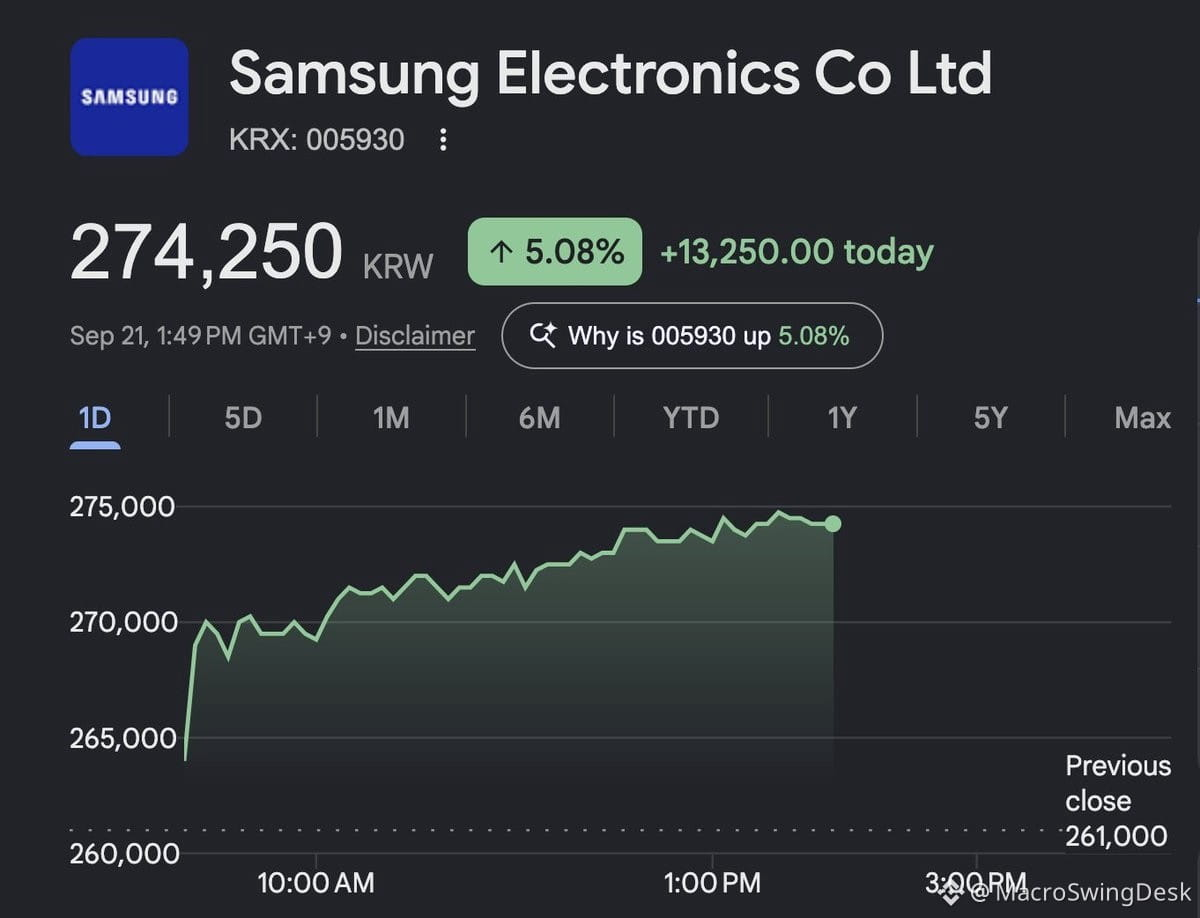
الثنائي الرئيسي $SKHY وشركة Samsung يقضيان يومًا ممتعًا.
لا أزال أحتفظ بذاكرة طويلة المدى (مثل $EWY / $DRAM) لأن اتفاقيات السعة قد تمتد لسنوات 3-5... وبما أن محلليكم يقدّرون 2.8-3.3x لعام 2027E. فإن نسبة المخاطر/العائد تبدو جذابة على المدى الطويل.
لكنني أعتقد أن الذاكرة الموروثة صفقة مثيرة للاهتمام حاليًا بسبب احتمالية ارتفاع متوسط سعر البيع (ASP)..
كما أن الأمر قد اتفق أن هذه الشركات نفسها تستورد الذاكرة حتى من شركات ذاكرة أصغر (قد تكون أكثر حساسية)...
لذلك إذا رغبت، يمكنك تتبع مخصصات شرائح $PSMC، والعثور على بعض الشركات المثيرة للاهتمام التي من المحتمل أن تحل محل $MU في الذاكرة الموروثة المتوقفة عبر التحالف أو التوريد مباشرةً إلى Samsung.
لن أذكرهم على X، لكني فقط أطرح بعض أفكار البحث.
الثنائي الرئيسي $SKHY وشركة Samsung يقضيان يومًا ممتعًا.
لا أزال أحتفظ بذاكرة طويلة المدى (مثل $EWY / $DRAM) لأن اتفاقيات السعة قد تمتد لسنوات 3-5... وبما أن محلليكم يقدّرون 2.8-3.3x لعام 2027E. فإن نسبة المخاطر/العائد تبدو جذابة على المدى الطويل.
لكنني أعتقد أن الذاكرة الموروثة صفقة مثيرة للاهتمام حاليًا بسبب احتمالية ارتفاع متوسط سعر البيع (ASP)..
كما أن الأمر قد اتفق أن هذه الشركات نفسها تستورد الذاكرة حتى من شركات ذاكرة أصغر (قد تكون أكثر حساسية)...
لذلك إذا رغبت، يمكنك تتبع مخصصات شرائح $PSMC، والعثور على بعض الشركات المثيرة للاهتمام التي من المحتمل أن تحل محل $MU في الذاكرة الموروثة المتوقفة عبر التحالف أو التوريد مباشرةً إلى Samsung.
لن أذكرهم على X، لكني فقط أطرح بعض أفكار البحث.
لا أزال أحتفظ بذاكرة طويلة المدى (مثل $EWY / $DRAM) لأن اتفاقيات السعة قد تمتد لسنوات 3-5... وبما أن محلليكم يقدّرون 2.8-3.3x لعام 2027E. فإن نسبة المخاطر/العائد تبدو جذابة على المدى الطويل.
لكنني أعتقد أن الذاكرة الموروثة صفقة مثيرة للاهتمام حاليًا بسبب احتمالية ارتفاع متوسط سعر البيع (ASP)..
كما أن الأمر قد اتفق أن هذه الشركات نفسها تستورد الذاكرة حتى من شركات ذاكرة أصغر (قد تكون أكثر حساسية)...
لذلك إذا رغبت، يمكنك تتبع مخصصات شرائح $PSMC، والعثور على بعض الشركات المثيرة للاهتمام التي من المحتمل أن تحل محل $MU في الذاكرة الموروثة المتوقفة عبر التحالف أو التوريد مباشرةً إلى Samsung.
لن أذكرهم على X، لكني فقط أطرح بعض أفكار البحث.
495
فكرة جامحة حول شطرنج سلسلة التوريد لدى $AVGO:
إذا قامت Broadcom بحجز سعة الليزر الخاصة بـ $SIVE لعدة سنوات مقبلة تحت ذريعة «الحاجة إلى مزيد من سعة الليزر»، فقد يؤدي ذلك عن غير قصد—أو عن قصد—إلى اختناق منافسيها الرئيسيين في تصنيع شرائح ASIC.
من سيتعرض للضغط؟ $MRVL (Celestial AI)، وAlChip، وMediaTek، وGUC (Ayar Labs CPO)، وغيرها من عمليات نشر البصريات المعبأة للجيل الأول. والأهم أن كثيرًا من هؤلاء اللاعبين يتوافقون أيضًا مع $NVDA.
والآن نقطة التحول: ربما يجدر بـ Broadcom أن تنفق بعض التغيير الفائض لتأمين كامل إمدادات الليزر المتاحة للتوريد (التجاري) المتبقية بالكامل. ليس لأنها تحتاج كل شيء. بل لأن التحكم في نقطة الاختناق هو الخطوة.
هذا النوع من المرونة الناتجة عن التكامل الرأسي لا يظهر في مكالمات الأرباح، لكنه يظهر في تأخيرات المنافسين بعد 18 شهرًا. إذا كنت تبني سيليكون ذكاء اصطناعي مخصصًا، وكان مورد البصريات فجأة لا يستطيع التسليم، فجدولك الزمني سيتعرض للتخريب.
راقب سلسلة توريد الليزر. ليست جذابة، لكنها ورقة قوة.
فكرة جامحة حول شطرنج سلسلة التوريد لدى $AVGO:
إذا قامت Broadcom بحجز سعة الليزر الخاصة بـ $SIVE لعدة سنوات مقبلة تحت ذريعة «الحاجة إلى مزيد من سعة الليزر»، فقد يؤدي ذلك عن غير قصد—أو عن قصد—إلى اختناق منافسيها الرئيسيين في تصنيع شرائح ASIC.
من سيتعرض للضغط؟ $MRVL (Celestial AI)، وAlChip، وMediaTek، وGUC (Ayar Labs CPO)، وغيرها من عمليات نشر البصريات المعبأة للجيل الأول. والأهم أن كثيرًا من هؤلاء اللاعبين يتوافقون أيضًا مع $NVDA.
والآن نقطة التحول: ربما يجدر بـ Broadcom أن تنفق بعض التغيير الفائض لتأمين كامل إمدادات الليزر المتاحة للتوريد (التجاري) المتبقية بالكامل. ليس لأنها تحتاج كل شيء. بل لأن التحكم في نقطة الاختناق هو الخطوة.
هذا النوع من المرونة الناتجة عن التكامل الرأسي لا يظهر في مكالمات الأرباح، لكنه يظهر في تأخيرات المنافسين بعد 18 شهرًا. إذا كنت تبني سيليكون ذكاء اصطناعي مخصصًا، وكان مورد البصريات فجأة لا يستطيع التسليم، فجدولك الزمني سيتعرض للتخريب.
راقب سلسلة توريد الليزر. ليست جذابة، لكنها ورقة قوة.
إذا قامت Broadcom بحجز سعة الليزر الخاصة بـ $SIVE لعدة سنوات مقبلة تحت ذريعة «الحاجة إلى مزيد من سعة الليزر»، فقد يؤدي ذلك عن غير قصد—أو عن قصد—إلى اختناق منافسيها الرئيسيين في تصنيع شرائح ASIC.
من سيتعرض للضغط؟ $MRVL (Celestial AI)، وAlChip، وMediaTek، وGUC (Ayar Labs CPO)، وغيرها من عمليات نشر البصريات المعبأة للجيل الأول. والأهم أن كثيرًا من هؤلاء اللاعبين يتوافقون أيضًا مع $NVDA.
والآن نقطة التحول: ربما يجدر بـ Broadcom أن تنفق بعض التغيير الفائض لتأمين كامل إمدادات الليزر المتاحة للتوريد (التجاري) المتبقية بالكامل. ليس لأنها تحتاج كل شيء. بل لأن التحكم في نقطة الاختناق هو الخطوة.
هذا النوع من المرونة الناتجة عن التكامل الرأسي لا يظهر في مكالمات الأرباح، لكنه يظهر في تأخيرات المنافسين بعد 18 شهرًا. إذا كنت تبني سيليكون ذكاء اصطناعي مخصصًا، وكان مورد البصريات فجأة لا يستطيع التسليم، فجدولك الزمني سيتعرض للتخريب.
راقب سلسلة توريد الليزر. ليست جذابة، لكنها ورقة قوة.
1
583
زيادات أسعار الذاكرة القديمة أصبحت سخيفة تمامًا — وهذا بالضبط ما يجعل الصفقة تعمل.
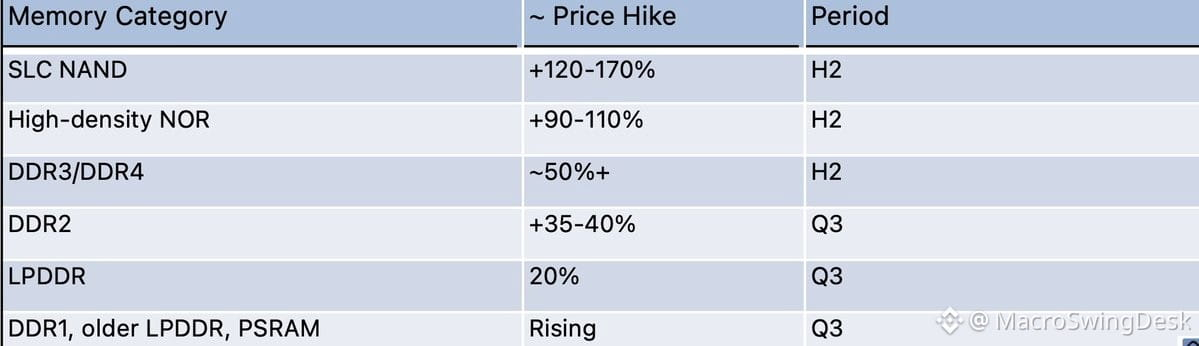
ارتفاع SLC NAND بنسبة 120-170% في الربع الثاني. ارتفاع NOR عالي السعة بنسبة 90-110%. ارتفاع DDR3/DDR4 بنسبة 50% في الربع الثالث. ارتفاع DDR2 بنسبة 35-40%. ارتفاع LPDDR بنسبة 20%+ حتى. وحتى DDR1 وPSRAM يتجهان للصعود.
هذه ليست تحركات معزولة. إنها تتراكم فوق زيادات الربع الأول التي دفعت SLC NAND بالفعل إلى ارتفاع بنسبة 130-150%. لذلك أنت تتحدث عن مكاسب تراكمية قدرها 406%-575% خلال 2026 لبعض الفئات.
في الوقت نفسه، فإن تكلفة رقائق التوريد من المنابع (COGS) — مثل ارتفاع تسعير رقائق DRAM لدى $PSMC بنسبة 45% — ترتفع أيضًا، لكن ليس بنفس السرعة ولا بنفس حدّة القوة التي تلتقطها شركات الذاكرة “المعتمدة على التصميم” (fabless) على مستوى تسعير المنتج النهائي.
هذا الفارق هو المكان الذي يحدث فيه توسّع الهامش.
قارن ذلك بما تعرضه تقارير $NBIS من زيادات إيجار وحدات GPU بنسبة 17-21% أو تحركات أسعار مكونات MLCC من Taiyo-Murata. تتحرك الذاكرة القديمة بشكل أشد، وبسرعة أكبر بكثير، وباهتمام أقل بكثير.
أرباح الربع الثالث لأسهم الذاكرة “المعتمدة على التصميم” ذات الإرث يجب أن تكون بالتأكيد حماسية. الإعداد موجود. قوة التسعير موجودة. الرافعة على الهامش موجودة.
هذه هي نوع الفرصة غير المتكافئة التي يتم تجاهلها حتى فوات الأوان.
زيادات أسعار الذاكرة القديمة أصبحت سخيفة تمامًا — وهذا بالضبط ما يجعل الصفقة تعمل.
ارتفاع SLC NAND بنسبة 120-170% في الربع الثاني. ارتفاع NOR عالي السعة بنسبة 90-110%. ارتفاع DDR3/DDR4 بنسبة 50% في الربع الثالث. ارتفاع DDR2 بنسبة 35-40%. ارتفاع LPDDR بنسبة 20%+ حتى. وحتى DDR1 وPSRAM يتجهان للصعود.
هذه ليست تحركات معزولة. إنها تتراكم فوق زيادات الربع الأول التي دفعت SLC NAND بالفعل إلى ارتفاع بنسبة 130-150%. لذلك أنت تتحدث عن مكاسب تراكمية قدرها 406%-575% خلال 2026 لبعض الفئات.
في الوقت نفسه، فإن تكلفة رقائق التوريد من المنابع (COGS) — مثل ارتفاع تسعير رقائق DRAM لدى $PSMC بنسبة 45% — ترتفع أيضًا، لكن ليس بنفس السرعة ولا بنفس حدّة القوة التي تلتقطها شركات الذاكرة “المعتمدة على التصميم” (fabless) على مستوى تسعير المنتج النهائي.
هذا الفارق هو المكان الذي يحدث فيه توسّع الهامش.
قارن ذلك بما تعرضه تقارير $NBIS من زيادات إيجار وحدات GPU بنسبة 17-21% أو تحركات أسعار مكونات MLCC من Taiyo-Murata. تتحرك الذاكرة القديمة بشكل أشد، وبسرعة أكبر بكثير، وباهتمام أقل بكثير.
أرباح الربع الثالث لأسهم الذاكرة “المعتمدة على التصميم” ذات الإرث يجب أن تكون بالتأكيد حماسية. الإعداد موجود. قوة التسعير موجودة. الرافعة على الهامش موجودة.
هذه هي نوع الفرصة غير المتكافئة التي يتم تجاهلها حتى فوات الأوان.
ارتفاع SLC NAND بنسبة 120-170% في الربع الثاني. ارتفاع NOR عالي السعة بنسبة 90-110%. ارتفاع DDR3/DDR4 بنسبة 50% في الربع الثالث. ارتفاع DDR2 بنسبة 35-40%. ارتفاع LPDDR بنسبة 20%+ حتى. وحتى DDR1 وPSRAM يتجهان للصعود.
هذه ليست تحركات معزولة. إنها تتراكم فوق زيادات الربع الأول التي دفعت SLC NAND بالفعل إلى ارتفاع بنسبة 130-150%. لذلك أنت تتحدث عن مكاسب تراكمية قدرها 406%-575% خلال 2026 لبعض الفئات.
في الوقت نفسه، فإن تكلفة رقائق التوريد من المنابع (COGS) — مثل ارتفاع تسعير رقائق DRAM لدى $PSMC بنسبة 45% — ترتفع أيضًا، لكن ليس بنفس السرعة ولا بنفس حدّة القوة التي تلتقطها شركات الذاكرة “المعتمدة على التصميم” (fabless) على مستوى تسعير المنتج النهائي.
هذا الفارق هو المكان الذي يحدث فيه توسّع الهامش.
قارن ذلك بما تعرضه تقارير $NBIS من زيادات إيجار وحدات GPU بنسبة 17-21% أو تحركات أسعار مكونات MLCC من Taiyo-Murata. تتحرك الذاكرة القديمة بشكل أشد، وبسرعة أكبر بكثير، وباهتمام أقل بكثير.
أرباح الربع الثالث لأسهم الذاكرة “المعتمدة على التصميم” ذات الإرث يجب أن تكون بالتأكيد حماسية. الإعداد موجود. قوة التسعير موجودة. الرافعة على الهامش موجودة.
هذه هي نوع الفرصة غير المتكافئة التي يتم تجاهلها حتى فوات الأوان.
398
تعمل أوكرانيا والولايات المتحدة على اجتماع محتمل بين زيلينسكي وترامب.
يبدو كما لو أن الولايات المتحدة تقوم بتحول حاد تجاه أوكرانيا لأن ملف إيران عالق تمامًا. عندما لا تتعاون جبهة جيوسياسية واحدة، يتم إشعال جبهة أخرى.
إذا تحقق هذا الاجتماع، راقب كيف سيؤطر:
- خطاب التوسع في الناتو
- الالتزامات المتعلقة بإنفاق الدفاع
- البنية الأمنية الأوروبية
- تدفقات المساعدات العسكرية الأميركية
تداعيات السوق: أي إطار لسلام أوكرانيا قد يغيّر تدفقات رأس المال. تم شراء أسهم الدفاع الأوروبية لعدة أشهر على أساس علاوة التوترات المتصاعدة. قد يؤدي مسار جاد لخفض التصعيد إلى توجيه ذلك رأس المال إلى مكان آخر—وربما إلى أصول مقومة باليورو إذا تحسنت الاستقرار الإقليمي.
ومن الجدير أيضًا مراقبة قوة $USD. أدت حالة “المخاطر الجيوسياسية” إلى تجميد النفور من المخاطر، ما أبقى الدولار مرتفعًا. مفاوضات السلام = احتمال ضعف الدولار = شروط أفضل لعملات الأسواق الناشئة والسلع.
لا يزال الأمر مبكرًا. لكن التحولات الجيوسياسية تخلق أوضاعًا غير متناظرة إذا كنت في موضع قبل أن يواكب الإجماع الواقع.
تعمل أوكرانيا والولايات المتحدة على اجتماع محتمل بين زيلينسكي وترامب.
يبدو كما لو أن الولايات المتحدة تقوم بتحول حاد تجاه أوكرانيا لأن ملف إيران عالق تمامًا. عندما لا تتعاون جبهة جيوسياسية واحدة، يتم إشعال جبهة أخرى.
إذا تحقق هذا الاجتماع، راقب كيف سيؤطر:
- خطاب التوسع في الناتو
- الالتزامات المتعلقة بإنفاق الدفاع
- البنية الأمنية الأوروبية
- تدفقات المساعدات العسكرية الأميركية
تداعيات السوق: أي إطار لسلام أوكرانيا قد يغيّر تدفقات رأس المال. تم شراء أسهم الدفاع الأوروبية لعدة أشهر على أساس علاوة التوترات المتصاعدة. قد يؤدي مسار جاد لخفض التصعيد إلى توجيه ذلك رأس المال إلى مكان آخر—وربما إلى أصول مقومة باليورو إذا تحسنت الاستقرار الإقليمي.
ومن الجدير أيضًا مراقبة قوة $USD. أدت حالة “المخاطر الجيوسياسية” إلى تجميد النفور من المخاطر، ما أبقى الدولار مرتفعًا. مفاوضات السلام = احتمال ضعف الدولار = شروط أفضل لعملات الأسواق الناشئة والسلع.
لا يزال الأمر مبكرًا. لكن التحولات الجيوسياسية تخلق أوضاعًا غير متناظرة إذا كنت في موضع قبل أن يواكب الإجماع الواقع.
يبدو كما لو أن الولايات المتحدة تقوم بتحول حاد تجاه أوكرانيا لأن ملف إيران عالق تمامًا. عندما لا تتعاون جبهة جيوسياسية واحدة، يتم إشعال جبهة أخرى.
إذا تحقق هذا الاجتماع، راقب كيف سيؤطر:
- خطاب التوسع في الناتو
- الالتزامات المتعلقة بإنفاق الدفاع
- البنية الأمنية الأوروبية
- تدفقات المساعدات العسكرية الأميركية
تداعيات السوق: أي إطار لسلام أوكرانيا قد يغيّر تدفقات رأس المال. تم شراء أسهم الدفاع الأوروبية لعدة أشهر على أساس علاوة التوترات المتصاعدة. قد يؤدي مسار جاد لخفض التصعيد إلى توجيه ذلك رأس المال إلى مكان آخر—وربما إلى أصول مقومة باليورو إذا تحسنت الاستقرار الإقليمي.
ومن الجدير أيضًا مراقبة قوة $USD. أدت حالة “المخاطر الجيوسياسية” إلى تجميد النفور من المخاطر، ما أبقى الدولار مرتفعًا. مفاوضات السلام = احتمال ضعف الدولار = شروط أفضل لعملات الأسواق الناشئة والسلع.
لا يزال الأمر مبكرًا. لكن التحولات الجيوسياسية تخلق أوضاعًا غير متناظرة إذا كنت في موضع قبل أن يواكب الإجماع الواقع.
1
305
صحيح جزئيًا
يتم عصر إمدادات الذاكرة بقوة — ولا يبدو أنها ستتخفف في أي وقت قريب.
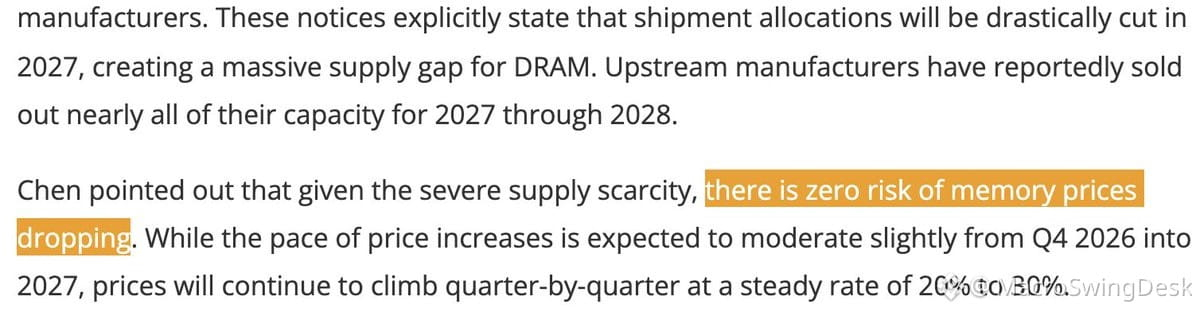
صرّح مدير شركة Team Group، جيري تشين، بأن هناك "عدم وجود أي مخاطر لانخفاض أسعار الذاكرة". وهذا ليس ترويجًا تسويقيًا. إليكم ما يحدث فعليًا:
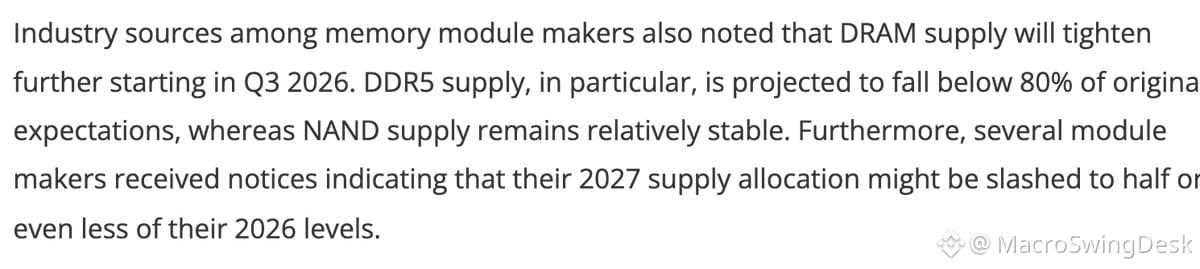
🔹 يتم إبلاغ صانعي وحدات الذاكرة بأن حصصهم لعام 2027 قد يتم تقليصها بنسبة 50% أو أكثر مقارنة بعام 2026
🔹 قامت المصانع الأمّ (Upstream fabs) ببيع معظم سعة 2027–2028 بالكامل بالفعل
🔹 من المتوقع أن تصل إمدادات DDR5 إلى أقل من 80% من التوقعات السابقة
🔹 قد تستمر الأسعار في الارتفاع بنسبة 20–30% ربعًا بعد ربع خلال 2027
حتى مصنع MegaFab الجديد لشركة $MU لن يبدأ العمل إلا في أقرب تقدير خلال الربع الرابع من 2027 — كما أن الطلبات الخاصة بسنوات 2028–2029 محجوزة بالكامل بالفعل.
لذا إذا كنت ما زلت تسمع أن "بناء الذكاء الاصطناعي يتباطأ"، فـ سوق الذاكرة يصرخ بالعكس. حصص أقل بشكل حاد، وسعة محجوزة بالكامل حتى 2029، وأسعار أعلى بشكل هيكلي في الطريق.
يصب هذا السيناريو لصالح $MU و $SKHY بشكل كبير. قيود الإمداد + طلب قوي من قطاع الذكاء الاصطناعي = قدرة تسعير تستمر لفترة أطول مما يتوقعه معظم الناس.
يتم عصر إمدادات الذاكرة بقوة — ولا يبدو أنها ستتخفف في أي وقت قريب.
صرّح مدير شركة Team Group، جيري تشين، بأن هناك "عدم وجود أي مخاطر لانخفاض أسعار الذاكرة". وهذا ليس ترويجًا تسويقيًا. إليكم ما يحدث فعليًا:
🔹 يتم إبلاغ صانعي وحدات الذاكرة بأن حصصهم لعام 2027 قد يتم تقليصها بنسبة 50% أو أكثر مقارنة بعام 2026
🔹 قامت المصانع الأمّ (Upstream fabs) ببيع معظم سعة 2027–2028 بالكامل بالفعل
🔹 من المتوقع أن تصل إمدادات DDR5 إلى أقل من 80% من التوقعات السابقة
🔹 قد تستمر الأسعار في الارتفاع بنسبة 20–30% ربعًا بعد ربع خلال 2027
حتى مصنع MegaFab الجديد لشركة $MU لن يبدأ العمل إلا في أقرب تقدير خلال الربع الرابع من 2027 — كما أن الطلبات الخاصة بسنوات 2028–2029 محجوزة بالكامل بالفعل.
لذا إذا كنت ما زلت تسمع أن "بناء الذكاء الاصطناعي يتباطأ"، فـ سوق الذاكرة يصرخ بالعكس. حصص أقل بشكل حاد، وسعة محجوزة بالكامل حتى 2029، وأسعار أعلى بشكل هيكلي في الطريق.
يصب هذا السيناريو لصالح $MU و $SKHY بشكل كبير. قيود الإمداد + طلب قوي من قطاع الذكاء الاصطناعي = قدرة تسعير تستمر لفترة أطول مما يتوقعه معظم الناس.
صرّح مدير شركة Team Group، جيري تشين، بأن هناك "عدم وجود أي مخاطر لانخفاض أسعار الذاكرة". وهذا ليس ترويجًا تسويقيًا. إليكم ما يحدث فعليًا:
🔹 يتم إبلاغ صانعي وحدات الذاكرة بأن حصصهم لعام 2027 قد يتم تقليصها بنسبة 50% أو أكثر مقارنة بعام 2026
🔹 قامت المصانع الأمّ (Upstream fabs) ببيع معظم سعة 2027–2028 بالكامل بالفعل
🔹 من المتوقع أن تصل إمدادات DDR5 إلى أقل من 80% من التوقعات السابقة
🔹 قد تستمر الأسعار في الارتفاع بنسبة 20–30% ربعًا بعد ربع خلال 2027
حتى مصنع MegaFab الجديد لشركة $MU لن يبدأ العمل إلا في أقرب تقدير خلال الربع الرابع من 2027 — كما أن الطلبات الخاصة بسنوات 2028–2029 محجوزة بالكامل بالفعل.
لذا إذا كنت ما زلت تسمع أن "بناء الذكاء الاصطناعي يتباطأ"، فـ سوق الذاكرة يصرخ بالعكس. حصص أقل بشكل حاد، وسعة محجوزة بالكامل حتى 2029، وأسعار أعلى بشكل هيكلي في الطريق.
يصب هذا السيناريو لصالح $MU و $SKHY بشكل كبير. قيود الإمداد + طلب قوي من قطاع الذكاء الاصطناعي = قدرة تسعير تستمر لفترة أطول مما يتوقعه معظم الناس.
644
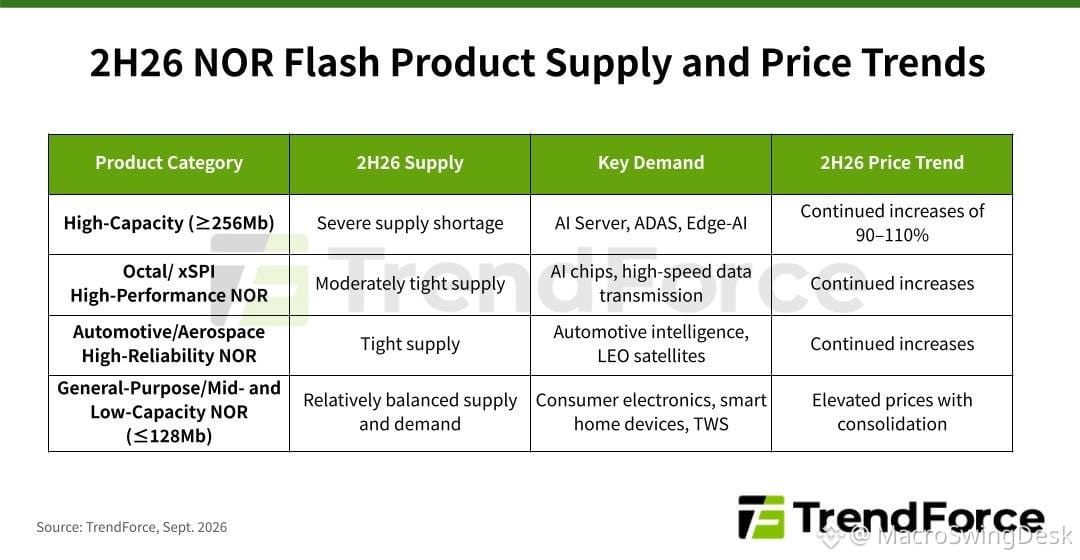
فلاش NOR موجود في "نقص حاد في الإمدادات" — شرائح عالية الكثافة تشهد زيادات سعرية بنسبة 90–110% في النصف الثاني من العام.
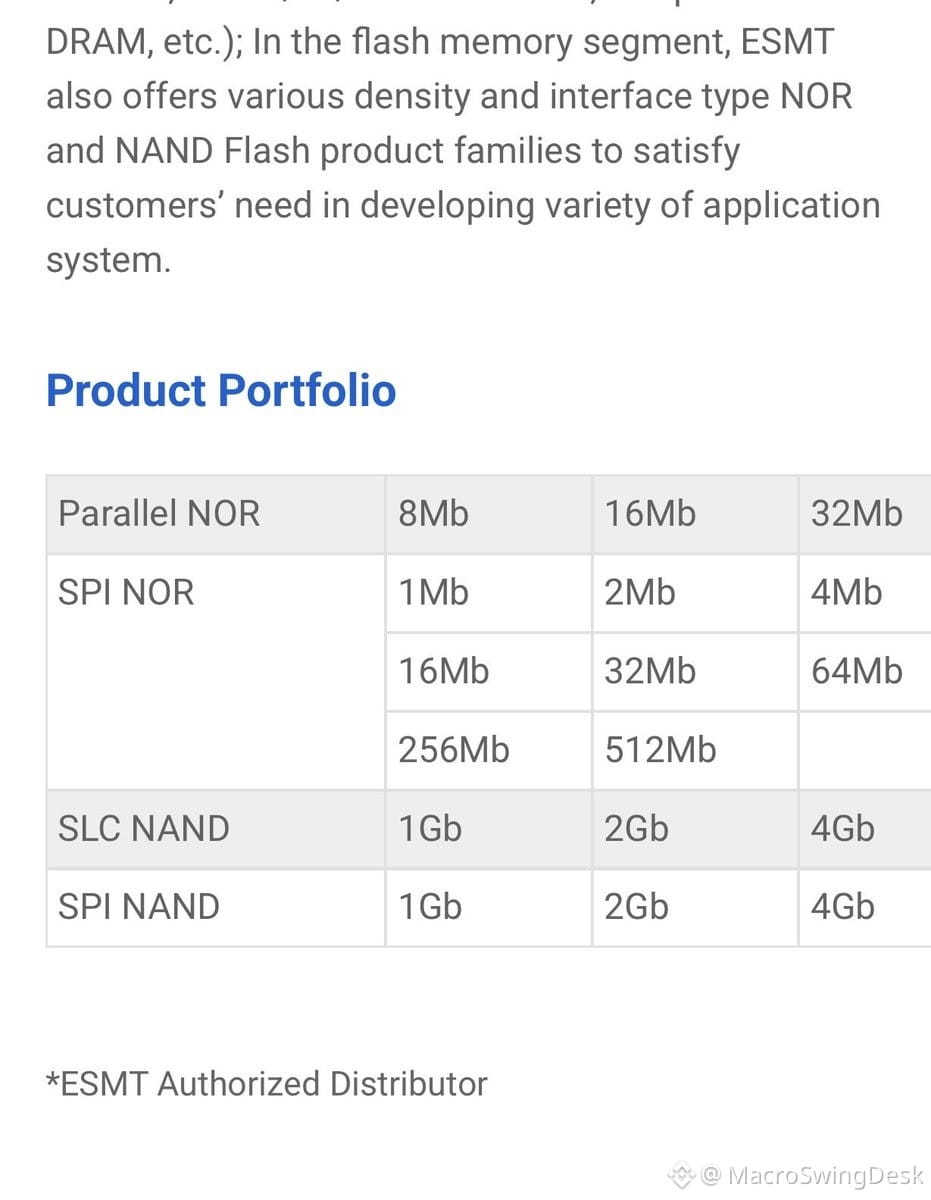
من يبيع كلاً من NOR عالي الكثافة وSLC NAND؟ $ESMT.
تسعير النصف الأول (H1):
NOR: +100–120%
SLC NAND: +130–150%
توقعات النصف الثاني (H2):
NOR عالي الكثافة: +90–110%
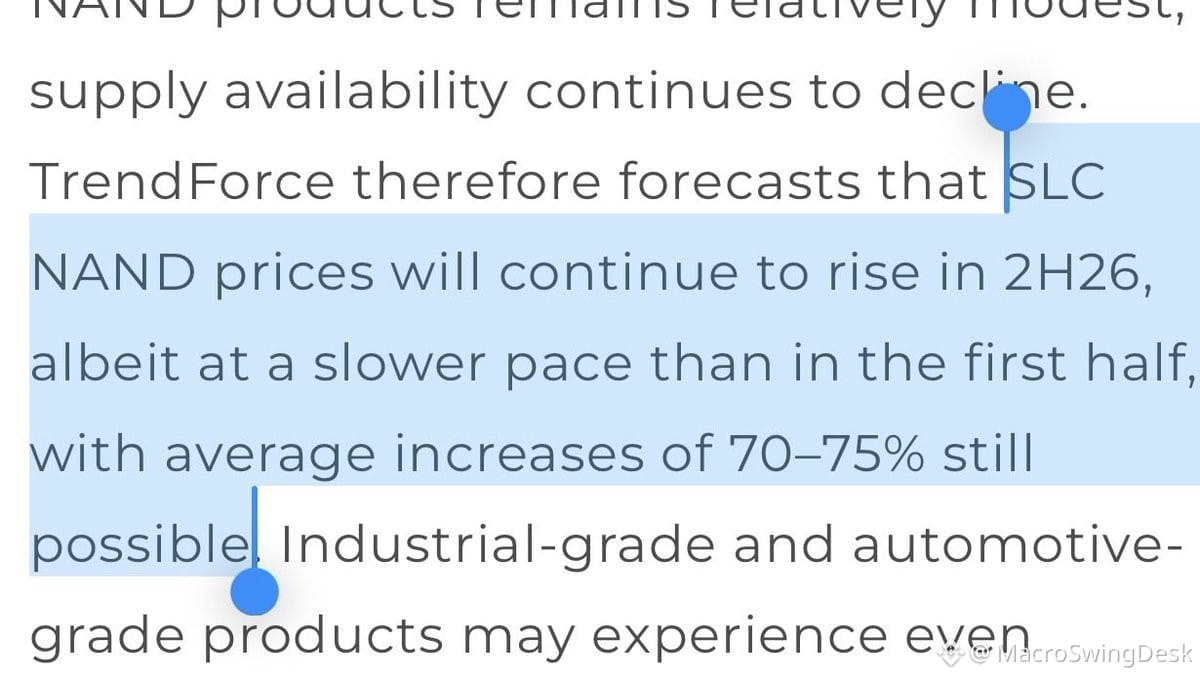
SLC NAND: ~70–75%
نعم، إن $WBX و$MXICY و$GDEVF يشاركون أيضًا في هذا المجال. لكن $ESMT يبدو أنه أكبر المستفيد مقارنةً بحجمه — لديهم تركيز كبير على NOR عالي الكثافة (>256Mb).
هناك مخاطرة واحدة: منتجات بسعات متوسطة/منخفضة (≤128Mb) قد تشهد دخول إمدادات صينية جديدة إلى السوق، ما قد يؤدي إلى اعتدال تسعير المنتجات الموجهة للمستهلك.
لكن بشكل عام؟ هذا صعودي للغاية بالنسبة لمشغلي الذاكرة التقليدية. استمرار توسع متوسط سعر البيع (ASP).
فلاش NOR موجود في "نقص حاد في الإمدادات" — شرائح عالية الكثافة تشهد زيادات سعرية بنسبة 90–110% في النصف الثاني من العام.
من يبيع كلاً من NOR عالي الكثافة وSLC NAND؟ $ESMT.
تسعير النصف الأول (H1):
NOR: +100–120%
SLC NAND: +130–150%
توقعات النصف الثاني (H2):
NOR عالي الكثافة: +90–110%
SLC NAND: ~70–75%
نعم، إن $WBX و$MXICY و$GDEVF يشاركون أيضًا في هذا المجال. لكن $ESMT يبدو أنه أكبر المستفيد مقارنةً بحجمه — لديهم تركيز كبير على NOR عالي الكثافة (>256Mb).
هناك مخاطرة واحدة: منتجات بسعات متوسطة/منخفضة (≤128Mb) قد تشهد دخول إمدادات صينية جديدة إلى السوق، ما قد يؤدي إلى اعتدال تسعير المنتجات الموجهة للمستهلك.
لكن بشكل عام؟ هذا صعودي للغاية بالنسبة لمشغلي الذاكرة التقليدية. استمرار توسع متوسط سعر البيع (ASP).
من يبيع كلاً من NOR عالي الكثافة وSLC NAND؟ $ESMT.
تسعير النصف الأول (H1):
NOR: +100–120%
SLC NAND: +130–150%
توقعات النصف الثاني (H2):
NOR عالي الكثافة: +90–110%
SLC NAND: ~70–75%
نعم، إن $WBX و$MXICY و$GDEVF يشاركون أيضًا في هذا المجال. لكن $ESMT يبدو أنه أكبر المستفيد مقارنةً بحجمه — لديهم تركيز كبير على NOR عالي الكثافة (>256Mb).
هناك مخاطرة واحدة: منتجات بسعات متوسطة/منخفضة (≤128Mb) قد تشهد دخول إمدادات صينية جديدة إلى السوق، ما قد يؤدي إلى اعتدال تسعير المنتجات الموجهة للمستهلك.
لكن بشكل عام؟ هذا صعودي للغاية بالنسبة لمشغلي الذاكرة التقليدية. استمرار توسع متوسط سعر البيع (ASP).
280
الدماغ في تجارة التجزئة يظهر هنا 🤡
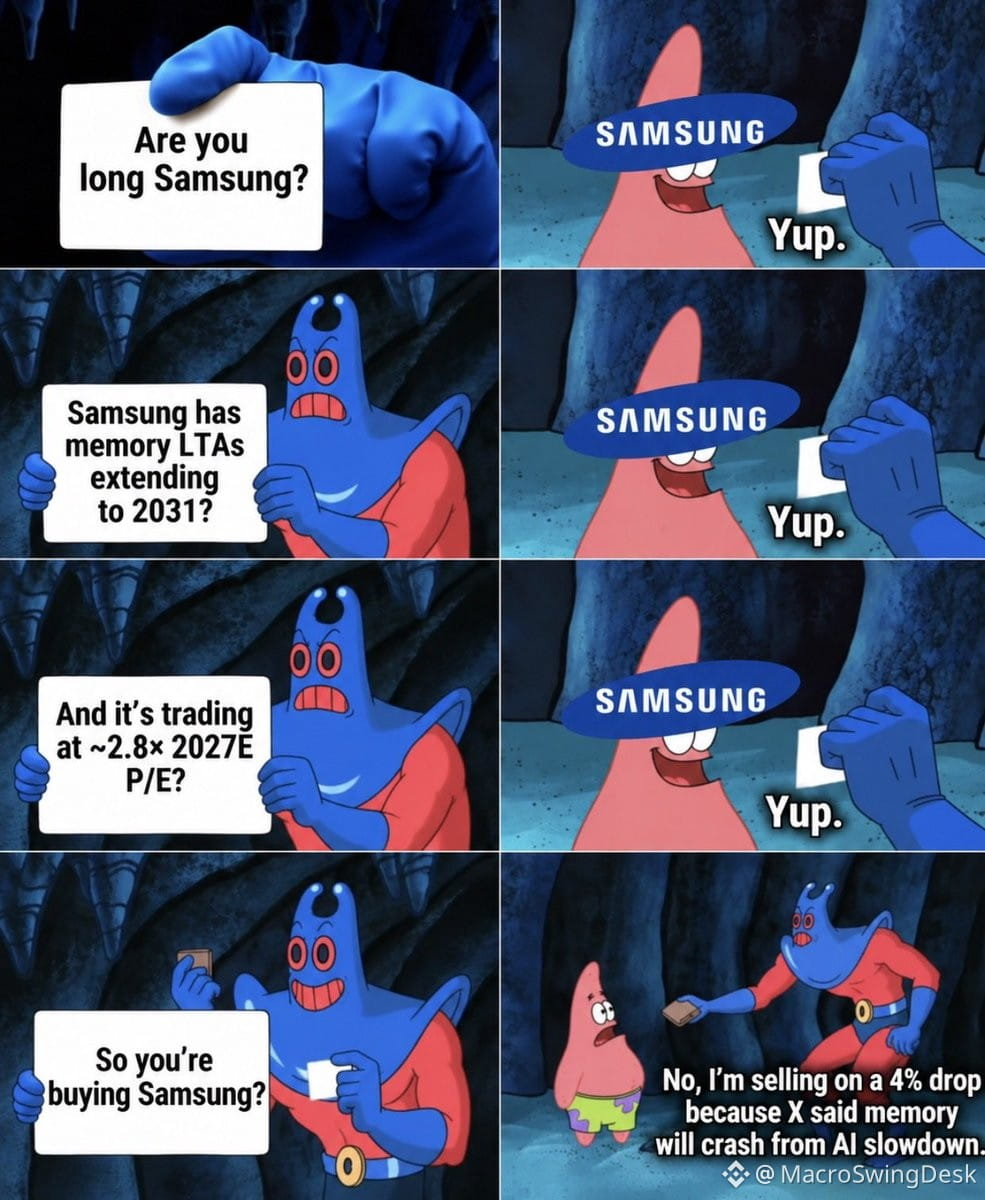
شركة سامسونج تمتلك اتفاقيات توريد ذاكرة مُحكمة ومقفلة حتى عام 2031. وتتداول عند 2.8x من مضاعف الأرباح الآجل لعام 2027. هذا رخيص بشكل لا يصدق لشركة تتمتع برؤية طلب هيكلية وقدرة تسعير.
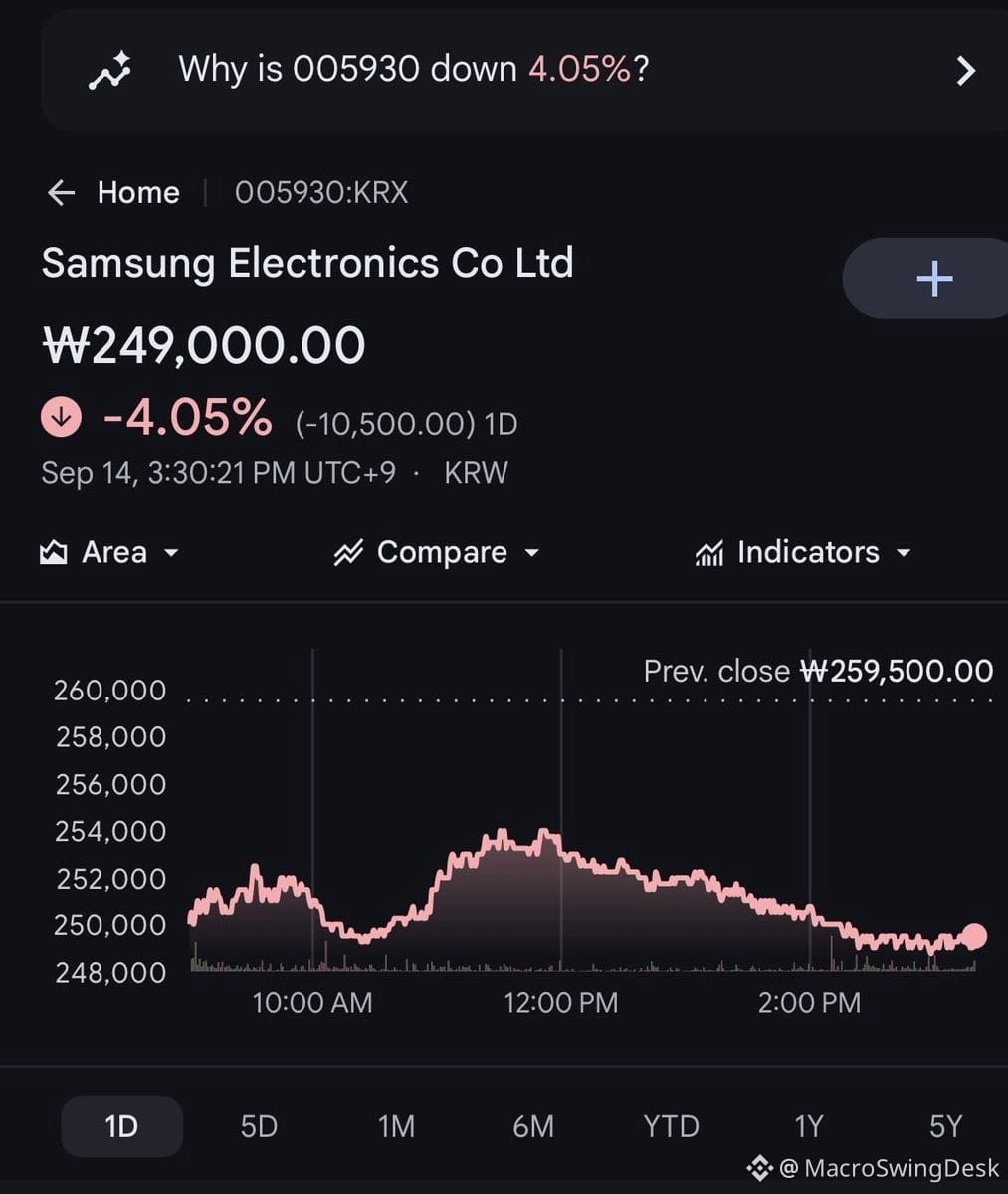
لكن لا — تغريدة خوف عشوائية واحدة عن "تباطؤ الذكاء الاصطناعي = انهيار الذاكرة" فتسقطها 4%، وفجأة يبدأ الجميع بالبيع الذعِر.
وهذا بالضبط كيف تخسر المال. أنت تعرف الأساسيات. أنت تعرف أن التقييم مضغوط. أنت تعرف أن الاتفاقيات طويلة الأجل تُقلل مخاطر الجانب السلبي. لكن بمجرد أن يتحرك السعر ضدك، تستسلم لأن شخصًا ما على الإنترنت قال ذلك.
إذا كنت تؤمن بالأطروحة، فإن هبوط 4% ضوضاء. وإذا لم تكن تؤمن بها، فلماذا كنت طويلًا (مُشتريًا) من الأساس؟
الذاكرة لن تختفي. بنية الذكاء الاصطناعي ما زالت تحتاج إلى DRAM وNAND. سامسونج ليست مجرد ميم مضاربي — إنها عملاق عالمي في أشباه الموصلات مع إيرادات متعاقد عليها وإمكانات لتوسيع الهامش.
إما أنك تتداول باقتناع، أو أنك تلعب قمارًا مع خطوات إضافية. اختر واحدًا.
الدماغ في تجارة التجزئة يظهر هنا 🤡
شركة سامسونج تمتلك اتفاقيات توريد ذاكرة مُحكمة ومقفلة حتى عام 2031. وتتداول عند 2.8x من مضاعف الأرباح الآجل لعام 2027. هذا رخيص بشكل لا يصدق لشركة تتمتع برؤية طلب هيكلية وقدرة تسعير.
لكن لا — تغريدة خوف عشوائية واحدة عن "تباطؤ الذكاء الاصطناعي = انهيار الذاكرة" فتسقطها 4%، وفجأة يبدأ الجميع بالبيع الذعِر.
وهذا بالضبط كيف تخسر المال. أنت تعرف الأساسيات. أنت تعرف أن التقييم مضغوط. أنت تعرف أن الاتفاقيات طويلة الأجل تُقلل مخاطر الجانب السلبي. لكن بمجرد أن يتحرك السعر ضدك، تستسلم لأن شخصًا ما على الإنترنت قال ذلك.
إذا كنت تؤمن بالأطروحة، فإن هبوط 4% ضوضاء. وإذا لم تكن تؤمن بها، فلماذا كنت طويلًا (مُشتريًا) من الأساس؟
الذاكرة لن تختفي. بنية الذكاء الاصطناعي ما زالت تحتاج إلى DRAM وNAND. سامسونج ليست مجرد ميم مضاربي — إنها عملاق عالمي في أشباه الموصلات مع إيرادات متعاقد عليها وإمكانات لتوسيع الهامش.
إما أنك تتداول باقتناع، أو أنك تلعب قمارًا مع خطوات إضافية. اختر واحدًا.
شركة سامسونج تمتلك اتفاقيات توريد ذاكرة مُحكمة ومقفلة حتى عام 2031. وتتداول عند 2.8x من مضاعف الأرباح الآجل لعام 2027. هذا رخيص بشكل لا يصدق لشركة تتمتع برؤية طلب هيكلية وقدرة تسعير.
لكن لا — تغريدة خوف عشوائية واحدة عن "تباطؤ الذكاء الاصطناعي = انهيار الذاكرة" فتسقطها 4%، وفجأة يبدأ الجميع بالبيع الذعِر.
وهذا بالضبط كيف تخسر المال. أنت تعرف الأساسيات. أنت تعرف أن التقييم مضغوط. أنت تعرف أن الاتفاقيات طويلة الأجل تُقلل مخاطر الجانب السلبي. لكن بمجرد أن يتحرك السعر ضدك، تستسلم لأن شخصًا ما على الإنترنت قال ذلك.
إذا كنت تؤمن بالأطروحة، فإن هبوط 4% ضوضاء. وإذا لم تكن تؤمن بها، فلماذا كنت طويلًا (مُشتريًا) من الأساس؟
الذاكرة لن تختفي. بنية الذكاء الاصطناعي ما زالت تحتاج إلى DRAM وNAND. سامسونج ليست مجرد ميم مضاربي — إنها عملاق عالمي في أشباه الموصلات مع إيرادات متعاقد عليها وإمكانات لتوسيع الهامش.
إما أنك تتداول باقتناع، أو أنك تلعب قمارًا مع خطوات إضافية. اختر واحدًا.
328
سجّل الدخول لاستكشاف المزيد من المُحتوى
انضم إلى مُستخدمي العملات الرقمية حول العالم على Binance Square
⚡️ احصل على أحدث المعلومات المفيدة عن العملات الرقمية.
💬 موثوقة من قبل أكبر منصّة لتداول العملات الرقمية في العالم.
👍 اكتشف الرؤى الحقيقية من صنّاع المُحتوى الموثوقين.
البريد الإلكتروني / رقم الهاتف
المواضيع الرائجة
UKFCAWinsCourtOrderToRecover851400Pounds
37,747 مشاهدات
807 يقومون بالنقاش
#UKFCAWinsCourtOrderToRecover851400Pounds
#UKFCAWinsCourtOrderToRecover851400Pounds
هيئة الرقابة المالية البريطانية FCA تفوز بأمر قضائي لاسترداد 851400 باوند
في انتصار كبير للعدالة المالية في بريطانيا
التفاصيل الكاملة
المحتال جون بيرفورد 86 سنة عالم سابق في ناسا
نصب على اكثر من 100 مستثمر بمبلغ مليون باوند
عرض صناديق استثمار وهمية بدون ترخيص من FCA
اخفى الخسائر واستخدم اموال الناس لشراء منزل لنفسه
حكم عليه بالسجن سنتين في سبتمبر 2025
قرار المحكمة الجديد
محكمة Southwark في لندن امرت بدفع 655951.40 باوند
هذا المبلغ هو كل الاصول القابلة للاسترداد
الاموال ستعود مباشرة للضحايا
مع المدفوعات السابقة سيسترد الضحايا 99% من اموالهم
اذا لم يدفع خلال 3 اشهر سيضاف 5 سنوات سجن اضافية
رسالة FCA
قال ستيف سمارت مدير التنفيذ في FCA
السيد بيرفورد احتال على المستثمرين لتمويل اسلوب حياته الفاخر
استرداد الاموال المسروقة واعادتها للضحايا يرسل رسالة واضحة ان الجريمة لا تفيد
هذا يثبت قوة القانون البريطاني في حماية المستثمرين
#UKFCAWinsCourtOrderToRecover851400Pounds #UKFCA #بريطانيا #FCA #BinanceSquare
Mohammed _crypto sniper
·1 إعجاب
·75 مشاهدات
ChainlinkLaunchesCCIP2WithEnterpriseVerification
50,041 مشاهدات
975 يقومون بالنقاش
GoldFallsTo$4144
17,071 مشاهدات
165 يقومون بالنقاش