

#depin
depin
3.8M مشاهدات
13,429 يقومون بالنقاش
رائج
جديد
هل لاحظت كيف يظل مستثمرو العملات المشفرة يطاردون باستمرار عملات الميم صغيرة القيمة بينما تتفوّق عمالقة التكنولوجيا في العالم الواقعي بهدوء على كامل أنظمة بيئية؟
يفشل معظم المتداولين في الحفاظ على توازن محافظهم بسبب القفز بين الإطلاقات المبالغ فيها ثم يتم تقطيعهم في دورات سوق متقلبة وعنيفة. إنهم يضغطون باستمرار بشأن مخططات مدتها 15 دقيقة فقط ليفوّتوا الاتجاهات البنيوية الكبرى على مستوى الاقتصاد الكلي أمامهم مباشرة.
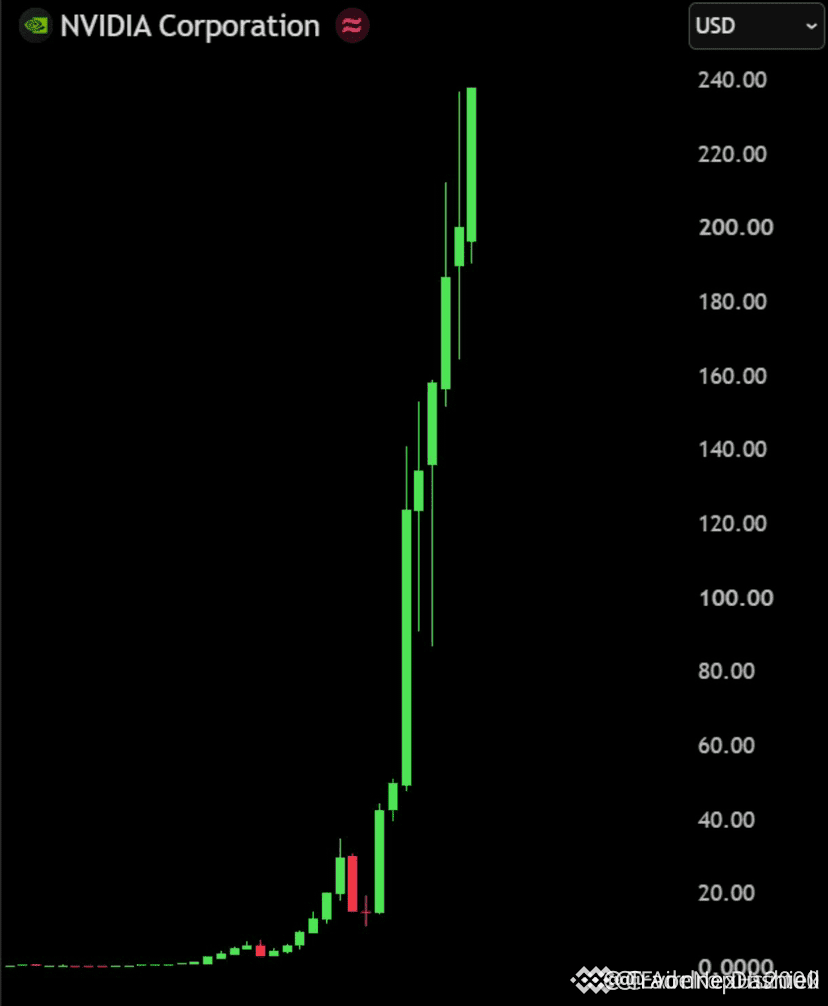
انظر إلى الأرقام في وول ستريت. فقد تجاوزت إنفيديا للتو قيمة سوقية قدرها 5.7 تريليون دولار، حيث إن استثمارًا بسيطًا بقيمة 10,000 دولار تمّ تخصيصه قبل عقد من الزمن يساوي اليوم حوالي 1.58 مليون دولار. هذا نمو ناتج عن التراكب مدفوع بالطلب الفعلي على الحوسبة، وليس مجرد تدوير مضاربي خالص.
وقد بدأ هذا النمو بالفعل بالانسياب إلى مجال الحوسبة اللامركزية والبنية التحتية مثل $RENDER و$NEAR و$FET. إن الفرصة الحقيقية في الذكاء الاصطناعي اللامركزي ليست الرهان على توكنات بلا فائدة حقيقية، بل تحديد الشبكات التي توفّر مسارات حوسبة يمكن التحقق منها لتلبية هذا الطلب غير المسبوق على العتاد.
أين تعتقد أن بنية تحتية للذكاء الاصطناعي اللامركزي ستندرج ضمن توسّع الحوسبة الهائل هذا خلال العقد القادم؟
#CryptoAI #DePIN #ArtificialIntelligence
هل لاحظت كيف يظل مستثمرو العملات المشفرة يطاردون باستمرار عملات الميم صغيرة القيمة بينما تتفوّق عمالقة التكنولوجيا في العالم الواقعي بهدوء على كامل أنظمة بيئية؟
يفشل معظم المتداولين في الحفاظ على توازن محافظهم بسبب القفز بين الإطلاقات المبالغ فيها ثم يتم تقطيعهم في دورات سوق متقلبة وعنيفة. إنهم يضغطون باستمرار بشأن مخططات مدتها 15 دقيقة فقط ليفوّتوا الاتجاهات البنيوية الكبرى على مستوى الاقتصاد الكلي أمامهم مباشرة.
انظر إلى الأرقام في وول ستريت. فقد تجاوزت إنفيديا للتو قيمة سوقية قدرها 5.7 تريليون دولار، حيث إن استثمارًا بسيطًا بقيمة 10,000 دولار تمّ تخصيصه قبل عقد من الزمن يساوي اليوم حوالي 1.58 مليون دولار. هذا نمو ناتج عن التراكب مدفوع بالطلب الفعلي على الحوسبة، وليس مجرد تدوير مضاربي خالص.
وقد بدأ هذا النمو بالفعل بالانسياب إلى مجال الحوسبة اللامركزية والبنية التحتية مثل $RENDER و$NEAR و$FET . إن الفرصة الحقيقية في الذكاء الاصطناعي اللامركزي ليست الرهان على توكنات بلا فائدة حقيقية، بل تحديد الشبكات التي توفّر مسارات حوسبة يمكن التحقق منها لتلبية هذا الطلب غير المسبوق على العتاد.
أين تعتقد أن بنية تحتية للذكاء الاصطناعي اللامركزي ستندرج ضمن توسّع الحوسبة الهائل هذا خلال العقد القادم؟
#CryptoAI #DePIN #ArtificialIntelligence
يفشل معظم المتداولين في الحفاظ على توازن محافظهم بسبب القفز بين الإطلاقات المبالغ فيها ثم يتم تقطيعهم في دورات سوق متقلبة وعنيفة. إنهم يضغطون باستمرار بشأن مخططات مدتها 15 دقيقة فقط ليفوّتوا الاتجاهات البنيوية الكبرى على مستوى الاقتصاد الكلي أمامهم مباشرة.
انظر إلى الأرقام في وول ستريت. فقد تجاوزت إنفيديا للتو قيمة سوقية قدرها 5.7 تريليون دولار، حيث إن استثمارًا بسيطًا بقيمة 10,000 دولار تمّ تخصيصه قبل عقد من الزمن يساوي اليوم حوالي 1.58 مليون دولار. هذا نمو ناتج عن التراكب مدفوع بالطلب الفعلي على الحوسبة، وليس مجرد تدوير مضاربي خالص.
وقد بدأ هذا النمو بالفعل بالانسياب إلى مجال الحوسبة اللامركزية والبنية التحتية مثل $RENDER و$NEAR و$FET . إن الفرصة الحقيقية في الذكاء الاصطناعي اللامركزي ليست الرهان على توكنات بلا فائدة حقيقية، بل تحديد الشبكات التي توفّر مسارات حوسبة يمكن التحقق منها لتلبية هذا الطلب غير المسبوق على العتاد.
أين تعتقد أن بنية تحتية للذكاء الاصطناعي اللامركزي ستندرج ضمن توسّع الحوسبة الهائل هذا خلال العقد القادم؟
#CryptoAI #DePIN #ArtificialIntelligence
98

·
--
إذا كنت ما زلت تتجاهل الدوران الرأسمالي الضخم بين التكنولوجيا التقليدية والحوسبة اللامركزية، فقد تكون ترتكب خطأً مكلفًا.
يُحاصر معظم المتداولين أنفسهم بمطاردة الارتفاعات المتأخرة على الأسهم العملاقة الكبرى (mega caps)، بينما يفوتهم تمامًا اللعب على مستوى البنية التحتية المبكرة. تراقب العمالقة التقليديين وهم يحطمون الأرقام القياسية، وتشعر بوجلٍ شديد (FOMO) شديد، وفي النهاية تشتري بالقرب من القمم المحلية بدل أن تتموضع حيث تعيش الزيادة غير المتكافئة (asymmetric upside) القادمة.
وصلت Nvidia للتو إلى معلم تاريخي بقيمة سوقية 5.7 تريليون، حيث تبلغ قيمة مركز بقيمة 10,000 دولار منذ عقد من الزمن تقريبًا 1.58 مليون اليوم. وبينما يجادل أنصار الأسهم التقليدية بأن سيطرة العتاد المُركزي غير قابلة للمس، فإن هذا الحجم تحديدًا يجعل تحقيق عوائد 10 أضعاف في المستقبل أمرًا صعبًا رياضيًا.
النقاش الحقيقي هو ما إذا كانت بروتوكولات الحوسبة بالذكاء الاصطناعي اللامركزية مثل $NEAR و$RENDER، أو $FET ، قادرة على الاستحواذ على حصة سوقية من احتكارات السيليكون المركزية. أميل إلى أن شبكات البنية التحتية المادية اللامركزية ستتقدم جدّيًا مع تفاقم نقص الحوسبة، لتقدّم نوعًا من المضاعفات غير المتكافئة الذي لا يمكن للتكنولوجيا القديمة تقديمه كما كان في الماضي.
هل تعتقد أن الحوسبة اللامركزية ستُحدث بالفعل اضطرابًا في عمالقة السيليكون التقليديين في هذه الدورة؟ أم أن التكنولوجيا التقليدية ستواصل الاستحواذ على كامل حجم طلبات المؤسسات؟
#Nvidia #CryptoAI #DePIN
إذا كنت ما زلت تتجاهل الدوران الرأسمالي الضخم بين التكنولوجيا التقليدية والحوسبة اللامركزية، فقد تكون ترتكب خطأً مكلفًا.
يُحاصر معظم المتداولين أنفسهم بمطاردة الارتفاعات المتأخرة على الأسهم العملاقة الكبرى (mega caps)، بينما يفوتهم تمامًا اللعب على مستوى البنية التحتية المبكرة. تراقب العمالقة التقليديين وهم يحطمون الأرقام القياسية، وتشعر بوجلٍ شديد (FOMO) شديد، وفي النهاية تشتري بالقرب من القمم المحلية بدل أن تتموضع حيث تعيش الزيادة غير المتكافئة (asymmetric upside) القادمة.
وصلت Nvidia للتو إلى معلم تاريخي بقيمة سوقية 5.7 تريليون، حيث تبلغ قيمة مركز بقيمة 10,000 دولار منذ عقد من الزمن تقريبًا 1.58 مليون اليوم. وبينما يجادل أنصار الأسهم التقليدية بأن سيطرة العتاد المُركزي غير قابلة للمس، فإن هذا الحجم تحديدًا يجعل تحقيق عوائد 10 أضعاف في المستقبل أمرًا صعبًا رياضيًا.
النقاش الحقيقي هو ما إذا كانت بروتوكولات الحوسبة بالذكاء الاصطناعي اللامركزية مثل $NEAR و$RENDER ، أو $FET ، قادرة على الاستحواذ على حصة سوقية من احتكارات السيليكون المركزية. أميل إلى أن شبكات البنية التحتية المادية اللامركزية ستتقدم جدّيًا مع تفاقم نقص الحوسبة، لتقدّم نوعًا من المضاعفات غير المتكافئة الذي لا يمكن للتكنولوجيا القديمة تقديمه كما كان في الماضي.
هل تعتقد أن الحوسبة اللامركزية ستُحدث بالفعل اضطرابًا في عمالقة السيليكون التقليديين في هذه الدورة؟ أم أن التكنولوجيا التقليدية ستواصل الاستحواذ على كامل حجم طلبات المؤسسات؟
#Nvidia #CryptoAI #DePIN
يُحاصر معظم المتداولين أنفسهم بمطاردة الارتفاعات المتأخرة على الأسهم العملاقة الكبرى (mega caps)، بينما يفوتهم تمامًا اللعب على مستوى البنية التحتية المبكرة. تراقب العمالقة التقليديين وهم يحطمون الأرقام القياسية، وتشعر بوجلٍ شديد (FOMO) شديد، وفي النهاية تشتري بالقرب من القمم المحلية بدل أن تتموضع حيث تعيش الزيادة غير المتكافئة (asymmetric upside) القادمة.
وصلت Nvidia للتو إلى معلم تاريخي بقيمة سوقية 5.7 تريليون، حيث تبلغ قيمة مركز بقيمة 10,000 دولار منذ عقد من الزمن تقريبًا 1.58 مليون اليوم. وبينما يجادل أنصار الأسهم التقليدية بأن سيطرة العتاد المُركزي غير قابلة للمس، فإن هذا الحجم تحديدًا يجعل تحقيق عوائد 10 أضعاف في المستقبل أمرًا صعبًا رياضيًا.
النقاش الحقيقي هو ما إذا كانت بروتوكولات الحوسبة بالذكاء الاصطناعي اللامركزية مثل $NEAR و$RENDER ، أو $FET ، قادرة على الاستحواذ على حصة سوقية من احتكارات السيليكون المركزية. أميل إلى أن شبكات البنية التحتية المادية اللامركزية ستتقدم جدّيًا مع تفاقم نقص الحوسبة، لتقدّم نوعًا من المضاعفات غير المتكافئة الذي لا يمكن للتكنولوجيا القديمة تقديمه كما كان في الماضي.
هل تعتقد أن الحوسبة اللامركزية ستُحدث بالفعل اضطرابًا في عمالقة السيليكون التقليديين في هذه الدورة؟ أم أن التكنولوجيا التقليدية ستواصل الاستحواذ على كامل حجم طلبات المؤسسات؟
#Nvidia #CryptoAI #DePIN
94


·
--
عرض الترجمة
$GLM Почему — это не просто токен, а основа цифрового будущего 🌐
Пока рынок гоняется за минутными мемами, проект Golem ($GLM ) строит то, без чего невозможно представить будущее IT — децентрализованный суперкомпьютер.
В чём реальная ценность $GLM?
Шеринг мощностей: Golem объединяет вычислительные ресурсы тысяч устройств по всему миру в единую сеть.
Нужен каждому: ИИ-разработчики, 3D-дизайнеры и ученые могут арендовать мощности за считанные центы вместо переплаты гигантам вроде AWS или Google Cloud.
Настоящий DePIN: Это реальный рабочий продукт, который решает проблему дефицита вычислений, а не просто красивое обещание из Whitepaper.
Технологии и реальная польза всегда побеждают спекулятивный шум. $GLM — это именно тот фундамент, на котором держится децентрализованный интернет.
А как вы считаете, станет ли децентрализация вычислений главным трендом этого цикла? 👇
#GLM #DePIN #AI #Crypto #GolemNetwork #BinanceSquare
$GLM Почему — это не просто токен, а основа цифрового будущего 🌐
Пока рынок гоняется за минутными мемами, проект Golem ($GLM ) строит то, без чего невозможно представить будущее IT — децентрализованный суперкомпьютер.
В чём реальная ценность $GLM ?
Шеринг мощностей: Golem объединяет вычислительные ресурсы тысяч устройств по всему миру в единую сеть.
Нужен каждому: ИИ-разработчики, 3D-дизайнеры и ученые могут арендовать мощности за считанные центы вместо переплаты гигантам вроде AWS или Google Cloud.
Настоящий DePIN: Это реальный рабочий продукт, который решает проблему дефицита вычислений, а не просто красивое обещание из Whitepaper.
Технологии и реальная польза всегда побеждают спекулятивный шум. $GLM — это именно тот фундамент, на котором держится децентрализованный интернет.
А как вы считаете, станет ли децентрализация вычислений главным трендом этого цикла? 👇
#GLM #DePIN #AI #Crypto #GolemNetwork #BinanceSquare
Пока рынок гоняется за минутными мемами, проект Golem ($GLM ) строит то, без чего невозможно представить будущее IT — децентрализованный суперкомпьютер.
В чём реальная ценность $GLM ?
Шеринг мощностей: Golem объединяет вычислительные ресурсы тысяч устройств по всему миру в единую сеть.
Нужен каждому: ИИ-разработчики, 3D-дизайнеры и ученые могут арендовать мощности за считанные центы вместо переплаты гигантам вроде AWS или Google Cloud.
Настоящий DePIN: Это реальный рабочий продукт, который решает проблему дефицита вычислений, а не просто красивое обещание из Whitepaper.
Технологии и реальная польза всегда побеждают спекулятивный шум. $GLM — это именно тот фундамент, на котором держится децентрализованный интернет.
А как вы считаете, станет ли децентрализация вычислений главным трендом этого цикла? 👇
#GLM #DePIN #AI #Crypto #GolemNetwork #BinanceSquare
1
188
·
--
تخيّل هذا: قبل عقدٍ من الزمن، وضعت 10,000 دولار في شركة عتاد تصنع شرائح رسومات للاعبين، واليوم تجلس بكل بساطة على 1.58 مليون دولار.
يقضي معظم المتداولين سنوات في مطاردة ضخّات صغيرة شديدة التقلب فقط ليتم تقطيعهم بسبب إدخالات سيئة وتراجعات قاسية، وغالبًا يفوتهم تمامًا التحوّلات الكبرى التي تحدث أمام أعينهم.
عندما تجاوزت إنفيديا علامة 5.7 تريليون دولار للقيمة السوقية، أكّد ذلك ما كانت تقصده السرديات المرتكزة على الحوسبة الثقيلة منذ أرباع. في التمويل التقليدي، تحقيق عائد غير متناظر يبلغ 158x خلال عشر سنوات عادةً يتطلب اختيار ملك البنية التحتية قبل أن يدرك العالم أنه يحتاجها. لقد رأينا هيمنة بنيوية مشابهة عندما $ETH بنى طبقة التسوية الأساسية لـ DeFi في عام 2017، متجاوزًا آلاف البدائل التي كانت محكومة بضجيج الحماس ثم ذهبت إلى الصفر.
المعادِل في عالم العملات الرقمية اليوم يتكشف عبر البنية التحتية المادية اللامركزية وشبكات الذكاء الاصطناعي. بينما تقوم الأسواق التقليدية بتوجيه تريليونات الدولارات نحو السيليكون المركزي، تحاول صفقات الحوسبة اللامركزية مثل $NEAR وشبكات الذكاء الاصطناعي اللامركزية مثل $FET حلّ نفس عنق الزجاجة من الجهة غير المقيّدة بالتصاريح. إن الفائزين الحقيقيين في كل دورة تقنية نادرًا ما يكونون أكثر تطبيقات الواجهة إثارةً؛ فعادةً ما يكونون الحوسبة الأساسية والبنية التحتية لطبقة القاعدة التي يُجبر الجميع الآخرون على البناء عليها.
هل تعتقد أن بنية تحتية للذكاء الاصطناعي اللامركزية يمكن أن تستحوذ يومًا على حصة من عمالقة التقنية التقليدية، أم أن الحوسبة المركزية ستحتفظ بكل الكعكة؟
#CryptoAI #DePIN #ArtificialIntelligence
تخيّل هذا: قبل عقدٍ من الزمن، وضعت 10,000 دولار في شركة عتاد تصنع شرائح رسومات للاعبين، واليوم تجلس بكل بساطة على 1.58 مليون دولار.
يقضي معظم المتداولين سنوات في مطاردة ضخّات صغيرة شديدة التقلب فقط ليتم تقطيعهم بسبب إدخالات سيئة وتراجعات قاسية، وغالبًا يفوتهم تمامًا التحوّلات الكبرى التي تحدث أمام أعينهم.
عندما تجاوزت إنفيديا علامة 5.7 تريليون دولار للقيمة السوقية، أكّد ذلك ما كانت تقصده السرديات المرتكزة على الحوسبة الثقيلة منذ أرباع. في التمويل التقليدي، تحقيق عائد غير متناظر يبلغ 158x خلال عشر سنوات عادةً يتطلب اختيار ملك البنية التحتية قبل أن يدرك العالم أنه يحتاجها. لقد رأينا هيمنة بنيوية مشابهة عندما $ETH بنى طبقة التسوية الأساسية لـ DeFi في عام 2017، متجاوزًا آلاف البدائل التي كانت محكومة بضجيج الحماس ثم ذهبت إلى الصفر.
المعادِل في عالم العملات الرقمية اليوم يتكشف عبر البنية التحتية المادية اللامركزية وشبكات الذكاء الاصطناعي. بينما تقوم الأسواق التقليدية بتوجيه تريليونات الدولارات نحو السيليكون المركزي، تحاول صفقات الحوسبة اللامركزية مثل $NEAR وشبكات الذكاء الاصطناعي اللامركزية مثل $FET حلّ نفس عنق الزجاجة من الجهة غير المقيّدة بالتصاريح. إن الفائزين الحقيقيين في كل دورة تقنية نادرًا ما يكونون أكثر تطبيقات الواجهة إثارةً؛ فعادةً ما يكونون الحوسبة الأساسية والبنية التحتية لطبقة القاعدة التي يُجبر الجميع الآخرون على البناء عليها.
هل تعتقد أن بنية تحتية للذكاء الاصطناعي اللامركزية يمكن أن تستحوذ يومًا على حصة من عمالقة التقنية التقليدية، أم أن الحوسبة المركزية ستحتفظ بكل الكعكة؟
#CryptoAI #DePIN #ArtificialIntelligence
يقضي معظم المتداولين سنوات في مطاردة ضخّات صغيرة شديدة التقلب فقط ليتم تقطيعهم بسبب إدخالات سيئة وتراجعات قاسية، وغالبًا يفوتهم تمامًا التحوّلات الكبرى التي تحدث أمام أعينهم.
عندما تجاوزت إنفيديا علامة 5.7 تريليون دولار للقيمة السوقية، أكّد ذلك ما كانت تقصده السرديات المرتكزة على الحوسبة الثقيلة منذ أرباع. في التمويل التقليدي، تحقيق عائد غير متناظر يبلغ 158x خلال عشر سنوات عادةً يتطلب اختيار ملك البنية التحتية قبل أن يدرك العالم أنه يحتاجها. لقد رأينا هيمنة بنيوية مشابهة عندما $ETH بنى طبقة التسوية الأساسية لـ DeFi في عام 2017، متجاوزًا آلاف البدائل التي كانت محكومة بضجيج الحماس ثم ذهبت إلى الصفر.
المعادِل في عالم العملات الرقمية اليوم يتكشف عبر البنية التحتية المادية اللامركزية وشبكات الذكاء الاصطناعي. بينما تقوم الأسواق التقليدية بتوجيه تريليونات الدولارات نحو السيليكون المركزي، تحاول صفقات الحوسبة اللامركزية مثل $NEAR وشبكات الذكاء الاصطناعي اللامركزية مثل $FET حلّ نفس عنق الزجاجة من الجهة غير المقيّدة بالتصاريح. إن الفائزين الحقيقيين في كل دورة تقنية نادرًا ما يكونون أكثر تطبيقات الواجهة إثارةً؛ فعادةً ما يكونون الحوسبة الأساسية والبنية التحتية لطبقة القاعدة التي يُجبر الجميع الآخرون على البناء عليها.
هل تعتقد أن بنية تحتية للذكاء الاصطناعي اللامركزية يمكن أن تستحوذ يومًا على حصة من عمالقة التقنية التقليدية، أم أن الحوسبة المركزية ستحتفظ بكل الكعكة؟
#CryptoAI #DePIN #ArtificialIntelligence
10

·
--
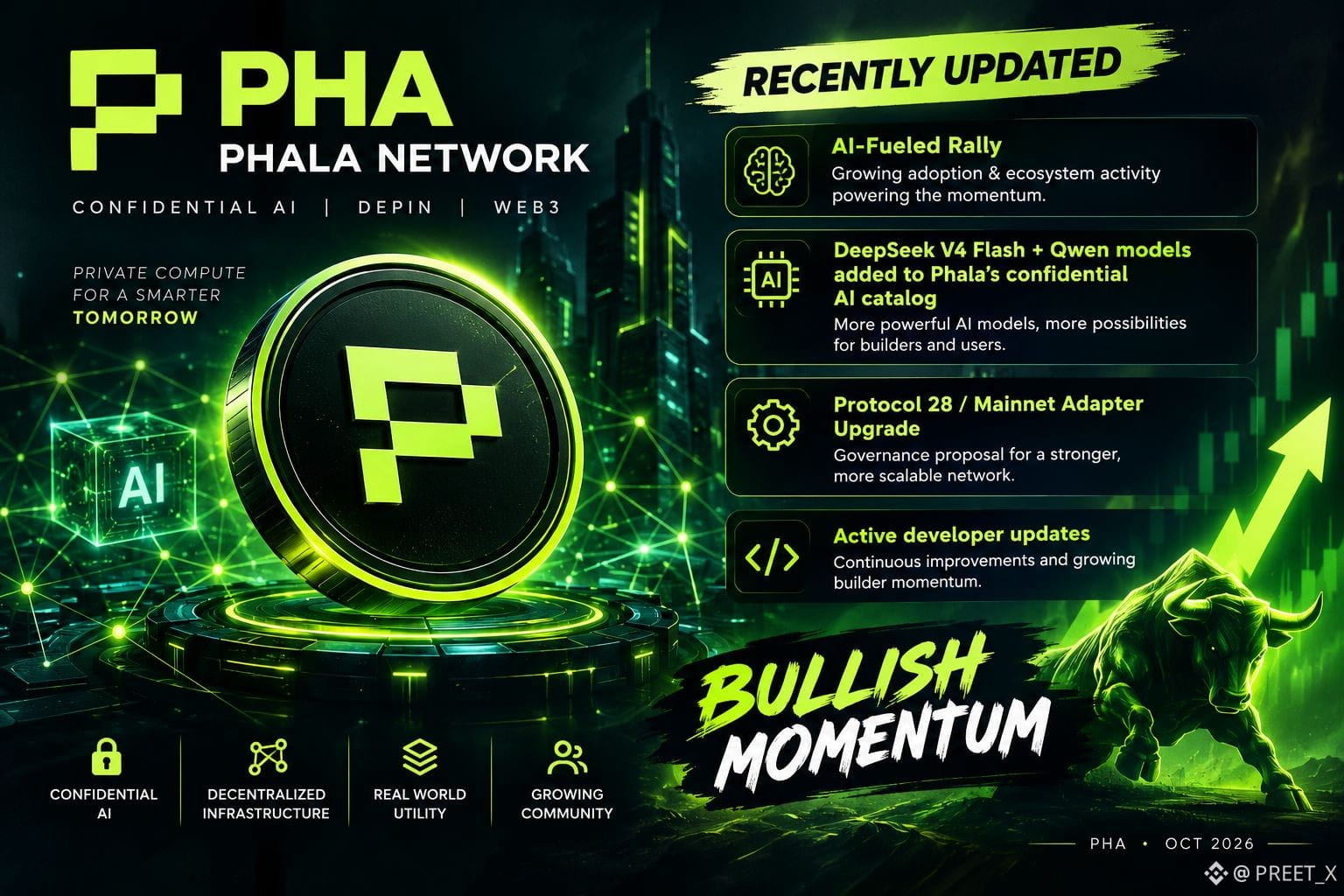
🔥 $PHA — سري للغاية: الذكاء الاصطناعي السري يزداد سخونة
تدفع شبكة Phala إلى أعمق داخل سرد «الذكاء الاصطناعي السري + TEE». ⚡
🧠 آخر التحديثات
• أصبح Qwen3.8-27B متاحًا الآن على Phala مع GPU TEE مُثبتة عبر TDX
• يتم دمج نماذج DeepSeek و Qwen ضمن منظومة الذكاء الاصطناعي السري لدى Phala
• قامت Phala Confidential AI مؤخرًا بمعالجة عشرات المليارات من الرموز المميزة خلال فترات 24 ساعة
• استمرار التطوير حول بنية تحتية للذكاء الاصطناعي خاصة وقابلة للتحقق
📈 لماذا يبدو السرد مثيرًا للاهتمام
الذكاء الاصطناعي + الخصوصية + البنية اللامركزية = موضوع قوي في Web3.
$PHA يُظهر نشاطًا قويًا في النظام البيئي، لكن العملات الرقمية تظل شديدة التقلب ولا تضمن هذه التطورات بالضرورة ارتفاع السعر.
🚀 $PHA
{spot}(PHAUSDT)
— سرد صاعد
ذكاء اصطناعي سري × Web3 × TEE
#PhalaNetwork #AI #crypto #Web3 #DePIN
🔥 $PHA — سري للغاية: الذكاء الاصطناعي السري يزداد سخونة
تدفع شبكة Phala إلى أعمق داخل سرد «الذكاء الاصطناعي السري + TEE». ⚡
🧠 آخر التحديثات
• أصبح Qwen3.8-27B متاحًا الآن على Phala مع GPU TEE مُثبتة عبر TDX
• يتم دمج نماذج DeepSeek و Qwen ضمن منظومة الذكاء الاصطناعي السري لدى Phala
• قامت Phala Confidential AI مؤخرًا بمعالجة عشرات المليارات من الرموز المميزة خلال فترات 24 ساعة
• استمرار التطوير حول بنية تحتية للذكاء الاصطناعي خاصة وقابلة للتحقق
📈 لماذا يبدو السرد مثيرًا للاهتمام
الذكاء الاصطناعي + الخصوصية + البنية اللامركزية = موضوع قوي في Web3.
$PHA يُظهر نشاطًا قويًا في النظام البيئي، لكن العملات الرقمية تظل شديدة التقلب ولا تضمن هذه التطورات بالضرورة ارتفاع السعر.
🚀 $PHA
— سرد صاعد
ذكاء اصطناعي سري × Web3 × TEE
#PhalaNetwork #AI #crypto #Web3 #DePIN
تدفع شبكة Phala إلى أعمق داخل سرد «الذكاء الاصطناعي السري + TEE». ⚡
🧠 آخر التحديثات
• أصبح Qwen3.8-27B متاحًا الآن على Phala مع GPU TEE مُثبتة عبر TDX
• يتم دمج نماذج DeepSeek و Qwen ضمن منظومة الذكاء الاصطناعي السري لدى Phala
• قامت Phala Confidential AI مؤخرًا بمعالجة عشرات المليارات من الرموز المميزة خلال فترات 24 ساعة
• استمرار التطوير حول بنية تحتية للذكاء الاصطناعي خاصة وقابلة للتحقق
📈 لماذا يبدو السرد مثيرًا للاهتمام
الذكاء الاصطناعي + الخصوصية + البنية اللامركزية = موضوع قوي في Web3.
$PHA يُظهر نشاطًا قويًا في النظام البيئي، لكن العملات الرقمية تظل شديدة التقلب ولا تضمن هذه التطورات بالضرورة ارتفاع السعر.
🚀 $PHA
— سرد صاعد
ذكاء اصطناعي سري × Web3 × TEE
#PhalaNetwork #AI #crypto #Web3 #DePIN
558


·
--
تُعد DePIN واحدة من أكثر الروايات المُقلَّلة تقديرًا في عالم العملات المشفرة في الوقت الحالي — وقد تصبح بهدوء واحدة من أكثرها متانة.
تستخدم شبكات البنية التحتية المادية اللامركزية (DePIN) حوافز رمزية للتنسيق مع أجهزة في العالم الحقيقي: نقاط اتصال لاسلكية، وعُقد حوسبة، وأجهزة تخزين، وحساسات طاقة. بدلًا من أن تقوم شركة واحدة بنشر بنية تحتية باهظة التكلفة، يقوم بذلك حشد عالمي من المشغّلين الأفراد — ويحصلون على رموز مقابل ذلك.
ما الذي يجعل DePIN جذابة من منظور الأساسيات:
1. إيرادات حقيقية منذ اليوم الأول. يدفع المستخدمون مقابل عرض النطاق (الـ bandwidth) أو الحوسبة أو التخزين. إن هذا الطلب مستقل عن المضاربة على الرموز — فهو موجود لأن الخدمة لها فائدة.
2. ميزة في التكلفة الحدّية. يمكن للانتشار عبر الأجهزة المجمّعة من الحشود أن يُقلّل التكلفة مقارنةً بالمزودين المركزيين عبر توزيع الإنفاق الرأسمالي (capex) على آلاف المشاركين.
3. اقتصاديات الرموز مع أرضية للطلب. عندما تكون العملة هي وسيلة الدفع لخدمة حقيقية، فهناك دائمًا قدرٌ من ضغط الشراء الأساسي — وليس مجرد مضاربة.
وهنا بالضبط اكتسبت $SOL بهدوء حصة من الاهتمام. إن رسومها المنخفضة وإنتاجيتها العالية تجعلها طبقة تسوية مفضلة لبروتوكولات DePIN التي تعتمد بشكل كبير على المدفوعات الصغيرة. $ETH تستضيف عدة مشاريع DePIN عبر طبقات L2، بينما $BNB توسّع النظام البيئي ليشمل الحوسبة في العالم الحقيقي وبنية تحتية للأصول.
تُحوّل DePIN العملات المشفرة إلى الاقتصاد المادي. هذا ليس أمرًا بسيطًا — بل هو فئة جديدة تمامًا من بروتوكولات توليد الإيرادات.
#DePIN #CryptoInfrastructure #Web3 #CryptoTrends #BinanceSquare
تُعد DePIN واحدة من أكثر الروايات المُقلَّلة تقديرًا في عالم العملات المشفرة في الوقت الحالي — وقد تصبح بهدوء واحدة من أكثرها متانة.
تستخدم شبكات البنية التحتية المادية اللامركزية (DePIN) حوافز رمزية للتنسيق مع أجهزة في العالم الحقيقي: نقاط اتصال لاسلكية، وعُقد حوسبة، وأجهزة تخزين، وحساسات طاقة. بدلًا من أن تقوم شركة واحدة بنشر بنية تحتية باهظة التكلفة، يقوم بذلك حشد عالمي من المشغّلين الأفراد — ويحصلون على رموز مقابل ذلك.
ما الذي يجعل DePIN جذابة من منظور الأساسيات:
1. إيرادات حقيقية منذ اليوم الأول. يدفع المستخدمون مقابل عرض النطاق (الـ bandwidth) أو الحوسبة أو التخزين. إن هذا الطلب مستقل عن المضاربة على الرموز — فهو موجود لأن الخدمة لها فائدة.
2. ميزة في التكلفة الحدّية. يمكن للانتشار عبر الأجهزة المجمّعة من الحشود أن يُقلّل التكلفة مقارنةً بالمزودين المركزيين عبر توزيع الإنفاق الرأسمالي (capex) على آلاف المشاركين.
3. اقتصاديات الرموز مع أرضية للطلب. عندما تكون العملة هي وسيلة الدفع لخدمة حقيقية، فهناك دائمًا قدرٌ من ضغط الشراء الأساسي — وليس مجرد مضاربة.
وهنا بالضبط اكتسبت $SOL بهدوء حصة من الاهتمام. إن رسومها المنخفضة وإنتاجيتها العالية تجعلها طبقة تسوية مفضلة لبروتوكولات DePIN التي تعتمد بشكل كبير على المدفوعات الصغيرة. $ETH تستضيف عدة مشاريع DePIN عبر طبقات L2، بينما $BNB توسّع النظام البيئي ليشمل الحوسبة في العالم الحقيقي وبنية تحتية للأصول.
تُحوّل DePIN العملات المشفرة إلى الاقتصاد المادي. هذا ليس أمرًا بسيطًا — بل هو فئة جديدة تمامًا من بروتوكولات توليد الإيرادات.
#DePIN #CryptoInfrastructure #Web3 #CryptoTrends #BinanceSquare
تستخدم شبكات البنية التحتية المادية اللامركزية (DePIN) حوافز رمزية للتنسيق مع أجهزة في العالم الحقيقي: نقاط اتصال لاسلكية، وعُقد حوسبة، وأجهزة تخزين، وحساسات طاقة. بدلًا من أن تقوم شركة واحدة بنشر بنية تحتية باهظة التكلفة، يقوم بذلك حشد عالمي من المشغّلين الأفراد — ويحصلون على رموز مقابل ذلك.
ما الذي يجعل DePIN جذابة من منظور الأساسيات:
1. إيرادات حقيقية منذ اليوم الأول. يدفع المستخدمون مقابل عرض النطاق (الـ bandwidth) أو الحوسبة أو التخزين. إن هذا الطلب مستقل عن المضاربة على الرموز — فهو موجود لأن الخدمة لها فائدة.
2. ميزة في التكلفة الحدّية. يمكن للانتشار عبر الأجهزة المجمّعة من الحشود أن يُقلّل التكلفة مقارنةً بالمزودين المركزيين عبر توزيع الإنفاق الرأسمالي (capex) على آلاف المشاركين.
3. اقتصاديات الرموز مع أرضية للطلب. عندما تكون العملة هي وسيلة الدفع لخدمة حقيقية، فهناك دائمًا قدرٌ من ضغط الشراء الأساسي — وليس مجرد مضاربة.
وهنا بالضبط اكتسبت $SOL بهدوء حصة من الاهتمام. إن رسومها المنخفضة وإنتاجيتها العالية تجعلها طبقة تسوية مفضلة لبروتوكولات DePIN التي تعتمد بشكل كبير على المدفوعات الصغيرة. $ETH تستضيف عدة مشاريع DePIN عبر طبقات L2، بينما $BNB توسّع النظام البيئي ليشمل الحوسبة في العالم الحقيقي وبنية تحتية للأصول.
تُحوّل DePIN العملات المشفرة إلى الاقتصاد المادي. هذا ليس أمرًا بسيطًا — بل هو فئة جديدة تمامًا من بروتوكولات توليد الإيرادات.
#DePIN #CryptoInfrastructure #Web3 #CryptoTrends #BinanceSquare
19

·
--
غالبًا ما تسرد الكثير من المشاريع قائمة طويلة من استخدامات الرموز، لكن بعد قراءتها لا يزال المرء لا يعرف أين تتداول عادةً.
$ACU
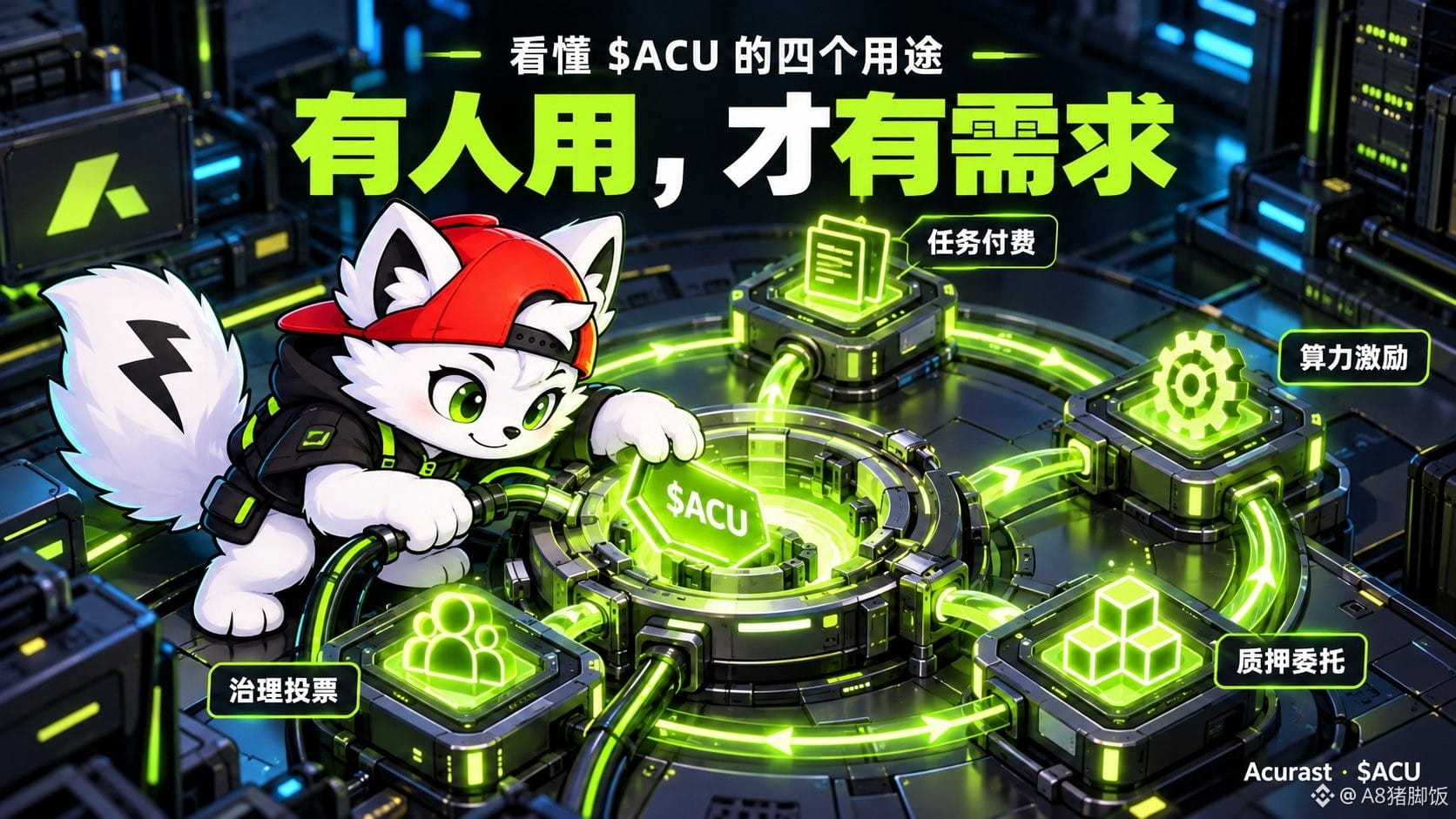
هذه الجزء يسهل نسبيًا فهمه: المطورون يدفعون بـ ACU مقابل تنفيذ المهام الحاسوبية عند نشرهم مهامًا؛ من يشغل Processor يحصل على مكافآت/حوافز؛ وحاملو العملات يمكنهم الرهن والتعهيد (الاستيثاق/التوكيل)، كما يمكنهم المشاركة في التصويت على حوكمة الشبكة.
أنا أفهم ACU باعتبارها مجموعة من طرق التسوية والتعاون التي تدور حول تشغيل قوة الحوسبة.
يُرسل المطورون المهام، وتوفّر الأجهزة الحسابات، ثم تقوم الشبكة بتوزيع المكافآت وفقًا للقواعد؛ وإذا تغيّرت القواعد، يُفصل فيها حاملو العملات عبر التصويت. كلما زاد عدد المستخدمين، زاد عدد مرات ظهور ACU ضمن هذه العملية.
كما أن Acurast قد نشر سابقًا بشكل علني توزيع ACU وخطة فكّ/إطلاقه وصلاحيات الحوكمة.
كما تذكر المواد الرسمية أن الشبكة لا تملك امتيازات متعددة التواقيع، وأي طرف لا يمكنه تعديل الأرصدة أو إعادة توجيه المكافآت بشكل خاص.
فيما بعد سأواصل متابعة حجم المهام ومدفوعات المطورين؛ هذان العاملان أكثر قيمة كإشارة مقارنةً بالزخم/الاهتمام قصير الأجل.
@Acurast
#Acurast #ACU #DePIN
غالبًا ما تسرد الكثير من المشاريع قائمة طويلة من استخدامات الرموز، لكن بعد قراءتها لا يزال المرء لا يعرف أين تتداول عادةً.
$ACU
هذه الجزء يسهل نسبيًا فهمه: المطورون يدفعون بـ ACU مقابل تنفيذ المهام الحاسوبية عند نشرهم مهامًا؛ من يشغل Processor يحصل على مكافآت/حوافز؛ وحاملو العملات يمكنهم الرهن والتعهيد (الاستيثاق/التوكيل)، كما يمكنهم المشاركة في التصويت على حوكمة الشبكة.
أنا أفهم ACU باعتبارها مجموعة من طرق التسوية والتعاون التي تدور حول تشغيل قوة الحوسبة.
يُرسل المطورون المهام، وتوفّر الأجهزة الحسابات، ثم تقوم الشبكة بتوزيع المكافآت وفقًا للقواعد؛ وإذا تغيّرت القواعد، يُفصل فيها حاملو العملات عبر التصويت. كلما زاد عدد المستخدمين، زاد عدد مرات ظهور ACU ضمن هذه العملية.
كما أن Acurast قد نشر سابقًا بشكل علني توزيع ACU وخطة فكّ/إطلاقه وصلاحيات الحوكمة.
كما تذكر المواد الرسمية أن الشبكة لا تملك امتيازات متعددة التواقيع، وأي طرف لا يمكنه تعديل الأرصدة أو إعادة توجيه المكافآت بشكل خاص.
فيما بعد سأواصل متابعة حجم المهام ومدفوعات المطورين؛ هذان العاملان أكثر قيمة كإشارة مقارنةً بالزخم/الاهتمام قصير الأجل.
@Acurast
#Acurast #ACU #DePIN
$ACU
هذه الجزء يسهل نسبيًا فهمه: المطورون يدفعون بـ ACU مقابل تنفيذ المهام الحاسوبية عند نشرهم مهامًا؛ من يشغل Processor يحصل على مكافآت/حوافز؛ وحاملو العملات يمكنهم الرهن والتعهيد (الاستيثاق/التوكيل)، كما يمكنهم المشاركة في التصويت على حوكمة الشبكة.
أنا أفهم ACU باعتبارها مجموعة من طرق التسوية والتعاون التي تدور حول تشغيل قوة الحوسبة.
يُرسل المطورون المهام، وتوفّر الأجهزة الحسابات، ثم تقوم الشبكة بتوزيع المكافآت وفقًا للقواعد؛ وإذا تغيّرت القواعد، يُفصل فيها حاملو العملات عبر التصويت. كلما زاد عدد المستخدمين، زاد عدد مرات ظهور ACU ضمن هذه العملية.
كما أن Acurast قد نشر سابقًا بشكل علني توزيع ACU وخطة فكّ/إطلاقه وصلاحيات الحوكمة.
كما تذكر المواد الرسمية أن الشبكة لا تملك امتيازات متعددة التواقيع، وأي طرف لا يمكنه تعديل الأرصدة أو إعادة توجيه المكافآت بشكل خاص.
فيما بعد سأواصل متابعة حجم المهام ومدفوعات المطورين؛ هذان العاملان أكثر قيمة كإشارة مقارنةً بالزخم/الاهتمام قصير الأجل.
@Acurast
#Acurast #ACU #DePIN
114

·
--
يكشف AirFly Drive عن عنق الزجاجة الحقيقي لـ $AR and $HNT: ربط الأجهزة القديمة بالشبكات الحديثة.
يرى معظم الناس هذه الأجهزة كأدوات بسيطة، لكنها تعمل كبوابات لتحويل الأجهزة المعزولة إلى عقد بيانات لا مركزية. راقب دعم واجهات برمجة التطبيقات مفتوحة المصدر. إنها الطريقة الوحيدة للتمييز بين البنية التحتية الحقيقية وألعاب المستهلكين المحاطة بجدران حدائق مسوّرة.
$AR $HNT #DePIN #Web3 #Infrastructure
يكشف AirFly Drive عن عنق الزجاجة الحقيقي لـ $AR and $HNT: ربط الأجهزة القديمة بالشبكات الحديثة.
يرى معظم الناس هذه الأجهزة كأدوات بسيطة، لكنها تعمل كبوابات لتحويل الأجهزة المعزولة إلى عقد بيانات لا مركزية. راقب دعم واجهات برمجة التطبيقات مفتوحة المصدر. إنها الطريقة الوحيدة للتمييز بين البنية التحتية الحقيقية وألعاب المستهلكين المحاطة بجدران حدائق مسوّرة.
$AR $HNT #DePIN #Web3 #Infrastructure
يرى معظم الناس هذه الأجهزة كأدوات بسيطة، لكنها تعمل كبوابات لتحويل الأجهزة المعزولة إلى عقد بيانات لا مركزية. راقب دعم واجهات برمجة التطبيقات مفتوحة المصدر. إنها الطريقة الوحيدة للتمييز بين البنية التحتية الحقيقية وألعاب المستهلكين المحاطة بجدران حدائق مسوّرة.
$AR $HNT #DePIN #Web3 #Infrastructure
552

انفجرت احتياجات الحوسبة، لكن الرمز هبط حتى صار بقايا — أكثر انحراف DePIN إحراجًاأغرب مشهد AI × Web3 هذا الربع: كلما توسع العمل أكثر، انخفضت العملة أكثر وبحدة.
ألقِ نظرة على الأرقام هنا في الحوسبة اللامركزية (DePIN):
• عرضت خلال النصف عام القادم ٦٠ ألف GPU جديدة في ١٨٠ دولة، لكن ما زالت لا توجد كفاية؛ أحمال عمل الذكاء الاصطناعي ارتفعت من أقل من 10% في 2024 إلى الآن 35–40%
• إيرادات الشبكة زادت بنسبة 75% على أساس ربع سنوي؛ قفزت إيرادات DePIN الإجمالية من 2025 إلى 2026 بنسبة 800%
• لكن RENDER وio.net للـ IO وAKT الخاص بـ Akash — جميعها تراجعت من أعلى مستوياتها بنسبة 94–99%
مع ارتفاع الاستخدام وزيادة الإيرادات ودخول طلبات الشركات، إلا أن سعر العملة ما يزال على القاع. أين المشكلة؟
انفجرت احتياجات الحوسبة، لكن الرمز هبط حتى صار بقايا — أكثر انحراف DePIN إحراجًا
أغرب مشهد AI × Web3 هذا الربع: كلما توسع العمل أكثر، انخفضت العملة أكثر وبحدة.
ألقِ نظرة على الأرقام هنا في الحوسبة اللامركزية (DePIN):
• عرضت خلال النصف عام القادم ٦٠ ألف GPU جديدة في ١٨٠ دولة، لكن ما زالت لا توجد كفاية؛ أحمال عمل الذكاء الاصطناعي ارتفعت من أقل من 10% في 2024 إلى الآن 35–40%
• إيرادات الشبكة زادت بنسبة 75% على أساس ربع سنوي؛ قفزت إيرادات DePIN الإجمالية من 2025 إلى 2026 بنسبة 800%
• لكن RENDER وio.net للـ IO وAKT الخاص بـ Akash — جميعها تراجعت من أعلى مستوياتها بنسبة 94–99%
مع ارتفاع الاستخدام وزيادة الإيرادات ودخول طلبات الشركات، إلا أن سعر العملة ما يزال على القاع. أين المشكلة؟
ألقِ نظرة على الأرقام هنا في الحوسبة اللامركزية (DePIN):
• عرضت خلال النصف عام القادم ٦٠ ألف GPU جديدة في ١٨٠ دولة، لكن ما زالت لا توجد كفاية؛ أحمال عمل الذكاء الاصطناعي ارتفعت من أقل من 10% في 2024 إلى الآن 35–40%
• إيرادات الشبكة زادت بنسبة 75% على أساس ربع سنوي؛ قفزت إيرادات DePIN الإجمالية من 2025 إلى 2026 بنسبة 800%
• لكن RENDER وio.net للـ IO وAKT الخاص بـ Akash — جميعها تراجعت من أعلى مستوياتها بنسبة 94–99%
مع ارتفاع الاستخدام وزيادة الإيرادات ودخول طلبات الشركات، إلا أن سعر العملة ما يزال على القاع. أين المشكلة؟
上天不杀梭哈之人:
IO有销毁回购了,虽然不多
1
1
378
⚡ إن الذروة القصوى للذكاء الاصطناعي ليست القدرة الحاسوبية، بل «شبكة الكهرباء»! هل يشهد عمال مناجم البيتكوين وDePIN تحوّلًا تاريخيًا؟
وقّعت مايكروسوفت من أجل تلبية احتياجات قدرة الذكاء الاصطناعي تعاقدًا لإعادة تشغيل محطة جزيرة ثري مايل، كما أن أمازون وGoogle تُسارعان بشكل محموم لشراء مفاعلات نووية، وقد صرّح جِن هوانغ (إيلونغ) بوضوح: «اختناق الذكاء الاصطناعي القادم القاتل ليس الشرائح، بل كمية توليد الكهرباء وحصص شبكة الكهرباء!»
عندما تواجه مراكز البيانات التقليدية المتكاملة عوائق في توسيع نطاقها بسبب موافقات شبكة الكهرباء، يدخل سوق العملات المشفرة مرحلة «هبوط بأفضل خبر/مكافأة مفاجئة» غير مسبوقة:
📌 تحليل 3 اتجاهات لتحويل القدرة الحاسوبية:
1️⃣ عمال مناجم $BTC تتحول فجأة إلى كنز مطلوب جدًا: مع وجود موافقات جاهزة على أحمال كهربائية كبيرة، ومساحات غرف تبريد للمناجم التقليدية، يتم تأجيرها الآن بأسعار مرتفعة من طرف عمالقة التكنولوجيا، لتتحول إلى مراكز حوسبة عالية الأداء (HPC) للذكاء الاصطناعي.
2️⃣ DePIN يكسر الإشكال بقدرة حوسبية على الحافة: عندما يتعذر بناء غرف خوادم مركزية كبيرة، مثل الشبكات اللامركزية التي تُدمج مباشرة موارد GPU المتفرقة غير المستغلة حول العالم مثل $RENDER و$TAO ، تصبح أفضل حل للمنشآت الصغيرة والمتوسطة لاستدعاء قدرة الحوسبة للاستدلال الفوري.
3️⃣ إعادة تسعير الطاقة والذكاء: من خلال السيادة على مستوى السلسلة الأساسية، لدفع نماذج مفتوحة المصدر وعُقدًا موزعة لمواجهة احتكار حفنة من أوليغارشية التكنولوجيا للقدرة الحاسوبية.
⚖️ جدل السوق:
▫️ يشككون في الأمر: إذ إن الاتصال والاتصالات في الحوسبة الموزعة يتسبب في تأخر كبير، ولا تزال عملية تدريب النماذج اللغوية الكبرى تعتمد على مجموعات سوبر-حاسوب فائقة.
▫️ والمتفائلون يرون: في المستقبل، ستكون 80% من إنفاق الذكاء الاصطناعي التجاري موجهة إلى الاستخدام اليومي «للاستدلال» وليس إلى ما قبل التدريب، والبنية الموزعة على الحافة هي الحل الوحيد الذي يحقق الفوز من ناحية التكلفة!
💬 ما رأيك؟
خلال هذه الدورة، هل تعتقد أن «الذكاء الاصطناعي + حوسبة/طاقة لا مركزية» سيتجاوز DeFi في الدورة السابقة، ليصبح أكبر موجة ازدهار لثراء مفاجئ في هذه الجولة؟ من بين $TAO و$RENDER ، ما هو أكبر مركز/استثمار لديك حاليًا؟👇 اترك رأيك في قسم التعليقات!
#AI #DePIN #BinanceSquare
⚡ إن الذروة القصوى للذكاء الاصطناعي ليست القدرة الحاسوبية، بل «شبكة الكهرباء»! هل يشهد عمال مناجم البيتكوين وDePIN تحوّلًا تاريخيًا؟
وقّعت مايكروسوفت من أجل تلبية احتياجات قدرة الذكاء الاصطناعي تعاقدًا لإعادة تشغيل محطة جزيرة ثري مايل، كما أن أمازون وGoogle تُسارعان بشكل محموم لشراء مفاعلات نووية، وقد صرّح جِن هوانغ (إيلونغ) بوضوح: «اختناق الذكاء الاصطناعي القادم القاتل ليس الشرائح، بل كمية توليد الكهرباء وحصص شبكة الكهرباء!»
عندما تواجه مراكز البيانات التقليدية المتكاملة عوائق في توسيع نطاقها بسبب موافقات شبكة الكهرباء، يدخل سوق العملات المشفرة مرحلة «هبوط بأفضل خبر/مكافأة مفاجئة» غير مسبوقة:
📌 تحليل 3 اتجاهات لتحويل القدرة الحاسوبية:
1️⃣ عمال مناجم $BTC تتحول فجأة إلى كنز مطلوب جدًا: مع وجود موافقات جاهزة على أحمال كهربائية كبيرة، ومساحات غرف تبريد للمناجم التقليدية، يتم تأجيرها الآن بأسعار مرتفعة من طرف عمالقة التكنولوجيا، لتتحول إلى مراكز حوسبة عالية الأداء (HPC) للذكاء الاصطناعي.
2️⃣ DePIN يكسر الإشكال بقدرة حوسبية على الحافة: عندما يتعذر بناء غرف خوادم مركزية كبيرة، مثل الشبكات اللامركزية التي تُدمج مباشرة موارد GPU المتفرقة غير المستغلة حول العالم مثل $RENDER و$TAO ، تصبح أفضل حل للمنشآت الصغيرة والمتوسطة لاستدعاء قدرة الحوسبة للاستدلال الفوري.
3️⃣ إعادة تسعير الطاقة والذكاء: من خلال السيادة على مستوى السلسلة الأساسية، لدفع نماذج مفتوحة المصدر وعُقدًا موزعة لمواجهة احتكار حفنة من أوليغارشية التكنولوجيا للقدرة الحاسوبية.
⚖️ جدل السوق:
▫️ يشككون في الأمر: إذ إن الاتصال والاتصالات في الحوسبة الموزعة يتسبب في تأخر كبير، ولا تزال عملية تدريب النماذج اللغوية الكبرى تعتمد على مجموعات سوبر-حاسوب فائقة.
▫️ والمتفائلون يرون: في المستقبل، ستكون 80% من إنفاق الذكاء الاصطناعي التجاري موجهة إلى الاستخدام اليومي «للاستدلال» وليس إلى ما قبل التدريب، والبنية الموزعة على الحافة هي الحل الوحيد الذي يحقق الفوز من ناحية التكلفة!
💬 ما رأيك؟
خلال هذه الدورة، هل تعتقد أن «الذكاء الاصطناعي + حوسبة/طاقة لا مركزية» سيتجاوز DeFi في الدورة السابقة، ليصبح أكبر موجة ازدهار لثراء مفاجئ في هذه الجولة؟ من بين $TAO و$RENDER ، ما هو أكبر مركز/استثمار لديك حاليًا؟👇 اترك رأيك في قسم التعليقات!
#AI #DePIN #BinanceSquare
وقّعت مايكروسوفت من أجل تلبية احتياجات قدرة الذكاء الاصطناعي تعاقدًا لإعادة تشغيل محطة جزيرة ثري مايل، كما أن أمازون وGoogle تُسارعان بشكل محموم لشراء مفاعلات نووية، وقد صرّح جِن هوانغ (إيلونغ) بوضوح: «اختناق الذكاء الاصطناعي القادم القاتل ليس الشرائح، بل كمية توليد الكهرباء وحصص شبكة الكهرباء!»
عندما تواجه مراكز البيانات التقليدية المتكاملة عوائق في توسيع نطاقها بسبب موافقات شبكة الكهرباء، يدخل سوق العملات المشفرة مرحلة «هبوط بأفضل خبر/مكافأة مفاجئة» غير مسبوقة:
📌 تحليل 3 اتجاهات لتحويل القدرة الحاسوبية:
1️⃣ عمال مناجم $BTC تتحول فجأة إلى كنز مطلوب جدًا: مع وجود موافقات جاهزة على أحمال كهربائية كبيرة، ومساحات غرف تبريد للمناجم التقليدية، يتم تأجيرها الآن بأسعار مرتفعة من طرف عمالقة التكنولوجيا، لتتحول إلى مراكز حوسبة عالية الأداء (HPC) للذكاء الاصطناعي.
2️⃣ DePIN يكسر الإشكال بقدرة حوسبية على الحافة: عندما يتعذر بناء غرف خوادم مركزية كبيرة، مثل الشبكات اللامركزية التي تُدمج مباشرة موارد GPU المتفرقة غير المستغلة حول العالم مثل $RENDER و$TAO ، تصبح أفضل حل للمنشآت الصغيرة والمتوسطة لاستدعاء قدرة الحوسبة للاستدلال الفوري.
3️⃣ إعادة تسعير الطاقة والذكاء: من خلال السيادة على مستوى السلسلة الأساسية، لدفع نماذج مفتوحة المصدر وعُقدًا موزعة لمواجهة احتكار حفنة من أوليغارشية التكنولوجيا للقدرة الحاسوبية.
⚖️ جدل السوق:
▫️ يشككون في الأمر: إذ إن الاتصال والاتصالات في الحوسبة الموزعة يتسبب في تأخر كبير، ولا تزال عملية تدريب النماذج اللغوية الكبرى تعتمد على مجموعات سوبر-حاسوب فائقة.
▫️ والمتفائلون يرون: في المستقبل، ستكون 80% من إنفاق الذكاء الاصطناعي التجاري موجهة إلى الاستخدام اليومي «للاستدلال» وليس إلى ما قبل التدريب، والبنية الموزعة على الحافة هي الحل الوحيد الذي يحقق الفوز من ناحية التكلفة!
💬 ما رأيك؟
خلال هذه الدورة، هل تعتقد أن «الذكاء الاصطناعي + حوسبة/طاقة لا مركزية» سيتجاوز DeFi في الدورة السابقة، ليصبح أكبر موجة ازدهار لثراء مفاجئ في هذه الجولة؟ من بين $TAO و$RENDER ، ما هو أكبر مركز/استثمار لديك حاليًا؟👇 اترك رأيك في قسم التعليقات!
#AI #DePIN #BinanceSquare
289
🔥 فجوة قدرة الحوسبة لدى عمالقة الذكاء الاصطناعي تتوسع بلا توقف! هل يمكن للحوسبة اللامركزية (DePIN) أن تلتقط هذه الدفعة من الثراء الفاحش؟
مع صدور نماذج الجيل الجديد تباعًا عن Google (Gemini 4 Argon) وOpenAI (Dots Agent مقيم، GPT-6.1)، تظهر الحاجة العالمية إلى قدرة استدلال GPU وكأنها تنفجر بنمو هائل على شكل متسلسل هندسي!
في ظل ضيق طاقة السحابة المركزية التقليدية (AWS، Azure) وارتفاع الإيجارات بشكلٍ قياسي، تتجدد الأنظار وتدفقات رأس المال نحو قطاع AI x DePIN (الحوسبة اللامركزية):
📌 تحليل لحظي لثلاثة أقطاب كبار:
1️⃣ $TAO (Bittensor): عبر آلية منافسة عبر الشبكات الفرعية، يتم تجميع النماذج والقدرة الحوسبية عالميًا، وما زالت تشغل موقعًا متقدمًا داخل مجال الاستدلال الذاتي.
2️⃣ $RENDER (Render Network): من نجاحها في مجال التصيير البحت إلى الانتقال إلى استدلال AI على شكل GPU موزع، أصبحت خيارًا شائعًا لتخفيف قلق الفرق الصغيرة والمتوسطة من نقص القدرة الحوسبية.
3️⃣ $FET (ASI تحالف): يركز على شبكة تعاون الوكلاء الذاتيين، وهو ما يصطدم تمامًا بموعد انطلاق “العاملات الذكية من نوع المقيم” الذي انفجر مؤخرًا في أوساط التكنولوجيا.
⚖️ حربٌ شرسة بين مدرستين في السوق:
▫️ اتجاه هابط: زمن تأخير العقد اللامركزية مرتفع، وخسائر اتصال الكتل كبيرة؛ وفي الوقت الحالي ما يزال أغلب الأمر “قصة أكبر من التطبيق الفعلي”، ولا يستطيع الصمود أمام التجمعات المركزية التي يقودها NVIDIA.
▫️ اتجاه صاعد: عندما يستحوذ مستقبلًا على تكاليف استدلال AI غالبية إيرادات الشركات، ستصبح عملية دمج موارد GPU غير المستغلة بشكل موزع هي الحل الوحيد لخفض التكاليف؛ والمساحة لتحقيق نمو بمقدار مئة ضعف لا تزال في بدايتها!
💬 ما رأيك؟
هل تعتقد أن الحوسبة اللامركزية قادرة فعلًا على قلب نموذج السحابة التقليدية؟ من بين $TAO و$RENDER و$FET ، أي واحد تتوقع أن يمتلك أقوى قوة انفجار على المدى الطويل حاليًا؟👇 اكتب في قسم التعليقات عن حصتك!
#AI #DePIN #BinanceSquare
🔥 فجوة قدرة الحوسبة لدى عمالقة الذكاء الاصطناعي تتوسع بلا توقف! هل يمكن للحوسبة اللامركزية (DePIN) أن تلتقط هذه الدفعة من الثراء الفاحش؟
مع صدور نماذج الجيل الجديد تباعًا عن Google (Gemini 4 Argon) وOpenAI (Dots Agent مقيم، GPT-6.1)، تظهر الحاجة العالمية إلى قدرة استدلال GPU وكأنها تنفجر بنمو هائل على شكل متسلسل هندسي!
في ظل ضيق طاقة السحابة المركزية التقليدية (AWS، Azure) وارتفاع الإيجارات بشكلٍ قياسي، تتجدد الأنظار وتدفقات رأس المال نحو قطاع AI x DePIN (الحوسبة اللامركزية):
📌 تحليل لحظي لثلاثة أقطاب كبار:
1️⃣ $TAO (Bittensor): عبر آلية منافسة عبر الشبكات الفرعية، يتم تجميع النماذج والقدرة الحوسبية عالميًا، وما زالت تشغل موقعًا متقدمًا داخل مجال الاستدلال الذاتي.
2️⃣ $RENDER (Render Network): من نجاحها في مجال التصيير البحت إلى الانتقال إلى استدلال AI على شكل GPU موزع، أصبحت خيارًا شائعًا لتخفيف قلق الفرق الصغيرة والمتوسطة من نقص القدرة الحوسبية.
3️⃣ $FET (ASI تحالف): يركز على شبكة تعاون الوكلاء الذاتيين، وهو ما يصطدم تمامًا بموعد انطلاق “العاملات الذكية من نوع المقيم” الذي انفجر مؤخرًا في أوساط التكنولوجيا.
⚖️ حربٌ شرسة بين مدرستين في السوق:
▫️ اتجاه هابط: زمن تأخير العقد اللامركزية مرتفع، وخسائر اتصال الكتل كبيرة؛ وفي الوقت الحالي ما يزال أغلب الأمر “قصة أكبر من التطبيق الفعلي”، ولا يستطيع الصمود أمام التجمعات المركزية التي يقودها NVIDIA.
▫️ اتجاه صاعد: عندما يستحوذ مستقبلًا على تكاليف استدلال AI غالبية إيرادات الشركات، ستصبح عملية دمج موارد GPU غير المستغلة بشكل موزع هي الحل الوحيد لخفض التكاليف؛ والمساحة لتحقيق نمو بمقدار مئة ضعف لا تزال في بدايتها!
💬 ما رأيك؟
هل تعتقد أن الحوسبة اللامركزية قادرة فعلًا على قلب نموذج السحابة التقليدية؟ من بين $TAO و$RENDER و$FET ، أي واحد تتوقع أن يمتلك أقوى قوة انفجار على المدى الطويل حاليًا؟👇 اكتب في قسم التعليقات عن حصتك!
#AI #DePIN #BinanceSquare
مع صدور نماذج الجيل الجديد تباعًا عن Google (Gemini 4 Argon) وOpenAI (Dots Agent مقيم، GPT-6.1)، تظهر الحاجة العالمية إلى قدرة استدلال GPU وكأنها تنفجر بنمو هائل على شكل متسلسل هندسي!
في ظل ضيق طاقة السحابة المركزية التقليدية (AWS، Azure) وارتفاع الإيجارات بشكلٍ قياسي، تتجدد الأنظار وتدفقات رأس المال نحو قطاع AI x DePIN (الحوسبة اللامركزية):
📌 تحليل لحظي لثلاثة أقطاب كبار:
1️⃣ $TAO (Bittensor): عبر آلية منافسة عبر الشبكات الفرعية، يتم تجميع النماذج والقدرة الحوسبية عالميًا، وما زالت تشغل موقعًا متقدمًا داخل مجال الاستدلال الذاتي.
2️⃣ $RENDER (Render Network): من نجاحها في مجال التصيير البحت إلى الانتقال إلى استدلال AI على شكل GPU موزع، أصبحت خيارًا شائعًا لتخفيف قلق الفرق الصغيرة والمتوسطة من نقص القدرة الحوسبية.
3️⃣ $FET (ASI تحالف): يركز على شبكة تعاون الوكلاء الذاتيين، وهو ما يصطدم تمامًا بموعد انطلاق “العاملات الذكية من نوع المقيم” الذي انفجر مؤخرًا في أوساط التكنولوجيا.
⚖️ حربٌ شرسة بين مدرستين في السوق:
▫️ اتجاه هابط: زمن تأخير العقد اللامركزية مرتفع، وخسائر اتصال الكتل كبيرة؛ وفي الوقت الحالي ما يزال أغلب الأمر “قصة أكبر من التطبيق الفعلي”، ولا يستطيع الصمود أمام التجمعات المركزية التي يقودها NVIDIA.
▫️ اتجاه صاعد: عندما يستحوذ مستقبلًا على تكاليف استدلال AI غالبية إيرادات الشركات، ستصبح عملية دمج موارد GPU غير المستغلة بشكل موزع هي الحل الوحيد لخفض التكاليف؛ والمساحة لتحقيق نمو بمقدار مئة ضعف لا تزال في بدايتها!
💬 ما رأيك؟
هل تعتقد أن الحوسبة اللامركزية قادرة فعلًا على قلب نموذج السحابة التقليدية؟ من بين $TAO و$RENDER و$FET ، أي واحد تتوقع أن يمتلك أقوى قوة انفجار على المدى الطويل حاليًا؟👇 اكتب في قسم التعليقات عن حصتك!
#AI #DePIN #BinanceSquare
1
374

·
--
مقالة
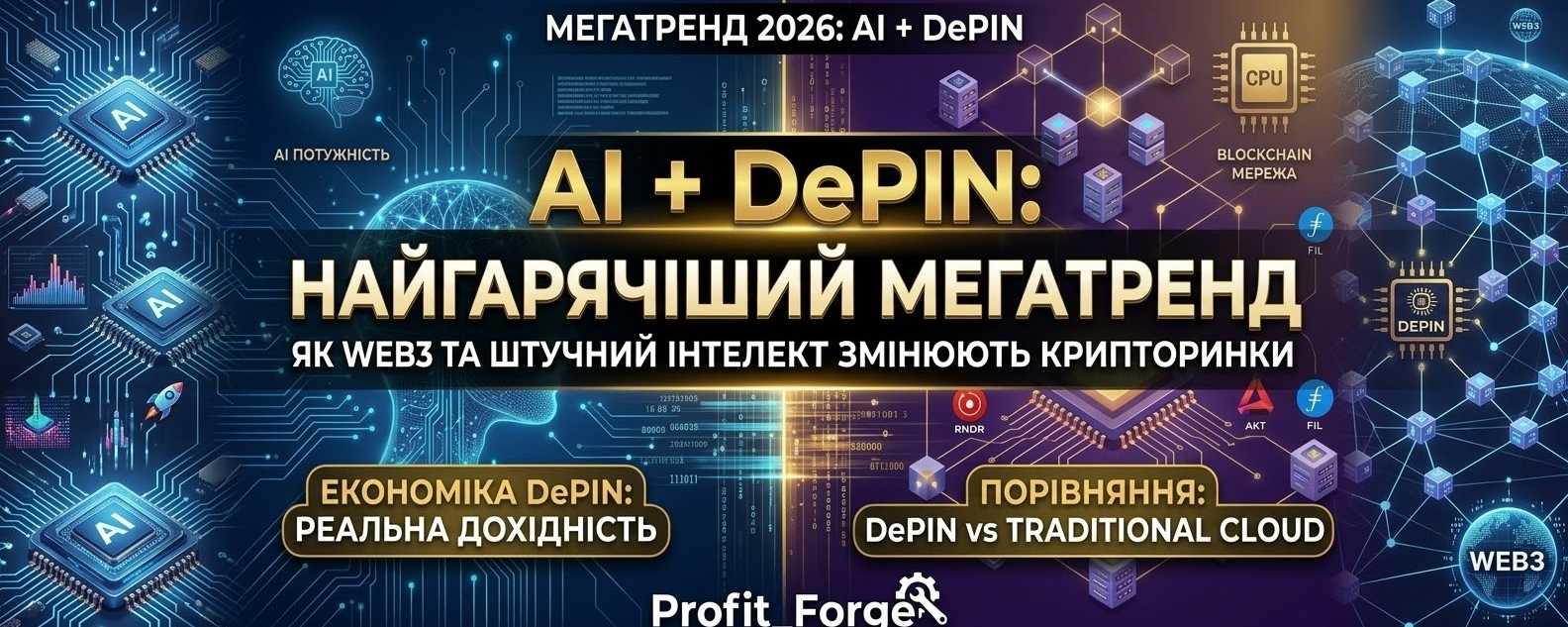
🤖 AI + DePIN: الاتجاه الفائق الرئيسي الذي يغيّر أسواق العملات المشفرة في عام 2026 🚀⚡مؤشرات القدرة الحوسبية في العالم تنمو بشكل أسي 📈، بينما يحتاج الذكاء الاصطناعي إلى موارد متزايدة باستمرار 🧠⚡. عند تقاطع الذكاء الاصطناعي وWeb3 وُلد قطاع قوي جديد — DePIN (الشبكات اللامركزية للبنية التحتية المادية) 🌐⚙️.
لم تعد هذه مجرد مفاهيم نظرية 📐، بل قدرات حوسبة حقيقية 💻، ومراكز بيانات 🏭 وشبكات لحفظ البيانات 📦 تعمل على البلوكشين!
🤖 AI + DePIN: الاتجاه الفائق الرئيسي الذي يغيّر أسواق العملات المشفرة في عام 2026 🚀⚡
مؤشرات القدرة الحوسبية في العالم تنمو بشكل أسي 📈، بينما يحتاج الذكاء الاصطناعي إلى موارد متزايدة باستمرار 🧠⚡. عند تقاطع الذكاء الاصطناعي وWeb3 وُلد قطاع قوي جديد — DePIN (الشبكات اللامركزية للبنية التحتية المادية) 🌐⚙️.
لم تعد هذه مجرد مفاهيم نظرية 📐، بل قدرات حوسبة حقيقية 💻، ومراكز بيانات 🏭 وشبكات لحفظ البيانات 📦 تعمل على البلوكشين!
لم تعد هذه مجرد مفاهيم نظرية 📐، بل قدرات حوسبة حقيقية 💻، ومراكز بيانات 🏭 وشبكات لحفظ البيانات 📦 تعمل على البلوكشين!
195

·
--
مقالة
عرض الترجمة
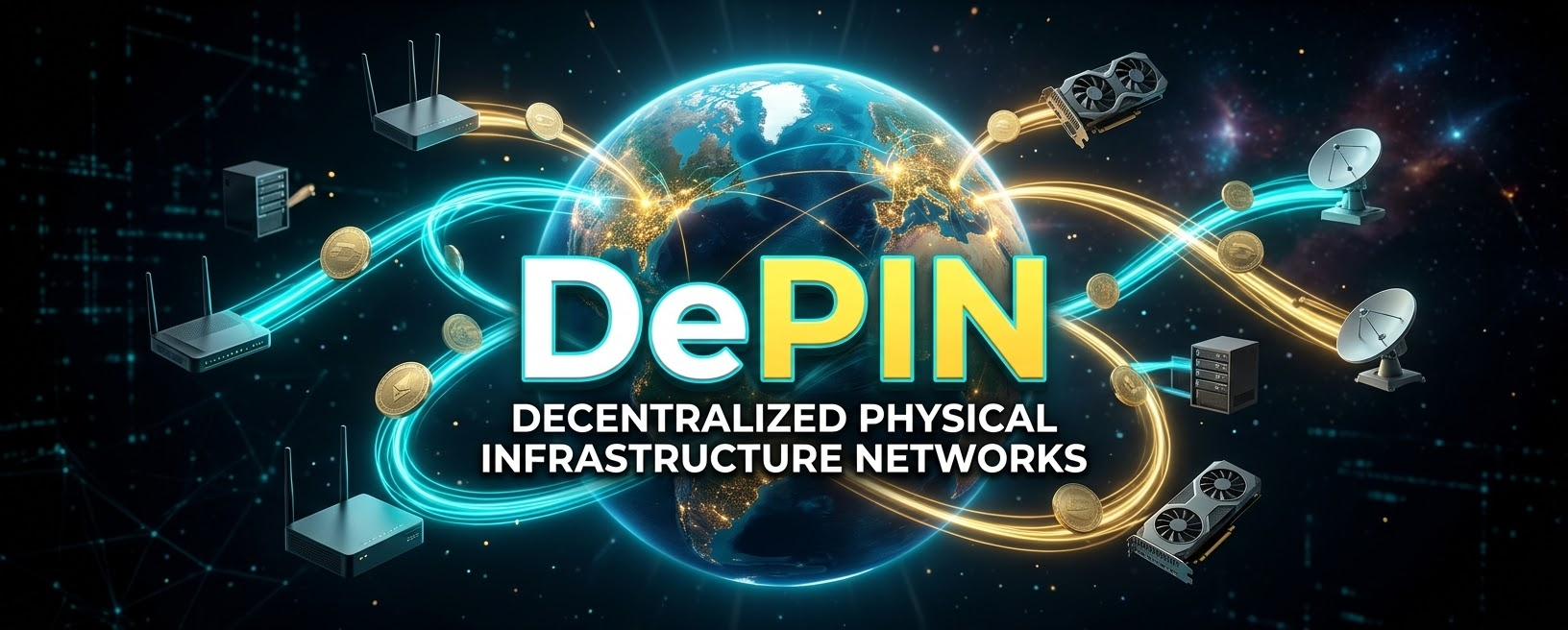
🌍 هل ستدفع لك ثلاجتك أو سيارتك بالكريبتو؟ دليلك لفهم ثورة الـ (DePIN) القادمة!طوال السنوات الماضية، كان الكريبتو محصوراً في الشاشات الرقمية والأكواد الافتراضية. لكن ماذا لو أخبرتك أن بإمكانك جني العملات الرقمية من خلال مشاركة مساحة التخزين الزائدة في حاسوبك، أو وضع جهاز إنترنت صغير في شرفتك، أو حتى من خلال كاميرا سيارتك أثناء القيادة؟
مرحباً بك في تريند الكريبتو الذي يلامس أرض الواقع: شبكات البنية التحتية المادية اللامركزية (DePIN).
1. ما هو الـ "DePIN" ببساطة؟ 🌐
اختصار لـ (Decentralized Physical Infrastructure Networks). تاريخياً، كانت الشركات العملاقة (مثل أمازون، جوجل، وشركات الاتصالات) هي وحدها من تحتكر بناء خوادم التخزين وشبكات الإنترنت وتجني تريليونات الدولارات منها.
تقنية (DePIN) تكسر هذا الاحتكار؛ فهي تسمح للأشخاص العاديين (مثلي ومثلك) بشراء أجهزة صغيرة وتشغيلها في منازلهم لبناء شبكة اتصالات أو تخزين عالمية ضخمة. ومقابل مساهمتك بـ "مواردك المادية"، تدفع لك الشبكة مكافآت مستمرة بعملتها الرقمية.
2. التشبيه الأبسط: "أوبر (Uber) للبنية التحتية" 🚗
قبل شركة "أوبر"، كانت شركات سيارات الأجرة تحتكر السوق بأسطولها الخاص. جاءت أوبر وقالت: "لماذا نشتري السيارات؟ لندع الناس العاديين يستخدمون سياراتهم الخاصة لنقل الركاب، وسنشاركهم الأرباح".
الـ (DePIN) هو "أوبر" ولكن لأبراج الاتصالات، الخوادم، وكروت الشاشة! بدلاً من أن تبني شركة خوادم ضخمة، تقوم أنت بتأجير مساحة من حاسوبك، أو توفير تغطية (Wi-Fi) للشارع الذي تسكن فيه، وتحصل على الكريبتو كأجرة.
3. لماذا يعتبر هذا التريند "الكأس المقدسة" للدورة القادمة؟ 🏆
المستثمرون الكبار يضخون المليارات هنا لسببين:
حل حقيقي وليس مجرد مضاربة: هذه المشاريع لا تعتمد على صور الميمز أو الضجة الإعلامية، بل تقدم خدمات ملموسة يحتاجها العالم (إنترنت، تخزين ملفات، خرائط، معالجة ذكاء اصطناعي).
النمو السريع والرخيص: بناء شبكة اتصالات بالطريقة التقليدية يكلف المليارات ويستغرق سنوات. مشاريع الـ DePIN (مثل Helium) تمكنت من بناء شبكات تغطي العالم في أشهر قليلة بفضل الحشود.
4. كيف تستثمر في هذا القطاع وتتجنب الفخاخ؟ 🛡️
يمكنك الاستفادة بطريقتين: الأولى هي تشغيل "الأجهزة" (Hardware) بنفسك إذا كانت مدعومة في منطقتك لجمع العملات مجاناً. والثانية هي الاستثمار المباشر في عملات أقوى مشاريع البنية التحتية (مثل Render لمعالجة الذكاء الاصطناعي، Filecoin للتخزين، و Helium للاتصالات).
احذر فقط من المشاريع التي تبيع أجهزة (Hardware) بأسعار مبالغ فيها جداً ولا تقدم عائداً حقيقياً يغطي تكلفتها.
لا شك أن دمج العالم المادي بالبلوكتشين سيمثل الجسر الذي سيعبر عليه "المليار مستخدم القادم" إلى عالم التشفير. الأجهزة التي نملكها ستتحول قريباً من مجرد جمادات تستهلك الكهرباء، إلى موظفين رقميين يجنون لنا المال!
ملاحظة: هذا المحتوى تعليمي بحت وليس نصيحة مالية.
#DePIN #Web3 #Helium #Crypto_Education #BinanceSquare #Crypton
🌍 هل ستدفع لك ثلاجتك أو سيارتك بالكريبتو؟ دليلك لفهم ثورة الـ (DePIN) القادمة!
طوال السنوات الماضية، كان الكريبتو محصوراً في الشاشات الرقمية والأكواد الافتراضية. لكن ماذا لو أخبرتك أن بإمكانك جني العملات الرقمية من خلال مشاركة مساحة التخزين الزائدة في حاسوبك، أو وضع جهاز إنترنت صغير في شرفتك، أو حتى من خلال كاميرا سيارتك أثناء القيادة؟
مرحباً بك في تريند الكريبتو الذي يلامس أرض الواقع: شبكات البنية التحتية المادية اللامركزية (DePIN).
1. ما هو الـ "DePIN" ببساطة؟ 🌐
اختصار لـ (Decentralized Physical Infrastructure Networks). تاريخياً، كانت الشركات العملاقة (مثل أمازون، جوجل، وشركات الاتصالات) هي وحدها من تحتكر بناء خوادم التخزين وشبكات الإنترنت وتجني تريليونات الدولارات منها.
تقنية (DePIN) تكسر هذا الاحتكار؛ فهي تسمح للأشخاص العاديين (مثلي ومثلك) بشراء أجهزة صغيرة وتشغيلها في منازلهم لبناء شبكة اتصالات أو تخزين عالمية ضخمة. ومقابل مساهمتك بـ "مواردك المادية"، تدفع لك الشبكة مكافآت مستمرة بعملتها الرقمية.
2. التشبيه الأبسط: "أوبر (Uber) للبنية التحتية" 🚗
قبل شركة "أوبر"، كانت شركات سيارات الأجرة تحتكر السوق بأسطولها الخاص. جاءت أوبر وقالت: "لماذا نشتري السيارات؟ لندع الناس العاديين يستخدمون سياراتهم الخاصة لنقل الركاب، وسنشاركهم الأرباح".
الـ (DePIN) هو "أوبر" ولكن لأبراج الاتصالات، الخوادم، وكروت الشاشة! بدلاً من أن تبني شركة خوادم ضخمة، تقوم أنت بتأجير مساحة من حاسوبك، أو توفير تغطية (Wi-Fi) للشارع الذي تسكن فيه، وتحصل على الكريبتو كأجرة.
3. لماذا يعتبر هذا التريند "الكأس المقدسة" للدورة القادمة؟ 🏆
المستثمرون الكبار يضخون المليارات هنا لسببين:
حل حقيقي وليس مجرد مضاربة: هذه المشاريع لا تعتمد على صور الميمز أو الضجة الإعلامية، بل تقدم خدمات ملموسة يحتاجها العالم (إنترنت، تخزين ملفات، خرائط، معالجة ذكاء اصطناعي).
النمو السريع والرخيص: بناء شبكة اتصالات بالطريقة التقليدية يكلف المليارات ويستغرق سنوات. مشاريع الـ DePIN (مثل Helium) تمكنت من بناء شبكات تغطي العالم في أشهر قليلة بفضل الحشود.
4. كيف تستثمر في هذا القطاع وتتجنب الفخاخ؟ 🛡️
يمكنك الاستفادة بطريقتين: الأولى هي تشغيل "الأجهزة" (Hardware) بنفسك إذا كانت مدعومة في منطقتك لجمع العملات مجاناً. والثانية هي الاستثمار المباشر في عملات أقوى مشاريع البنية التحتية (مثل Render لمعالجة الذكاء الاصطناعي، Filecoin للتخزين، و Helium للاتصالات).
احذر فقط من المشاريع التي تبيع أجهزة (Hardware) بأسعار مبالغ فيها جداً ولا تقدم عائداً حقيقياً يغطي تكلفتها.
لا شك أن دمج العالم المادي بالبلوكتشين سيمثل الجسر الذي سيعبر عليه "المليار مستخدم القادم" إلى عالم التشفير. الأجهزة التي نملكها ستتحول قريباً من مجرد جمادات تستهلك الكهرباء، إلى موظفين رقميين يجنون لنا المال!
ملاحظة: هذا المحتوى تعليمي بحت وليس نصيحة مالية.
#DePIN #Web3 #Helium #Crypto_Education #BinanceSquare #Crypton
مرحباً بك في تريند الكريبتو الذي يلامس أرض الواقع: شبكات البنية التحتية المادية اللامركزية (DePIN).
1. ما هو الـ "DePIN" ببساطة؟ 🌐
اختصار لـ (Decentralized Physical Infrastructure Networks). تاريخياً، كانت الشركات العملاقة (مثل أمازون، جوجل، وشركات الاتصالات) هي وحدها من تحتكر بناء خوادم التخزين وشبكات الإنترنت وتجني تريليونات الدولارات منها.
تقنية (DePIN) تكسر هذا الاحتكار؛ فهي تسمح للأشخاص العاديين (مثلي ومثلك) بشراء أجهزة صغيرة وتشغيلها في منازلهم لبناء شبكة اتصالات أو تخزين عالمية ضخمة. ومقابل مساهمتك بـ "مواردك المادية"، تدفع لك الشبكة مكافآت مستمرة بعملتها الرقمية.
2. التشبيه الأبسط: "أوبر (Uber) للبنية التحتية" 🚗
قبل شركة "أوبر"، كانت شركات سيارات الأجرة تحتكر السوق بأسطولها الخاص. جاءت أوبر وقالت: "لماذا نشتري السيارات؟ لندع الناس العاديين يستخدمون سياراتهم الخاصة لنقل الركاب، وسنشاركهم الأرباح".
الـ (DePIN) هو "أوبر" ولكن لأبراج الاتصالات، الخوادم، وكروت الشاشة! بدلاً من أن تبني شركة خوادم ضخمة، تقوم أنت بتأجير مساحة من حاسوبك، أو توفير تغطية (Wi-Fi) للشارع الذي تسكن فيه، وتحصل على الكريبتو كأجرة.
3. لماذا يعتبر هذا التريند "الكأس المقدسة" للدورة القادمة؟ 🏆
المستثمرون الكبار يضخون المليارات هنا لسببين:
حل حقيقي وليس مجرد مضاربة: هذه المشاريع لا تعتمد على صور الميمز أو الضجة الإعلامية، بل تقدم خدمات ملموسة يحتاجها العالم (إنترنت، تخزين ملفات، خرائط، معالجة ذكاء اصطناعي).
النمو السريع والرخيص: بناء شبكة اتصالات بالطريقة التقليدية يكلف المليارات ويستغرق سنوات. مشاريع الـ DePIN (مثل Helium) تمكنت من بناء شبكات تغطي العالم في أشهر قليلة بفضل الحشود.
4. كيف تستثمر في هذا القطاع وتتجنب الفخاخ؟ 🛡️
يمكنك الاستفادة بطريقتين: الأولى هي تشغيل "الأجهزة" (Hardware) بنفسك إذا كانت مدعومة في منطقتك لجمع العملات مجاناً. والثانية هي الاستثمار المباشر في عملات أقوى مشاريع البنية التحتية (مثل Render لمعالجة الذكاء الاصطناعي، Filecoin للتخزين، و Helium للاتصالات).
احذر فقط من المشاريع التي تبيع أجهزة (Hardware) بأسعار مبالغ فيها جداً ولا تقدم عائداً حقيقياً يغطي تكلفتها.
لا شك أن دمج العالم المادي بالبلوكتشين سيمثل الجسر الذي سيعبر عليه "المليار مستخدم القادم" إلى عالم التشفير. الأجهزة التي نملكها ستتحول قريباً من مجرد جمادات تستهلك الكهرباء، إلى موظفين رقميين يجنون لنا المال!
ملاحظة: هذا المحتوى تعليمي بحت وليس نصيحة مالية.
#DePIN #Web3 #Helium #Crypto_Education #BinanceSquare #Crypton
1
246

·
--
مقالة
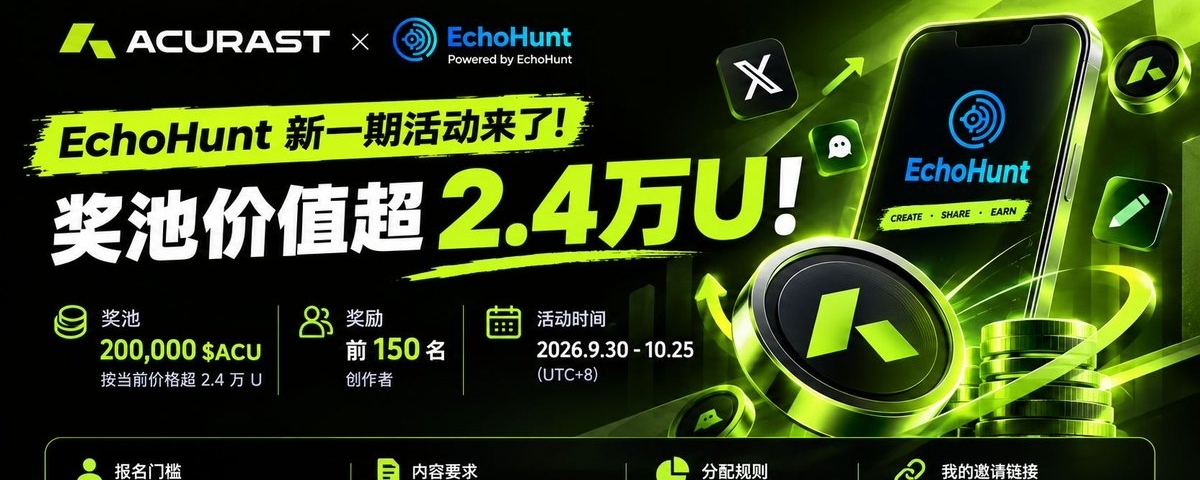
انطلقت نسخة جديدة من نشاط EchoHunt، وجائزة قيمتها أكثر من 24 ألف U! @Acurastنشاط منشئي Acurast × EchoHunt، جائزة قيمتها 200,000 $ACU، وبحسب السعر الحالي تتجاوز 24 ألف U، سيتم مكافأة أول 150 منشئًا.
الوقت هو من 30 سبتمبر 2026 إلى 25 أكتوبر (UTC+8).
العتبة أيضًا ليست عالية: XHunt العالمية ضمن أفضل 200K تأثيرًا، أو امتلاك شارة منشئ مُعتمد، يتيح لك التسجيل. يتم احتساب ما يصل إلى محتويين كحد أقصى أسبوعيًا، وتوجد مكافأة إضافية عند المزامنة إلى ساحة Binance.
ما يجب الانتباه إليه في هذه الحلقة هو أن الكتابة تشكل 60% فقط؛ والدعوات الفعالة تشكل 40%.
إذا كانت لديك هواتف محمولة غير مستخدمة، فأهلاً بك لاستخدام رابط دعوة الخاص بي:
hub.acurast.com/rebellion?ref=…
انطلقت نسخة جديدة من نشاط EchoHunt، وجائزة قيمتها أكثر من 24 ألف U! @Acurast
نشاط منشئي Acurast × EchoHunt، جائزة قيمتها 200,000 $ACU، وبحسب السعر الحالي تتجاوز 24 ألف U، سيتم مكافأة أول 150 منشئًا.
الوقت هو من 30 سبتمبر 2026 إلى 25 أكتوبر (UTC+8).
العتبة أيضًا ليست عالية: XHunt العالمية ضمن أفضل 200K تأثيرًا، أو امتلاك شارة منشئ مُعتمد، يتيح لك التسجيل. يتم احتساب ما يصل إلى محتويين كحد أقصى أسبوعيًا، وتوجد مكافأة إضافية عند المزامنة إلى ساحة Binance.
ما يجب الانتباه إليه في هذه الحلقة هو أن الكتابة تشكل 60% فقط؛ والدعوات الفعالة تشكل 40%.
إذا كانت لديك هواتف محمولة غير مستخدمة، فأهلاً بك لاستخدام رابط دعوة الخاص بي:
hub.acurast.com/rebellion?ref=…
الوقت هو من 30 سبتمبر 2026 إلى 25 أكتوبر (UTC+8).
العتبة أيضًا ليست عالية: XHunt العالمية ضمن أفضل 200K تأثيرًا، أو امتلاك شارة منشئ مُعتمد، يتيح لك التسجيل. يتم احتساب ما يصل إلى محتويين كحد أقصى أسبوعيًا، وتوجد مكافأة إضافية عند المزامنة إلى ساحة Binance.
ما يجب الانتباه إليه في هذه الحلقة هو أن الكتابة تشكل 60% فقط؛ والدعوات الفعالة تشكل 40%.
إذا كانت لديك هواتف محمولة غير مستخدمة، فأهلاً بك لاستخدام رابط دعوة الخاص بي:
hub.acurast.com/rebellion?ref=…
1
846

·
--
صاعد
$BLESS يجمع في بناء شبكة حوسبة لامركزية يمكن للمستخدمين من خلالها المساهمة بموارد الحوسبة لأجهزتهم في شبكة مشتركة.
الفكرة بسيطة: بدلًا من ترك موارد الحوسبة المتاحة دون استخدام، يهدف BLESS إلى ربطها وجعلها مفيدة للتطبيقات اللامركزية والأحمال الحوسبية.
ما يجعل المشروع مثيرًا للاهتمام هو تركيزه على تحويل الأجهزة اليومية إلى جزء من طبقة بنية تحتية موزعة.
🔹 حوسبة لامركزية
🔹 بنية تحتية مدعومة من المجتمع
🔹 فائدة واقعية في العالم الحقيقي
🔹 نظام Web3 البيئي ينمو
أنا أتابع كيف تتطور شبكة BLESS وكيف ينمو نظامها البيئي مع مرور الوقت.
ما رأيك في الحوسبة اللامركزية؟ 👇
$BLESS #Bless #BinanceSquare #Web3 #DePIN #crypto
$BLESS يجمع في بناء شبكة حوسبة لامركزية يمكن للمستخدمين من خلالها المساهمة بموارد الحوسبة لأجهزتهم في شبكة مشتركة.
الفكرة بسيطة: بدلًا من ترك موارد الحوسبة المتاحة دون استخدام، يهدف BLESS إلى ربطها وجعلها مفيدة للتطبيقات اللامركزية والأحمال الحوسبية.
ما يجعل المشروع مثيرًا للاهتمام هو تركيزه على تحويل الأجهزة اليومية إلى جزء من طبقة بنية تحتية موزعة.
🔹 حوسبة لامركزية
🔹 بنية تحتية مدعومة من المجتمع
🔹 فائدة واقعية في العالم الحقيقي
🔹 نظام Web3 البيئي ينمو
أنا أتابع كيف تتطور شبكة BLESS وكيف ينمو نظامها البيئي مع مرور الوقت.
ما رأيك في الحوسبة اللامركزية؟ 👇
$BLESS #Bless #BinanceSquare #Web3 #DePIN #crypto
الفكرة بسيطة: بدلًا من ترك موارد الحوسبة المتاحة دون استخدام، يهدف BLESS إلى ربطها وجعلها مفيدة للتطبيقات اللامركزية والأحمال الحوسبية.
ما يجعل المشروع مثيرًا للاهتمام هو تركيزه على تحويل الأجهزة اليومية إلى جزء من طبقة بنية تحتية موزعة.
🔹 حوسبة لامركزية
🔹 بنية تحتية مدعومة من المجتمع
🔹 فائدة واقعية في العالم الحقيقي
🔹 نظام Web3 البيئي ينمو
أنا أتابع كيف تتطور شبكة BLESS وكيف ينمو نظامها البيئي مع مرور الوقت.
ما رأيك في الحوسبة اللامركزية؟ 👇
$BLESS #Bless #BinanceSquare #Web3 #DePIN #crypto
371

·
--
صحيح جزئيًا
🚨 دخل عرض ترقية جديدة للتو
لقد فتحت Render Network تصويتًا حوكميًا لوحدة Mainnet Adapter وبروتوكول الترقية 28 Upgrade 1.
$BTC
{future}(BTCUSDT)
يهدف هذا الاقتراح إلى تحديث البنية التحتية الرئيسية للشبكة، وقد بدأ التصويت في 16 سبتمبر.
{future}(DOGEUSDT)
وفي الوقت نفسه، تواصل Render بناء بنية تحتية لا مركزية لوحدات GPU للعرض ثلاثي الأبعاد وأحمال العمل للذكاء الاصطناعي التوليدي، وربط المبدعين بسعة GPU موزعة.
هذه تستحق المتابعة لأنها تطور على مستوى الشبكة، وليست مجرد سردية مرتبطة بالذكاء الاصطناعي.
🚨 تحديث RENDER: يجري الآن انتقال ترقية بروتوكول جديدة عبر الحوكمة. اضغط على $RENDER setup أدناه 🫵🏻 وتحقق من أحدث التطورات على الشبكة.
$RENDER
.
.
{future}(RENDERUSDT)
.
.
.
#Render #DePIN #Write2Earn
🚨 دخل عرض ترقية جديدة للتو
لقد فتحت Render Network تصويتًا حوكميًا لوحدة Mainnet Adapter وبروتوكول الترقية 28 Upgrade 1.
$BTC
يهدف هذا الاقتراح إلى تحديث البنية التحتية الرئيسية للشبكة، وقد بدأ التصويت في 16 سبتمبر.
وفي الوقت نفسه، تواصل Render بناء بنية تحتية لا مركزية لوحدات GPU للعرض ثلاثي الأبعاد وأحمال العمل للذكاء الاصطناعي التوليدي، وربط المبدعين بسعة GPU موزعة.
هذه تستحق المتابعة لأنها تطور على مستوى الشبكة، وليست مجرد سردية مرتبطة بالذكاء الاصطناعي.
🚨 تحديث RENDER: يجري الآن انتقال ترقية بروتوكول جديدة عبر الحوكمة. اضغط على $RENDER setup أدناه 🫵🏻 وتحقق من أحدث التطورات على الشبكة.
$RENDER
.
.
.
.
.
#Render #DePIN #Write2Earn
لقد فتحت Render Network تصويتًا حوكميًا لوحدة Mainnet Adapter وبروتوكول الترقية 28 Upgrade 1.
$BTC
يهدف هذا الاقتراح إلى تحديث البنية التحتية الرئيسية للشبكة، وقد بدأ التصويت في 16 سبتمبر.
وفي الوقت نفسه، تواصل Render بناء بنية تحتية لا مركزية لوحدات GPU للعرض ثلاثي الأبعاد وأحمال العمل للذكاء الاصطناعي التوليدي، وربط المبدعين بسعة GPU موزعة.
هذه تستحق المتابعة لأنها تطور على مستوى الشبكة، وليست مجرد سردية مرتبطة بالذكاء الاصطناعي.
🚨 تحديث RENDER: يجري الآن انتقال ترقية بروتوكول جديدة عبر الحوكمة. اضغط على $RENDER setup أدناه 🫵🏻 وتحقق من أحدث التطورات على الشبكة.
$RENDER
.
.
.
.
.
#Render #DePIN #Write2Earn
714
·
--
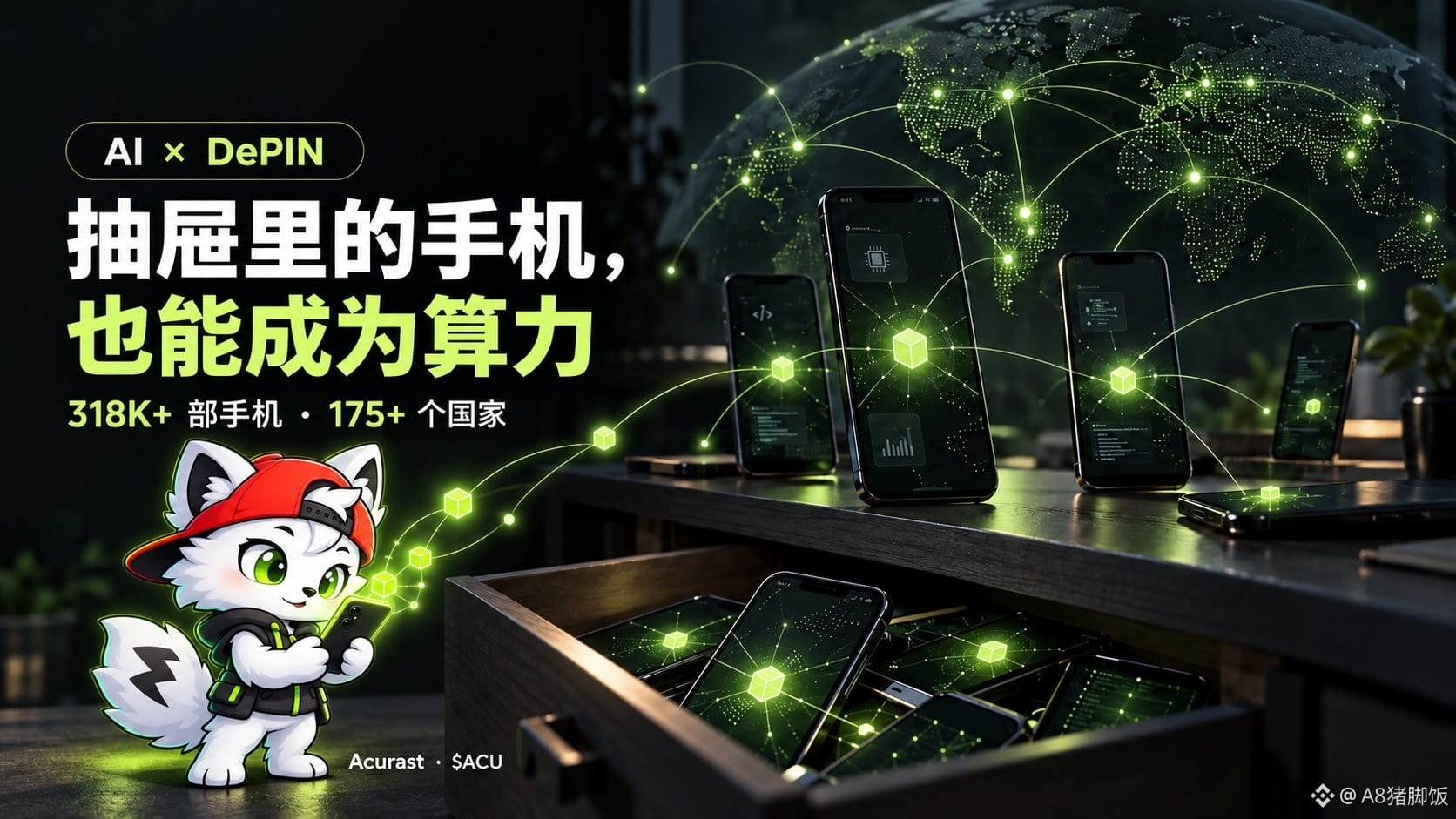
كنت أتابع Acurast مؤخرًا، وهناك نقطة واحدة أثارت دهشتي: ليس أنها تستهدف غرف الخوادم، بل تستهدف تلك الهواتف القديمة التي ما زالت صالحة الاستخدام والموجودة في أدراجنا.
إن احتياجات الحوسبة بالذكاء الاصطناعي في ارتفاع مستمر، لكن كثيرًا من المهام لا تتطلب وحدات GPU باهظة الثمن. يمكن للهواتف أيضًا المساهمة في مهام مثل استدلال النماذج الصغيرة، والسكربتات المجدولة، وخدمات الـAPI. ما تقوم به Acurast هو ربط هذه الأجهزة المتفرقة جميعها بشبكة حوسبة واحدة.
وحتى 29 سبتمبر، تُظهر صفحة Acurast الرسمية أن هناك أكثر من 318 ألف هاتف متصل بالشبكة، تغطي أكثر من 175 دولة؛
@Acurast
وقد سبق أن أعلنت X الرسمية أيضًا أن المعاملات على السلسلة تجاوزت 900 مليون. قد تستمر الأرقام في التغير، لكن على الأقل تُظهر أن "توفير الحوسبة عبر الهاتف" ليست مجرد فكرة موجودة في عرض شرائح.
خلال الأسابيع الأربعة المقبلة، سأواصل تفكيك
$ACU
واستخداماته، وقواعد المكافآت، وكيفية المشاركة فعليًا.
إذا كان لديك هاتف قديم غير مستخدم، فشغّله الآن سريعًا!
https://
hub.acurast.com/rebellion?ref=
ej5oez
…
#Acurast #DePIN
$ACU
كنت أتابع Acurast مؤخرًا، وهناك نقطة واحدة أثارت دهشتي: ليس أنها تستهدف غرف الخوادم، بل تستهدف تلك الهواتف القديمة التي ما زالت صالحة الاستخدام والموجودة في أدراجنا.
إن احتياجات الحوسبة بالذكاء الاصطناعي في ارتفاع مستمر، لكن كثيرًا من المهام لا تتطلب وحدات GPU باهظة الثمن. يمكن للهواتف أيضًا المساهمة في مهام مثل استدلال النماذج الصغيرة، والسكربتات المجدولة، وخدمات الـAPI. ما تقوم به Acurast هو ربط هذه الأجهزة المتفرقة جميعها بشبكة حوسبة واحدة.
وحتى 29 سبتمبر، تُظهر صفحة Acurast الرسمية أن هناك أكثر من 318 ألف هاتف متصل بالشبكة، تغطي أكثر من 175 دولة؛
@Acurast
وقد سبق أن أعلنت X الرسمية أيضًا أن المعاملات على السلسلة تجاوزت 900 مليون. قد تستمر الأرقام في التغير، لكن على الأقل تُظهر أن "توفير الحوسبة عبر الهاتف" ليست مجرد فكرة موجودة في عرض شرائح.
خلال الأسابيع الأربعة المقبلة، سأواصل تفكيك
$ACU
واستخداماته، وقواعد المكافآت، وكيفية المشاركة فعليًا.
إذا كان لديك هاتف قديم غير مستخدم، فشغّله الآن سريعًا!
https://
hub.acurast.com/rebellion?ref=
ej5oez
…
#Acurast #DePIN
$ACU
إن احتياجات الحوسبة بالذكاء الاصطناعي في ارتفاع مستمر، لكن كثيرًا من المهام لا تتطلب وحدات GPU باهظة الثمن. يمكن للهواتف أيضًا المساهمة في مهام مثل استدلال النماذج الصغيرة، والسكربتات المجدولة، وخدمات الـAPI. ما تقوم به Acurast هو ربط هذه الأجهزة المتفرقة جميعها بشبكة حوسبة واحدة.
وحتى 29 سبتمبر، تُظهر صفحة Acurast الرسمية أن هناك أكثر من 318 ألف هاتف متصل بالشبكة، تغطي أكثر من 175 دولة؛
@Acurast
وقد سبق أن أعلنت X الرسمية أيضًا أن المعاملات على السلسلة تجاوزت 900 مليون. قد تستمر الأرقام في التغير، لكن على الأقل تُظهر أن "توفير الحوسبة عبر الهاتف" ليست مجرد فكرة موجودة في عرض شرائح.
خلال الأسابيع الأربعة المقبلة، سأواصل تفكيك
$ACU
واستخداماته، وقواعد المكافآت، وكيفية المشاركة فعليًا.
إذا كان لديك هاتف قديم غير مستخدم، فشغّله الآن سريعًا!
https://
hub.acurast.com/rebellion?ref=
ej5oez
…
#Acurast #DePIN
$ACU
2
136

·
--
تدوير قطاع DePIN: هل يقوم مقدمو العطاءات المؤسسية بتجميع $FIL $RENDER OR $AKT NEXT؟ 🦈 ⚡
المال الذكي يقوم بشكل منهجي بتقييم سرد DePIN مع تلاقي الطلب الحاسوبي مع إعادة الاستحواذ على البنية السوقية. 📊 تكشف كتل الأوامر المؤسسية عبر $FIL ، $RENDER ، و$AKT reveal عن بصمات تجميع مميزة قرب عقد حجم تداول مرتفعة من الناحية البنيوية.
سواءً كان ذلك امتصاص إمدادات عقد العرض (render-node)، أو أوجه عدم الكفاءة في التخزين اللامركزي، أو تدفق أوامر الحوسبة السحابية، فإن رأس المال الذكي يتموضع قبل مرحلة التوسع الكلي التالية. 💡 تحديد أي توكن يحمل أفضل استعادة بنيوية (structural reclaim) هو أمر ضروري للتعرّض الأمثل بعد تعديل المخاطر.
💬 أي من إعدادات بنية DePIN الأساسية هذه يُظهر أقوى طلب مؤسسي على مخططاتك الآن؟ 👇
⚠️ ليست نصيحة مالية. دائمًا أدِر مخاطرك. 🛡️
🏷️ #DePIN #FIL #RENDER #AKT #Crypto
🎯 🦈
تدوير قطاع DePIN: هل يقوم مقدمو العطاءات المؤسسية بتجميع $FIL $RENDER OR $AKT NEXT؟ 🦈 ⚡
المال الذكي يقوم بشكل منهجي بتقييم سرد DePIN مع تلاقي الطلب الحاسوبي مع إعادة الاستحواذ على البنية السوقية. 📊 تكشف كتل الأوامر المؤسسية عبر $FIL ، $RENDER ، و$AKT reveal عن بصمات تجميع مميزة قرب عقد حجم تداول مرتفعة من الناحية البنيوية.
سواءً كان ذلك امتصاص إمدادات عقد العرض (render-node)، أو أوجه عدم الكفاءة في التخزين اللامركزي، أو تدفق أوامر الحوسبة السحابية، فإن رأس المال الذكي يتموضع قبل مرحلة التوسع الكلي التالية. 💡 تحديد أي توكن يحمل أفضل استعادة بنيوية (structural reclaim) هو أمر ضروري للتعرّض الأمثل بعد تعديل المخاطر.
💬 أي من إعدادات بنية DePIN الأساسية هذه يُظهر أقوى طلب مؤسسي على مخططاتك الآن؟ 👇
⚠️ ليست نصيحة مالية. دائمًا أدِر مخاطرك. 🛡️
🏷️ #DePIN #FIL #RENDER #AKT #Crypto
🎯 🦈
المال الذكي يقوم بشكل منهجي بتقييم سرد DePIN مع تلاقي الطلب الحاسوبي مع إعادة الاستحواذ على البنية السوقية. 📊 تكشف كتل الأوامر المؤسسية عبر $FIL ، $RENDER ، و$AKT reveal عن بصمات تجميع مميزة قرب عقد حجم تداول مرتفعة من الناحية البنيوية.
سواءً كان ذلك امتصاص إمدادات عقد العرض (render-node)، أو أوجه عدم الكفاءة في التخزين اللامركزي، أو تدفق أوامر الحوسبة السحابية، فإن رأس المال الذكي يتموضع قبل مرحلة التوسع الكلي التالية. 💡 تحديد أي توكن يحمل أفضل استعادة بنيوية (structural reclaim) هو أمر ضروري للتعرّض الأمثل بعد تعديل المخاطر.
💬 أي من إعدادات بنية DePIN الأساسية هذه يُظهر أقوى طلب مؤسسي على مخططاتك الآن؟ 👇
⚠️ ليست نصيحة مالية. دائمًا أدِر مخاطرك. 🛡️
🏷️ #DePIN #FIL #RENDER #AKT #Crypto
🎯 🦈
333
سجّل الدخول لاستكشاف المزيد من المُحتوى
انضم إلى مُستخدمي العملات الرقمية حول العالم على Binance Square
⚡️ احصل على أحدث المعلومات المفيدة عن العملات الرقمية.
💬 موثوقة من قبل أكبر منصّة لتداول العملات الرقمية في العالم.
👍 اكتشف الرؤى الحقيقية من صنّاع المُحتوى الموثوقين.
البريد الإلكتروني / رقم الهاتف
المواضيع الرائجة
1
#ZcashETFPostsFirstWeeklyOutflow$93.6M
50,117 مشاهدات
148 يقومون بالنقاش
2
#GreekPoliceBustCryptoScamRingArrest17
140,193 مشاهدات
989 يقومون بالنقاش
3
#BitcoinRejectedAt$87K
148,712 مشاهدات
203 يقومون بالنقاش
4
#FedOctoberRateHikeOddsFallTo17%
167,948 مشاهدات
1,203 يقومون بالنقاش
5
#NvidiaHitsRecordHighUp2.4%
124,087 مشاهدات
869 يقومون بالنقاش
6
#CanaryFilesAmendedS1ForPEPEETF
31,346 مشاهدات
598 يقومون بالنقاش
7
#BitcoinParesGainsAfterRallyTo$86.5K
53,740 مشاهدات
170 يقومون بالنقاش
8
#CerebrasSinksNearly20%OnReportNvidiaToPowerOpenAI
138,699 مشاهدات
1,213 يقومون بالنقاش
9
#SECProposesCryptoCustodyRules
190,330 مشاهدات
1,489 يقومون بالنقاش
10
#SECApproves3xLongCryptoCommodityETPs
87,211 مشاهدات
742 يقومون بالنقاش